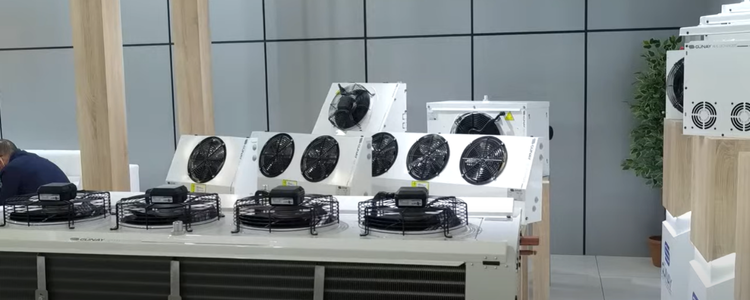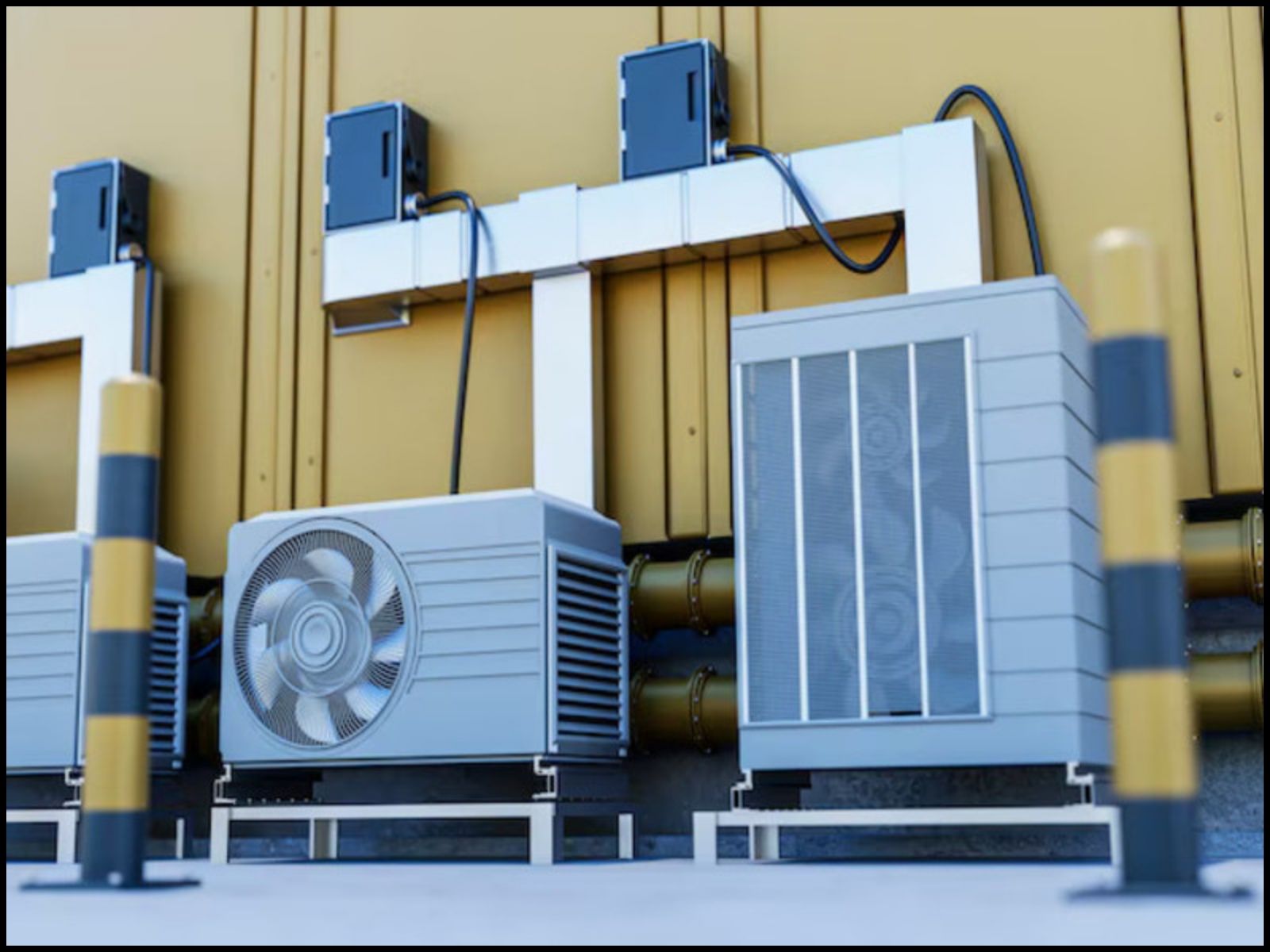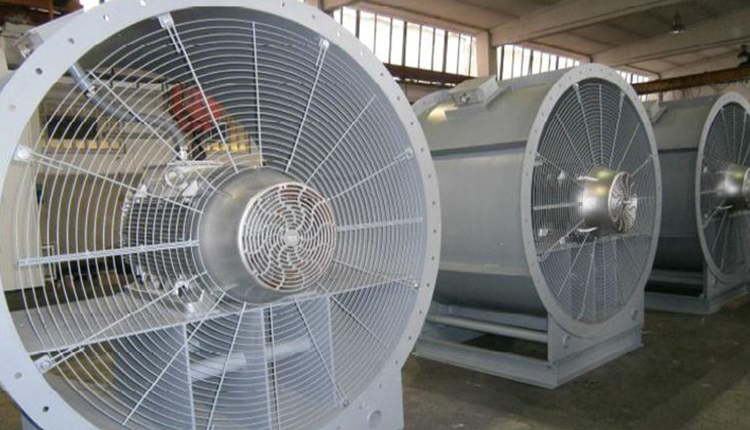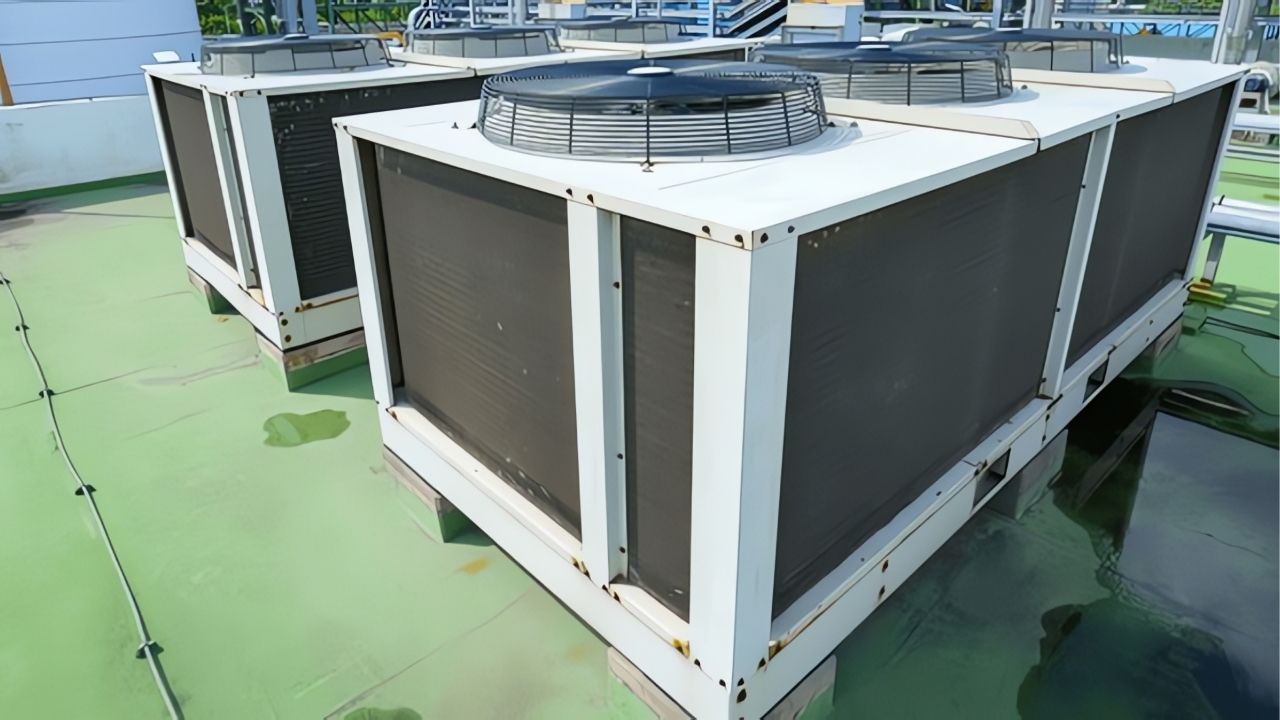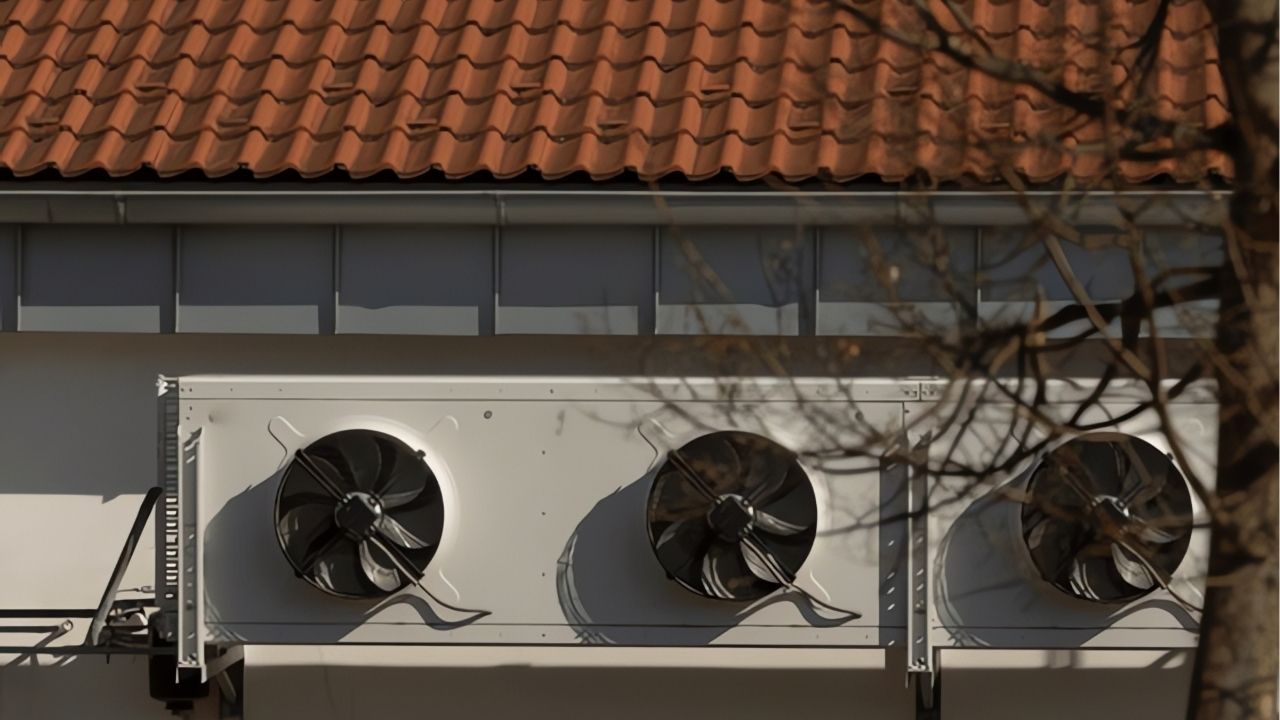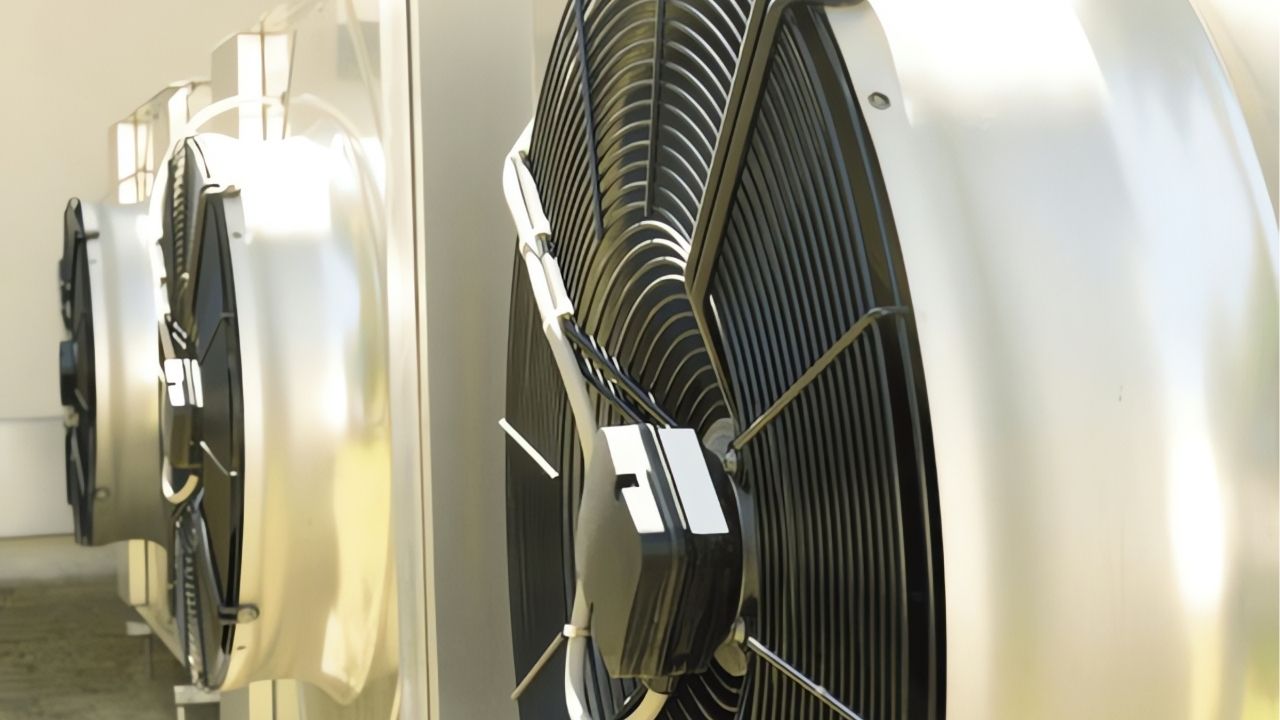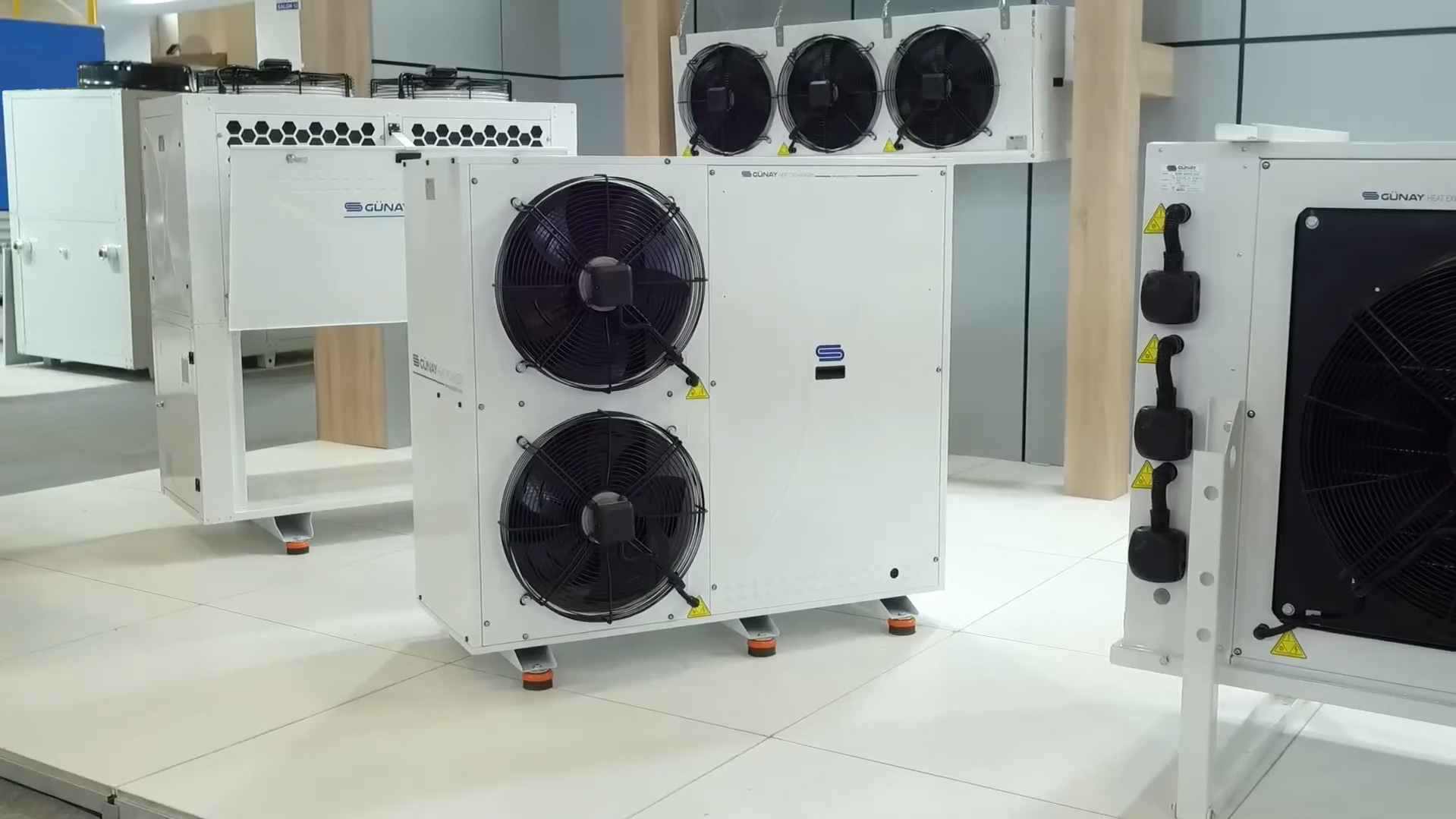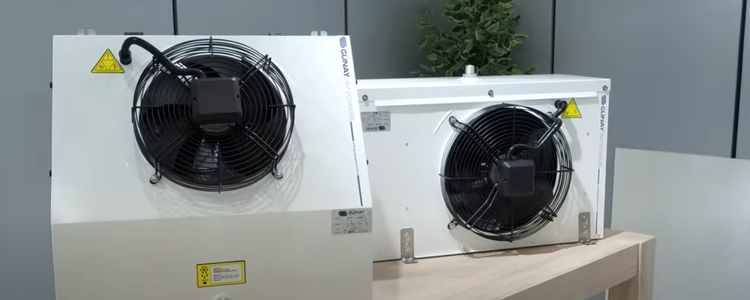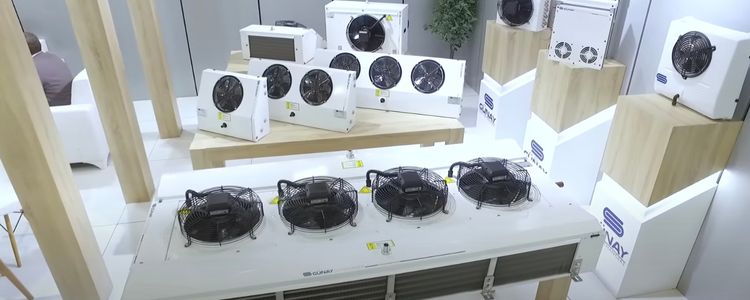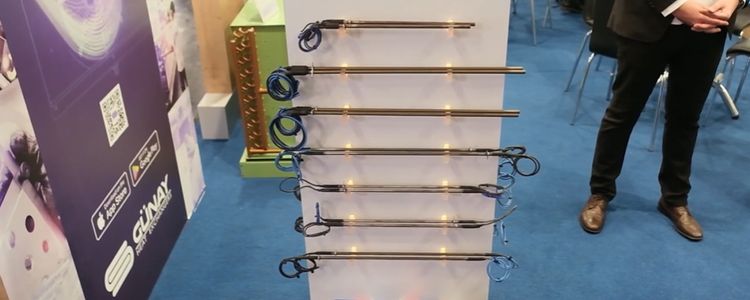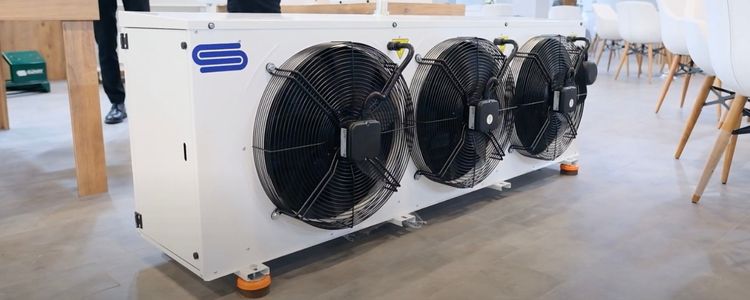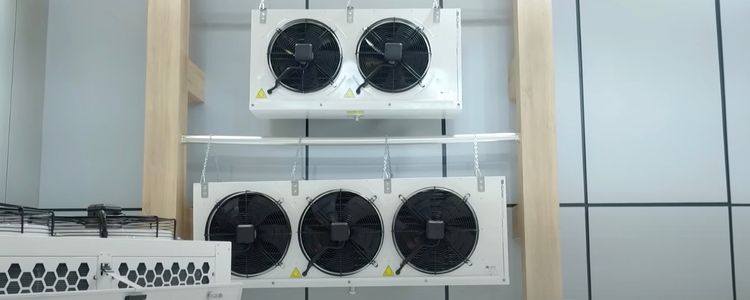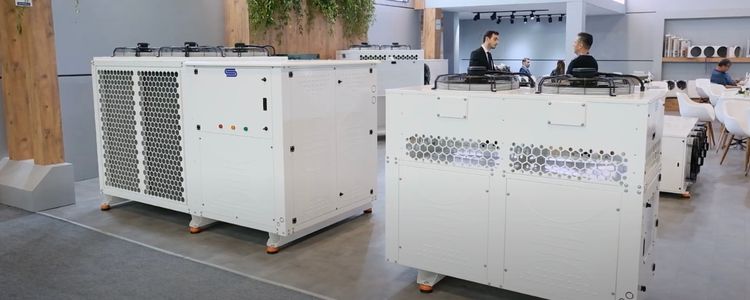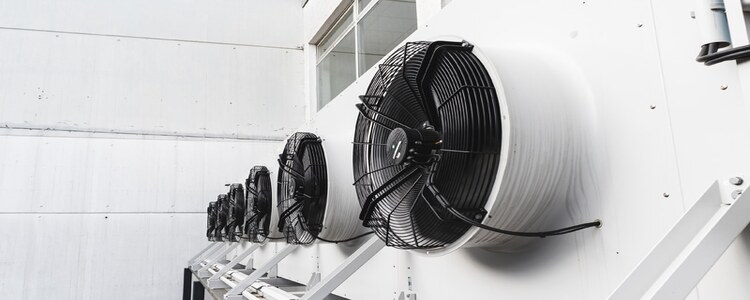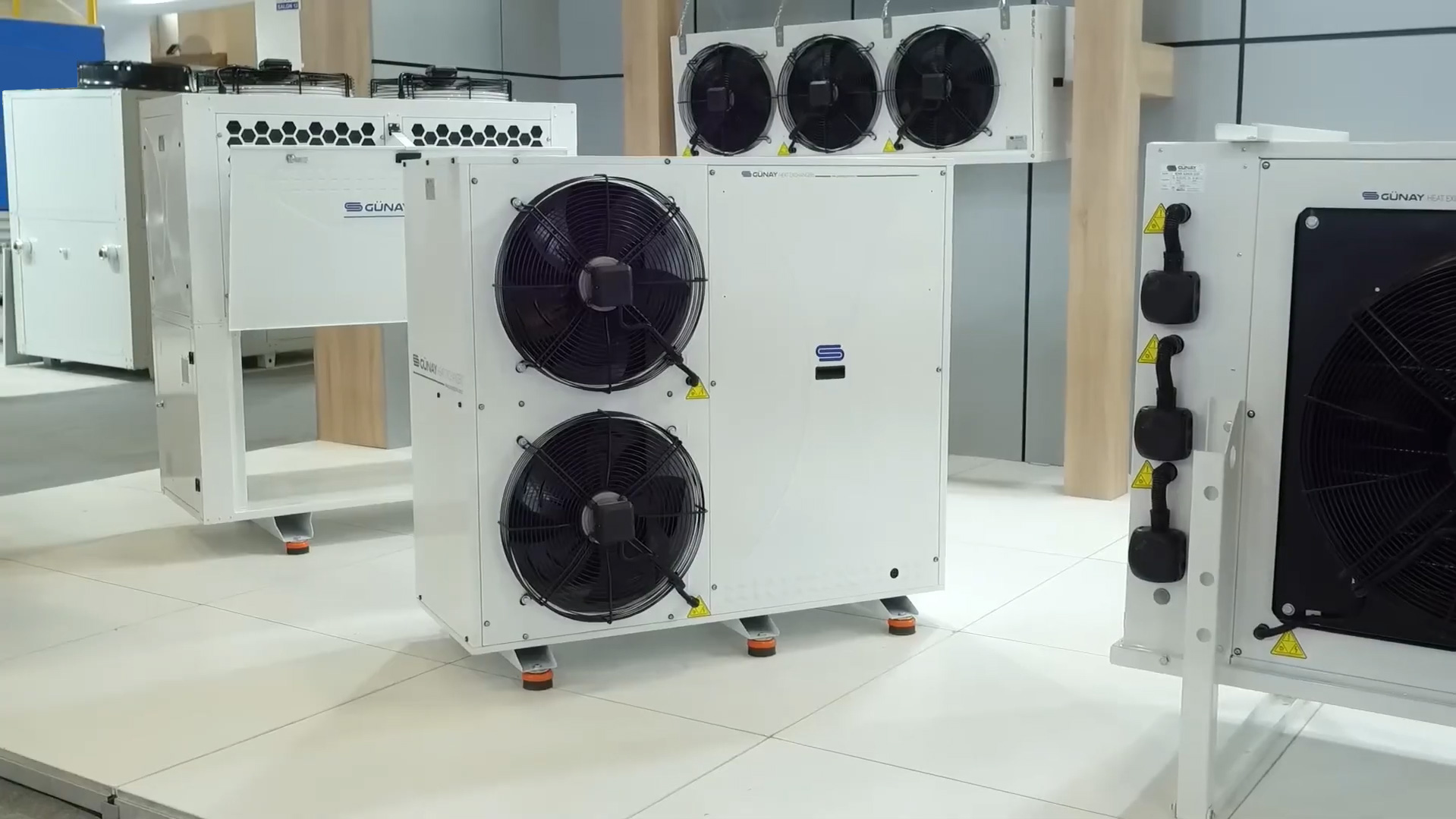


The performance of a supermarket display cooler depends on more than its appearance or size. The evaporator removes heat from the display space, while the condenser rejects heat from the refrigeration system. Both affect temperature control and system operation. This article focuses on selecting these refrigeration components rather than choosing the complete display cabinet.
Table of Contents
- What Do the Evaporator and Condenser Do in a Display Cooler System?
- What Information Determines Evaporator Capacity?
- Why Do Airflow and Installation Matter?
- Which Conditions Matter When Selecting a Condenser?
- How Should Defrost and Maintenance Be Considered?
- What Information Is Needed for a Technical Assessment?
- Frequently Asked Questions
What Do the Evaporator and Condenser Do in a Display Cooler System?
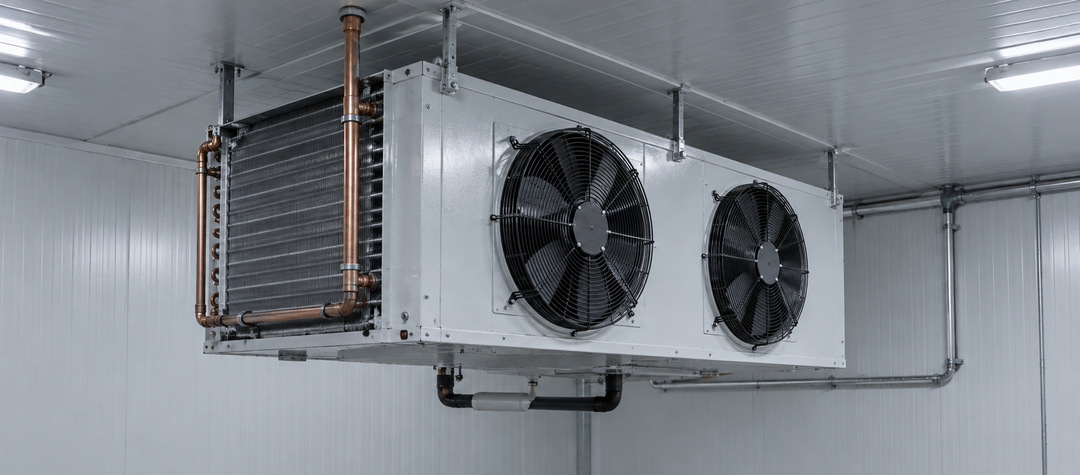
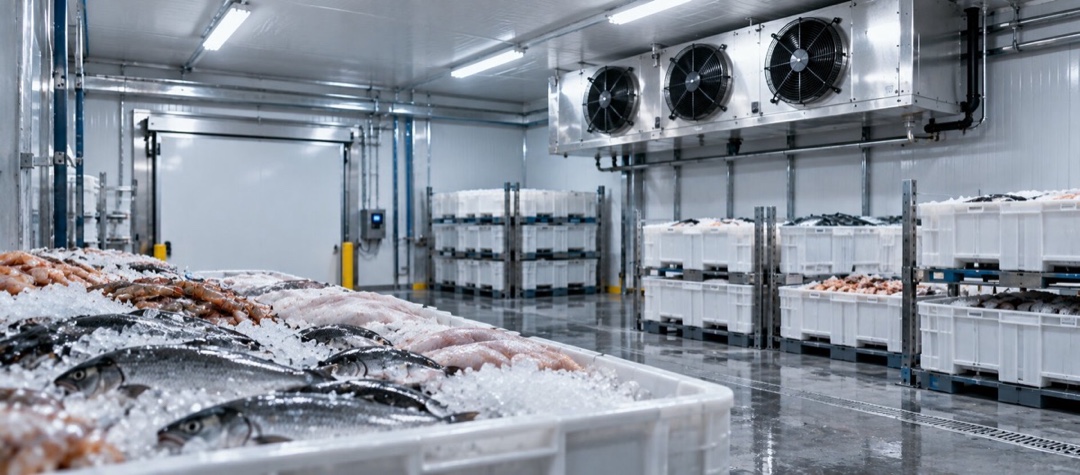
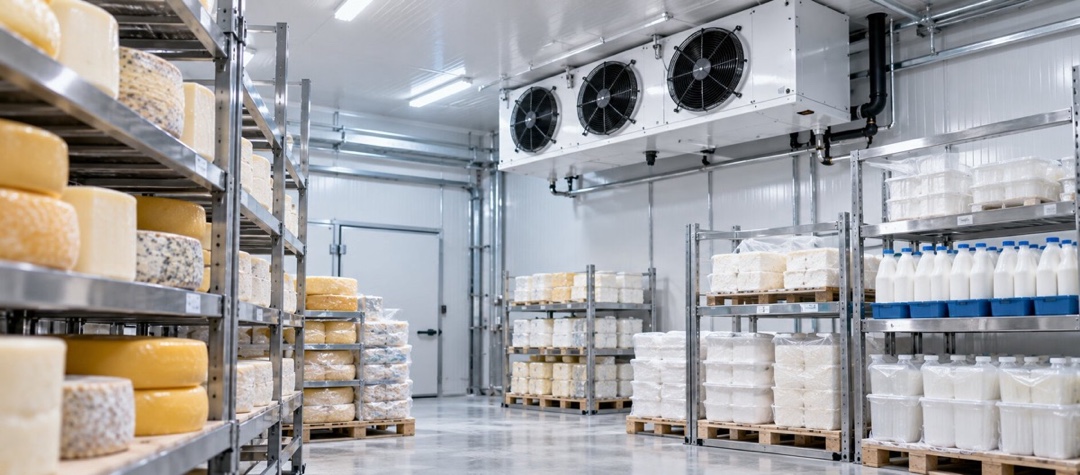
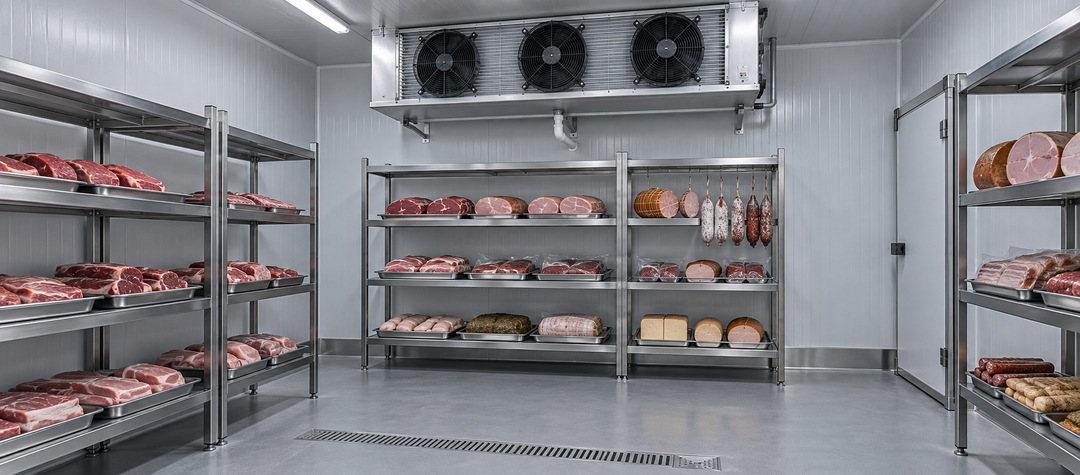
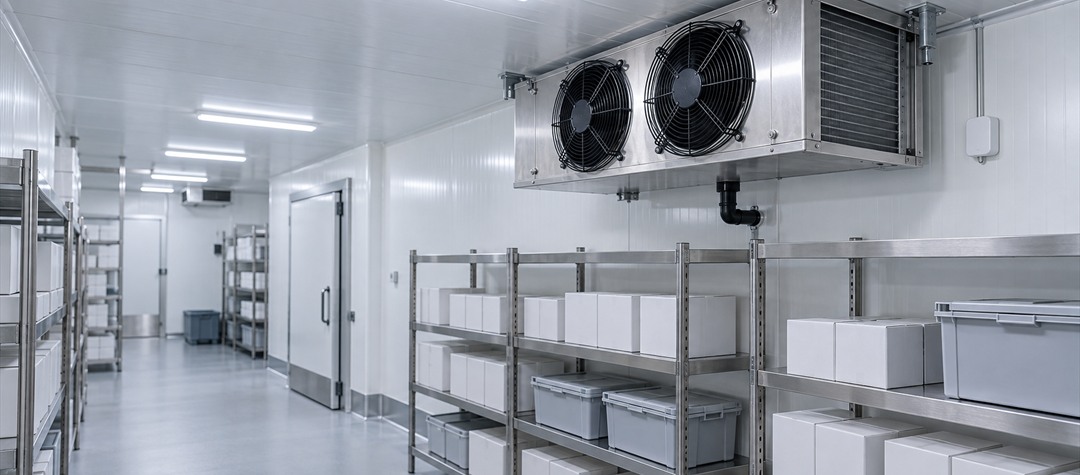
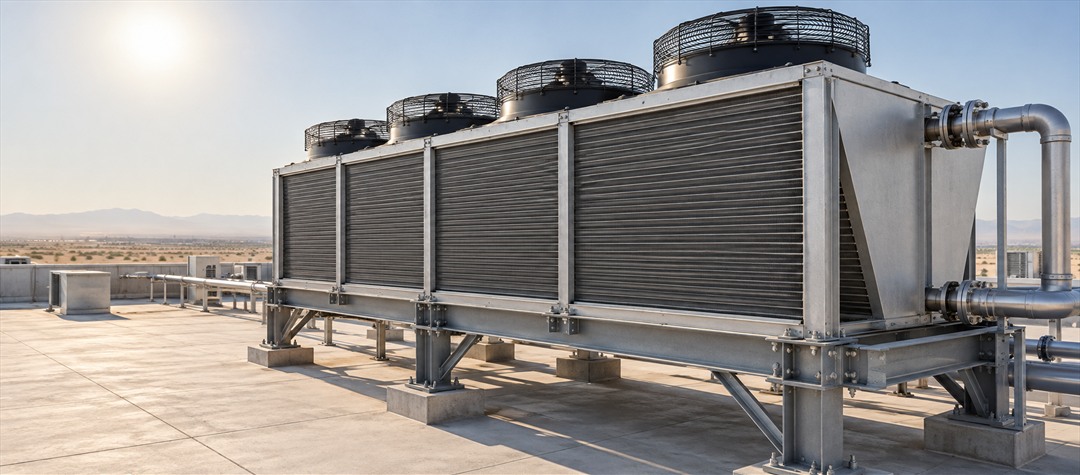
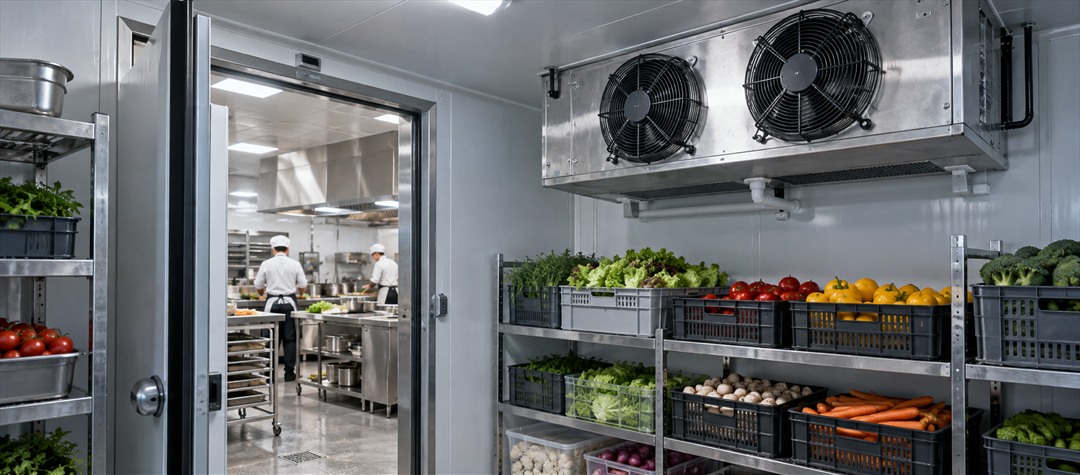
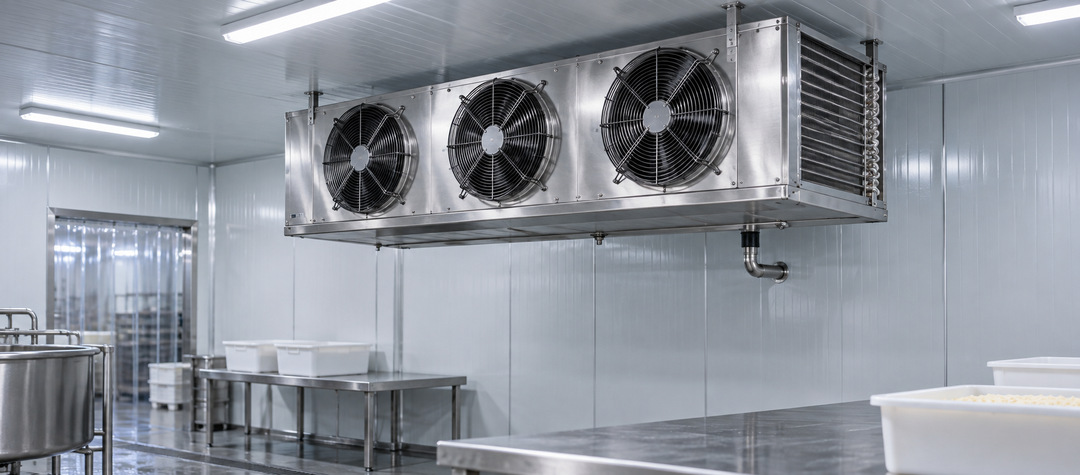
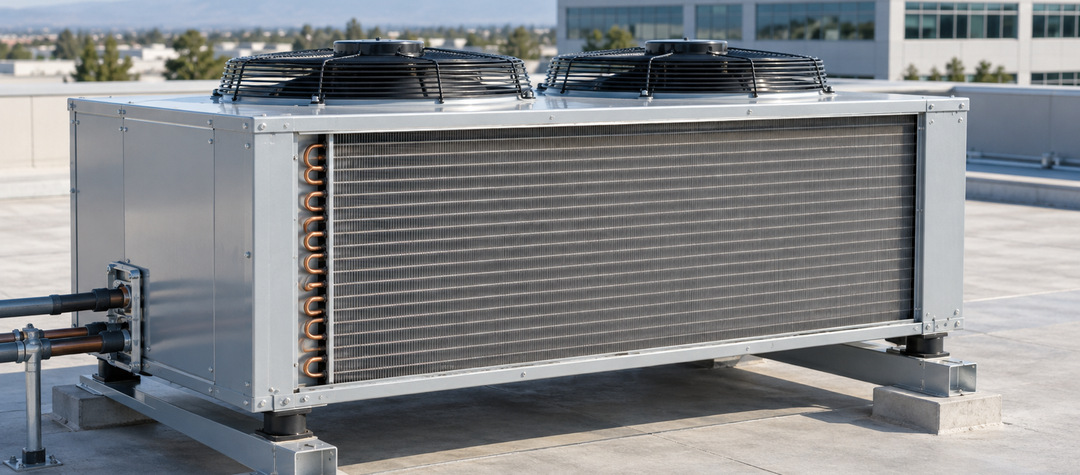
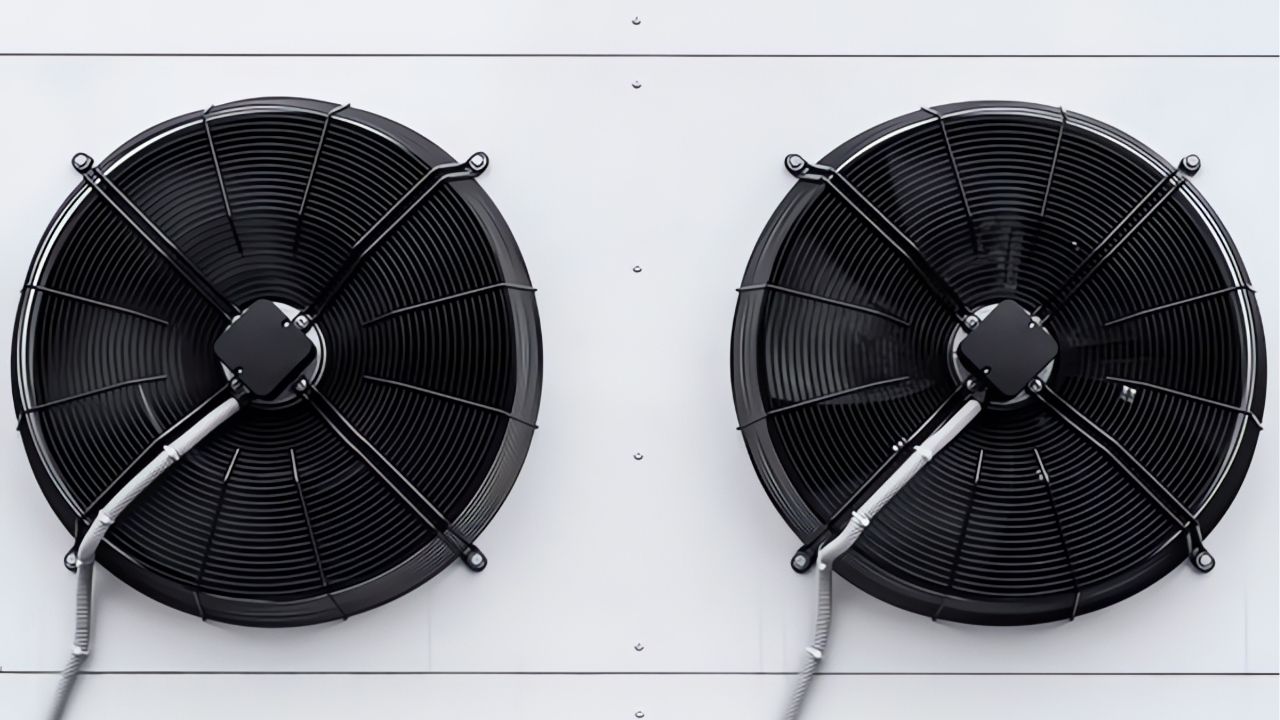
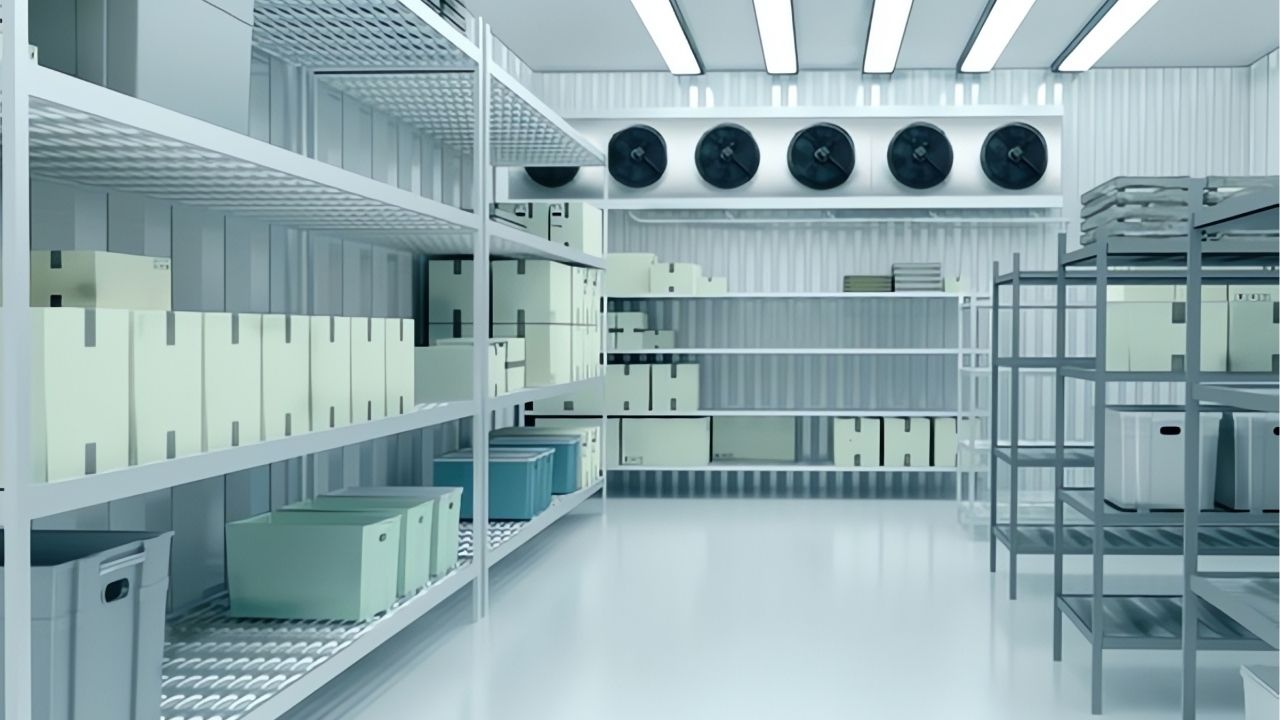
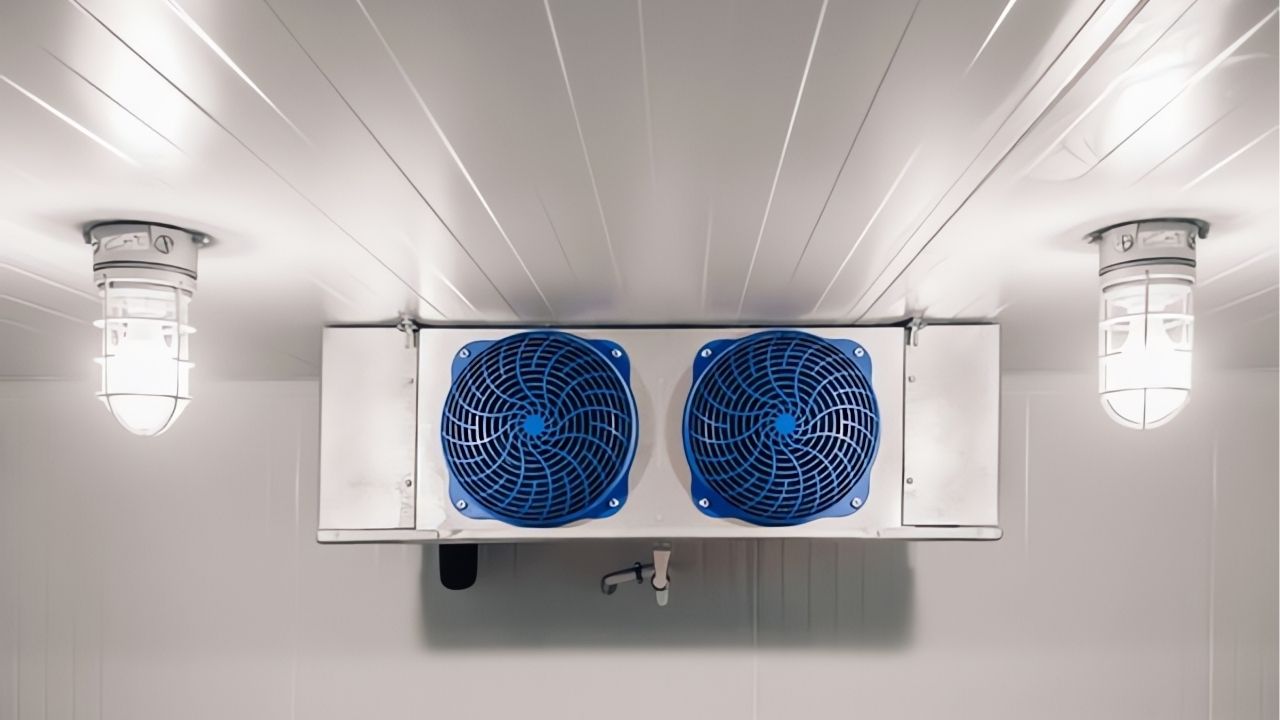
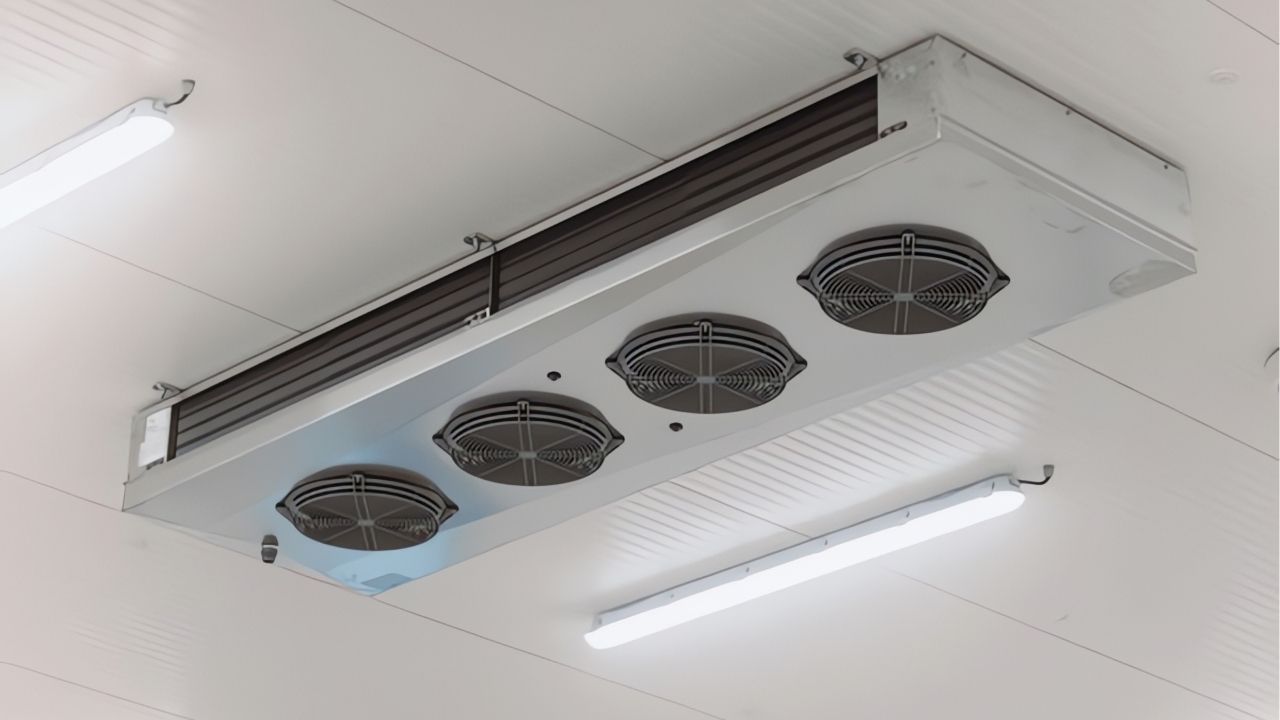
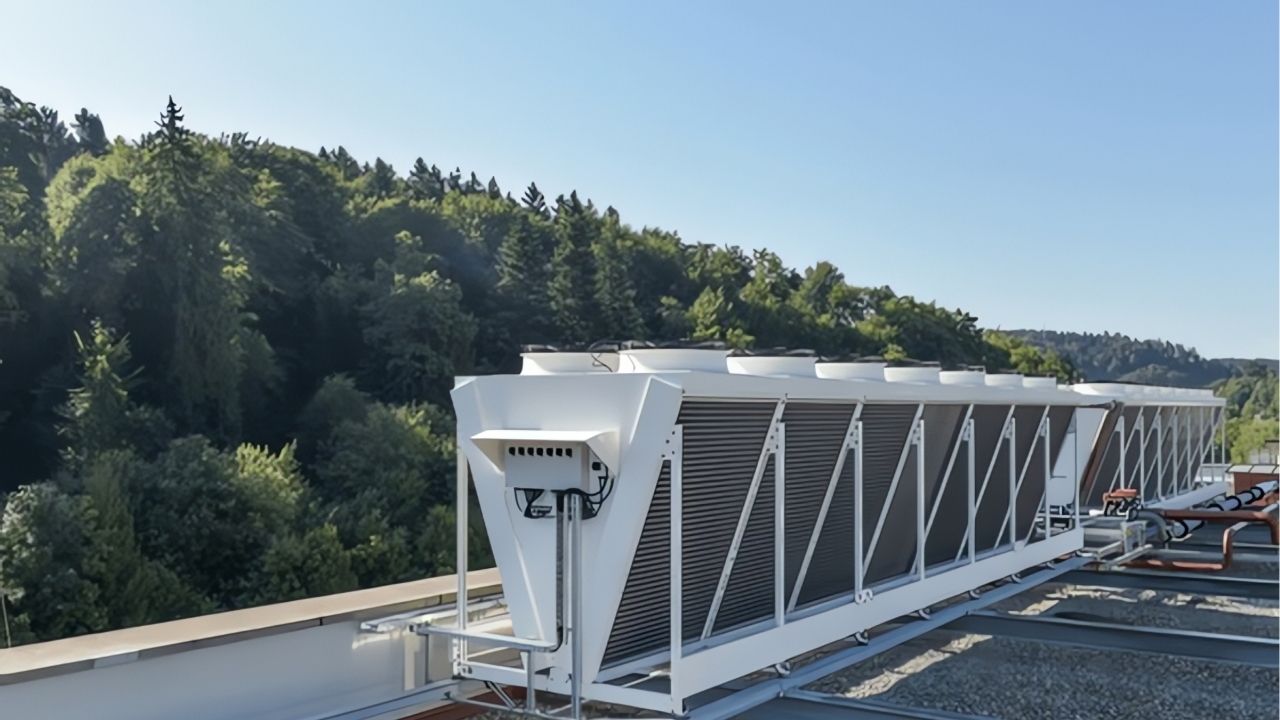
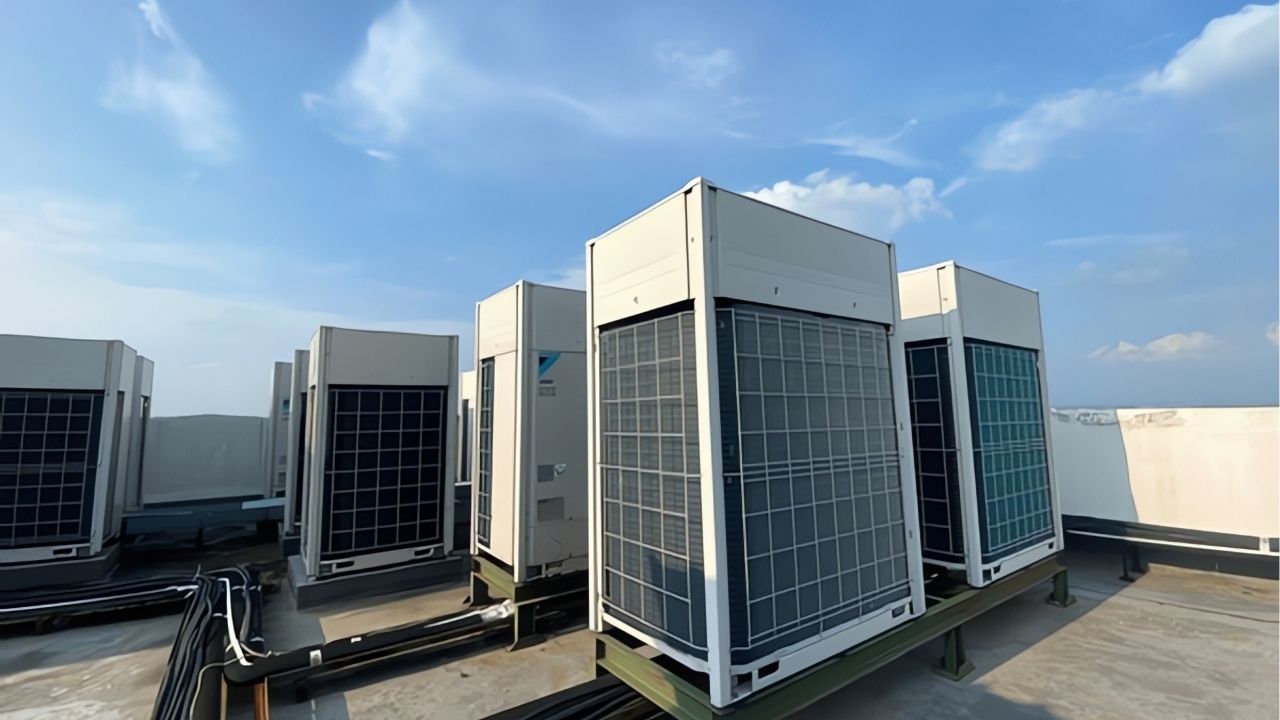
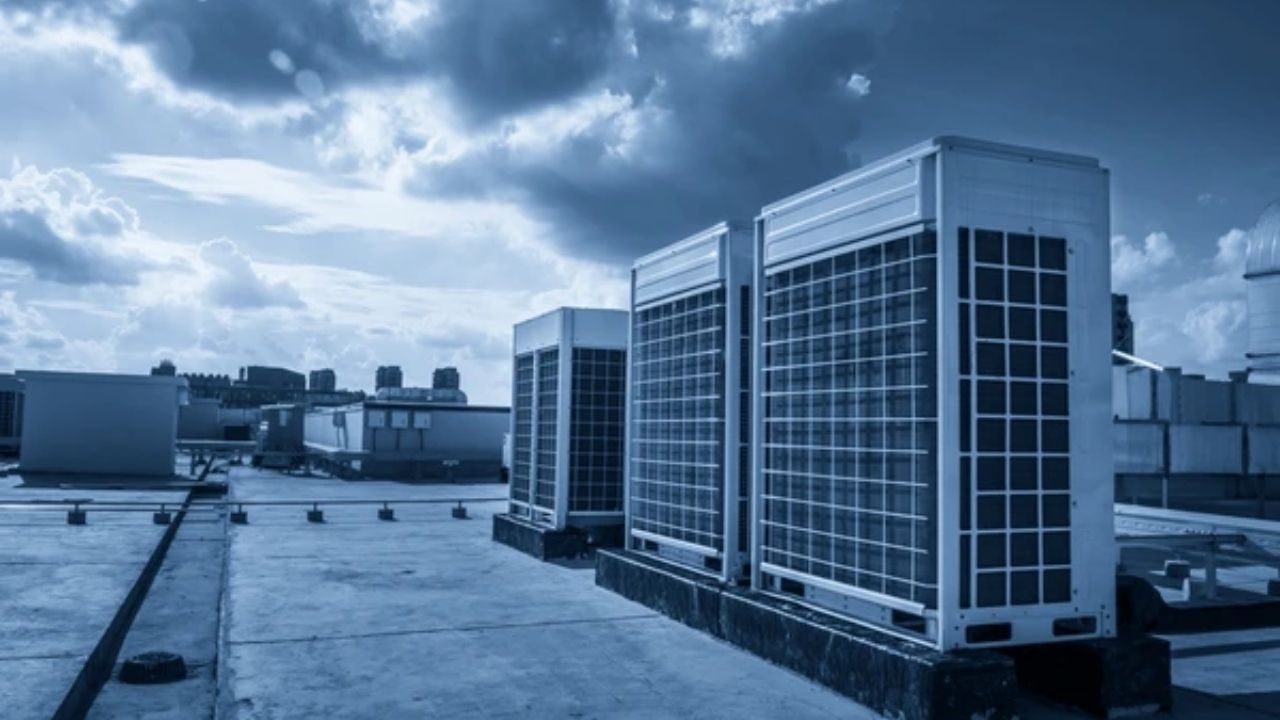
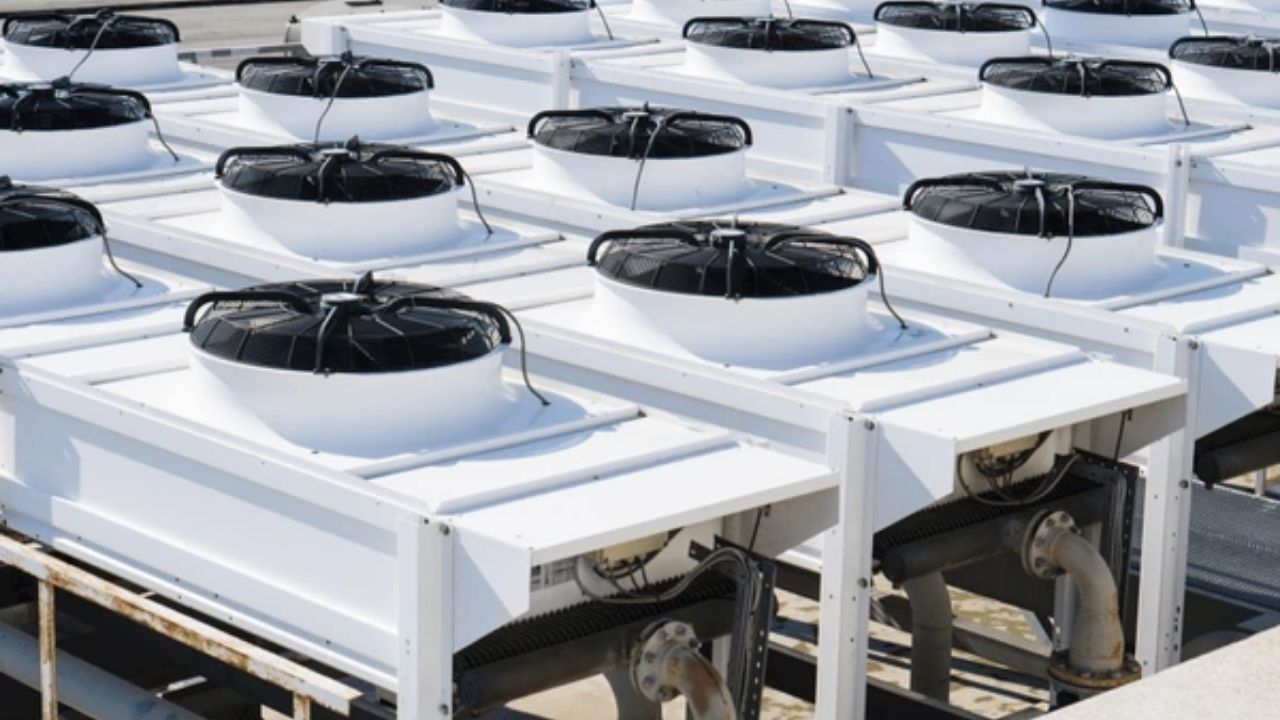
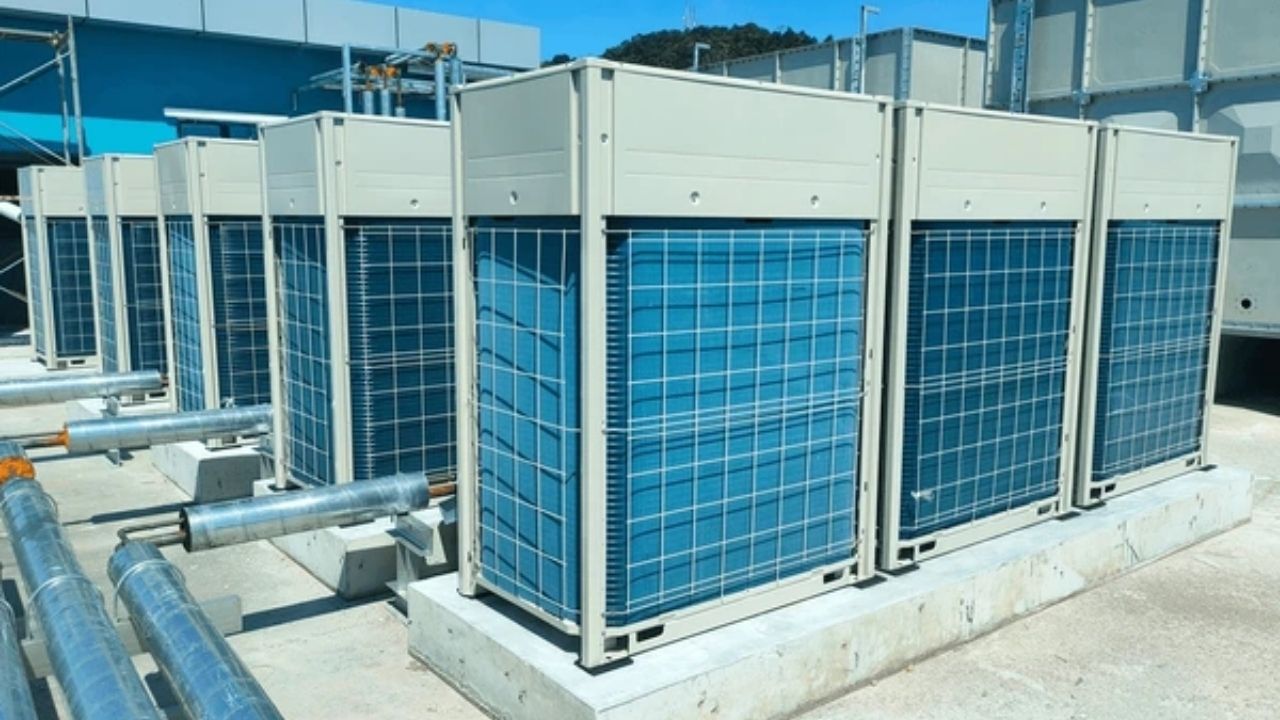
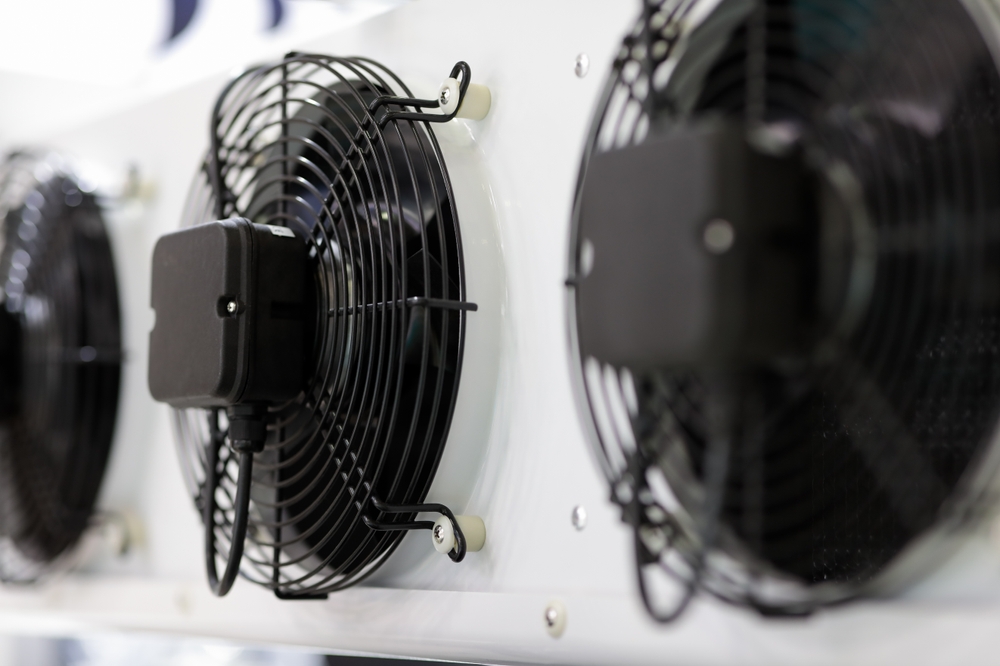
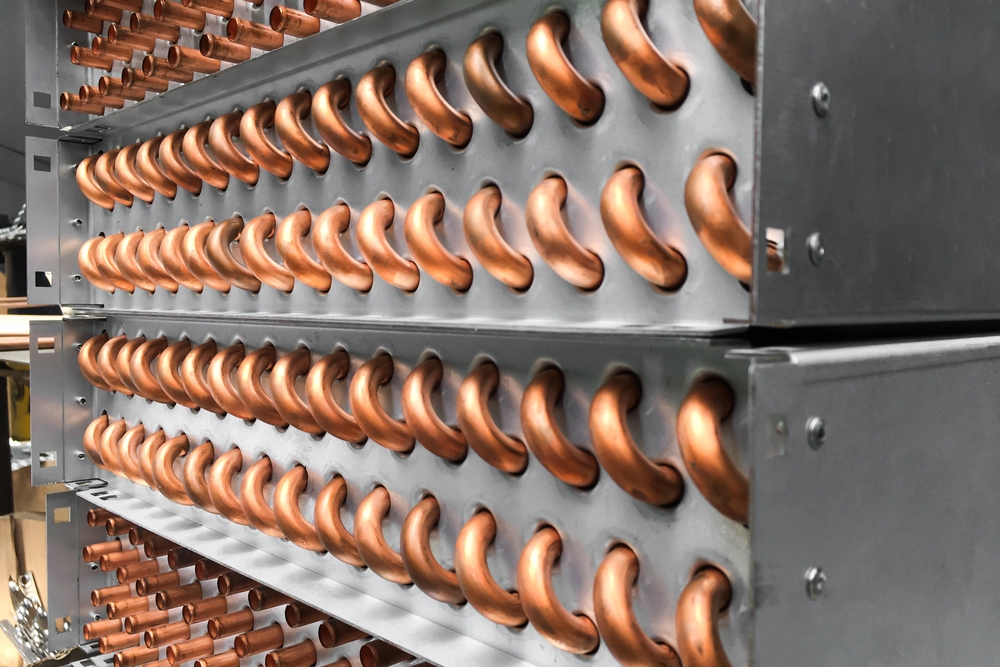
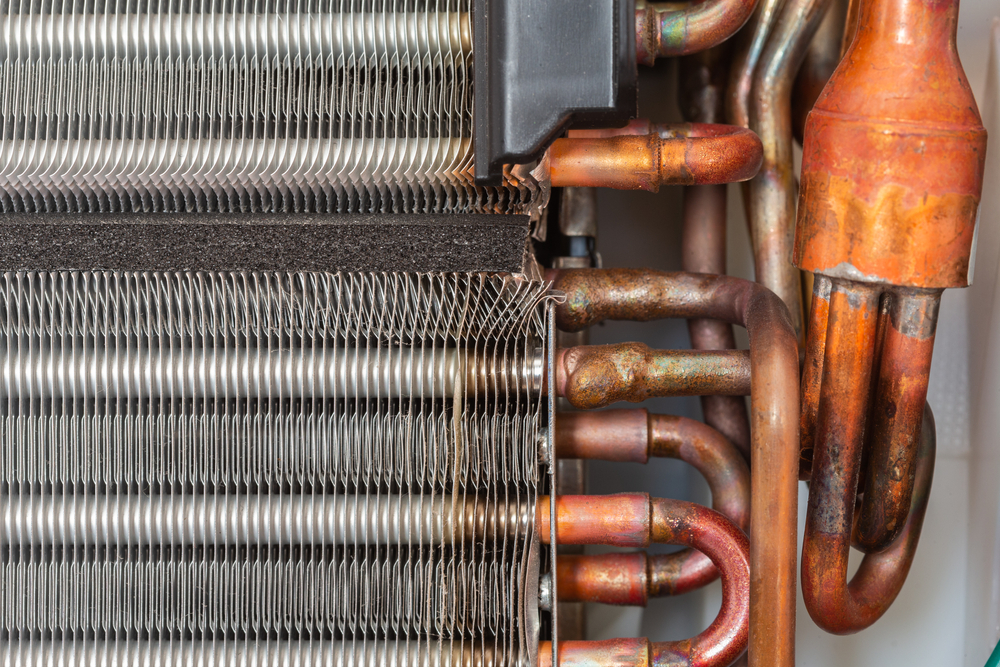
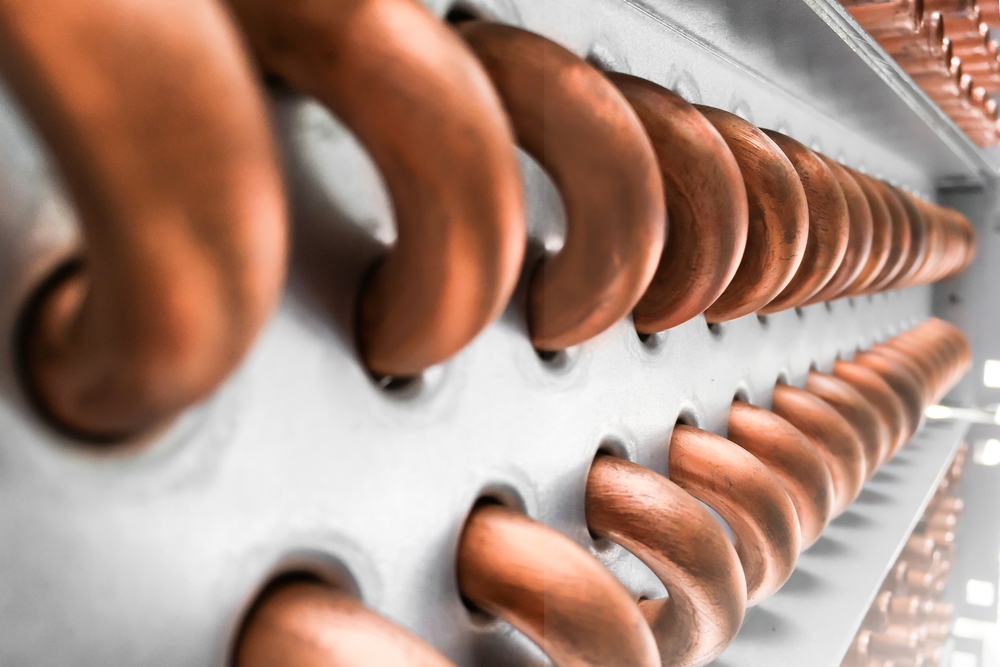
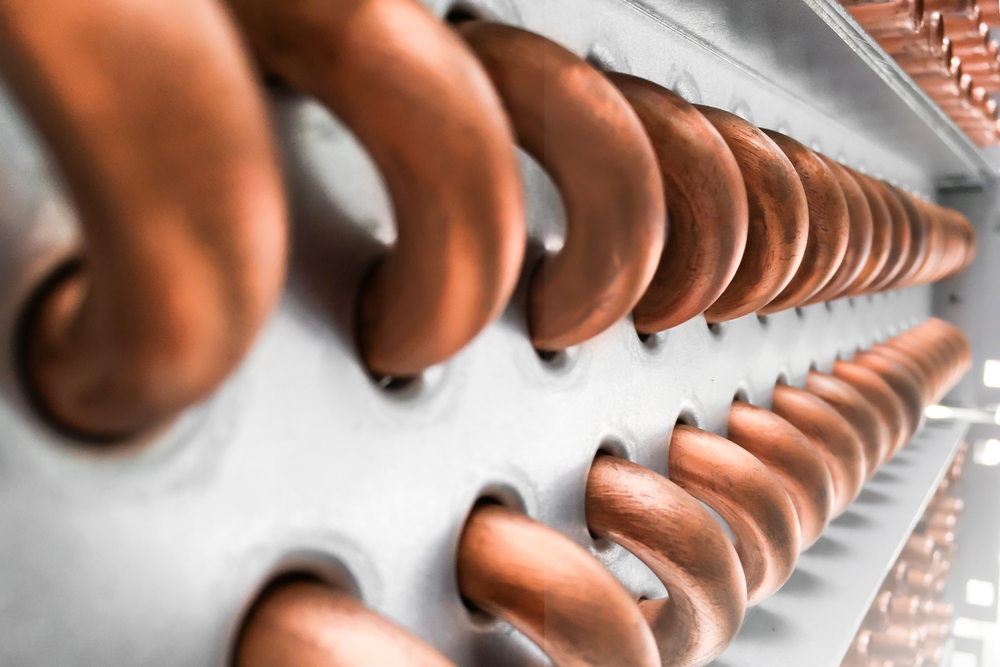
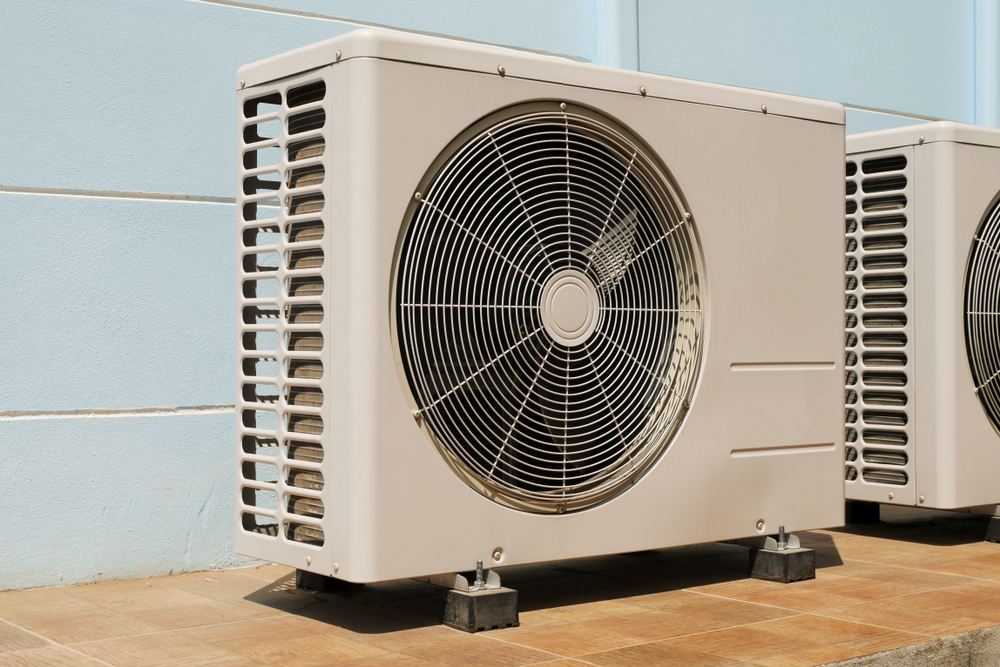
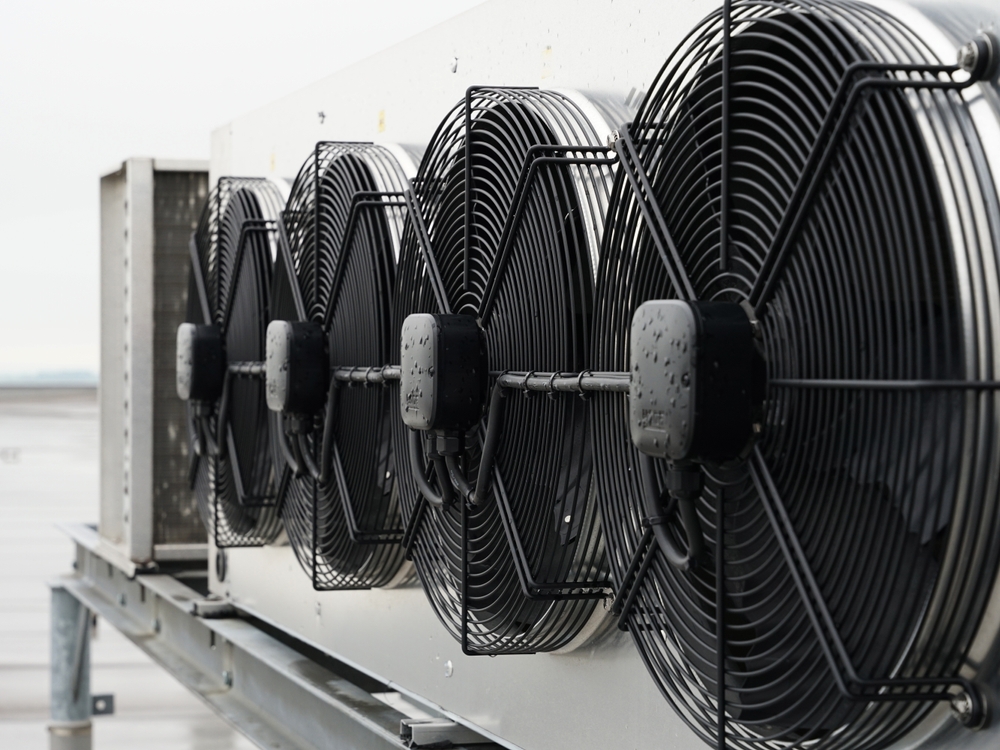
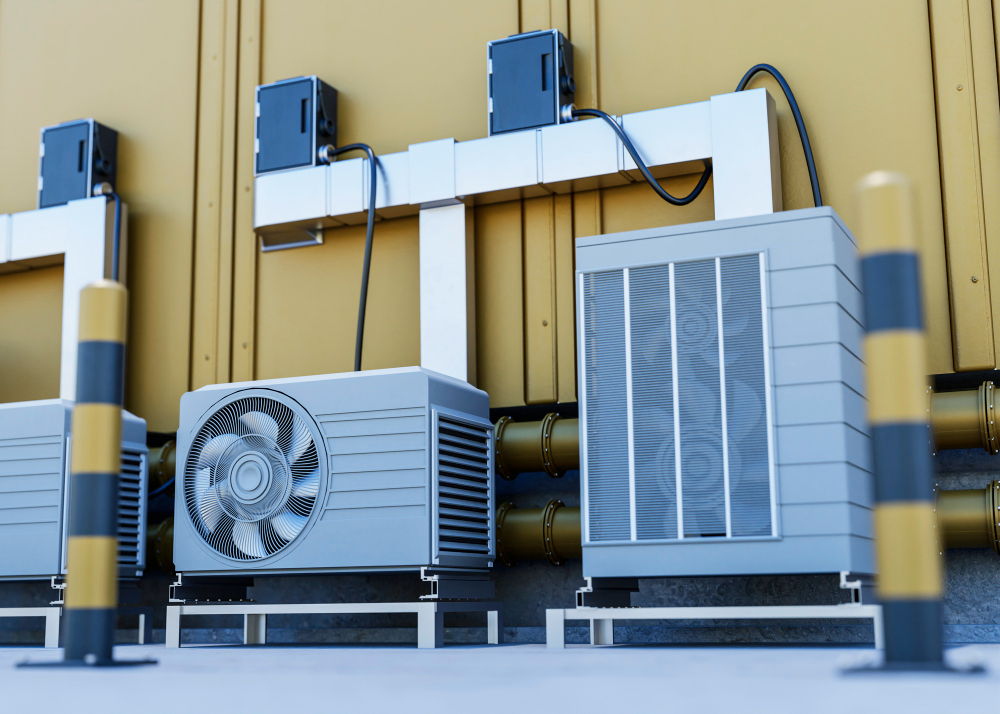
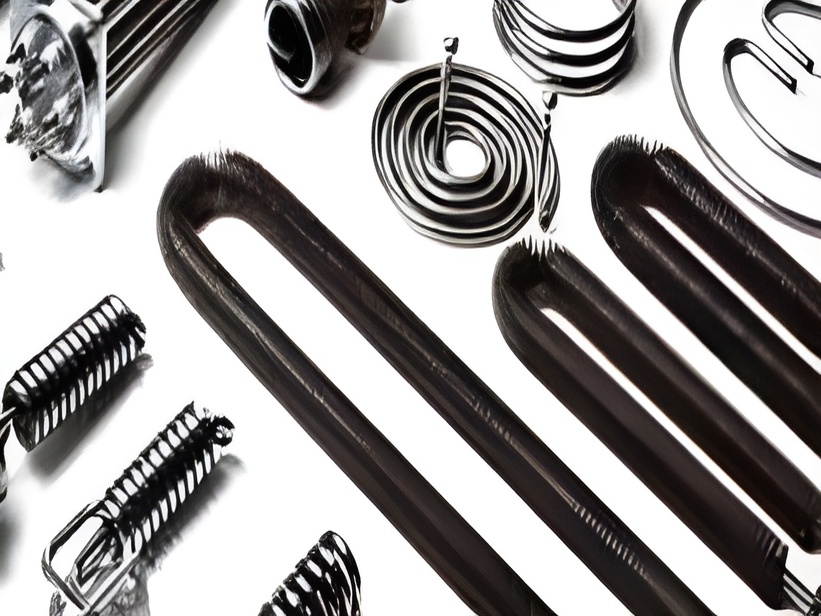
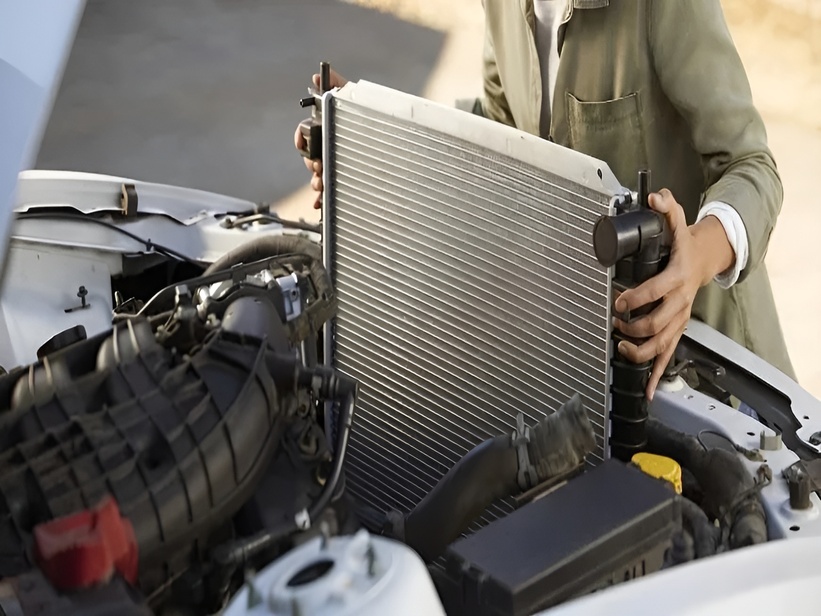
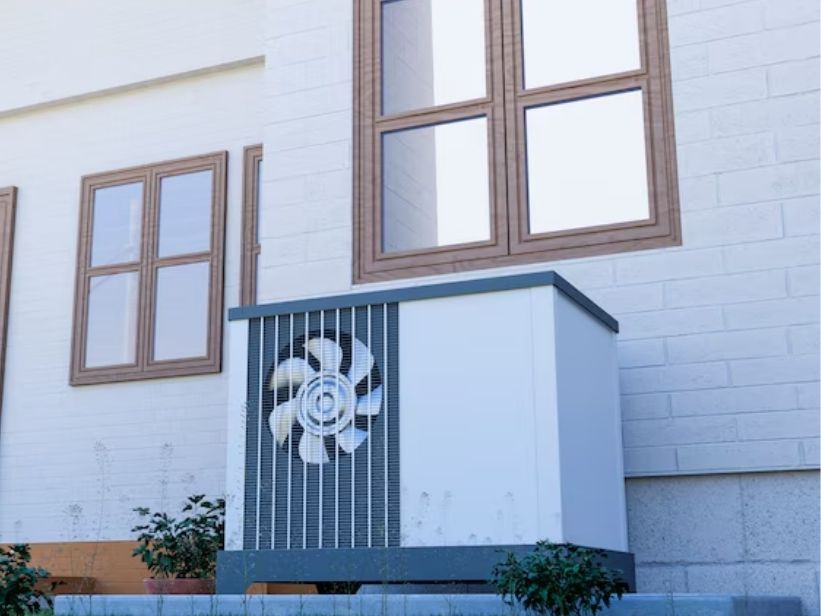
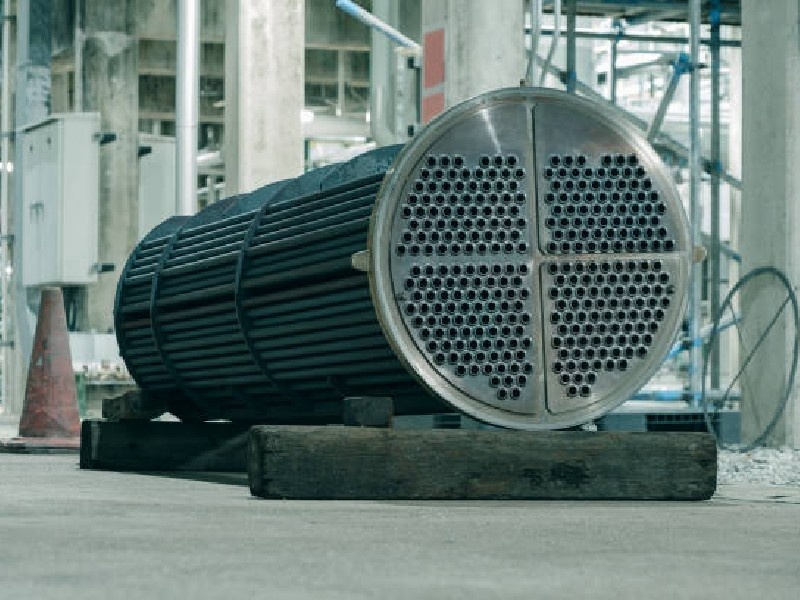
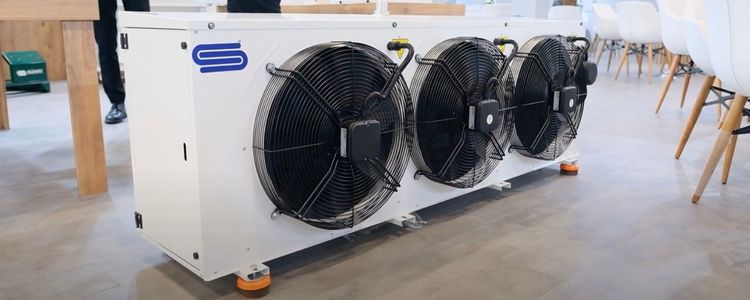
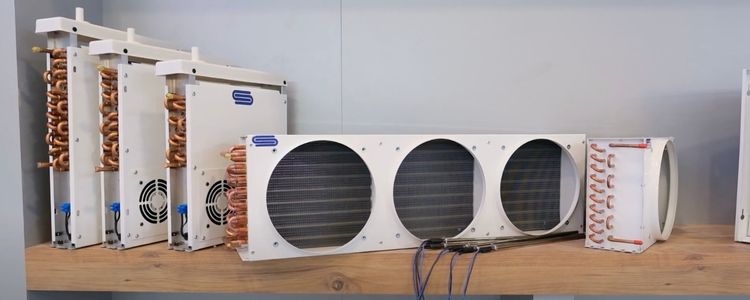
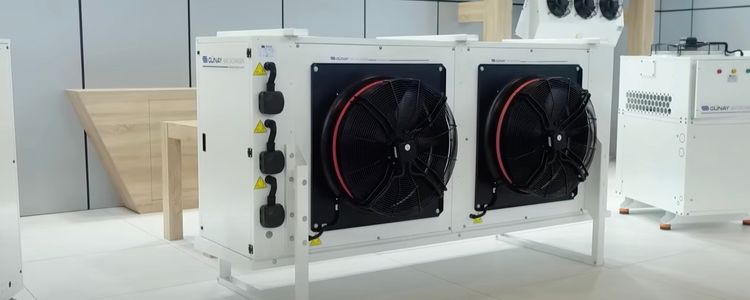
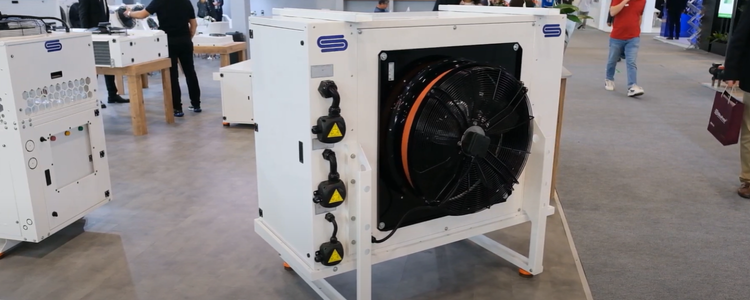
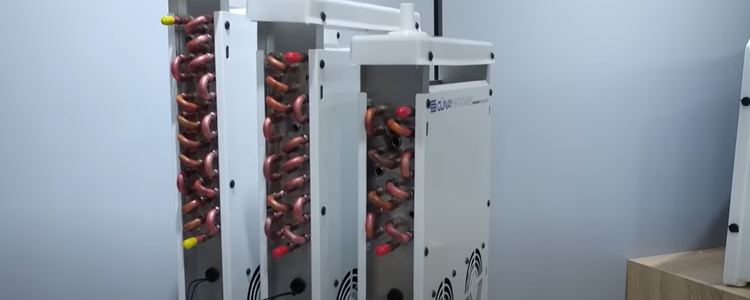
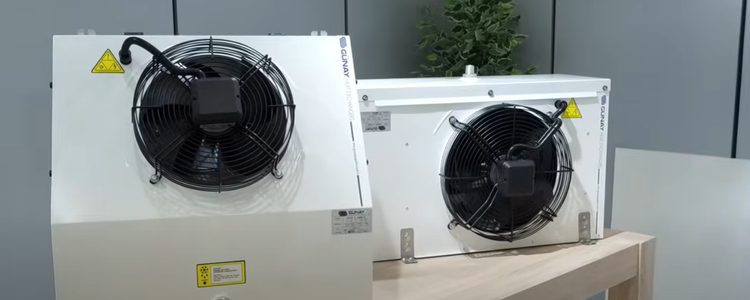
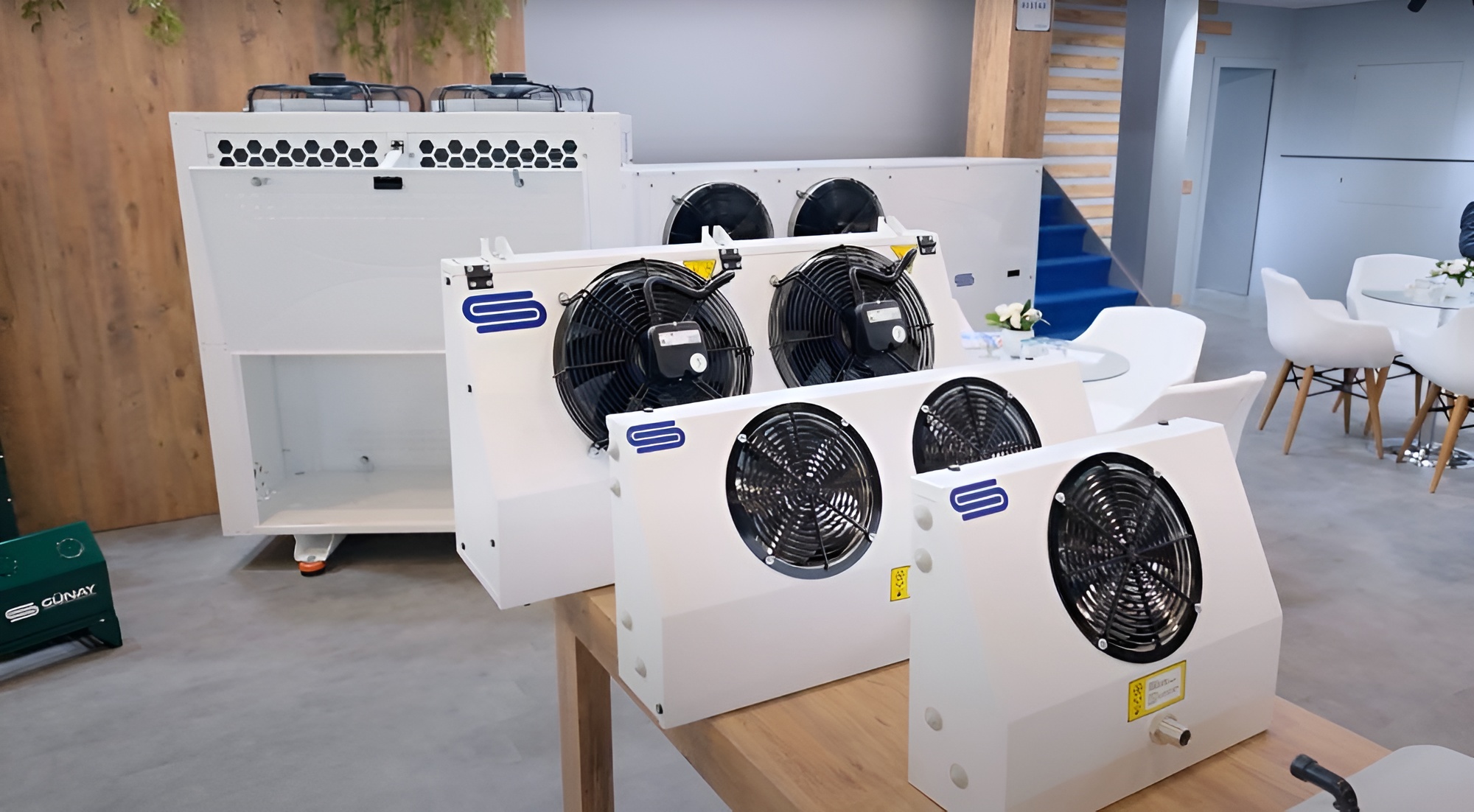
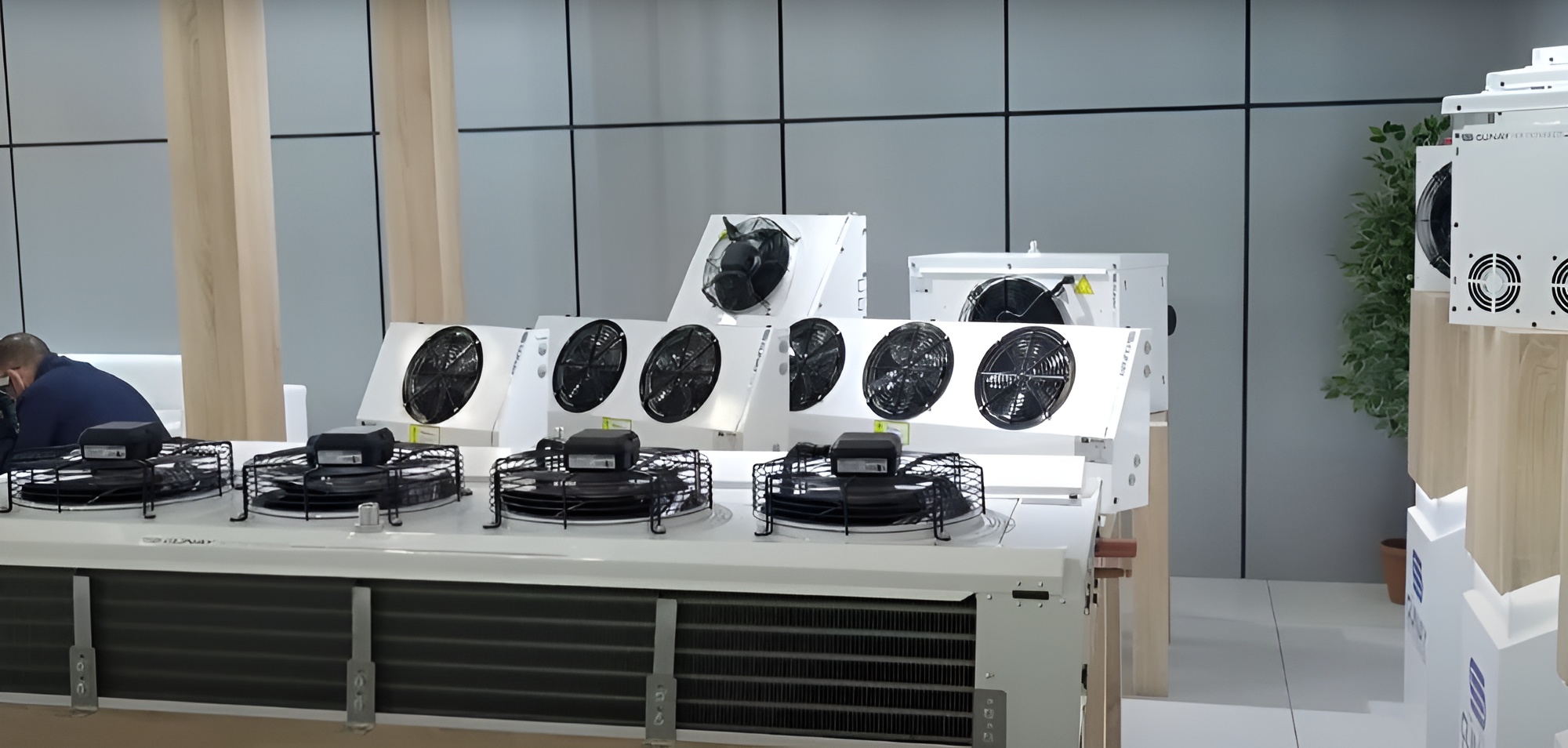
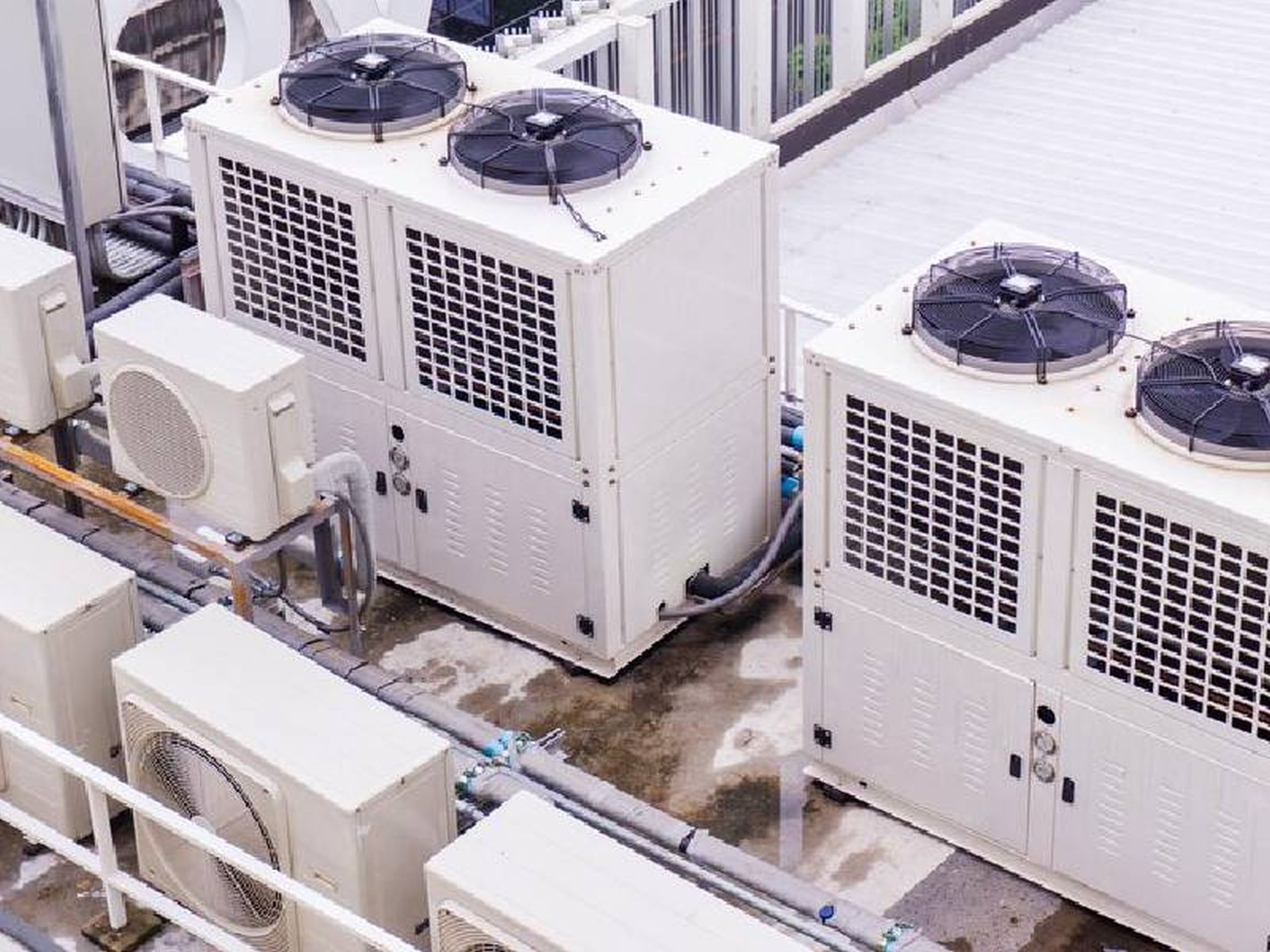
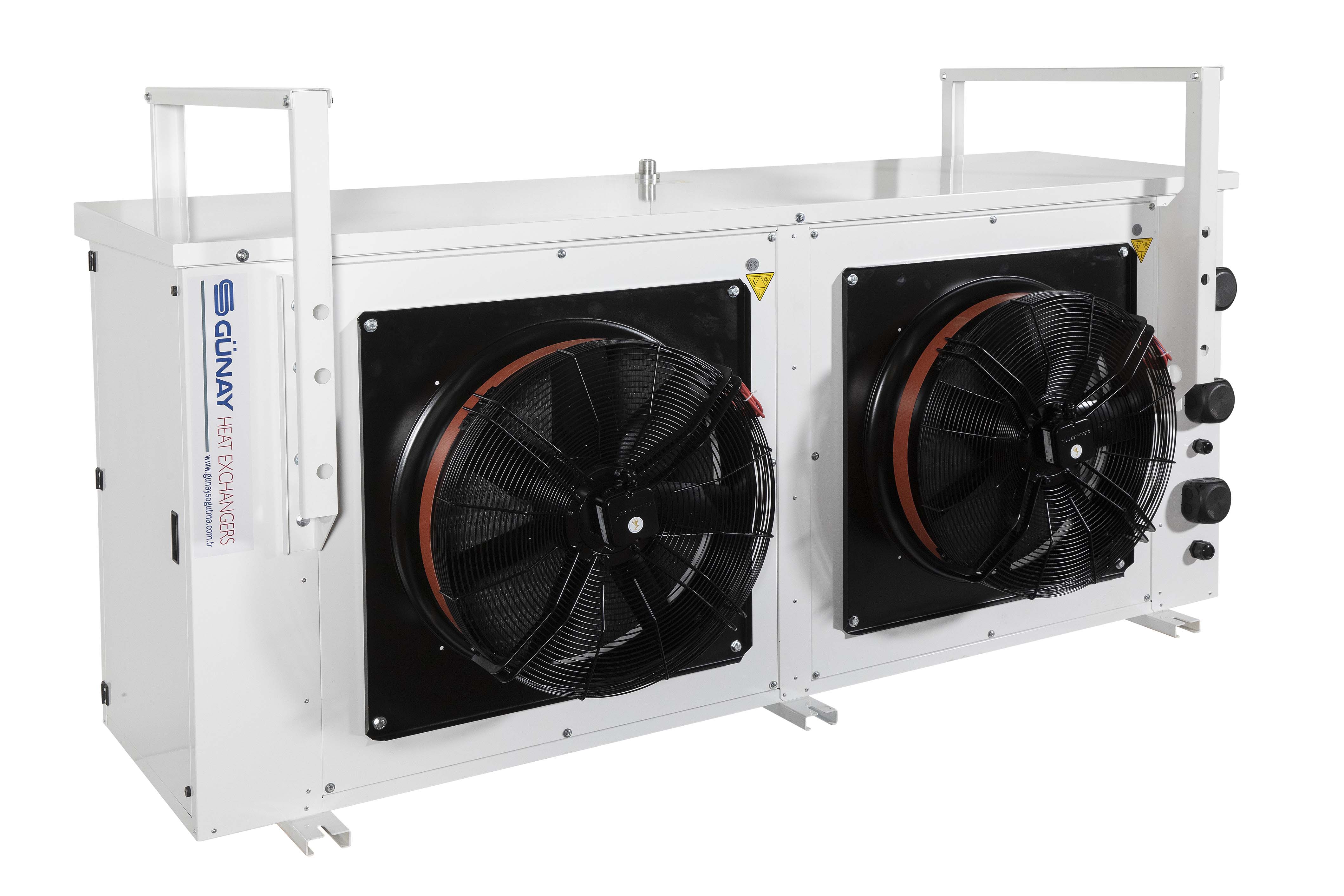
The evaporator removes heat from the air inside the display space to help keep products within their required temperature range. The condenser is the component through which heat carried by the refrigeration cycle is rejected to the surroundings. Their capacities and operating conditions need to be assessed as part of the complete system.
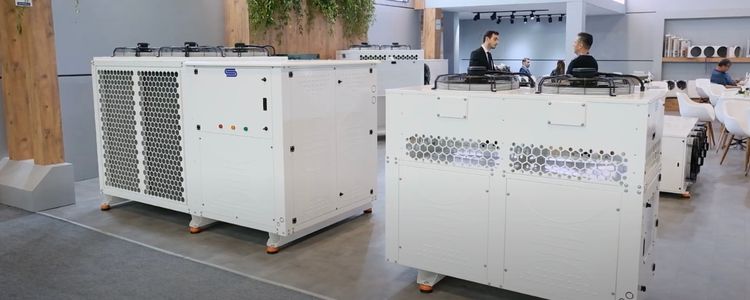
Günay Soğutma’s product range includes evaporators, condensers and related refrigeration components. Choosing the body, shelves, doors or lighting of a complete display cabinet is a separate matter from selecting these components.
What Information Determines Evaporator Capacity?
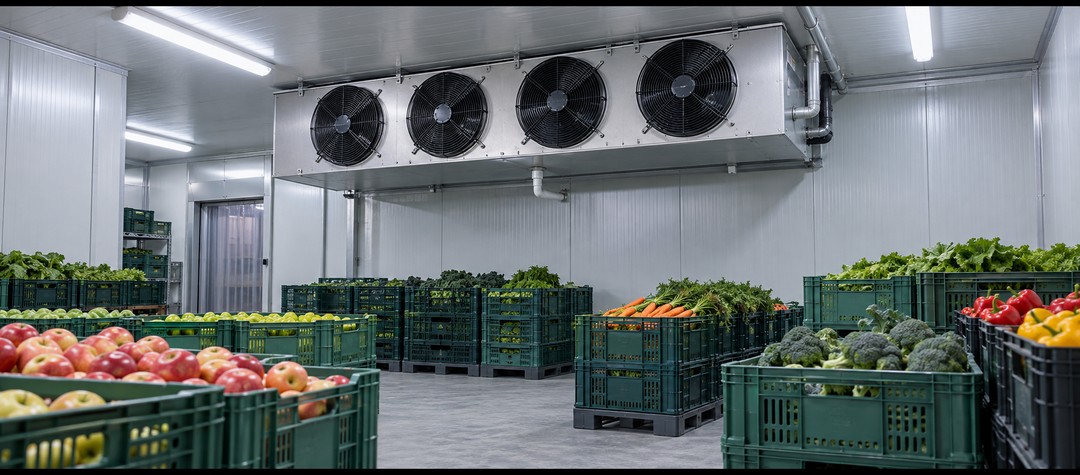
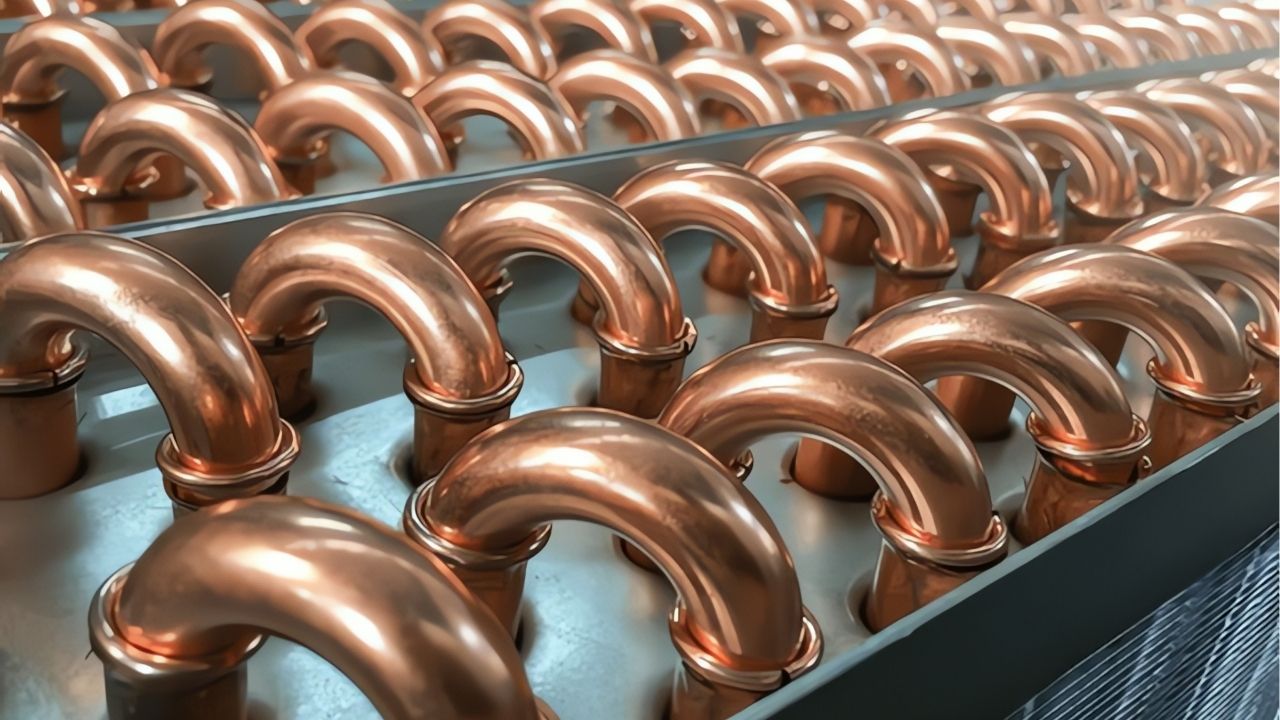
Evaporator selection begins with the product category and its required temperature range. The cabinet dimensions, open or closed design, store ambient conditions, product loading pattern and refrigerant also affect the assessment.
A catalogue capacity figure should not be used on its own. Capacity must be read together with its reference conditions, including air and evaporating temperatures, and compared with the project’s actual conditions. The final selection should be checked for compatibility with the cabinet manufacturer or system designer.
Why Do Airflow and Installation Matter?
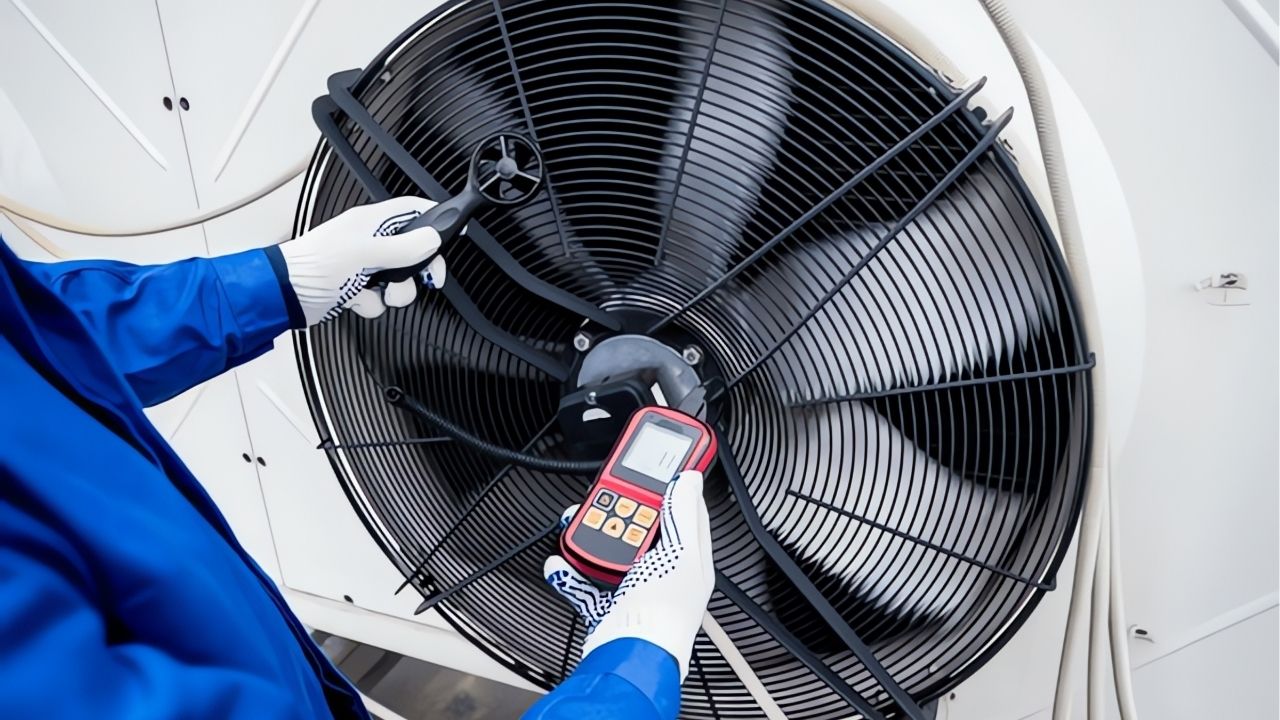
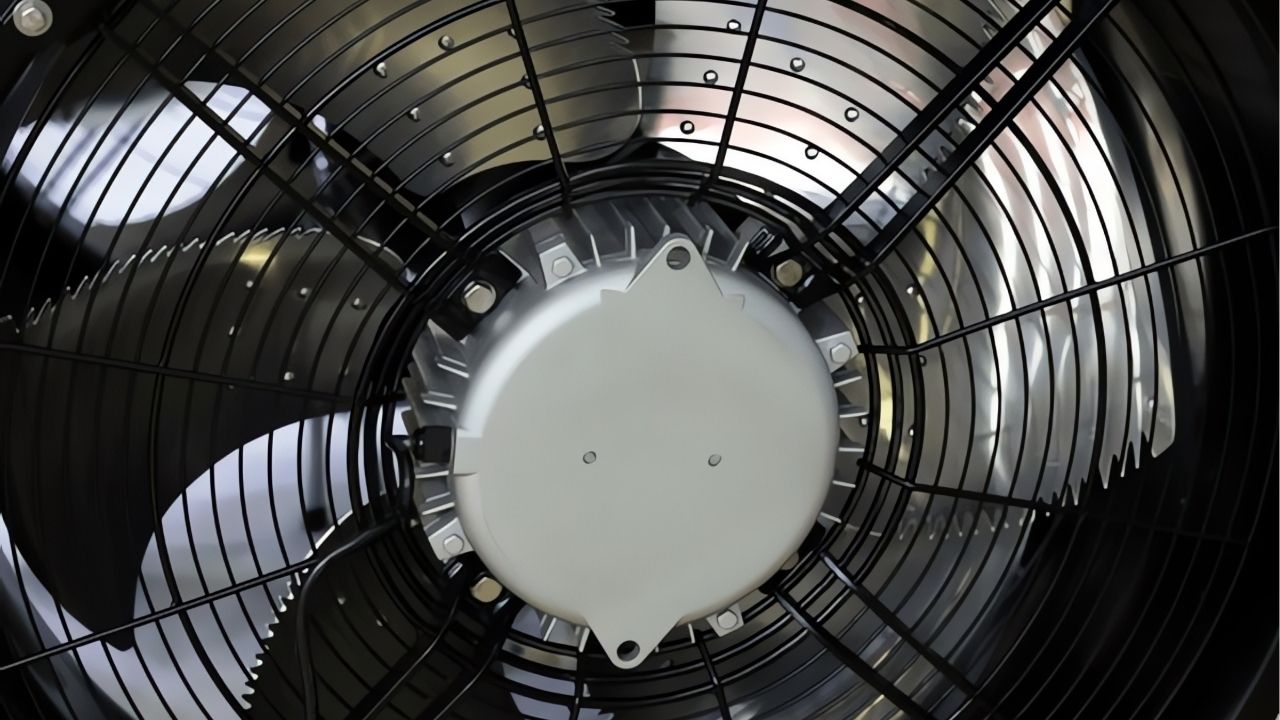
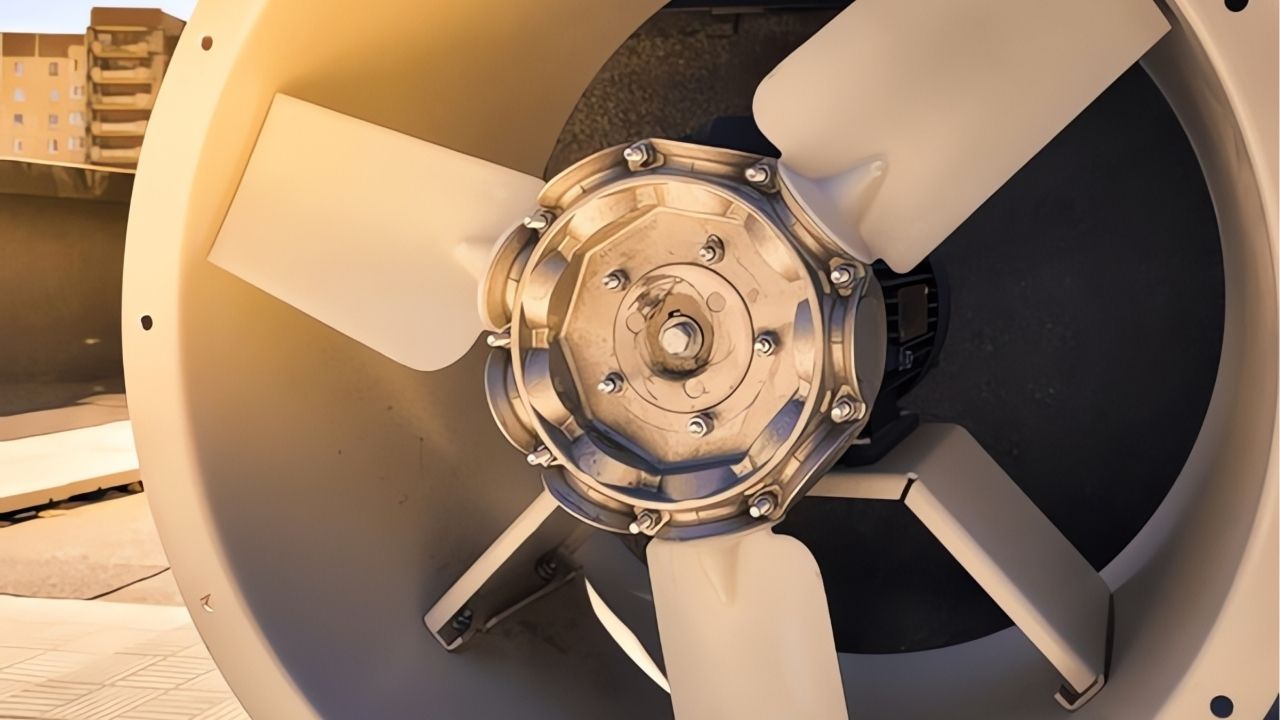
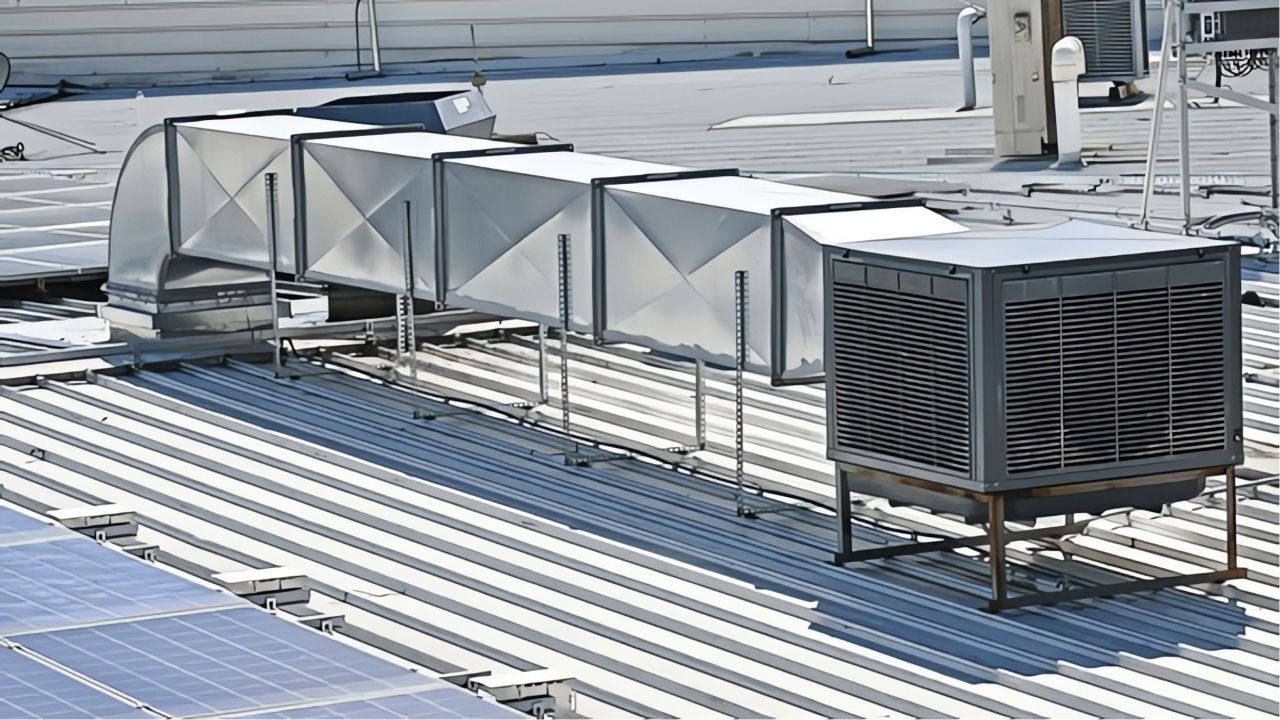
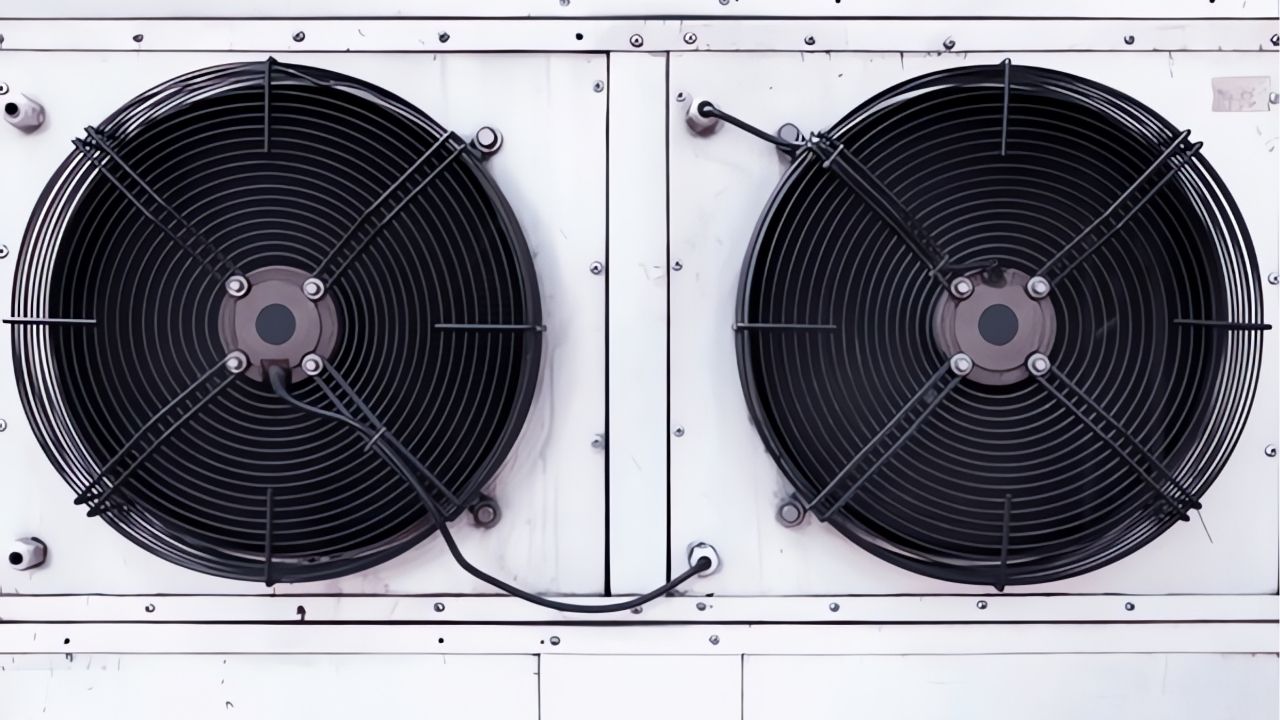
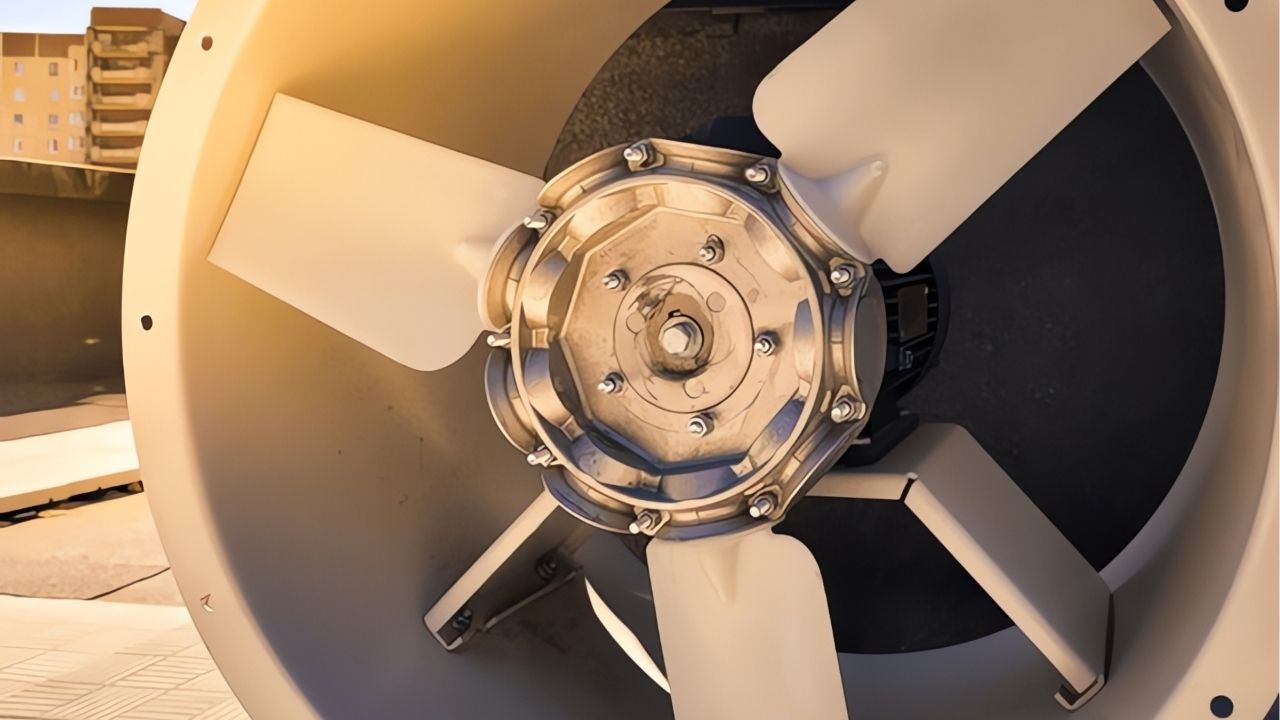
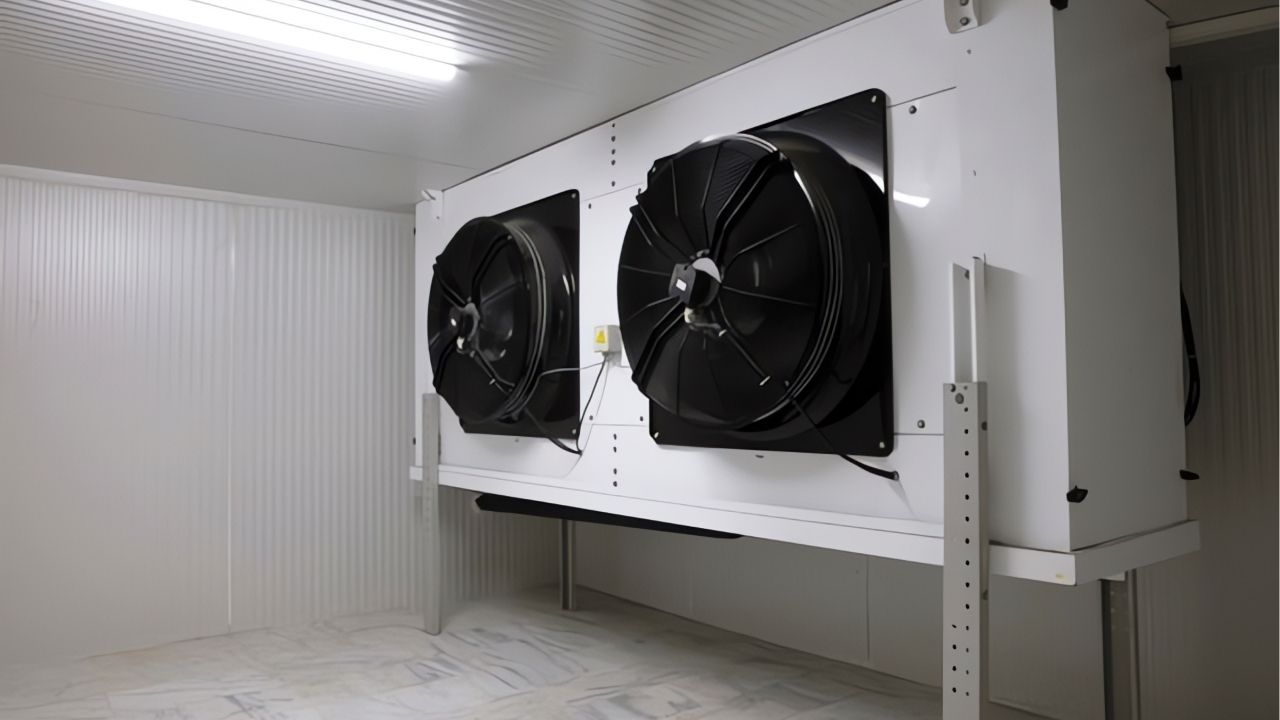
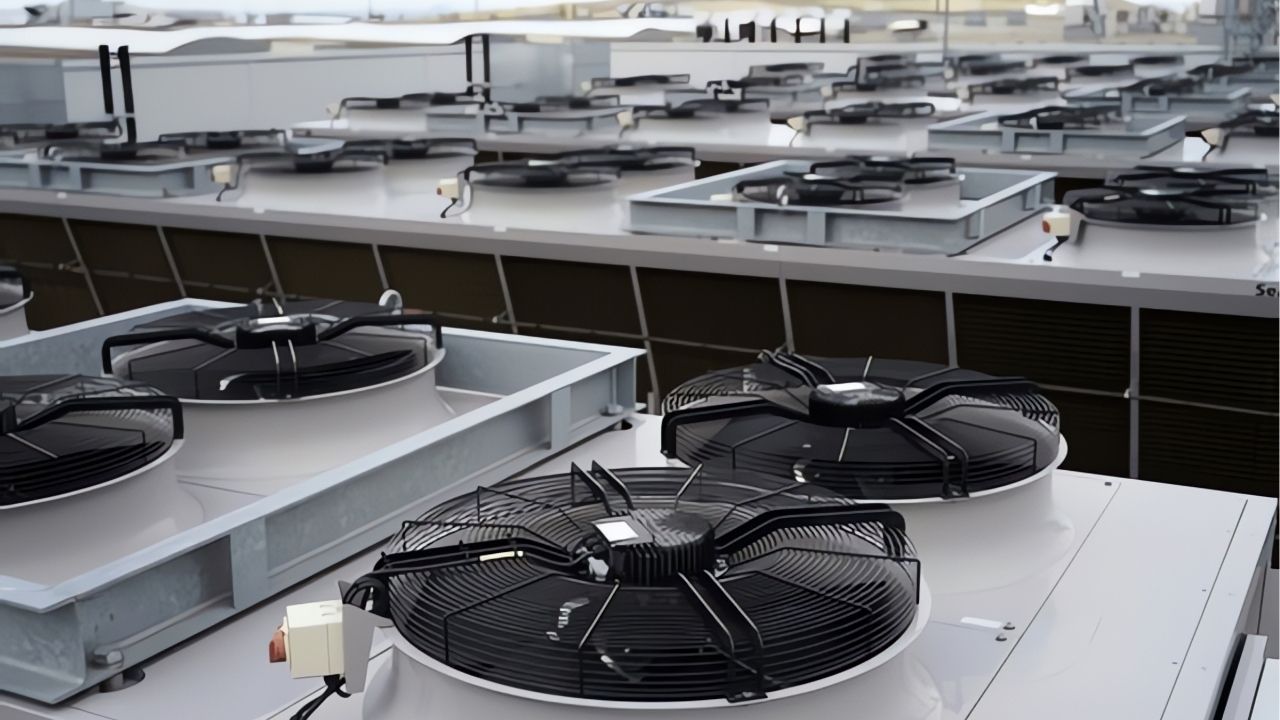
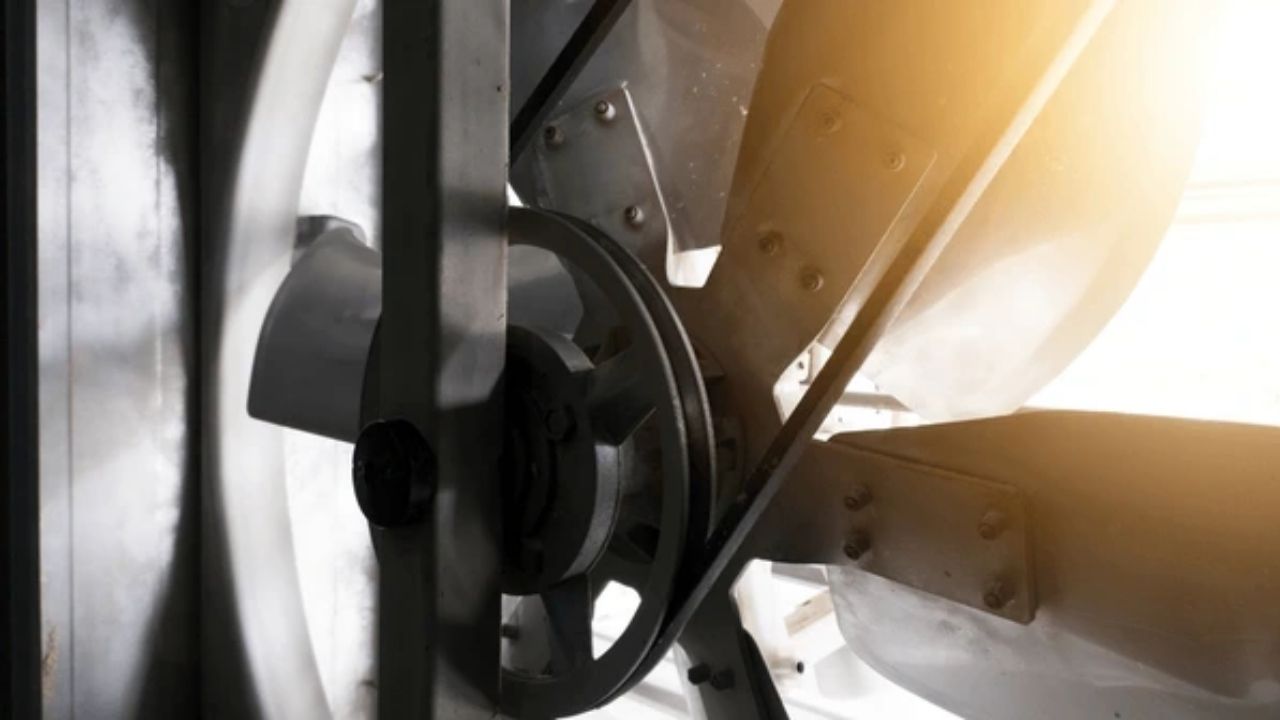
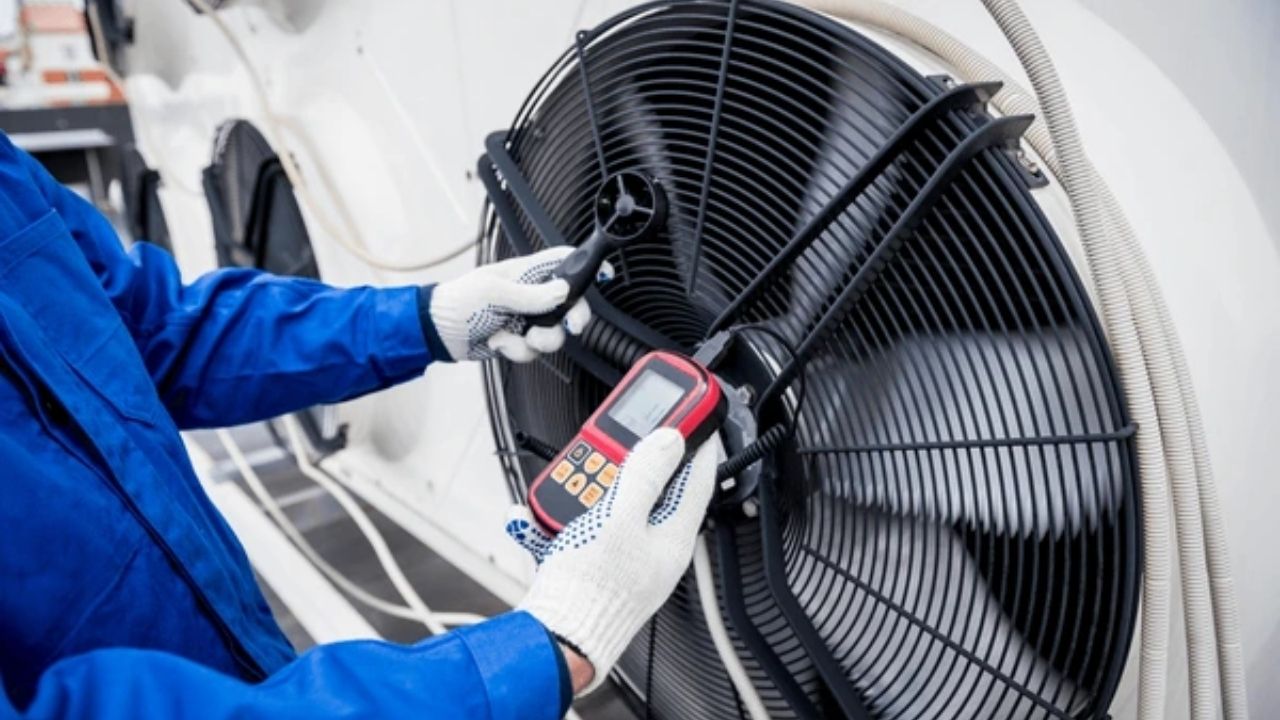
Cold air from the evaporator must reach the required areas of the display cabinet. Products blocking the air inlets or outlets, or a fan unsuitable for the application, can disrupt temperature distribution. Airflow and available installation space therefore need to be considered alongside evaporator capacity.
The cabinet’s internal geometry and air passages affect how an evaporator can be installed. Mounting dimensions, service access and condensate drainage should also be included in the project review.
Which Conditions Matter When Selecting a Condenser?
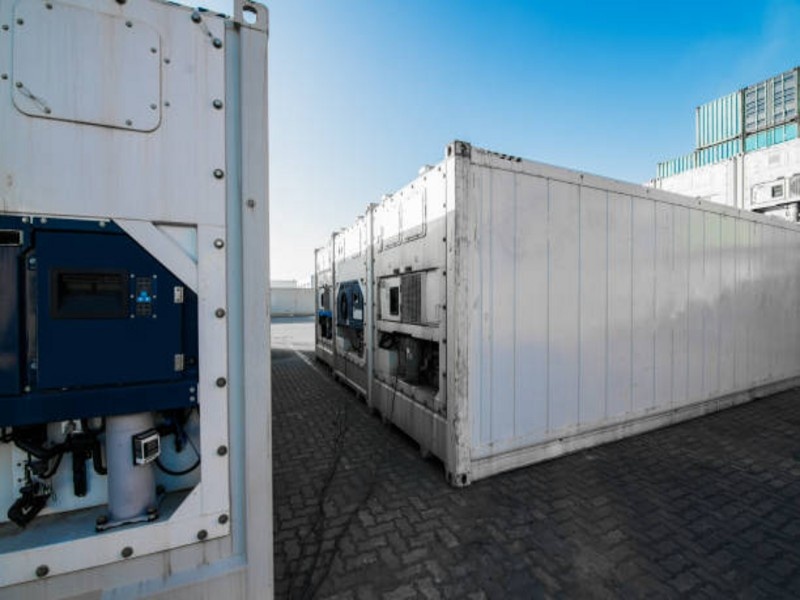
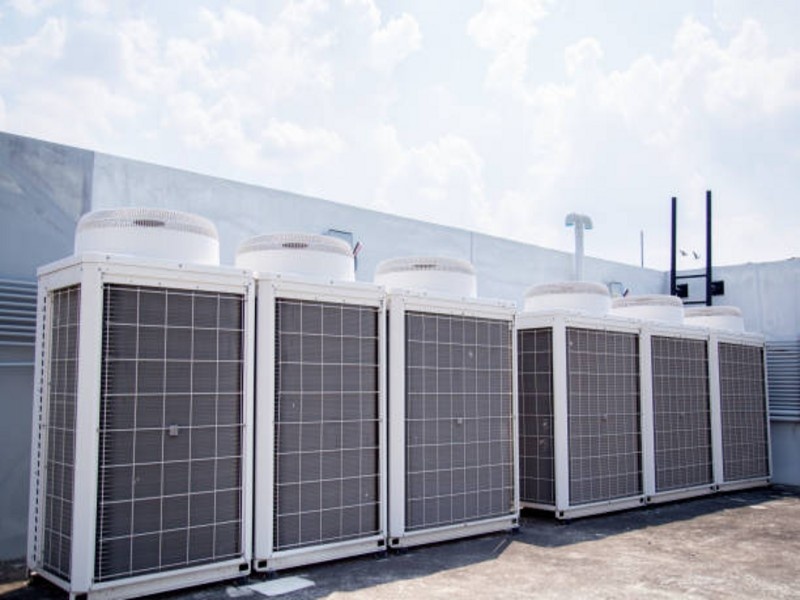
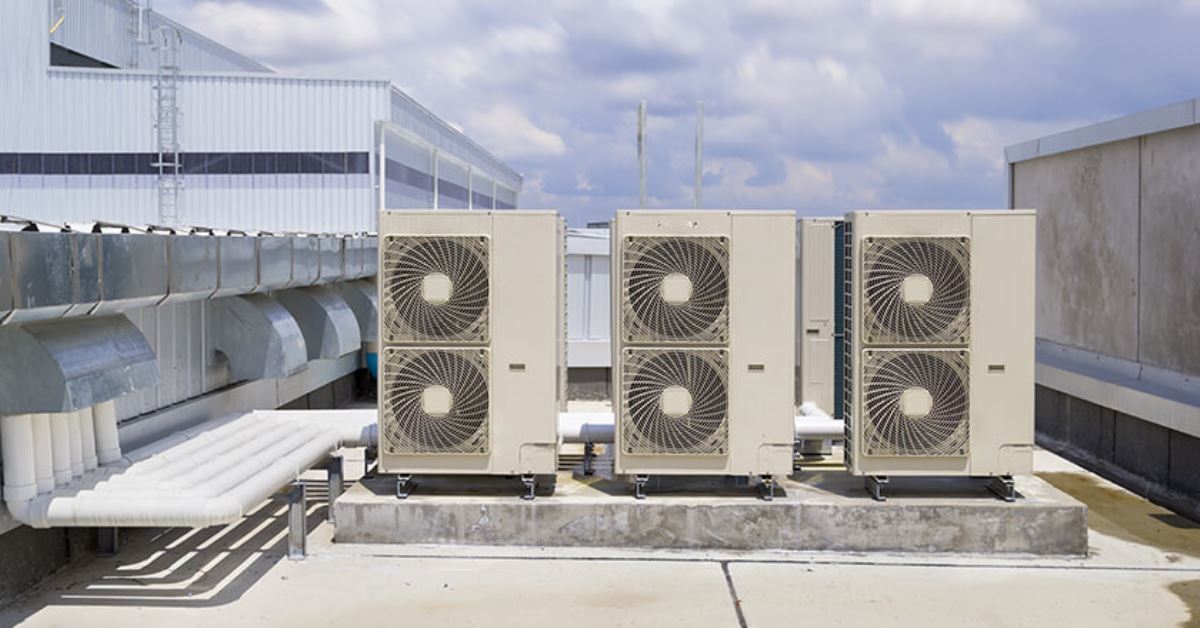
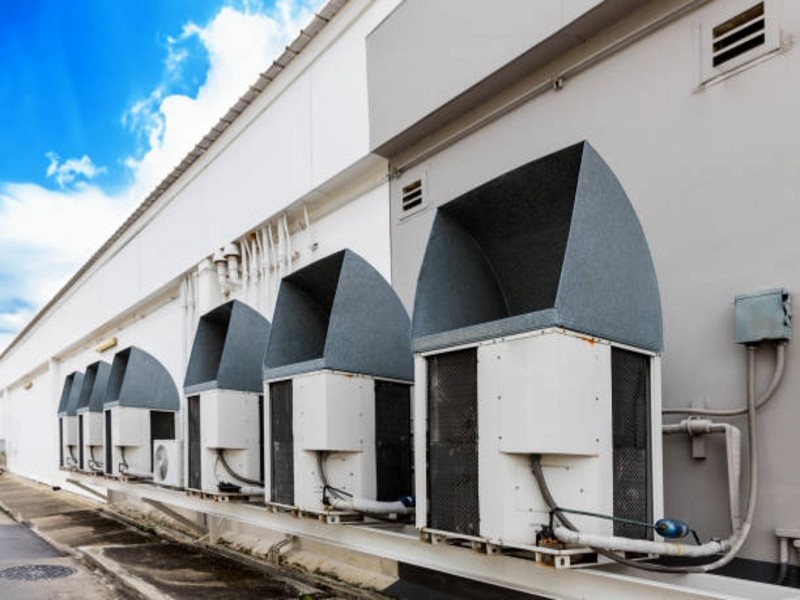
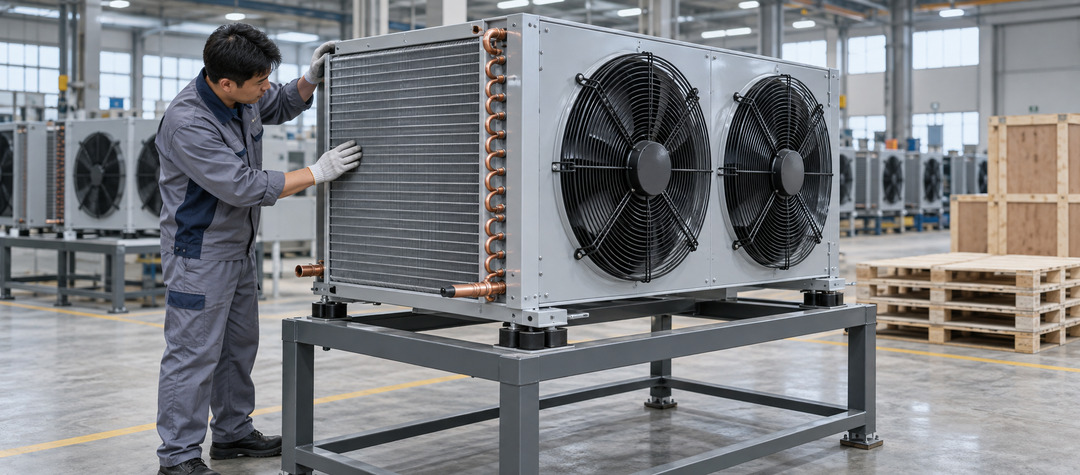
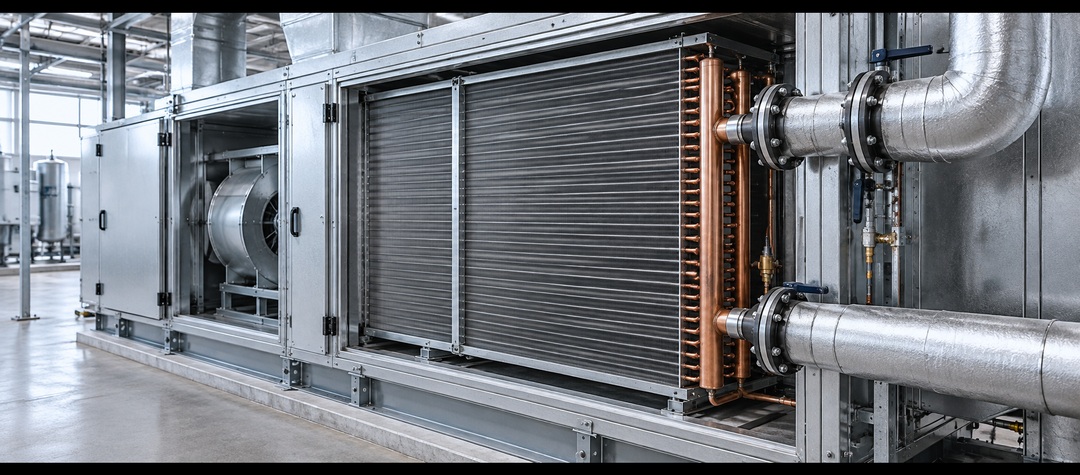
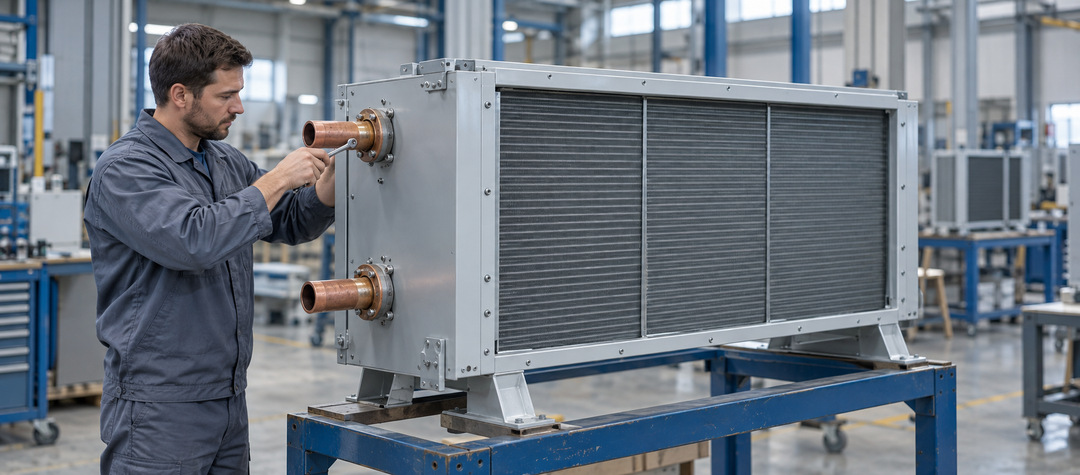
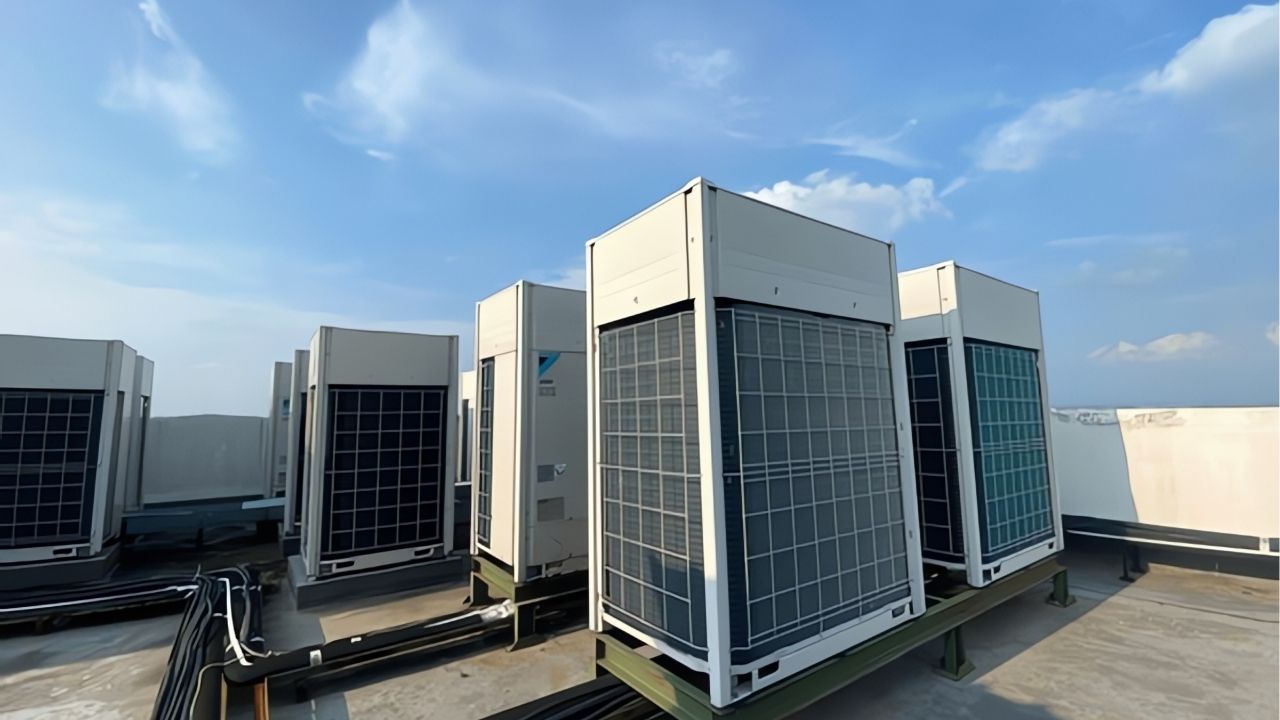
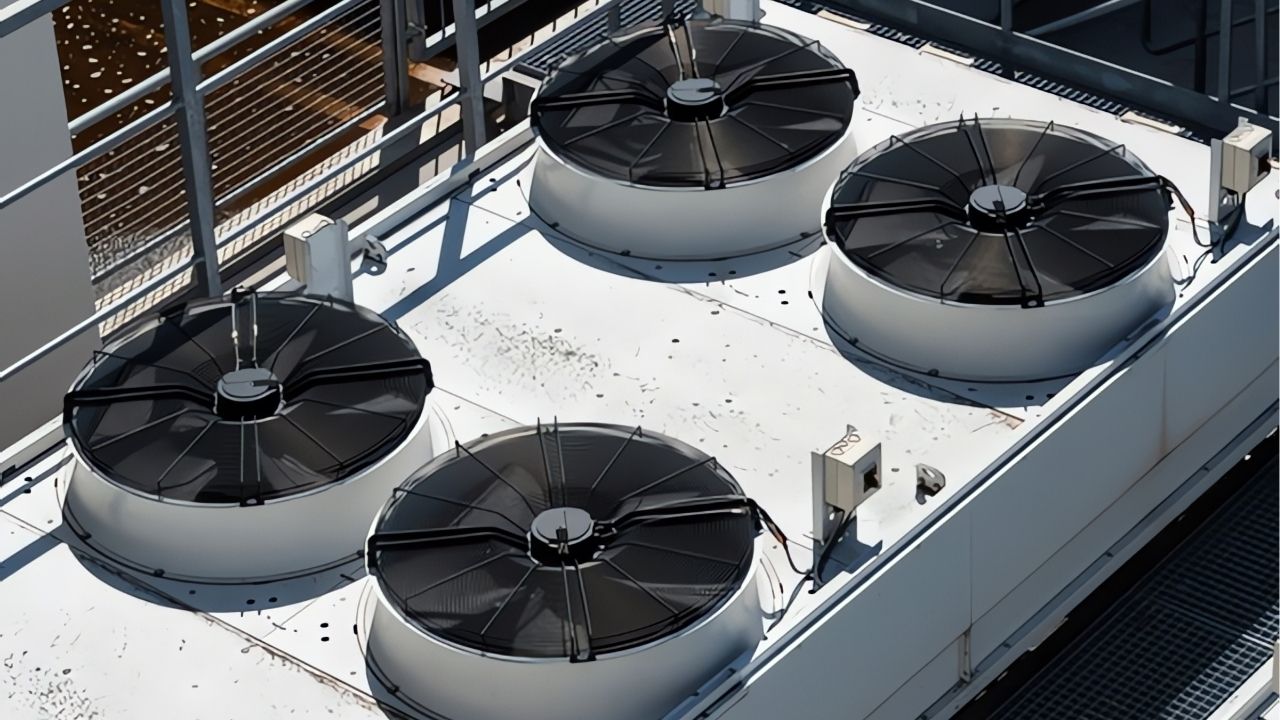
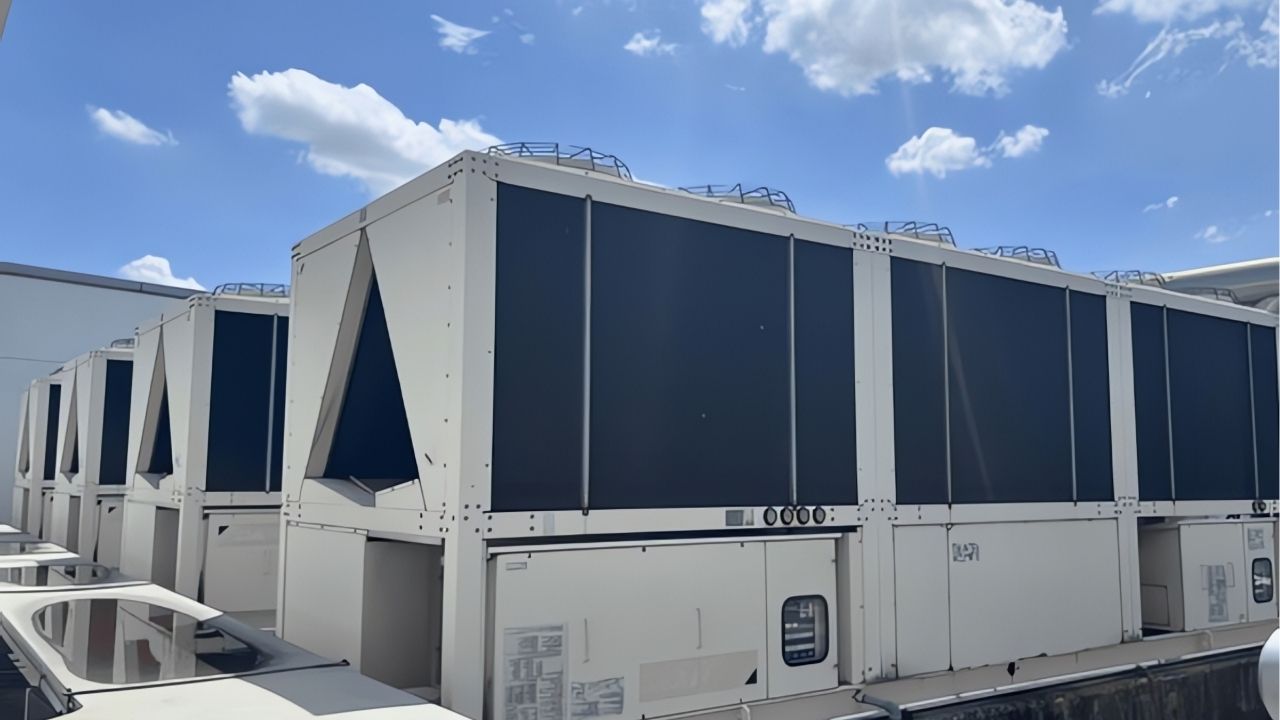
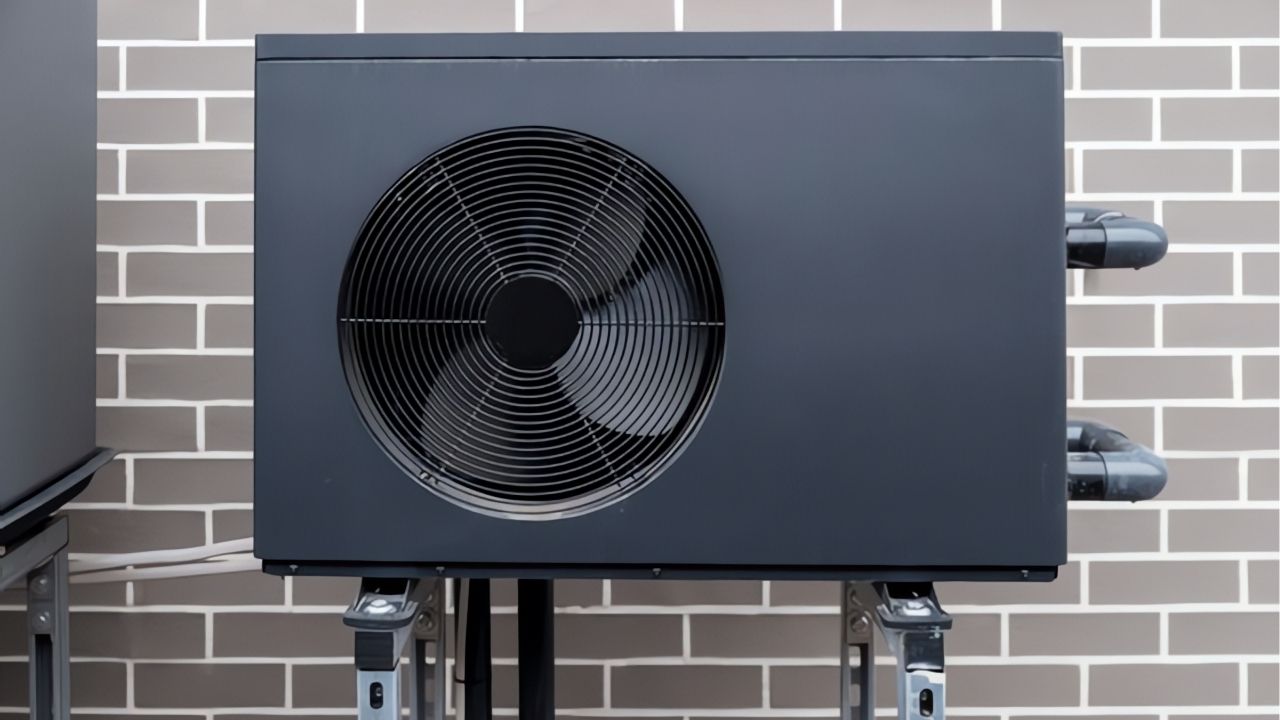
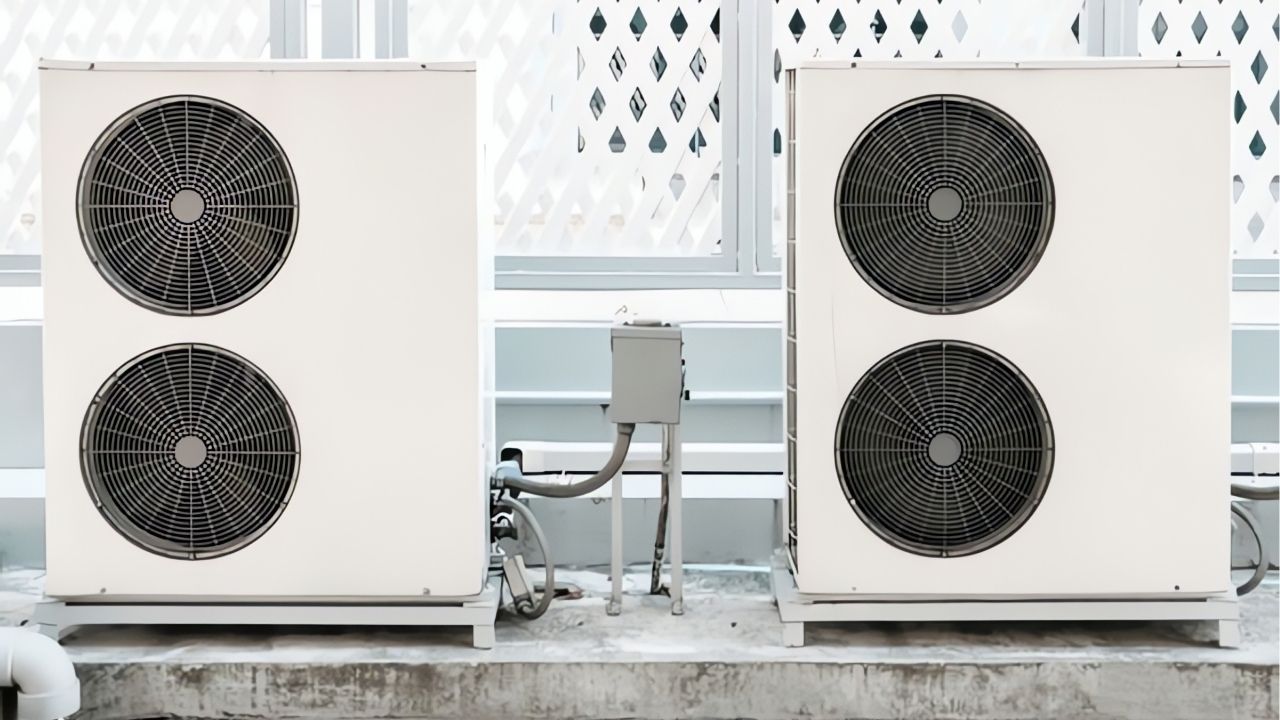
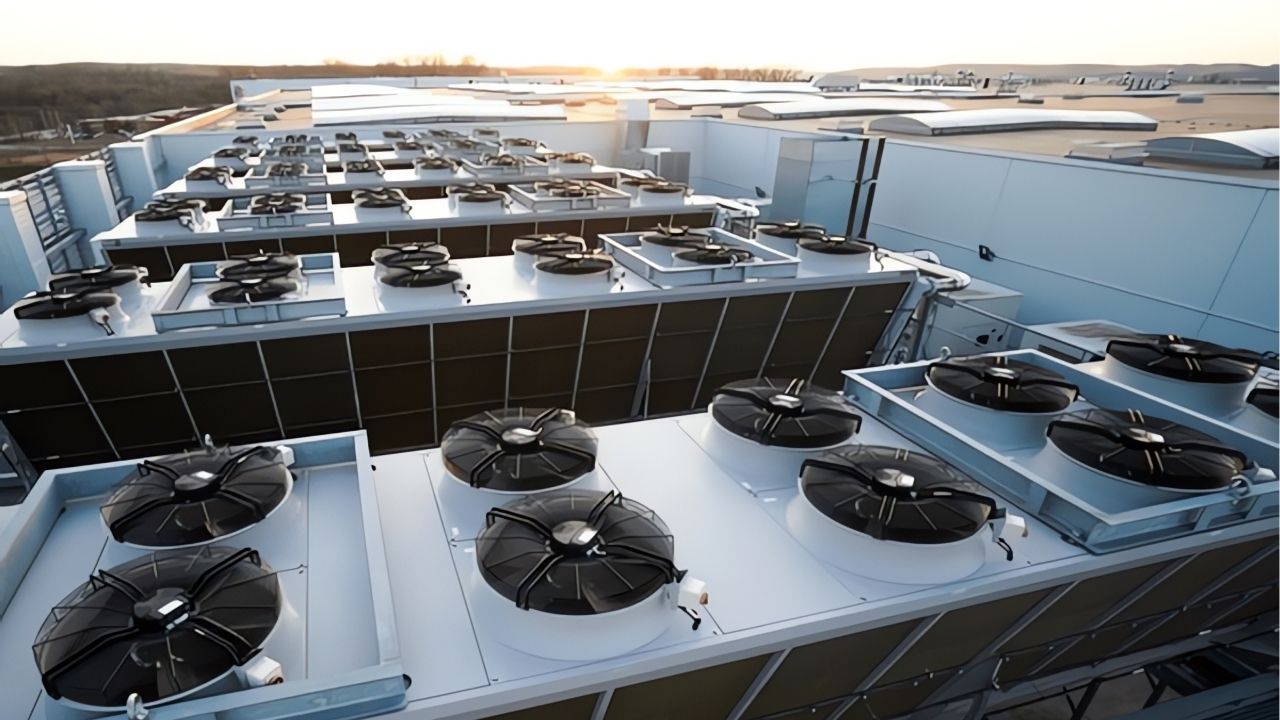
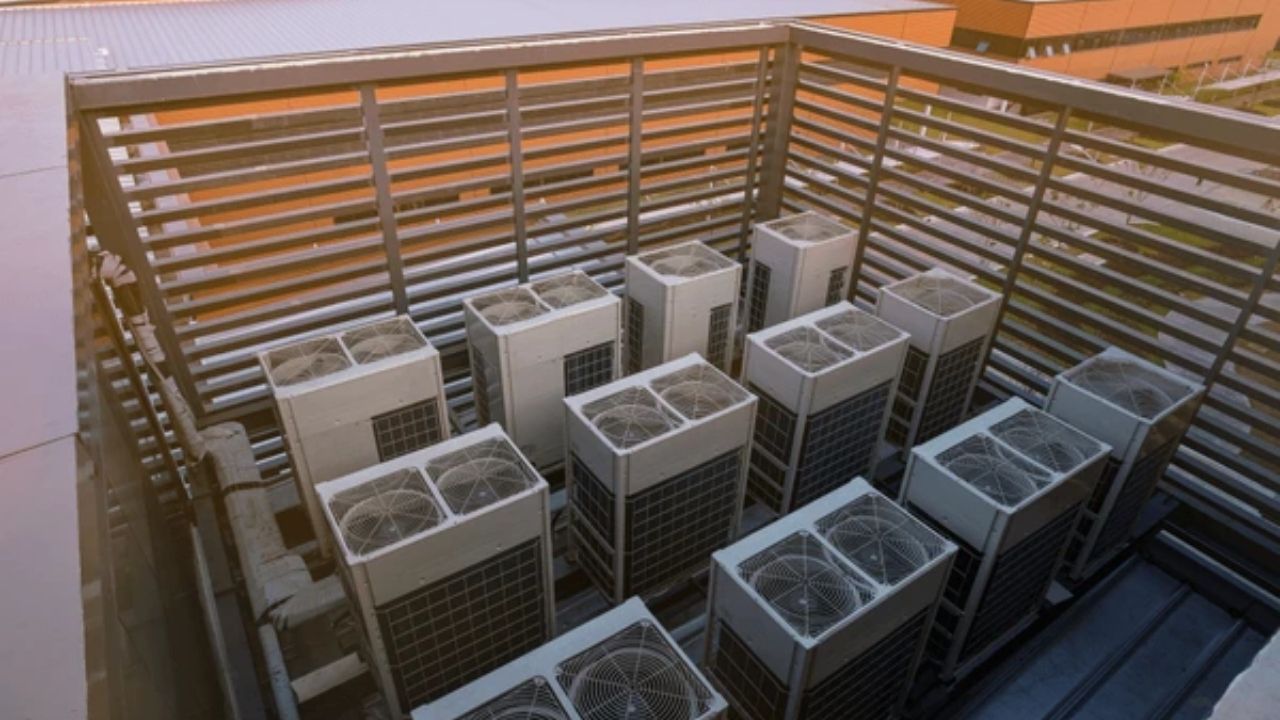
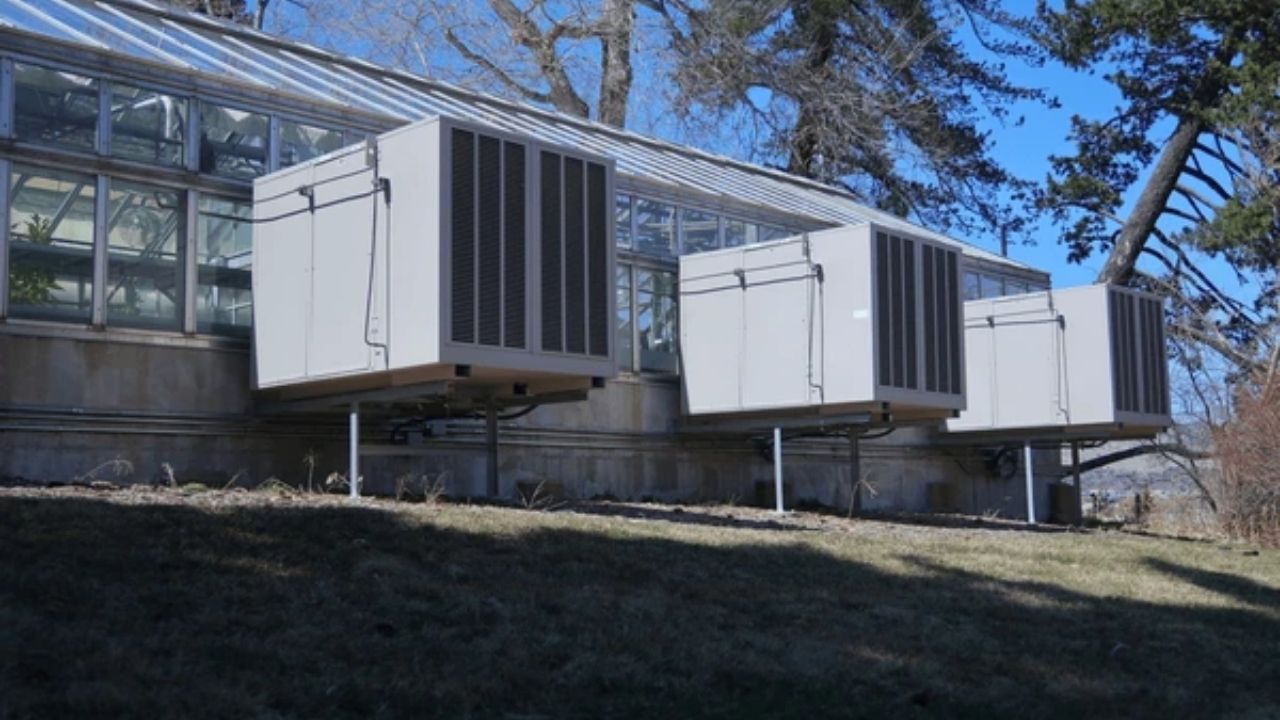
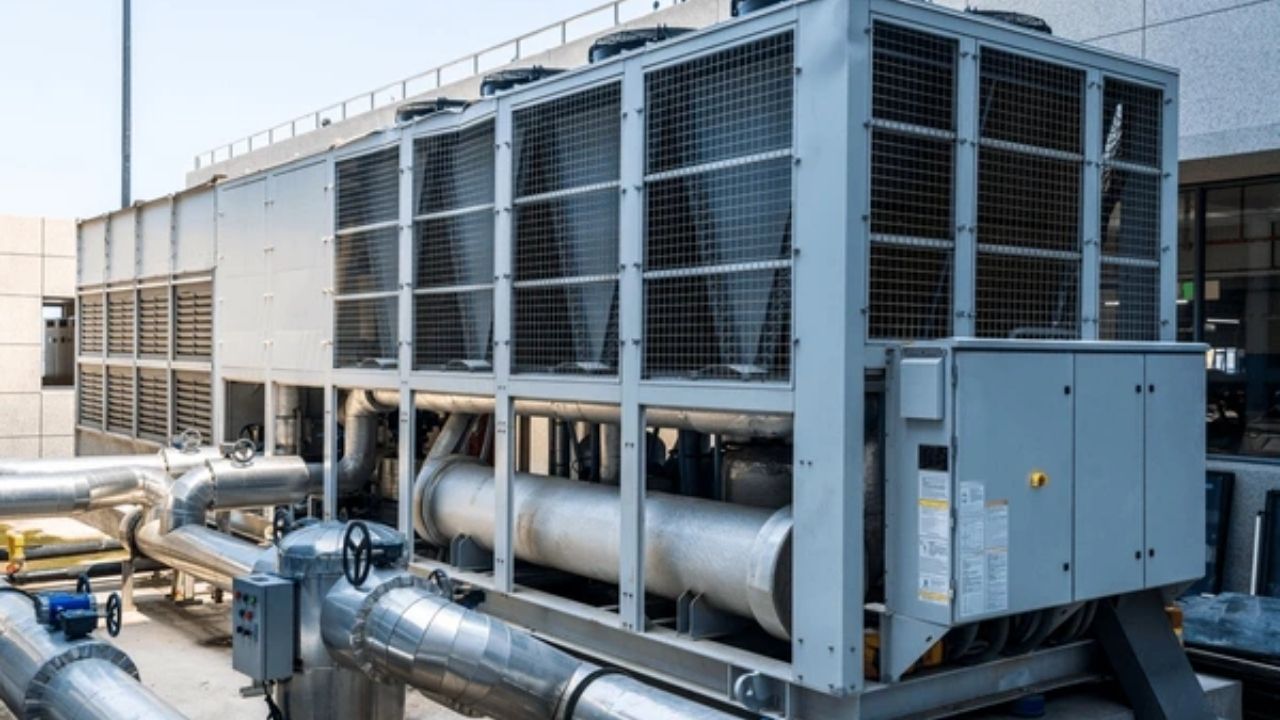
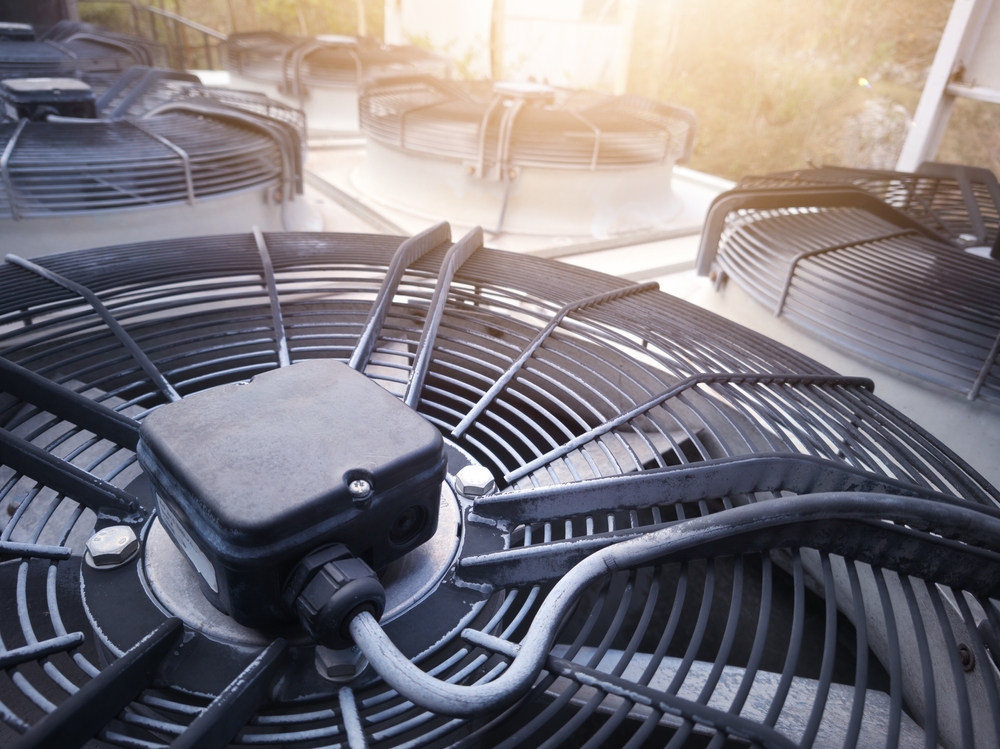
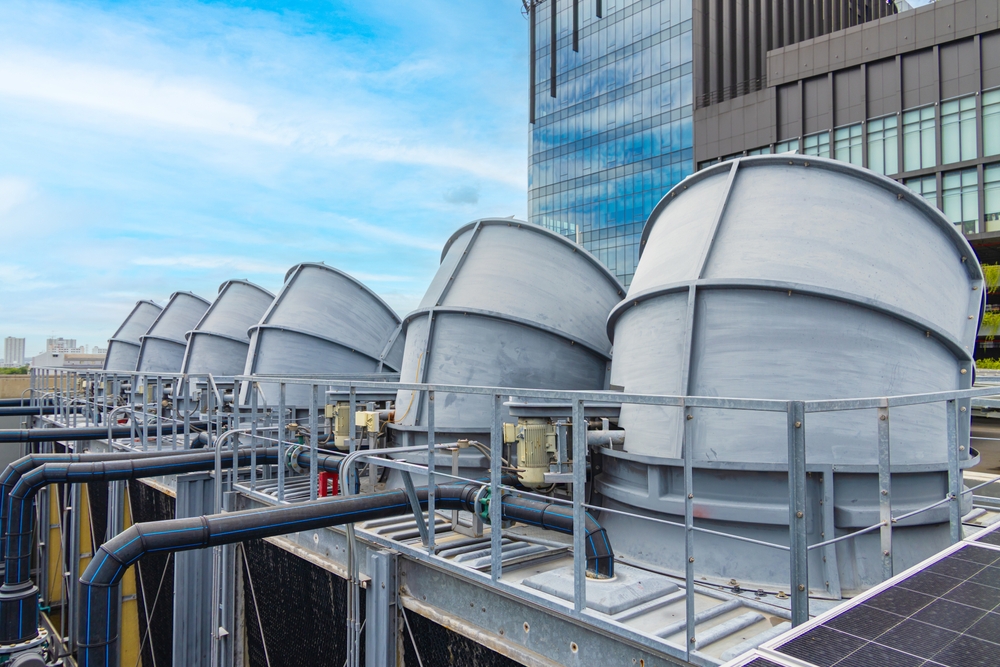
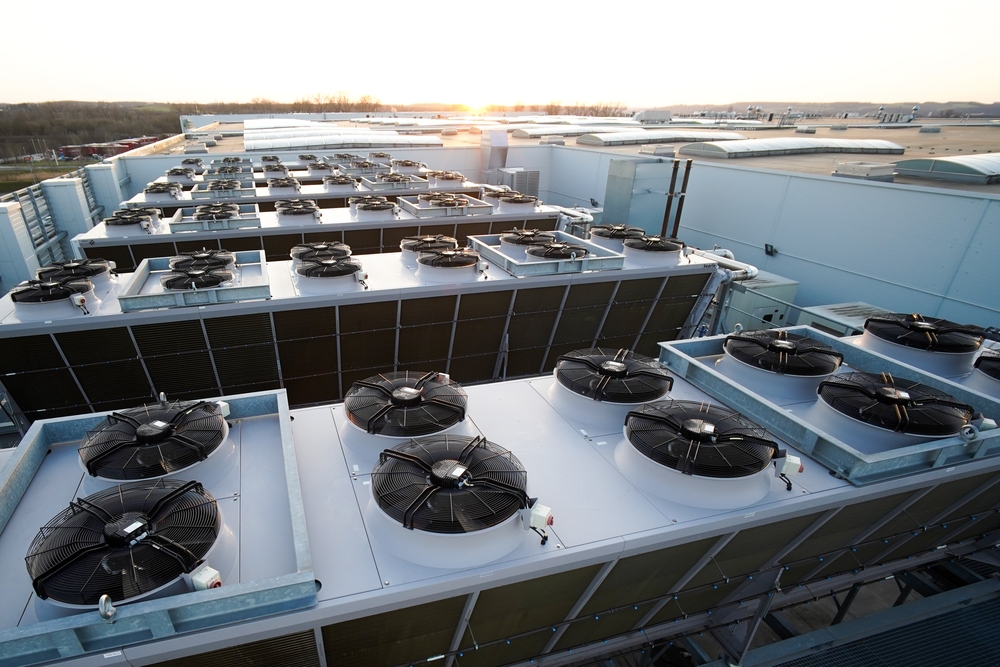
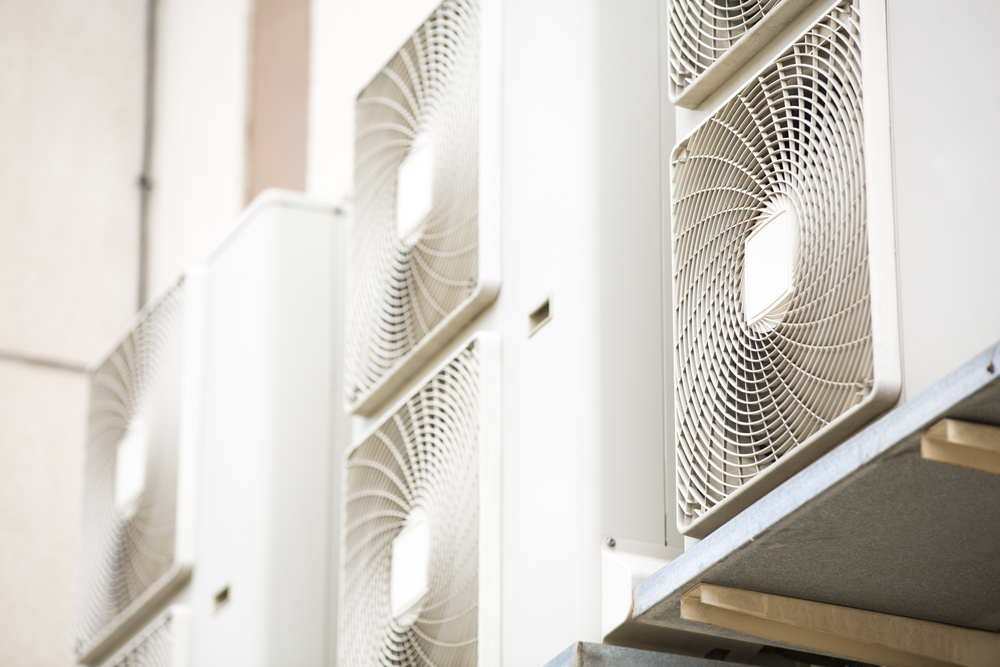
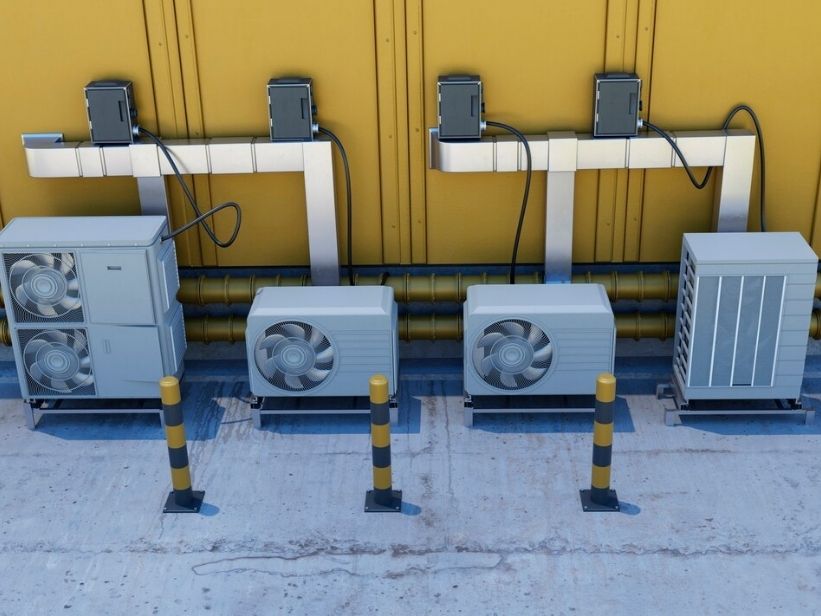
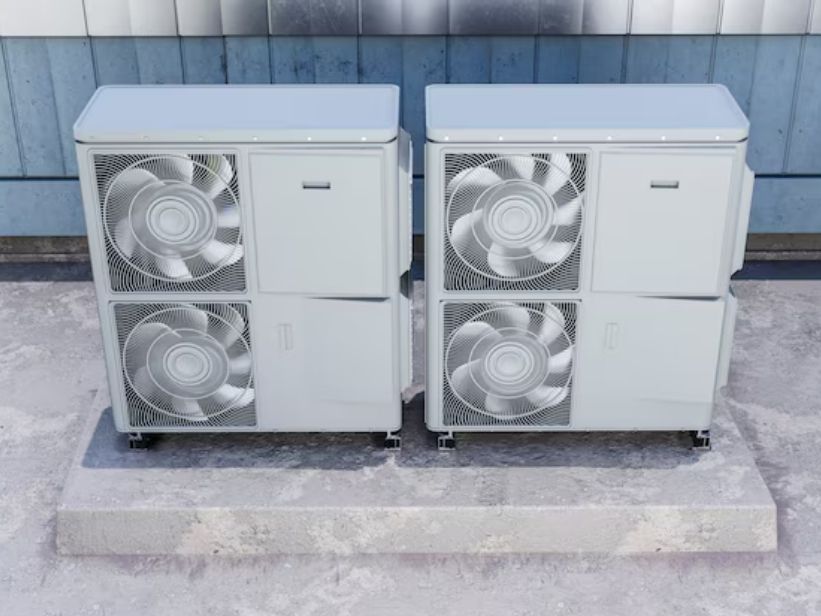
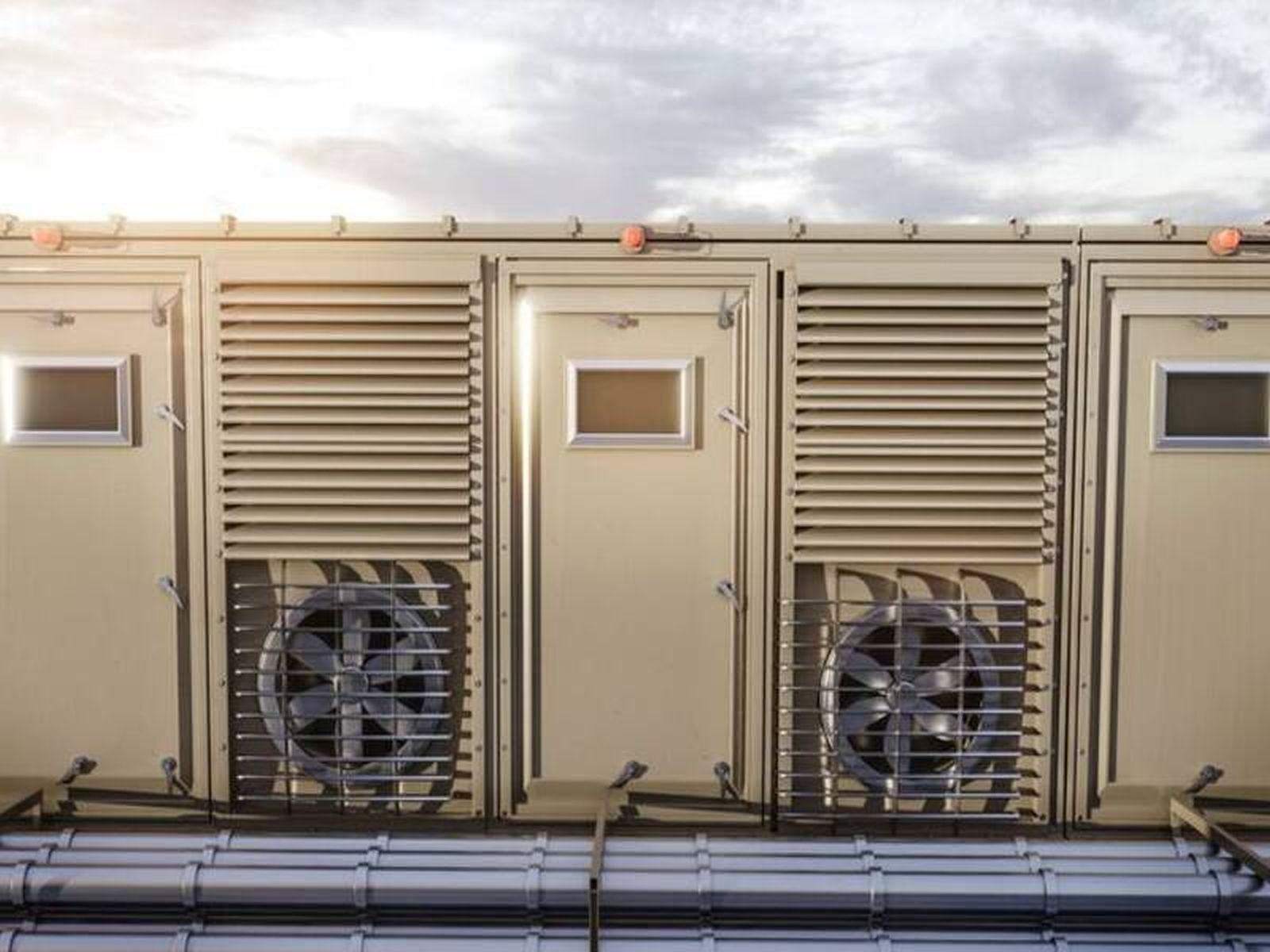
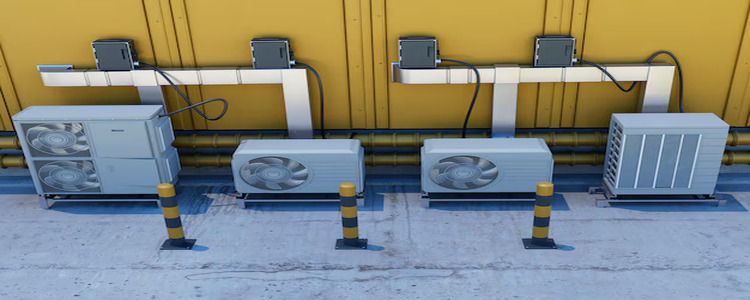
A condenser should be selected according to the heat the system must reject and the conditions at its installation site. Ambient temperature, airflow, available space and refrigerant are relevant factors. Condenser capacity should not simply be assumed equal to the evaporator’s catalogue capacity; the system’s total heat-rejection requirement needs to be determined.
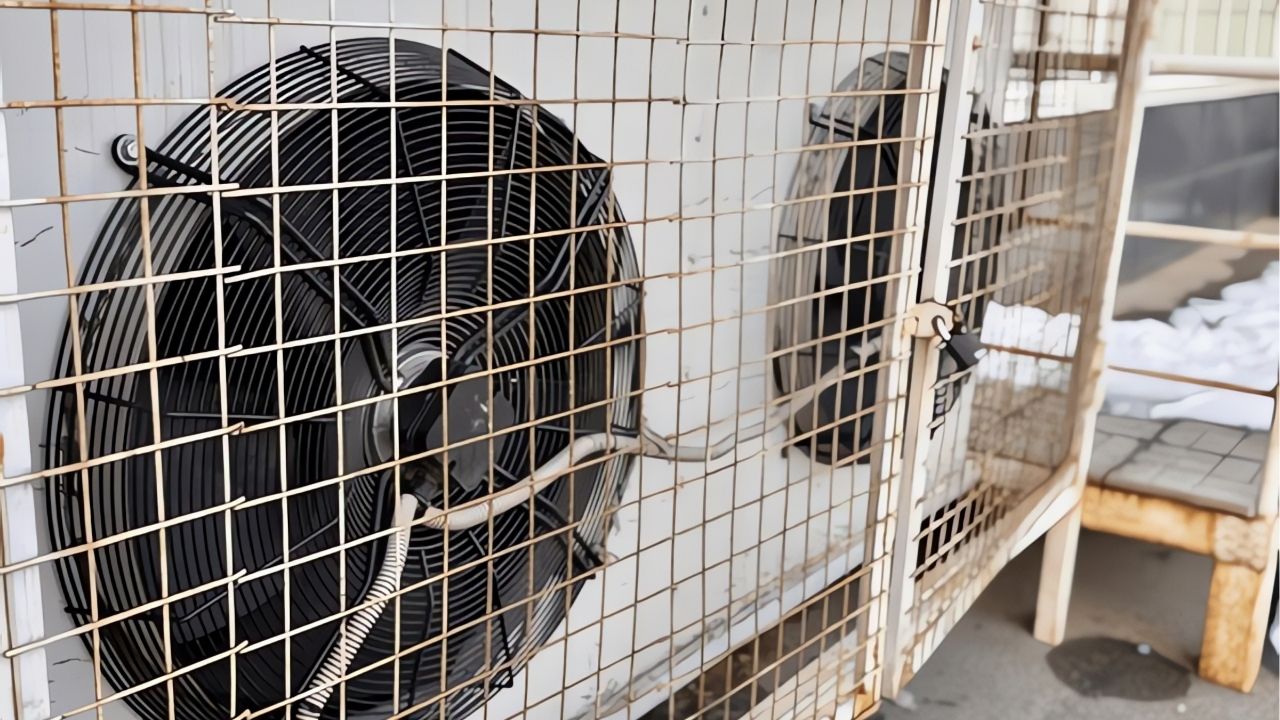
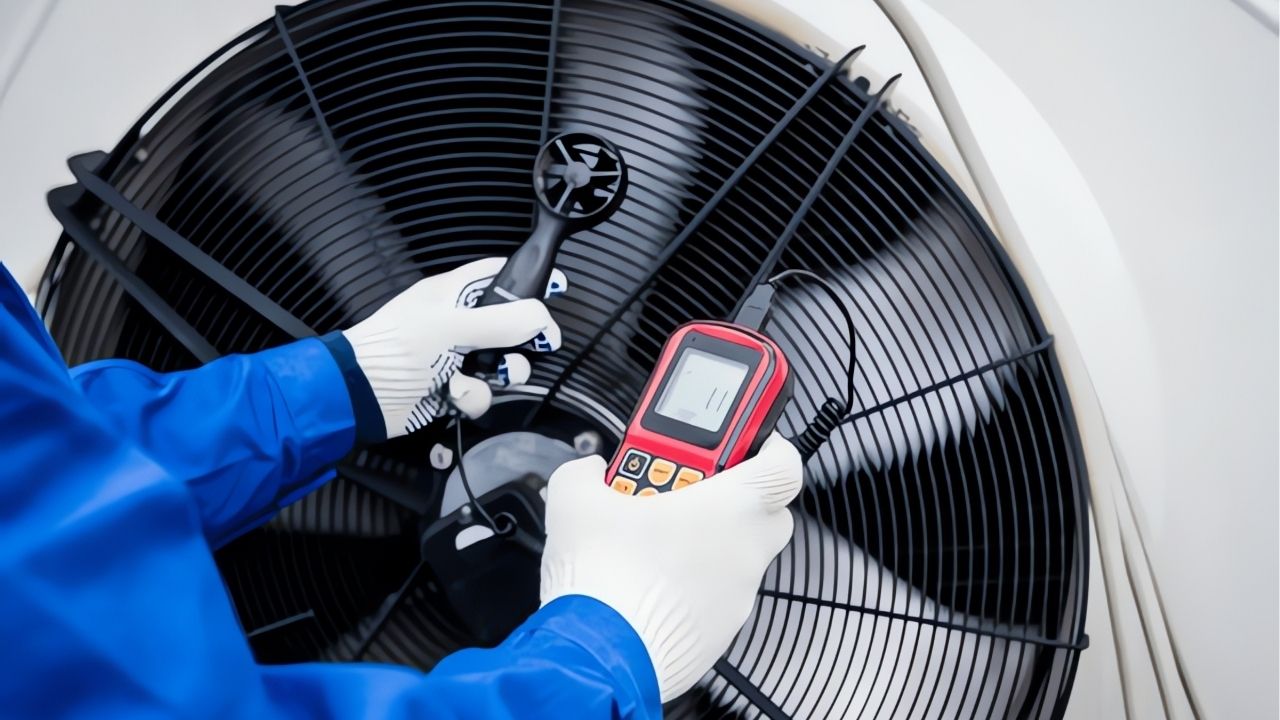
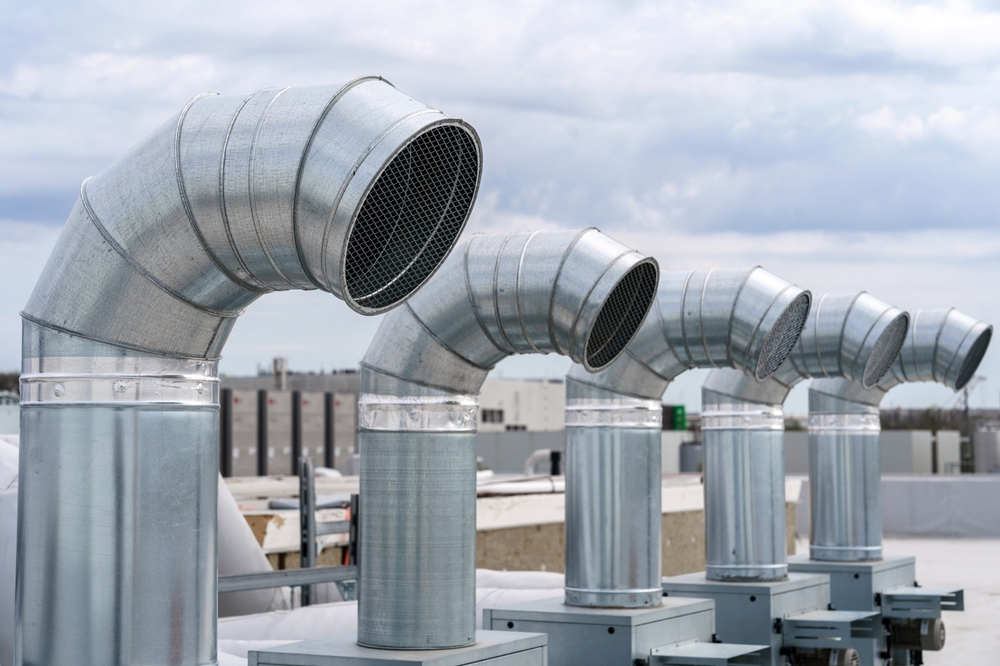
The installation should leave air inlets and outlets clear, avoid recirculation of hot discharge air and allow access for maintenance. Plans to change the number of display cabinets or their operating load should also be shared during selection.
How Should Defrost and Maintenance Be Considered?
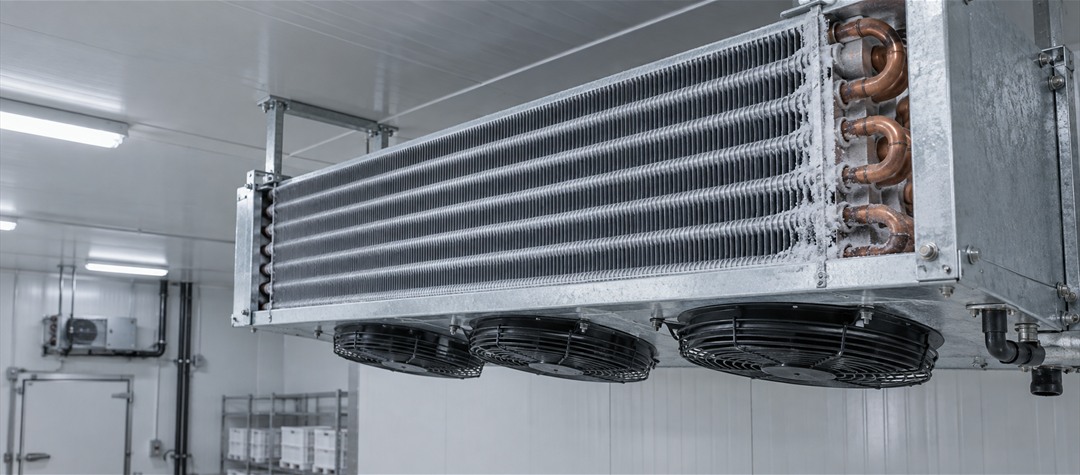
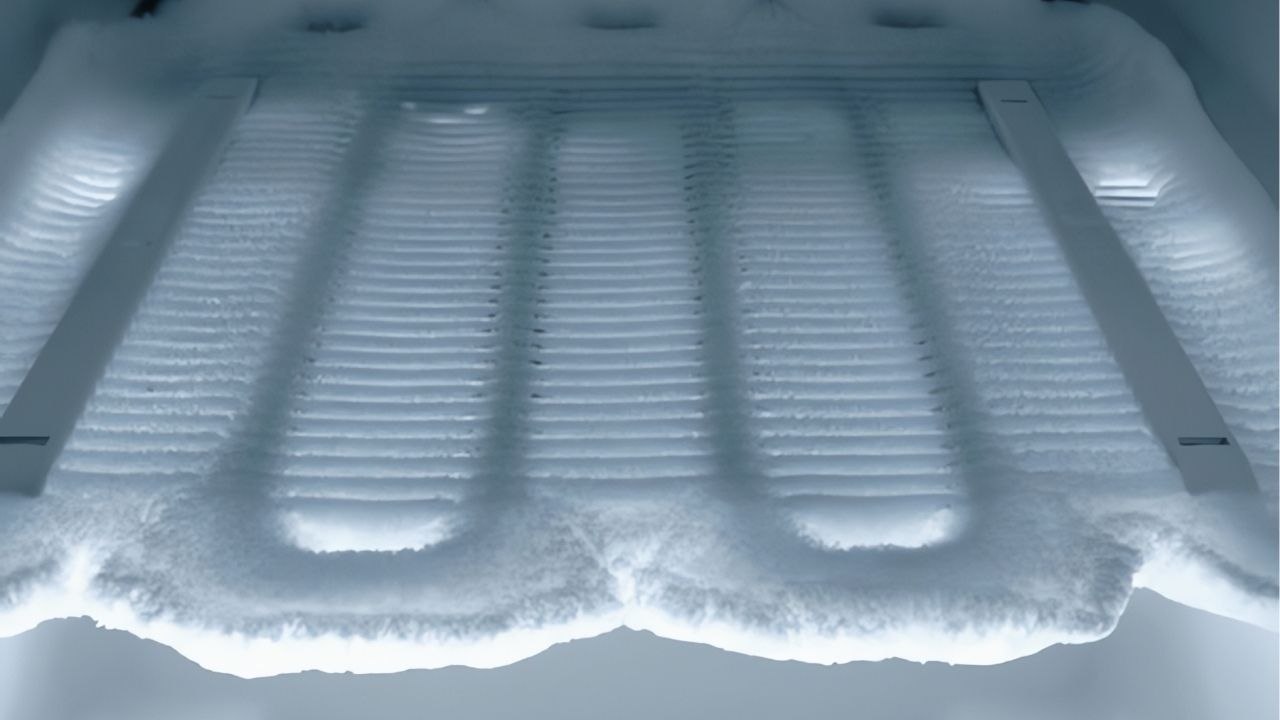
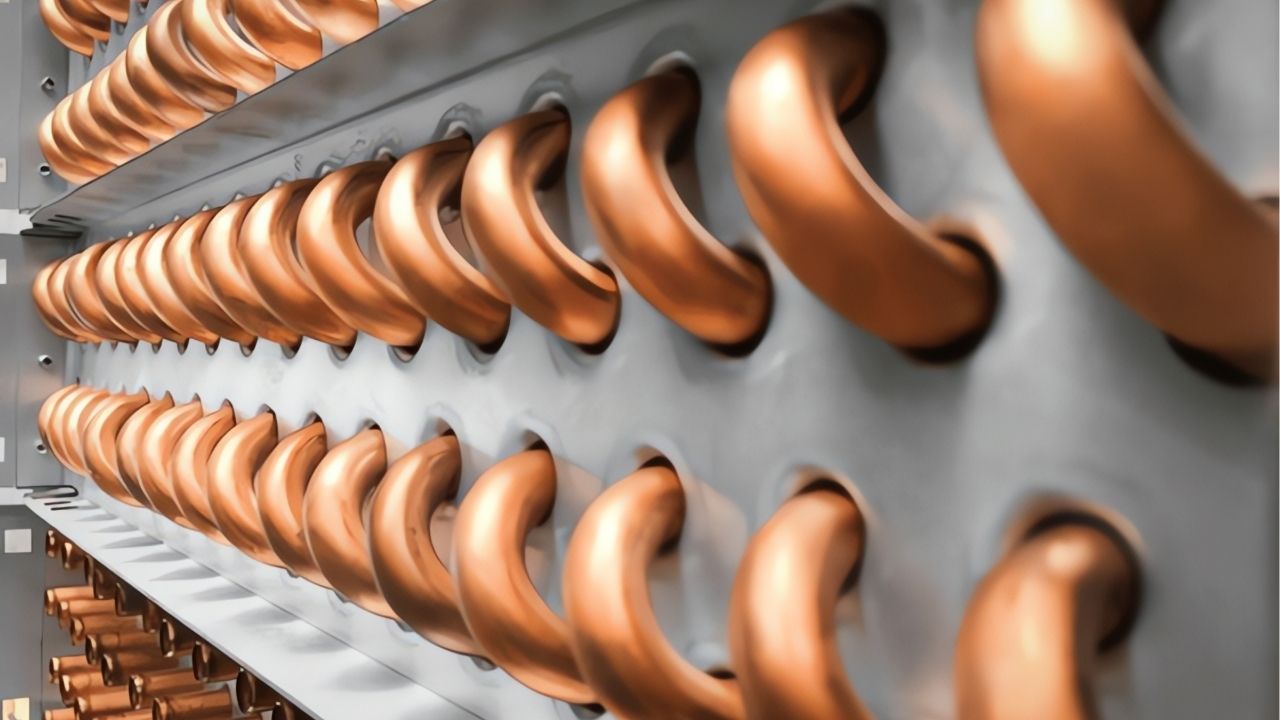
Ice on an evaporator can restrict airflow and heat transfer. The defrost method should be determined as part of the system design, considering the cabinet type and operating conditions. The effect of defrost on product temperature must also be checked.
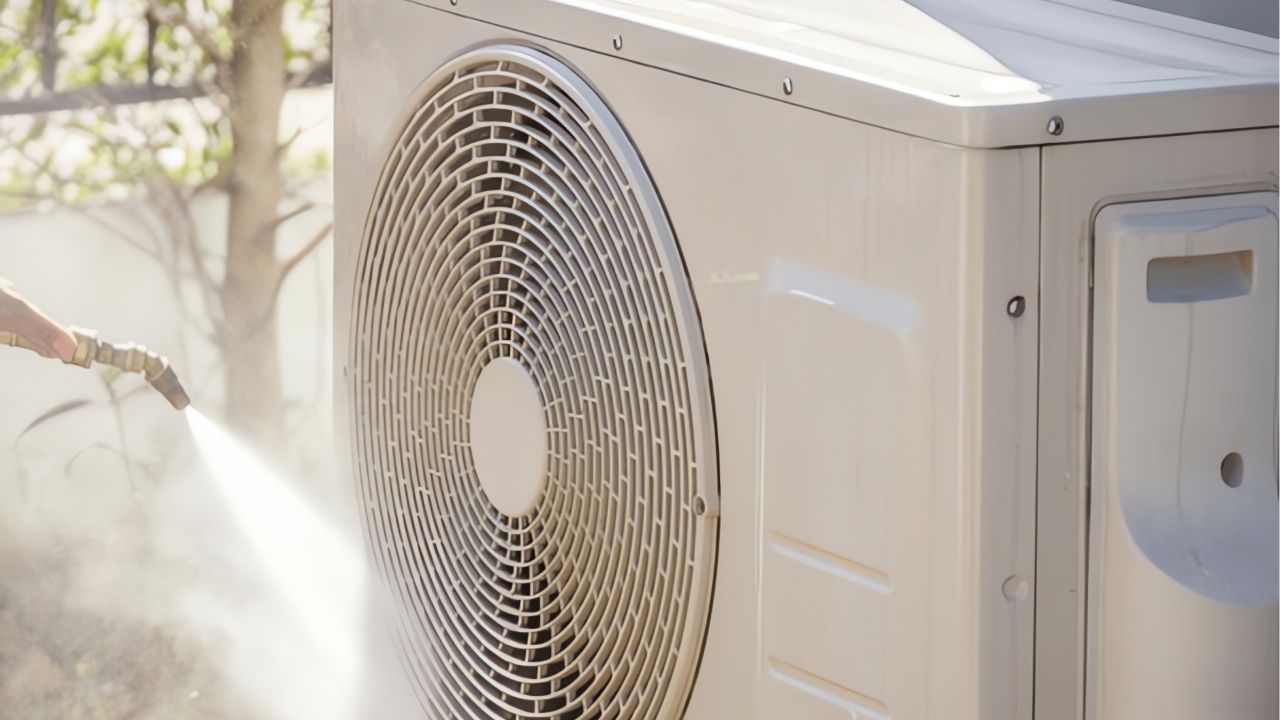
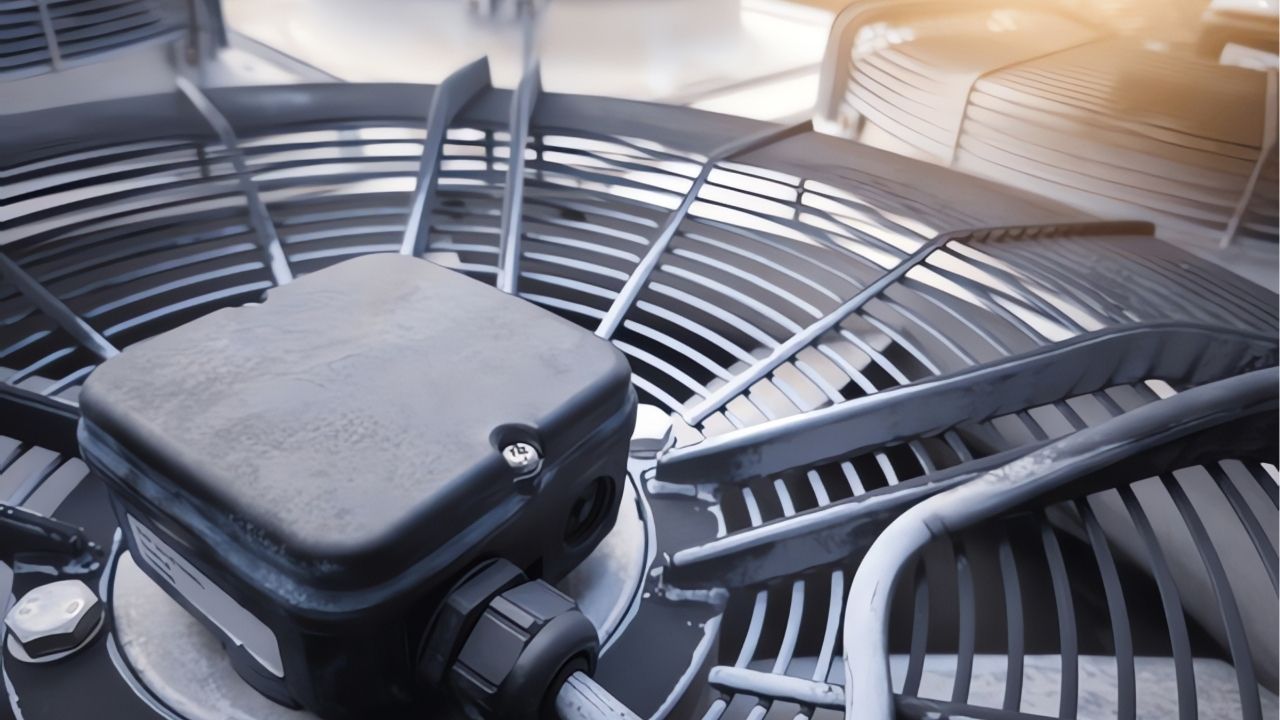
Keeping evaporator and condenser surfaces clean and checking fans and drainage are part of routine maintenance. The maintenance schedule should follow equipment instructions and the store’s actual operating conditions.
What Information Is Needed for a Technical Assessment?
To assess suitable components, provide the product category, target temperature, cabinet dimensions, open or closed configuration, store ambient temperature, refrigerant and technical data for any existing system. For a new installation, also identify the evaporator mounting space and proposed condenser location.
These project details allow Günay Soğutma to review evaporator and condenser options. Requirements for the complete display cabinet and product safety should be confirmed with the cabinet manufacturer and system designer.
Frequently Asked Questions
Does Günay Soğutma offer complete display coolers?
This article covers refrigeration components such as evaporators and condensers. Complete display cabinet bodies and store display equipment are outside this scope.
Does every display cabinet need a separate condenser?
That depends on the system design. Several cabinets may be connected to a shared refrigeration system. Condenser selection should be based on the total heat-rejection load and the system configuration.
How should evaporator capacities be compared?
Capacities from different models can be compared meaningfully only when their reference conditions and refrigerant are taken into account.
What information is needed for a quotation?
Share the cabinet dimensions, product category, target temperature, store conditions, refrigerant, installation space and any available technical data for the existing system.