

What Conditions Are Evaporator Catalogue Capacities Based On?
01 / 10 / 2026

In industrial refrigeration projects, condenser research often starts with the wrong question: "Which manufacturer is better?" Yet the technical correctness of a condenser selection is determined by the application itself before the manufacturer. The condensing load in a cold room, in a supermarket display system and in a chemical process line are subject to the same physical rules, but in practice they call for very different condenser architectures. Rather than comparing suppliers, this article covers how the different condenser types work and which solution is technically more appropriate in which application. The aim is to offer a decision framework that proceeds not from brands or price lists, but from heat load, climate conditions, water infrastructure and maintenance capacity.
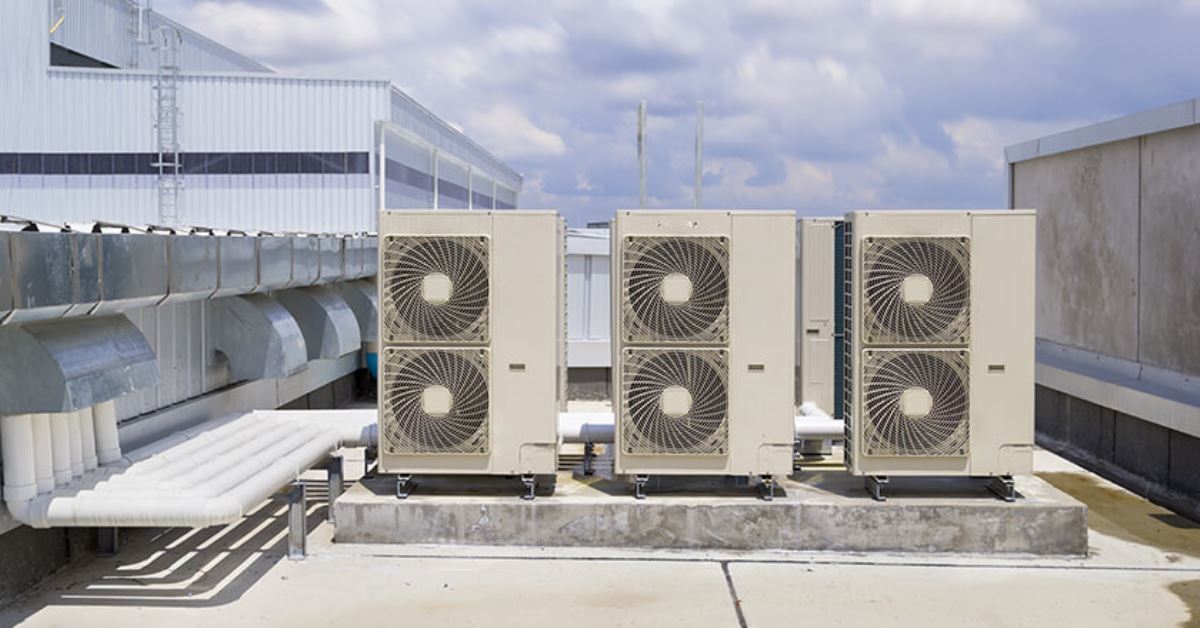
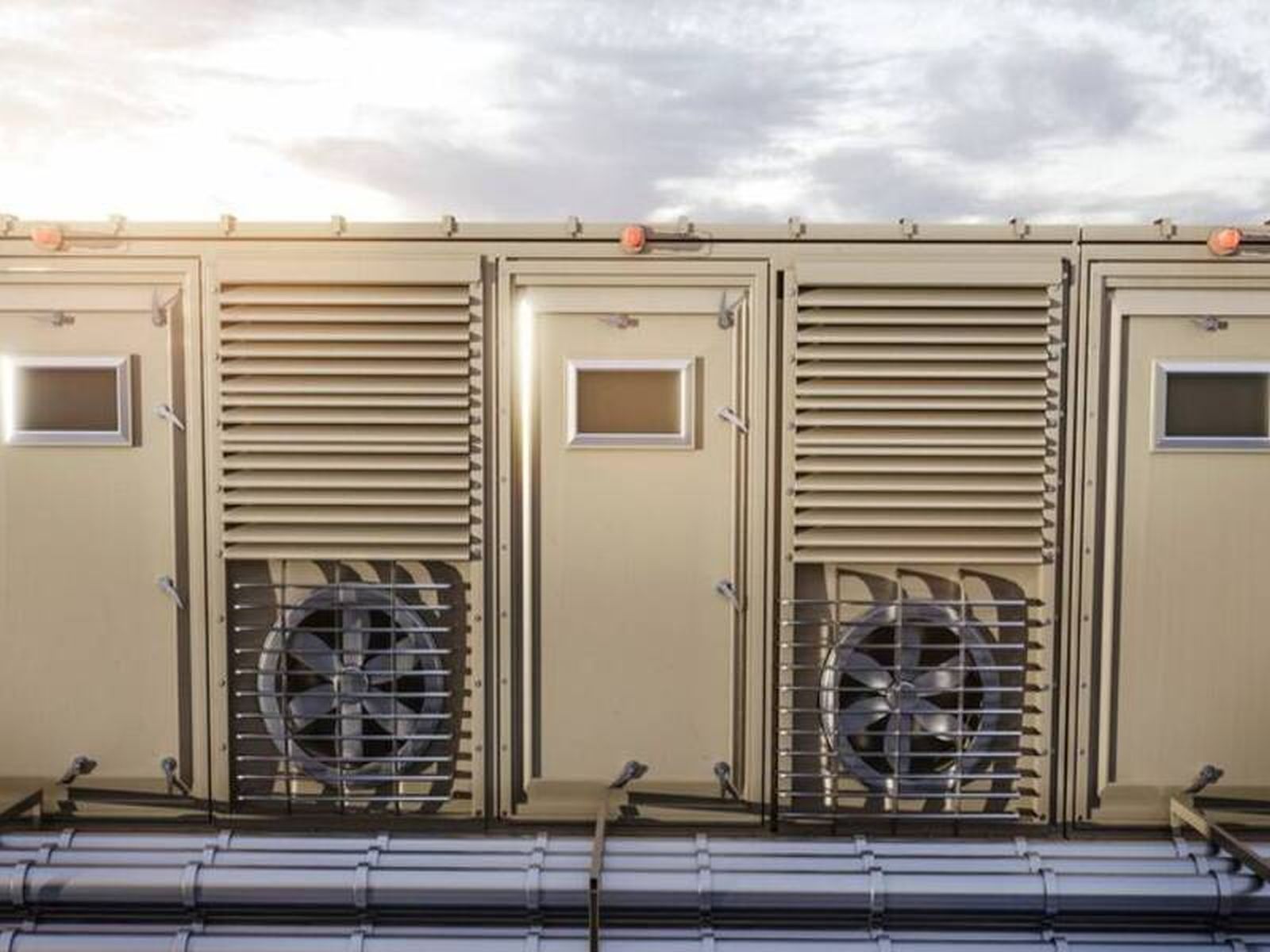
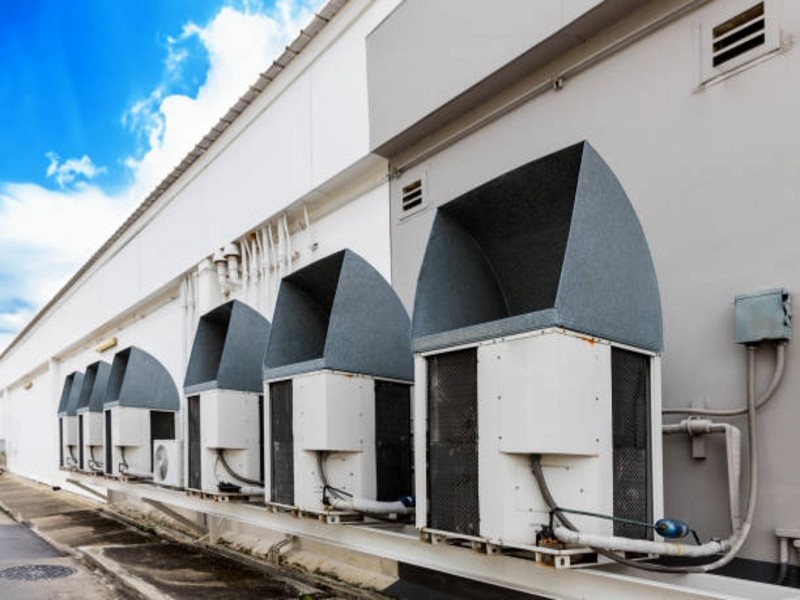
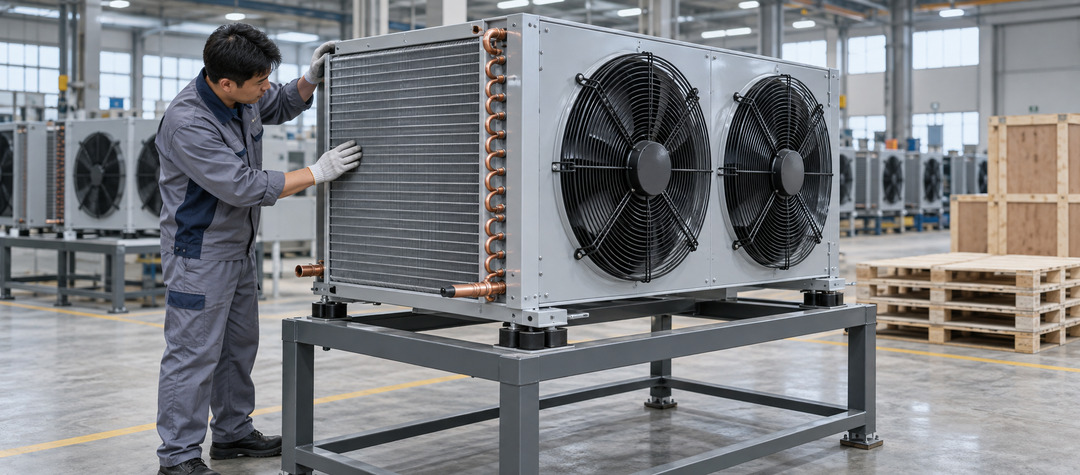
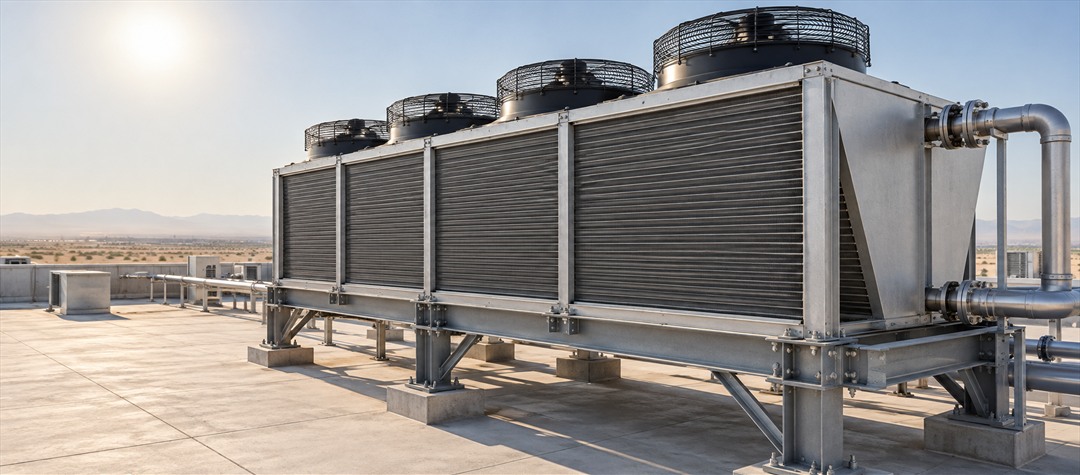
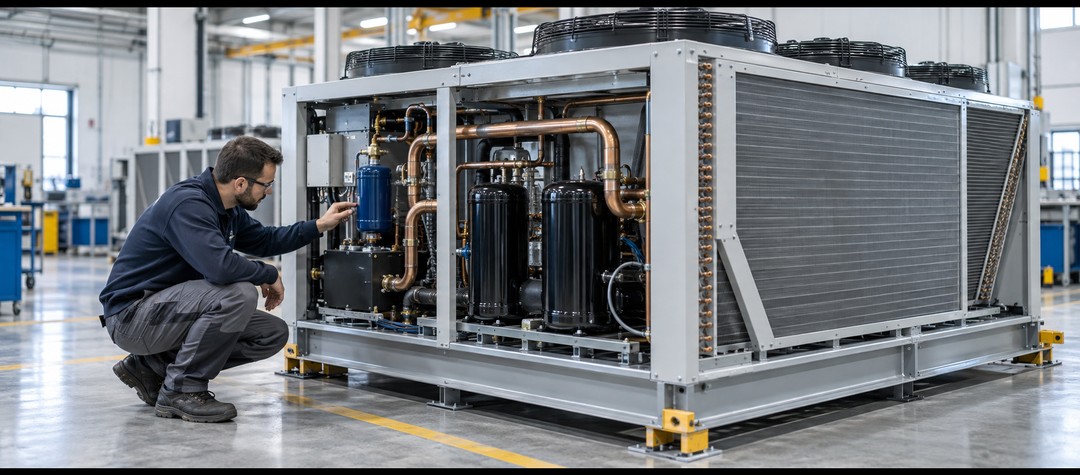
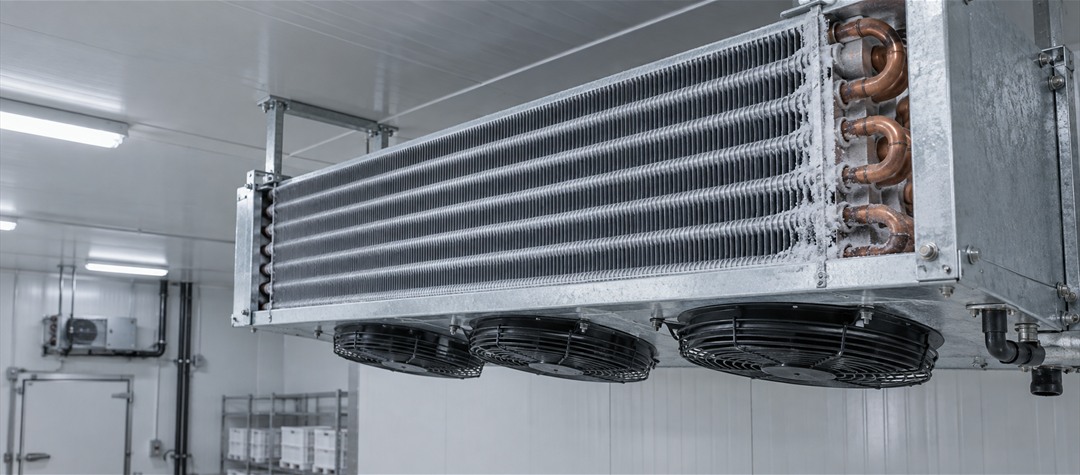
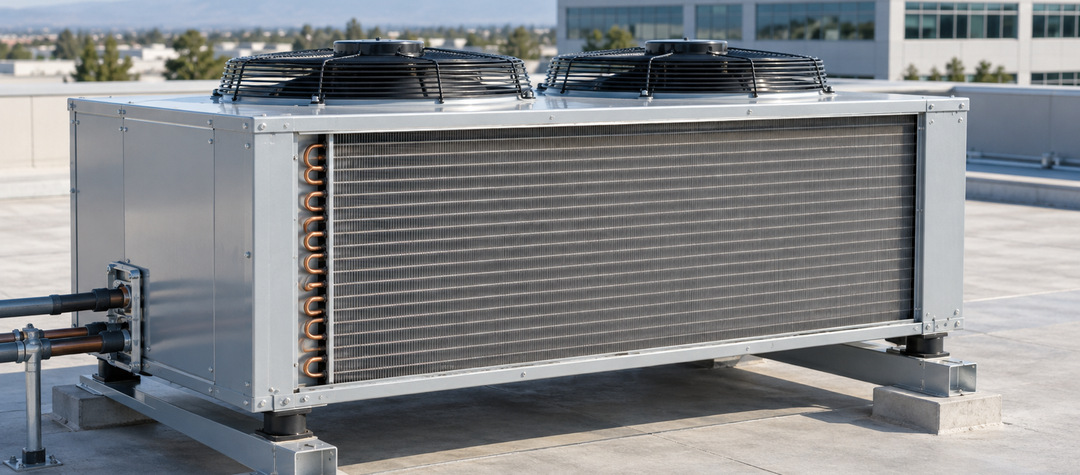
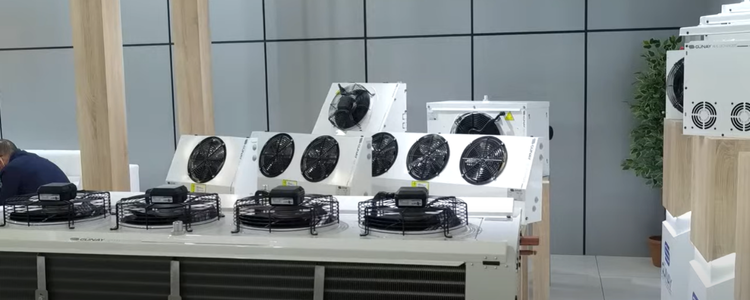
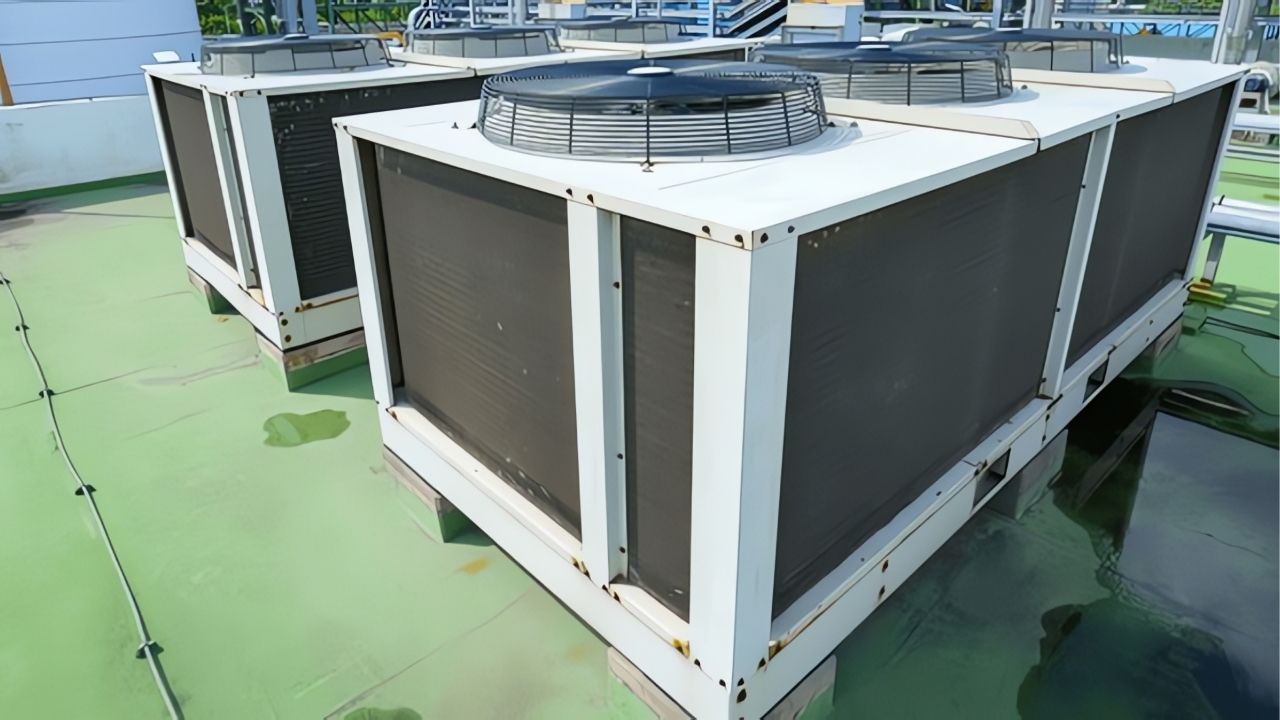
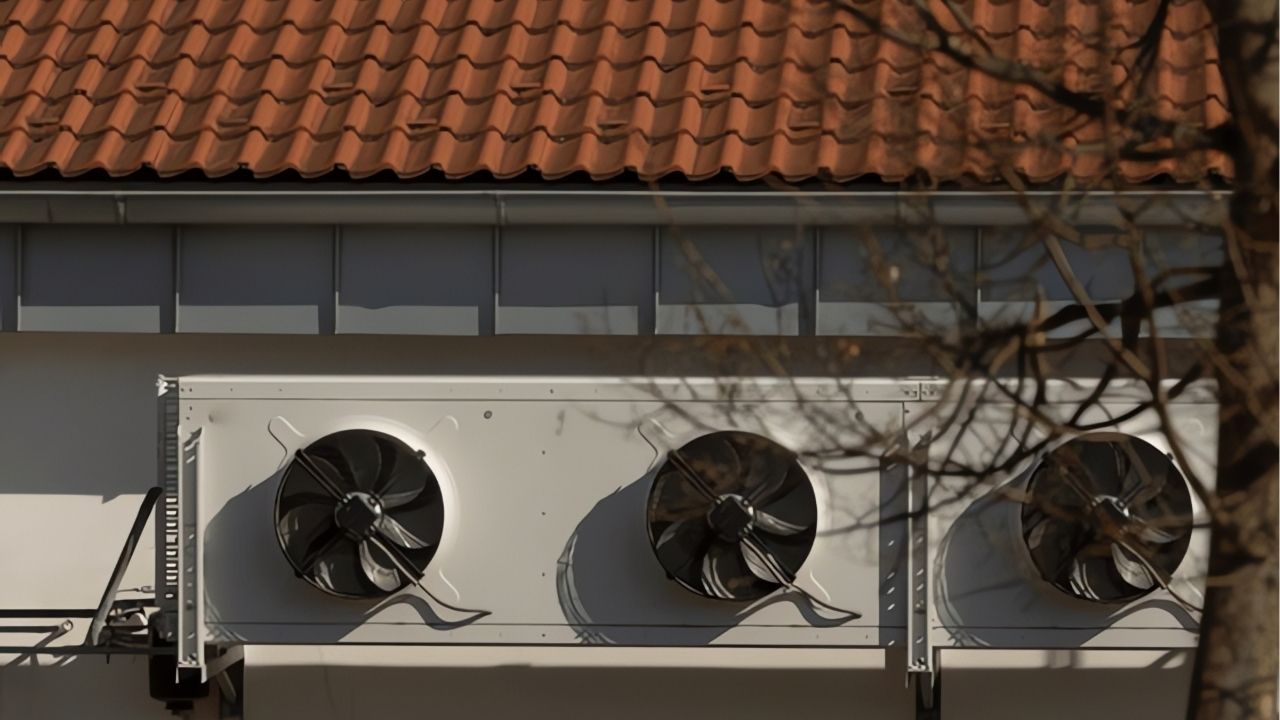
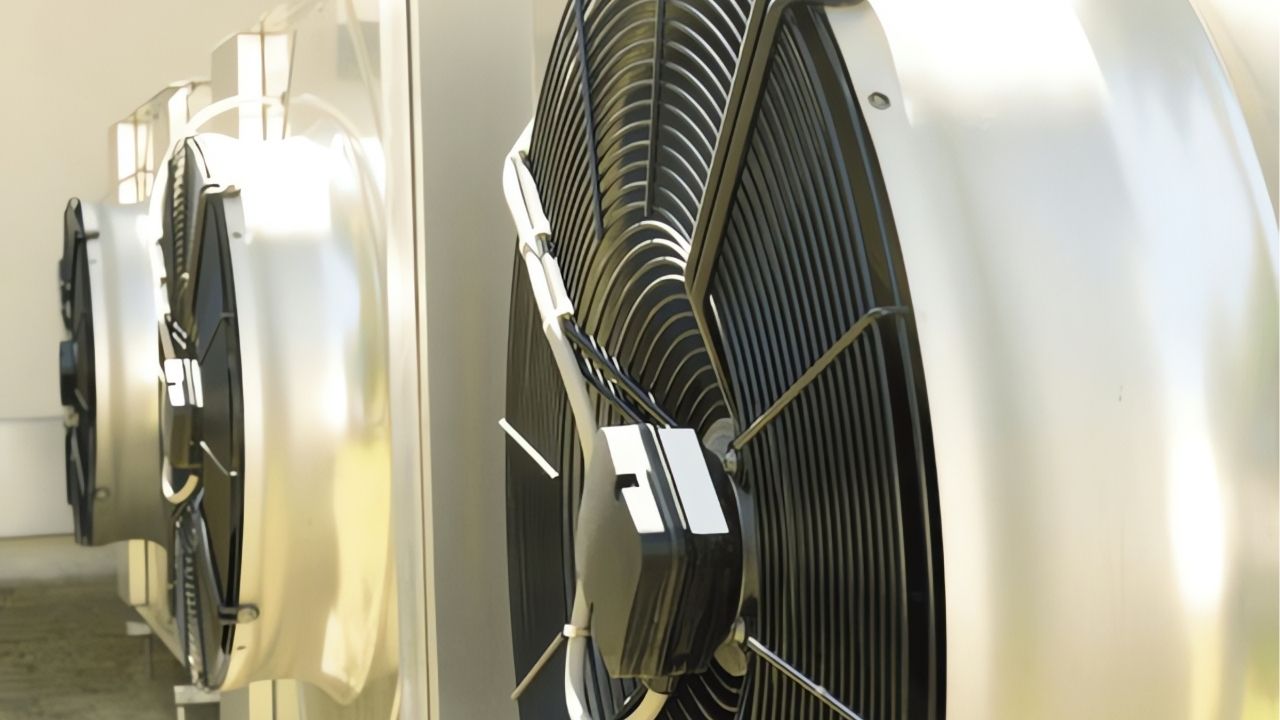
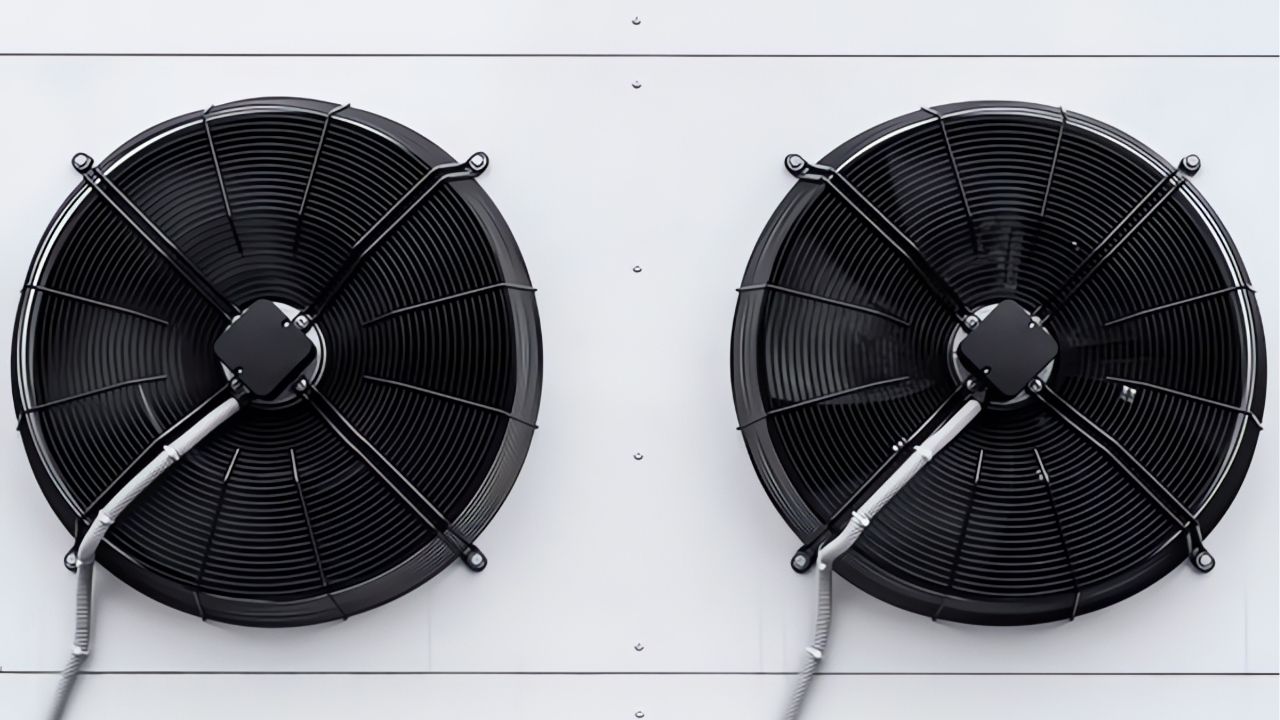
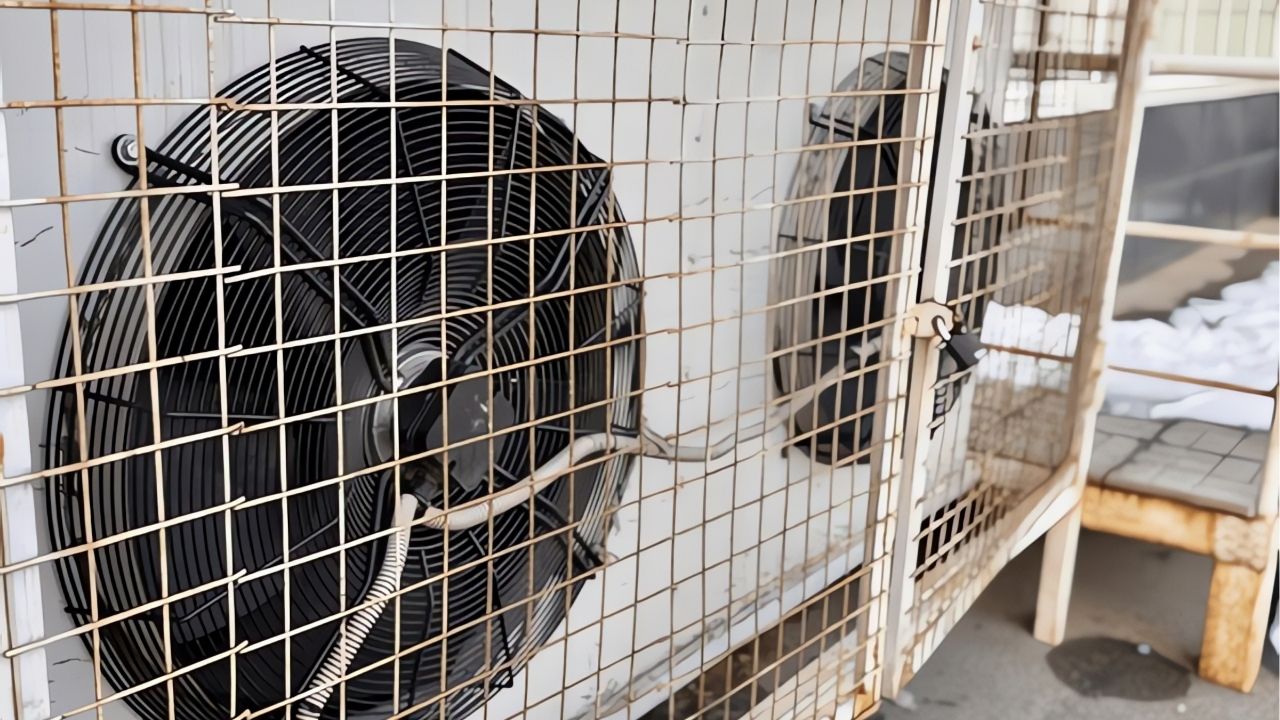
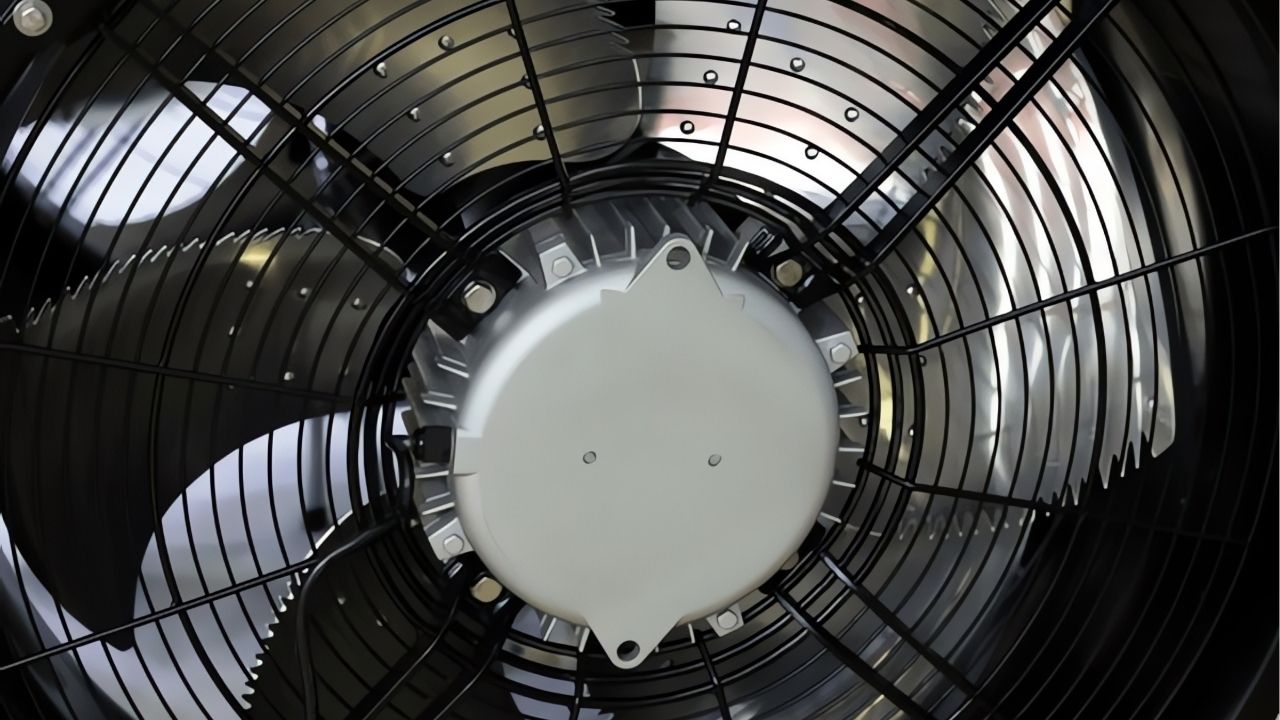
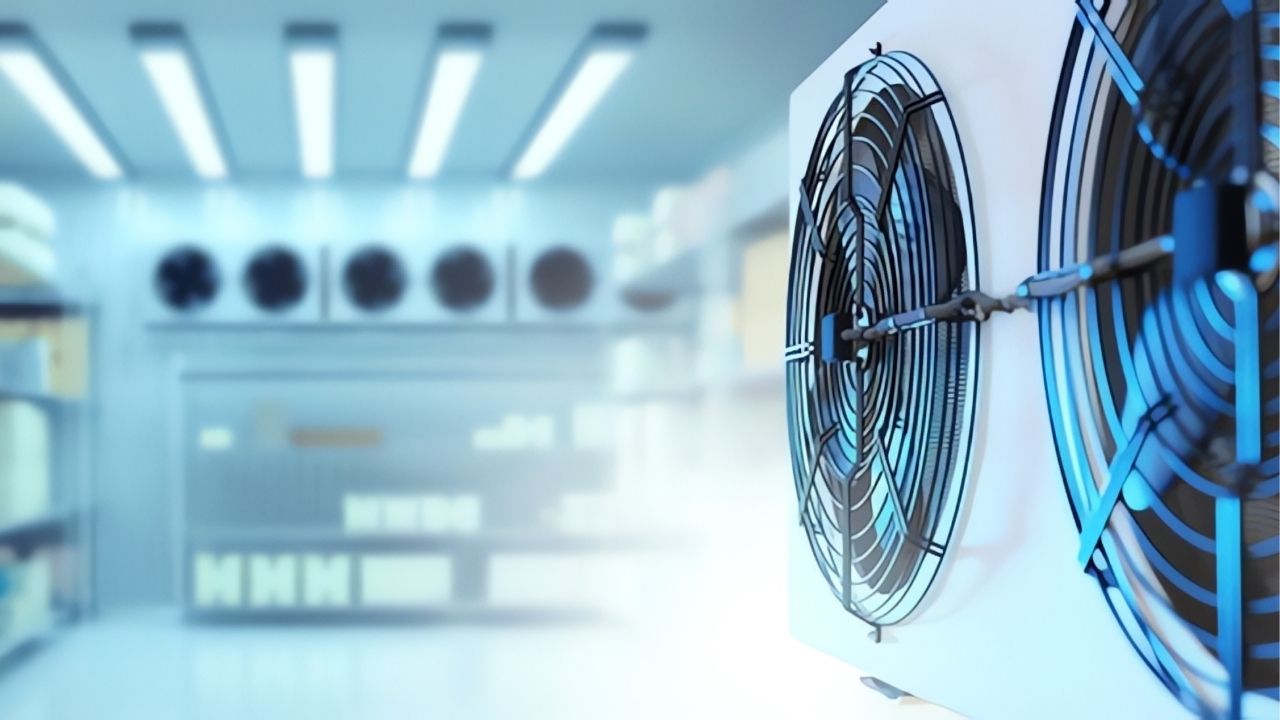
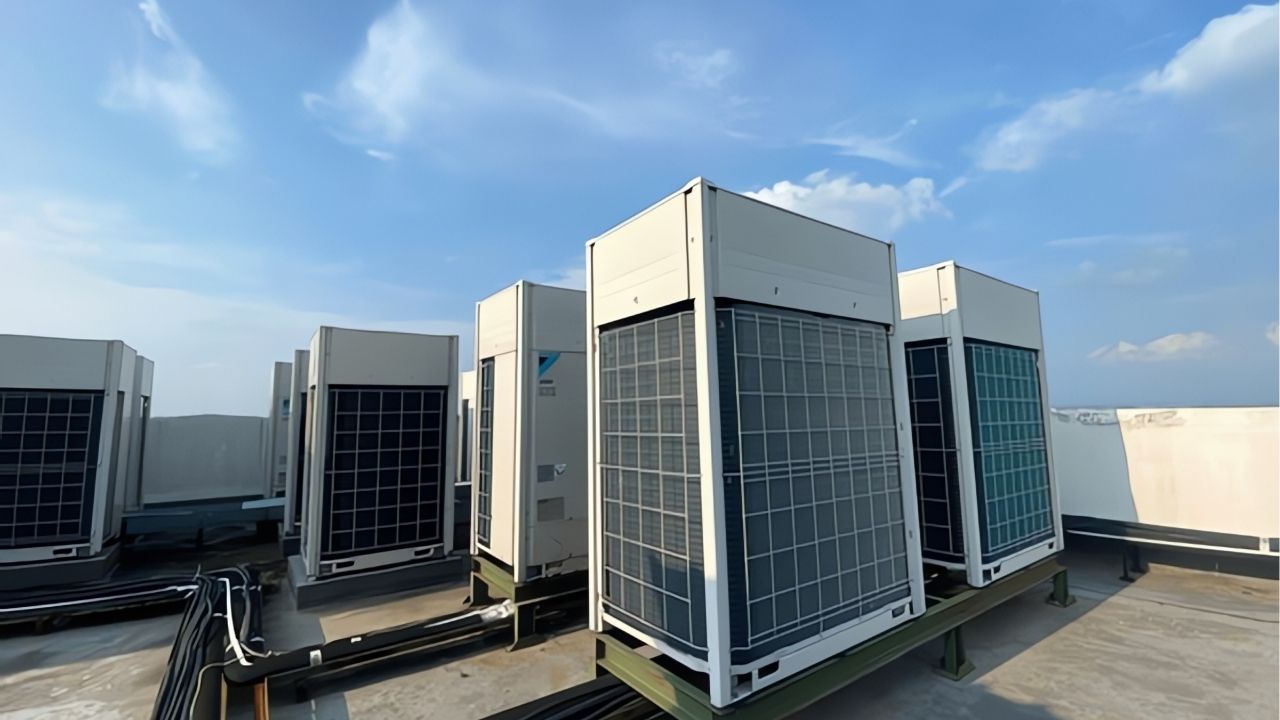
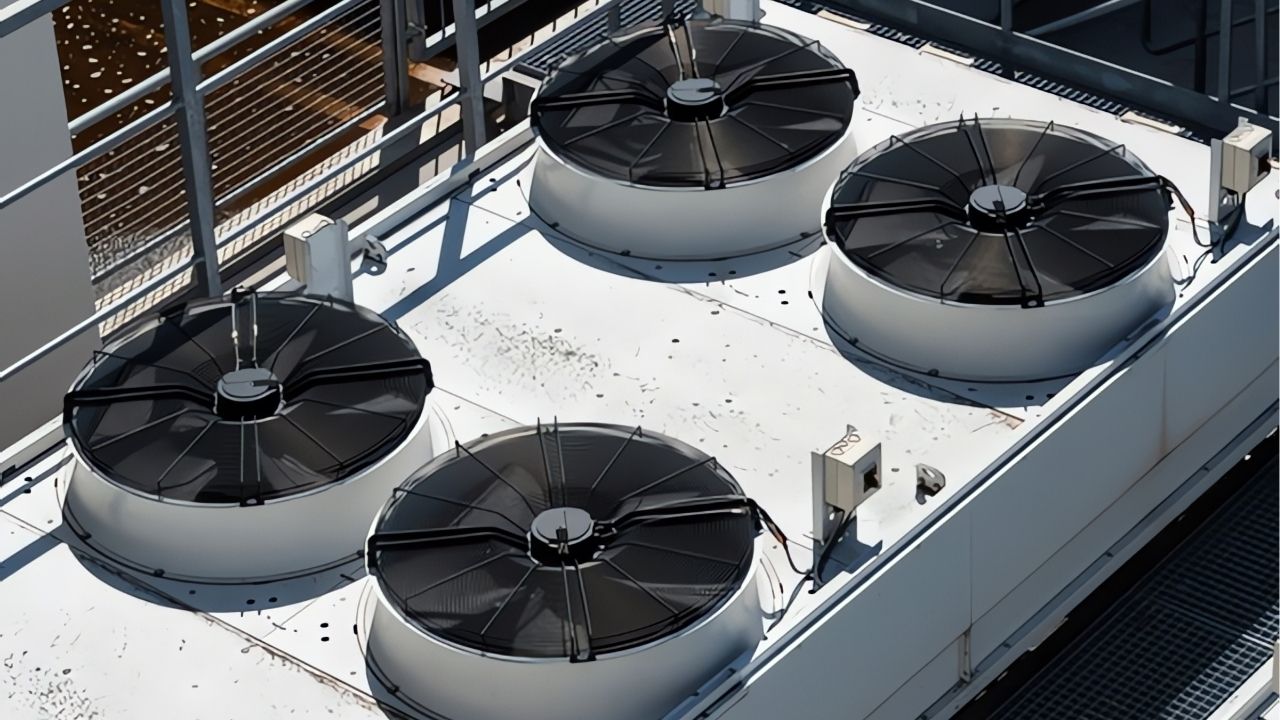
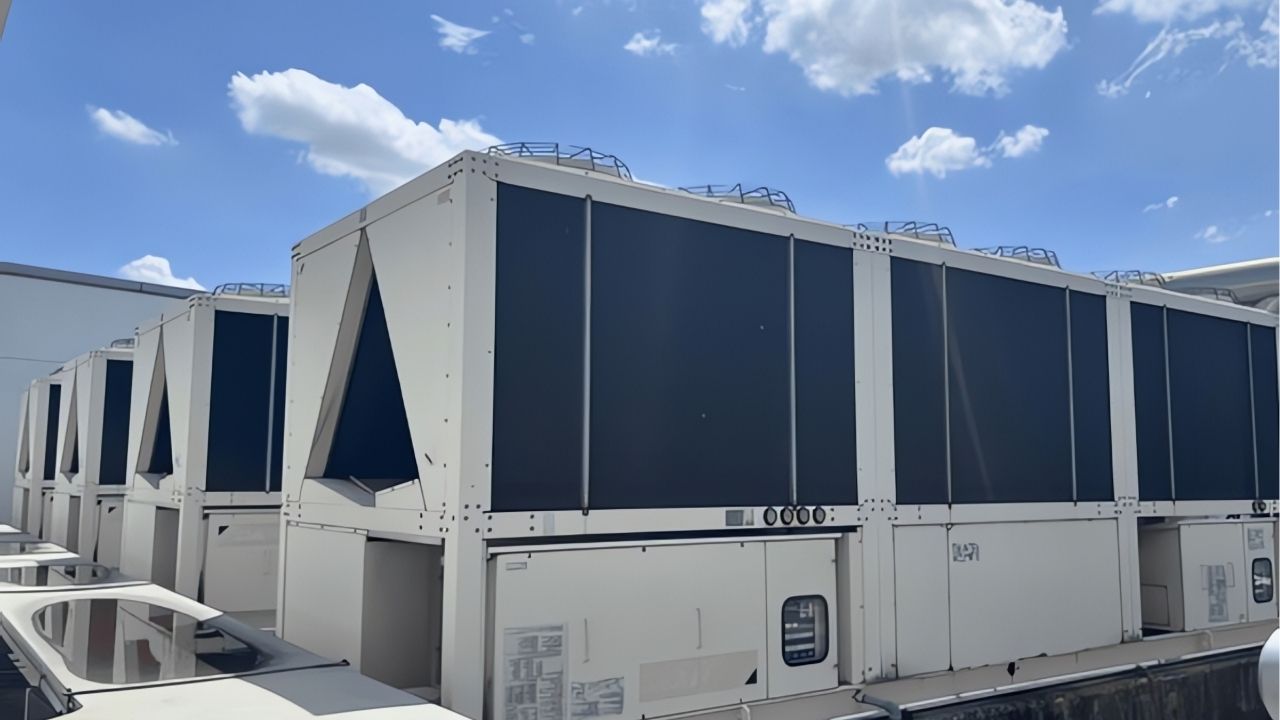
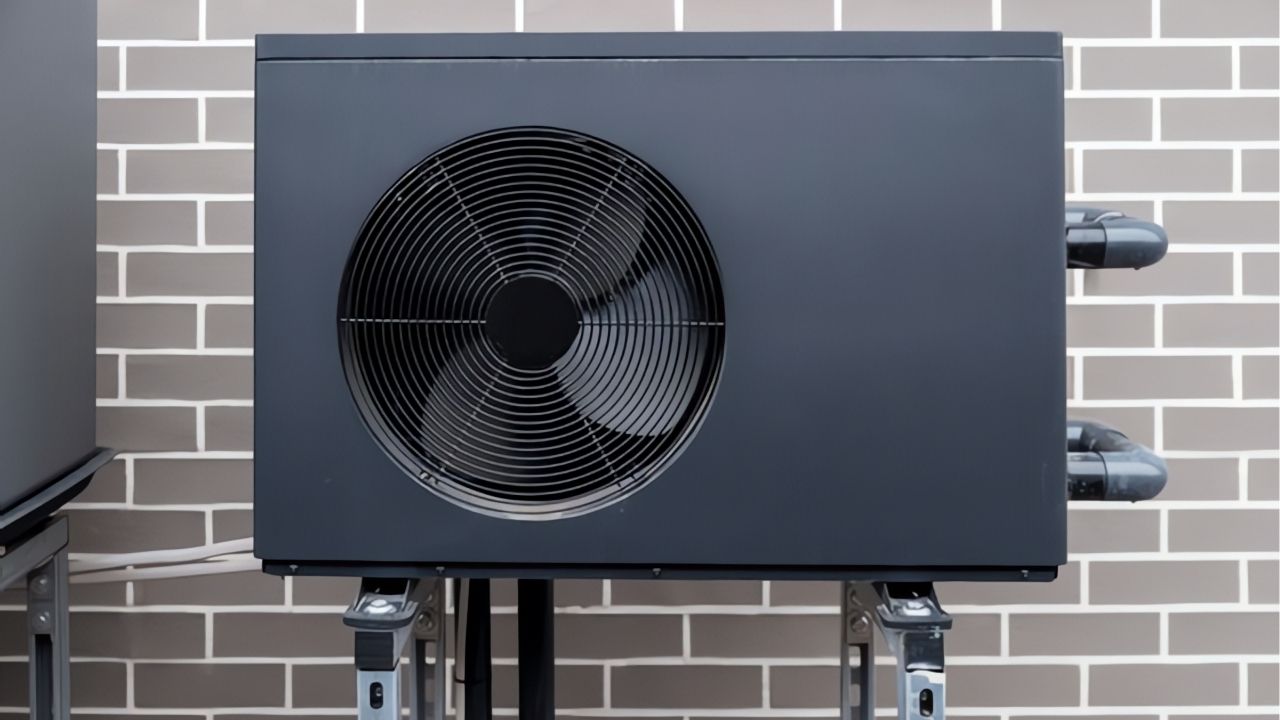
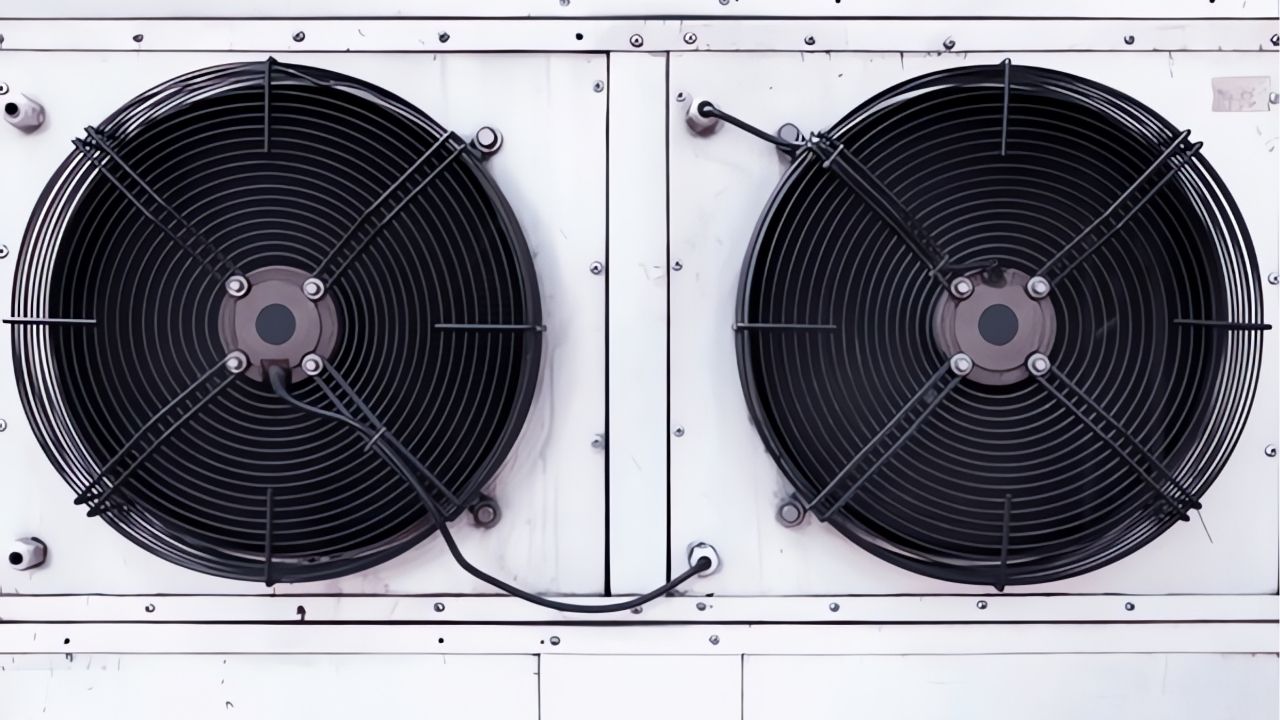
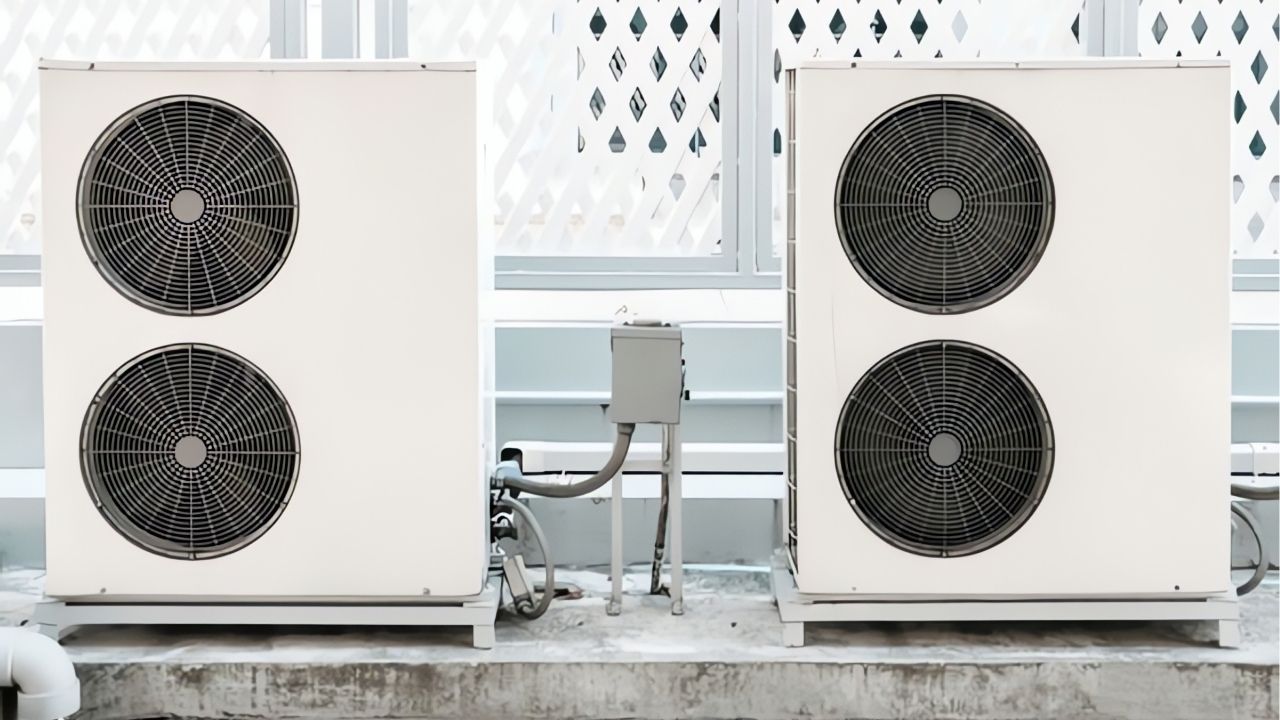
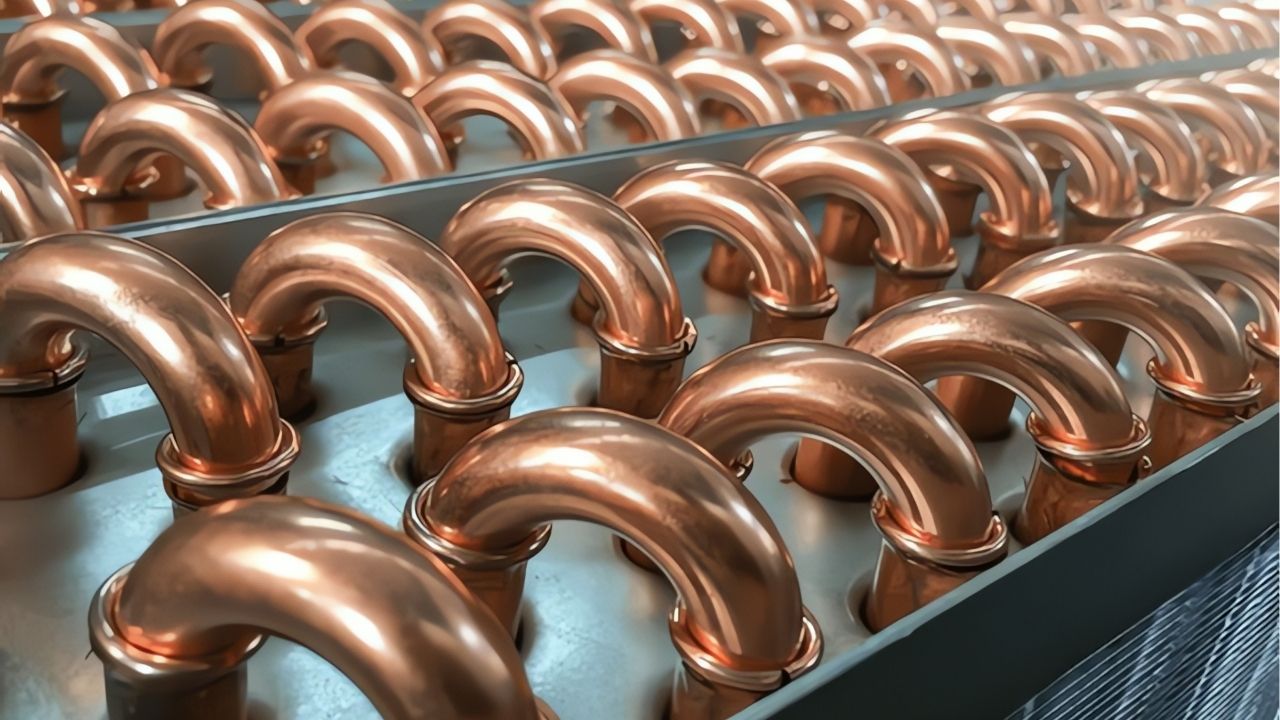
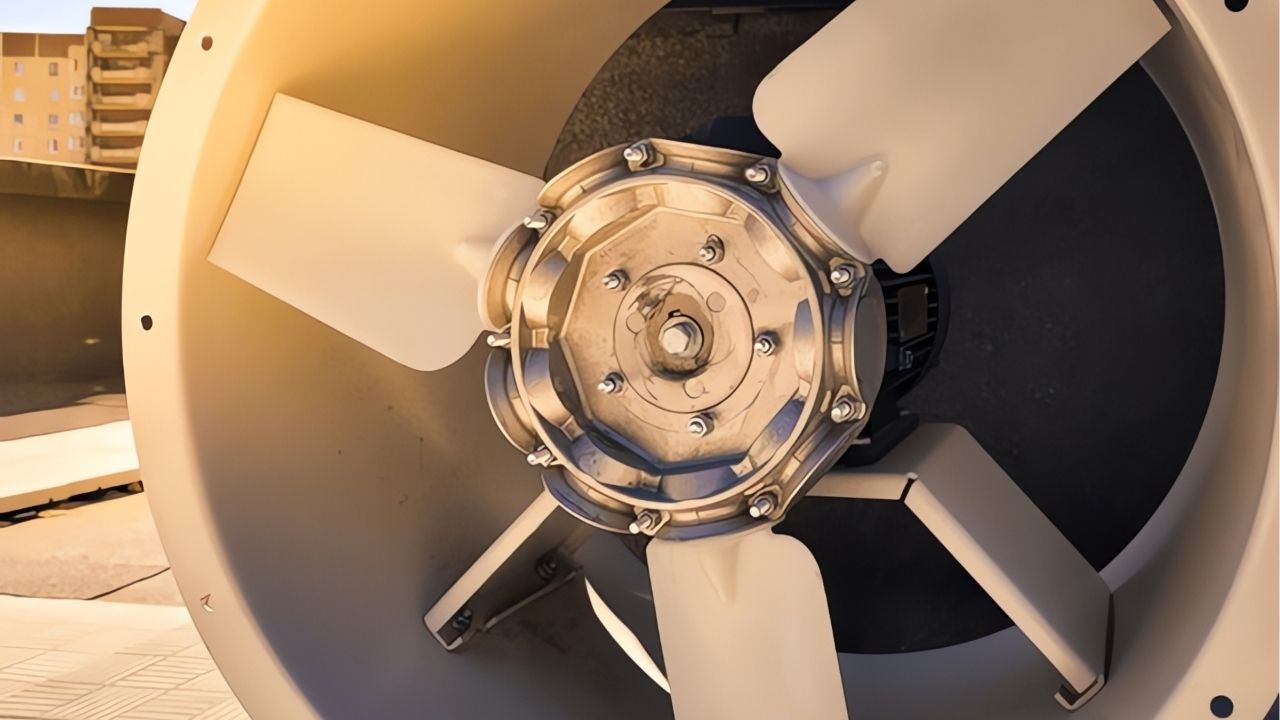
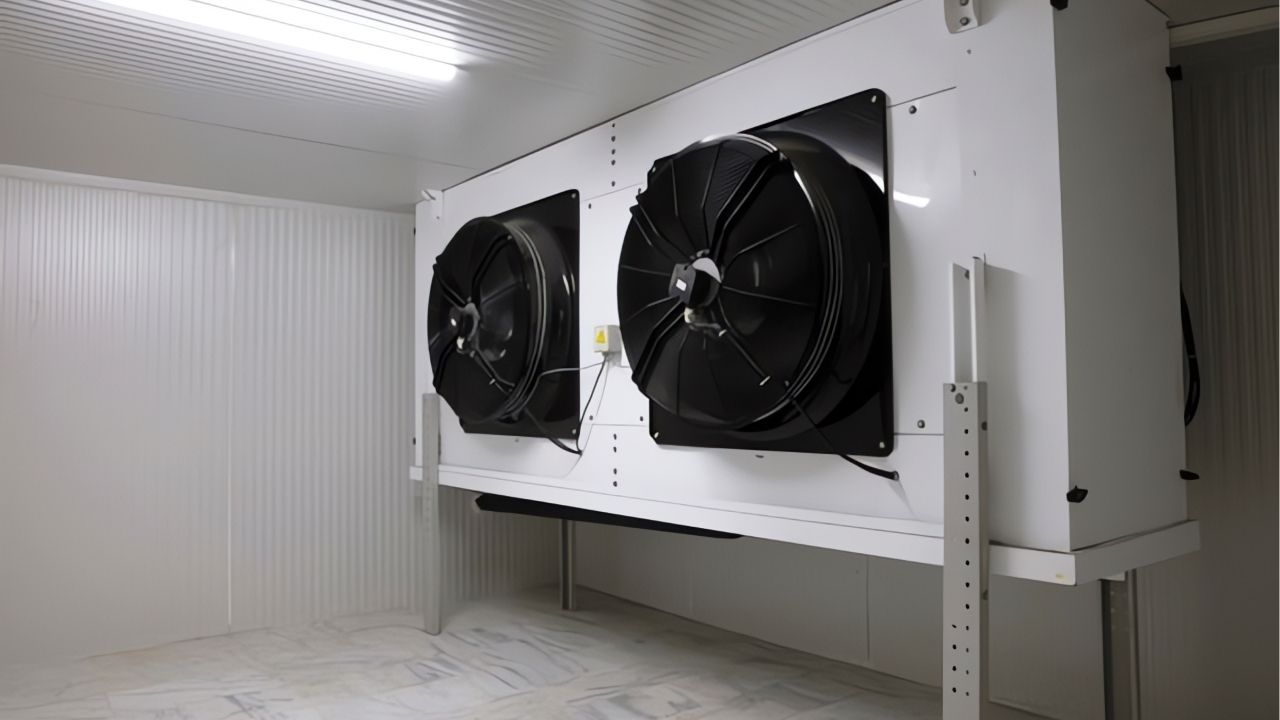
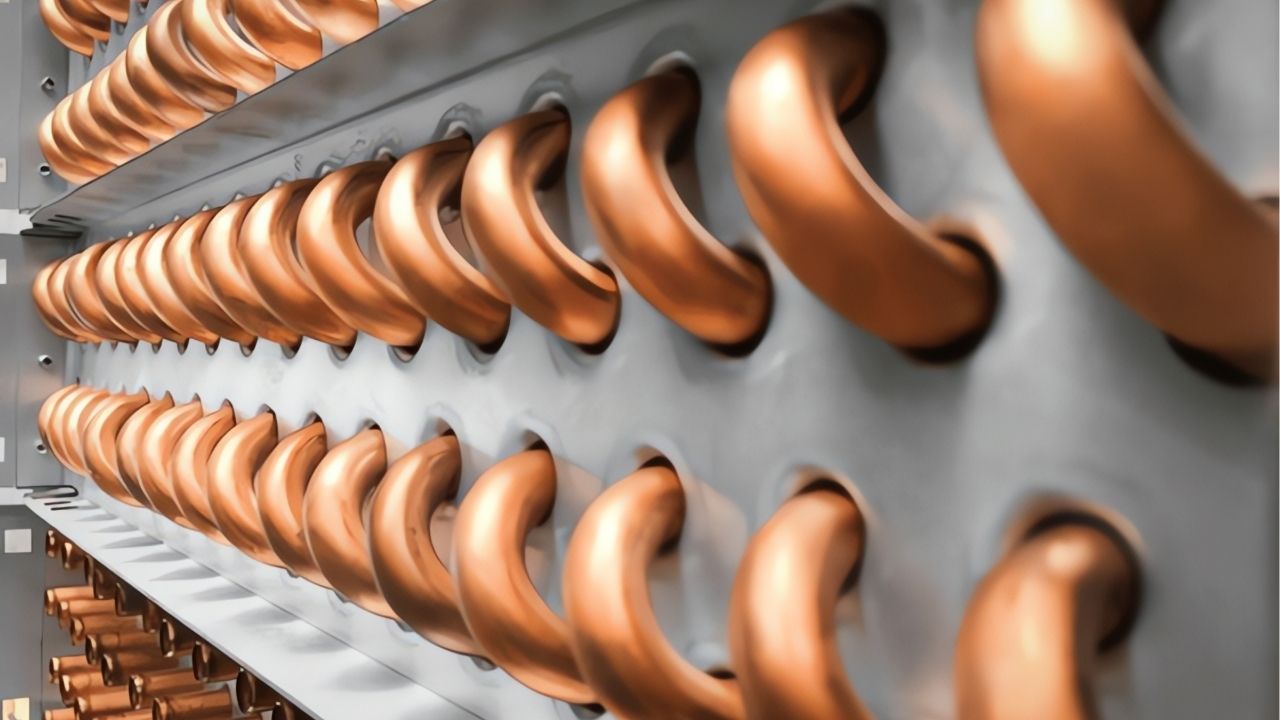
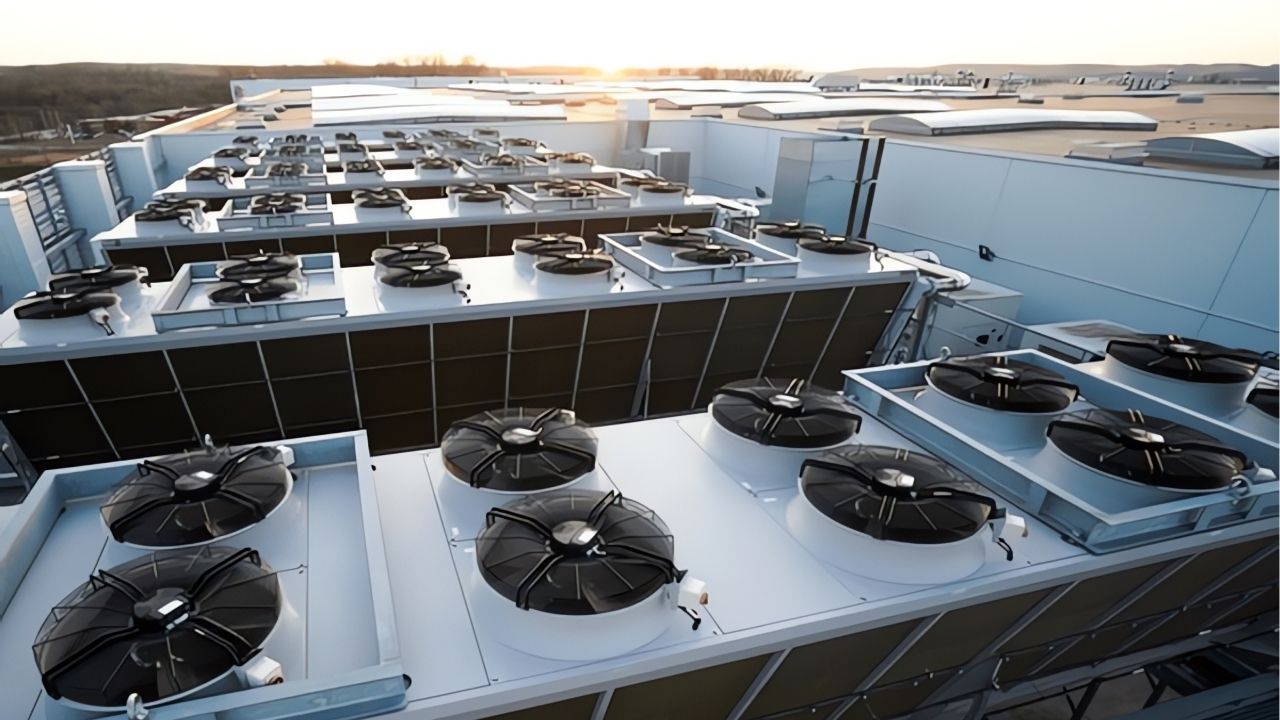
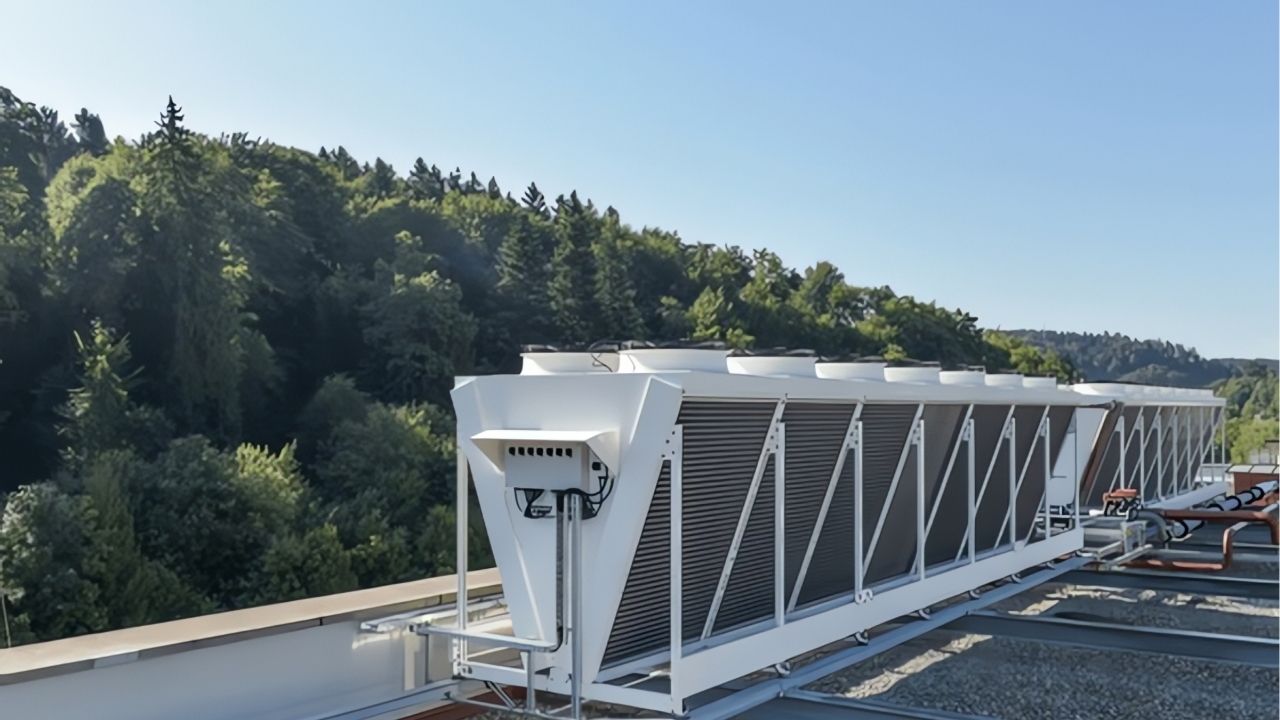
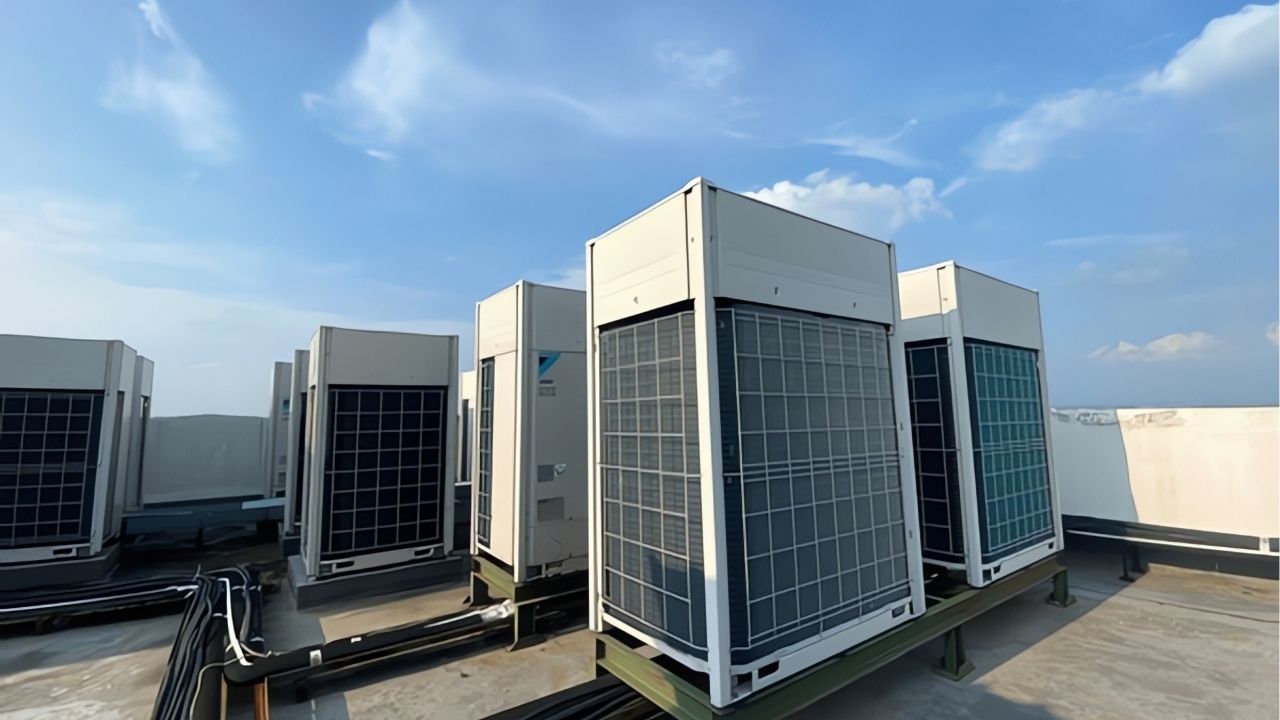
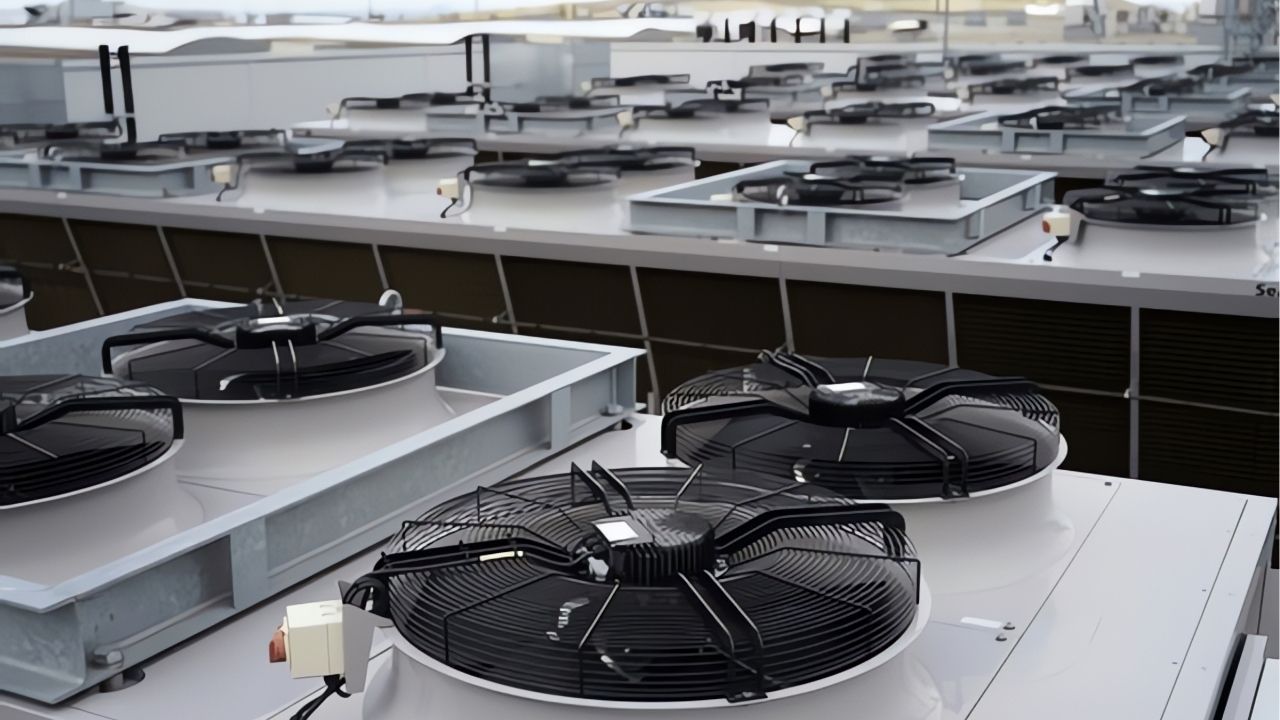
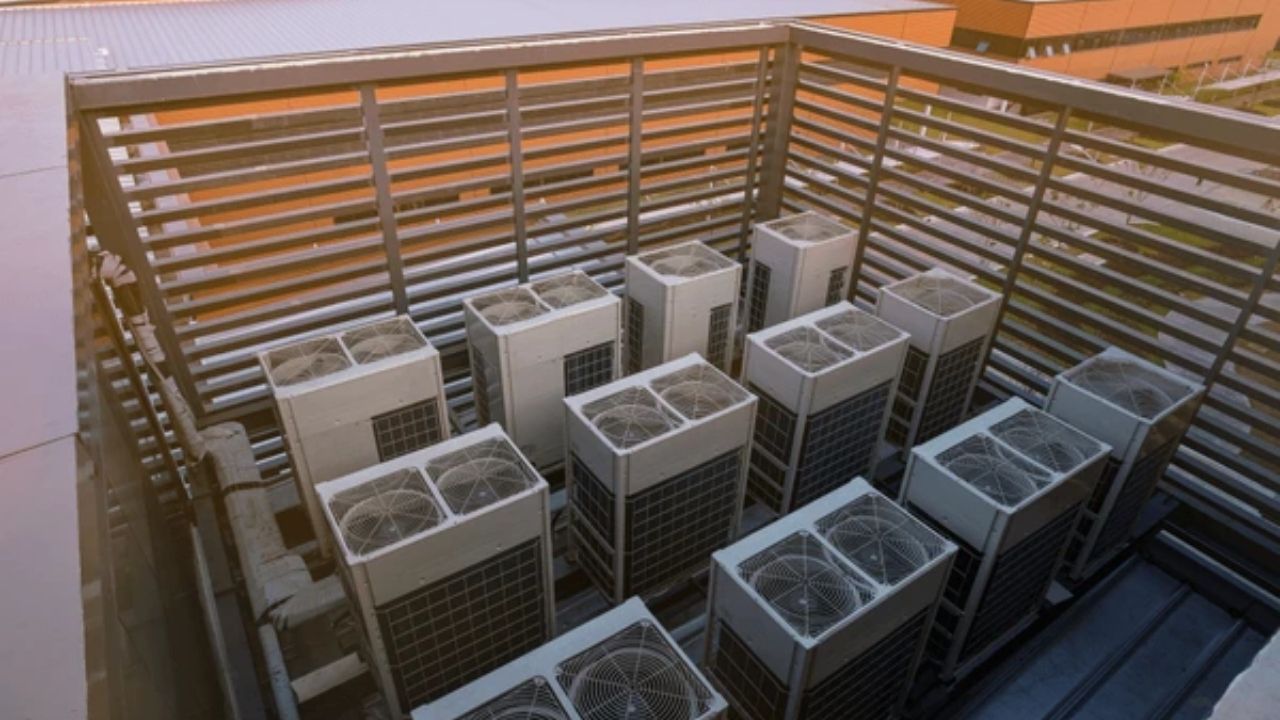
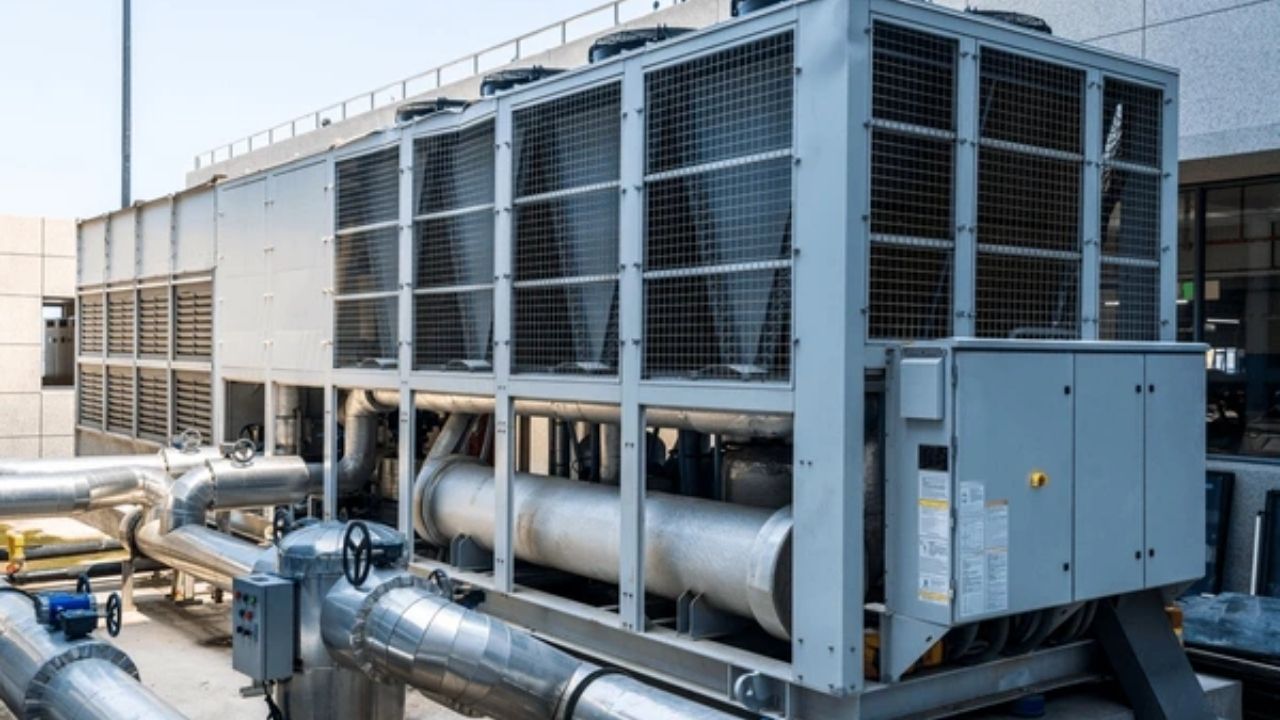
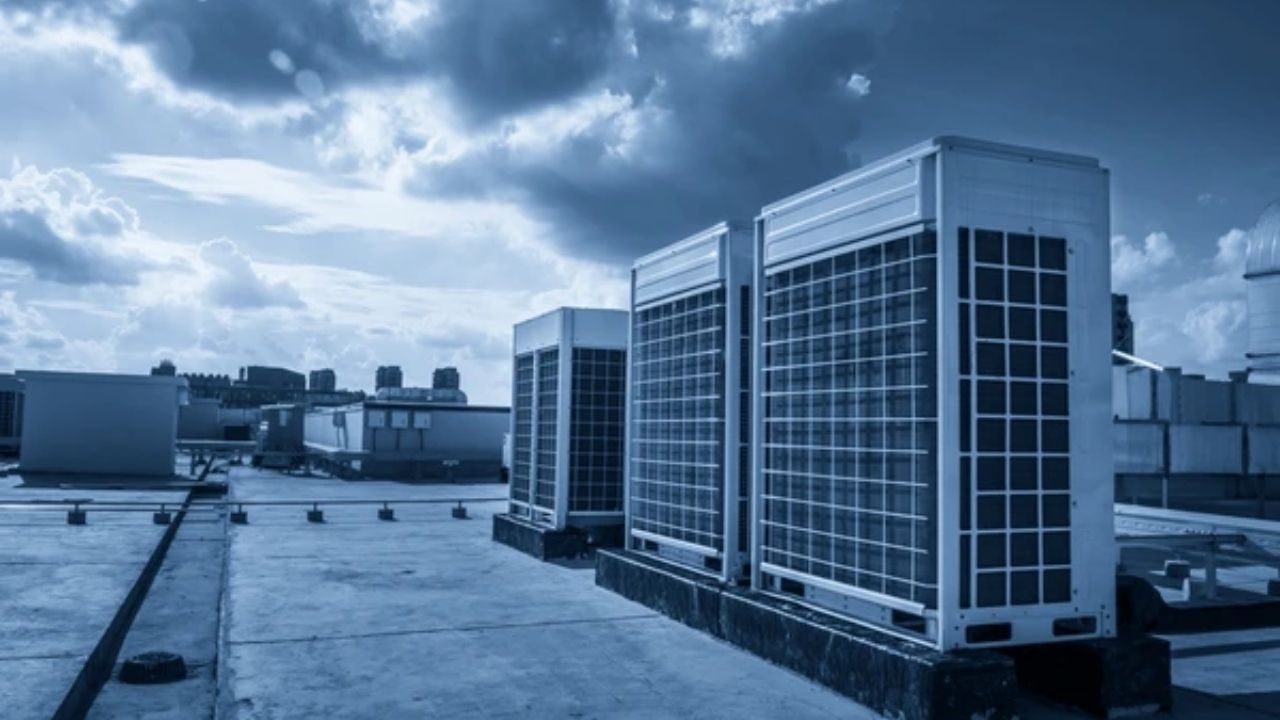
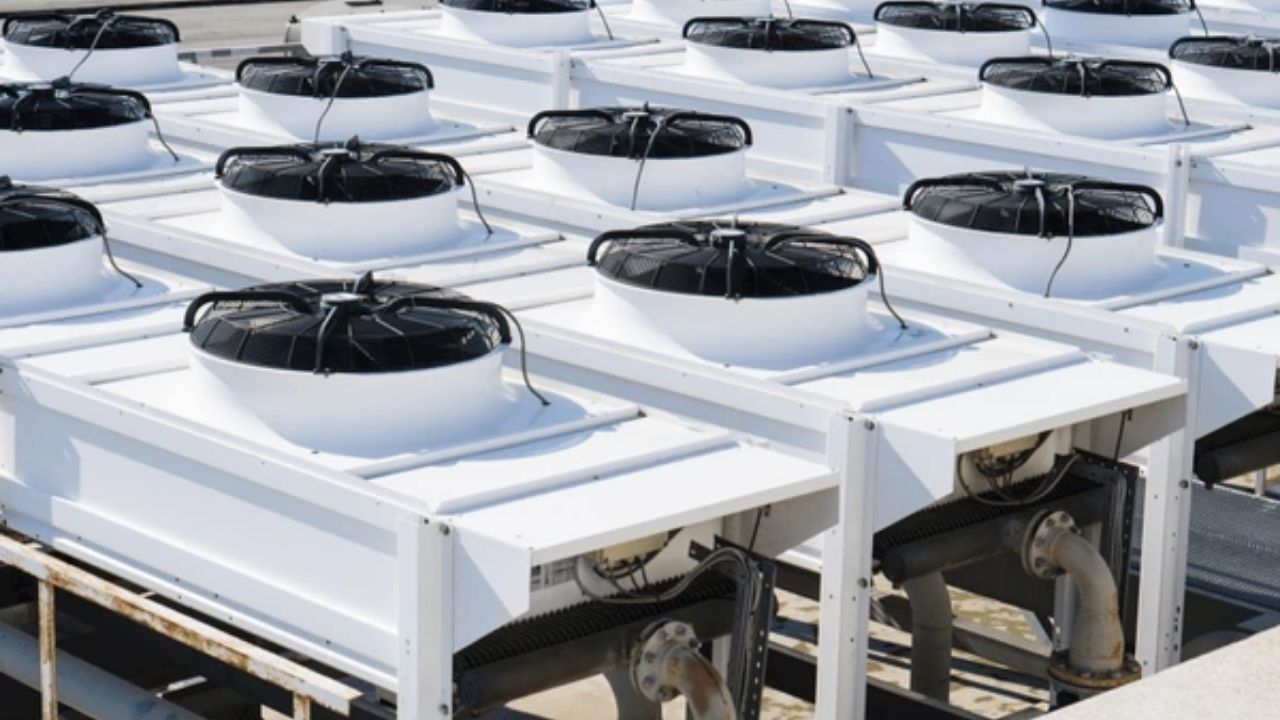
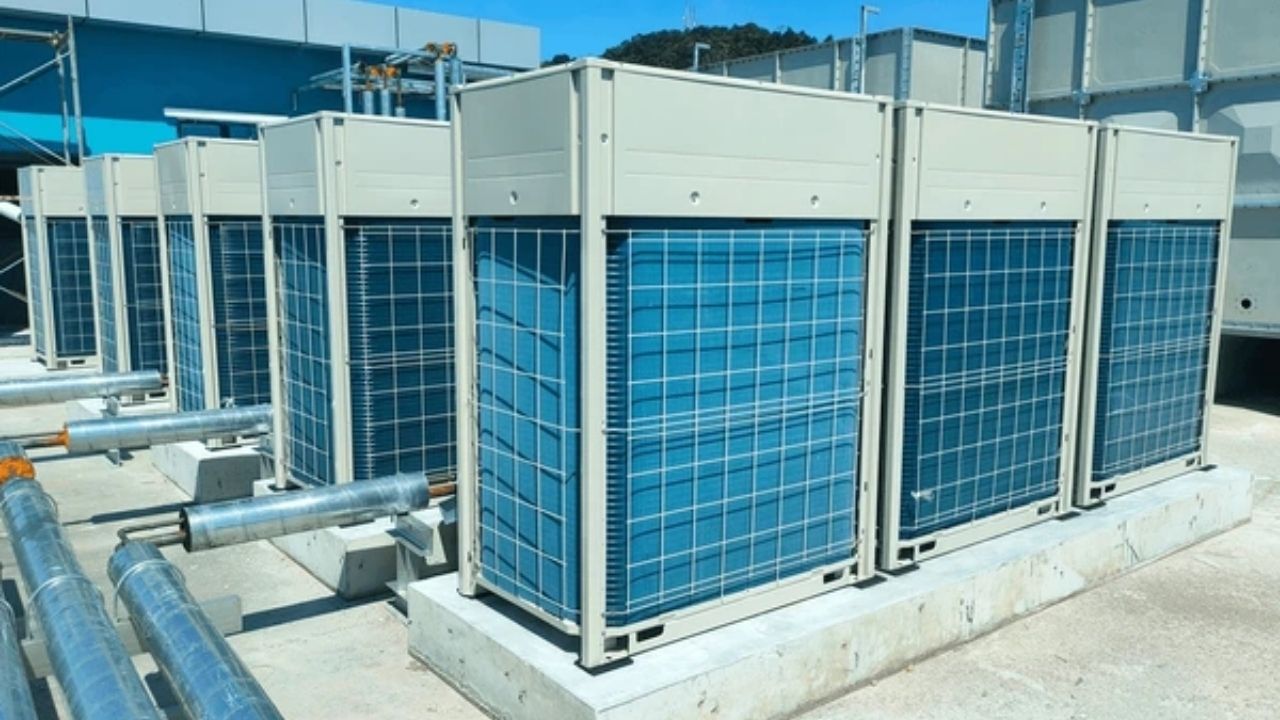
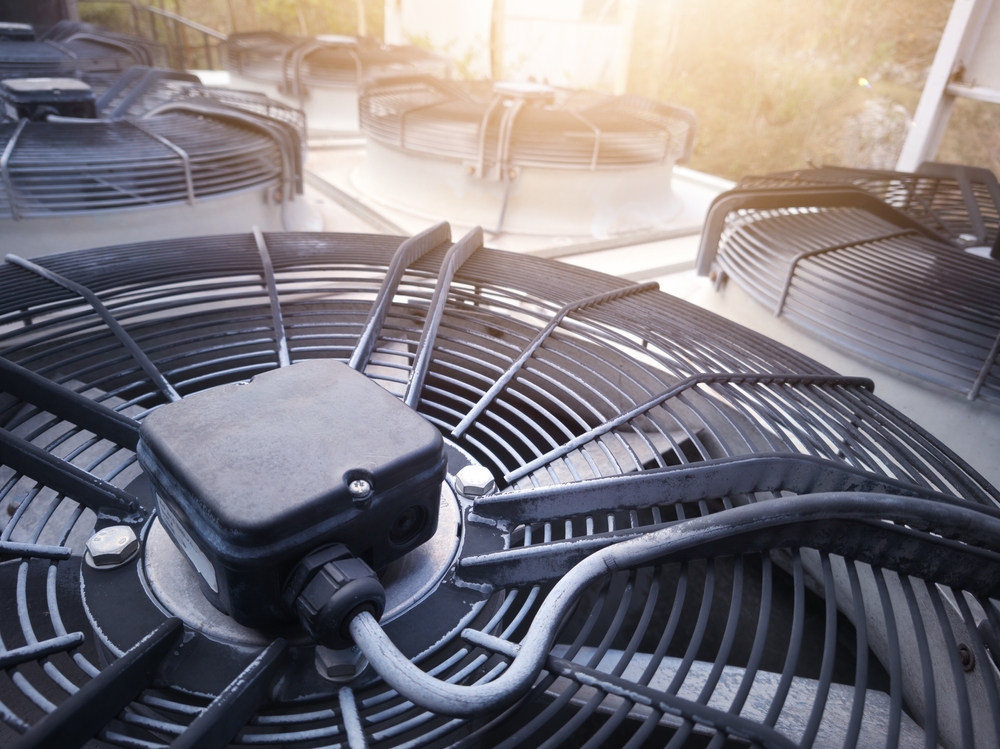
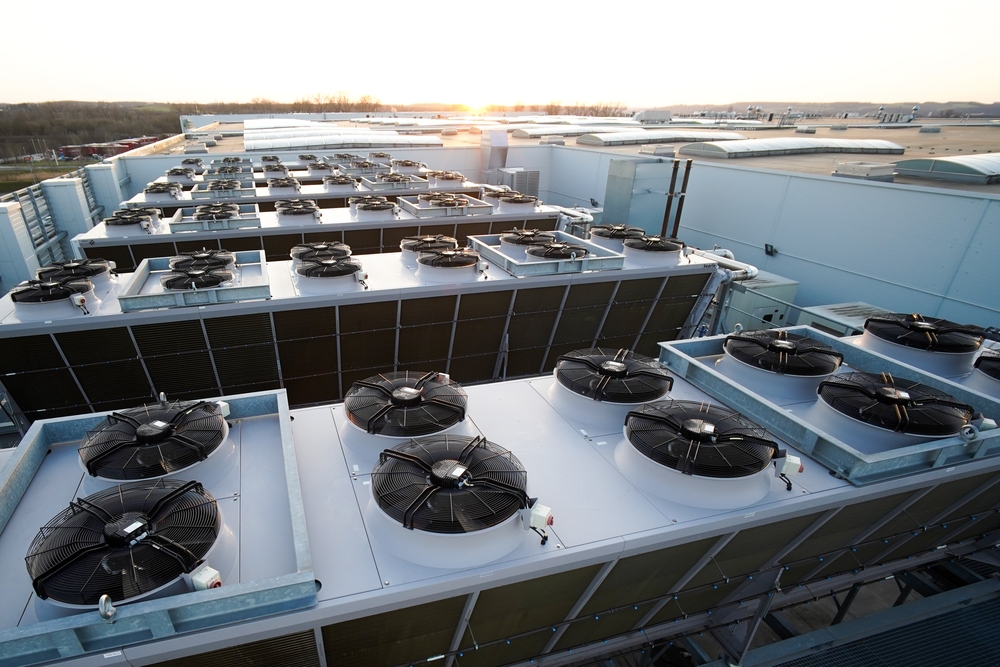
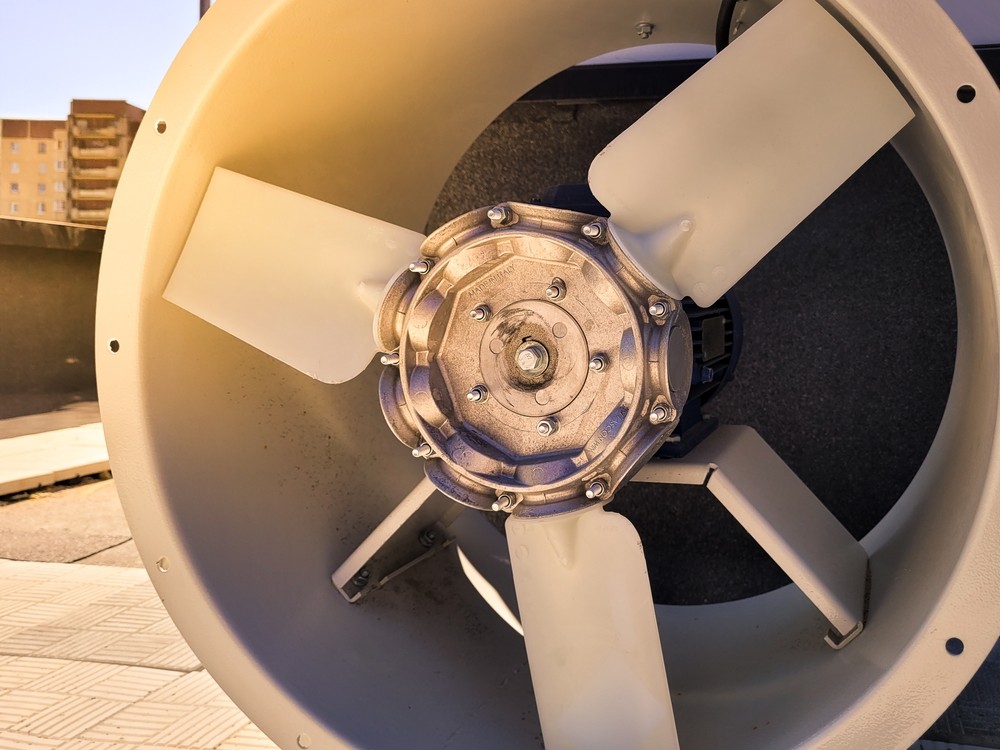
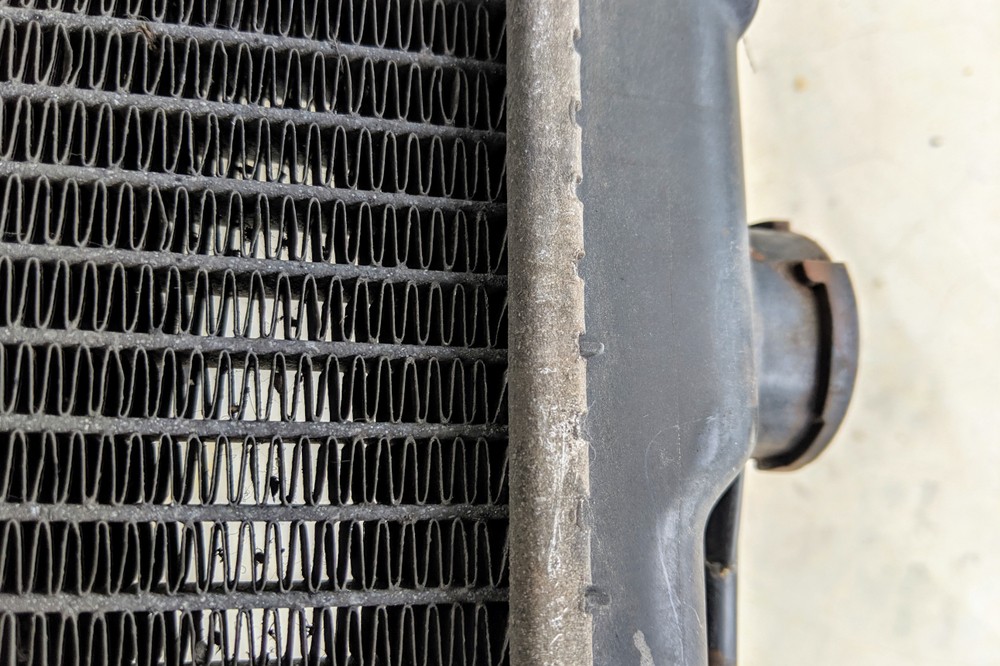
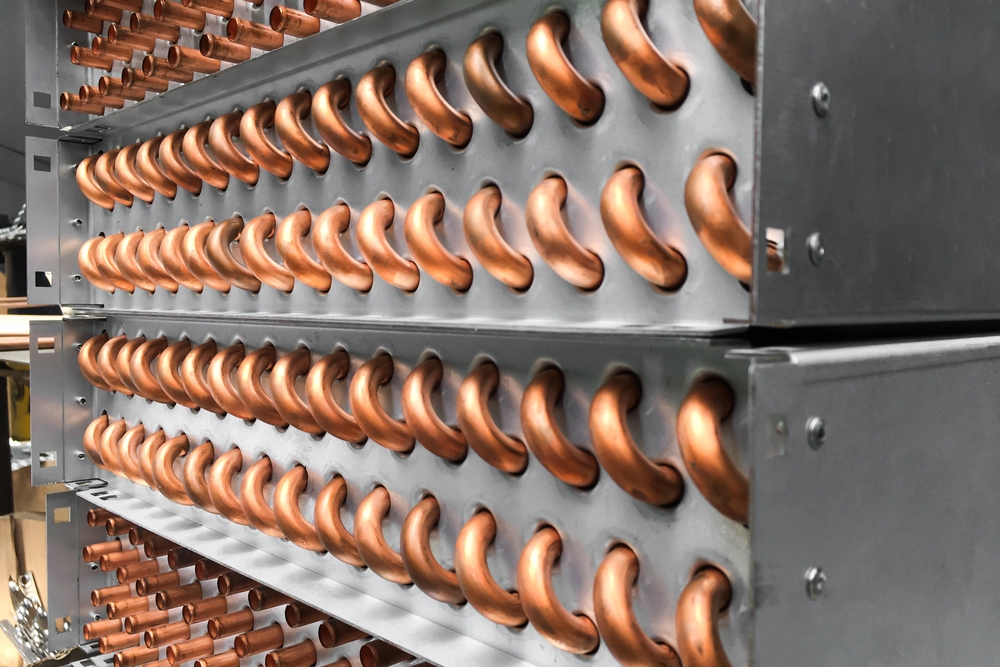
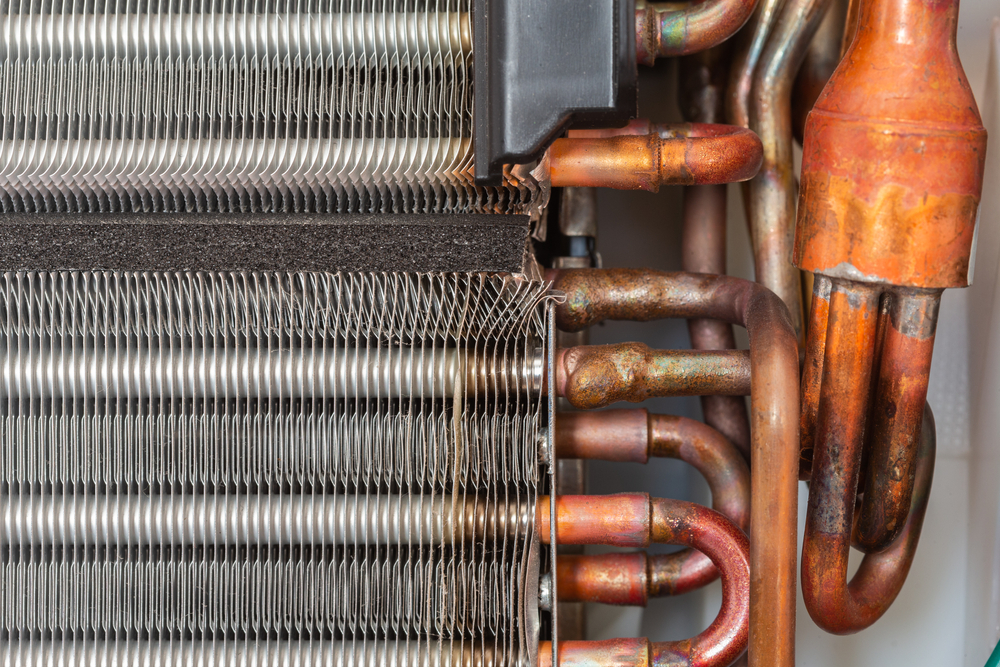
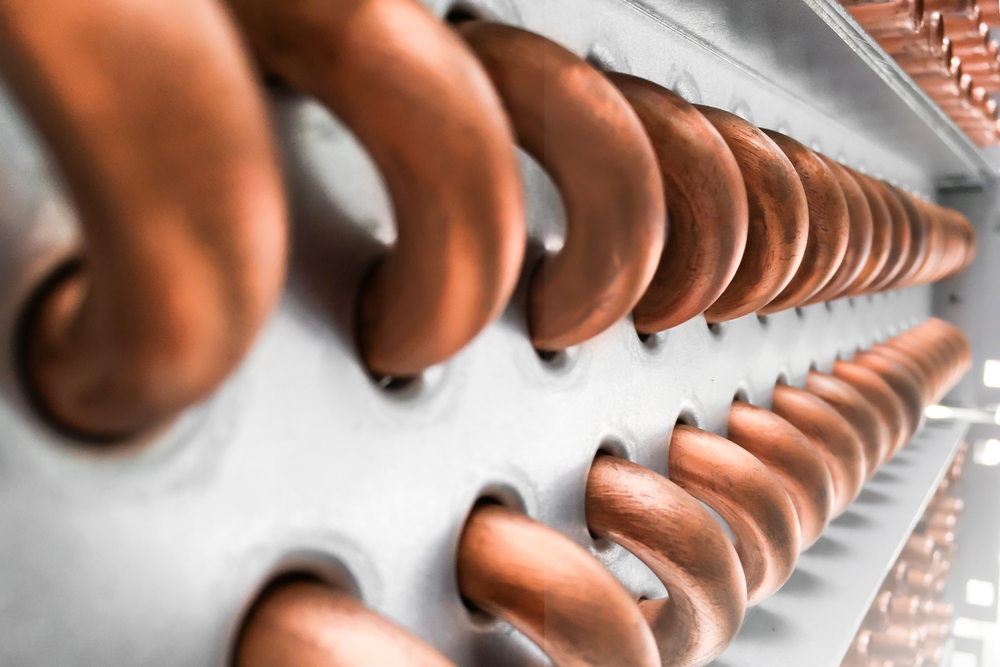
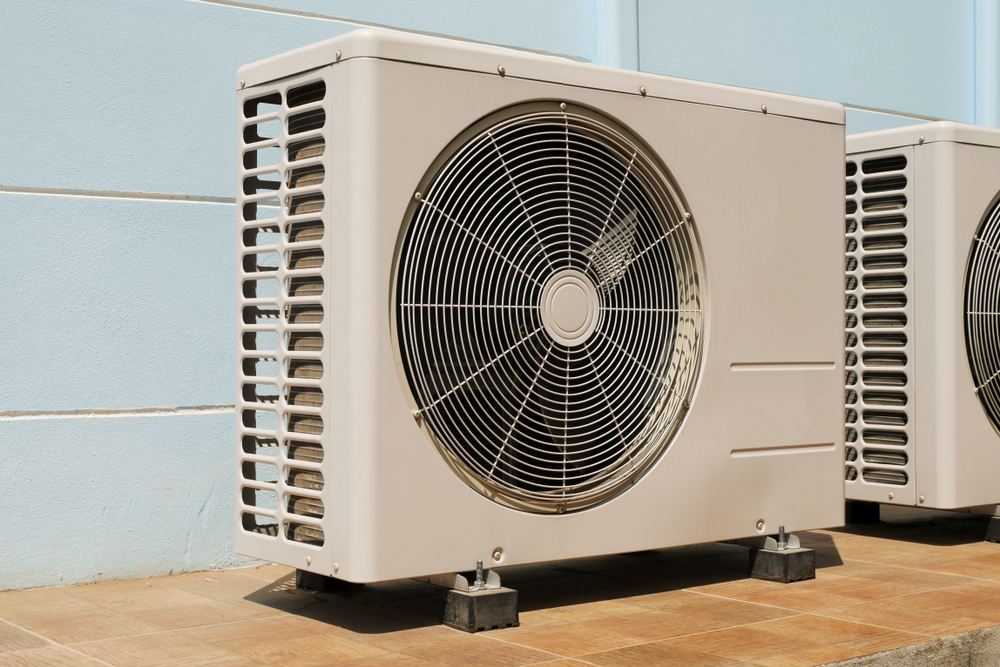
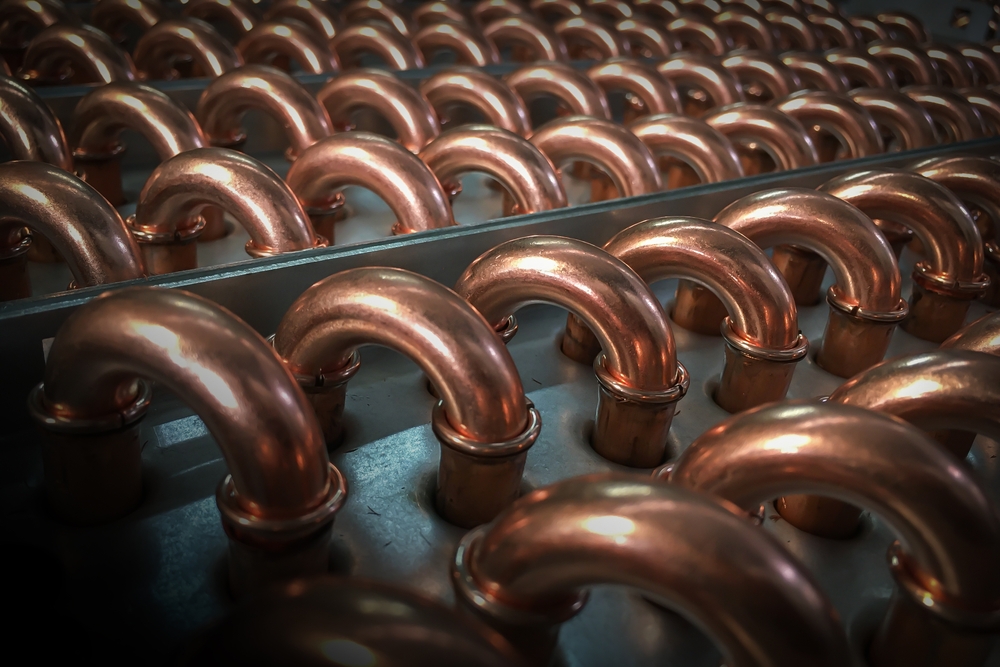
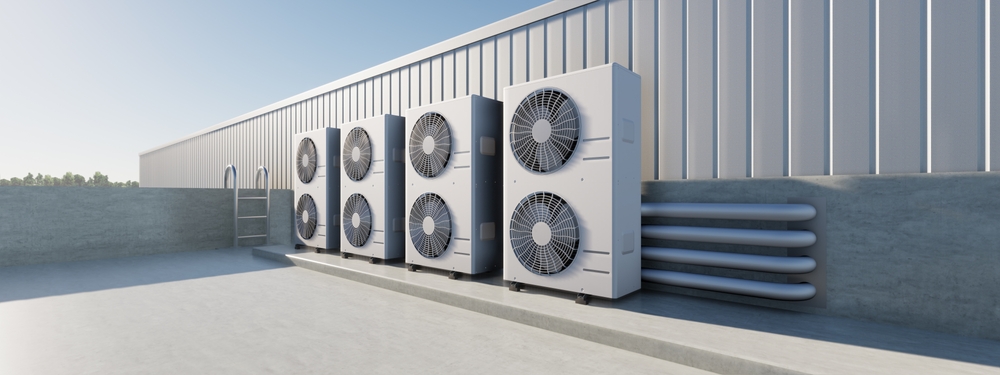
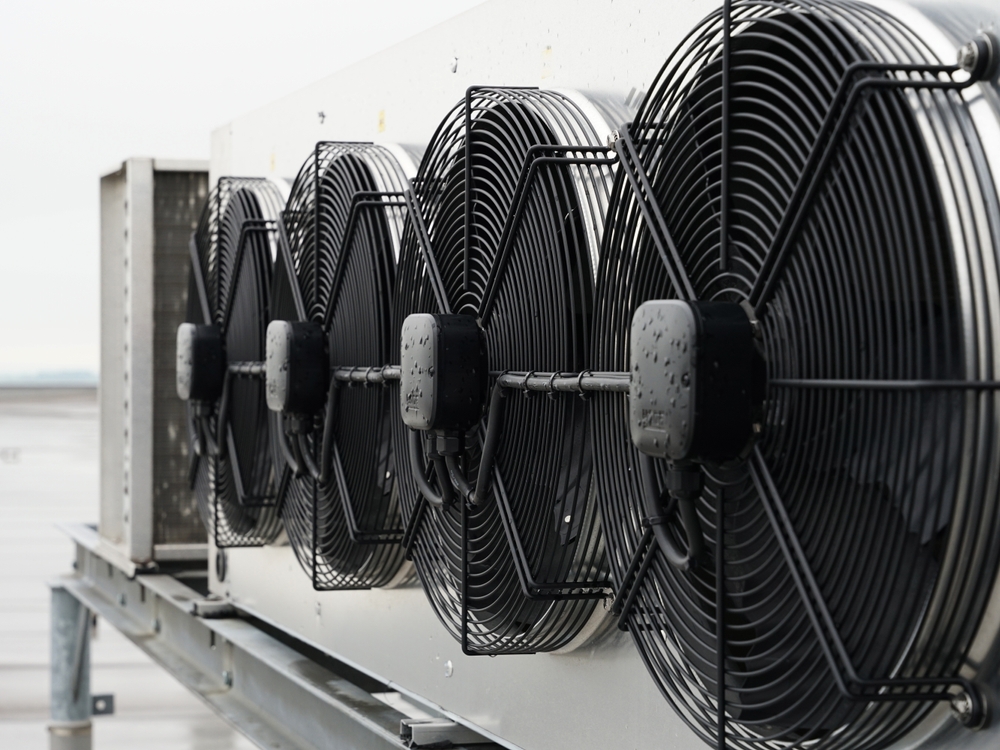
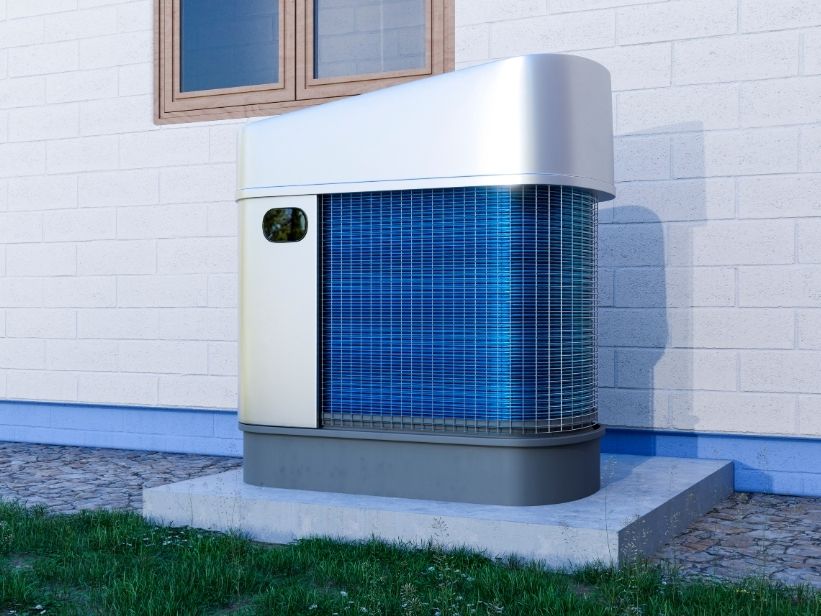
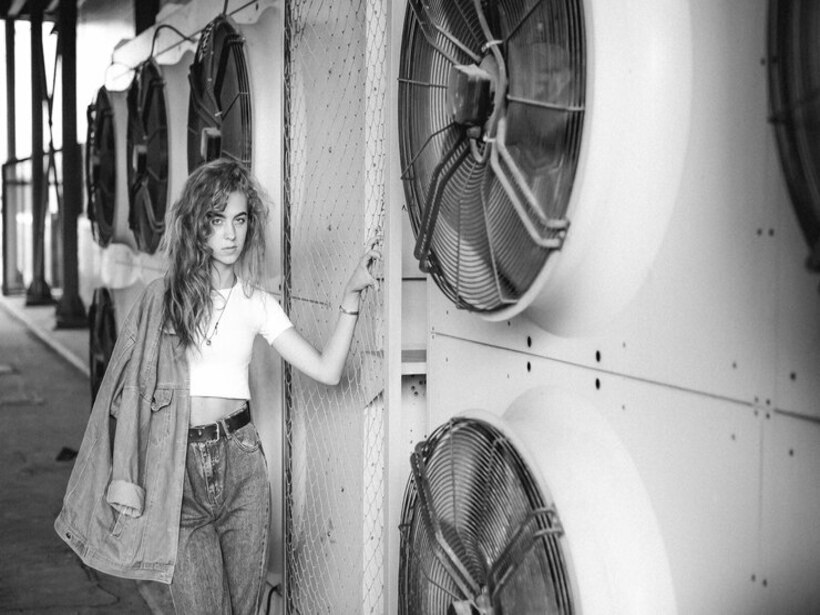
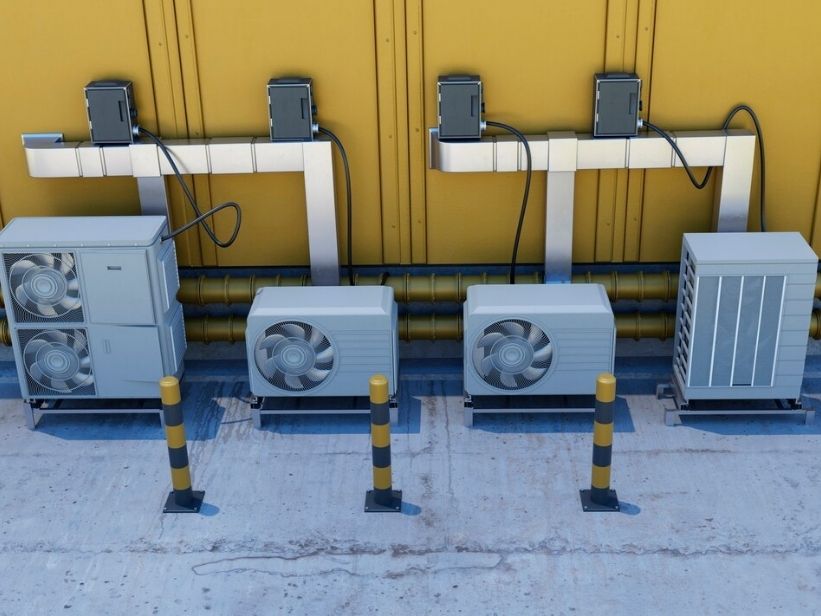
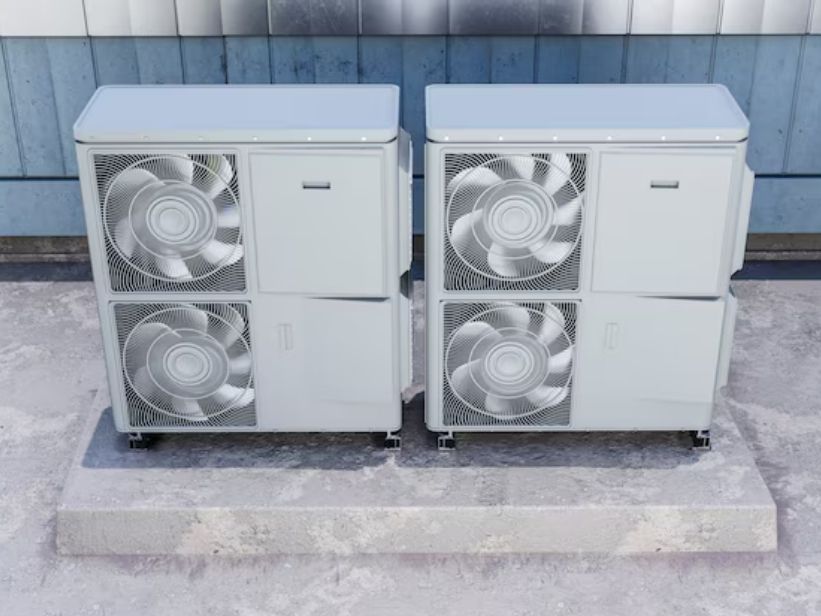
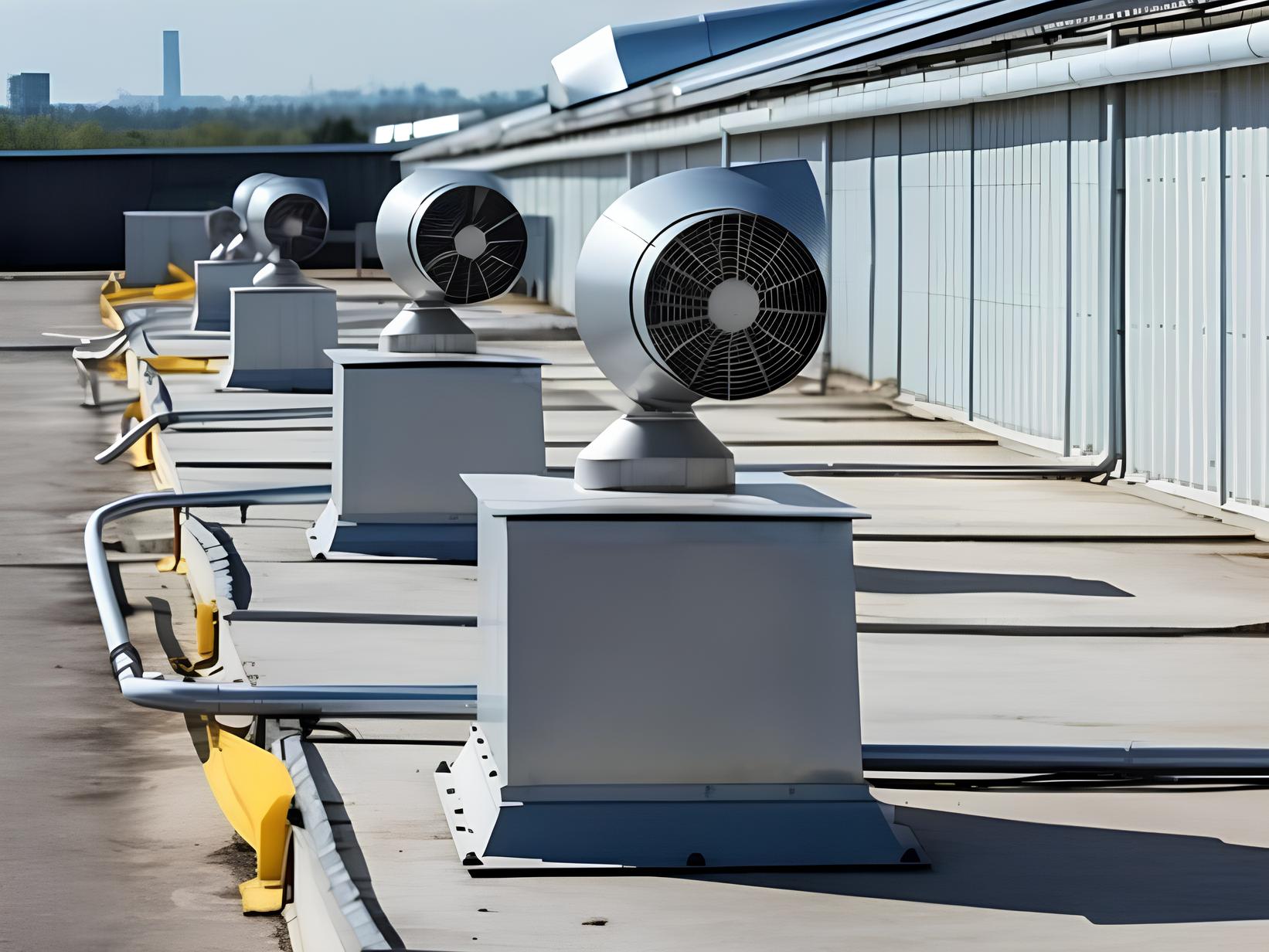
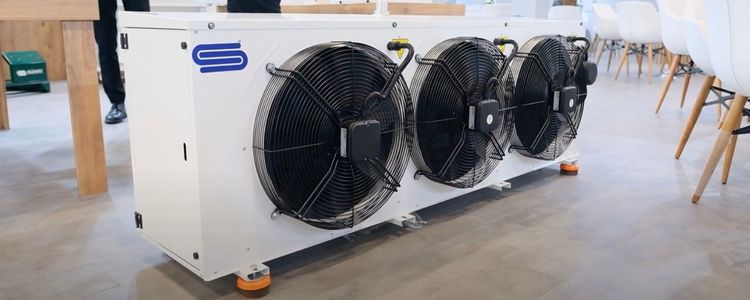
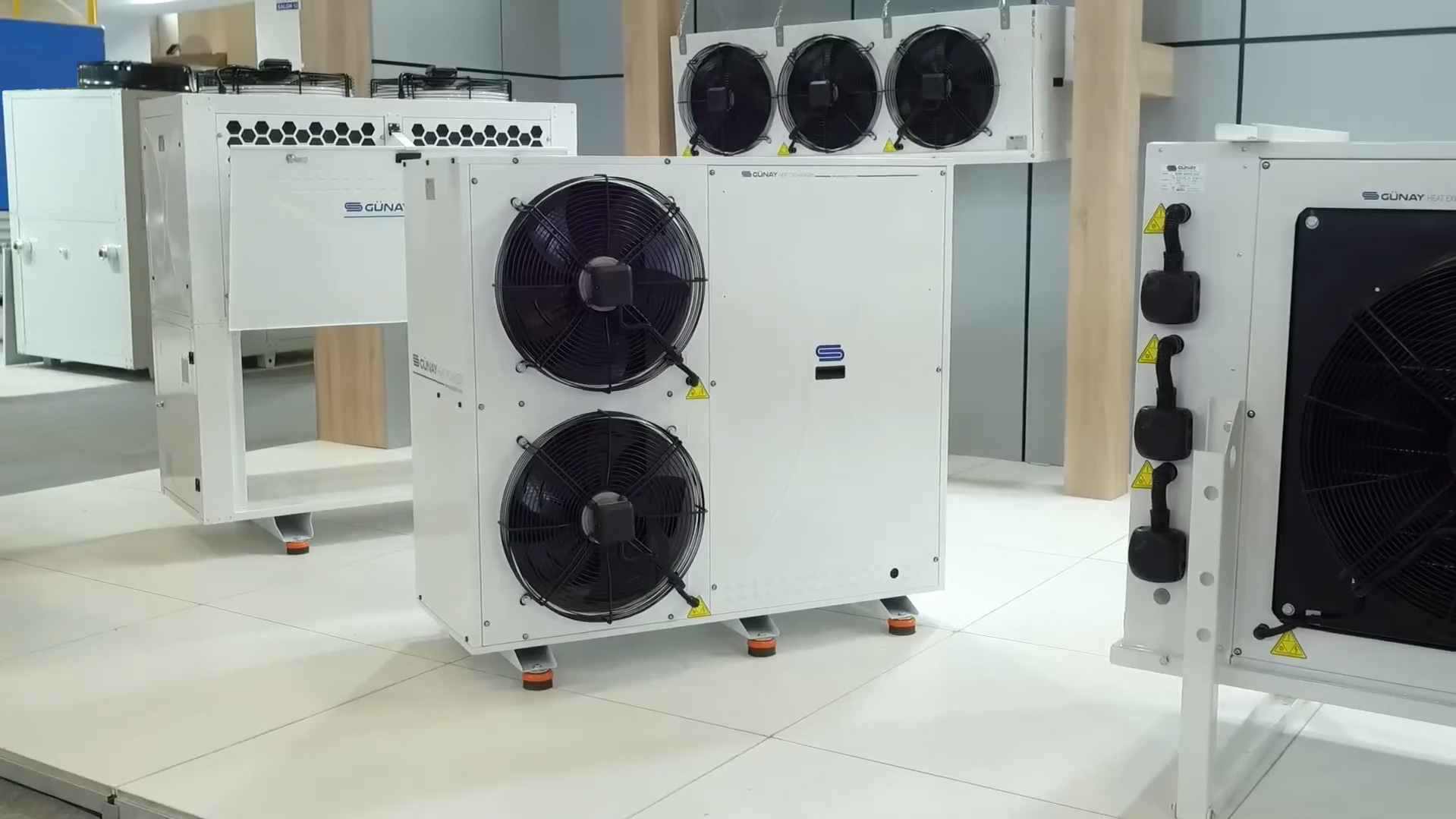
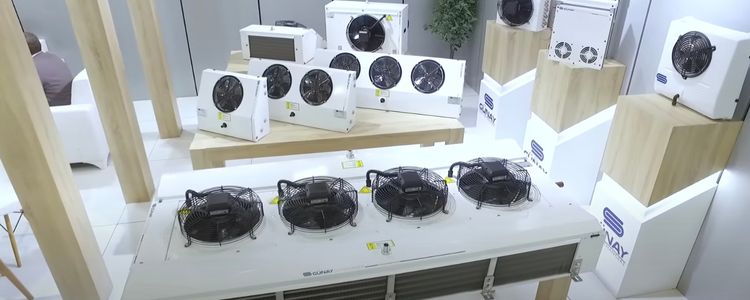
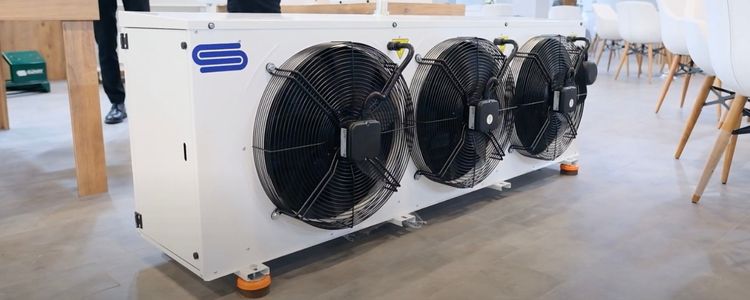
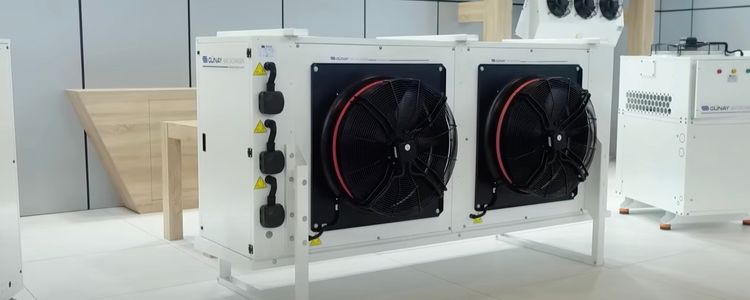
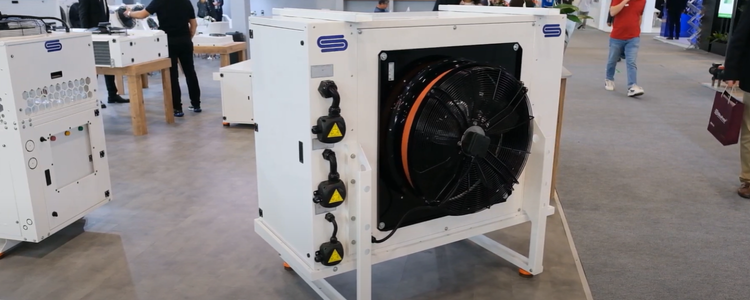
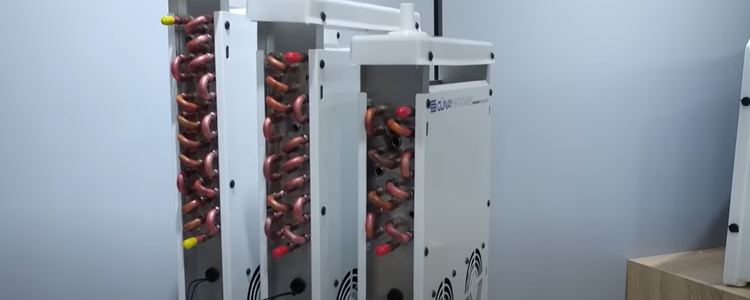
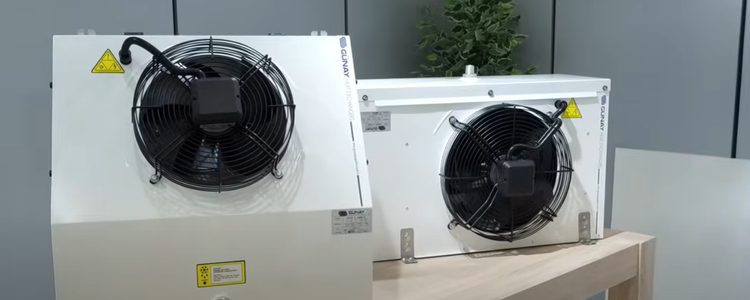
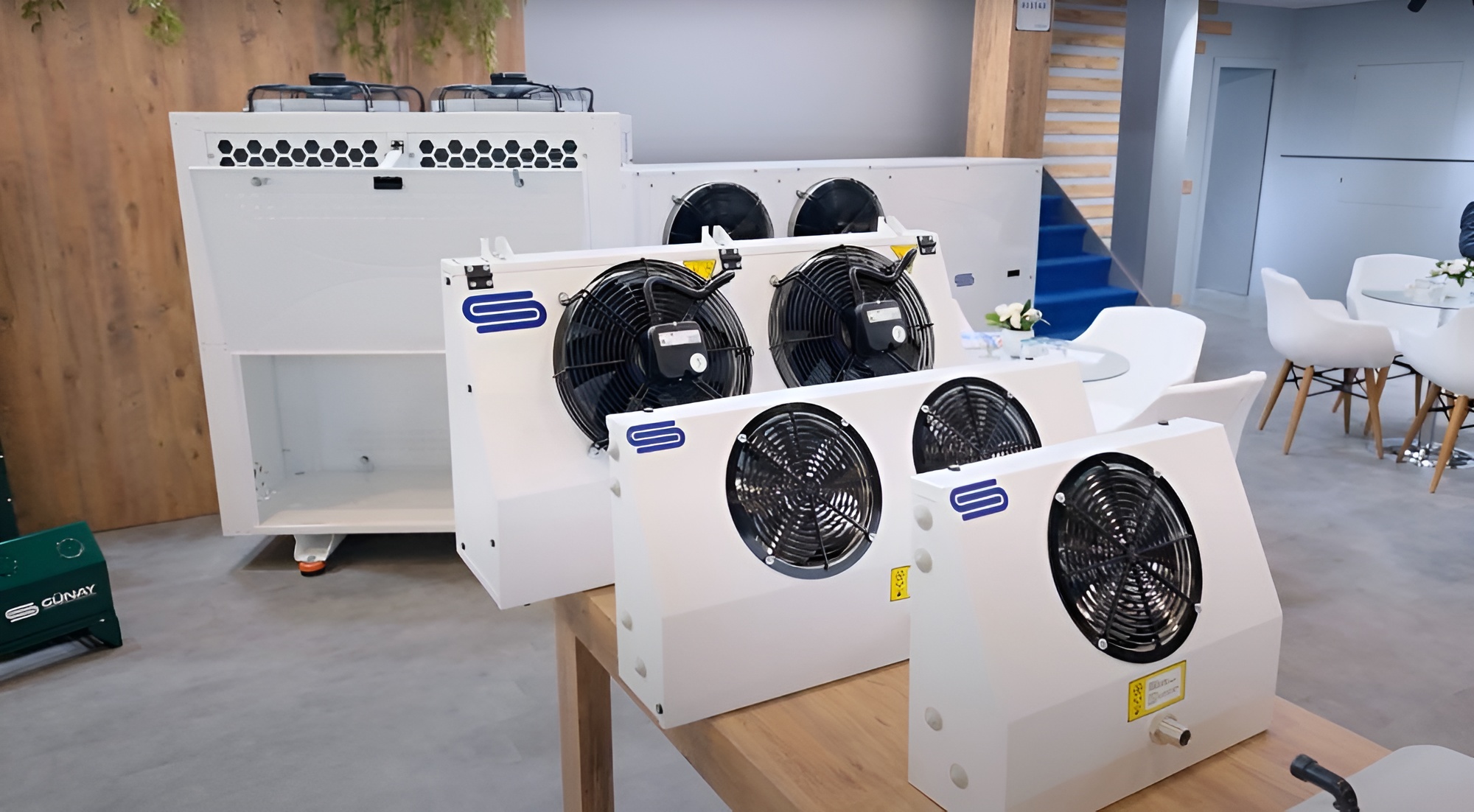
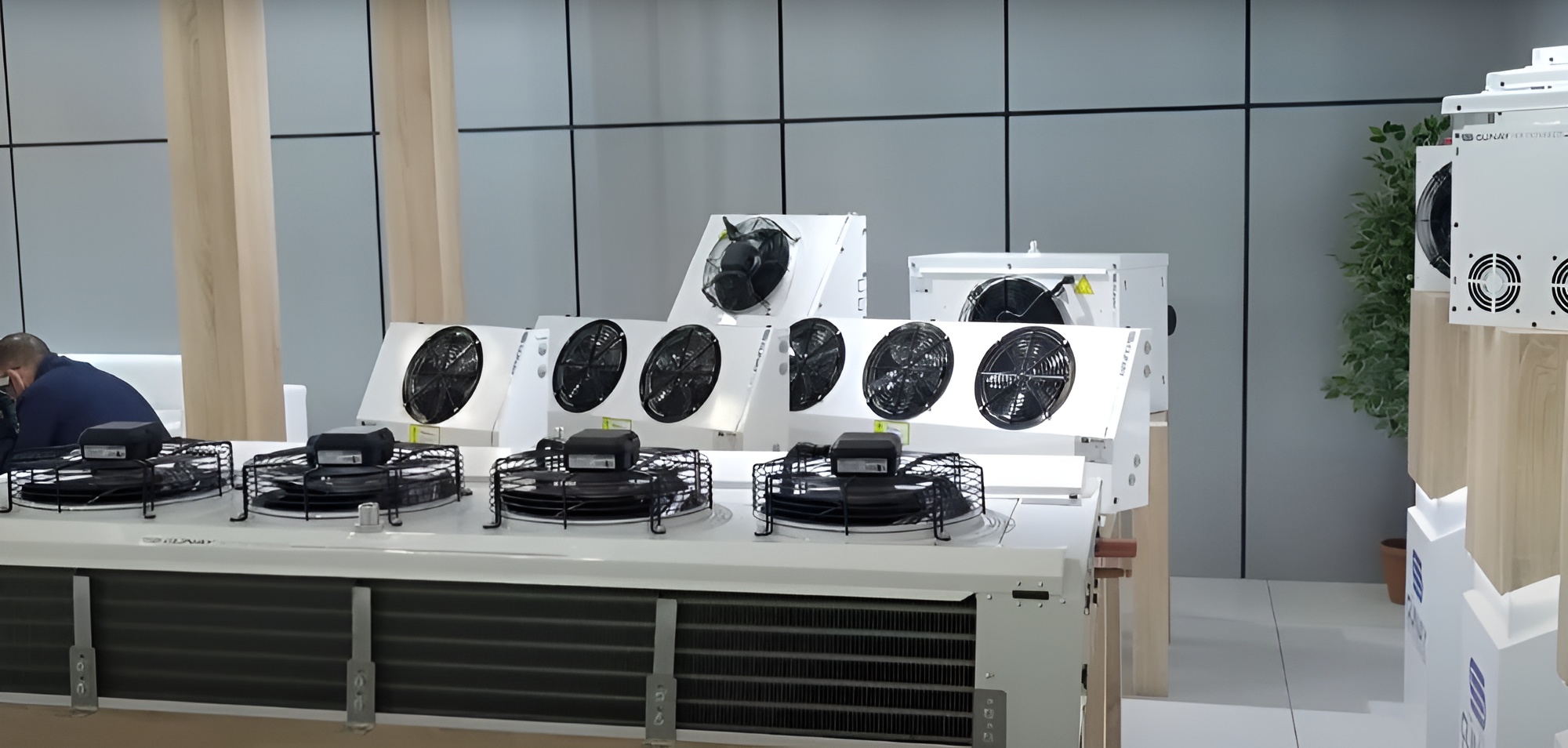
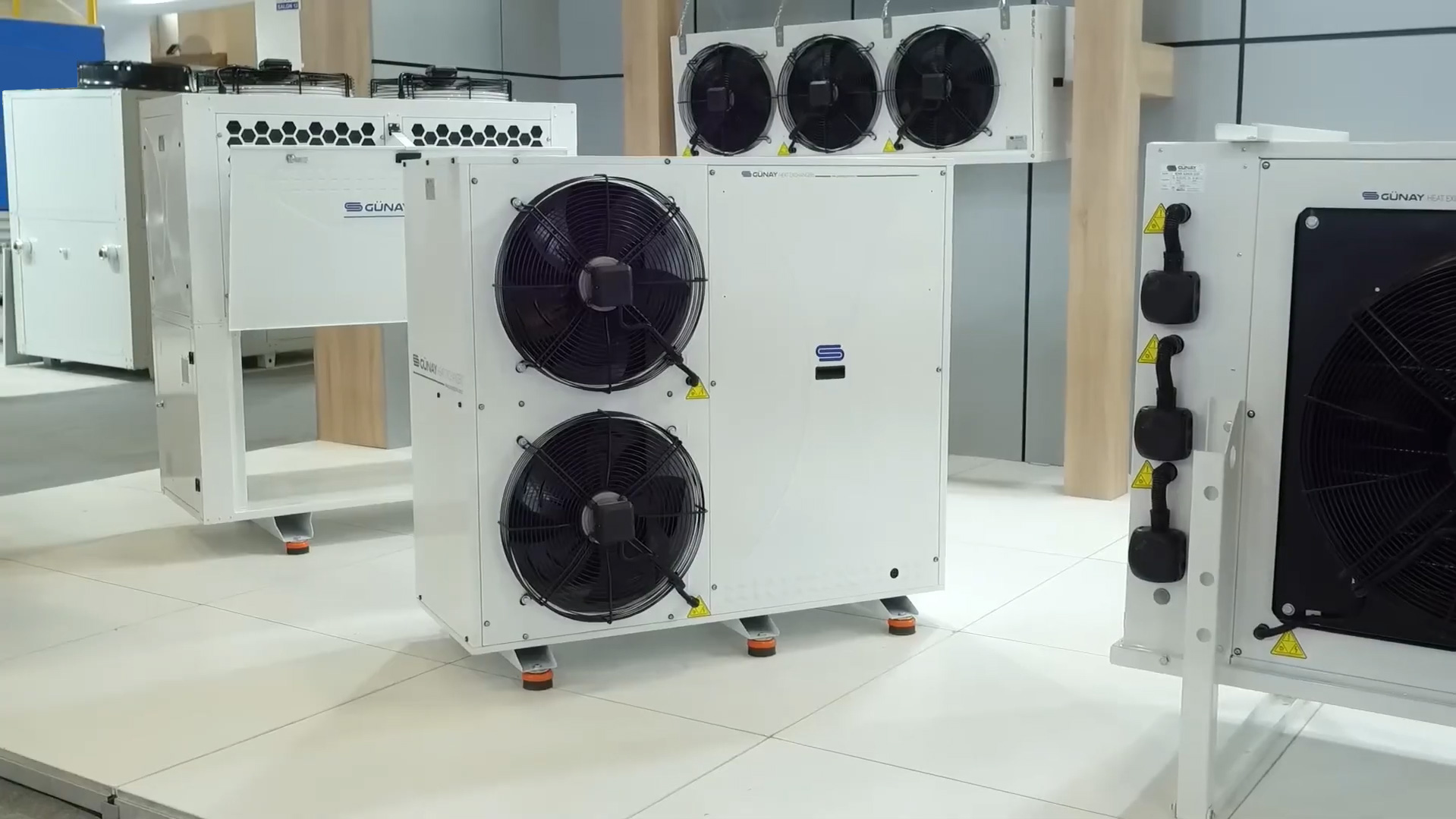
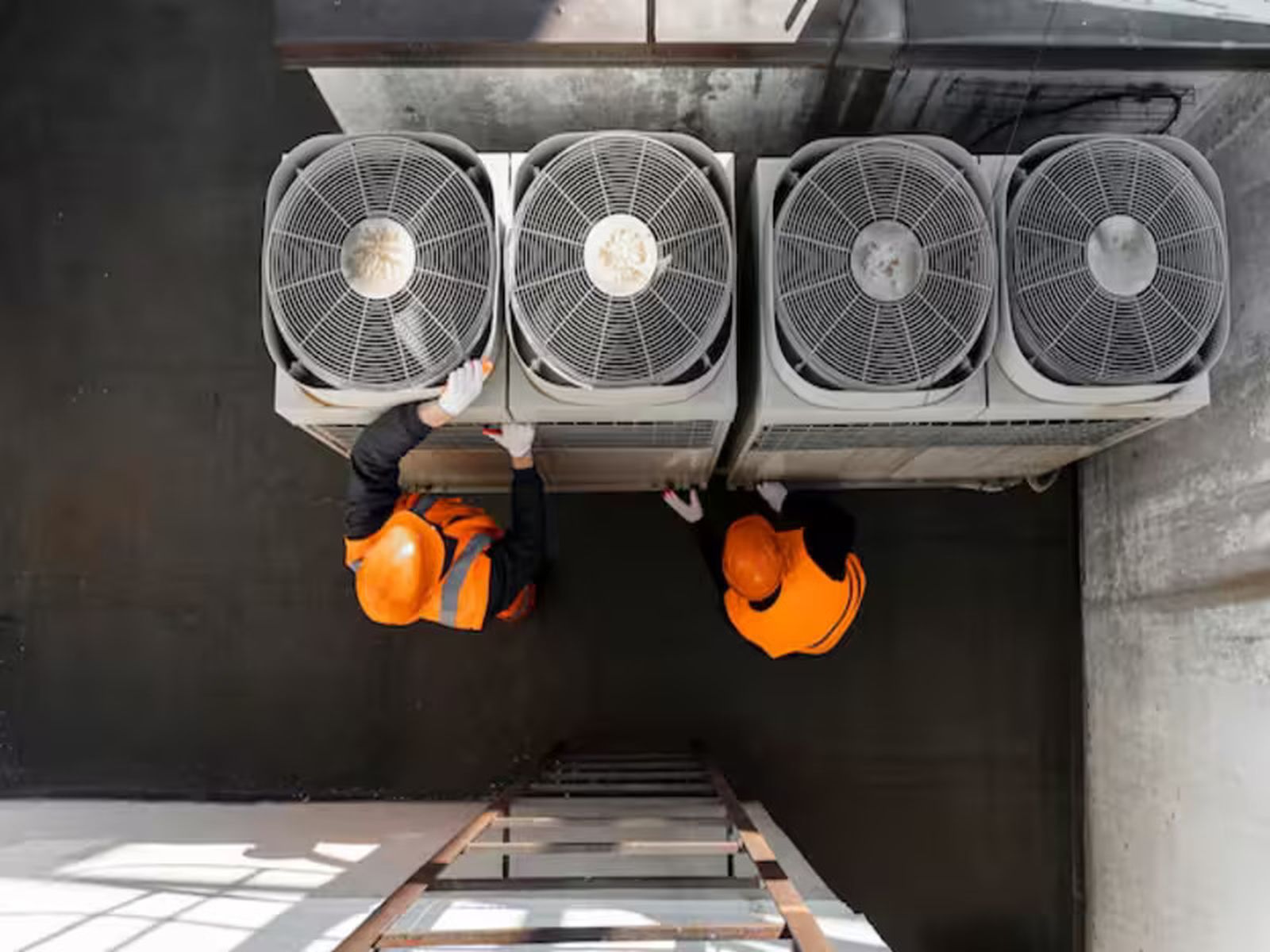
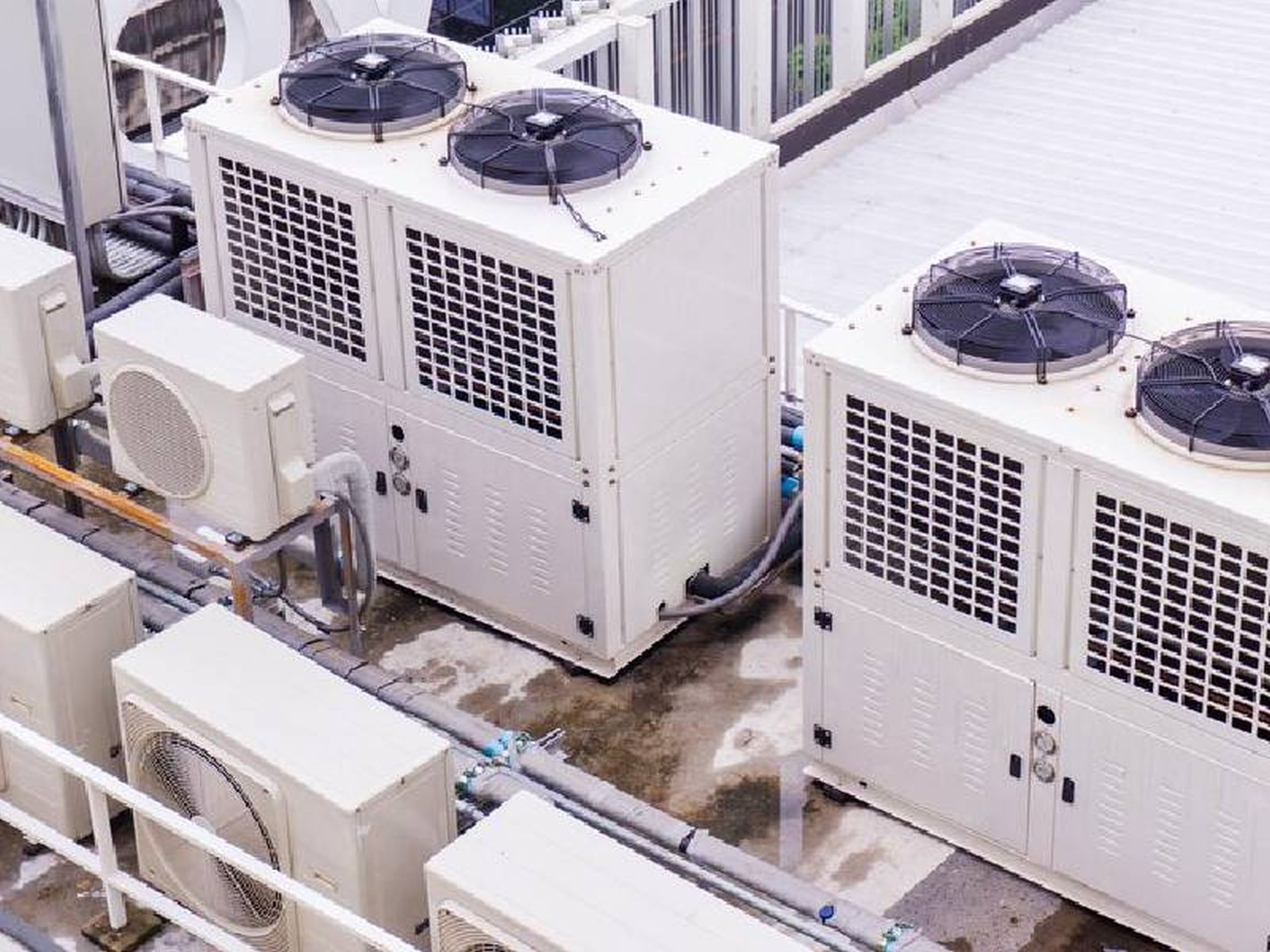
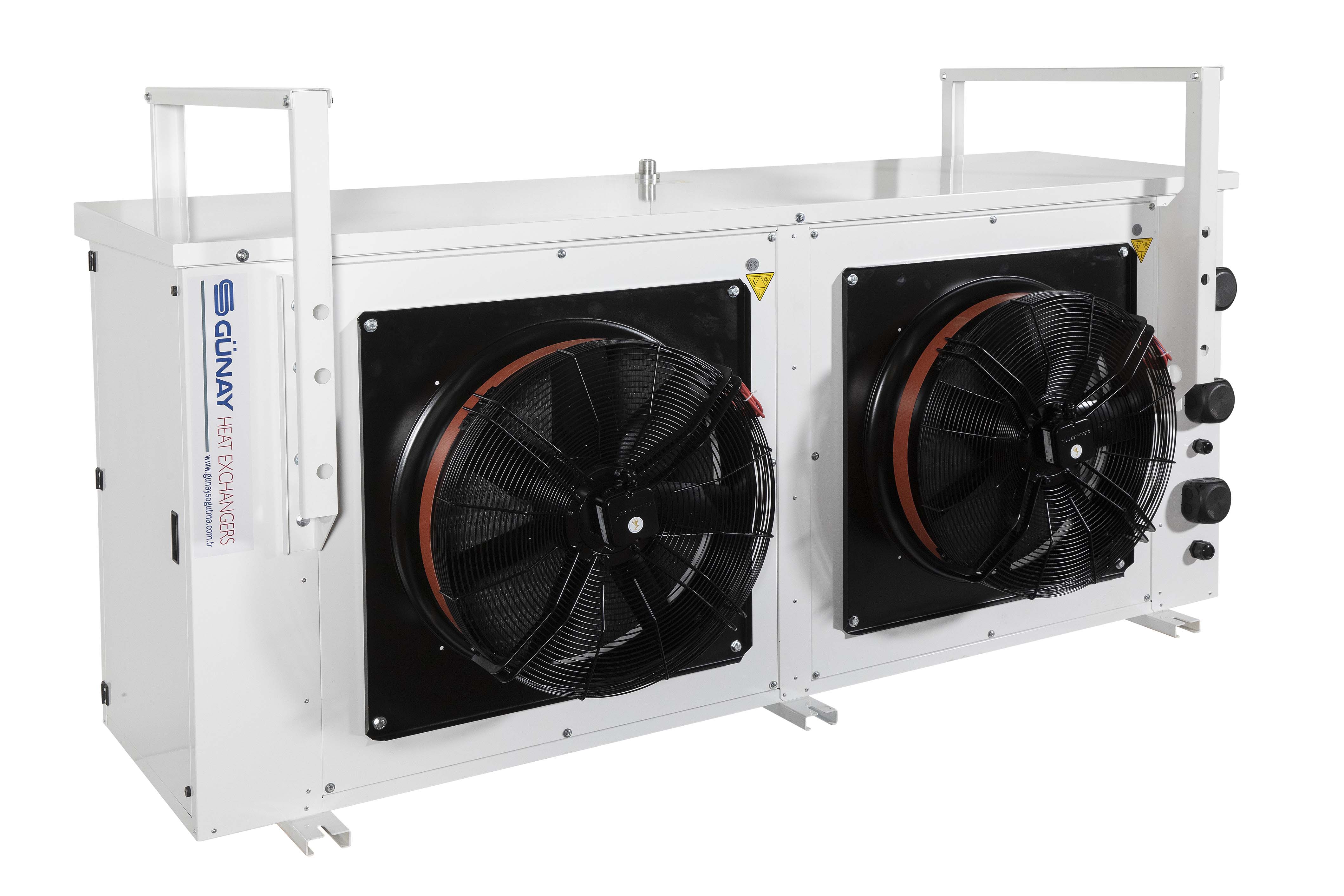
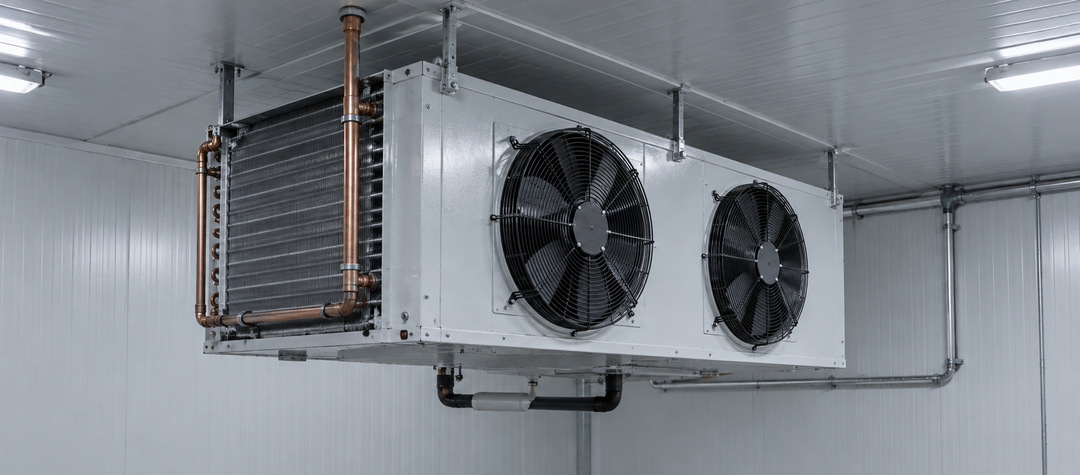
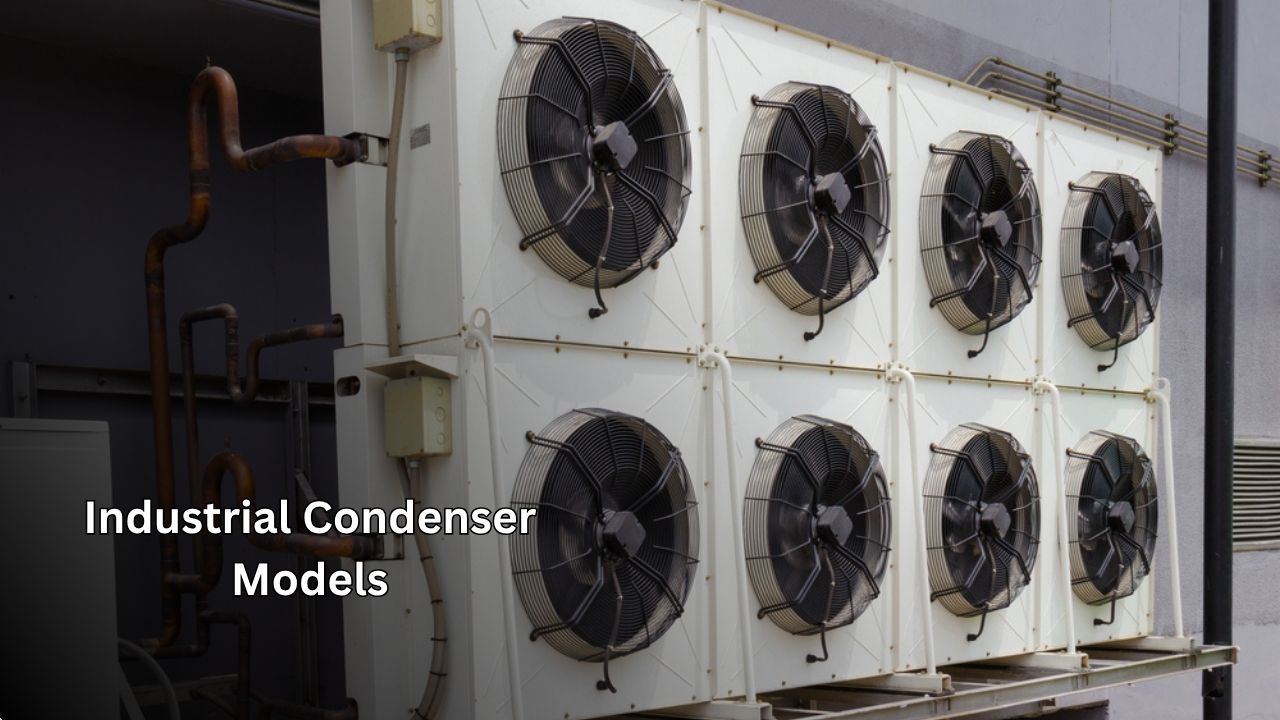
In an air-cooled condenser, the refrigerant arriving from the compressor as superheated vapor releases its heat to the air stream passing over it as it flows through the finned tube bundle, and condenses. The air stream is usually forced by one or more axial fans. The system's performance depends directly on three variables: fin surface area, air velocity and the outdoor dry-bulb temperature.
In air-cooled systems the condensing temperature runs above the ambient temperature by a certain approach difference. In summer, especially in regions that see high outdoor temperatures, this means an increase in compressor head pressure and therefore in energy consumption. In high-capacity facilities or those operating under continuous load, this is a factor that must be considered at the very start of sizing.
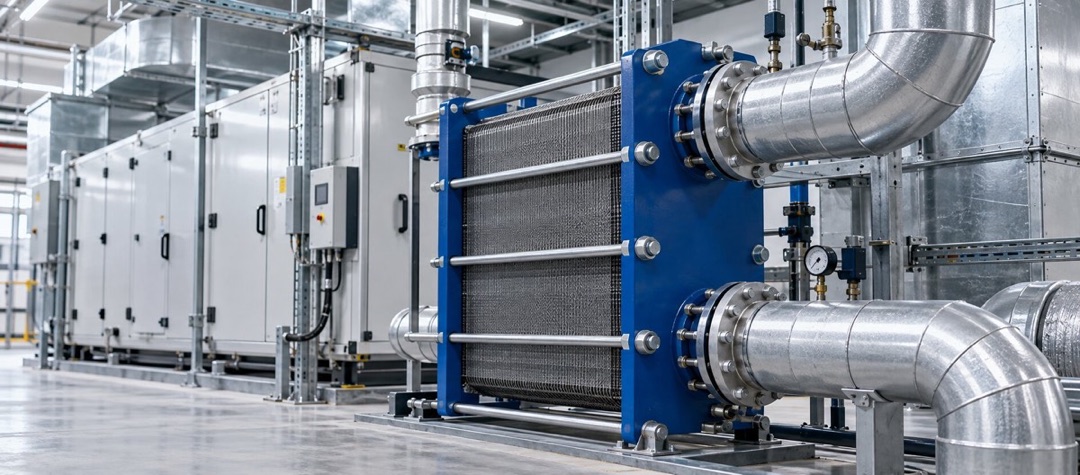
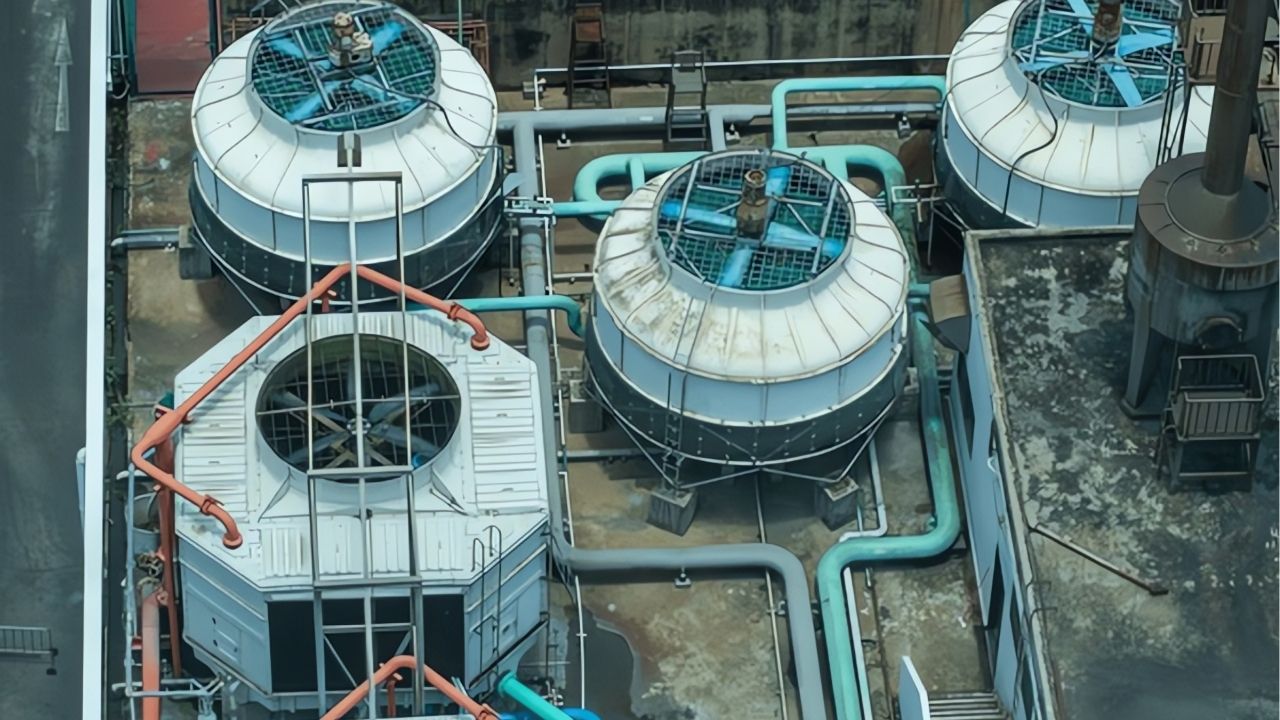
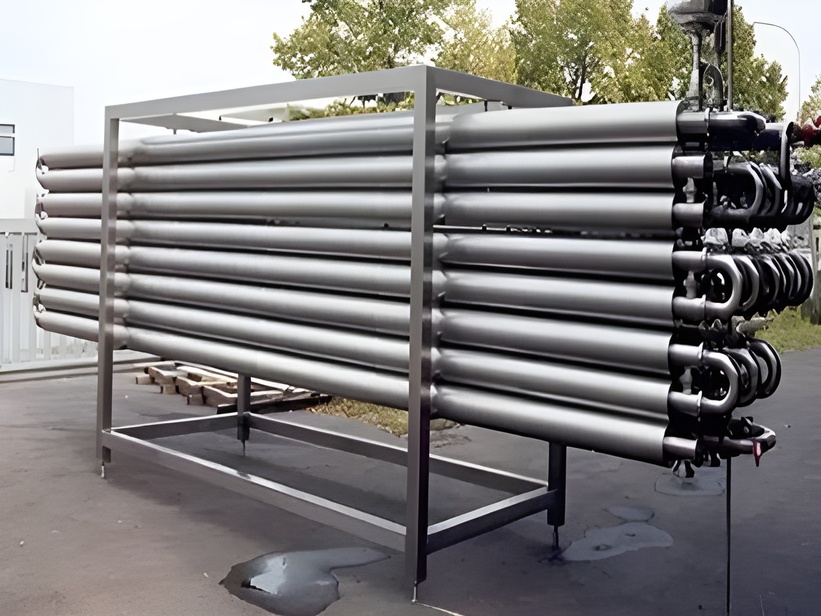
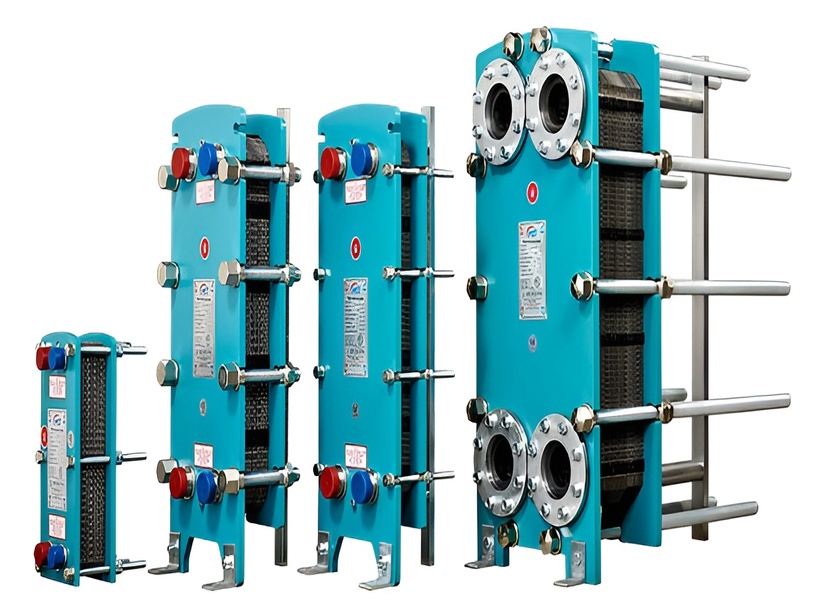
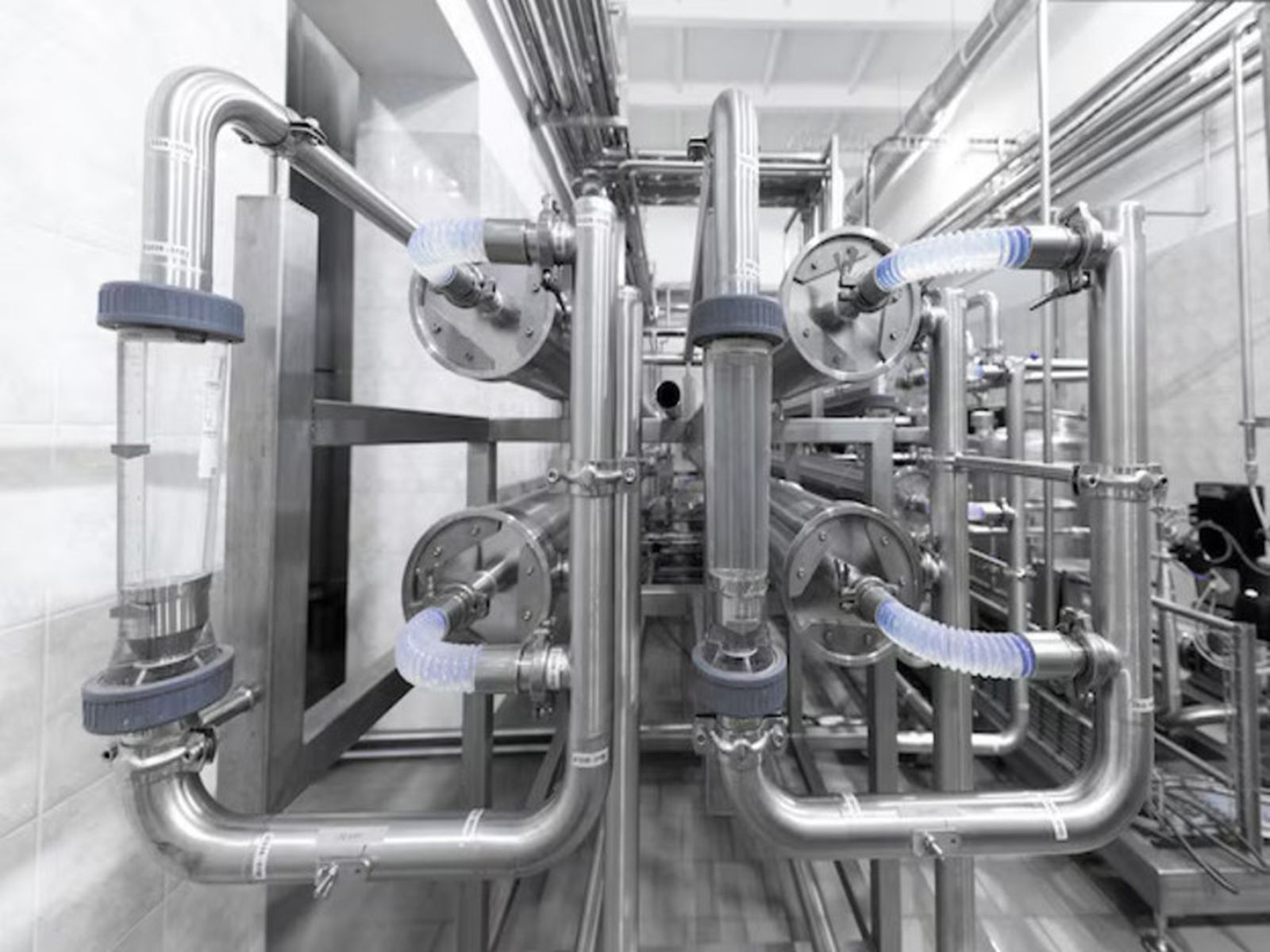
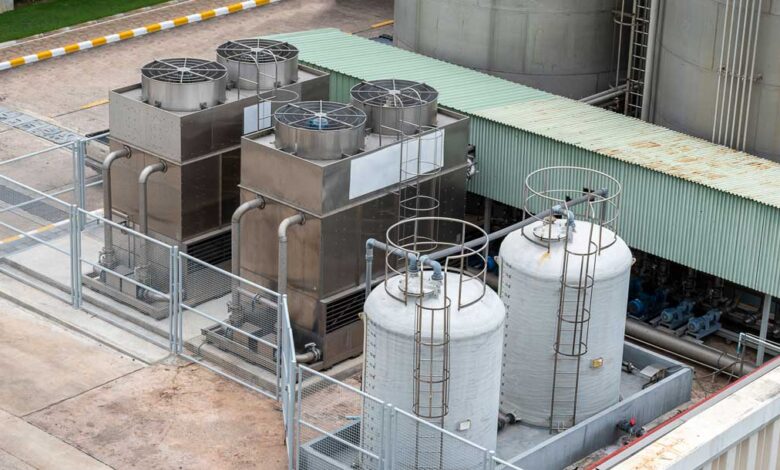
In water-cooled condensers, heat transfer takes place between the refrigerant and circulating water; the water that has absorbed the heat is then released to the atmosphere in a cooling tower or an open/closed-circuit cooler. Because the heat-carrying capacity of water is markedly higher than that of air, the same heat load can be handled with a much more compact heat exchanger surface.
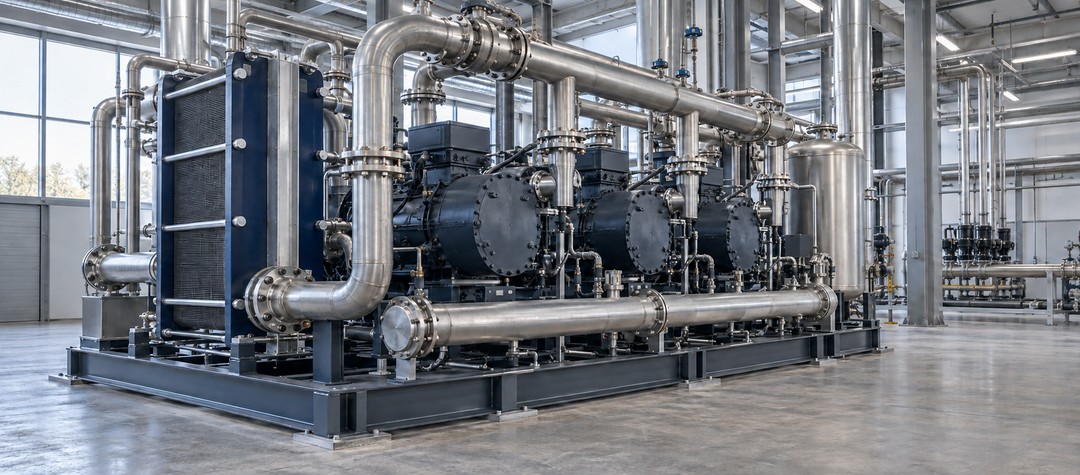
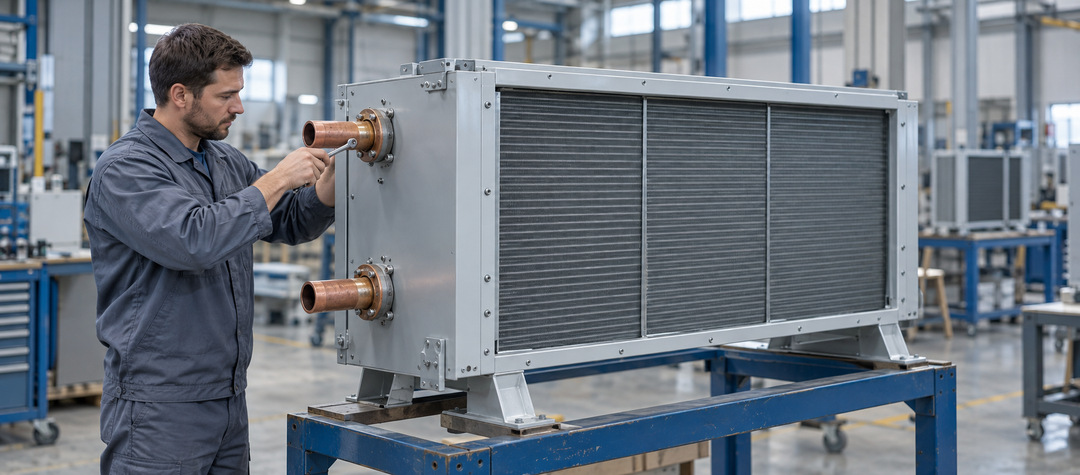
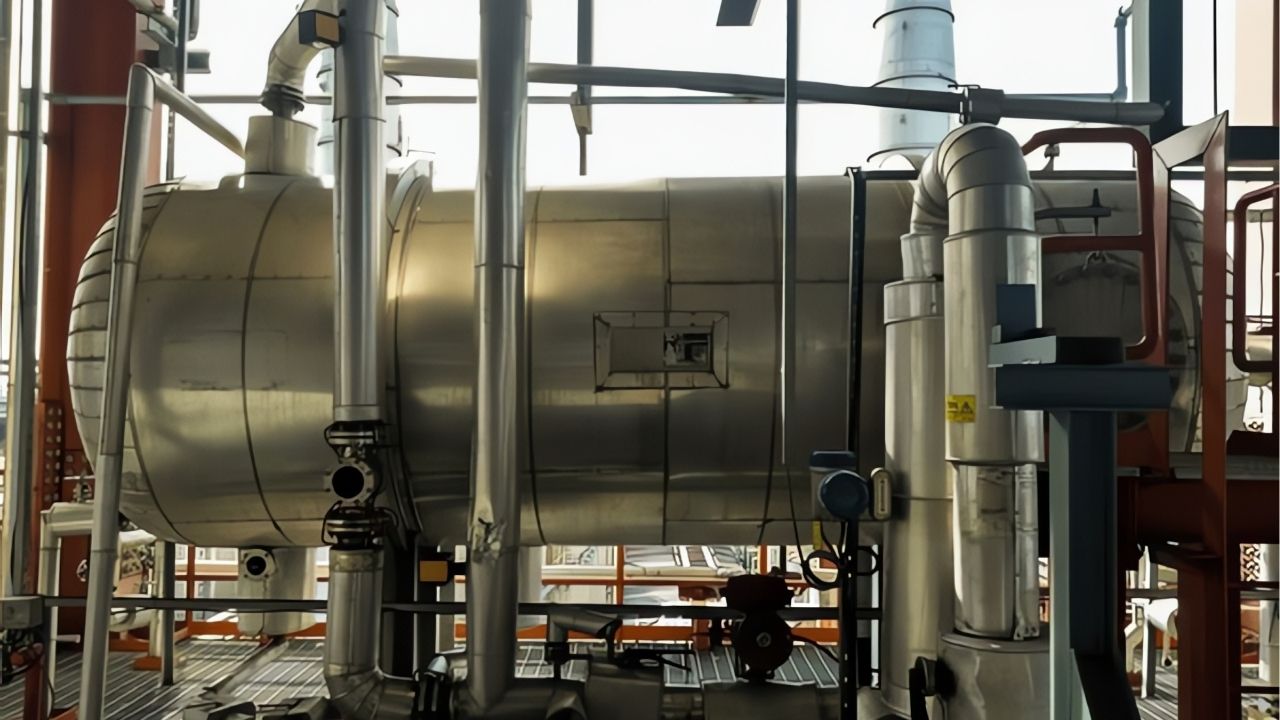
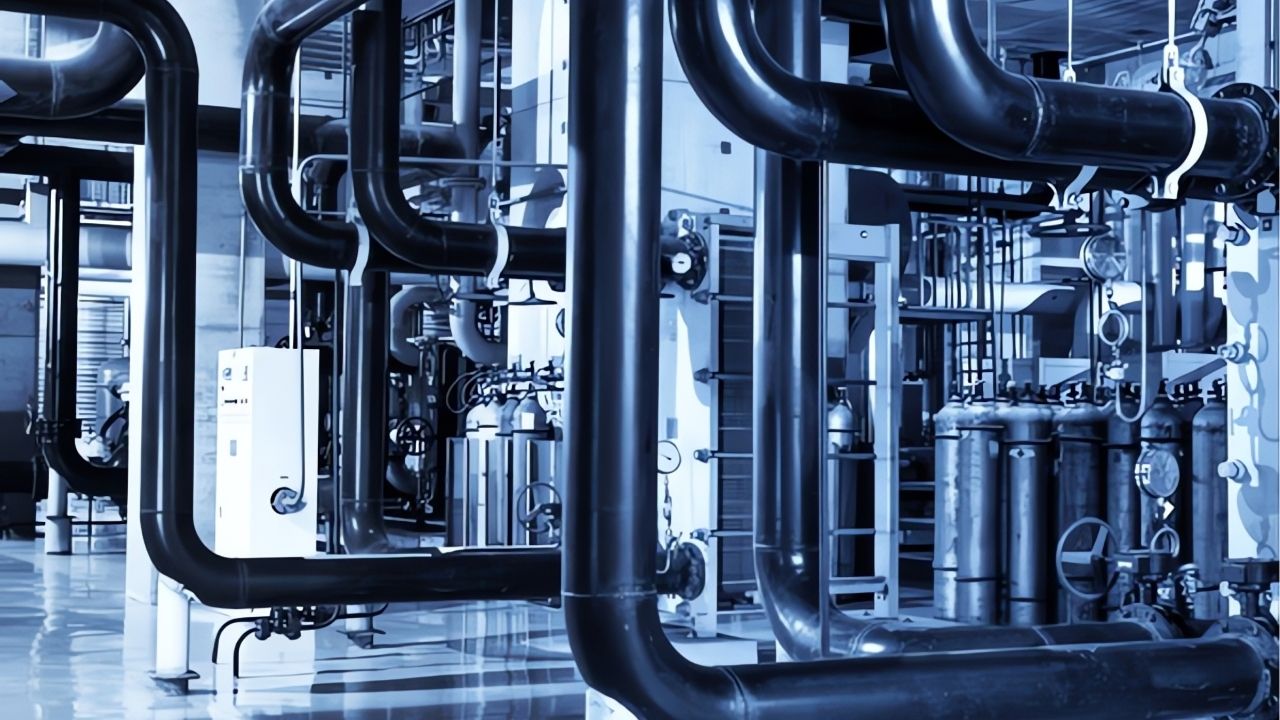
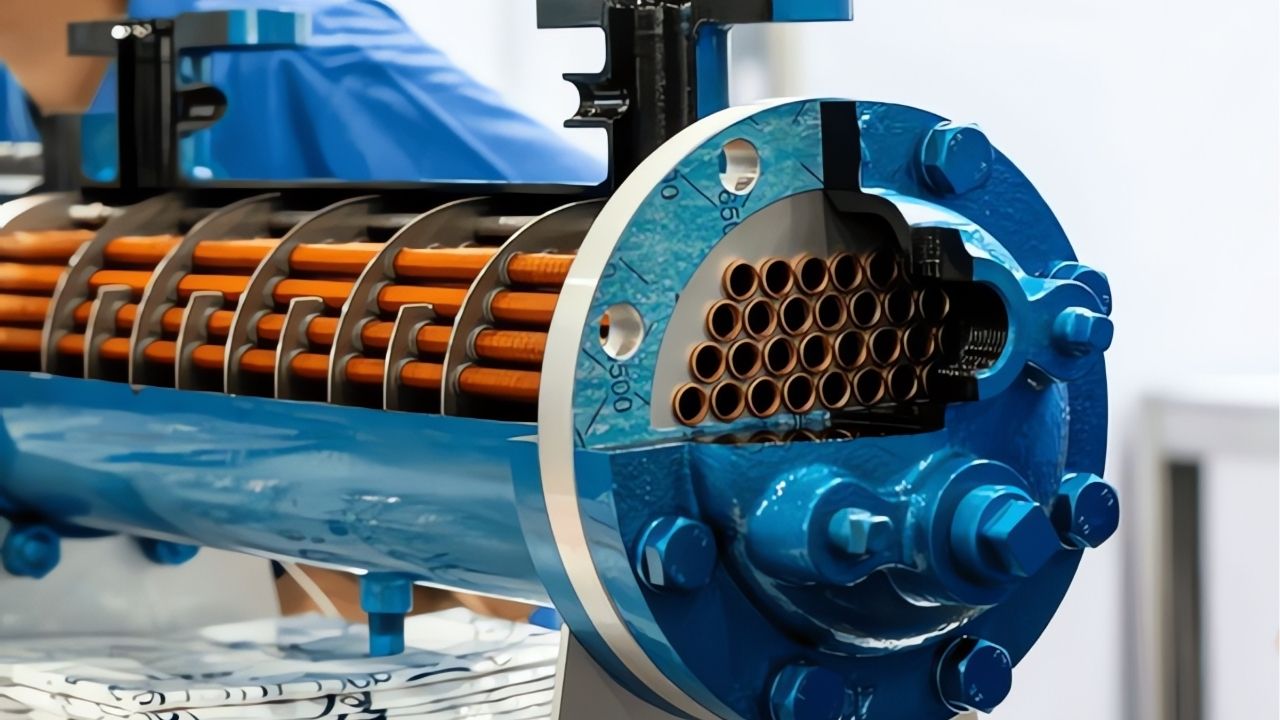
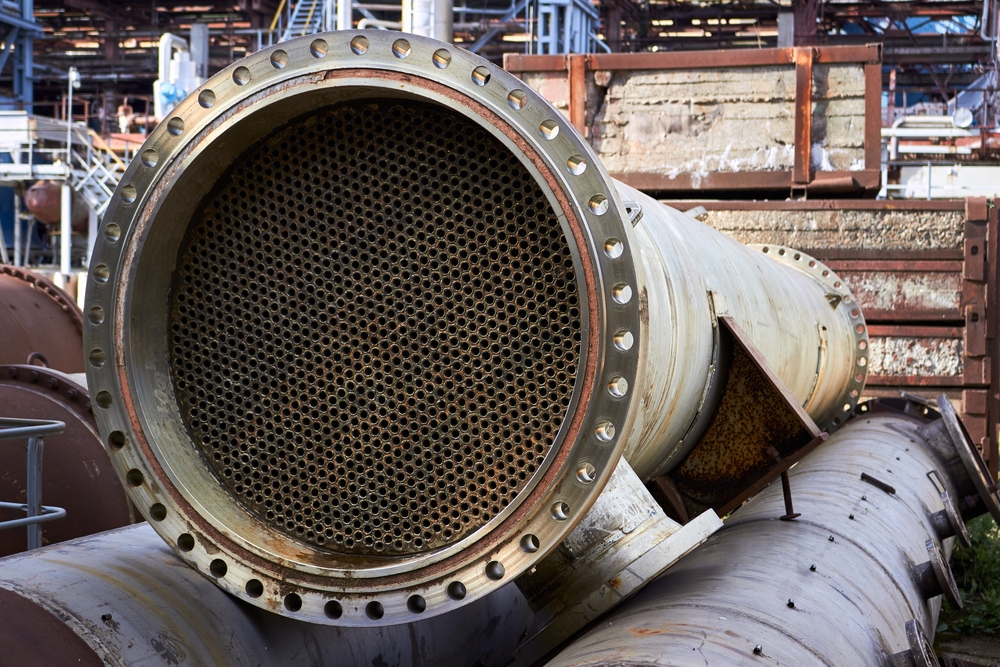
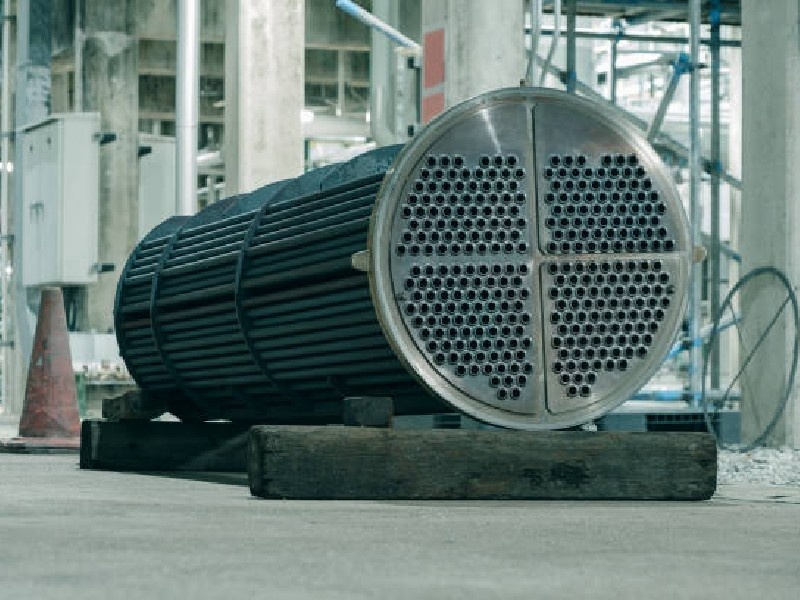
The most common configuration in industrial facilities is the shell-and-tube type, in which the refrigerant condenses on the shell side and the water circulates inside the tube bundle. This design offers advantages such as resistance to high pressure, compact layout and the ability to remove and clean the tube bundle; for this reason it is a preferred choice in industrial plants with continuous production.
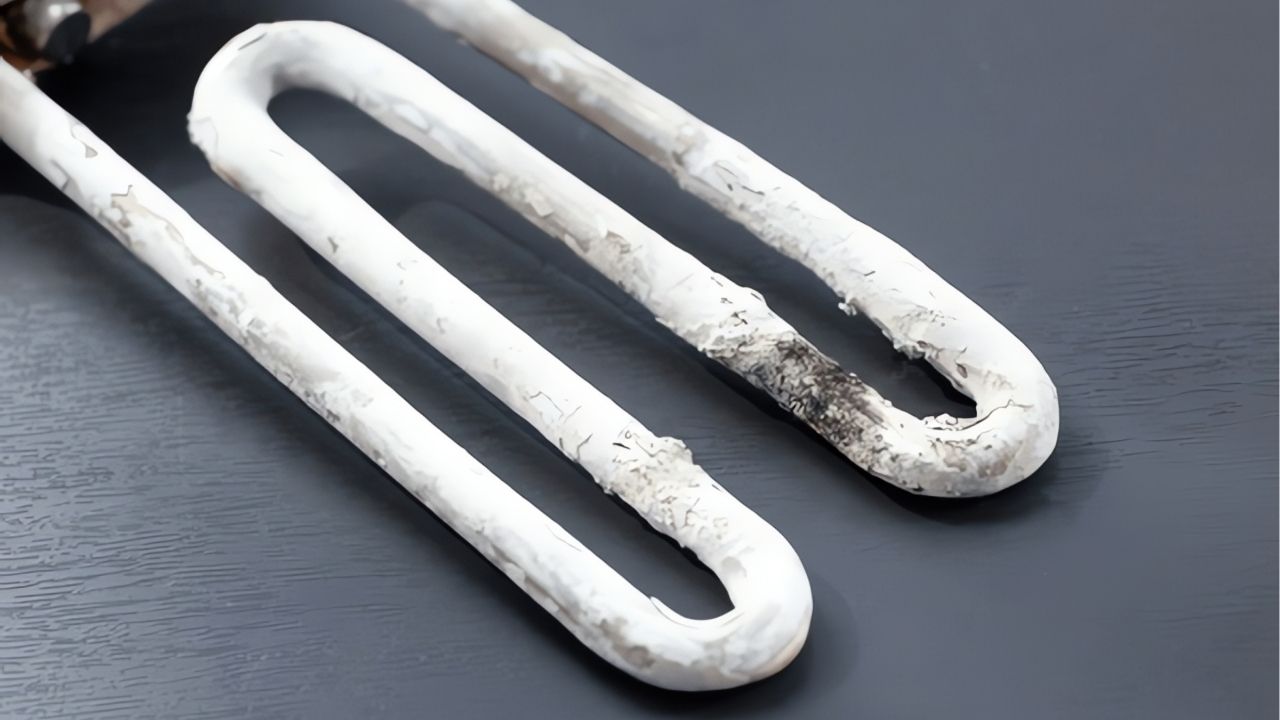
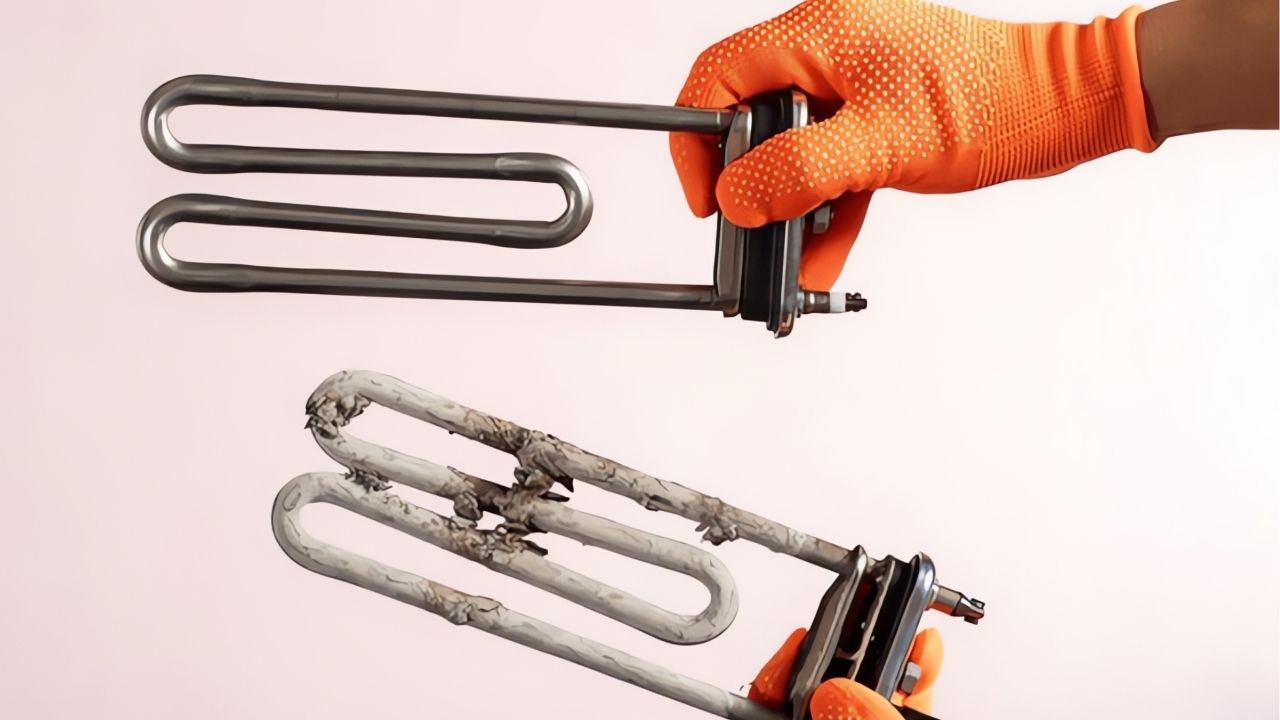
The most critical operating constraint of water-cooled systems is water quality. If hardness, dissolved solids content and pH are not kept under control, scaling (fouling) forms on the inner surface of the tubes; this lowers the heat transfer coefficient and raises the condensing pressure. For this reason, the decision to move to a water-cooled condenser must be evaluated not only through capacity calculation, but also on whether the facility has water treatment and chemical dosing infrastructure.
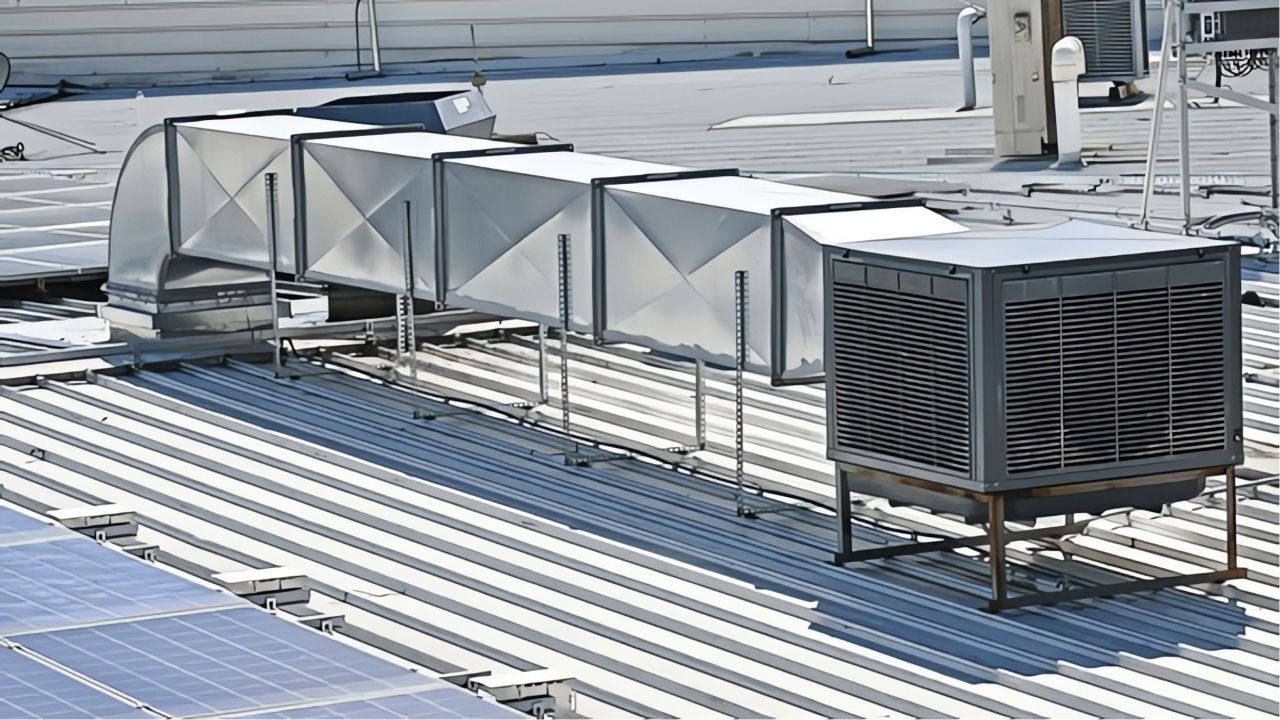
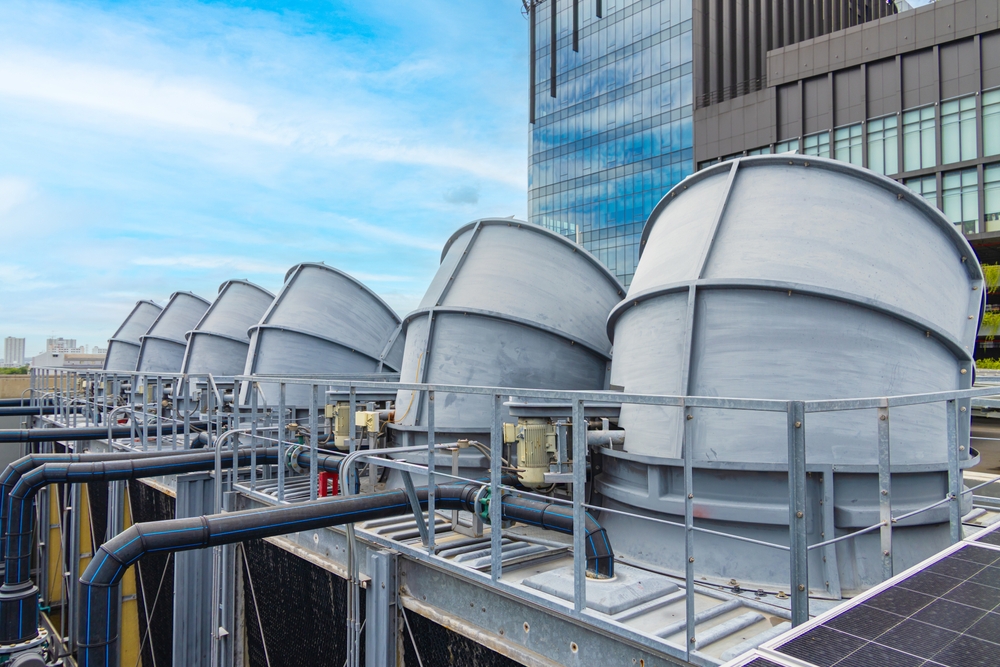
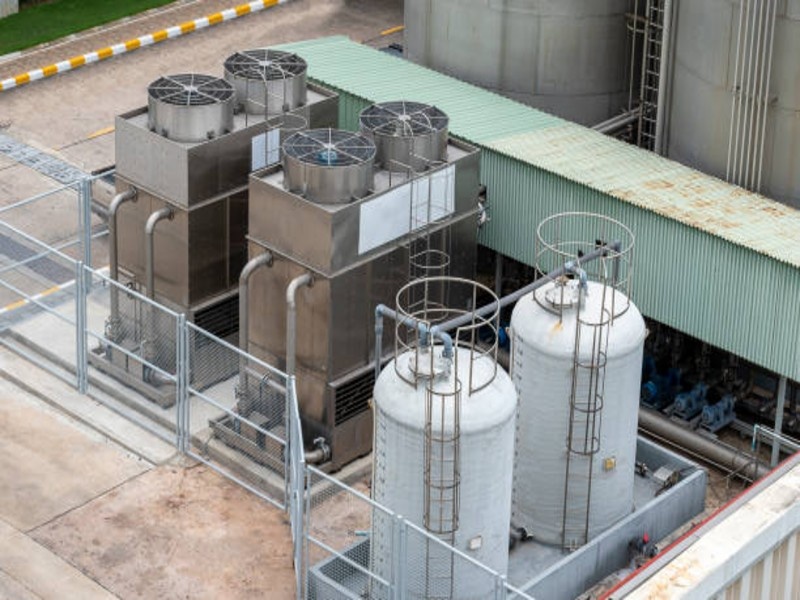
An evaporative condenser works like a synthesis of air-cooled and water-cooled systems: water is sprayed over the tube bundle while an air stream is passed through with a fan at the same time. As the water evaporates, it draws heat from the refrigerant in the tubes; this allows the condensing temperature to run close to the wet-bulb temperature, which is much lower than the dry-bulb temperature. The result is a lower head pressure and less compressor energy than an air-cooled system, and lower water consumption than a water-cooled system. This type is preferred especially in ammonia industrial refrigeration systems and high-capacity cold storage facilities; however, it requires additional maintenance items such as a water circulation pump, a drift eliminator and periodic water blowdown.
Condenser type selection should be made according to the facility's operating conditions rather than a theoretical efficiency ranking. The three examples below show how the same question is answered differently in different applications.
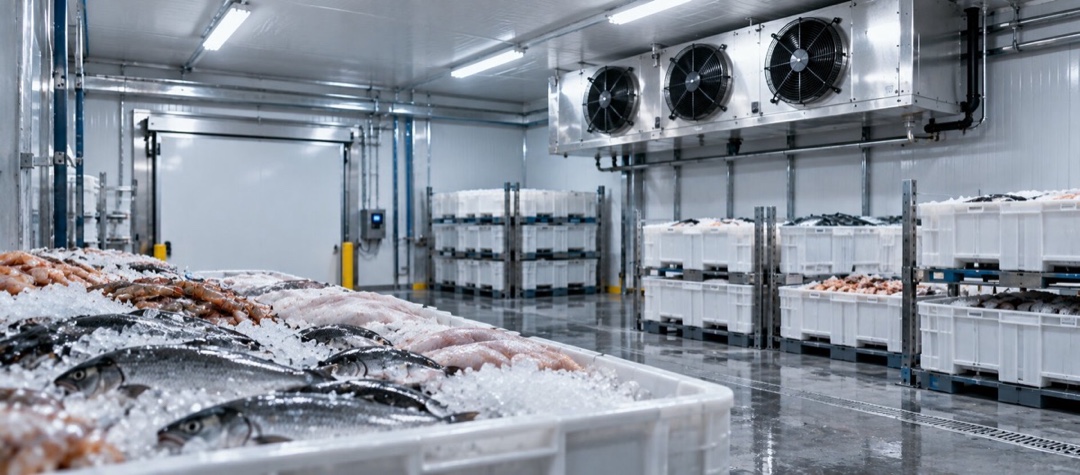
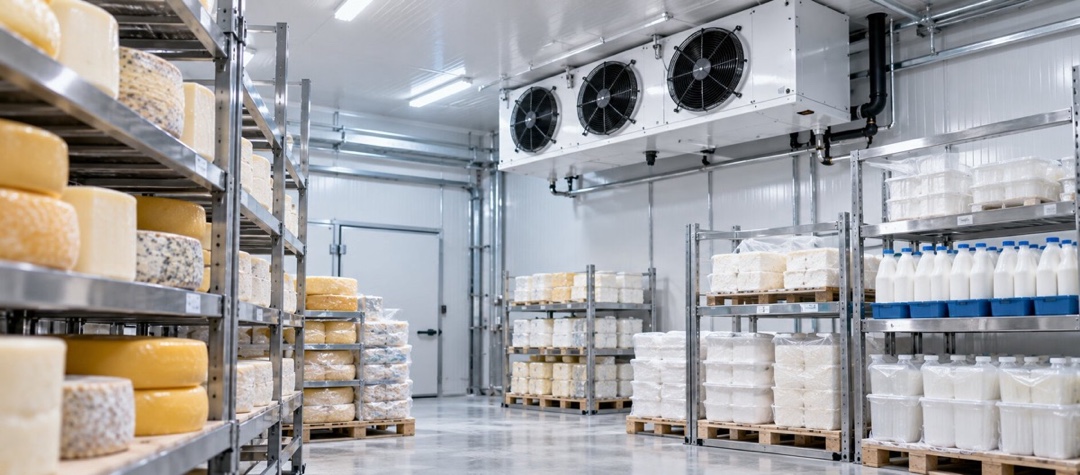
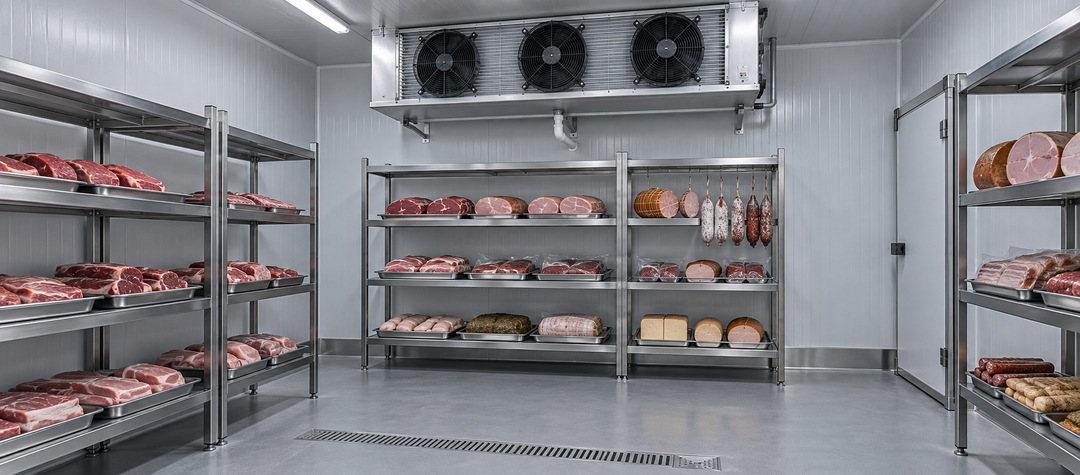
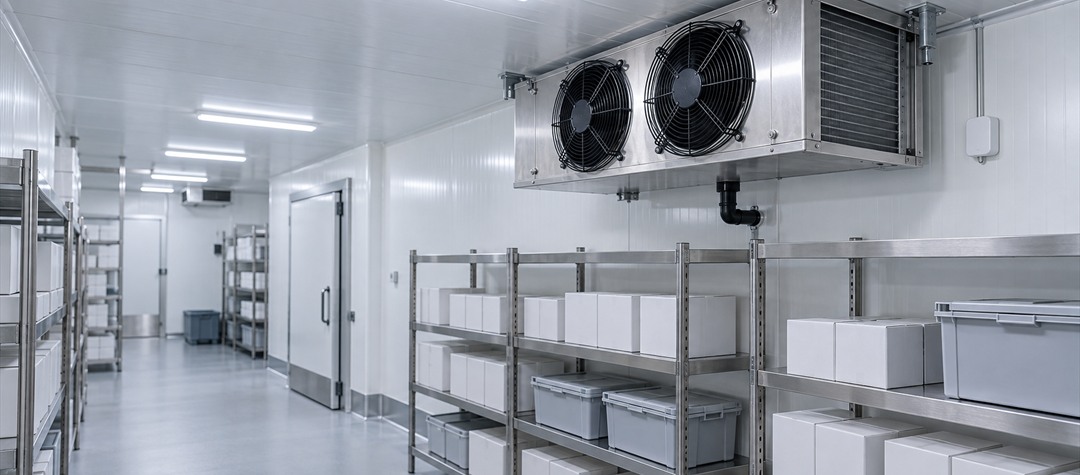
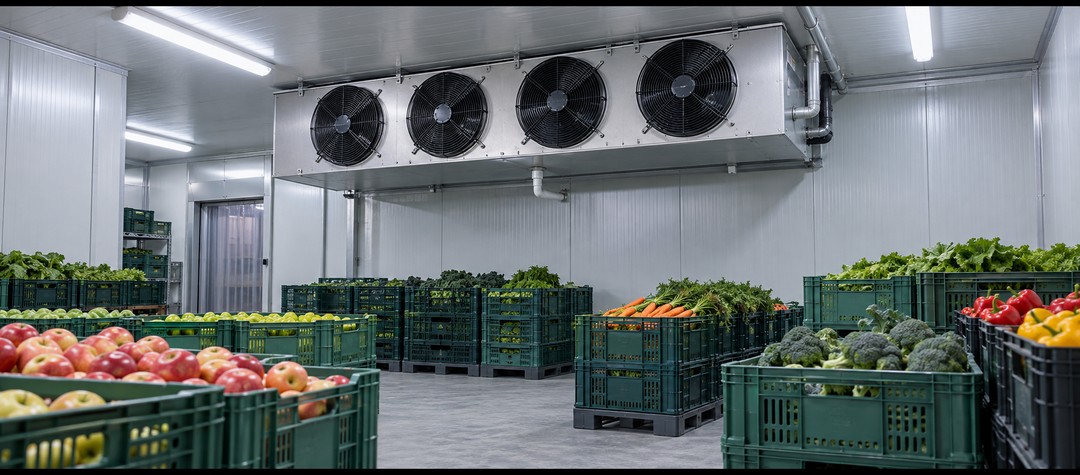
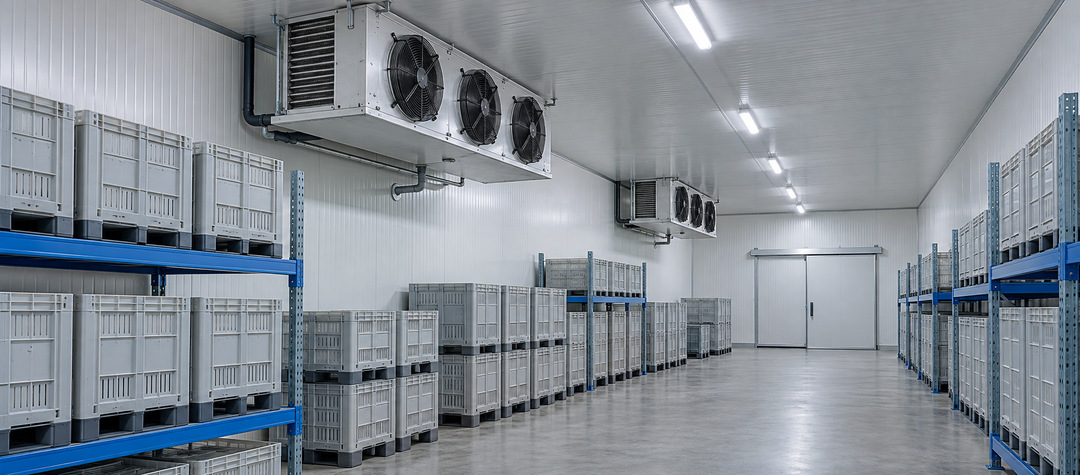
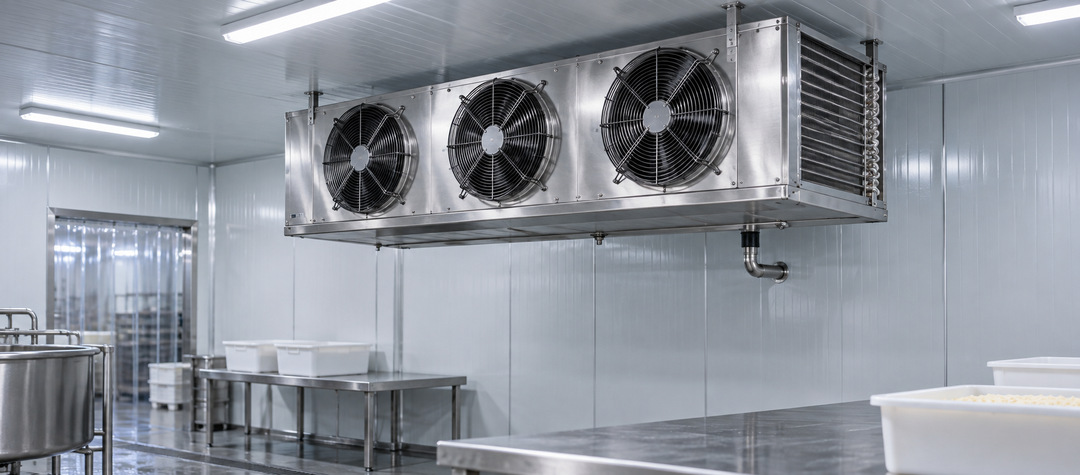
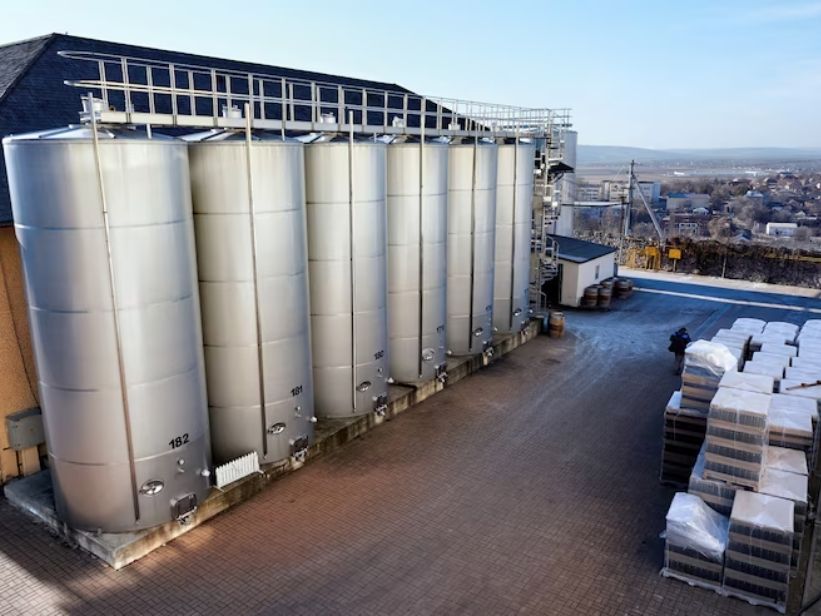
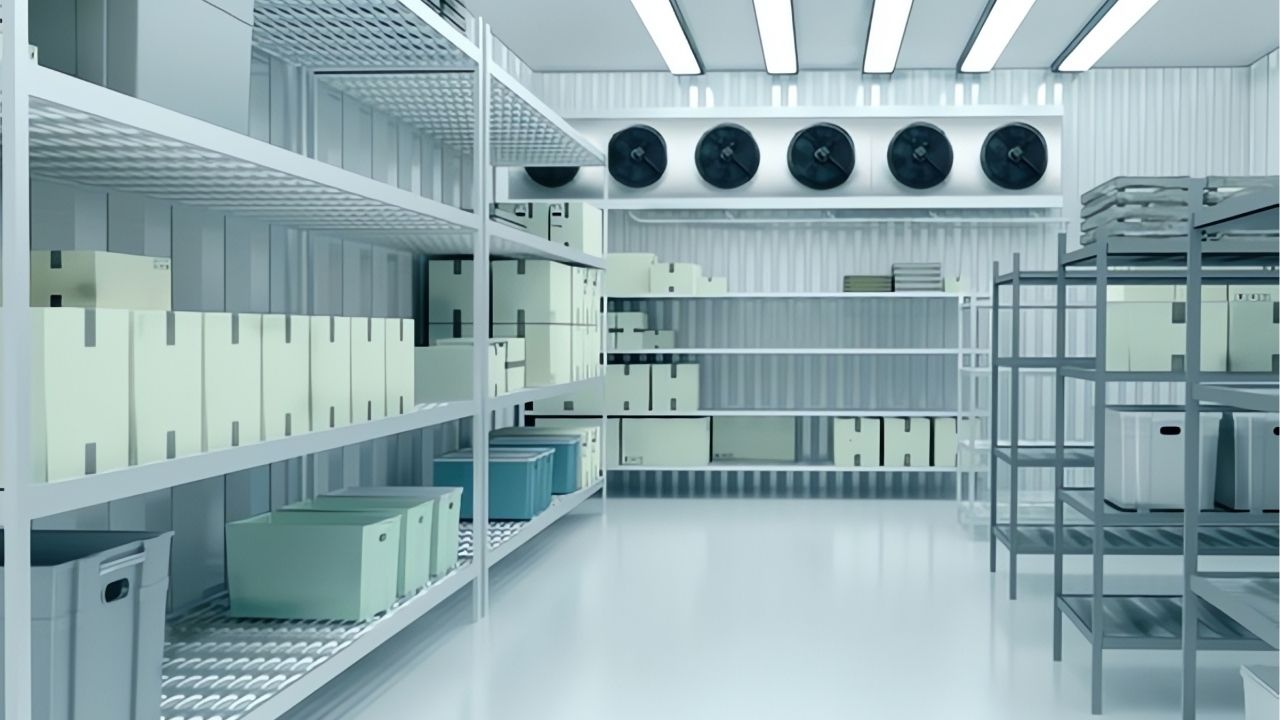
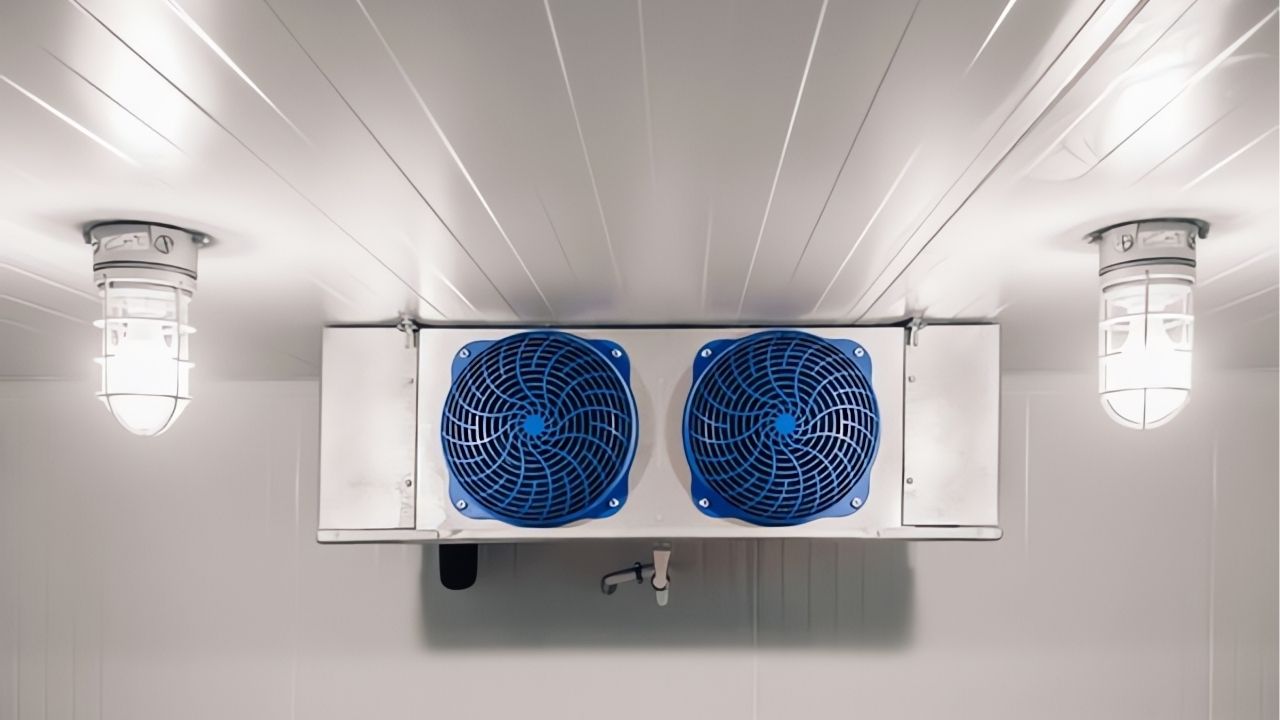
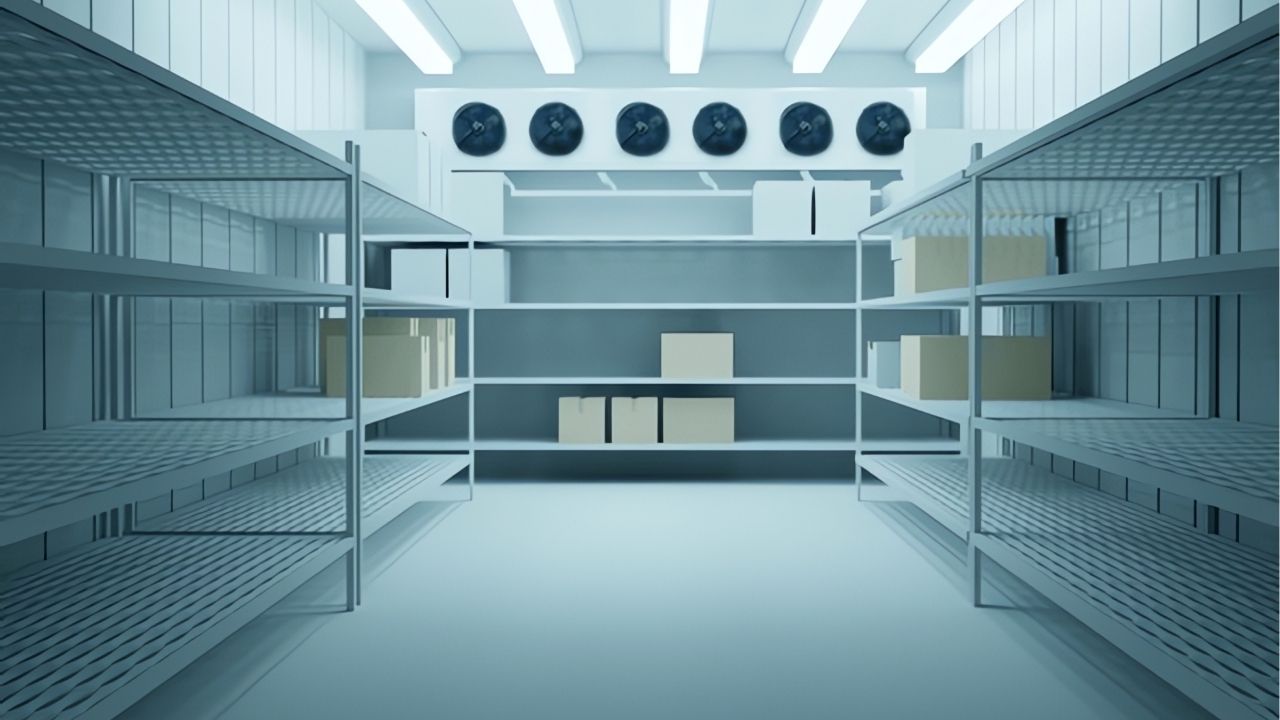
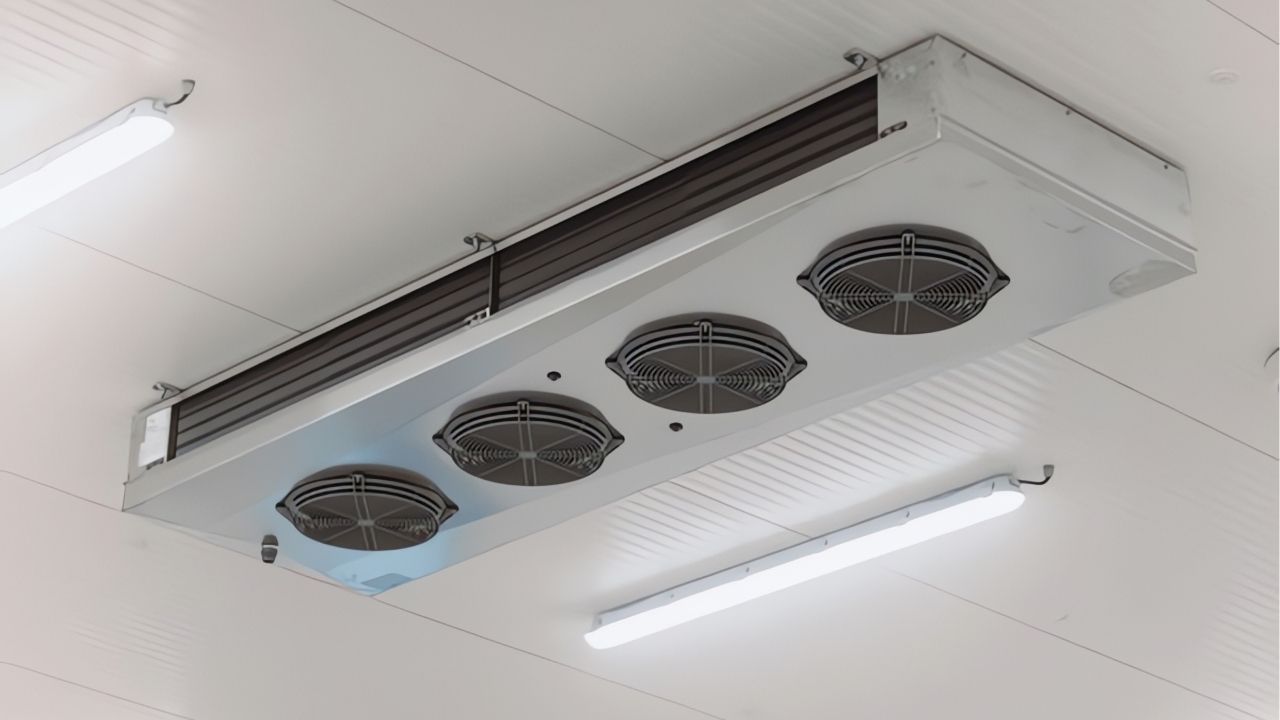
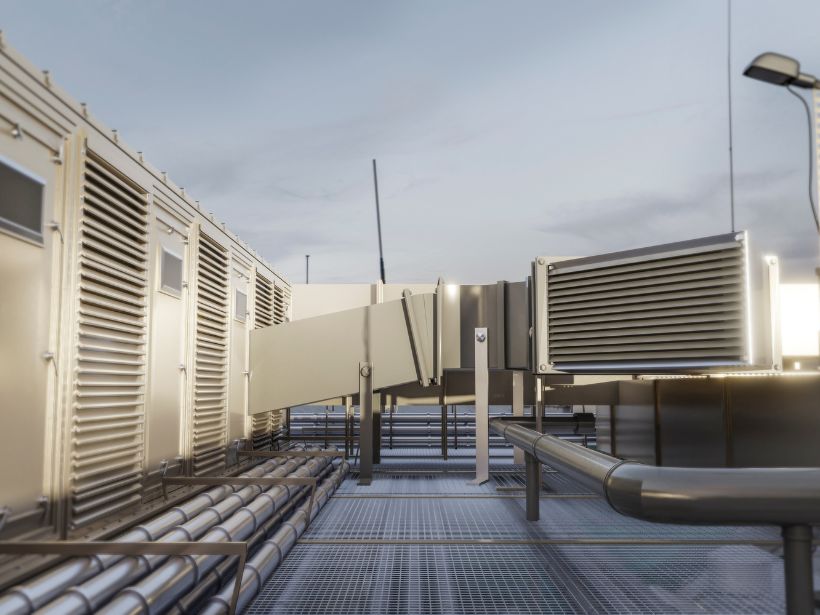
In large-volume cold rooms, the load profile is usually long-lasting and relatively constant; the outdoor temperature fluctuates seasonally. In these facilities, air-cooled condensers are a common choice because they need no water circuit and have low operating complexity; in hot-climate regions, sizing the fin surface and fan group accordingly can noticeably reduce summer energy consumption.
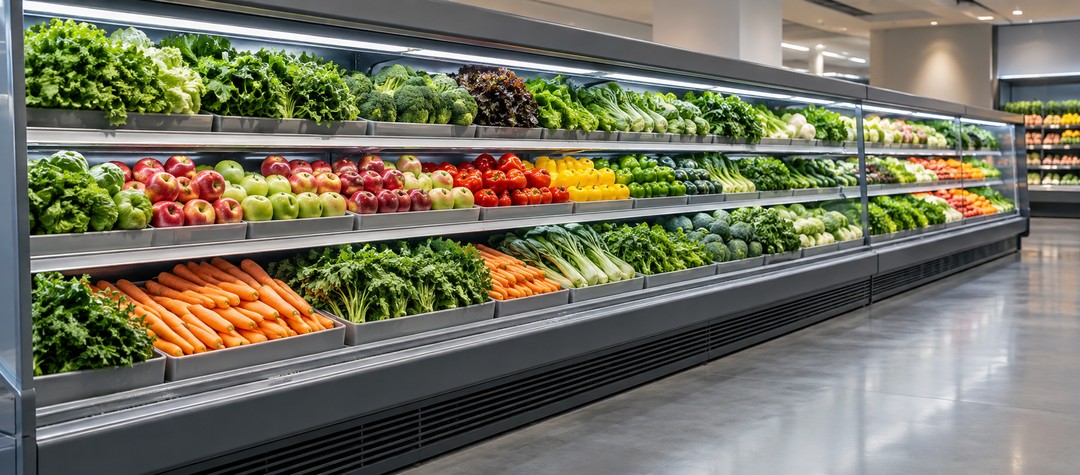
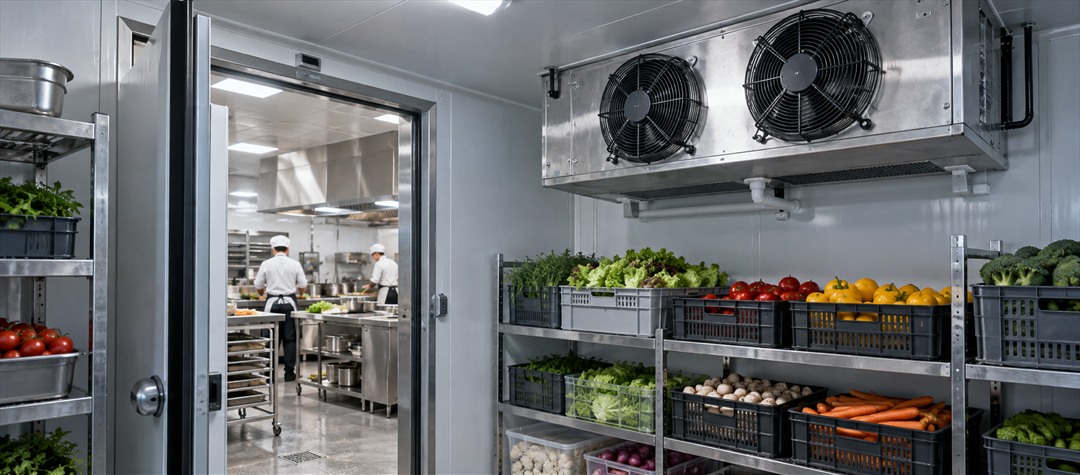
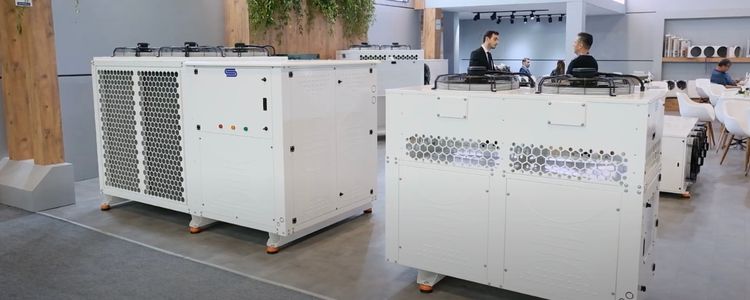
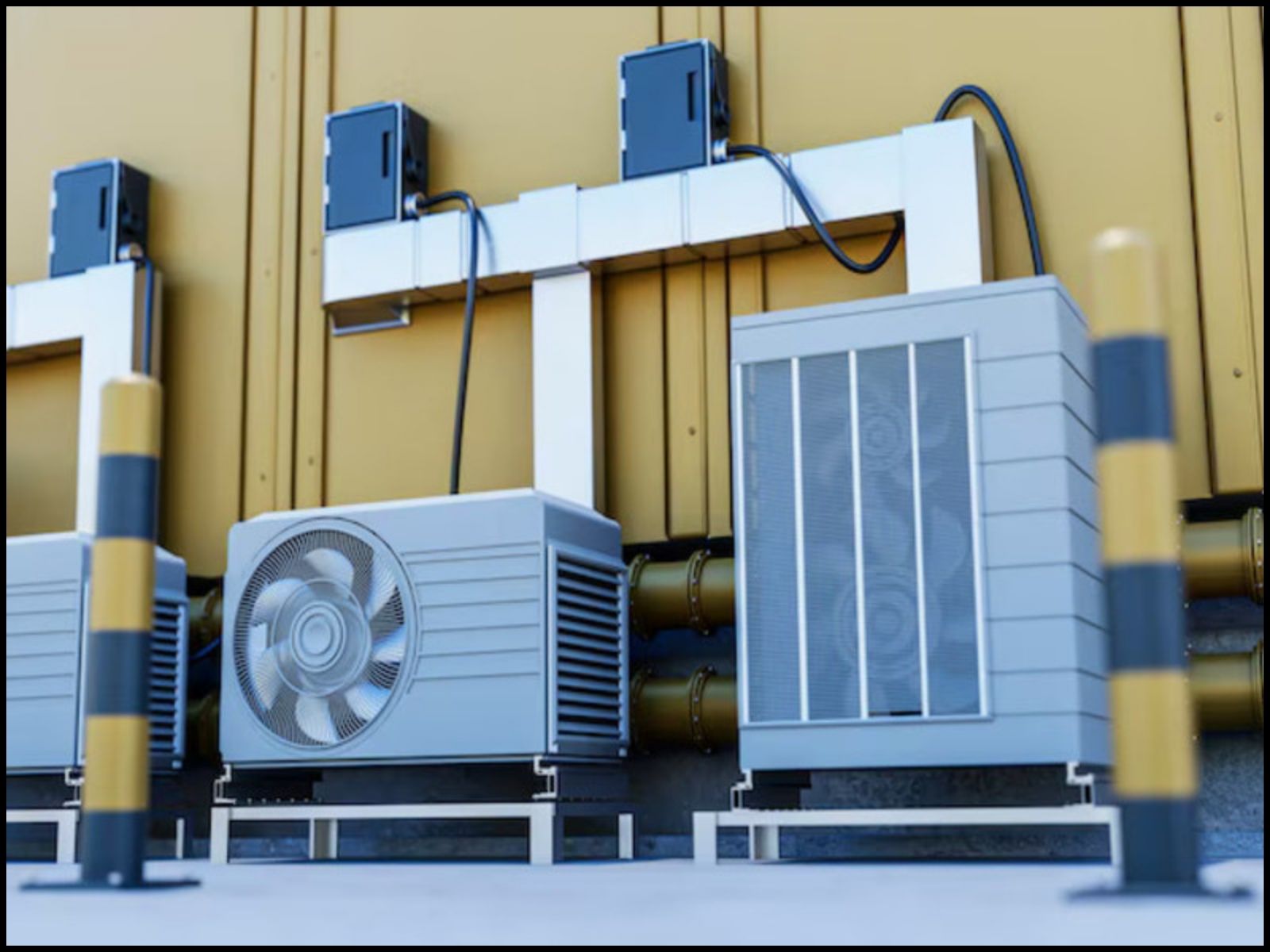
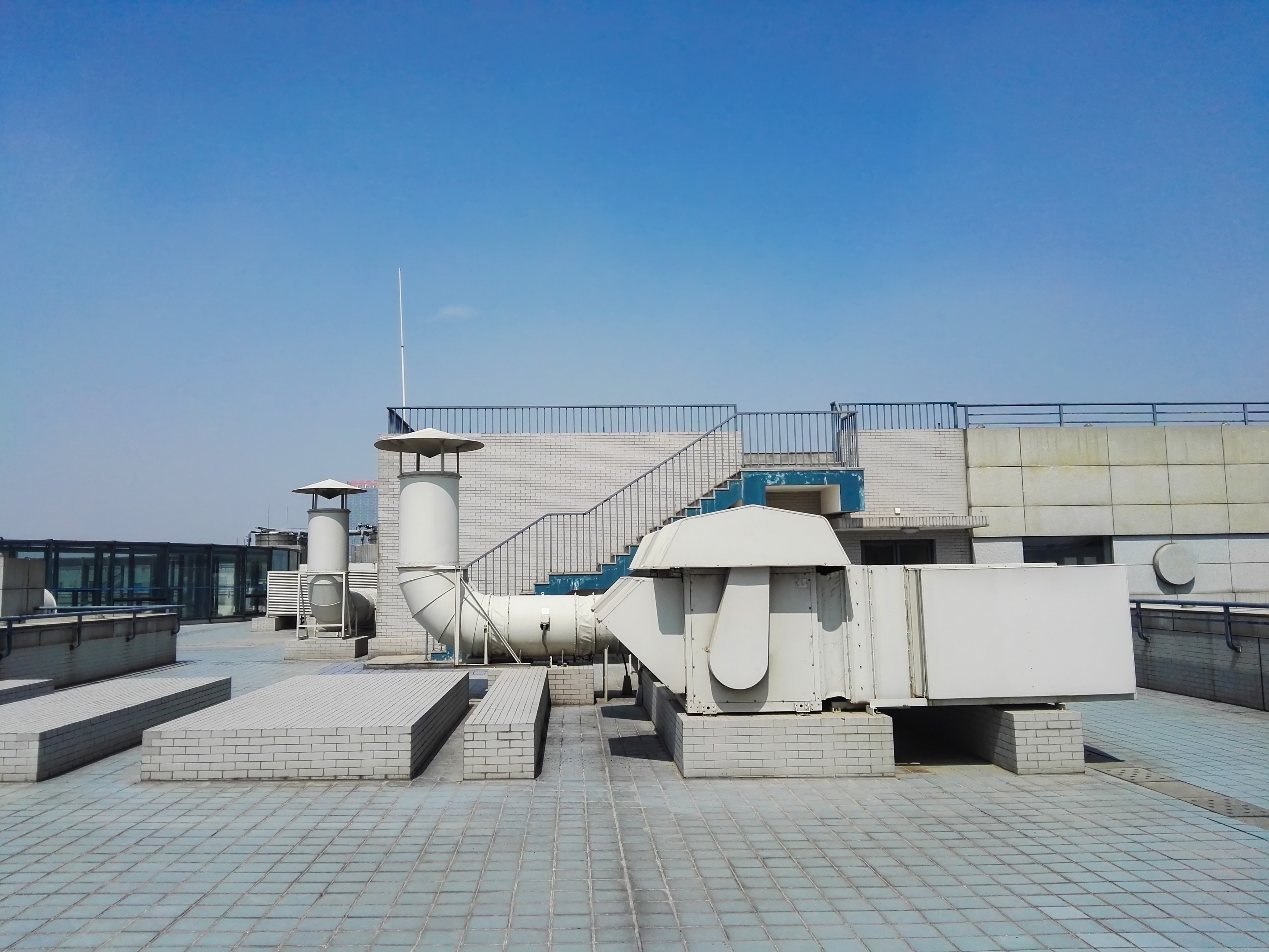
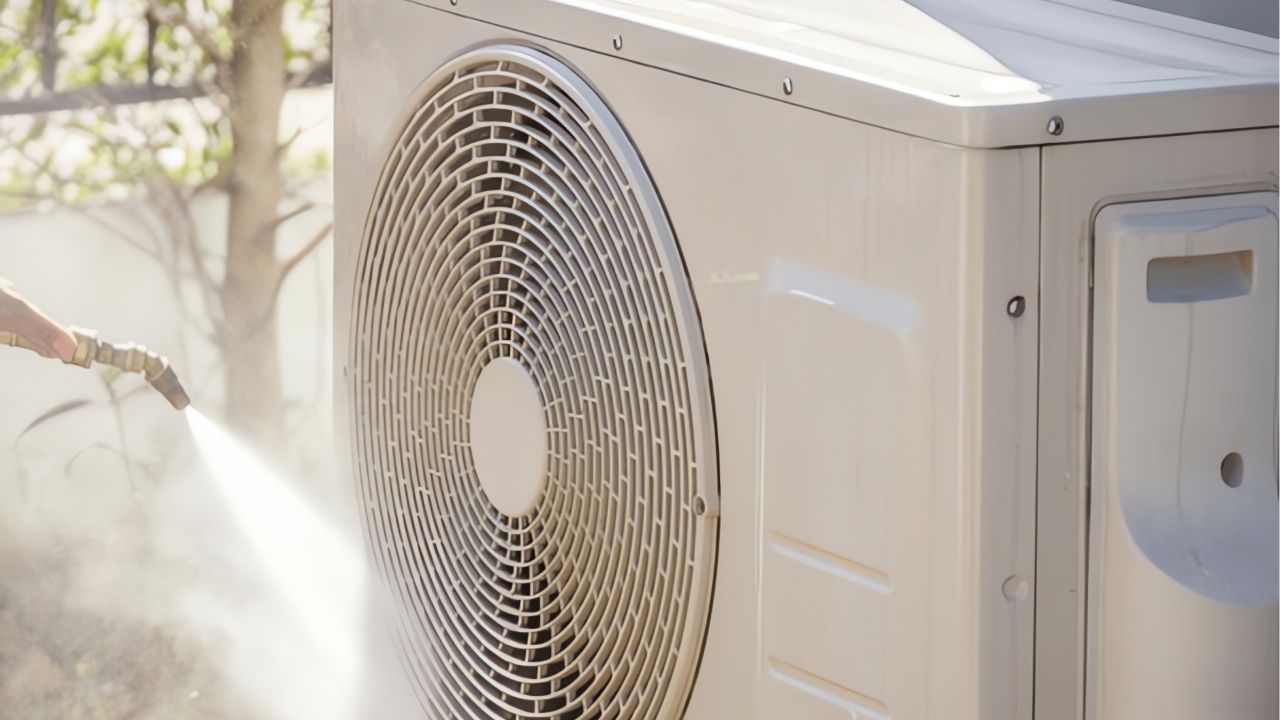
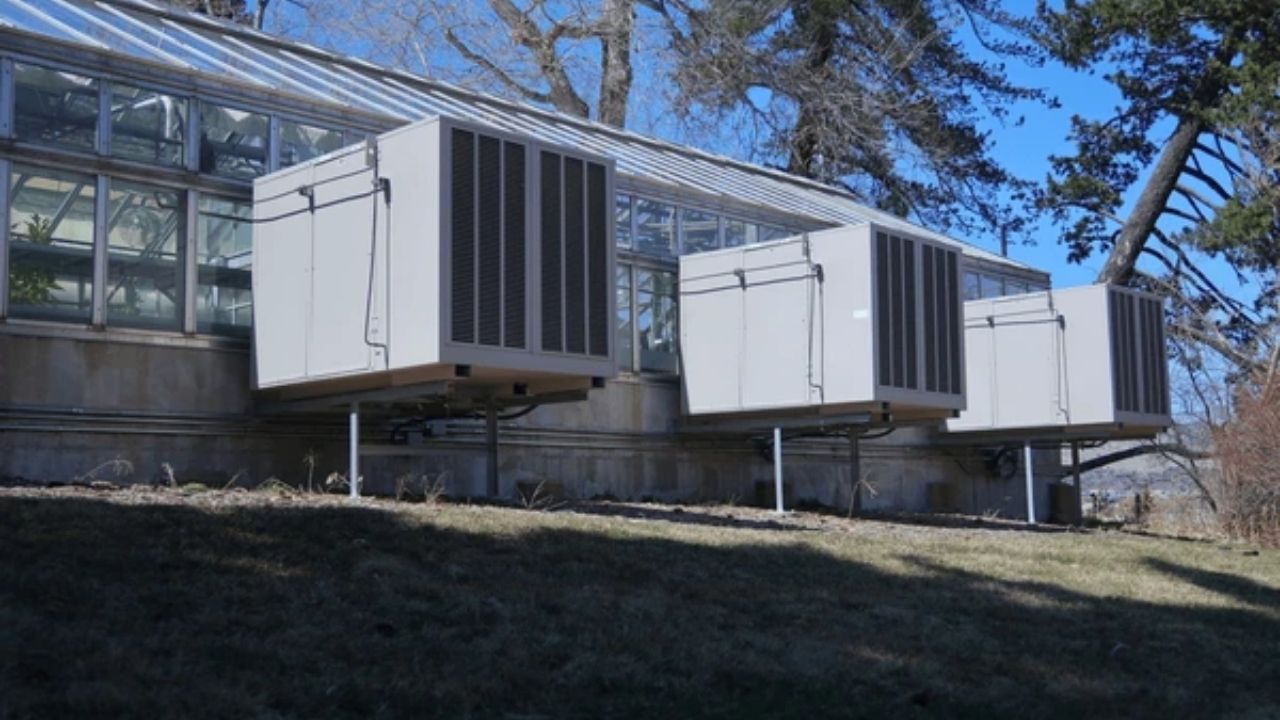
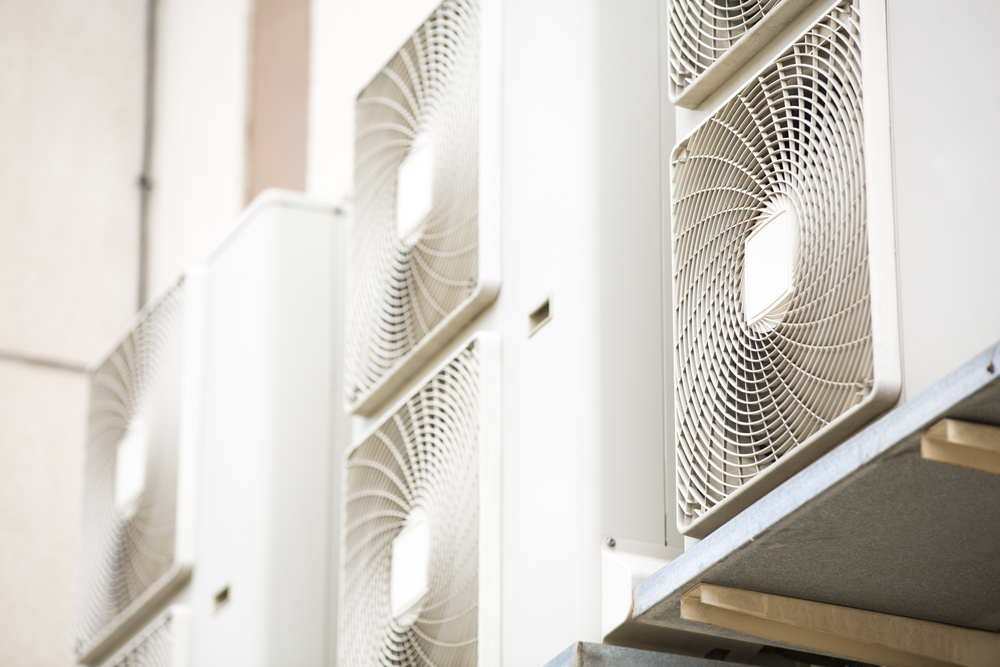
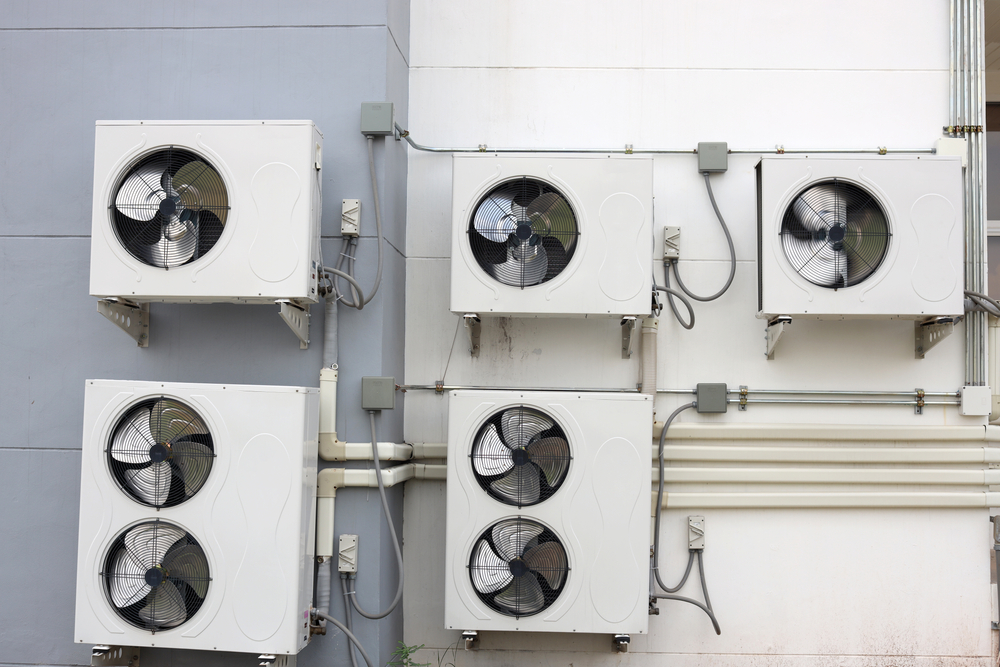
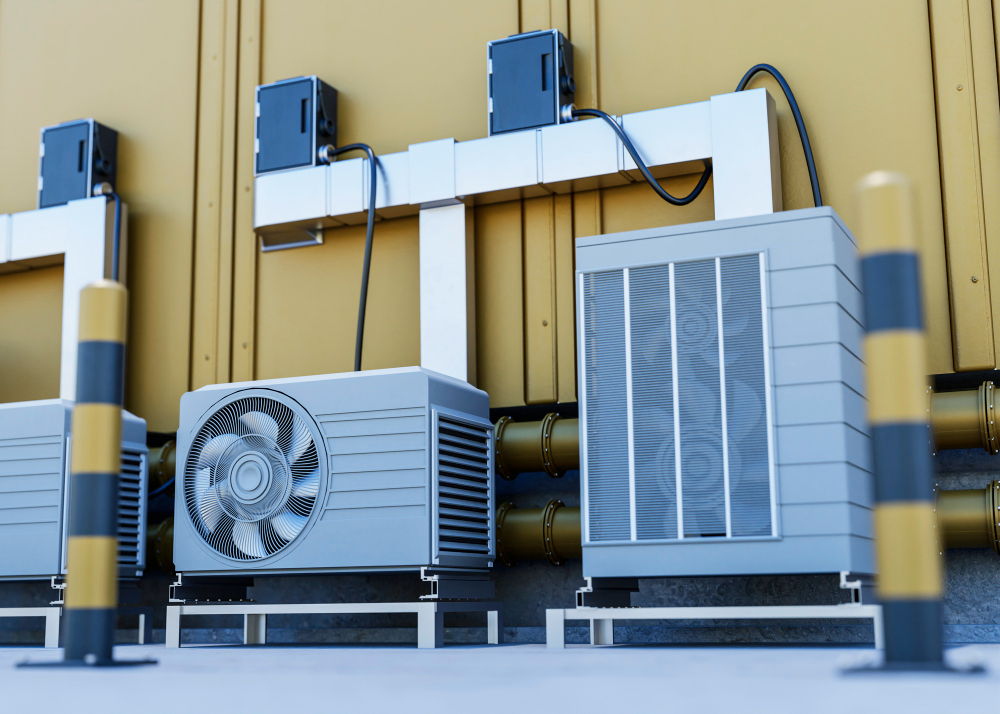
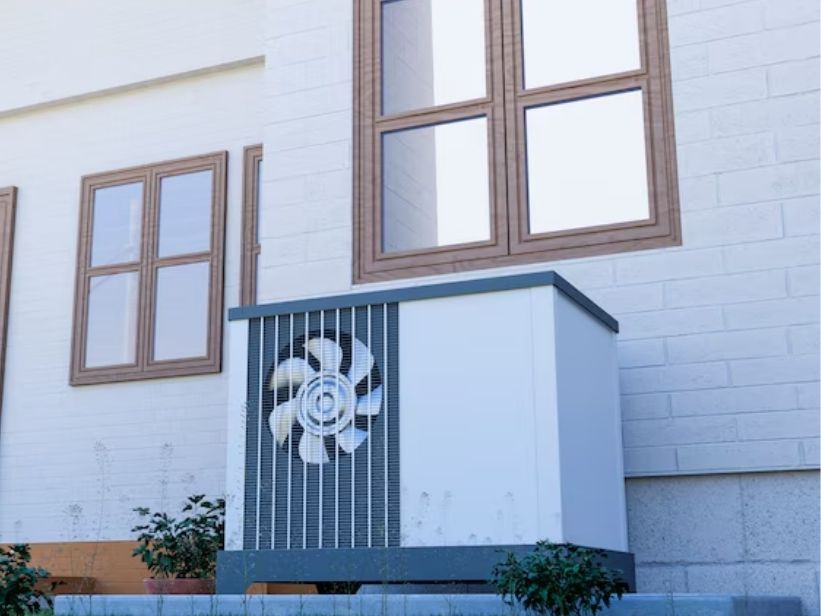
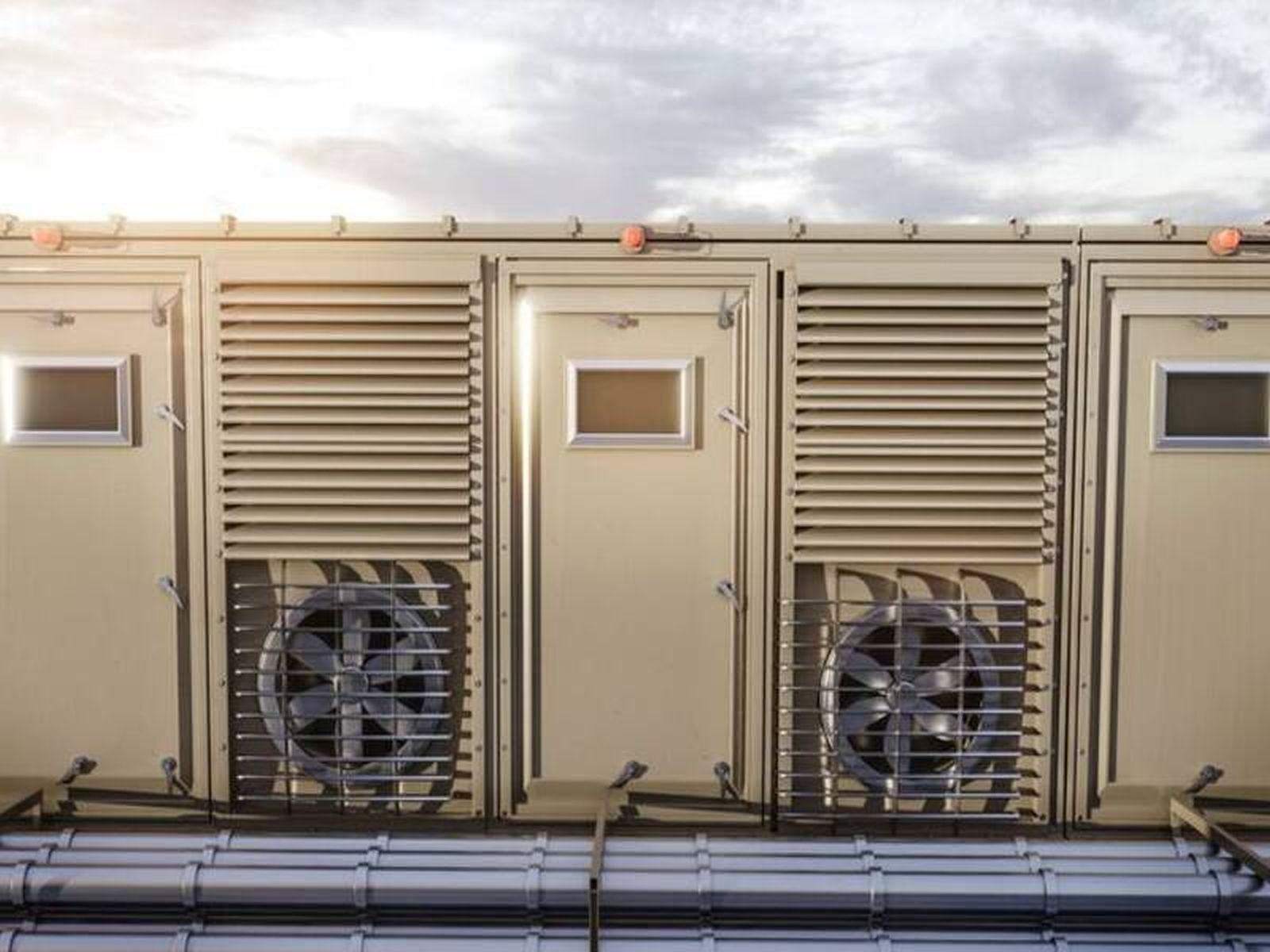
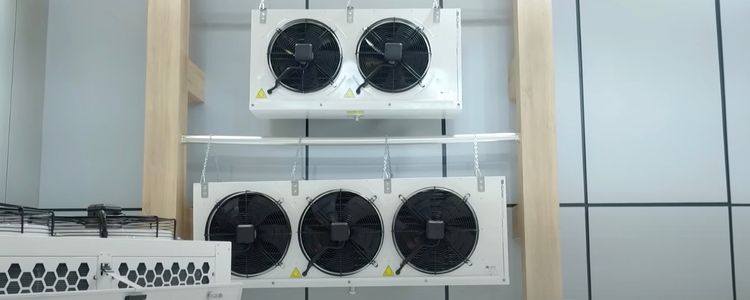
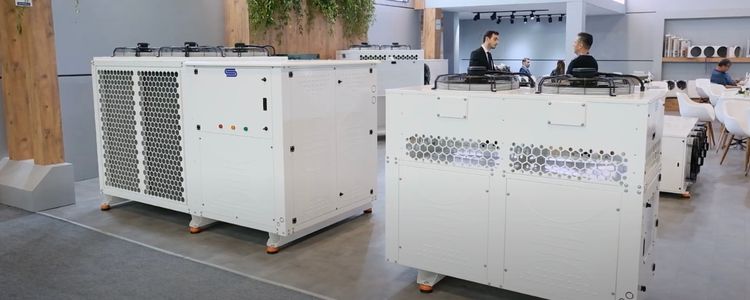
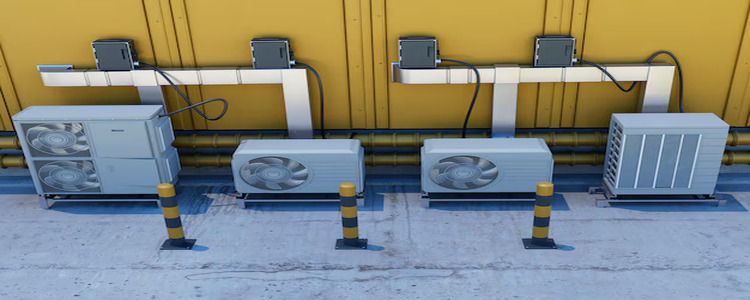
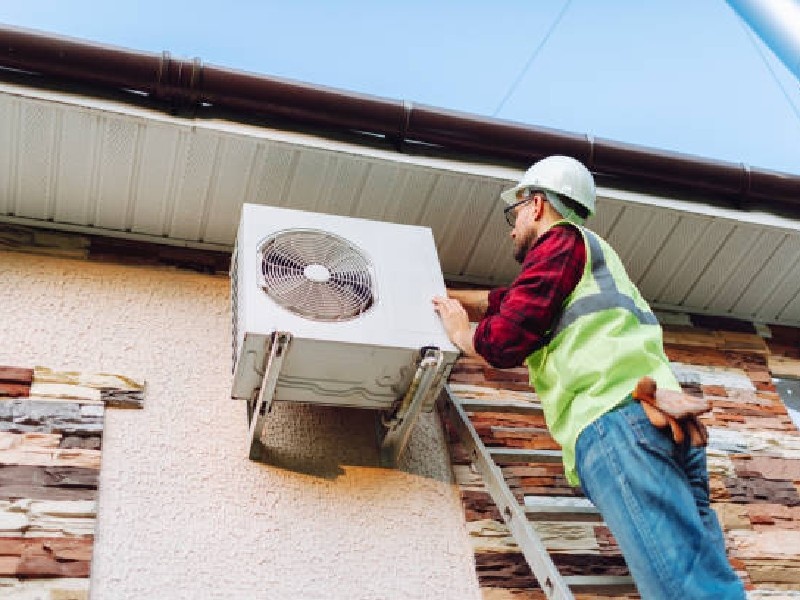
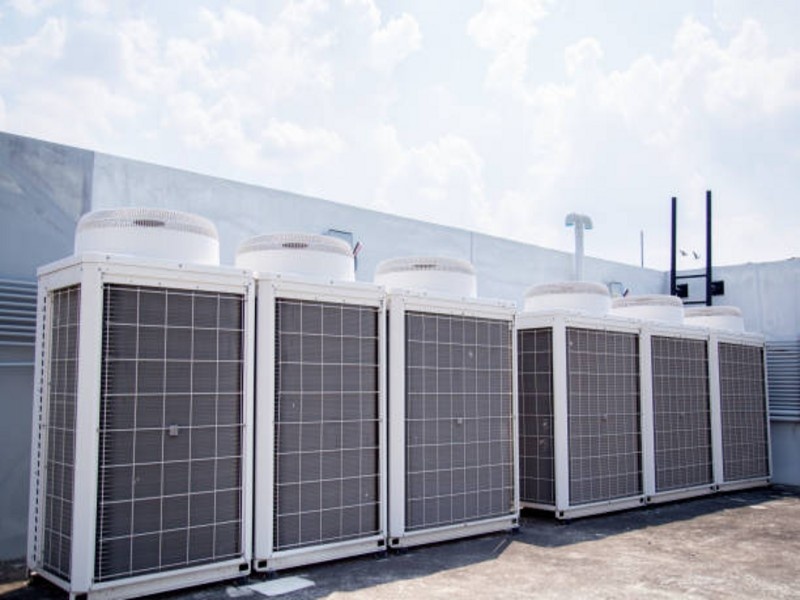
In supermarket display and storage refrigeration systems, space constraints, noise level and maintenance accessibility are the priority criteria. In this segment, compact air-cooled condenser blocks suitable for rooftop or exterior-wall mounting are mostly the better solution in terms of both investment cost and ease of maintenance. Systems that require a water circuit create an additional maintenance burden in businesses such as supermarkets that have no technical staff.
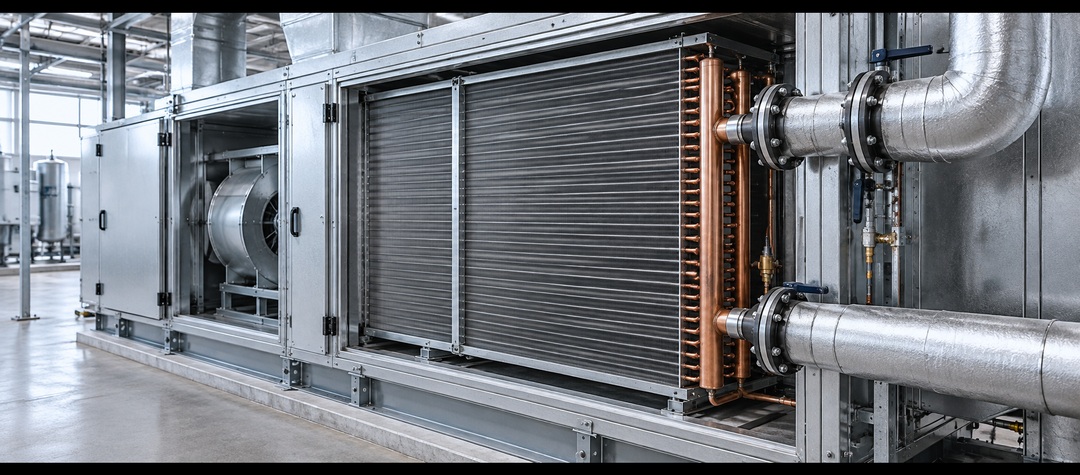
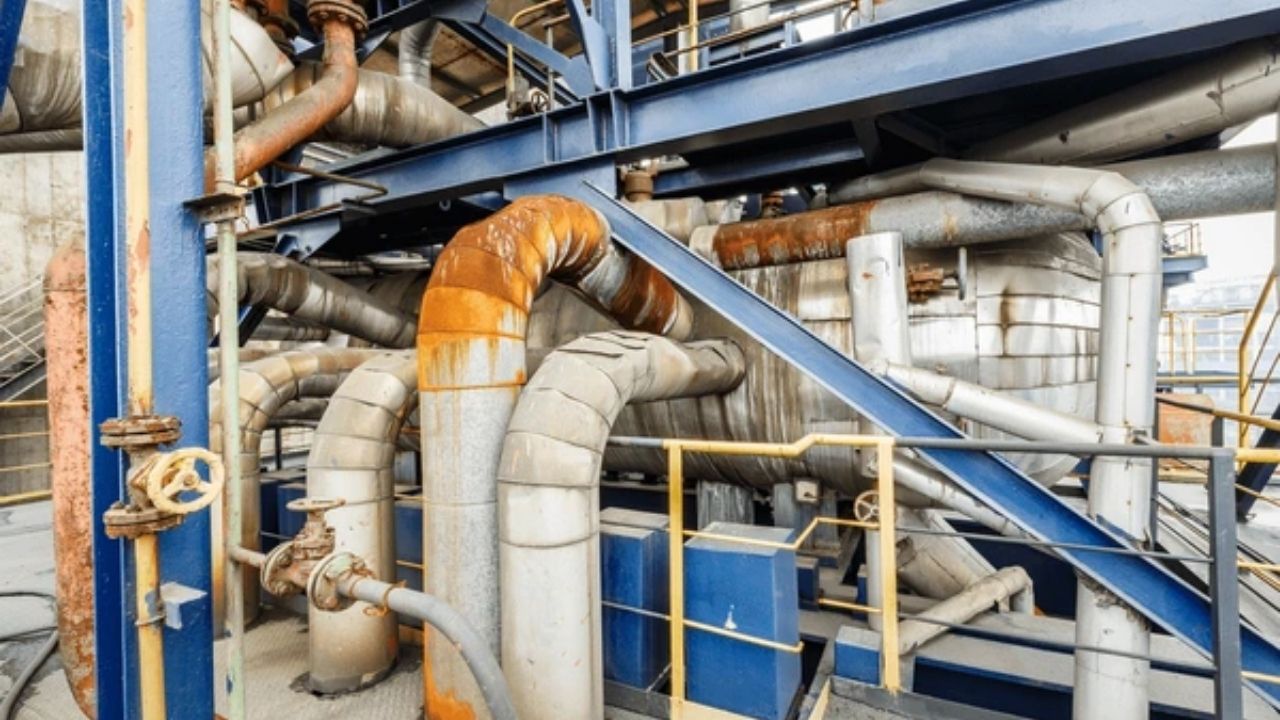
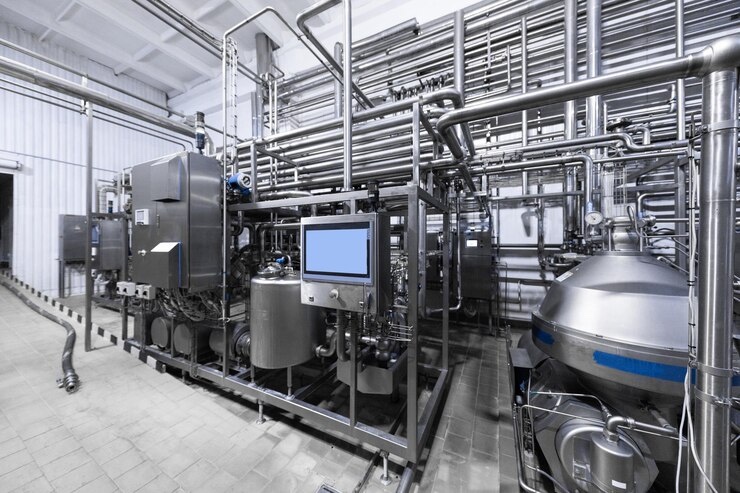
In industrial applications that require continuous, high-capacity loads, such as chemicals, food processing or process cooling, water-cooled shell-and-tube condensers stand out. These facilities usually already have a cooling tower or a process water line; this infrastructure makes the additional cost of a water-cooled system worthwhile. In addition, tight-tolerance temperature control in process lines benefits from the more stable condensing pressure offered by water-cooled systems.
Condenser sizing is not an arbitrary choice of size but the result of a specific calculation chain. The general logic works as follows:
Each of these steps leads to a meaningful sizing when evaluated not on a fixed cooling load but on the facility's real operating scenario (part load, summer/winter difference, units running simultaneously). The nominal capacity values in catalogs are only a starting reference; the final selection must be verified against the facility's actual operating conditions. Especially in facilities with multi-shift production or seasonal load fluctuations, evaluating the condenser not only for peak load but also for the medium-load condition seen most often during the year reflects the real operating cost more accurately.
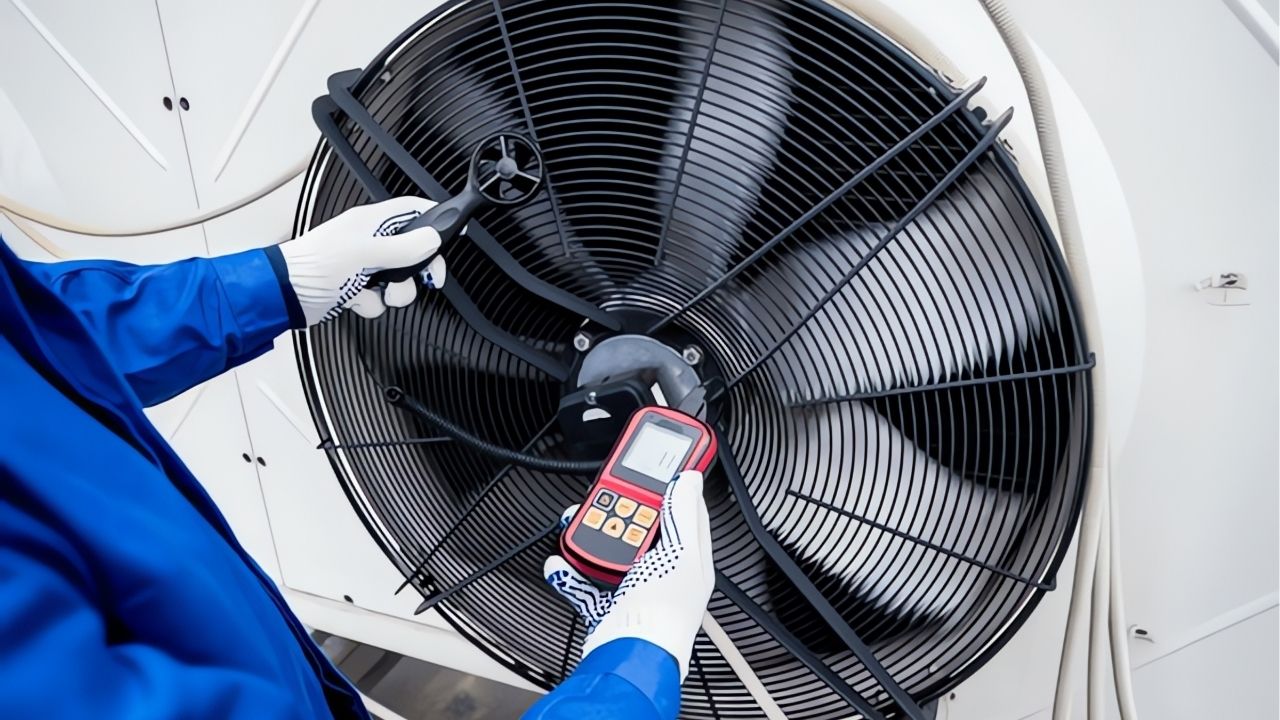
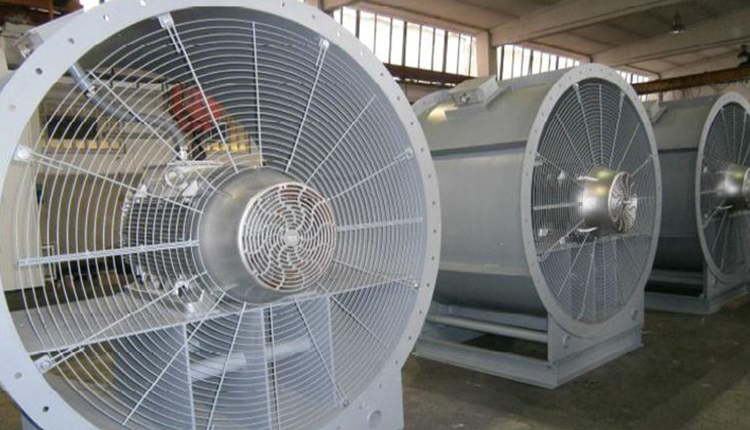
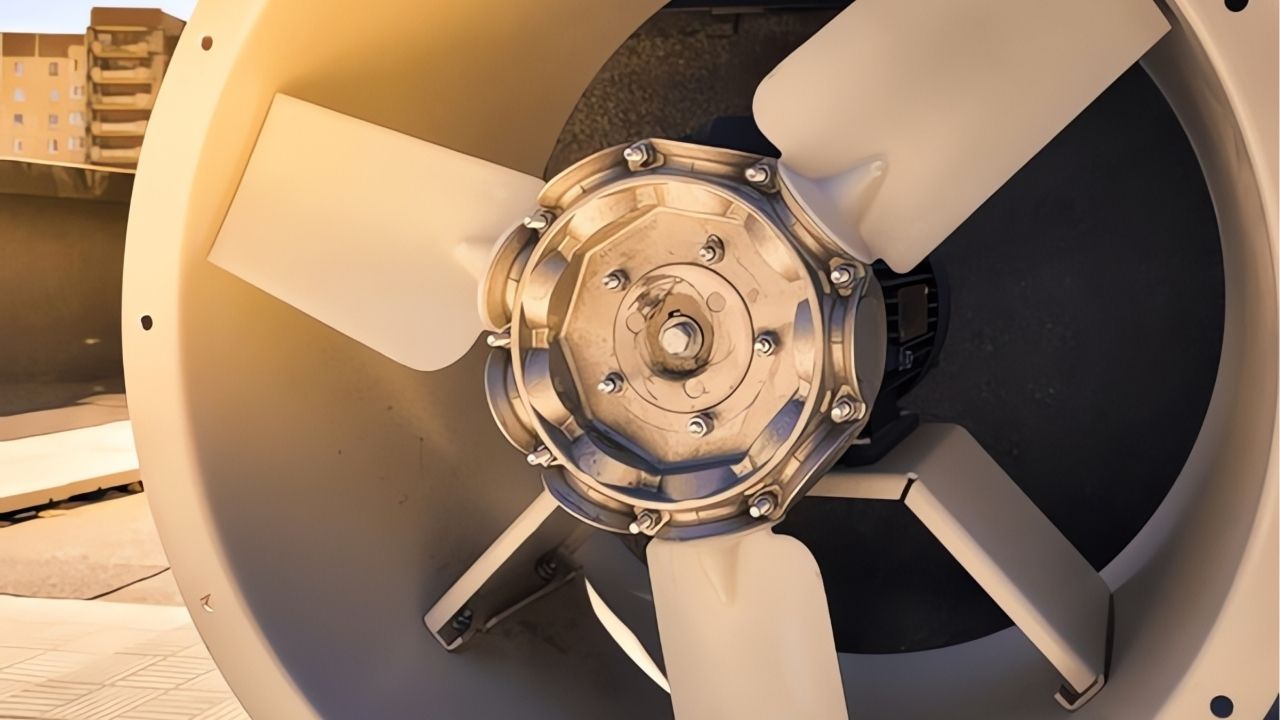
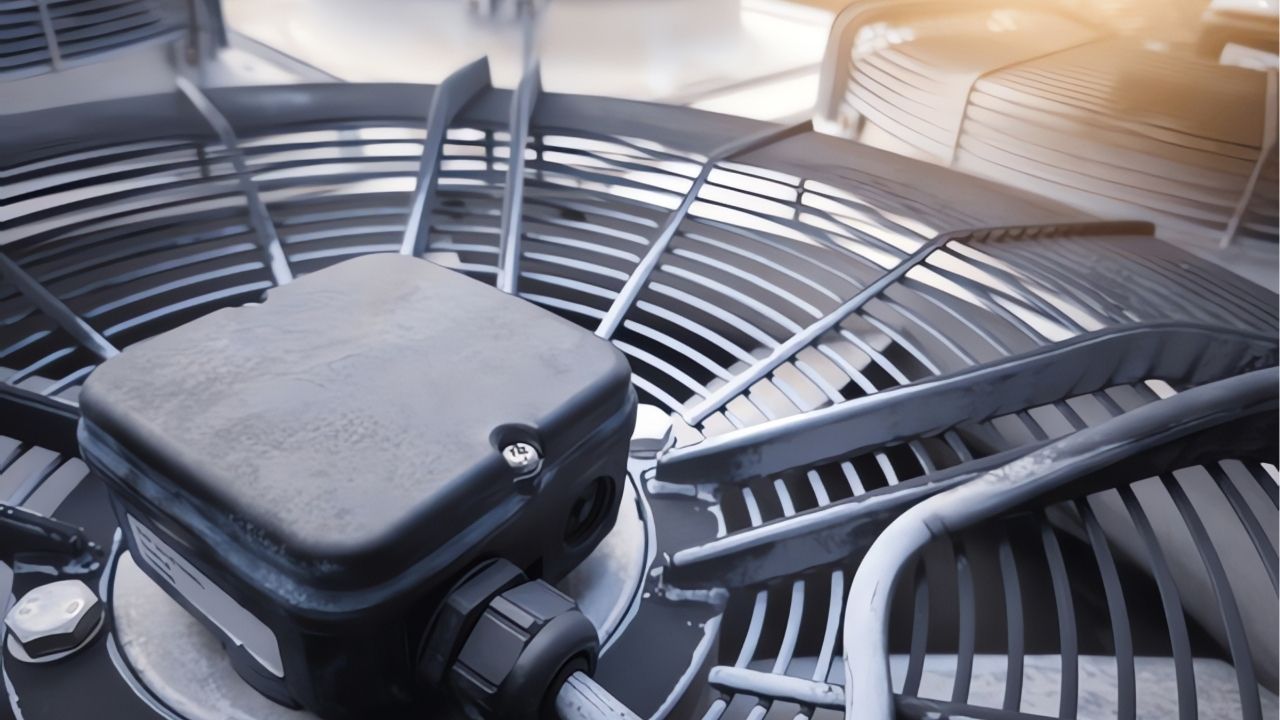
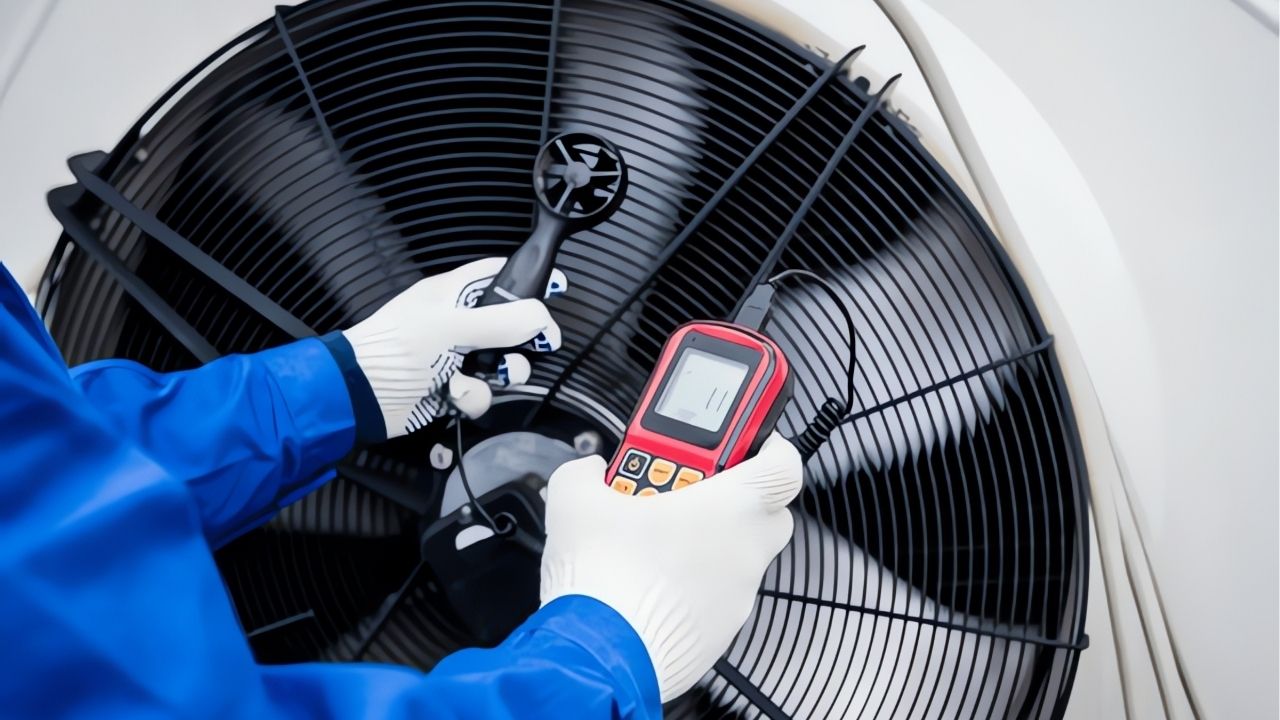
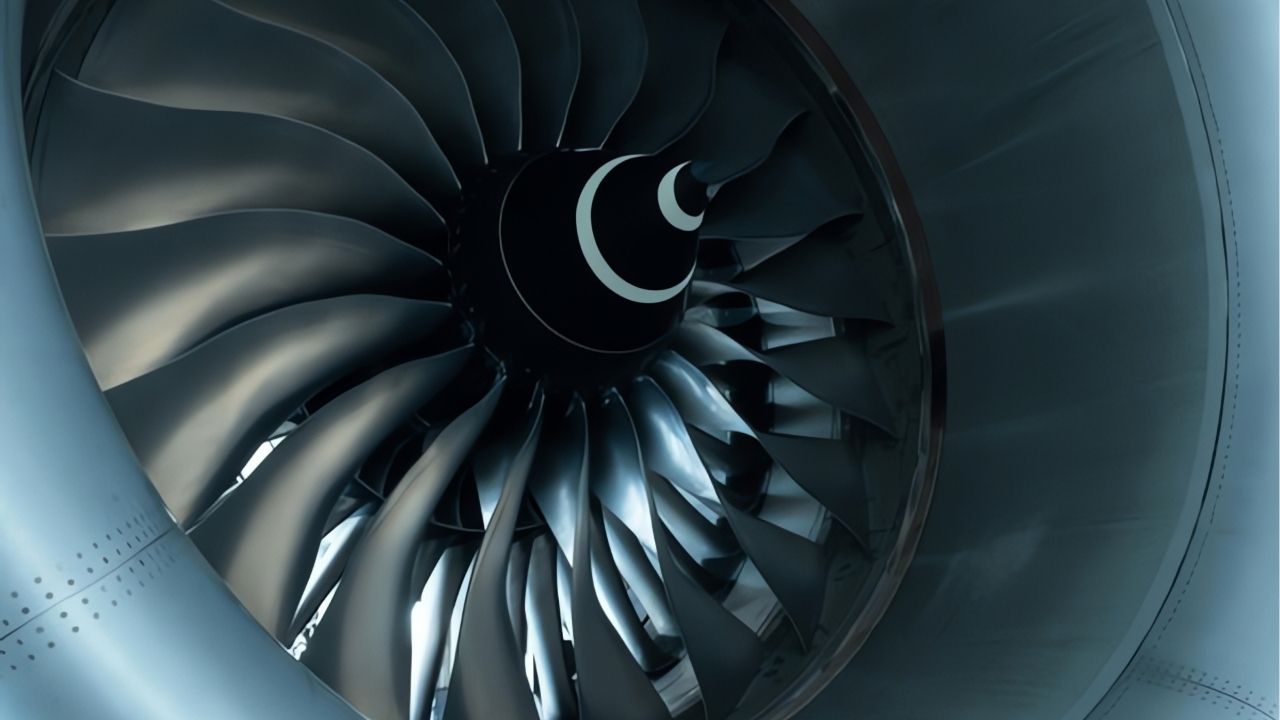
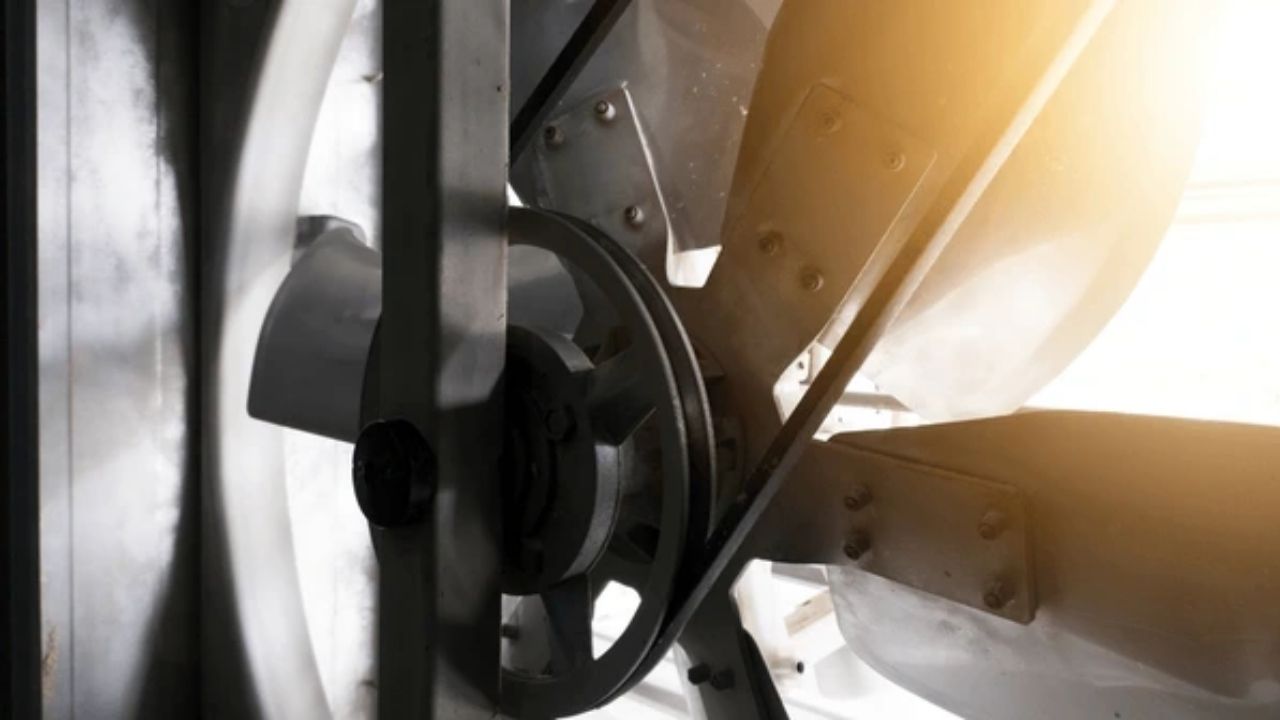
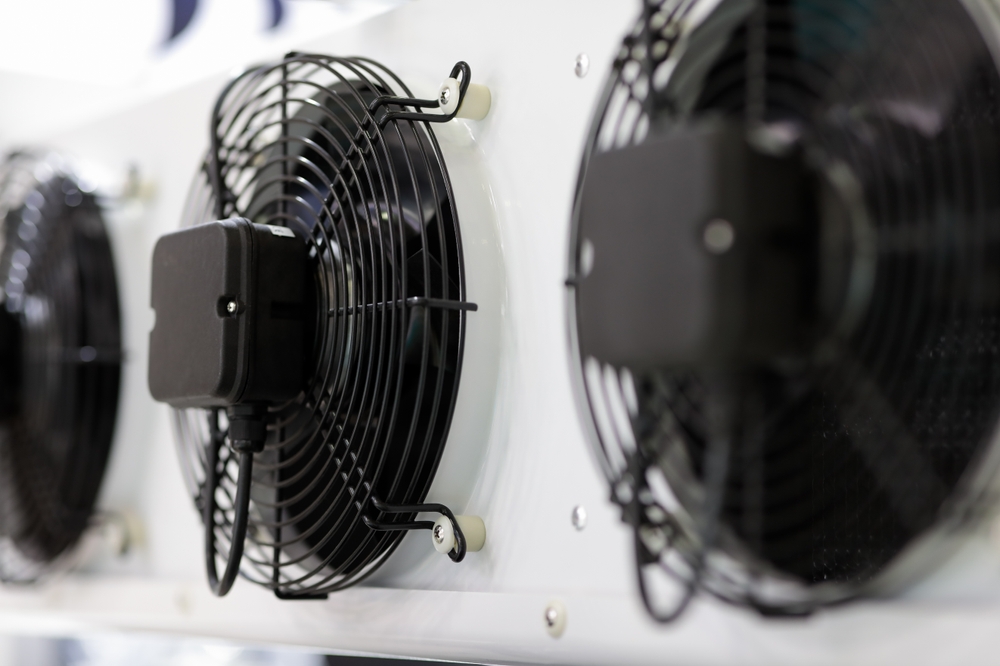
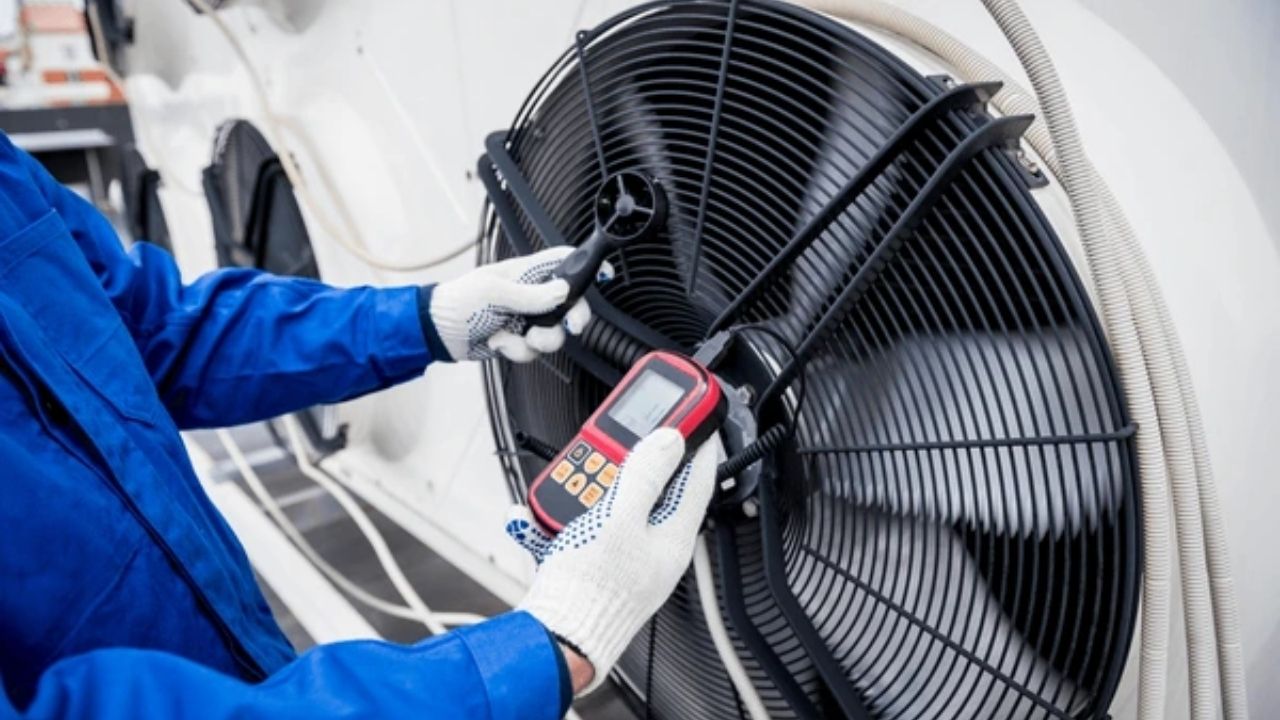
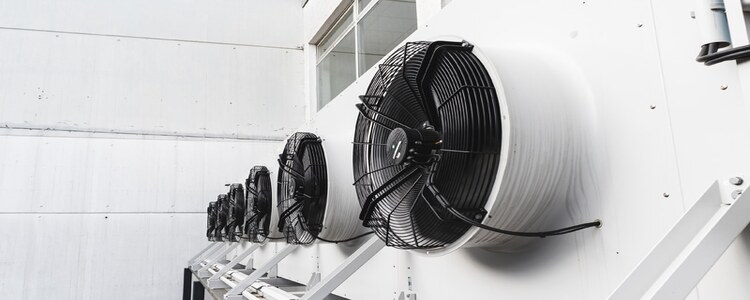
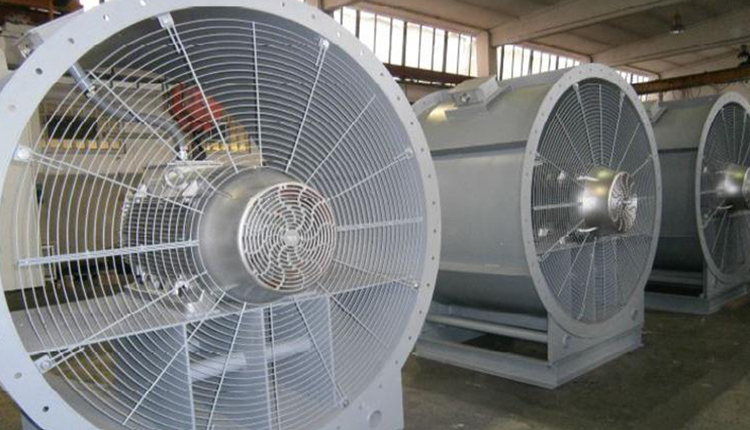
In air-cooled and evaporative condensers, most of the performance is determined as much by the fan group accompanying the condenser as by the condenser body itself. Insufficient airflow or a wrongly chosen fan pressure curve makes even the best-designed condenser surface inefficient. The blade angle, speed and flow-versus-static-pressure curve of axial fans must be chosen to match the condenser's fin density and air resistance. A common mistake in practice is sizing the condenser body correctly but leaving the fan selection to a standard catalog; this causes the expected capacity not to be reached in the field. For this reason, condenser and fan selection must be treated not independently of each other but as a single thermal system.
A condenser's energy performance depends not on a single number but on the combined effect of several factors:
None of these factors is decisive on its own; correct condenser selection requires these variables to be optimized together according to the facility's operating profile.
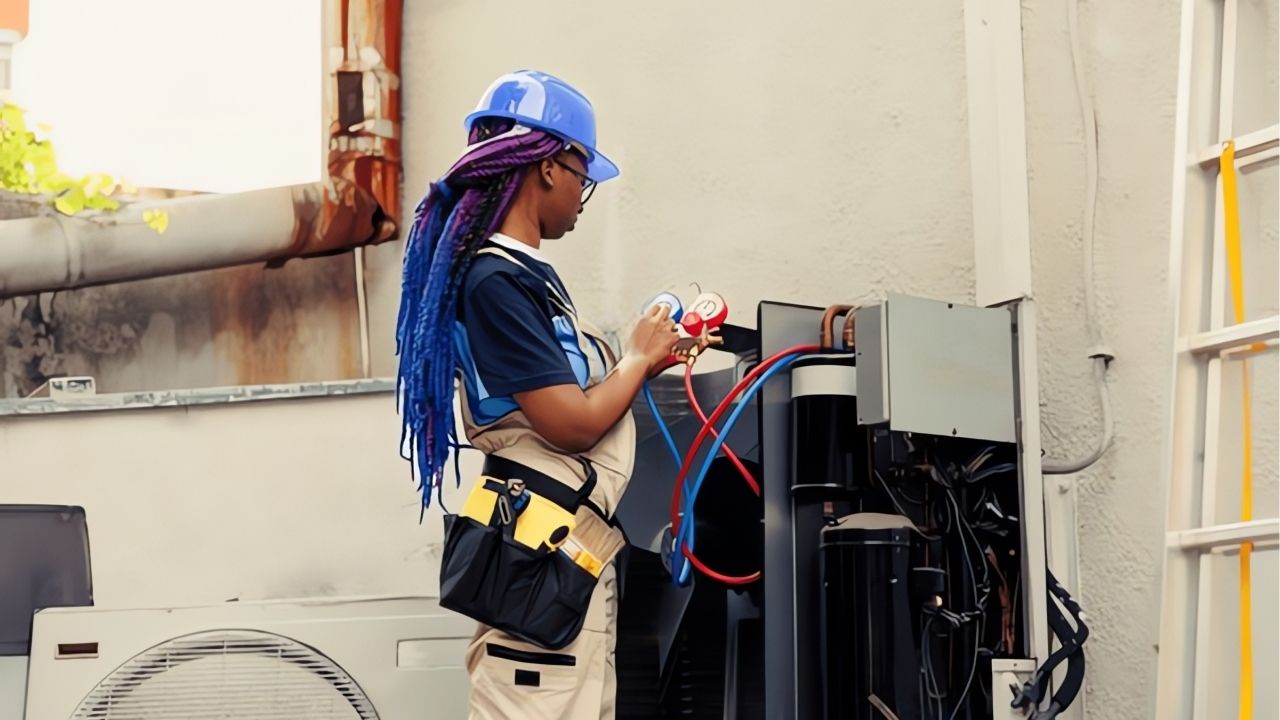
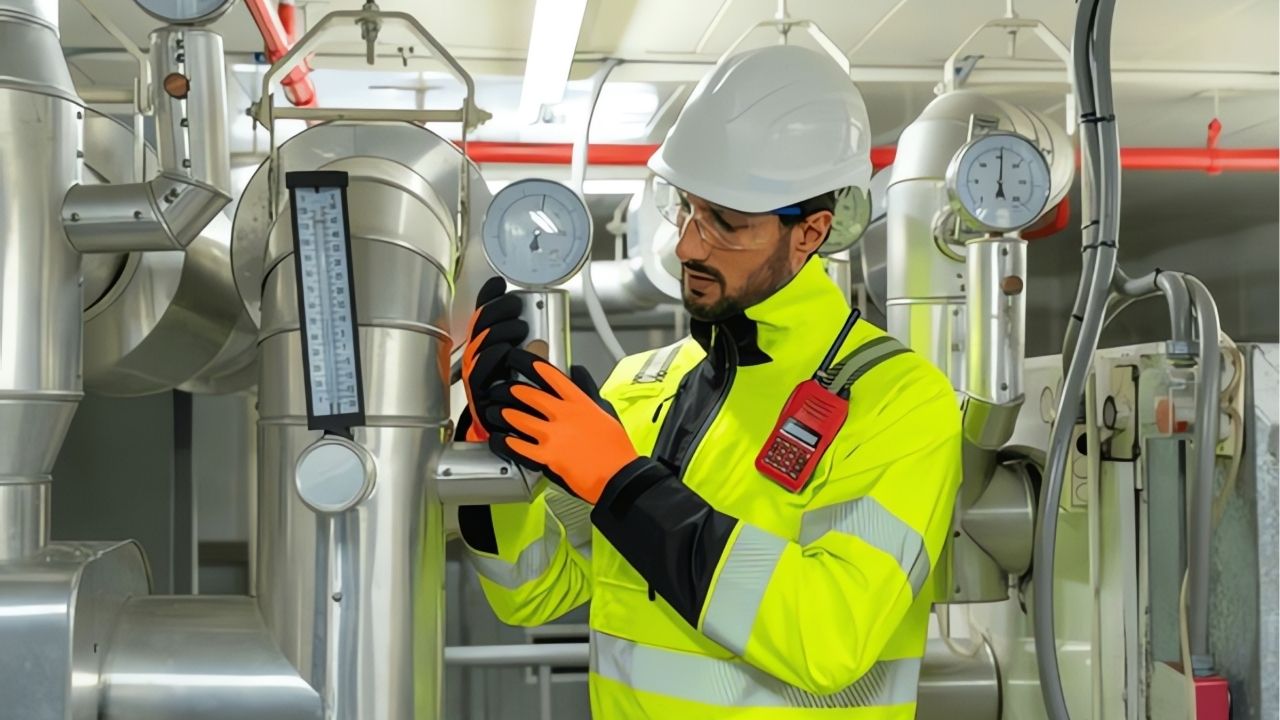
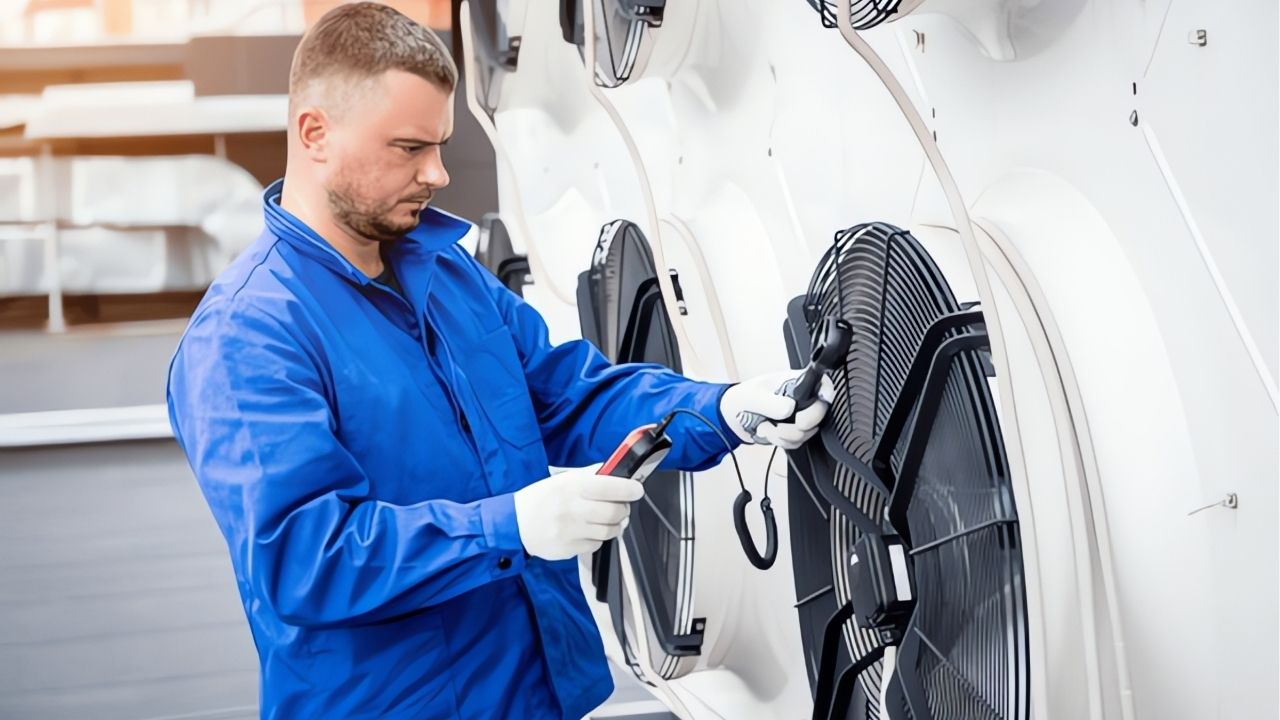
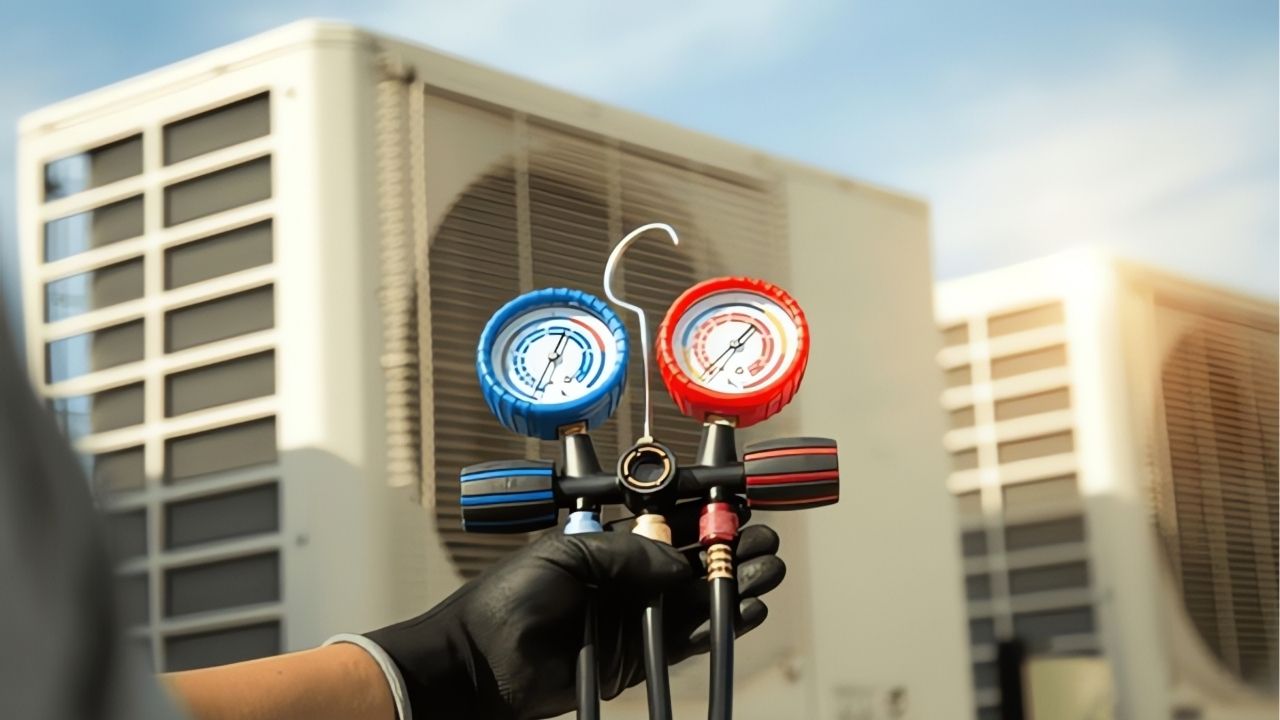
The condenser type directly determines the maintenance regime. In air-cooled systems, maintenance comes down largely to periodic cleaning of the fin surface and checking the fan motor/bearings, whereas in water-cooled systems water quality monitoring, chemical dosing and periodic tube bundle cleaning are mandatory. In evaporative condensers, the water basin, drift eliminator and spray nozzles also need regular inspection in addition to these.
Neglected maintenance does not only increase energy consumption; a compressor that runs continuously at high head pressure because of a fouled surface can wear out earlier than expected. For this reason, when selecting a condenser, the facility's maintenance capacity (technical staff, water treatment infrastructure, ease of access) should also be part of the decision process — a solution that looks the most efficient on paper will not deliver the expected performance in the field if it cannot be maintained.
Condenser selection should be approached as an engineering problem, not a supplier comparison. In the decision process, the following questions should be answered in order: What are the facility's heat rejection load and operating profile? What are the region's climate conditions (dry-bulb/wet-bulb temperatures)? Is there a water source and water treatment infrastructure? What complexity of system can the facility's maintenance capacity support? Are there noise, space or aesthetic constraints?
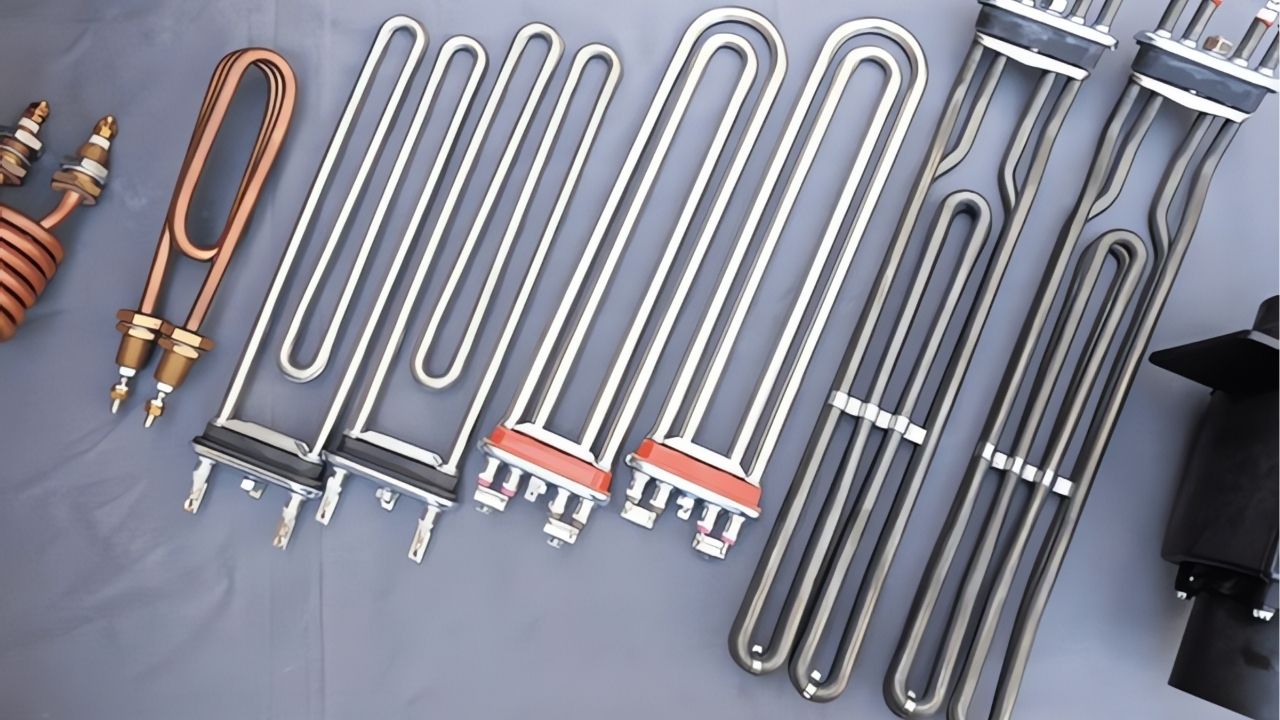
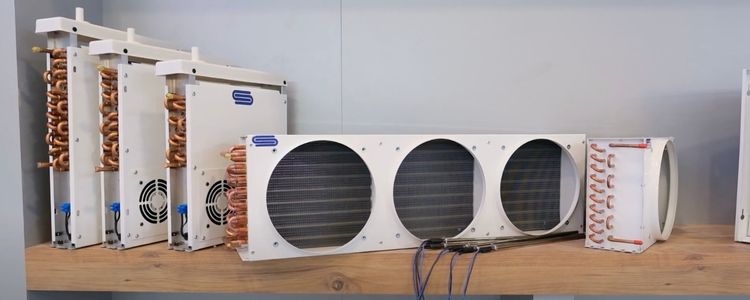
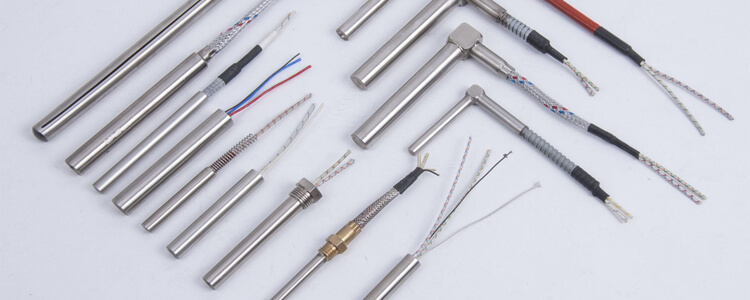
The answers to these questions are largely decisive in determining the condenser architecture (fin density, fan group, capacity step) that best suits the facility. Günay Heat Exchangers' more than 40 years of manufacturing experience offers this evaluation not as abstract theory but as engineering practice verified with field data. The air-cooled condenser, evaporator, axial fan and heater solutions in our product portfolio are designed not as independent components but as parts of a single thermal system; you can find more information about this approach on our corporate page.
Every facility's heat load, climate conditions and maintenance capacity are different; for this reason the "best condenser" comes not from a single product but from the right engineering assessment. To determine the air-cooled condenser architecture (cabinet type, capacity step, fan configuration) that fits your needs for a cold room, supermarket refrigeration system or industrial process line, contact our team. By evaluating your facility's heat rejection load, existing infrastructure and operating conditions together, let us determine a solution that works in the field, not just on paper.
This content was updated on September 17, 2026.

Fill out the form to discover the most suitable high-end products for your projects. Contact Us Now.
Fill out the form now not to miss our special offers for you! The latest discover our products and innovations.
Fill out the form now not to miss our special offers for you! The latest discover our products and innovations.
Notification Centre 00:00