

What Conditions Are Evaporator Catalogue Capacities Based On?
01 / 10 / 2026

For most purchasing teams, choosing a refrigeration system supplier begins with the question "which product works better?" Yet once the project kicks in, the truly critical question is different: will this supplier be able to deliver on the date promised, at the capacity promised, under the conditions promised? Product selection is a technical matter; supplier selection is a supply chain and risk management decision. Especially in export projects, multi-stage assembly lines or investments tied to a commissioning schedule, the wrong supplier choice can delay the whole project regardless of product quality.
In this article we focus not on product features but on the criteria that actually decide the purchasing process: delivery processes, stock and production capacity, scope of technical support, export/logistics experience, quality control steps and contract terms.
When buying an evaporator or condenser, the technical specification can usually be clarified; capacity, refrigerant type and size limits are already defined in the project documents. What remains uncertain is when the product will reach you, via which logistics route and under which commitment. For this reason, professional purchasing teams apply a second filter after completing the technical evaluation: the operational reliability of the supplier. This filter covers delivery performance history, production capacity, stock policy and export experience.
The question to ask about lead time is not "how long does it take" but "how is this time guaranteed". For standard stock products the lead time is usually clear; for custom-designed equipment the time may vary because production planning, material procurement and testing processes come into play. A serious supplier clarifies this distinction at the start of the project and offers two separate delivery schedules at the quotation stage.
While standard condenser or evaporator models can be supplied from stock or with a short production cycle, orders requiring special airflow, special material (for example a stainless steel housing) or project-specific connection dimensions follow a longer process because of engineering approval, material procurement and production sequence. When evaluating a supplier, ask for a separate delivery commitment for these two scenarios; a single general lead time promise is generally not realistic.
A verbal delivery promise does not protect the project. The quotation and order confirmation document should state in writing the delivery date, possible revision scenarios (for example delay in technical approval, change in the payment plan) and how the date will be updated in these scenarios. A supplier showing this transparency at the quotation stage is also an indication of how well it controls its own production planning.
In the cooling sector demand is seasonal; order volume rises as summer approaches and relatively calms down in winter months. How a supplier manages this fluctuation directly affects the delivery security of your project. A supplier whose production line is planned only according to its own utilisation rate may cause unexpected delays when you enter the order queue in a busy period.
Whether the supplier keeps frequently failing or replaceable components such as fan motors, control boards and expansion valves in stock must definitely be asked before purchase. Obtaining these components from abroad or from a third-party supplier every time is a hidden risk that prolongs the response time in case of failure.
A manufacturer that can arrange extra shifts, a parallel production line or prioritisation when demand increases can maintain its delivery commitment in a crisis. The practical way to understand this capacity is to ask the supplier for concrete information about its current order load and typical delivery window; vague or evasive answers are usually a sign of a capacity limit.
The process that begins after the equipment is delivered is the real test of supplier selection. Commissioning support, response speed in case of failure and the completeness of technical documentation directly affect long-term operating cost.
Evaporators, condensers and other cooling equipment often work integrated with other systems on site (compressor, control panel, piping). Whether the supplier offers technical personnel support during commissioning and provides the site team with documents for installation and parameter settings are concrete criteria that reduce the risk of failure in the first months of the project.
Is the communication channel to the supplier clear at the time of a fault? Can the technical team provide remote support and, when needed, send personnel to the site? Through which process are spare part requests met? The answers to these questions should be clarified before the contract; the support policy after the warranty period ends should also be asked about separately, because many suppliers do not give details on this at the quotation stage.
Whether documents such as the installation manual, electrical diagram, maintenance intervals and spare parts list are provided completely with the delivery is a practical criterion that prevents loss of time during operation. If this documentation is missing, your site team remains dependent on the supplier for every small question; this is a serious source of delay especially for export customers working in different time zones. The languages in which the documentation is provided should also be asked about separately in international projects.
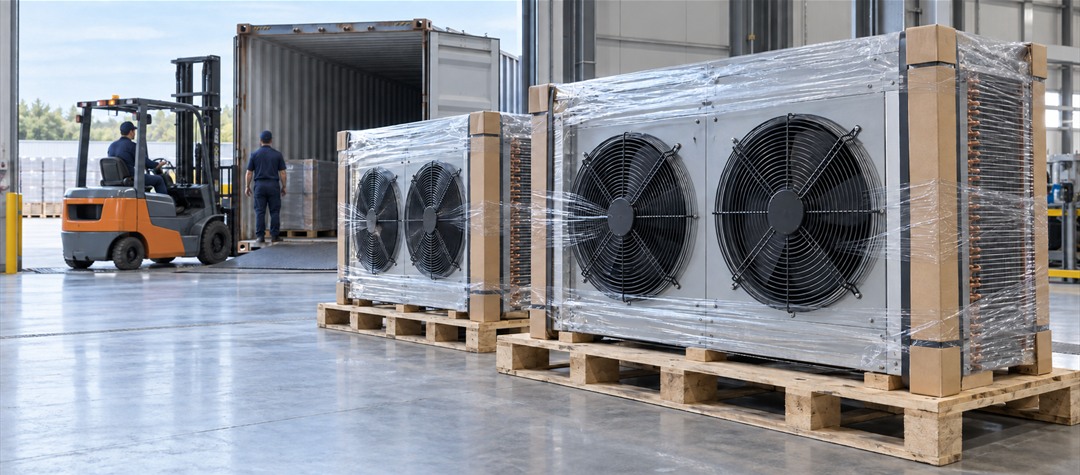
When choosing a supplier for projects abroad, familiarity with customs processes, international transport coordination and the technical/documentation requirements of the target market is decisive as much as product quality. A manufacturer without export experience, even if it makes the right product, can slow the project down on matters such as CE documentation, packaging standards or transport insurance. Günay Heat Exchangers' experience of regular shipments to the DACH region and the European market shows that customs and logistics processes can be planned according to the project schedule; the countries it exports to indicate the geographic scope of this experience. When evaluating a supplier, questioning this history with concrete references is a much more reliable indicator than the statement "we can export".
When and how quality control is carried out determines whether the product will work without problems on site. Concrete information about this process should be requested from the supplier before purchase; the general statement "we comply with quality standards" is not sufficient.
At which stage of production critical points such as weld quality, tube-fin joint tightness and housing leak-tightness are checked must be clarified. In a production that performs quality control only at the final test, without intermediate control steps, the risk of not detecting a faulty part early increases.
The criteria with which final-stage checks such as pressure testing, leak-tightness checking and visual inspection are performed before shipment should, if possible, be documented with a written inspection report. In export projects this report prevents disputes that may arise at customs or during acceptance.
As much as the technical specification, the commercial clauses of the contract also determine supplier risk. What the warranty scope includes and excludes, the conditions to be applied in case of delay and how the payment plan matches the delivery stages should be clarified in writing before starting the project.
In addition to the warranty period, which types of faults the scope covers (material defect, workmanship defect, performance deviation) and which situations fall outside the warranty (incorrect installation, unsuitable operating conditions) should be clearly defined in the contract. Vague warranty clauses lead the parties to make different interpretations at the time of a fault.
Having in the contract the conditions to be applied if the delivery date is exceeded (revised delivery plan, notification obligation) is also a sign of how seriously the supplier takes its delivery commitment. A supplier hesitating to accept these clauses may not fully trust its own capacity planning.
Linking the payment schedule to concrete stages such as production approval, intermediate inspection, shipment and installation balances the risk for both parties. Payment structures that are entirely in advance or entirely after delivery leave one of the parties under unnecessary risk; a staged payment structure functions as a mechanism that mutually confirms the progress of the project and creates a reference point in possible disputes.
The supplier offering the lowest unit price is often not the cheapest option. When the downtime cost of a delivery delay, the production loss of the fault response time and the effect of a delay in spare part supply on maintenance cost are taken into account, a supplier with a slightly higher unit price but strong delivery and support assurance may be lower in cost overall. Comparing suppliers not only on the quotation price but also including the cost of these operational risks shows the maturity level of the purchasing decision.
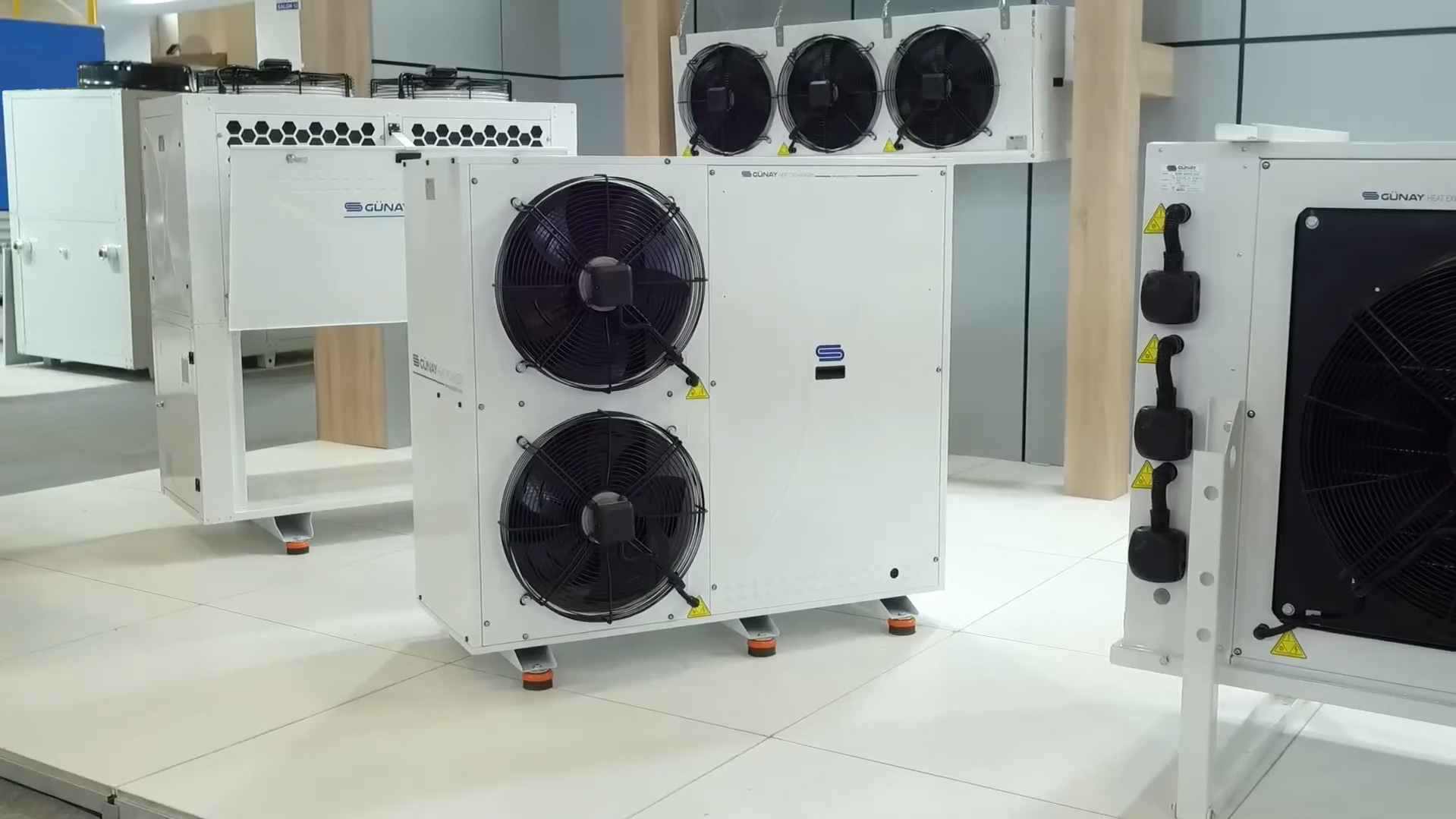
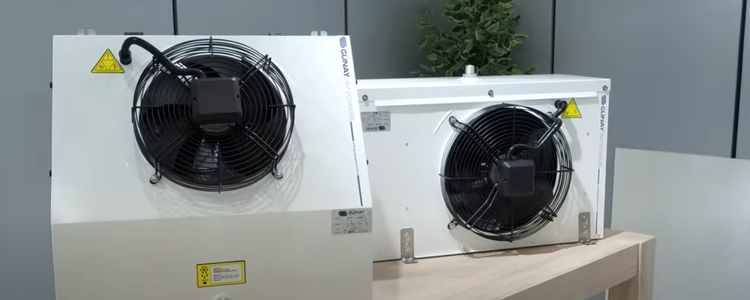
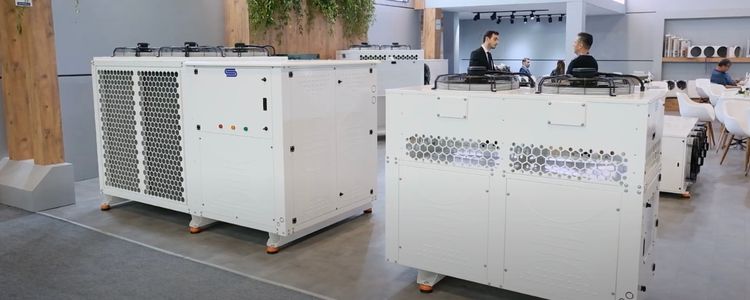
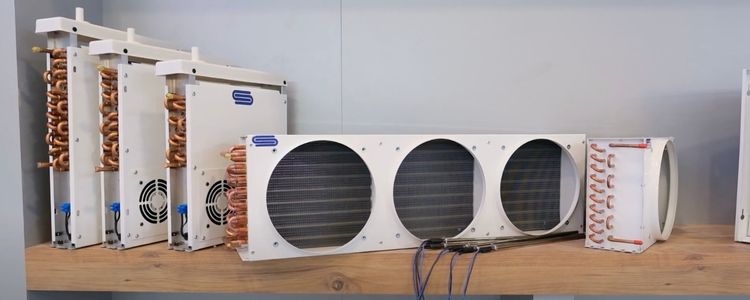
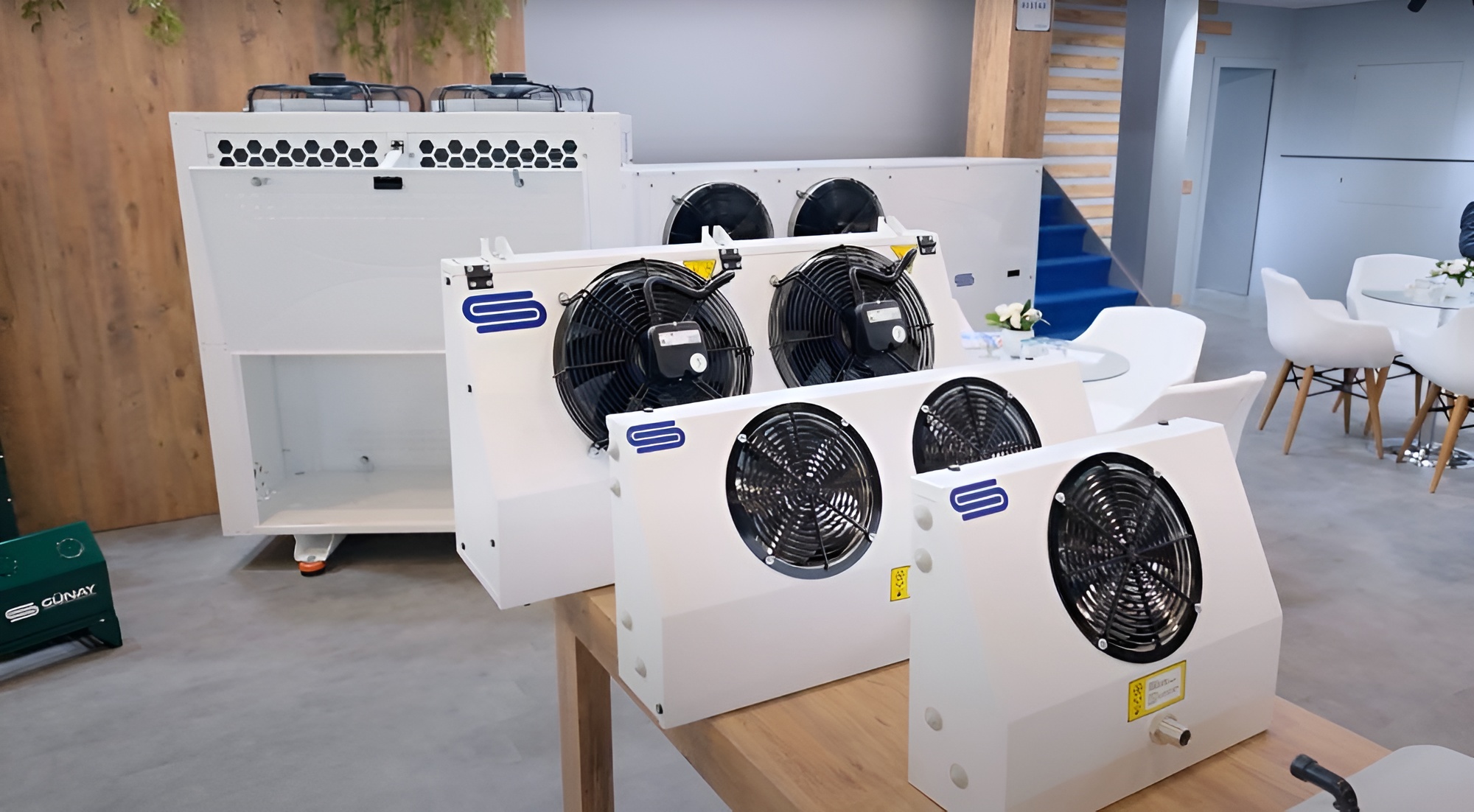
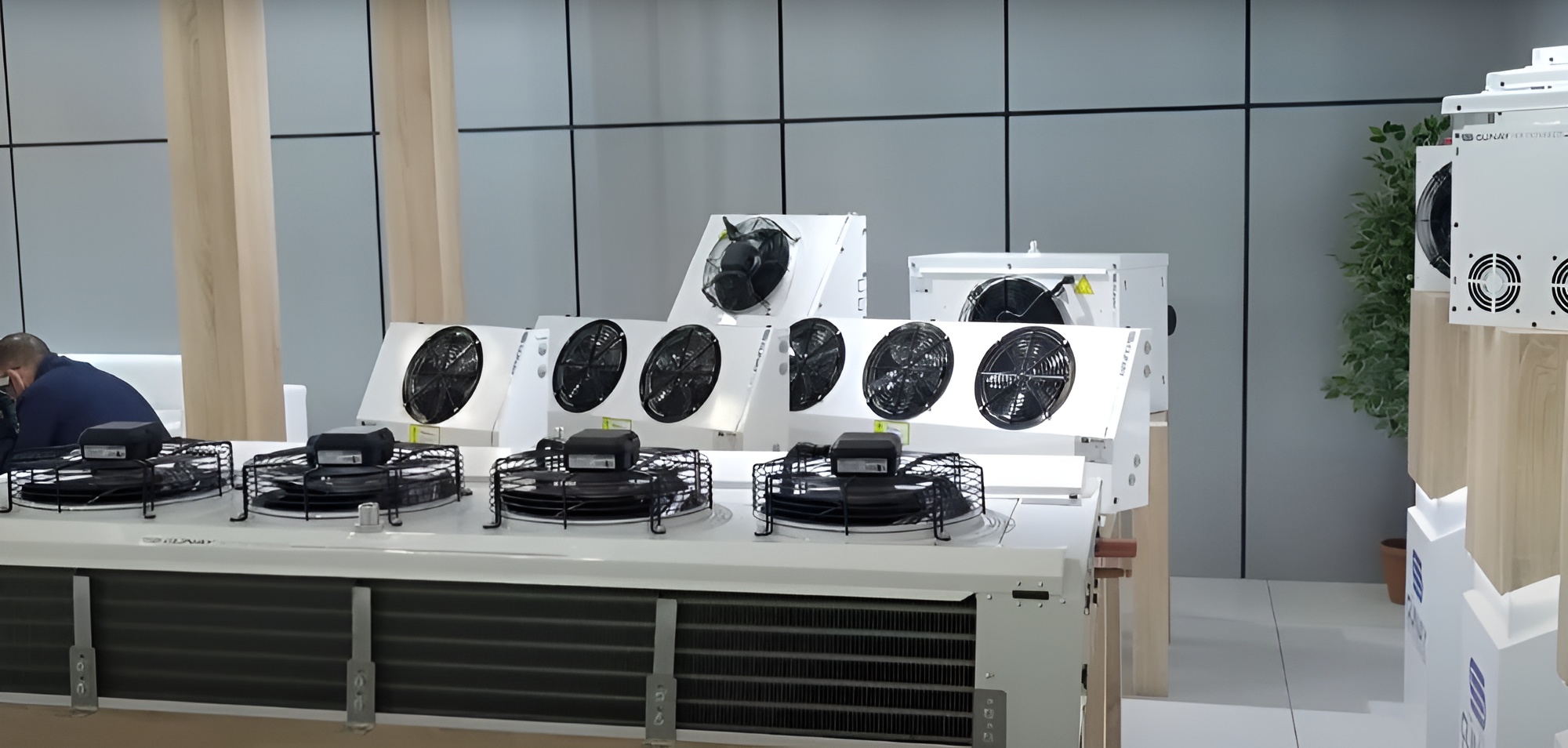
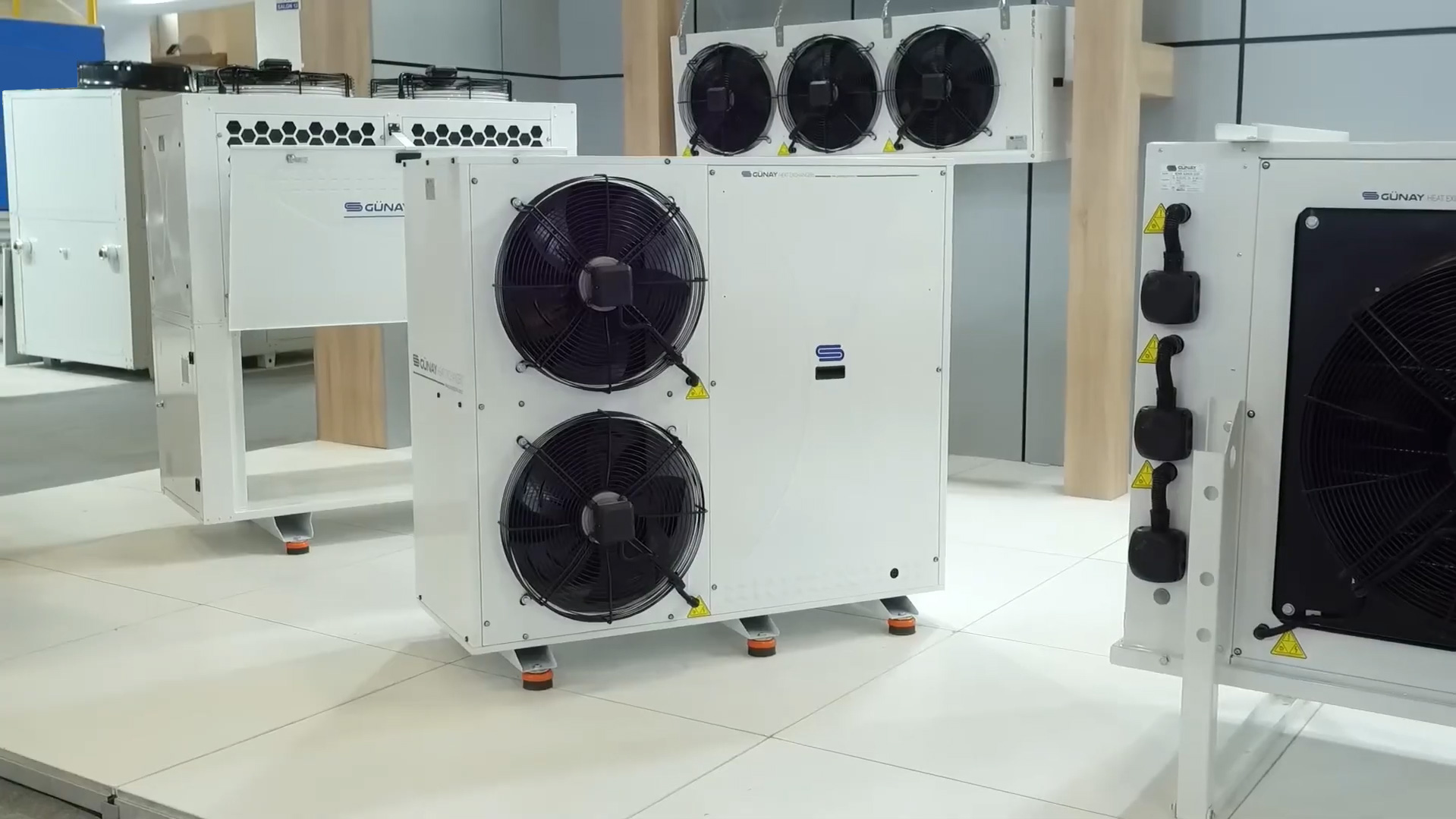
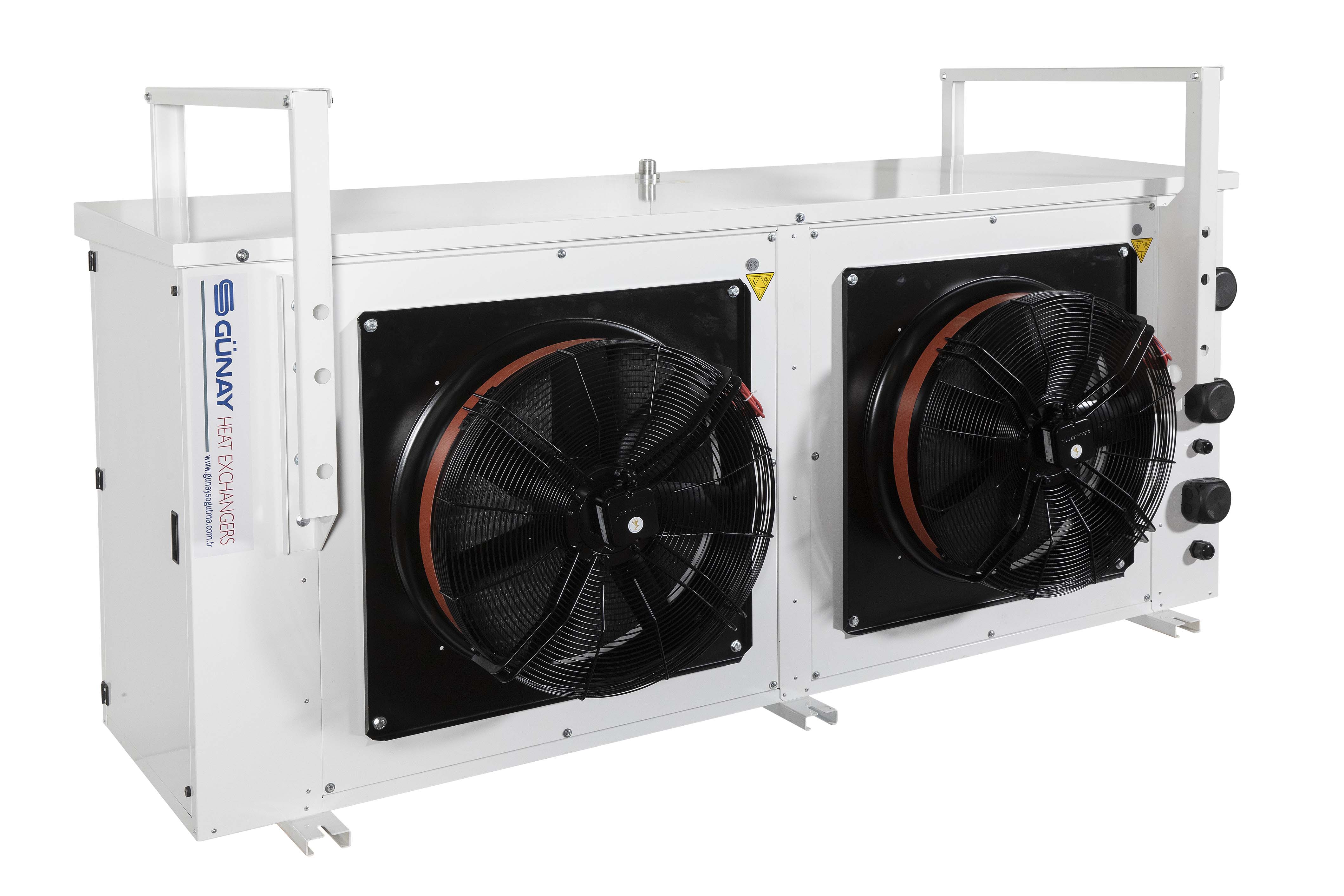
Instead of a supplier specialised in a single product group, a supplier that produces complementary product groups such as evaporators, condensers, axial fans and heaters under the same roof can offer an advantage in terms of system integrity. Such a supplier can test compatibility between components in advance with its own engineering team and reduce the risk of incompatibility in site integration. Günay Heat Exchangers' product portfolio can be cited as an example of this approach; especially in the condenser line, the different capacity and configuration options may make it possible to provide a single-source solution to project-based supply needs.
How many years a supplier has been in operation, which sectors it serves and which projects it has taken part in show whether there is a real operational infrastructure behind its delivery and support promises. A manufacturer with a history of over 40 years in the industry has been tested not in a single large order but in long-term supply relationships. In the supplier evaluation process, getting information about corporate background and production infrastructure is as important a step as the technical quotation; decisions made without asking about reference projects and the current customer portfolio usually carry the risk of surprises.
The topics purchasing teams should concretely ask about during quotation evaluation can be summarised as follows:
The real assurance in refrigeration system supply is not the technical values in the catalogue but that delivery, support and contract terms are concrete and written. To evaluate your project's technical requirements, delivery schedule and export/logistics conditions together, get in touch with the Günay Heat Exchangers team; by passing your request to our technical team you can proceed on the basis of a concrete delivery and support plan.
This content was updated on 9 September 2026.

Fill out the form to discover the most suitable high-end products for your projects. Contact Us Now.
Fill out the form now not to miss our special offers for you! The latest discover our products and innovations.
Fill out the form now not to miss our special offers for you! The latest discover our products and innovations.
Notification Centre 00:00