

What Conditions Are Evaporator Catalogue Capacities Based On?
01 / 10 / 2026


Sitting down at the table with only a unit price and a lead time when choosing a heat exchanger supplier can turn into a costly mistake in the medium and long term. When it comes to an evaporator, a condenser or a custom-designed heat exchanger, the purchasing decision is really a decision about an engineering partnership. Choosing the wrong supplier results in incompatibility on site, revision delays, warranty disputes and ultimately a slipped project delivery date.
Unlike the classic "what is a heat exchanger and how does it work" explanation, this article offers a concrete evaluation checklist that purchasing and engineering teams can use when shortlisting a supplier. The aim is to make the real capacity behind the quotation file visible and to move the decision process from intuition to measurable criteria.
The difference between a supplier that sells a standard catalogue and one that evaluates your project's thermal load, fluid properties and installation constraints with you shows up in the first technical meeting. When assessing a supplier's engineering support, ask the following questions:
A supplier with strong engineering support asks you questions before the quotation; it does not only answer your questions after the quotation.
In industrial cooling projects, site conditions almost never match the catalogue exactly. When it comes to a heat exchanger in custom dimensions for an OEM manufacturer, or a version that has to be retrofitted to an existing system, a supplier without design flexibility puts you in a bottleneck in the later stages of the project.
One of the most overlooked but most critical items in the purchasing process is documentation. Look not at a supplier's quotation file but at the quality of the documents it provides in the post-quotation process:
Working with a supplier with weak documentation means the site team constantly making phone calls and creating email chains during installation and ultimately the work slowing down. A strong supplier sees documentation not as an after-sales chore but as a natural part of delivery.
A supplier's product range may look wide, but the real question is this: can it produce a volume like yours, in the time frame you want? Points to pay attention to when evaluating production capacity:
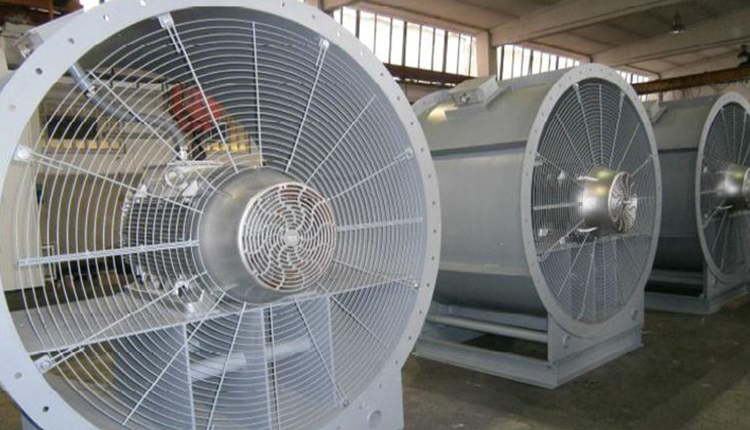
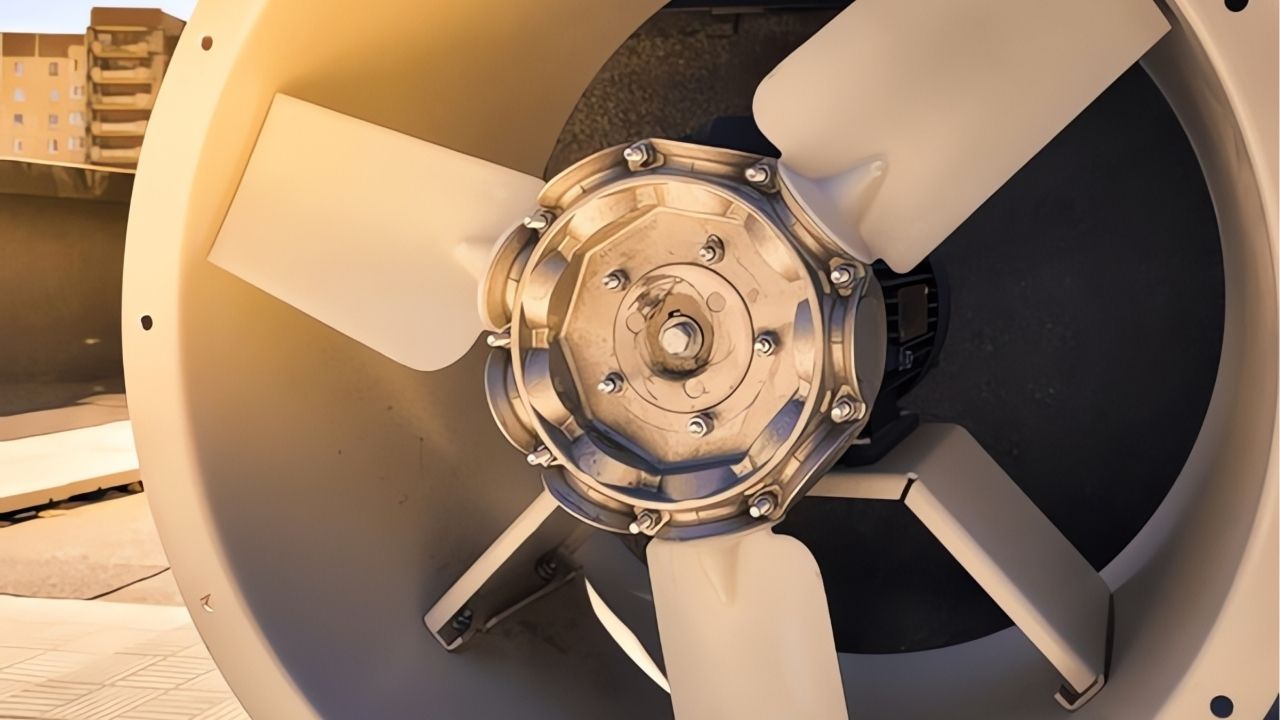
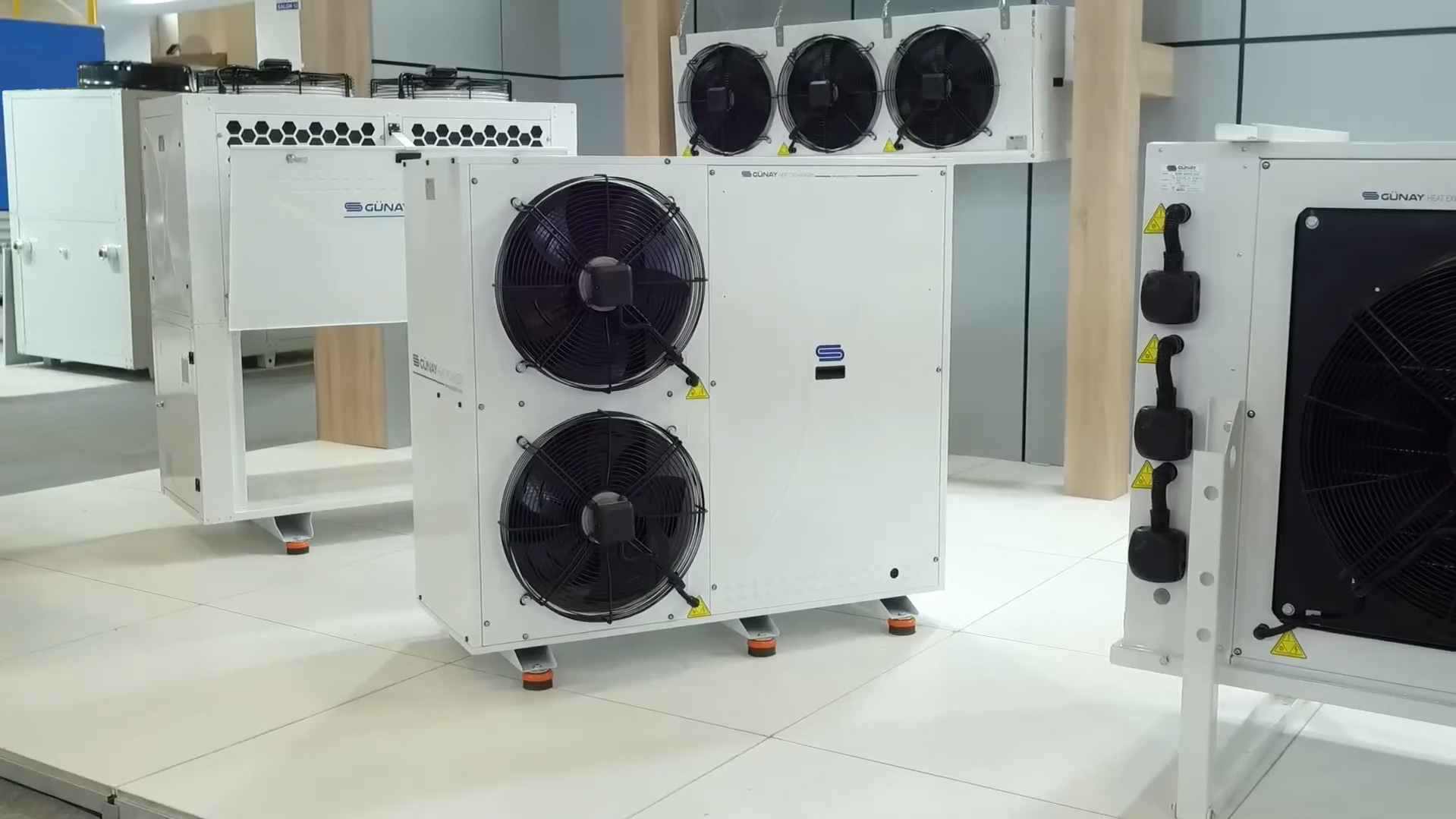
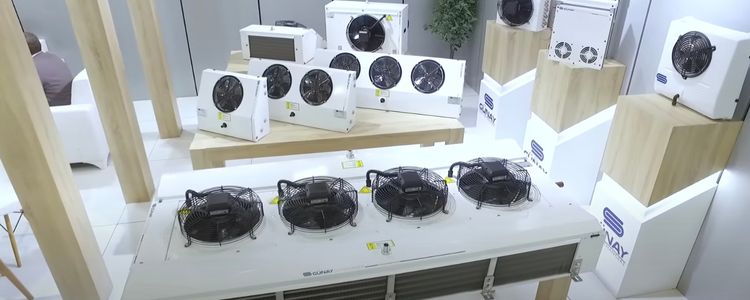
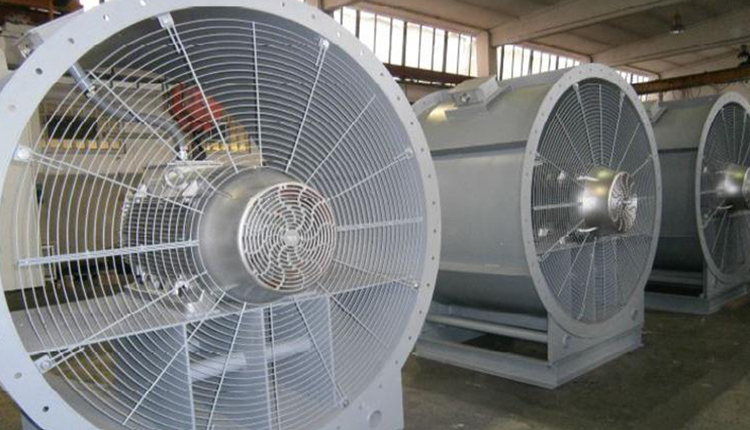
Looking at the product groups is a useful reference point for understanding whether a supplier produces in only a single equipment type or in a wide range from evaporators to axial fans.
"We have quality control" is meaningless on its own; what should be asked is at which stages and with which method this control is carried out. Ask a supplier to clarify the following details:
The transparency of the quality control process is one of the clearest indicators of a supplier's corporate maturity. A supplier that cannot give a clear answer on this or brushes it off with generic statements may cause surprise costs on site.
How many years a supplier has been in the industry is not a sufficient indicator on its own; what matters is whether it has experience in projects similar to your application area. During the evaluation, ask about the following:
To get an idea of the company's general history, production philosophy and position in the sector, reviewing the supplier's corporate page helps you ask reference questions more accurately.
In industrial projects, a delay is not only the delay of a single piece of equipment but the slipping of the entire project schedule. When evaluating delivery reliability:
This item is especially critical for an export-oriented supplier; the ability to coordinate between different customs regimes, transport times and certification requirements is the biggest determinant of delivery reliability.
The supplier relationship does not end once the equipment is installed on site — the real test often begins here. Questions to ask when evaluating after-sales support:
The strength of after-sales support usually reveals whether a supplier is a long-term business partner or a one-time seller.
If possible, visit the production facility of the supplier you have shortlisted or request a site tour via video. Points to observe during an audit:
An audit visit allows you to see how the claims in the quotation file match reality on the ground. Buyers who skip this step usually notice the problem after the equipment is commissioned.
For buyers working especially on projects aimed at the European market (particularly the DACH region), the following should also be evaluated in addition to the standard criteria:
Seeing which countries a supplier exports to regularly gives a concrete idea of how accustomed that supplier is to international standards. In this context, the export countries page is a practical starting point for buyers who want to understand the breadth of a supplier's geographic experience.
When comparing several suppliers, converting the above criteria into a simple scoring table, instead of relying on intuition alone, makes the decision process objective. An example approach:
Filling in this table after each quotation lets you move from a purchasing process that decides on price alone to one that can see risks in advance.
Even experienced purchasing teams can fall into some recurring mistakes. Reviewing these points before building the shortlist prevents you from saying "we wish we had asked" at the end of the process:
Most of these mistakes disappear on their own when a technical checklist is included in the evaluation process at an early stage.
With over 40 years of manufacturing experience, Günay Heat Exchangers provides engineering support and technical documentation across a wide product range, from evaporators to condensers, from axial fans to custom-designed heat exchangers. By sharing your project's technical requirements, we can carry out an evaluation together based on the criteria above. To submit your request and speak with our technical team, you can reach us via our contact page.
This content was updated on 19 September 2026.

Fill out the form to discover the most suitable high-end products for your projects. Contact Us Now.

Fill out the form now not to miss our special offers for you! The latest discover our products and innovations.
Fill out the form now not to miss our special offers for you! The latest discover our products and innovations.
Notification Centre 00:00