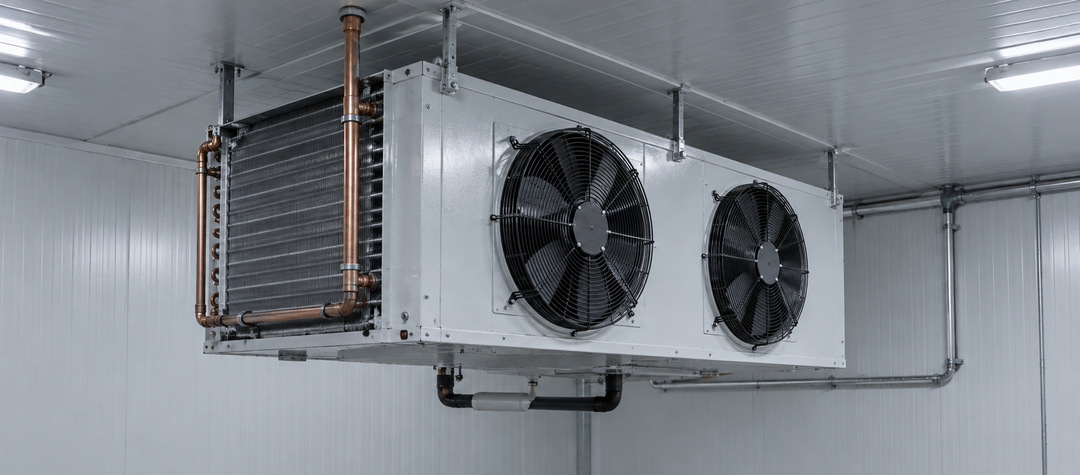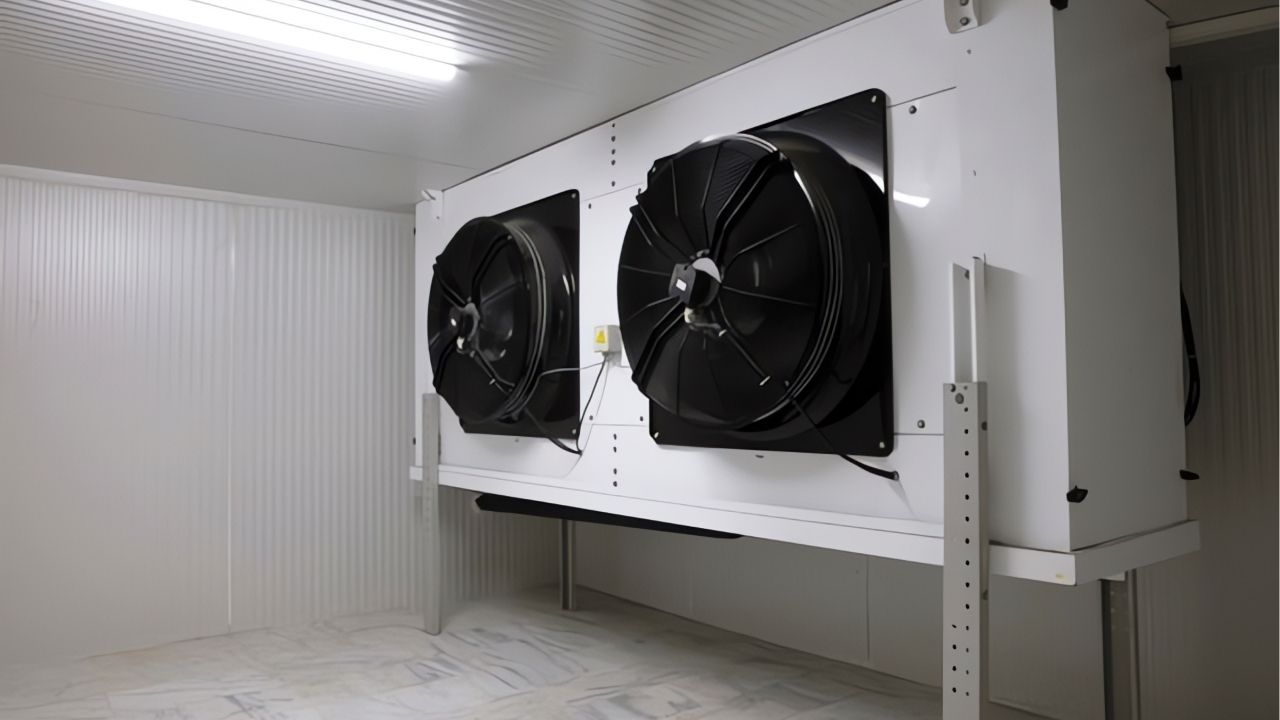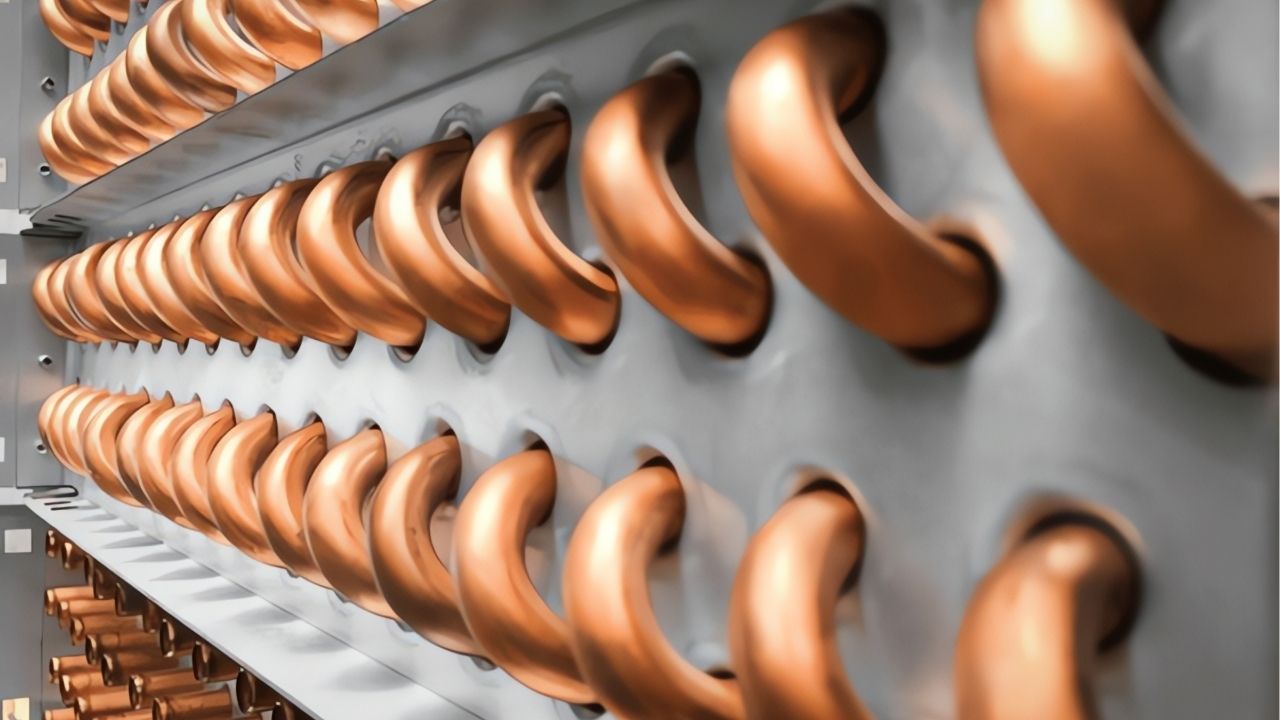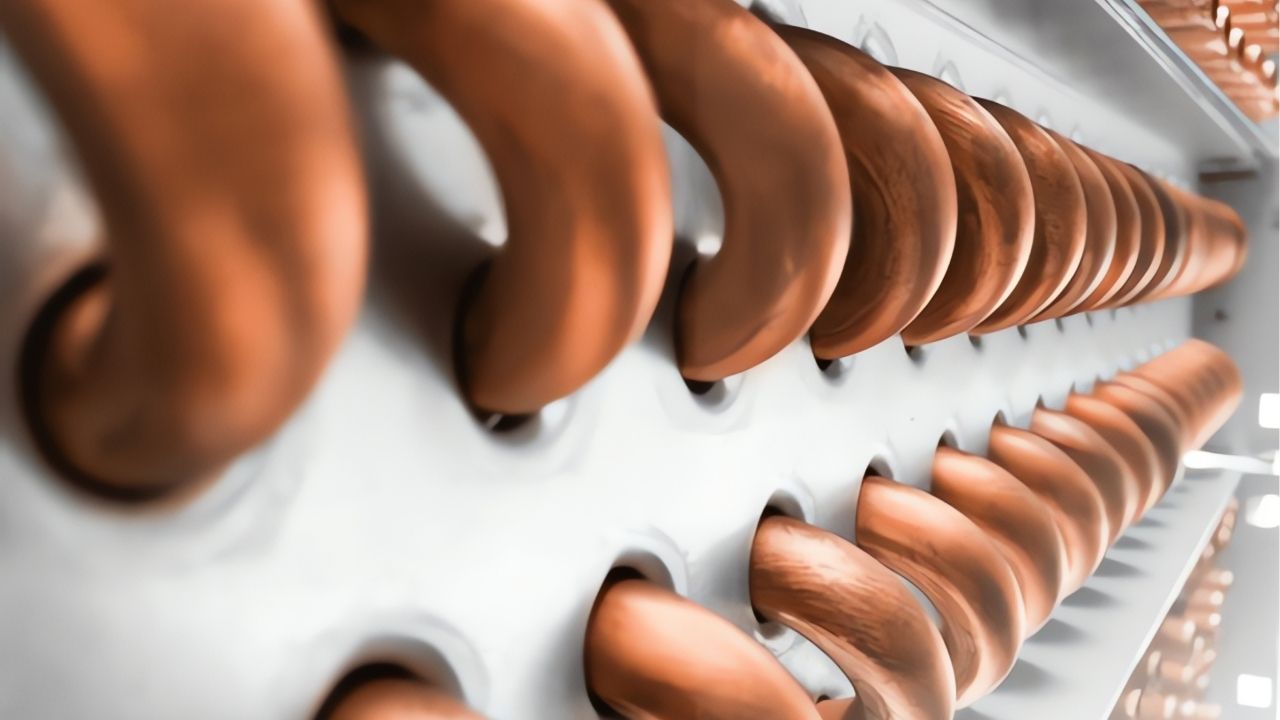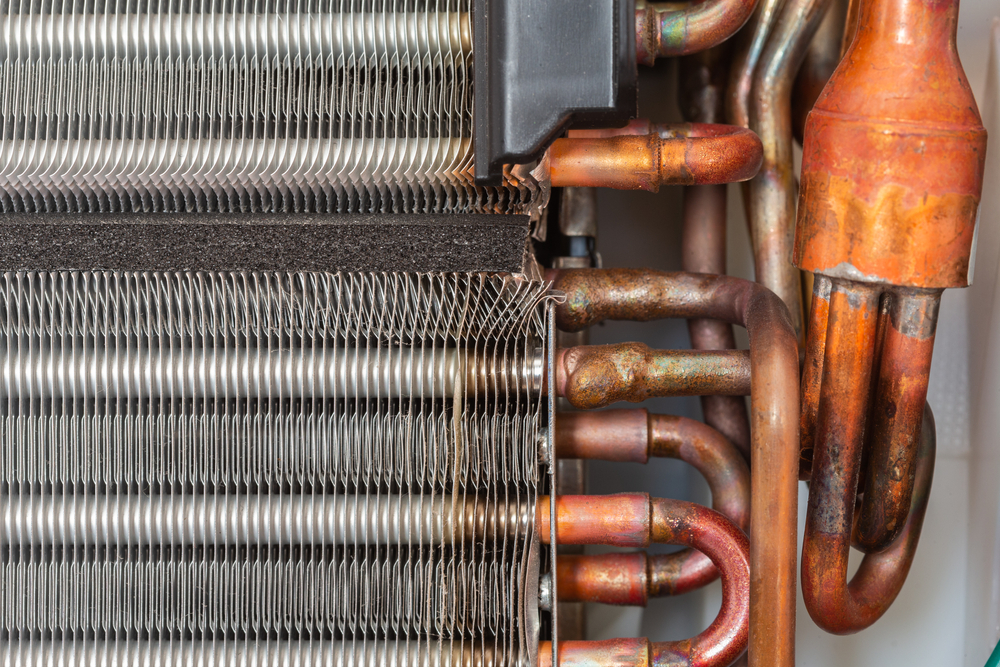


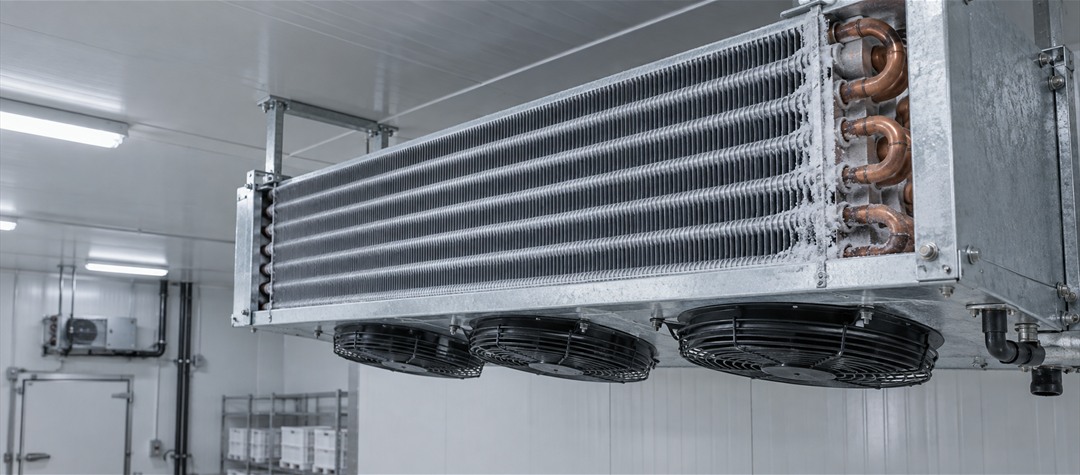
In an evaporator catalogue, the same model often lists several fin spacing options, such as 4, 6, 8 or 10 millimetres. These options are not offered at random; each is engineered to deliver the most balanced performance within a specific room temperature range. Choosing the wrong fin spacing can quickly result in frost build-up, capacity loss and rising energy consumption.
For project engineers, refrigeration contractors and cold storage operators, the guide below explains how fin spacing relates to room temperature, which spacing suits which application, and what additional factors should be weighed for the right selection.
Table Of Contents
- What Is The Relationship Between Fin Spacing And Room Temperature?
- Which Fin Spacing Is Preferred In Positive-Temperature Rooms?
- How Is Fin Spacing Determined For Frozen Storage?
- Why Is Fin Spacing Different In Blast Freezing Applications?
- How Does Moisture Load Affect Fin Spacing Selection?
- How Is A Balance Struck Between Defrost Frequency And Fin Spacing?
- How Does Door-Opening Frequency Change The Selection?
- A Reference Table For Fin Spacing By Room Temperature
- How Do Fan Speed And Airflow Affect Fin Spacing Selection?
- What Fin Spacing Options Exist Across Günay Evaporator Series?
- Frequently Asked Questions
What Is The Relationship Between Fin Spacing And Room Temperature?
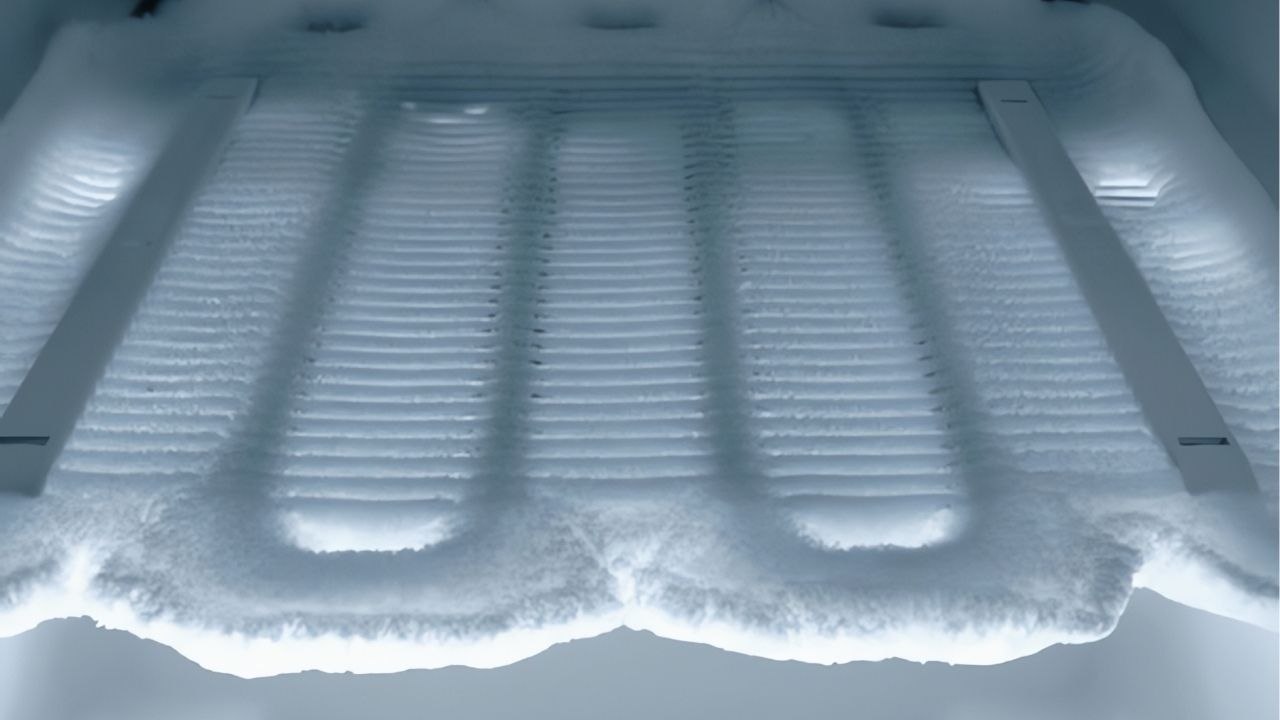
The rate at which frost thickens on an evaporator surface depends directly on room temperature and the amount of moisture in the air. As temperature drops, the air carries less moisture in absolute terms; even so, as the temperature difference between the evaporator surface and the air grows, moisture entering the room can condense and freeze on the surface more readily. The frosting rate therefore depends not only on temperature but also on the total moisture load in the space. Frost forming between narrowly spaced fins blocks airflow far sooner than frost forming between widely spaced ones.
As a result, low-temperature applications call for wider fin spacing, while high-temperature applications call for narrower spacing. The underlying logic is simple: allow the evaporator to run efficiently long enough before frost closes the gap between fins.
Which Fin Spacing Is Preferred In Positive-Temperature Rooms?
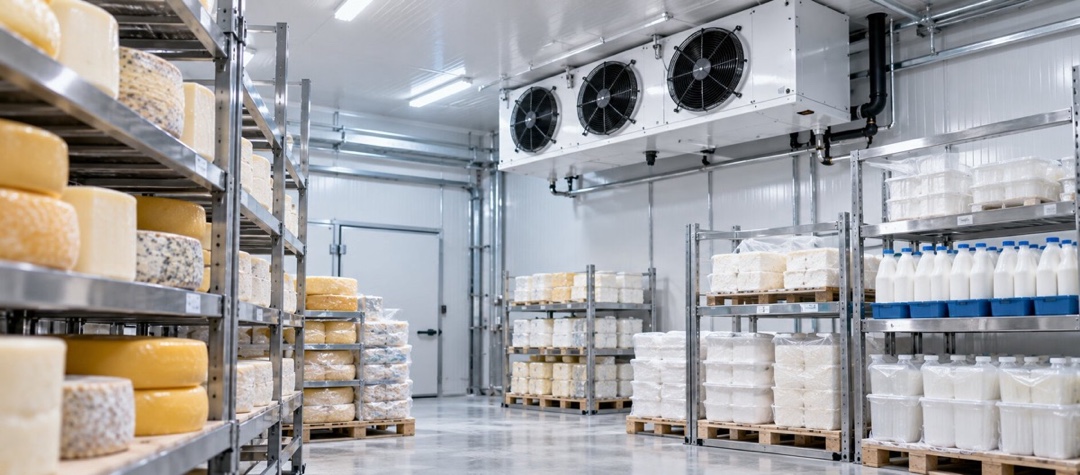
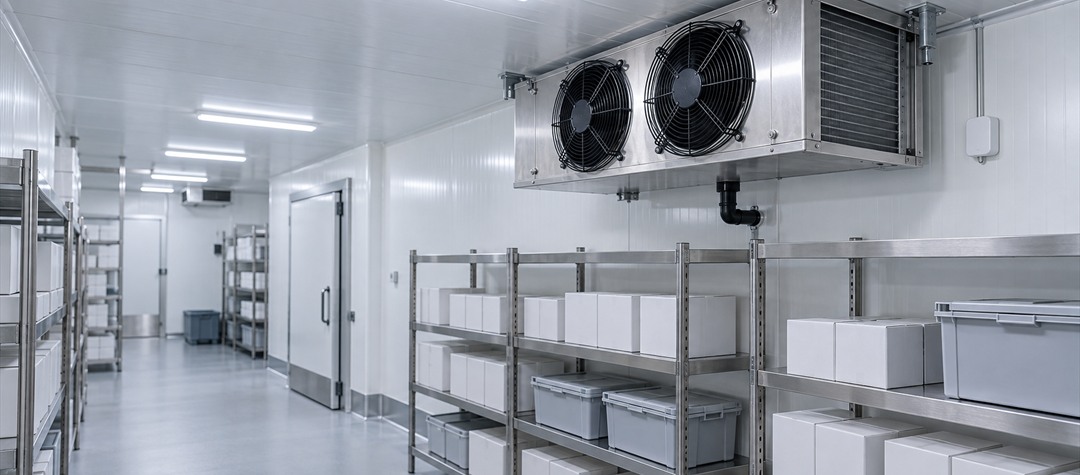
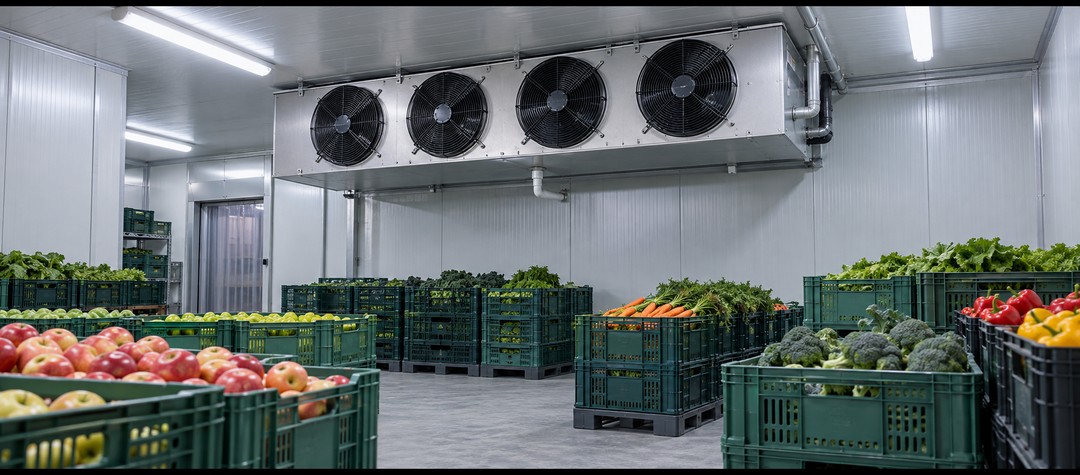
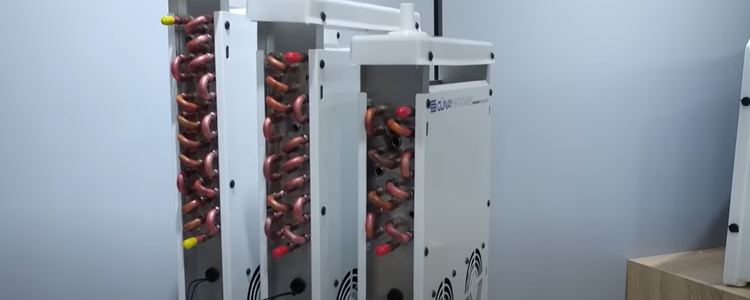
In cold rooms running between 0 °C and +8 °C, such as those holding fresh vegetables, fruit, beverages or dairy products, the rate of frosting is relatively low. Fins spaced 4 to 6 millimetres apart are typically chosen for such applications; narrow spacing packs more heat transfer surface into the same casing volume, allowing sufficient capacity from a more compact unit.
When room temperature approaches 0 °C and the stored product carries a high moisture content, leafy green vegetables for instance, frost can build up faster than expected. In these borderline conditions, a 6-millimetre spacing can prove a safer choice than 4 millimetres.
How Is Fin Spacing Determined For Frozen Storage?
In frozen storage rooms at -18 °C and below, frosting is unavoidable and worsens over time. Under these conditions, fins spaced 8 to 10 millimetres apart are typically preferred. Wider spacing delays the point at which frost fully closes the gap between fins, extending the run time between defrost cycles.
In deep-freeze applications, meaning rooms at -25 °C and below, some specialised series offer spacing beyond 10 millimetres or a larger mould geometry; a dedicated evaluation with the manufacturer is recommended for such projects, since frost accumulation at sustained low temperatures can accelerate rather than progress in a linear pattern.
Why Is Fin Spacing Different In Blast Freezing Applications?
The goal in a blast freezing room is to bring the product down to a very low temperature in the shortest possible time. High air velocity and intensive heat transfer are targeted throughout the process, so frost forms far faster than in a standard frozen storage room. Blast evaporators therefore typically use the widest fin spacing options available.
Because the blast freezing cycle is short and intensive, the defrost strategy has to be structured differently as well; wide fin spacing helps the evaporator complete its cycle without blocking during these intensive operating periods.
How Does Moisture Load Affect Fin Spacing Selection?
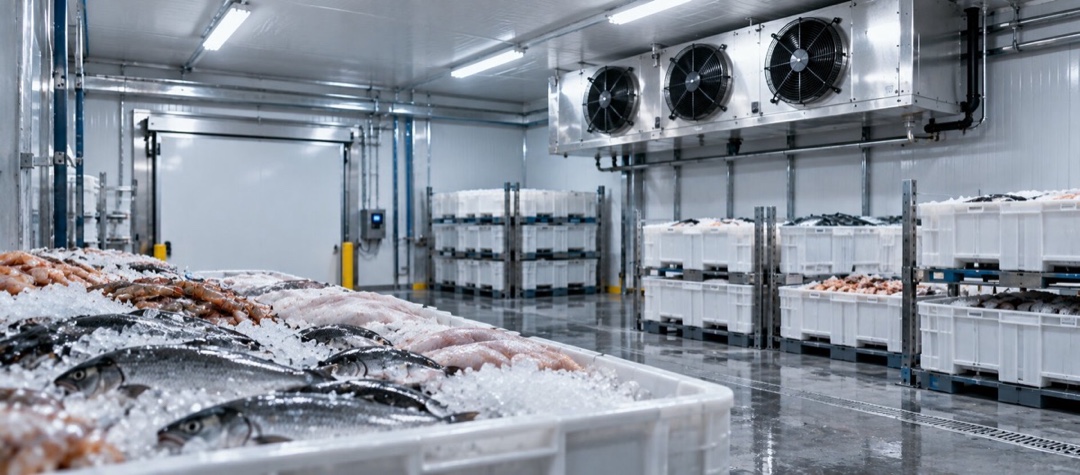
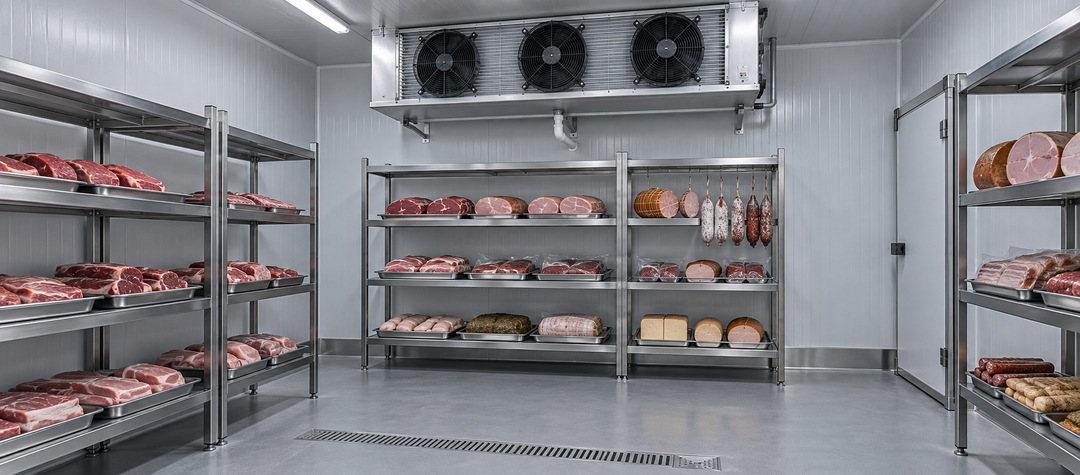
Even at the same room temperature, the moisture content of the stored product and door-opening frequency can significantly change the rate of frosting. Unpackaged meat, fish or leafy vegetables release far more moisture than packaged or dry products, leading to much faster frost accumulation.
Two rooms operating in the same temperature range may therefore need different fin spacing. At the project stage, not only room temperature but also the moisture profile of the stored product should be shared with the manufacturer; where both packaged and unpackaged products share the same room, basing the choice on the higher moisture load is the safer approach.
How Is A Balance Struck Between Defrost Frequency And Fin Spacing?
In an evaporator with narrow fin spacing, frost accumulates quickly, which can force more frequent defrost cycles. Frequent defrosting raises energy consumption and temporarily lifts room temperature as heated air circulates. Wider fin spacing reduces defrost frequency and supports energy efficiency, but reaching the same heat transfer surface typically requires a larger coil.
The right choice rests on a balance between defrost frequency and casing size, weighed against the application's energy cost, available space, and the facility's maintenance capacity.
How Does Door-Opening Frequency Change The Selection?
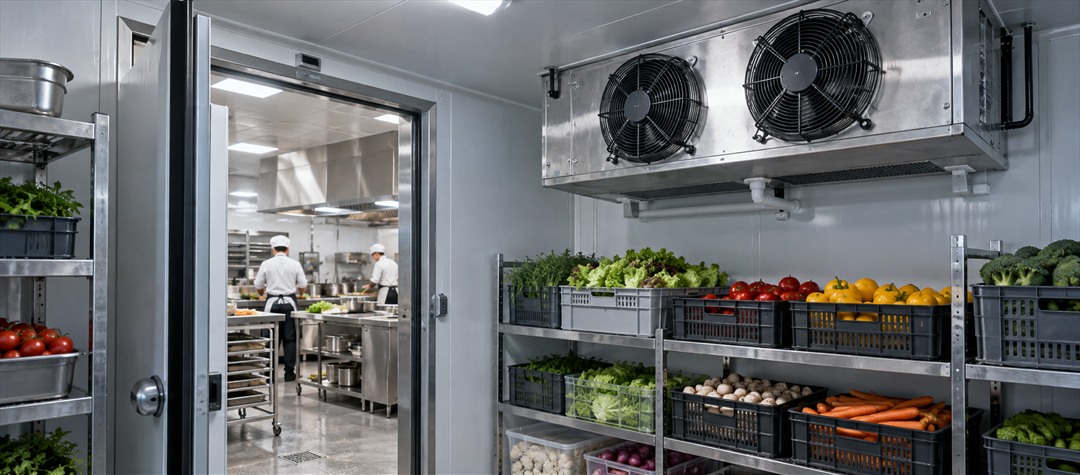
In rooms where doors open frequently, the moist, warm air that enters from outside adds an extra frosting load to the evaporator surface. Loading and unloading areas, retail cold rooms, or spaces with constant staff traffic can require wider fin spacing than a closed storage room running at the same temperature; a barrier such as an air curtain or strip door at the entrance can reduce the moisture load coming in from outside and help the selected fin spacing stay effective for longer.
In applications with frequent door openings, the fin spacing decision should be based not only on target temperature but also on the operational pattern of the space.
A Reference Table For Fin Spacing By Room Temperature
The table below offers a general starting point; the final selection should be confirmed with the manufacturer using actual project data.
| Room Temperature Range | Typical Application | Recommended Fin Spacing |
|---|---|---|
| +2 °C to +8 °C | Fresh vegetables, fruit, dairy, beverages | 4 – 6 mm |
| Around 0 °C, high-moisture product | Leafy greens, floristry | 6 mm |
| -18 °C to -25 °C | Frozen food storage | 8 – 10 mm |
| Below -25 °C | Deep-freeze storage | 10 mm and above, dedicated evaluation |
| Blast freezing | Rapid freezing tunnels | Widest options available |
The values above illustrate a general trend; the actual operating conditions of the product should be verified with the manufacturer for a final decision. Even within the same temperature range, different product types, door-opening frequencies or air circulation patterns can shift the recommended spacing up or down a step.
How Do Fan Speed And Airflow Affect Fin Spacing Selection?
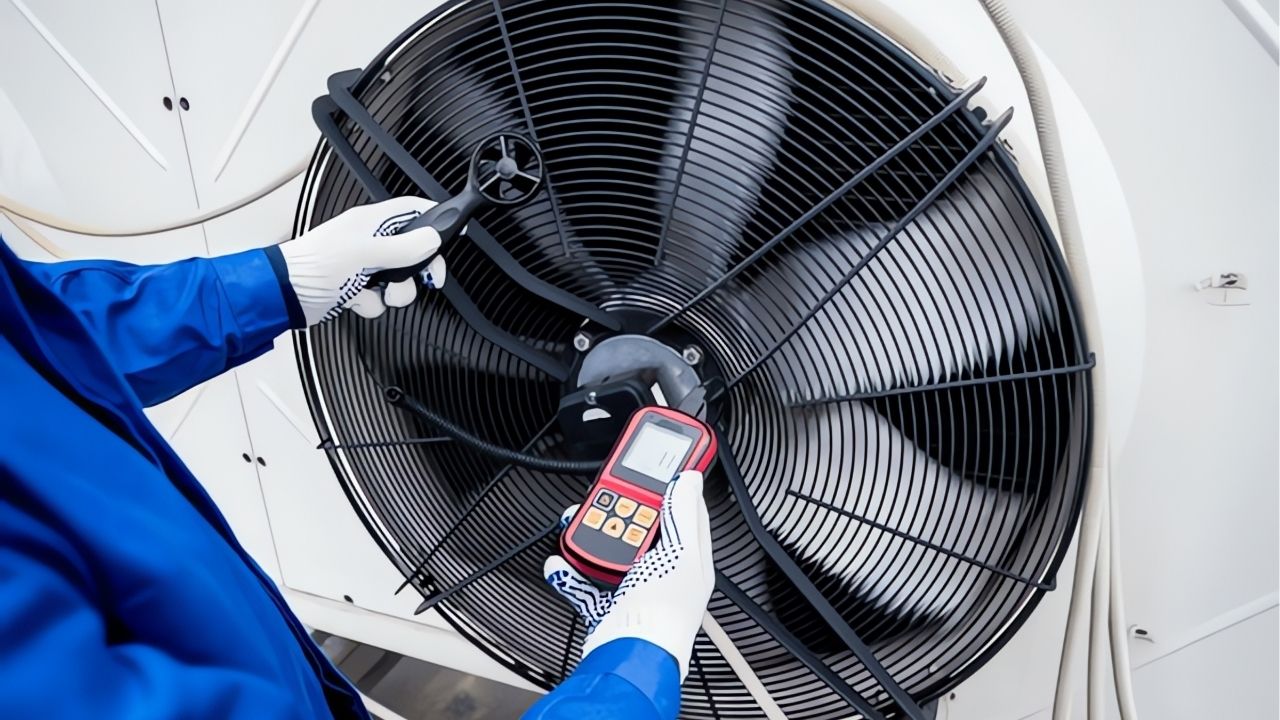
Fin spacing does not depend on temperature and humidity alone; it is also tied to the air velocity the fan delivers. Higher air velocity helps spread the frost layer more thinly and evenly across the surface, delaying concentrated build-up in specific spots. In an application running at lower air velocity, the same fin spacing can carry a higher risk of earlier blockage.
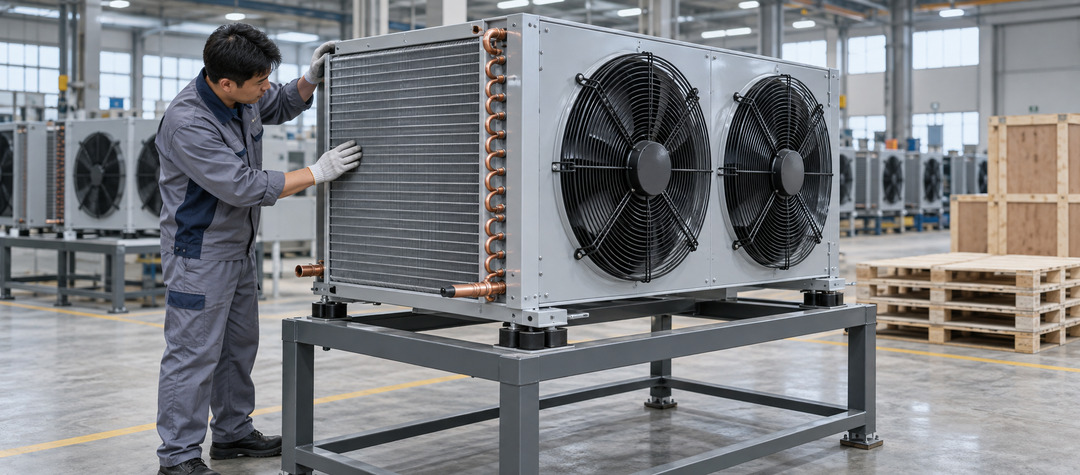
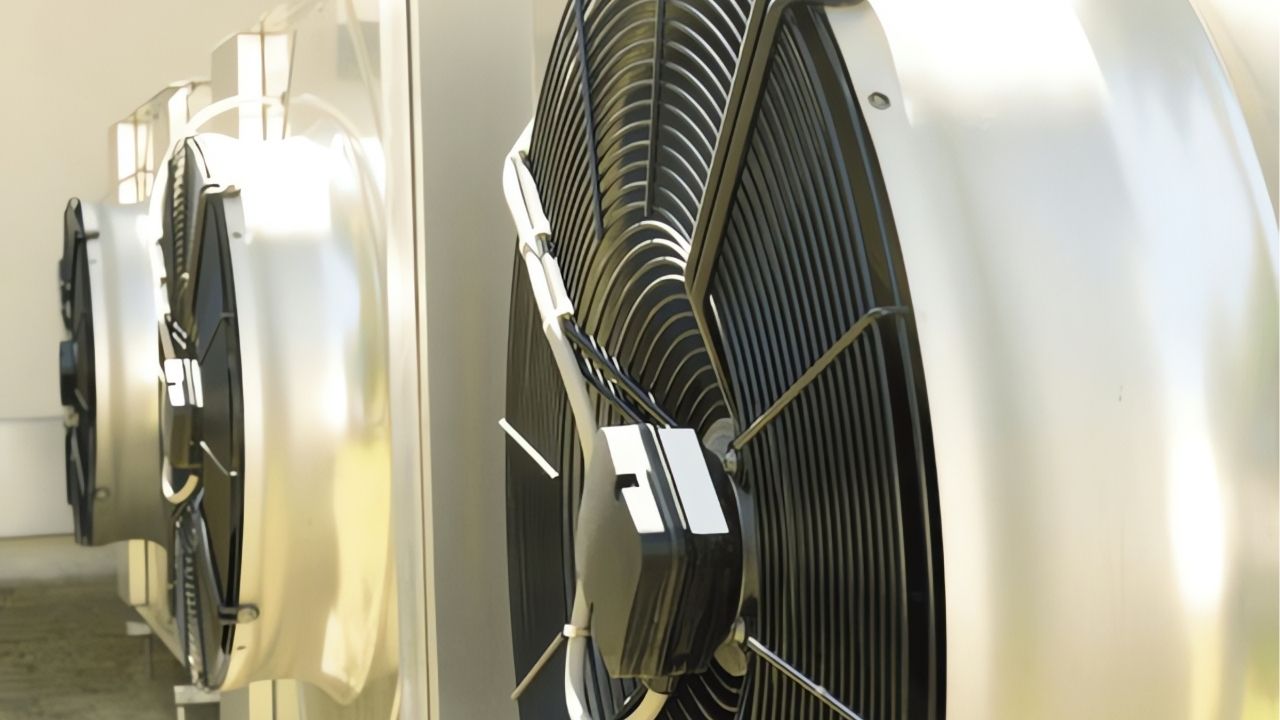
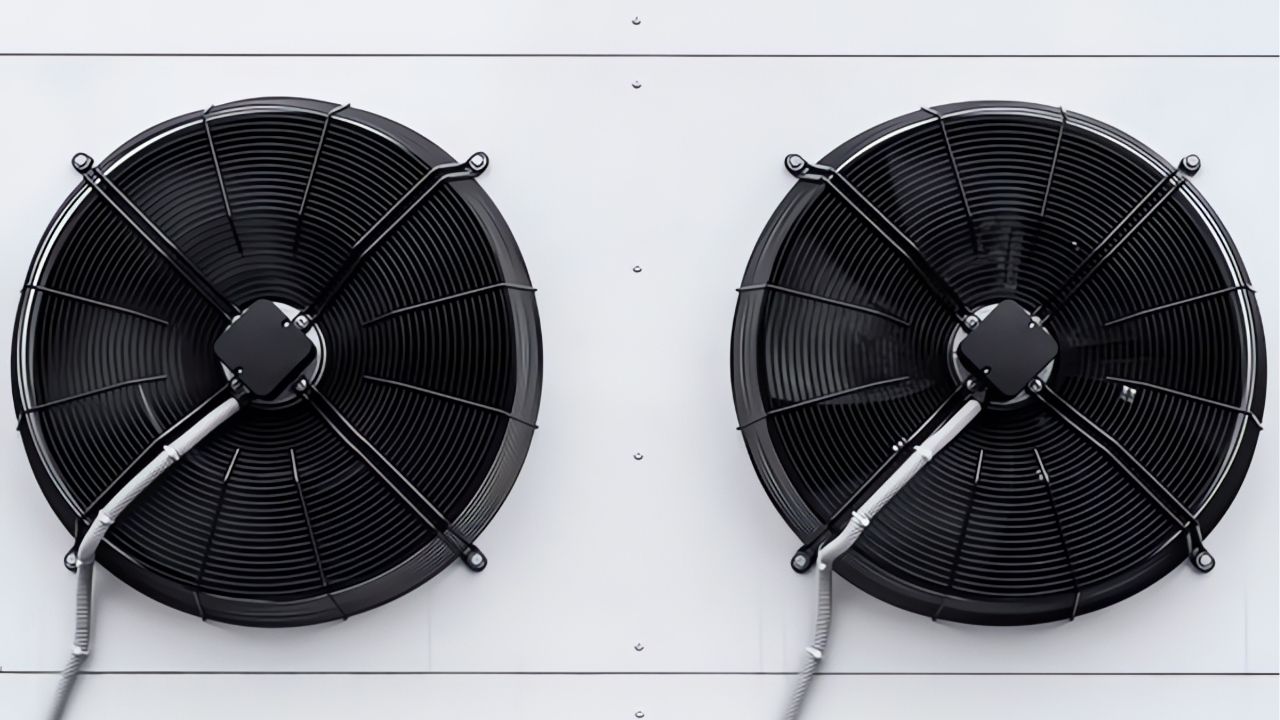
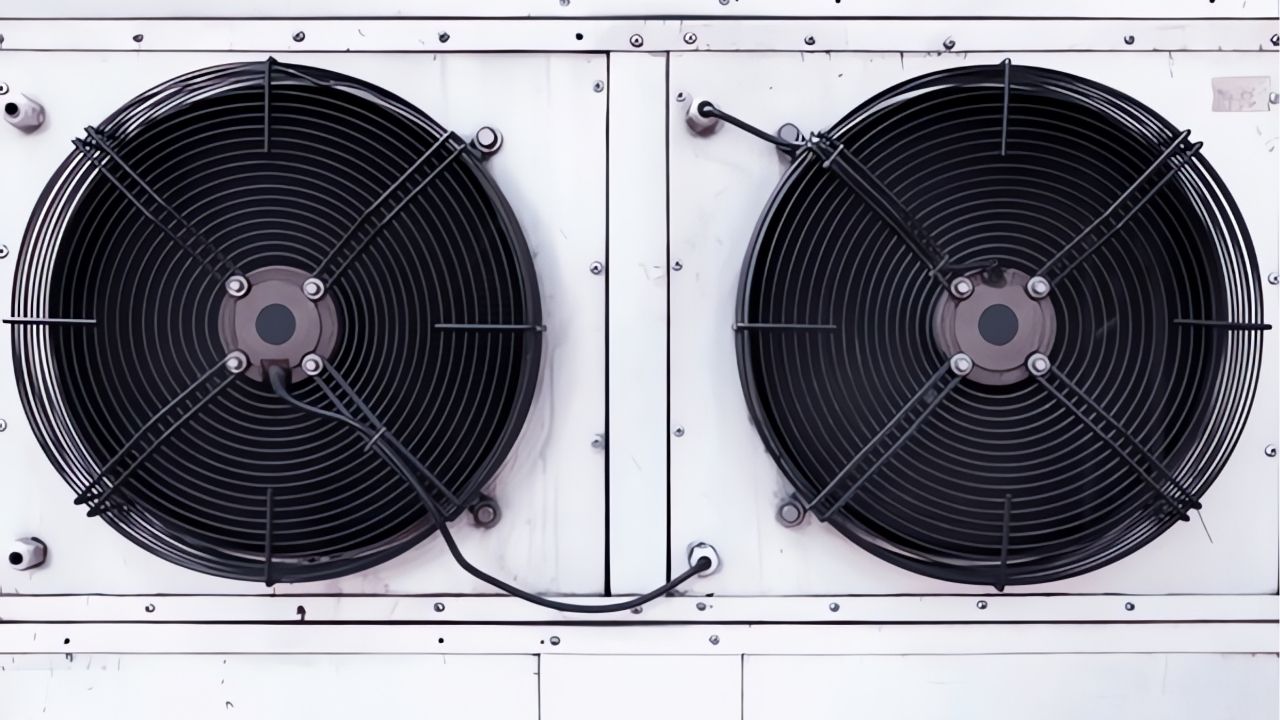
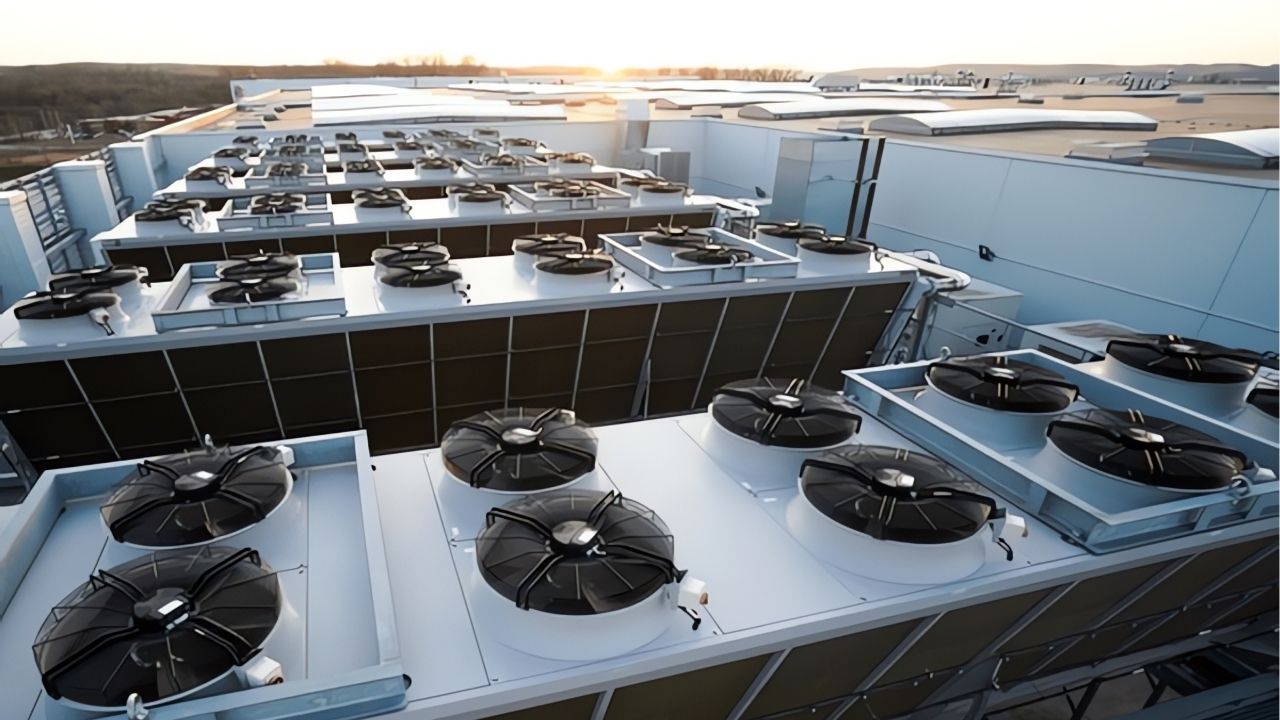
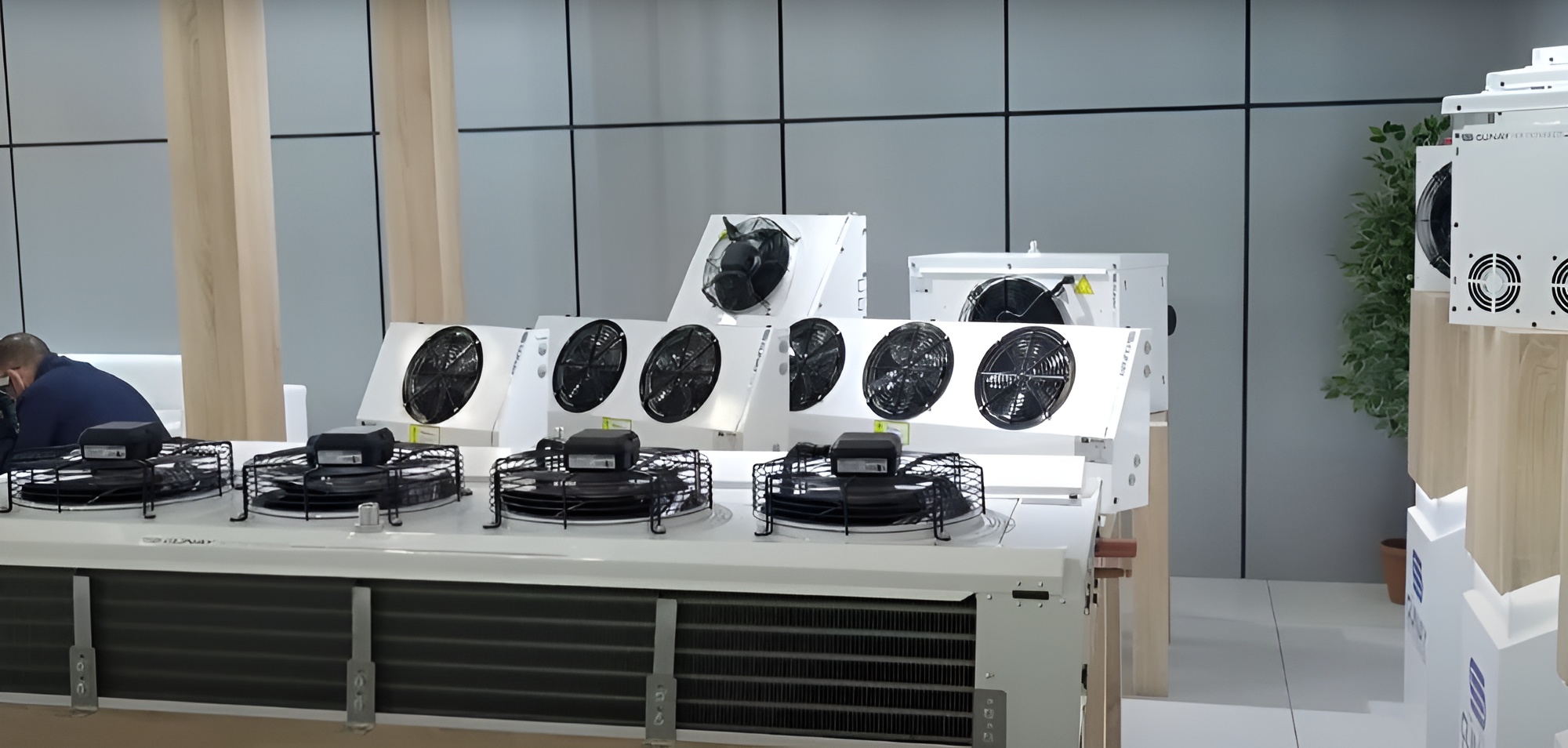
That relationship becomes even more pronounced in large-capacity industrial evaporators with multiple fans. Fan count, fan diameter and fan speed are parameters to be weighed together with the fin spacing decision, not independently of it. When a project engineer shares the target airflow and fan preference with the manufacturer as well, fin spacing selection becomes far more accurate, and on custom production requests in particular, evaluating these parameters together reduces the need for revision at the quotation stage.
What Fin Spacing Options Exist Across Günay Evaporator Series?
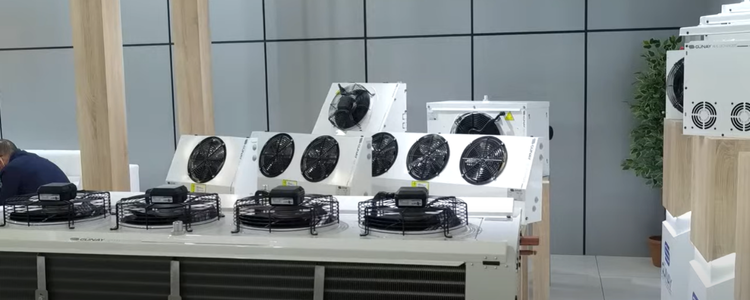
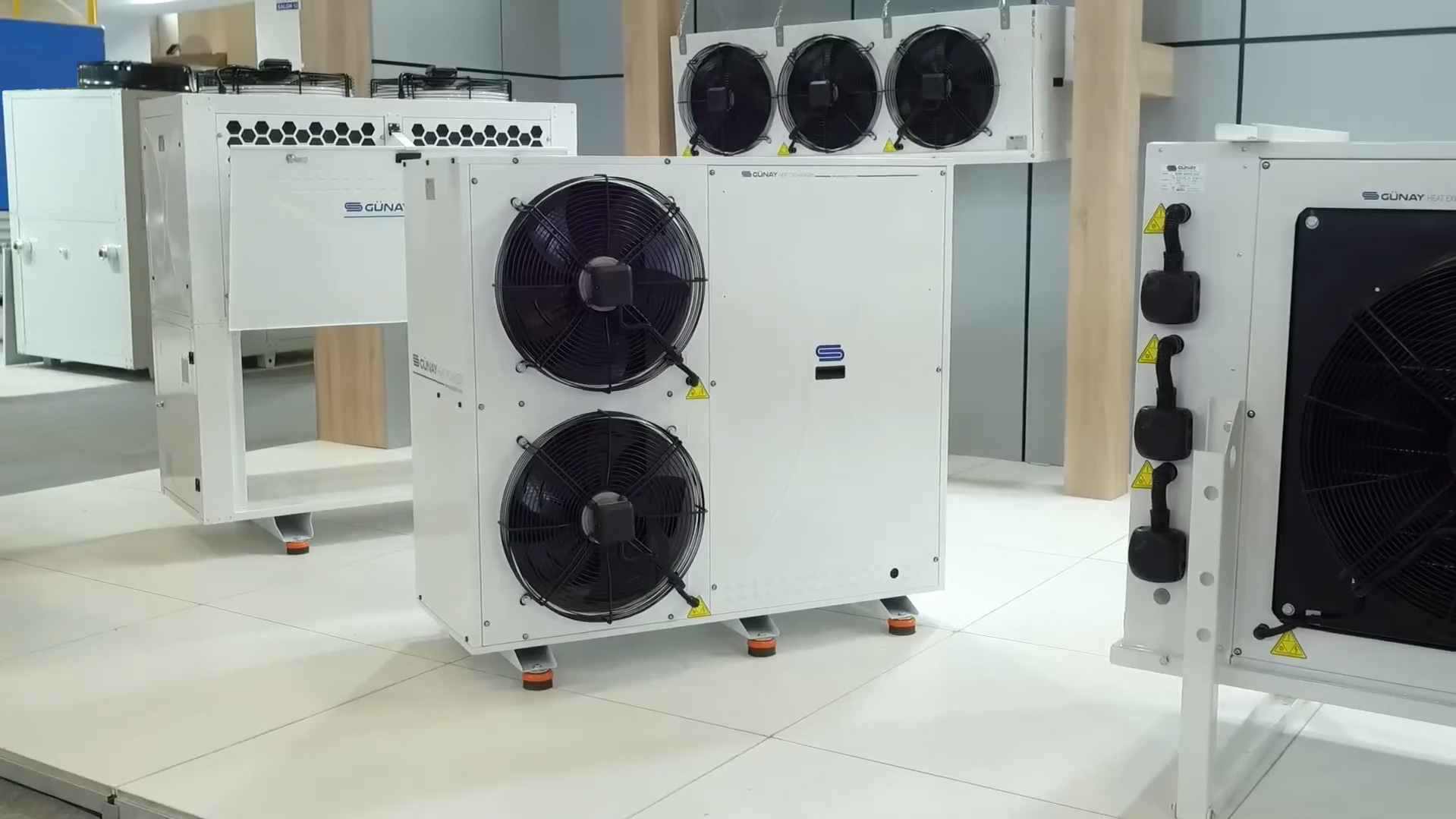
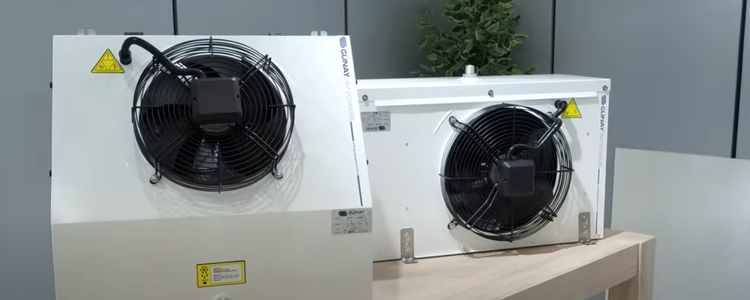
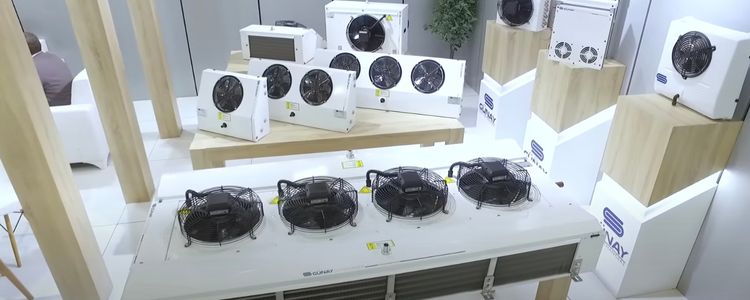
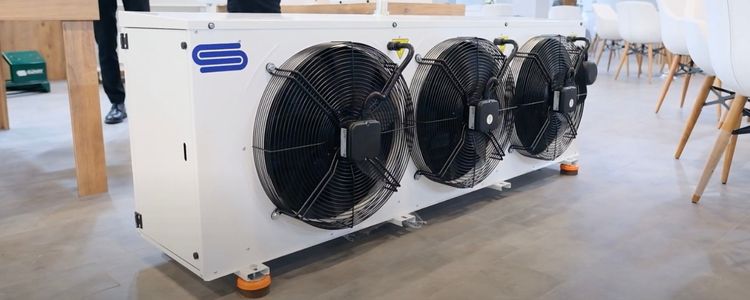
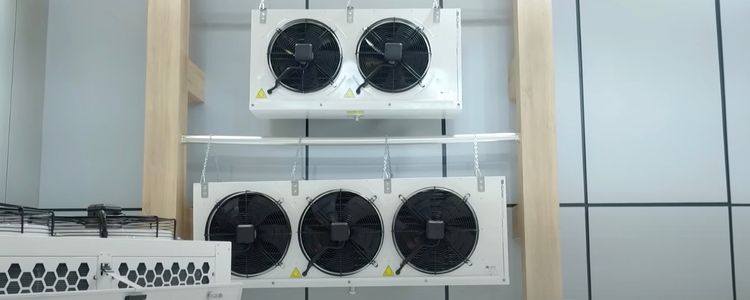
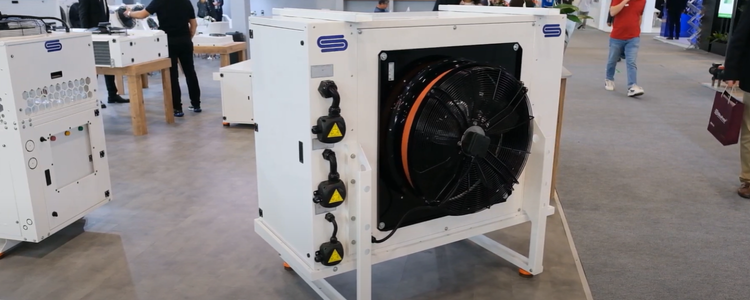
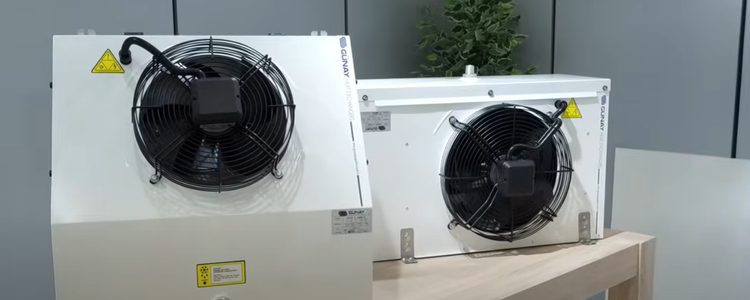
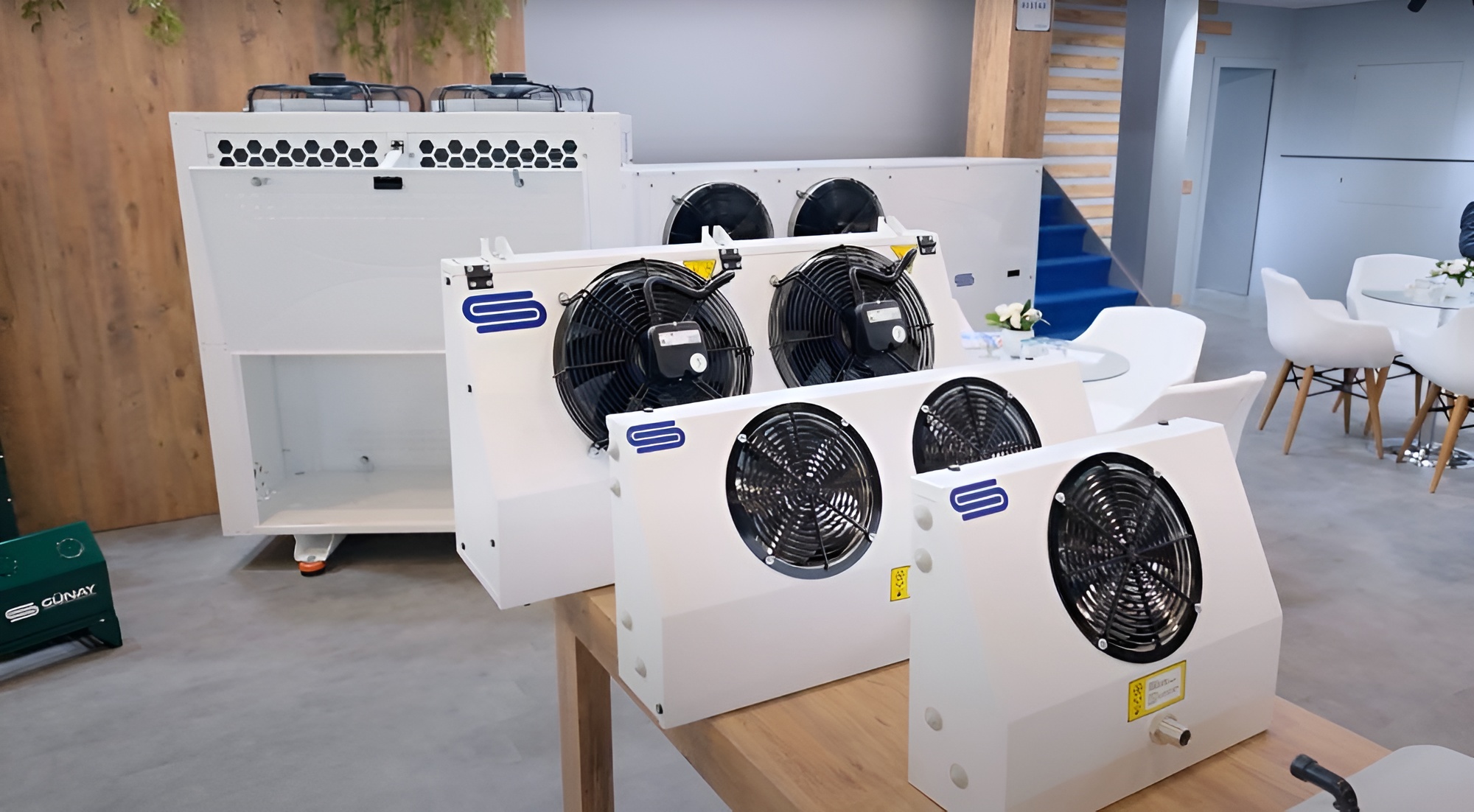
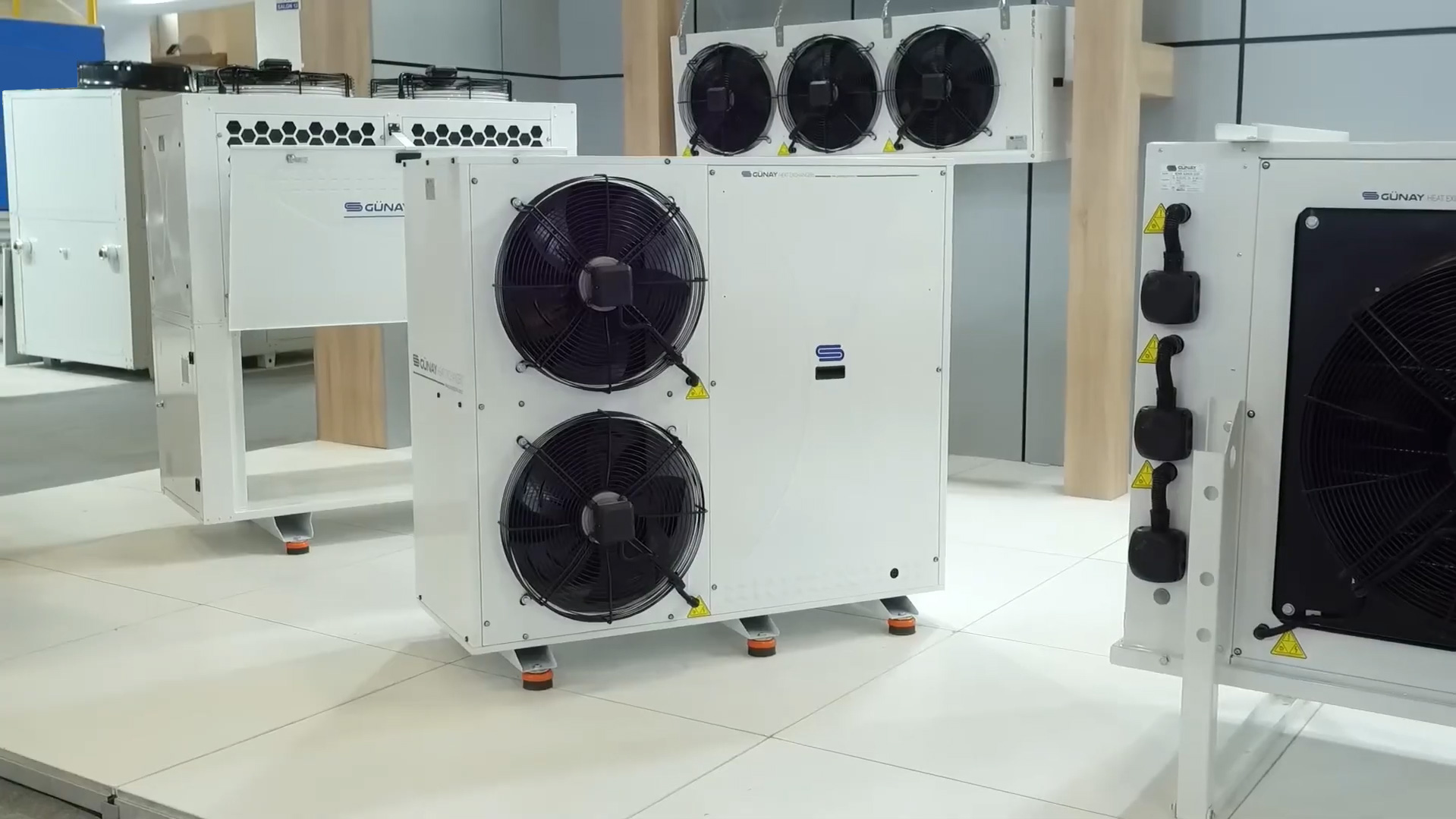
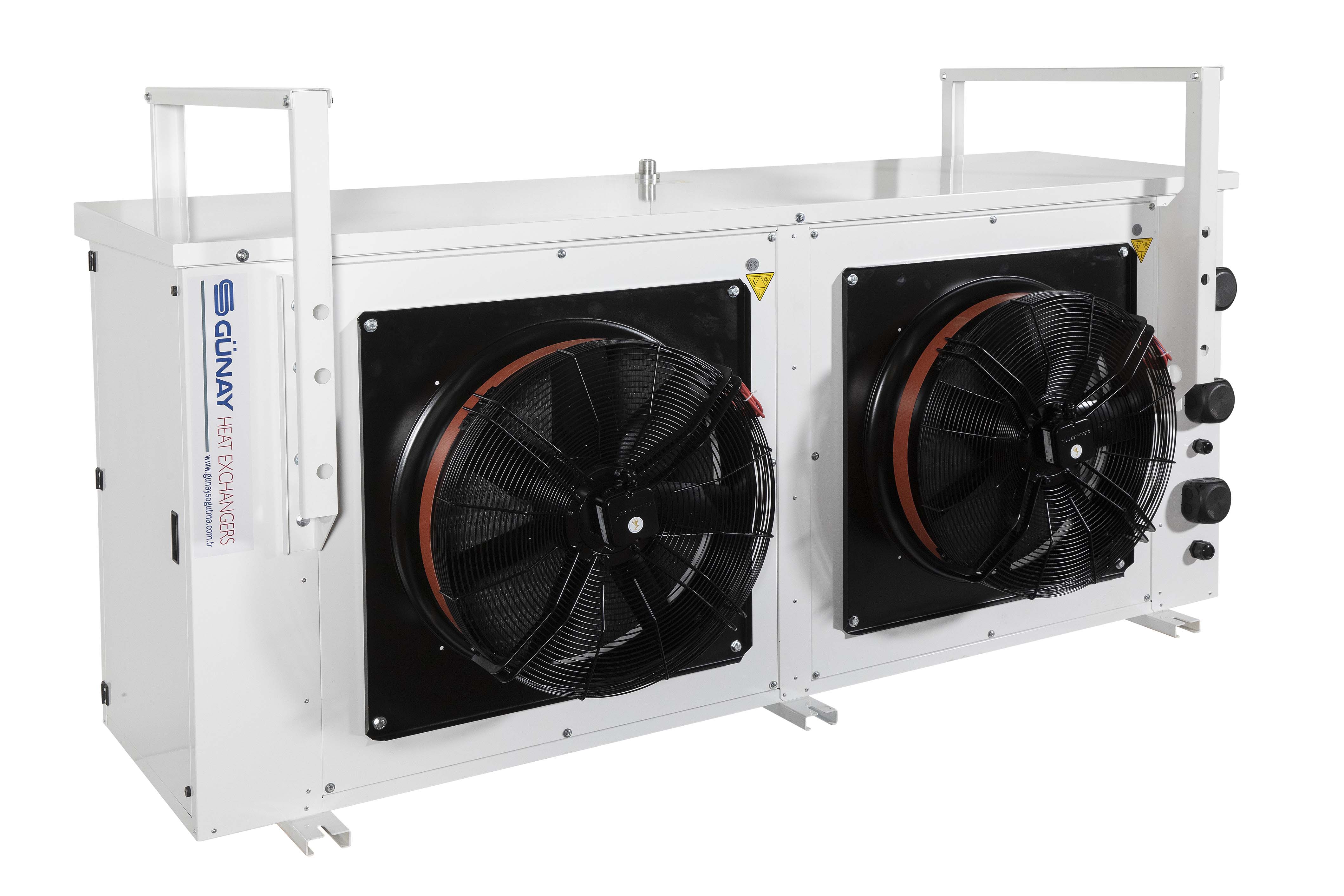
Günay Heat Exchangers' standard-type GNE series offers fin spacing options of 4, 6, 8 and 10 millimetres, allowing a selection suited to different room temperatures. The commercial-type GNA and GND series also provide fin spacing options that vary by application. The ceiling-type GEO series uses 8-millimetre spacing, while the GYE series uses 6 millimetres.
When project teams share room temperature, moisture profile, door-opening frequency and defrost strategy with the Günay technical team, the most suitable fin spacing can be determined among the available serial product options. Where standard options fall short, a different fin spacing or mould geometry can also be evaluated through custom production; that flexibility offers a suitable, sustainable solution particularly when a highly specific temperature and humidity combination is involved.
Frequently Asked Questions
Why Is Narrow Fin Spacing Avoided In Frozen Storage?
In narrow spacing, the gap between fins is limited, and the frost layer that forms quickly at low temperature fills that gap in short order. Airflow is then blocked quickly, capacity drops sharply, and defrost needs increase.
Can Two Evaporators With Different Fin Spacing Be Used In The Same Room?
This is generally not recommended. Using evaporators with different fin spacing in the same room can desynchronise frosting and defrost cycles; that mismatch can leave one zone frosting early while triggering unnecessary defrosts in another. Selecting a single spacing and running all evaporators on the same defrost schedule delivers more consistent performance.
Can Fin Spacing Be Changed Later?
On a standard evaporator, fin spacing is a fixed design parameter set during production and cannot be altered on site. If application conditions change, a different model with different fin spacing needs to be selected instead.
Should The Widest Fin Spacing Always Be Chosen For A High-Moisture Product?
Not always. While the widest spacing reduces frosting risk, it can require a larger casing for the same capacity. The right decision weighs moisture load, space constraints, energy cost and maintenance capacity together.
What Information Should Be Shared With The Manufacturer For Fin Spacing Selection?
Room temperature, the moisture profile of the stored product, door-opening frequency, defrost strategy and, where available, the frosting history of an existing system are the core details that should be shared with the manufacturer for the right fin spacing selection.
Should Fin Spacing Change Whenever Fan Speed Changes?
Not always, but a significant change in fan speed can affect airflow and, as a result, frosting behaviour. When the fan selection is updated, whether the existing fin spacing remains suitable should be checked together with the manufacturer.