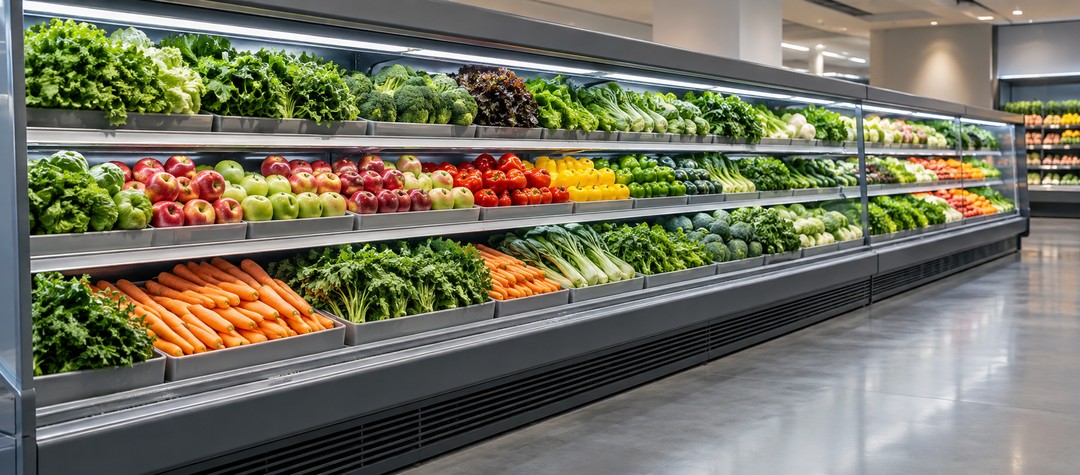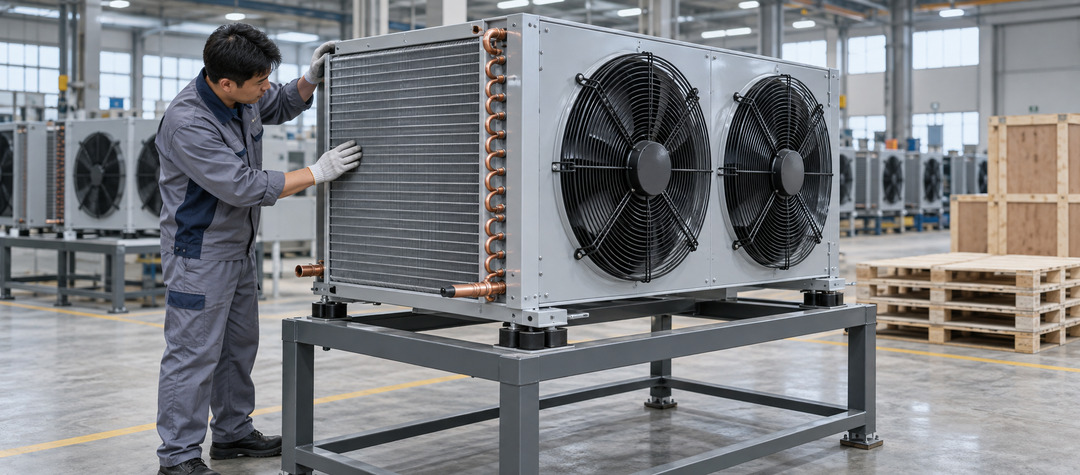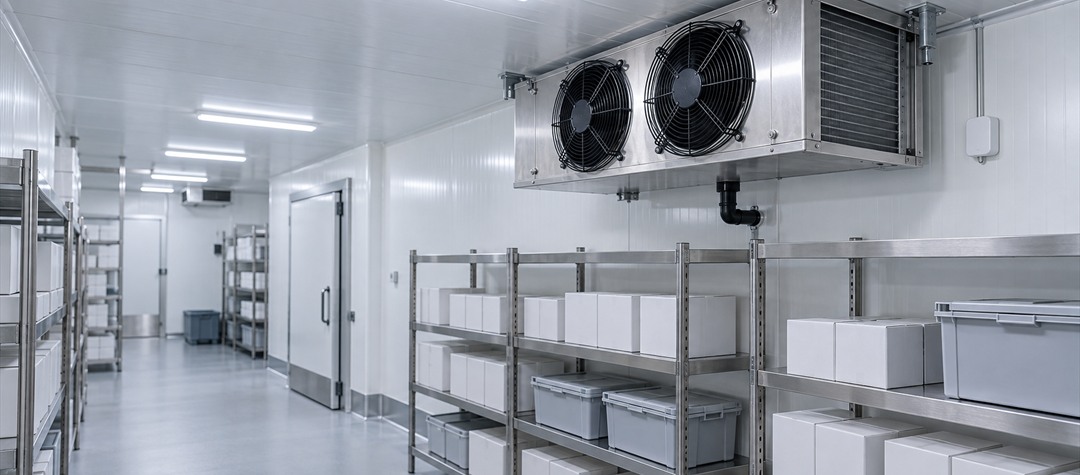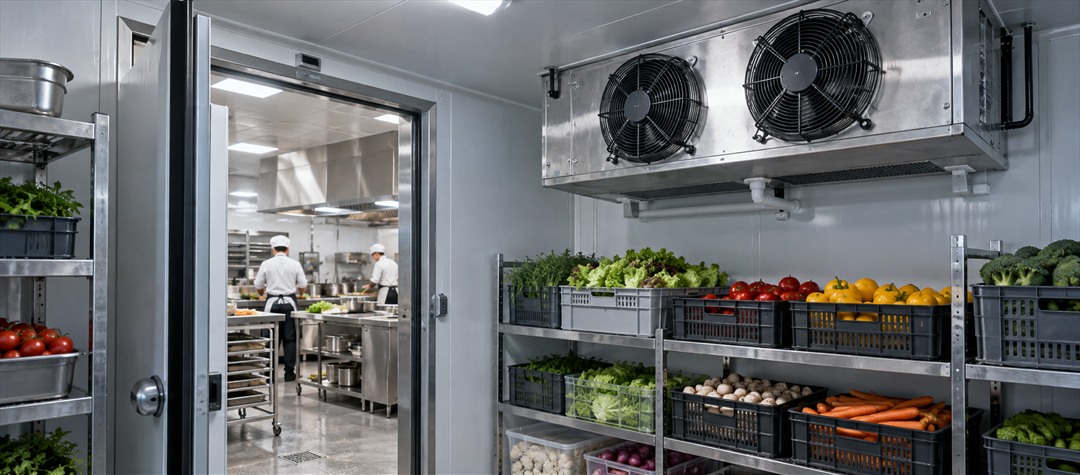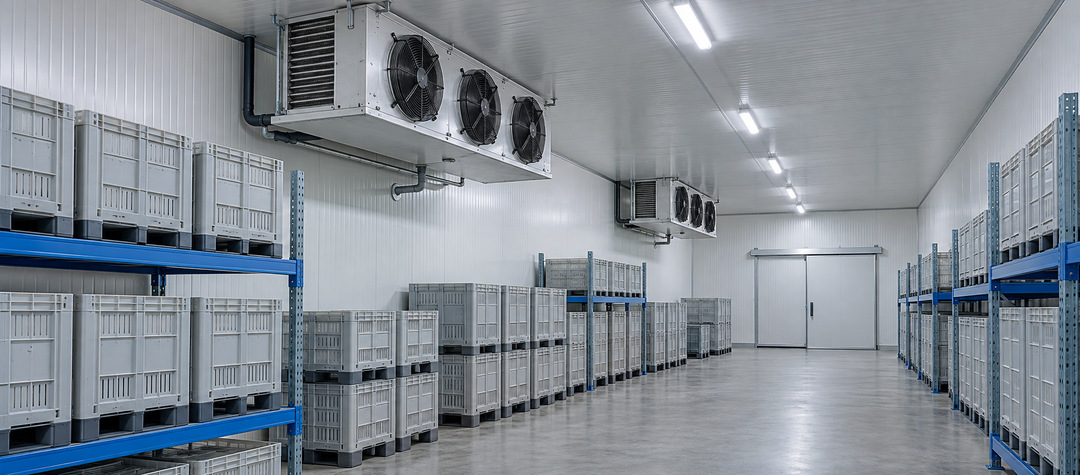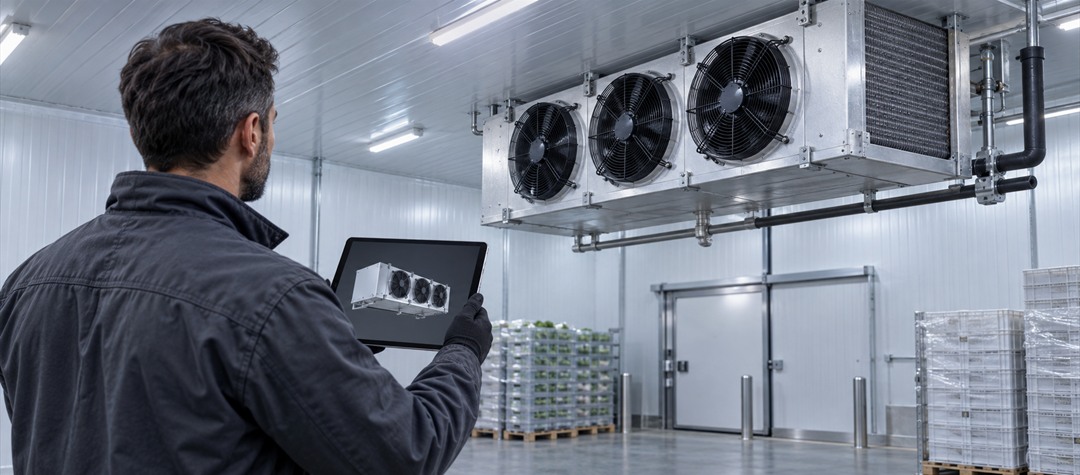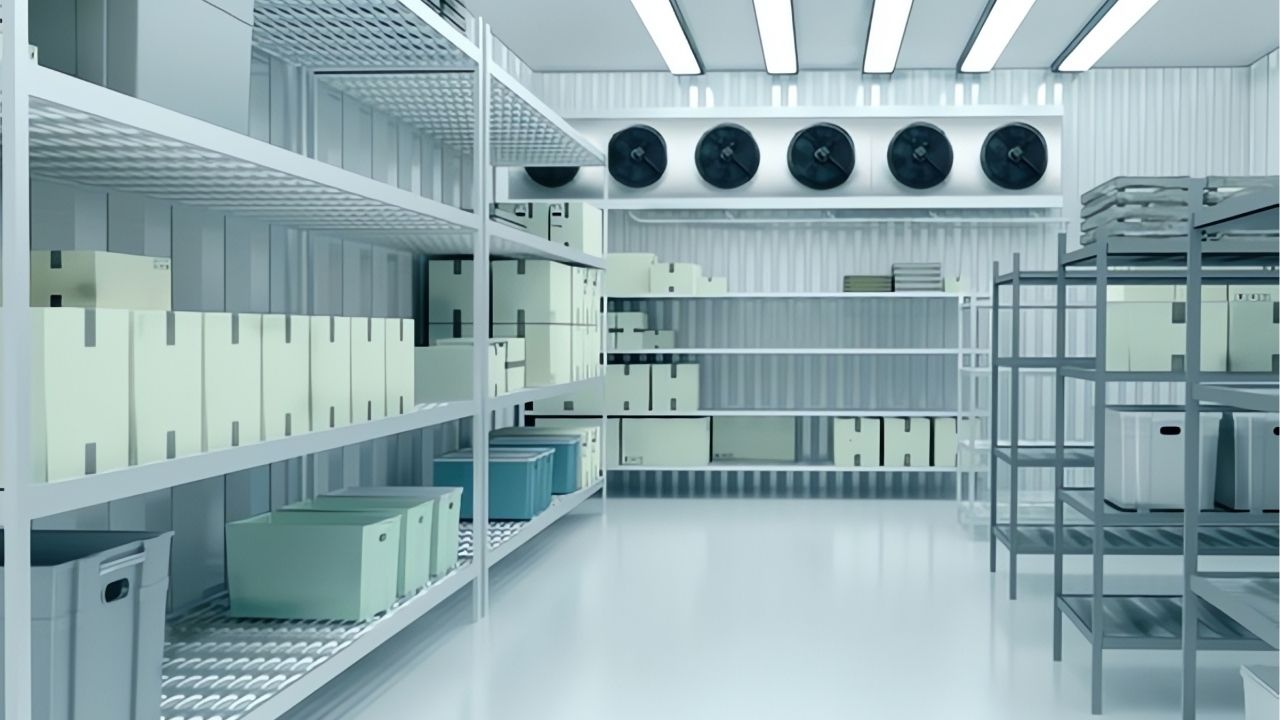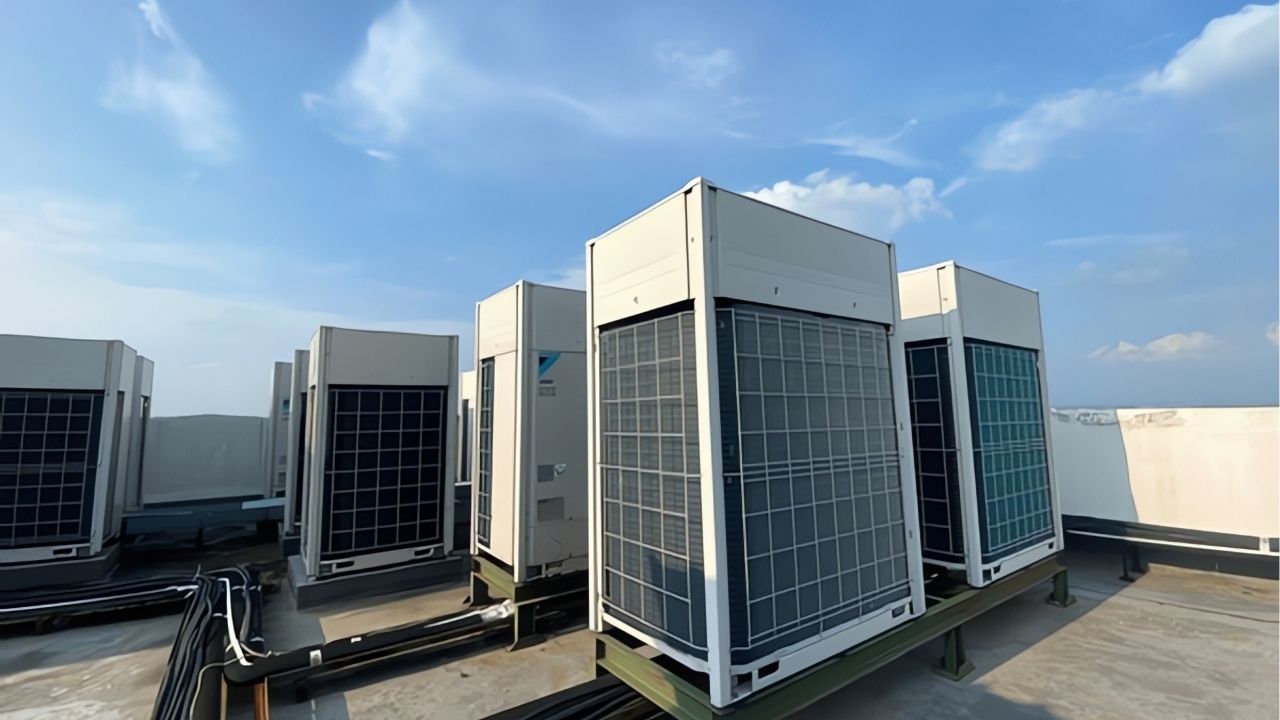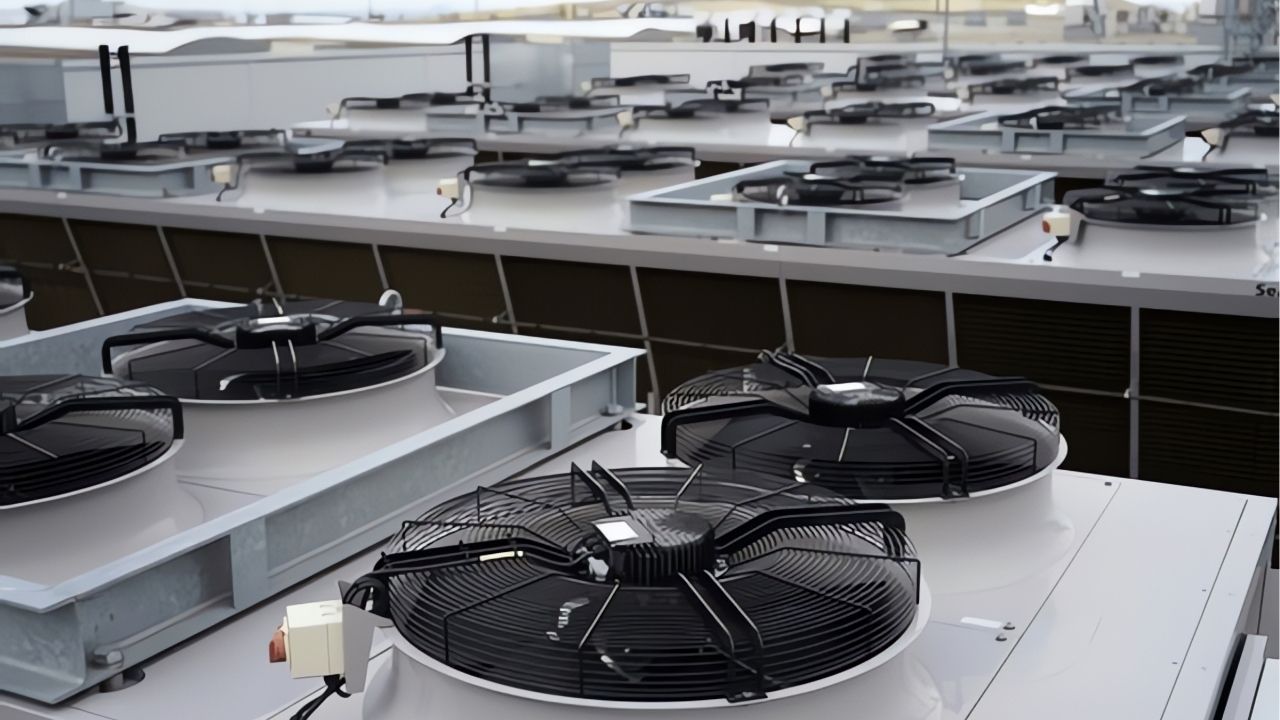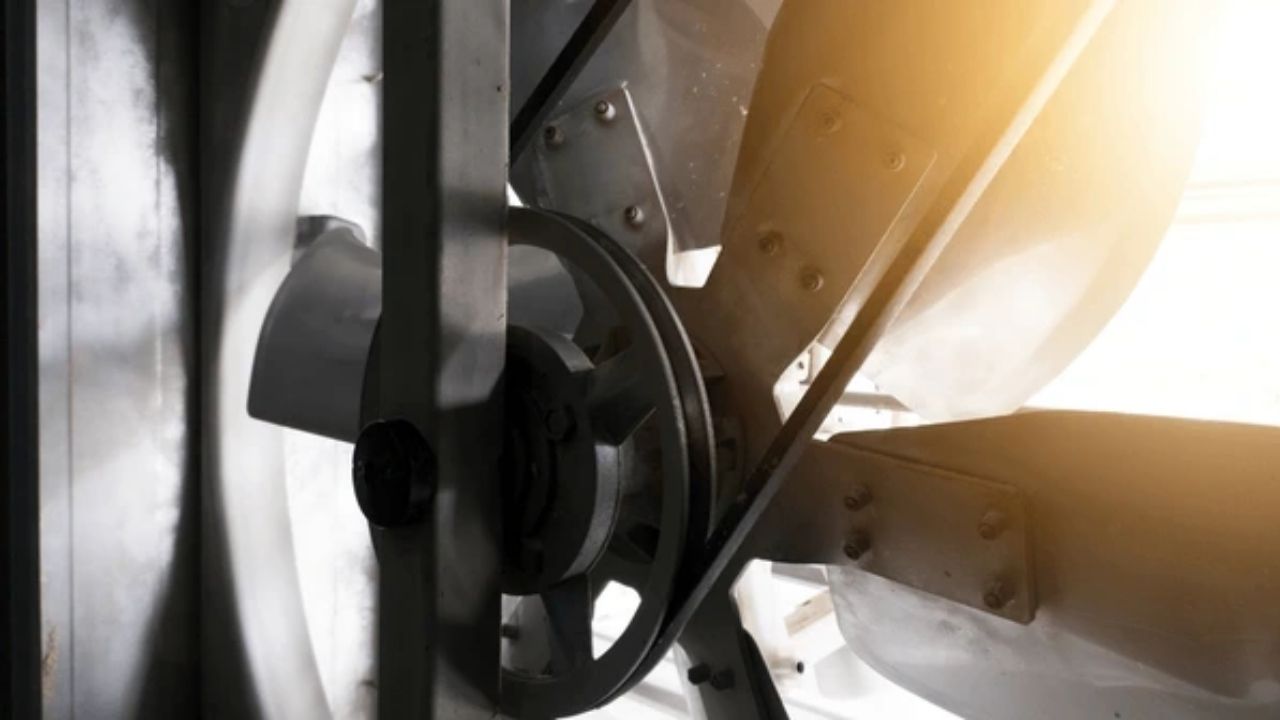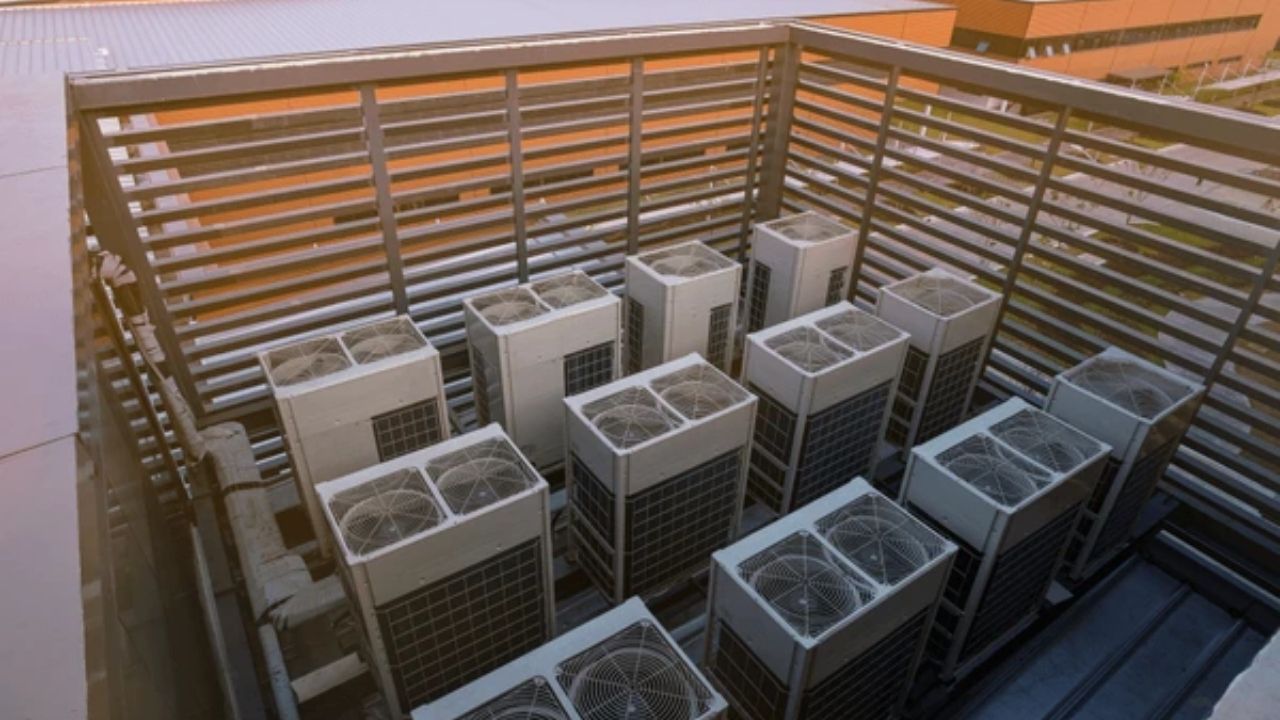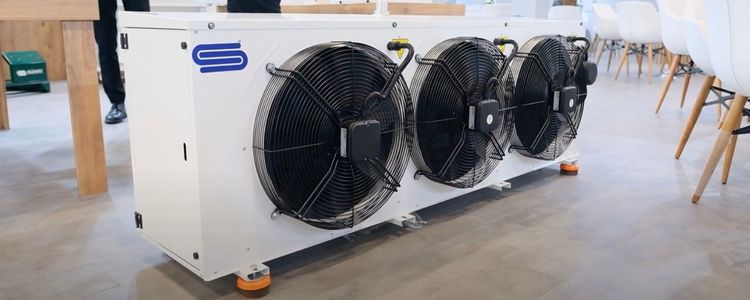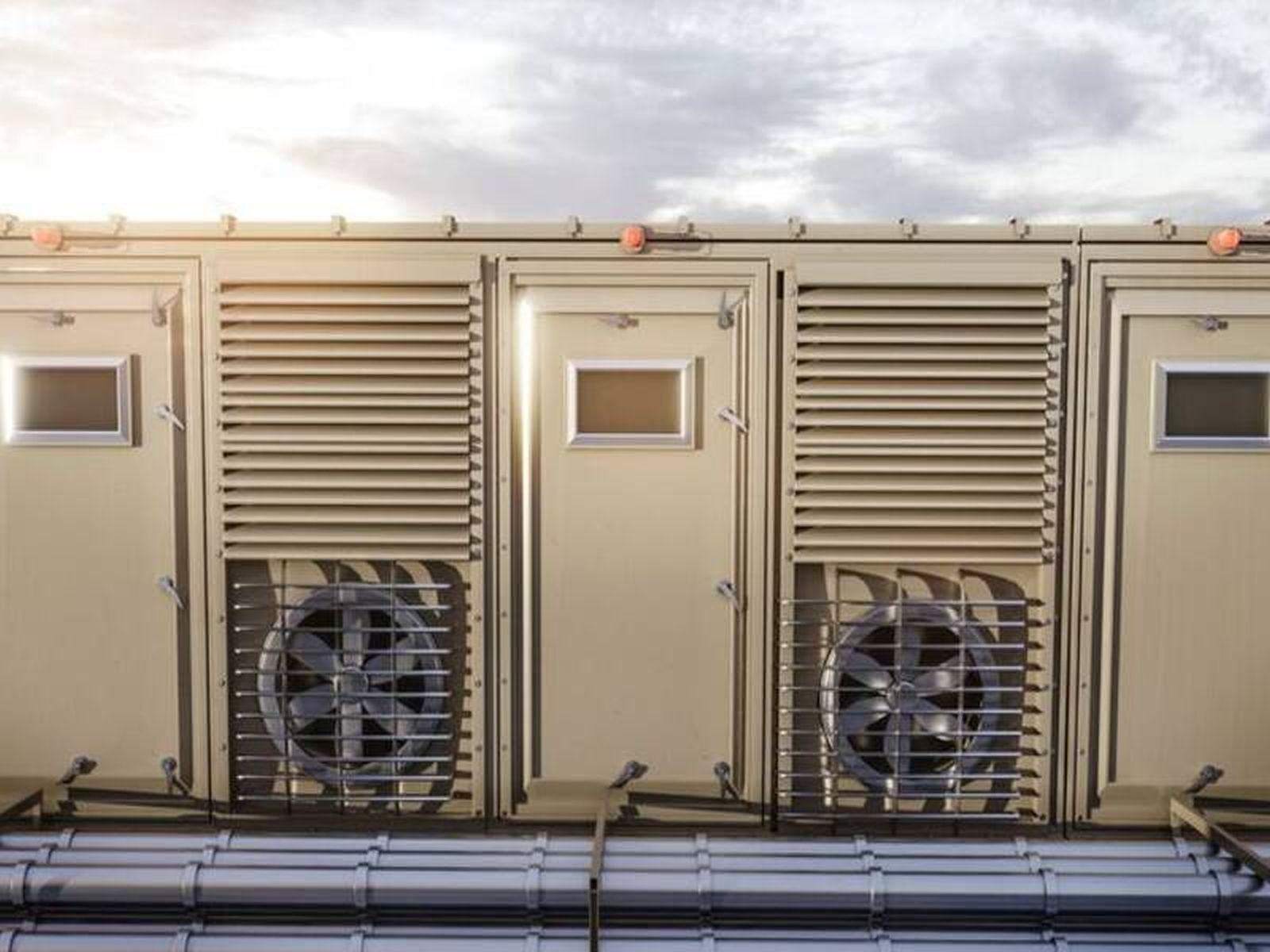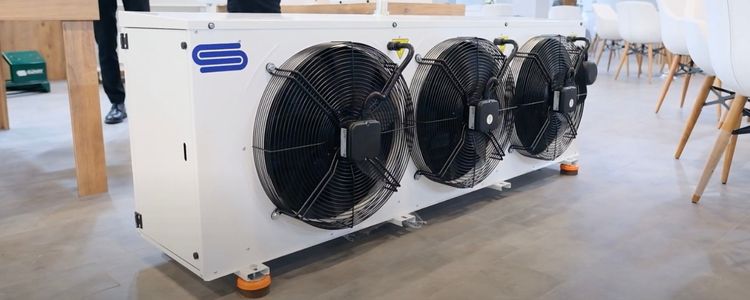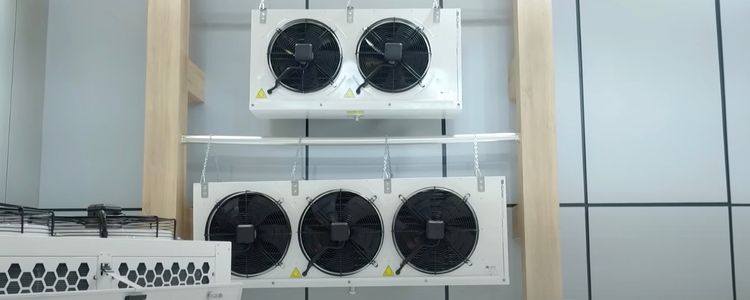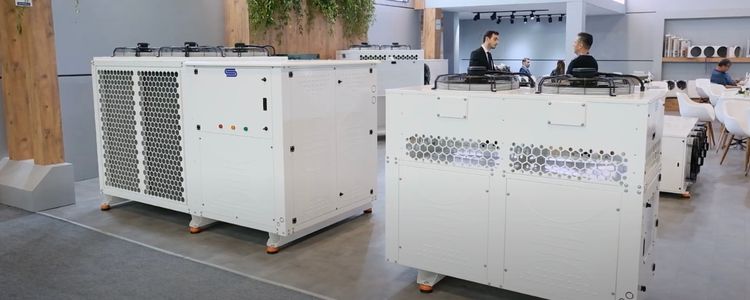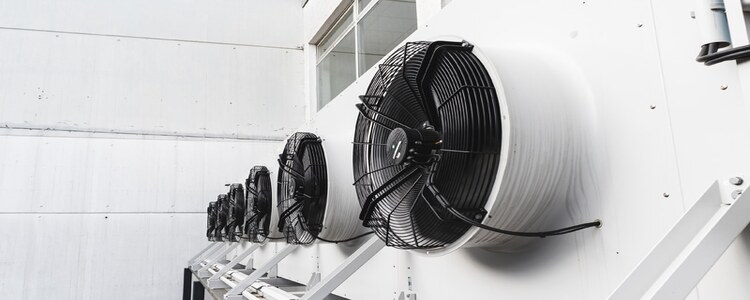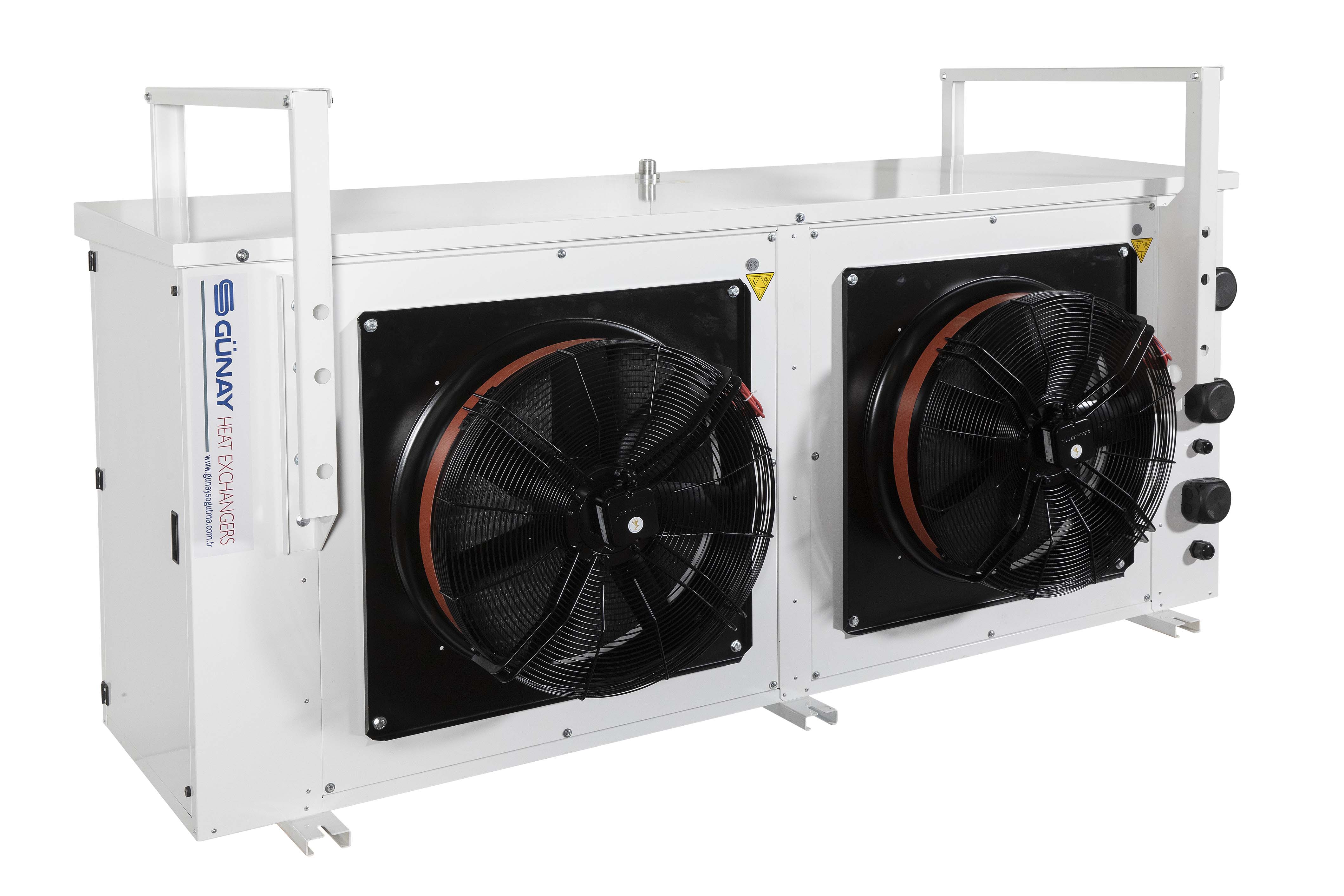


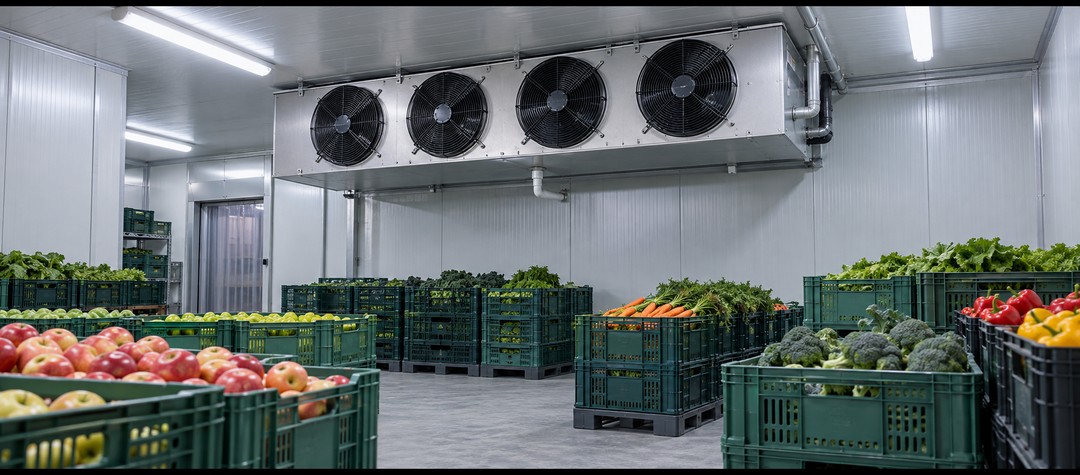
Fruit and vegetable cold storage warehouses require a different cooling logic compared to facilities storing frozen foods or low-temperature products such as meat and dairy. Because fresh fruits and vegetables continue to respire as living products, factors such as humidity control, air distribution, and temperature uniformity become critical in evaporator selection. An incorrectly selected evaporator can lead to quality losses such as rapid water loss, wilting, chilling injury, or spoilage. The sections below examine the specific conditions of fruit and vegetable cold storage warehouses, the role of humidity control, the importance of air distribution, and the criteria that should take priority when selecting the right evaporator.
Table Of Contents
- What Are The Specific Conditions Of Fruit And Vegetable Cold Storage Warehouses?
- Why Is Humidity Control Important In Evaporator Selection?
- What Is The Relationship Between Air Distribution And Chilling Injury Risk?
- How Do Temperature And Humidity Requirements Vary By Product Type?
- Which Criteria Should Take Priority When Selecting The Right Evaporator?
- Frequently Asked Questions
What Are The Specific Conditions Of Fruit And Vegetable Cold Storage Warehouses?
Fresh fruits and vegetables are living products that continue to lose water and energy through respiration and transpiration even after harvest. This biological process sets fruit and vegetable warehouses apart from general-purpose cold storage facilities in several important respects:
- High relative humidity requirement: Most fruit and vegetable types require high relative humidity, typically in the 85-95% range, to prevent excessive water loss.
- Preference for low air velocity: High air velocity accelerates water evaporation from the product surface, leading to wilting and weight loss; a gentler, more uniform airflow is therefore preferred.
- Ethylene sensitivity: Some products are sensitive to ethylene gas, so the air distribution system may need to be planned to prevent different product groups from negatively affecting one another.
- Narrow temperature tolerance: Many fruit and vegetable types can suffer chilling injury below a certain temperature, making uniform temperature distribution throughout the room essential.
These conditions show that evaporator selection for fruit and vegetable warehouses needs to be based not only on capacity calculations but also on humidity and air velocity management.
Why Is Humidity Control Important In Evaporator Selection?
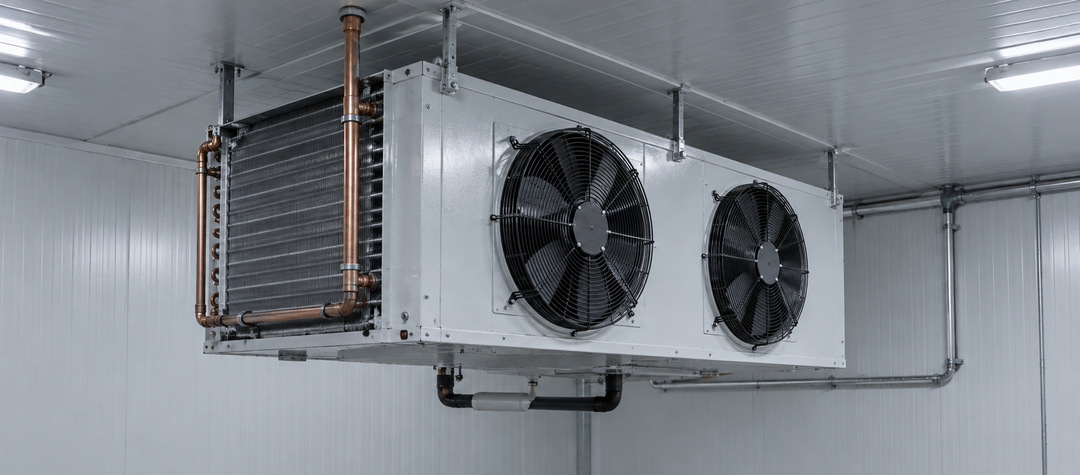
Evaporator design is one of the most important factors directly affecting room humidity. The larger the temperature difference (dT) between the evaporator surface and the room air, the greater the amount of moisture that condenses out of the air — lowering room humidity and accelerating water loss from the product. Key humidity-related considerations in evaporator selection for fruit and vegetable warehouses include:
- Low dT design: Evaporators sized to operate at a lower temperature difference than standard cold storage applications help maintain higher room humidity.
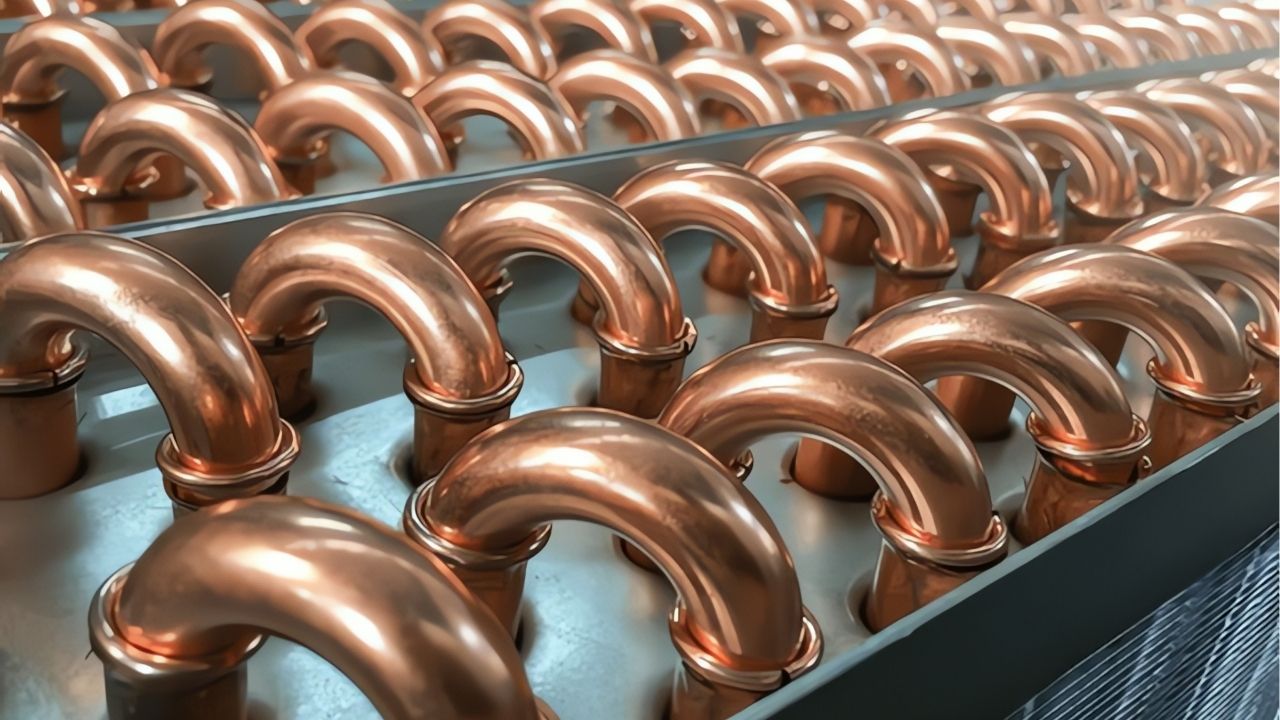
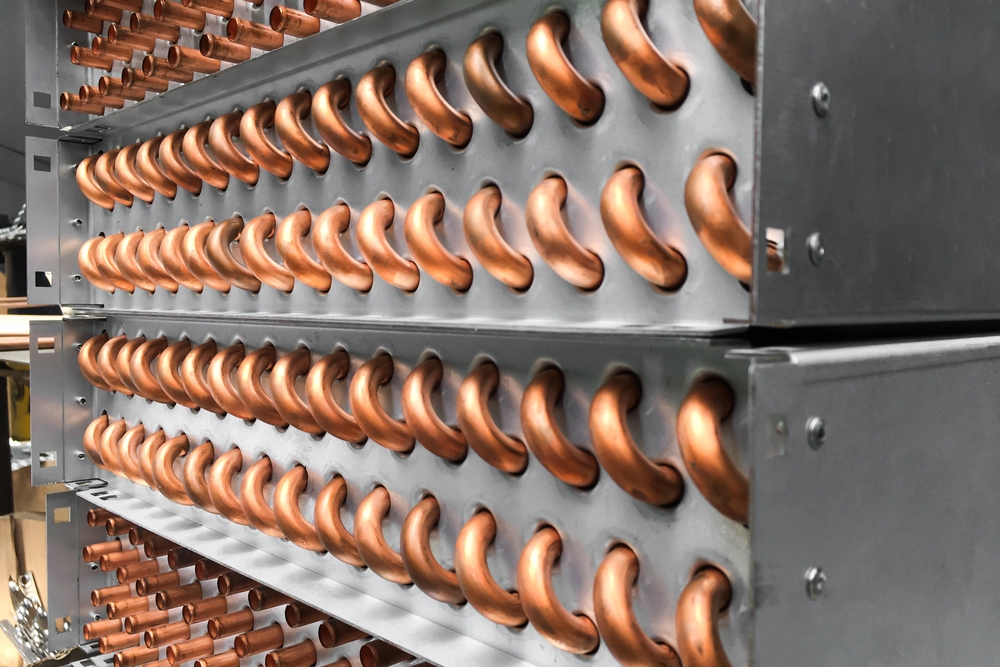
- Larger heat transfer surface: To achieve the same capacity with a lower dT, the evaporator's heat transfer surface needs to be designed larger.
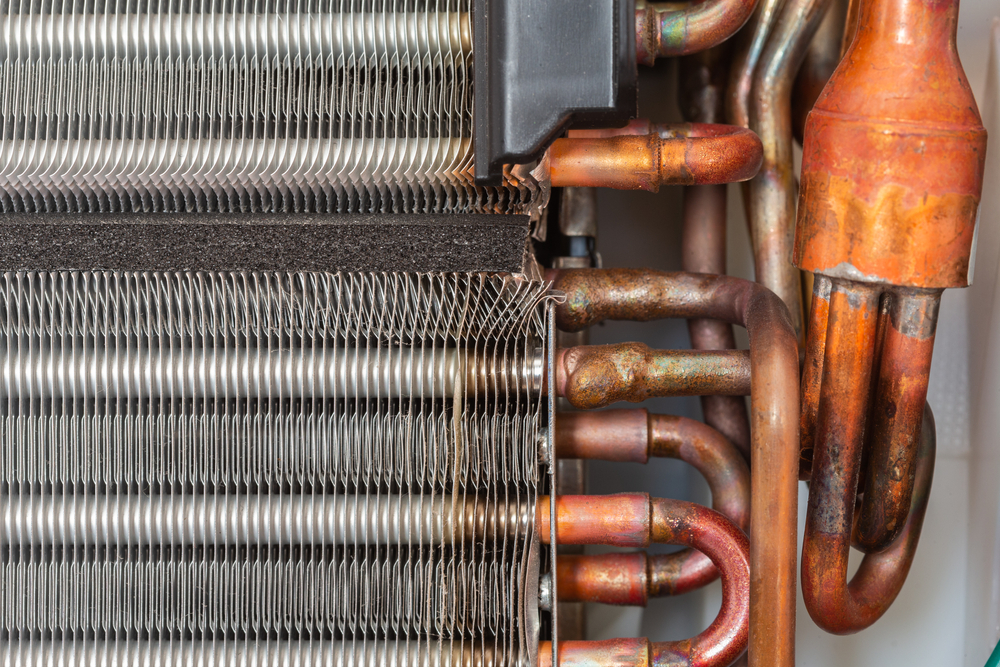
- Fin spacing: Wider fin spacing reduces air resistance, allowing operation at a lower air velocity and limiting moisture loss.
- Humidification-assisted systems: In some applications, humidification systems working alongside the evaporator can provide additional support to keep room humidity within the target range.
An evaporator not designed with humidity management in mind can lead to rapid water loss and a decline in visual and commercial product quality, even if its capacity is otherwise adequate.
What Is The Relationship Between Air Distribution And Chilling Injury Risk?
Non-uniform air distribution in fruit and vegetable warehouses can create excessively cold spots in certain parts of the room. Products located in these cold spots can be exposed to temperatures near the freezing point or below the critical temperature threshold specific to that product, resulting in chilling injury. Chilling injury can cause irreversible effects such as tissue discoloration, loss of flavor, and a marked reduction in shelf life.
To support uniform air distribution, the following elements should be evaluated in evaporator selection:
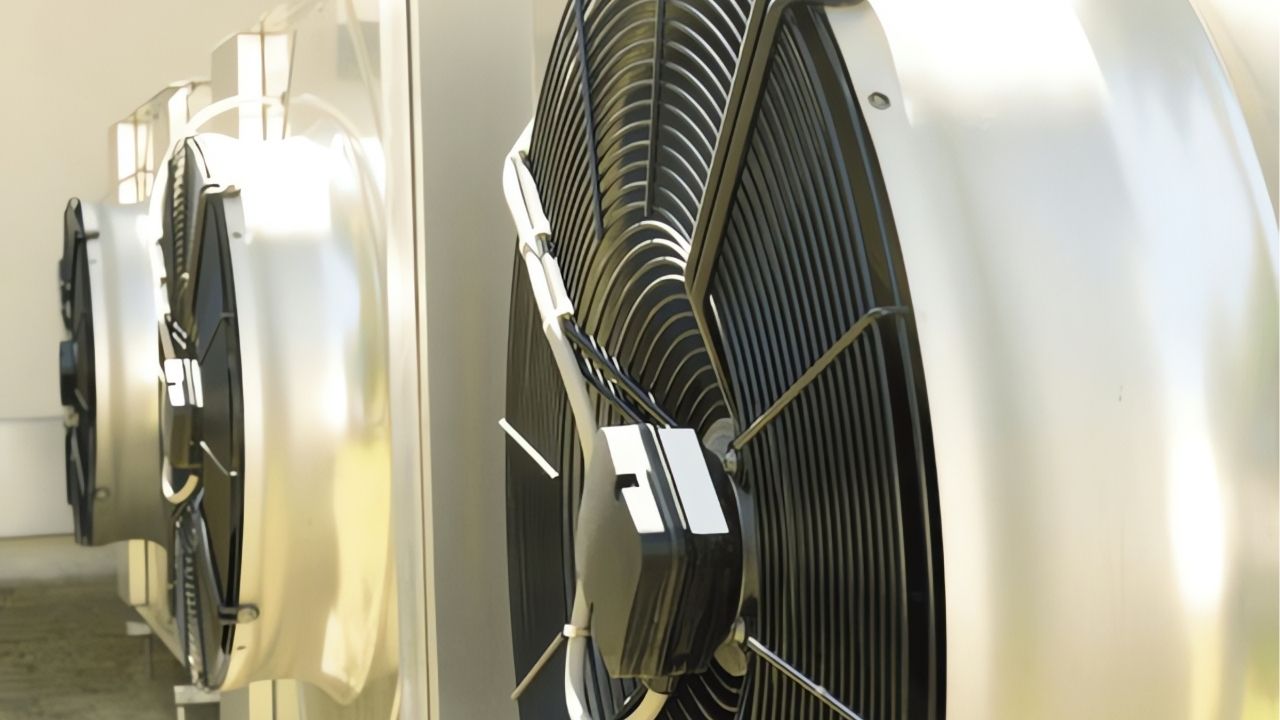
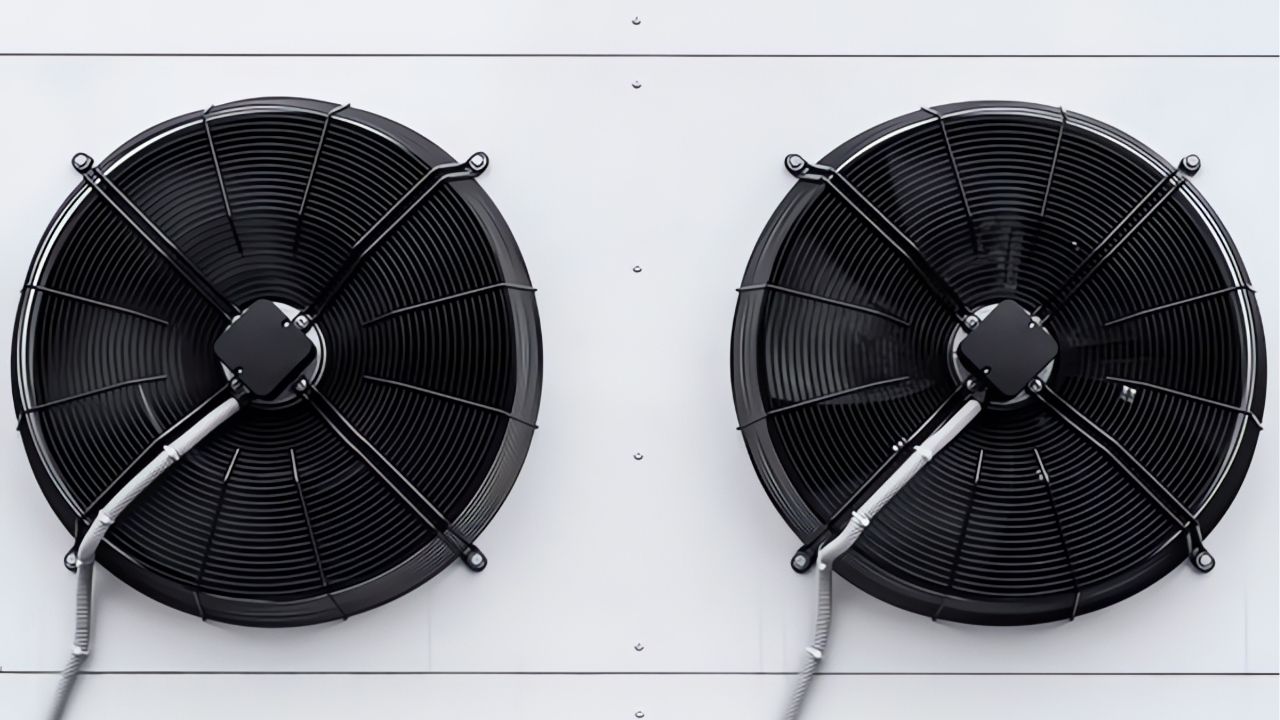
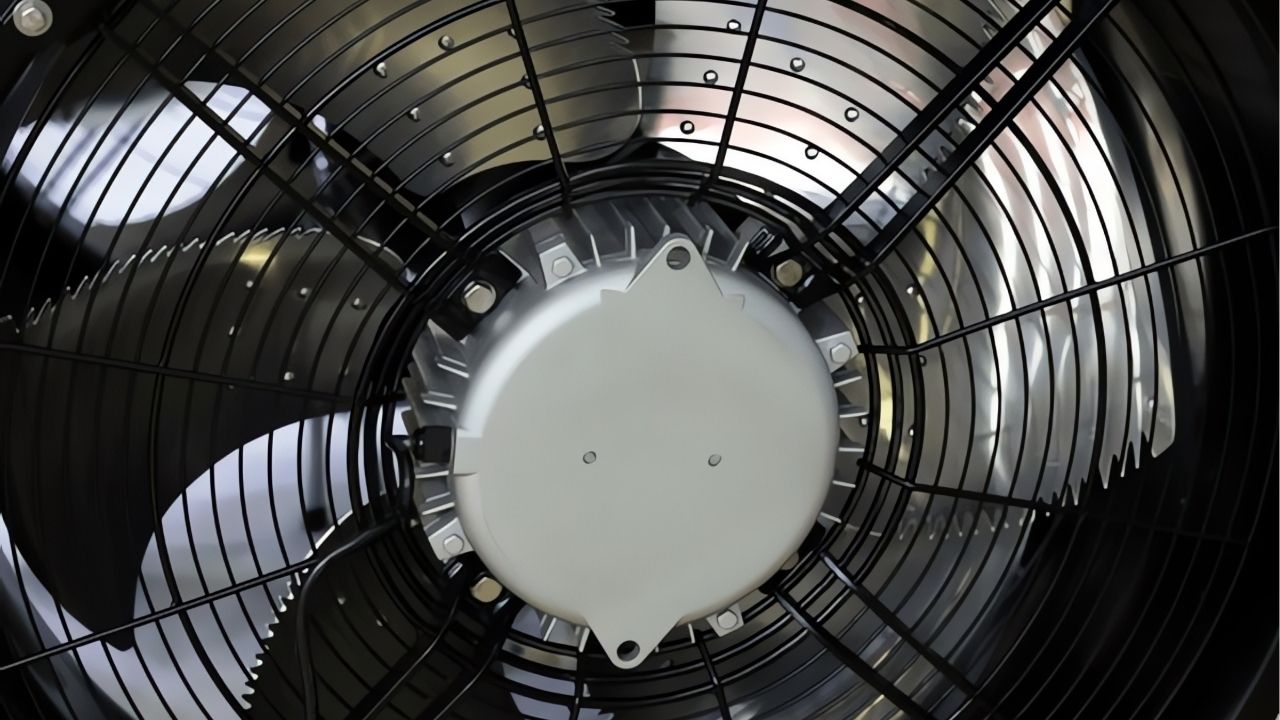
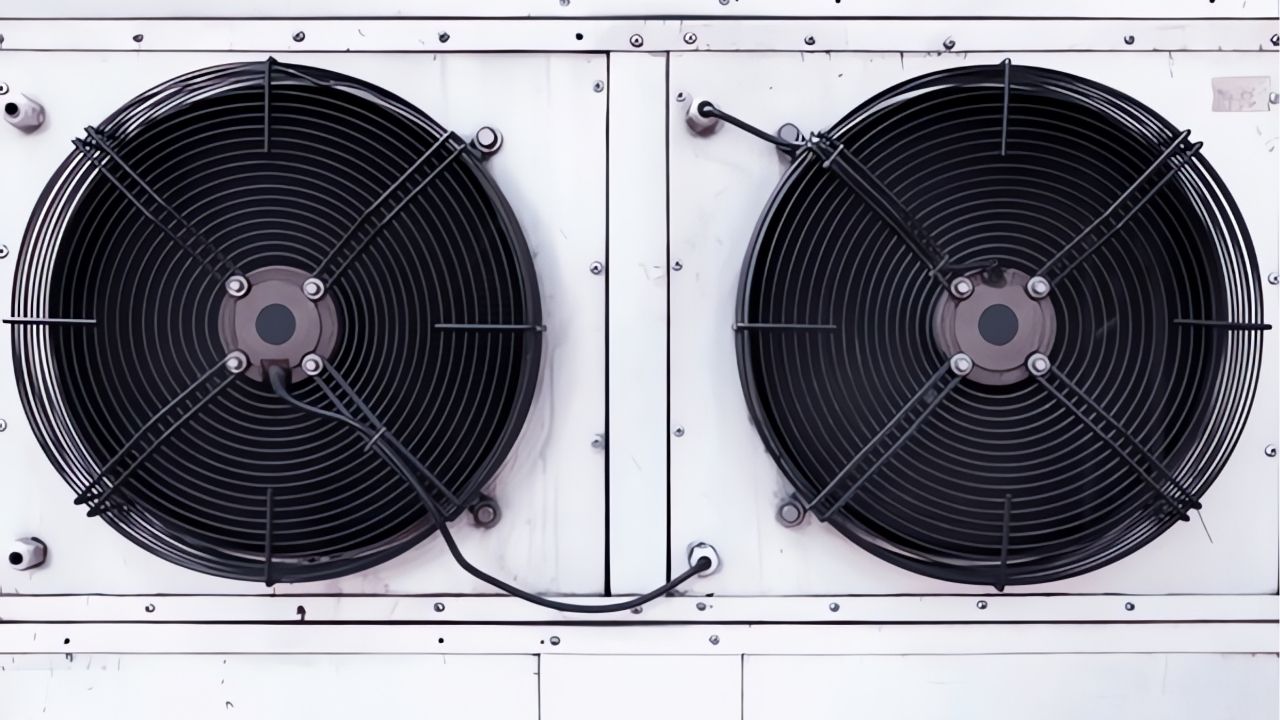
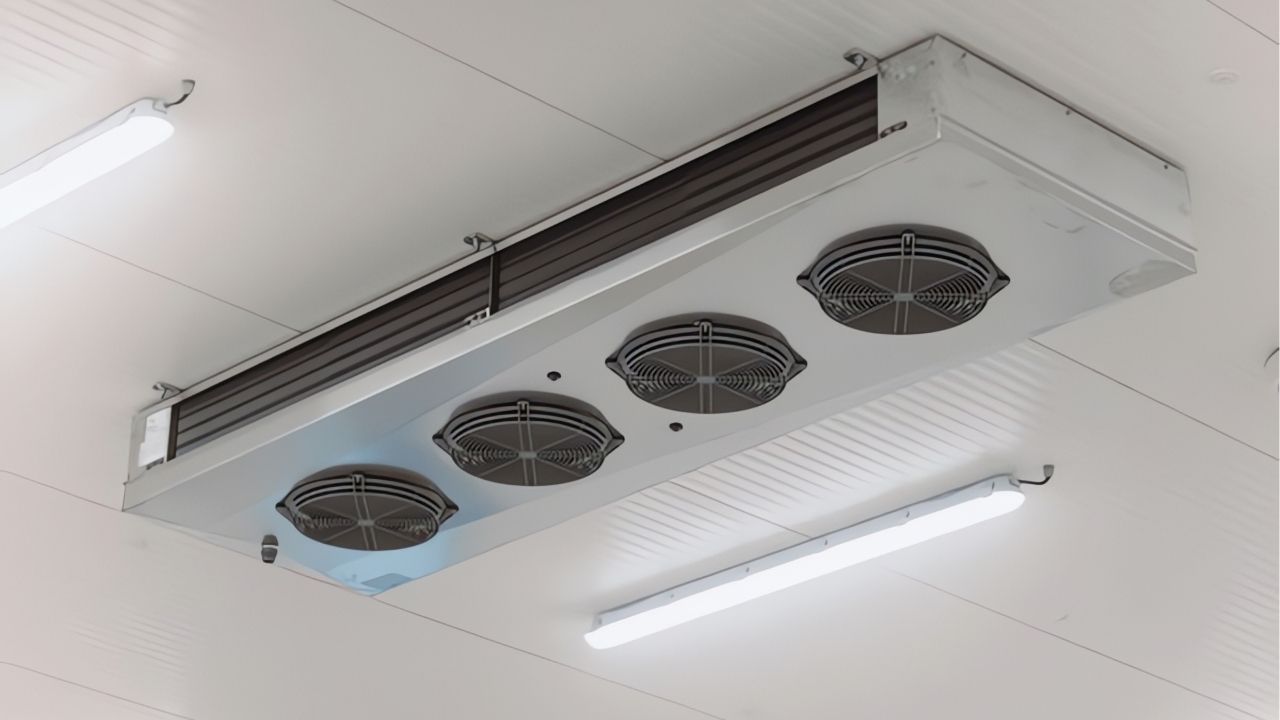
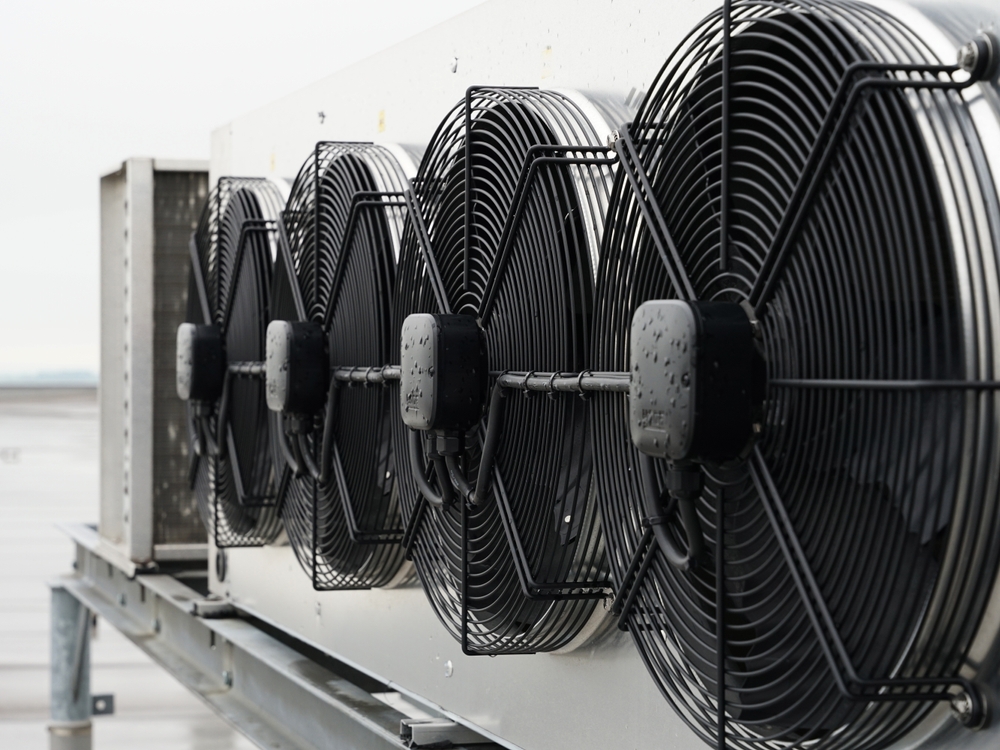
- Fan count and positioning: Using a number and placement of fans suited to the room's geometry helps ensure airflow reaches every point in the room evenly.
- Air throw angle and distance: The throw angle of the fans should be planned to prevent dead zones from forming between product stacks.
- Compatibility with pallet and stacking layout: Evaporator positioning should be evaluated together with the pallet arrangement and aisle widths used in the storage layout.
Overlooking these elements can lead to noticeable quality differences between products stored in the same room — posing a commercial risk, particularly for businesses that need to deliver consistently high-quality, ready-for-sale products.
How Do Temperature And Humidity Requirements Vary By Product Type?
Fruit and vegetable types vary significantly in their temperature and humidity requirements. These differences determine whether different product groups can be stored together in a single warehouse and which parameters the evaporator design should be optimized around:
- Chill-sensitive products: Certain tropical and subtropical fruits can suffer chilling injury below a specific temperature and therefore require milder storage temperatures.
- Leafy vegetables requiring high humidity: Vegetables with a large leaf surface area are more sensitive to water loss and typically require higher relative humidity.
- Ethylene-producing and ethylene-sensitive products: Some fruits produce significant amounts of ethylene, while some vegetables are sensitive to it; sharing the same air circulation system between these product groups can create undesirable effects.
If a warehouse stores a single product group, evaporator parameters can be optimized specifically for that product; if different product groups are planned to be stored in the same space, determining a common range for their temperature and humidity requirements, or separating rooms by product group, should be considered.
Which Criteria Should Take Priority When Selecting The Right Evaporator?
The criteria that should take priority in the evaporator selection process for a fruit and vegetable cold storage warehouse can be summarized as follows:
- Clearly define the product group to be stored: The target temperature and humidity range should be determined based on the product type being stored.
- Evaluate low dT design: Models sized to operate with a lower temperature difference should be preferred for projects aiming to limit moisture loss.
- Match the air distribution plan to room geometry: Fan count, positioning, and throw distance should be planned according to the room's dimensions and pallet layout.
- Assess the defrost method's impact on the product: The effect of temperature fluctuations occurring during defrost on sensitive products should be taken into account.
For situations where these criteria need to be evaluated on a project-specific basis, consulting directly with a manufacturer capable of both series and custom production helps arrive at an engineering solution tailored to the specific product.
Frequently Asked Questions
Can A Standard Evaporator Be Used In Fruit And Vegetable Warehouses?
While technically possible, a standard model typically operates at a higher dT value and may fall short of maintaining room humidity at the target level; low-dT designed models should be preferred for products sensitive to moisture loss.
Can All Fruits And Vegetables Be Stored Under The Same Temperature And Humidity Conditions?
No. Temperature and humidity requirements can vary significantly by product type; if different product groups are planned to be stored together, determining a common range or using separate rooms should be considered.
Can High Air Velocity Damage Products?
Excessively high air velocity can accelerate water evaporation from the product surface, leading to wilting and weight loss; a gentler, more uniform airflow is therefore preferred in fruit and vegetable warehouses.
What Is Chilling Injury And How Can It Be Prevented?
Chilling injury is an irreversible quality loss in certain products' tissue that occurs when they are exposed to temperatures below a specific threshold. Selecting and positioning the right evaporator to ensure uniform air distribution reduces this risk by preventing excessively cold spots from forming.
What Information Should Be Determined In Advance For Evaporator Selection?
Clarifying information in advance — such as the product type to be stored, the target temperature and humidity range, room dimensions, and pallet/stacking layout — makes it easier to select the right evaporator.