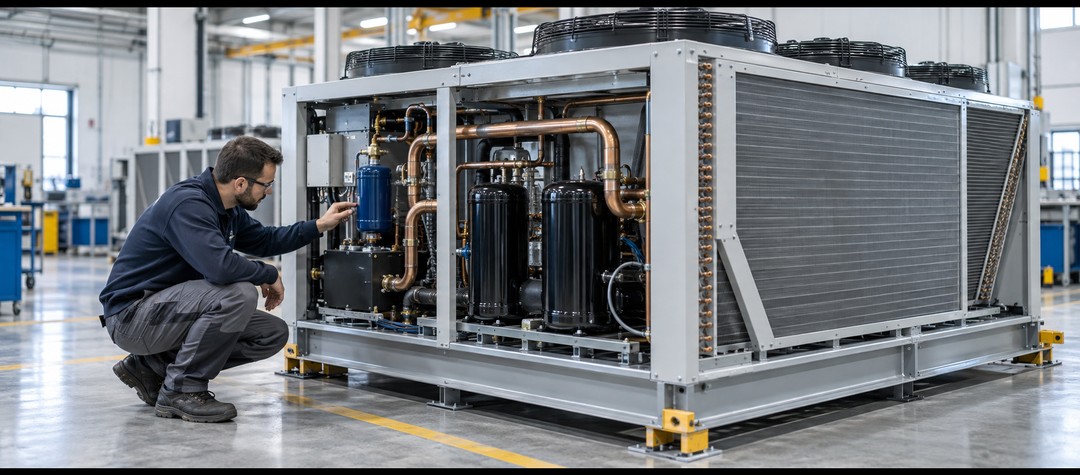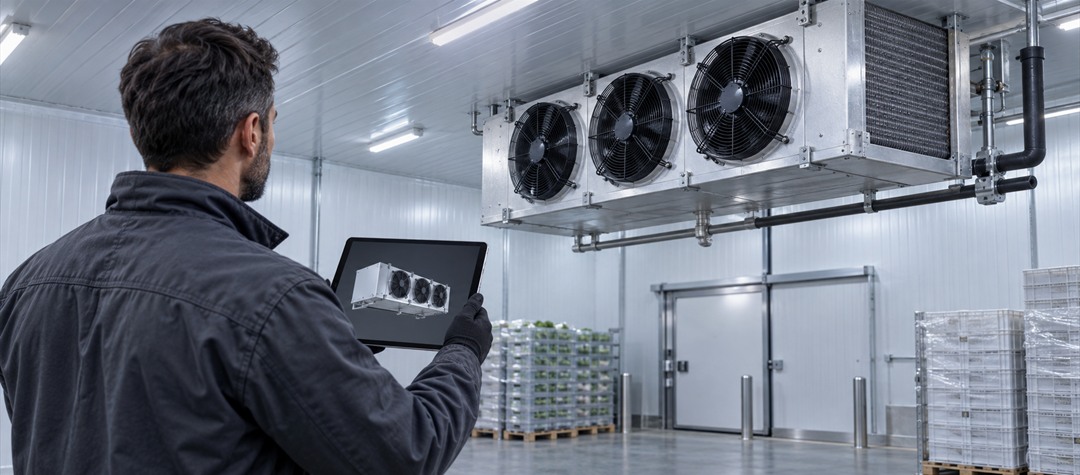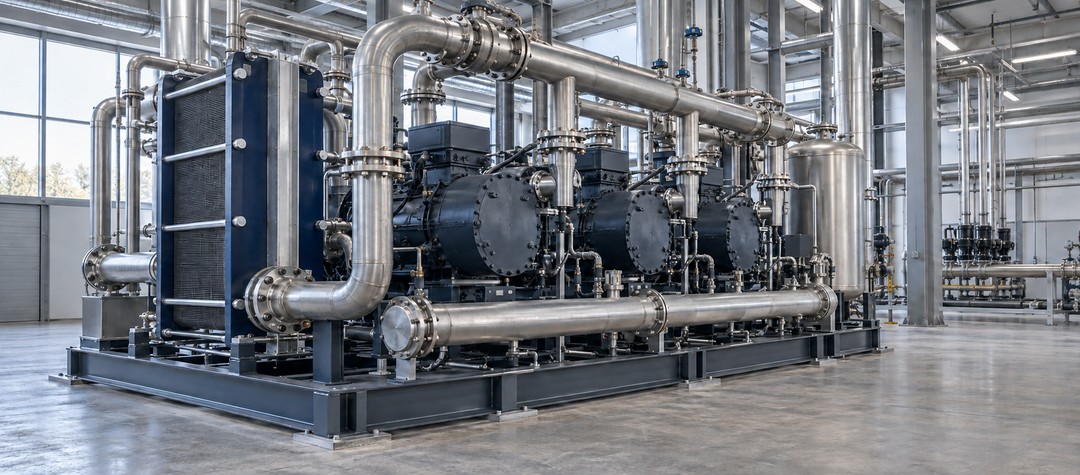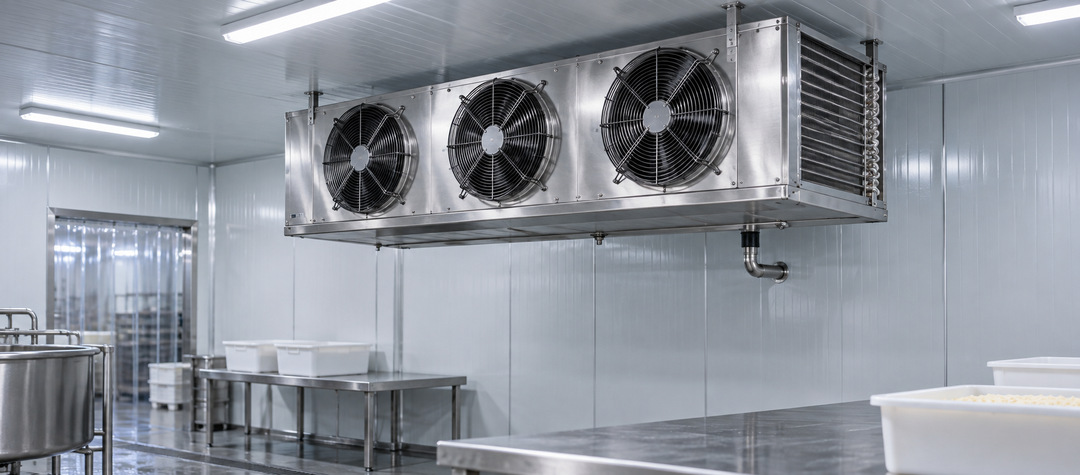


What Conditions Are Evaporator Catalogue Capacities Based On?
01 / 10 / 2026

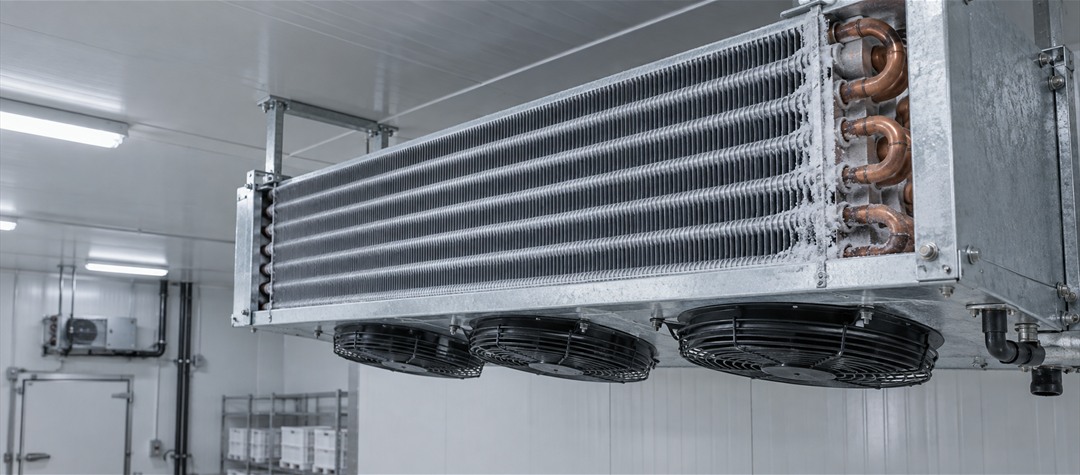
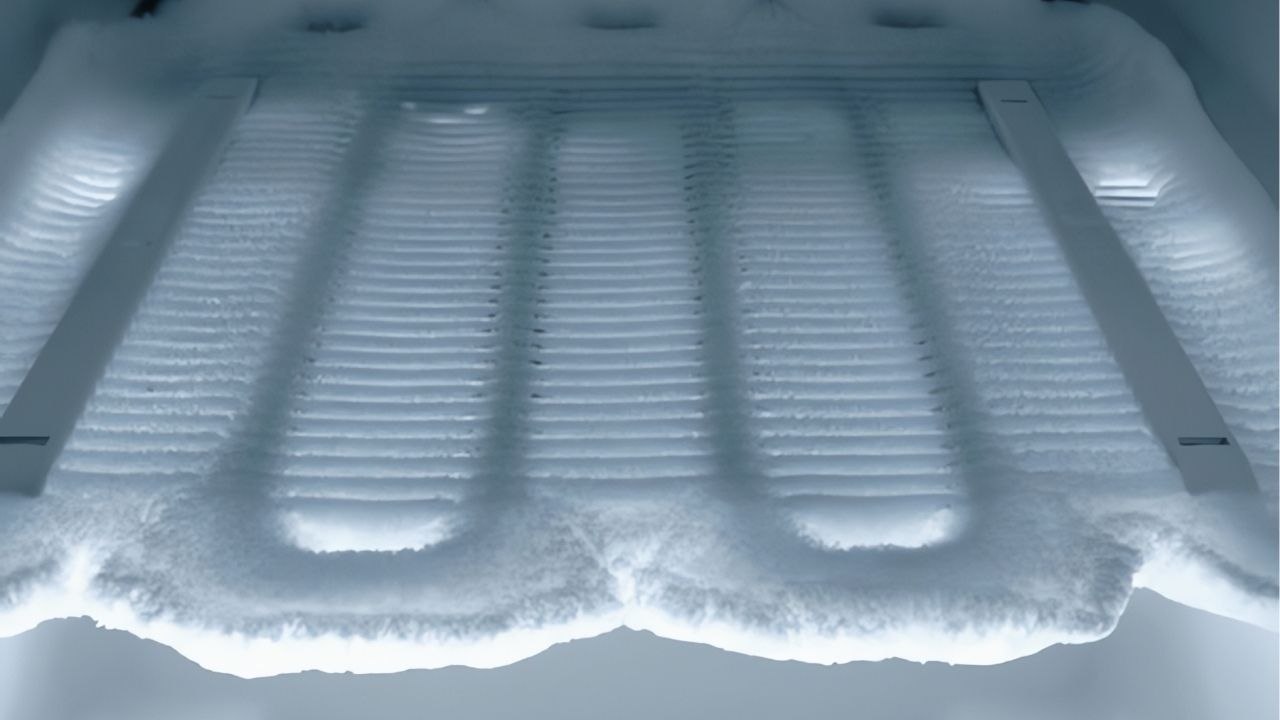
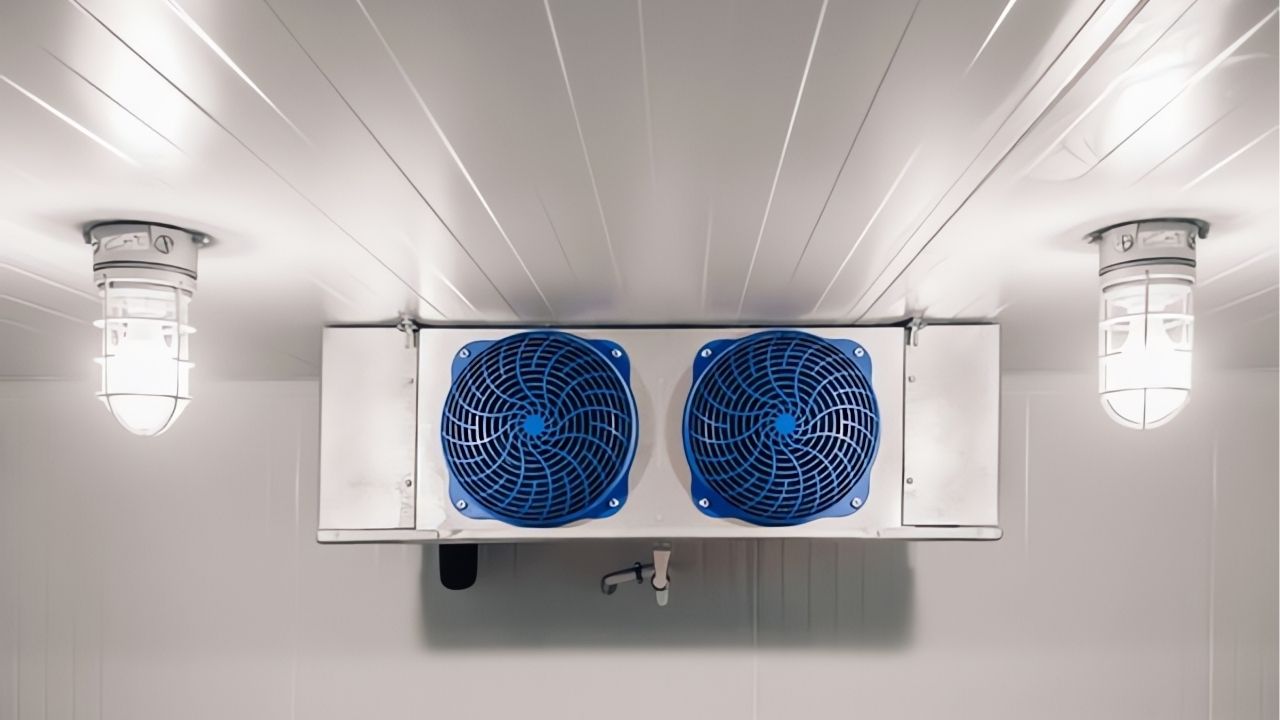
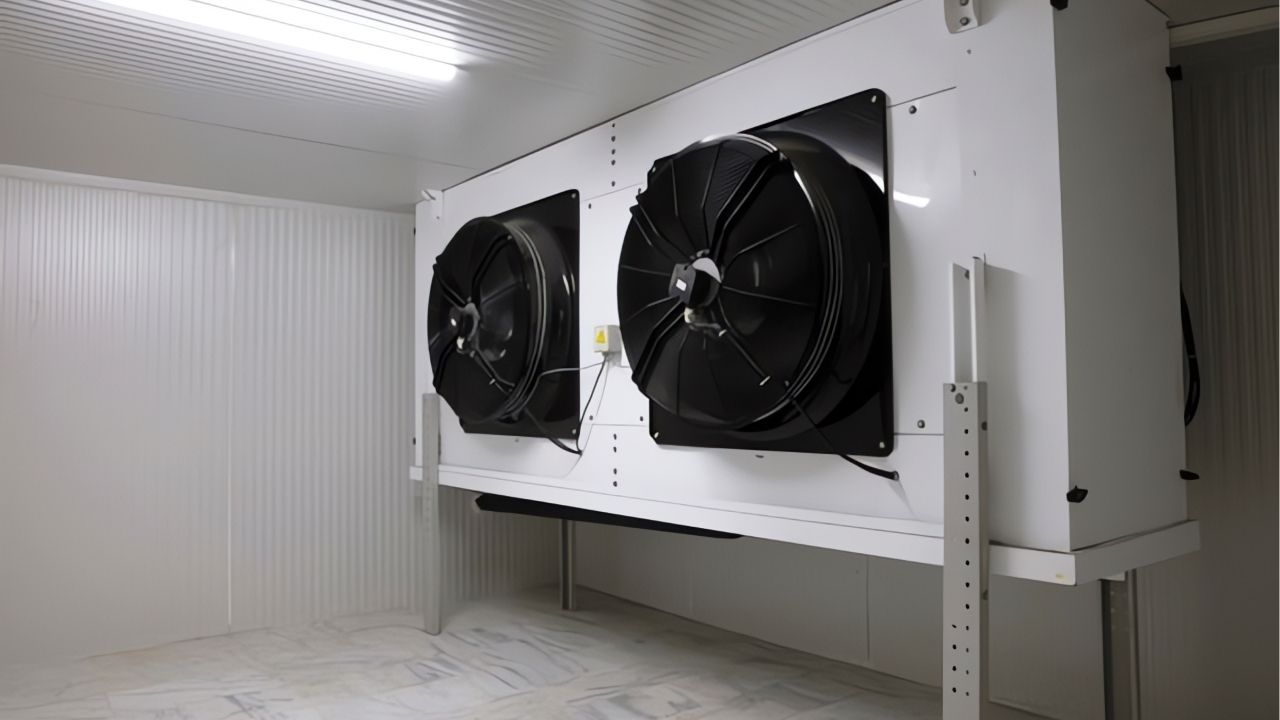
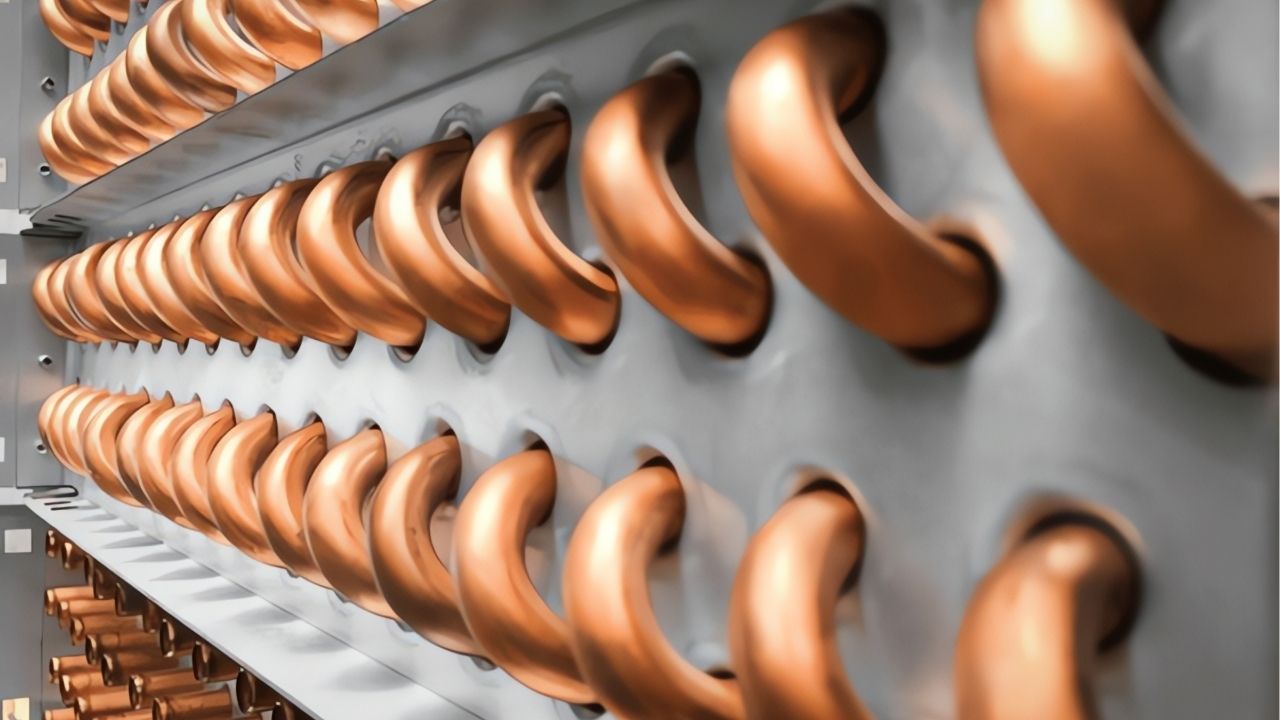
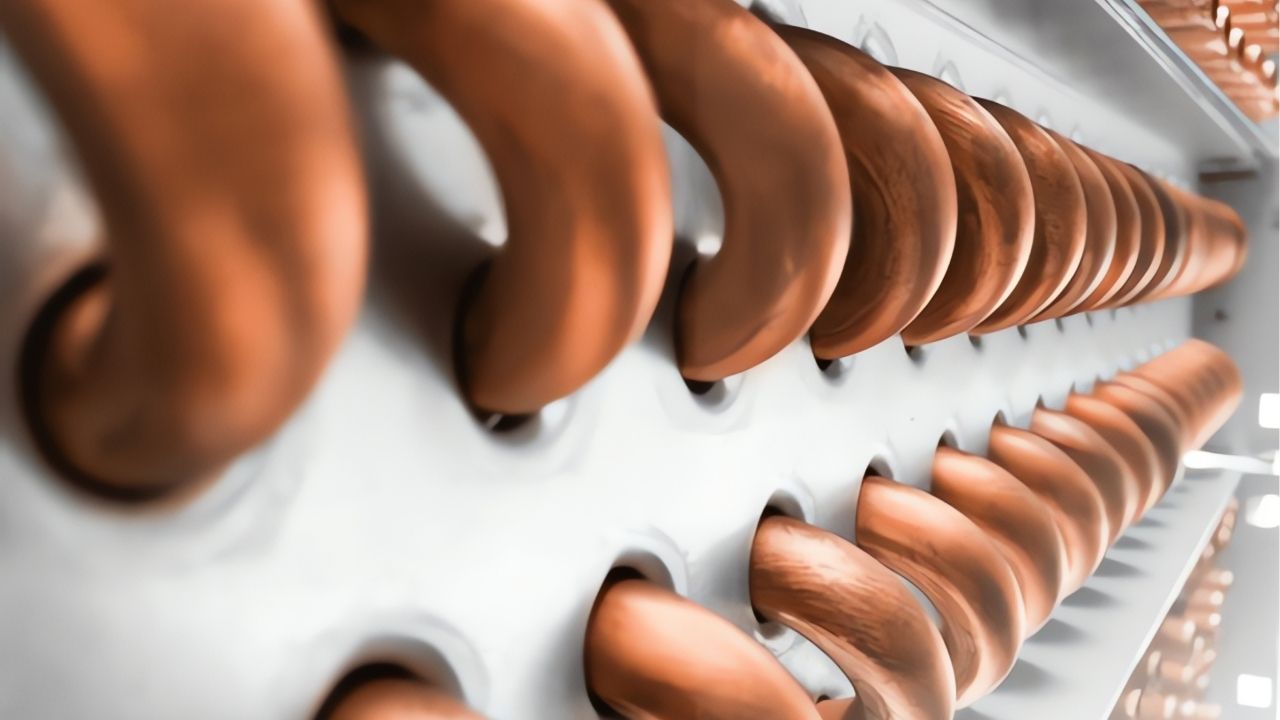
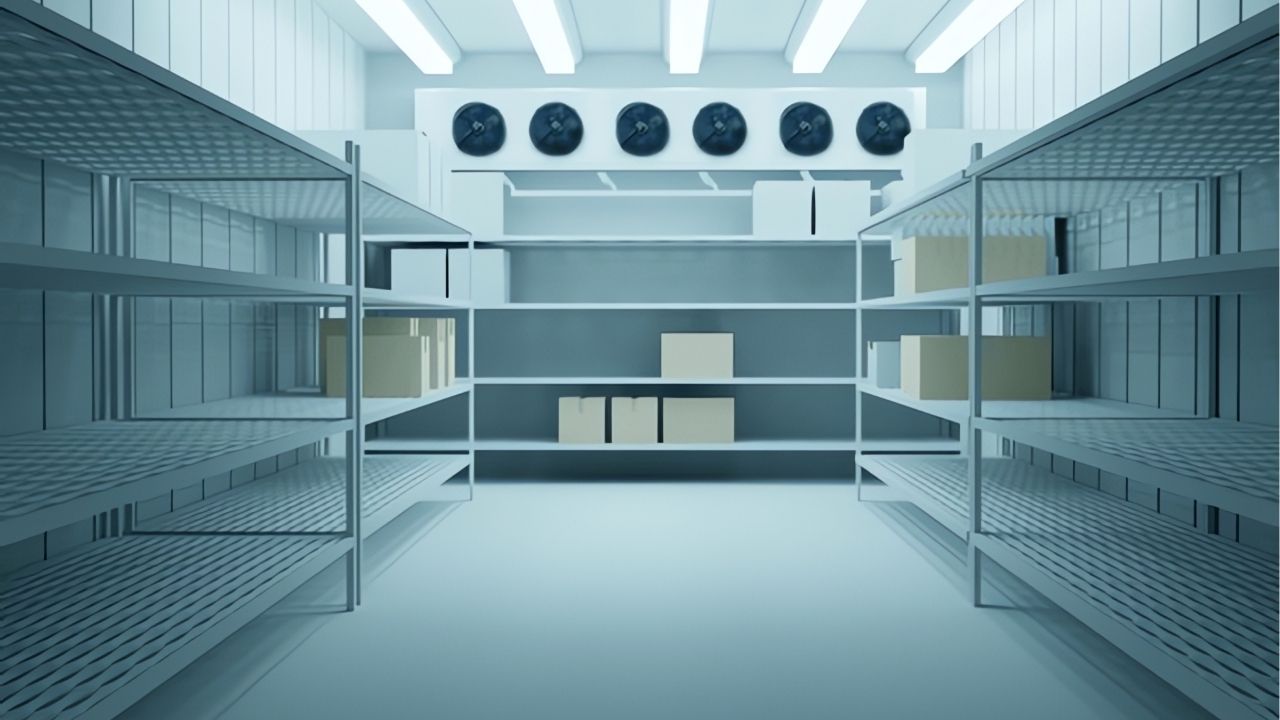
In cold storage facilities, ice that builds up on the evaporator surface reduces heat transfer, which leads to operating risks ranging from lower cooling efficiency to effects on product quality. Heating elements (heaters) prevent this build-up by melting the ice on the evaporator fins at set intervals (defrost). In this way, cooling performance is maintained in industrial freezers and cold rooms.
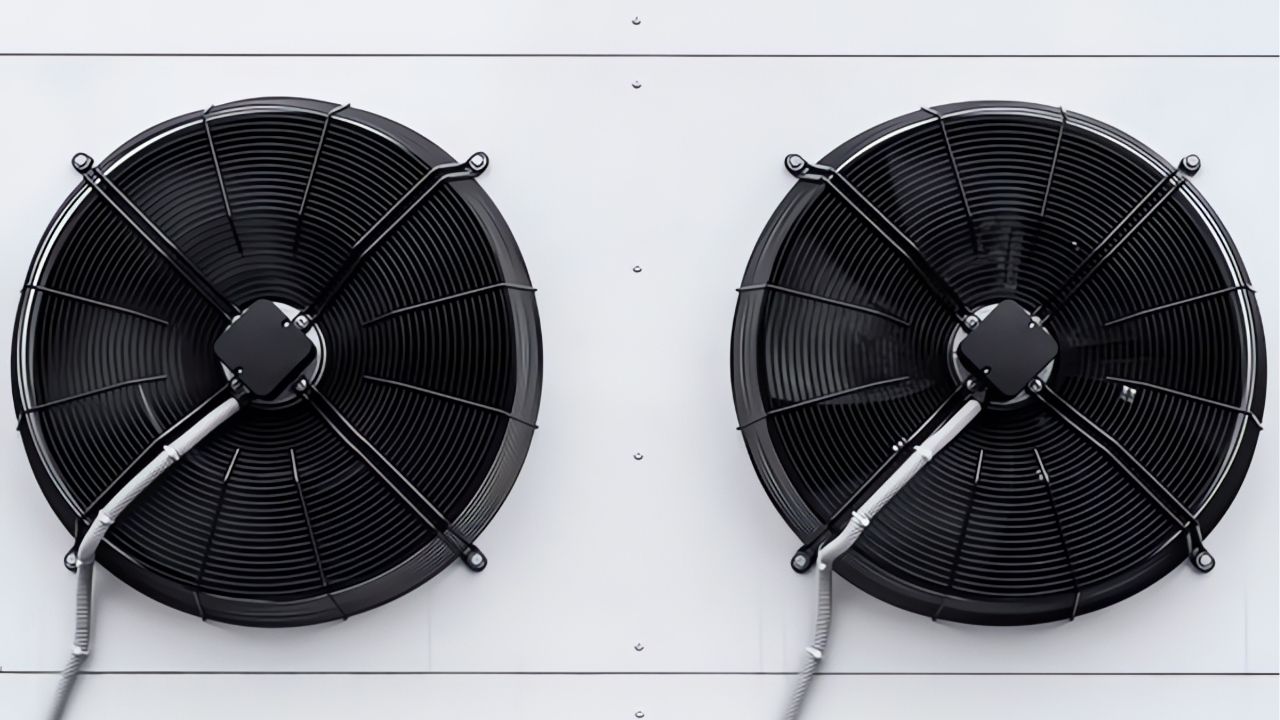
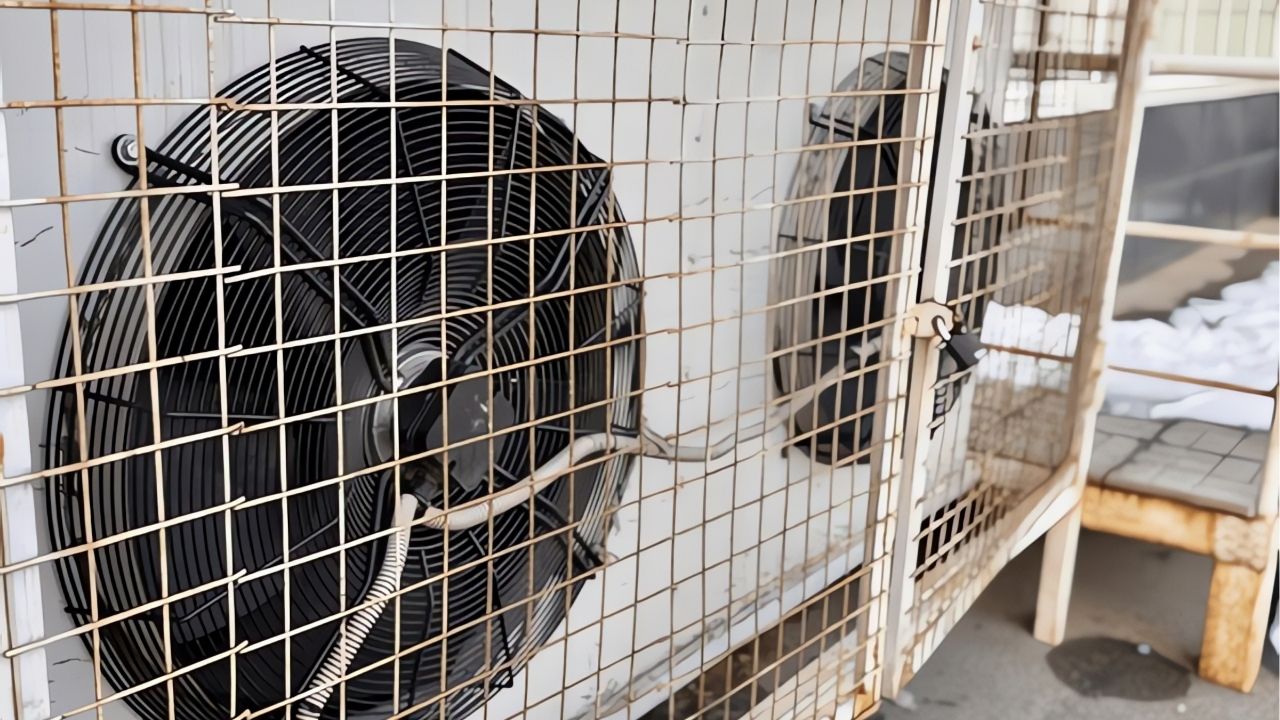
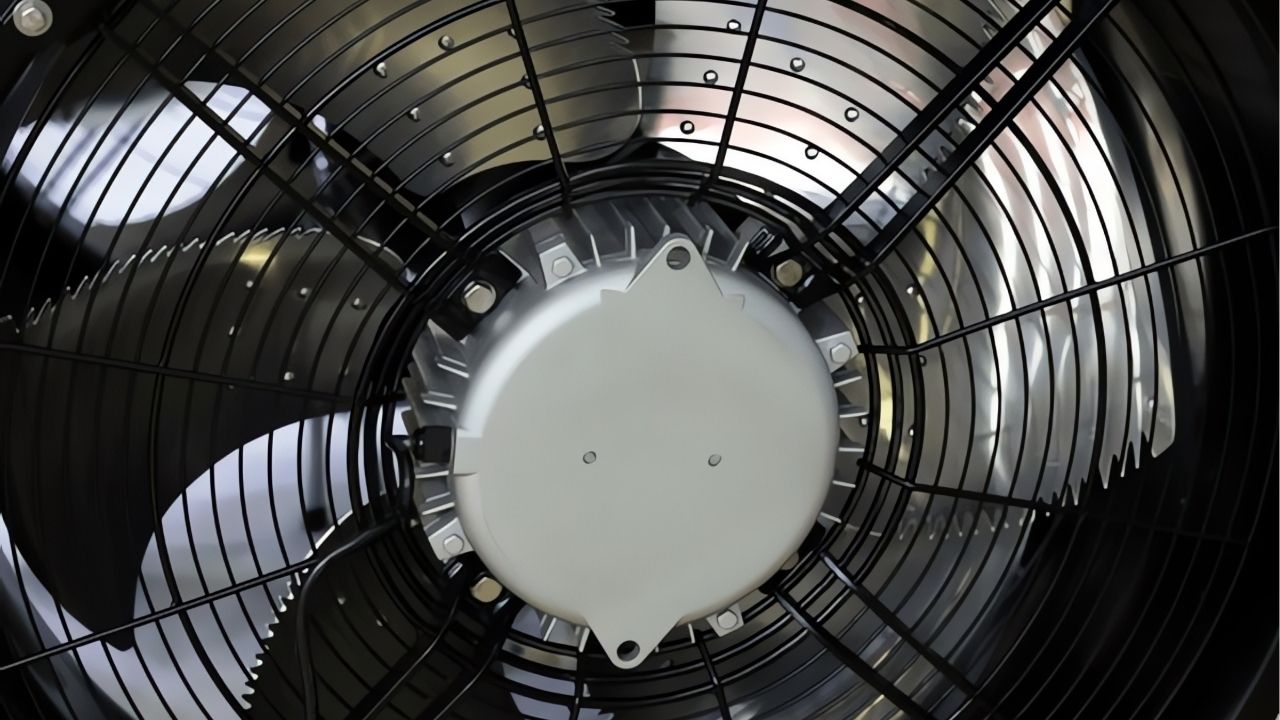
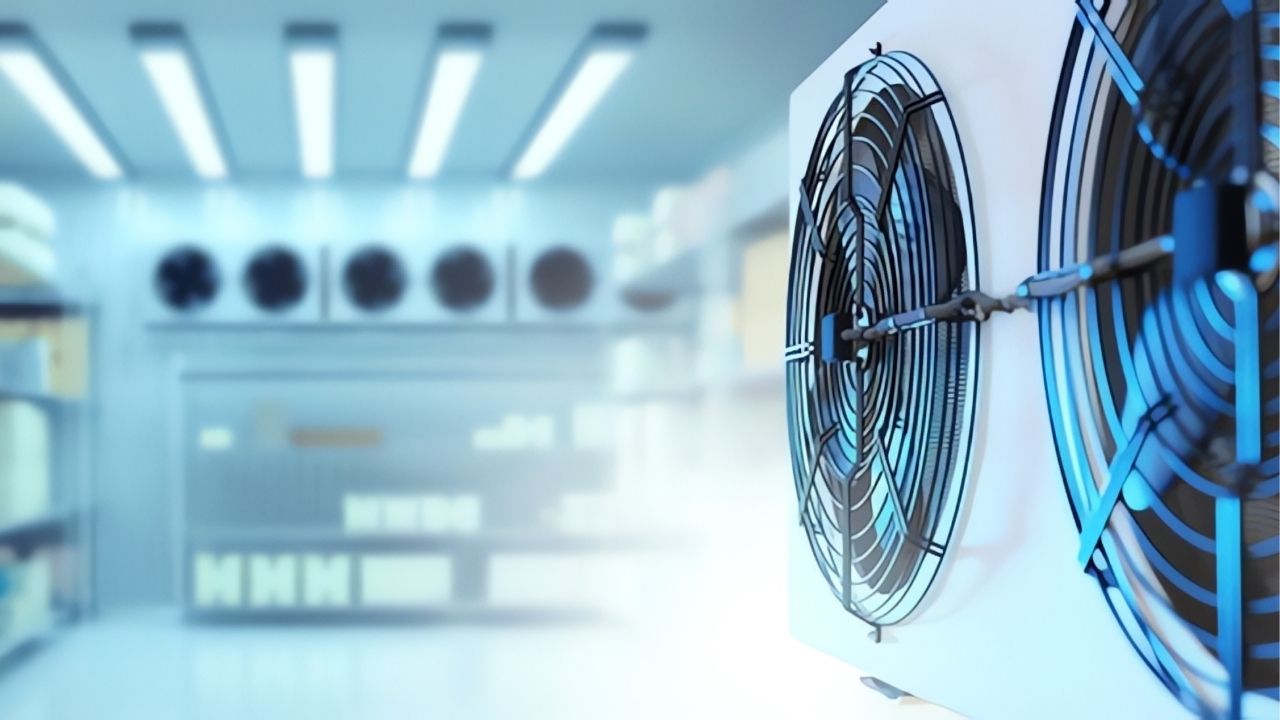
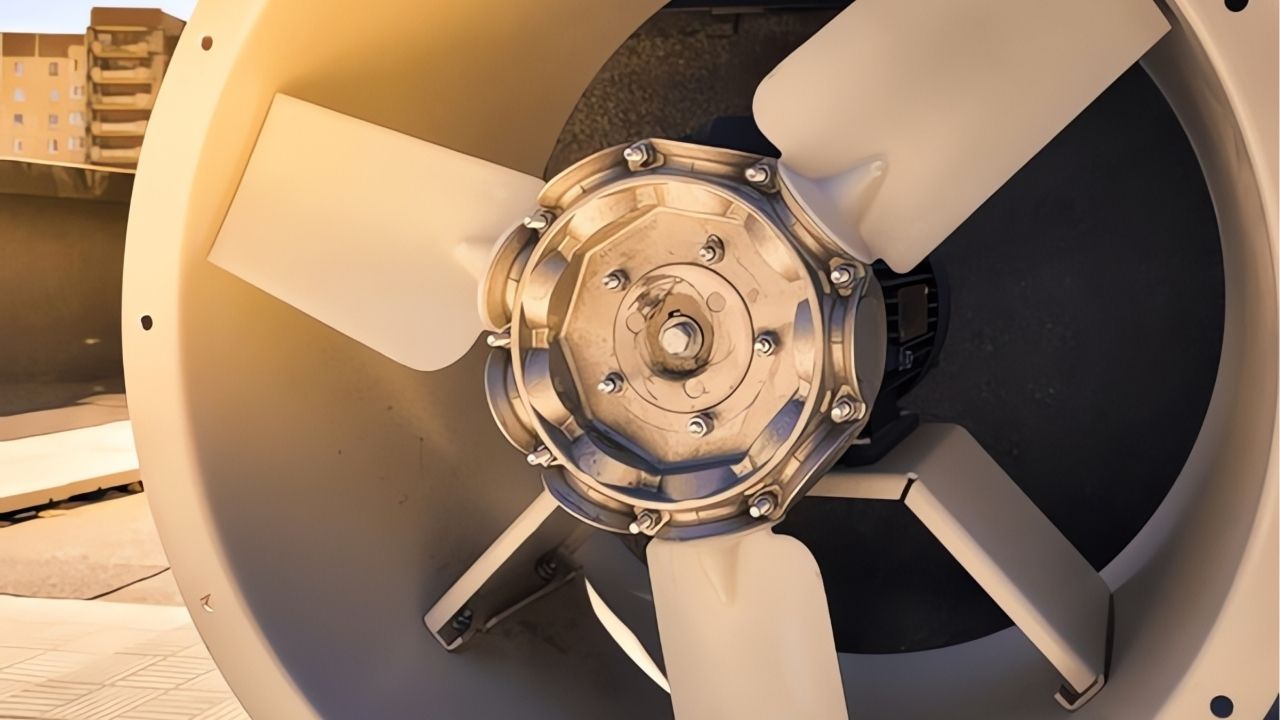
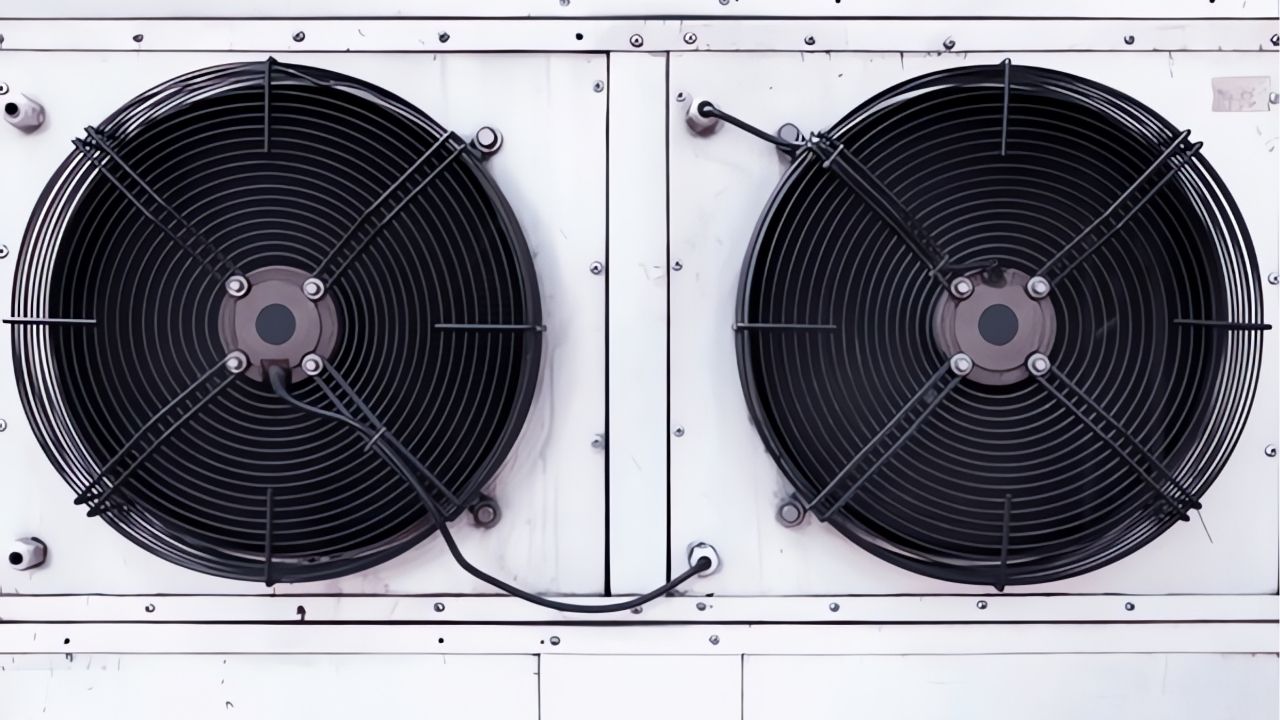
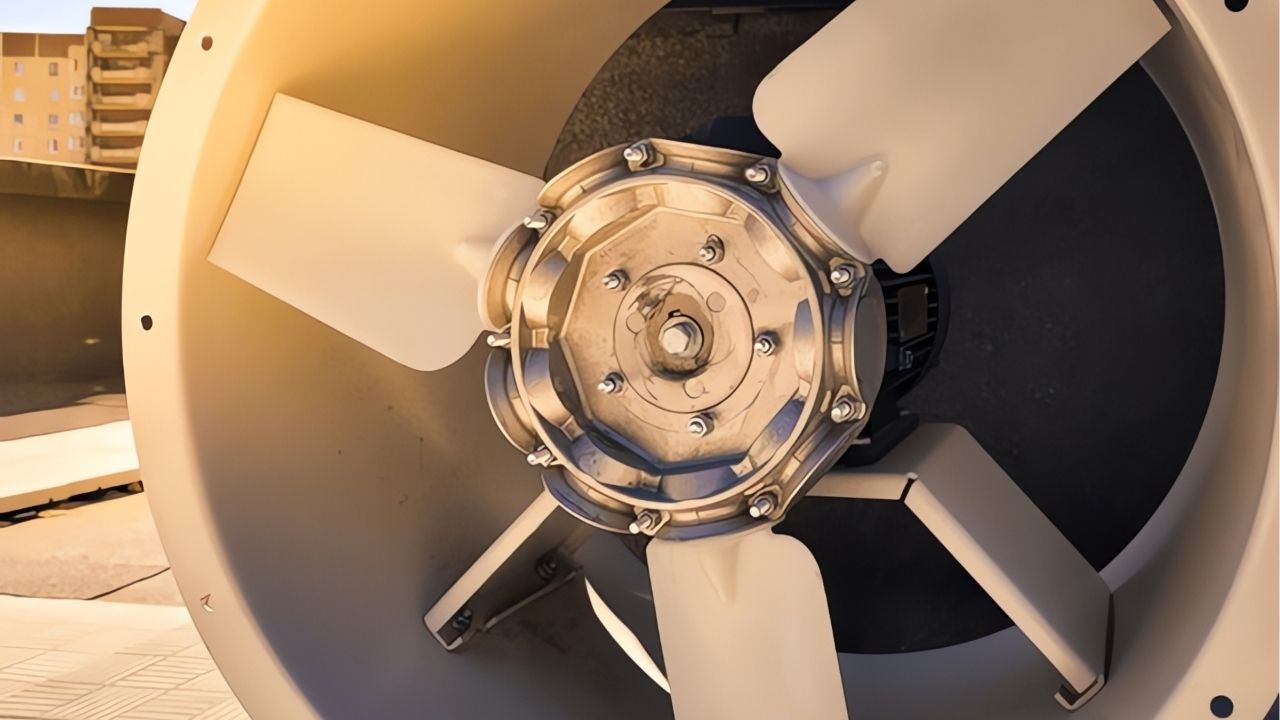
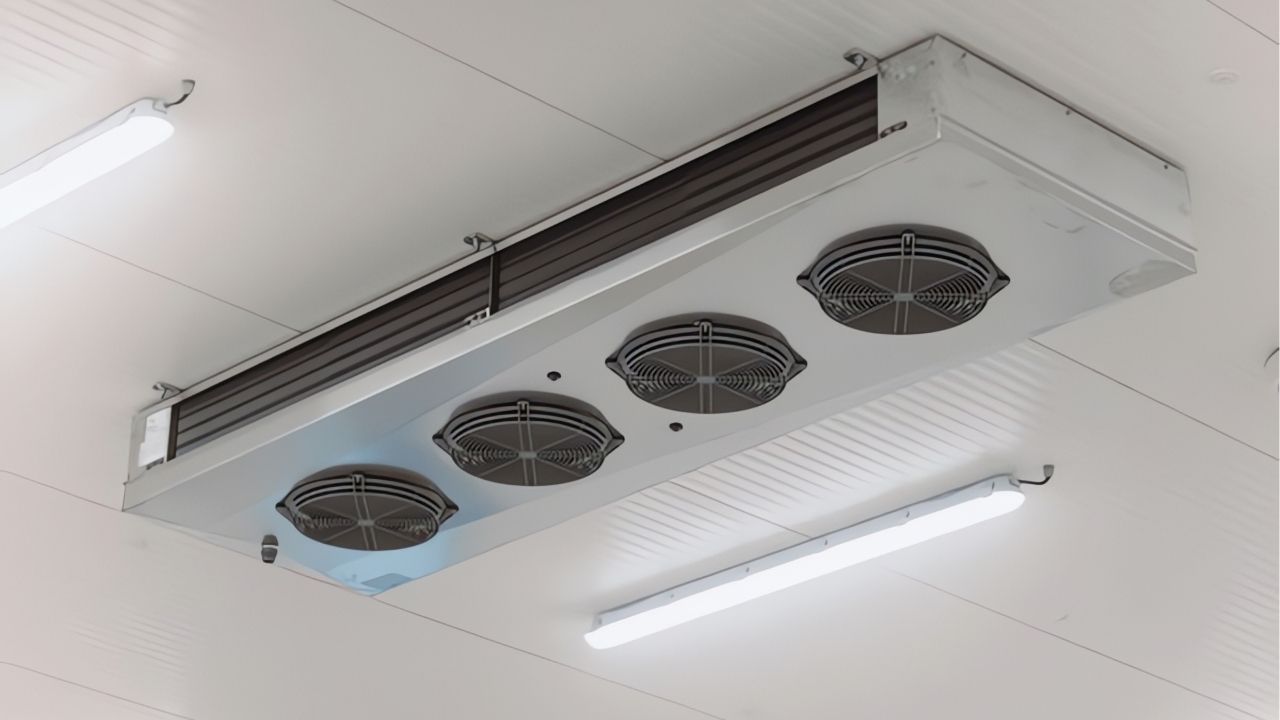
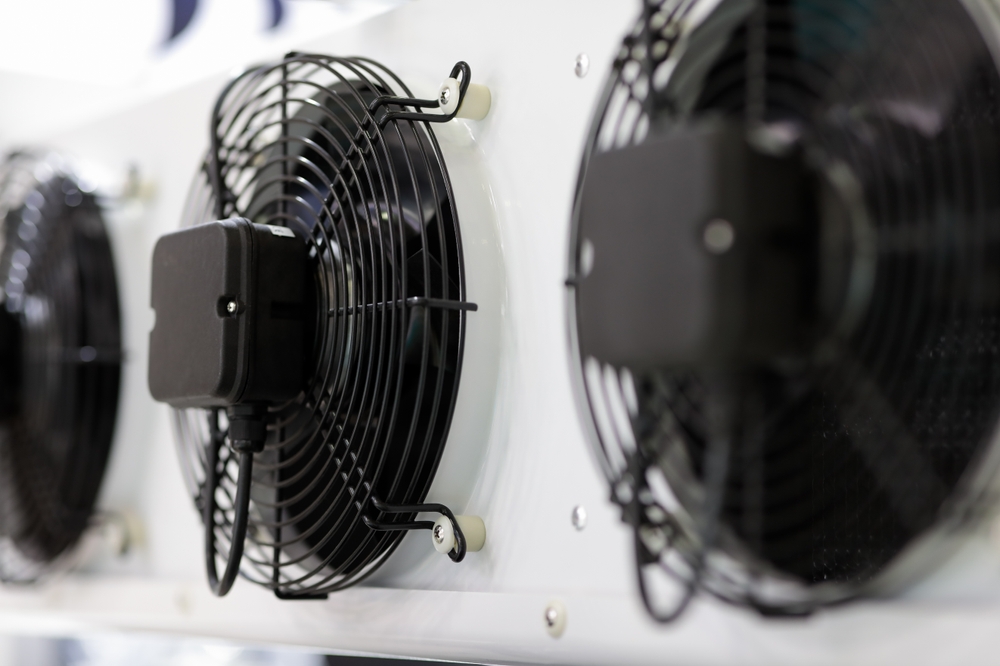
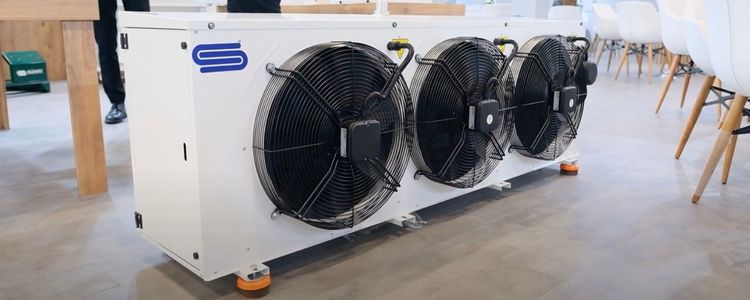
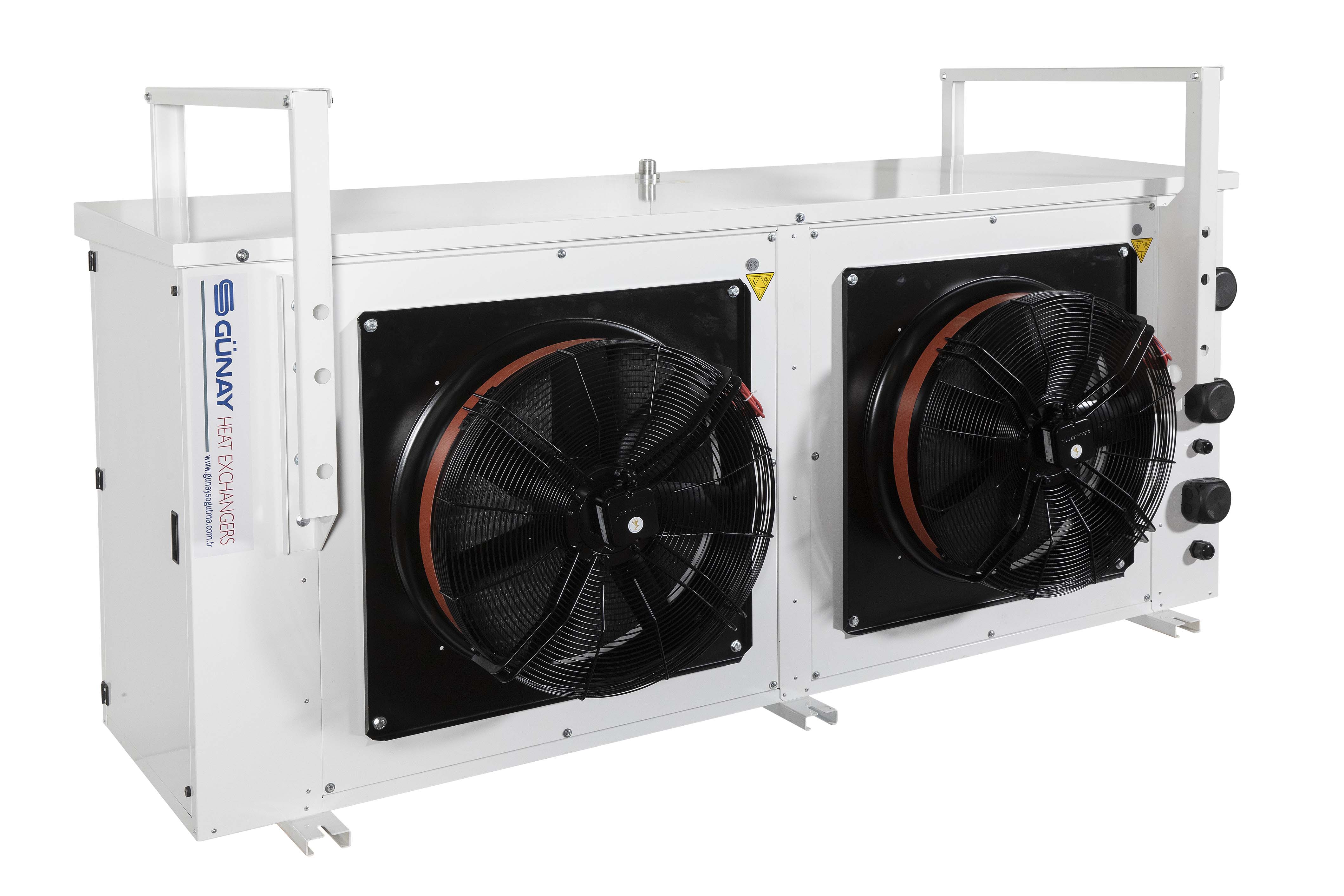
Modern defrost systems try to limit energy waste with controls that start the defrost cycle by time or by measurements such as temperature and pressure. Günay Soğutma treats its evaporators and heater-based defrost solutions so that they are compatible with each other; axial fans restore airflow across the heat exchange surface after defrost. Correctly working defrost reduces the compressor's workload and limits temperature swings in the stored product.
Controlling ice build-up directly affects the reliability of the industrial cooling infrastructure. In food processing facilities, precise temperature control prevents product spoilage; automatic defrost reduces the need for manual intervention, helping lower downtime and maintenance costs.
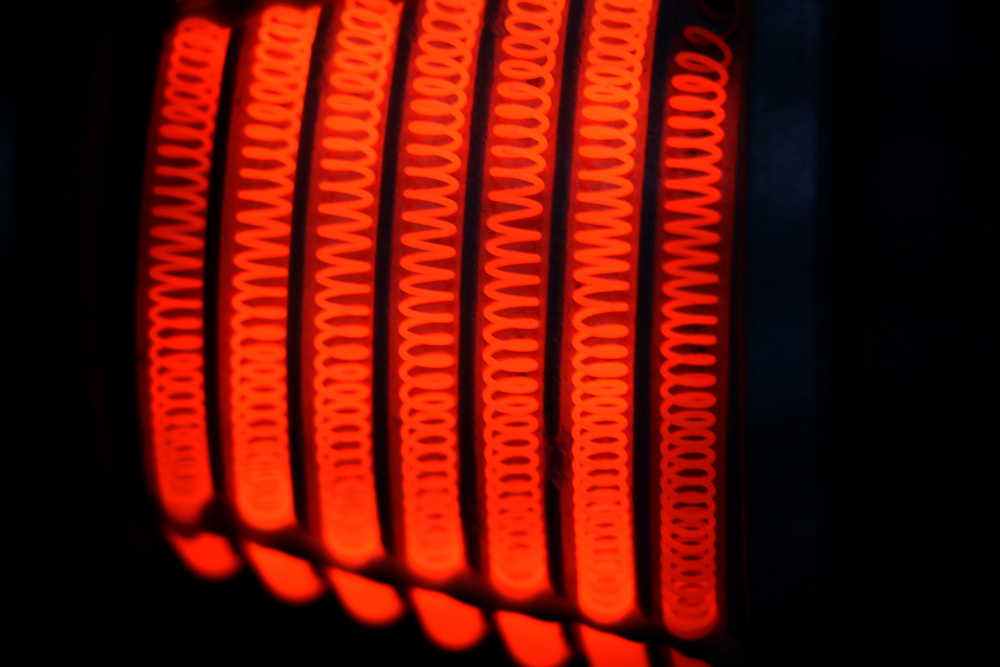
Heater-based heating is one of the commonly used methods in defrost applications because it responds quickly and produces localized heat. These elements should be selected to be compatible with custom evaporator designs in order to preserve heat transfer efficiency. The aim is to strike a balance between defrost effectiveness and energy consumption, which contributes to sustainable cooling solutions.
Durable elements and correct defrost control contribute to uninterrupted operation, but the result depends on system design and operating conditions. In facilities where long-lasting system durability is a priority, selecting the element, evaporator, and control together is recommended. In this way, ice management stops being a continuity risk.
Selecting the most suitable heating elements for defrost requires balancing thermal efficiency and operational reliability. In a cold storage environment, heaters should have the power and position to melt ice effectively while limiting energy consumption. This choice affects the life of the cooling infrastructure and facility performance.
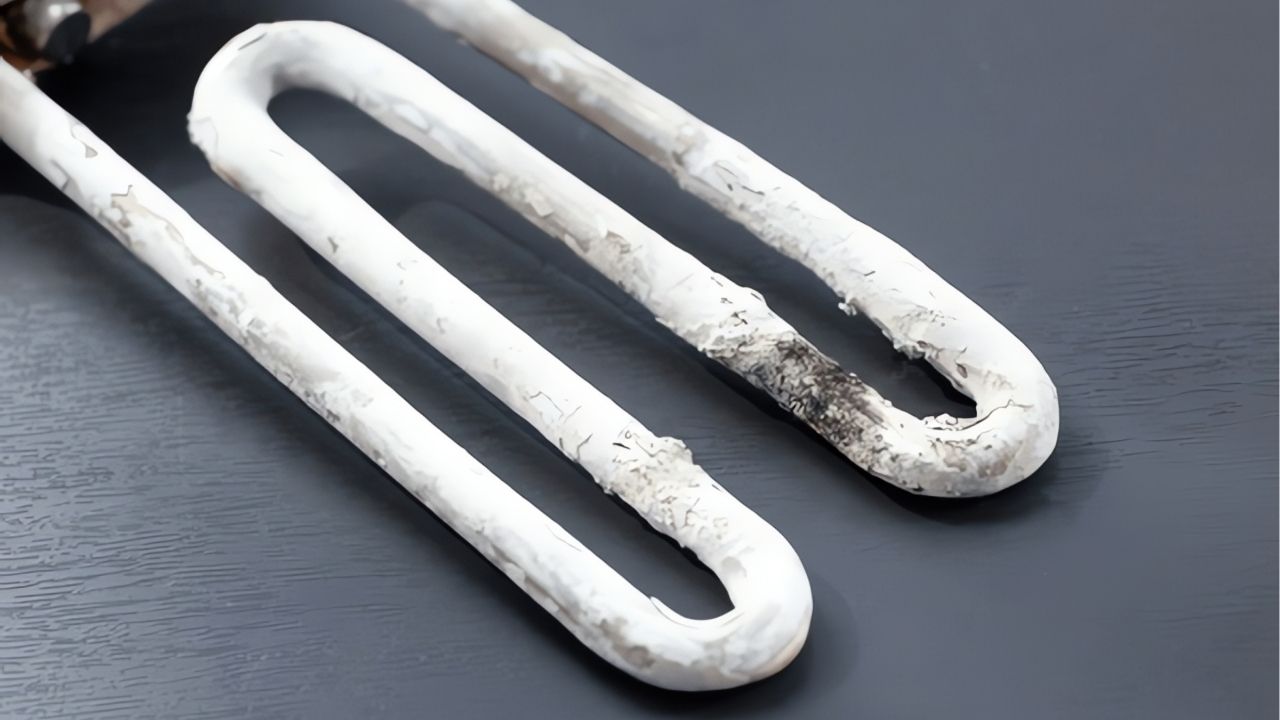
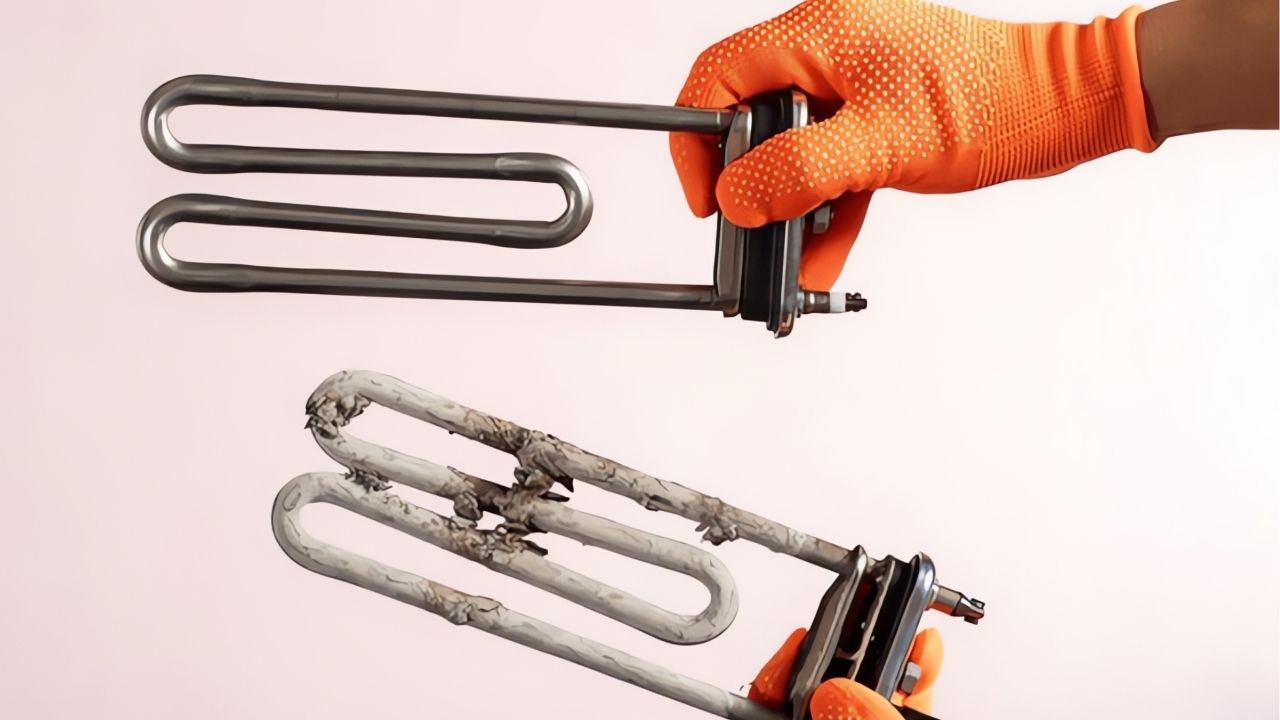
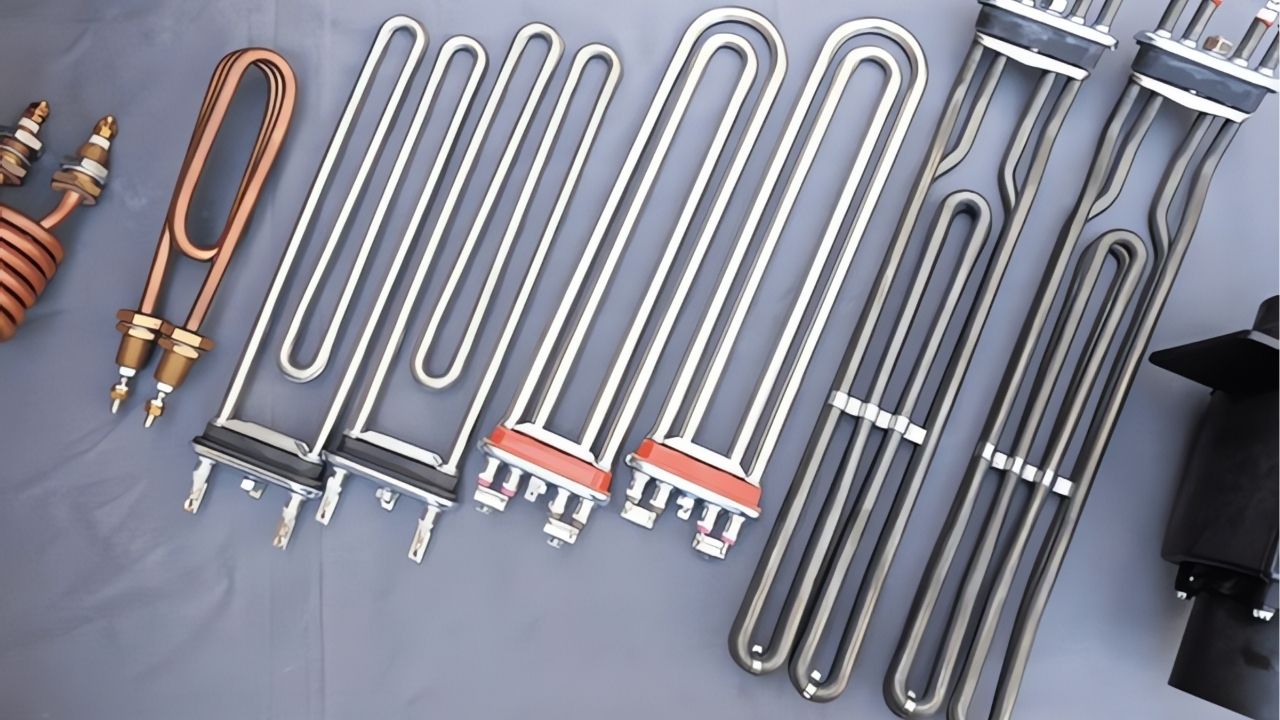
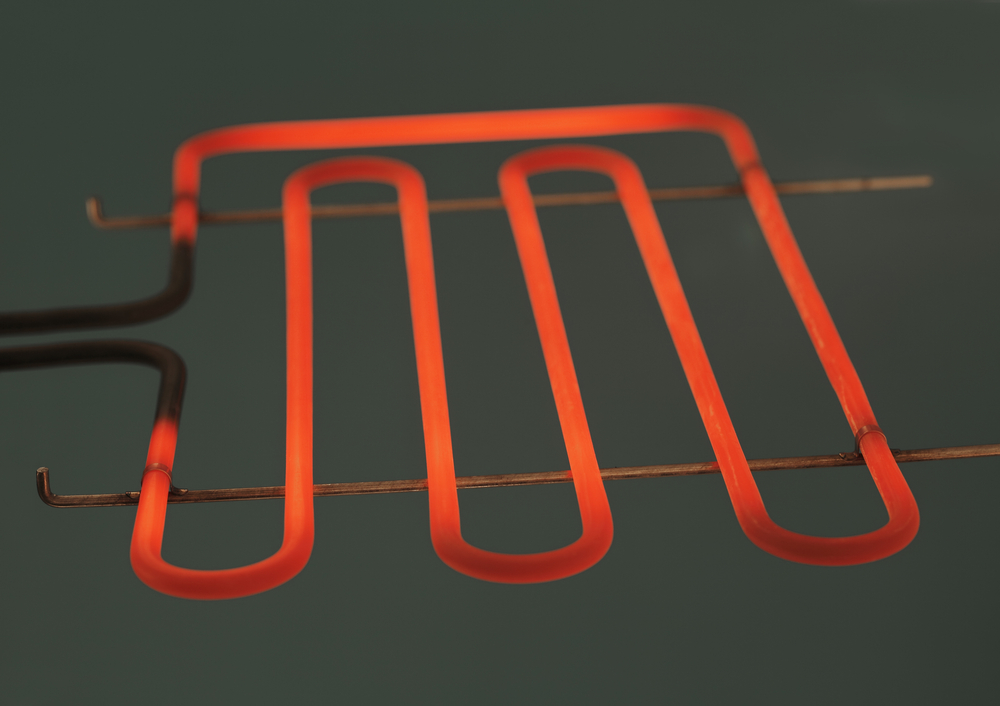
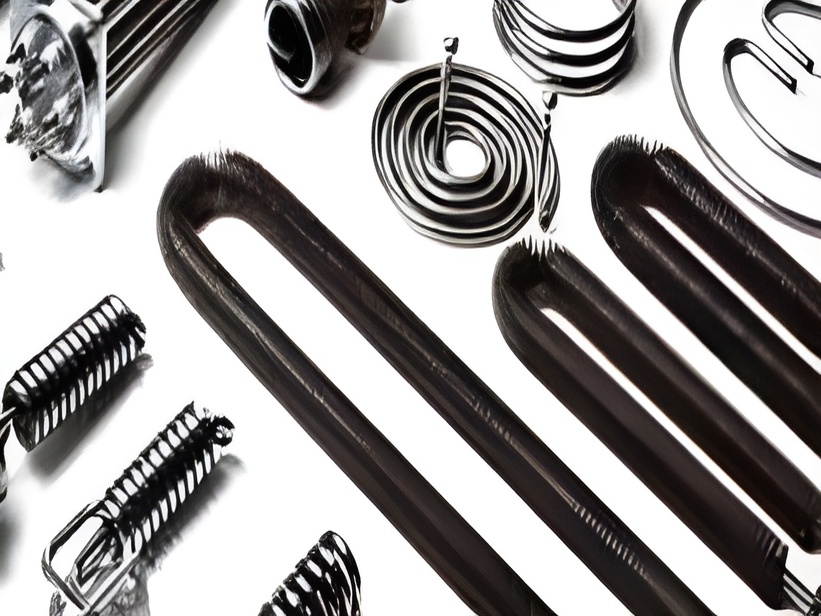
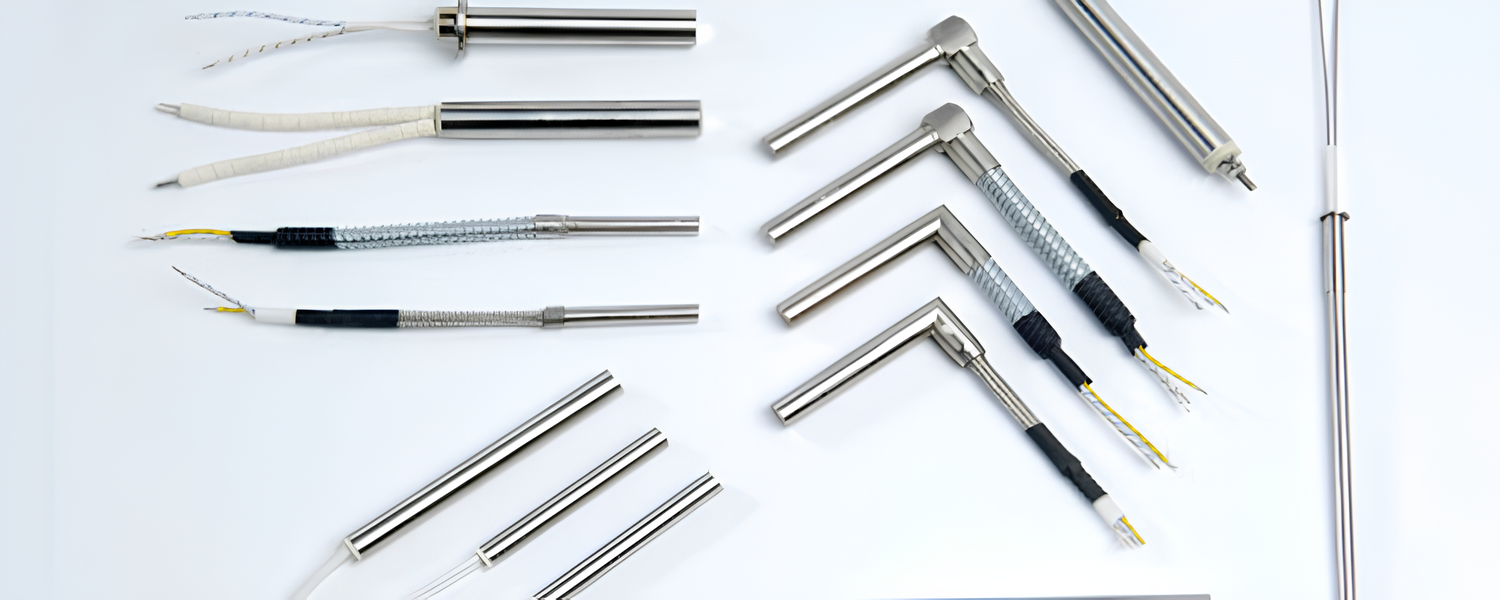
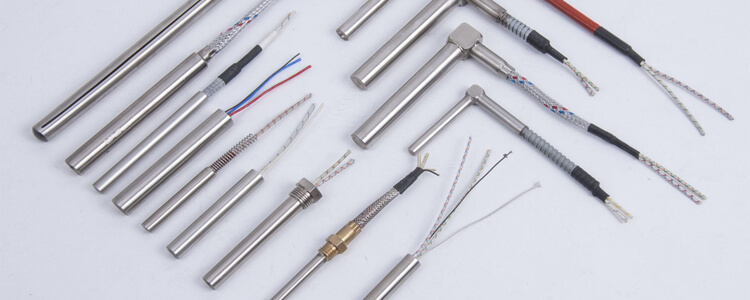
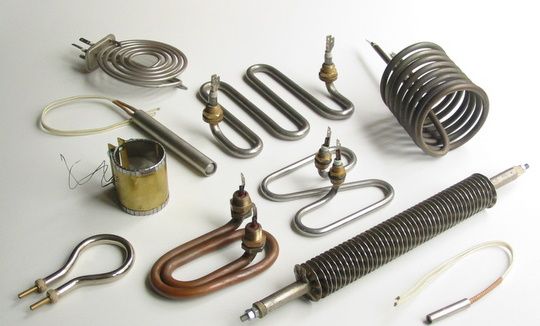
In defrost applications, tubular (rod-type) heaters placed between evaporator fins are common; stainless steel is often used as the sheath material and magnesium oxide as the insulation. These elements are positioned to distribute heat evenly across the evaporator coil. The control system activates the element only when needed, reducing energy waste.
Defrost control working with temperature and humidity sensors can start the defrost cycle according to actual need and reduces unnecessary heating. This approach also balances the operating conditions of axial fans and other components, helping reduce maintenance needs and unexpected downtime.
Industrial applications require robust solutions that can withstand extreme conditions. A corrosion-resistant sheath material and a construction that keeps moisture out are important for long life at low temperature and high humidity. Elements paired with custom evaporator designs reduce the efficiency loss caused by ice.
Defrost applied with the right element and control provides benefits for energy efficiency and operational reliability. The combination of durable elements and smart control forms a sustainable cooling solution that helps reduce operating costs and environmental impact. Lower maintenance expenses contribute to the return on investment over the long term.
Selecting the right heating elements to prevent ice build-up requires careful evaluation of heat output, material compatibility, and control integration. The ideal solution balances fast defrost with energy efficiency in cold storage facilities. This decision directly affects operating cost and system life.
Key points to consider include the watt density and layout of the heater, which must suit the specifications of the evaporator coil and the cooling infrastructure. If watt density is chosen too high, overheating of the surface and sheath wear can occur; if too low, defrost may be insufficient. The right power and layout reduce hot spots and thermal stress while optimizing energy consumption during defrost.
Material selection plays an important role in the durability of defrost systems working in demanding environments. Elements with a stainless steel sheath and mineral (magnesium oxide) insulation are widely preferred for corrosion resistance and heat conduction. Starting the axial fans correctly after defrost helps limit meltwater and moisture from refreezing on the evaporator surface.
Modern heater-based defrost systems include controls that adapt to changing conditions. Systems that monitor humidity and surface temperature activate only when ice build-up occurs. This approach can reduce energy consumption compared with timer-based defrost and can extend equipment life.
Facilities that select according to these criteria can expect benefits in operating efficiency and product protection. Durable elements and precise control form a sustainable cooling solution that delivers low maintenance costs and high system reliability. It is recommended to make the selection based on project data (evaporator type, operating temperature, defrost duration).
Heating elements play a critical role in preventing the efficiency losses caused by ice build-up in cold storage facilities. When defrost is not performed, ice building up on the evaporator coil reduces airflow and heat transfer; the compressor works harder, energy consumption rises, and cooling capacity drops. This is why planned and controlled defrost is necessary.
Modern defrost systems use controls that start defrost only when needed. The compatible operation of the evaporator, axial fans, and heater reduces the energy waste of timer-based methods while limiting temperature swings in the product.
Placing heating elements correctly within the cooling infrastructure prevents ice formation in critical areas and preserves airflow and heat transfer efficiency. Heater-based systems that respond quickly to changing humidity and temperature conditions help ensure energy is used only where and when it is needed.
The reliability of these systems directly affects operational continuity and product quality. Well-designed defrost solutions help reduce maintenance needs and energy costs. The combination of durable components and smart control forms a sustainable cooling solution that extends equipment life.
Heating elements keep ice build-up under control and so preserve the efficiency of the cooling infrastructure. Besides ice on the evaporator coil, freezing in the drain pan and drain line can also cause problems in cold rooms; heaters are used at these points as well. This matters for facilities that prioritize operational reliability and cost-effectiveness.
Advanced defrost systems use heaters of suitable power that activate according to actual need instead of fixed schedules. Distributing heat evenly across the evaporator coil and timing the axial fans correctly prevents ice formation while limiting the temperature swings that can affect energy consumption and product quality.
The effectiveness of modern defrost controls rests on their ability to respond to environmental conditions. Sensors that monitor humidity and surface temperature switch on heater-based heating only when needed. This approach reduces thermal stress on components, extending equipment life and limiting maintenance needs.
Durable, corrosion-resistant materials support long-term performance in demanding conditions, while smart controls optimize energy use. This combination offers a sustainable cooling solution that helps reduce operating costs while preserving product quality. In cold chain operations, such systems help maintain continuity.
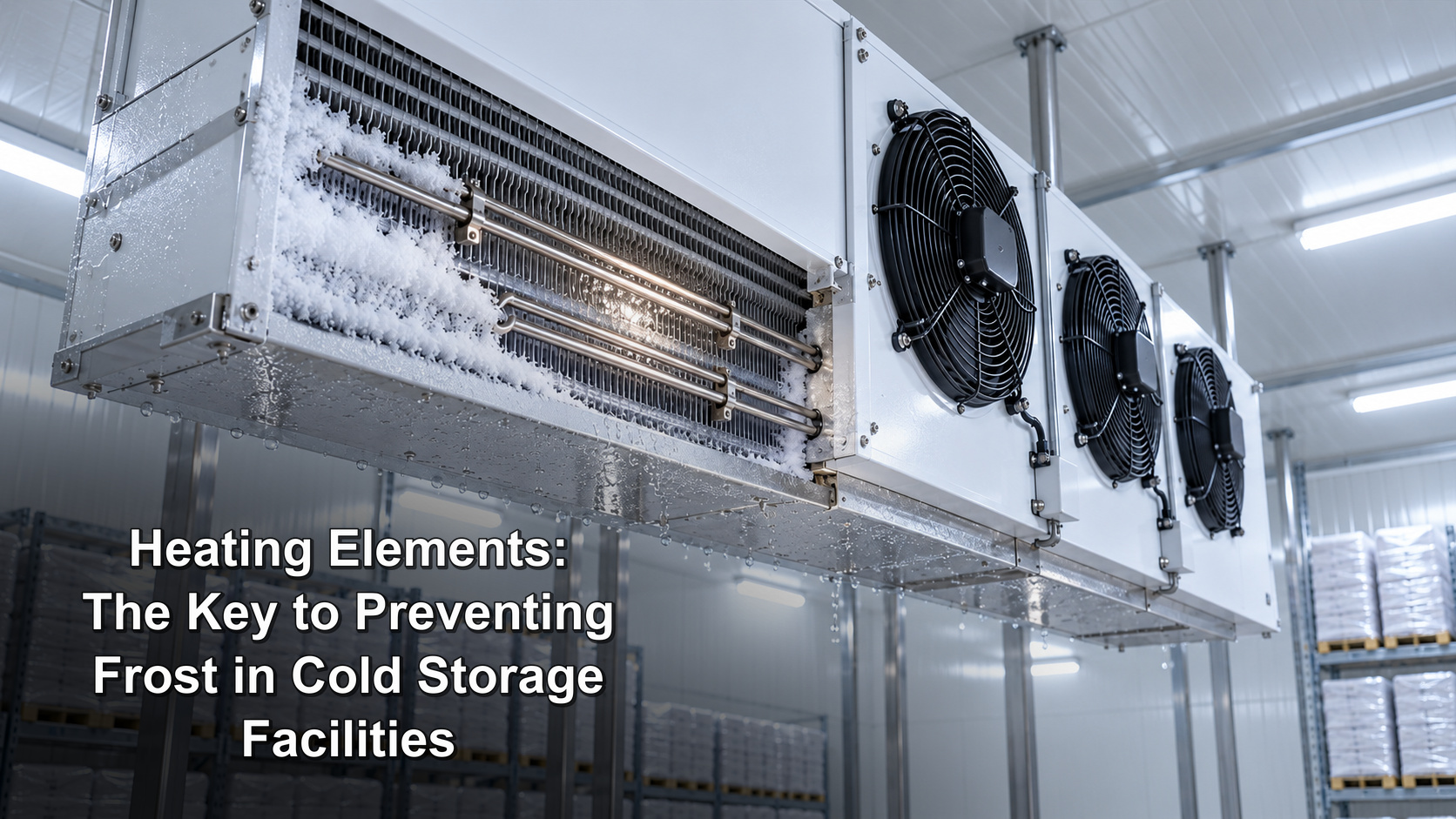
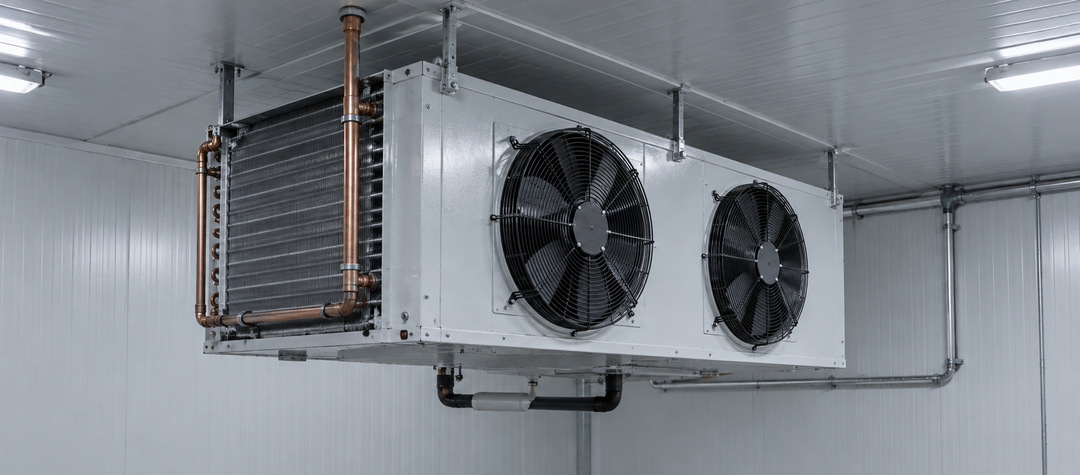
Correct installation of heating elements in cold storage units starts with correct positioning along the evaporator coil to distribute heat evenly. Attention should be paid to heat distribution and airflow patterns to avoid cold spots where frost can build up. This step directly affects the effectiveness of the defrost system and energy efficiency.
The installation team should first verify compatibility between the heaters and the existing cooling infrastructure, including axial fans and control systems. Element spacing and fixing should follow the manufacturer's technical documentation. Proper insulation around the elements is important for directing heat where it is needed and reducing energy waste.
Wiring and control integration are stages where precision directly affects system performance. Modern heater-based heating systems require suitable circuit protection and grounding for safe operation in high-humidity environments. Connection to the controller allows defrost cycles based on actual need instead of fixed schedules and reduces wear on components. Electrical connections should be made by authorized personnel.
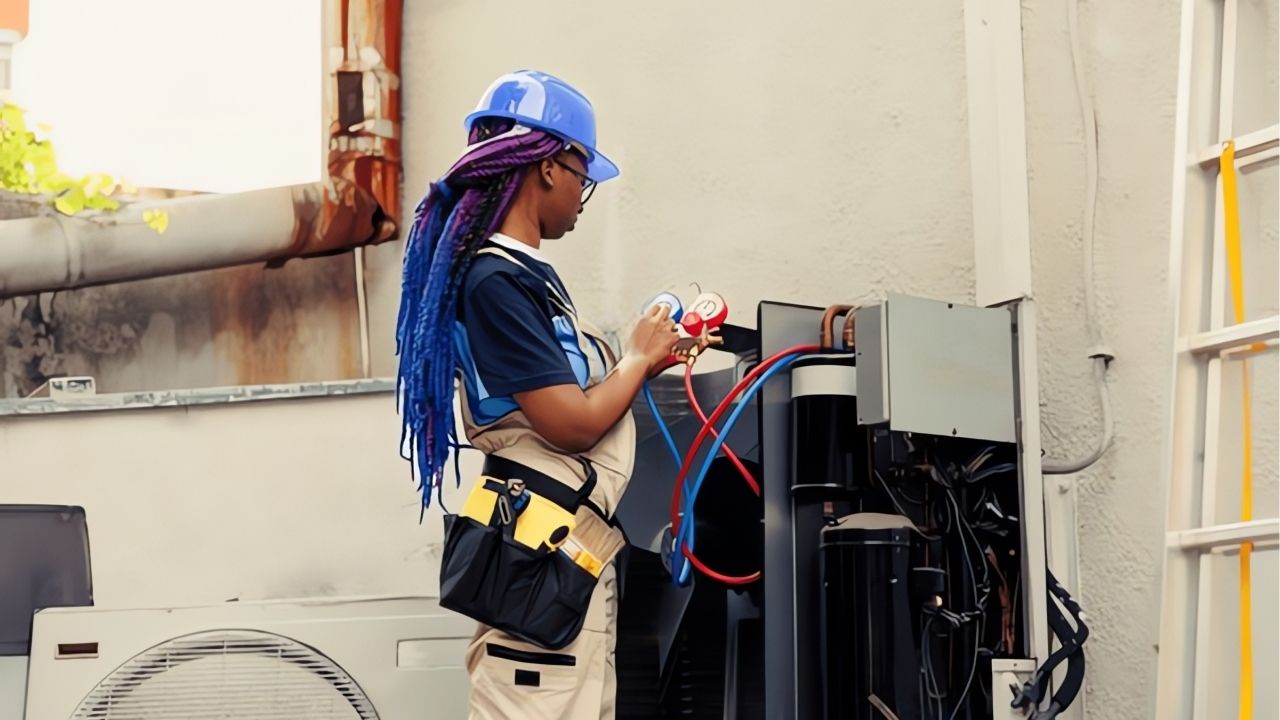
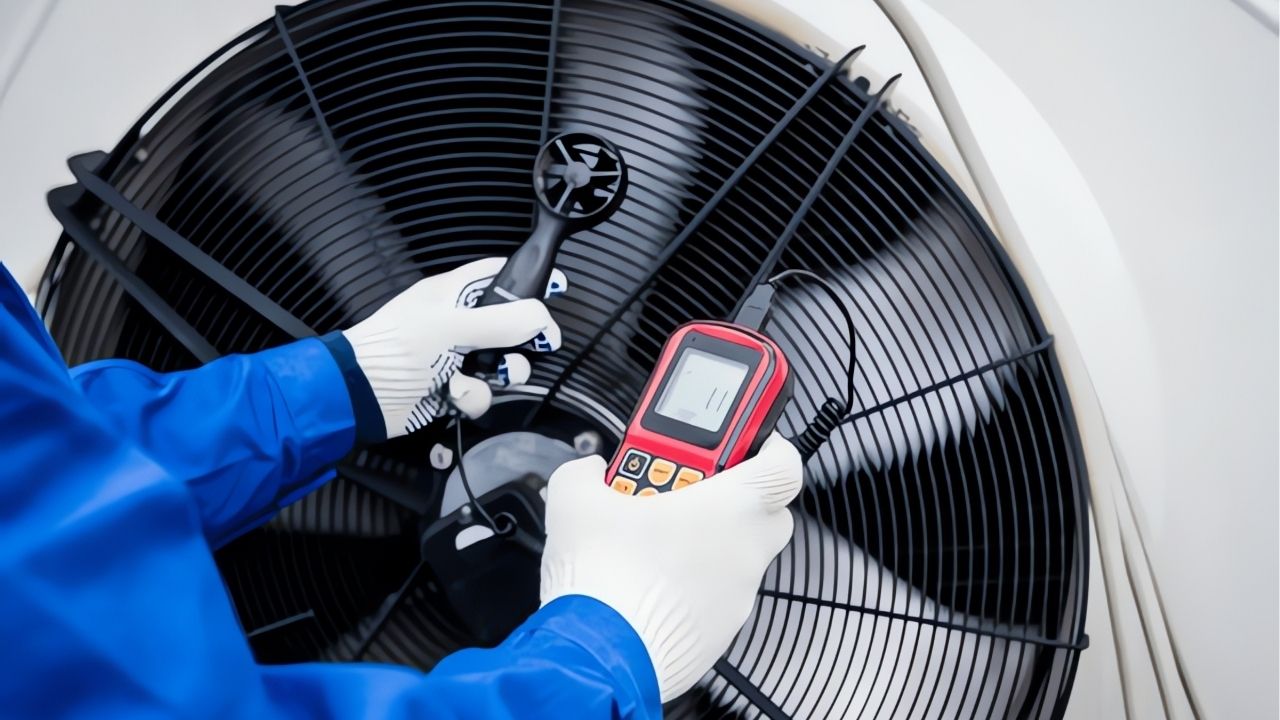
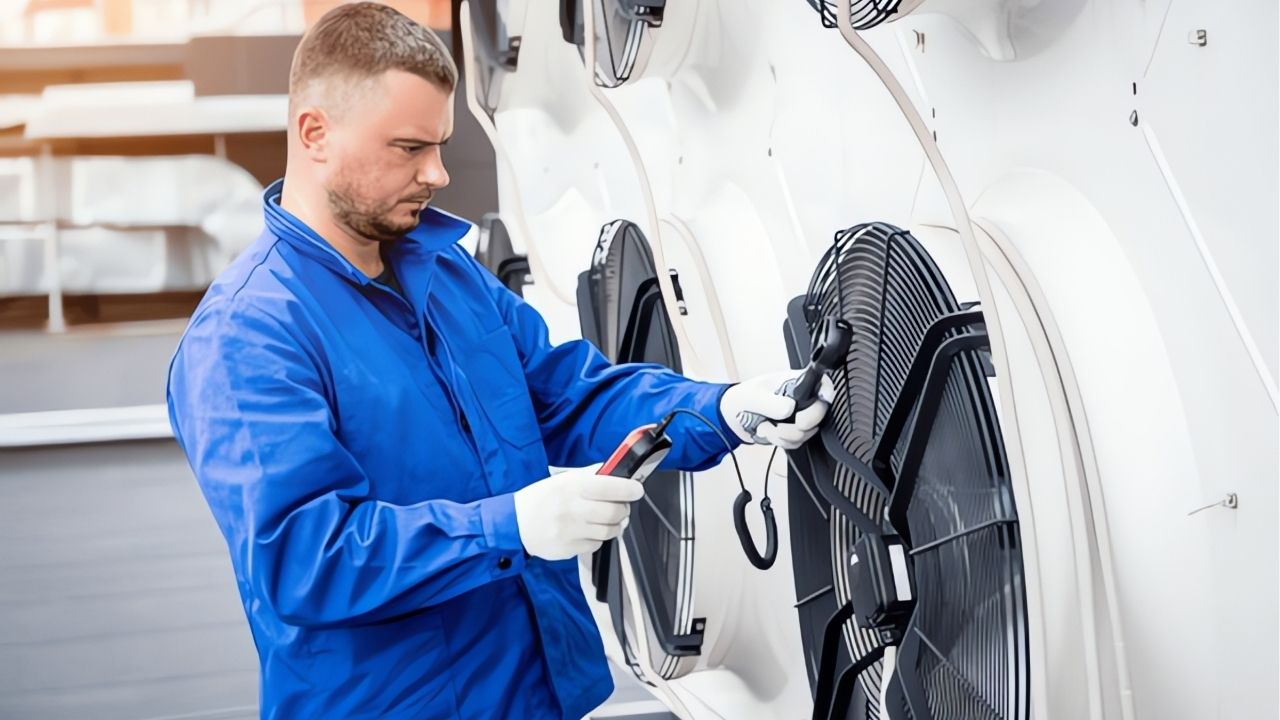
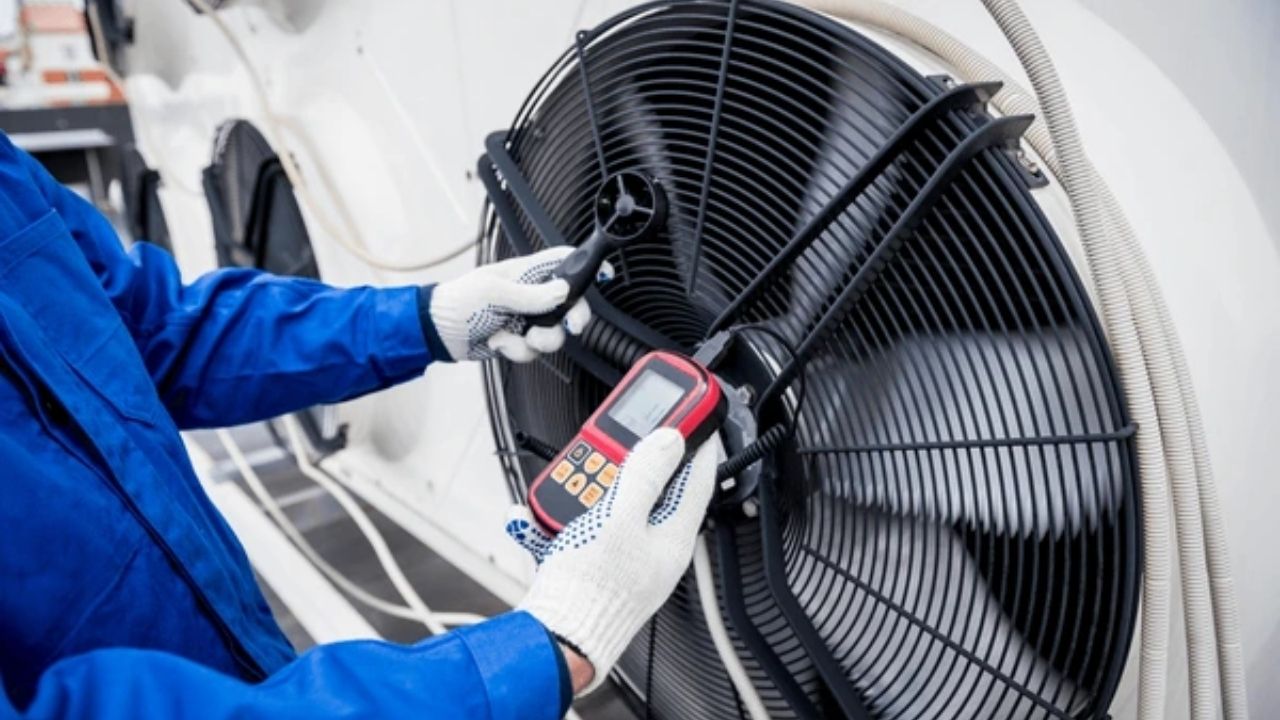
Commissioning confirms the correctness of the installation through performance measurement. Technicians check correct operation by measuring temperature distribution, defrost duration, and energy consumption. This process verifies that the heaters work in harmony with the evaporator, axial fan, and other components and that ice formation is prevented.
Facilities that follow these practices can expect benefits in operational reliability and energy efficiency. Correct application of heaters forms a sustainable cooling solution that reduces maintenance needs and extends equipment life. The care taken during installation contributes to long-term performance.
Selecting the most suitable heating elements for industrial freezers requires evaluating thermal performance, durability, and the ability to integrate with the existing cooling infrastructure. The most effective solutions combine suitable materials that deliver defrost with control systems while limiting energy consumption. At freezer temperatures, the sheath and insulation material are especially important.
Tubular elements with mineral insulation and a stainless steel sheath are widely used in industrial defrost applications; they are preferred for heat distribution and resistance to thermal cycling. When positioned correctly with axial fans and the evaporator, these elements maintain consistent temperature across the evaporator coil and prevent the ice build-up that lowers system efficiency.
Advanced heater-based heating systems can be used together with sensors that monitor ambient conditions. These systems start defrost cycles only when needed, reducing energy waste and extending equipment life. Corrosion-resistant materials support reliable operation in high-humidity environments, which matters in food processing and pharmaceutical storage applications.
Modern heating elements can be manufactured with modular designs that ease maintenance and replacement. This approach reduces downtime and contributes to consistent performance over the system's service life. Durable construction and smart control form a sustainable cooling solution with low energy consumption and maintenance needs.
Selecting the heating element according to application-specific requirements helps protect valuable inventory and sustain performance. Investment in quality components means savings over the long term and a more durable system in industrial freezer operations.
Heating elements improve cold storage performance by preventing the ice build-up that undermines cooling infrastructure efficiency. These components maintain heat transfer at the evaporator coil, reduce the compressor's workload, and support consistent temperature. This effect means lower energy consumption and better product protection in industrial applications.
Advanced defrost systems use controls that start defrost based on actual ice build-up rather than fixed schedules. The compatible operation of the evaporator, axial fans, and heater reduces the energy waste of traditional methods and the temperature swings that can affect product quality.
Correct application of heater-based heating technology supports overall system performance beyond defrost. Modern elements are activated only when needed under changing conditions; this reduces thermal stress on components, extends equipment life, and provides consistent cooling performance in demanding environments.
The combination of durable, corrosion-resistant materials with smart controls forms a sustainable cooling solution that delivers long-term savings. This combination helps preserve consistent product quality while reducing environmental impact in cold storage operations.
In cold storage environments, durability requires heating elements made from materials that resist extreme thermal cycling and moisture. For this reason, heater-based heating elements with magnesium oxide insulation and a stainless steel sheath are often preferred; a sealed end structure that keeps moisture out helps prevent early failure.
Elements with mineral insulation are a common choice for long-term reliability in industrial freezers; their heat conductivity and resistance to thermal shock play a role in this choice. Working in harmony with axial fans and the evaporator, these components support consistent performance over many defrost cycles.
The life of heating elements directly affects the reliability and maintenance costs of the cooling infrastructure. Design features such as a seamless sheath reduce the weak points where corrosion can begin. This care extends the life of the evaporator coil and related components, reducing downtime caused by replacement.
Modern defrost systems include controls that optimize element operation to limit thermal stress. By monitoring ambient conditions and adjusting heating cycles accordingly, they prevent unnecessary wear and maintain defrost effectiveness. This proactive approach to thermal management helps extend the service life of system components.
Facilities investing in quality heating solutions can expect lower maintenance costs and higher operational reliability. The combination of robust construction and smart control forms a sustainable cooling solution that aims for consistent performance over many years. This reliability means cost savings and less downtime for cold storage facilities.
Effective maintenance of heating elements is important for reliable defrost in cold storage facilities. A regular inspection program can include thermal imaging to identify hot spots or cold zones that point to a possible failure. This approach prevents unexpected downtime and preserves the performance of the entire cooling infrastructure.
Routine cleaning of the evaporator coil and heating elements removes residue that can insulate surfaces and reduce heat transfer efficiency. Non-abrasive cleaning agents that will not damage the elements' protective sheath should be used. This maintenance step helps prevent early failure of heater-based heating components.
Electrical connections should be checked regularly to prevent loose or oxidized connections that can lead to hot spots and component failure. Technicians should verify the tightening torque of connections and check for signs of corrosion or oxidation. This care protects the efficiency of the defrost system and the investment in connected equipment such as axial fans. Electrical work should be done by authorized personnel.
Calibrating control systems ensures heating elements are activated only when needed, optimizing energy use and extending component life. Modern monitoring systems can track performance metrics and alert the maintenance team to possible problems in advance. This approach maintains consistent temperature across the storage facility while reducing energy consumption.
The combination of regular inspection, proper cleaning, and control calibration forms a sustainable cooling solution that aims to maximize equipment life. Planned maintenance contributes to cost savings through lower energy consumption and less need for unexpected repairs.

Fill out the form to discover the most suitable high-end products for your projects. Contact Us Now.
Fill out the form now not to miss our special offers for you! The latest discover our products and innovations.
Fill out the form now not to miss our special offers for you! The latest discover our products and innovations.
Notification Centre 00:00