

What Conditions Are Evaporator Catalogue Capacities Based On?
01 / 10 / 2026

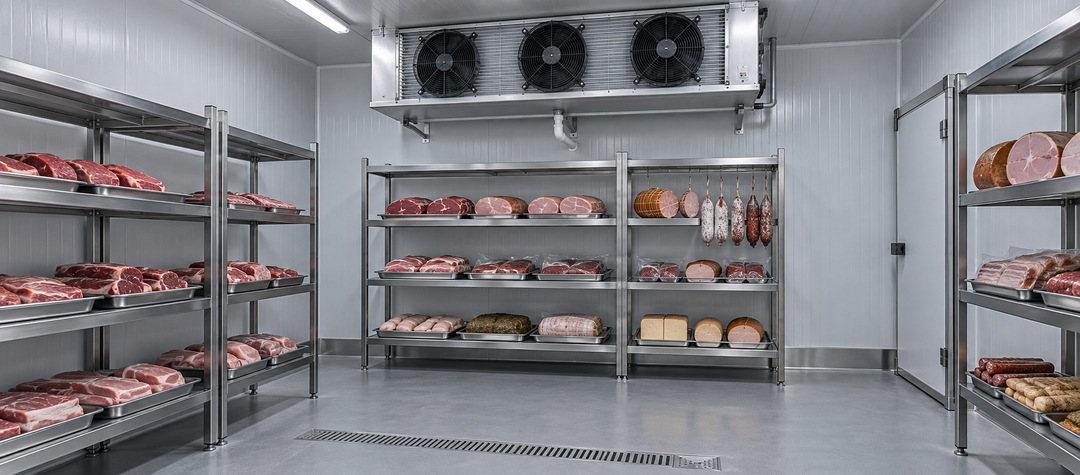
Energy use in a cold storage facility depends on more than the refrigeration equipment. Insulation, door-opening frequency, the temperature of incoming products, the target room temperature and equipment condition all need to be considered. As more heat and moisture enter the room, the load that the refrigeration system must handle increases.
For this reason, an efficiency project should not begin with a decision to replace a single component. The facility's operating conditions and energy records should first be reviewed to identify where the main losses occur.
The room temperature should be set according to the storage requirements of the products. A target temperature lower than necessary may increase the system's workload without providing an additional benefit to the products. Product safety and storage requirements must be checked before any setpoint is changed.
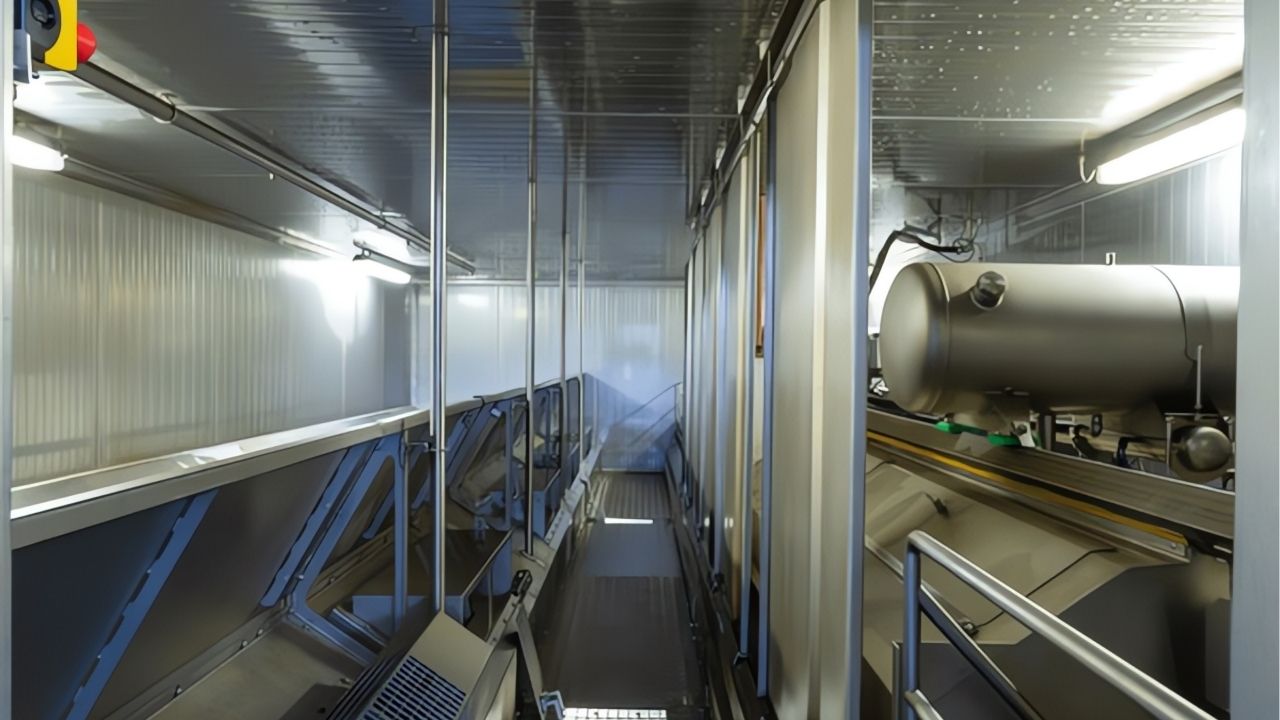
The cooling-load calculation should account for incoming products, door traffic, lighting, operating equipment and outdoor conditions. The evaporator, condenser and other system components should then be evaluated together under the actual load and operating conditions.
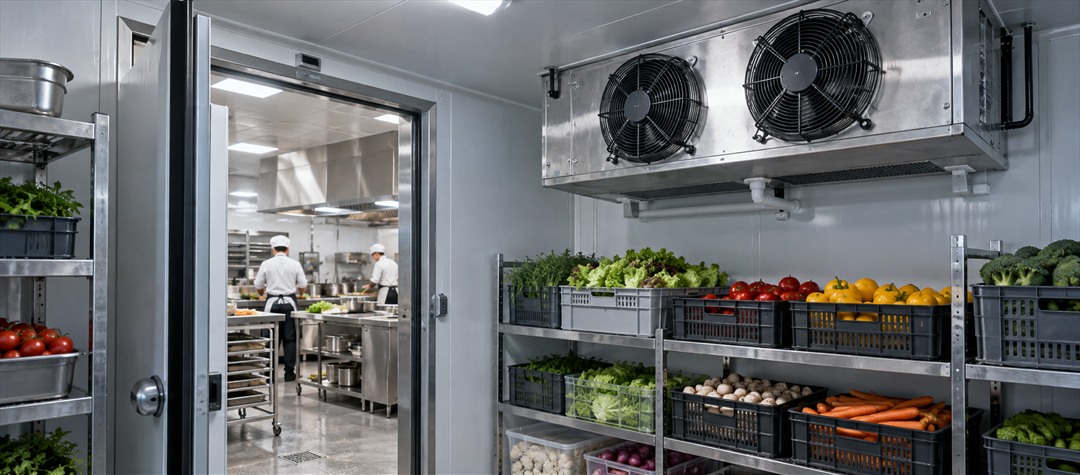
Warm, humid air can enter the room whenever a door is opened. This increases the cooling load and may also increase frost formation on the evaporator. Organizing loading operations, reducing the time doors remain open and keeping door seals in good condition can help limit these losses.
Panel joints, door frames and service penetrations should also be checked for air leakage. If insulation is damaged or an opening remains unsealed, installing a larger refrigeration unit will not address the source of the problem.
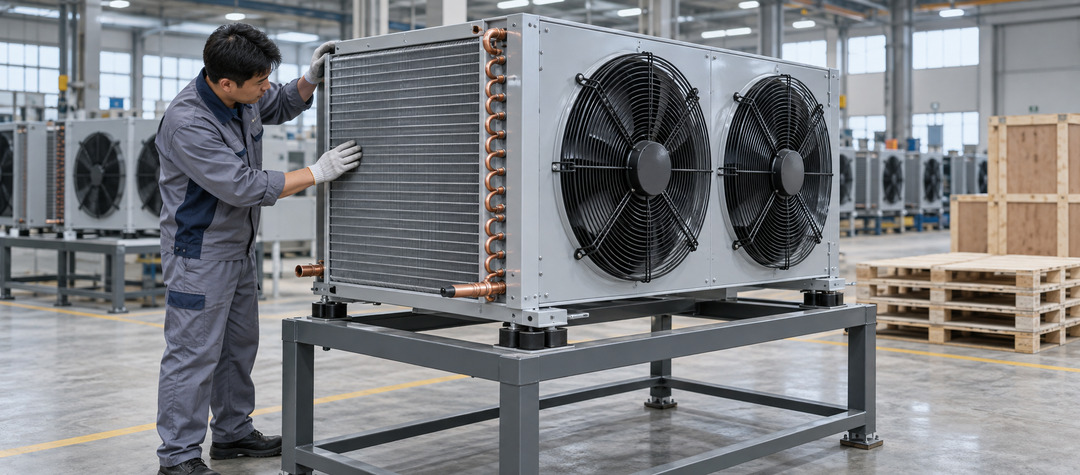
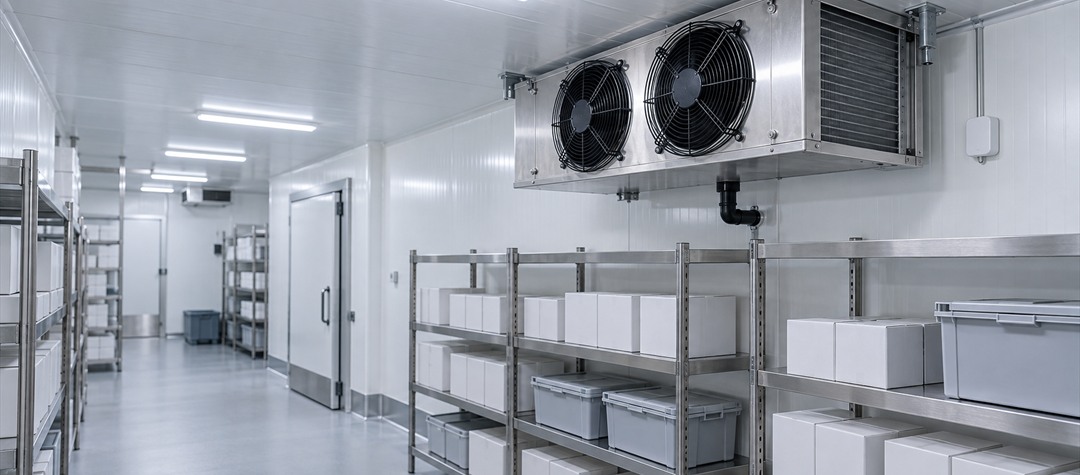
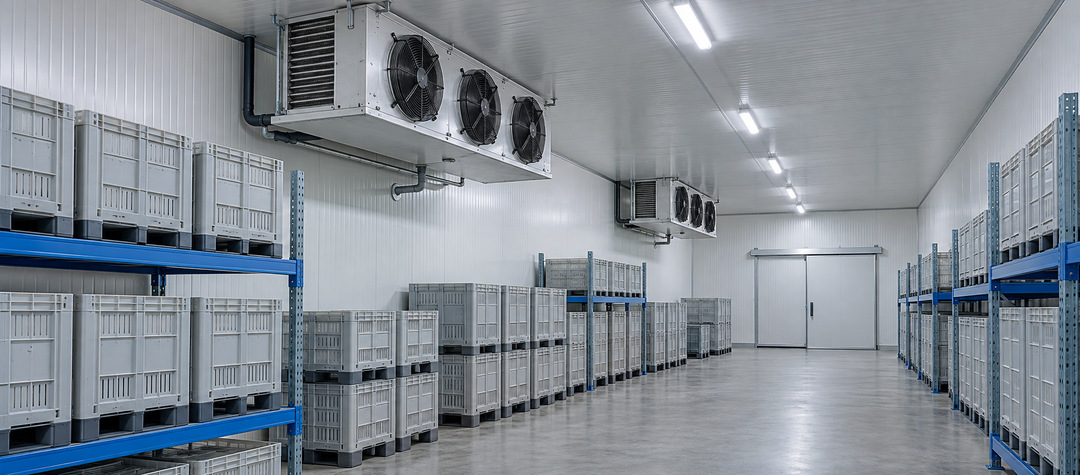
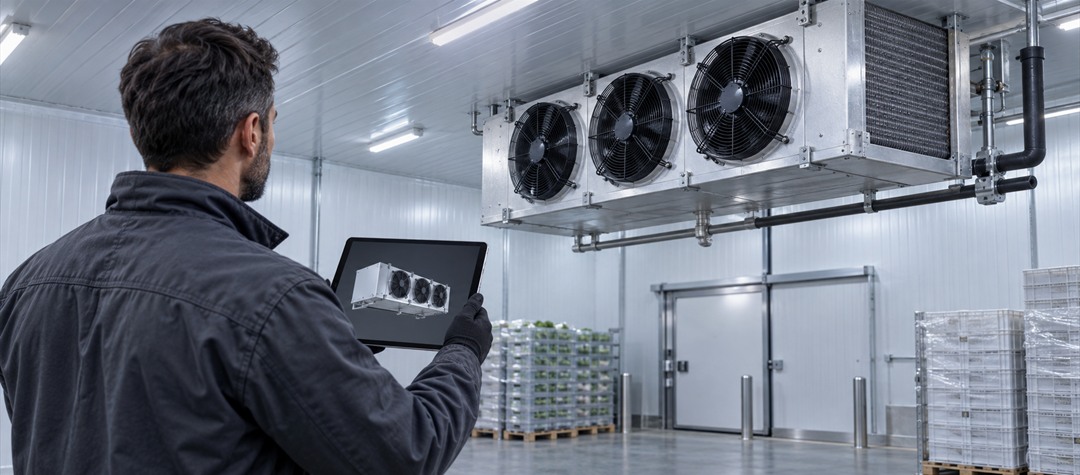
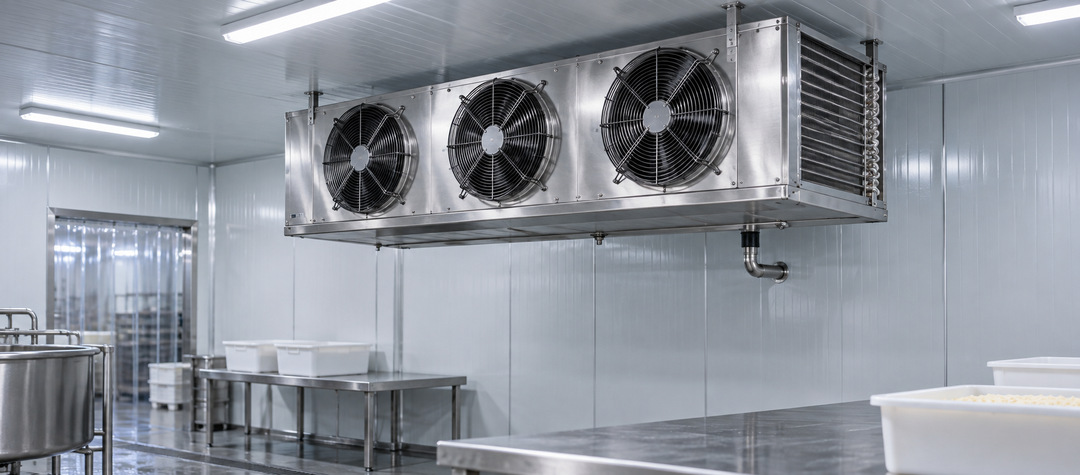
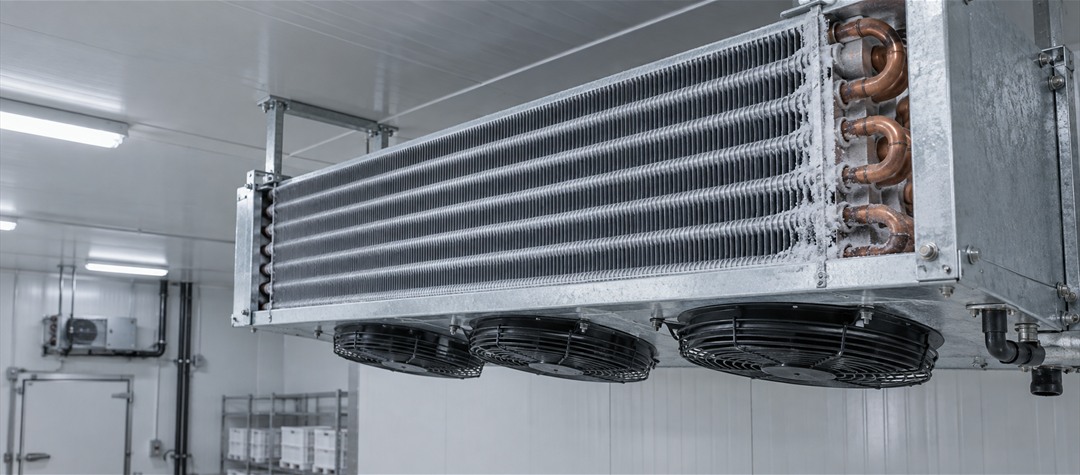
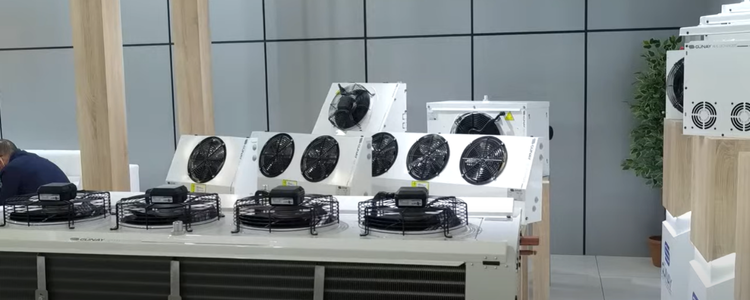
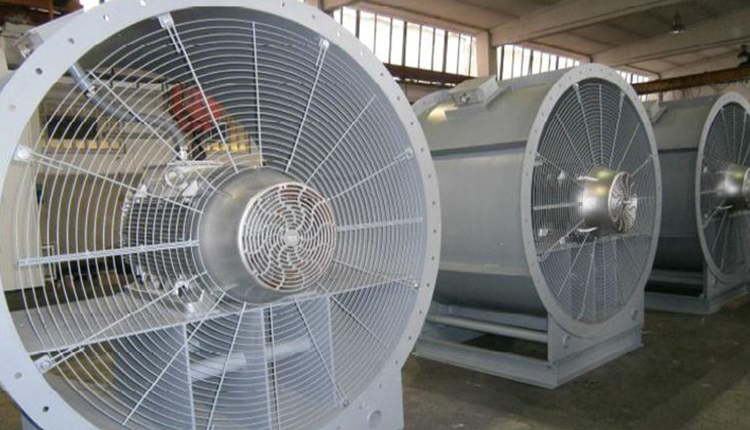
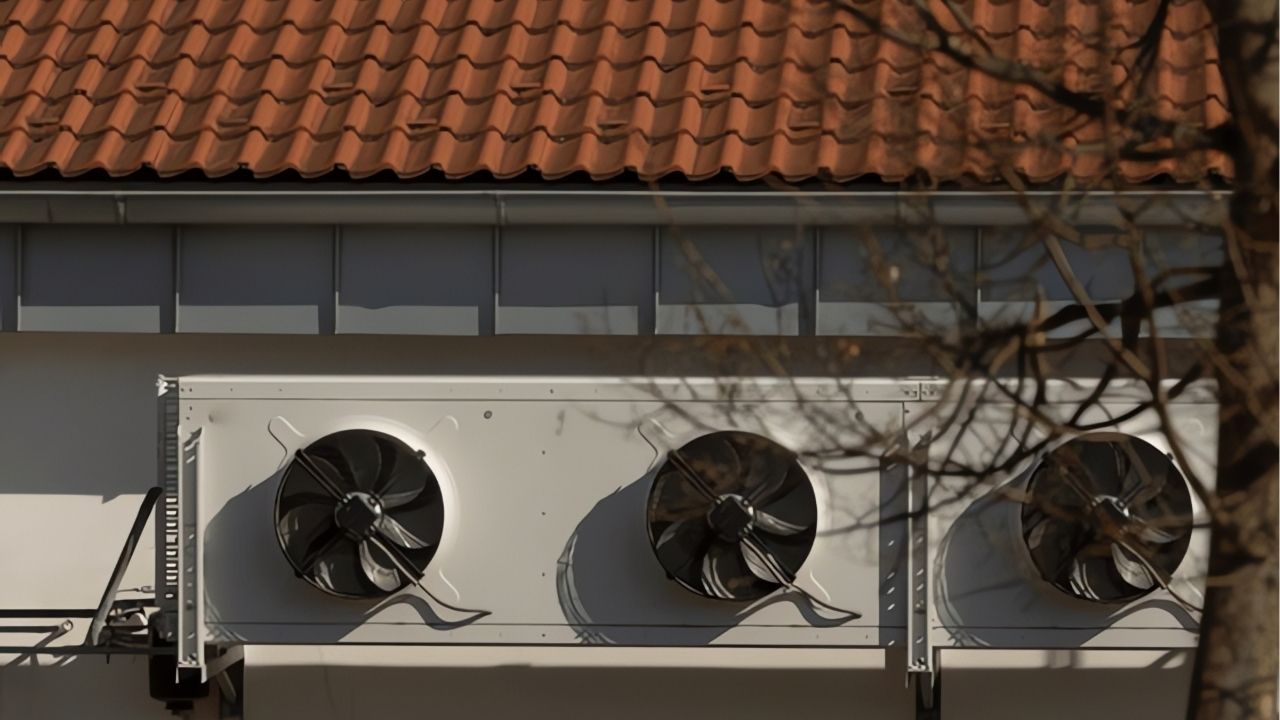
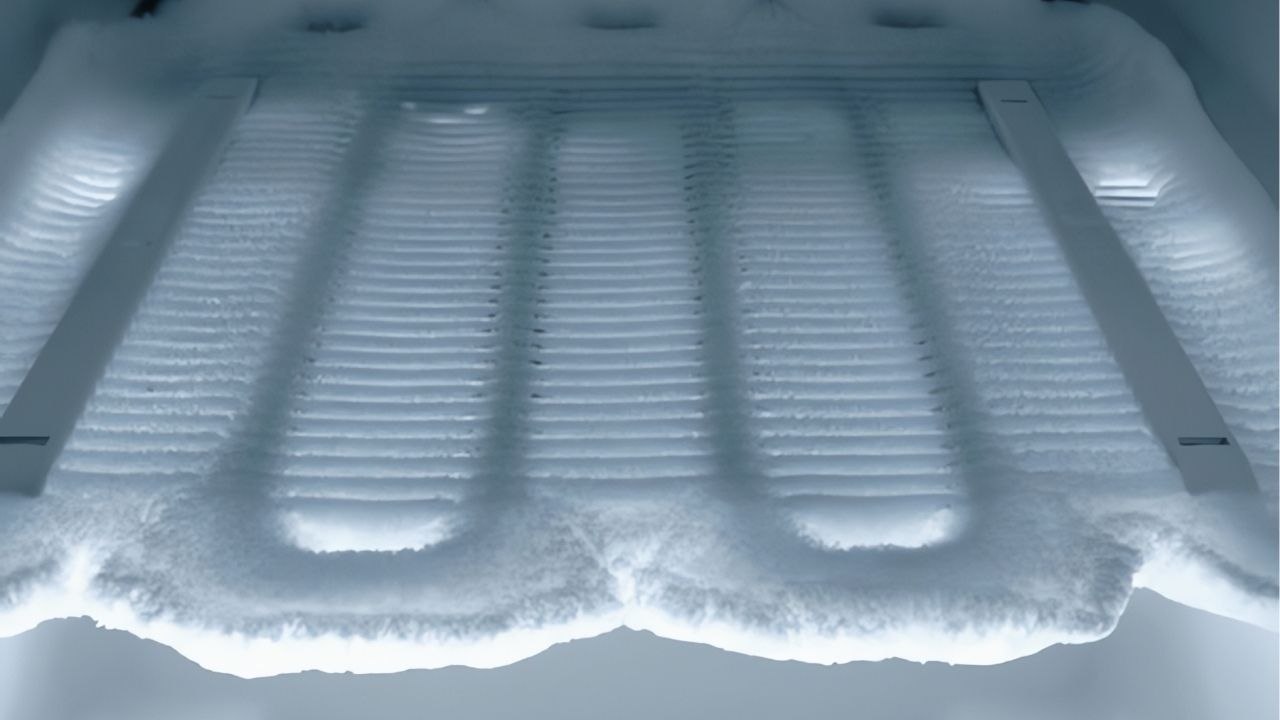
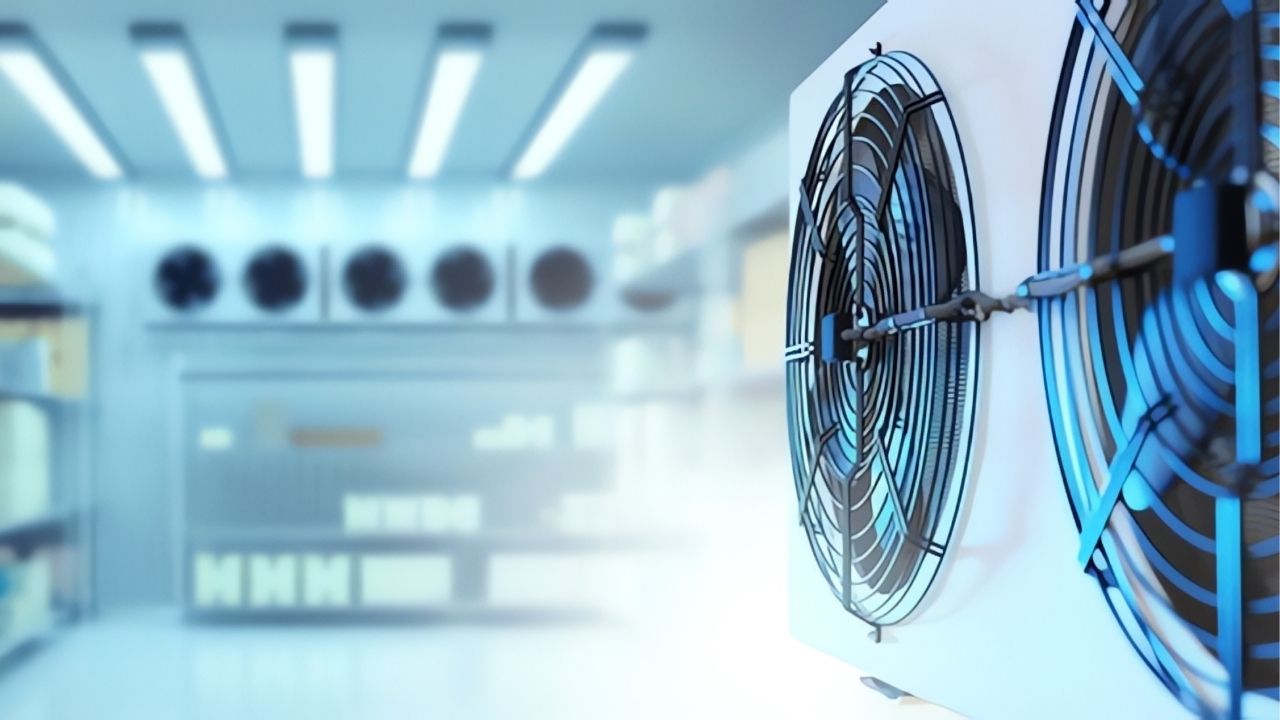
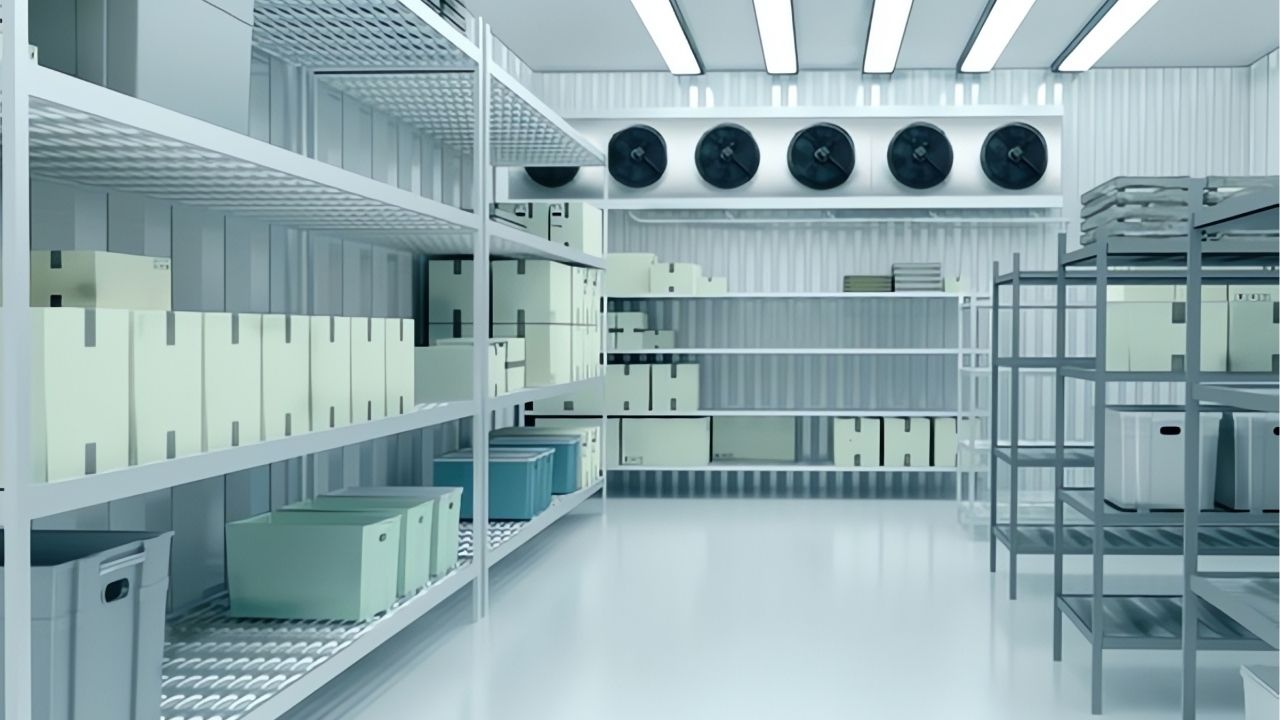
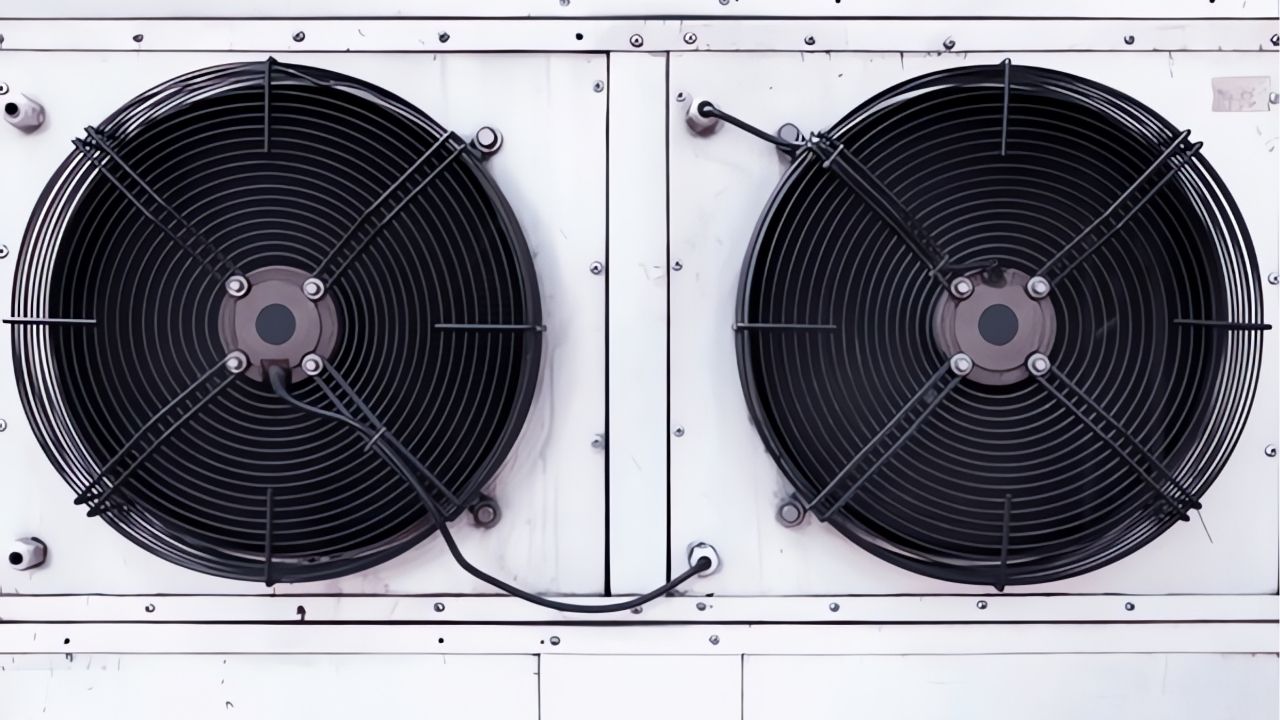
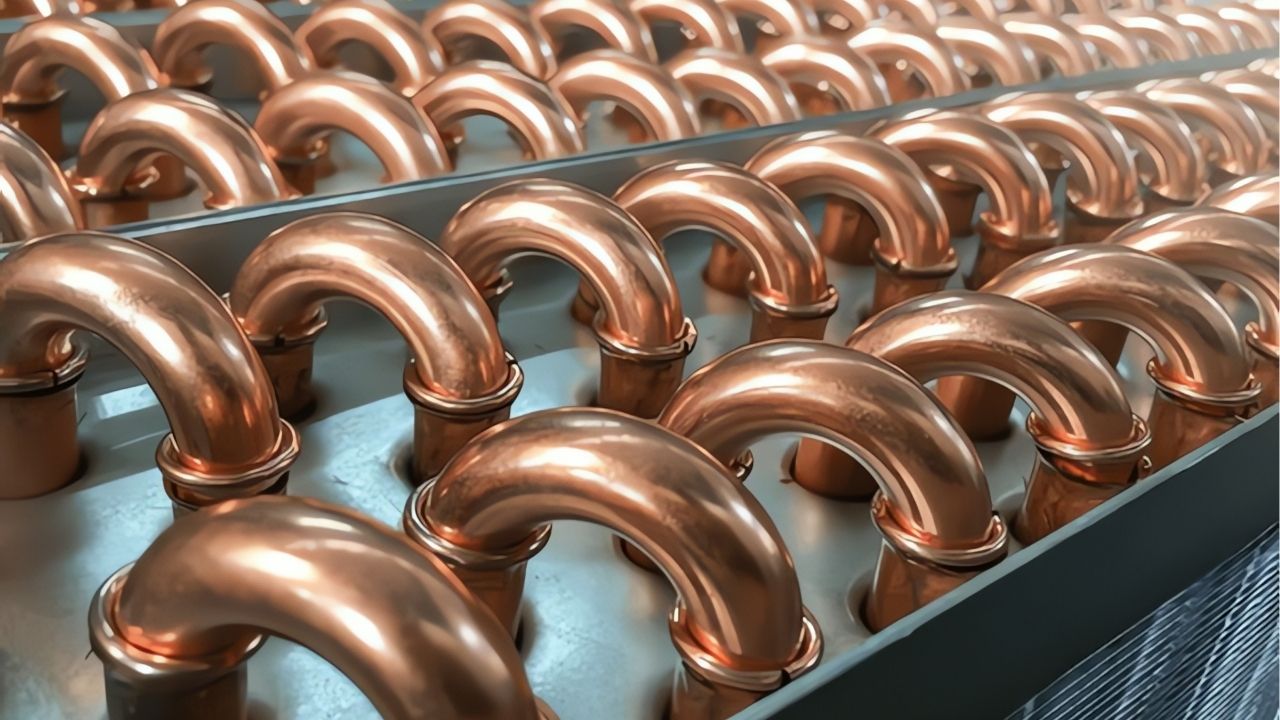
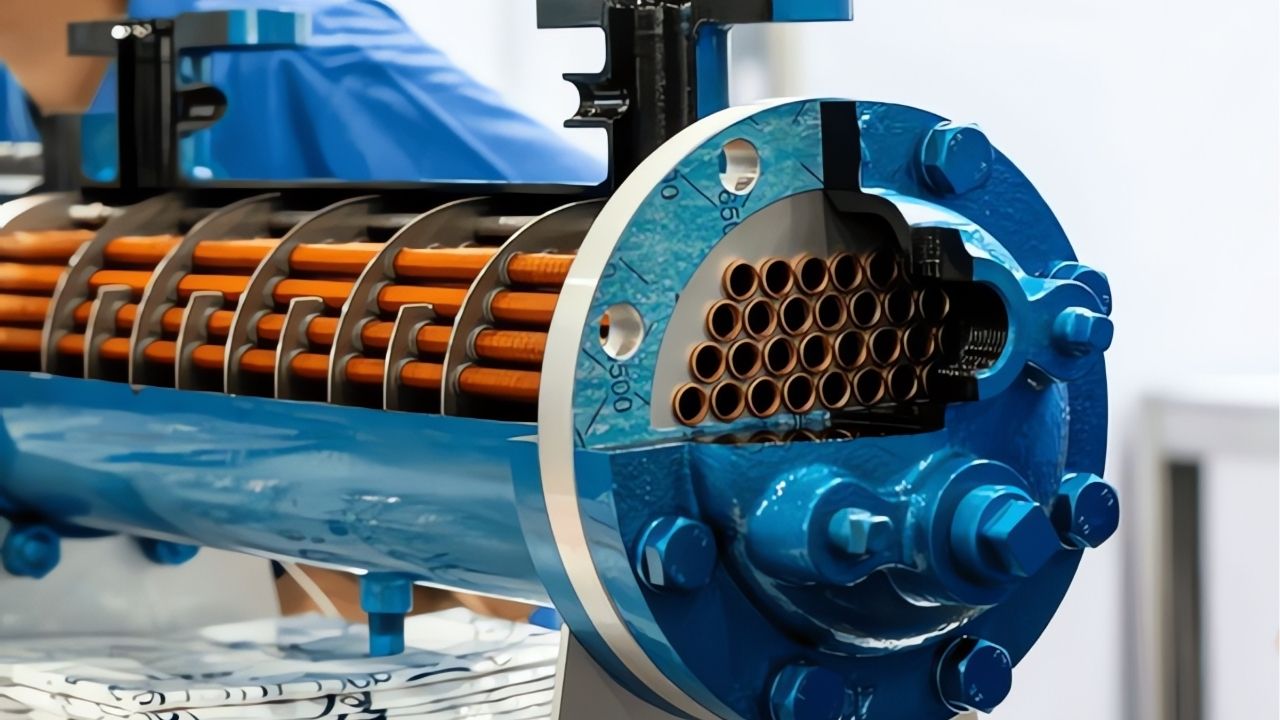
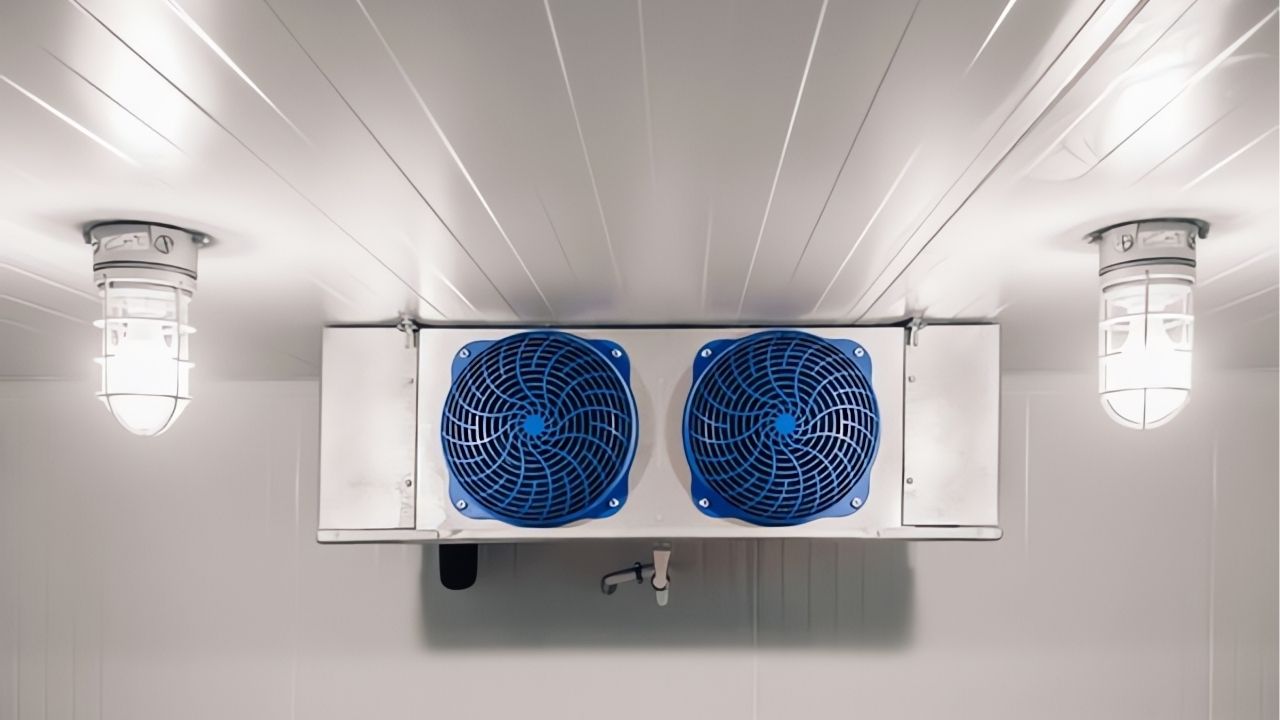
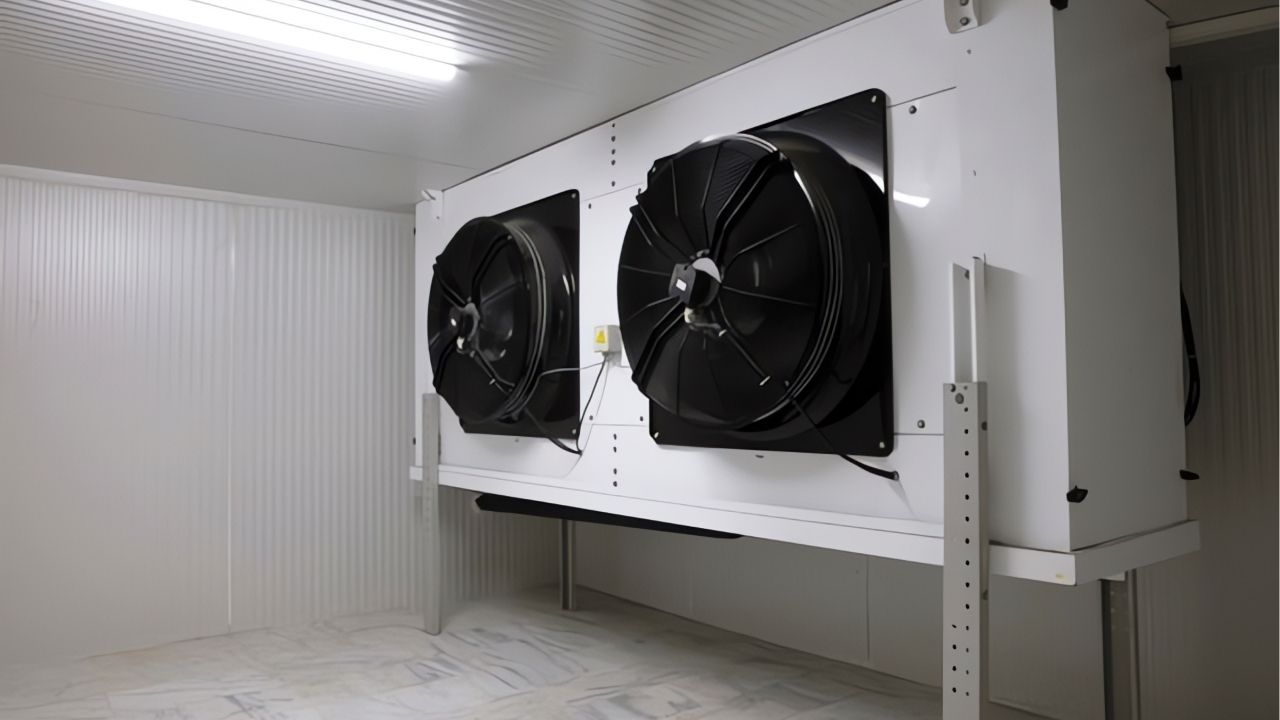
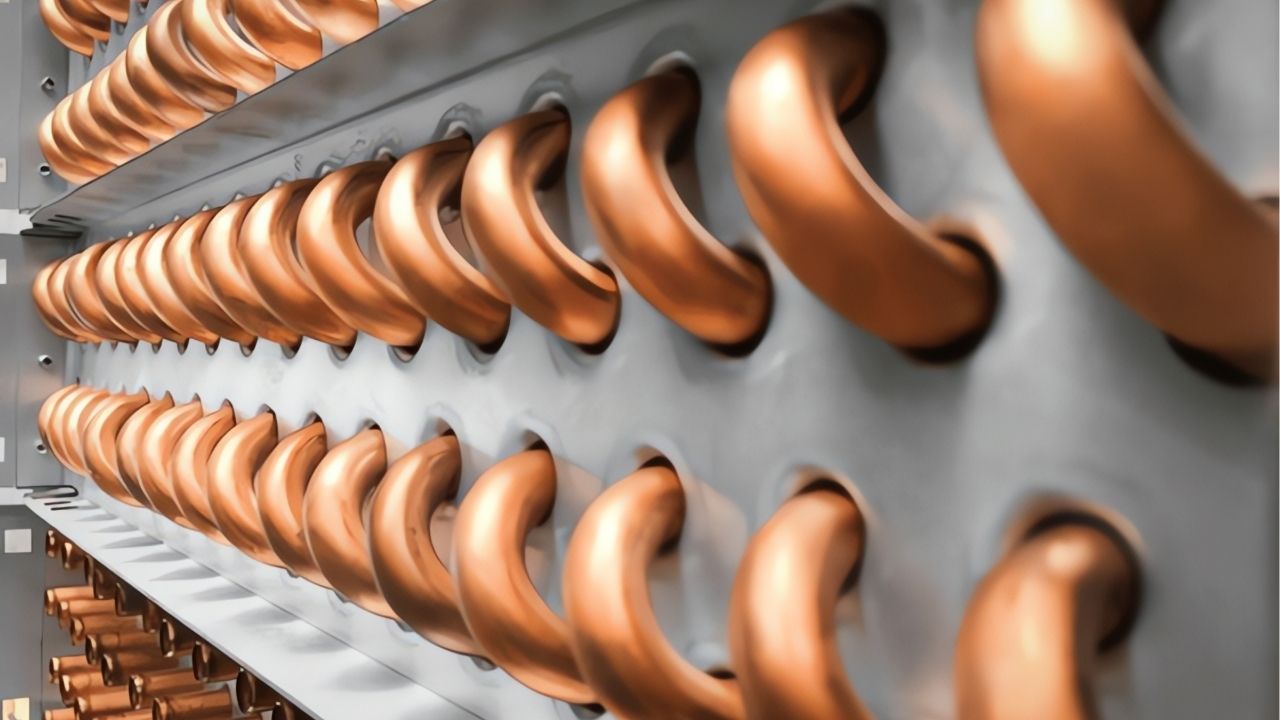
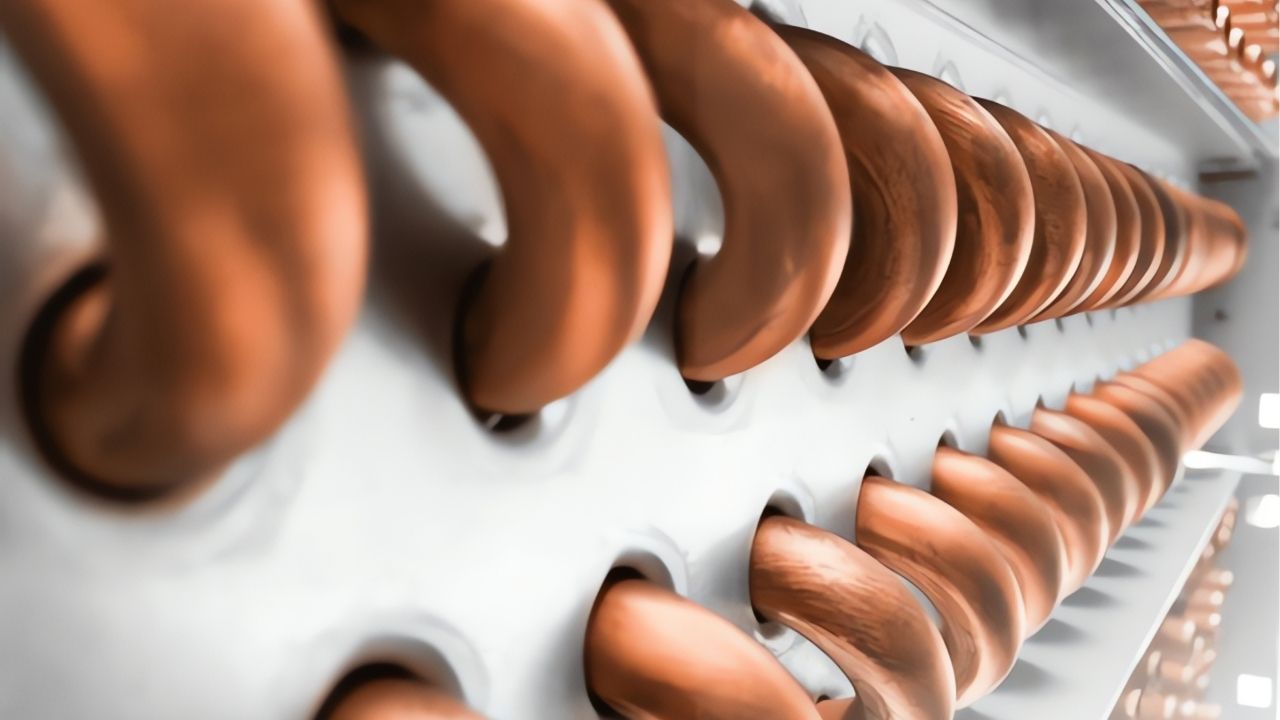
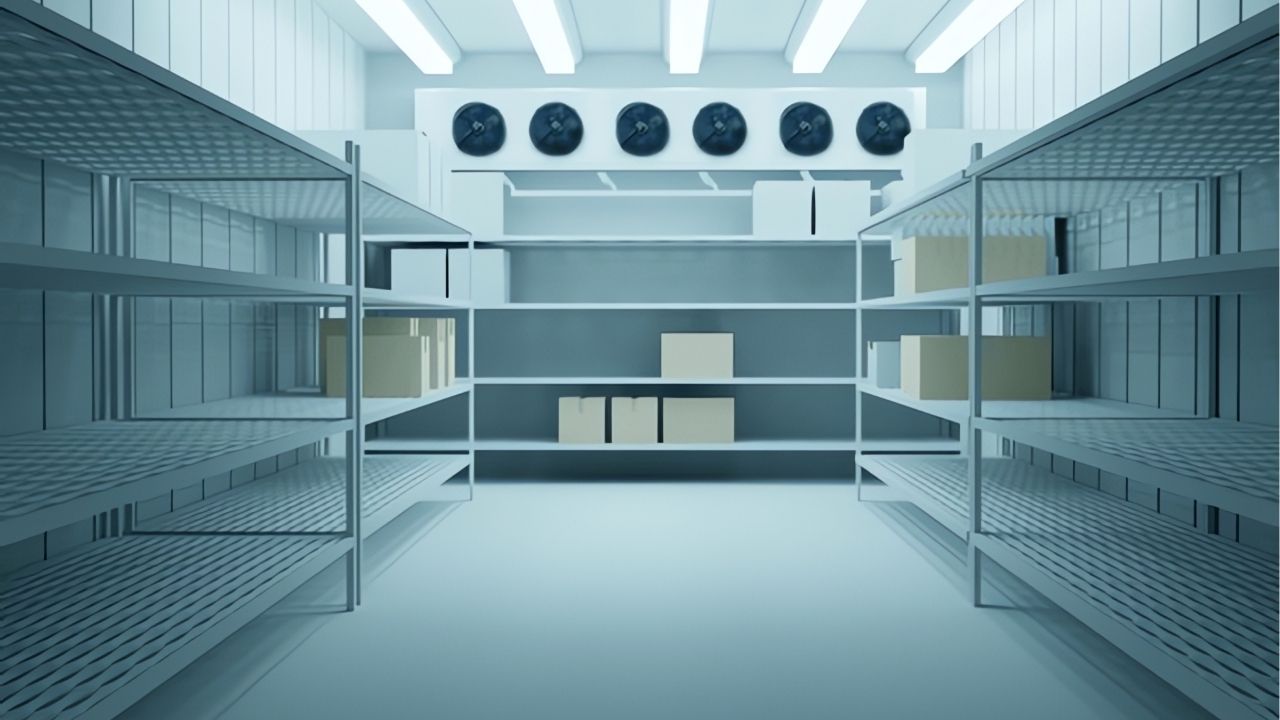
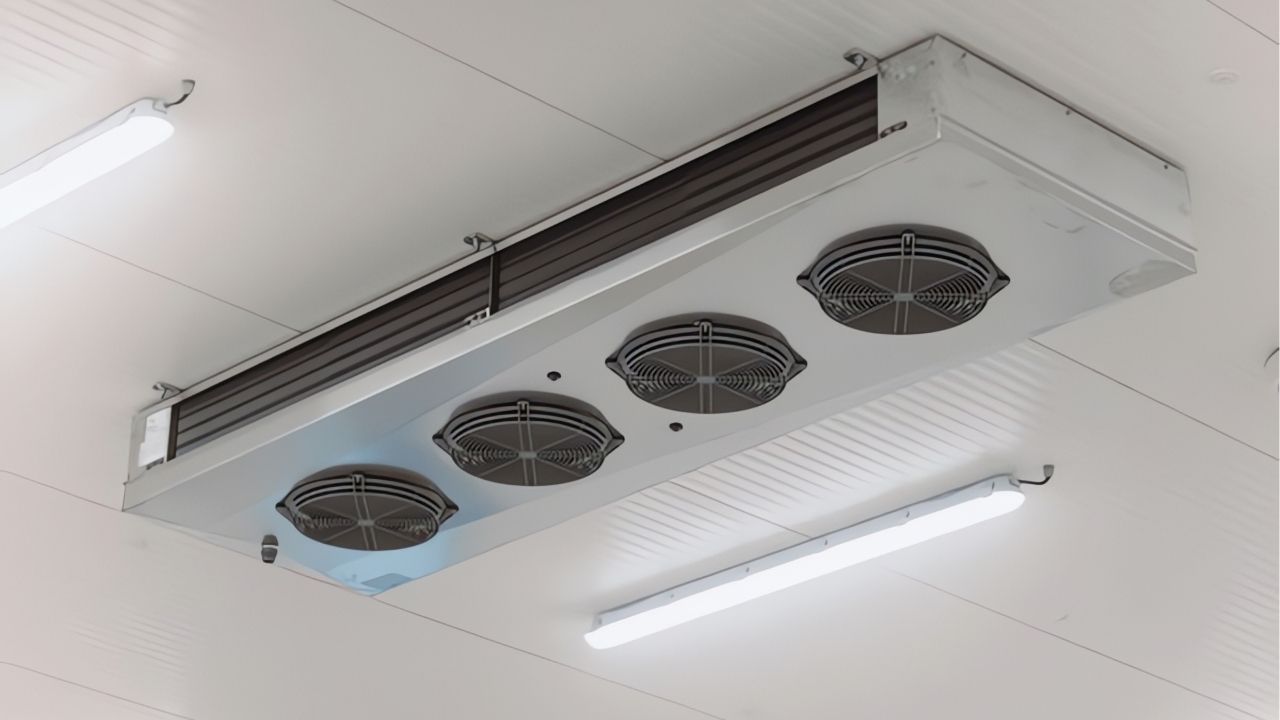
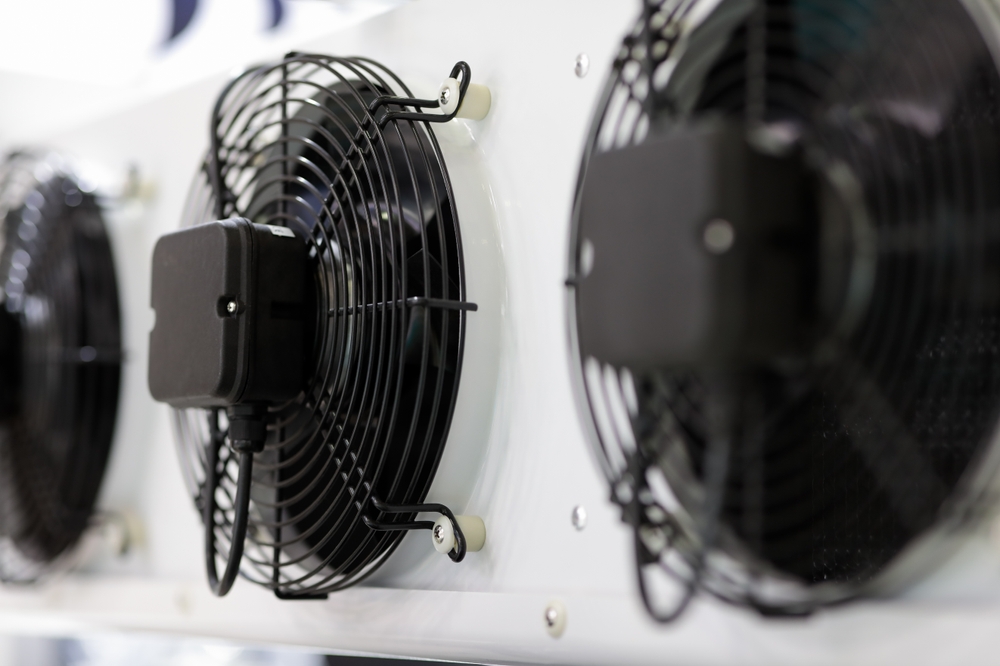
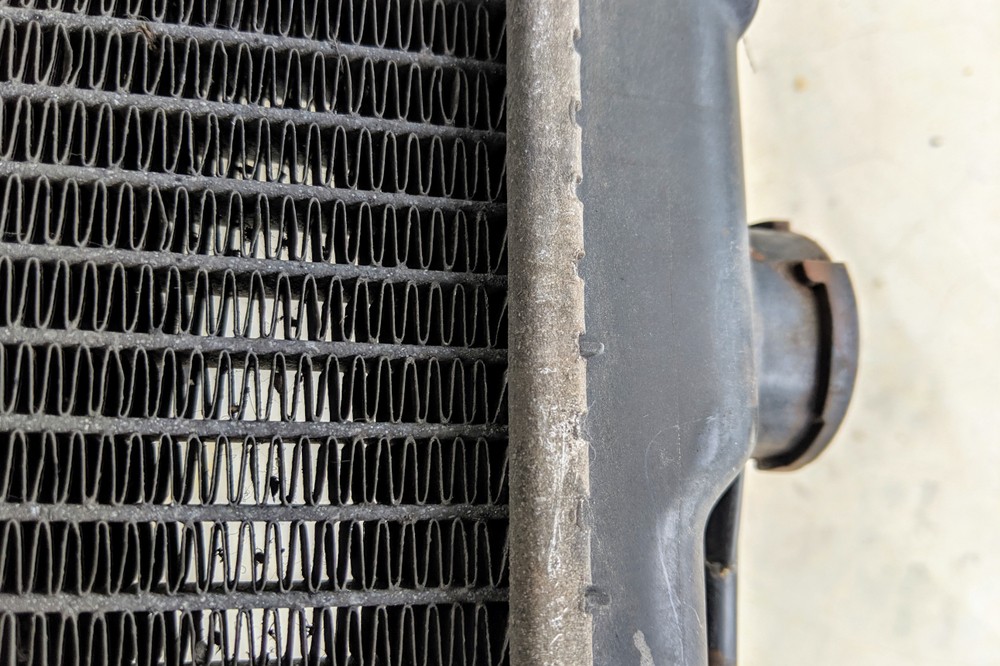
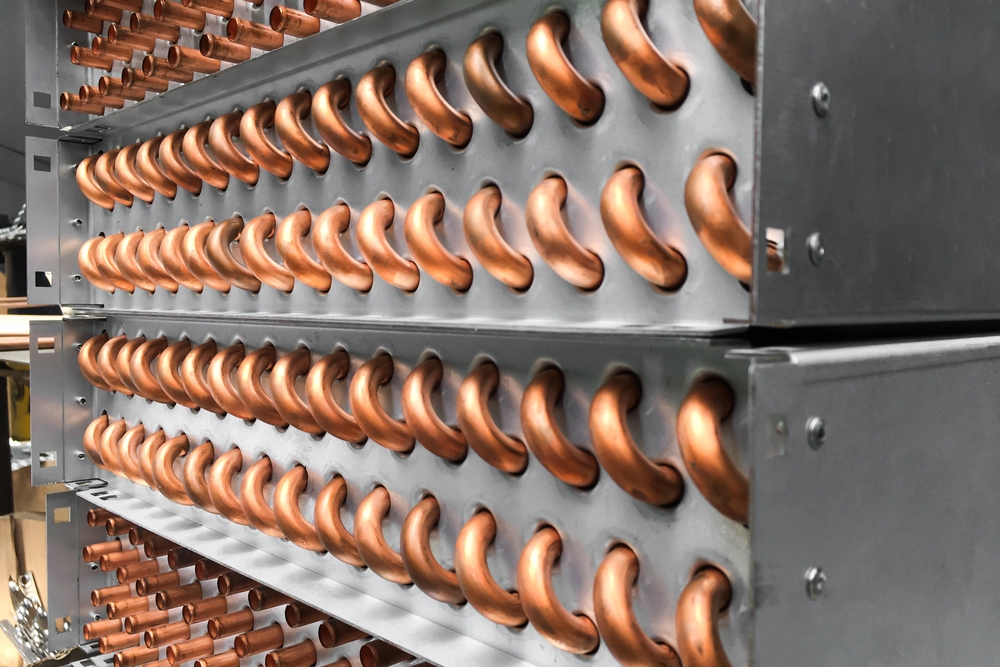
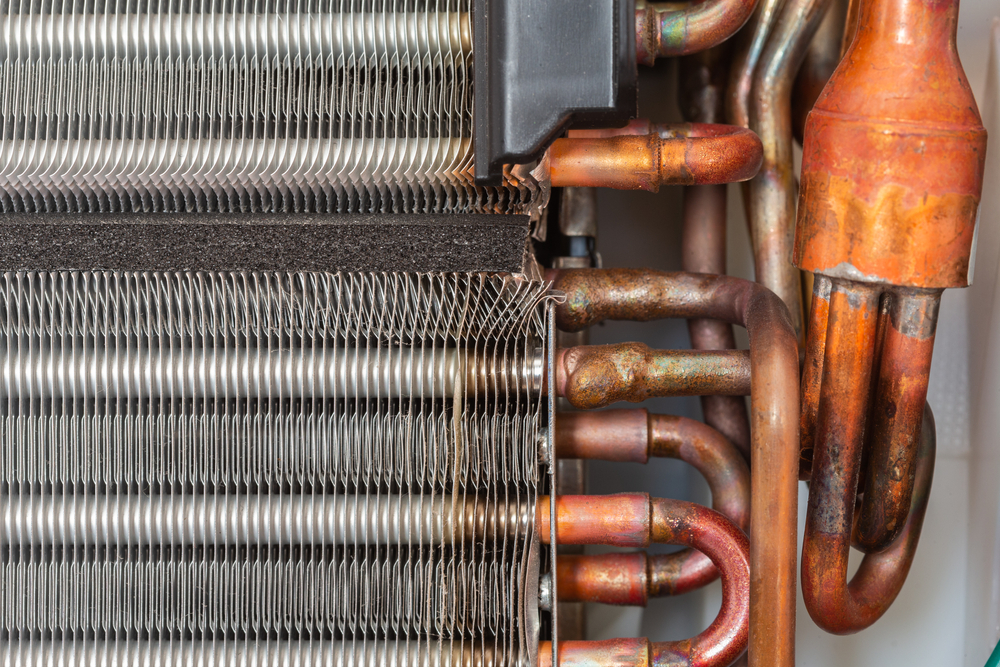
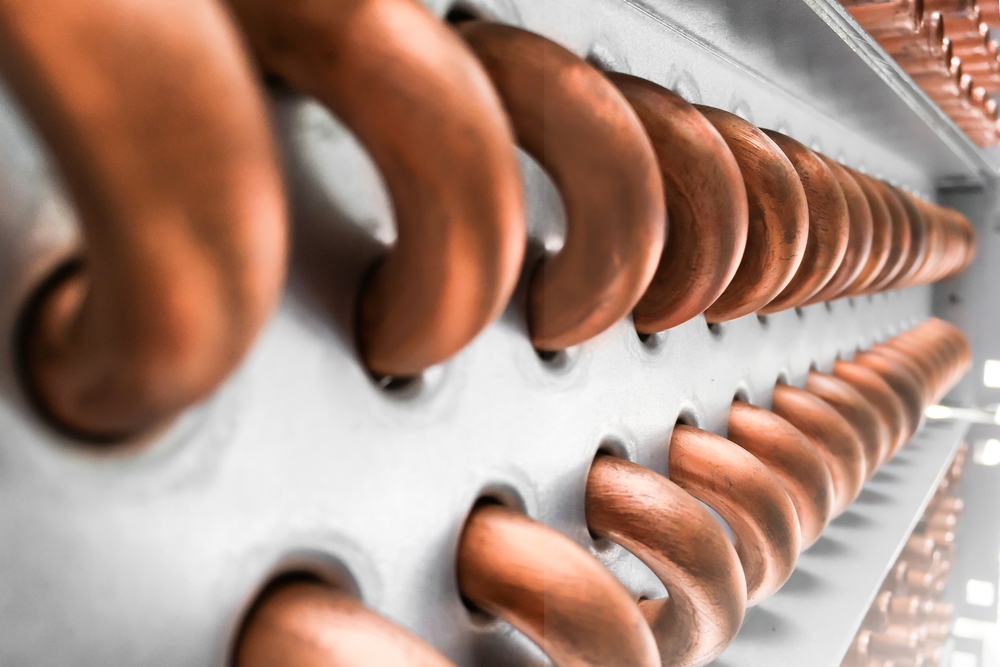
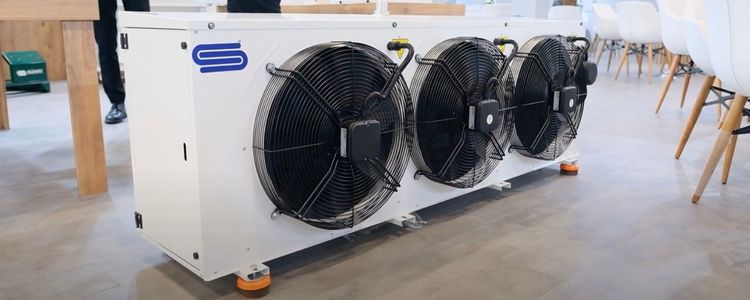
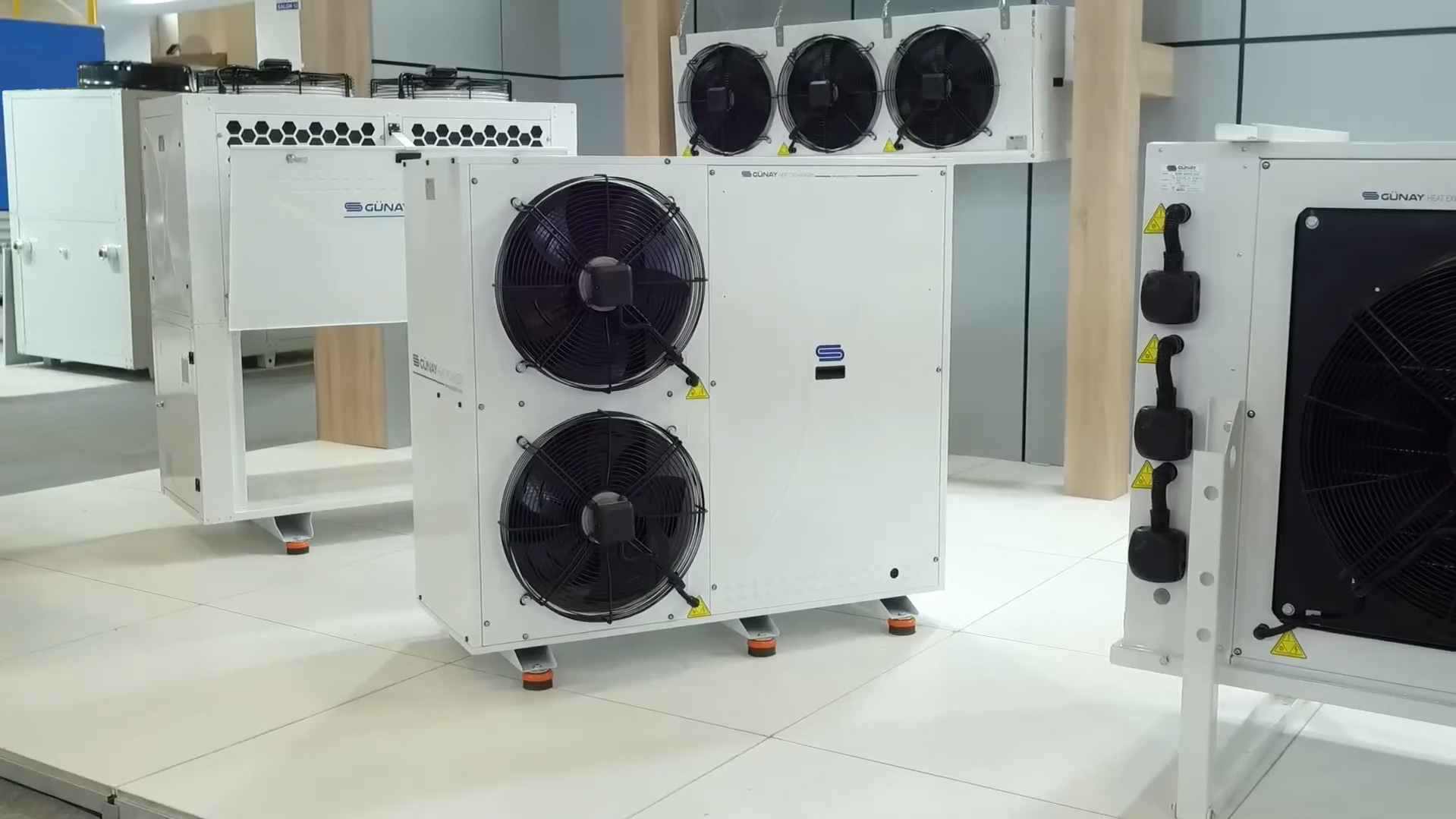
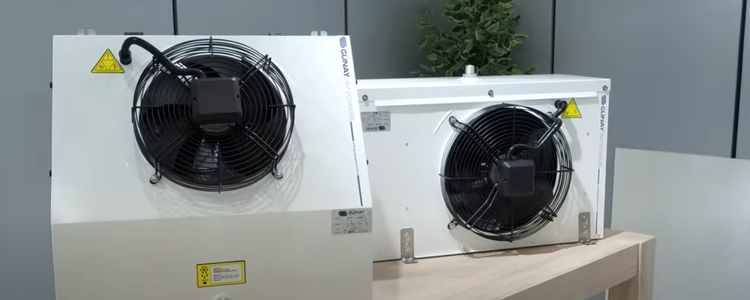
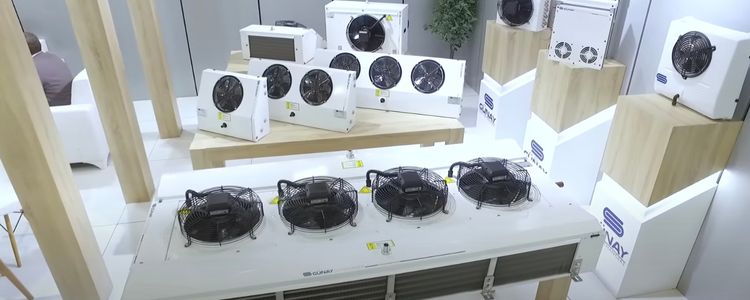
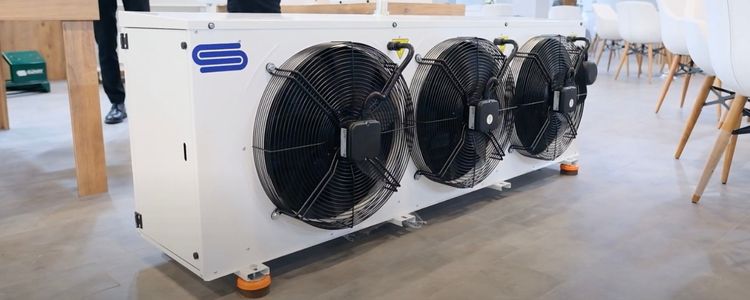
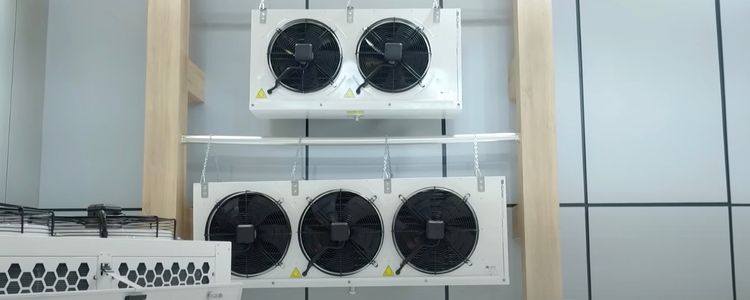
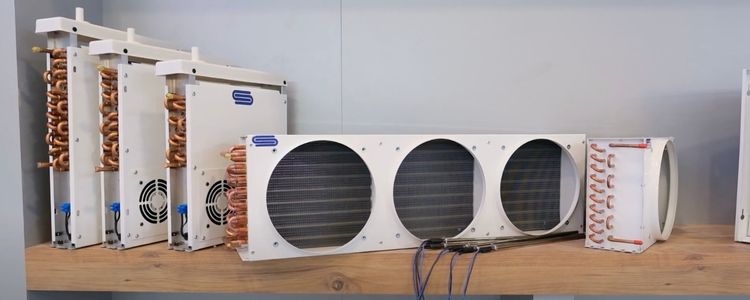
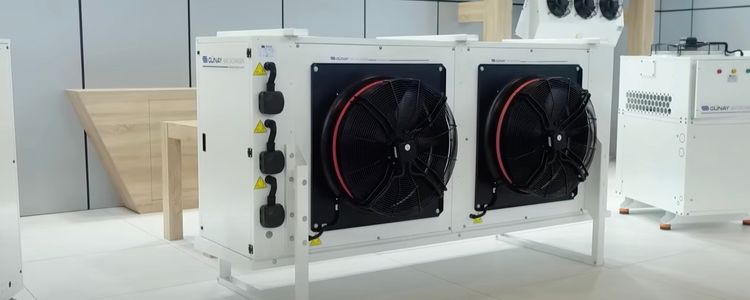
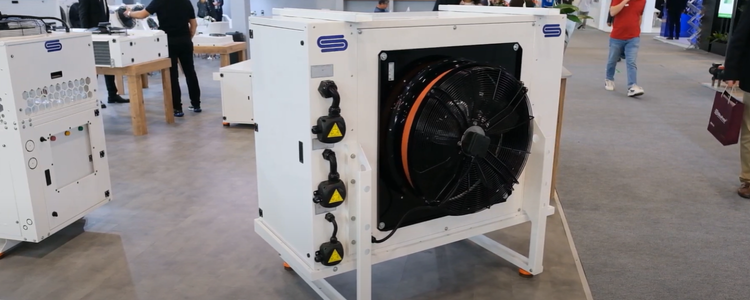
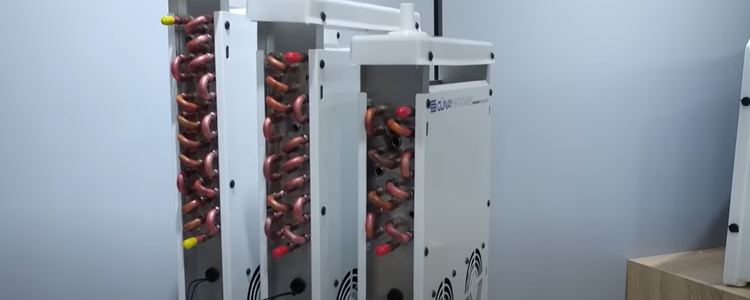
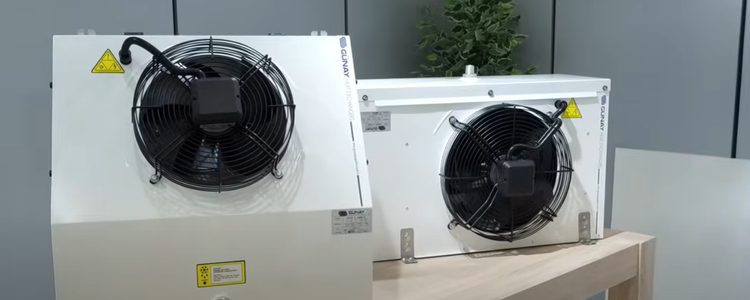
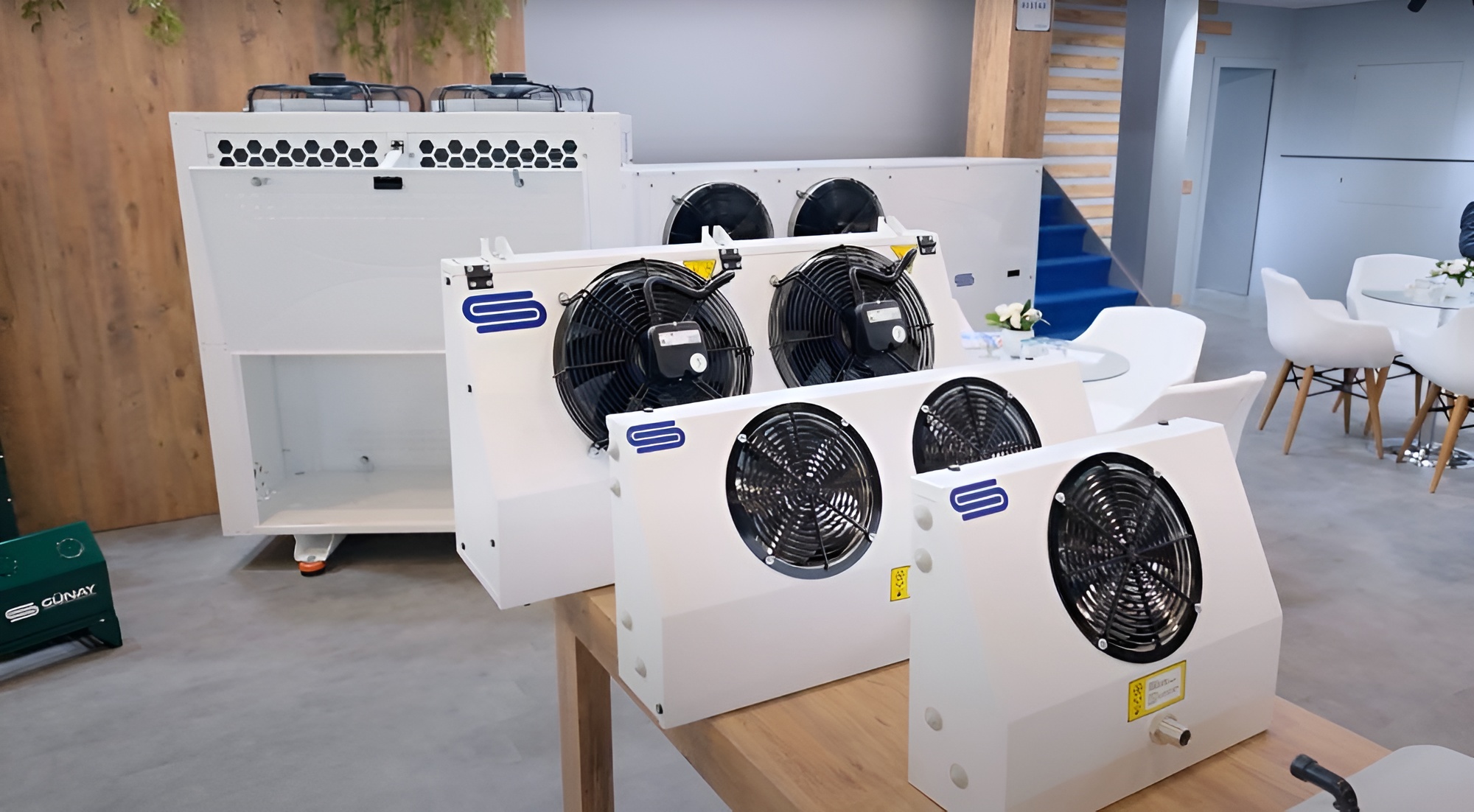
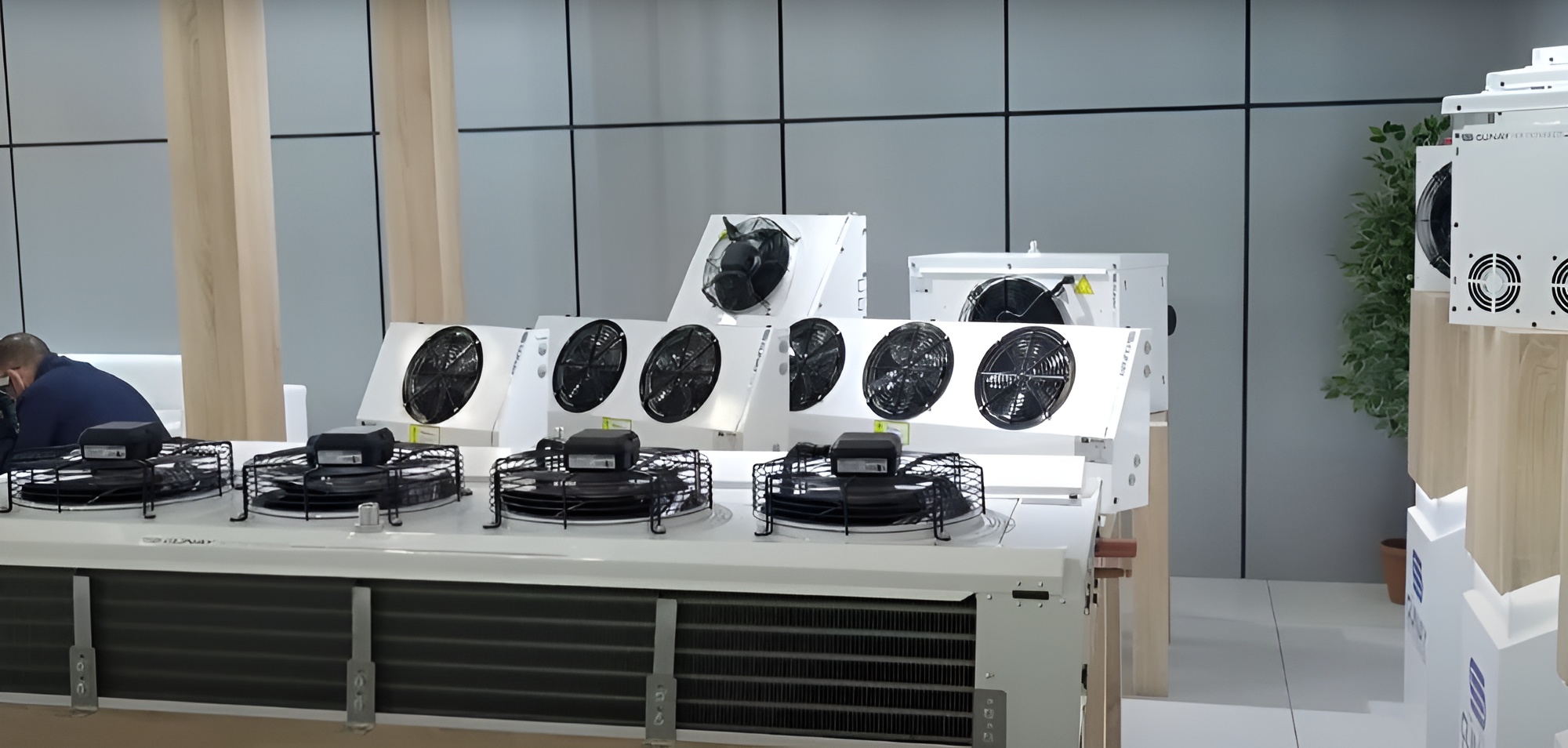
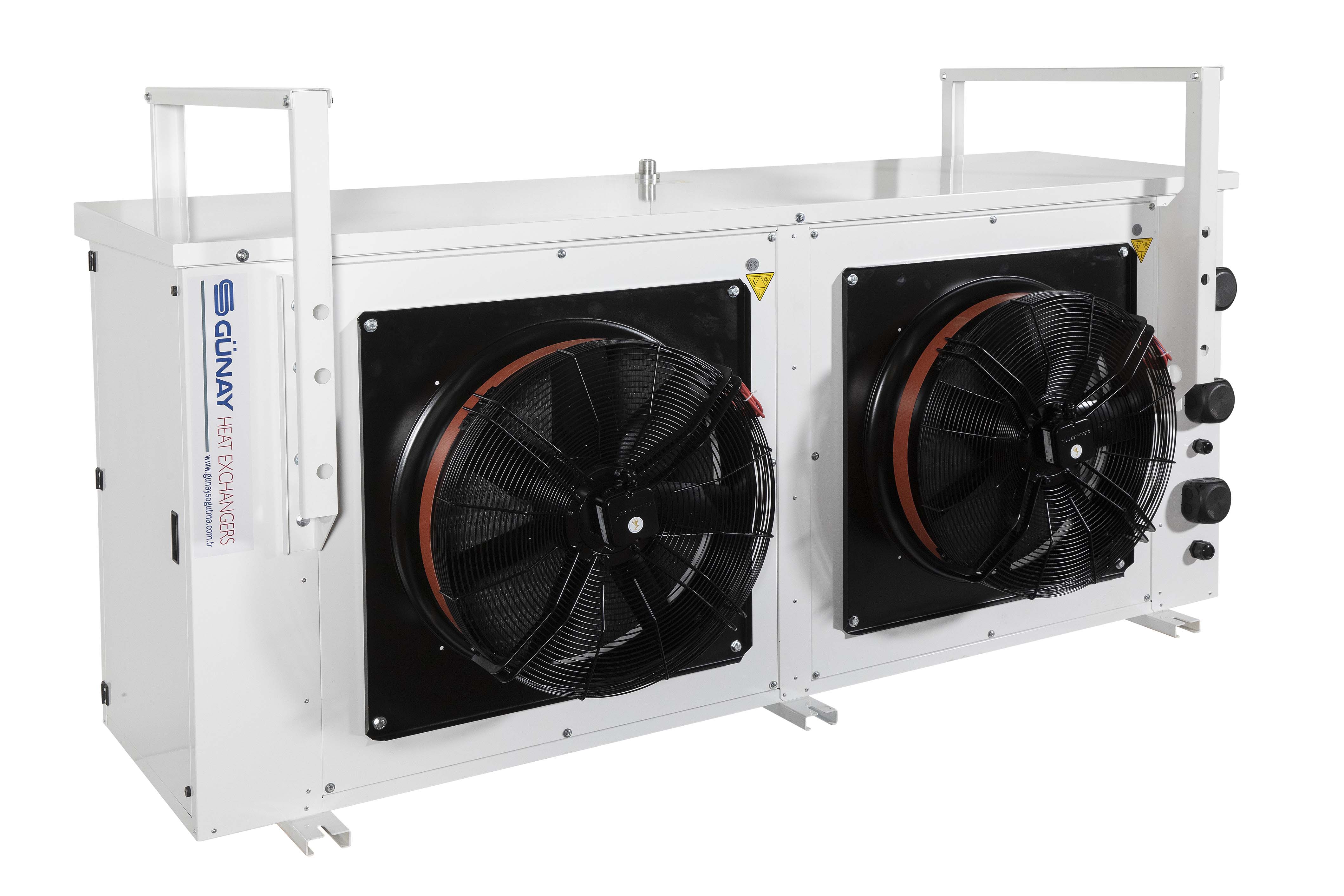
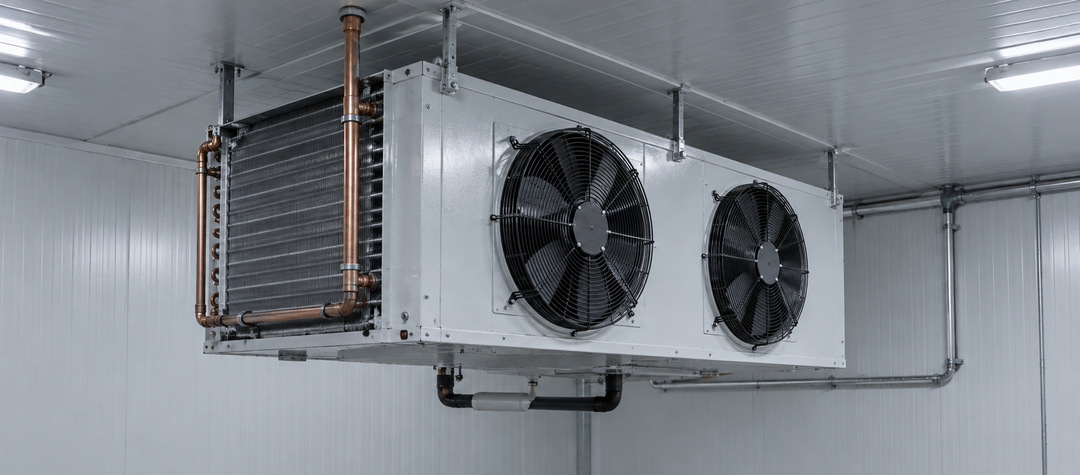
Racks and products should not obstruct airflow through the evaporator. A dirty or heavily frosted coil makes heat transfer between the air and refrigerant more difficult. This is why fin spacing, airflow and defrost method should suit the application.
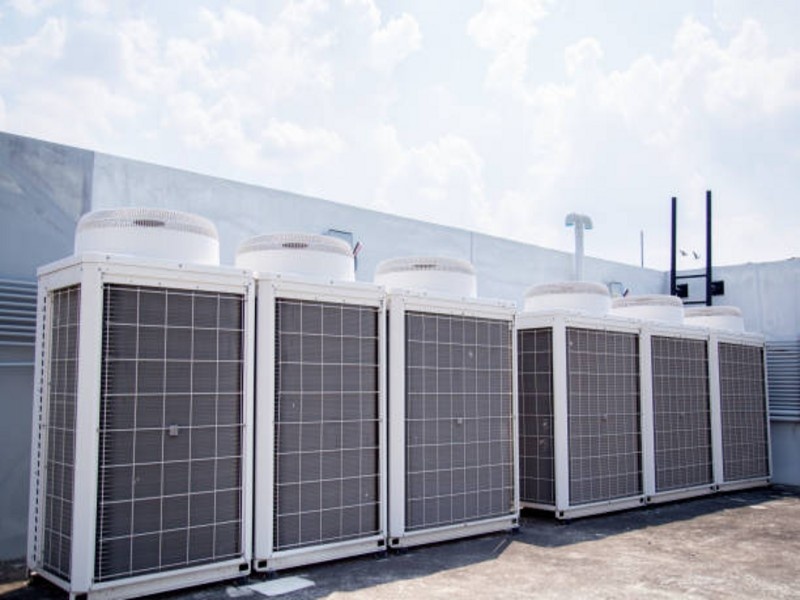
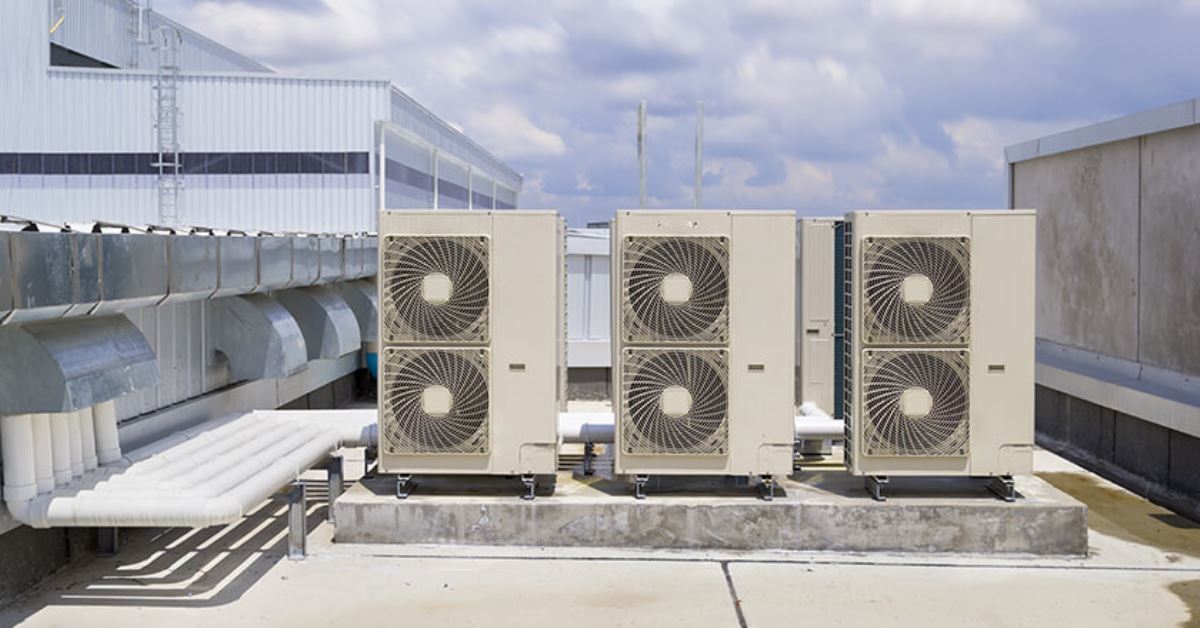
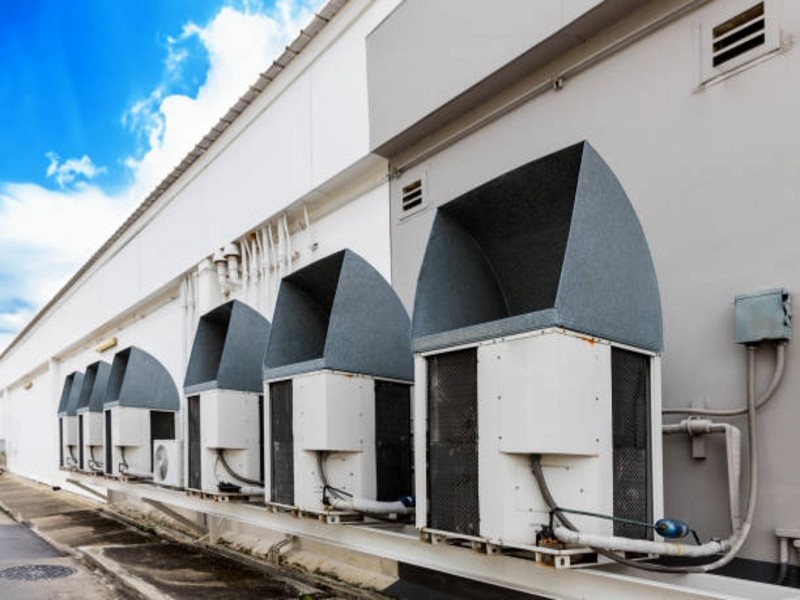
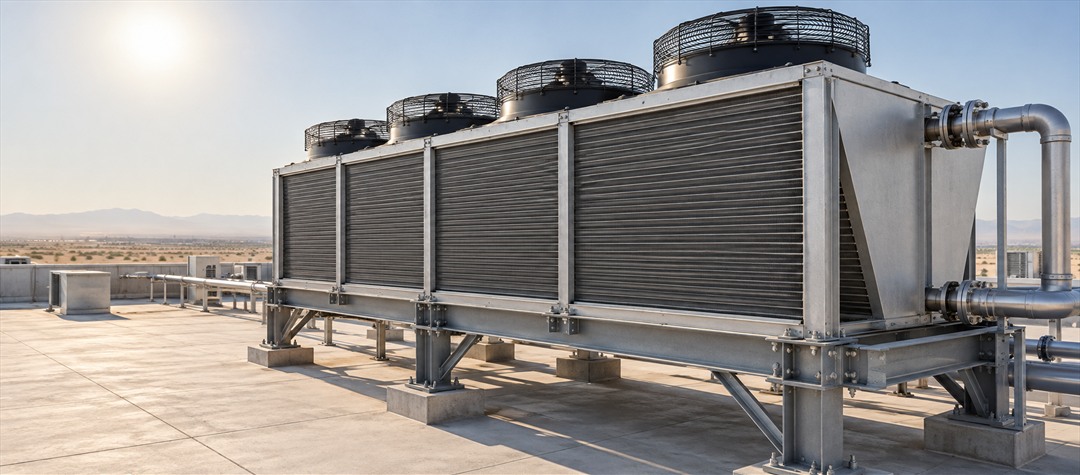
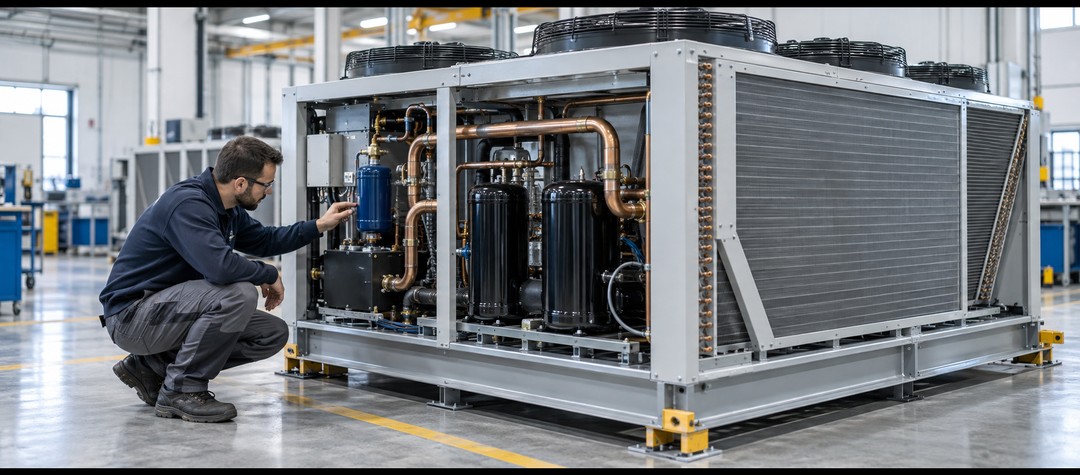
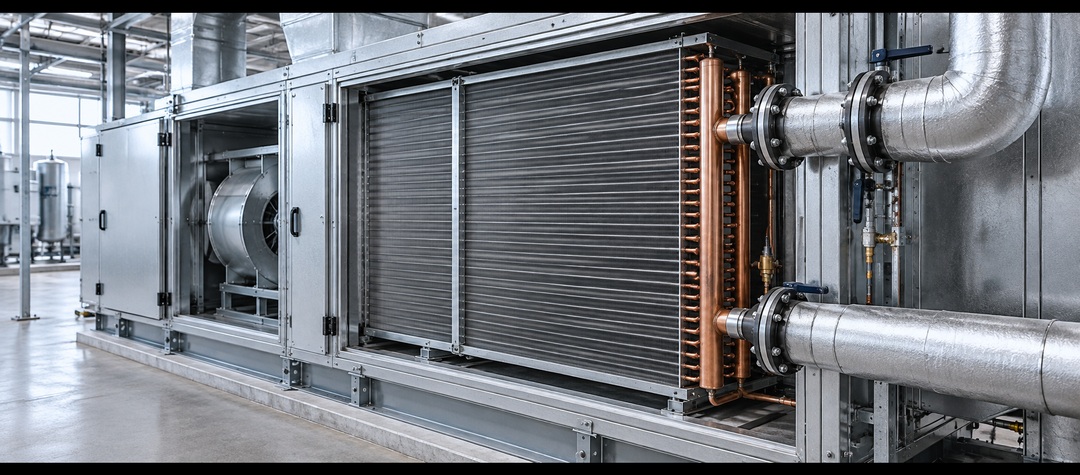
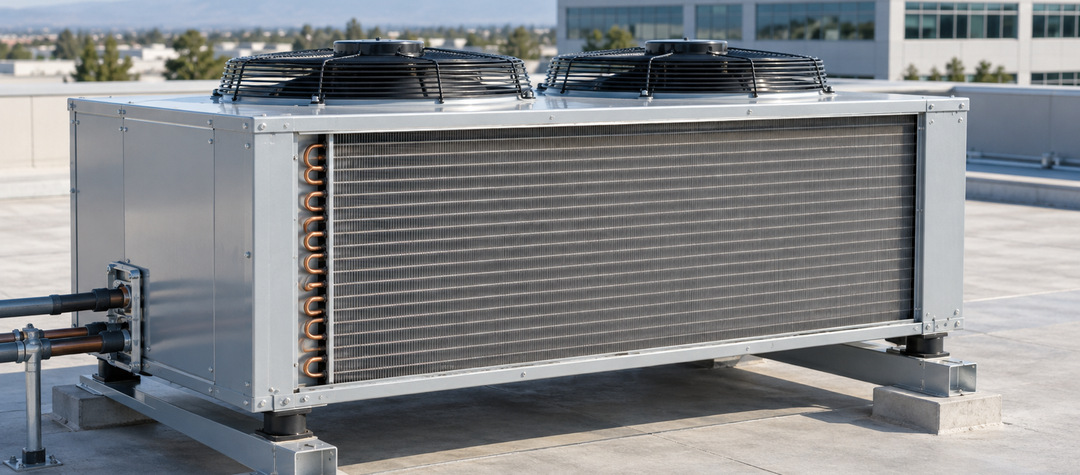
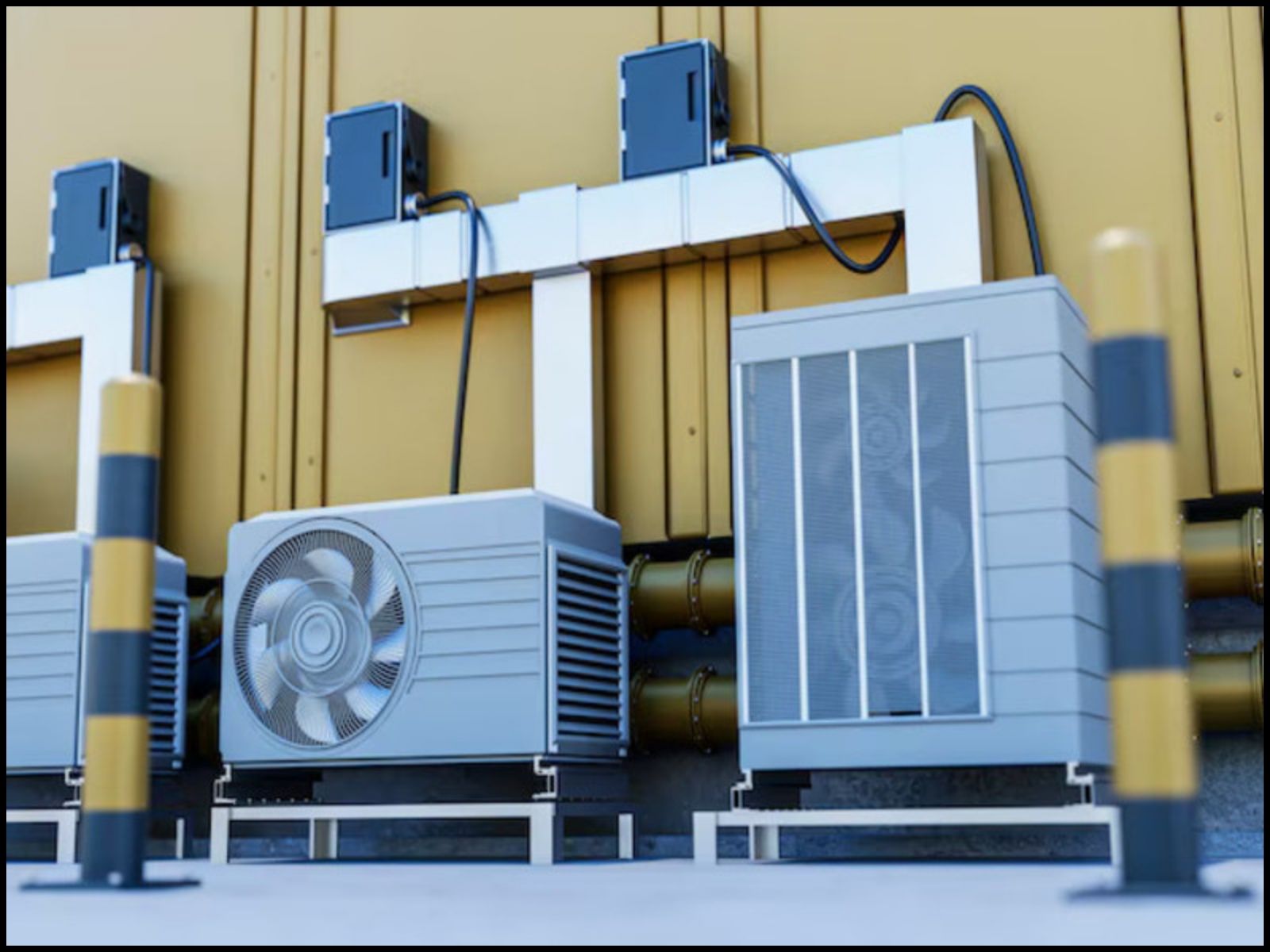
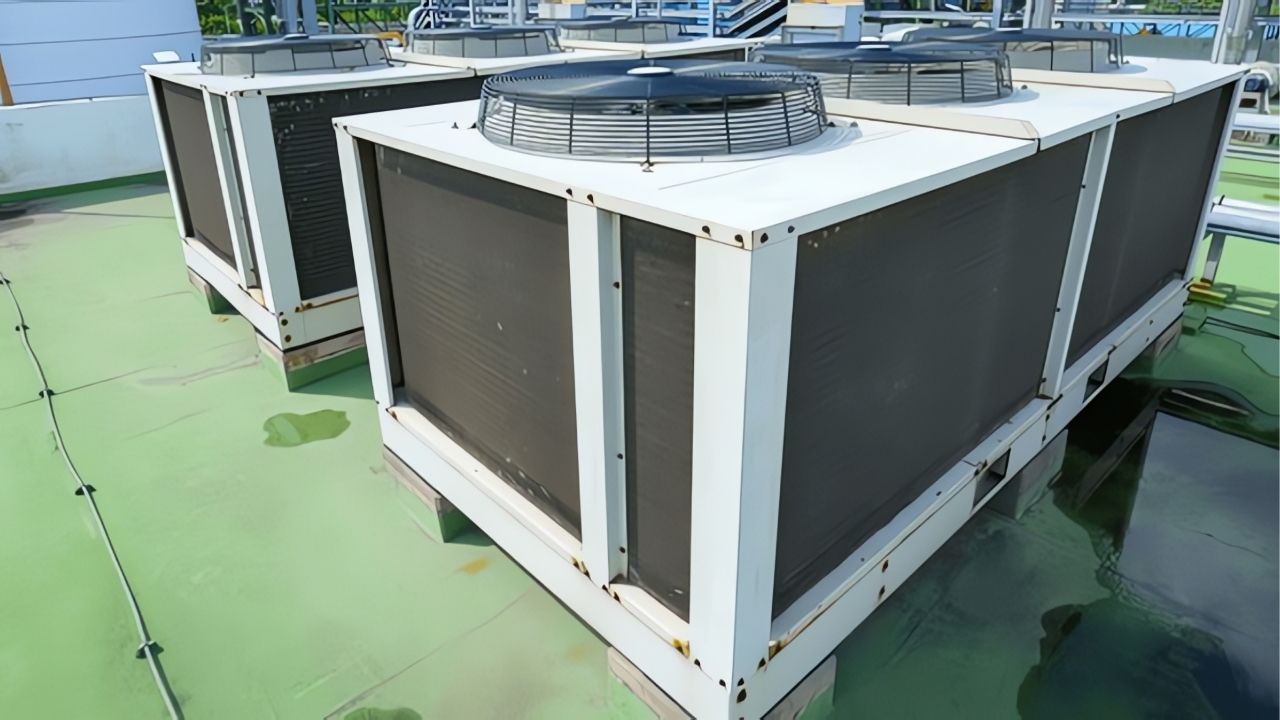
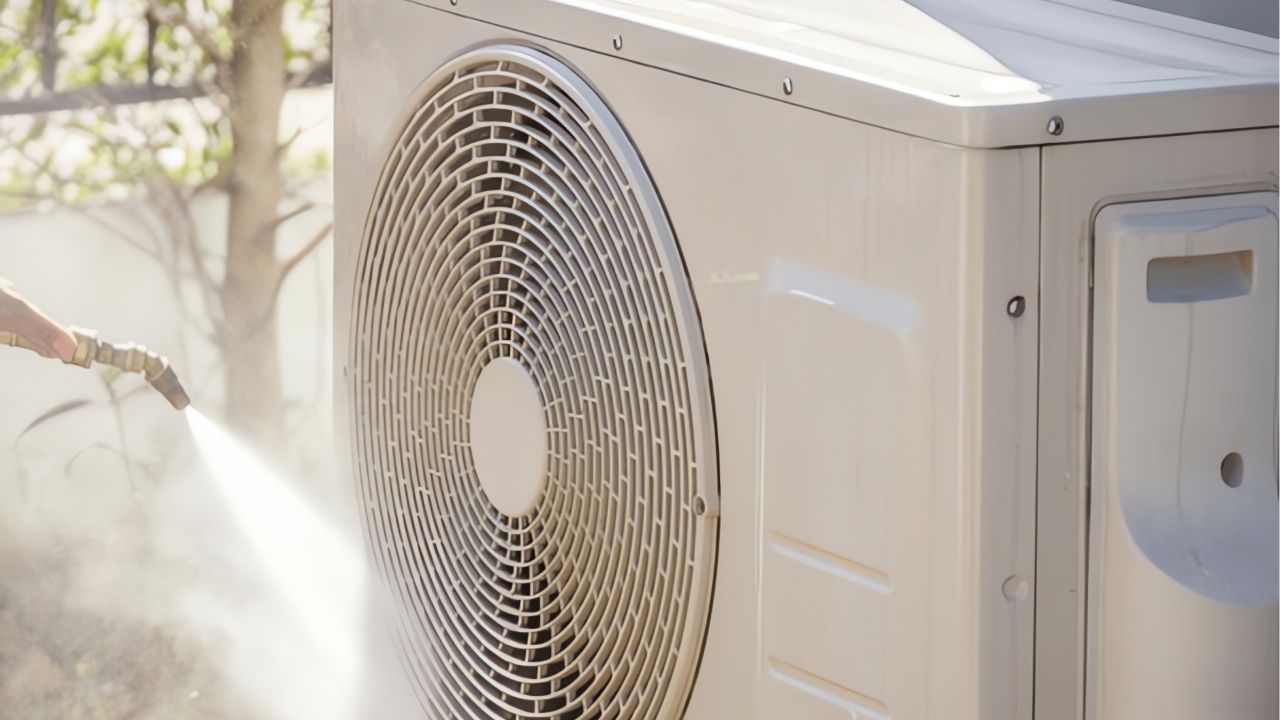
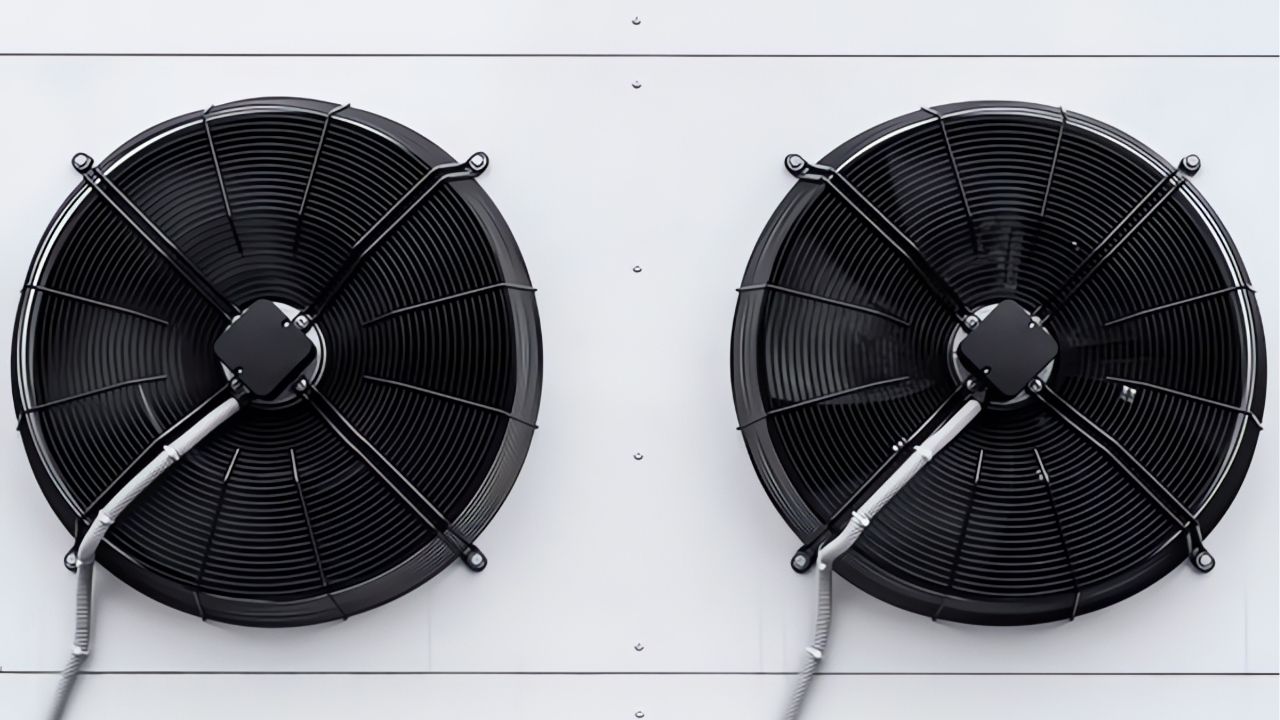
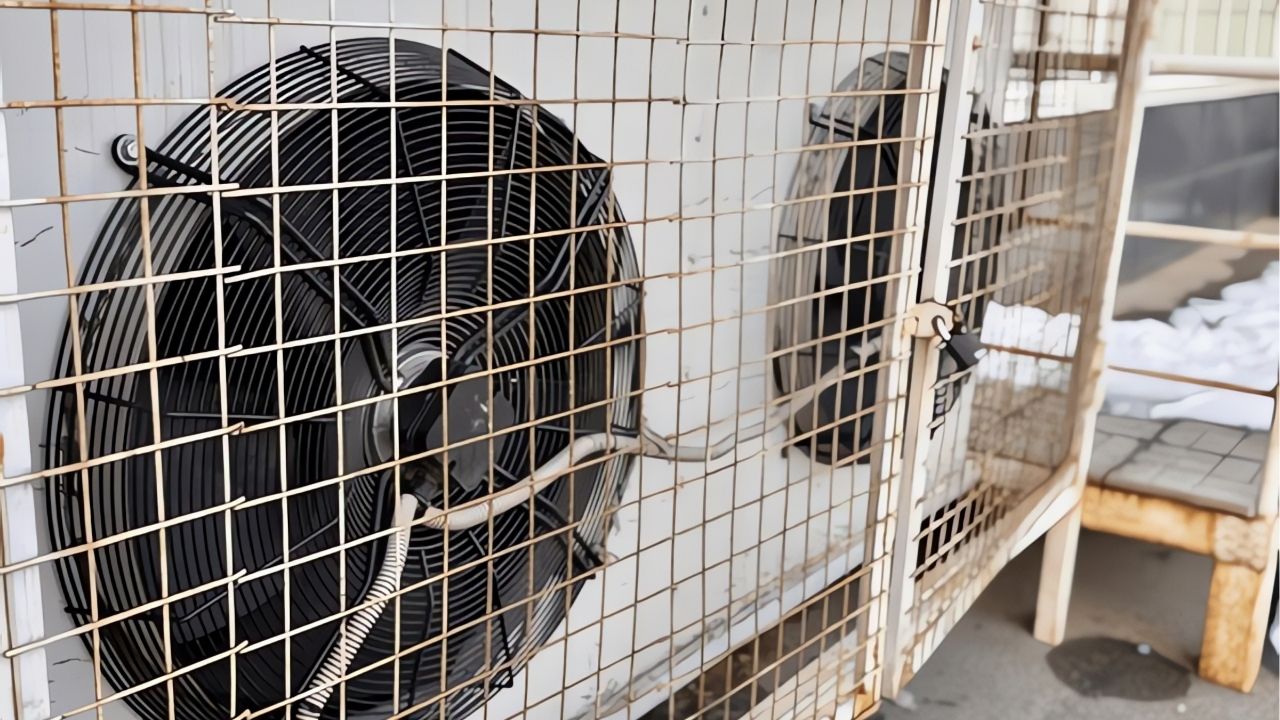
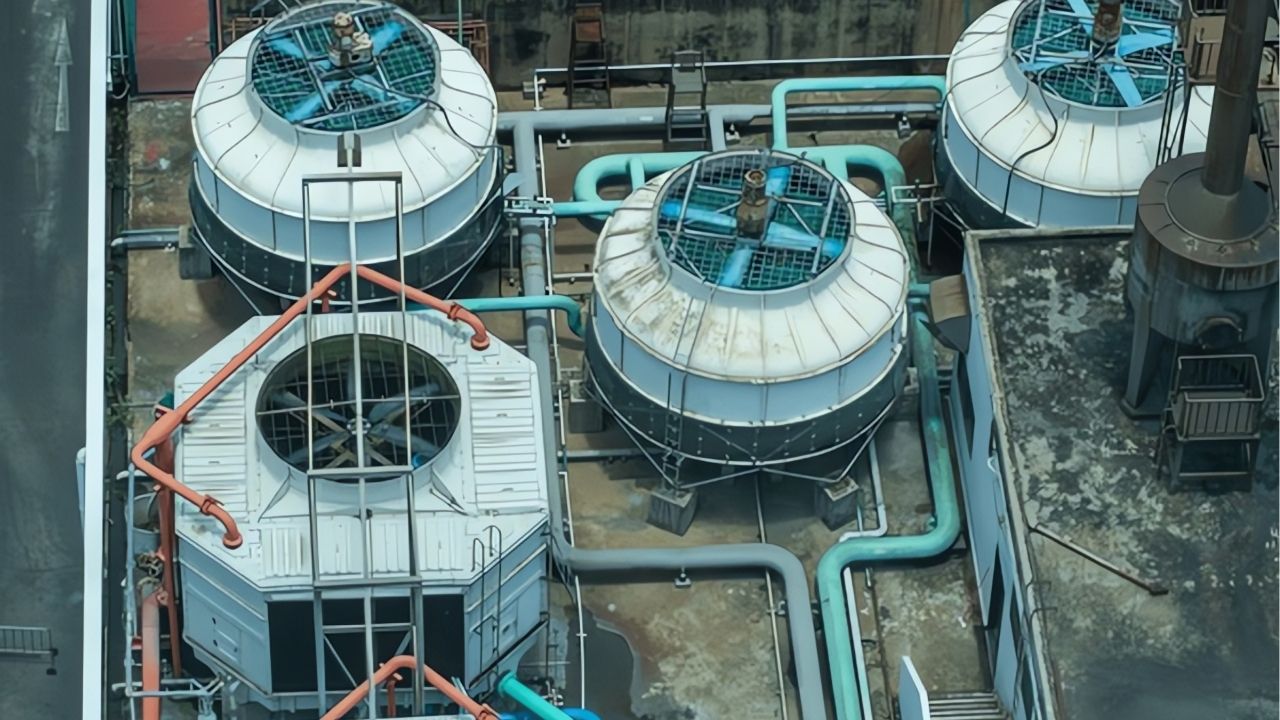
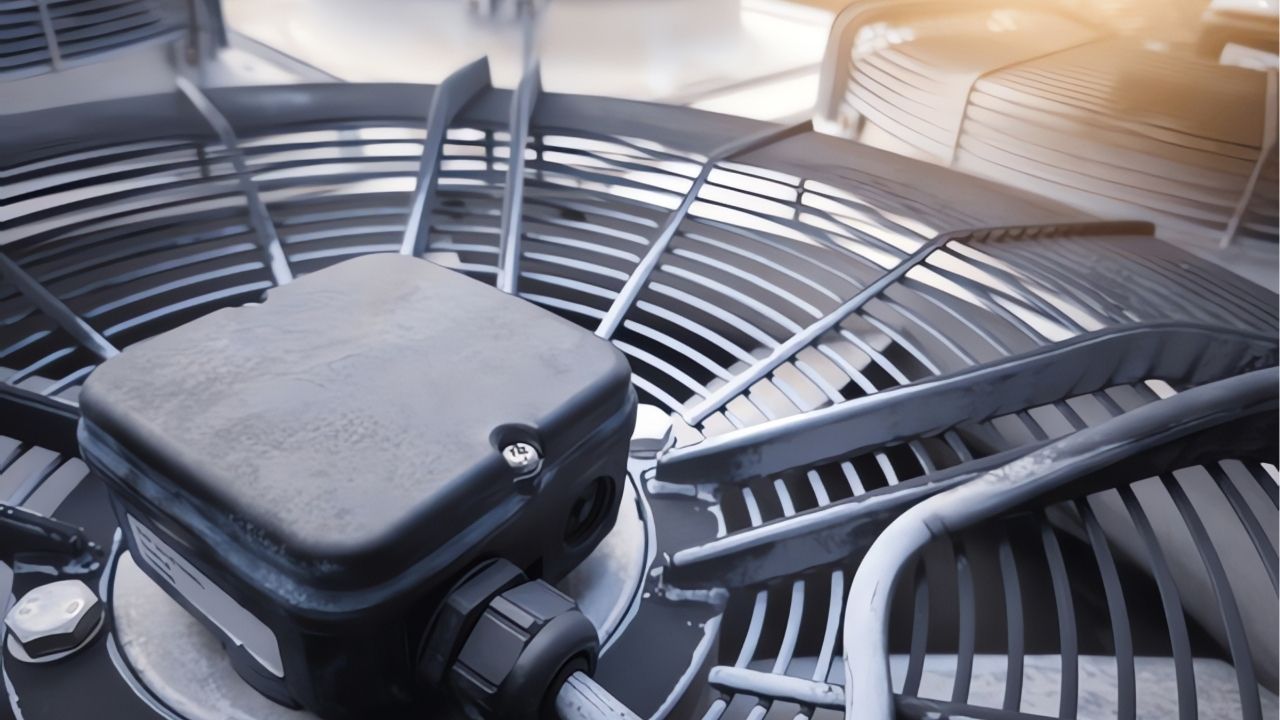
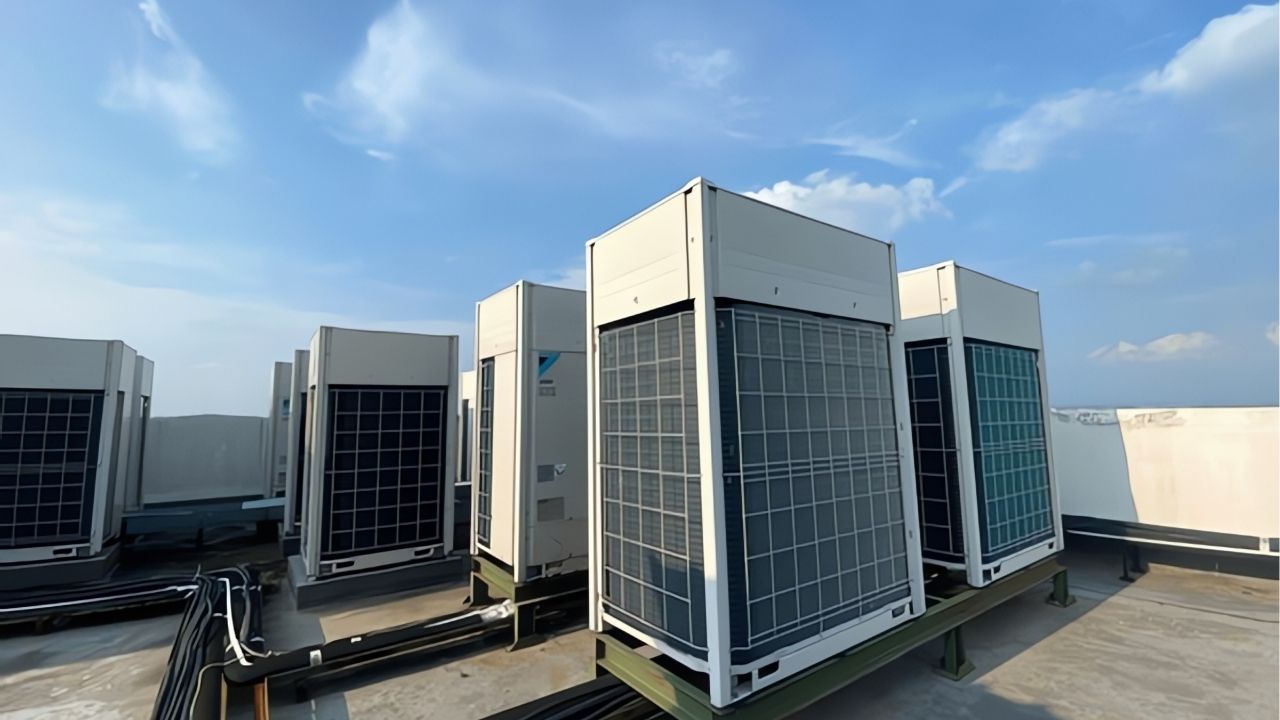
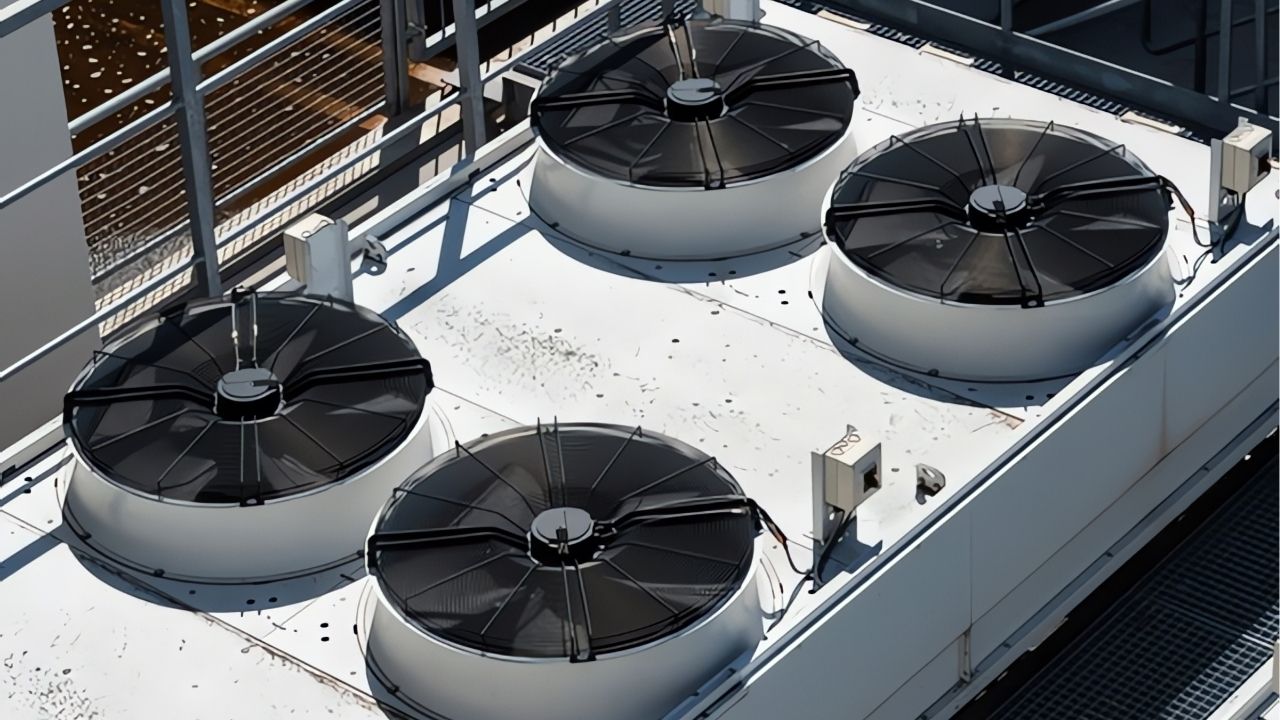
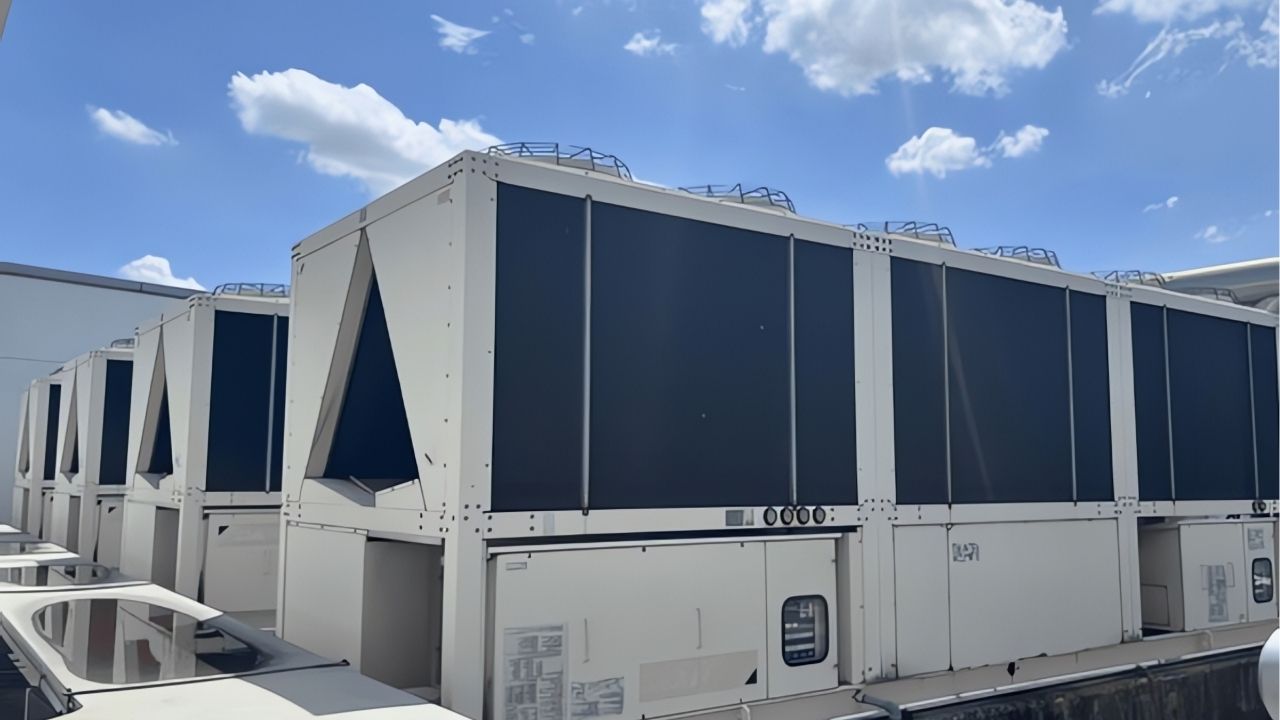
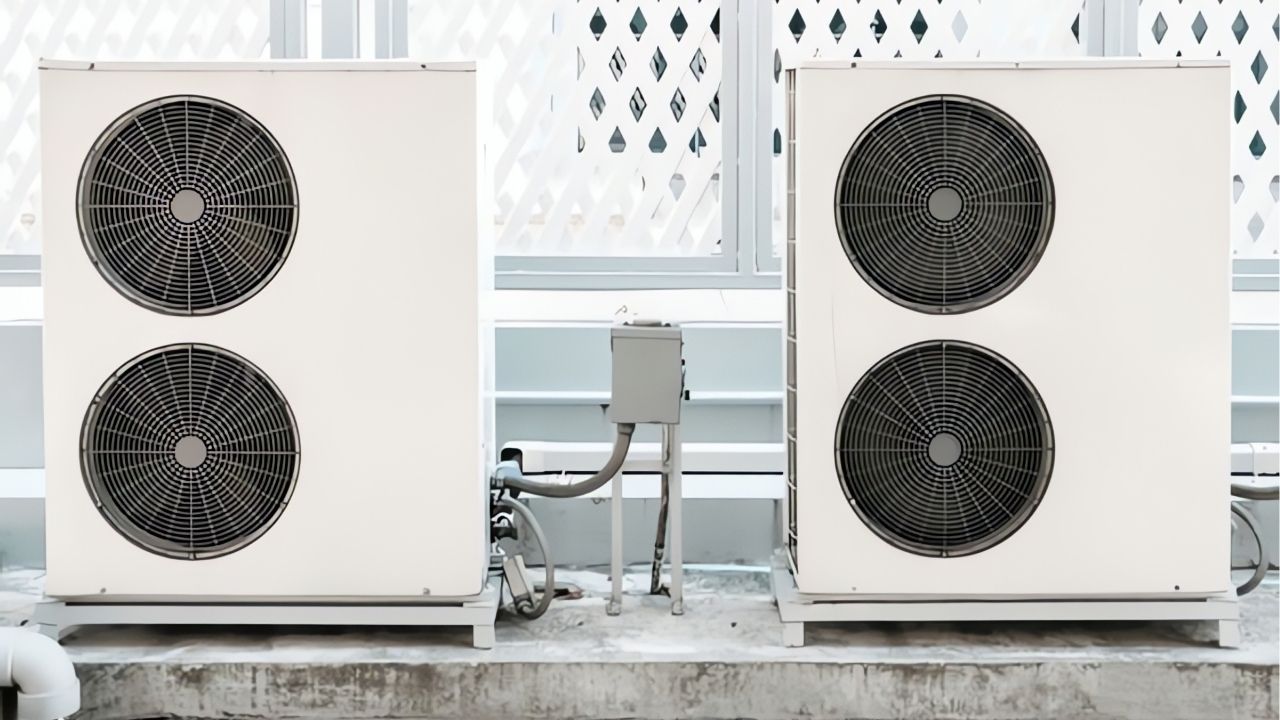
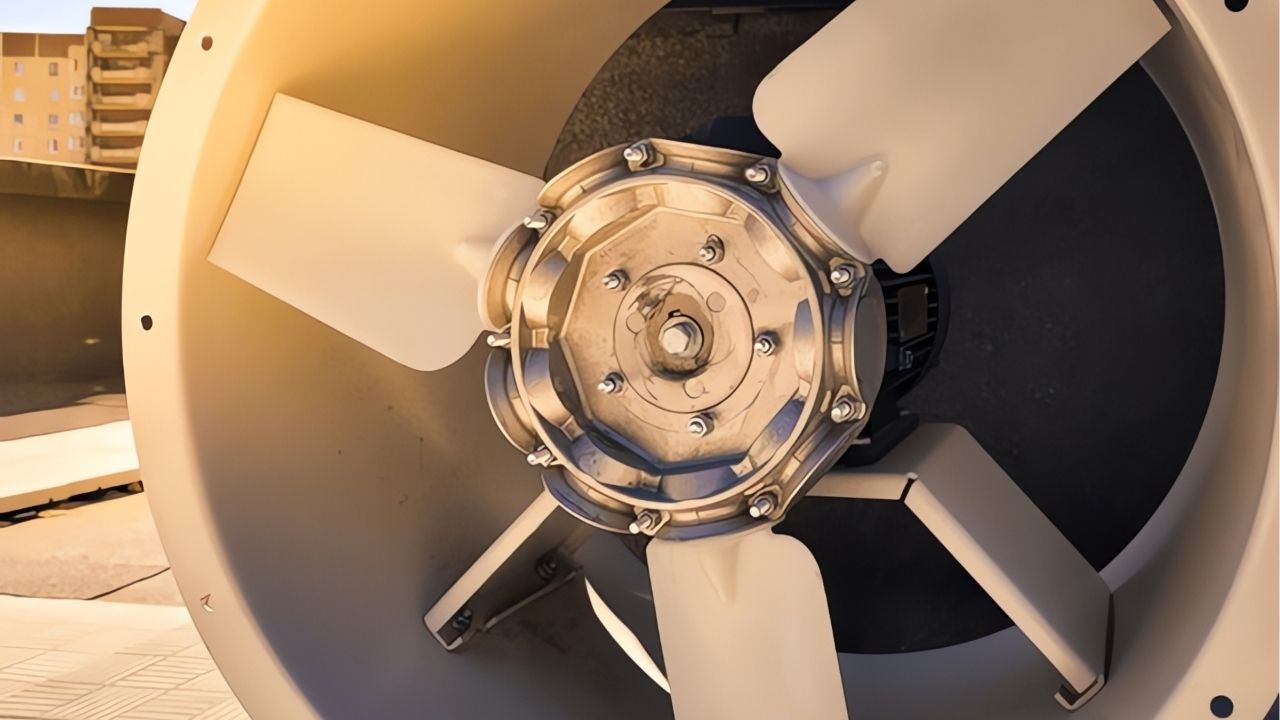
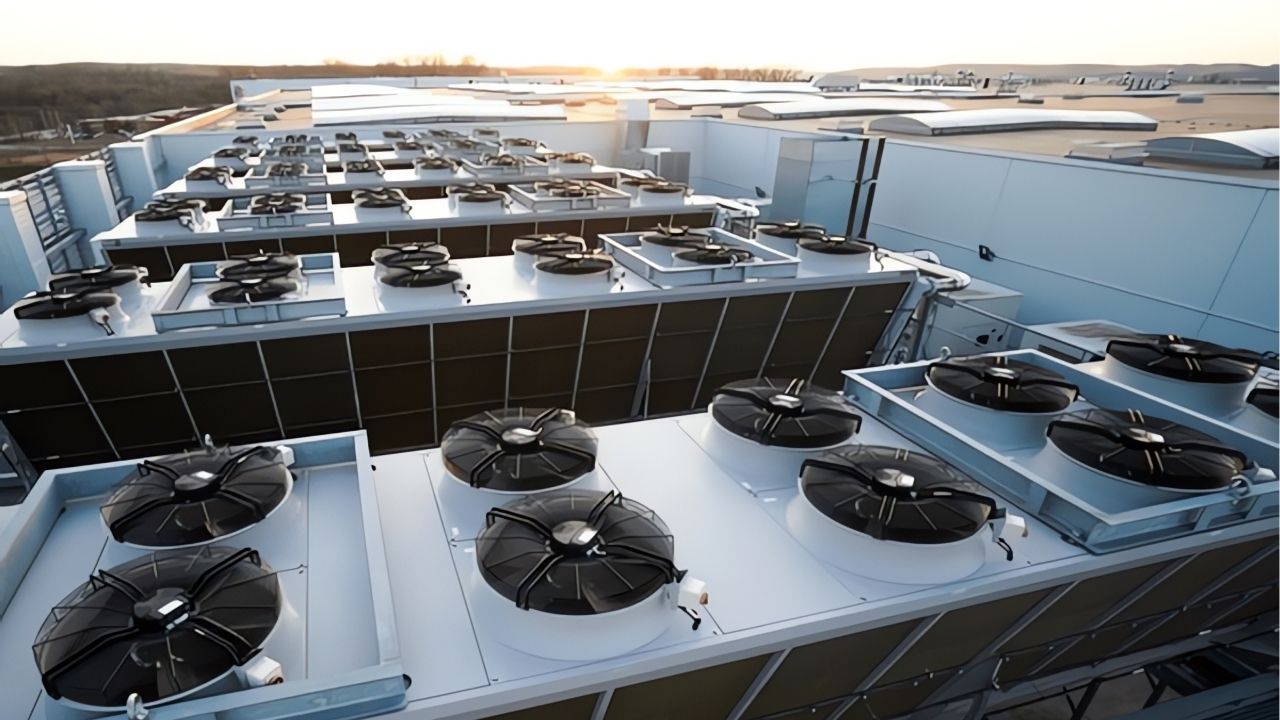
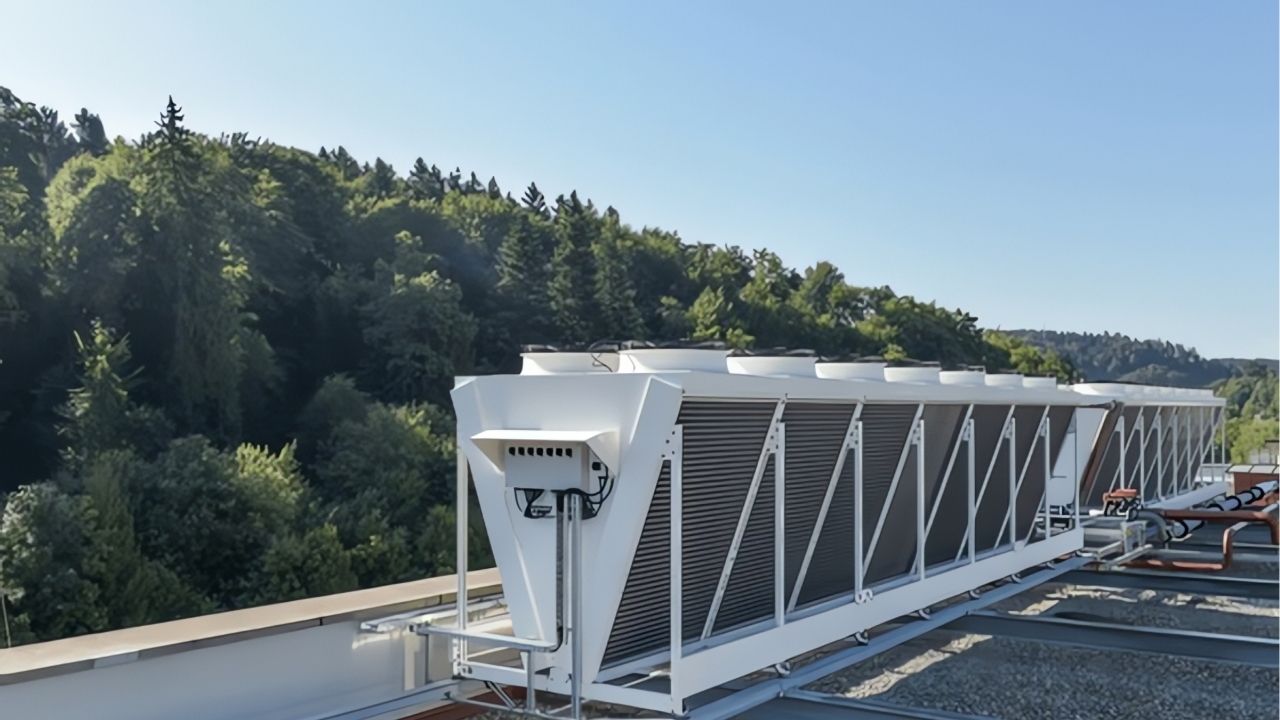
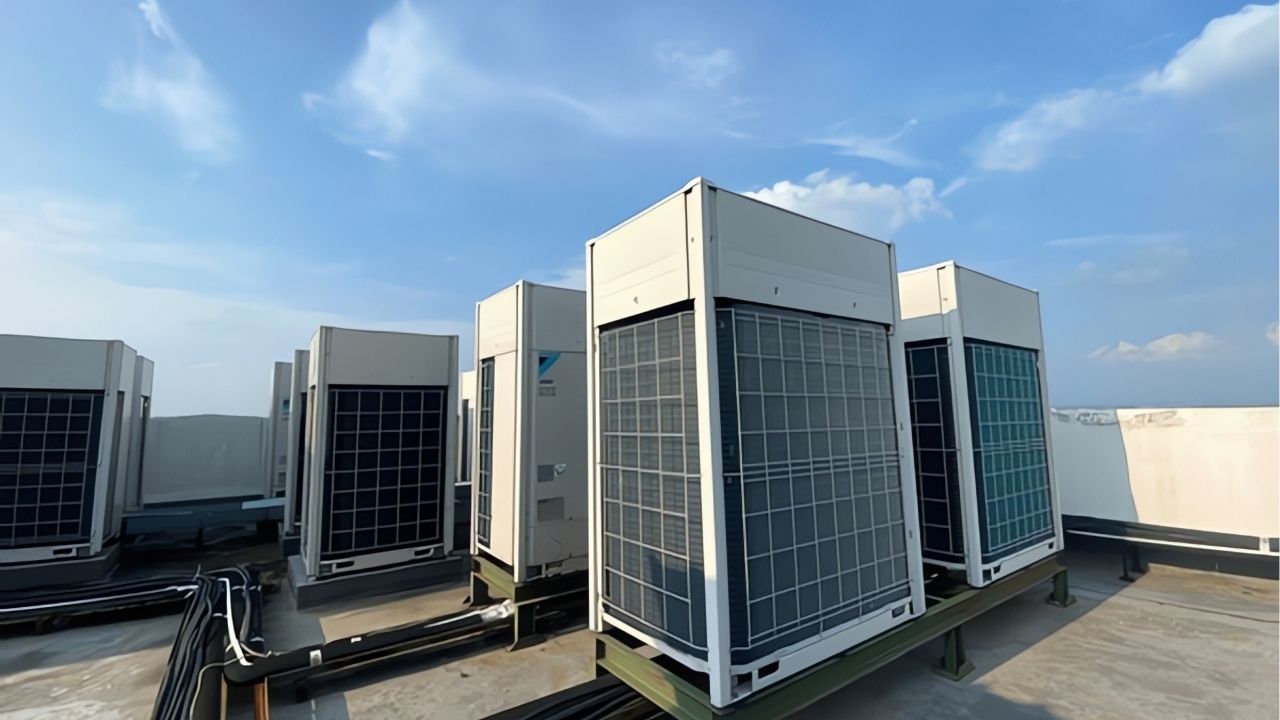
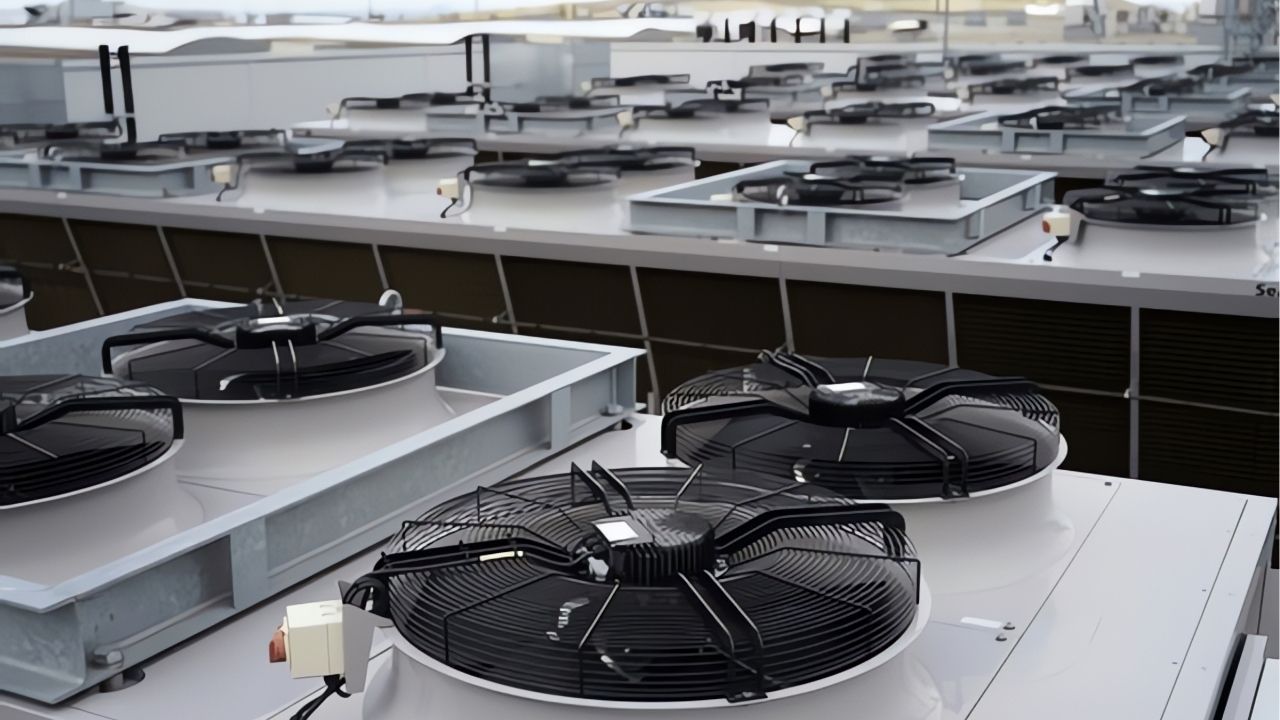
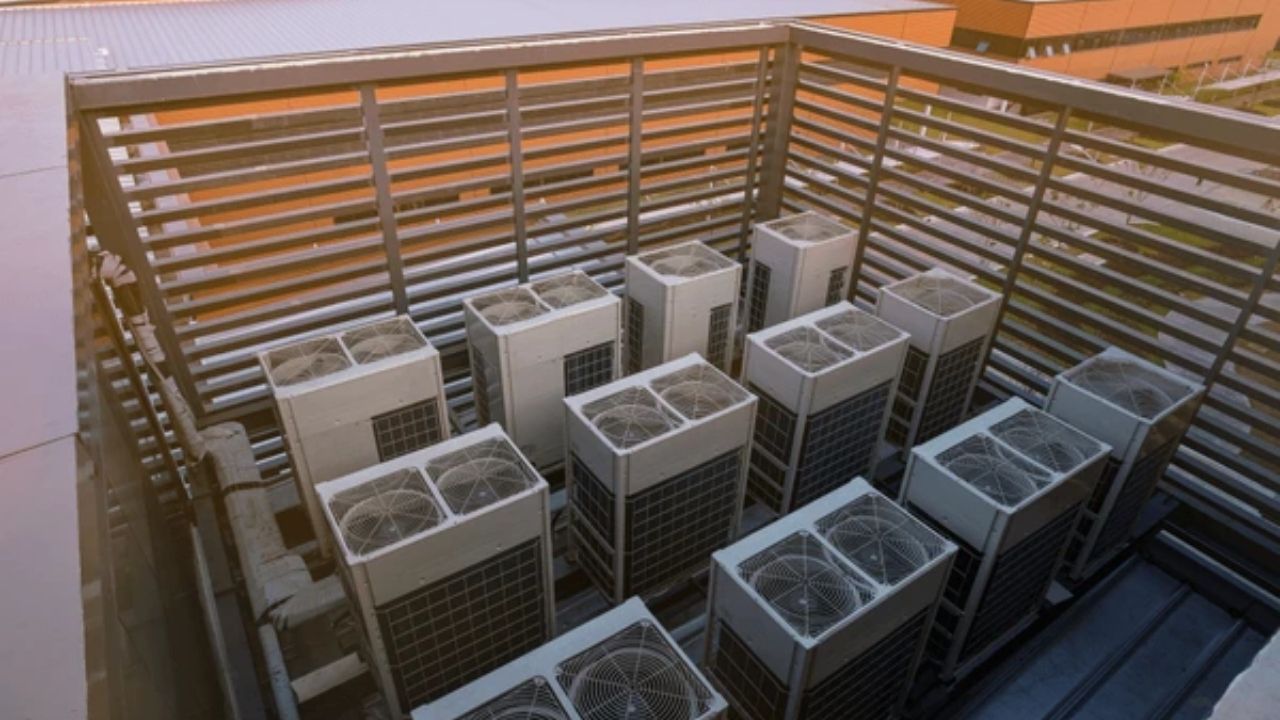
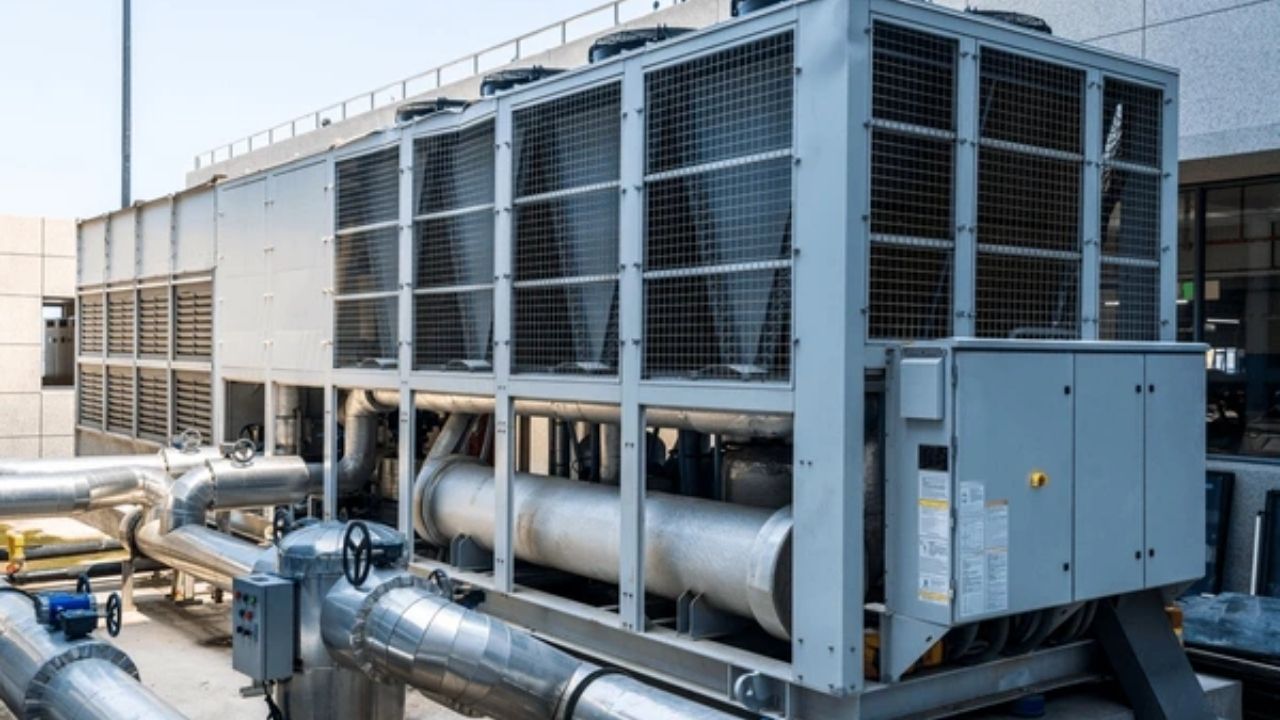
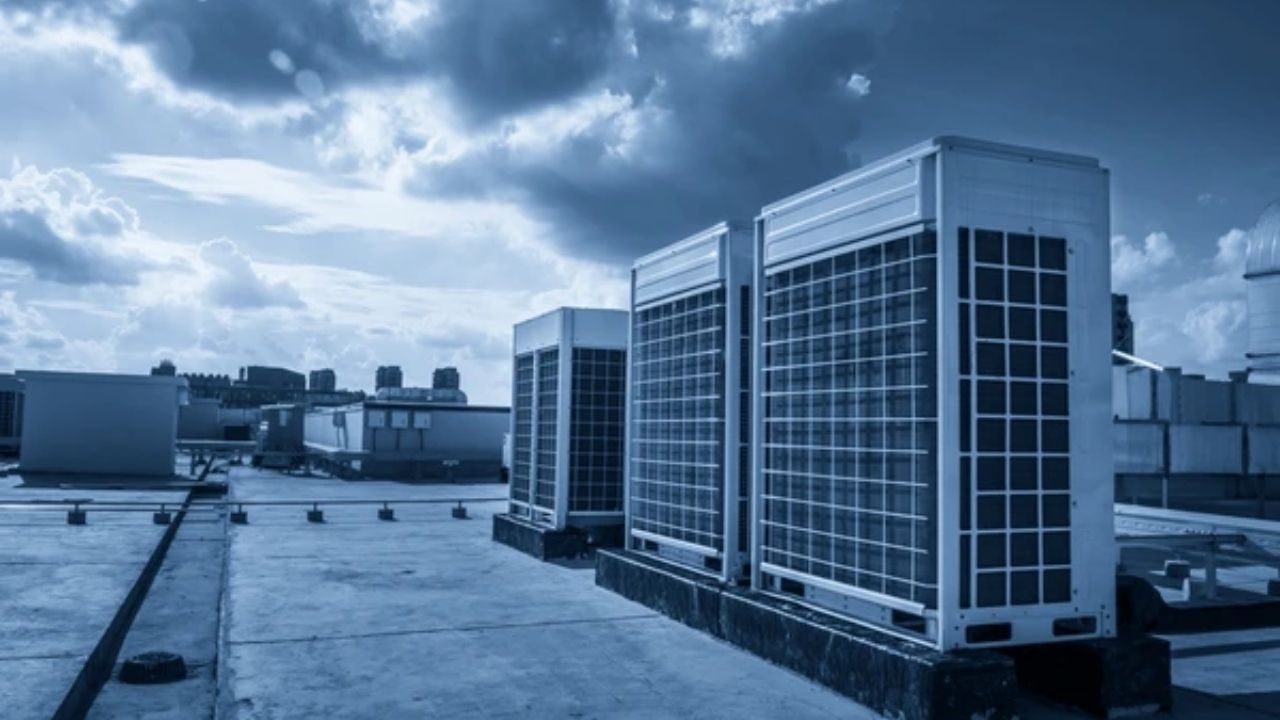
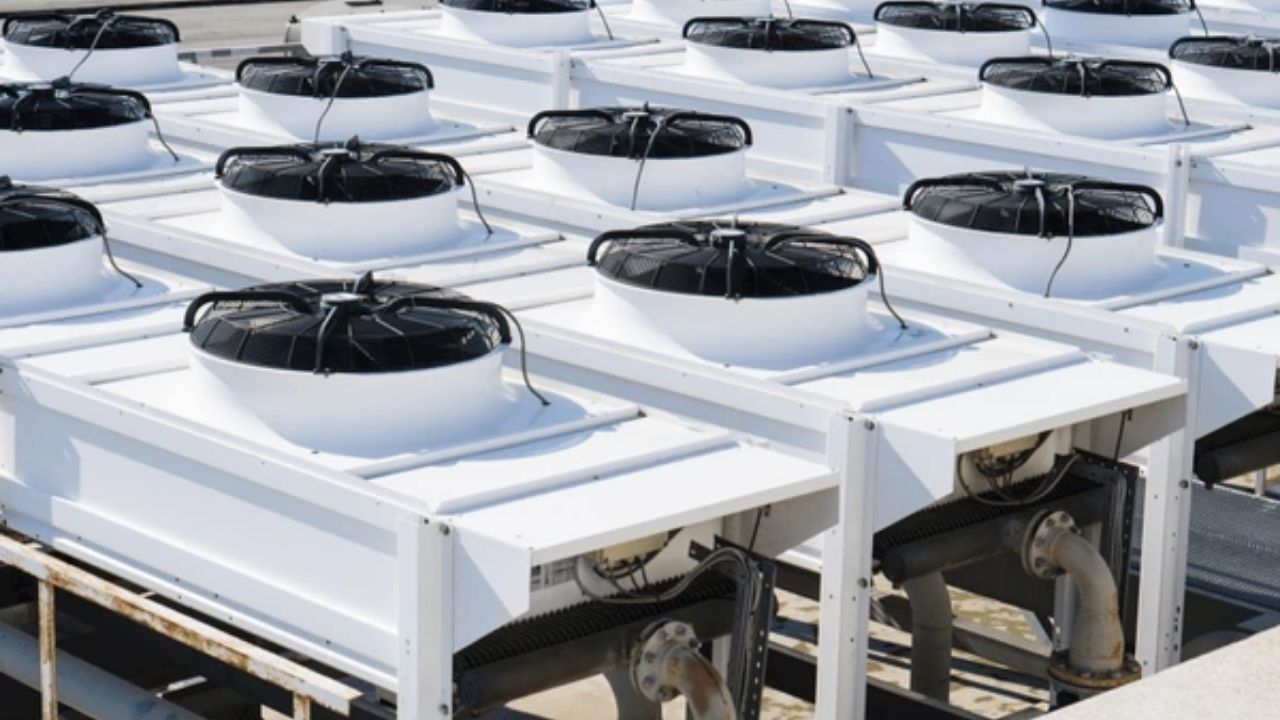
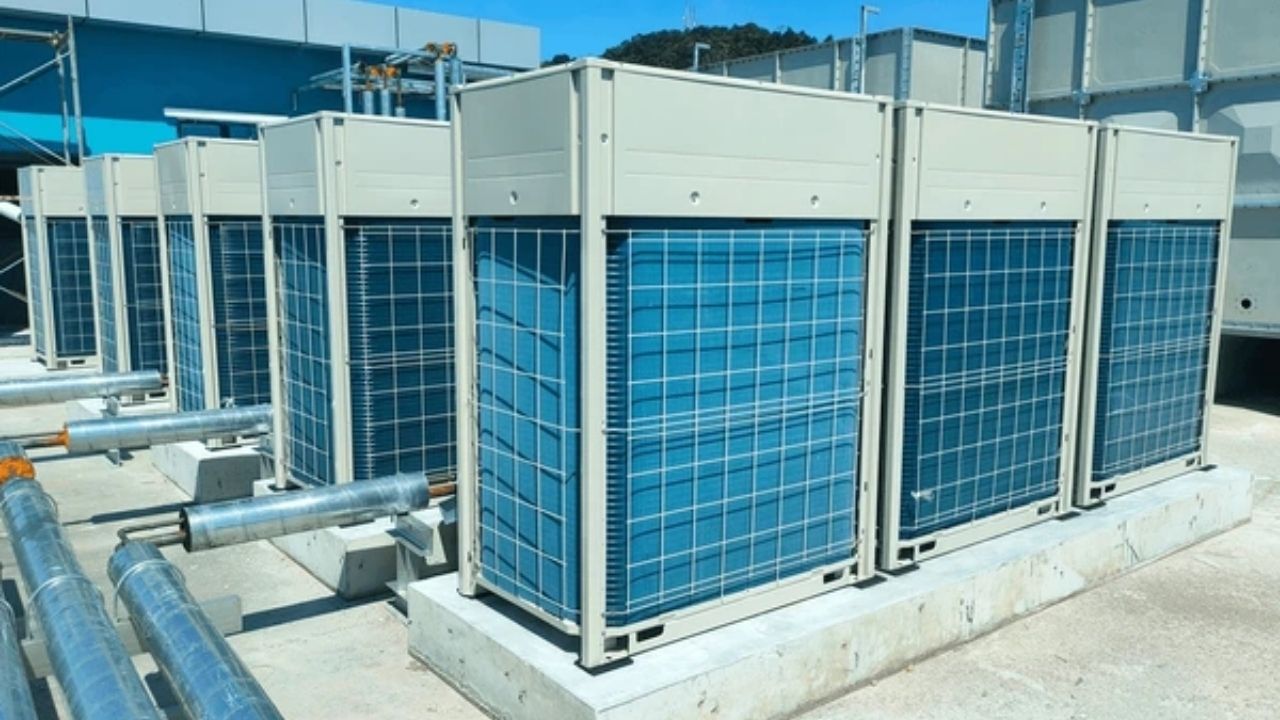
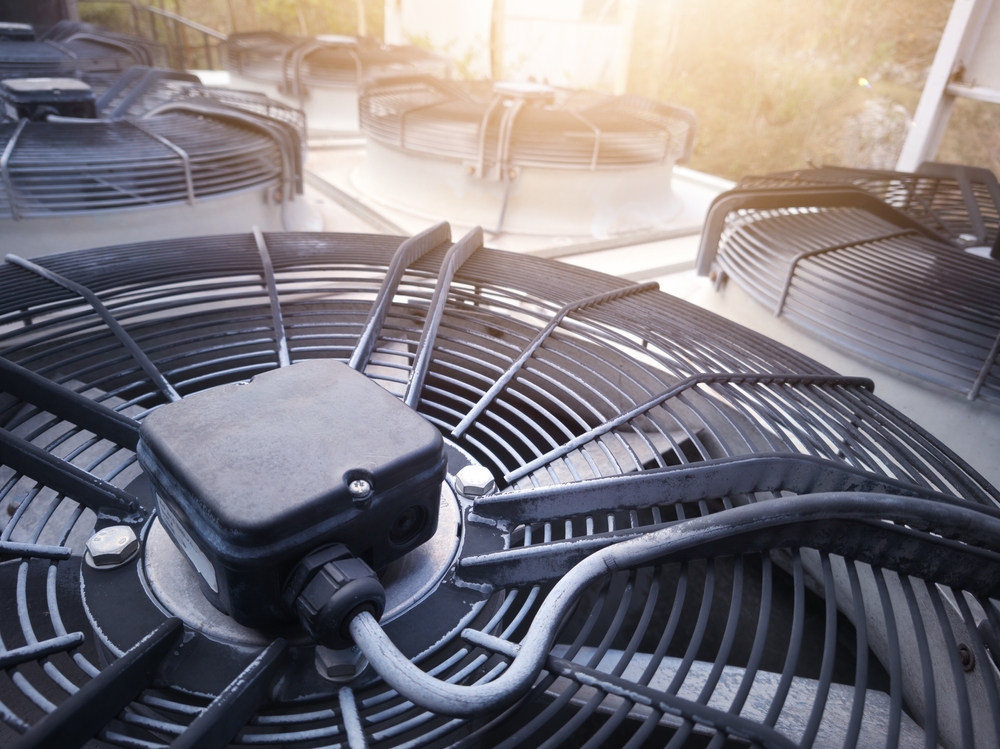
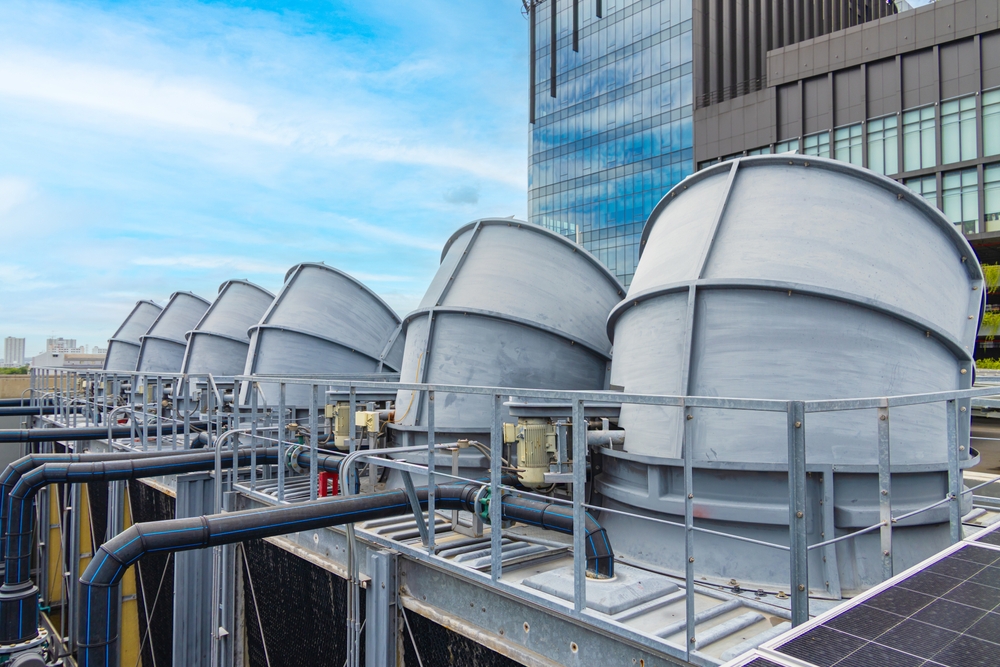
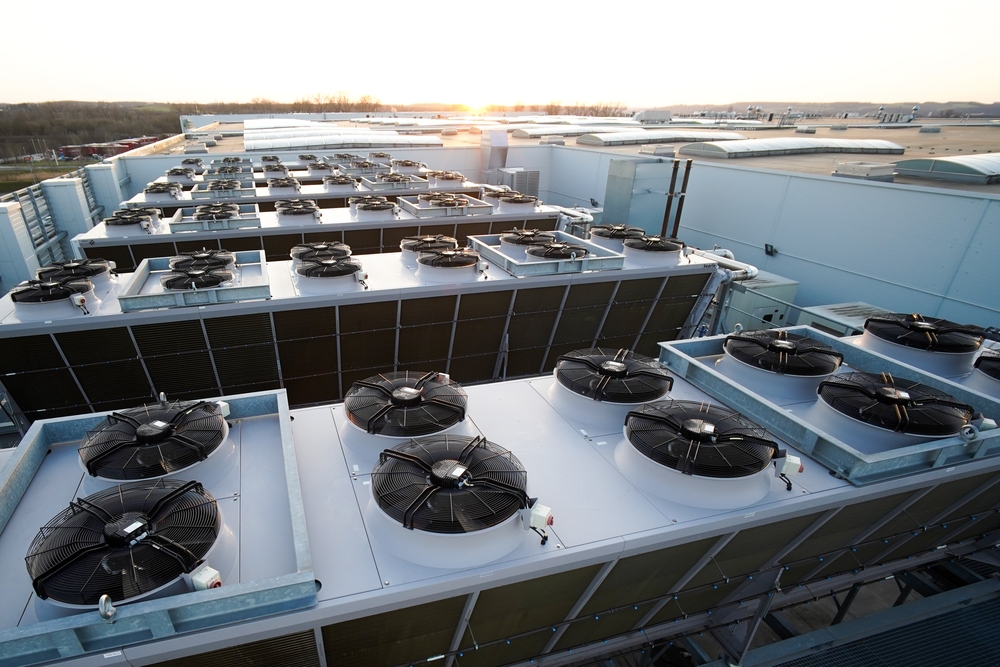
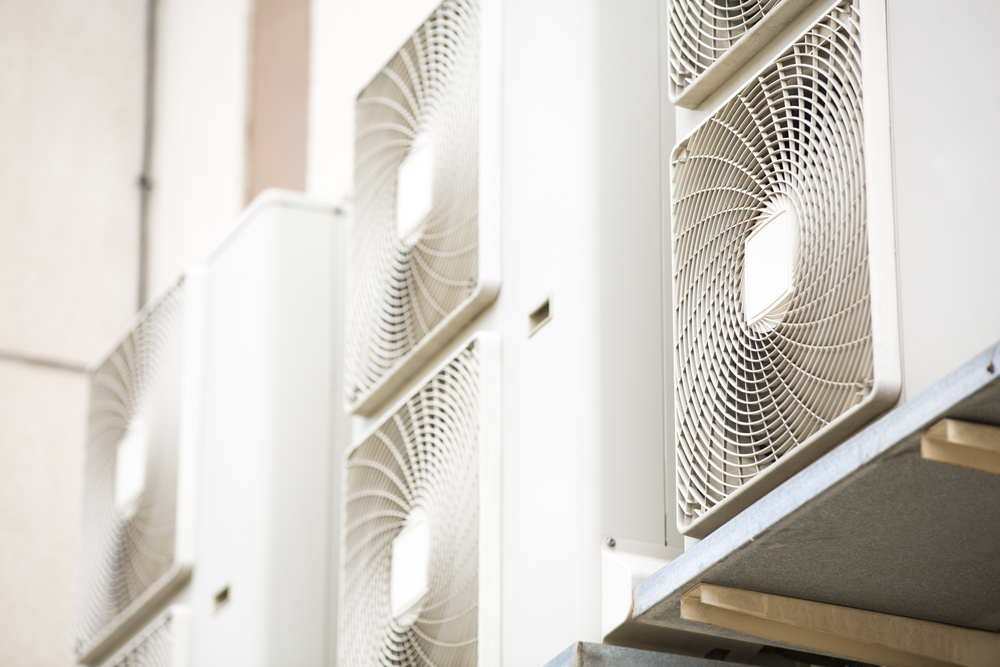
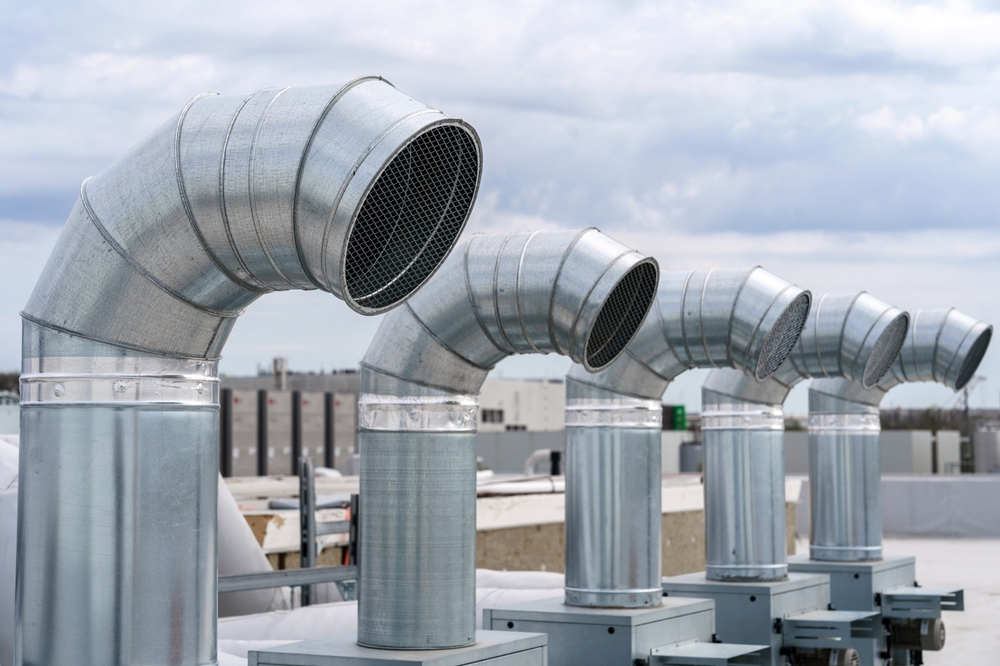
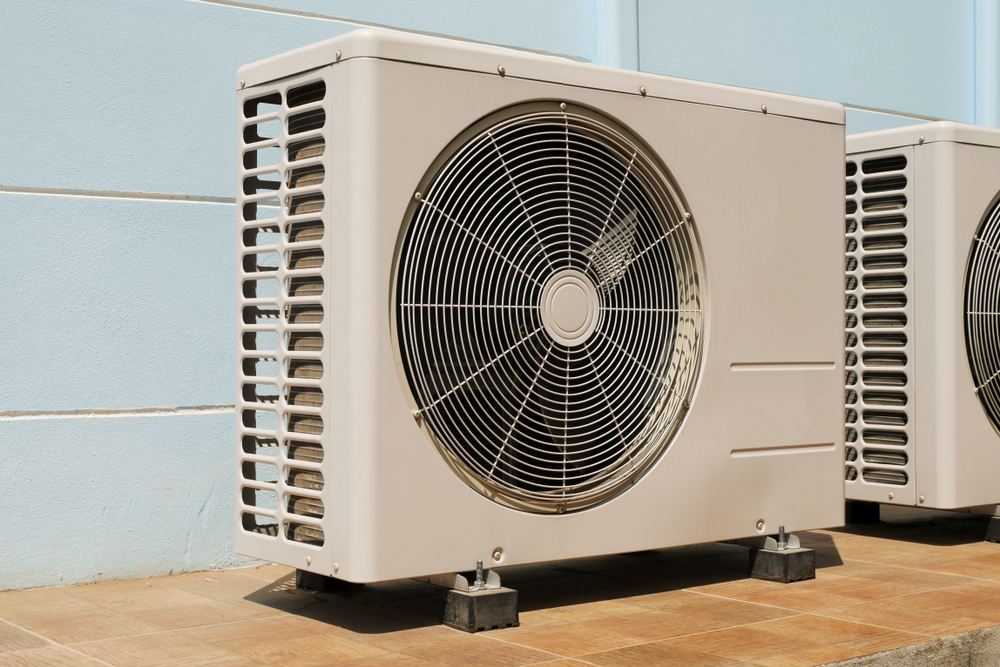
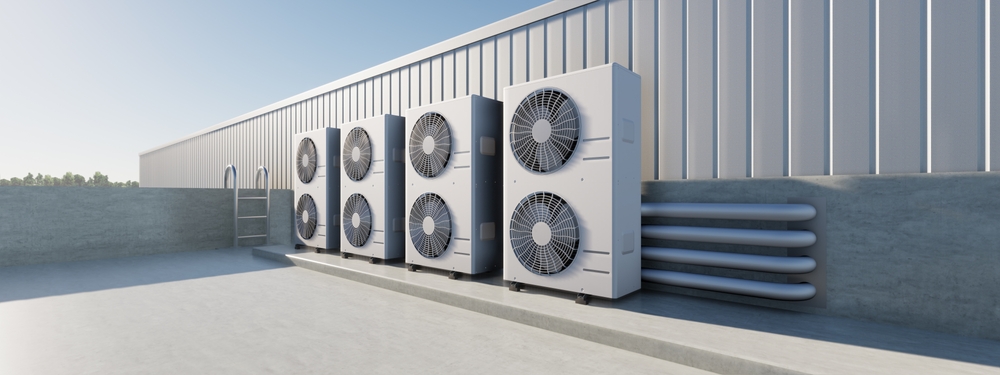
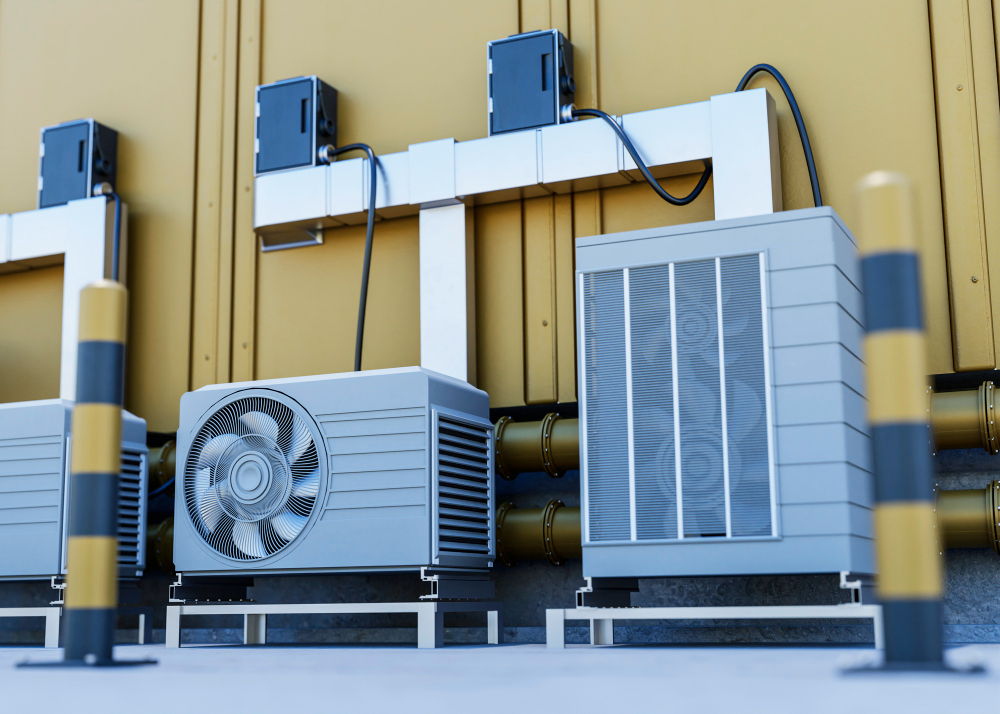
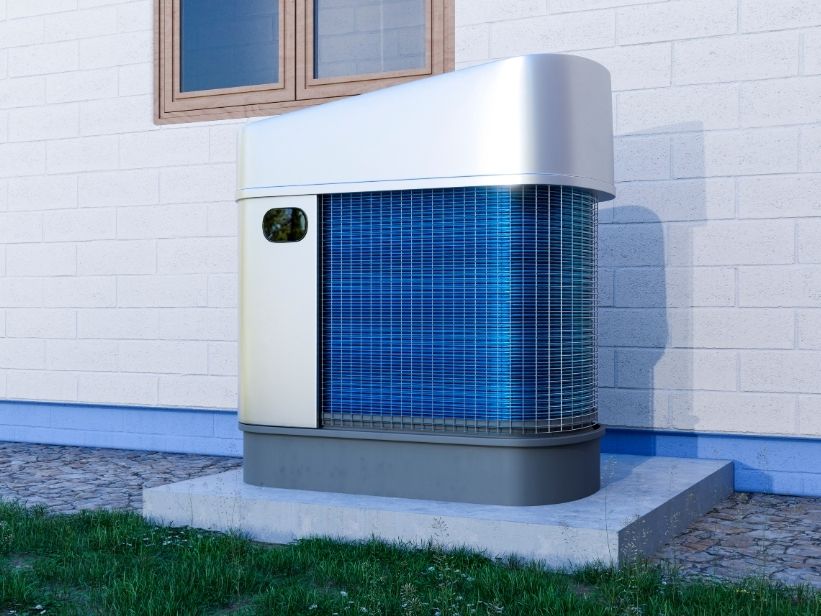
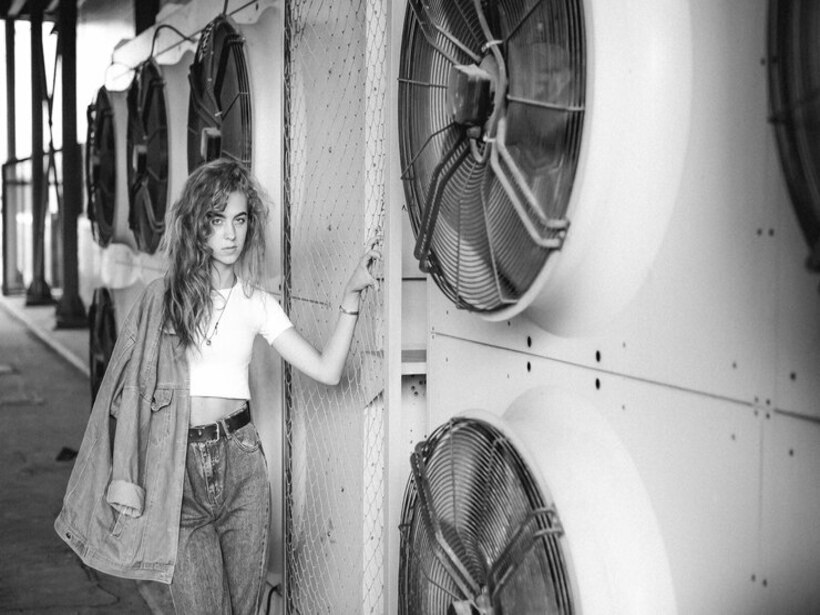
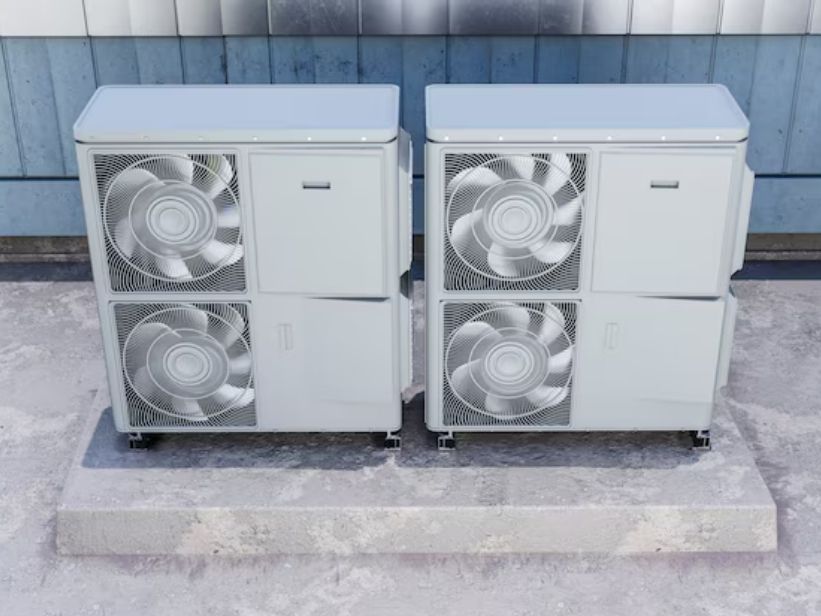
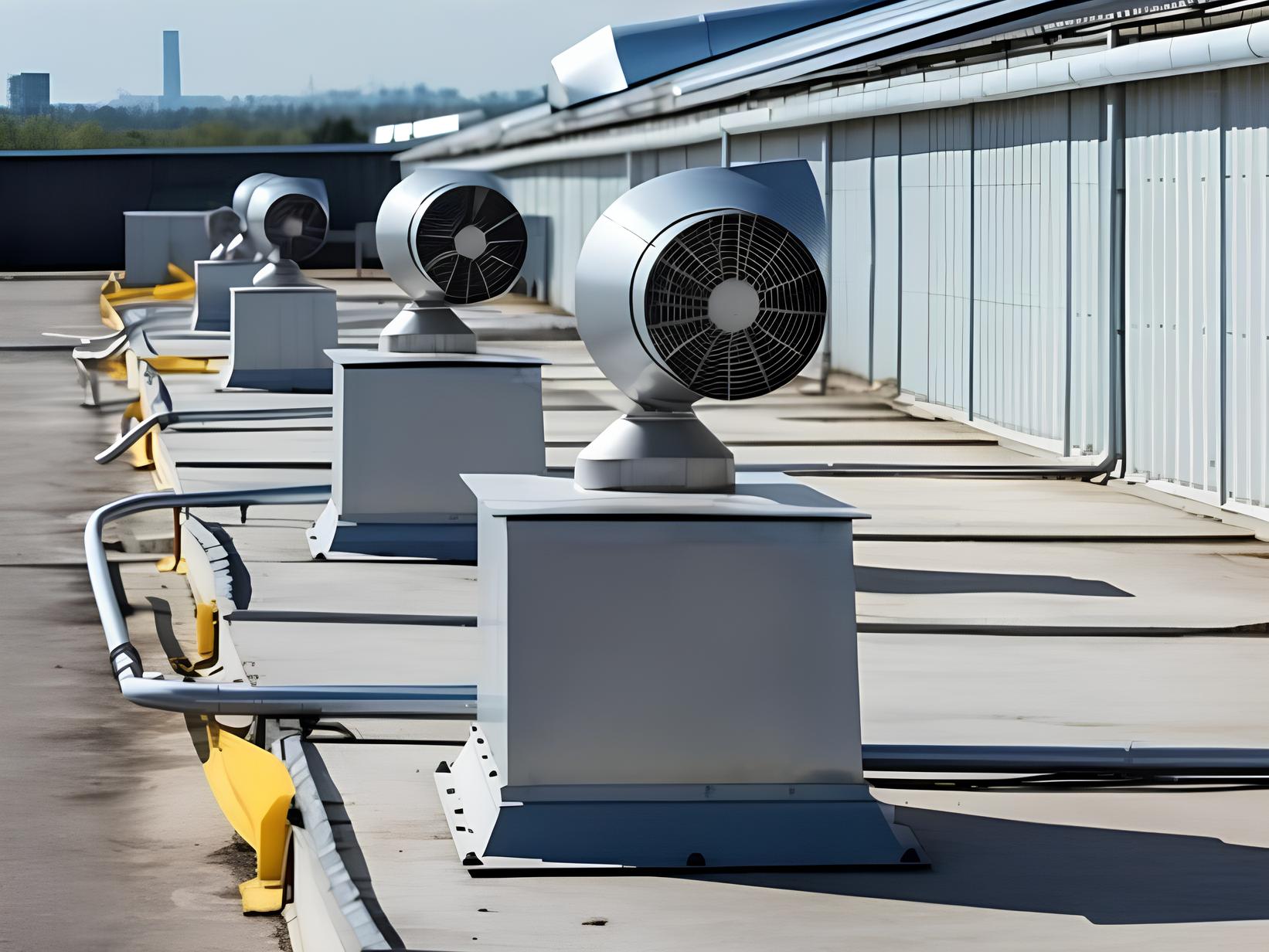
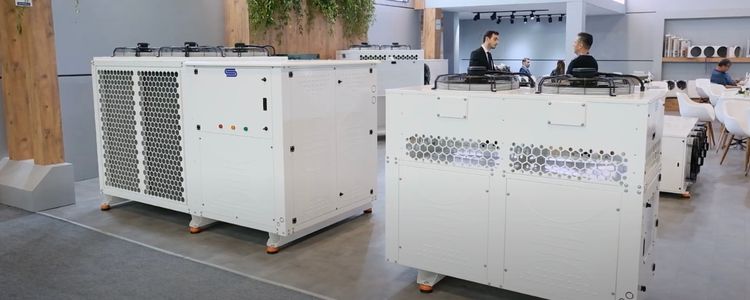
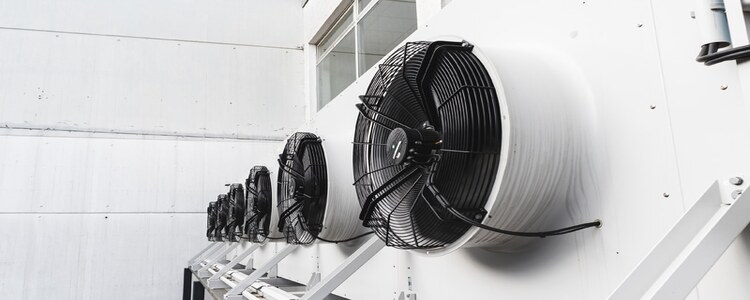
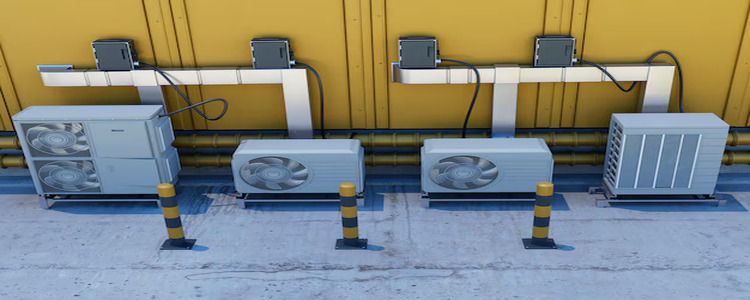
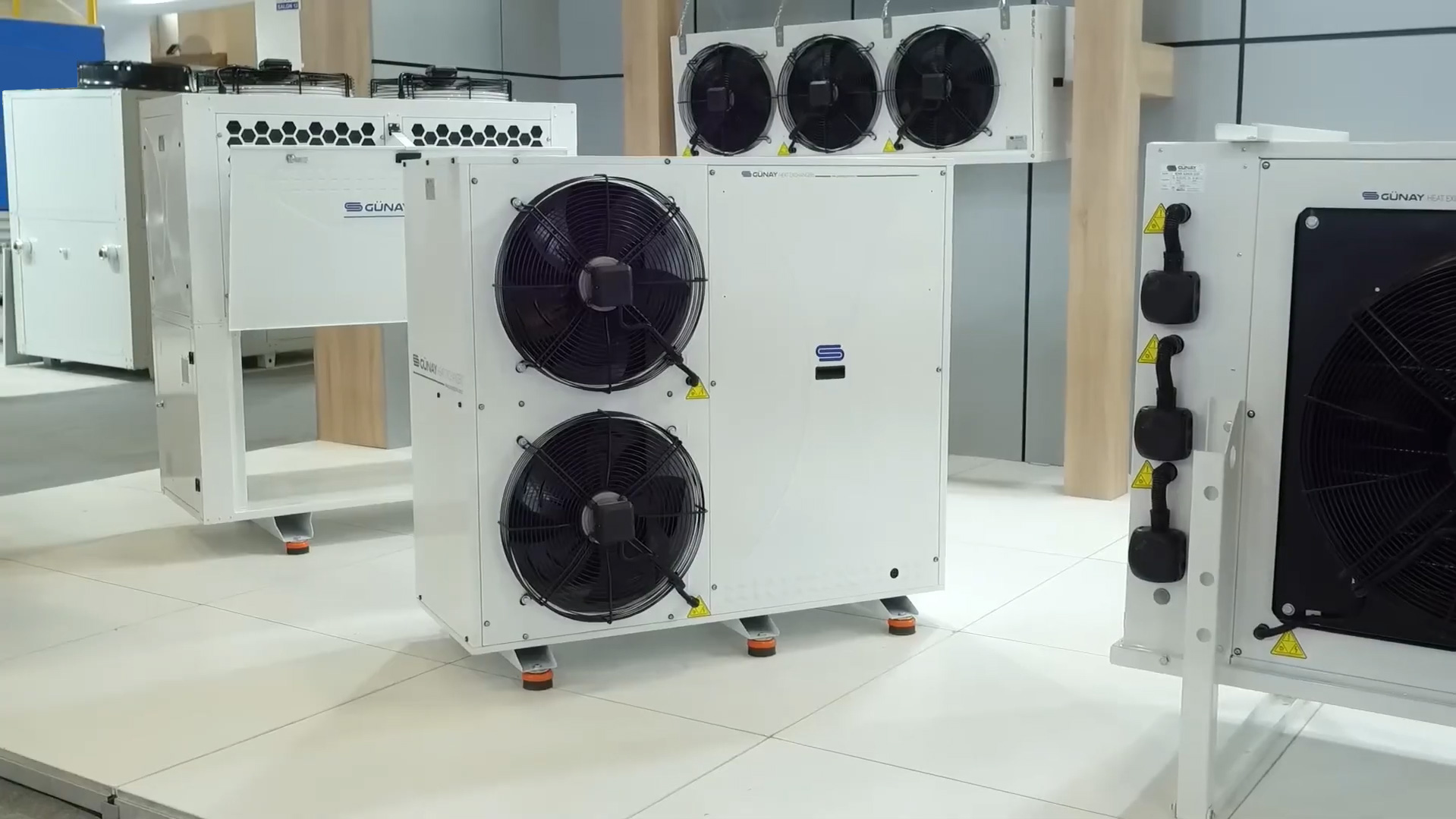
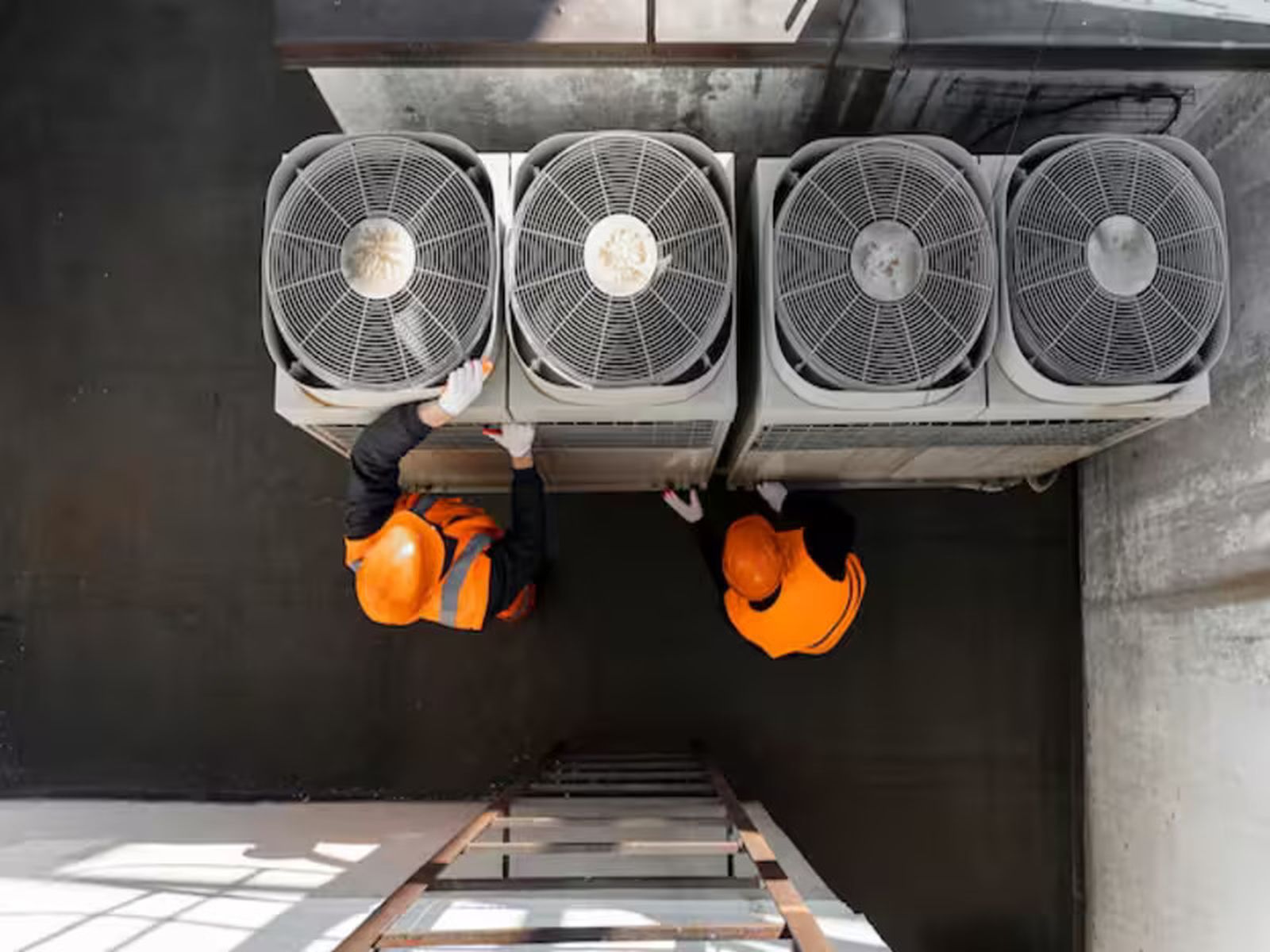
The condenser also needs adequate airflow to reject heat outdoors. Dirt, a blocked air inlet or recirculation of hot discharge air can adversely affect system operation. Evaporator and condenser maintenance should be planned according to the manufacturer's instructions and the facility's operating conditions.
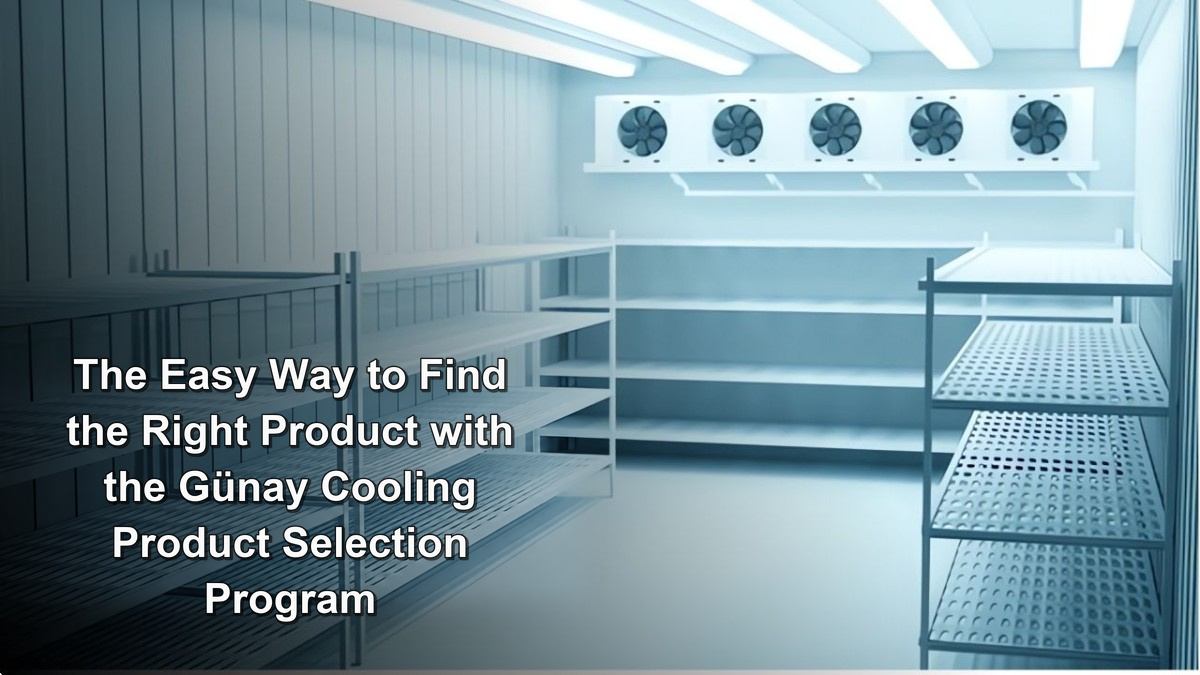
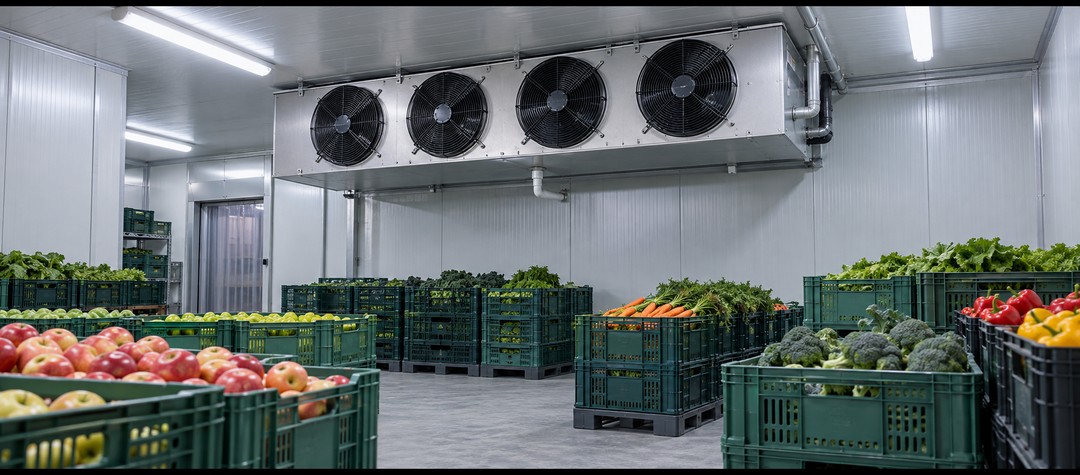
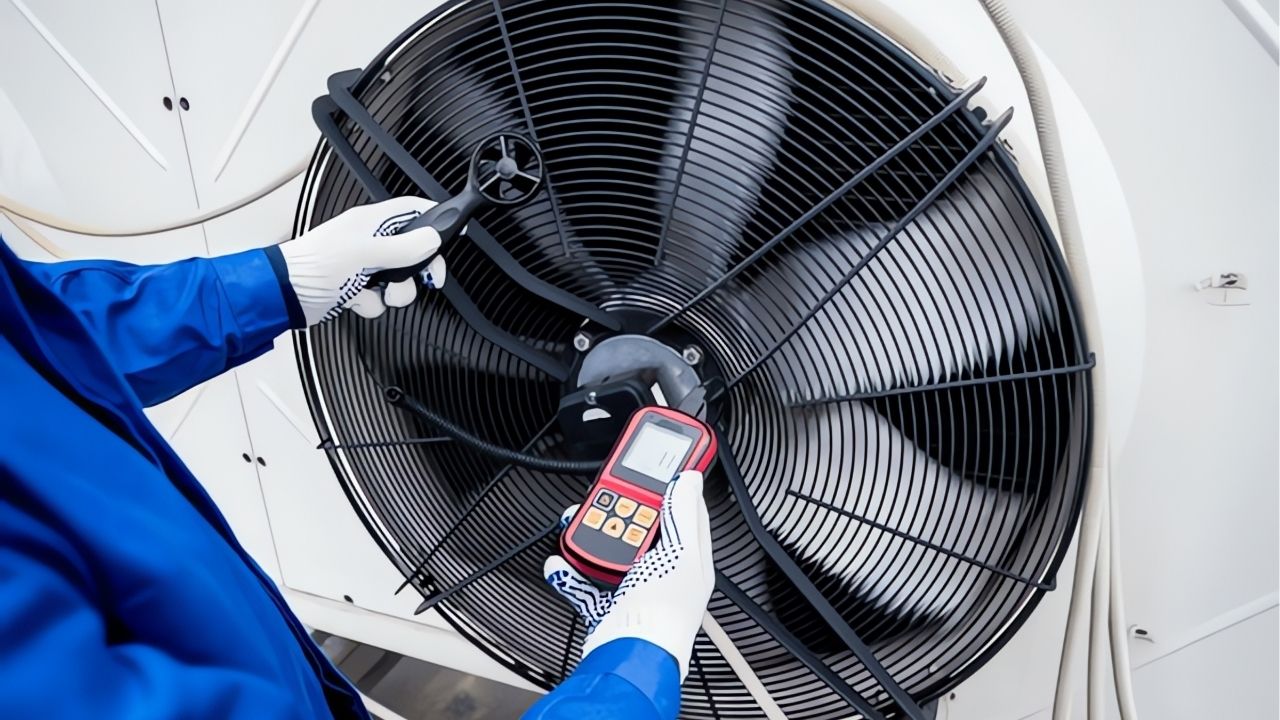
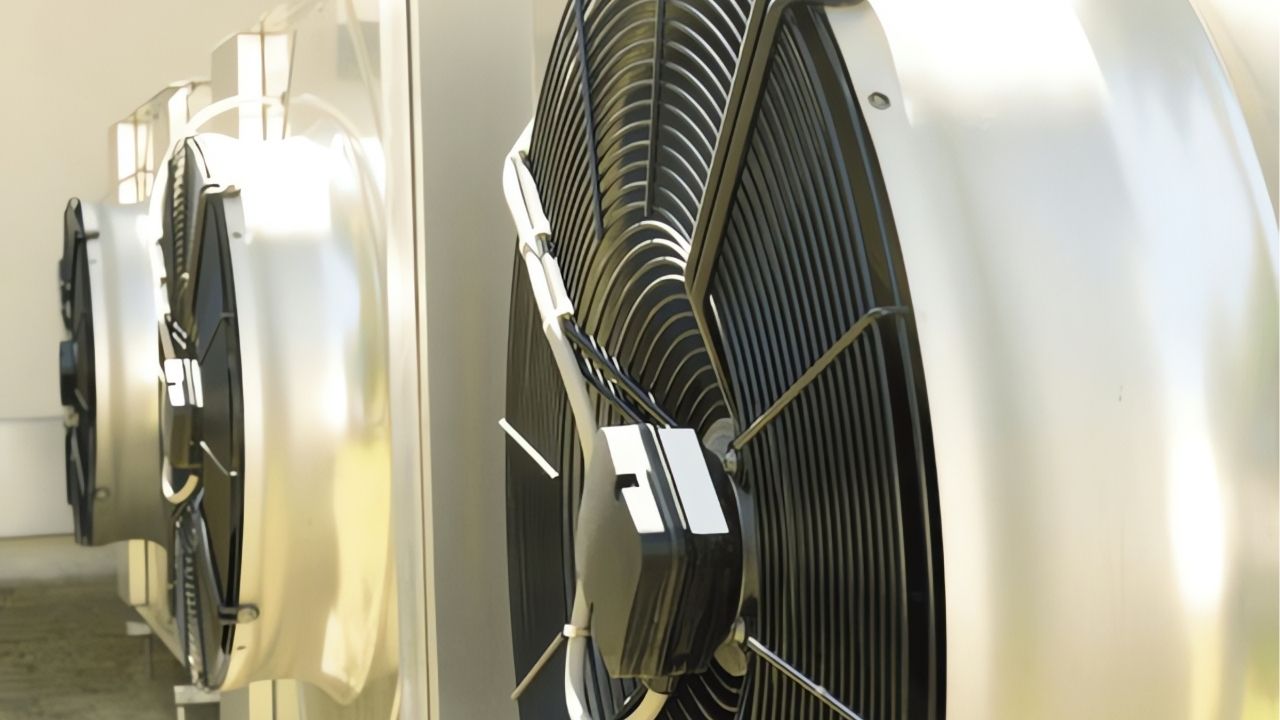
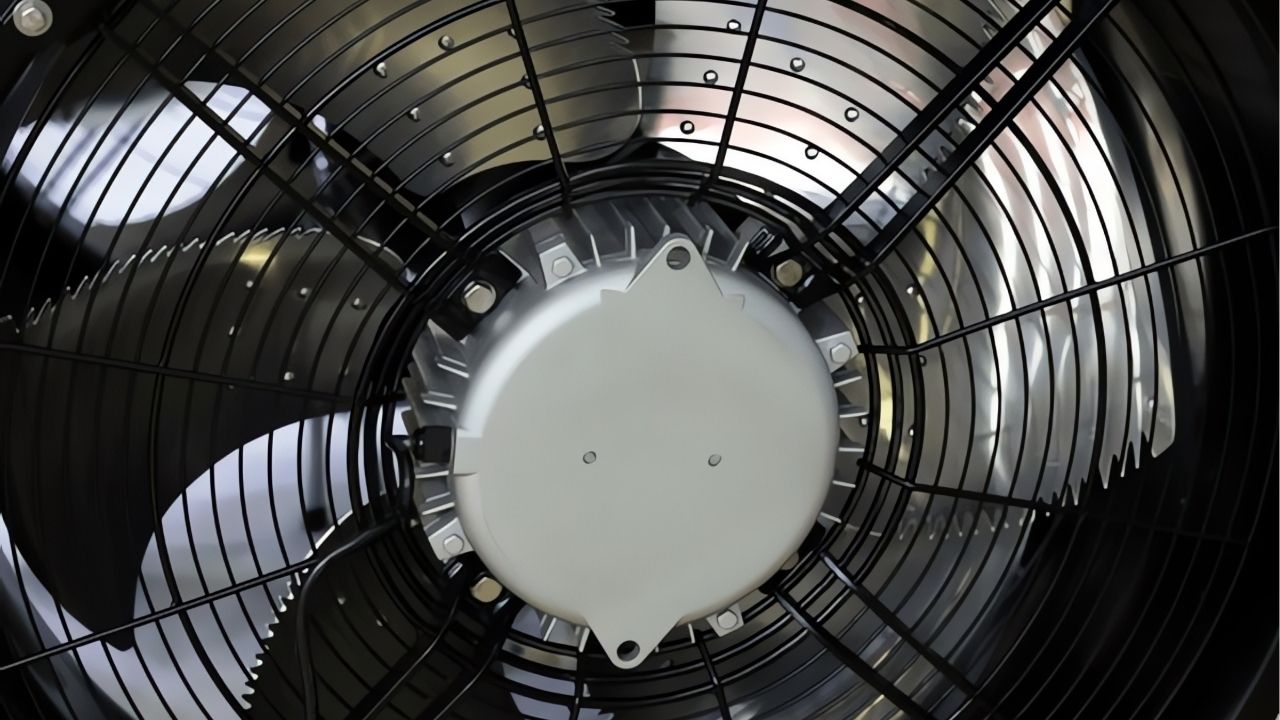
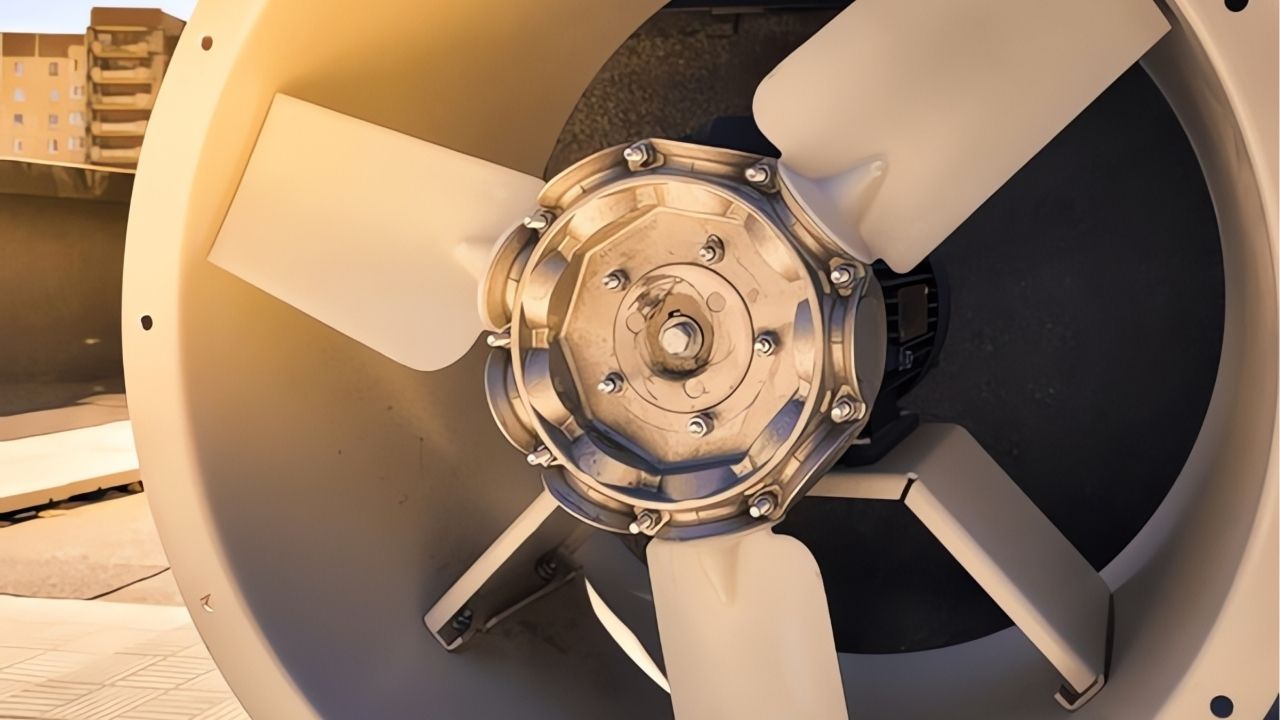
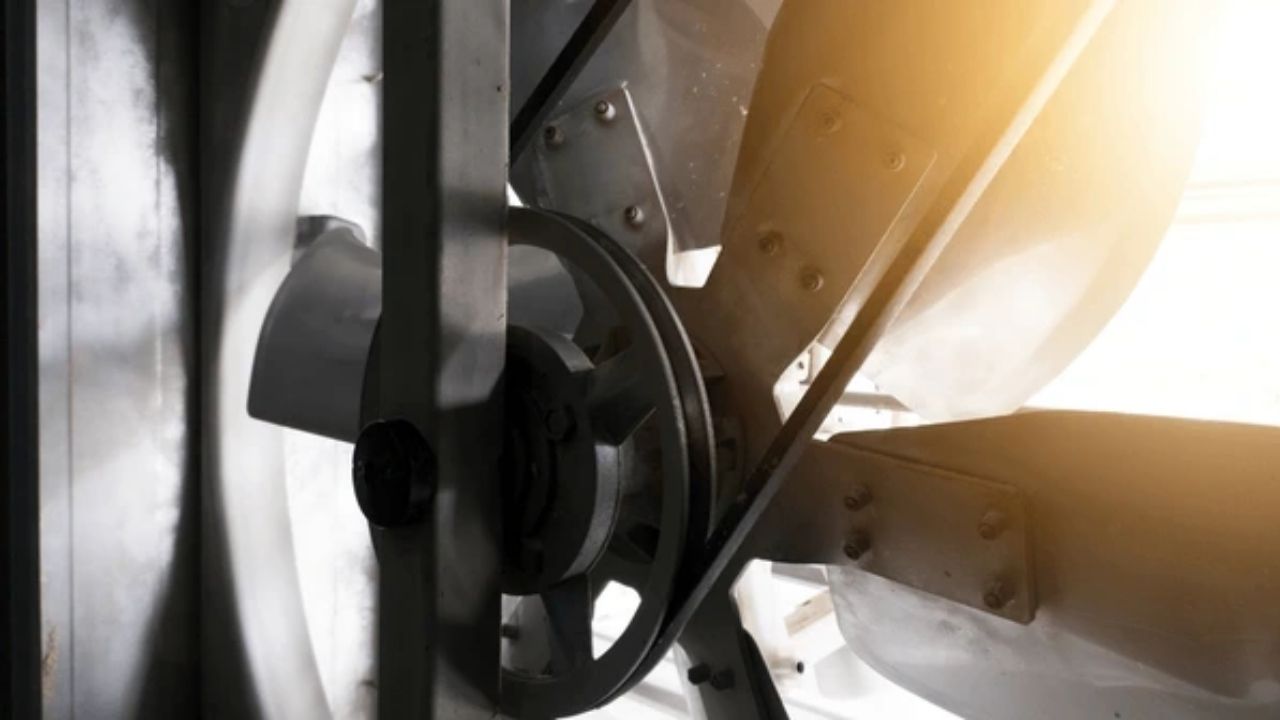
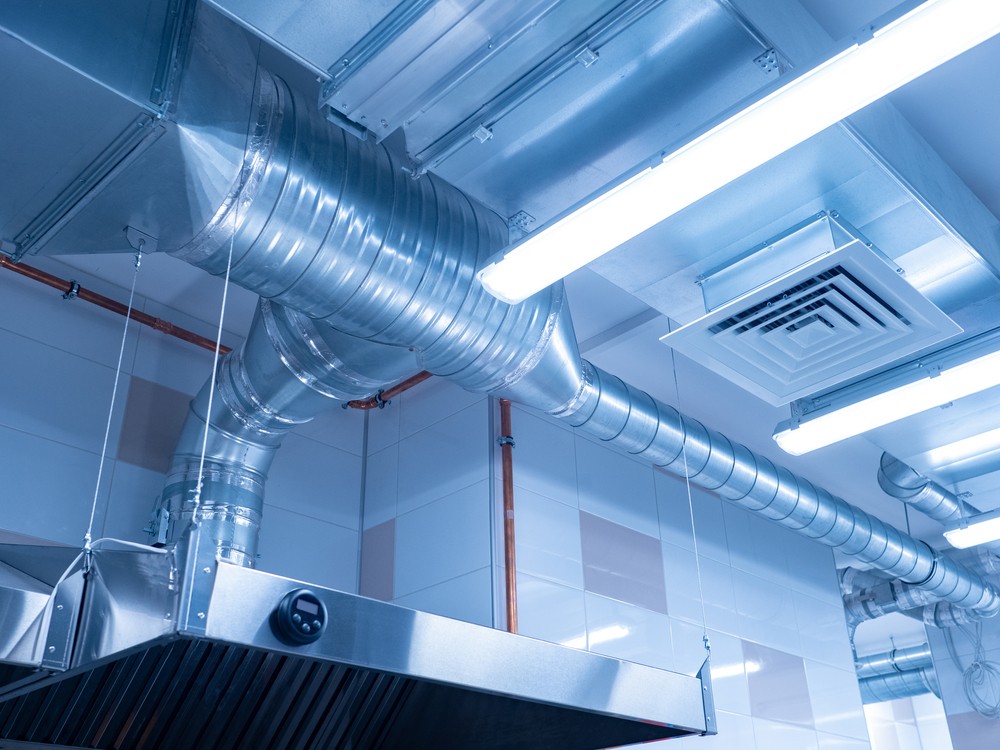
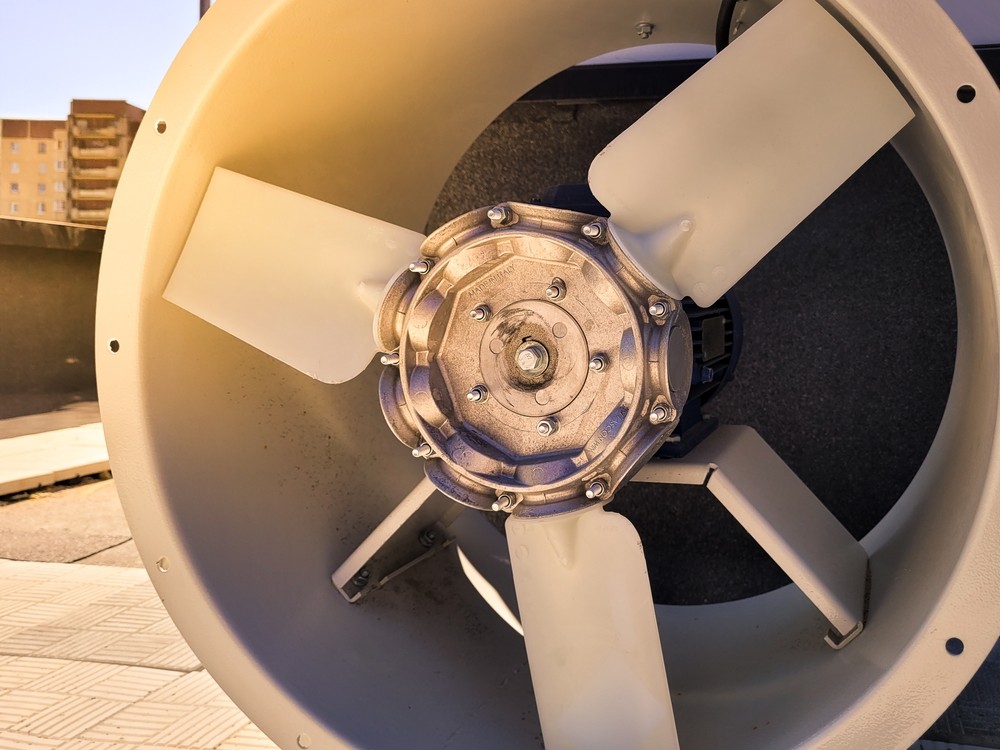
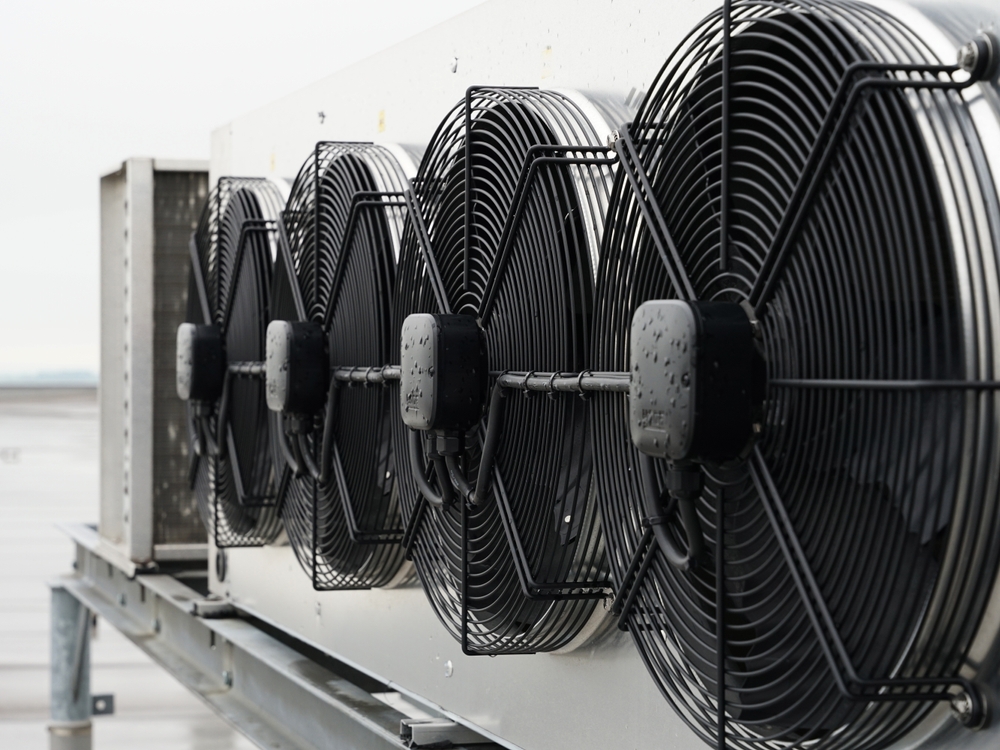
Fans distribute cold air to the areas where it is needed. Their operating schedule should be considered together with product placement and airflow. Blocked air paths can disrupt temperature distribution, while unnecessary operation can increase electricity use.
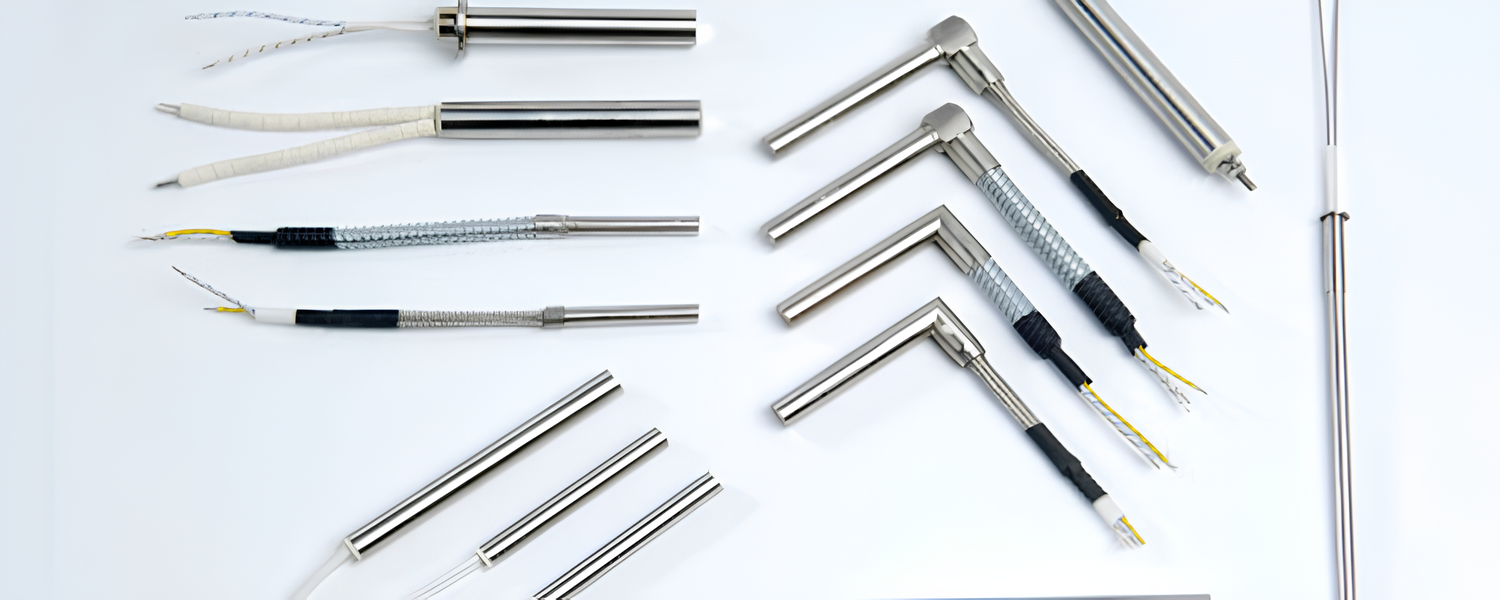
Defrost is needed to remove ice from the evaporator. Defrosting too infrequently can allow ice to obstruct airflow; defrosting more often or for longer than necessary can add to energy use. Qualified technical personnel should review the settings using observed frost conditions and the manufacturer's recommendations.
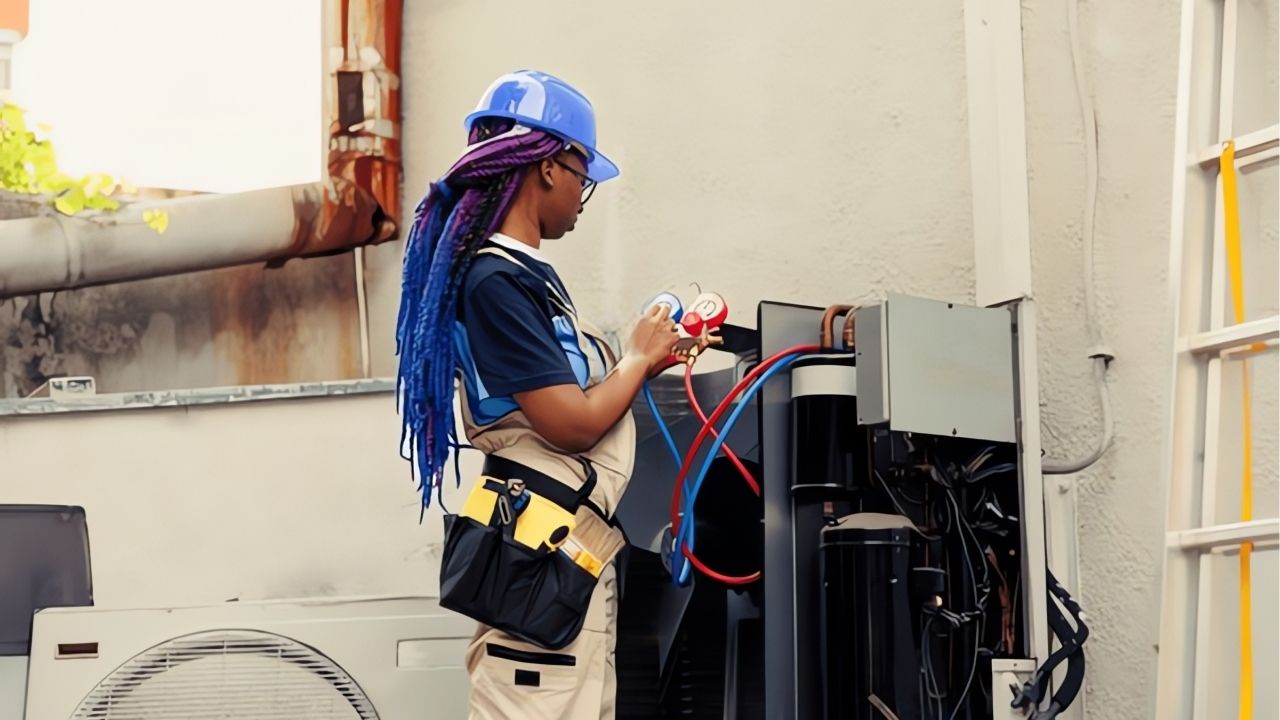
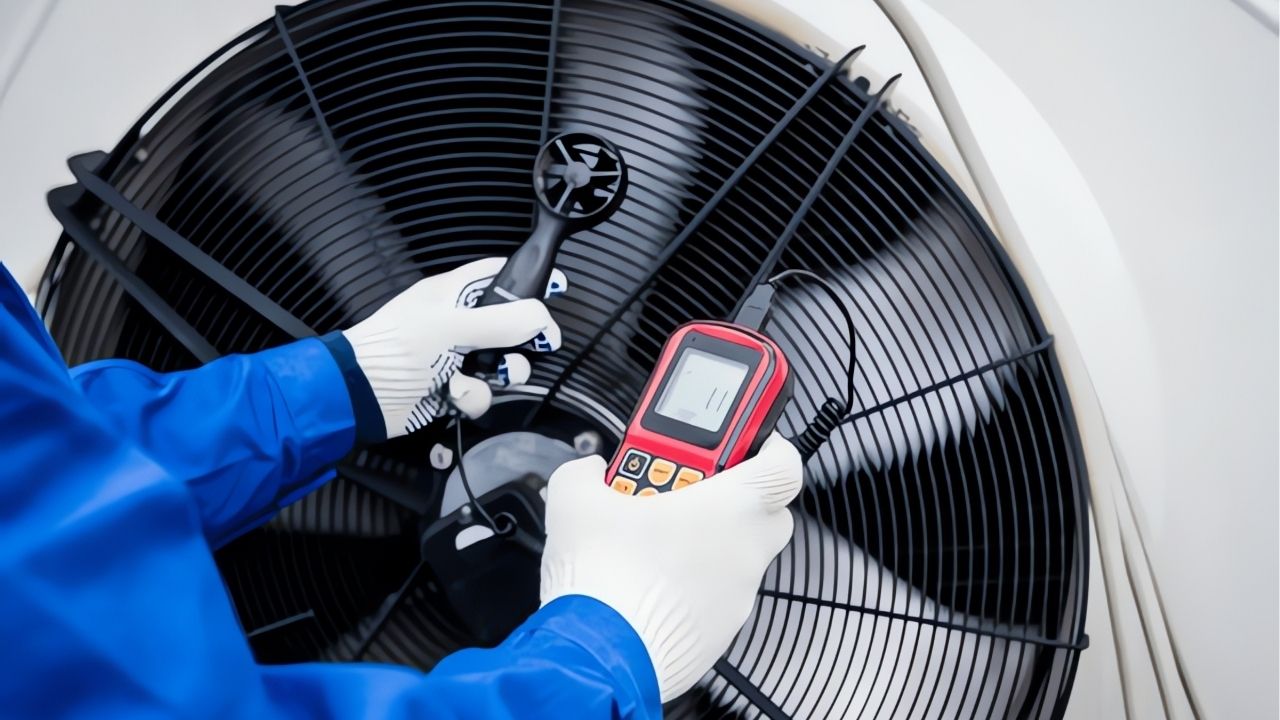
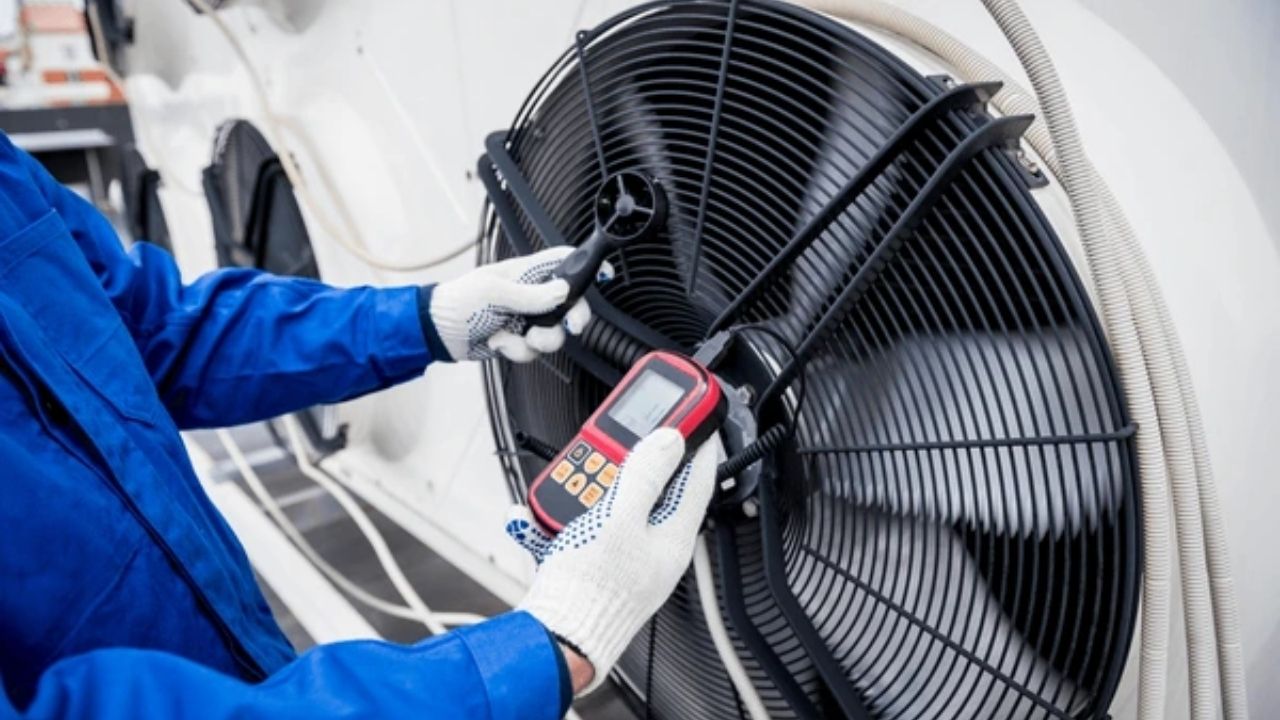
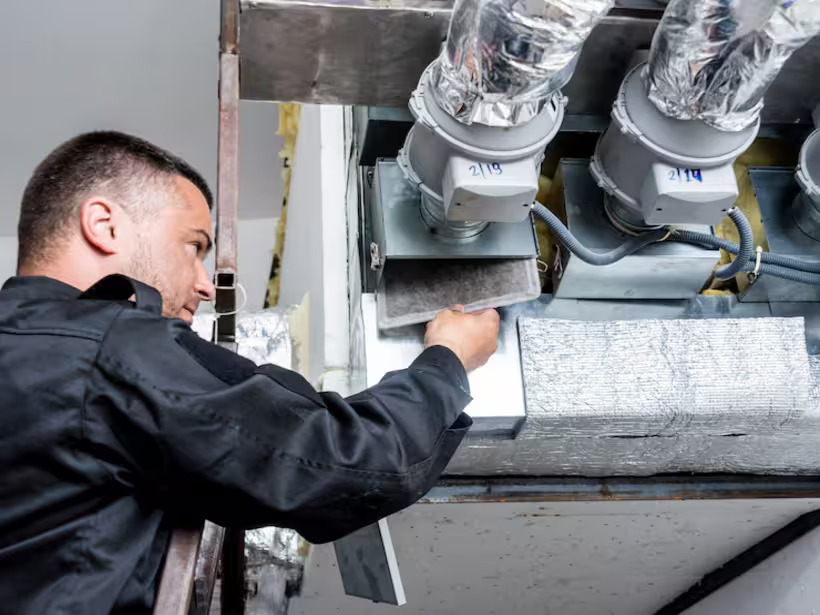
Regular inspections should cover evaporator and condenser cleanliness, fan condition, door seals, temperature sensors and defrost operation. Unexpected temperature changes or longer operating periods may indicate a fault or a control-setting problem.
Comparing periods with similar storage and operating conditions is more useful than looking at the total electricity bill alone. Recording energy use alongside room temperature, incoming product volume and operating hours makes it easier to assess the effect of an improvement.
Begin by reviewing existing temperature and energy records and addressing clear losses caused by doors, insulation, airflow or maintenance. Equipment capacity and control settings can then be reviewed by the technical team. The right order of work will differ from one facility to another.
For a retrofit or capacity review involving Günay Soğutma products, share the room's temperature range, cooling load, existing equipment and operating conditions with the technical team. Evaporator and condenser options can then be assessed against the project's actual requirements.

Fill out the form to discover the most suitable high-end products for your projects. Contact Us Now.
Fill out the form now not to miss our special offers for you! The latest discover our products and innovations.
Fill out the form now not to miss our special offers for you! The latest discover our products and innovations.
Notification Centre 00:00