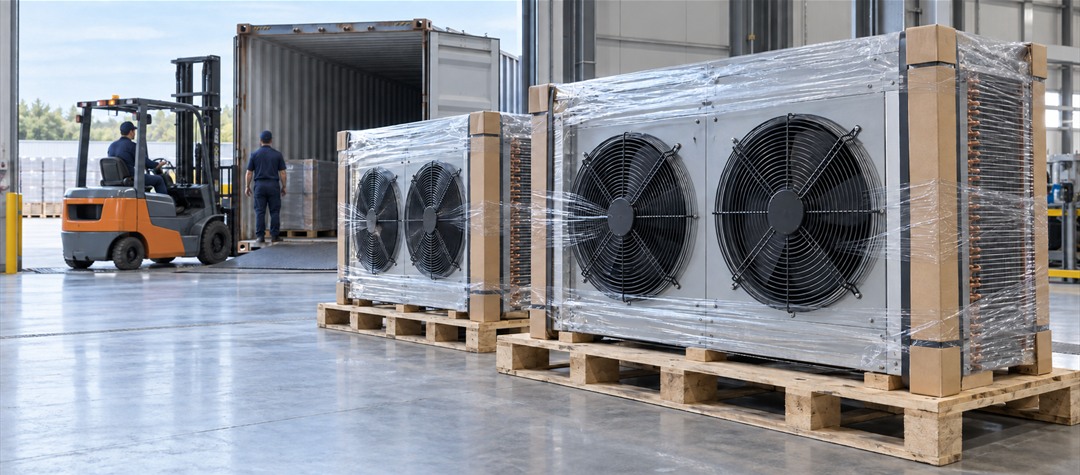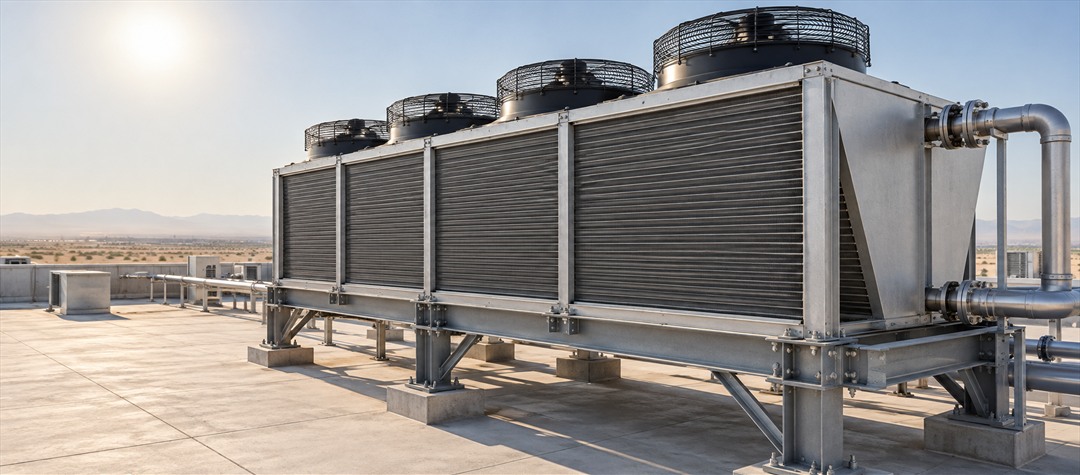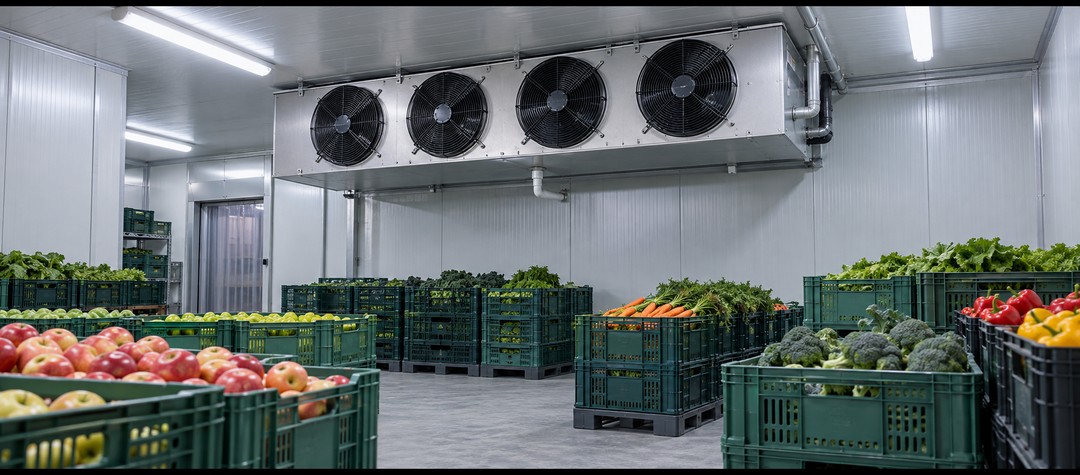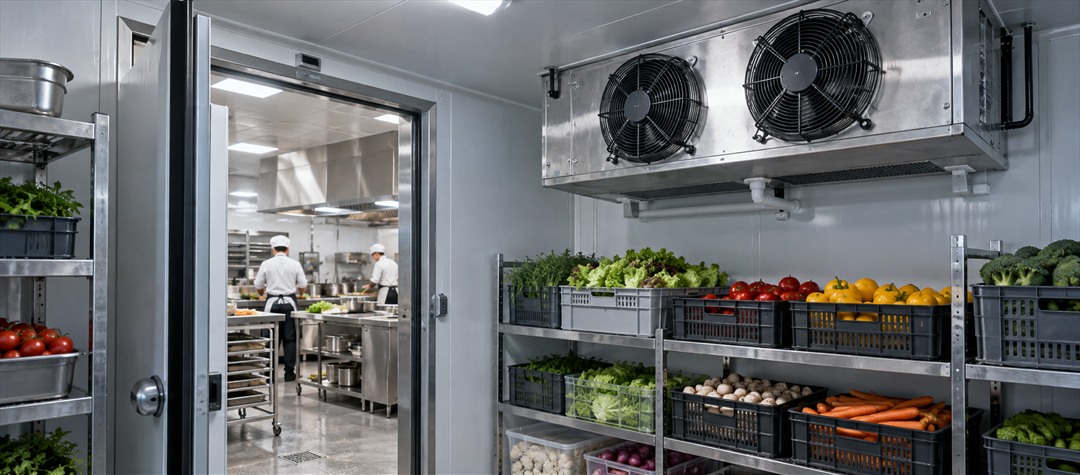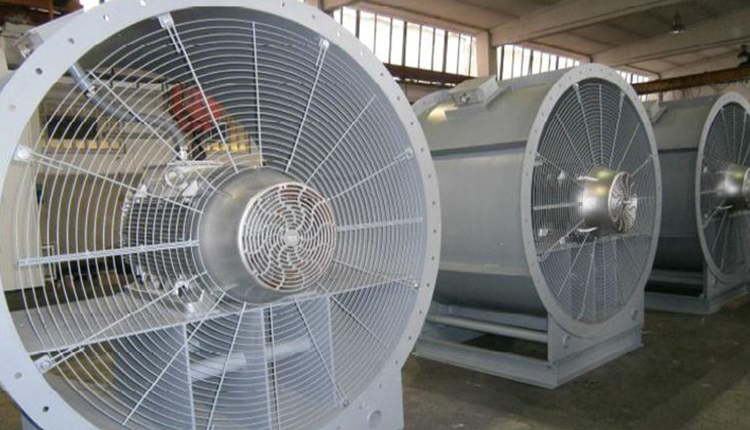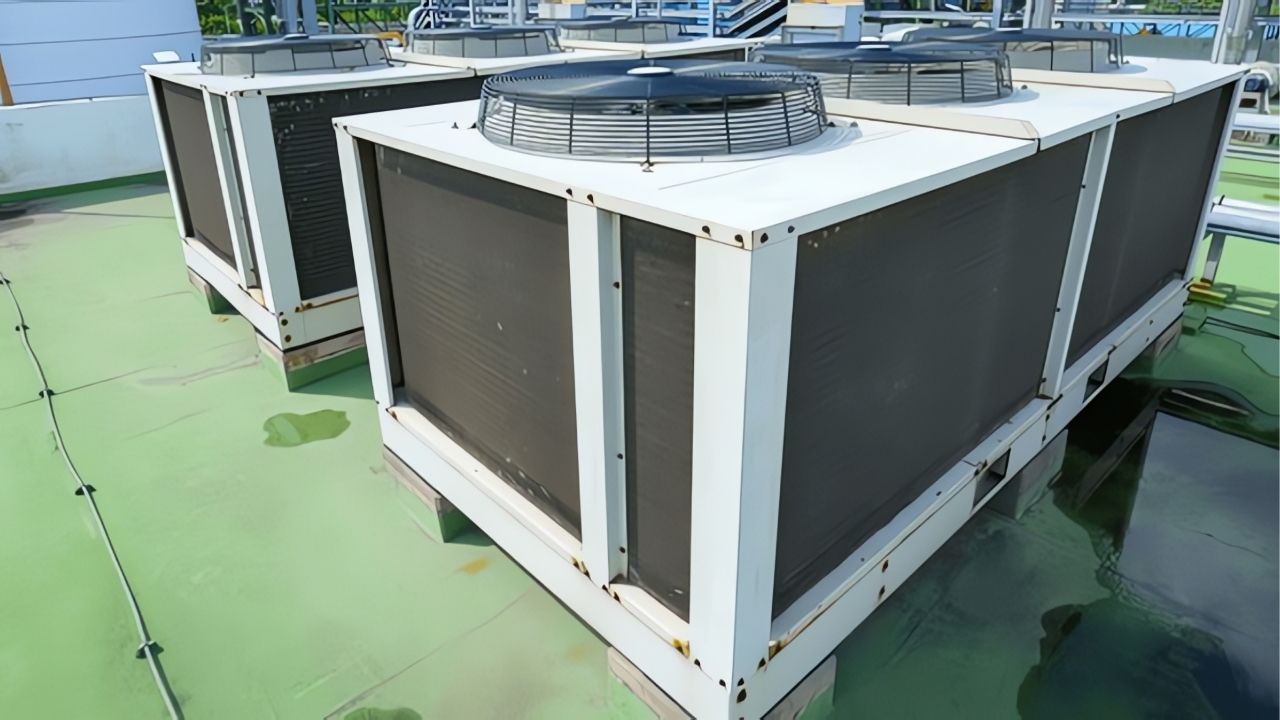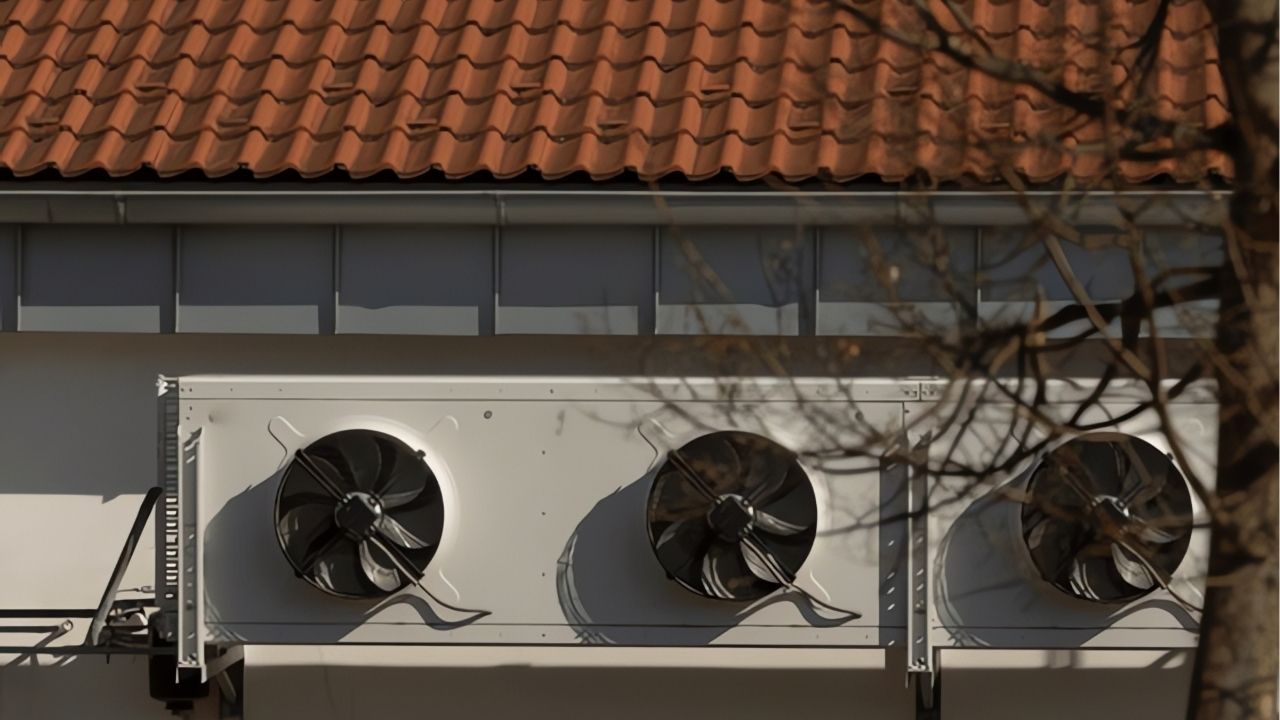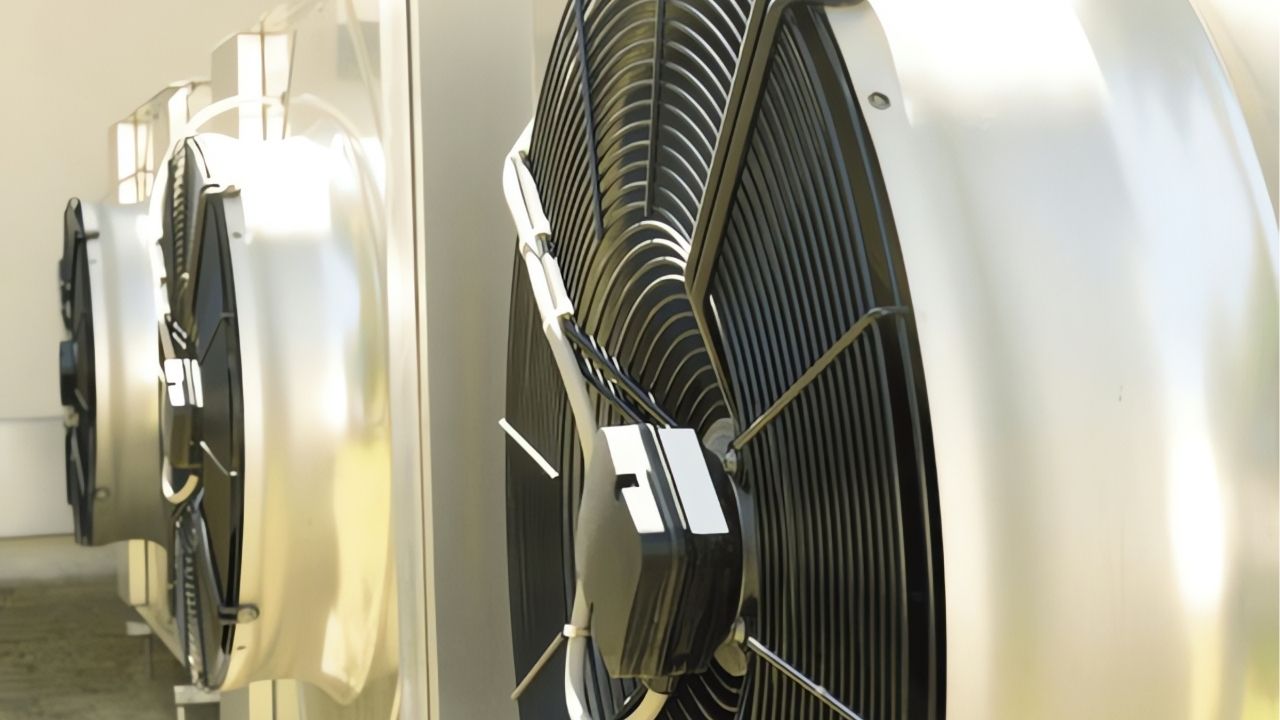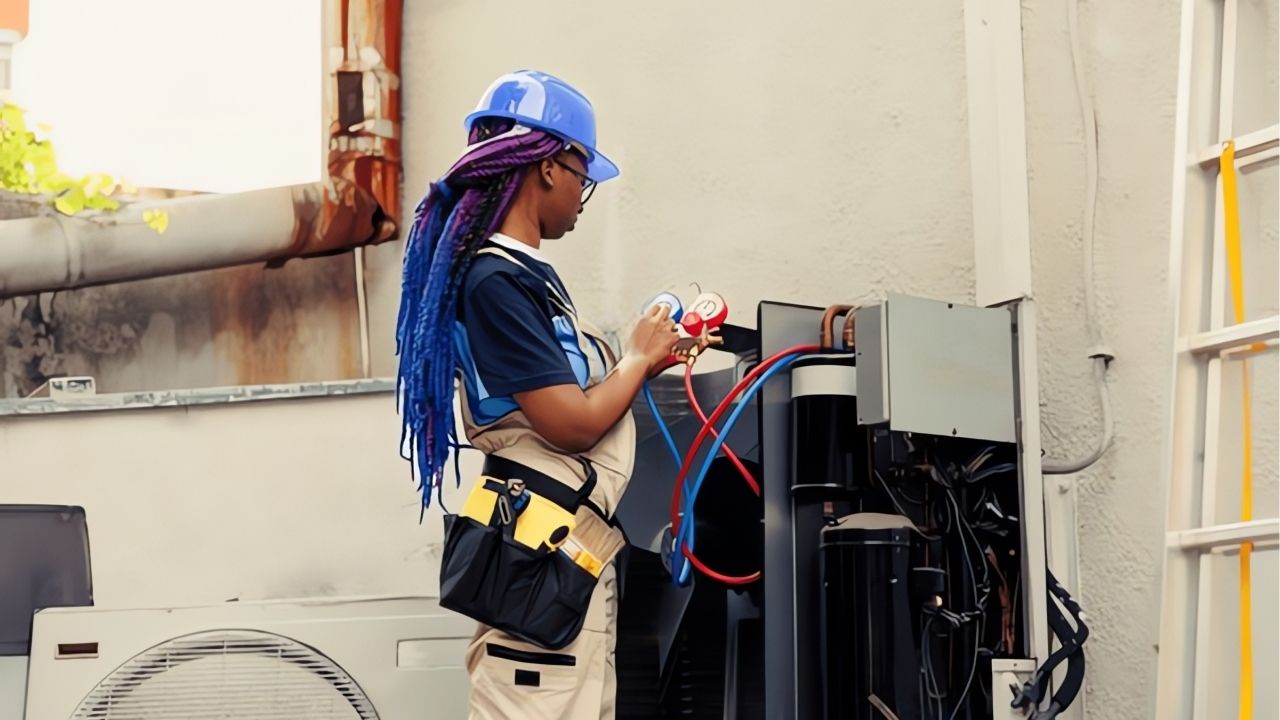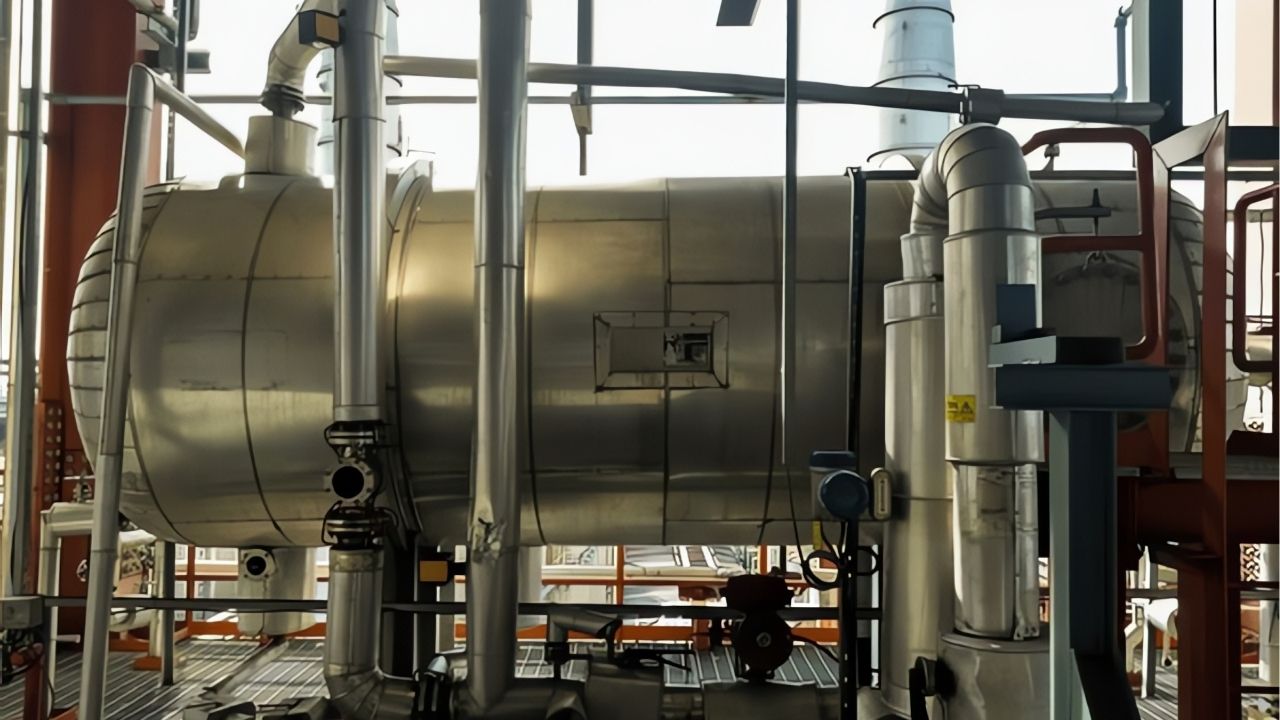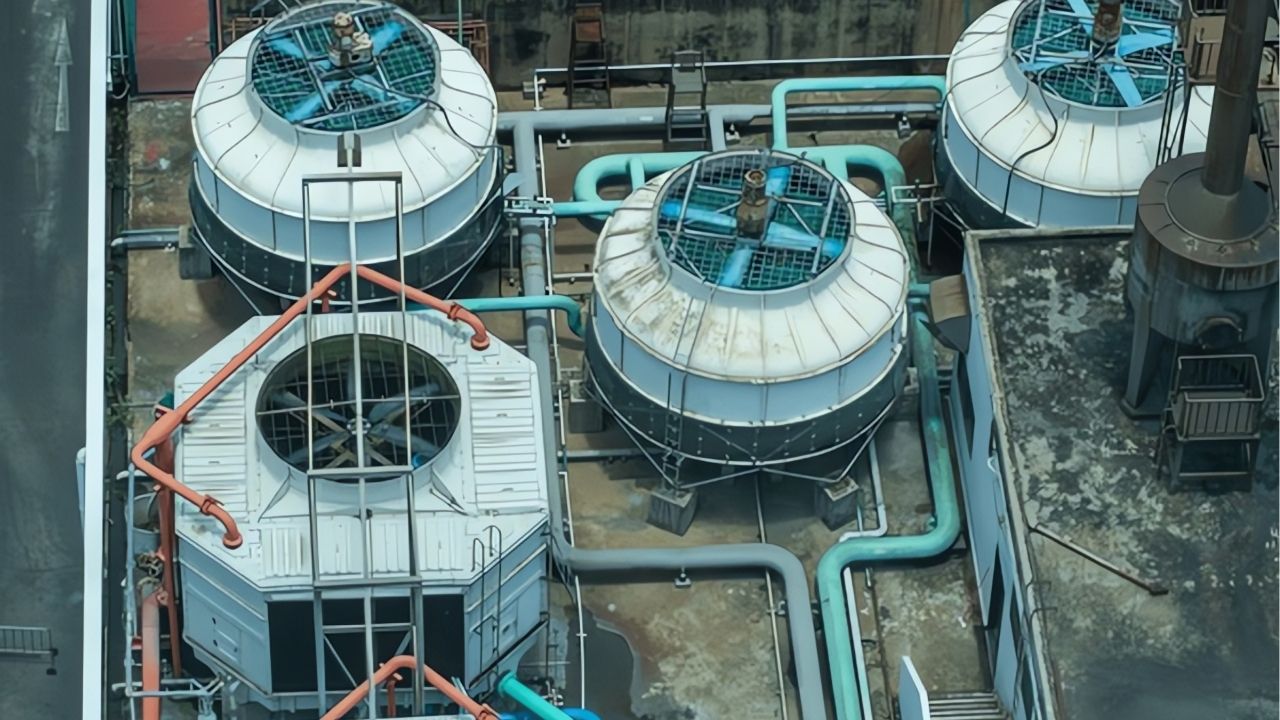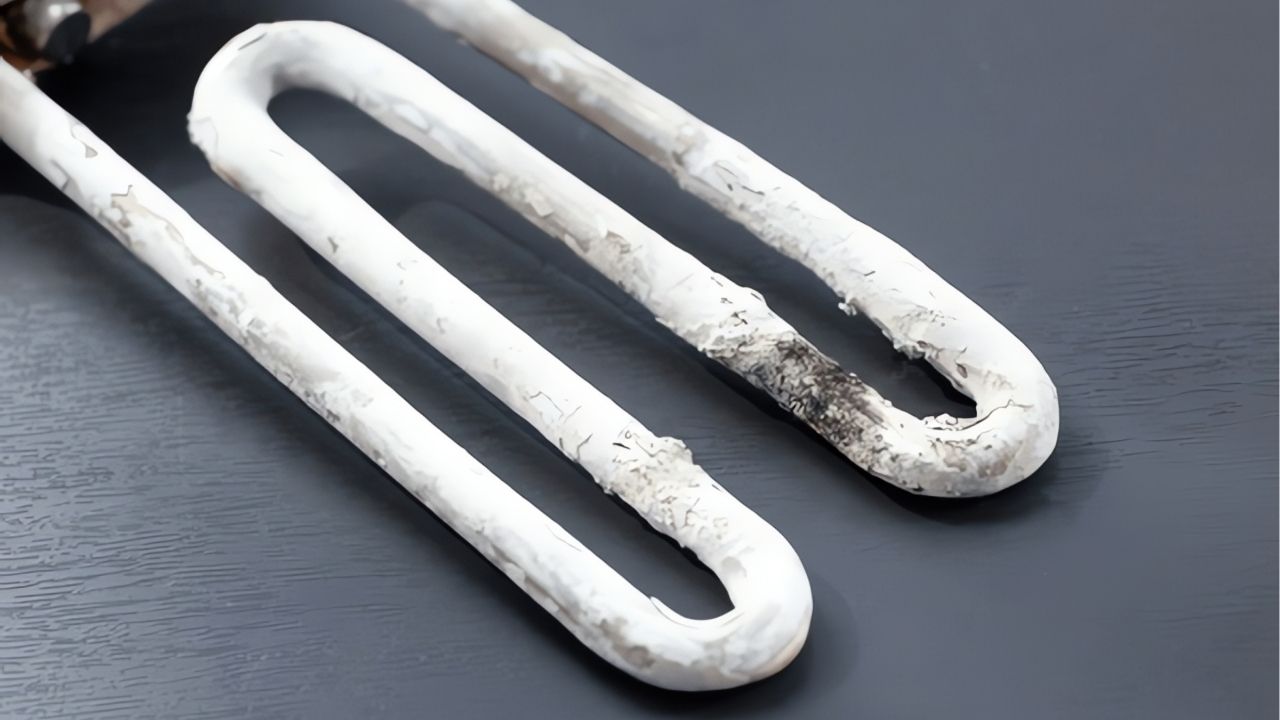


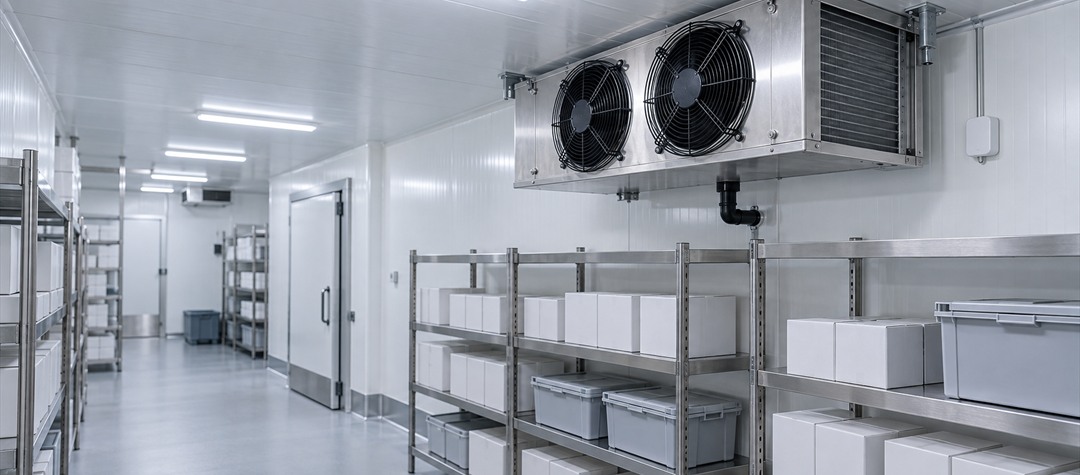
The pharmaceutical cold chain is a critical process that must be maintained without interruption, from manufacturing through to the patient, in order to preserve a product's efficacy and safety. Refrigeration equipment used in this sector is expected to meet stricter temperature control, traceability, and hygiene requirements than food or general-purpose storage applications. The sections below cover the importance of the pharmaceutical cold chain, the temperature and traceability standards it calls for, what to look for when selecting an evaporator and condenser, and how to choose the right equipment supplier. Feel free to reach out to our team to discuss the specific requirements of your project.
Table Of Contents
- Why Does The Cold Chain Matter In The Pharmaceutical Sector?
- Which Temperature And Traceability Standards Apply To The Pharmaceutical Cold Chain?
- What Should Be Considered When Selecting An Evaporator And Condenser For Pharmaceutical Storage?
- Why Is Hygienic Design Critical In The Pharmaceutical Cold Chain?
- How Should The Right Equipment Supplier Be Chosen For The Pharmaceutical Sector?
- Frequently Asked Questions
Why Does The Cold Chain Matter In The Pharmaceutical Sector?
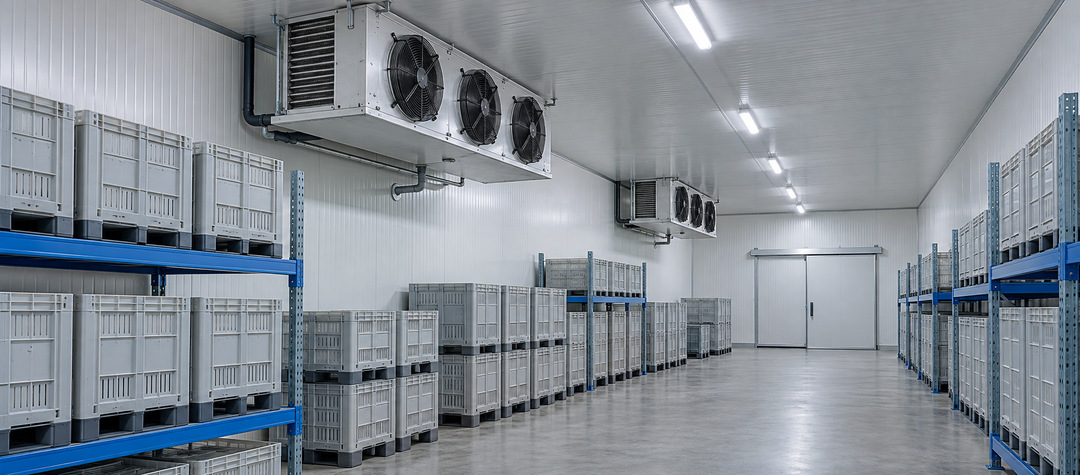
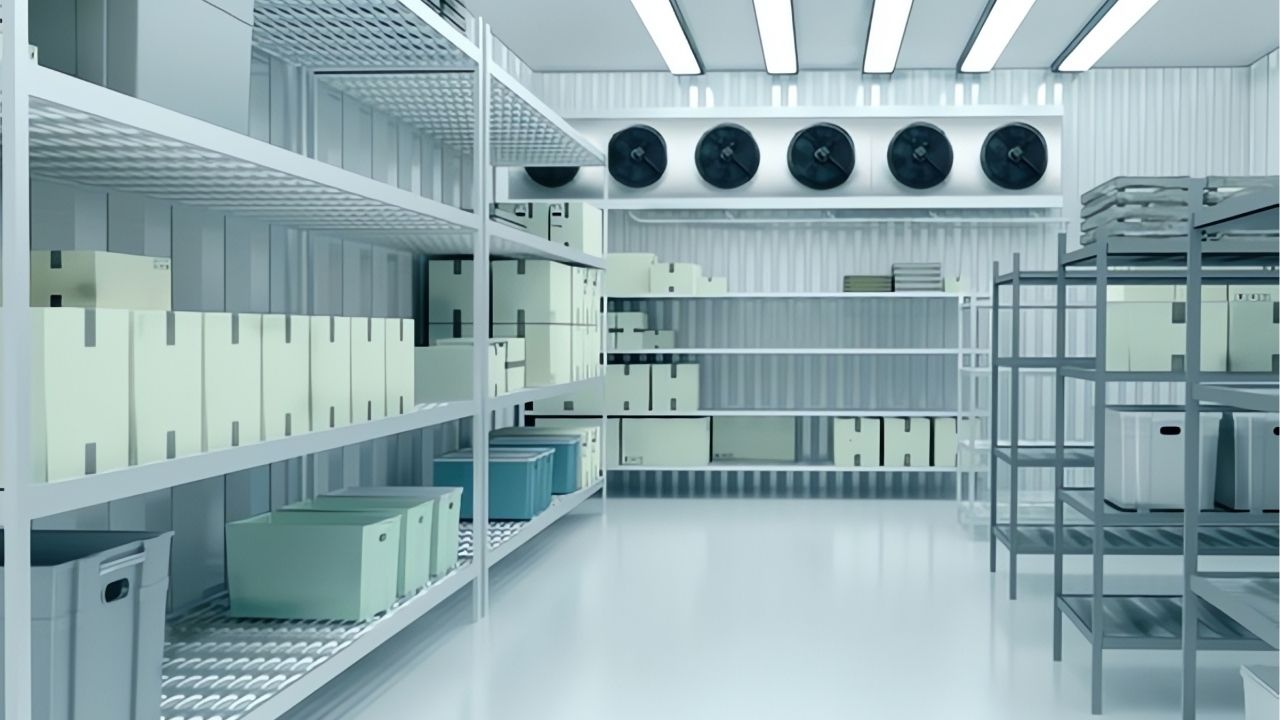
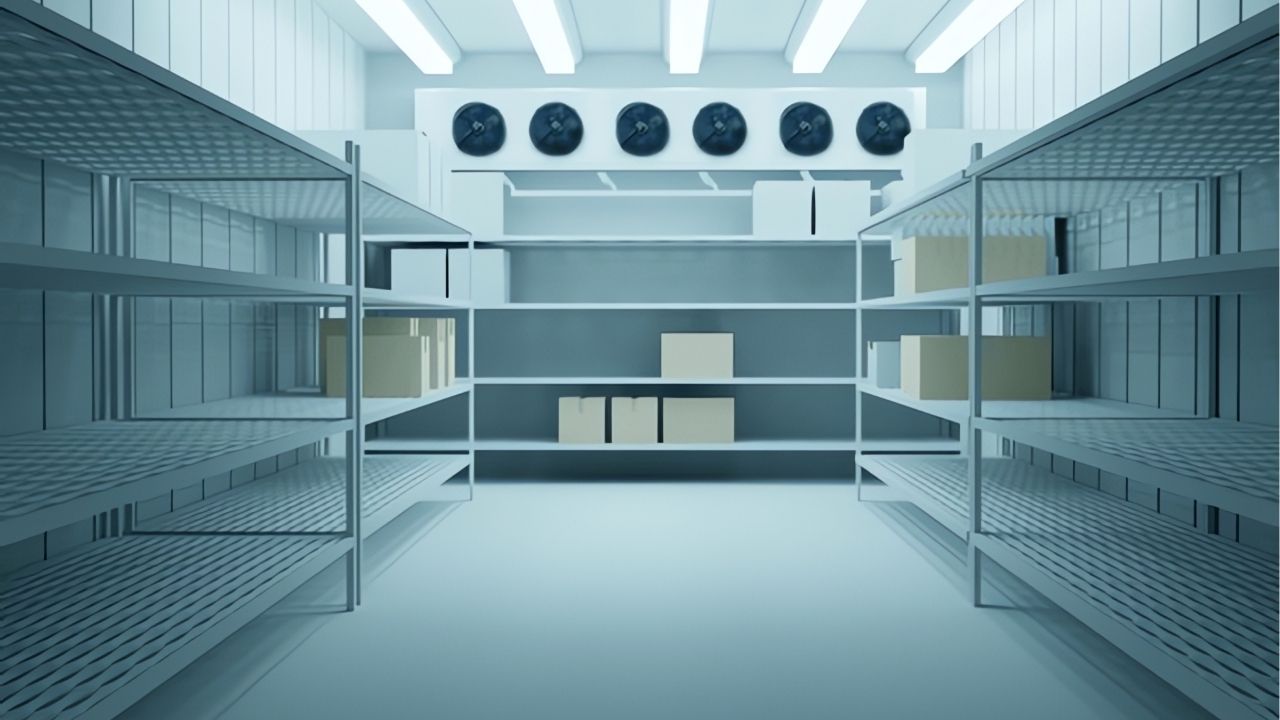
The pharmaceutical cold chain is a supply chain discipline covering the storage of temperature-sensitive pharmaceutical and medical products within a defined temperature range across every stage — from the manufacturing site to the warehouse, and from the warehouse to the pharmacy or healthcare facility. Vaccines, biological products, and certain drug formulations can lose their efficacy irreversibly once they move outside the intended range.
Because of this sensitivity, equipment used in the pharmaceutical cold chain is expected not just to reach the target temperature but to hold it without interruption or fluctuation. A performance fluctuation in a refrigeration unit might cause a partial quality decline in the food sector, whereas in the pharmaceutical sector it can render a product entirely unusable. That distinction explains why equipment selection for the pharmaceutical cold chain calls for a more rigorous engineering approach.
Which Temperature And Traceability Standards Apply To The Pharmaceutical Cold Chain?
Cold chain practices in the pharmaceutical sector are generally linked to internationally recognized frameworks such as Good Distribution Practice (GDP) and Good Storage Practice (GSP). These frameworks set expectations around the following elements:
- Narrow temperature tolerance: Most pharmaceutical products must be kept within a narrow range, such as 2-8°C, or within specific controlled room temperature limits.
- Continuous temperature monitoring: Data is expected to be recorded without interruption and to be available for audit reporting when needed.
- Alarm and alert systems: Automatic alert mechanisms need to activate whenever temperature drifts outside the defined range.
- Redundancy and continuity: Backup capacity or an alternative solution should be planned so cooling is not interrupted in the event of an equipment failure.
Implementing these standards directly depends on a facility's own quality management system and audit processes; still, having equipment with the technical capacity to support these requirements is one of the core building blocks of compliance. Get in touch with us to work through the temperature stability and traceability level your project calls for.
What Should Be Considered When Selecting An Evaporator And Condenser For Pharmaceutical Storage?
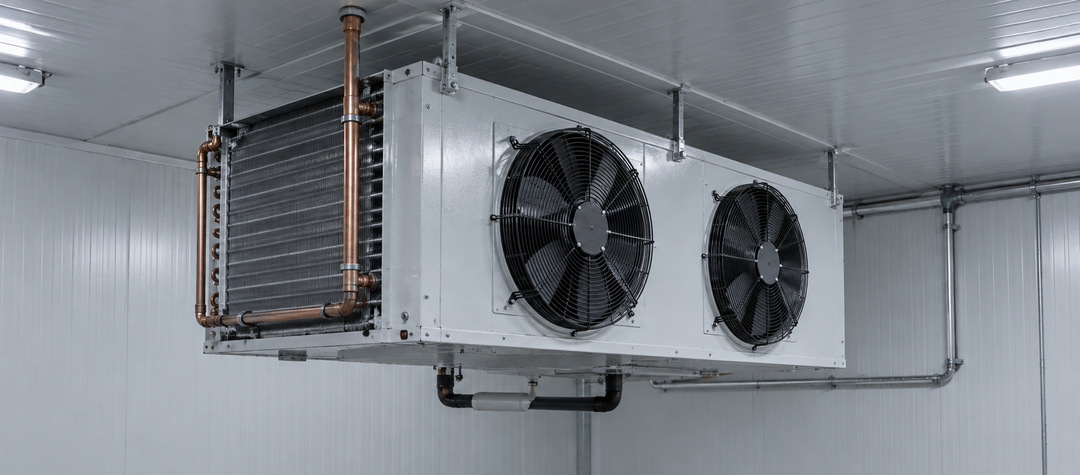
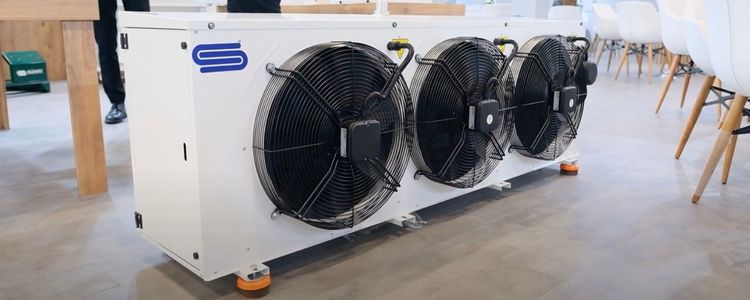
Selecting an evaporator and condenser for pharmaceutical storage areas brings additional technical criteria into play compared with standard food storage applications:
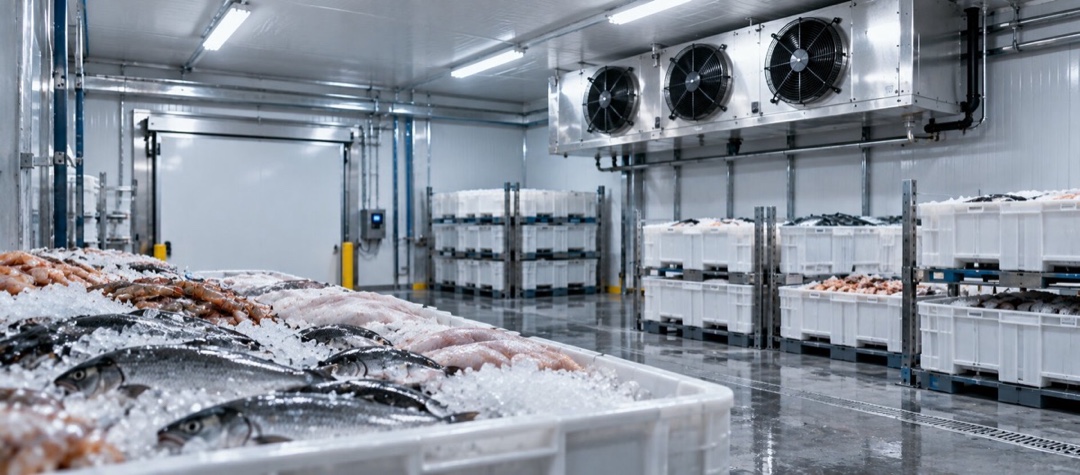
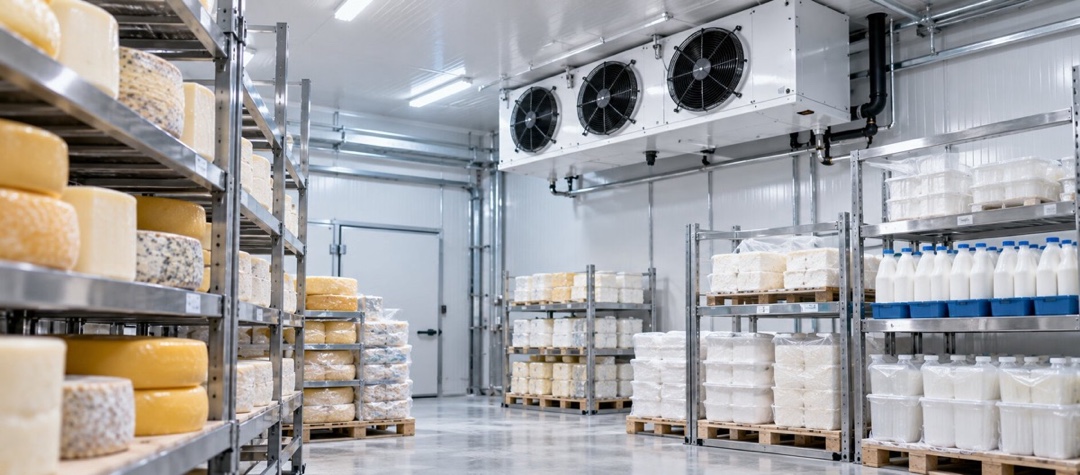
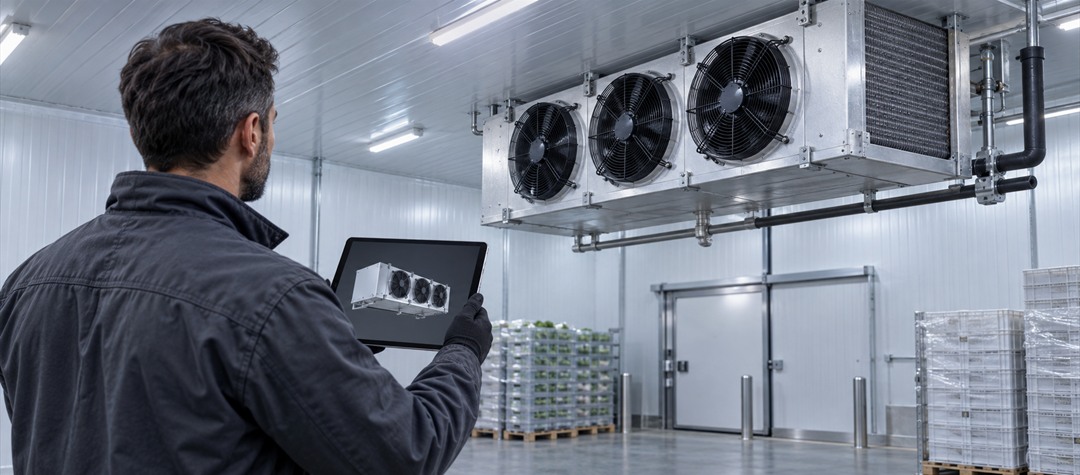
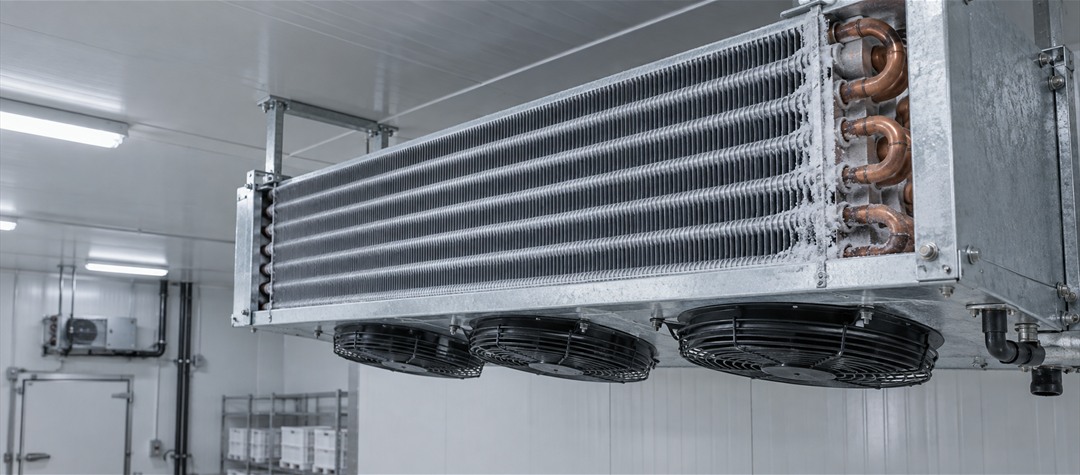
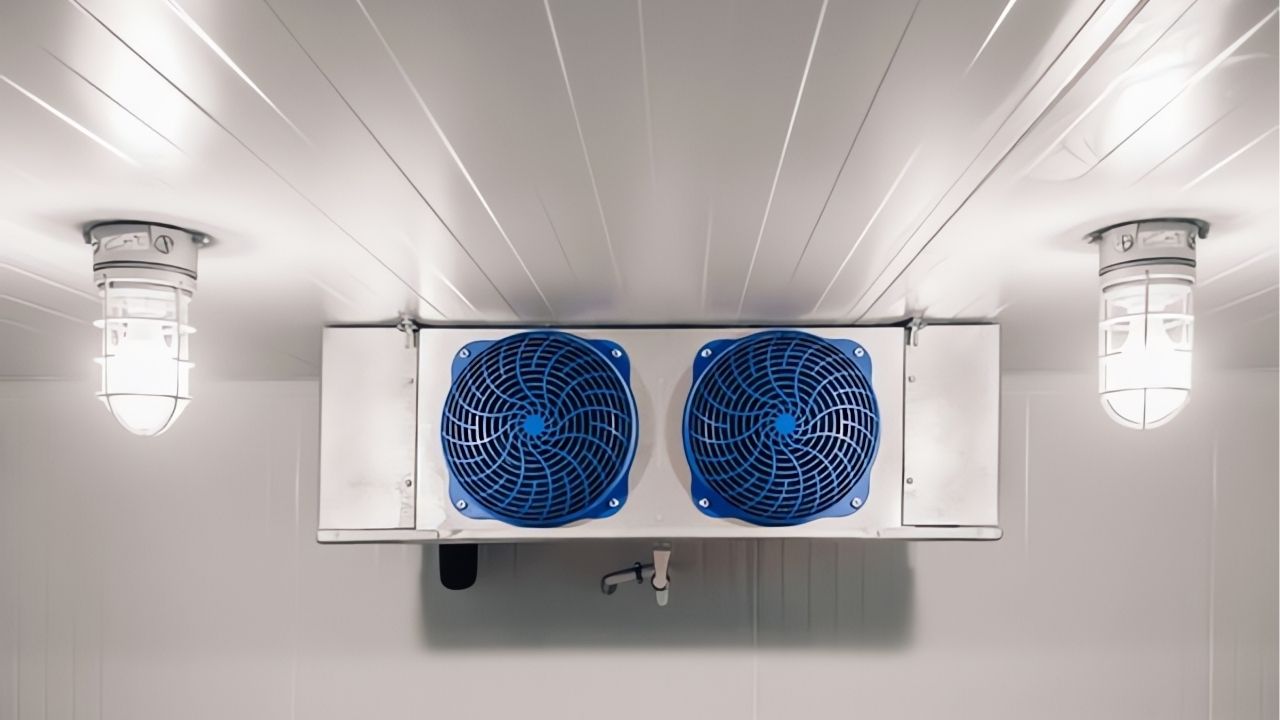
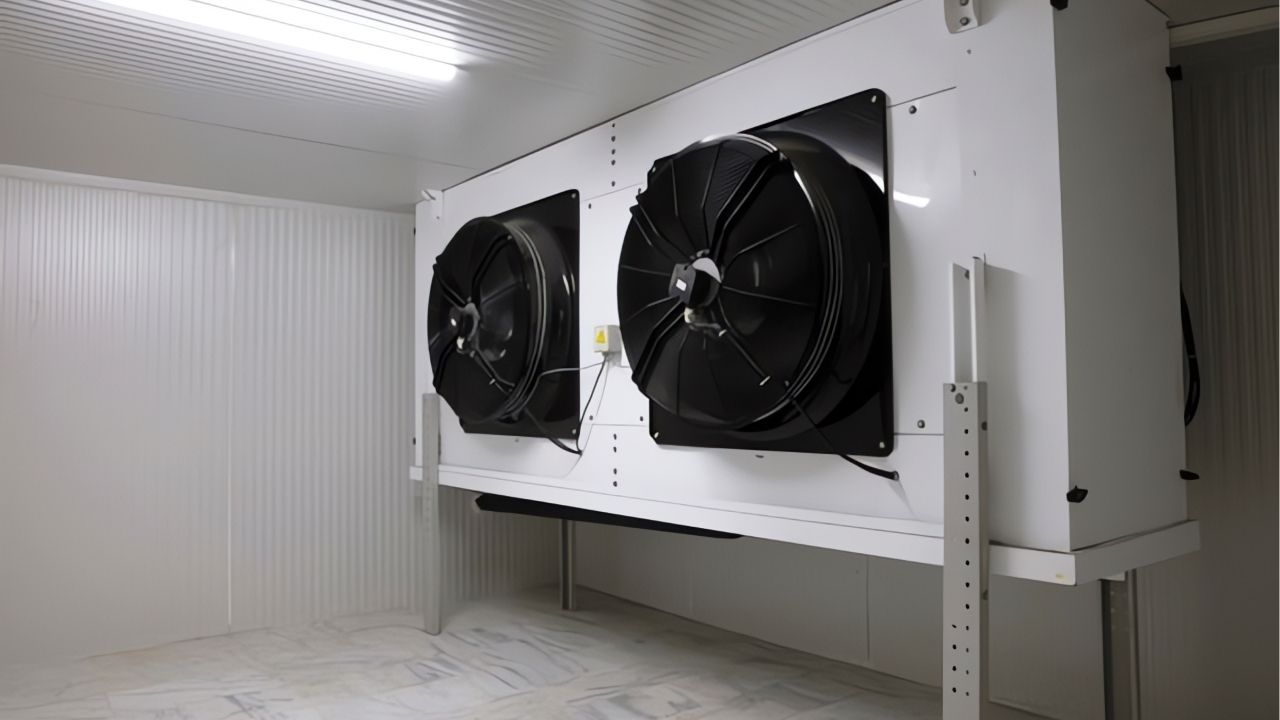
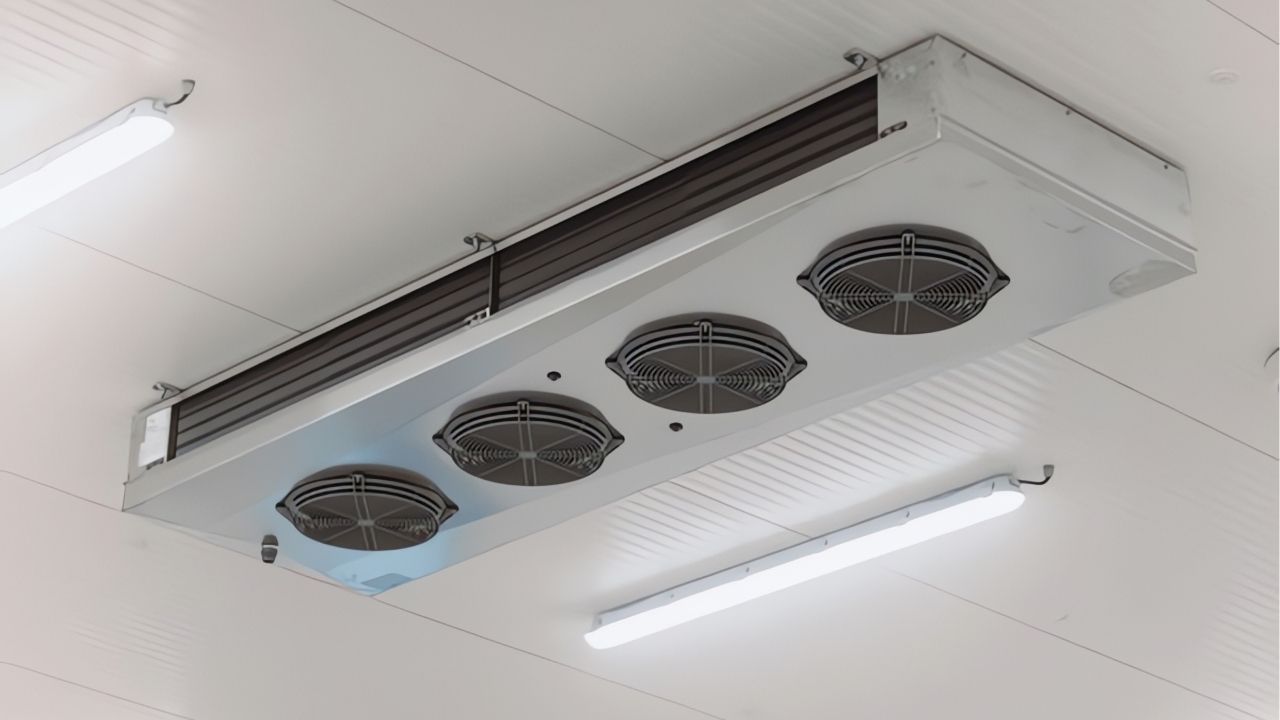
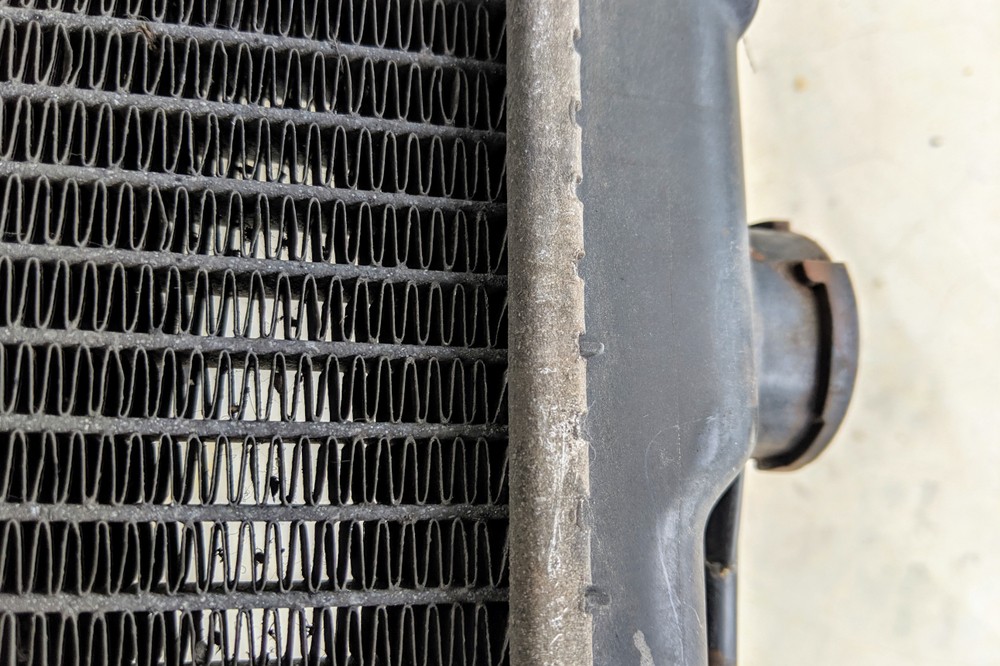
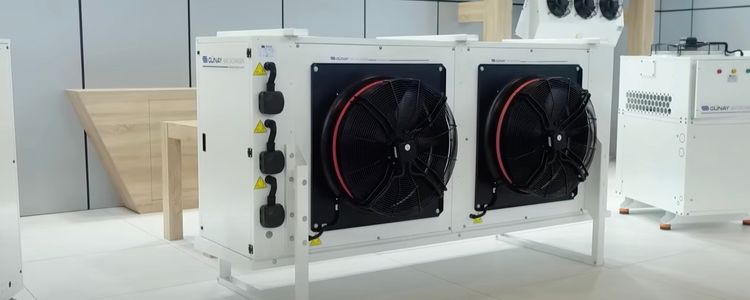
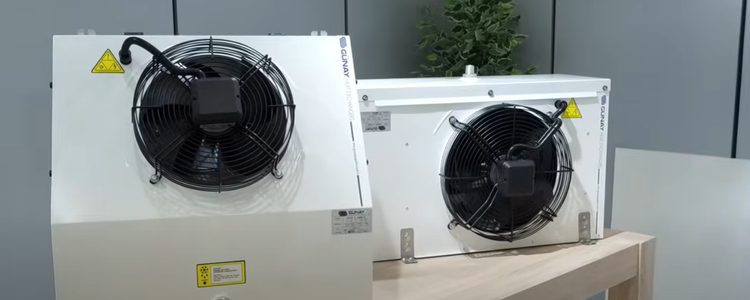
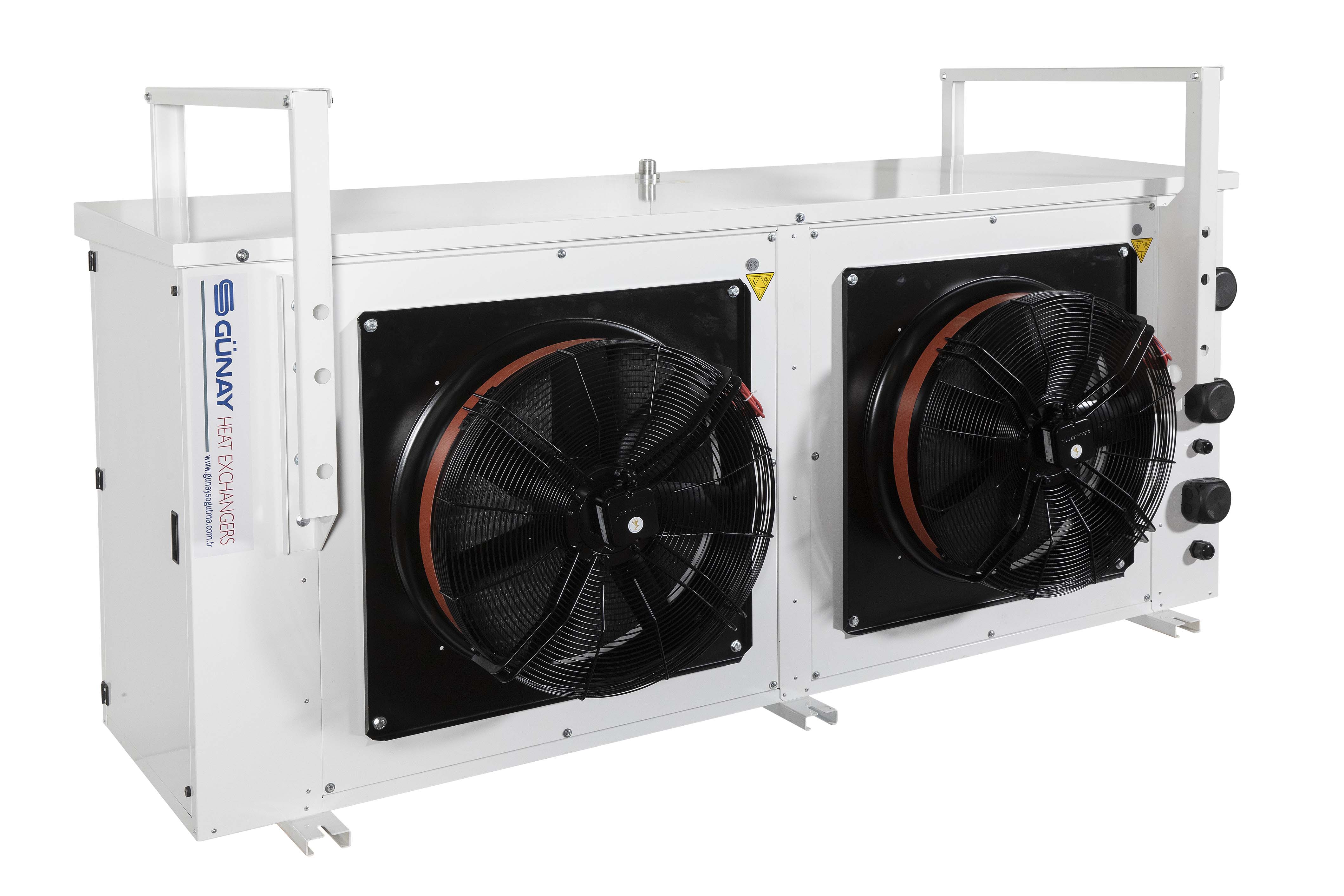
- Low temperature-fluctuation design: The evaporator should be sized so it does not create a noticeable deviation in room temperature even during a defrost cycle.
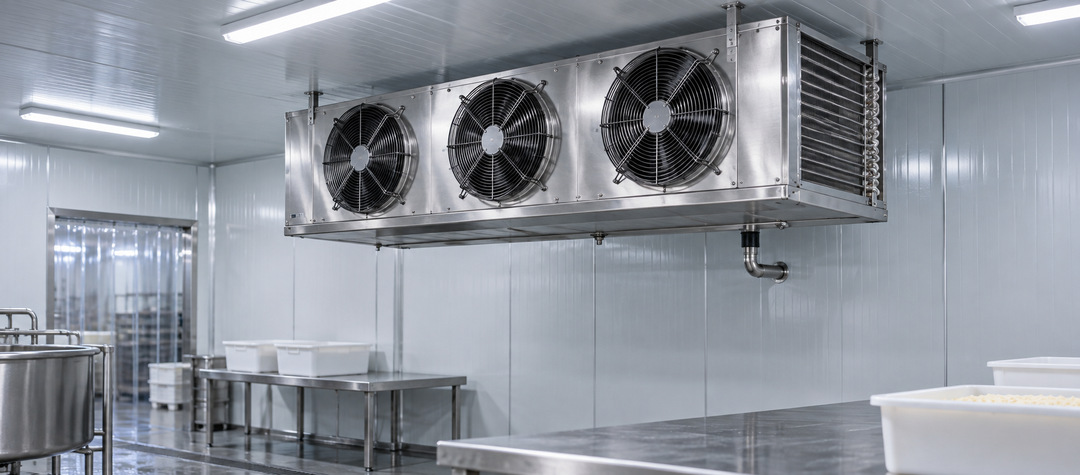
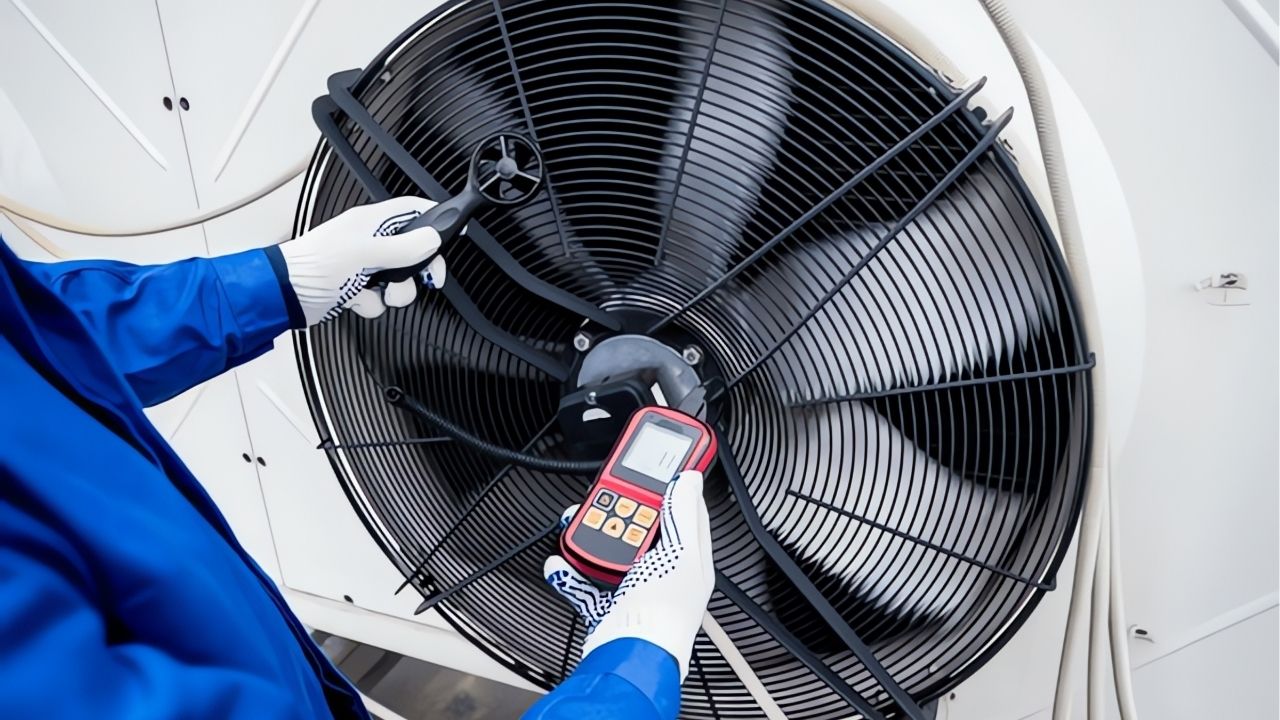
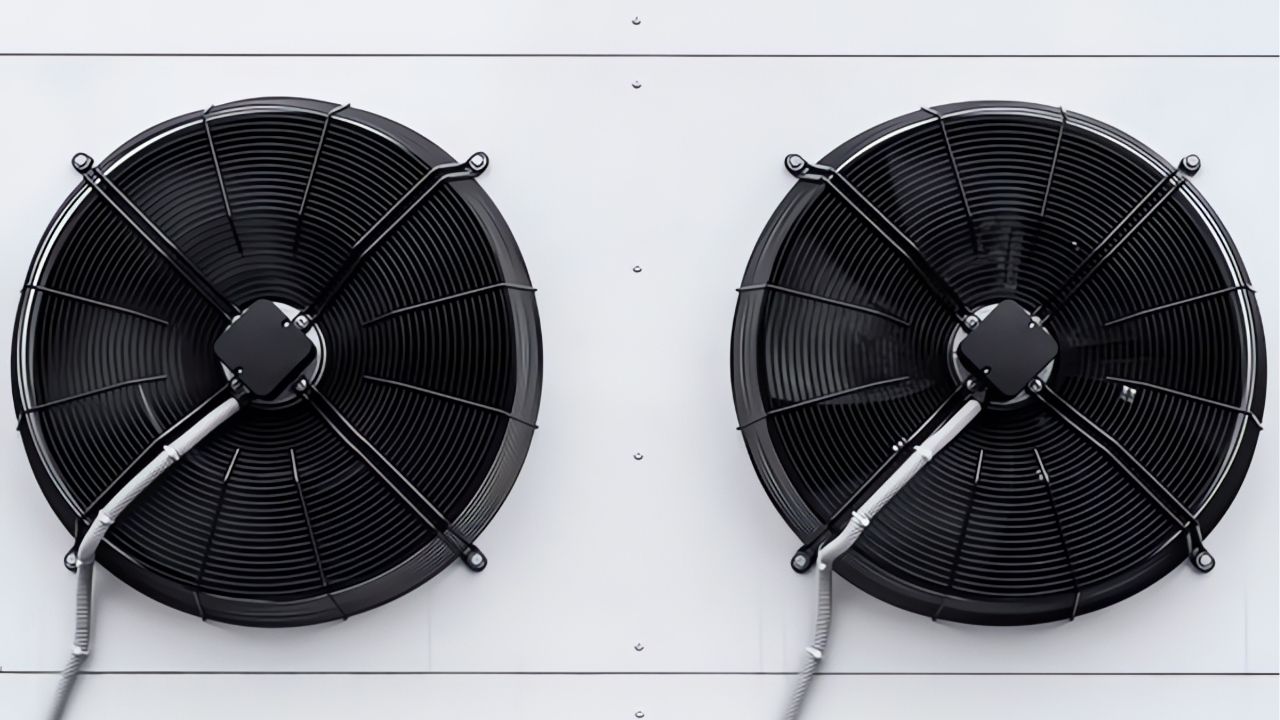
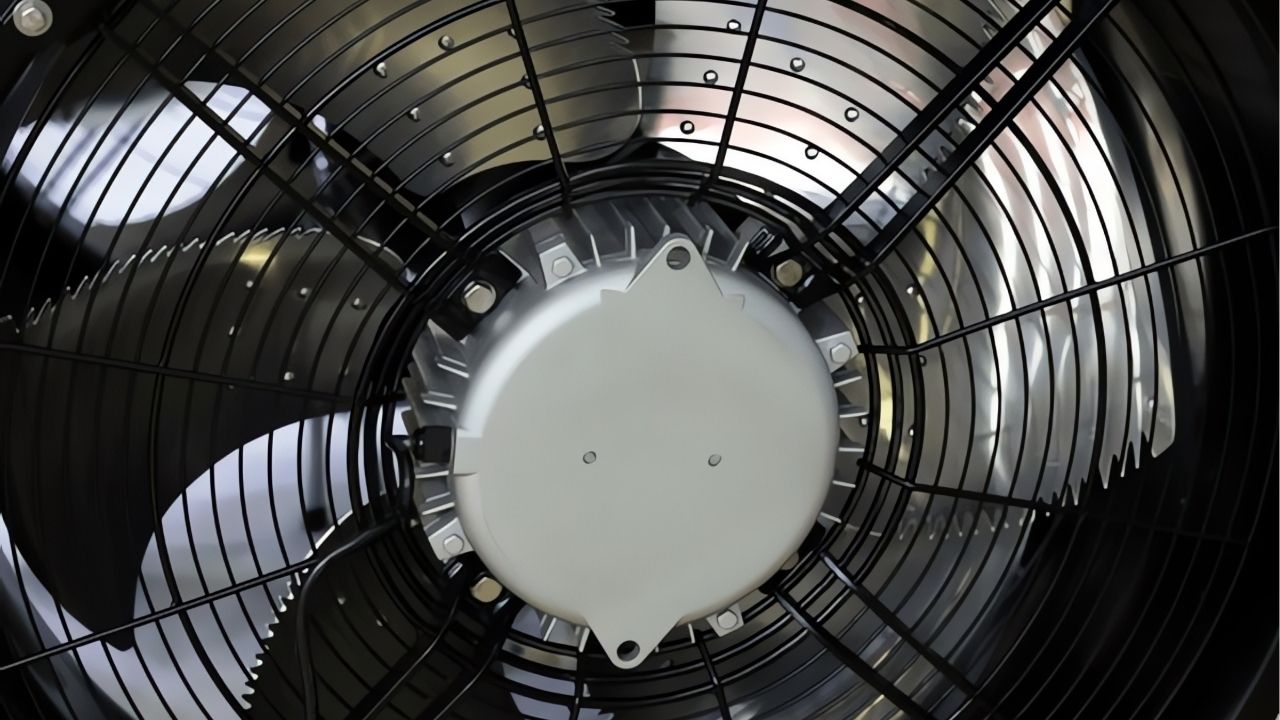
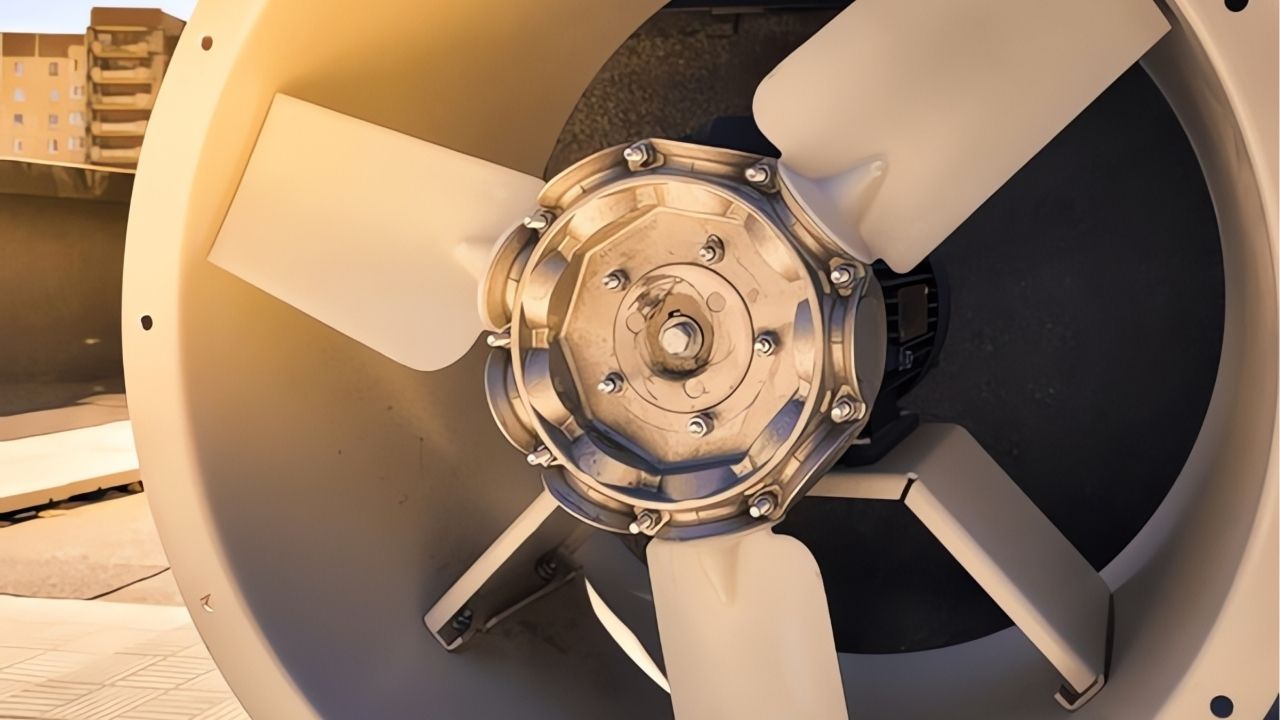
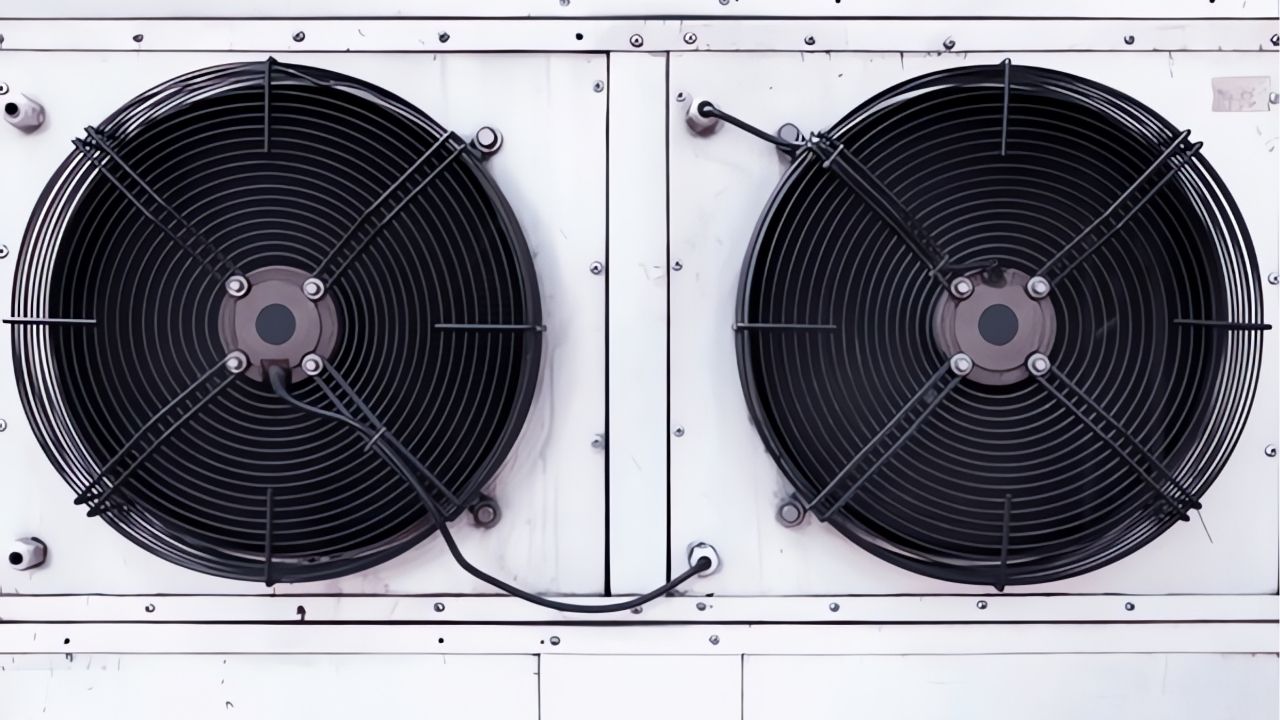
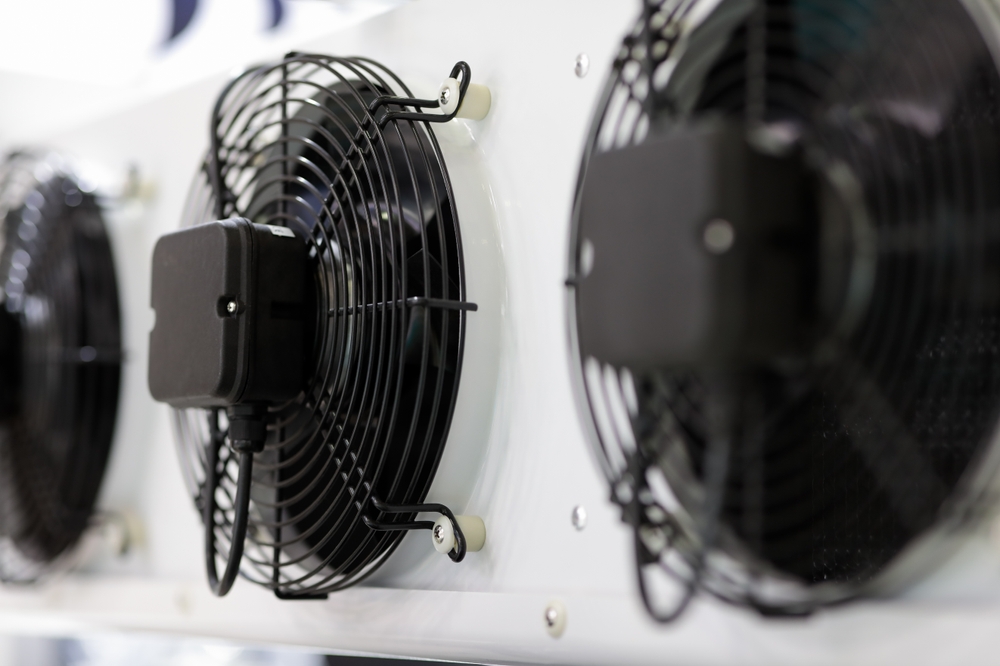
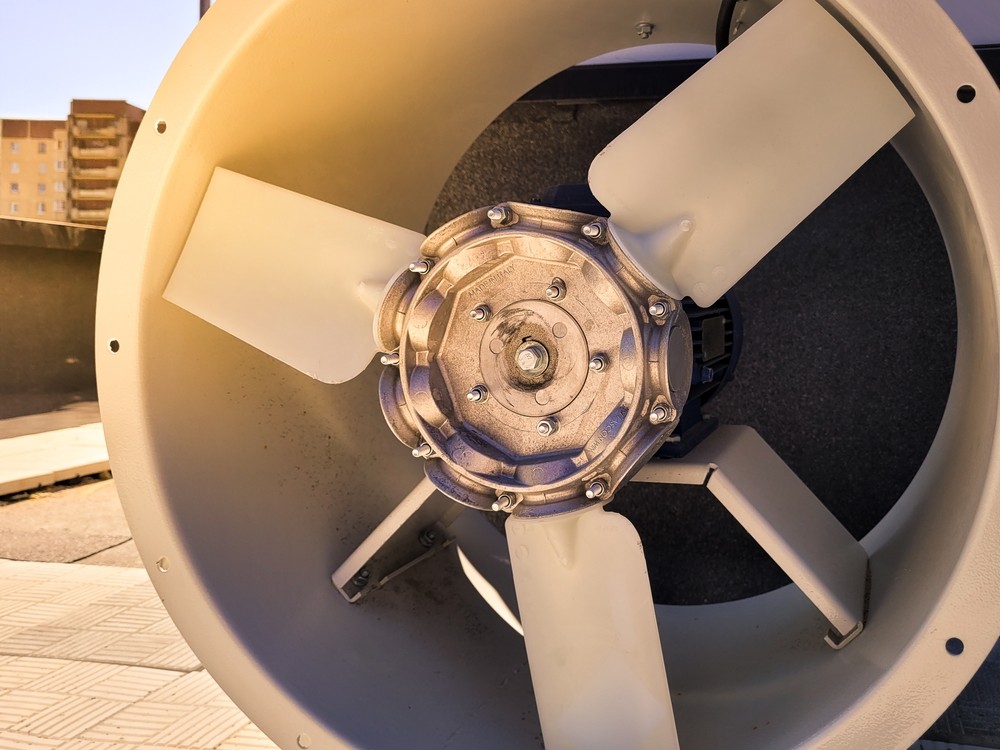
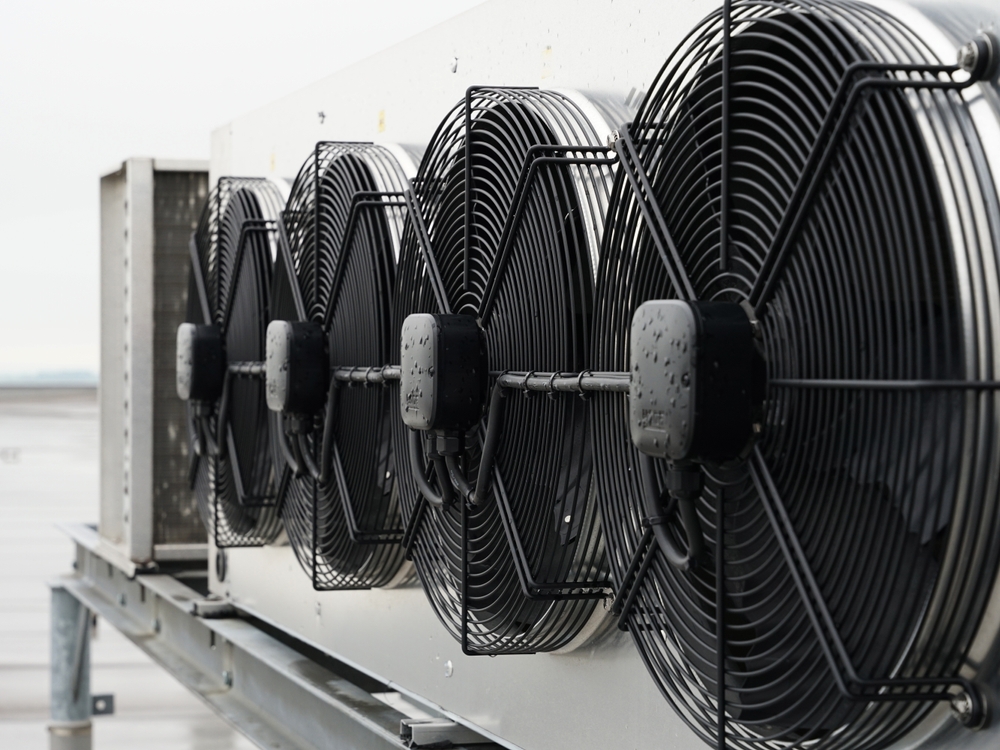
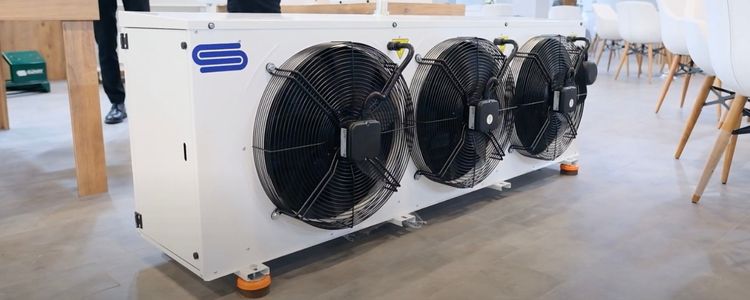
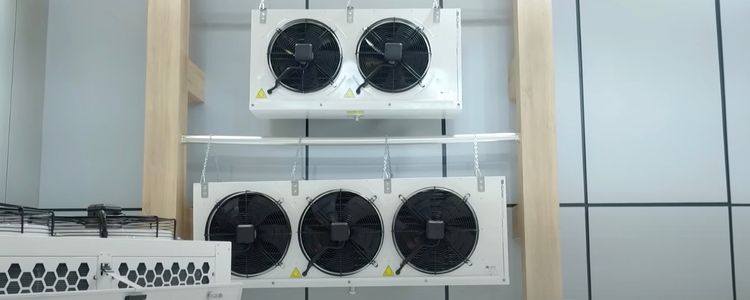
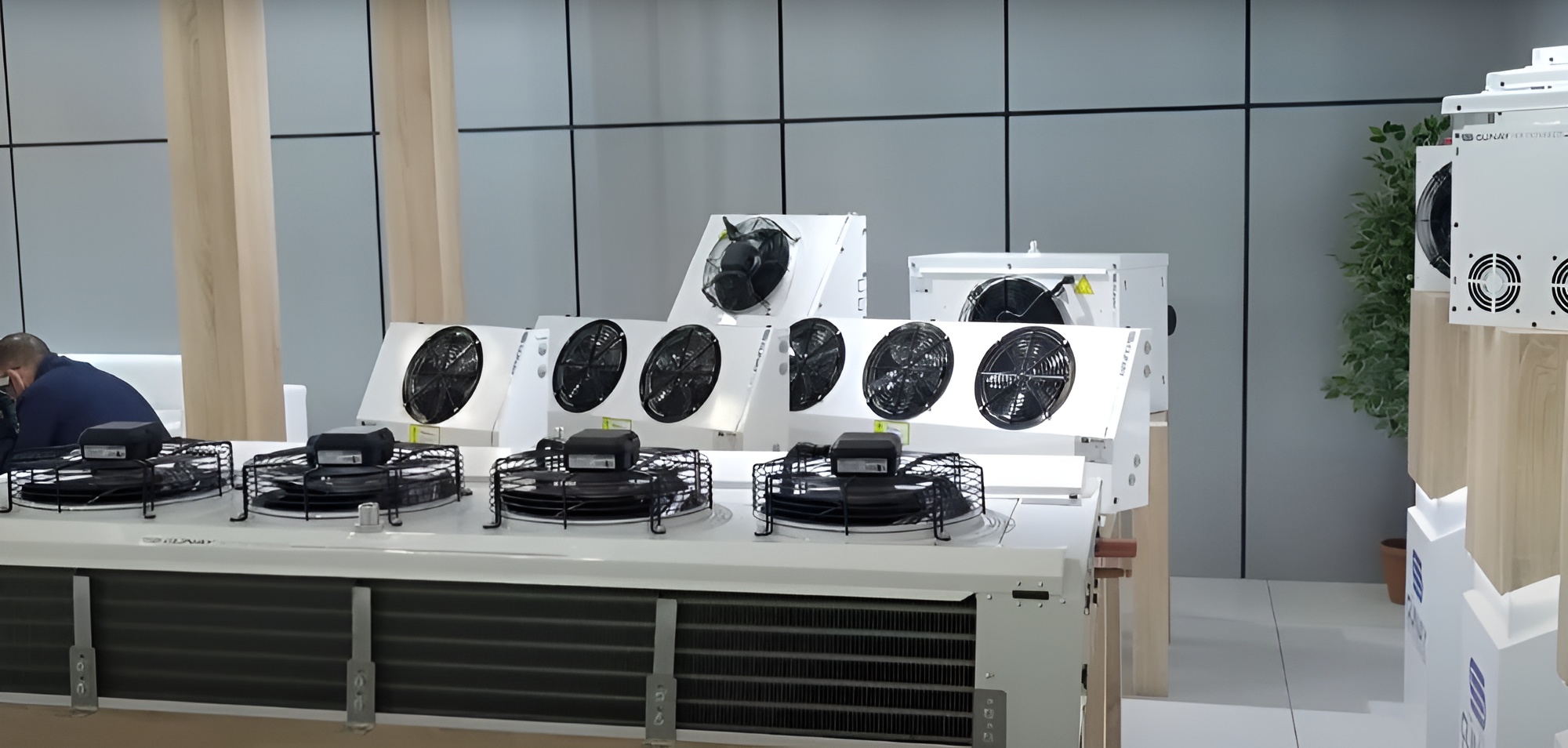
- Uniform air distribution: Fan count and placement need to be carefully planned to keep temperature consistent throughout every point of the storage area.
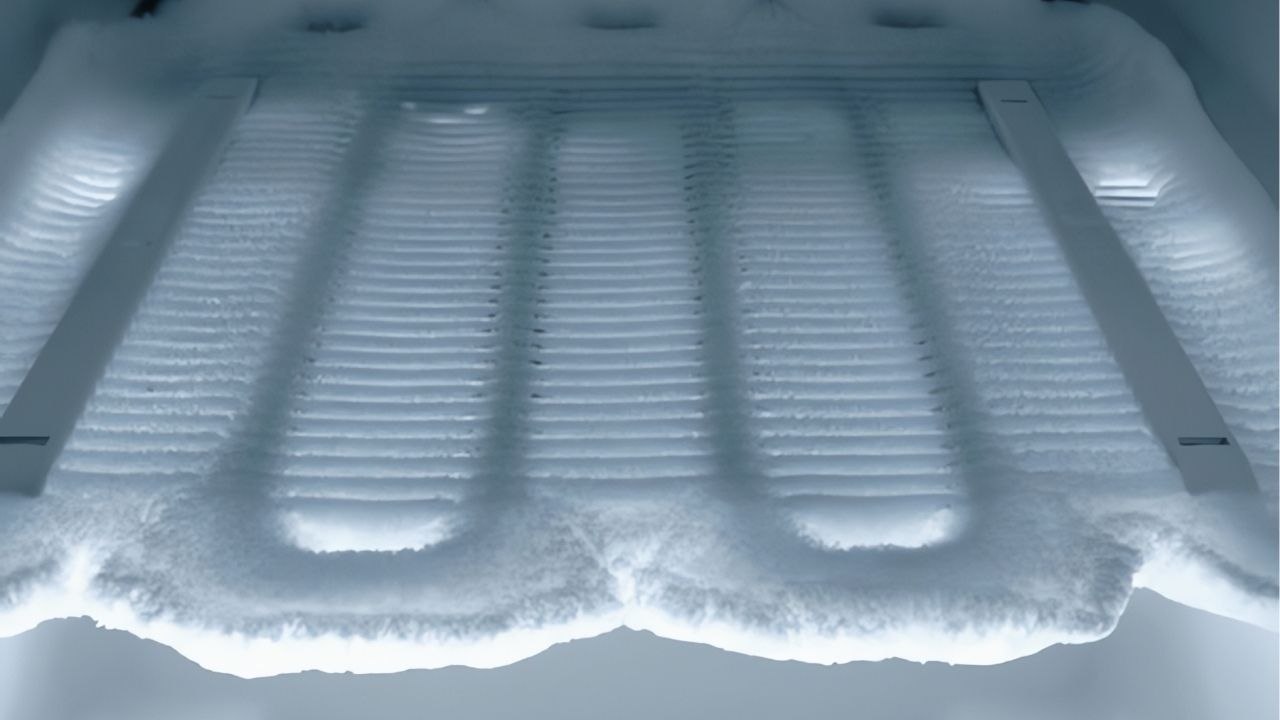
- Reliable defrost management: The defrost process needs to be carried out using a controlled method that does not exceed the permitted temperature range.
- Capacity redundancy: For critical applications, planning a secondary capacity that engages if one unit fails is advisable.
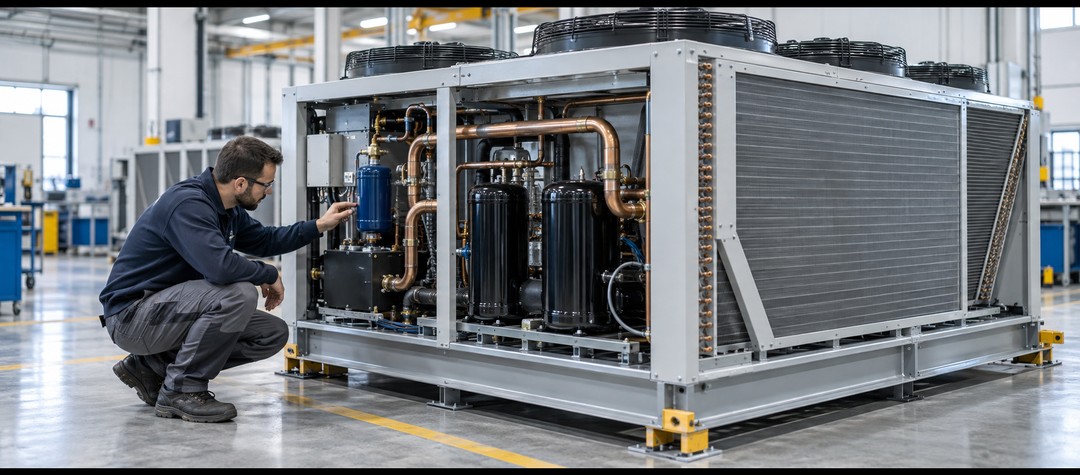
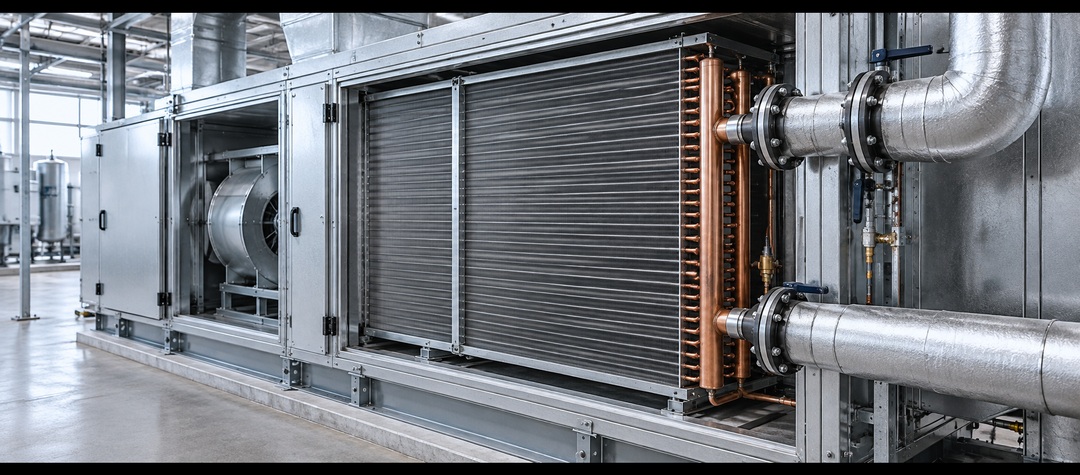
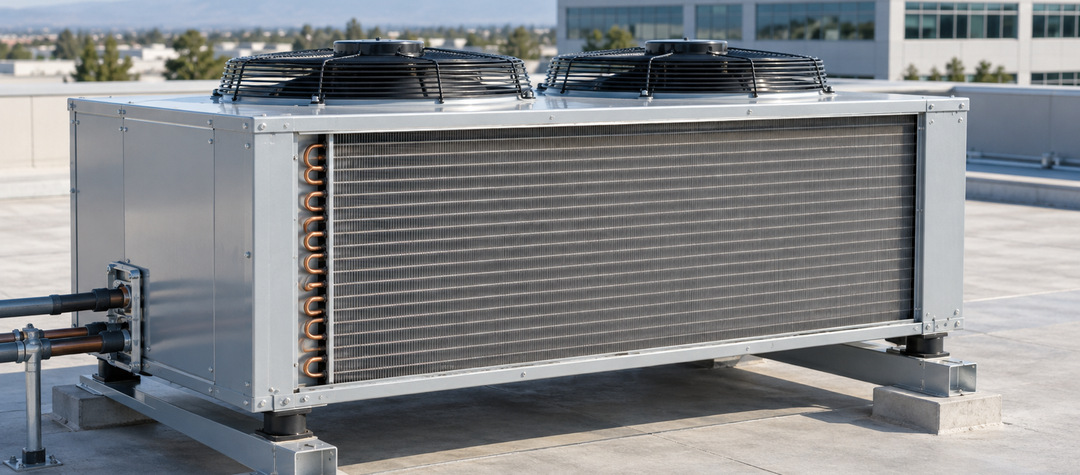
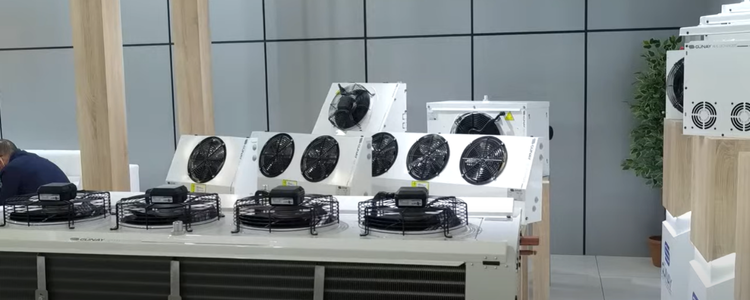
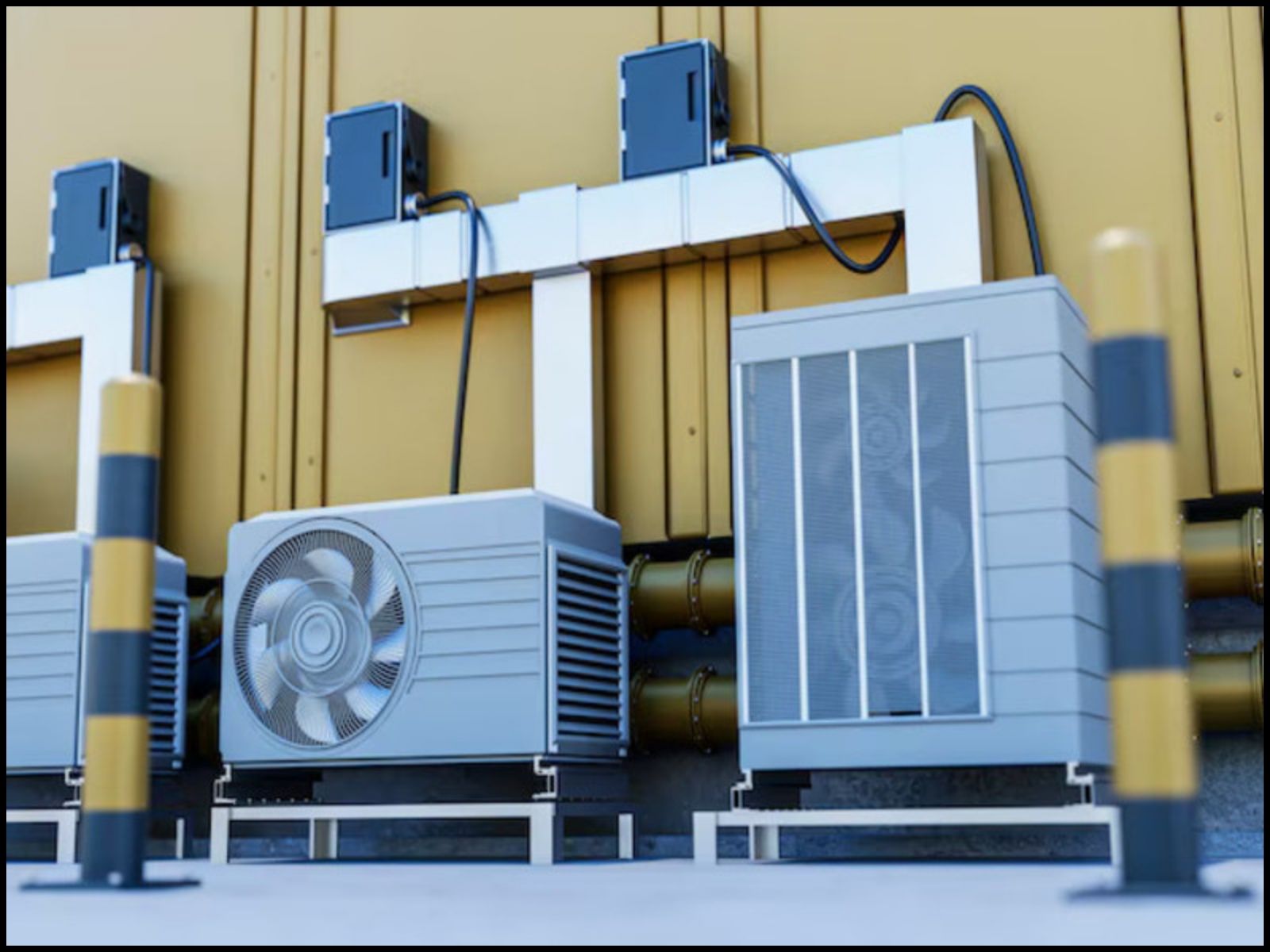
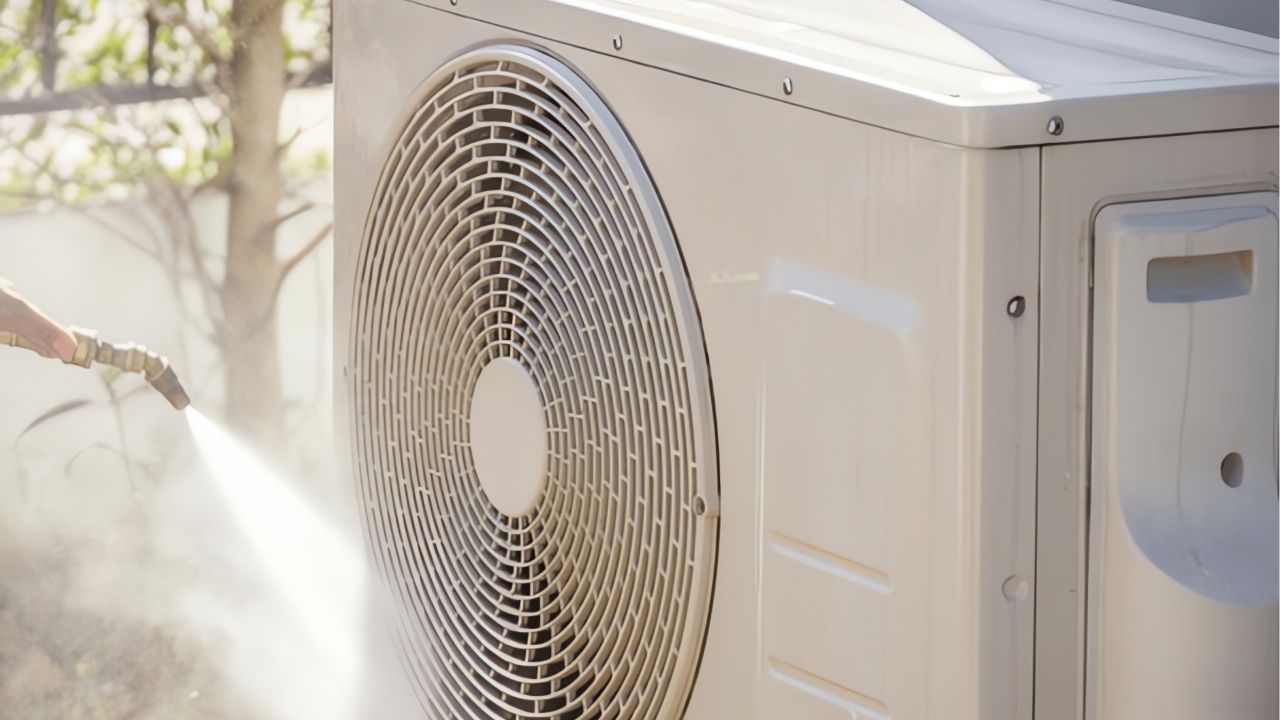
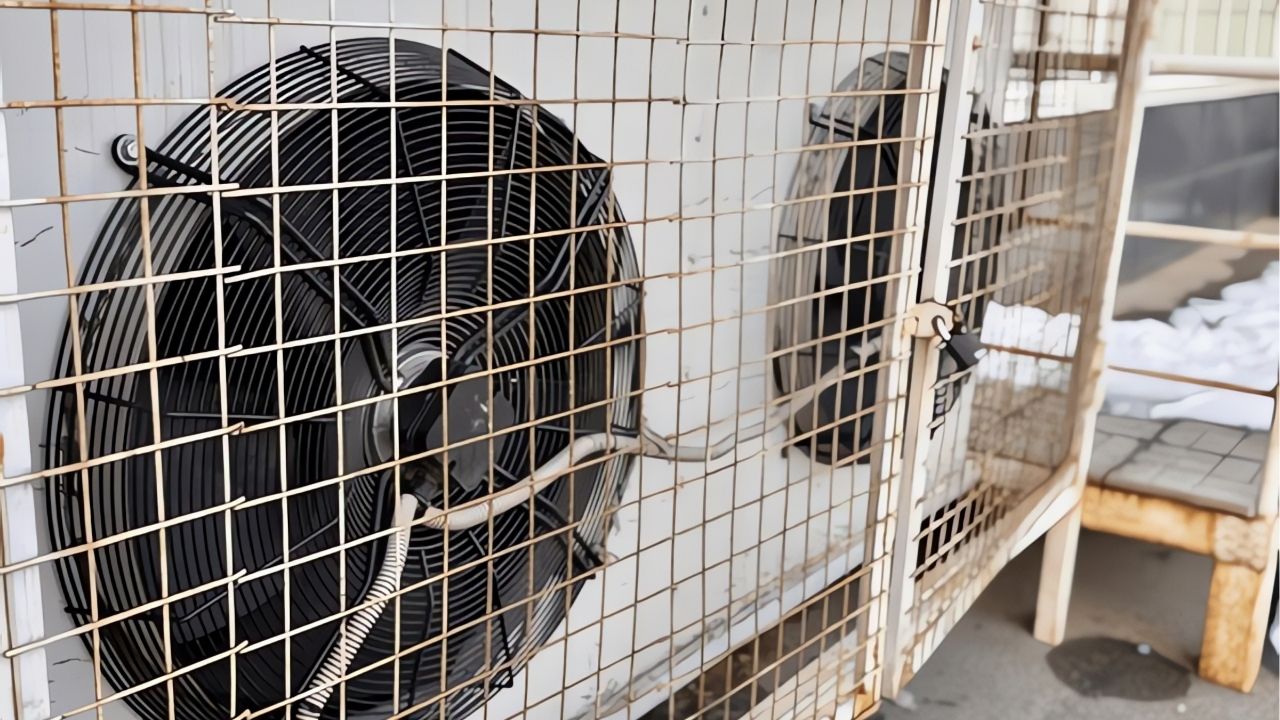
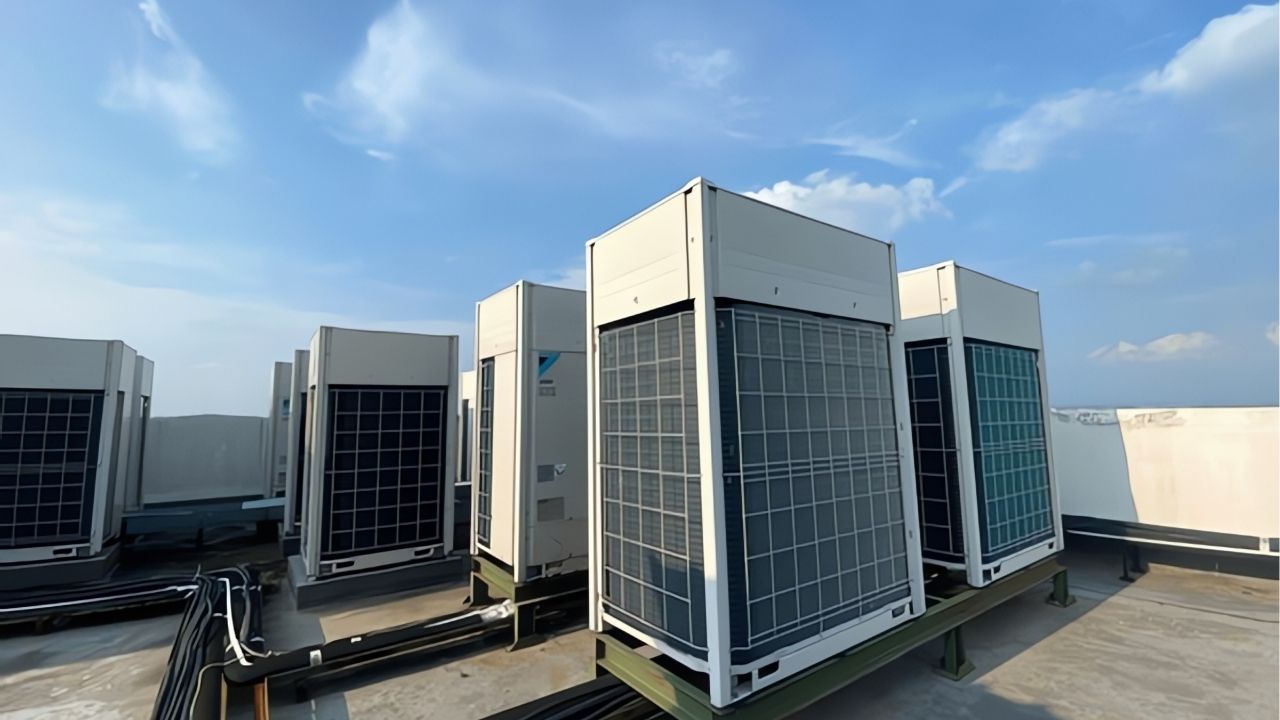
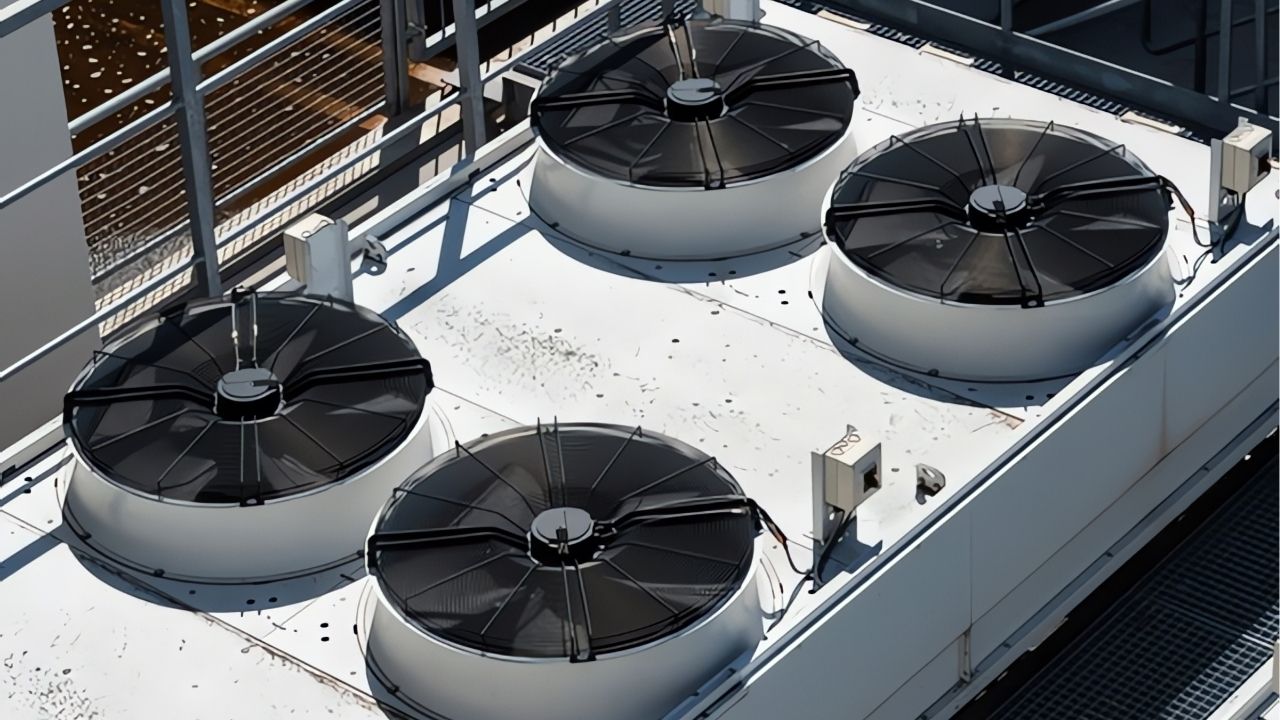
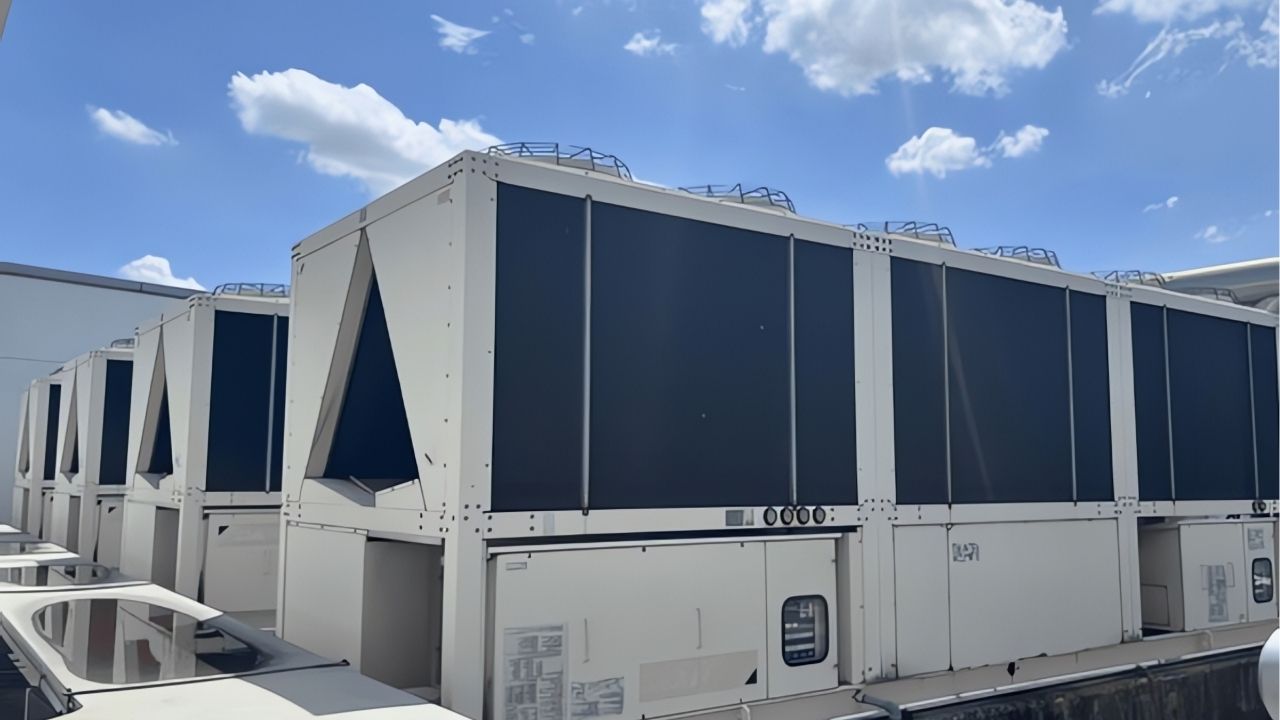
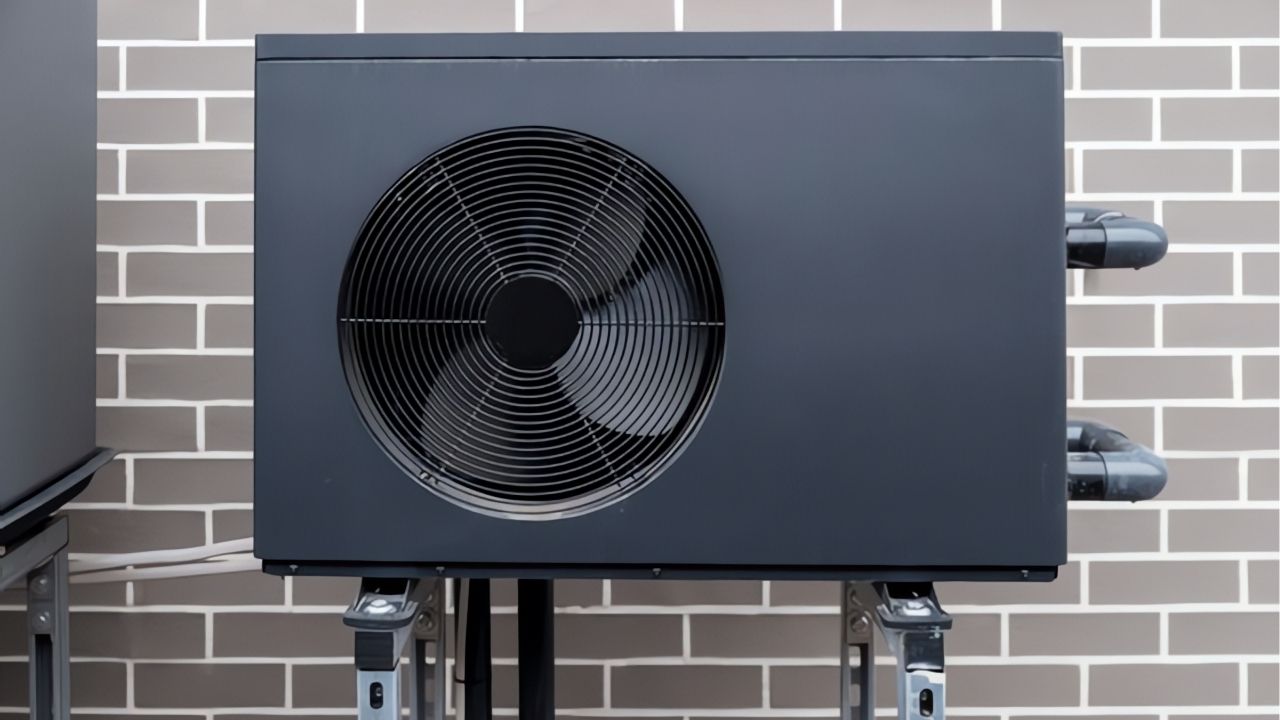
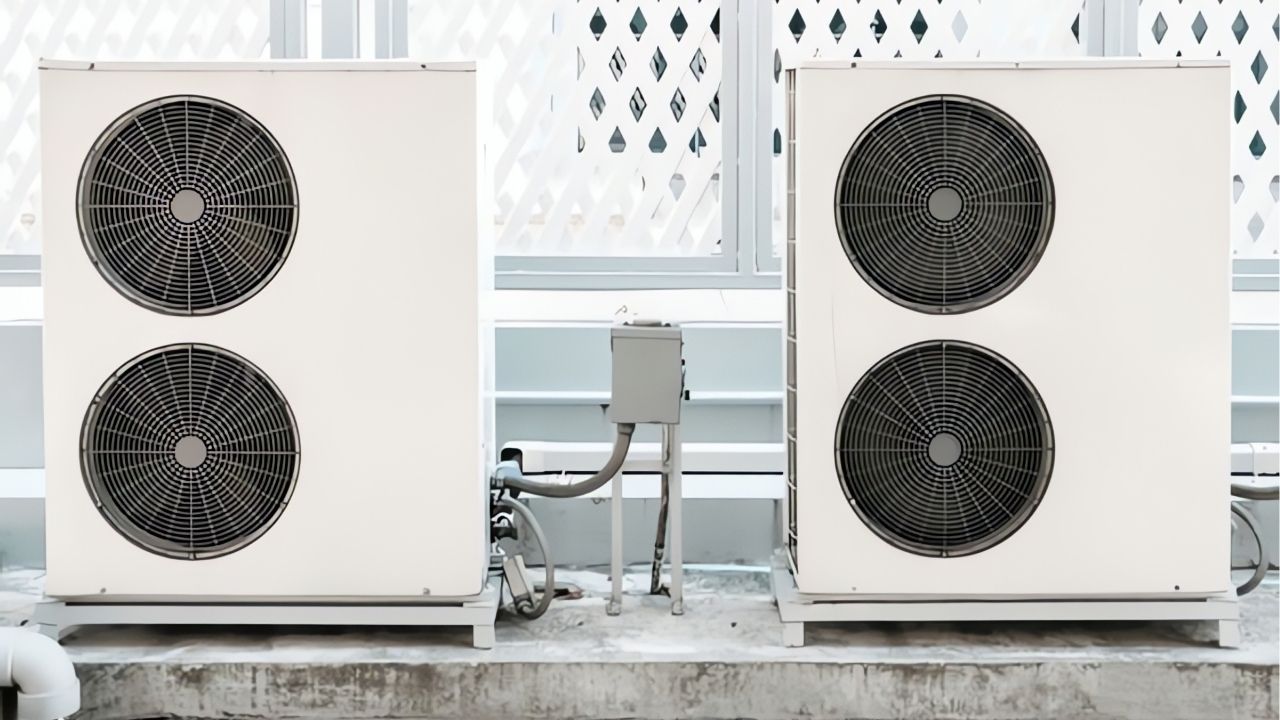
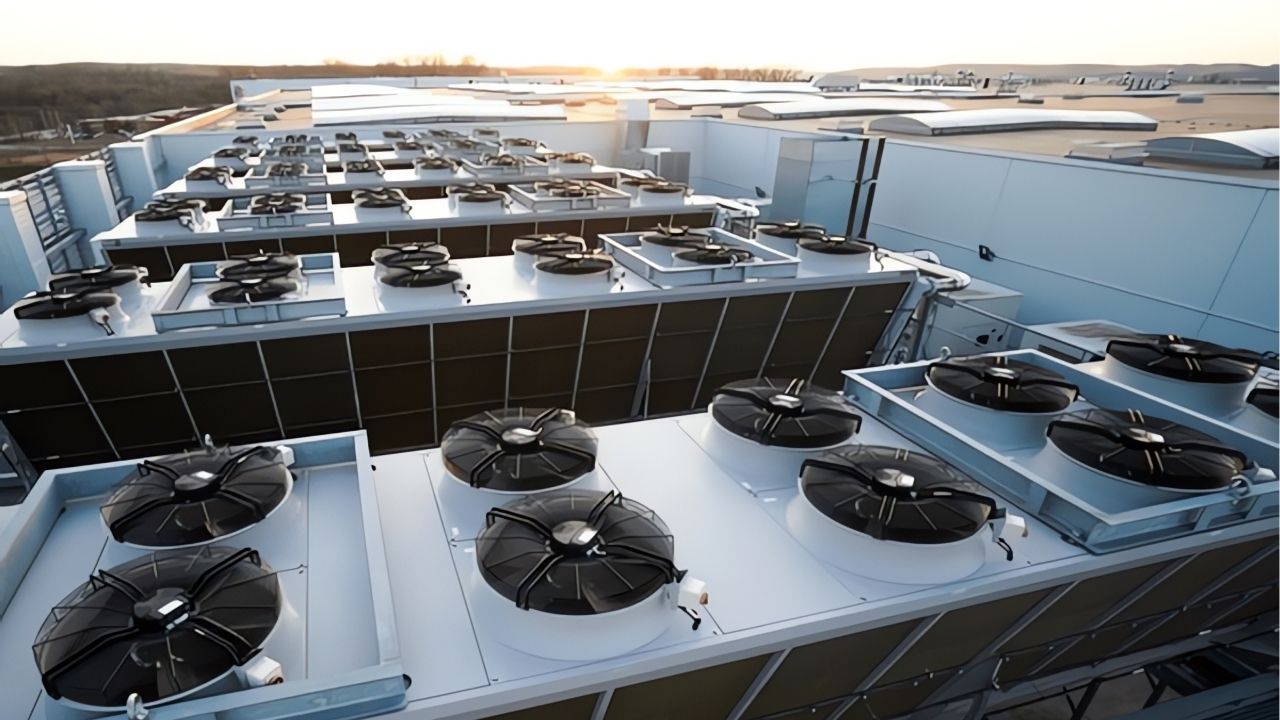
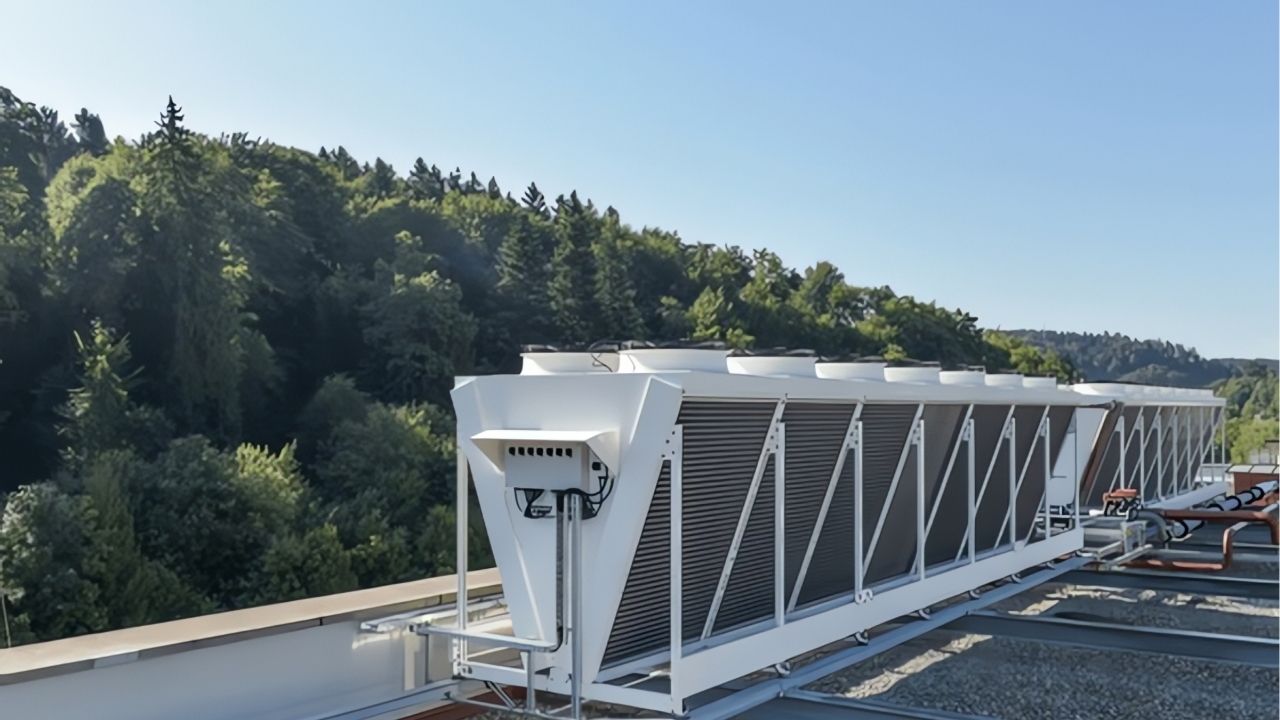
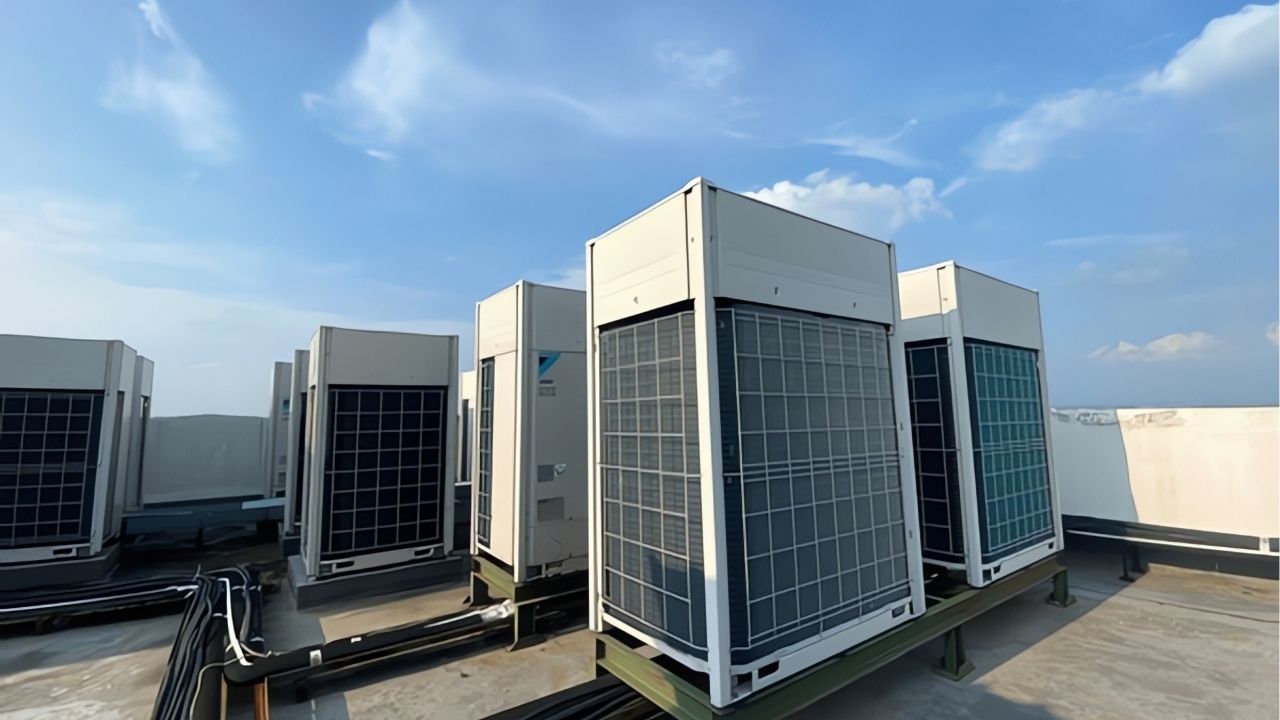
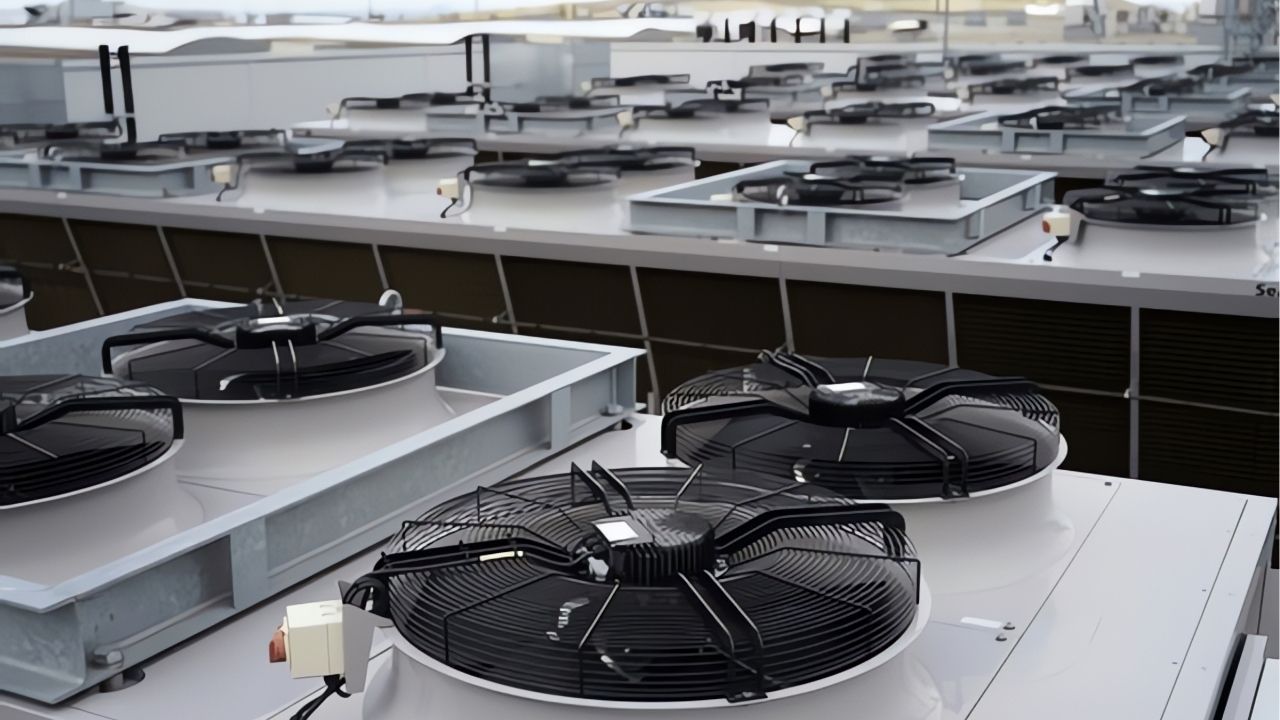
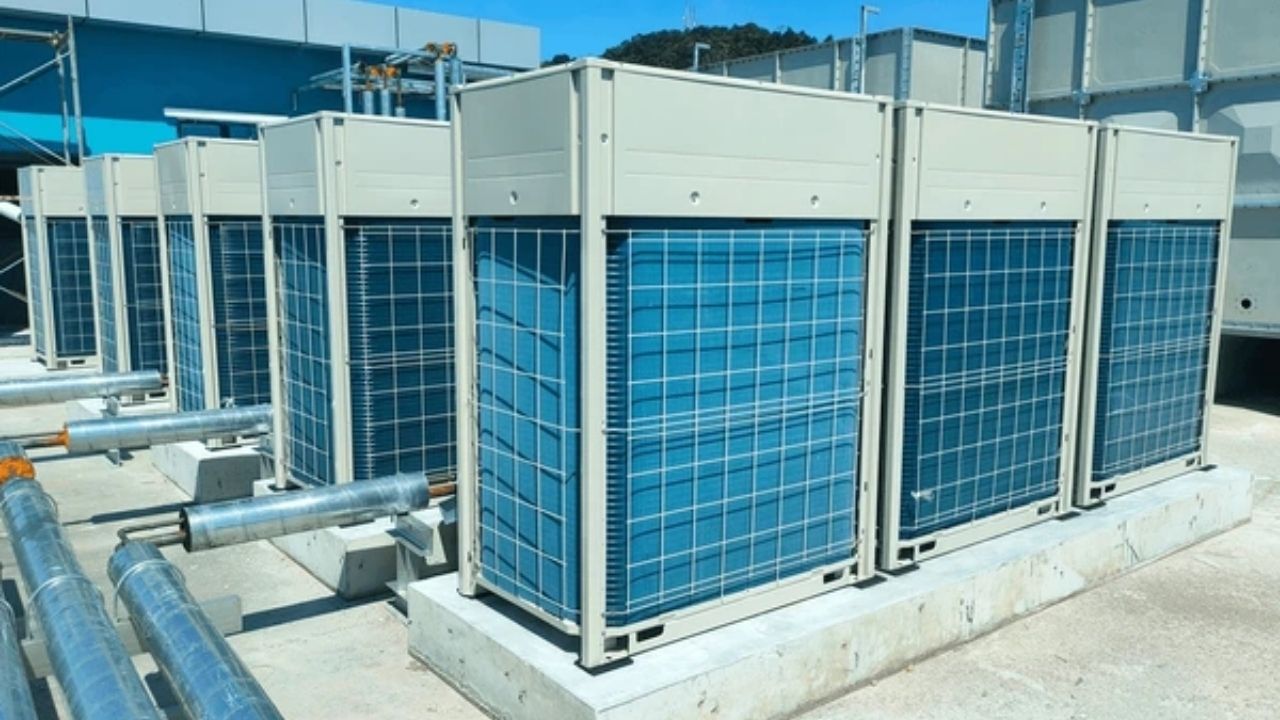
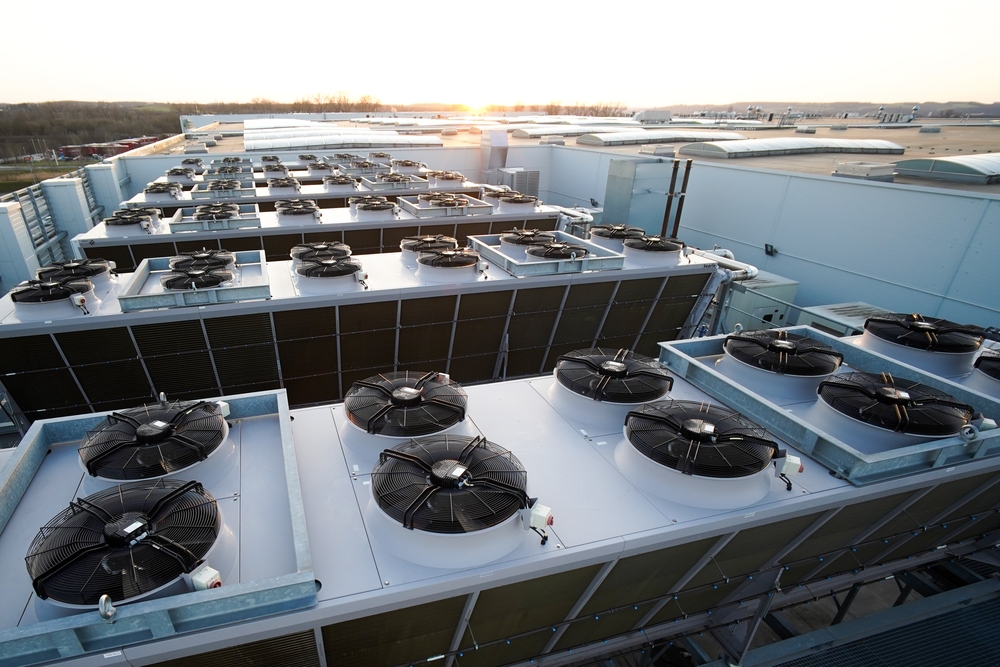
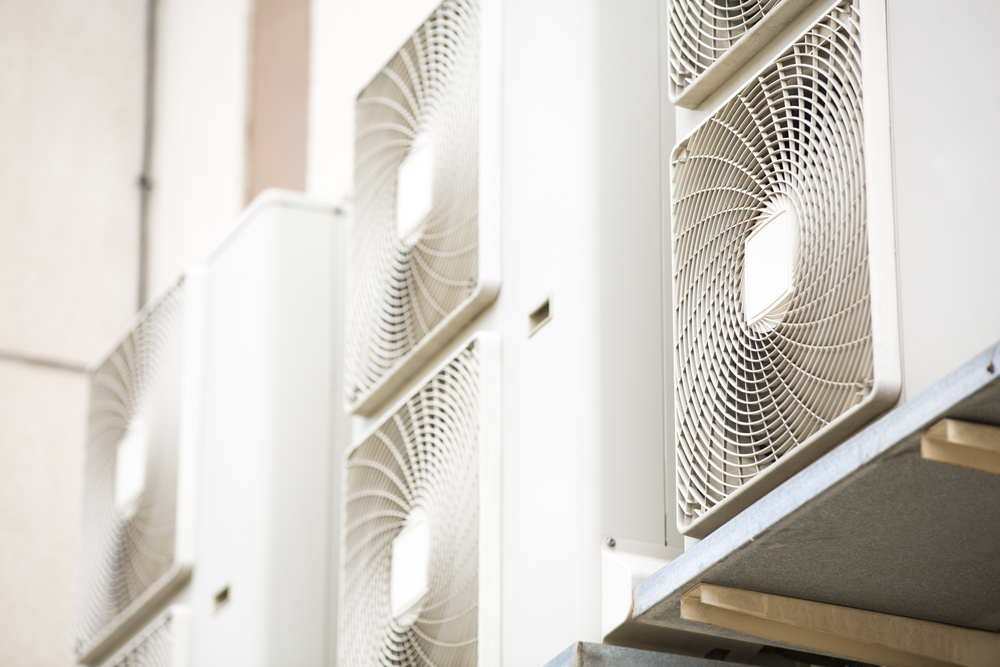
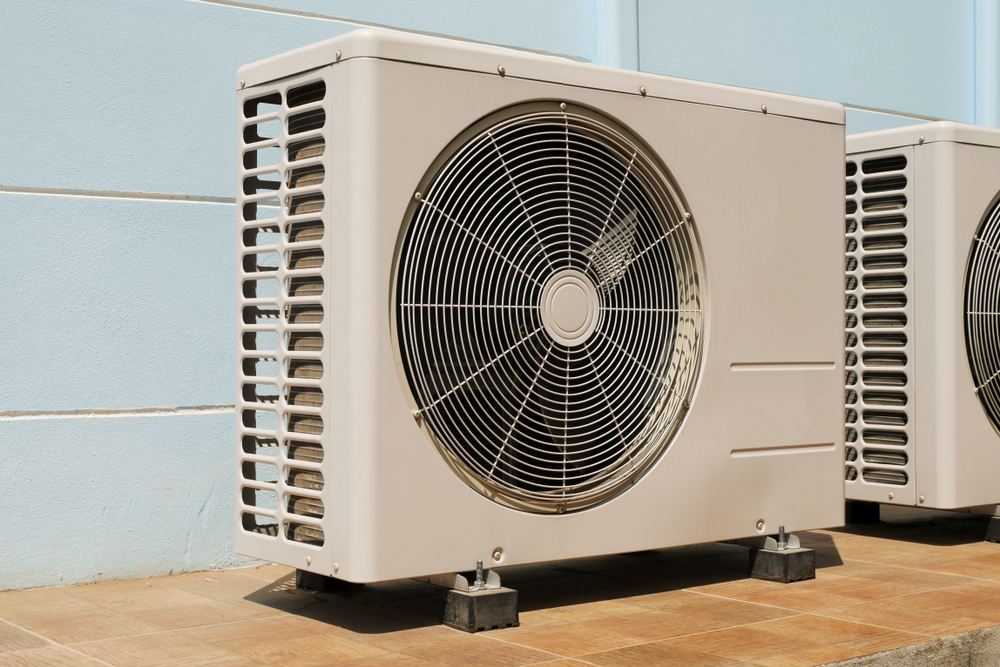
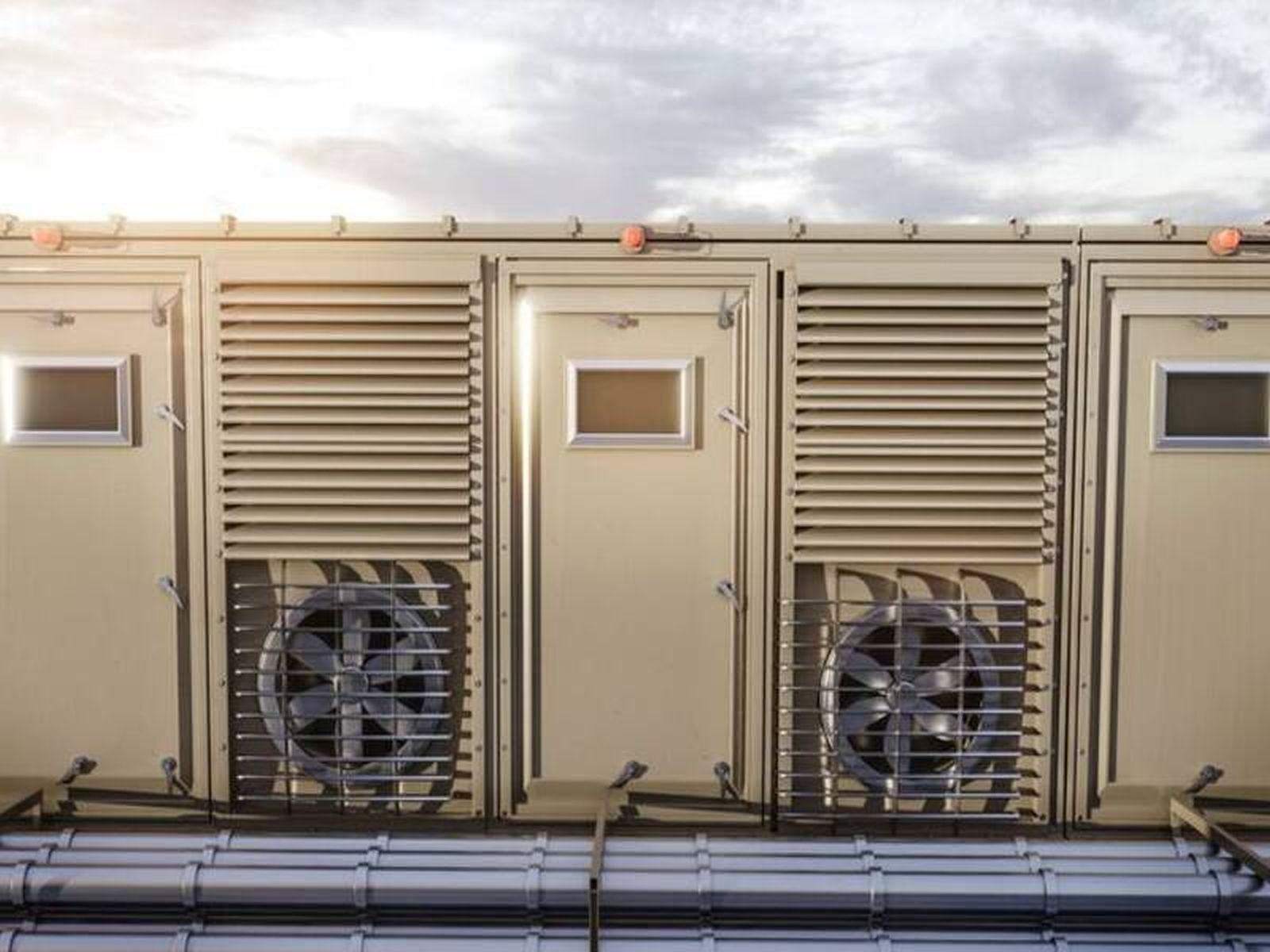
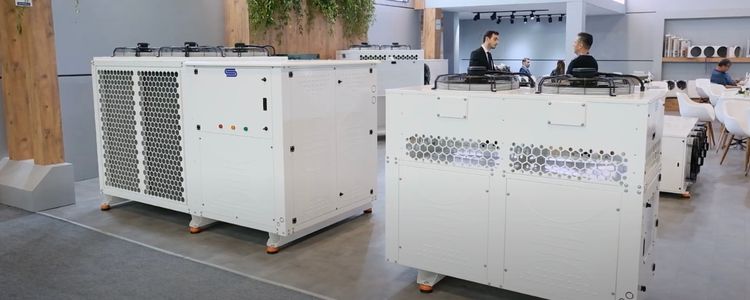
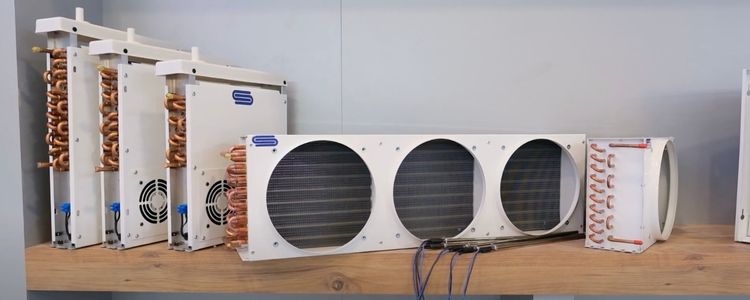
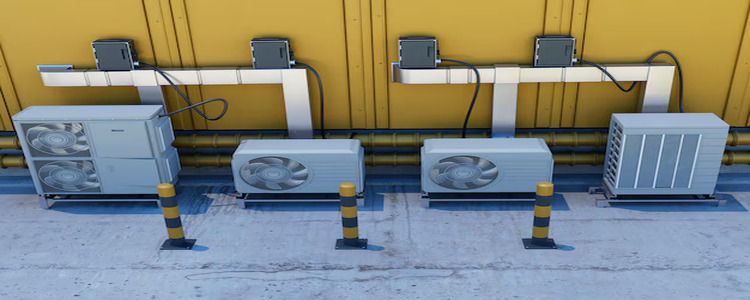
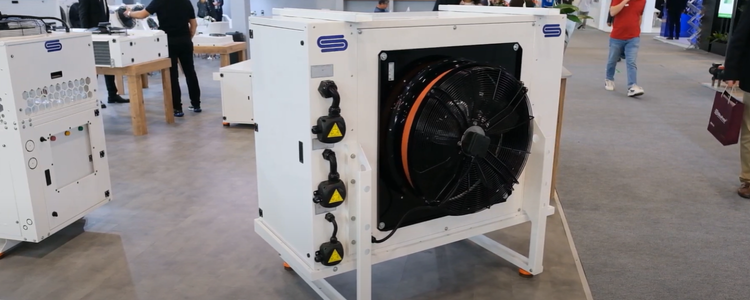
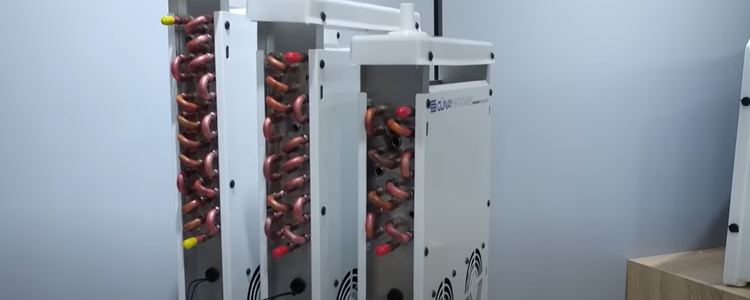
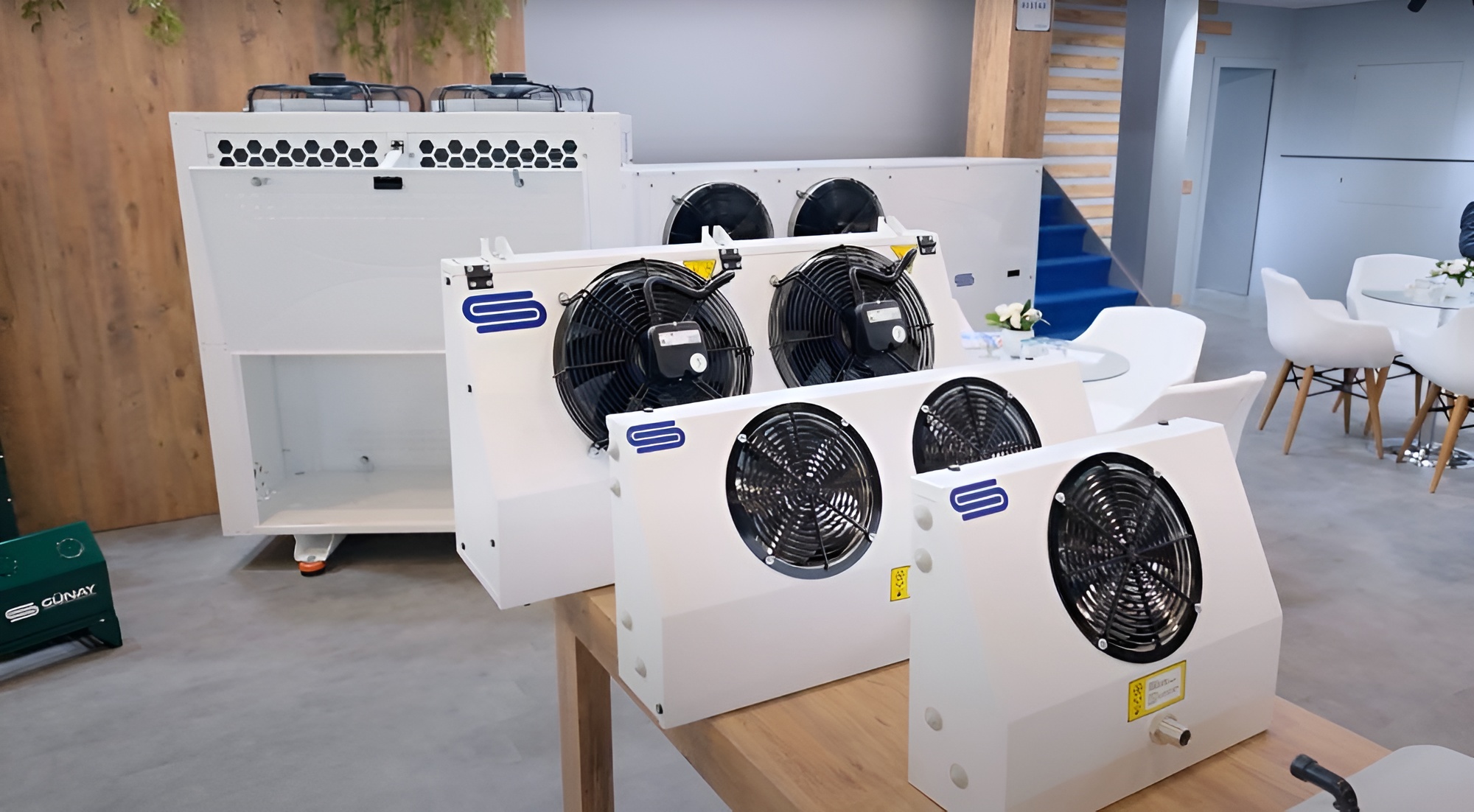
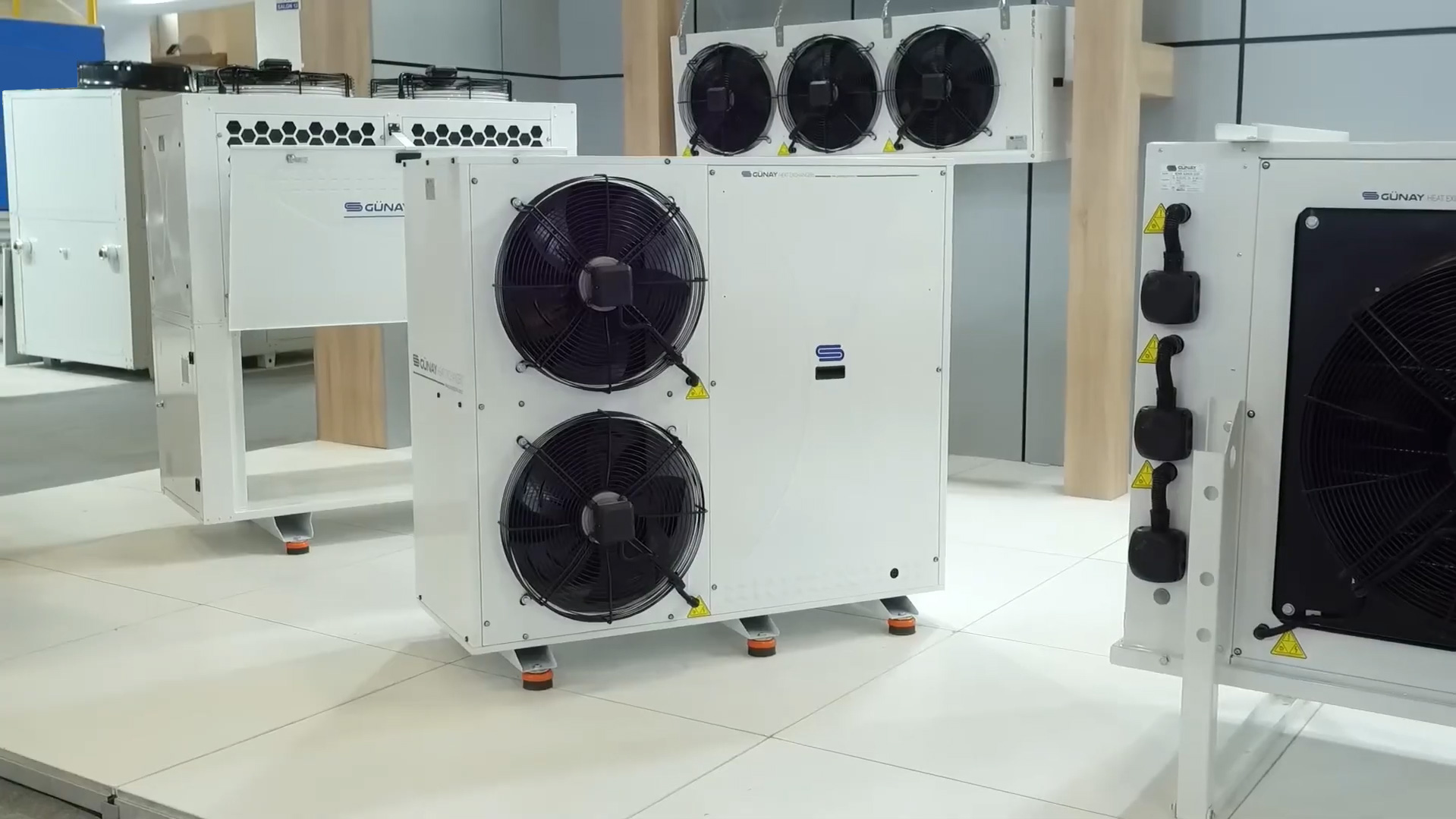
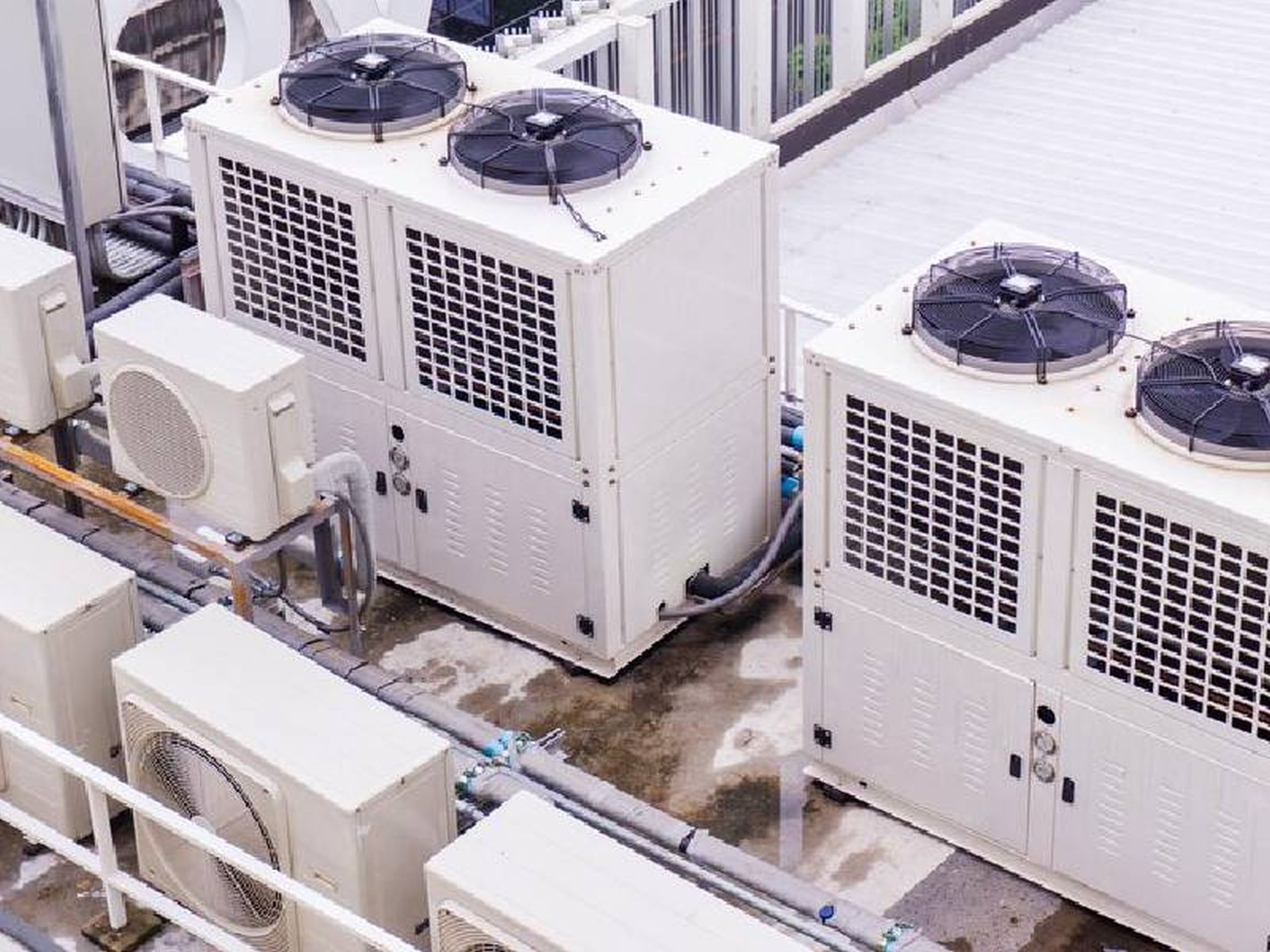
On the condenser side, sizing with an adequate safety margin matters so that fluctuations in ambient temperature do not affect system stability. Evaporator and condenser configuration should be planned together based on the sensitivity level required by the product group being stored — our team can provide project-specific technical input at this stage.
Why Is Hygienic Design Critical In The Pharmaceutical Cold Chain?
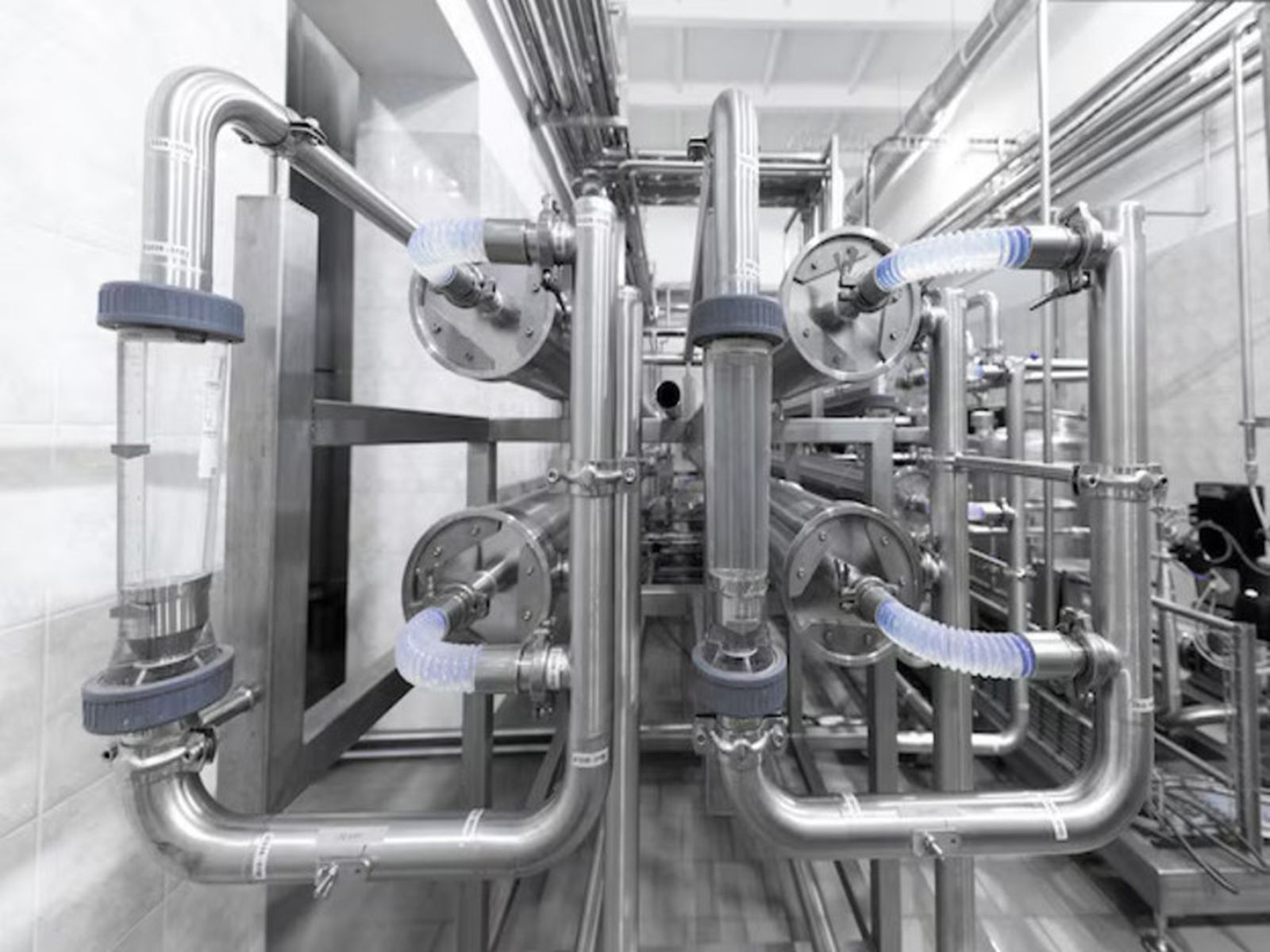
Equipment used in areas with direct or indirect contact with pharmaceutical products is expected to follow hygienic design principles. Key requirements include:
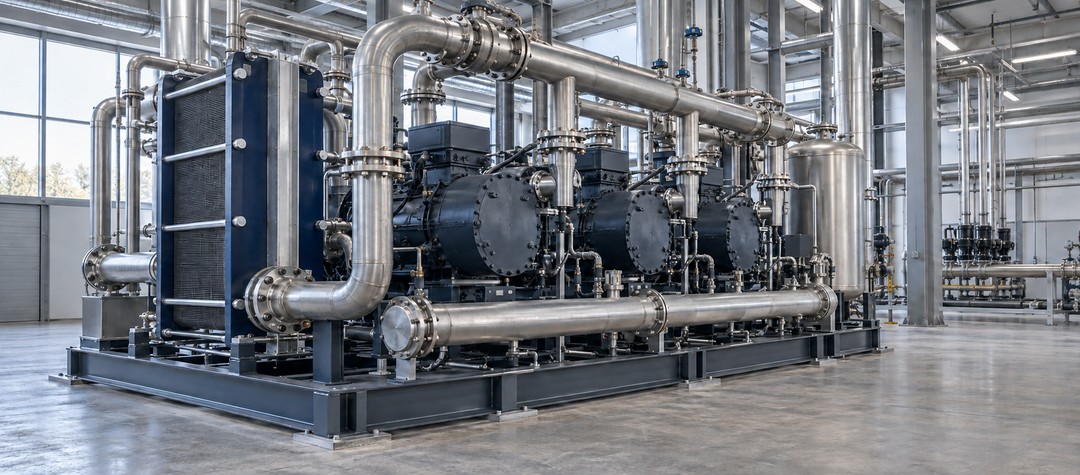
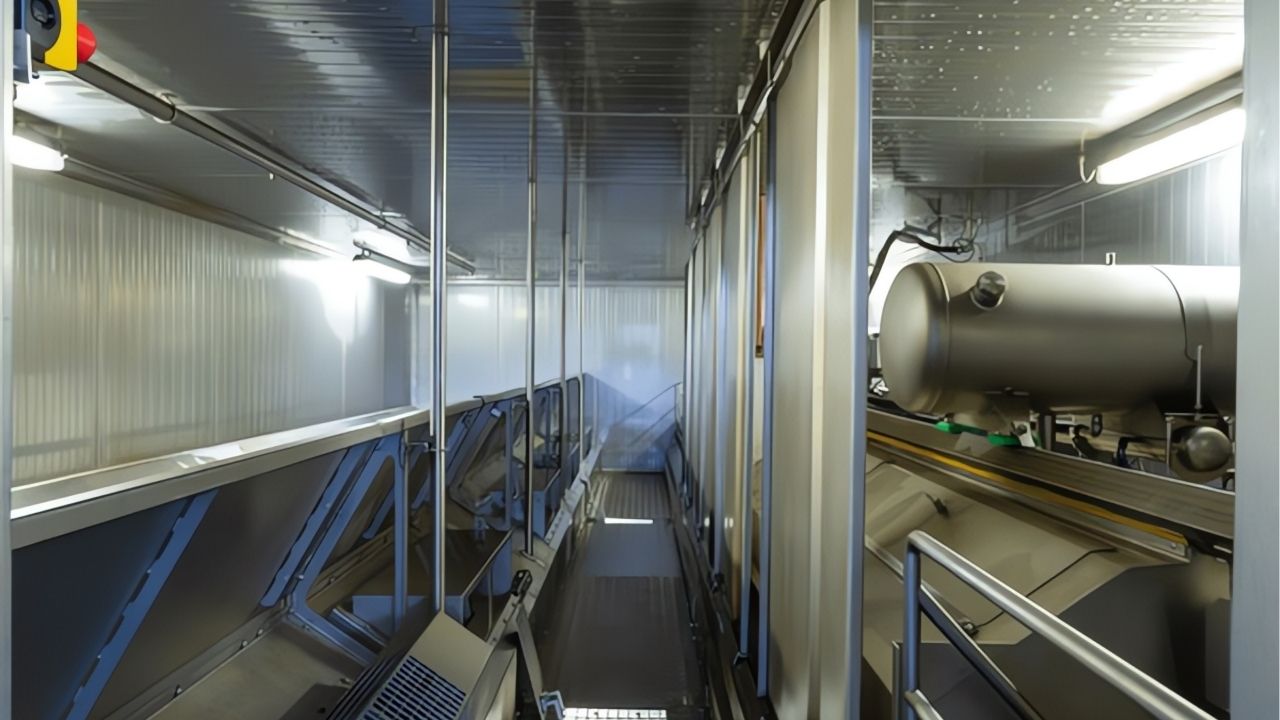
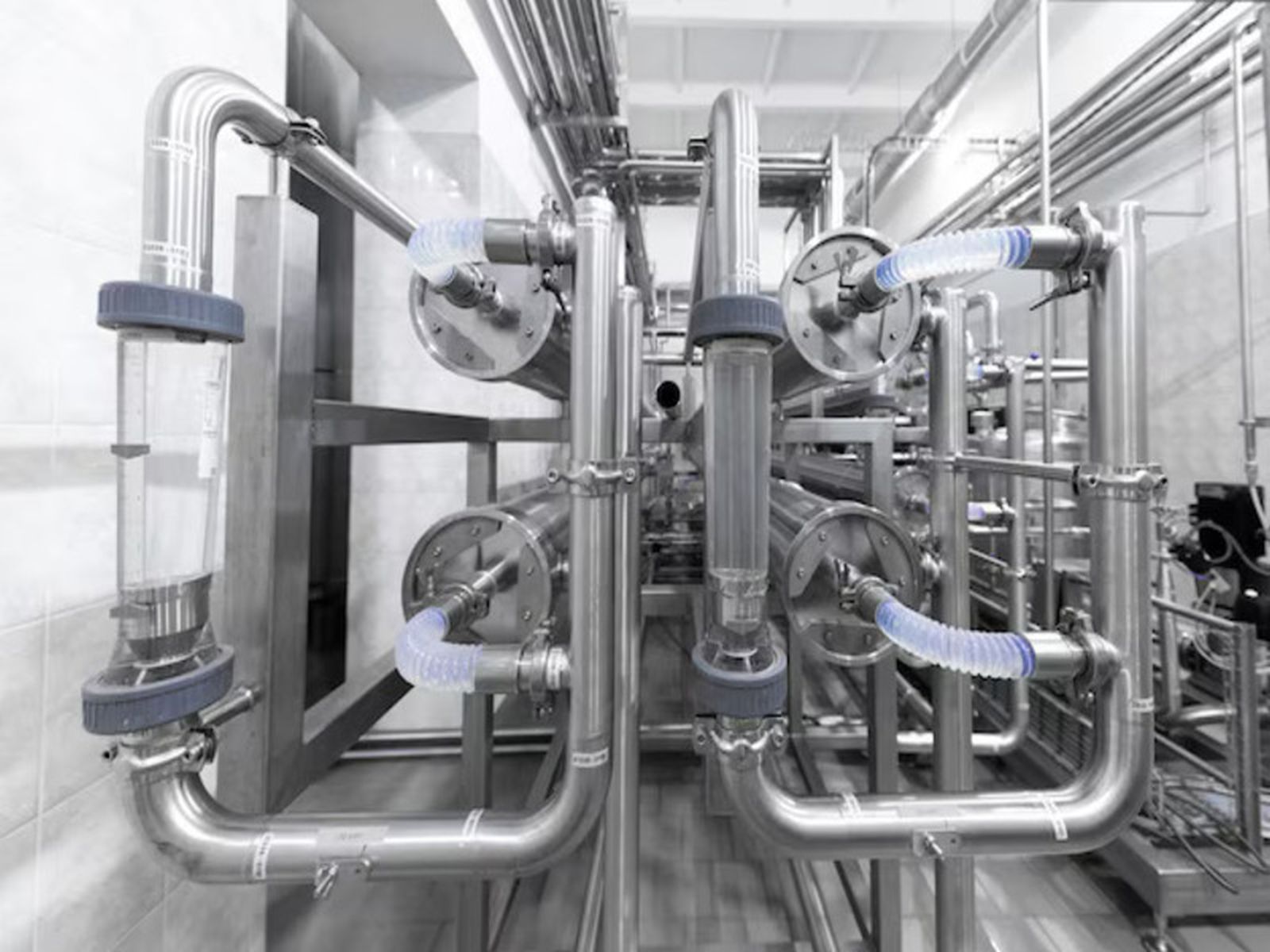
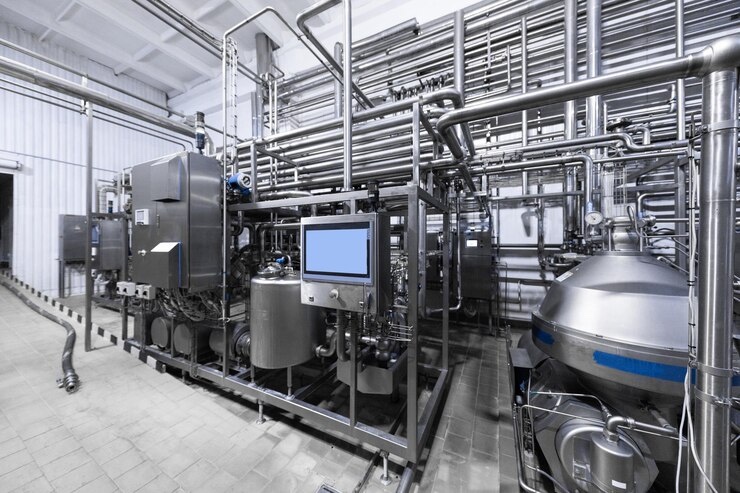
- Stainless surface material: Corrosion-resistant, easily disinfected surfaces are generally preferred in pharmaceutical storage areas.
- Debris-free design: Drip trays and pipe connection points that are easy to clean help prevent microbial growth.
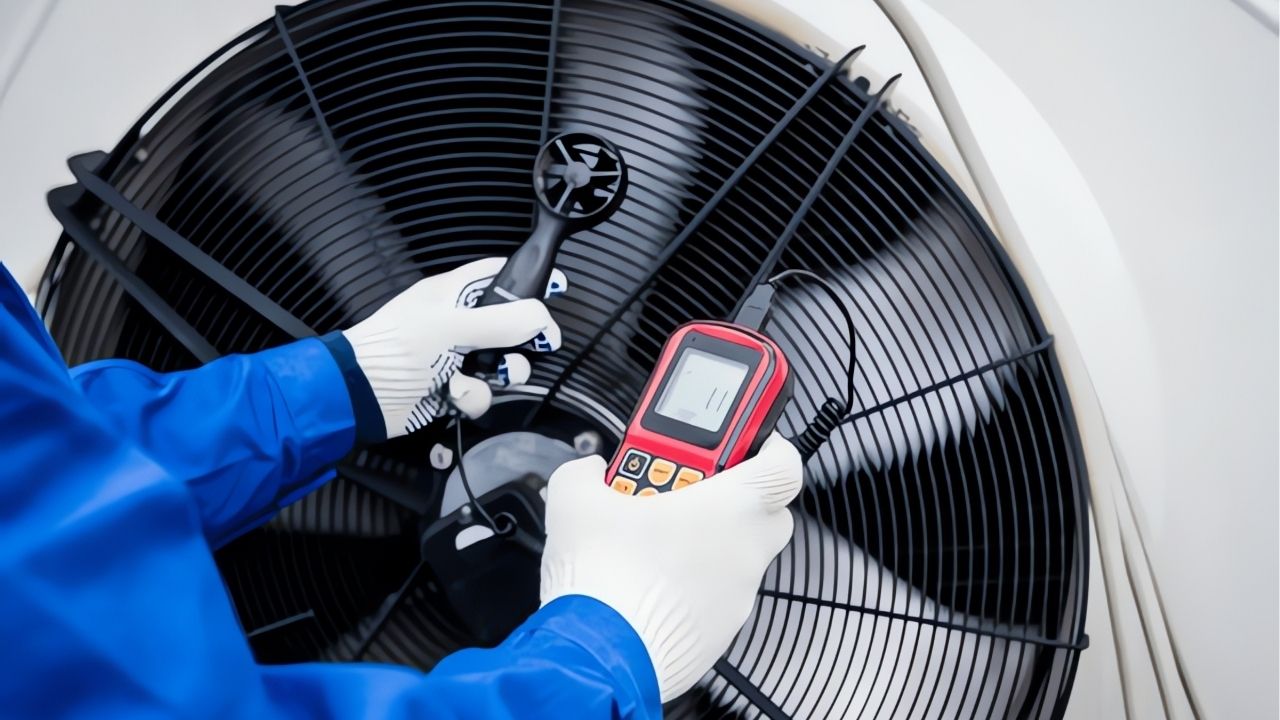
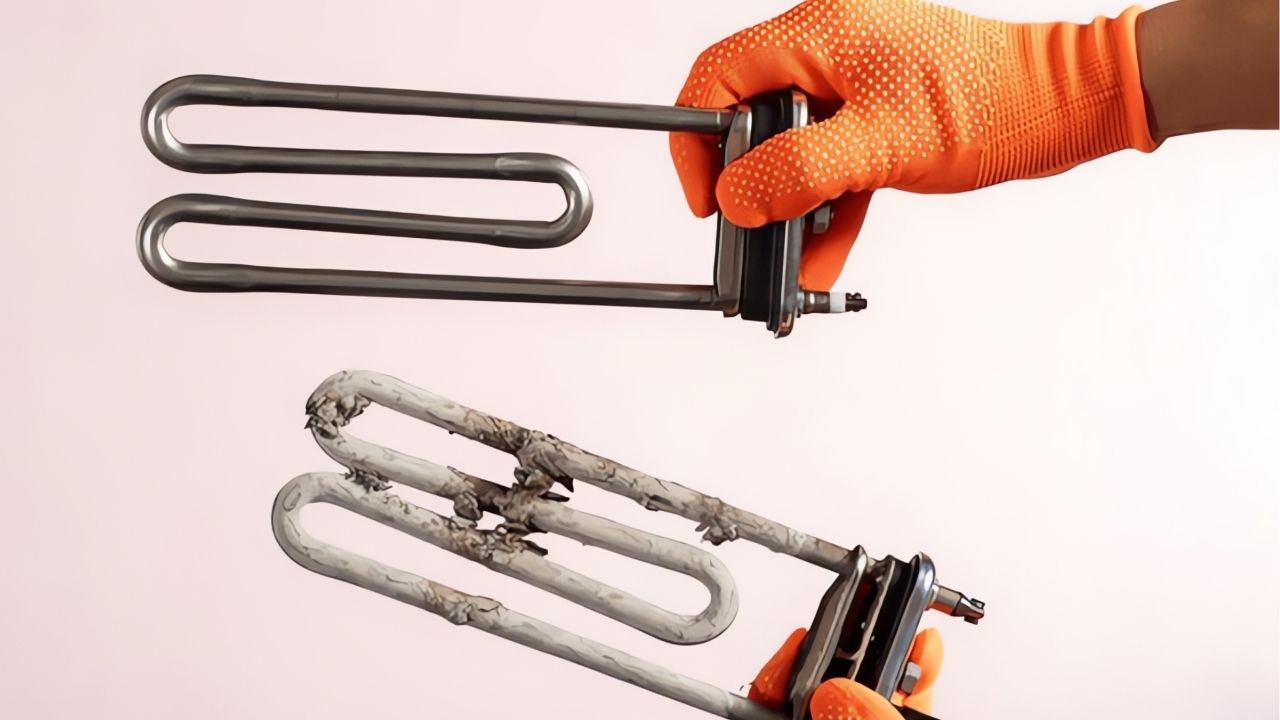
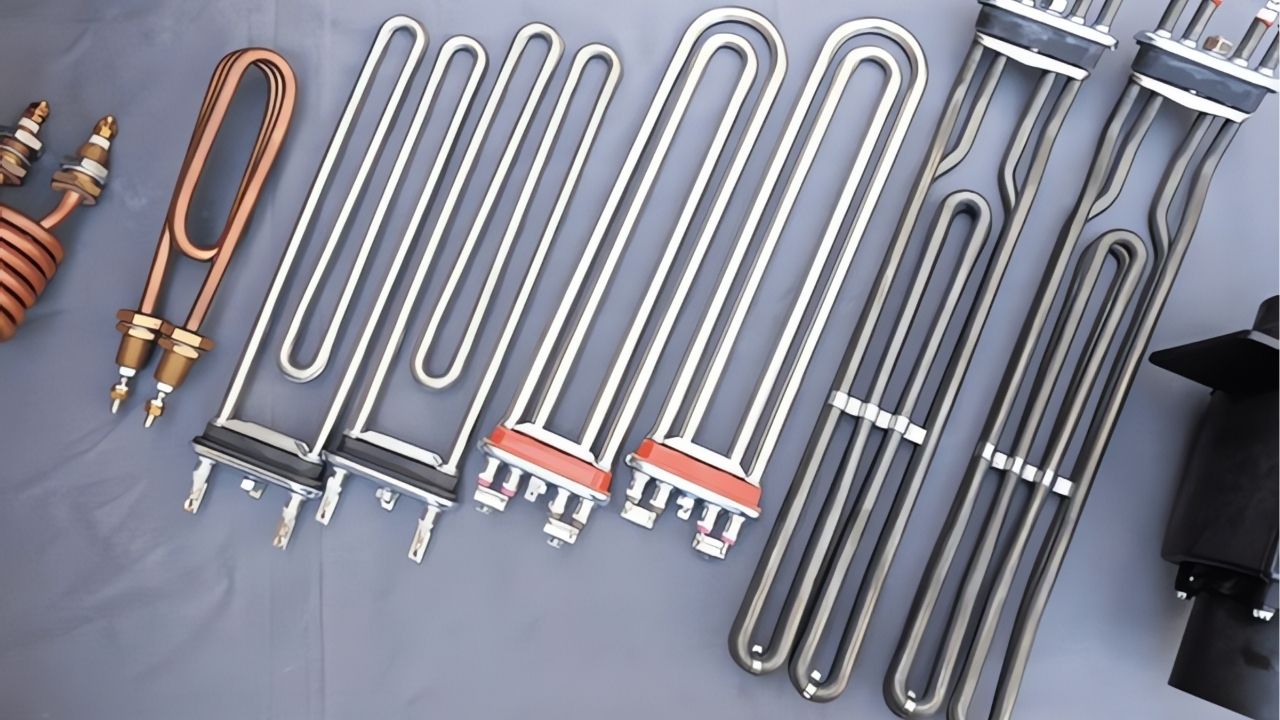
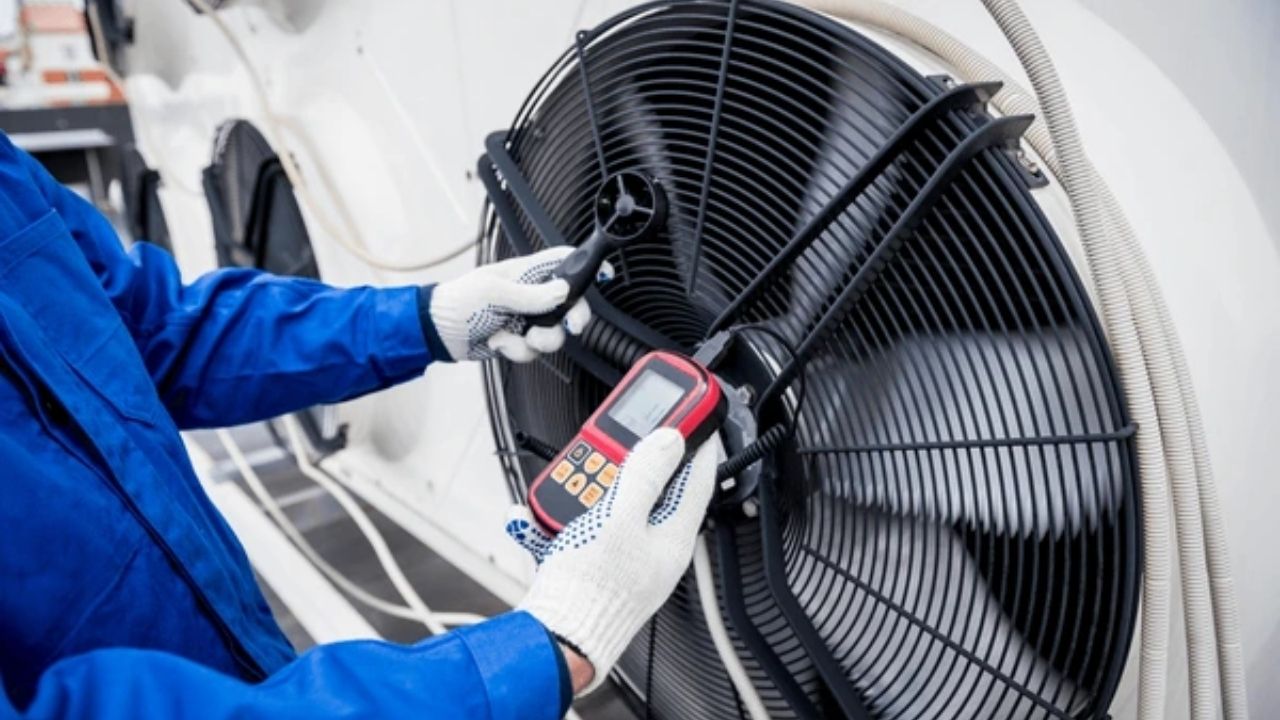
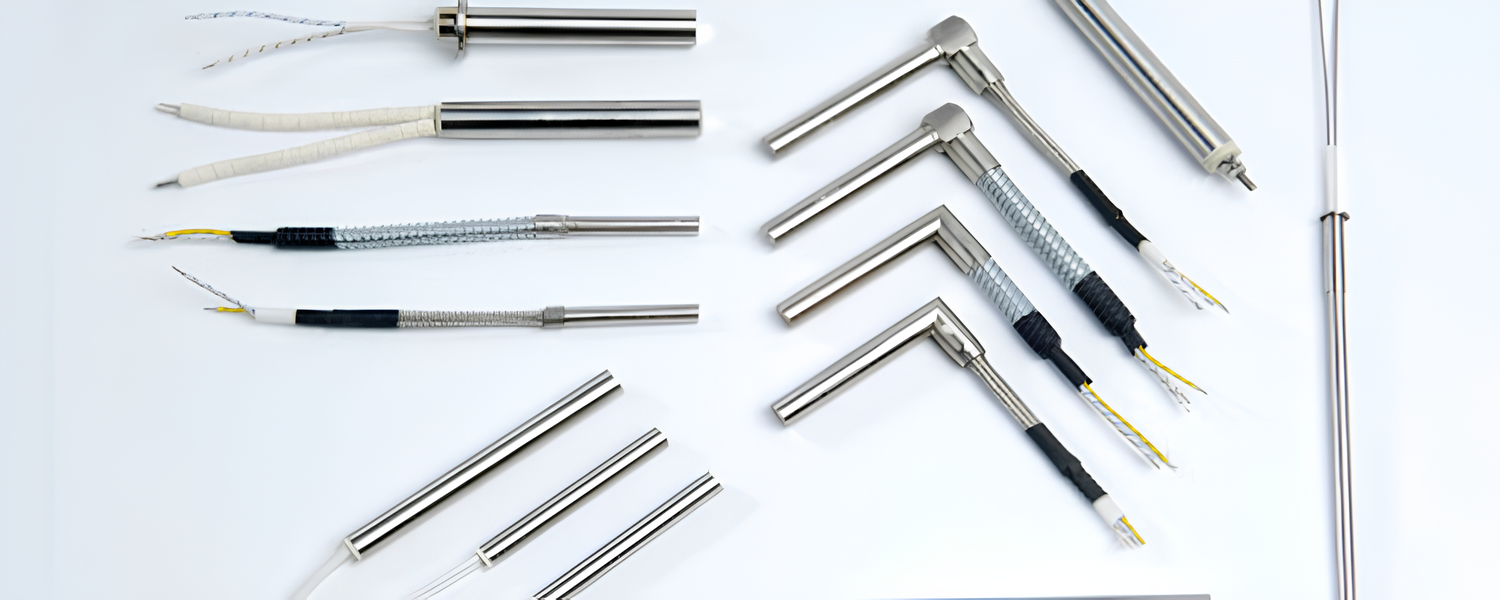
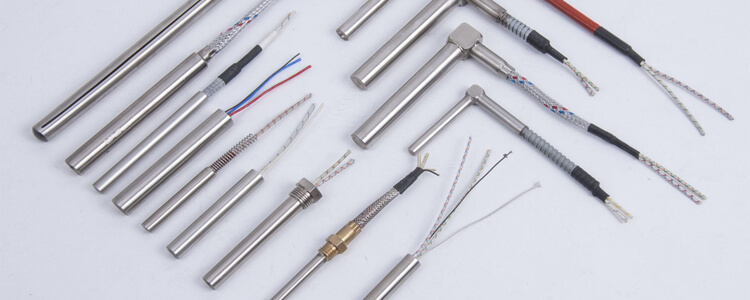
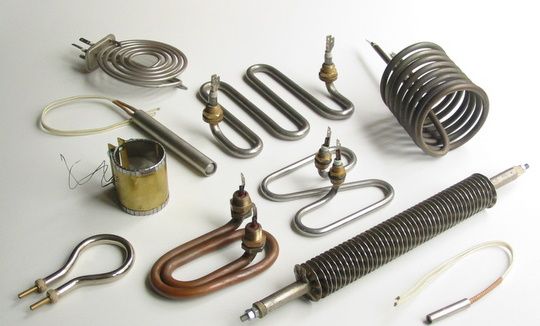
- Accessible maintenance points: Easy access to components such as the fan, heater, and drip tray supports smooth, regular cleaning and inspection processes.
Equipment built to hygienic design principles supports not only product safety but also consistency in the documentation and records reviewed during audits. Share your requirements for stainless material options or special configurations, and we can advise on the right setup.
How Should The Right Equipment Supplier Be Chosen For The Pharmaceutical Sector?
Supplier selection for pharmaceutical storage projects calls for a more thorough evaluation than general-purpose refrigeration projects. The following points can support that decision:
- Transparent technical documentation: A supplier should be able to share capacity calculations, material certificates, and test reports.
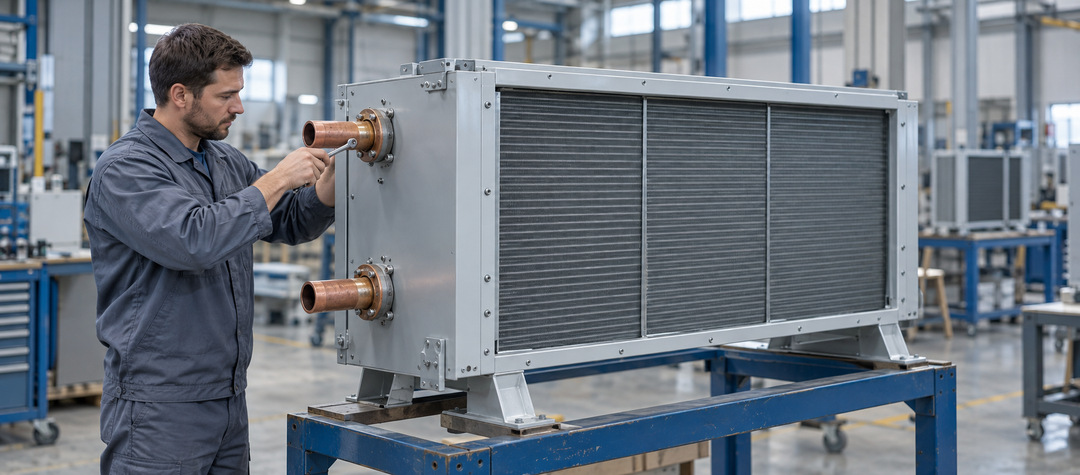
- Custom manufacturing capability: A manufacturer able to provide project-based engineering solutions for requirements outside the standard catalog is preferable.
- Certified quality management system: Suppliers holding a documented quality management system, such as ISO 9001, offer an advantage in terms of consistent production.
- Long-term technical support: Continuity of post-installation maintenance and spare parts support matters for operational reliability.
Günay Soğutma develops engineering solutions for sensitive storage requirements through an ISO 9001:2015-certified production infrastructure and custom manufacturing capability, including stainless material options. Reach out to us directly to request a technical assessment for your pharmaceutical storage project.
Frequently Asked Questions
Is A Standard Cold Room Sufficient For Pharmaceutical Storage?
A general-purpose cold room may appear sufficient in terms of capacity, but it still needs to be evaluated specifically for pharmaceutical use in terms of temperature stability, traceability, and hygiene requirements.
Which Temperature Ranges Are Most Common In The Pharmaceutical Cold Chain?
Depending on the product group, 2-8°C is a commonly referenced range for vaccines and biological products, while 15-25°C is typical for products requiring controlled room temperature.
Does A Temperature Monitoring System Affect Evaporator Selection?
Yes. For a monitoring system to capture accurate data, the evaporator needs to provide uniform air distribution and a design that allows temperature sensors to be placed at the right points.
Is A Stainless Evaporator Mandatory In Every Pharmaceutical Warehouse?
Whether it is mandatory depends on the audit standard a facility is subject to and on site conditions; stainless material is generally preferred in areas with high humidity and frequent disinfection.
How Can I Get A Quote For A Pharmaceutical Storage Project?
Share details such as room dimensions, target temperature range, traceability requirements, and hygiene standards, and our team can provide a project-specific technical assessment and quote.