

What Conditions Are Evaporator Catalogue Capacities Based On?
01 / 10 / 2026

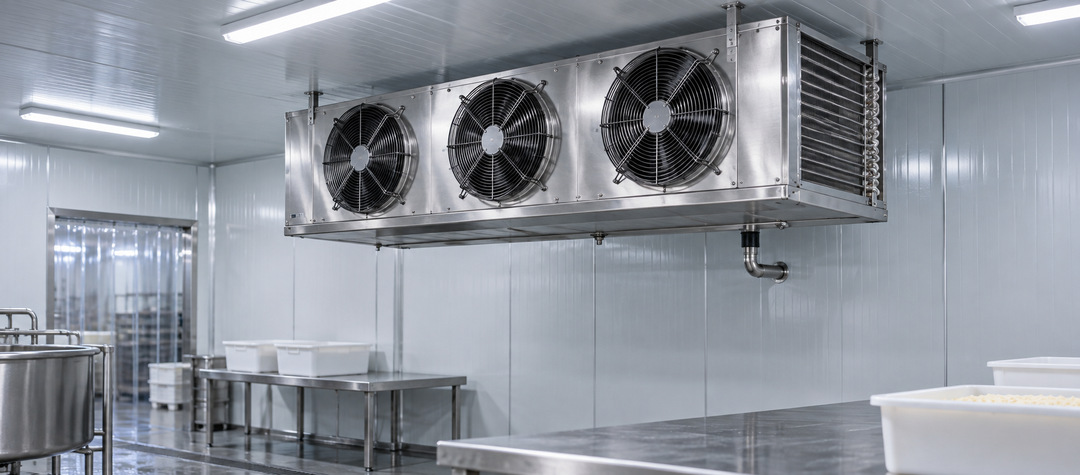
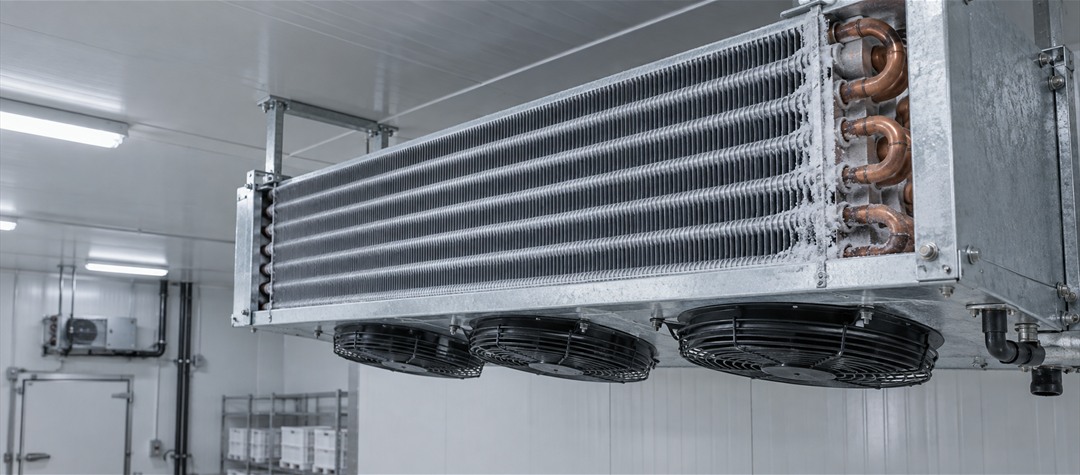
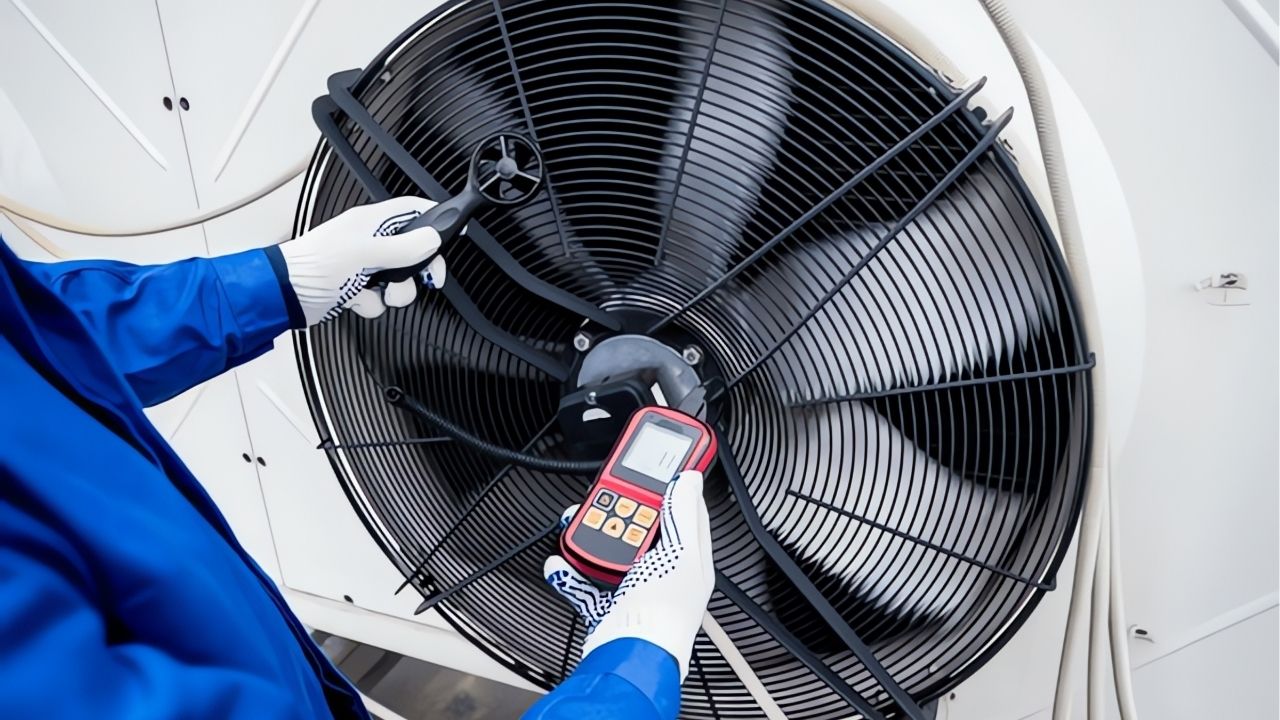
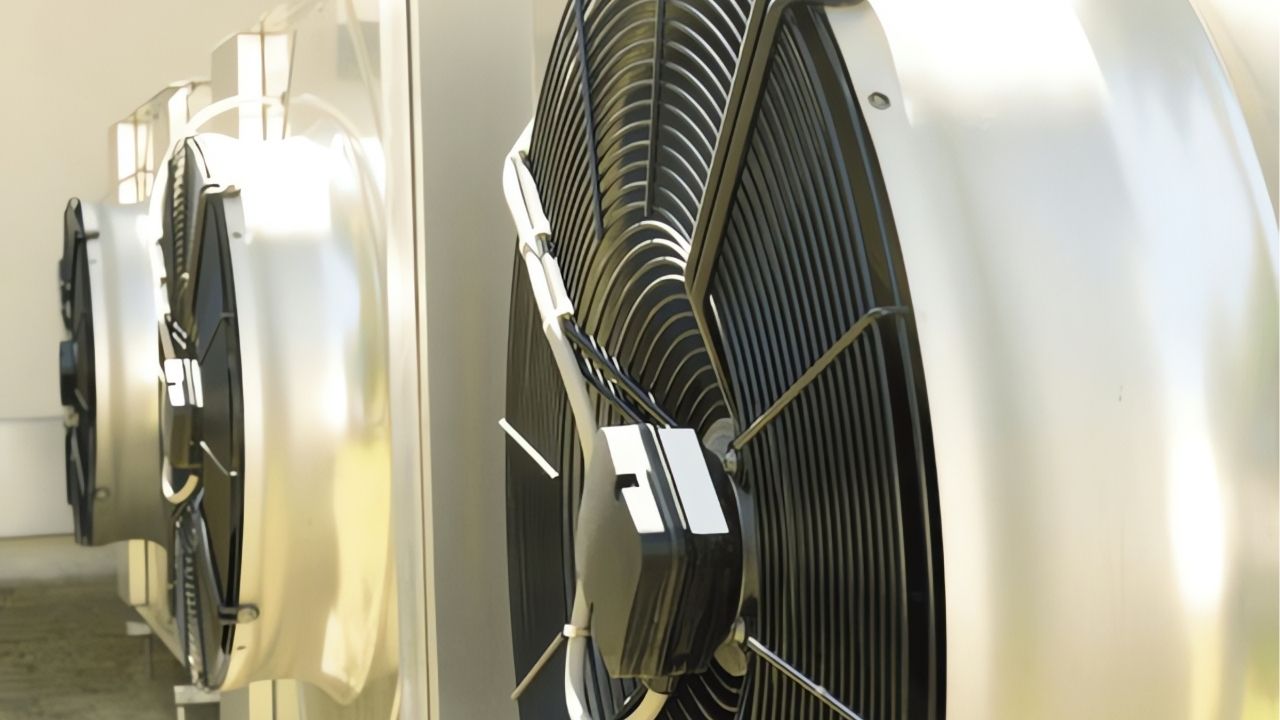
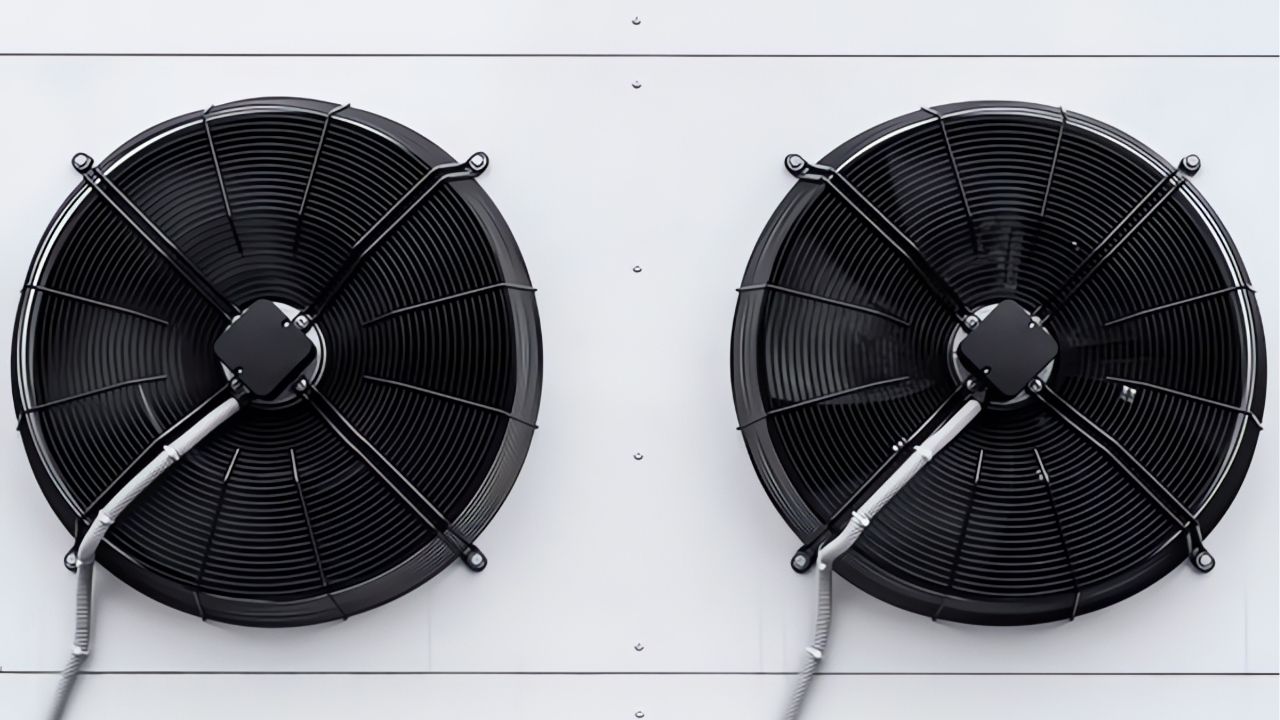
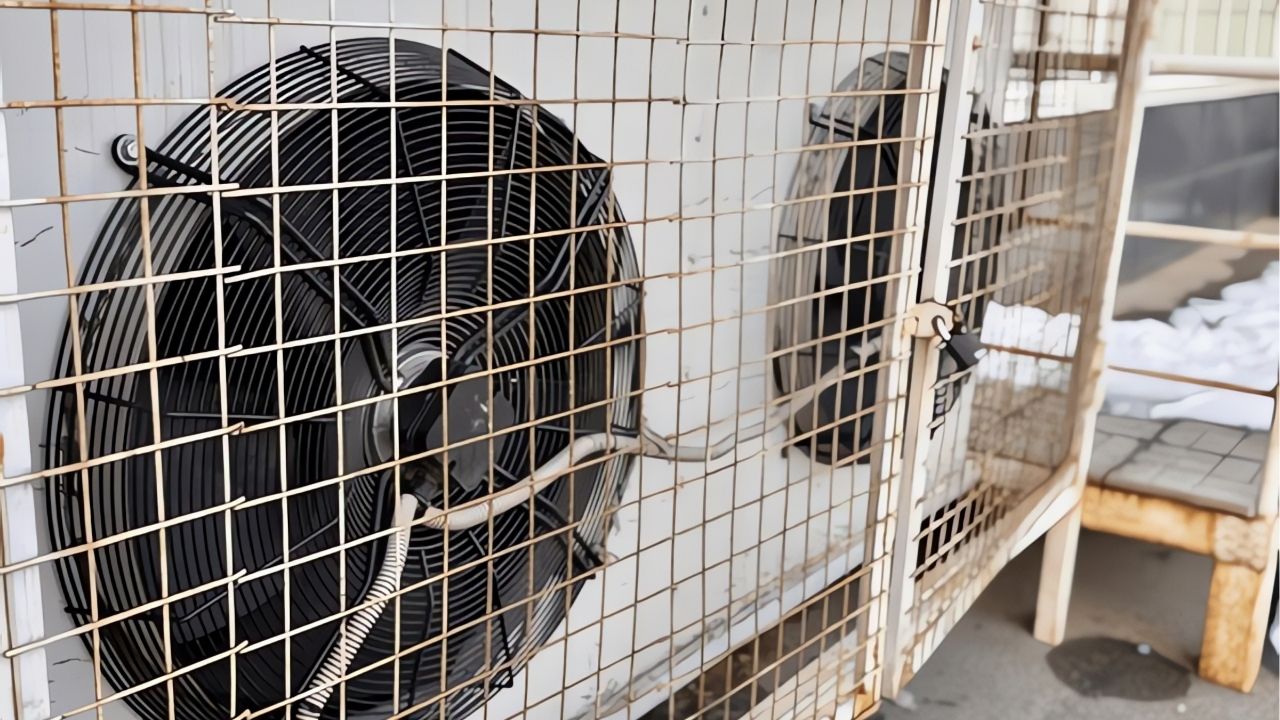
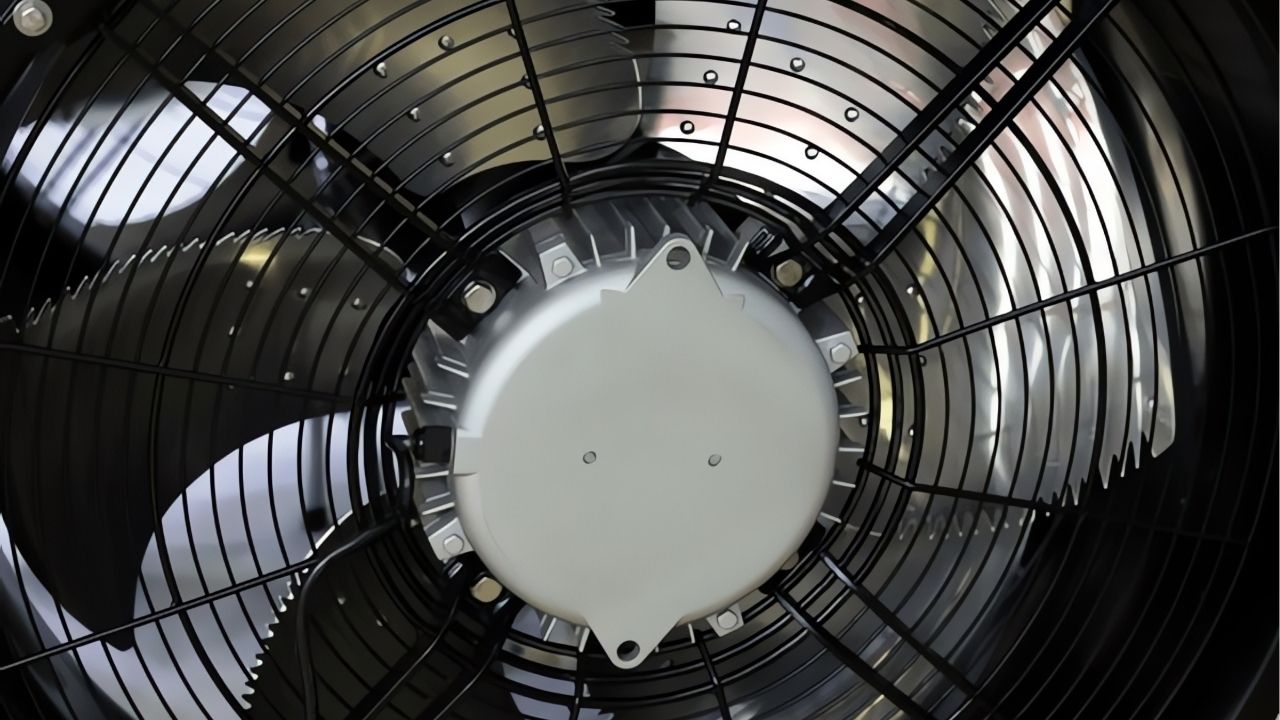
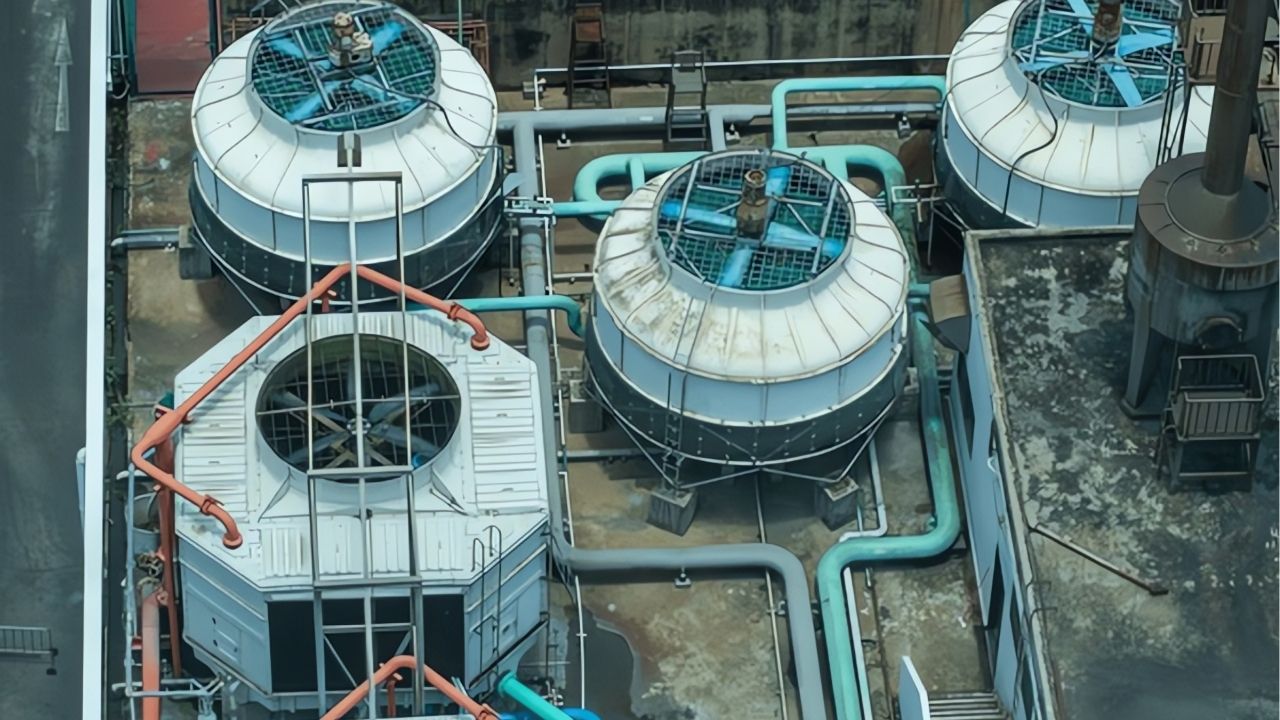
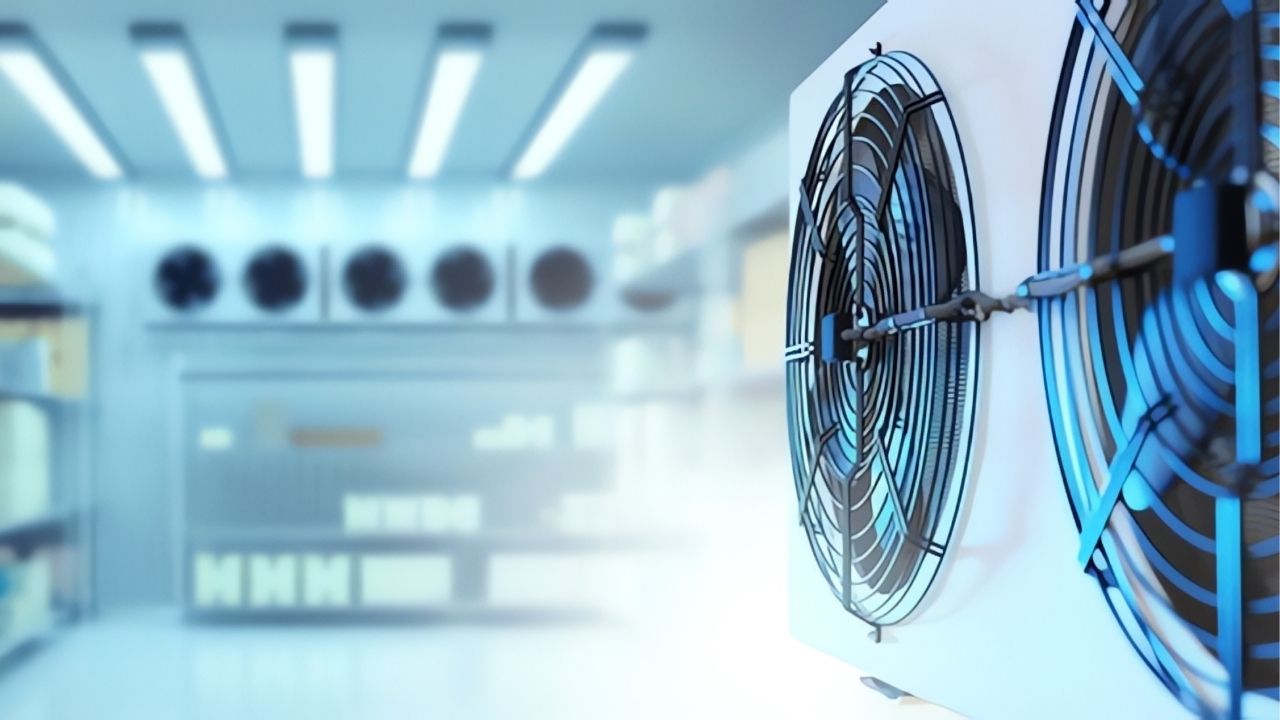
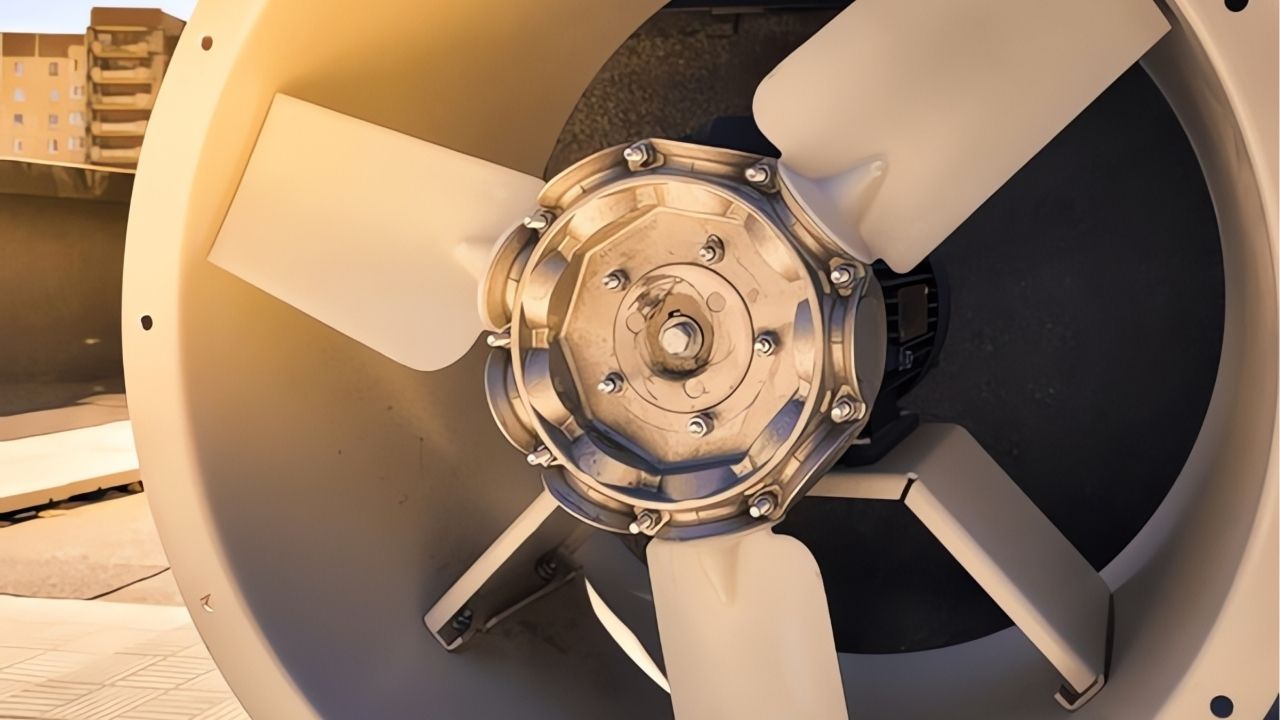
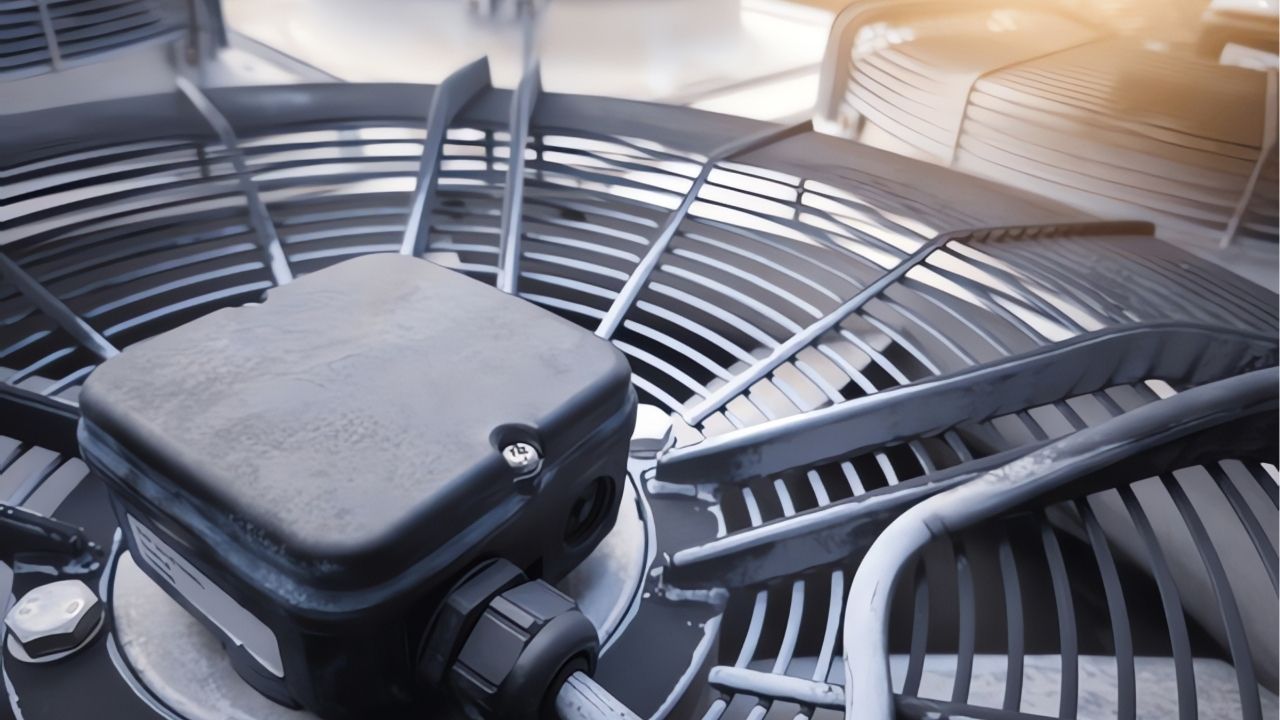
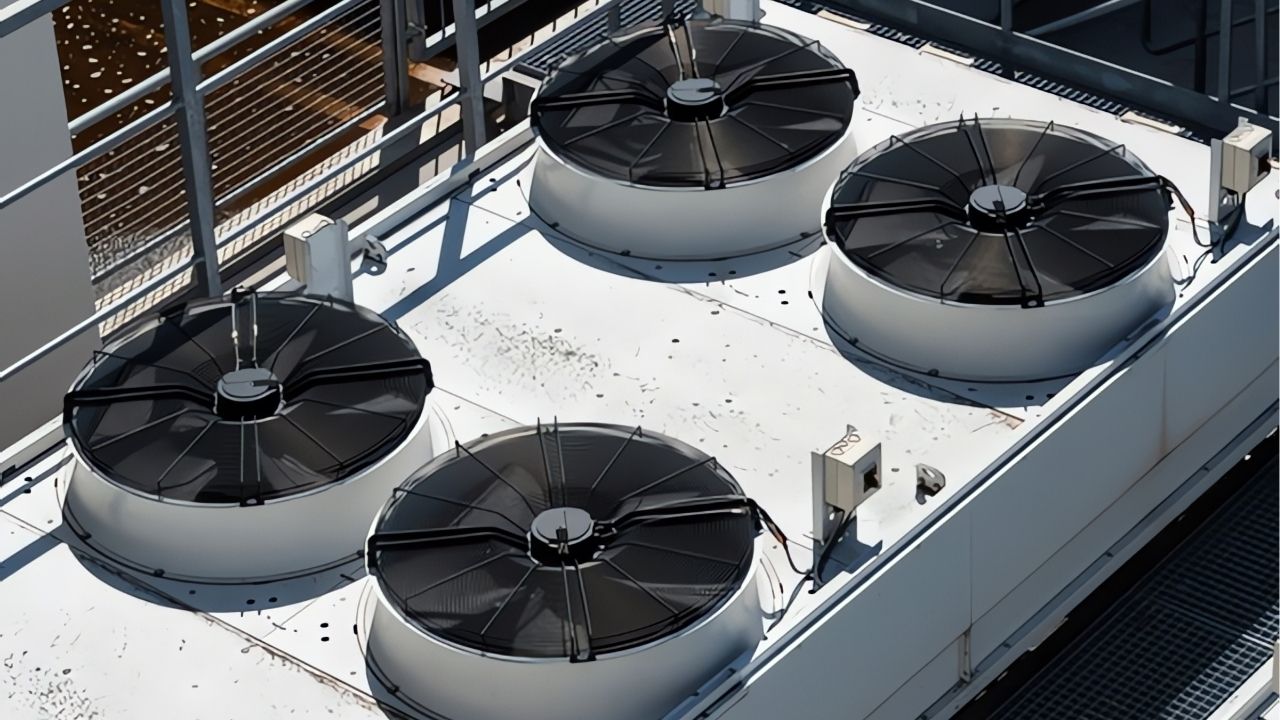
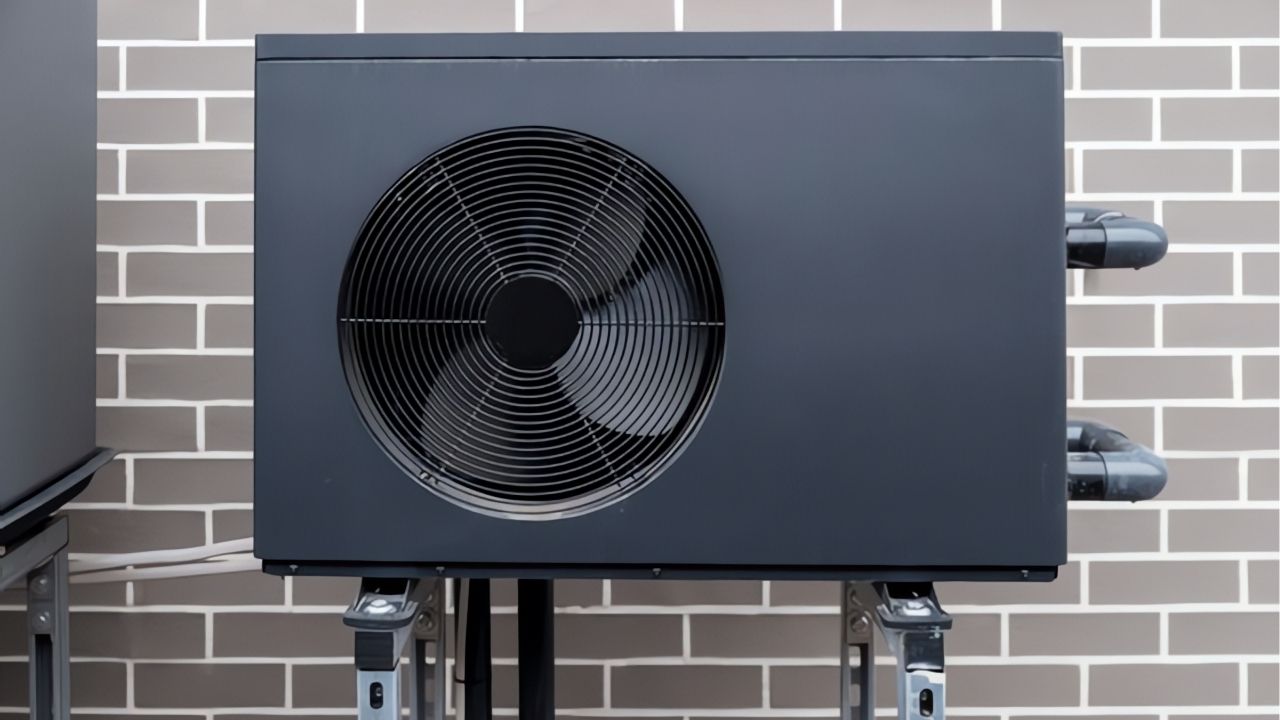
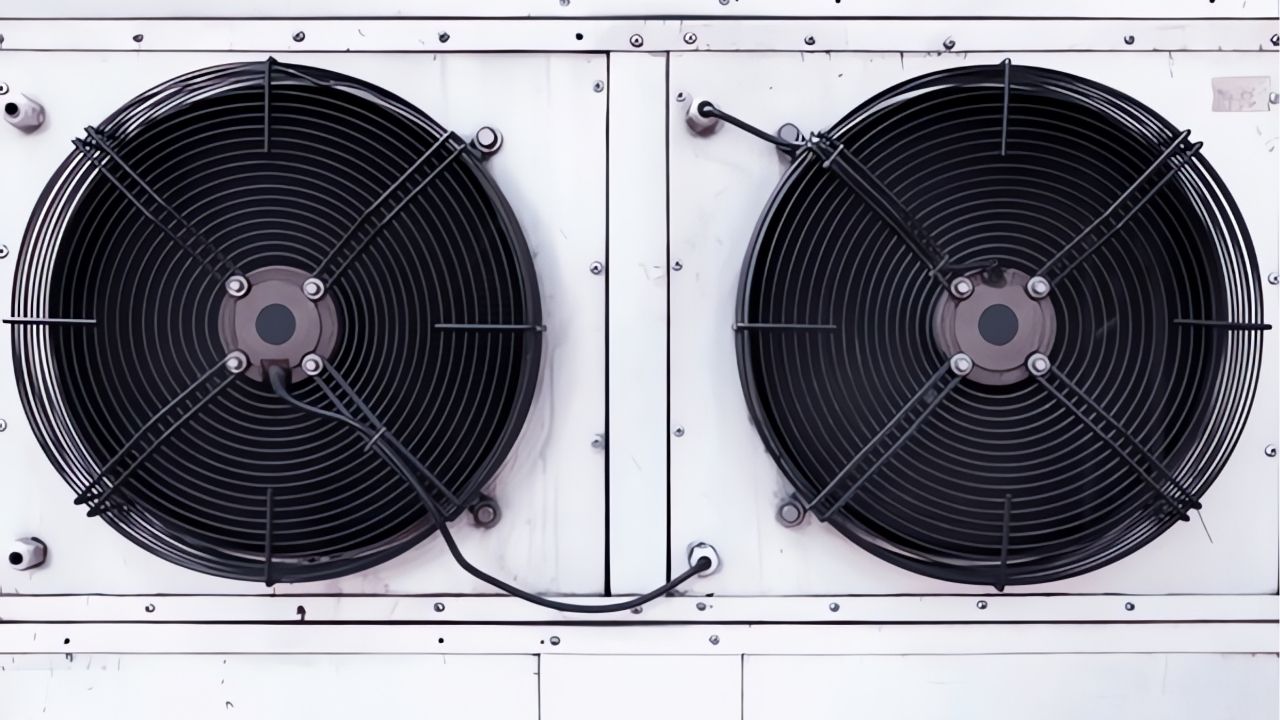
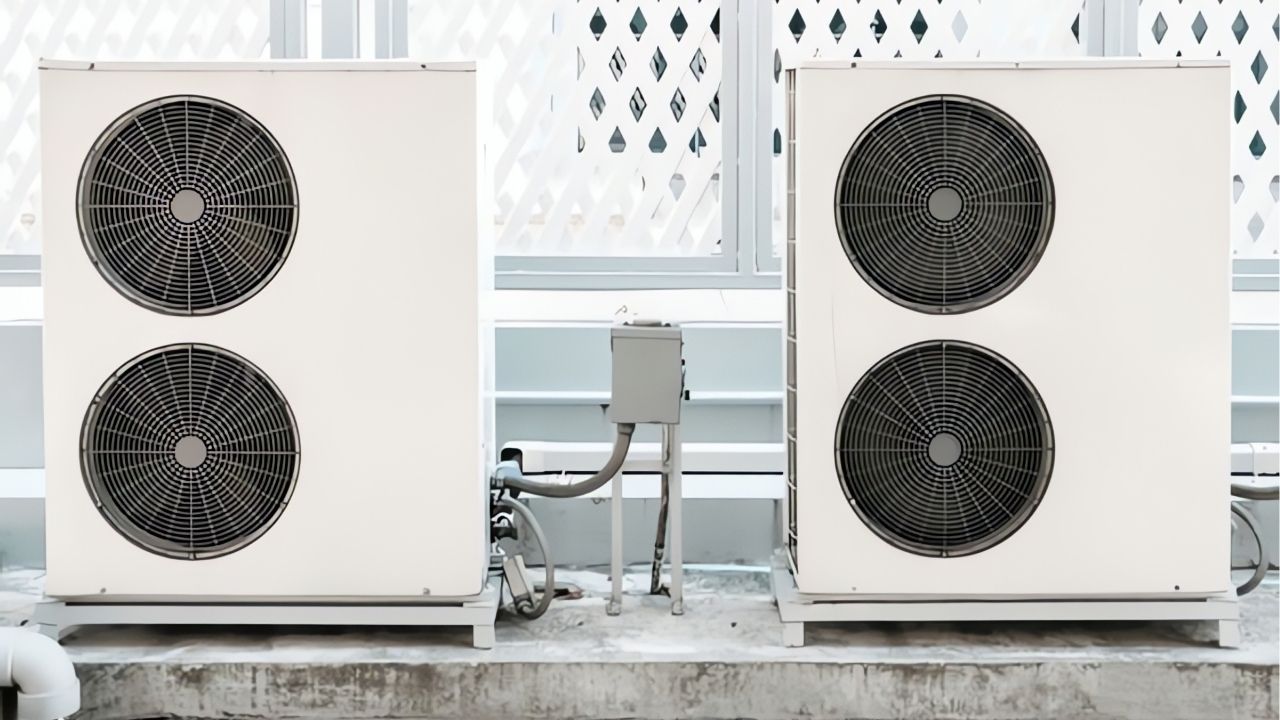
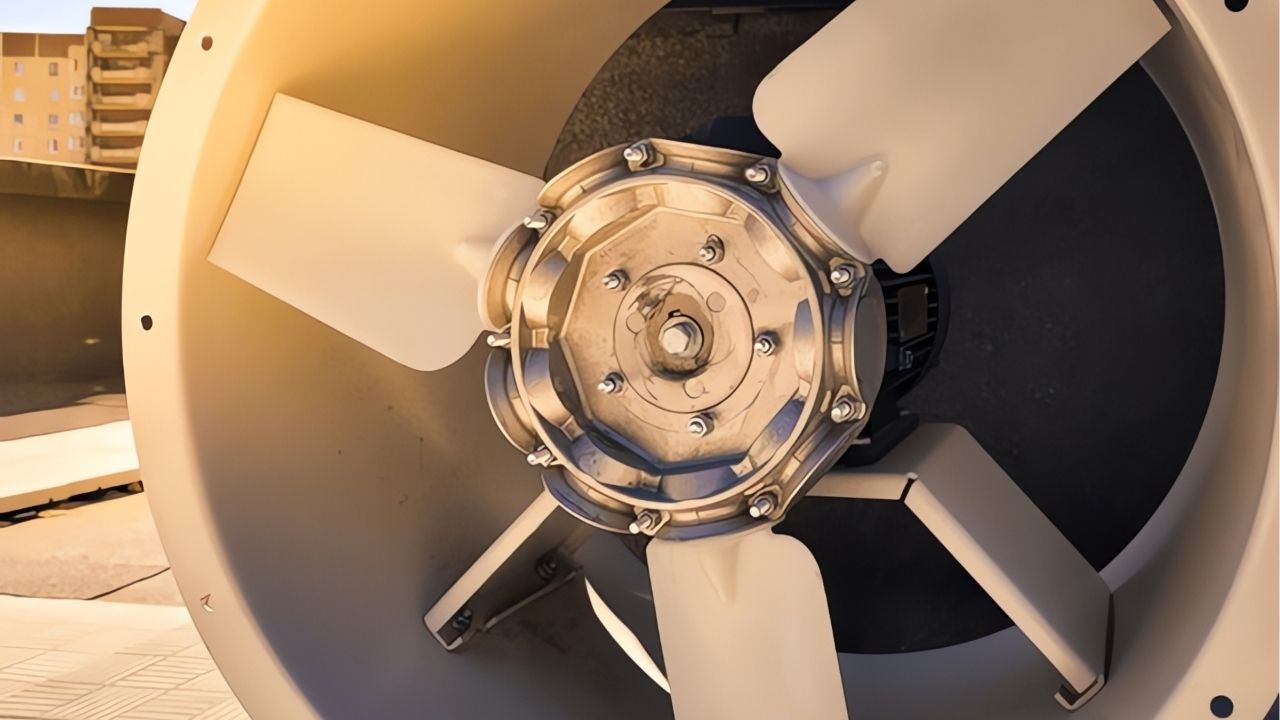
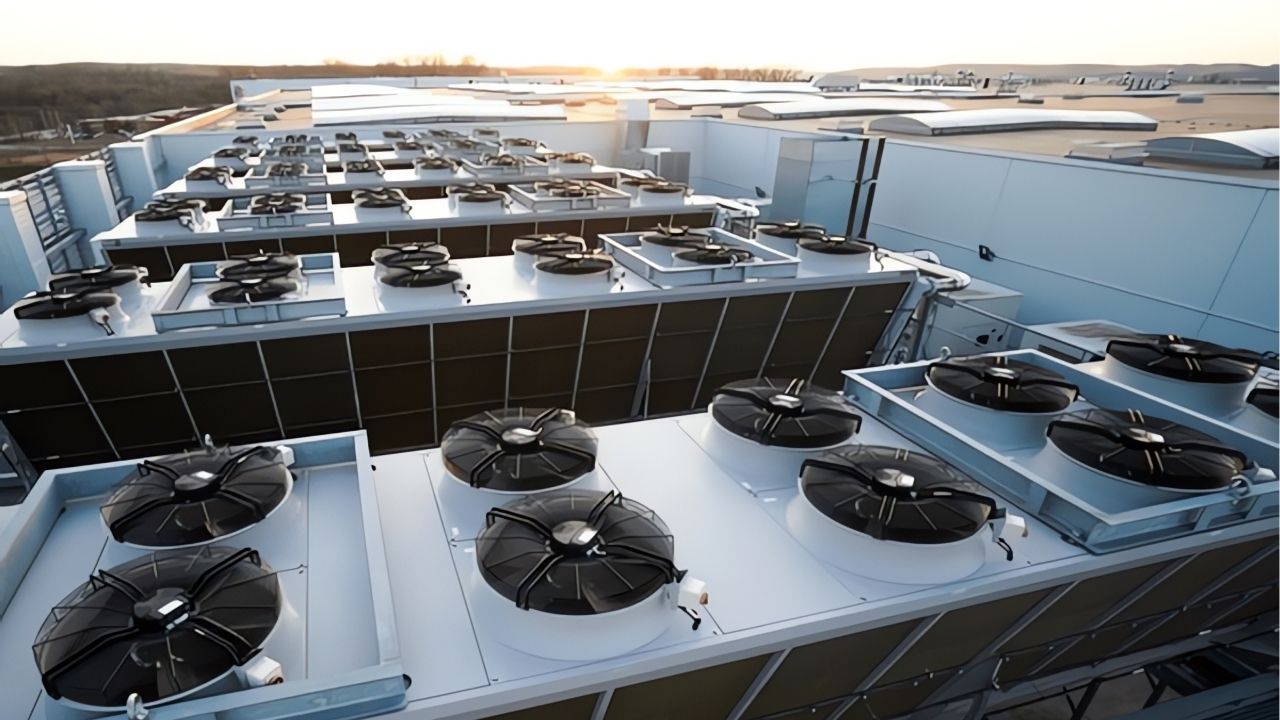
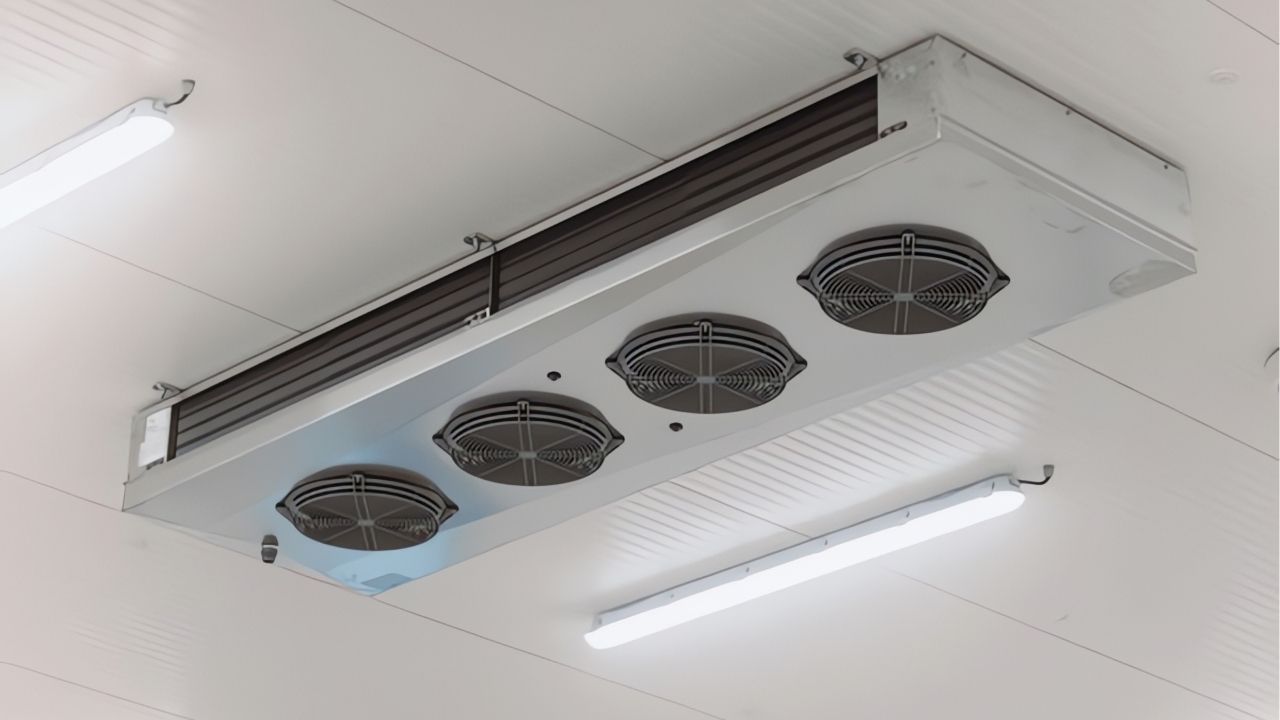
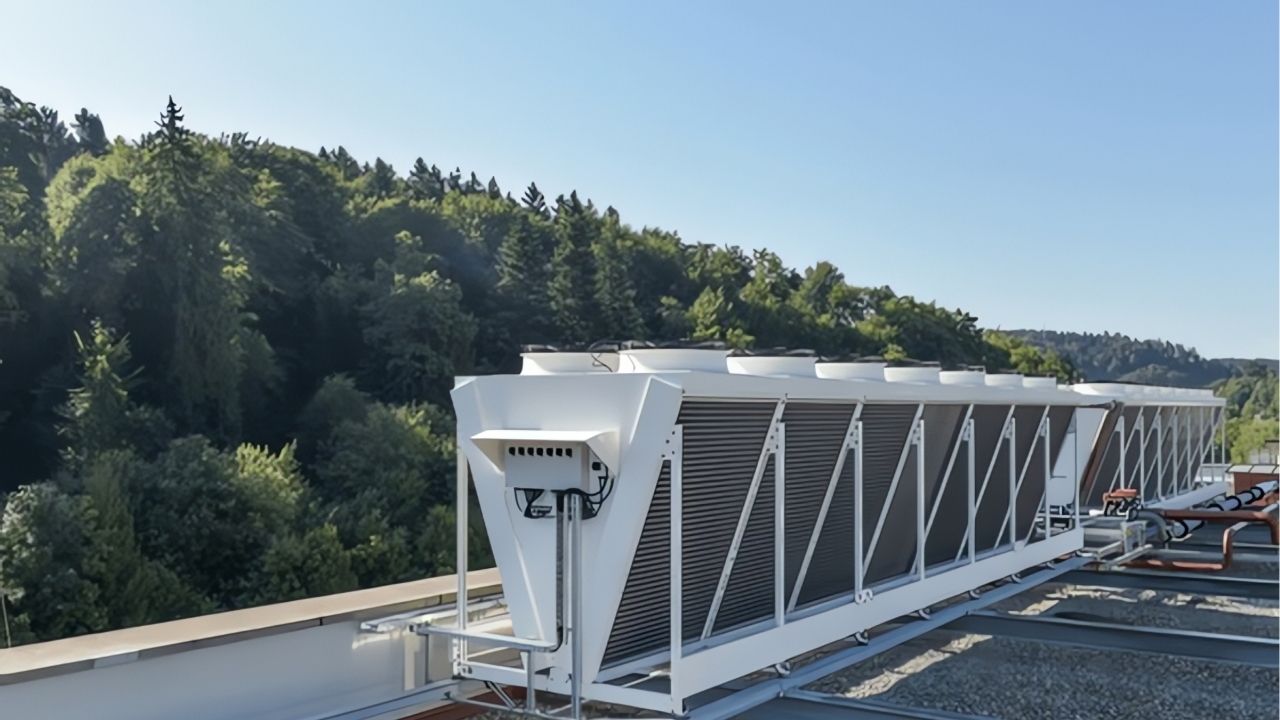
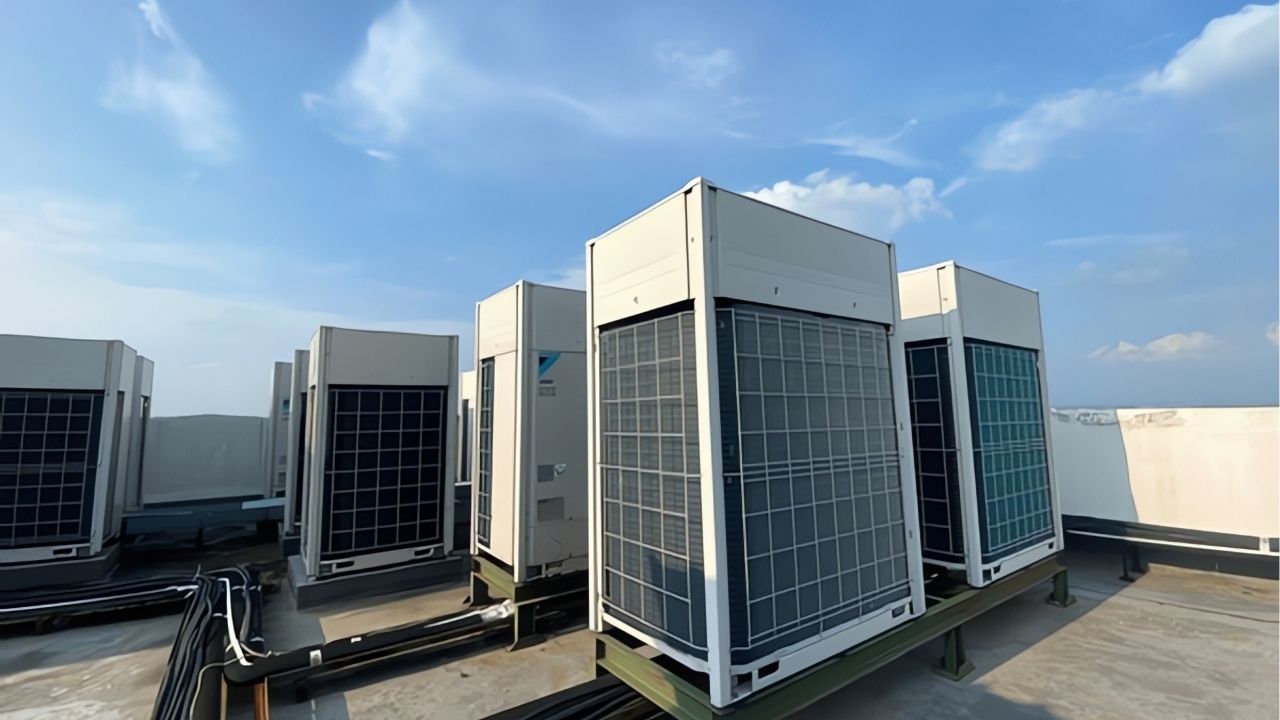
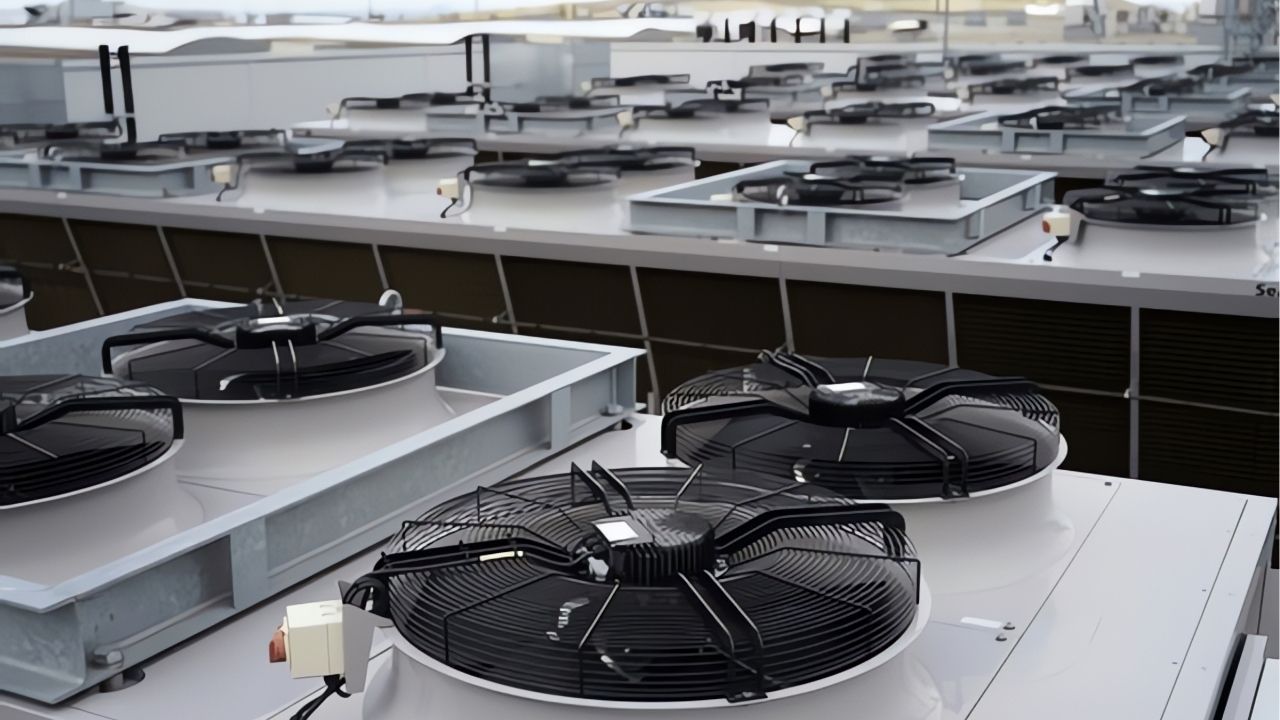
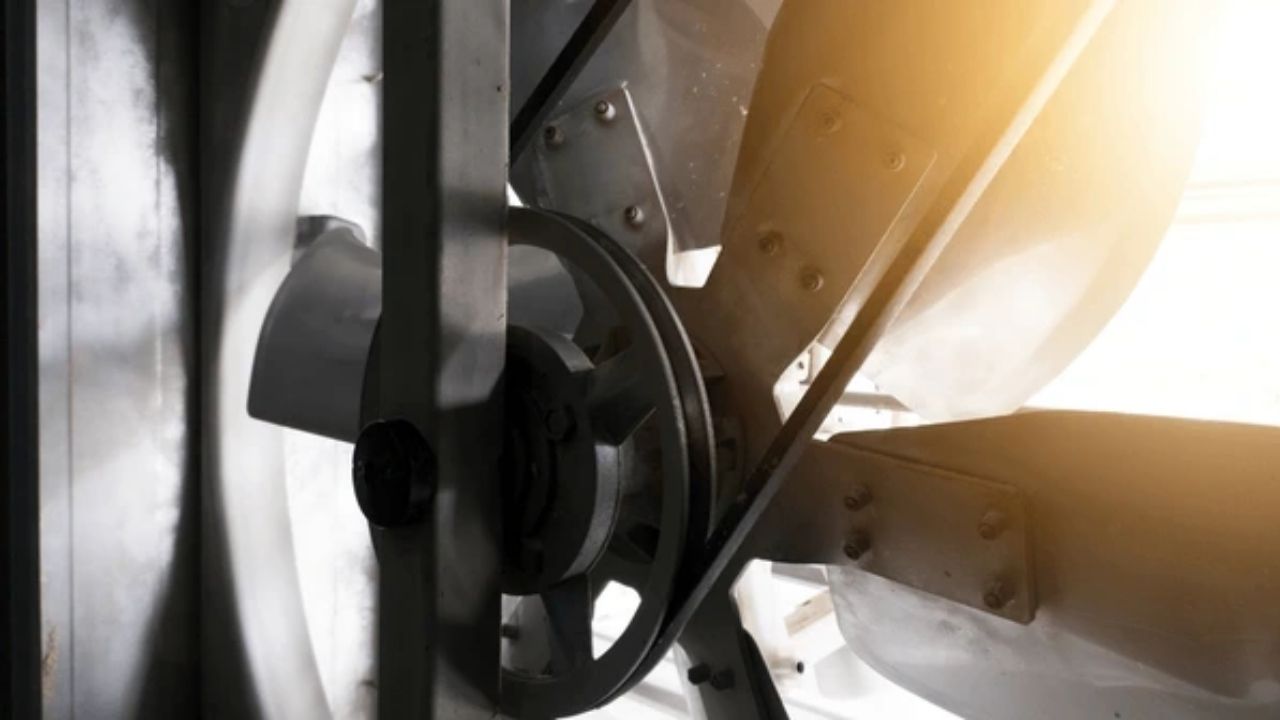
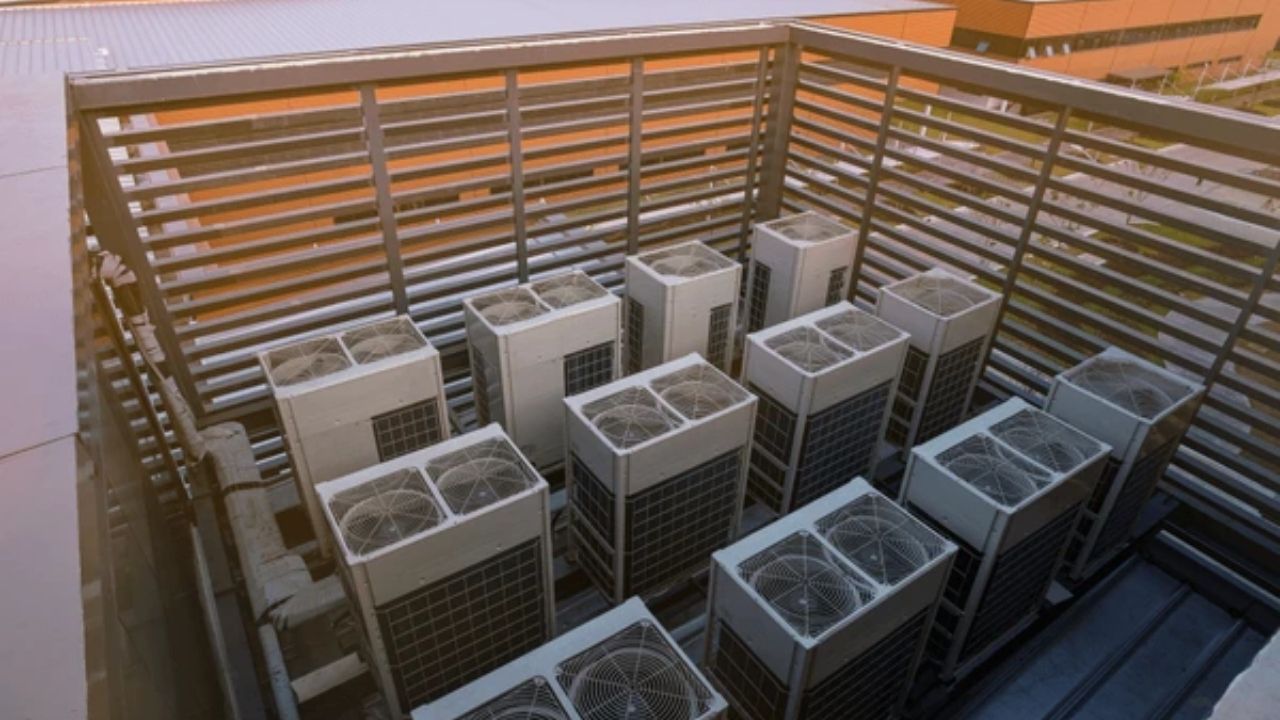
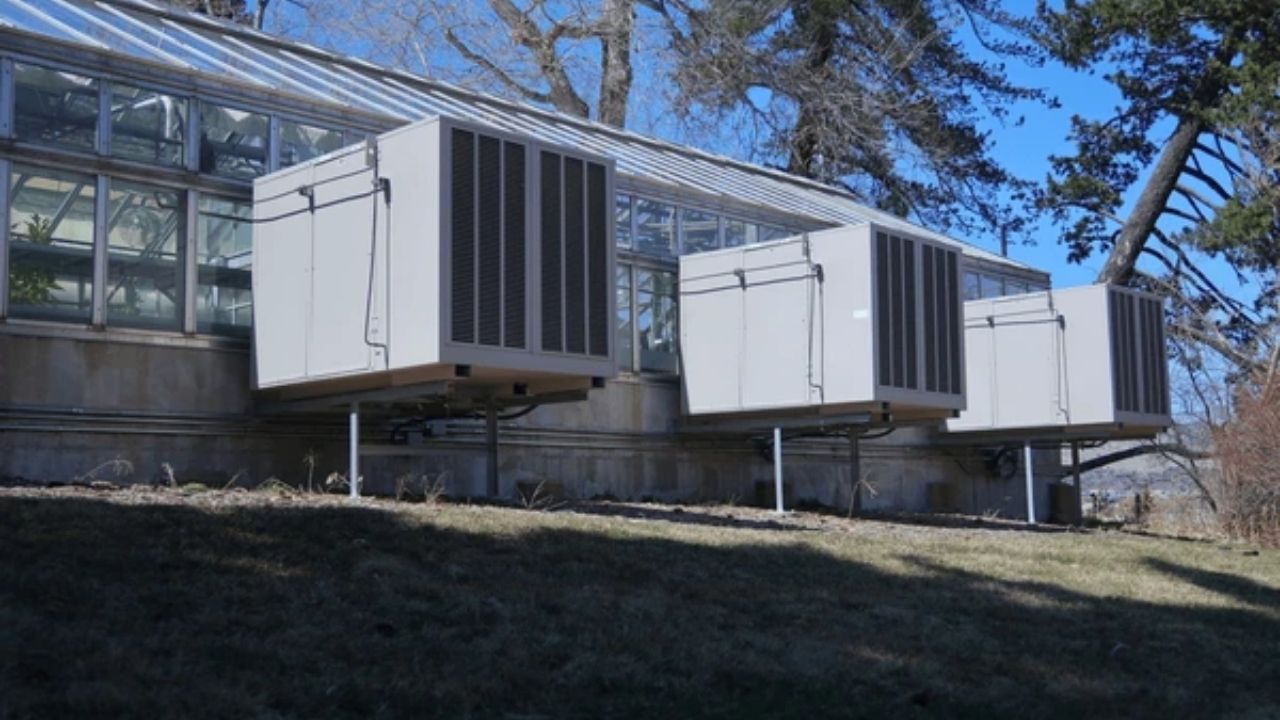
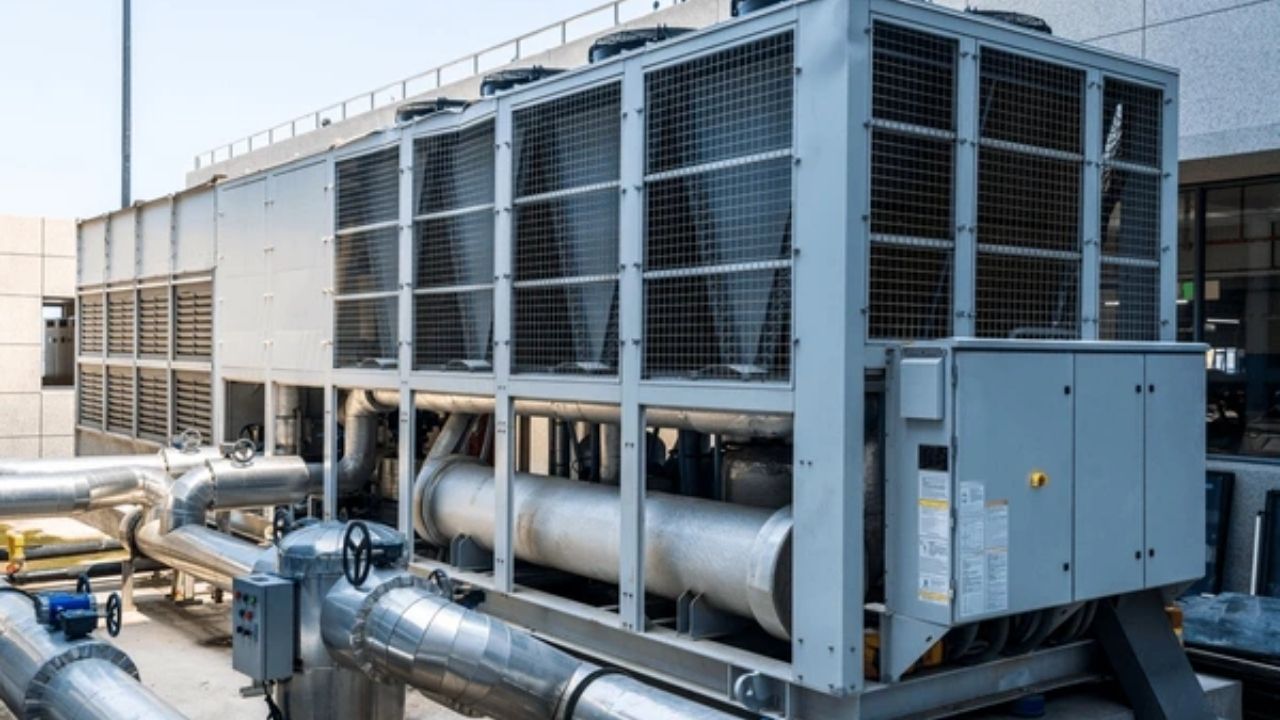
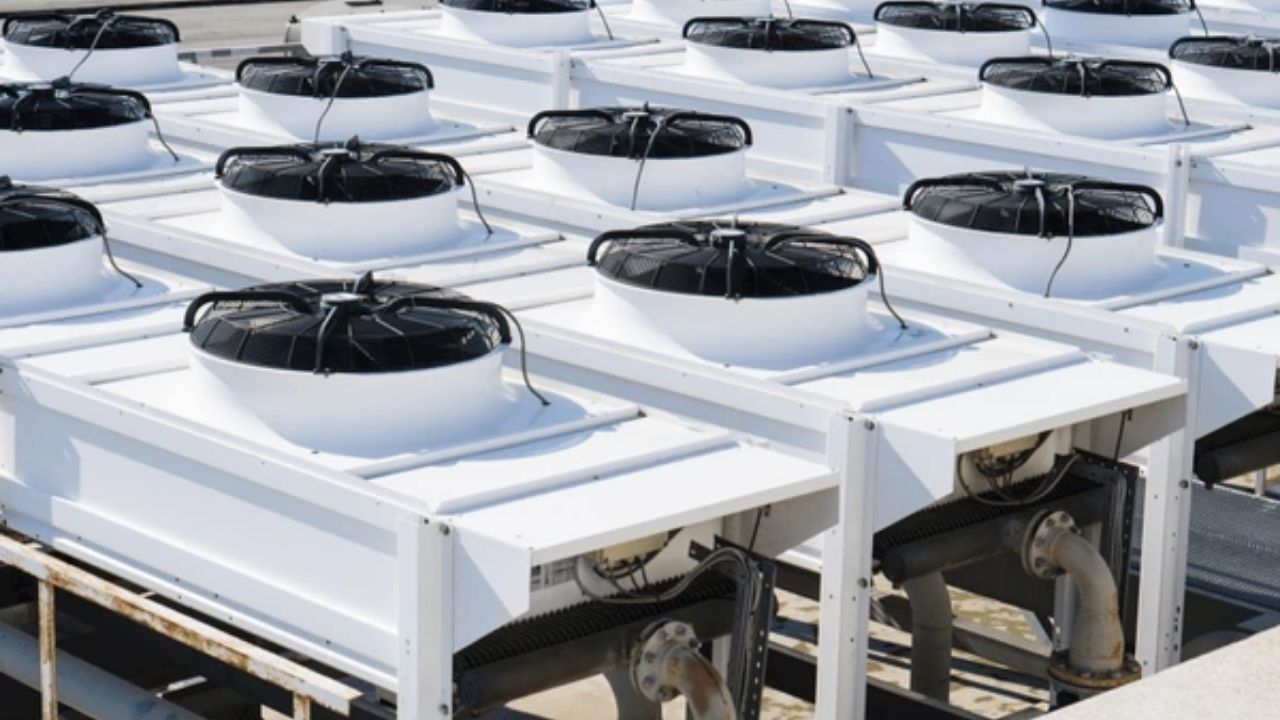
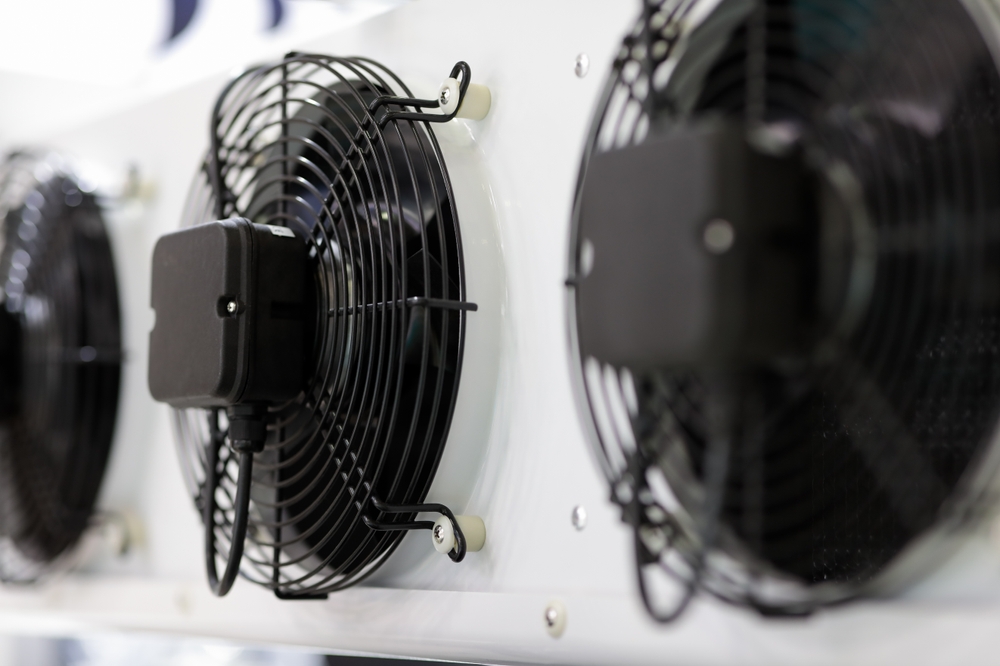
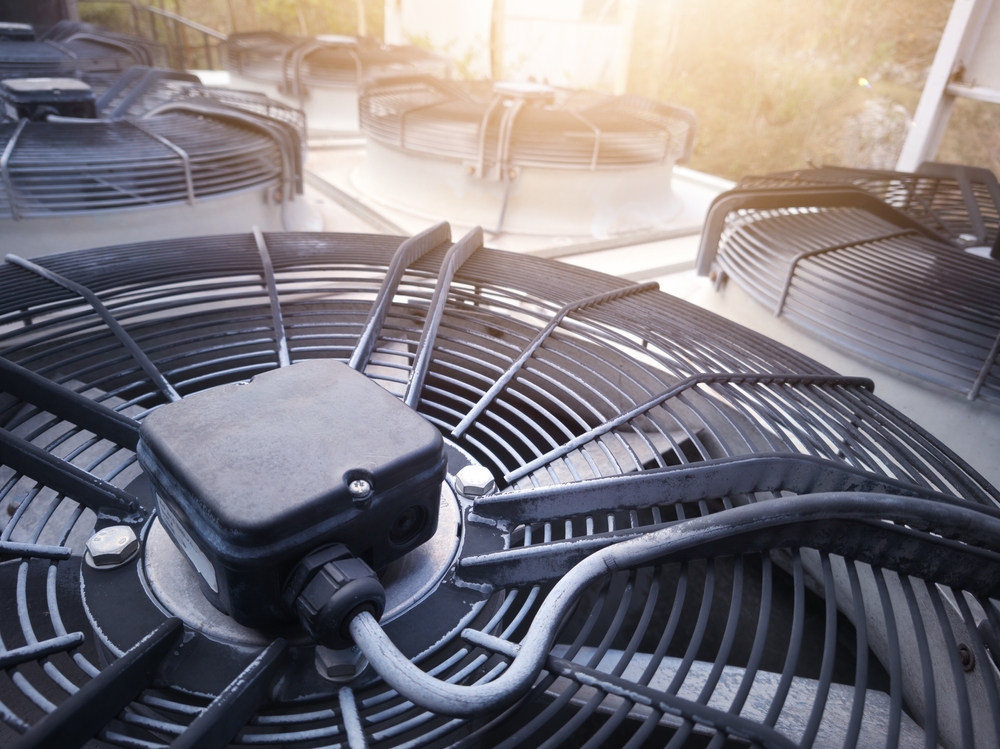
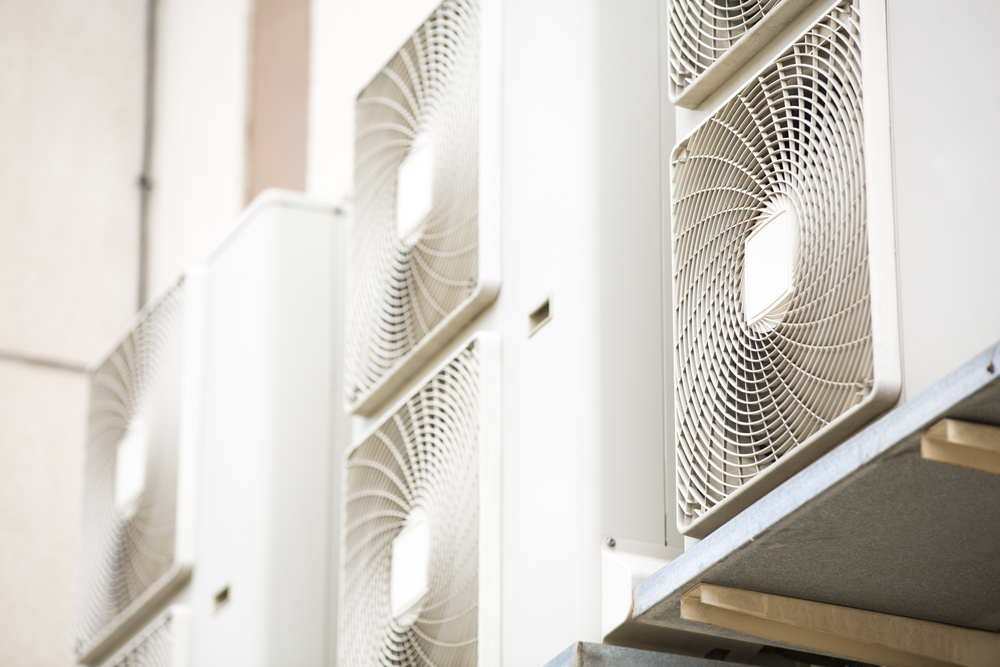
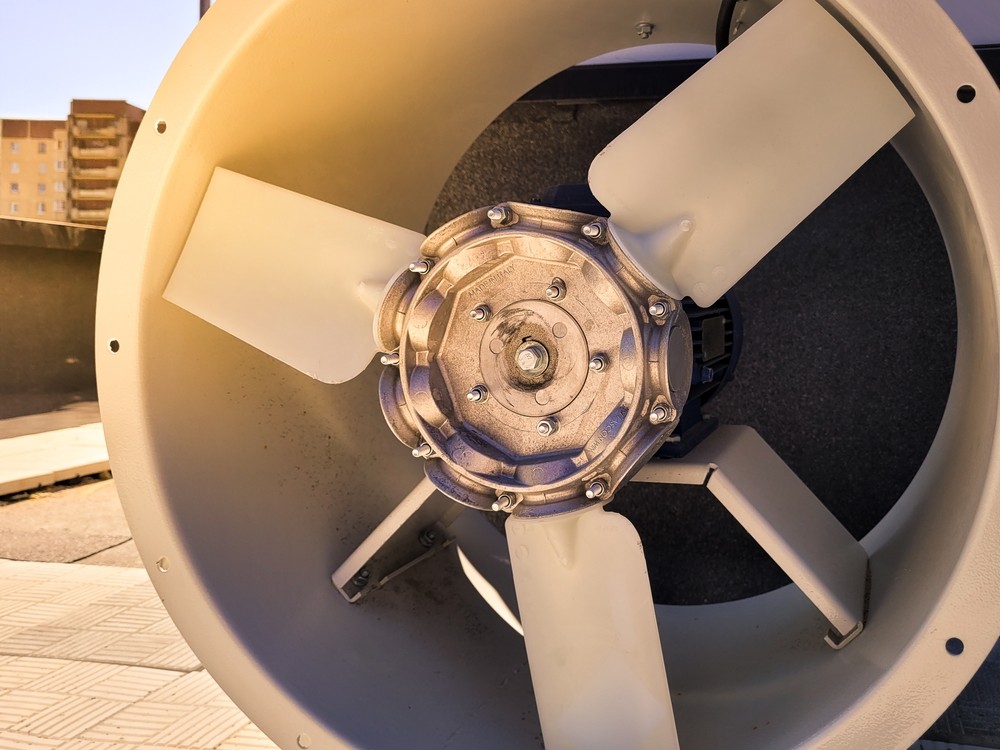
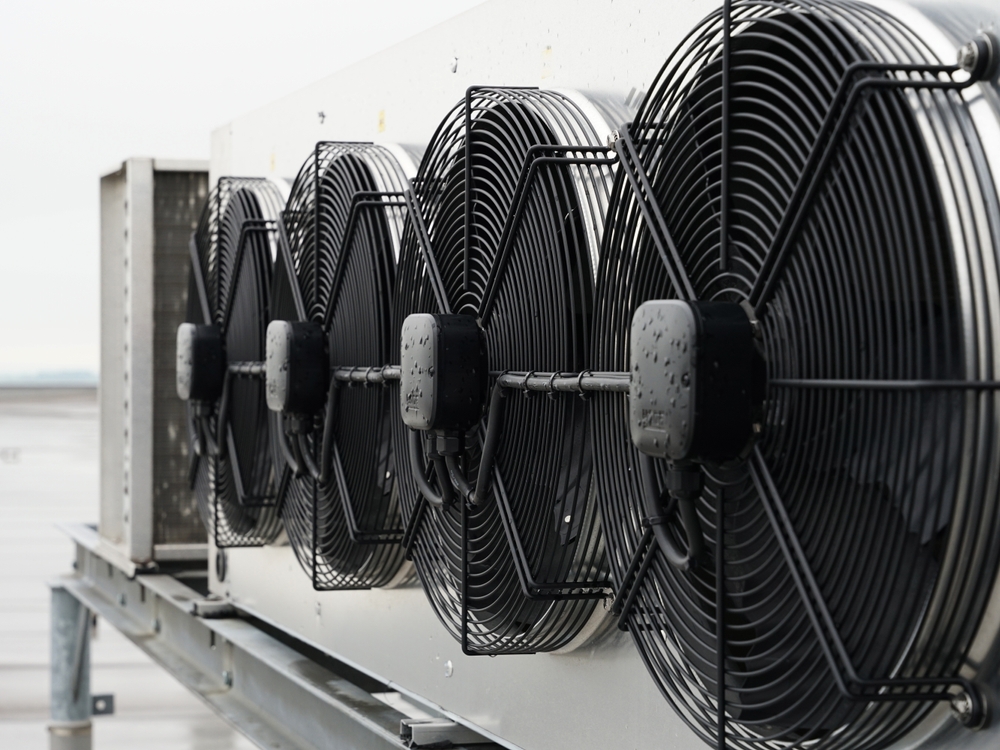
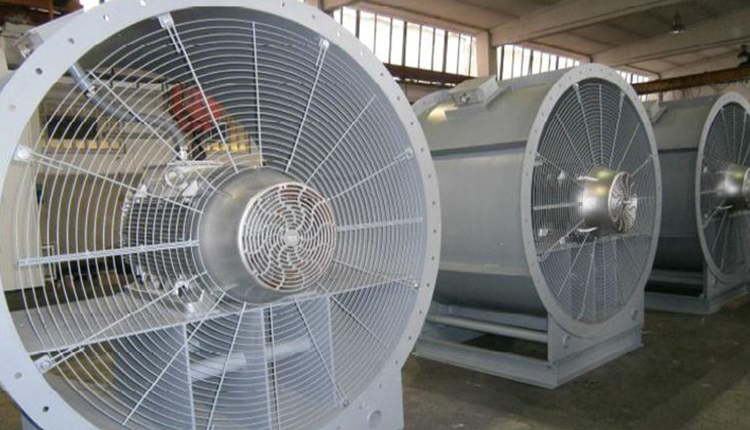
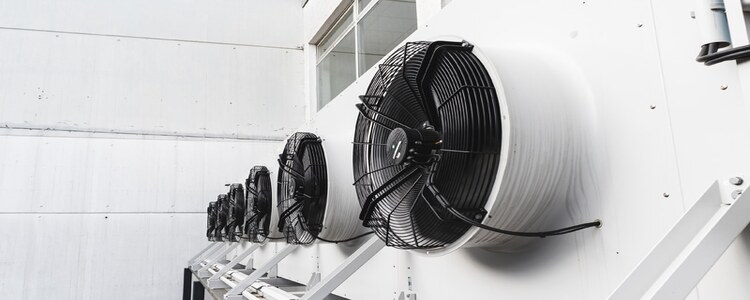
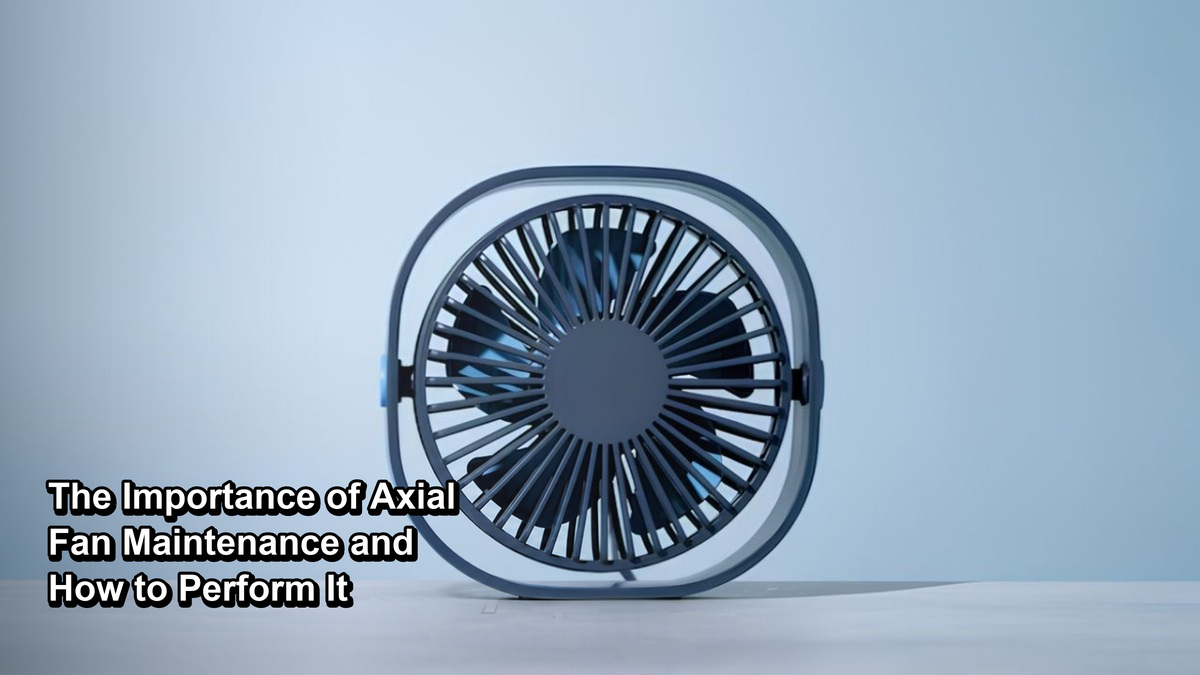
Axial fans used in cooling system equipment such as evaporators, condensers and dry coolers move the air and directly affect heat transfer. There is no single correct maintenance interval; operating hours, the amount of dust and humidity in the environment, ambient temperature and the fan manufacturer's recommendations all play a part. The maintenance plan should therefore be based on the actual operating conditions of the equipment.
In environments with dust, oil vapor or high humidity, inspection intervals should be shorter, while a periodic visual check may be enough in clean, controlled environments. On lines that run continuously, even a small imbalance in the fan blades increases vibration, reduces airflow and can raise energy consumption.
At every service visit, the motor bearings, blade condition, housing and electrical connections should be inspected together. Recording the results makes it easier to see changes over time and to set the next maintenance interval realistically.
Unusual vibration, increased noise and noticeable heating of the motor housing are the first signs that an axial fan needs attention. They usually point to bearing wear, blade imbalance or looseness in the fan housing. If noticed early, they can be corrected with a small intervention; if ignored, they can turn into a fan or motor failure.
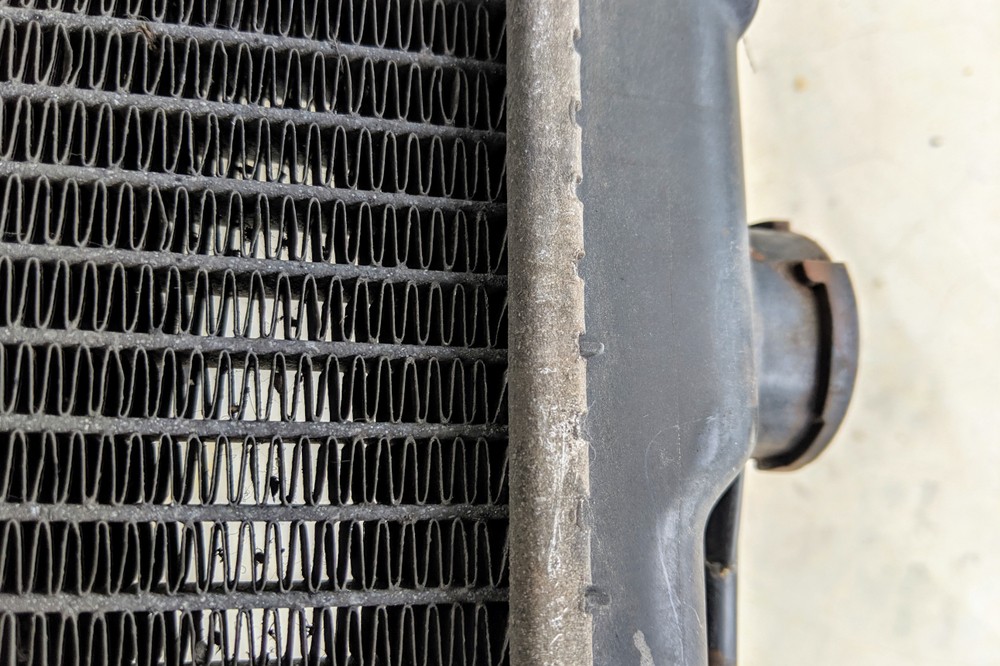
A drop in airflow is another important indicator. Dirt built up on the blades or the guard grille reduces the amount of air passing through the evaporator, which can make it hard to hold the room temperature and can lengthen the defrost period. In hygiene-sensitive applications such as the food sector, deposits on the blades and housing are also a cleanliness problem.
Electrical symptoms should not be overlooked either: fluctuating motor current, a thermal protection device that trips repeatedly, or a fan that struggles to start. Heavy dust on the blades and housing lowers efficiency and makes it harder for the motor to cool; when these signs appear, the fan should be de-energized and inspected.
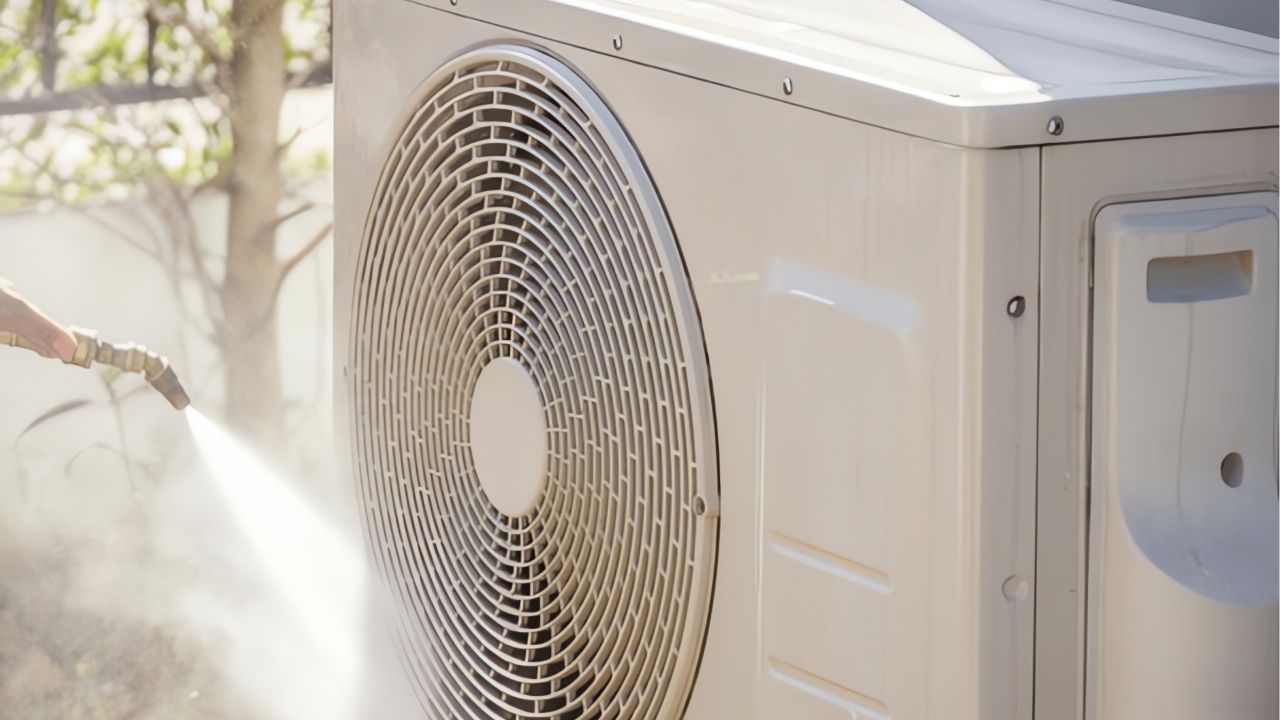
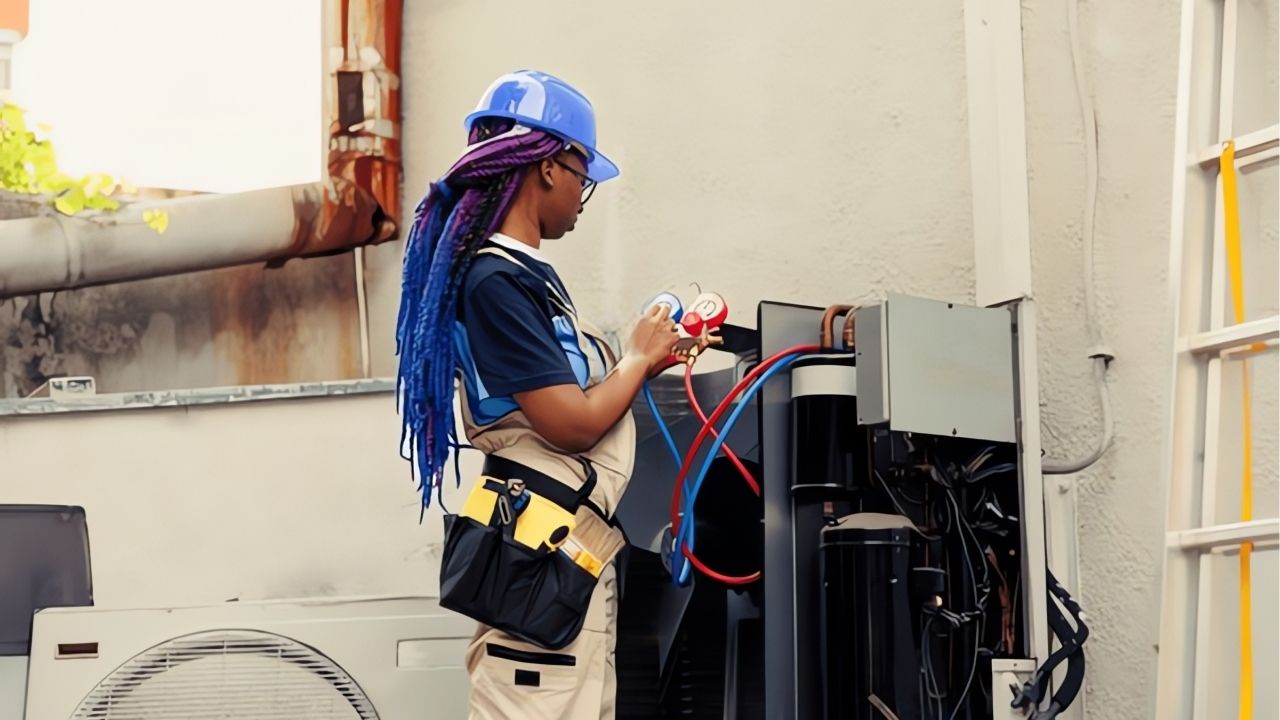
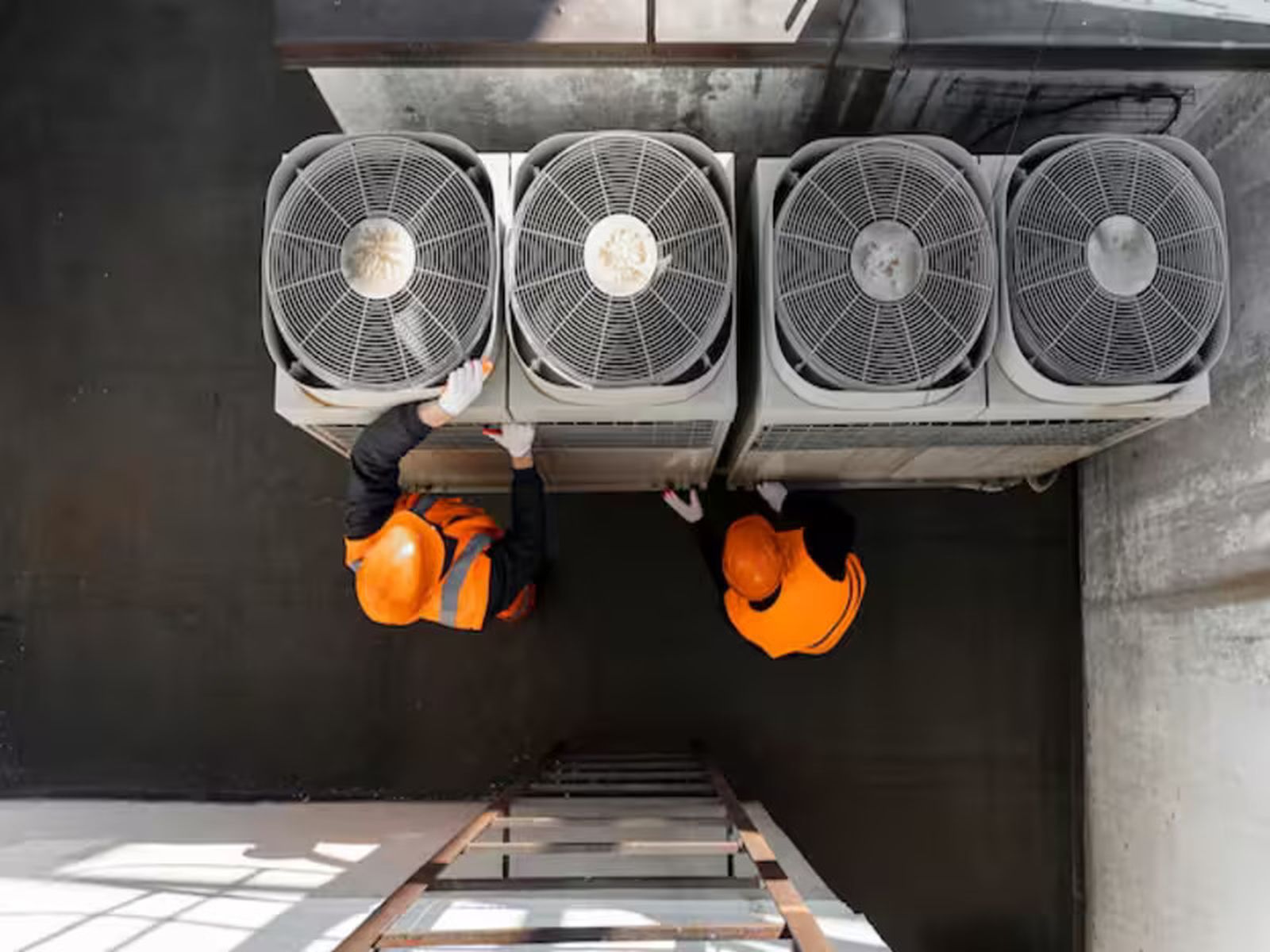
Before cleaning, the fan must be de-energized, lockout-tagout (LOTO) applied at the panel, and it must be confirmed that the fan cannot turn on its own. This step is essential for technician safety. The dust and residue on the blades, guard grille, housing and motor body are then cleaned off.
Oil and dirt on the blade surface should be removed with suitable, non-conductive cleaning agents, taking care that no water or cleaning liquid gets into the motor windings, bearing housings or electrical connections. If compressed air is used, it should be applied in a controlled way so that dirt is not pushed into the bearings and windings. In food sector applications, cleaning agents must be compatible with the equipment materials and hygiene rules.
After cleaning, the blades should be checked for cracks, wear or deformation, and the fan should be turned by hand to confirm that it rotates freely. After start-up, check whether vibration and noise have changed compared with before; if in doubt, carry out a balance check.
Planned maintenance catches small faults before they grow. A planned intervention such as replacing a bearing costs far less than repairing the damage after a motor burns out or a blade rubs against the housing. A clean, balanced fan can deliver the same airflow with less energy.
The cost of an unplanned stop in a cooling system is not limited to the repair bill. If temperature control is lost in a cold room or a process line, product loss and production interruptions can follow. In areas where temperature control is critical, such as the food sector, regular maintenance is the most direct way to reduce this risk.
A well-maintained fan also runs trouble-free for longer, which postpones replacement and keeps the maintenance budget predictable. Since savings vary from one facility and one piece of equipment to another, you can see the gain in your own operation by comparing failure records and energy consumption before and after maintenance.
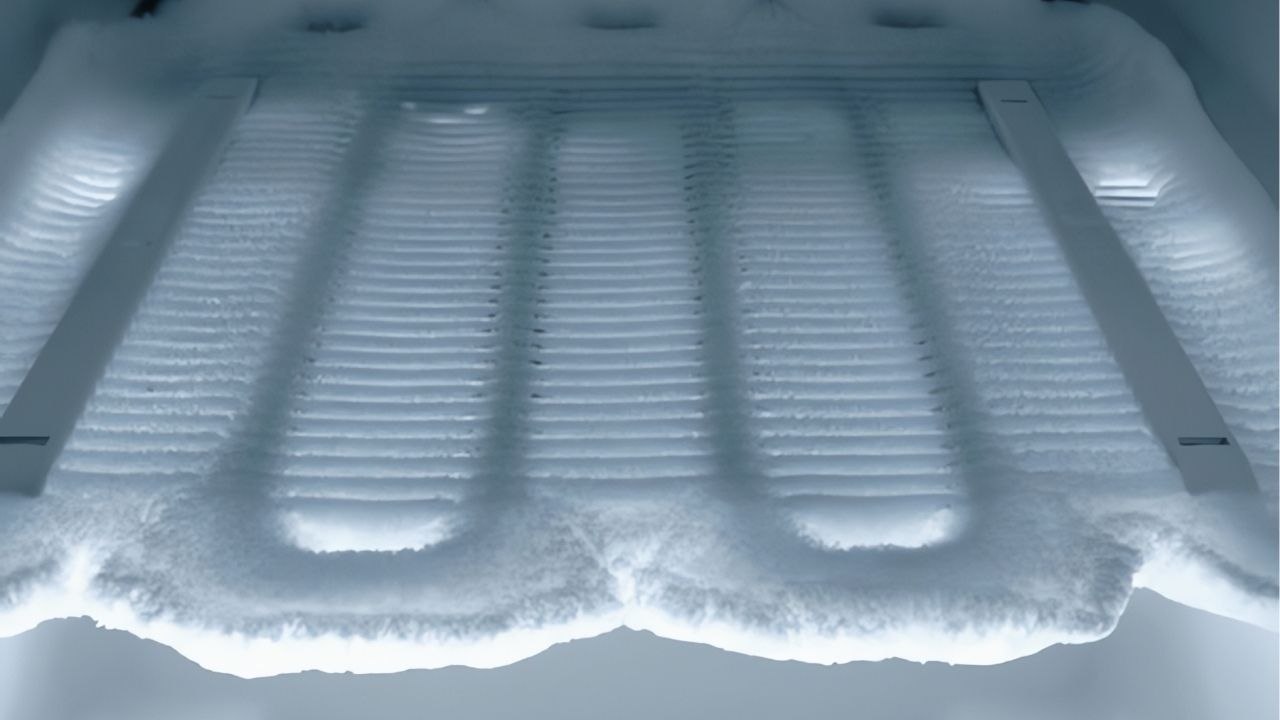
Fault diagnosis should proceed systematically. Electrical causes such as supply voltage, fuses, thermal protection and contactors are checked first; then mechanical causes, meaning bearings, blades, shaft and fasteners. Finally, factors that restrict airflow, such as fouling, ice buildup or obstructions, are assessed.
Vibration and noise usually come from bearing wear, blade imbalance or misalignment. For bearing noise, turning the shaft by hand with the fan de-energized and listening for friction or squeaking is a simple first check. If there is blade damage or imbalance caused by dirt, the blade should be cleaned or replaced and balanced if necessary.
Among electrical problems, voltage imbalance, phase loss and, on single-phase motors, failure of the run capacitor are common causes. These checks should be carried out by authorized personnel in line with safety rules. If a problem keeps recurring, instead of replacing parts without finding the root cause, the fan selection, operating point and ambient conditions should be reviewed together.
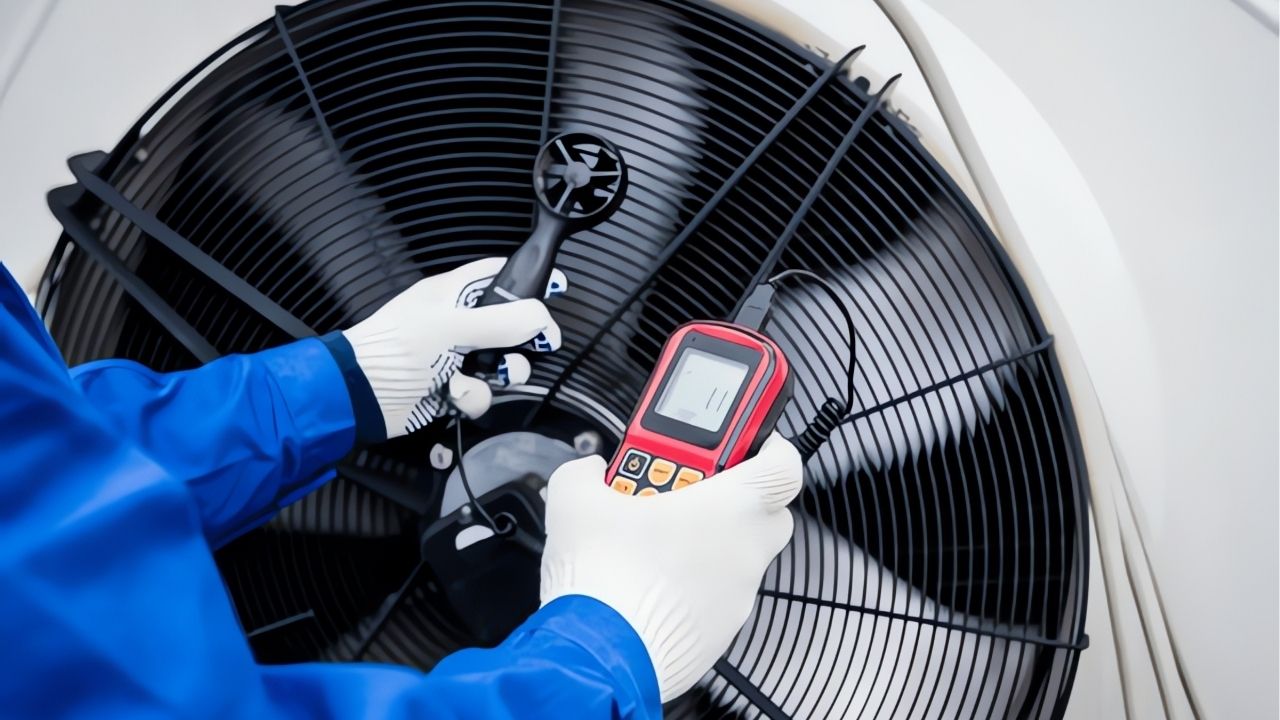
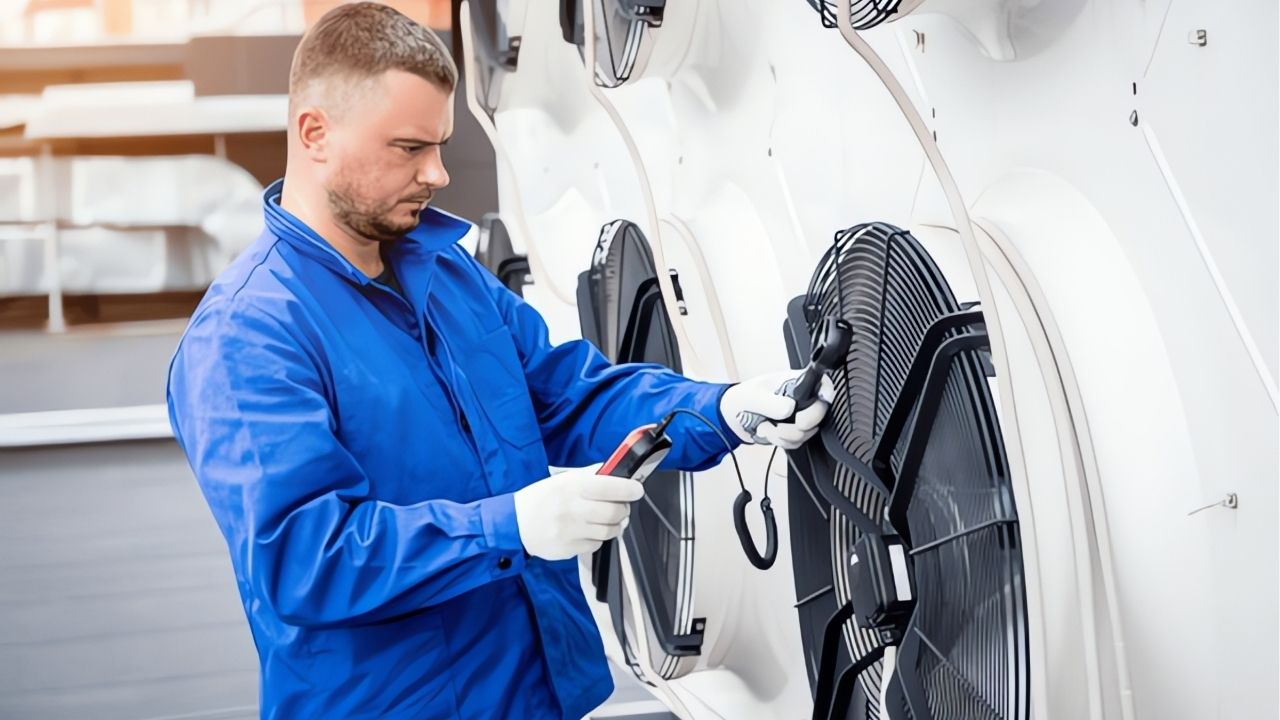
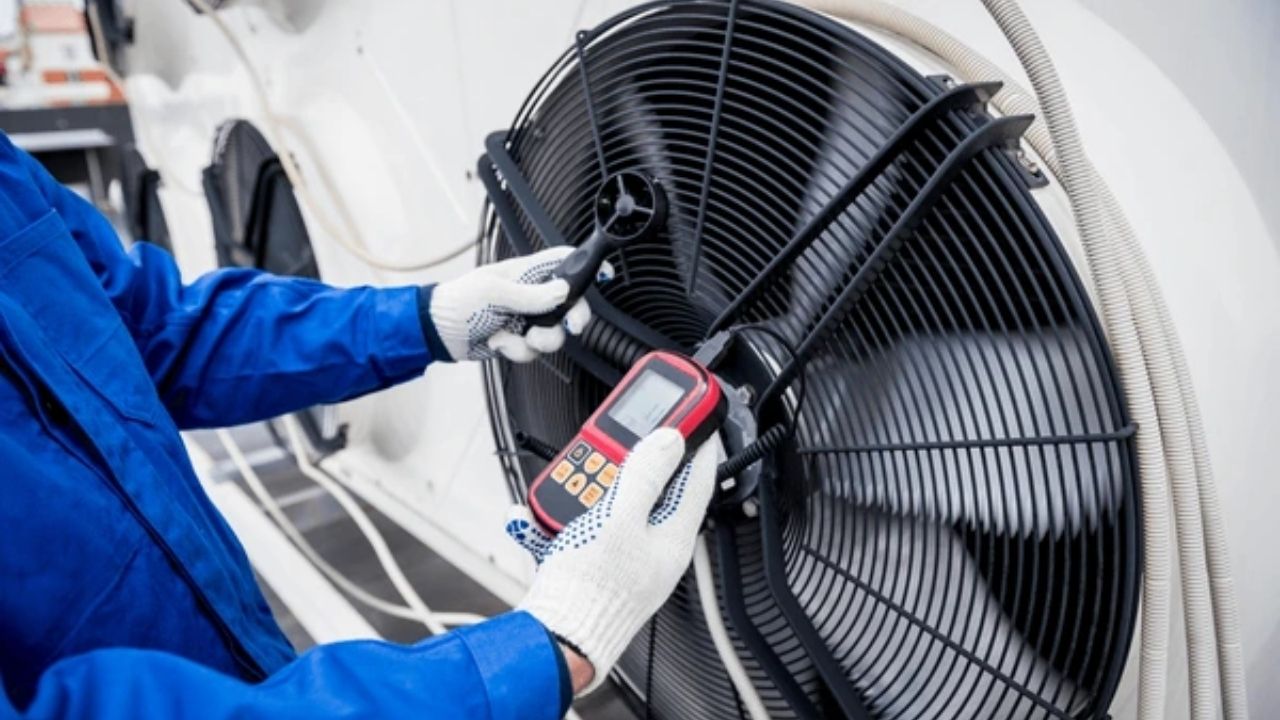
For basic maintenance, a torque wrench set, insulated hand tools, a multimeter and clamp ammeter, lubrication equipment and suitable cleaning materials may be enough. With these, basic values such as connection tightness, motor current and supply voltage can be checked safely.
For more detailed diagnosis, a vibration meter, an infrared thermometer, an ultrasonic listening device and, if needed, laser alignment equipment can be used. These devices help detect problems such as bearing wear and overheating before they become visible.
If blade imbalance is suspected, a portable balancing device is useful. Personal protective equipment, lockout-tagout equipment and, in food facilities, cleaning tools that comply with hygiene rules should also be part of the tool kit.
The foundation of longer fan life is regular inspection, correct lubrication and clean operation. Bearings, blade connections and electrical terminals should be inspected at regular intervals, and looseness, wear and corrosion should be corrected early. If blade balance and shaft alignment deteriorate, bearings wear out quickly.
Lubrication should be carried out with the grease type, quantity and interval recommended by the manufacturer; both too little and too much grease damage the bearing. In washdown or humid environments, stainless or corrosion-resistant components and suitable sealing contribute to fan life.
Environmental conditions also determine service life. Protective coatings and filtration solutions can be considered to guard against dust, humidity and chemical vapors. Selecting the fan to suit the operating conditions and not overloading it are also important factors in extending its life.
A significant share of fan failures begins with signs that can be noticed in advance: increased vibration, heating, a change in sound or reduced airflow. Regular maintenance catches these signs before a failure occurs, which reduces unplanned stops and makes it possible to schedule the work at a time that suits production.
Vibration measurement and temperature monitoring help detect changes in fan operation early and support maintenance decisions with measured data. In the food sector, where temperature control is critical, this approach also reduces the risk of product loss.
When maintenance records are kept, the cause of recurring failures is easier to find. In addition, planning spare parts shortens the waiting time when a failure occurs and supports uninterrupted operation of the cooling system.
Bearing checks begin with the fan de-energized and locked out. While turning the shaft by hand, listen for friction, sticking or a rumbling sound; excessive play or axial movement also points to bearing wear. This simple check gives a first idea before moving on to more detailed measurements.
With the fan running, vibration can be measured and the bearing housing temperature monitored. A clear temperature rise compared with the other bearings or with earlier measurements may point to a lubrication problem or misalignment. Ultrasonic listening can help detect bearing defects before they can be heard by ear. In washdown environments, the condition of the sealing elements should also be checked separately.
Lubrication condition directly affects bearing life. Grease level and condition should be monitored according to the manufacturer's recommendations, and contaminated grease or grease whose color and consistency have deteriorated should be replaced. When replacing a bearing, the correct type, the right installation method and the proper tolerances in the bearing seat must be used.
A good maintenance program should be written, regular and documented. A checklist should be created for blades, bearings, motor, housing and electrical connections, and findings should be recorded at every service. These records reveal recurring problems and the points where intervals need adjusting.
Where possible, monitoring methods such as vibration sensors and temperature measurement should be used so that maintenance is done when signs appear rather than after a failure. Lubrication should be provided regularly according to the manufacturer's recommendations and, if needed, with automatic lubrication systems. In the food sector, cleaning procedures should protect both hygiene and airflow.
Finally, maintenance staff should be trained in safety procedures, correct tool use and fault symptoms. If fan maintenance on evaporators, condensers and dry coolers is planned together with the other maintenance work on the equipment, downtime is shorter and the system runs more reliably.

Fill out the form to discover the most suitable high-end products for your projects. Contact Us Now.
Fill out the form now not to miss our special offers for you! The latest discover our products and innovations.
Fill out the form now not to miss our special offers for you! The latest discover our products and innovations.
Notification Centre 00:00