

What Conditions Are Evaporator Catalogue Capacities Based On?
01 / 10 / 2026

In cooling systems, energy consumption depends on how efficiently the evaporator absorbs heat and how comfortably it operates. If the heat transfer surface is insufficient, the compressor runs longer; if the evaporator frosts up or airflow is restricted, the heat absorbed falls and energy consumption rises. The selection and design of the evaporator therefore directly affect operating cost.
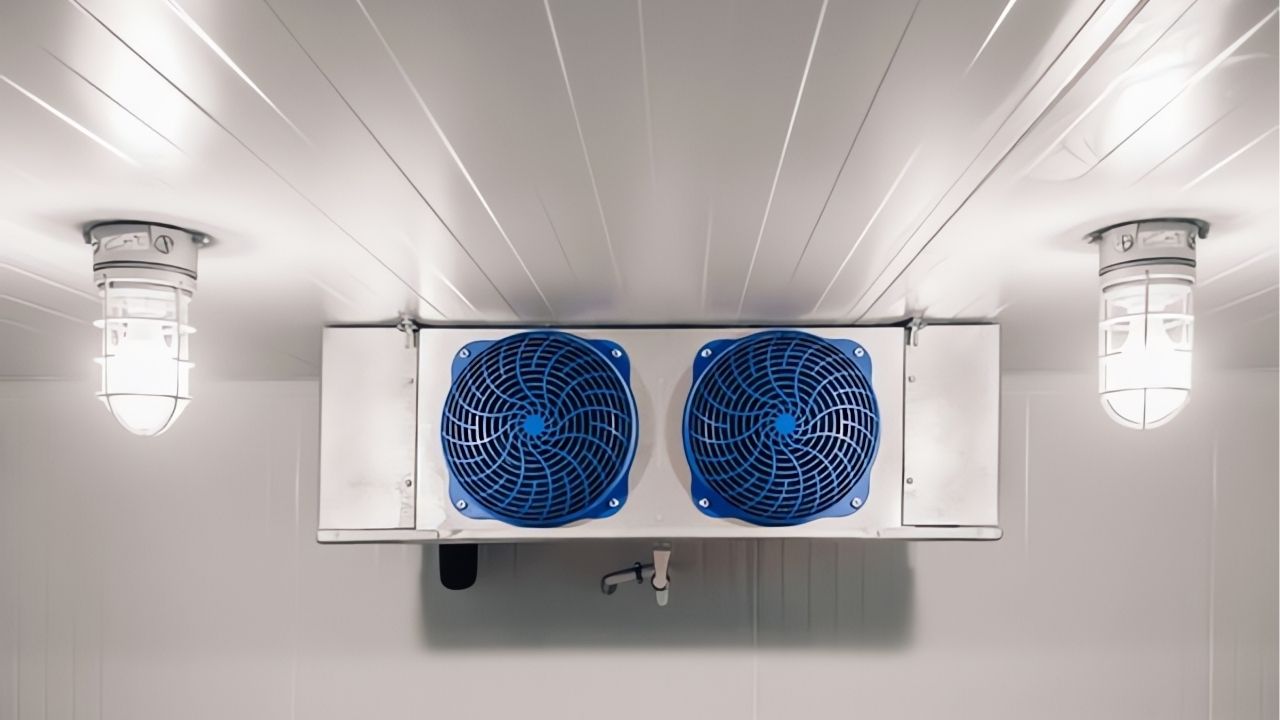
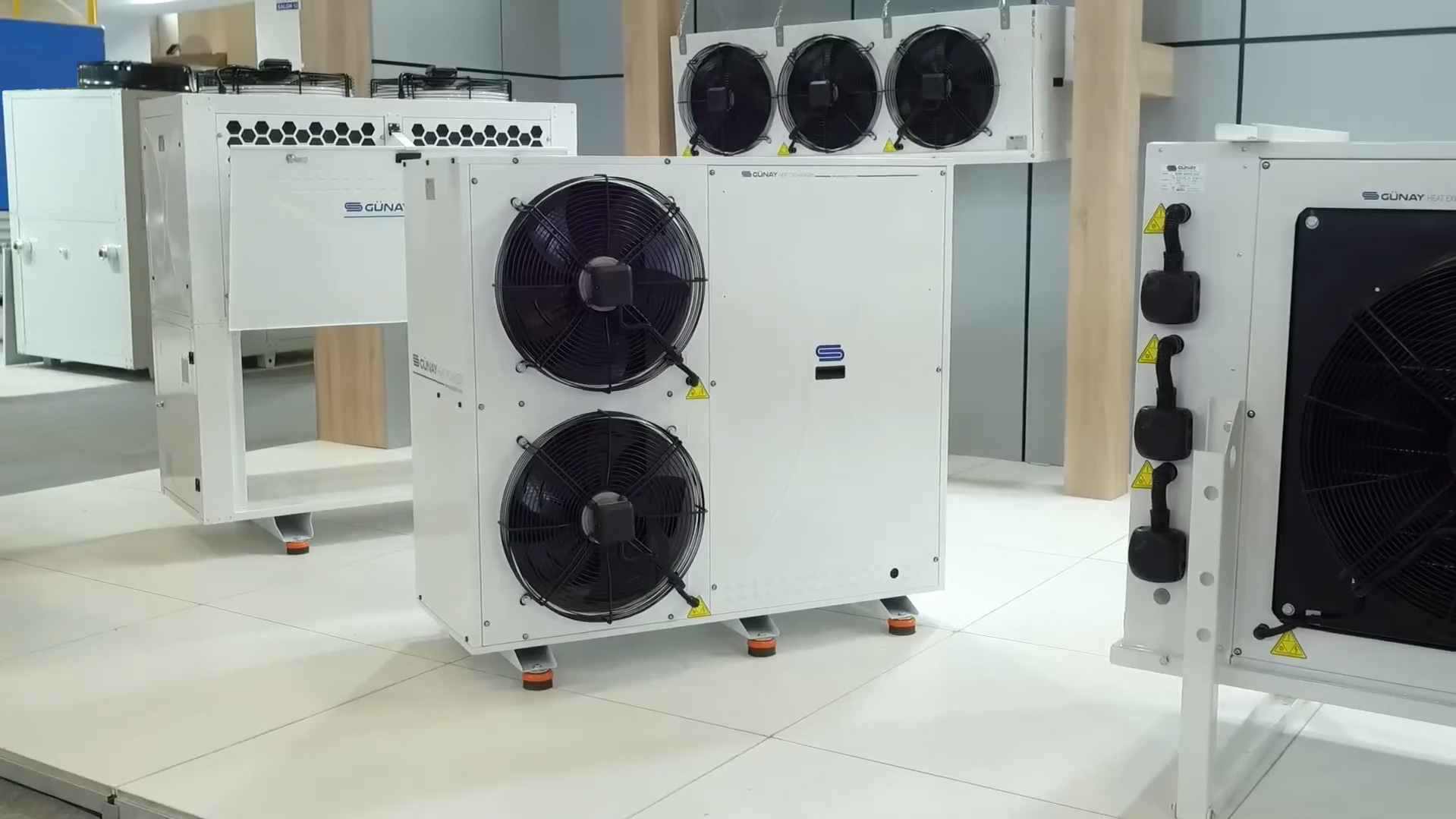
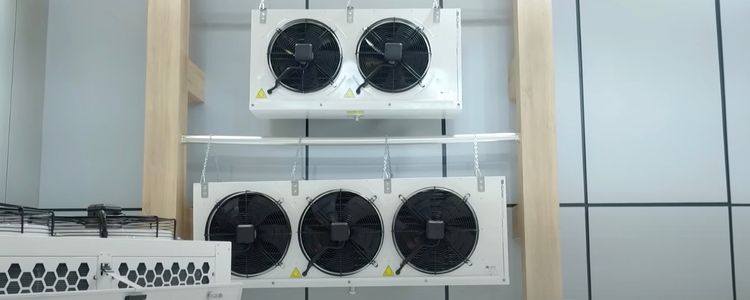
Next-generation evaporator designs bring improvements in details such as choosing fin spacing to suit the application, setting up the tube bundle and refrigerant distribution in balance, selecting efficient fans and motors, and using a defrost method suited to the need. In evaporator production, Günay Soğutma sets these parameters according to the temperature regime of the application.
Since the energy saving achieved depends on the facility, the product load and the existing system, it would not be right to promise a specific rate. To see the potential, existing consumption data should be compared with the operating data of the new equipment.
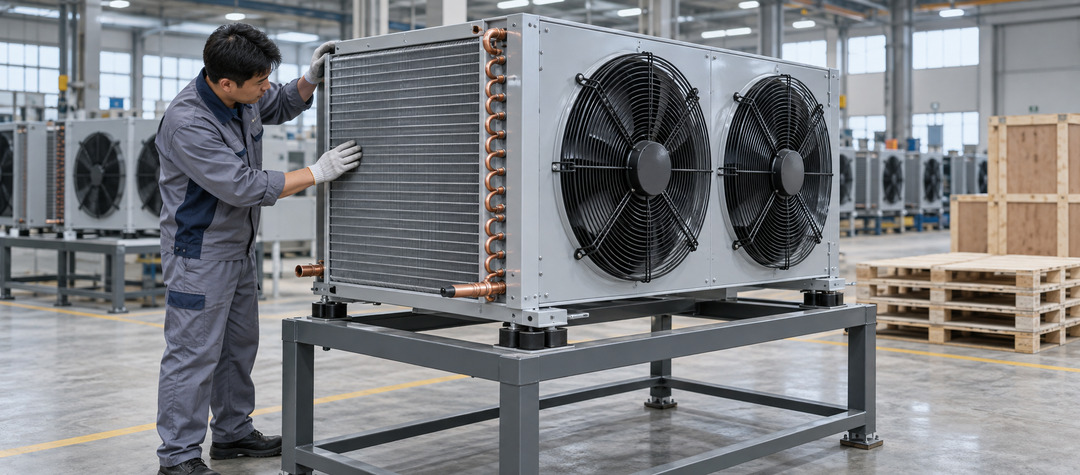
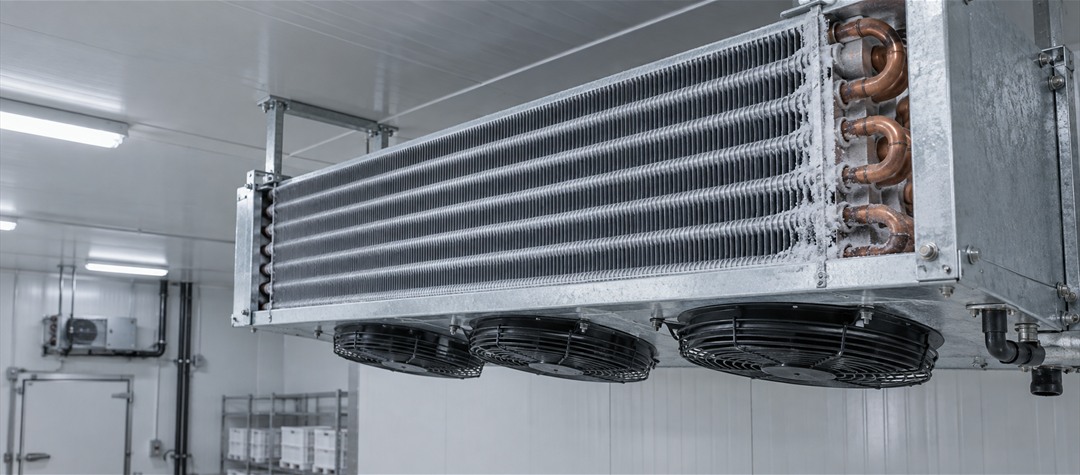
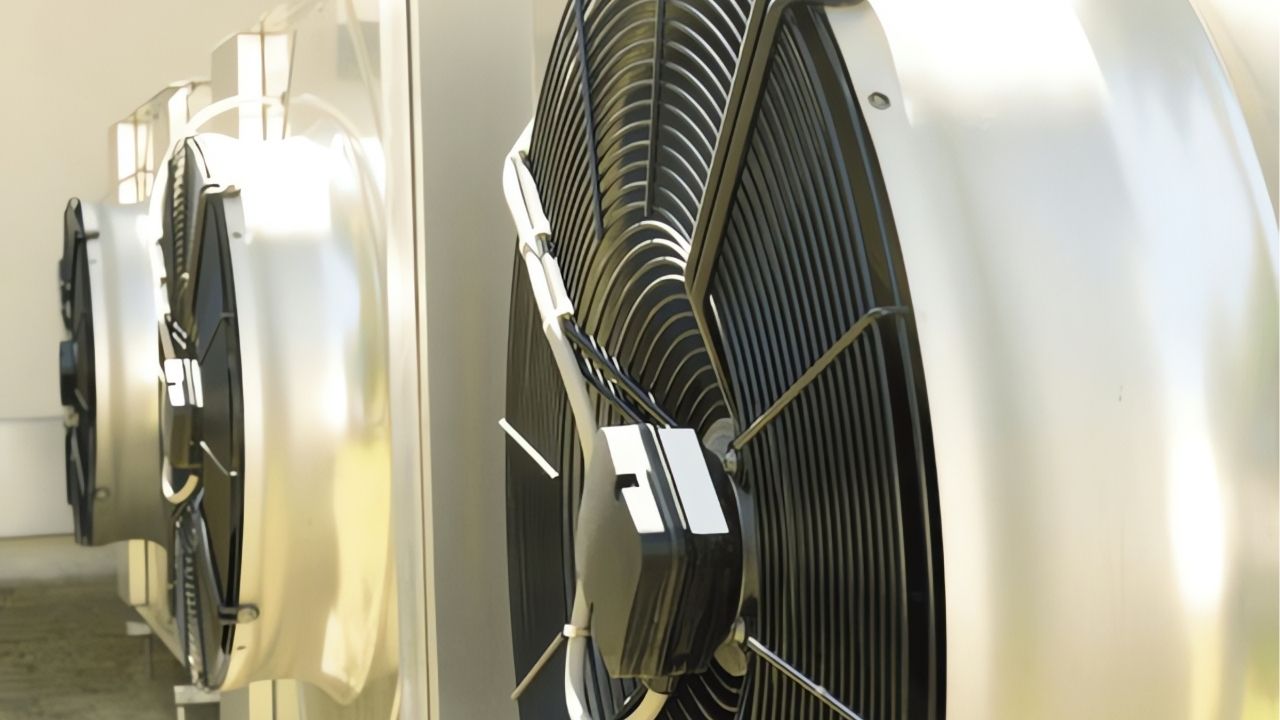
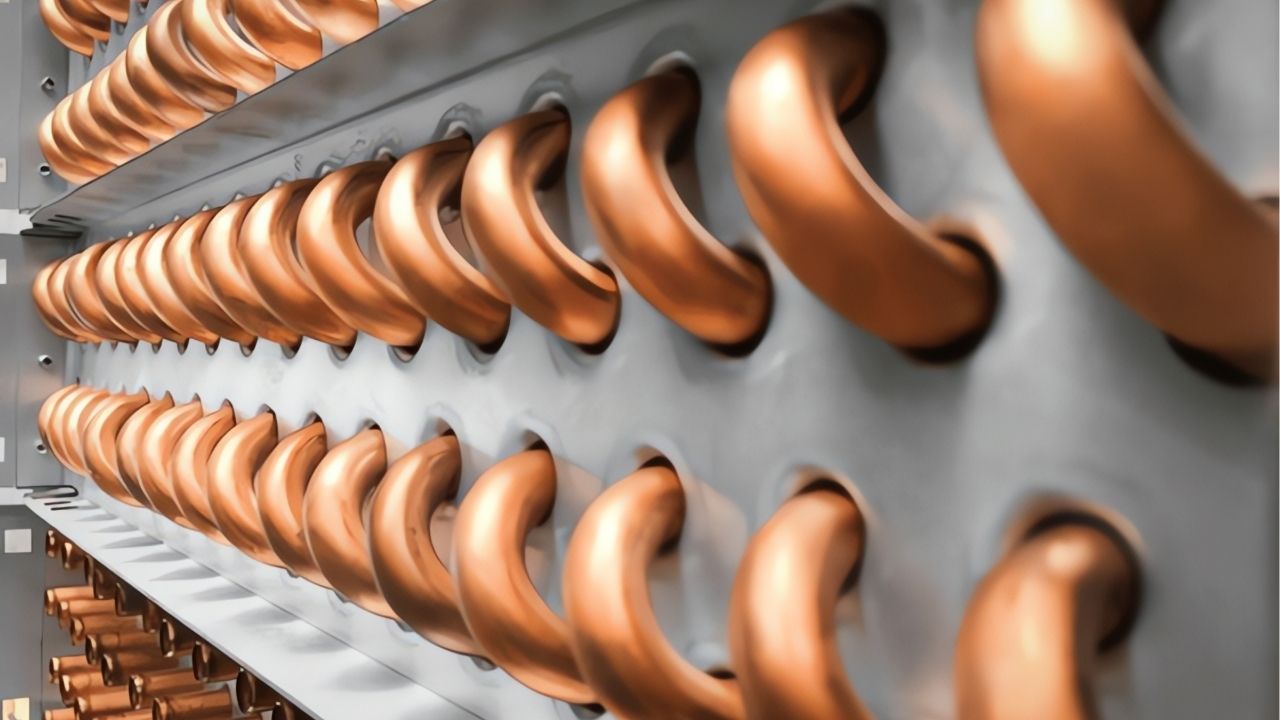
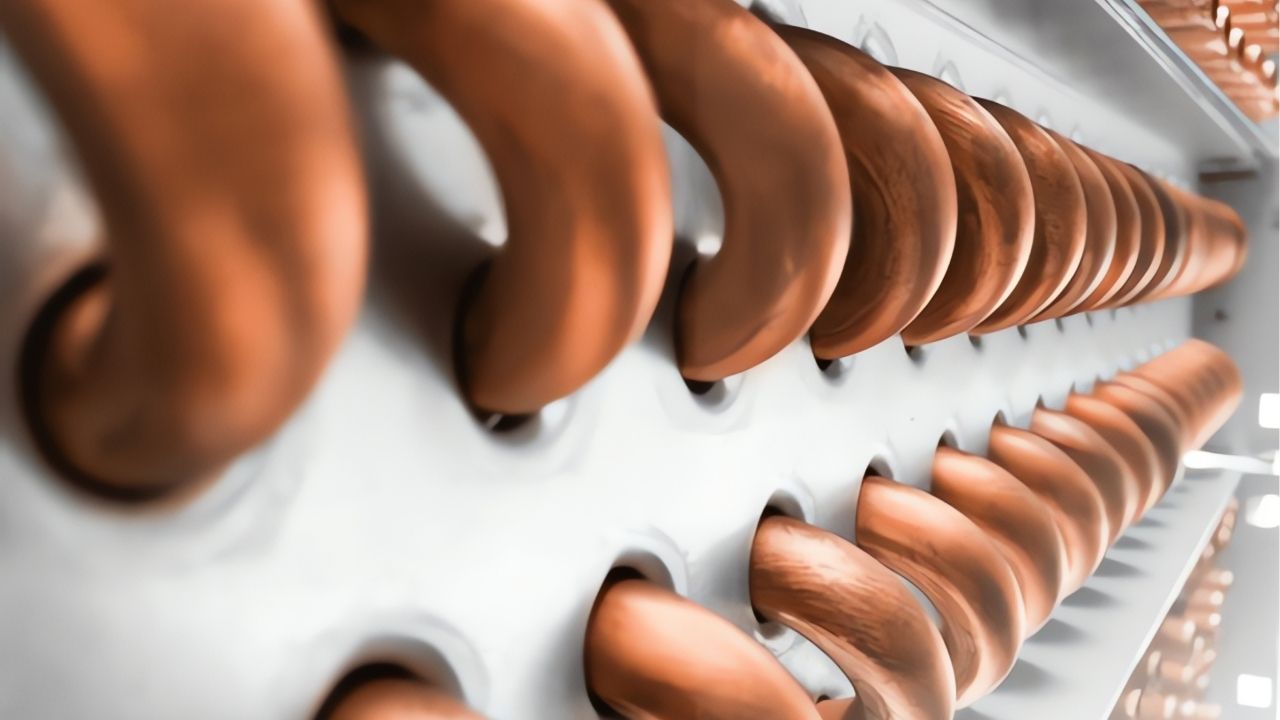
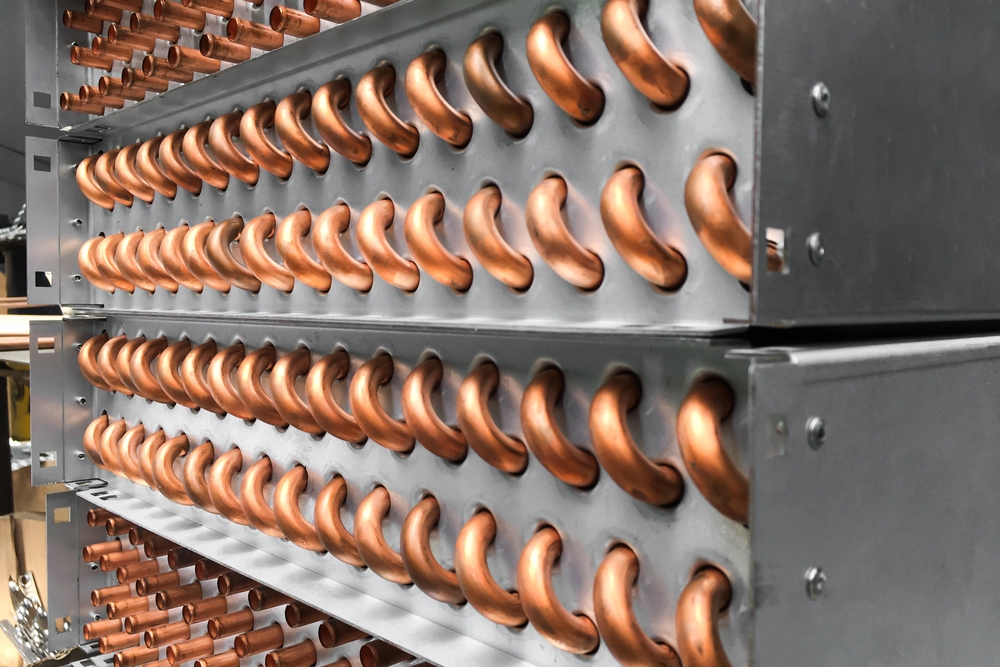
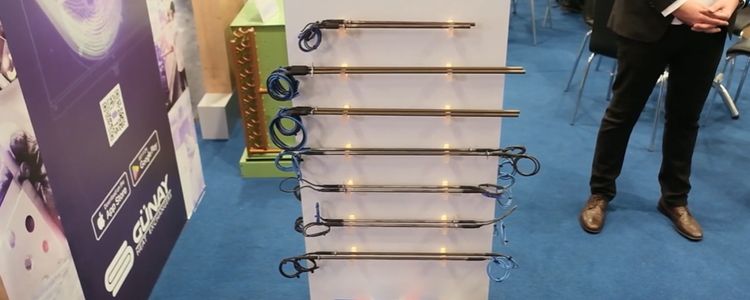
The efficiency of modern evaporators comes not from a single feature but from several design elements working together. Fin geometry and spacing, tube bundle layout and tube diameter determine heat transfer and air-side pressure drop. Designing the surface to be large yet with a spacing that tolerates frost matters for maintaining performance in low-temperature applications.
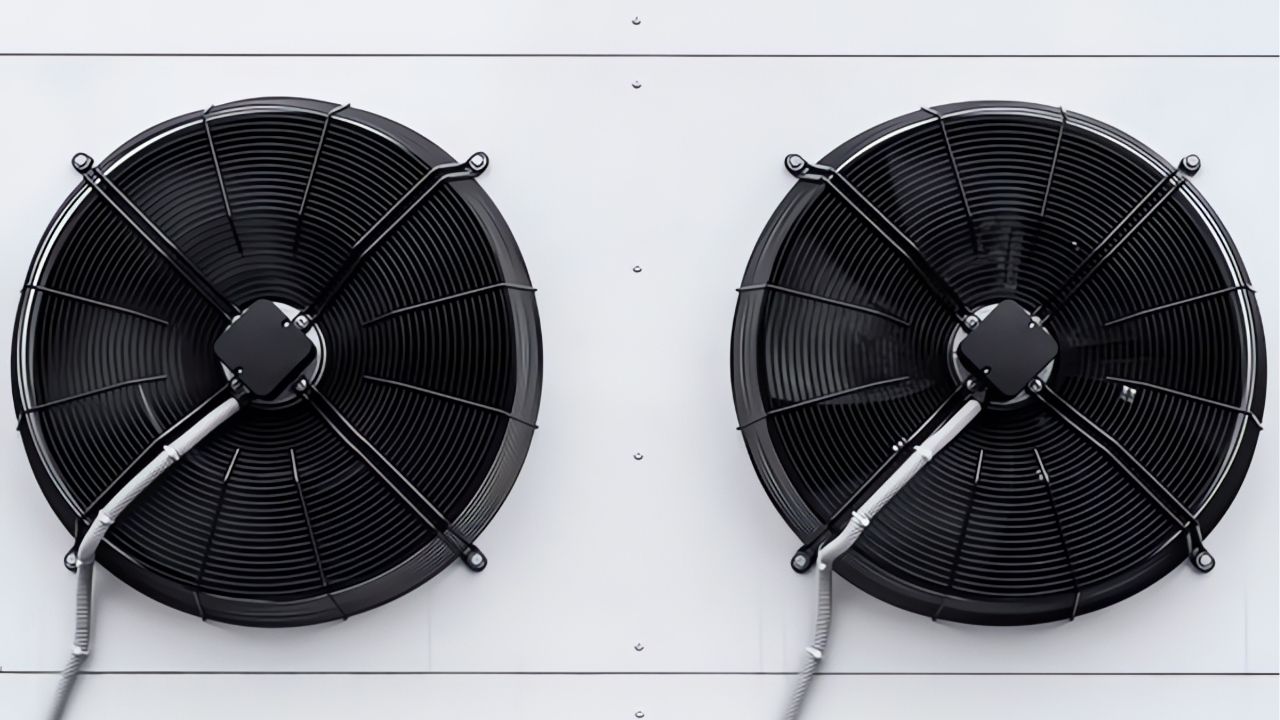
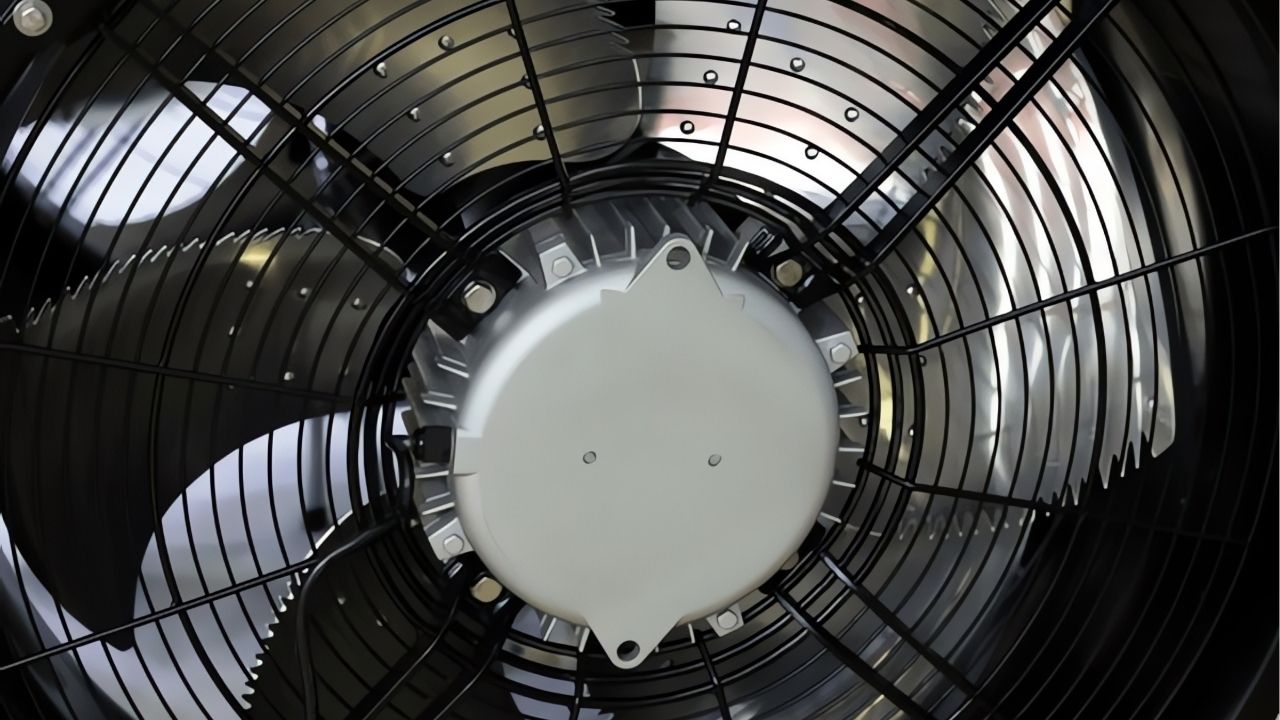
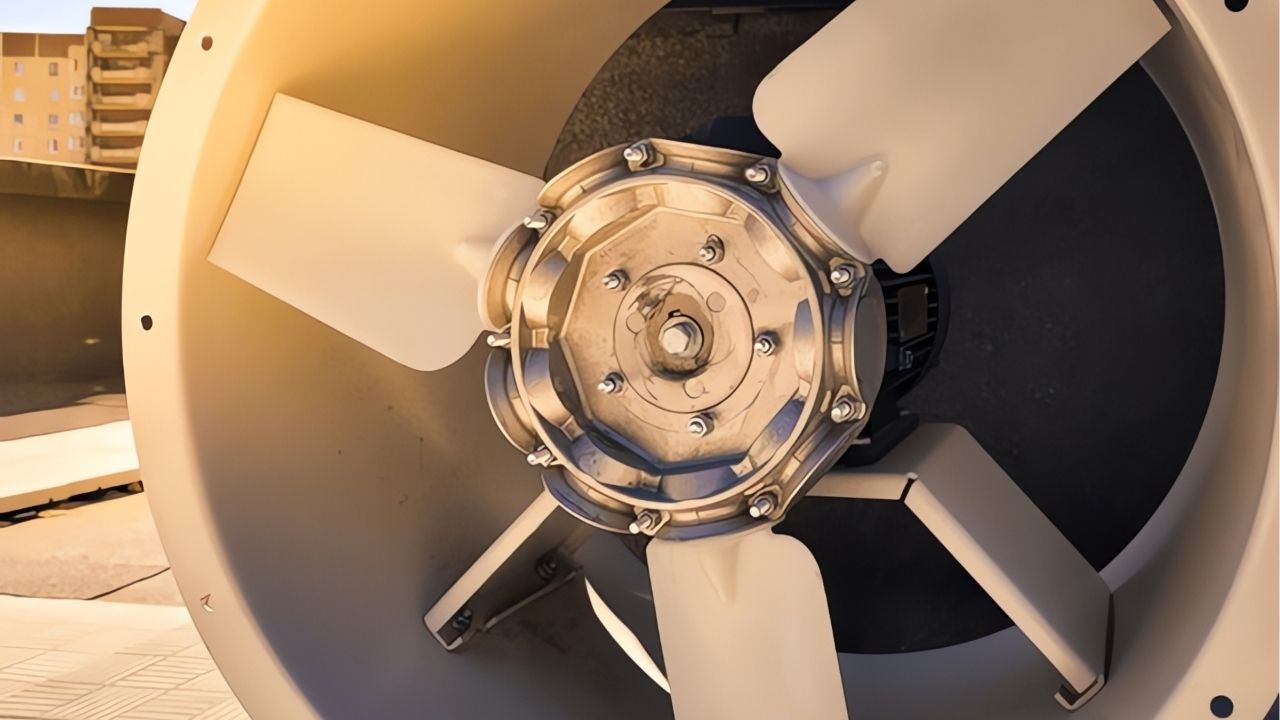
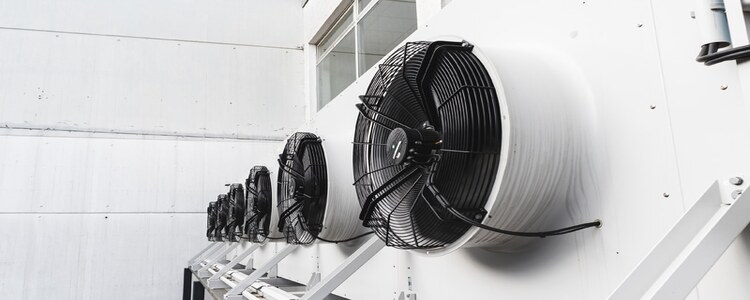
Distributing the refrigerant evenly along the coil also affects efficiency. If the distribution is uneven, part of the surface cannot be used fully. In addition, the choice of axial fan and motor determines whether the required airflow is delivered with low energy.
Material selection and surface protection keep efficiency up over time. In corrosion-prone environments, suitable coatings or material options can be considered. The effect of design decisions depends on the application, so selection should be based on project data.
Selection starts by determining the cooling load and operating conditions: room temperature, evaporating temperature, required capacity (kW), refrigerant, airflow and installation space. A capacity value should be evaluated together with the conditions for which the manufacturer's data is given; values at different conditions cannot be compared directly.
Fin spacing, defrost method and fan configuration are then chosen to suit the application. In high-humidity or low-temperature environments, wide fin spacing gives an advantage against frosting. In areas where hygiene matters, such as the food sector, cleanability should also be a criterion.
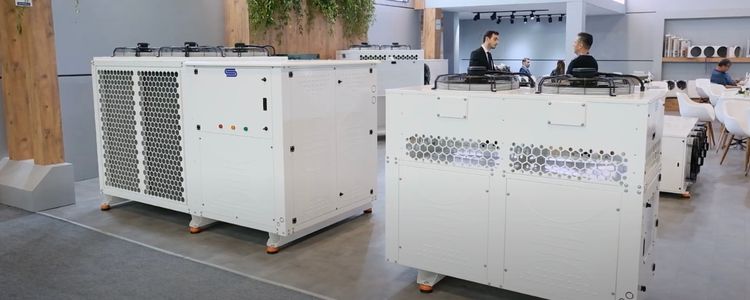
Compatibility with the existing condenser and compressor, ease of access for maintenance and, if needed, a made-to-measure production option should also be considered. Verifying the selection with the Günay Soğutma technical team reduces mistakes that can be made at the project stage.
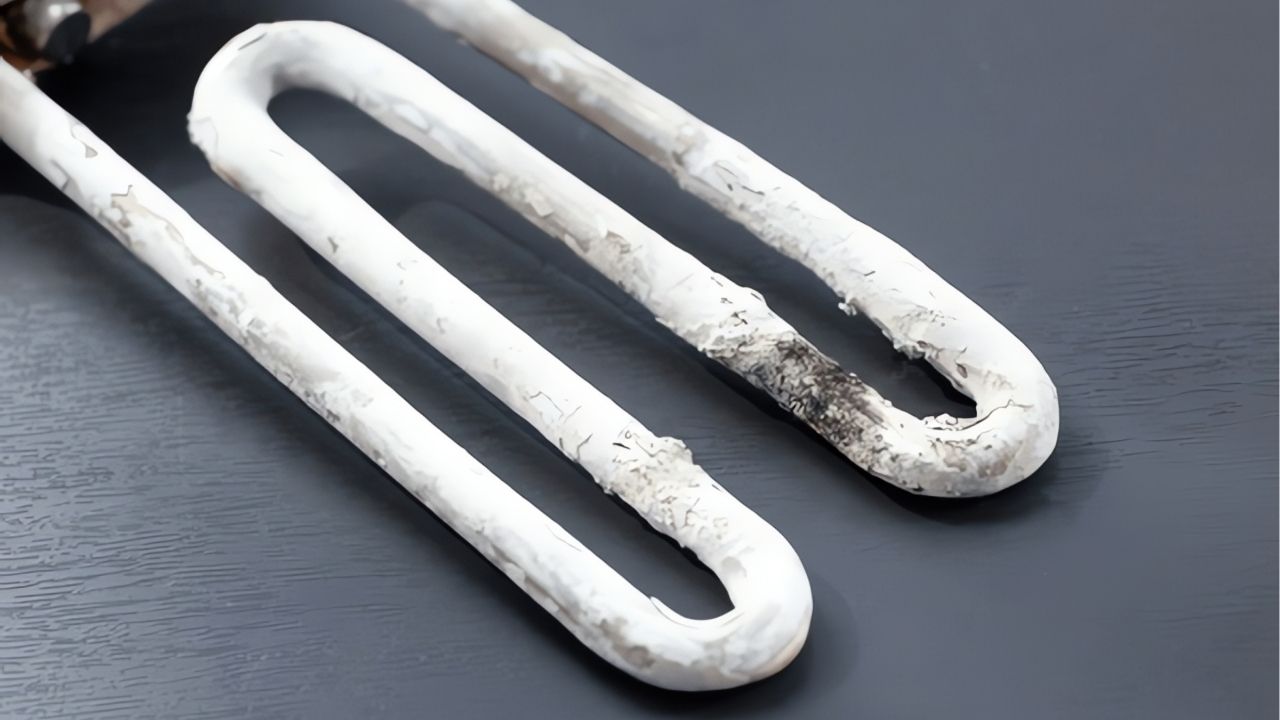
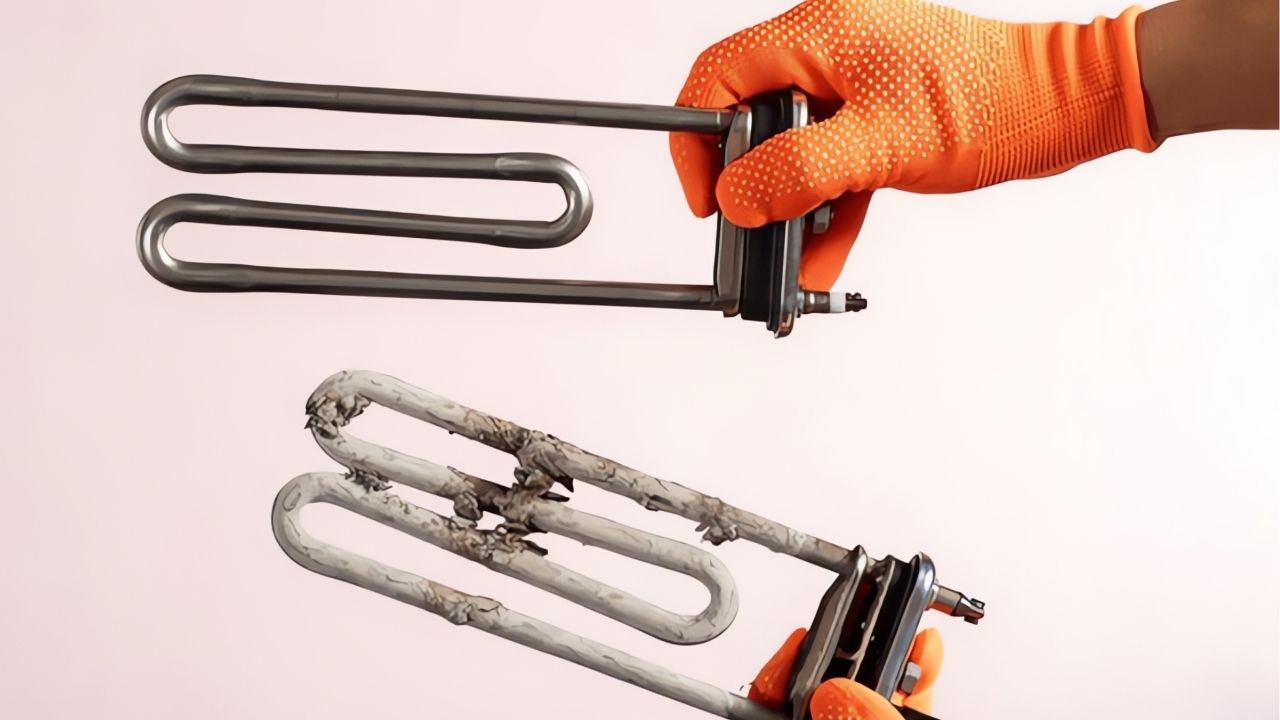
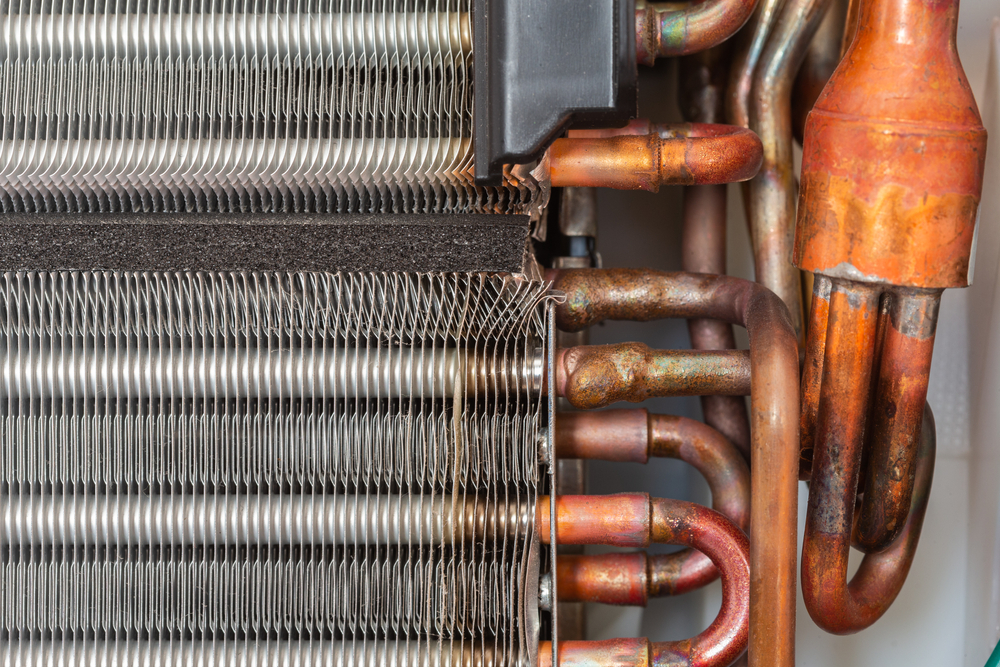
Older evaporators can lose capacity over time because of fouling, corrosion and mechanical wear. Even so, the system keeps trying to hold the same temperature, so the compressor runs longer and energy consumption may rise. Replacement is usually considered when such signs appear.
Modern designs aim to reduce these losses with fin spacing suited to the application, more balanced airflow and efficient fan options. When the capacity of the old system is re-evaluated against the new load, it also becomes possible to select equipment of a more suitable size.
The benefit of switching varies with the condition of the existing equipment, the facility's load profile and operating hours. It is therefore necessary to measure the performance of the existing system before replacement and base expectations on that data. Günay Soğutma can help you evaluate evaporator options suited to your existing system.
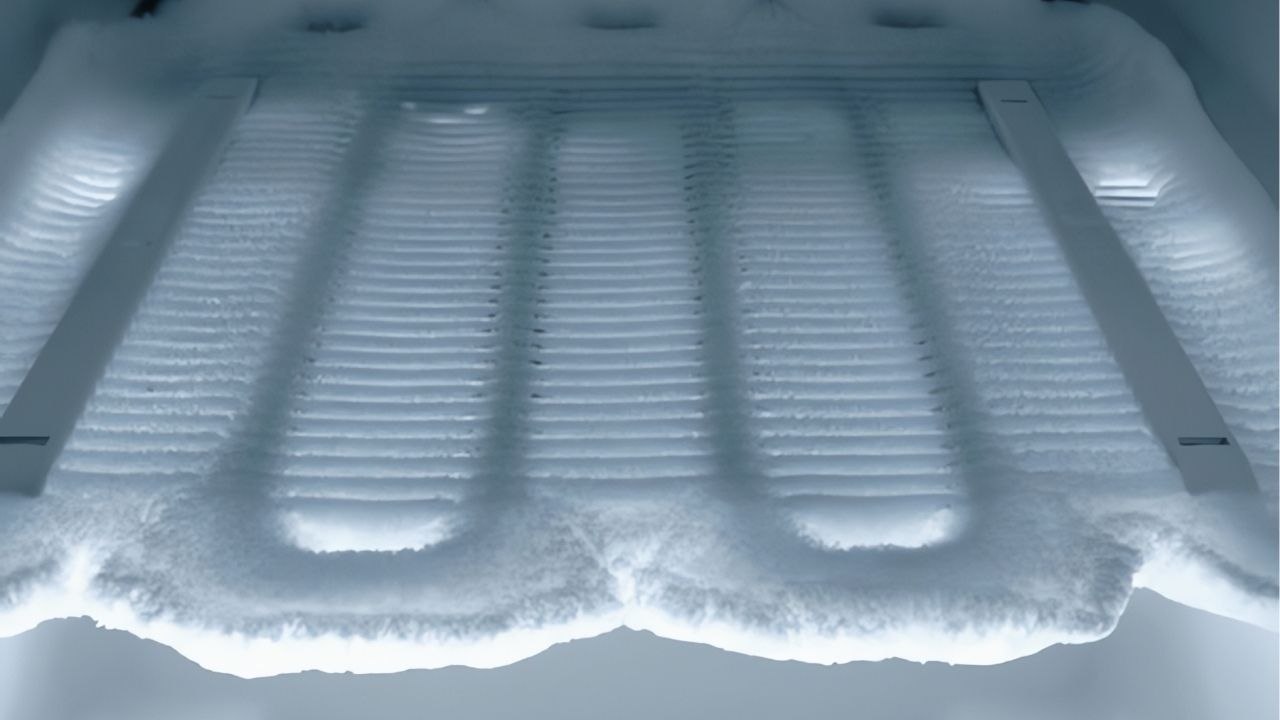
The defrost method should suit the evaporator's operating conditions. Defrosting too often or for too long can increase energy consumption; insufficient defrost can reduce airflow and heat transfer because of frost buildup.
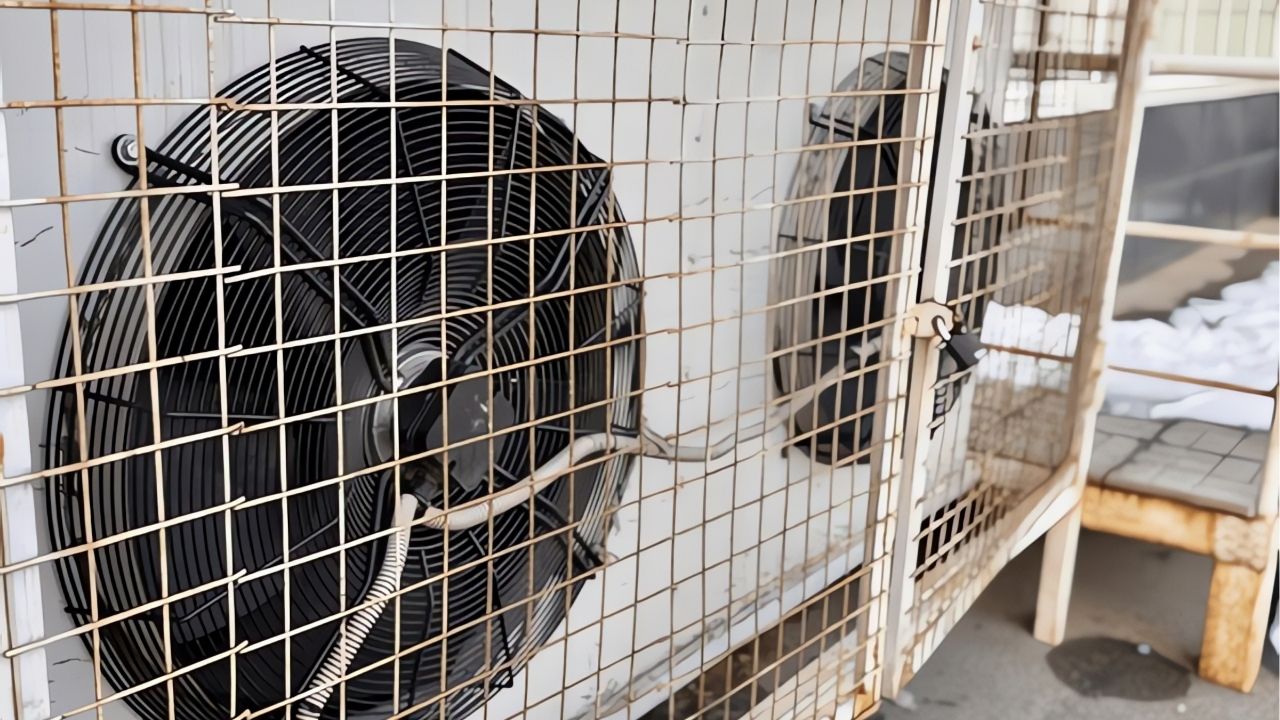
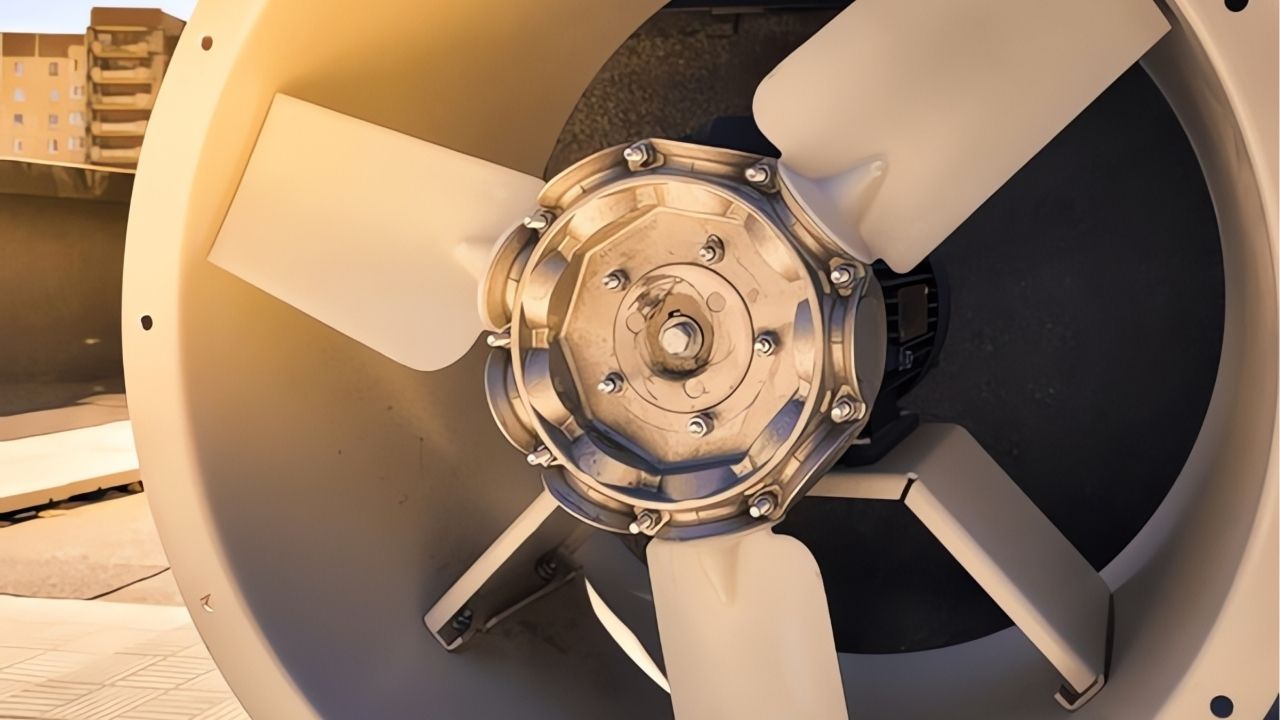
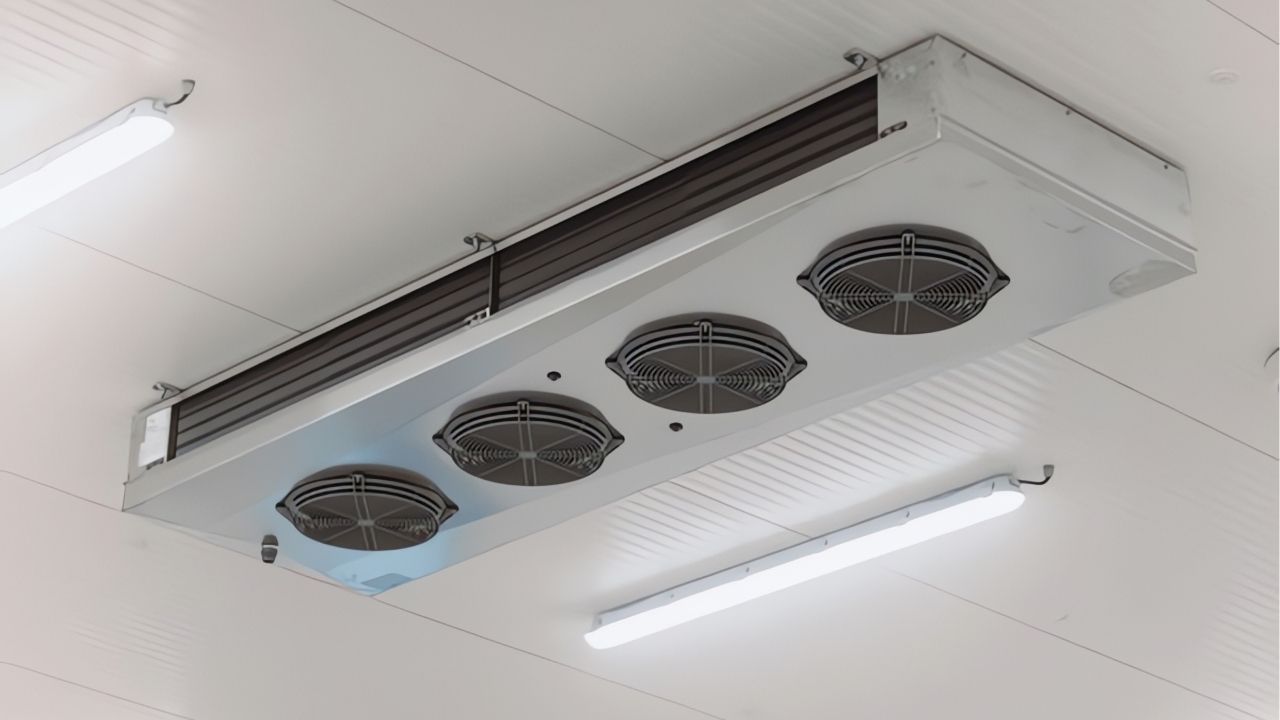
Required airflow, motor efficiency and evaporator placement should be considered together when selecting a fan. A suitable fan helps deliver the needed airflow while limiting unnecessary electricity use.
The defrost method and fan specifications depend on room temperature, humidity and operating pattern. Their effect on operating costs varies by project, so selection should be assessed using the project's technical data.
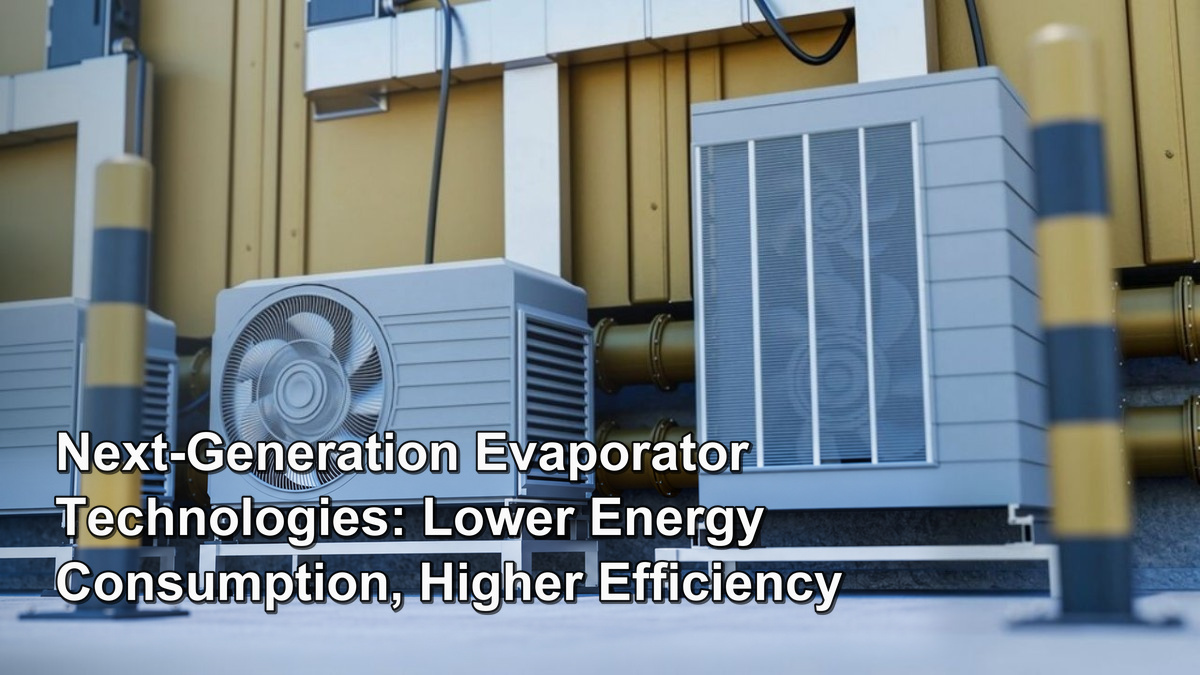
The first benefit of advanced evaporator designs is the potential to deliver the same capacity more efficiently. Improving the heat transfer surface, airflow and refrigerant distribution together can reduce unnecessary compressor running.
The second benefit is operating reliability. Fin spacing suited to frost, corrosion-resistant materials and accessible components help reduce failure and maintenance time. This reliability is especially valuable in food sector applications where temperature control is important.
The third benefit is fit to the application. A made-to-measure production option can provide a solution for facility layouts and capacity needs that a standard product does not fit. The size of these benefits varies with the project.
The first step in improving performance is correct sizing. An evaporator with insufficient capacity cannot hold the temperature, while an oversized one may operate inefficiently at low load. Once the project data is determined correctly, the suitable model must be selected.
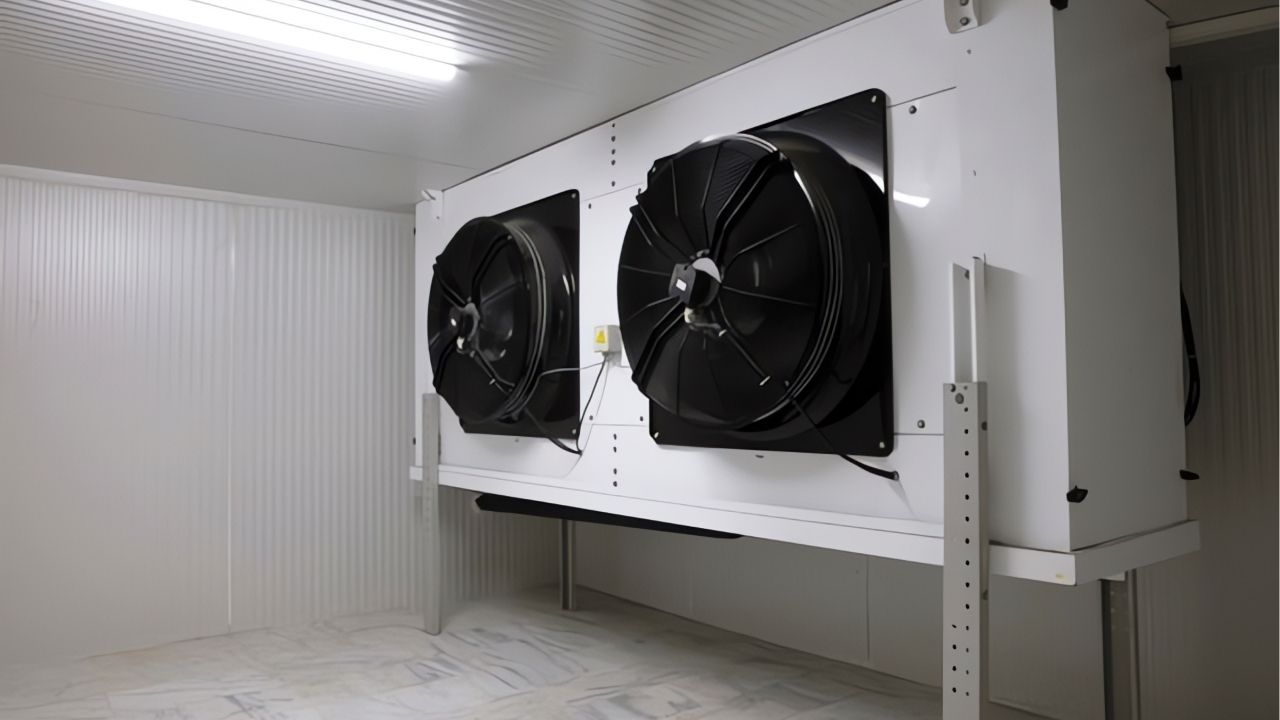
The second step is managing airflow correctly. The evaporator's placement in the room, air throw distance and fan configuration ensure that temperature is distributed evenly in the room. Poor placement can prevent the evaporator from using its full capacity and cause warm zones in the room.
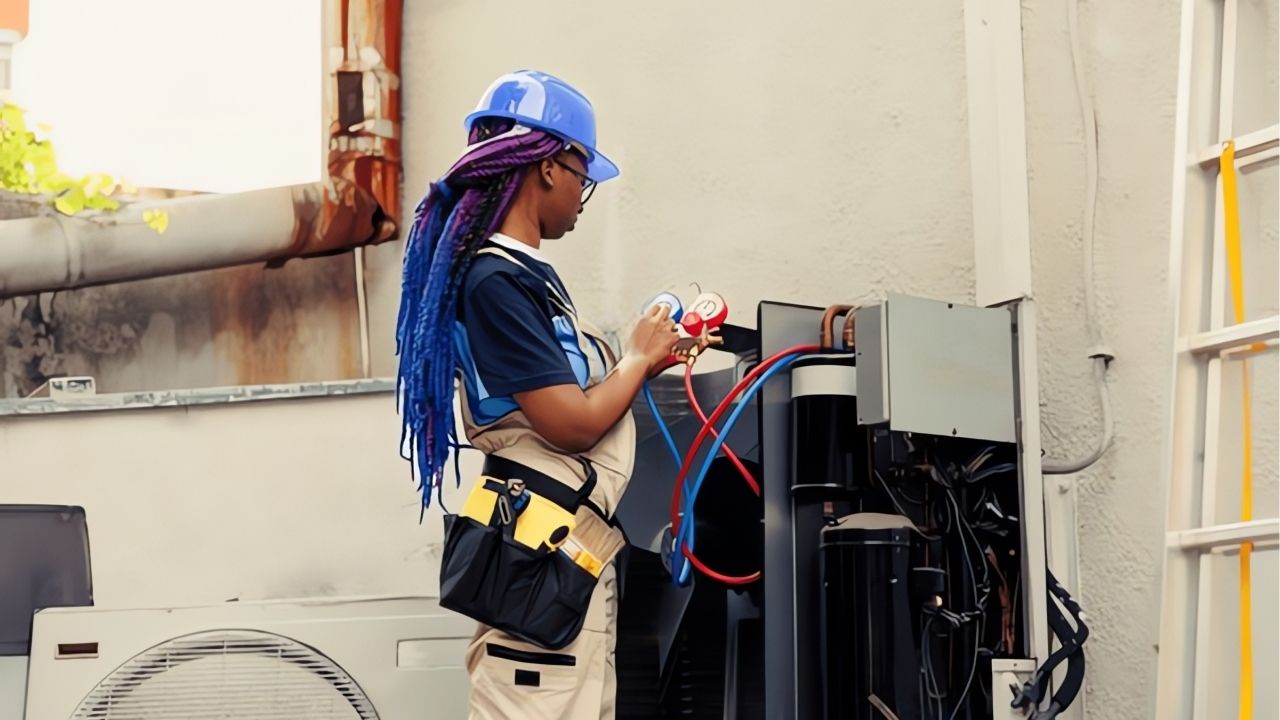
The third step is regular maintenance and correct defrost settings. Keeping the fin surface clean, checking the fan and motor, and adjusting defrost duration and interval to the application preserve performance. These steps help the equipment deliver the expected capacity throughout its life.
Industrial evaporators wear over time because they run continuously. Problems such as corrosion on the fins, leak risk at tube connections, wear in fans and motors and failure of defrost elements can reduce performance. Replacement is considered for equipment whose maintenance cost is rising or whose capacity has become insufficient.
Renewal may also be needed when the facility's load changes: when the amount of stored product, the temperature requirement or the operating pattern differs, the existing evaporator may not suit the new need. In that case the capacity needs to be recalculated.
When deciding, the measured performance of the existing system, maintenance records and future capacity needs should be evaluated together. In areas such as the food sector, where the risk of product loss is high, planned renewal carries less risk than an unplanned failure.
To reduce the energy bill, you must first understand where consumption occurs. The compressor, fans and defrost are the main consumption items in a cooling system. Decisions taken without measurement may not give the expected result.
Consumption can then be reduced with a correctly sized evaporator, efficient fan selection, a suitable defrost arrangement and clean heat transfer surfaces. On the condenser side too, a clean surface and suitable airflow contribute to the overall efficiency of the system.
The saving achieved depends on the condition of the existing system and operating conditions. This article does not promise any specific percentage; you can contact our technical team for a realistic assessment for your facility.
The first point to watch is the operating condition at which the capacity value is given. If conditions such as room temperature, evaporating temperature and refrigerant differ, capacities cannot be compared directly. The value at your own project conditions should be the basis of selection.
The second point is a construction suited to the application: fin spacing, material and coating, defrost method and fan configuration. In humid, low-temperature or corrosive environments, these choices determine the equipment's life and performance. In food sector applications, hygiene and ease of cleaning are also important.
The third point is maintenance and technical support. Easy access to components, spare parts and contact with the technical team make the operating process easier. A made-to-measure production option can also be considered if necessary.

Fill out the form to discover the most suitable high-end products for your projects. Contact Us Now.
Fill out the form now not to miss our special offers for you! The latest discover our products and innovations.
Fill out the form now not to miss our special offers for you! The latest discover our products and innovations.
Notification Centre 00:00