

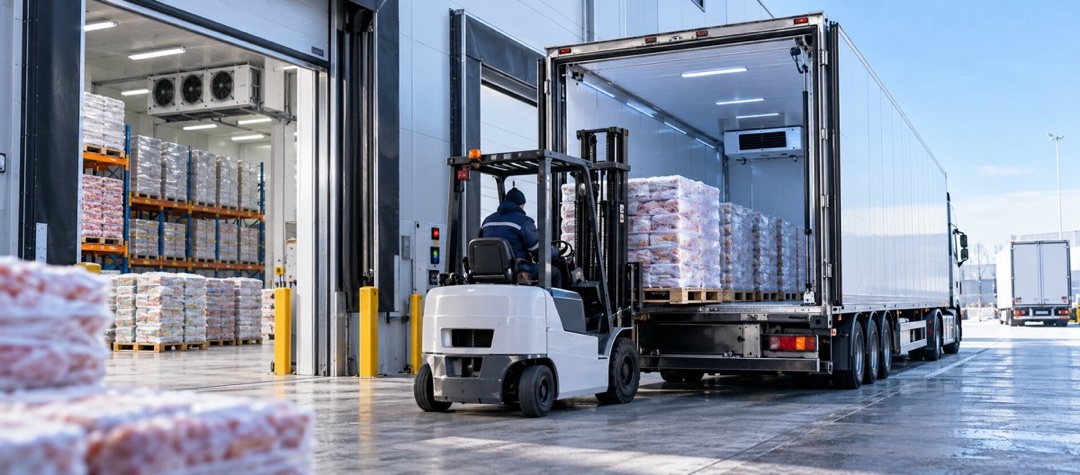
Maintaining the cold chain in frozen food logistics requires holding a defined temperature range without interruption across every stage a product passes through, from production to the final consumer. Even a brief temperature deviation at any link in the chain can cause irreversible changes in product texture, nutrient loss, and microbiological risks. The sections below cover the critical control points in the cold chain, the precautions needed during storage, how to manage the loading and unloading process, maintaining continuity during transport, the role of temperature monitoring systems, and the equipment decisions that help prevent a break in the chain. Reach out to our team for an assessment tailored to your logistics process.
Table Of Contents
- What Are The Critical Control Points In The Frozen Food Cold Chain?
- How Is The Cold Chain Maintained During The Storage Stage?
- How Can Temperature Deviation Be Prevented During Loading And Unloading?
- How Is Cold Chain Continuity Maintained During Transport?
- Why Are Temperature Monitoring And Recording Systems Important?
- Which Equipment Decisions Help Prevent A Break In The Cold Chain?
- Frequently Asked Questions
What Are The Critical Control Points In The Frozen Food Cold Chain?
The frozen food cold chain is a multi-stage process starting at the production facility and extending through storage, loading, transport, unloading, and the point of sale. Every transition between stages can create a risk point where temperature control temporarily weakens. The moments of transition from production to storage, from storage to vehicle, and from vehicle to point of sale stand out as the most critical control points in the chain.
The generally accepted target temperature for frozen products is -18°C or below; however, even brief temperature fluctuations can cause ice crystal recrystallization within the product, negatively affecting texture quality. This risk makes monitoring and keeping temperature under control at every stage transition necessary.
How Is The Cold Chain Maintained During The Storage Stage?
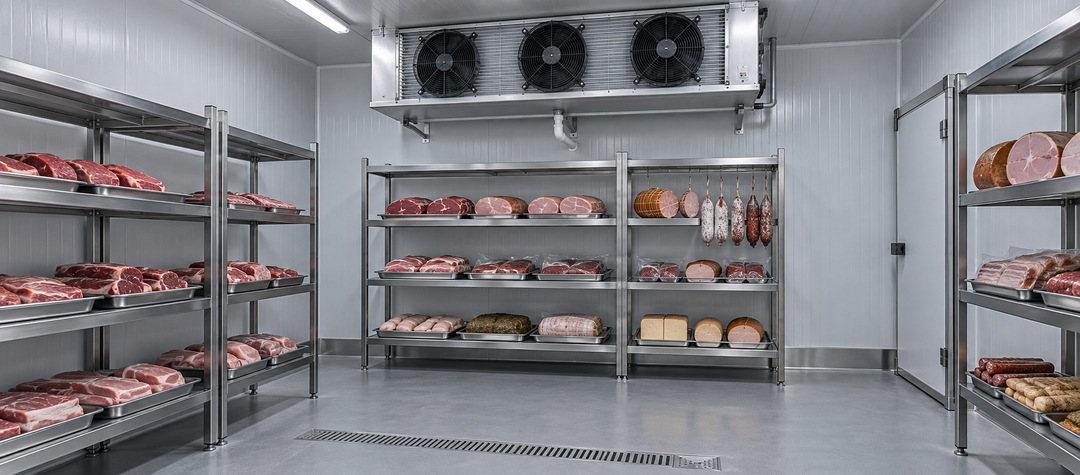
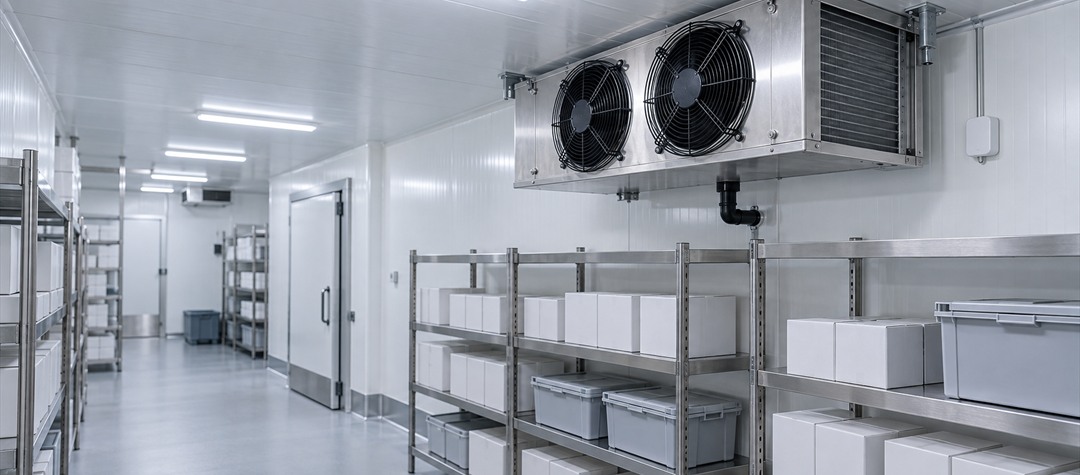
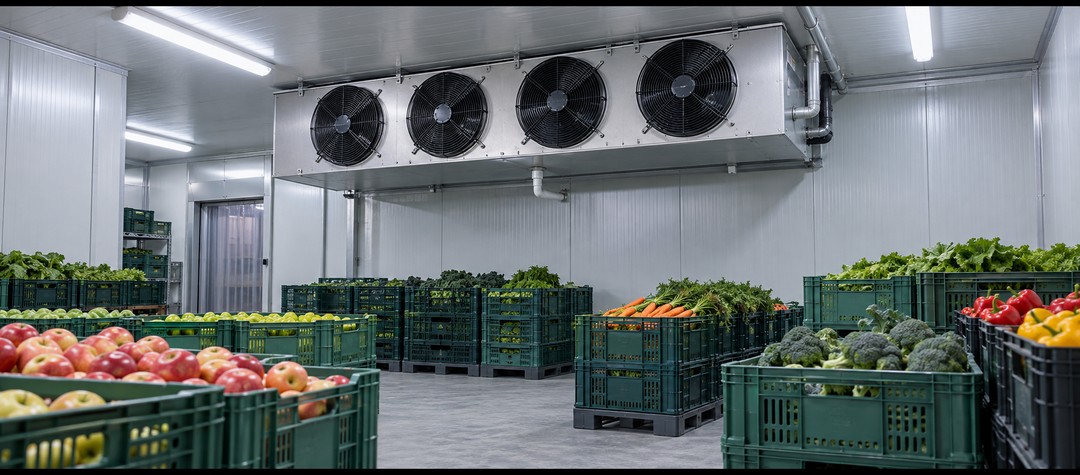
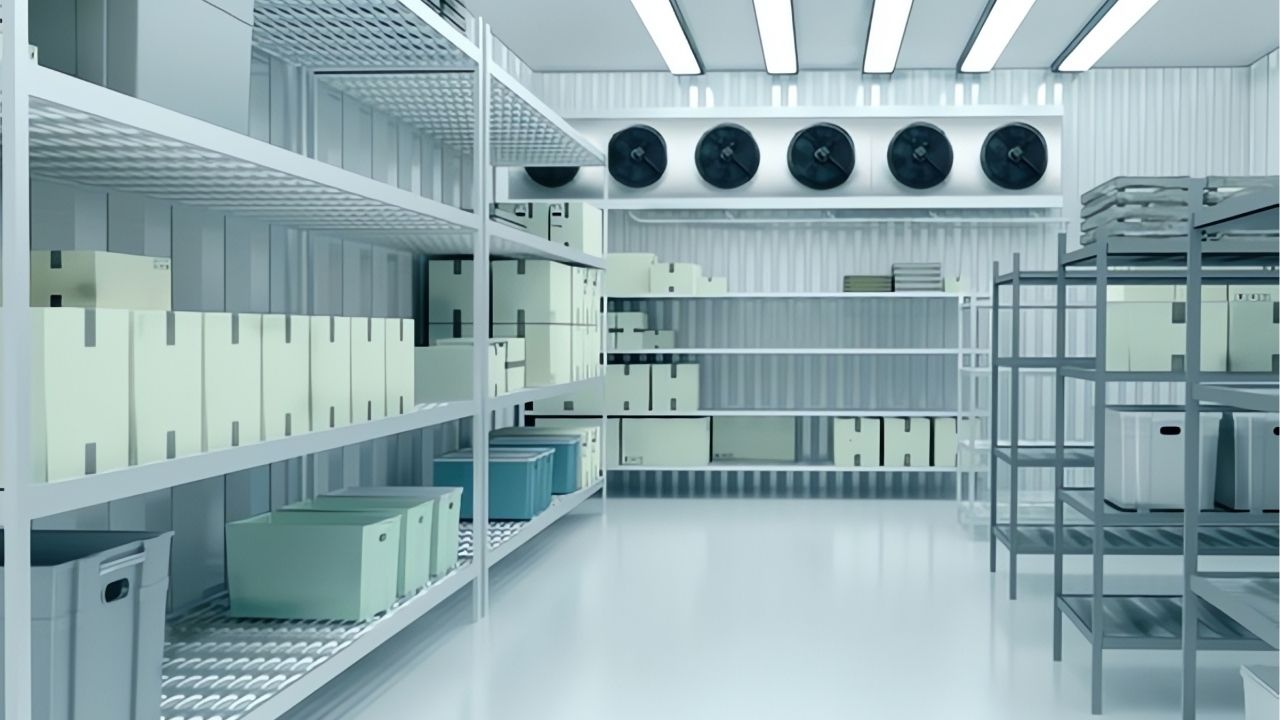
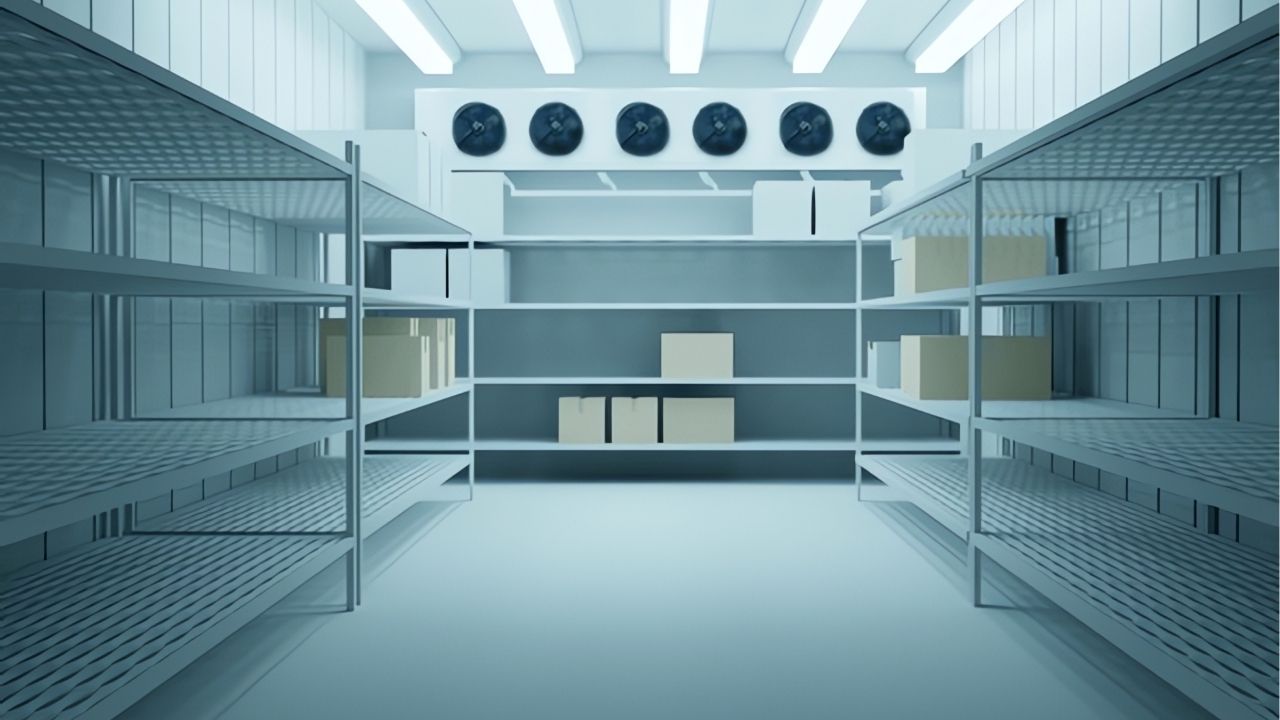
The following elements are worth evaluating to maintain the cold chain during the storage stage:
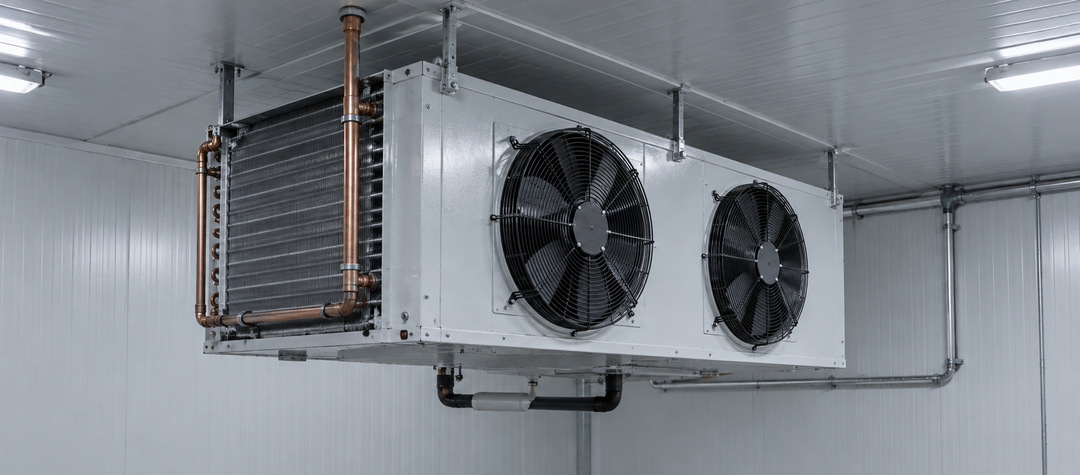
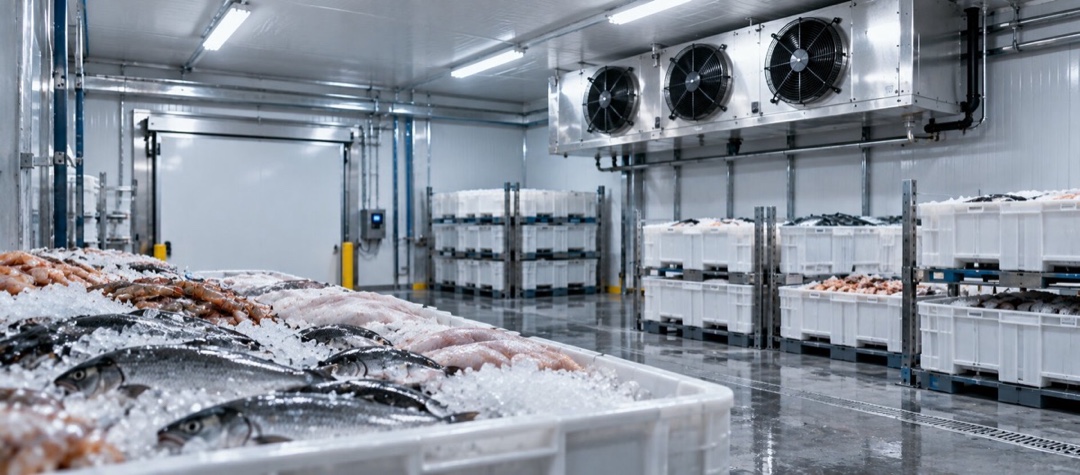
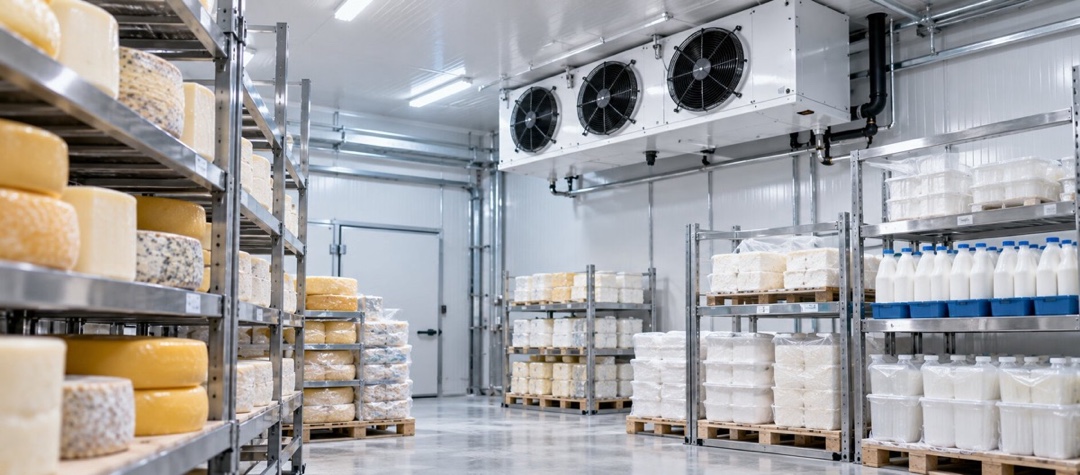
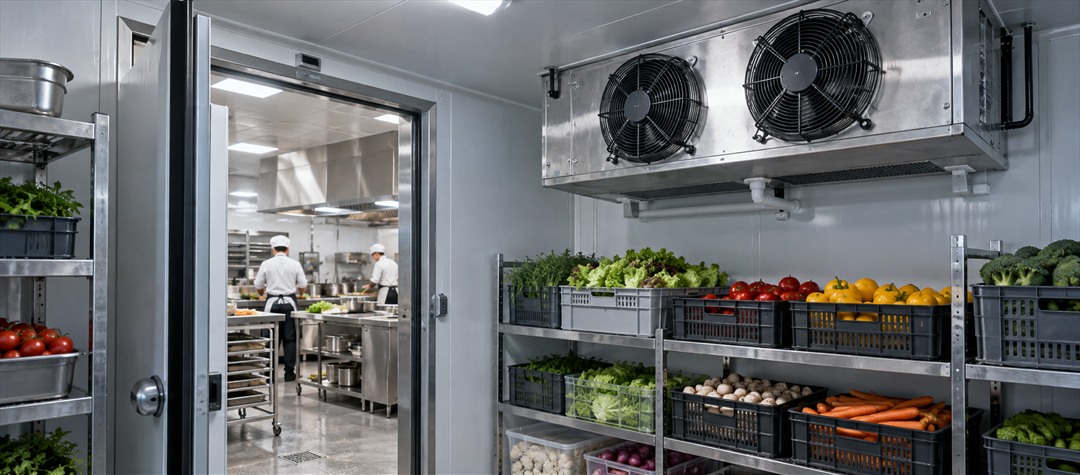
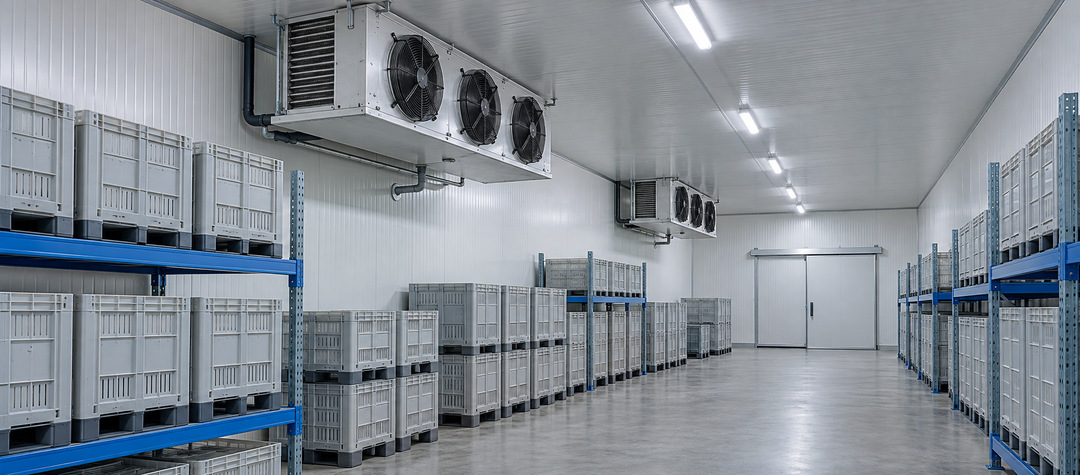
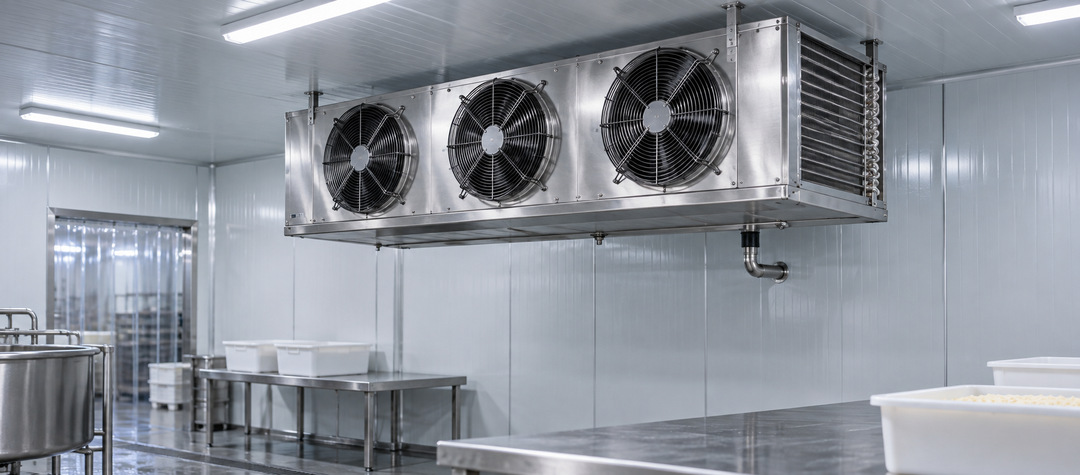
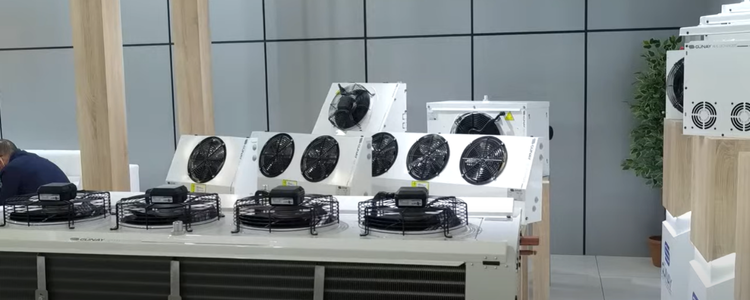
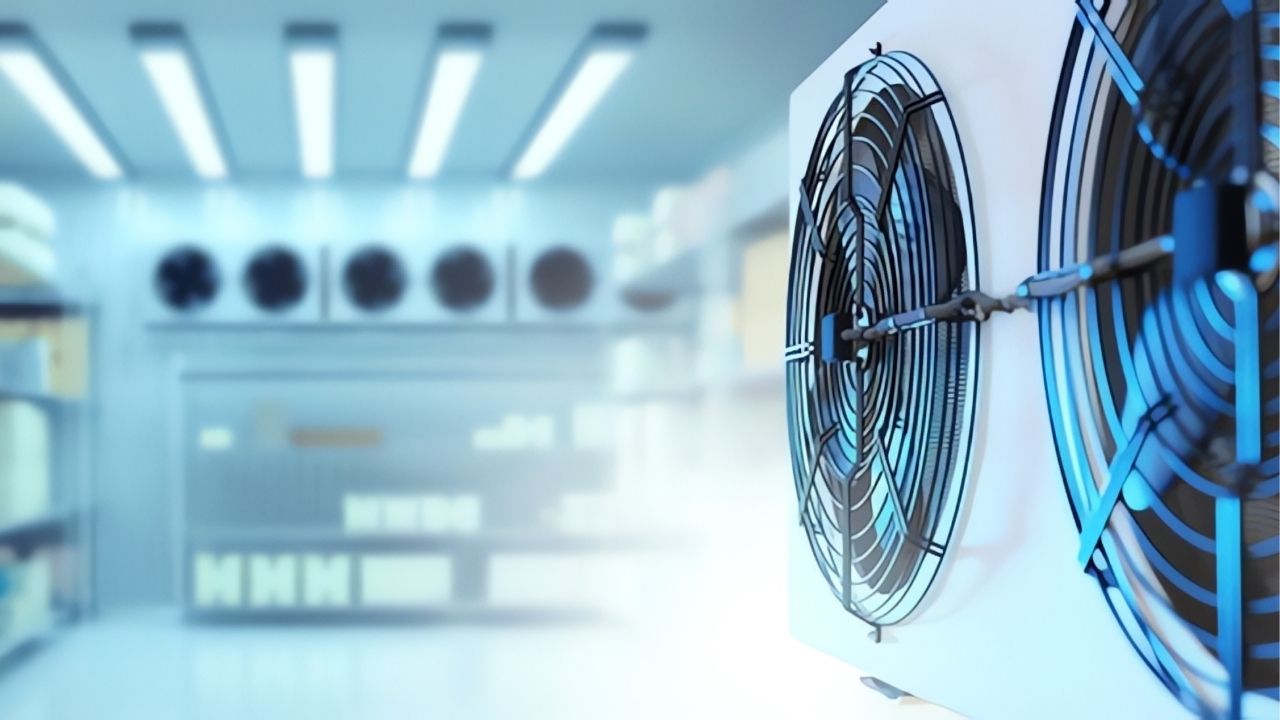
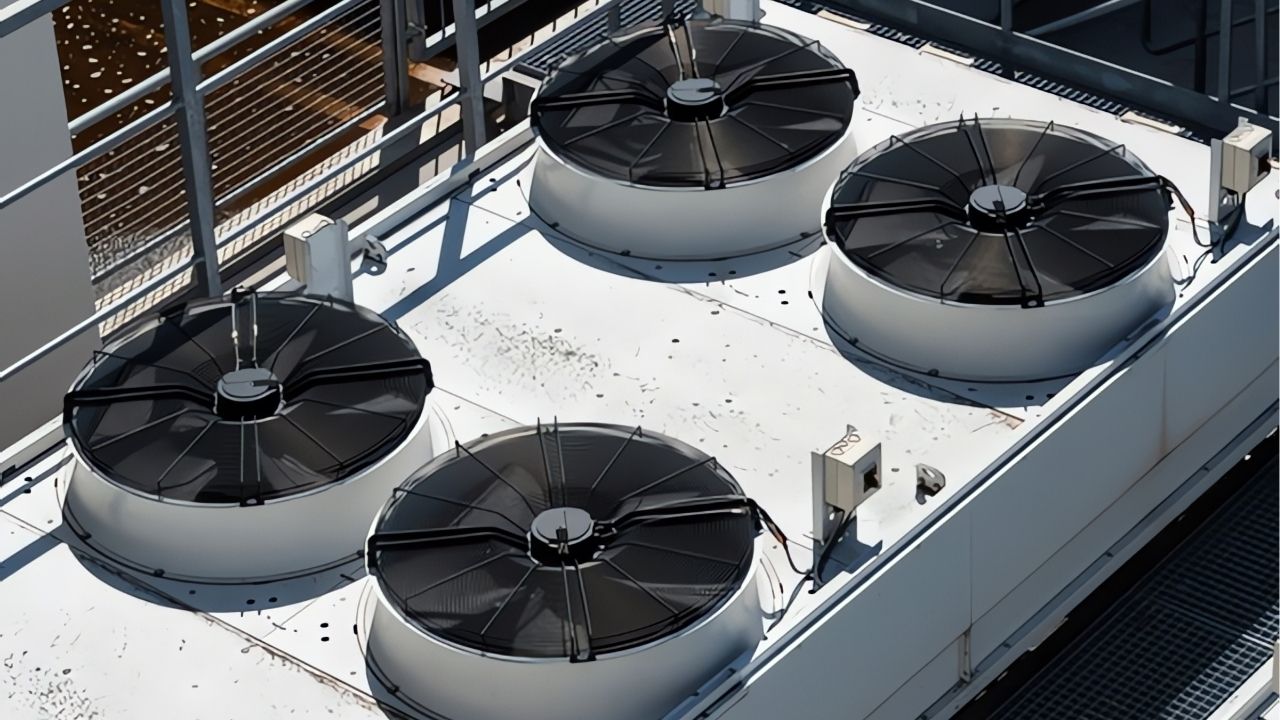
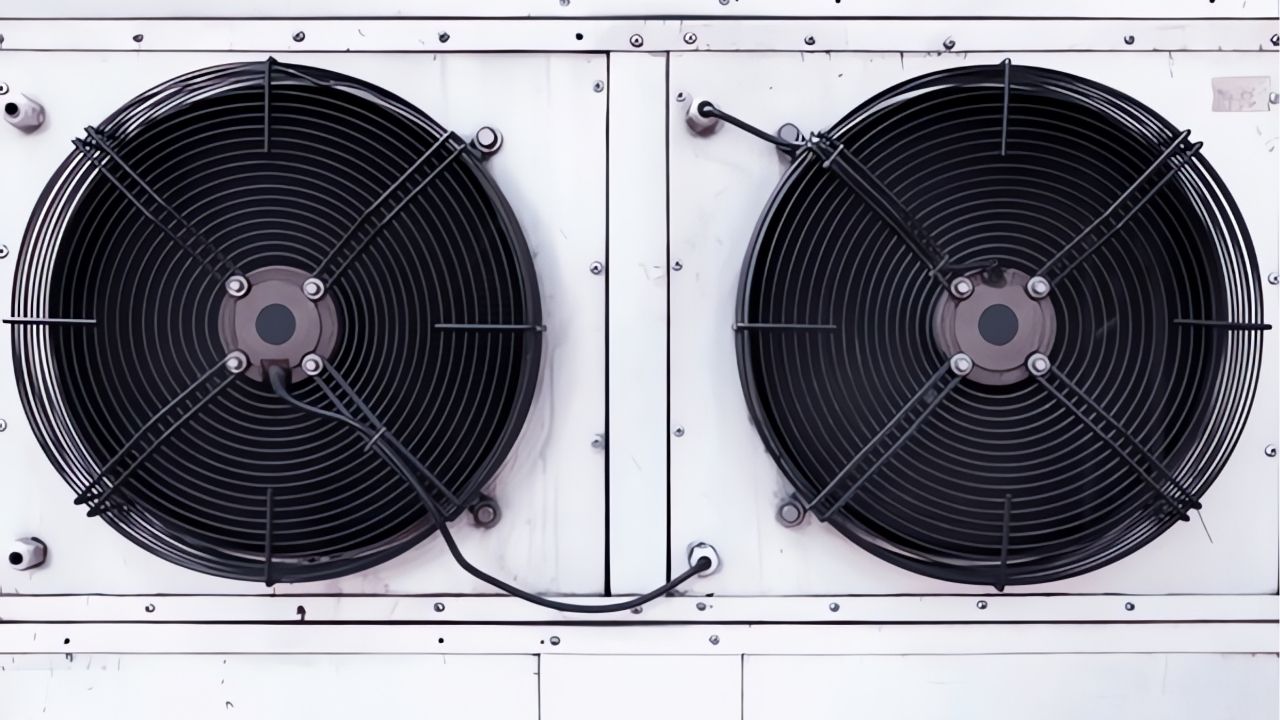
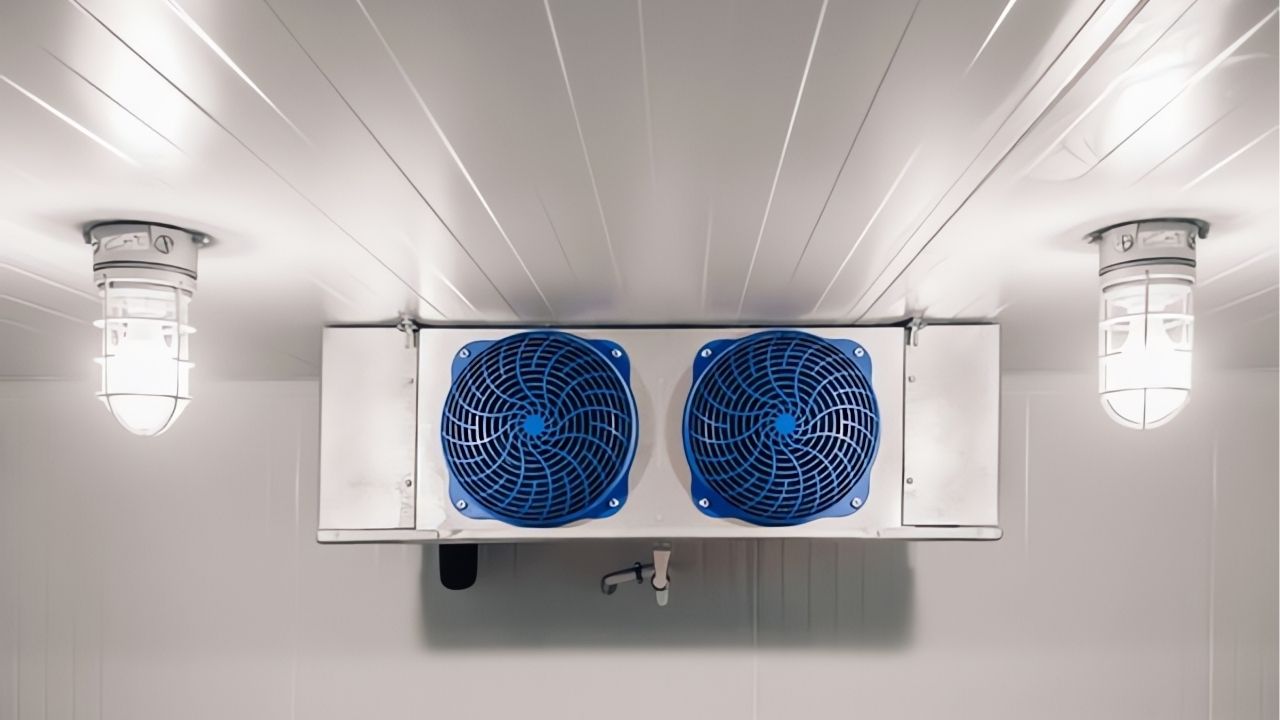
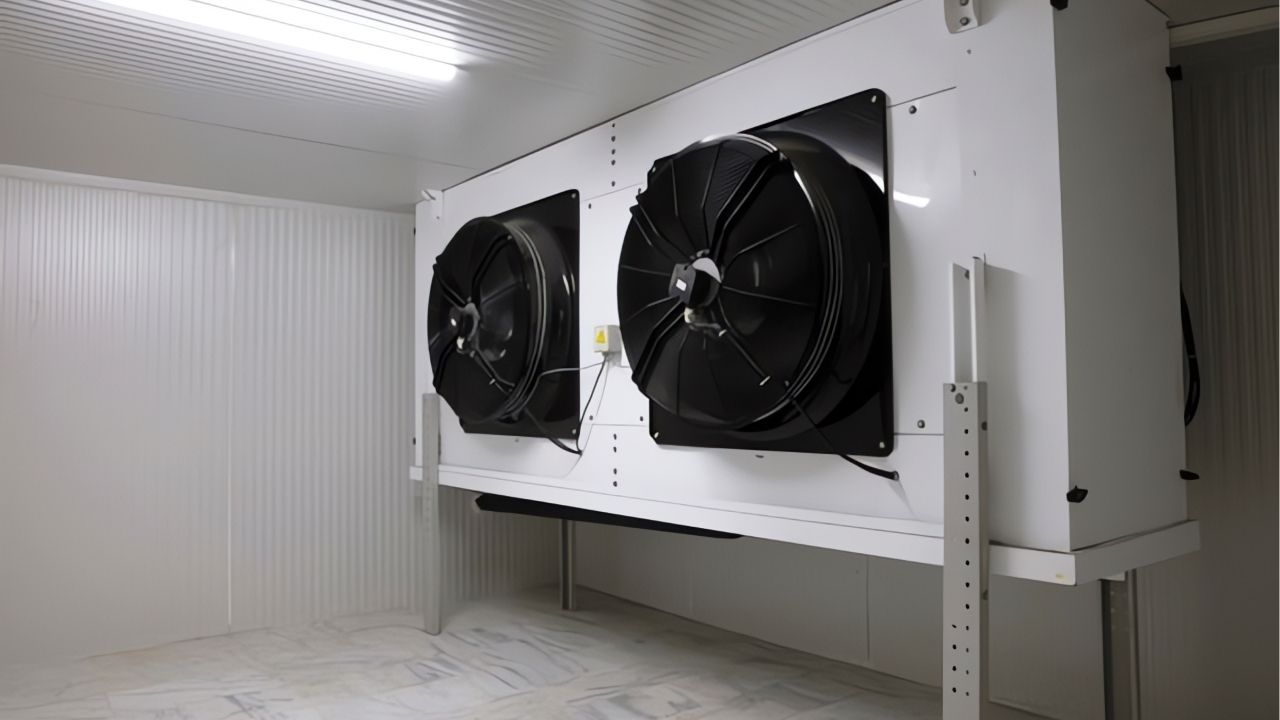
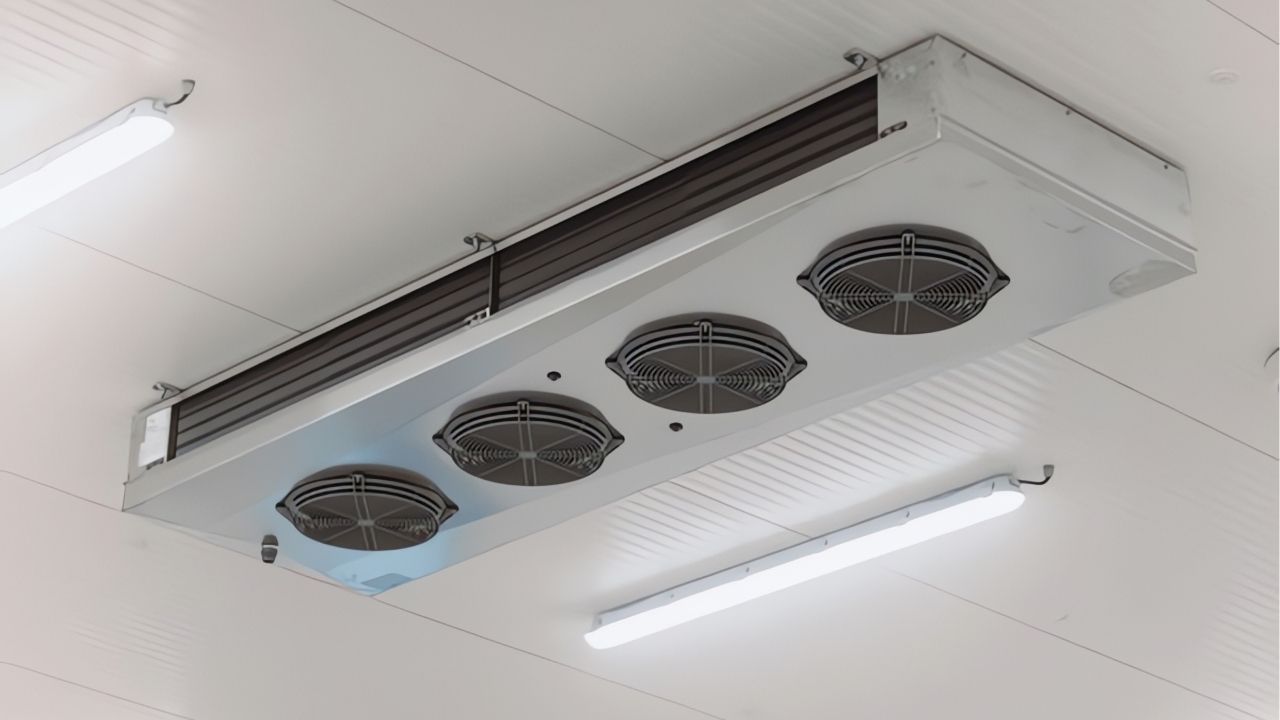
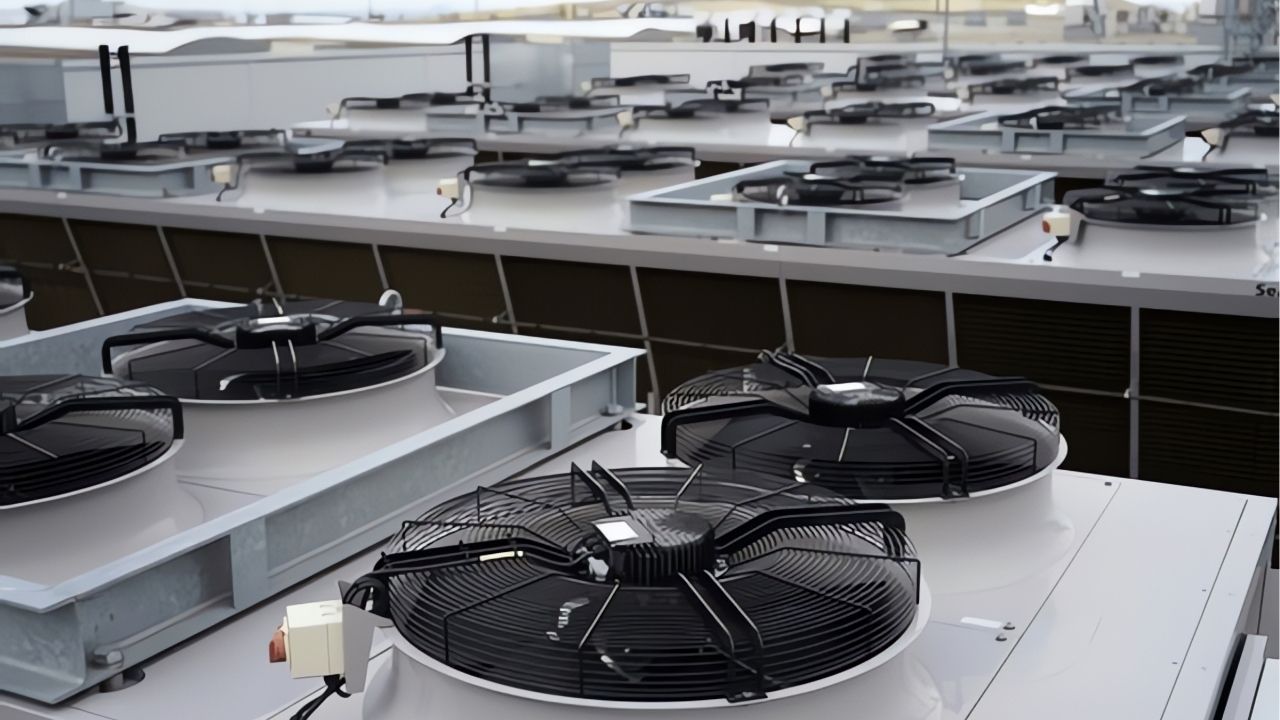
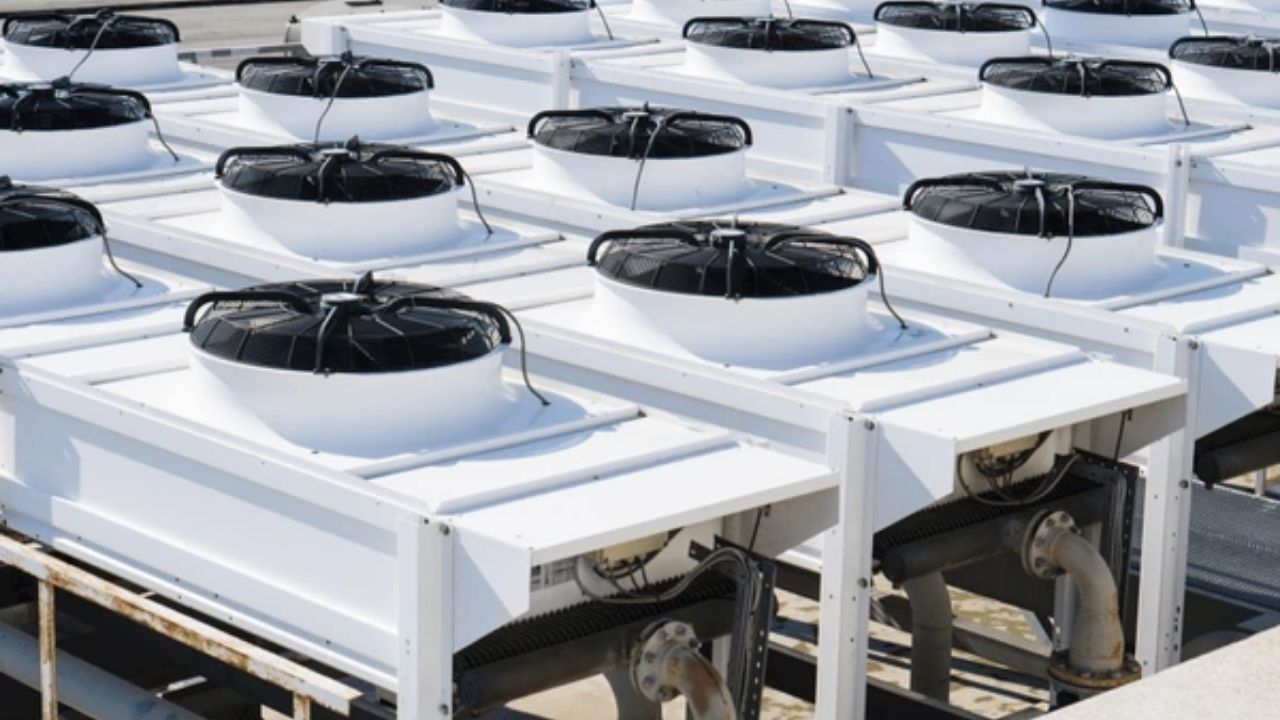
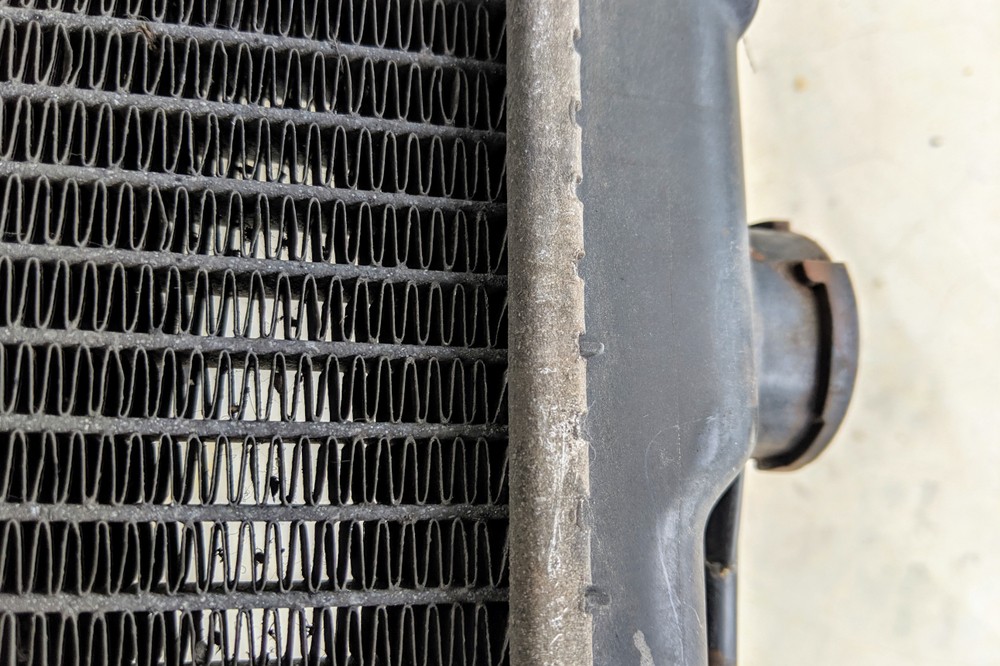
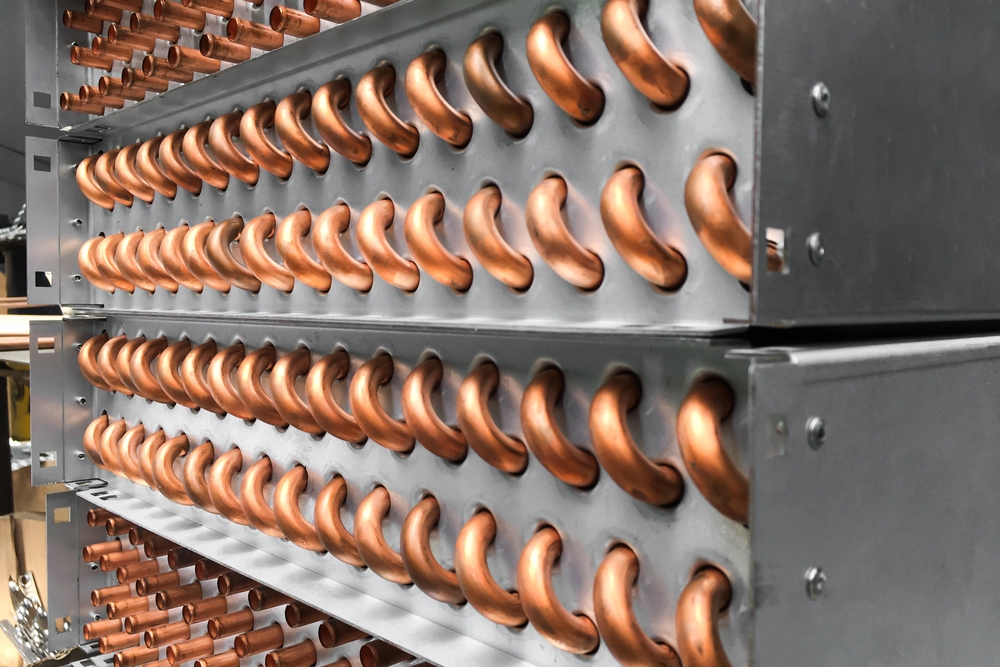
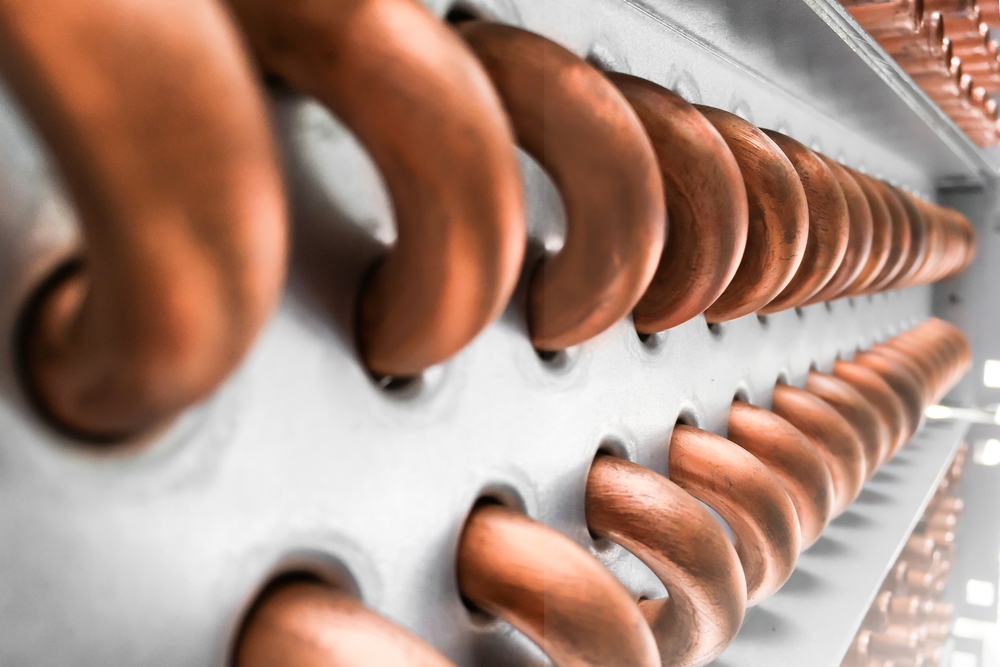
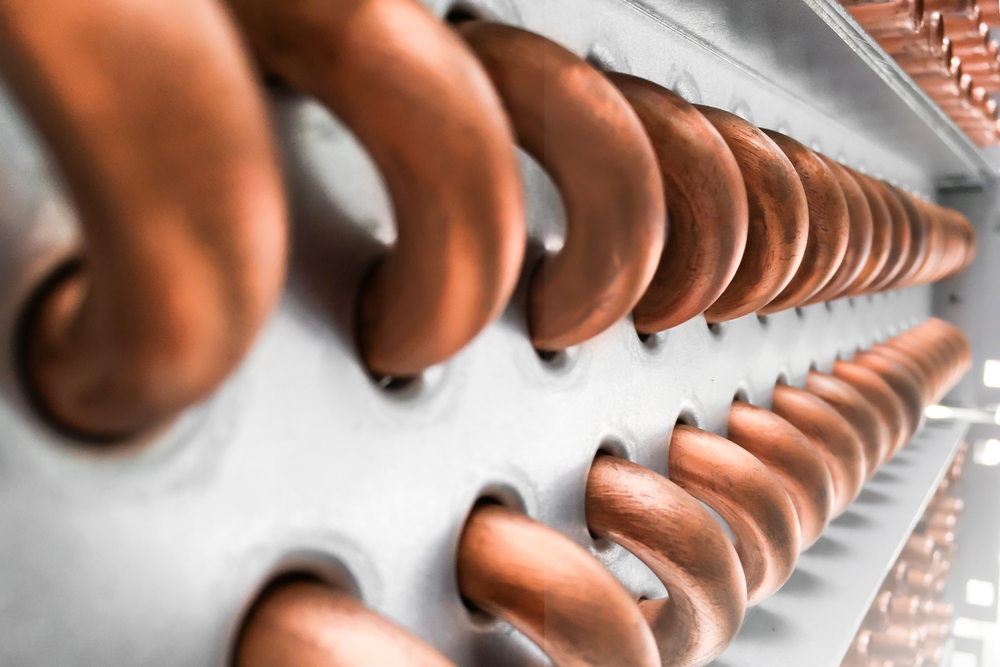
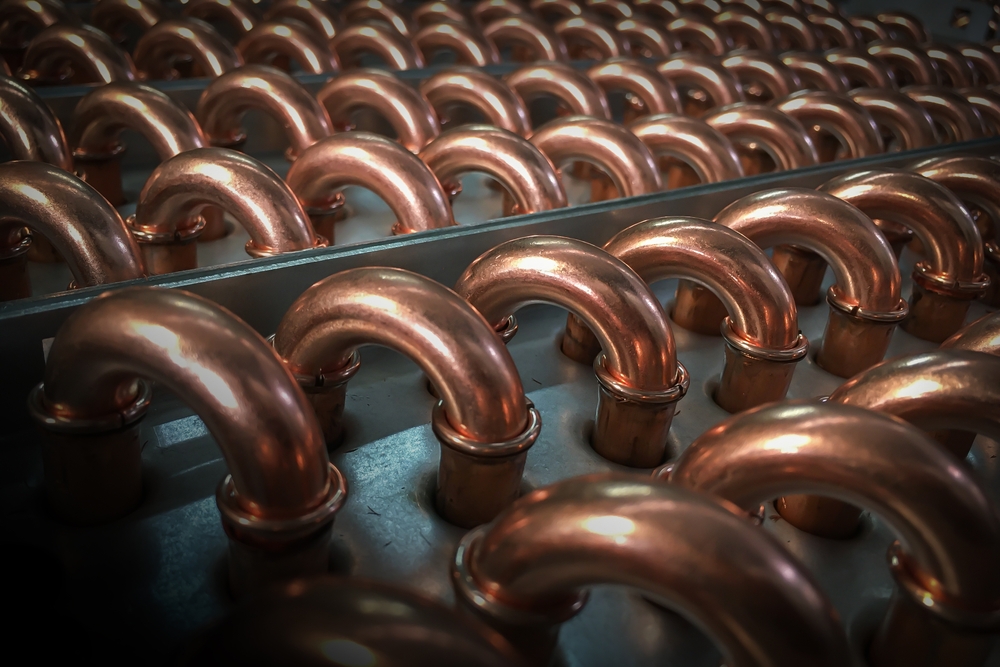
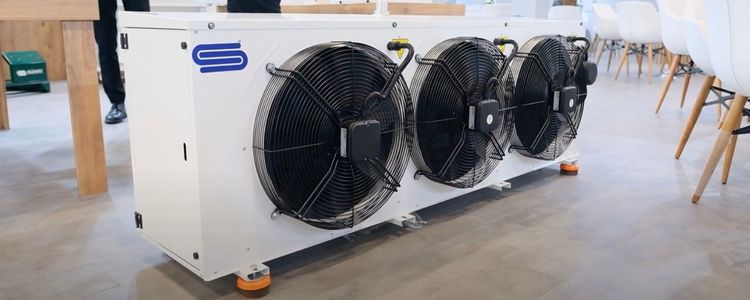
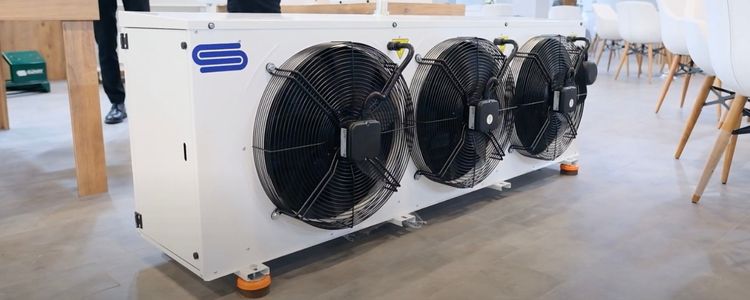
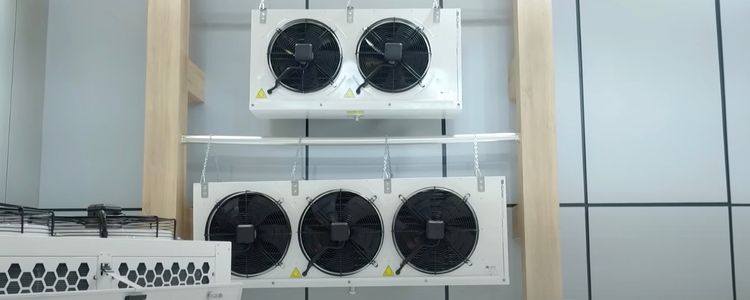
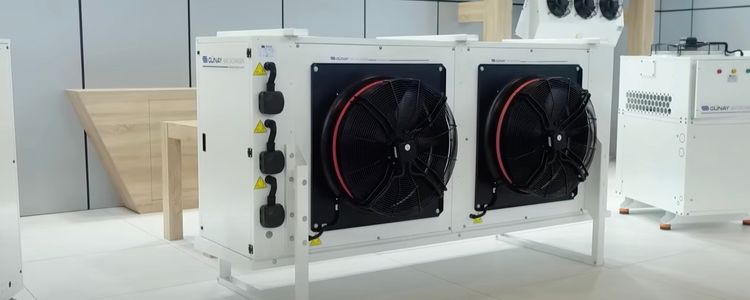
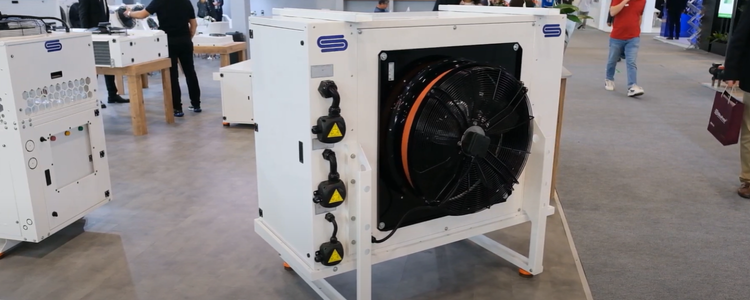
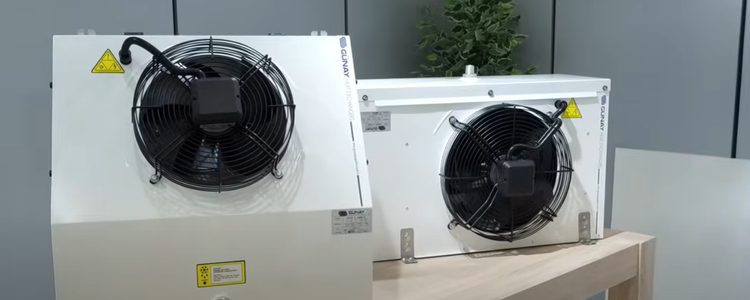
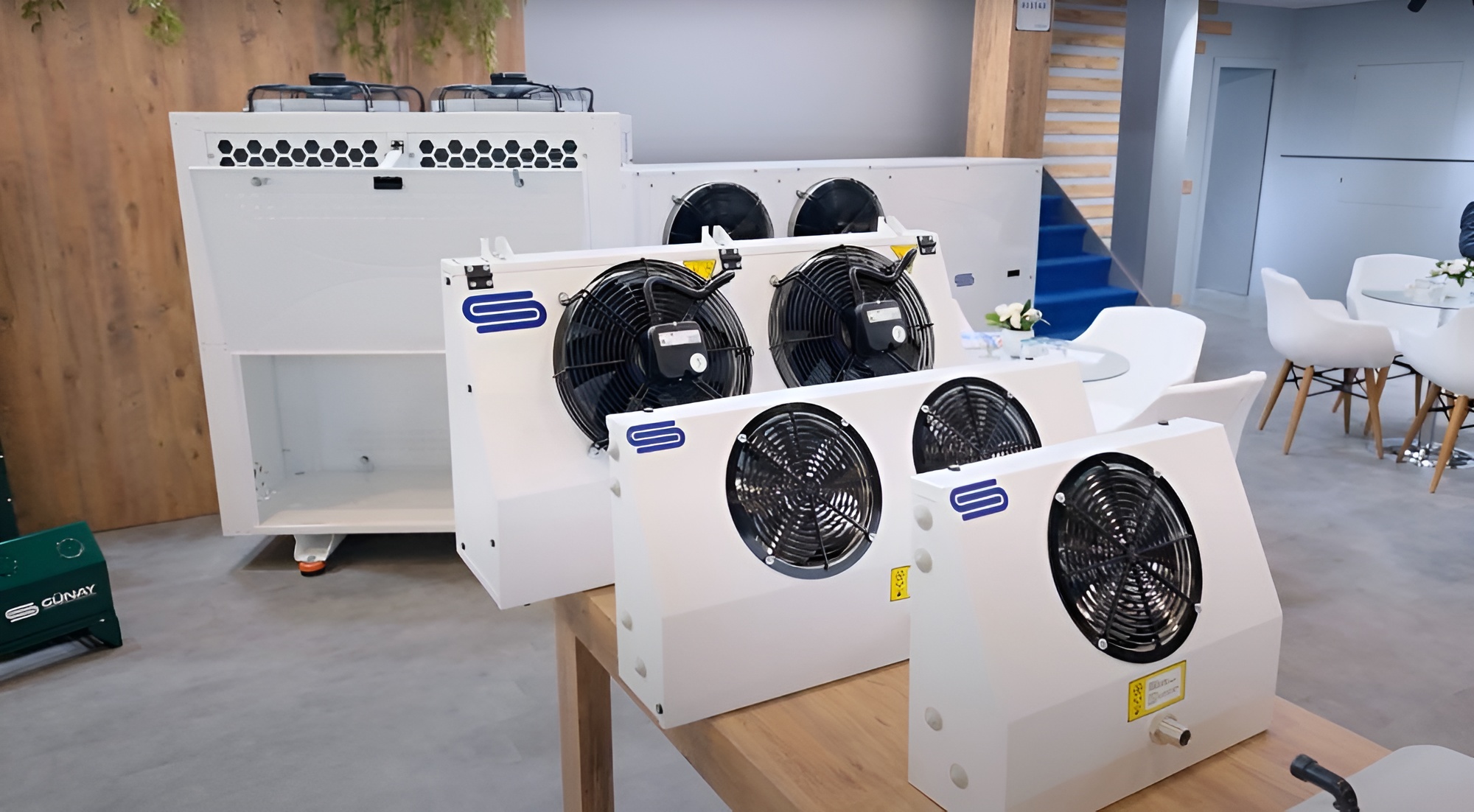
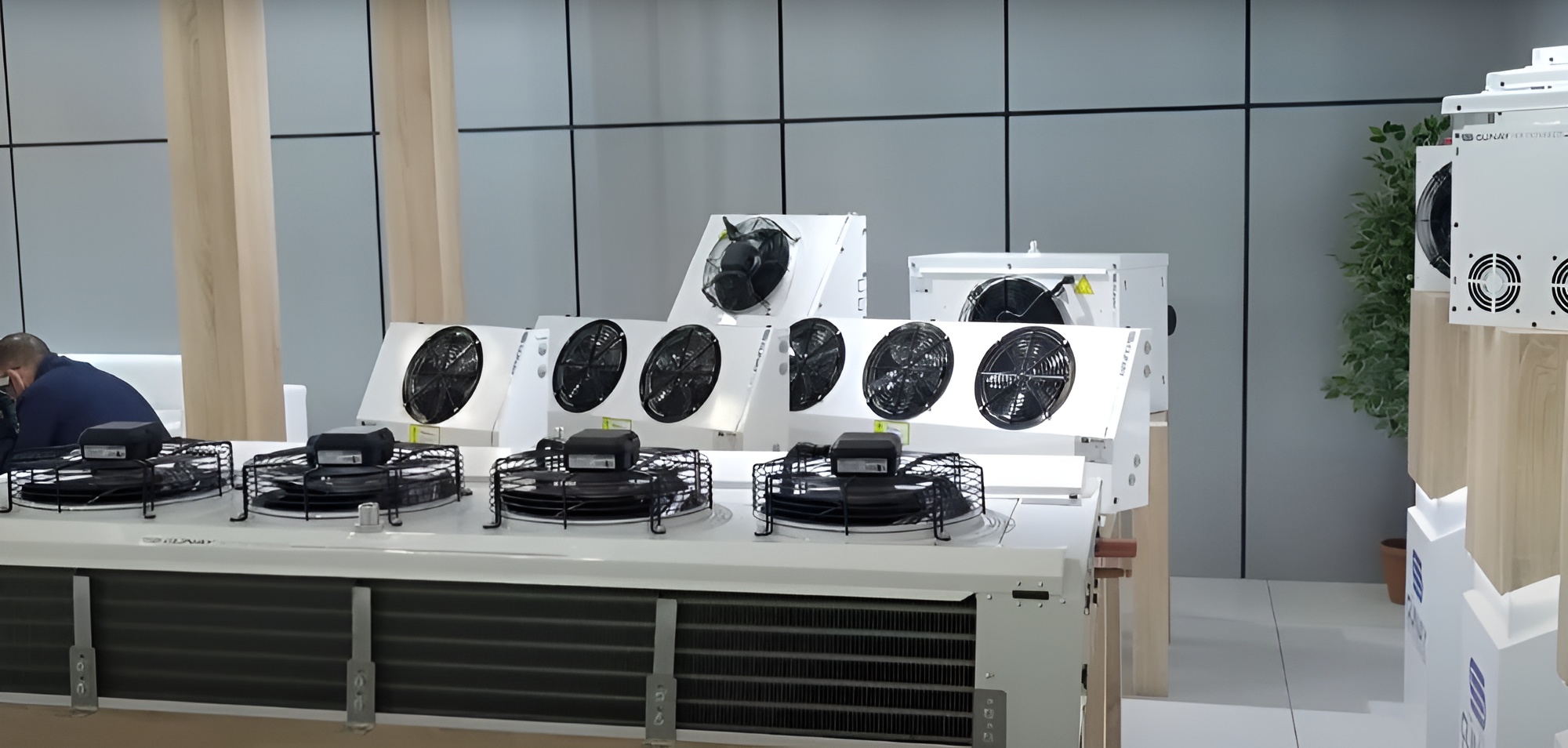
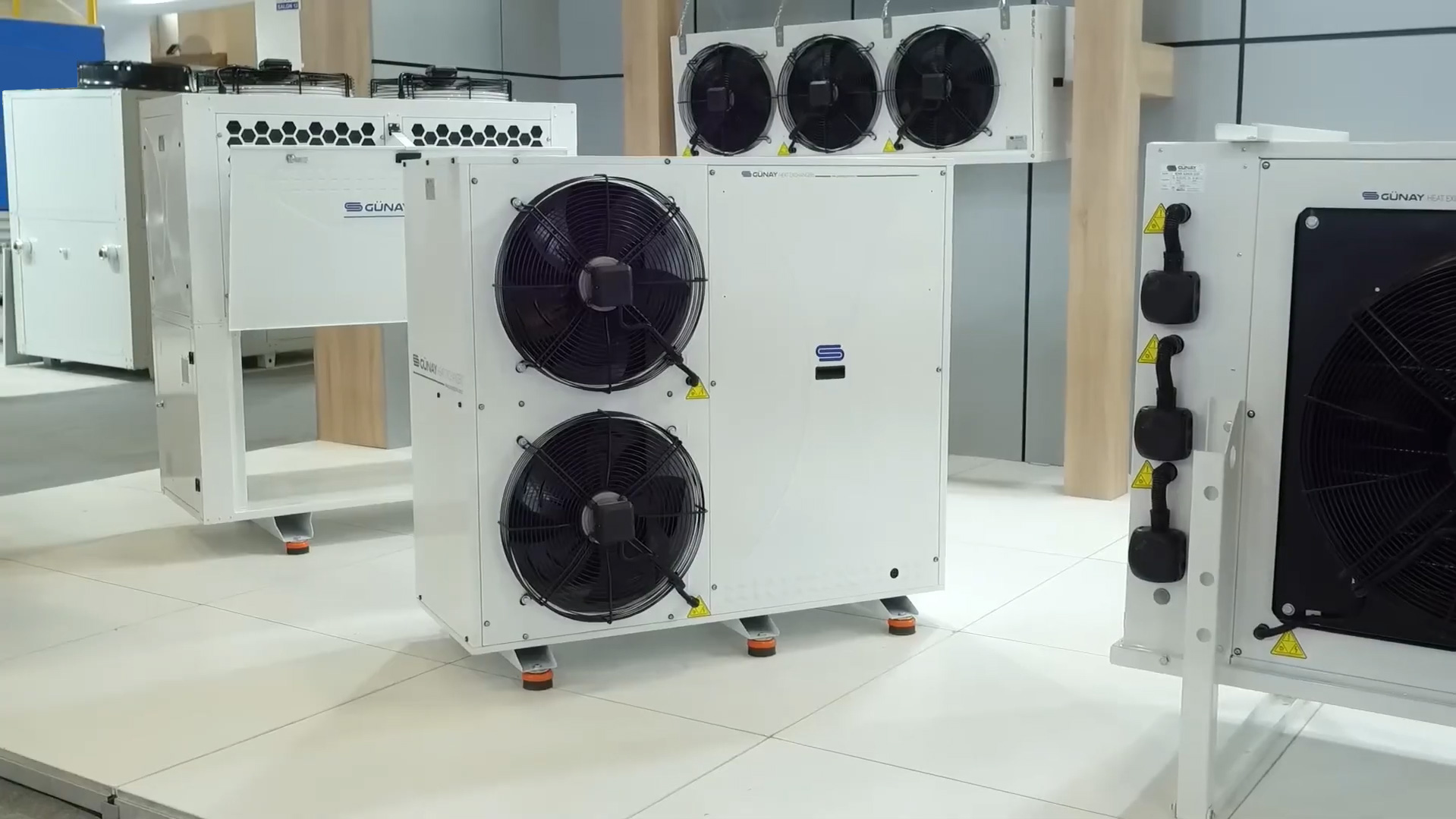
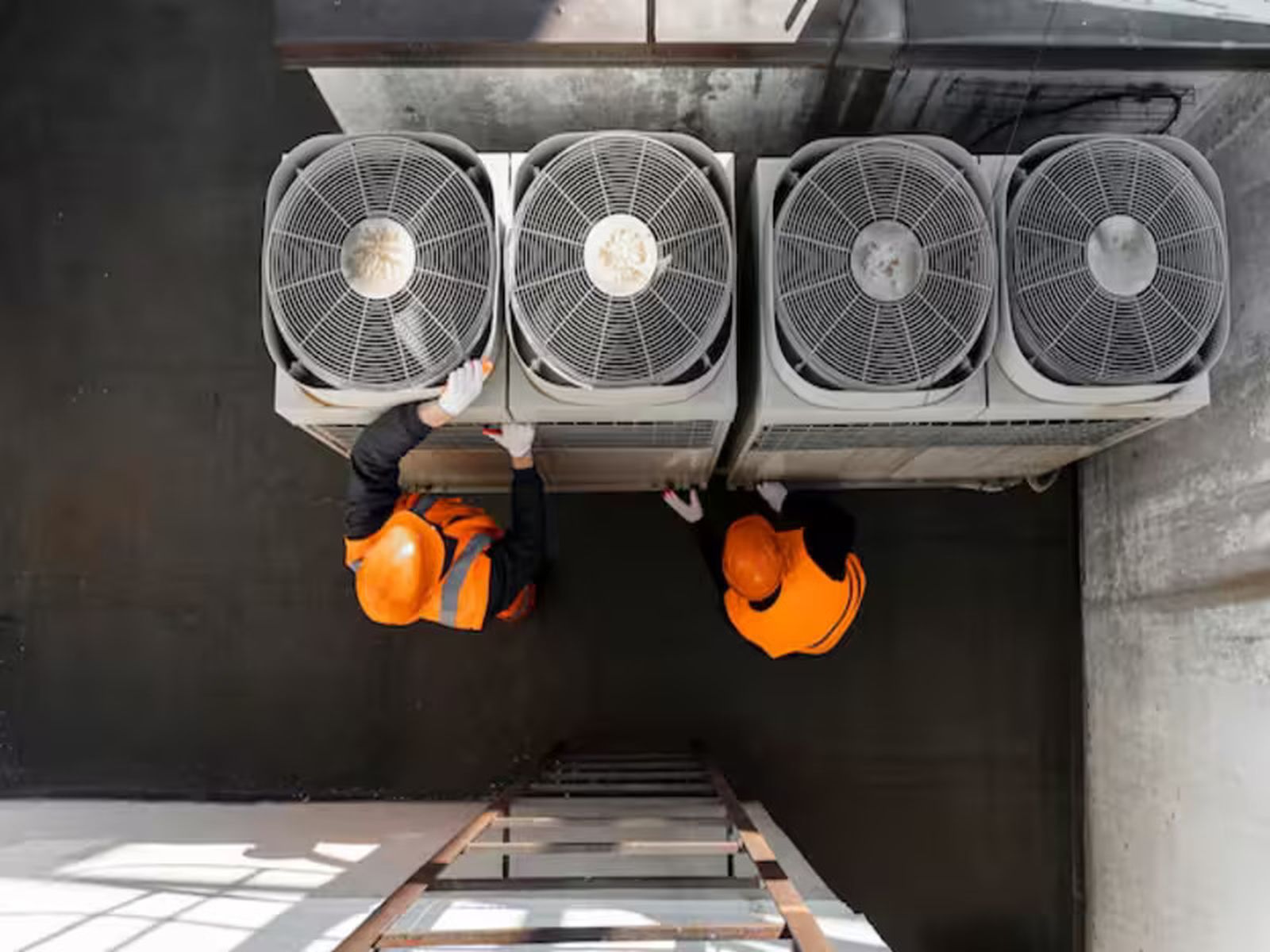
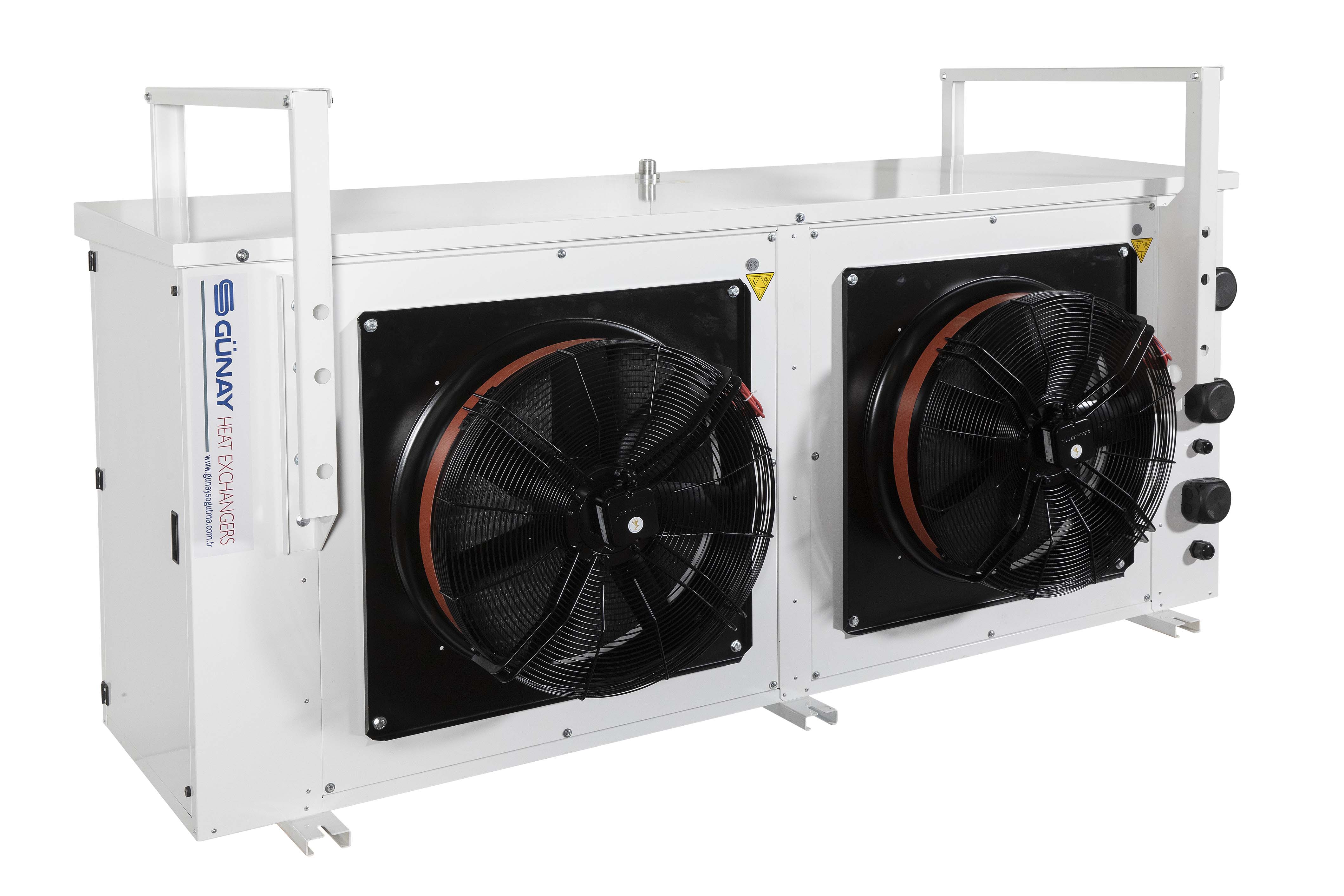
- Evaporator selection matched to capacity: An evaporator sized according to warehouse volume and product loading density supports temperature stability.
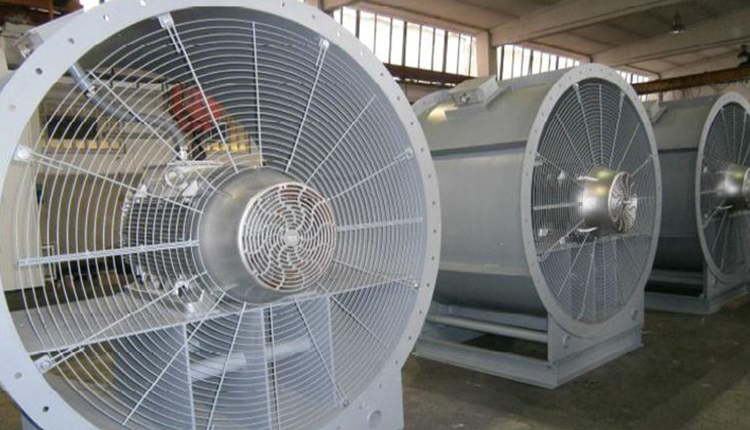
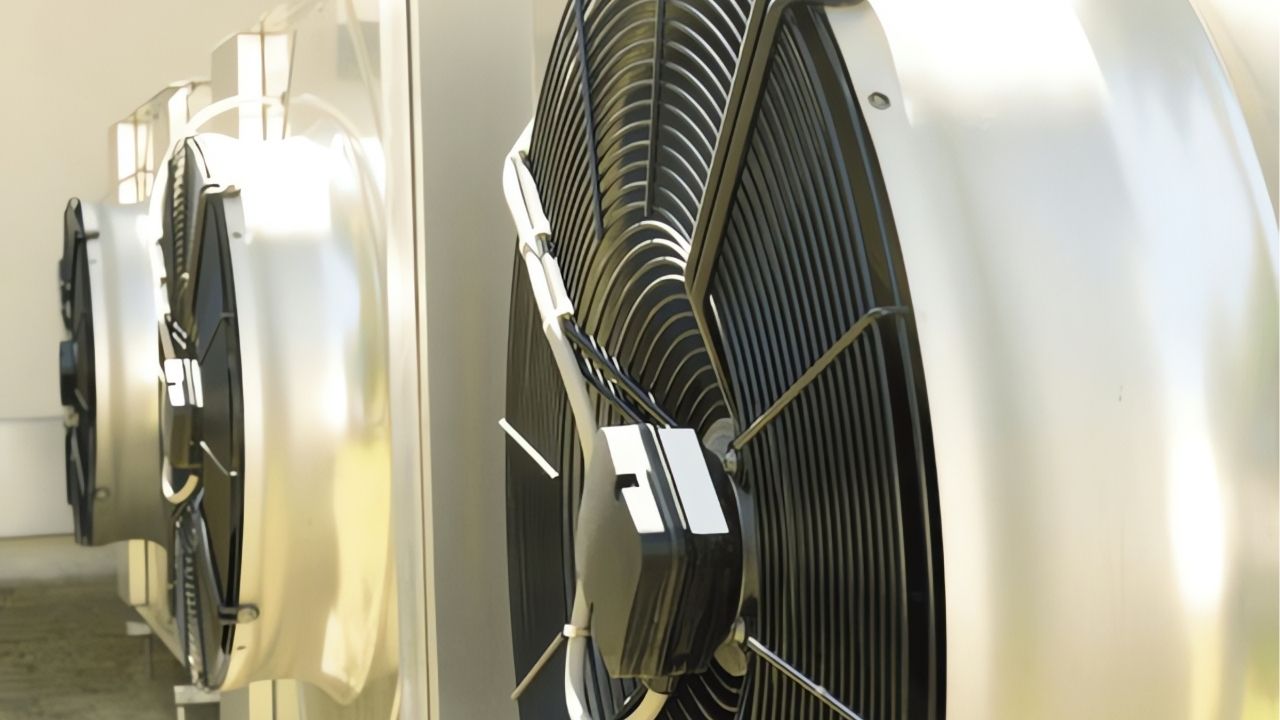
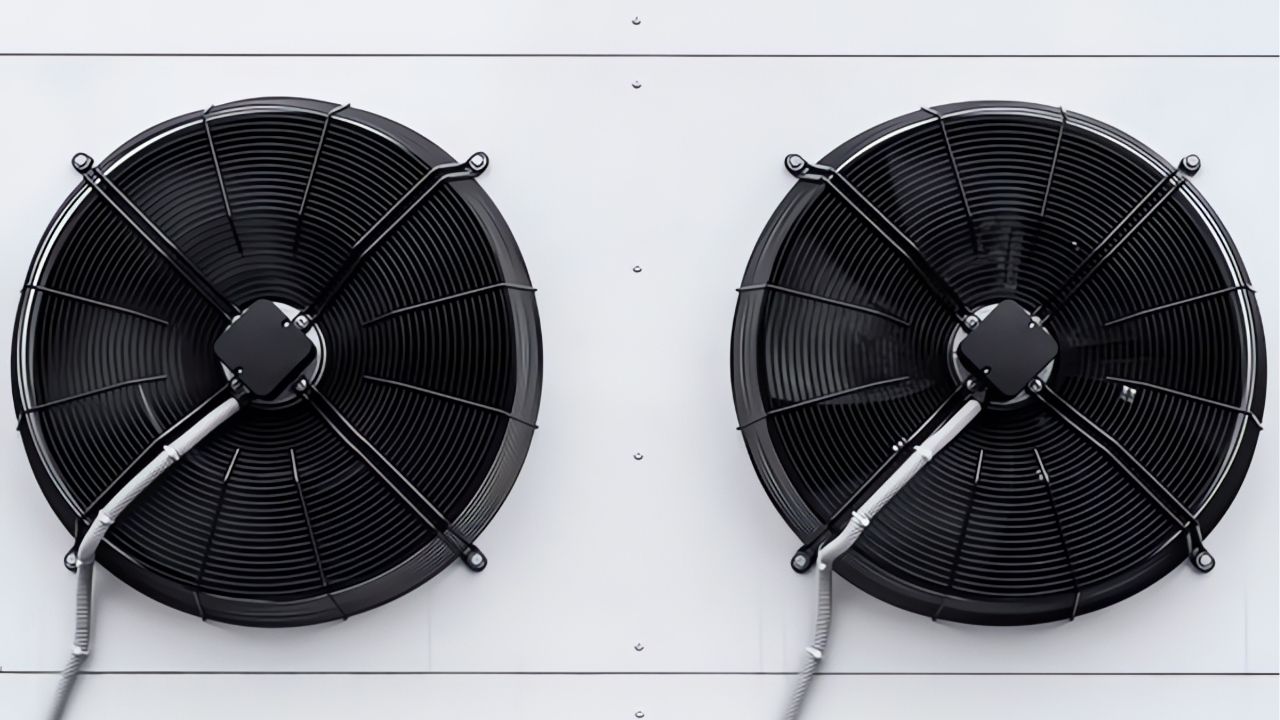
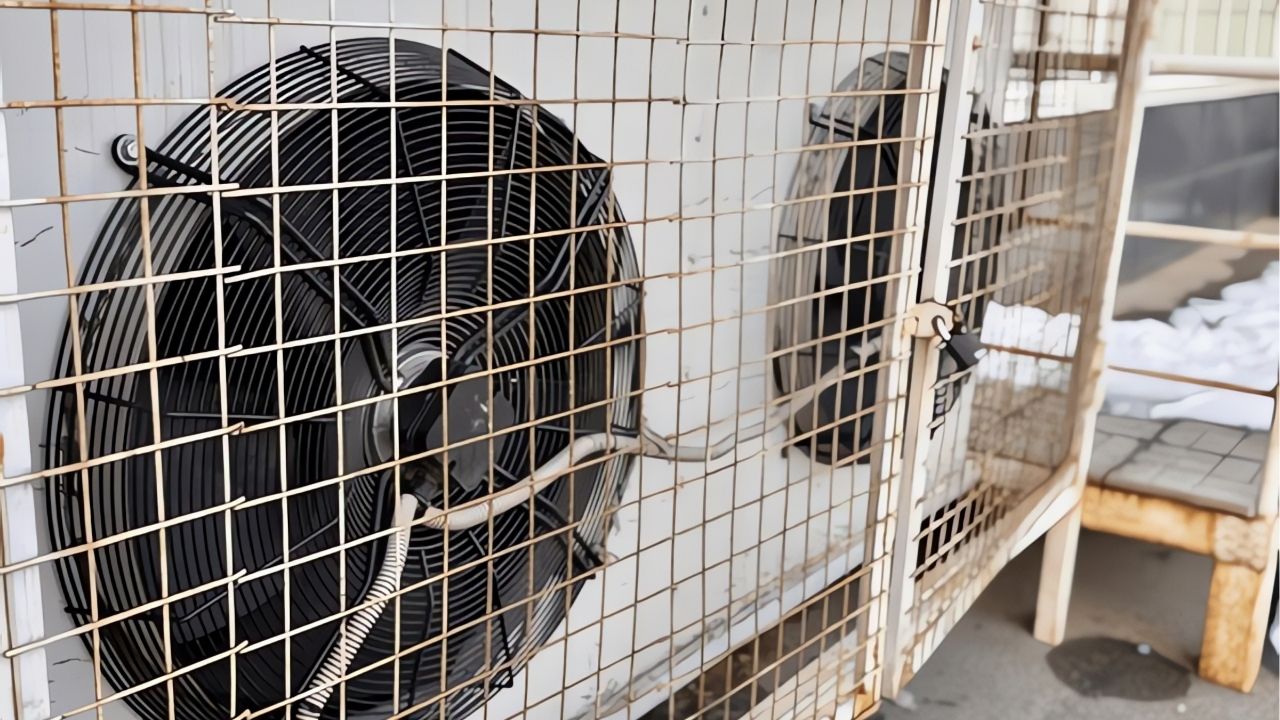
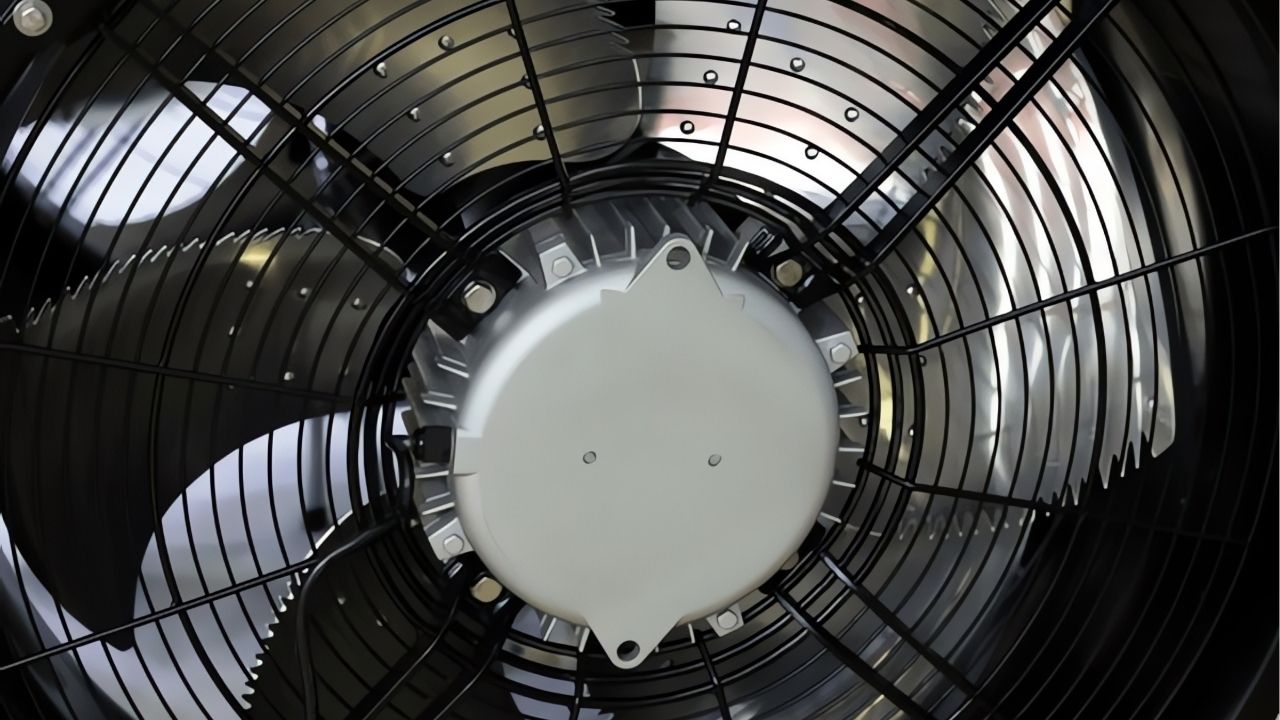
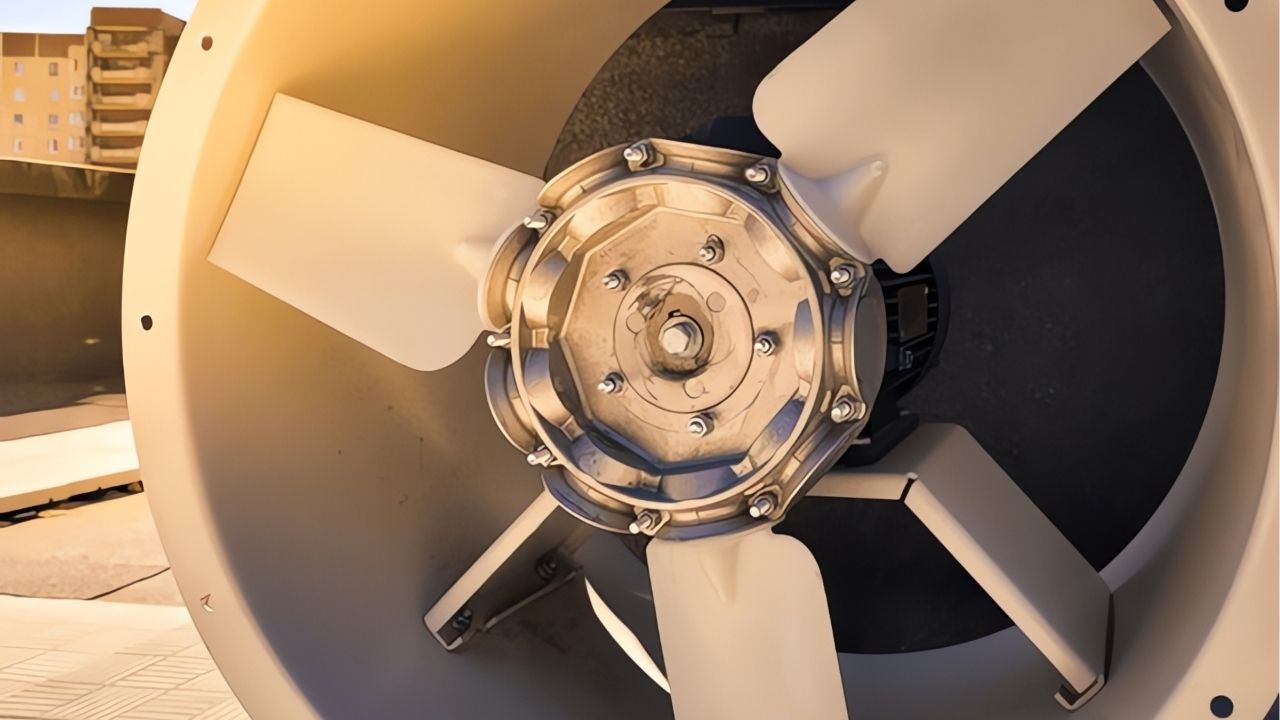
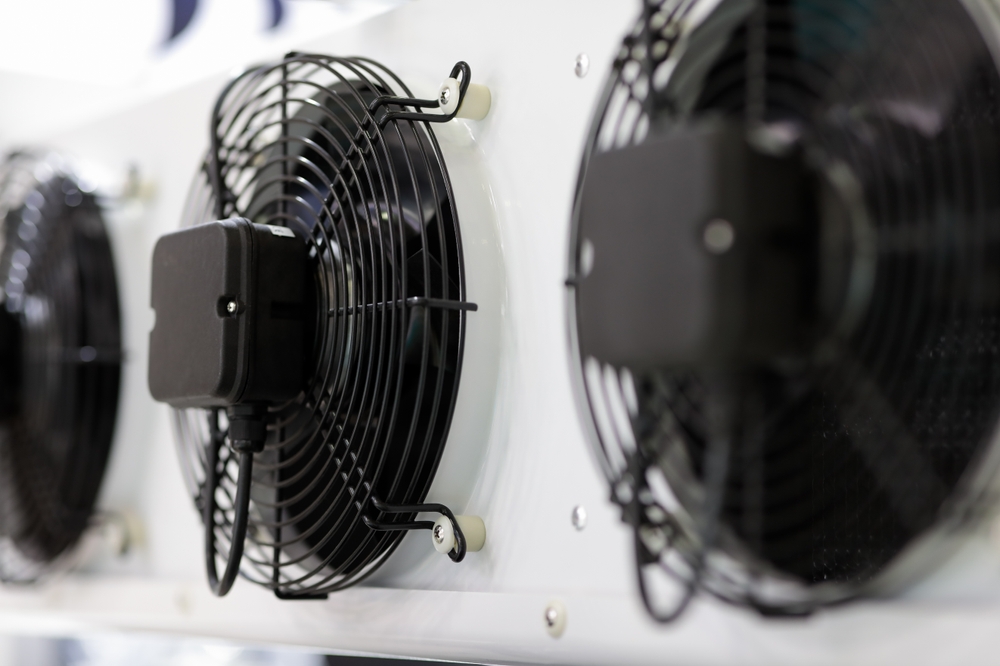
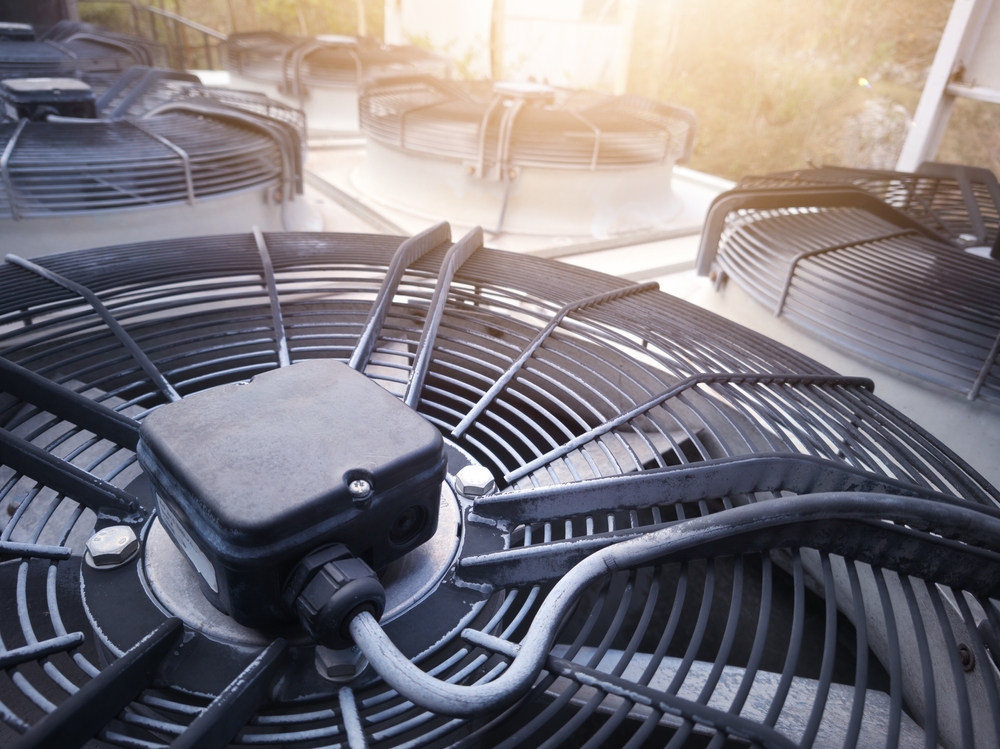
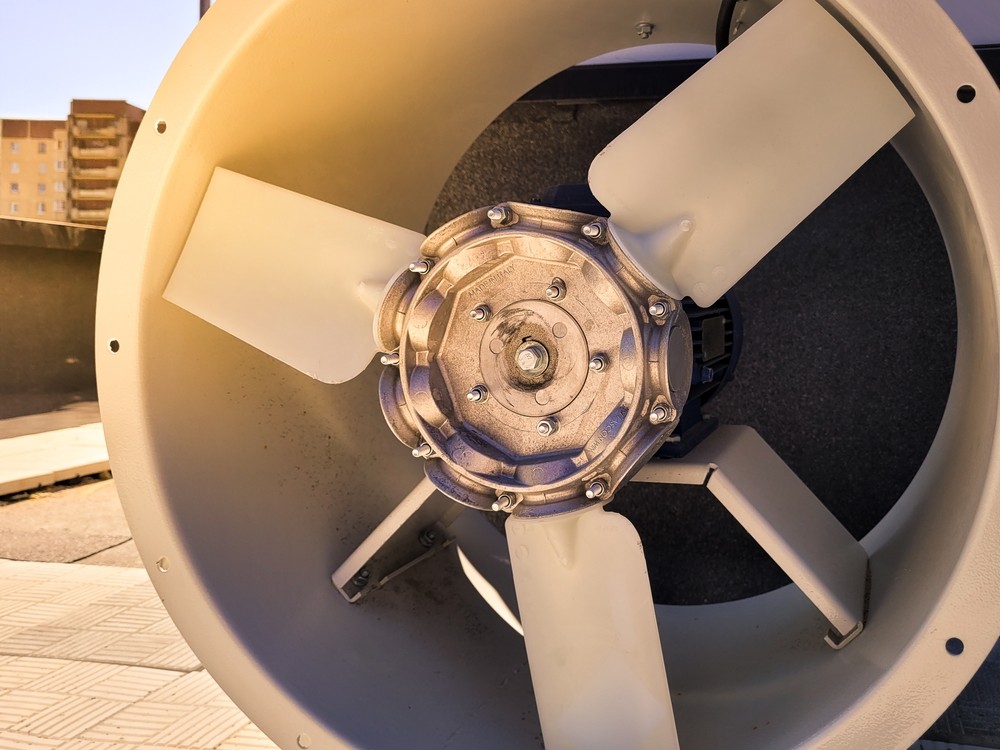
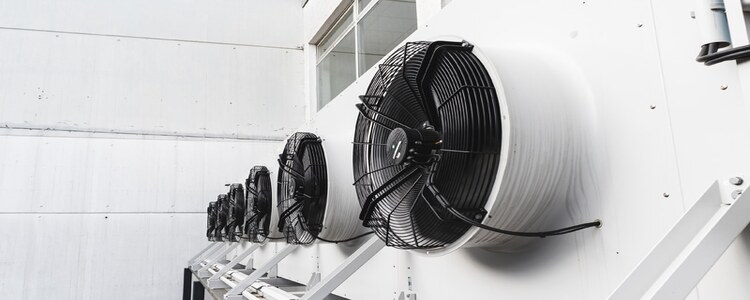
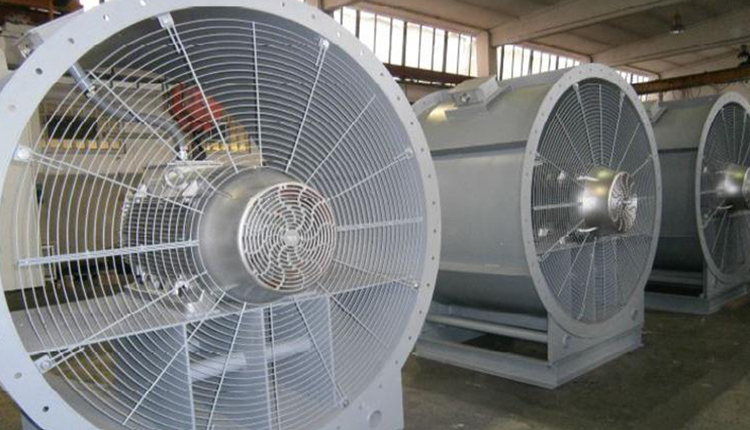
- Uniform air distribution: Fan count and placement need to be carefully planned so every pallet in the warehouse receives equal cooling.
- Managing door traffic: Since frequently opened doors can let in warm outside air, fast-closing door systems or air curtains can be considered.
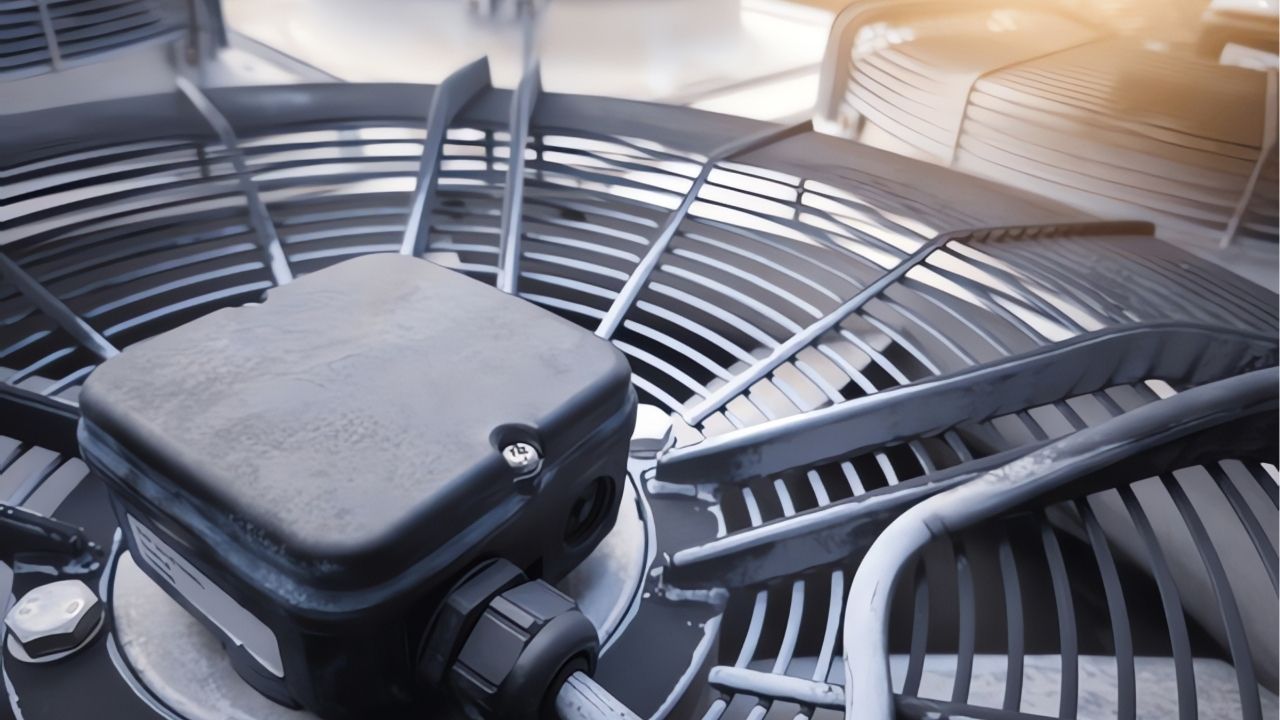
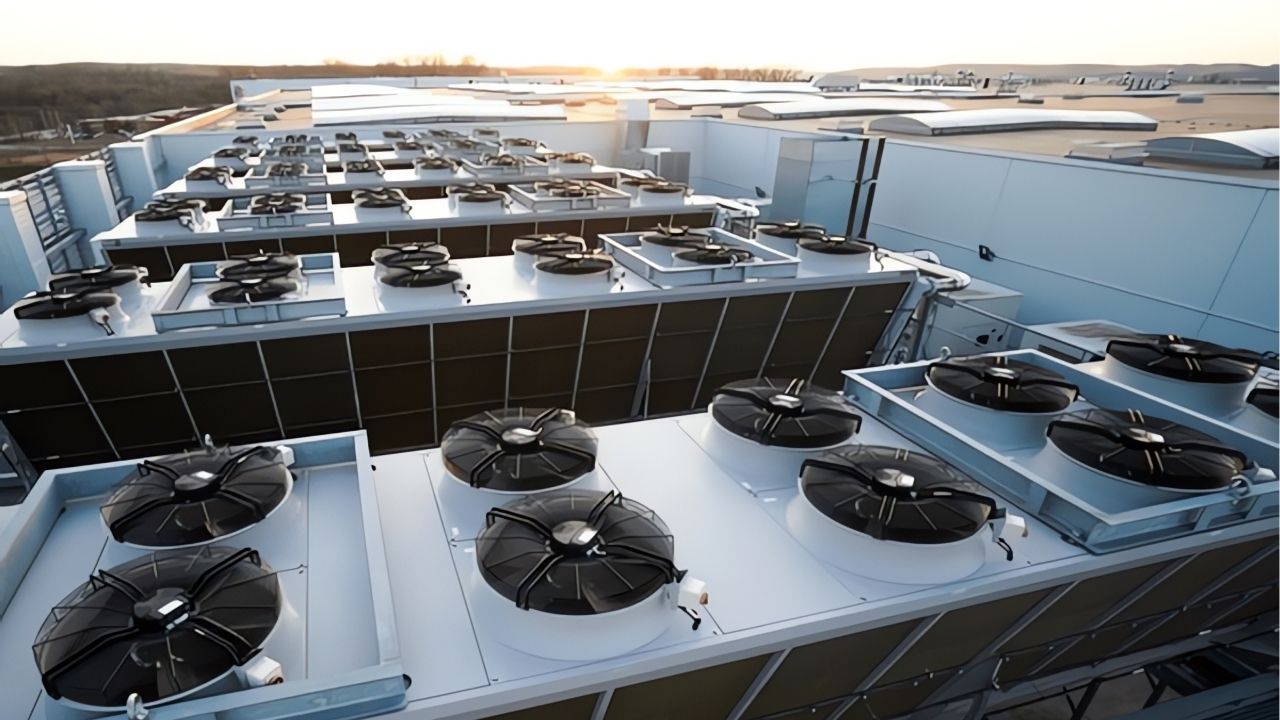
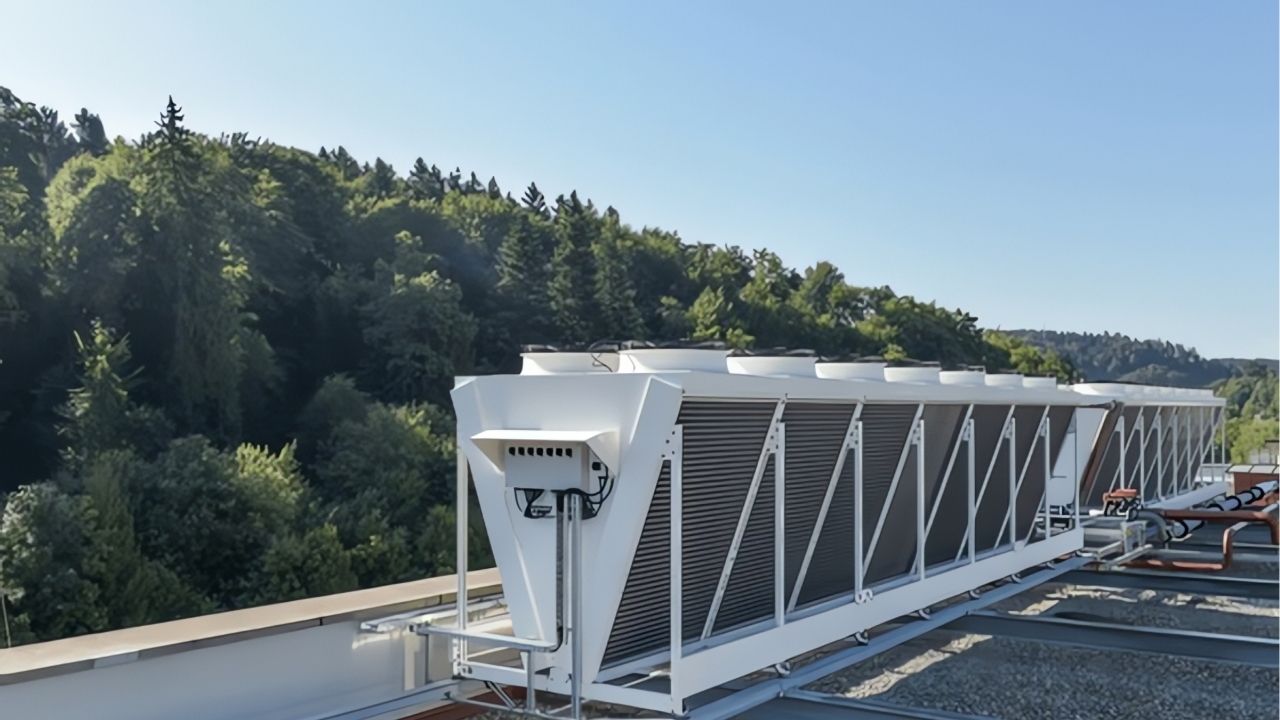
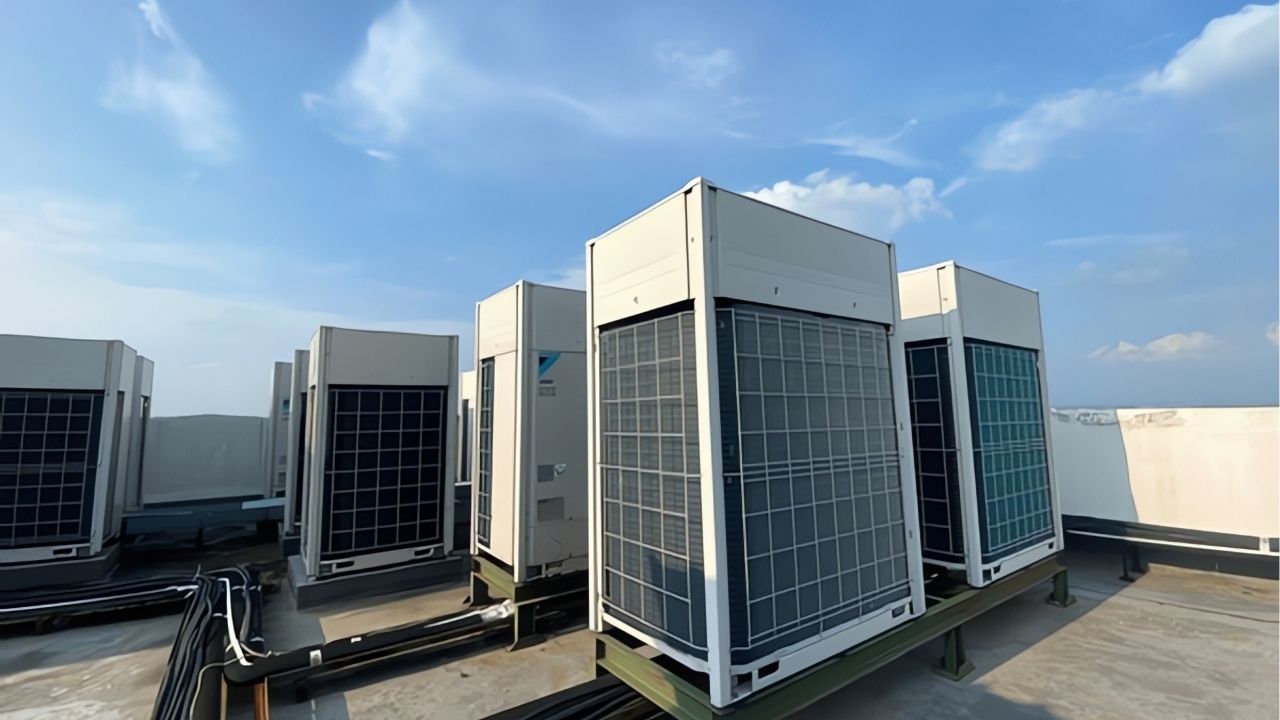
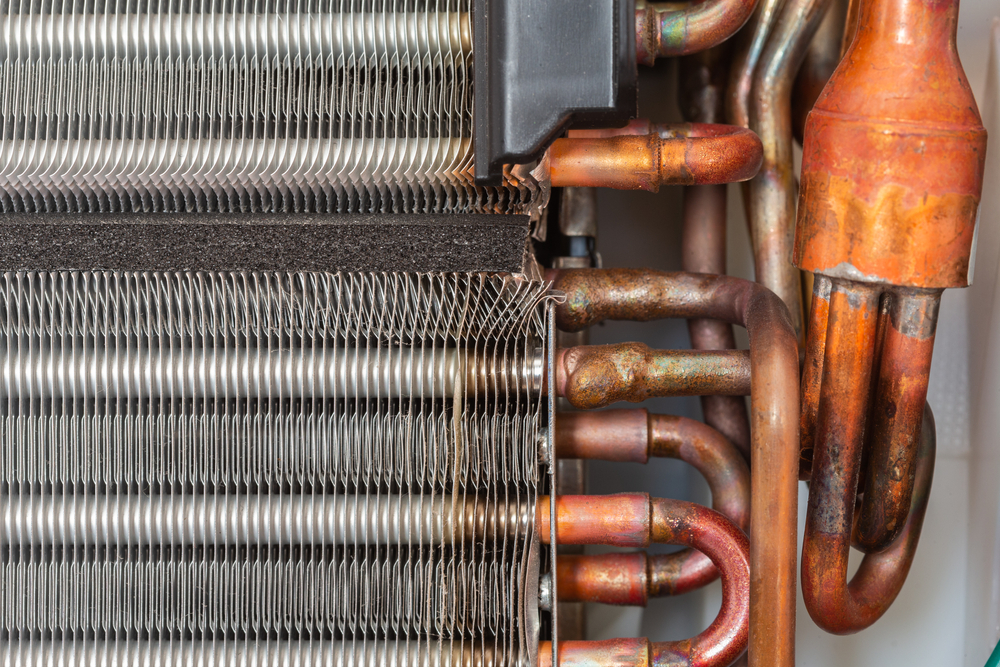
- A regular maintenance program: Periodic maintenance of the evaporator and condenser prevents performance loss.
Temperature fluctuations in a storage area often build up unnoticed, which is why regular monitoring and maintenance carry significant weight at this stage of the chain.
How Can Temperature Deviation Be Prevented During Loading And Unloading?
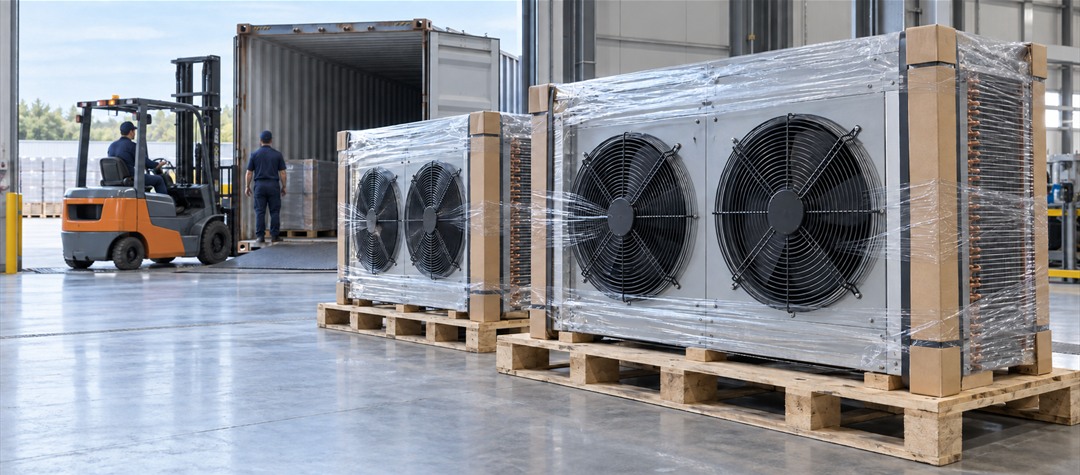
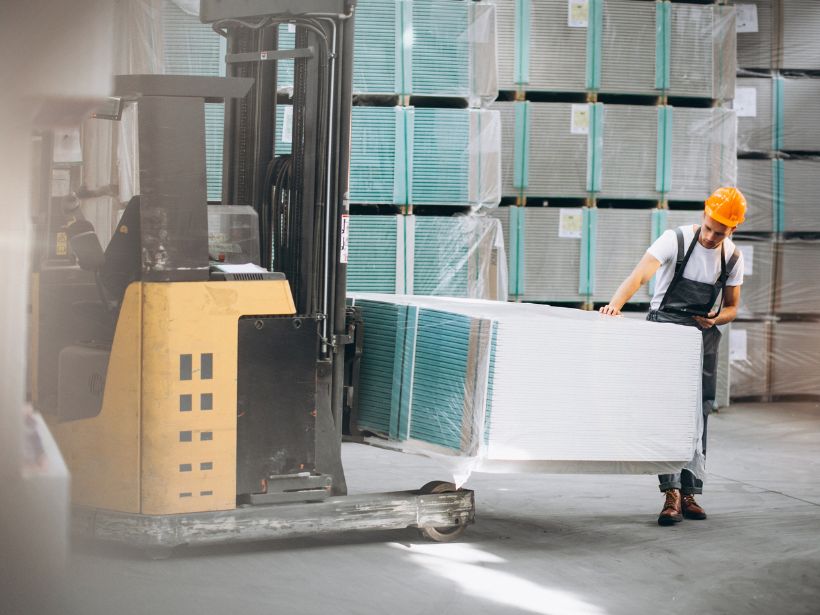
Loading and unloading are the most vulnerable moments for the cold chain in frozen food logistics, since the product remains outside a controlled environment during this window. Measures that can be taken to limit deviation include:
- Dock door sealing: Insulated dock seals that close the gap between the vehicle and the warehouse limit outside air from entering the vehicle.
- Shortening process time: Carrying out loading and unloading in a planned, efficient manner reduces the time the product is exposed to uncontrolled temperature.
- Using a pre-cooled vehicle: Bringing the vehicle down to the target temperature before loading helps preserve product temperature.
- Staff training: Loading teams working in line with cold chain procedures reduces the risk of human-caused deviation.
Even if brief temperature rises at this stage do not create a major impact on their own, repeated cycles can lead to cumulative product quality deterioration.
How Is Cold Chain Continuity Maintained During Transport?
Continuity of the cold chain during transport depends on both the performance of the vehicle's equipment and route planning. Elements to consider include:
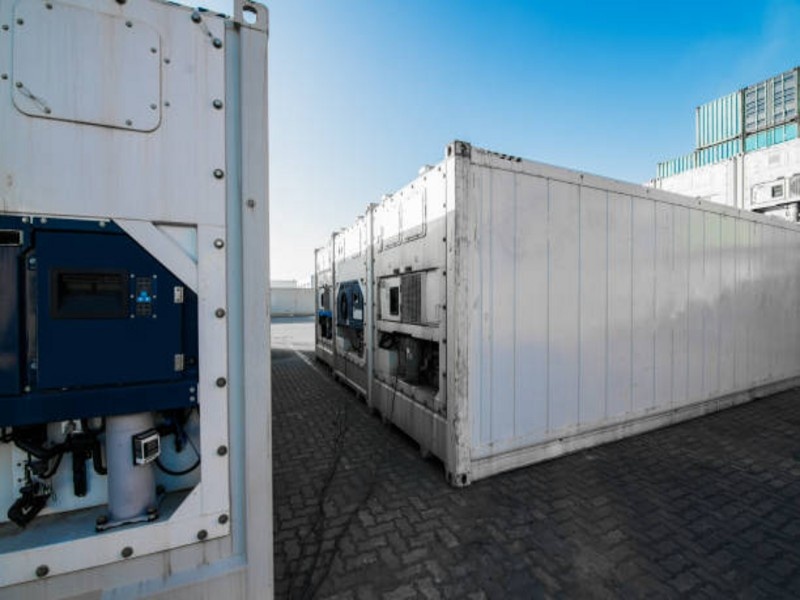
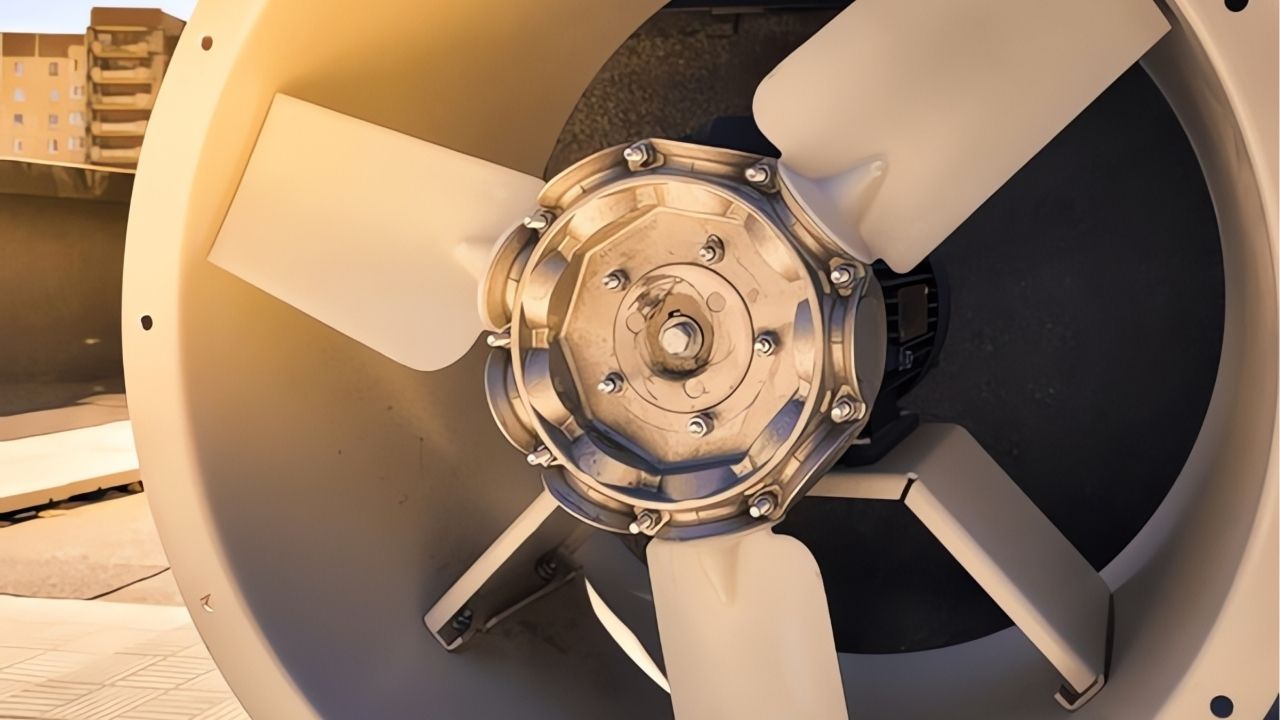
- Vehicle cooling unit capacity: A unit sized appropriately for load volume and ambient temperature should be selected.
- Fuel or energy continuity: For long-distance transport, adequate fuel or electrical supply should be planned so the cooling unit can run without interruption.
- Route and stop planning: Time spent under hot climate conditions should be limited as much as possible.
- In-vehicle air circulation: Pallet arrangement should not obstruct airflow; otherwise, temperature distribution within the vehicle may become uneven.
A failure during transport can limit the effect of all the care taken at other stages of the chain, which is why the reliability of vehicle equipment is a critical priority.
Why Are Temperature Monitoring And Recording Systems Important?
Recording temperature data without interruption at every stage of the cold chain makes it possible to catch non-conformities early and provide transparency during audit processes. The benefits recording systems offer include:
- Early warning capability: Automatic alarm mechanisms that trigger when temperature moves outside the defined range help catch a problem before it grows.
- A clear chain of accountability: Recording at which stage a deviation occurred helps quickly identify the source of the problem.
- Easier auditing and reporting: Temperature history requested during food safety audits can be presented quickly through digital recording systems.
Insufficient investment in temperature monitoring infrastructure can mean problems are only noticed after the product reaches the customer.
Which Equipment Decisions Help Prevent A Break In The Cold Chain?
Practical equipment decisions that help prevent a break in the cold chain can be summarized as follows:
- Planning redundant capacity: Backup capacity that engages if one unit fails should be built into critical storage areas.
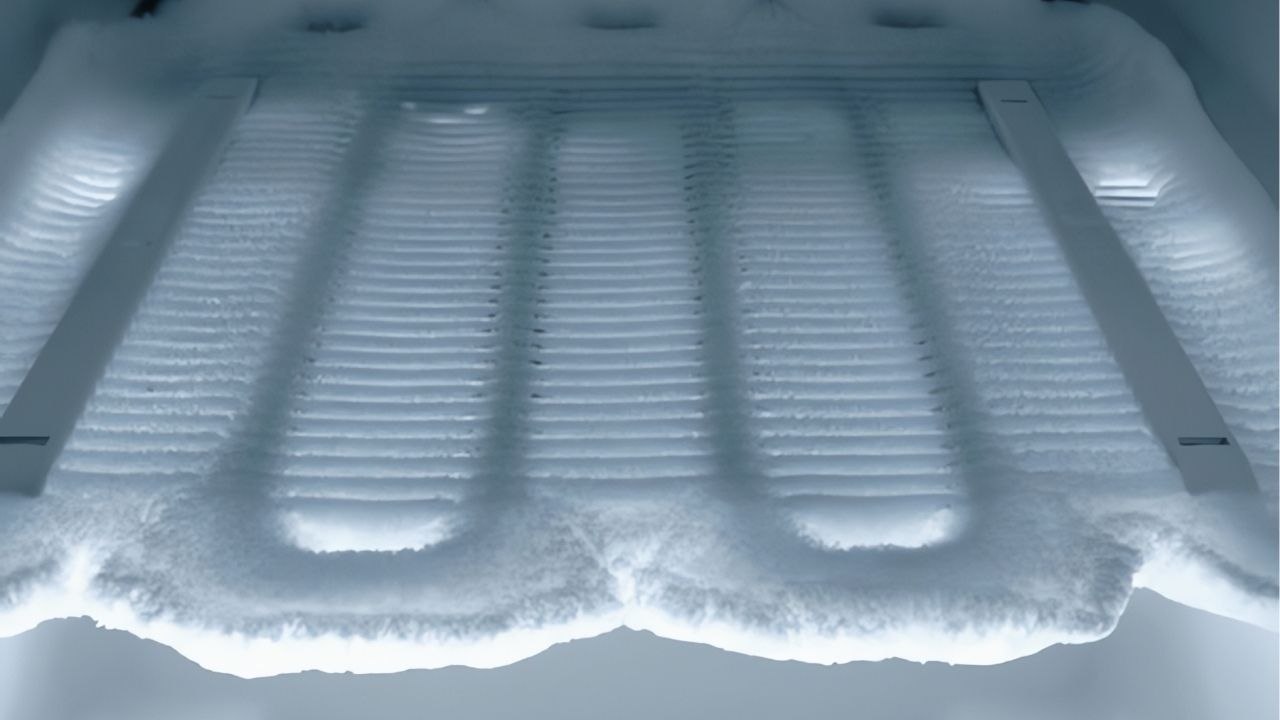
- Reliable defrost management: The defrost process needs to be carried out with a controlled method that does not exceed the target temperature range.
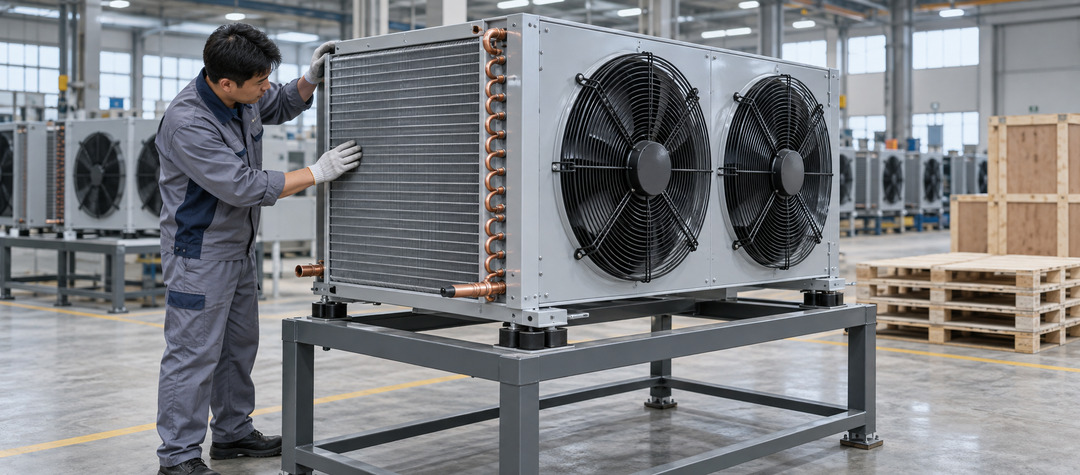
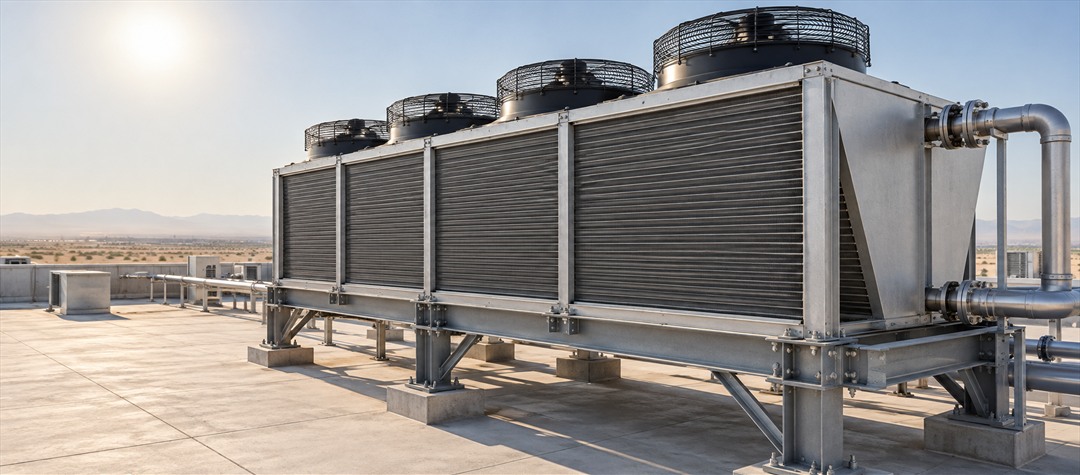
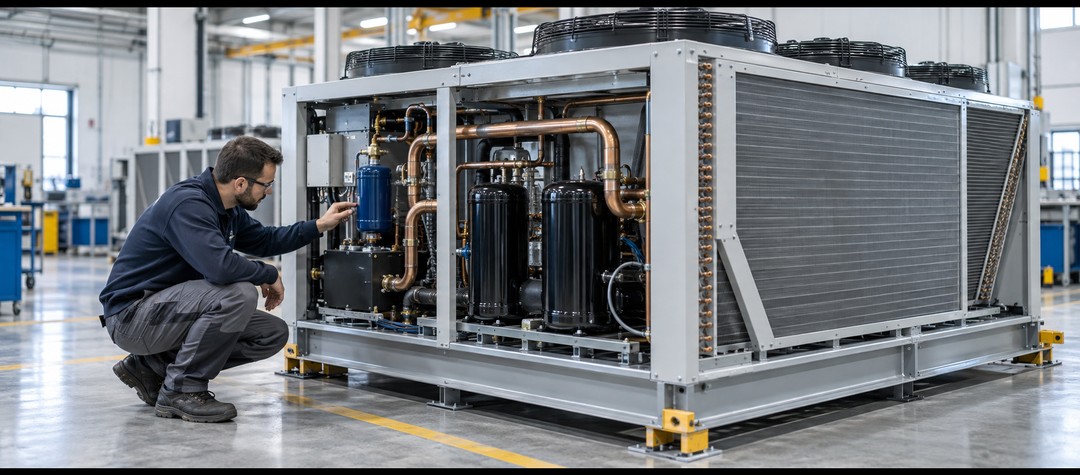
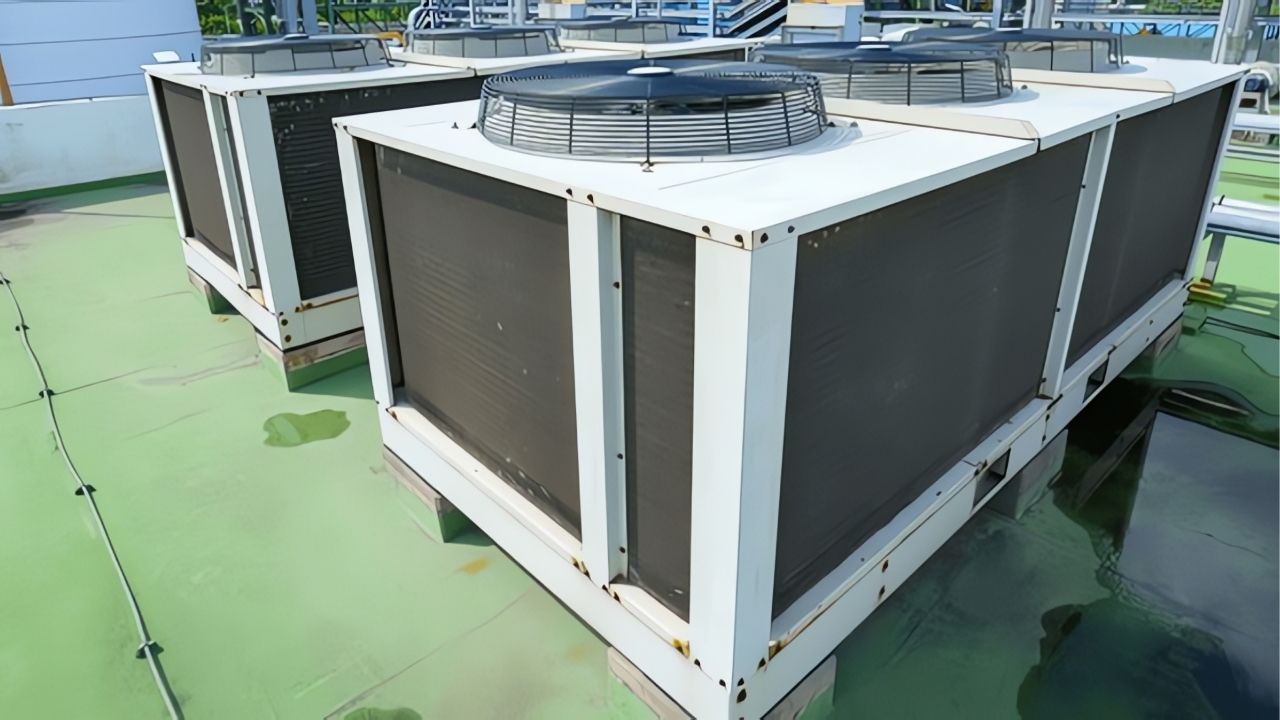
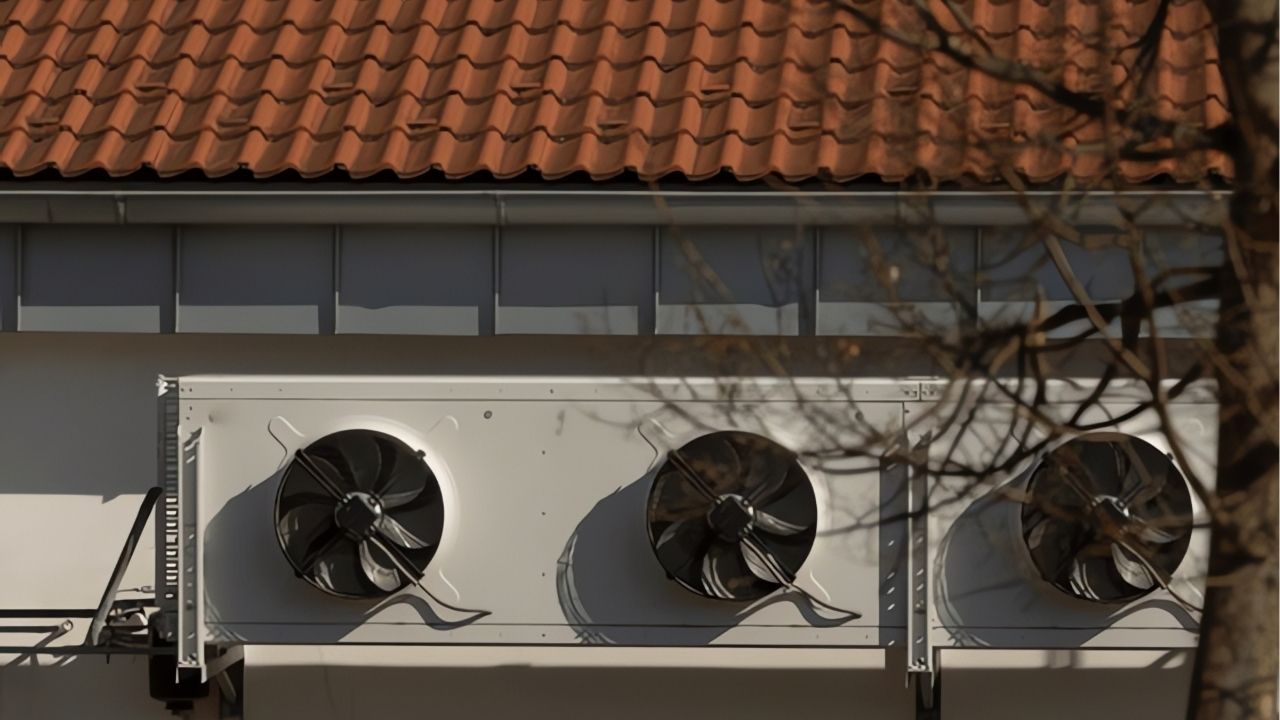
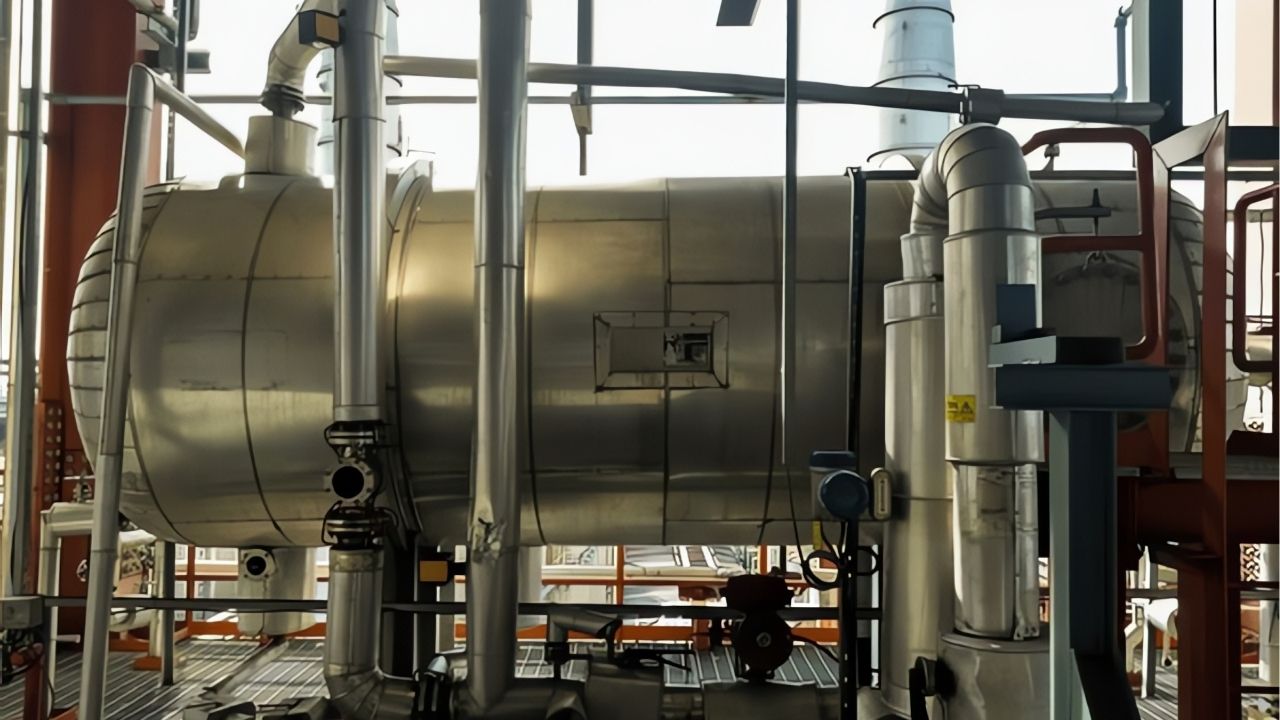
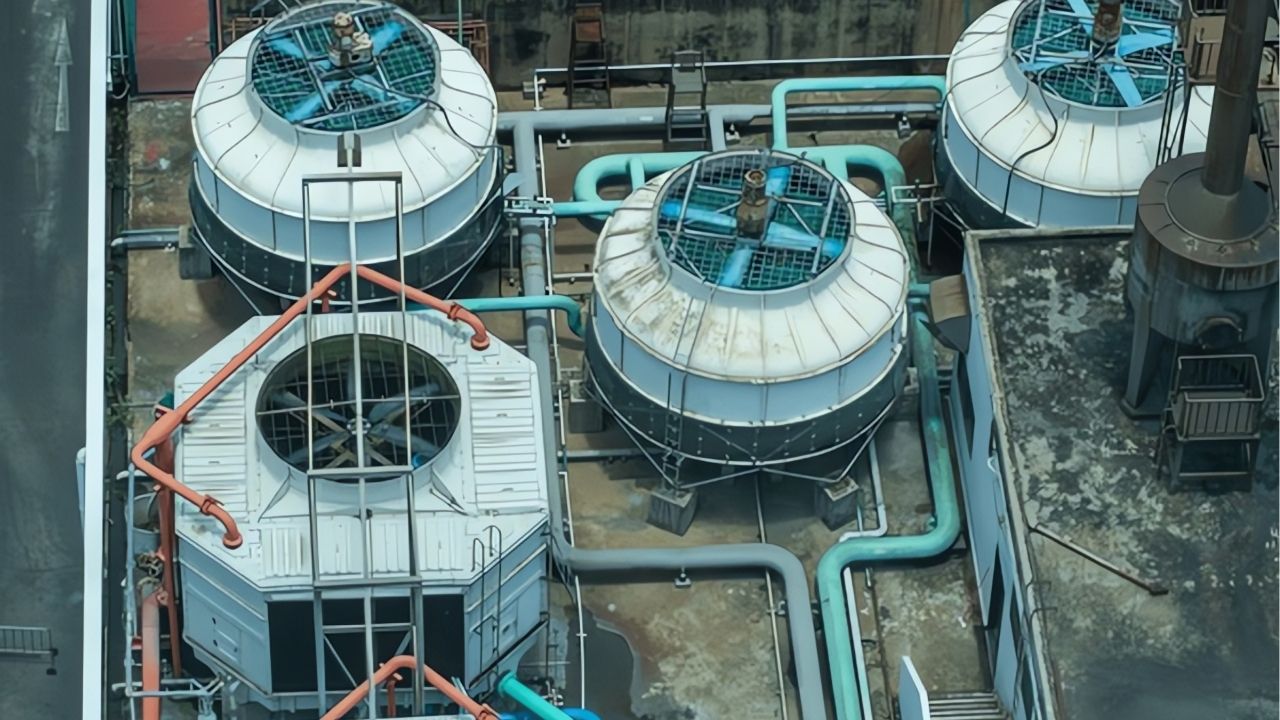
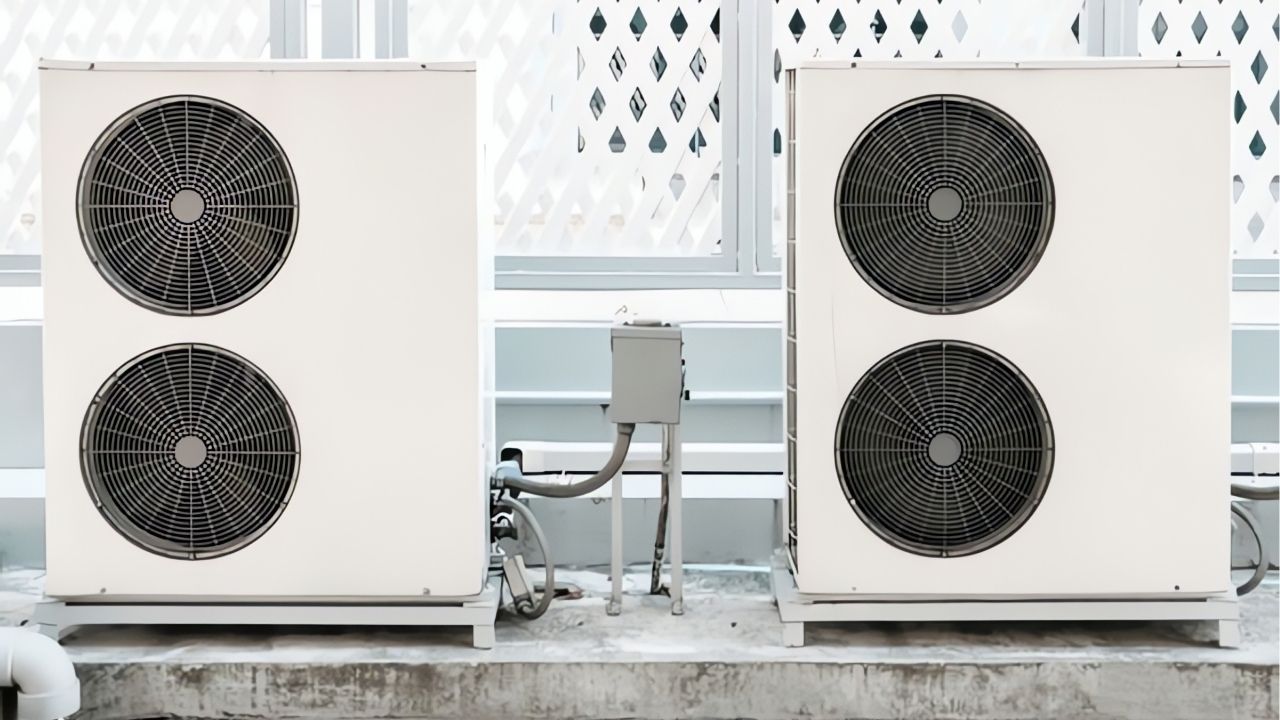
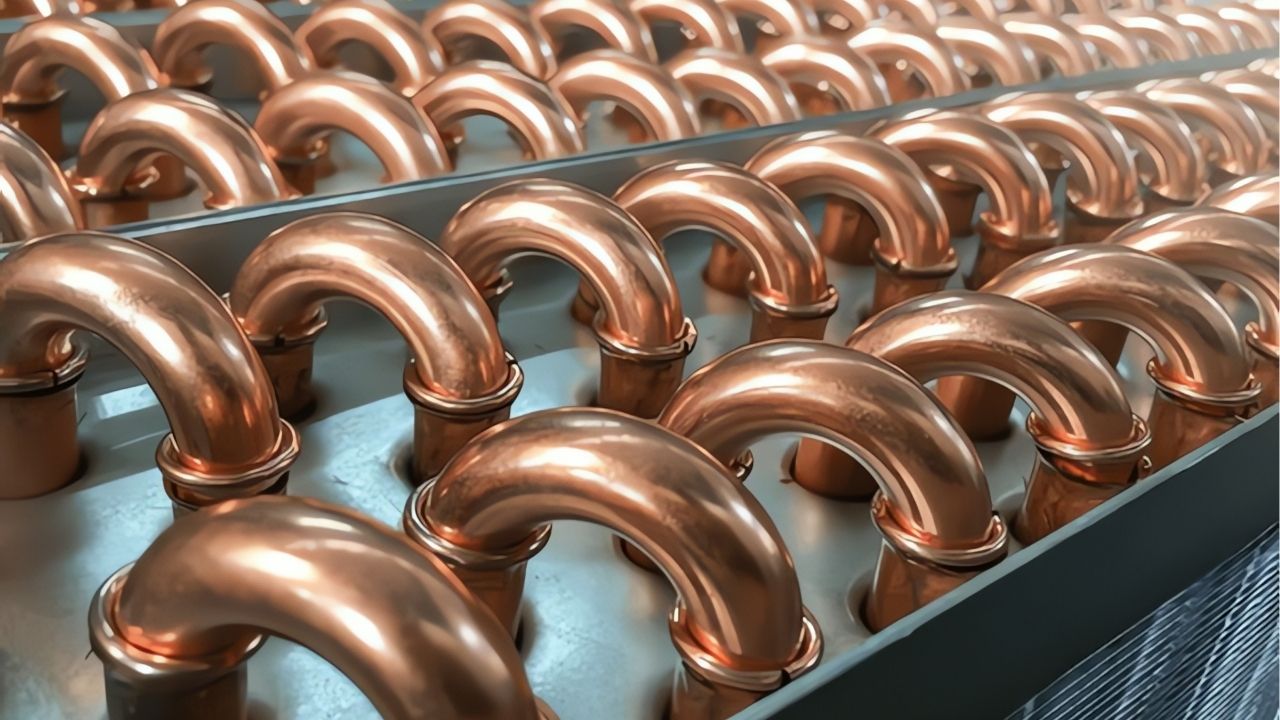
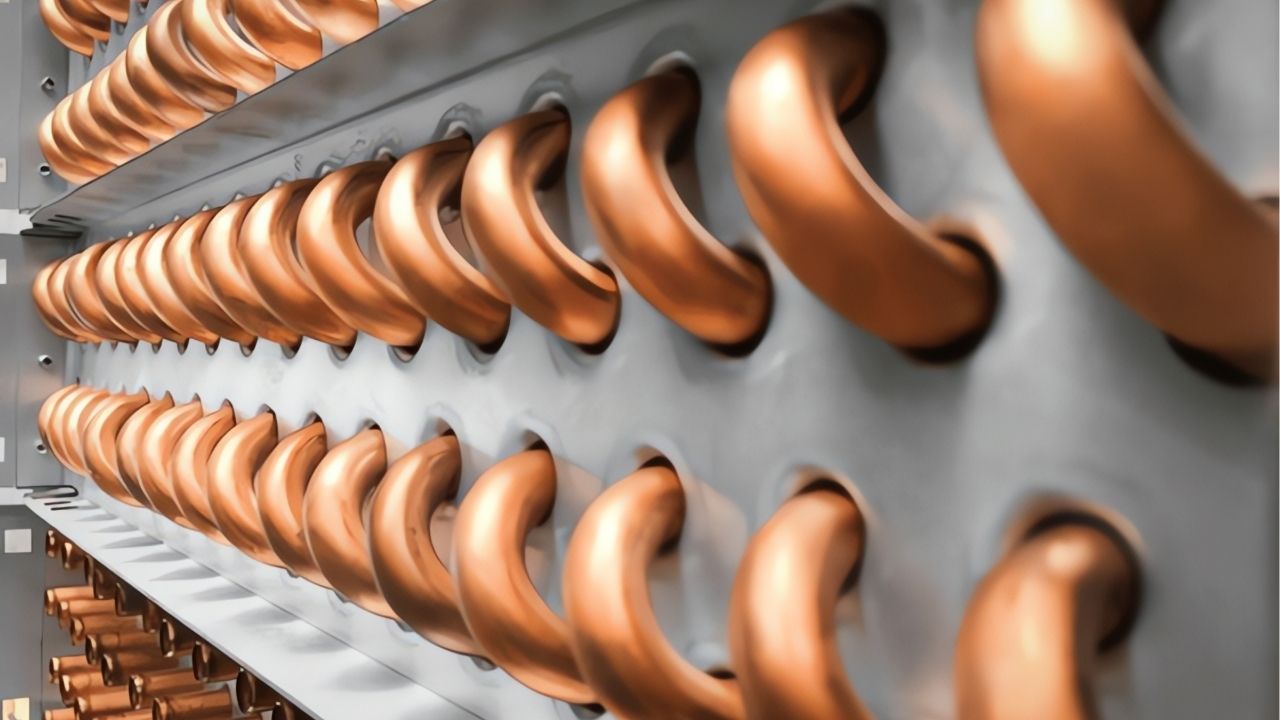
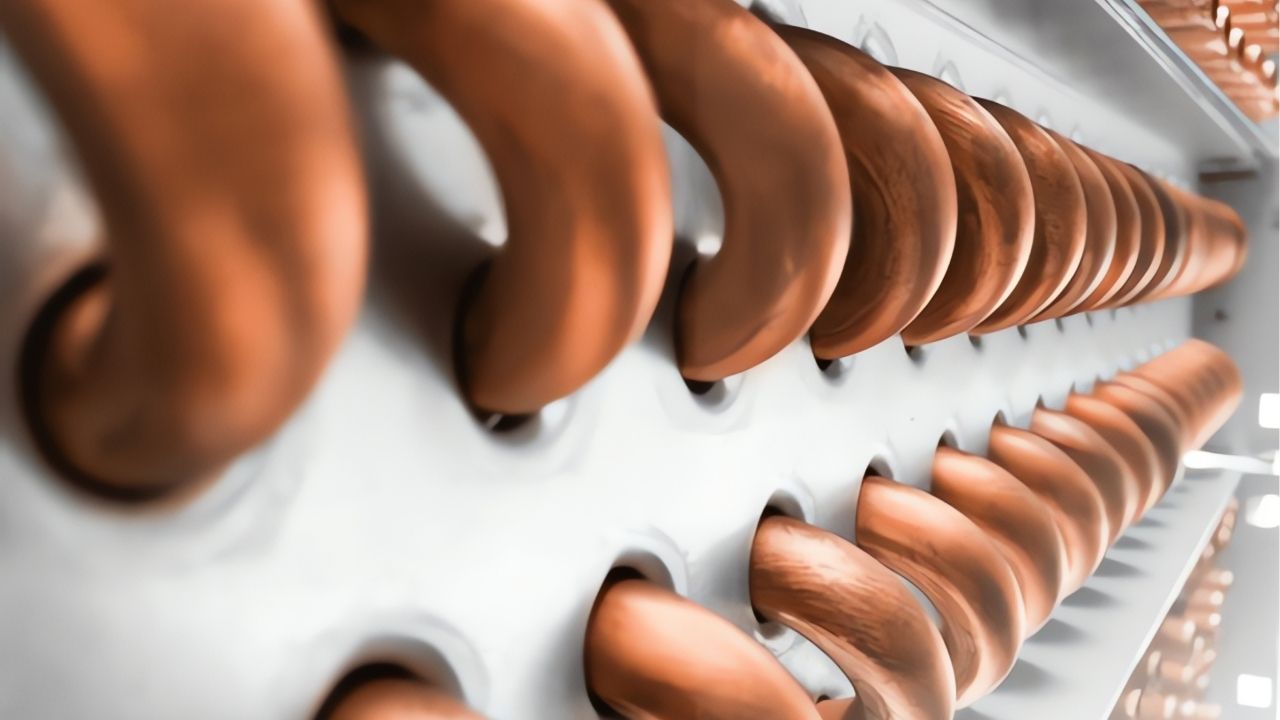
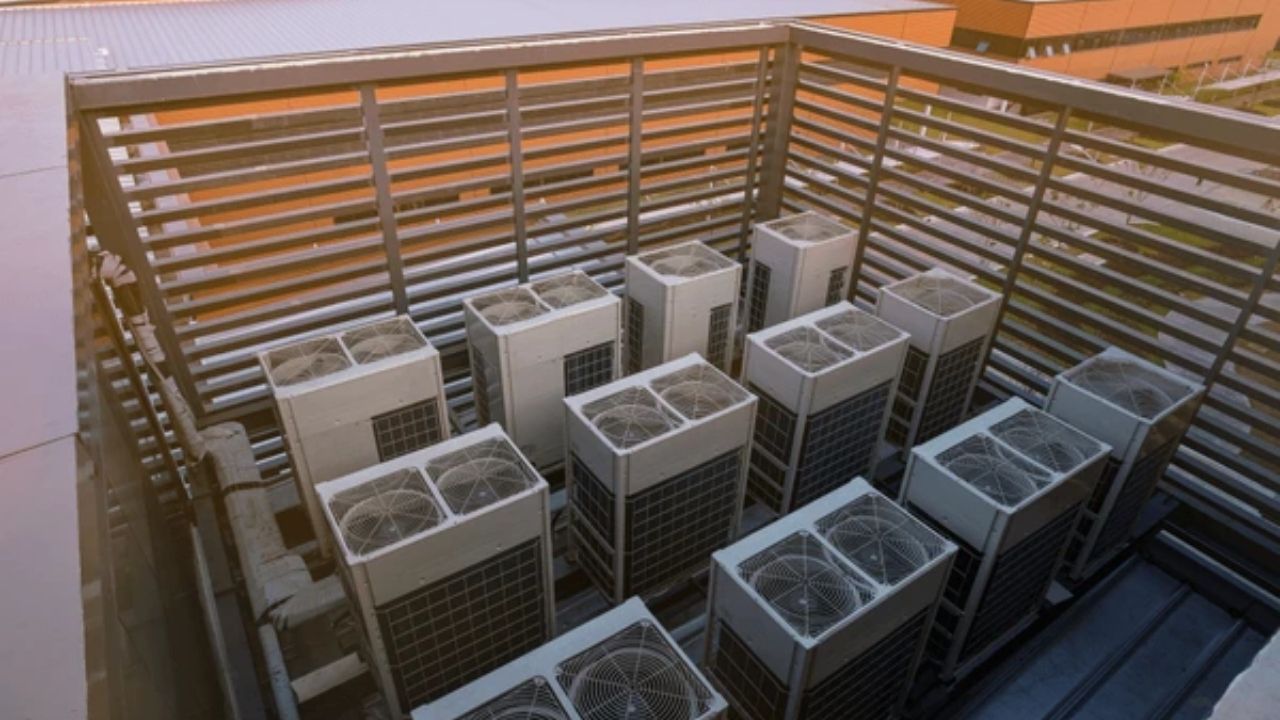
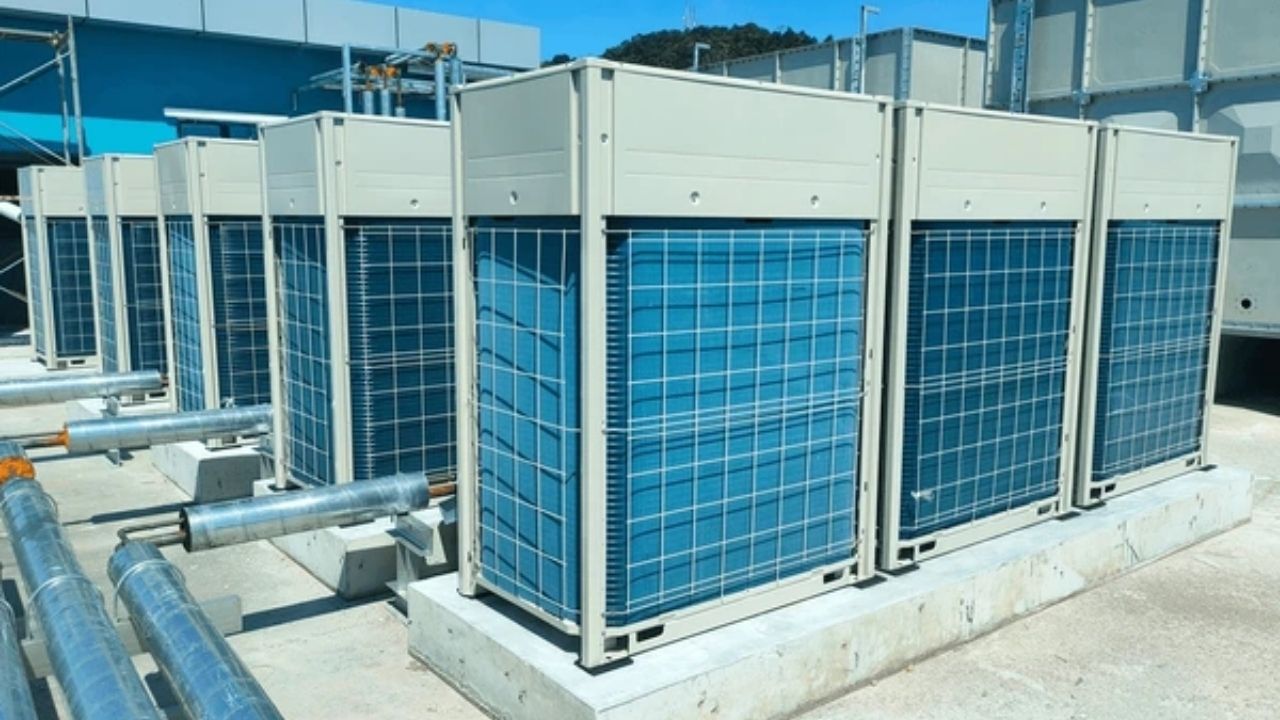
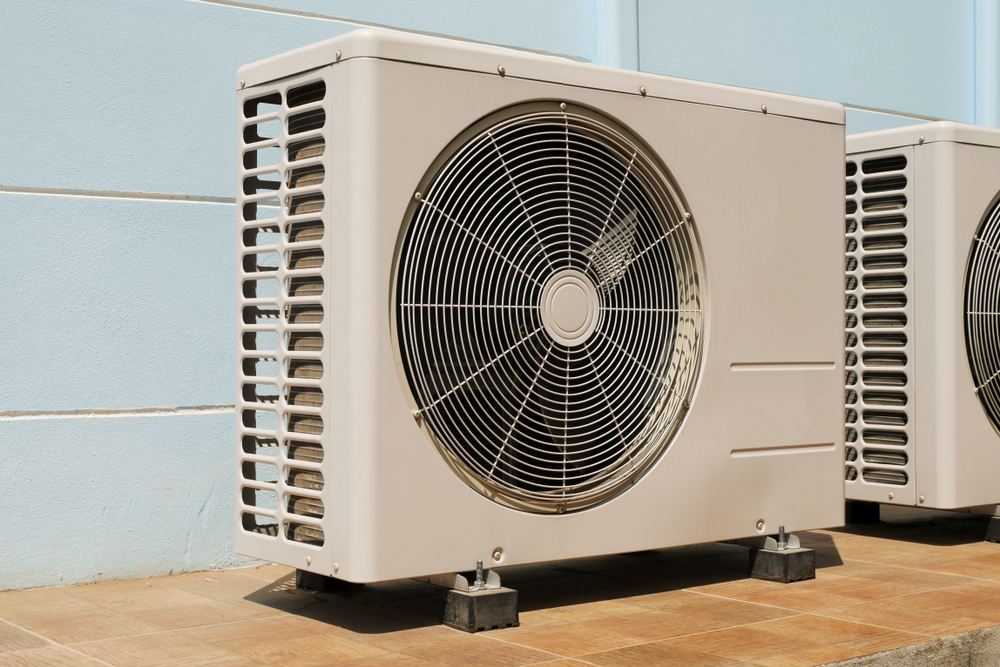
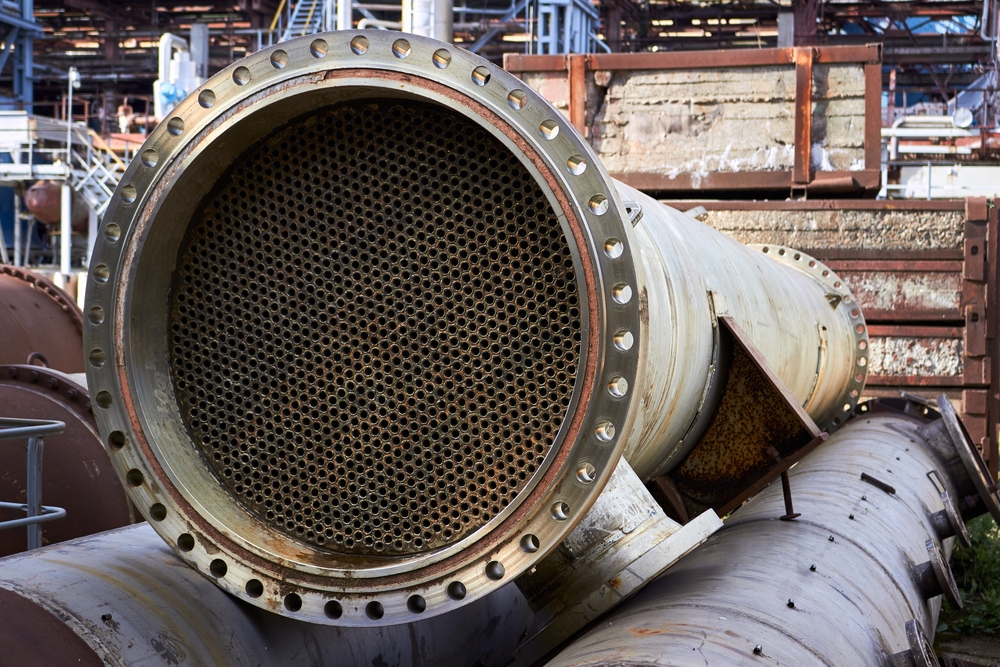
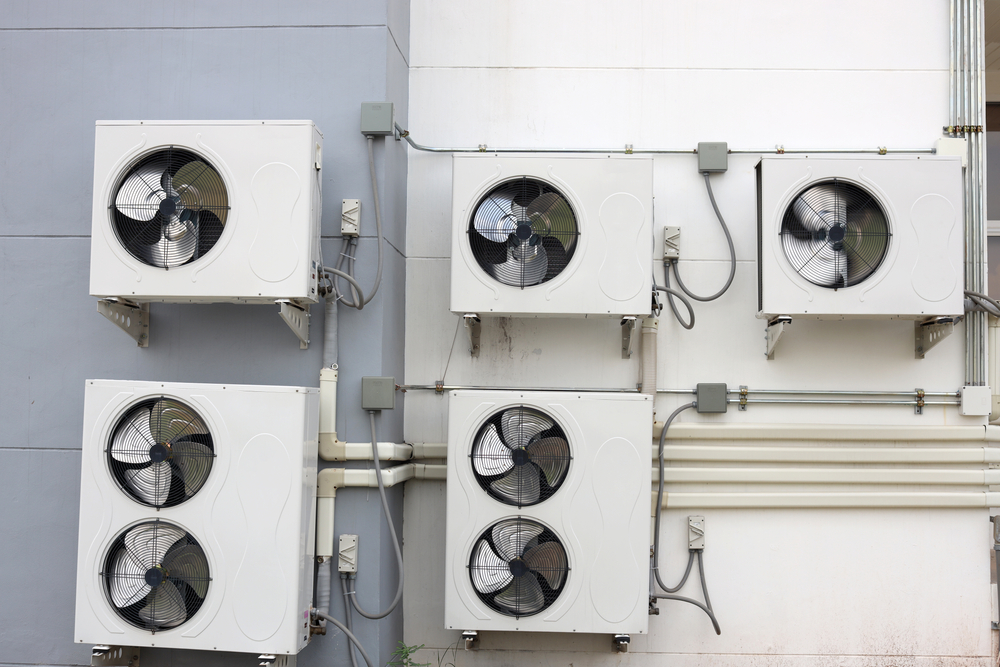
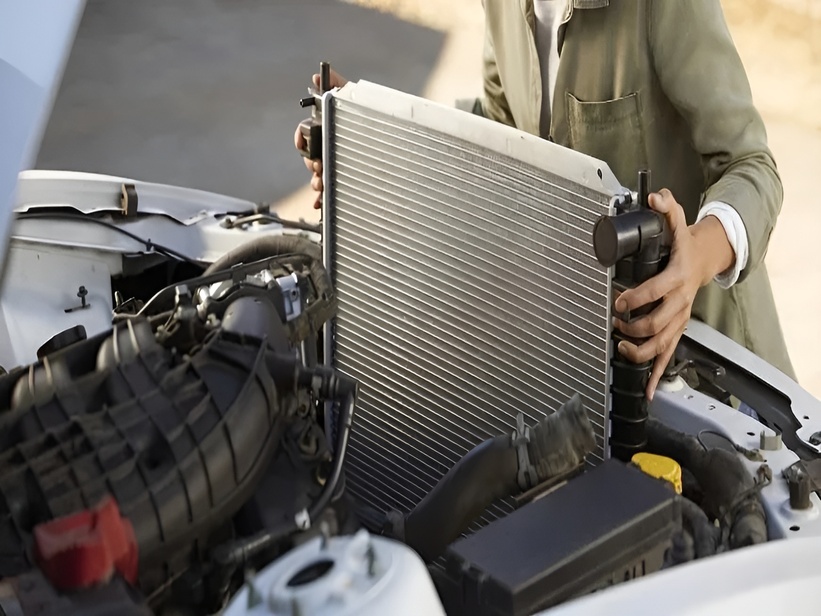
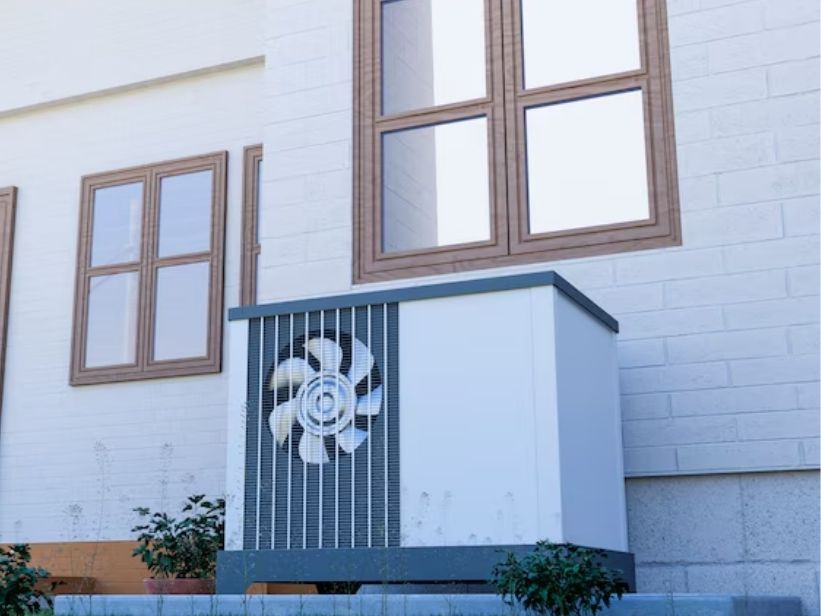
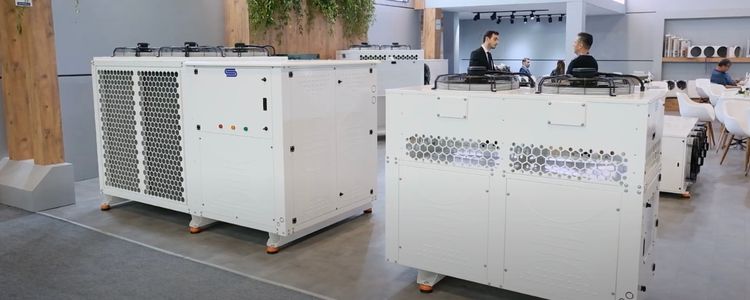
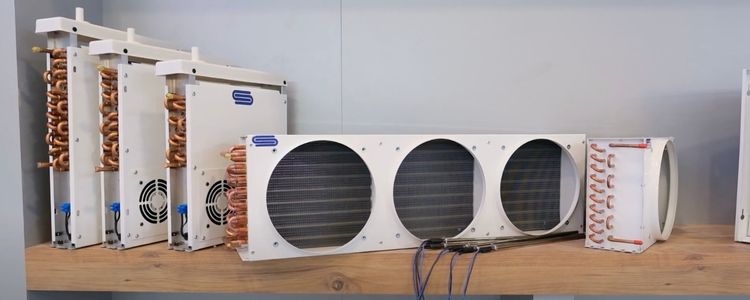
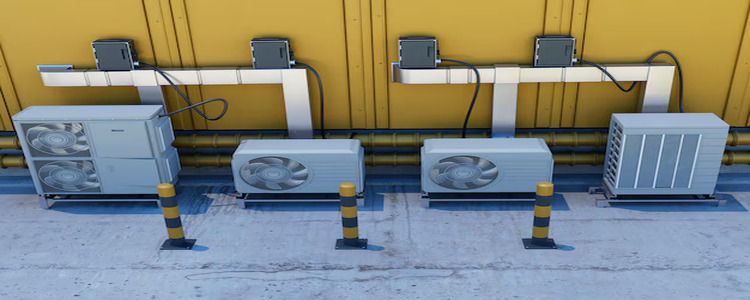
- Proper evaporator and condenser matching: Selecting compatible components matters for keeping the system stable under varying load conditions.
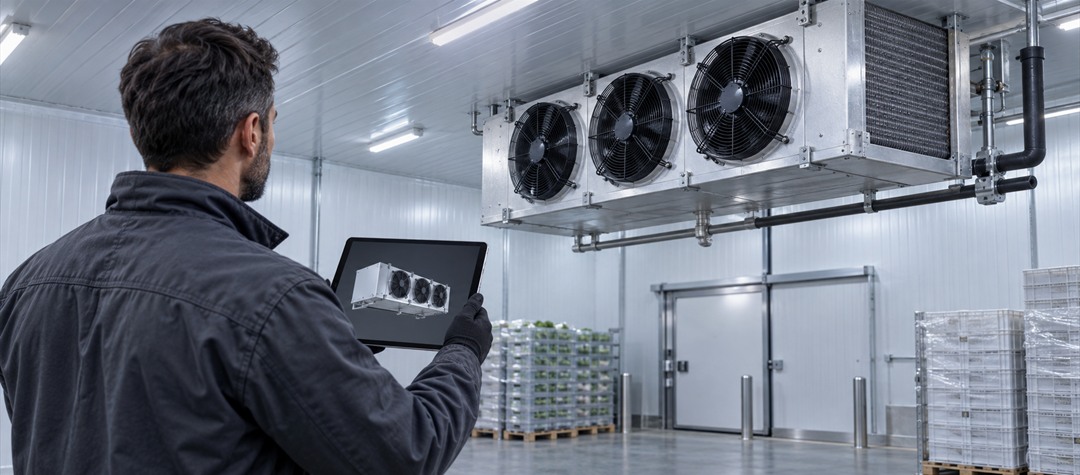
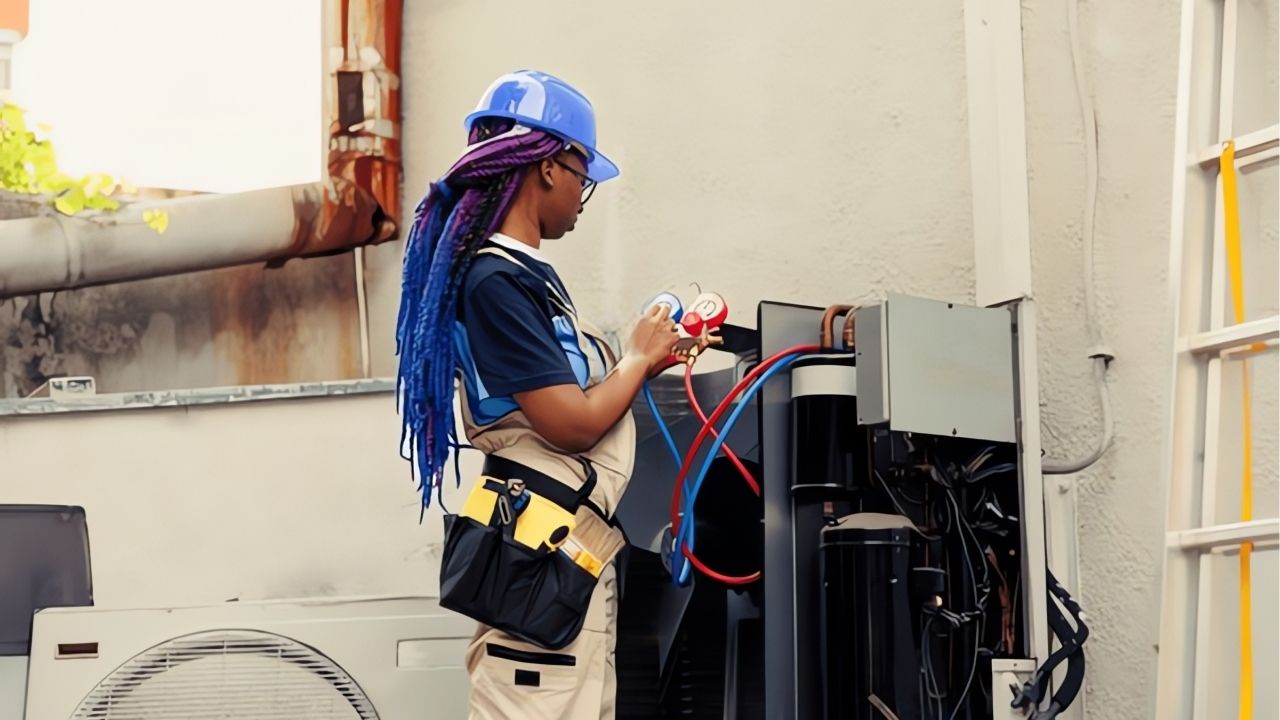
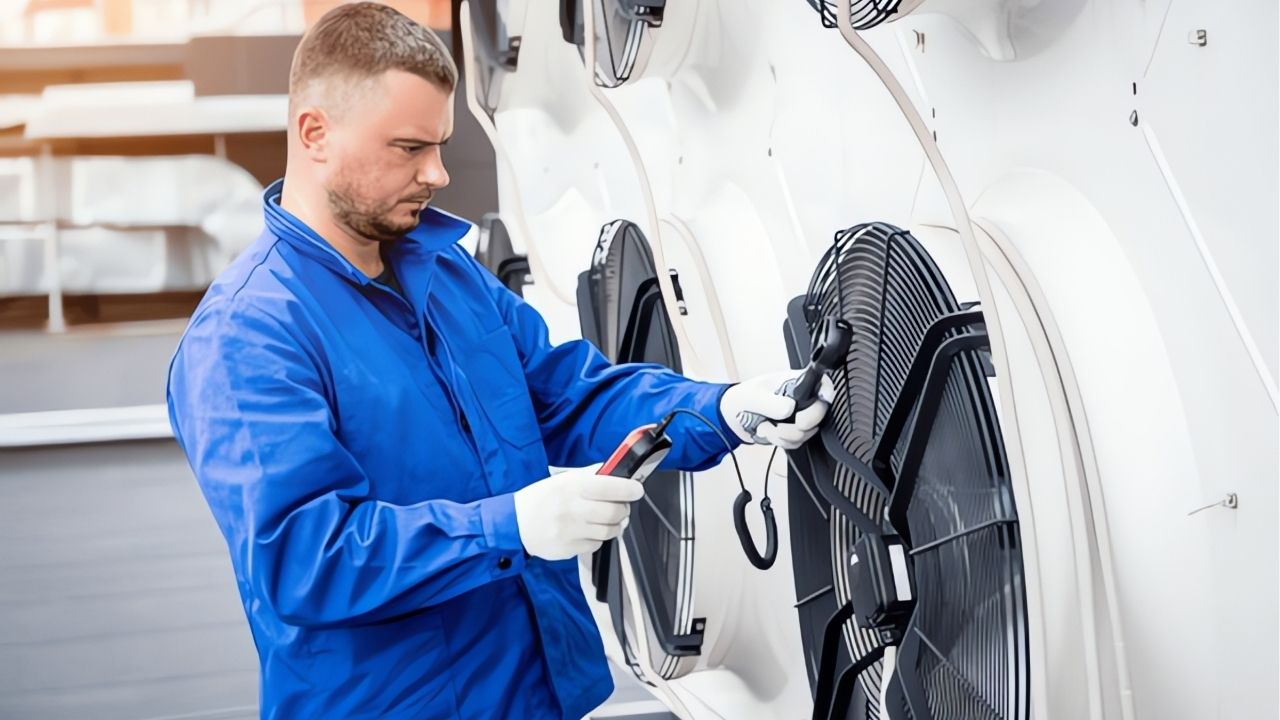
- Regular equipment inspection: Periodic technical checks on storage and transport equipment prevent unexpected failures.
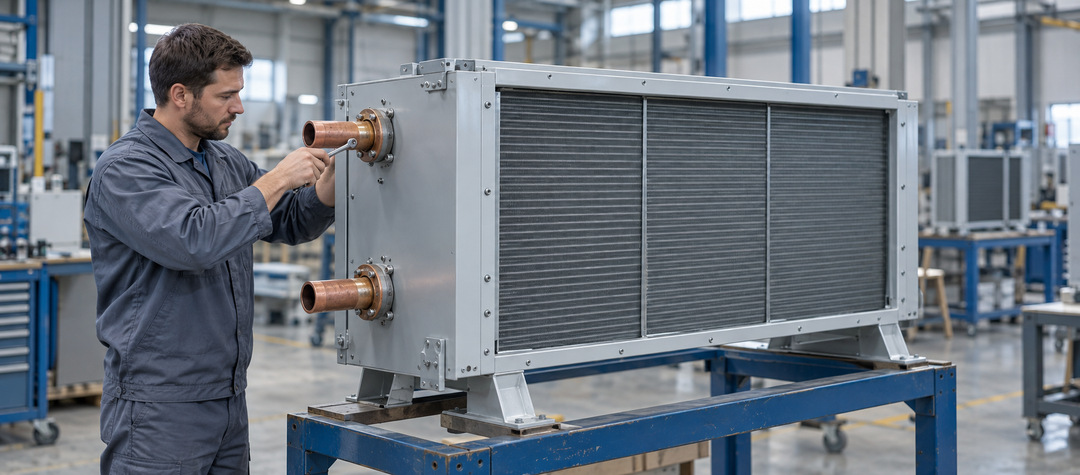
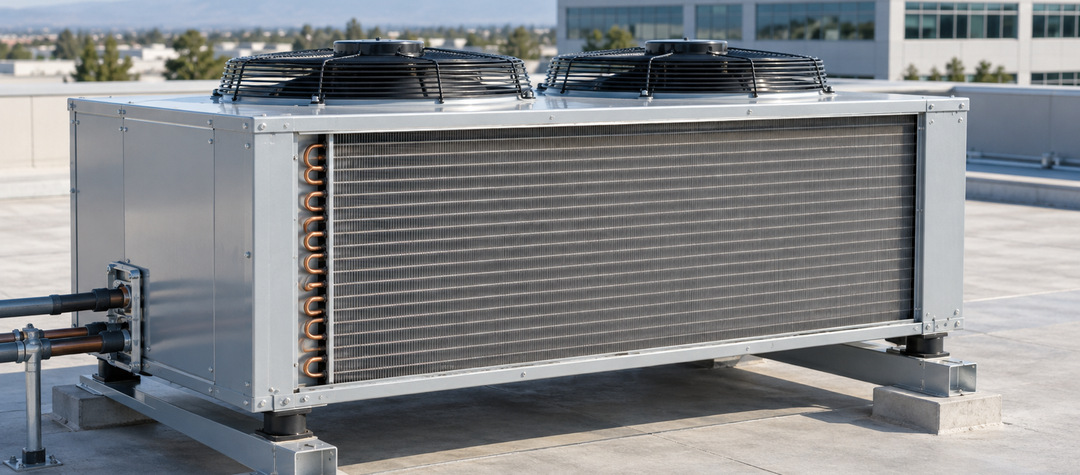
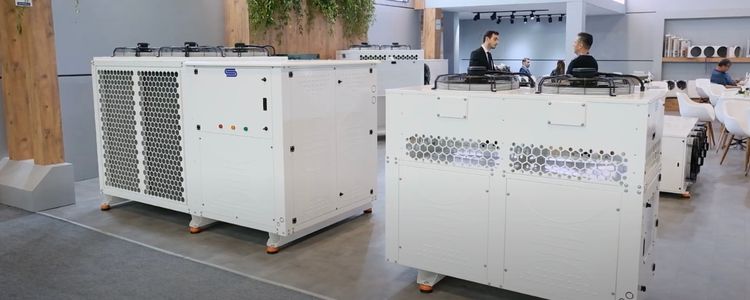
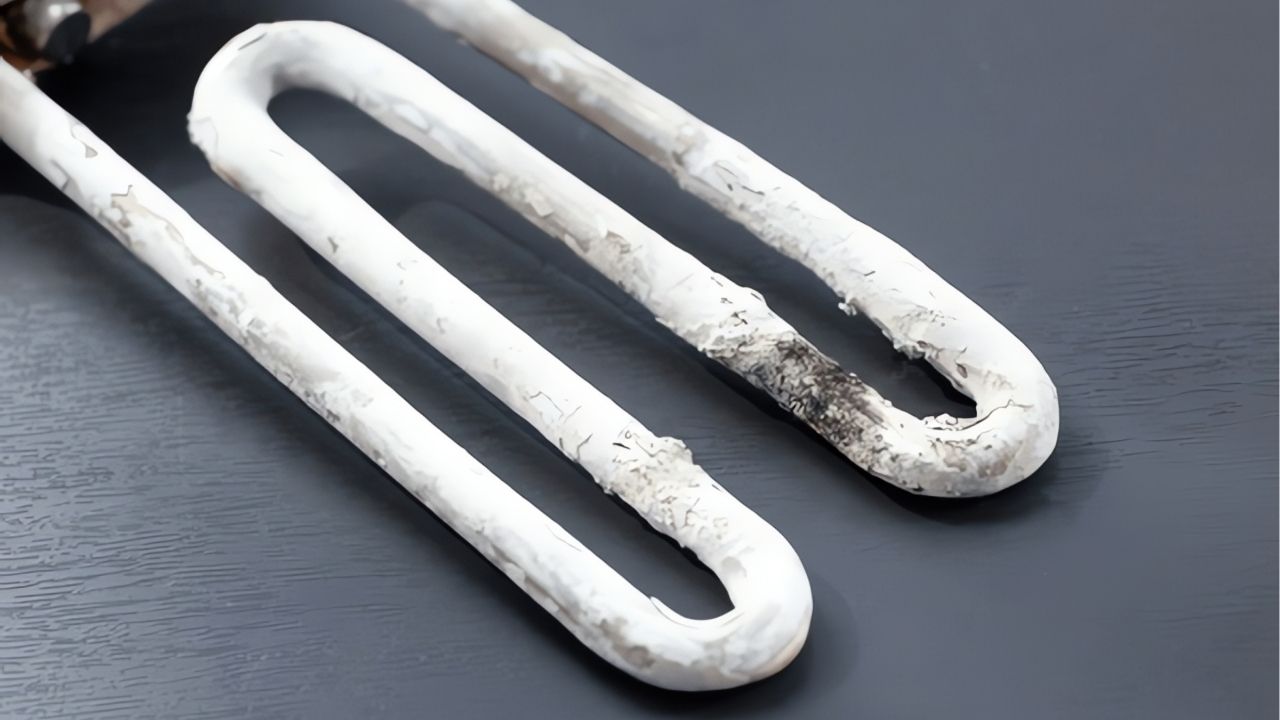
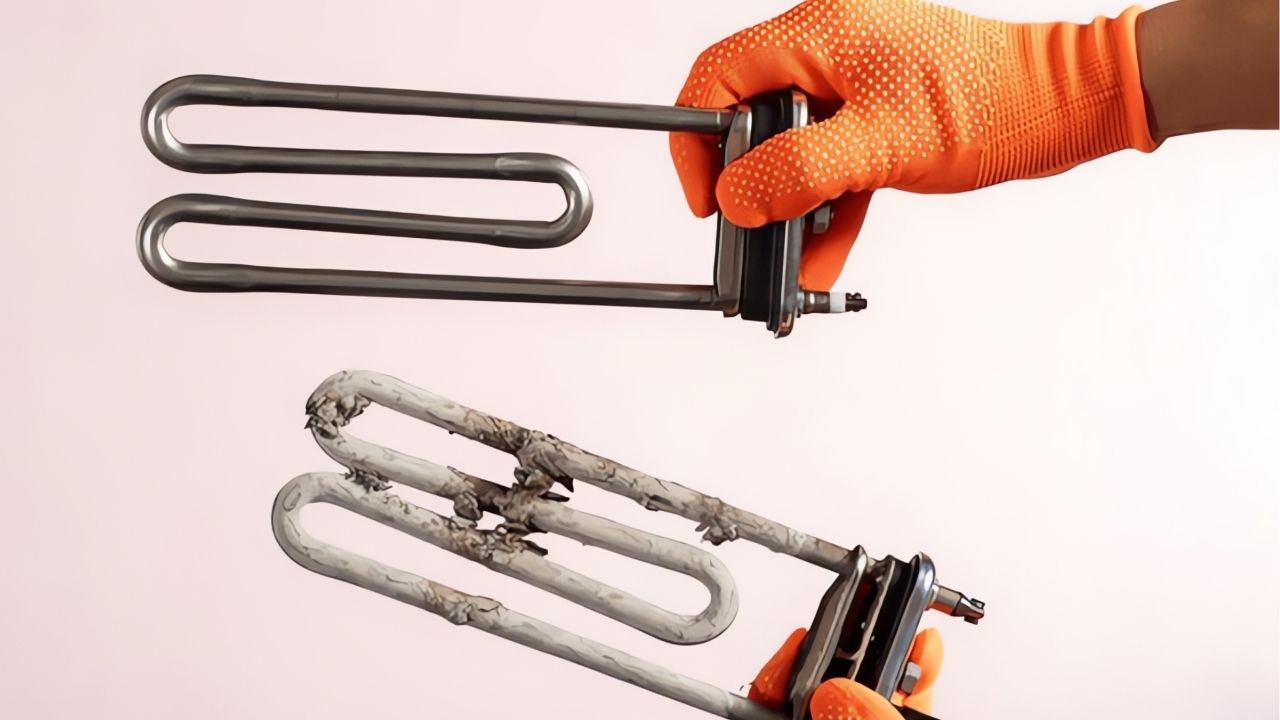
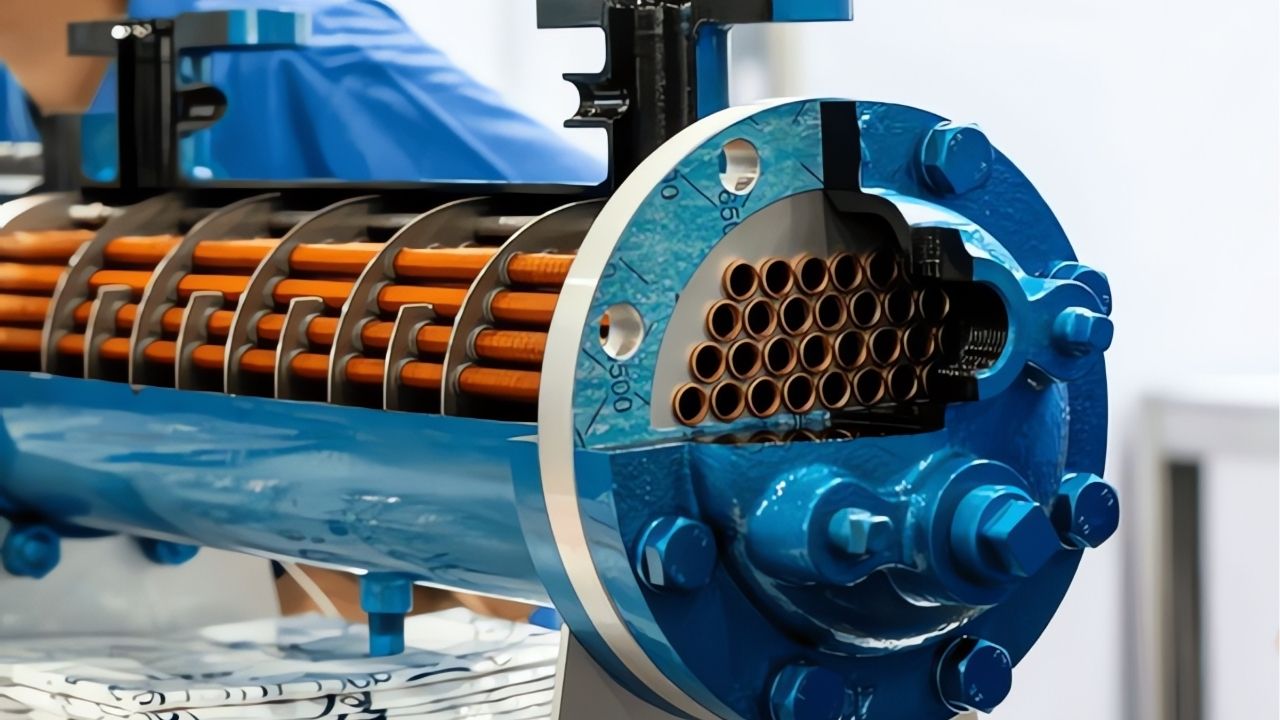
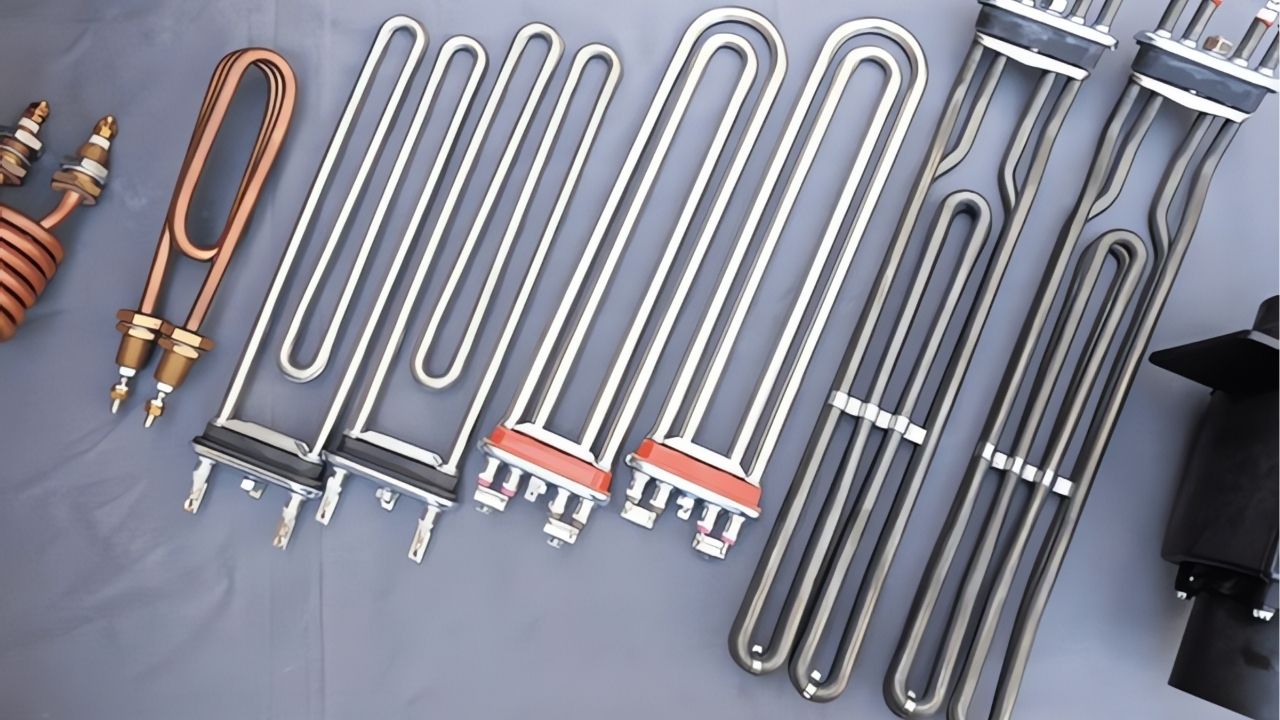
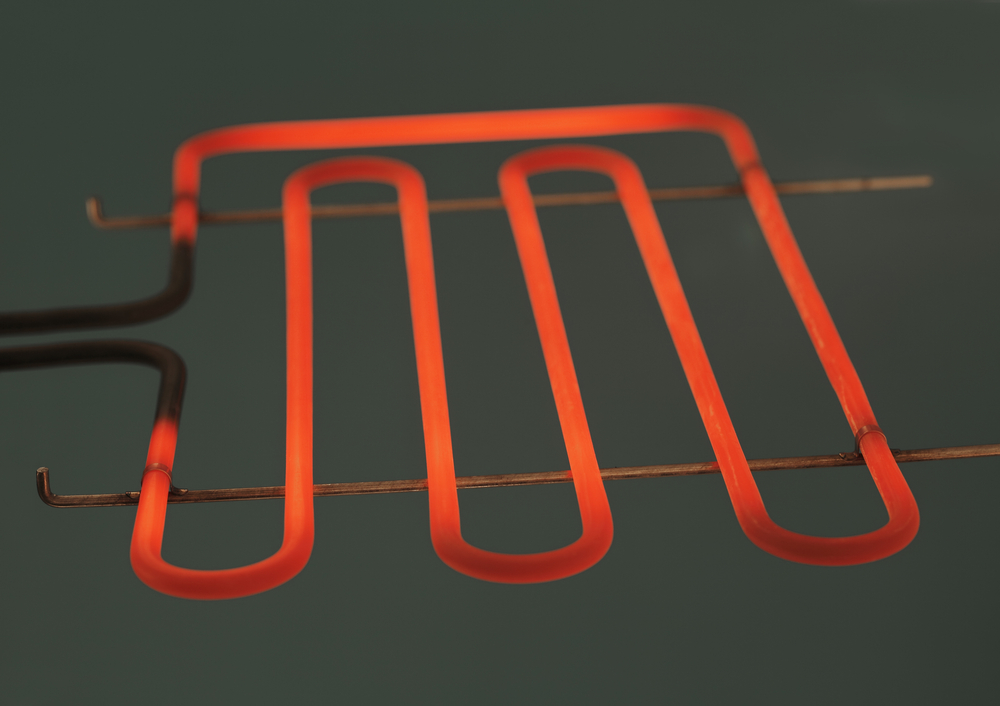
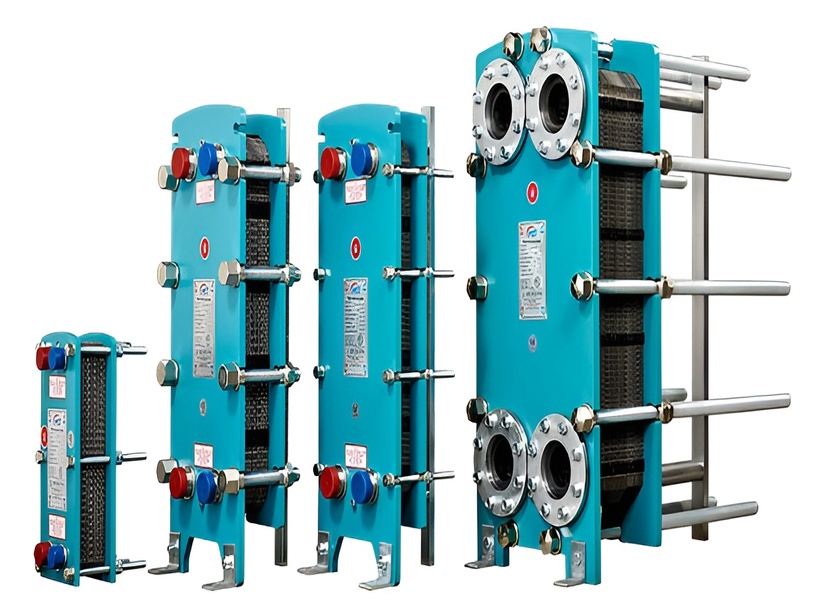
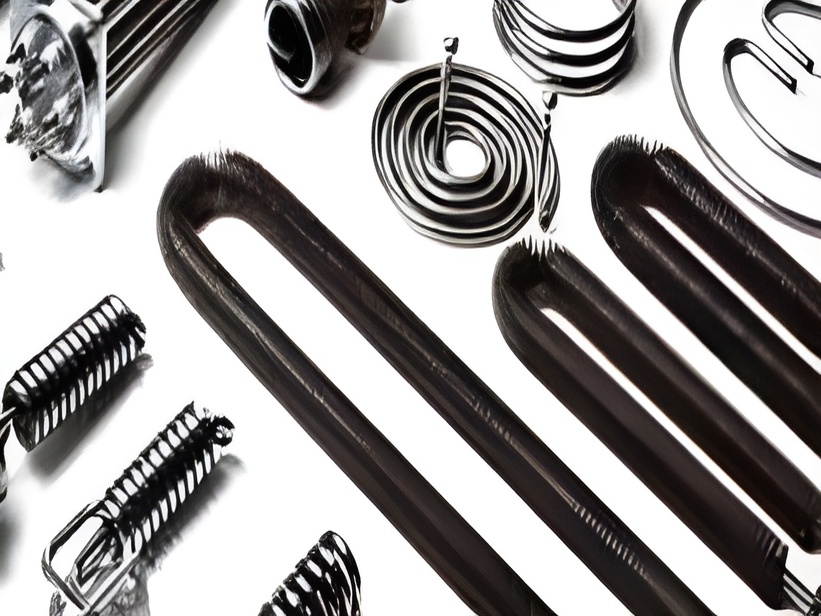
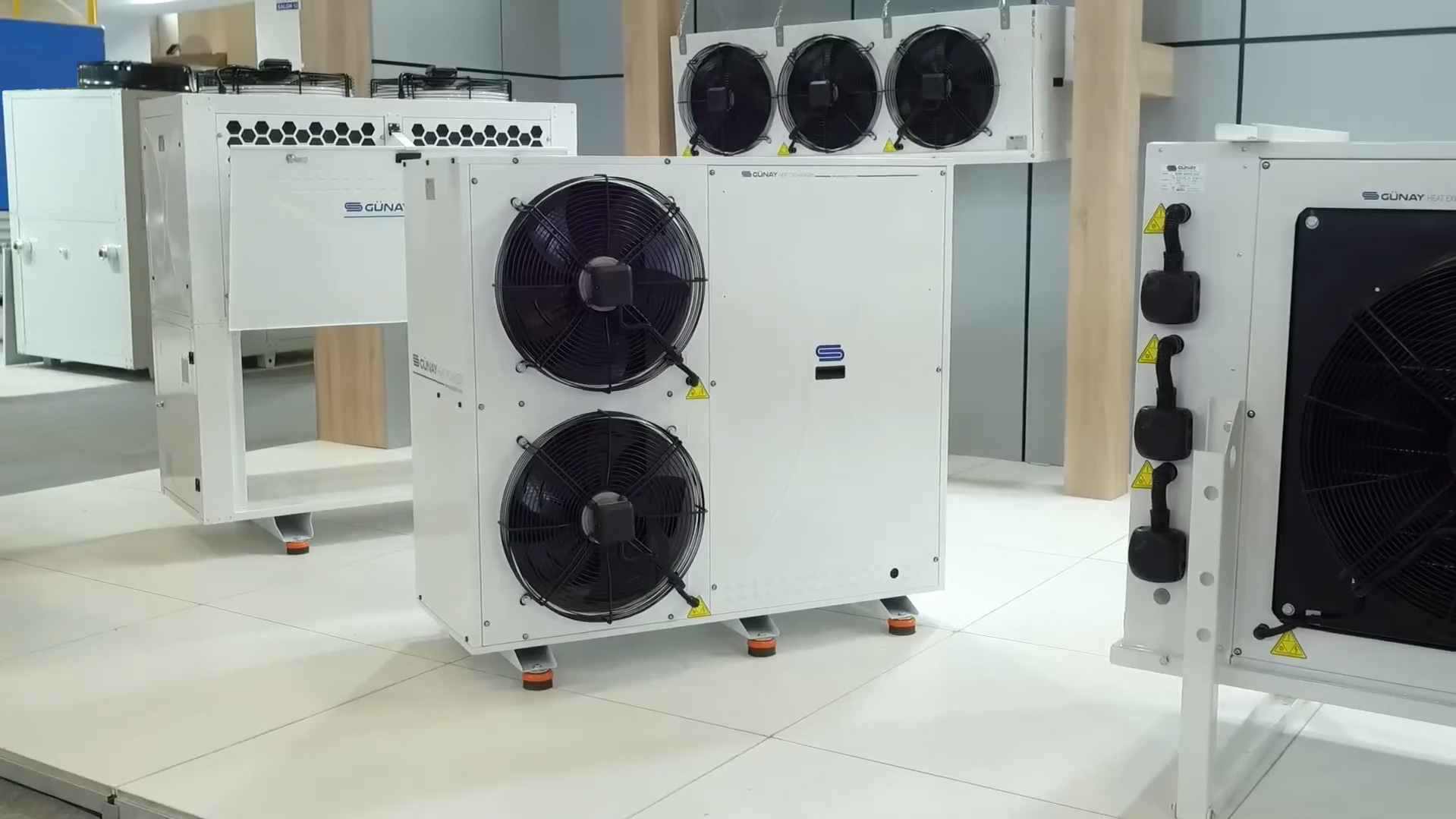
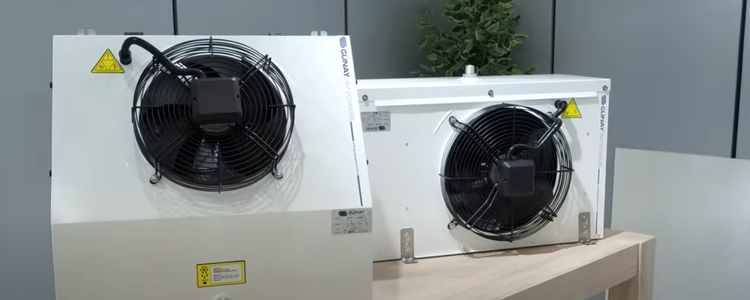
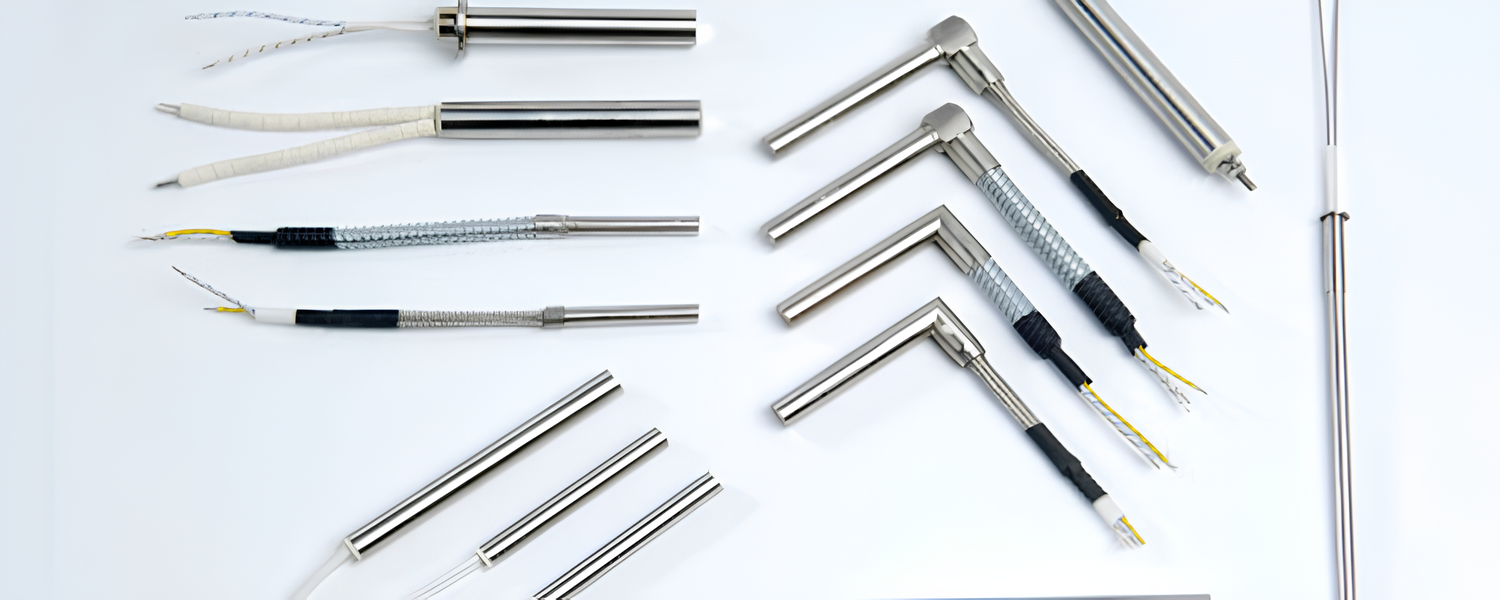
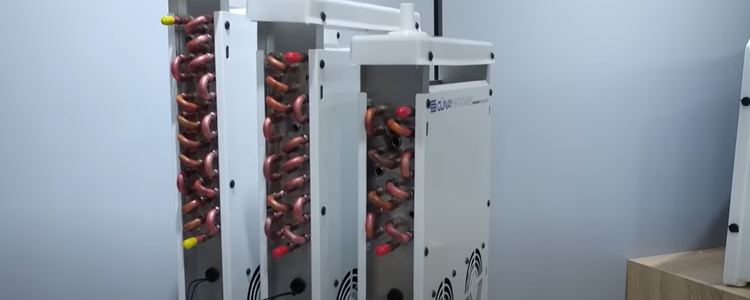
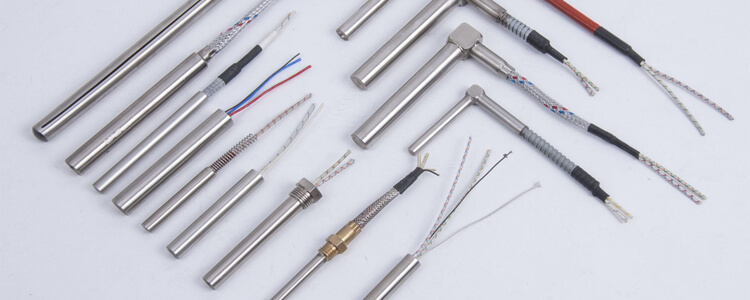
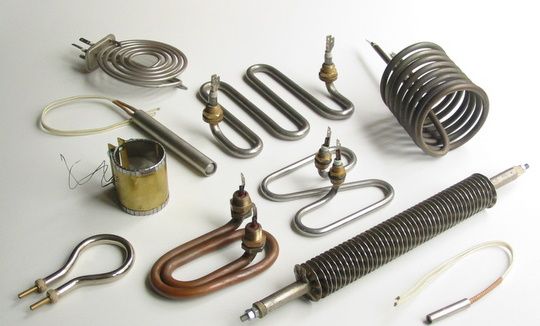
Günay Soğutma offers evaporator, condenser, and heater solutions for storage facilities used in frozen food logistics, helping strengthen cold chain reliability. Share your facility's requirements with our team to request a project-specific assessment.
Frequently Asked Questions
What Is The Standard Target Temperature For Frozen Foods?
The generally accepted target temperature is -18°C or below, though some product categories may have additional specific requirements.
Which Stage Of The Cold Chain Carries The Most Risk?
Loading and unloading are generally considered the highest-risk stages, since the product remains outside a controlled environment during this time.
Can Brief Temperature Deviations Actually Cause Damage?
Yes. Repeated brief deviations can disrupt the ice crystal structure within the product, leading to cumulative deterioration in texture quality.
Is A Temperature Monitoring System Needed At Every Stage?
Monitoring at every stage — including storage, transport, and point of sale — is recommended to preserve the integrity of the chain.
What Should Be Done If A Vehicle's Cooling Unit Fails?
Planning for a backup vehicle or additional cooling capacity allows the product to be quickly transferred to another controlled environment in the event of a failure.
How Can I Improve My Facility's Cold Chain Reliability?
Share the details of your storage and transport processes with our team to request an equipment- and process-based technical assessment.