

What Conditions Are Evaporator Catalogue Capacities Based On?
01 / 10 / 2026


When a cooling system is being set up, a single product is often what people look for: "an evaporator", "a condenser". Yet a system working in the field is never a single part — it is the coordinated operation of several pieces of equipment that absorb heat from the space, carry it, reject it outside and, when necessary, melt the ice. An evaporator used in a cold storage room and an evaporator used on a supermarket shelf work on the same principle, but their fin spacing, defrost method and capacity curve are designed completely differently. The same applies to the condenser, axial fan and heater.
This article covers the technical framework needed to request the right equipment correctly when working with a cooling equipment supplier: what each type of equipment does, which combination works in which sector, and why a wrong match leads to inefficiency or failure. For an engineer or purchasing officer looking at Günay Heat Exchangers' product portfolio, this distinction is the first thing to be clarified before starting quotation talks with a supplier.
The picture encountered in practice is this: the project owner knows the capacity value but has not clarified how this capacity will be shared among four different components. However powerful the evaporator is on its own, if the condenser opposite it cannot reject the heat fast enough, the system never reaches the expected temperature; if the fan airflow is insufficient, part of the evaporator surface is put out of use. Equipment selection is therefore an engineering decision that must be treated as a whole, not part by part.
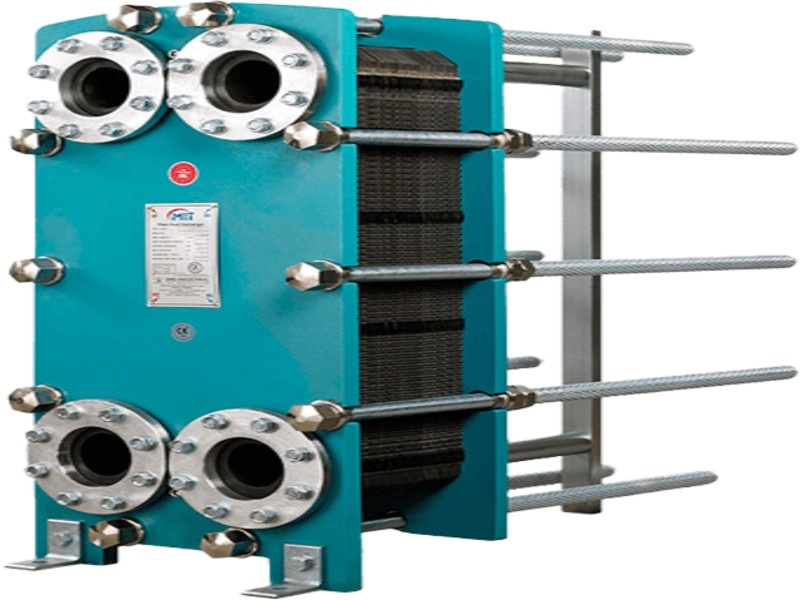
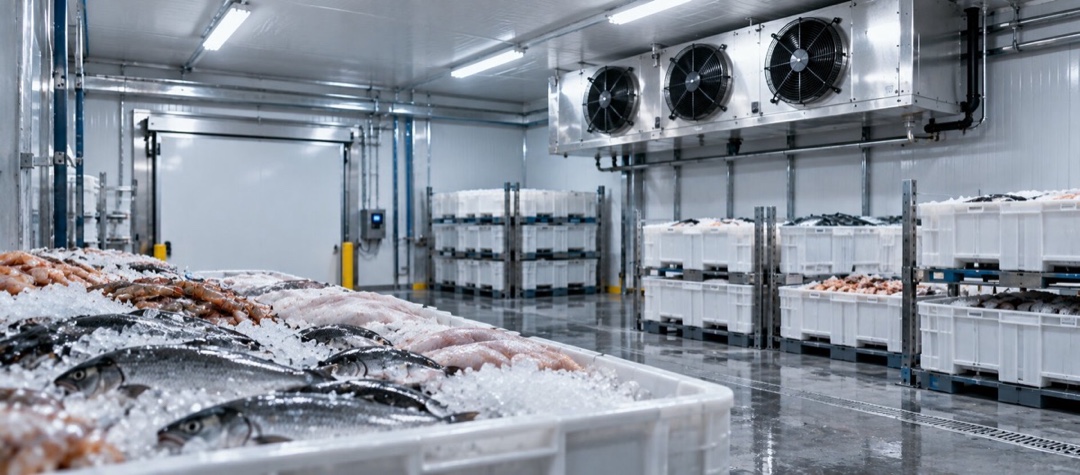
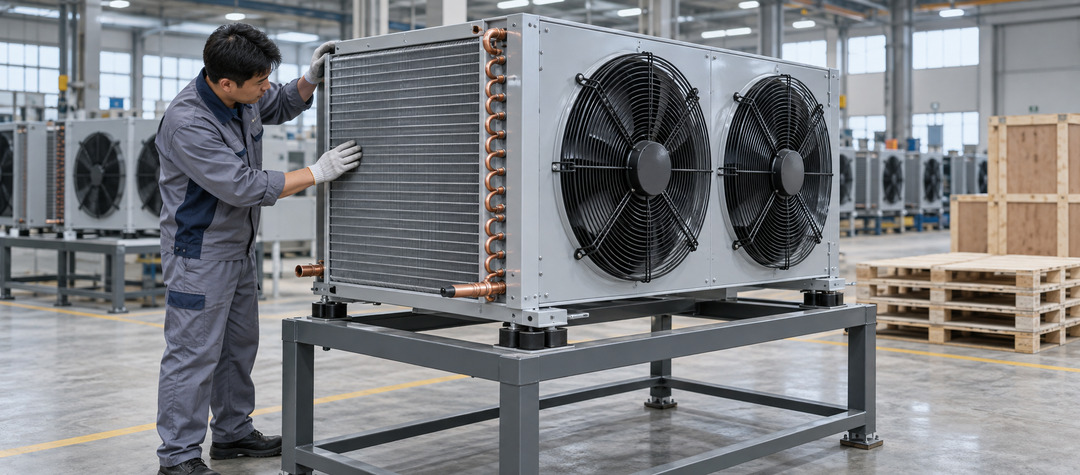
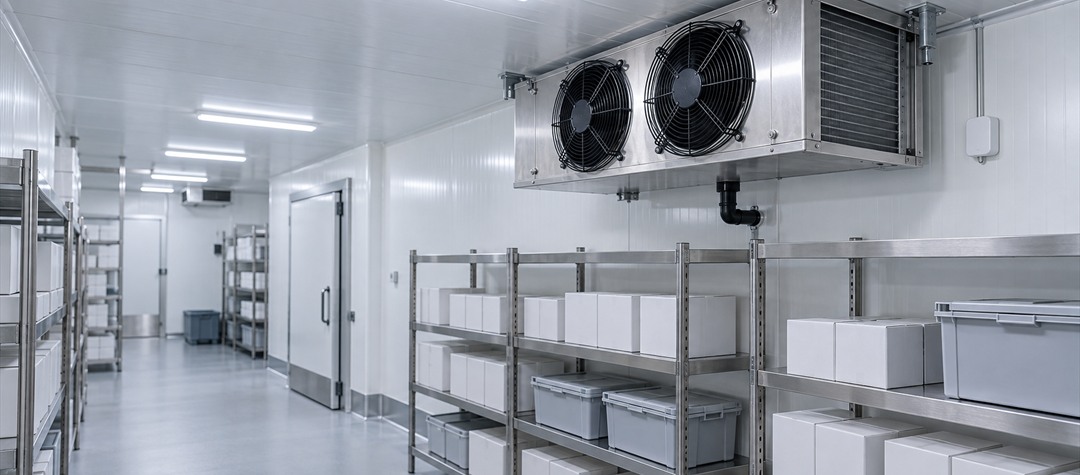
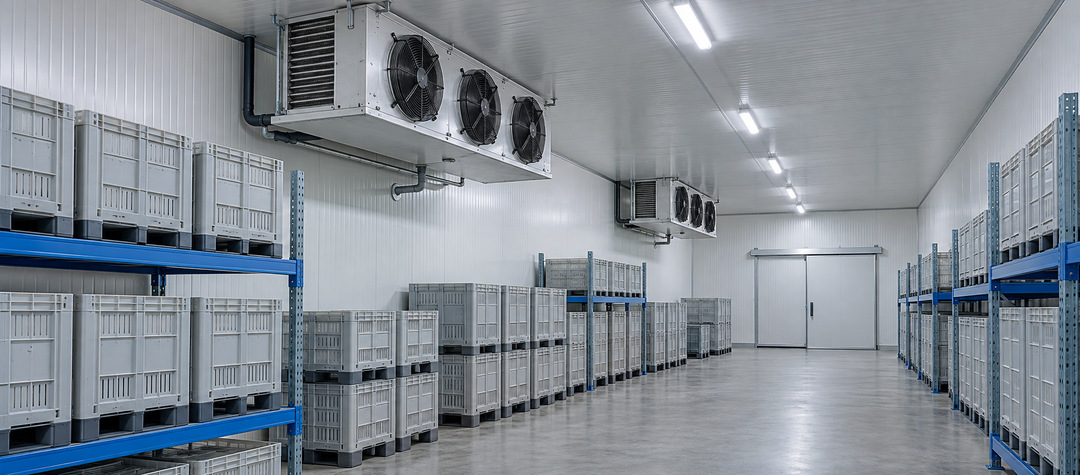
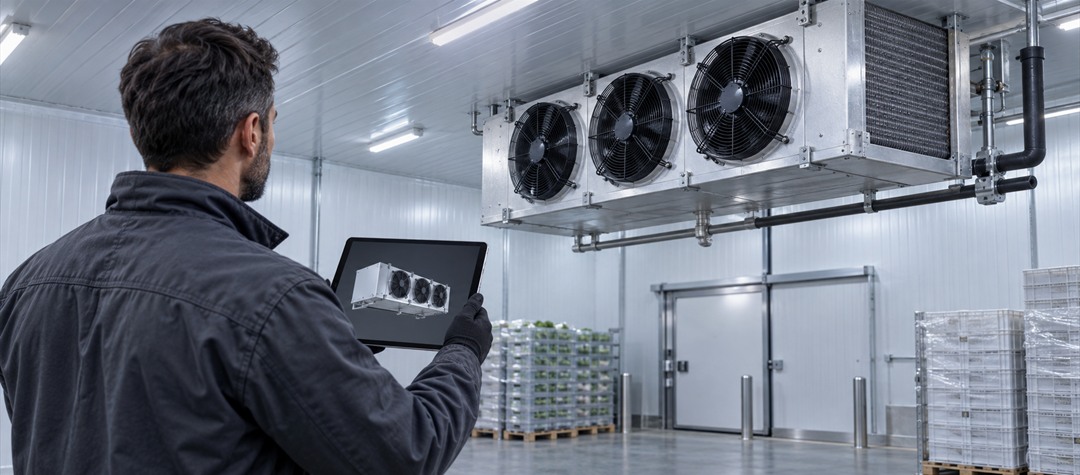
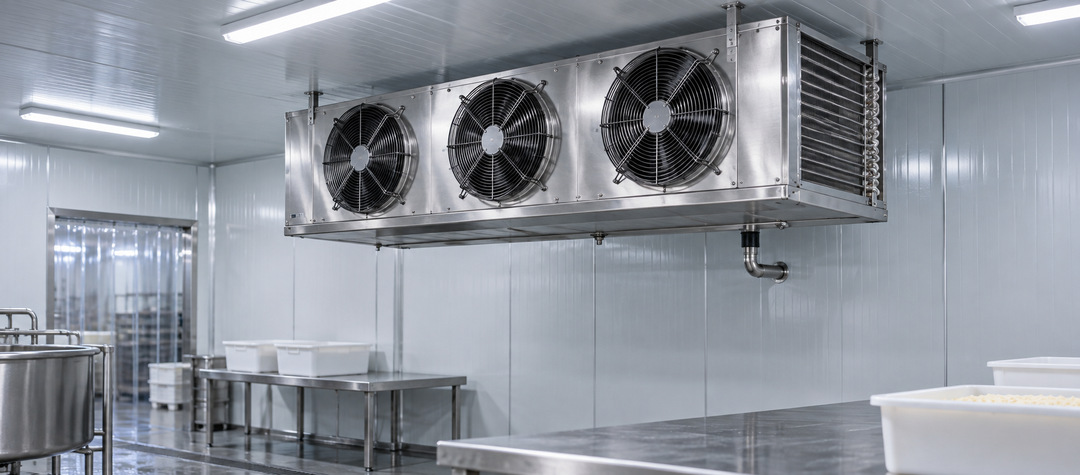
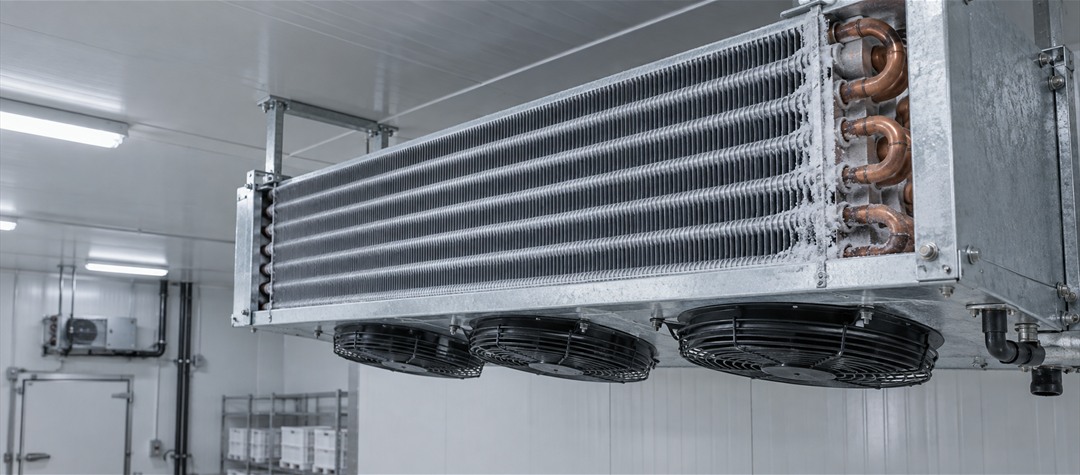
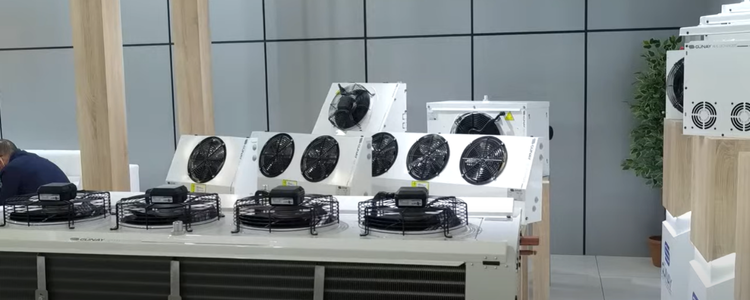
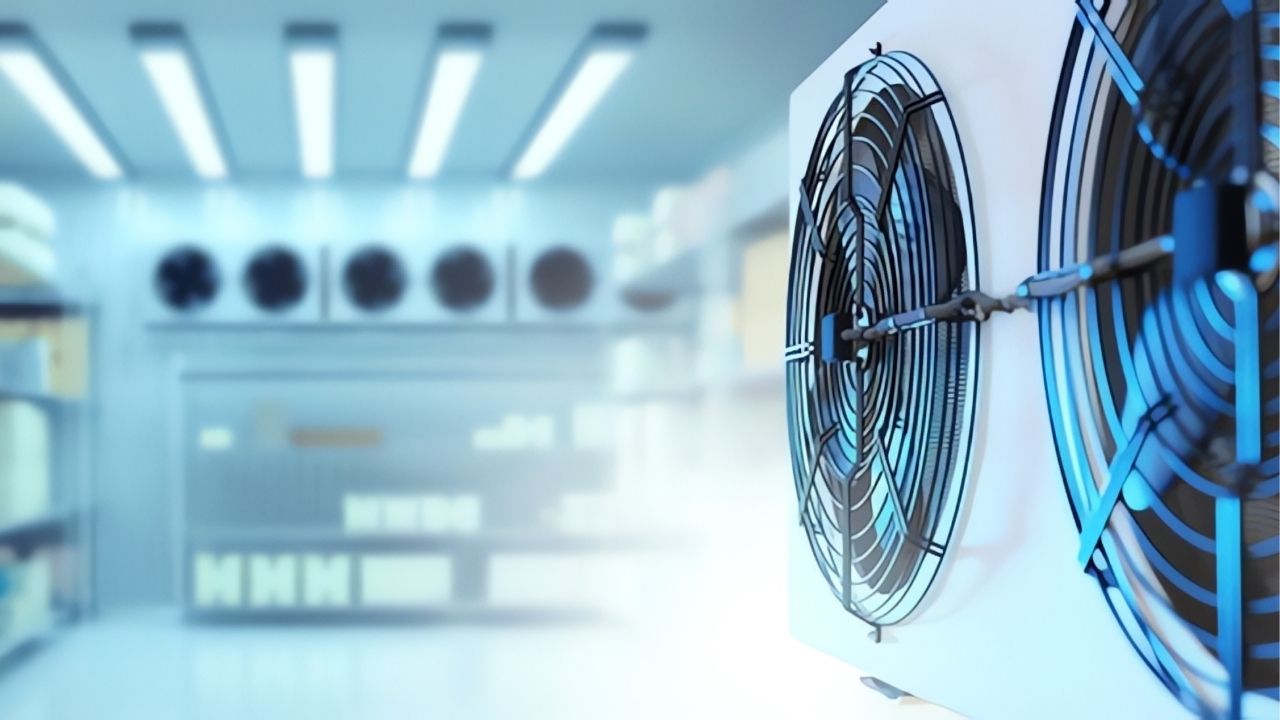
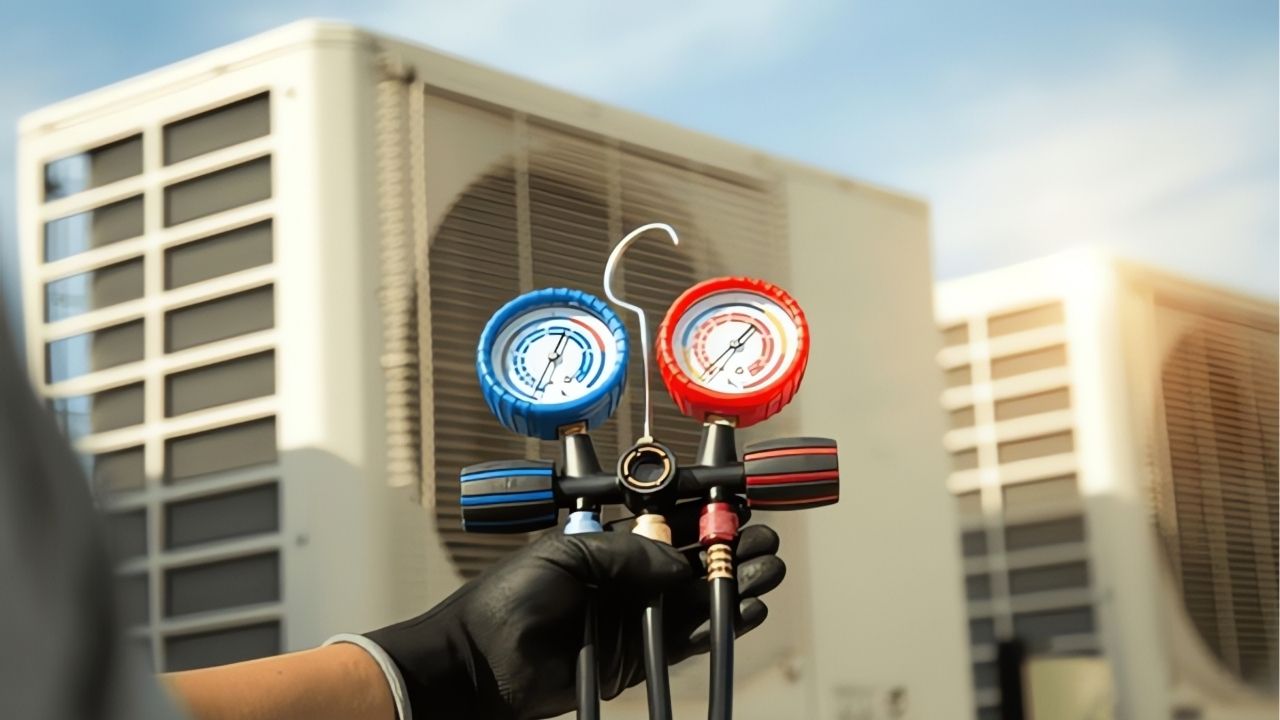
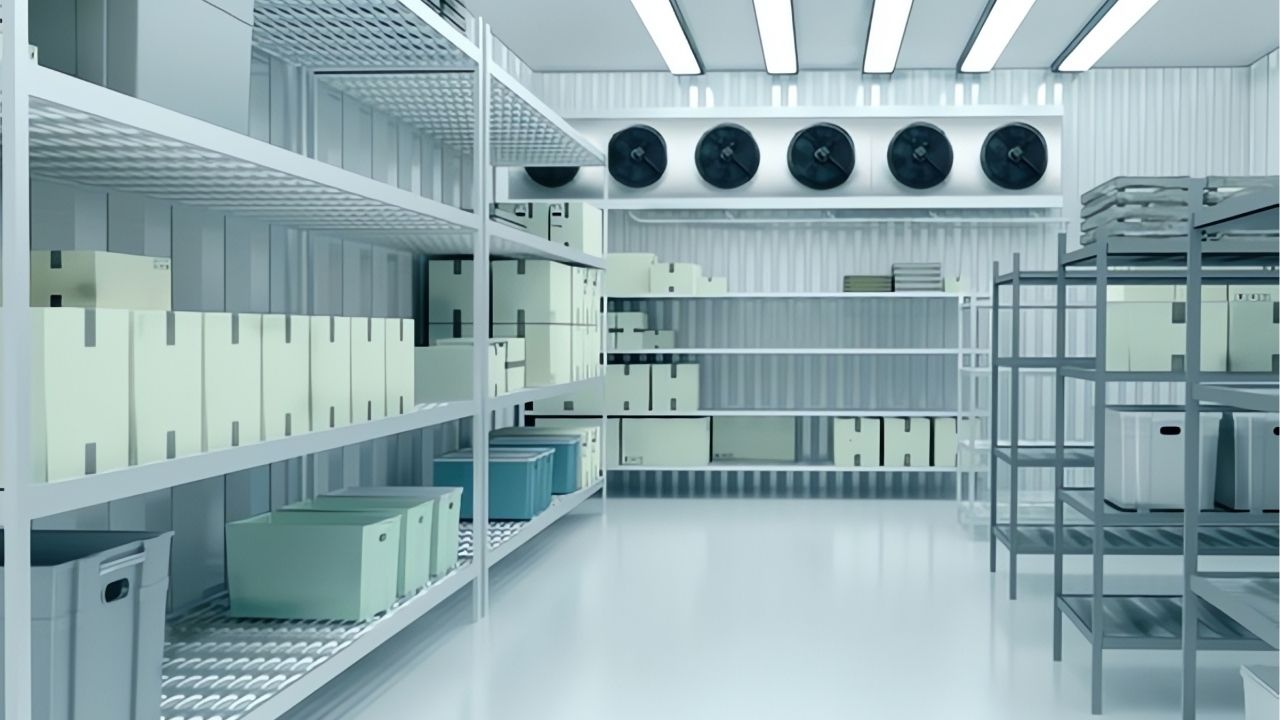
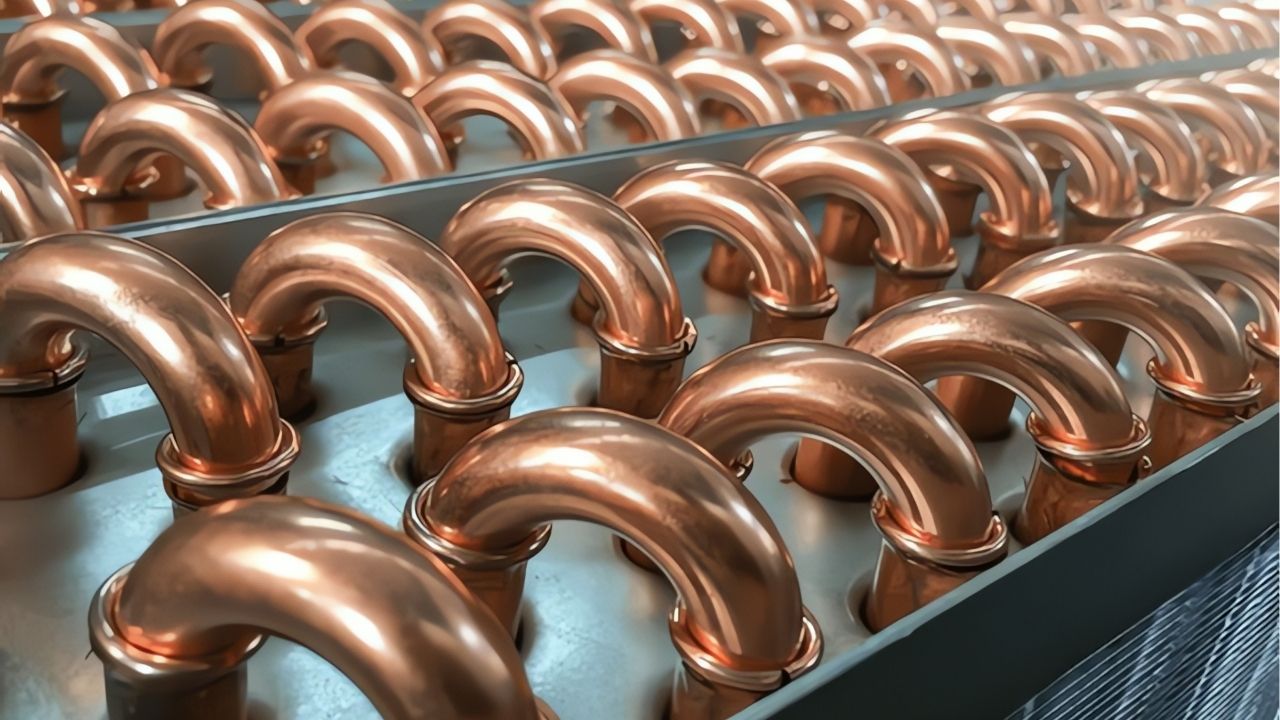
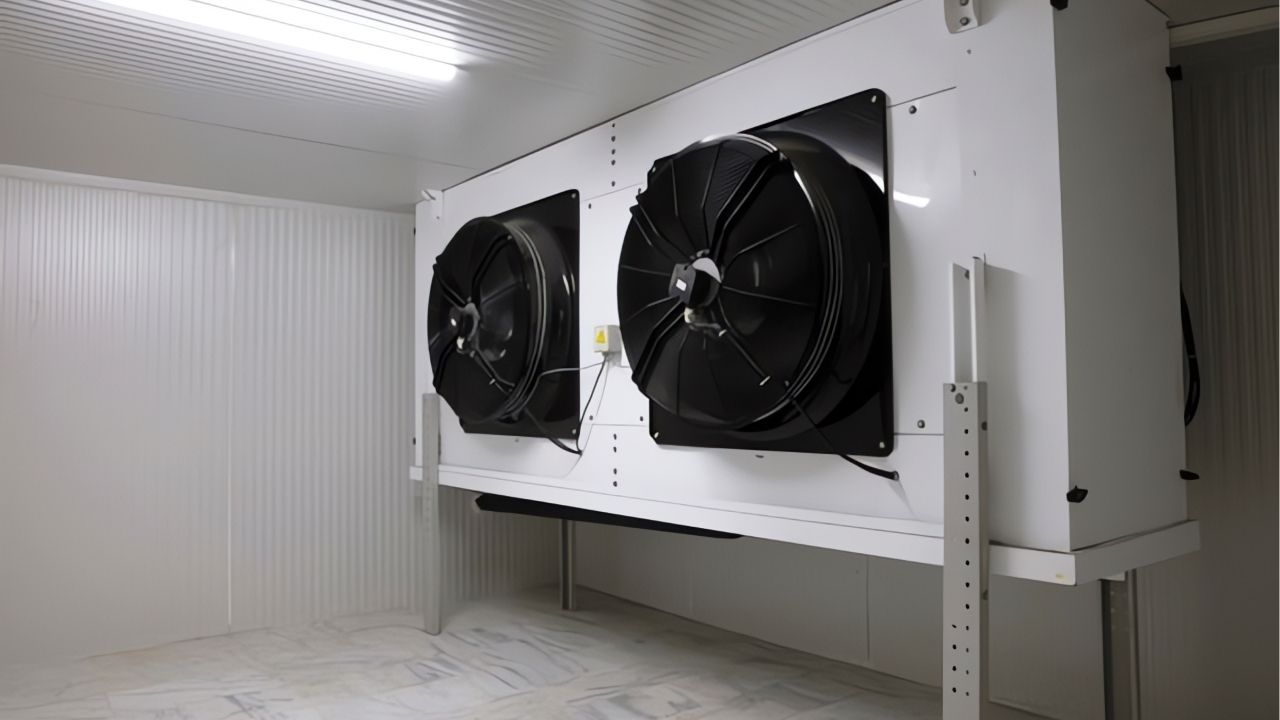
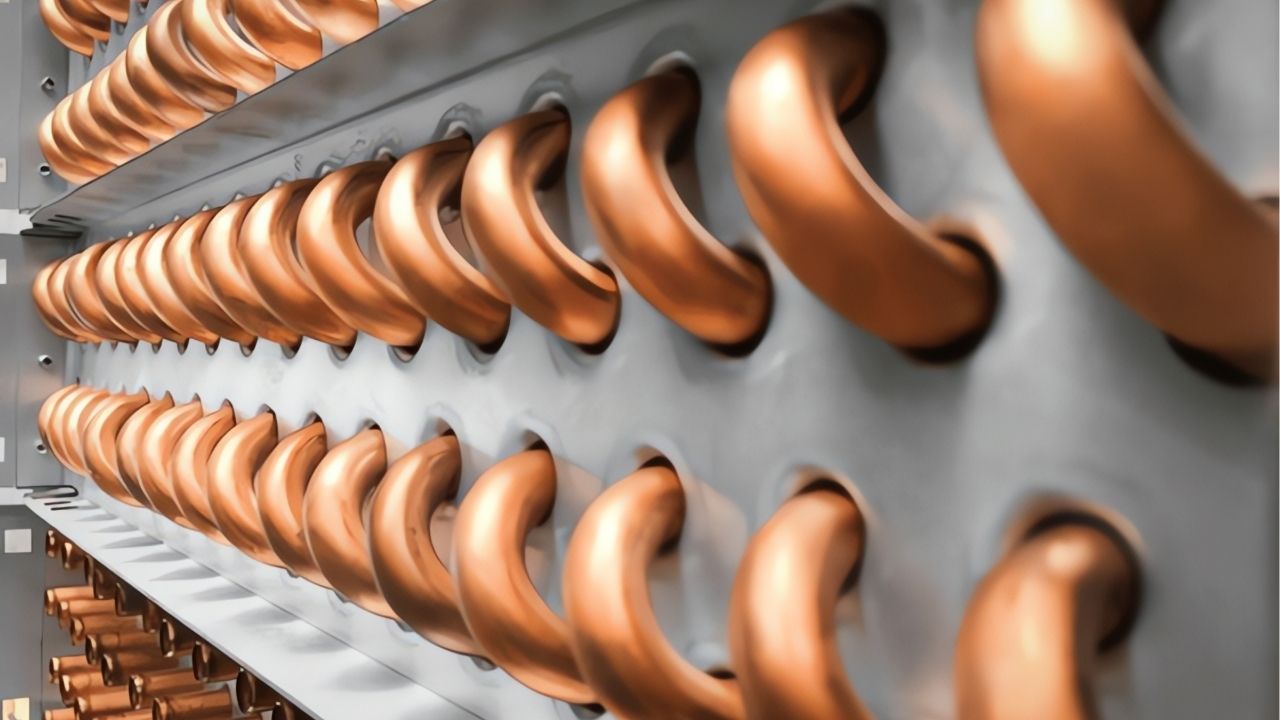
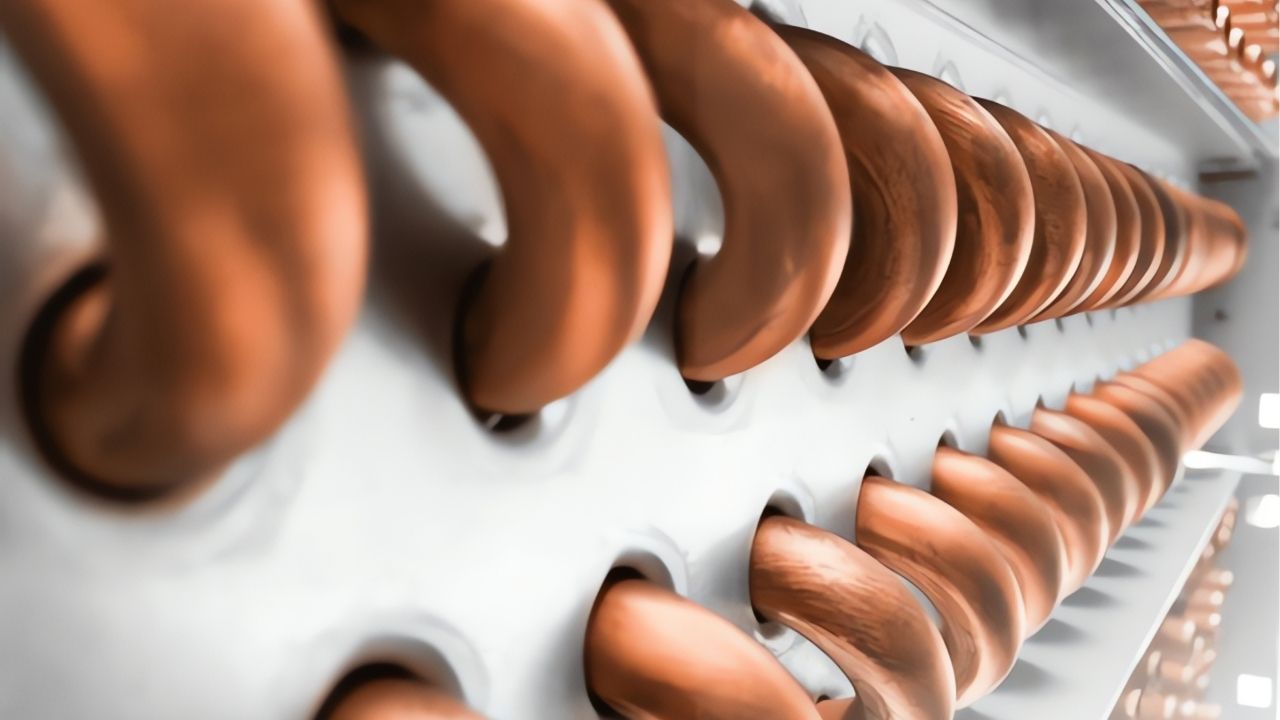
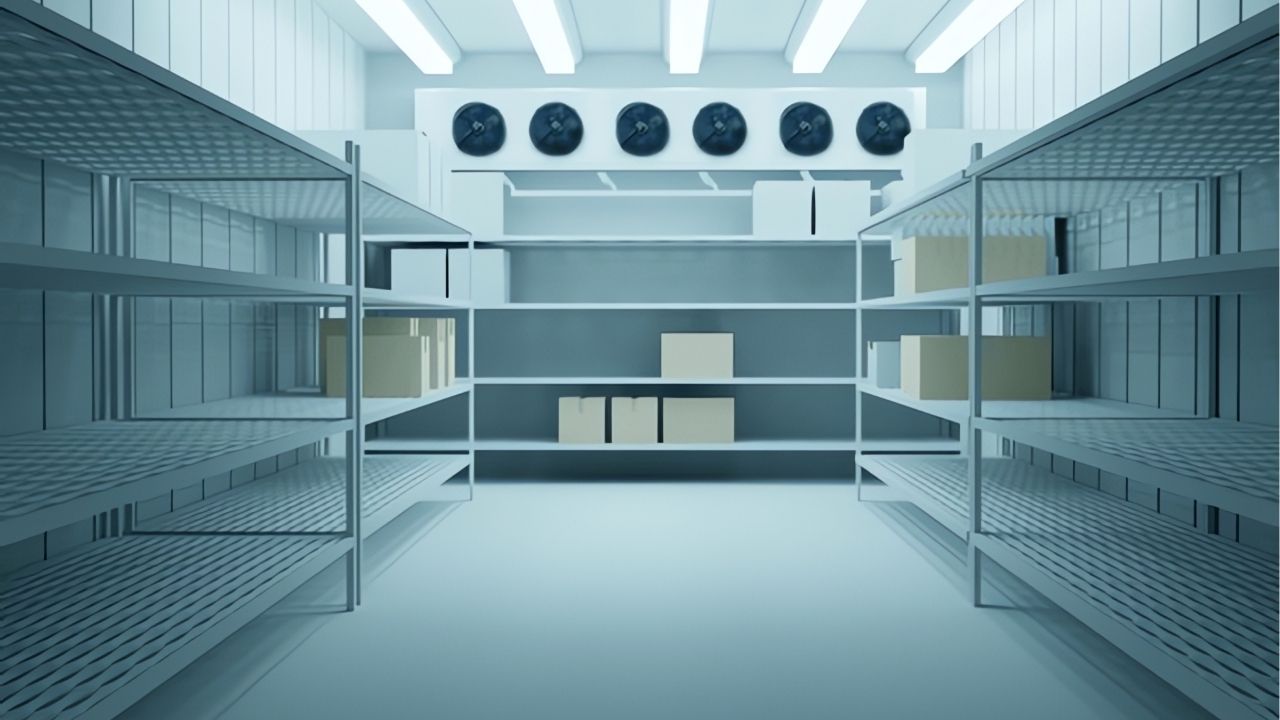
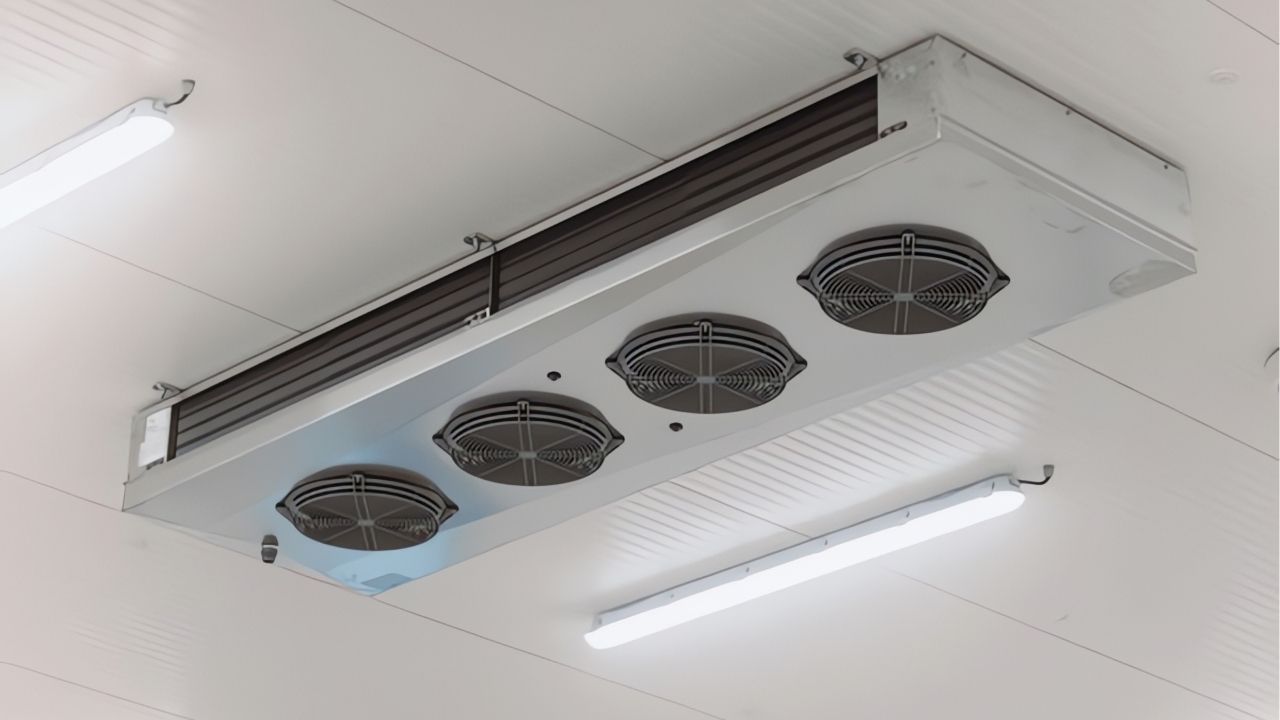
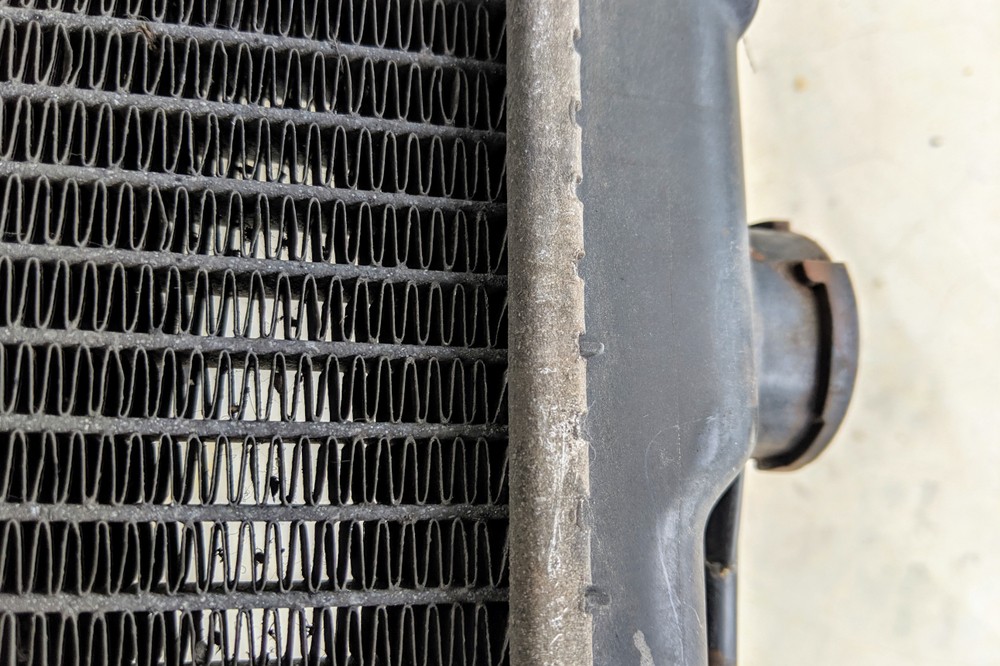
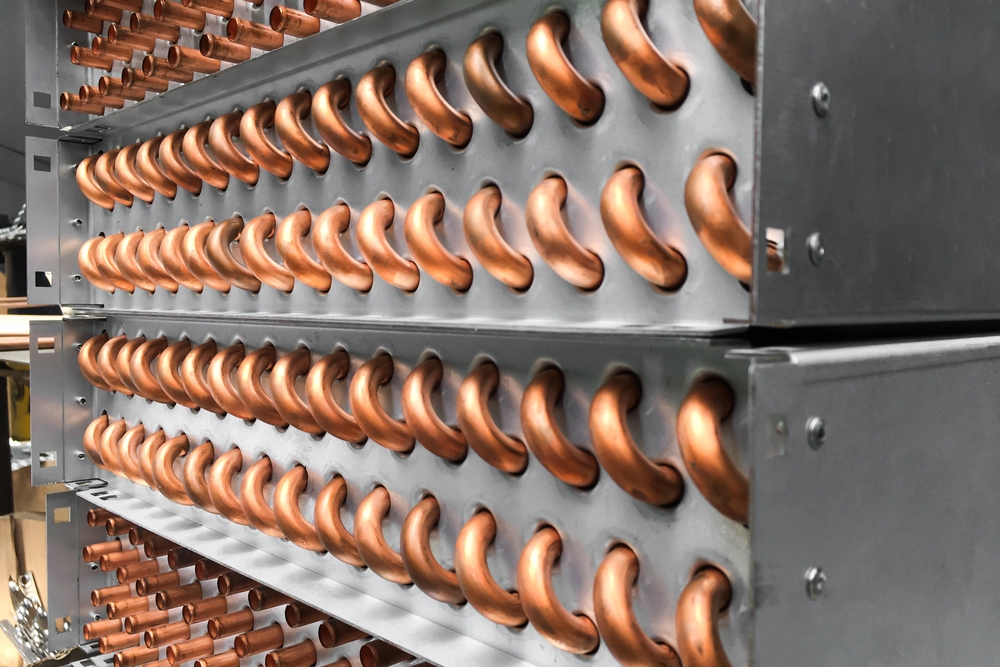
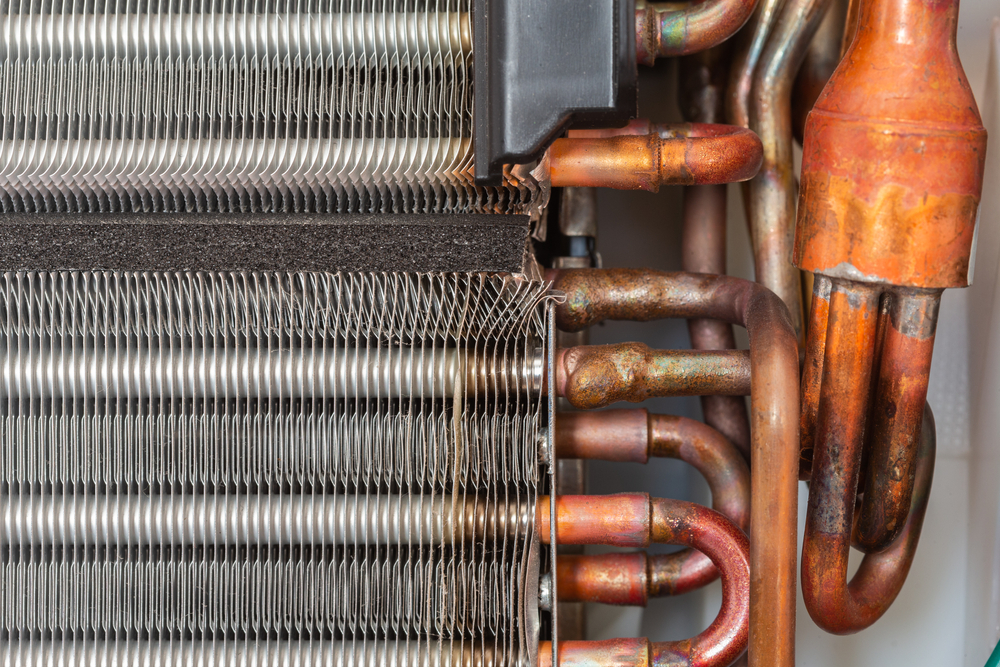
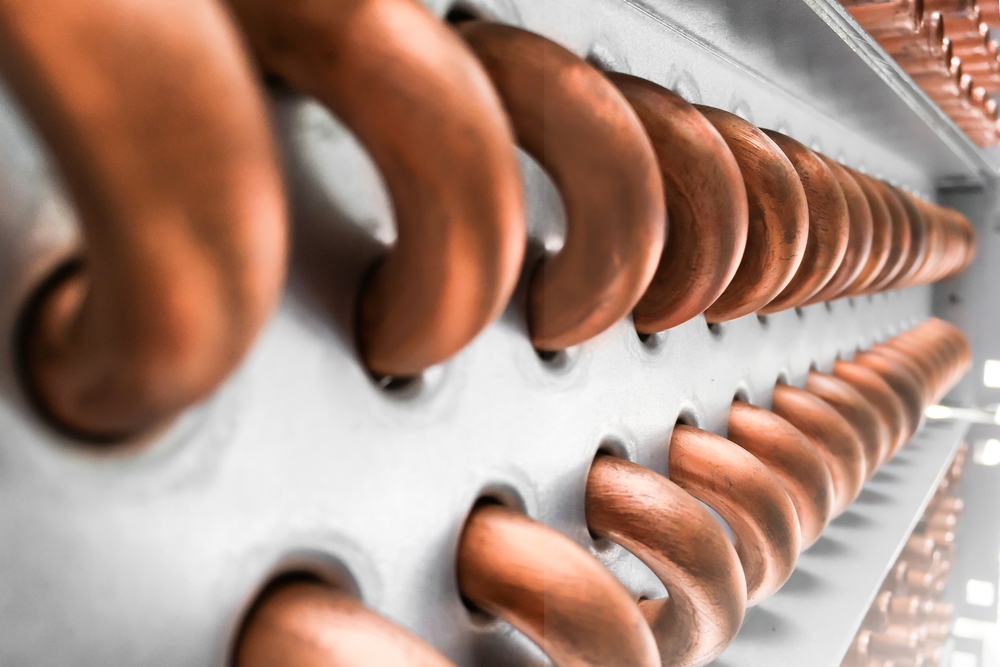
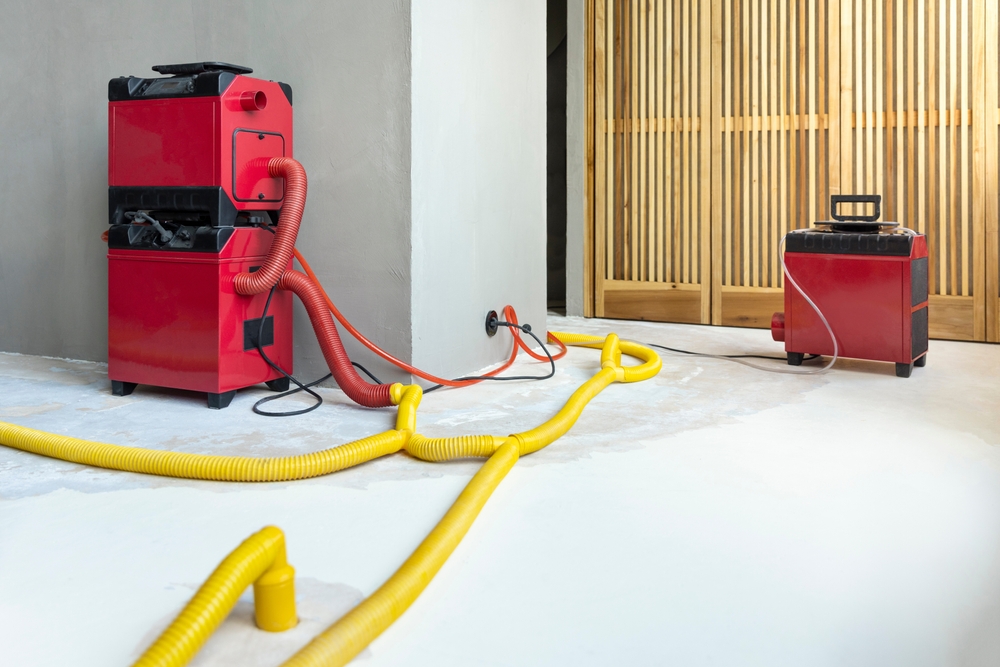
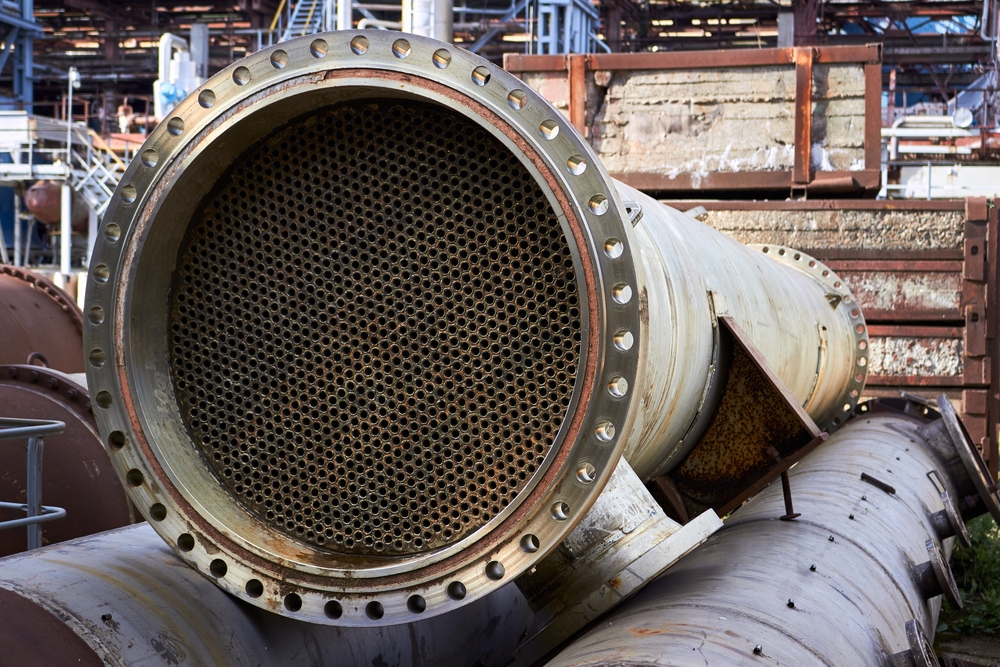
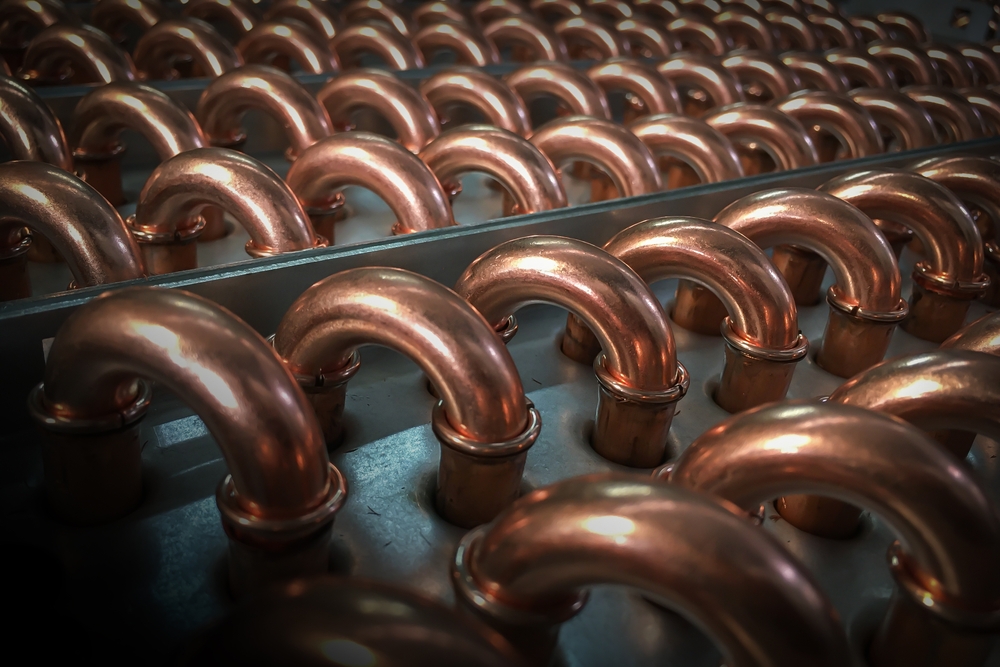
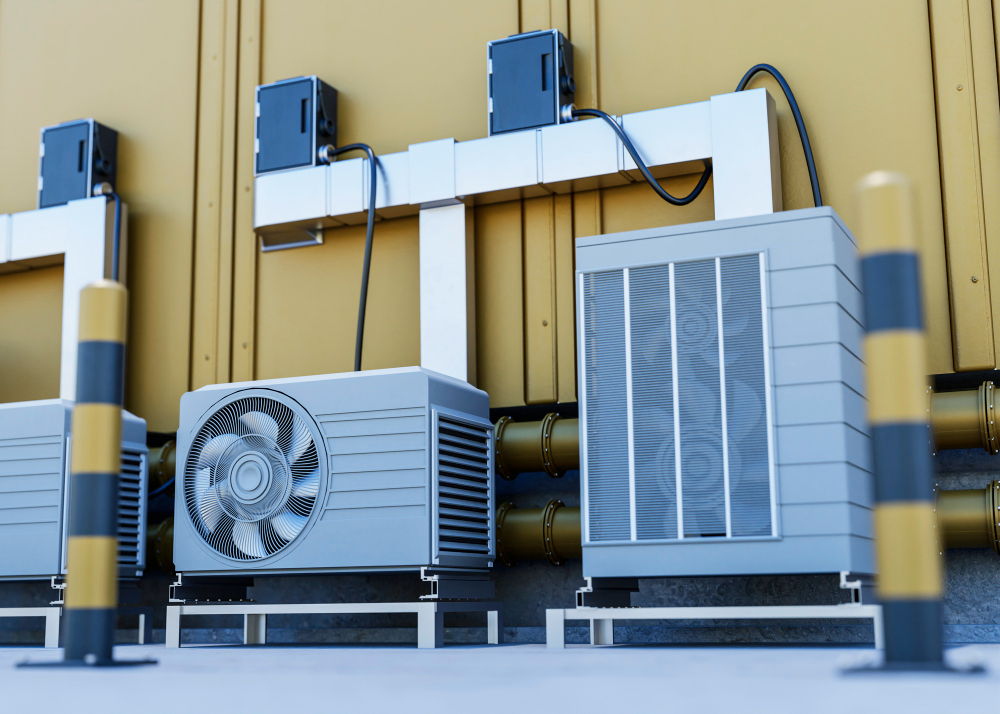
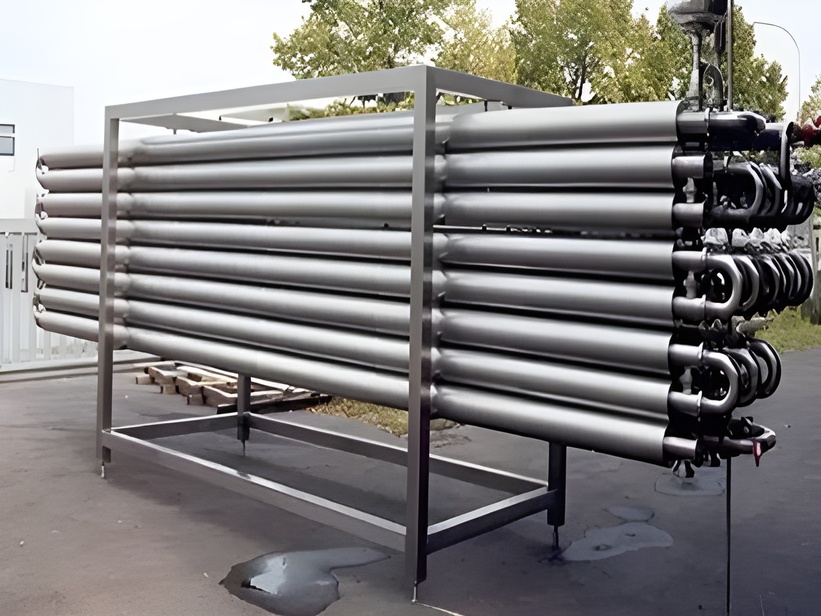
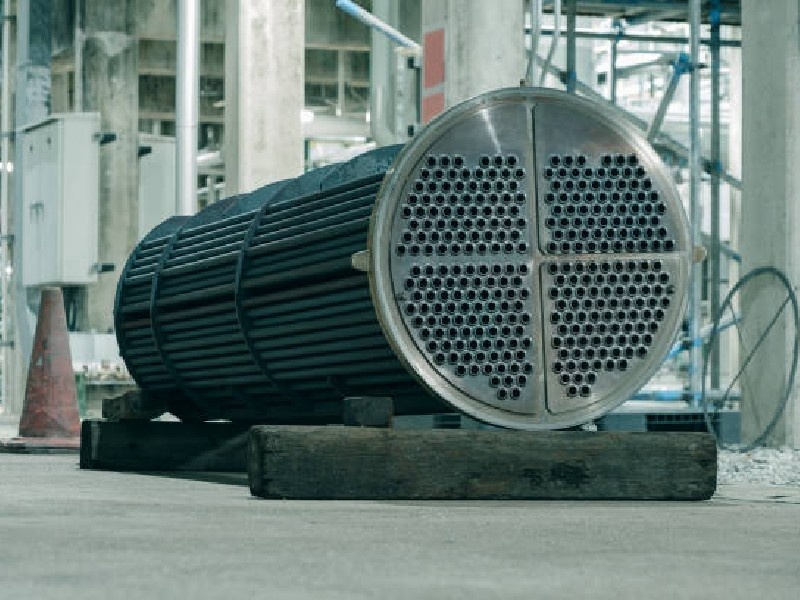
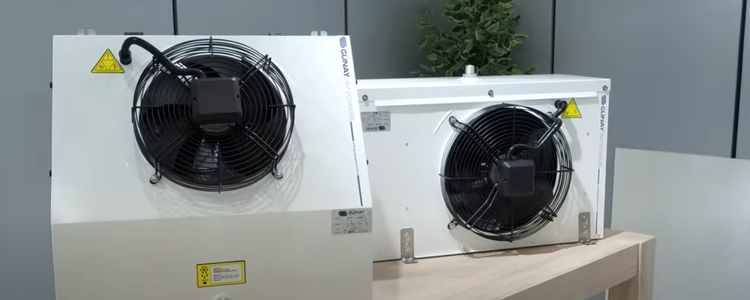
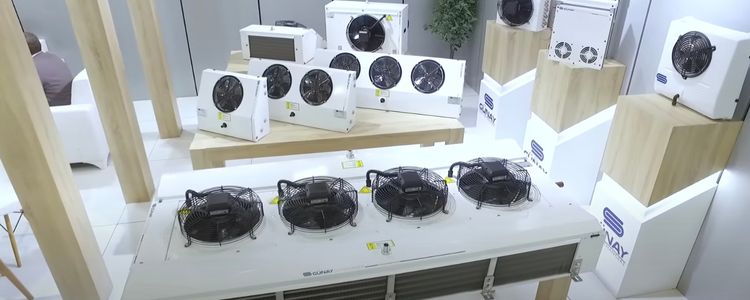
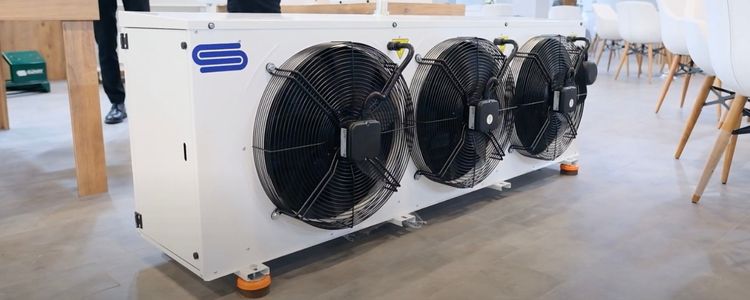
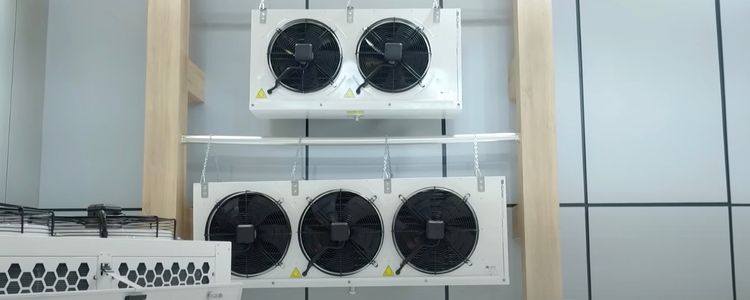
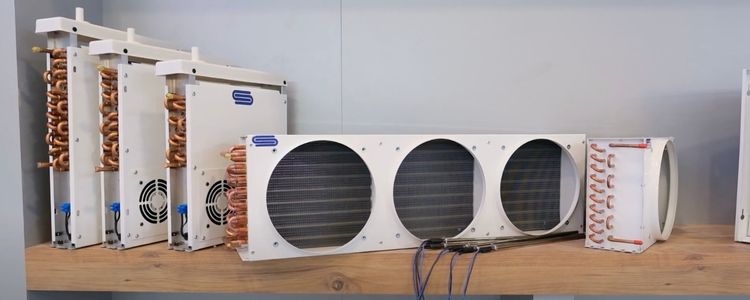
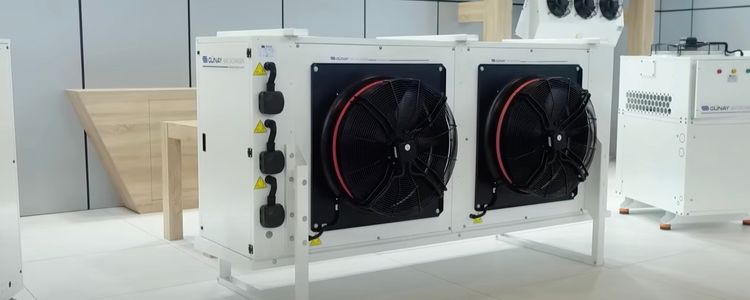
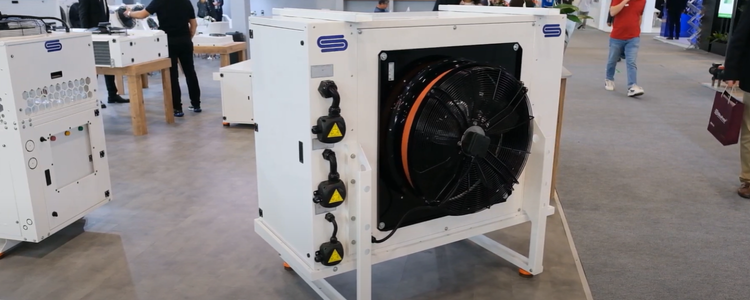
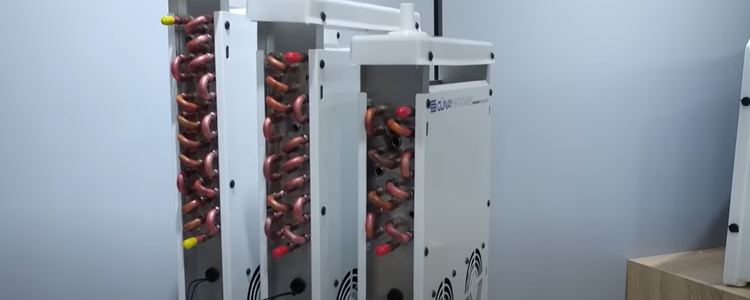
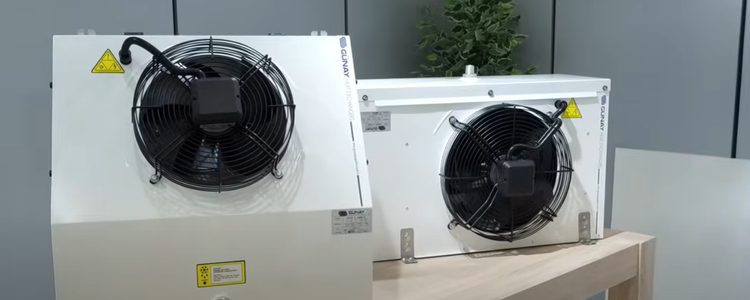
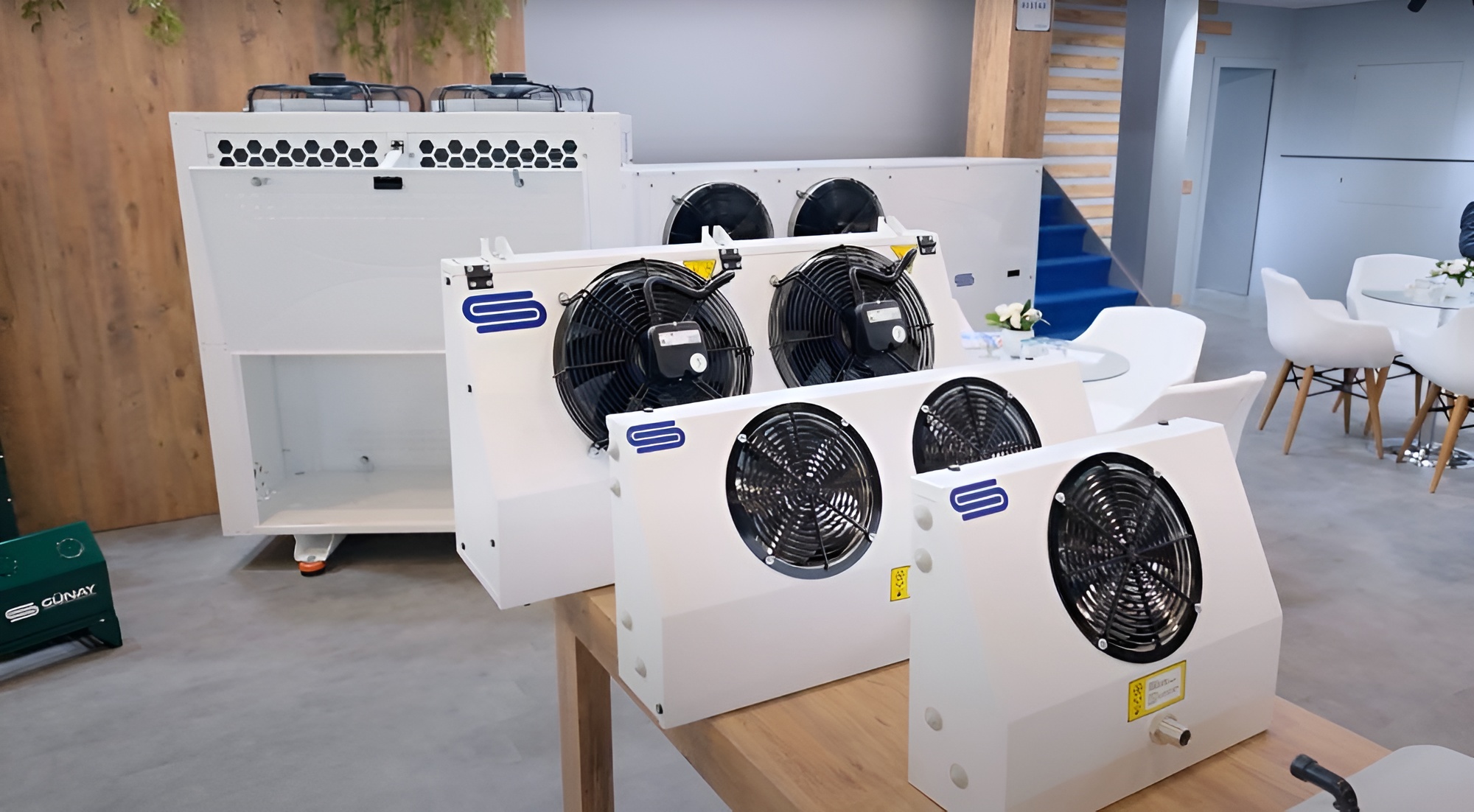
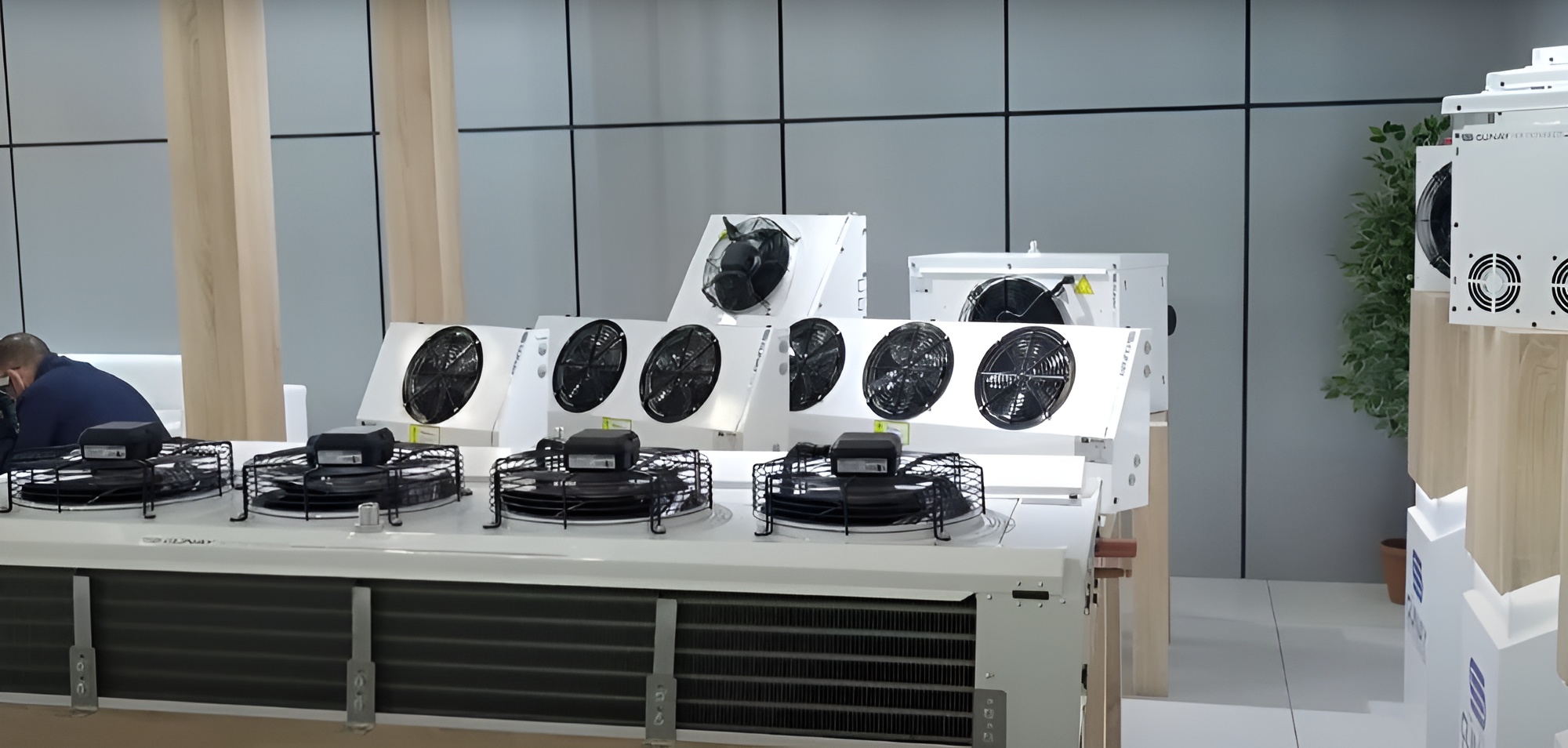
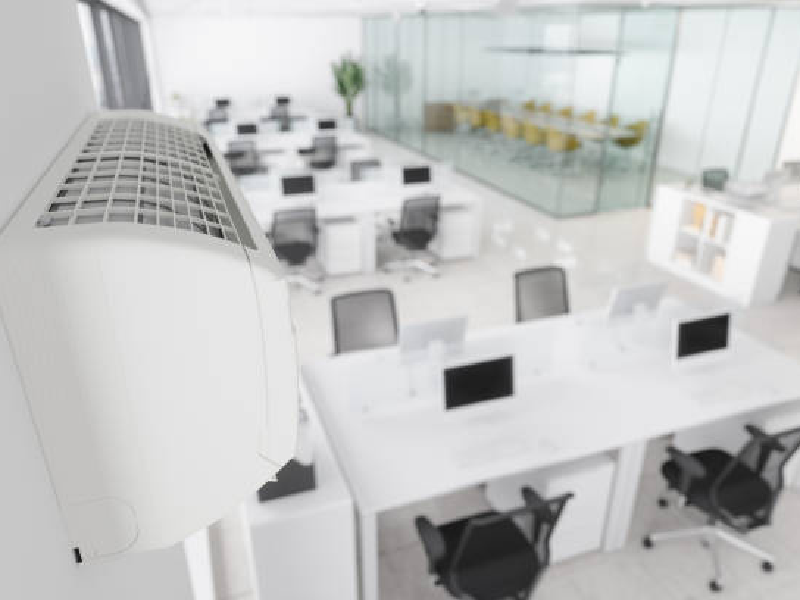
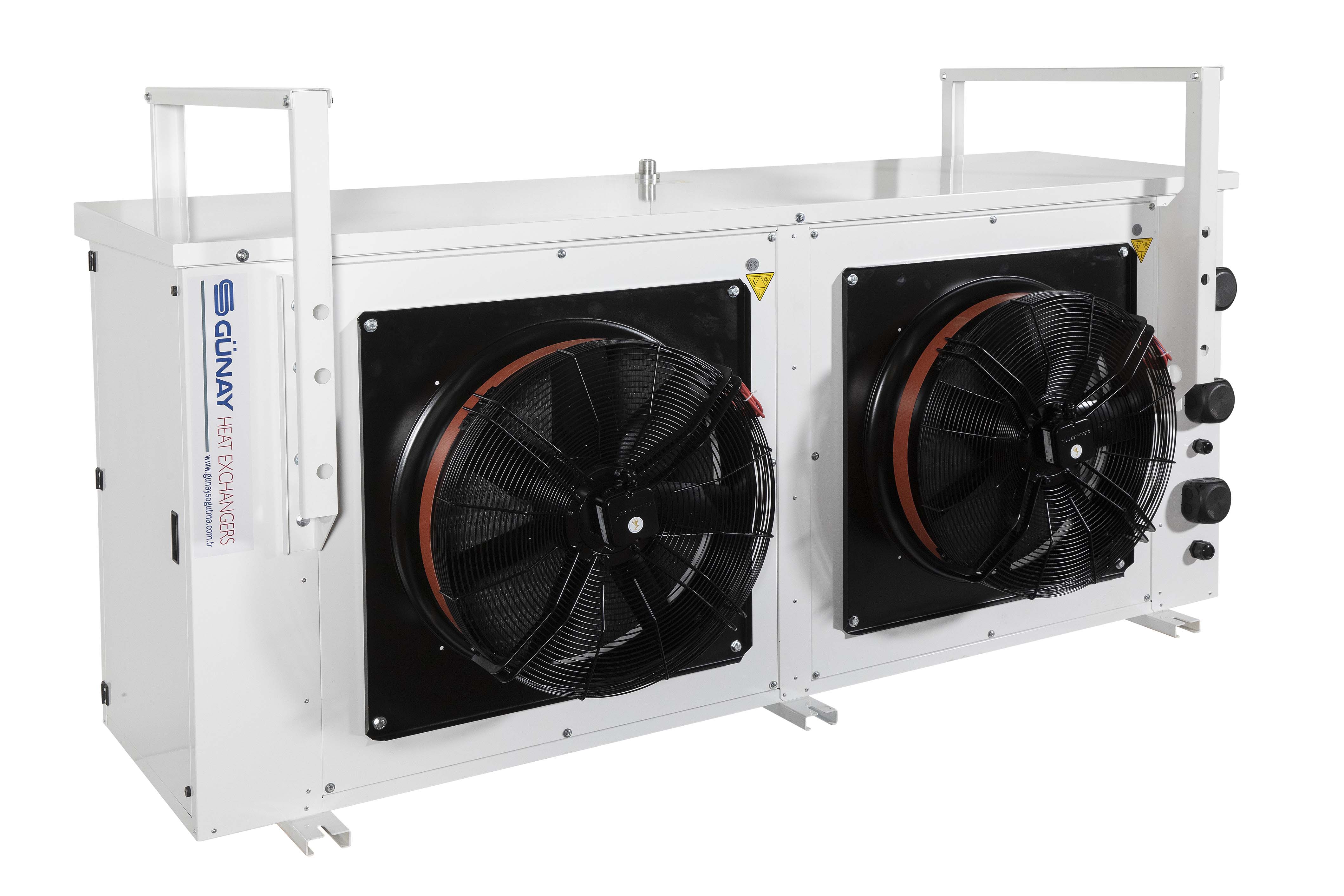
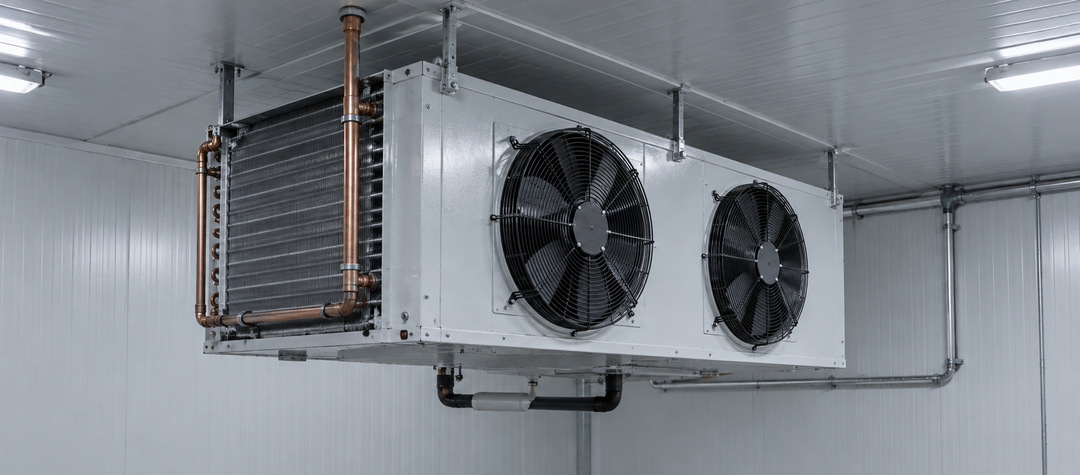
The evaporator is the component of the cooling circuit that draws heat from the space. As the refrigerant passing through it evaporates, it absorbs heat from the surrounding air and the ambient temperature drops. Fin spacing, tube diameter and number of circuits vary with the target temperature range and humidity load.
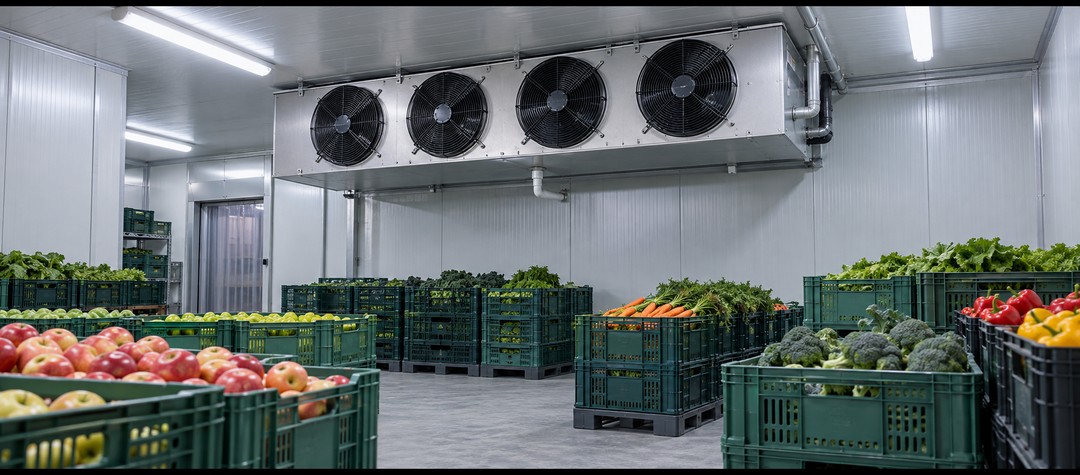
Another parameter to look at when selecting an evaporator is the TD (temperature difference) value — the difference between the evaporator surface temperature and the room temperature. A low TD means less moisture is removed from the air (less drying of the stored product) and less frost, but it requires a larger evaporator surface; in projects with limited mechanical space, this creates a balancing problem. In applications with high humidity sensitivity such as food storage the TD is kept low, whereas in areas where dry goods are stored, a more compact evaporator with a higher TD may be preferred.
For models with different circuit configurations, a selection can be made according to the application within the evaporator range.
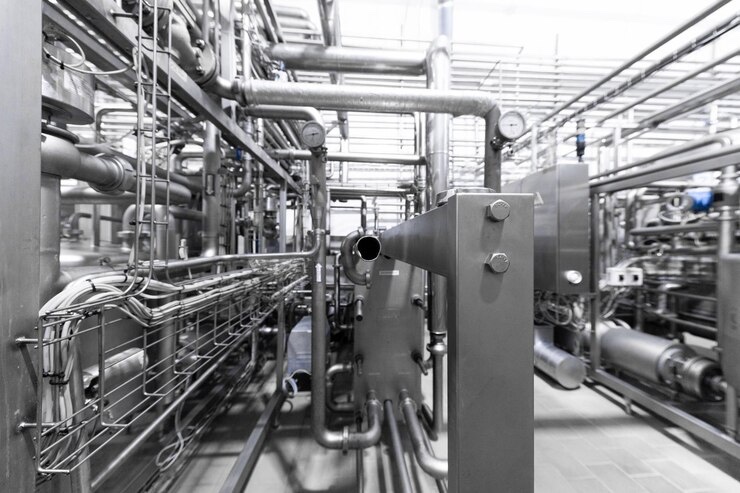
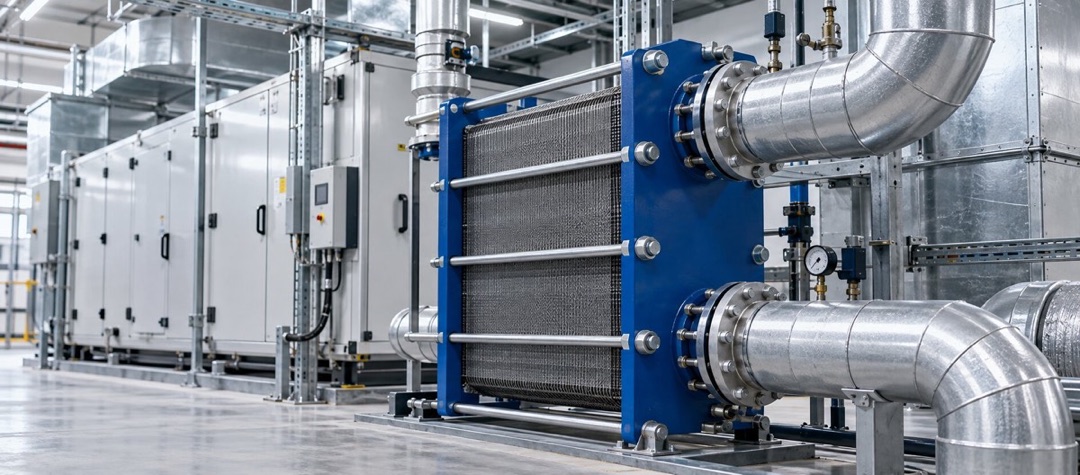
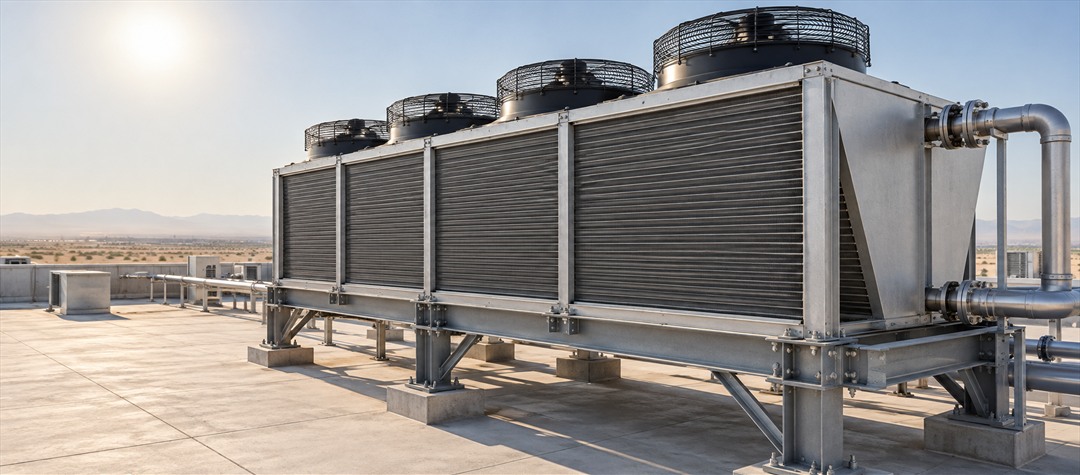
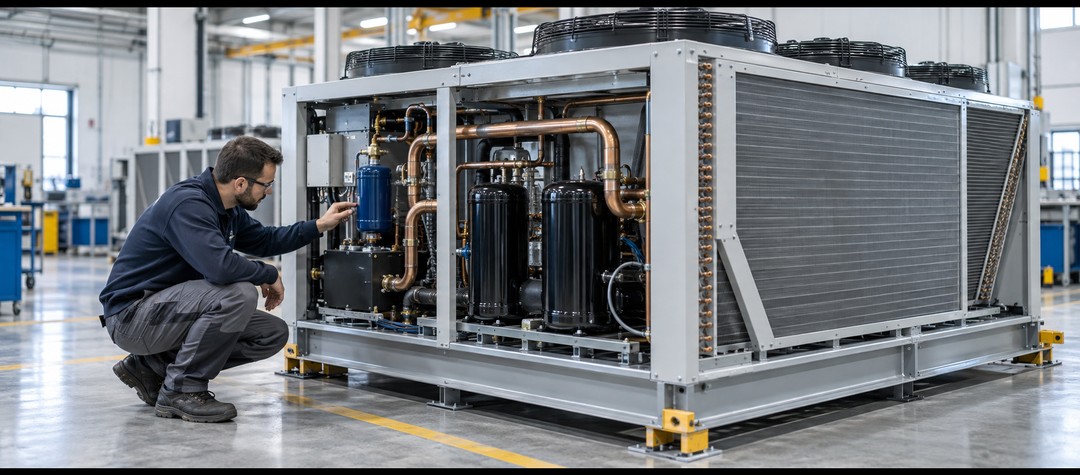
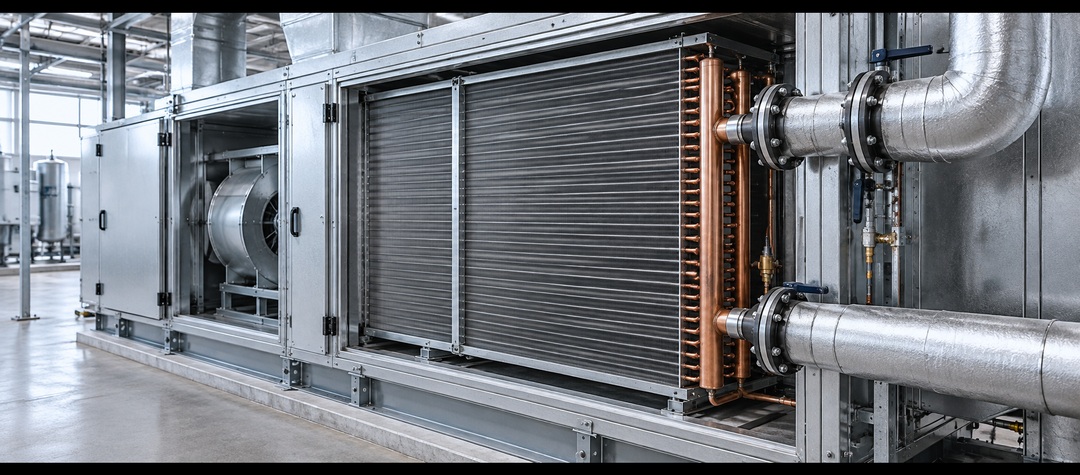
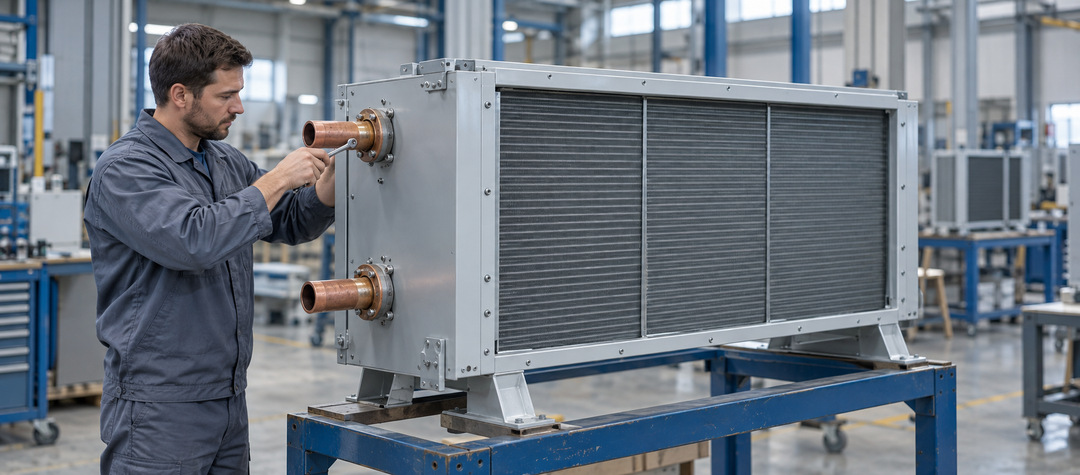
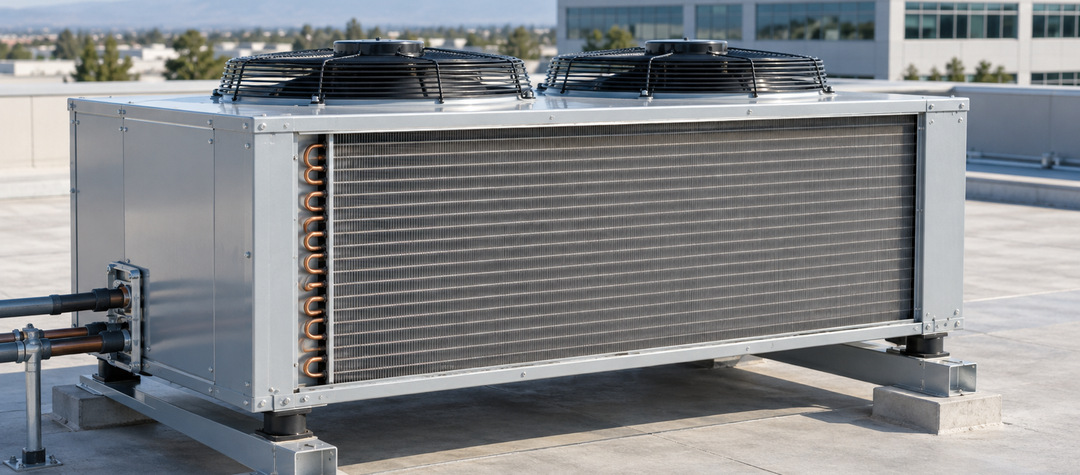
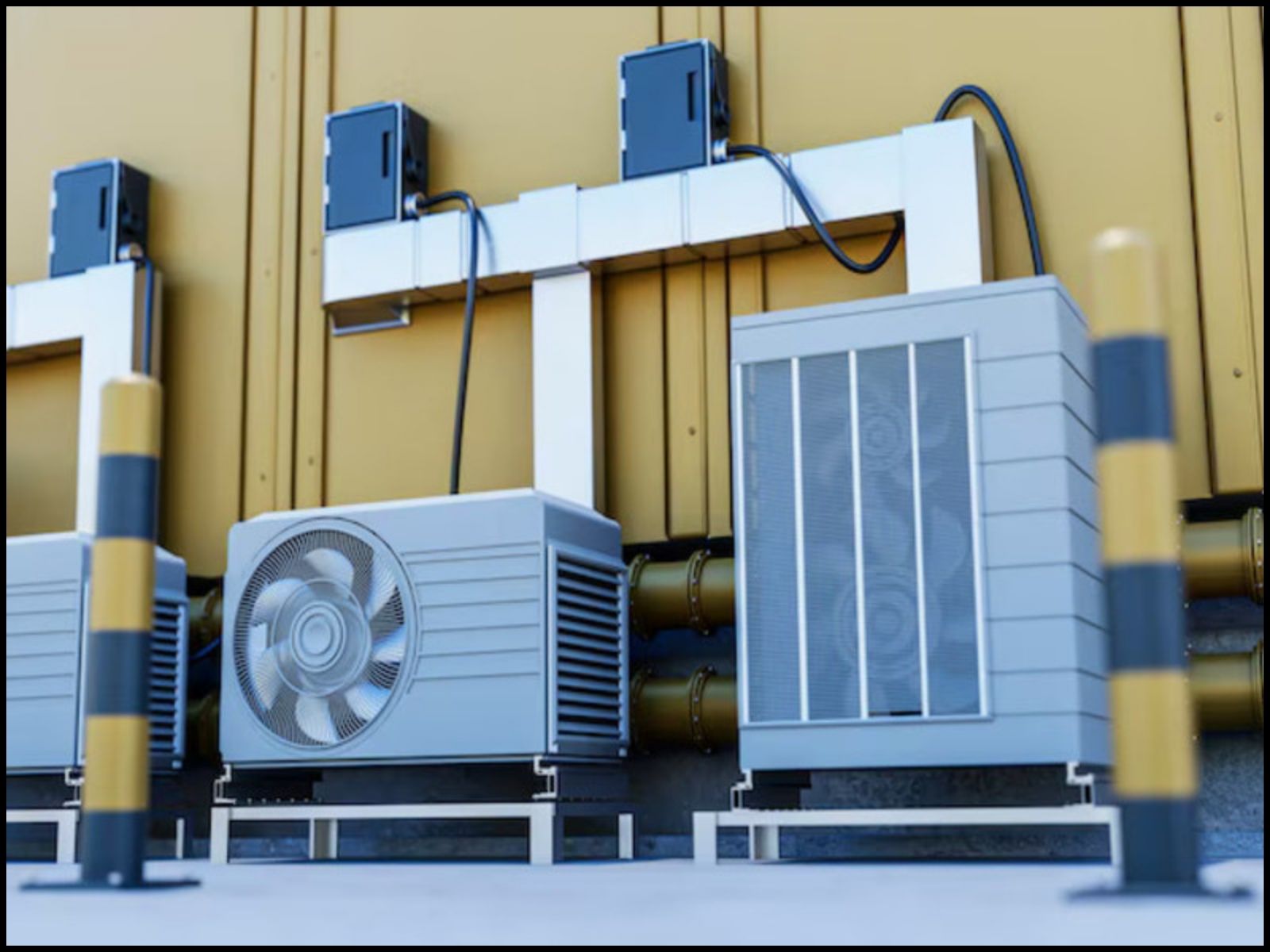
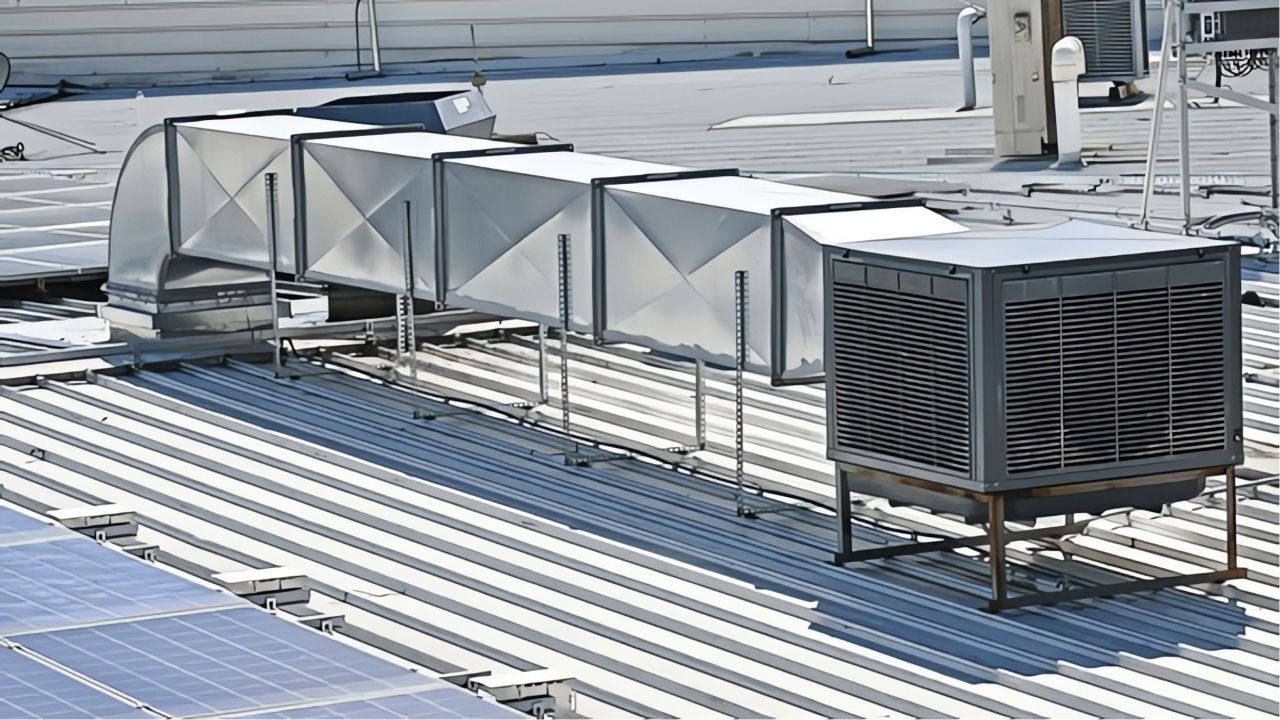
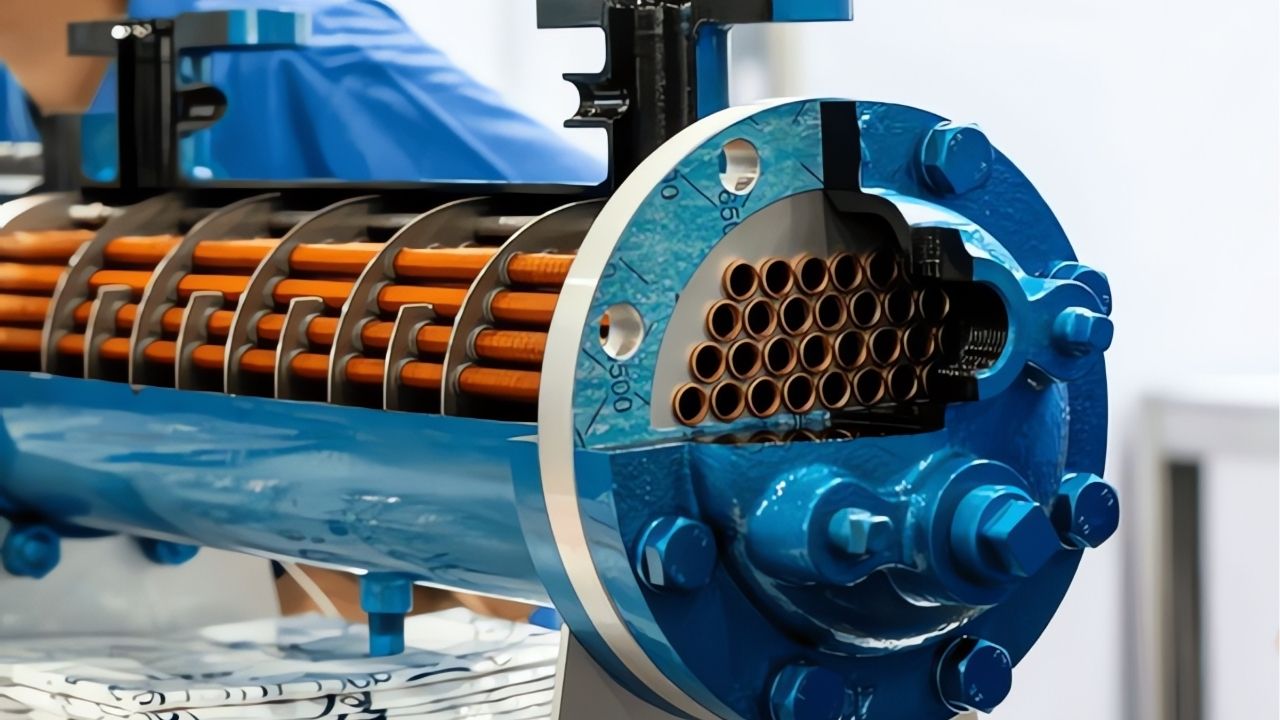
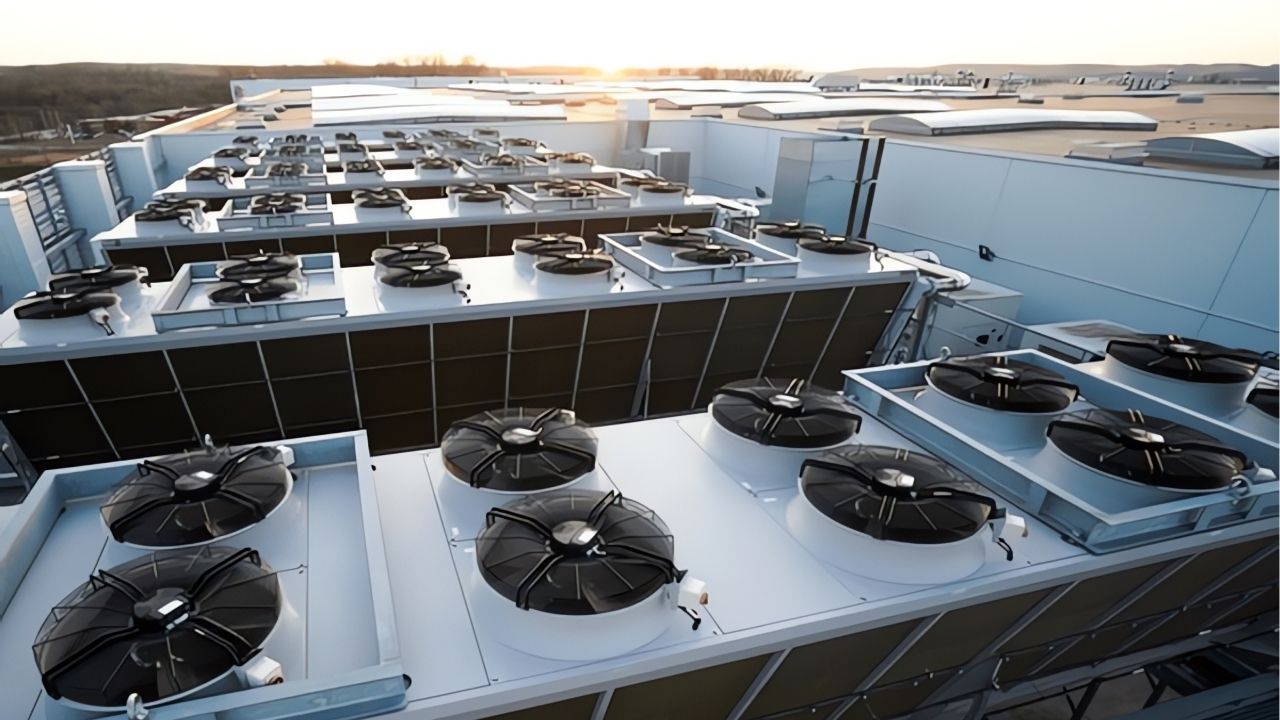
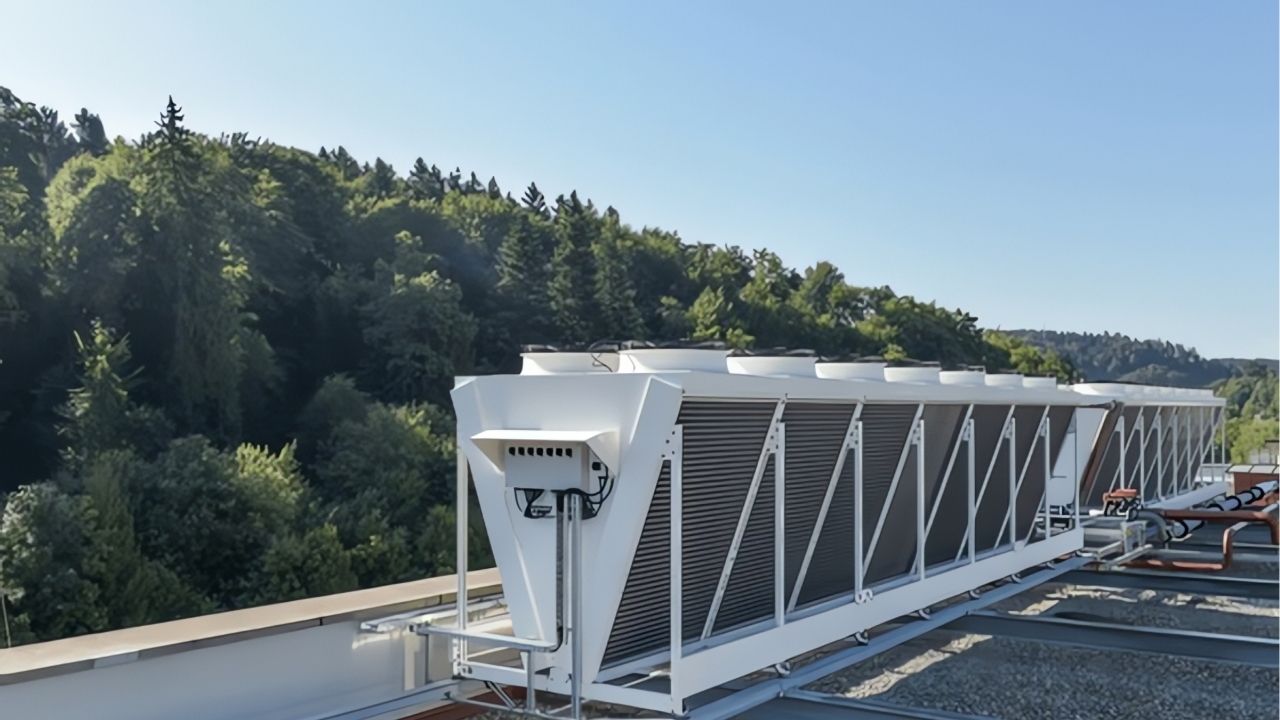
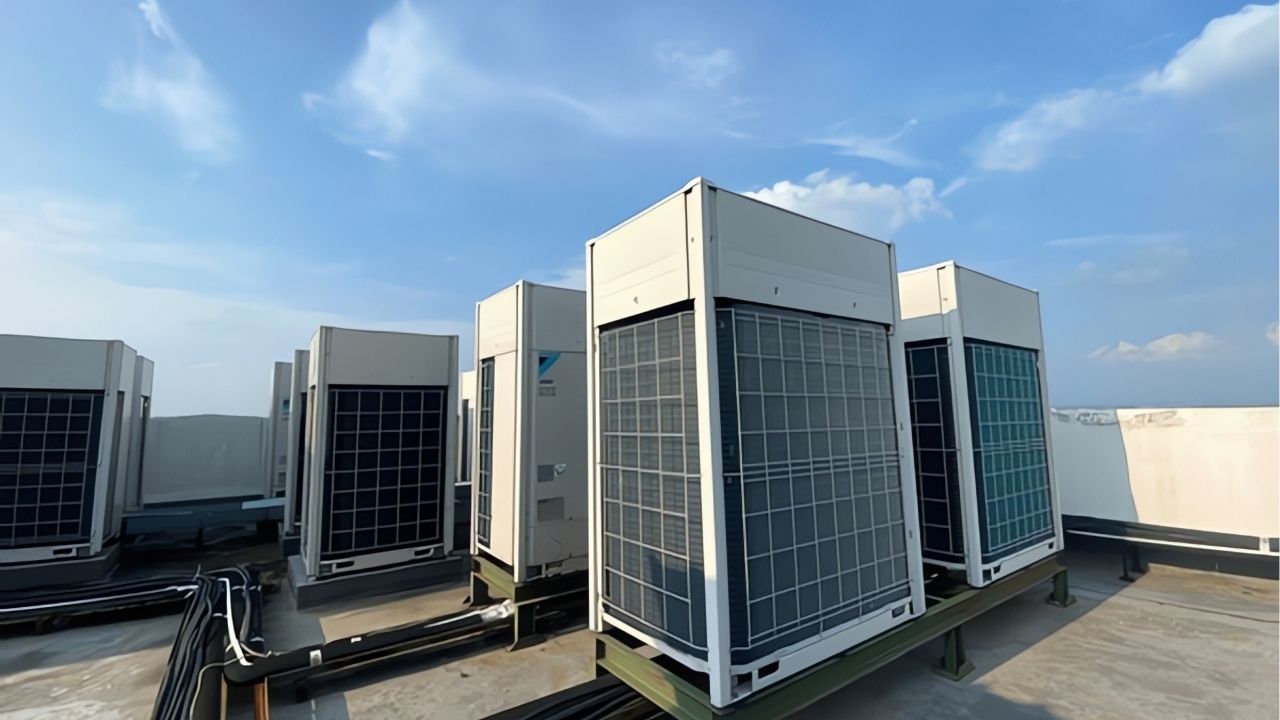
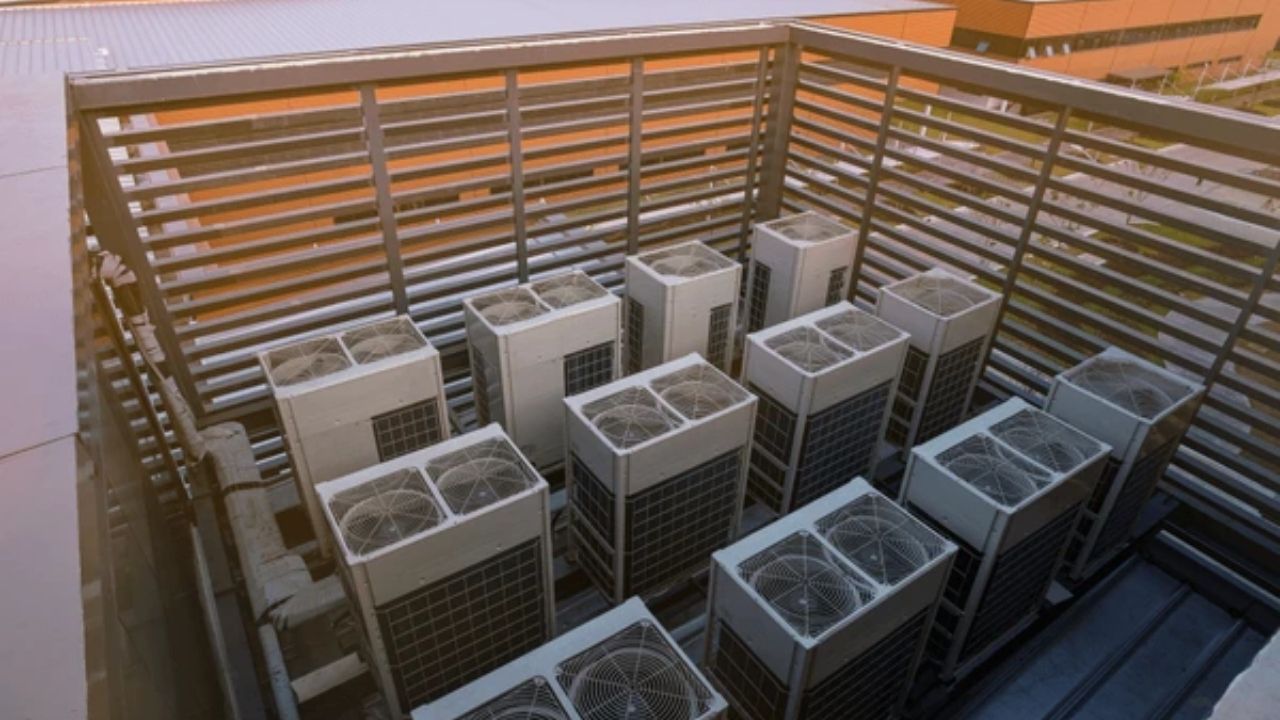
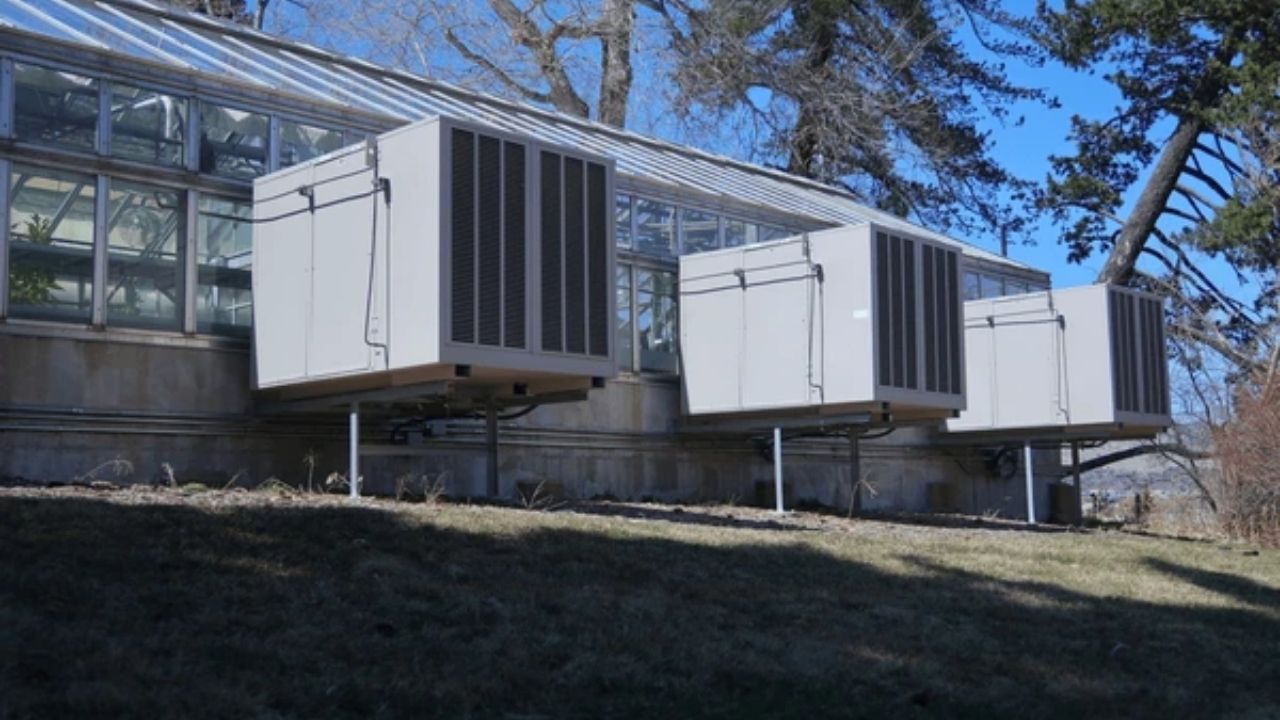
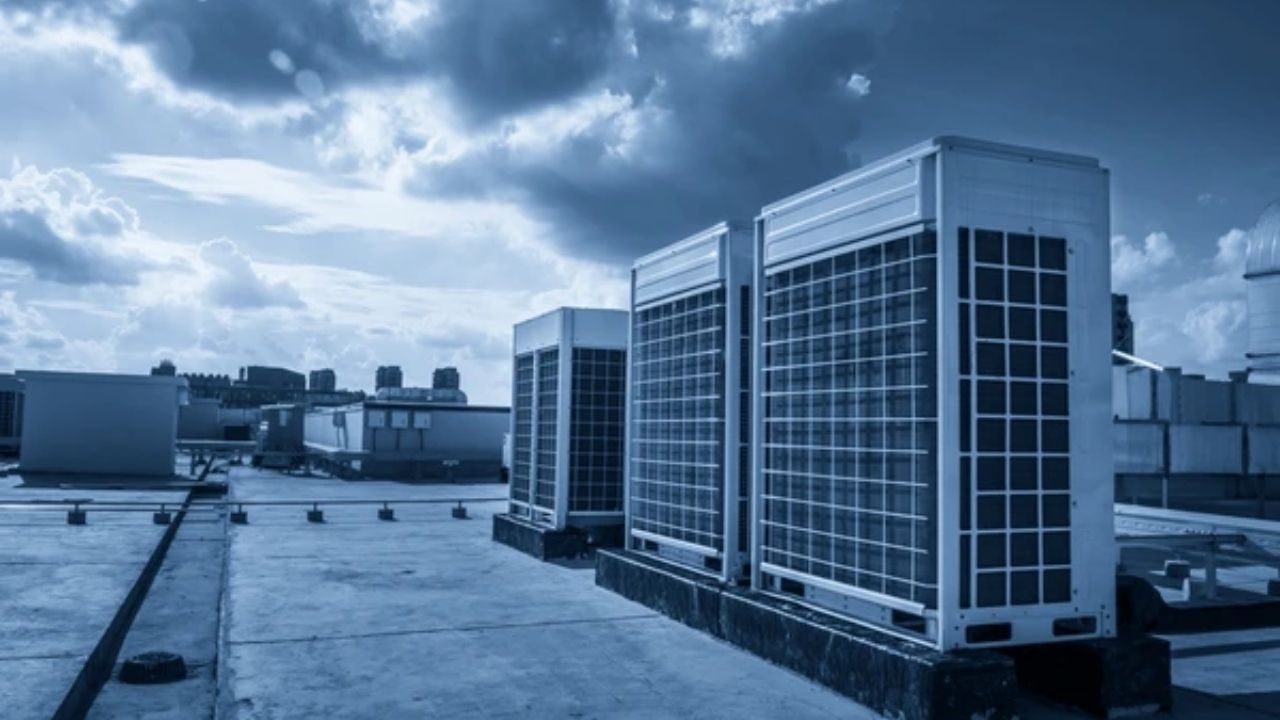
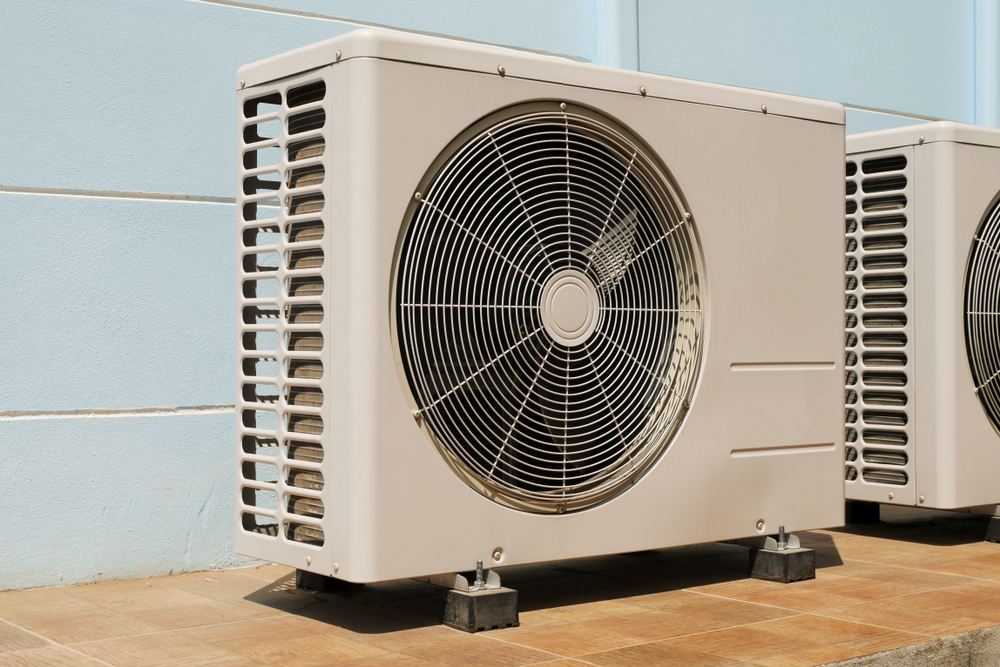
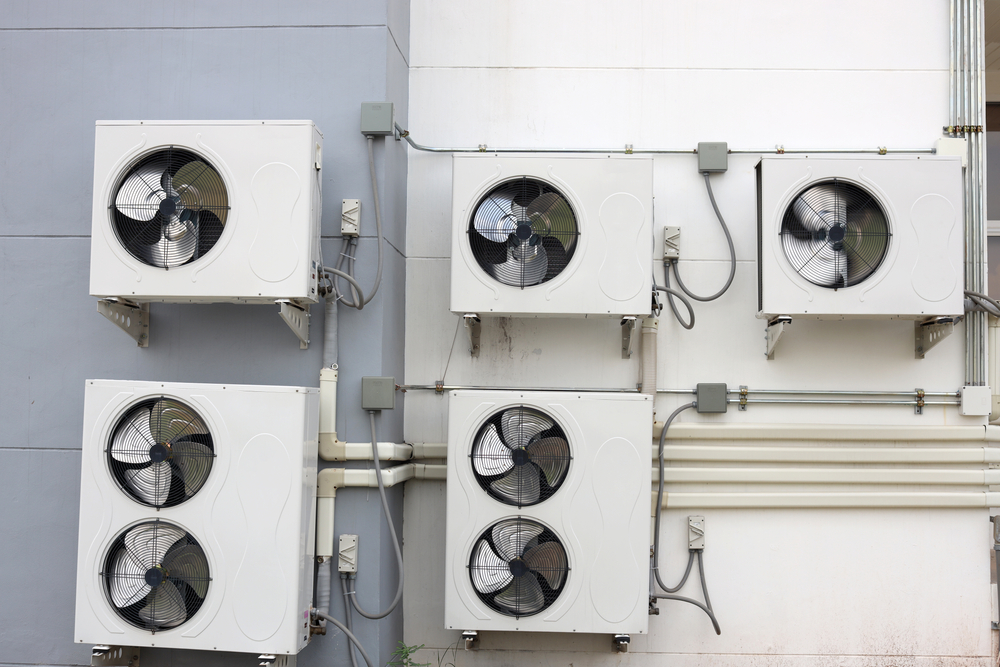
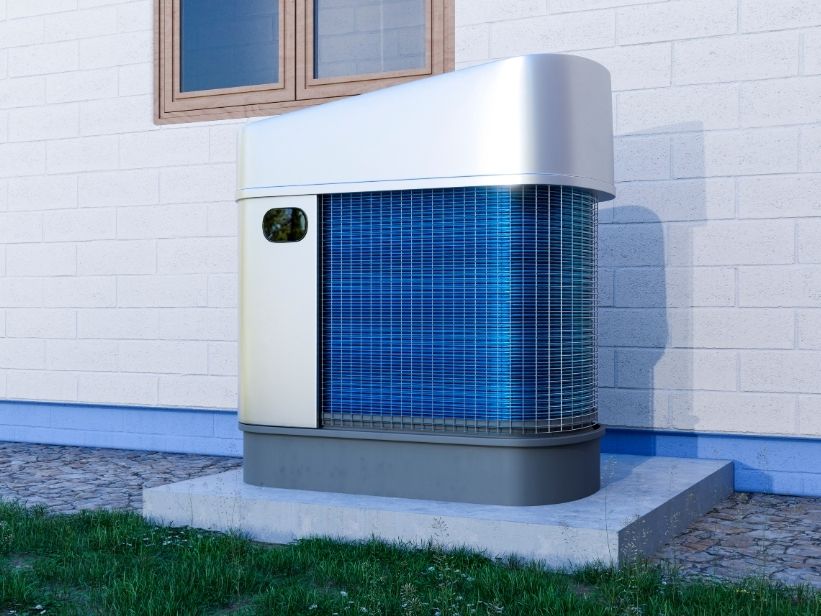
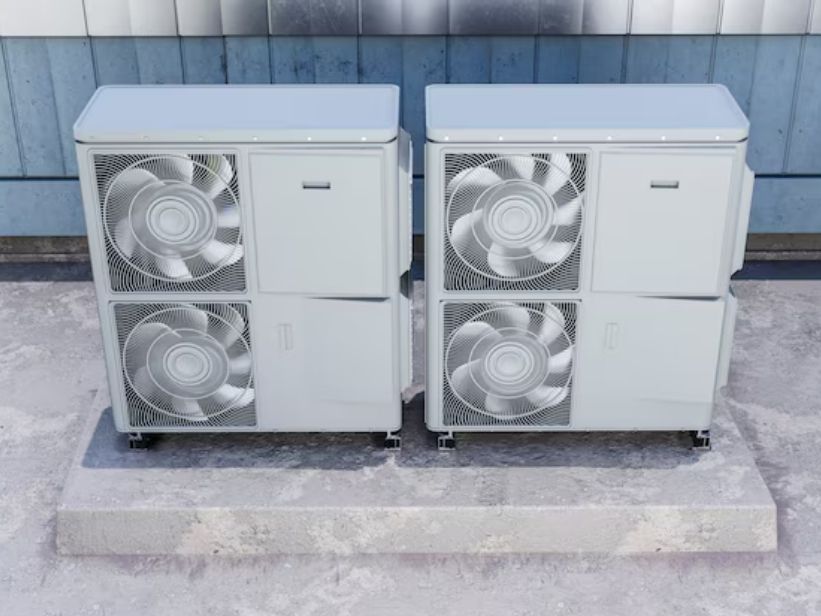
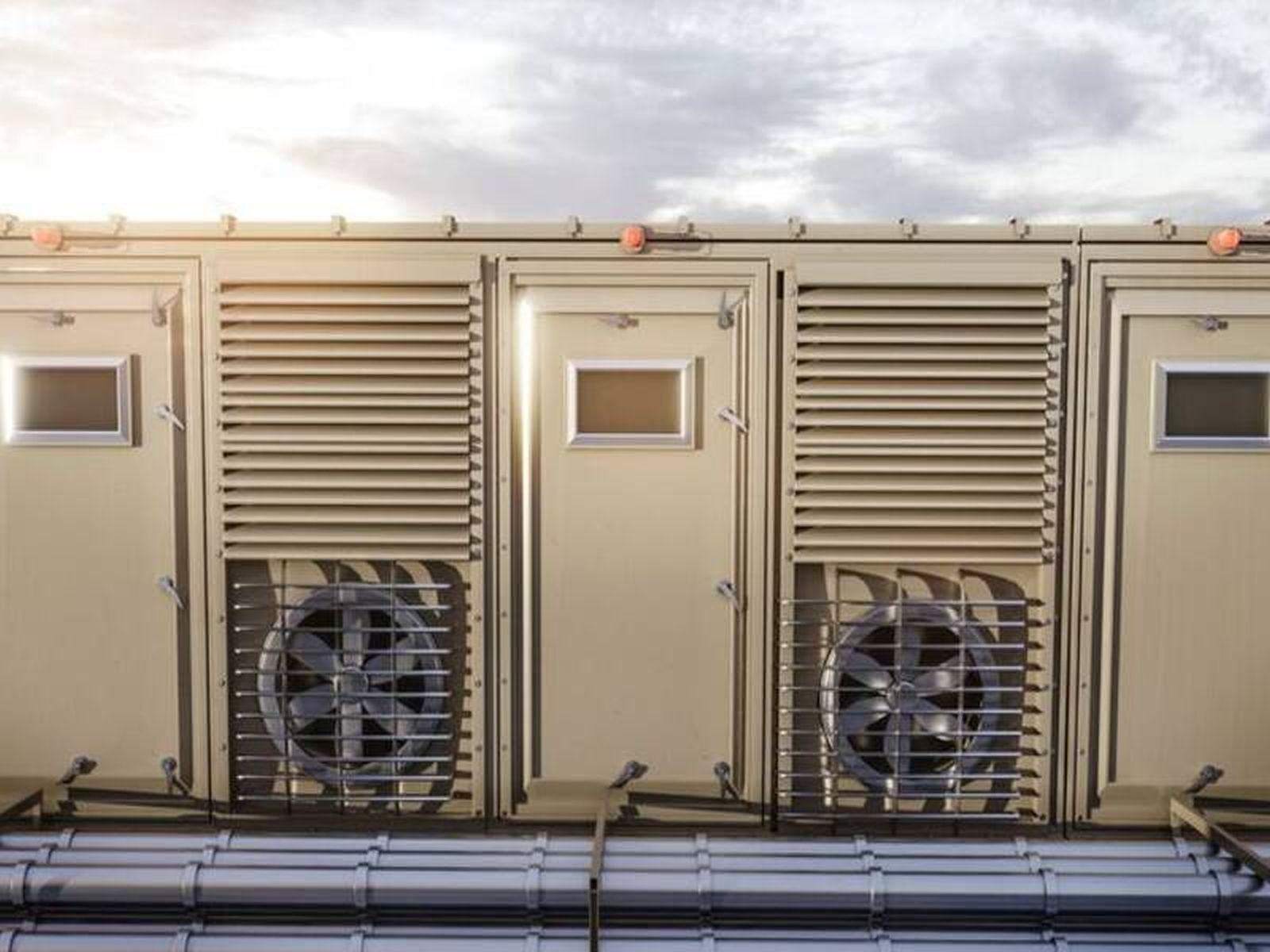
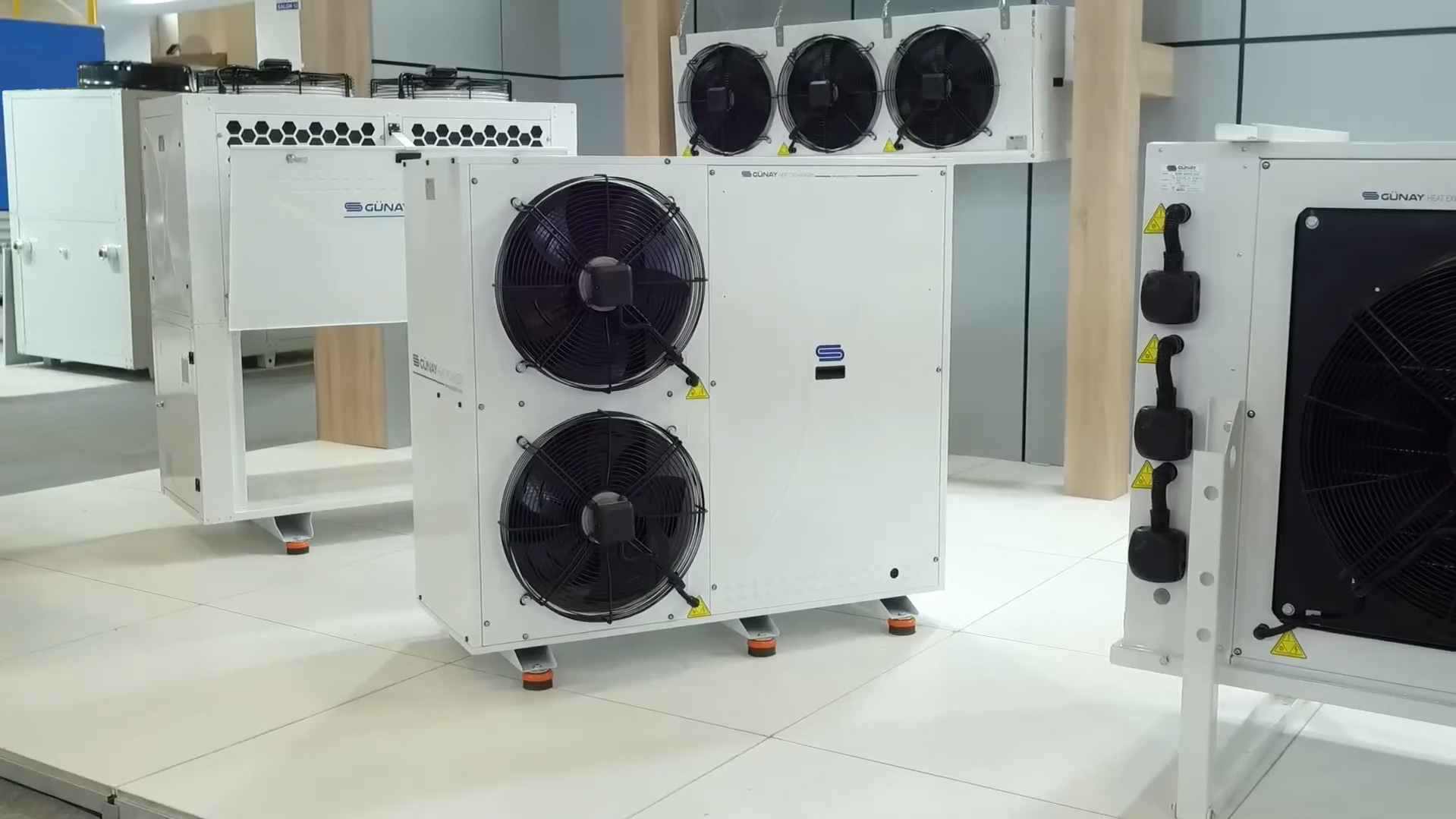
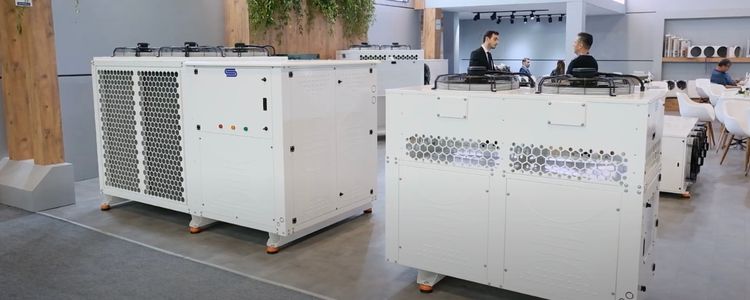
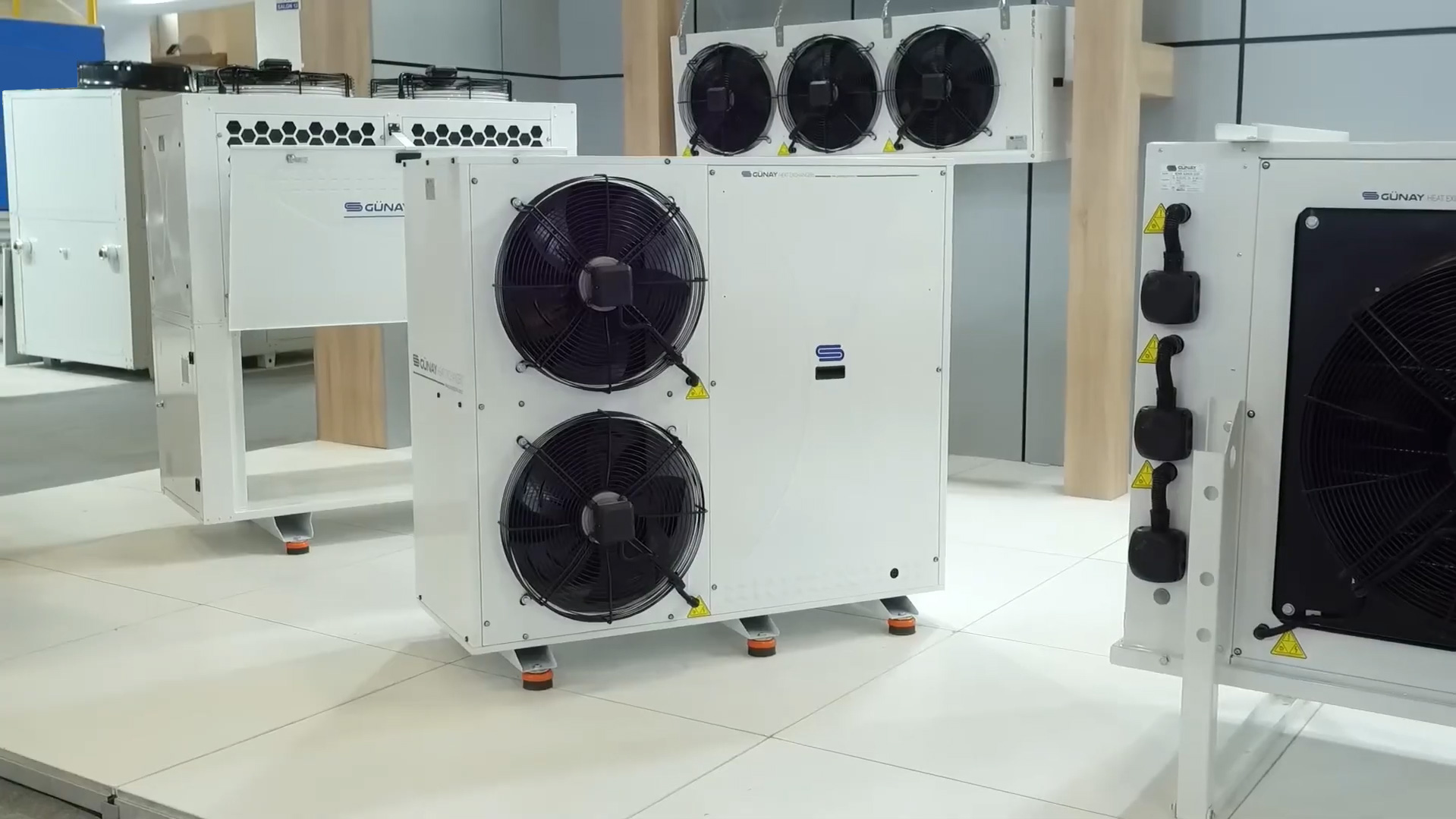
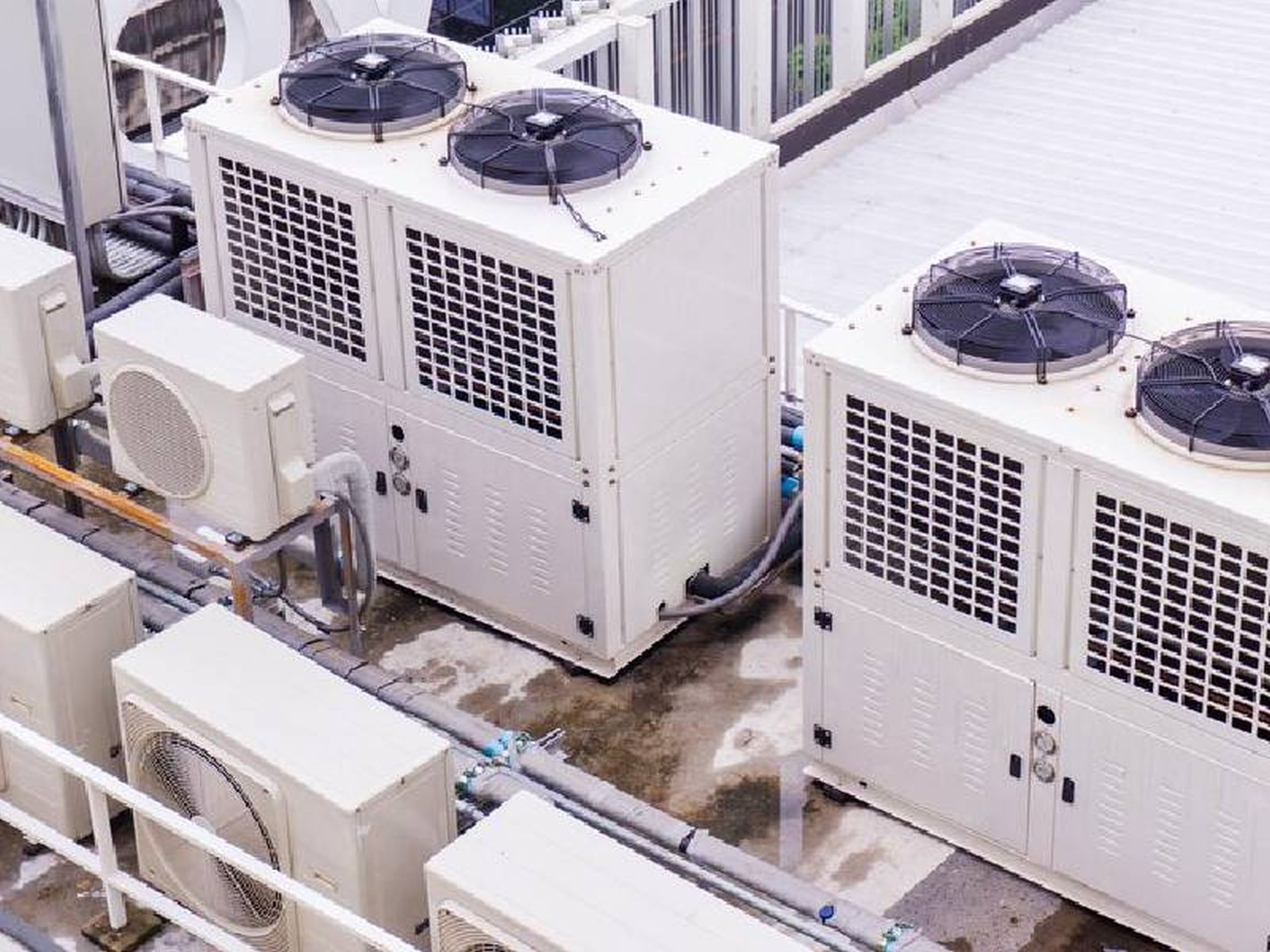
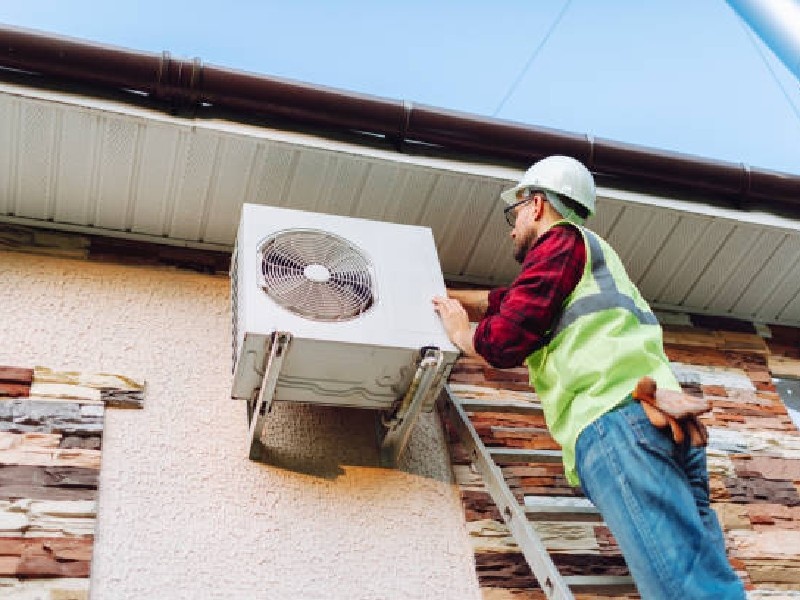
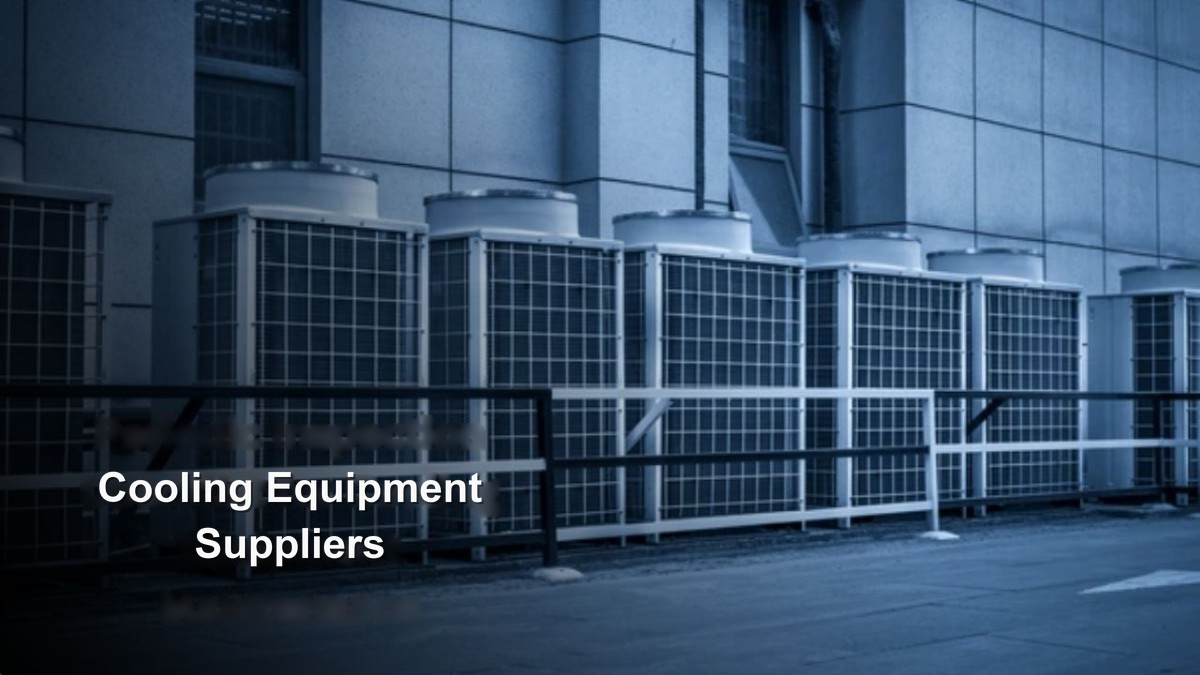
The heat absorbed in the evaporator is pressurised through the compressor, carried to the condenser and rejected to the outside environment there. Condenser selection is directly related to the climate conditions and the machine room space.
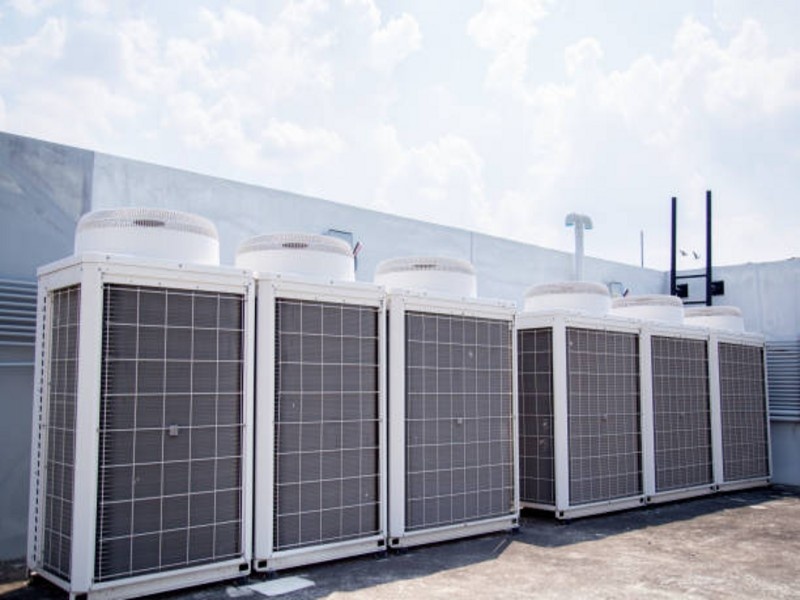
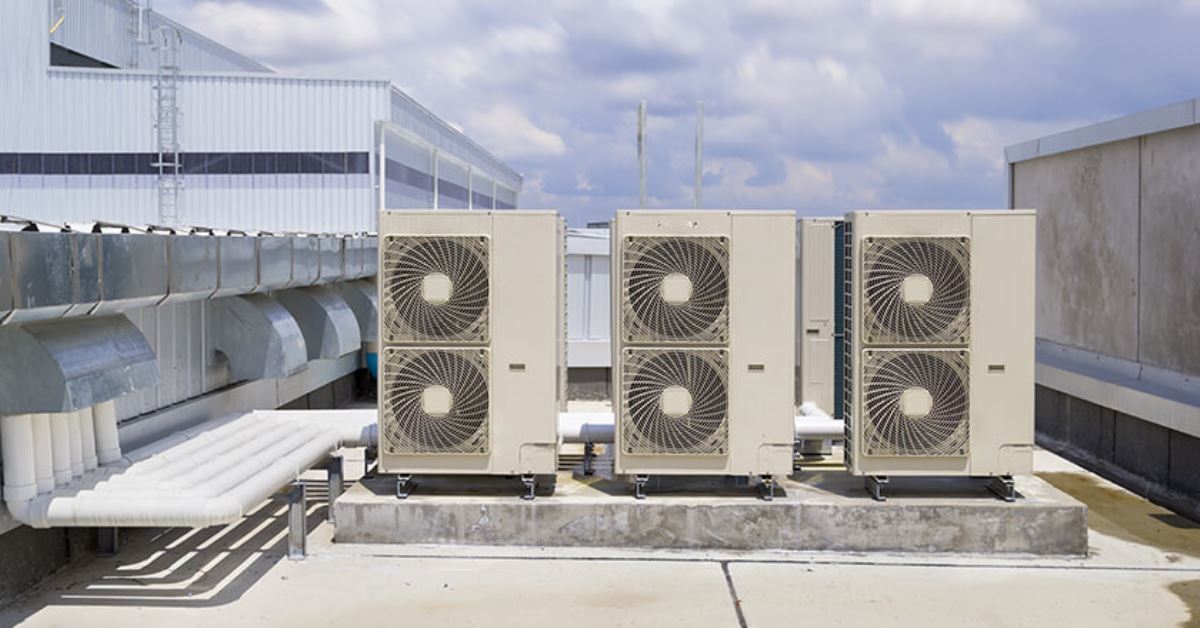
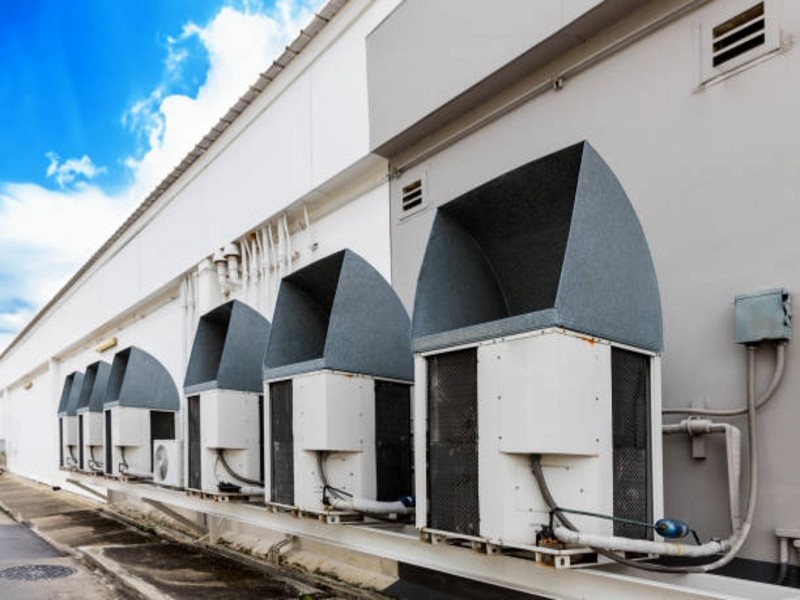
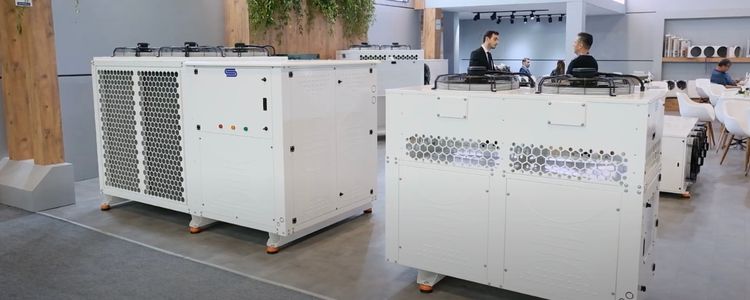
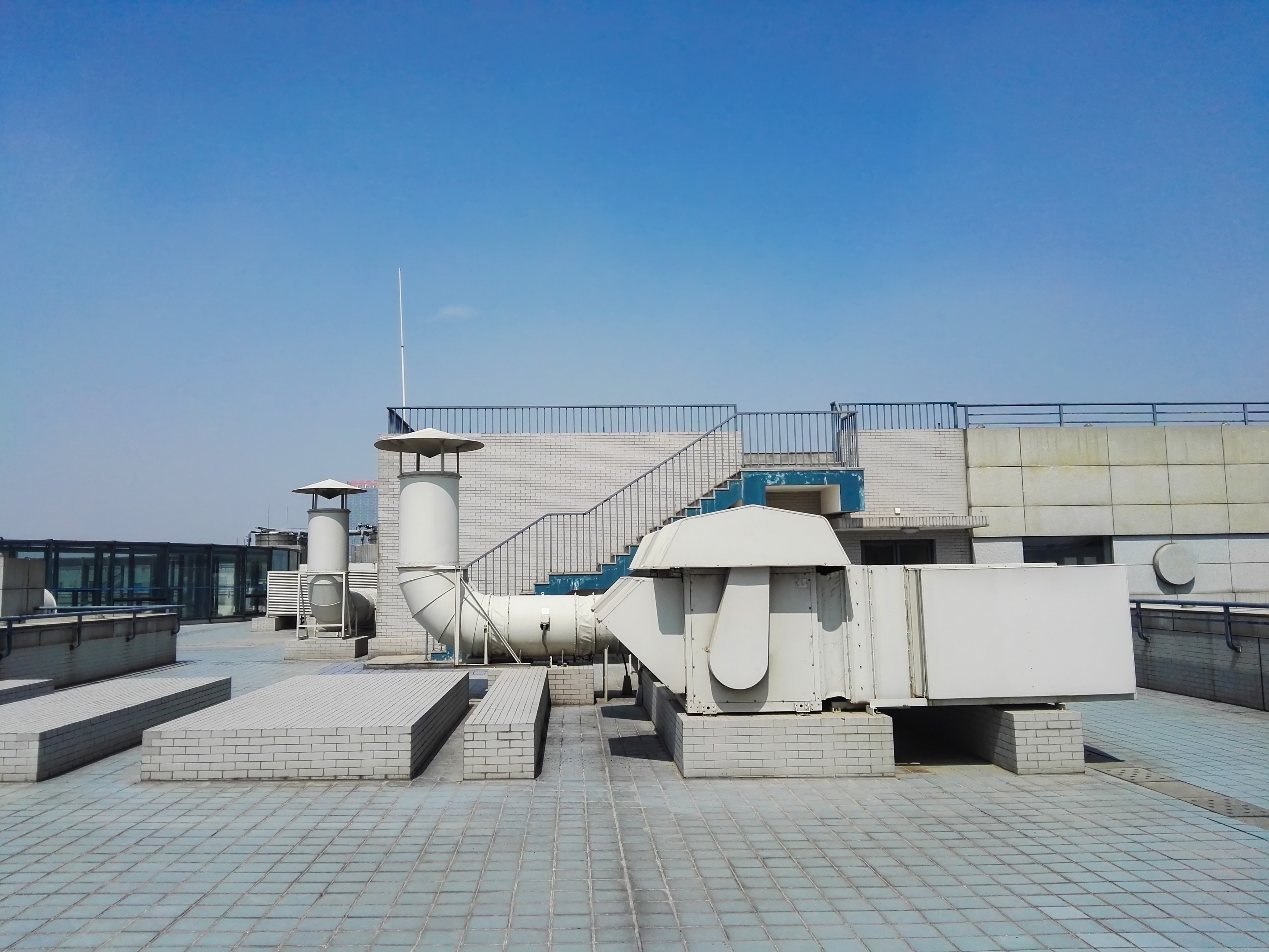
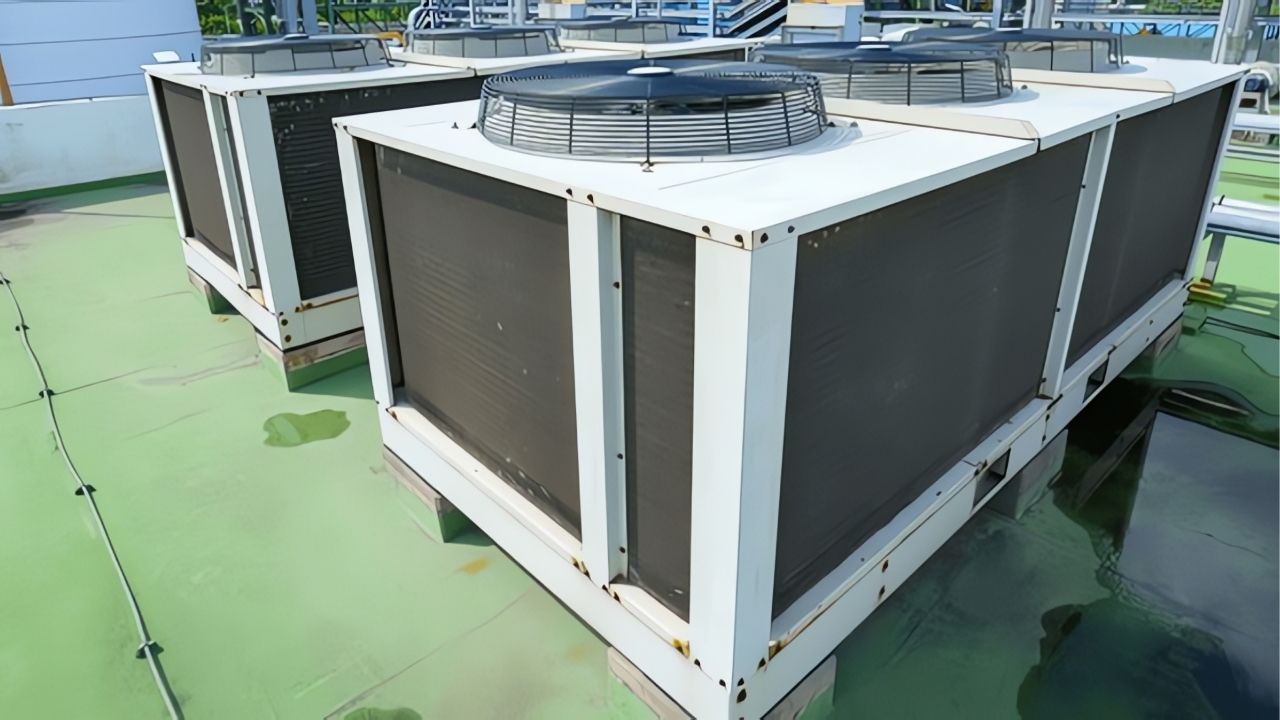
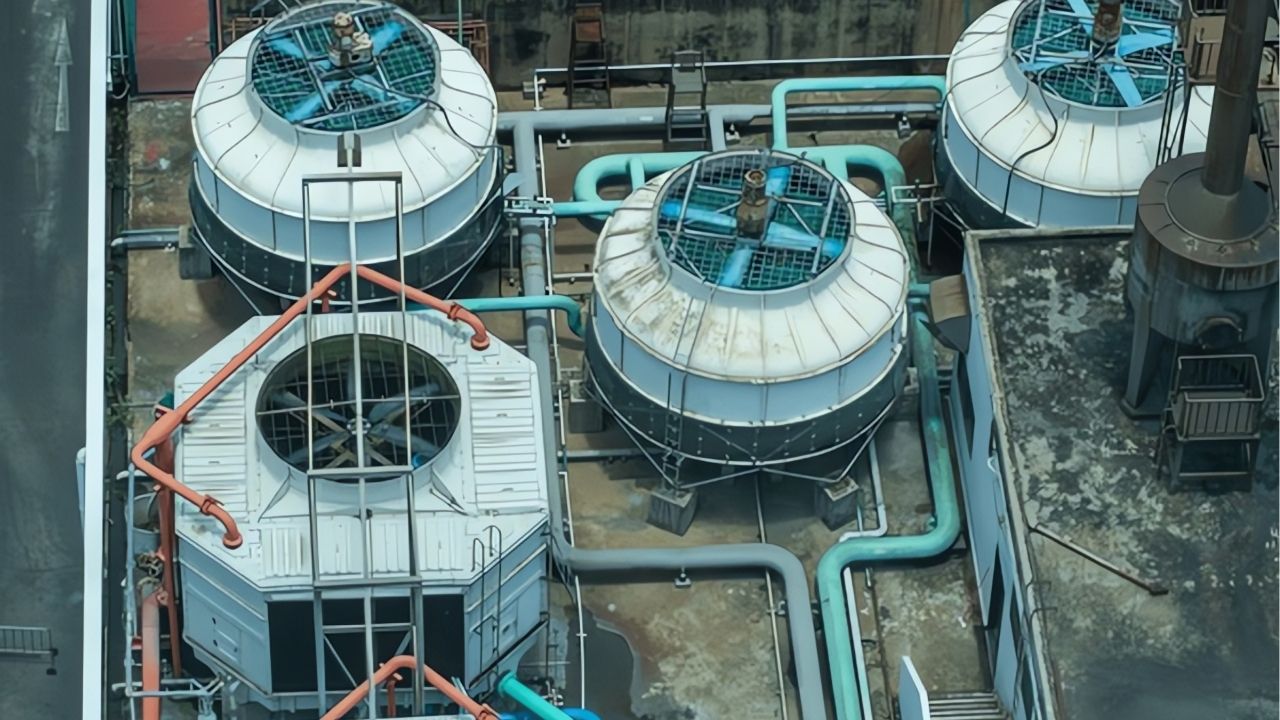
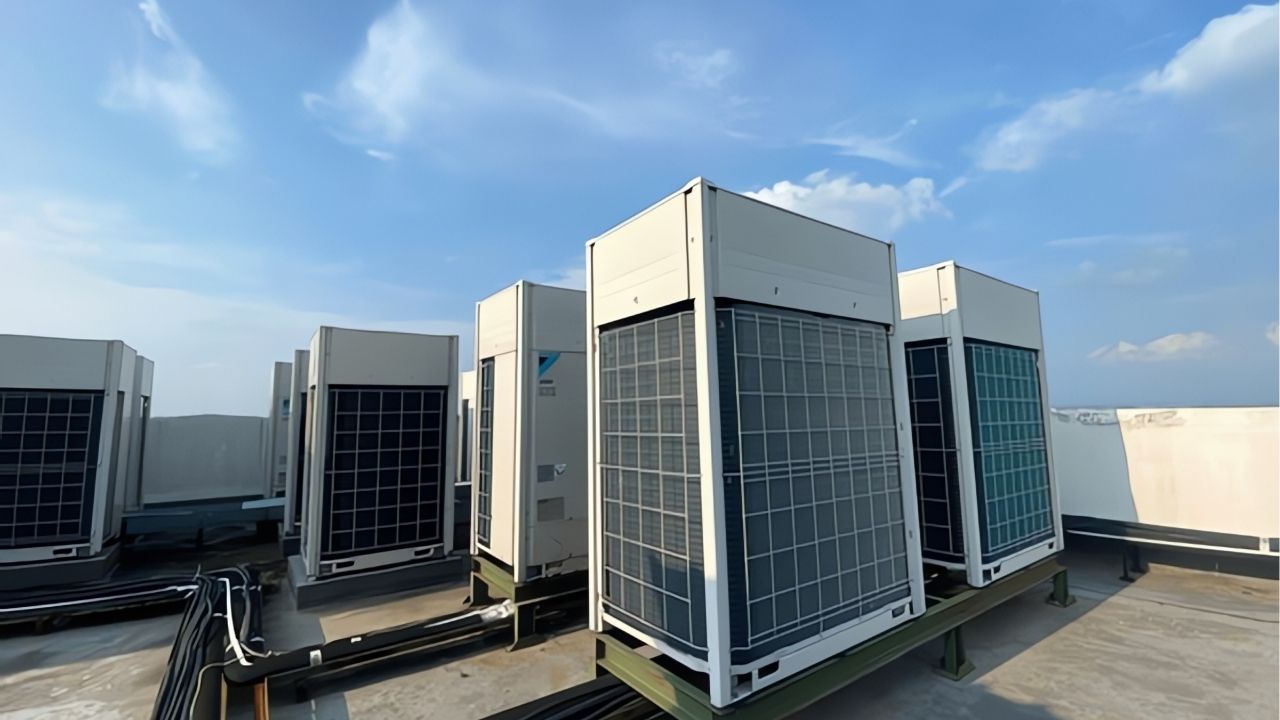
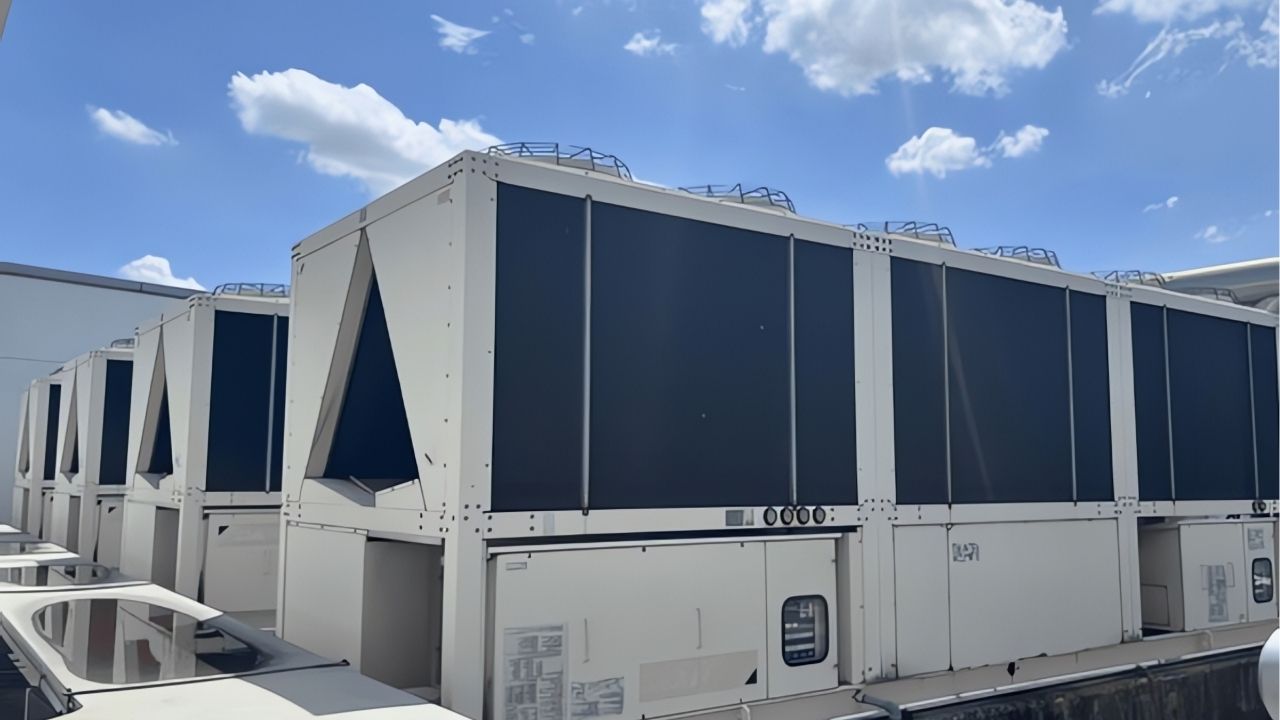
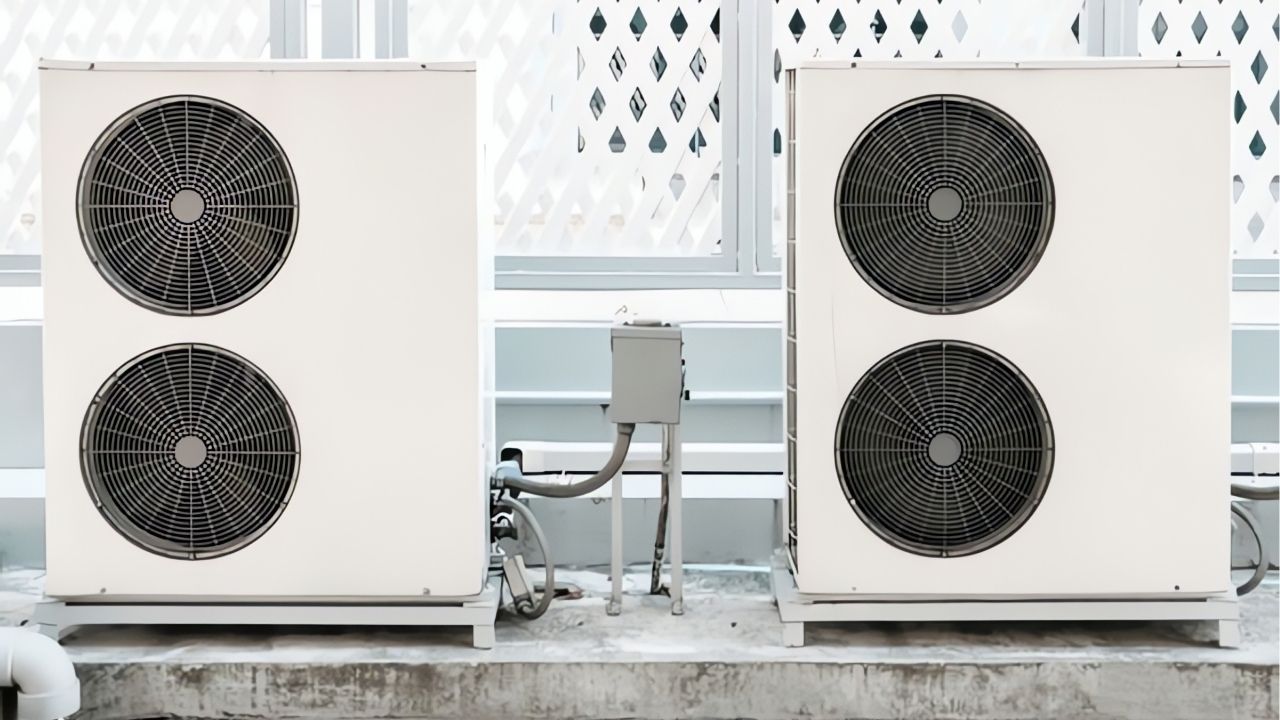
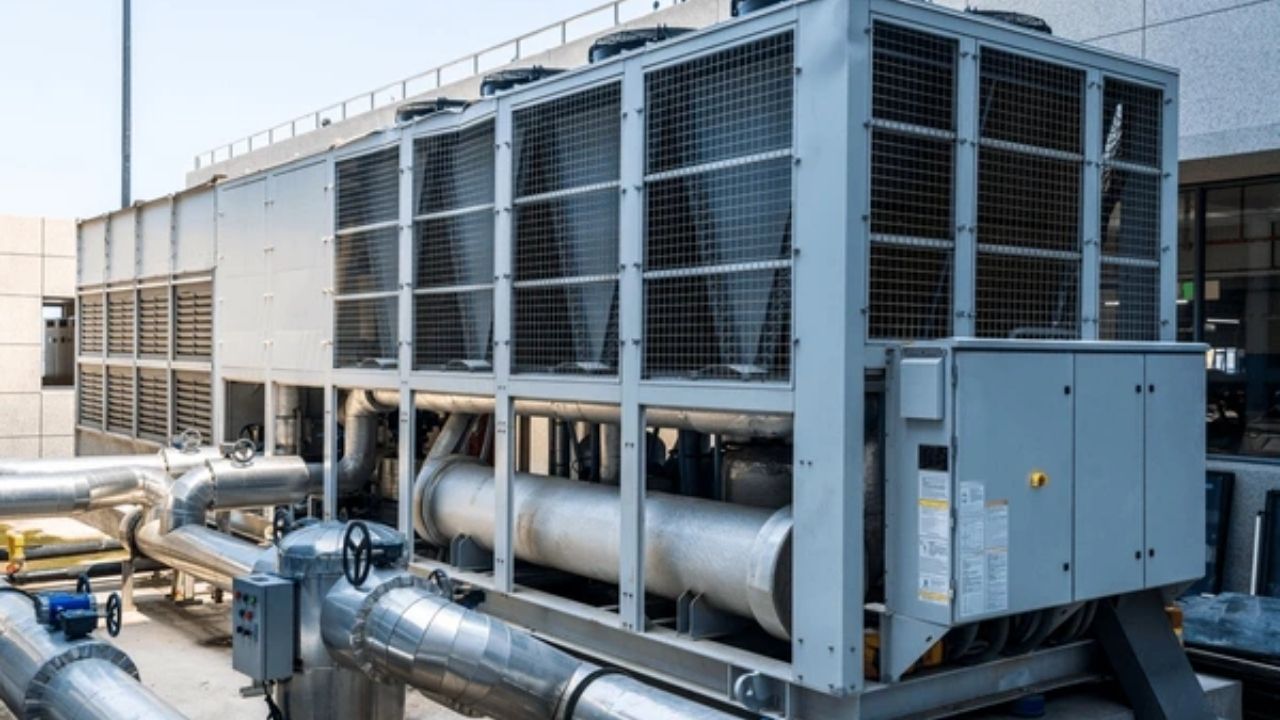
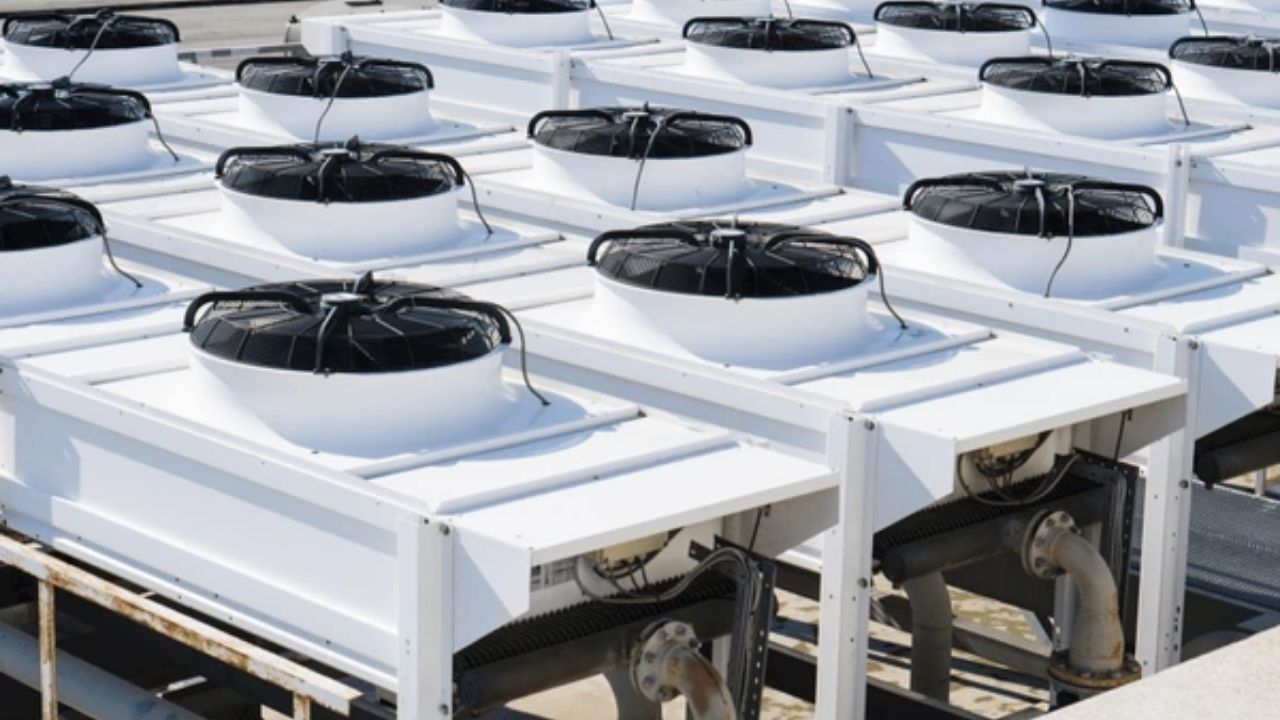
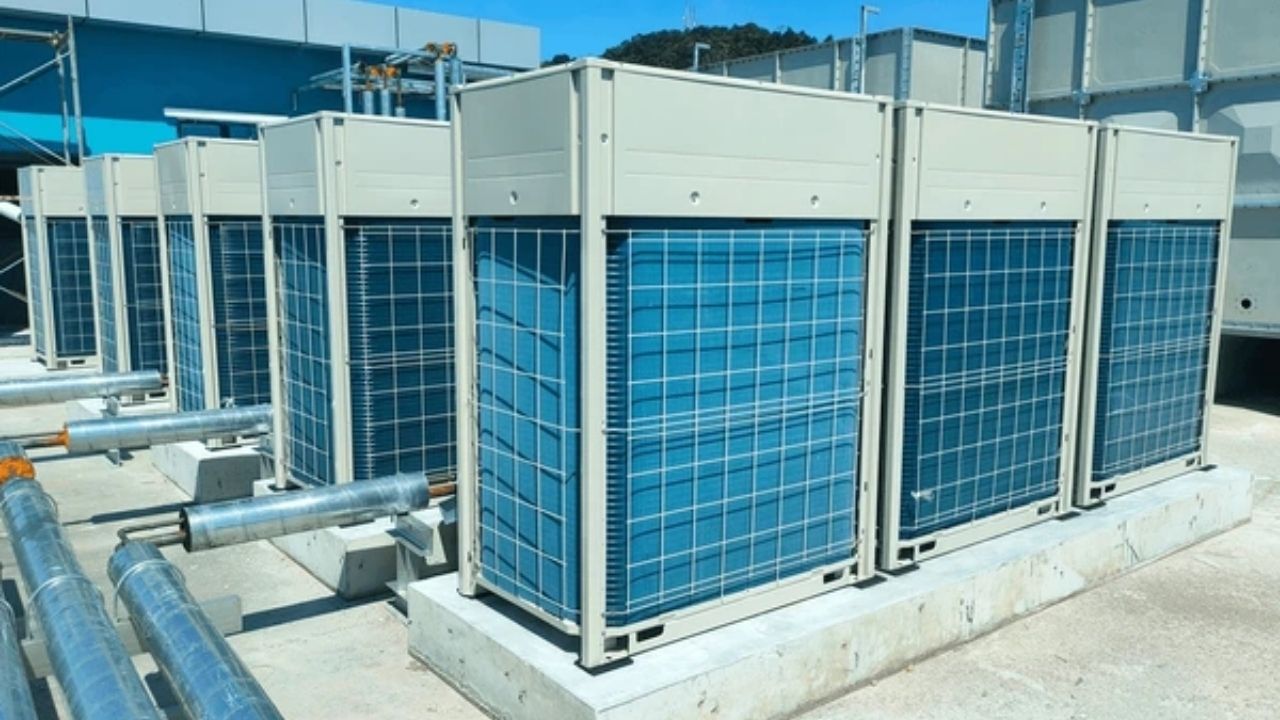
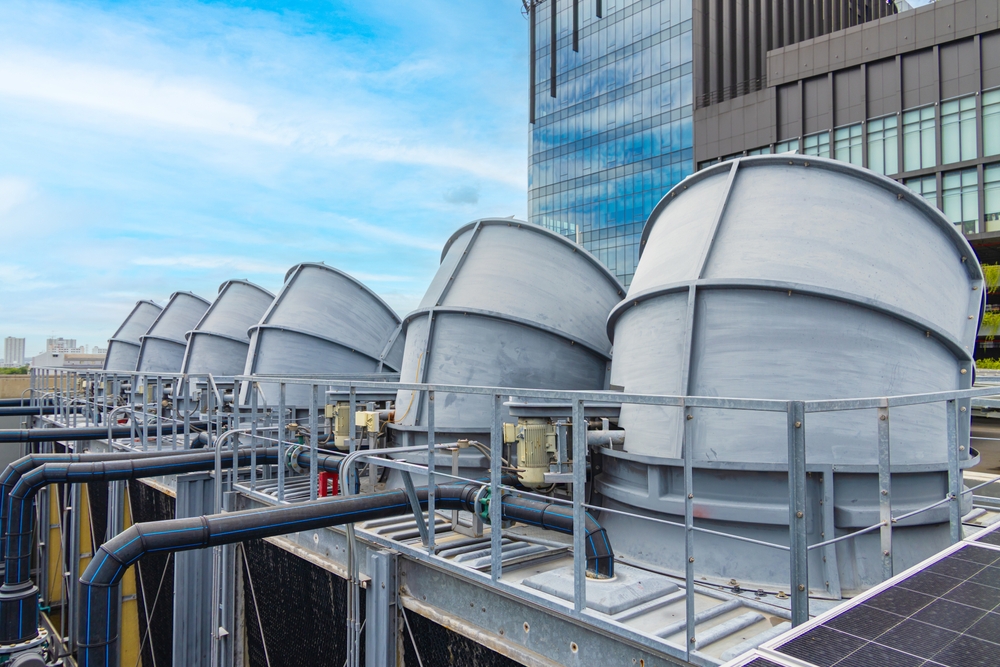
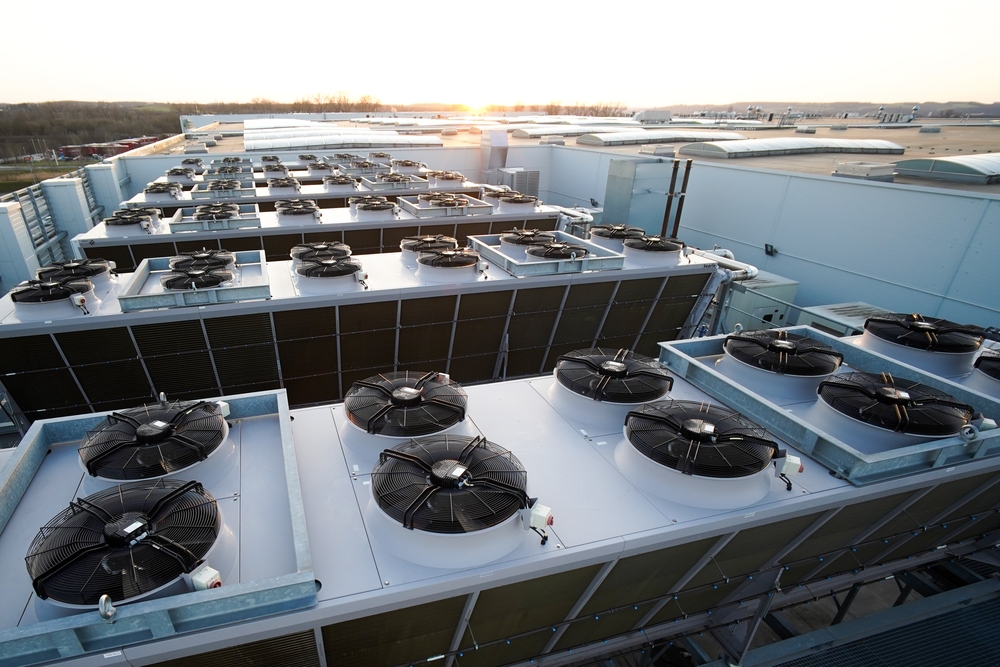
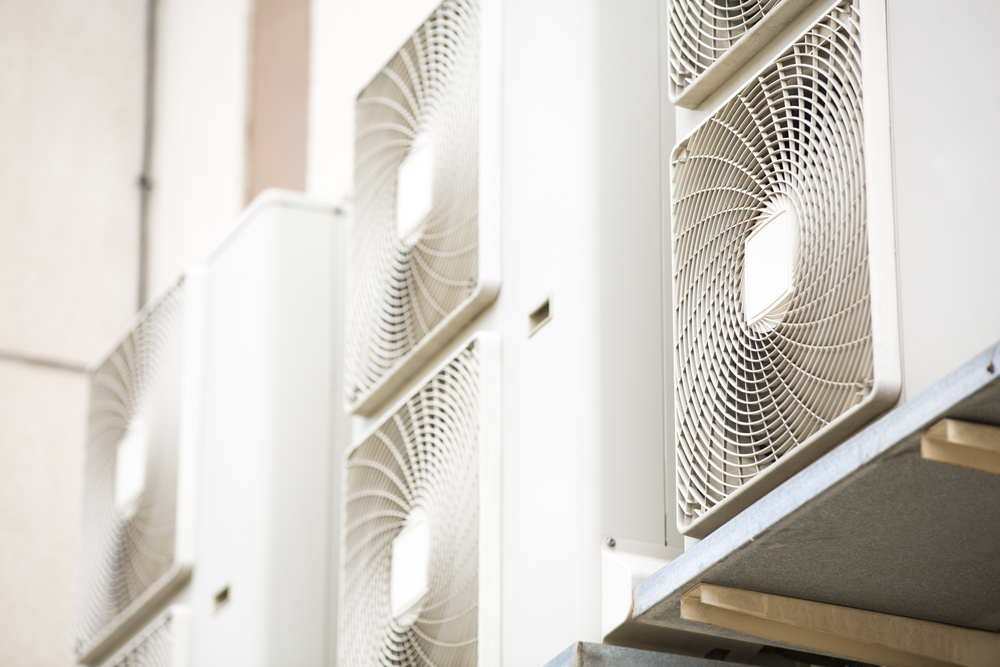
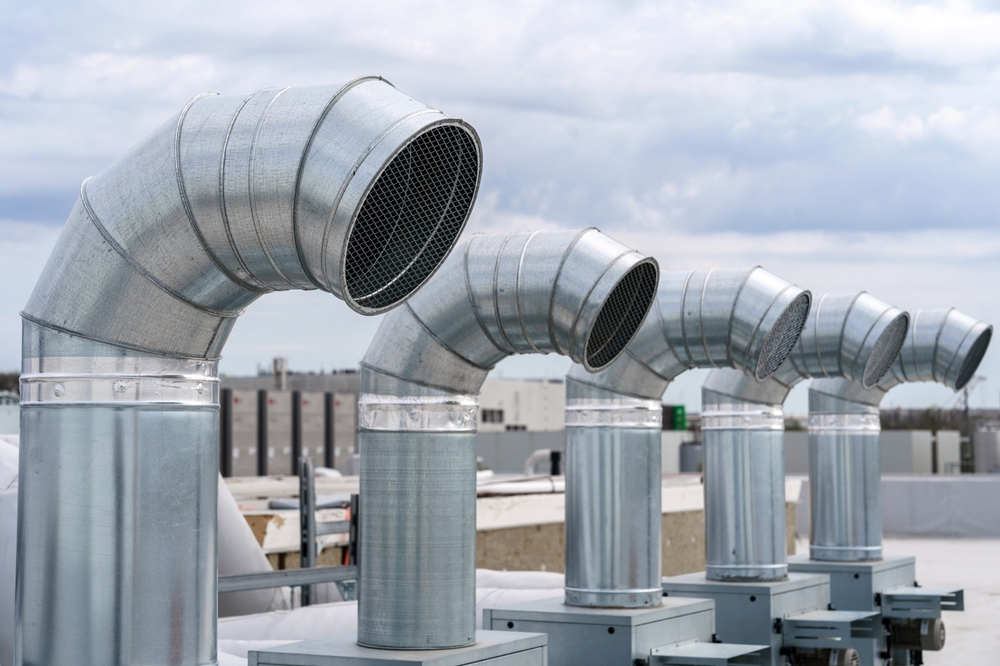
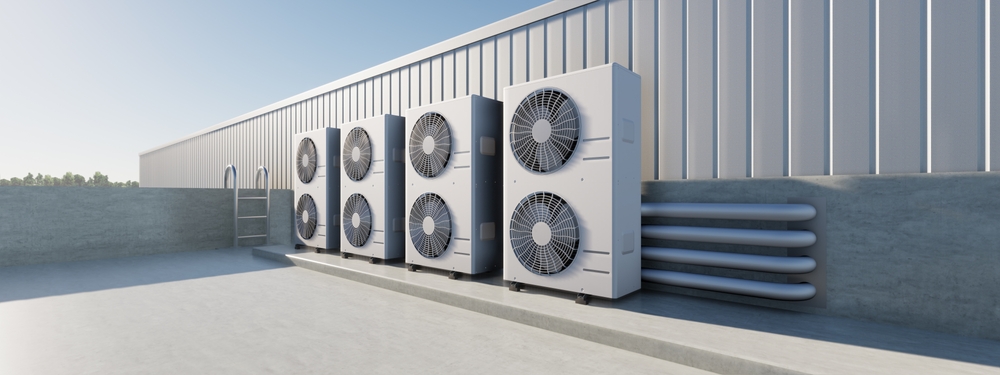
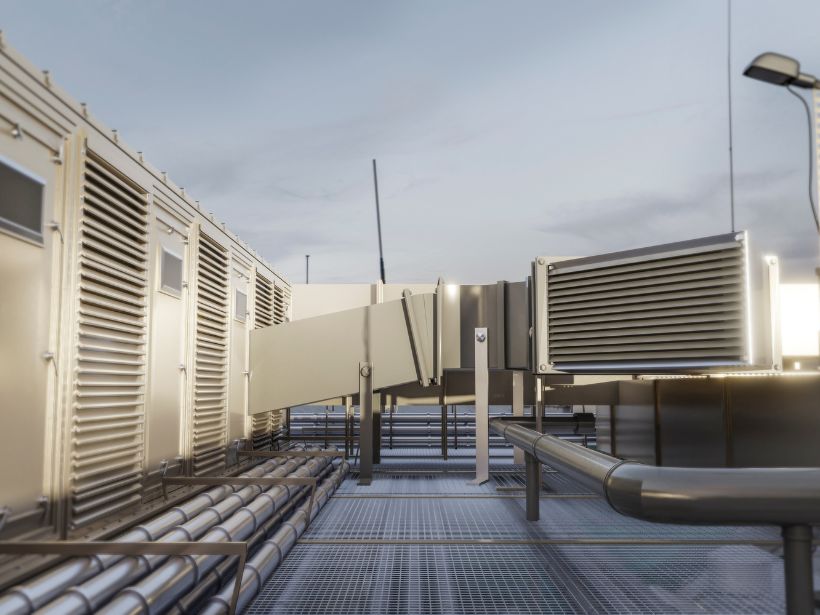
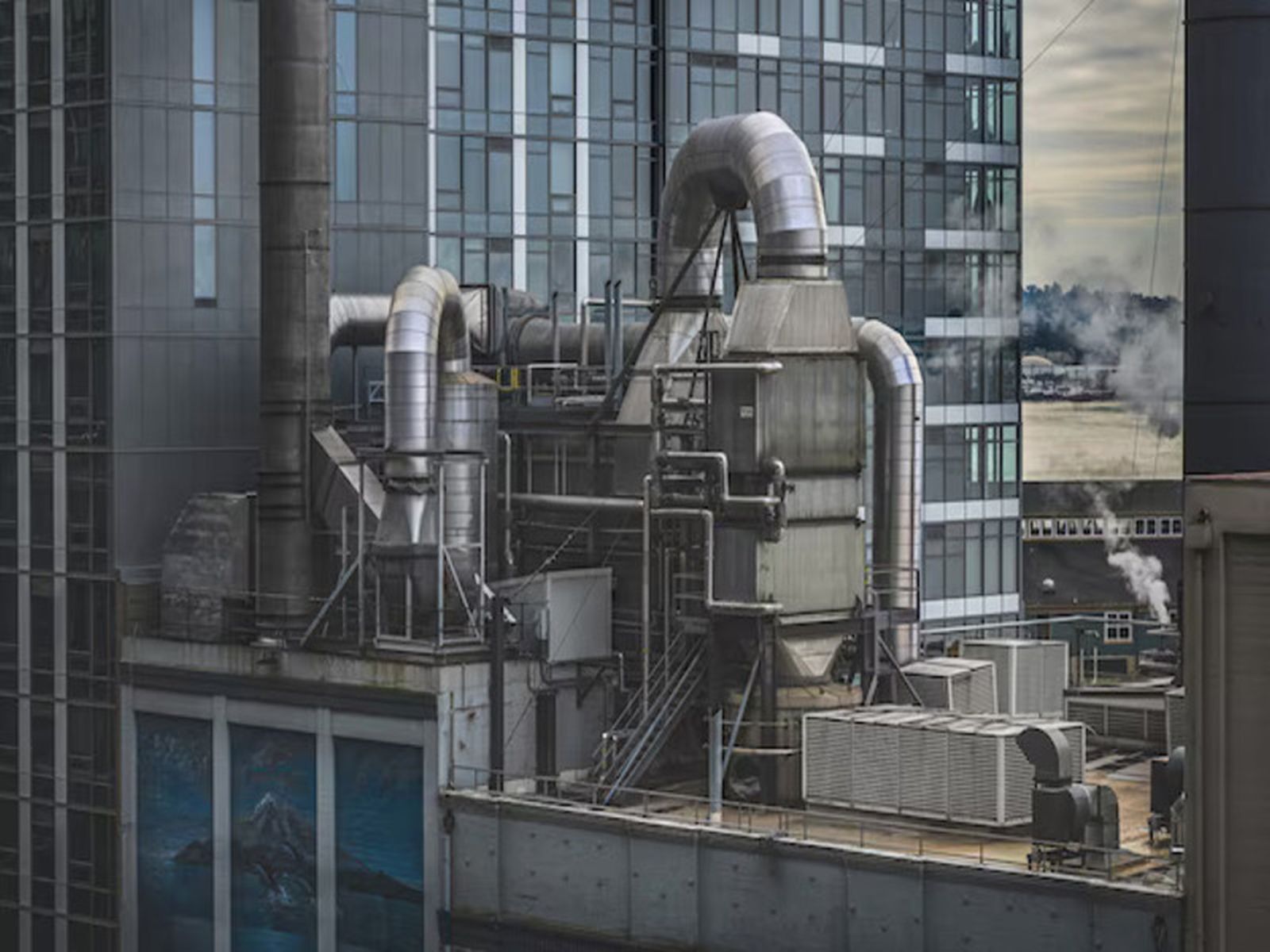
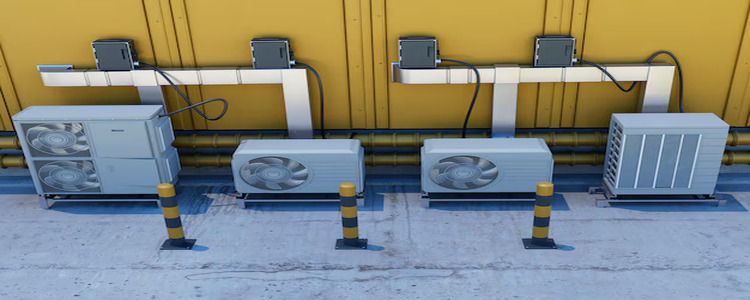
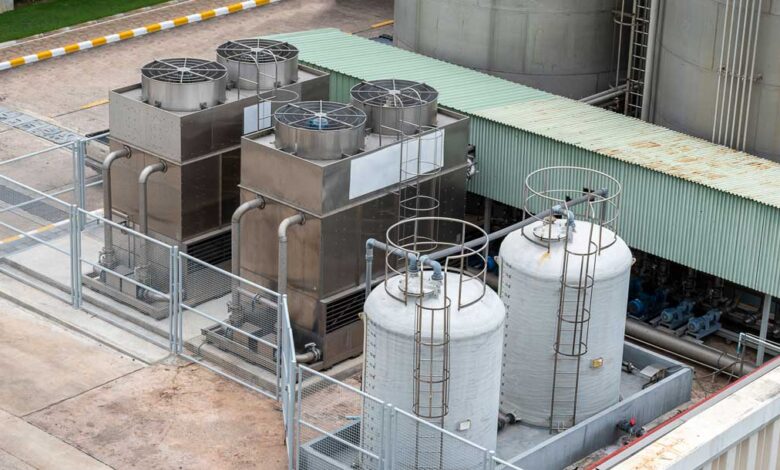
Air-cooled condensers are preferred in rooftop or open-area installations and in industrial facilities where water supply is limited. Water-cooled systems, on the other hand, are used in large industrial facilities that require higher capacity density and have continuous cooling tower support. In export projects, the customer often shares the summer temperature average and humidity of their region; the condenser capacity calculation is revised according to this data.
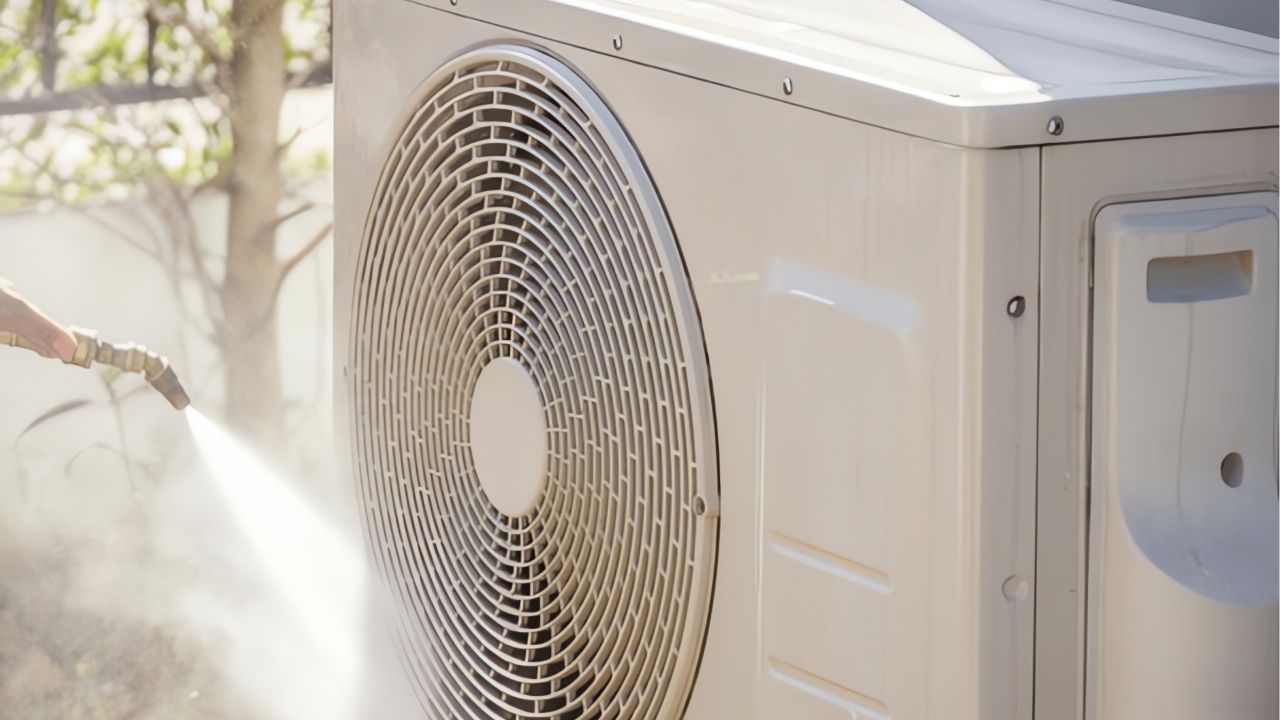
If the condenser is not selected with sufficient capacity, the condensing pressure rises, energy consumption increases and compressor life is shortened — for this reason condenser selection is generally not independent of the evaporator capacity but is calculated together with the evaporator load and compressor data. In industrial environments with heavy dust or dirt, keeping the condenser fin spacing wide also directly affects the cleaning interval and efficiency loss.
For a model comparison according to the application, the condenser product group can be reviewed.
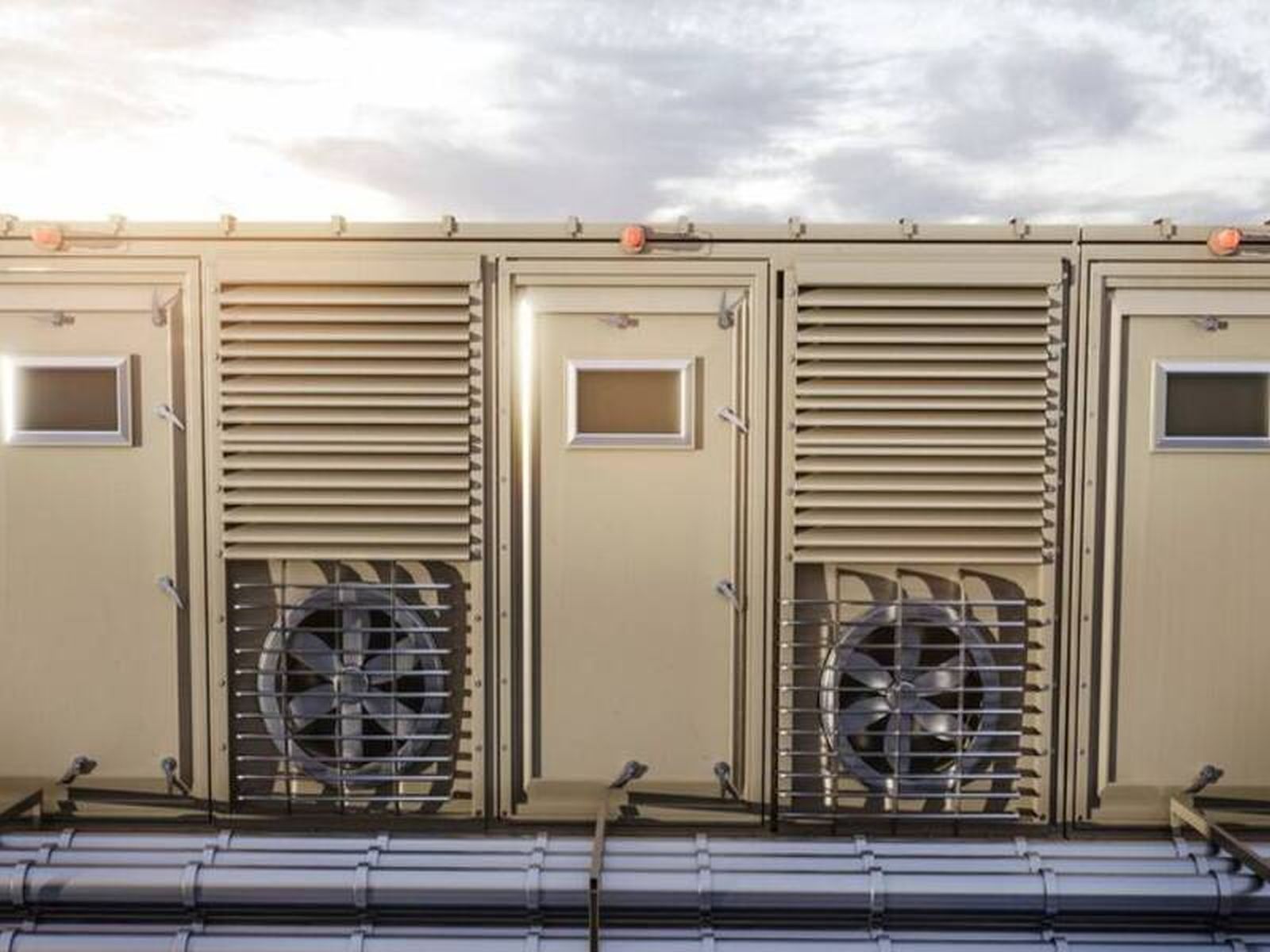
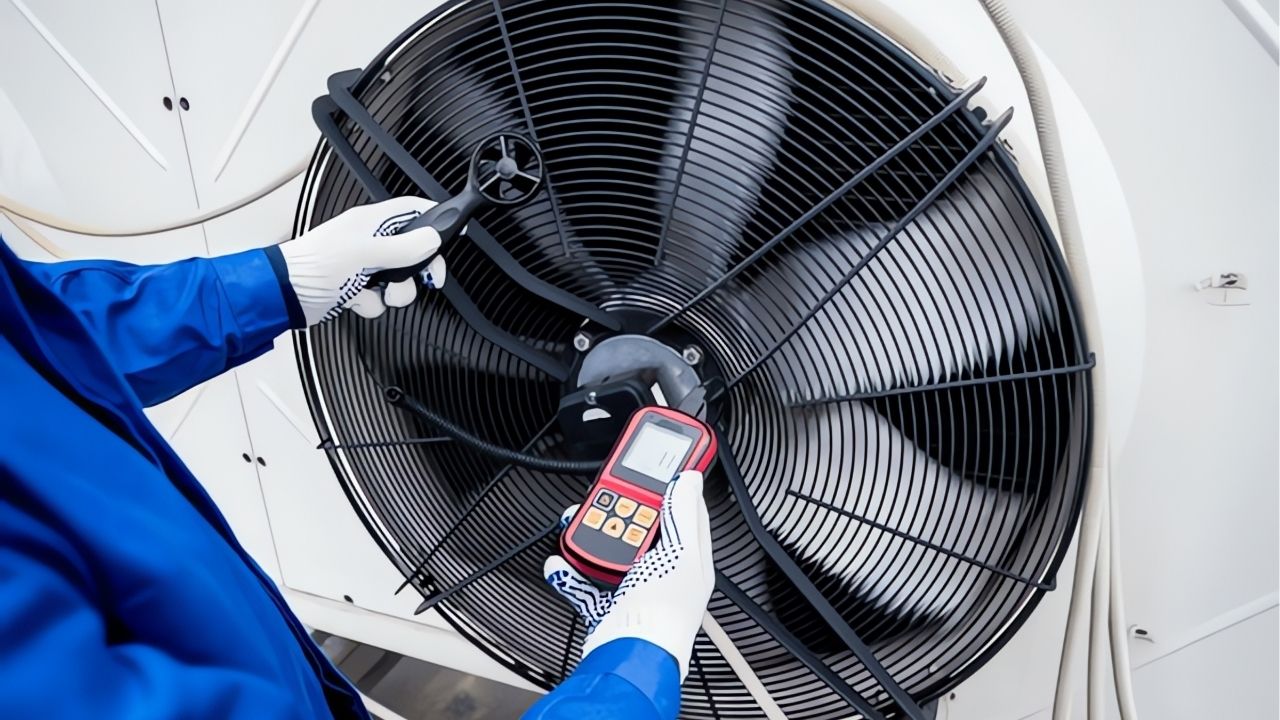
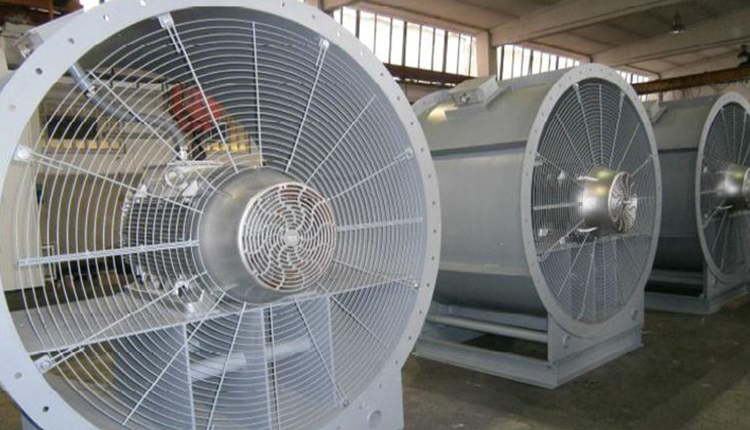
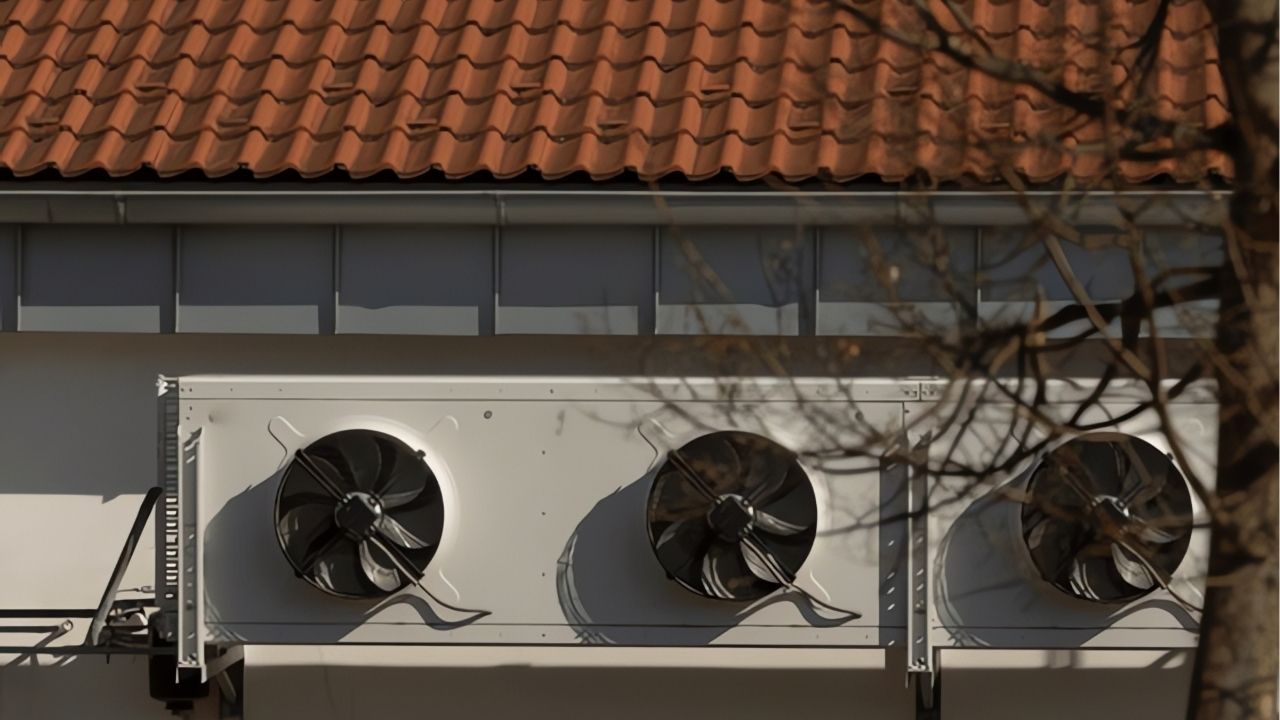
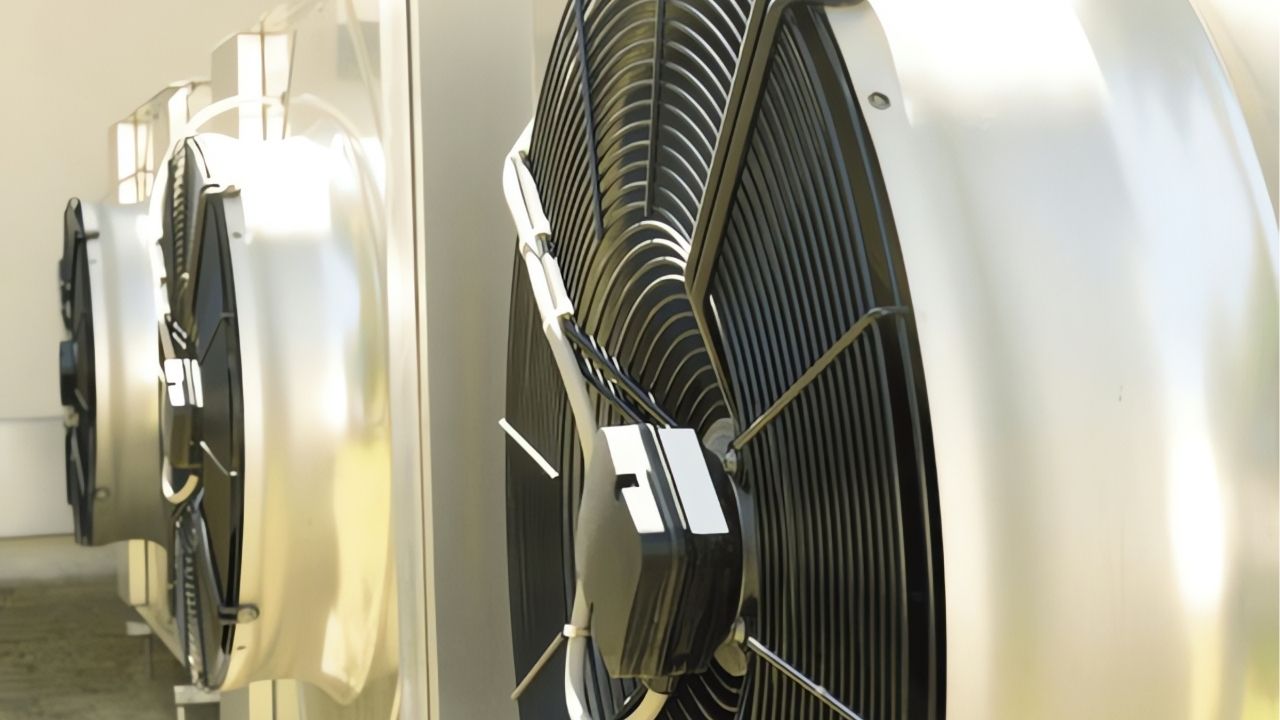
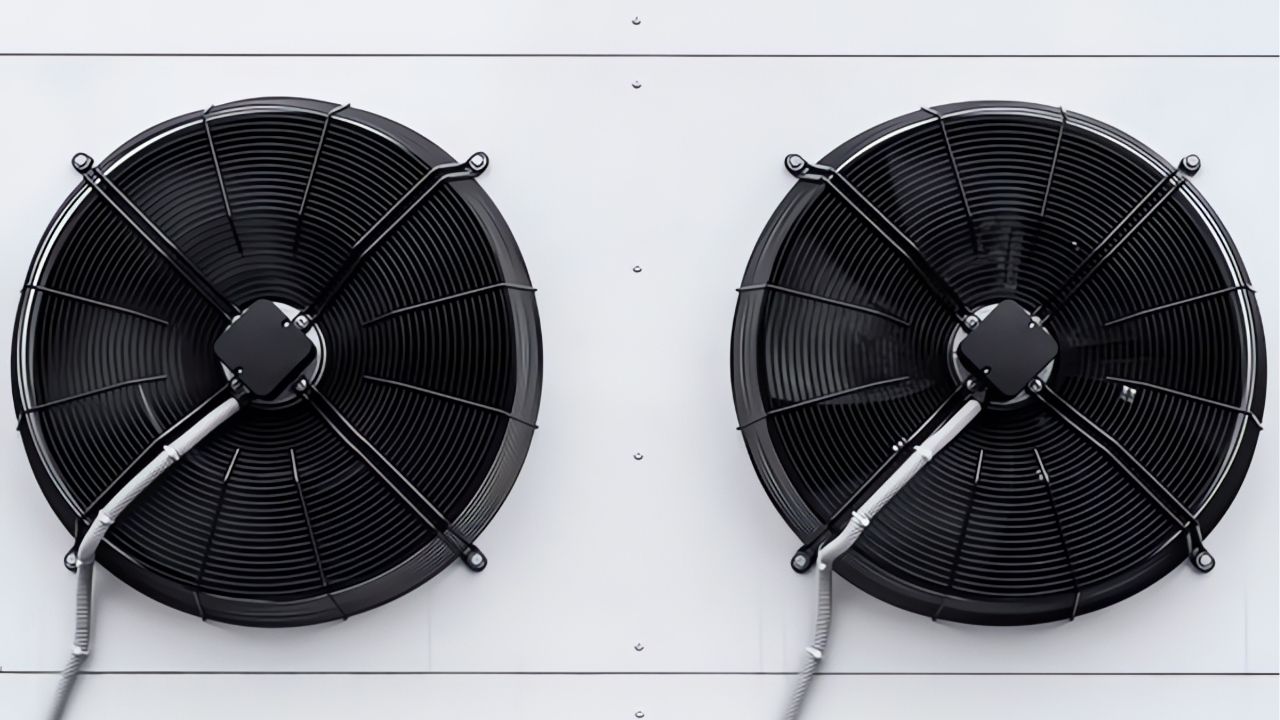
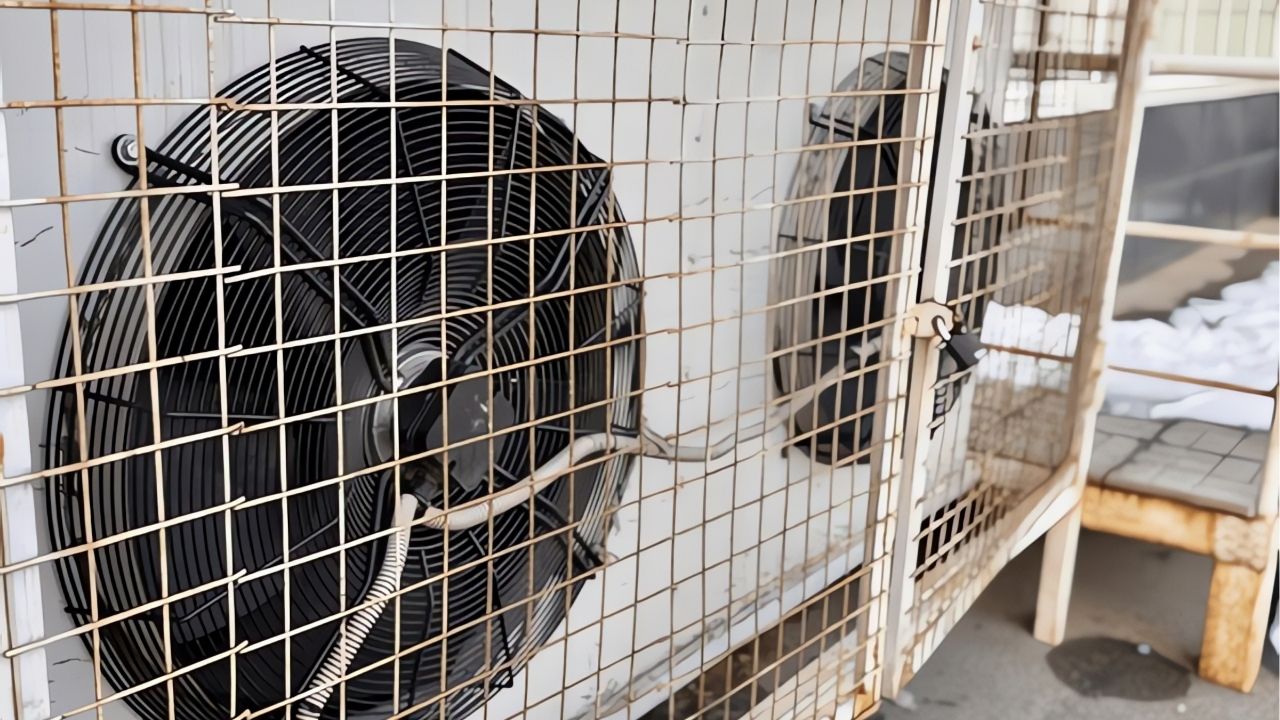
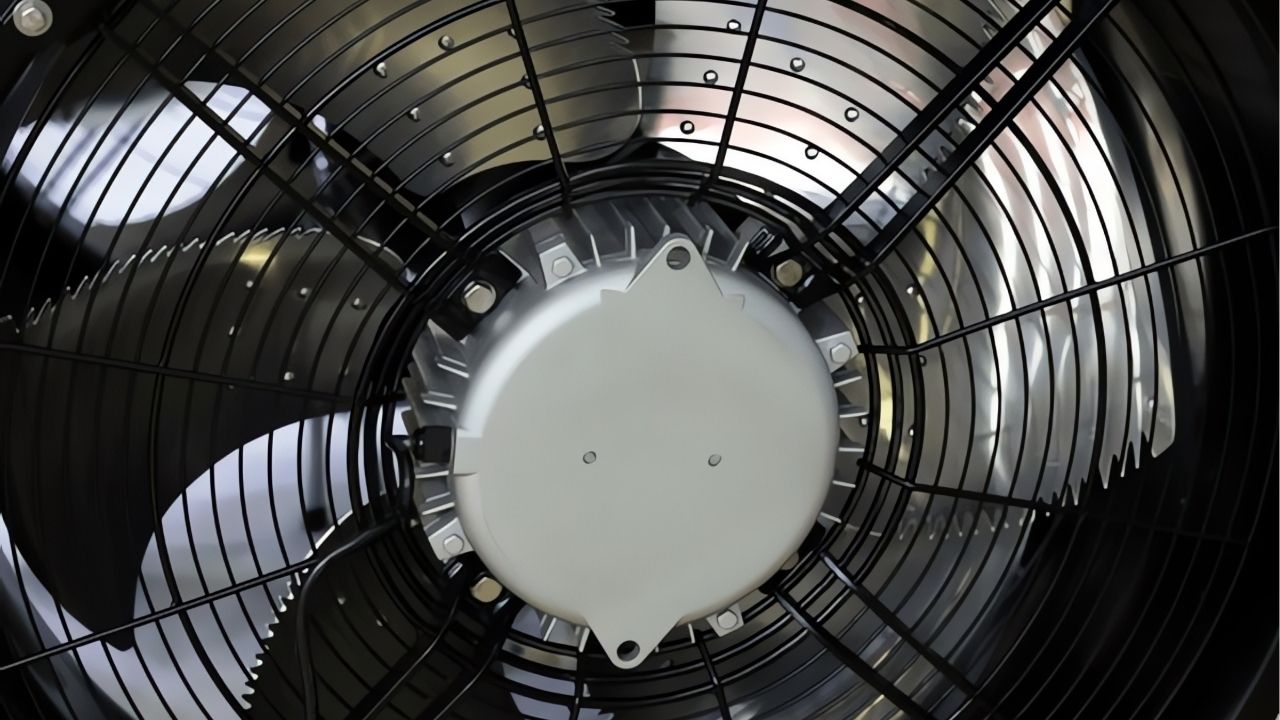
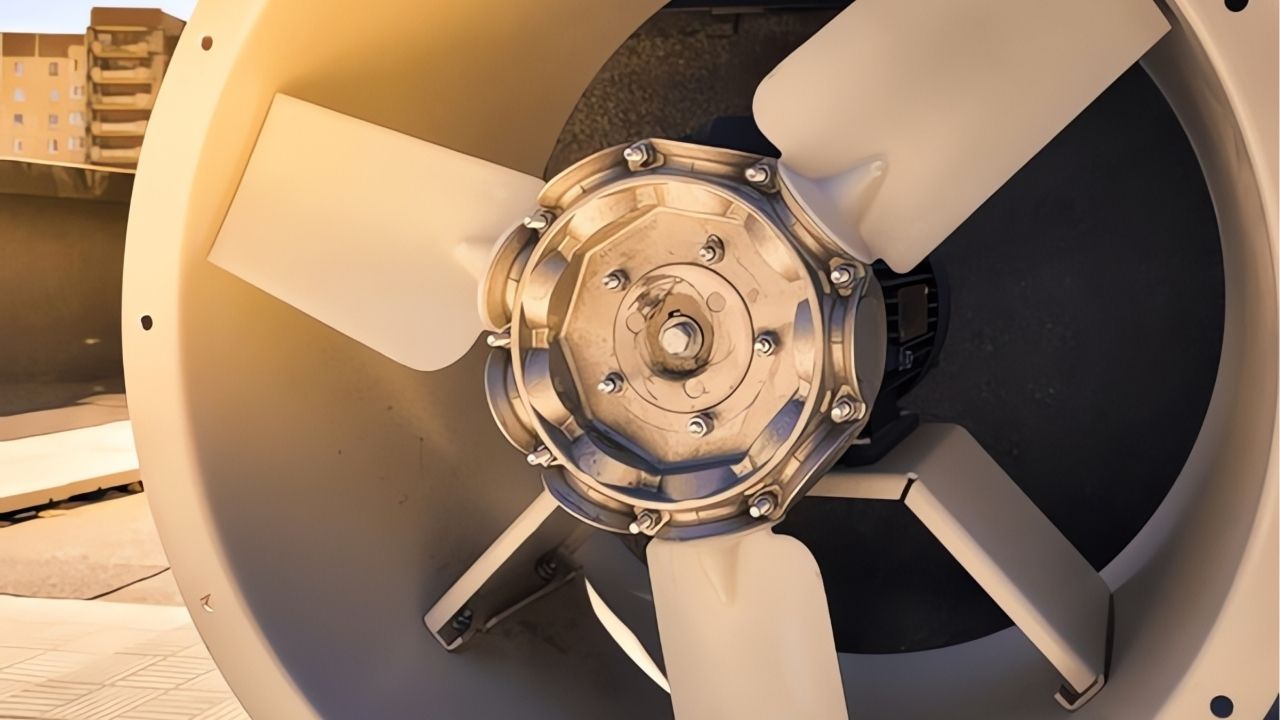
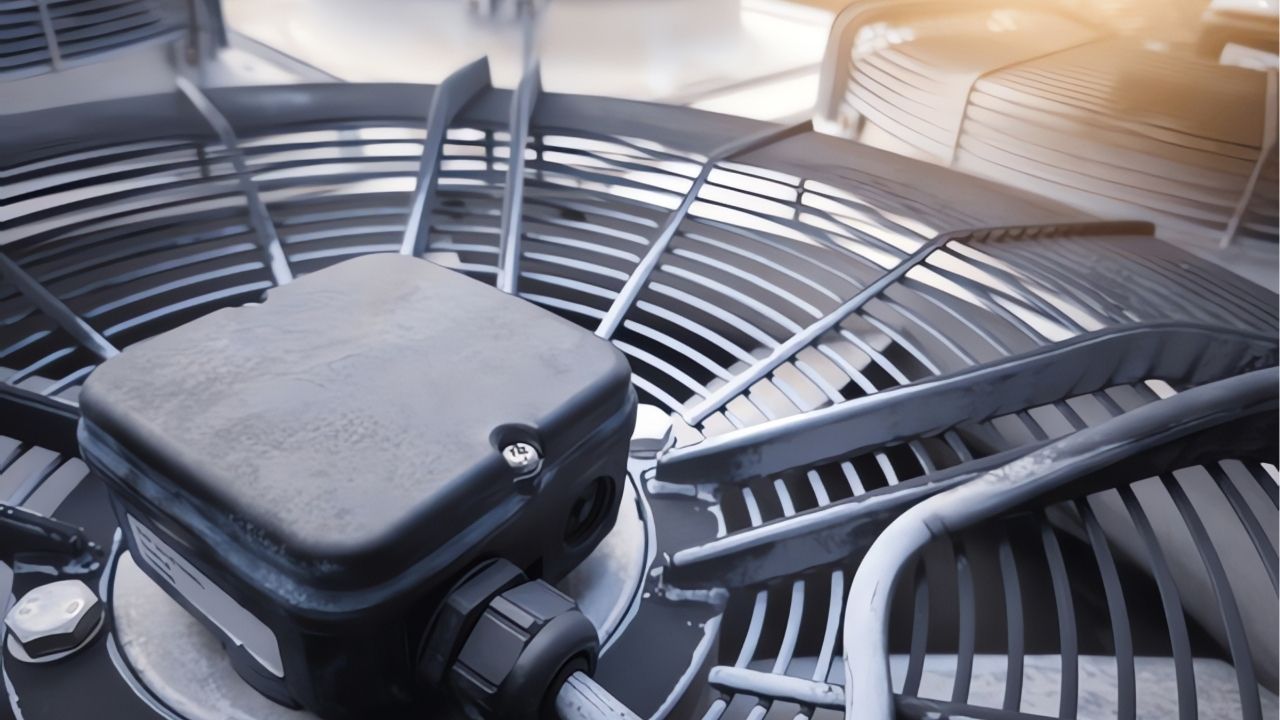
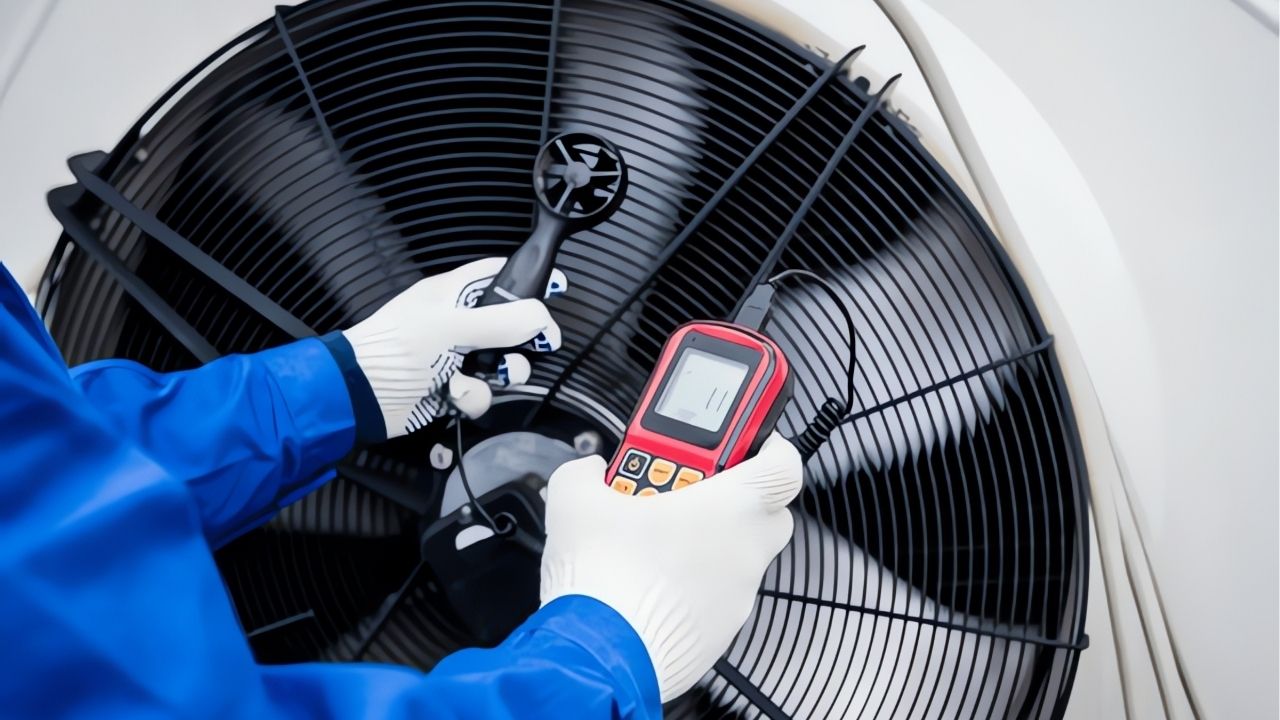
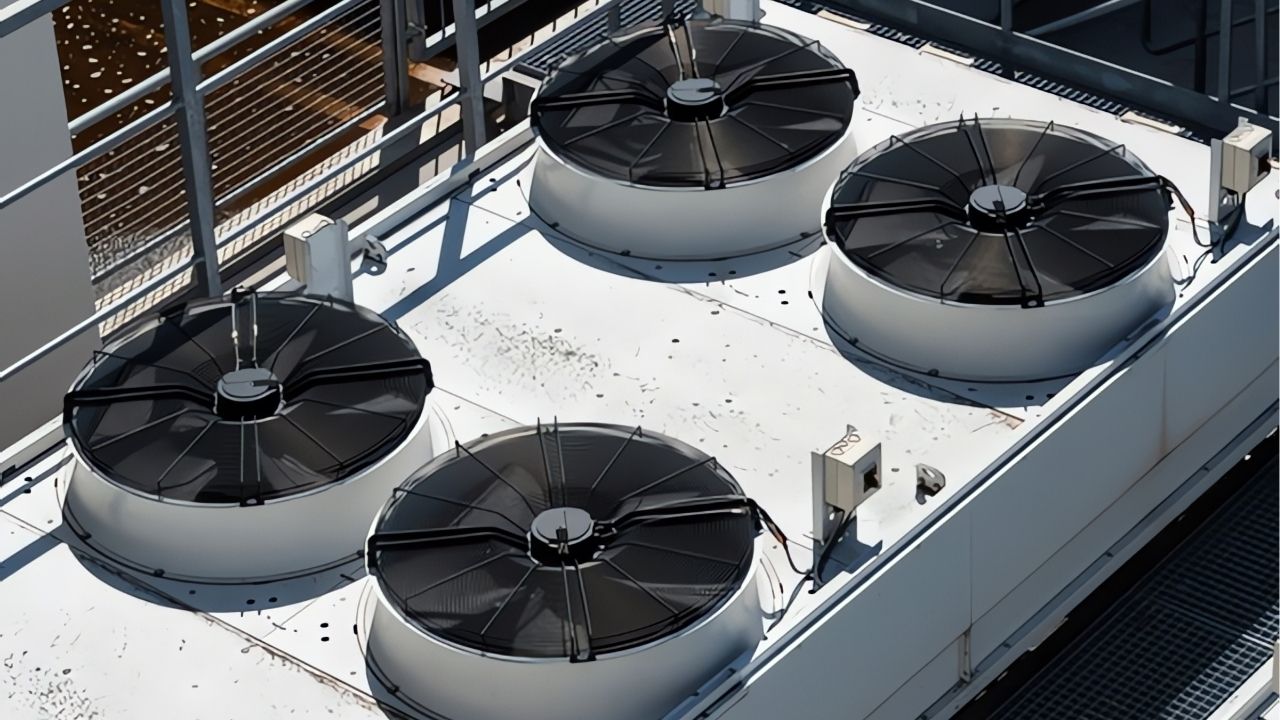
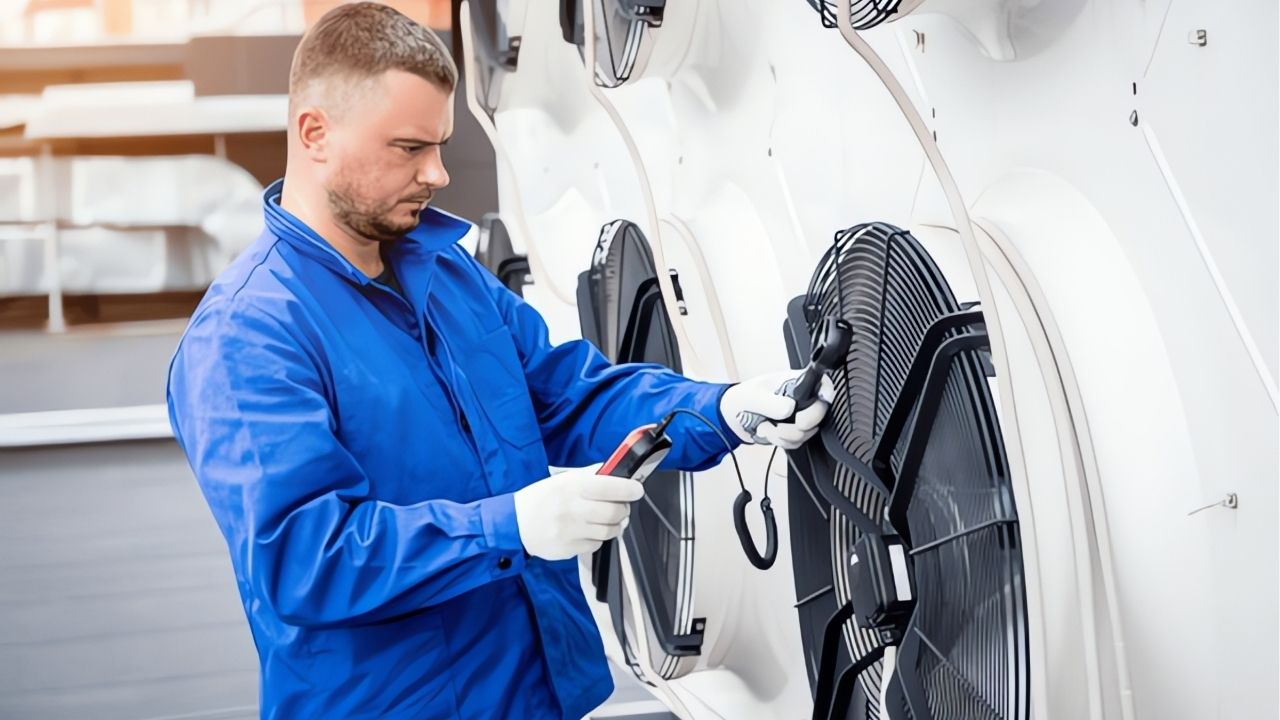
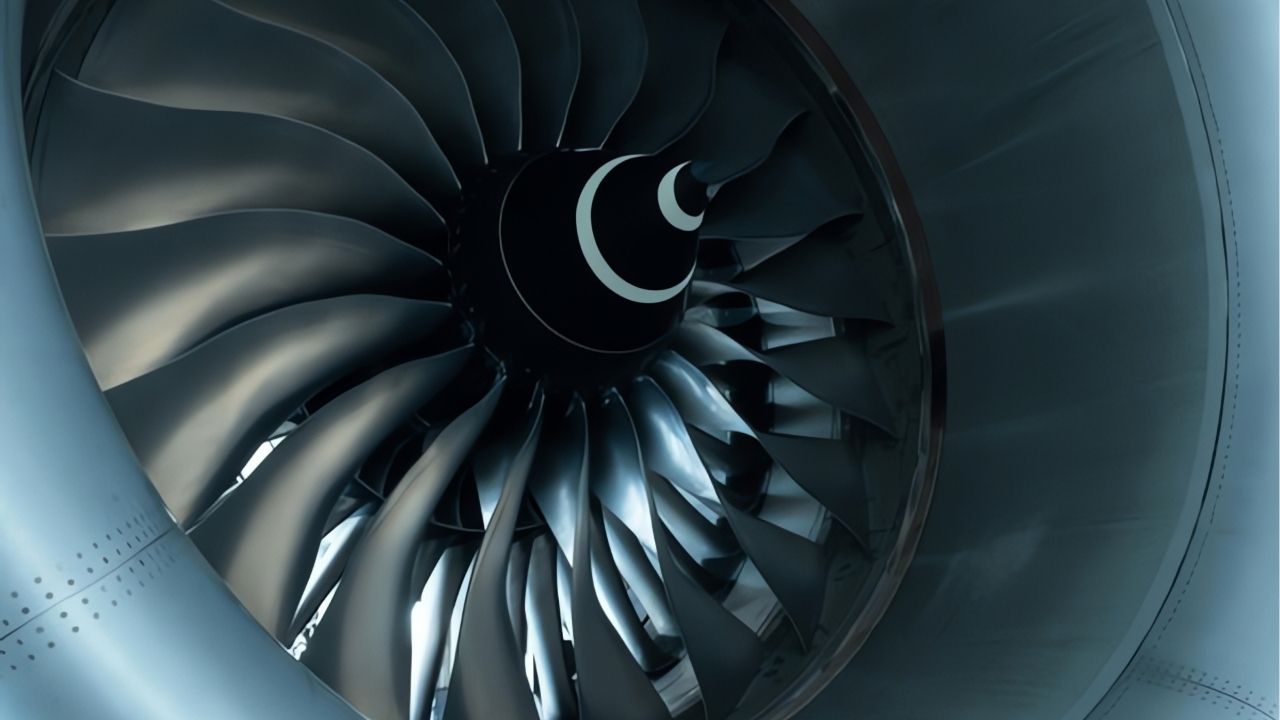
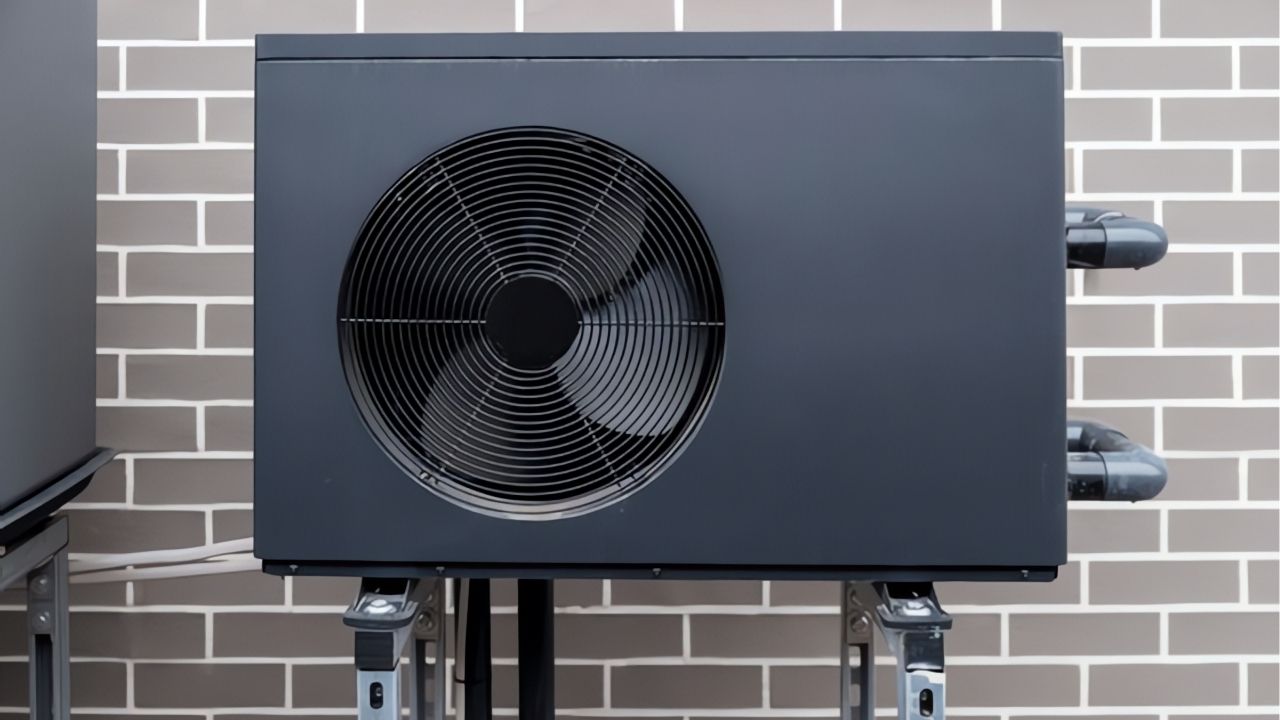
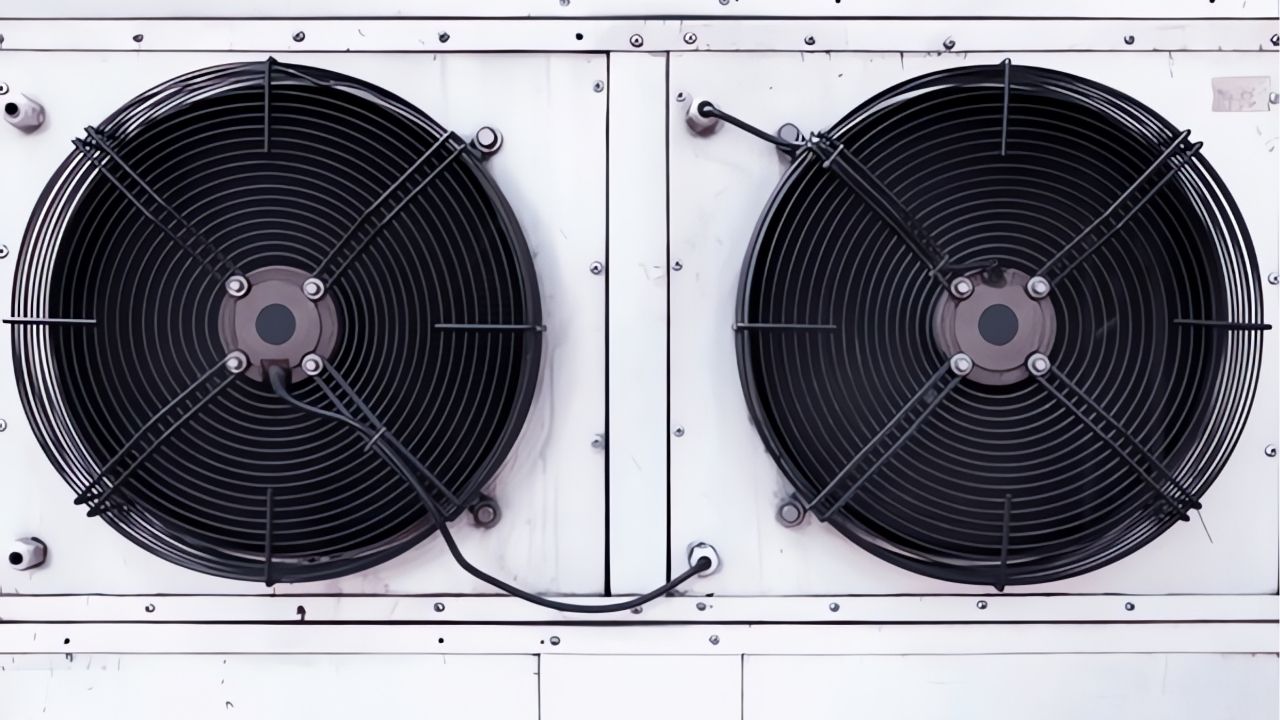
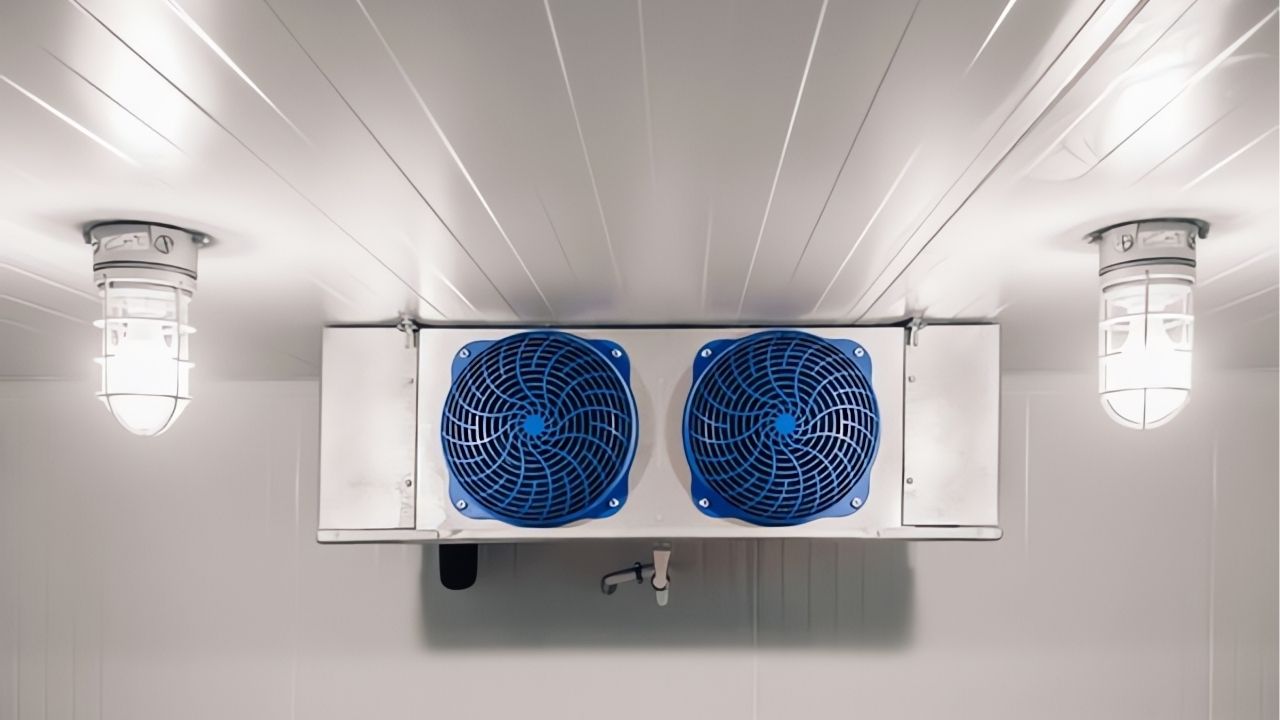
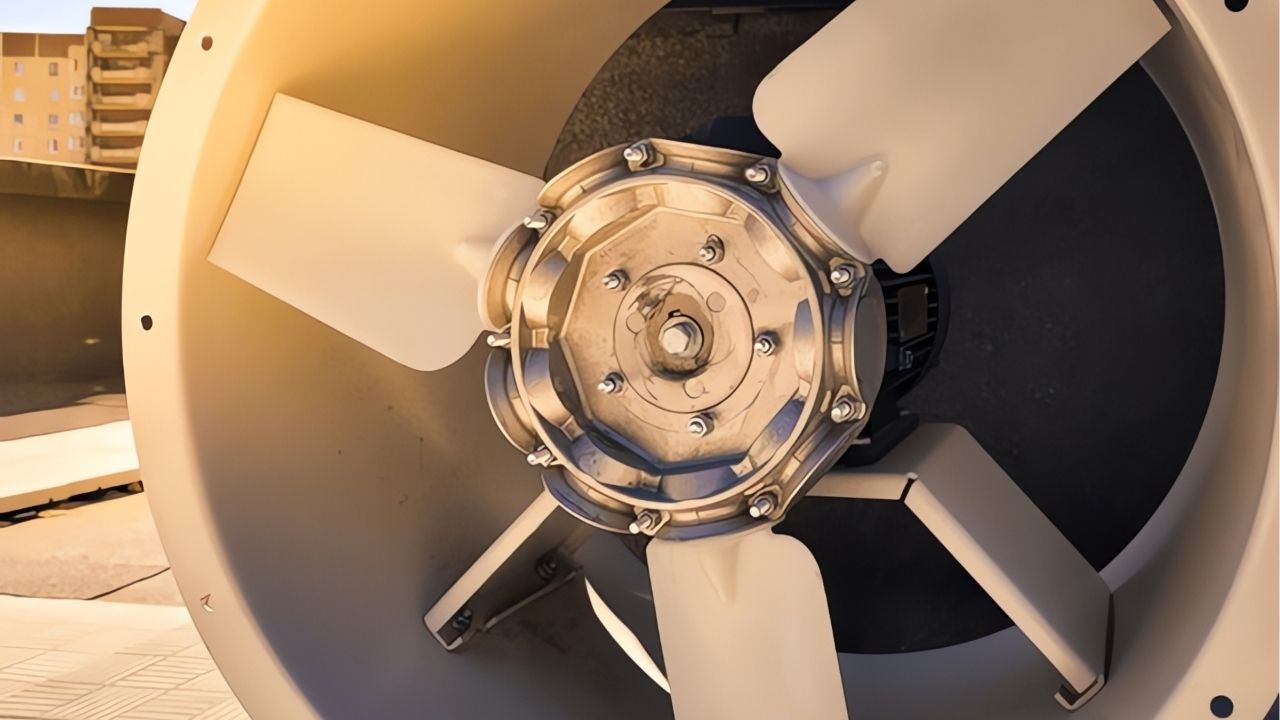
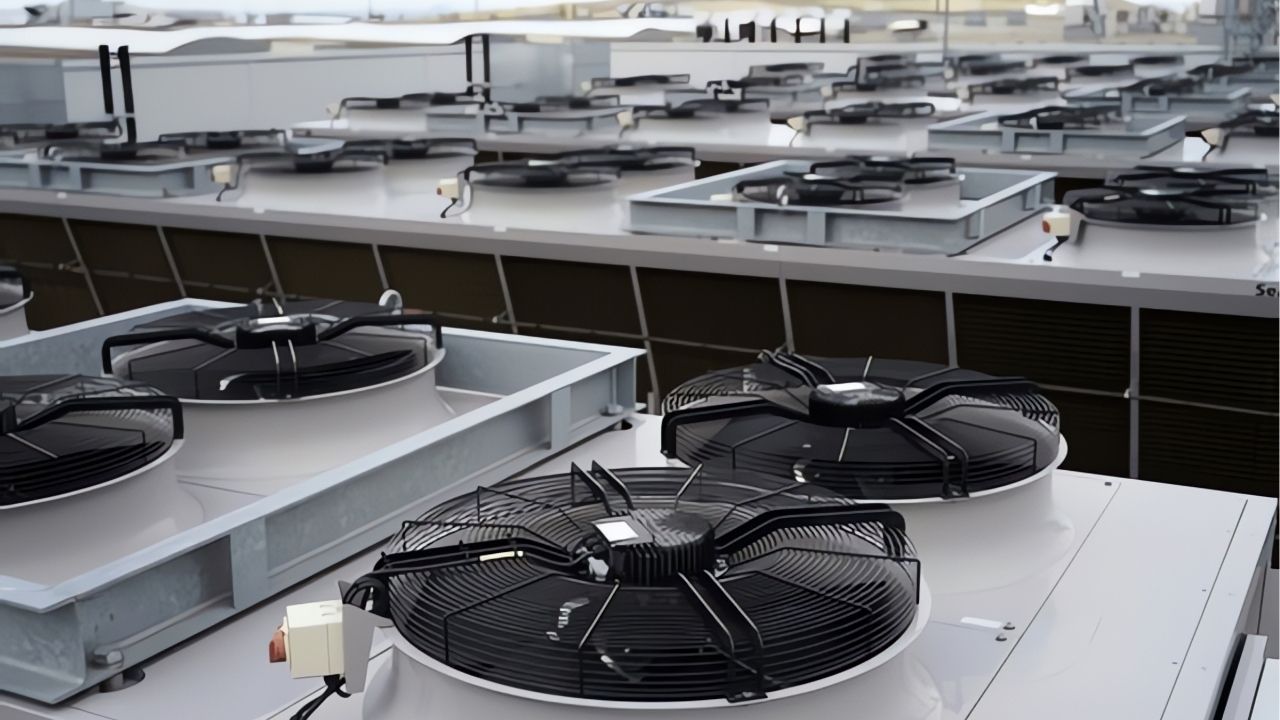
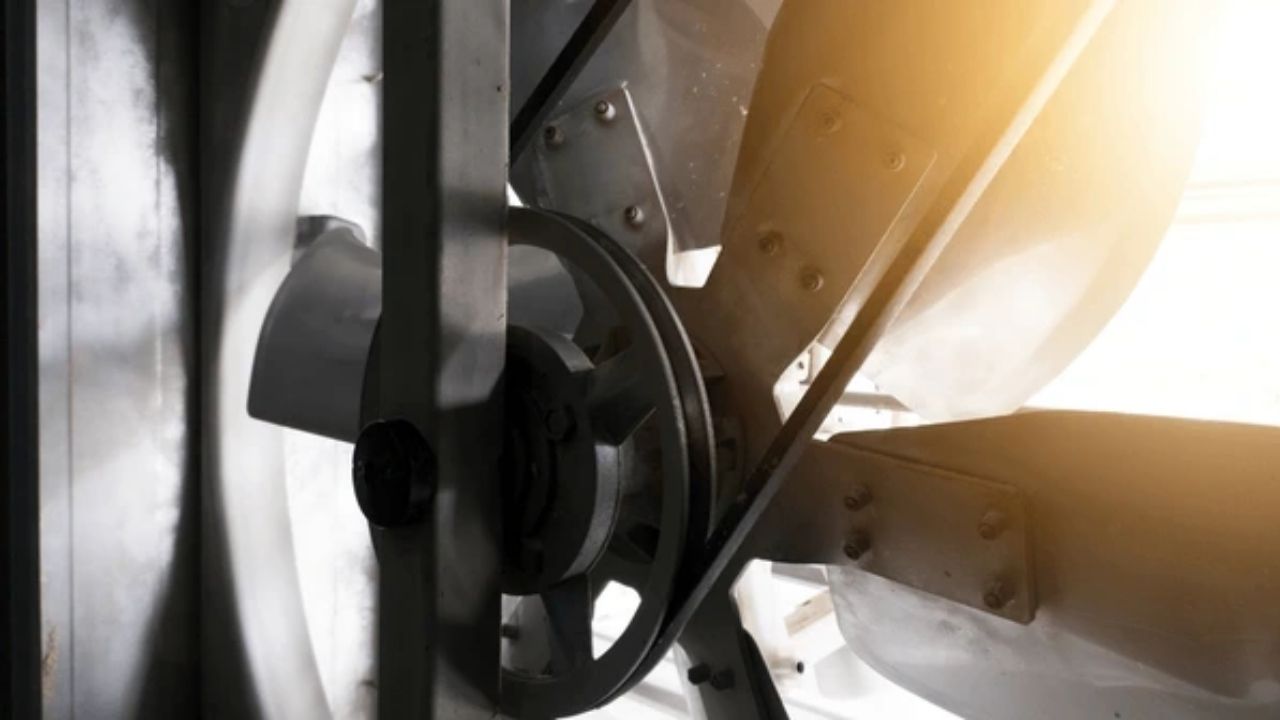
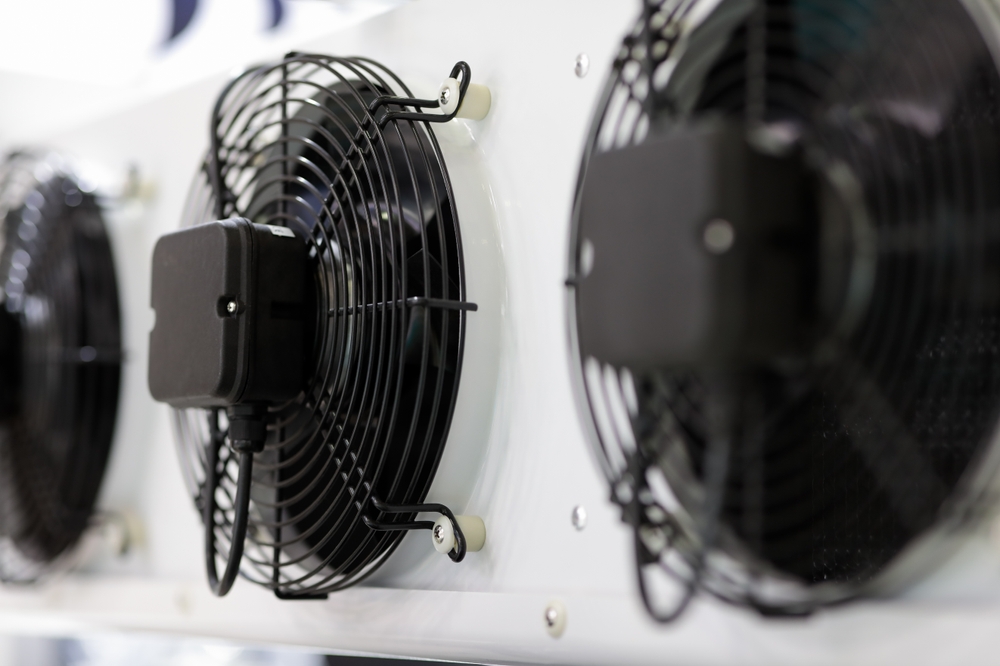
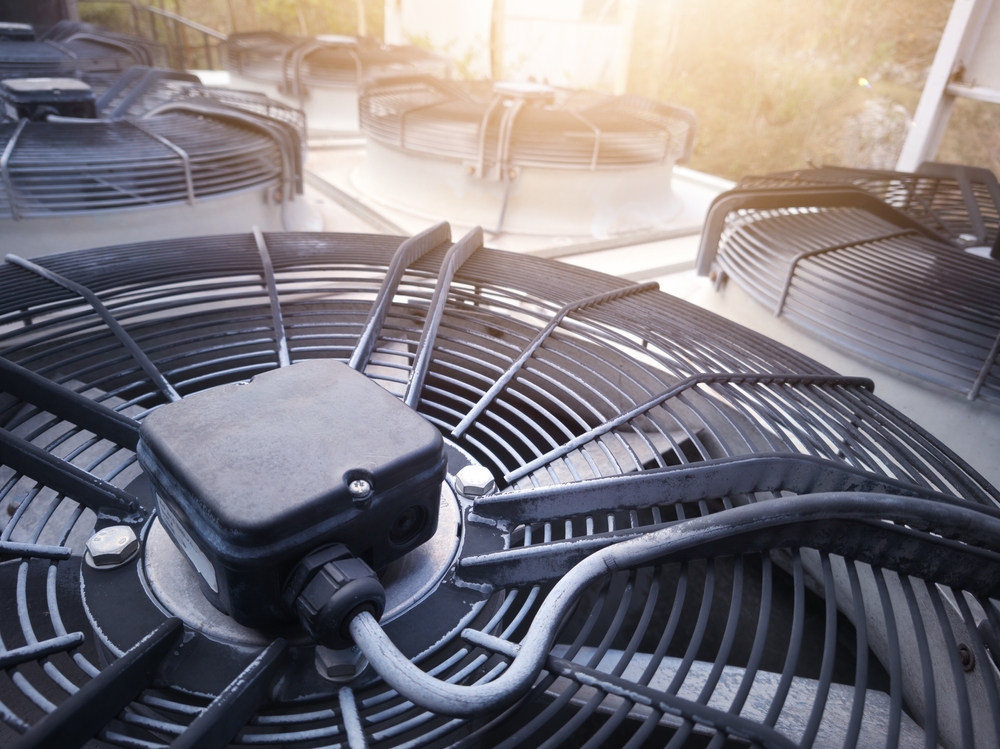
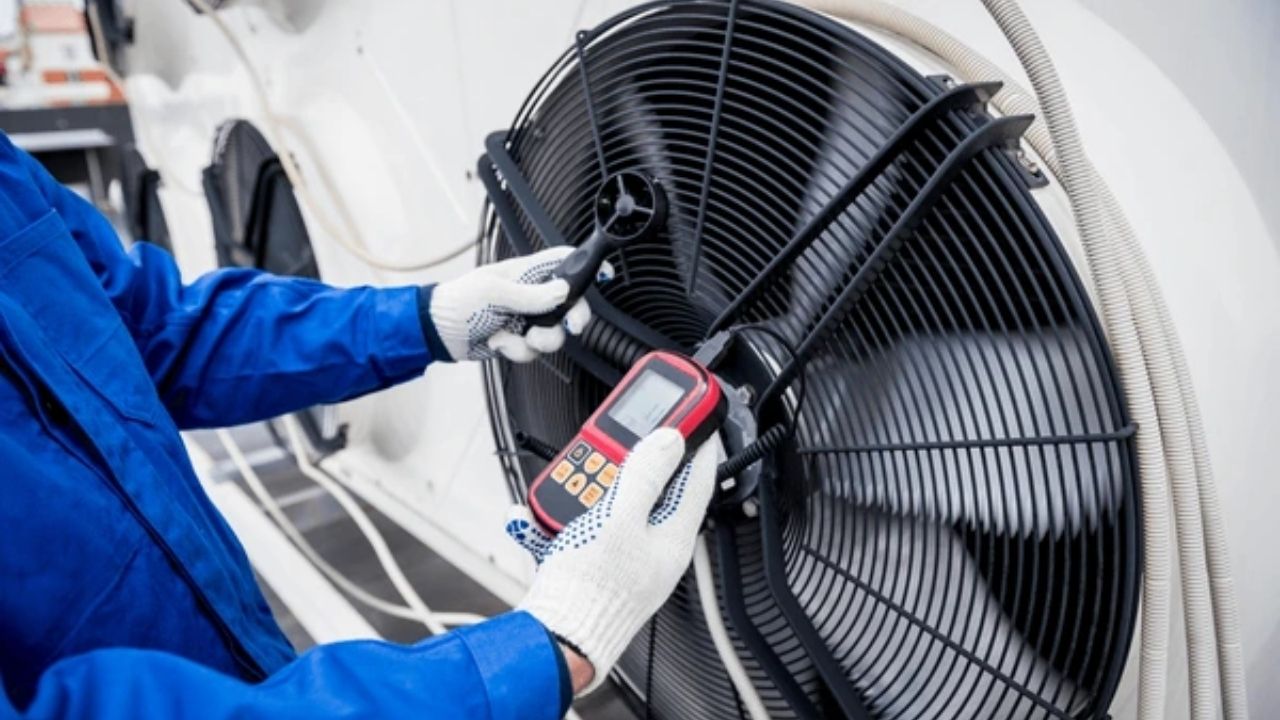
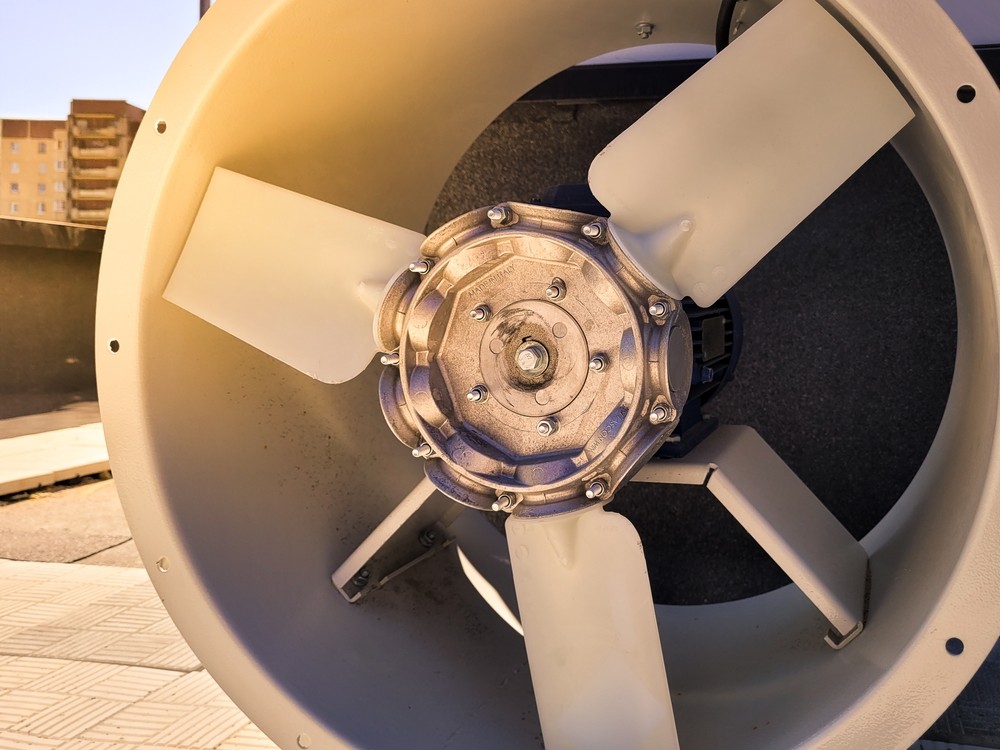
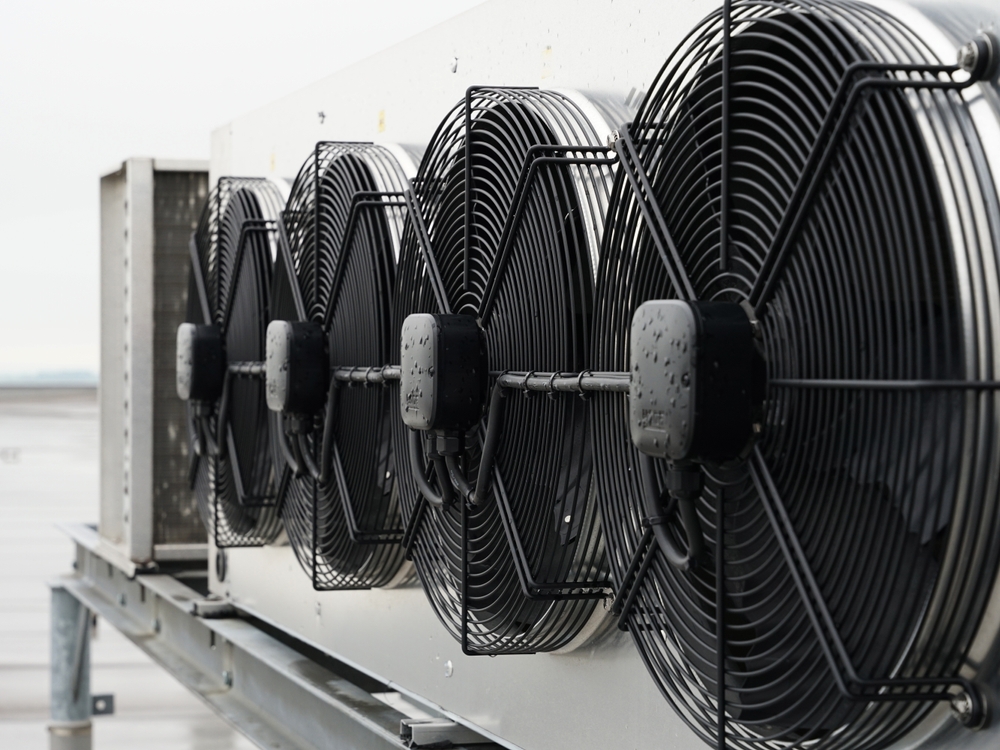
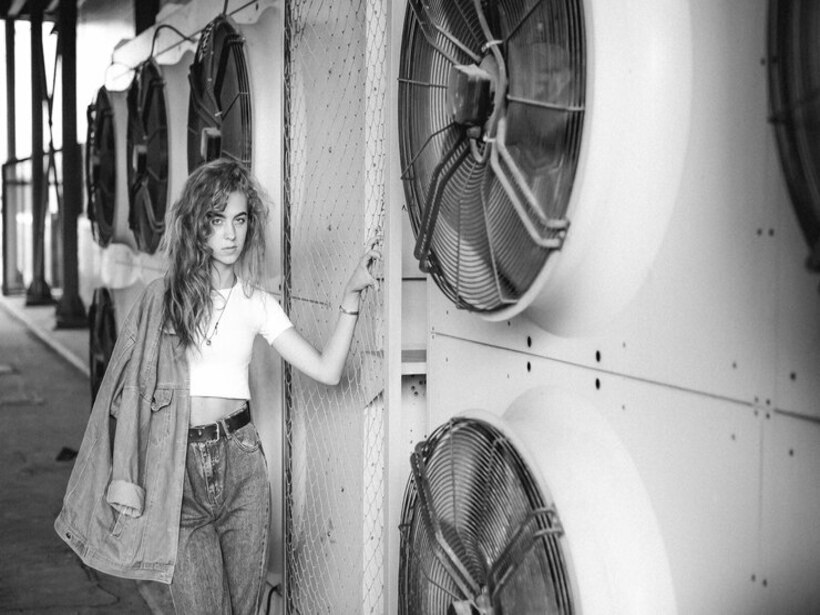
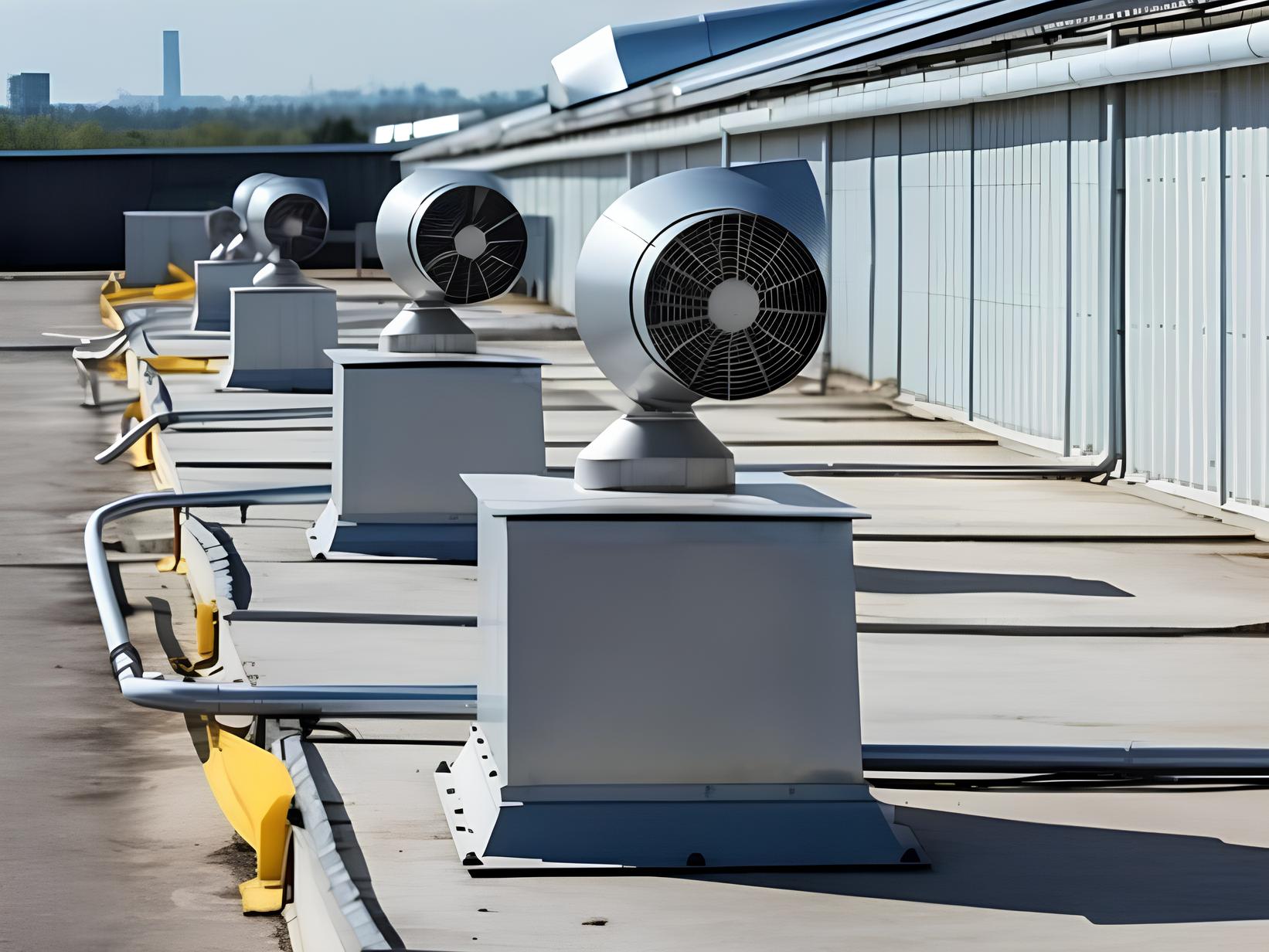
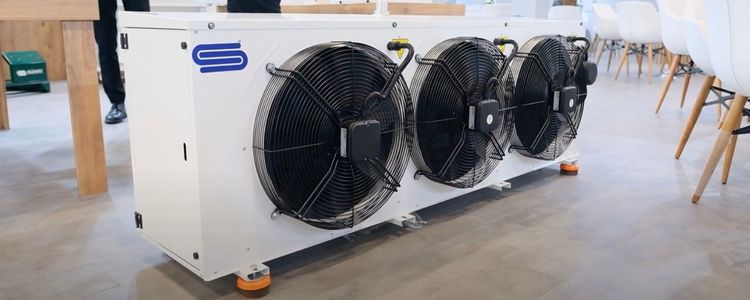
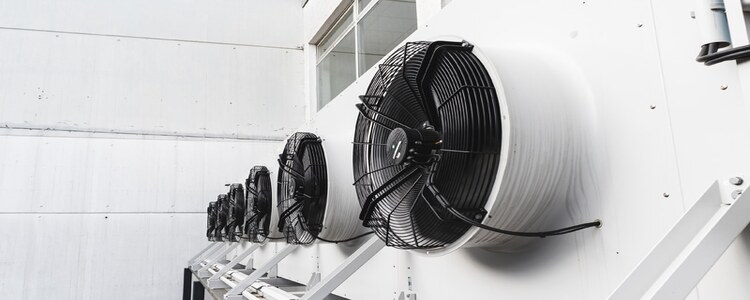
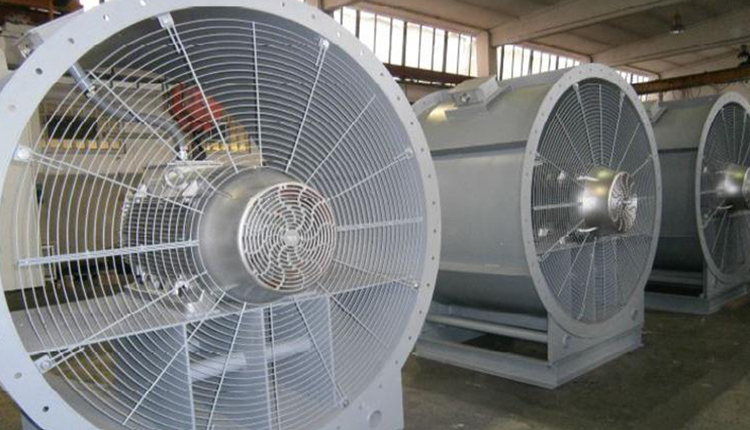
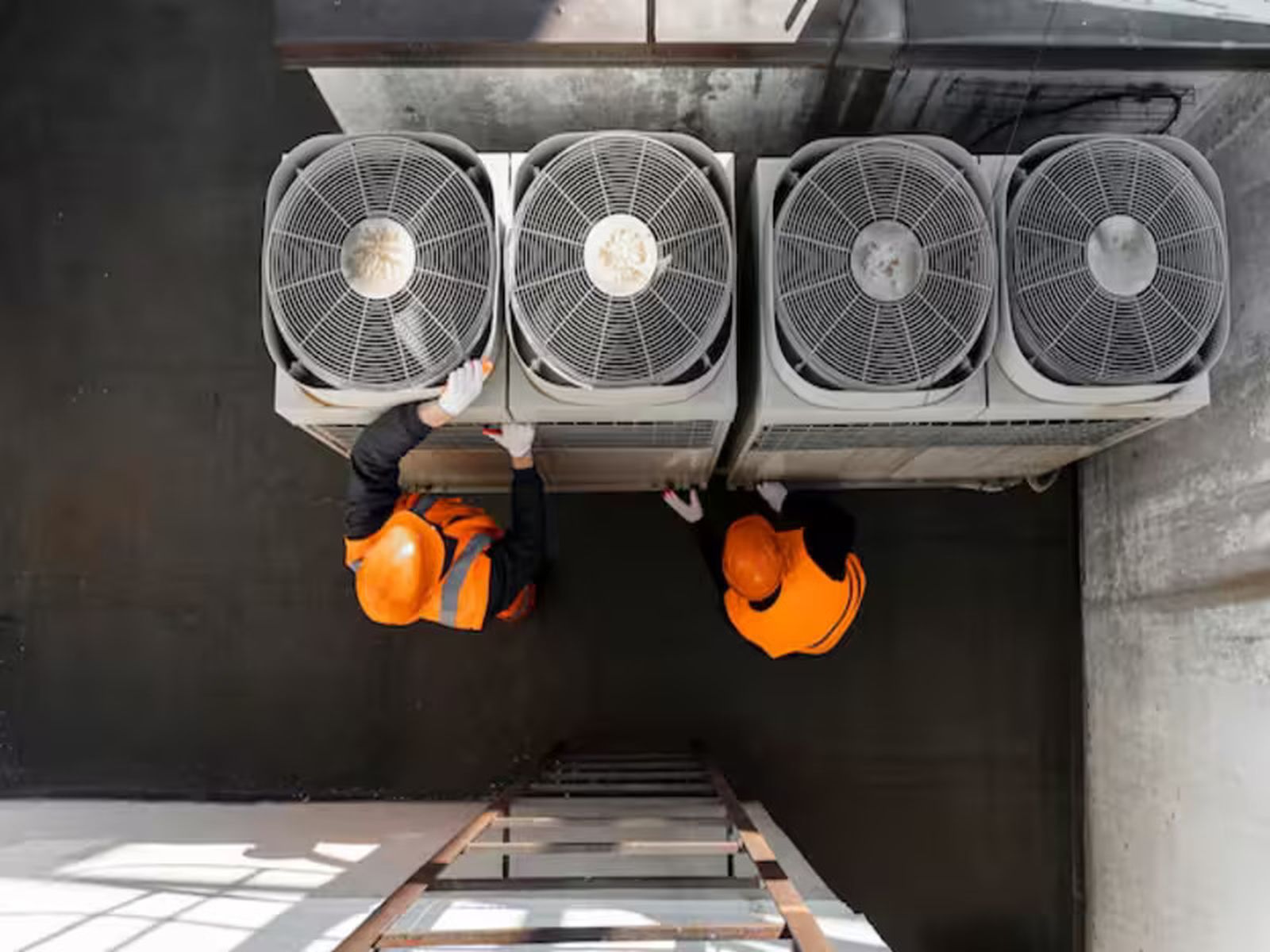
Axial fans are the component that provides airflow on both the evaporator and the condenser side; although their visibility is low, much of the system's efficiency passes through them. Blade angle, motor power and speed are determined according to the required airflow and the permitted noise level.
The number of fans is also not a value to be considered on its own; the same total airflow can be provided by several small fans instead of one large fan. Multi-fan arrangements allow the system, when one of the fans fails, not to stop completely but to keep running with part of its capacity — this redundancy is a reason for preference especially in cold storage rooms operating 24/7. Motor type selection likewise varies with the application; although fixed-speed motors are simple and low-cost, at part-load conditions fans with EC motors (electronically commutated) adjust their speed according to demand and save energy.
For models in different airflow and noise classes, the axial fan range can be reviewed.
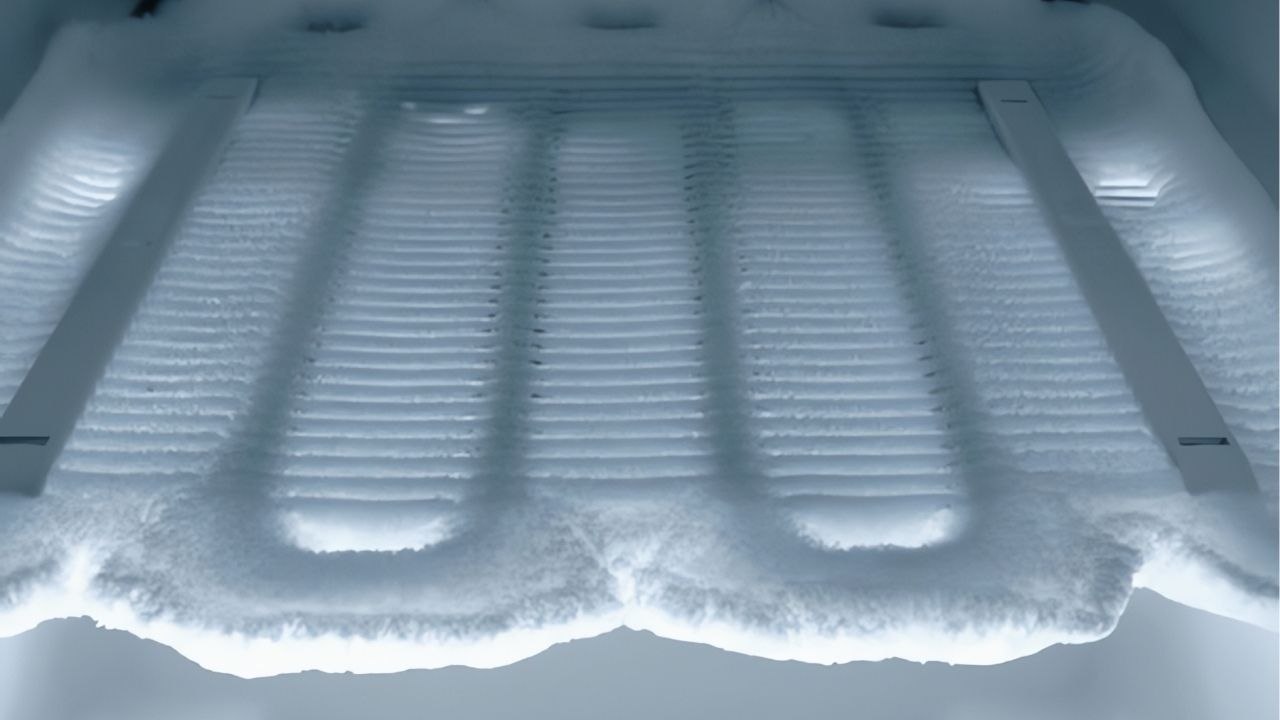
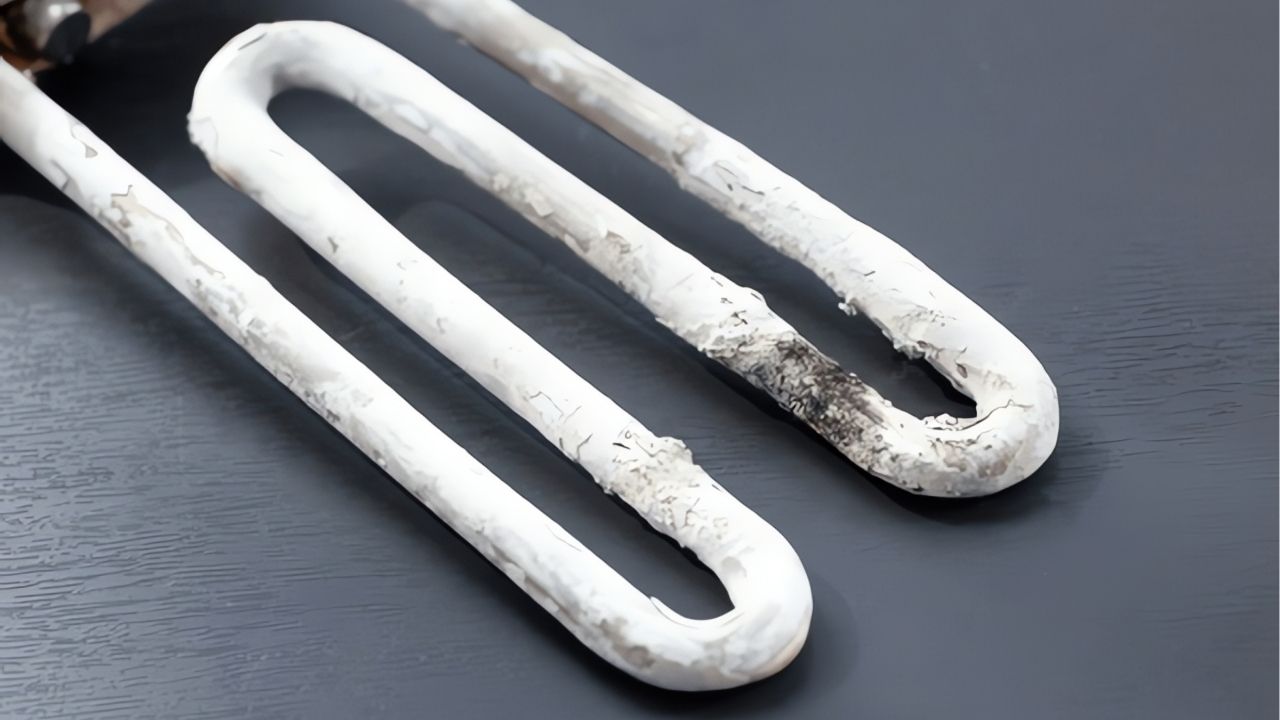
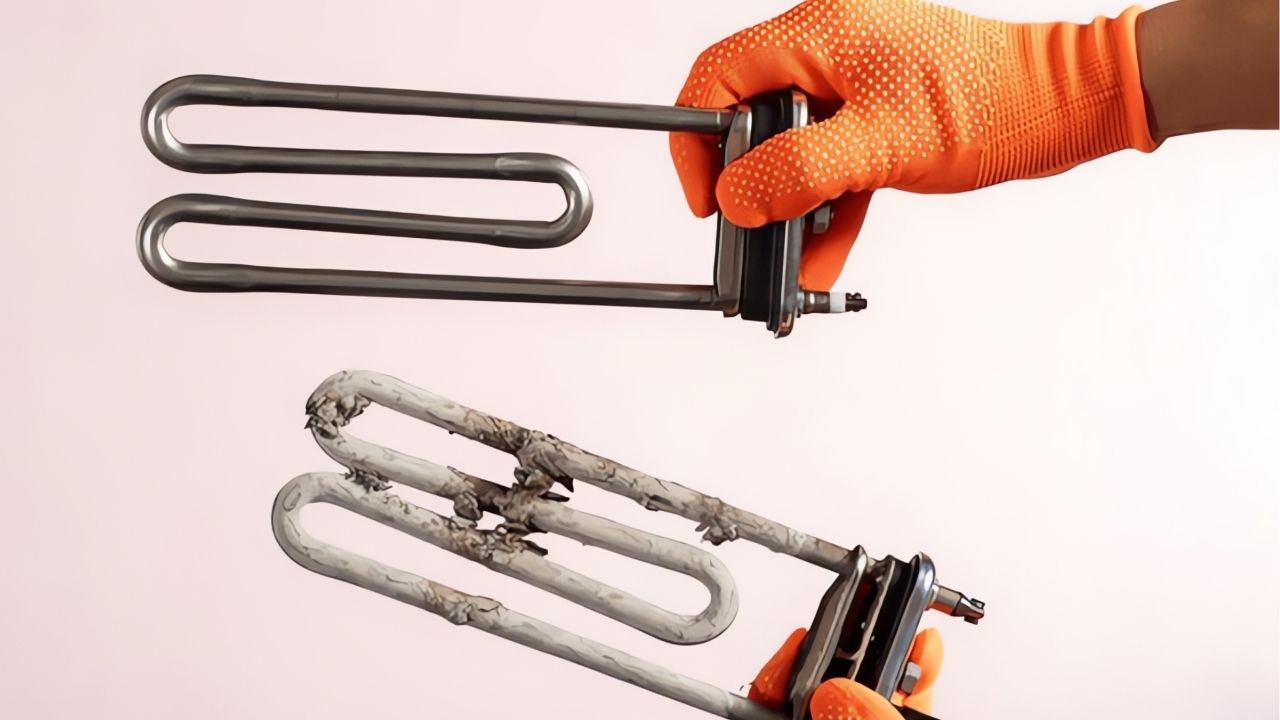
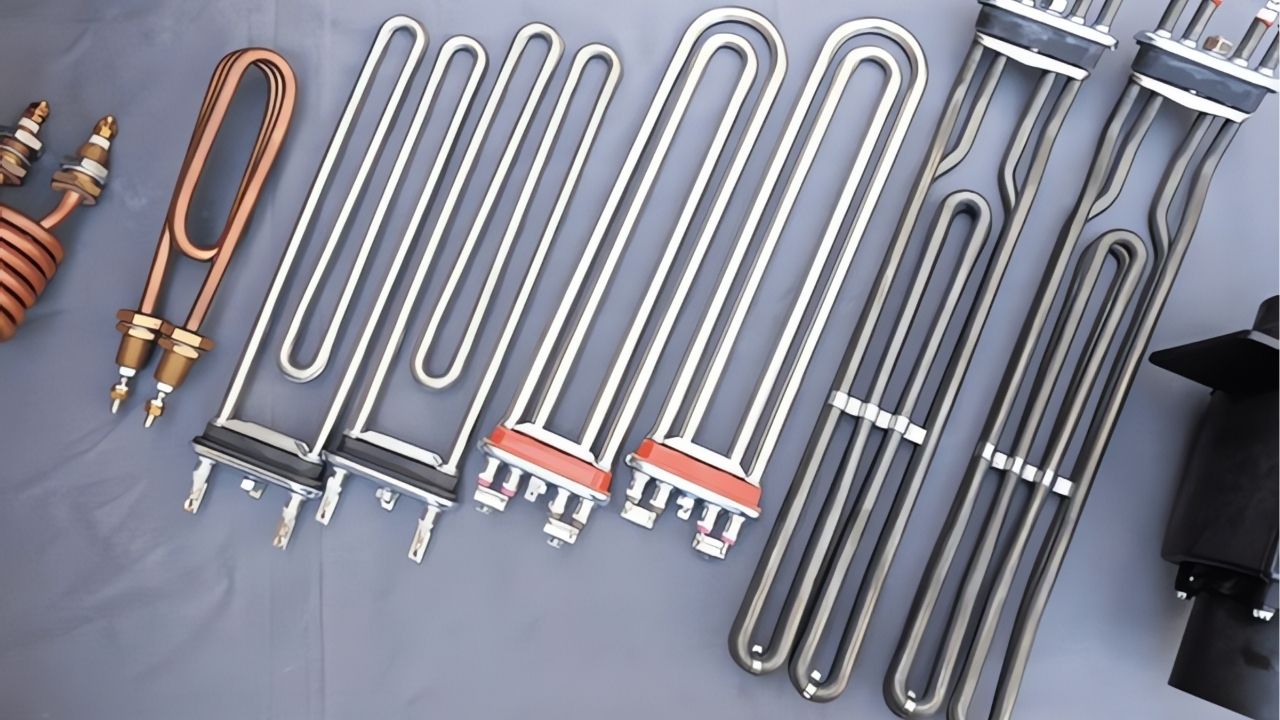
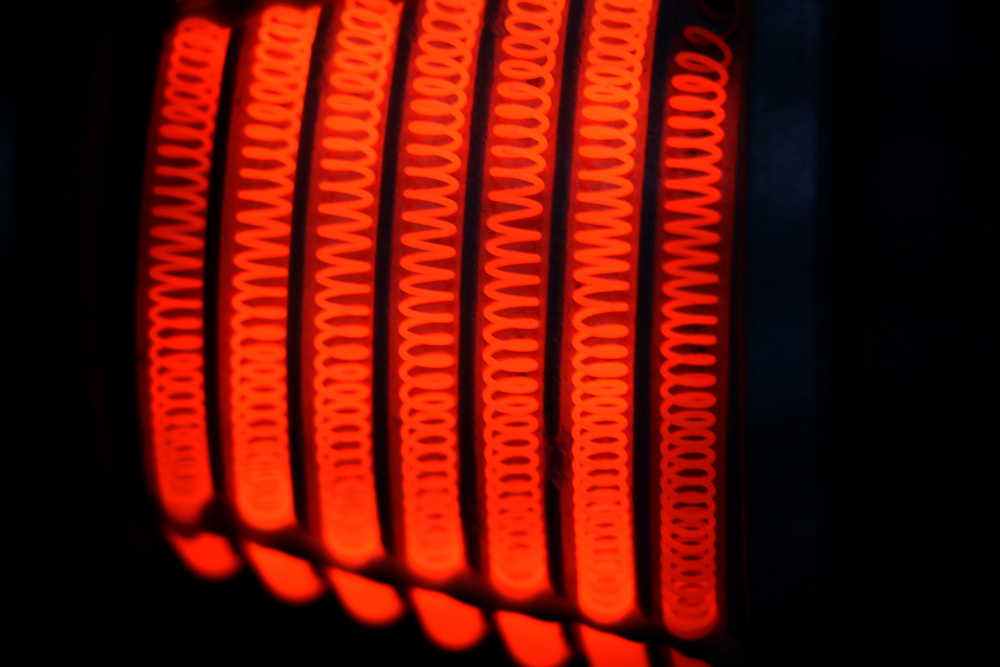
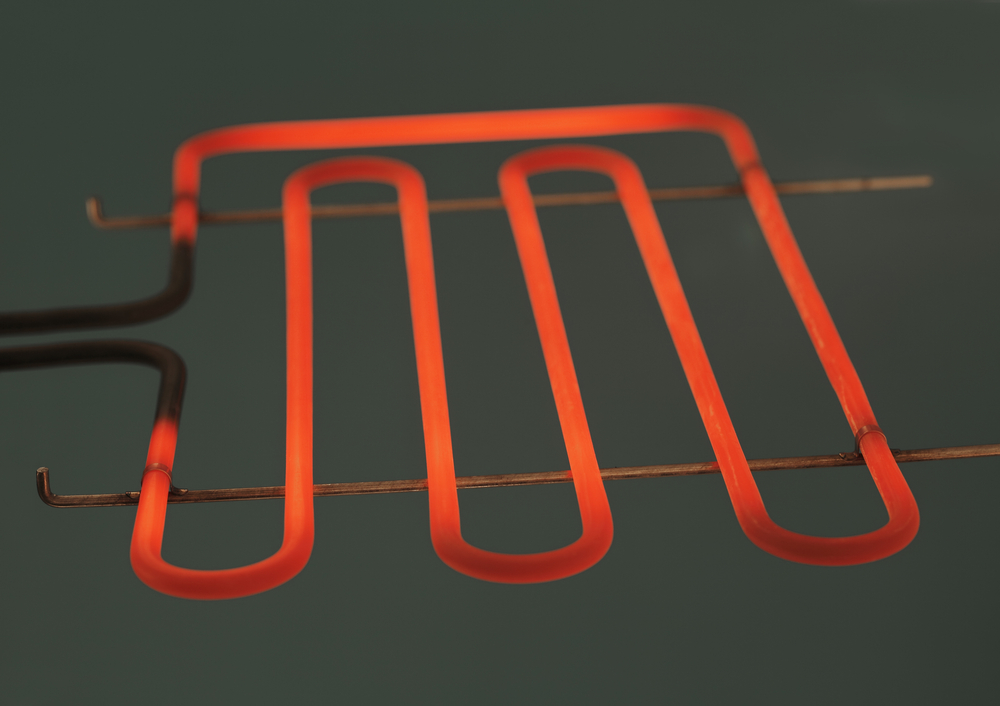
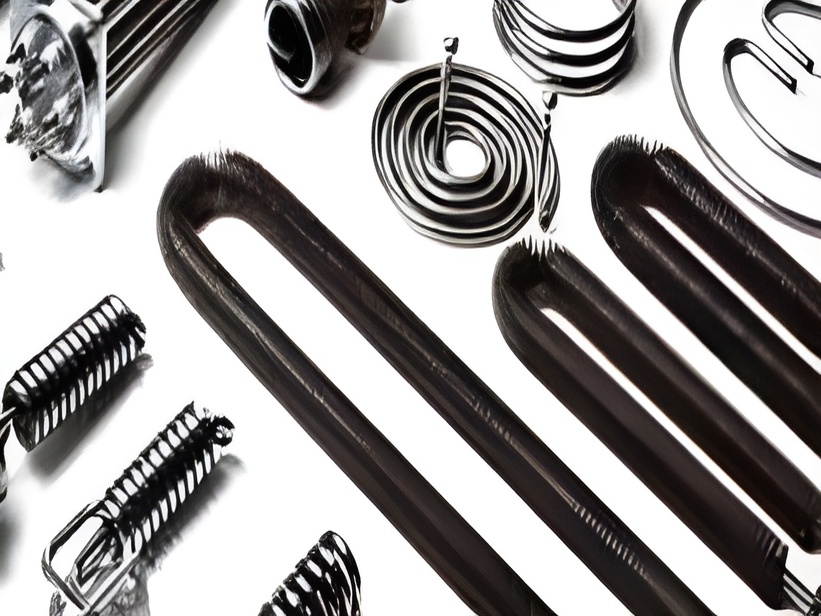
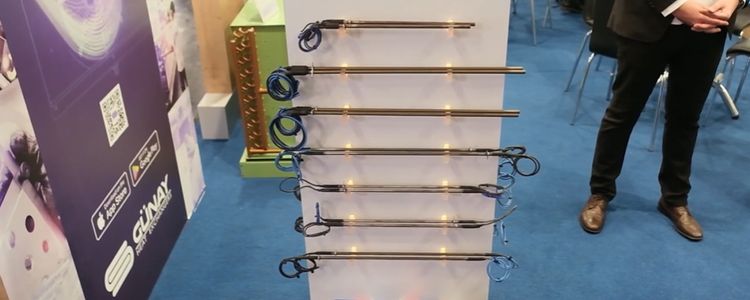
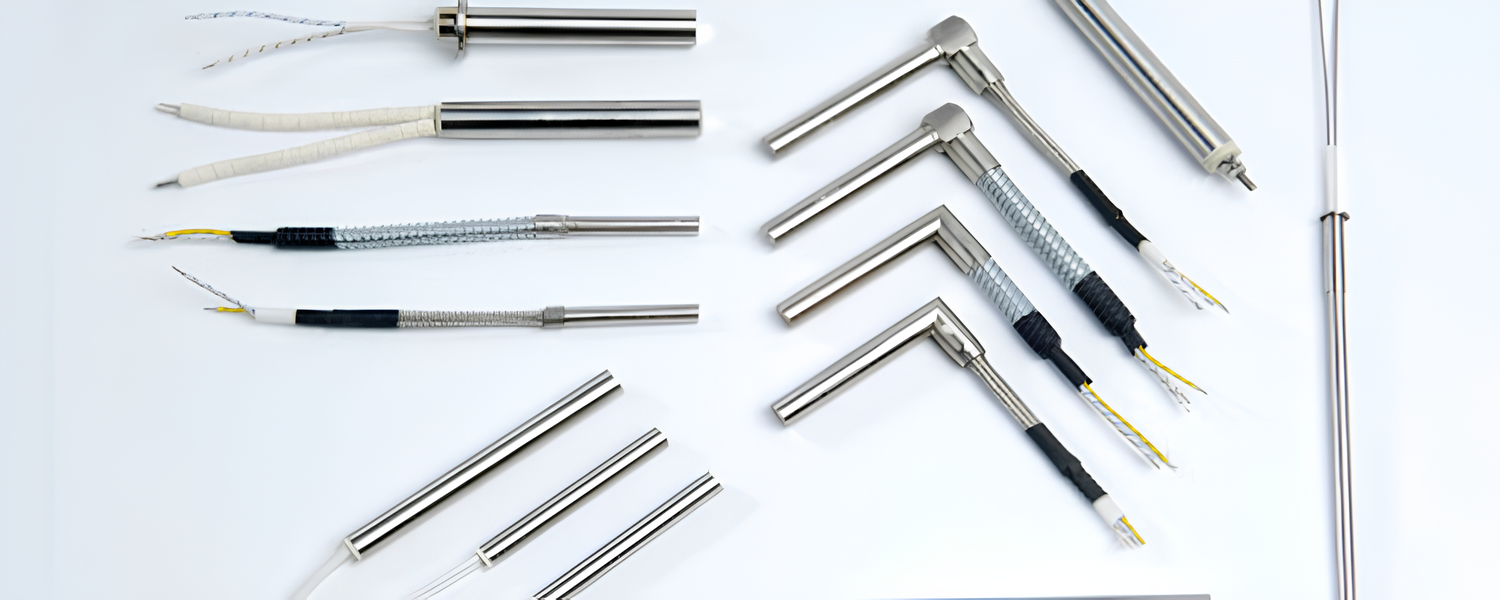
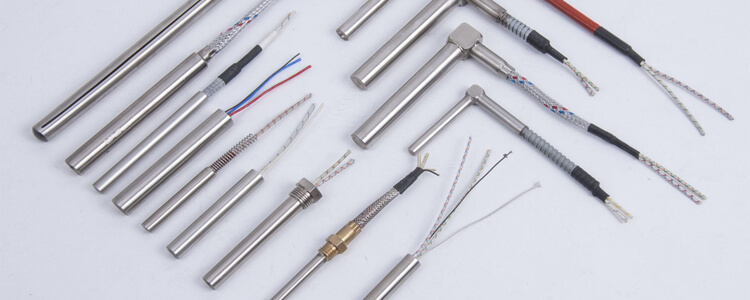
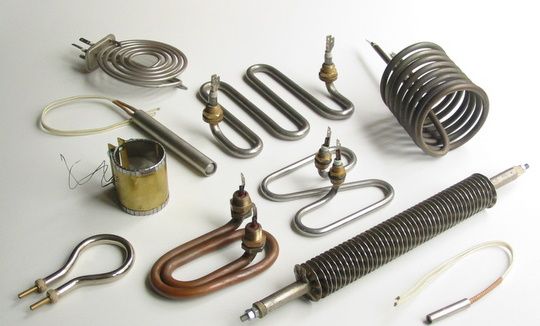
Ice accumulating on the evaporator surface directly reduces heat transfer. For this reason, especially in systems operating below 0°C, electric heaters act as defrost — they switch on at certain intervals and melt the ice layer on the surface. Heater power and placement are calculated according to the evaporator's fin surface area and the ambient humidity load; a heater selected with insufficient power prolongs the defrost time, while one selected with excessive power leads to energy waste and local heat stress.
For defrost heaters intended for different applications, the heater product group can be reviewed.
Knowing the features of each piece of equipment individually is not enough; the real engineering decision is how these four components match each other. An evaporator of the same capacity can never reach the expected temperature if the condenser and fan placed next to it are insufficient.
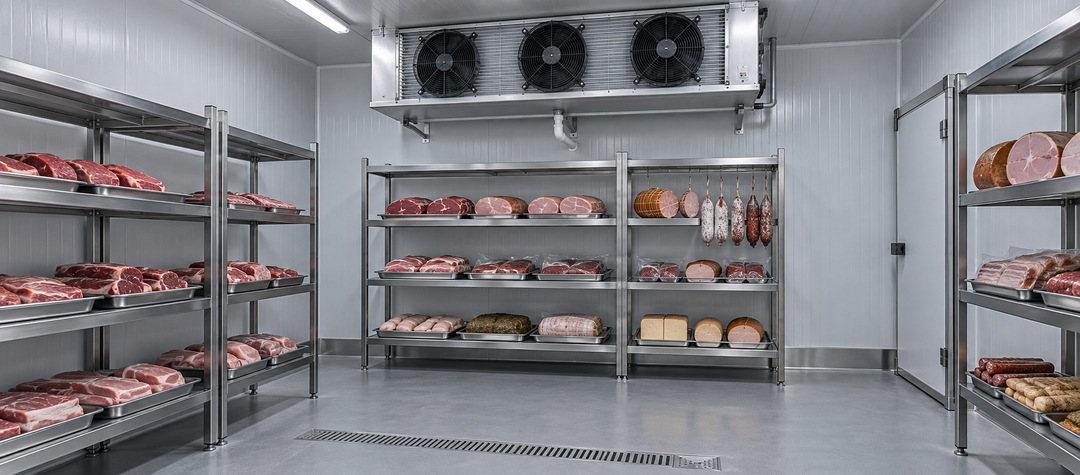
Wide fin spacing evaporator + high-capacity air-cooled condenser + high-airflow axial fan + electric defrost heater. The priority here is being able to manage frost during long operating hours.
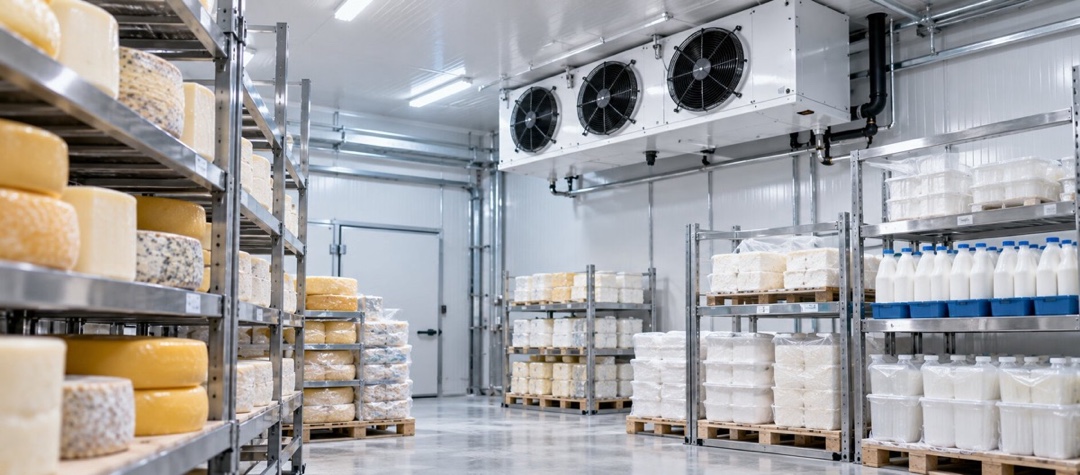
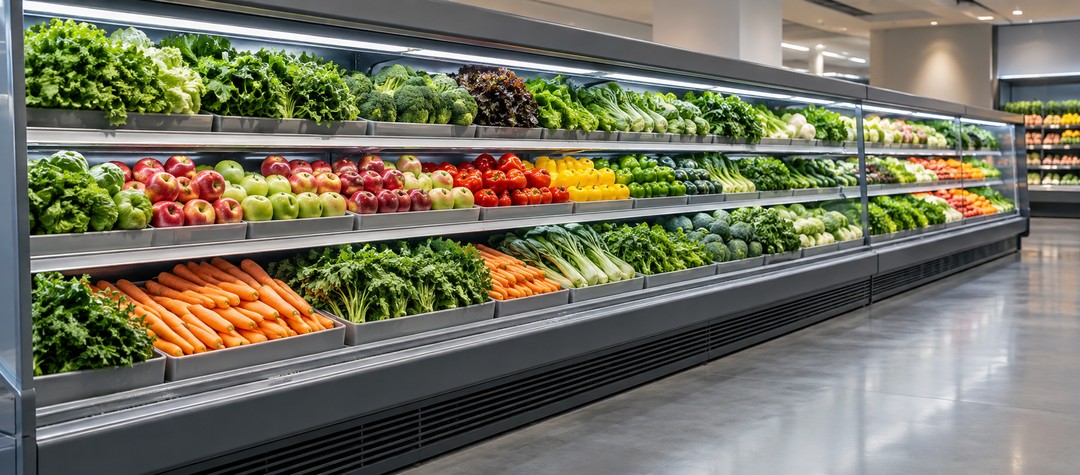
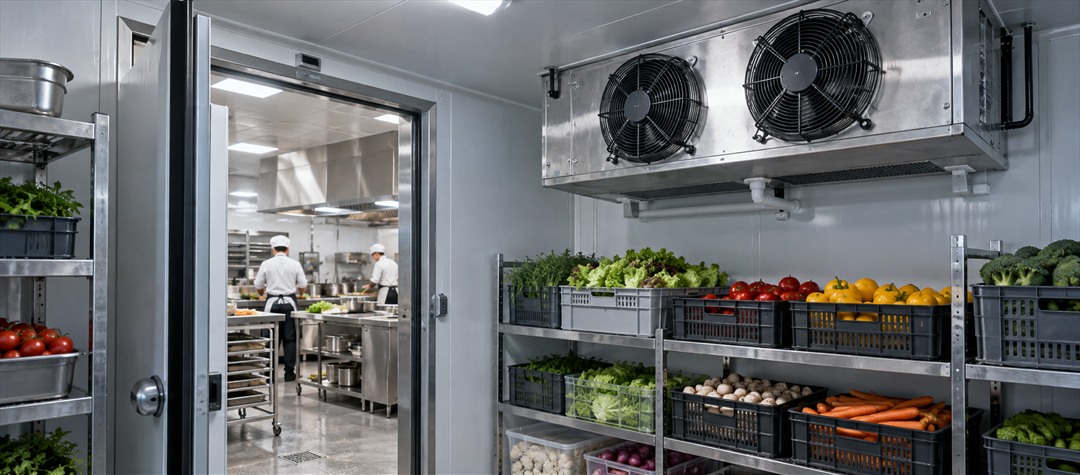
Compact evaporator + medium-capacity condenser + low-noise fan + frequent-cycle heater. The priority here is acoustic comfort and a fast response to frequent door openings.
Evaporator with a hygienic surface + condenser with high humidity tolerance + corrosion-resistant fan housing + strong defrost heater. A high humidity load directly increases defrost frequency.
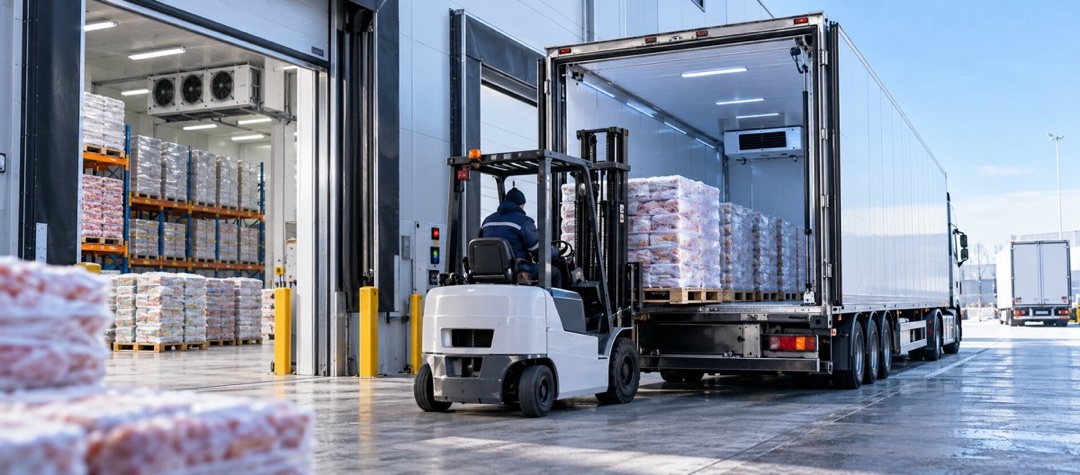
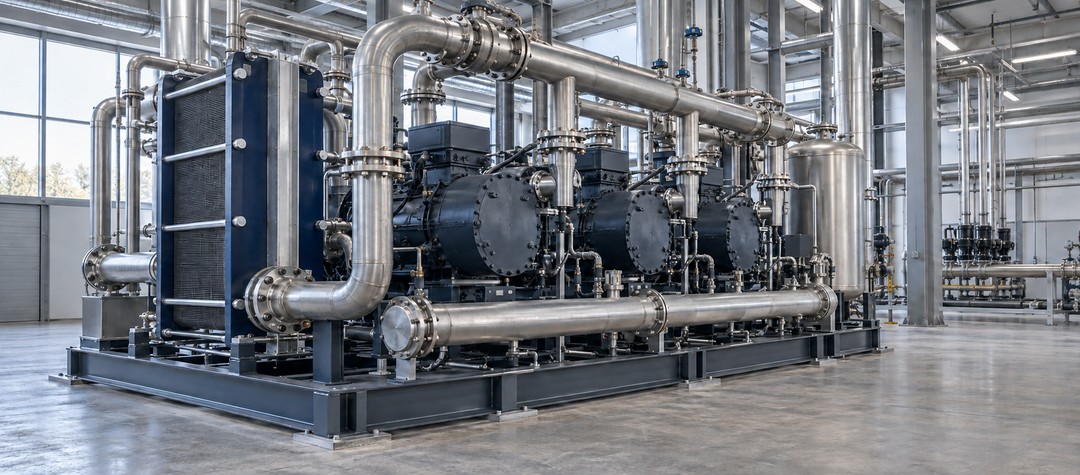
Large-volume evaporator groups + high-capacity industrial-type air-cooled condenser units + multi-blade fan arrangement. In this segment the capacity is continuous, so the equipment is selected for uninterrupted load.
In a system that is not correctly matched, energy loss generally comes not from a single component but from the imbalance between components. For example, in a system with a condenser selected smaller than required, the compressor has to work at higher pressure and this permanently increases energy consumption — the source of the problem is not the compressor but the condenser-compressor match. Similarly, if the fan airflow is selected too low for the evaporator surface, dead zones form on the evaporator, these zones become more prone to frosting over time and the defrost heater has to switch on more often.
The same logic applies on the maintenance side: in a system where capacity balance has been established between components, each part works within its own design range and wear becomes predictable. In an unbalanced combination, however, since one component constantly works at limit values, failure frequency increases and the maintenance schedule becomes unpredictable.
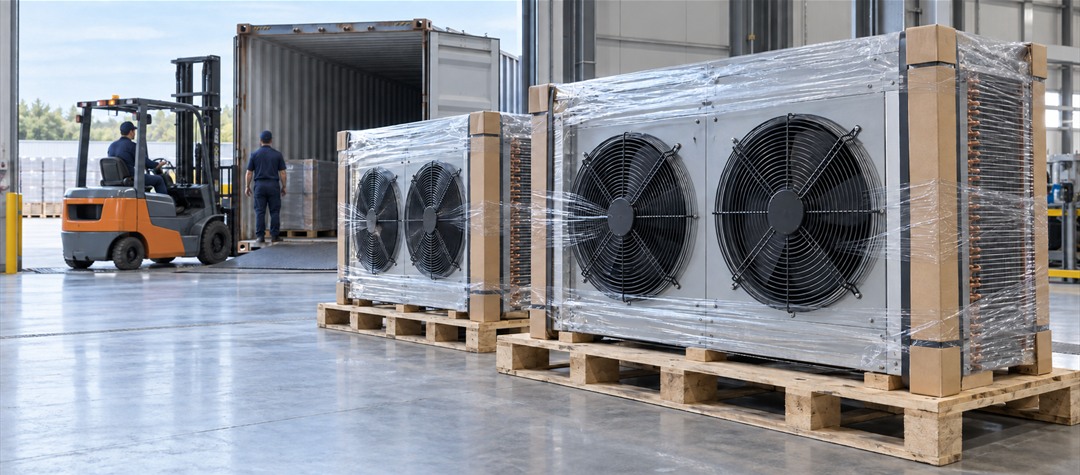
For OEM manufacturers exporting to the DACH region and Europe, equipment variety gains an extra dimension: within the same project, evaporators at different capacity steps, condensers suited to different climate conditions and fan selection compliant with local energy efficiency standards are requested together. Being able to source a wide product range from a single manufacturer reduces the compatibility risk between the components in the project and brings technical communication to a single point of contact.
With a manufacturing history of over 40 years, Günay Heat Exchangers produces its evaporator, condenser, axial fan and heater lines under one roof. This means a process that runs from capacity calculation to production in one hand, instead of four different components in a project being sourced from separate suppliers and harmonised on site. For projects in cold storage, supermarket cooling, food processing and industrial facilities, a selection can be made among the product groups according to different combination needs.
The performance of a cooling system comes not from the quality of a single component but from how correctly the evaporator-condenser-fan-heater quartet is matched to each other. Starting equipment selection not by looking at the catalogue but by looking at the temperature, humidity and cycle needs of the sector to be served directly affects both energy consumption and failure frequency. Evaluating these four components together at the project stage costs far less than the cost of revision made later on site.
If you would like to evaluate the evaporator, condenser, axial fan and heater combination together for your cold storage, supermarket cooling, food processing or industrial facility project, our technical team can review your project details and suggest a suitable capacity match. You can reach us via our contact page.
This content was updated on 22 September 2026.

Fill out the form to discover the most suitable high-end products for your projects. Contact Us Now.
Fill out the form now not to miss our special offers for you! The latest discover our products and innovations.
Fill out the form now not to miss our special offers for you! The latest discover our products and innovations.
Notification Centre 00:00