

What Conditions Are Evaporator Catalogue Capacities Based On?
01 / 10 / 2026

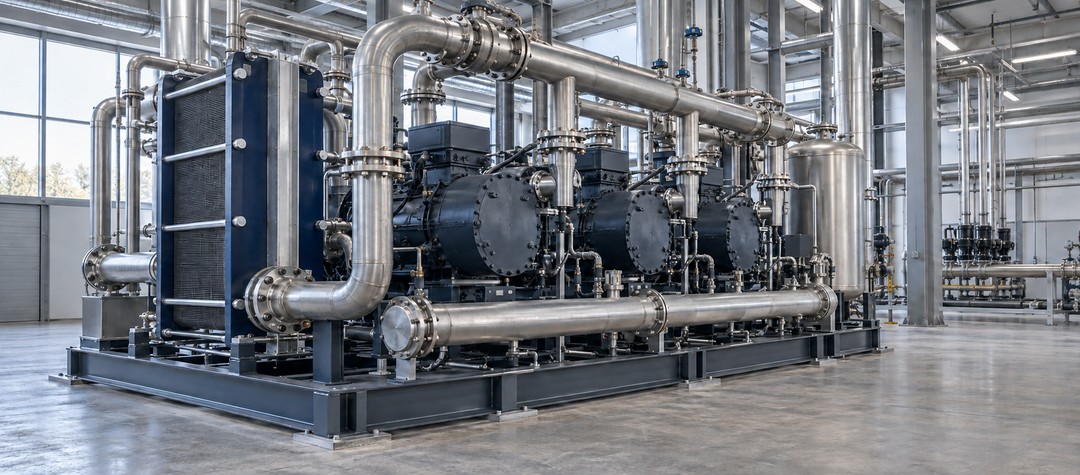
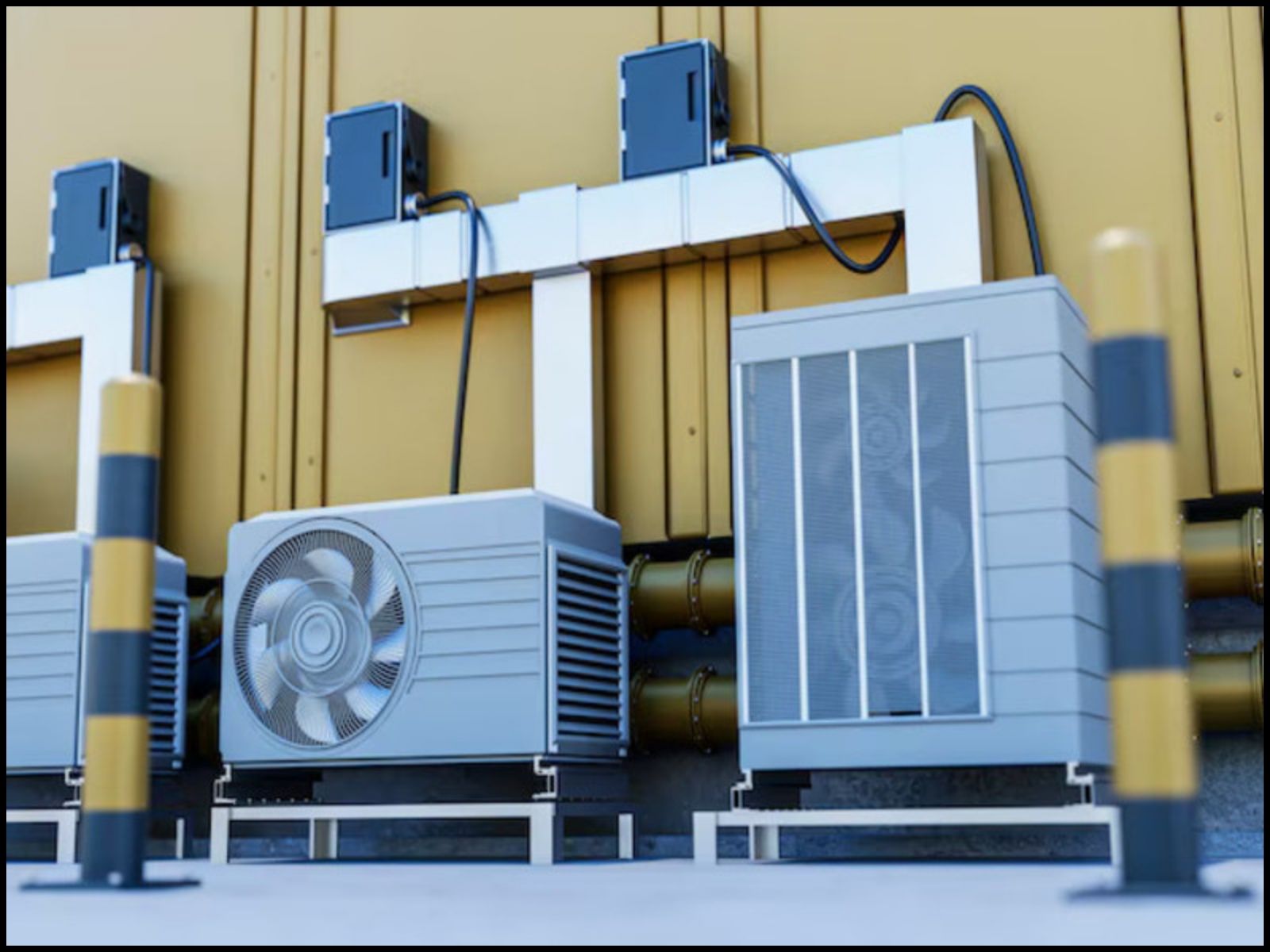
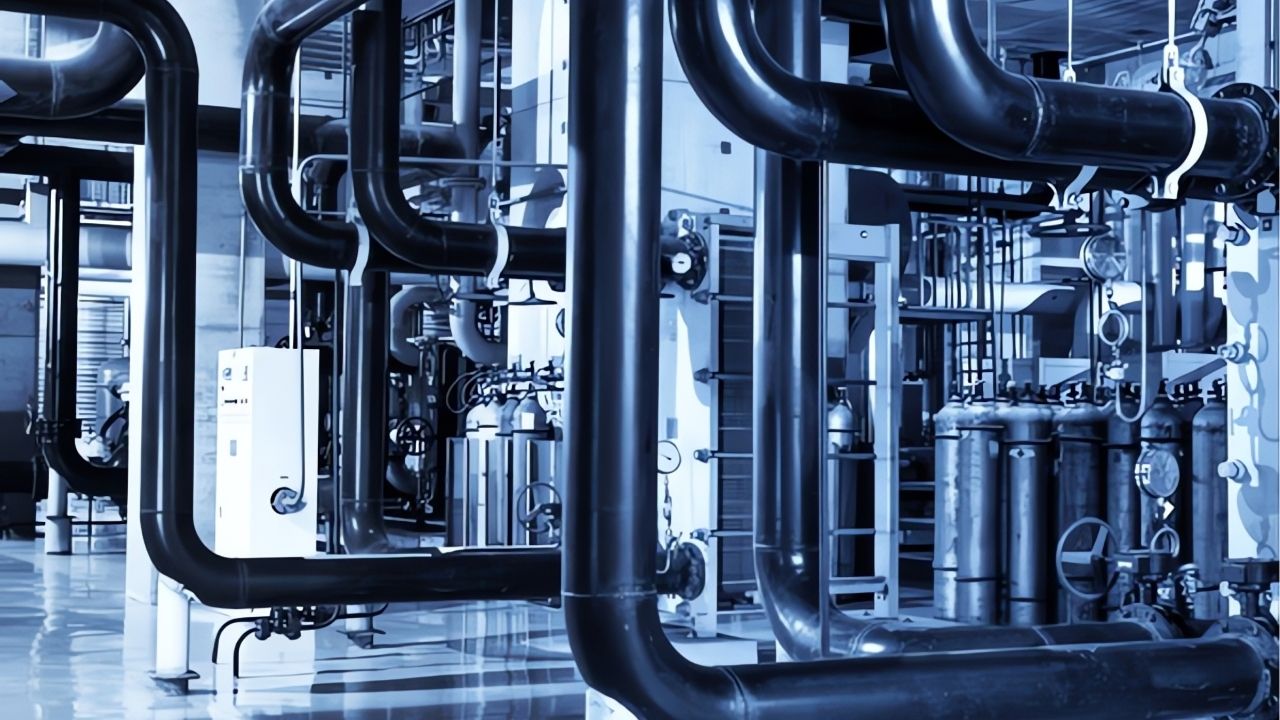
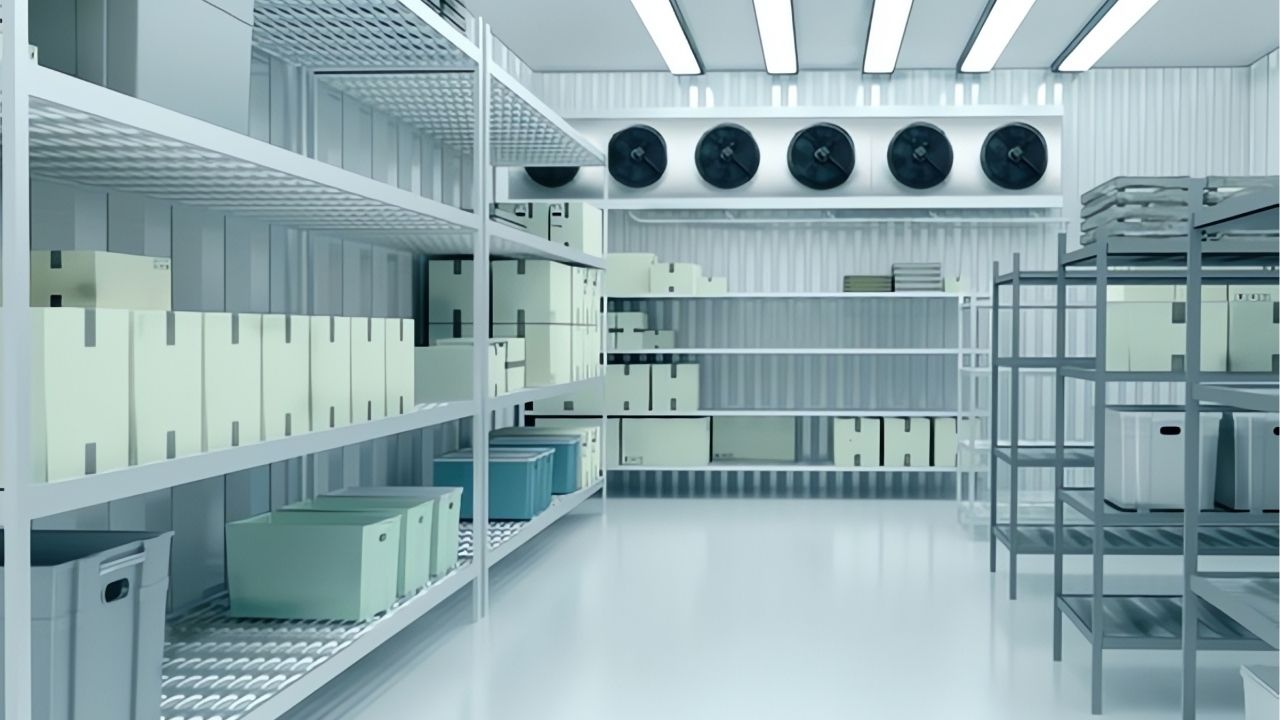
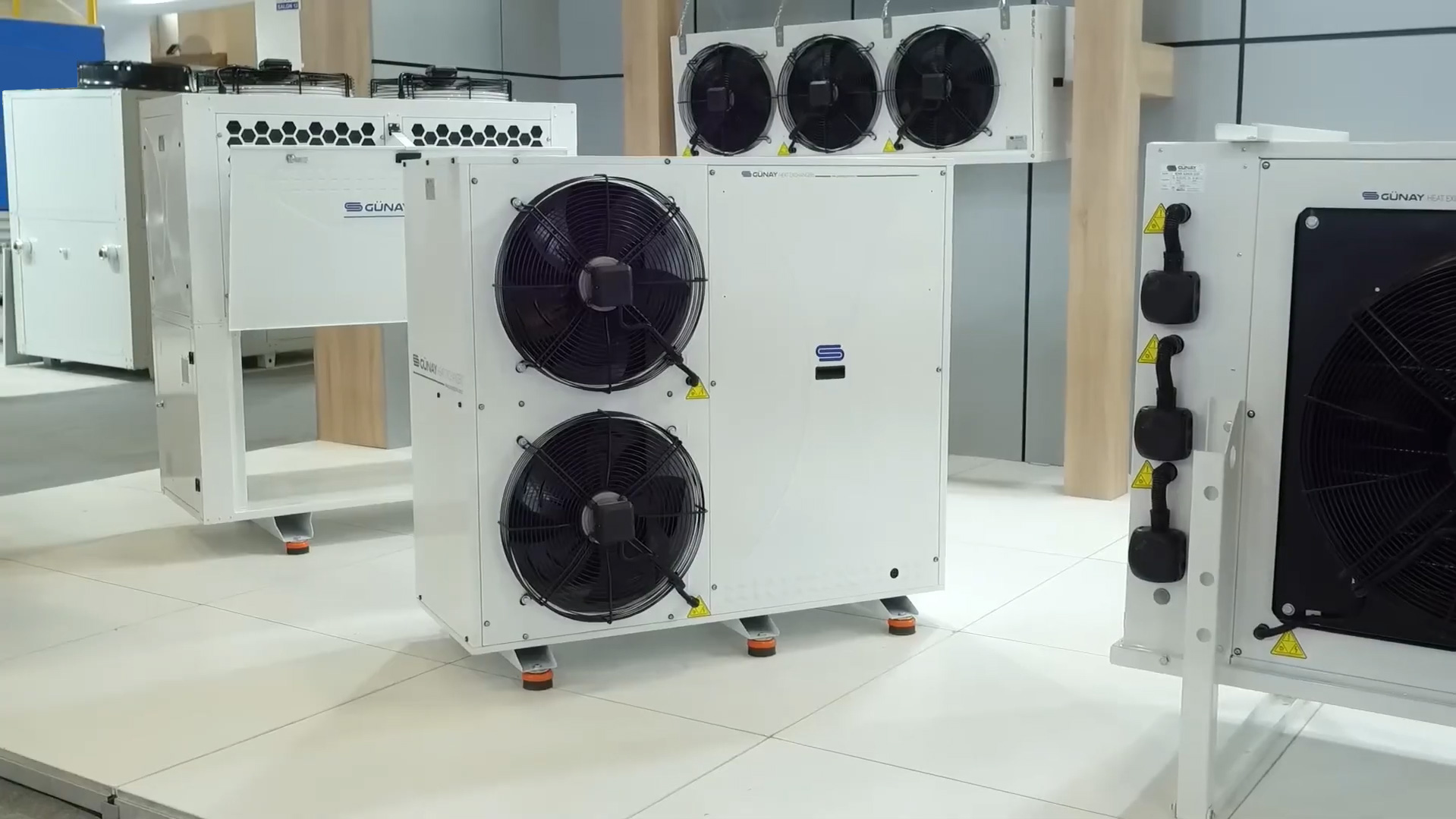
An industrial refrigeration system operates by moving heat from the space being cooled to the outside environment. Its main cycle components are the evaporator, compressor, condenser and expansion device. Fans and, where the application requires them, defrost heaters support the system's operation.
Each part has a separate function. If one component's capacity or operating conditions do not match the others, maintaining the target temperature can become difficult and energy use can rise. System performance therefore cannot be assessed by looking at one product alone.
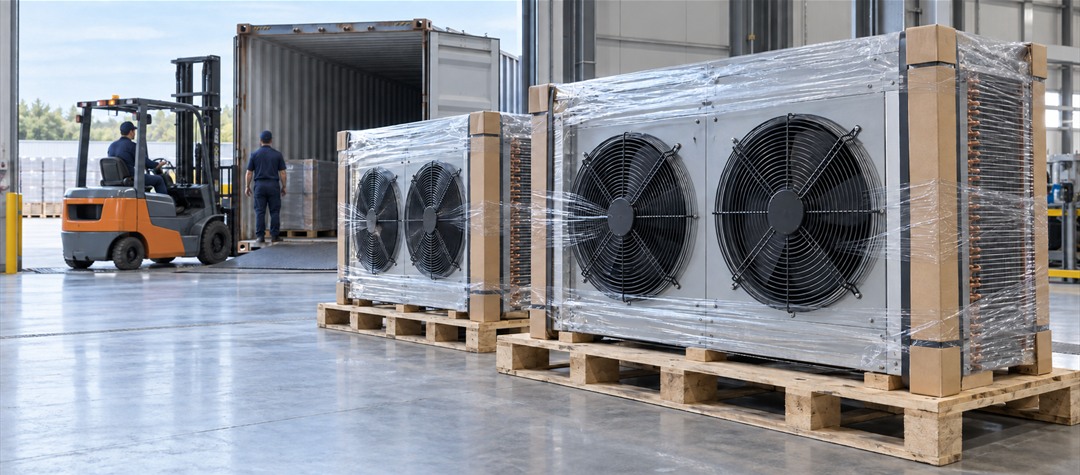
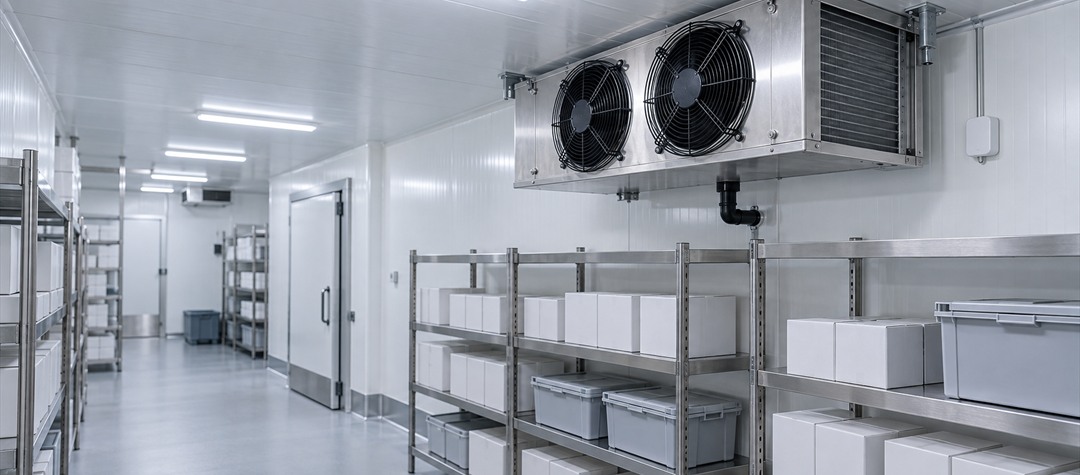
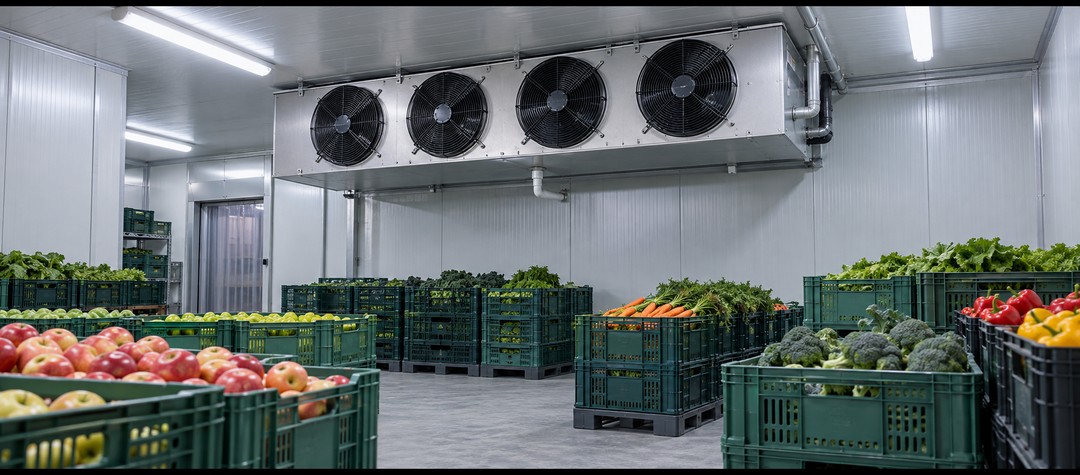
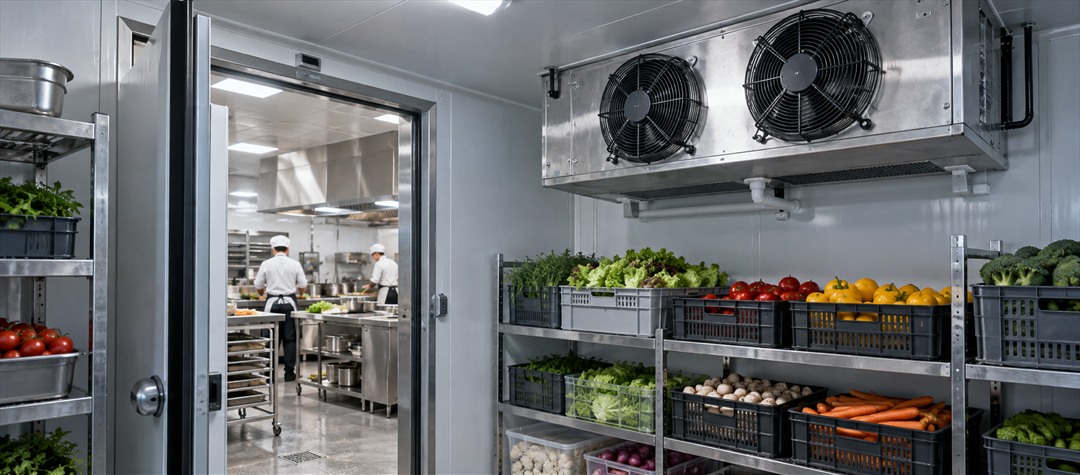
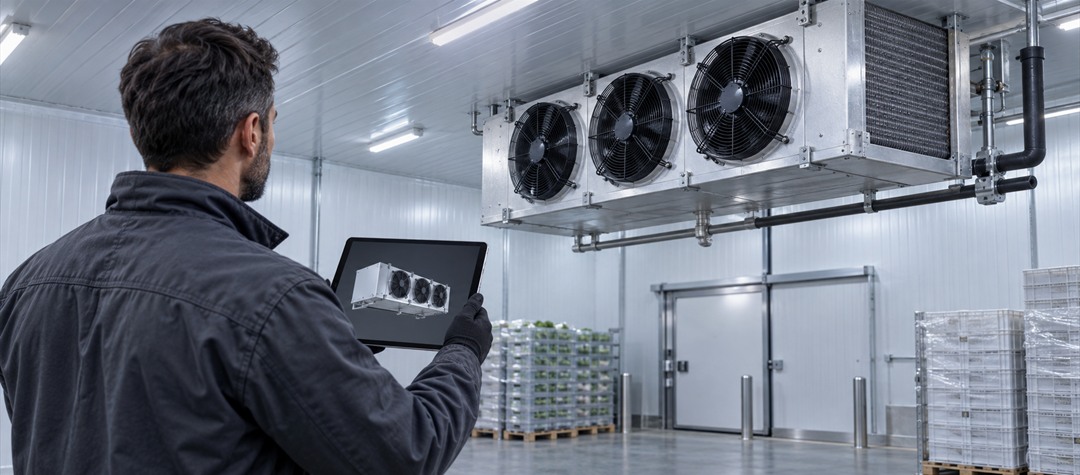
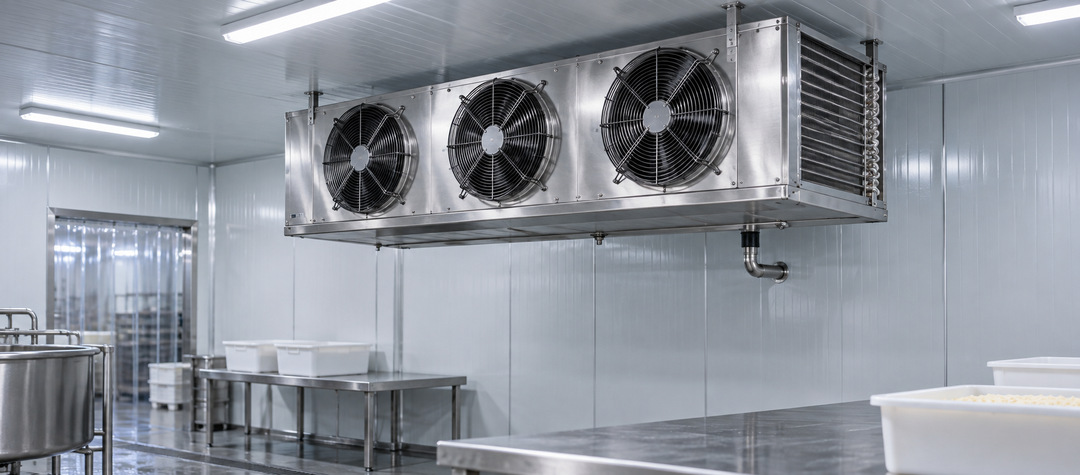
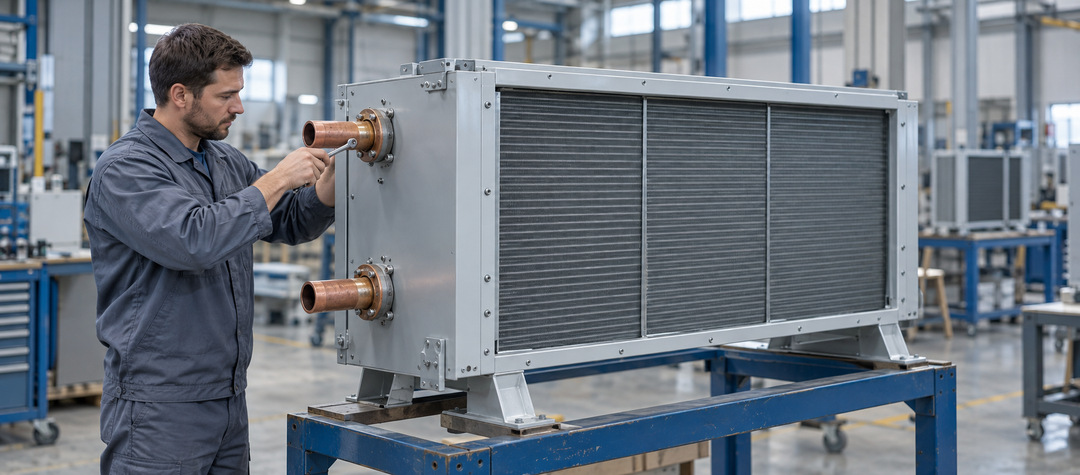
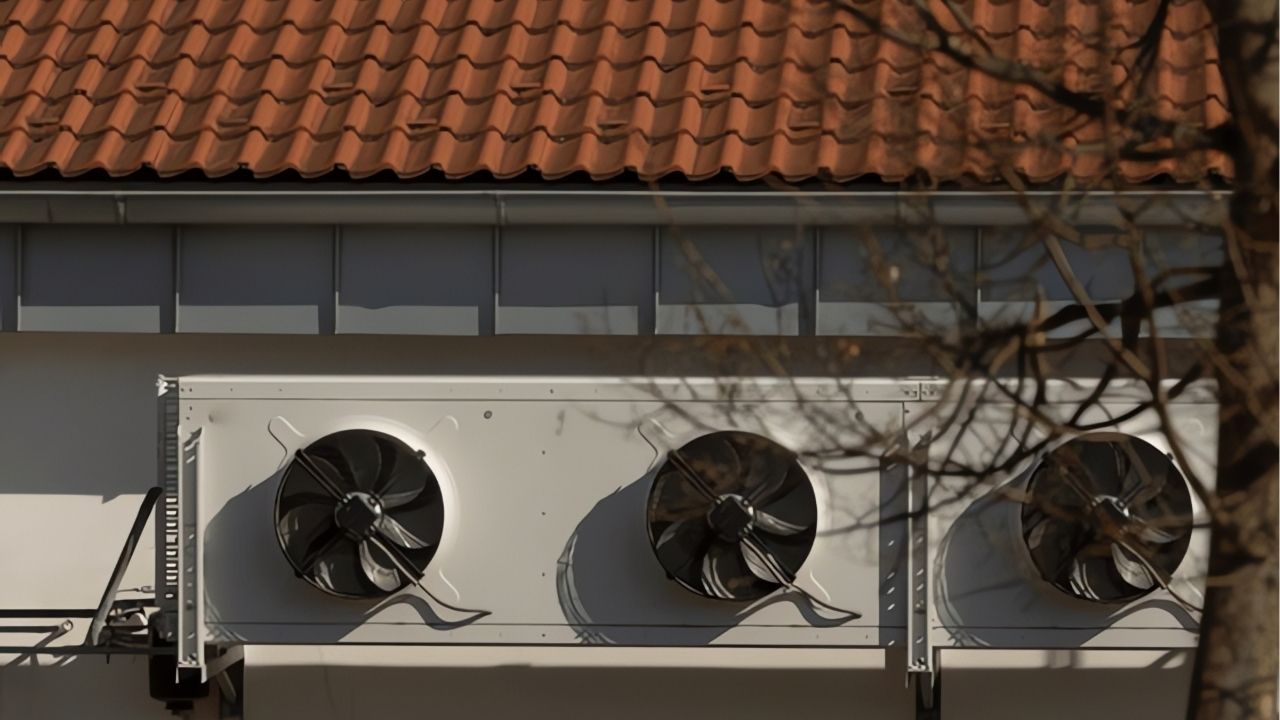
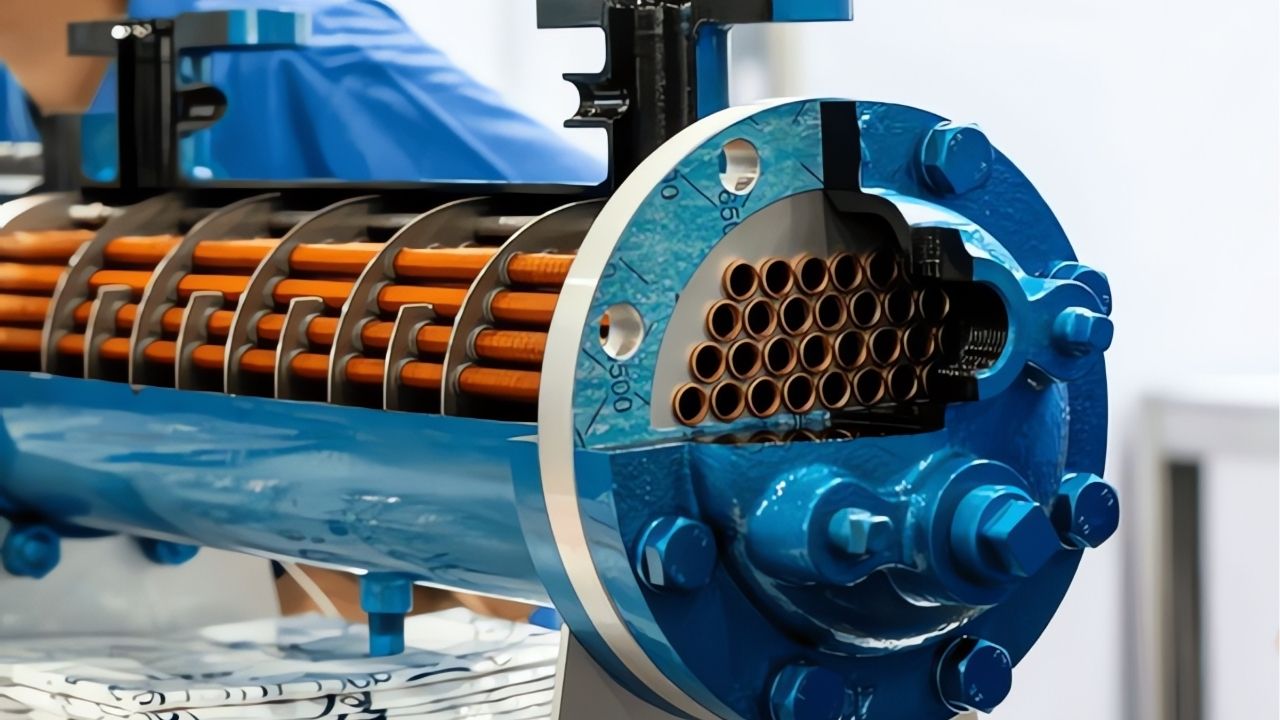
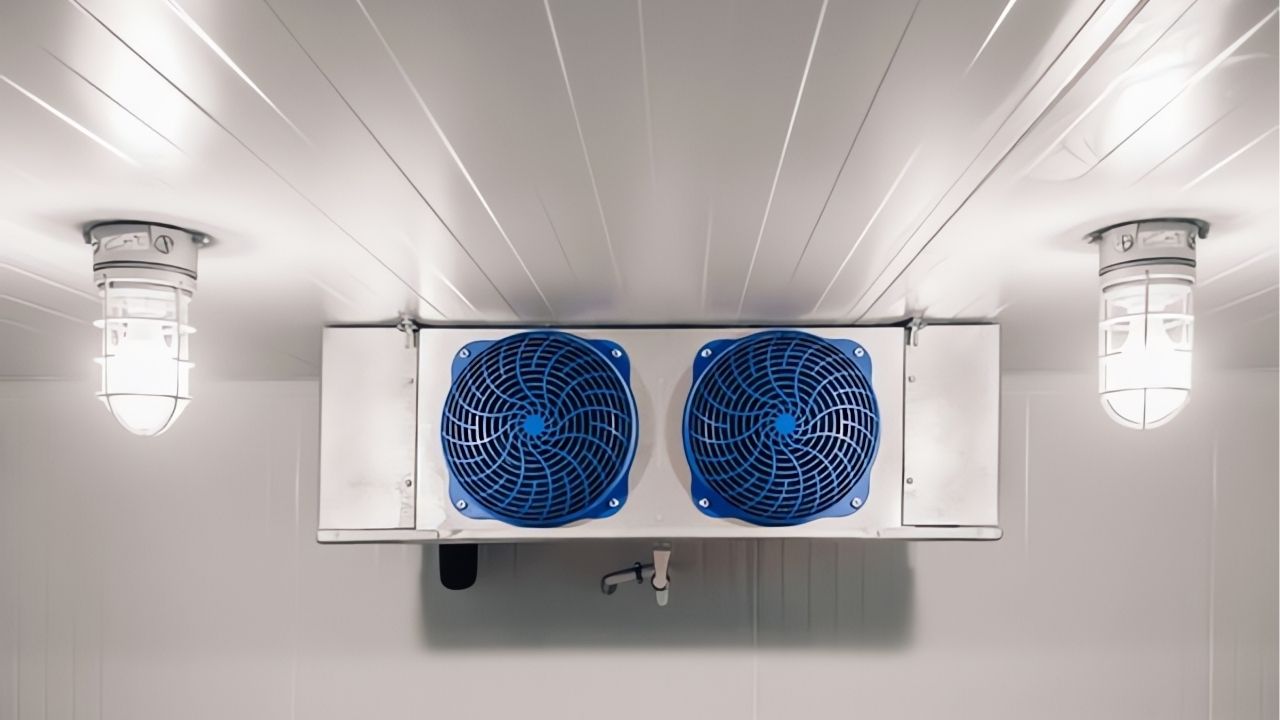
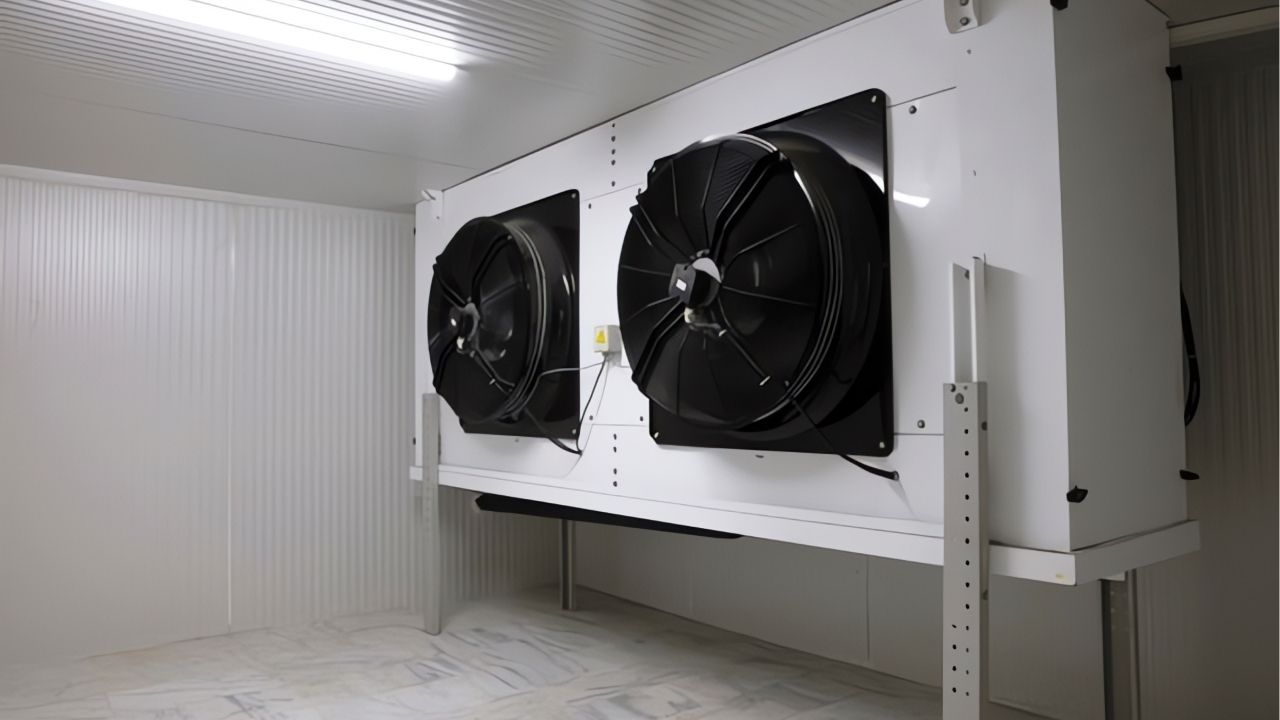
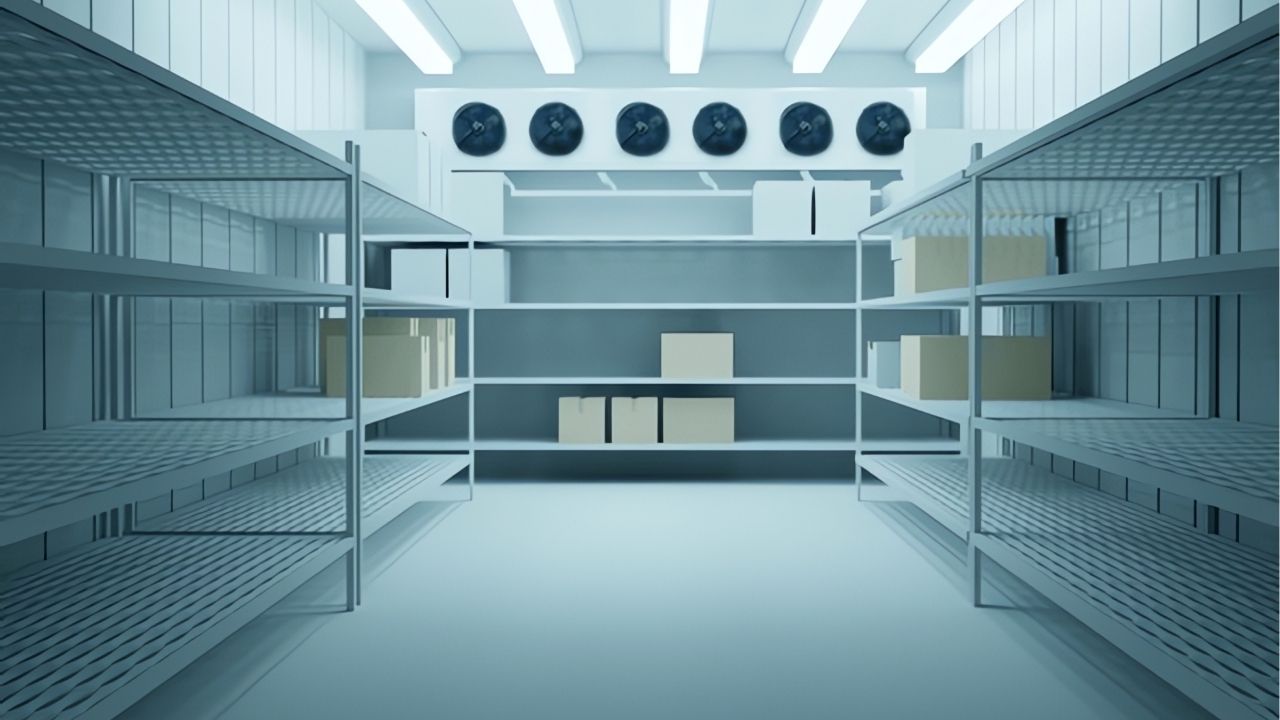
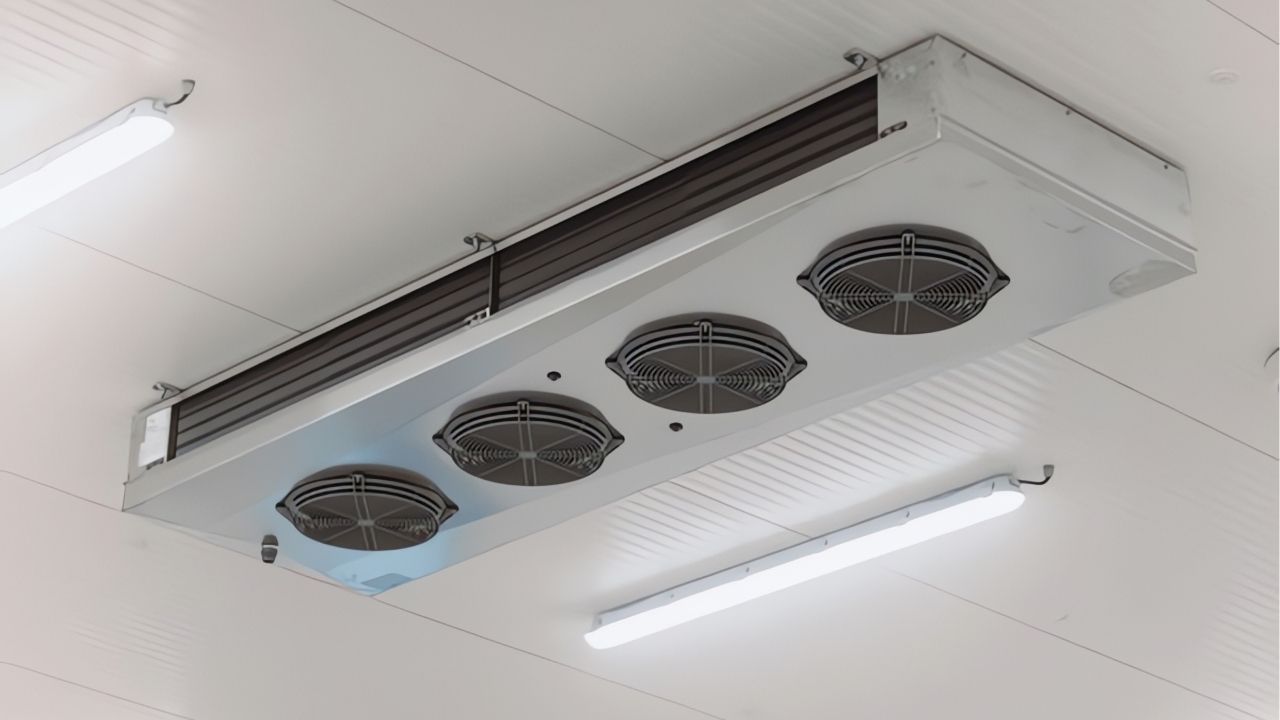
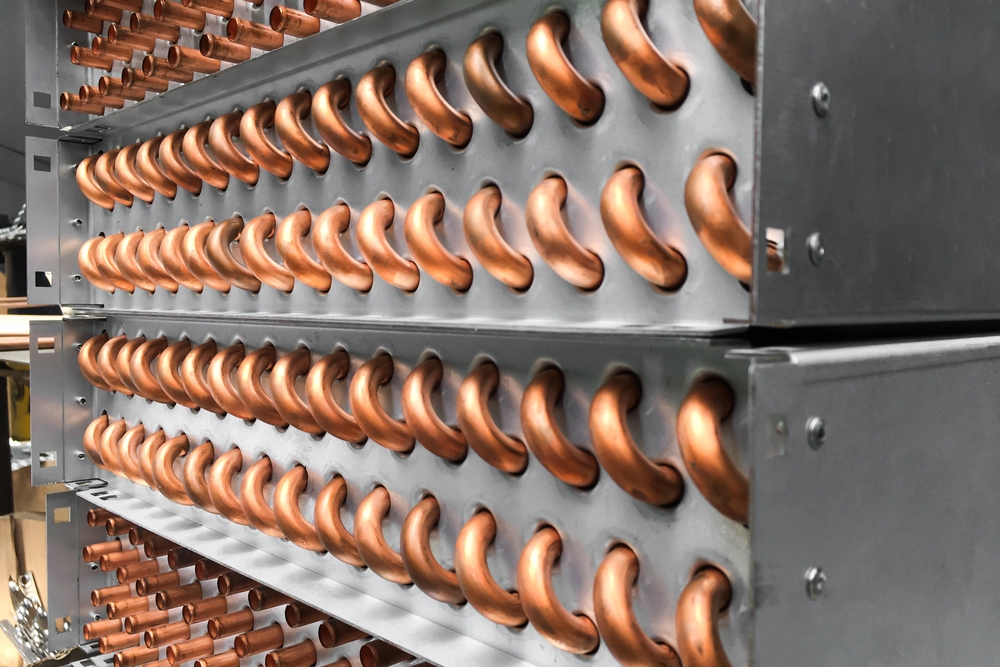
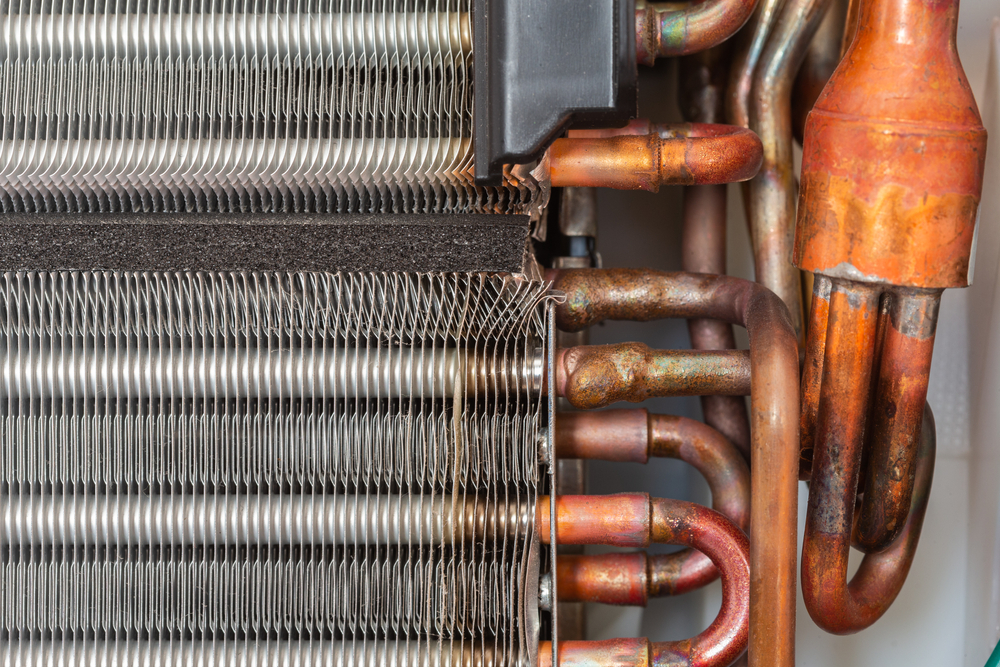
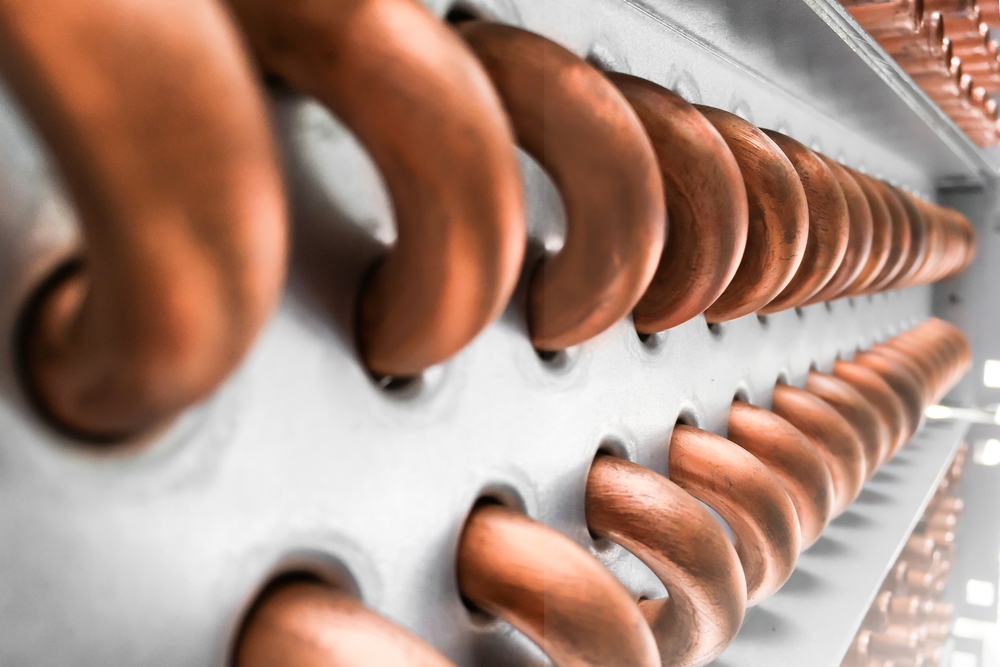
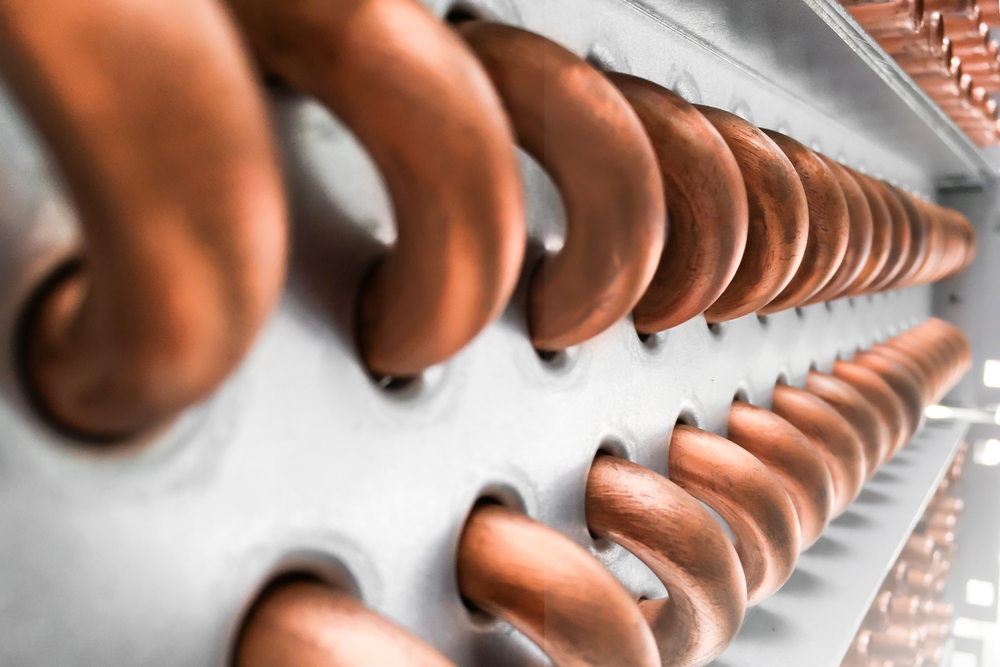
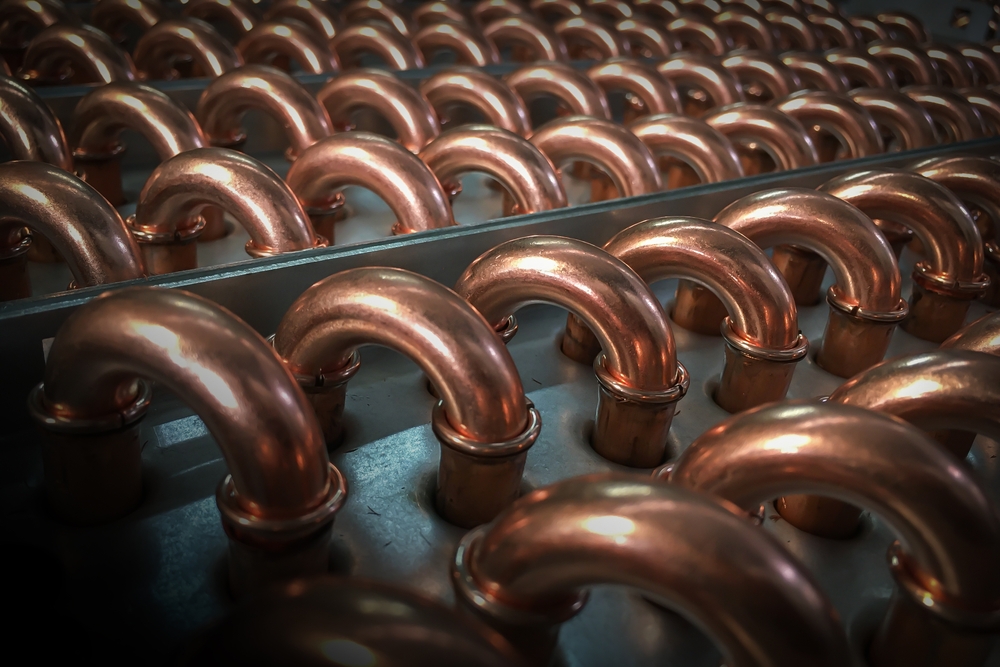
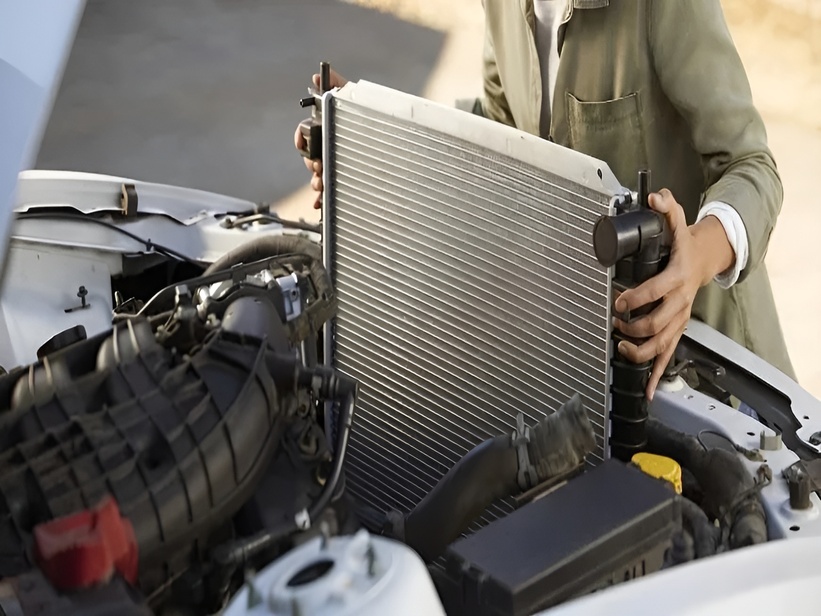
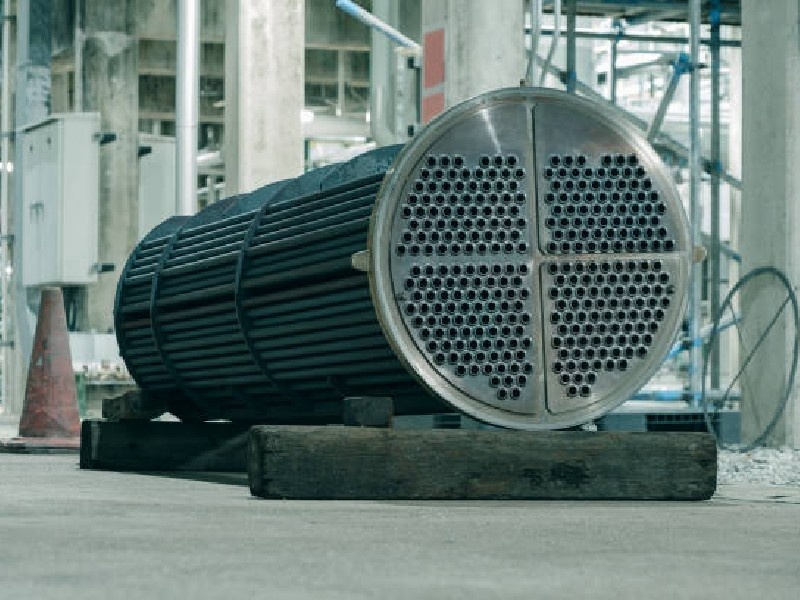
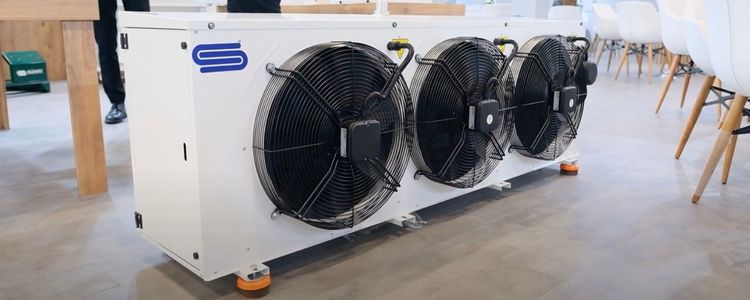
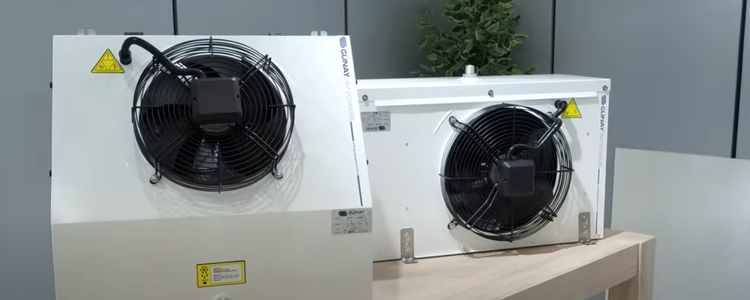
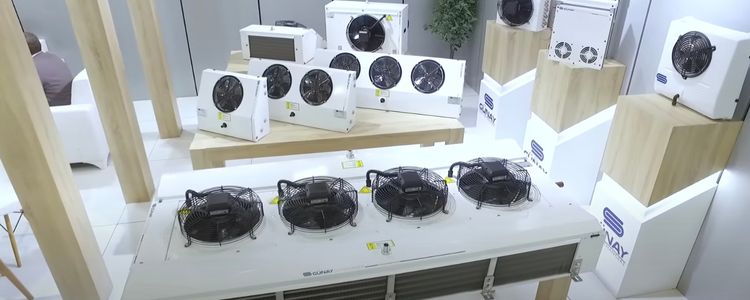
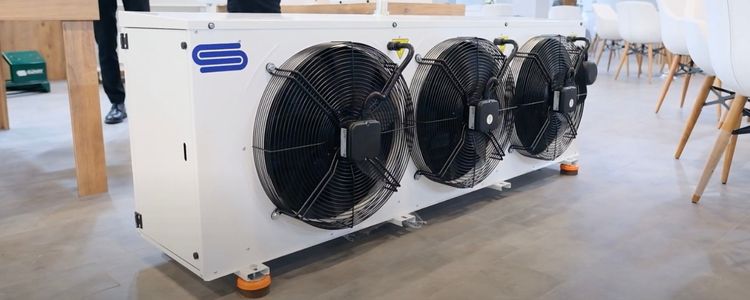
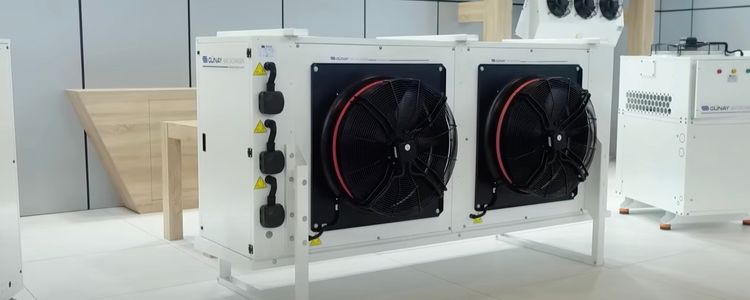
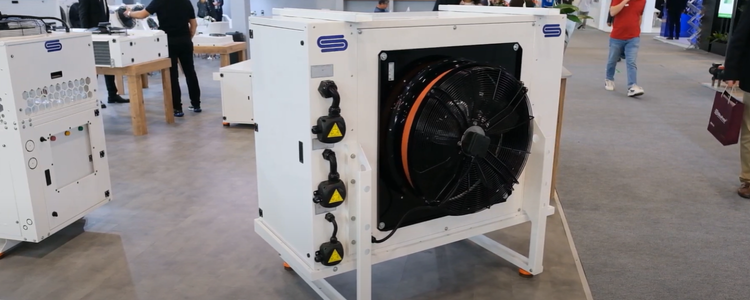
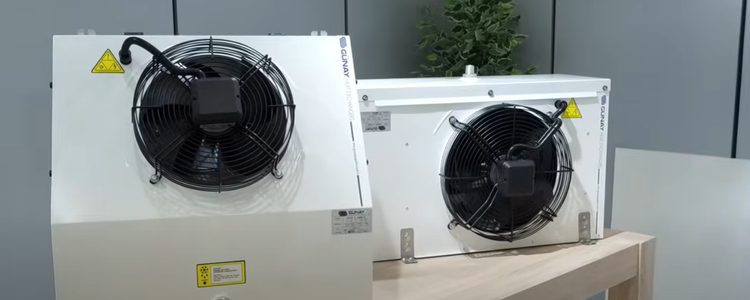
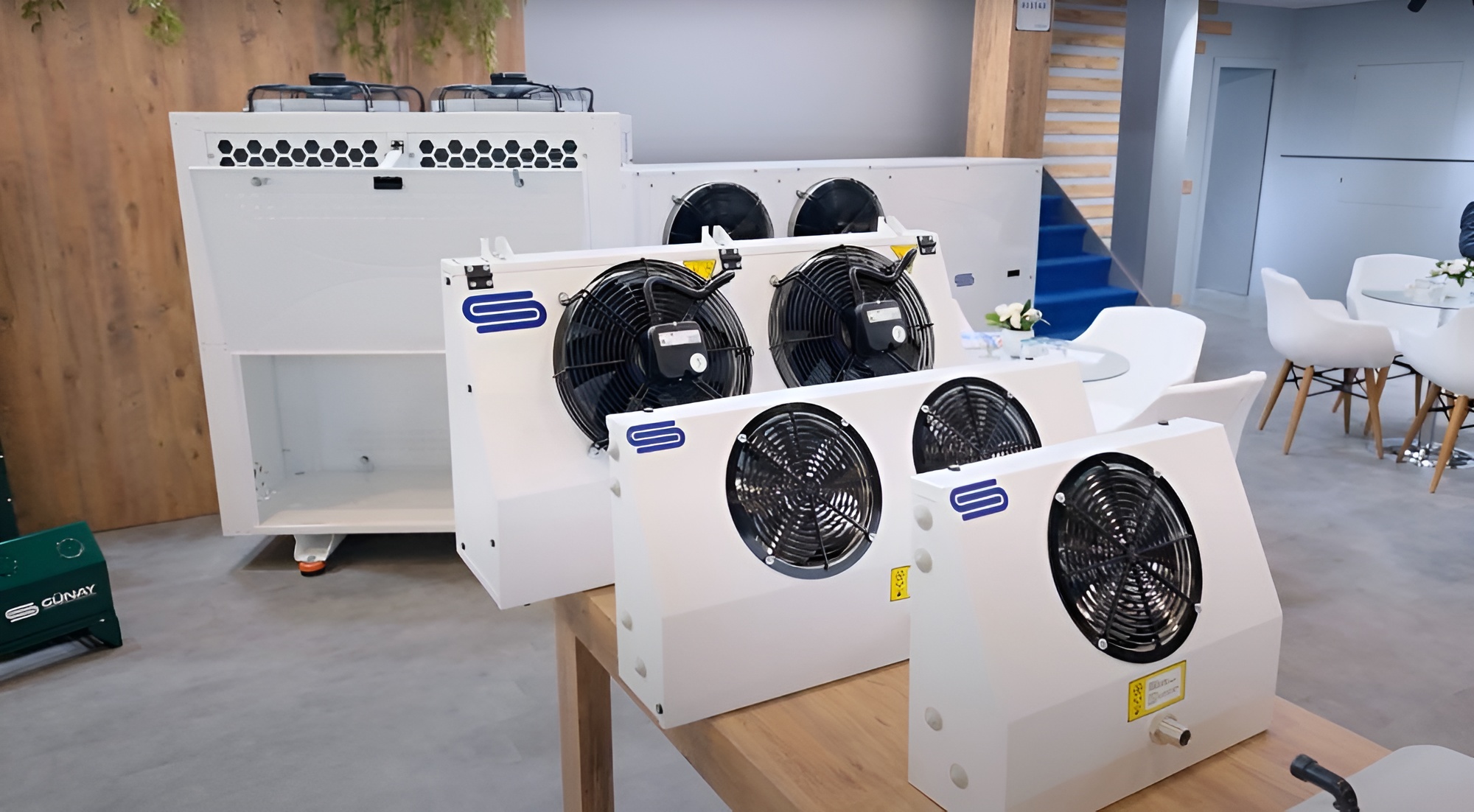
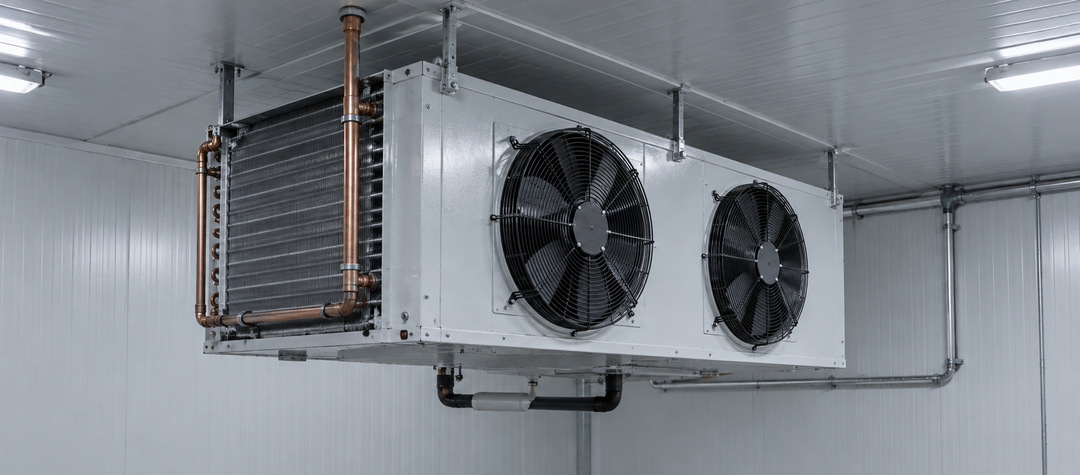
The evaporator transfers heat from the room or process being cooled to the refrigerant. As the refrigerant absorbs heat inside the evaporator, it evaporates. This cools the room air or process fluid.
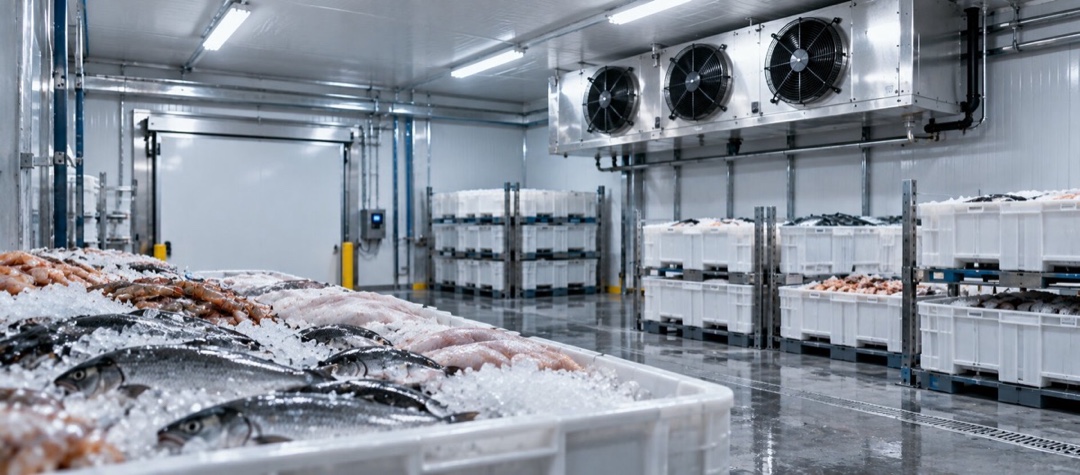
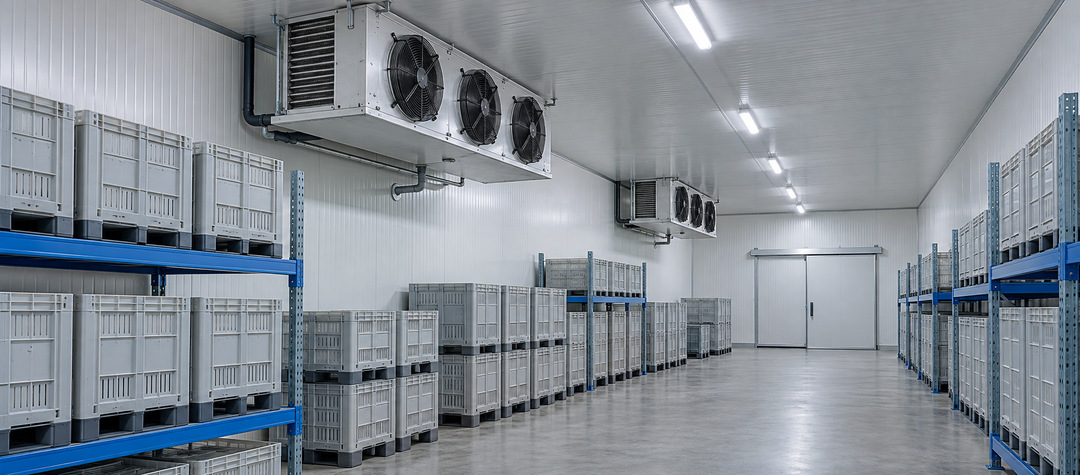
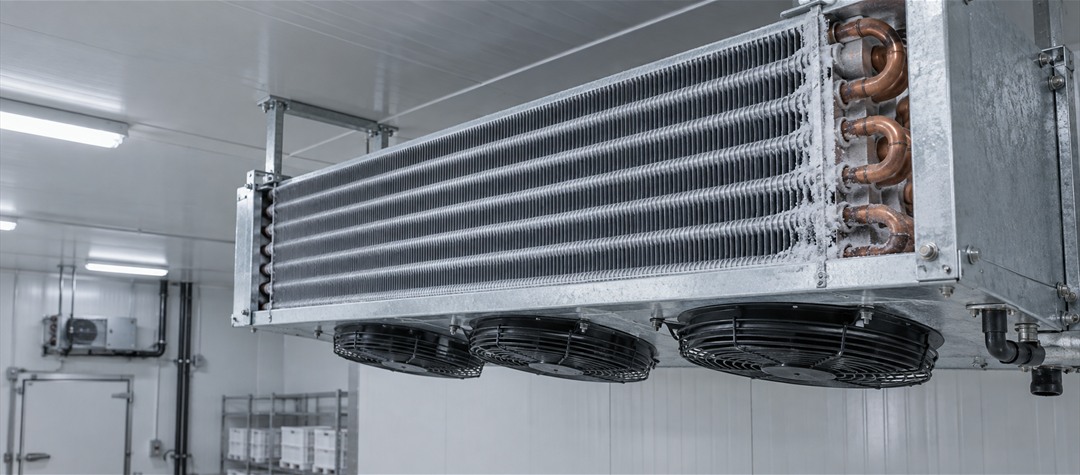
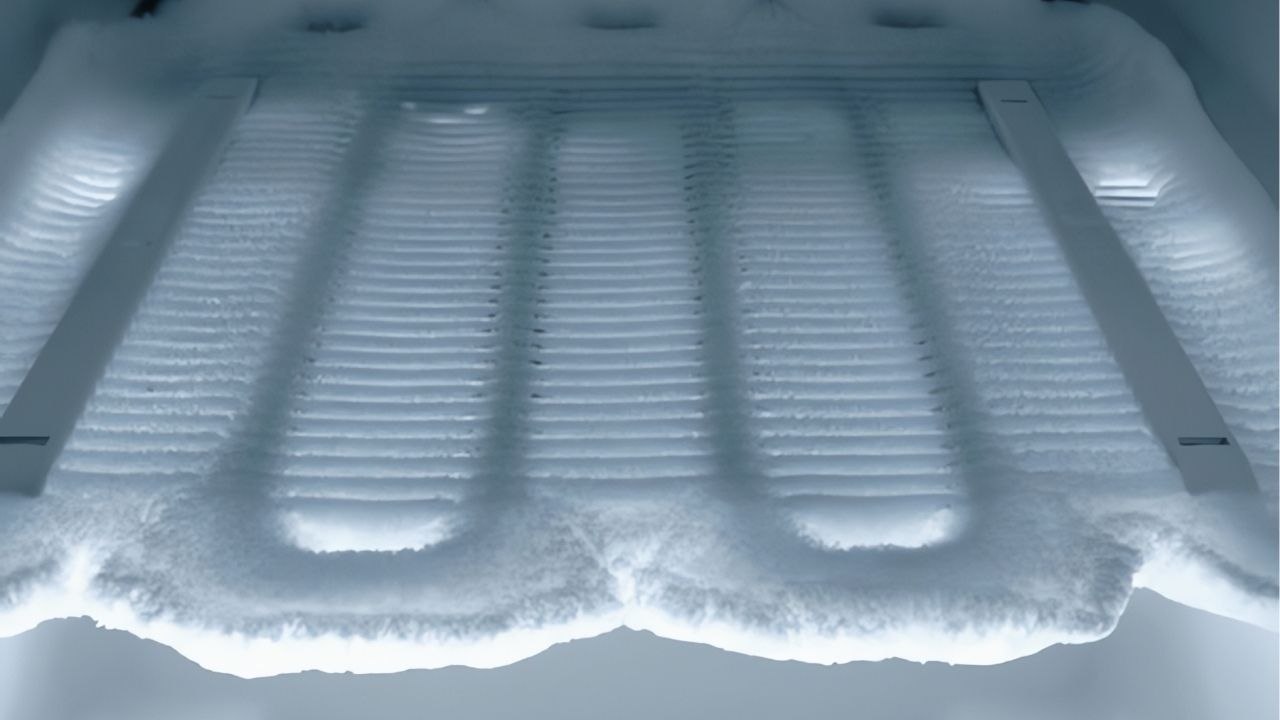
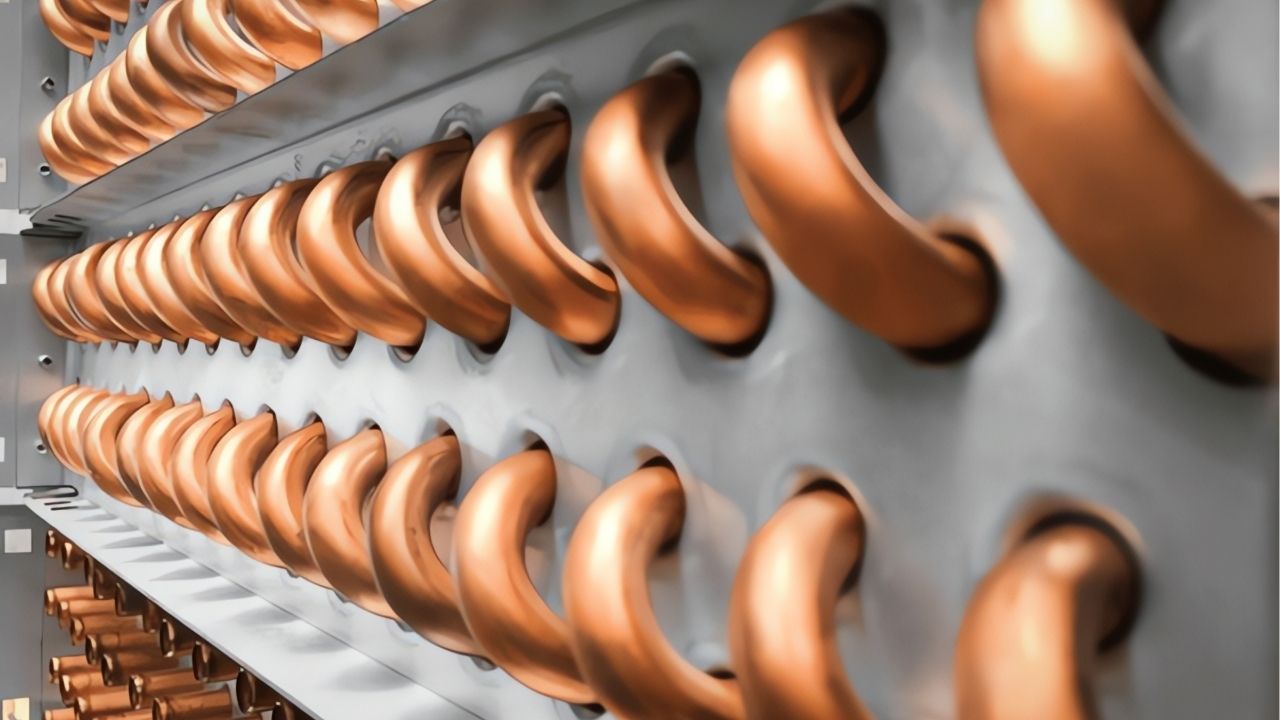
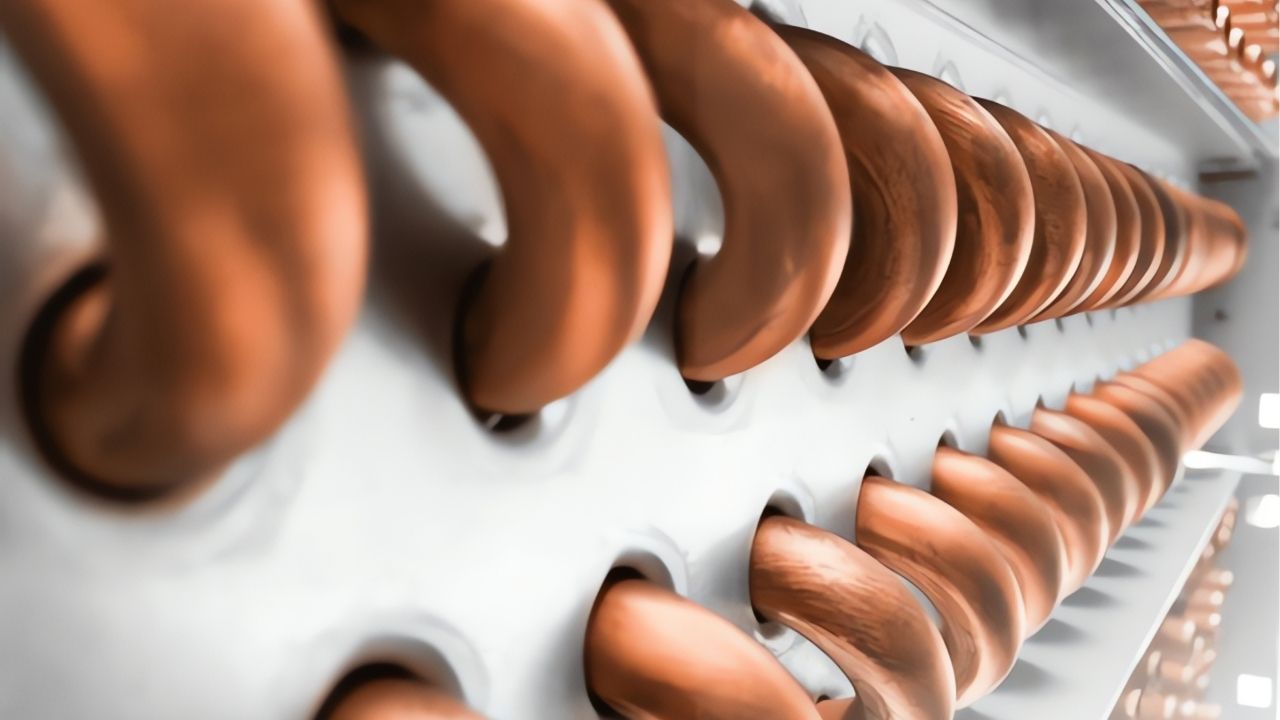
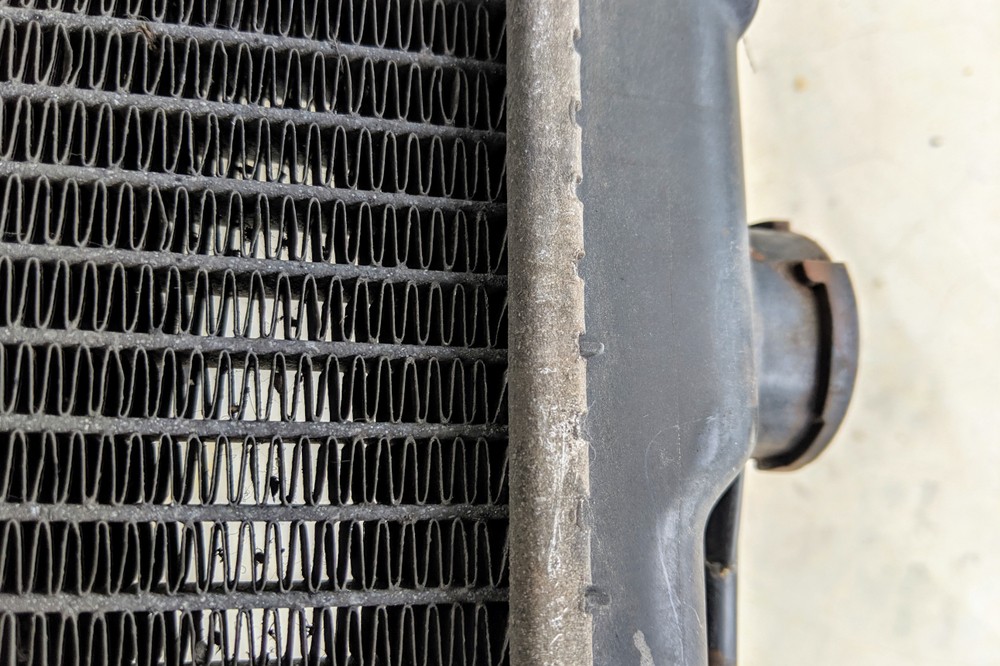
The evaporator's heat transfer area, fin spacing and airflow must suit the application's temperature and humidity conditions. Frost formation also matters in low-temperature applications; ice on the surface can reduce airflow and heat transfer.
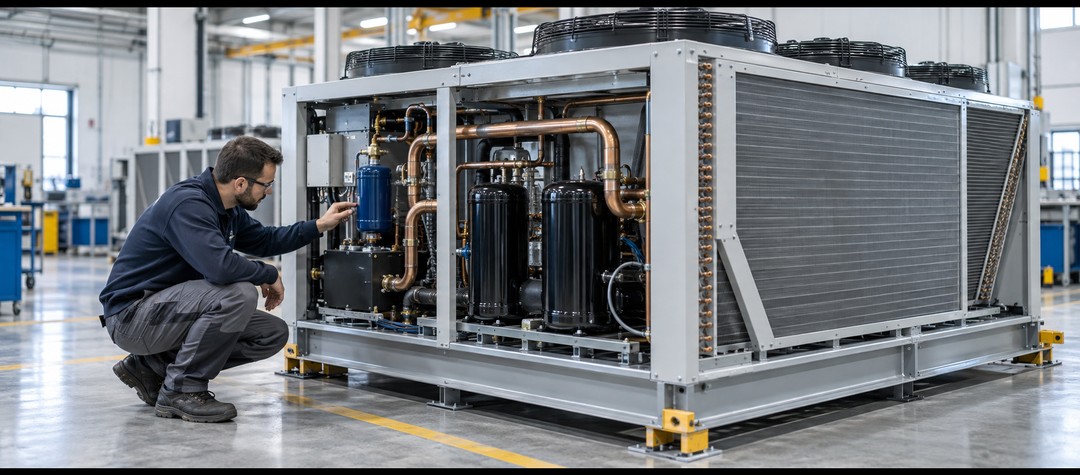
The compressor compresses the low-pressure refrigerant vapor coming from the evaporator. This raises the refrigerant's pressure and creates the conditions for it to release heat to the outside environment in the condenser.
The compressor is a significant electricity consumer in the system. Poor evaporator or condenser operation can affect its working conditions. The compressor should therefore be considered together with the other cycle components.
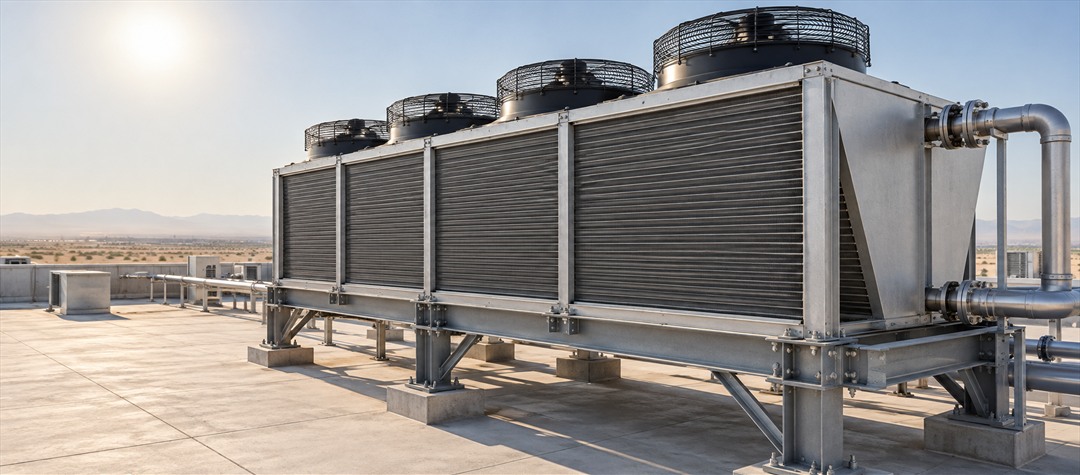
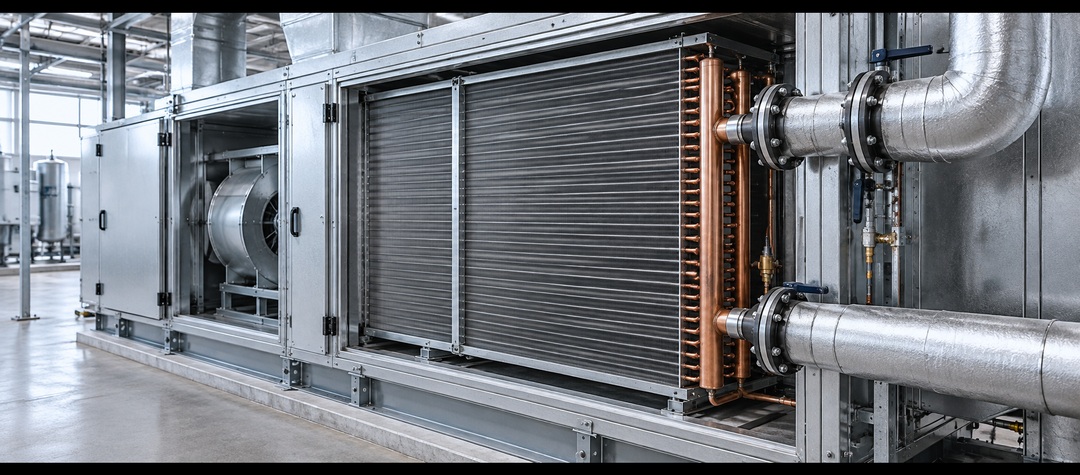
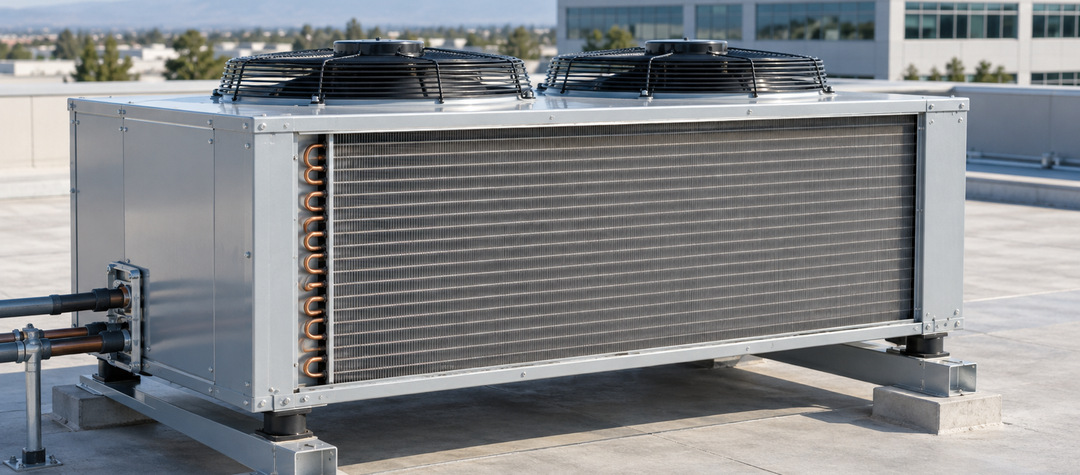
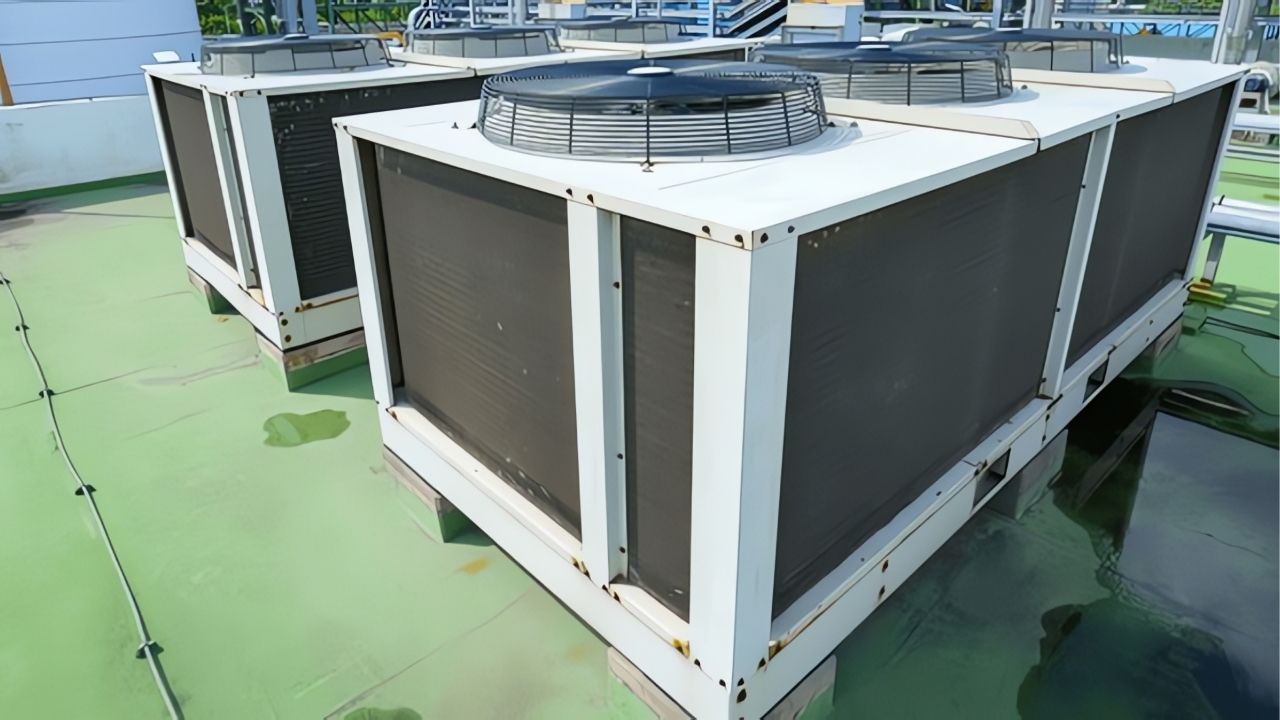
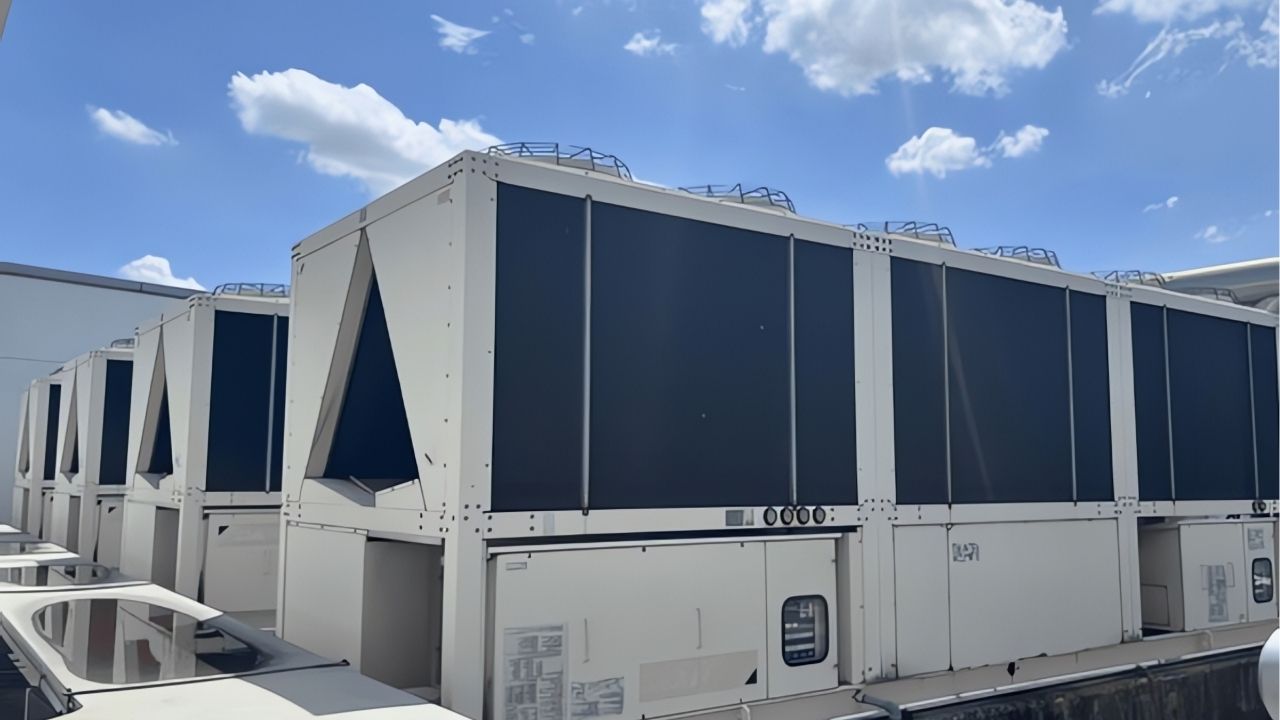
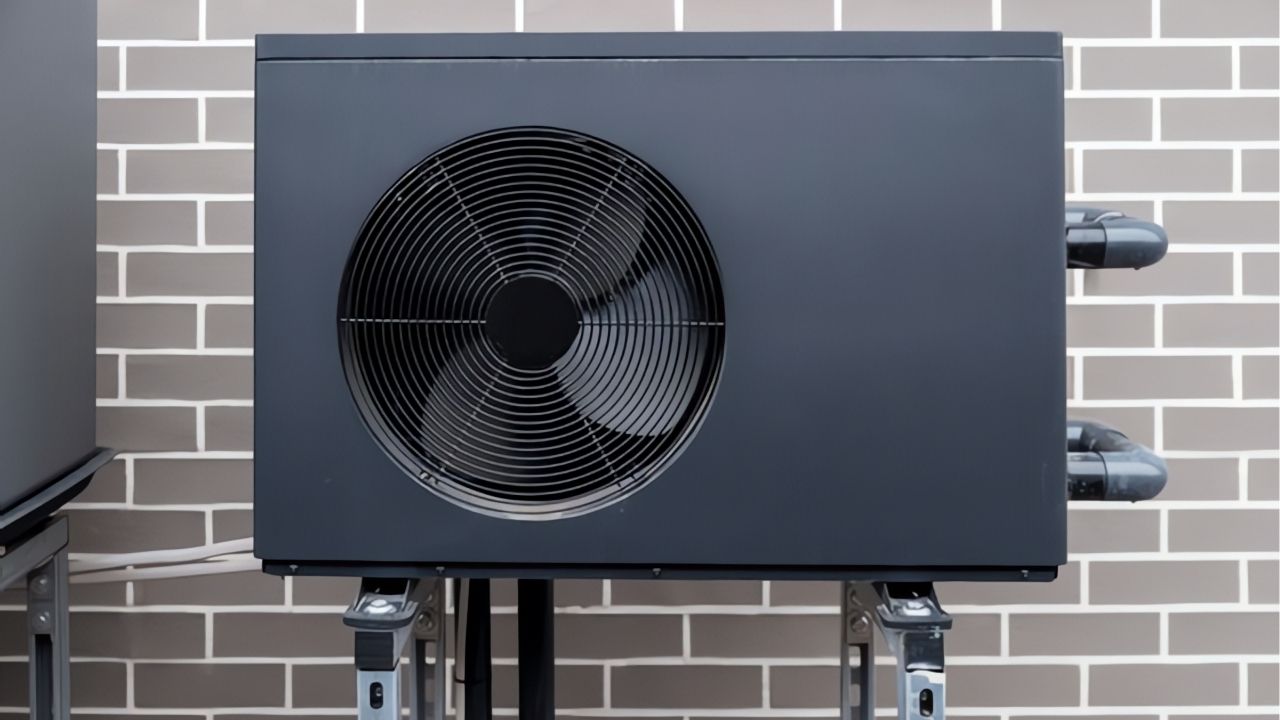
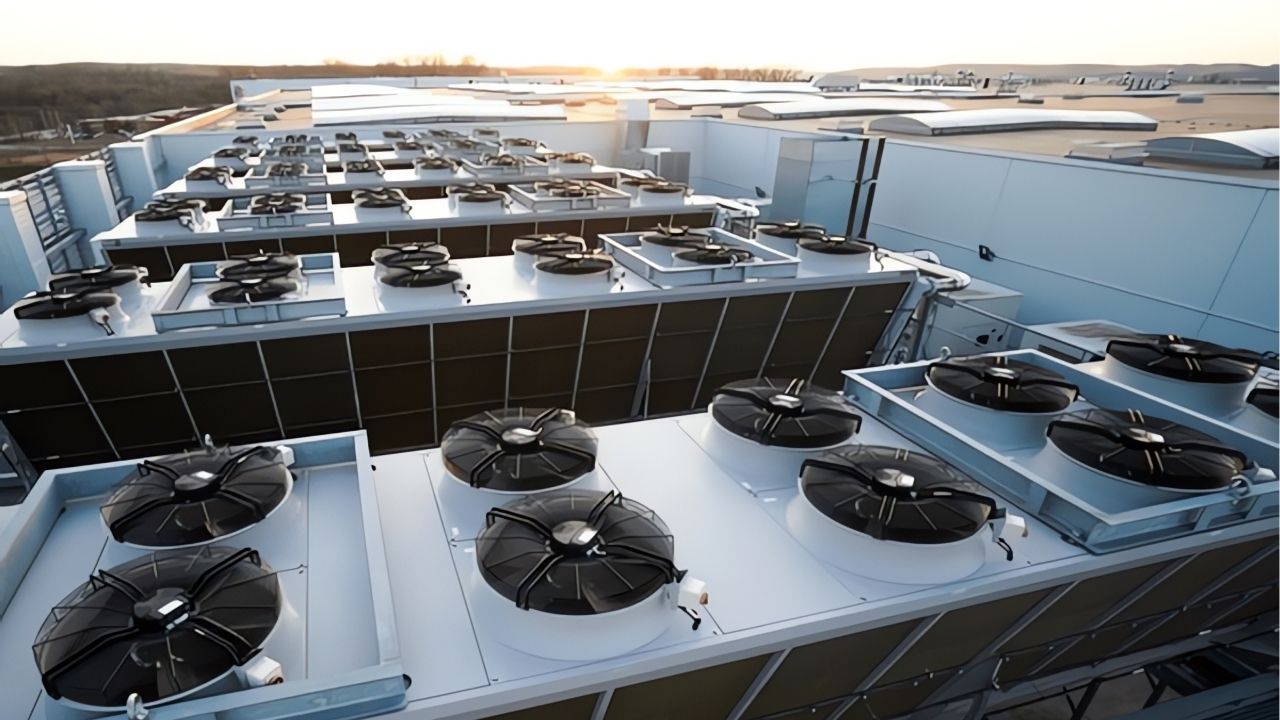
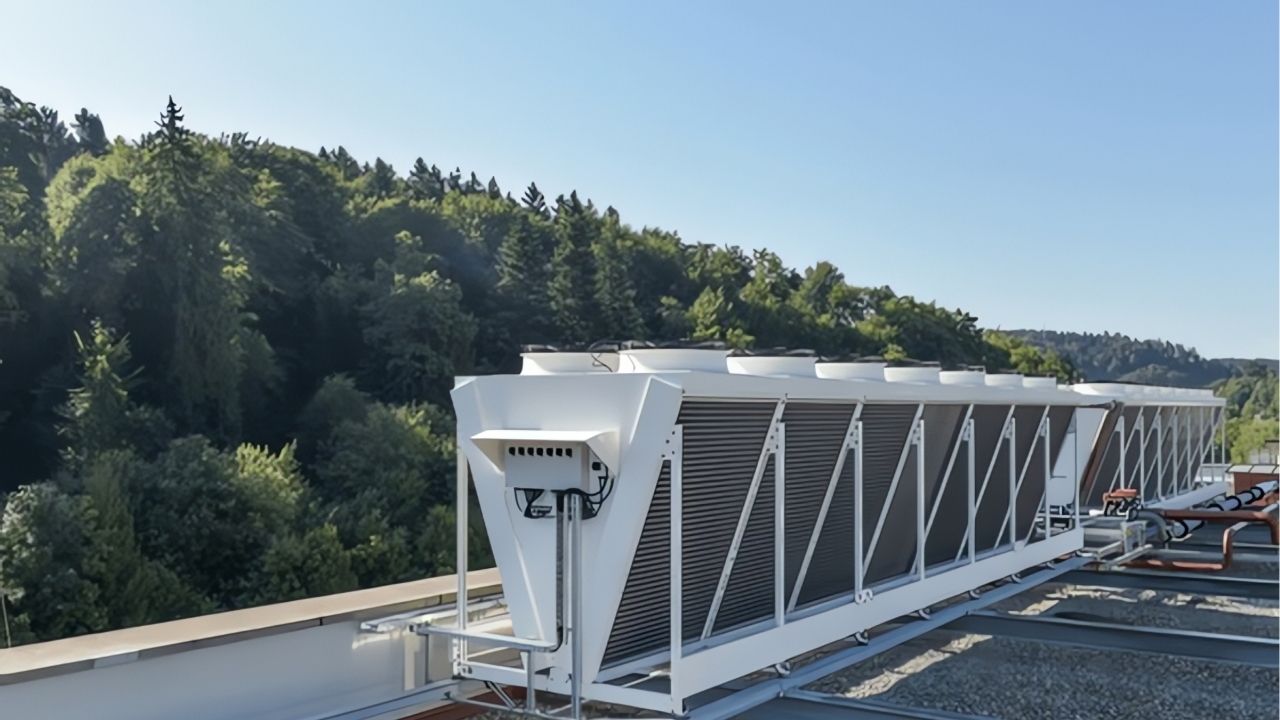
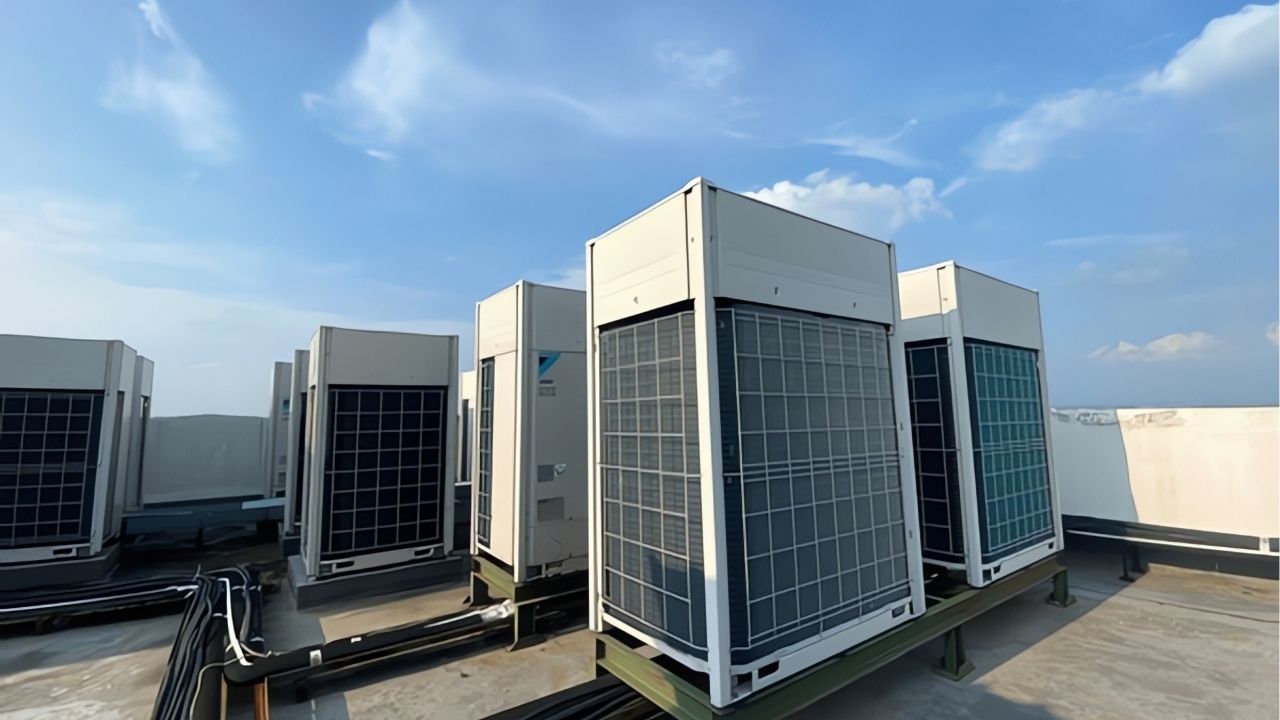
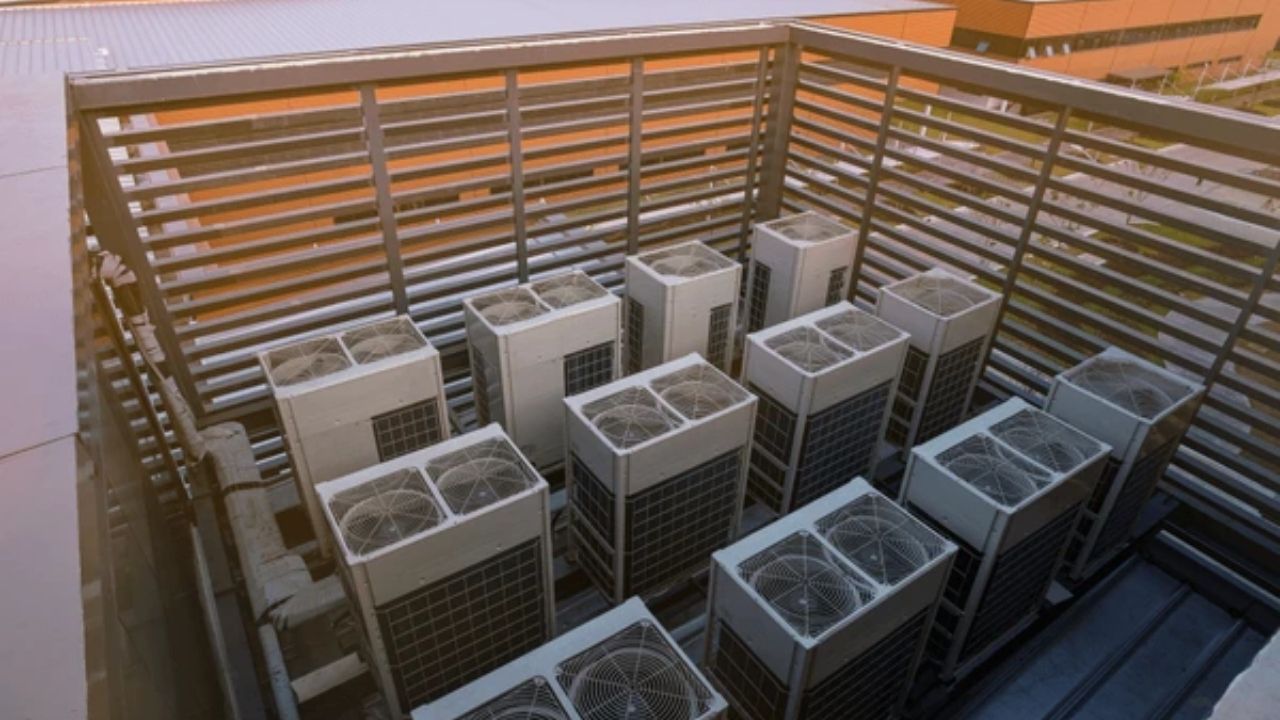
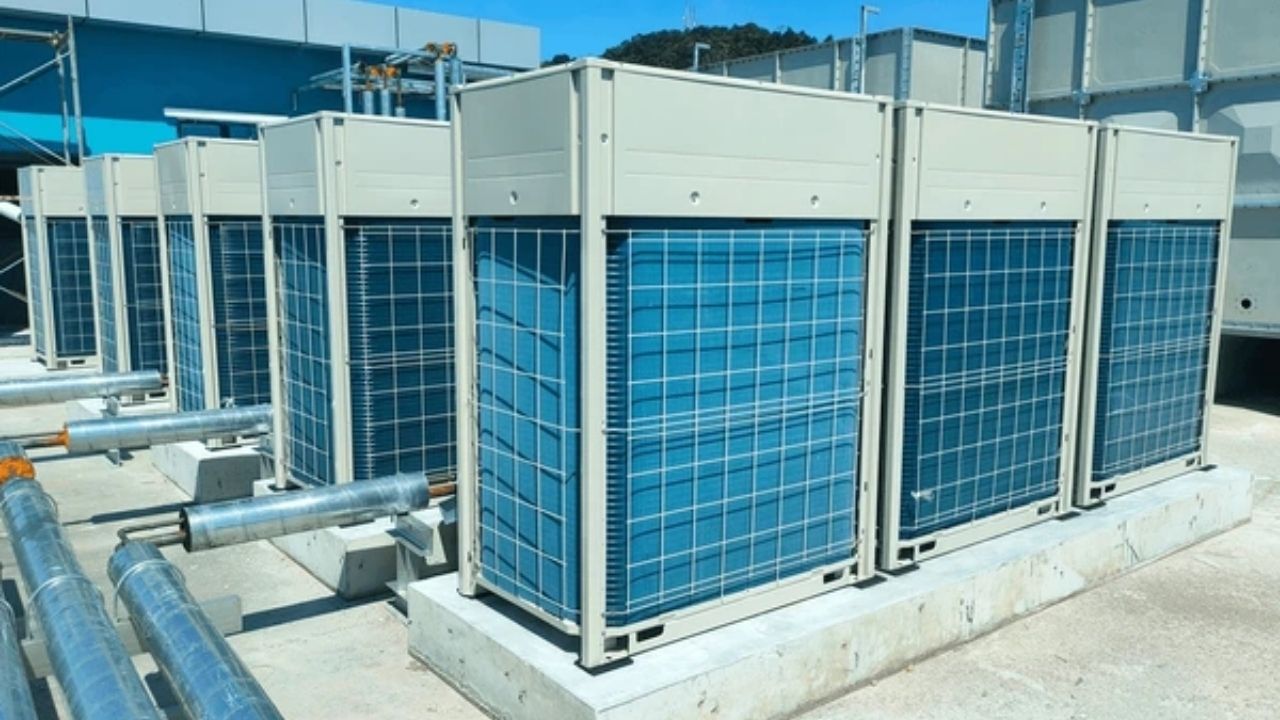
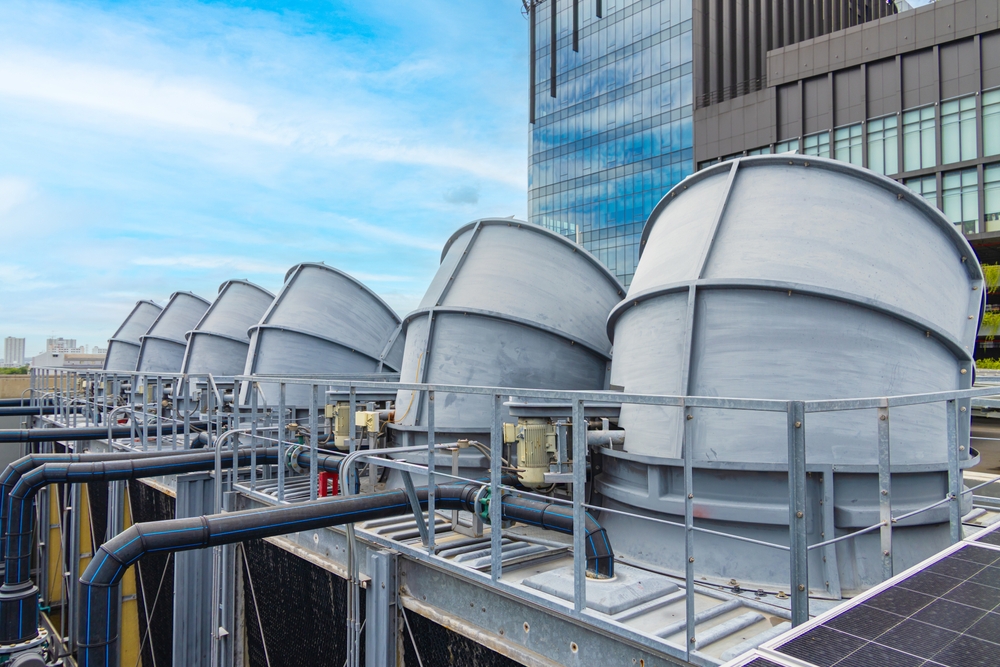
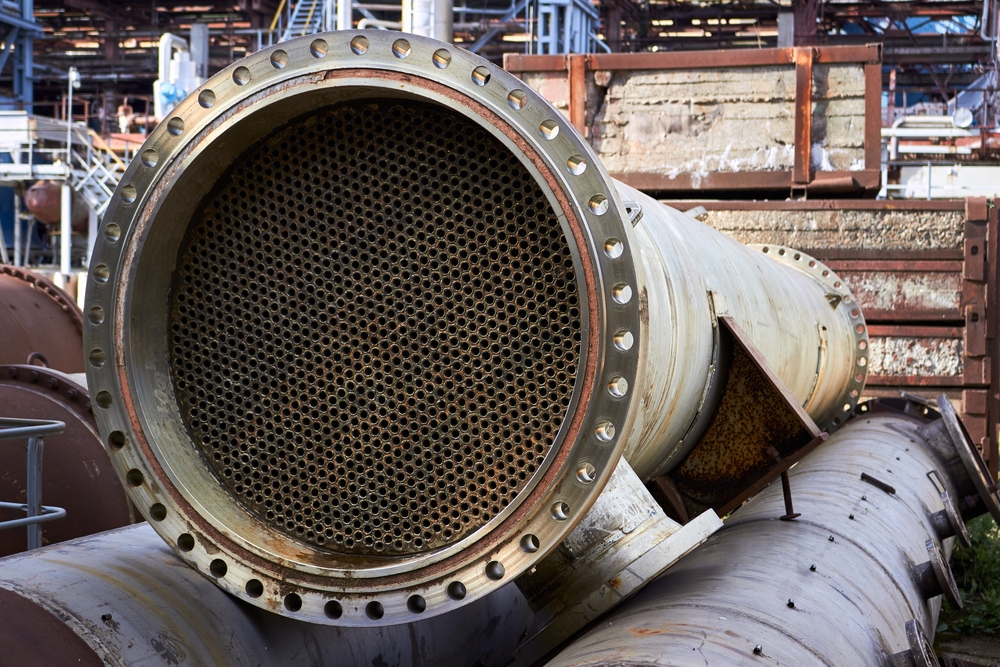
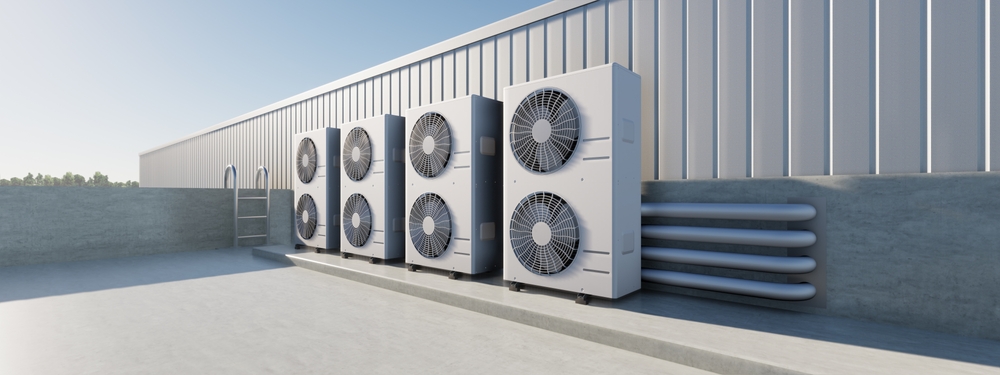
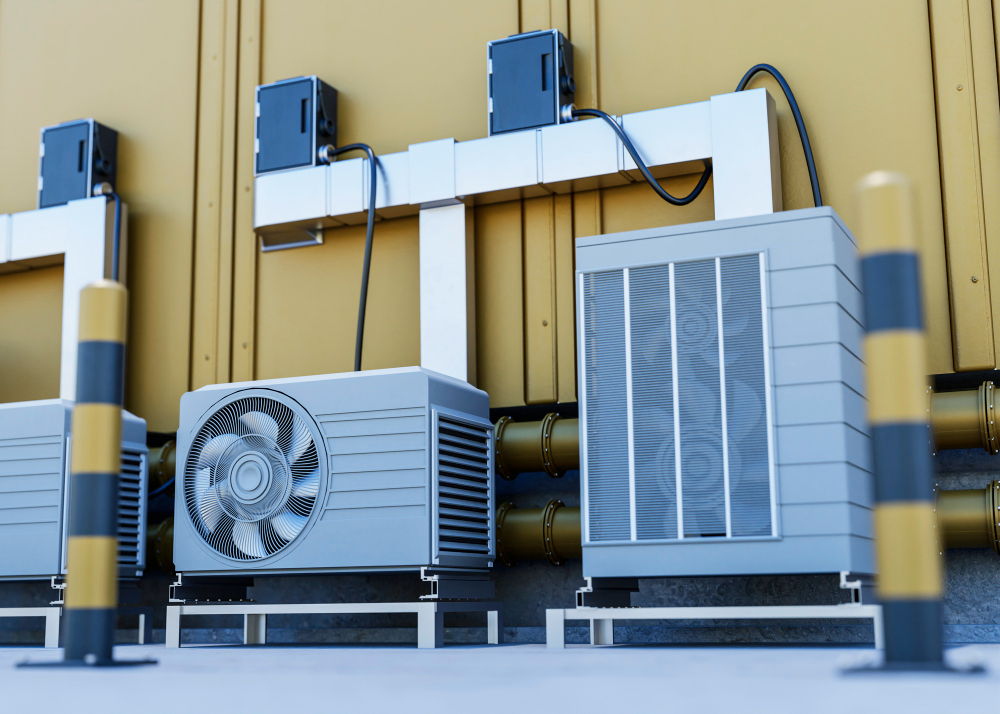
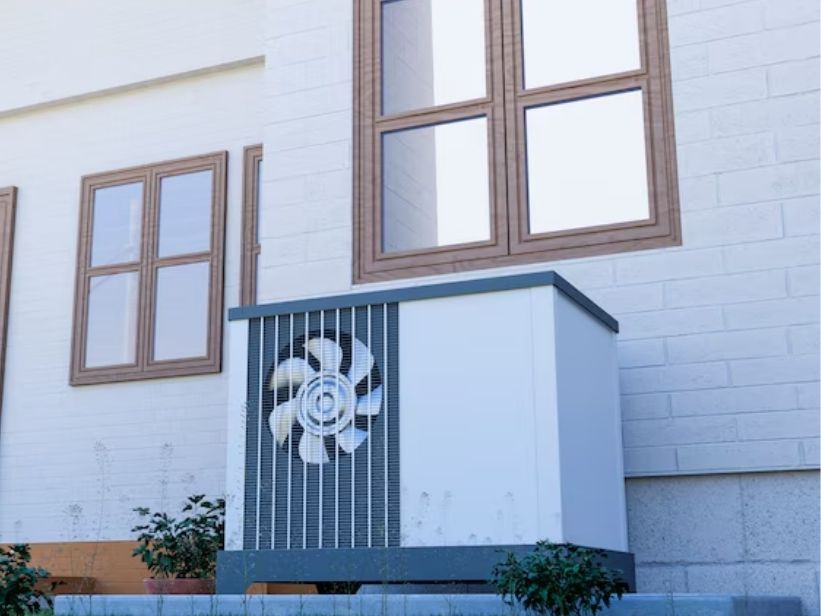
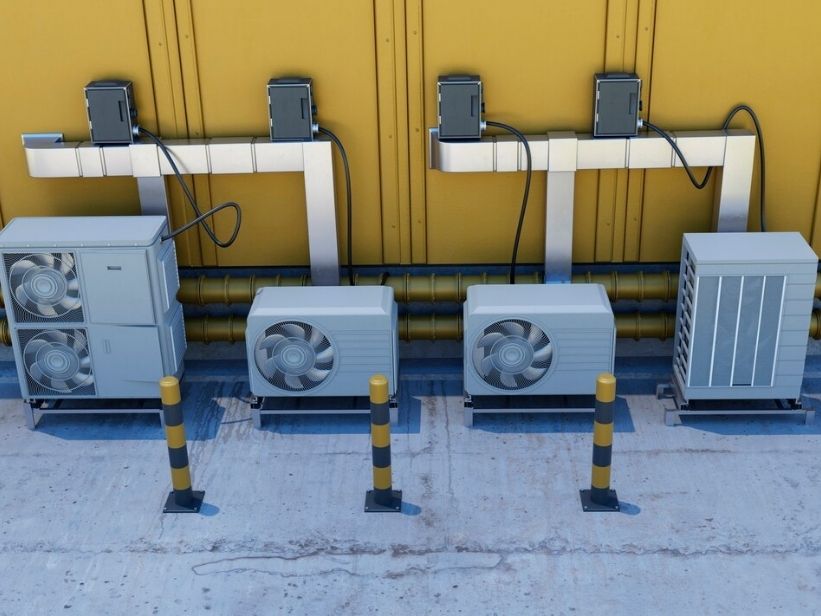
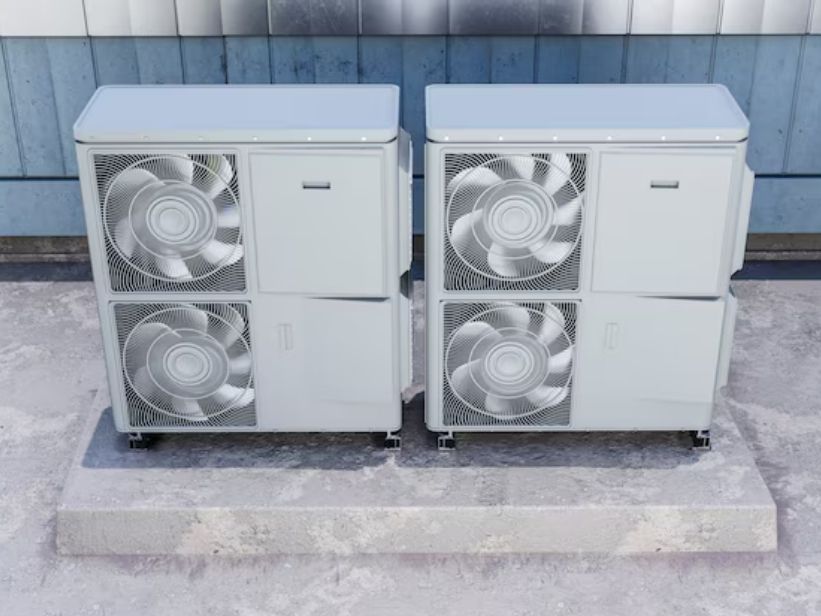
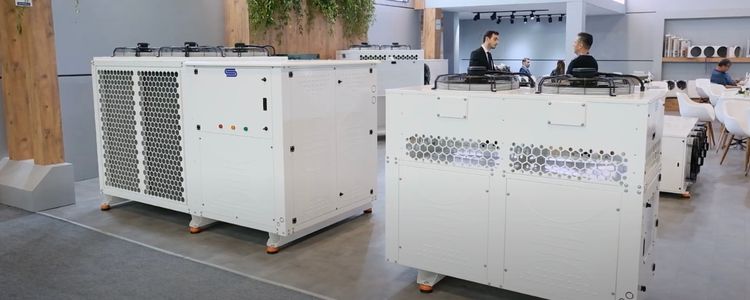
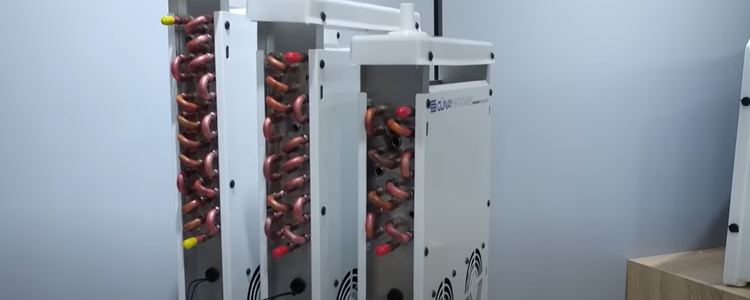
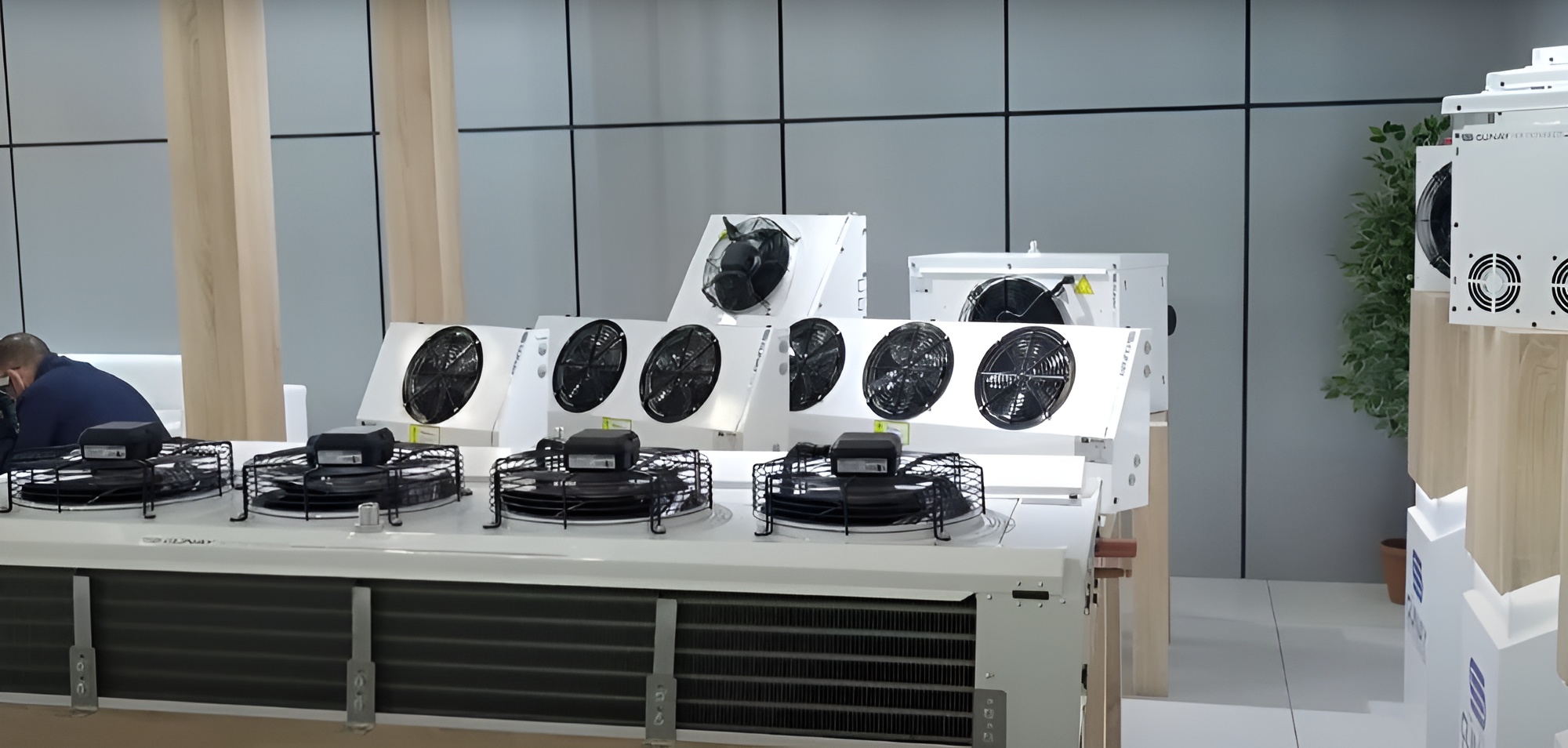
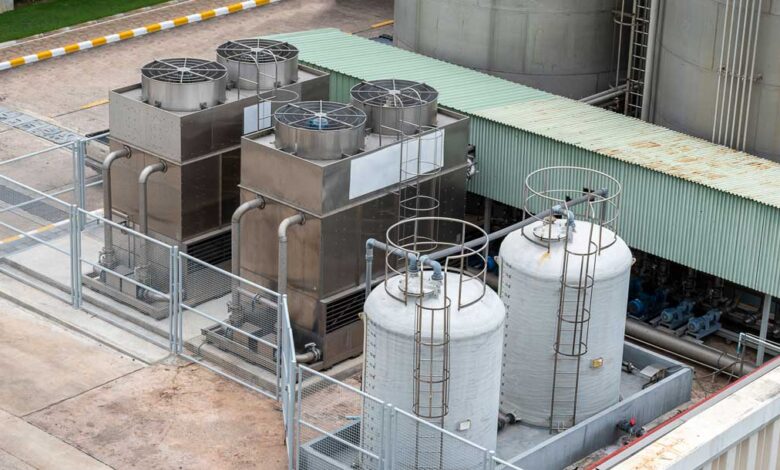
The condenser transfers heat from the hot, high-pressure refrigerant arriving from the compressor to the outside environment. As the refrigerant loses heat, it condenses into a liquid. Heat collected from the cooled space at the evaporator leaves the system through the condenser.
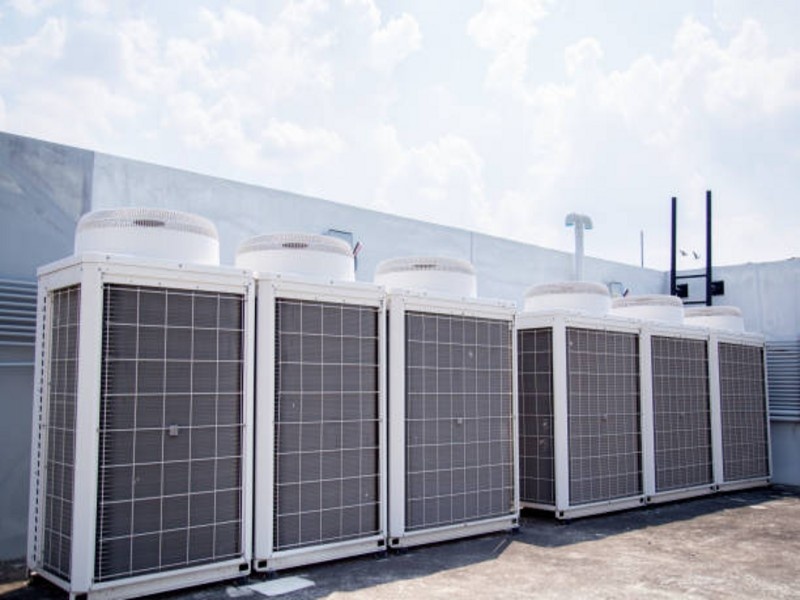
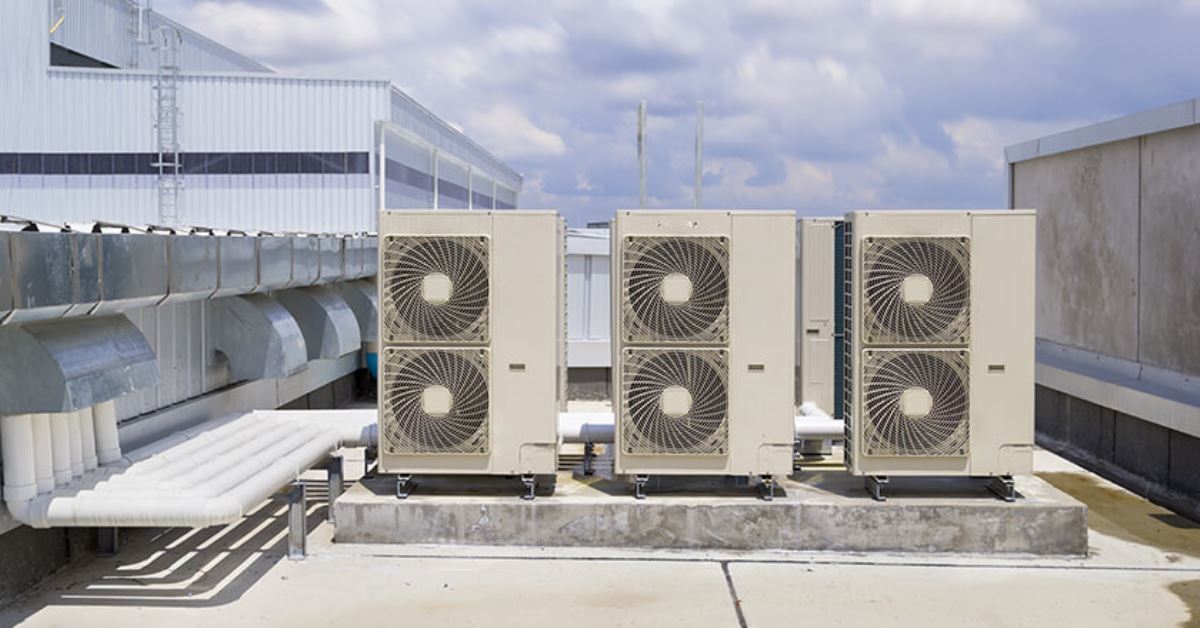
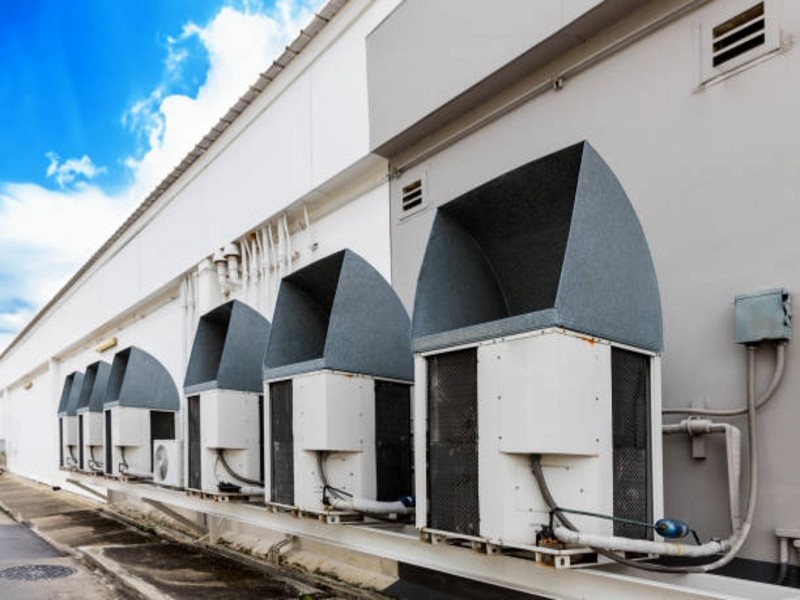
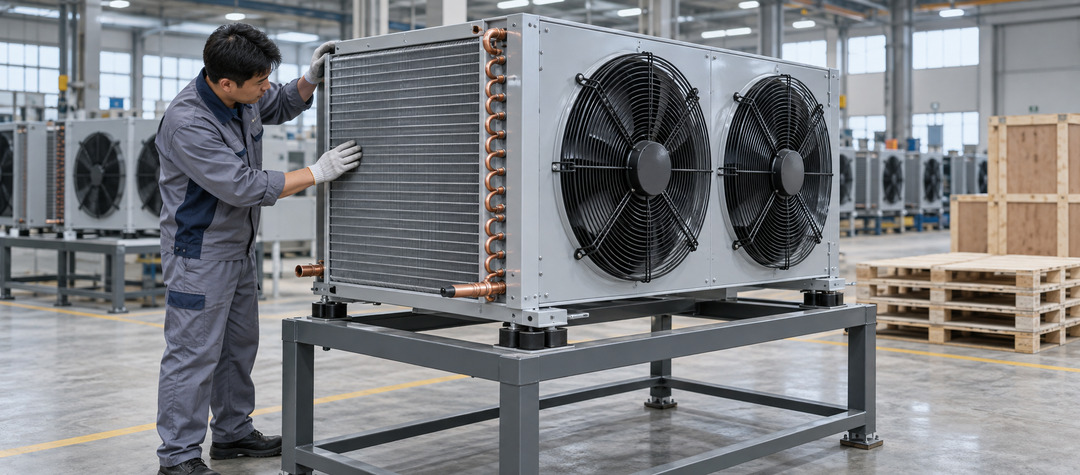
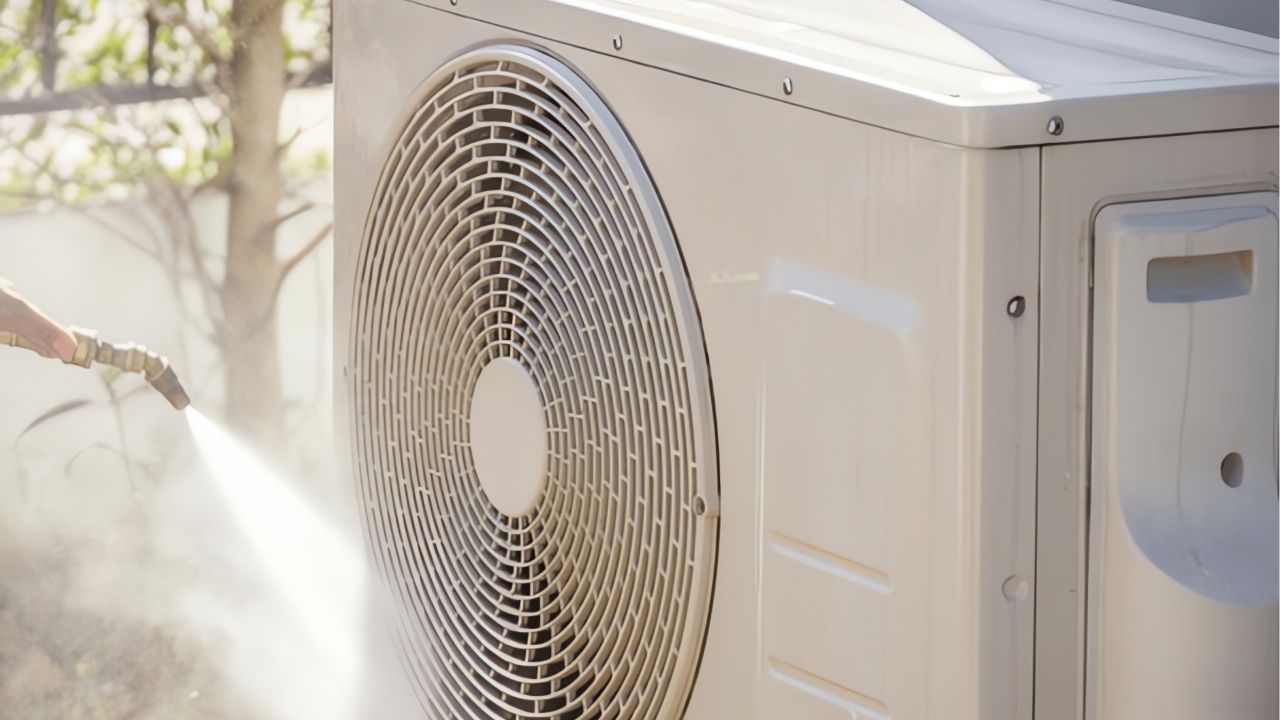
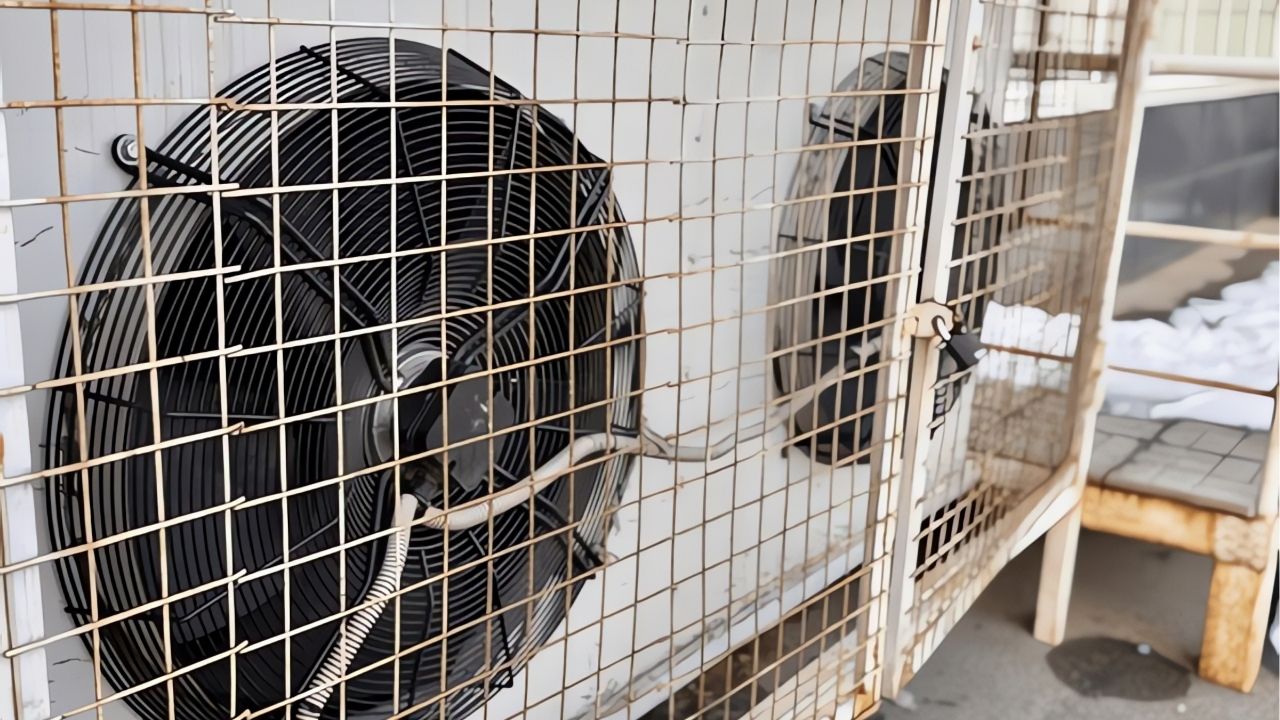
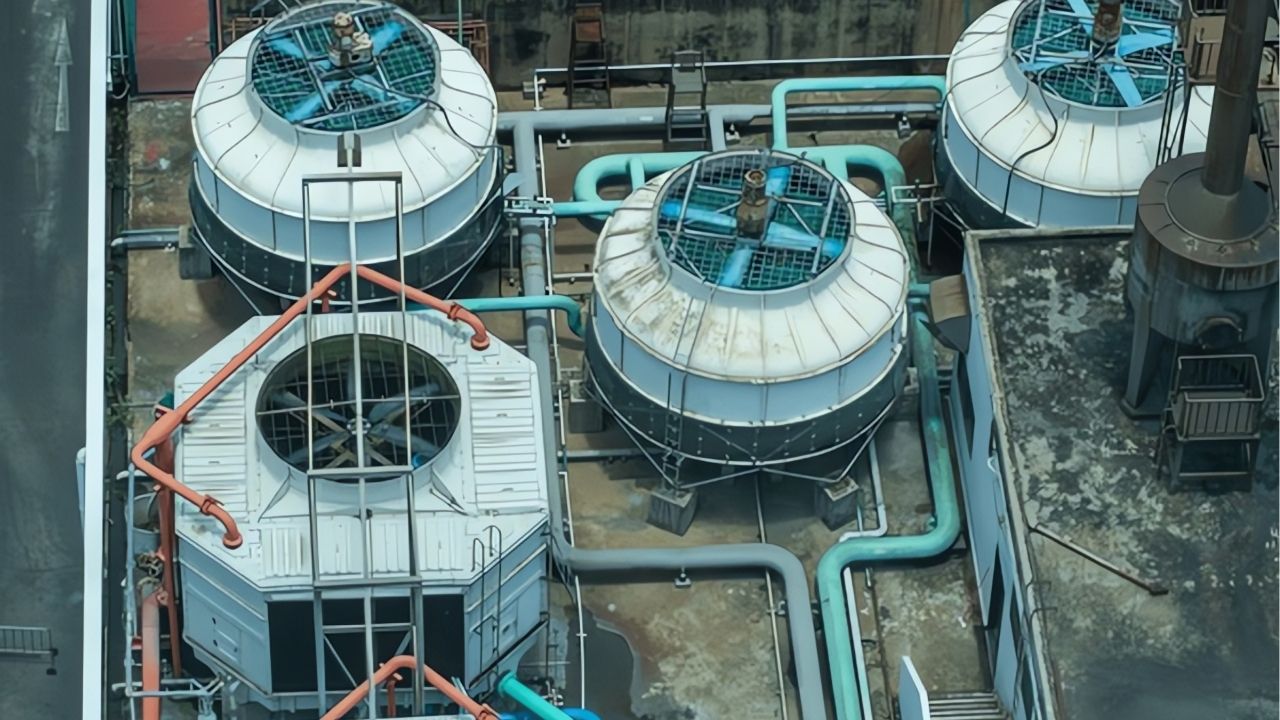
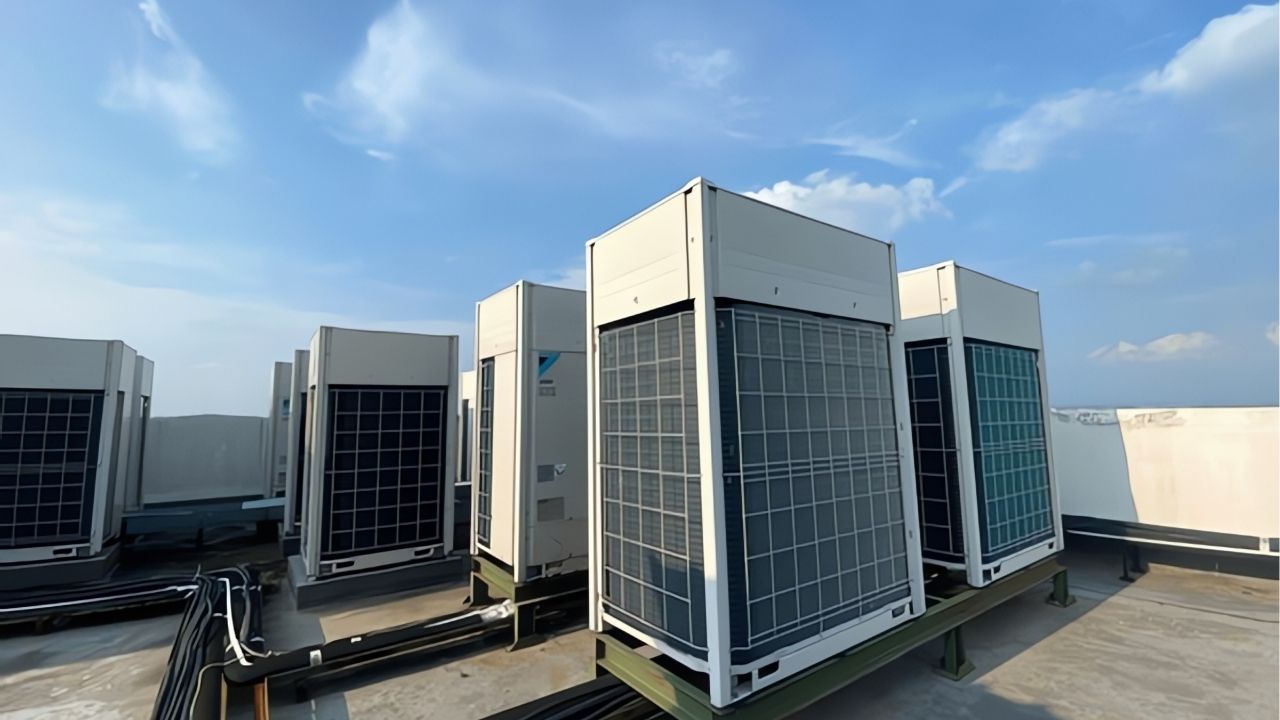
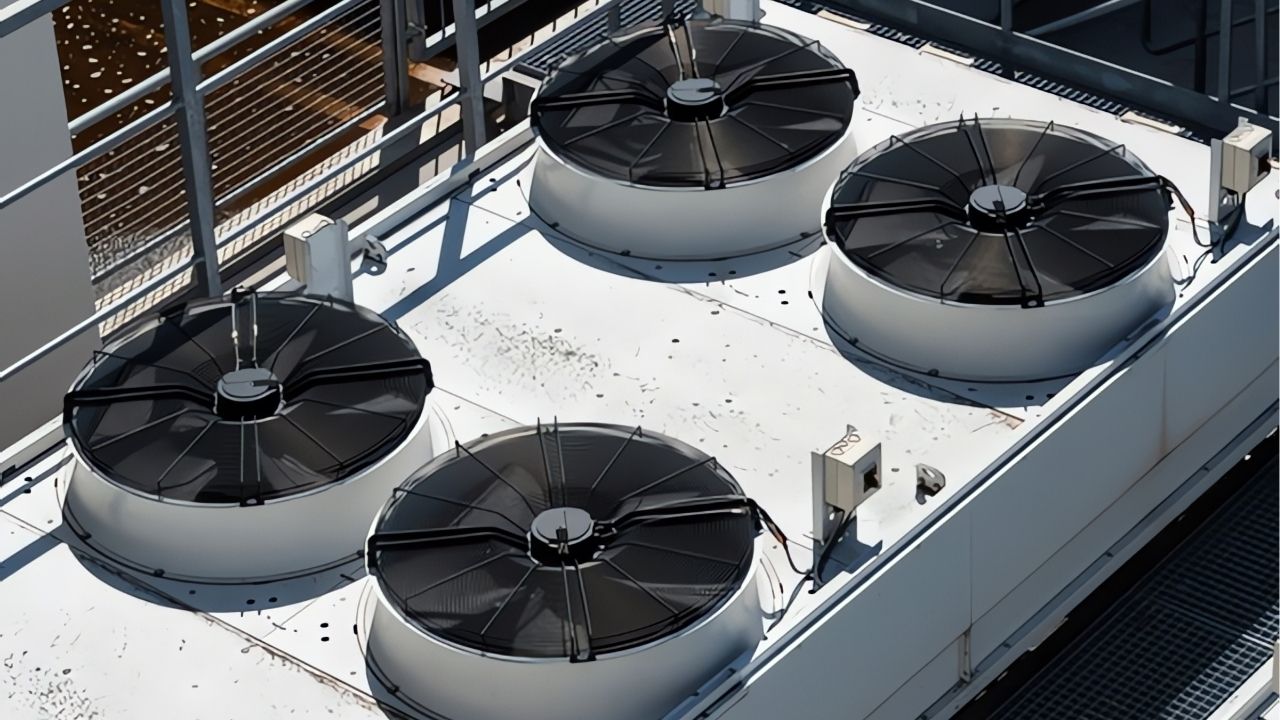
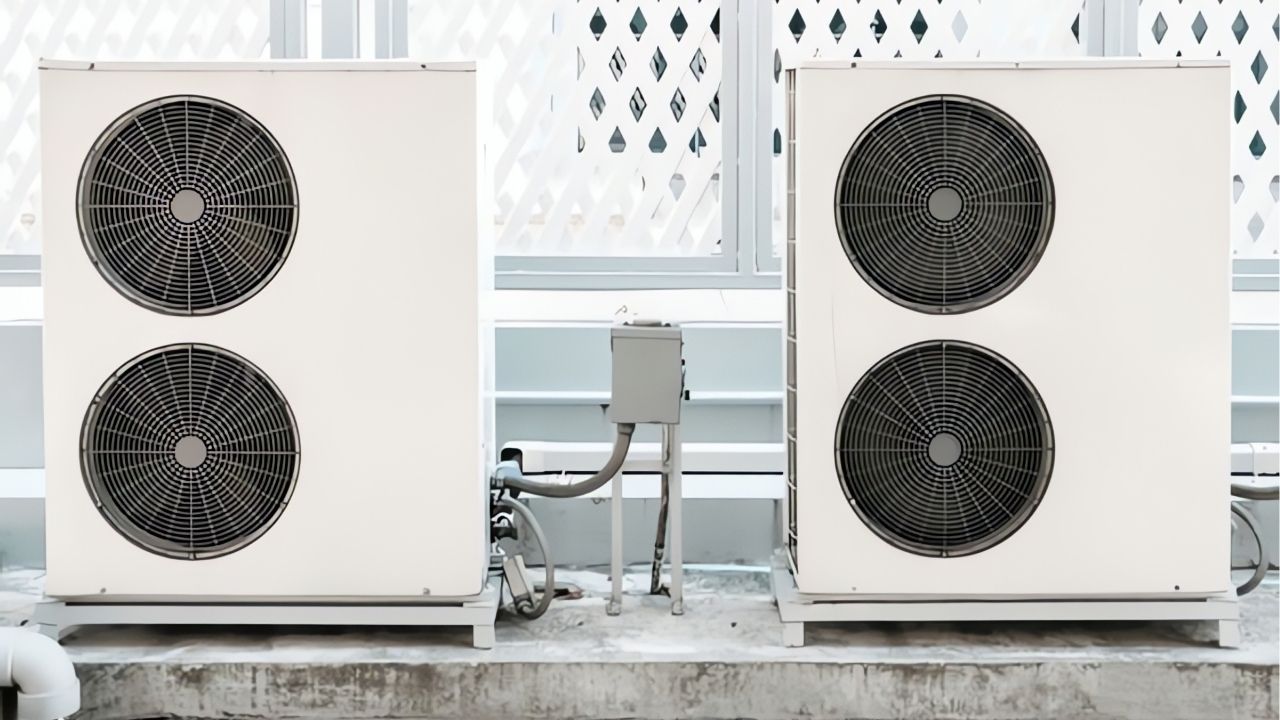
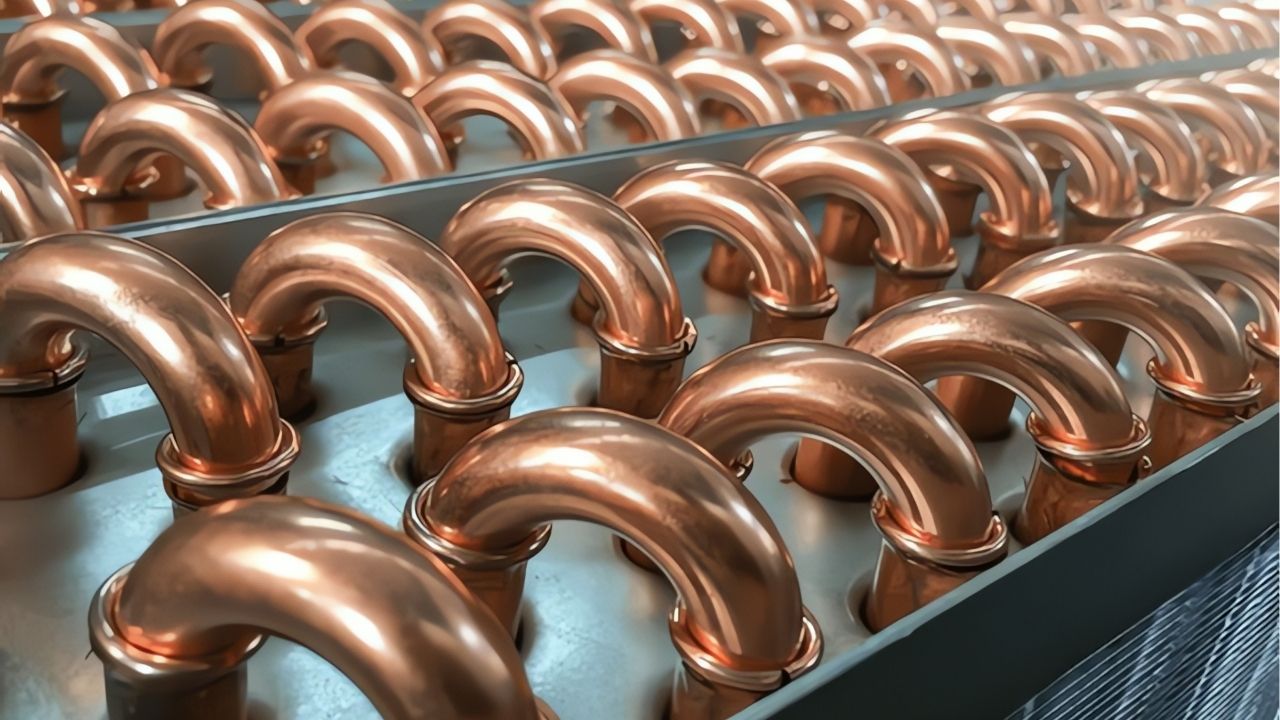
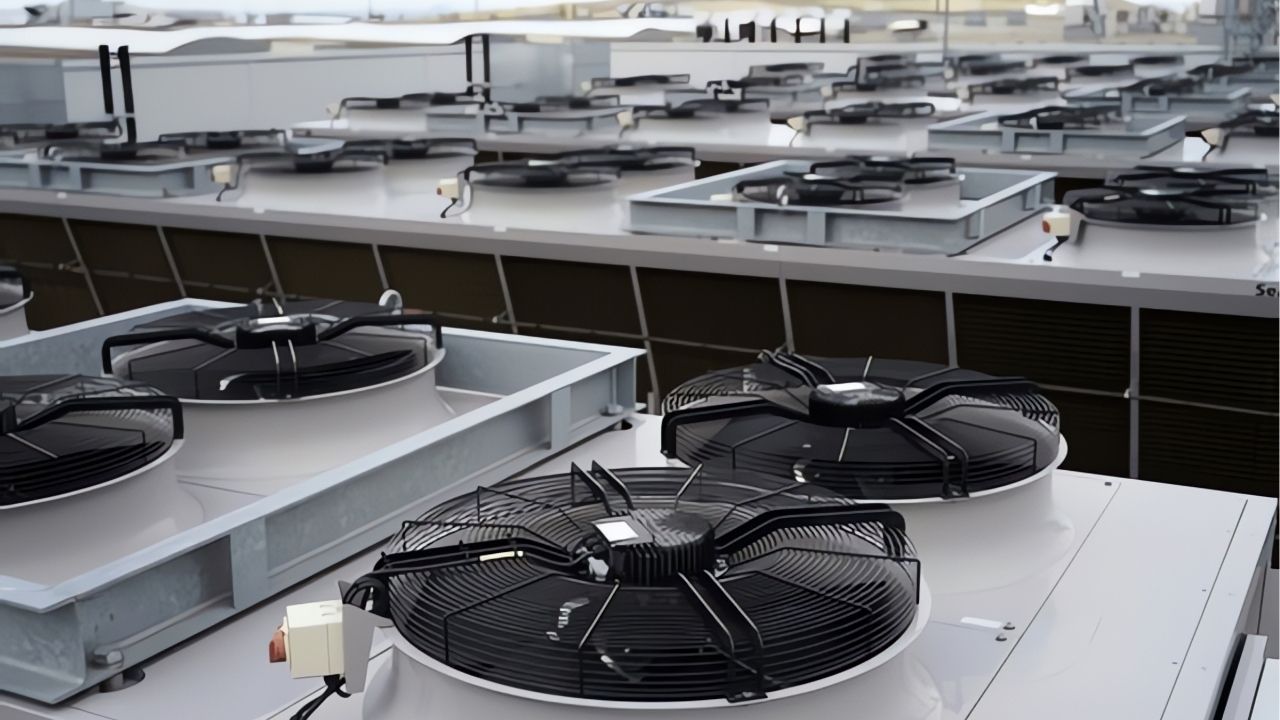
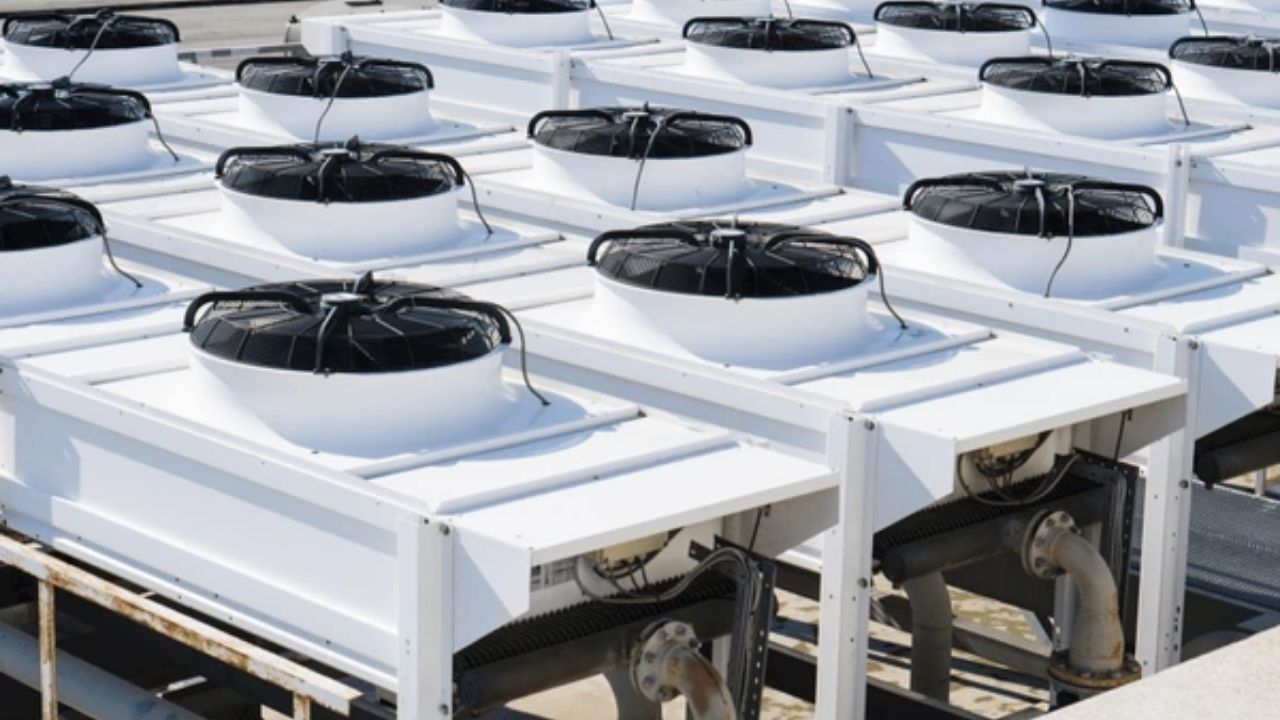
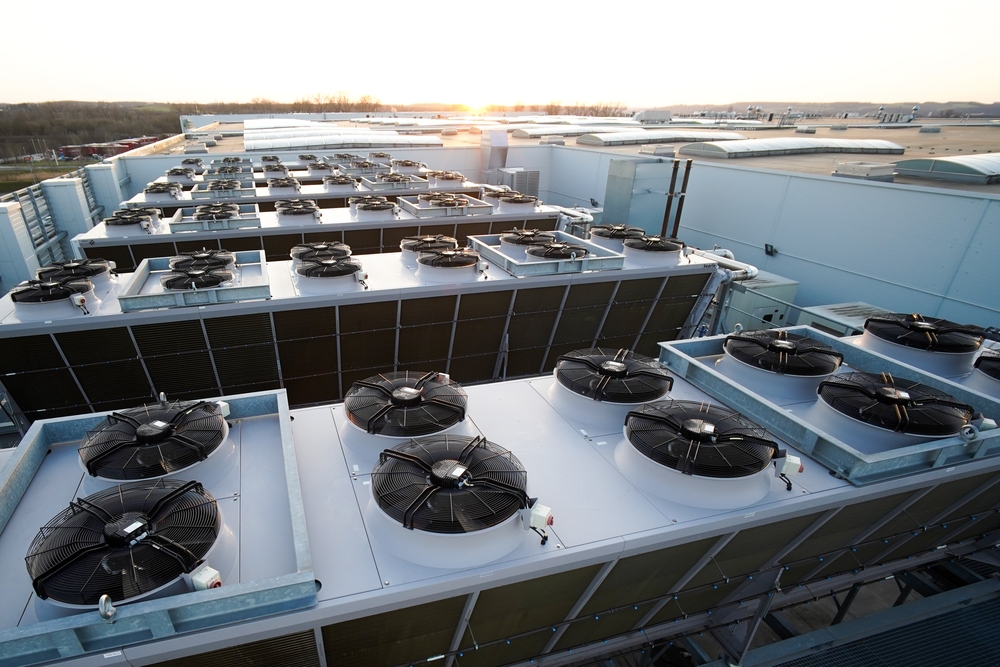
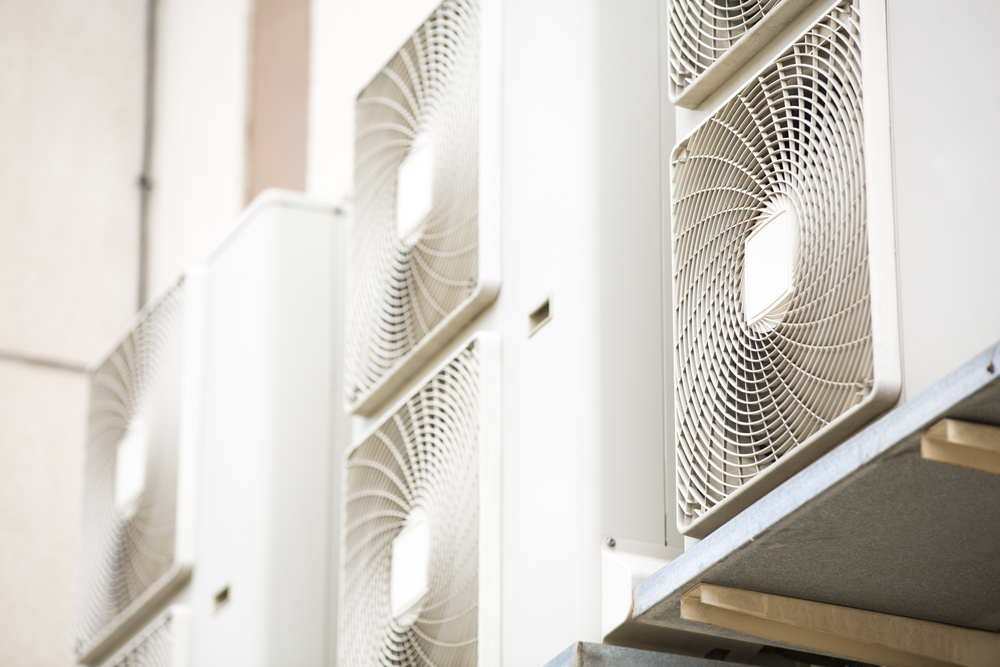
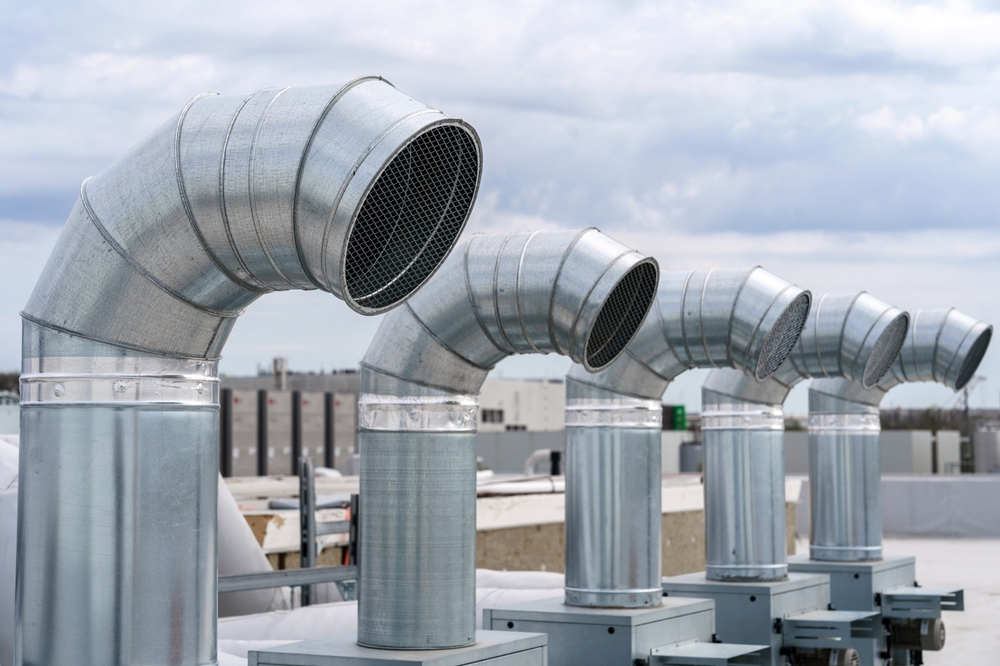
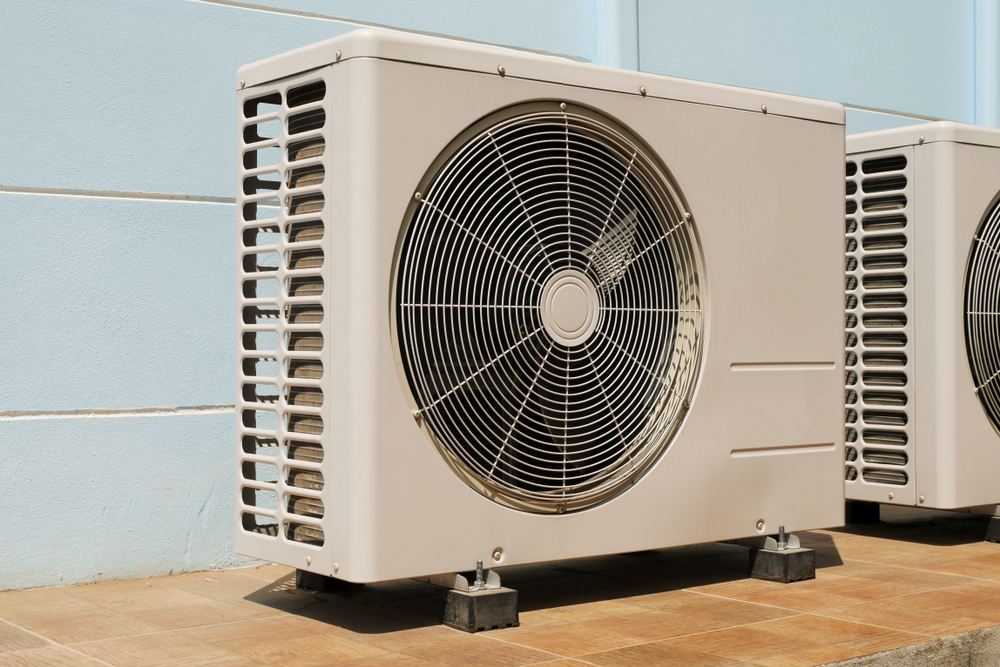
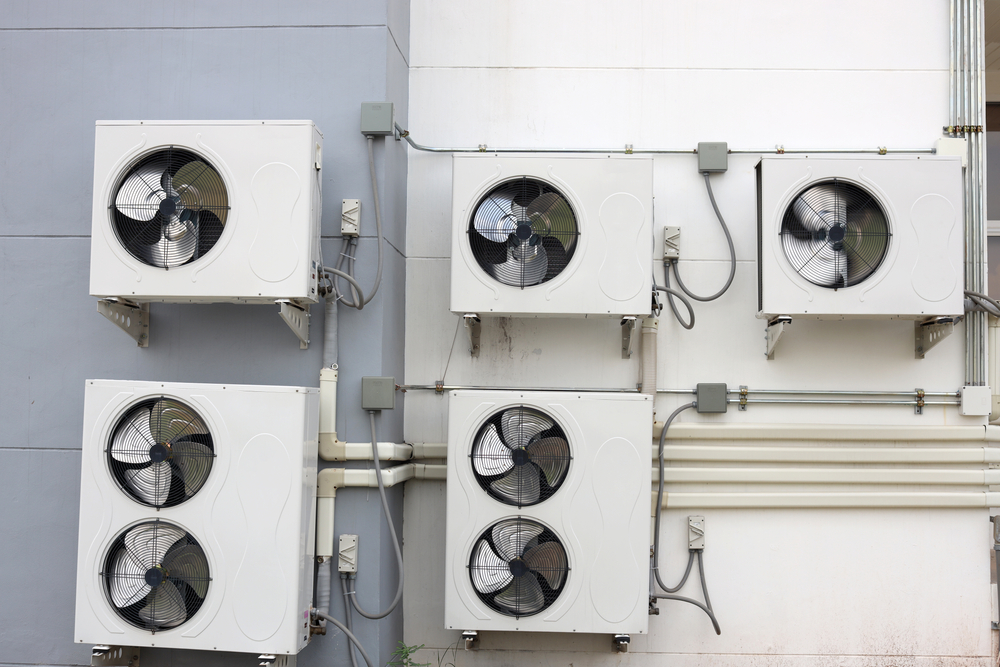
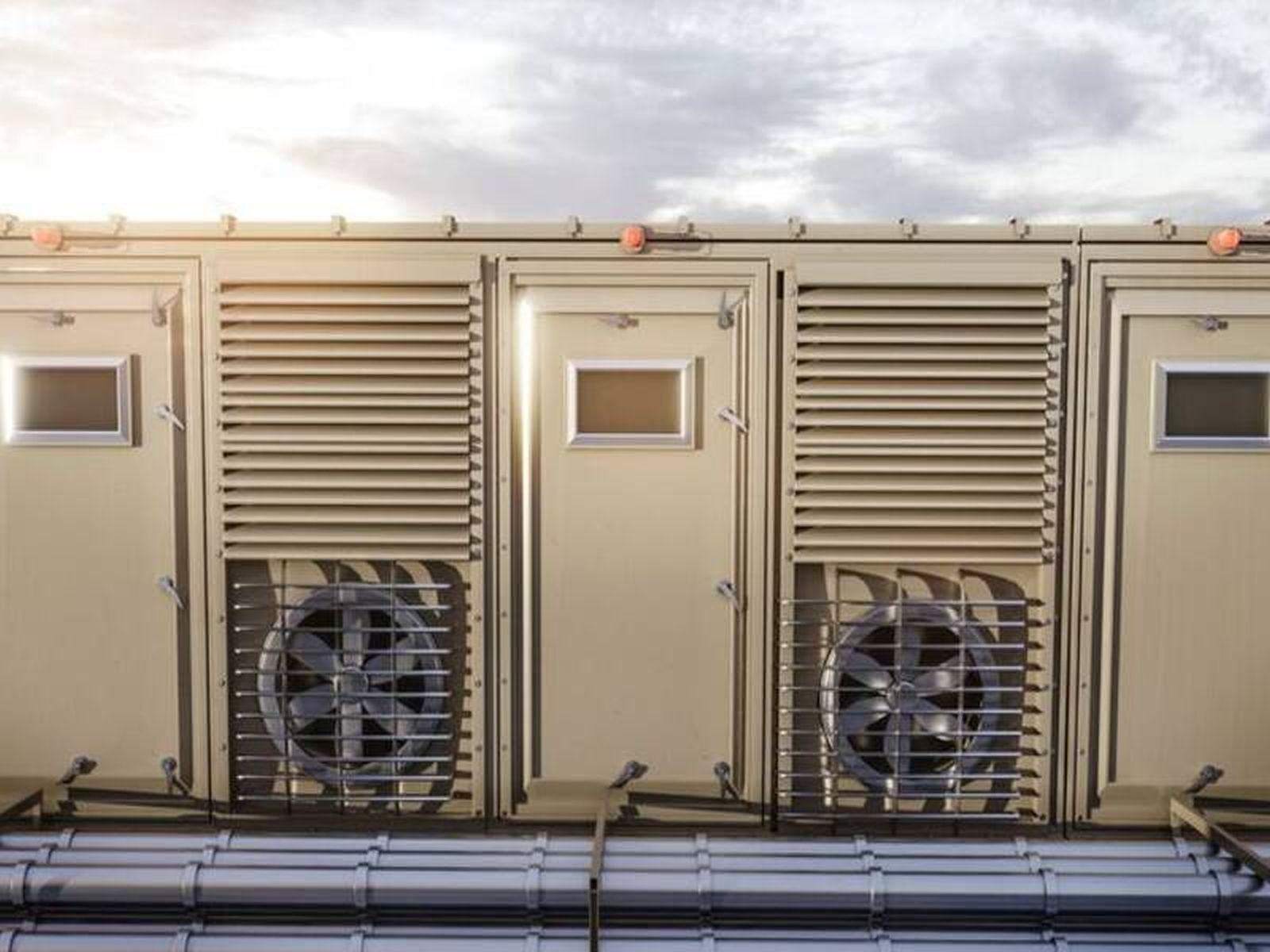
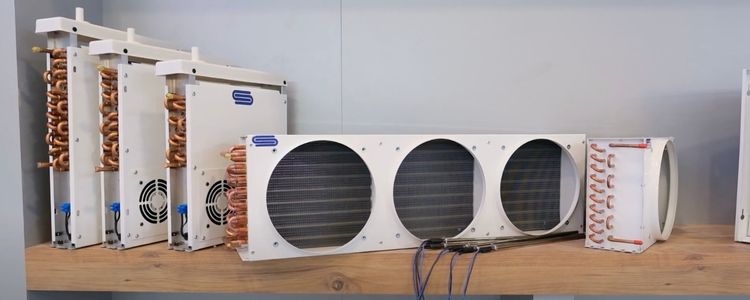
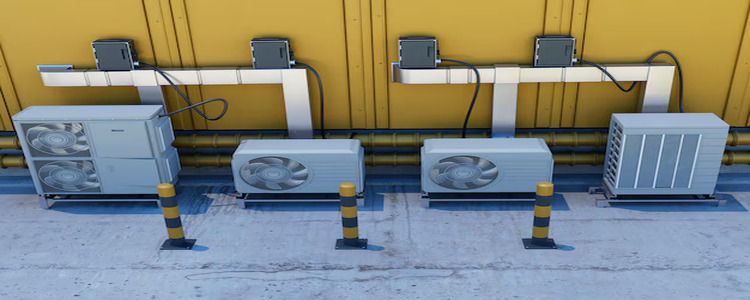
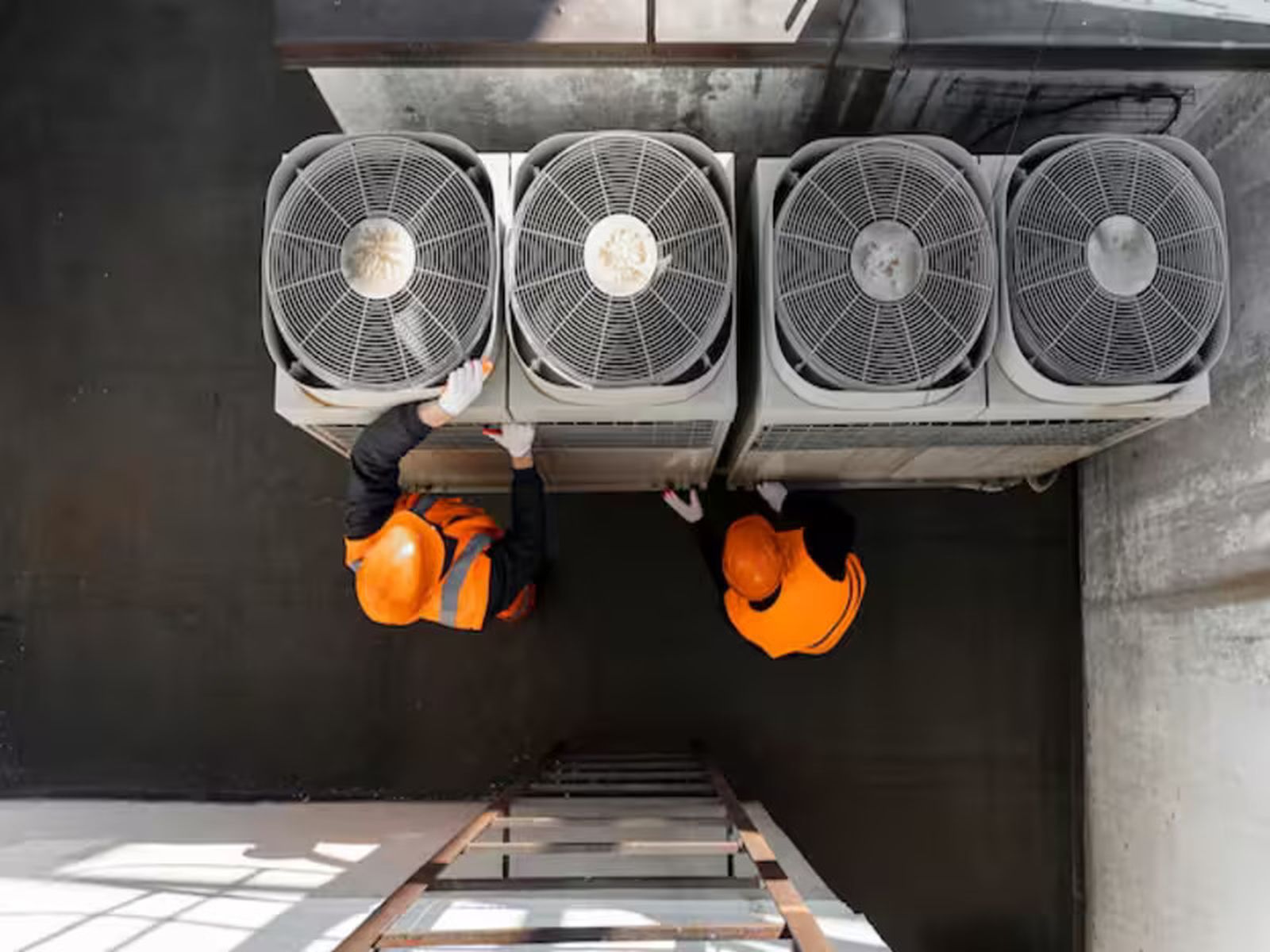
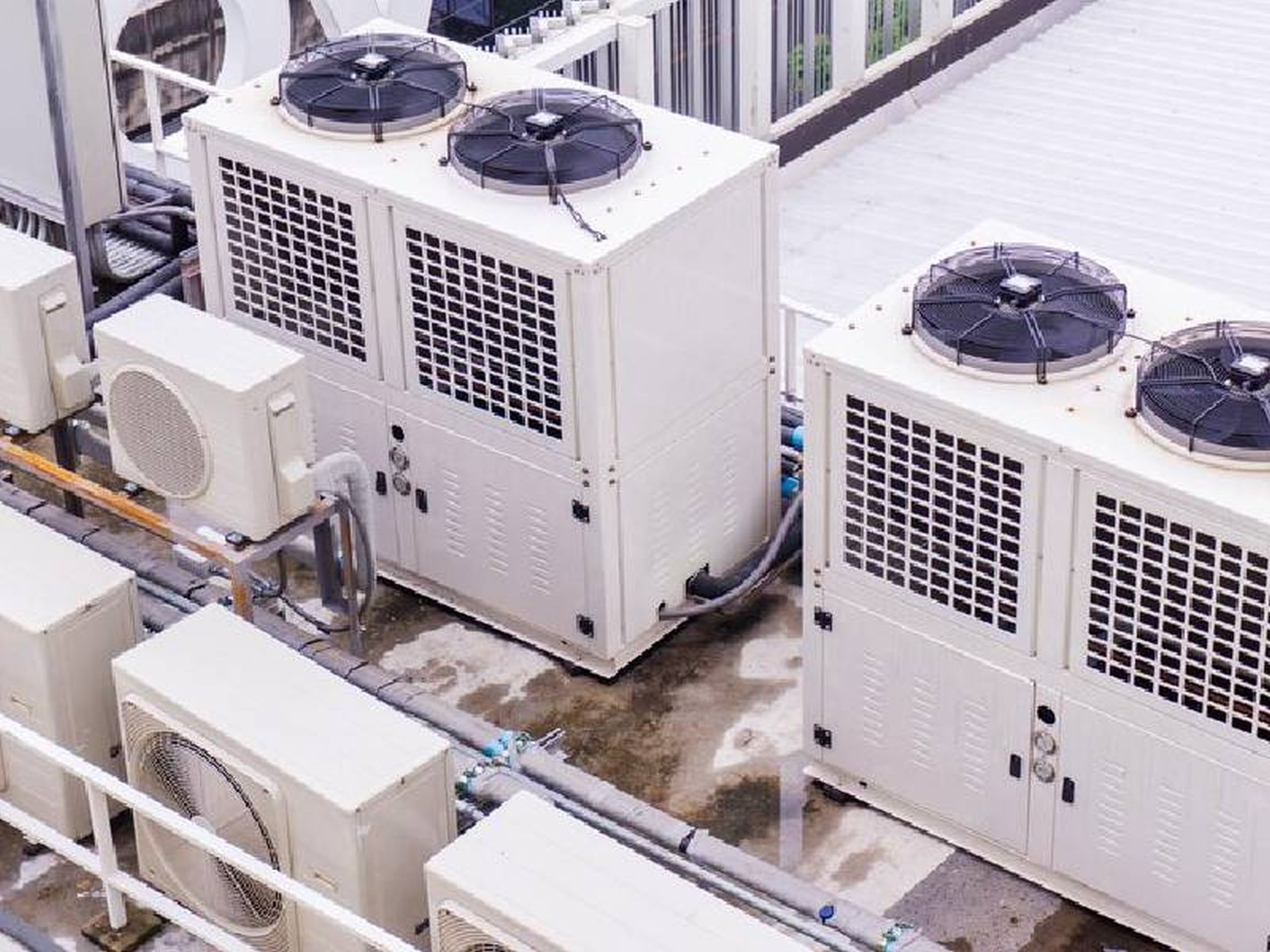
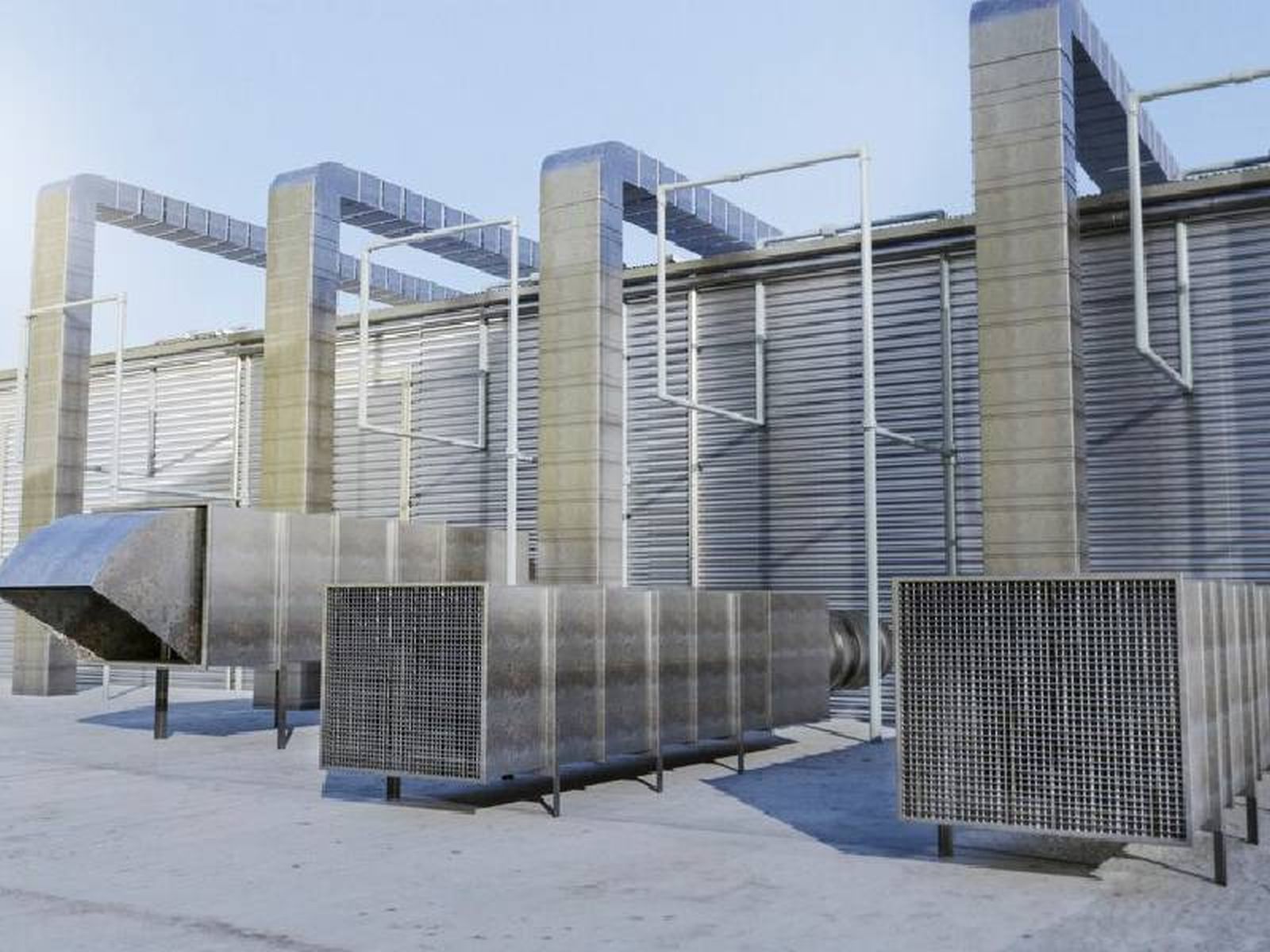
In air-cooled condensers, fans move air across a finned tube coil. Ambient temperature, surface cleanliness and airflow affect heat rejection. If enough heat cannot be rejected, condensing pressure can rise and system efficiency may fall.
The expansion device reduces the pressure of the liquid refrigerant from the condenser before it enters the evaporator. This allows the refrigerant to reach the conditions needed to absorb heat at a low temperature in the evaporator.
Feeding the evaporator with an appropriate amount of refrigerant is important. Insufficient or uneven feed can leave part of the heat transfer surface underused and reduce capacity. Expansion device selection is evaluated as part of the system design.
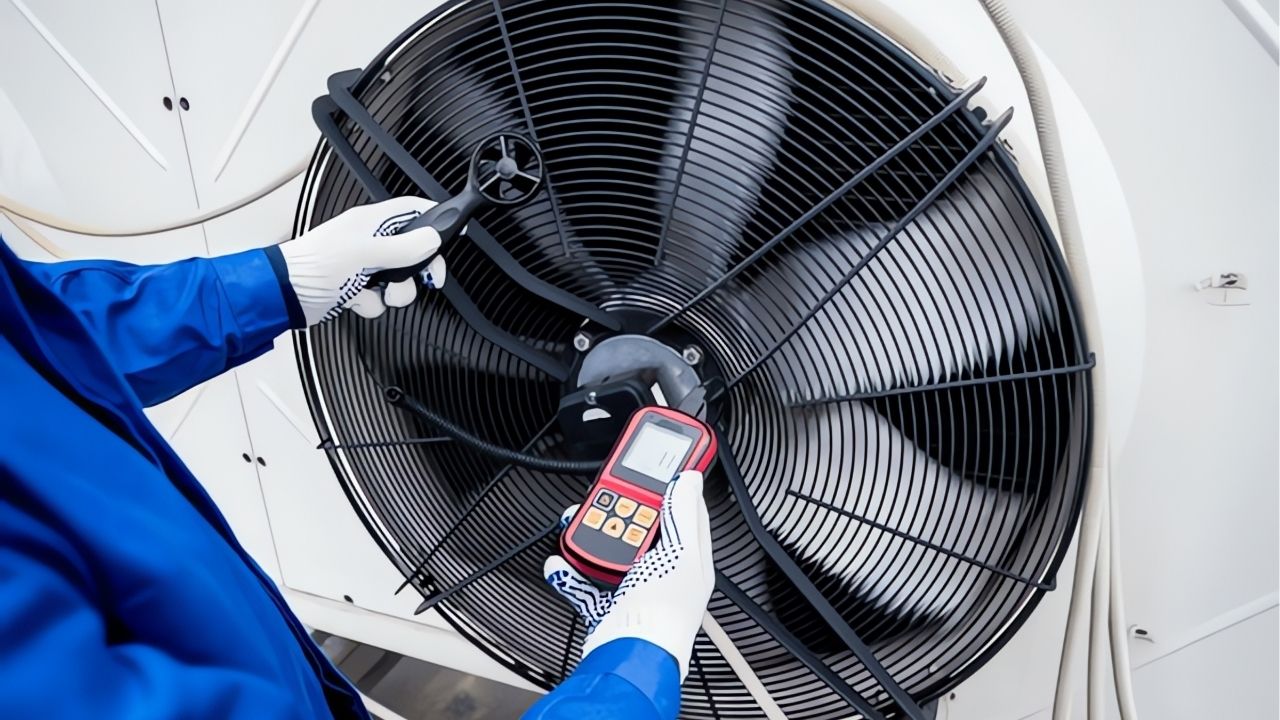
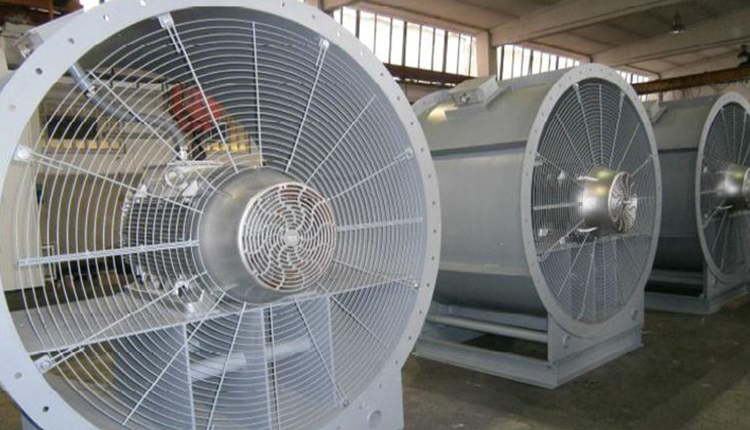
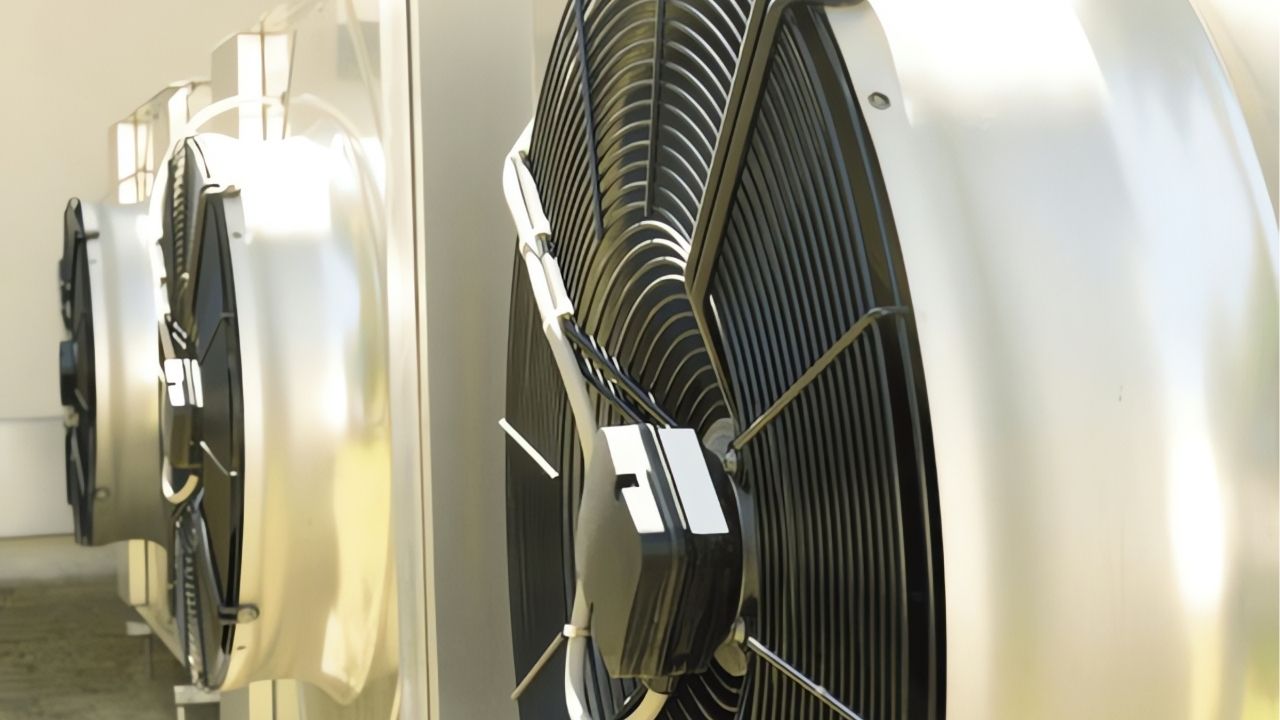
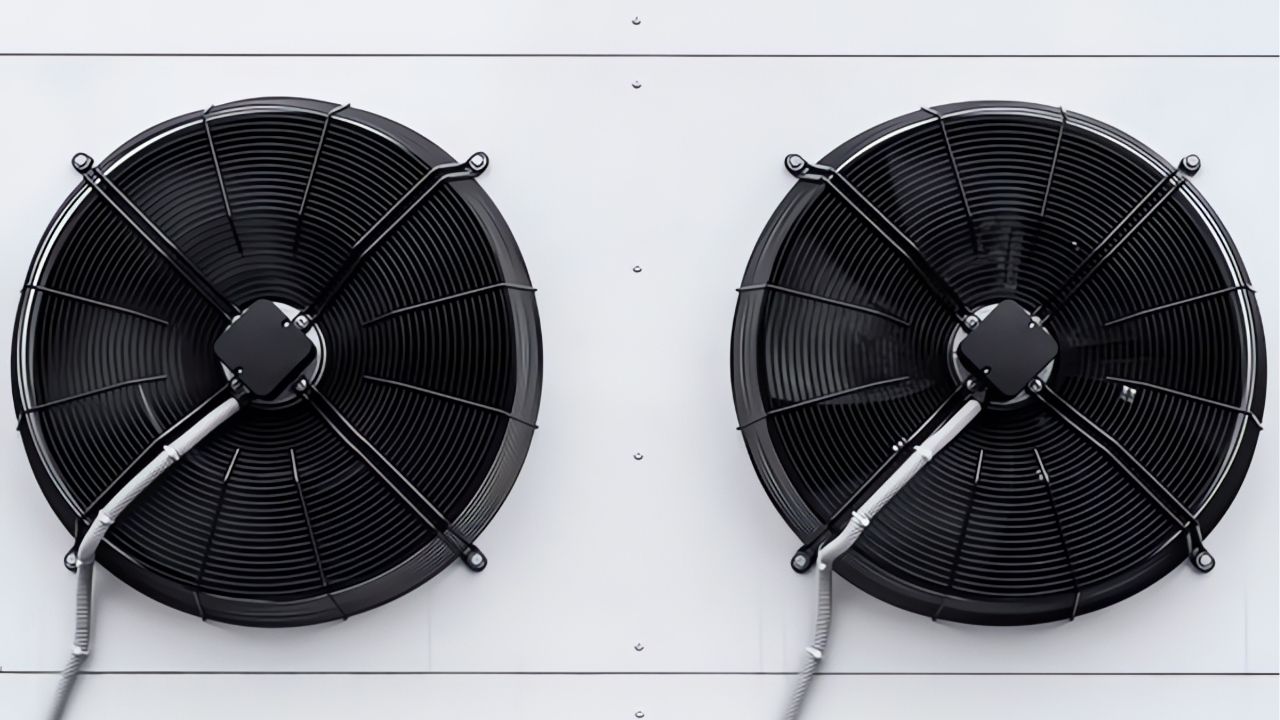
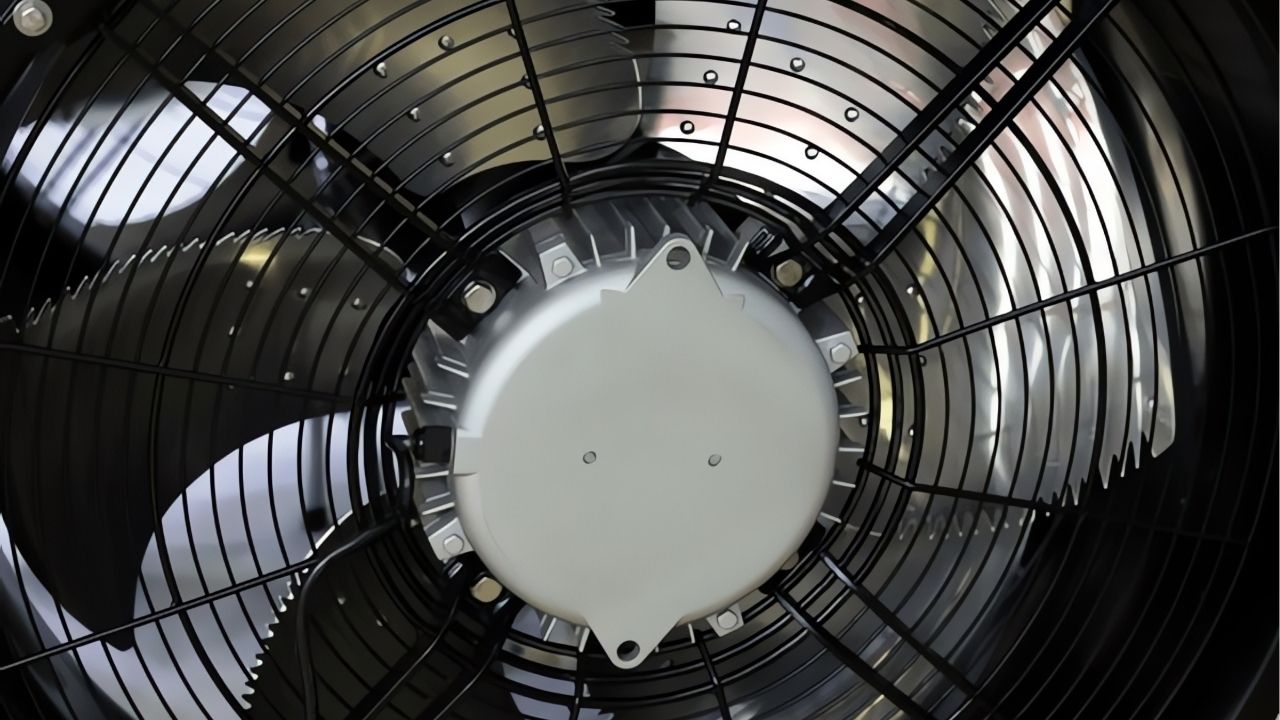
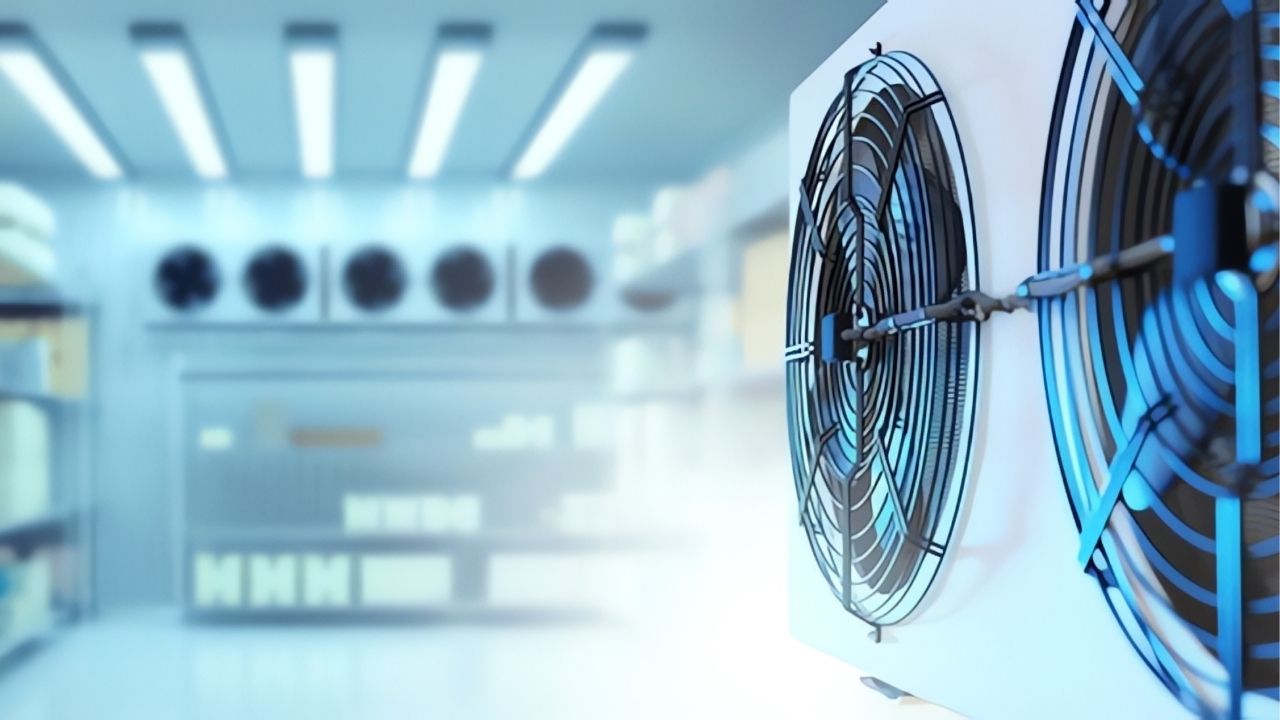
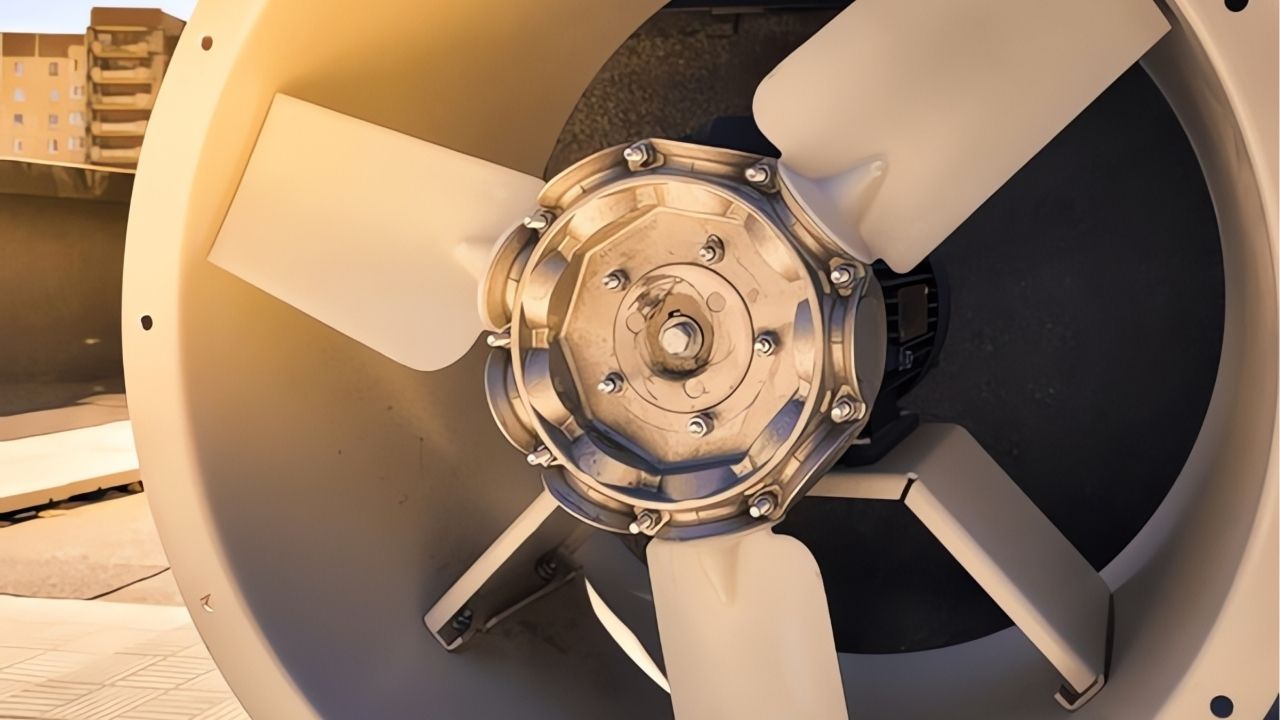
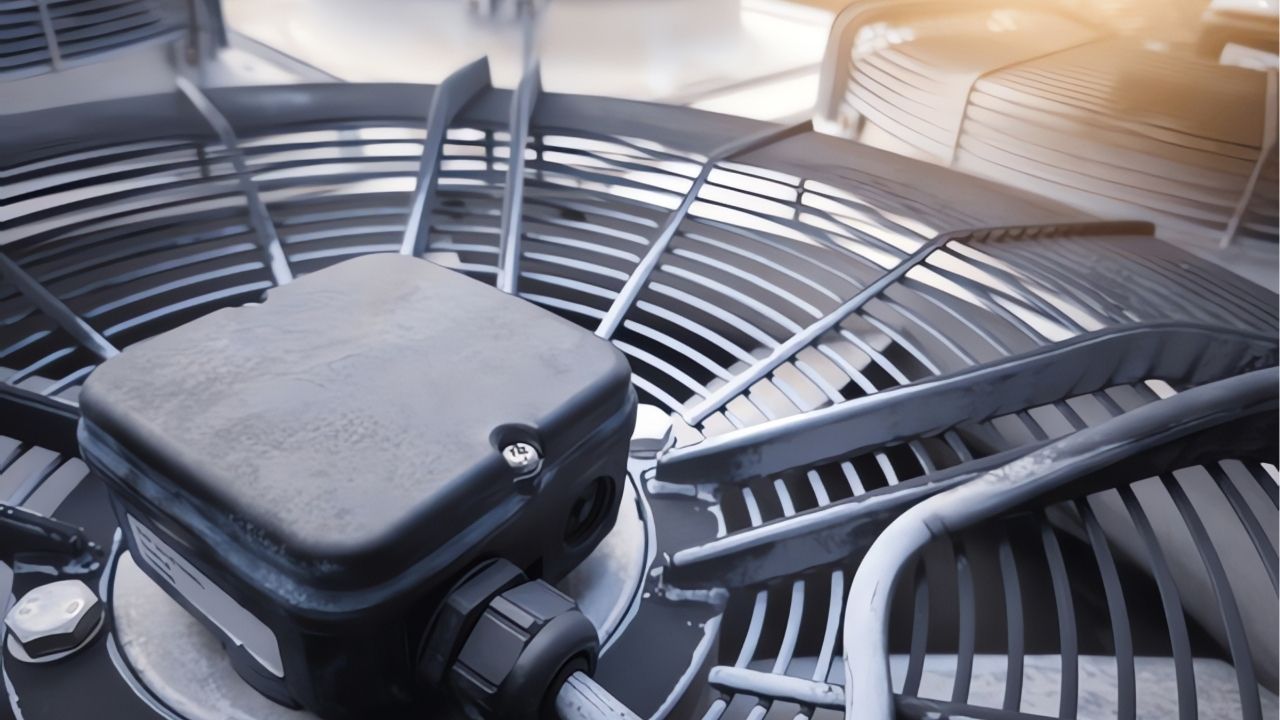
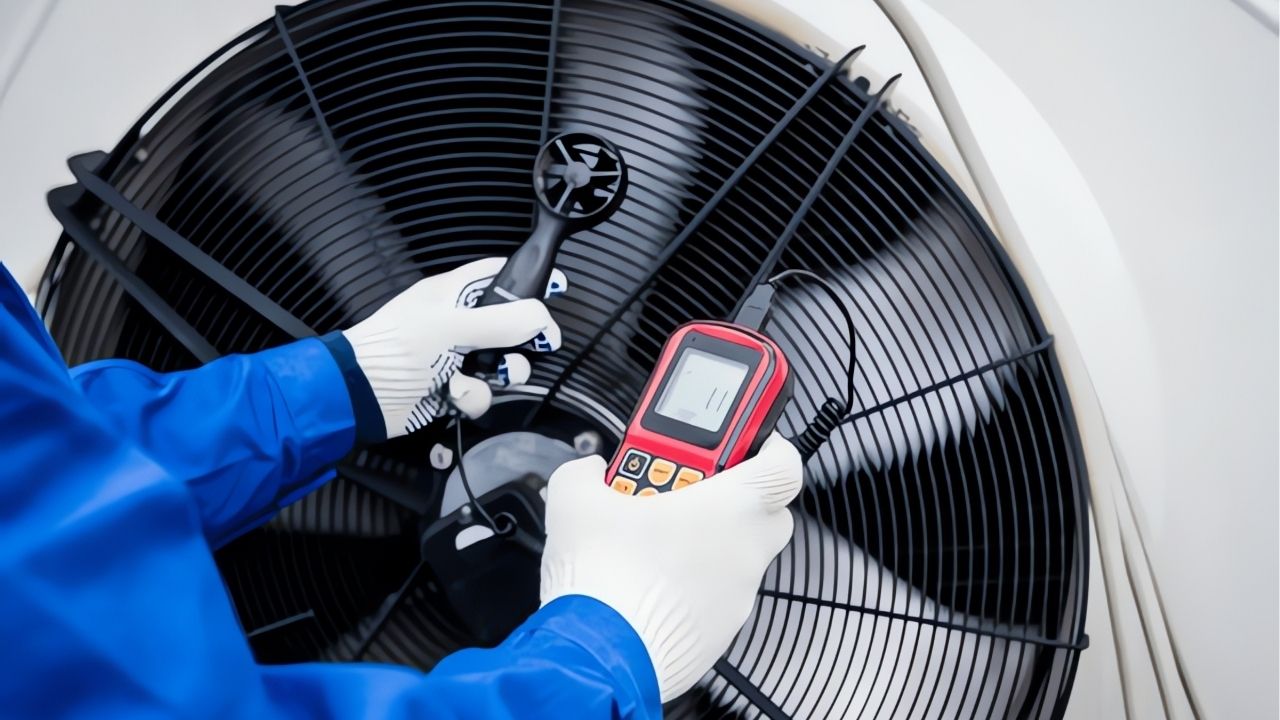
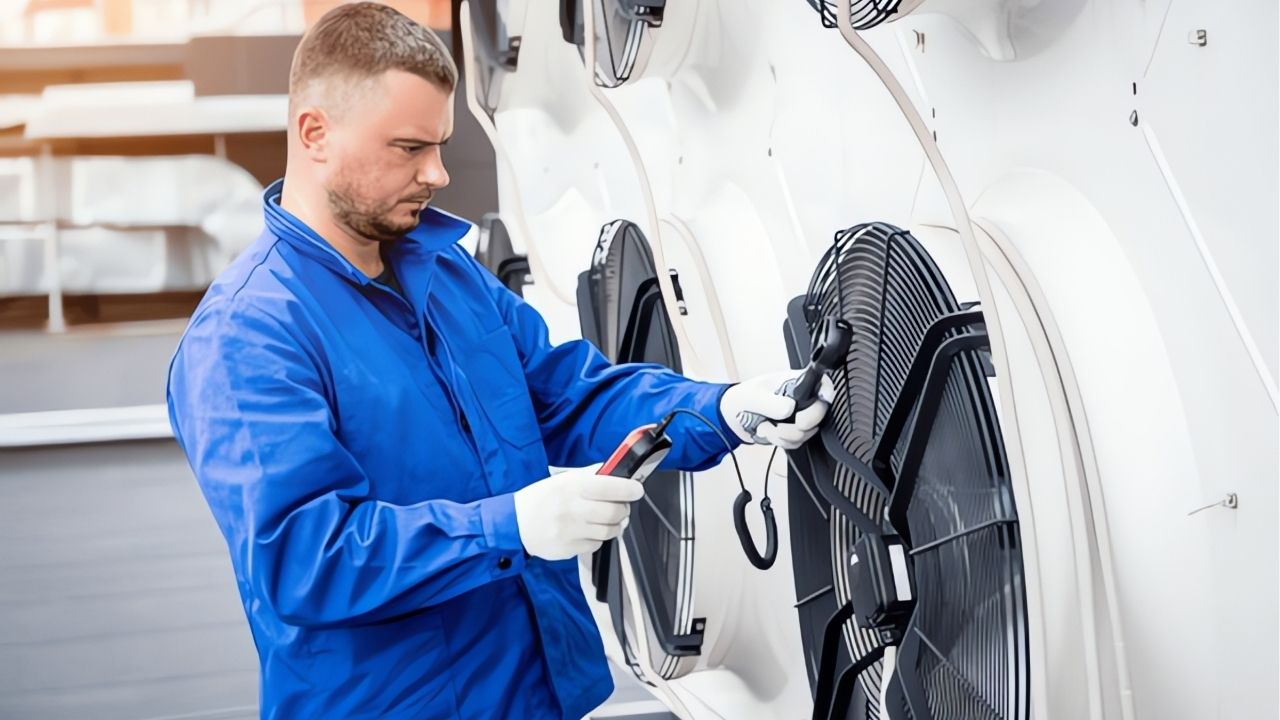
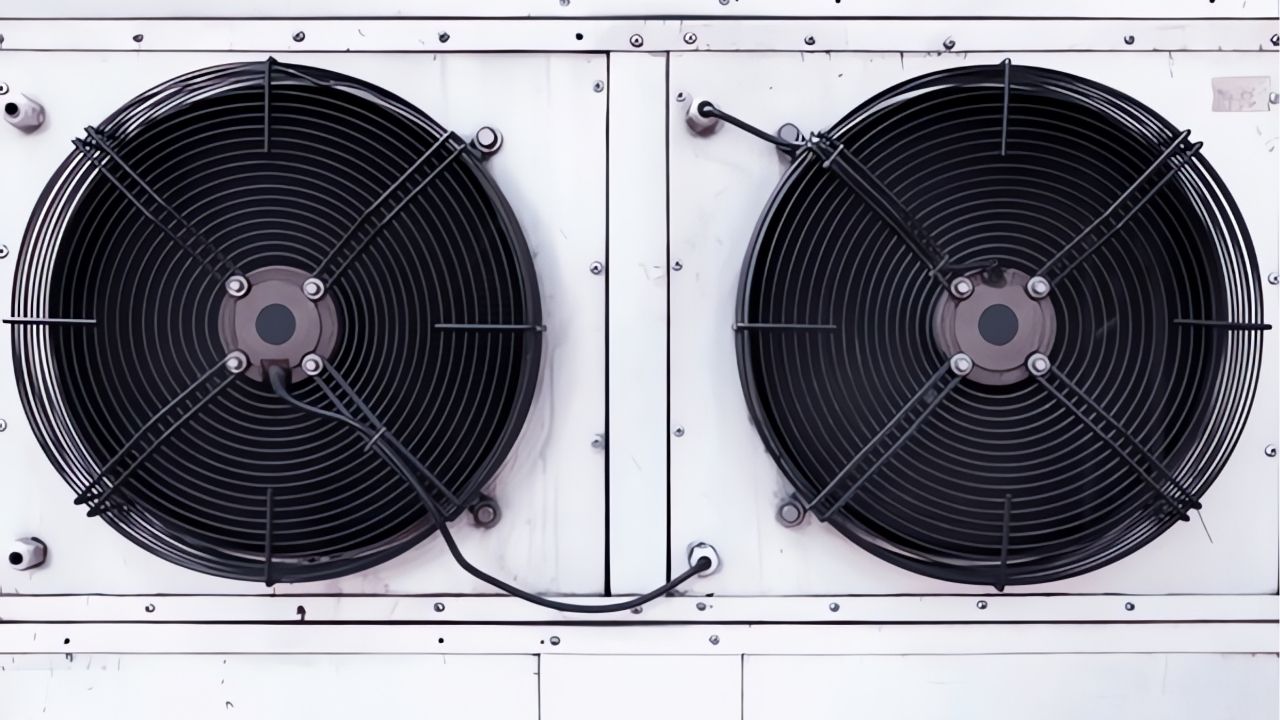
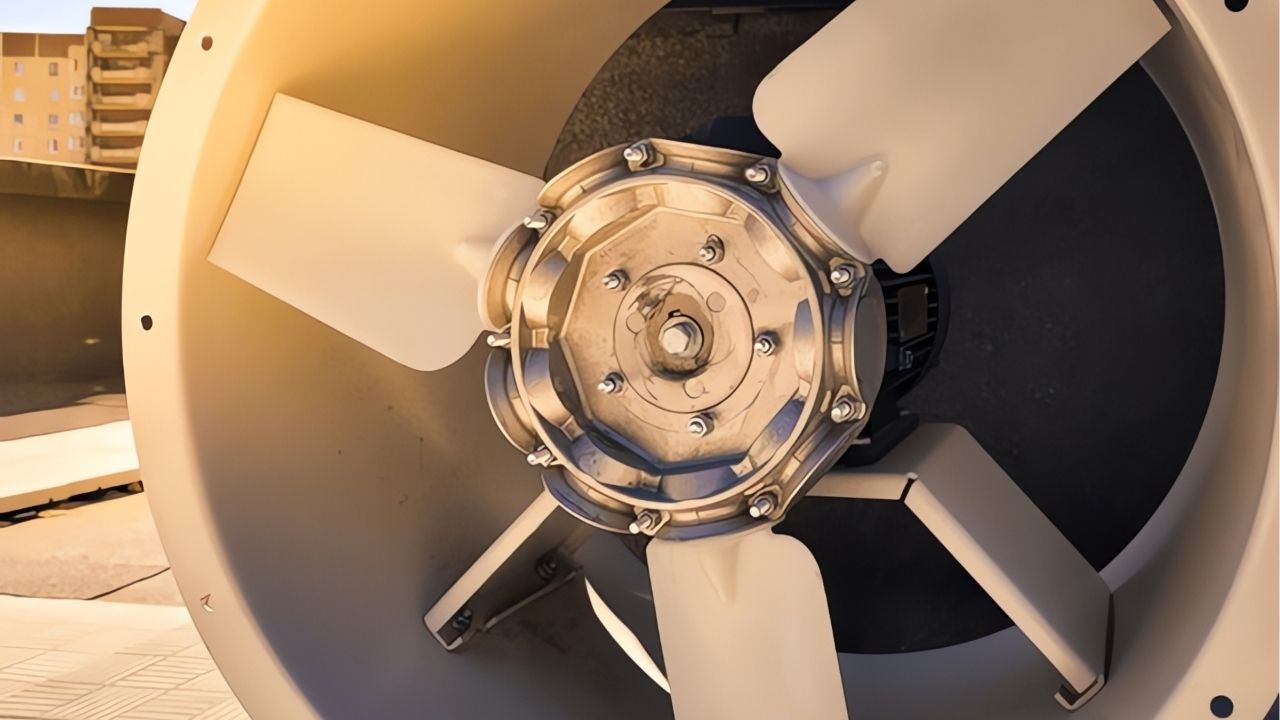
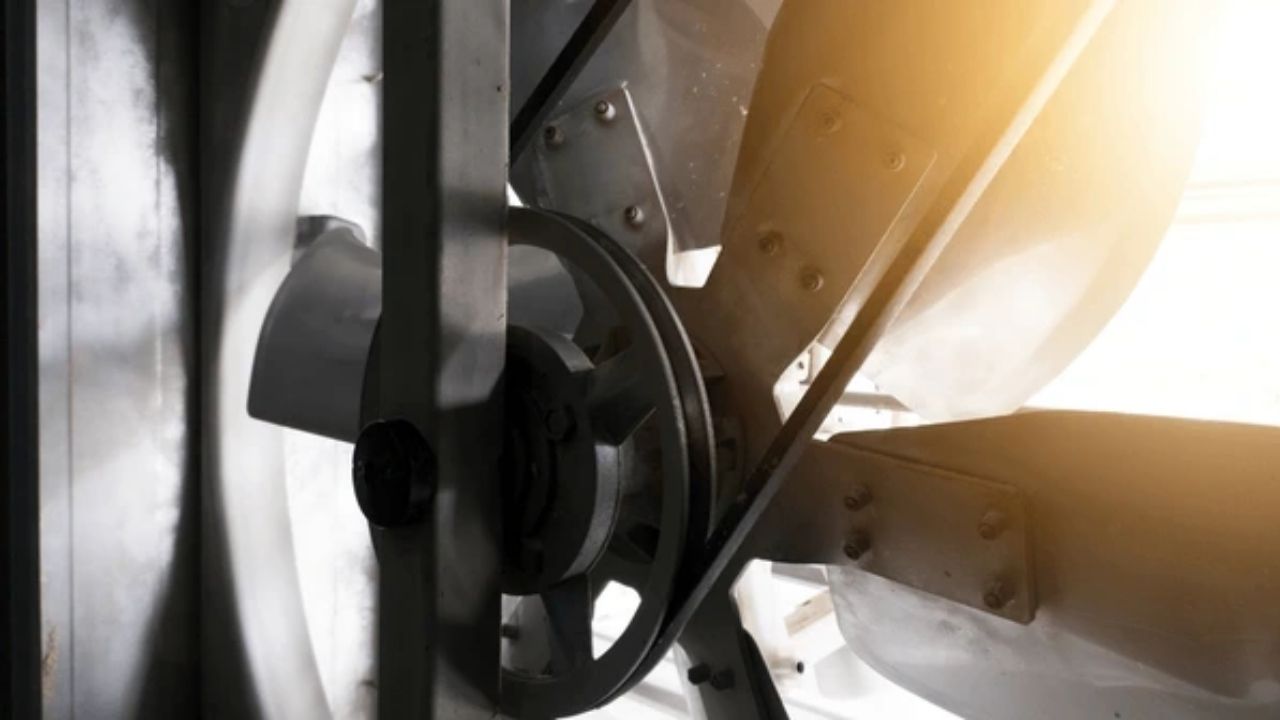
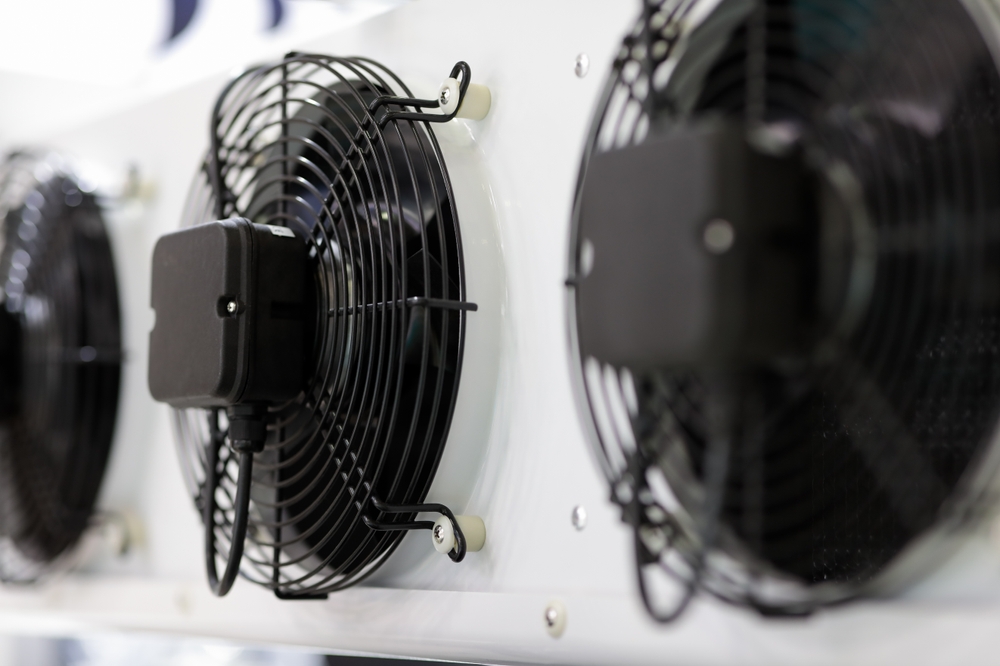
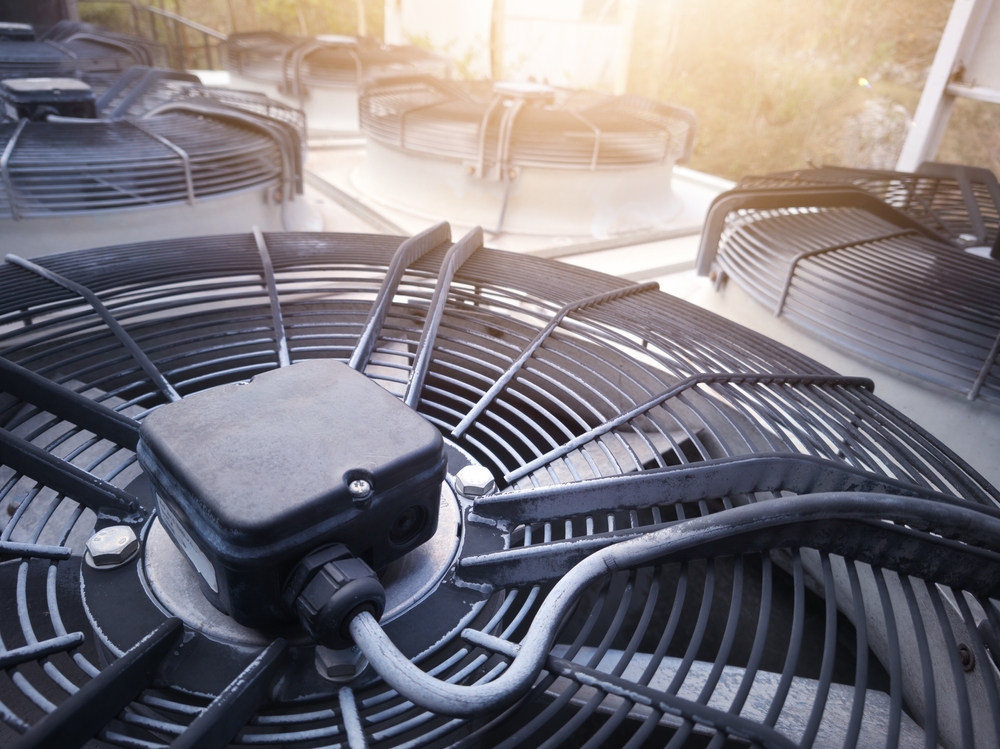
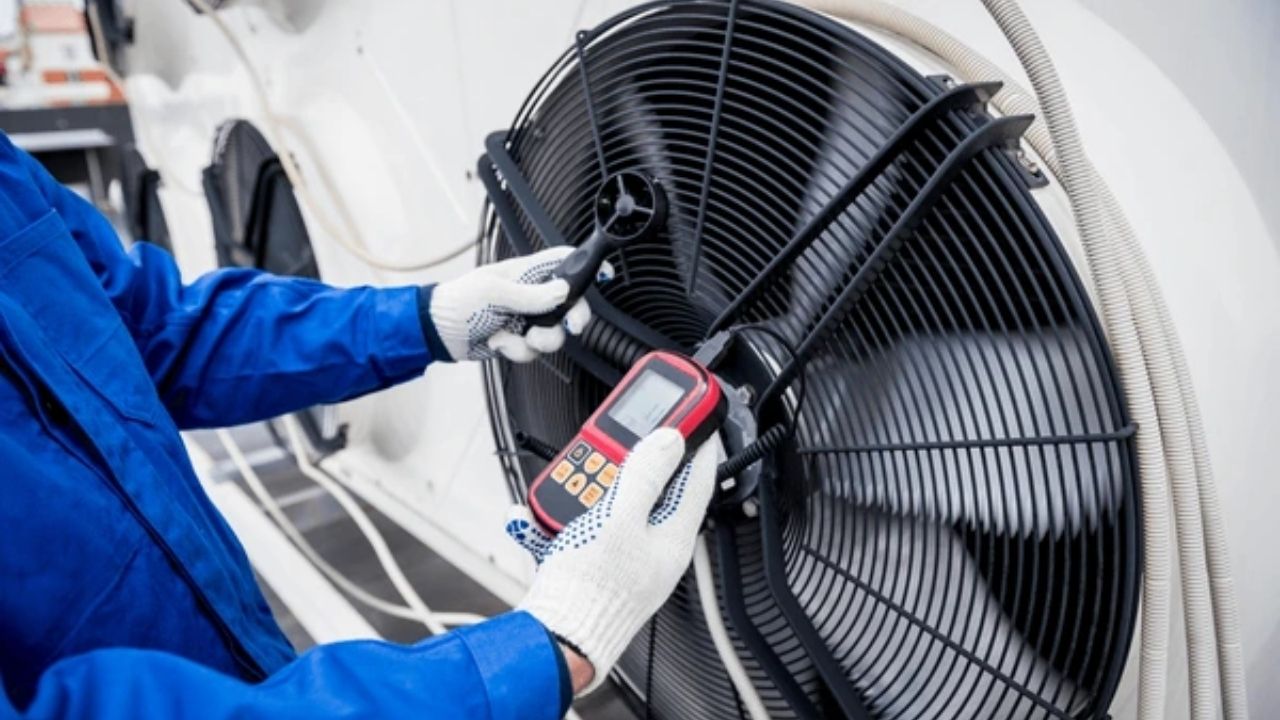
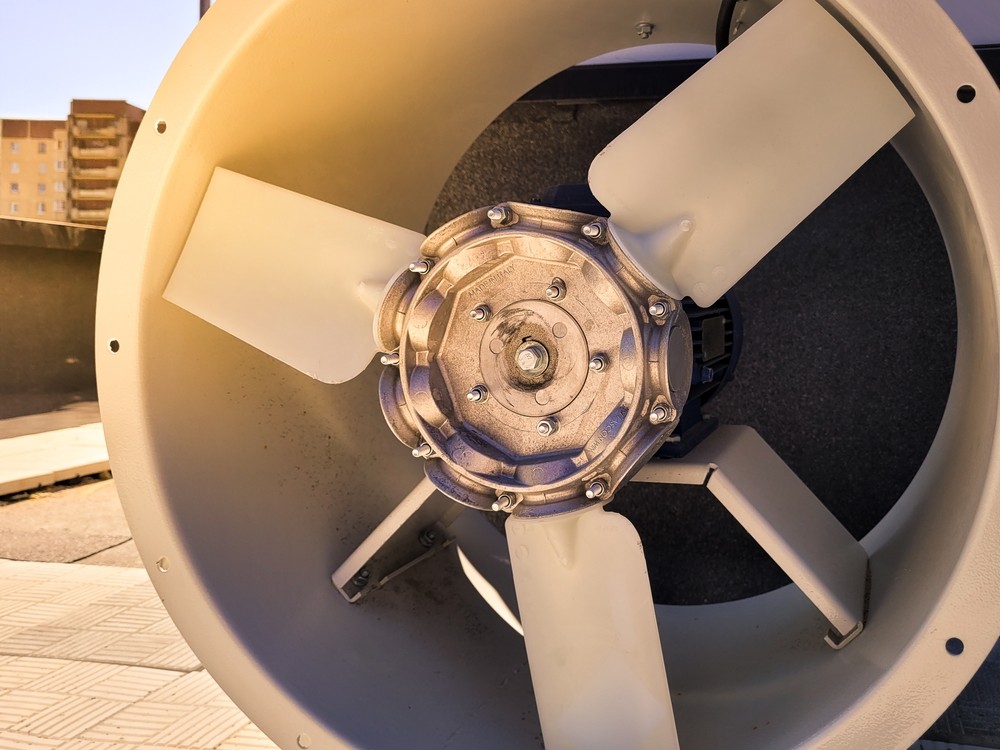
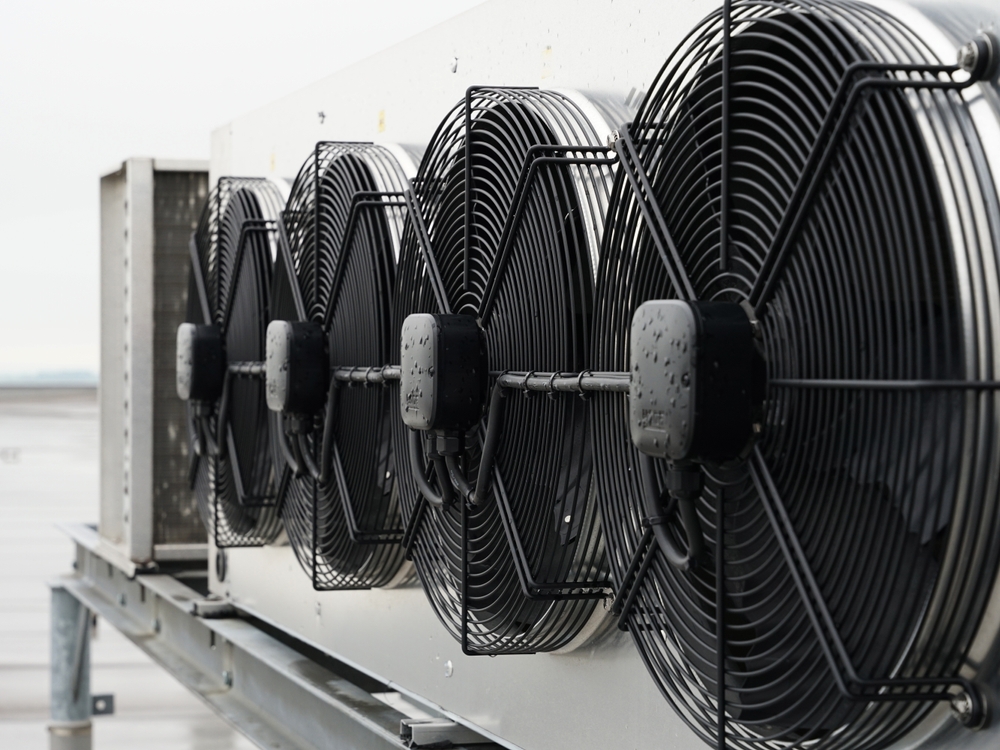
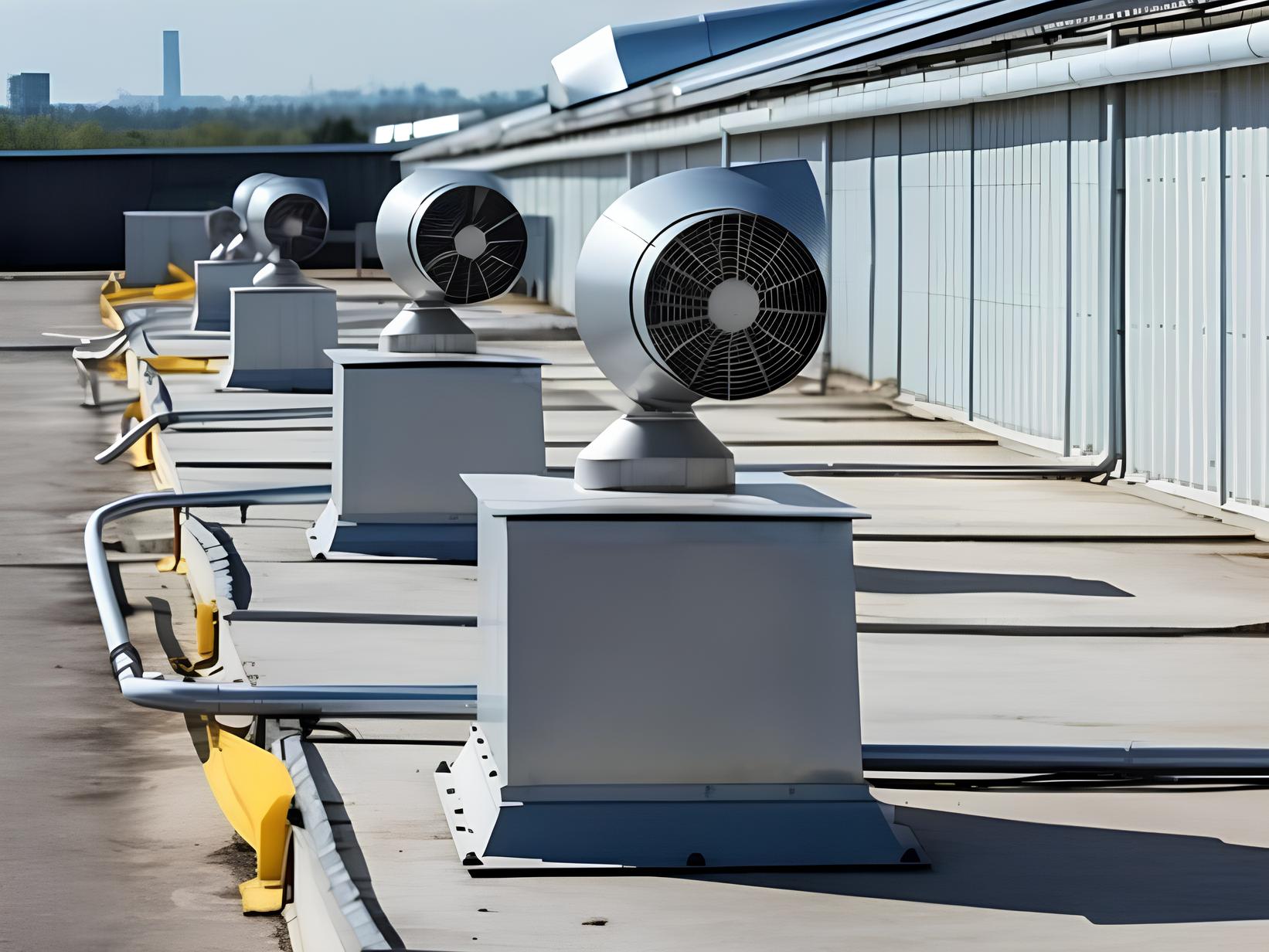
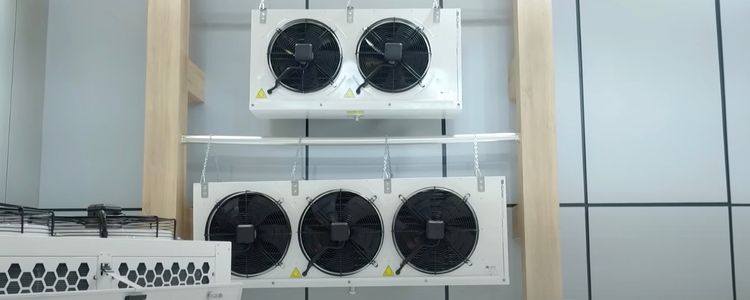
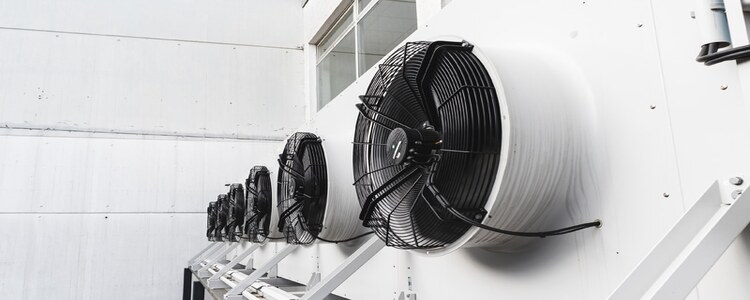
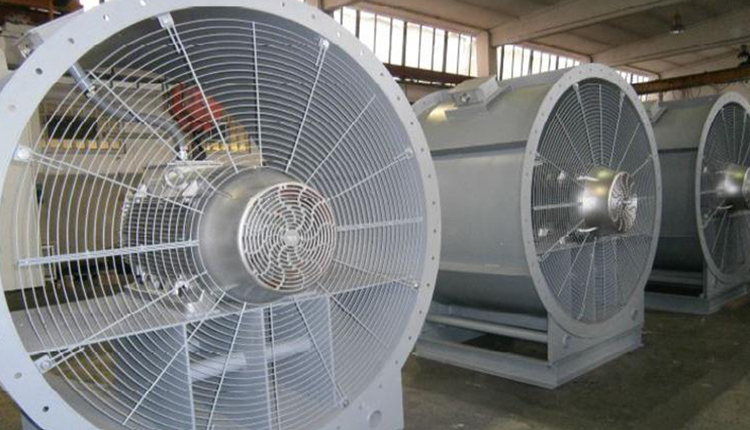
Fans move the required amount of air across evaporator and air-cooled condenser surfaces. At the evaporator, airflow affects temperature distribution in the room; at the condenser, it affects heat rejection. The fan's operating point should be assessed together with the air-side resistance of the heat exchanger it serves.
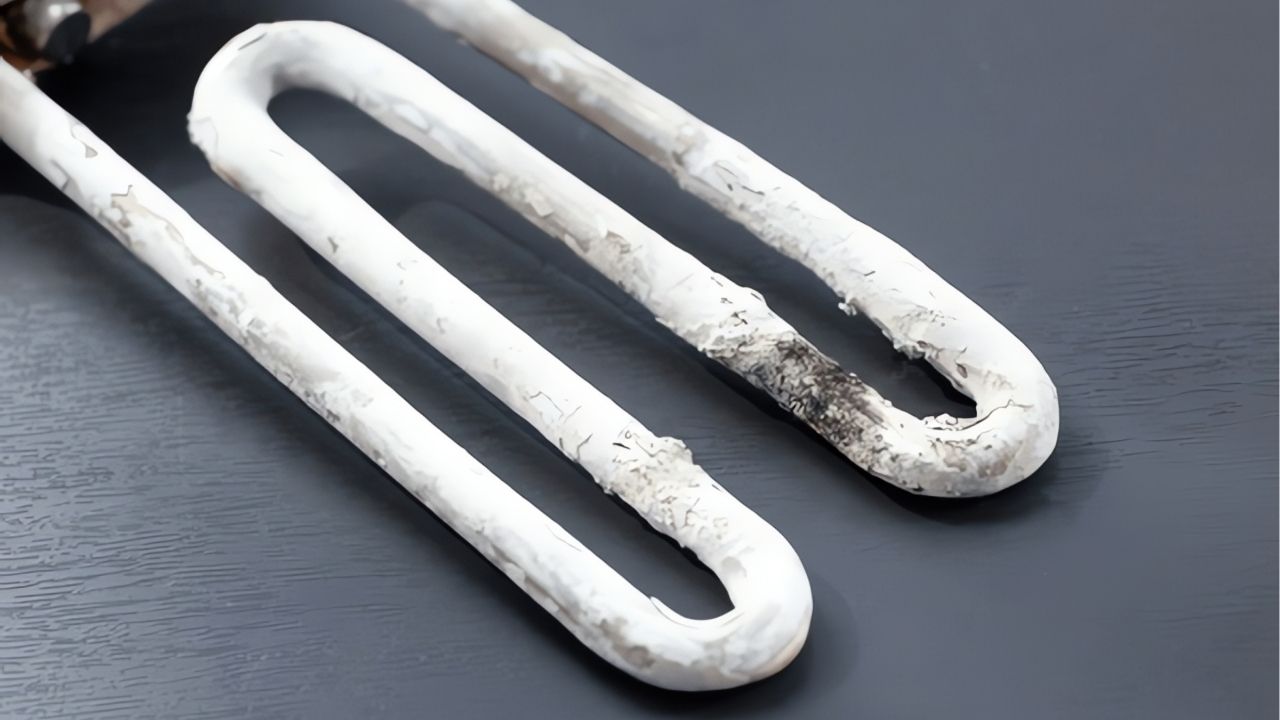
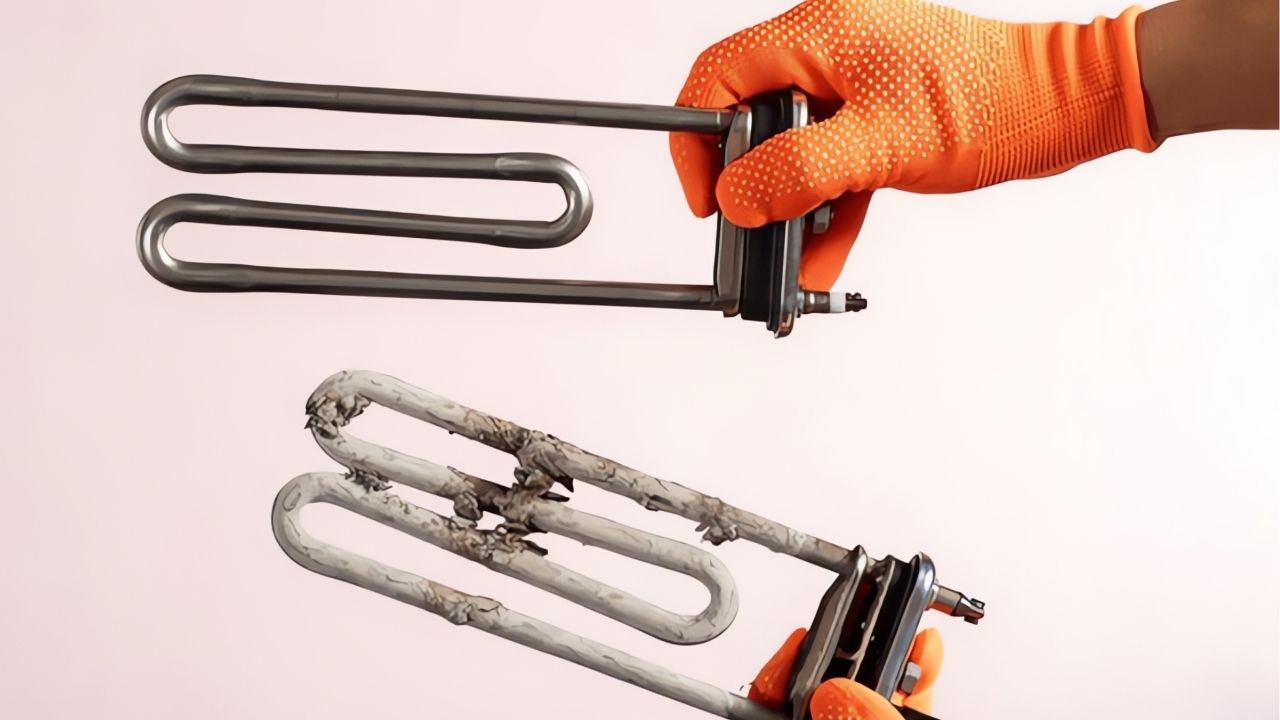
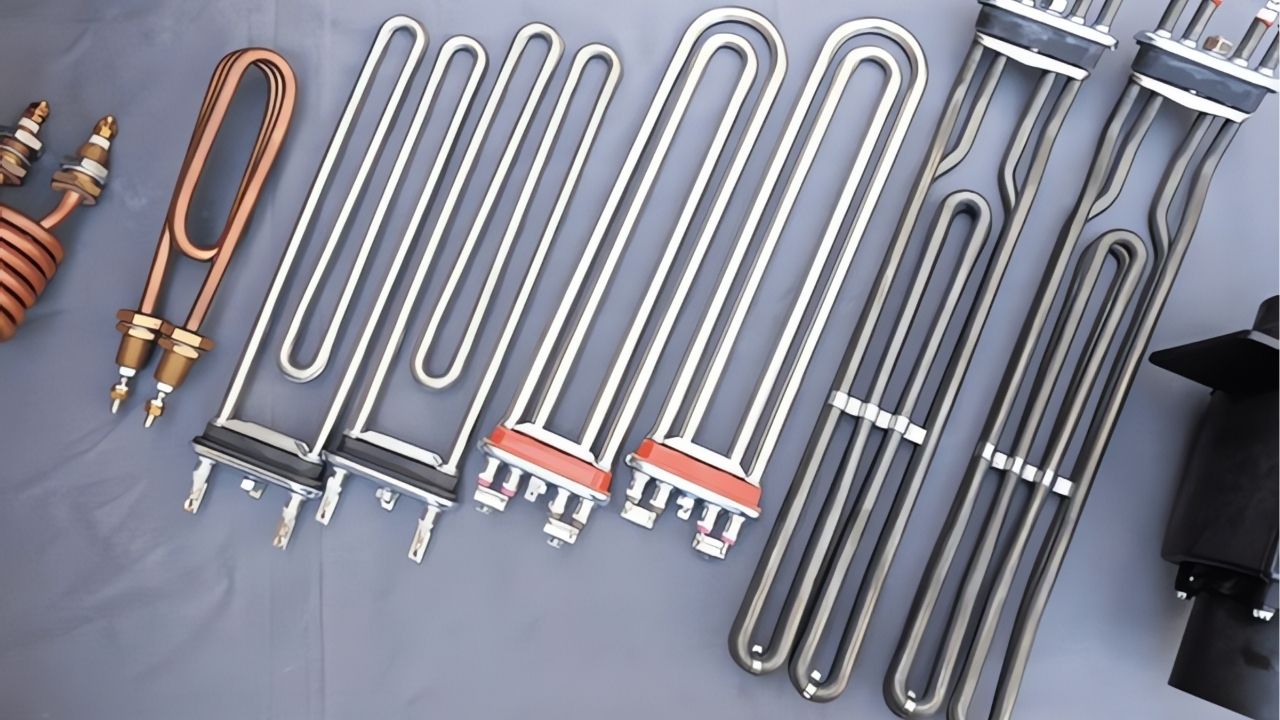
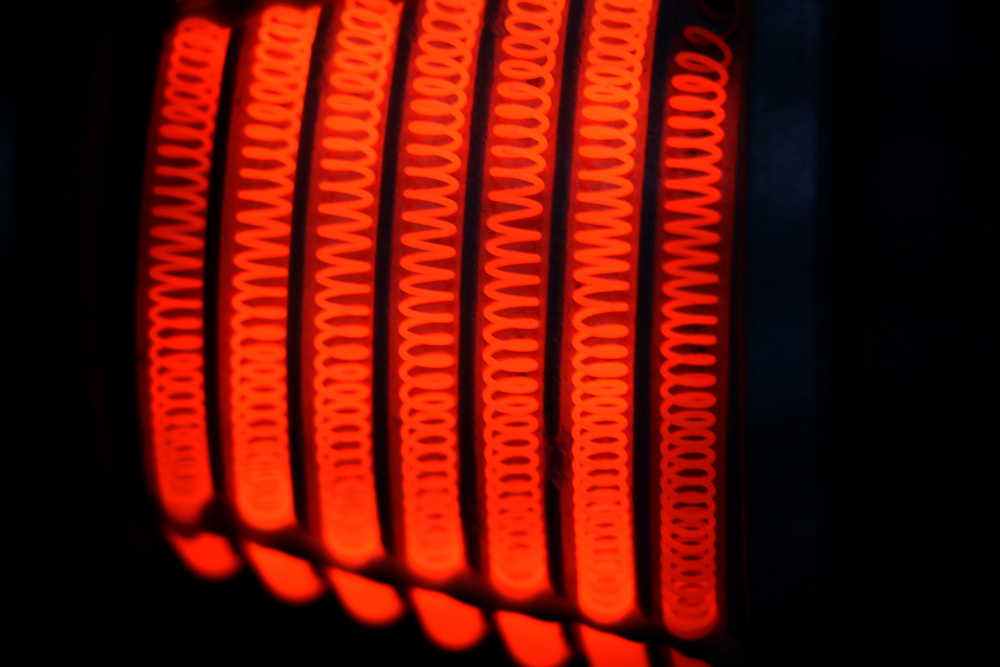
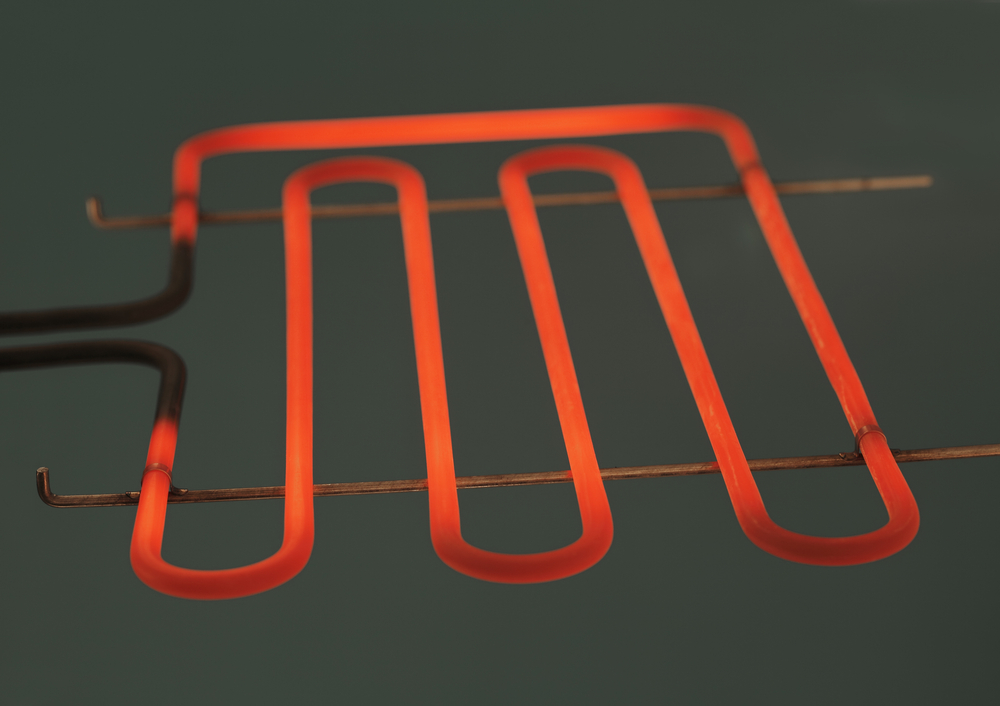
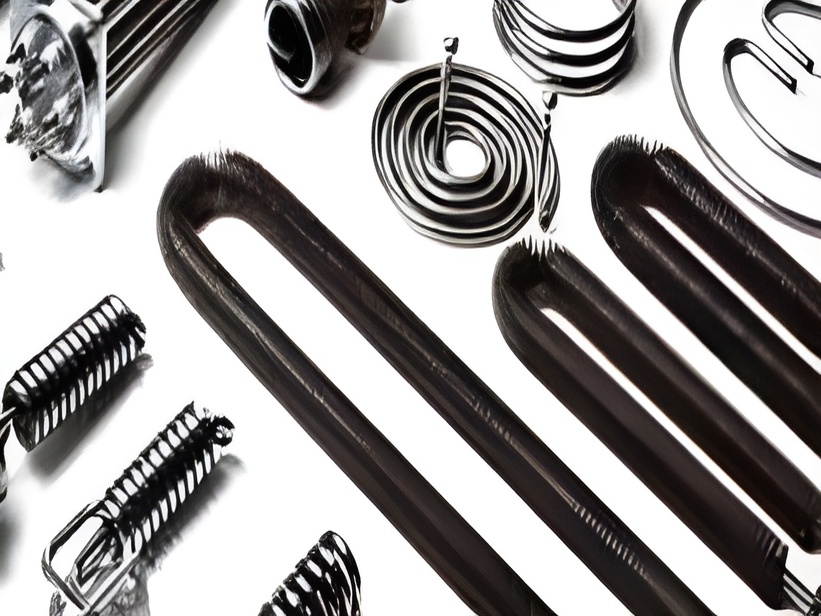
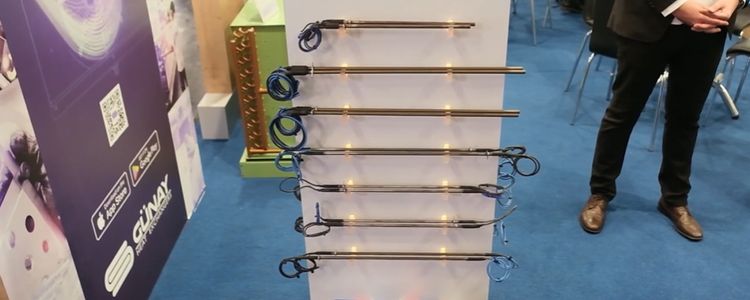
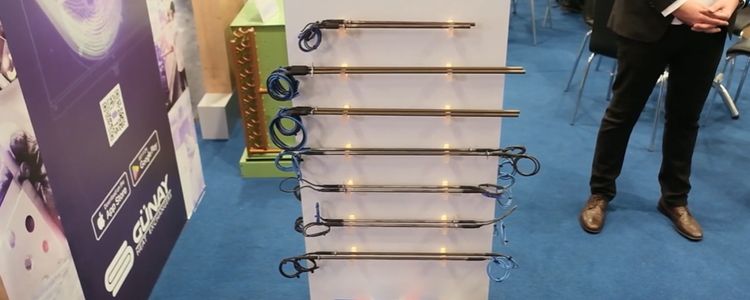
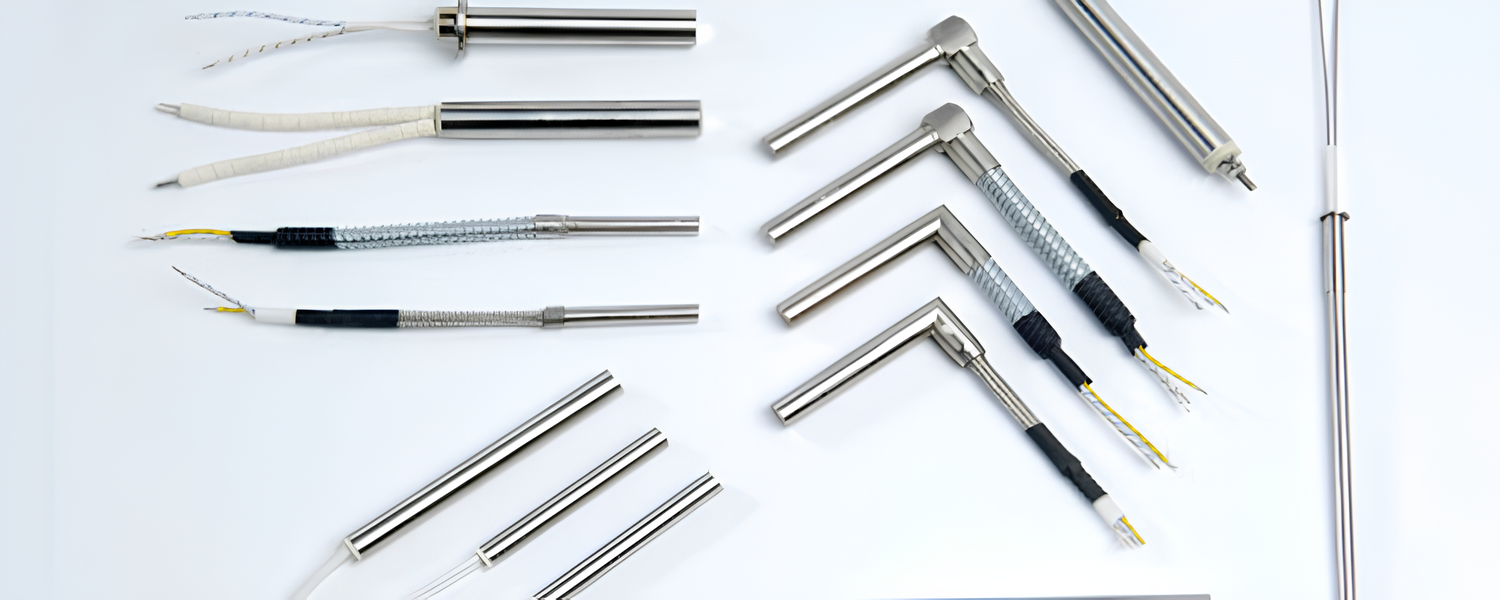
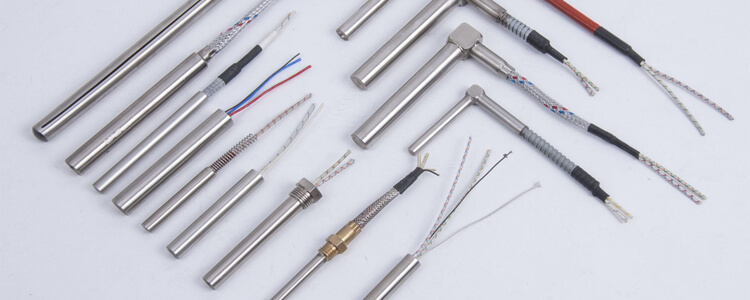
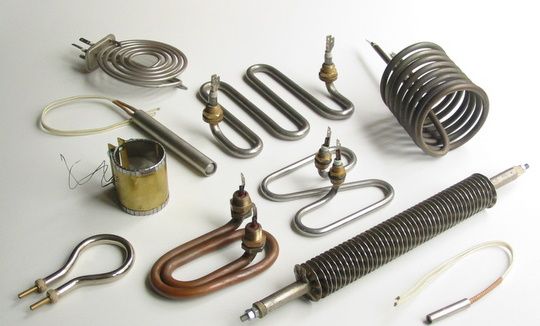
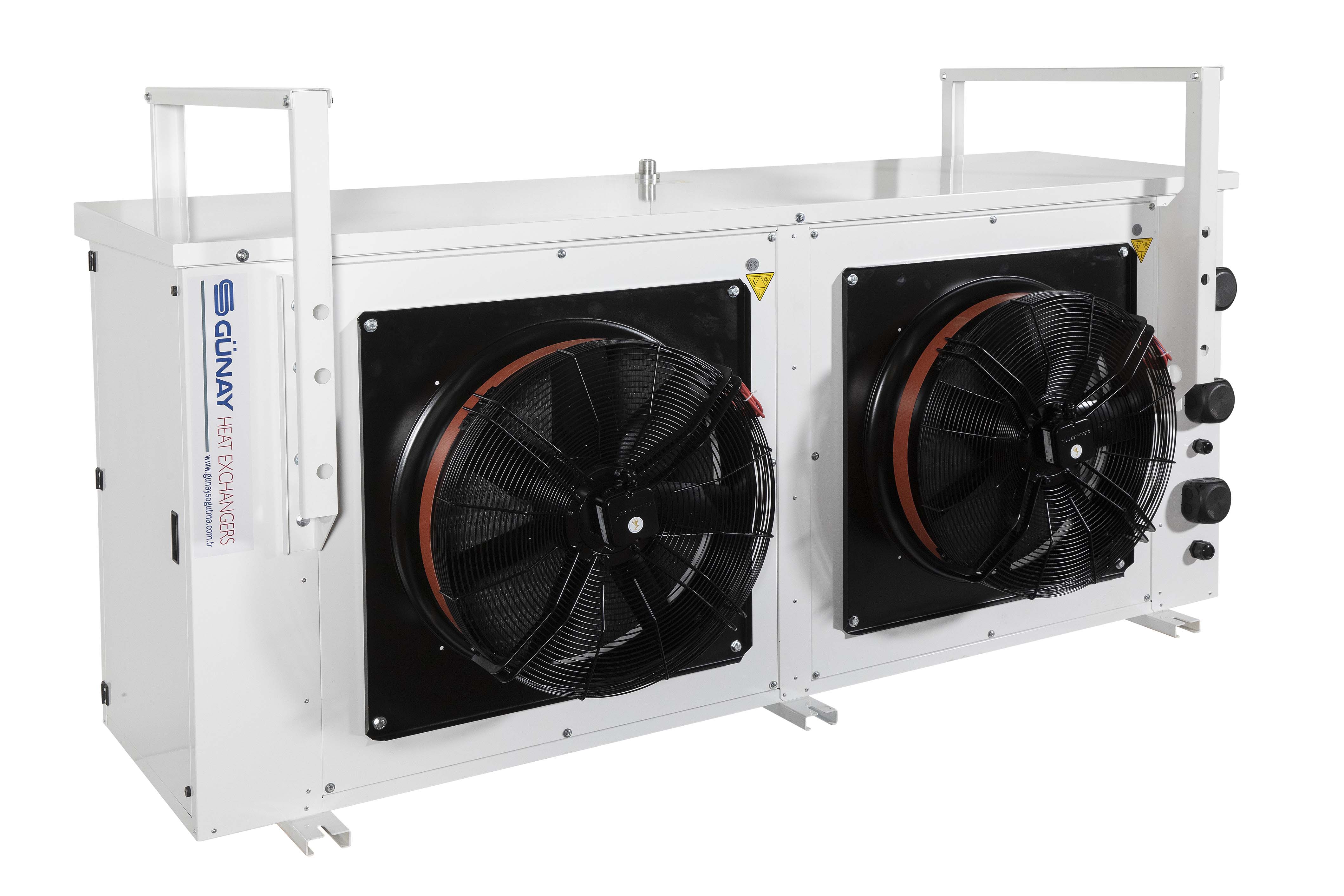
In some low-temperature evaporators, defrost heaters melt ice that forms on the surface. Not every system requires electric defrost; the method depends on the application's temperature and operating conditions. Defrost prevents ice from reducing airflow and heat transfer.
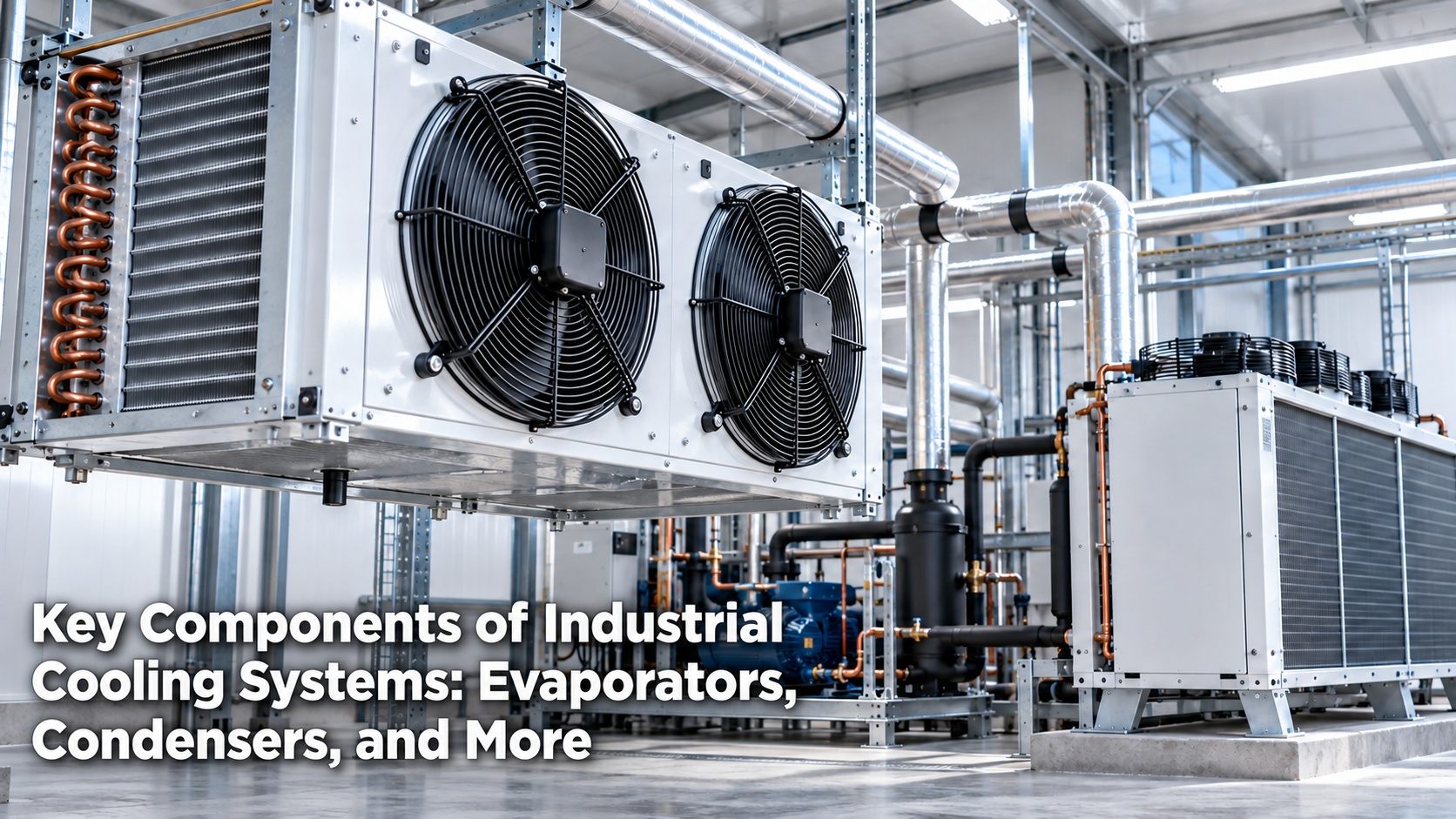
The refrigerant absorbs heat in the evaporator, is compressed in the compressor, releases heat in the condenser and passes through the expansion device before returning to the evaporator. During this cycle, fans provide airflow and, where needed, the defrost arrangement removes ice from the evaporator surface.
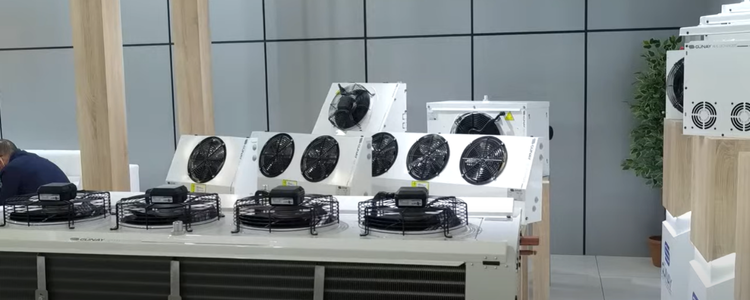
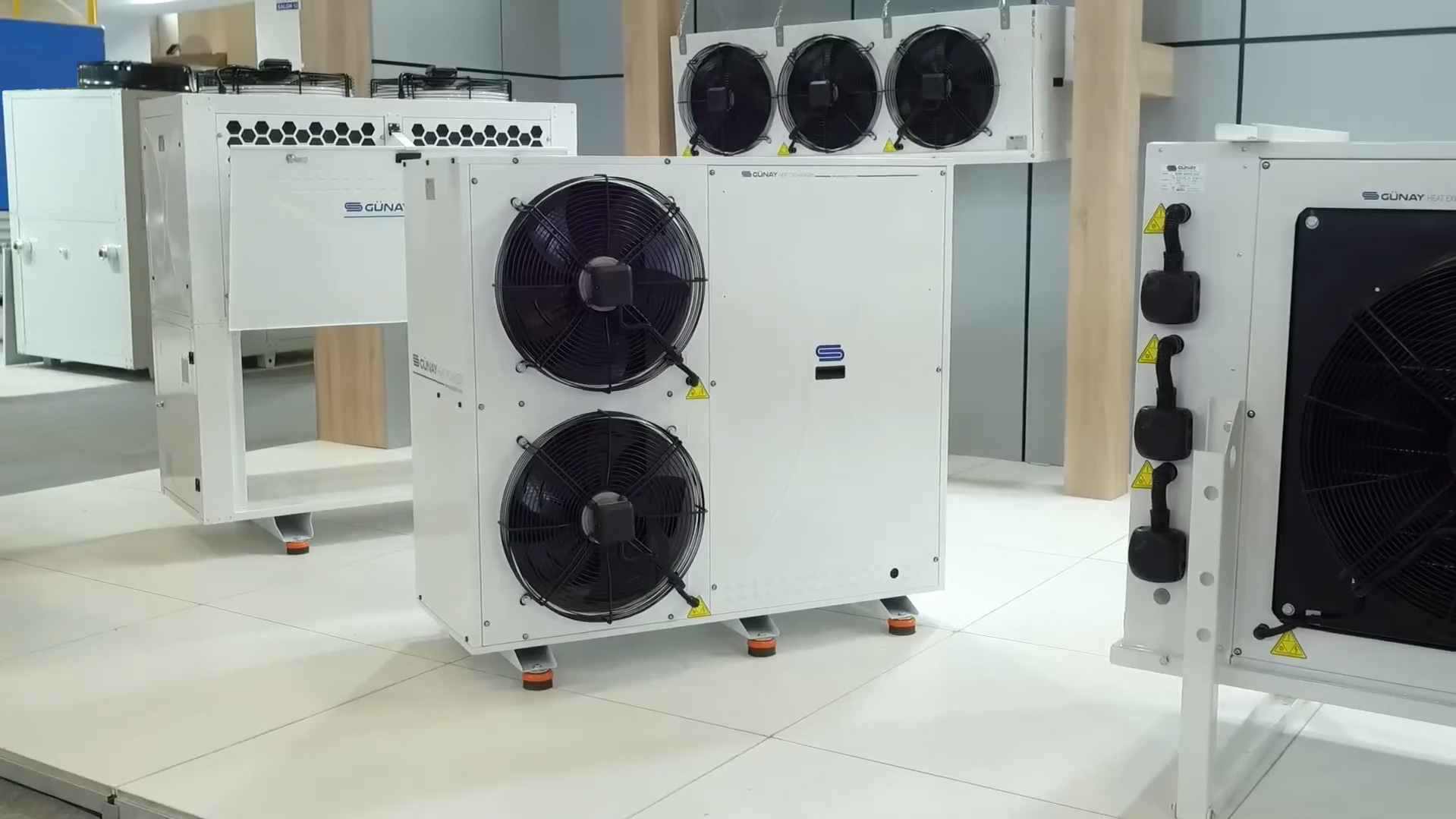
Günay Soğutma's evaporator, condenser, fan and heater products are used in the relevant parts of this cycle. Selecting suitable equipment requires the target temperature, heat load, refrigerant and installation conditions to be assessed together.

Fill out the form to discover the most suitable high-end products for your projects. Contact Us Now.
Fill out the form now not to miss our special offers for you! The latest discover our products and innovations.
Fill out the form now not to miss our special offers for you! The latest discover our products and innovations.
Notification Centre 00:00