

What Conditions Are Evaporator Catalogue Capacities Based On?
01 / 10 / 2026

In industrial facilities, cooling can account for a significant share of electricity consumption. The first way to reduce cost is therefore to install a correctly sized system with efficient components. Günay Soğutma contributes to this goal by manufacturing heat transfer equipment such as evaporators and condensers according to project needs.
Energy consumption does not depend on the compressor alone. A heat exchanger surface that is sufficient and clean, a correctly chosen axial fan operating point and a defrost arrangement suited to the application prevent the system from running longer than necessary. In areas where temperature stability matters, such as the food sector, these balances carry extra importance.
Made-to-measure production avoids selecting equipment that is too large or too small when standard products do not fit the facility layout or capacity need. Since the energy gain depends on the facility, the way it is operated and the existing system, no specific saving rate can be promised without a detailed assessment.
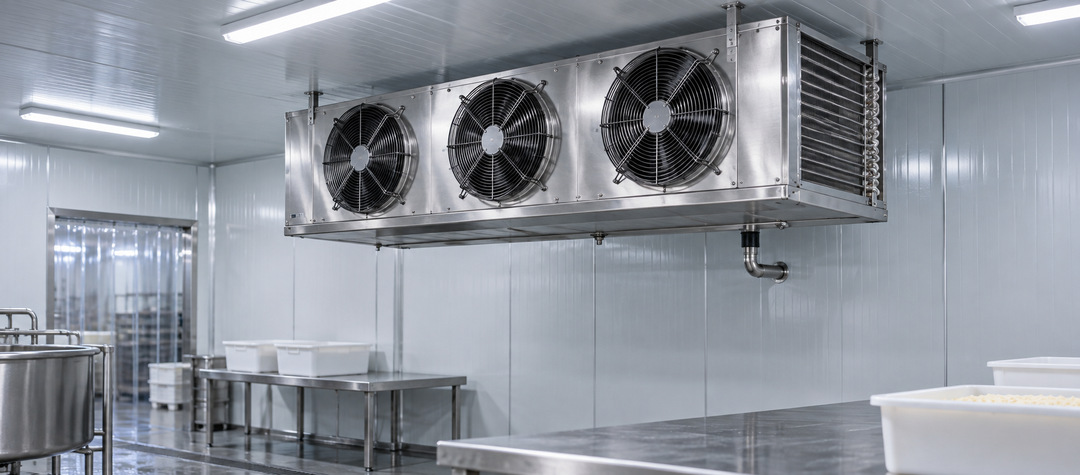
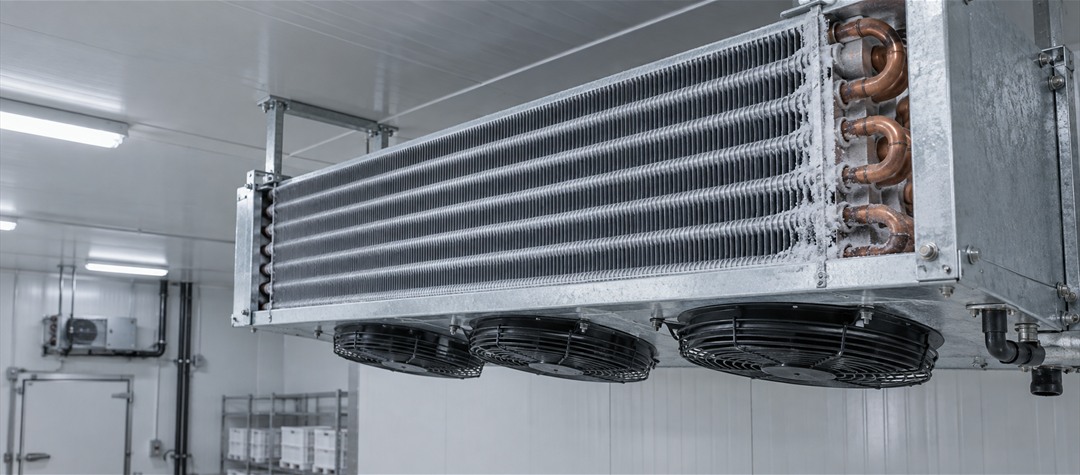
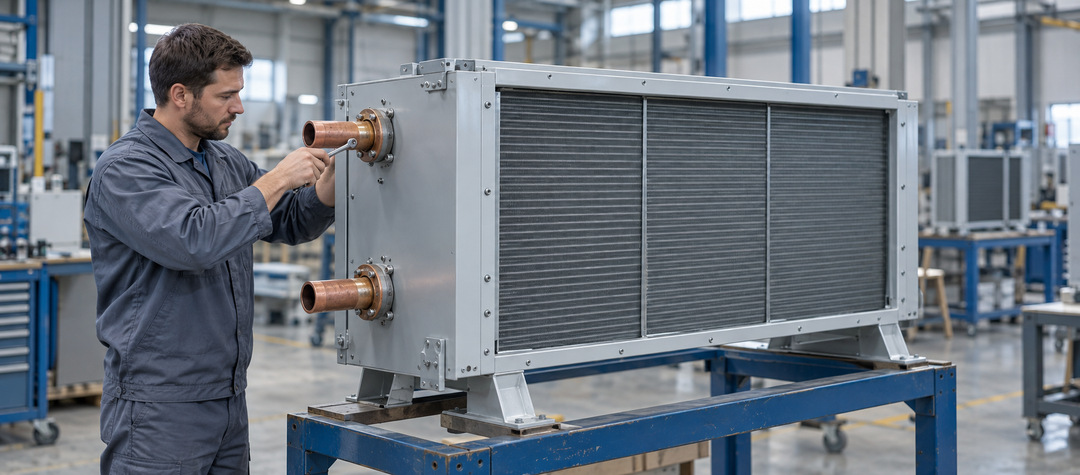
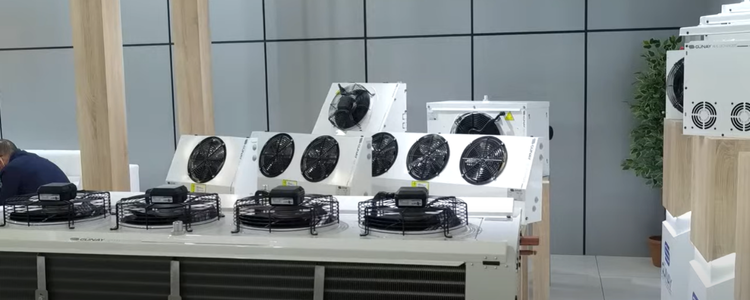
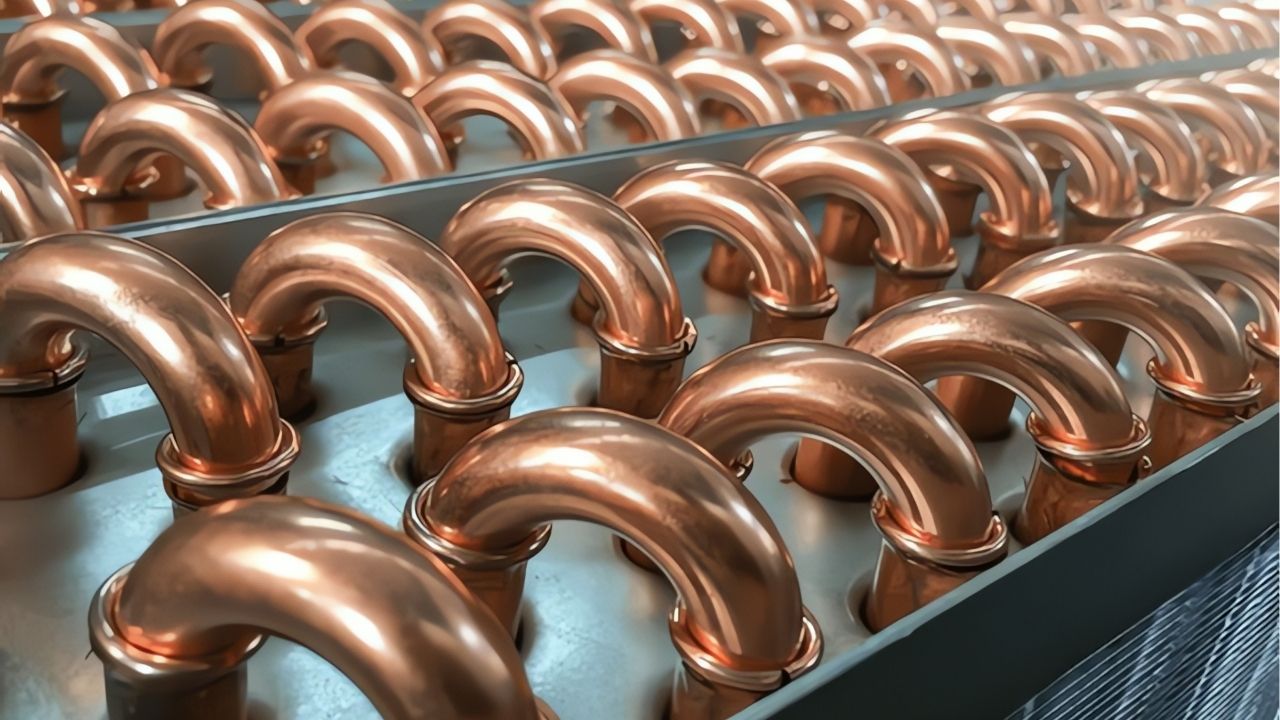
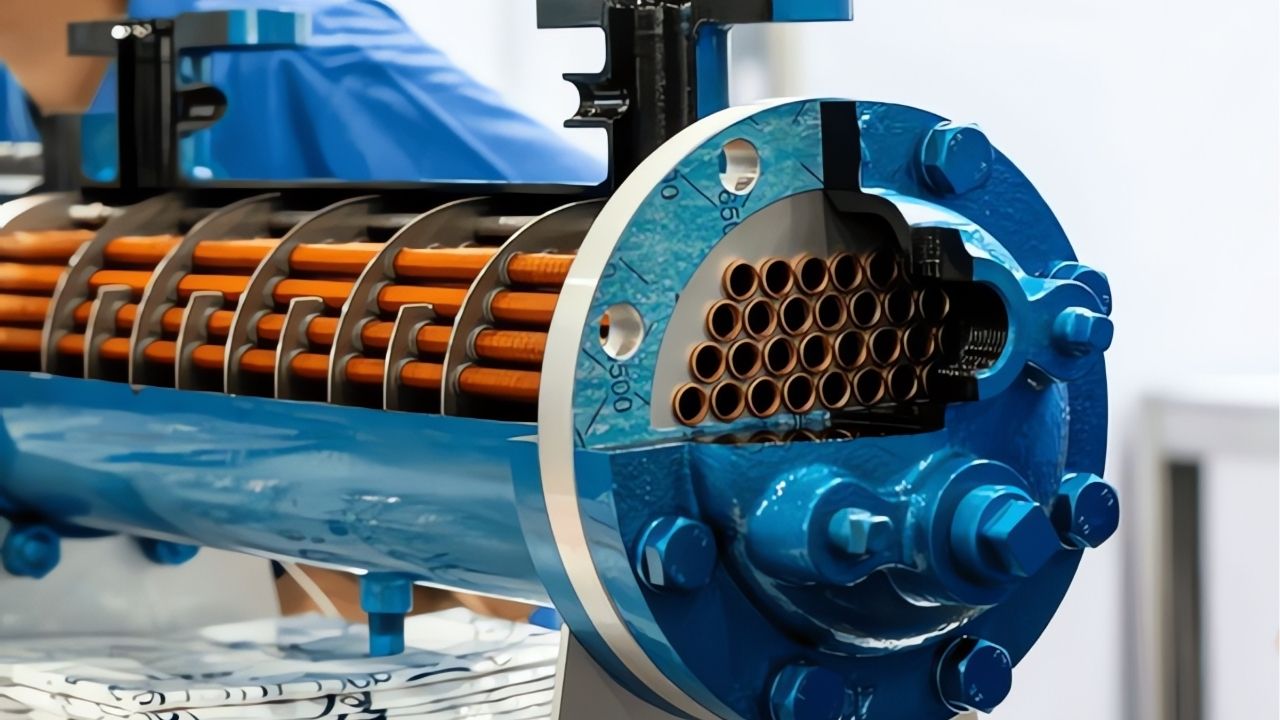
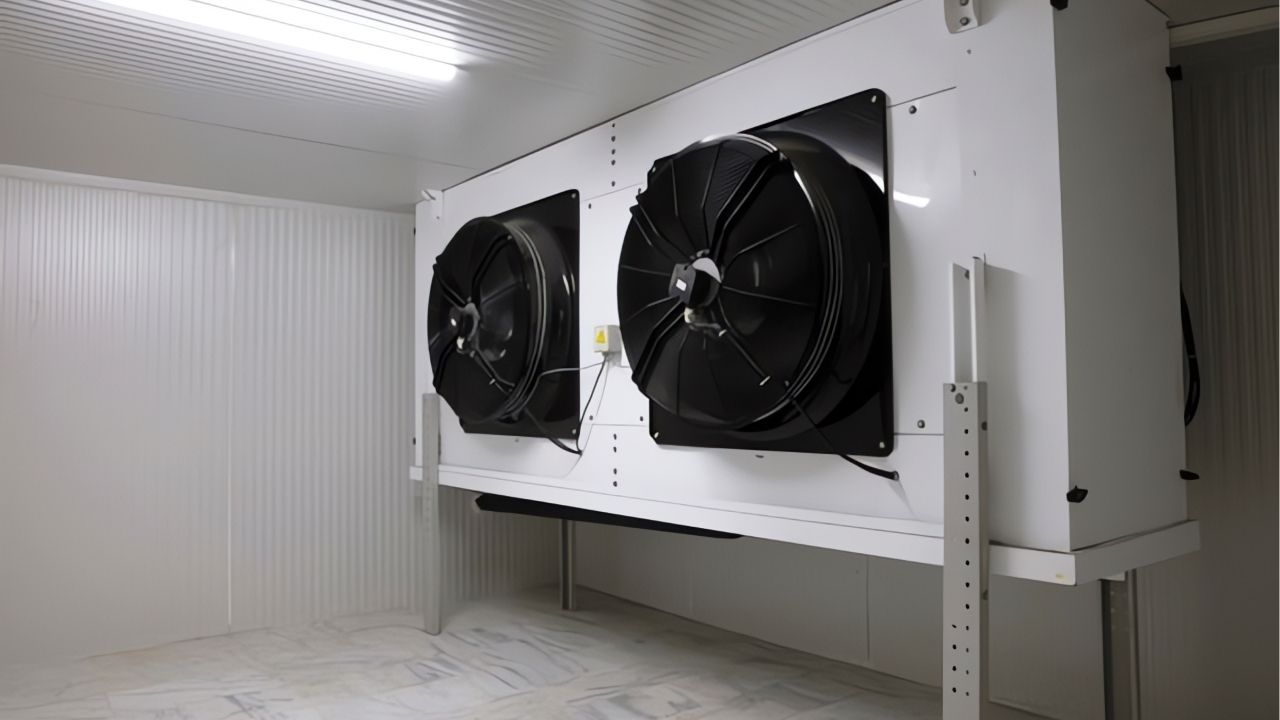
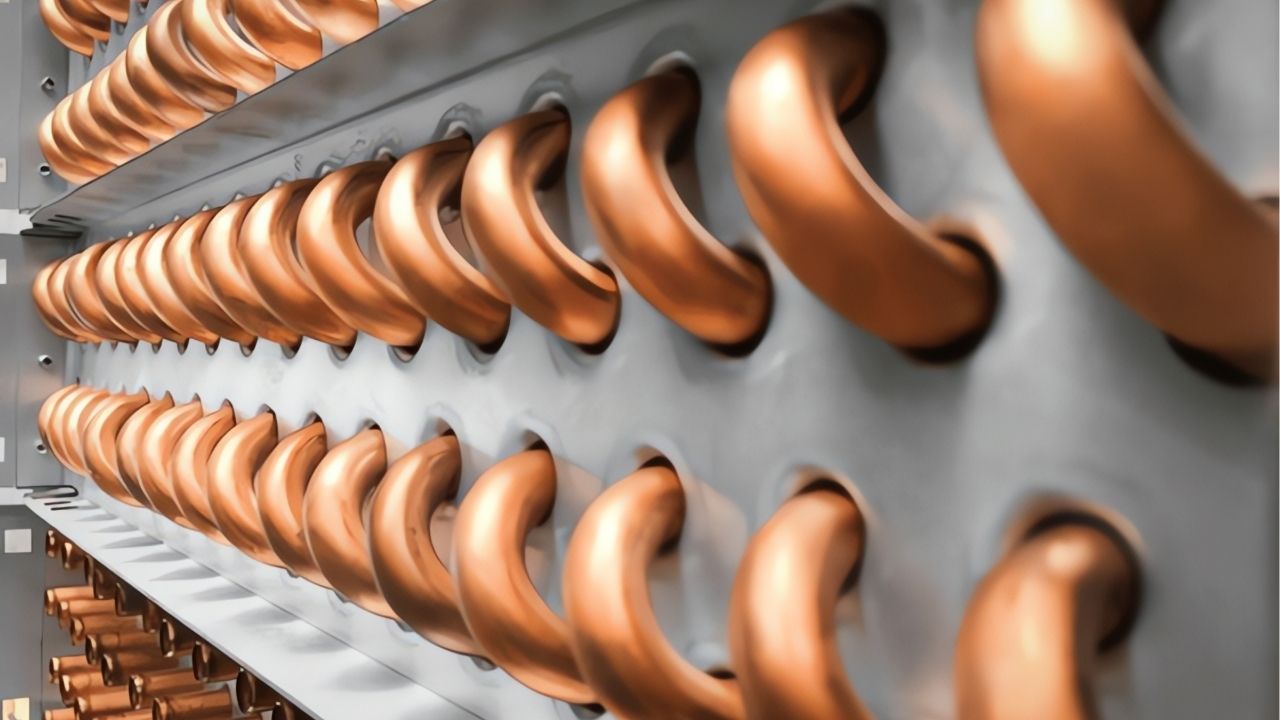
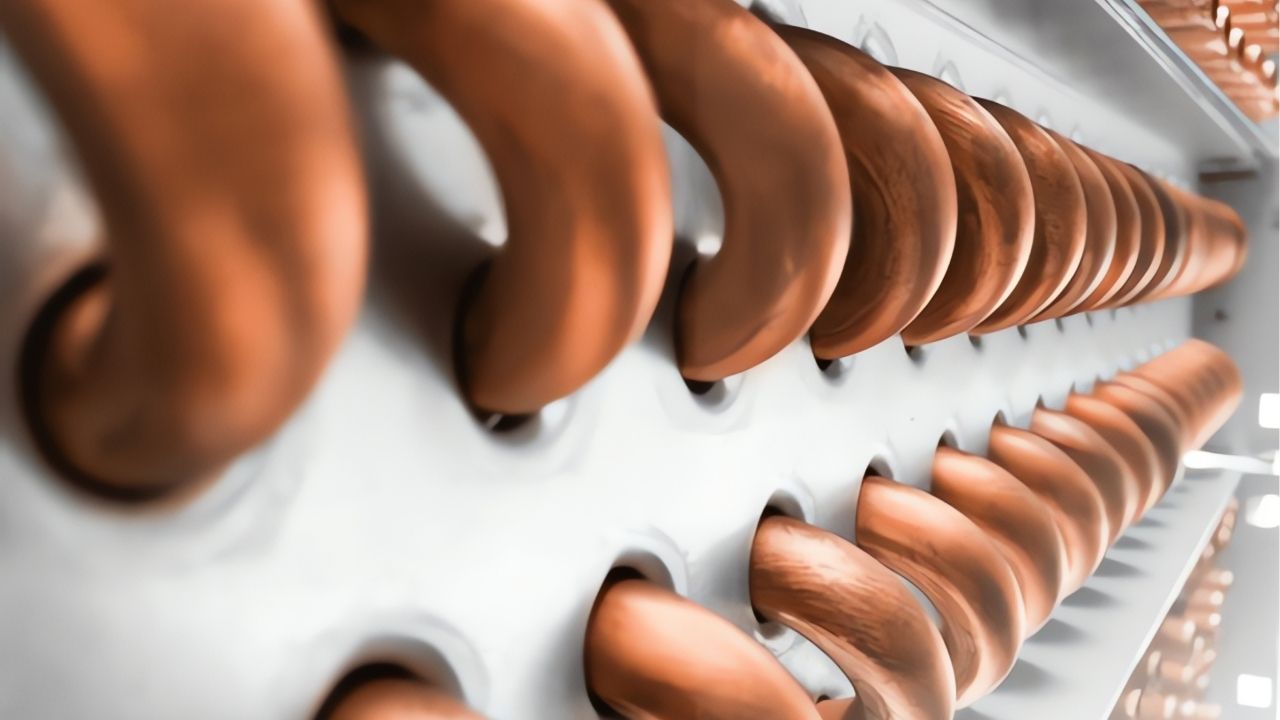
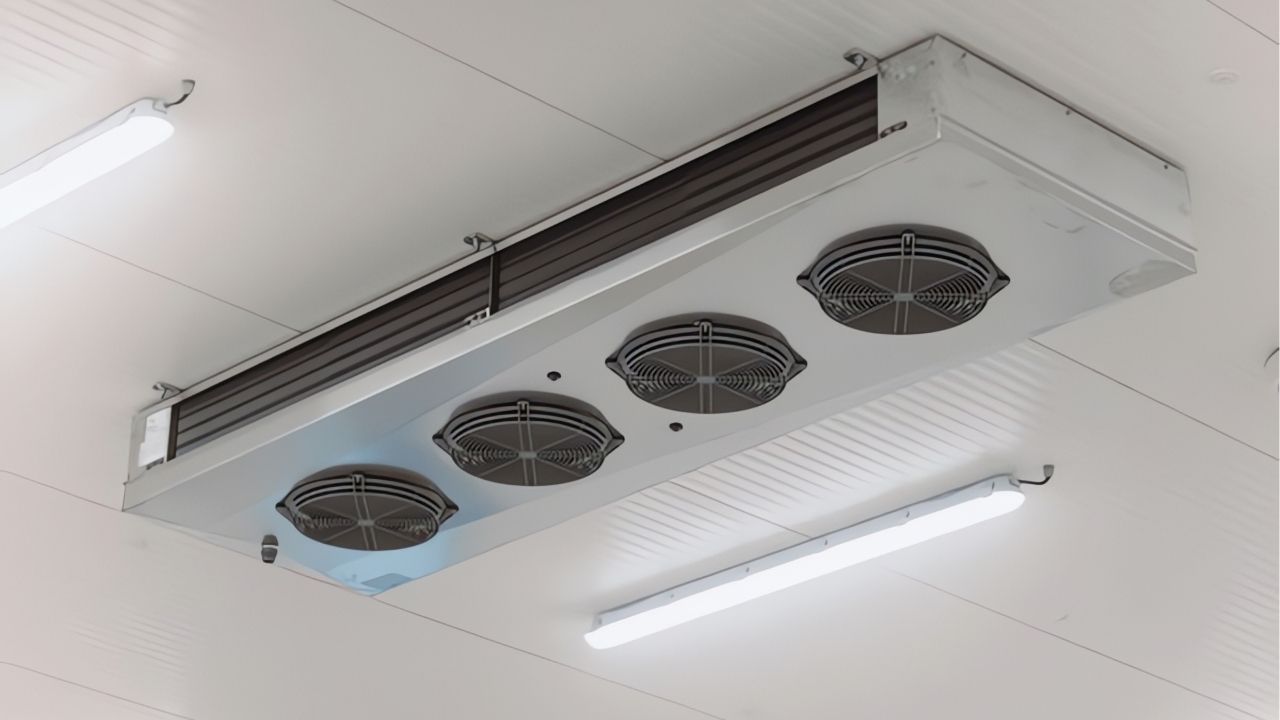
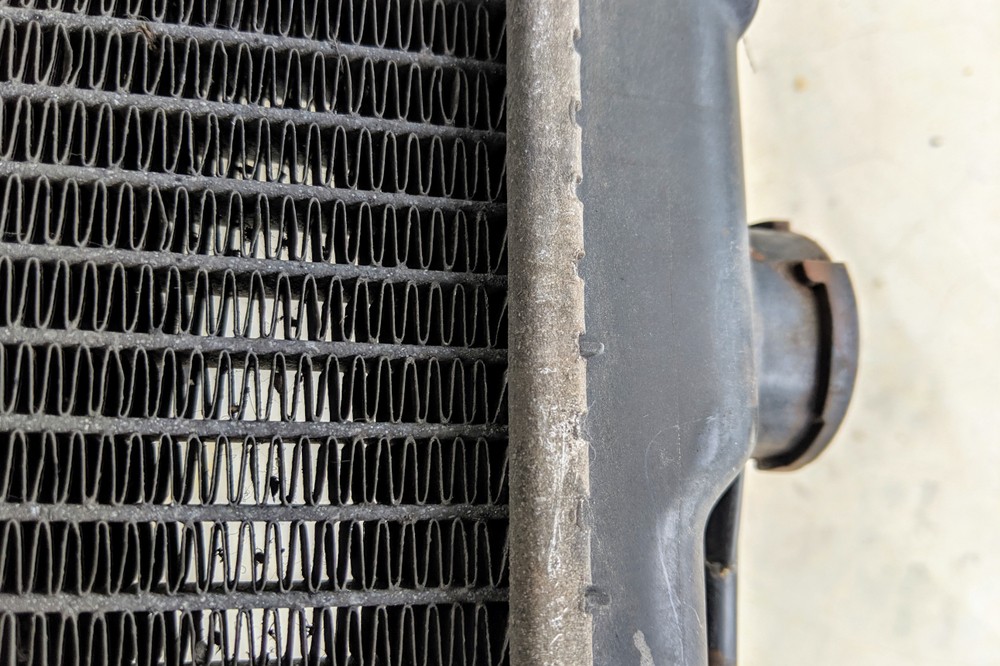
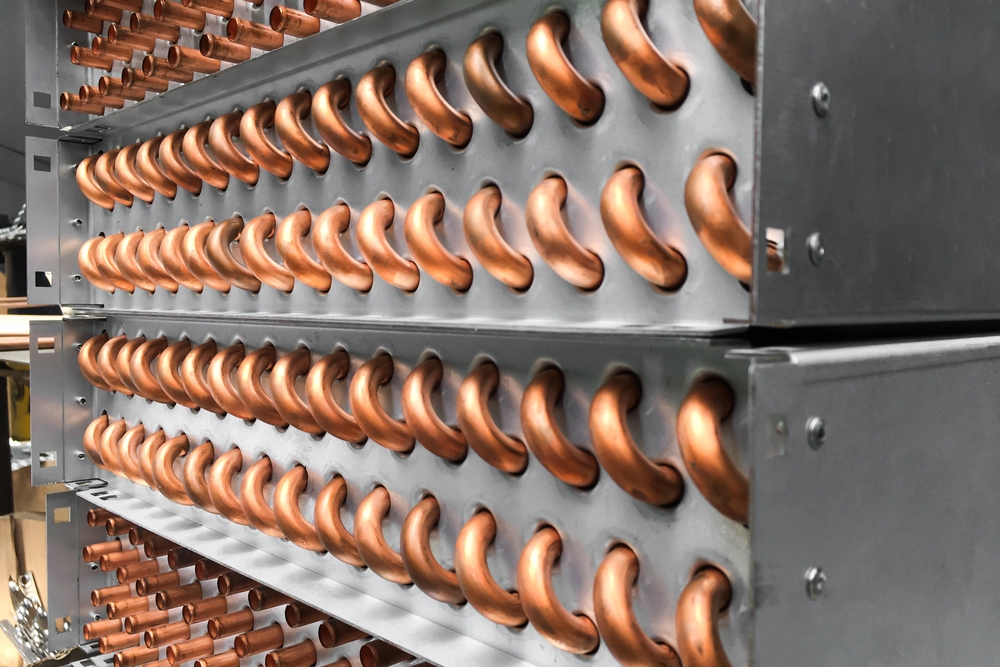
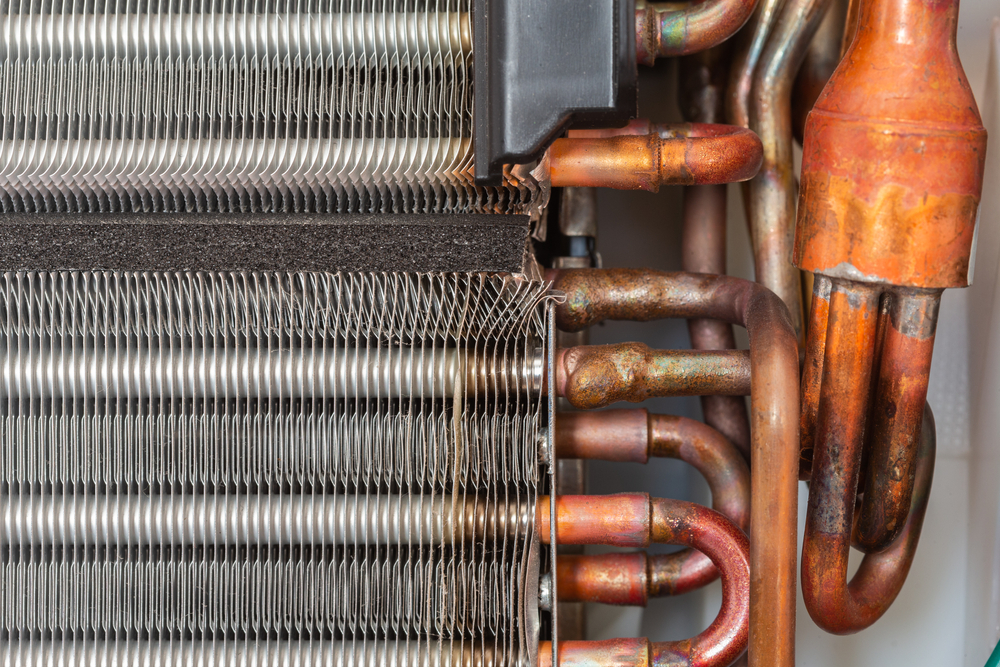
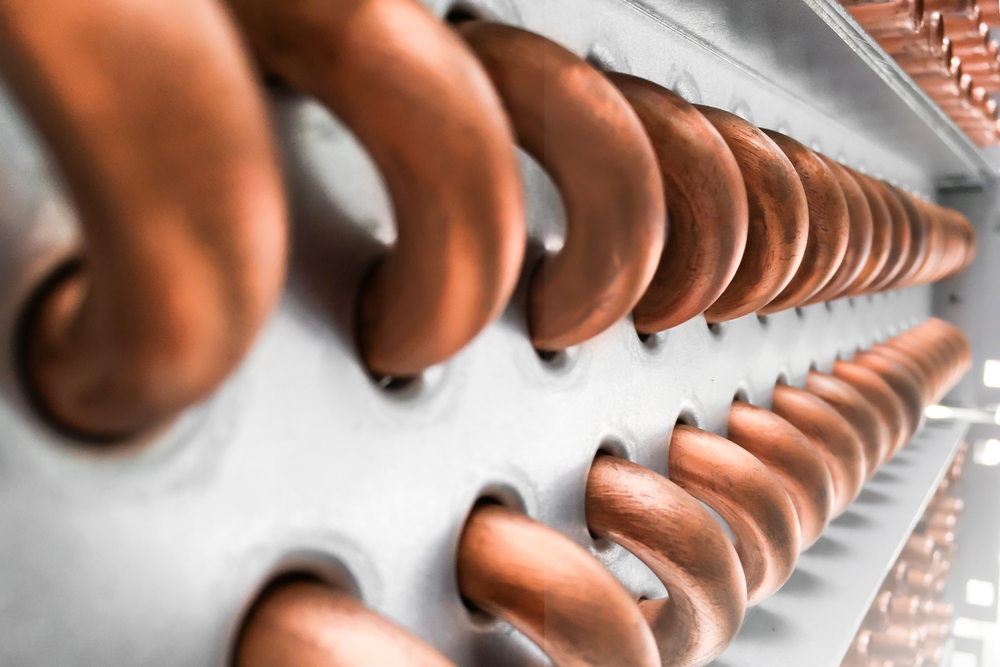
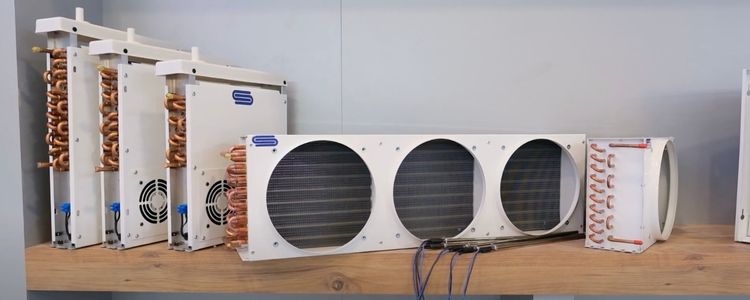
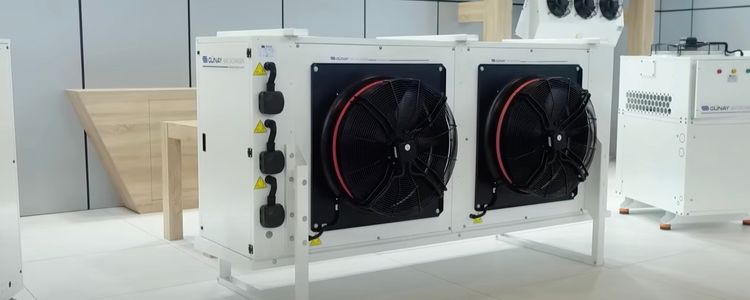
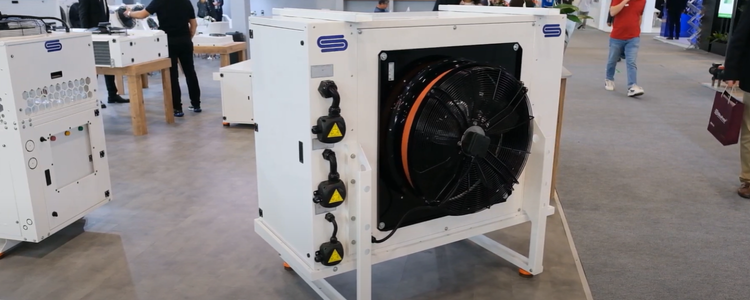
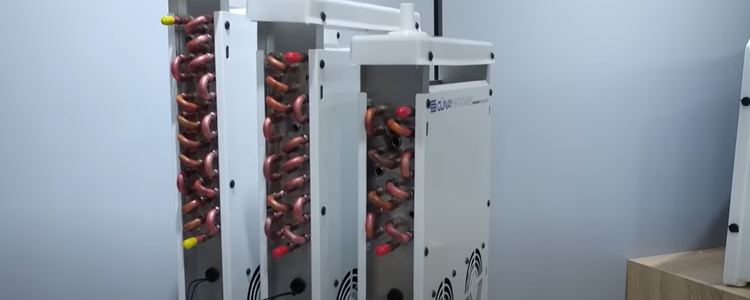
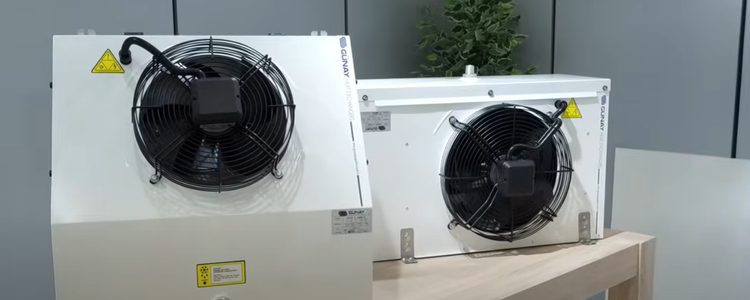
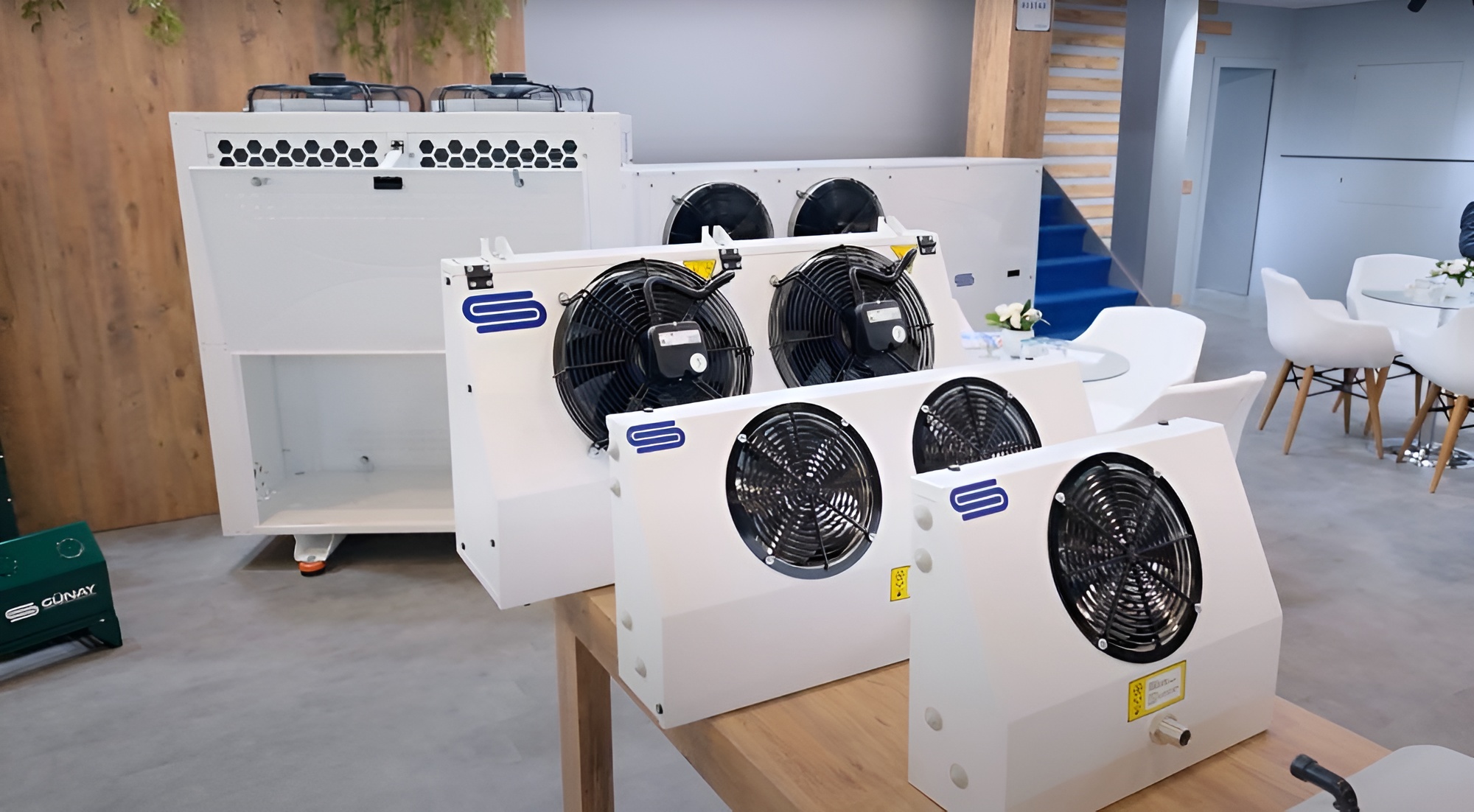
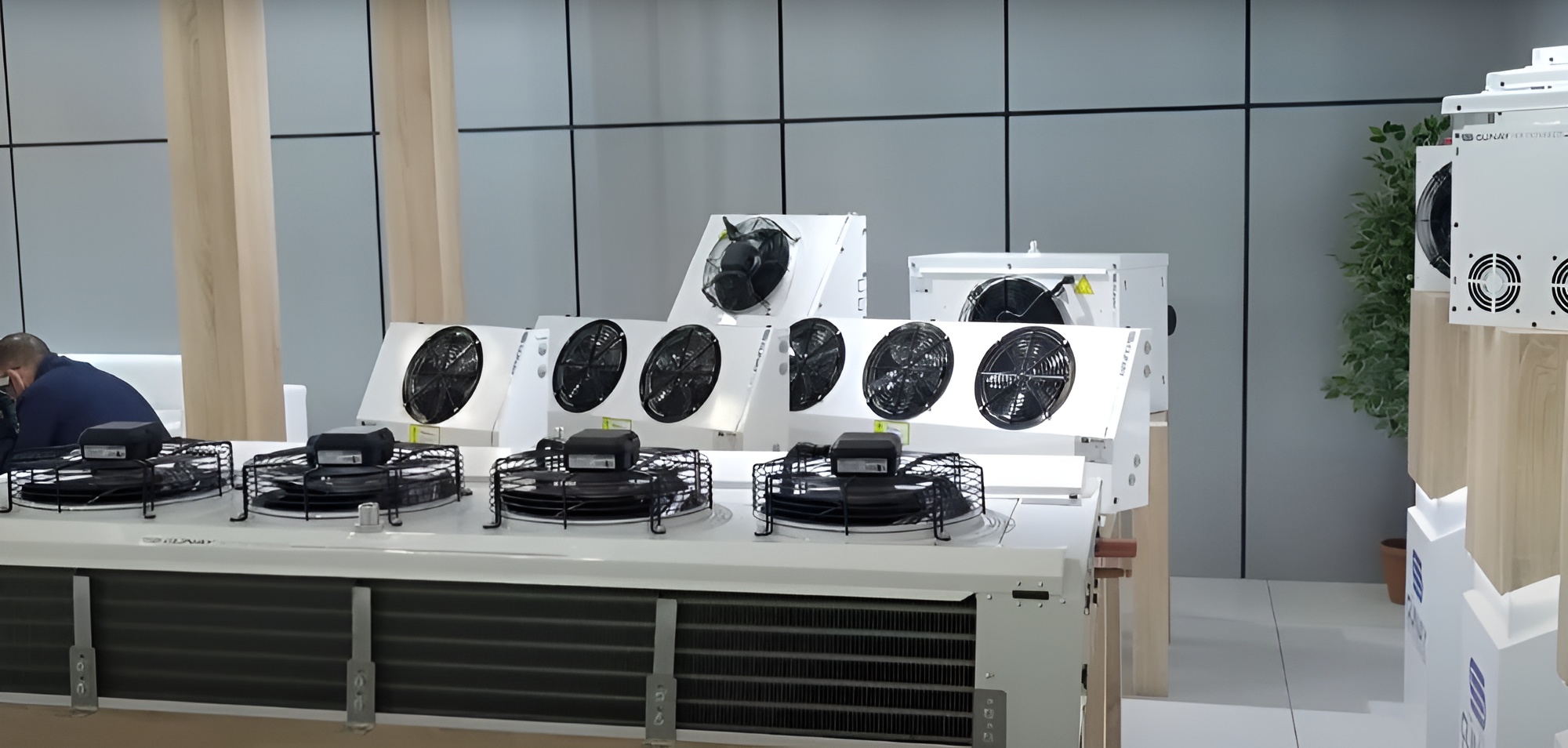
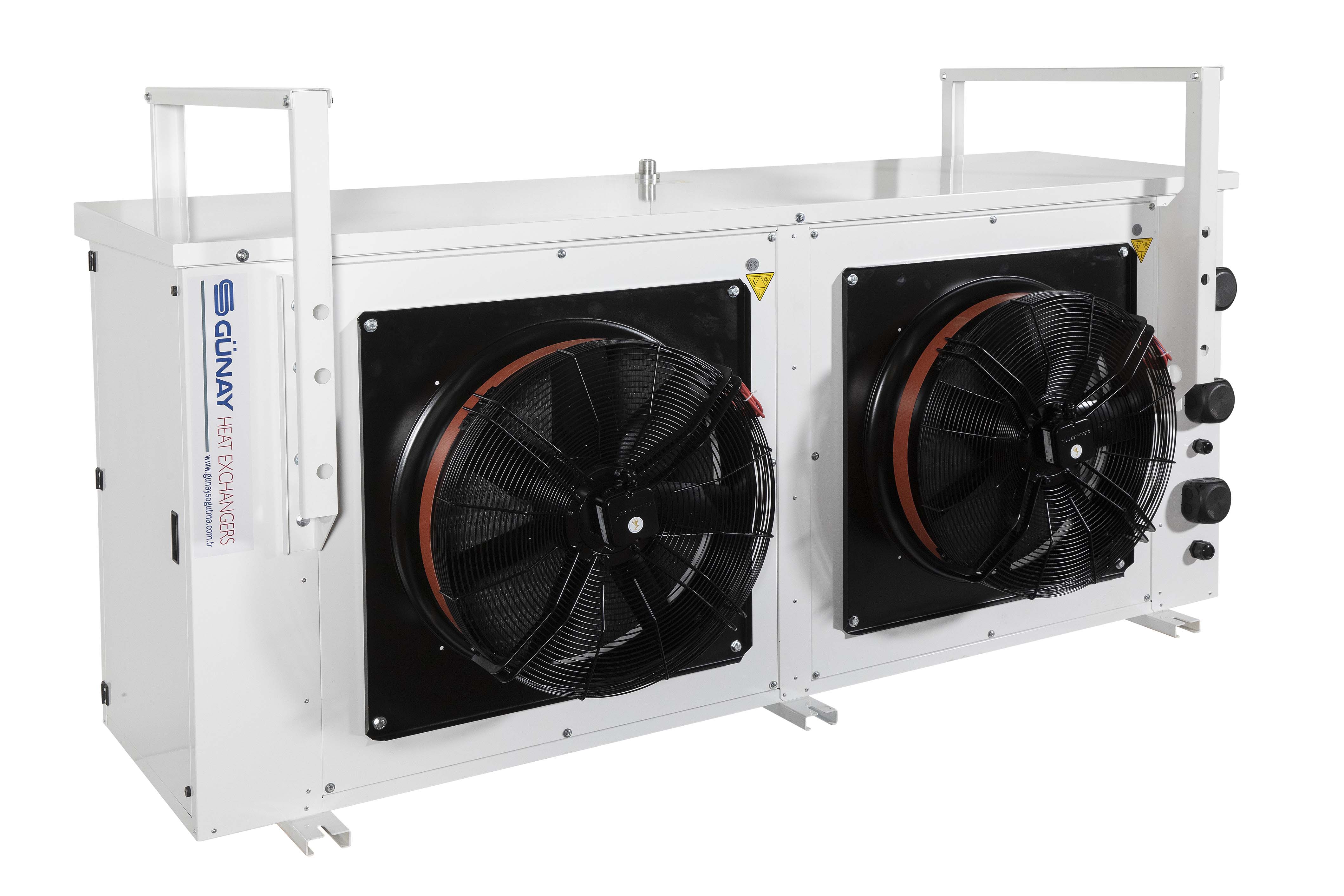
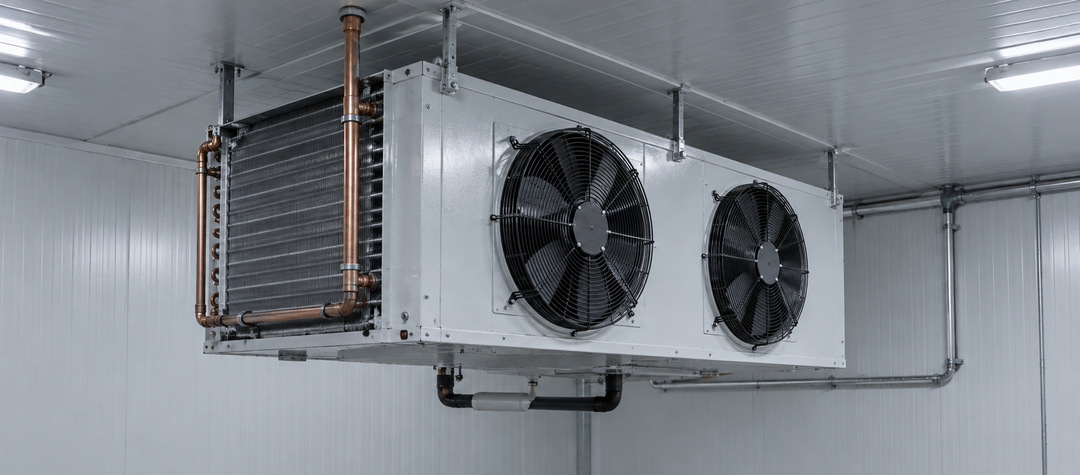
The efficiency of an evaporator depends on the design of the heat transfer surface, airflow and frosting behavior. Parameters such as fin spacing, tube bundle layout and tube diameter affect both capacity and air-side pressure drop. Günay Soğutma manufactures evaporators by setting these parameters according to the temperature regime of the application.
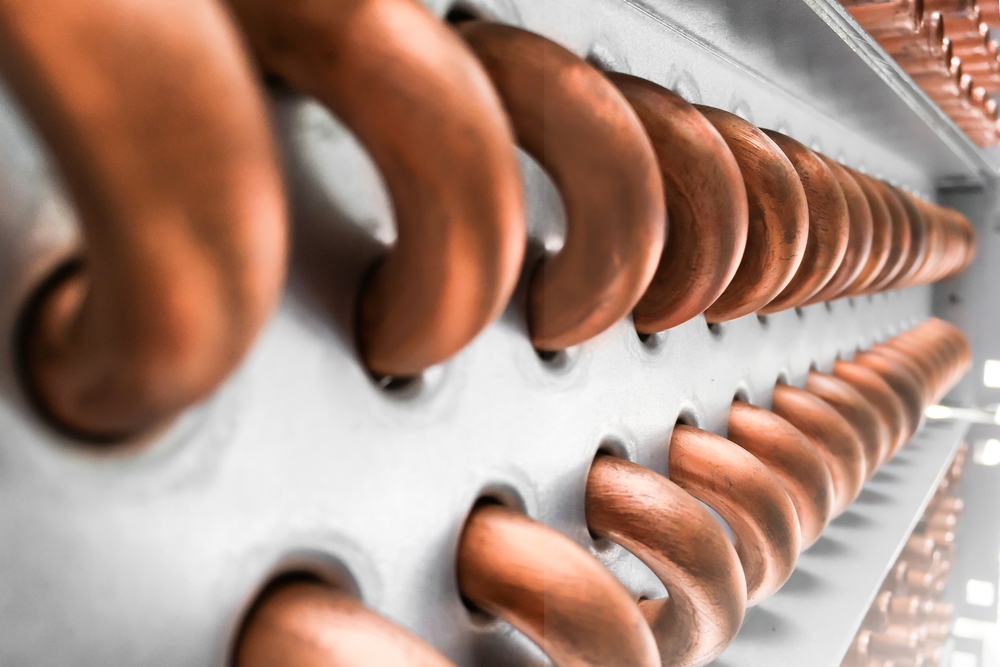
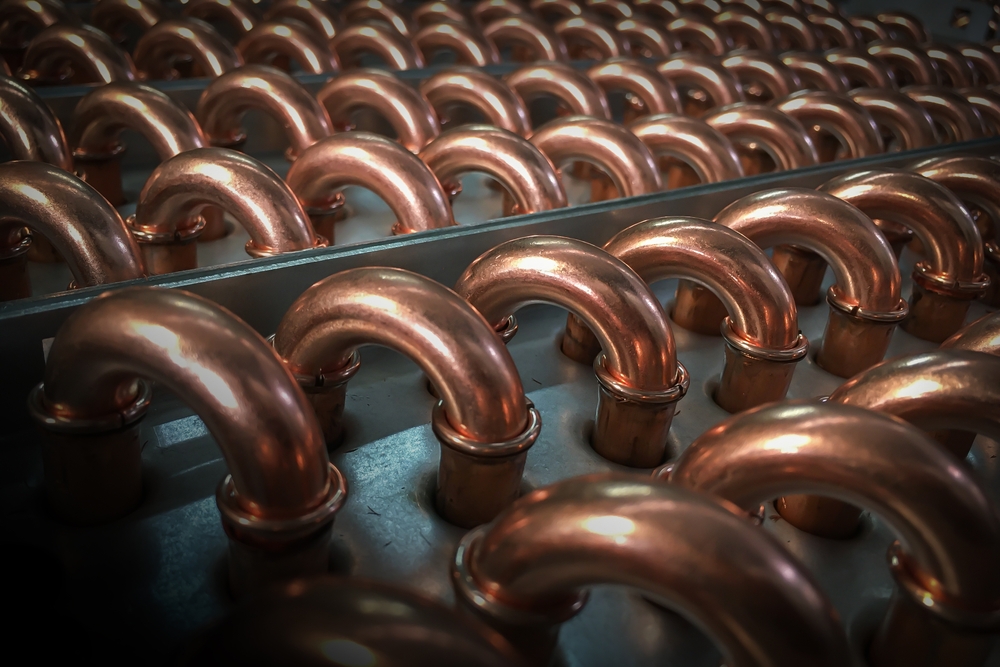
Material selection also affects efficiency and life. An aluminum fin and copper tube combination is a common choice for heat conduction; in aggressive environments, protective coatings or other material options can be considered. The axial fan configuration used in the evaporator should provide balanced air distribution across the coil surface.
Ease of maintenance is also decisive in preserving efficiency. Cleanable surfaces and accessible fan and defrost components help the evaporator avoid losing performance over time. In food sector applications, ease of cleaning should also be considered.
In cooling, sustainability means first of all reducing unnecessary energy consumption and having equipment run trouble-free for a long time. A correctly sized evaporator and condenser, suitable fan selection and regular maintenance reduce both electricity consumption and the need for early replacement.
In this approach, equipment life and repairability matter. Equipment whose components can be replaced and maintained consumes fewer resources than equipment that has to be replaced entirely. The heat exchangers manufactured by Günay Soğutma can be selected from this perspective according to the conditions of the application.
Sustainability claims should be measurable. The energy and environmental gain in a facility should therefore be assessed by comparing existing consumption data with the operating data of the new system. You can review your project together with our technical team.
Matching equipment capacity to the facility's actual cooling load can reduce energy losses caused by oversizing or undersizing. The compatibility of the evaporator, condenser and fan also matters for overall system efficiency.
Sustainable selection considers more than initial energy use. Durability, cleanability and maintenance access matter as well. Equipment that can remain in service and be repaired when needed reduces the need for early replacement.
Günay Soğutma's standard and made-to-measure production options can be assessed against the project's capacity and layout conditions. Expected energy savings should be calculated by comparing existing system data with the proposed equipment's performance under the same conditions.
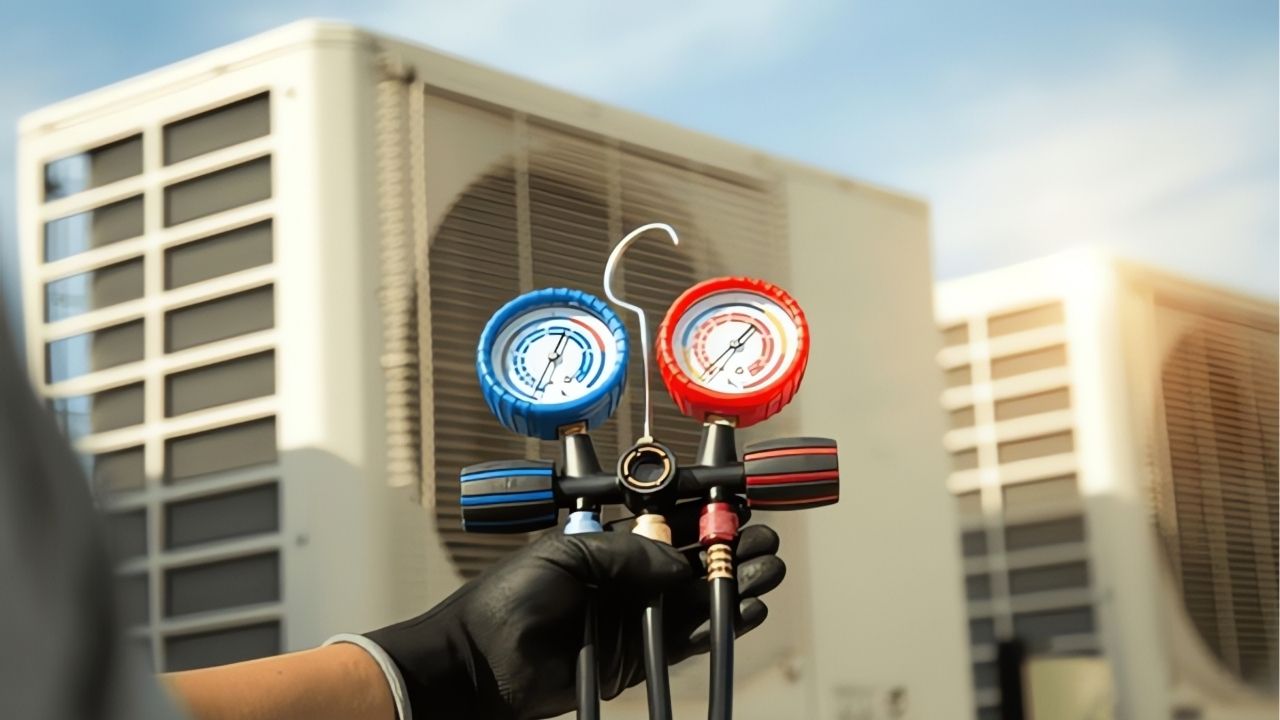
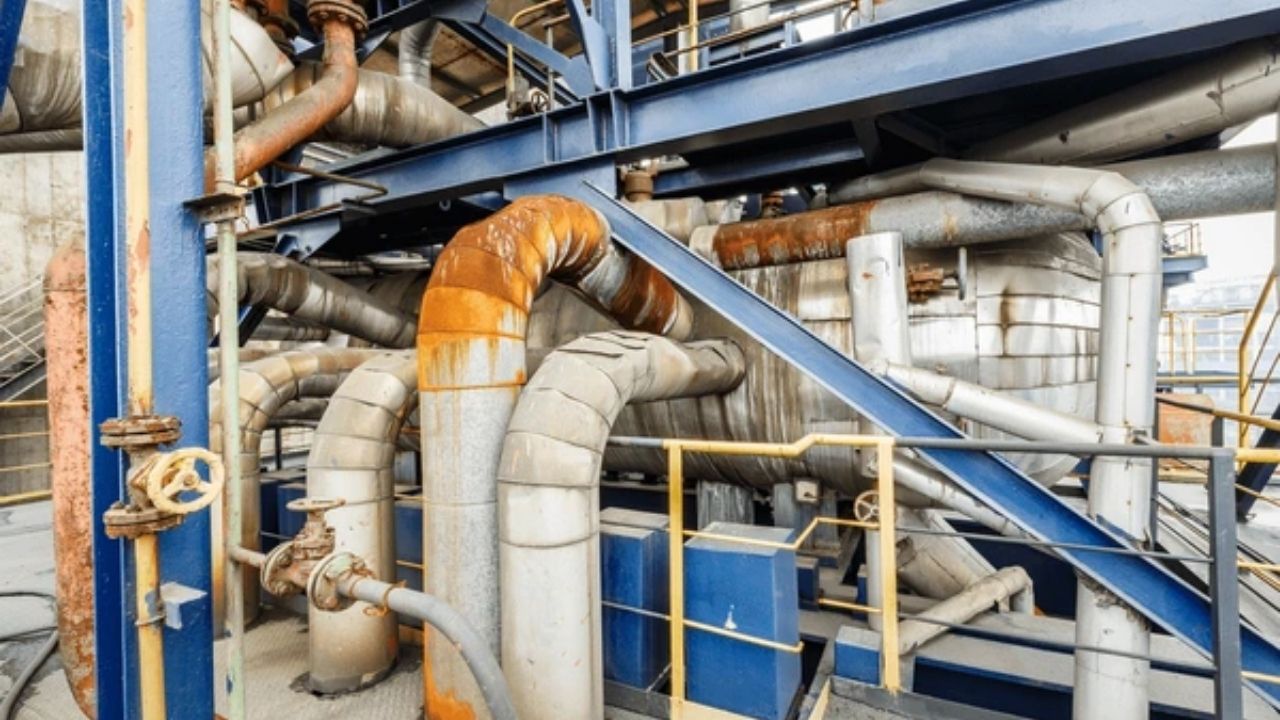
The way to keep cooling efficiency high over the long term is to select equipment with materials and construction suited to the operating environment and then to maintain it regularly. Buildup of dust, oil and moisture reduces heat transfer, while corrosion damages the fin and tube surfaces.
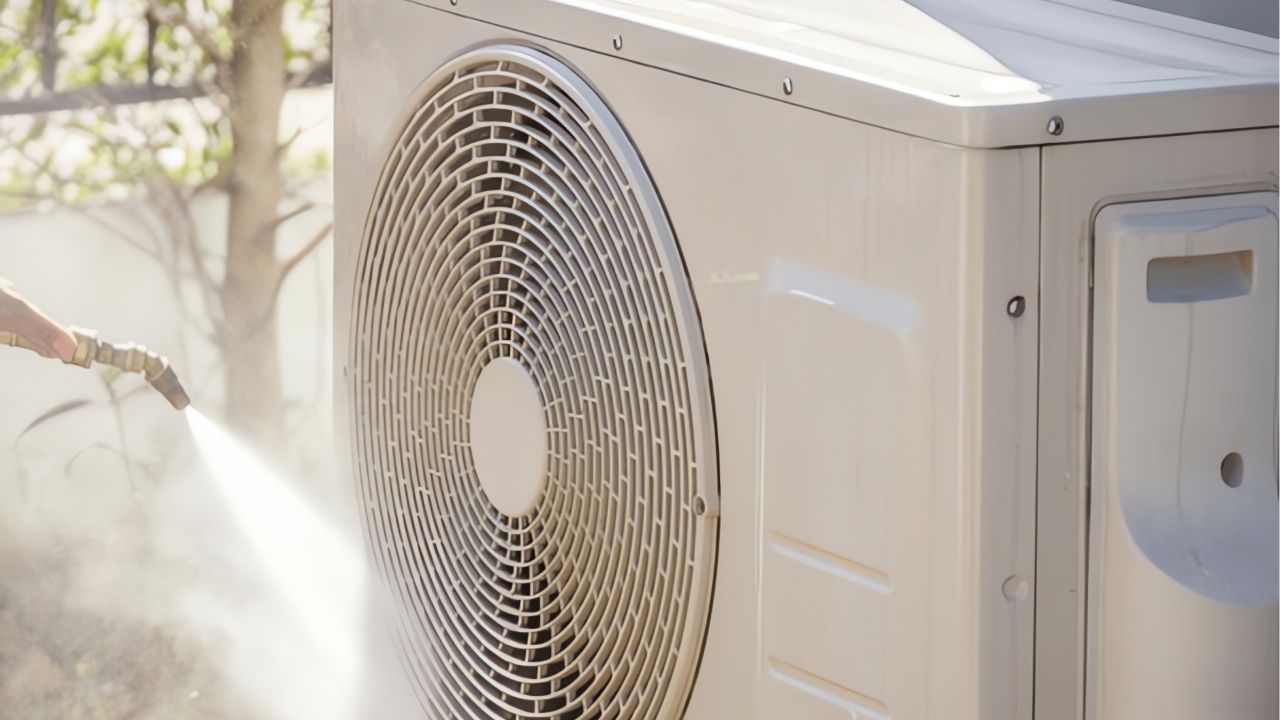
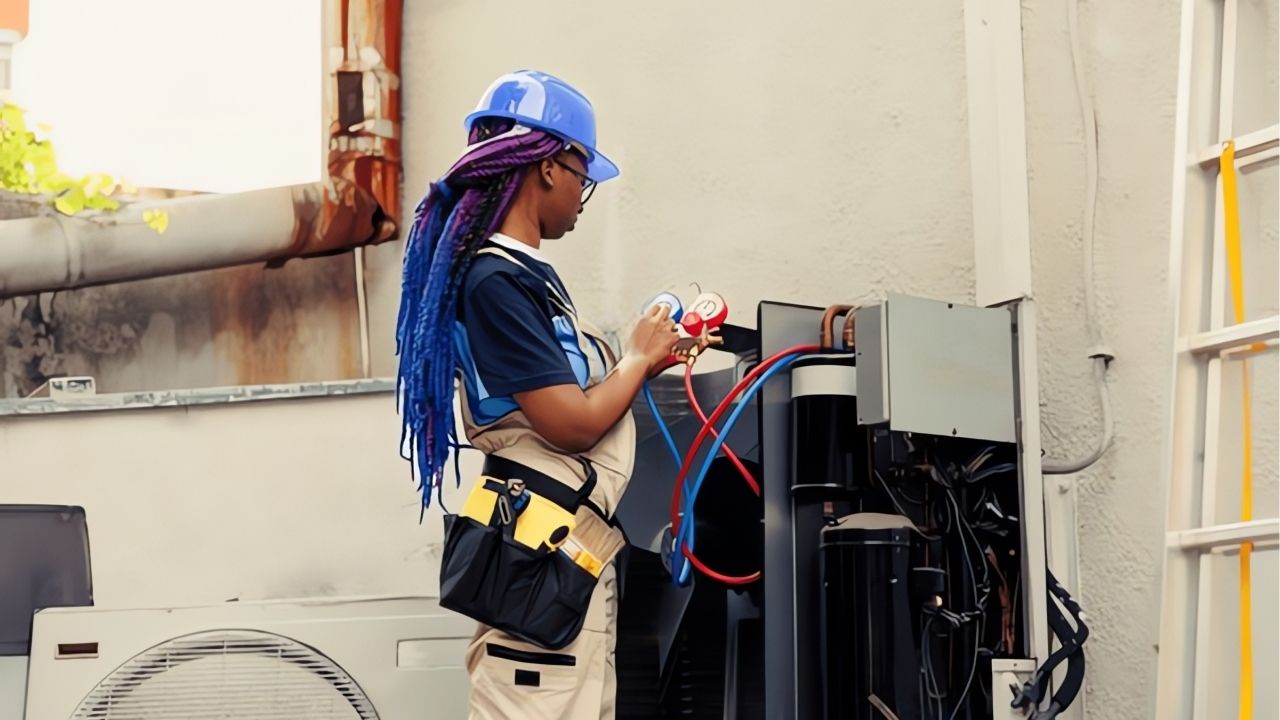
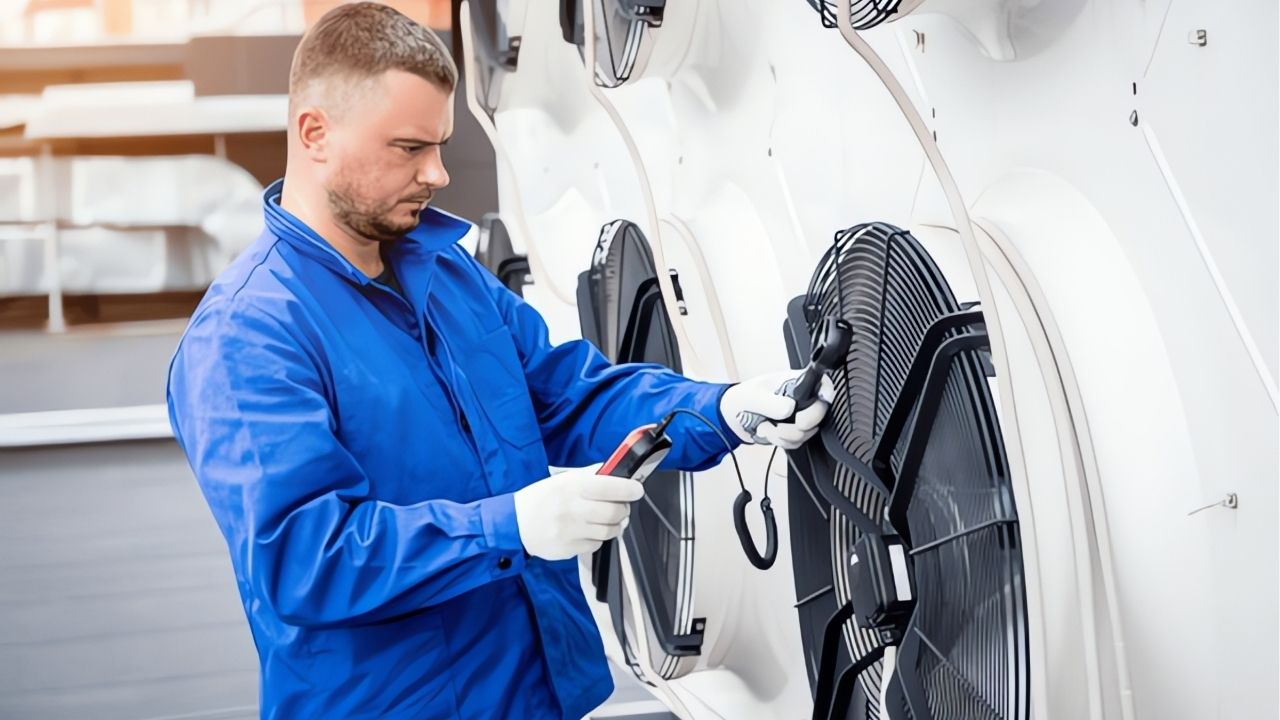
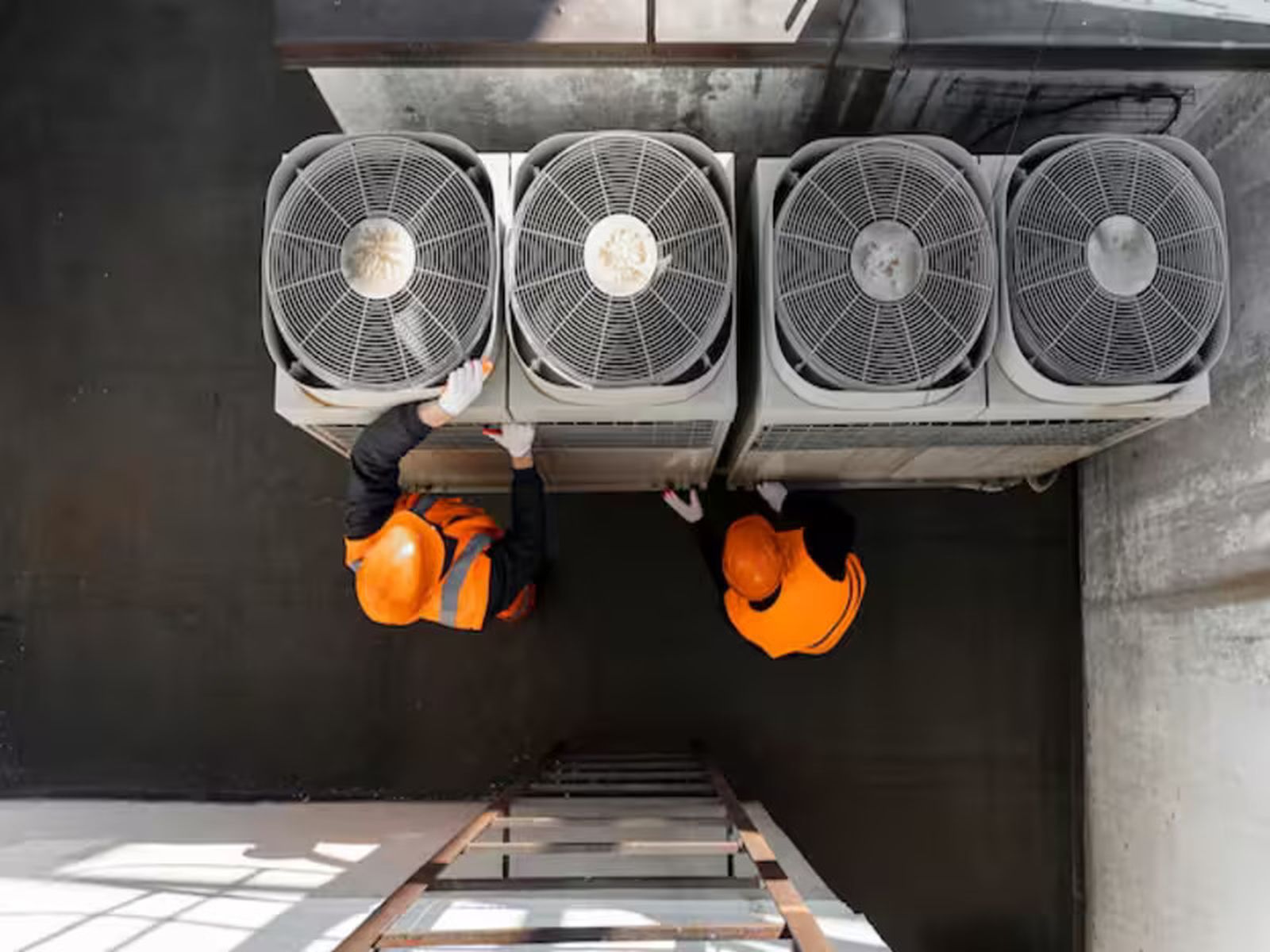
Regular cleaning of evaporator and condenser surfaces, checking the bearings and blades of axial fans, and making sure the defrost system works properly prevent loss of efficiency. In corrosive or coastal applications, options such as a protective coating can also be considered.
In areas where hygiene matters, such as the food sector, cleanable surfaces and suitable cleaning methods are also important for long-term efficiency. Since the maintenance interval and method vary with the equipment and environment, creating a maintenance plan for each piece of equipment is the most sound approach.
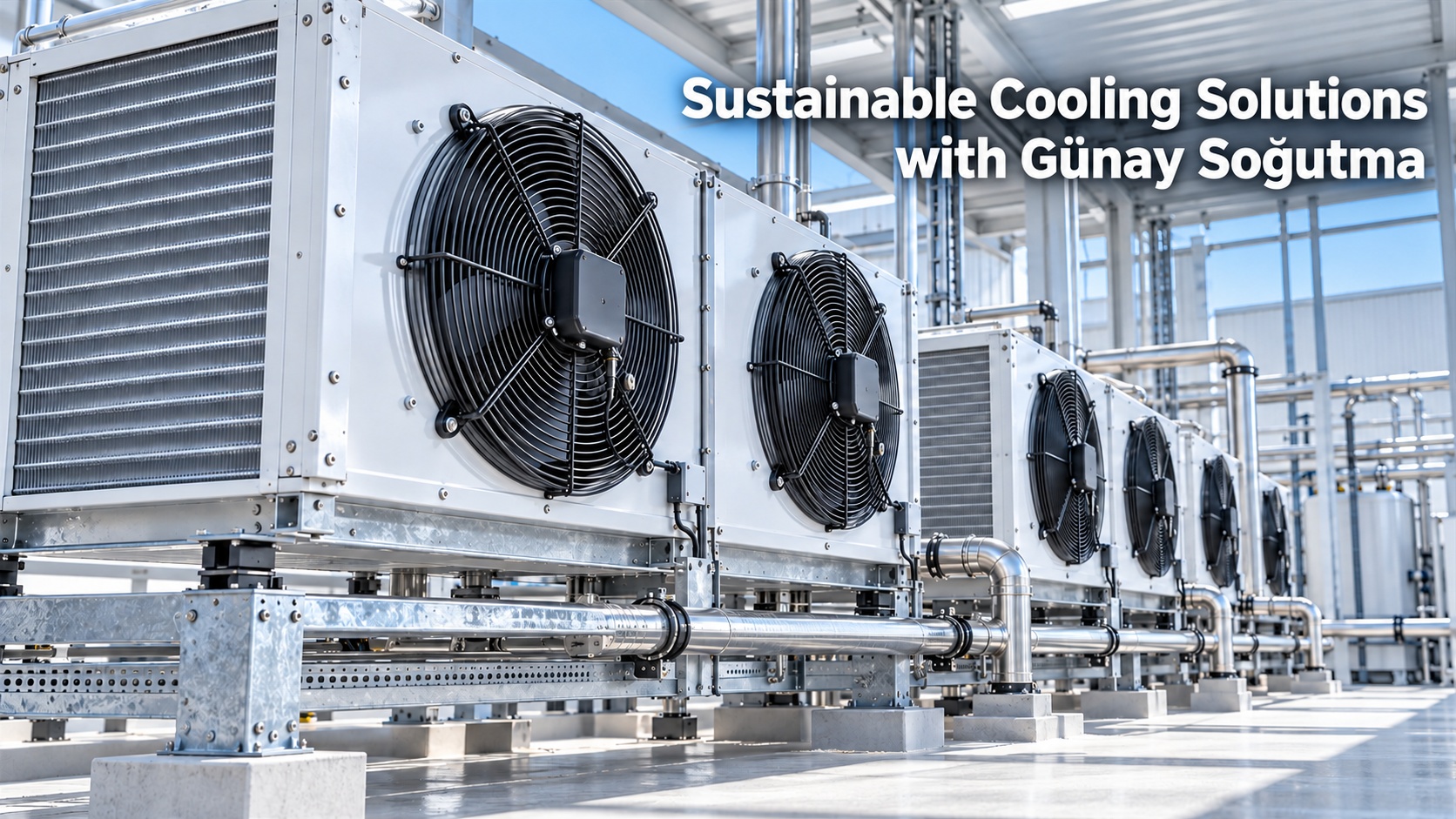
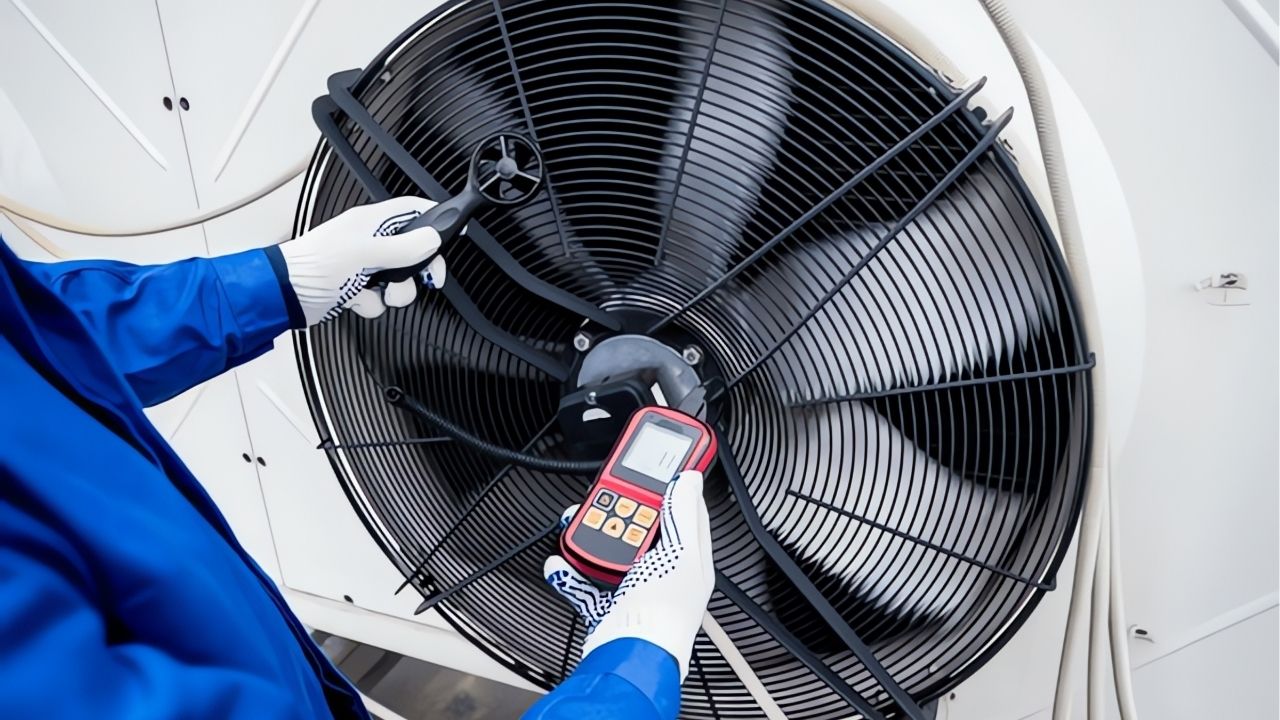
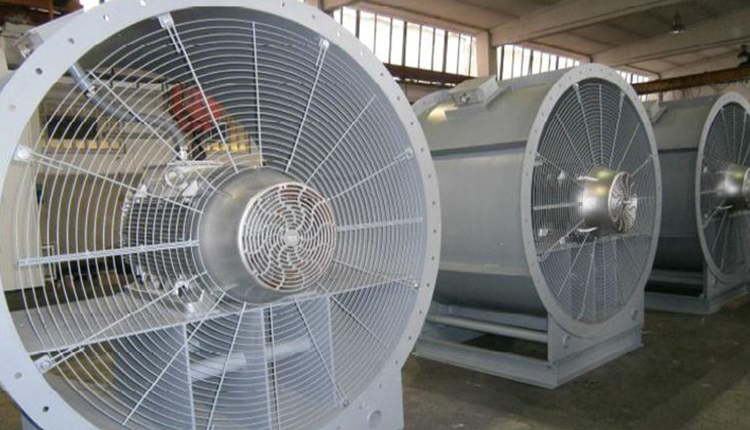
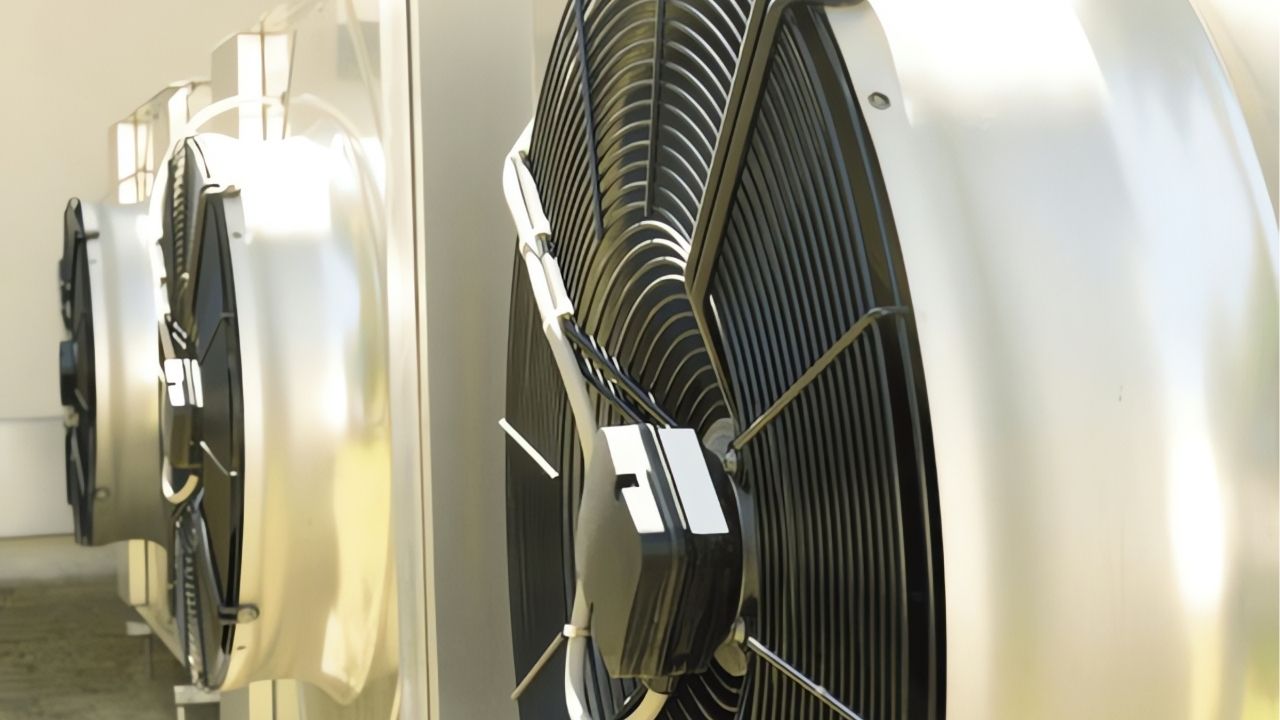
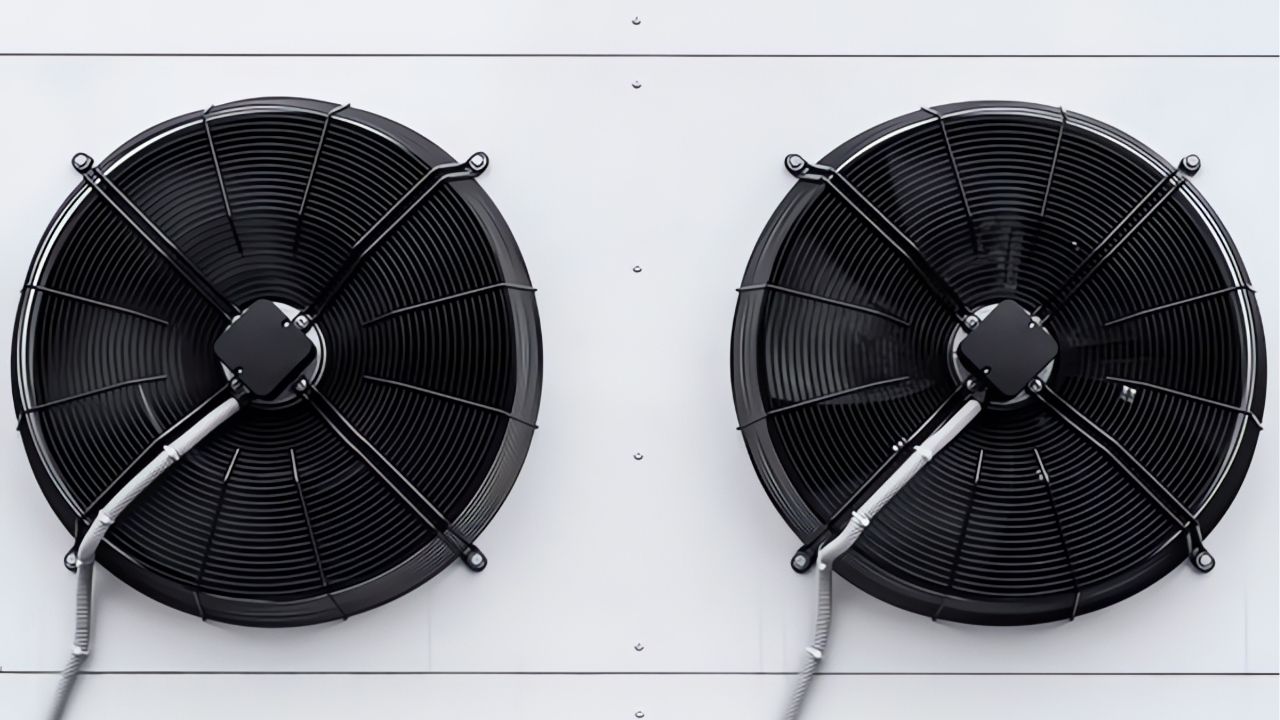
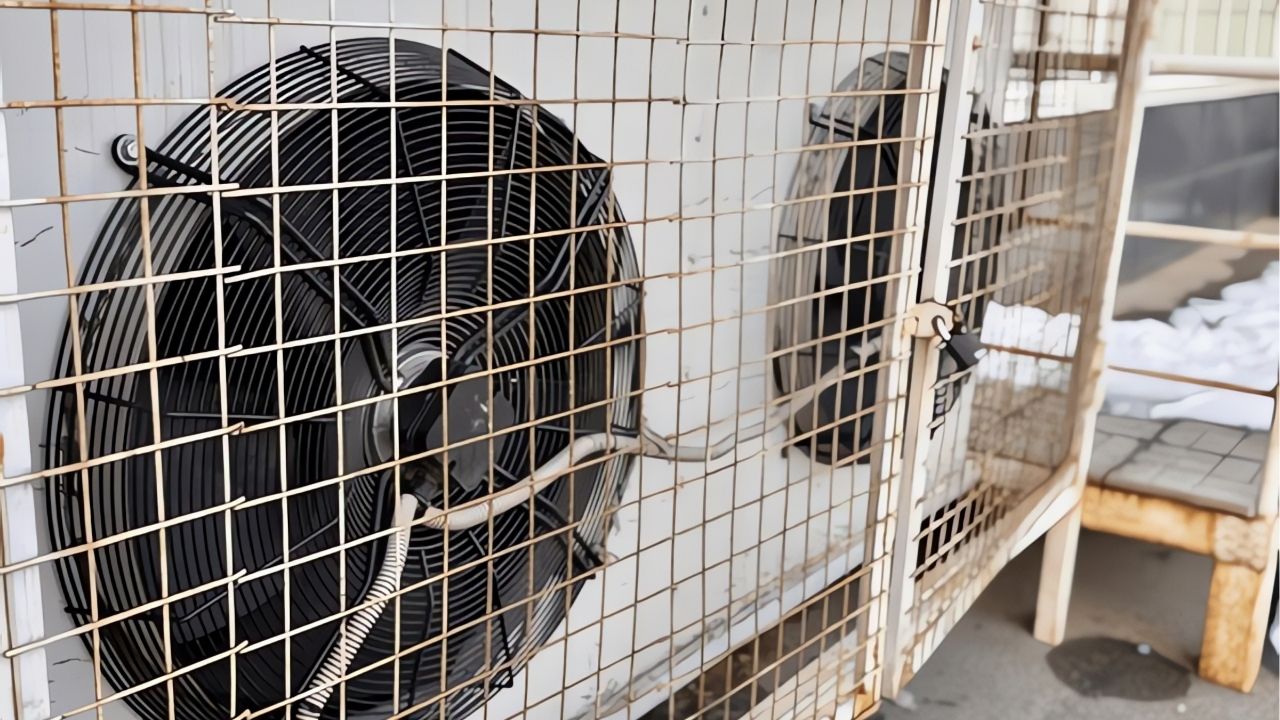
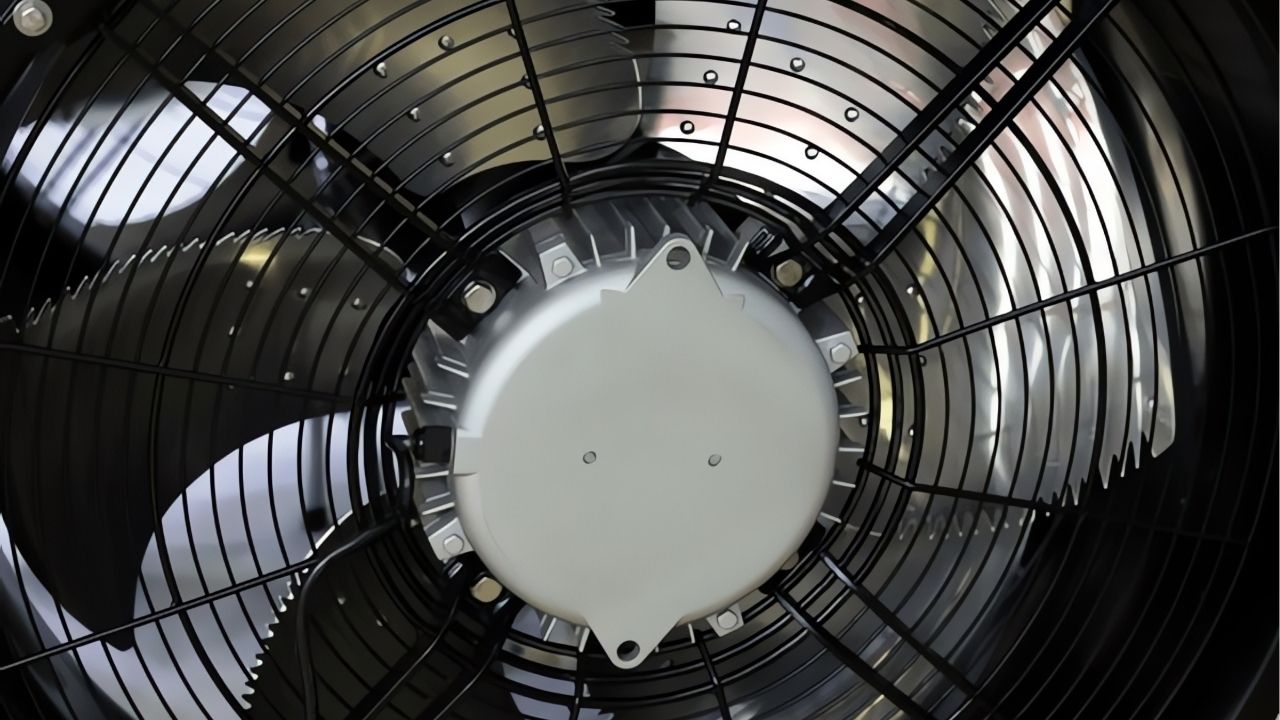
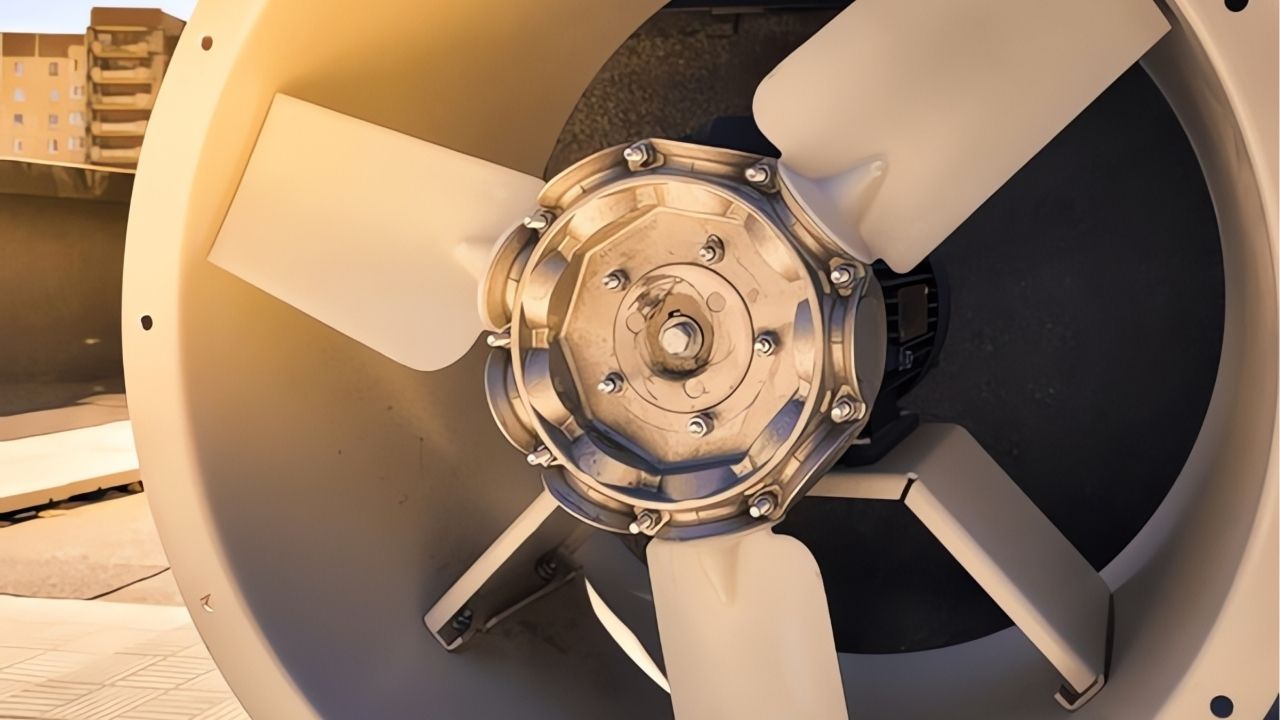
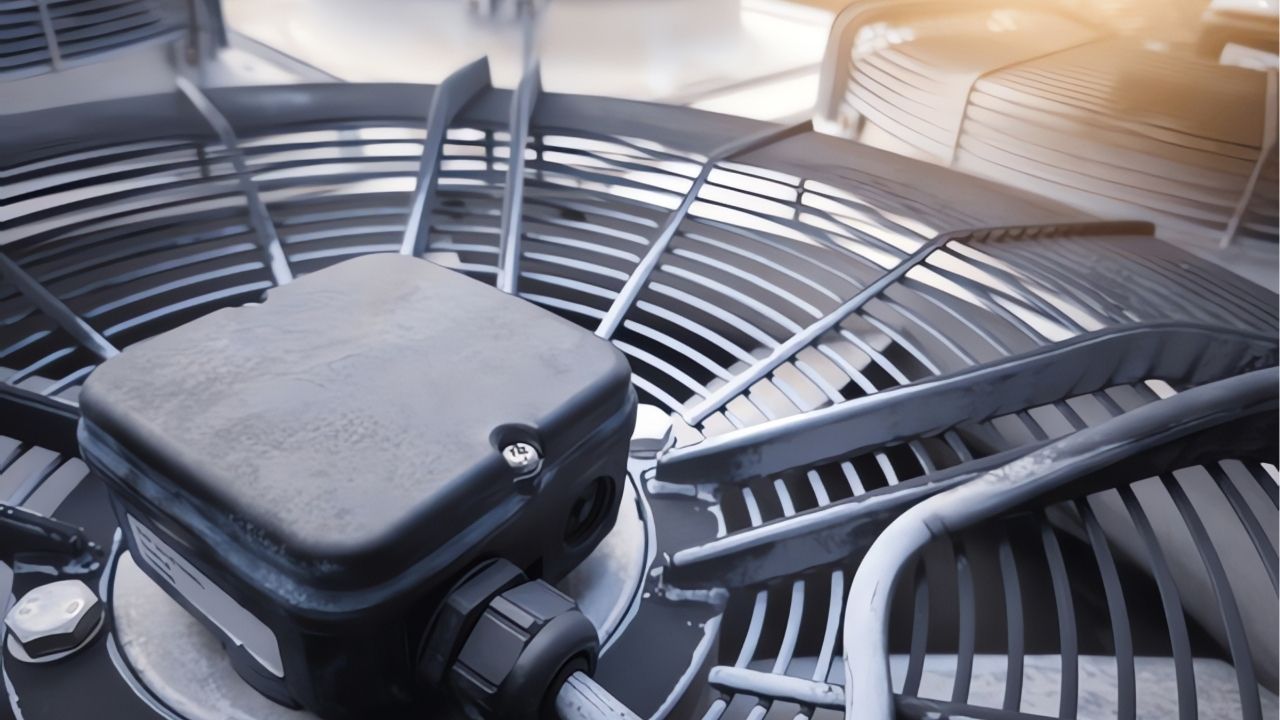
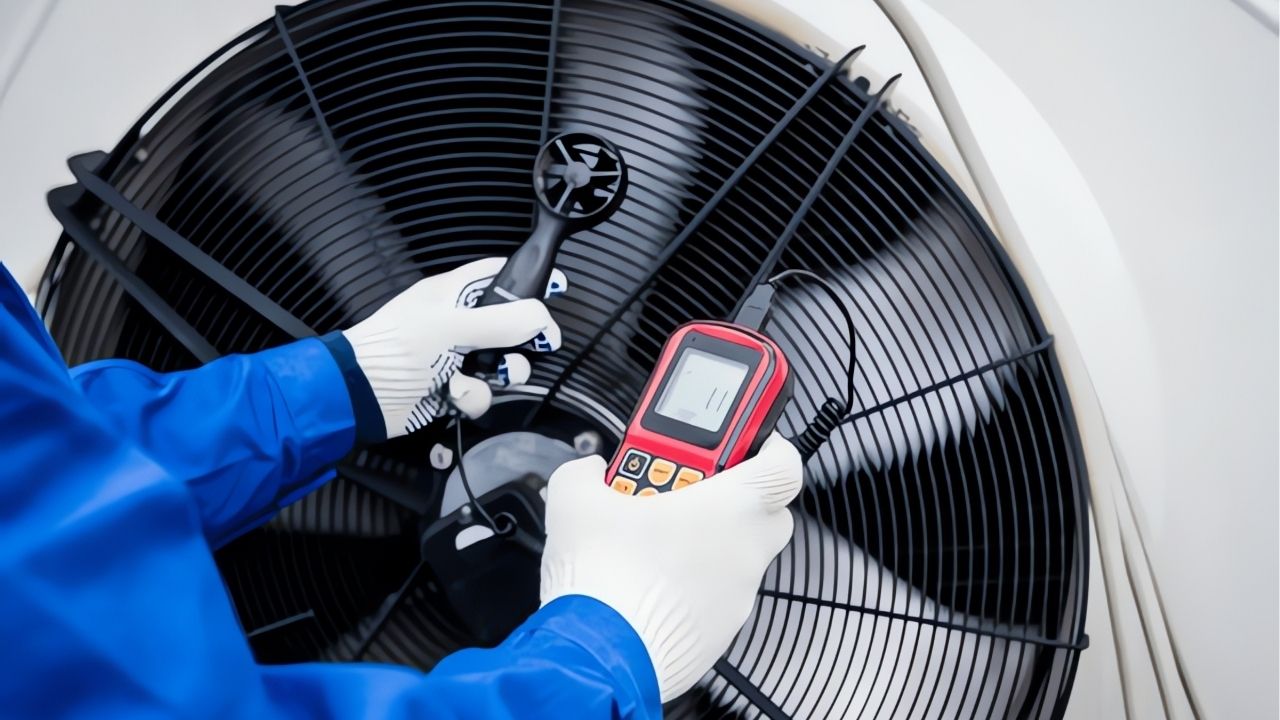
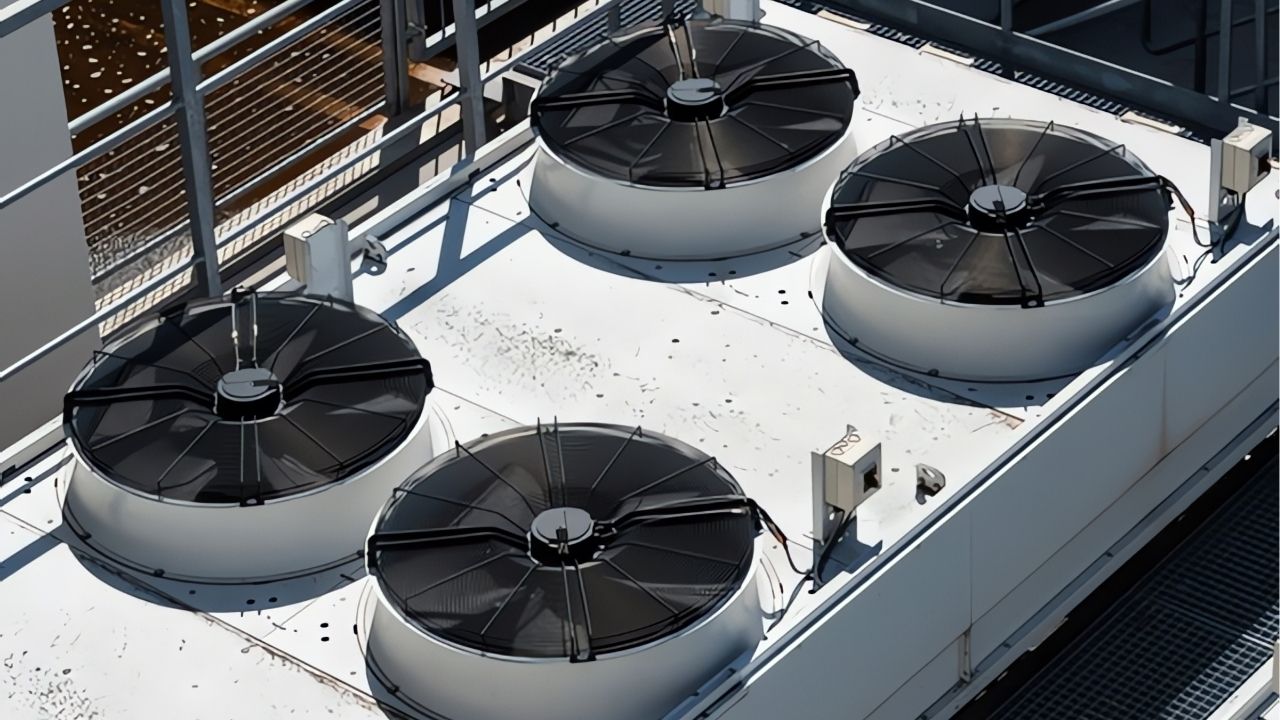
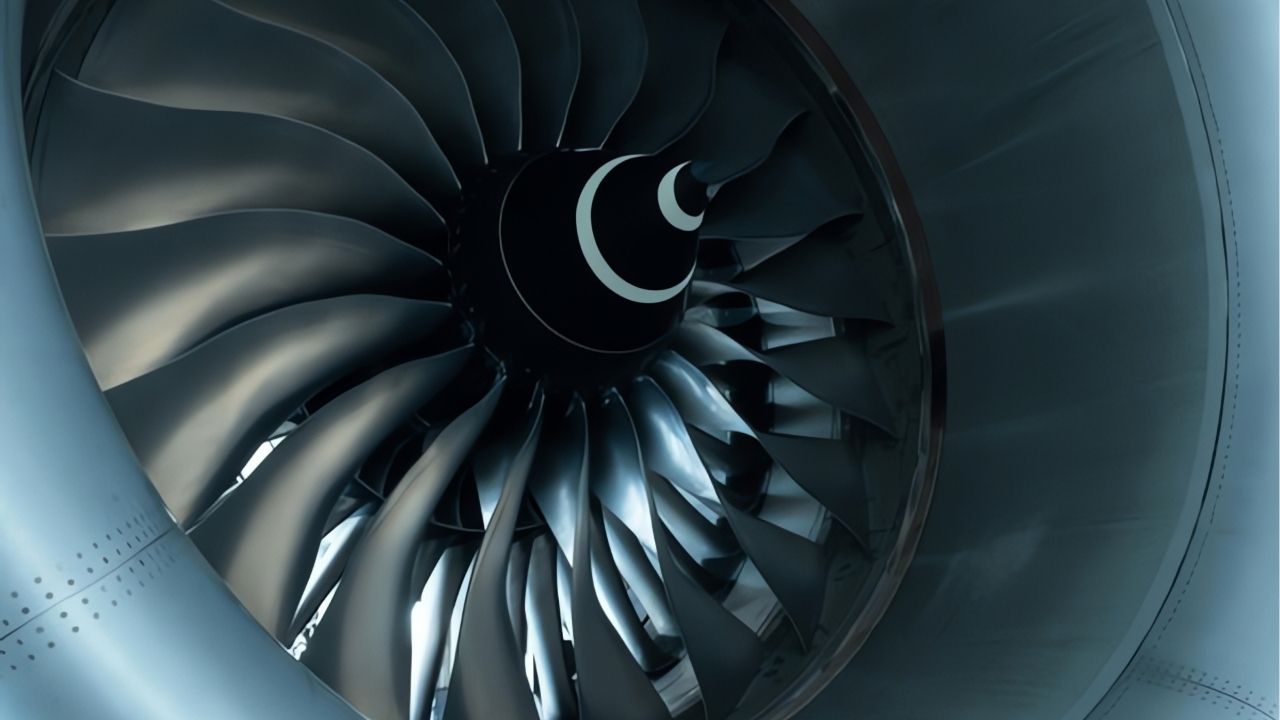
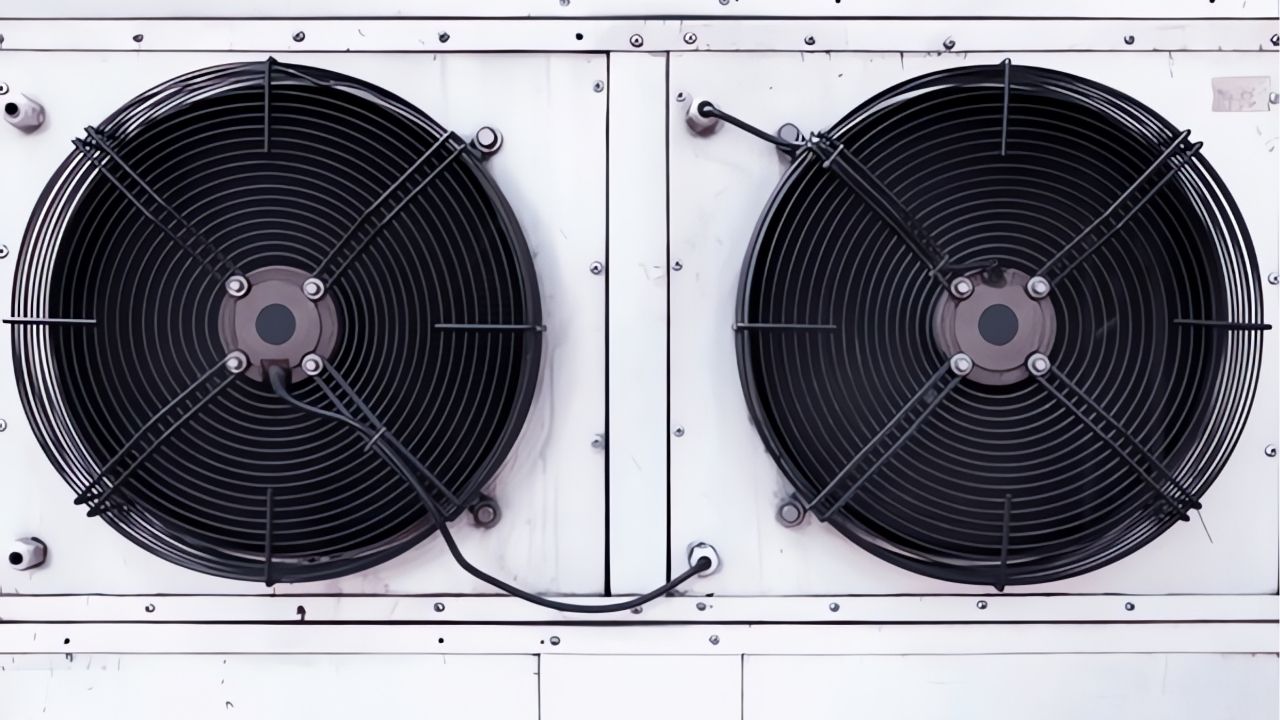
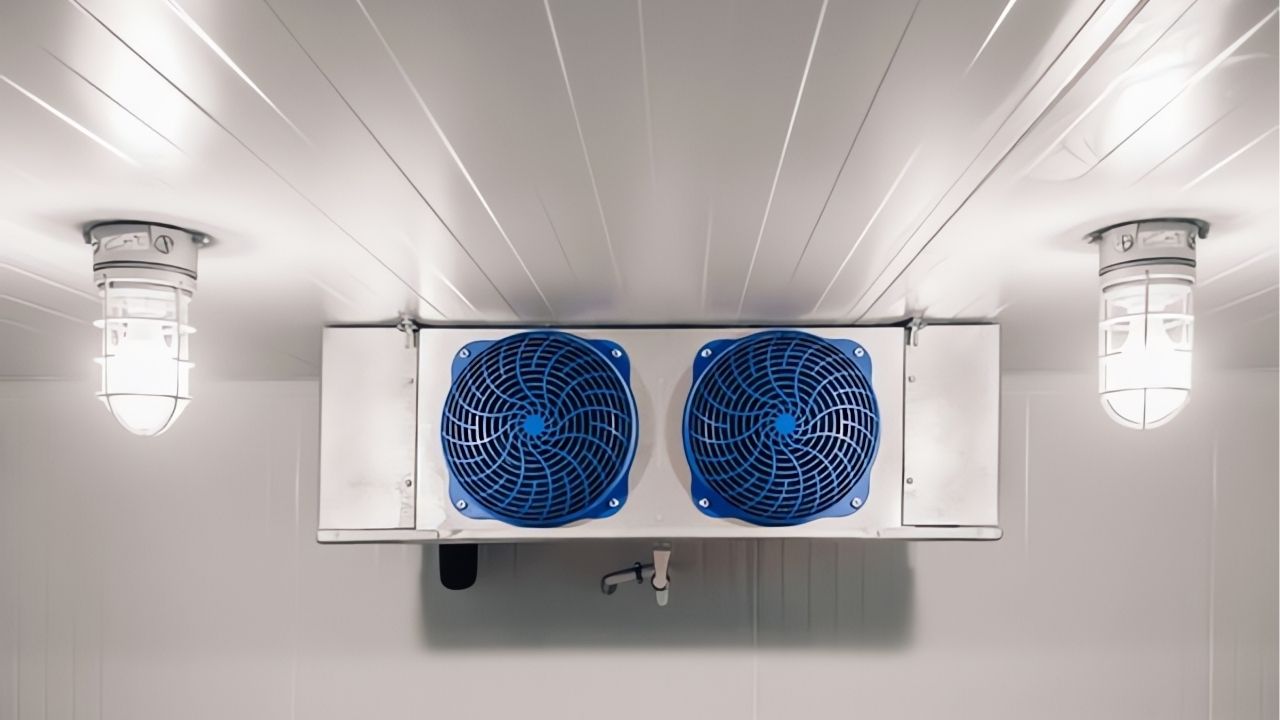
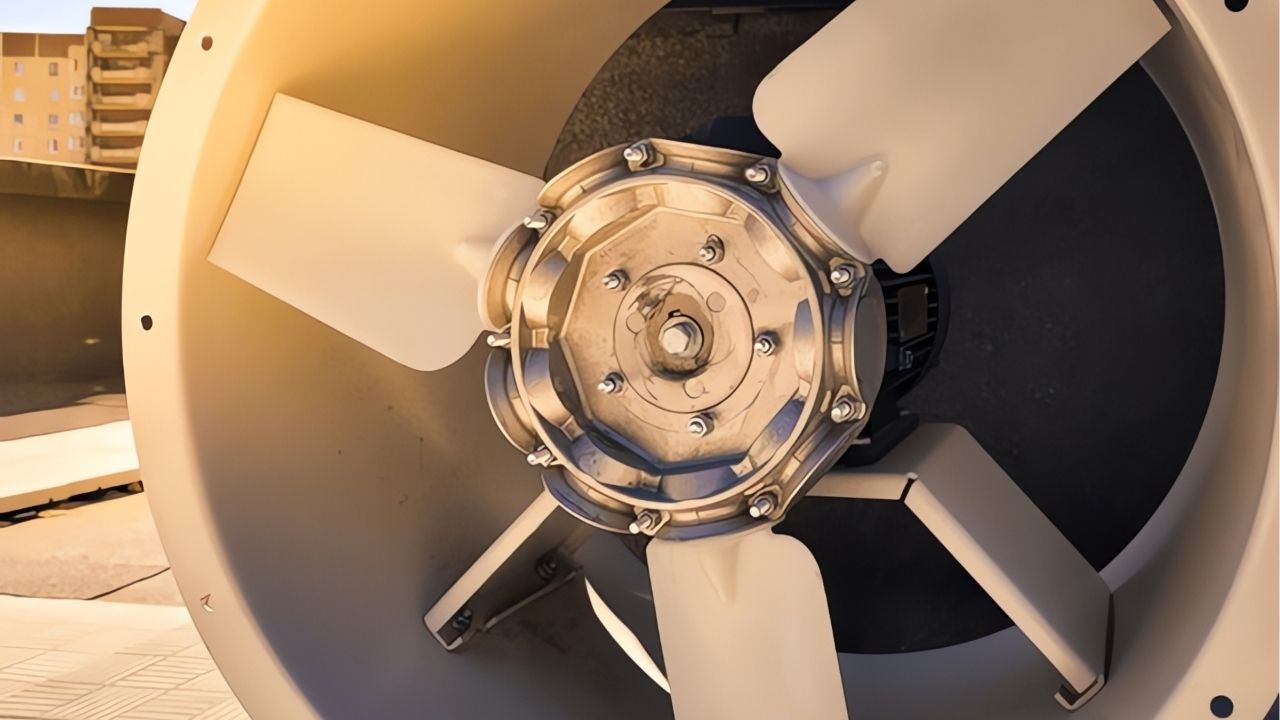
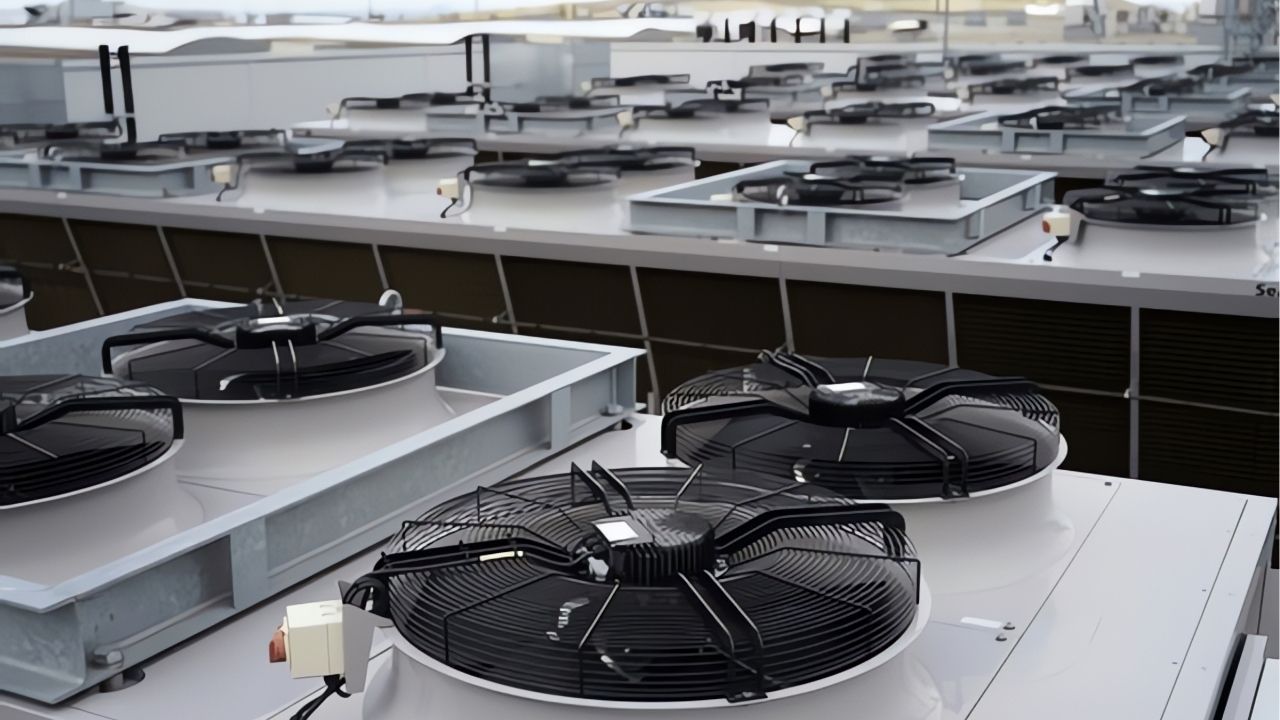
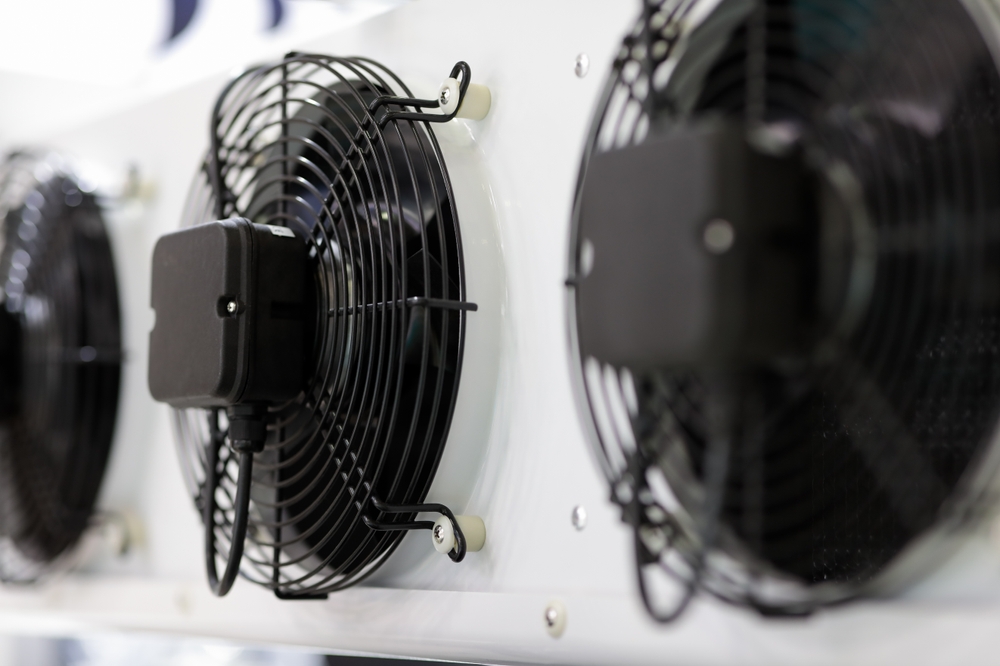
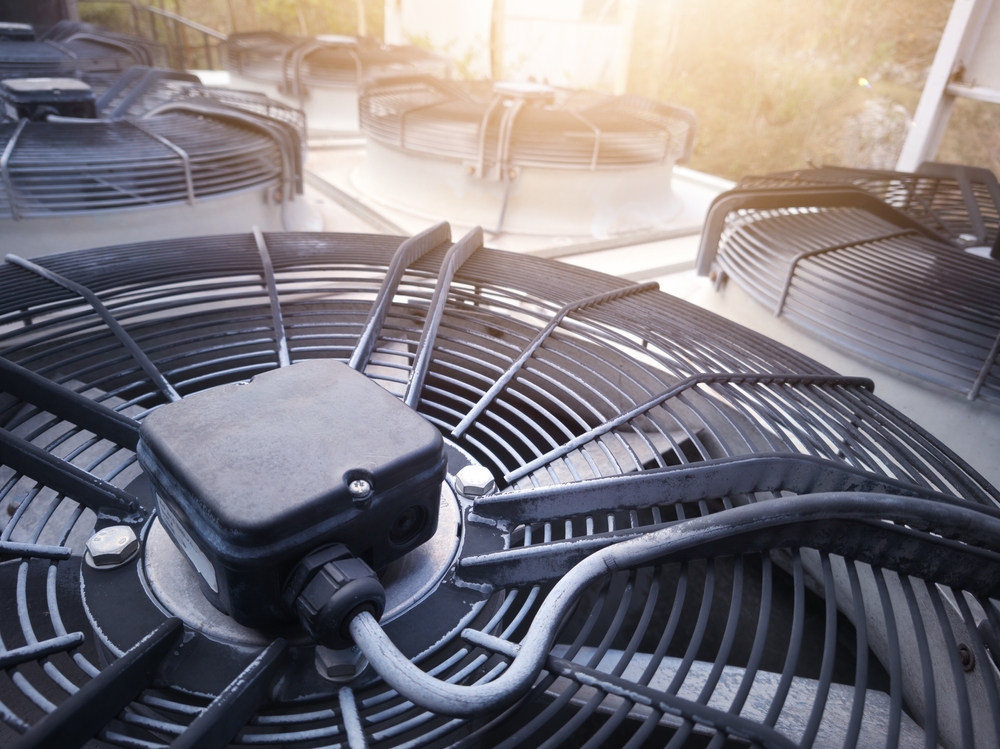
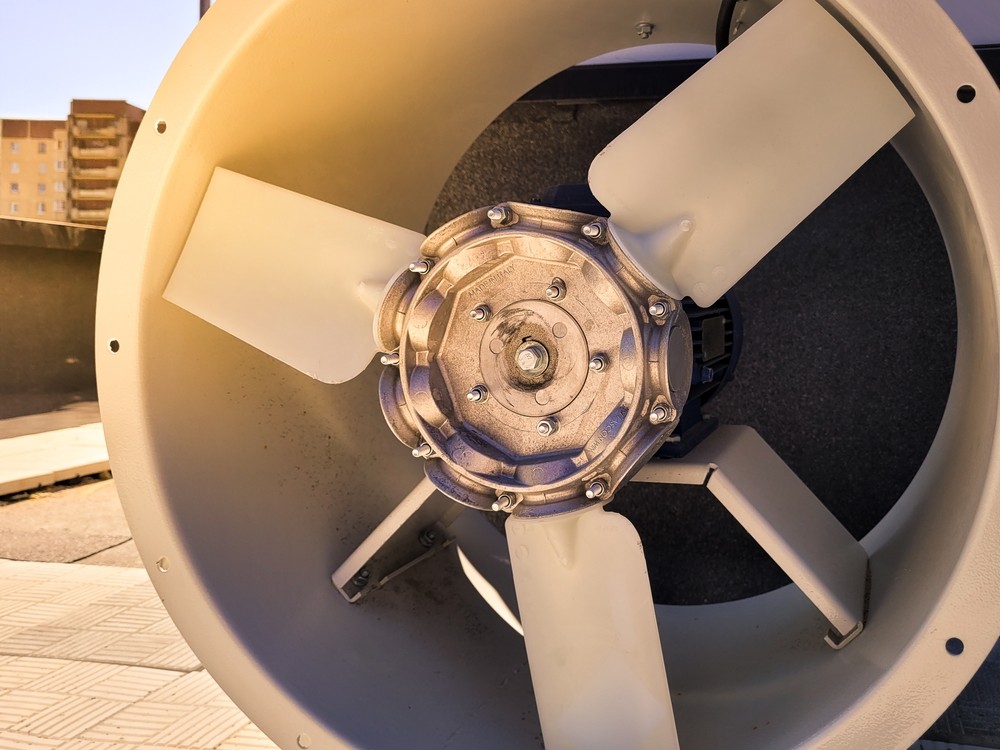
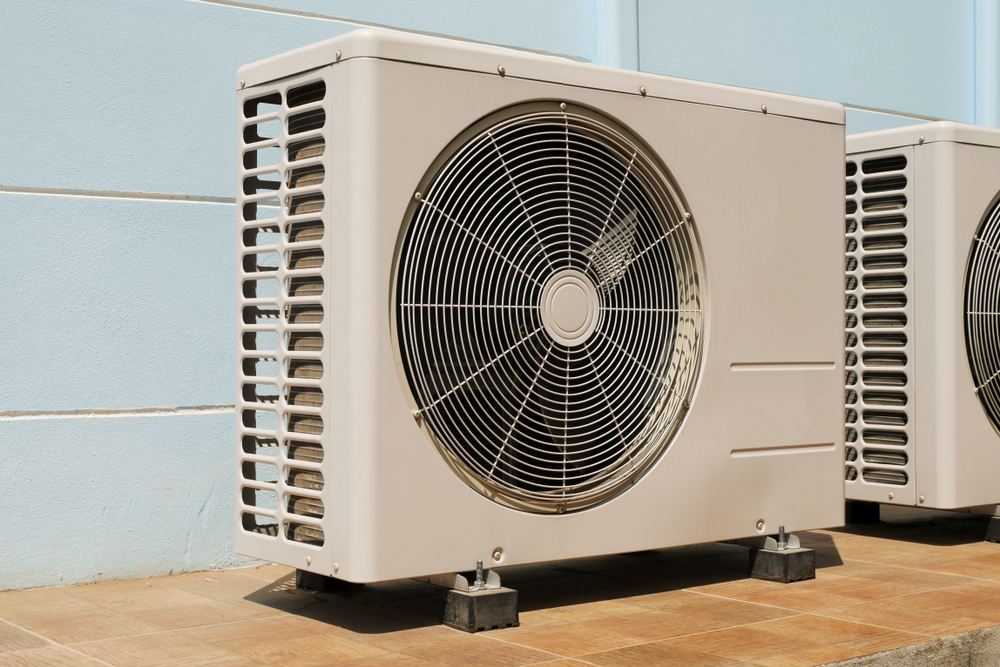
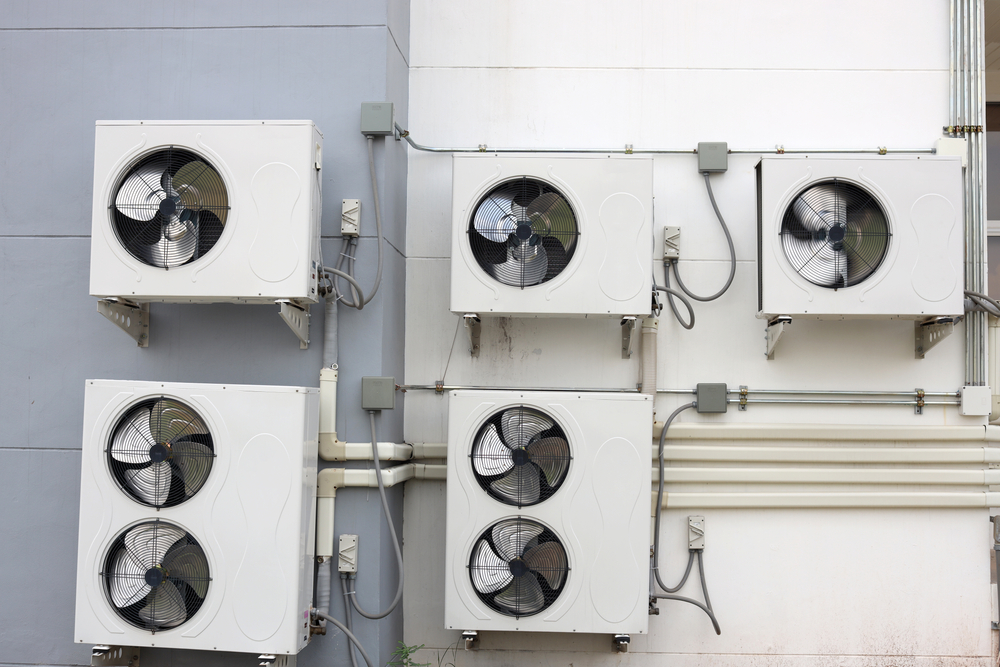
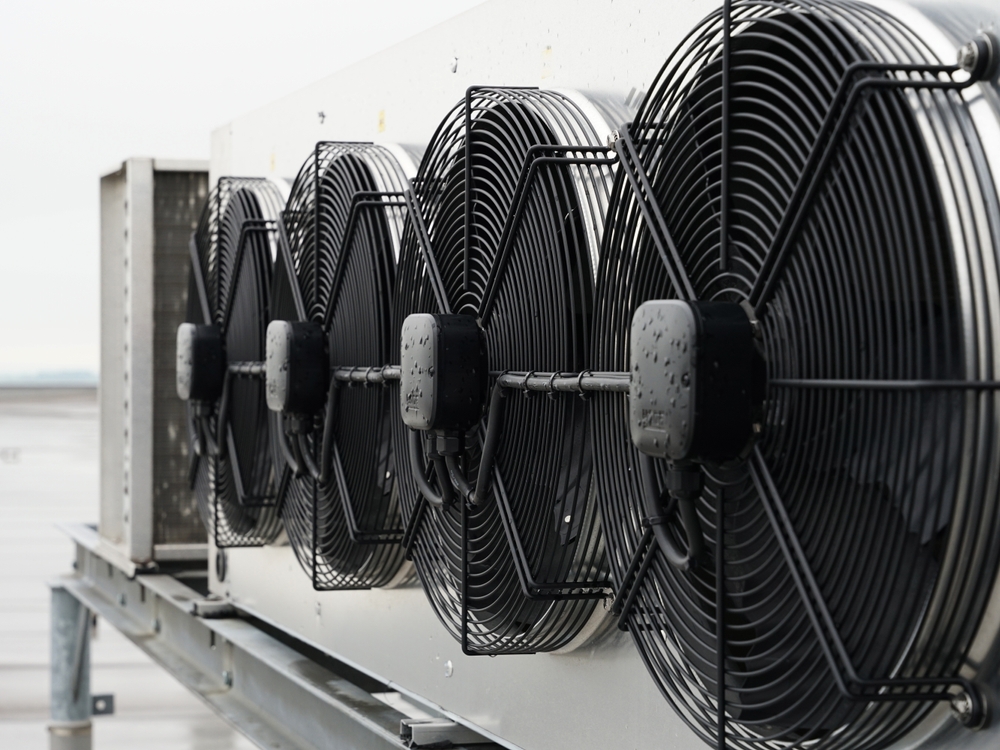
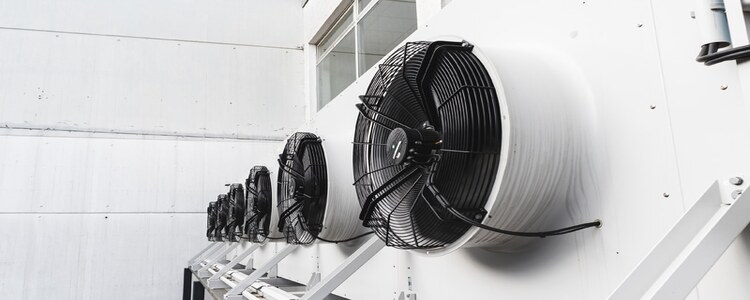
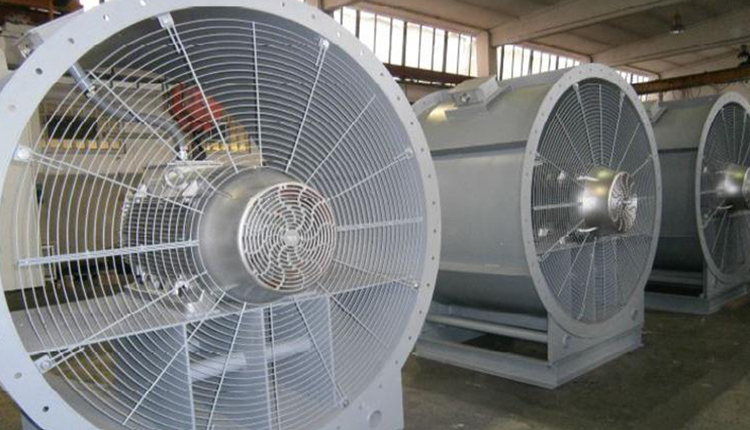
Axial fans are the components that move air across the heat exchanger surface in evaporators, condensers and dry coolers. Selecting the fan correctly makes it possible to deliver the required airflow (m⊃3;/h) with low energy use and an acceptable noise level.
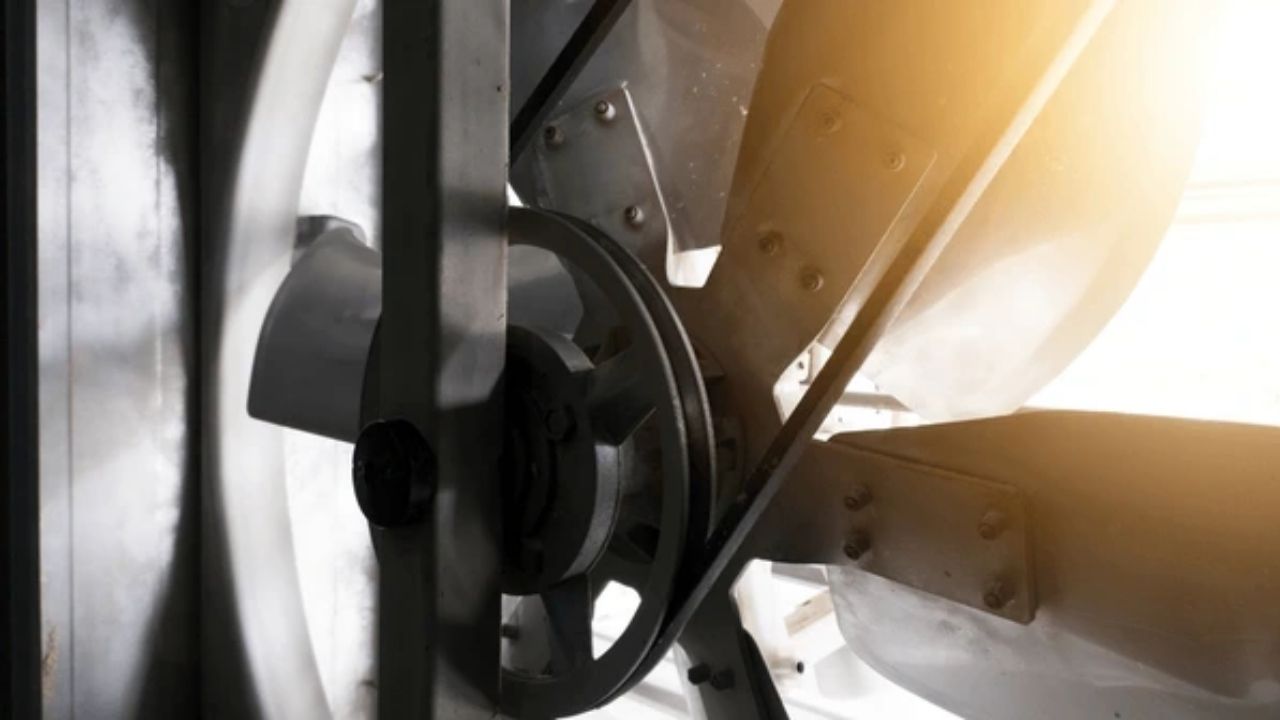
Blade design, motor type and fan housing affect efficiency, vibration and noise level. In humid and washdown environments, corrosion-resistant materials and a suitable motor protection class should be preferred. Options such as variable speed control can be considered to reduce fan energy in applications with varying load.
It is also important that the fan is selected to suit the heat exchanger; the air-side pressure drop and the fan characteristic should be considered together. From a maintenance standpoint, having the fan and motor accessible also makes cleaning and bearing checks easier.
Optimizing a cooling system starts with correctly identifying the current situation: the facility's heat load, operating hours, target temperatures and the condition of existing equipment. Selections or renewals made without this data may not deliver the expected benefit.
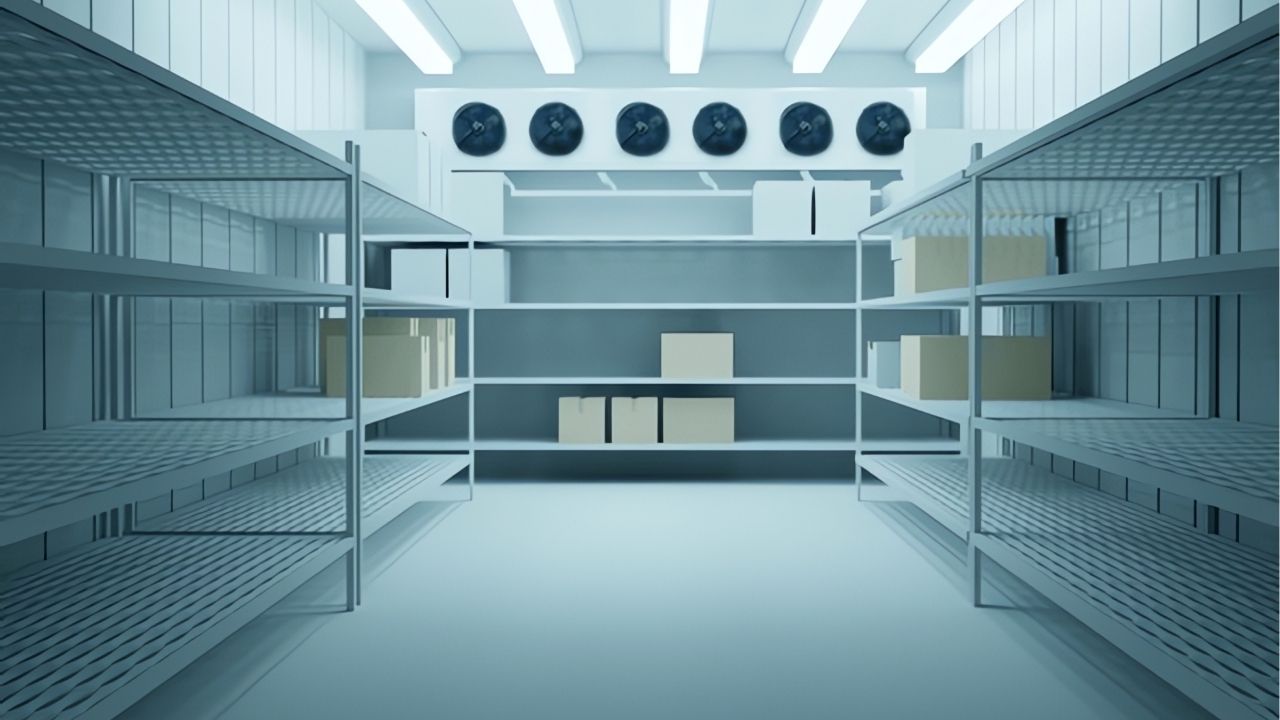
The evaporator, condenser and fans are then evaluated together. If one component is undersized or oversized relative to the rest of the system, overall efficiency falls. Airflow layout and equipment placement also affect temperature distribution and energy consumption.
In areas such as the food sector, where product quality depends on temperature, optimization must also take temperature stability and hygiene into account. You can contact our engineering team for a facility assessment.
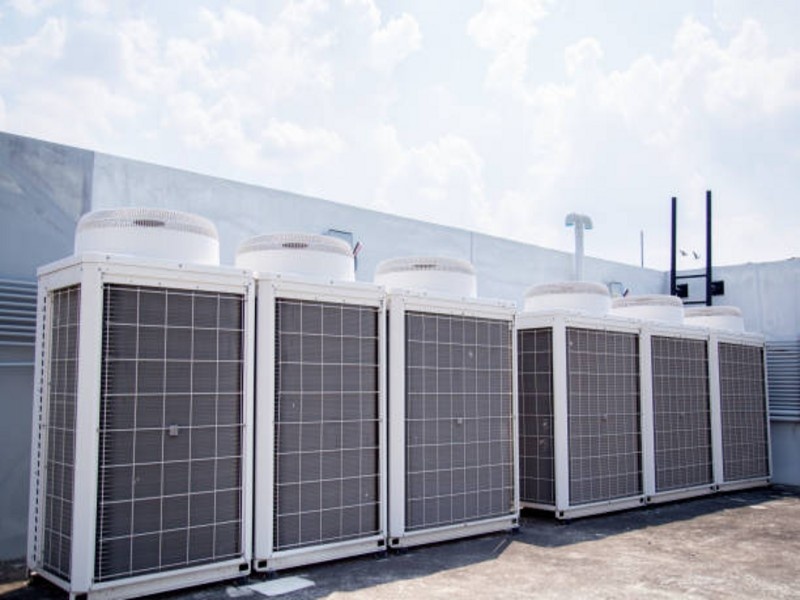
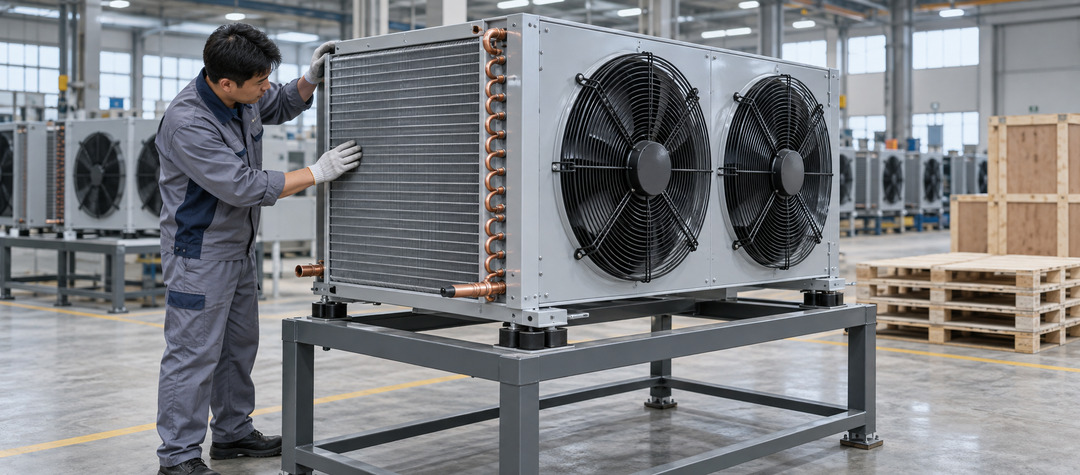
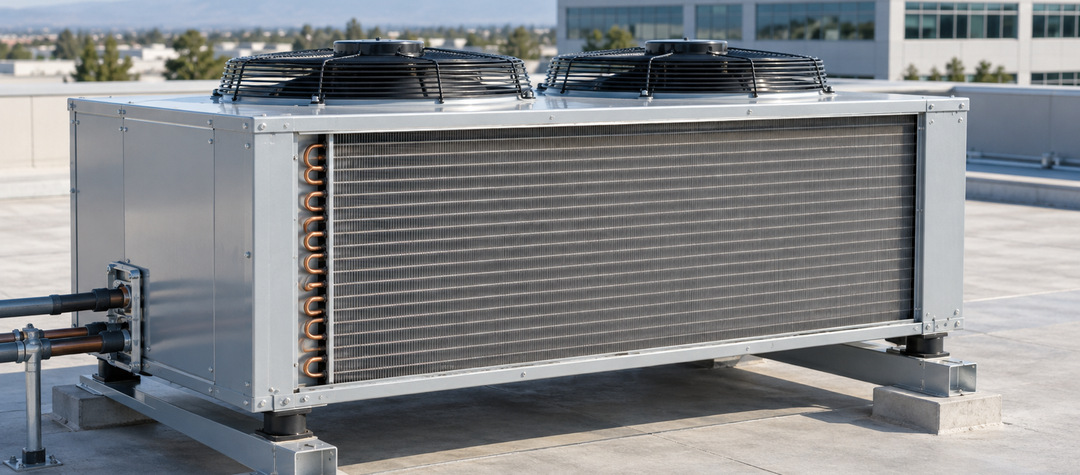
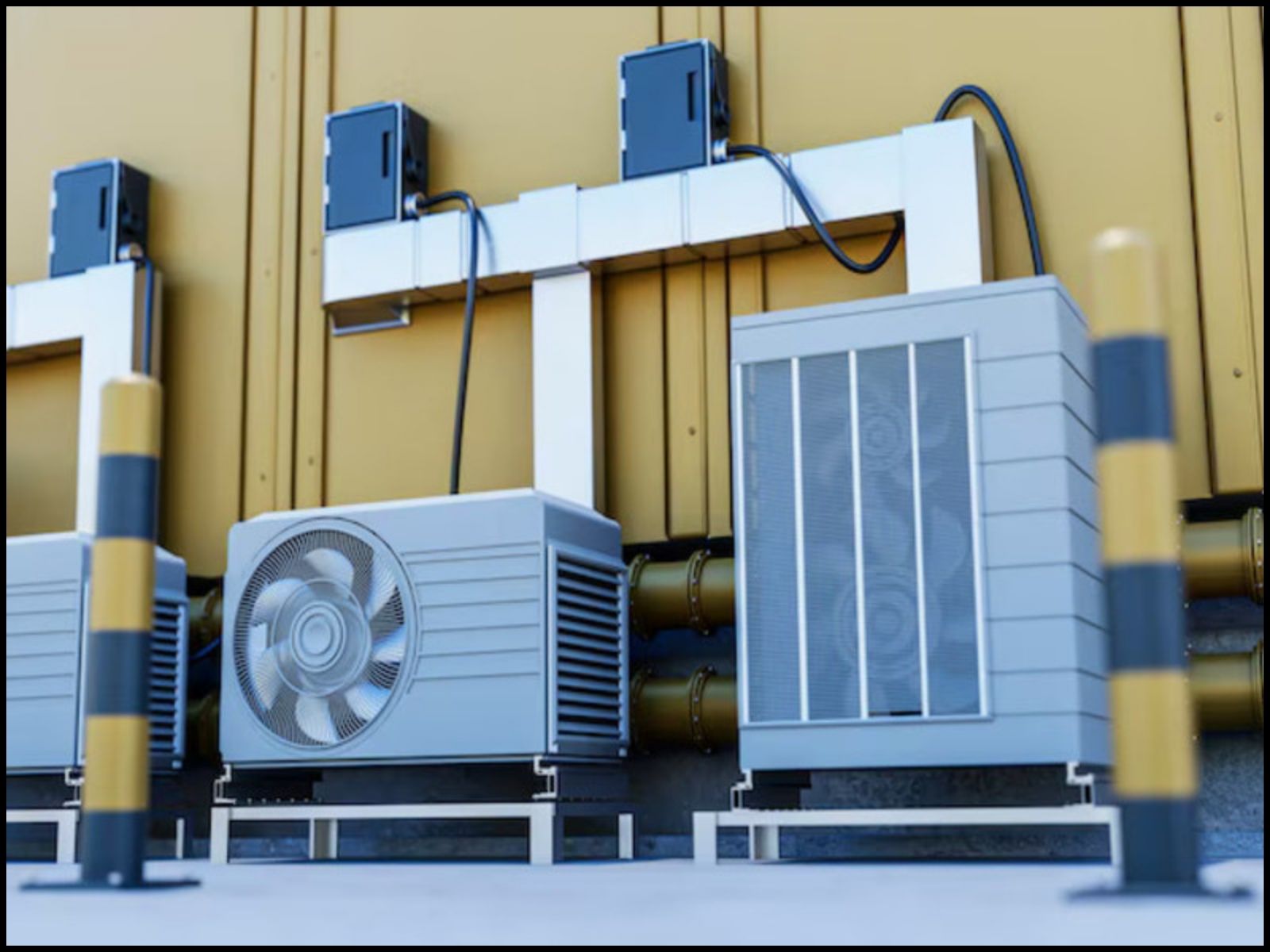
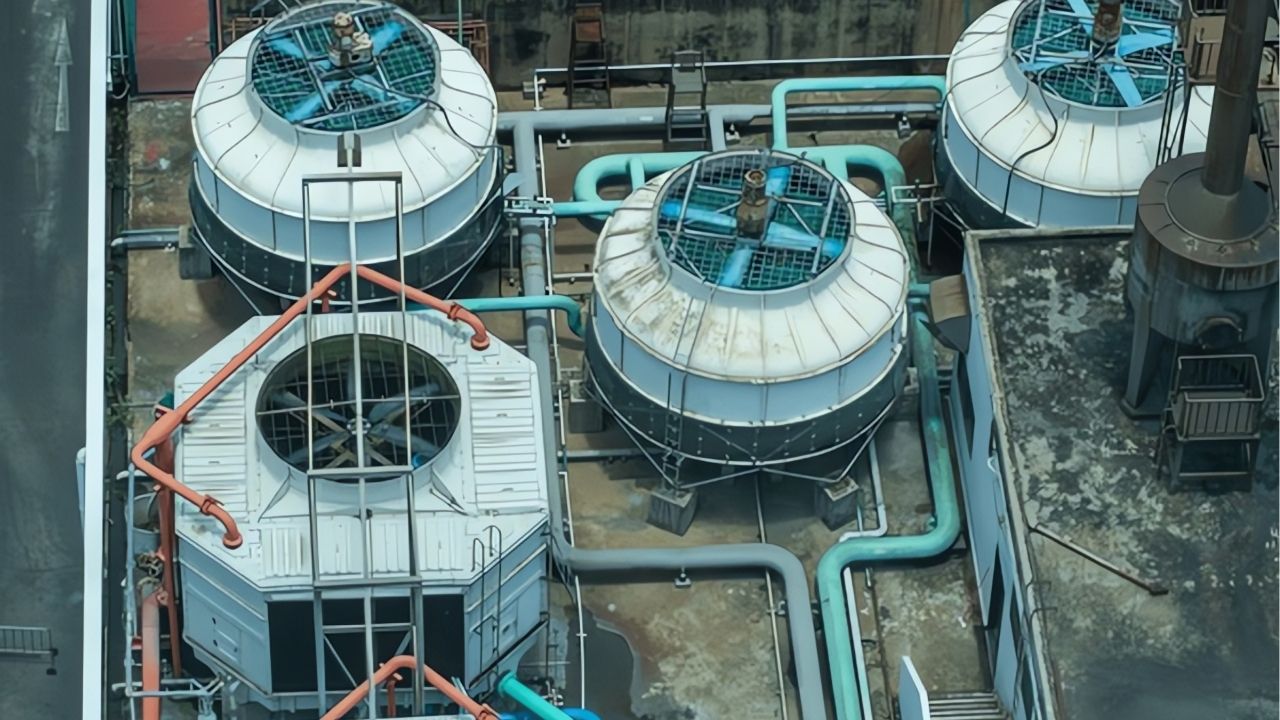
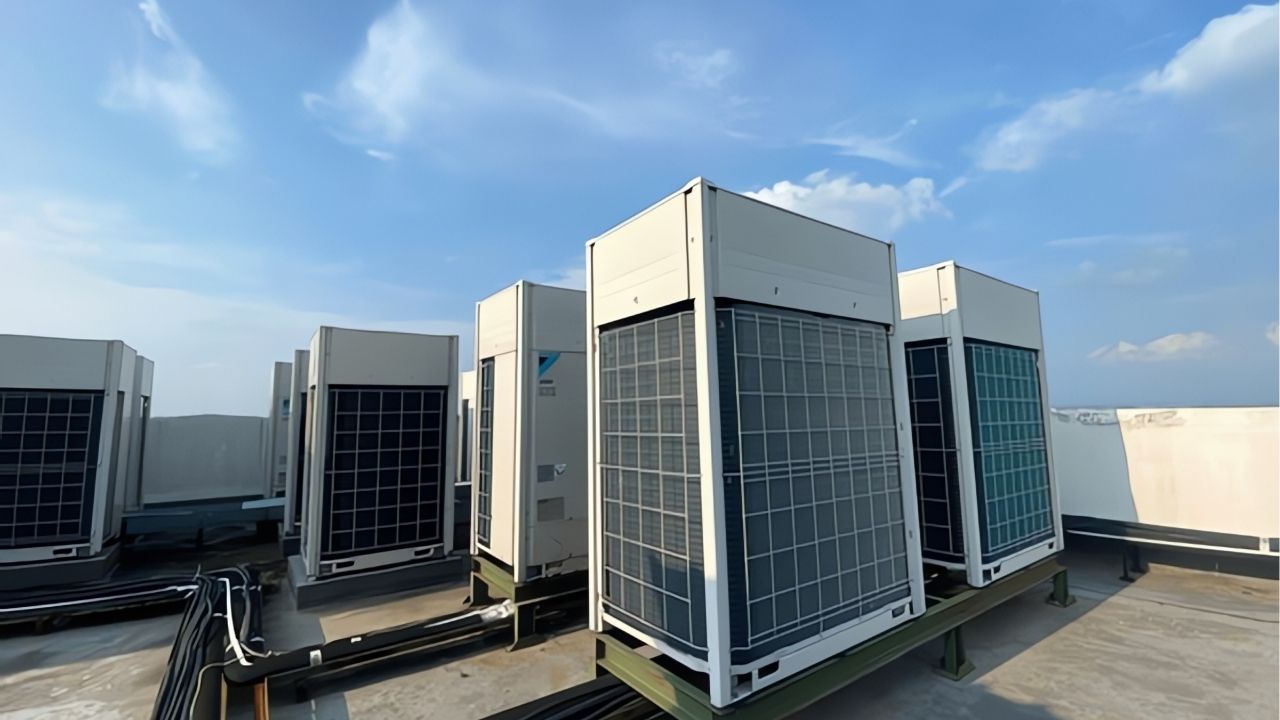
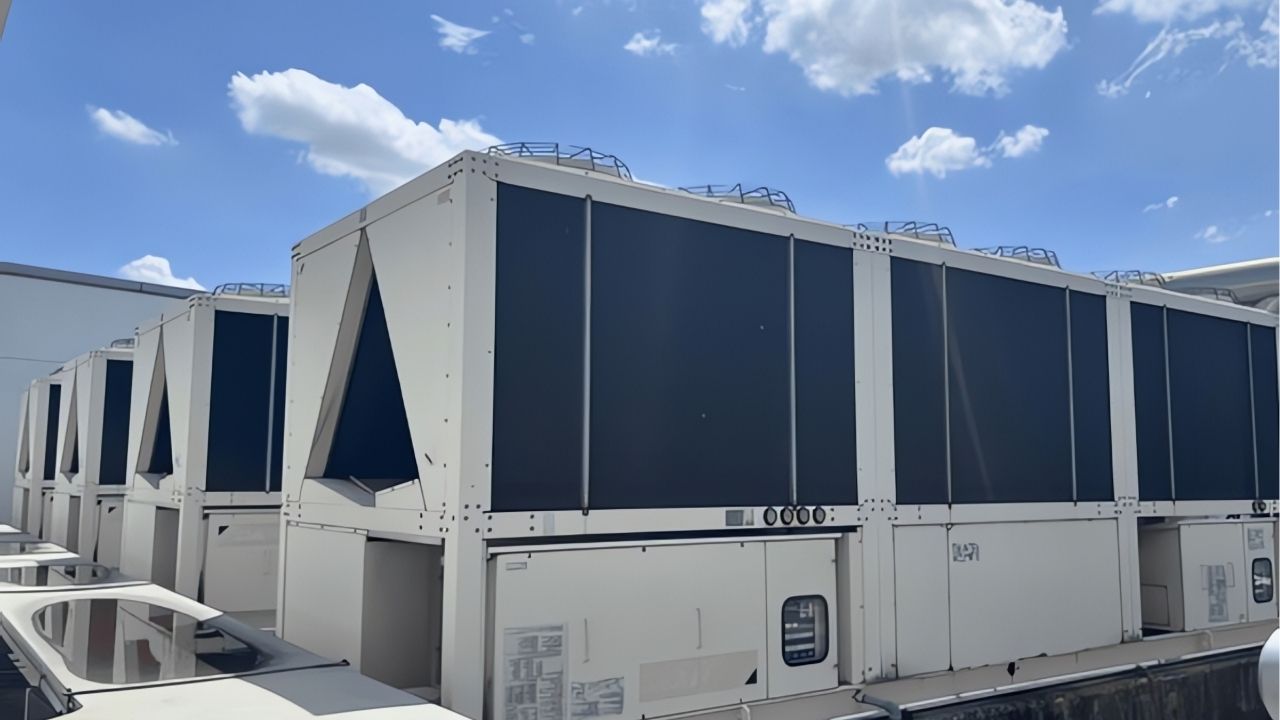
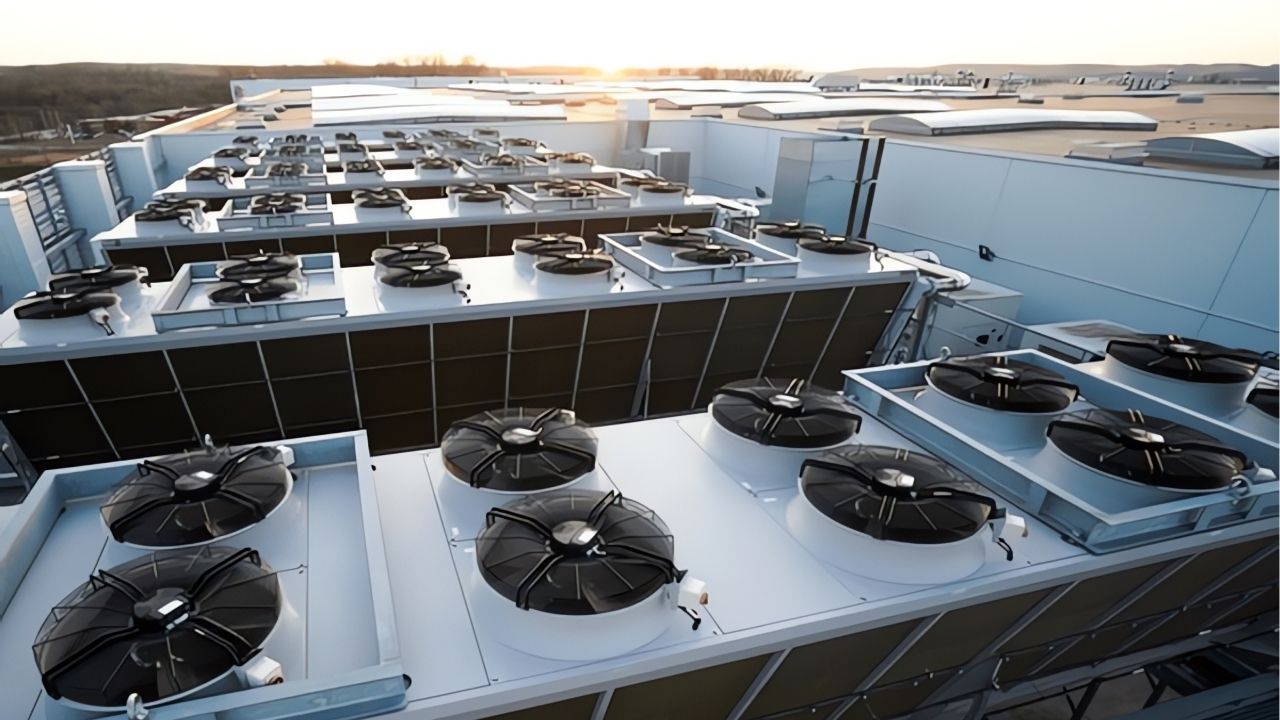
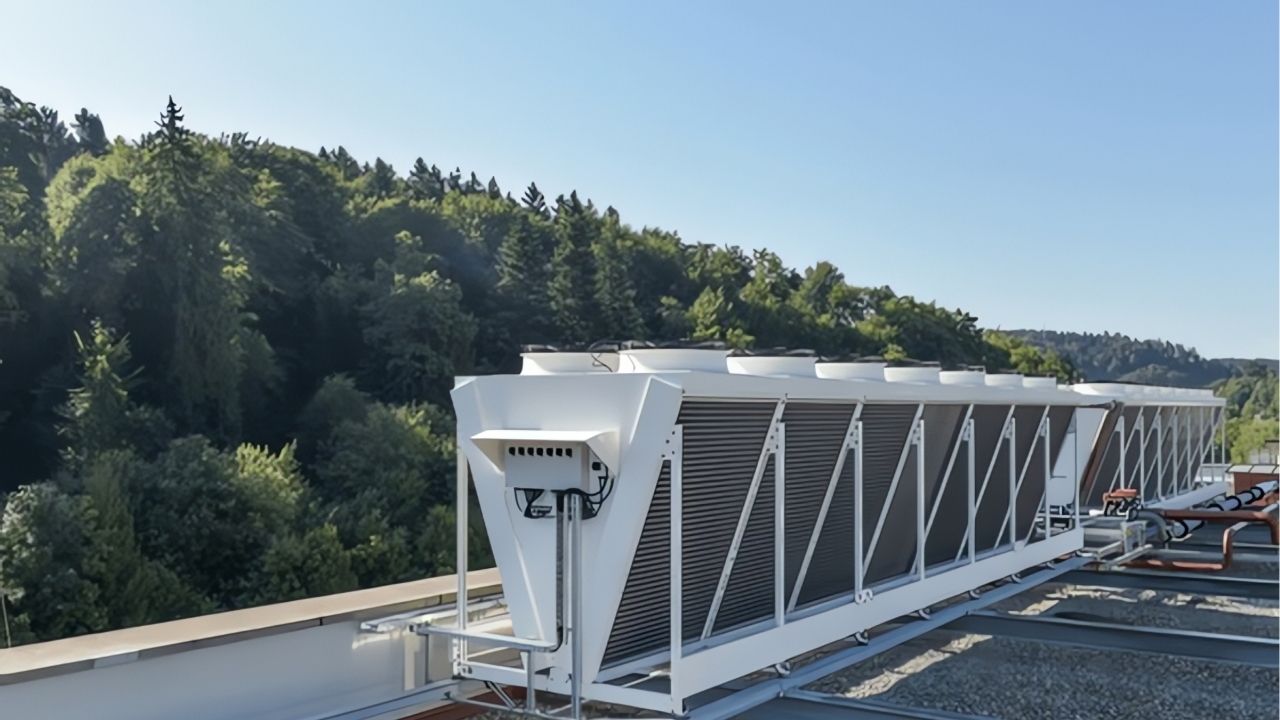
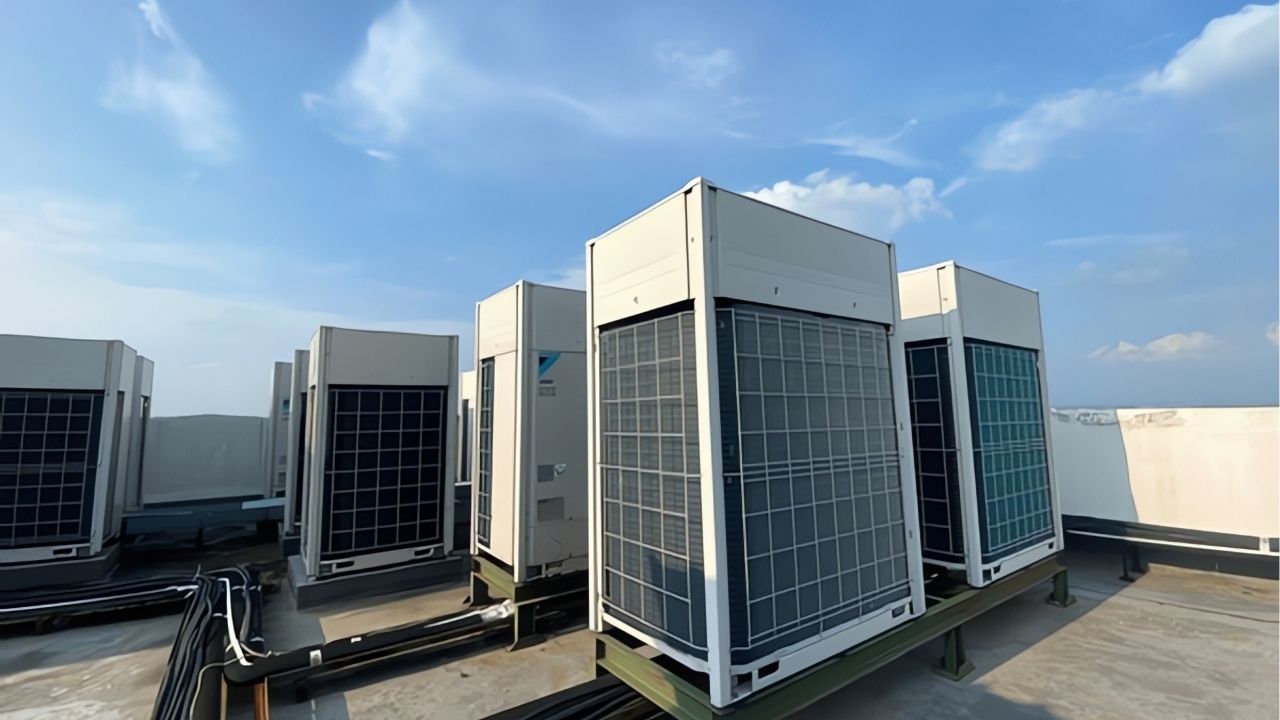
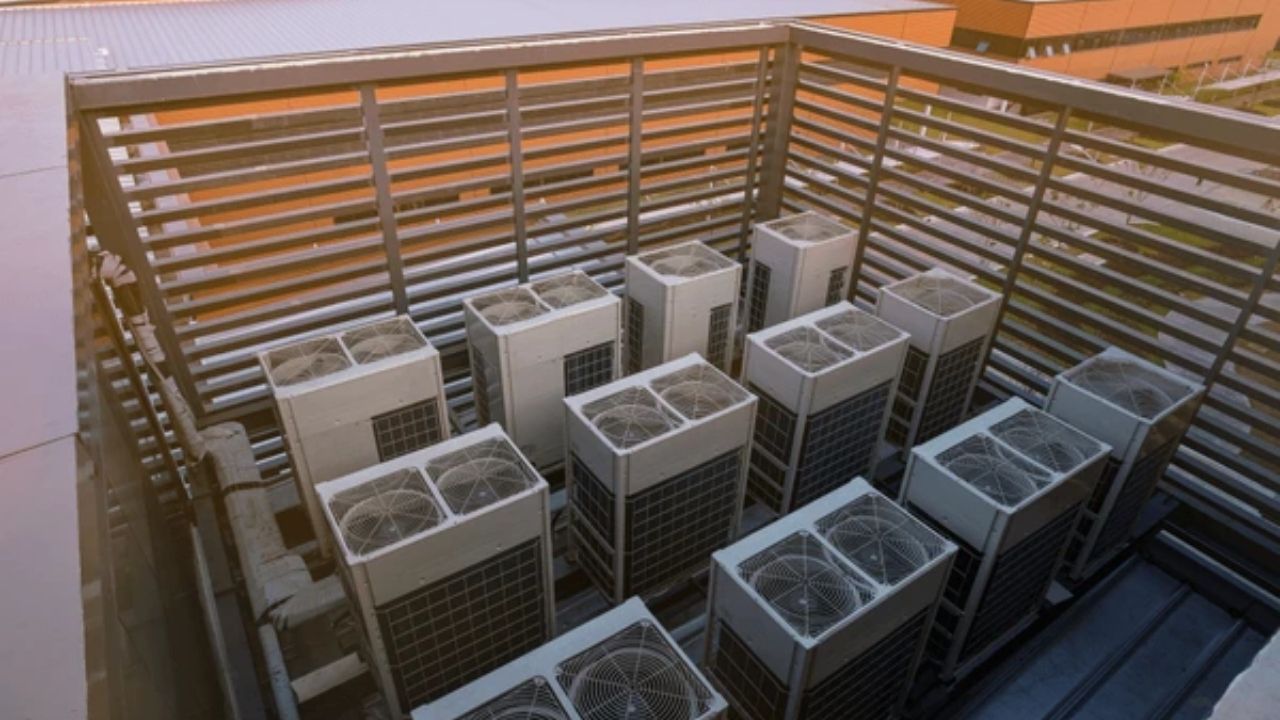
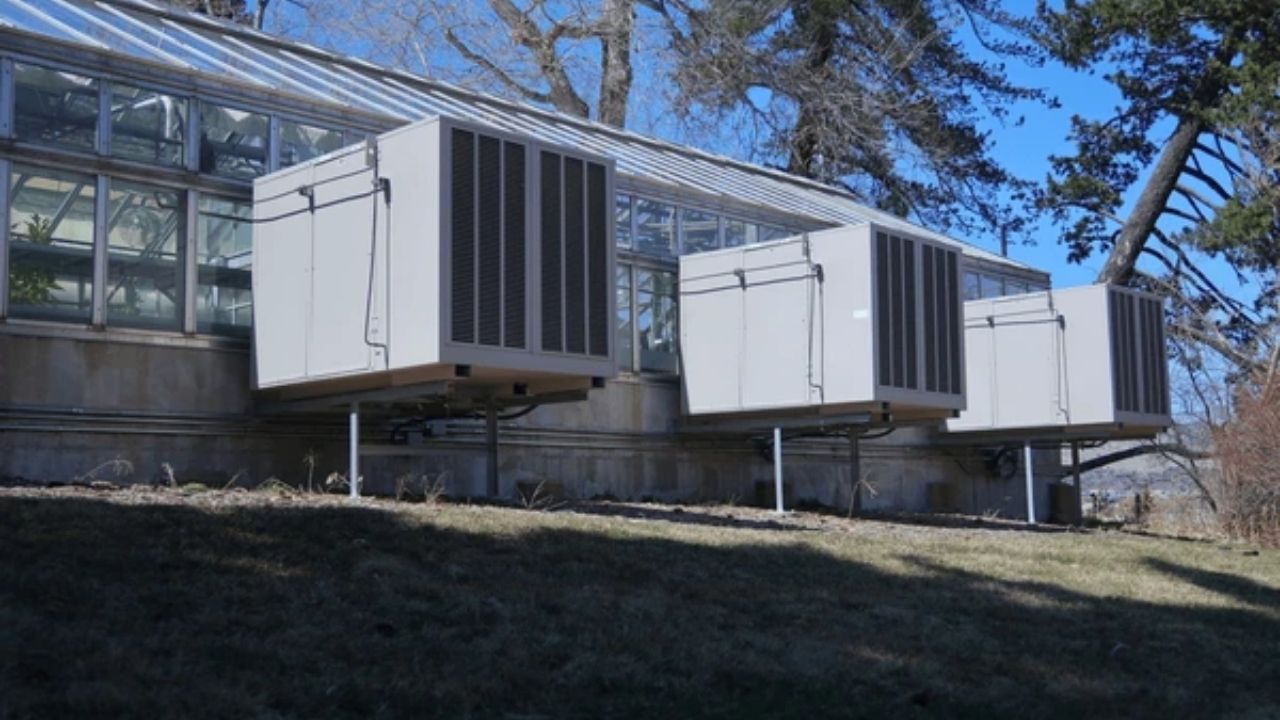
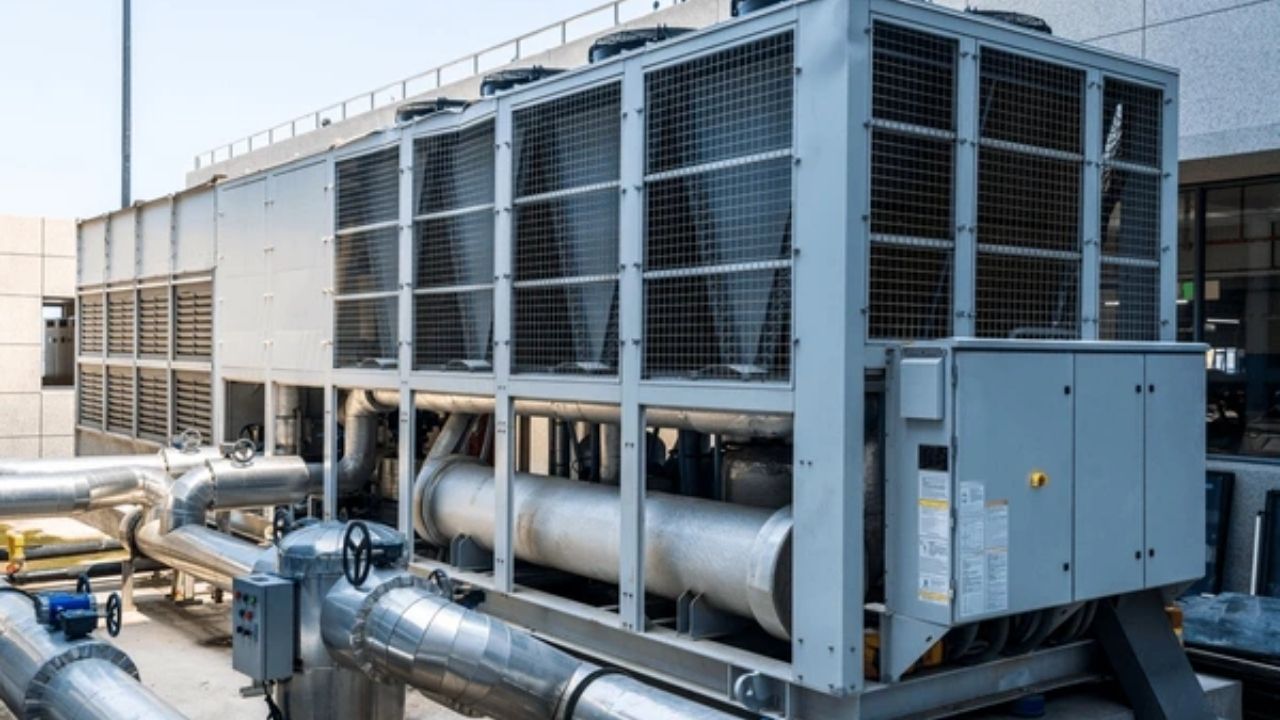
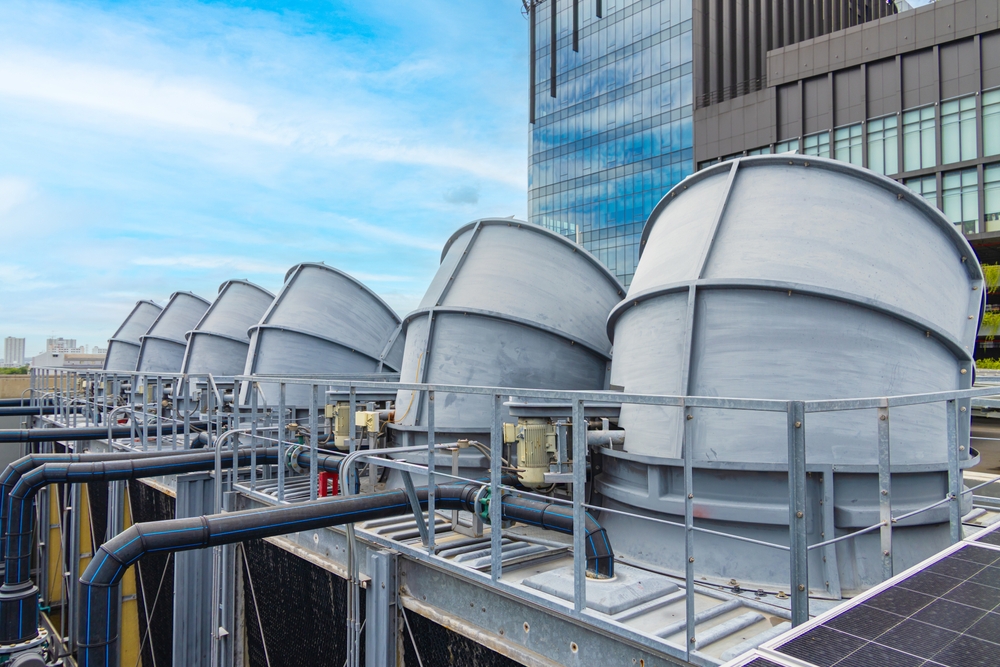
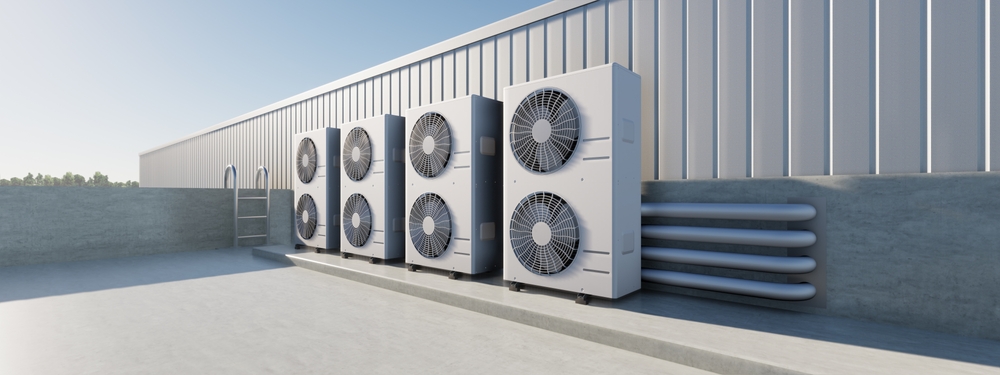
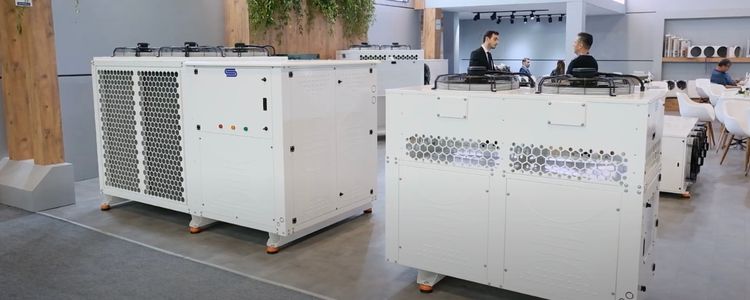
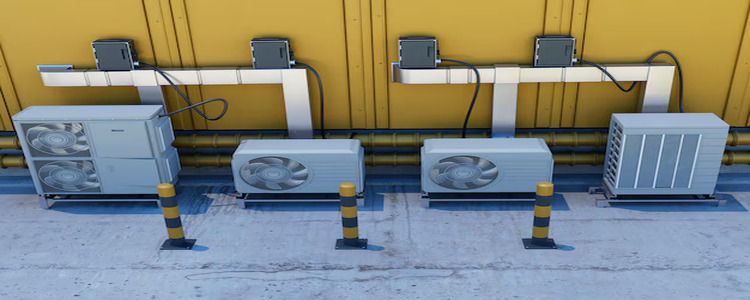
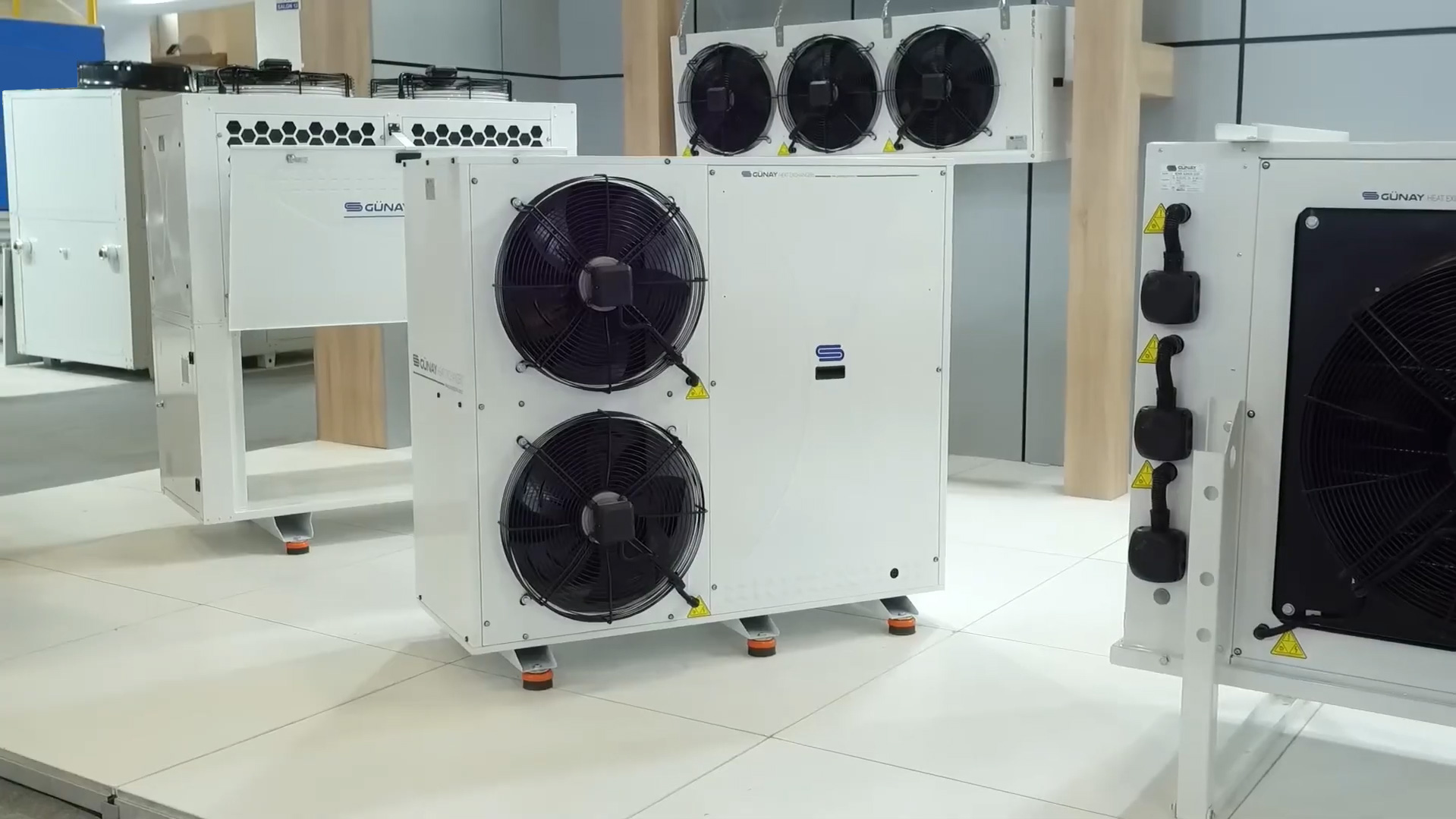
The condenser is the equipment that rejects heat to the environment in a cooling system; its performance directly affects system efficiency. Heat rejection capacity depends on surface area, fin structure, airflow and ambient temperature. As ambient temperature rises, the load on the condenser increases.
Material and construction also matter. An aluminum fin and copper tube combination is common; in corrosion-prone environments, a protective coating or suitable material selection can extend life. Keeping the fin surface clean is one of the most effective maintenance steps for preserving heat rejection performance.
In applications with limited space or high ambient temperature, made-to-measure production options can be considered. Condenser selection should be handled together with the axial fan used and the system capacity. When comparing different manufacturers, not only capacity but also operating conditions and ease of maintenance should be considered.
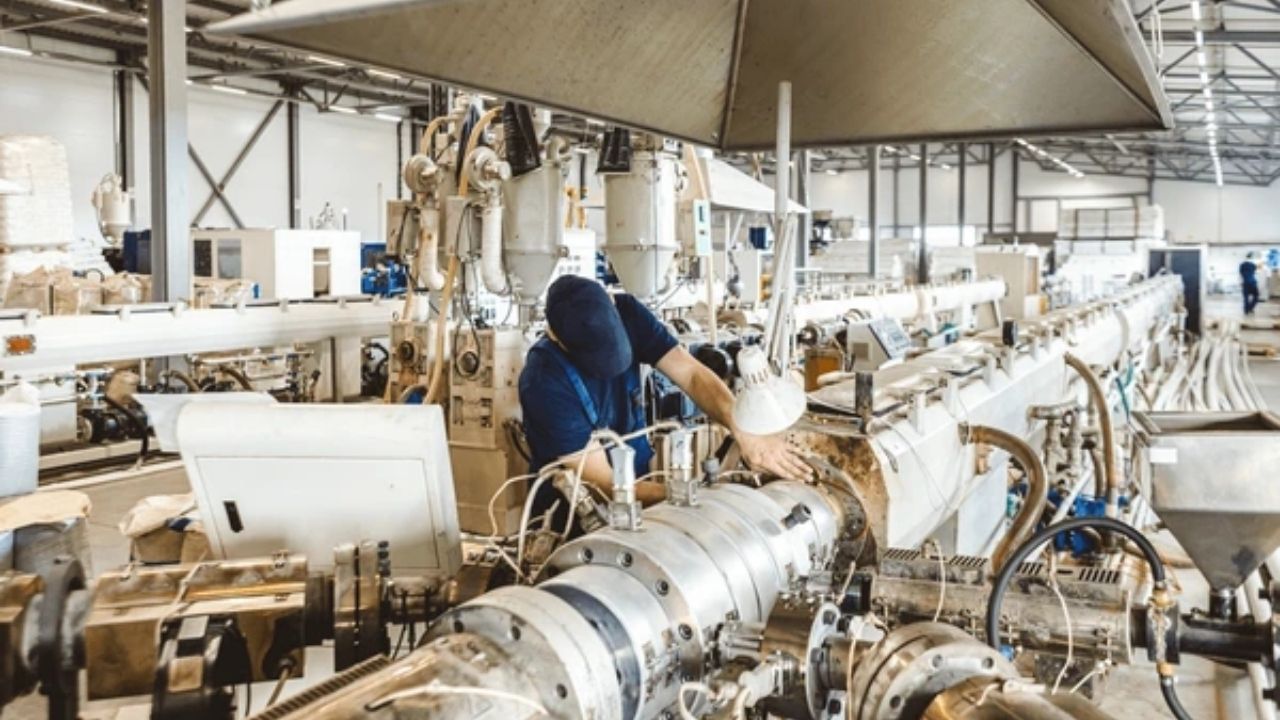
Cooling on a production line keeps product temperature under control and directly affects quality and process stability. Once the line's heat load, cycle times and target temperature range are determined, suitable evaporator and condenser equipment can be selected.
Balanced air distribution and heat exchangers sized to the process need reduce temperature deviations. In food sector applications, temperature consistency matters for product safety and shelf life. Axial fan selection and, where needed, capacity-based fan control contribute to this balance.
On lines that run continuously, ease of maintenance and downtime are also decisive. Accessible components and planned maintenance reduce production interruptions. You can share your project with our technical team for a solution specific to your application.
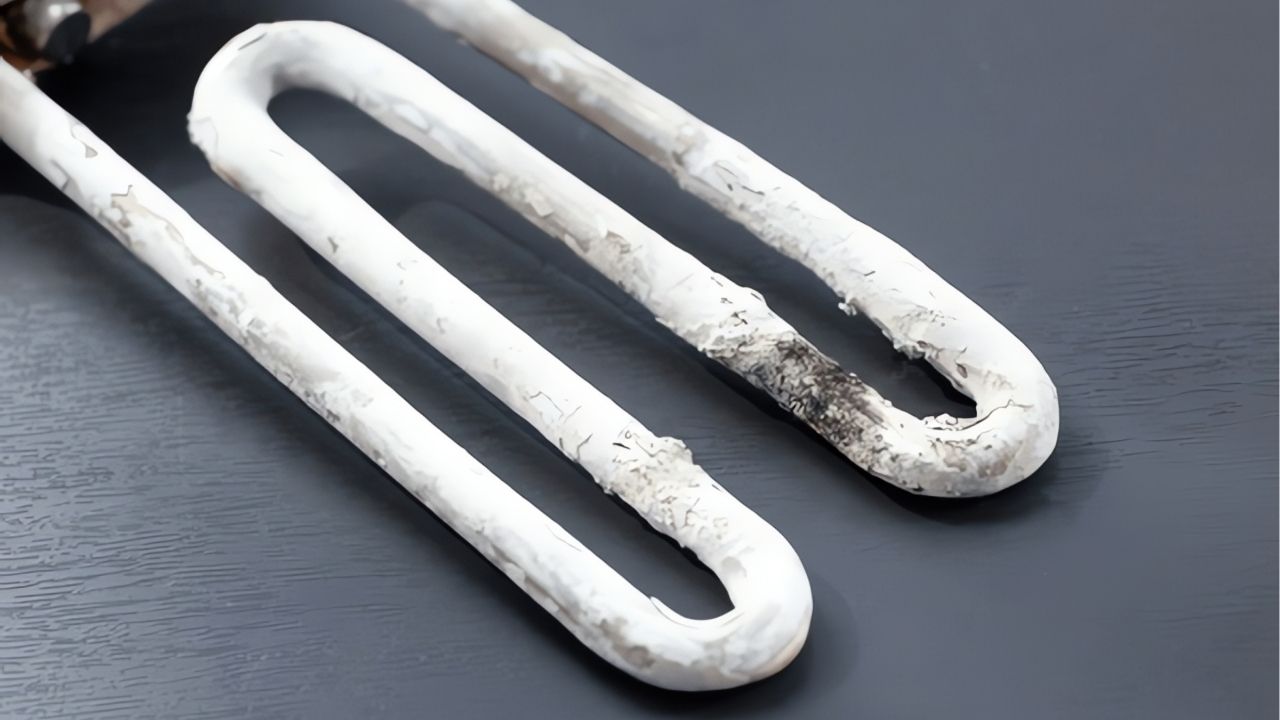
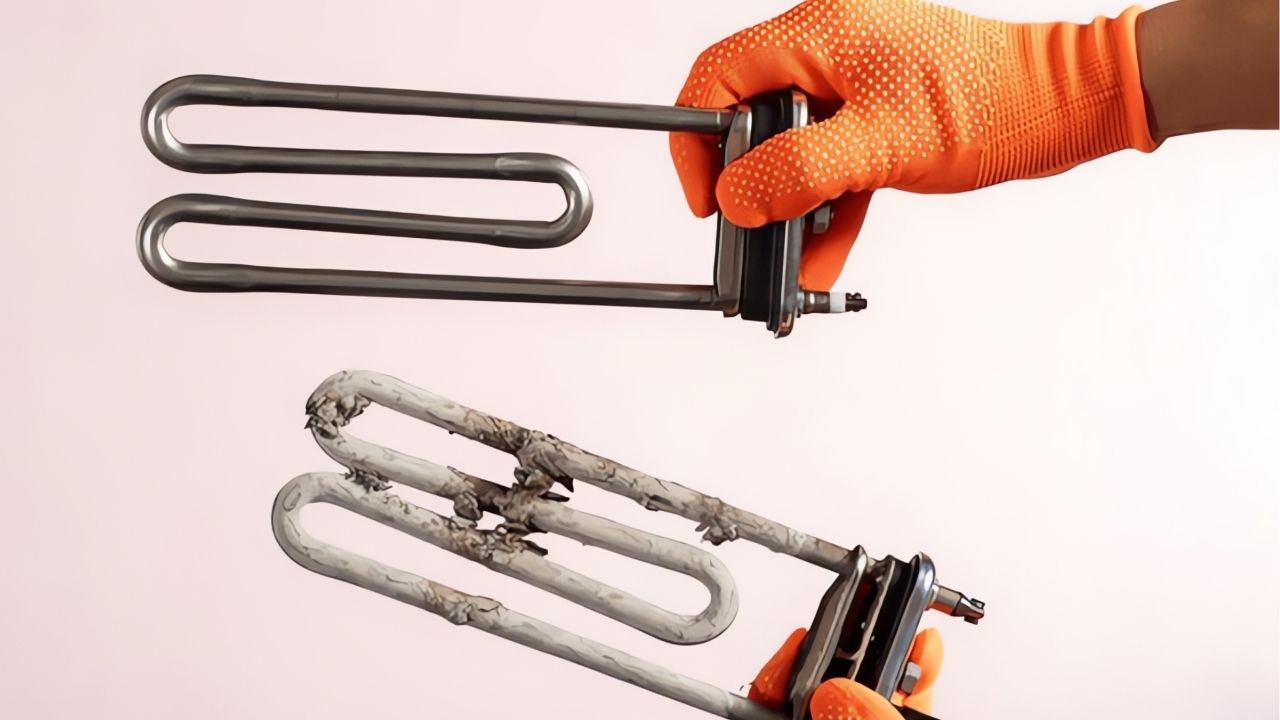
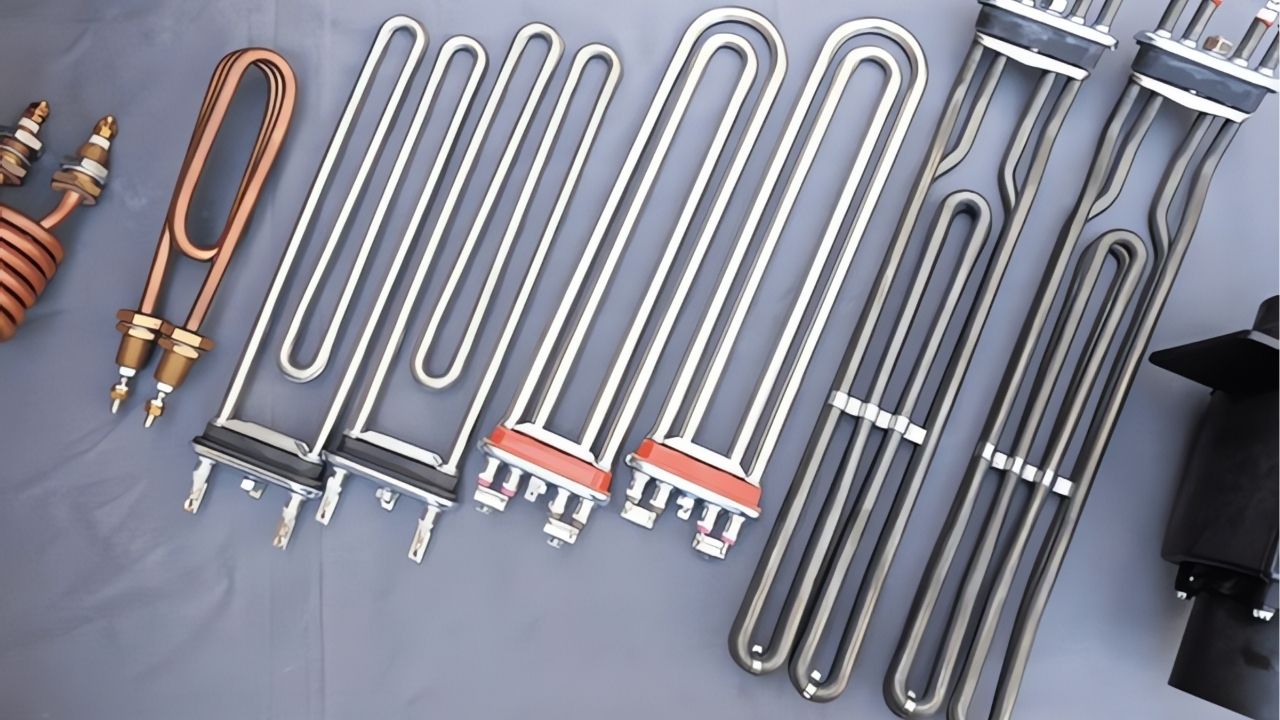
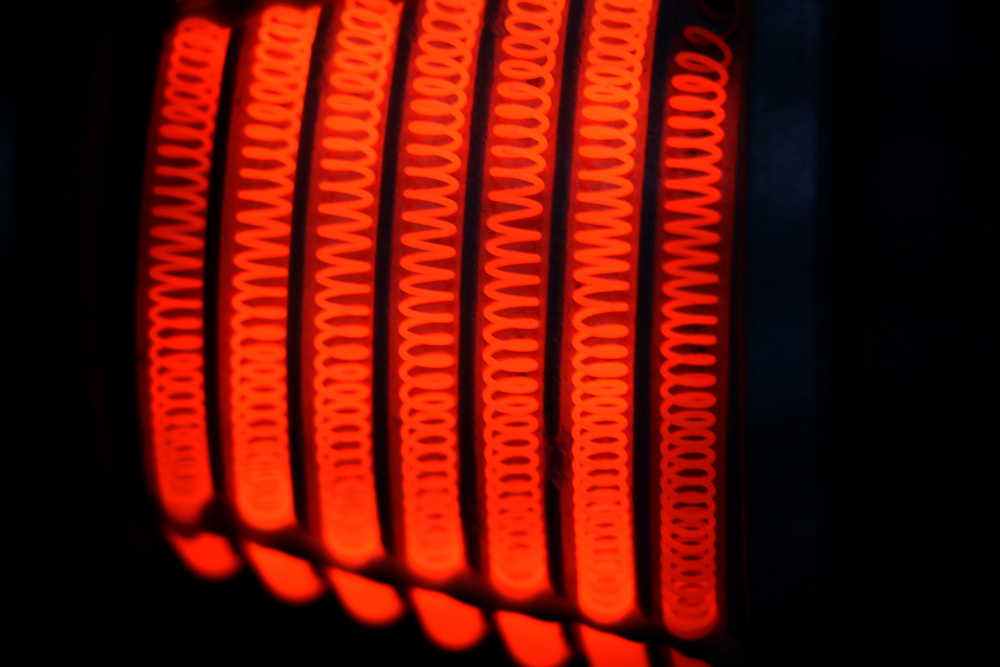
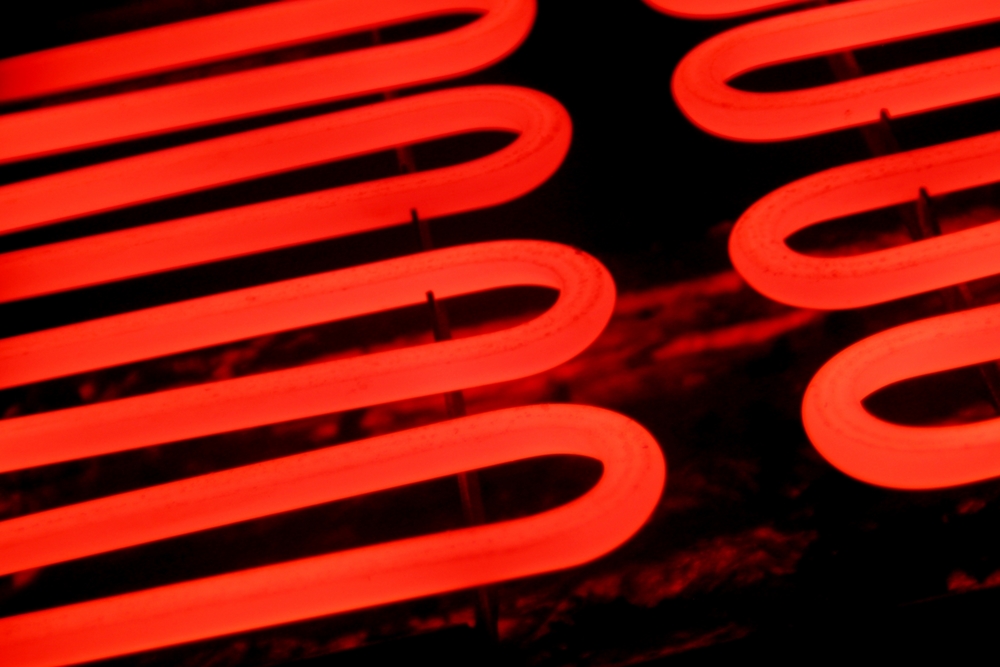
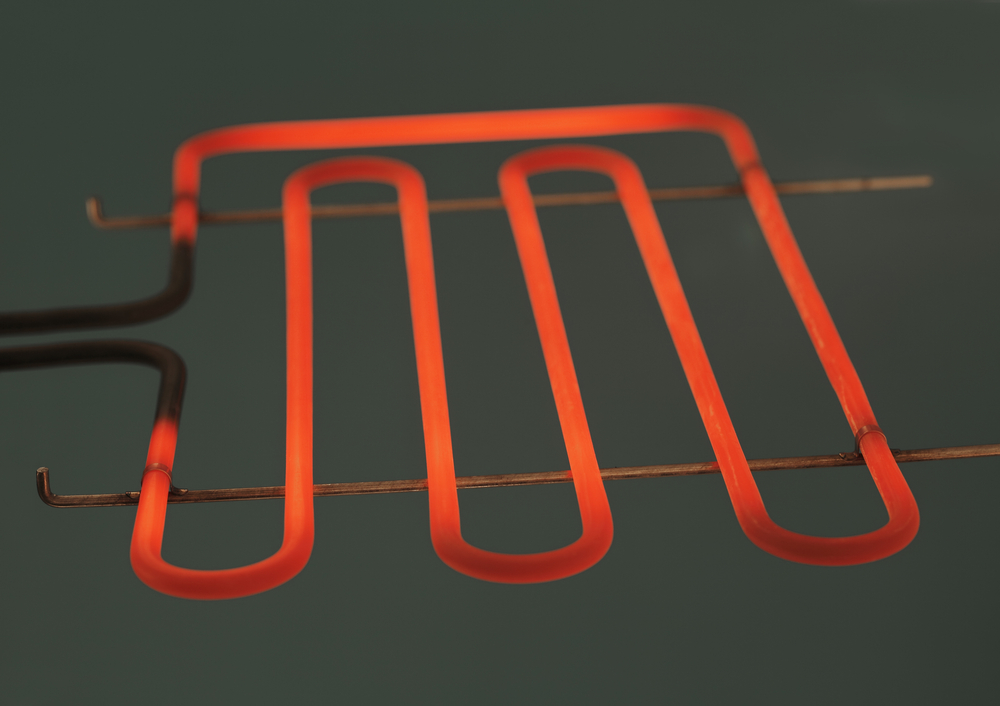
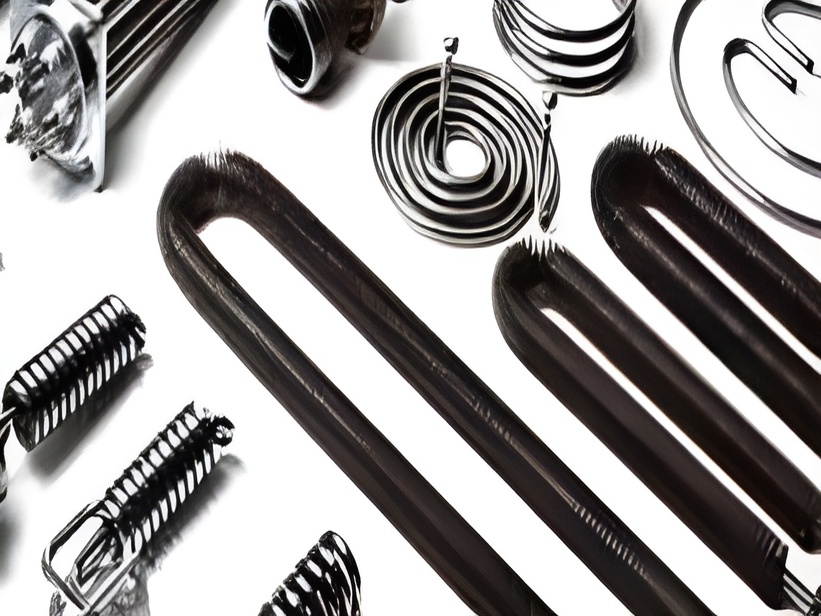
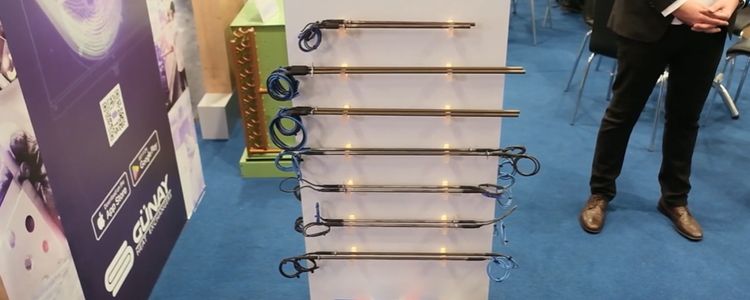
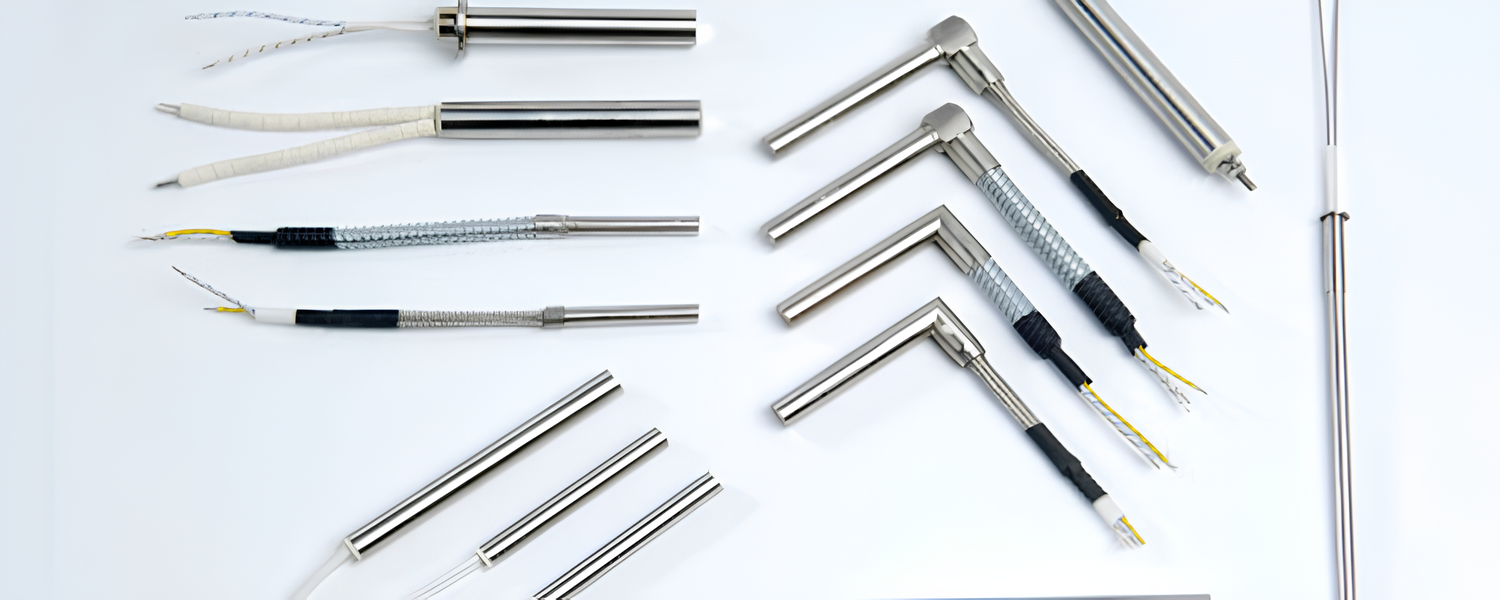
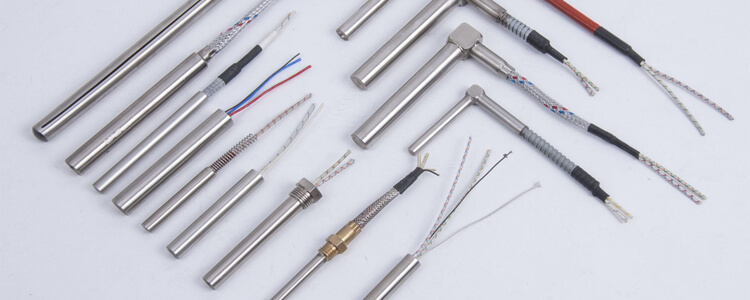
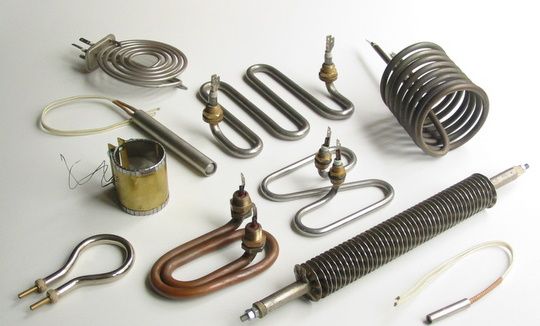
In cooling systems, heaters are mostly used for defrost and are exposed to constant temperature changes, moisture and mechanical effects. The durability of a heater therefore depends on the element material, housing construction, insulation and the way it is installed.
Selecting heater power to suit the application, distributing heat evenly to the exchanger surface and preventing overheating affect both defrost effectiveness and element life. In humid and washdown food sector environments, sealing and corrosion resistance carry extra importance.
From a maintenance standpoint, heaters that are replaceable and accessible shorten downtime. To determine a suitable heater solution, the equipment type, operating temperature and installation conditions can be reviewed together with our technical team.

Fill out the form to discover the most suitable high-end products for your projects. Contact Us Now.
Fill out the form now not to miss our special offers for you! The latest discover our products and innovations.
Fill out the form now not to miss our special offers for you! The latest discover our products and innovations.
Notification Centre 00:00