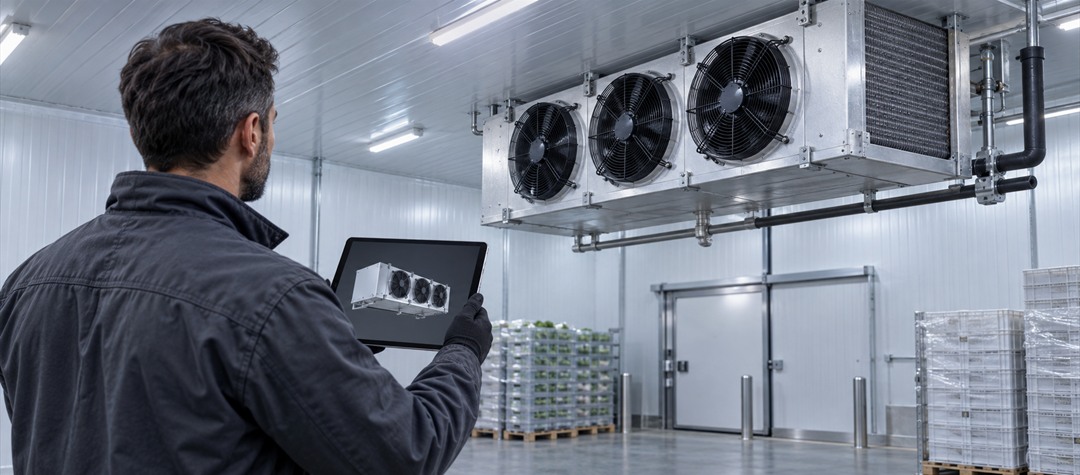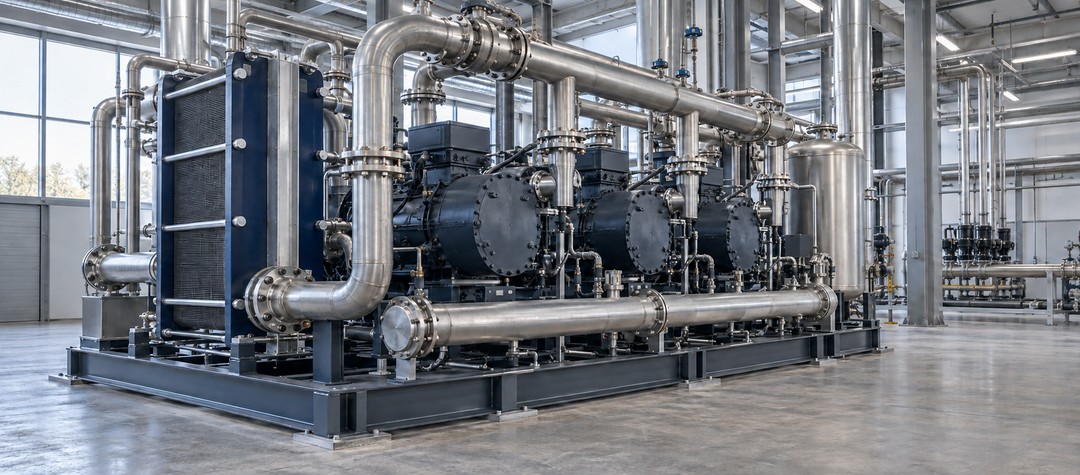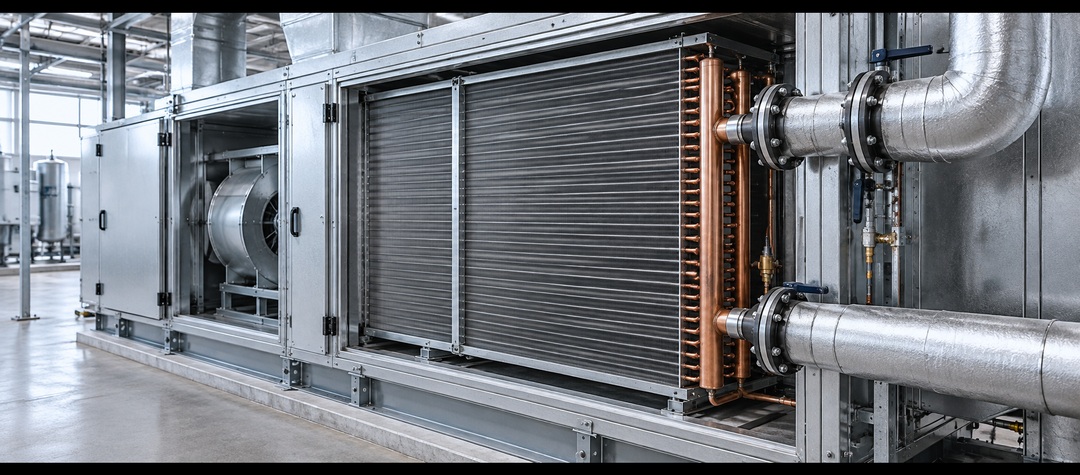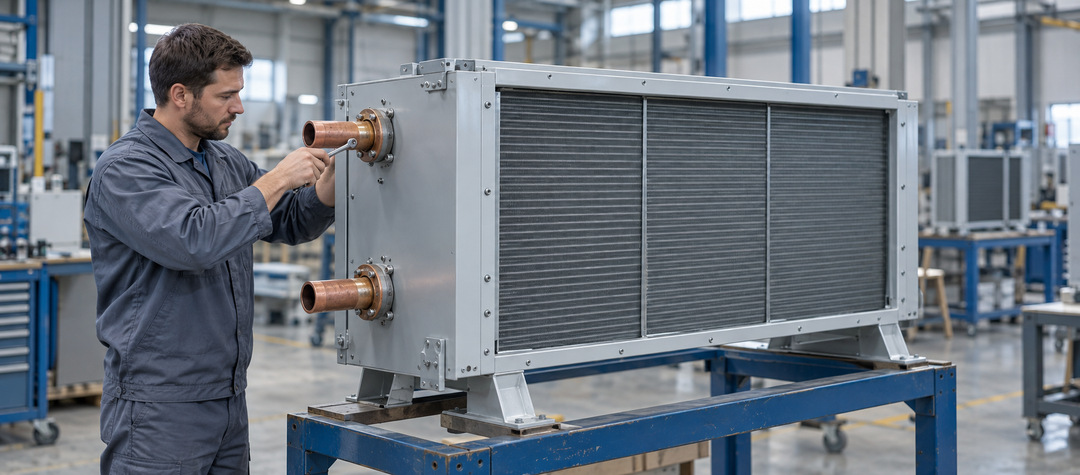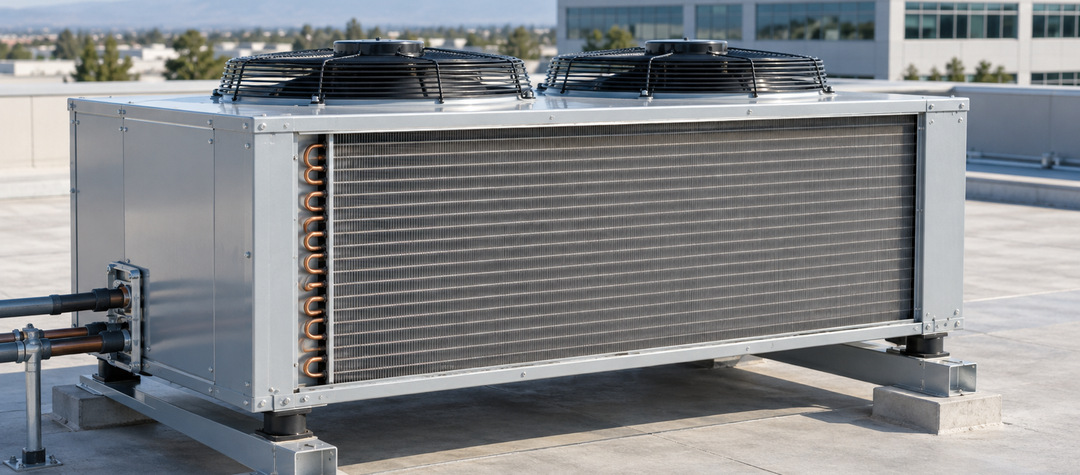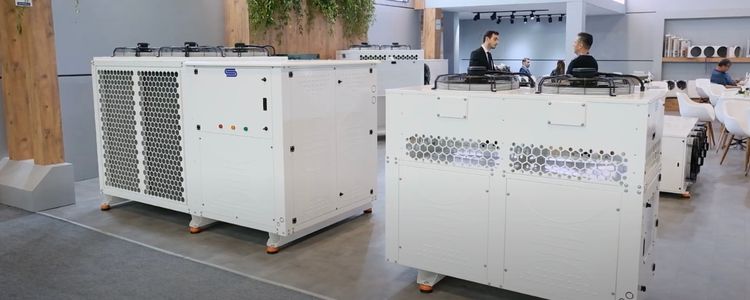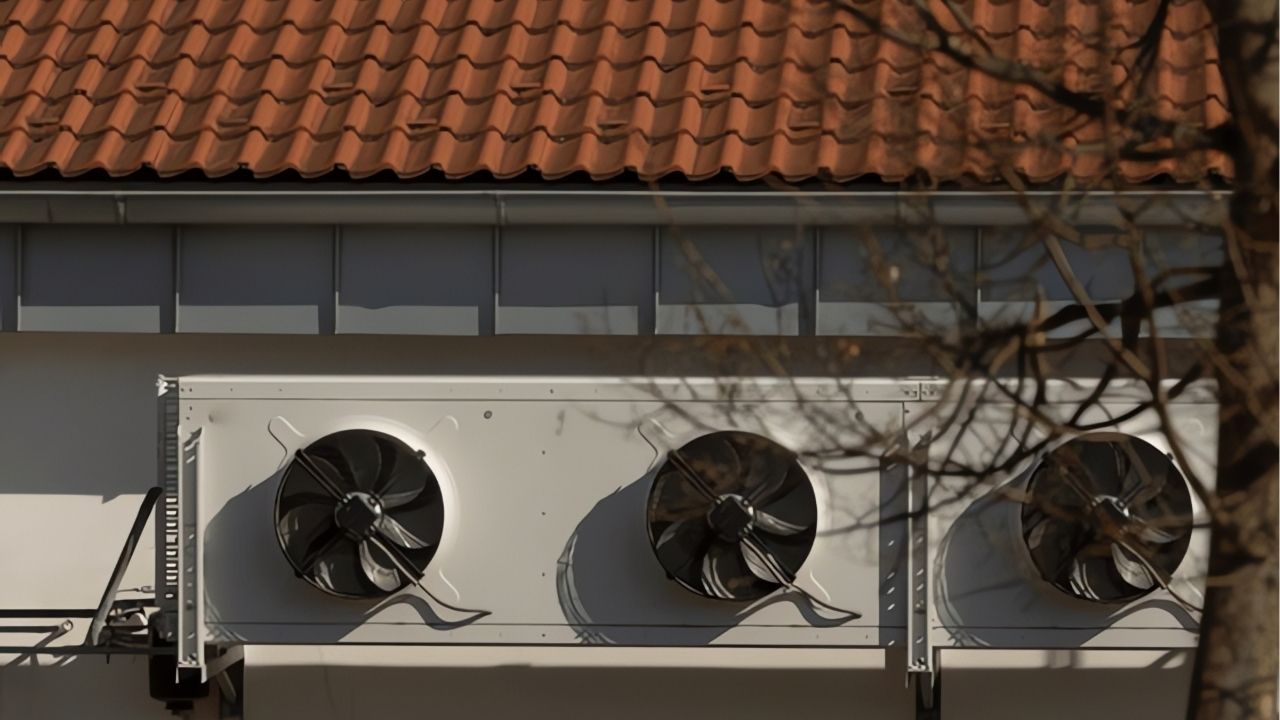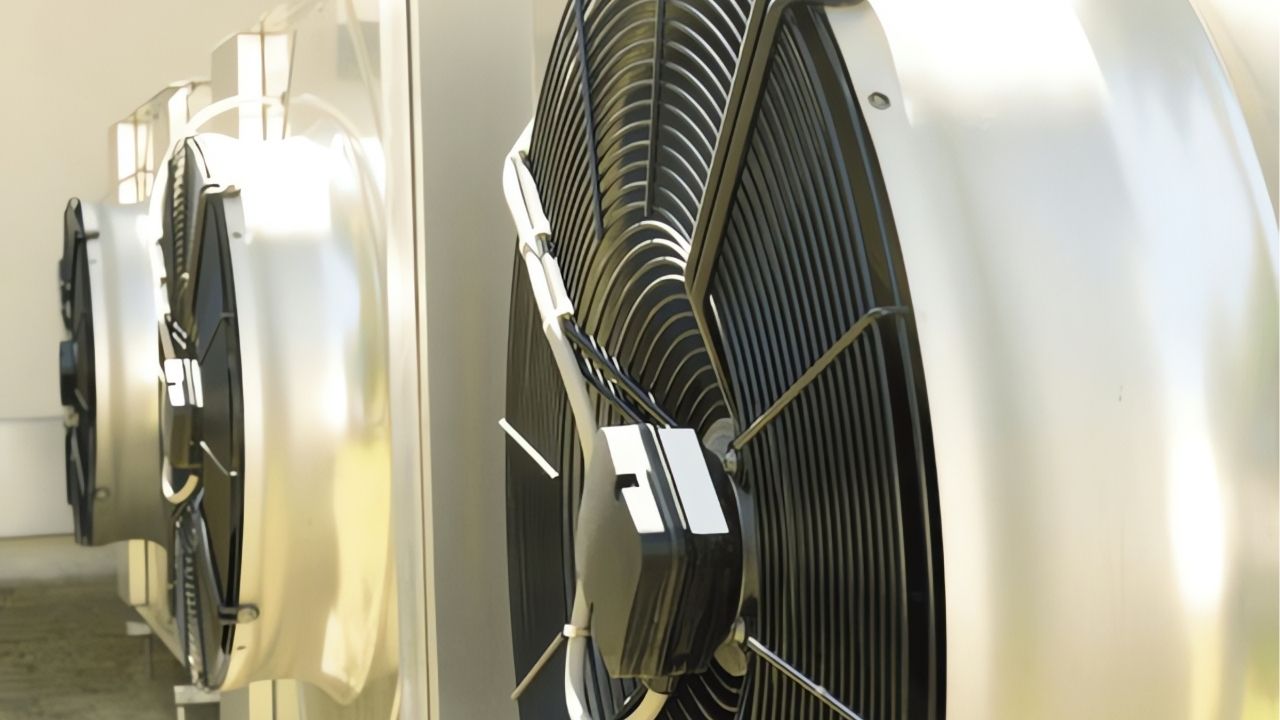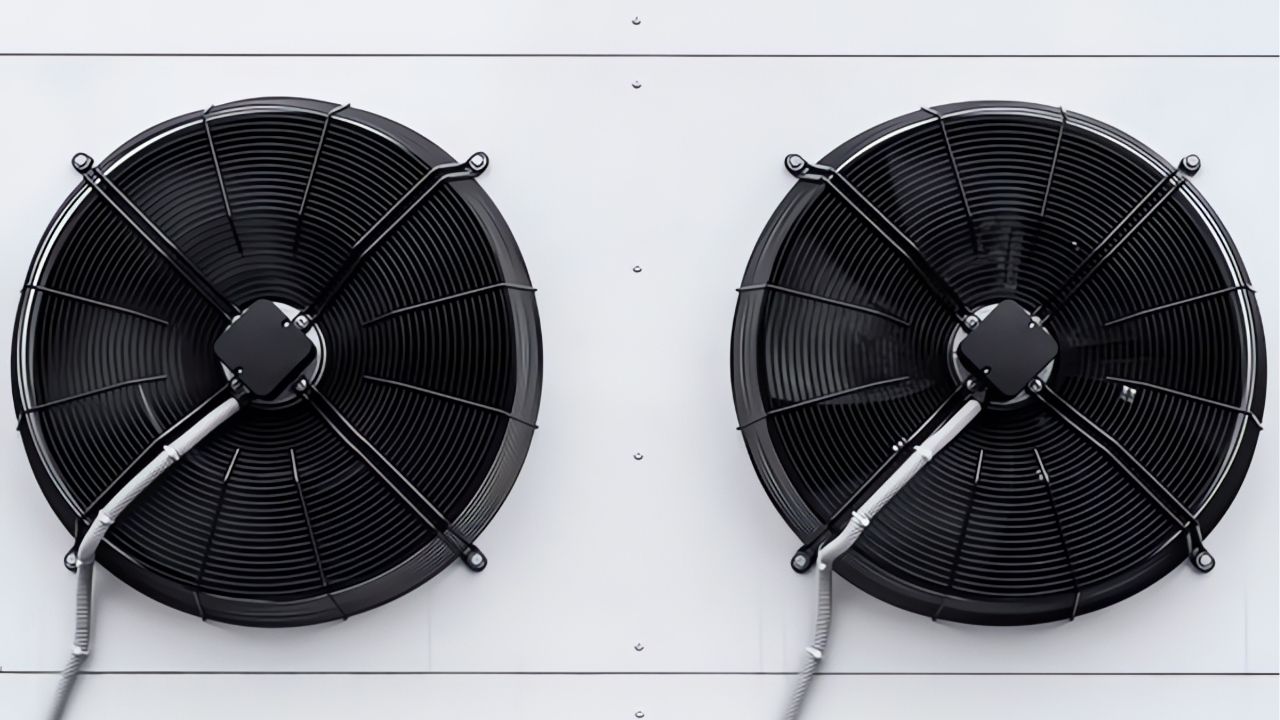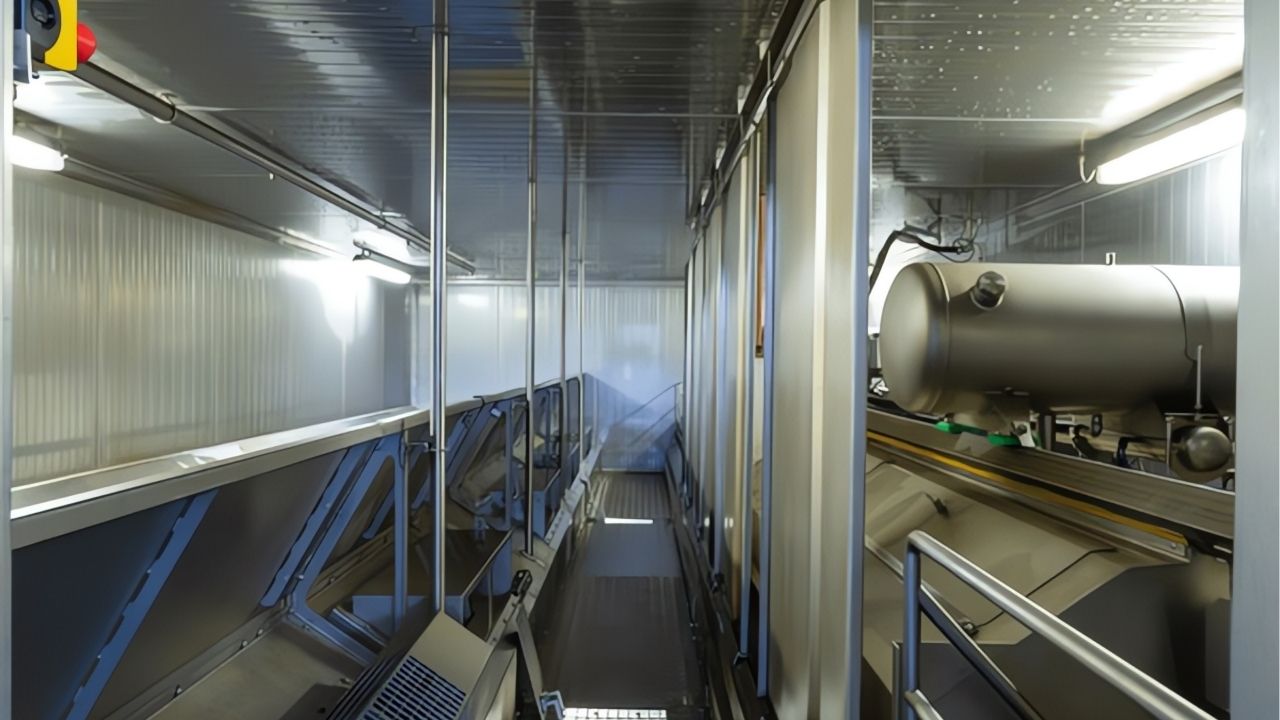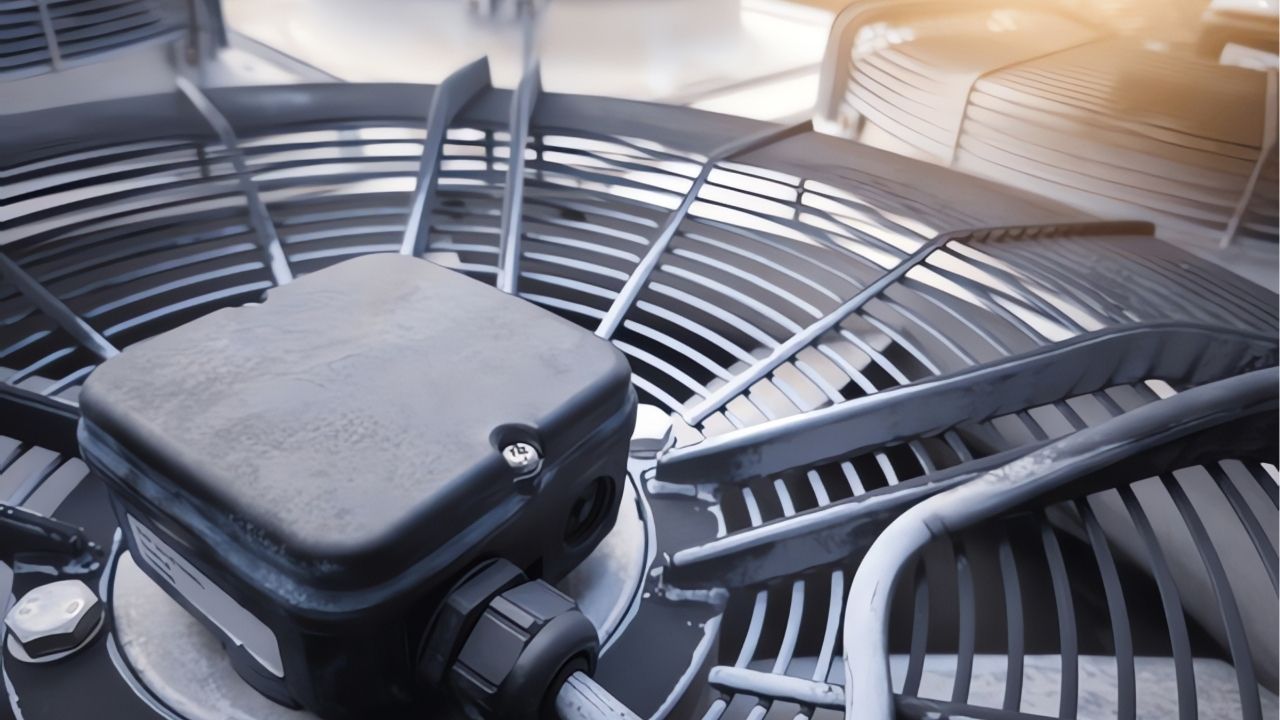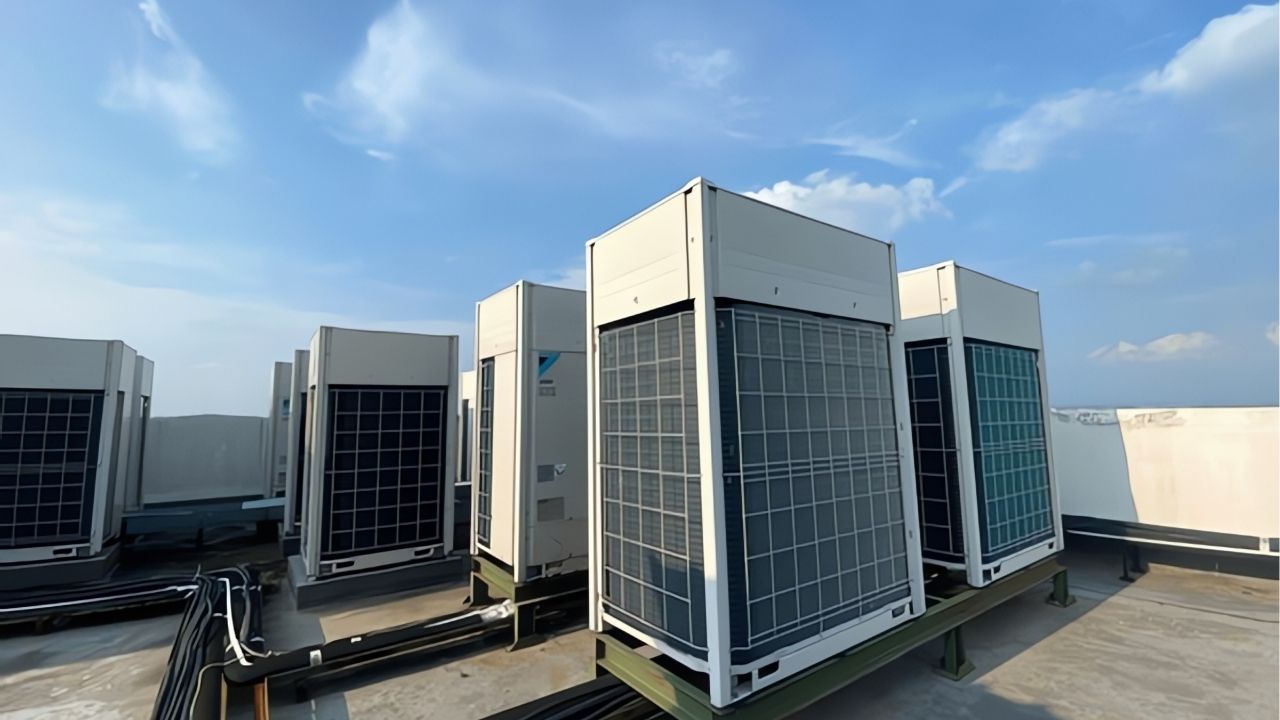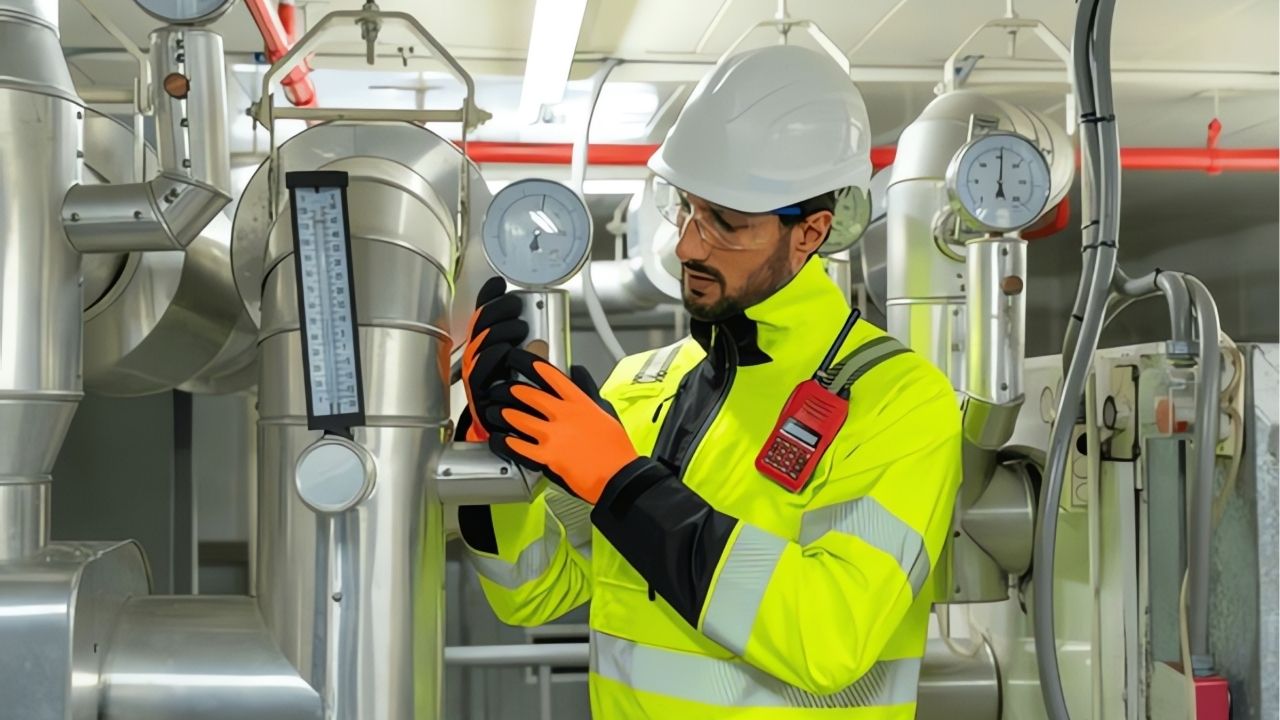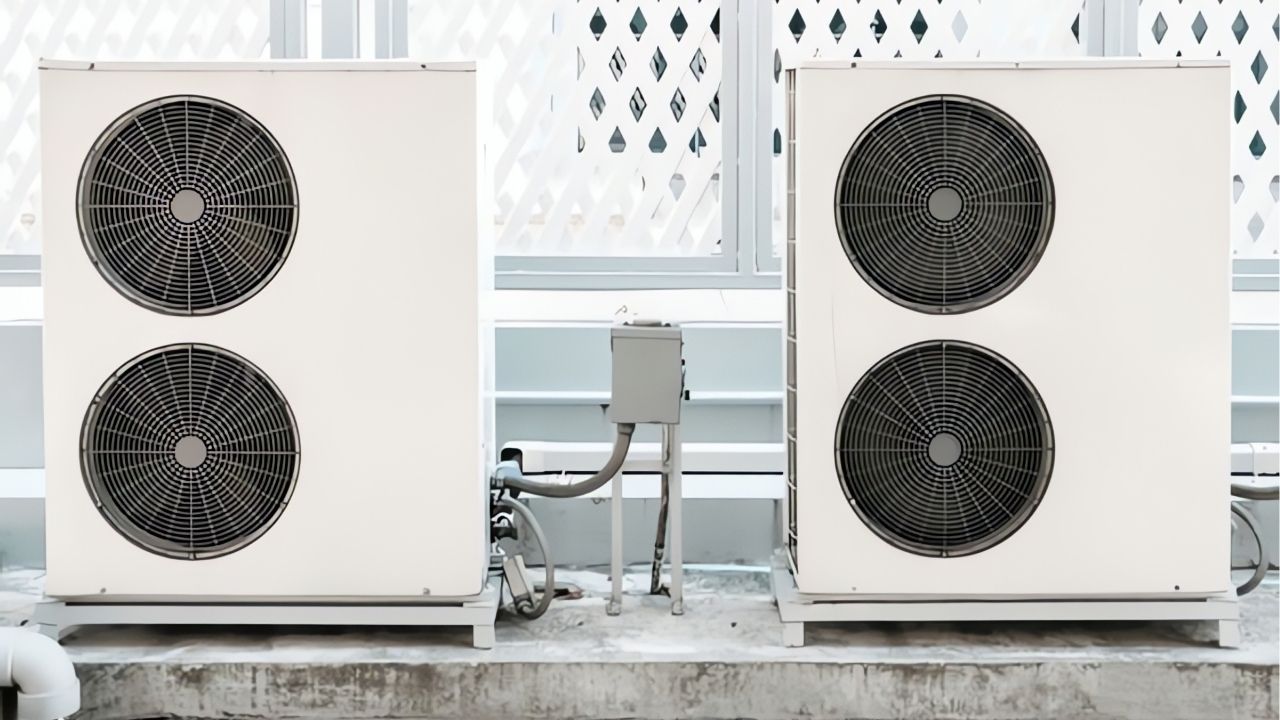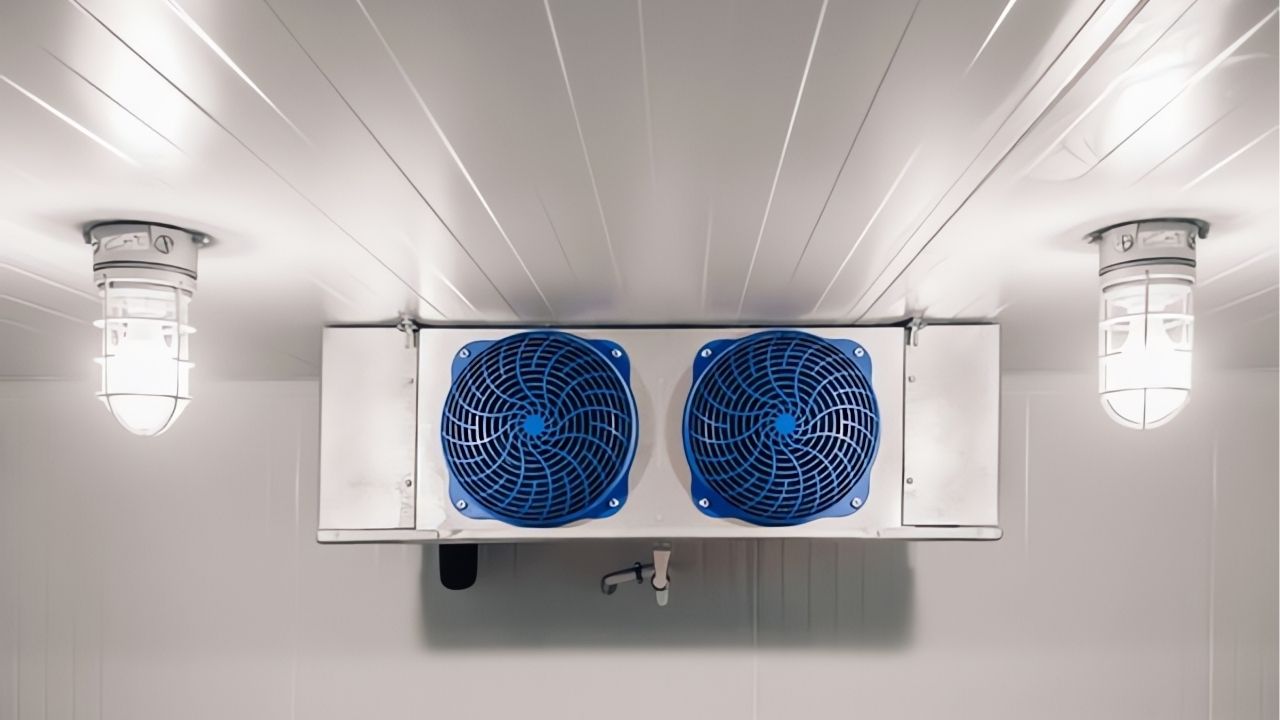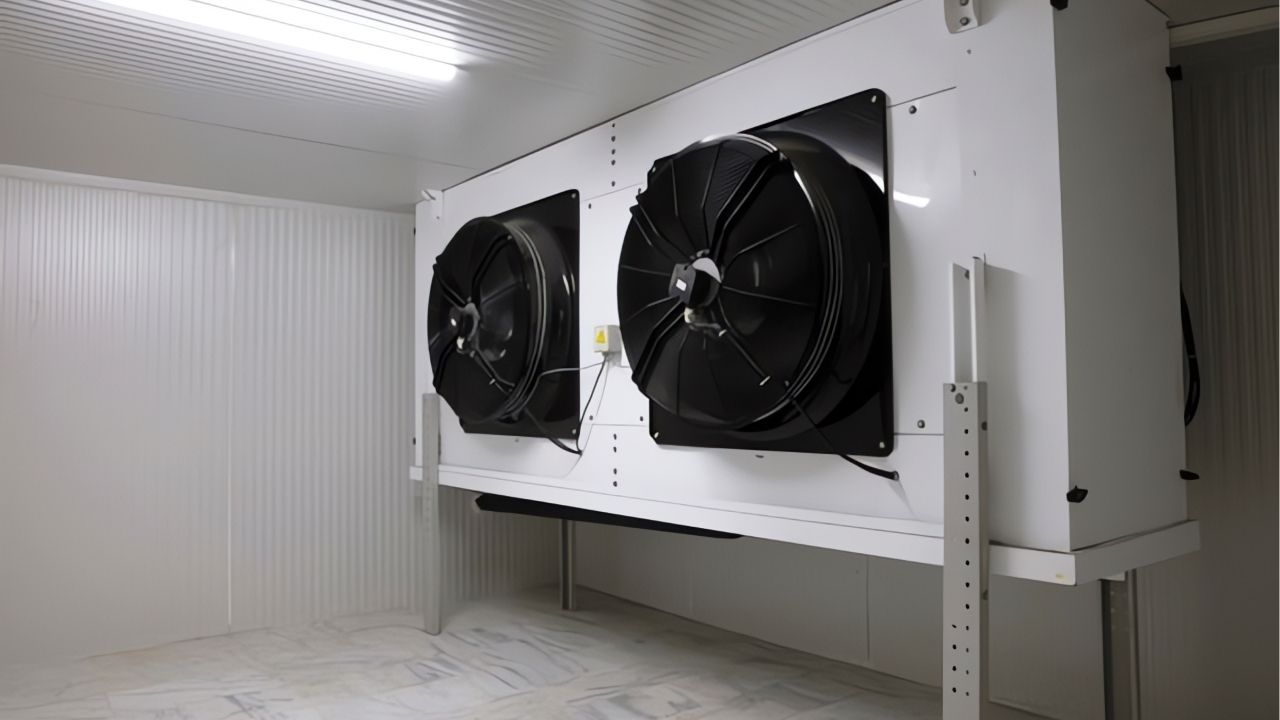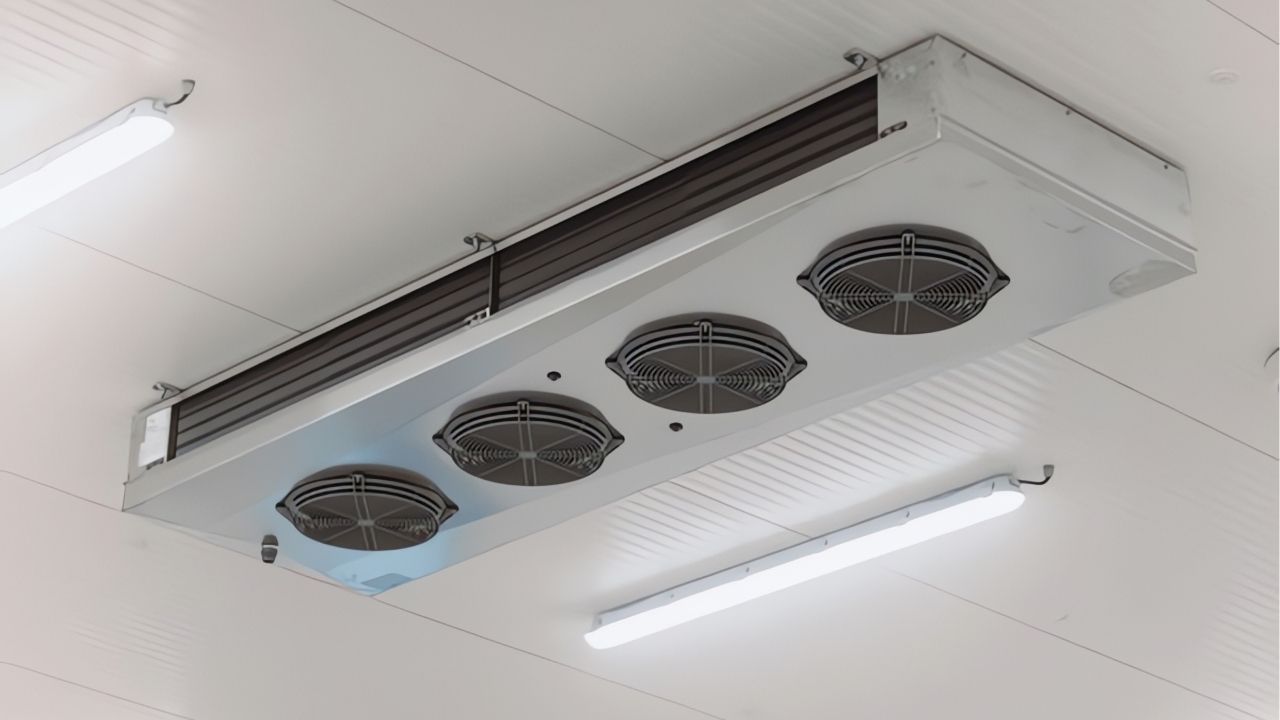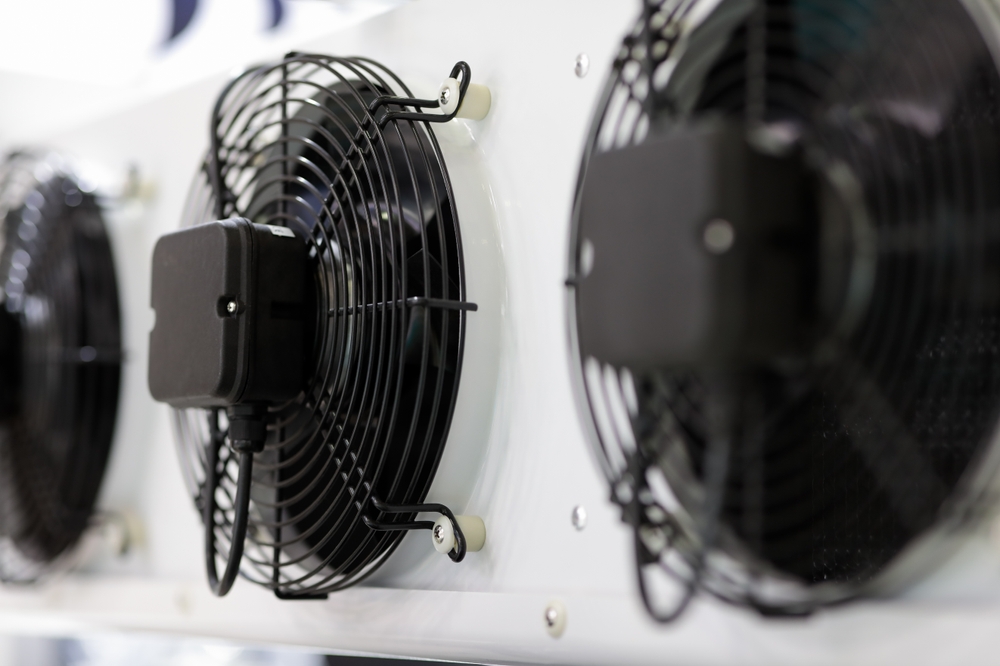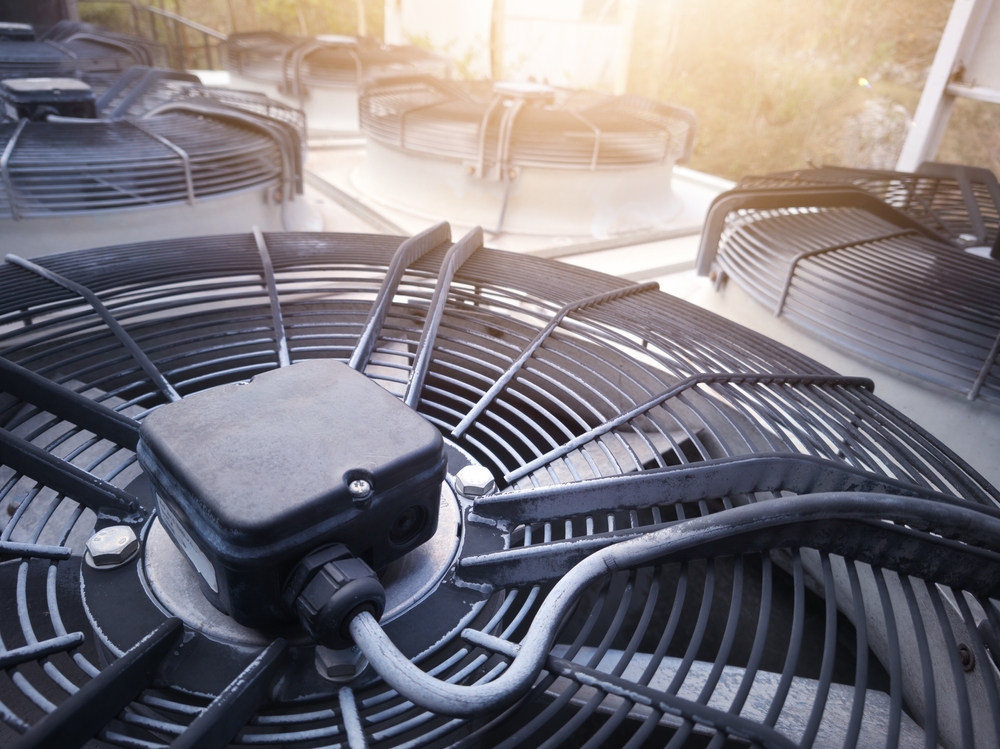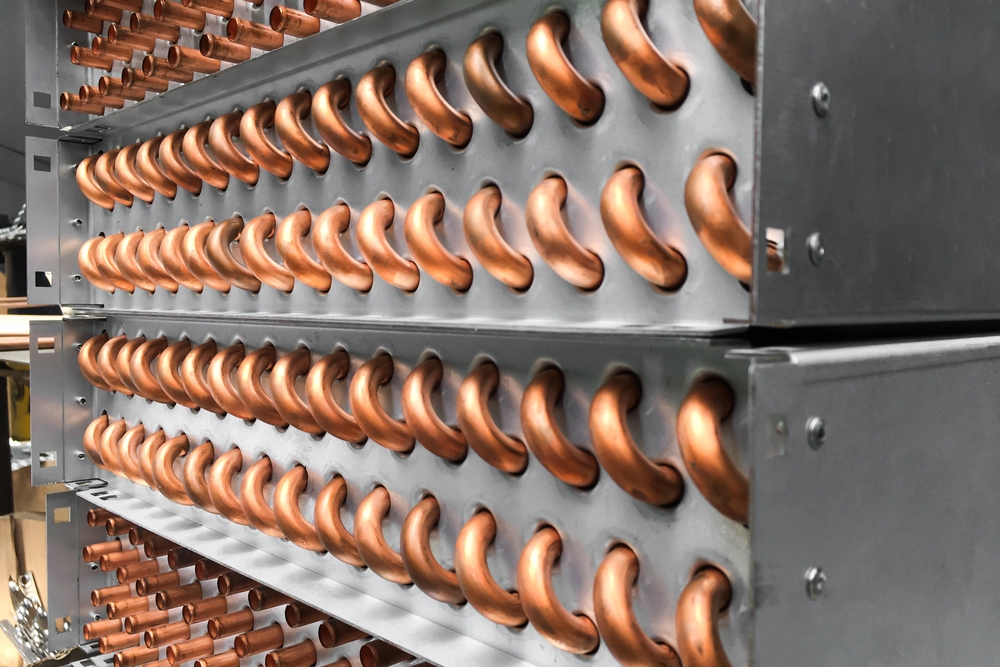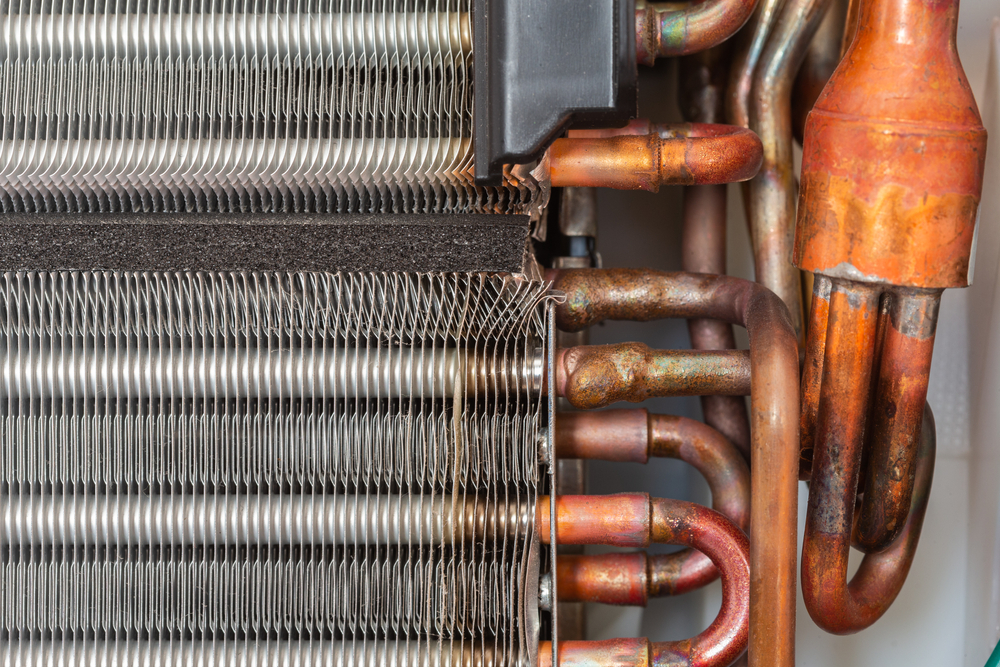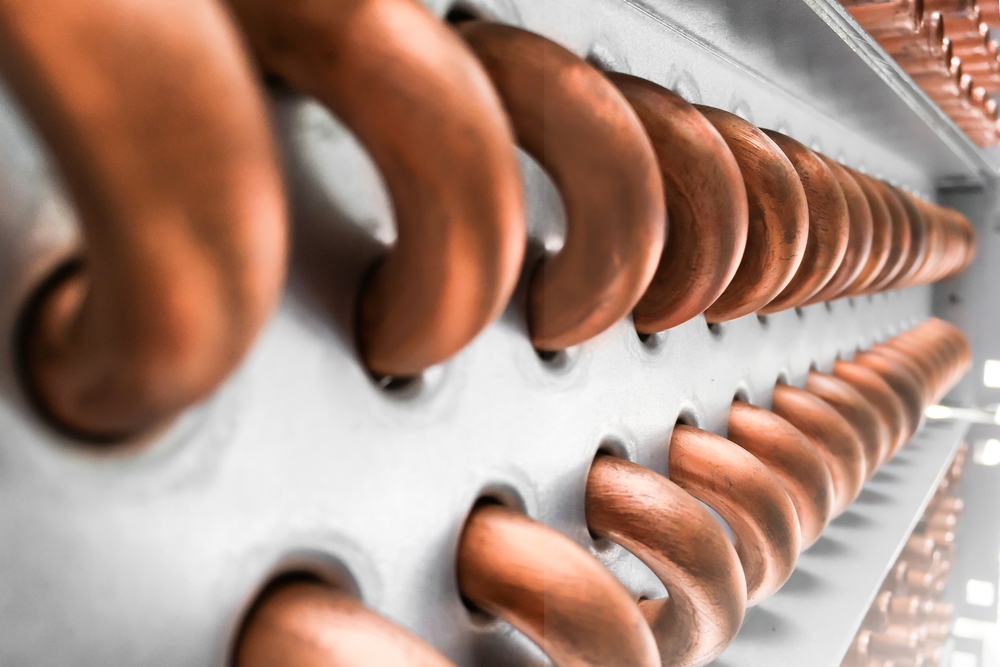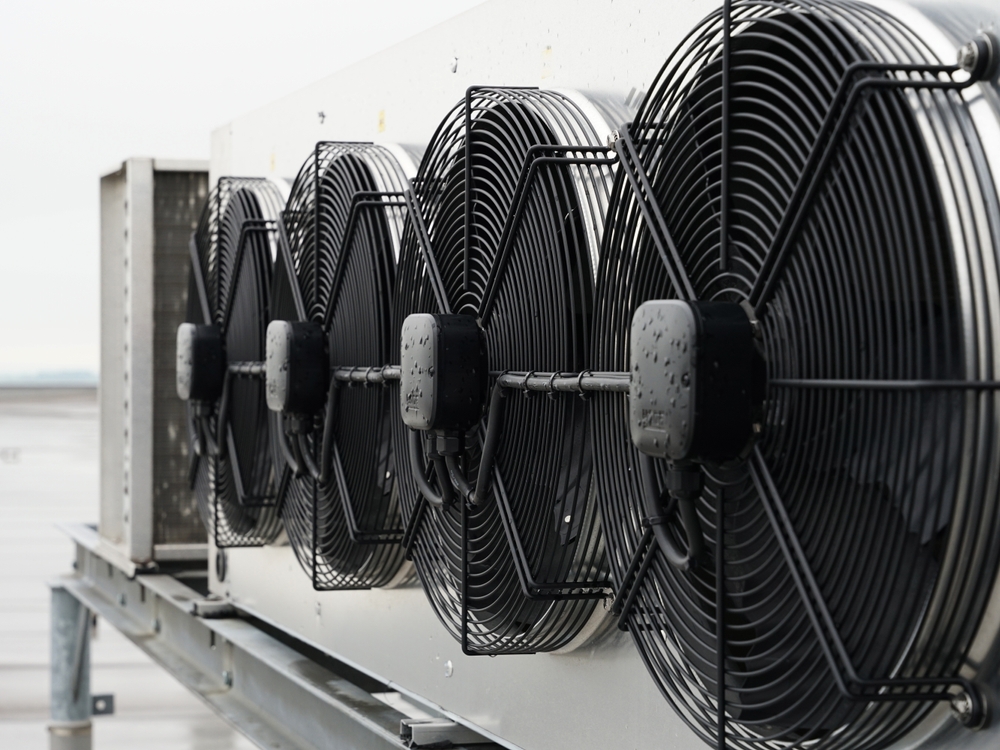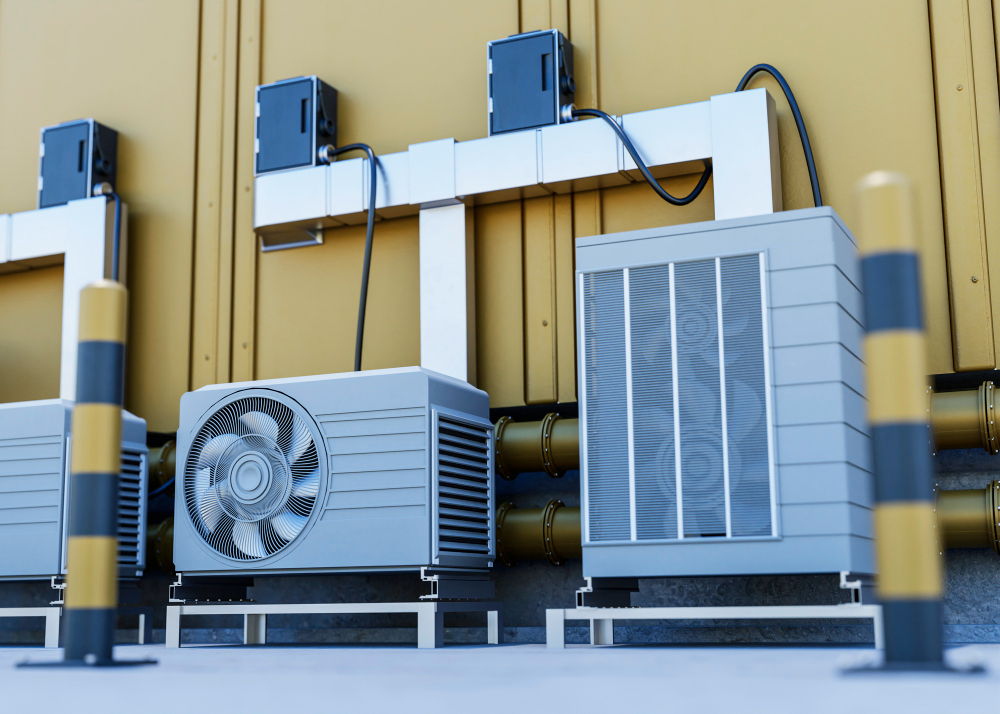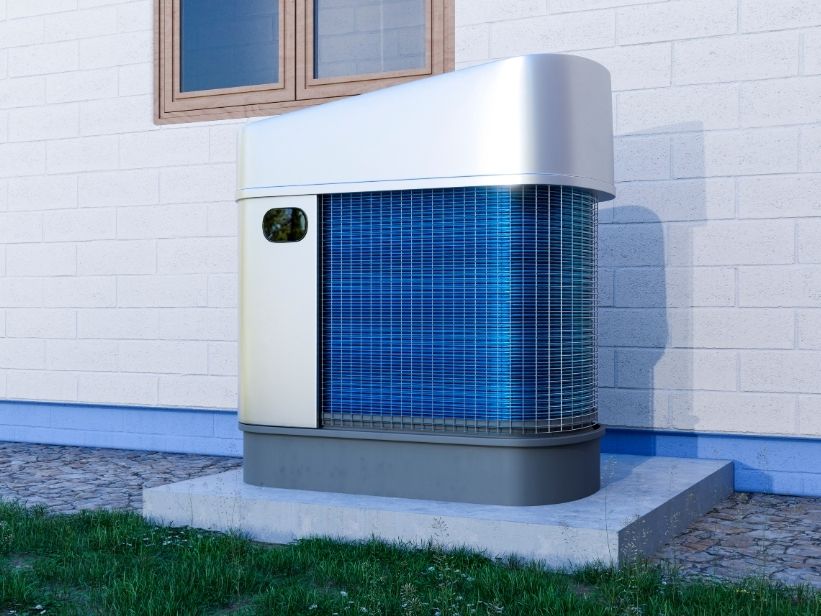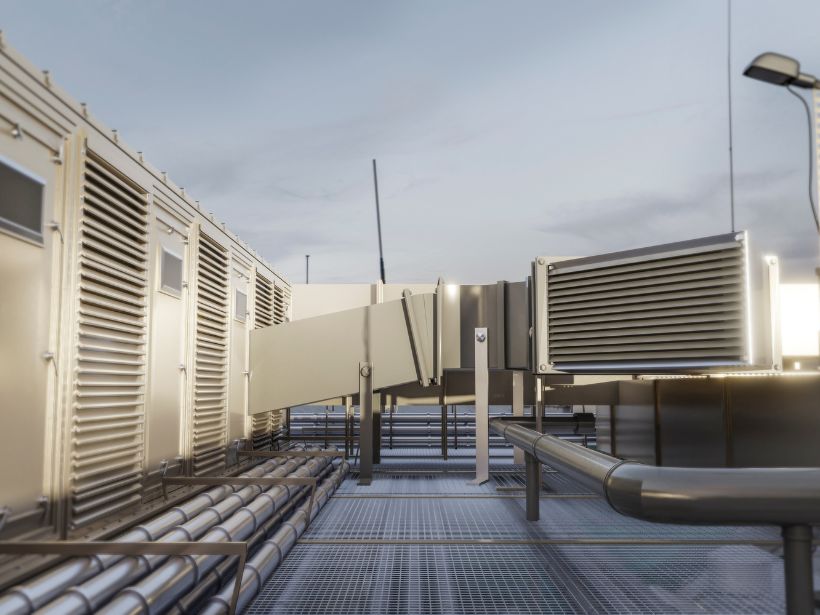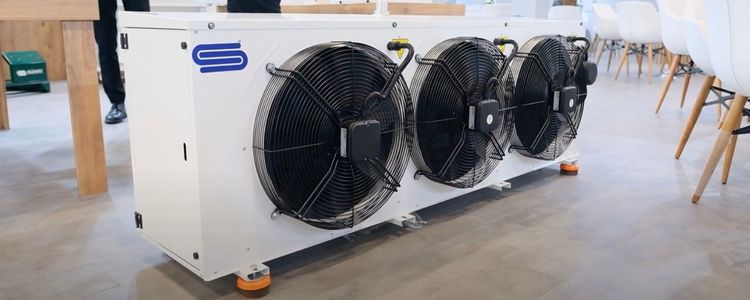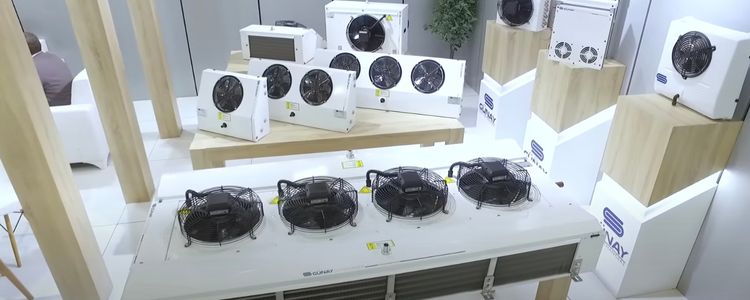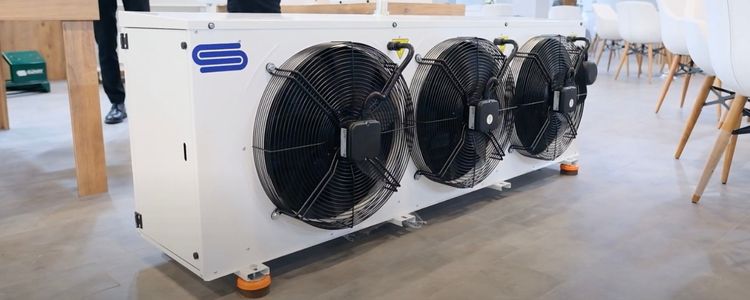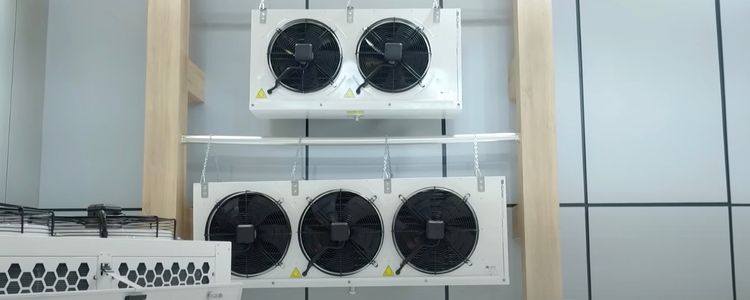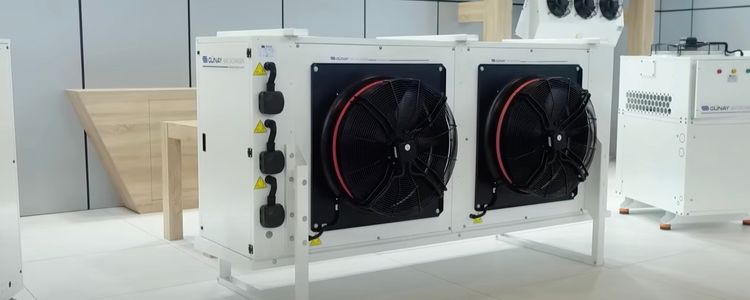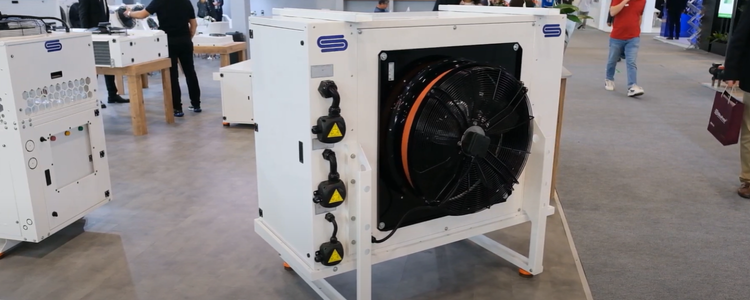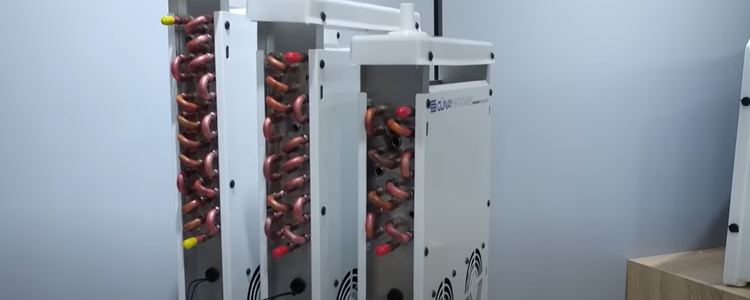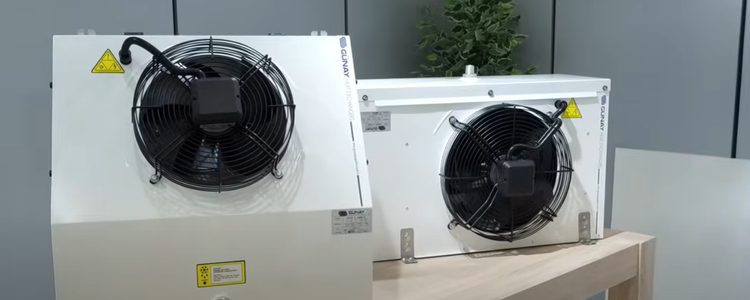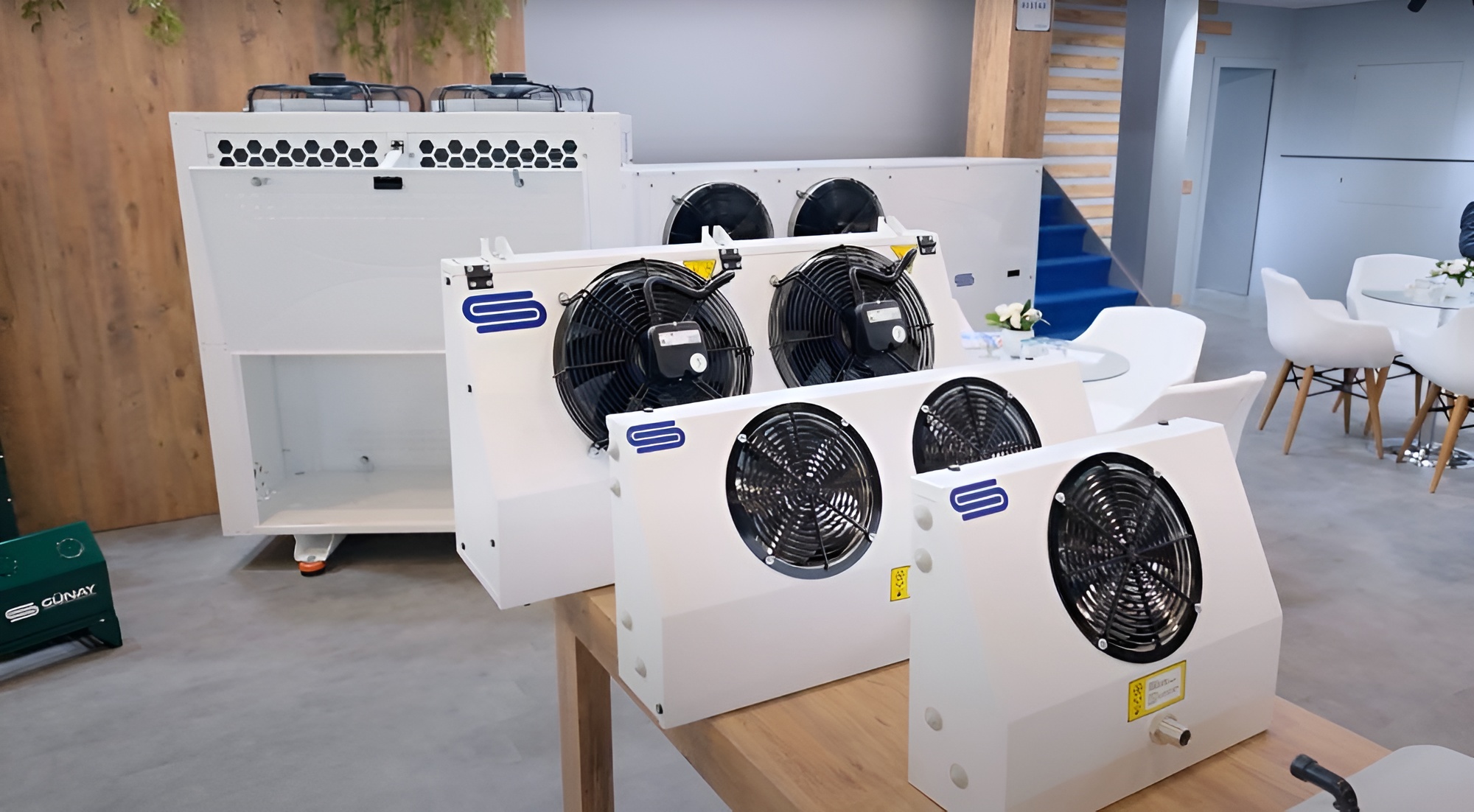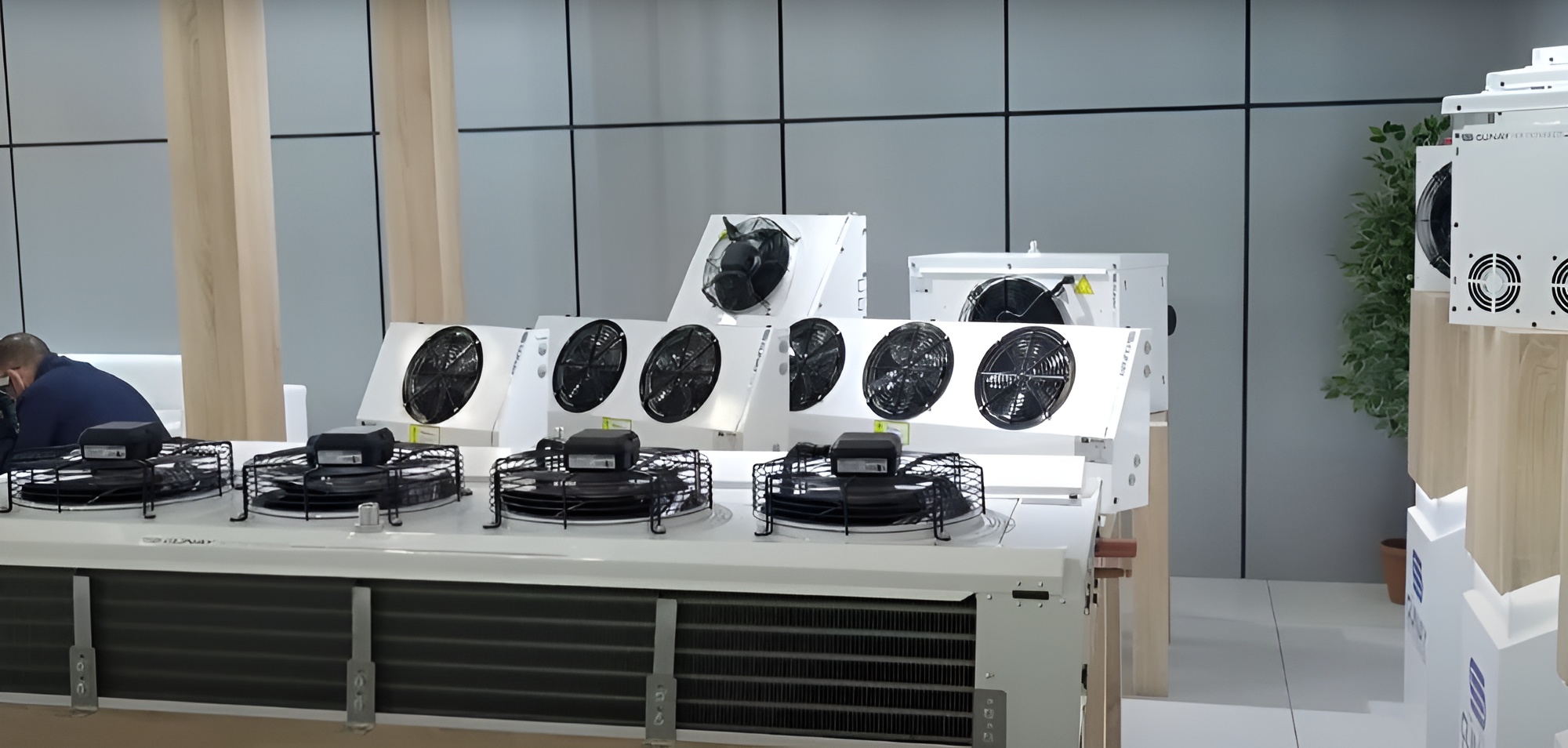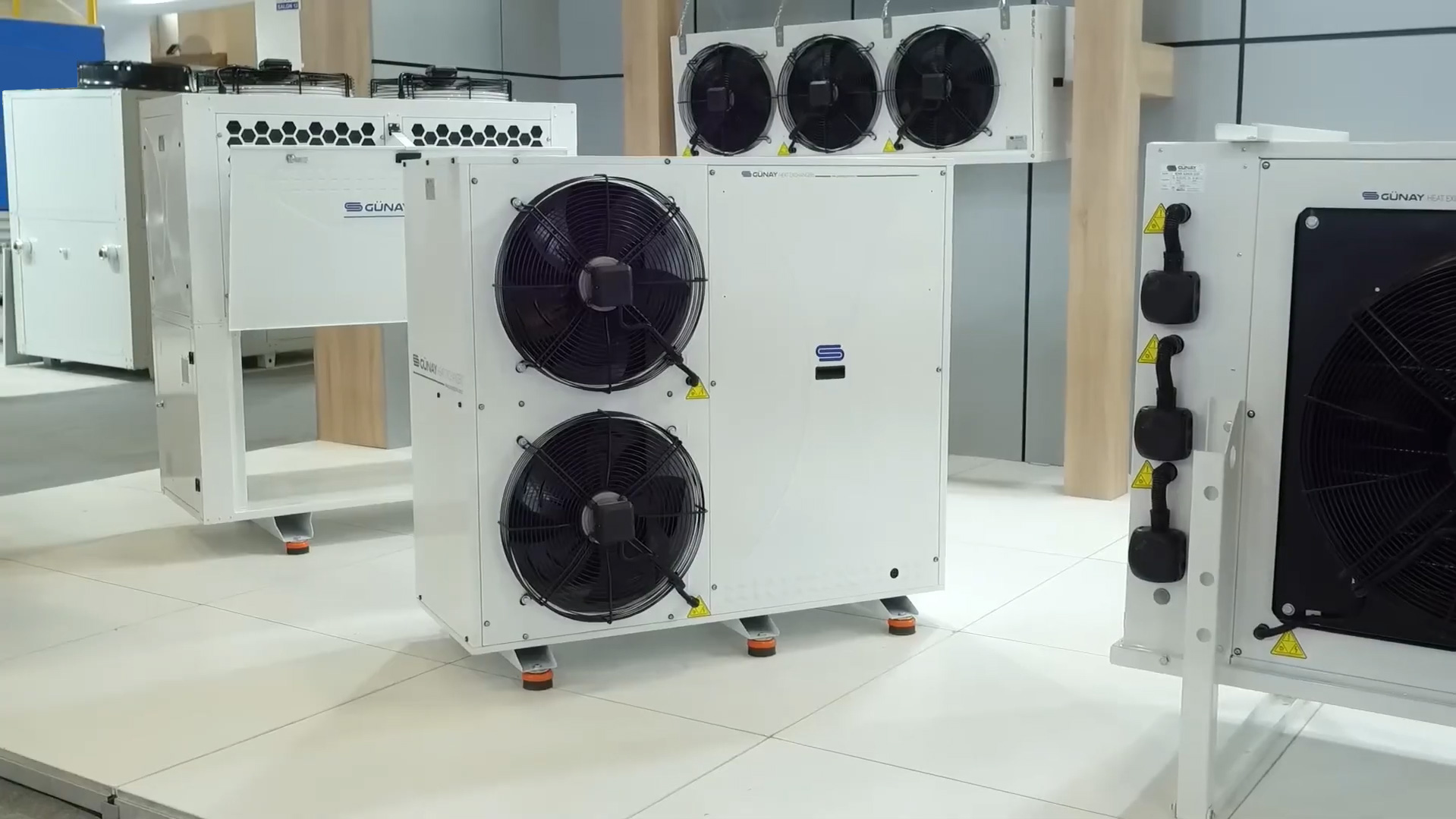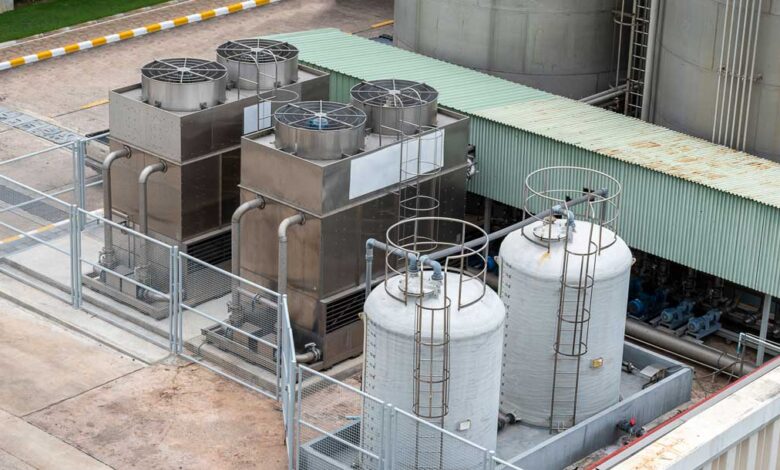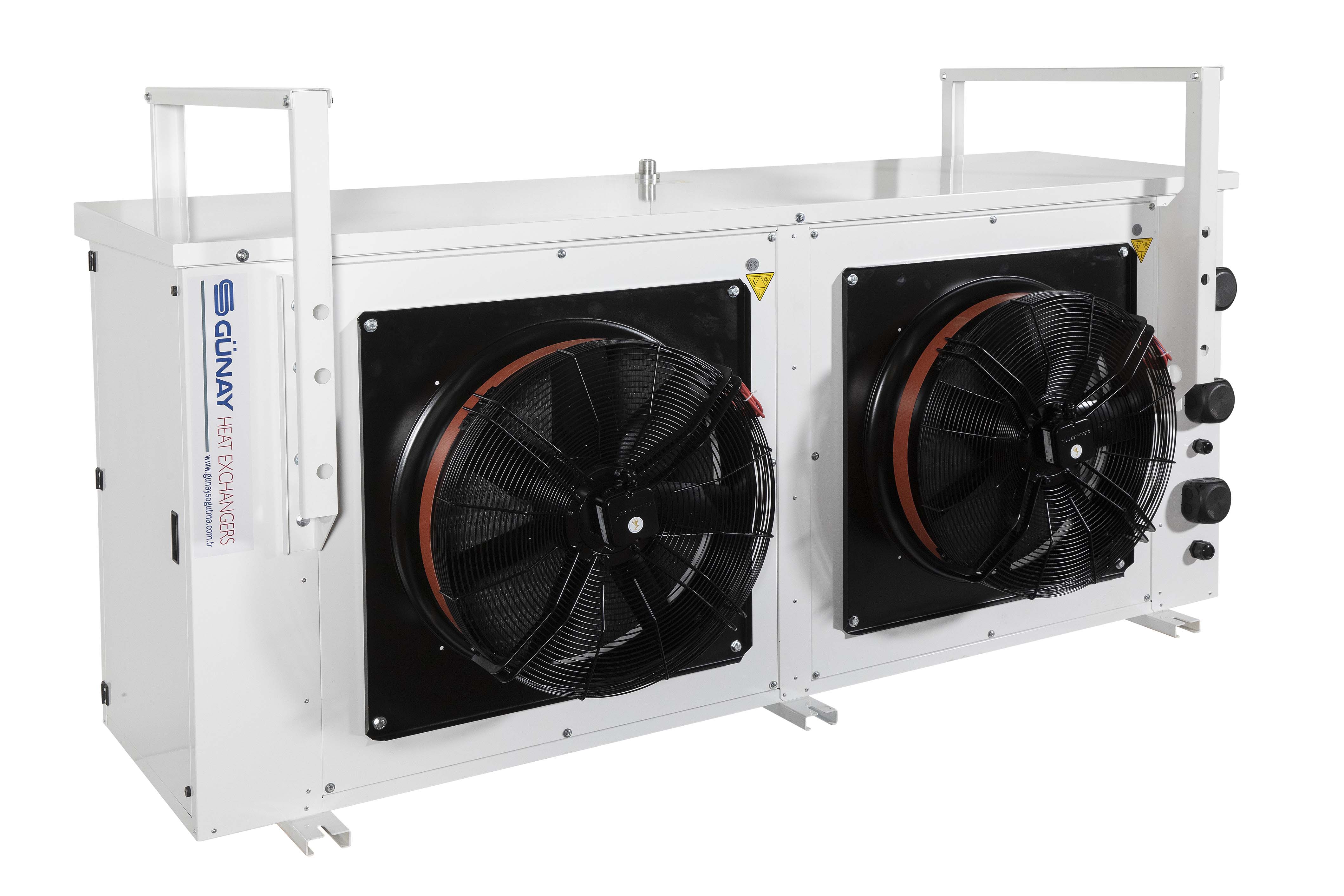


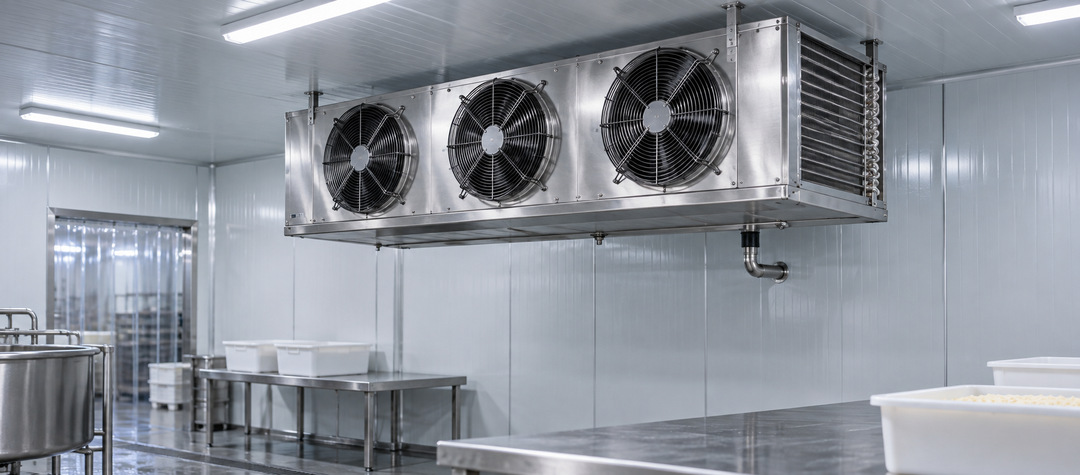
Stainless steel cased evaporators are refrigeration components considered for environments where humidity, hygiene requirements and corrosion exposure are important. Evaporator selection should address more than cooling capacity. Room temperature, humidity, product load, cleaning procedures, operating hours, airflow and environmental exposure all influence the appropriate configuration.
Food production facilities, cold storage rooms, meat and dairy processing operations, high-humidity production areas and selected commercial refrigeration applications may benefit from stainless steel construction. Stainless steel can provide corrosion resistance when the appropriate grade and design are selected. Material selection alone does not determine complete refrigeration performance.
Table Of Contents
- Why Choose A Stainless Steel Cased Evaporator?
- Which Businesses Are Suitable For Stainless Steel Evaporators?
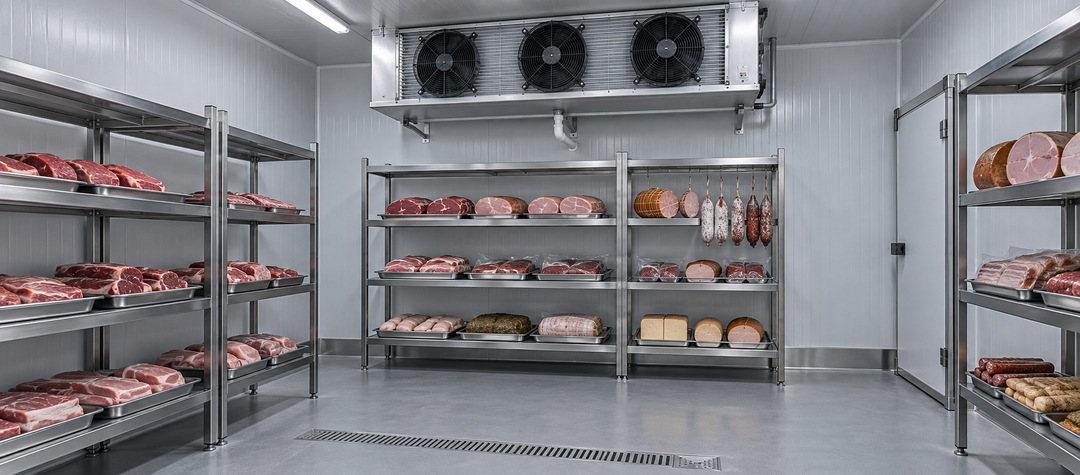
- Stainless Steel Evaporators In Food Production Facilities
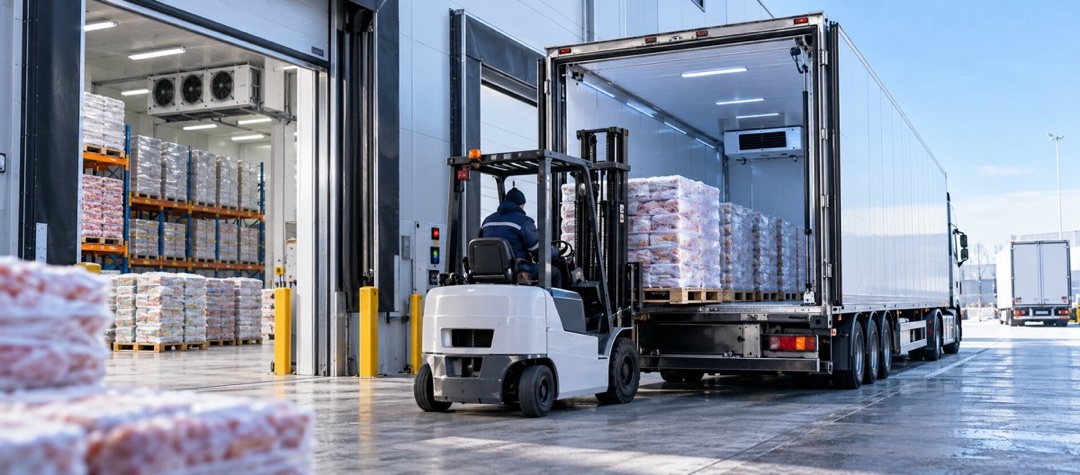
- Selecting Stainless Steel Evaporators For Cold Storage
- Choosing Evaporators For High-Humidity Environments
- Which Technical Features Should Be Evaluated?
- Does Every Business Need A Stainless Steel Evaporator?
- Maintenance And Operational Considerations
- How Should Capacity And Defrost Be Selected?
- When Should A Custom Evaporator Be Considered?
- Frequently Asked Questions
Why Choose A Stainless Steel Cased Evaporator?
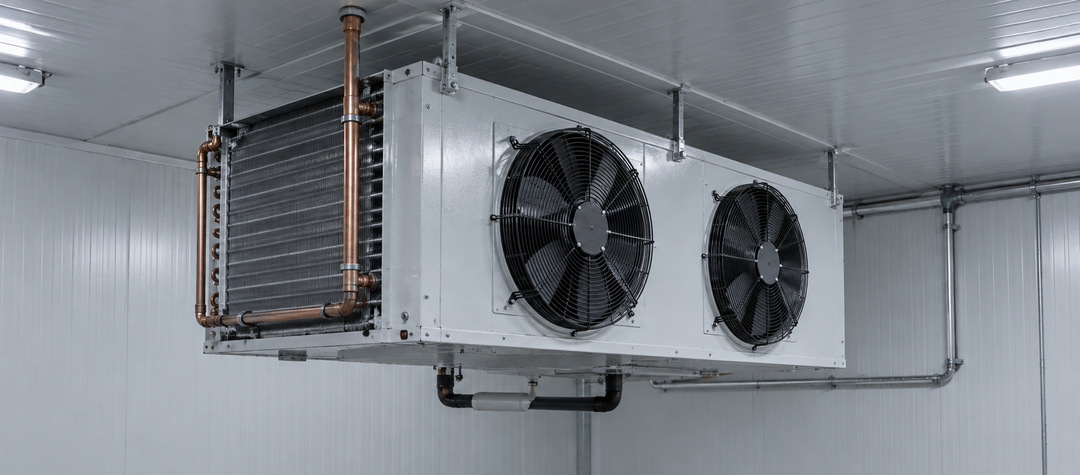
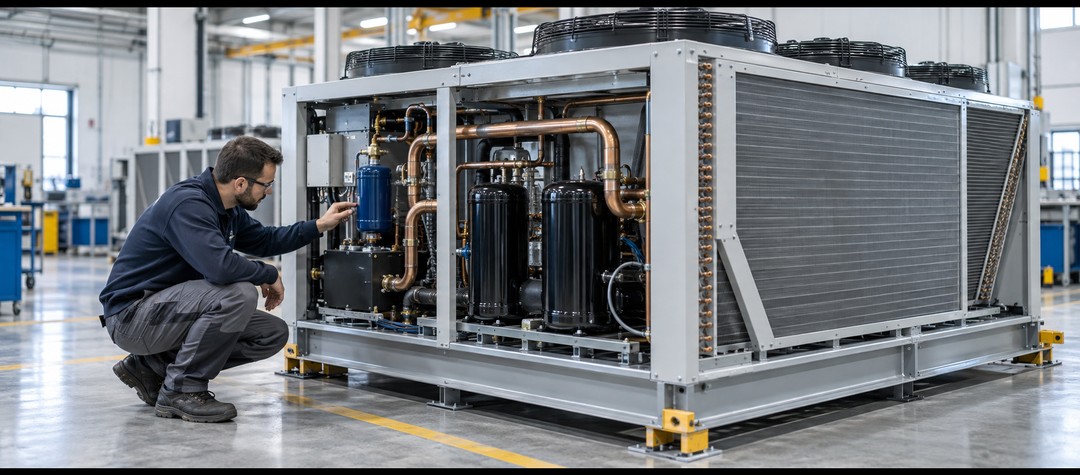
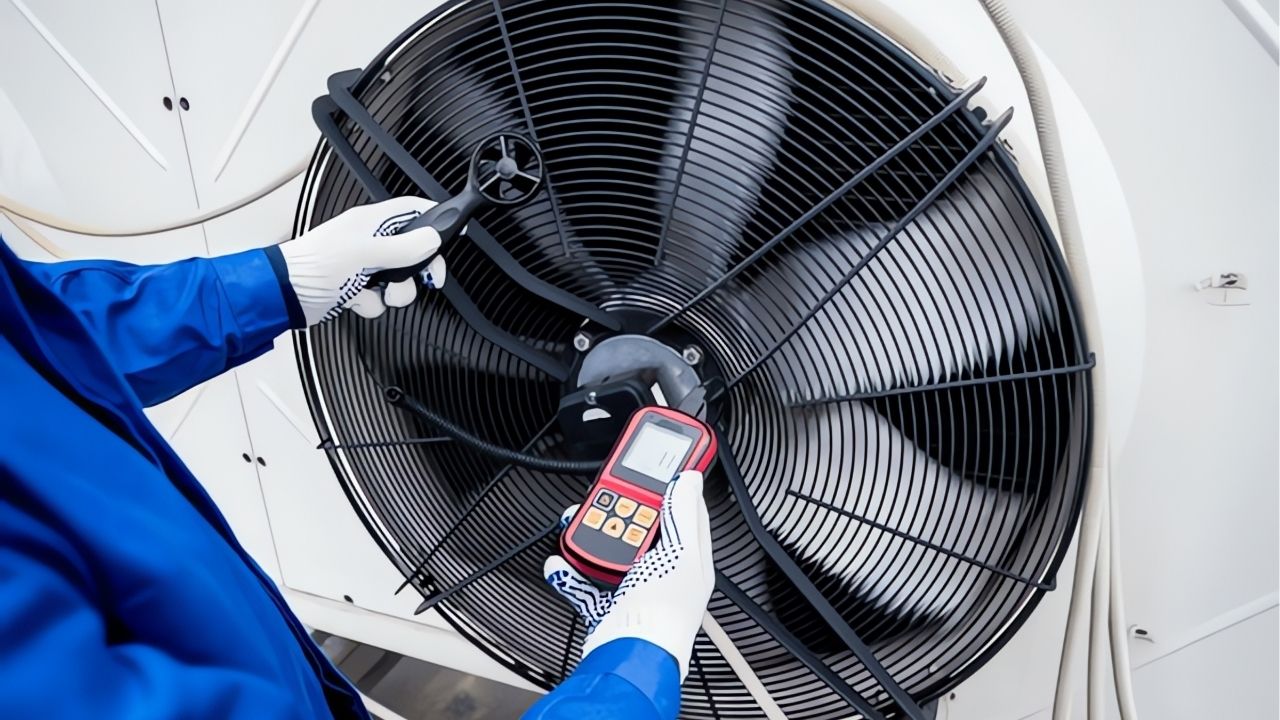
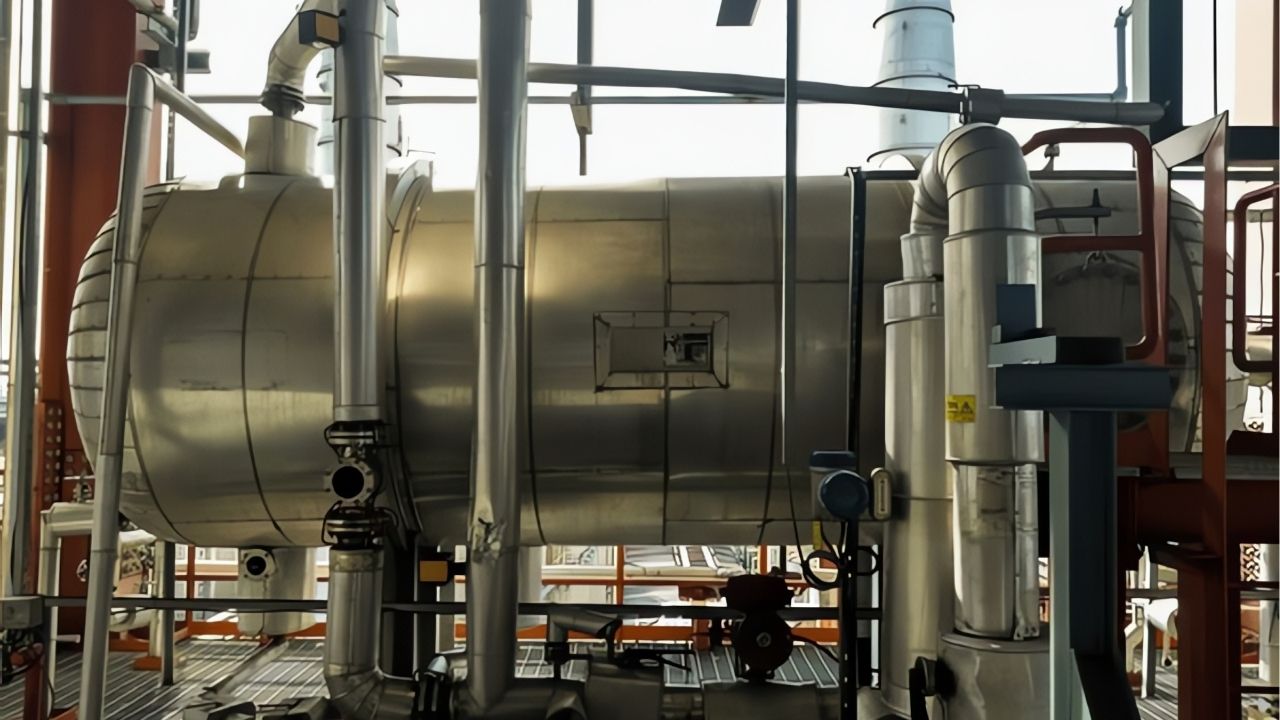
An evaporator is one of the main components responsible for transferring heat from a refrigerated space. Refrigerant absorbs heat while evaporating inside the evaporator, allowing the refrigeration system to maintain the required room temperature.
Casing material is closely related to the environment where the equipment operates. High humidity, frequent cleaning and corrosion exposure can increase the importance of material resistance. Stainless steel can offer corrosion resistance under suitable conditions and can therefore be considered for demanding refrigeration environments.
Which Businesses Are Suitable For Stainless Steel Evaporators?
Stainless steel evaporators can be considered for businesses where refrigeration equipment operates under high humidity, frequent cleaning or elevated corrosion risk. Food processing plants, dairy facilities, meat processing operations, cold storage rooms and selected commercial refrigeration environments are potential applications.
Industry type alone does not determine material requirements. Two facilities operating within the same sector can have very different humidity levels, cleaning schedules, temperatures and production conditions.
Stainless Steel Evaporators In Food Production Facilities
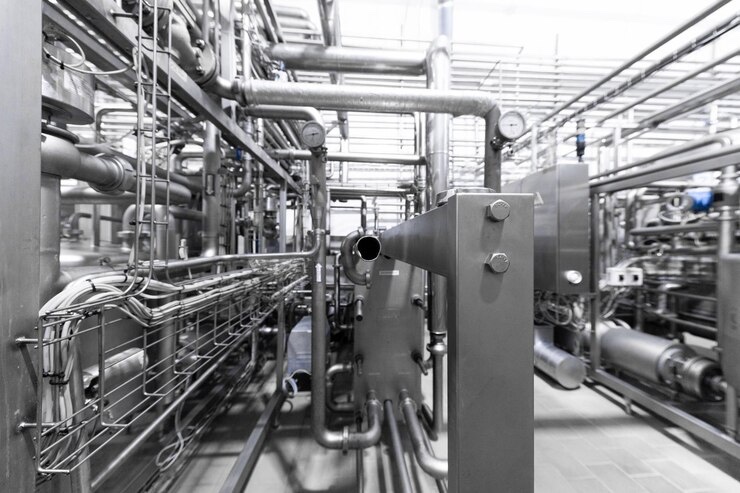
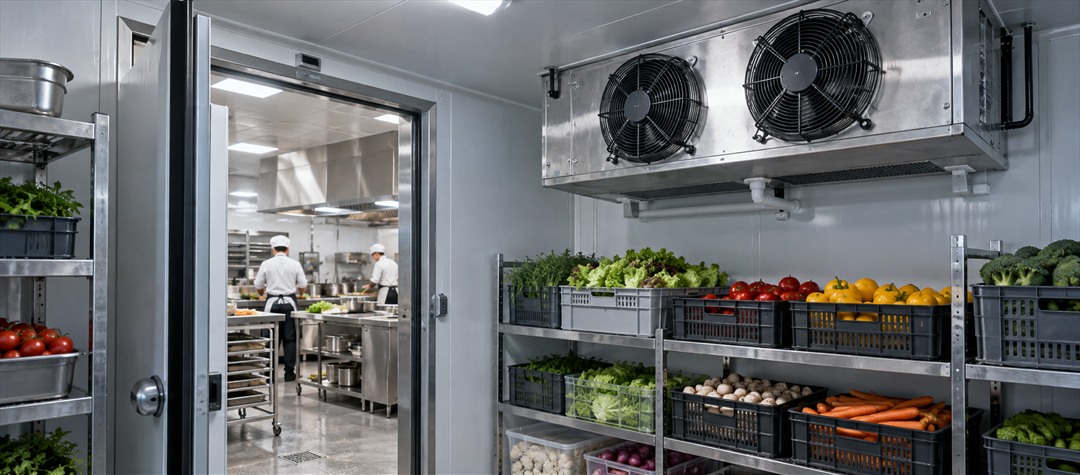
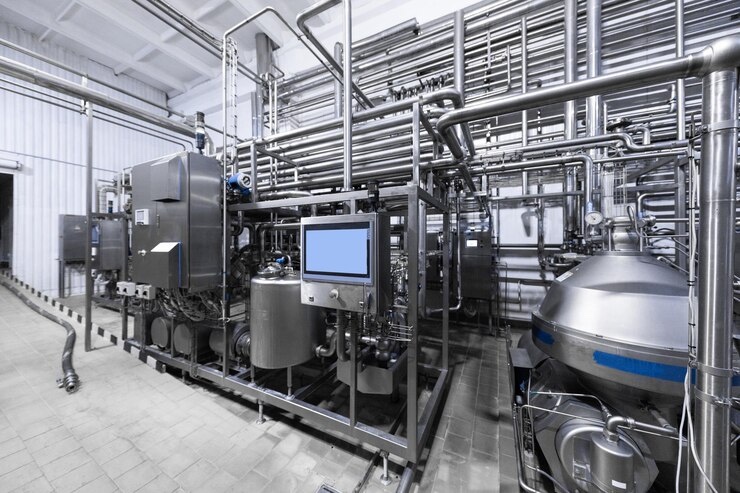
Food production environments can impose demanding requirements on refrigeration equipment. High humidity, frequent cleaning, low operating temperatures and intensive equipment use can occur within the same facility. Surface characteristics and material resistance should therefore be considered alongside hygiene procedures.
Evaporator selection for food applications involves more than cooling capacity. Where washdown and sanitation procedures are frequent, the cleanability of surfaces and their resistance to cleaning chemicals become prominent factors; stainless construction is one of the options considered at this point.
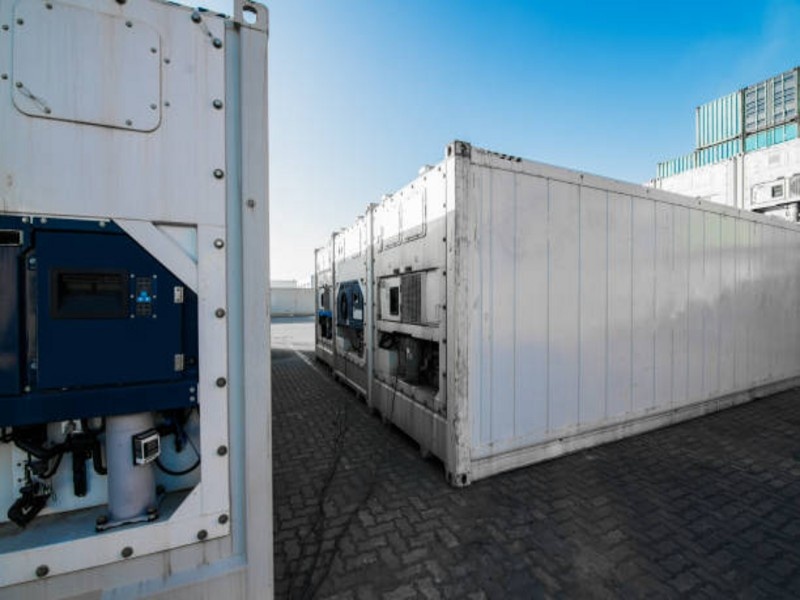
Selecting Stainless Steel Evaporators For Cold Storage
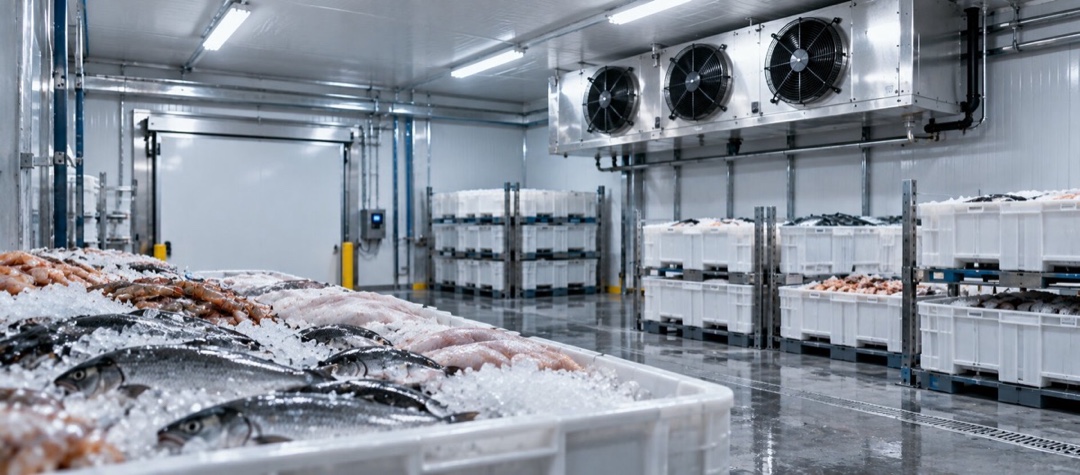
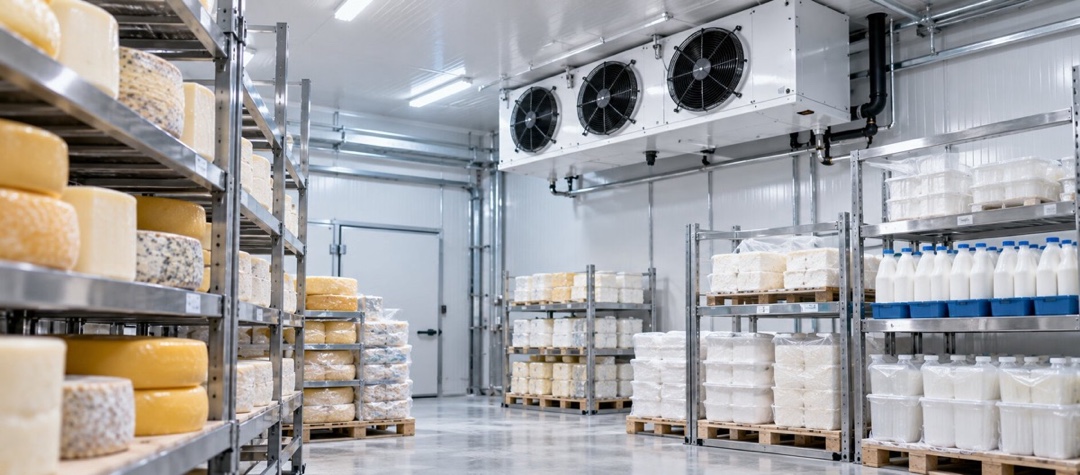
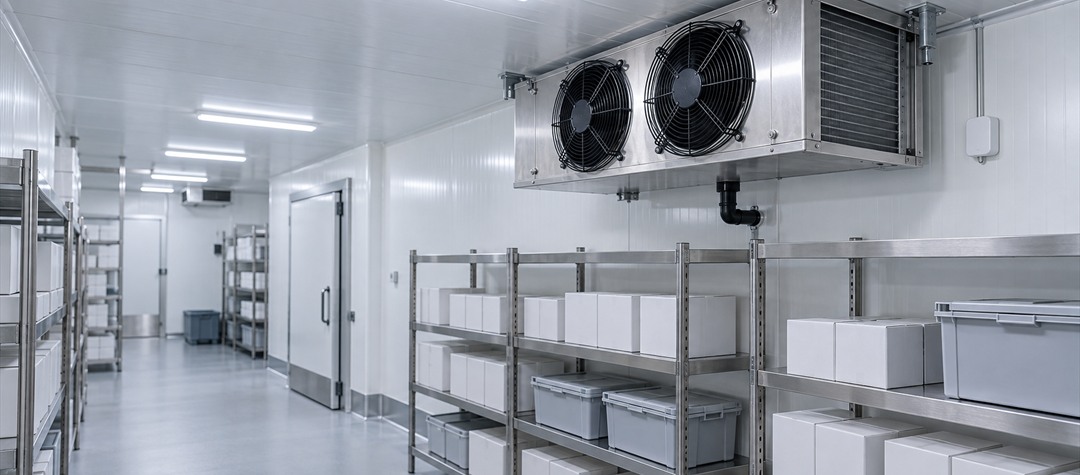
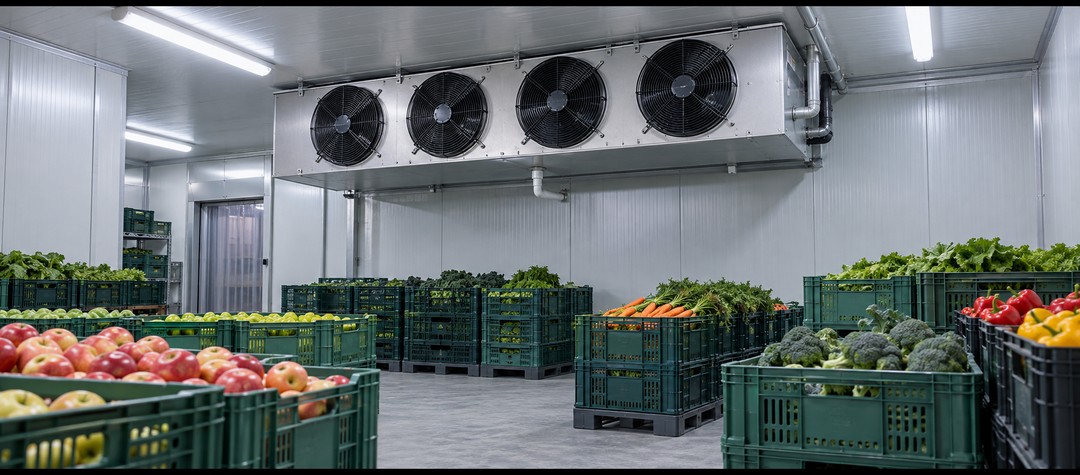
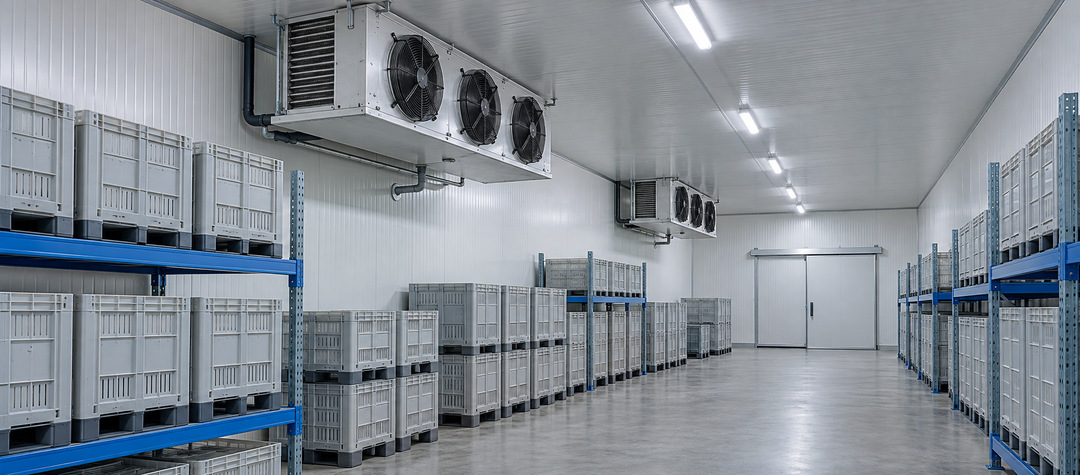
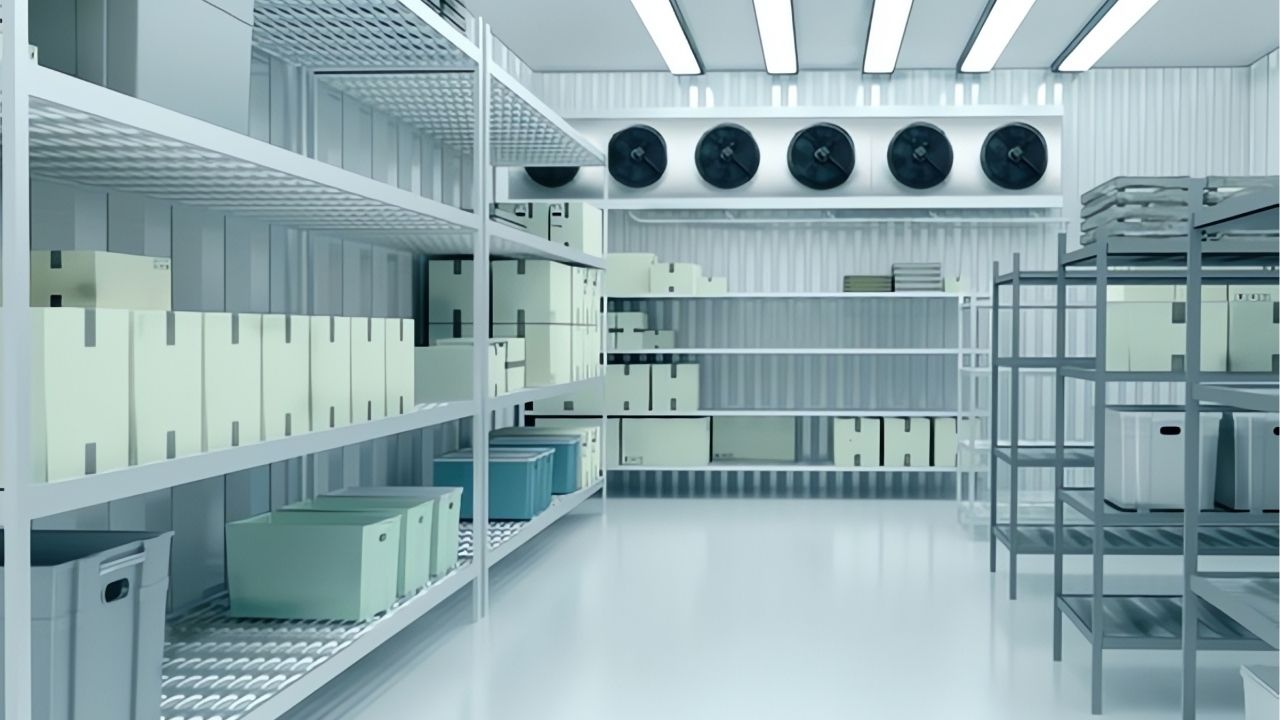
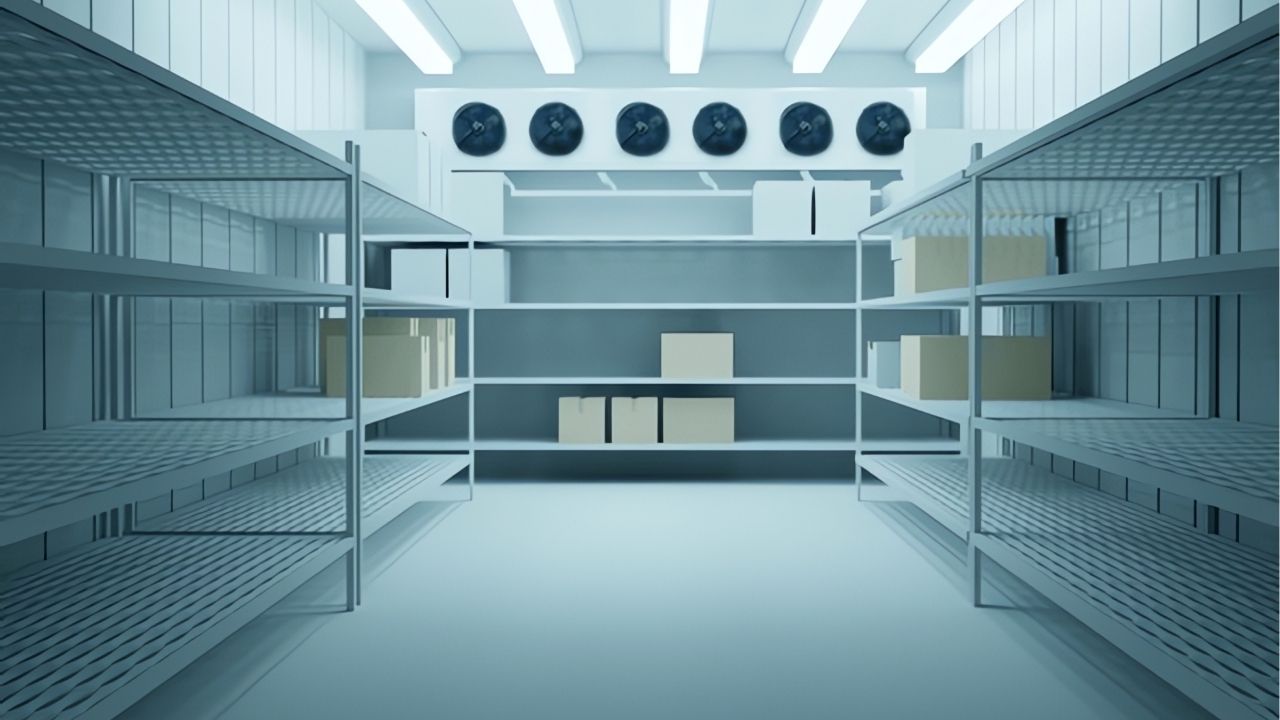
Cold storage evaporator selection involves room volume, product type, product entering temperature, target room temperature, insulation and door-opening frequency. Storage requirements can also affect the evaporator's operating characteristics.
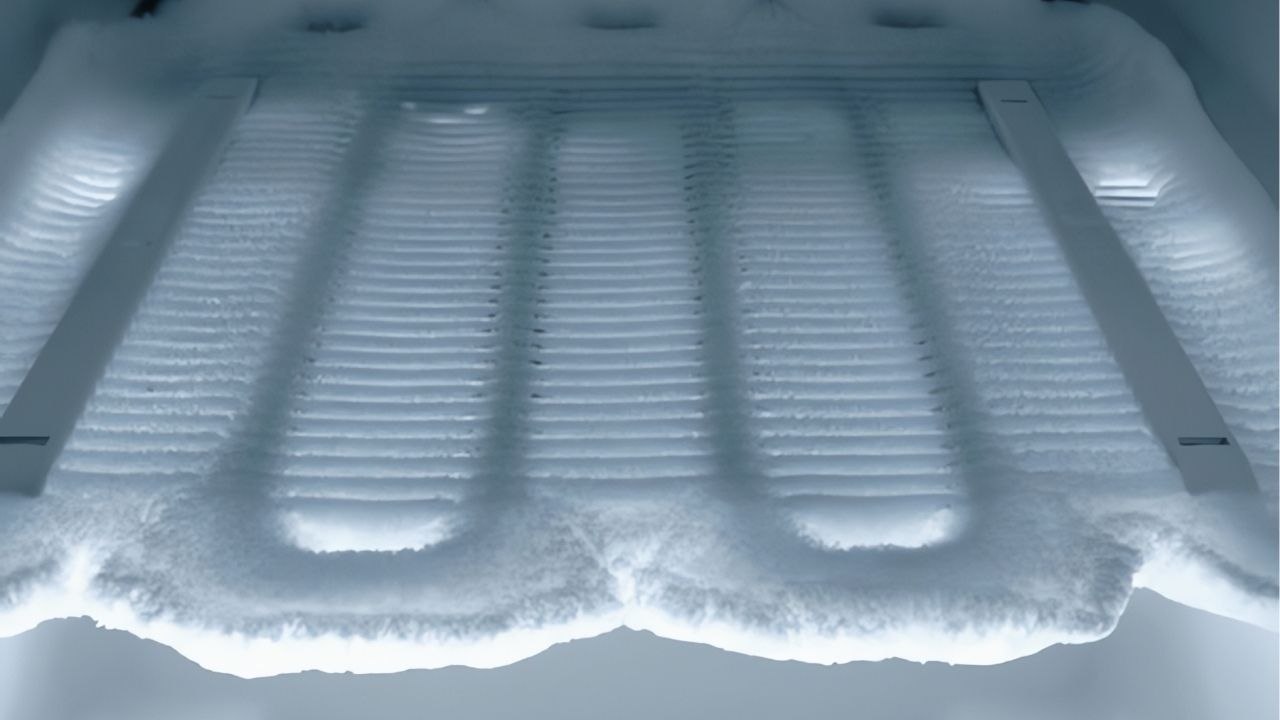
In cold storage, stainless construction can stand out particularly in stores that require washdown or are exposed to humid, corrosive air. Low-temperature rooms can experience frost formation, making fin spacing and defrost strategy important selection factors.
Choosing Evaporators For High-Humidity Environments
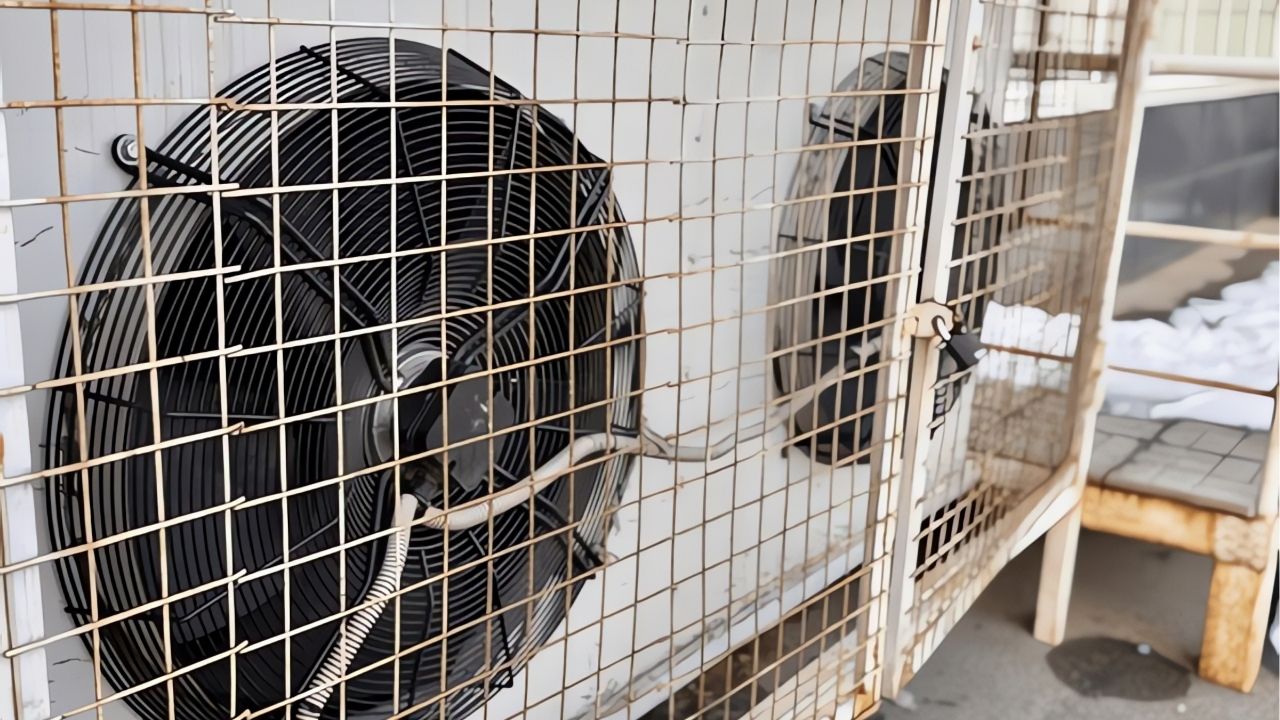
High humidity can have a direct effect on refrigeration equipment. Condensation and frost may develop on evaporator surfaces. Cleaning chemicals or aggressive substances present in the environment can also increase corrosion considerations.
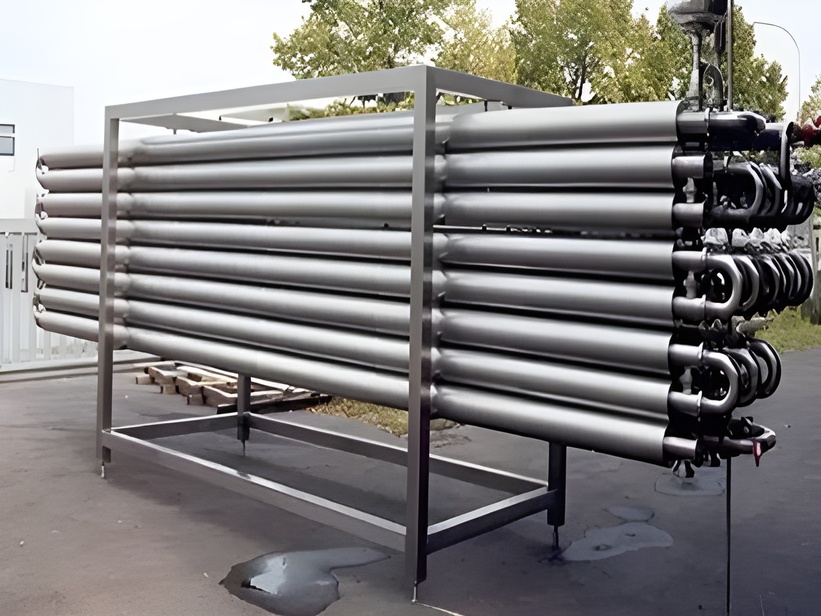
Stainless steel tubes and casing can be considered for applications with elevated corrosion exposure. Stainless steel grades do not all provide identical characteristics; for example, grades such as AISI 304 and 316 differ, and in chloride-bearing environments or where aggressive chemicals are present, 316 is generally regarded as more resistant. Material compatibility should be confirmed against the actual environment.
Which Technical Features Should Be Evaluated?
The first step is determining the refrigeration load. Room volume, product load, product entering temperature, target temperature, insulation, ambient conditions and door-opening frequency should be included in the capacity calculation.
Material requirements should then be evaluated. If stainless construction is requested because of humidity, cleaning or corrosion exposure, the actual environmental conditions should be clearly defined.
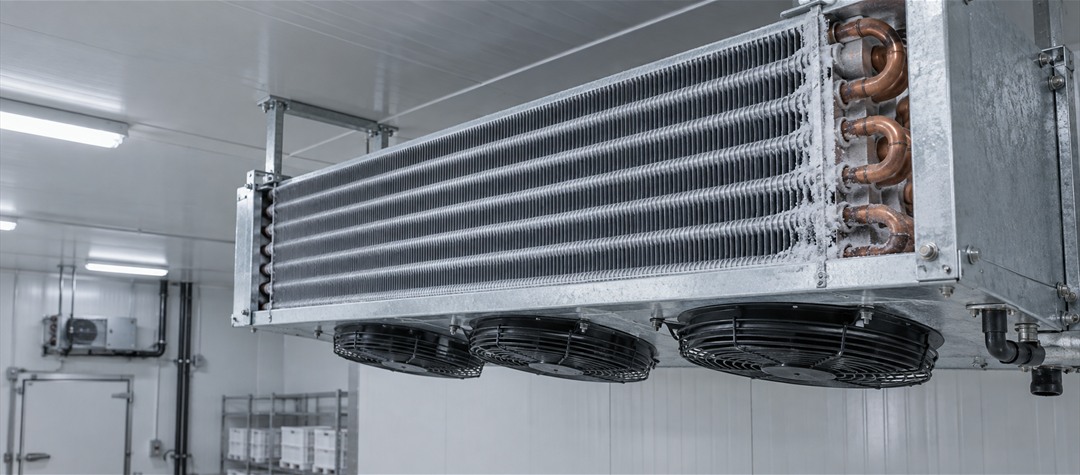
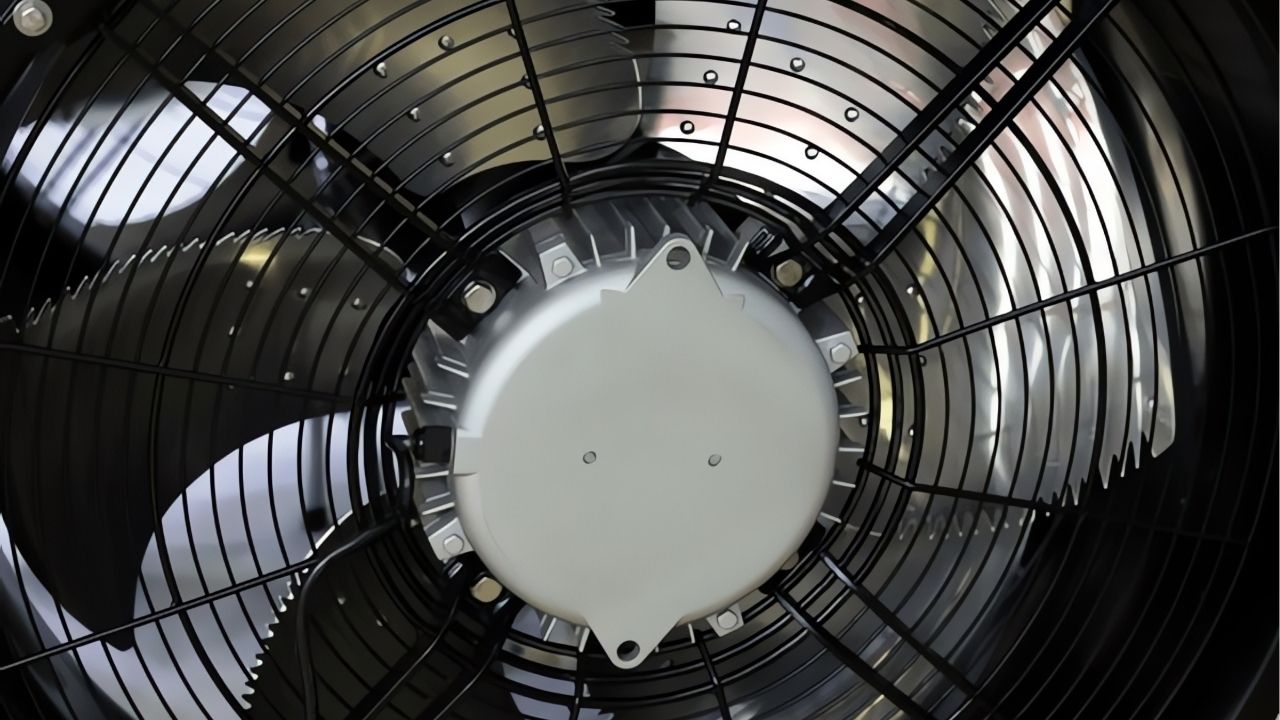
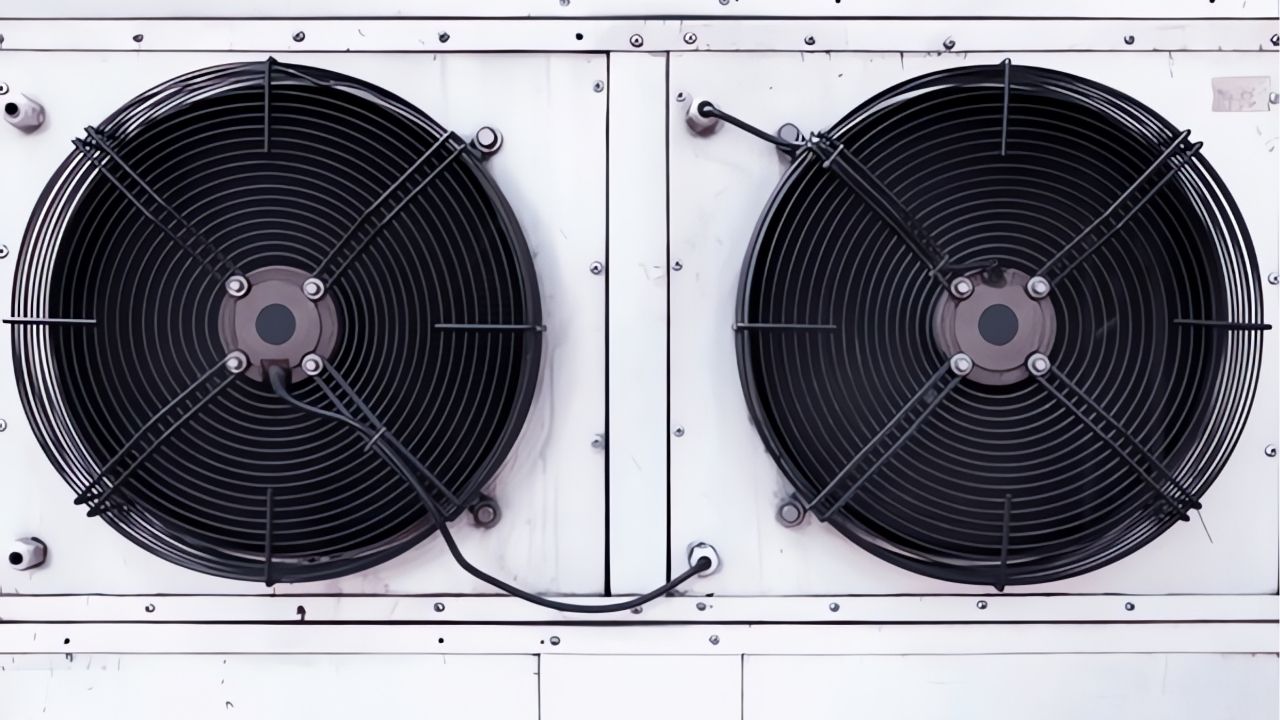
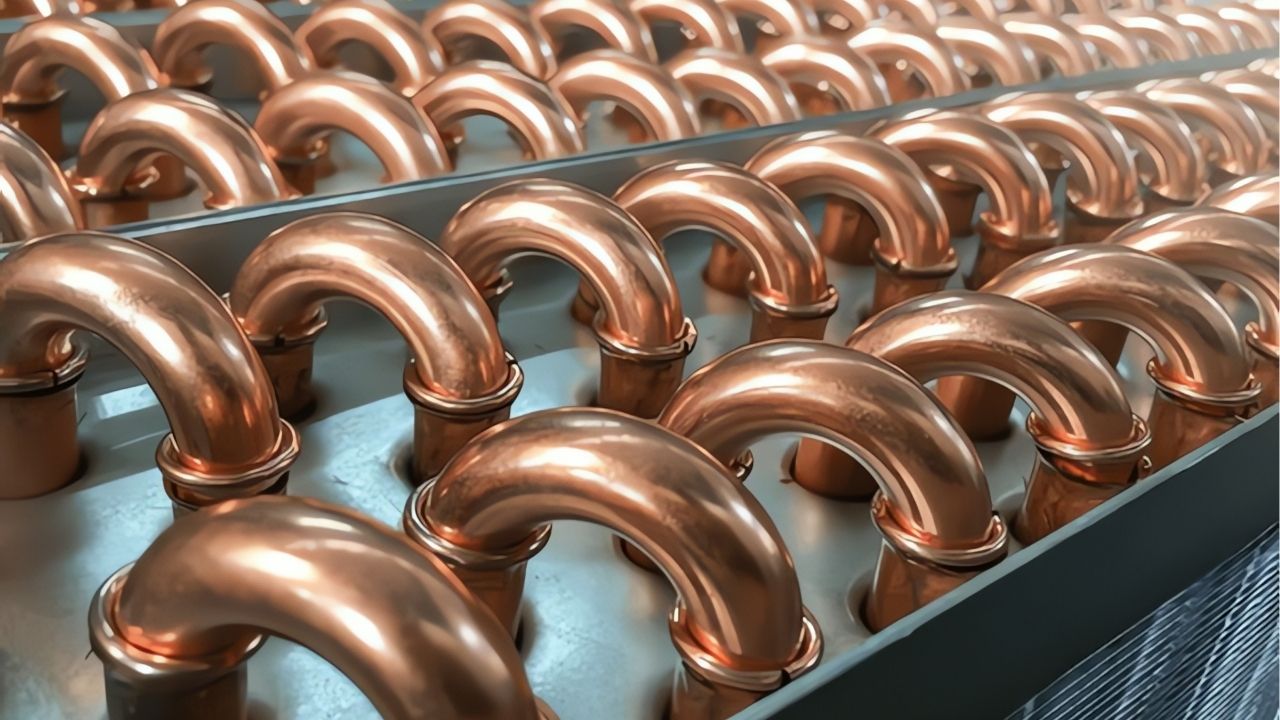
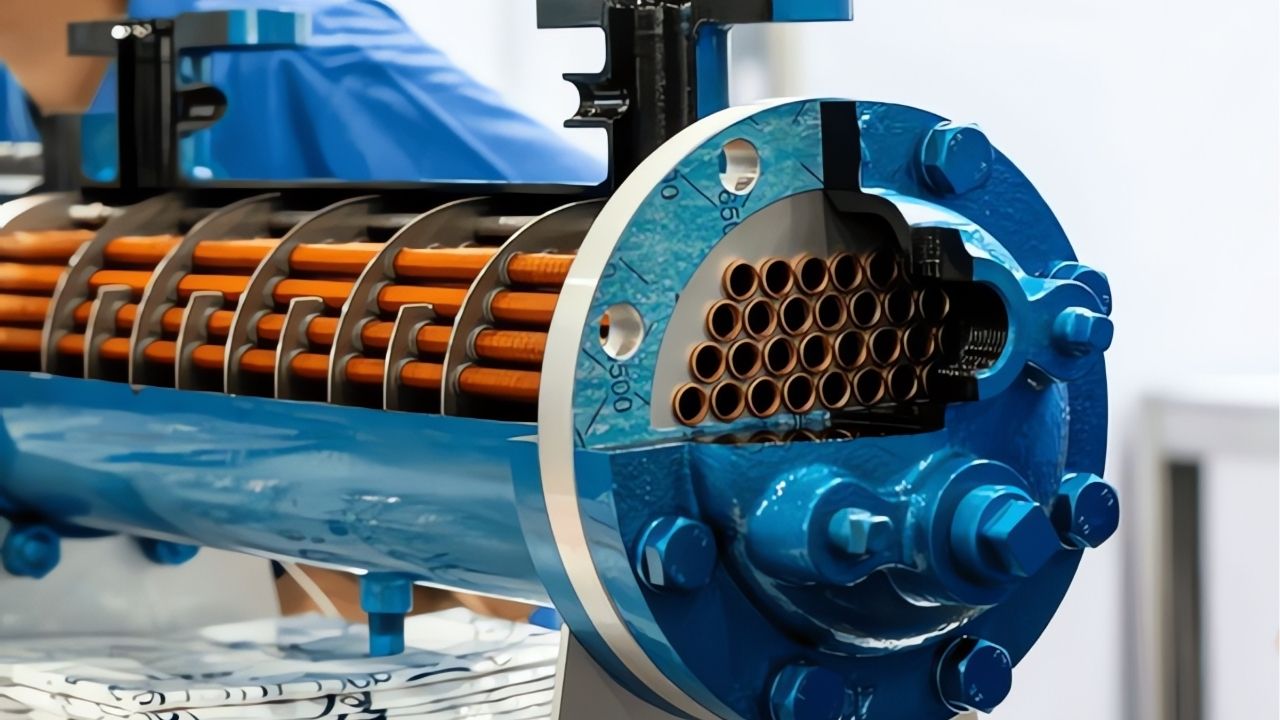
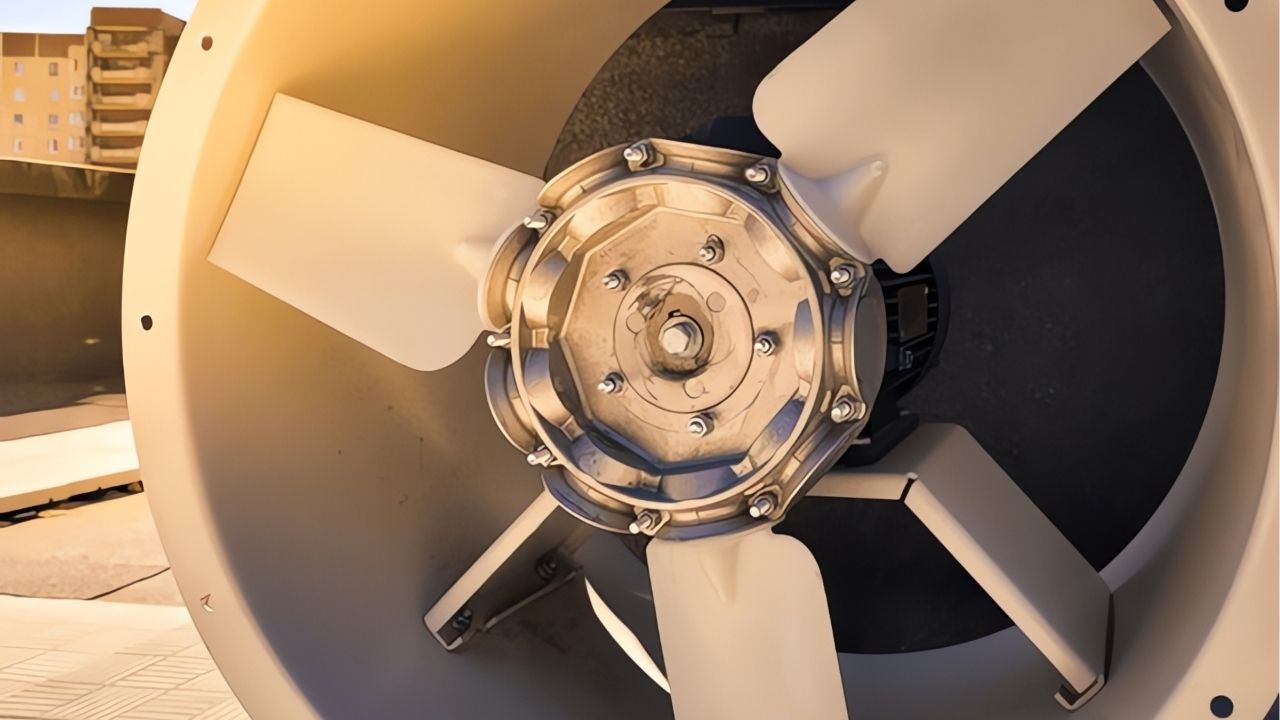
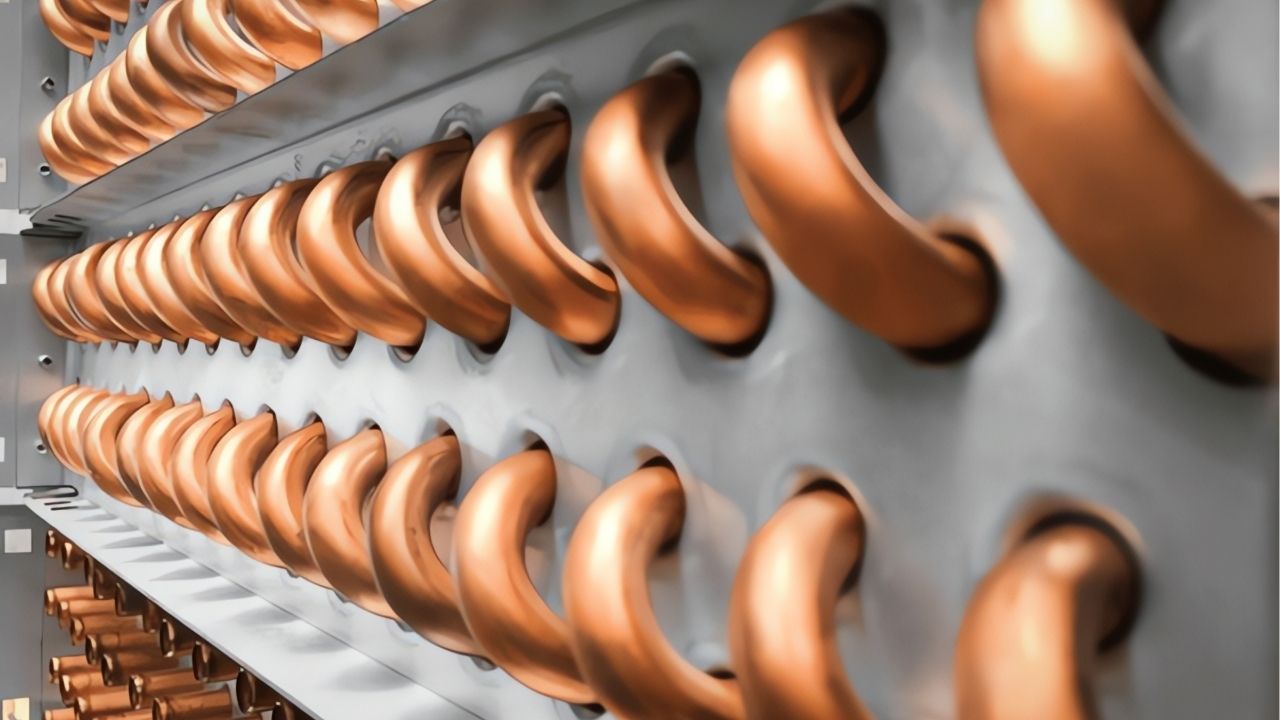
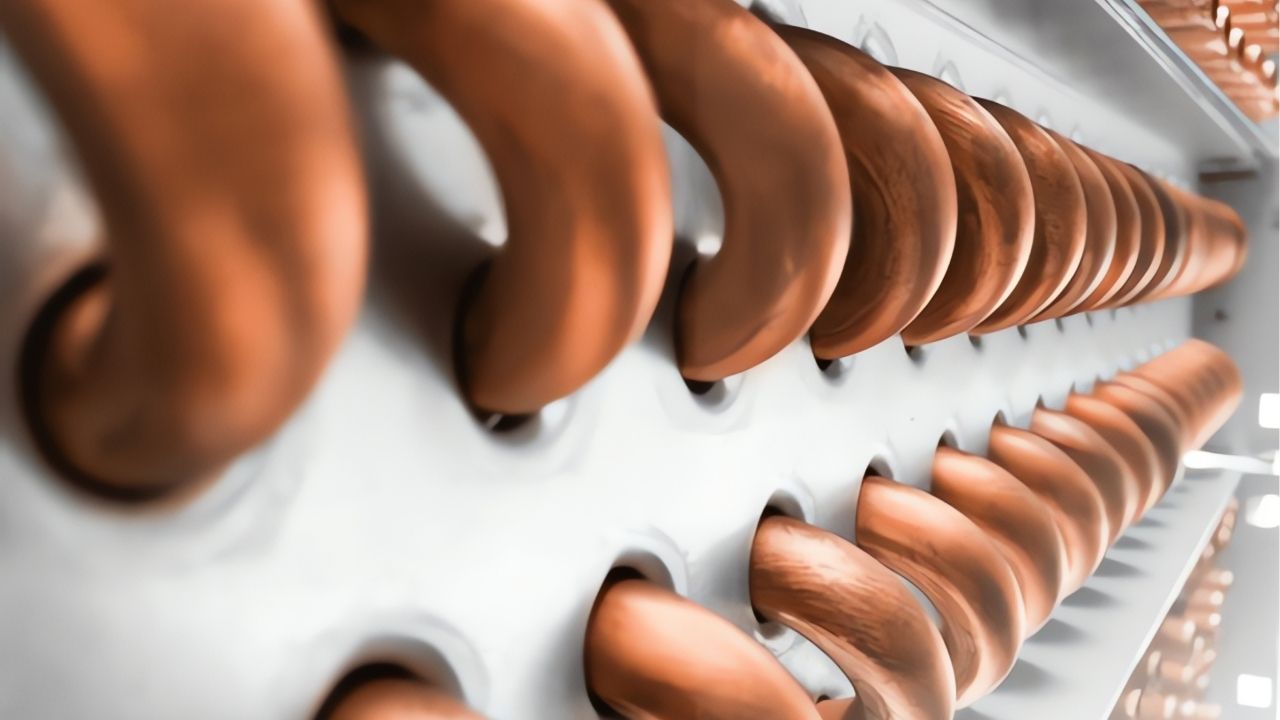
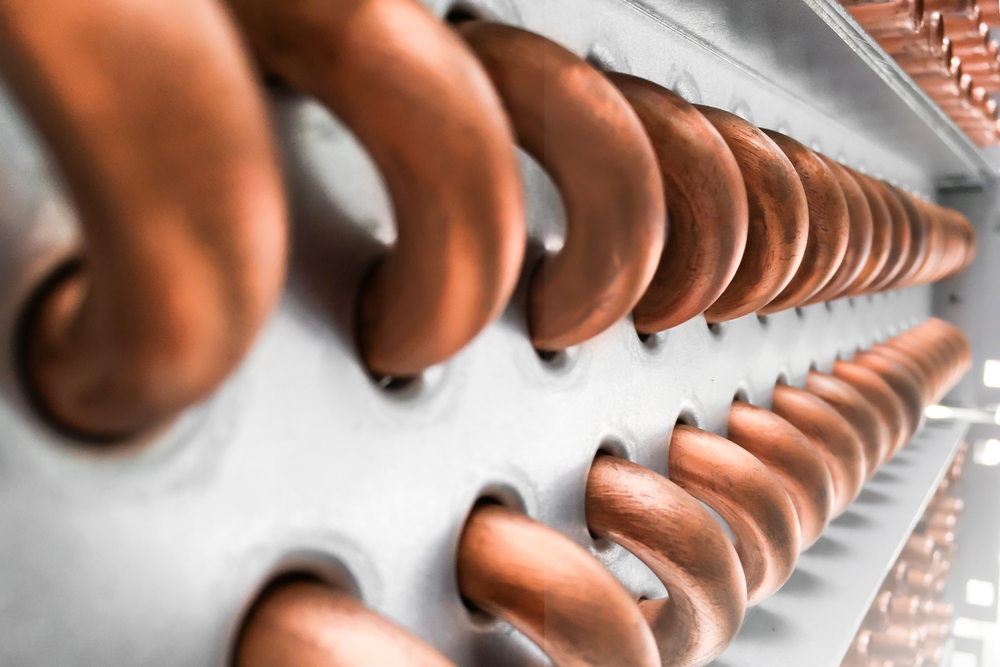
Heat transfer is another important consideration. Tube diameter, tube arrangement, fin spacing, heat transfer area and airflow influence evaporator operation. Fan selection and defrost configuration should also correspond to operating conditions.
Does Every Business Need A Stainless Steel Evaporator?
Stainless steel construction is not mandatory for every refrigeration application. Material selection should reflect actual operating requirements.
A low-humidity storage area with limited cleaning requirements and low corrosion exposure may allow several material options. A high-humidity production room with frequent cleaning or significant corrosion exposure may have stronger reasons to consider stainless construction.
Maintenance And Operational Considerations
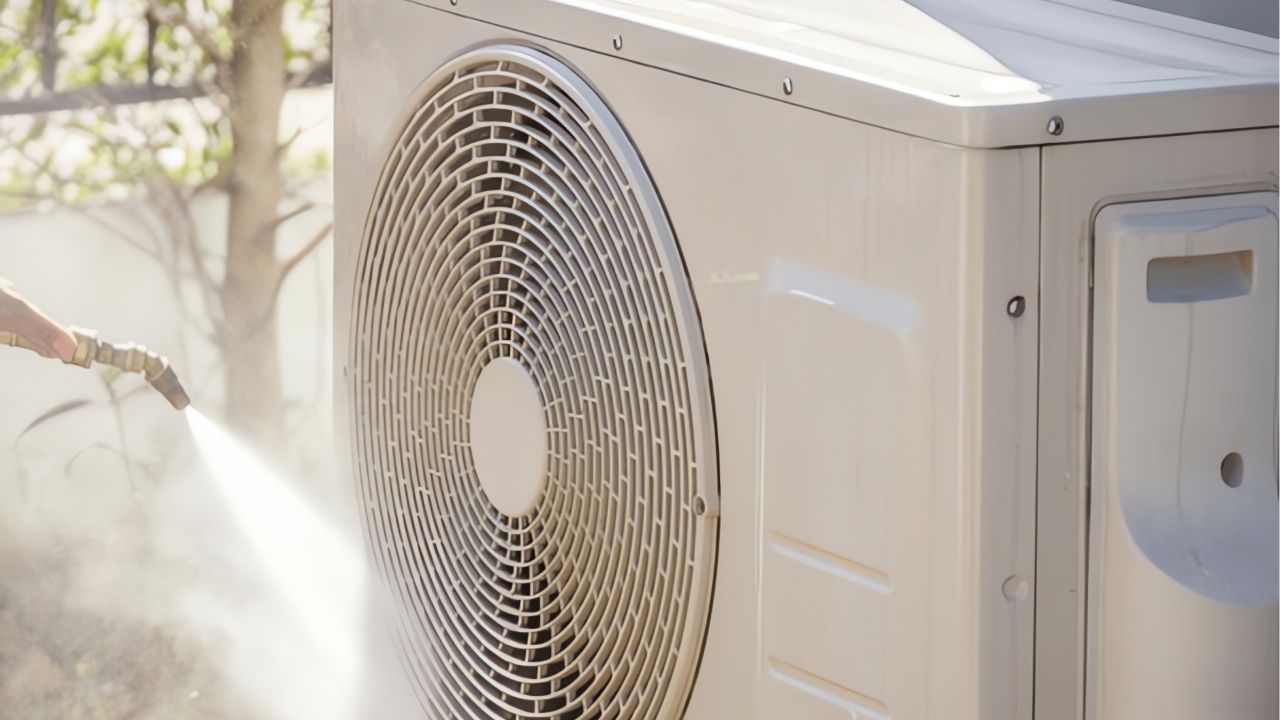
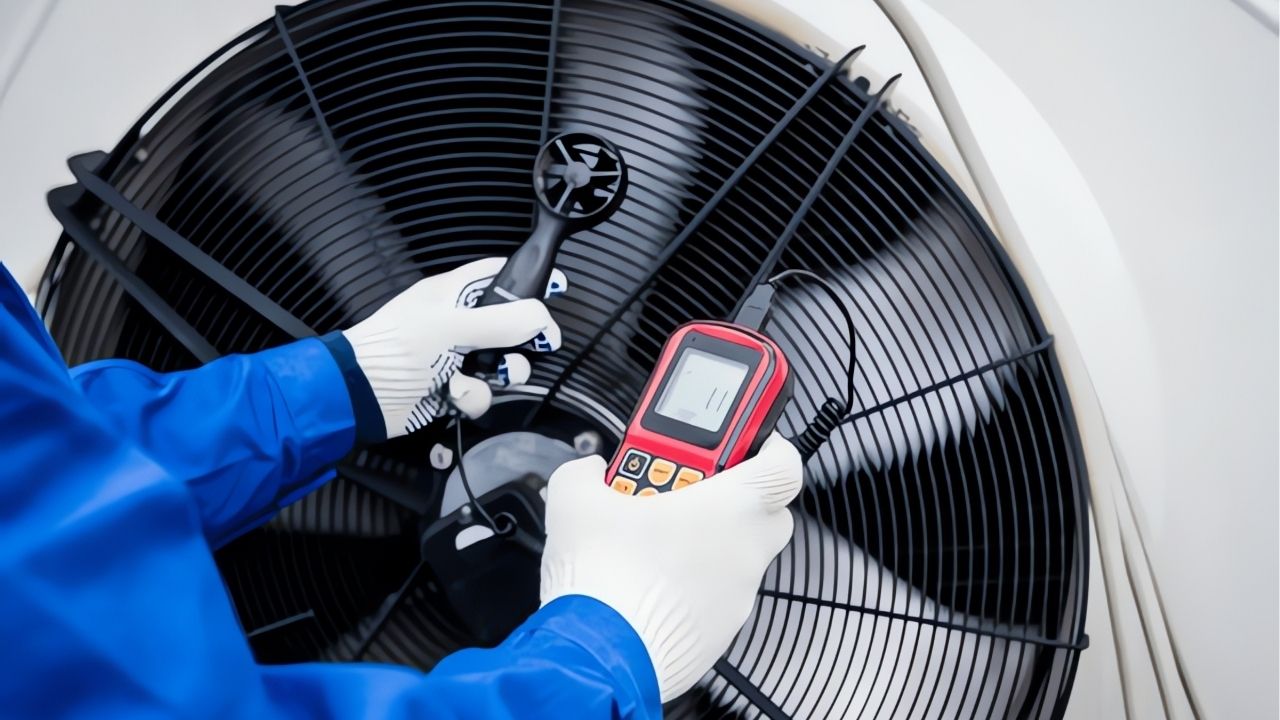
Regular maintenance and cleaning are necessary for long-term evaporator performance. Dirt, frost and foreign material on heat transfer surfaces can affect airflow and heat transfer.
Stainless steel can provide corrosion resistance under appropriate conditions, but incorrect cleaning practices or exposure to aggressive chemicals can still damage surfaces.
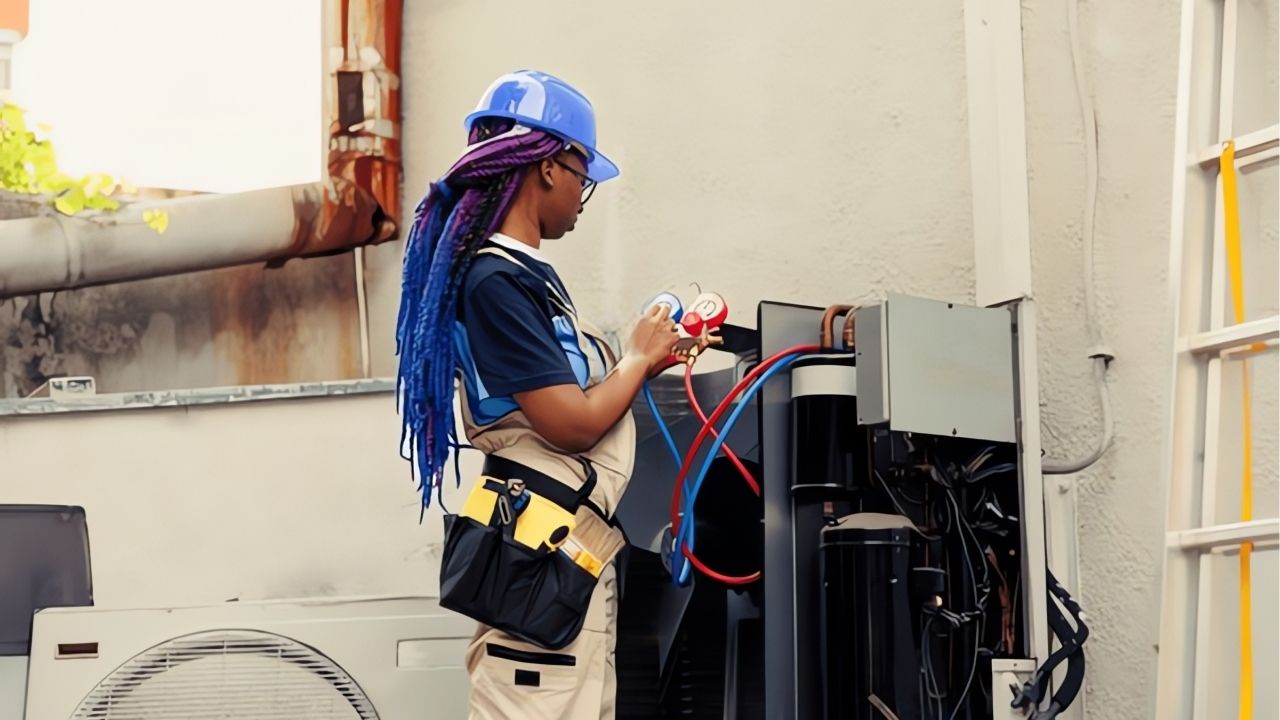
Maintenance inspections can include fans, connections, drainage lines, defrost elements, tubes and surfaces.
How Should Capacity And Defrost Be Selected?
Evaporator capacity should not be determined from room volume alone. Product load, product entering temperature, target room temperature, insulation, door-opening frequency, lighting, fan motors and other heat sources should be considered.
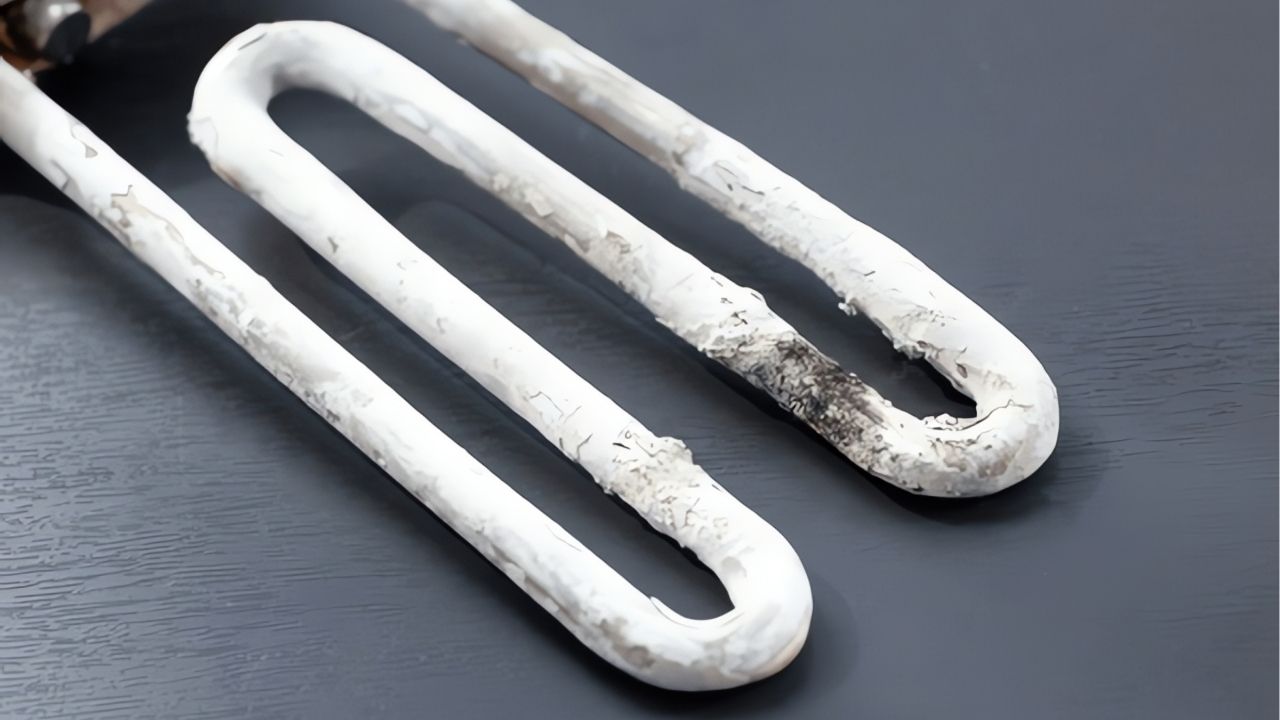
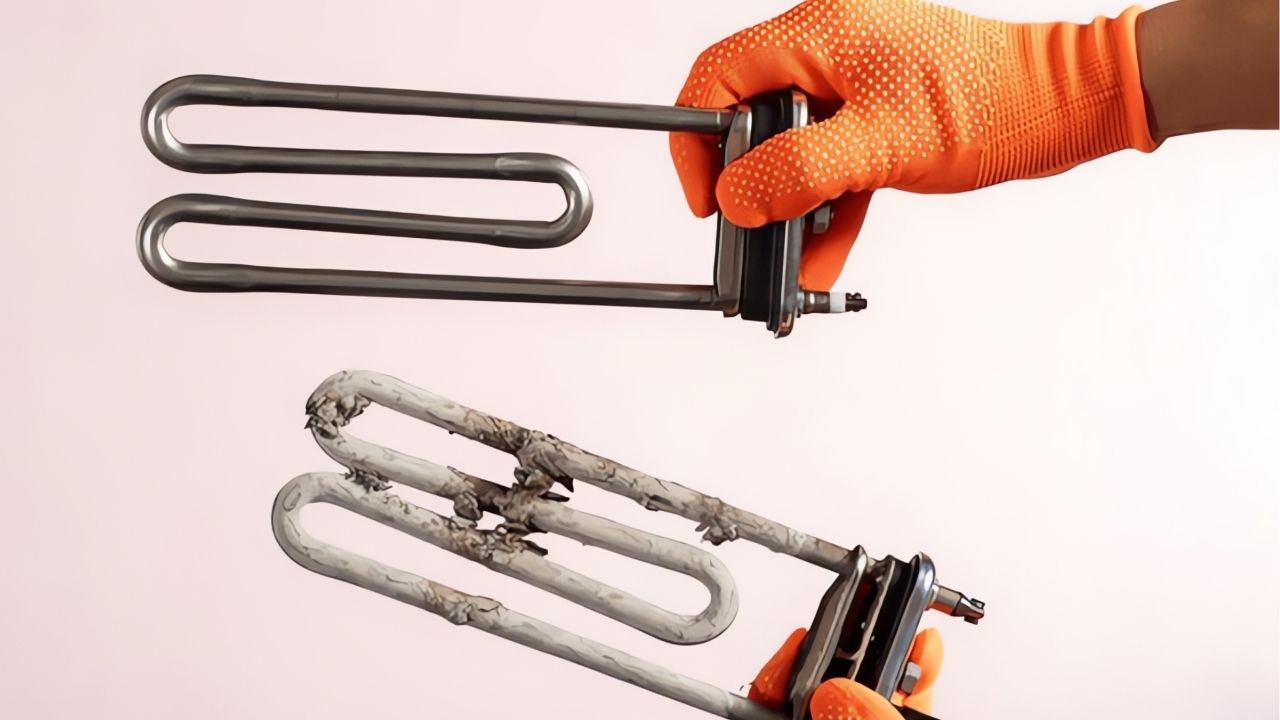
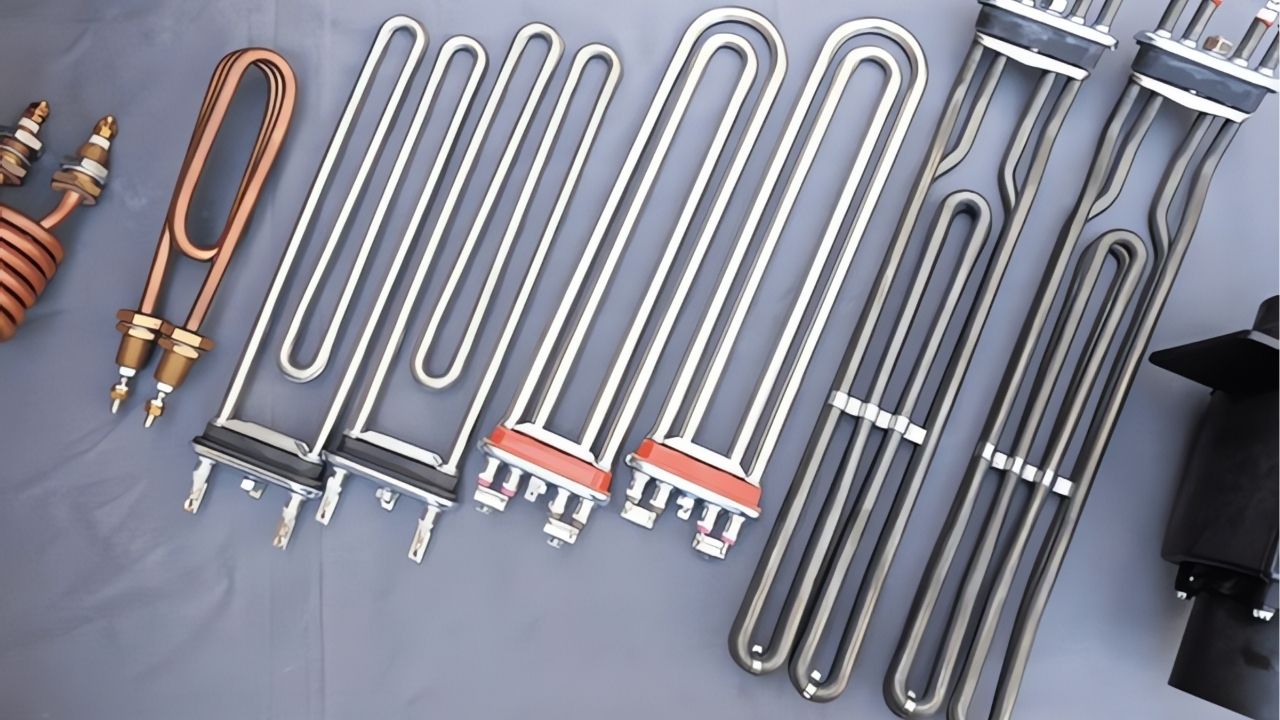
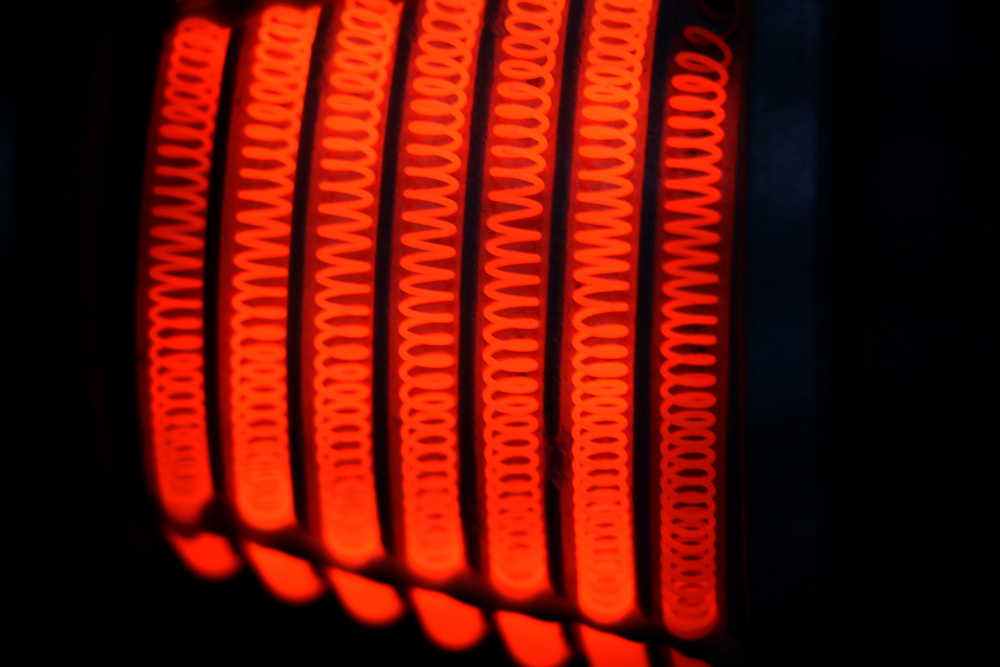
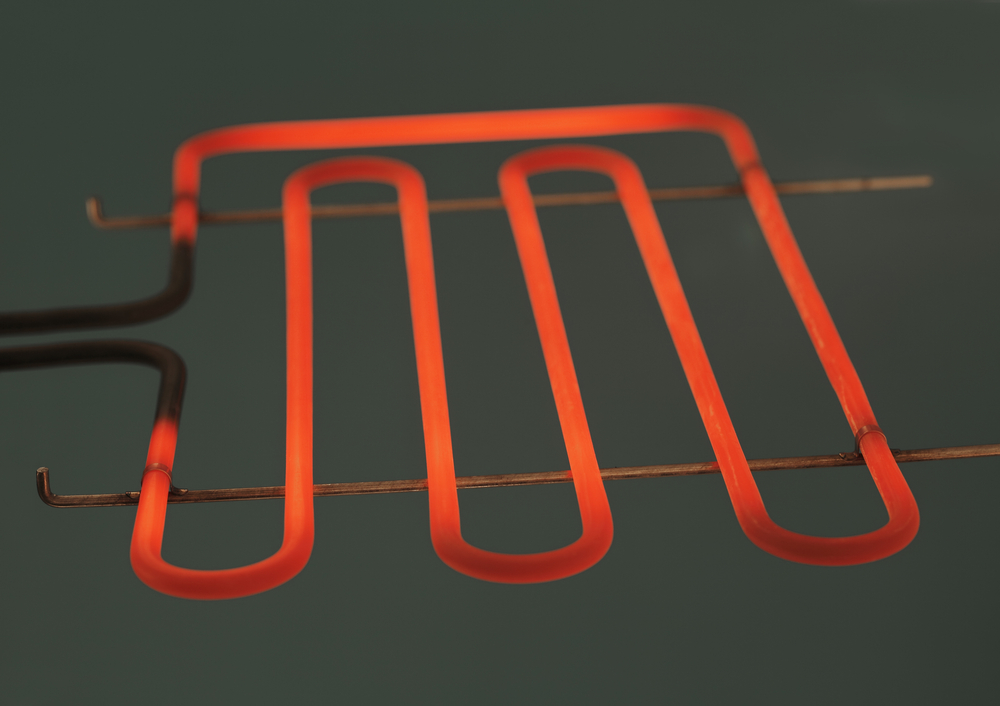
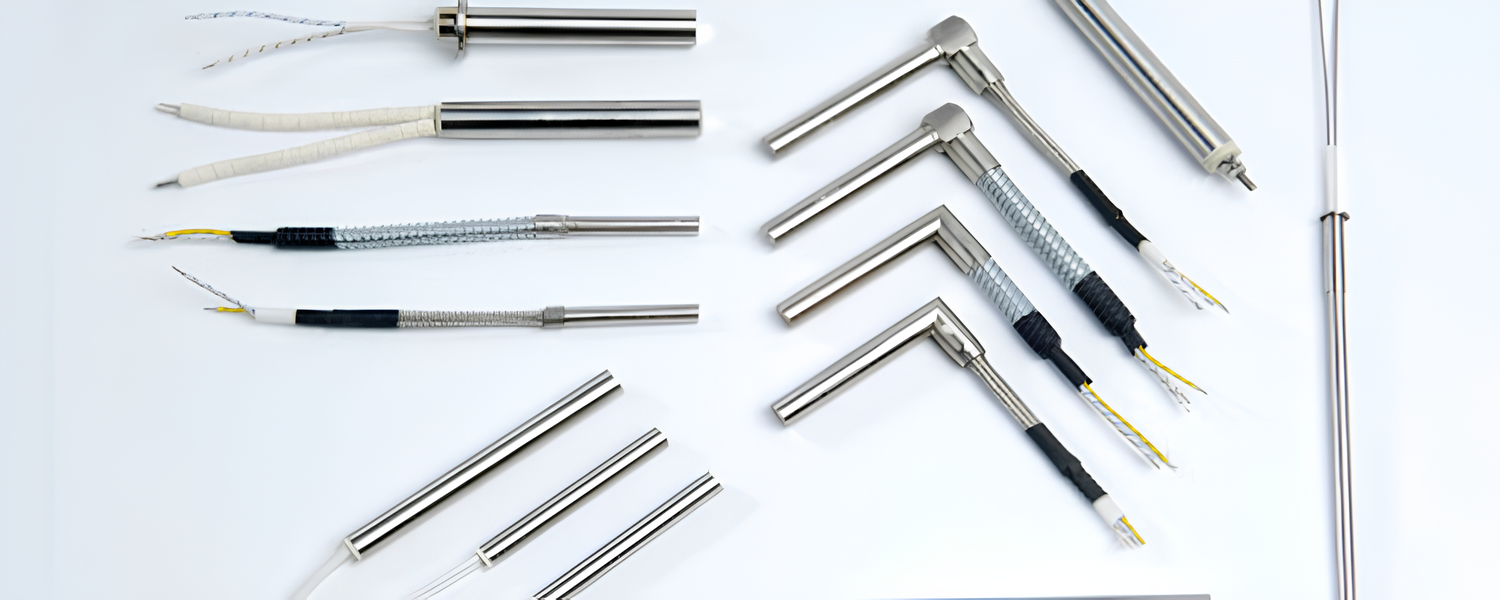
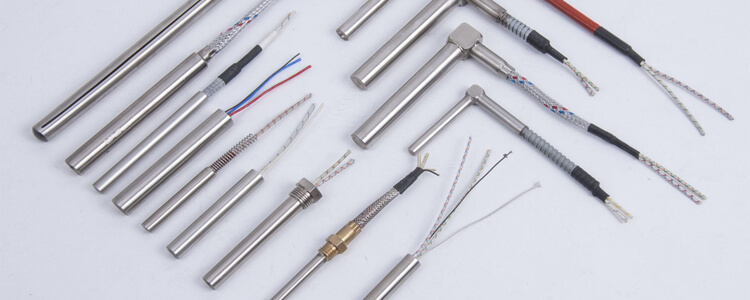
Defrost becomes particularly important in low-temperature applications. Frost accumulation can reduce airflow across the evaporator. Electric defrost or other methods can be considered according to system design.
When Should A Custom Evaporator Be Considered?
Standard evaporator dimensions do not necessarily suit every facility. Limited installation space, unusual room geometry, specific capacity requirements, airflow requirements or material preferences can create a need for custom equipment.
These needs arise particularly in cold rooms with limited installation space and in projects where stainless material and non-standard dimensions are required together.
Frequently Asked Questions
What Is A Stainless Steel Cased Evaporator?
A stainless steel cased evaporator is a refrigeration evaporator that uses stainless steel in its casing or related structural components.
Which Industries Use Stainless Steel Evaporators?
Food production, food processing, cold storage and selected commercial or industrial refrigeration applications with significant humidity or corrosion exposure can use stainless evaporators.
Are Stainless Steel Evaporators Suitable For Food Businesses?
They can be suitable where hygiene and corrosion resistance are important. Capacity, material grade, surface design and cleaning requirements should also be evaluated.
How Is Stainless Steel Evaporator Capacity Determined?
Capacity is determined by evaluating room volume, product load, product entering temperature, target temperature, insulation, door-opening frequency and operating time.