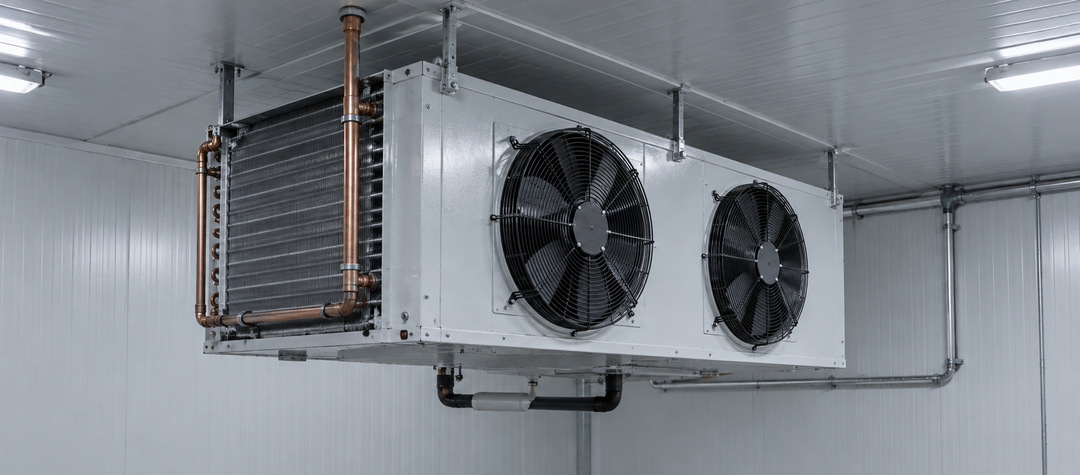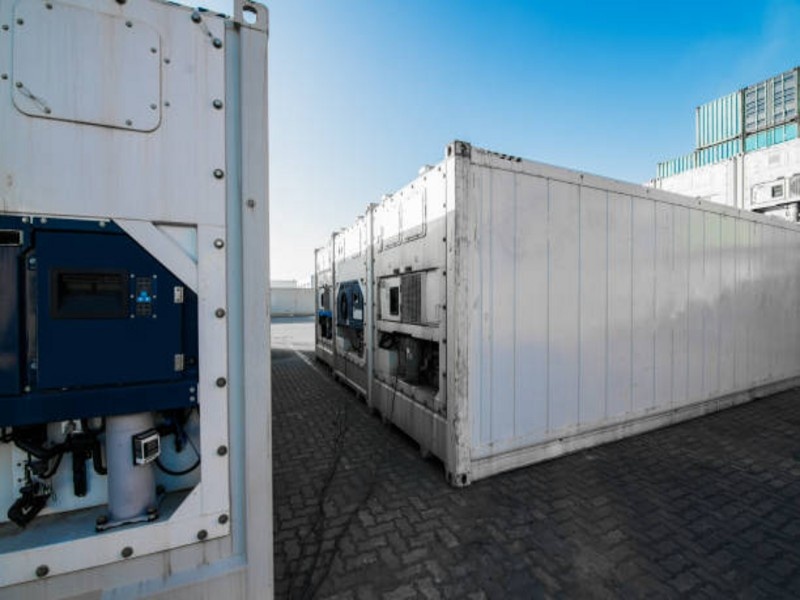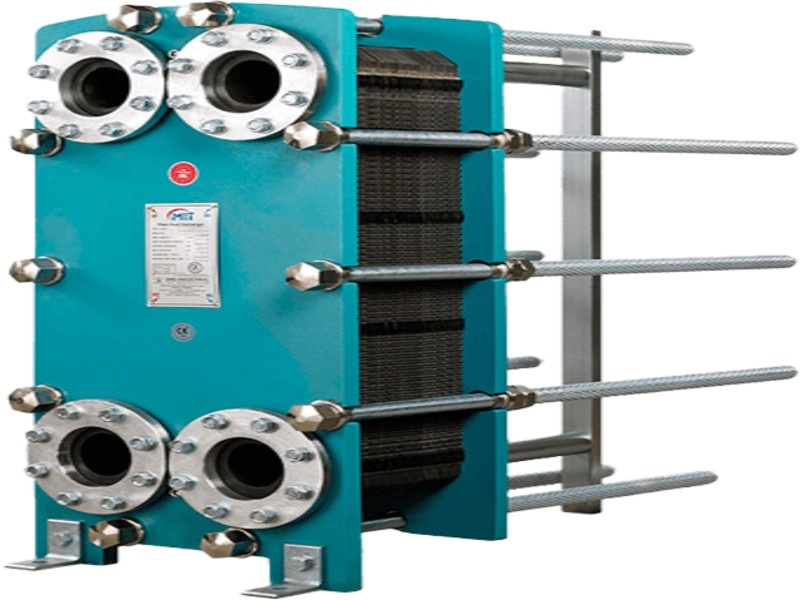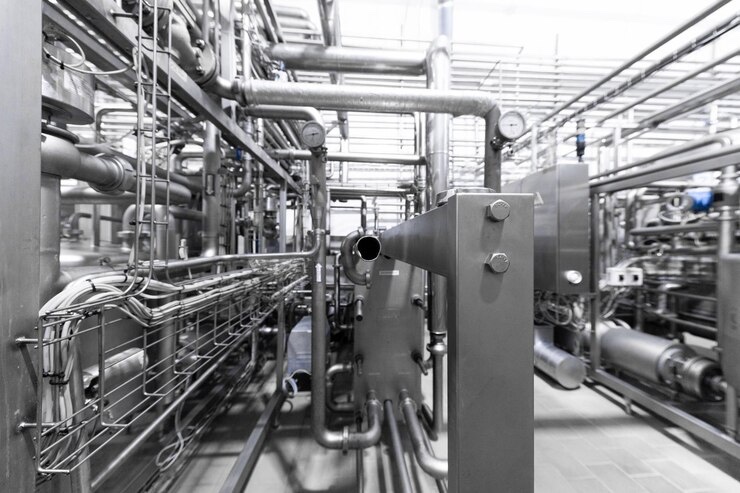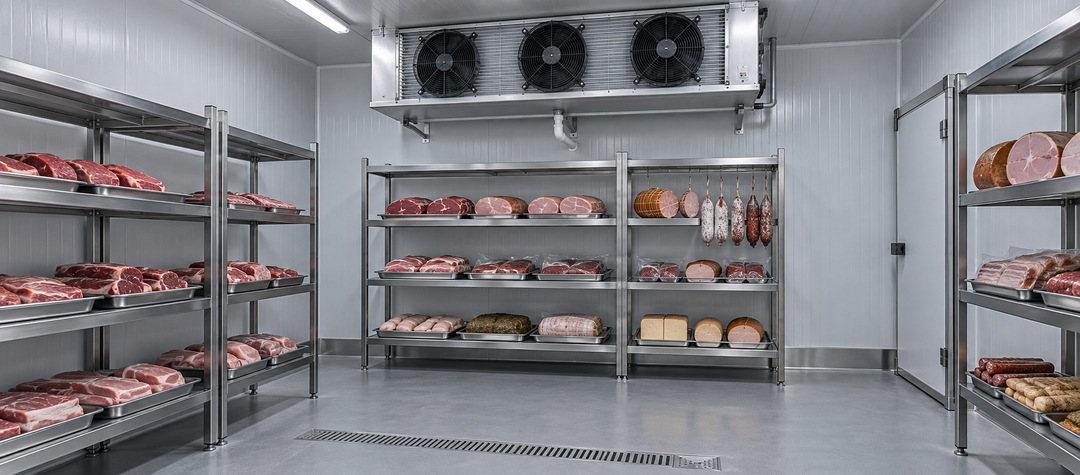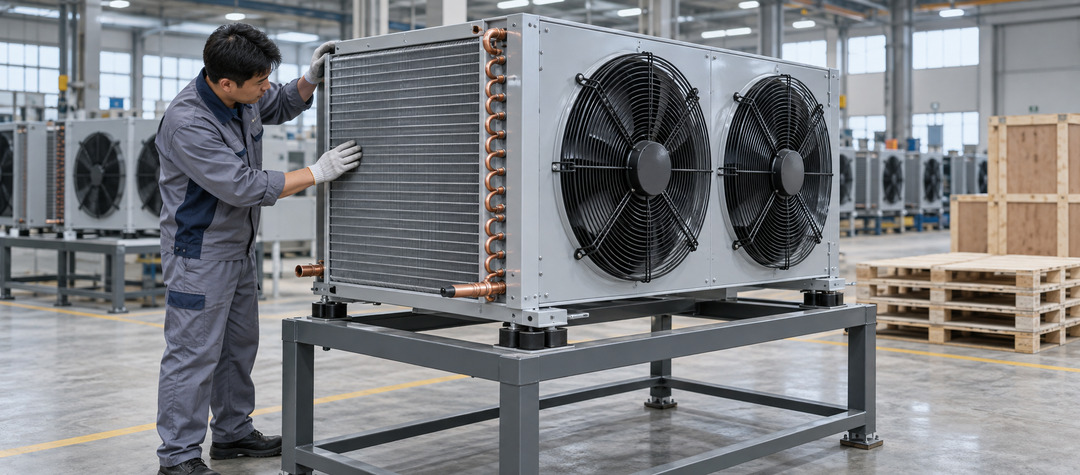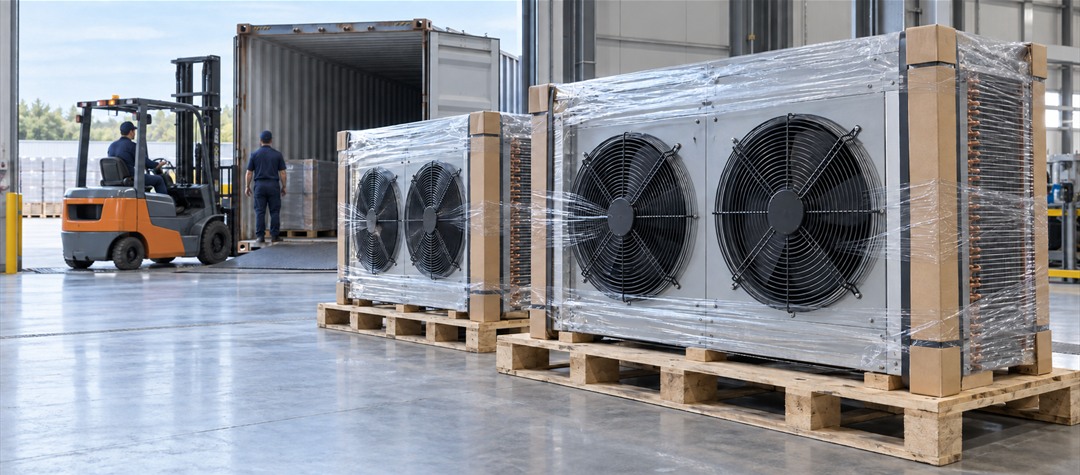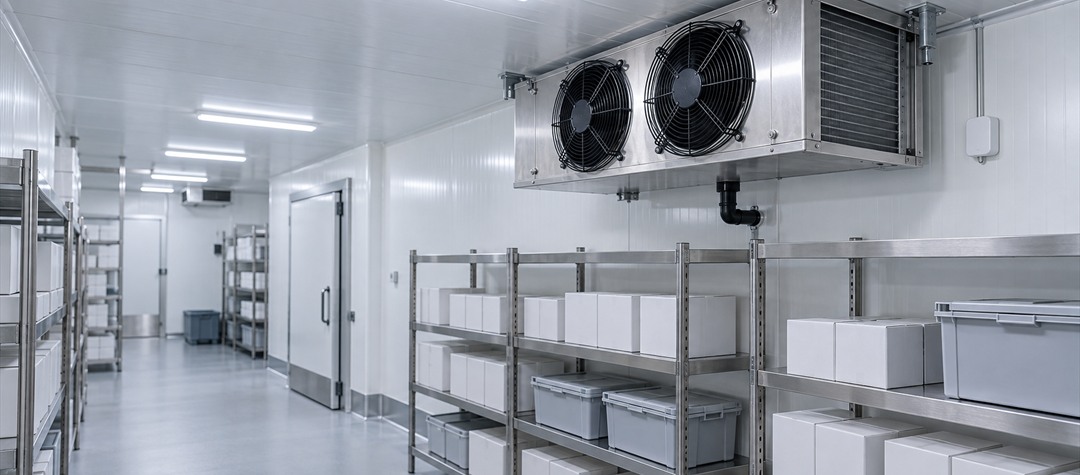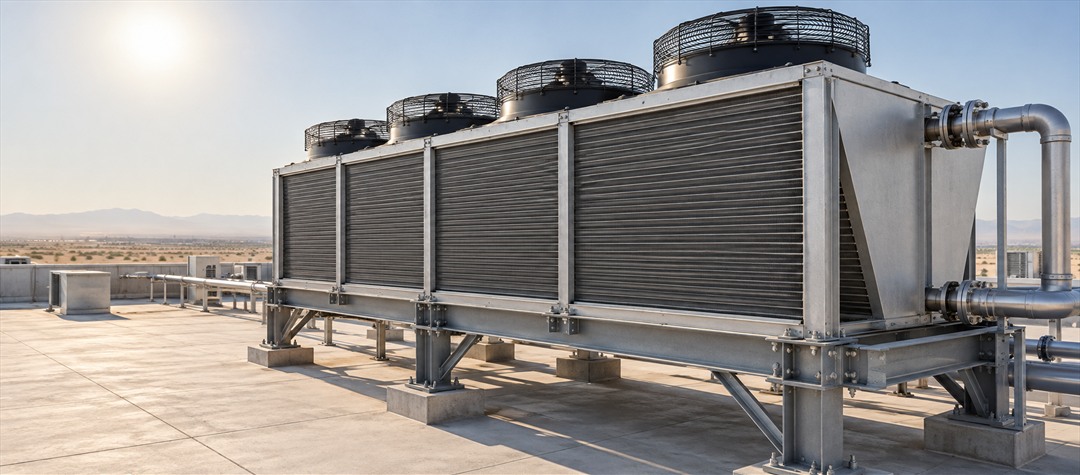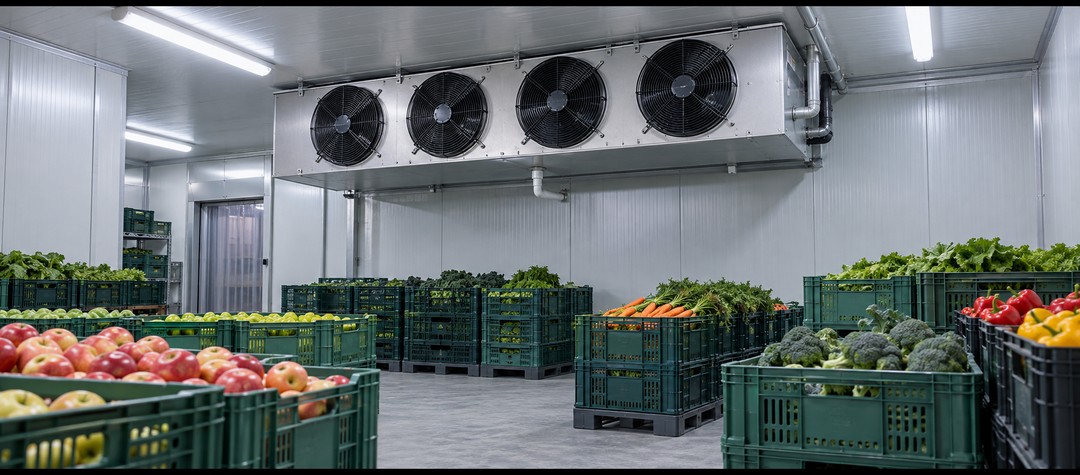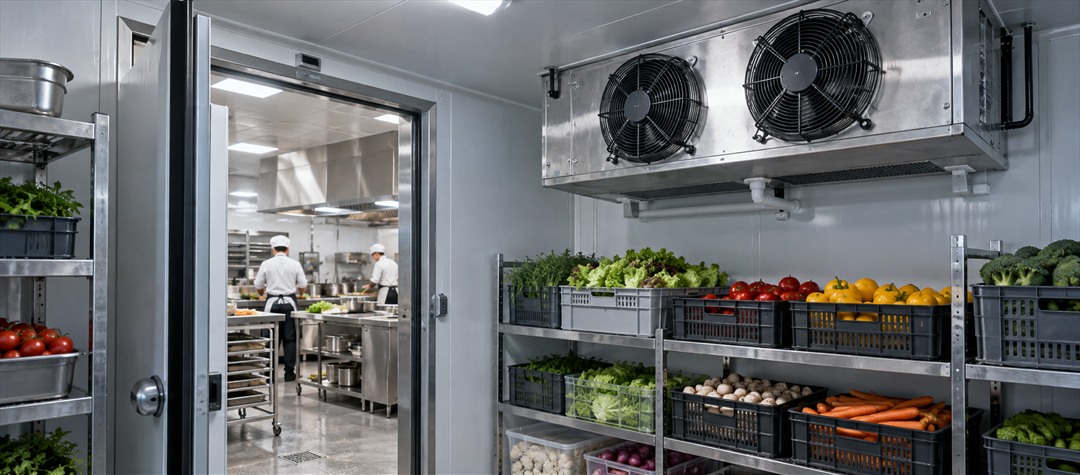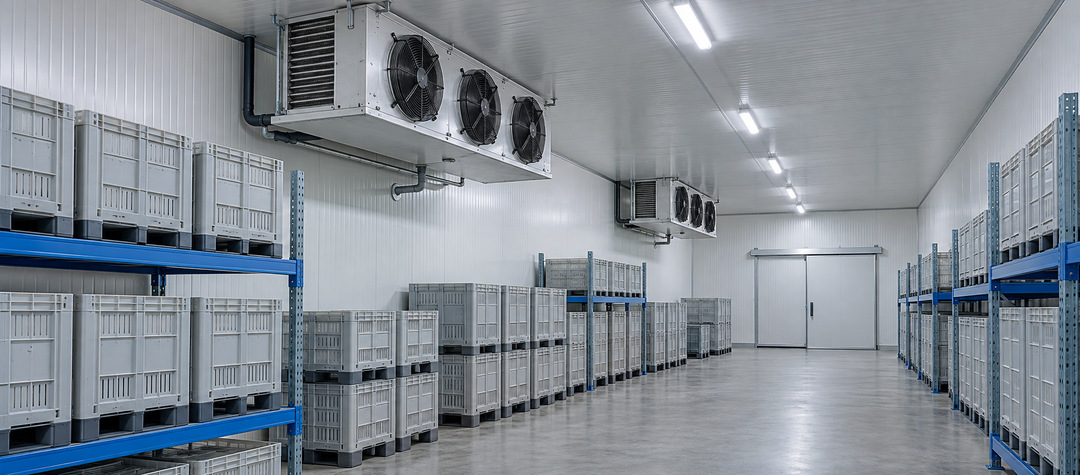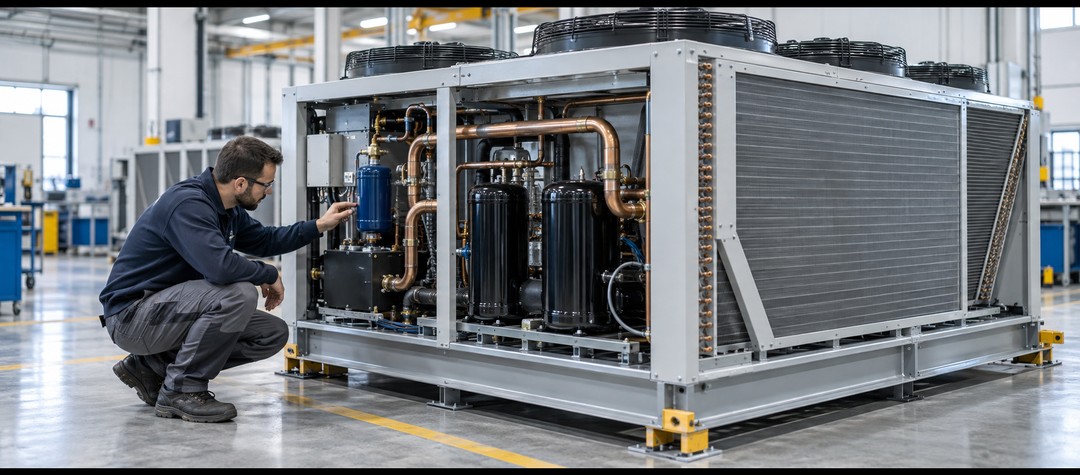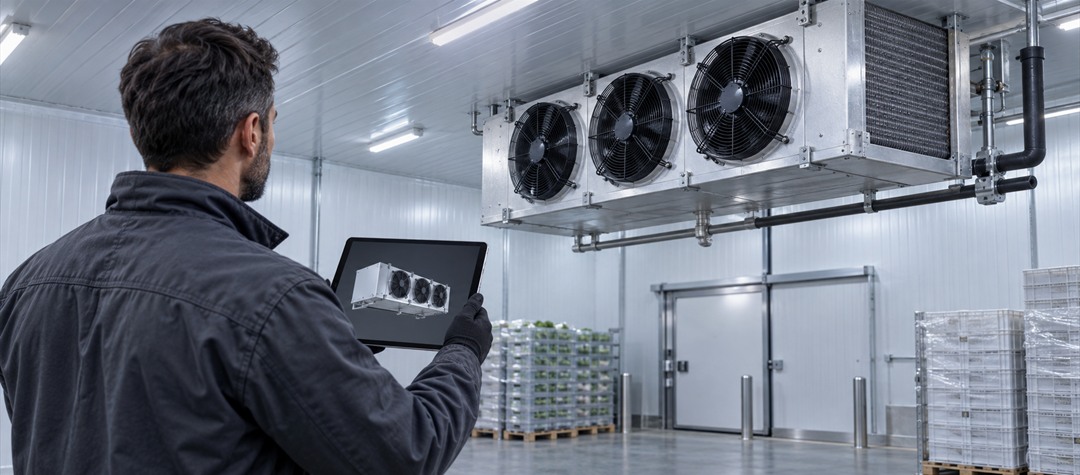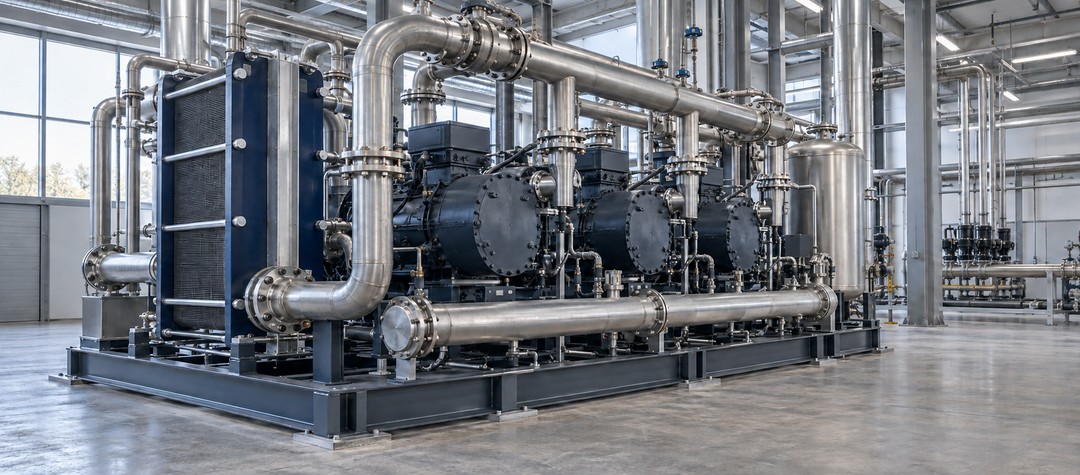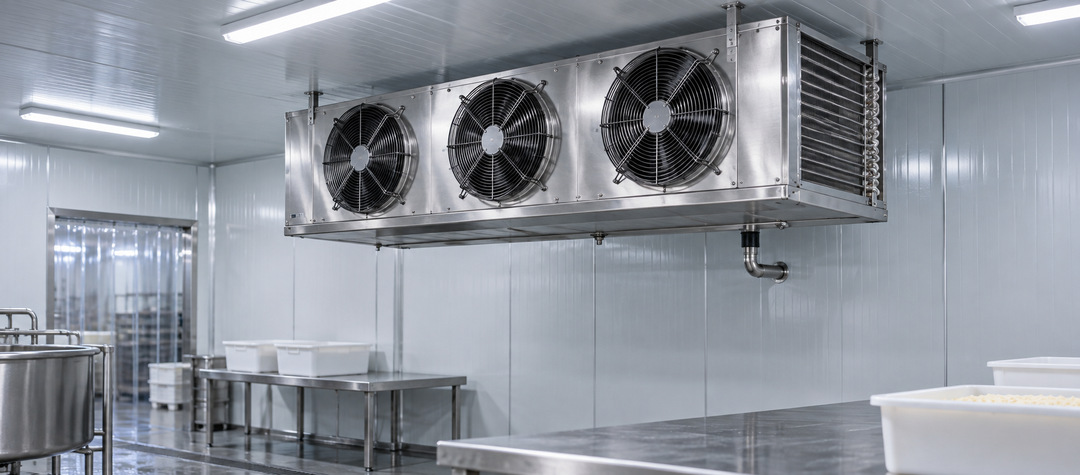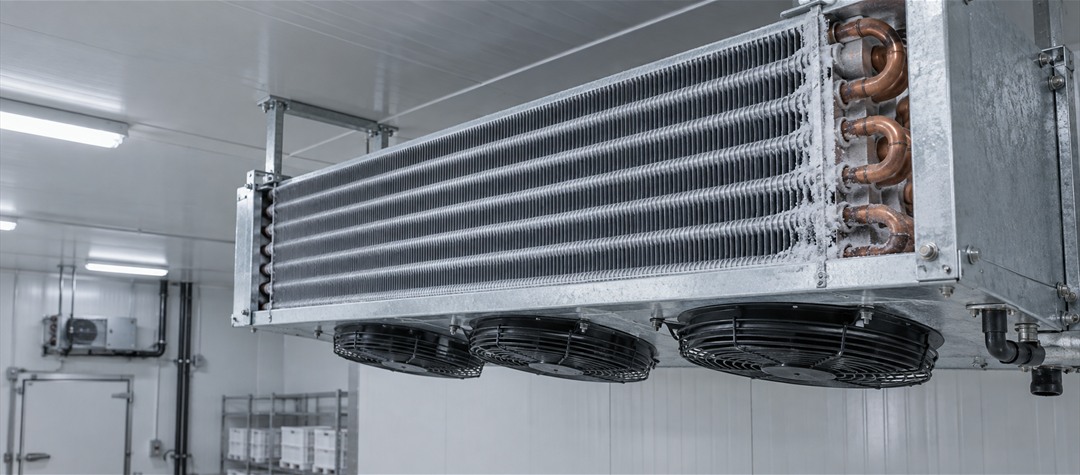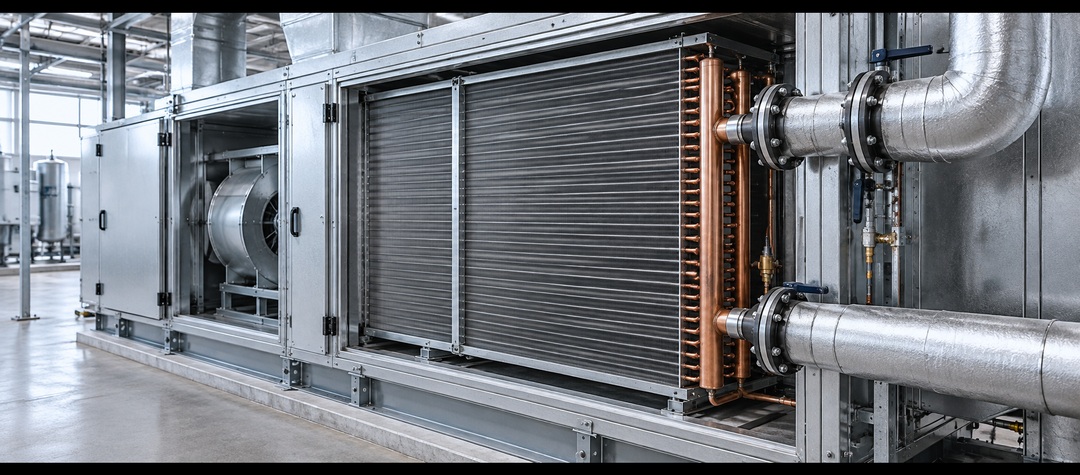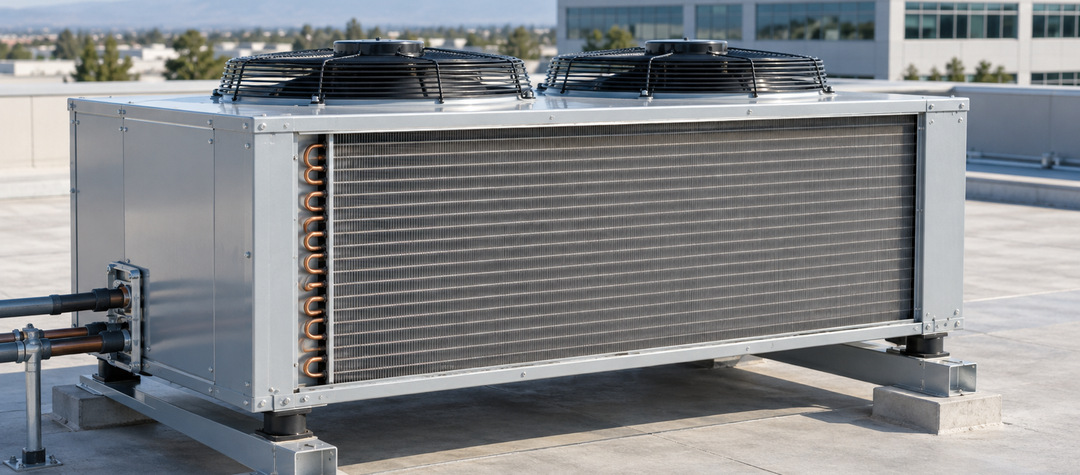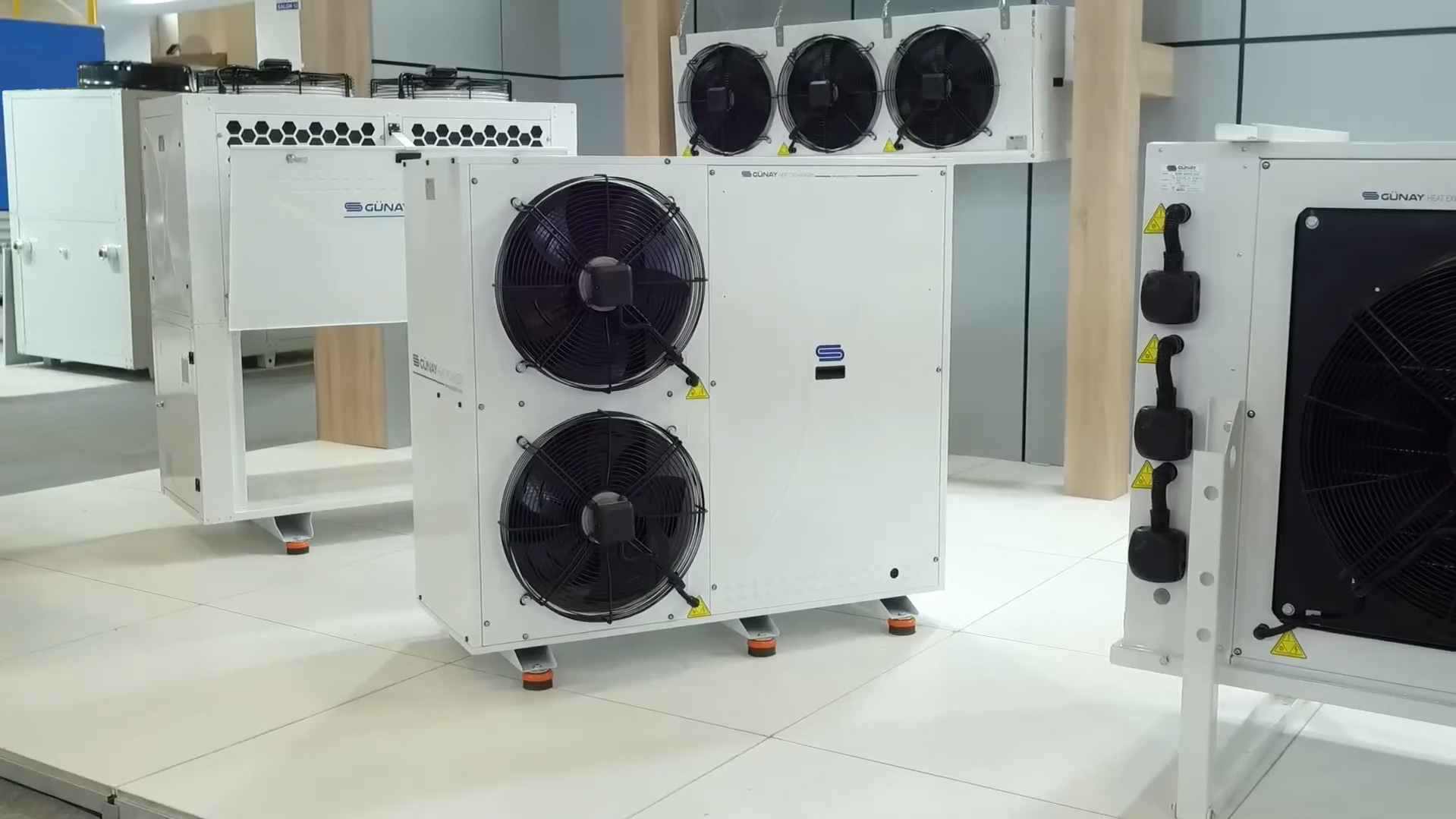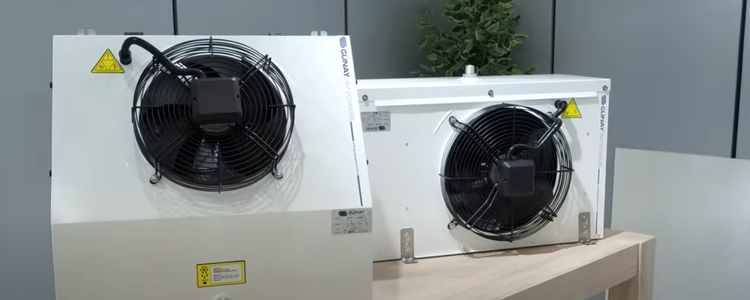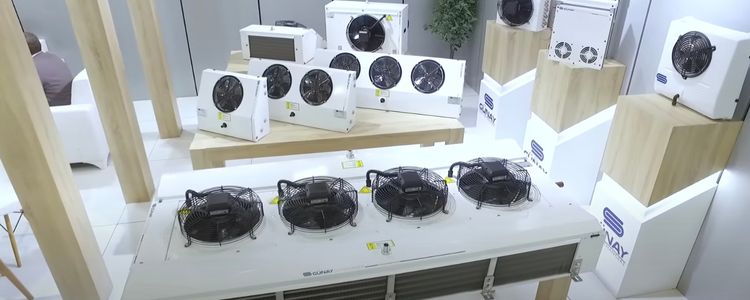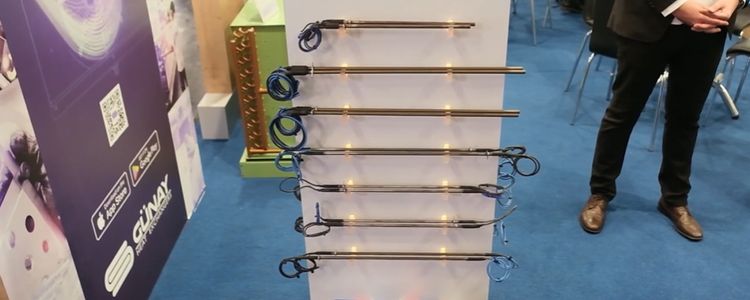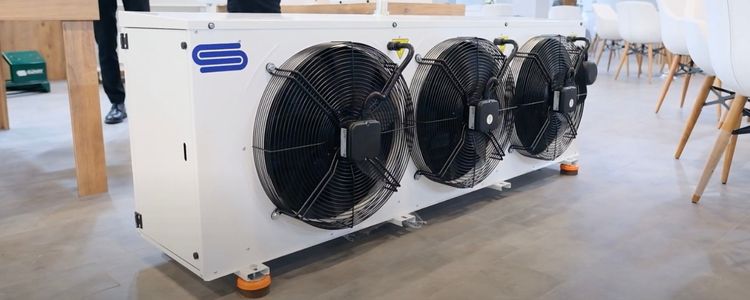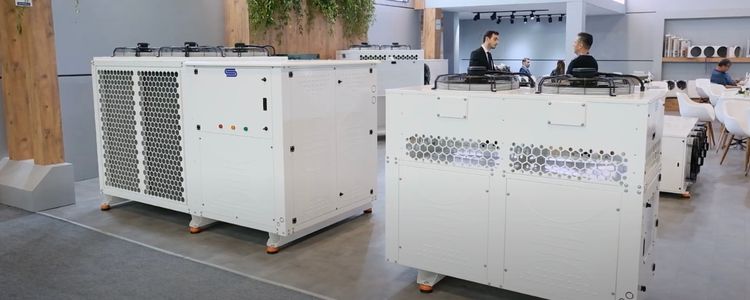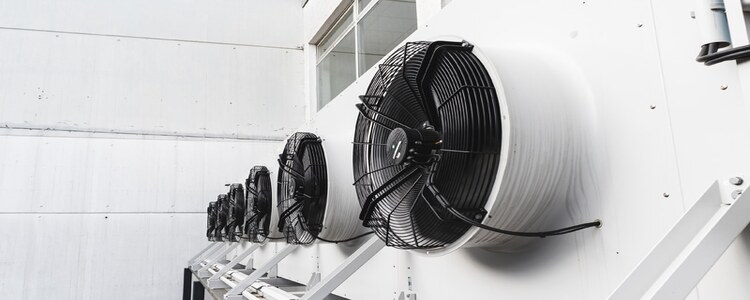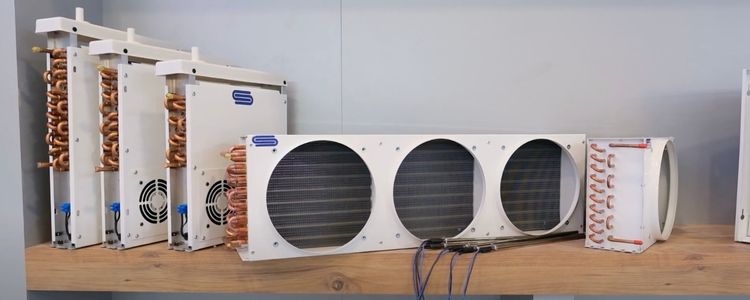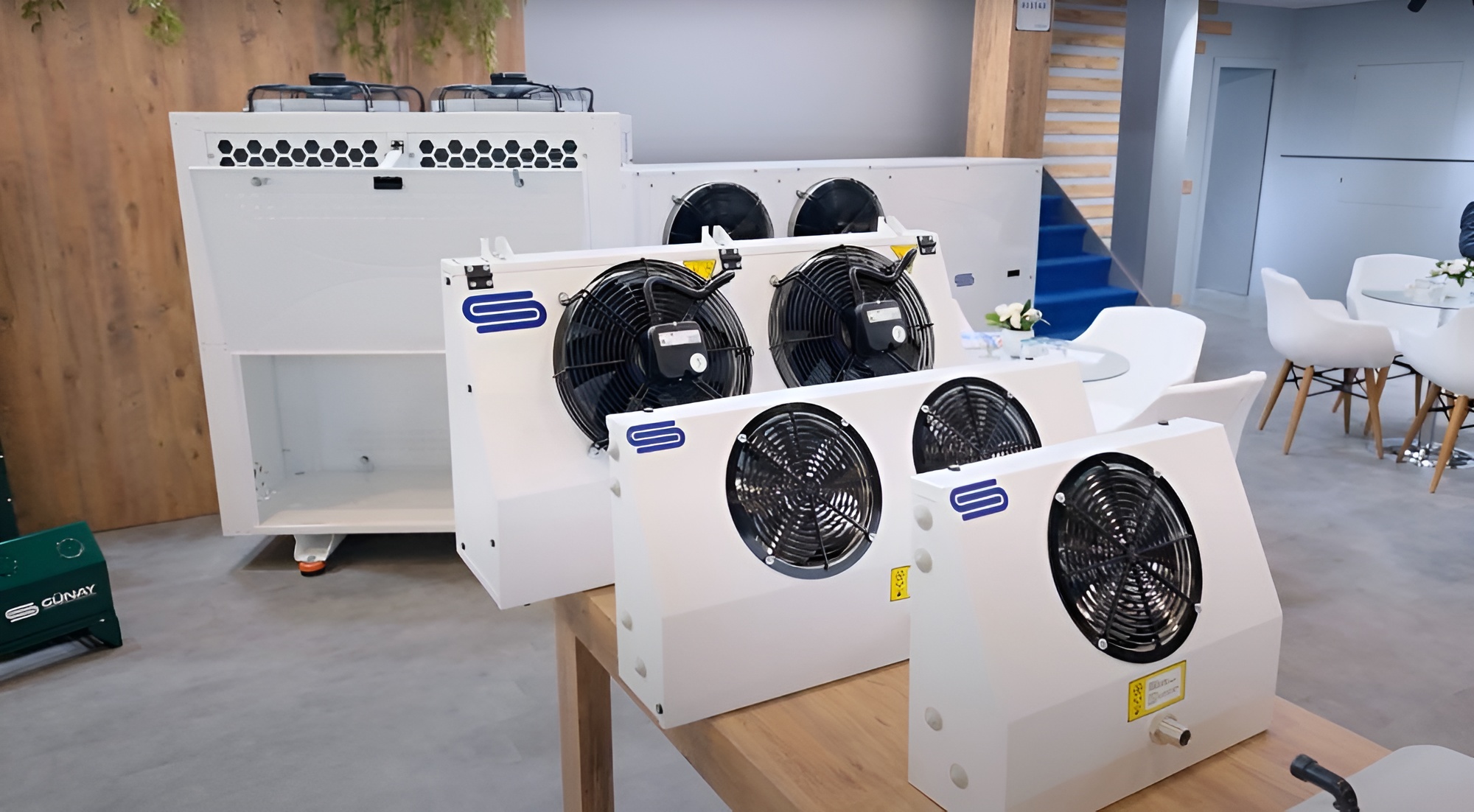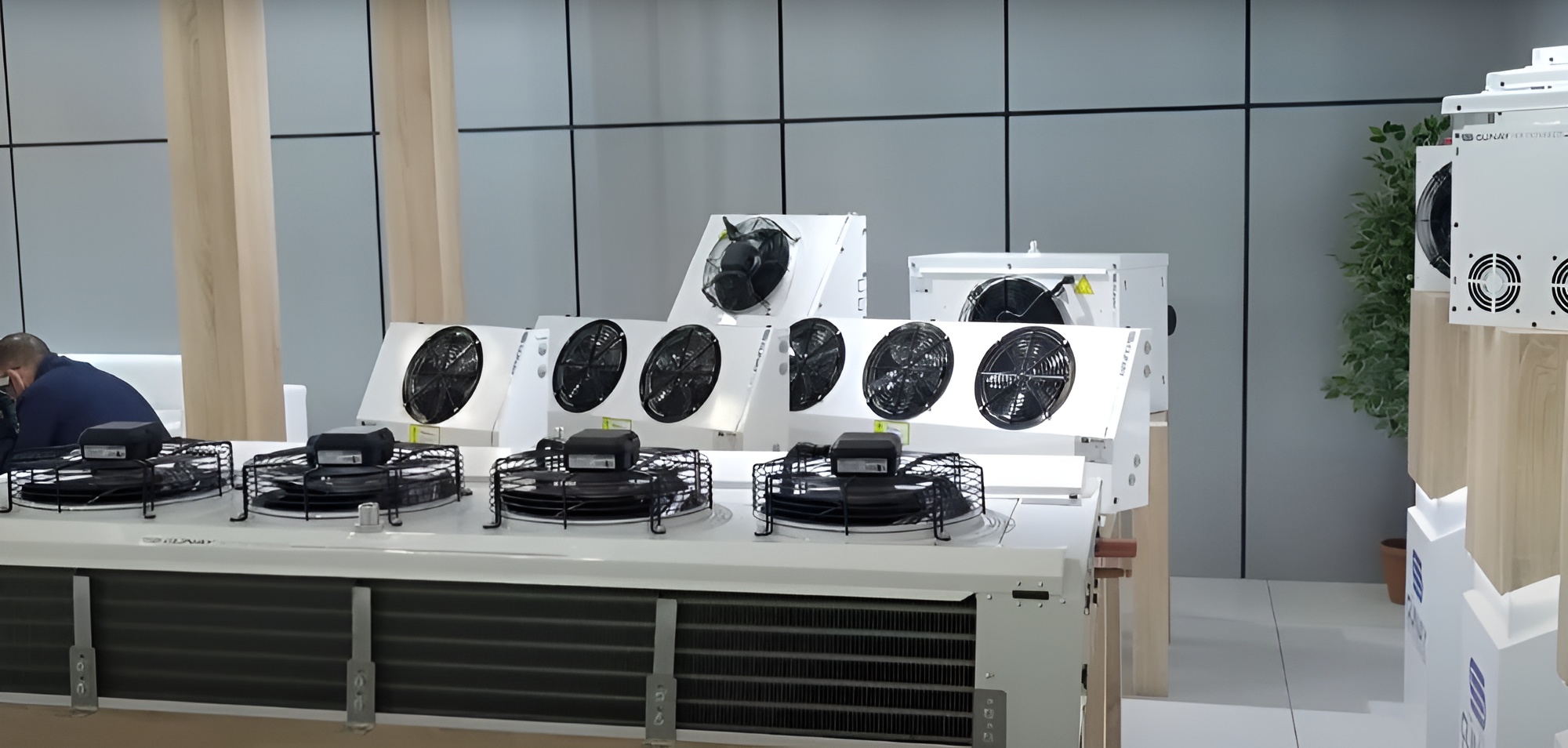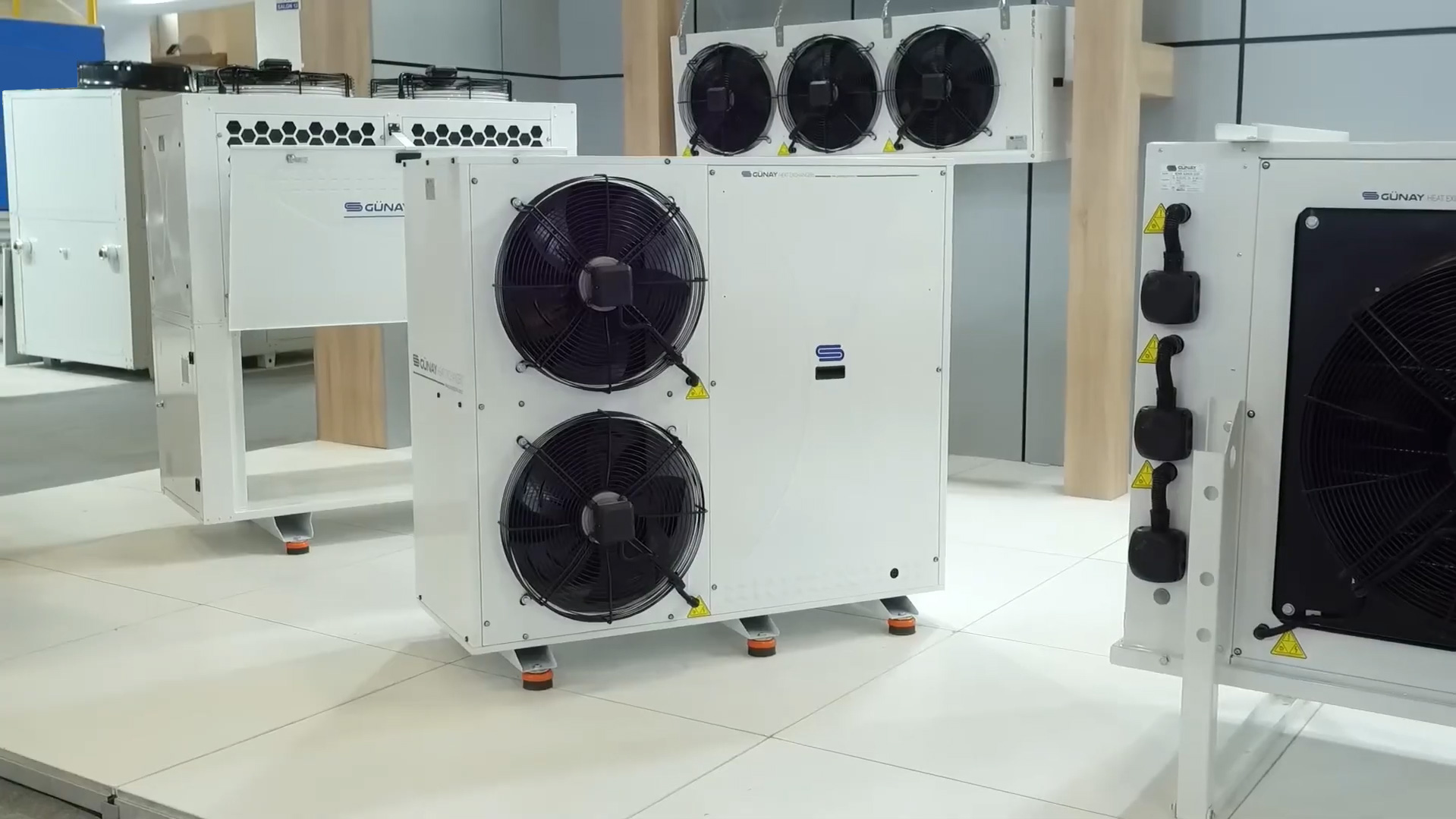


A standard catalogue model does not fit every project. When a plant room has tight space constraints, an uncommon refrigerant is required, the environment is chemically aggressive, or a non-standard connection point is needed, the solution usually points toward a custom-built evaporator or condenser. Yet the success of a custom order depends entirely on how complete the information given to the manufacturer is. An incomplete or vague request form can result in a wrongly sized coil, a mismatched connection size, or a casing material unsuited to site conditions.
For project engineers, machine and equipment manufacturers, mechanical installation companies and technical purchasing managers, the guide below explains step by step which data must be handed over in full for a custom order, which questions answered in advance speed up the quotation process, and what a well-prepared brief adds to a project.
Table Of Contents
- When Does Custom Production Become Necessary?
- Why Is Accurate Capacity And Thermal Data Critical?
- Why Should Refrigerant And Pressure Information Be Shared?
- How Should Dimensional And Layout Constraints Be Communicated?
- Why Should Connection Types And Pipe Sizes Be Clarified In Advance?
- How Is Defrost Type And Heater Power Determined?
- What Details Should Fan Selection And Power Supply Cover?
- How Do Ambient Conditions Shape Casing And Coating Choices?
- A Sample Checklist For Non-Standard Requests
- How Does The Custom Production Process Work With Günay Heat Exchangers?
- Frequently Asked Questions
When Does Custom Production Become Necessary?
Serial production units are designed around the common needs of a broad range of users and offer fast delivery from stock. In some projects, however, an off-catalogue solution becomes unavoidable. The situations below are typical scenarios that call for custom production:
- A plant room that does not match standard cabinet dimensions, for example an unusually narrow space or a low ceiling.
- A requirement to operate with a refrigerant other than R404A or with a different pressure class.
- Ambient conditions such as chemical vapour, salt-laden air or heavy dust that could shorten the life of a standard casing material.
- A need to replace a failed coil in an existing system with an exact dimensional match.
- An OEM manufacturer's requirement for a heat exchanger with non-standard connection points to integrate into its own product.
- Project designs that call for a specific airflow pattern, air throw direction or mounting angle.
What these scenarios share is a catalogue model failing to match the project on one or more critical parameters. A well-prepared brief lets the manufacturer see that gap from the very start. When more than one of these scenarios appears in the same project, for example a space constraint combined with a special refrigerant, completeness of the brief becomes even more critical, since the manufacturer then has to balance several constraints at once rather than a single one.
Why Is Accurate Capacity And Thermal Data Critical?
The starting point of any custom order is a clear definition of the heat load and the operating temperatures. The core data that should be passed to the manufacturer includes the following:
| Data Point | Why It Is Needed |
|---|---|
| Required capacity (kW or W) | Determines coil surface area and the number of circuits. |
| Room or process temperature | Affects frosting behaviour and fin spacing selection. |
| Evaporating or condensing temperature | Determines the DT1 difference and therefore actual capacity. |
| Relative humidity | Serves as the reference for wet or dry capacity calculations. |
| Whether dry or wet capacity is required | Allows quotations to be compared on a fair basis. |
When capacity data is incomplete or unclear, the manufacturer is forced to select equipment based on assumed conditions, and an unexpected performance gap can then show up on site.
Why Should Refrigerant And Pressure Information Be Shared?
The refrigerant type directly affects the coil's test pressure, tube wall thickness and circuit design. Since blended refrigerants can carry a temperature glide, the exact refrigerant designation and, where applicable, its glide value should be shared with the manufacturer. The maximum operating pressure and the expected test pressure must also be clarified, since different projects may call for different test standards.
The toxicity or flammability class of the refrigerant should not be overlooked either. Certain natural refrigerants can call for specific safety precautions, gasket materials or electrical equipment choices. A quotation prepared without this information may later require revision.
How Should Dimensional And Layout Constraints Be Communicated?
One of the most common reasons for custom production is a space constraint. The following dimensional information should be communicated clearly to the manufacturer:
- Maximum height, width and depth limits.
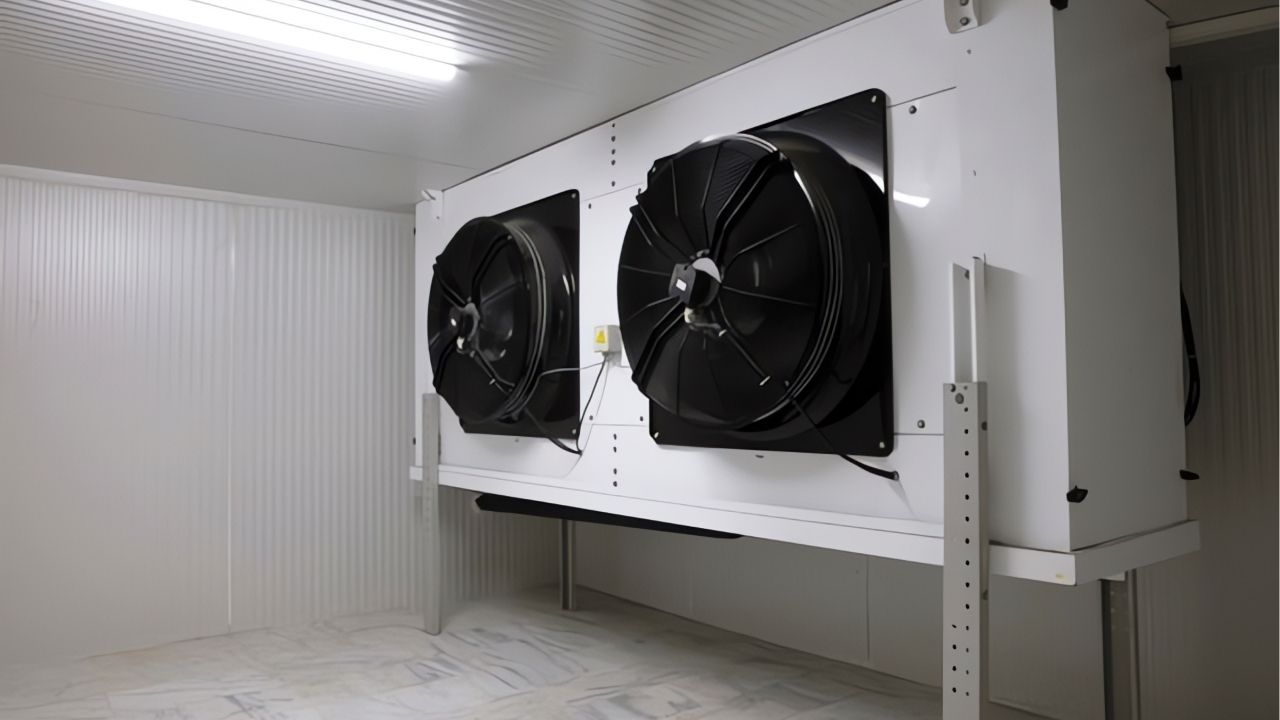
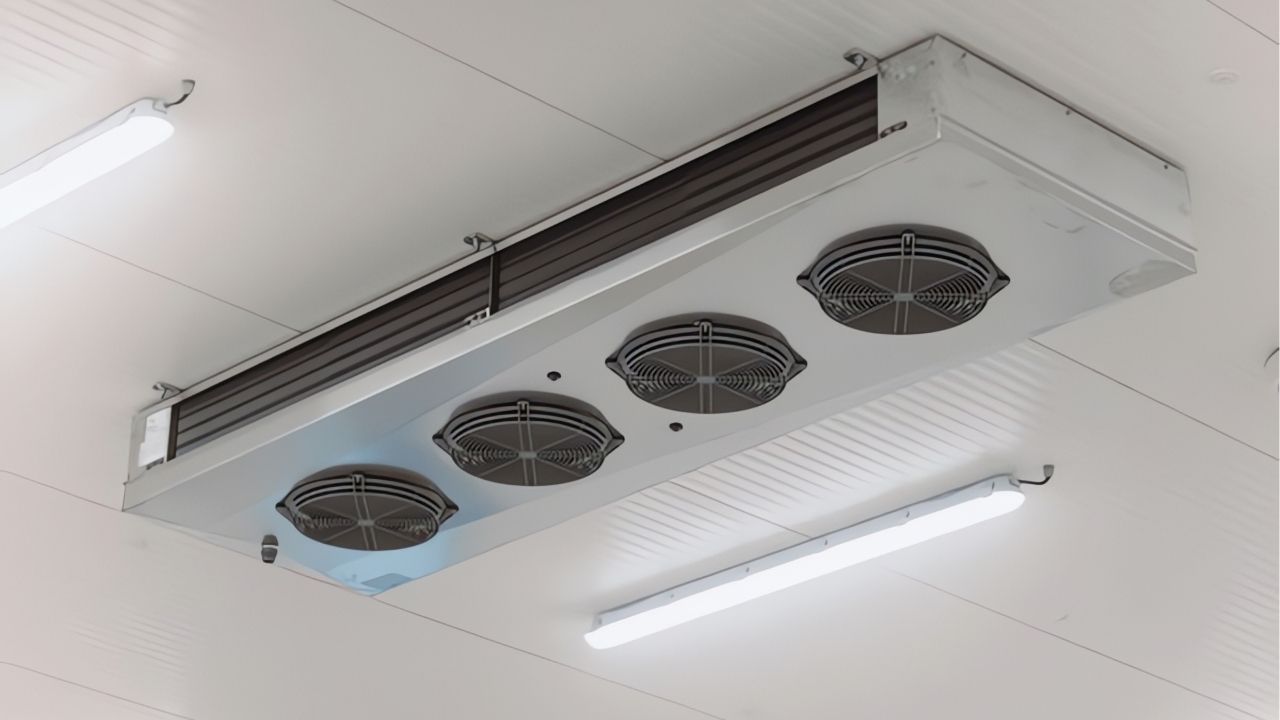
- Mounting orientation: ceiling-suspended, wall-mounted or floor-standing.
- Access clearance required for service and maintenance.
- Connection point dimensions of the old unit, if an existing system is being replaced.
- Width and height limits of transport and installation corridors.
Sharing a scaled sketch or photograph, where possible, helps the manufacturer interpret the spatial constraint correctly. When dimensional data is missing, there is a hard-to-reverse risk that the finished unit will not fit on site.
Why Should Connection Types And Pipe Sizes Be Clarified In Advance?
The inlet and outlet connections of an evaporator or condenser must match the existing piping. Pipe diameter, connection type (flanged, threaded or brazed) and connection orientation are critical details that need to be clarified before production begins. That information matters especially for OEM manufacturers, since the heat exchanger will be mounted at a specific point on their own product casing.
The electrical connection point, cable entry direction and, where applicable, control panel layout should be defined at the same stage. Should these details need to change later, the production process can be pushed back to the start.
How Is Defrost Type And Heater Power Determined?
For sub-zero applications, the defrost strategy is an integral part of the custom production brief. Points that need to be clarified with the manufacturer include:
- Defrost method: air defrost, electric heater defrost or hot gas defrost.
- Expected defrost cycle frequency and duration.
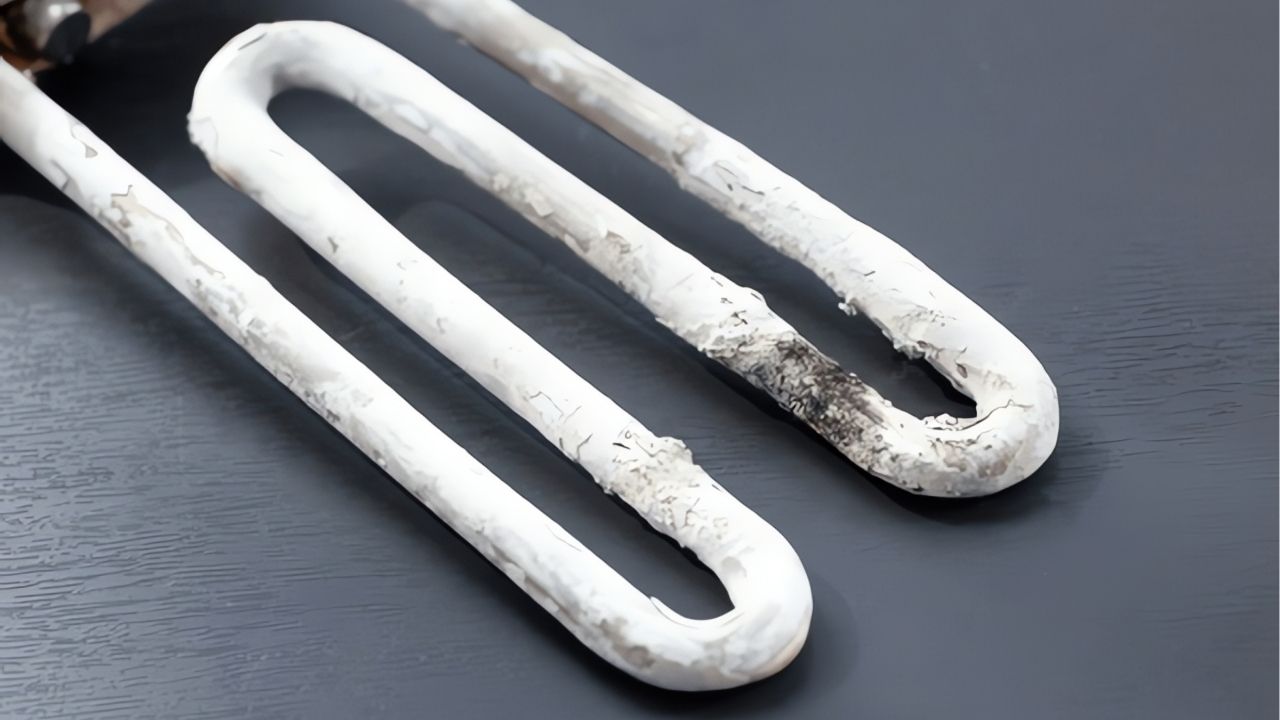
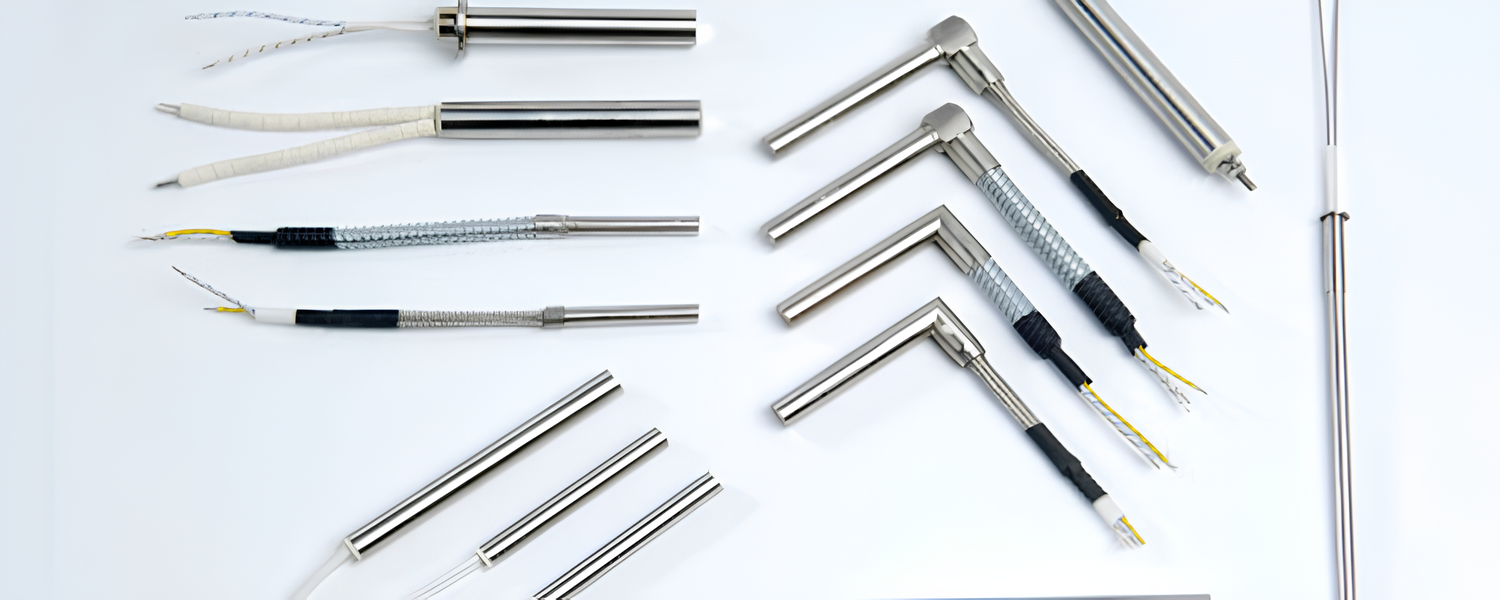
- Heater power sized according to room temperature and moisture load.
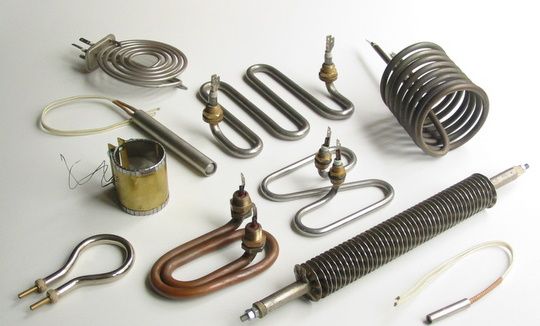
- Preferred placement of heaters on the coil, drain pan and casing.
A quotation prepared without a clear defrost strategy can result in a heater that is either undersized or oversized on site, and both outcomes work against energy efficiency.
What Details Should Fan Selection And Power Supply Cover?
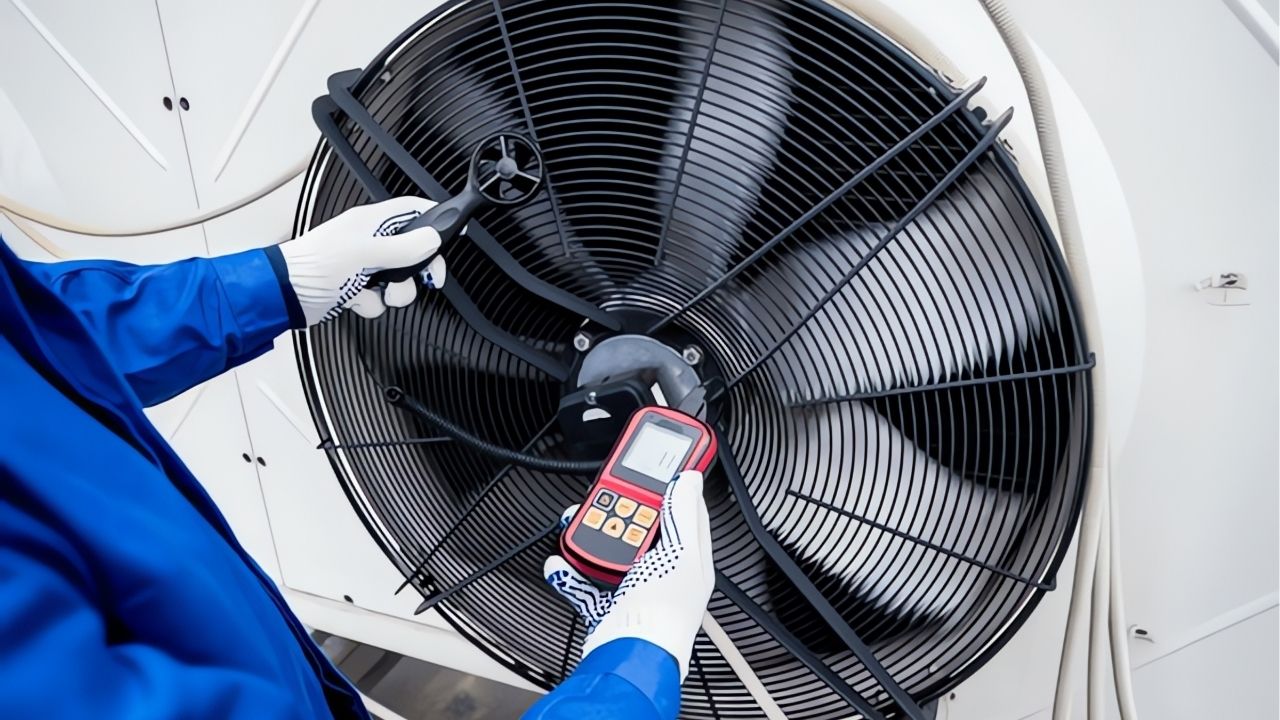
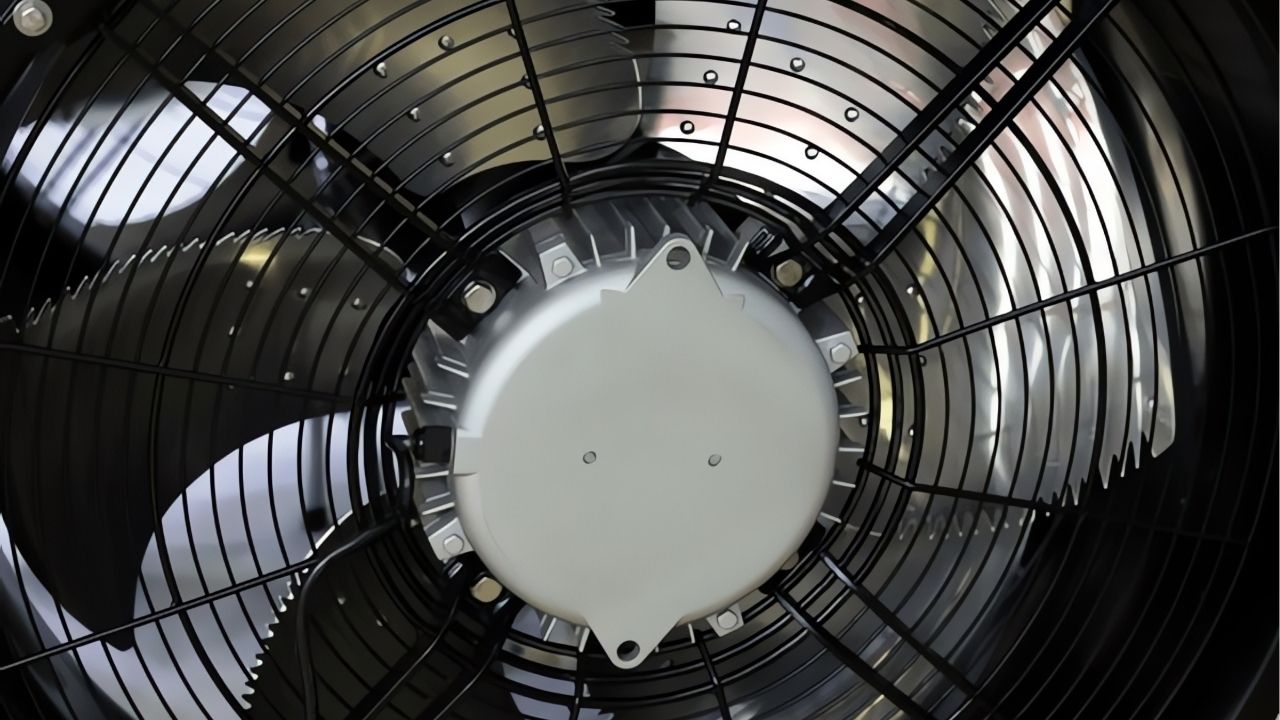
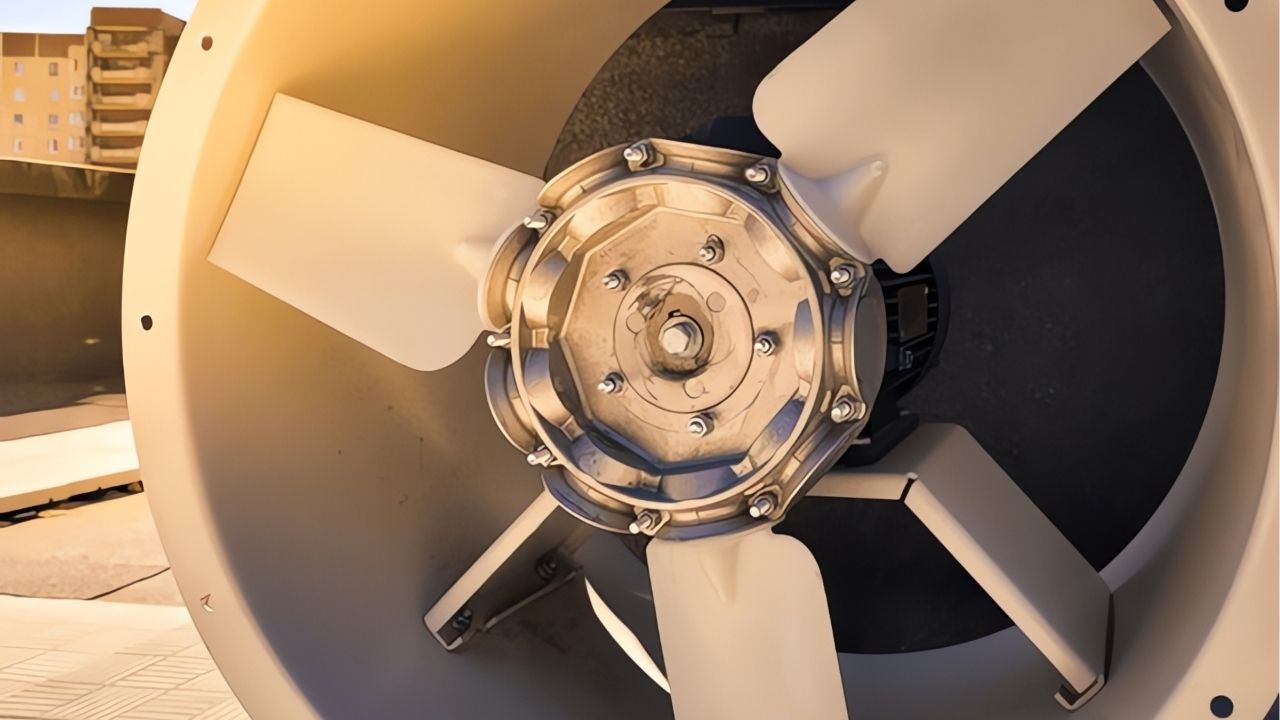
Fan selection is another critical parameter that determines airflow, sound level and power consumption. Information the manufacturer needs includes the mains voltage and frequency (for example 50 Hz or 60 Hz), the maximum allowable sound level, any requirement for speed control, and the fan's protection class. Requesting a higher protection class for fans operating in humid or corrosive environments matters for long-term reliability. For export orders bound for markets running on a 60 Hz supply, clarifying that point from the outset is particularly important, since fan speed, and therefore airflow, depends directly on mains frequency.
How Do Ambient Conditions Shape Casing And Coating Choices?
Casing material and surface coating should be selected according to the environment the unit will operate in. The table below sets out points to consider across different site types.
| Site Type | Point To Consider |
|---|---|
| Food processing, frequently washed area | Stainless steel casing and hygienic corner detailing |
| Coastal or salt-laden air region | Corrosion-resistant coating options |
| Process area with chemical vapour | Coated coil and special gasket material |
| Heavily dusty industrial site | Wide fin spacing and an easy-to-clean casing |
When ambient information is not shared, the manufacturer quotes standard materials by default; if site conditions surface only after delivery, the risk of premature wear or corrosion rises.
A Sample Checklist For Non-Standard Requests
The checklist below can be reviewed before a custom production request is sent to the manufacturer:
- Has the required capacity, room temperature and evaporating or condensing temperature been defined?
- Has the refrigerant type and maximum operating pressure been specified?
- Have maximum height, width, depth and mounting orientation been shared?
- Have connection type, pipe diameter and electrical entry point been clarified?
- Has the defrost method and expected heater power been defined?
- Have fan protection class, sound level limit and power supply been specified?
- Has the site's fouling, humidity and corrosion profile been communicated?
- If applicable, have the old unit's dimensions and a photograph been shared?
Answering these eight points in full speeds up the quotation process and significantly reduces the need for post-production revisions.
How Does The Custom Production Process Work With Günay Heat Exchangers?
Günay Heat Exchangers has supplied evaporators, condensers, axial fans and resistance heaters in both serial and custom production since 1986. When a request falls outside the catalogue, the process can begin by sharing the capacity, refrigerant, dimensional, connection, defrost, fan and ambient information outlined above with the Günay technical team.
The factory in Arnavutköy, Istanbul houses both serial and custom production lines under one roof, which allows hybrid solutions such as combining a custom-designed coil with a standard casing, or a standard coil with a custom-sized cabinet. Project teams can hold technical discussions through the Istanbul, Antalya and Izmir branches; a fully completed request form shortens the manufacturer's evaluation time. For export projects in particular, the destination country's mains frequency, climate conditions and any applicable local compliance requirements should be included in the brief as well, so the quotation stage can proceed without extra rounds of questions and answers.
Frequently Asked Questions
Is A Technical Drawing Always Required For A Custom Production Request?
A technical drawing is not always mandatory, but a scaled sketch or photograph adds real value to the manufacturer's assessment, especially on space-constrained projects. For complex layouts, sharing a technical drawing is strongly recommended.
What Happens If Refrigerant Information Is Not Shared?
When no refrigerant is specified, the manufacturer typically prepares a quotation based on the most commonly used reference refrigerant. If a different refrigerant will actually be used, sharing that detail from the outset is advisable, since it can change test pressure and coil design.
How Do You Order An Exact Replacement For An Existing Unit?
The old unit's nameplate data, connection dimensions and, where possible, photographs should be shared with the manufacturer. If the nameplate is no longer legible, capacity and operating conditions should be re-established through site measurements.
How Long Does The Custom Production Process Take?
Lead time depends on the complexity of the request, material availability and current production load. A well-clarified brief reduces delays at the quotation and production stages and can shorten the overall timeline.
Is Custom Production Always More Expensive Than A Standard Product?
Not always. Choosing an oversized standard unit, or forcing a model that does not fit the site into use, can prove more costly over the long run than a custom-built solution. A fair comparison requires weighing the actual need against the available alternatives together.
Does An Order Bound For A Country With A Different Mains Frequency Need Extra Information?
Yes. The destination country's supply voltage and frequency directly affect fan speed and, as a result, airflow. For export orders, sharing that detail with the manufacturer from the outset, alongside other power supply specifications, helps avoid an additional correction round during quotation.