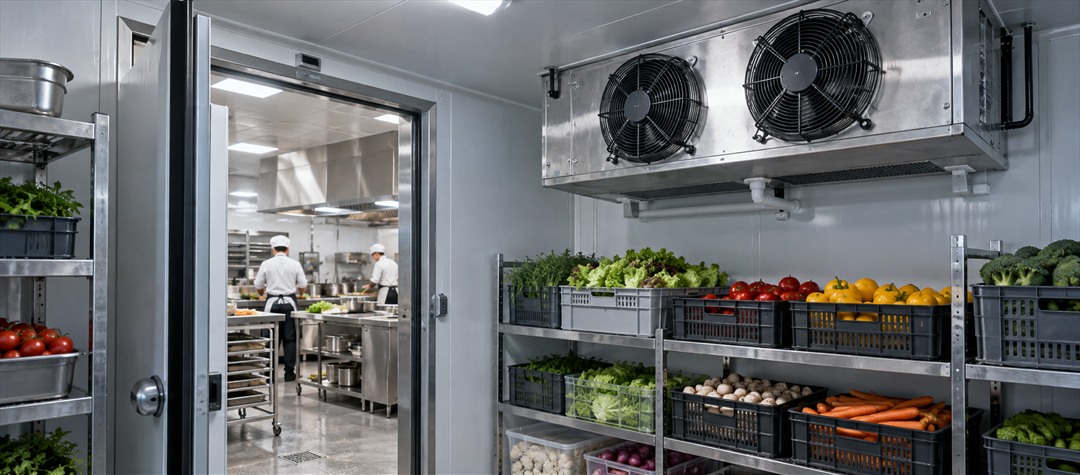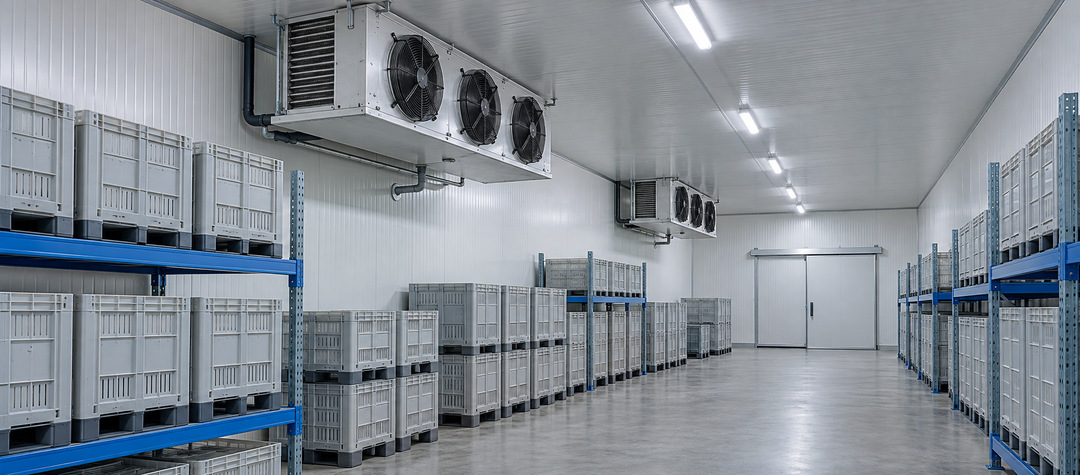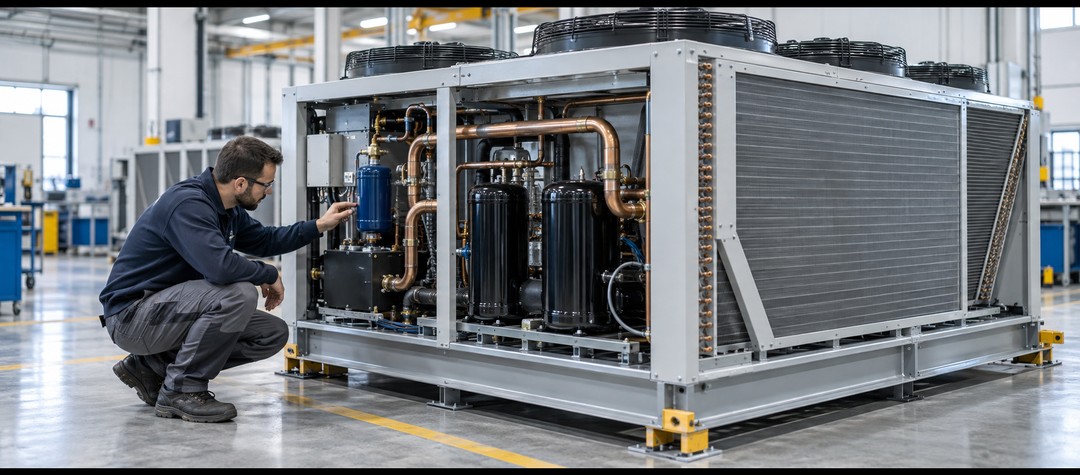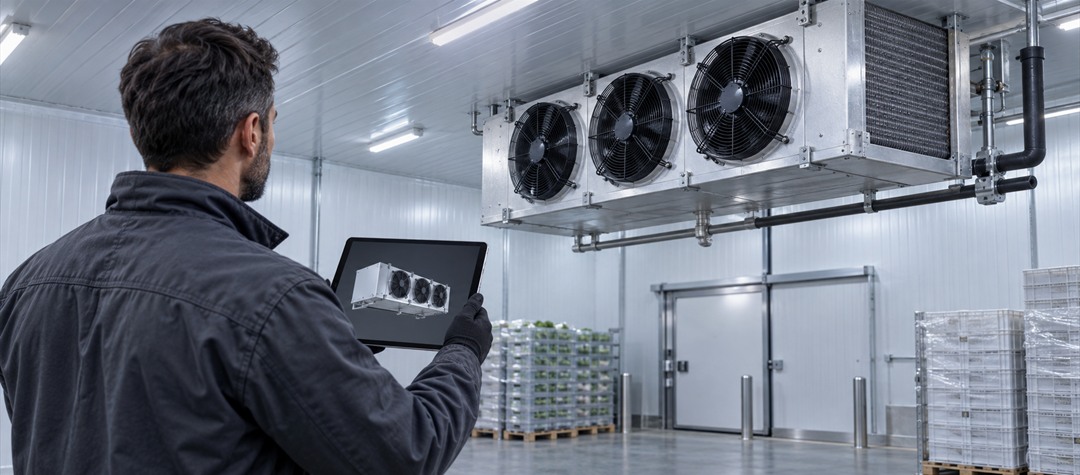


Meat and delicatessen products are among the most sensitive product categories in terms of both shelf life and food safety. Poorly selected or undersized refrigeration equipment can lead to rapid quality decline, discoloration, and microbiological risks. The sections below cover the specific cooling requirements of meat and delicatessen products, evaporator and condenser selection criteria, hygiene-focused design elements, the importance of humidity control, and the steps to follow when determining the right equipment combination. Reach out to our team for an assessment tailored to your business.
Table Of Contents
- What Are The Specific Cooling Requirements Of Meat And Delicatessen Products?
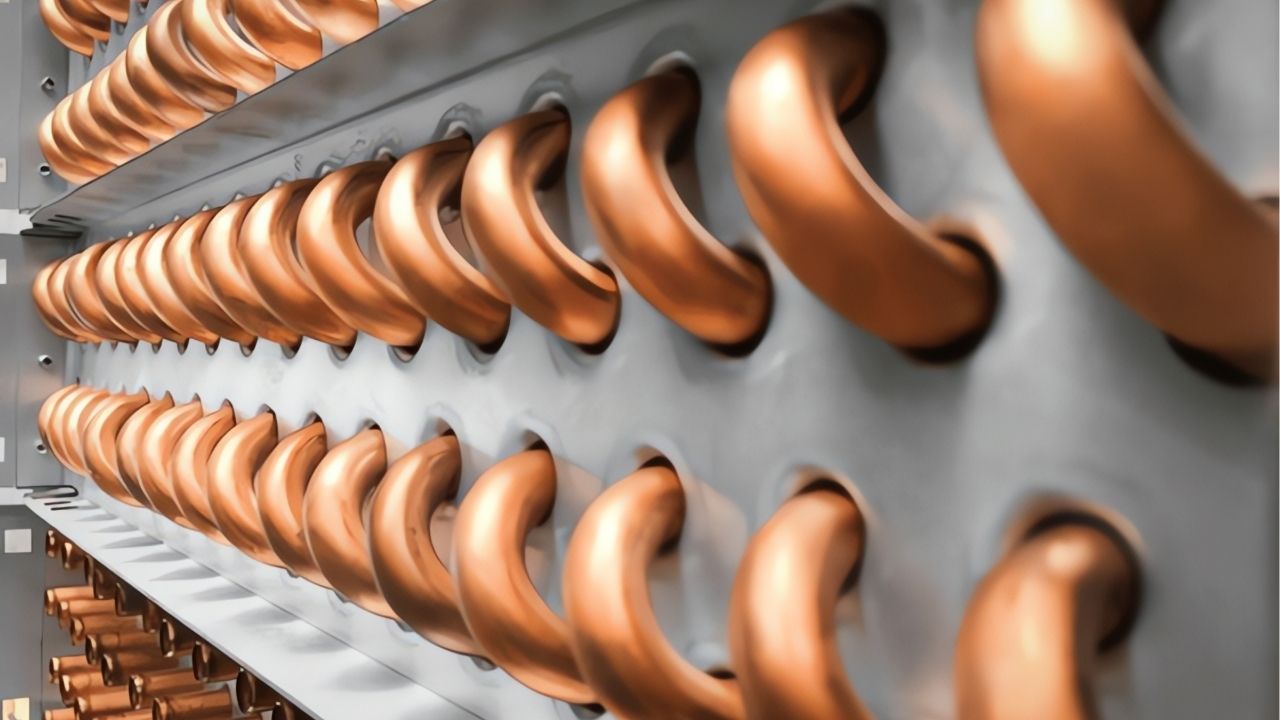
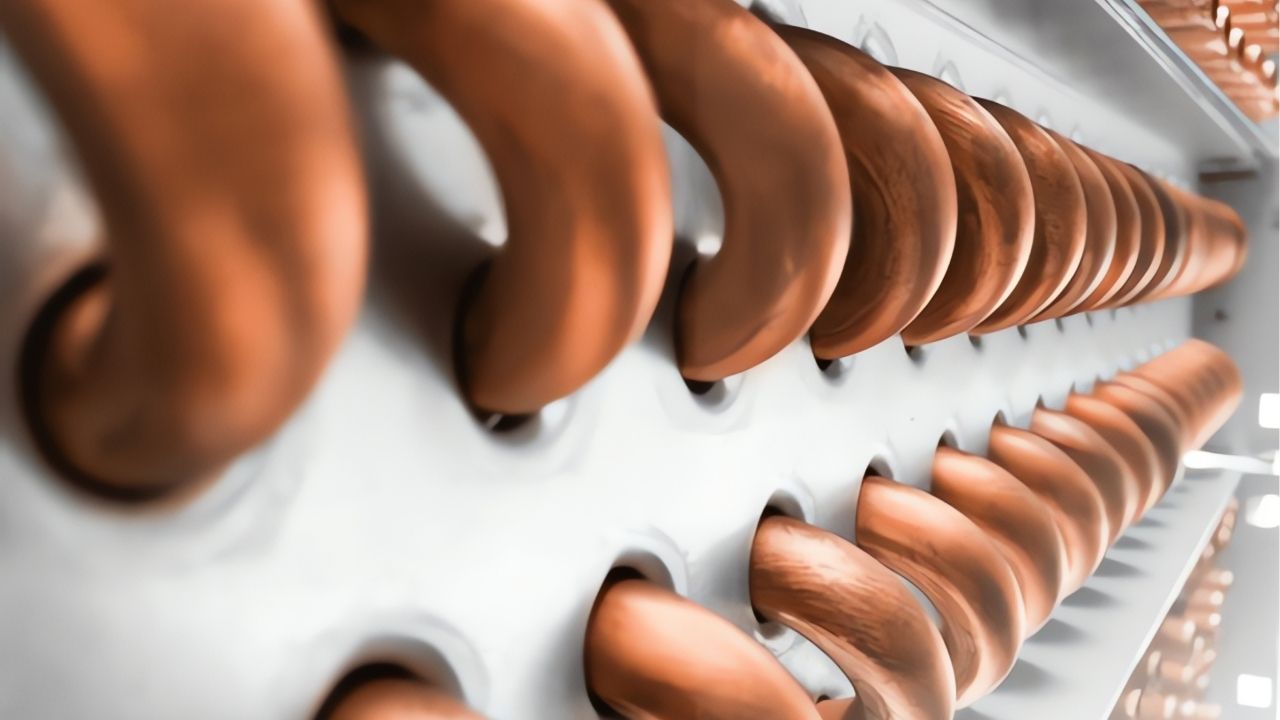
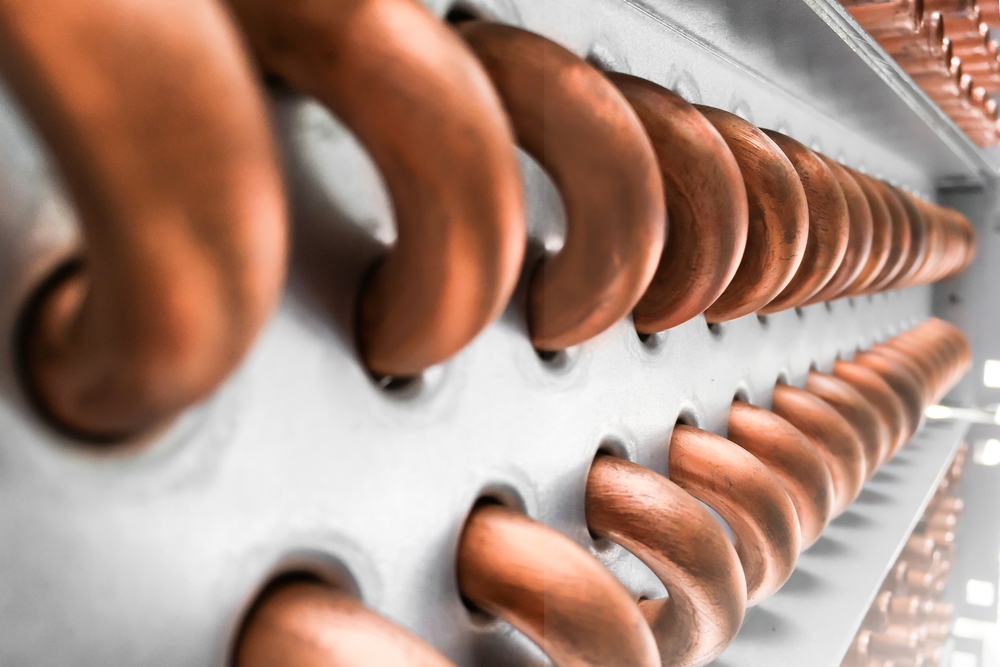
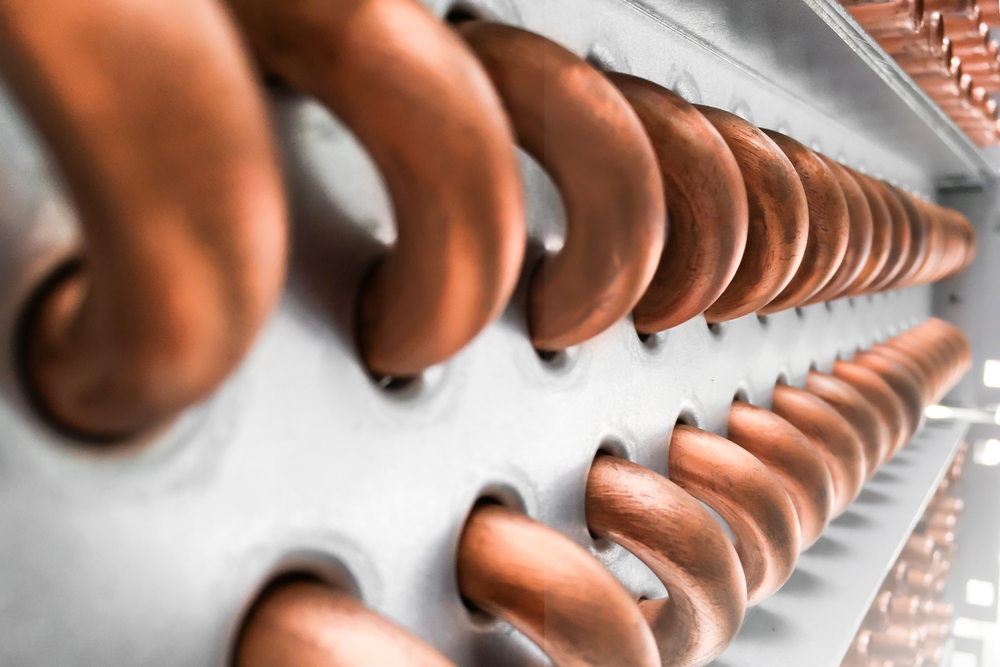
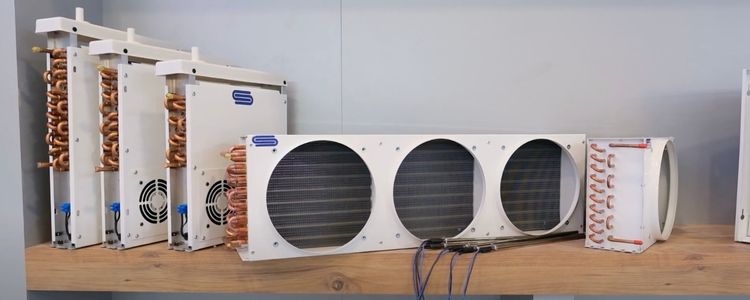
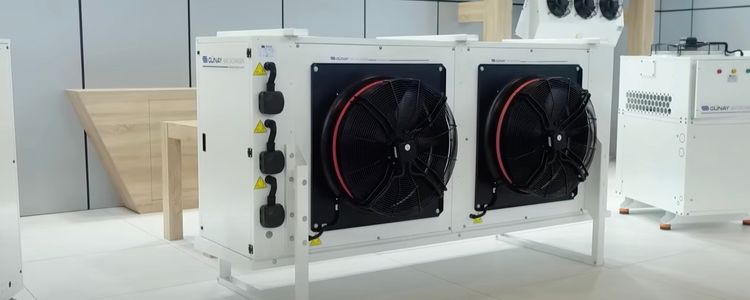
- What Should Be Considered When Selecting An Evaporator For Meat Storage?
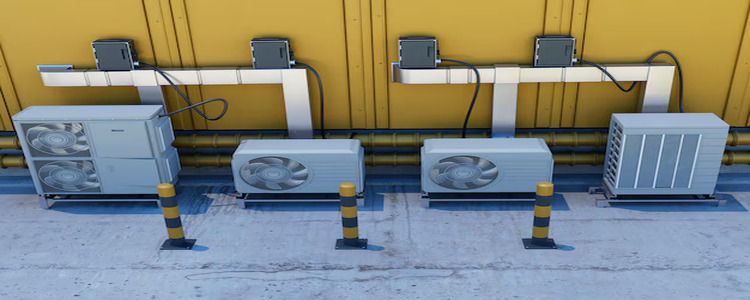
- How Should Condenser And Cooling Unit Selection Be Approached For Deli Display Cases?
- What Equipment Features Reduce The Risk Of Cross-Contamination?
- Why Is Humidity Control Critical For Meat Products?
- What Steps Should Be Followed To Select The Right Equipment Combination?
- Frequently Asked Questions
What Are The Specific Cooling Requirements Of Meat And Delicatessen Products?
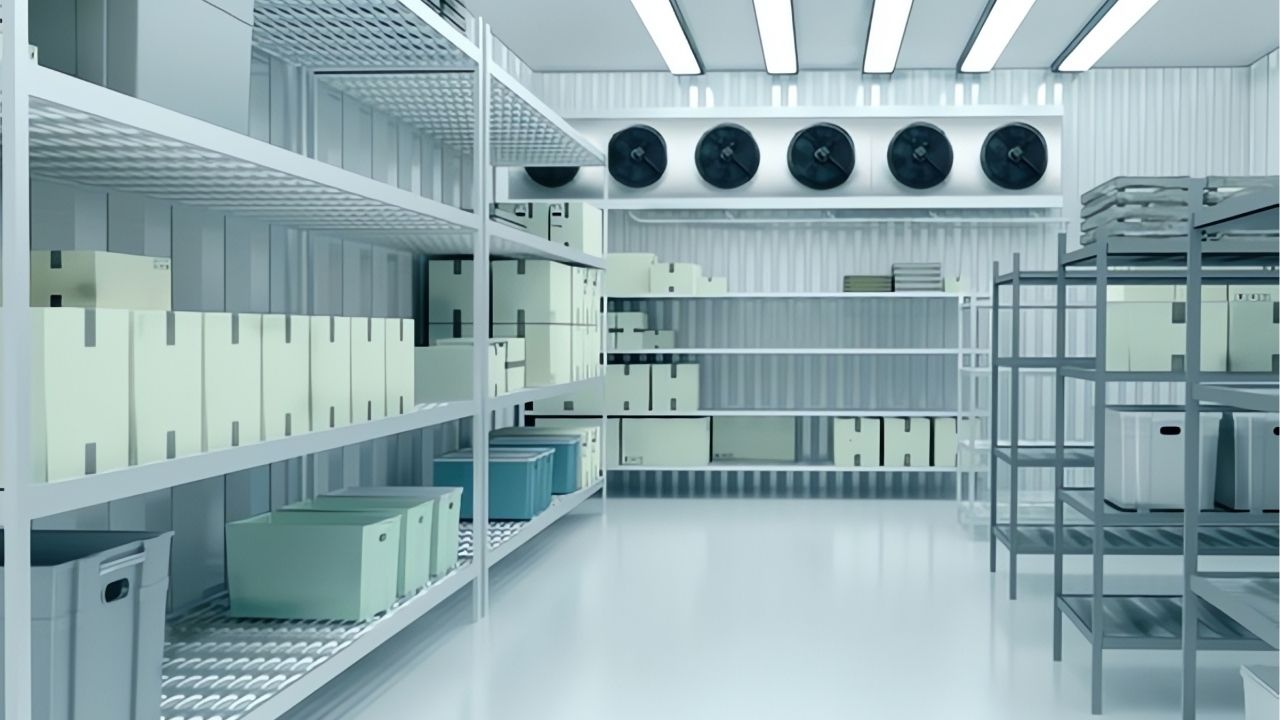
Meat and delicatessen products have a narrower temperature tolerance and higher microbiological risk potential than general food products. Fresh red meat and poultry generally need to be kept within a 0-4°C range, while processed deli products require a narrow temperature band that varies with the product formulation. Temperature rising above the defined range accelerates bacterial growth and can shorten product life.
Meat products are also sensitive to oxidation and discoloration; excessive airflow or fluctuating temperature conditions can negatively affect a product's visual quality. These sensitivities mean the equipment selected for this product category needs to meet high standards for both temperature stability and air distribution quality.
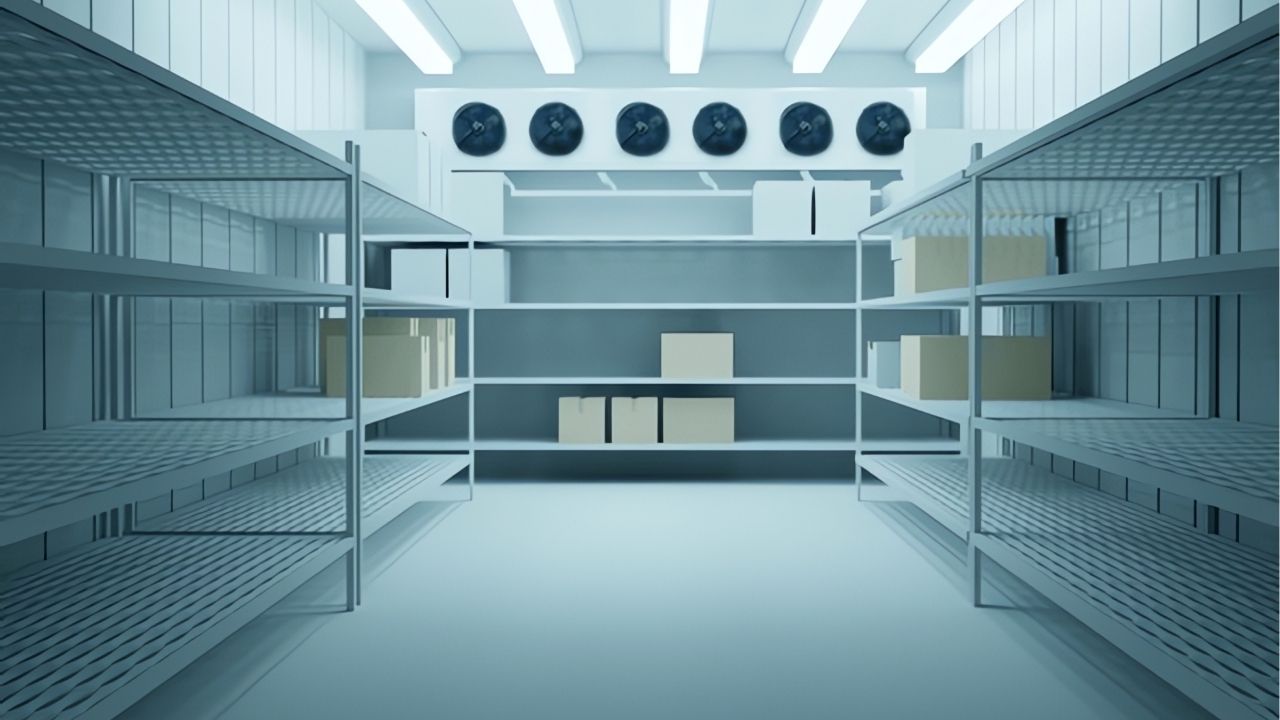
What Should Be Considered When Selecting An Evaporator For Meat Storage?
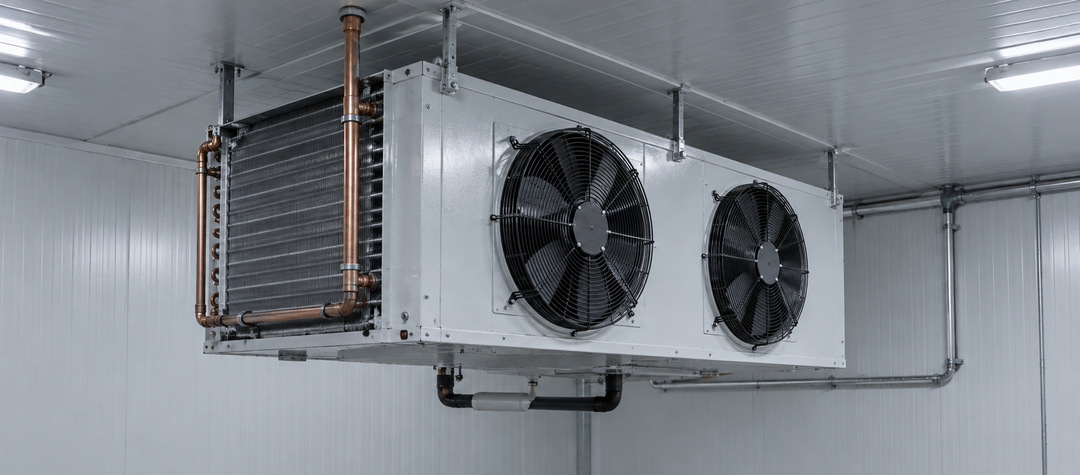
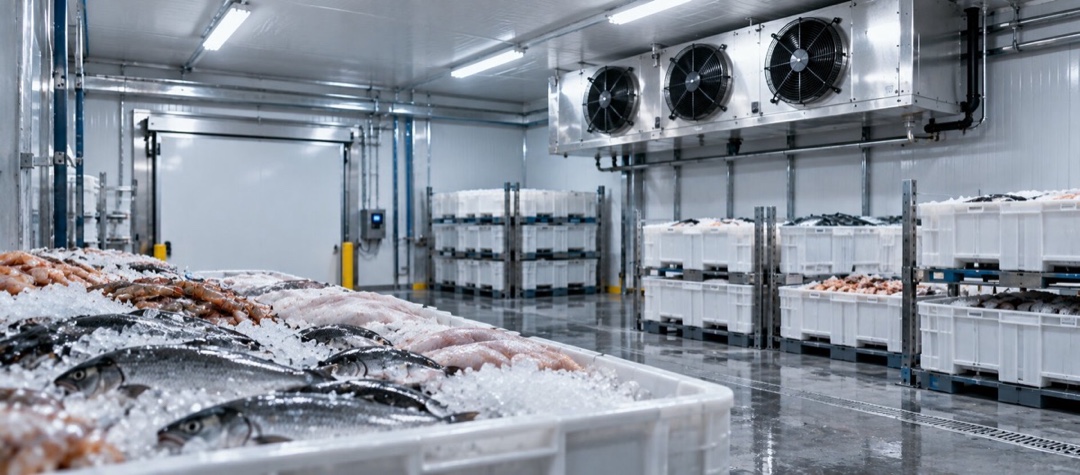
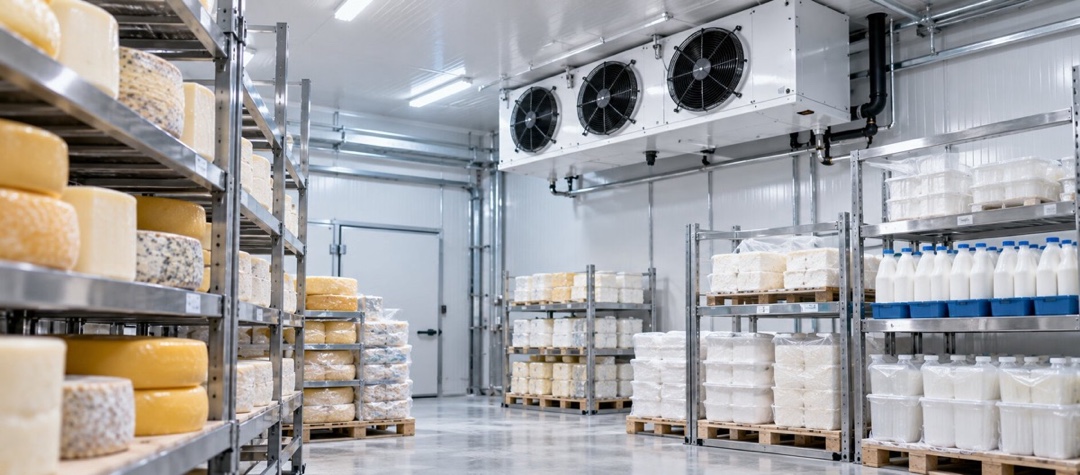
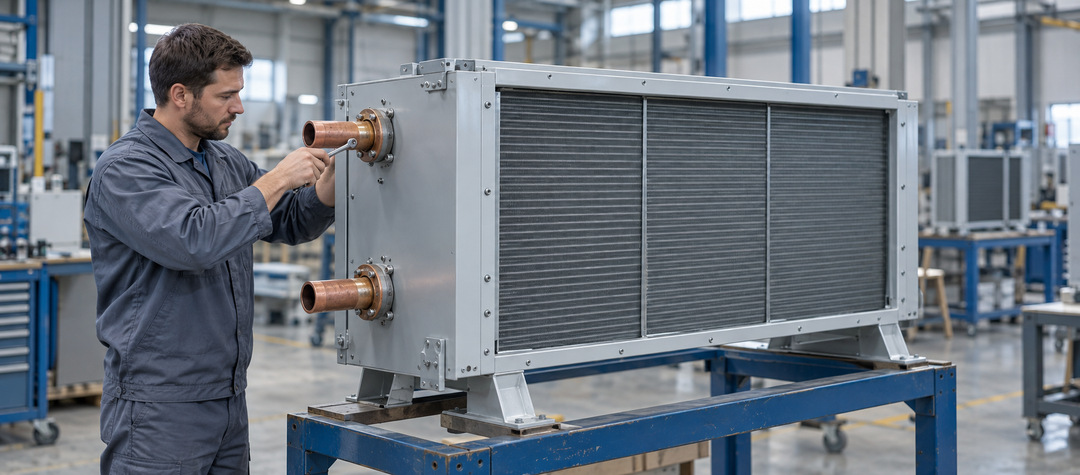
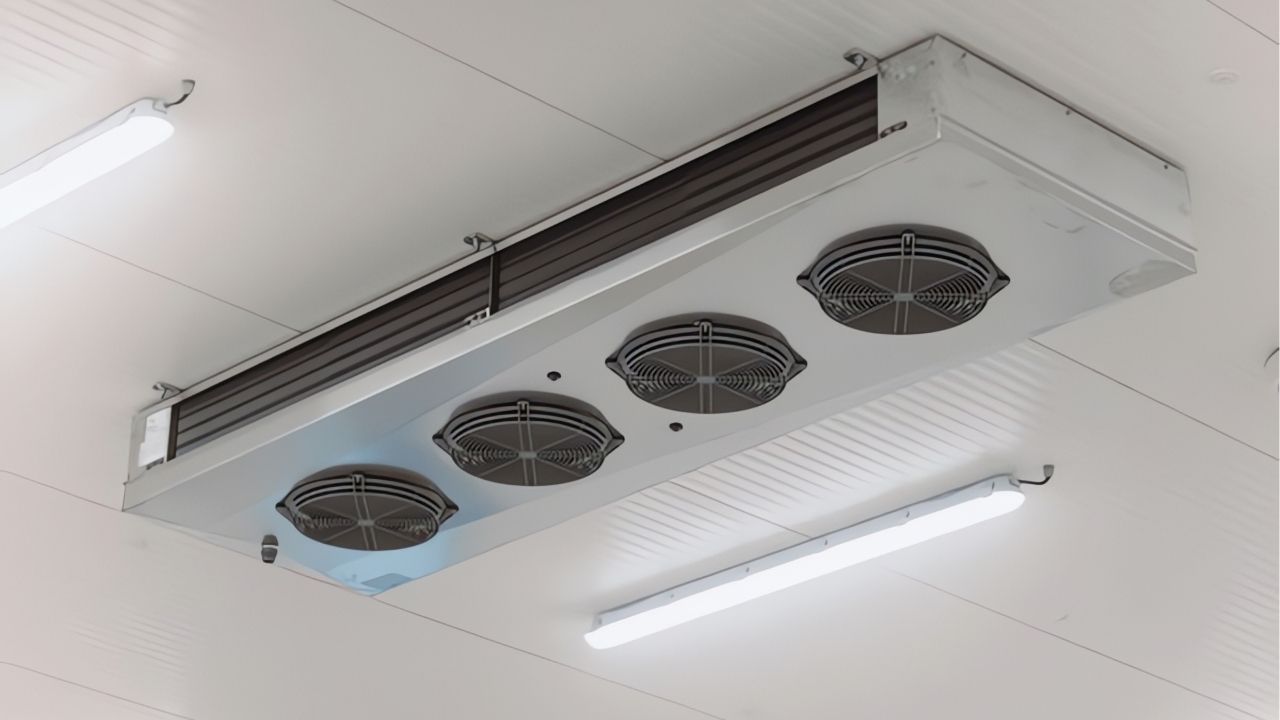
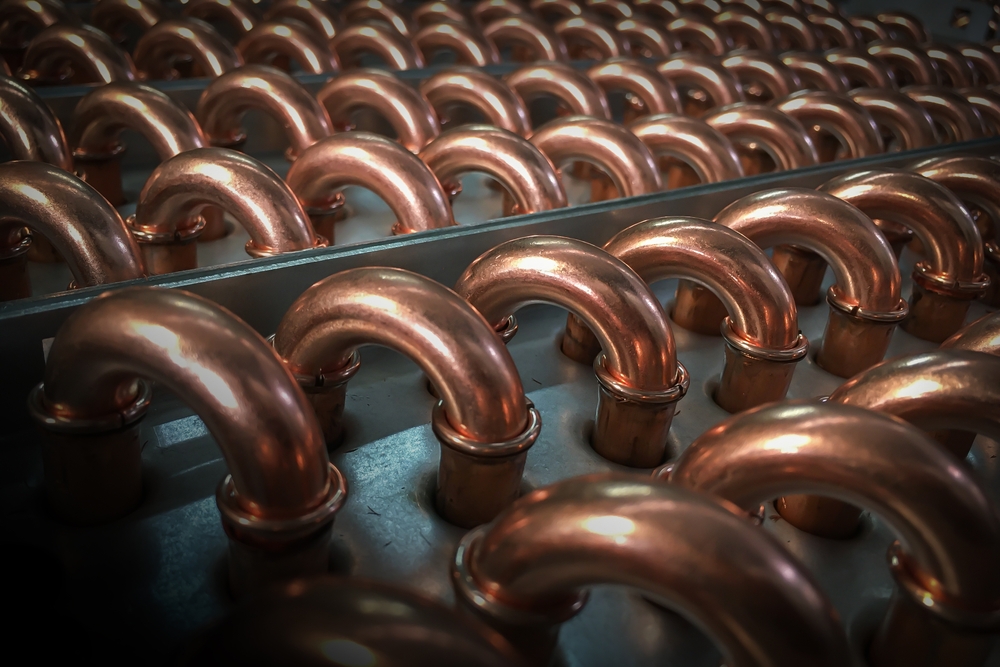
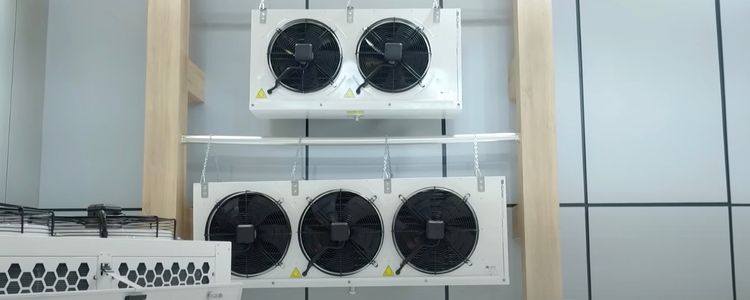
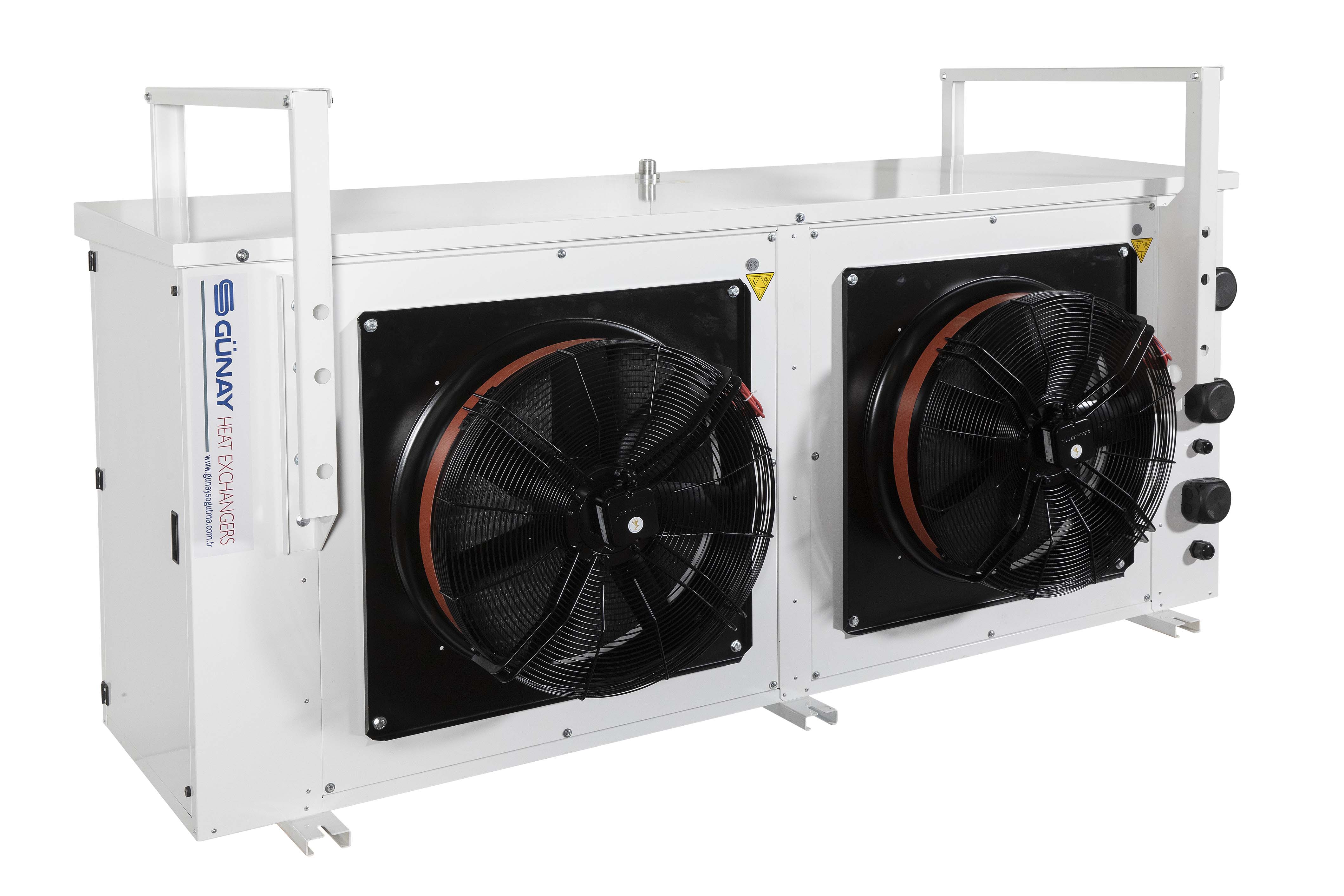
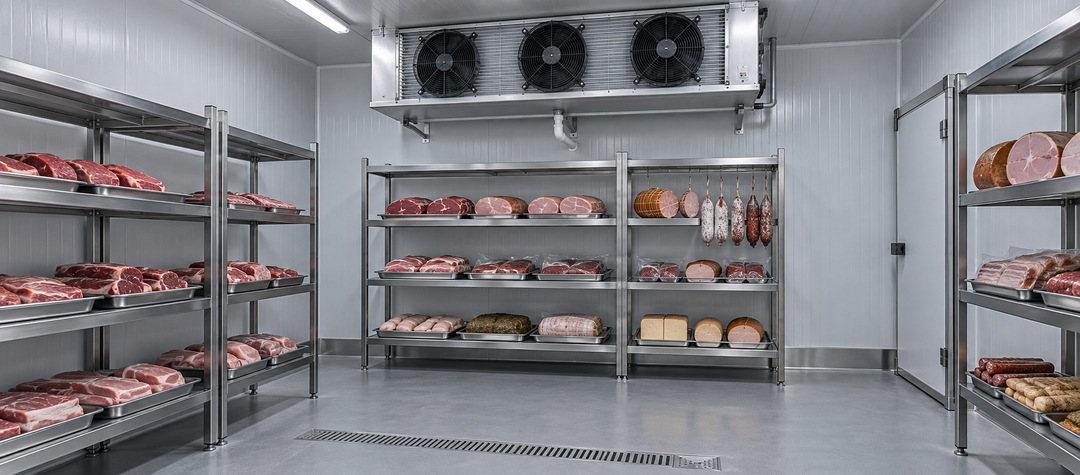
The following elements are worth evaluating when selecting an evaporator for meat storage areas:
- Low temperature-fluctuation design: Capacity should be planned so no noticeable deviation occurs in room temperature even during a defrost cycle.
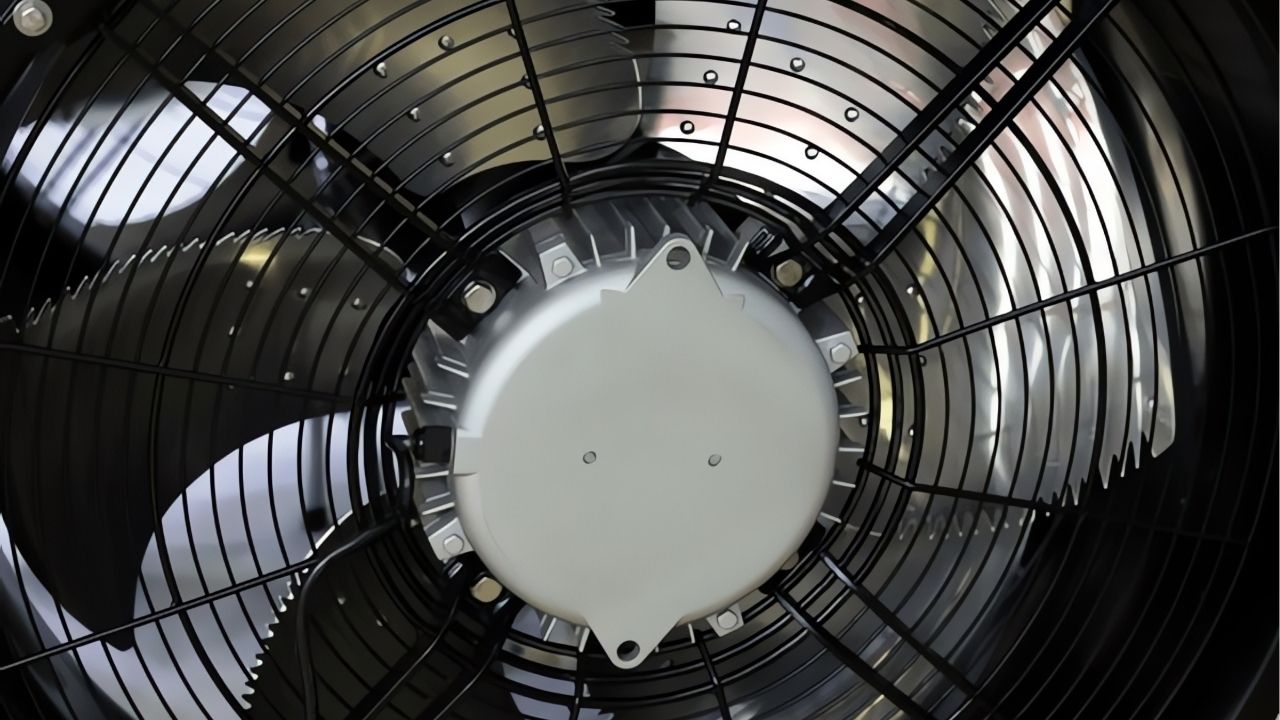
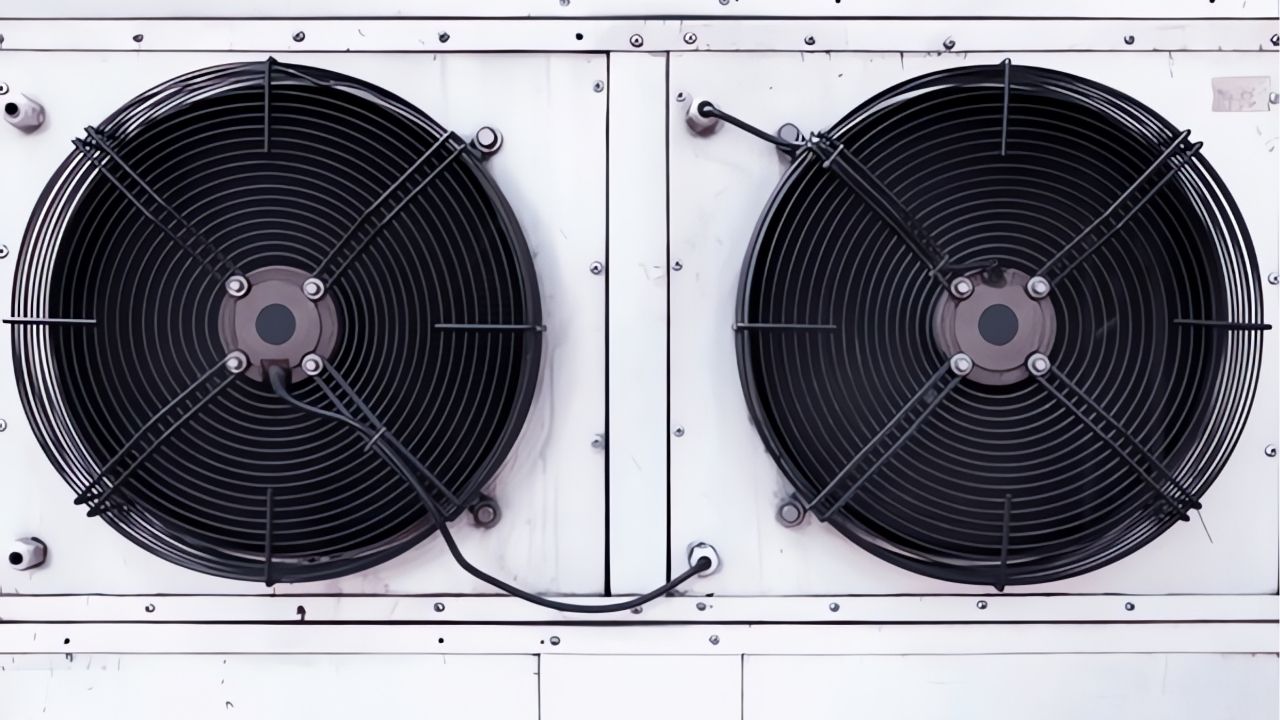
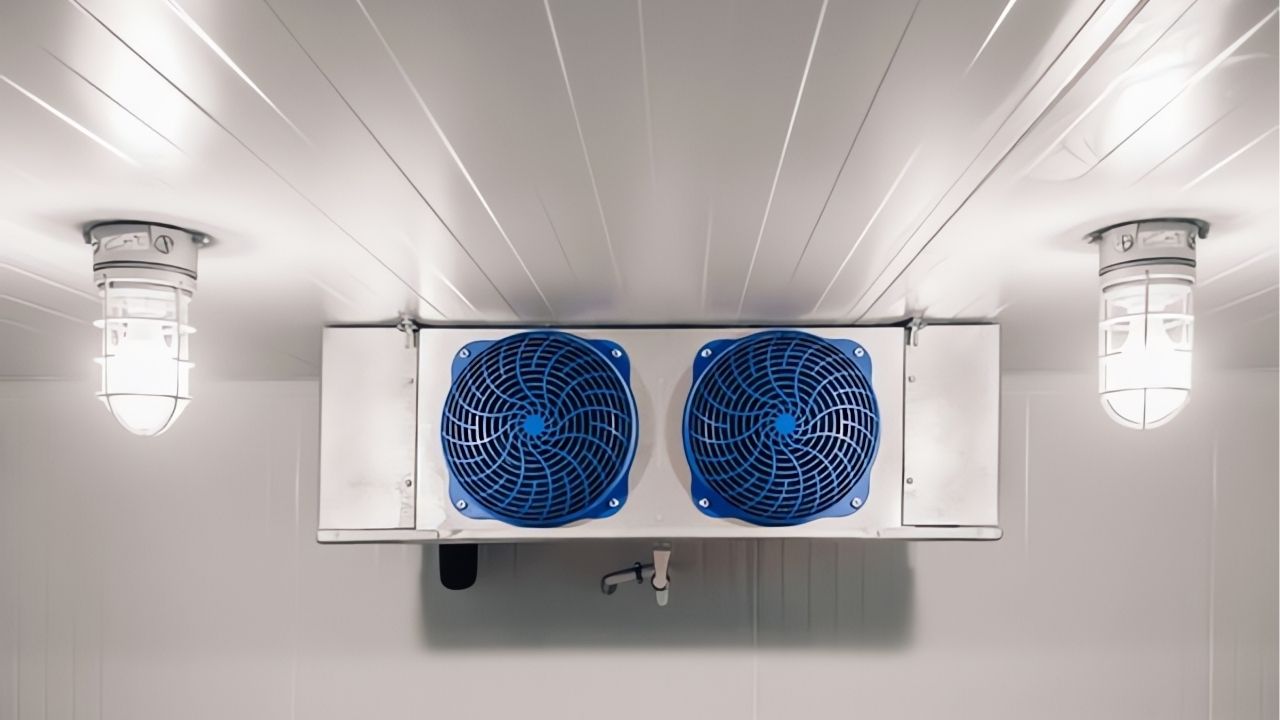
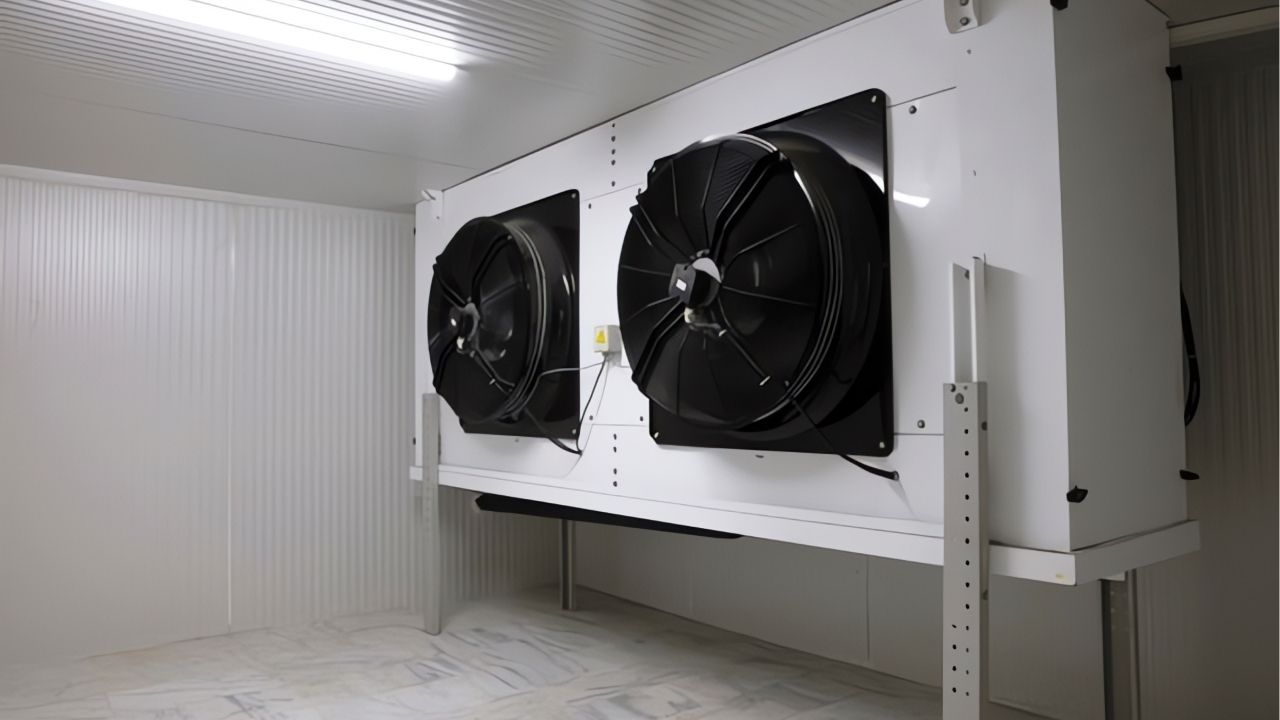
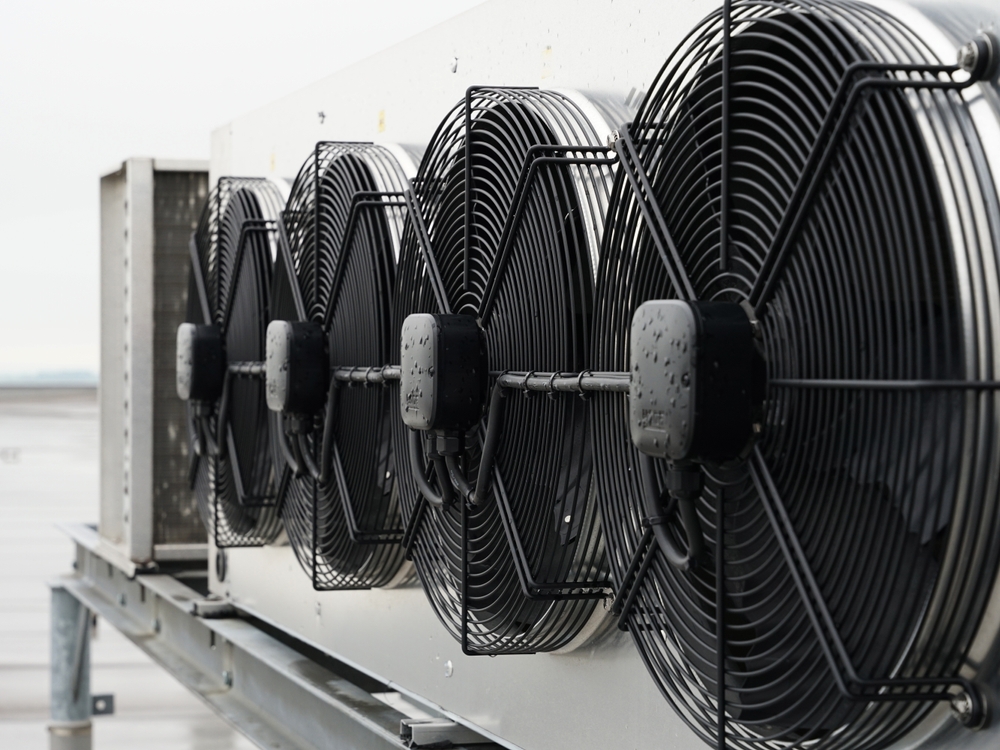
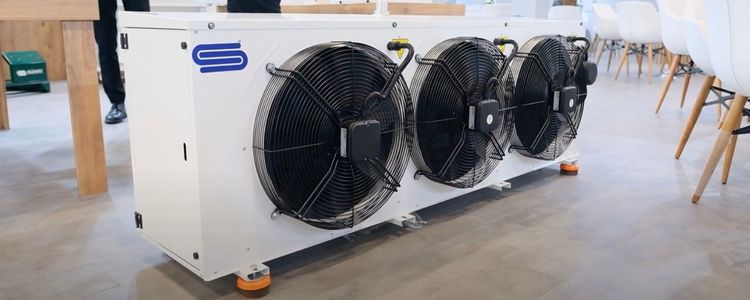
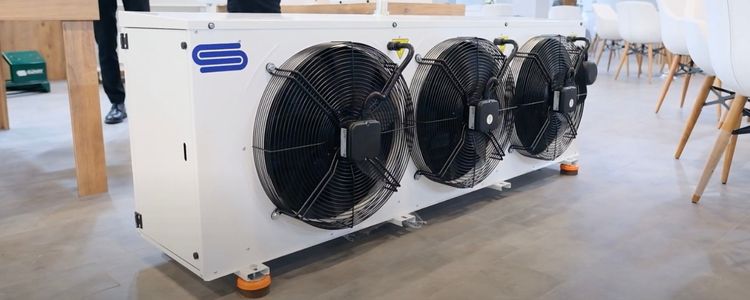
- Uniform air distribution: Fan count and placement need to be carefully planned to keep temperature consistent throughout the storage area.
- Moderate air velocity: Since very high air velocity can cause surface drying and discoloration, a balanced airflow design should be preferred.
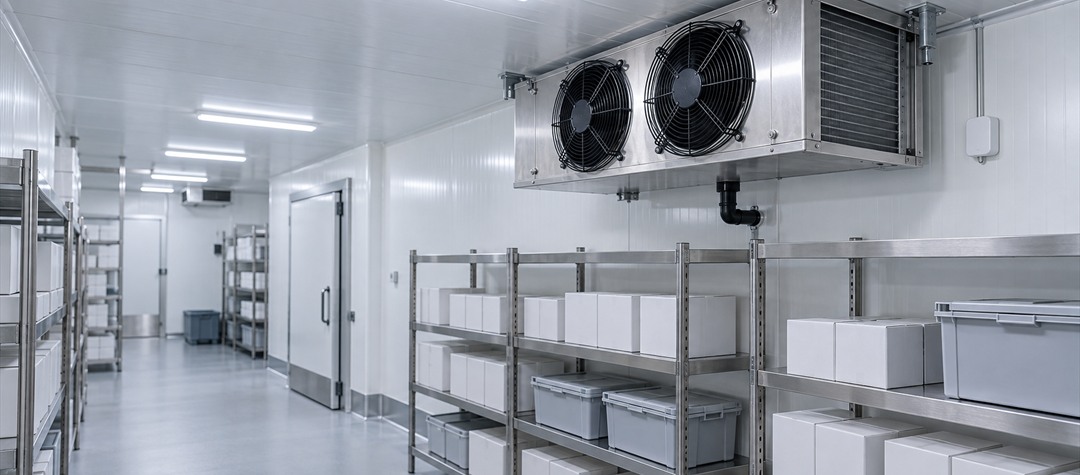
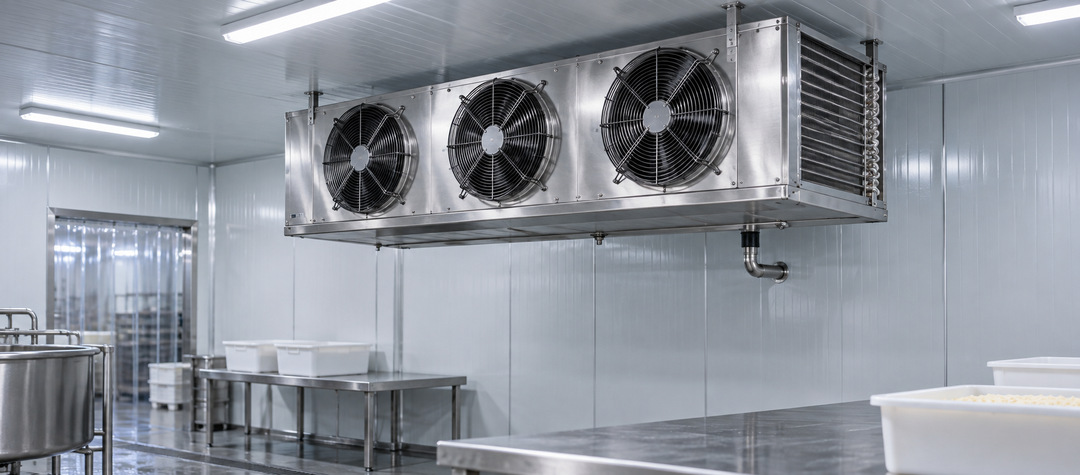
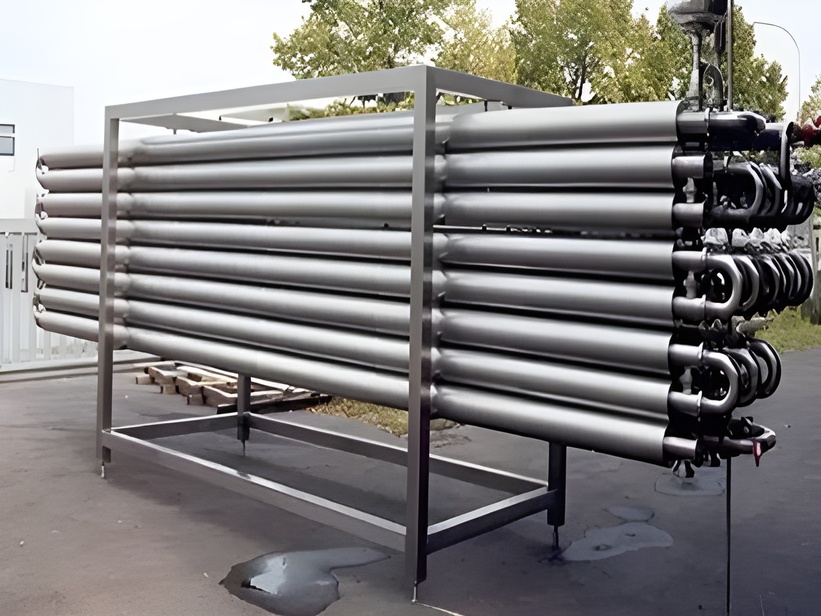
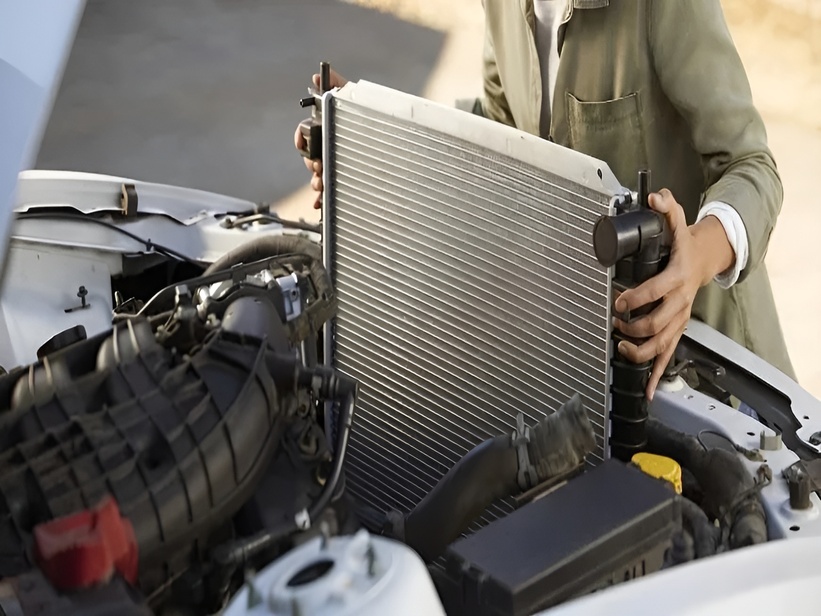
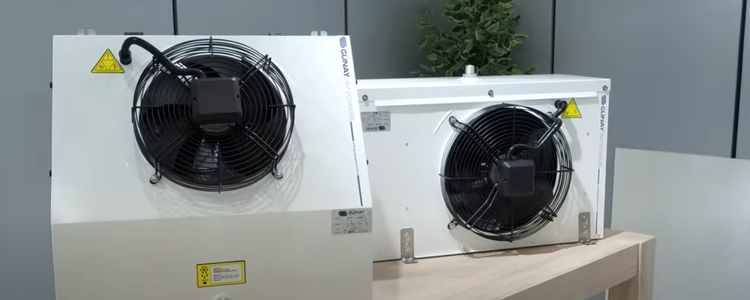
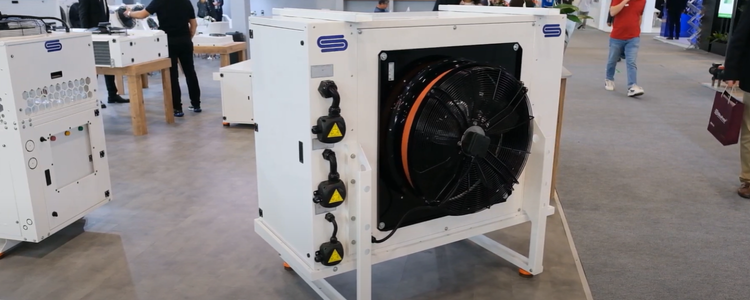
- Easy-to-clean surfaces: Given the heavy cleaning demands of meat processing areas, stainless material options should be considered.
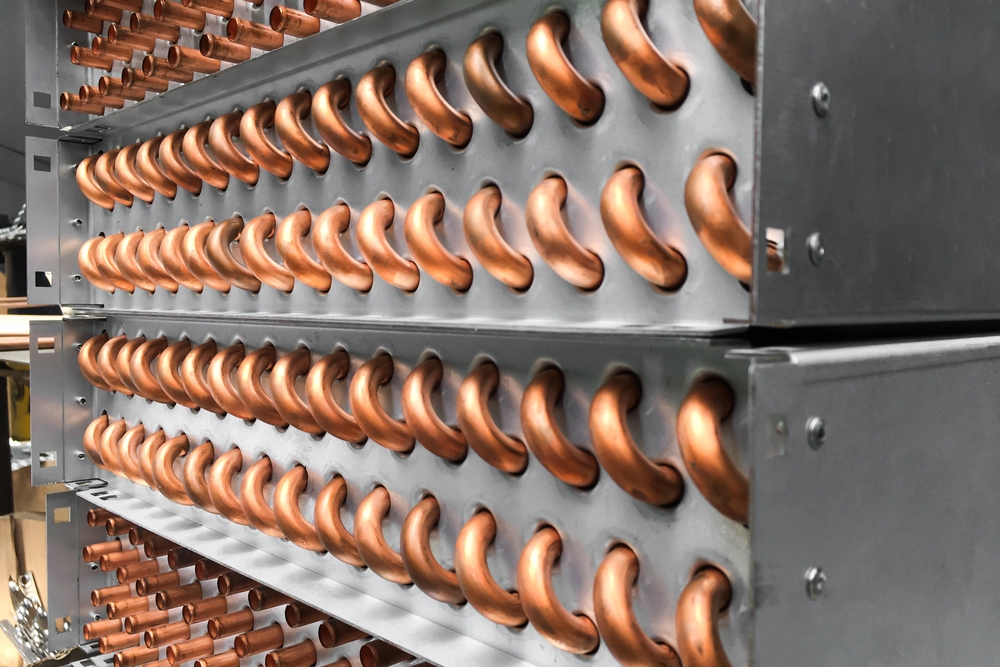
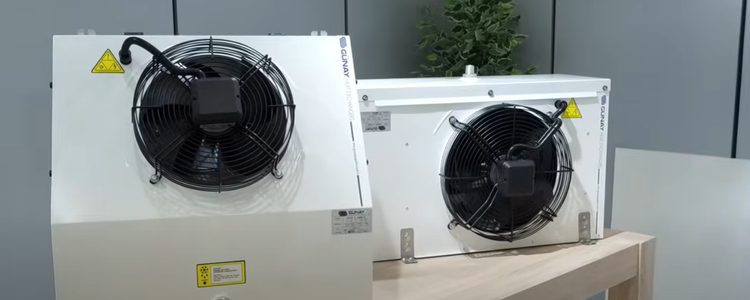
An incorrect evaporator choice can both lower energy efficiency and cause a visible decline in product quality. Reach out to our team for an evaporator recommendation tailored to your facility's storage conditions.
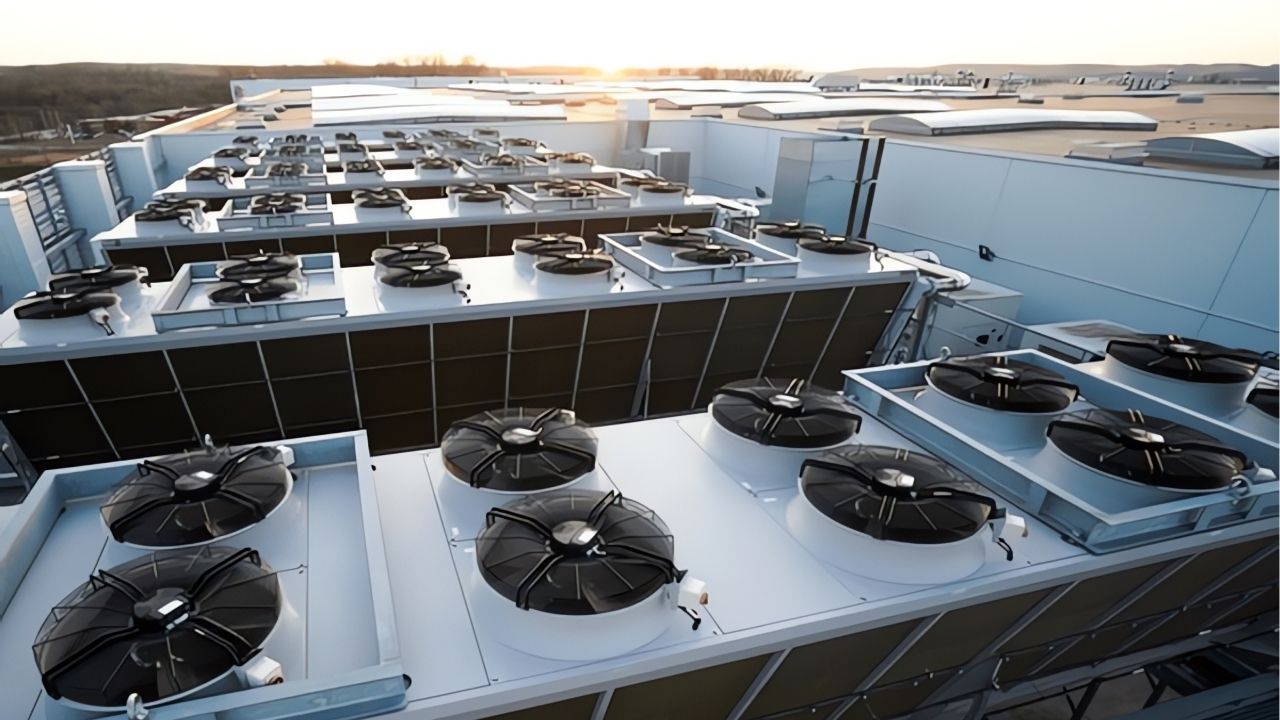
How Should Condenser And Cooling Unit Selection Be Approached For Deli Display Cases?
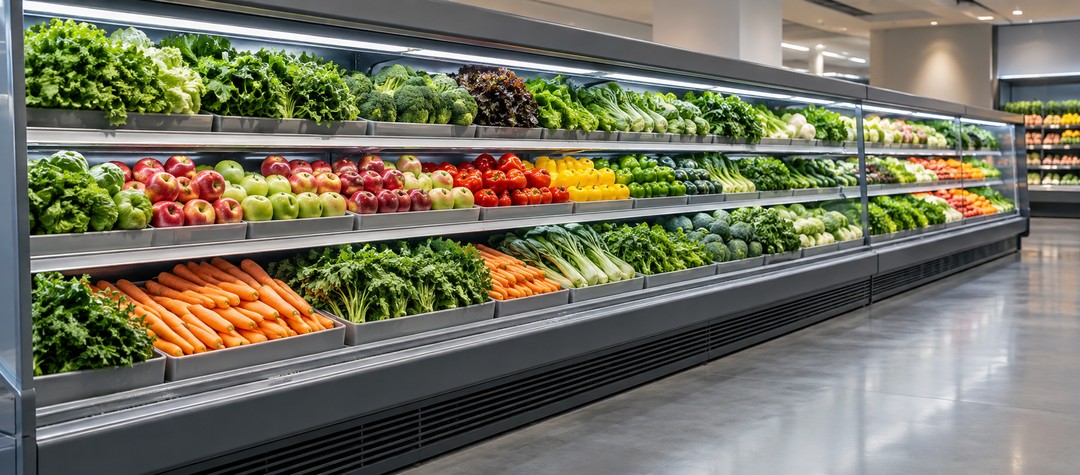
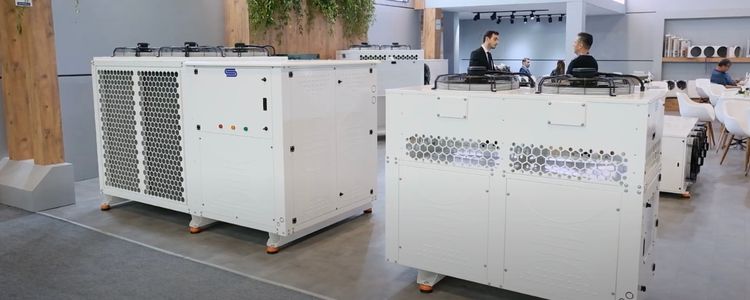
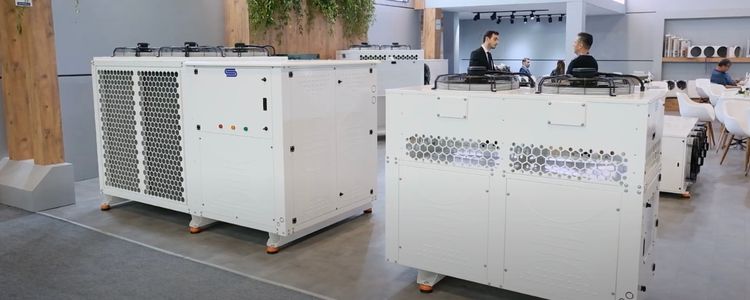
Deli display cases serve a dual function as both a sales point and a product holding area, so the performance of the condenser and cooling unit connected to them directly affects product safety. Elements worth evaluating include:
- Capacity safety margin: Heavy customer traffic and frequent door or access openings create additional heat gain, so adequate margin should be added to capacity.
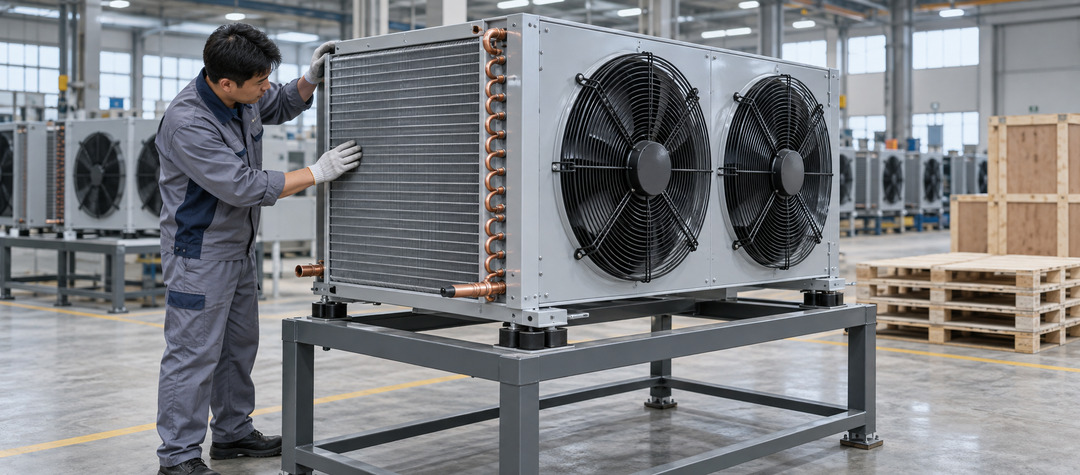
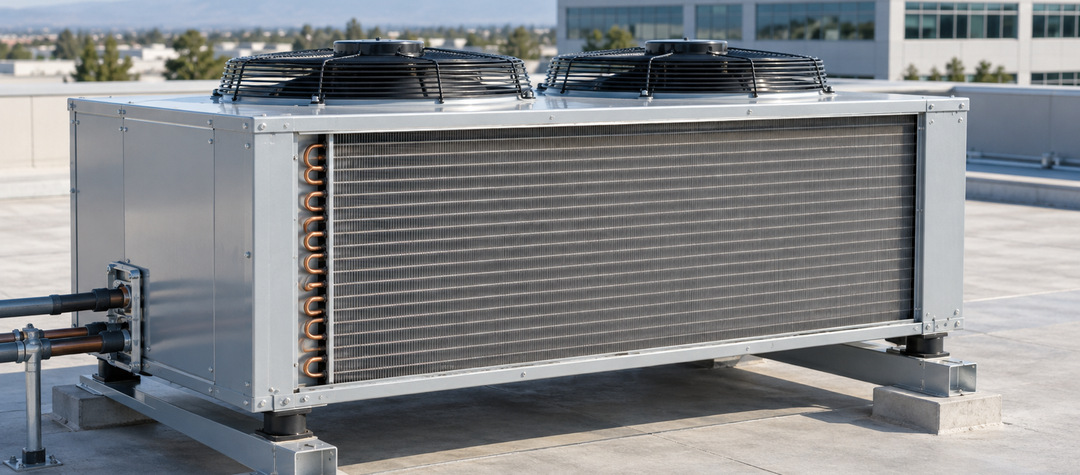
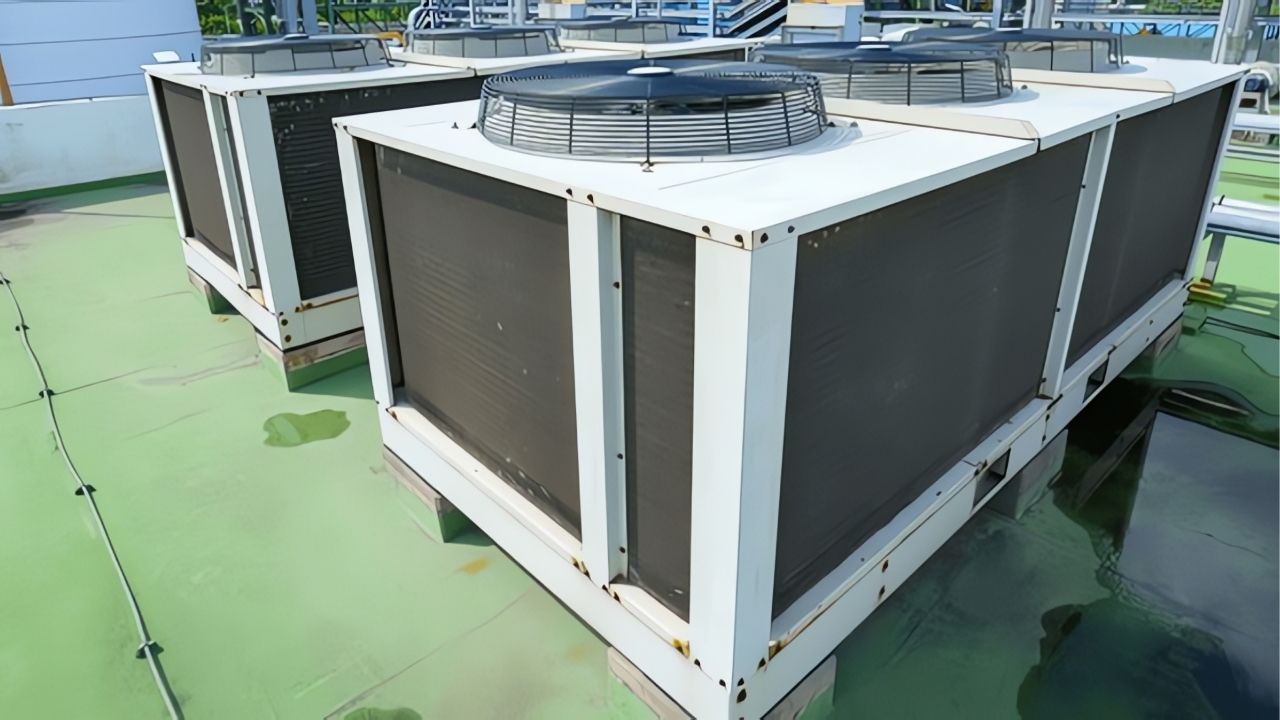
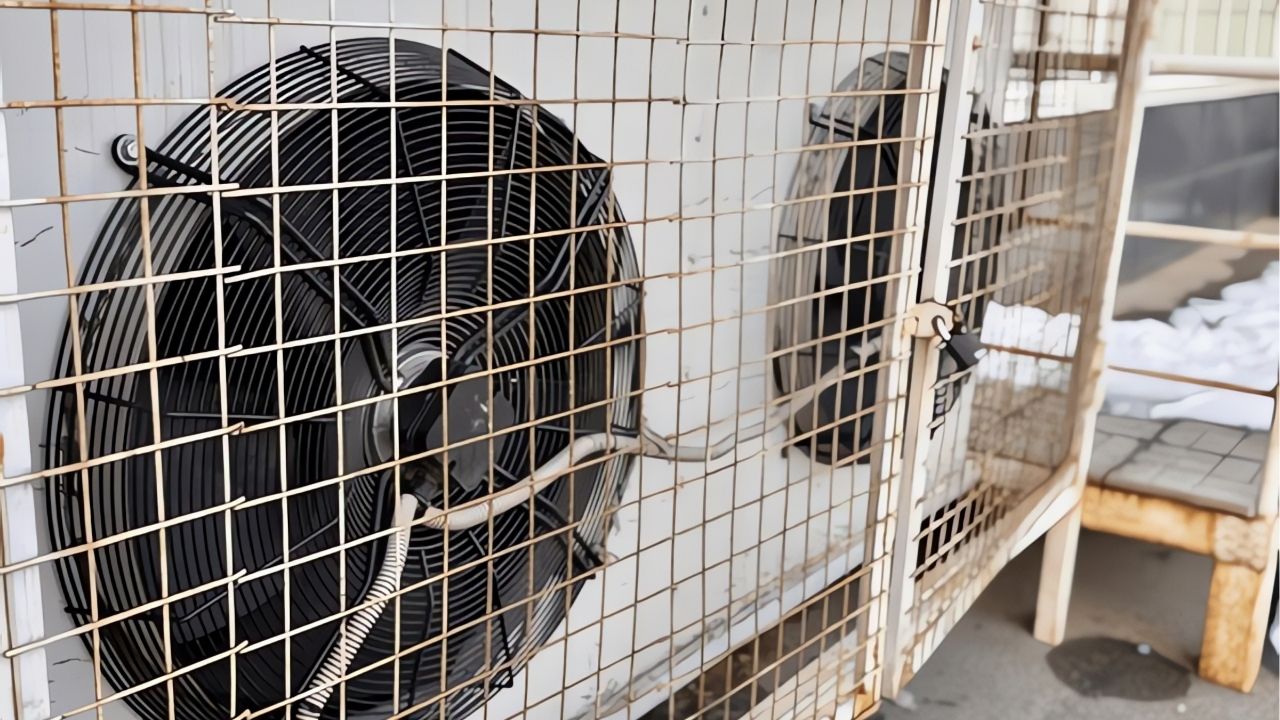
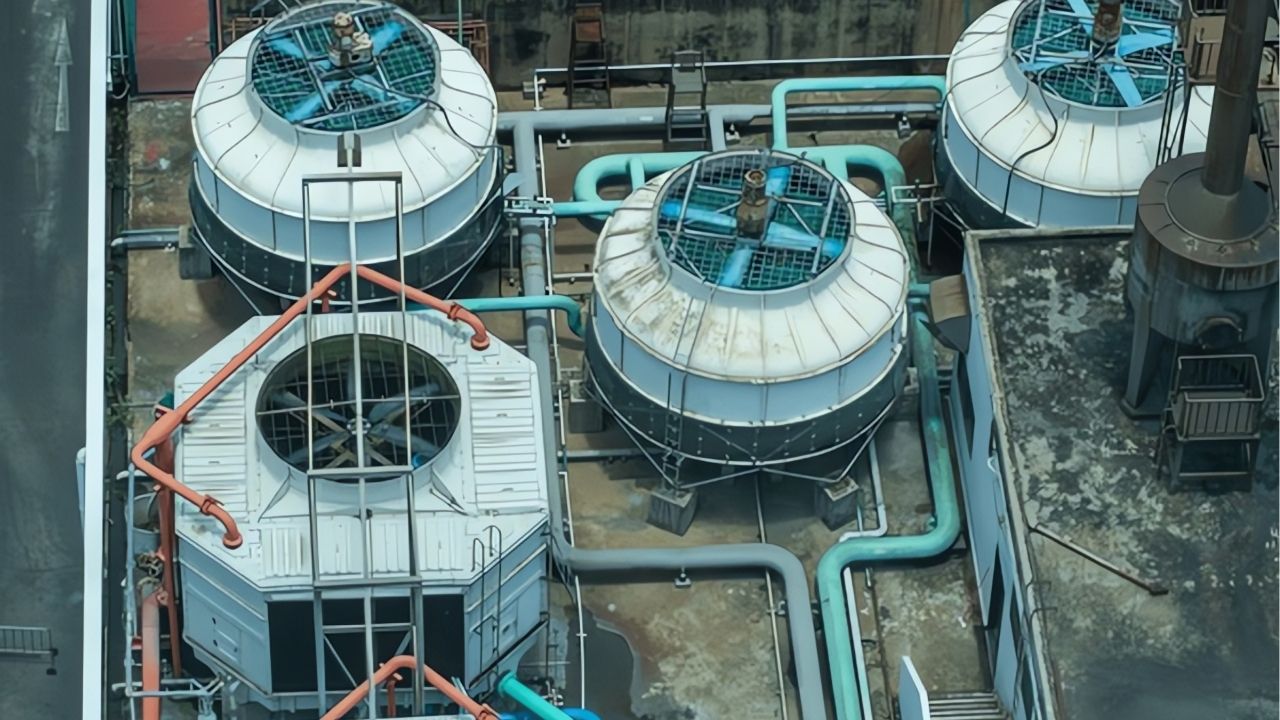
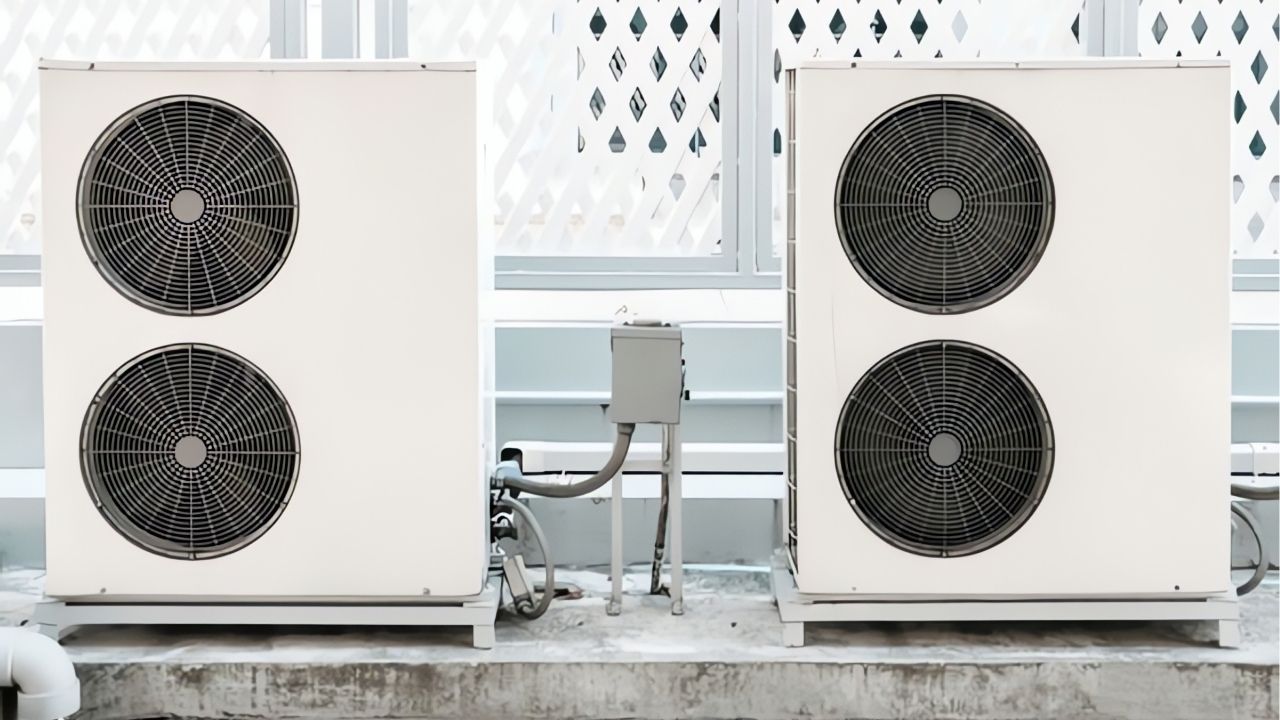
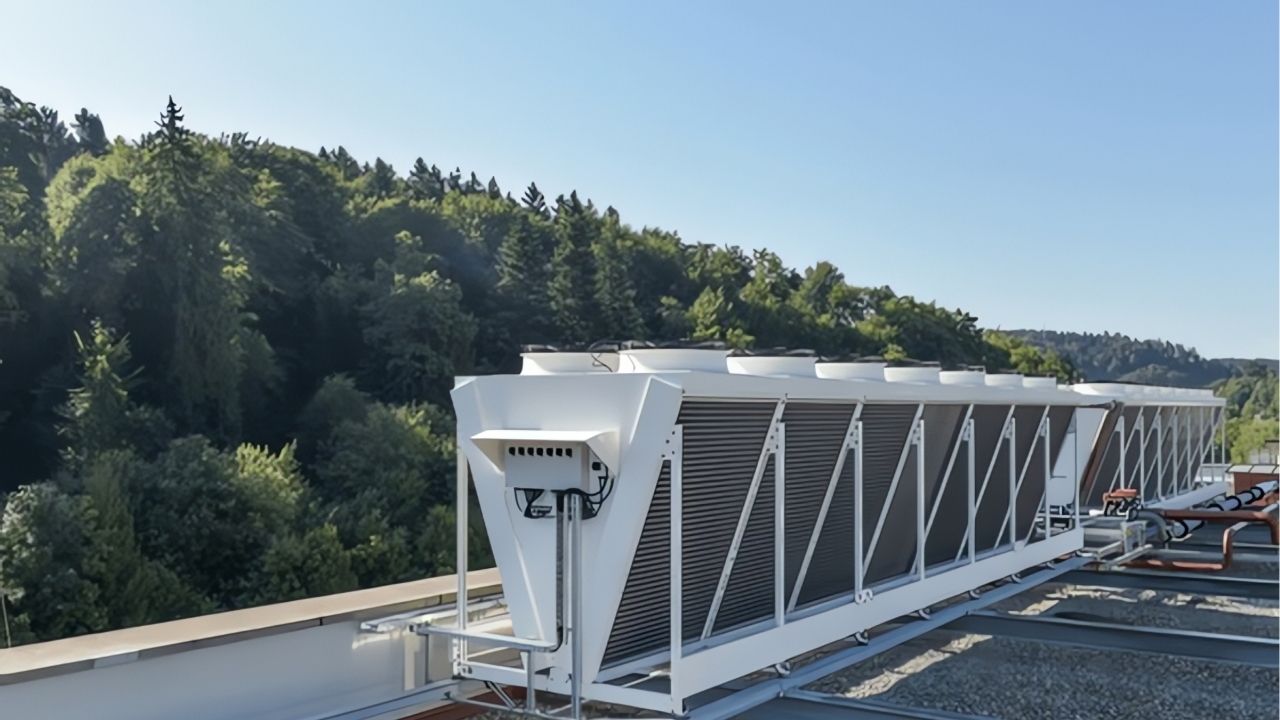
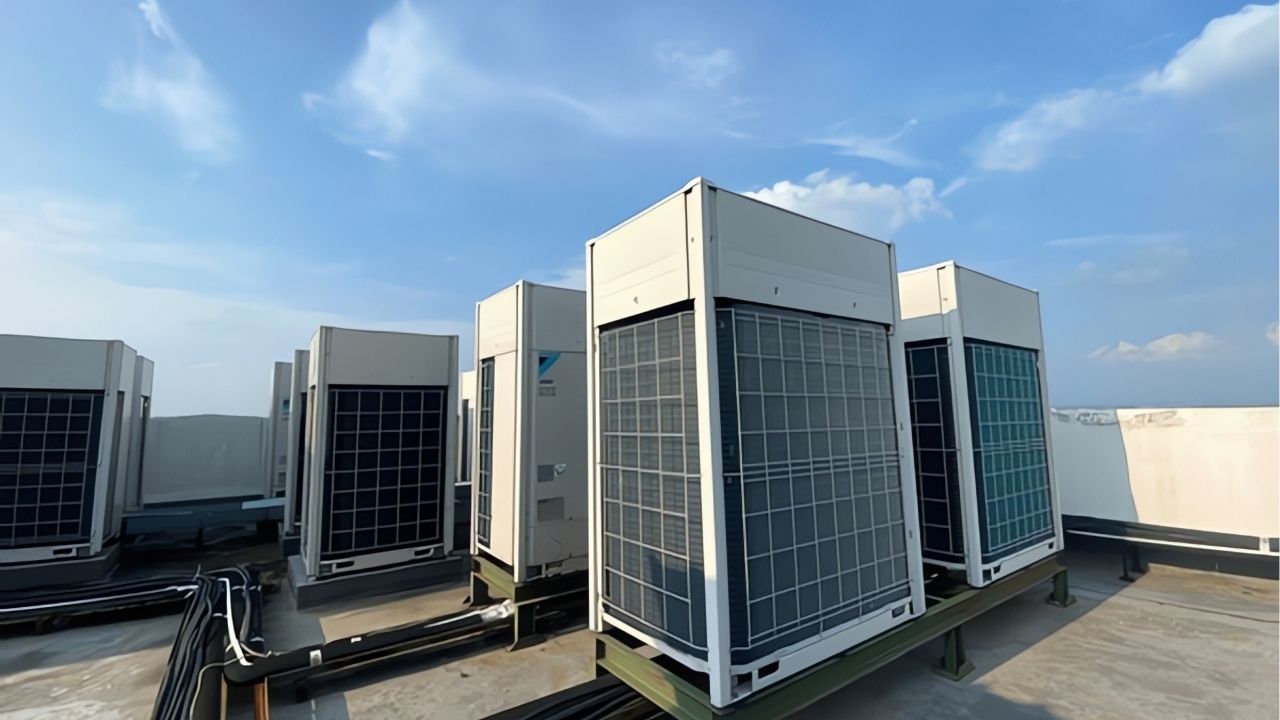
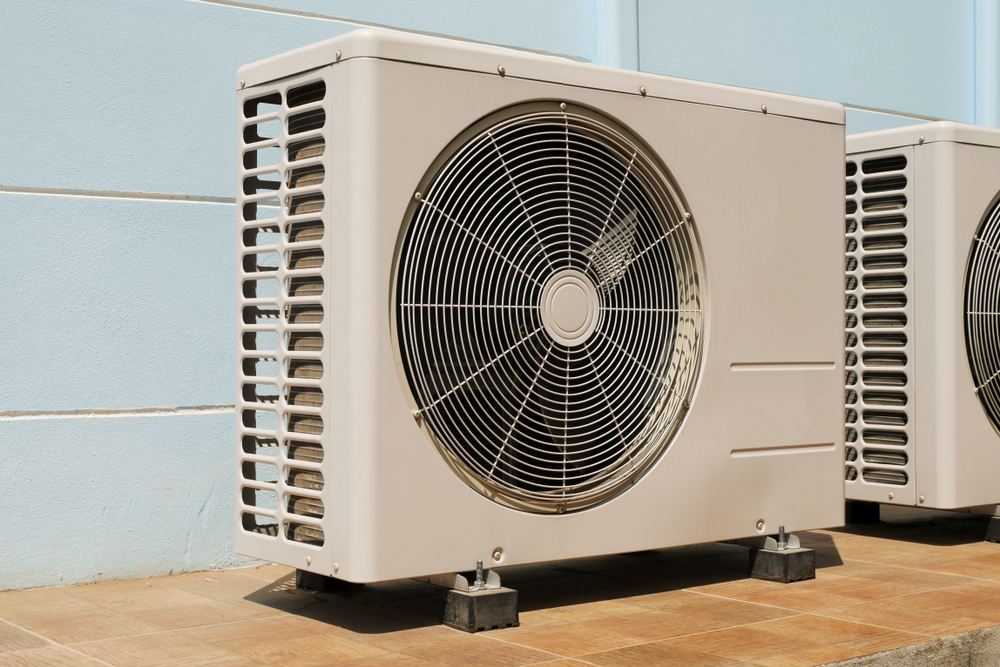
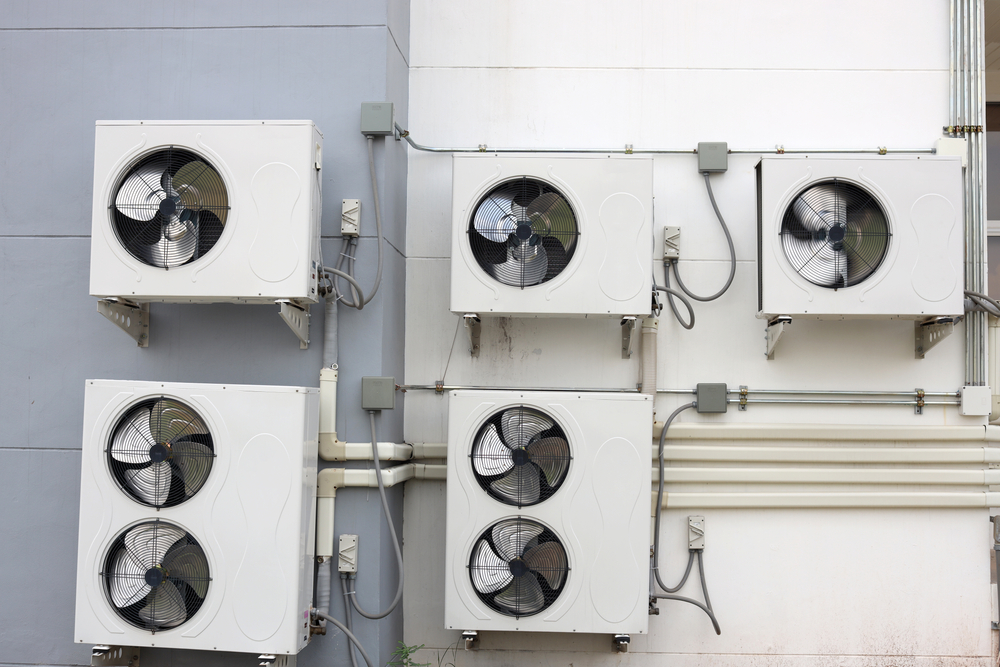
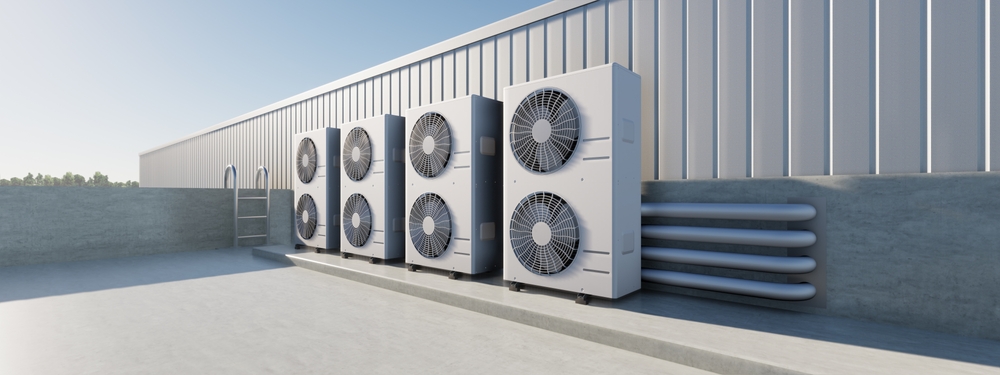
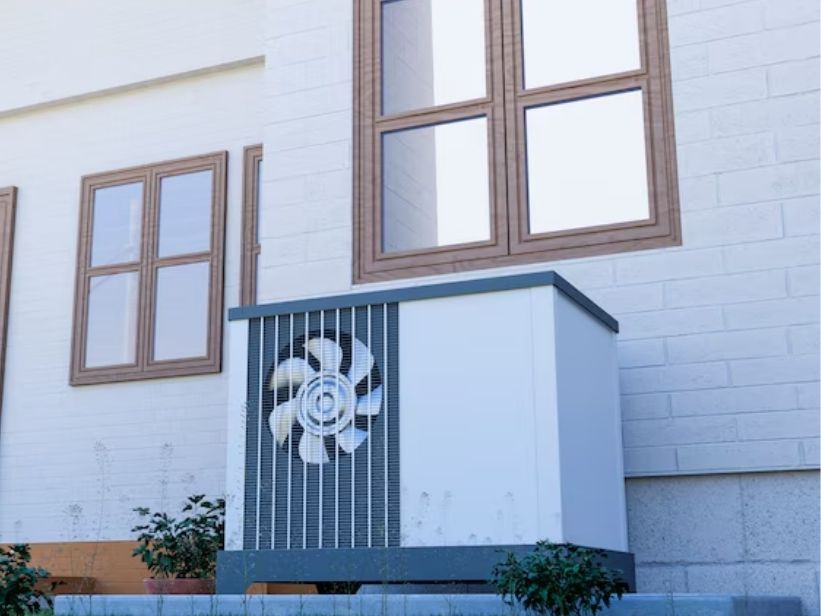
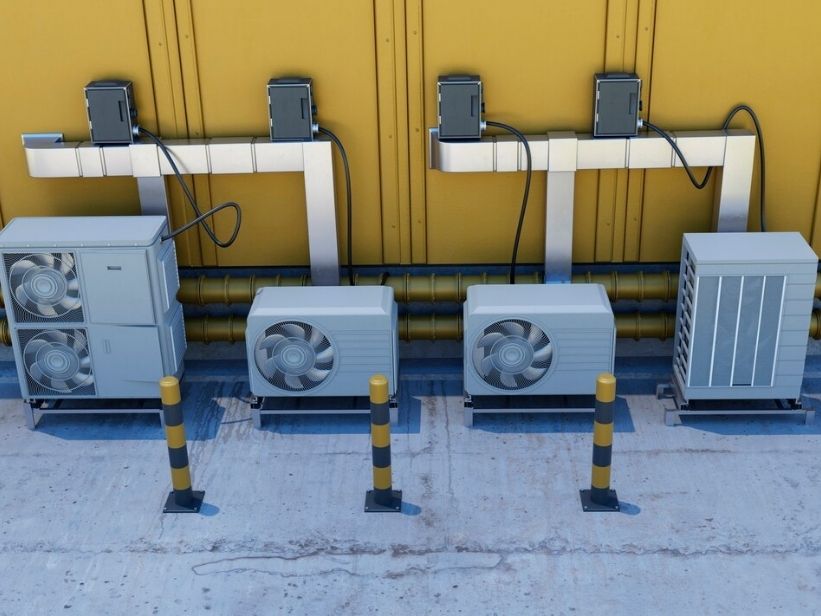
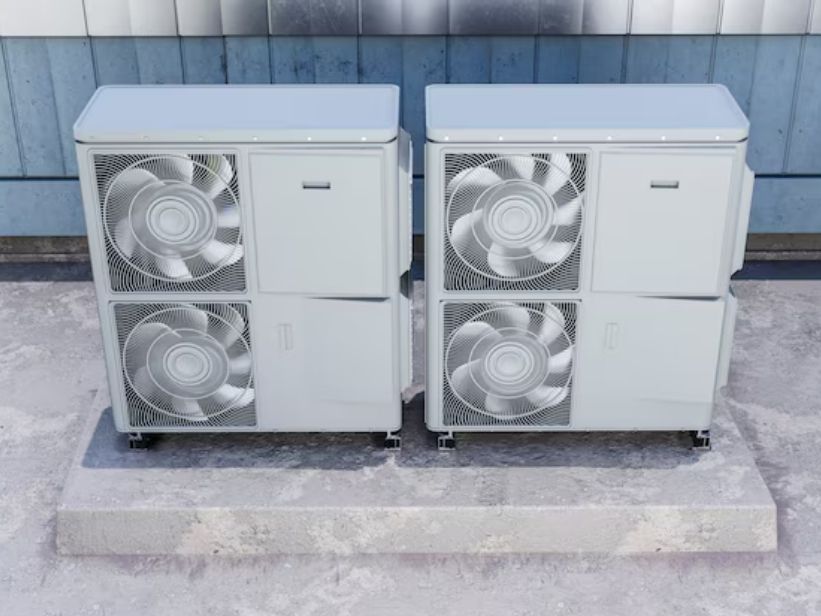
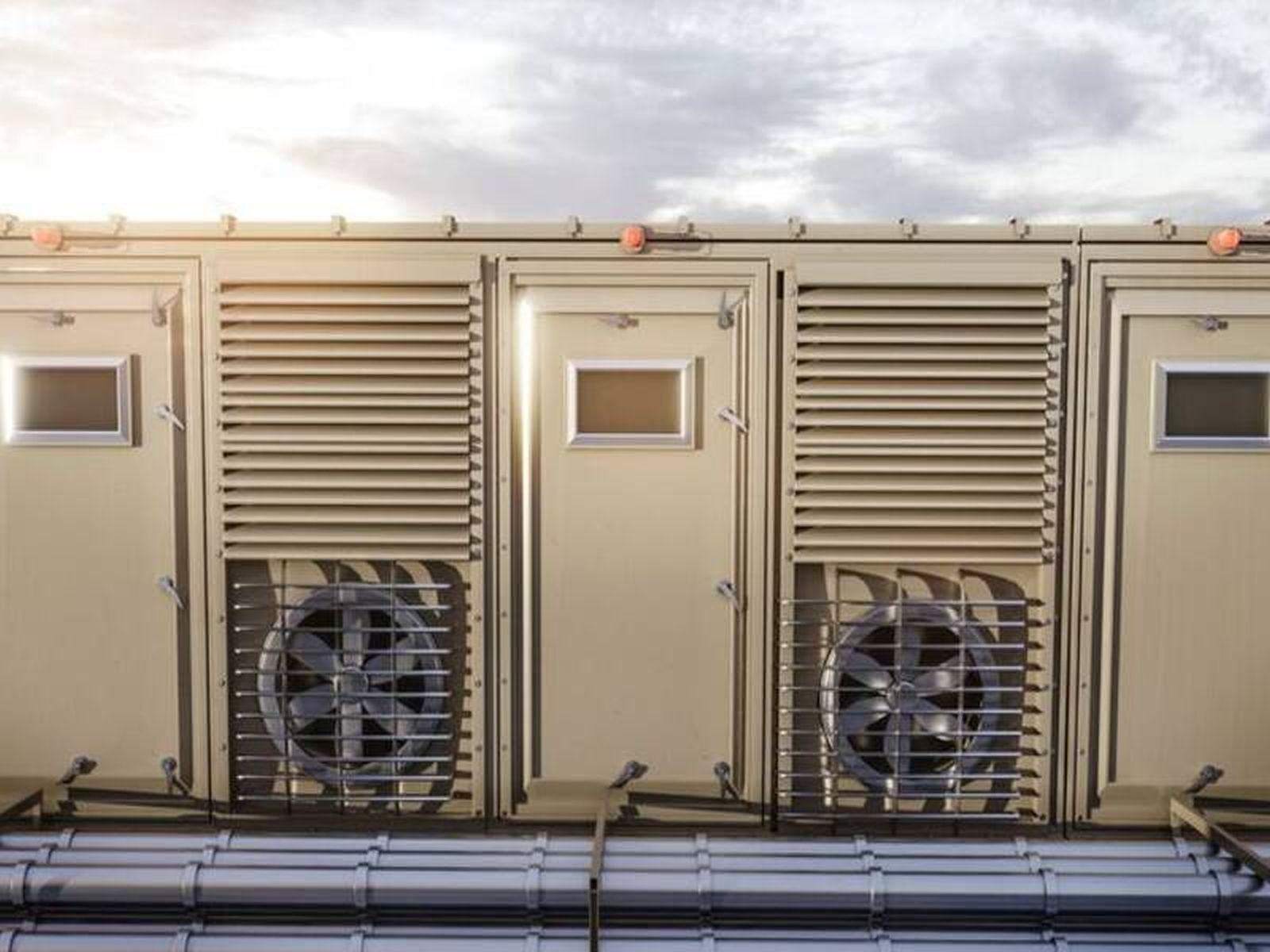
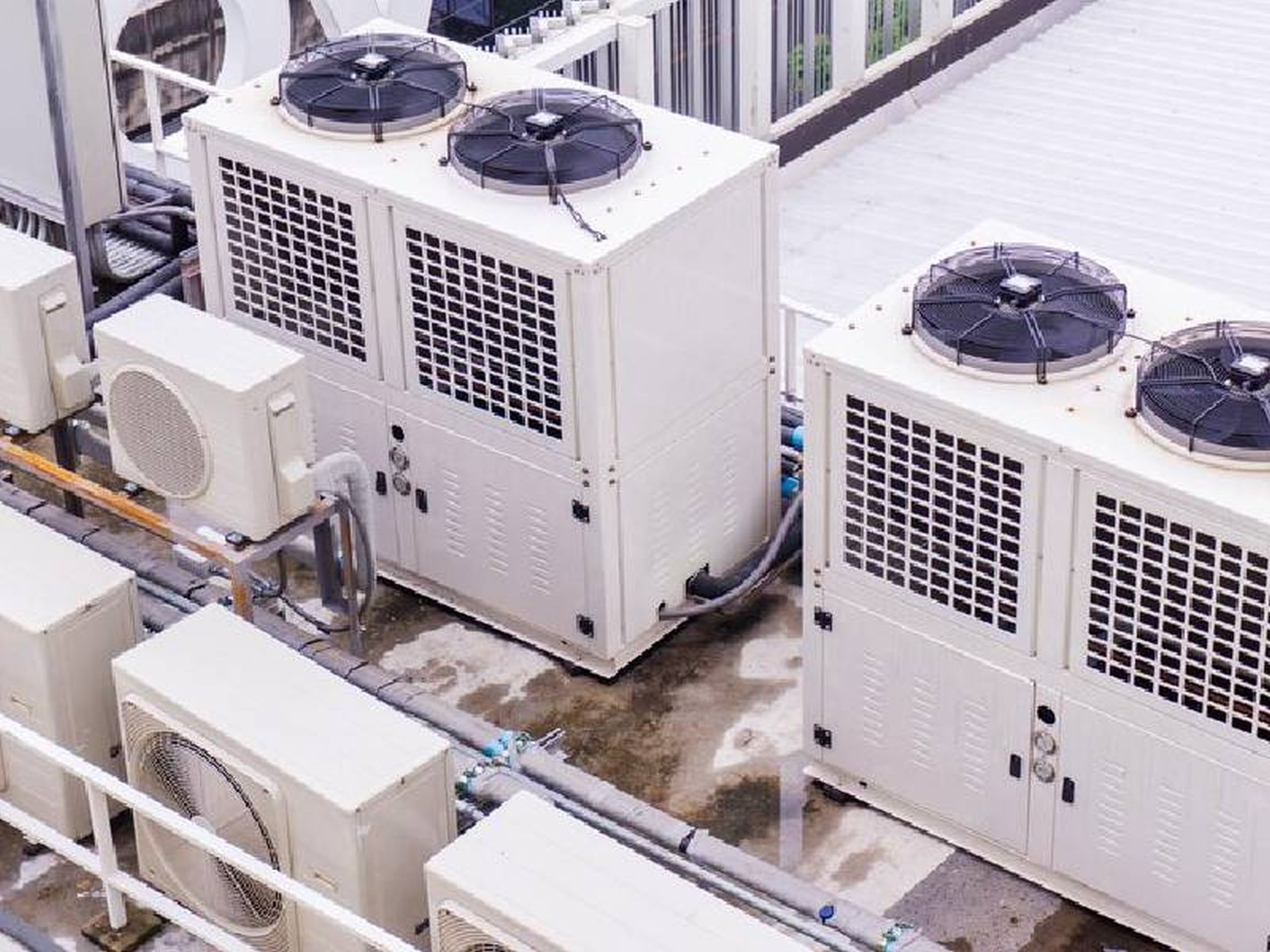
- Condenser placement: Positioning the condenser in an area with suitable ventilation conditions prevents performance loss.
- Refrigerant compatibility: For display cases connected to a central system, refrigerant type and pressure compatibility need to be confirmed.
- Quiet operation requirement: Choosing low-noise equipment supports customer experience in sales areas that are close to customers.
Temperature stability in deli display cases matters not only for product safety but also for passing food safety audits.
What Equipment Features Reduce The Risk Of Cross-Contamination?
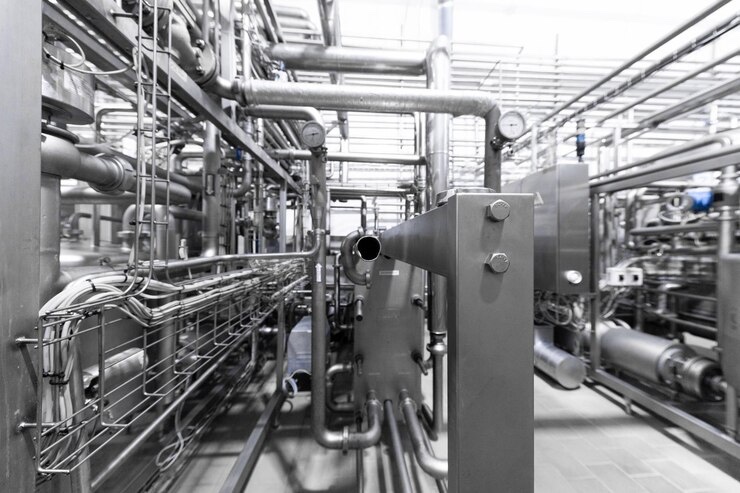
Equipment in contact with meat and delicatessen products following hygienic design principles matters for reducing cross-contamination risk. Notable features include:
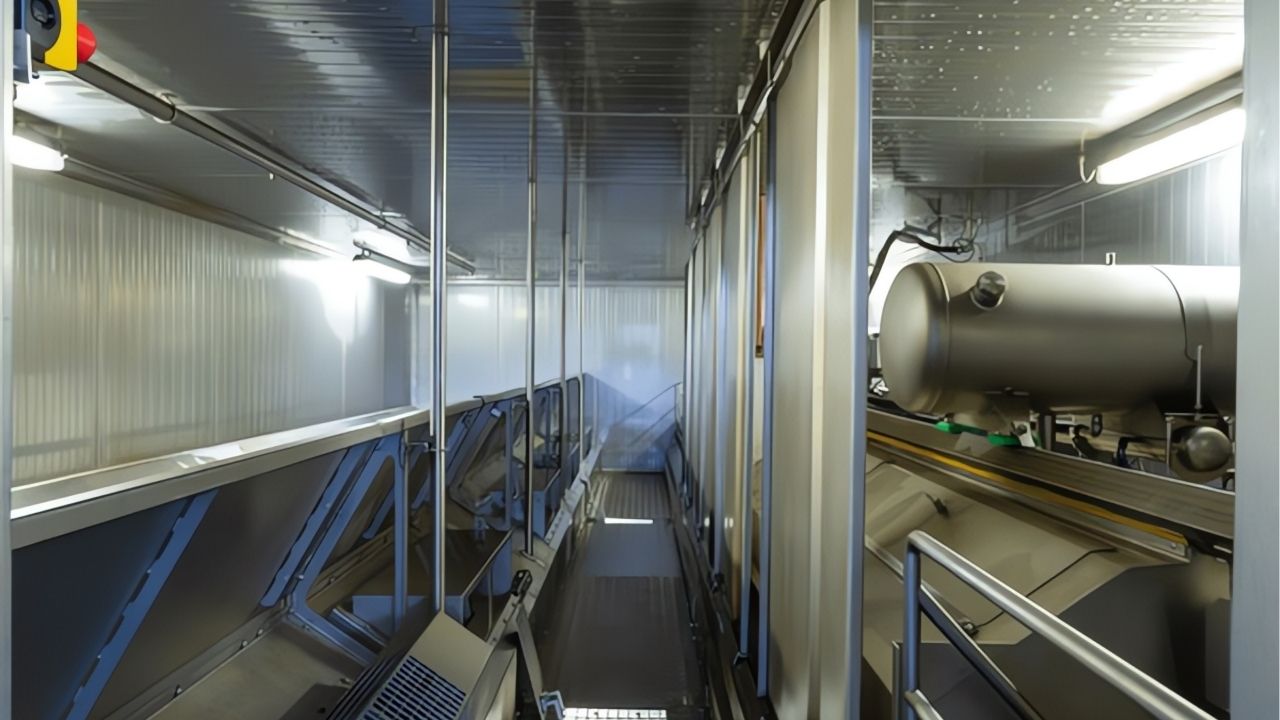
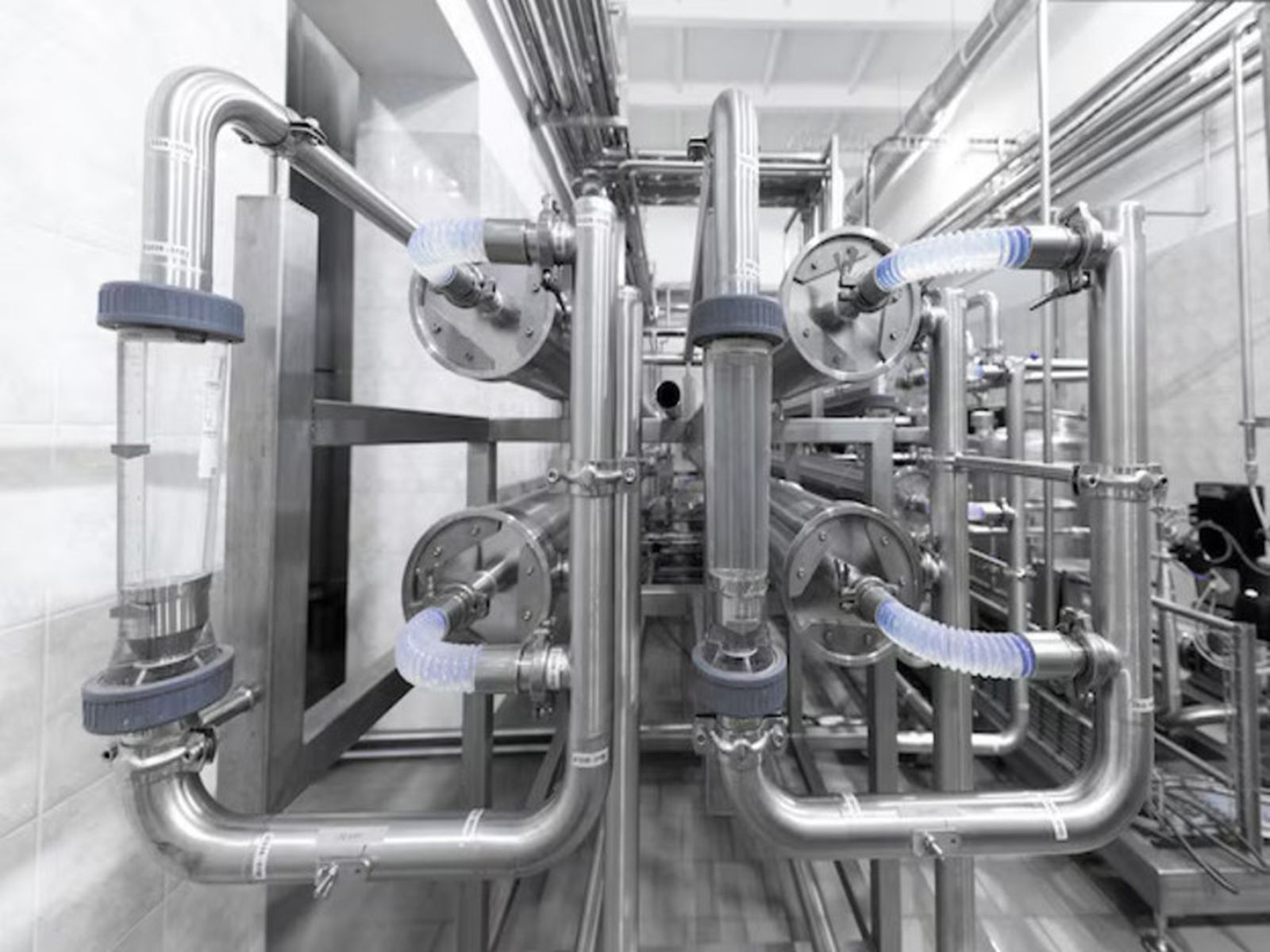
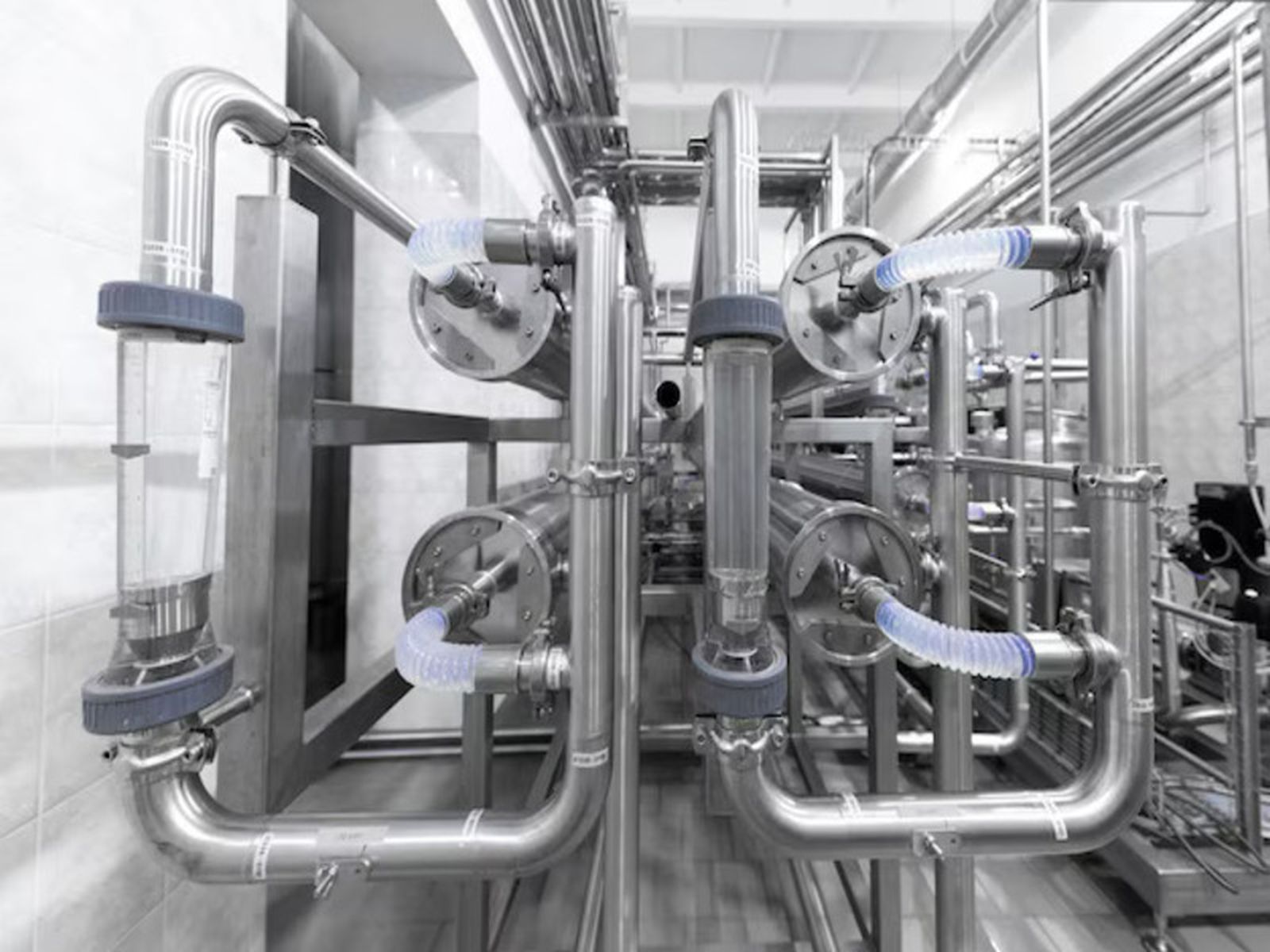
- Stainless steel surfaces: Corrosion-resistant, easily disinfected surfaces are preferred in meat processing areas that require frequent cleaning.
- Debris-free drip trays: Designs that allow liquid to drain easily reduce the risk of microbial growth.
- Removable components: Parts such as the fan, filter, and drip tray being easy to remove makes thorough cleaning easier.
- Separation between product categories: Designs that allow different meat types, or raw and processed products, to be held in separate compartments limit cross-contamination risk.
Equipment built to hygienic design principles both strengthens product safety and serves as a positive reference point during audits.
Why Is Humidity Control Critical For Meat Products?
Room humidity directly affects both product weight loss and surface dryness for meat and delicatessen products. Excessively low humidity causes weight loss and a decline in visual quality, while excessively high humidity can increase the risk of microbial growth. Sizing the evaporator to operate at a lower temperature difference (dT) is advisable for achieving a balanced humidity level.
In sales locations with frequent door openings, a suitable defrost strategy and air circulation plan are also needed to keep humid outside air under control. In systems where humidity management does not receive sufficient attention, product quality can decline noticeably over time.
What Steps Should Be Followed To Select The Right Equipment Combination?
Practical steps that can be followed in the refrigeration equipment selection process for a meat and delicatessen business can be summarized as follows:
- Clarify the product category and target temperature: Different temperature ranges should be determined for fresh meat, processed deli products, or frozen items.
- Evaluate storage and sales areas separately: Back-room storage conditions and point-of-sale display conditions may call for a different engineering approach.
- Determine the hygiene standard: Material and design requirements should be clarified based on the food safety regulations the business is subject to.
- Plan the humidity and airflow balance: A balanced air circulation strategy should be built to preserve product quality.
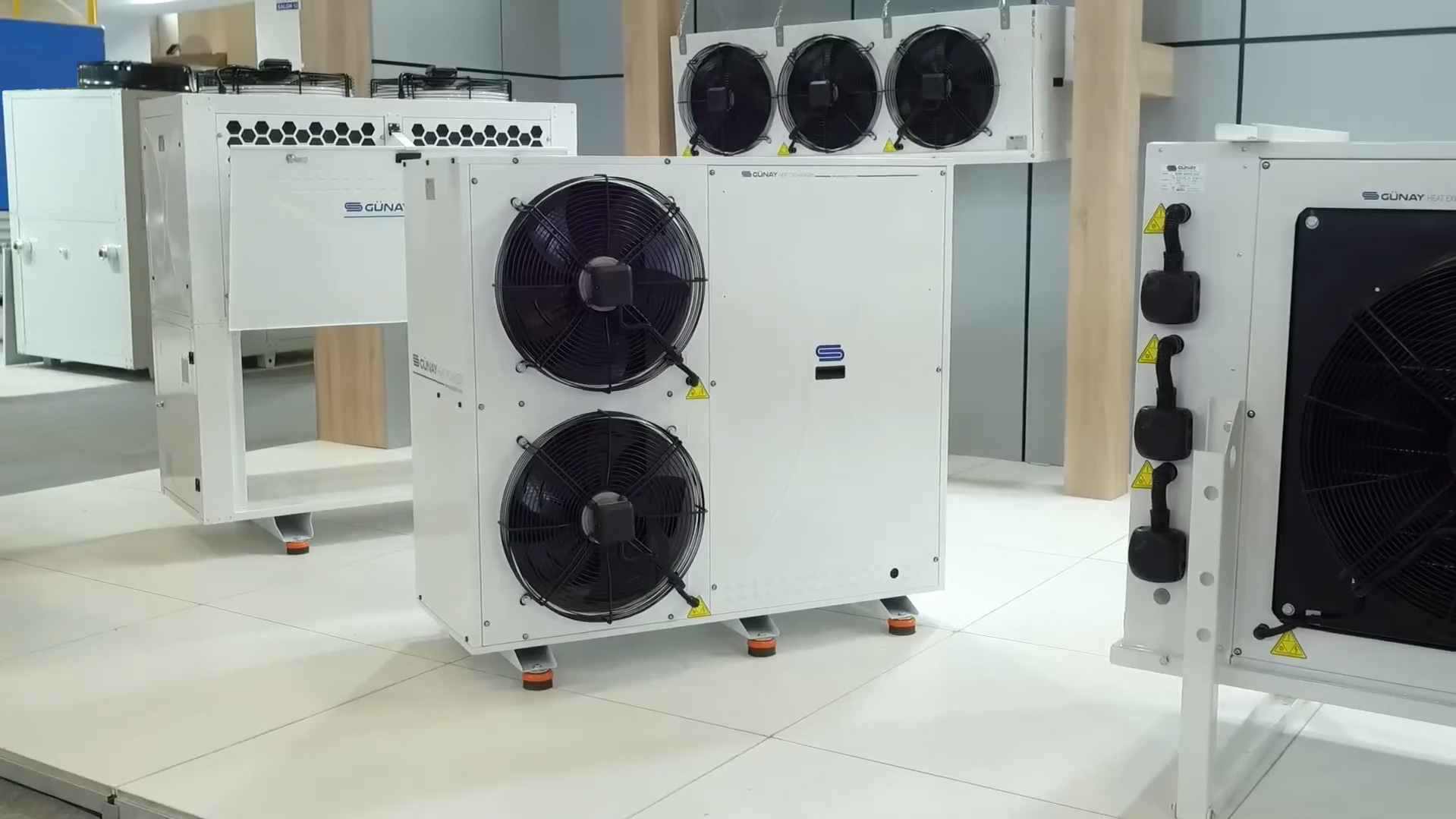
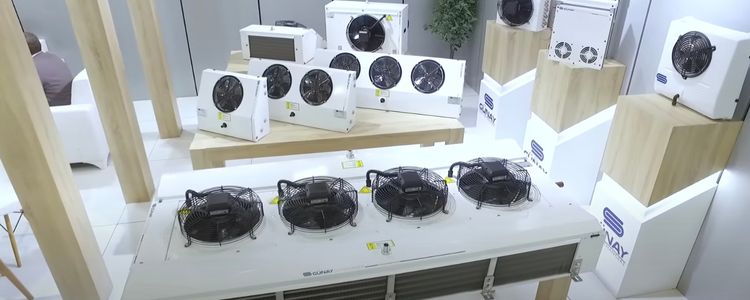
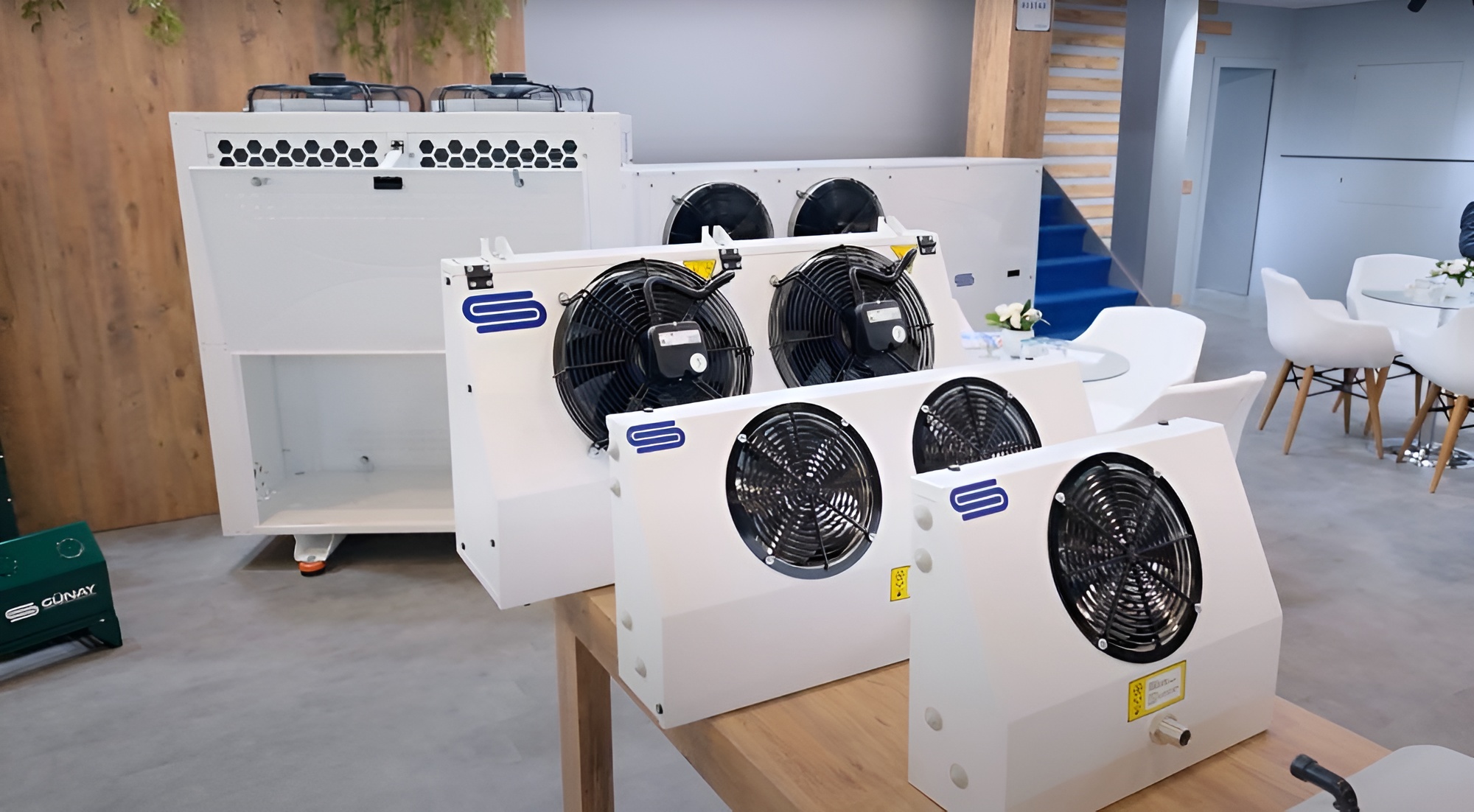
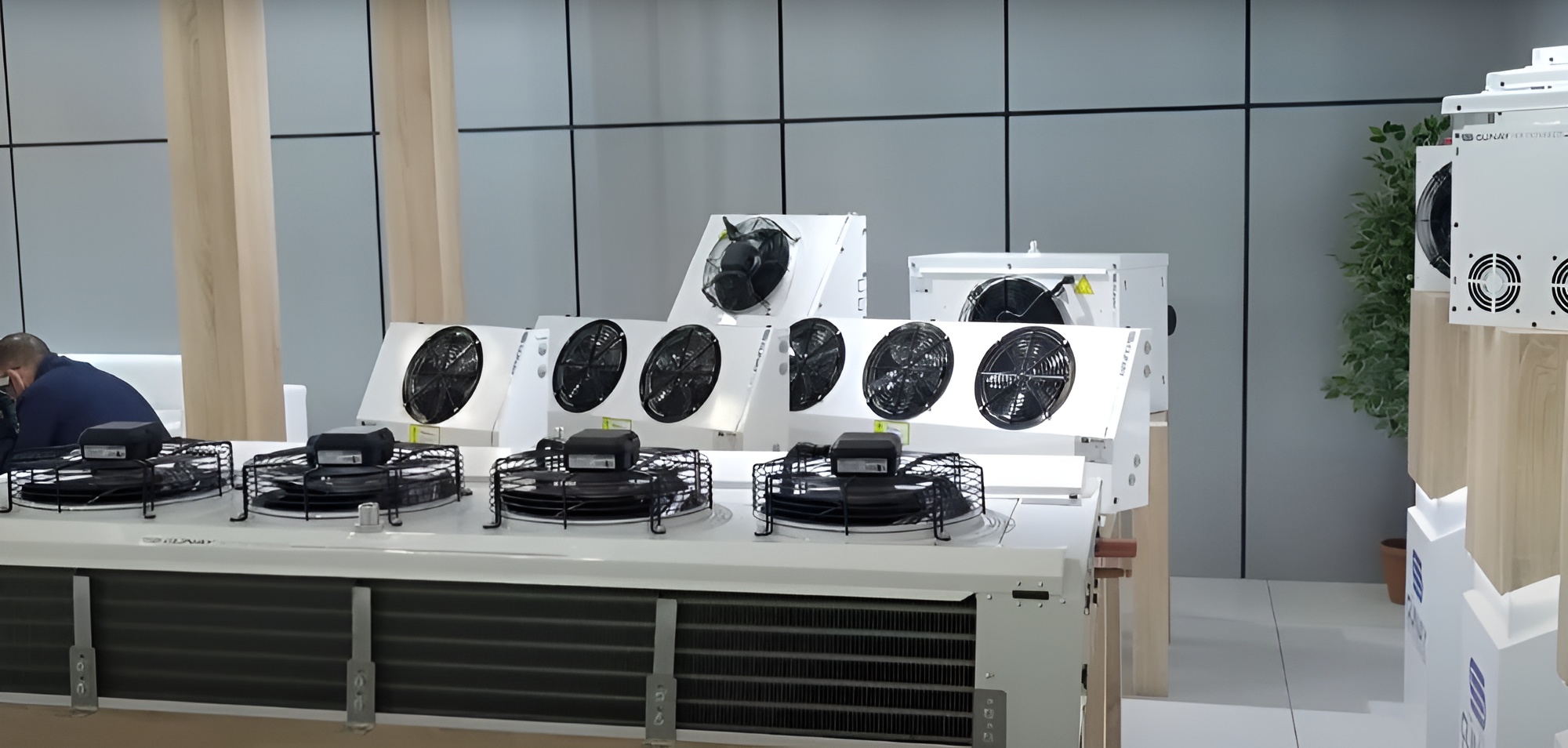
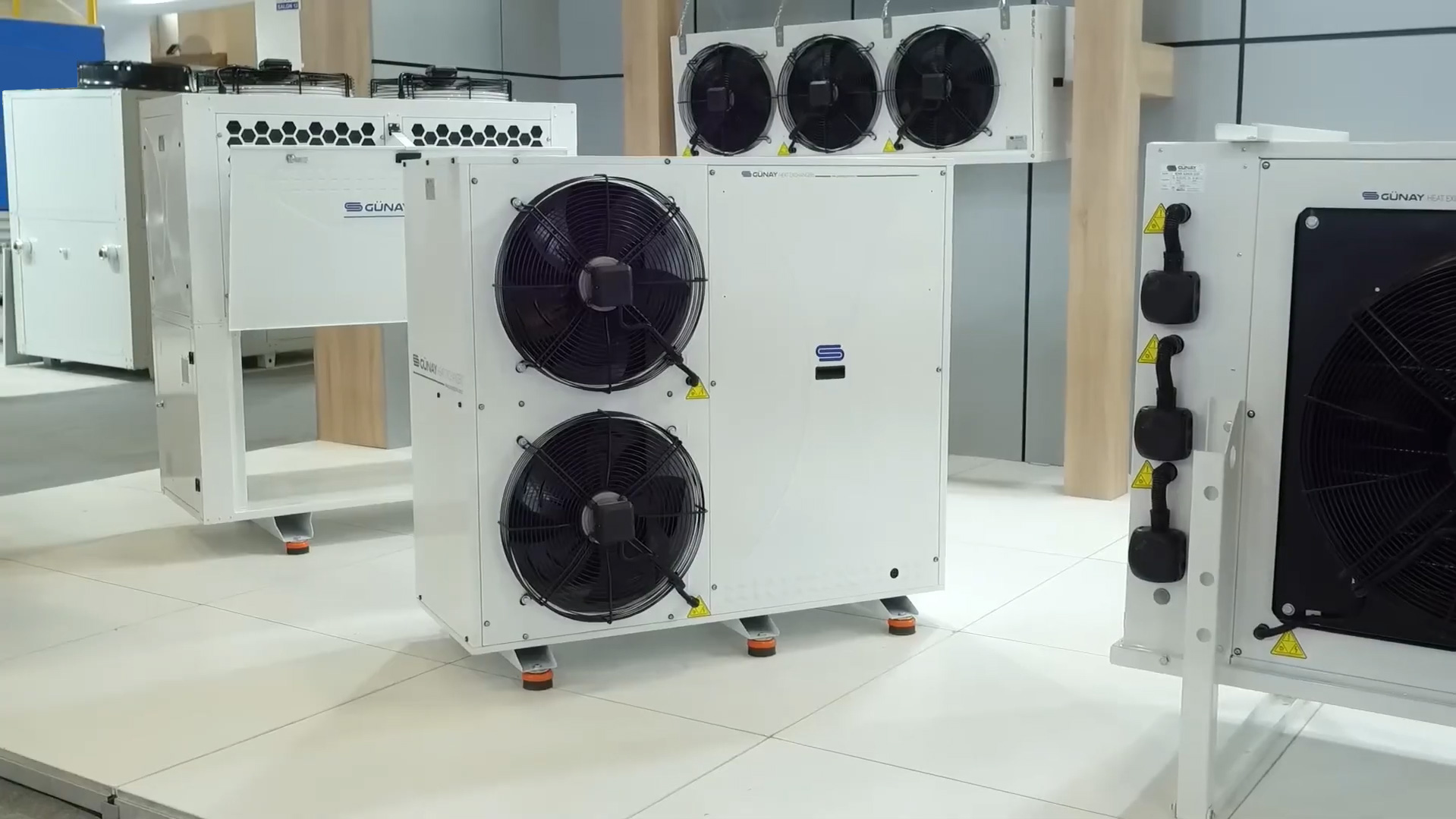
Günay Soğutma offers evaporator, condenser, and stainless material options suited to the meat and delicatessen sector, helping determine a solution matched to your business needs. Share your product category and site conditions with our team to request a project-specific assessment.
Frequently Asked Questions
Can Fresh Meat And Processed Deli Products Be Kept In The Same Cooling Unit?
Even when temperature requirements are close, separate compartments or separate units are recommended to reduce the risk of cross-contamination.
What Temperature Range Should Be Targeted In A Deli Display Case?
The exact range varies by product formulation, but 0-4°C is a common reference value for most meat and delicatessen products.
Can Excessively Humid Conditions Damage Meat Products?
Yes. Excessively high humidity can increase microbial growth risk, while excessively low humidity can cause product weight loss; a balanced humidity level should be the target.
Is A Stainless Evaporator Required In Every Meat Storage Area?
Whether it is required depends on the hygiene standard the business is subject to and on site conditions; stainless material is generally preferred in areas with high humidity and frequent disinfection.
Why Does Noise Level Matter In A Deli Display Case?
In sales areas close to customers, a high noise level can negatively affect customer experience; quiet-operating fan and compressor options can be preferred for this reason.
How Can I Determine The Right Equipment Combination For My Business?
Share your product category and storage and sales area conditions with our team to request a project-specific technical assessment.