

What Conditions Are Evaporator Catalogue Capacities Based On?
01 / 10 / 2026

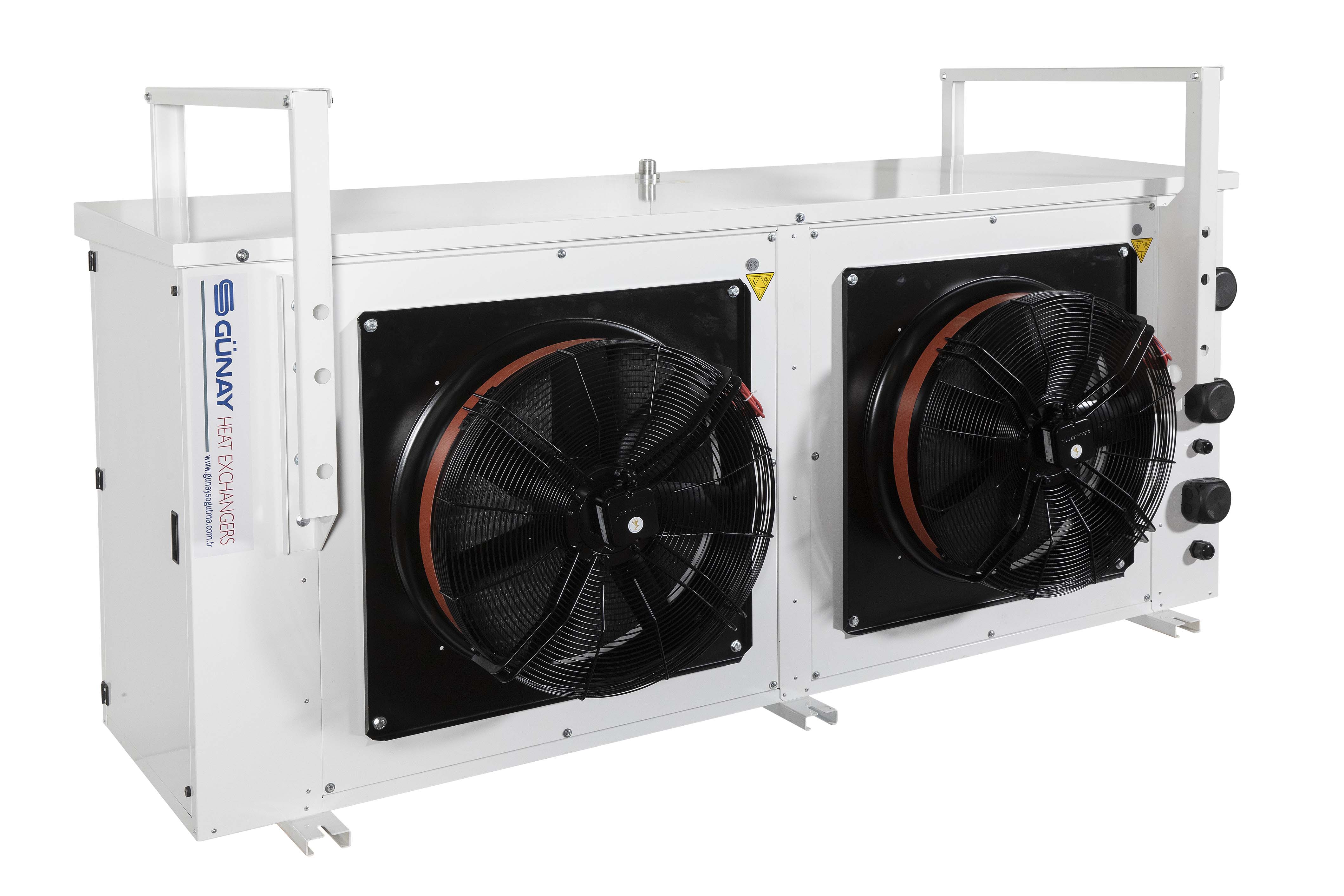
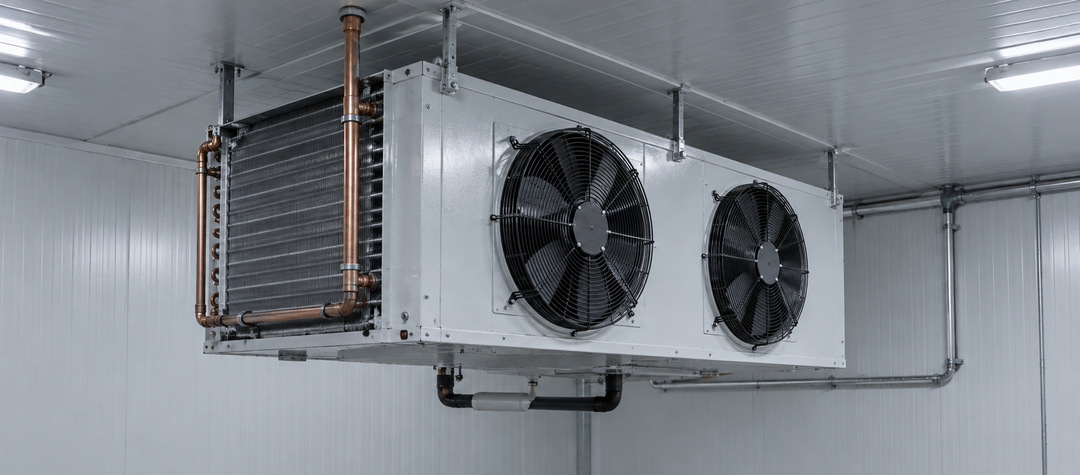
A condenser is the heat exchanger that transfers heat out of a refrigeration cycle. Hot, high-pressure refrigerant vapor from the compressor releases heat in the condenser and changes into a liquid. The refrigerant is then ready for the next stage of the cycle.
The condenser does more than cool one component. It rejects the heat absorbed at the evaporator, together with heat added during compression. If that heat cannot be rejected adequately, the cooling system's efficiency and operating conditions are affected.
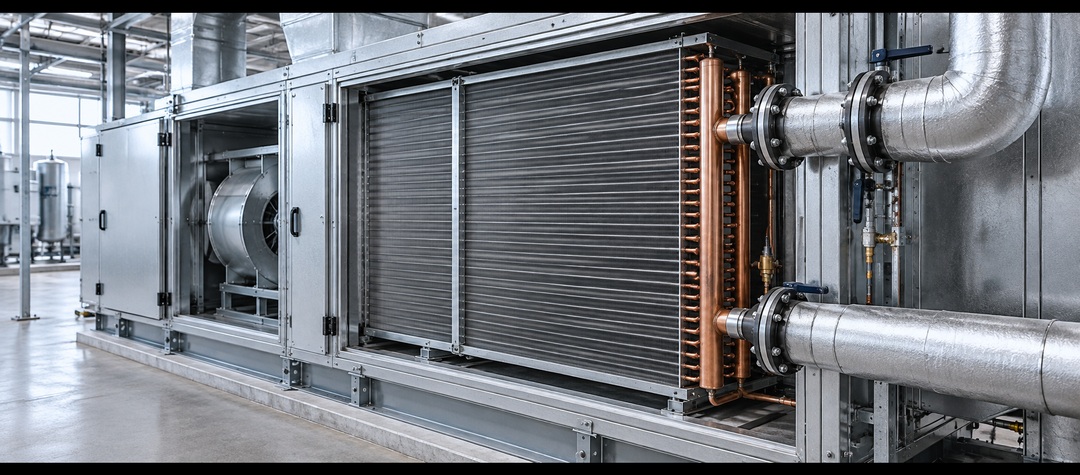
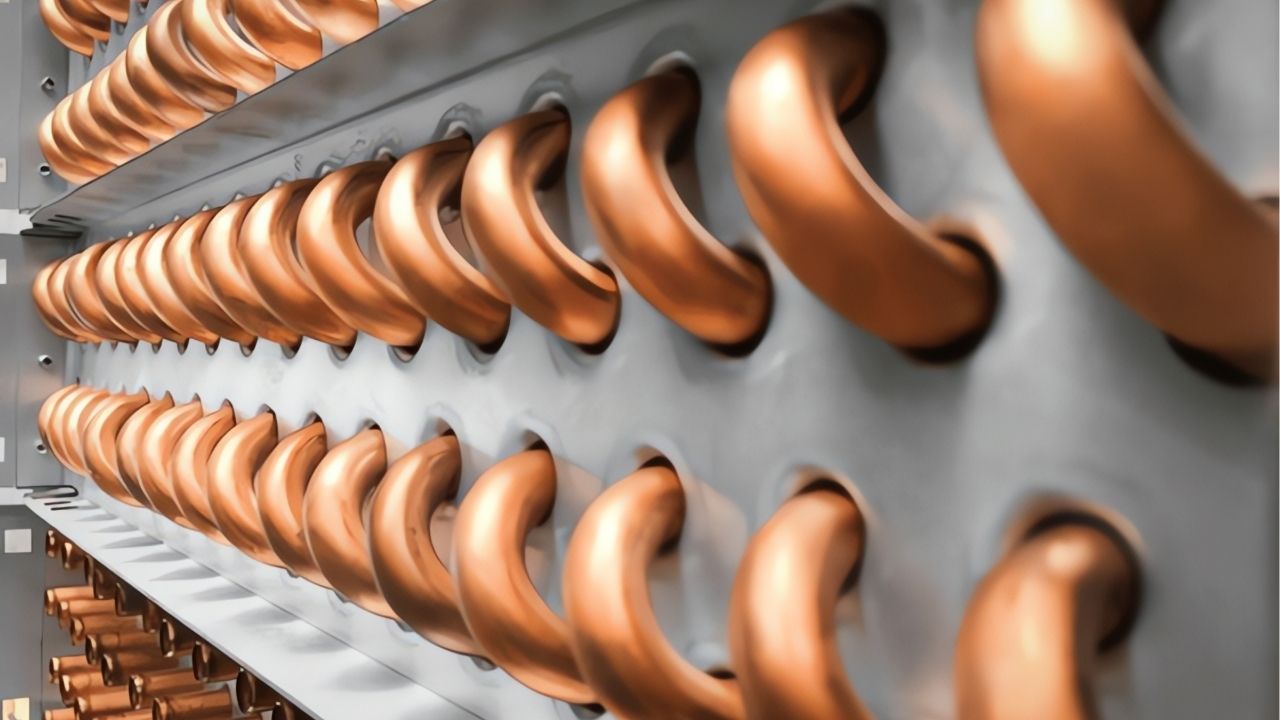
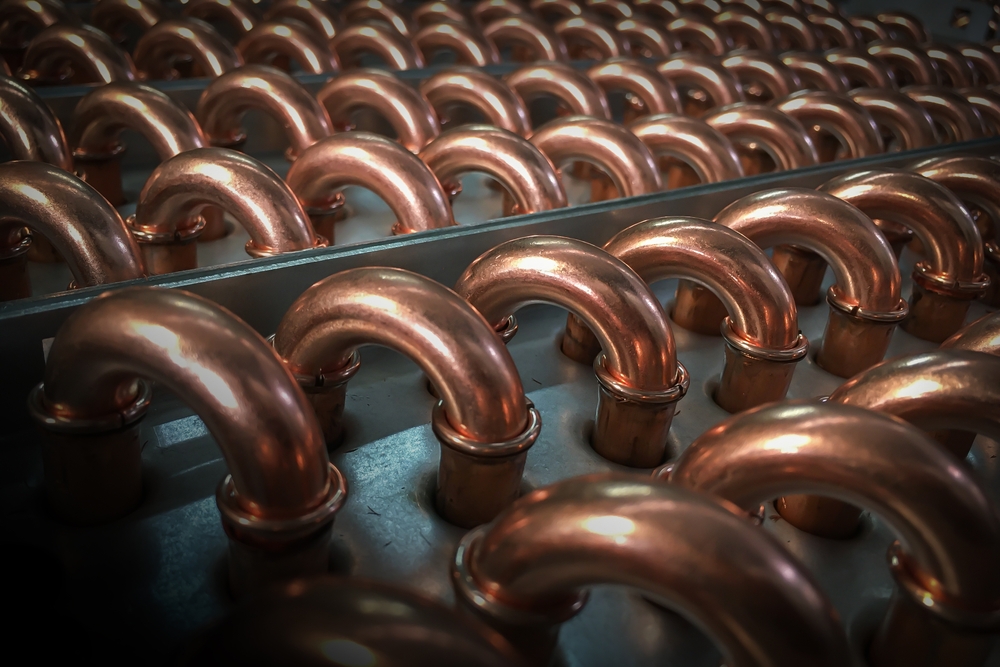
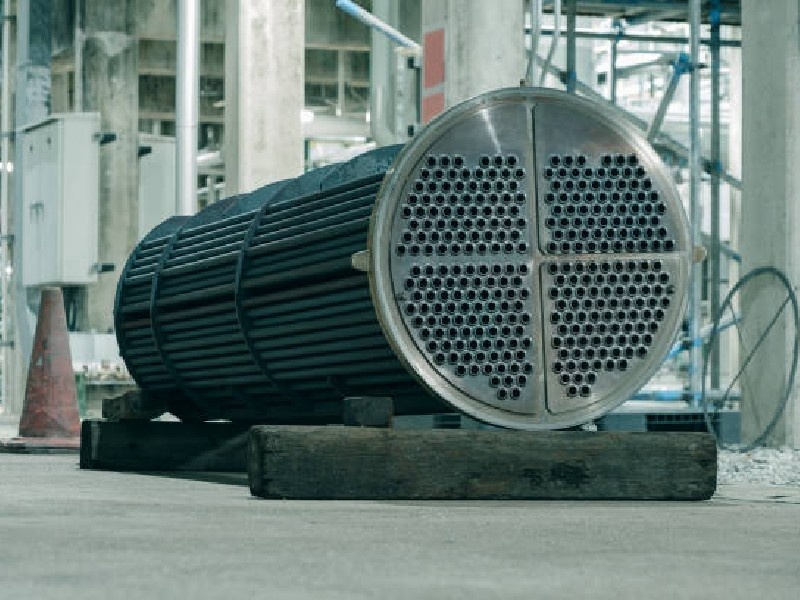
As hot refrigerant vapor passes through the condenser tubes, it transfers heat to a cooling medium such as air or water. Losing heat causes the vapor to condense into a liquid. The condenser type determines where and how this heat is transferred.
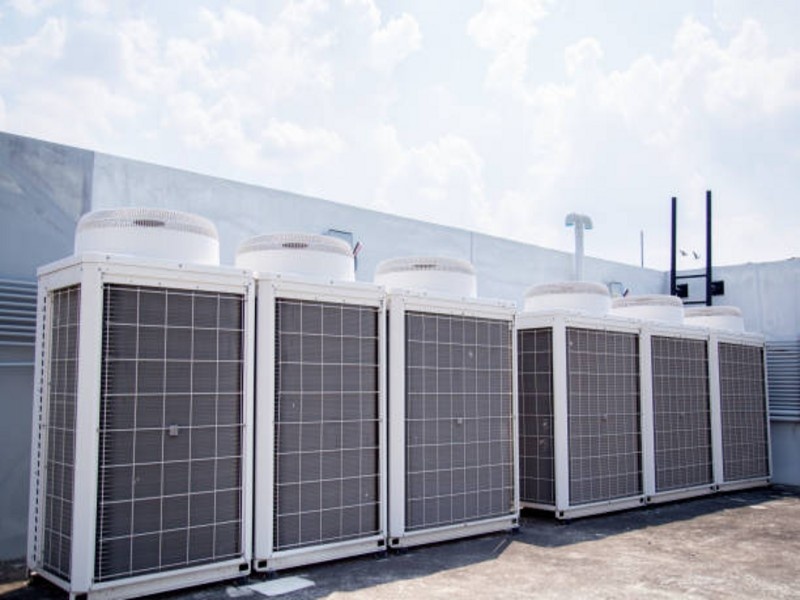
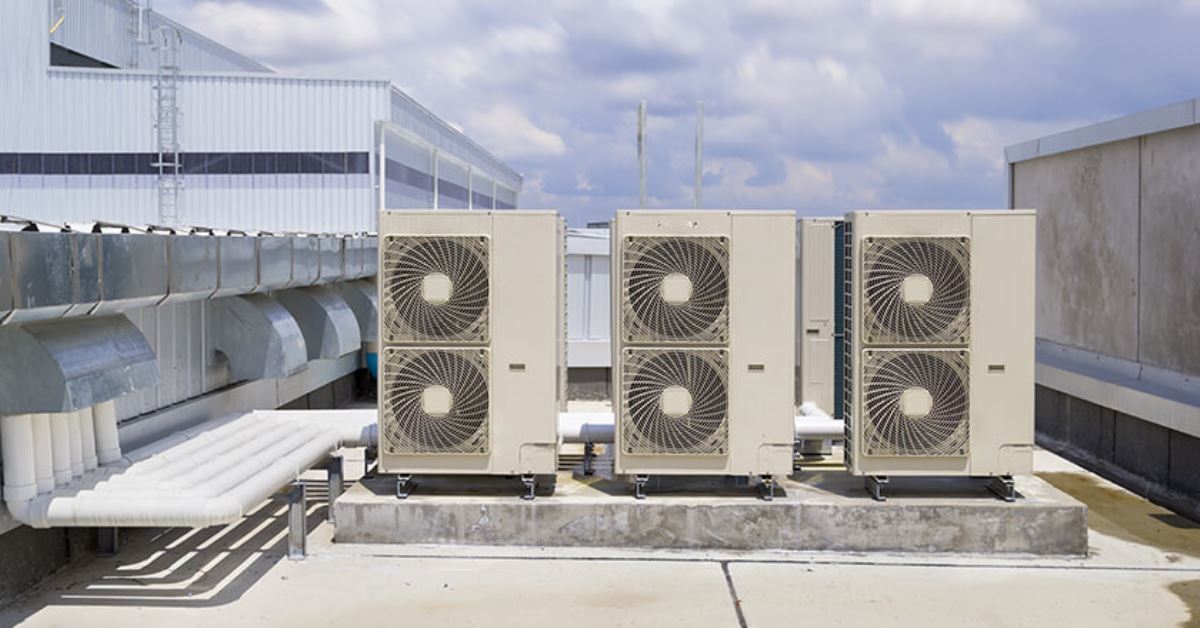
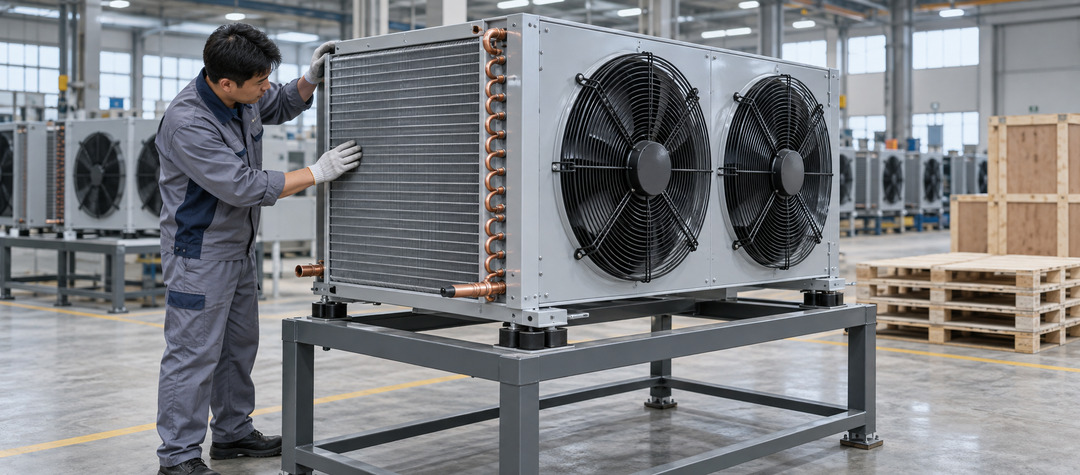
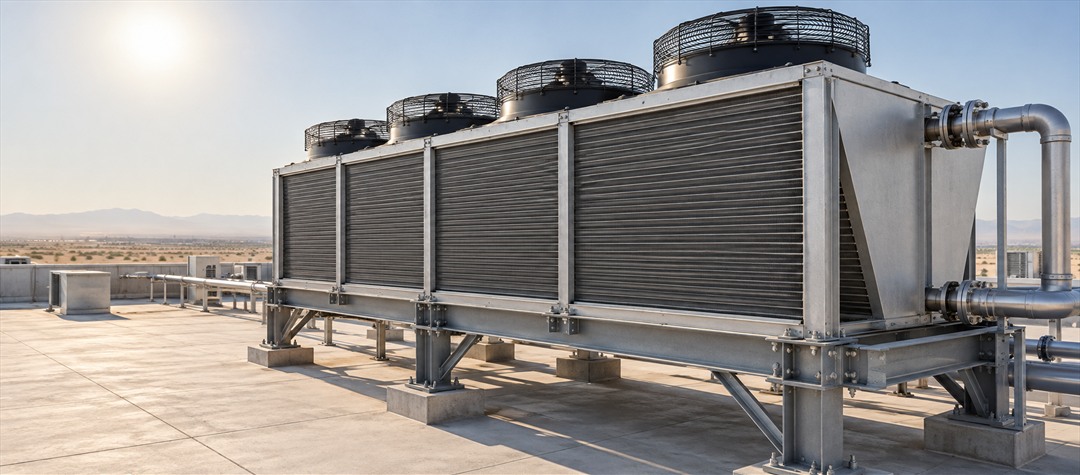
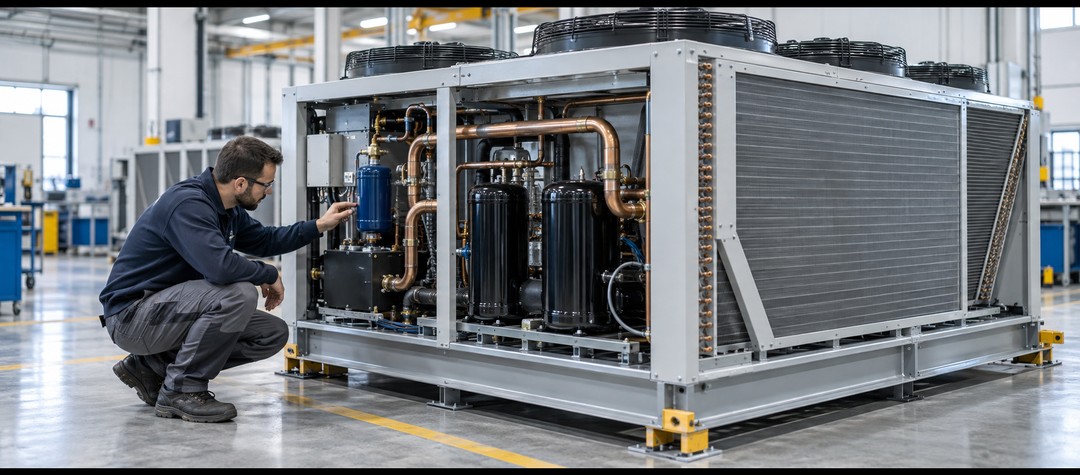
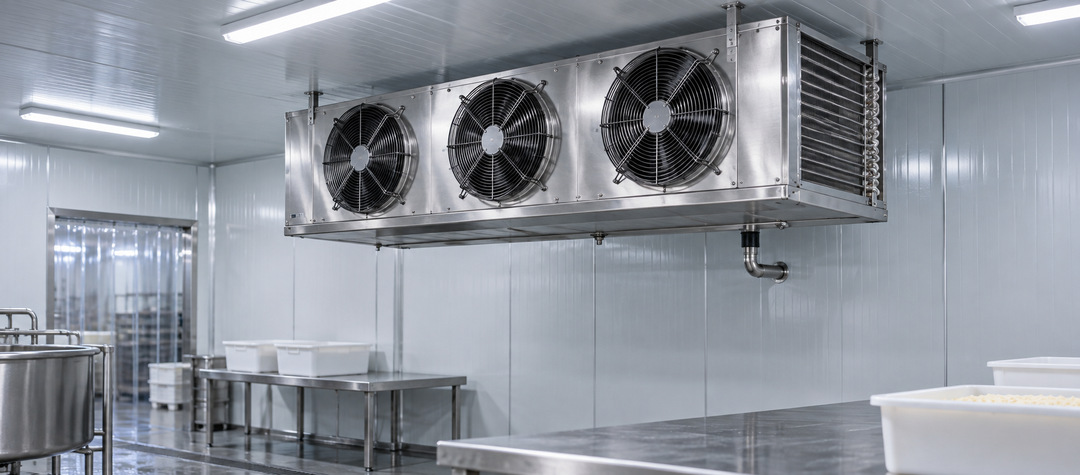
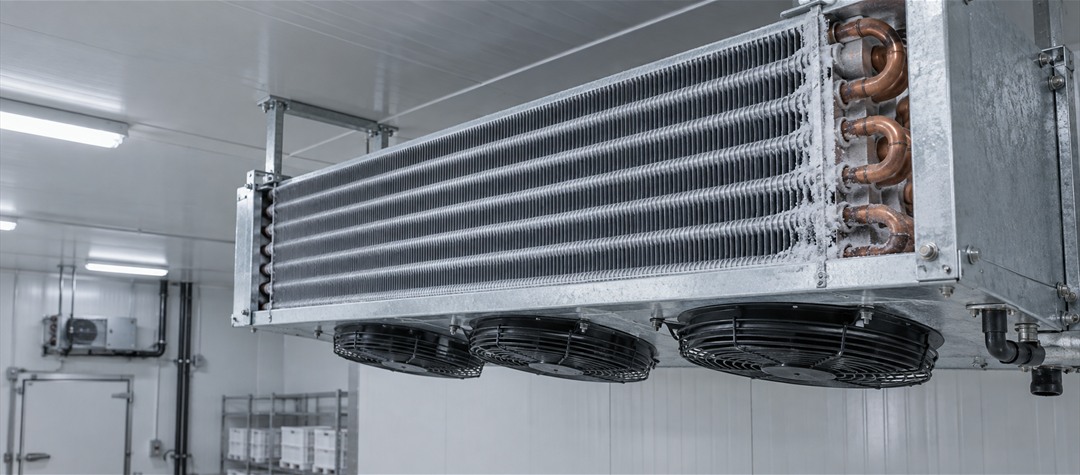
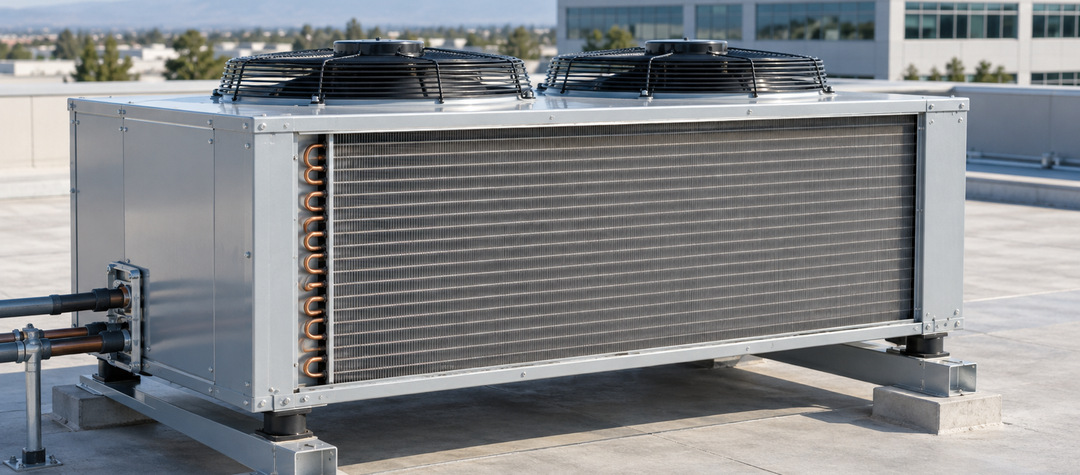
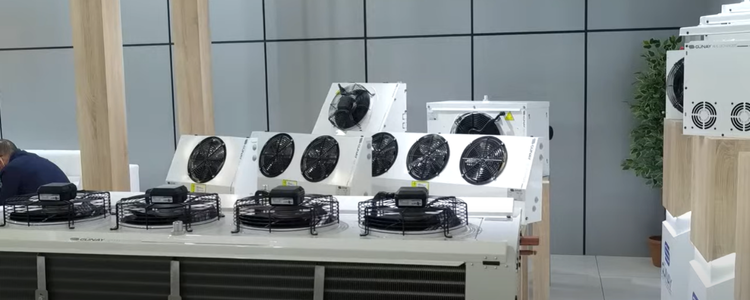
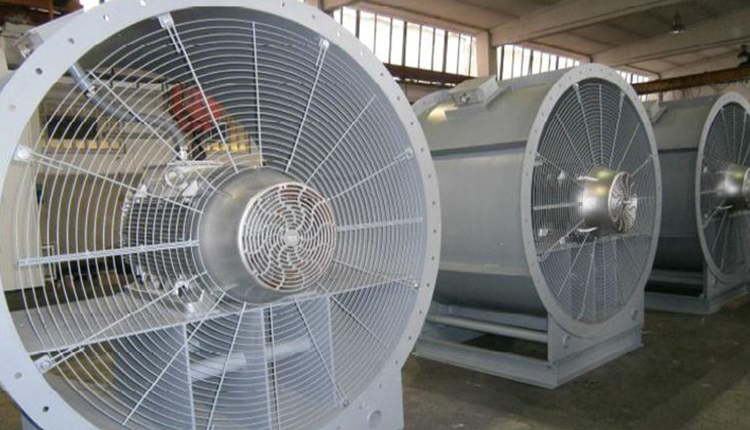
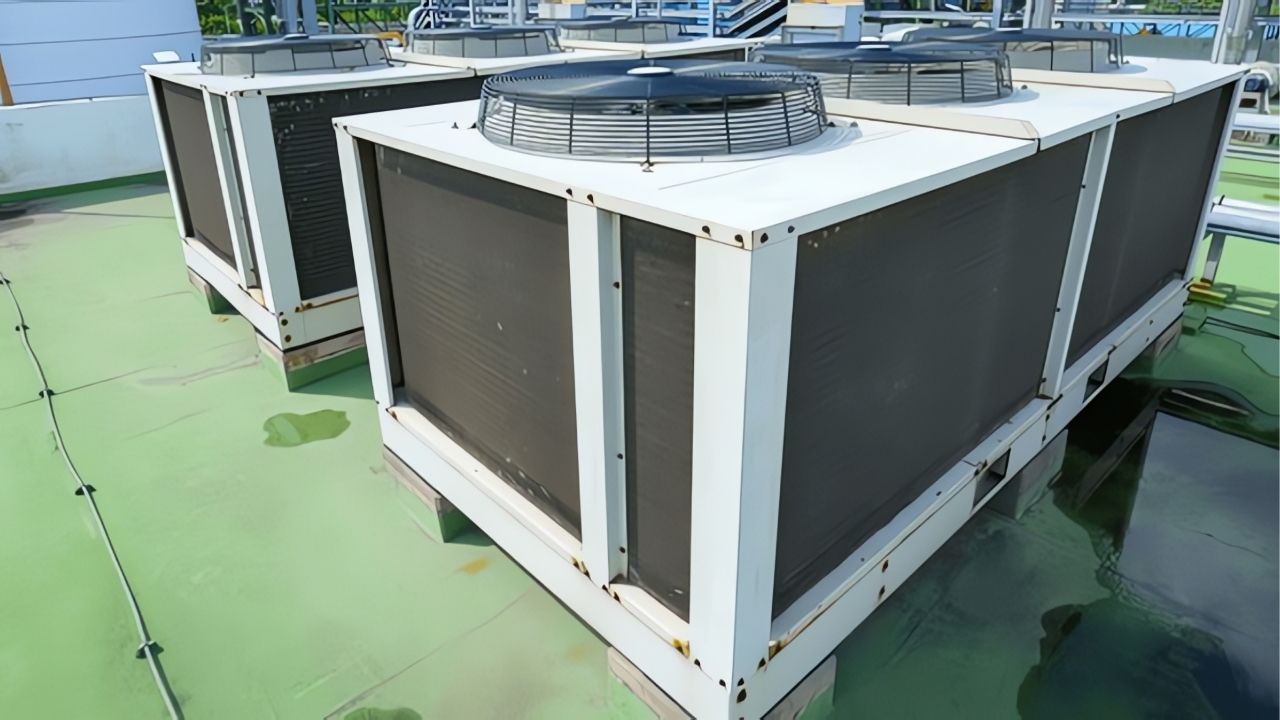
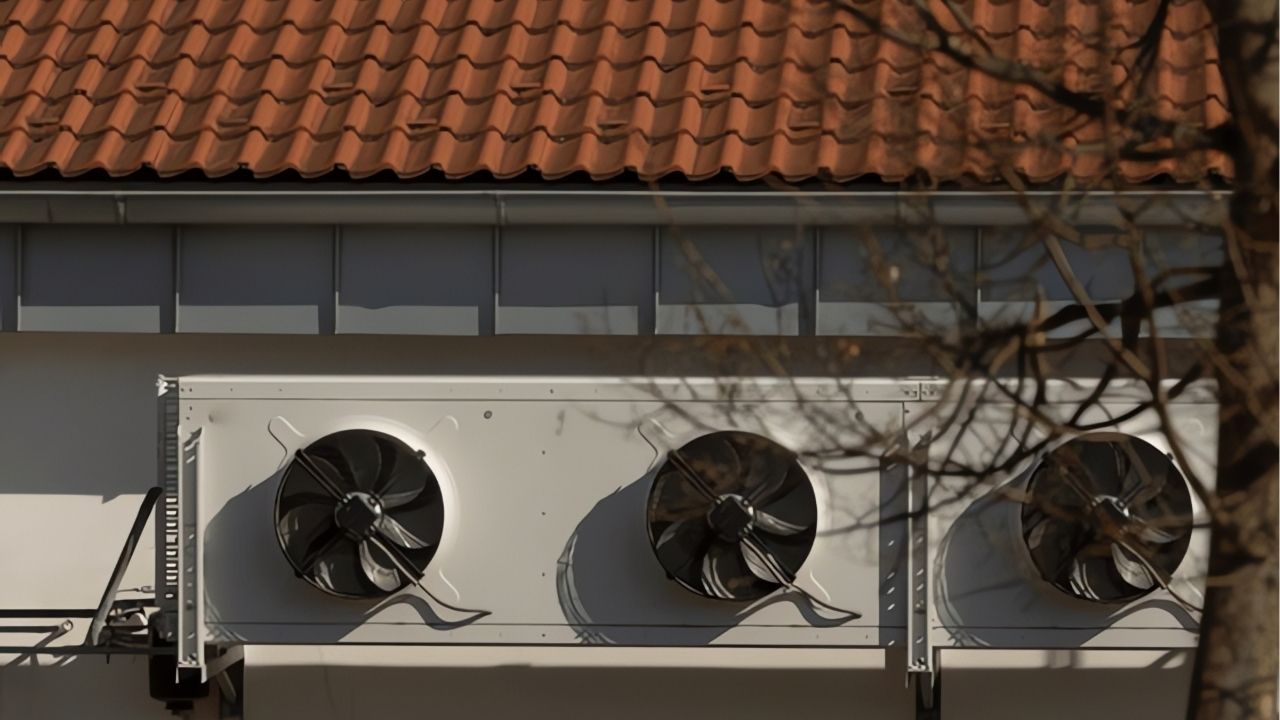
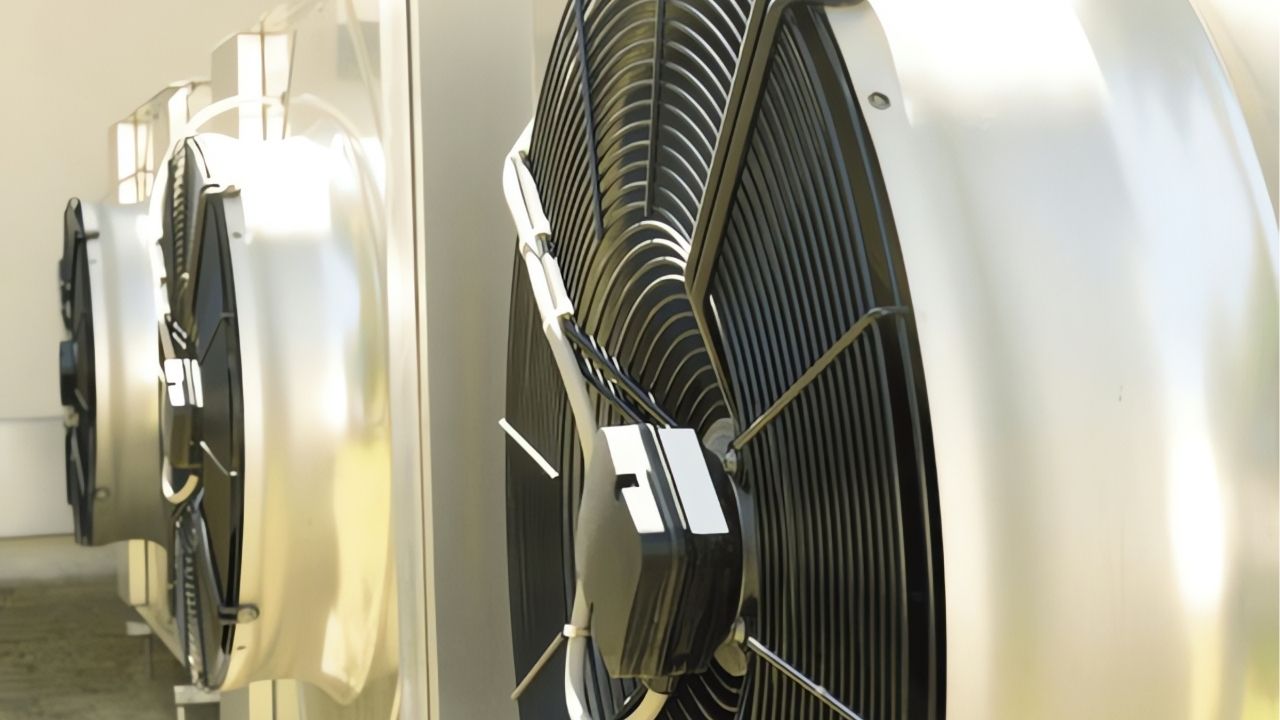
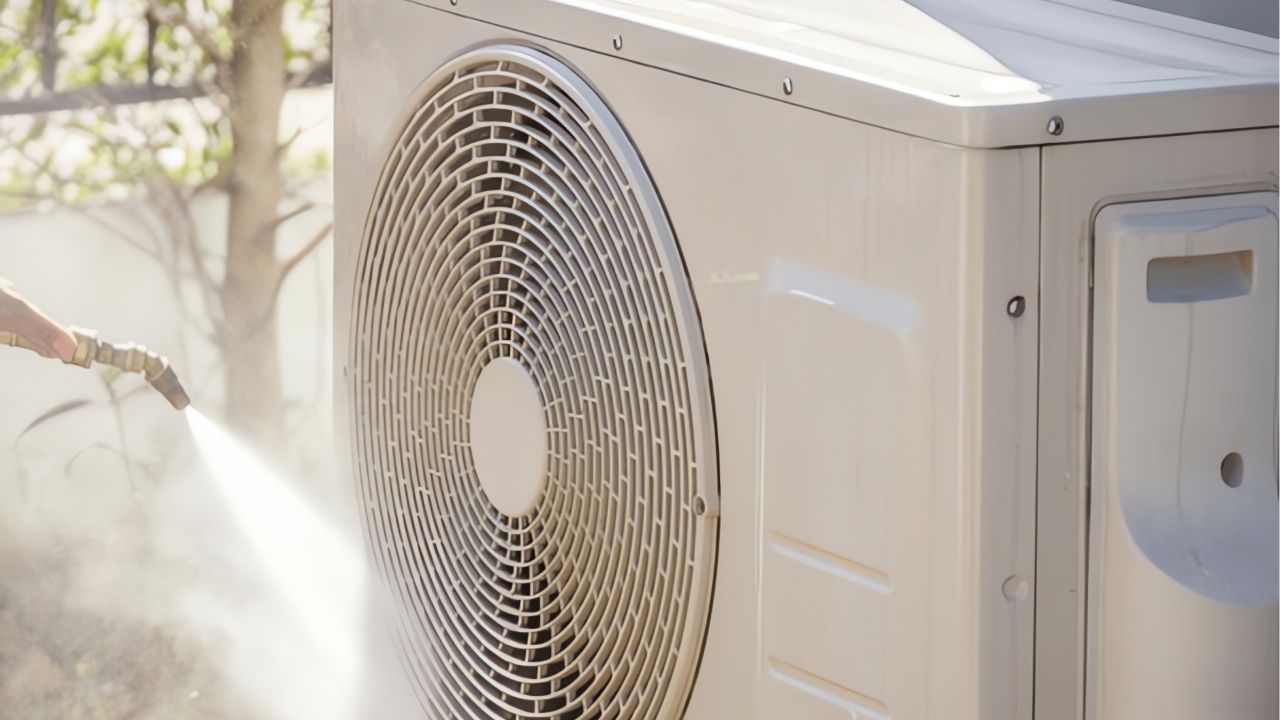
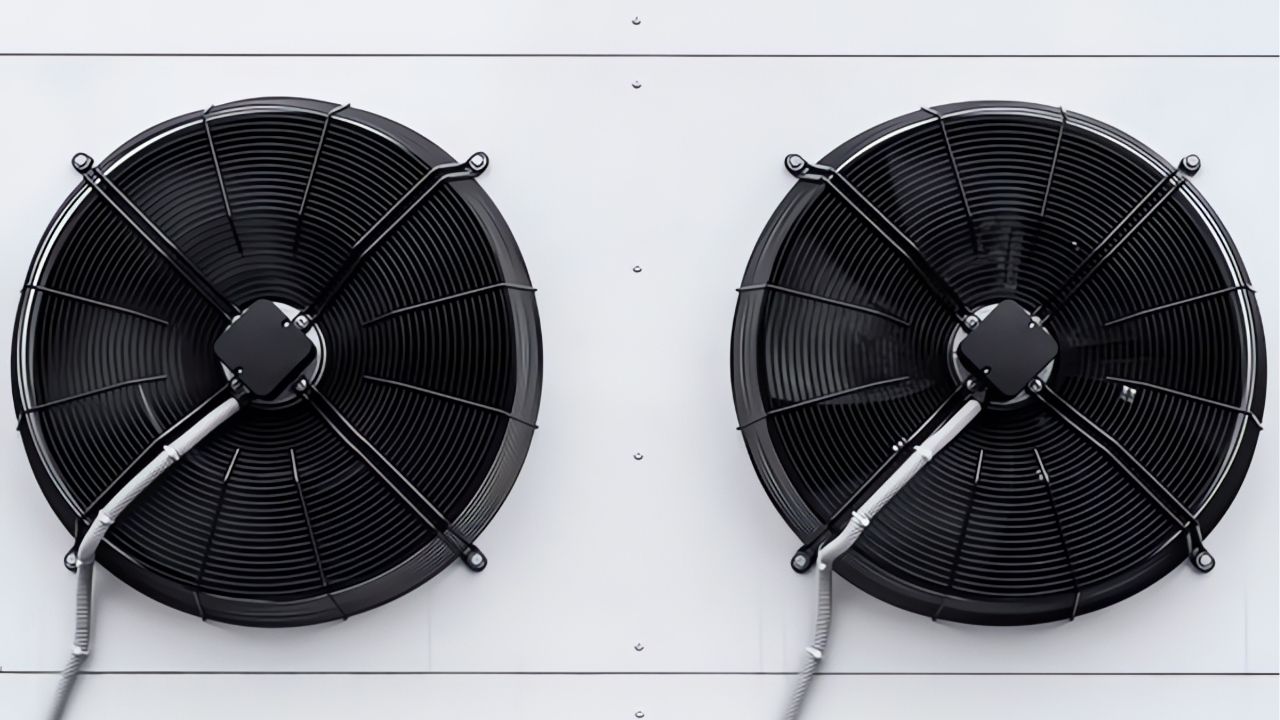
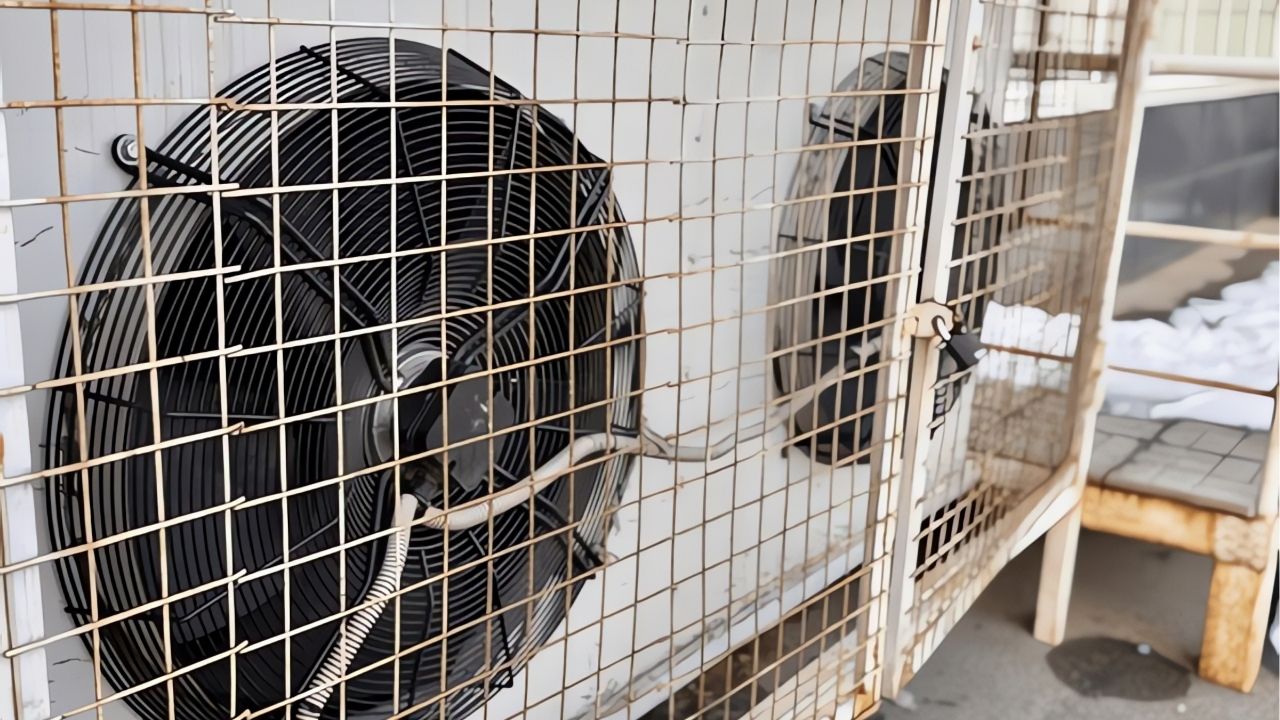
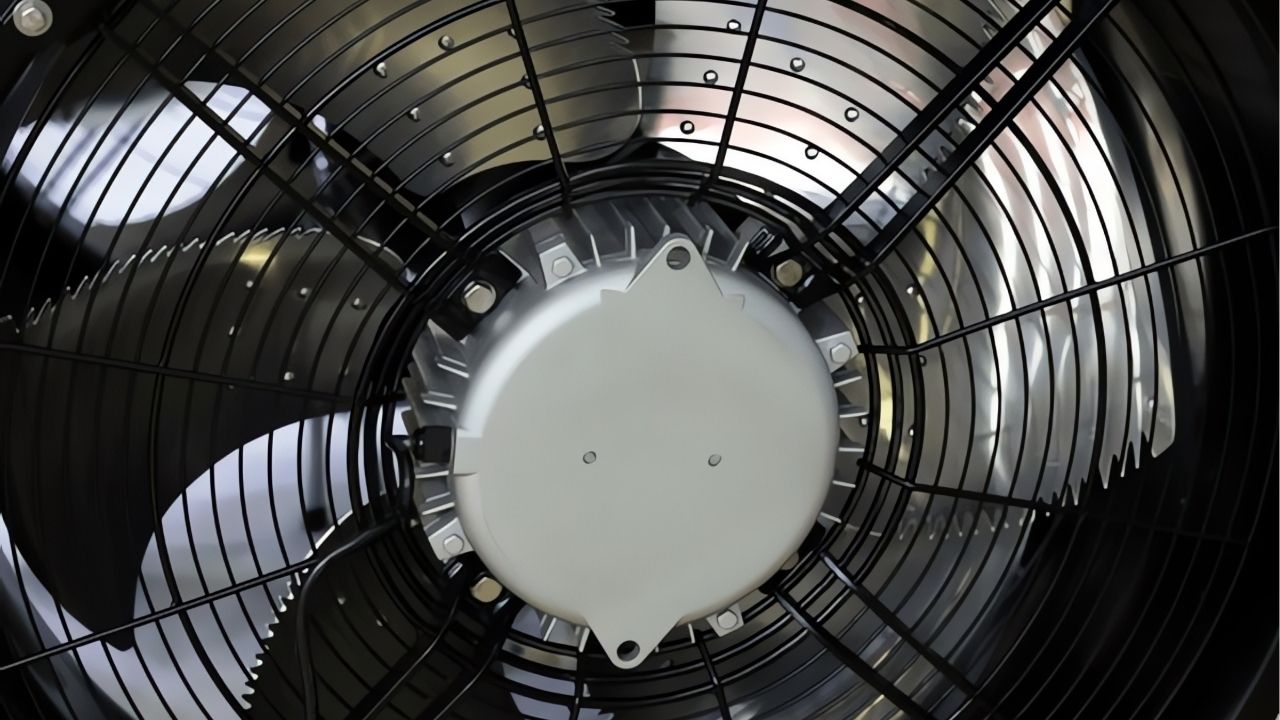
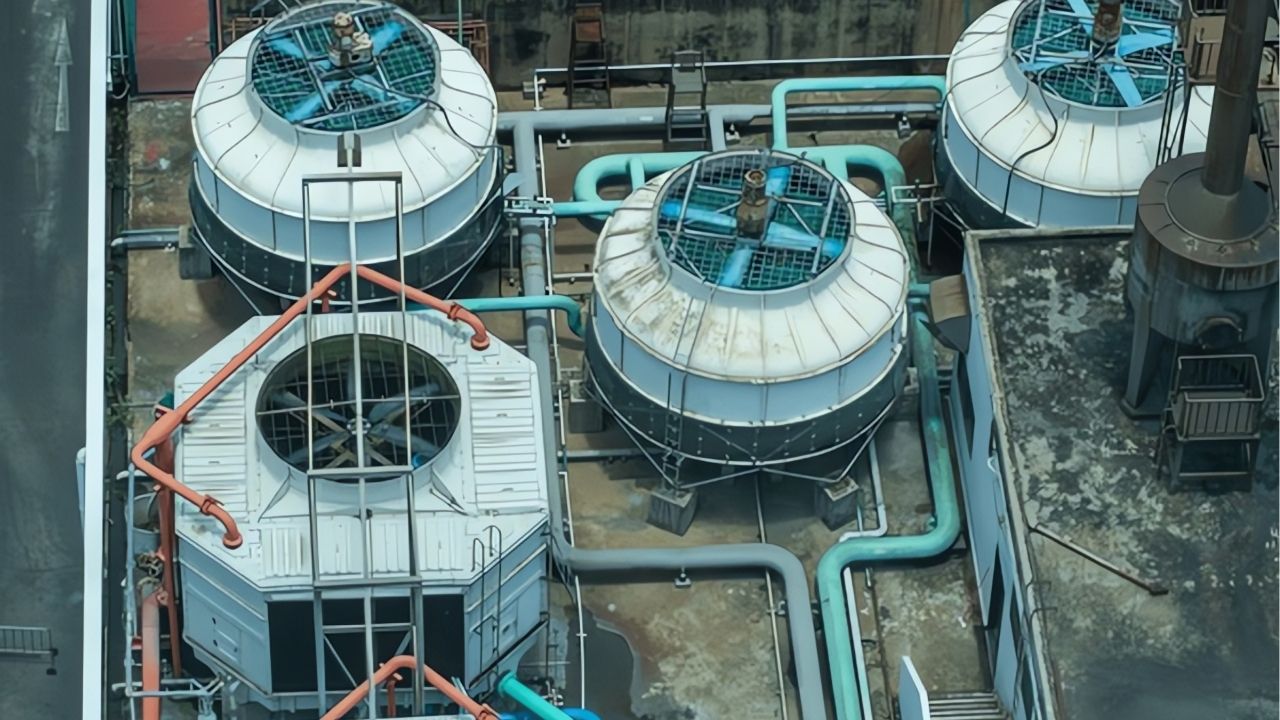
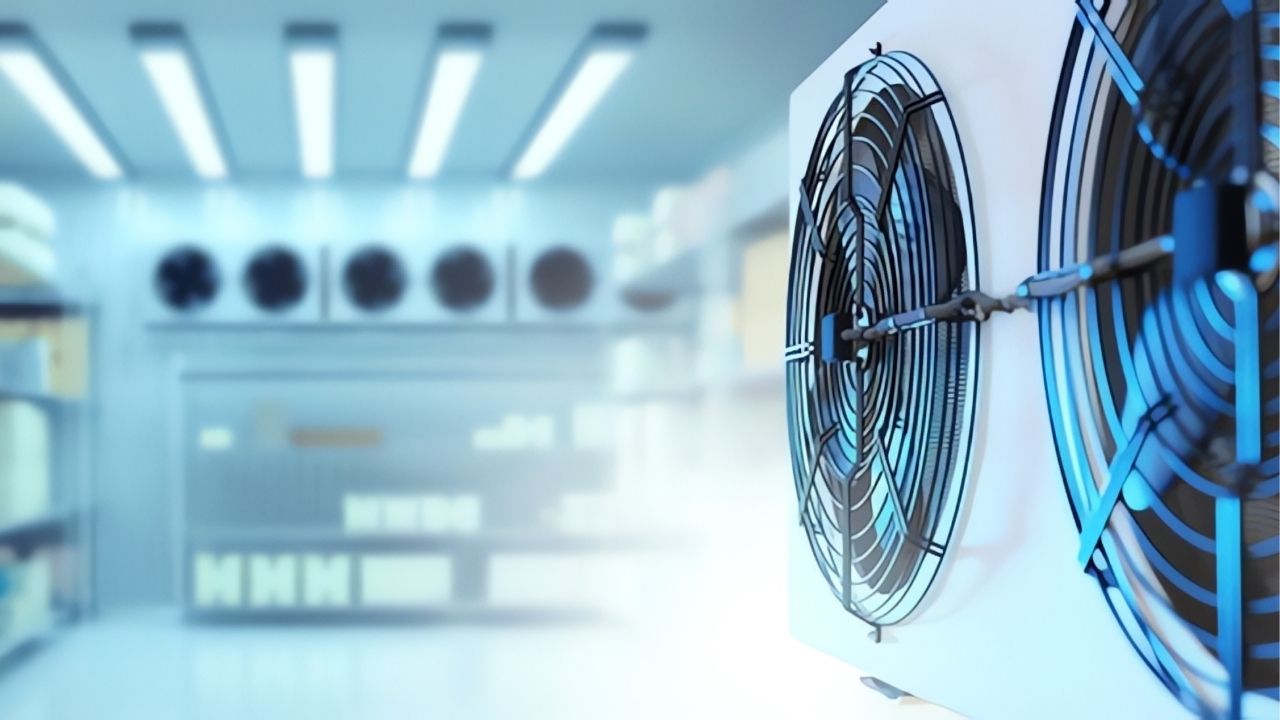
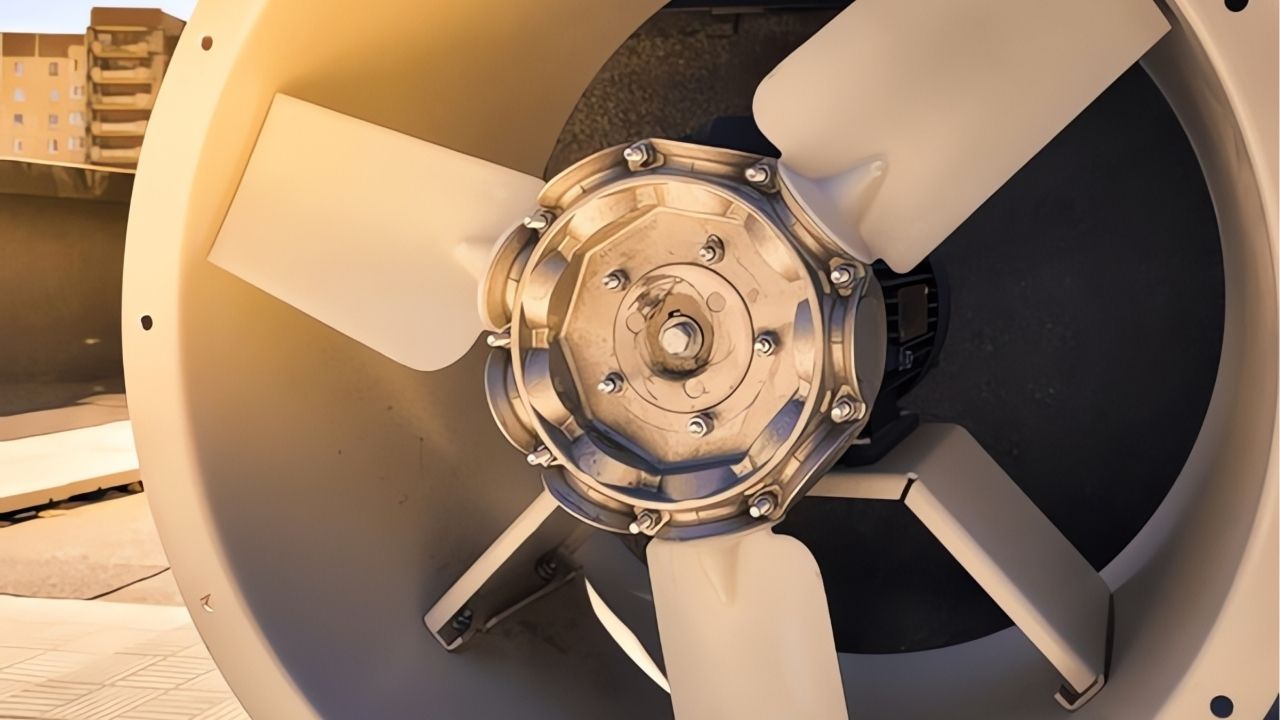
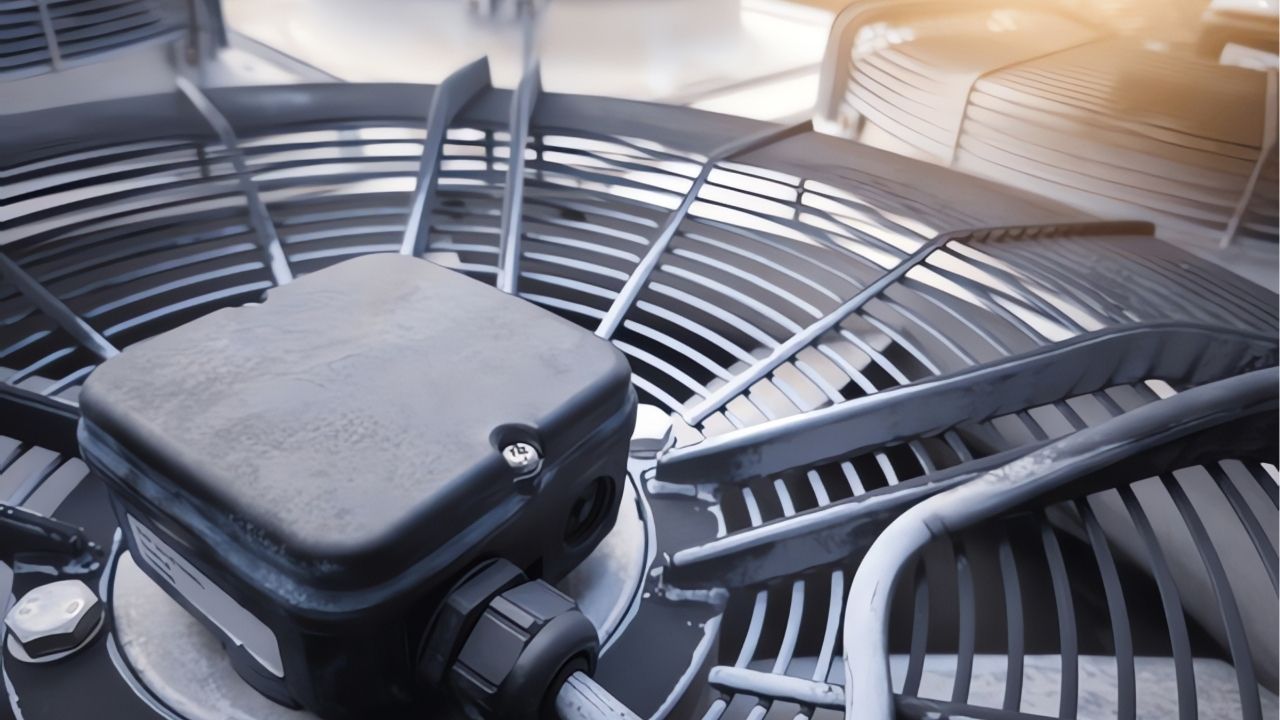
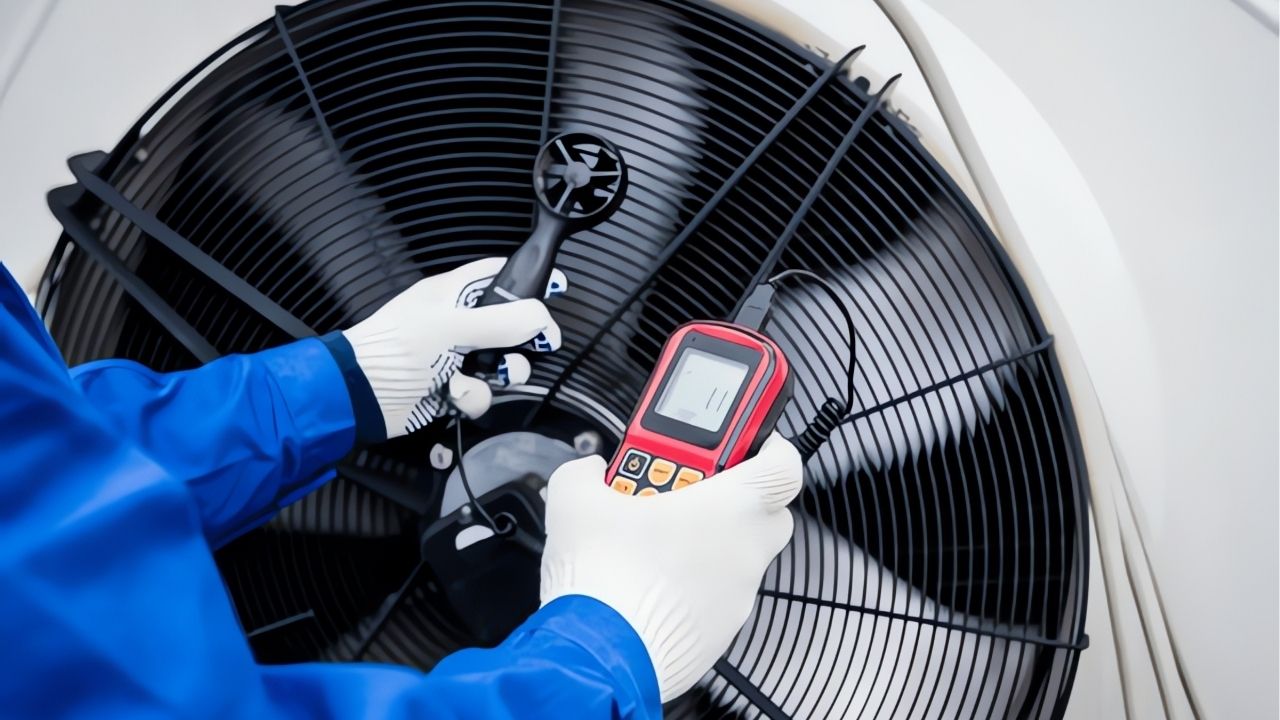
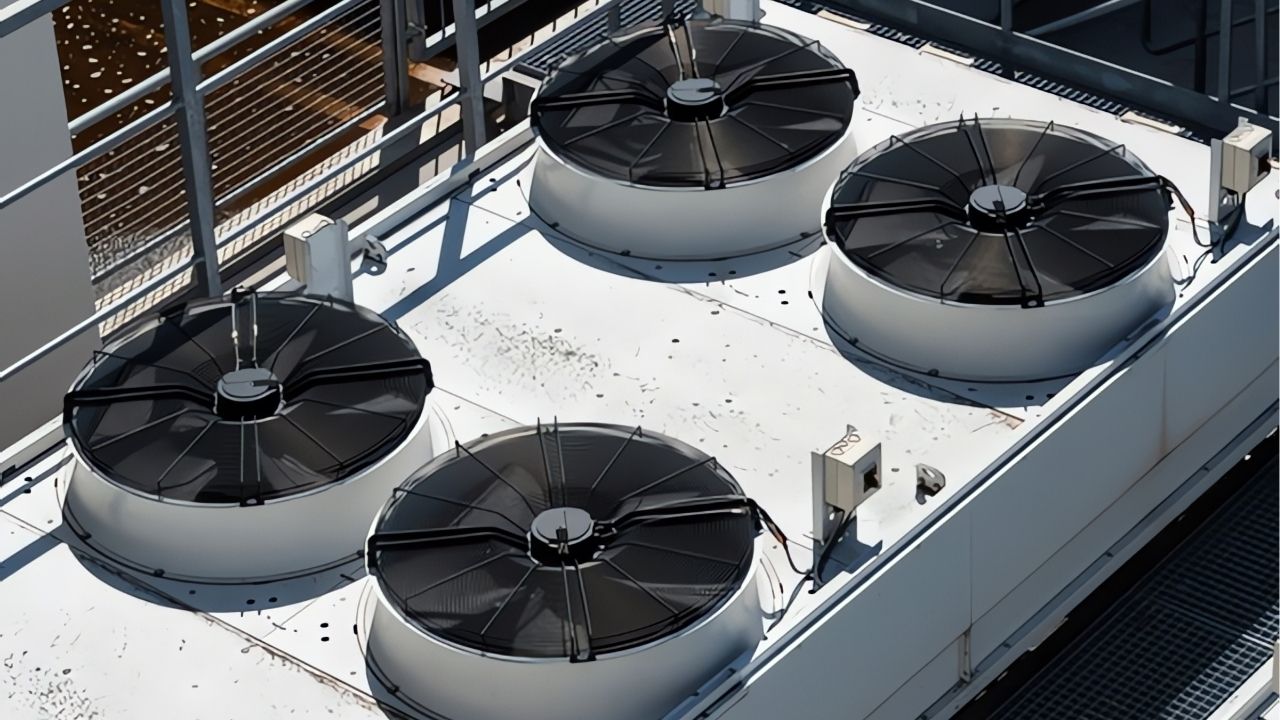
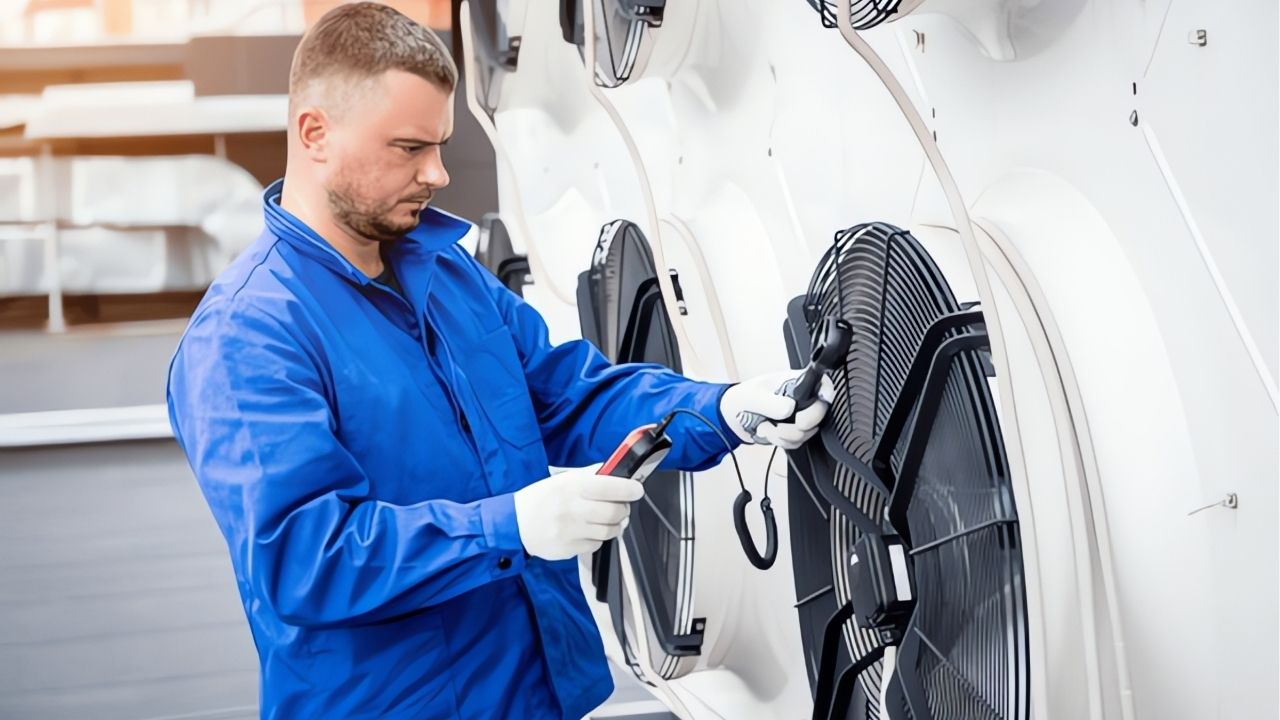
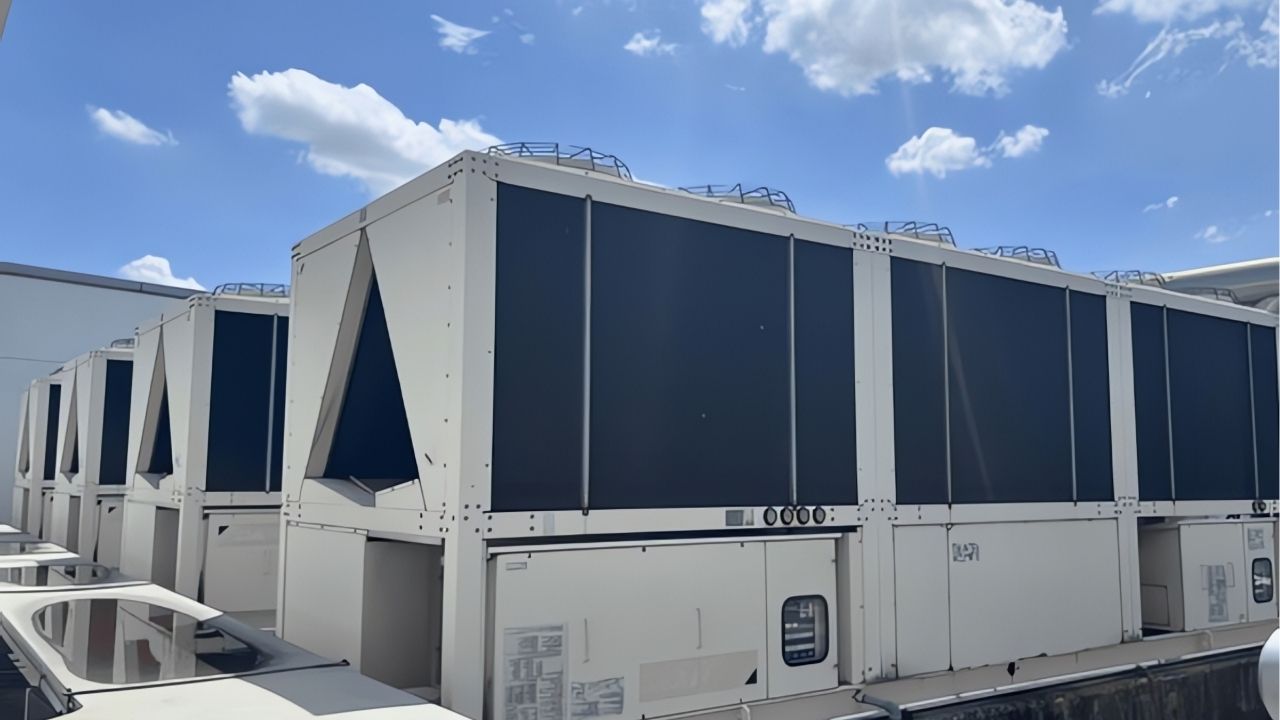
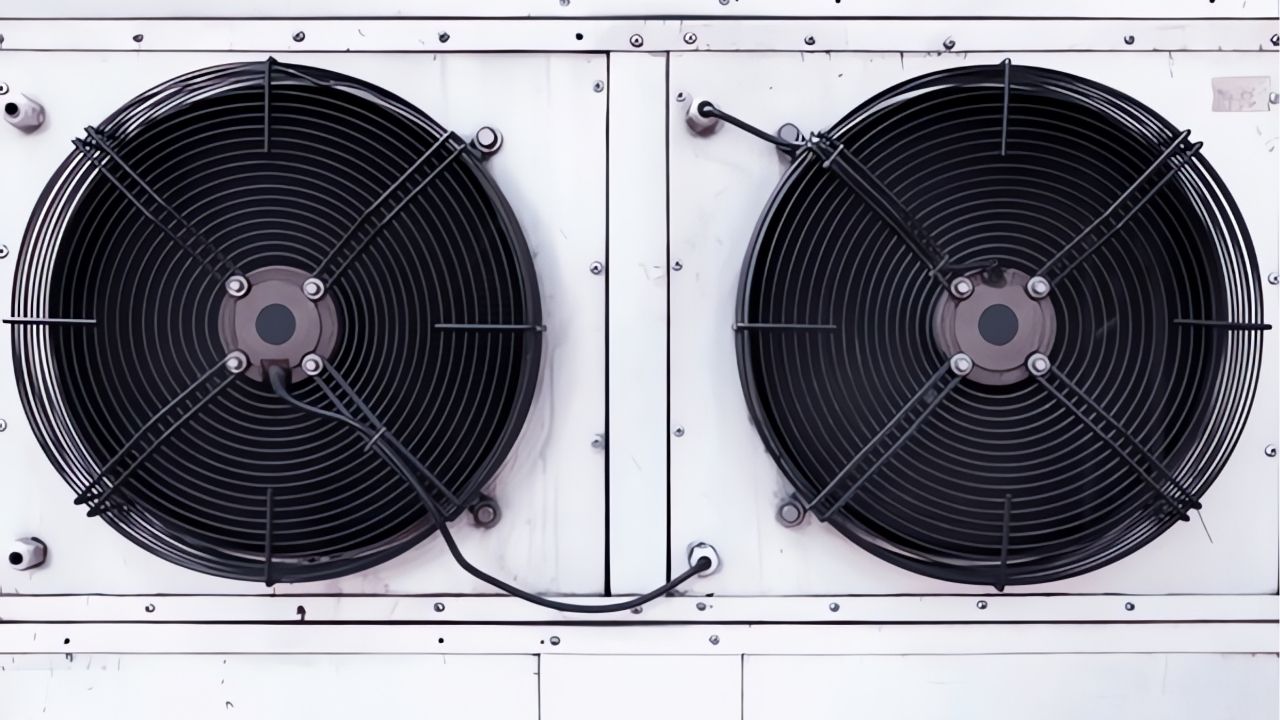
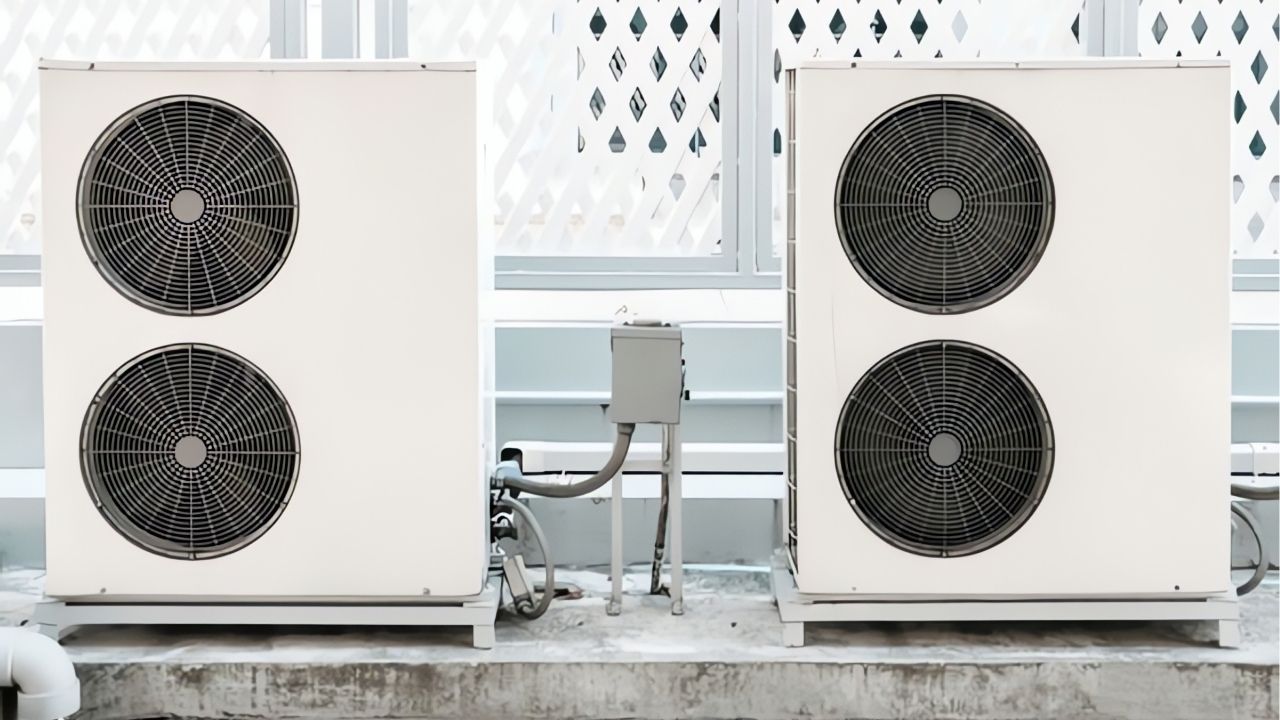
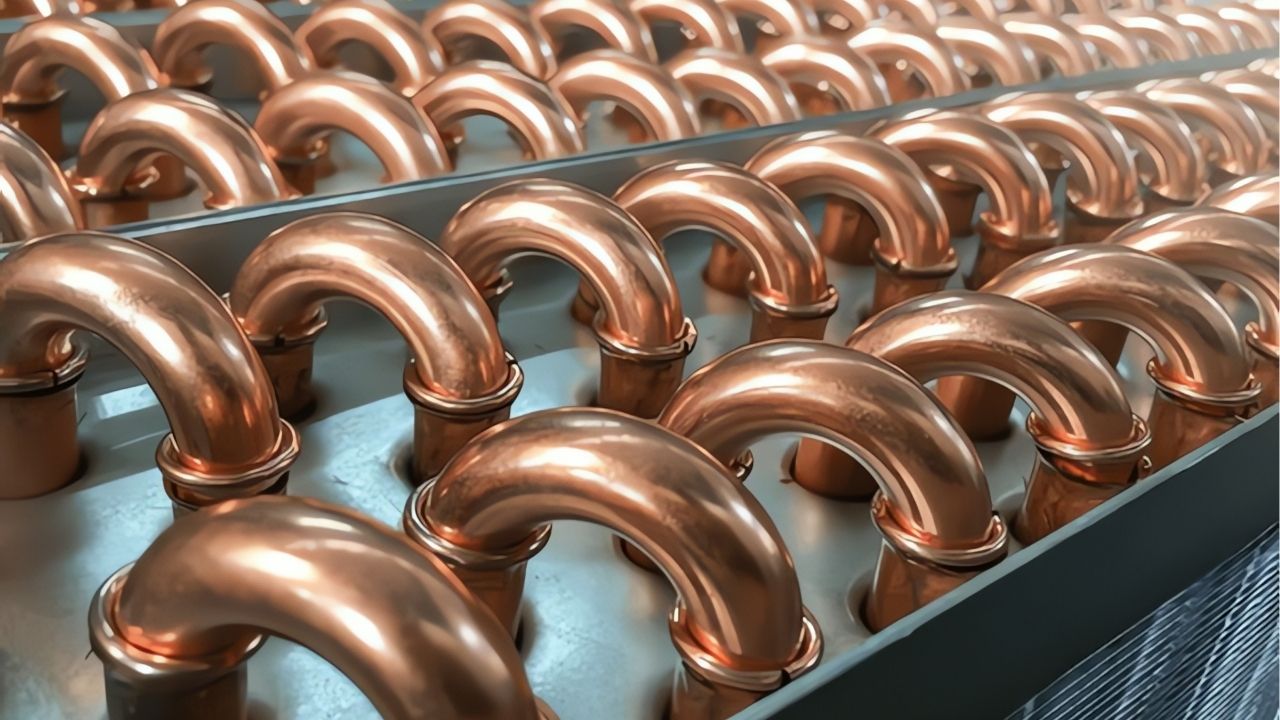
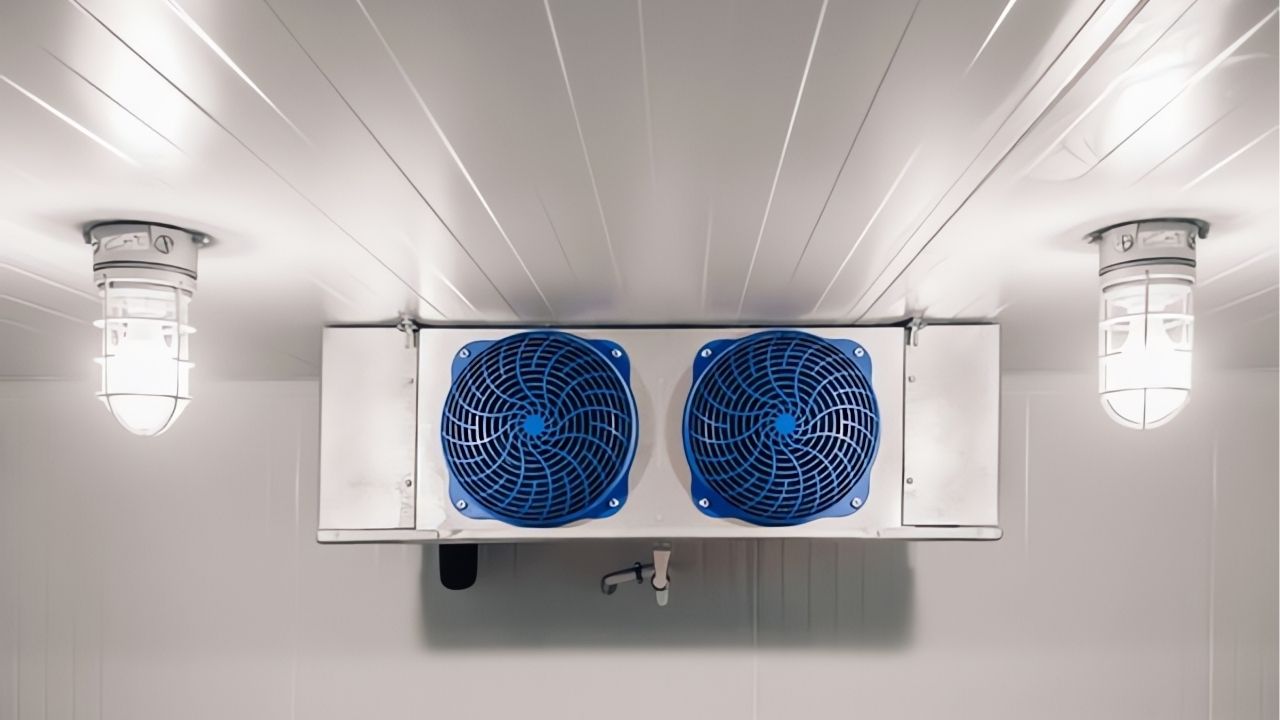
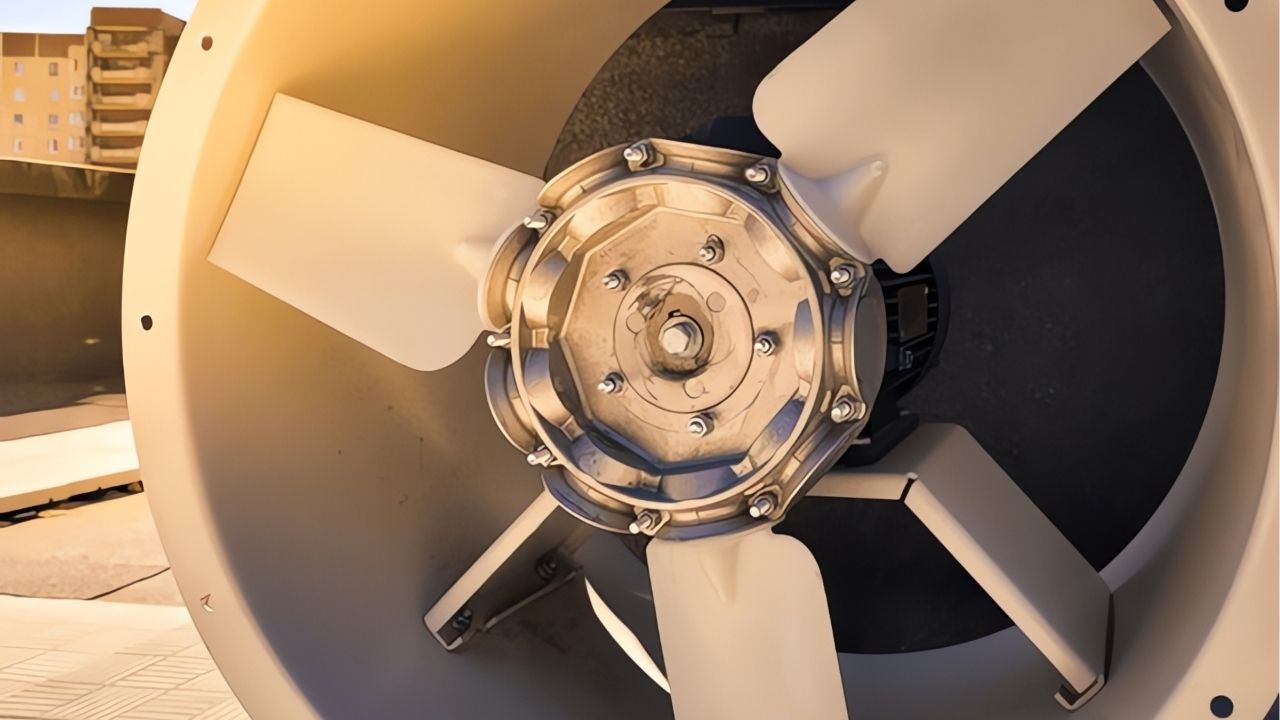
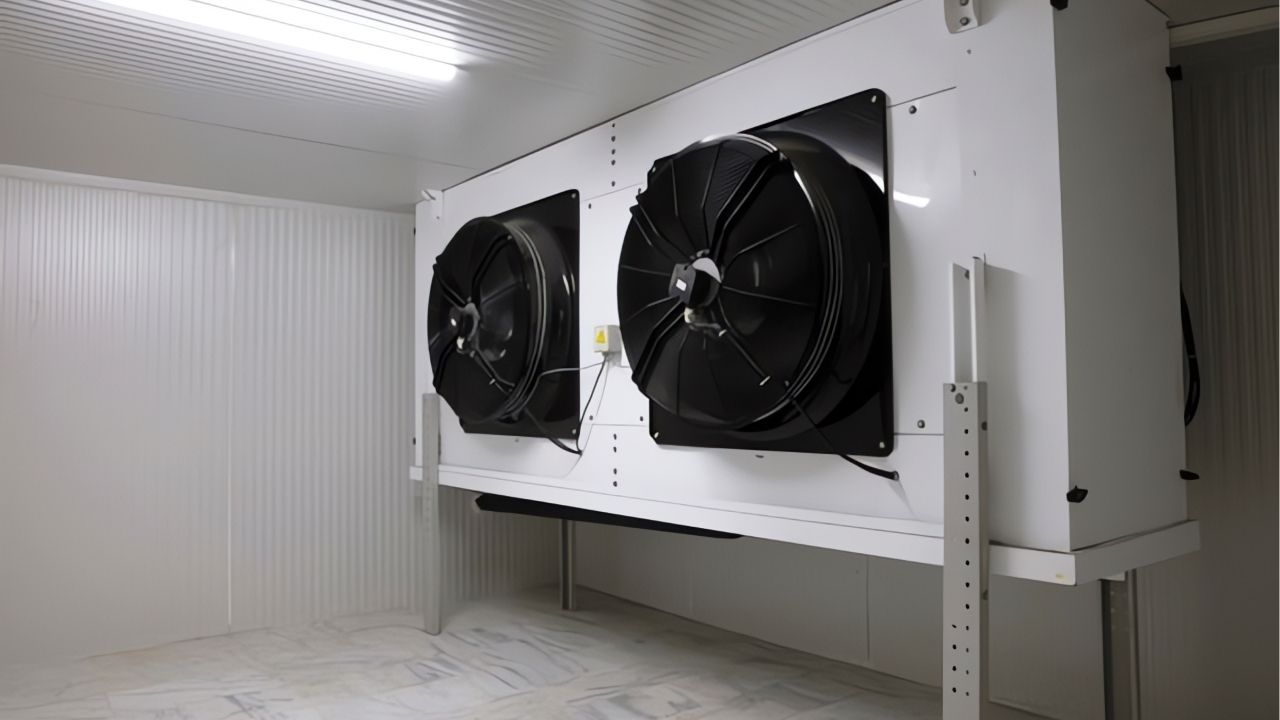
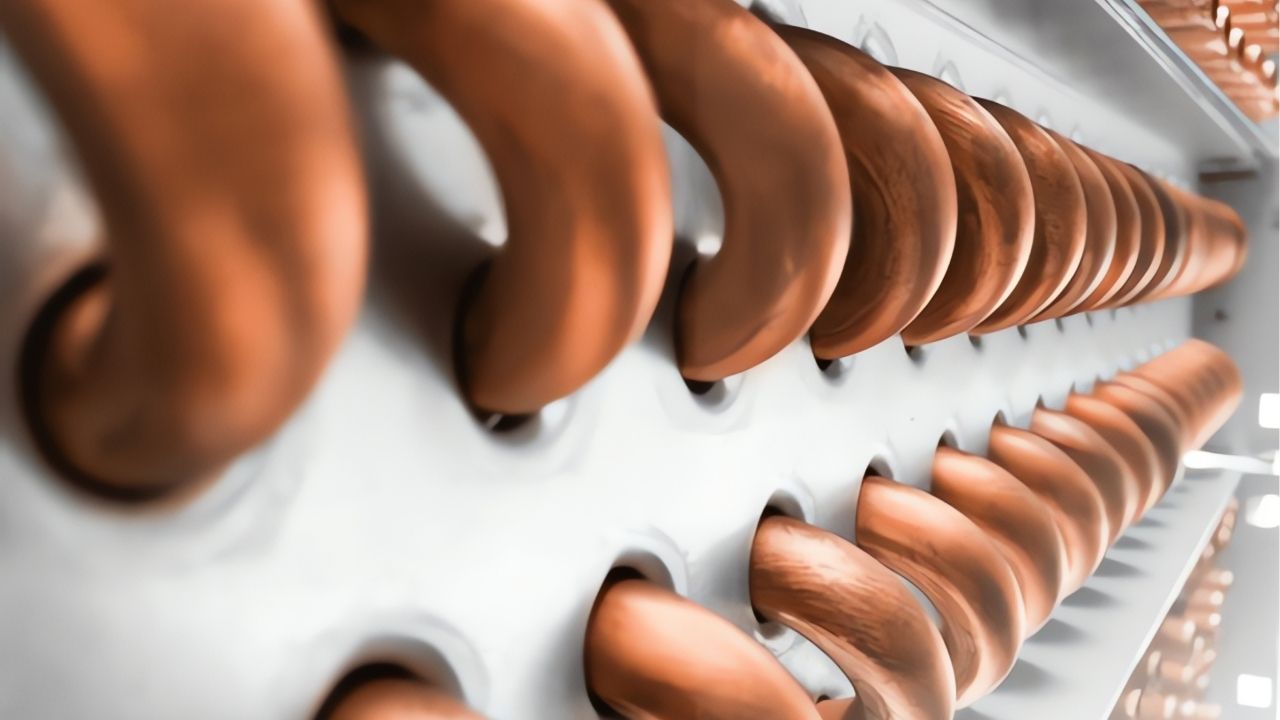
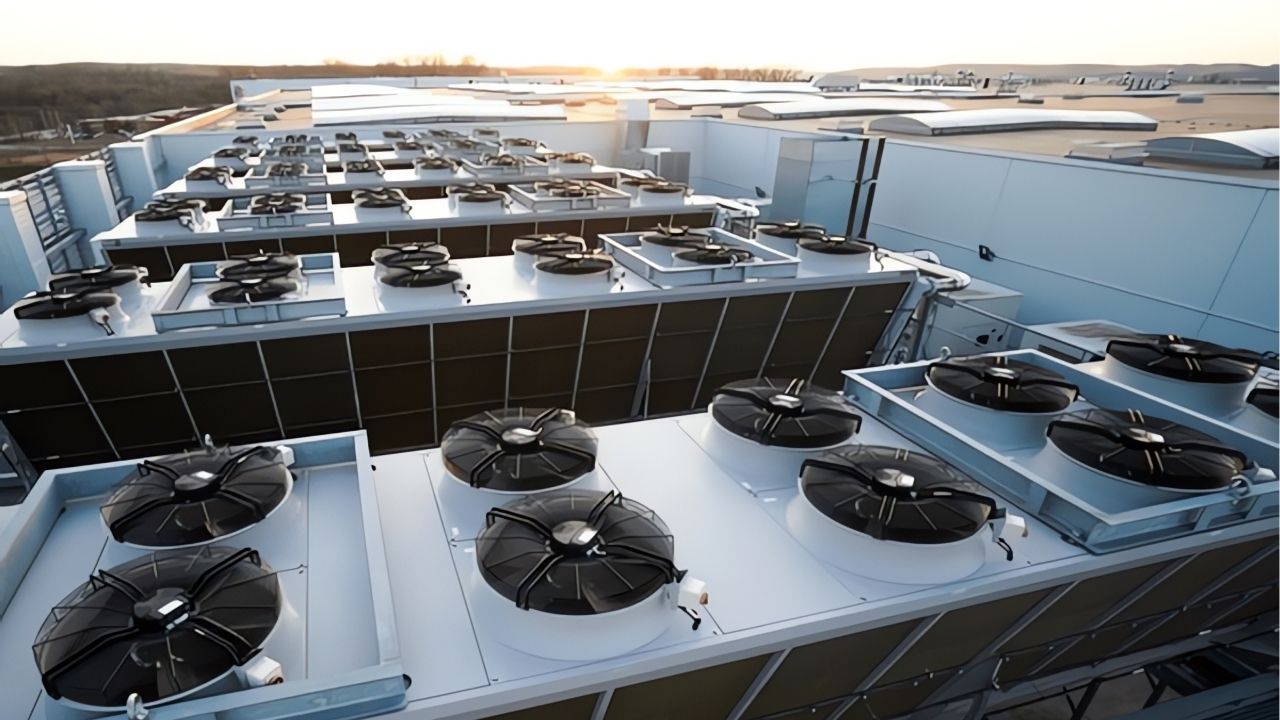
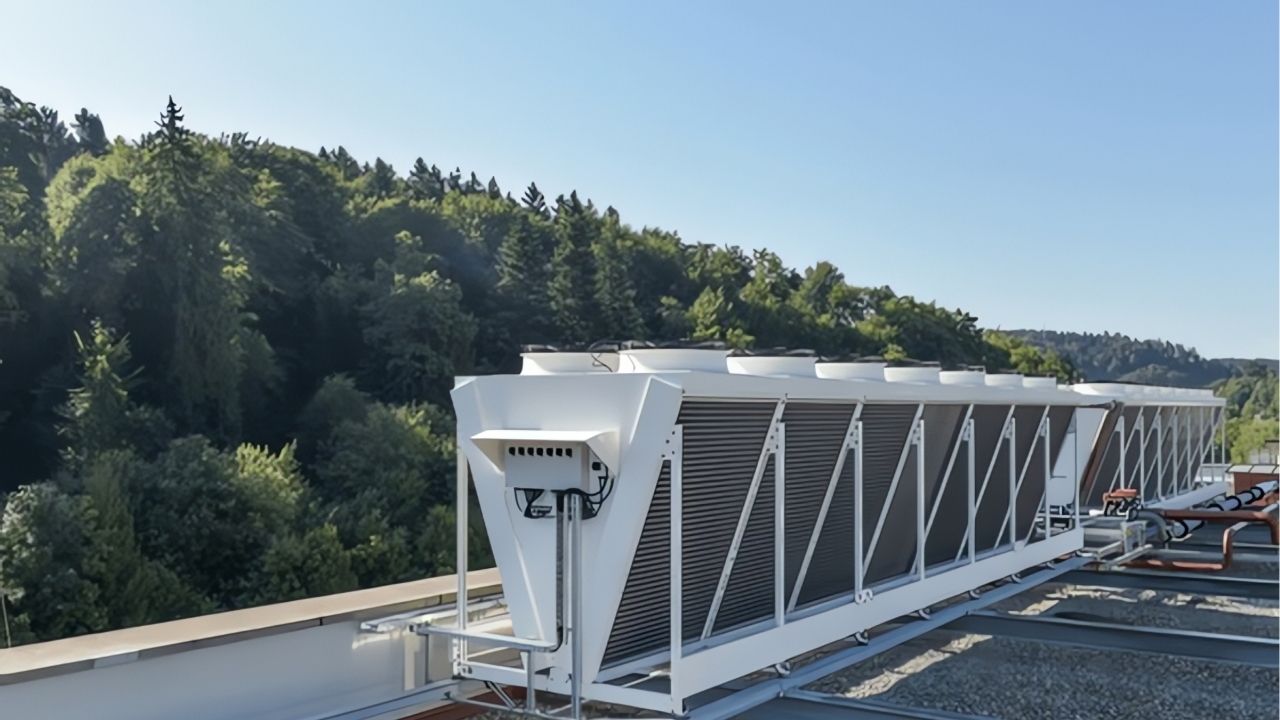
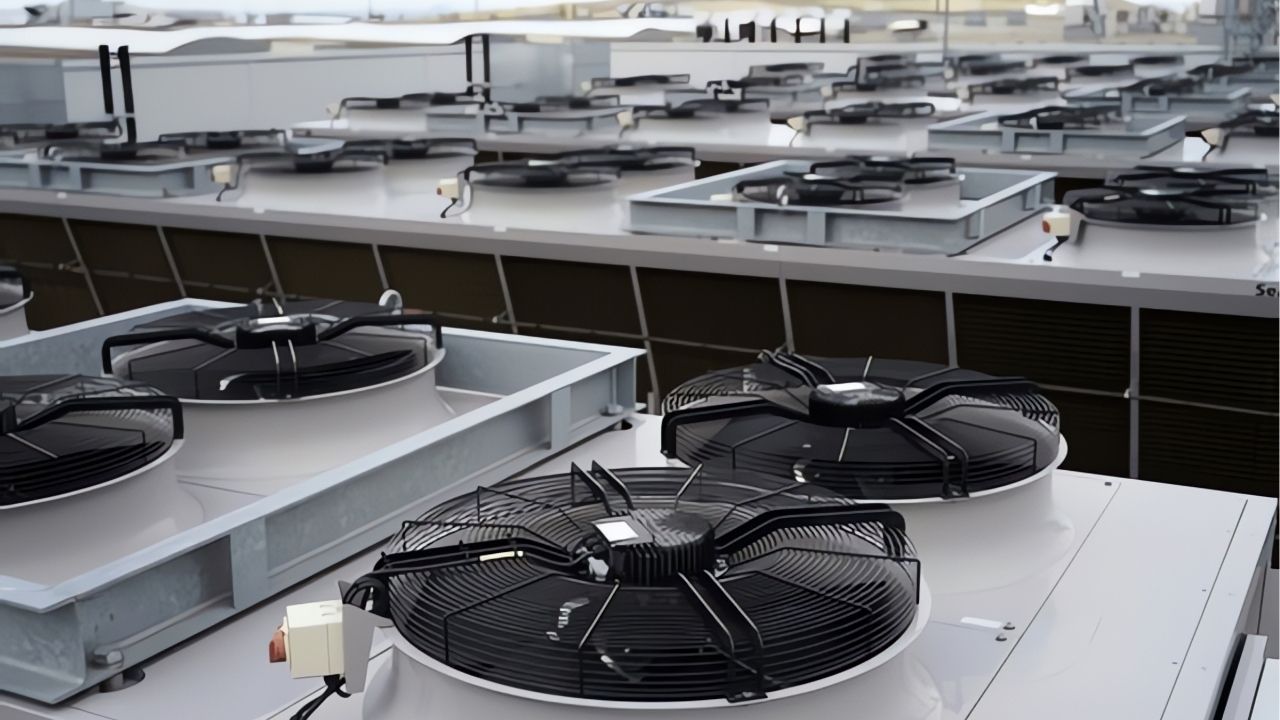
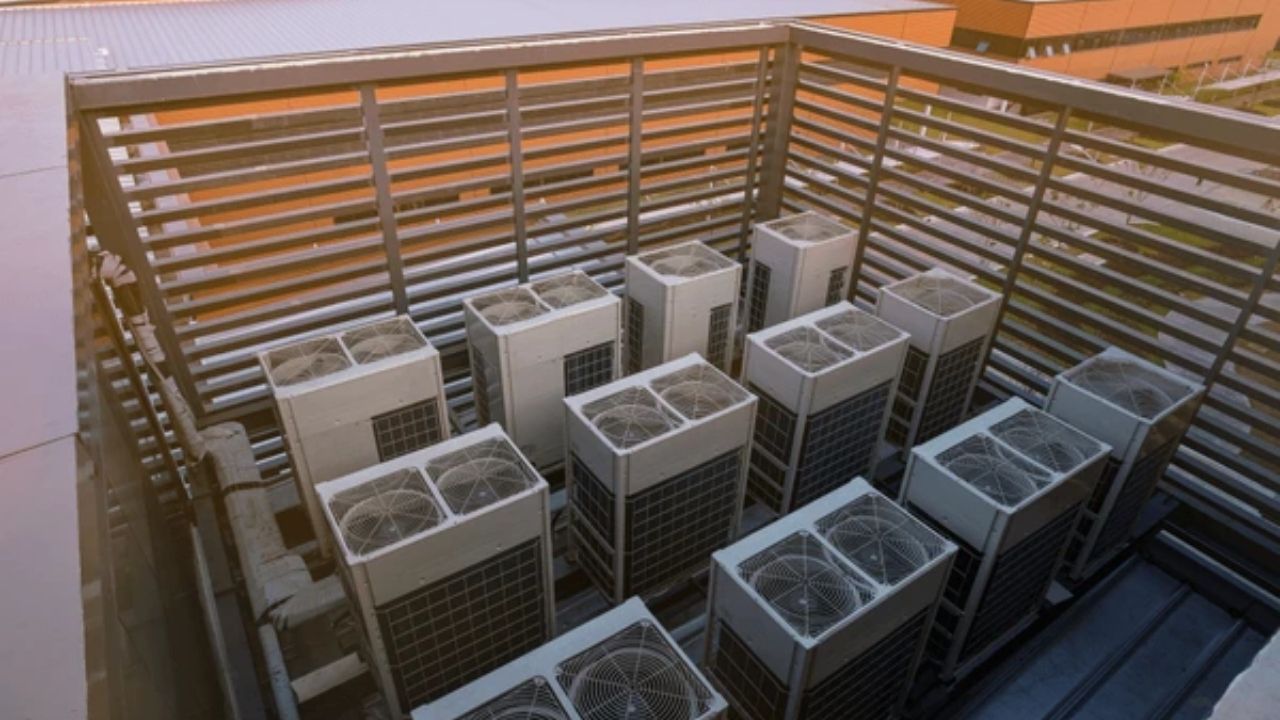
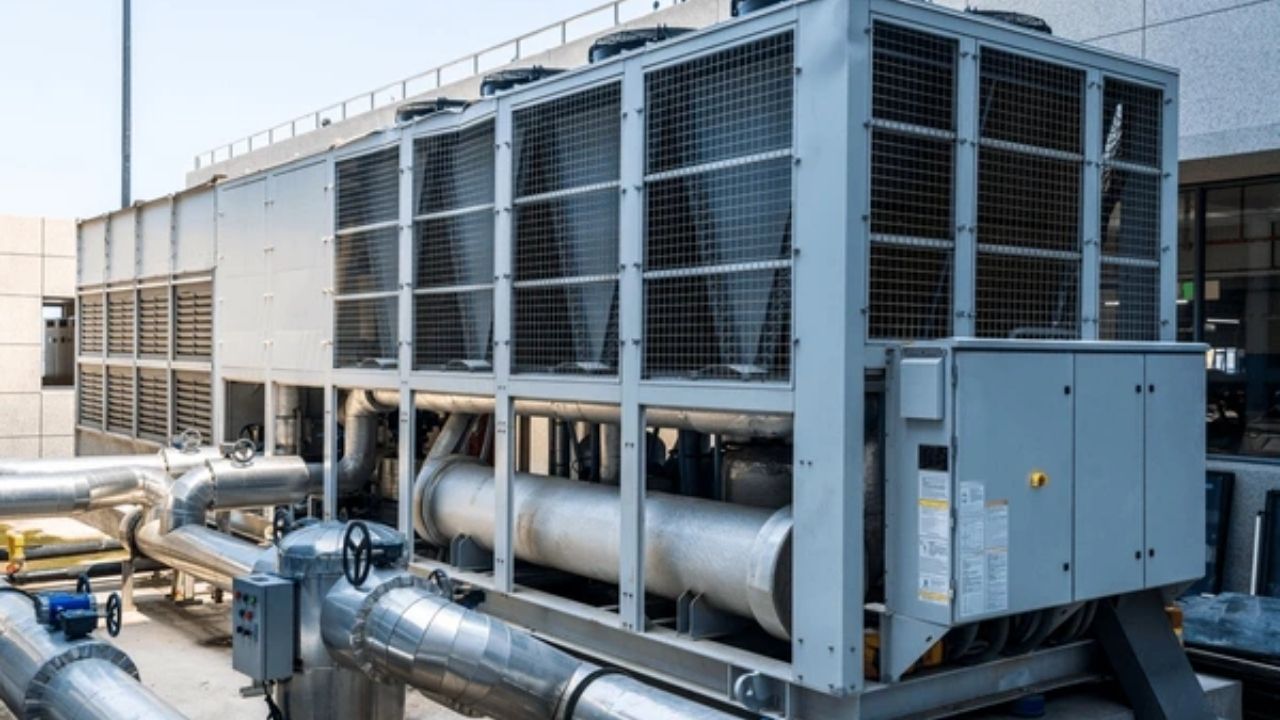
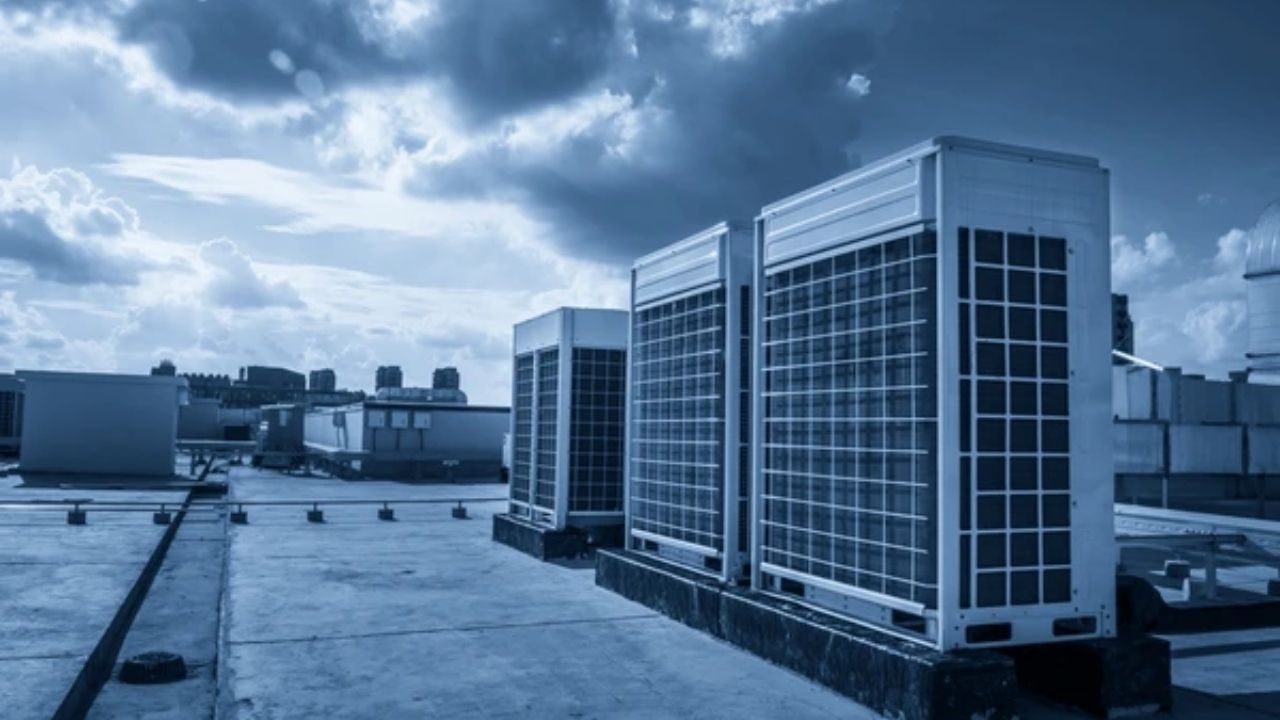
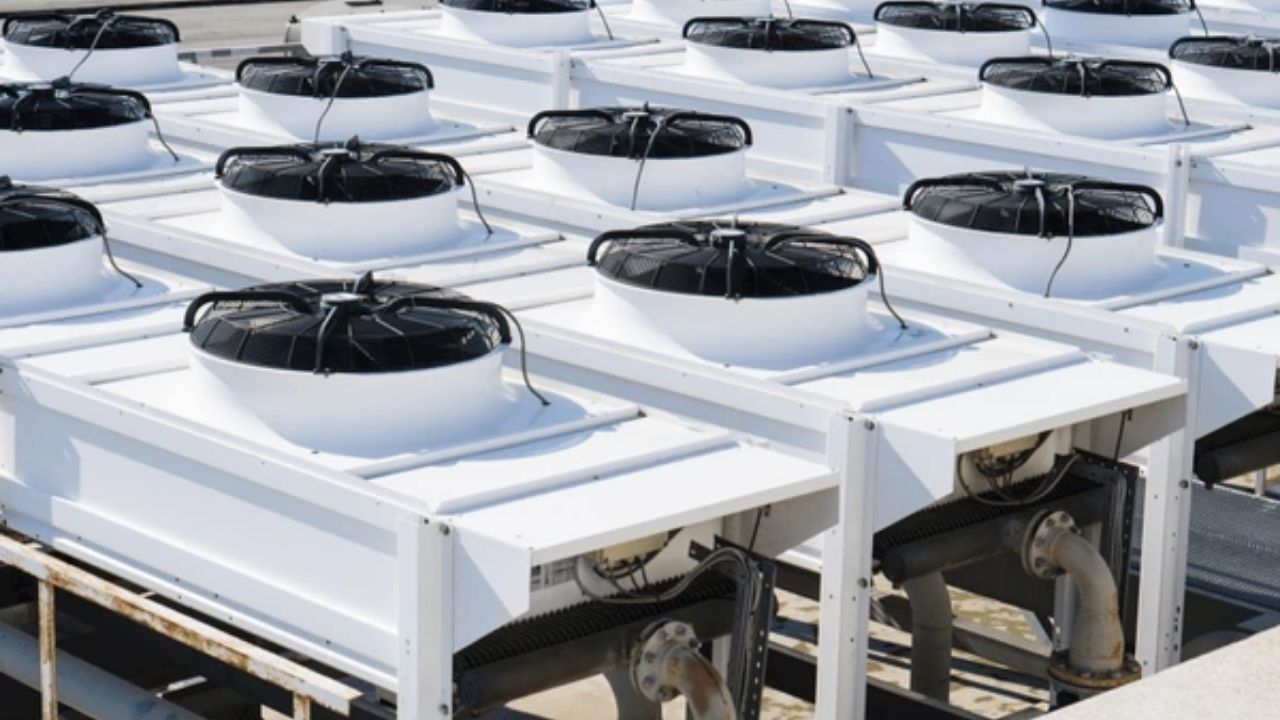
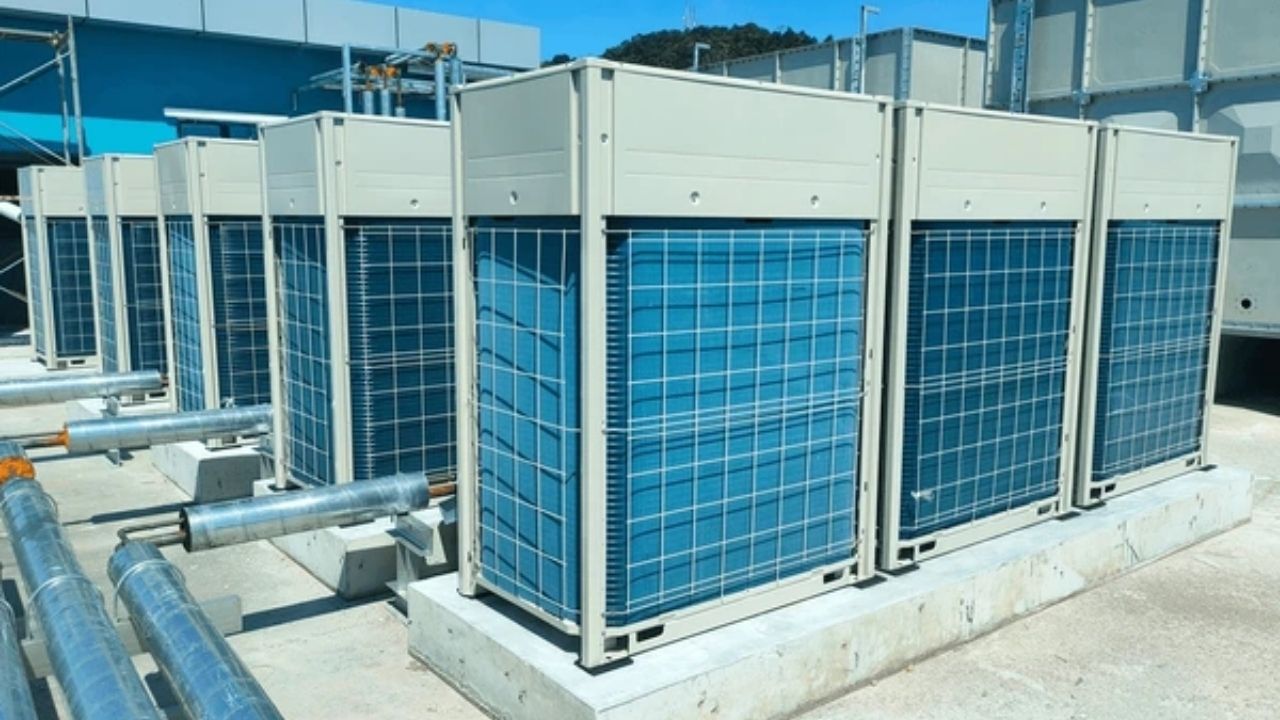
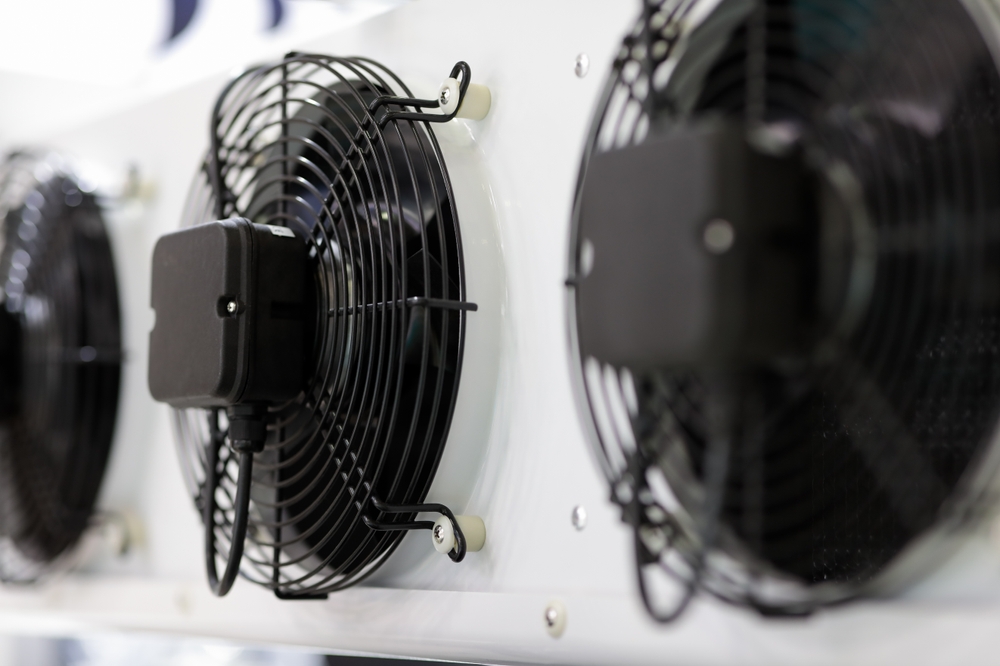
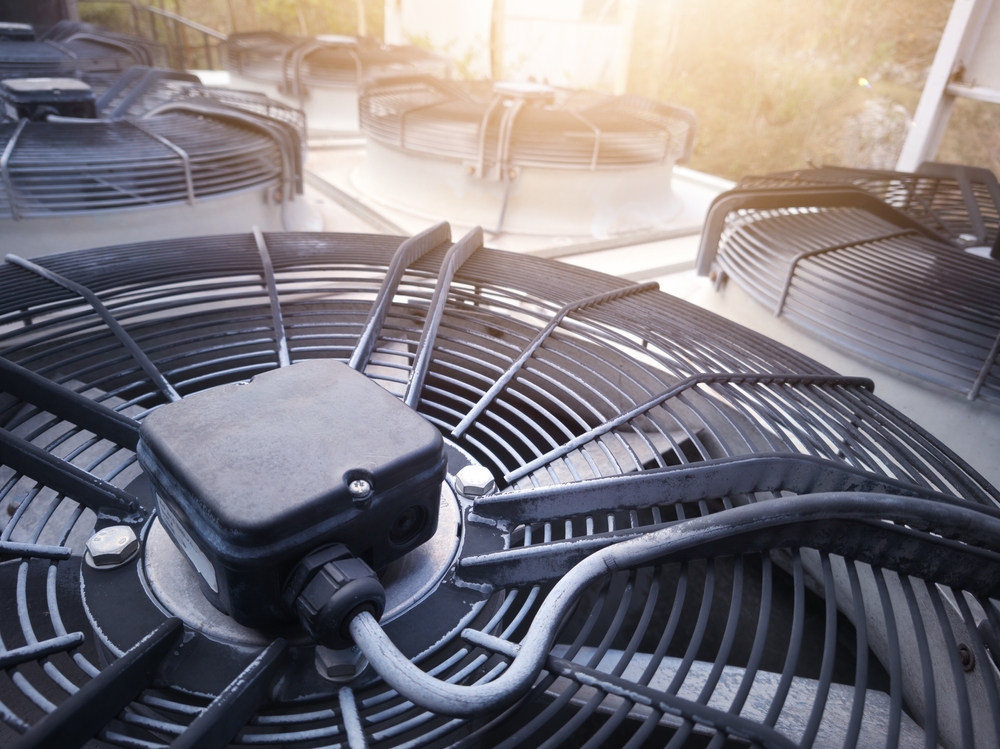
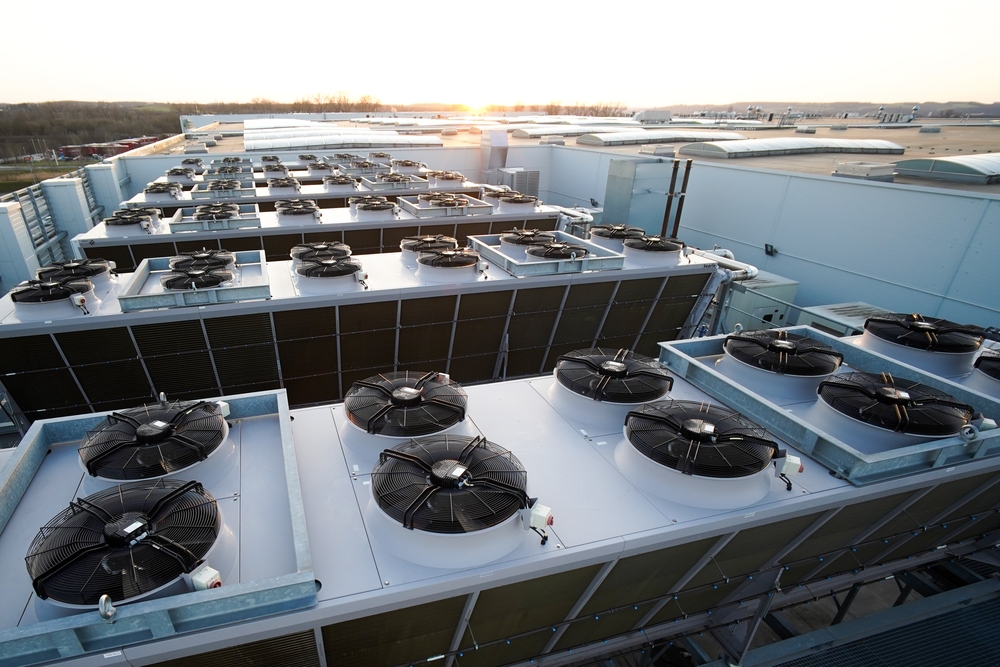
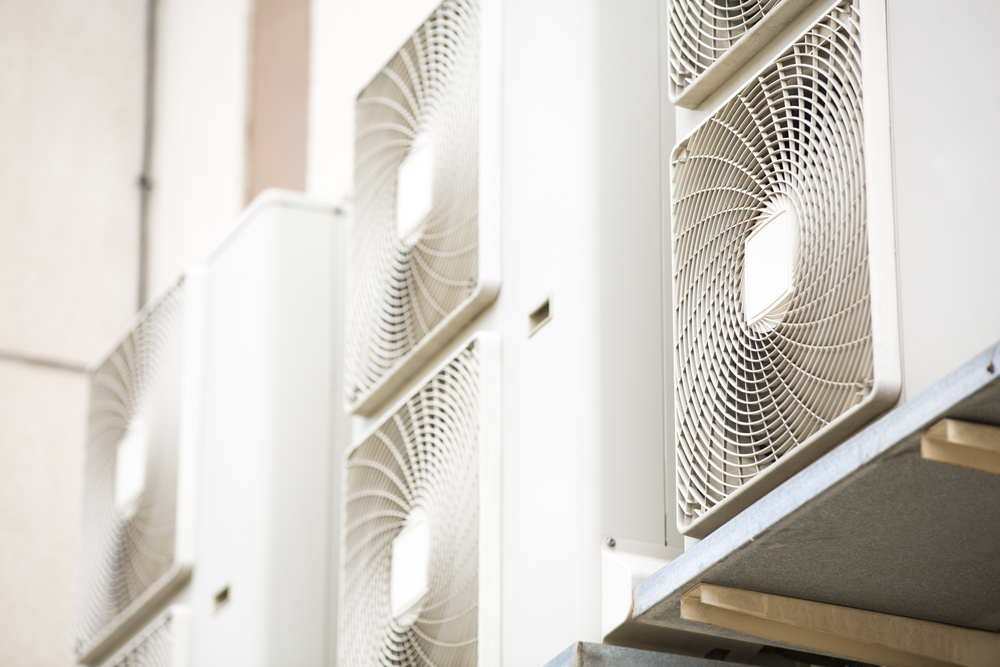
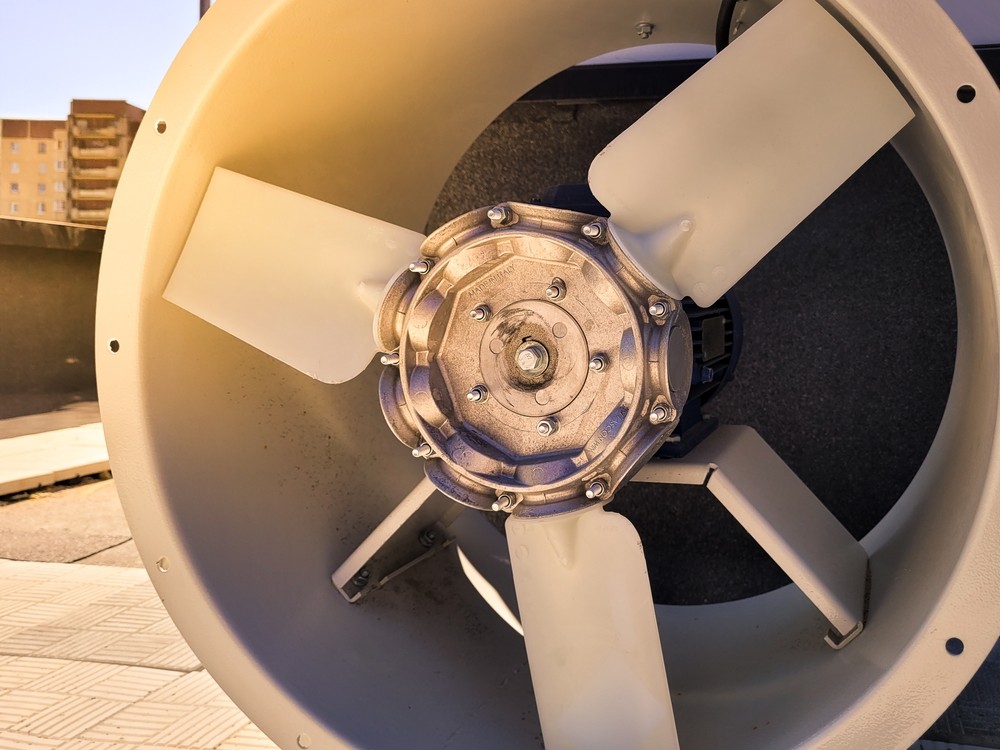
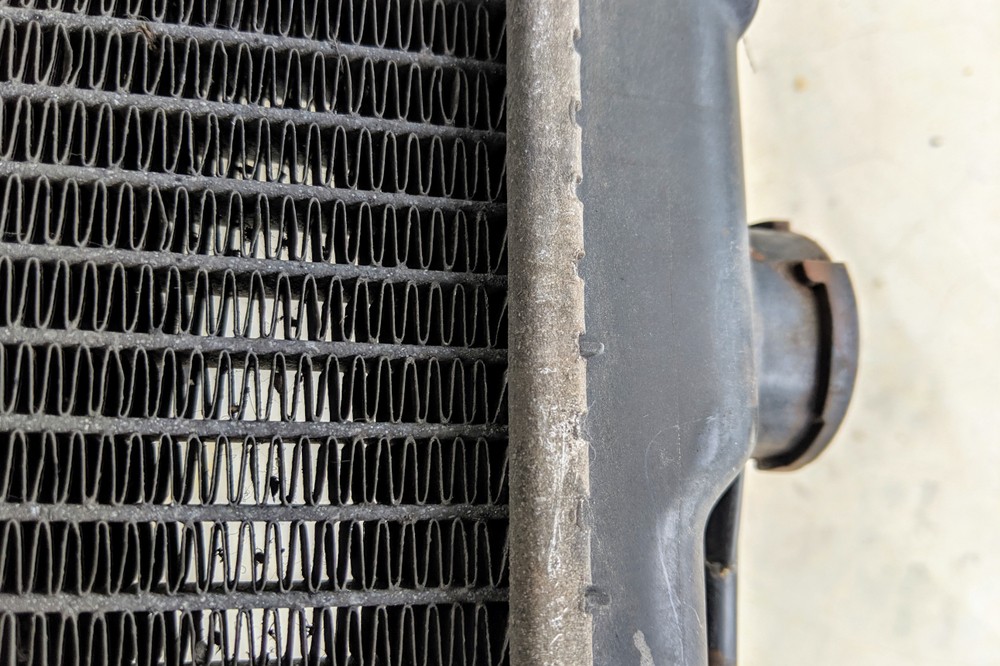
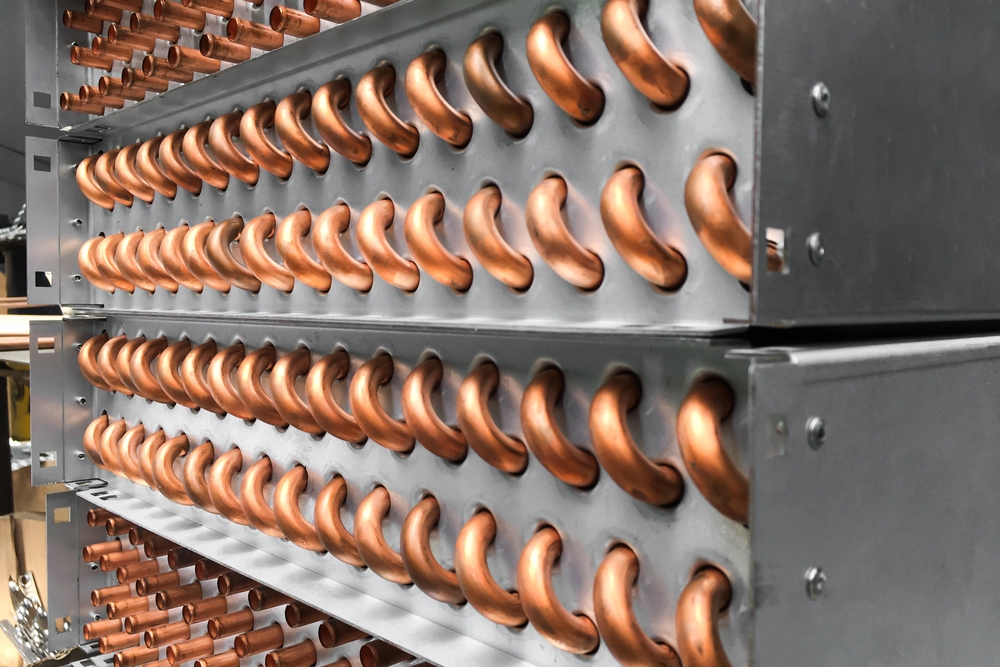
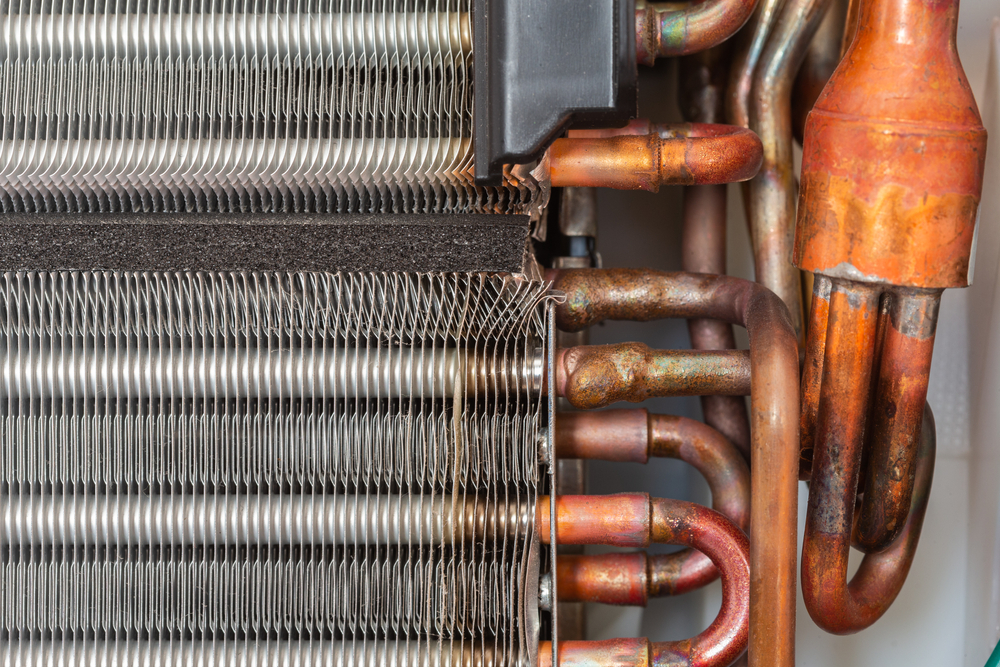
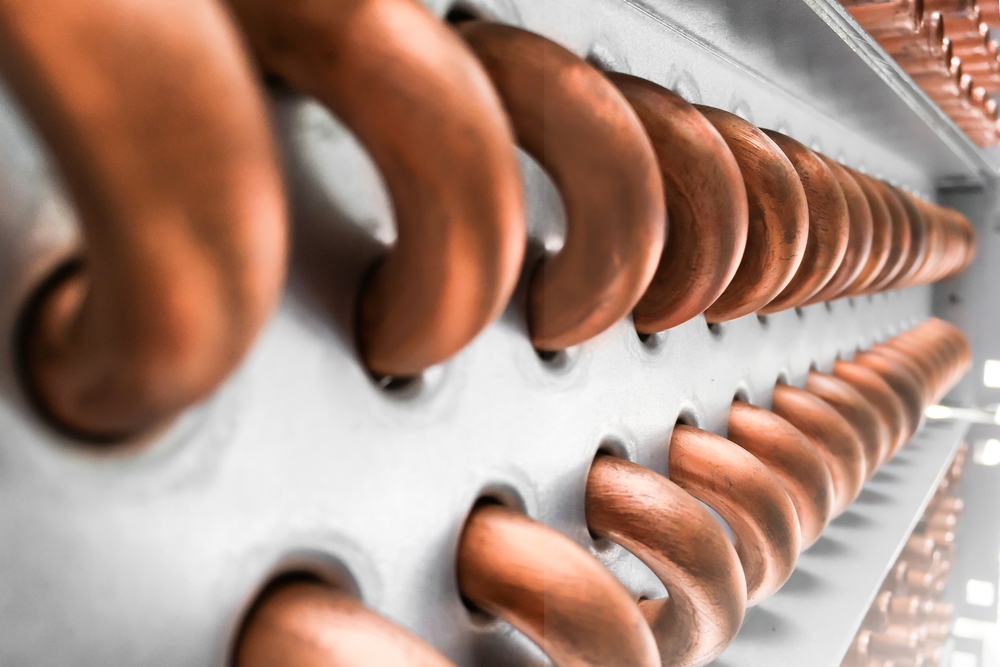
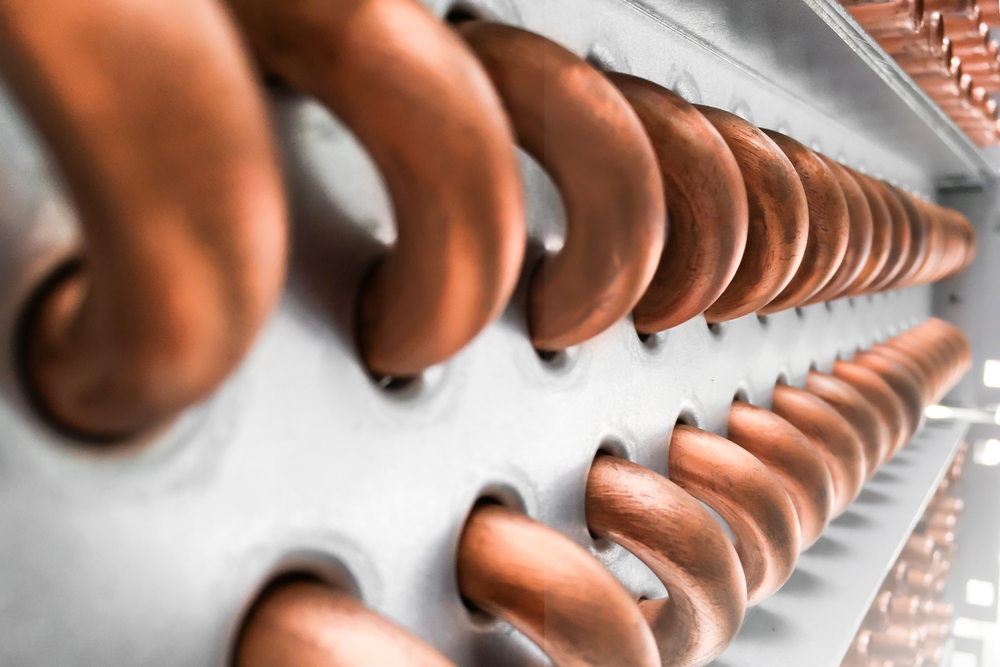
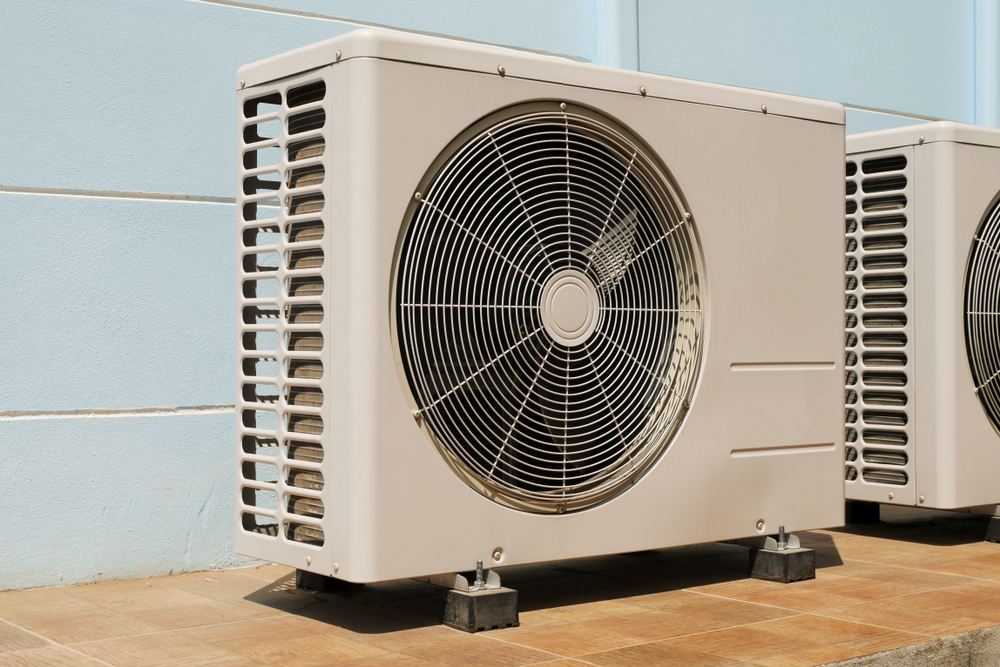
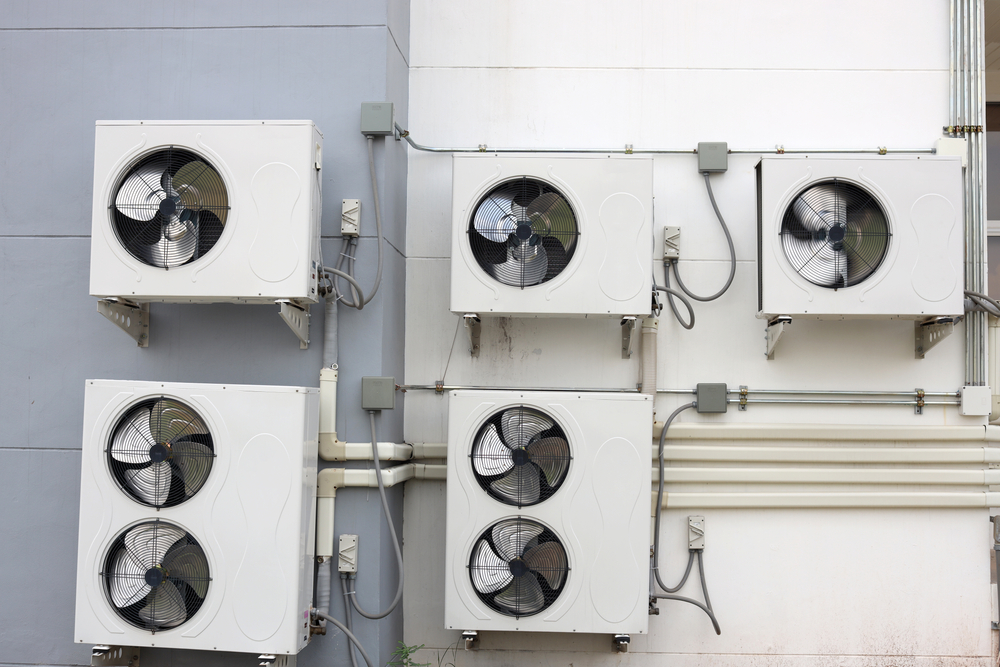
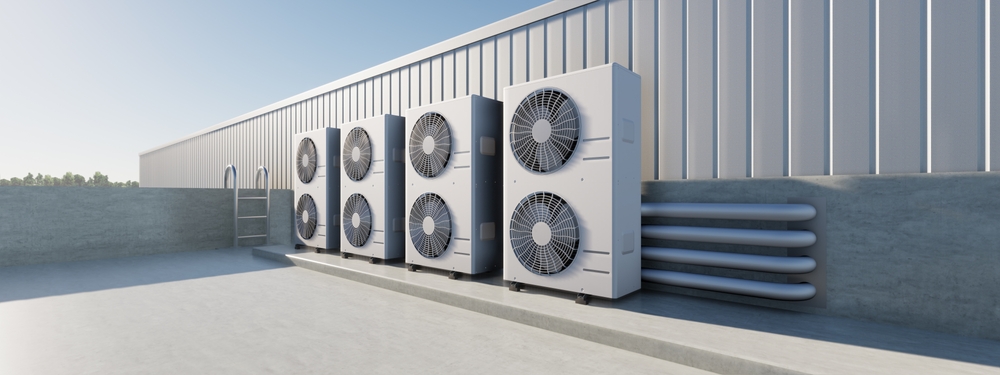
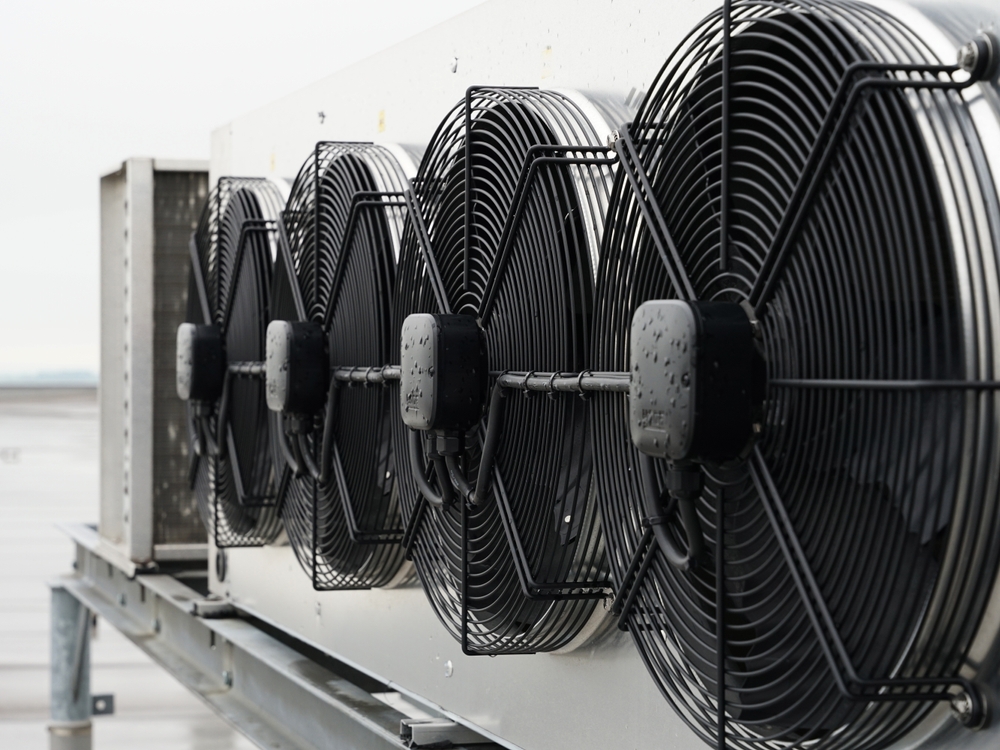
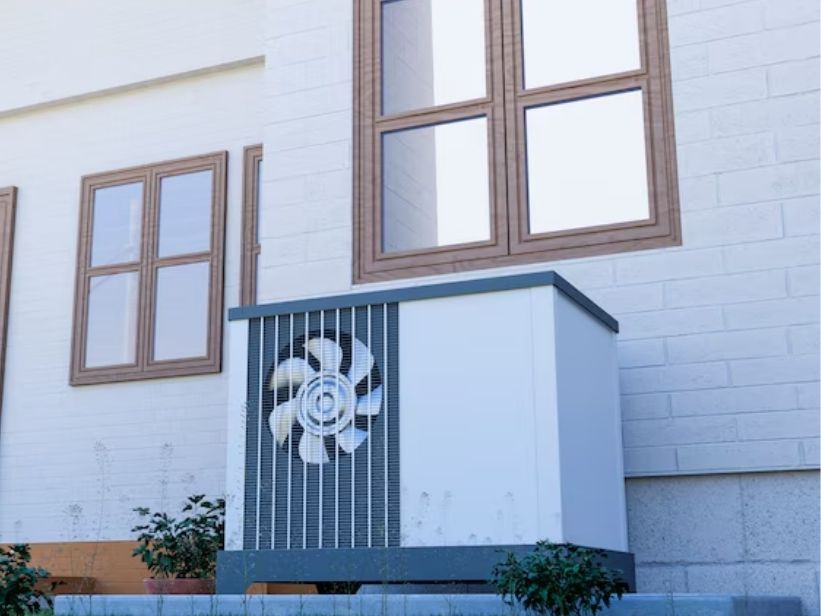
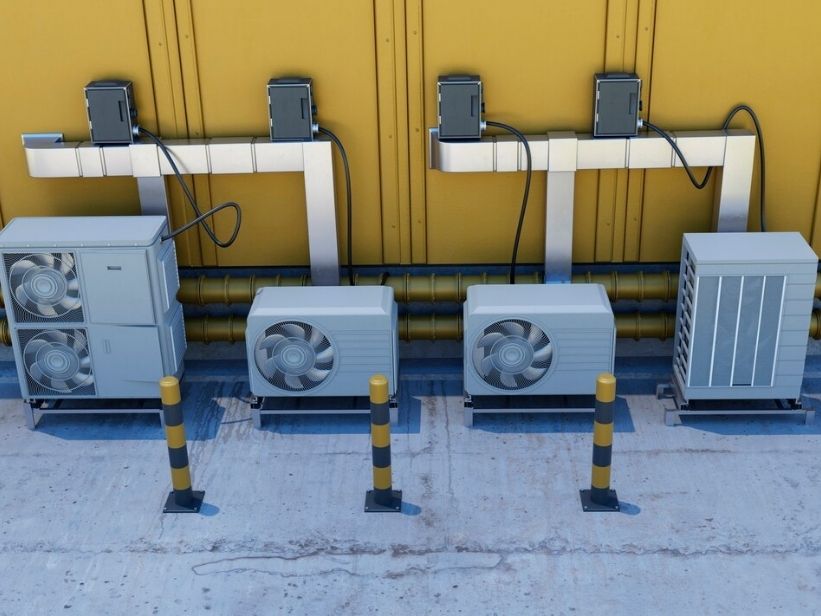
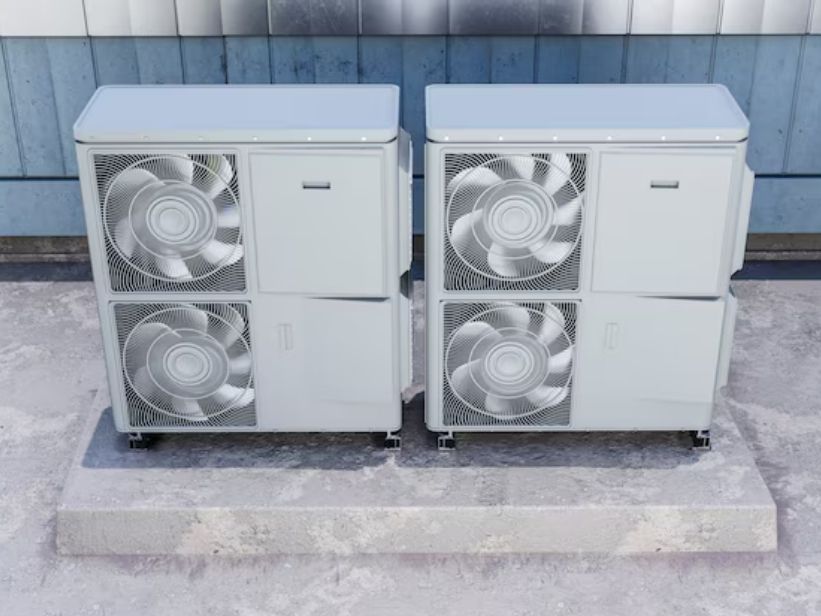
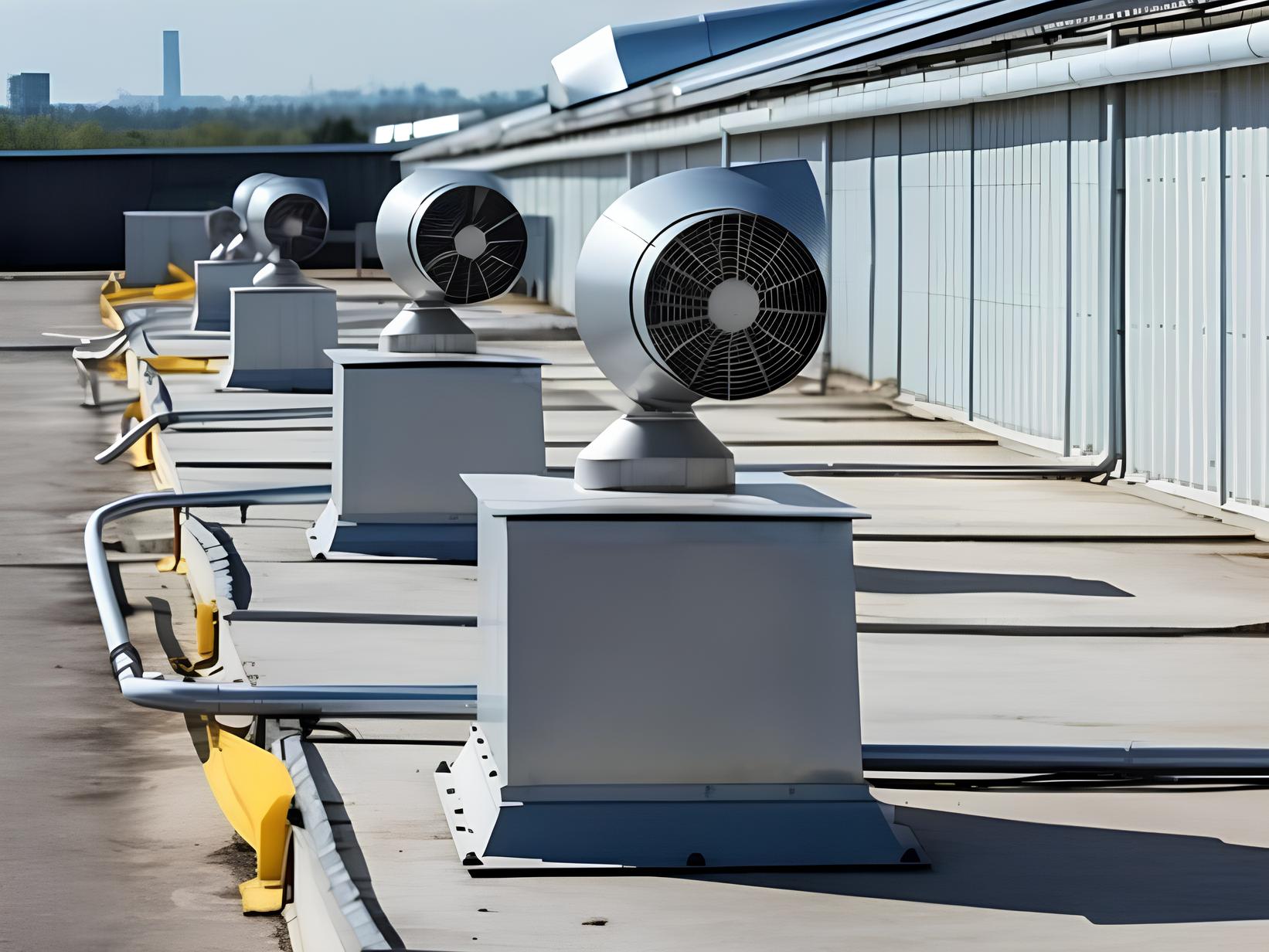
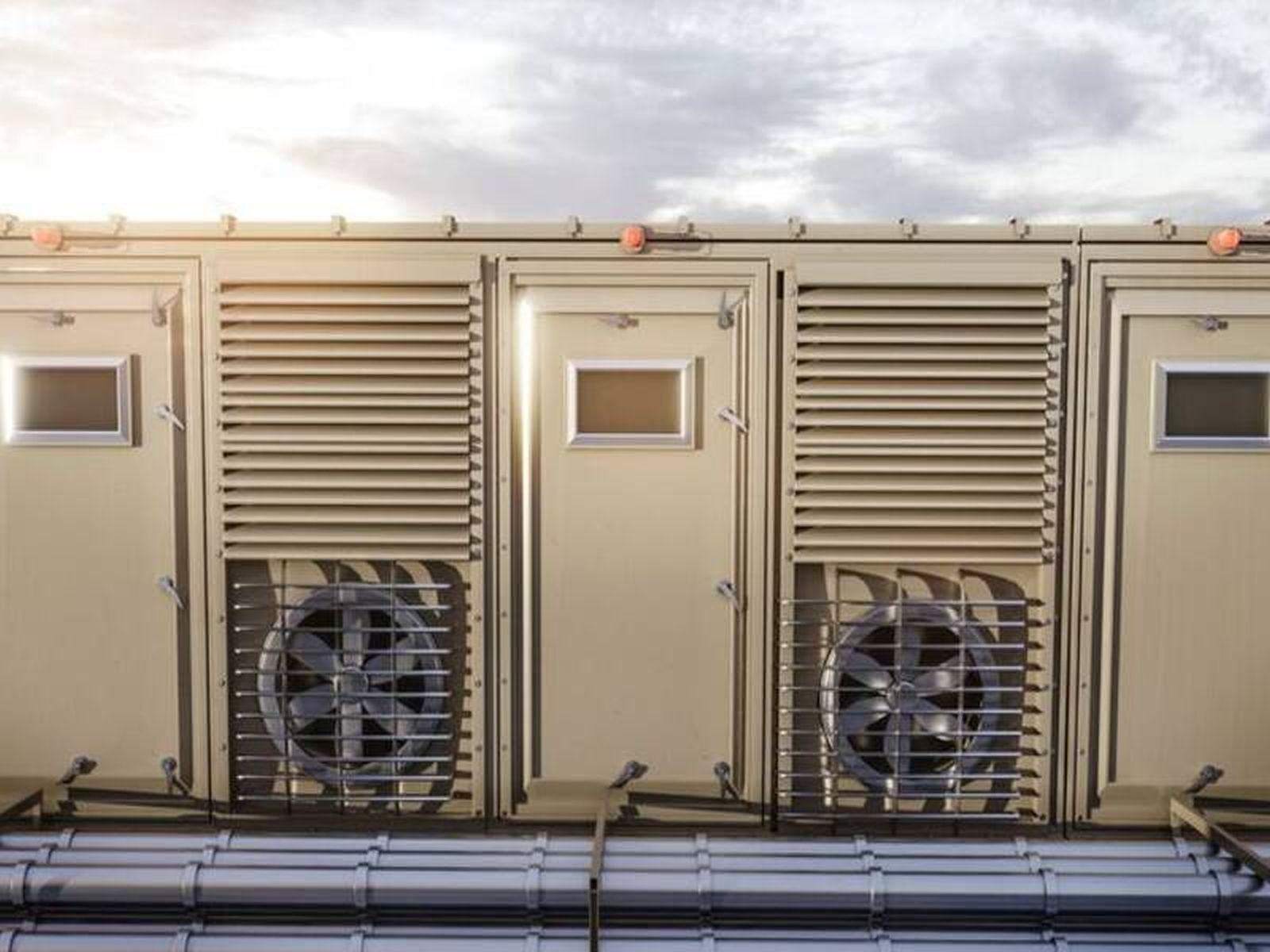
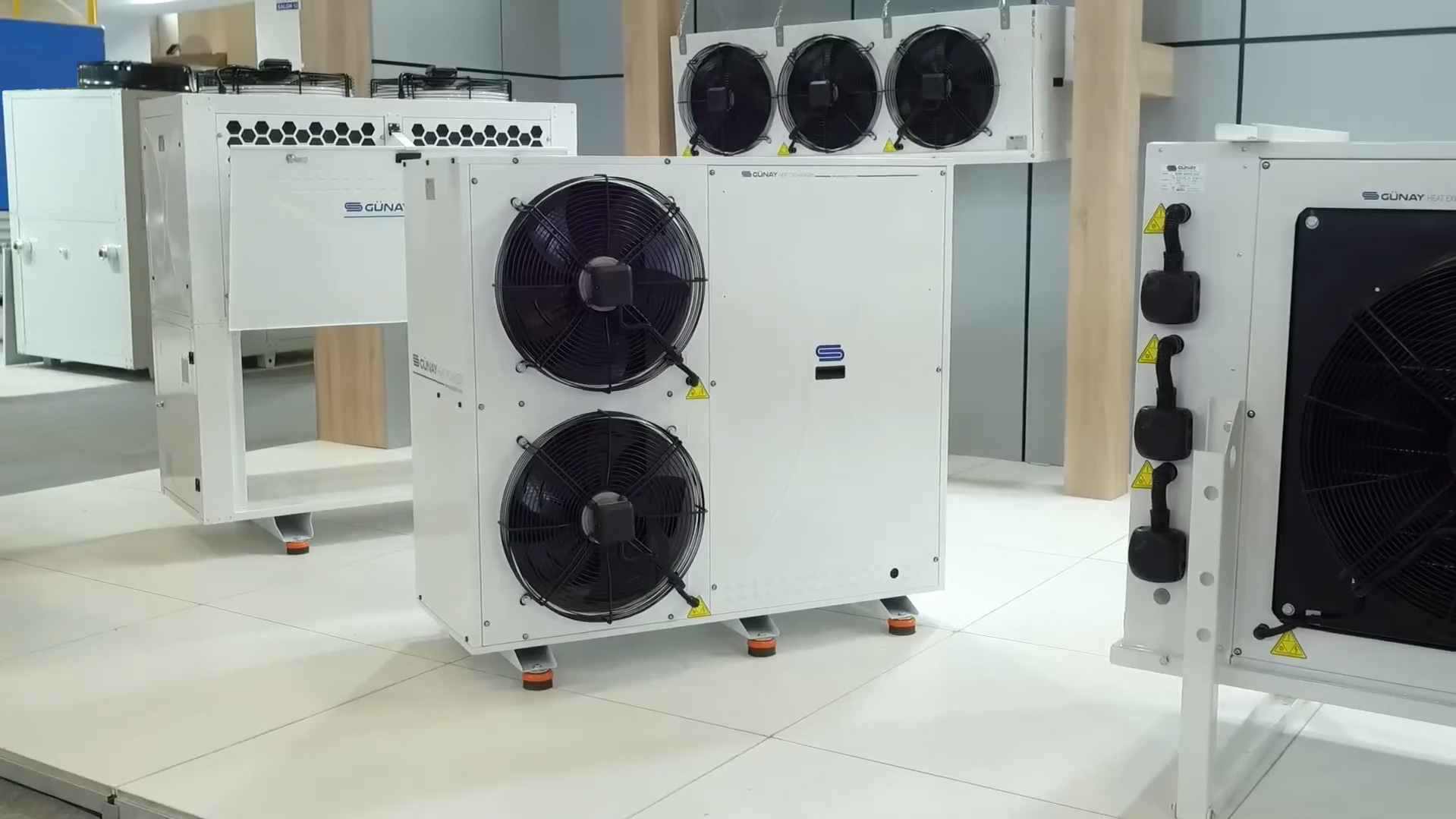
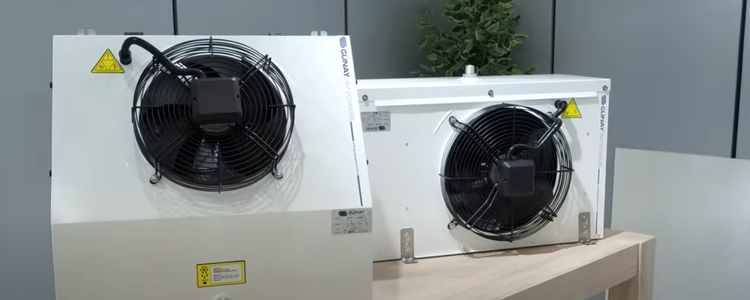
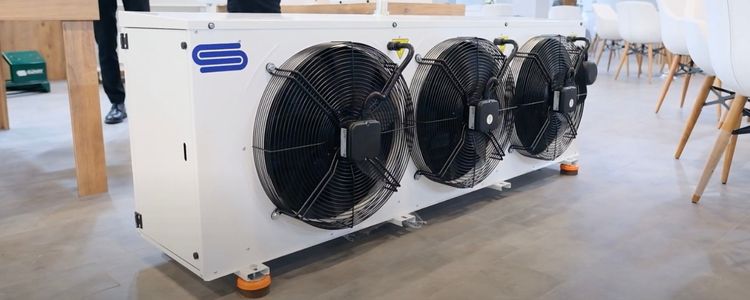
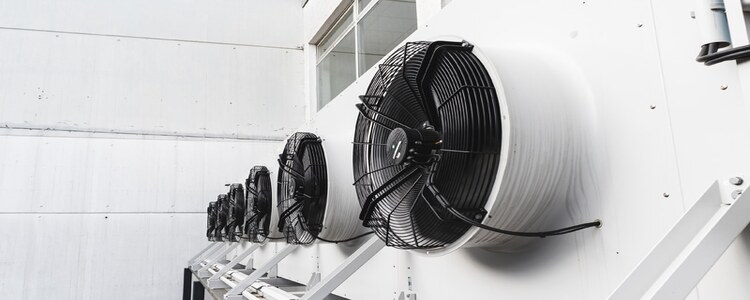
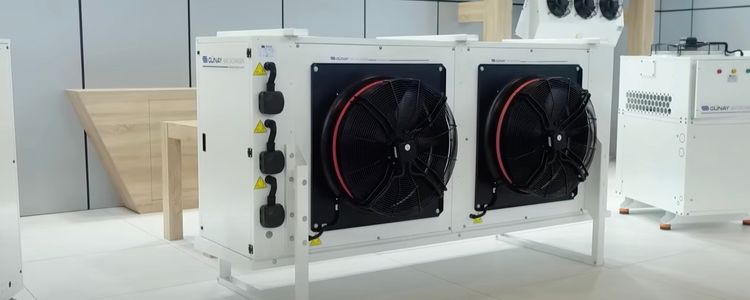
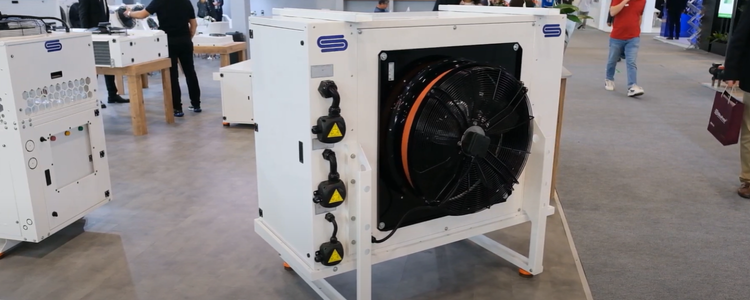
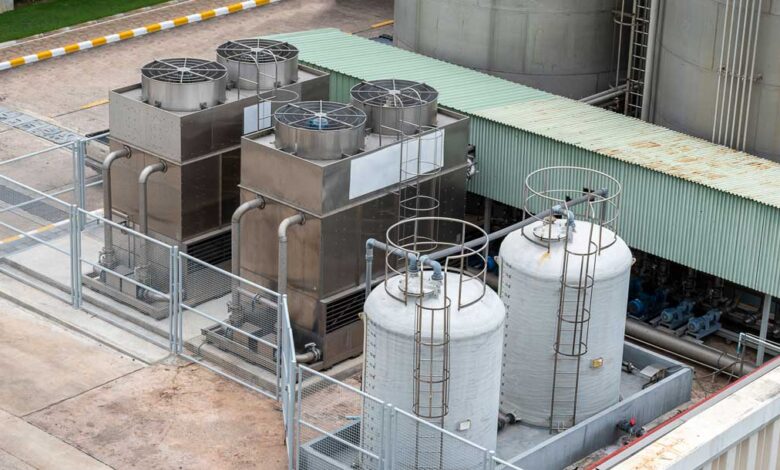
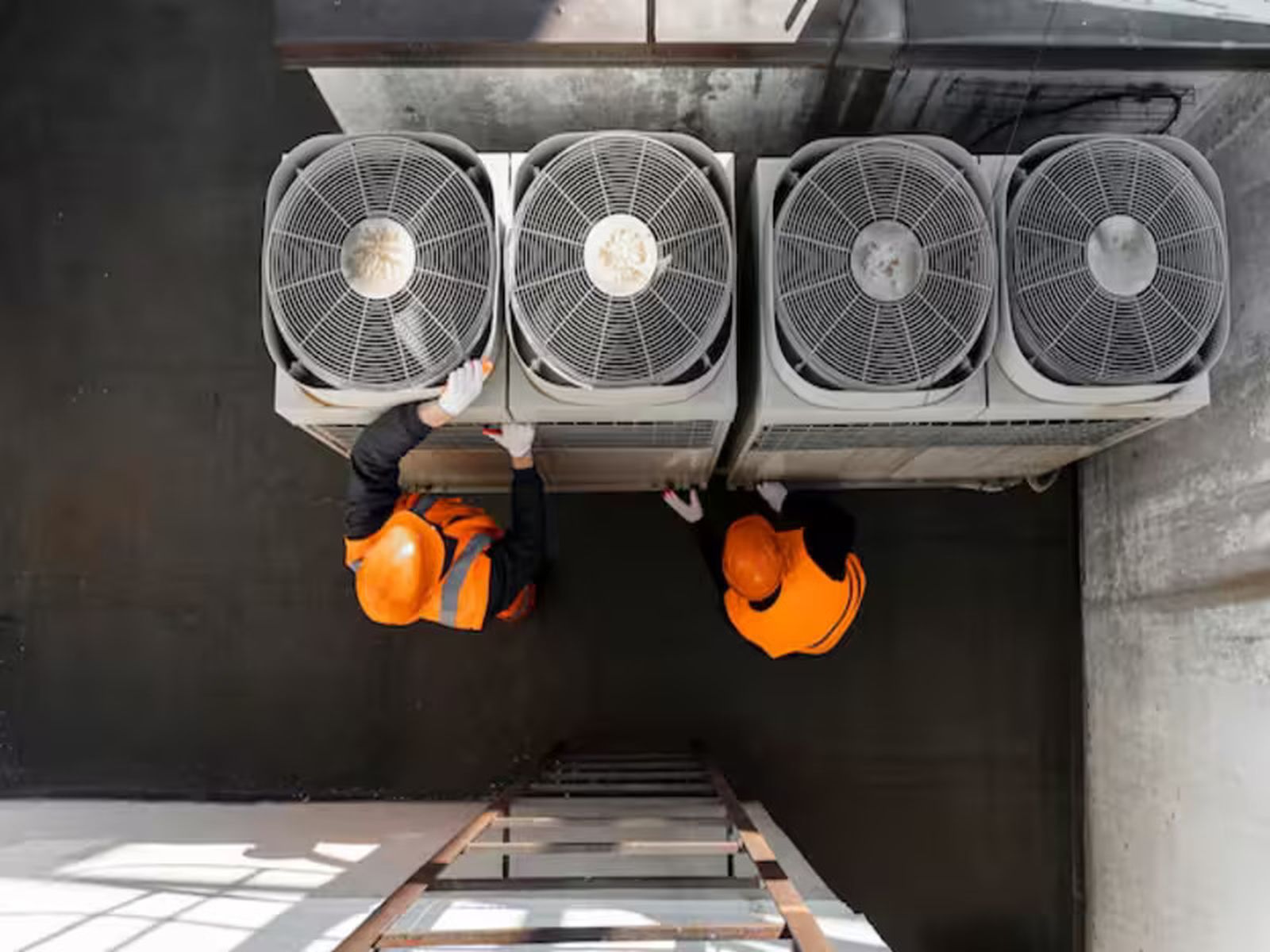
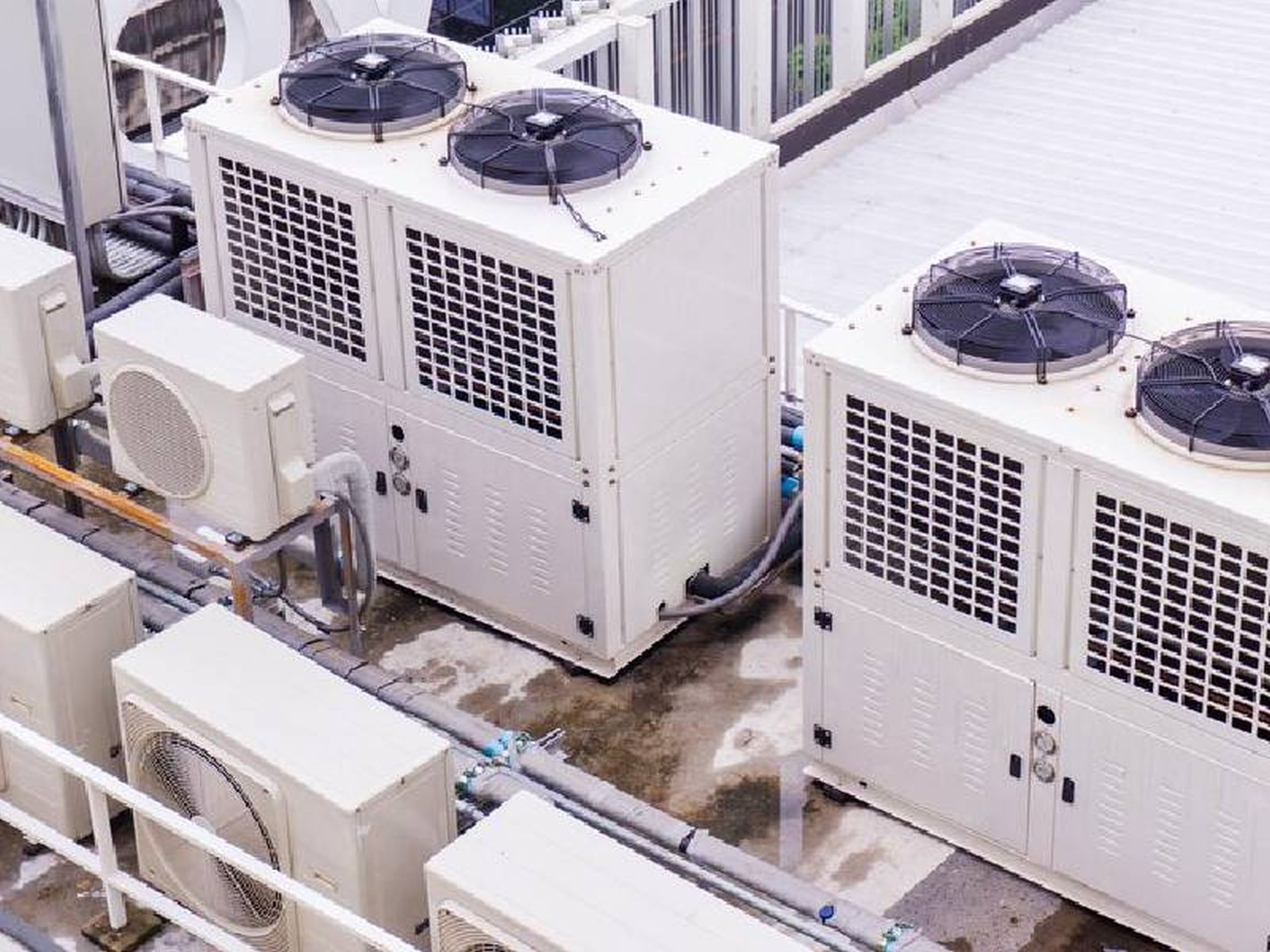
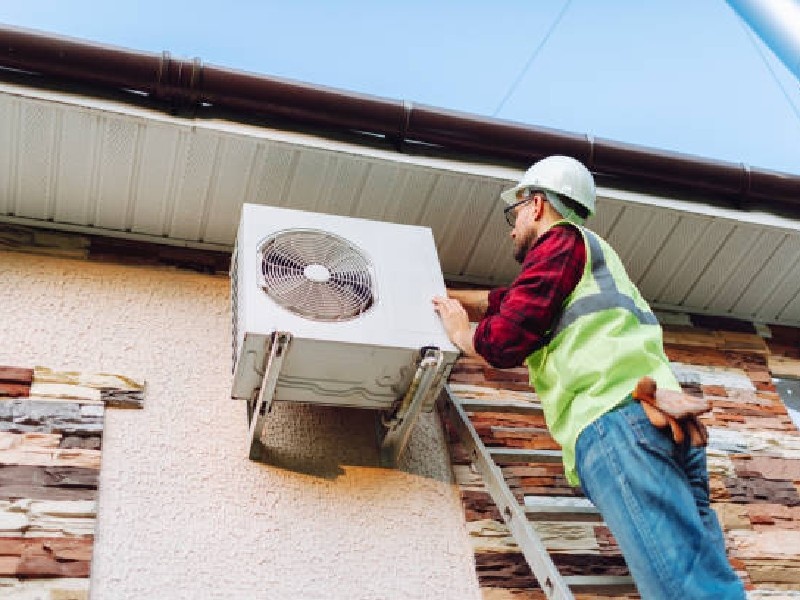
In an air-cooled condenser, fans move air across a finned tube coil. Clean heat transfer surfaces, unobstructed airflow and ambient temperature affect heat rejection. If these conditions deteriorate, condensing pressure can rise and the compressor may need more energy.
By rejecting heat from the cycle, the condenser allows the refrigerant to return to a usable liquid state. Removing the heat collected at the evaporator is necessary to maintain the required room or process temperature.
If condenser capacity is insufficient or airflow is restricted, the system may operate at a higher condensing pressure. This can increase compressor load and reduce cooling performance. The condenser should therefore be assessed alongside the evaporator and the other system components.
Selection begins with the required heat rejection capacity, design ambient temperature, refrigerant and system operating conditions. A catalog capacity must be considered together with the conditions at which it was measured; values from different conditions should not be compared directly.
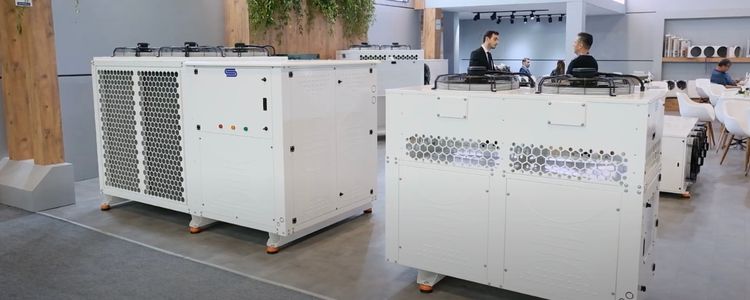
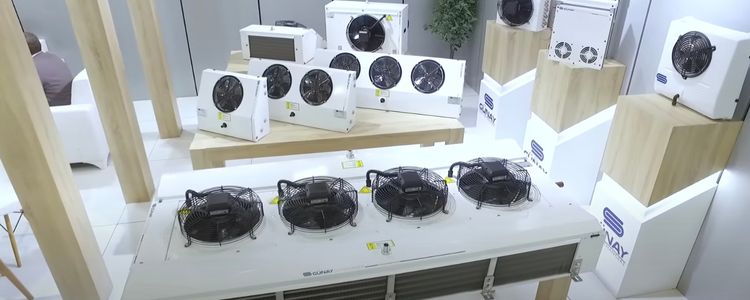
Installation space, clearance for air inlet and outlet, noise level and maintenance access also matter. The appropriate model from Günay Soğutma's finned tube and axial fan condensers should be selected using the project's capacity and layout data.
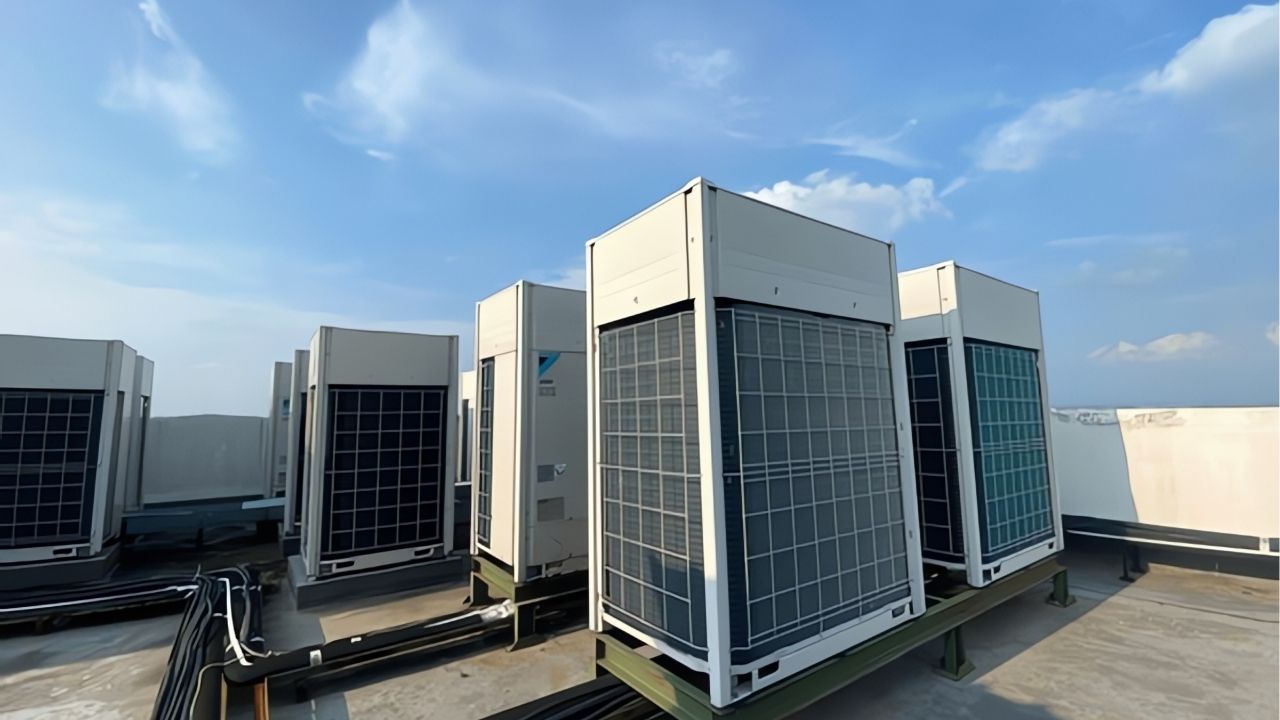
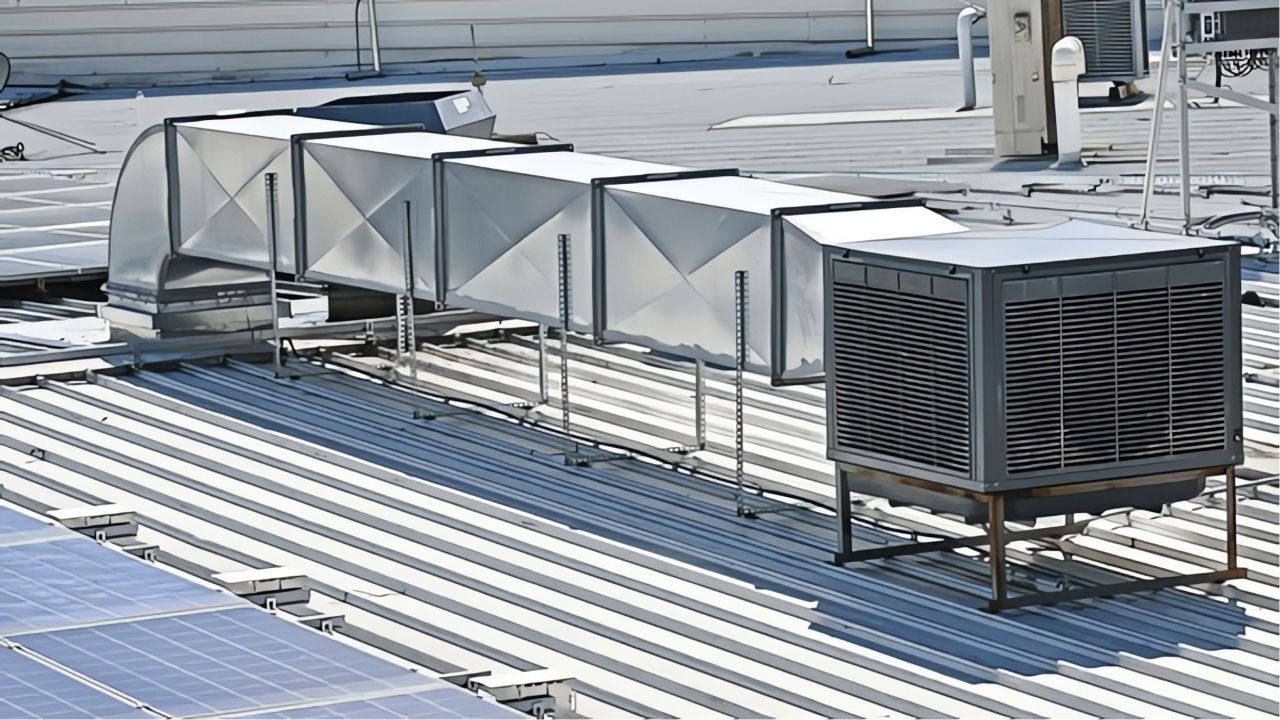
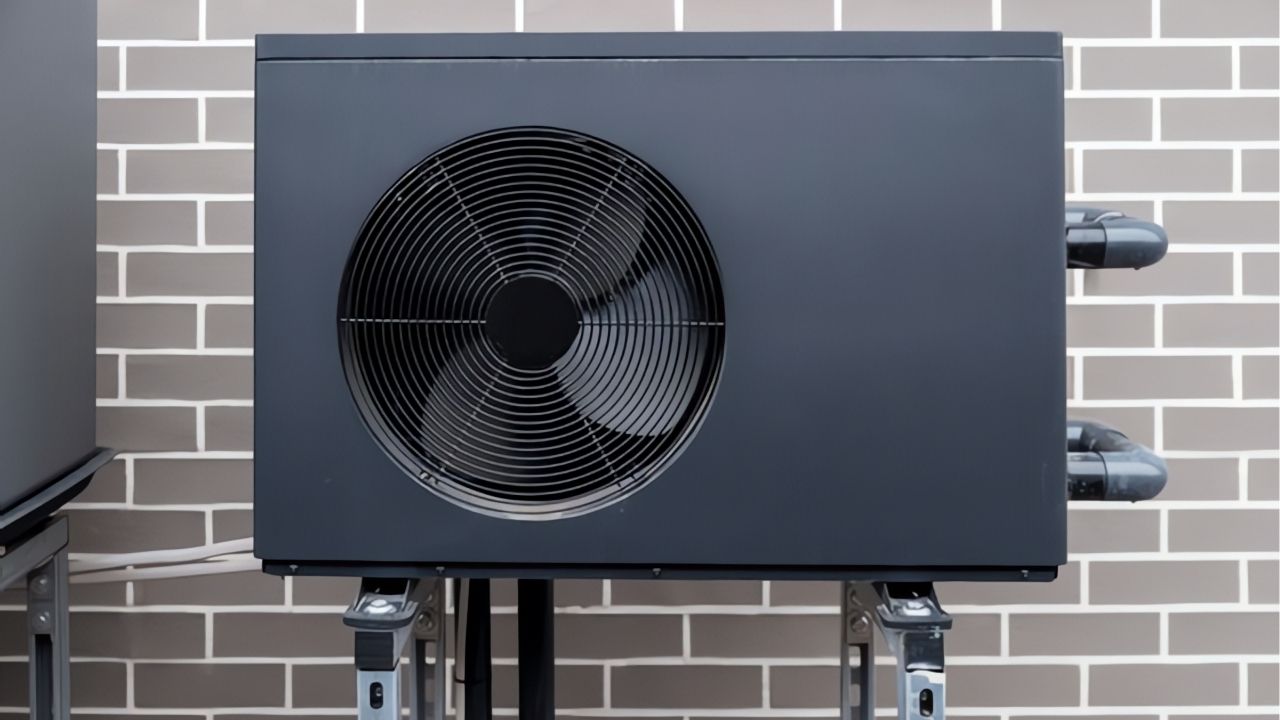
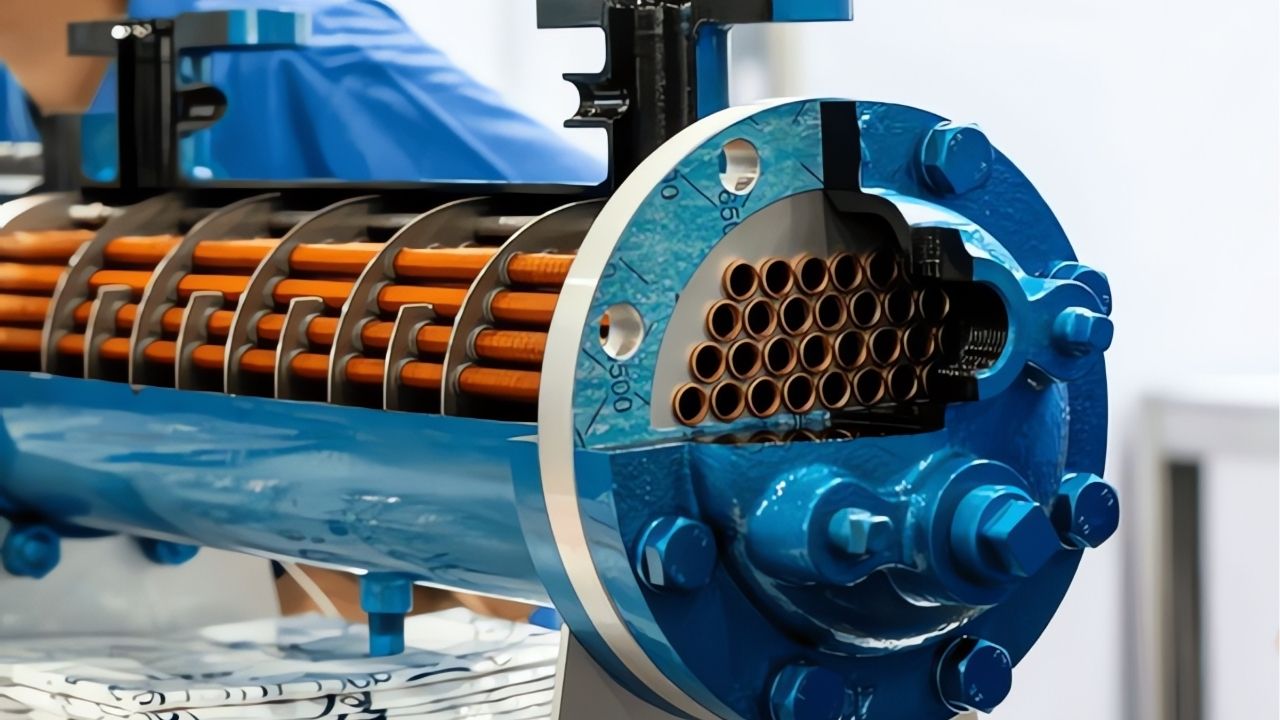
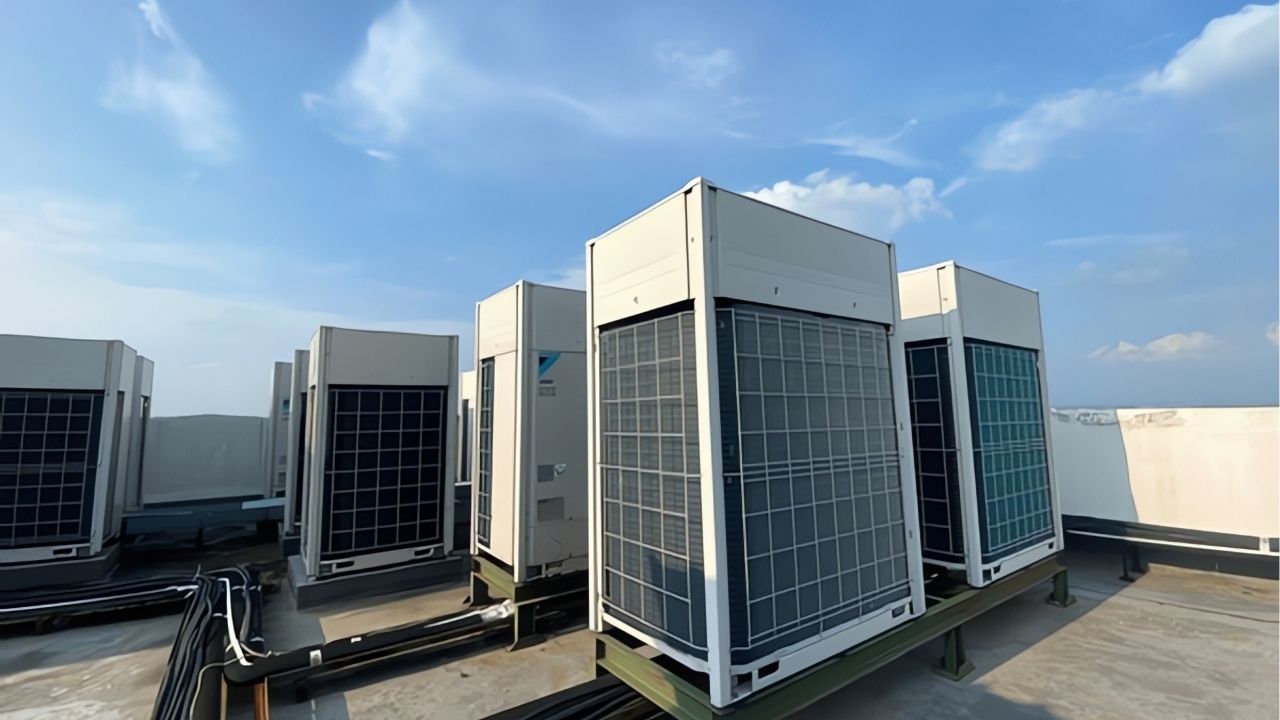
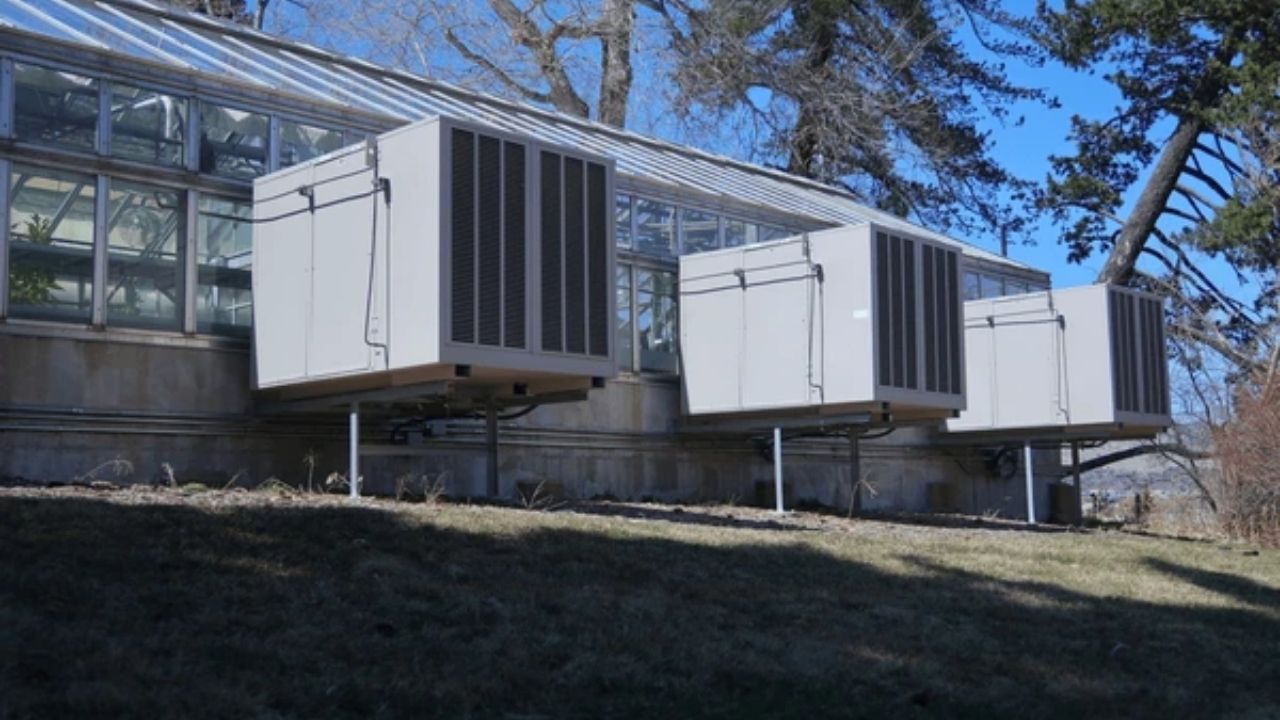
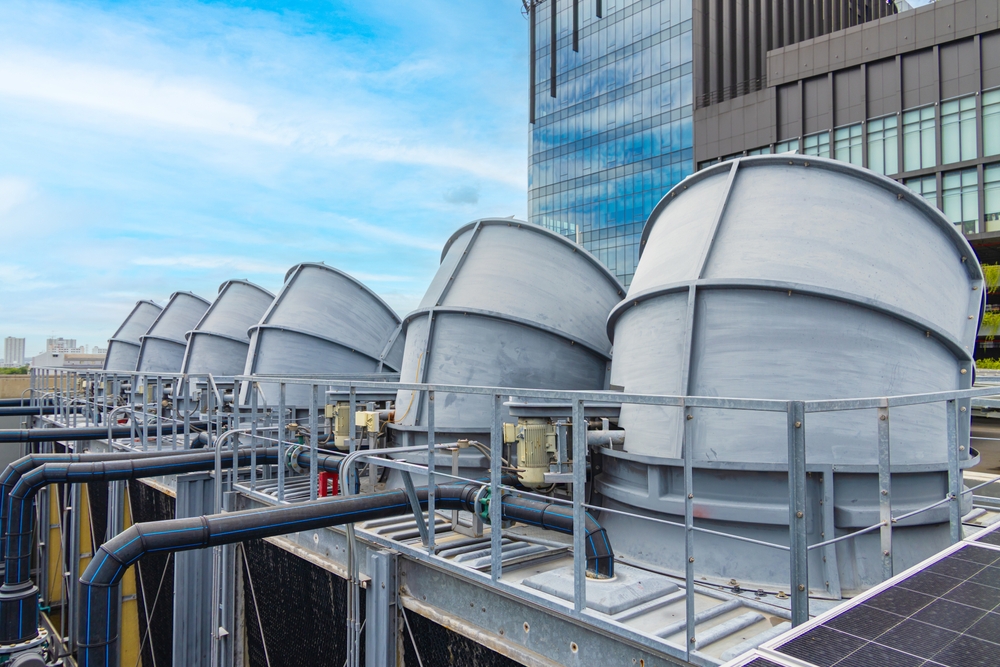
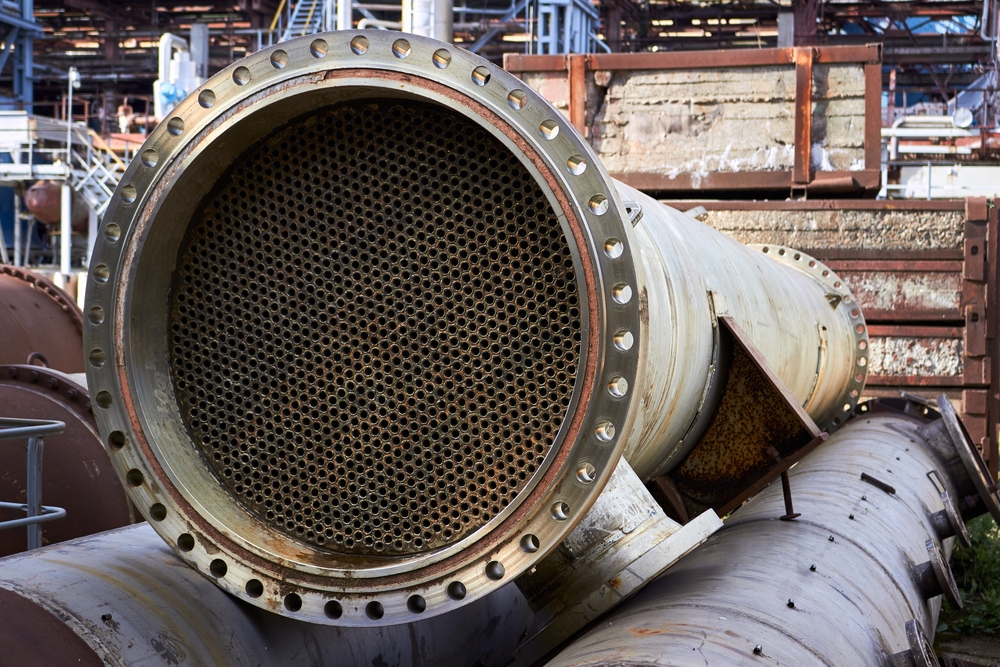
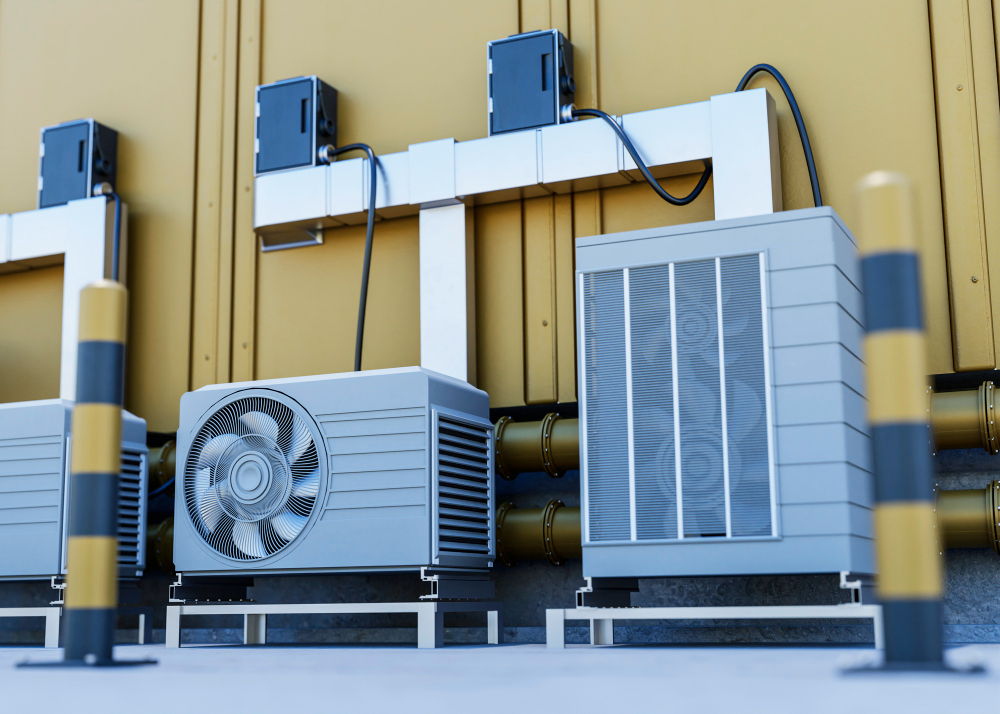
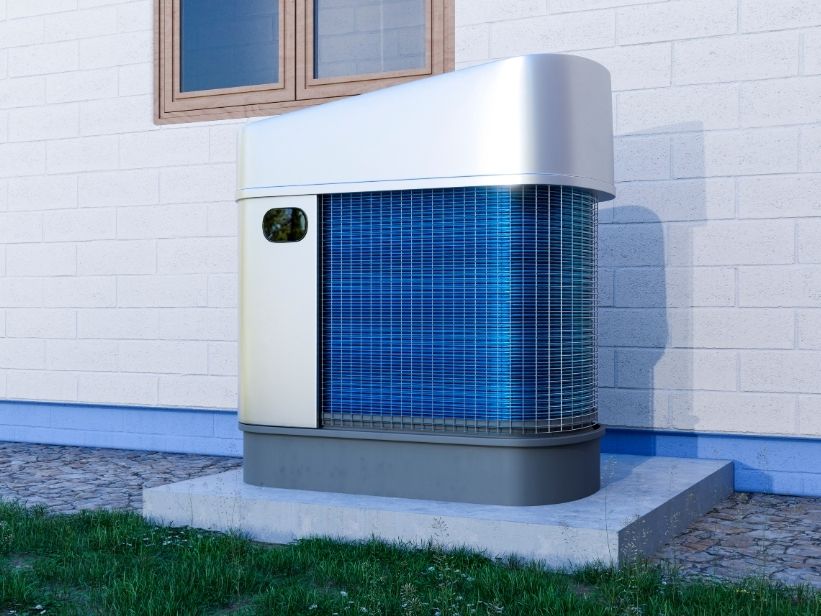
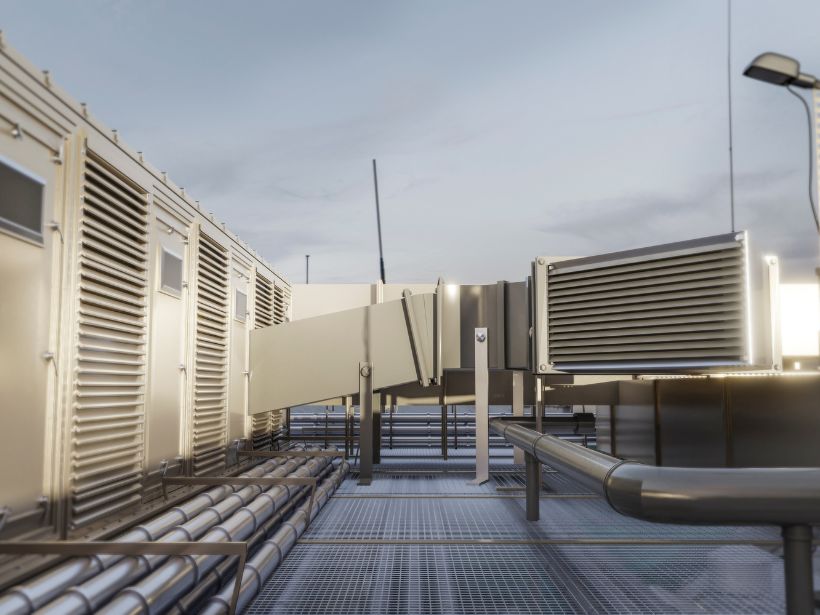
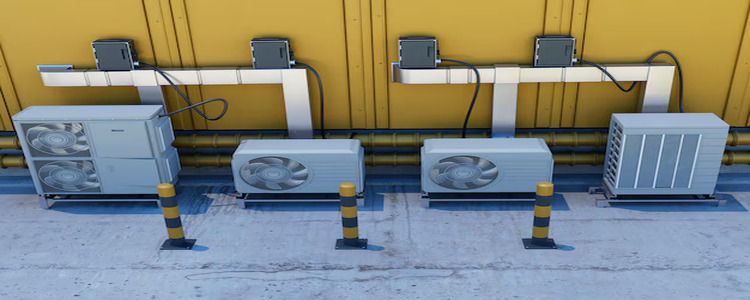
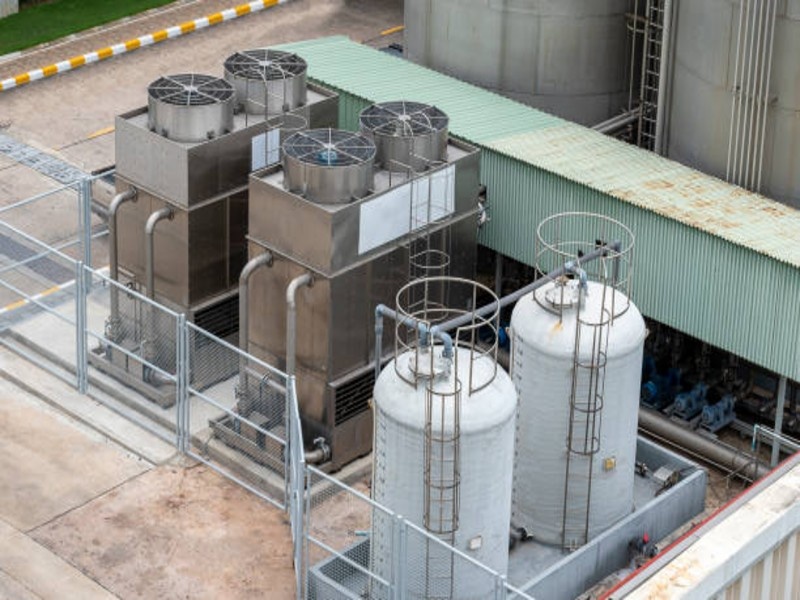
Refrigeration systems use air-cooled, water-cooled and evaporative condensers. An air-cooled unit rejects heat to outdoor air. A water-cooled unit transfers heat to a water circuit. An evaporative unit uses water evaporation to assist heat rejection.
These types differ in space, water use and maintenance requirements. Selection should consider the facility's infrastructure, local conditions and operating needs alongside the initial equipment cost.
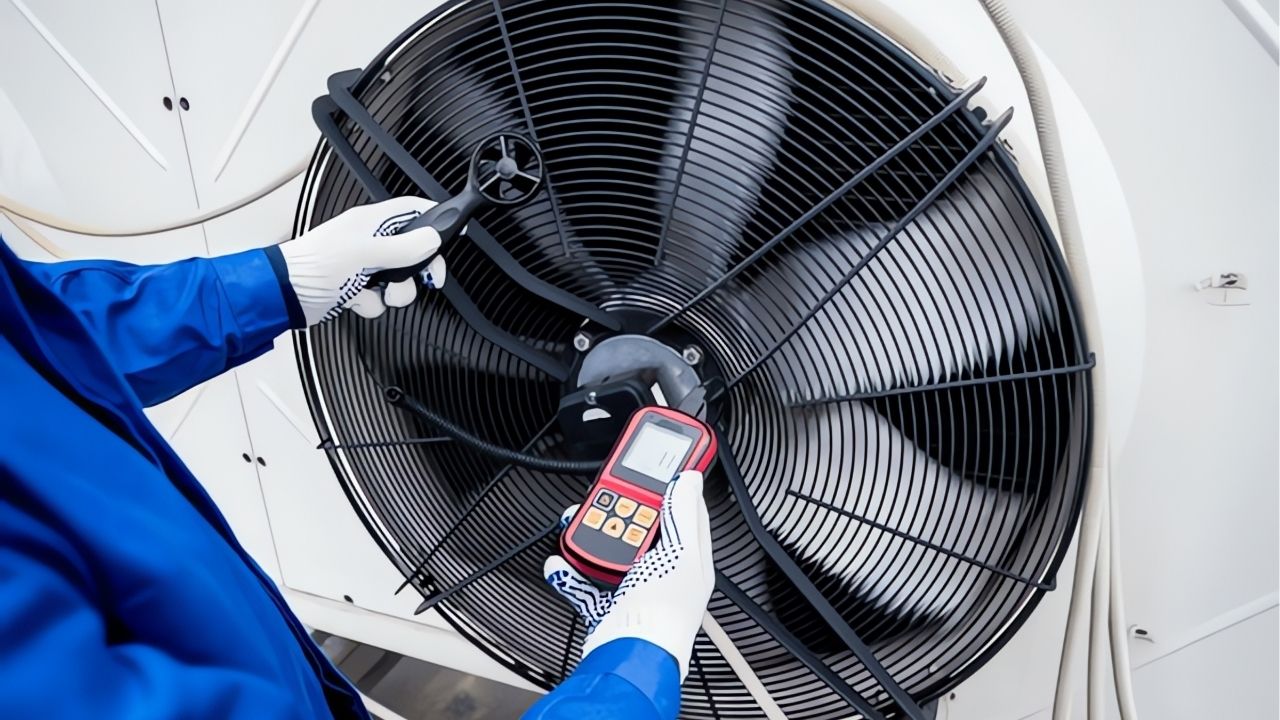
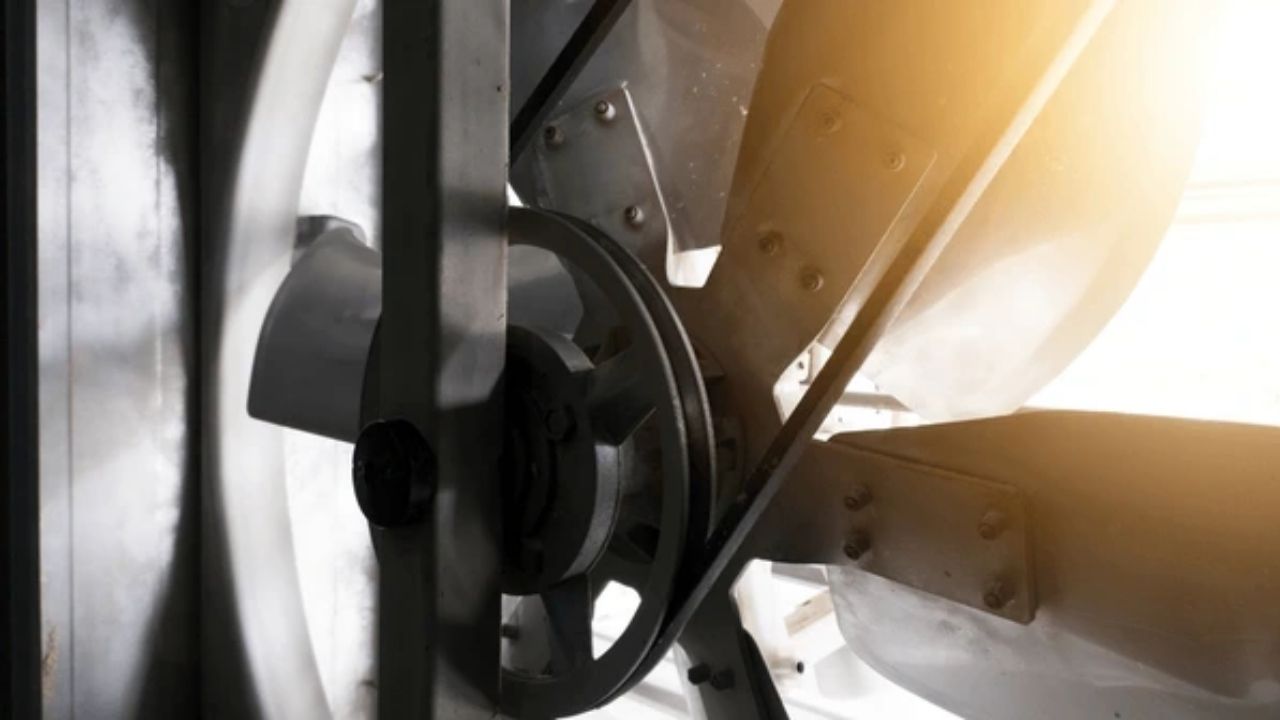
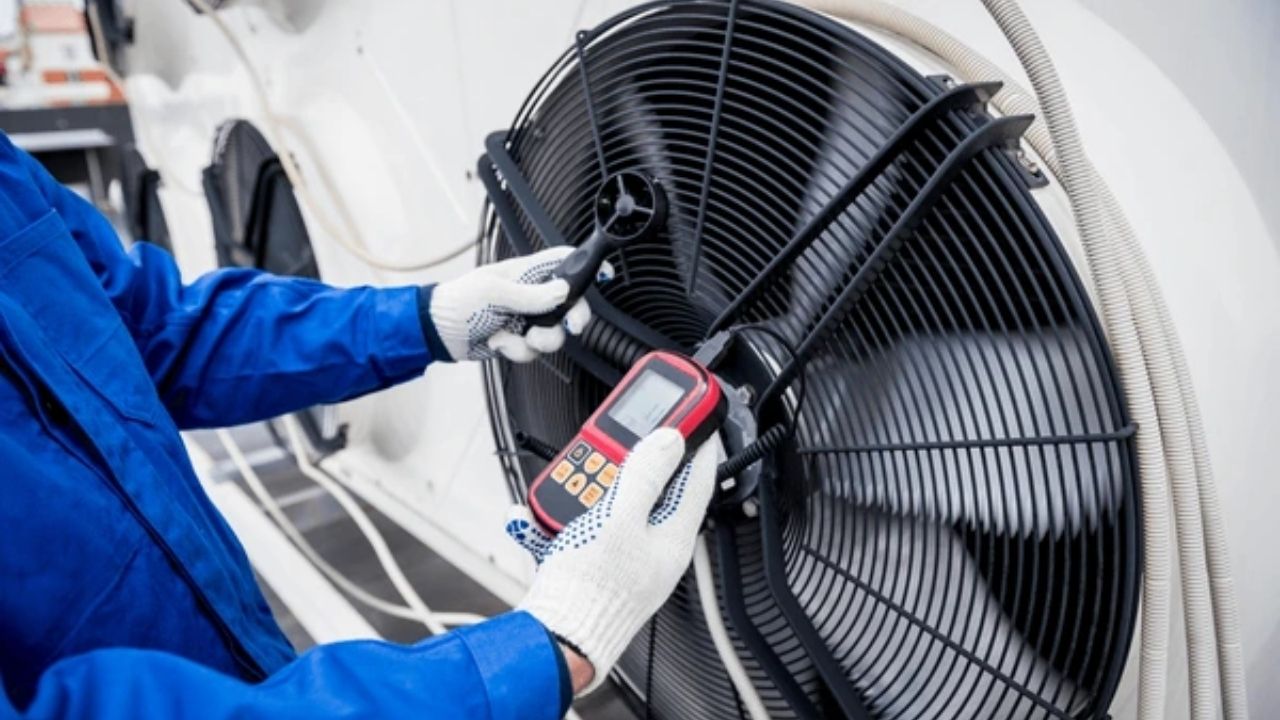
In air-cooled condensers, fin surfaces should be checked regularly for dirt and blockage. Fan operation, blade condition and obstructions in the airflow path should also be included in maintenance. Cleaning and service should follow the equipment instructions.
Tracking condensing pressure and temperature helps reveal changes in performance. A single symptom does not identify a fault with certainty; unusual readings should be investigated by a qualified technical team.
Efficiency depends on rejecting the required heat under the actual operating conditions, using adequate heat transfer area and suitable air or water flow. Correct sizing, placement and clean surfaces are essential.
Fan and motor selection also affect electricity use. There is no fixed saving percentage that applies to every condenser. The actual effect depends on the facility's load, ambient conditions and the condition of the existing system.
When the condenser rejects enough heat, suitable conditions are maintained for the refrigerant to condense. If heat rejection falls, condensing temperature and pressure can rise, affecting compressor operation and overall system efficiency.
Condenser capacity and surrounding airflow become especially important in hot outdoor conditions. Performance should therefore be assessed using the facility's actual operating conditions, as well as catalog capacity.
Condensing pressure above normal operating values, unusual fan noise, visible surface dirt or reduced cooling performance should be investigated. None of these signs alone proves that the condenser has failed.
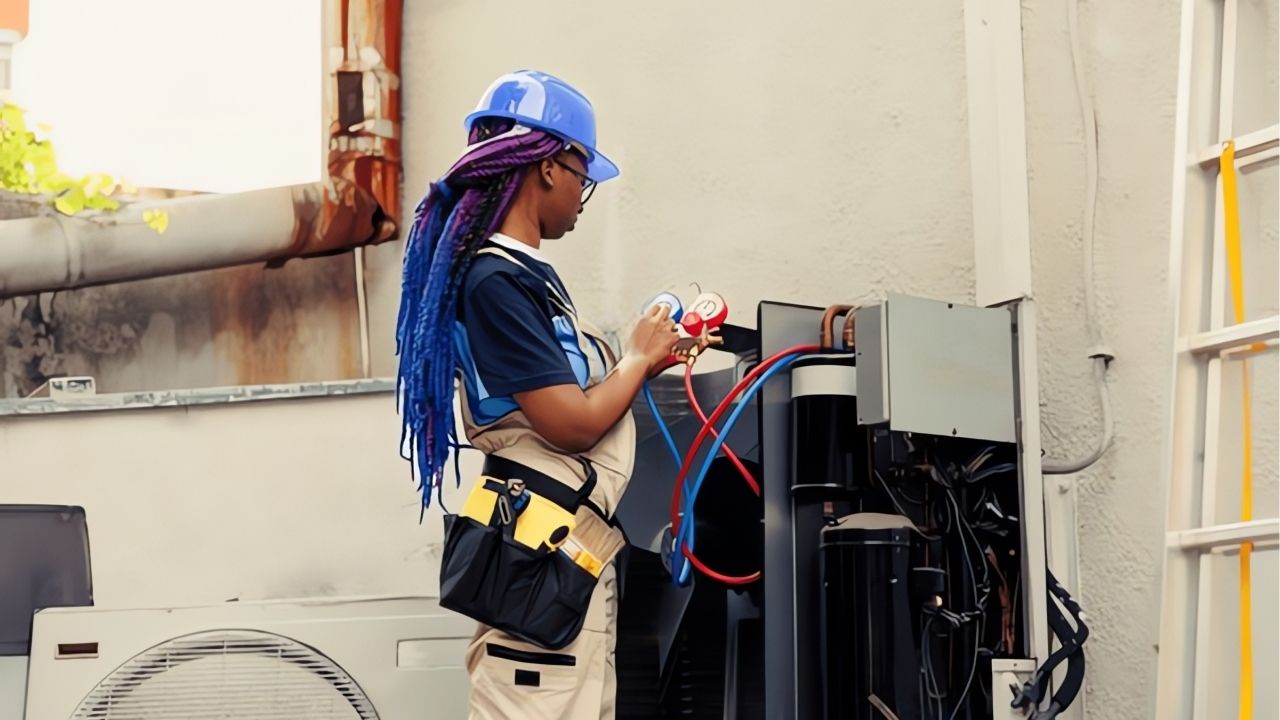
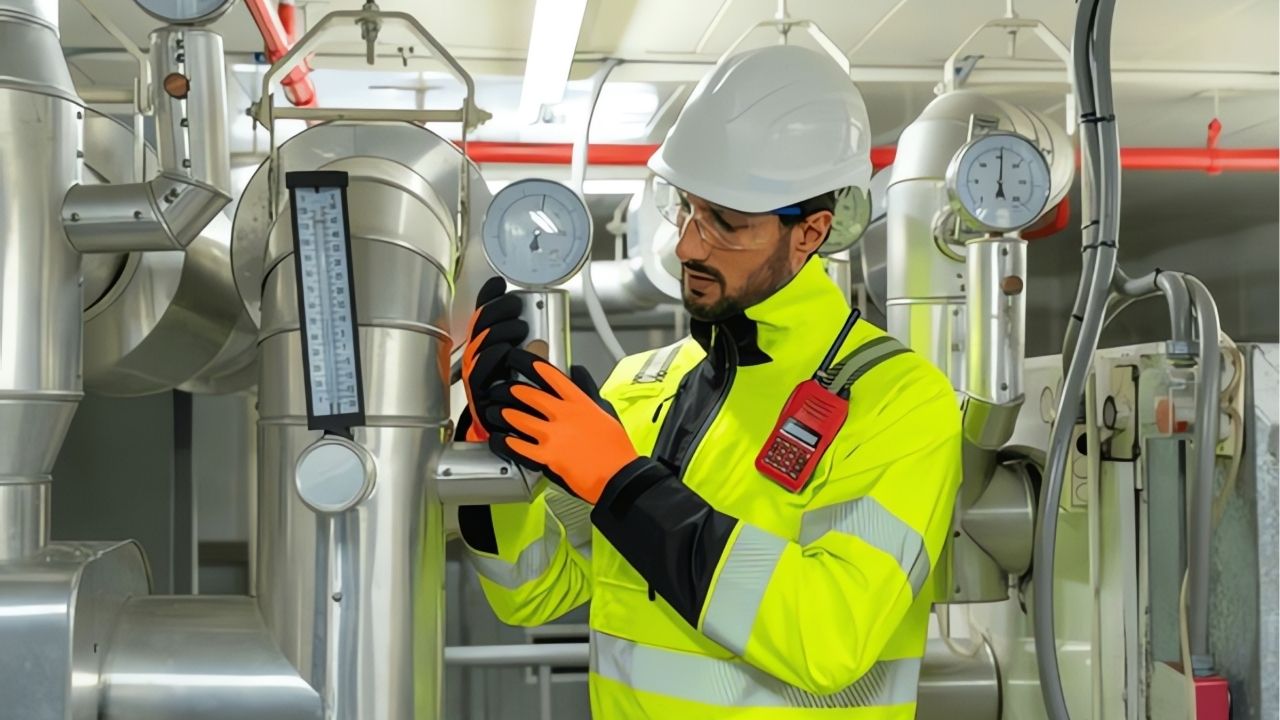
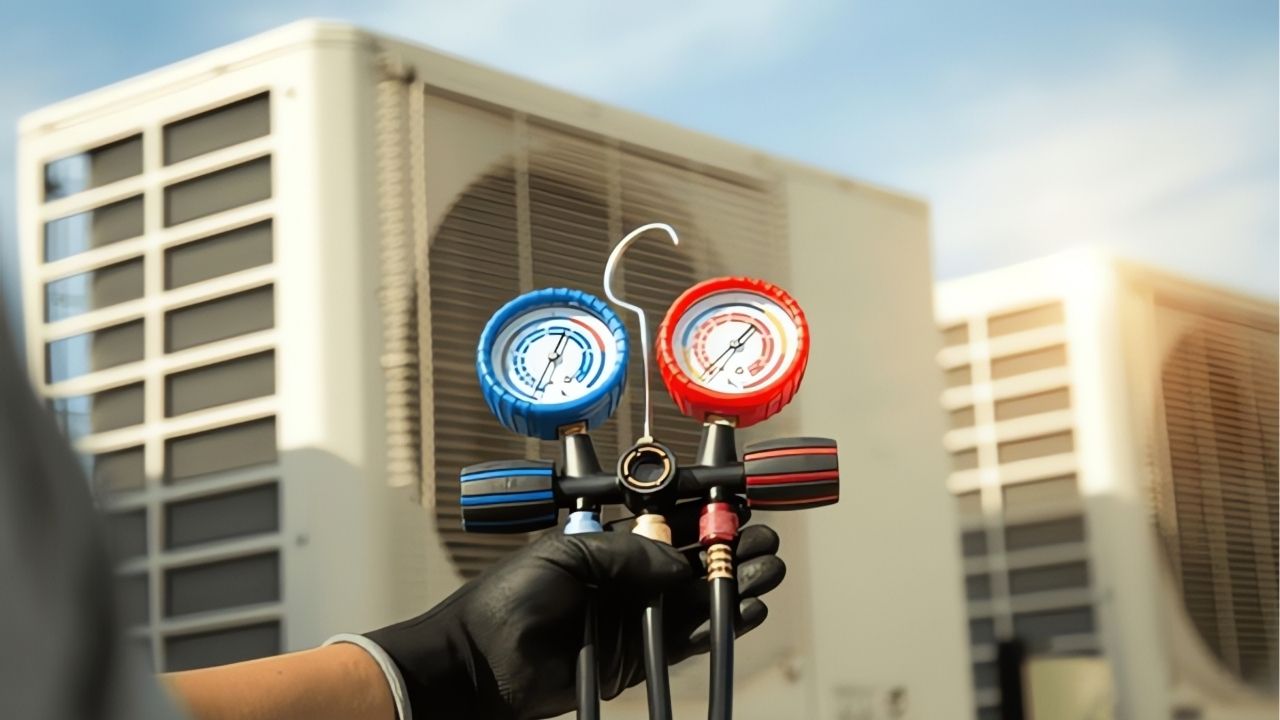
Ambient temperature, airflow, fan condition and maintenance records should be reviewed together. Measurements and work on the refrigerant circuit should be performed by qualified technical personnel.
Before deciding on an upgrade, review the existing condenser's capacity, operating data and maintenance condition alongside the facility's current heat load. If the issue comes from a cleanable surface or an airflow obstruction, address that cause first.
If new equipment is needed, plan capacity, refrigerant compatibility, installation space, airflow and maintenance access together. Estimate the expected energy and performance difference by comparing the existing system and the proposed option under the same operating conditions.

Fill out the form to discover the most suitable high-end products for your projects. Contact Us Now.
Fill out the form now not to miss our special offers for you! The latest discover our products and innovations.
Fill out the form now not to miss our special offers for you! The latest discover our products and innovations.
Notification Centre 00:00