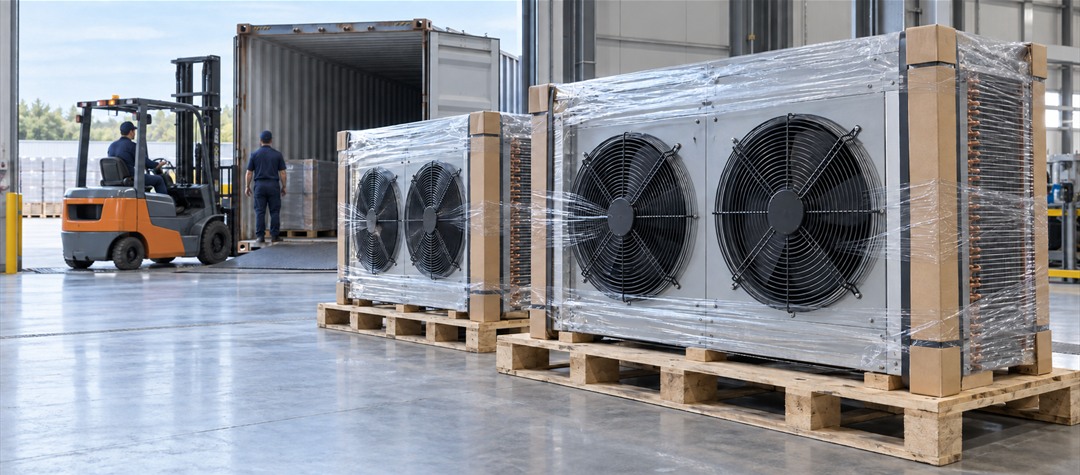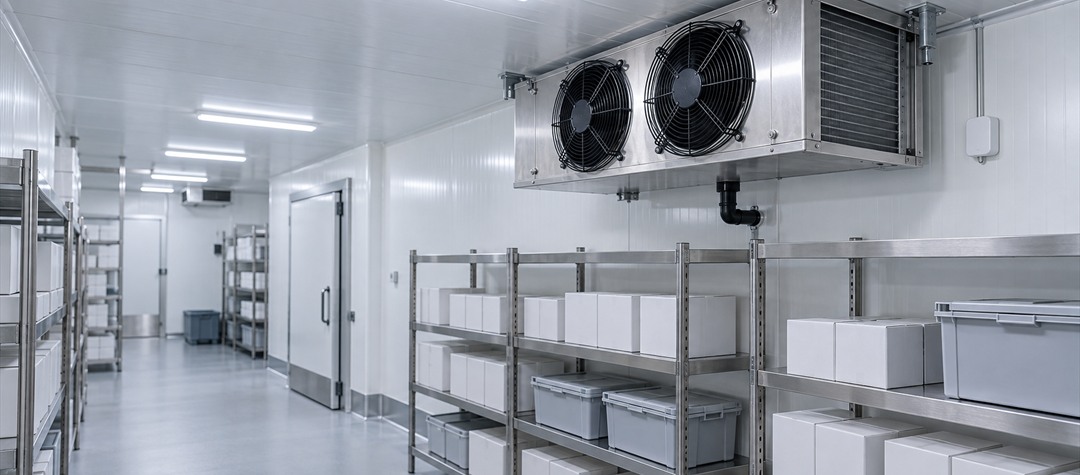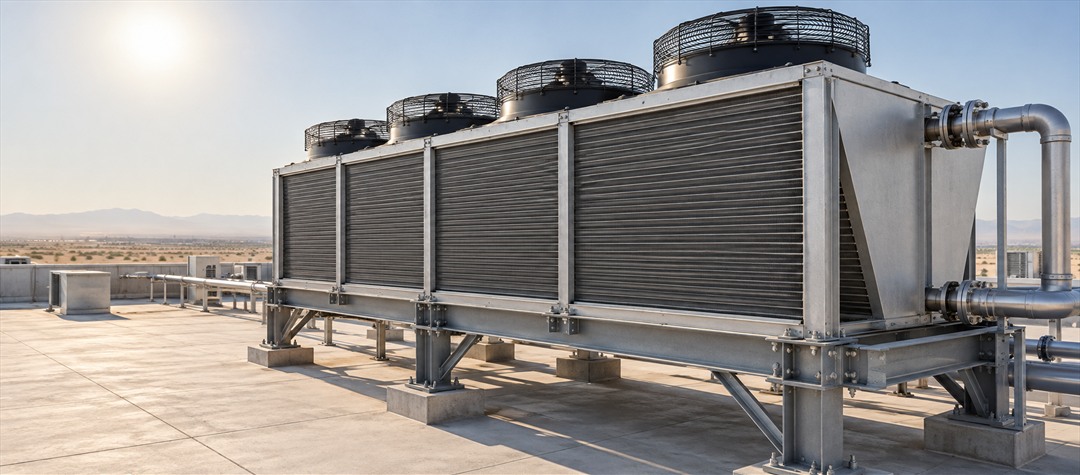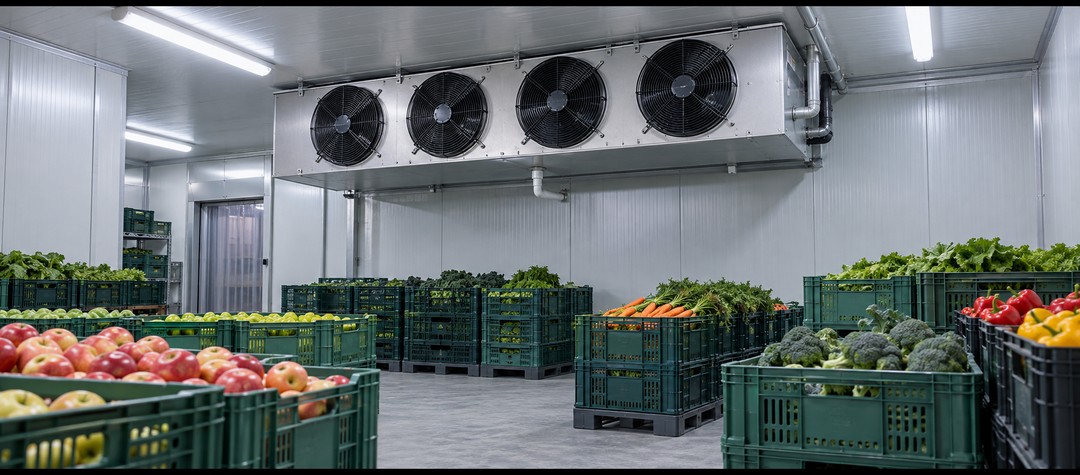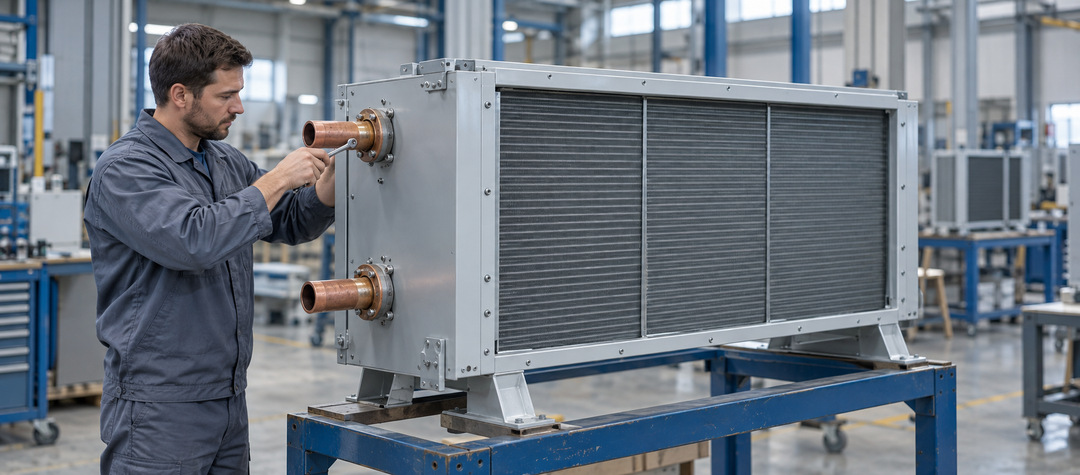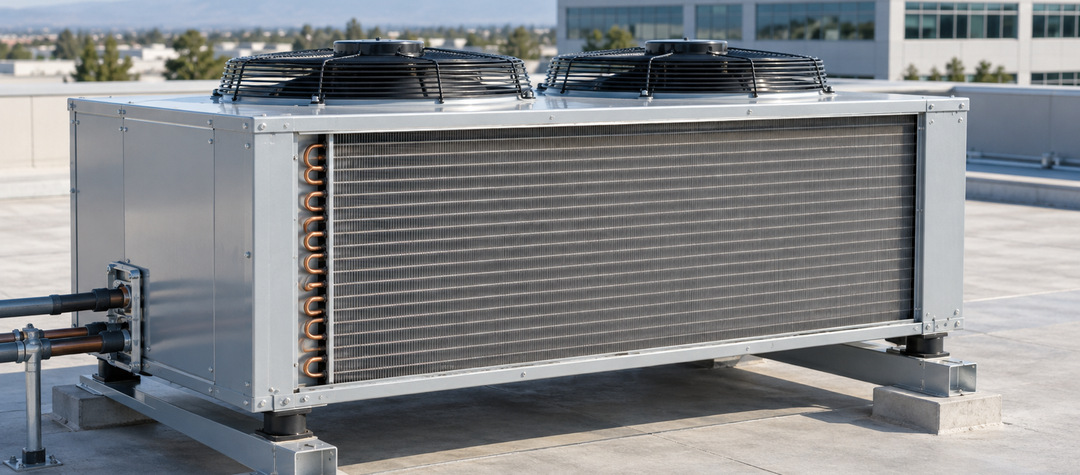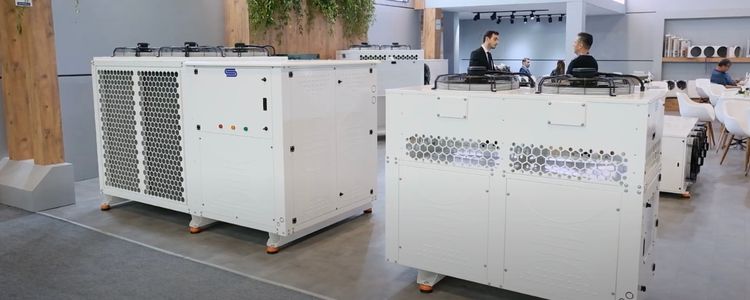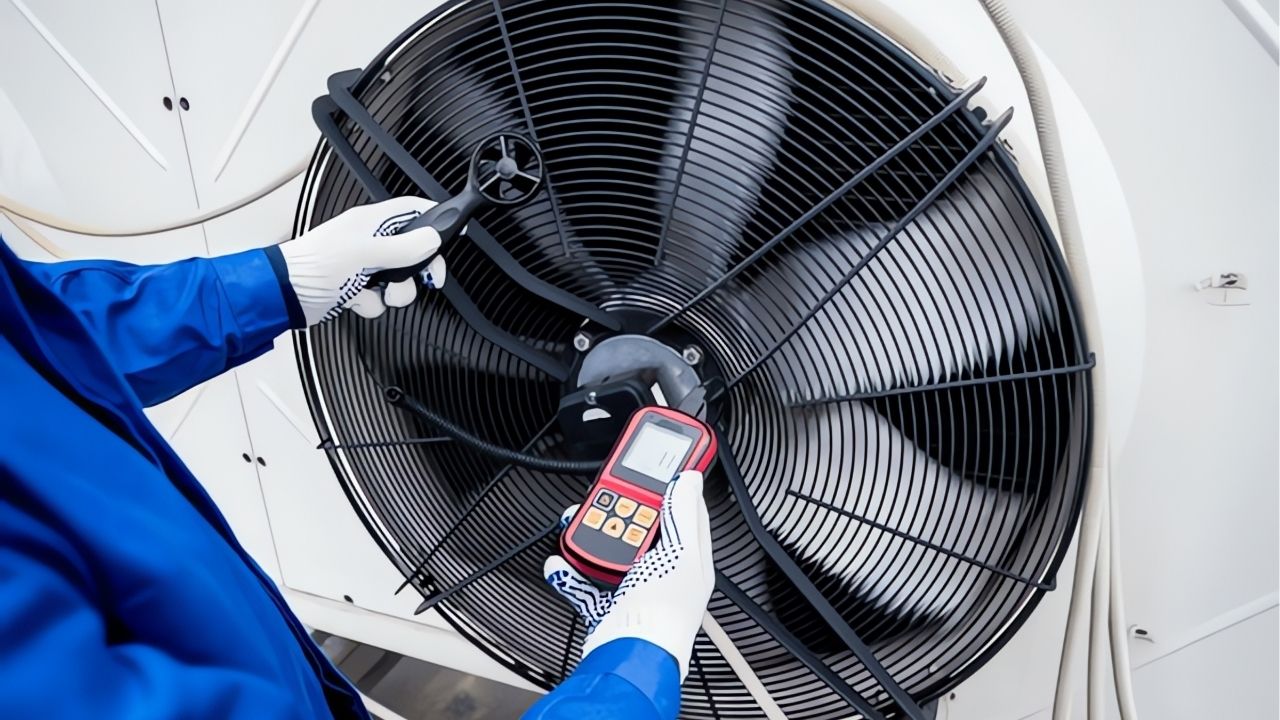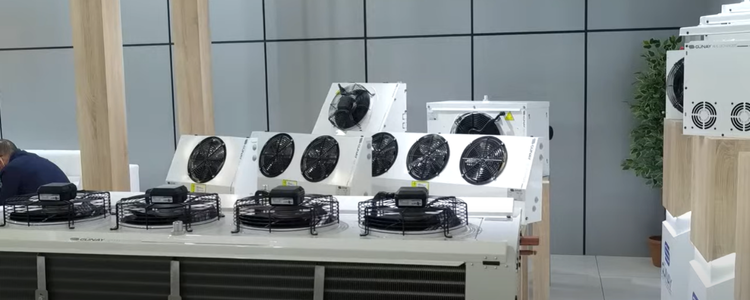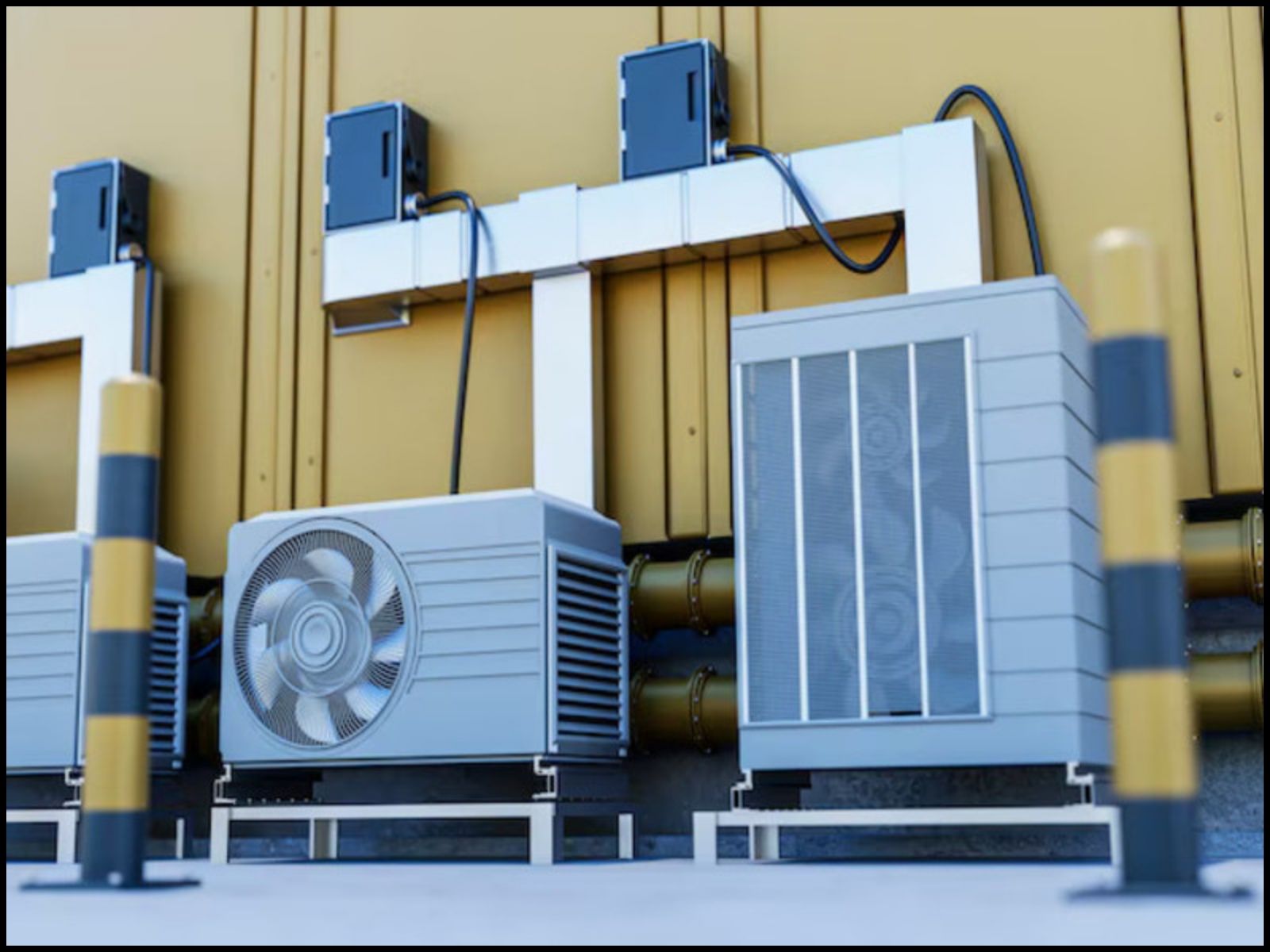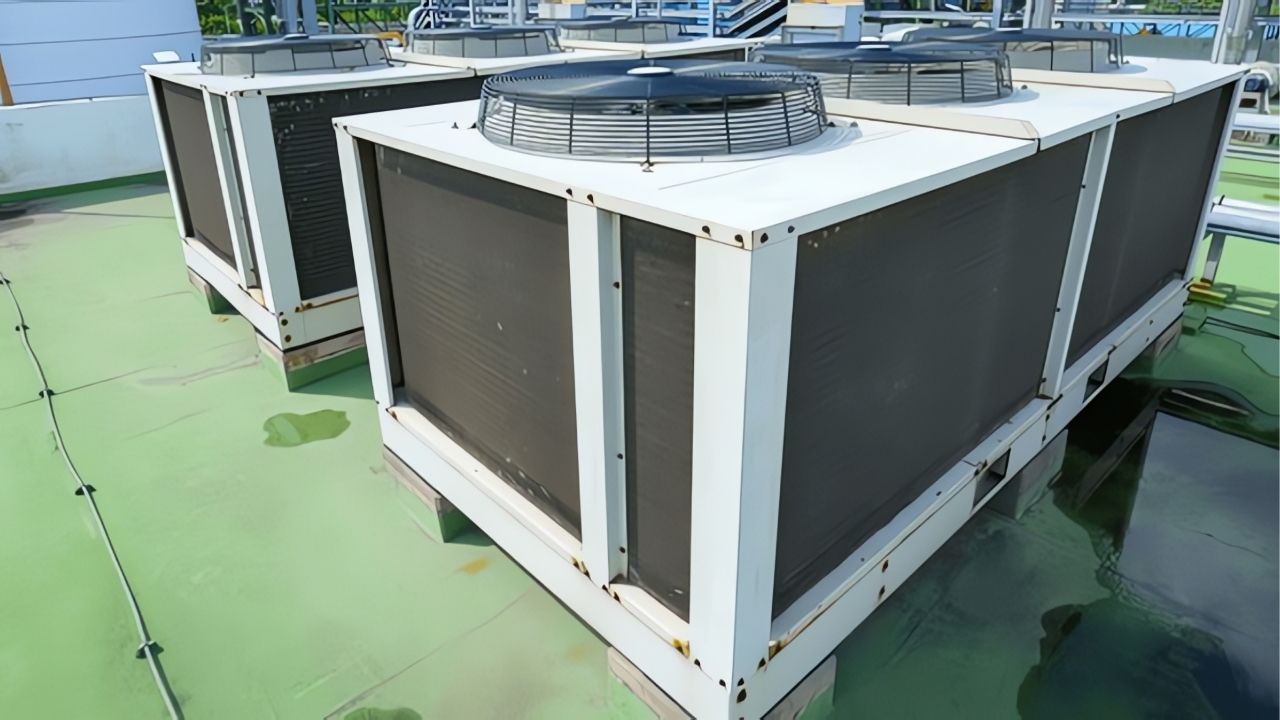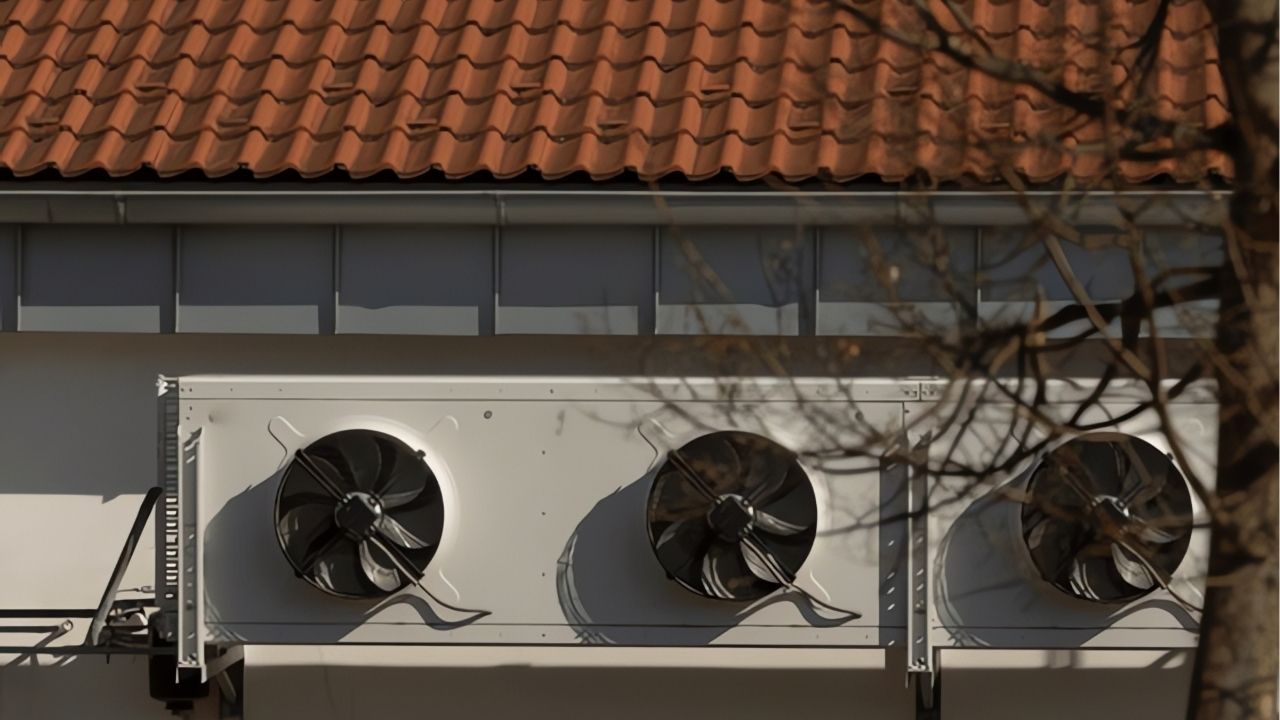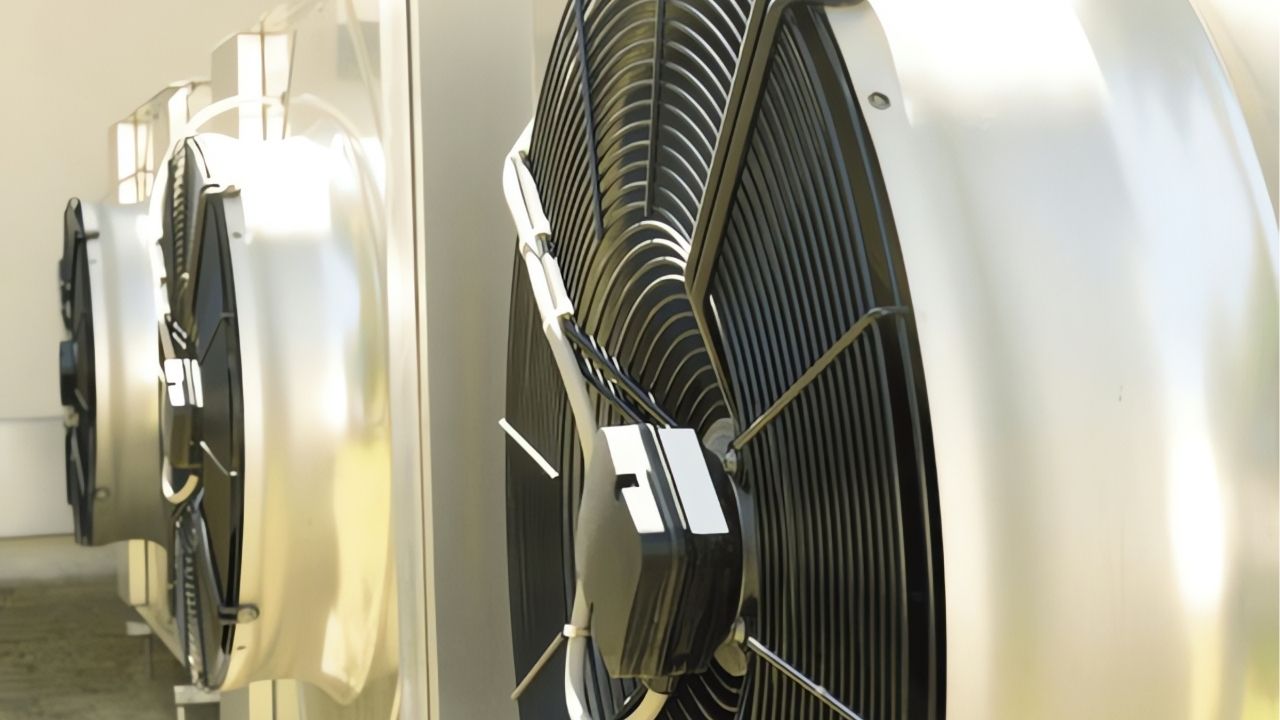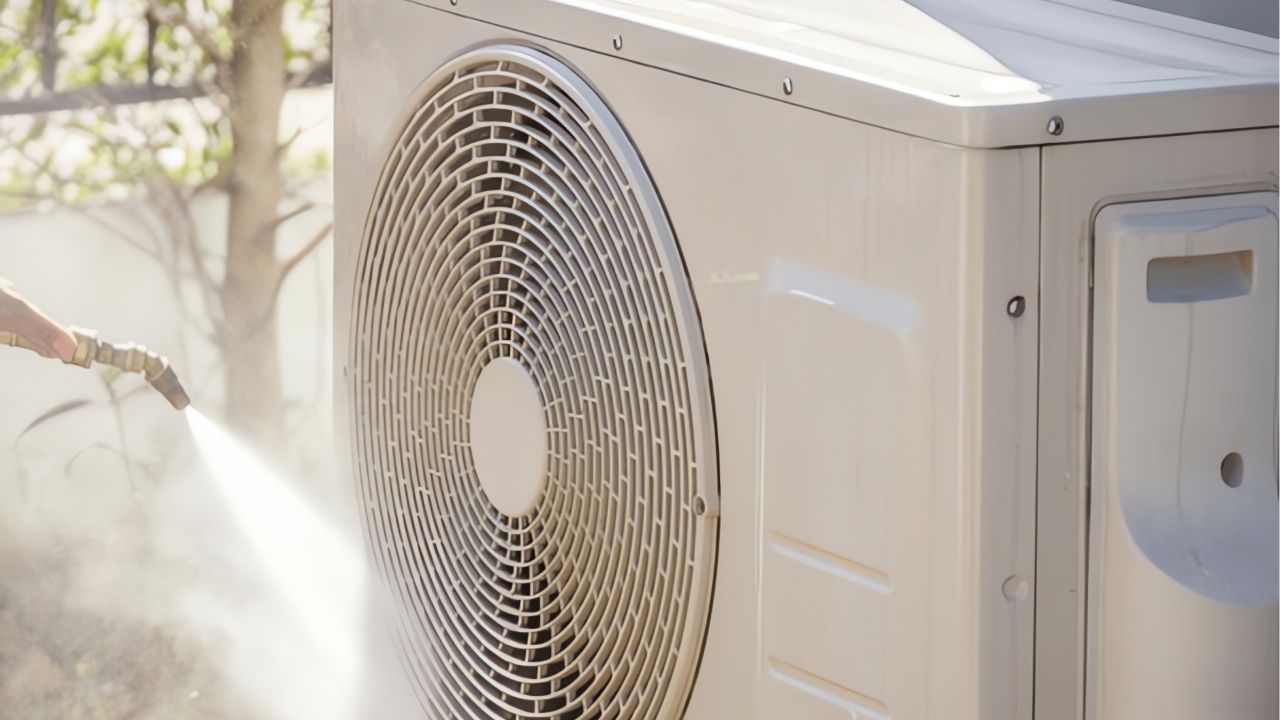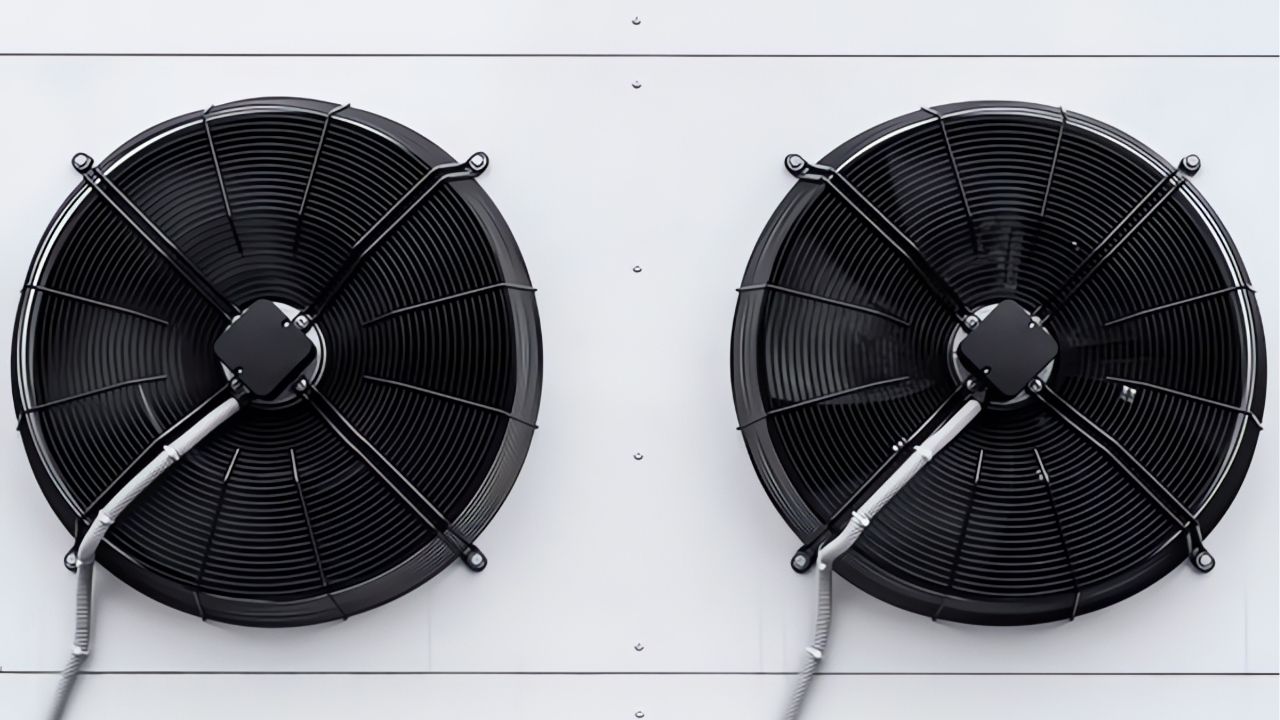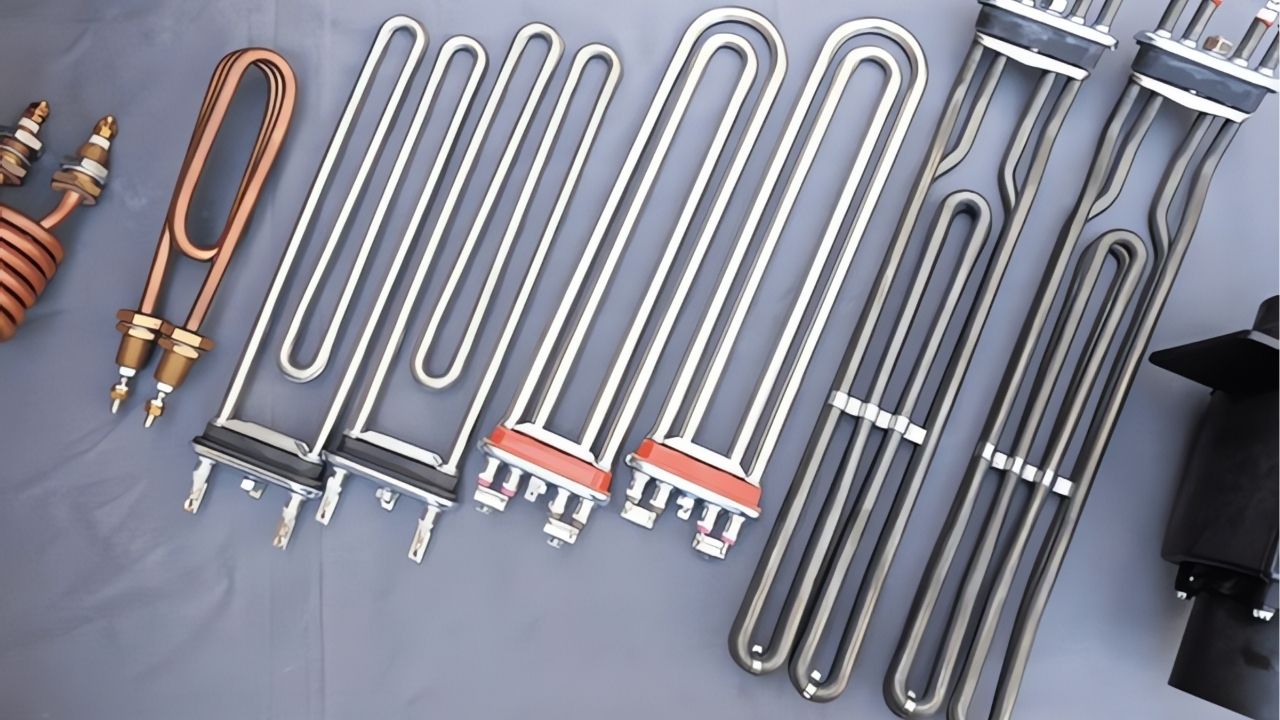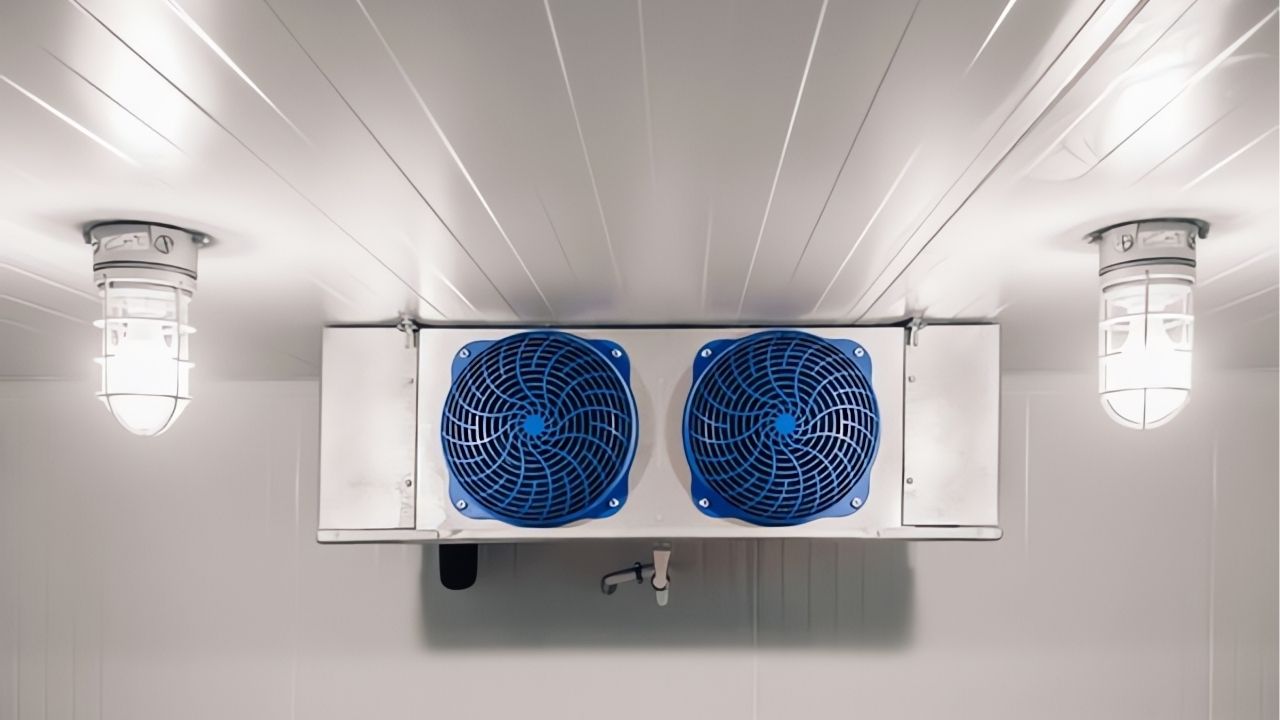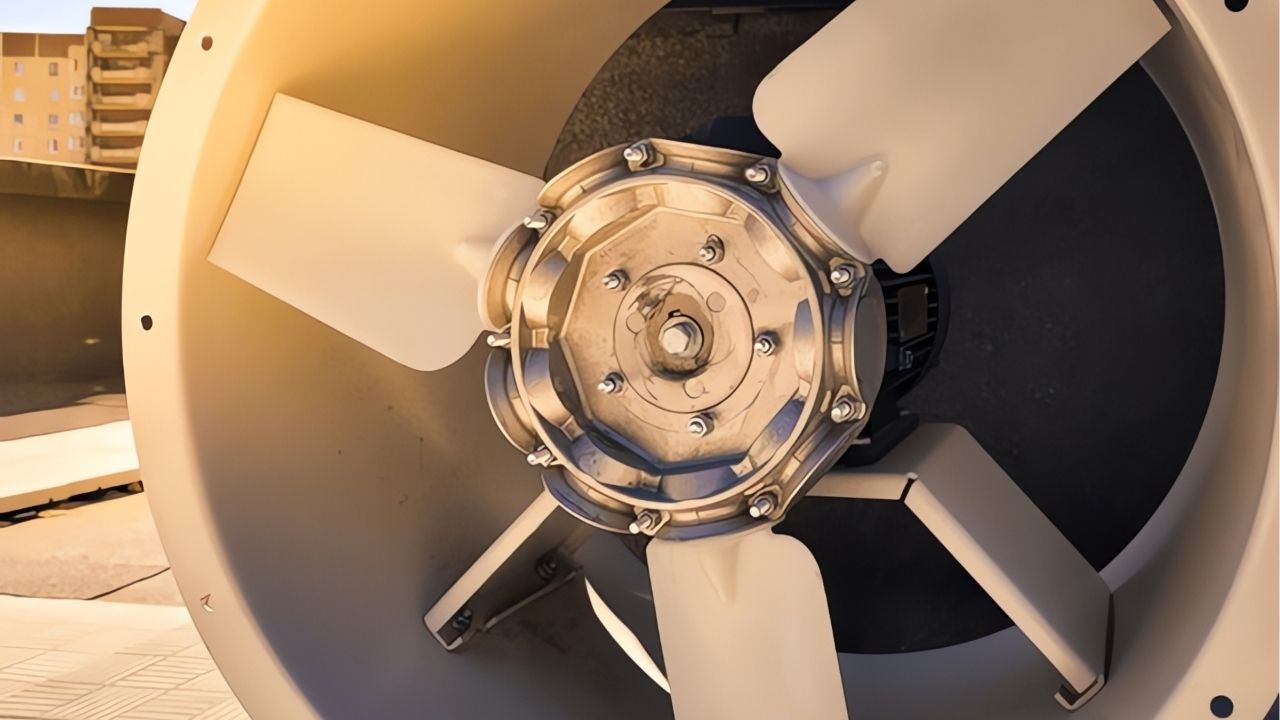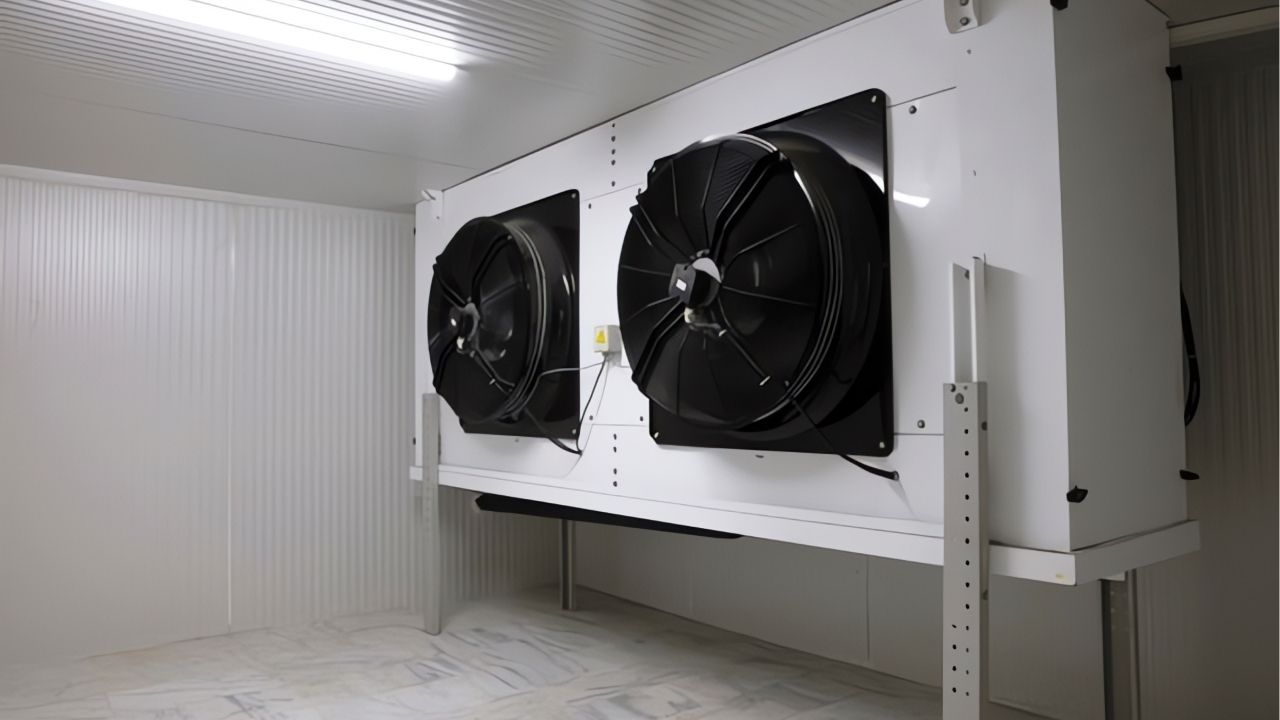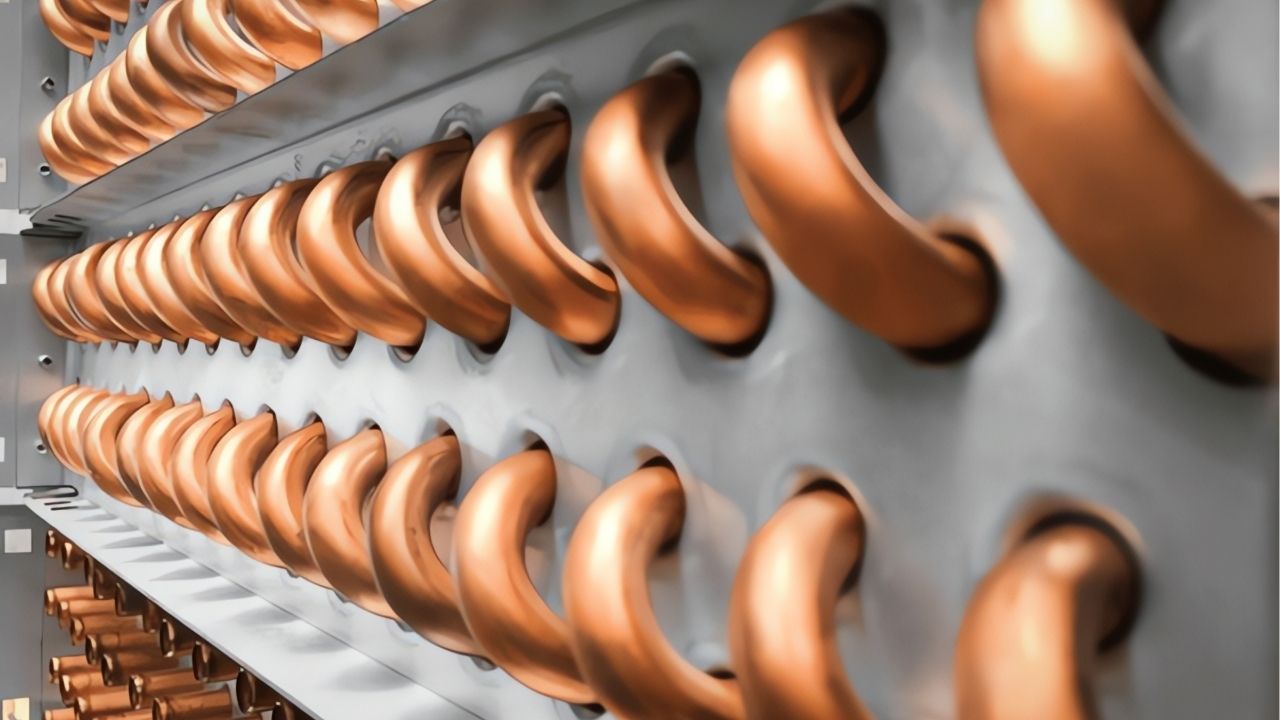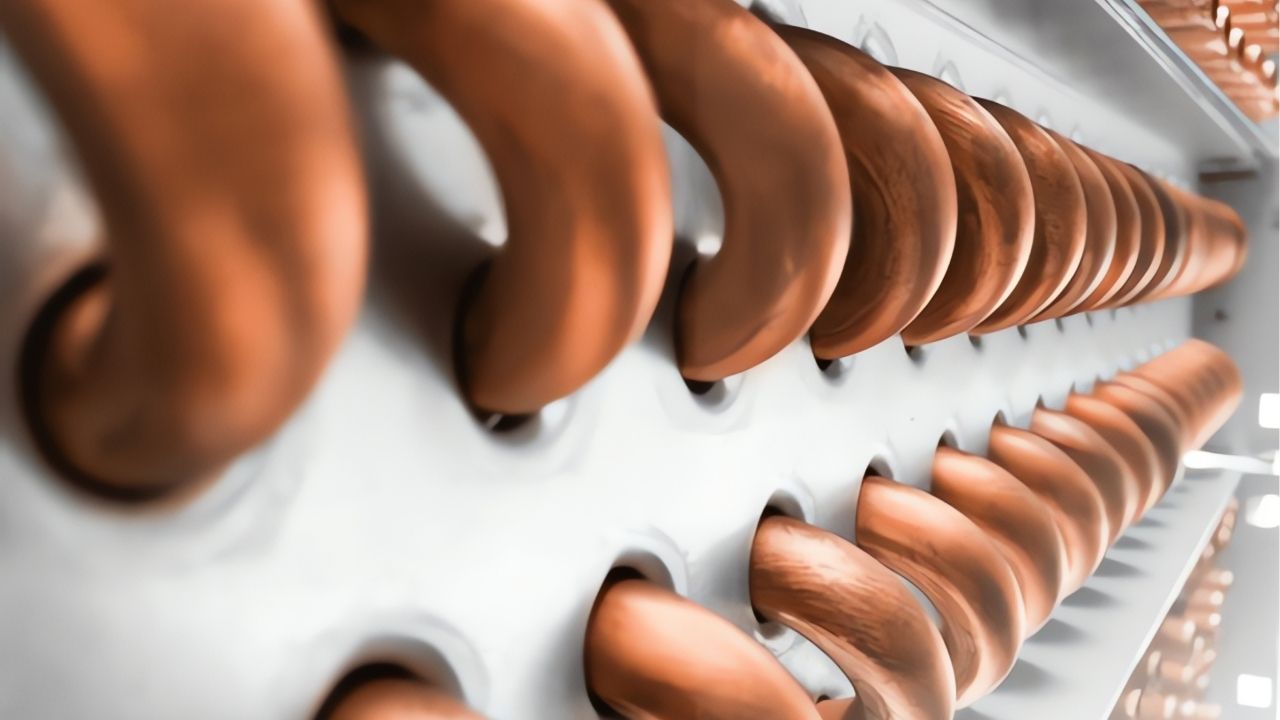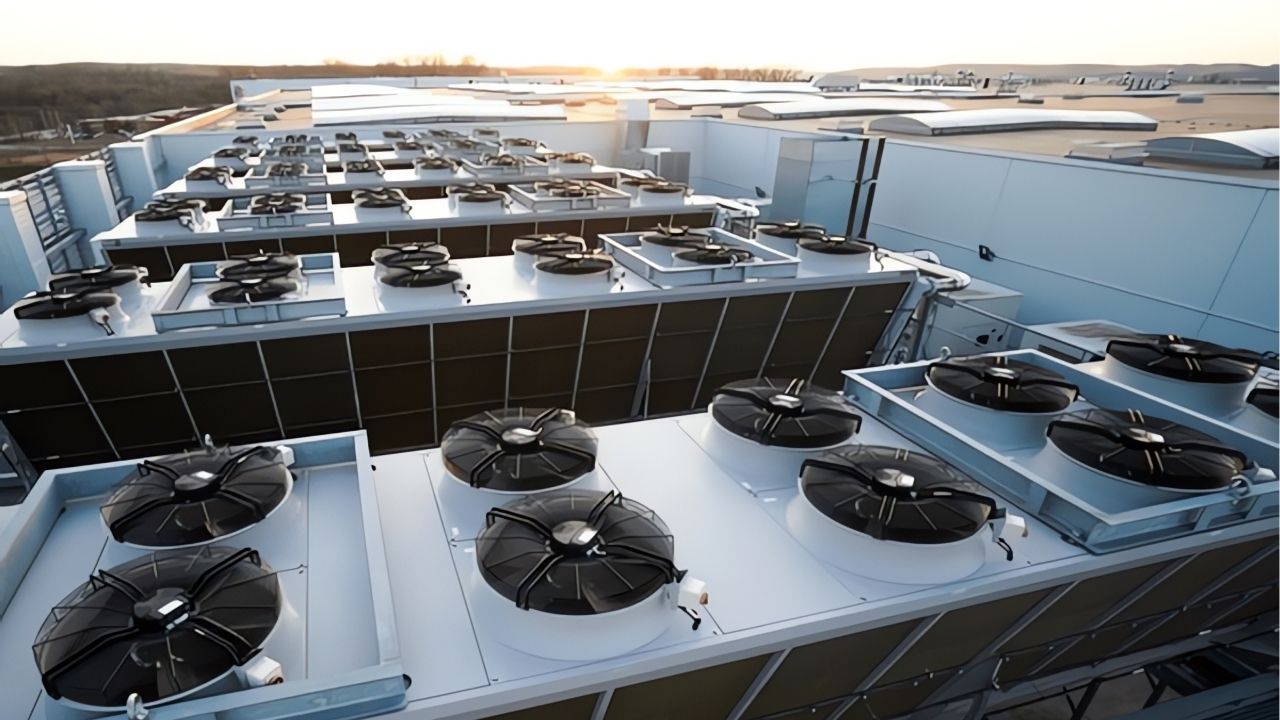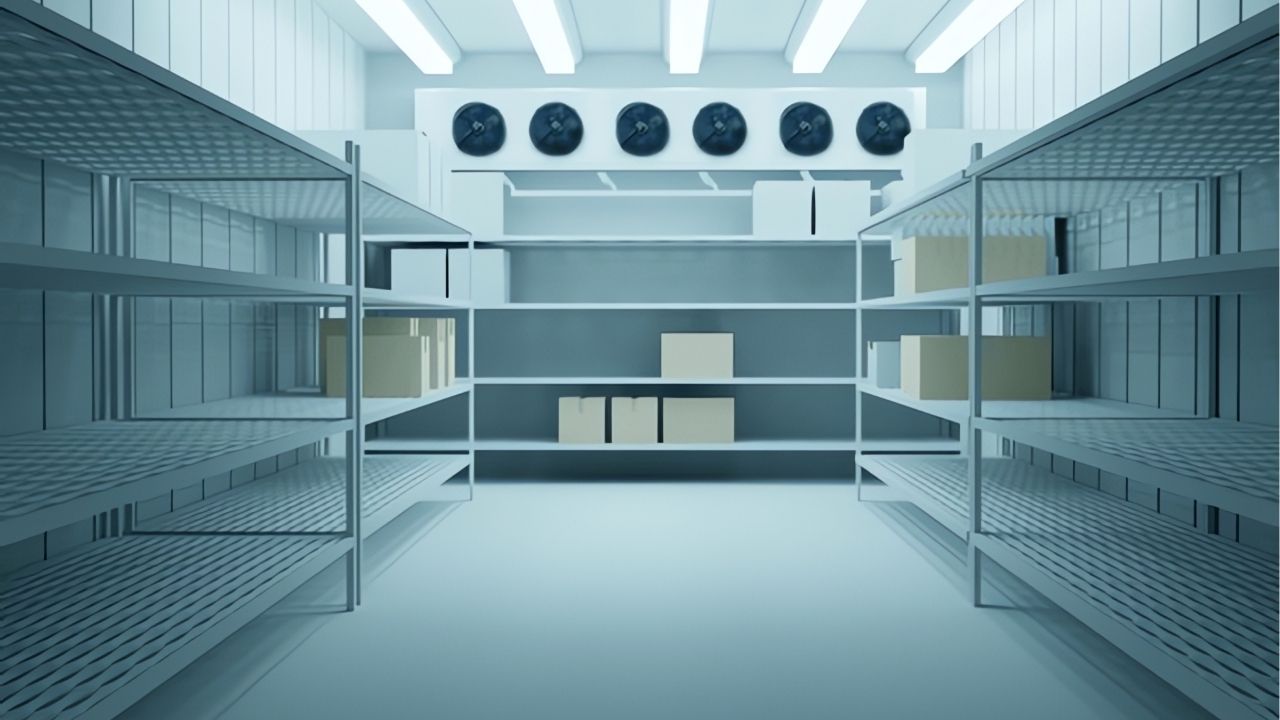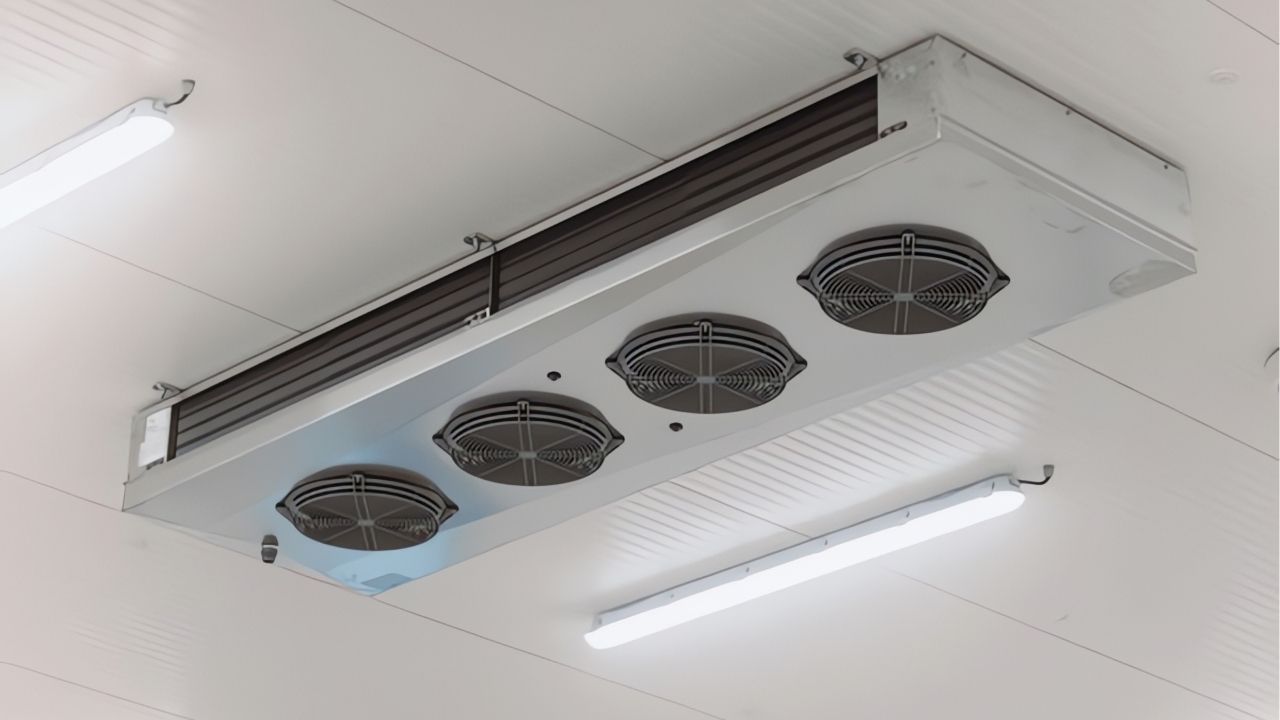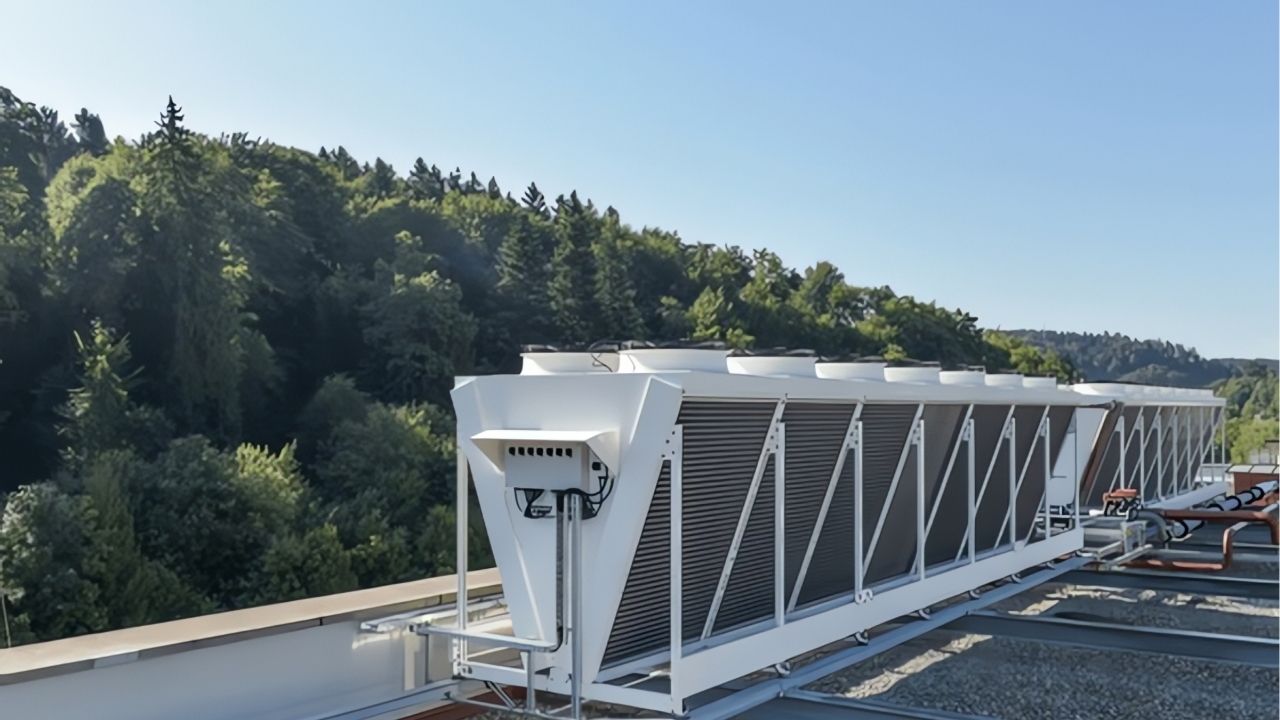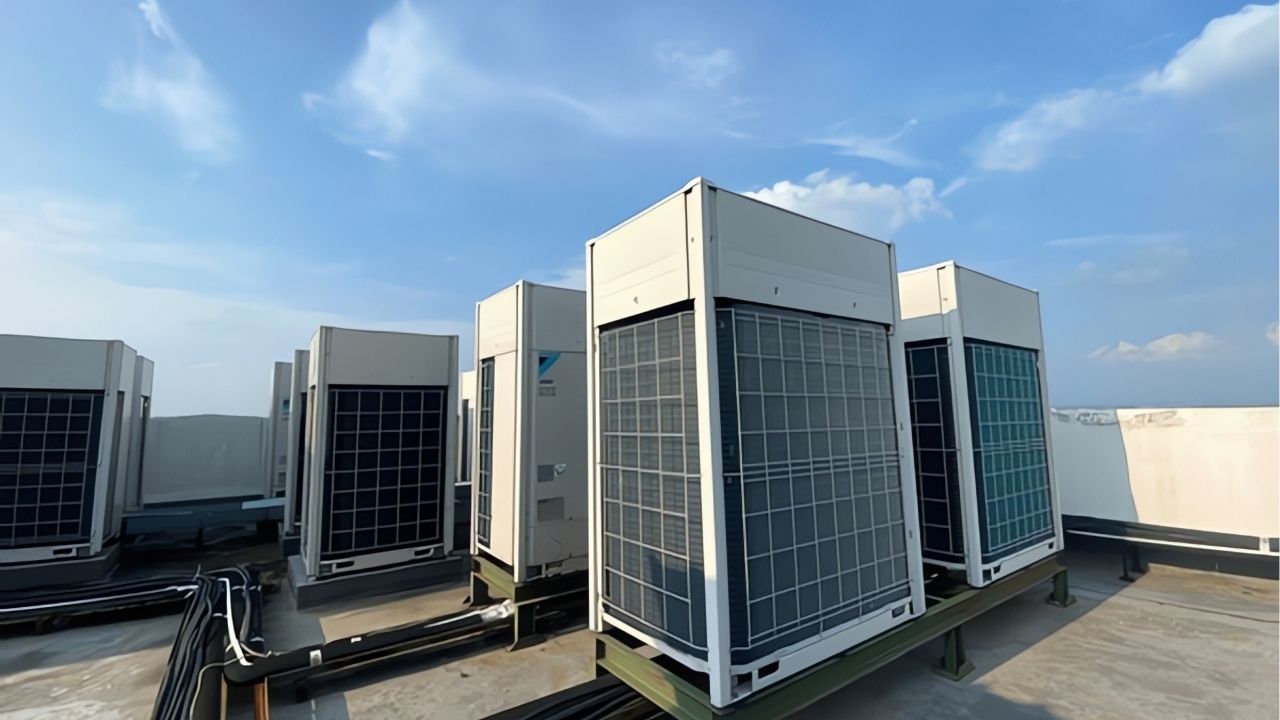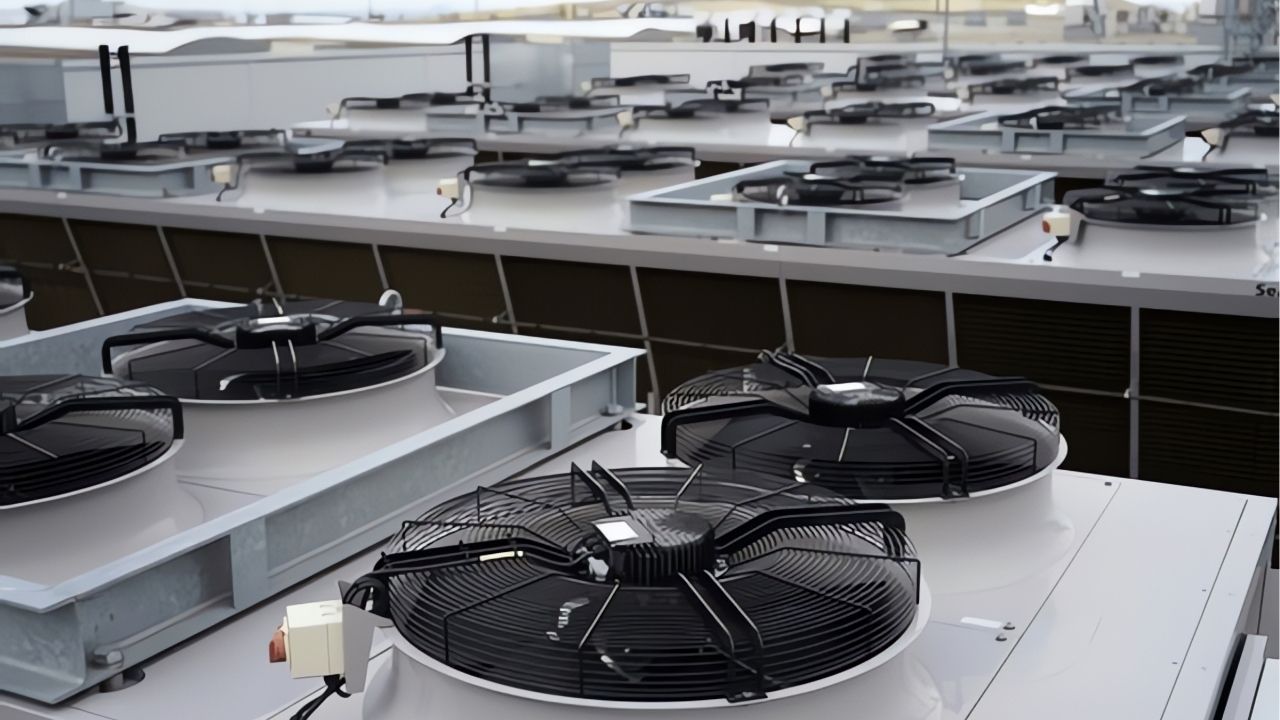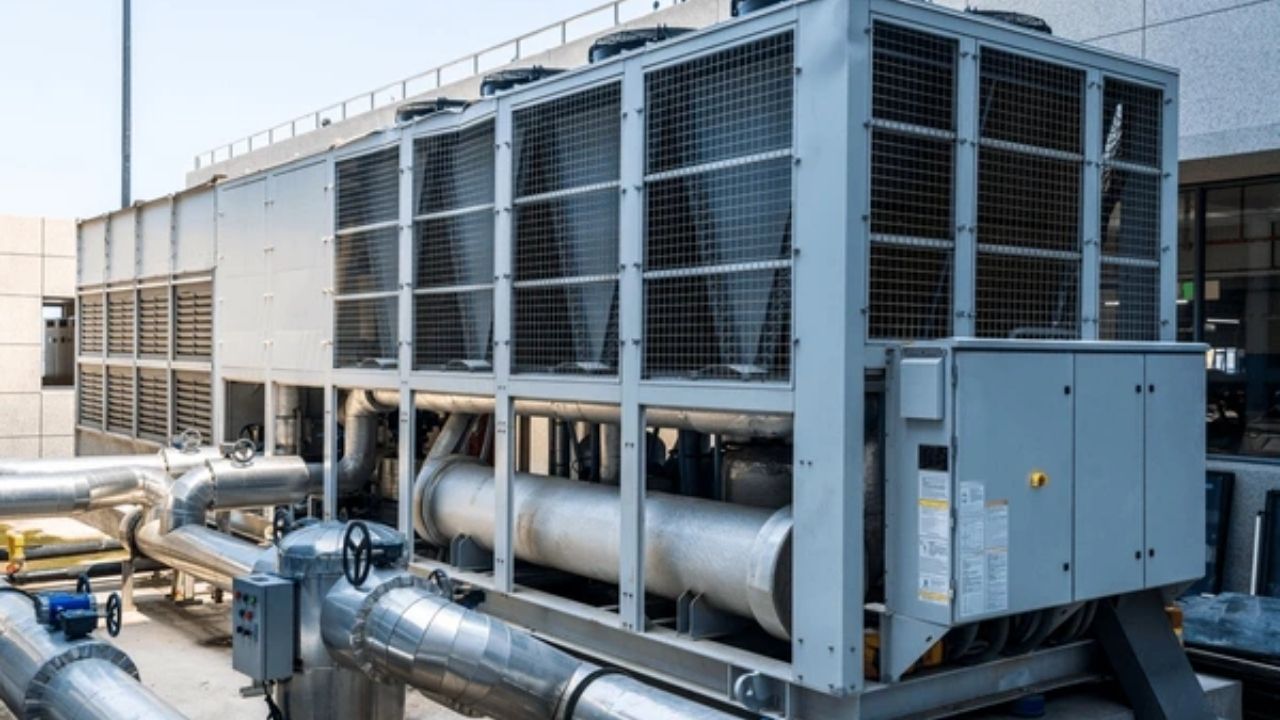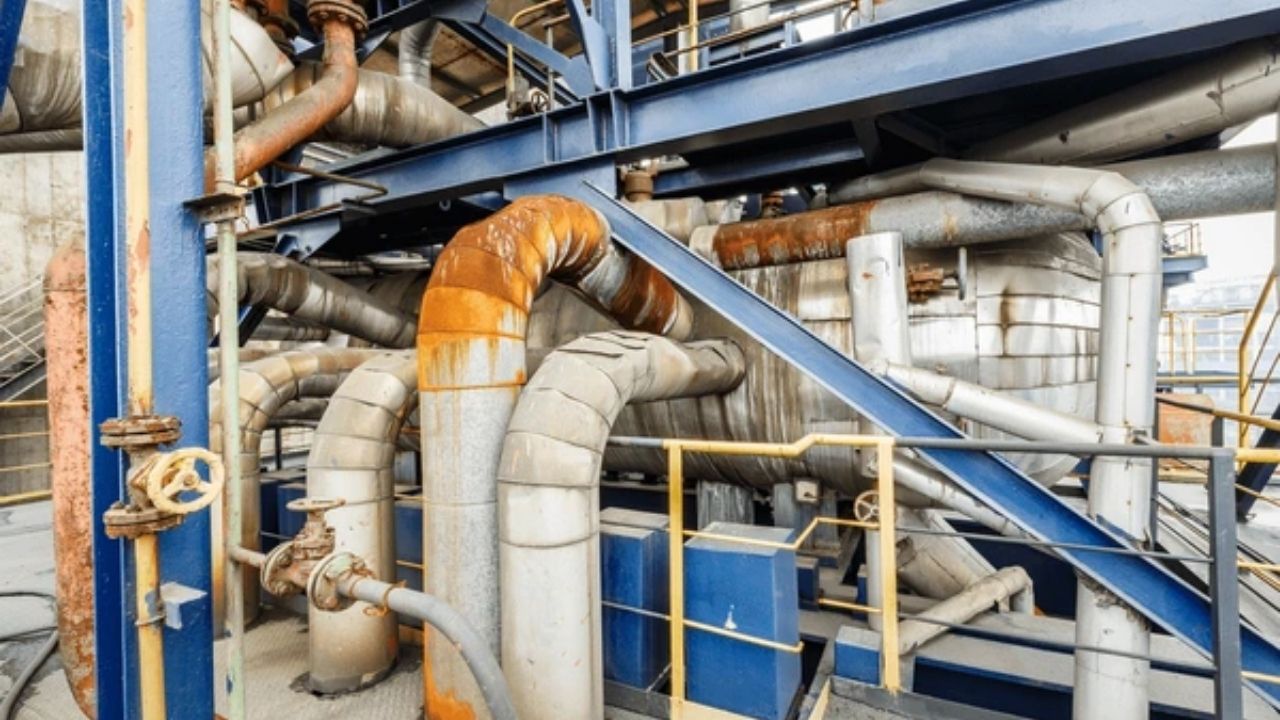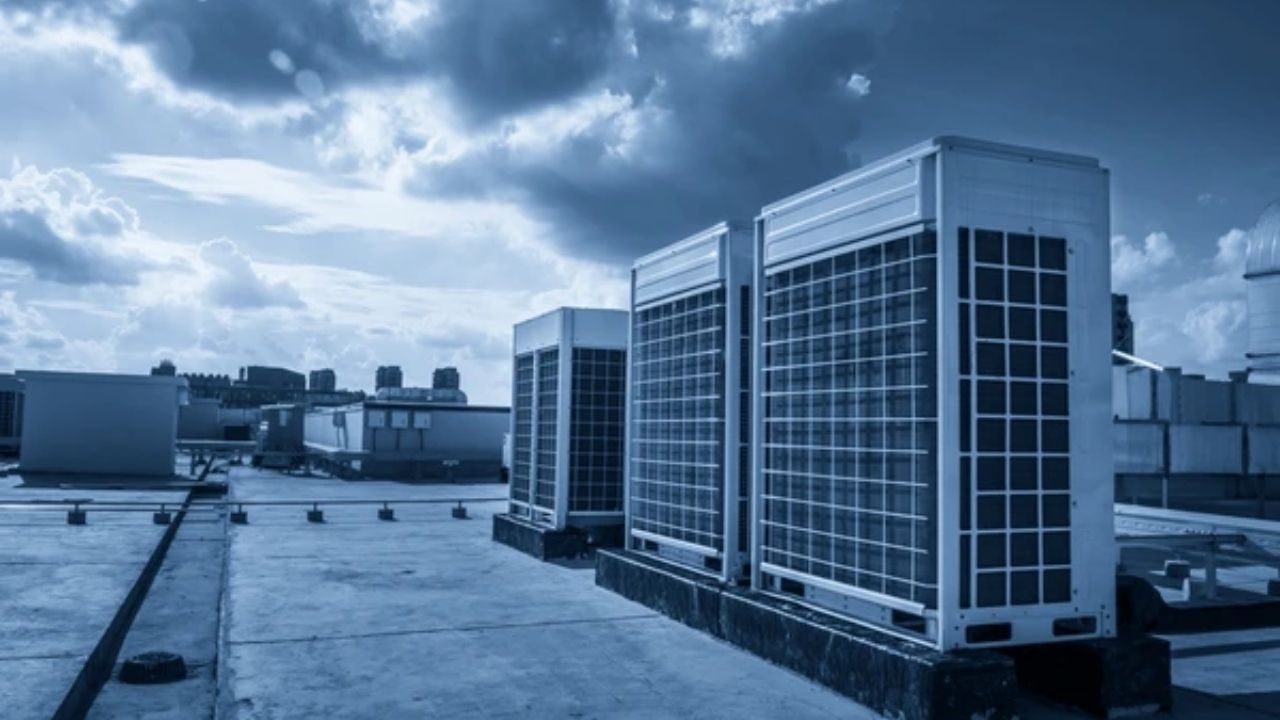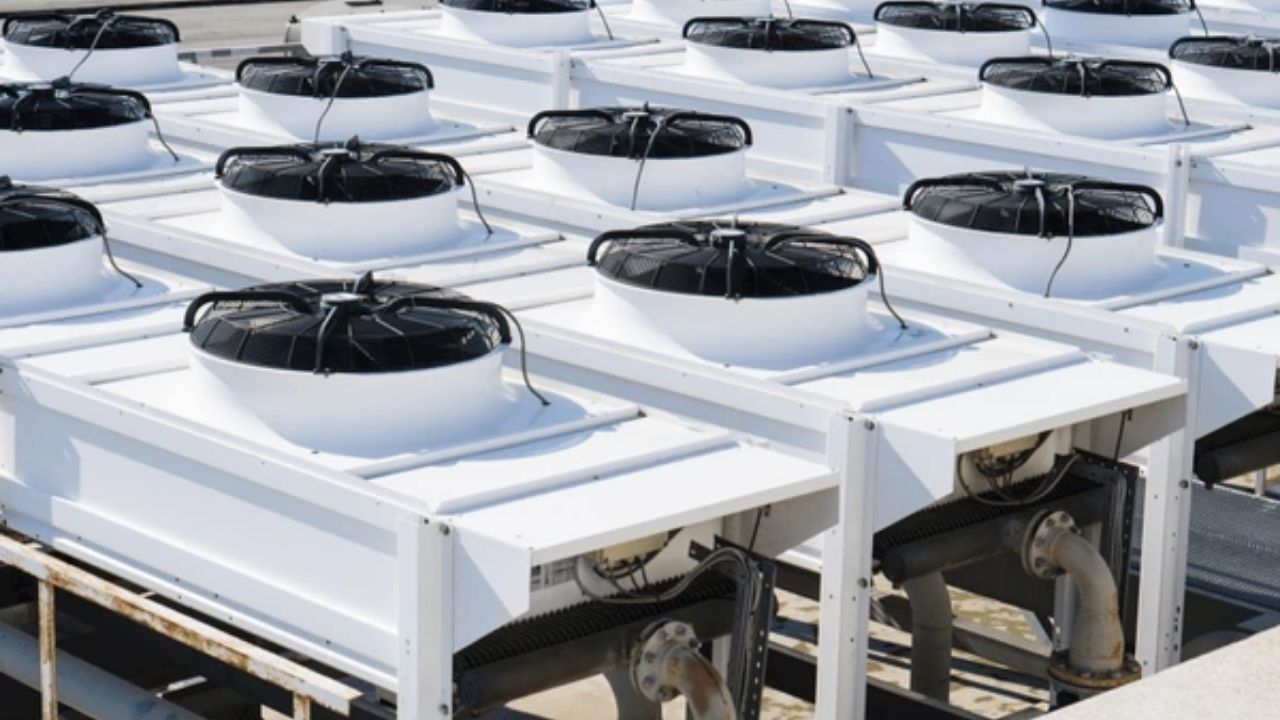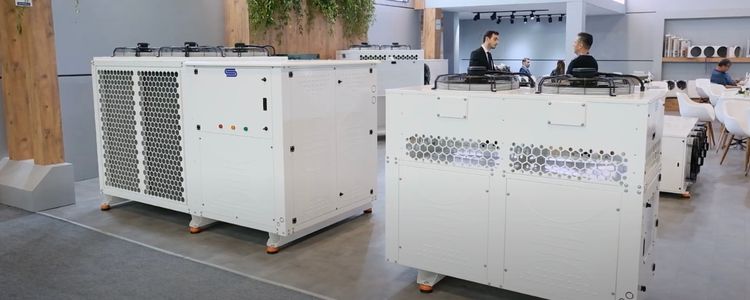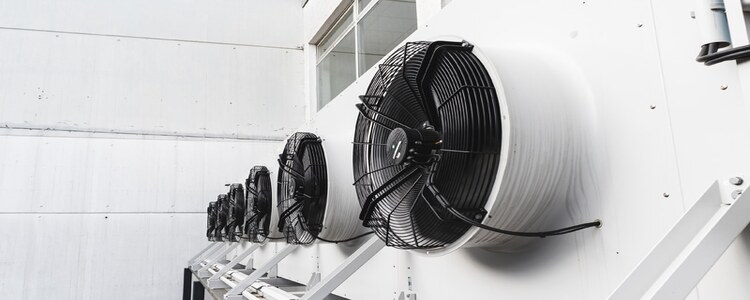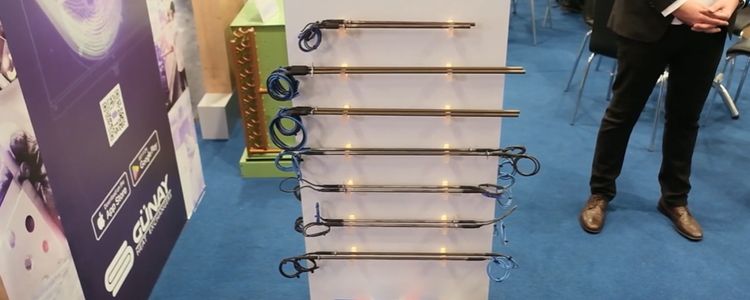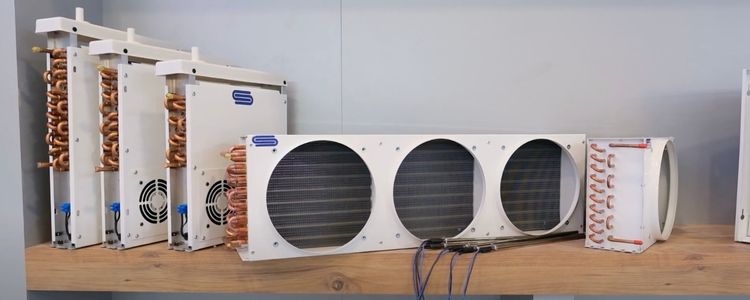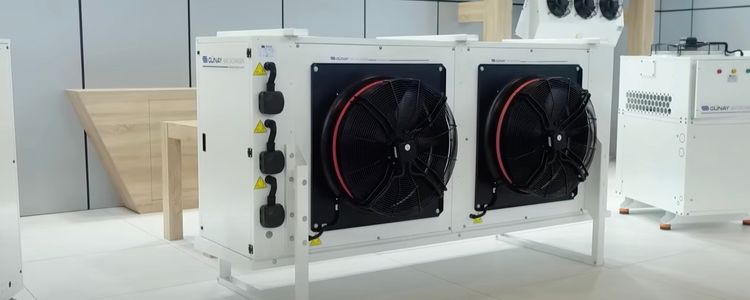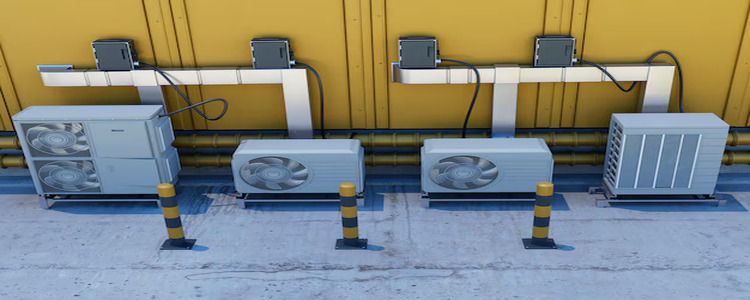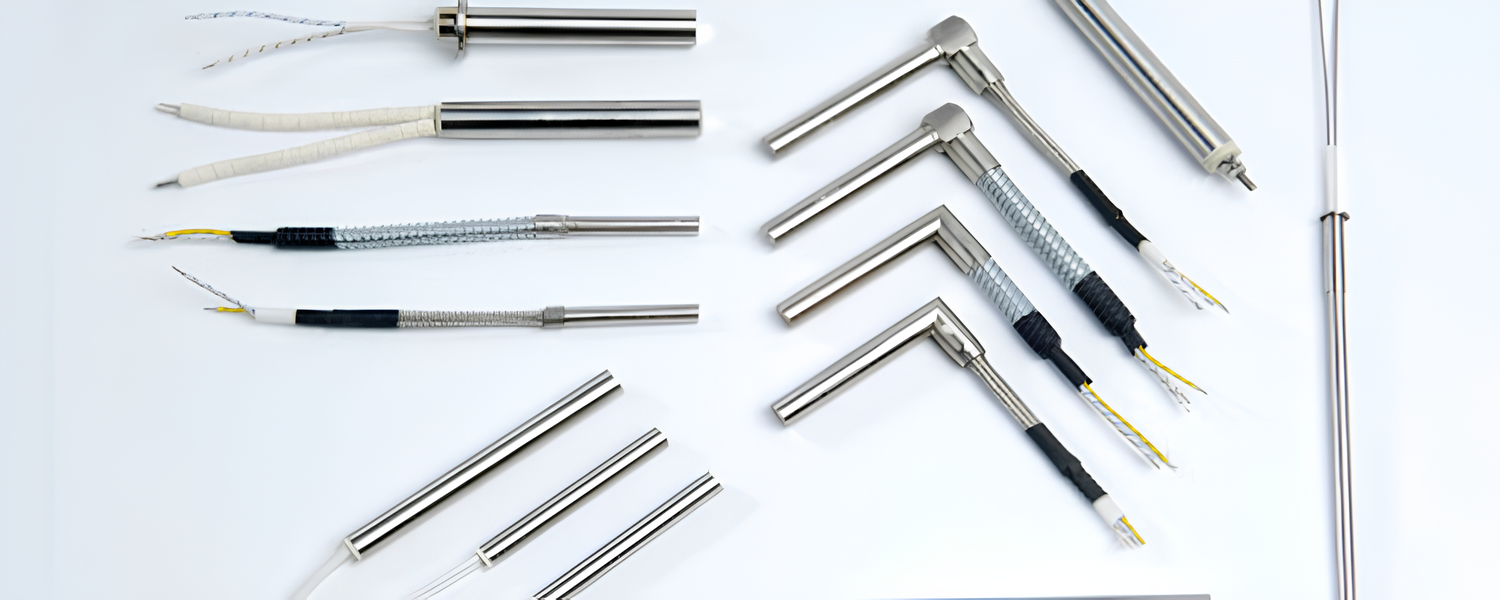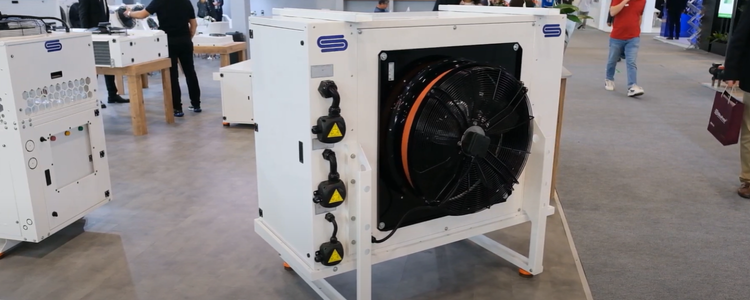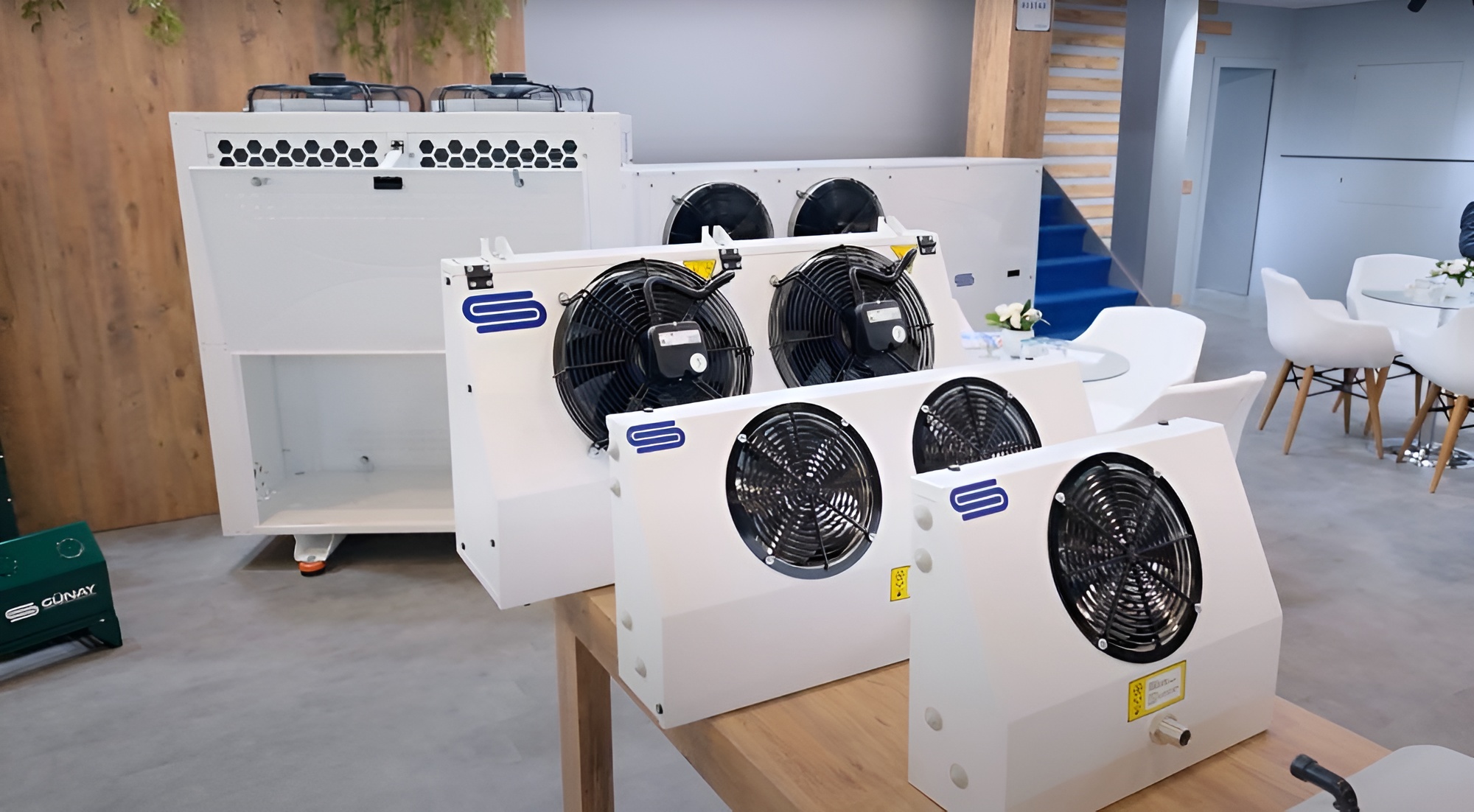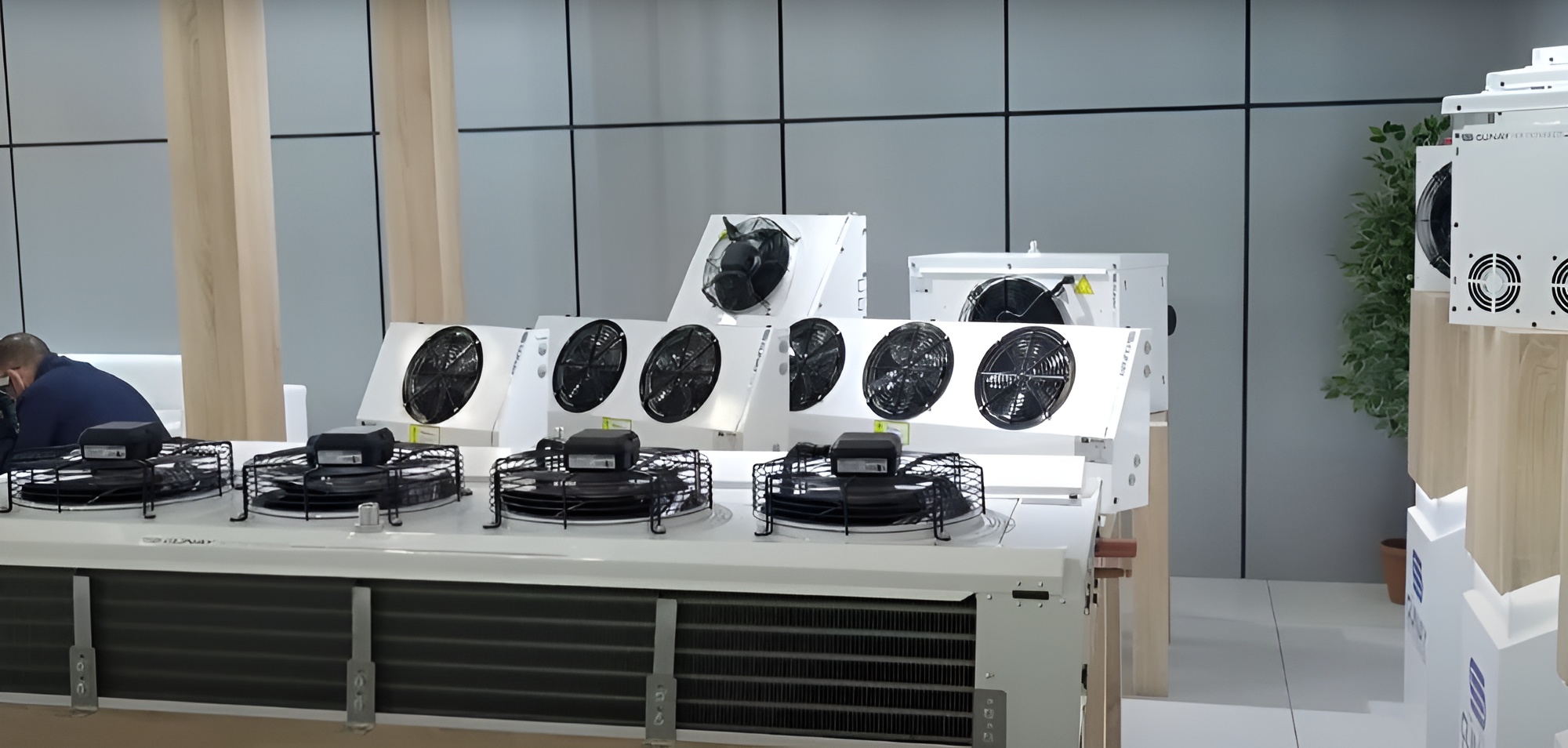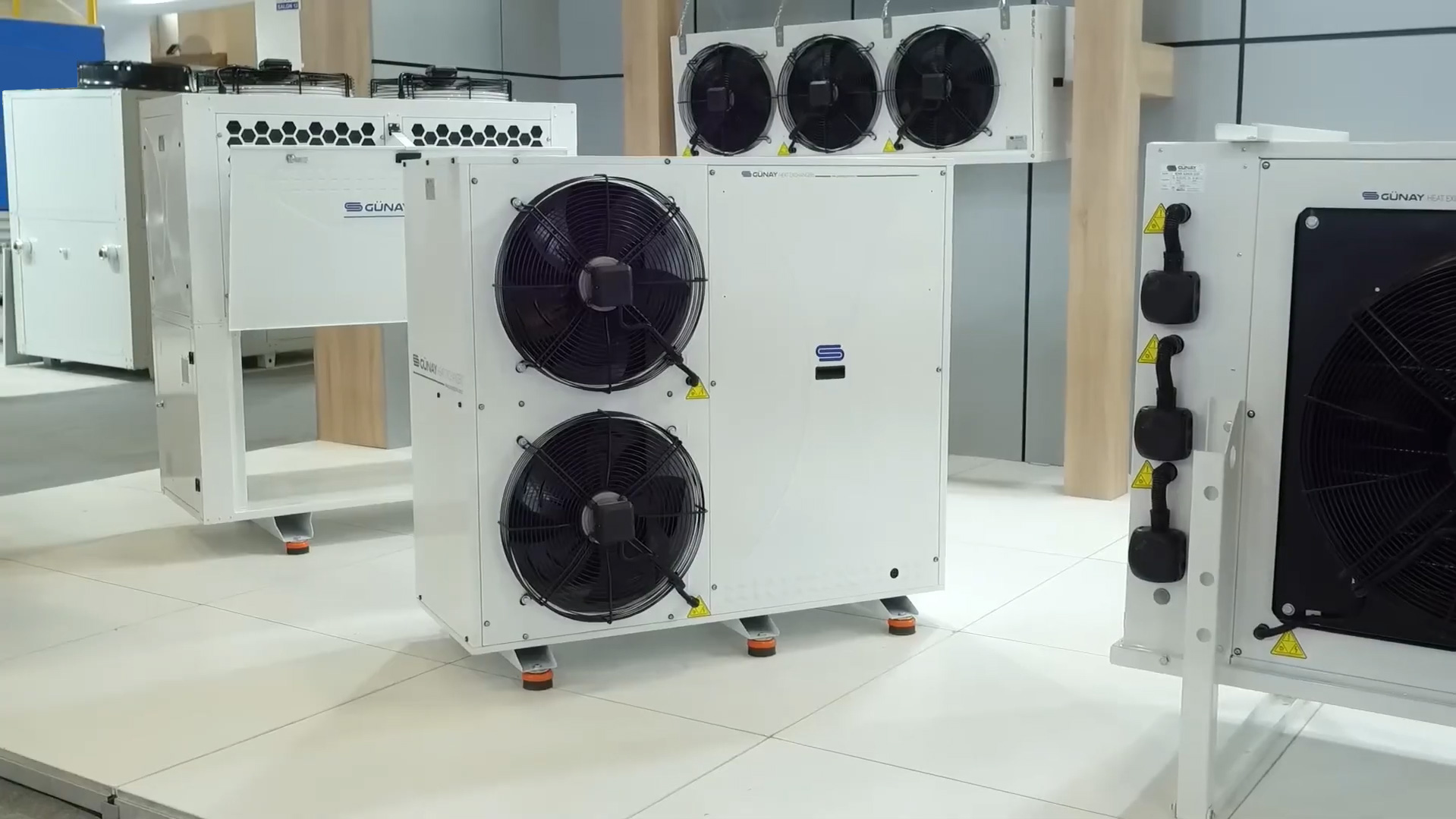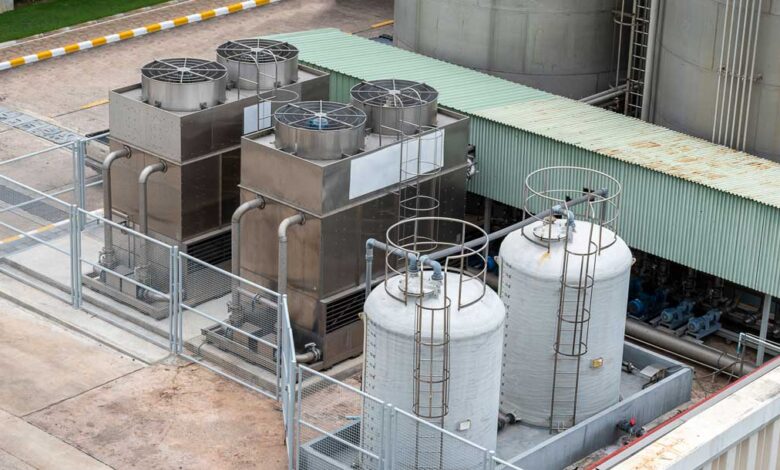


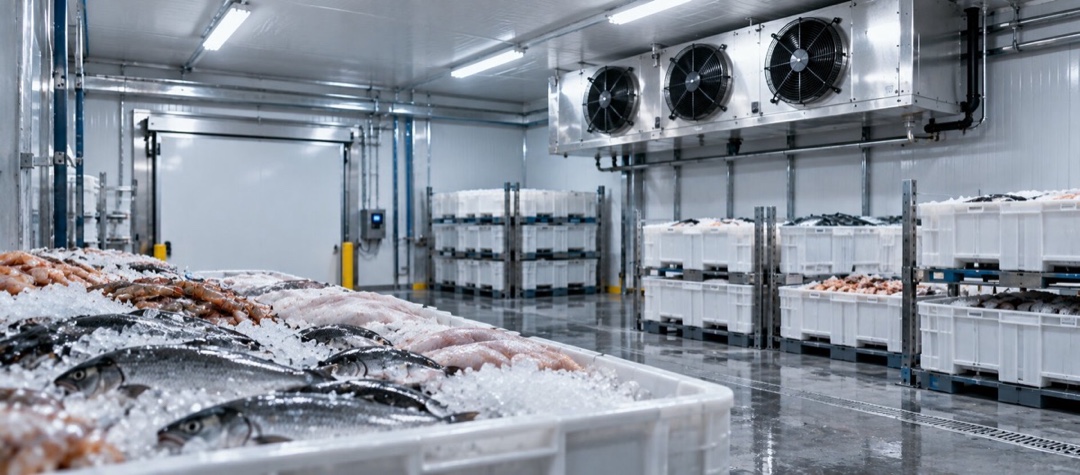
Fish and seafood are among the fastest-spoiling product categories in the food sector, creating additional engineering requirements for refrigeration equipment selection compared with other food categories. Factors such as high humidity load, strong odor emission, and exposure to salty, damp environments call for evaluating evaporator and condenser selection within a different framework than standard applications. The sections below cover the specific cooling characteristics of fish and seafood, evaporator and condenser selection criteria, the importance of humidity and odor management, the relationship between ice-based storage and equipment design, the priority of corrosion resistance, and the steps to follow when selecting the right equipment. Reach out to our team for an assessment tailored to your facility.
Table Of Contents
- What Are The Specific Cooling Characteristics Of Fish And Seafood?
- Which Criteria Stand Out In Evaporator And Condenser Selection?
- Why Is Humidity And Odor Management Critical?
- What Is The Relationship Between Ice-Based Storage And Equipment Design?
- Why Is Corrosion Resistance A Priority Criterion In Seafood Facilities?
- What Steps Should Be Followed To Select The Right Equipment?
- Frequently Asked Questions
What Are The Specific Cooling Characteristics Of Fish And Seafood?
Fish and seafood tend to spoil far more quickly than other food groups due to their high water content and enzymatic activity. The spoilage process, which starts from the moment of catch, can accelerate with even the slightest delay or fluctuation in temperature control. For this reason, fresh fish generally needs to be kept within a narrow temperature range around 0-2°C, most often in direct contact with ice.
Another distinguishing characteristic of seafood is its high moisture content and strong odor emission. Together, these two factors require refrigeration equipment to operate under more demanding conditions than standard food storage, in terms of both humidity management and odor control.
Which Criteria Stand Out In Evaporator And Condenser Selection?
The following elements are worth evaluating when selecting an evaporator and condenser for fish and seafood storage:
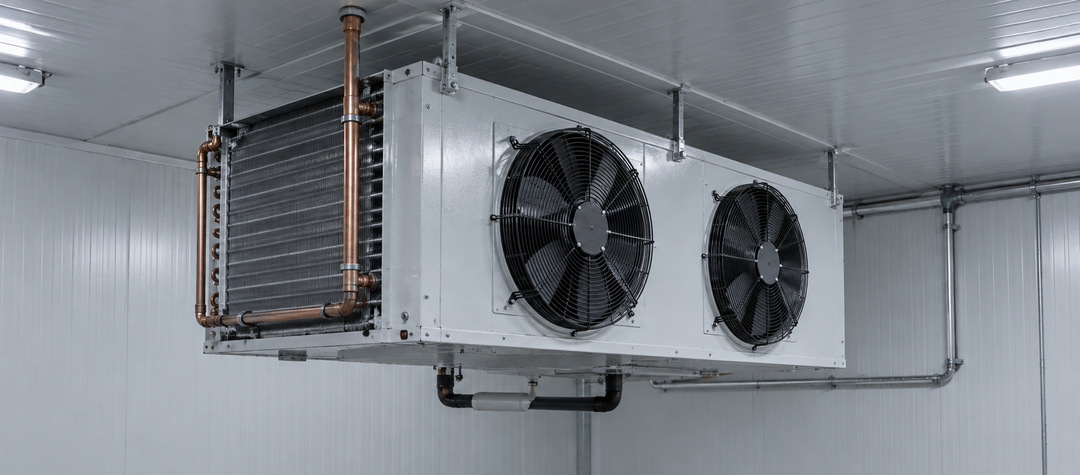
- Low temperature-difference (dT) design: Sizing the evaporator to operate with a lower dT is advisable to preserve the narrow temperature tolerance.
- Capacity suited to high humidity load: The moisture carried by the products and ice creates a higher humidity load than a standard food warehouse; this difference should be factored into the capacity calculation.
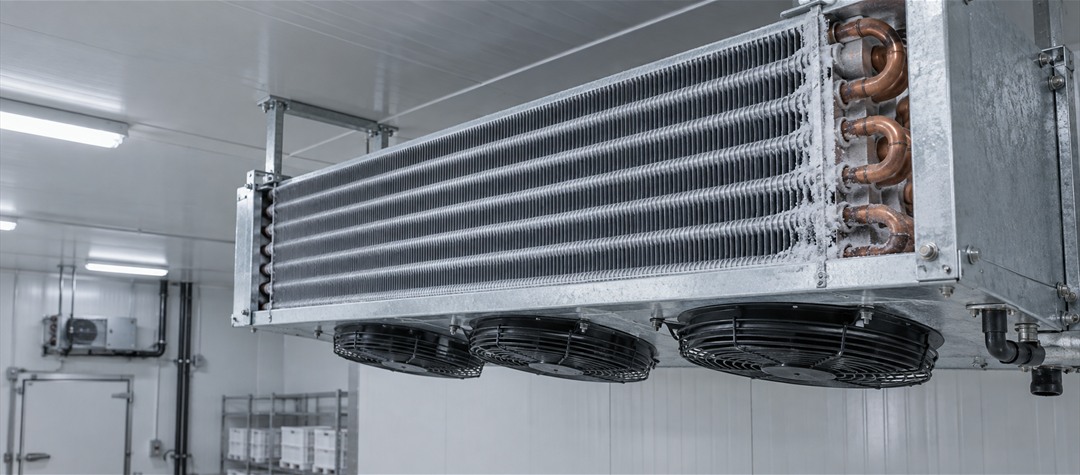
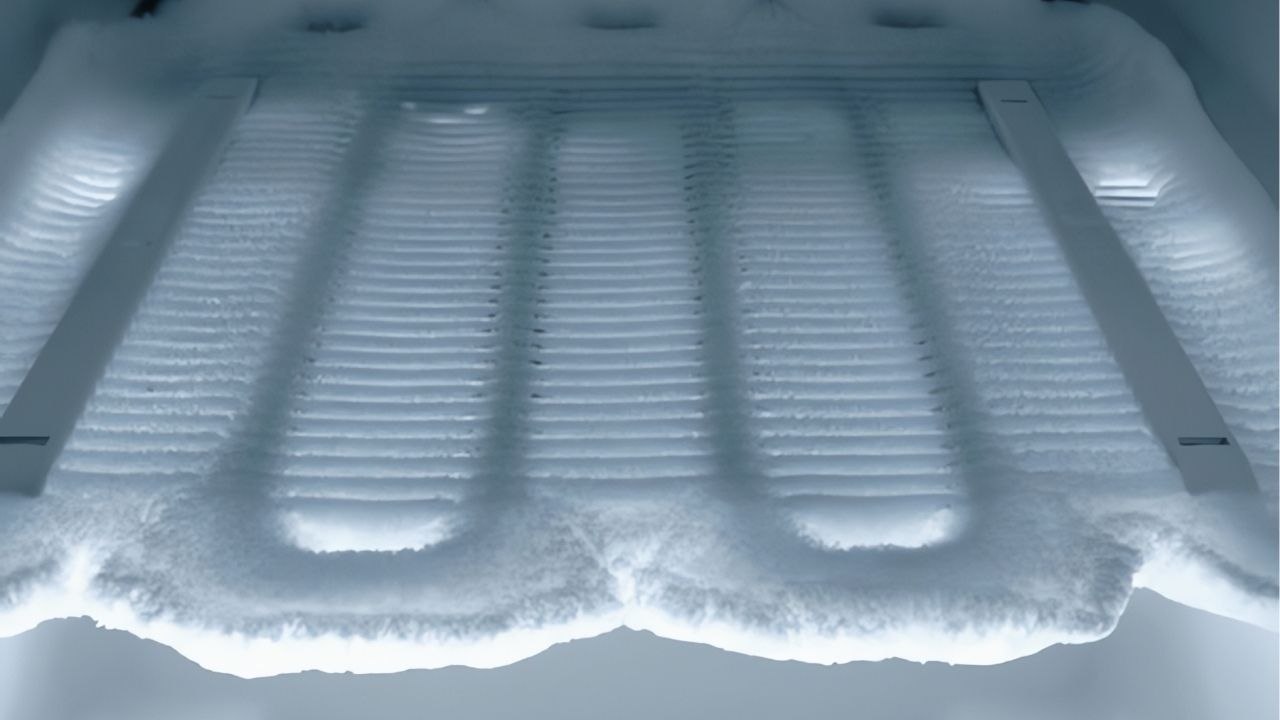
- Design suited to frequent defrost cycles: Because of the high humidity load, frost can build up quickly on the evaporator surface; a reliable defrost system capable of frequent operation is needed.
- Condenser capacity margin: An additional safety margin should be planned on the condenser side, based on the humidity and temperature conditions of the facility's region.
Failing to fully evaluate these criteria can lead to rapid loss of product freshness and an unexpected rise in operating costs.
Why Is Humidity And Odor Management Critical?
Humidity management in seafood warehouses is a critical factor affecting both product quality and equipment lifespan. Excessively high humidity can accelerate microbial growth, while excessively low humidity can cause the product to dry out quickly and lose weight. Achieving a balanced humidity level requires careful planning of the air circulation design.
Odor management is equally important; the strong smell of fish and seafood can transfer to other food groups stored in the same facility. To limit this risk, separate air circulation circuits or physically separated storage areas should be preferred. Inadequate ventilation can lead to persistent odor problems both in the working environment and in surrounding products.
What Is The Relationship Between Ice-Based Storage And Equipment Design?
Most fresh fish and seafood is stored in direct contact with ice. This practice creates several additional requirements for equipment design:
- Melted ice water drainage: The storage area and equipment need a slope and drainage structure that allows melted ice water to drain quickly without pooling.
- Wet-environment-rated components: Electrical components and connection points continuously exposed to damp, wet conditions need to have an appropriate protection rating.
- Corrosion resistance of the floor and base: Since melted ice water often carries salt, floor and substructure materials need to be corrosion-resistant.
A system designed without accounting for ice-based storage conditions can encounter problems such as standing water, floor damage, and electrical faults within a short time.
Why Is Corrosion Resistance A Priority Criterion In Seafood Facilities?
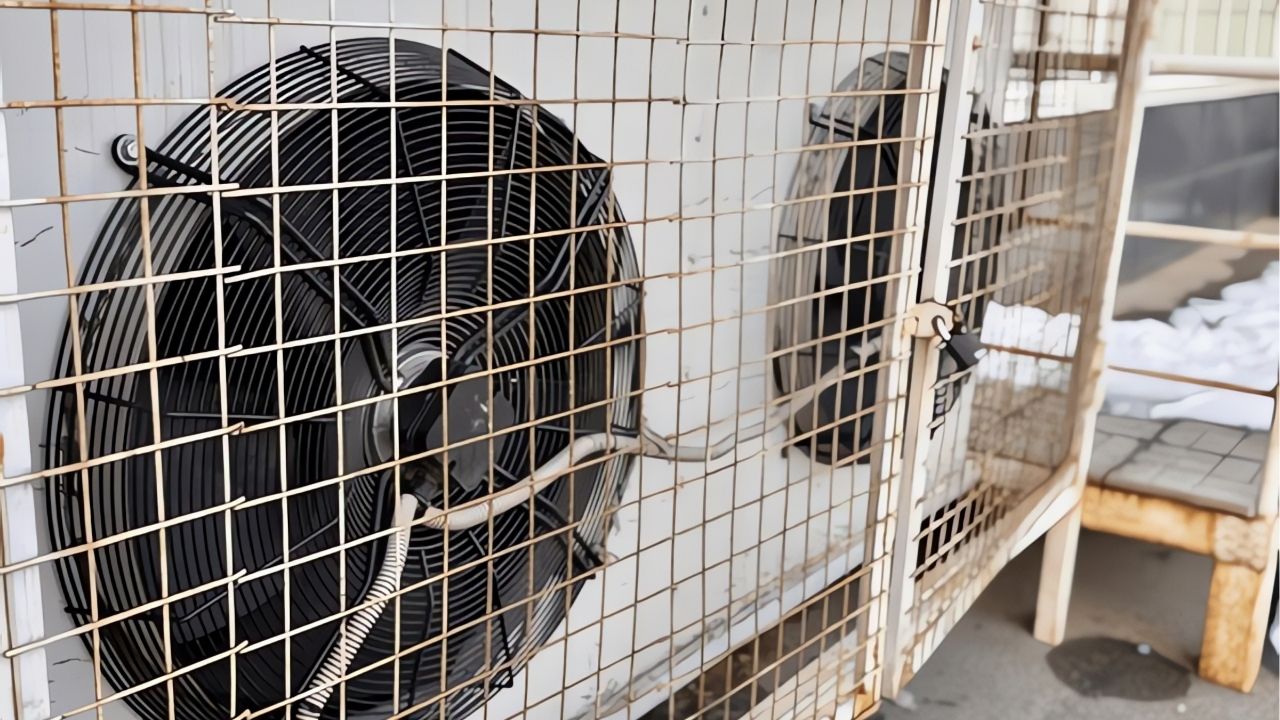
In seafood facilities where salt water, high humidity, and frequent disinfection processes combine, corrosion risk is markedly higher than in other food storage areas. Elements worth evaluating in material selection include:
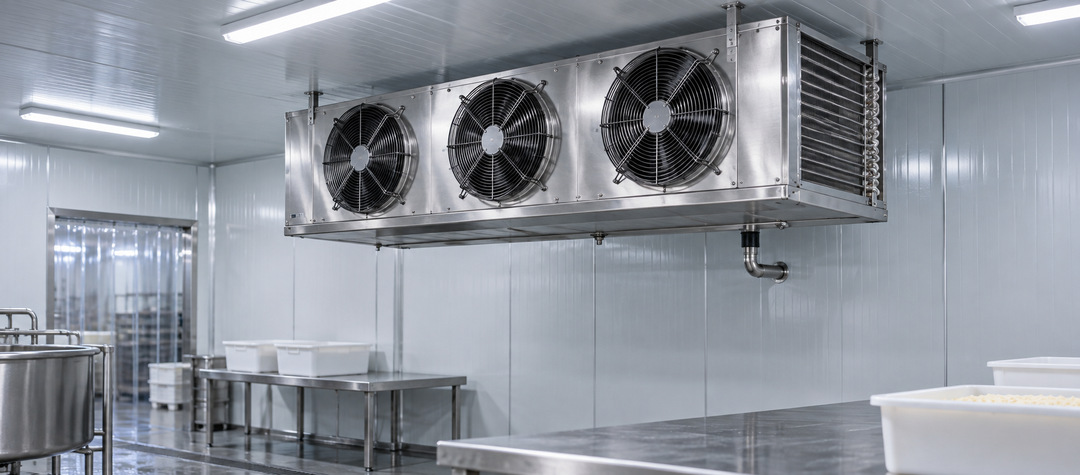
- Stainless steel surfaces: Materials resistant to salty, humid environments should be preferred for the evaporator and condenser casing.
- Corrosion-resistant fin coating: Protective coatings such as epoxy on aluminum fins can slow the effect of salty air.
- Material quality of fasteners: Small components such as screws, nuts, and brackets also need to be made from corrosion-resistant material.
When material quality does not receive sufficient attention, equipment life can end far sooner than expected, and frequent replacement costs can place an additional burden on the operating budget.
What Steps Should Be Followed To Select The Right Equipment?
Practical steps that can be followed in the refrigeration equipment selection process for a fish and seafood facility can be summarized as follows:
- Clarify the product category and storage method: Different methods, such as ice-based storage, frozen storage, or fresh cold chain, create different equipment requirements.
- Build a humidity and odor management plan: Air circulation design should be planned to support a balanced humidity level and odor control.
- Confirm material durability: Stainless or corrosion-resistant coated material options should be evaluated.
- Determine the defrost strategy: A defrost method suited to the high humidity load, capable of frequent and reliable operation, should be planned.
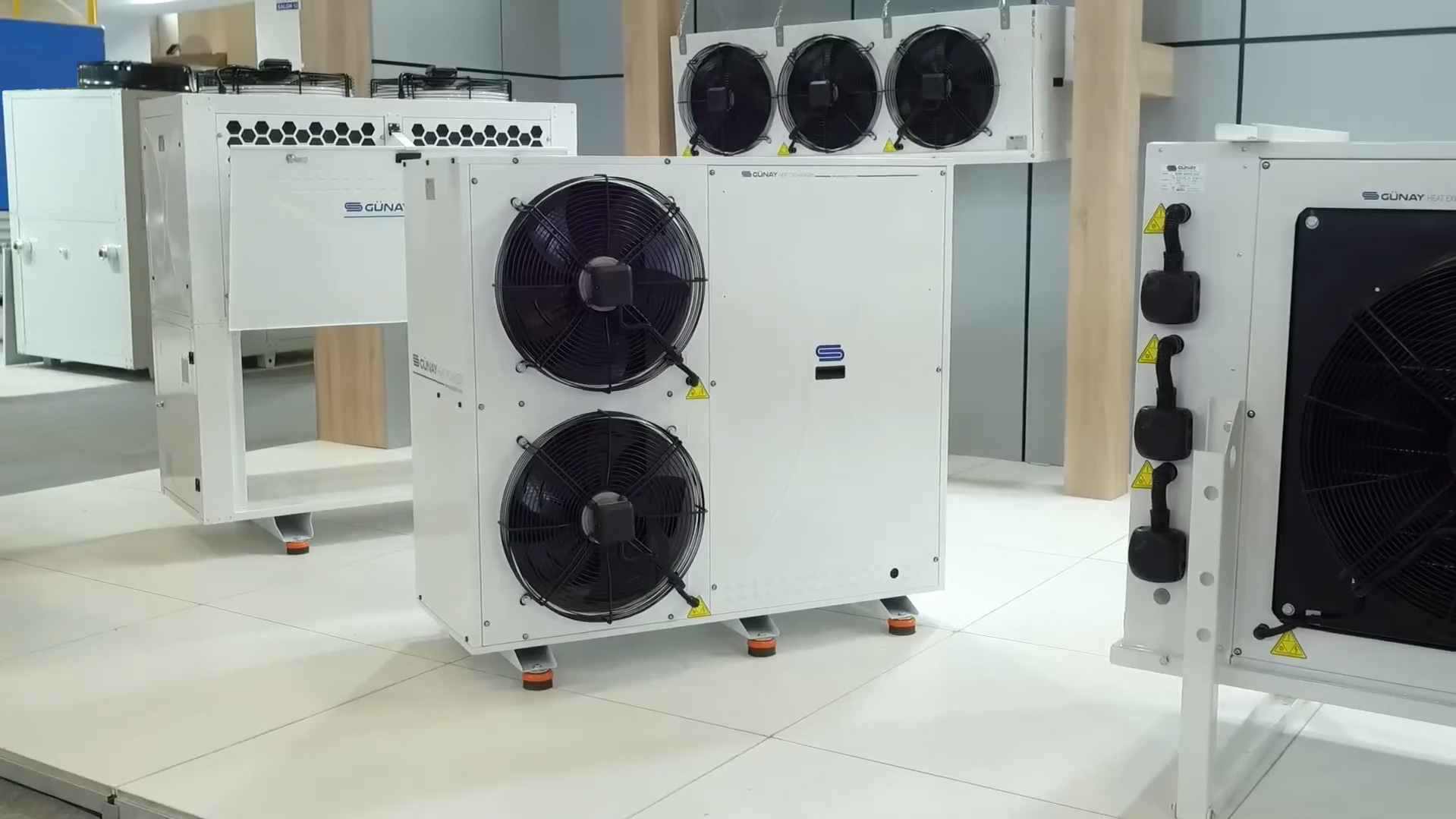
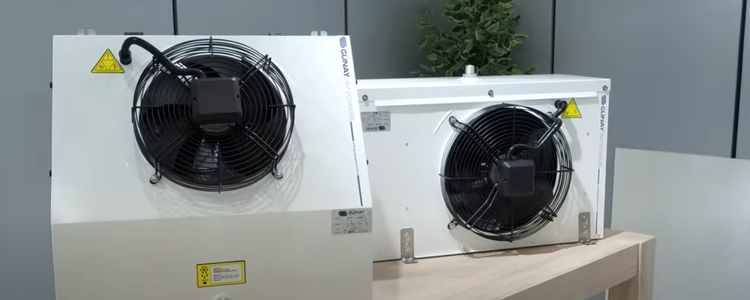
Günay Soğutma offers stainless material options and custom manufacturing capability suited to the seafood sector, helping determine a solution matched to your facility's requirements. Share your site conditions and product category with our team to request a project-specific assessment.
Frequently Asked Questions
What Temperature Range Should Be Targeted For Fresh Fish?
The generally accepted range is around 0-2°C; the product is typically kept at this temperature by maintaining direct contact with ice.
Can A Standard Evaporator Be Used In Seafood Storage?
While technically possible, a standard model may fall short of meeting the high humidity load and frequent defrost requirements; a model designed specifically for these conditions should be preferred.
How Does Odor Transfer Affect Other Products?
Inadequate ventilation or a shared air circulation circuit can cause fish odor to transfer to other food groups stored in the same facility; using a separate circuit or compartment reduces this risk.
Is Using Stainless Material Mandatory?
Whether it is mandatory depends on the hygiene standard the business is subject to and the environmental conditions of the facility; stainless material is generally strongly recommended in salty, humid environments.
Can Melted Ice Water Damage Equipment?
Yes. The salt content of melted ice water and the constantly damp environment can cause damage over time to components that are not corrosion-resistant.
How Can I Determine The Right Equipment For My Facility?
Share your product category, storage method, and site conditions with our team to request a project-specific technical assessment.