

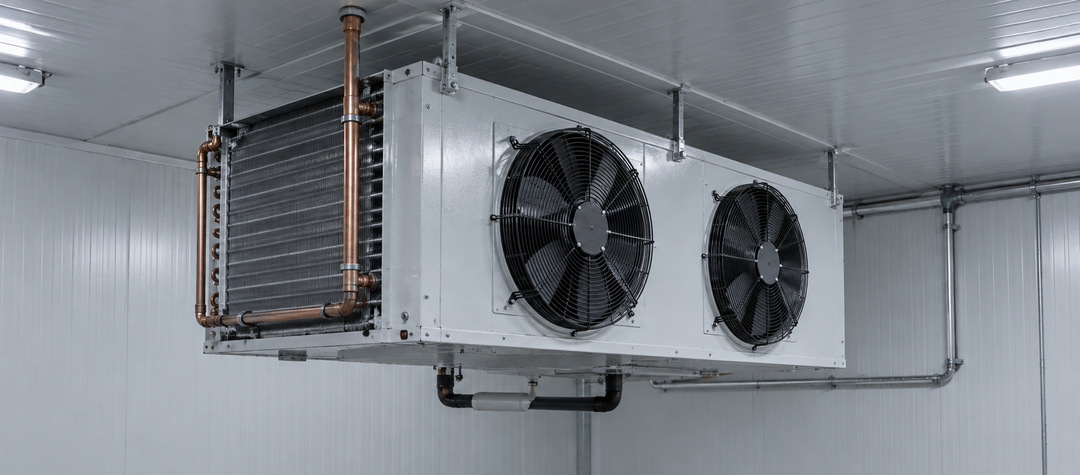
What Conditions Are Evaporator Catalogue Capacities Based On?
01 / 10 / 2026

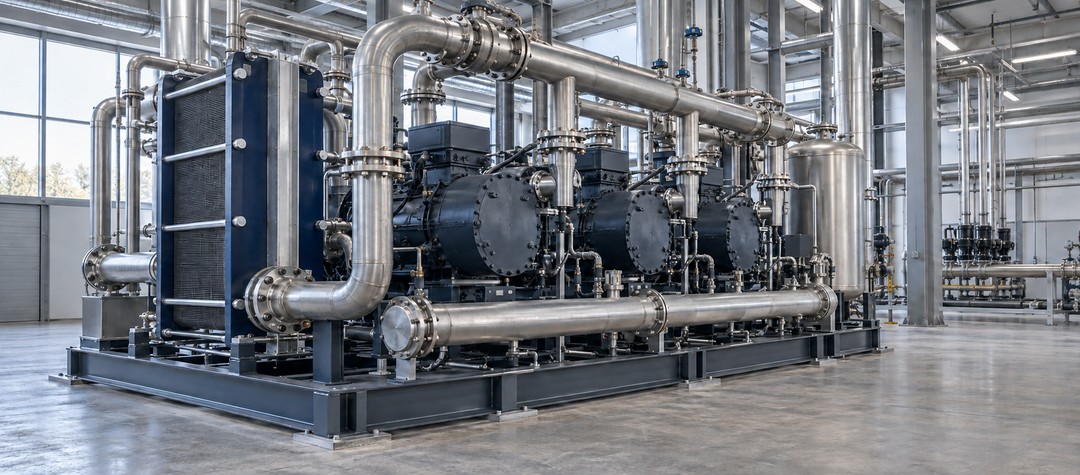
The refrigeration and air conditioning industry has been undergoing a fundamental transformation in recent years, driven by growing pressure for environmental sustainability. At the center of this transformation lies the global warming potential (GWP) of the refrigerants used in these systems. The design of heat transfer equipment such as evaporators, condensers, and heat exchangers is shaped directly by the physical and chemical properties of the refrigerant they are built to handle. For that reason, the shift toward low GWP refrigerants is not simply an environmental policy matter — it is a technical requirement that directly affects engineering design and equipment selection. The sections below examine what GWP actually means, how the current regulatory landscape is shaping the industry, what alternative refrigerant options exist, and how the transition affects equipment design and purchasing decisions.
Global Warming Potential (GWP) is a metric expressing how strongly a given gas contributes to the greenhouse effect over a defined period, typically 100 years, compared to the same amount of carbon dioxide (CO2). Carbon dioxide is used as the reference gas and is assigned a GWP value of 1. A gas with a GWP of 2,000, for example, carries 2,000 times the warming impact of the same mass of CO2 when released into the atmosphere.
Many hydrofluorocarbon (HFC) based refrigerants that have been widely used in refrigeration for decades carry very high GWP values. R404A, a refrigerant commonly used in commercial and industrial refrigeration, has a GWP of roughly 3,900. That figure illustrates how significant the environmental impact of even a small refrigerant leak can be. The concept of GWP makes clear that refrigerant selection today must account for environmental footprint alongside thermodynamic performance.
When assessing the overall environmental impact of a refrigeration system, two components are typically considered: indirect emissions from the energy the system consumes during operation, and direct emissions from refrigerant leaks. The shift to low GWP refrigerants primarily targets the reduction of direct emissions — with sound engineering, that shift can be achieved without sacrificing energy efficiency.
Awareness of the environmental impact of refrigerants dates back to the 1987 Montreal Protocol, which led to the phase-out of ozone-depleting CFC and HCFC based gases. Once it became clear that the HFC refrigerants that replaced them, while ozone-safe, carried high global warming potential, the 2016 Kigali Amendment introduced a global phase-down schedule targeting HFCs specifically.
The EU F-Gas Regulation is one of the primary regional frameworks translating that global trend into binding rules. It progressively reduces the volume of high-GWP refrigerants placed on the market, restricts the use of refrigerants above certain GWP thresholds in specific types of new equipment, and mandates leak-tightness checks and recovery procedures during servicing and maintenance. For manufacturers based in Turkey that export to European markets, this regulatory framework has become a direct compliance consideration — equipment shipped to Europe is expected to be designed in line with the refrigerant restrictions of the destination market.
Regulatory pressure is not limited to Europe. Many countries that are parties to the Kigali Amendment have introduced similar phase-down programs of their own. As a result, the shift to low GWP refrigerants has become a general direction for the international refrigeration equipment trade rather than a single-market phenomenon. For a manufacturer or system integrator aiming to serve multiple export markets, designing a product portfolio that can adapt to this evolving regulatory landscape has become a strategic necessity.
Several alternatives exist to replace traditional high-GWP refrigerants. Broadly, these alternatives fall into three categories:
Each alternative comes with its own advantages and engineering requirements. Ammonia delivers high efficiency but requires specific safety measures due to its toxicity and flammability; CO2 operates at much higher working pressures and demands specialized materials and component design; hydrocarbons such as propane are subject to charge-size limitations based on their flammability classification. Given these differences, there is no single "best" refrigerant — the right choice depends on the application type, capacity, safety requirements, and the regulatory environment of the target market.
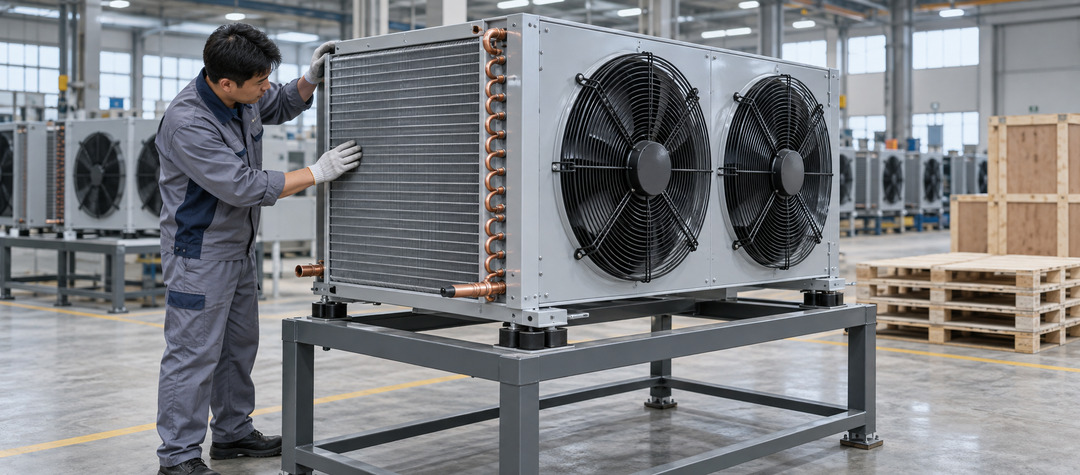
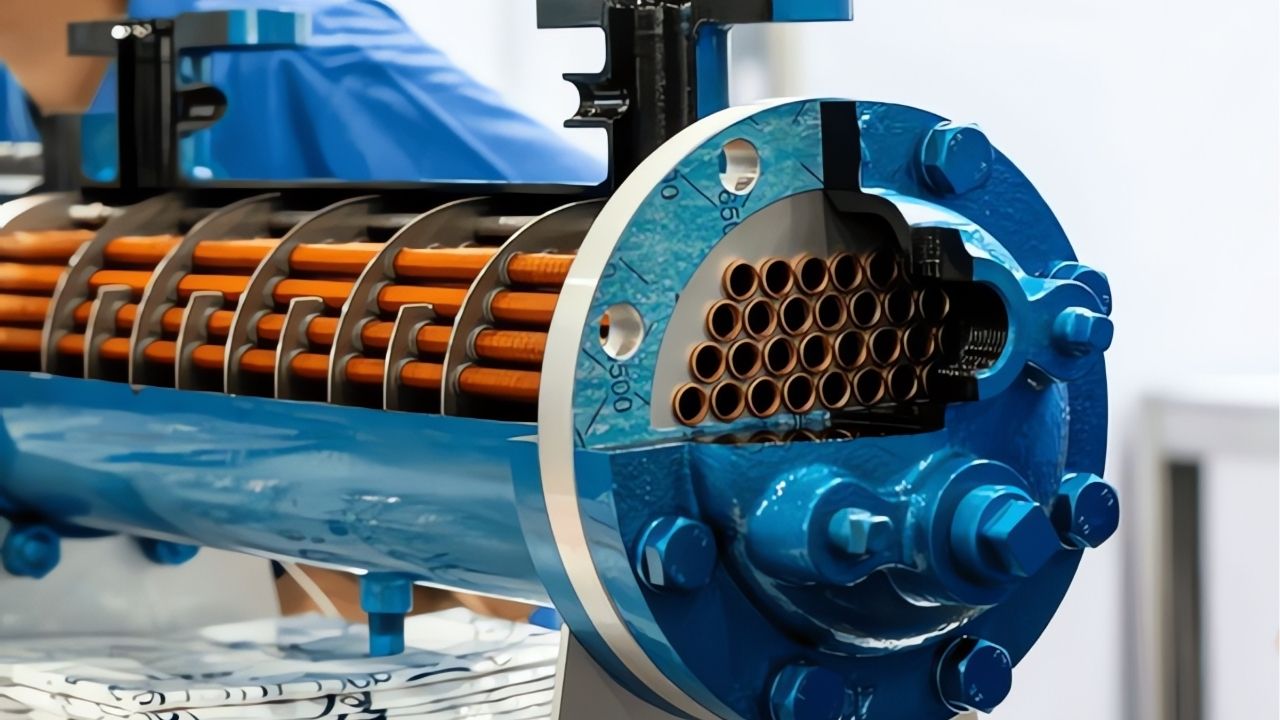
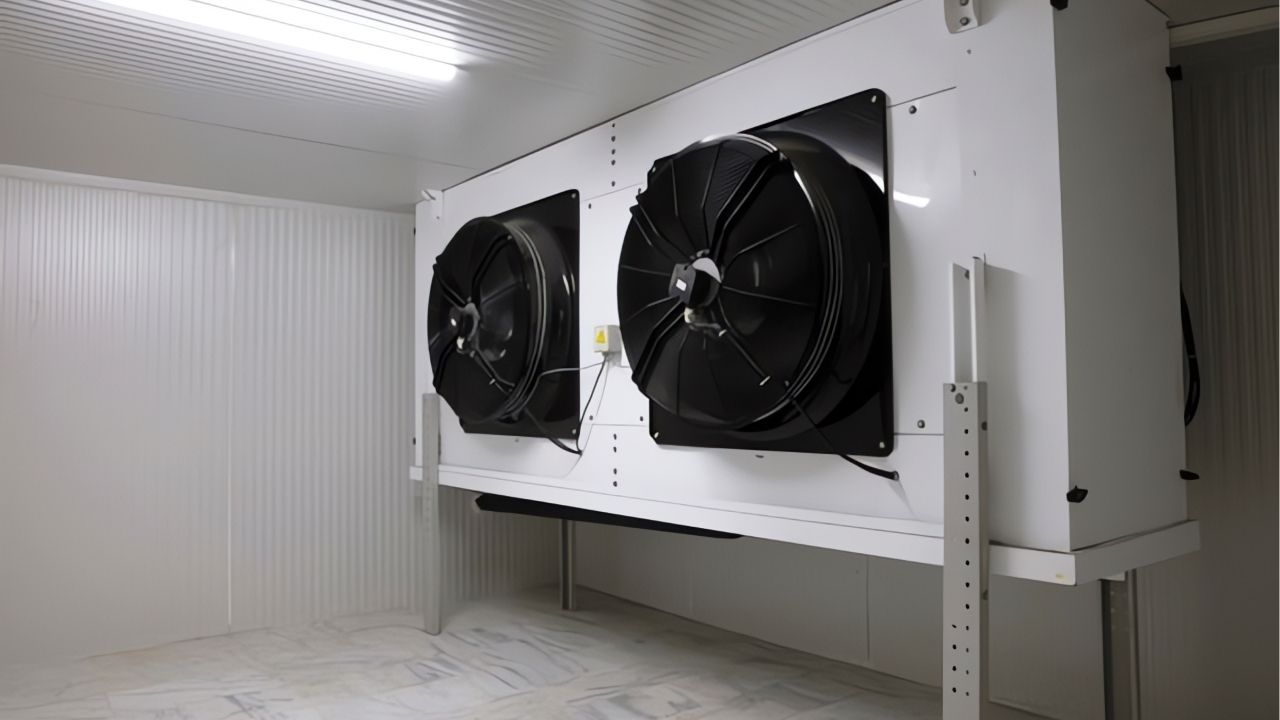
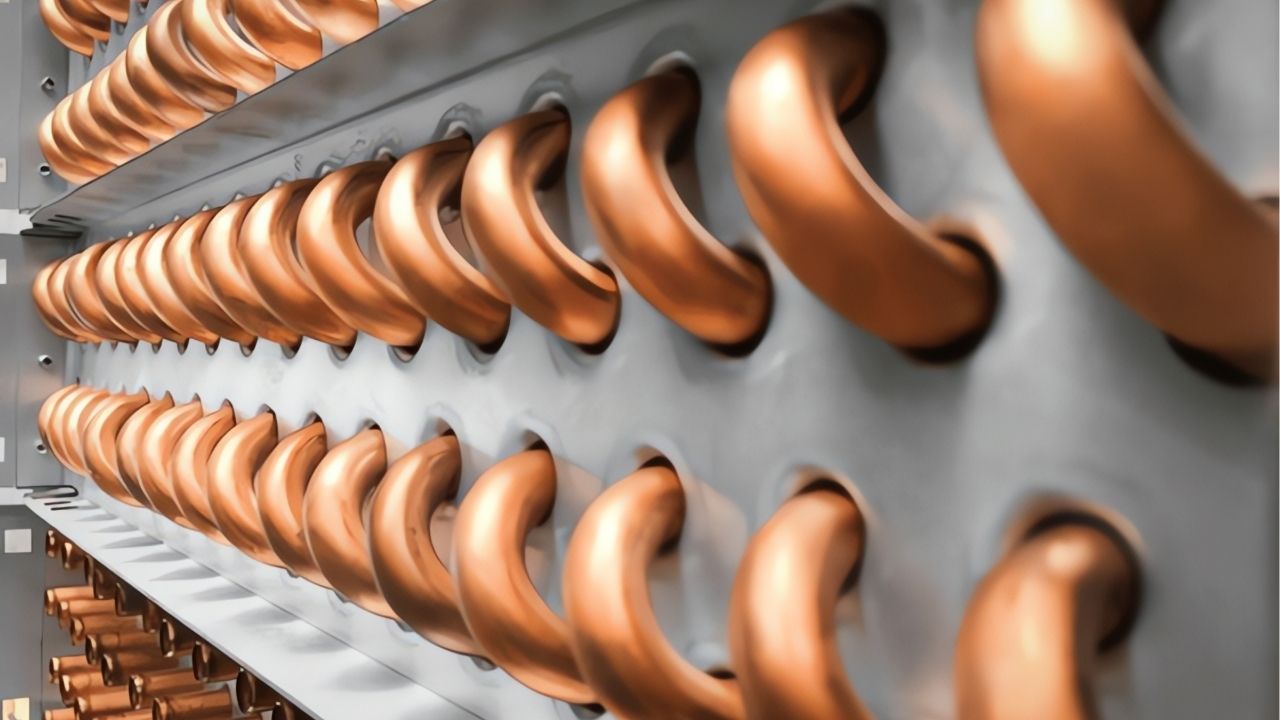
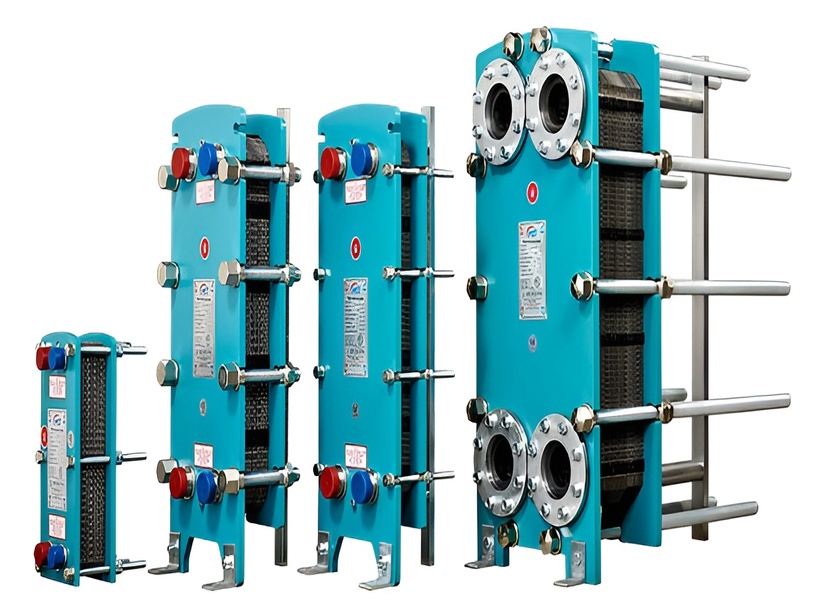
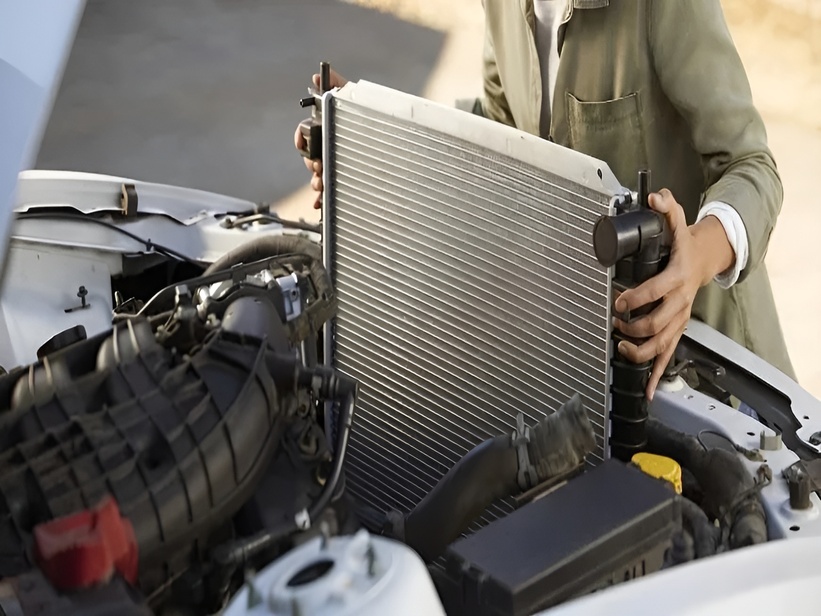
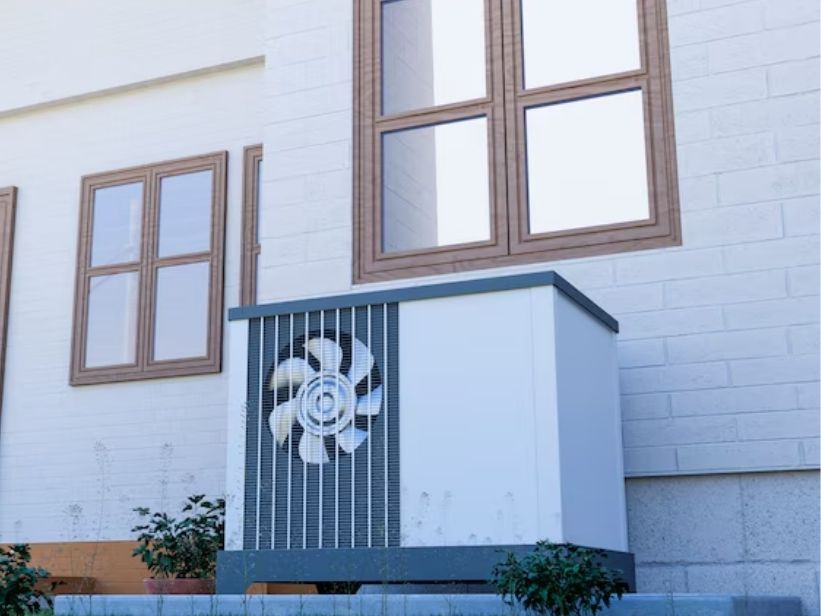
Changing a refrigerant is not simply a matter of swapping the gas inside a system. The design of components such as evaporators, condensers, and heat exchangers must be optimized around the pressure-temperature relationship, density, heat transfer coefficient, and chemical compatibility of the refrigerant they are meant to handle. The effects on equipment design can be examined under several headings:
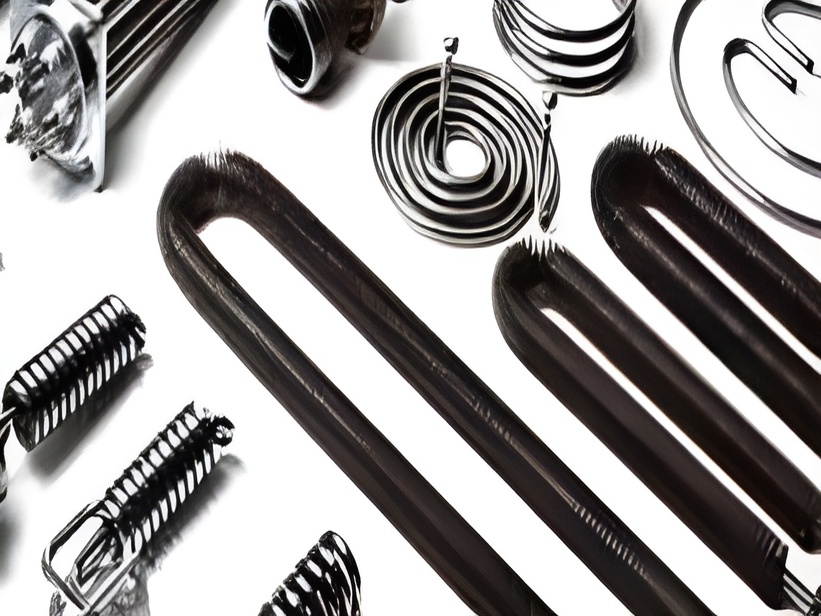
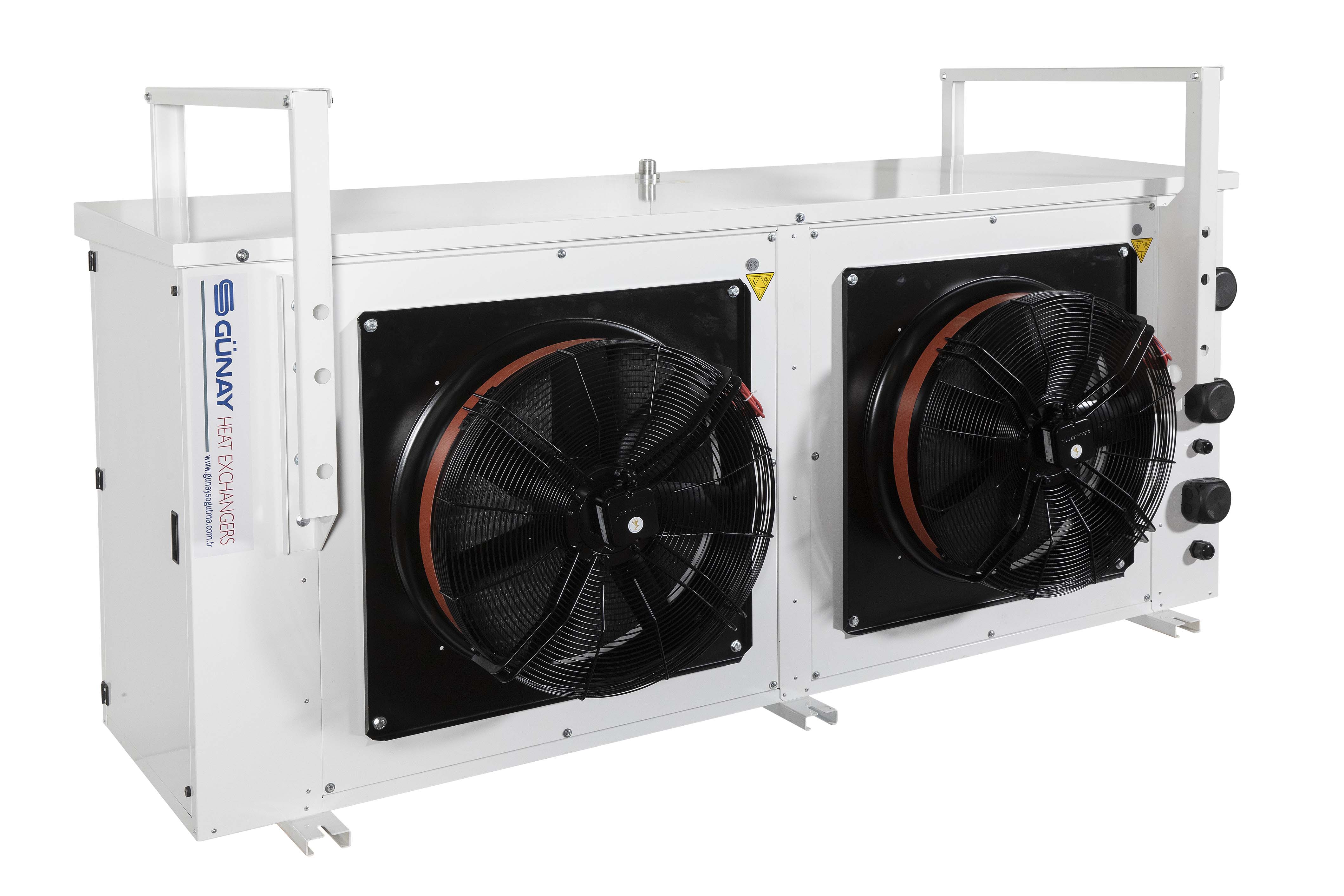
These points show that moving to low GWP refrigerants is not merely a procurement decision but calls for an in-depth engineering evaluation. Günay Soğutma offers both series production and custom, project-based manufacturing of evaporators, condensers, and heat exchangers, allowing it to develop engineering solutions tailored to a range of refrigerant requirements.
Businesses and engineering firms planning a new refrigeration system should keep the following practical points in mind during the transition to low GWP refrigerants:
For projects destined for international markets in particular, aligning the design approach with the target country's regulations and refrigerant preferences is a critical factor for the project to proceed smoothly and for the selected equipment to remain compliant over its service life.
This depends on the country where the system will operate, the type of application, and the capacity of the equipment. In markets such as the European Union, the use of refrigerants above certain GWP thresholds is restricted for specific types of new equipment. Before starting a project, it is advisable to verify the current regulations of the target market with the relevant local authorities or specialized consultants.
In some cases, a process known as "retrofitting" can adapt existing systems to alternative refrigerants; however, this is not always feasible or efficient. The system's pressure rating, component materials, and safety infrastructure need to be engineering-evaluated for compatibility with the intended new refrigerant.
No. Natural refrigerants such as ammonia, CO2, and propane each have distinct pressure, toxicity, and flammability characteristics. The scale of the application, site conditions, safety requirements, and local regulations are the key factors determining which natural refrigerant, if any, is suitable.
Since different refrigerants may require different materials, pressure ratings, and safety provisions, equipment design and selection are shaped accordingly. For a project-specific cost assessment, it is recommended to consult directly with the equipment supplier and clarify the technical requirements involved.
Suppliers should be asked to clarify which refrigerant families their product has been designed and validated for, the operating pressure limits, the chemical compatibility of the materials used with the refrigerant, and compliance with the regulatory requirements of the target market.

Fill out the form to discover the most suitable high-end products for your projects. Contact Us Now.
Fill out the form now not to miss our special offers for you! The latest discover our products and innovations.
Fill out the form now not to miss our special offers for you! The latest discover our products and innovations.
Notification Centre 00:00