

What Conditions Are Evaporator Catalogue Capacities Based On?
01 / 10 / 2026


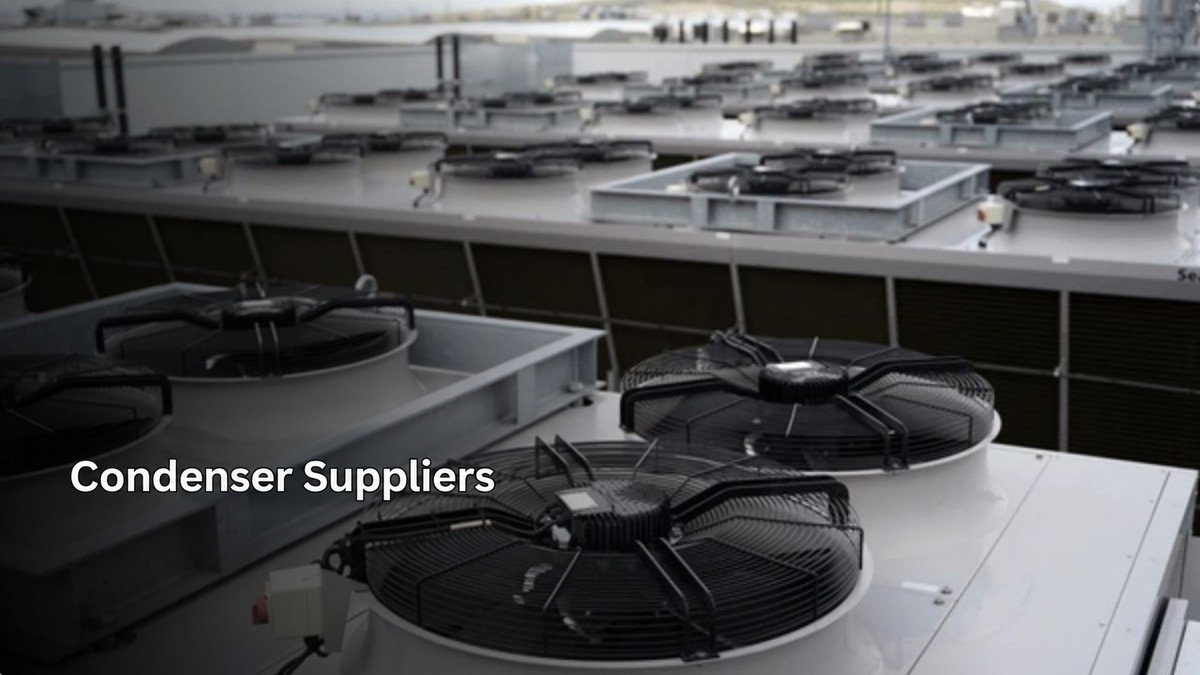
Choosing a condenser correctly from a technical standpoint is only one side of the job. For purchasing teams the real question is usually different: when will this product be in my hands, at what order quantity does the price advantage begin, is there an alternative waiting in stock, or is custom production needed? For OEM companies planning production in the refrigeration and air-conditioning sector, for plant investors and for maintenance-repair teams, condenser supply is as much a matter of timing and cost planning as it is an engineering decision. In this article we cover the questions the purchasing side should ask when evaluating a condenser supplier, the variables that determine pricing, and how the delivery process works.
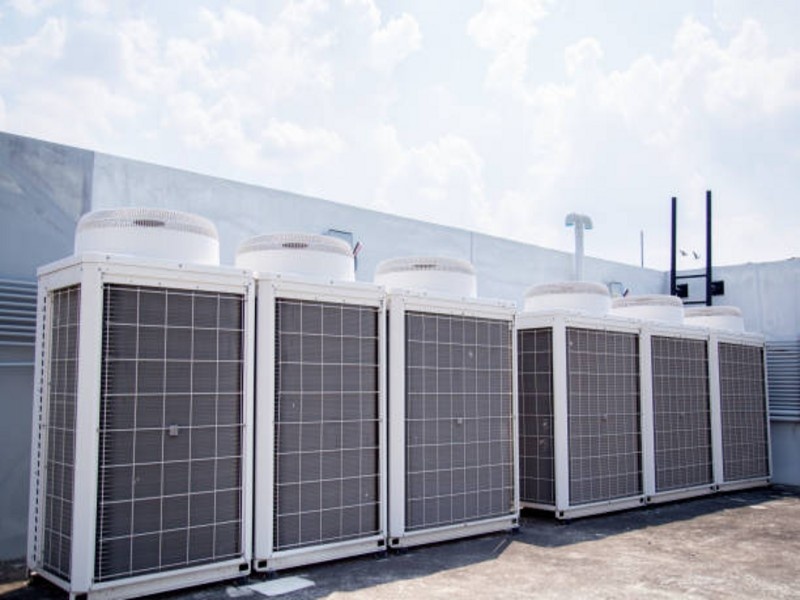
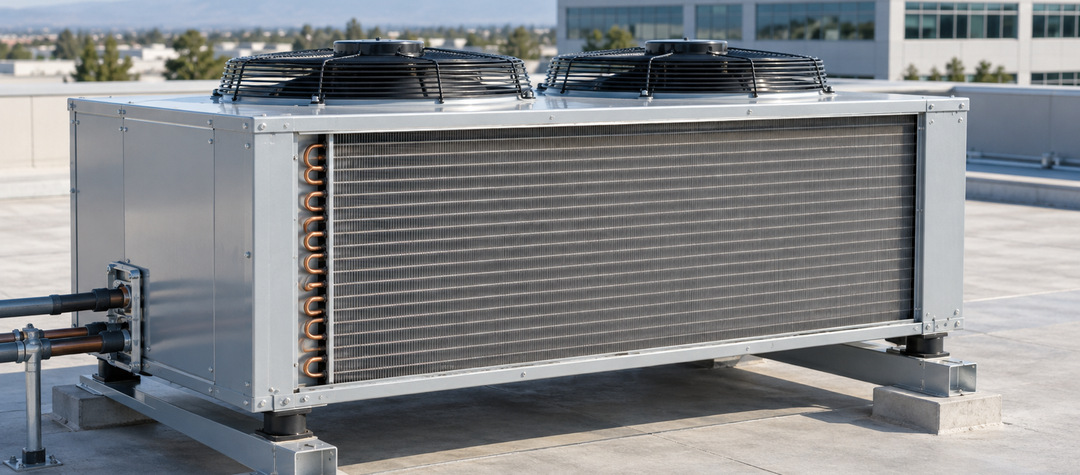
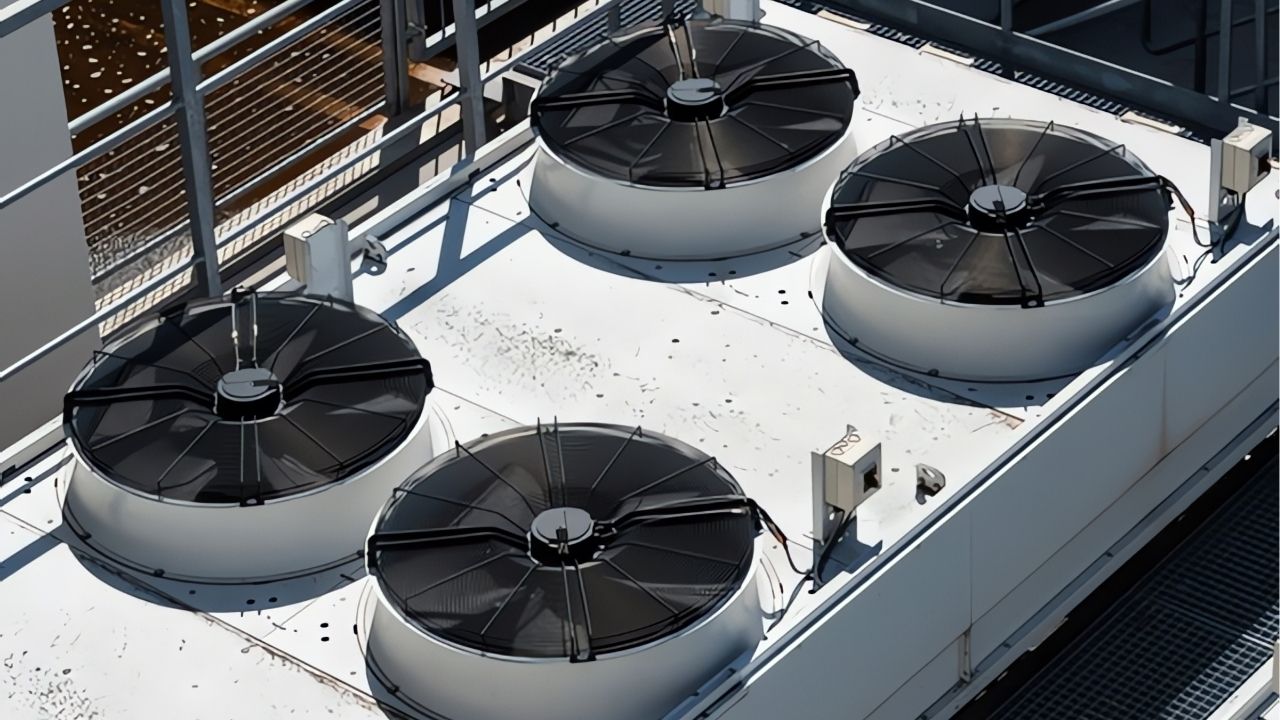
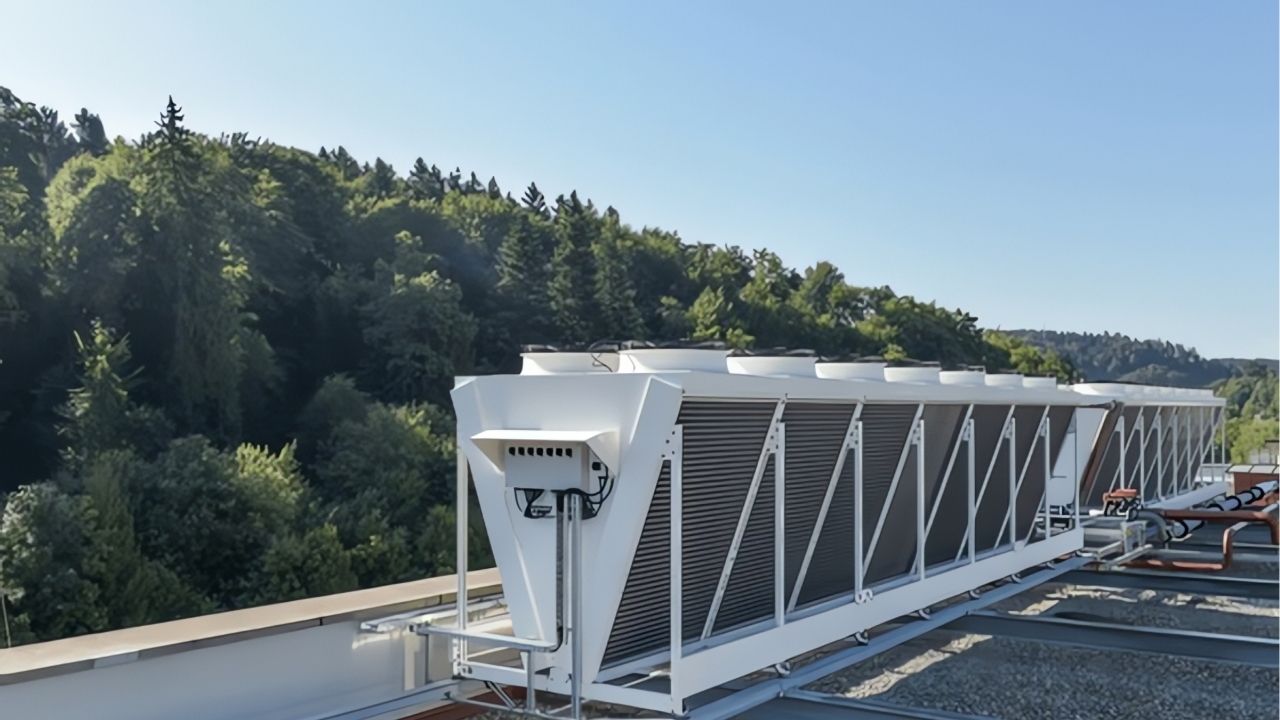
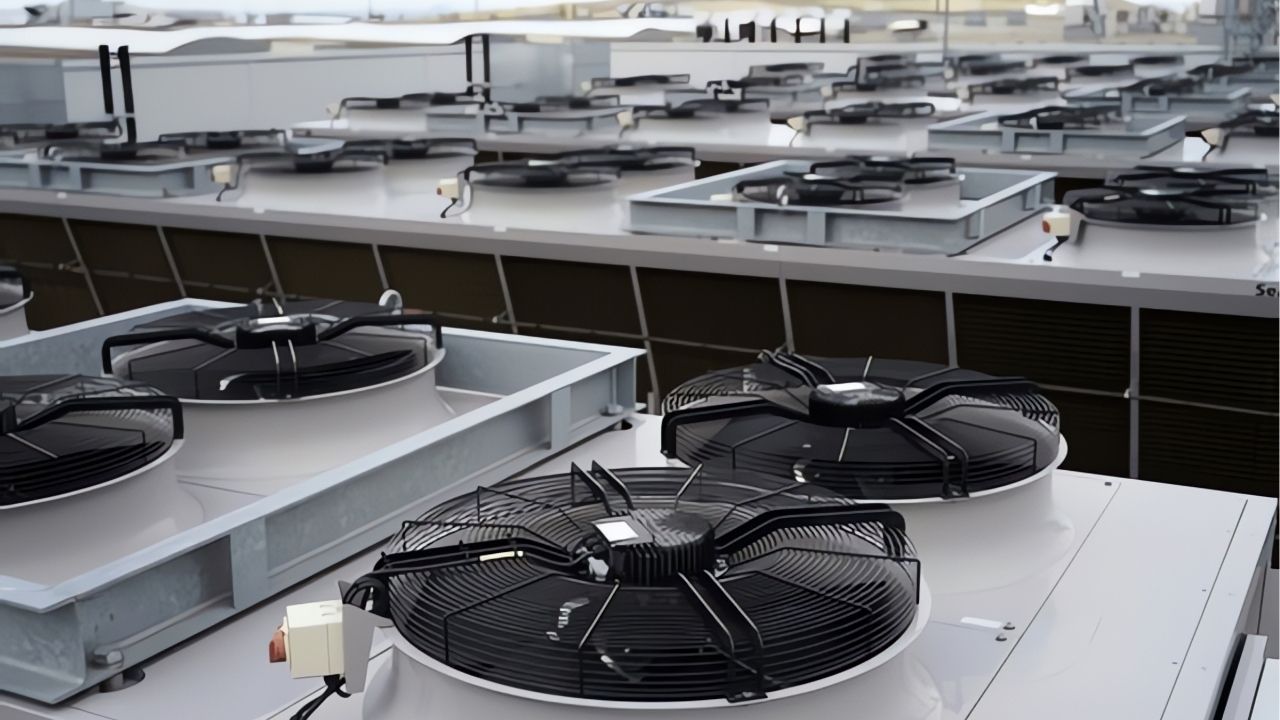
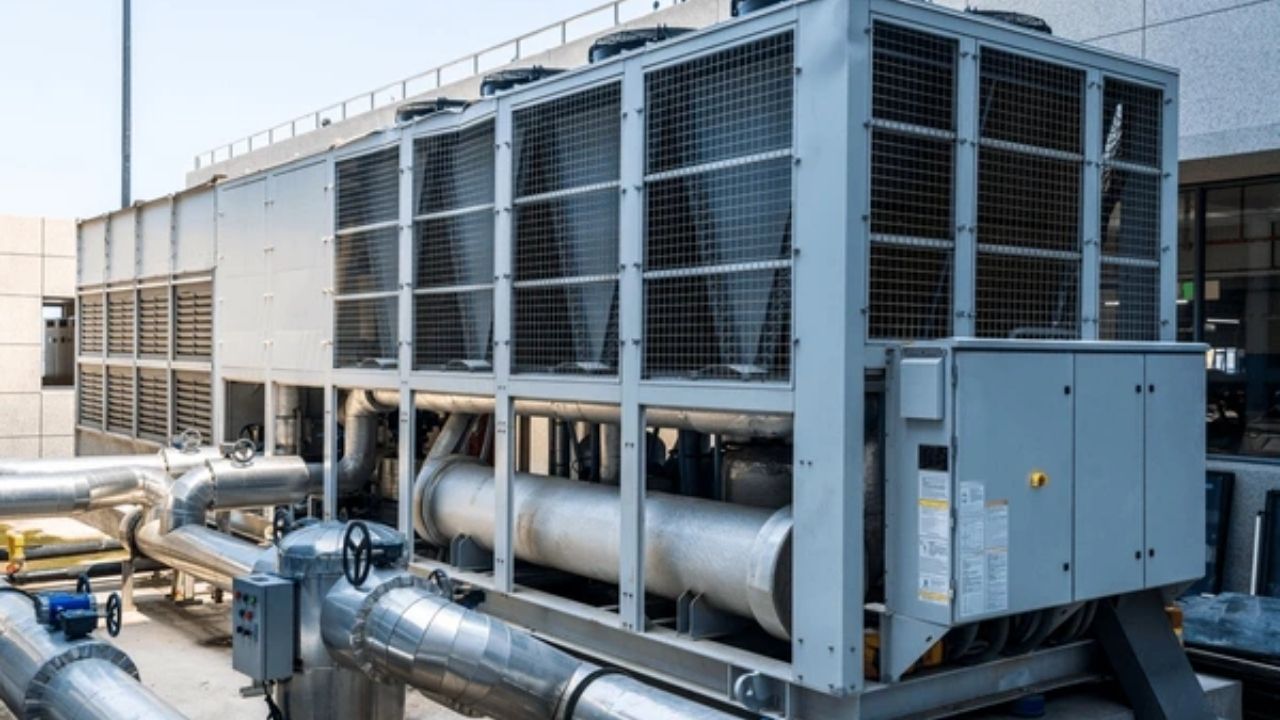
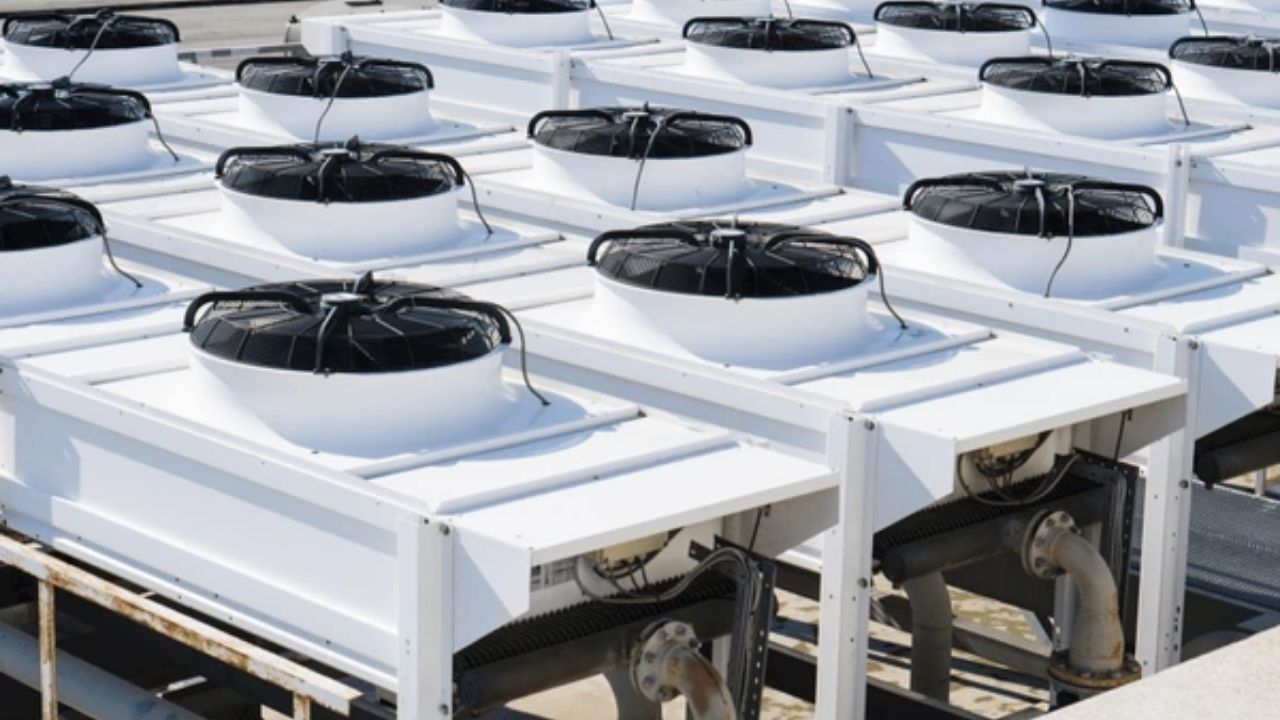
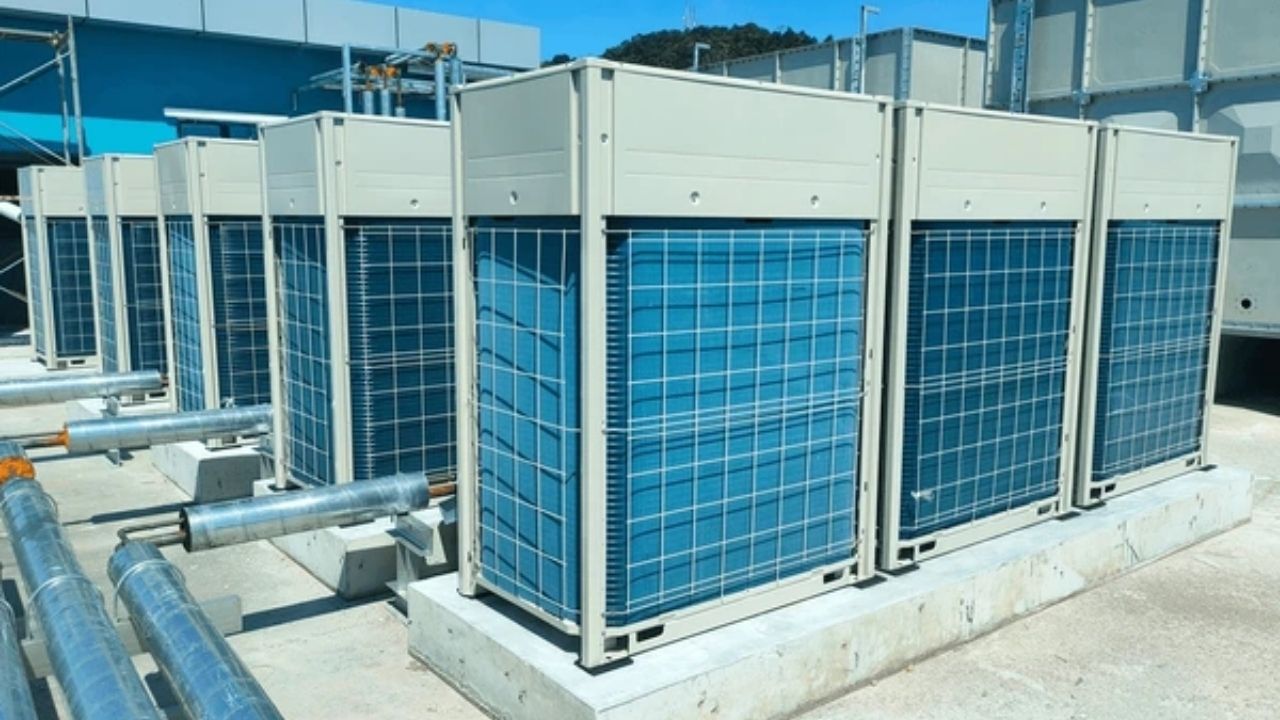
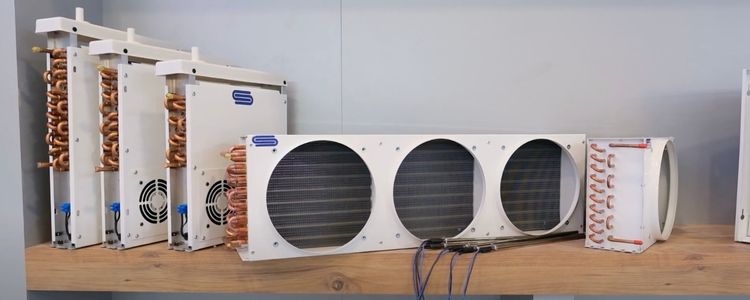
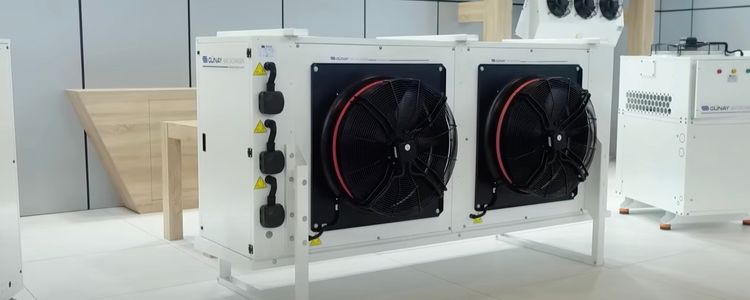
The first decision point in condenser supply is whether the requirement can be met with a standard model. Air-cooled condensers produced in standard capacity ranges may be held in the warehouse in certain sizes, depending on the supplier's stock policy, and in that case the lead time is shortened considerably. On the other hand, when there is a special airflow, a special casing size, compatibility with a different refrigerant or a project-specific installation requirement, the order enters the production line and the timeline changes completely.
The most practical thing to do on the purchasing side is to clarify this distinction at the inquiry stage: asking early "Is there stock at this capacity, or will we enter the production plan?" prevents surprise delays in the quotation process. At this point the capacity and type variety of the condenser product group directly affects supplier selection; manufacturers with a wide model range increase the likelihood of meeting the demand from stock.
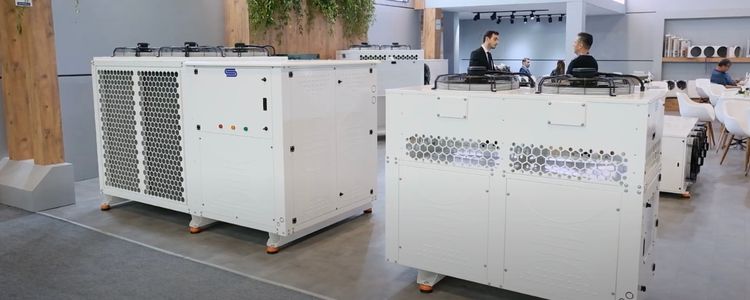
Delivery from stock may be possible for standard capacities, commonly used types and frequently requested sizes. This is generally the preferred route for spare part needs, urgent replacements after a failure or small-scale projects.
Custom production is unavoidable in project-based plant installations, special airflow/pressure requirements, different material requests (for example a stainless steel casing) or applications requiring OEM integration. In this case the lead time extends depending on design approval and production capacity.
In industrial equipment supply, the concept of minimum order quantity is not applied as strictly as with consumer products, but it still directly affects pricing logic. A unit cost difference arises between a single condenser order and a multi-unit order of the same model and capacity; the reason is that the fixed costs of production line setup time, material procurement logistics and quality control processes are spread over the order quantity. For OEM manufacturers and dealers who buy in bulk, this turns into a concrete advantage: buyers who commit to predictable annual or quarterly volumes can obtain better terms in both price and production priority by signing a framework agreement with the supplier.
The point purchasing teams should watch here is not to confuse "minimum order" with "economic order quantity." The former refers to the lower limit the supplier accepts, and the latter to the quantity at which the buyer strikes the best cost-benefit balance. For companies doing long-term supply planning, the second concept is far more decisive.
Condenser pricing is made up not of a single item but of several interrelated variables. When comparing quotations, having these items visible separately allows a genuine comparison between suppliers.
The casing material (galvanized, aluminum, stainless steel), the tube-fin configuration and the capacity range form the basis of the price. Materials chosen for higher corrosion resistance or for special environmental conditions increase cost, but can reduce maintenance and replacement frequency in the long run.
In connection with the MOQ logic mentioned above, an improvement in unit price is expected as volume increases. This discount rate varies from supplier to supplier and is generally proportional to the duration of the order commitment (one-off or an annual framework agreement).
Deviation from a standard model — special connection points, a different fan configuration, special painting/coating — is reflected in the price because it requires engineering time and production line adjustment. As the customization request becomes clearer, the quotation process also speeds up; unclear or changing specifications lead to repeated revisions and therefore delays.
For OEM companies that manufacture refrigeration equipment, condenser supply is usually not a one-off purchase but an ongoing production partnership. The form of this relationship directly affects supply cost and flexibility.
The OEM company integrates the supplier's catalog condenser directly into its own final product (refrigeration unit, chiller, split system, etc.). This model is the fastest option with the most predictable cost; lead times shorten depending on stock status.
The condenser is produced according to the OEM company's own technical specification. In this model, a mutual technical verification process is carried out with the supplier's engineering team; parameters such as dimensions, connection type and performance curve are clarified at the start of the project. Although the process takes longer, it provides full compatibility with the OEM's own product line.
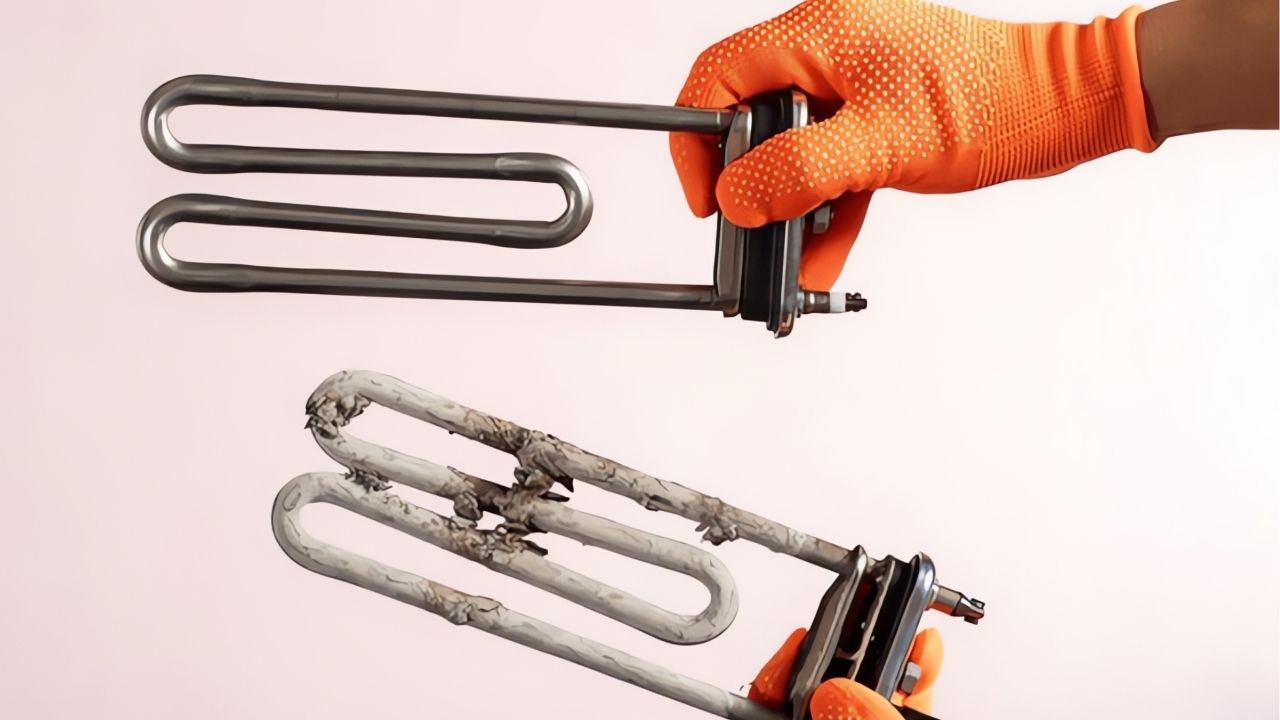
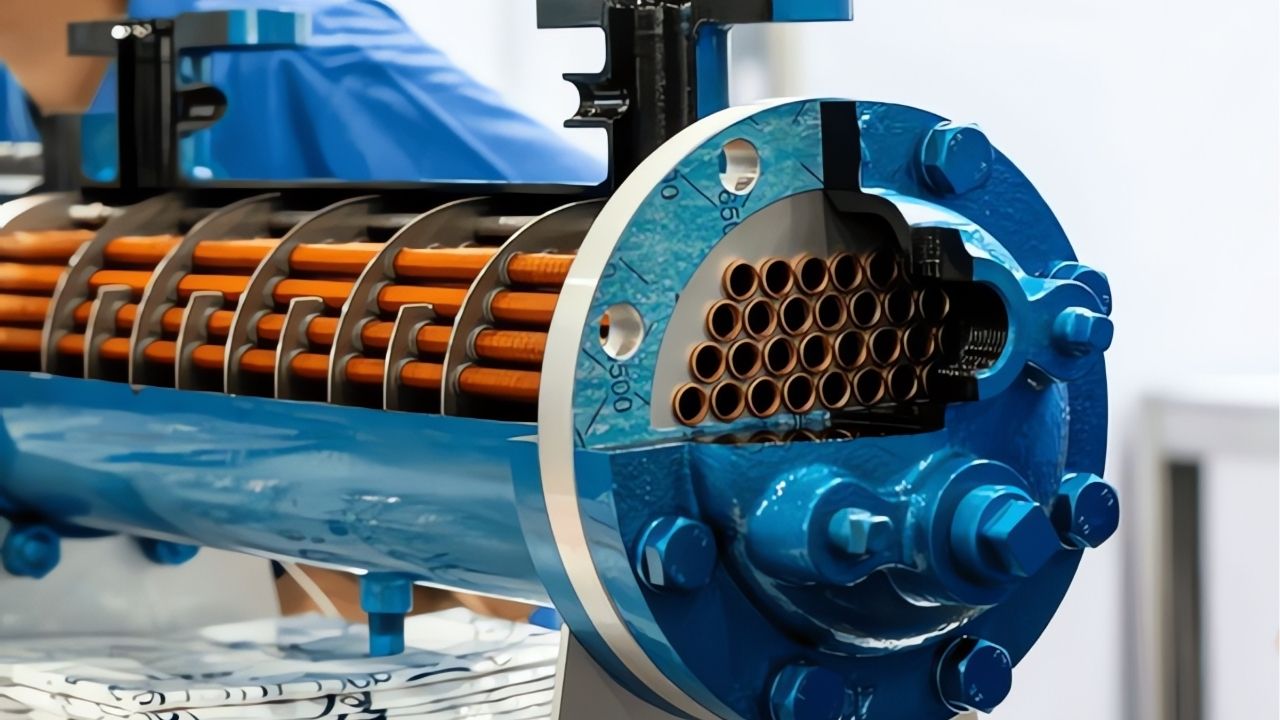
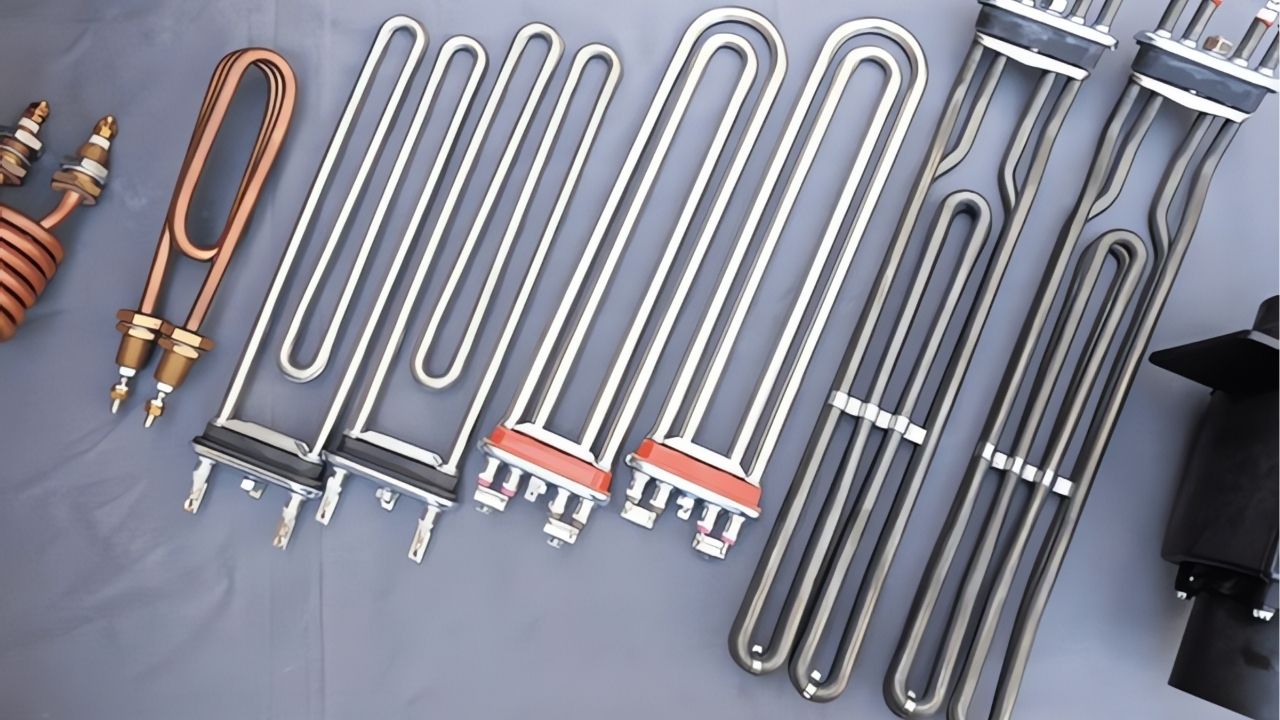
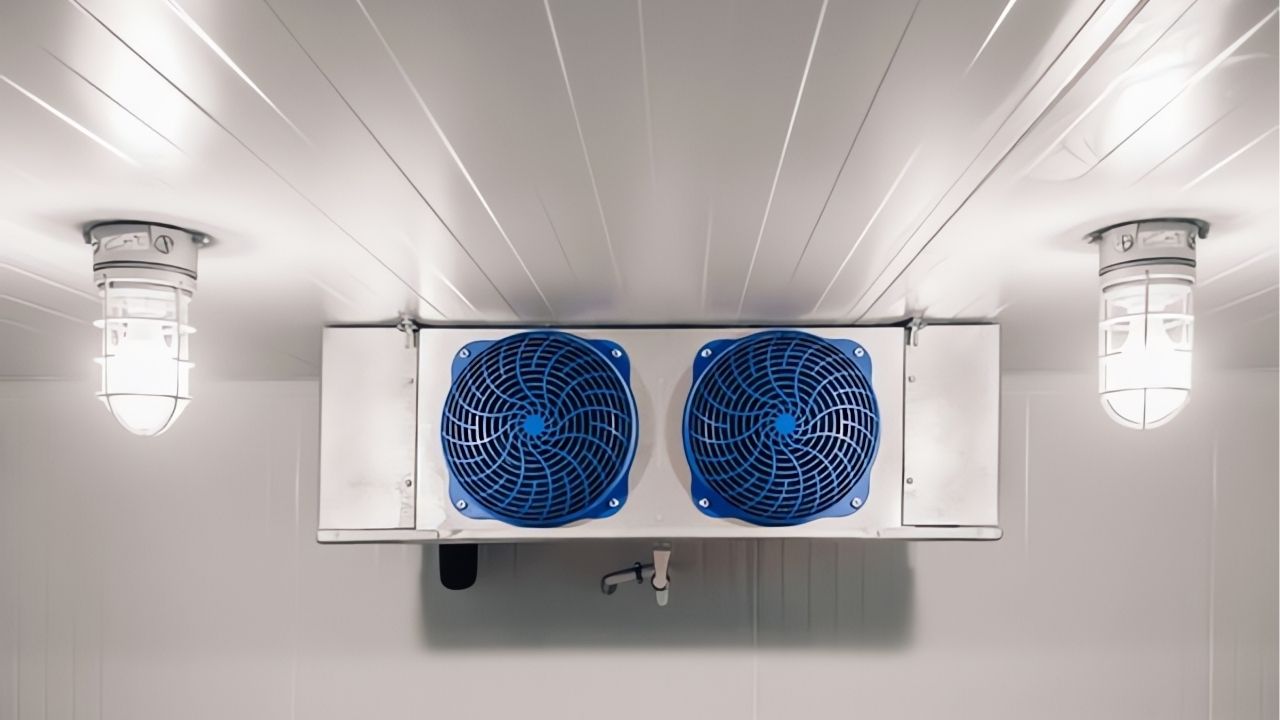
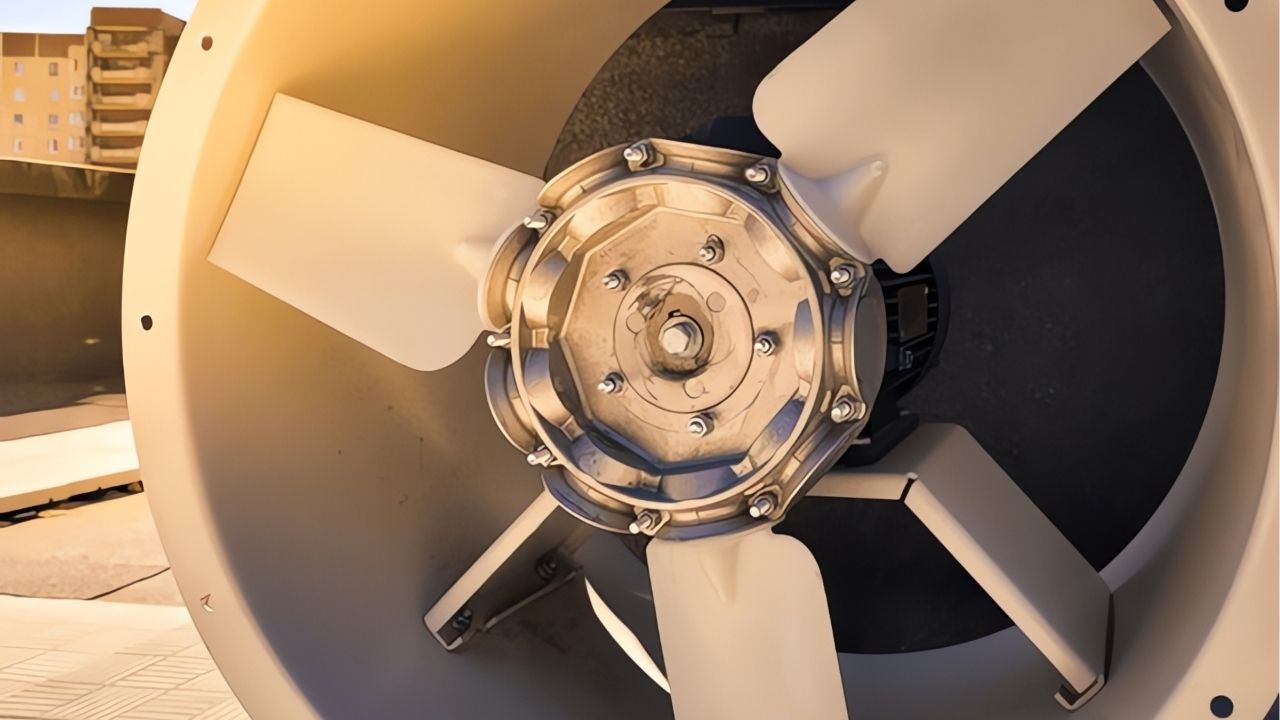
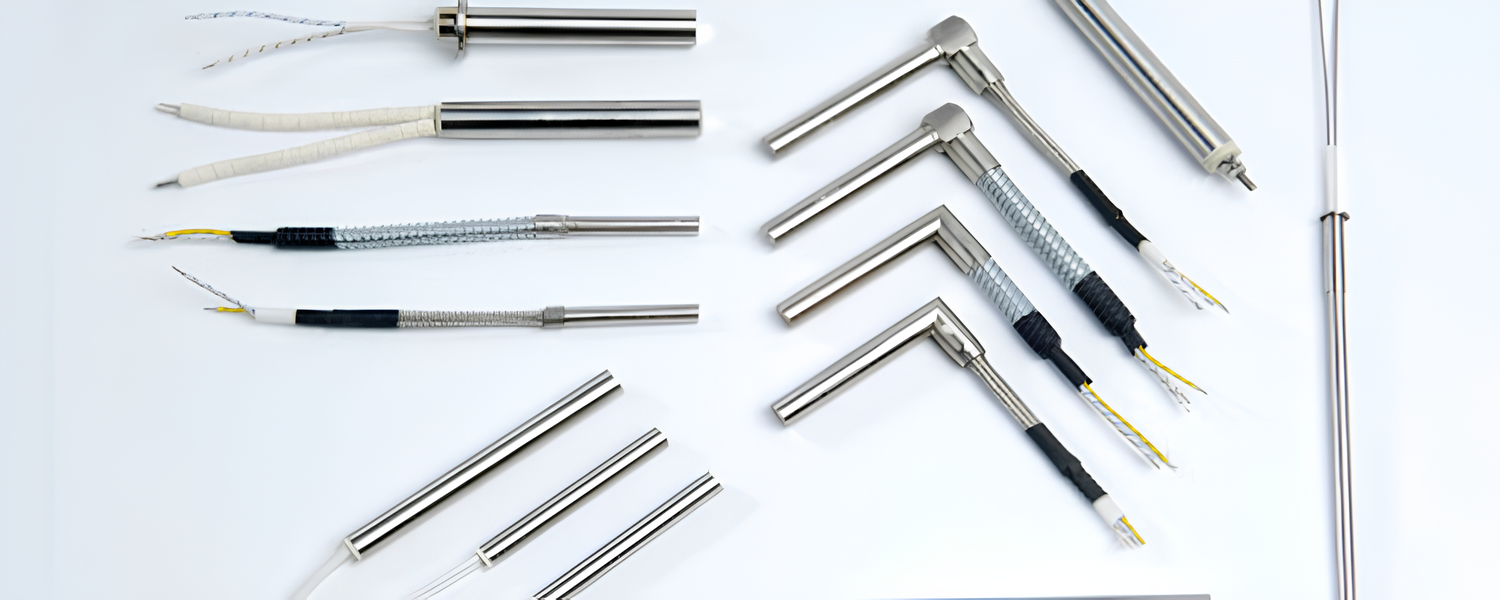
OEMs that request a certain volume at regular intervals gain both price stability and production priority by signing an annual or multi-year framework agreement with the supplier. This model gives the OEM side predictability against fluctuations in the supply chain. OEMs that also source product groups other than condensers (evaporator, axial fan, heater, heat exchanger) from the same supplier can gain additional efficiency by managing logistics and quality control processes from a single hand.
Although the lead time in condenser supply is expressed as a single figure, in the background a process made up of several stages runs. Knowing these stages allows the purchasing side to make realistic time planning.
Before ordering, the capacity, connection type, installation direction and any special conditions (ambient temperature, fluid type) are clarified. Uncertainty at this stage is the most frequent cause of delays in the process.
The order is scheduled according to the current workload of the production line. For products that can be met from stock this stage is skipped or very short; in custom production the duration varies with material procurement and line capacity.
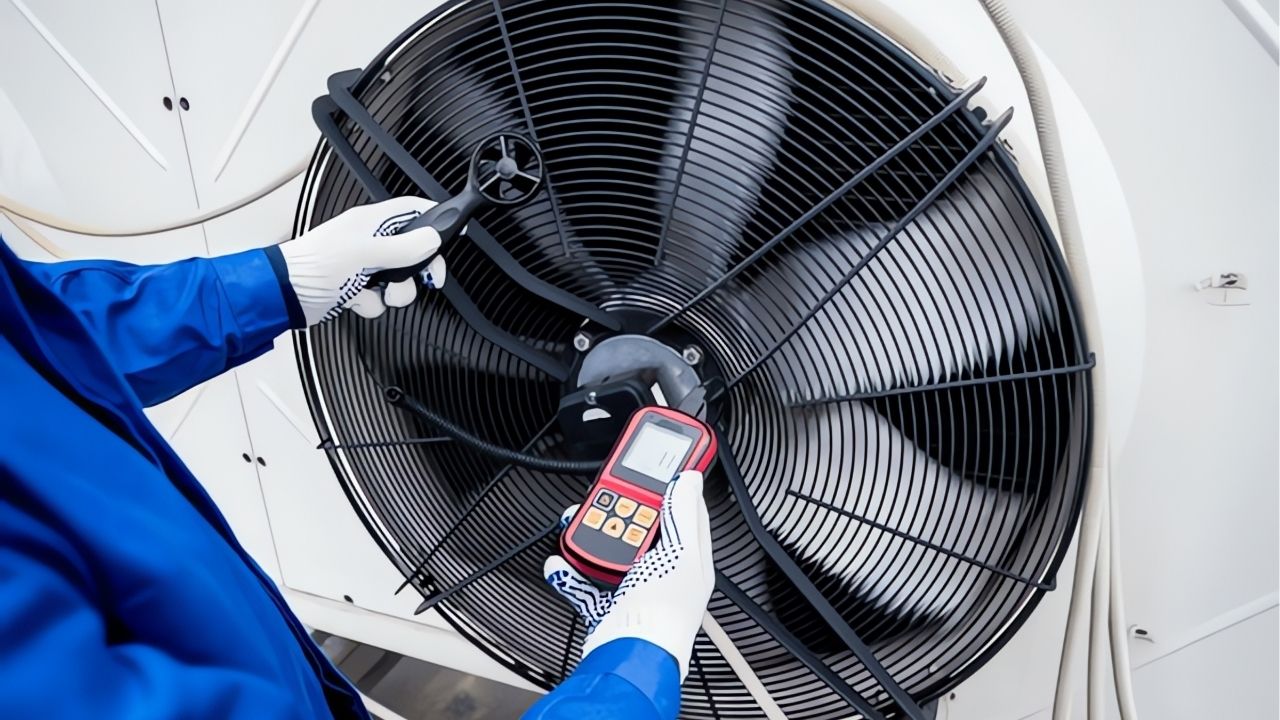
After production is completed, pressure testing, leak-tightness checking and performance verification are carried out. This stage is a safety and quality step that must not be skipped; a supplier that shortens these checks with the promise of fast delivery should not be preferred.
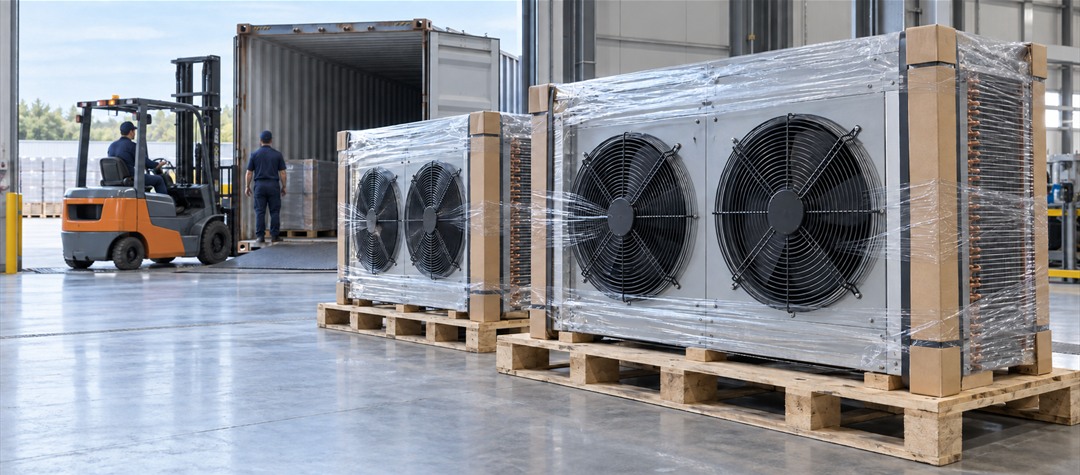
Road transport is standard for domestic deliveries; for export orders, customs documents, suitable packaging and the transport mode (land/sea) are added to the time. Working with a supplier that focuses on export shortens the process because these steps have become routine. The list of countries exported to is a concrete indicator of a supplier's cross-border shipping experience; manufacturers that export regularly cause fewer surprises in customs and logistics processes.
For production facilities and refrigeration system operators, an urgent condenser need caused by a failure requires a different approach from planned purchasing. In such cases the supplier's stock depth and availability of common models become decisive. Businesses that want to reduce the risk of production stoppage on critical equipment can agree on a stock guarantee or a priority production arrangement by discussing their frequently used capacity ranges with the supplier in advance. This is a method that improves the cost-risk balance especially for facilities with a maintenance-repair contract.
Another topic as important as price and lead time is how after-sales responsibility is shared. Which failures the warranty covers, for how long and under which conditions; how quickly spare parts are supplied; how technical support requests are managed — all of these affect the total cost of ownership. A supplier with a low unit price but weak warranty and service support can lead to higher cost in the long run. In the purchasing process, it is recommended that quotation comparison be made not only on product price but also on warranty period, service accessibility and spare part supply speed.
When making this evaluation, looking not at the price of a single order but at the total cost the equipment will generate over its operating life gives a healthier picture. Whether a spare part can be obtained within weeks or from stock on the same day in the event of a failure is directly related to the cost of production downtime. For this reason, purchasing teams should add warranty period and service response speed as an item in the quotation evaluation table.
Being able to get clear answers to these questions gives an idea not only of the supplier's product quality but also of its process maturity. Working with manufacturers that have been producing in the sector for more than forty years and whose corporate history is transparent increases the likelihood of getting consistent answers to such questions. Günay Heat Exchangers' corporate history and production capacity can be examined as a reference point in such an evaluation process.
For companies that ship equipment abroad or manufacture for the DACH/European market, condenser supply has one more layer: compliance with the target country's technical standards (CE marking, material certification), multilingual technical documentation, and communication speed due to time zone/language differences. At this point a supplier with export experience reduces the risk of surprise delays, because it has turned customs procedures and international freight bookings into a routine workflow. The concrete proof of such experience is the number and variety of countries the supplier actually exports to.
Supply decisions made without evaluating price, stock status and lead time together can turn into cost or time losses in later stages of the project. The right approach is to clarify your requirement (whether it will be met from stock or with custom production), your volume (single order or framework agreement) and your after-sales expectations (warranty, service, spare parts), and to compare along these three axes.
If you would like a concrete quotation on capacity, lead time and pricing for your condenser needs, you can share the details of your project by getting in touch with our team. When you submit your request, you receive a quotation with clear information on stock status, production time and bulk purchase terms; you can submit your quotation request through our contact page.
This content was updated on September 15, 2026.

Fill out the form to discover the most suitable high-end products for your projects. Contact Us Now.
Fill out the form now not to miss our special offers for you! The latest discover our products and innovations.
Fill out the form now not to miss our special offers for you! The latest discover our products and innovations.
Notification Centre 00:00