

What Conditions Are Evaporator Catalogue Capacities Based On?
01 / 10 / 2026

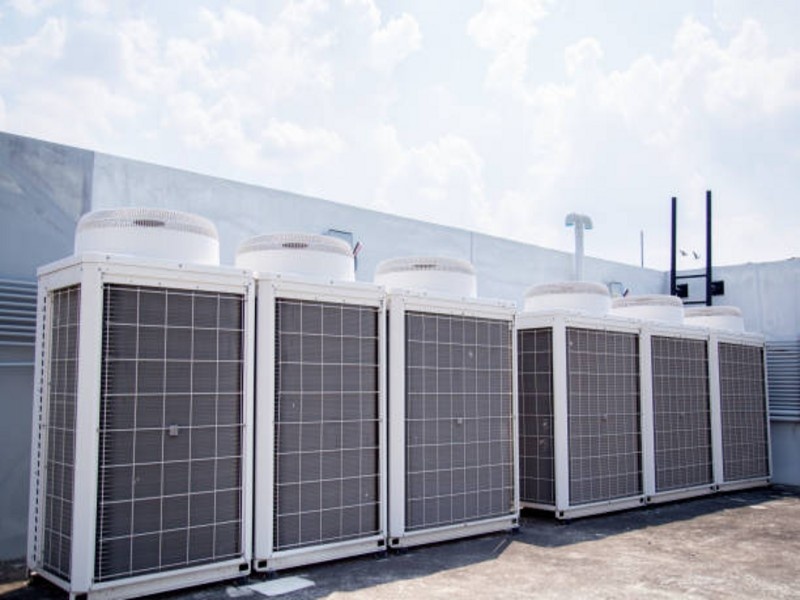
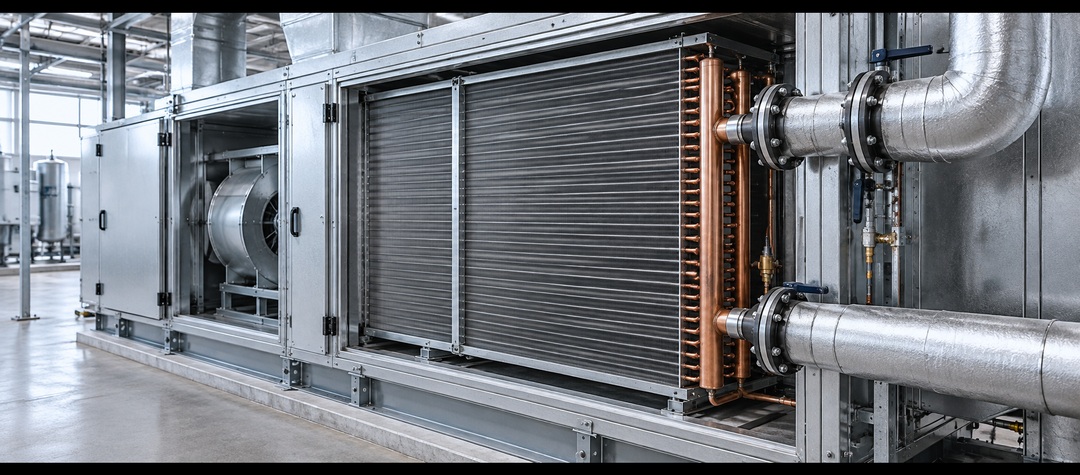
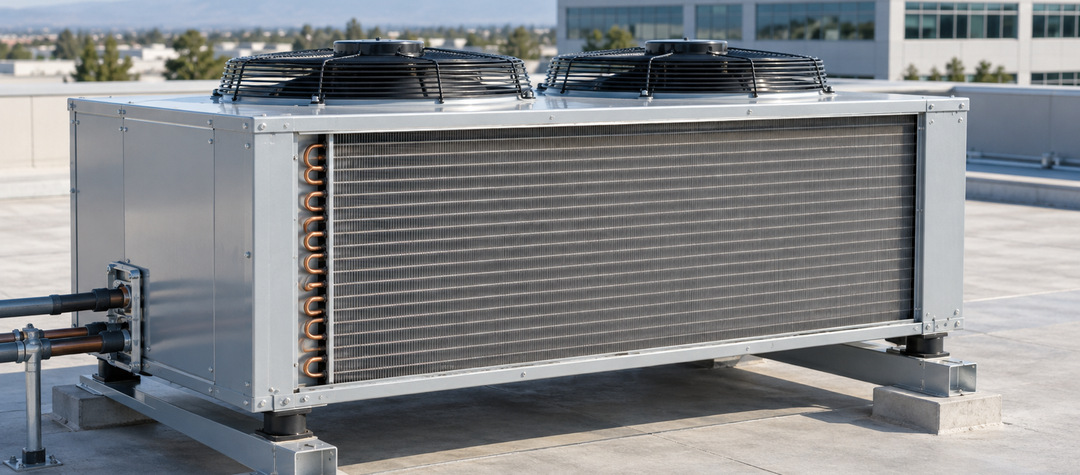
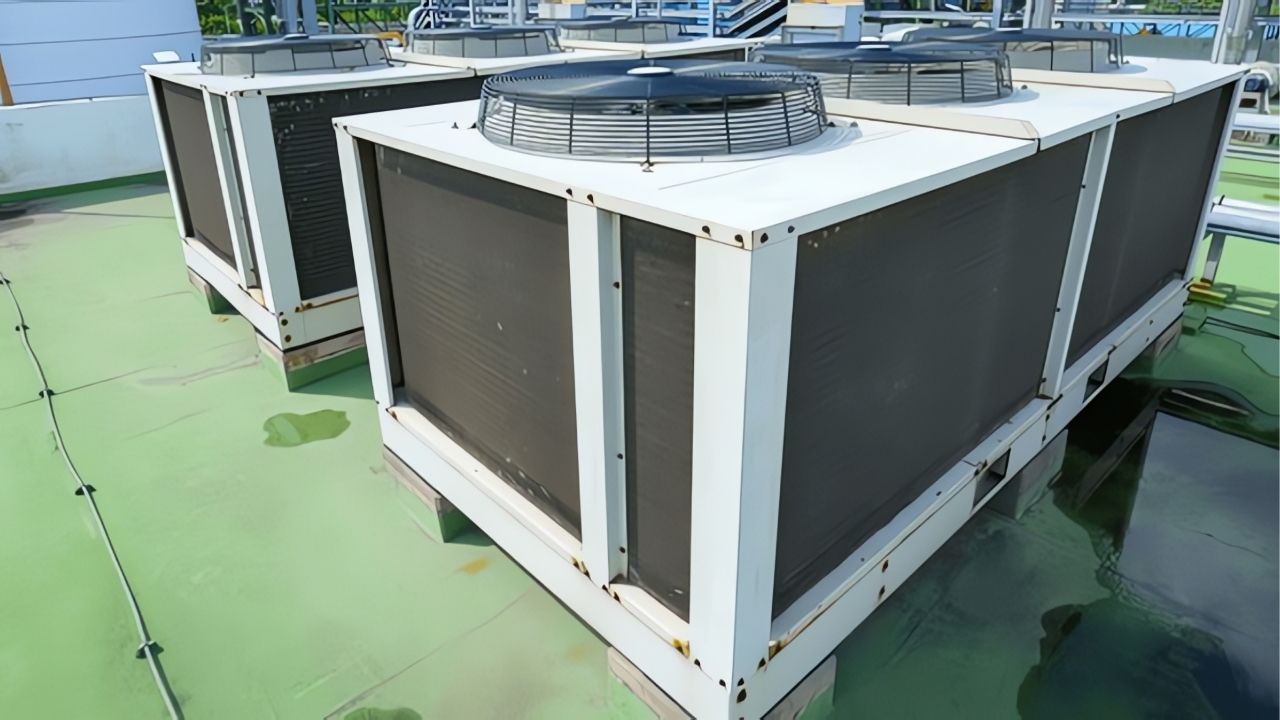
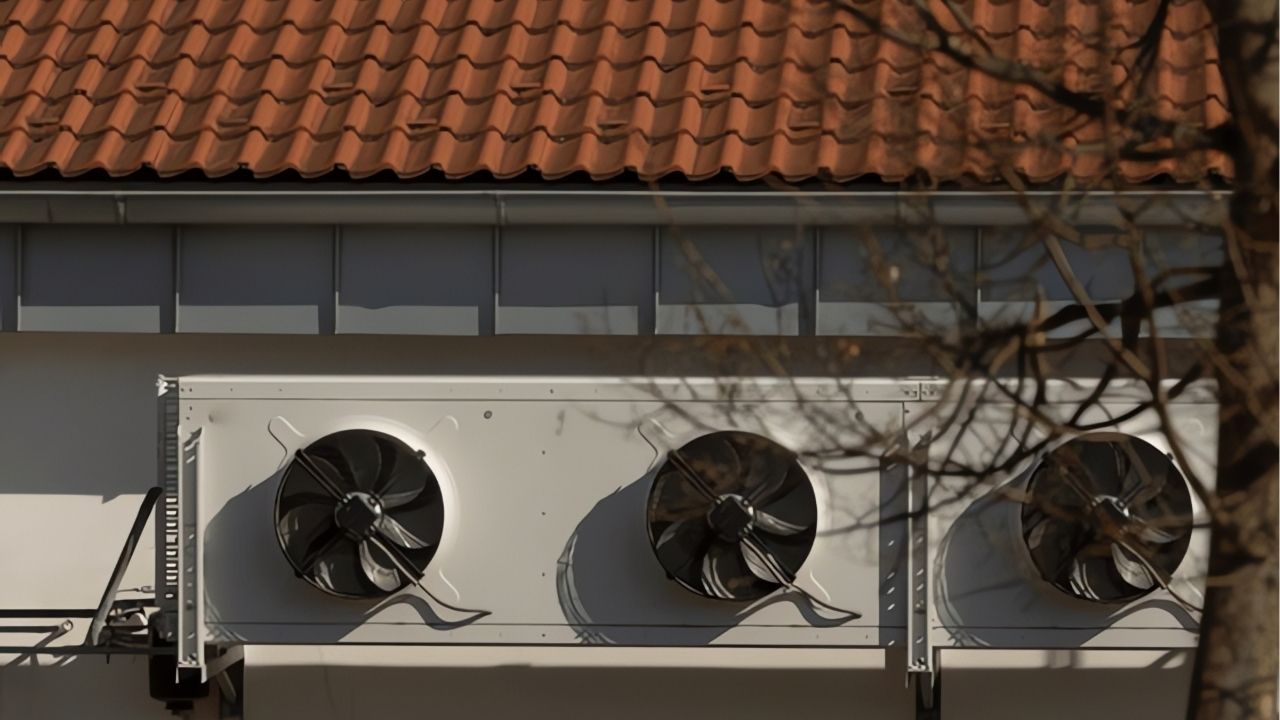
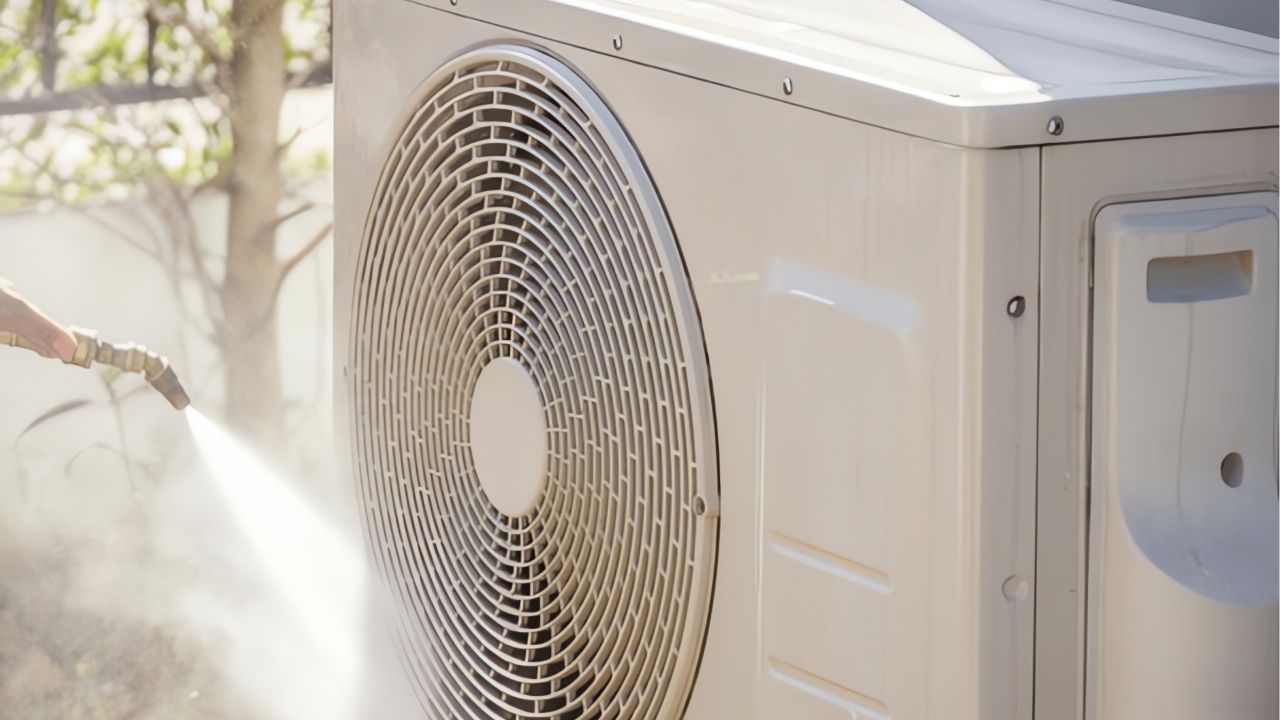
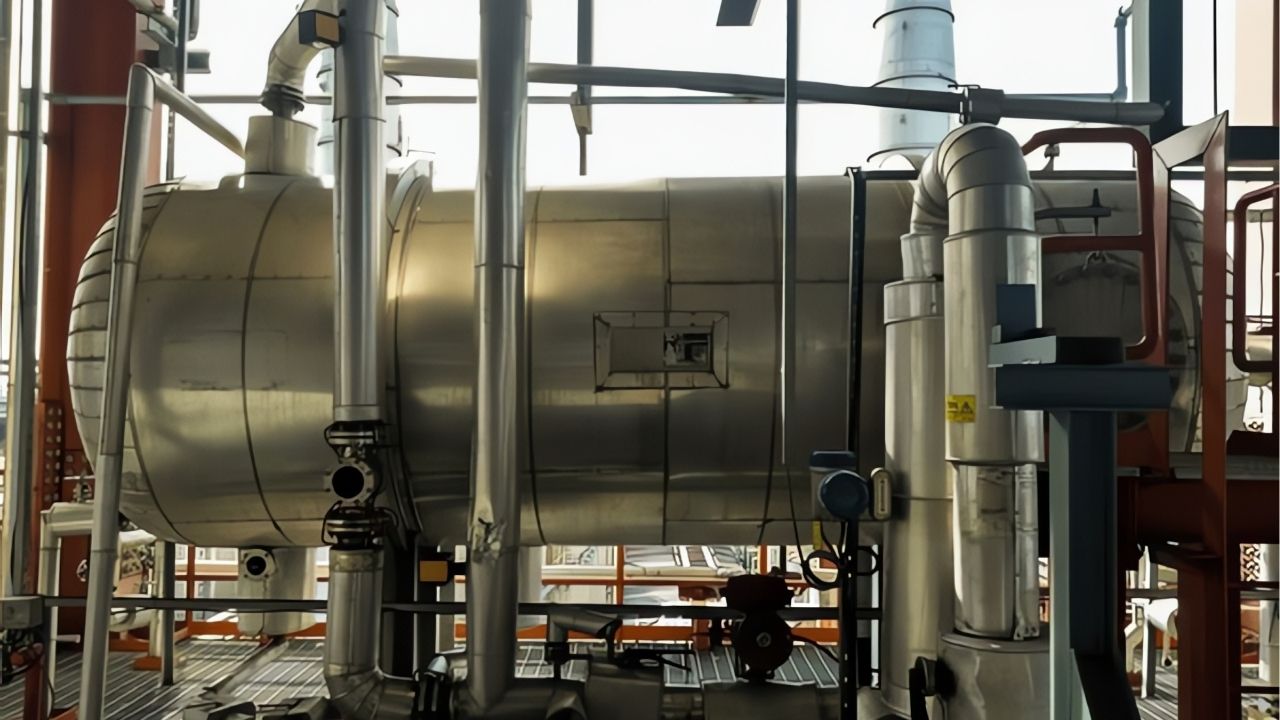
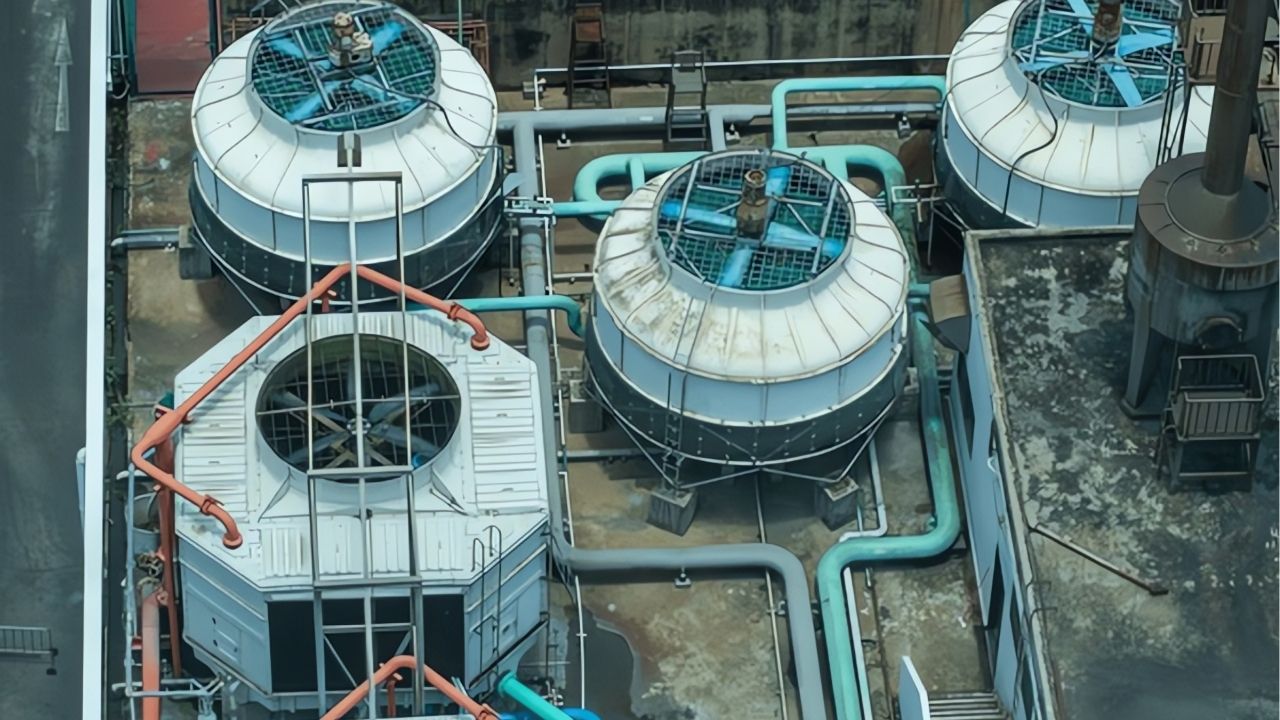
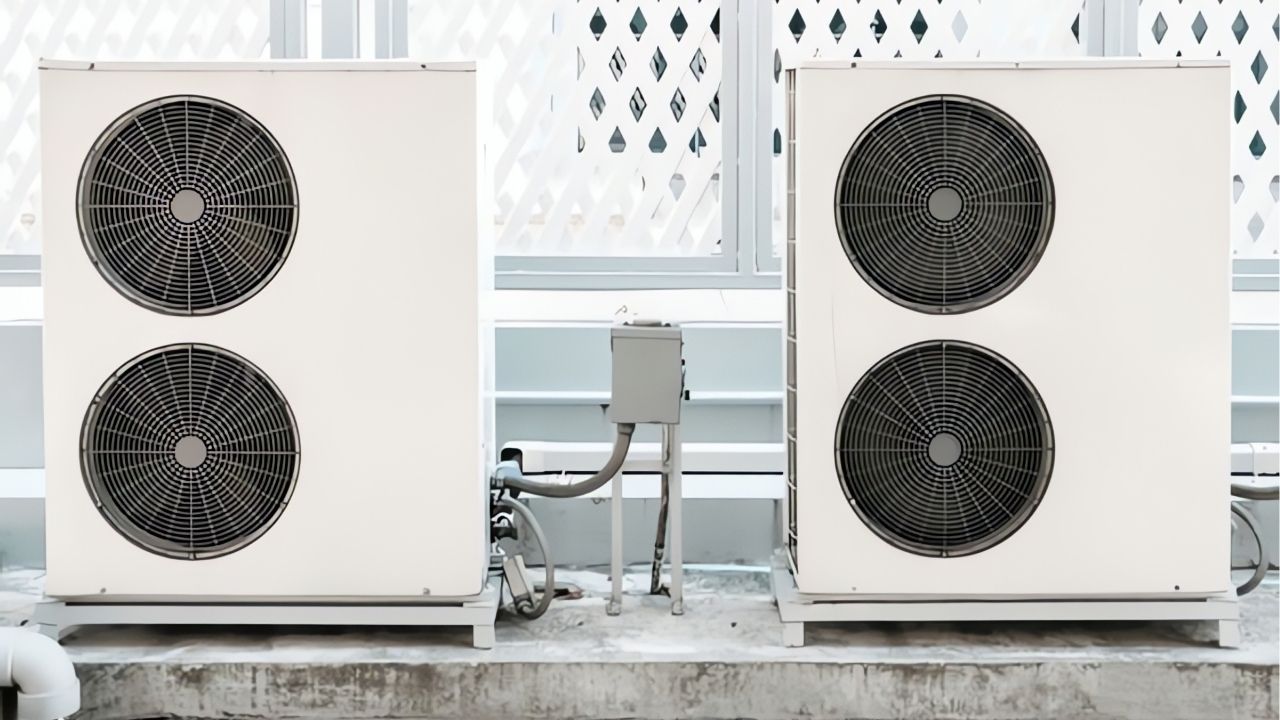
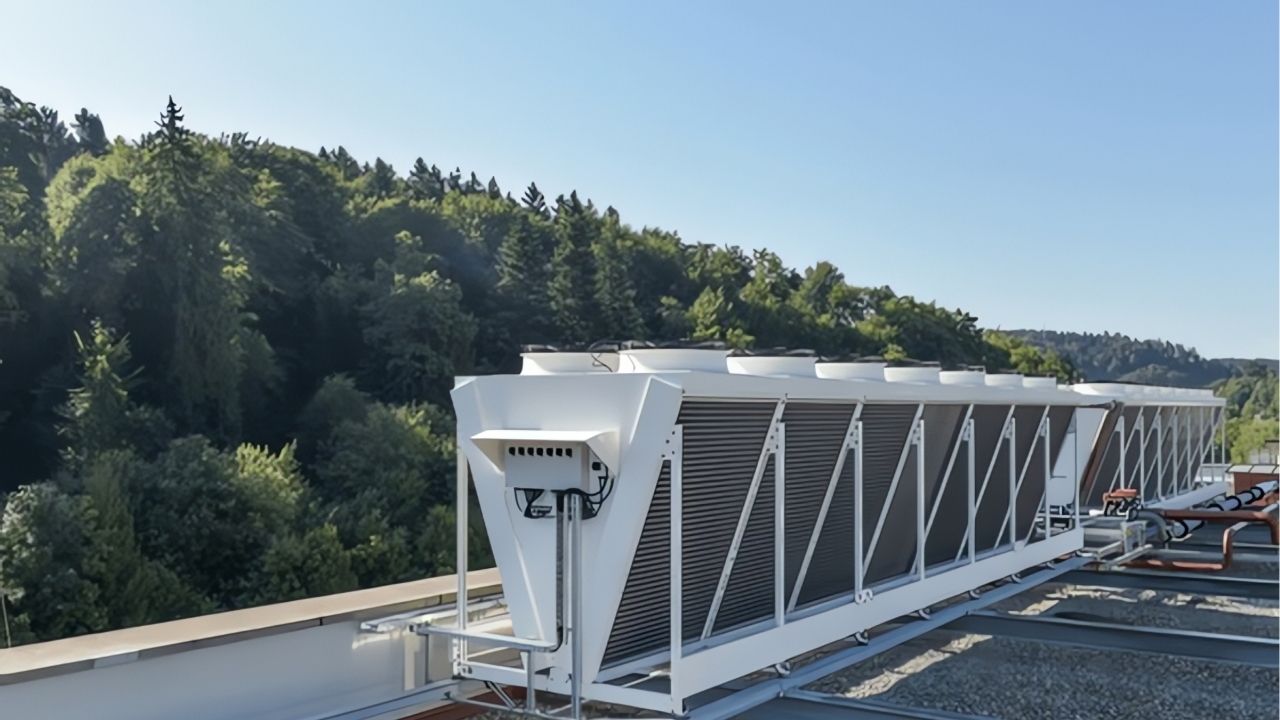
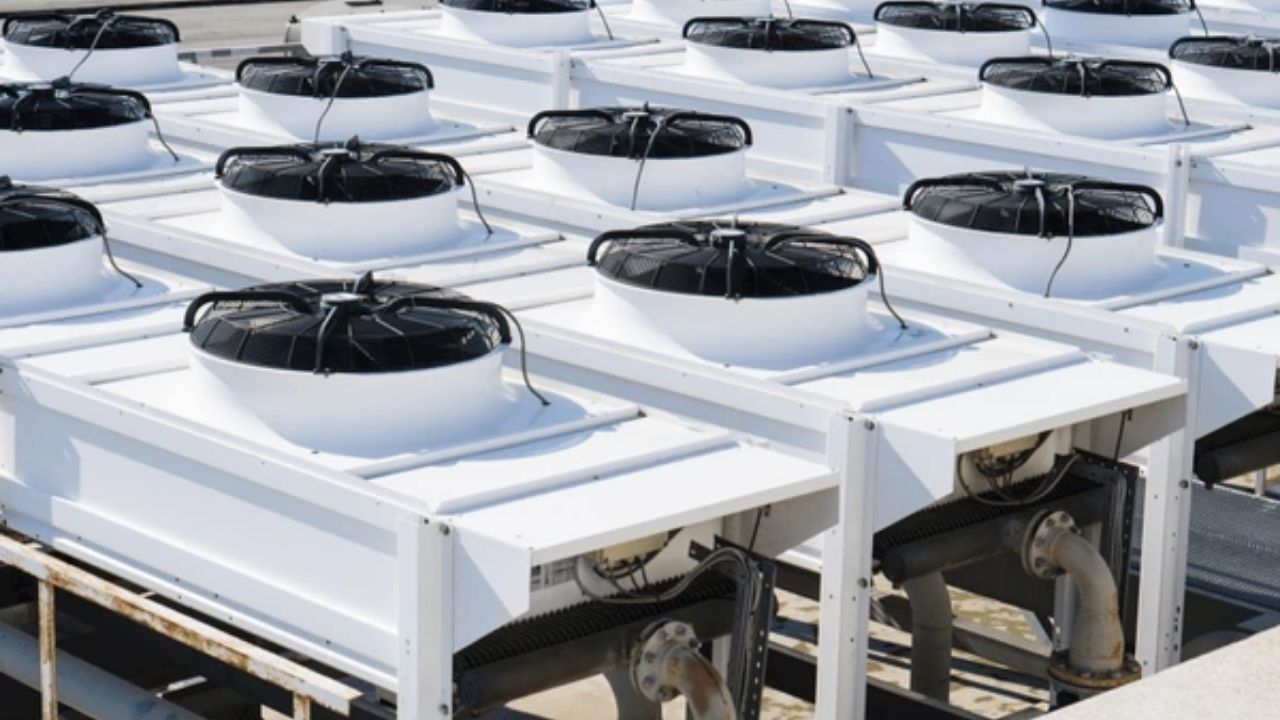
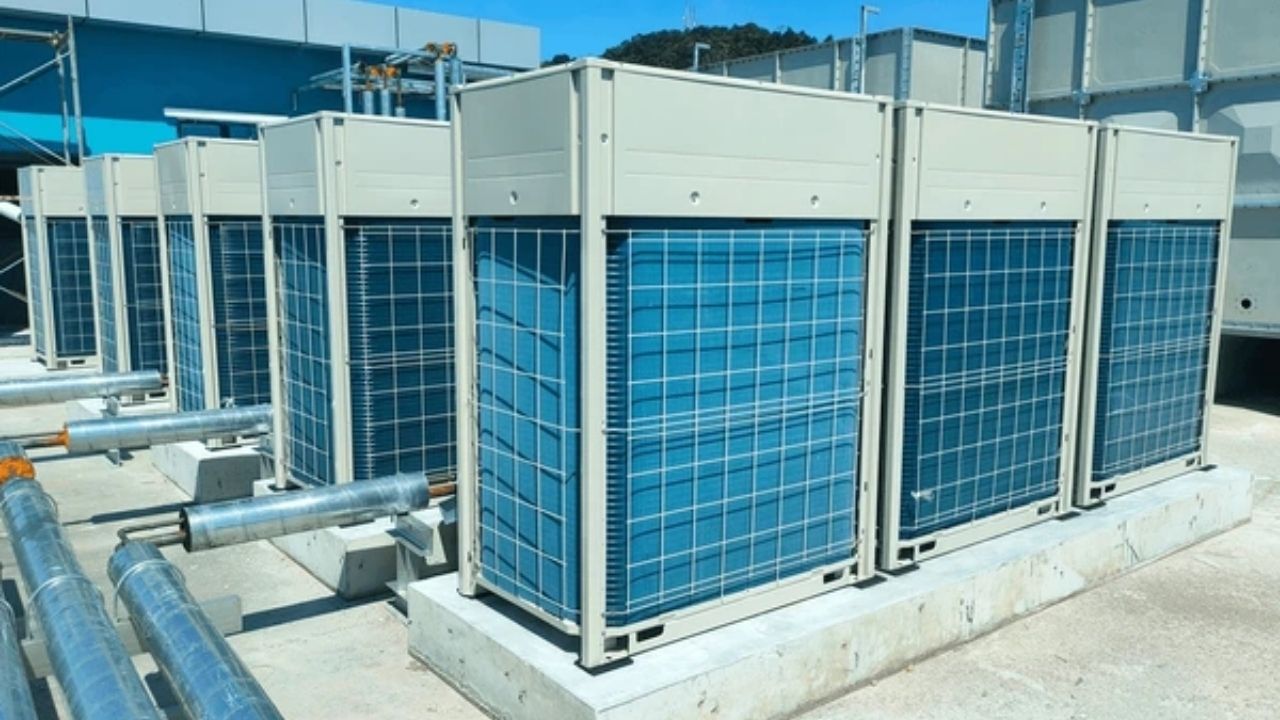
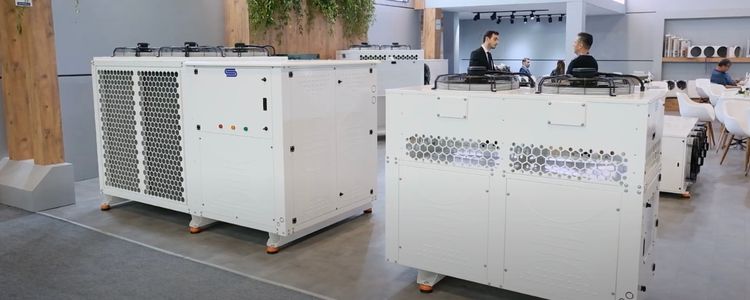
The condenser is the component through which a refrigeration or air-conditioning system rejects heat to the outside environment; it directly determines the system's overall efficiency, operating cost and failure frequency. For this reason, before asking "which condenser should I buy?", the question that really needs to be asked is: which manufacturer should I work with? The performance of a condenser depends less on its specifications on paper than on the calculation accuracy of the engineering team that designed it, the workmanship quality of the production line and the support capacity after commissioning. In this article we cover the concrete criteria to look at when evaluating a condenser manufacturer, across engineering, materials, manufacturing, quality and after-sales dimensions.
There are many companies on the market that say "we supply condensers"; however, some of them are not genuine manufacturers but distributors of ready-made units. A manufacturer performs heat transfer calculations with its own engineering team, optimizes the tube-fin geometry to the project and carries out production in its own facility. A distributor, on the other hand, sells standard catalog products and generally has limited authority to make site-specific changes. Especially when a project has constraints such as a special airflow, a low approach temperature or limited installation space, working with a genuine manufacturer means the design can be revised to suit the site. Clarifying this distinction is the first step of the selection process.
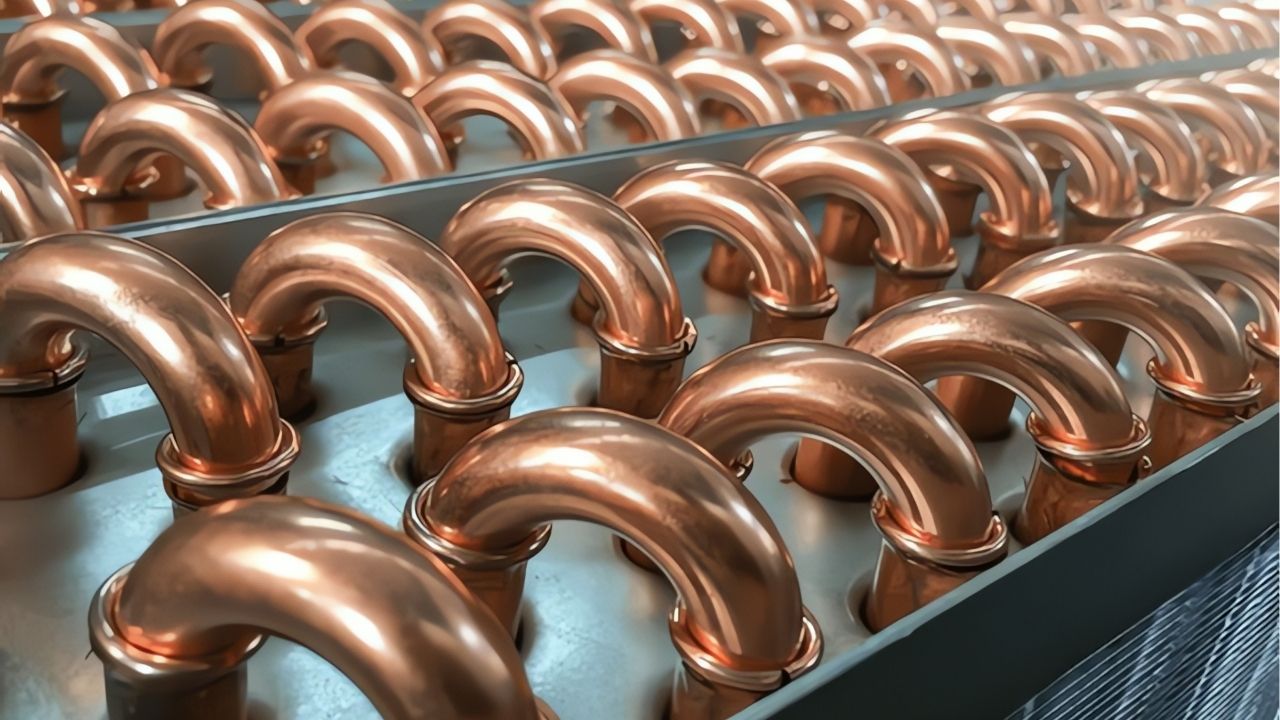
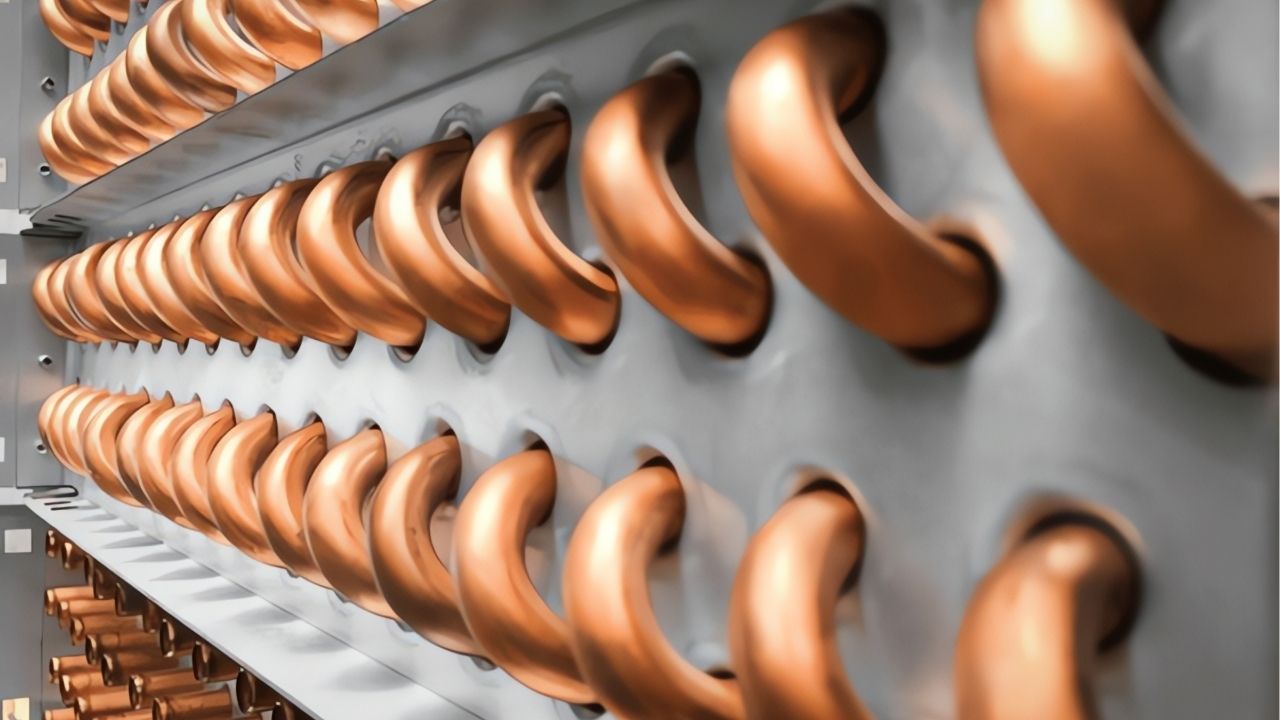
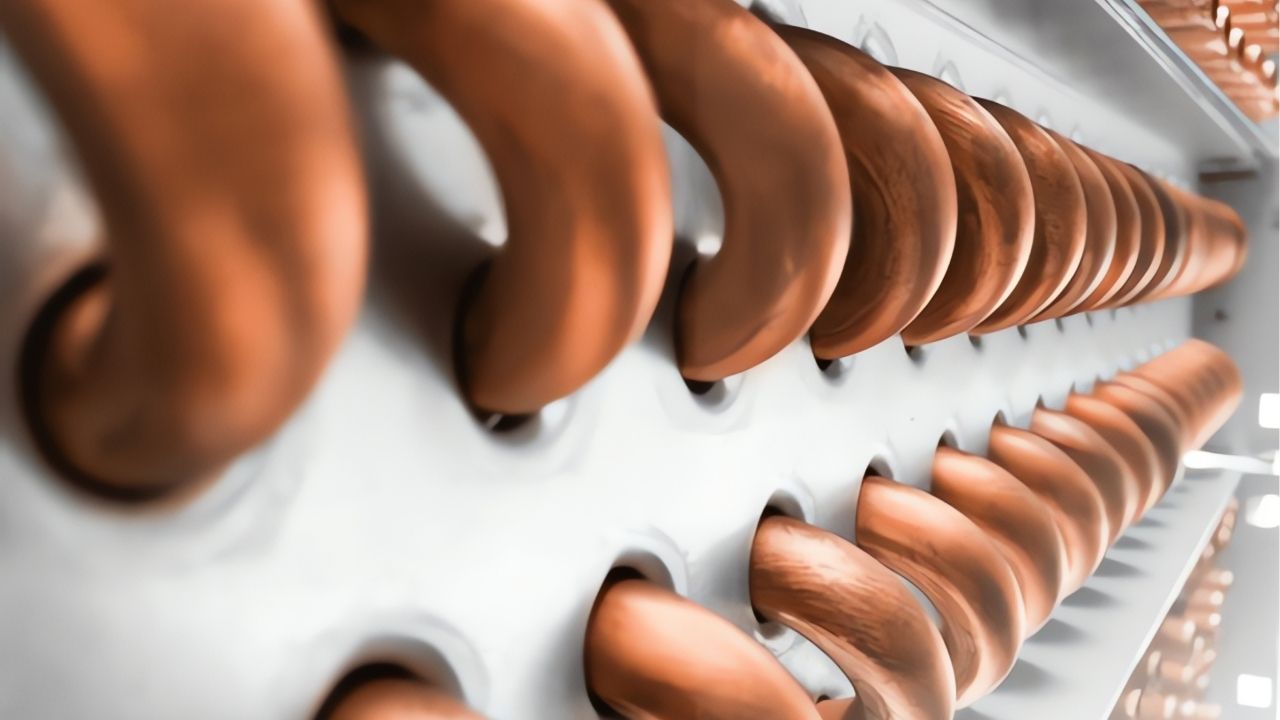
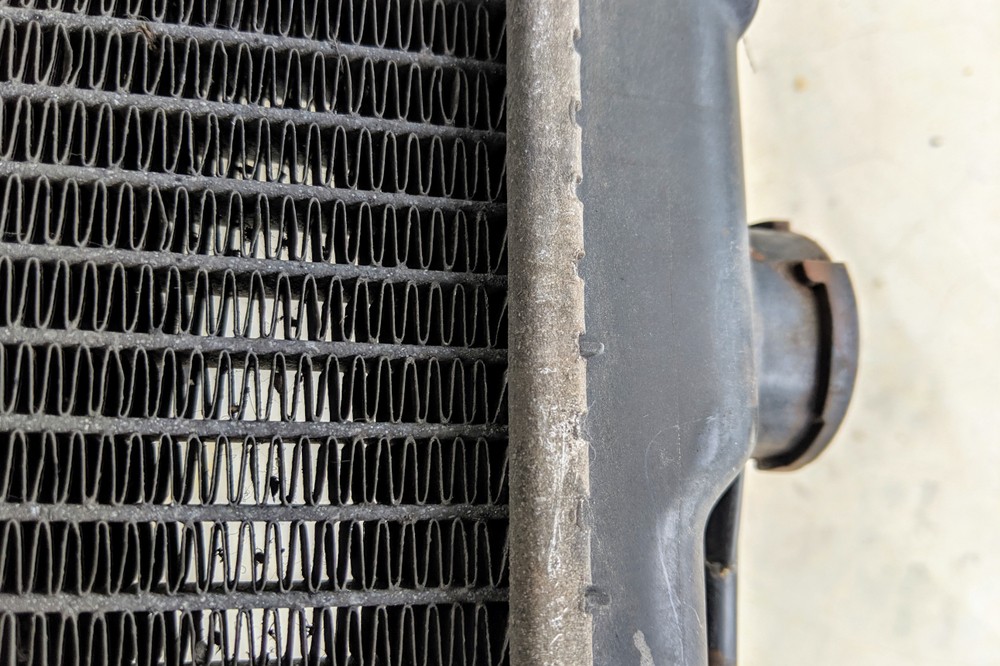
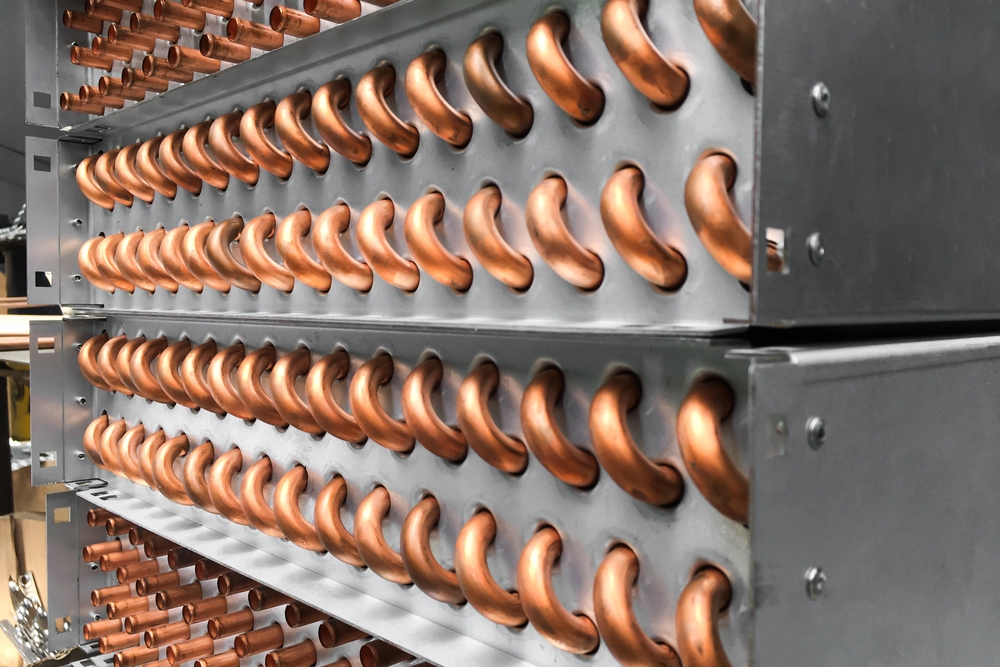
The efficiency of a condenser depends on the correct calculation of parameters such as tube diameter, fin spacing (fin pitch), air/refrigerant flow direction and tube row layout. Condensers built without an engineering team able to perform these calculations may match the catalog but fail to deliver the expected capacity in the field. For example, two condensers that look identical from the outside can show markedly different heat transfer performance because of differences in fin density and tube layout; this difference cannot be understood from catalog data alone, but it shows up directly in energy consumption and insufficient cooling during operation.
Serious manufacturers verify the heat transfer coefficient and pressure drop with thermal calculation software and, where necessary, fluid simulation (CFD). This is a critical safeguard especially for systems that will operate at non-standard ambient temperatures (such as high outdoor temperatures, seaside humidity or high altitude). At the selection stage, it is a reasonable step to ask the manufacturer for a capacity calculation made for the specified operating conditions of the proposed condenser.
The inputs of this calculation include the condensing temperature, refrigerant type, design ambient temperature and target approach difference. If a manufacturer does not ask for these inputs project by project and only has you select from a capacity table, the risk that the condenser will not deliver the expected performance in real site conditions increases. The engineering team's experience in choosing between different circuit configurations (single circuit, multi-circuit) according to the project's needs is an important indicator of technical maturity. Günay Heat Exchangers calculates its condenser capacities according to project-specific operating conditions; units go through testing and quality control steps before shipment.
The standard product range does not suit every project. Tight installation spaces, residential areas with low noise limits or export projects with special electrical/voltage requirements call for a manufacturer with the flexibility to do custom design. At this point, looking at how wide and modularly structured the manufacturer's condenser product range is gives an idea of its capacity to produce project-specific solutions.
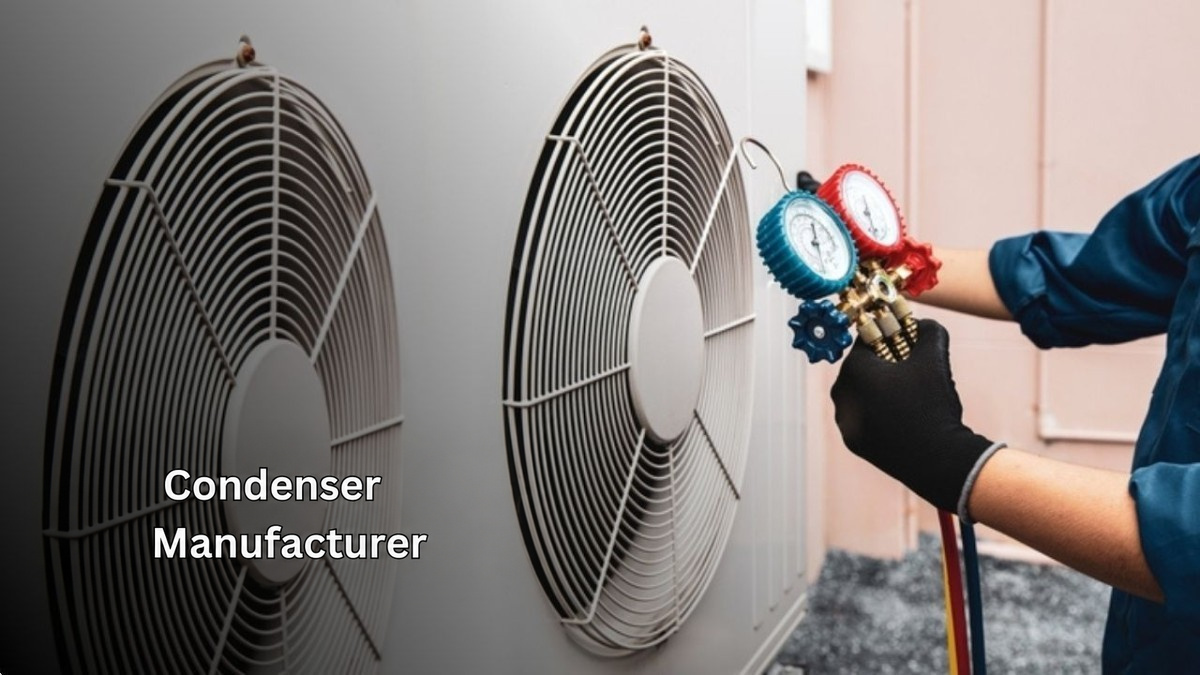
The second basic factor that determines a condenser's service life and efficiency is the material. Wrong material selection may look like a cost advantage in the short term, but in the medium term it comes back as corrosion, clogging and premature failure.
A serious manufacturer asks about the installation environment before taking the order (seaside or not, industrial emissions or not, indoor or outdoor) and shapes its material recommendation accordingly. You should avoid a manufacturer that imposes a material without asking about the environment.
Fin coating technology is equally important. Standard aluminum fins can oxidize over time in industrial areas or in facilities close to the coastline and lose heat transfer surface. In such environments, protective layers such as epoxy-based coating or electrostatic paint noticeably extend the condenser's service life. Whether the manufacturer offers such protective coating options beyond the standard product is a detail worth asking about, especially in export projects (for products going to different climate conditions).
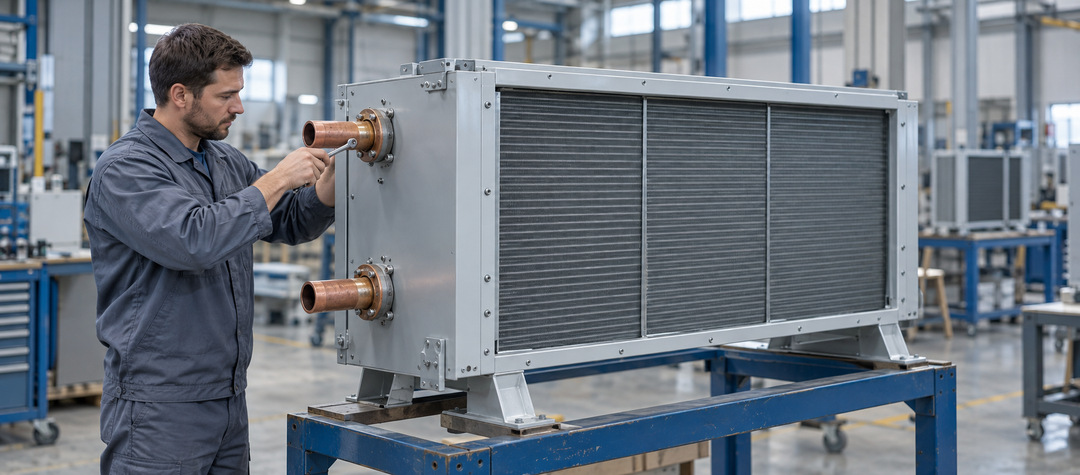
However accurate the design is, a workmanship error on the production line can invalidate the whole calculation. Weld quality, tube expansion precision and fin press tolerances directly affect the condenser's leak-tightness and heat transfer performance.
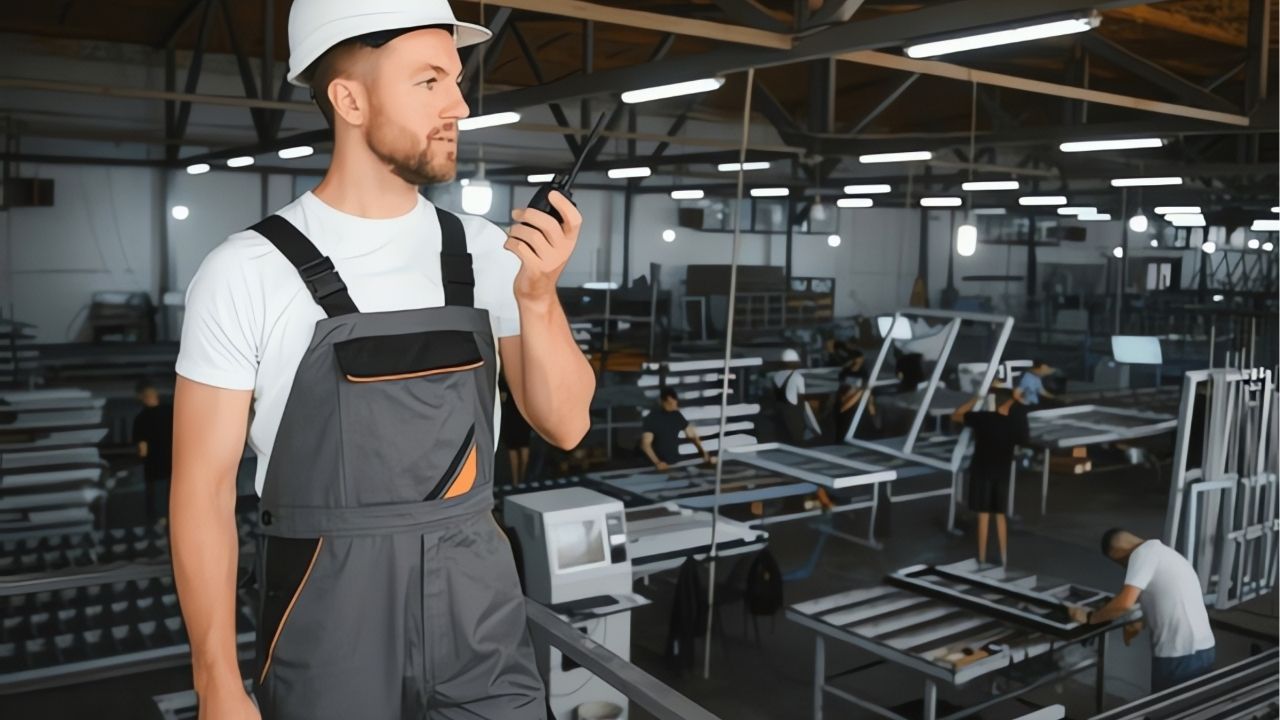
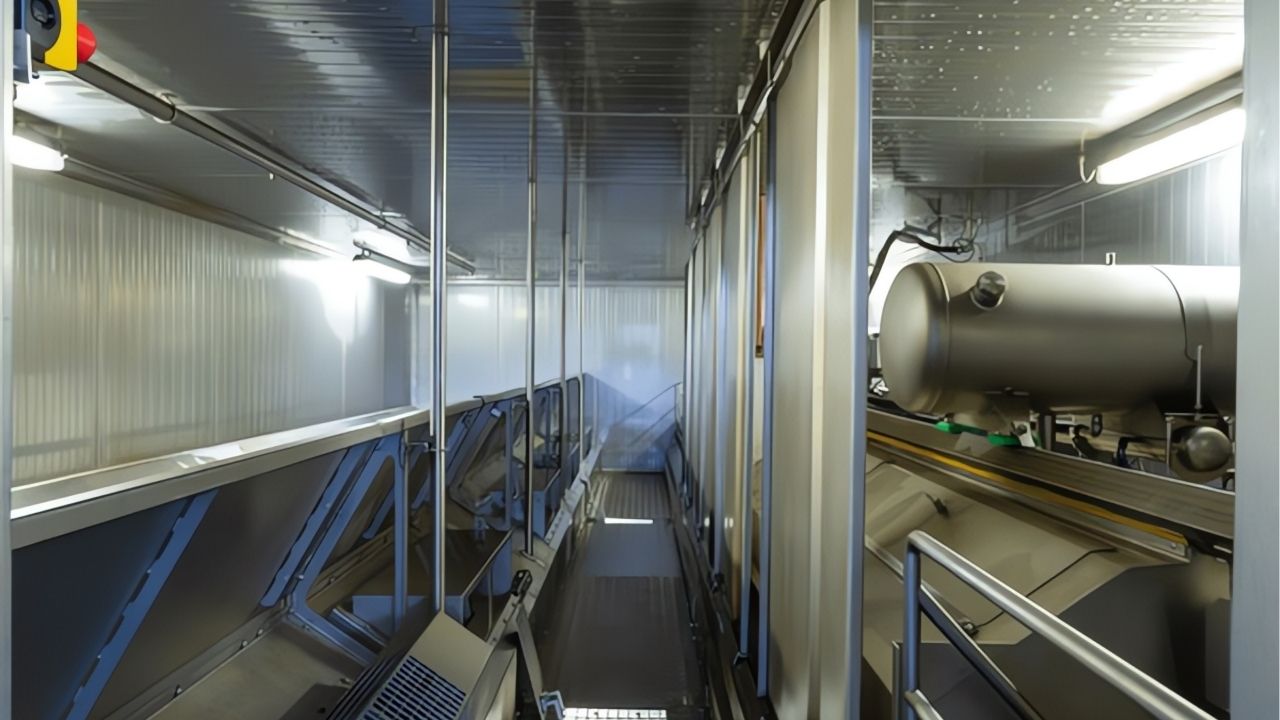
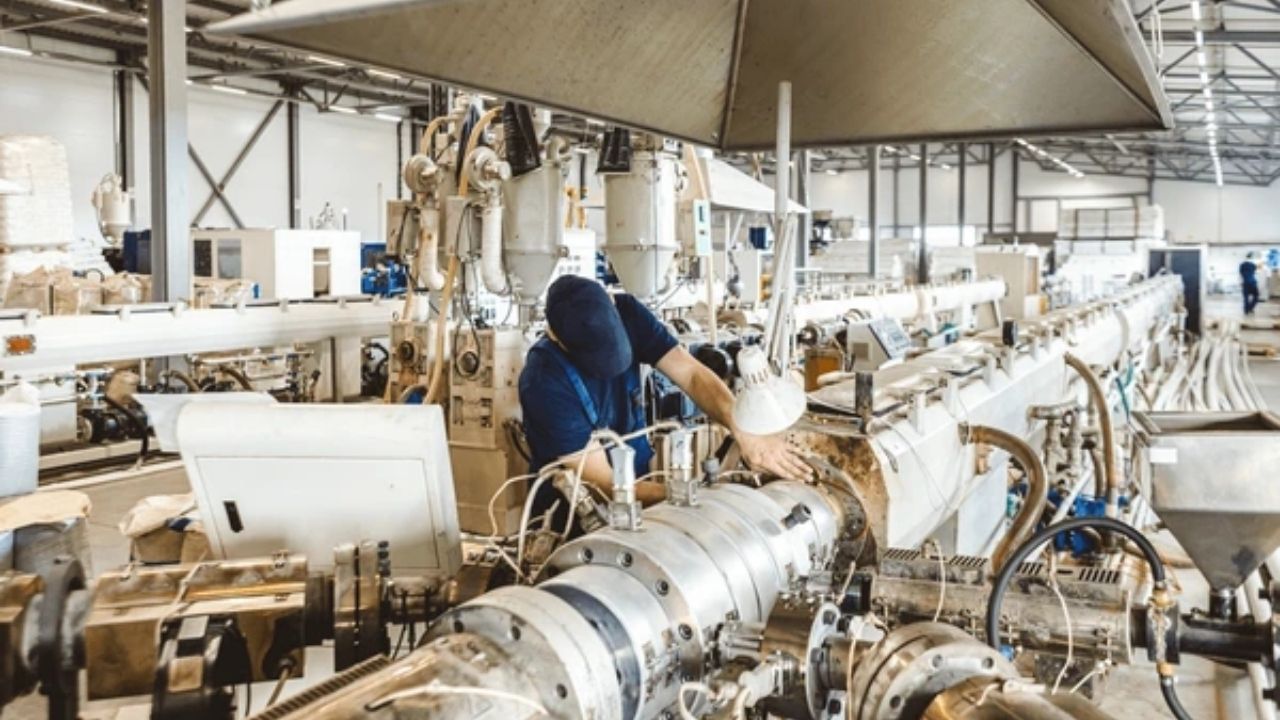
Facilities with CNC cutting and robotic welding stations can produce part tolerances repeatably, without deviations caused by human error. This matters for batch-to-batch quality consistency, especially in OEM projects that require series production. When evaluating a manufacturer's production capacity and facility infrastructure, looking at its corporate history and manufacturing experience is a useful starting point; a manufacturing history of more than 40 years is an indicator of accumulated process knowledge (tolerance management, defect detection, material supply network).
Another point to look at when assessing manufacturing capacity is the manufacturer's ability to be flexible with order volume. Producing a single prototype or a small-series custom project and an OEM order of hundreds of units at the same quality level requires different production disciplines. In small-volume custom projects the flexibility of manual assembly stands out; in large-volume orders the repeatability provided by automation does. A manufacturer whose facility can manage both production models is an advantage for customers who need both prototype development and series production.
Among the minimum assurances to look for when buying industrial heat exchangers and condensers are an ISO 9001 quality management system and CE marking (EC Declaration of Conformity). These documents are not for decoration; they require a series of control points, from material certificate traceability to welding procedure approval. When choosing a condenser manufacturer, working with companies that can clearly document which certificates they hold and under what scope (product group, production facility) they obtained them prevents lost time in later stages of the project (especially in export customs processes). Günay Heat Exchangers holds an ISO 9001:2015 quality management system certificate and a CE certificate and EC Declaration of Conformity showing that its products comply with EU legislation; you can access these documents from our corporate page.
The post-production testing stage is the final check that the design on paper will work in the field. The basic test steps to look for are the following:
Asking whether the results of these tests are recorded and whether test reports can be shared on request gives the most concrete idea of the manufacturer's quality culture.
Documenting the test stage gains importance during customs and end-user inspections, especially in export projects. If details such as the pressure value and duration at which the leak-tightness test was applied and which test gas was used can be traced by serial number, root cause analysis in the event of a field failure is faster. With manufacturers that lack this traceability infrastructure, determining responsibility and resolving the problem can take noticeably longer when a failure occurs.
If you will ship the condenser abroad, especially to the European market, the manufacturer's export experience becomes as important as technical competence. Customs documentation, product labeling standards, voltage/frequency differences (50 Hz/60 Hz) and compliance with the target country's local electrical safety standards affect not only the product but the entire delivery process. An experienced manufacturer knows in advance the requirements of the countries it has worked with on similar projects and plans the process accordingly. Günay Soğutma's page of countries it exports to offers a concrete reference on its project distribution in the European market, led by the DACH region.
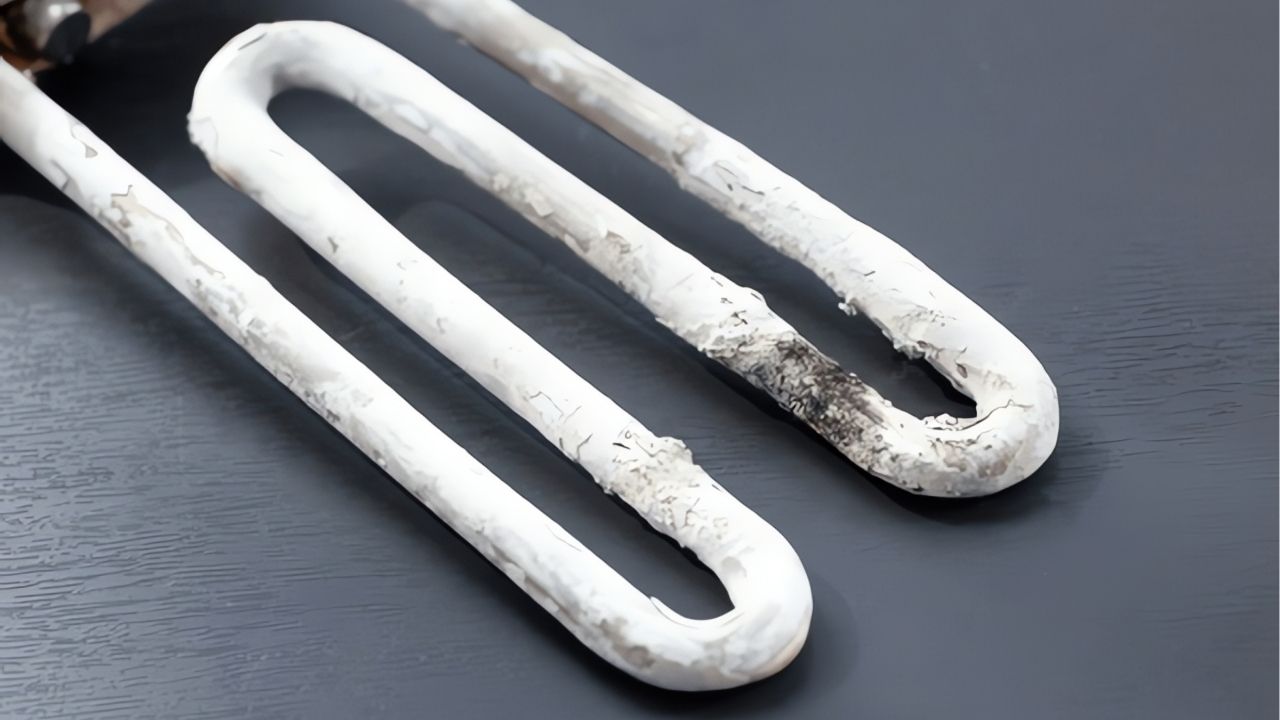
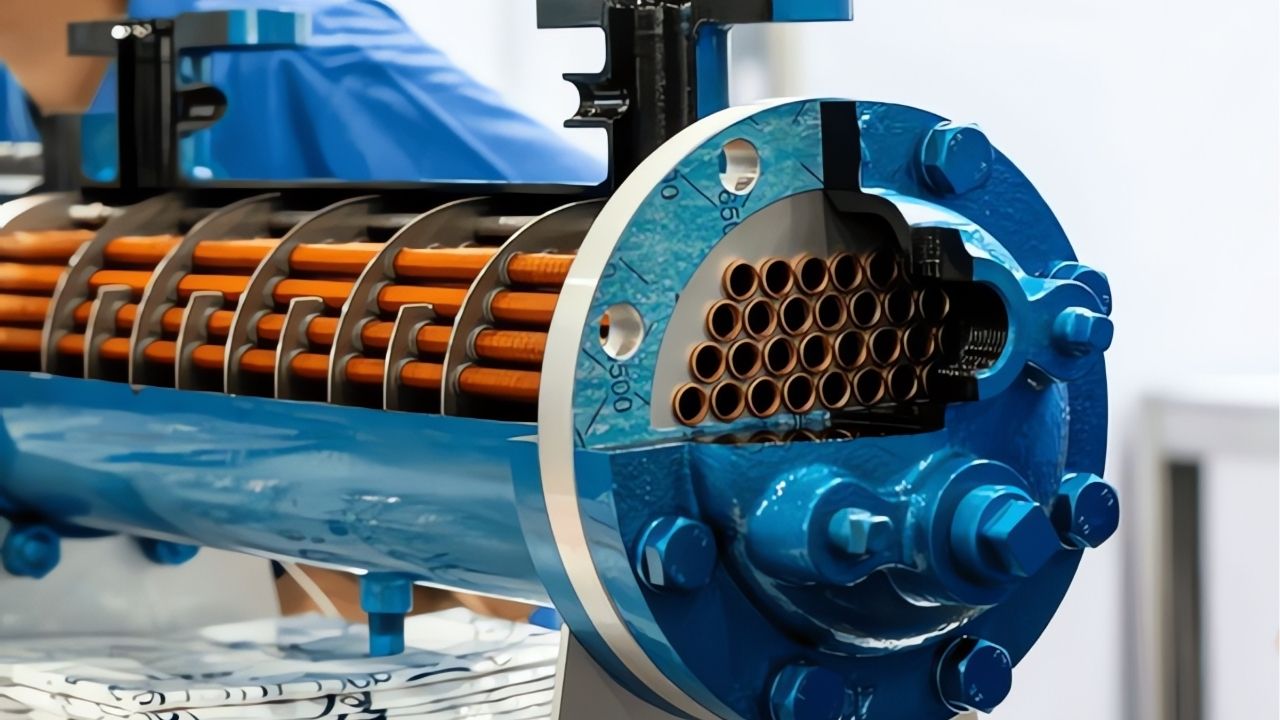
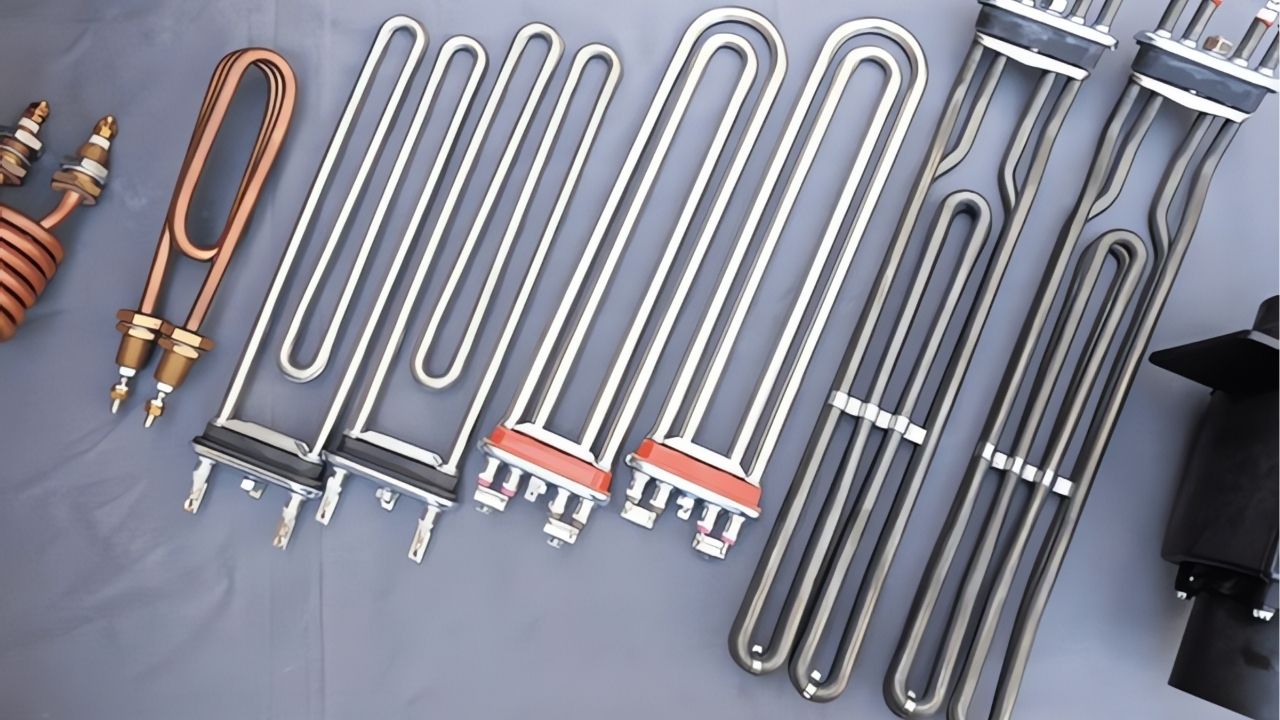
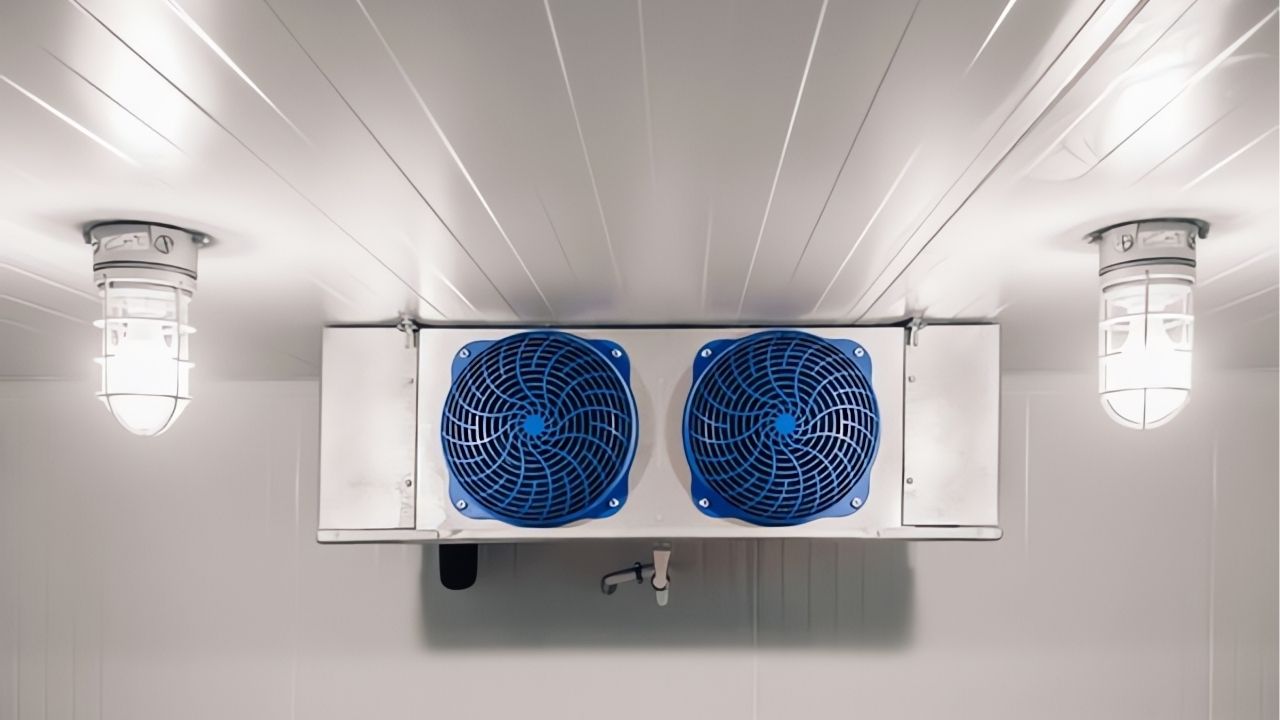
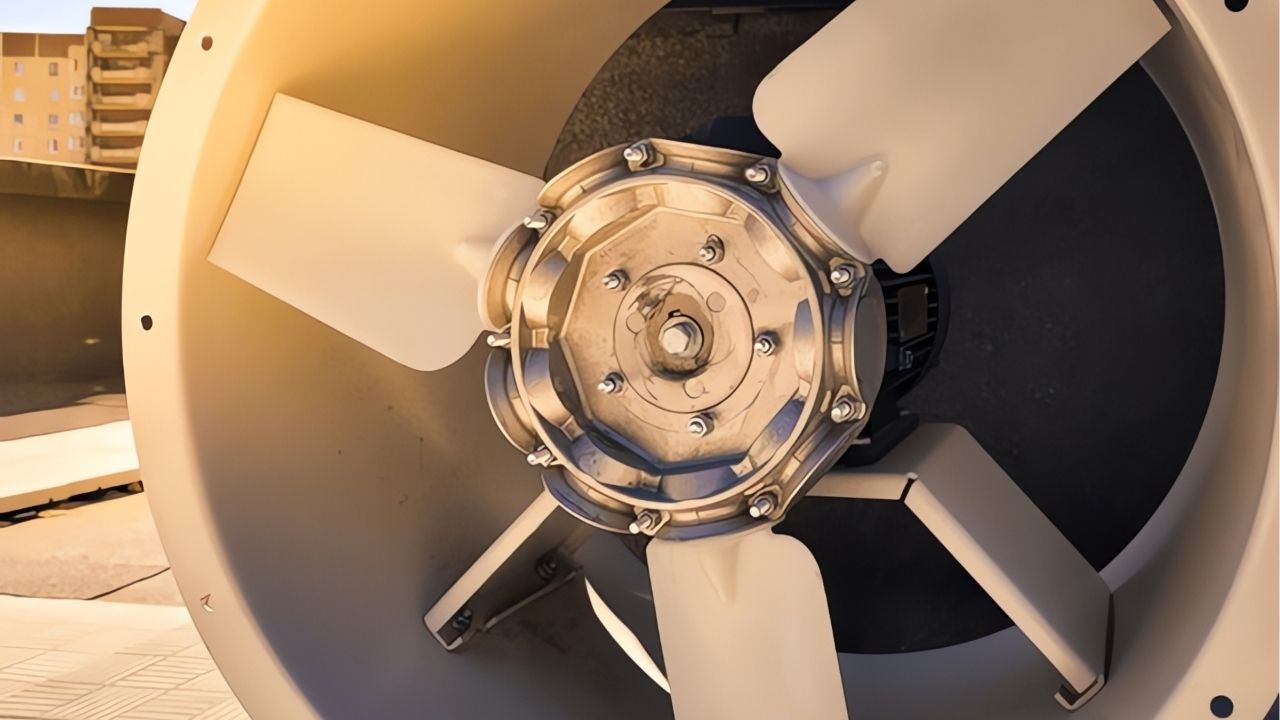
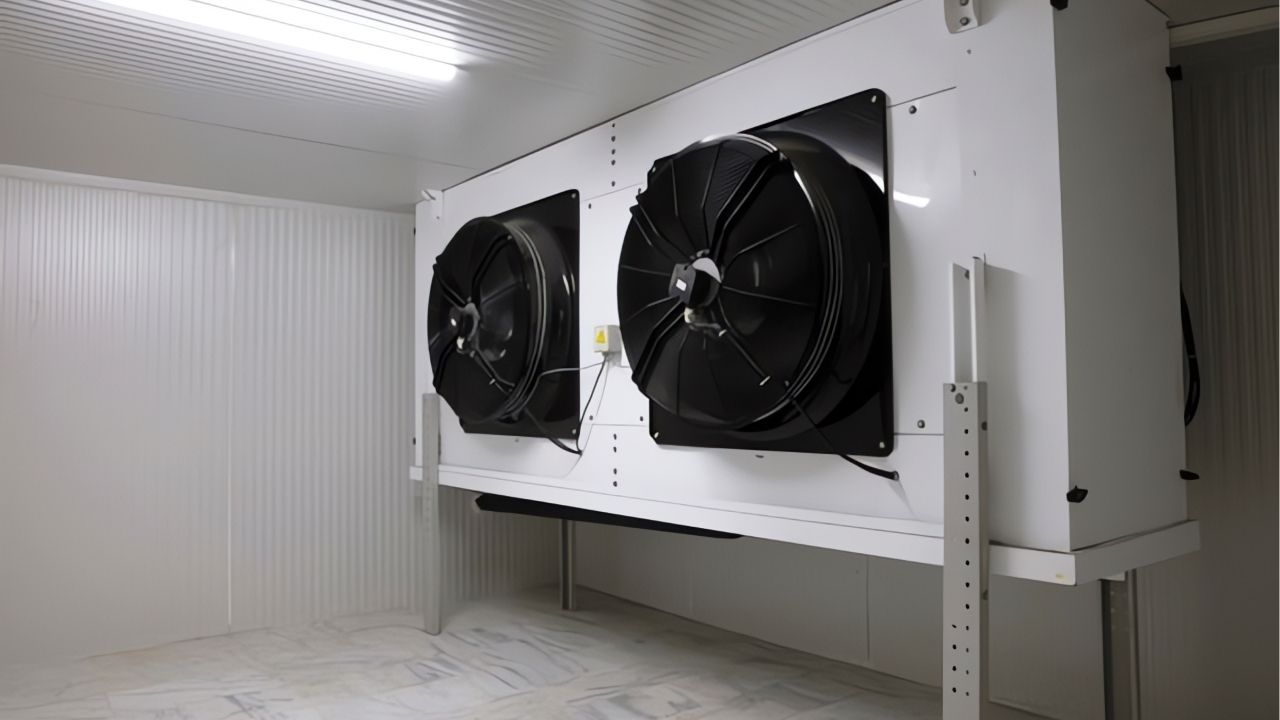
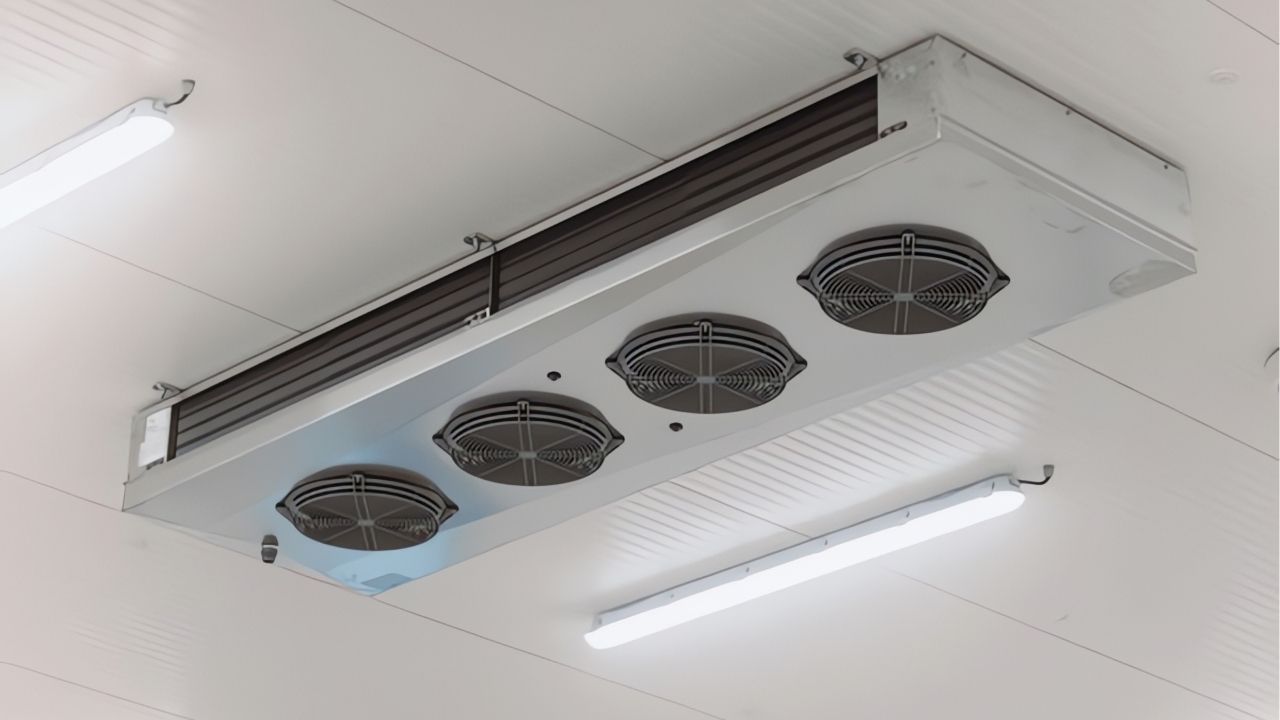
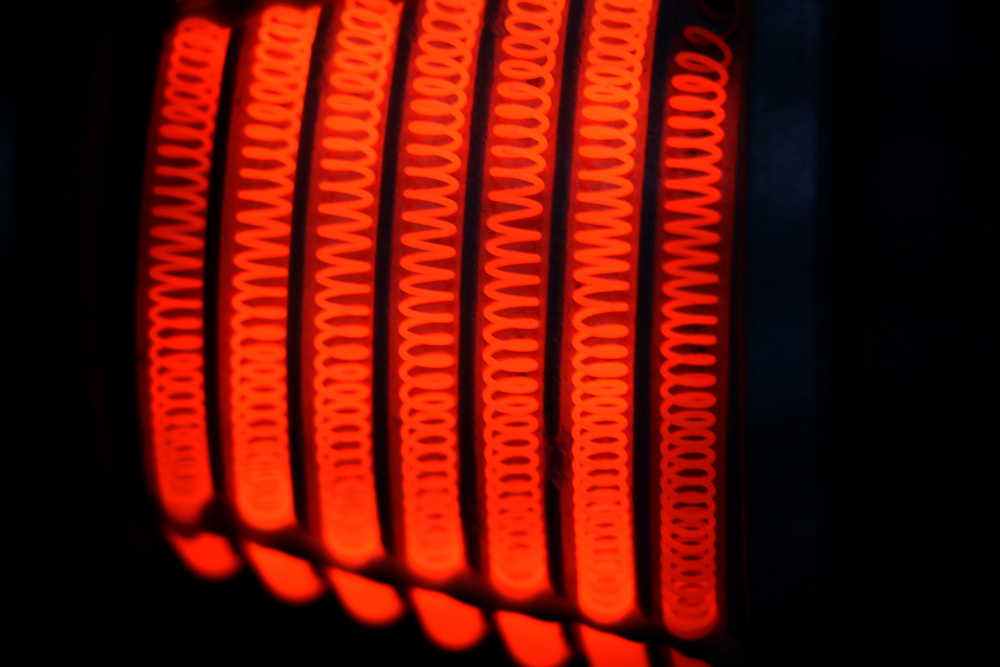
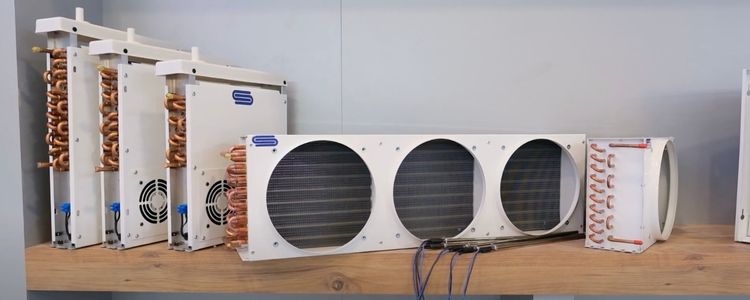
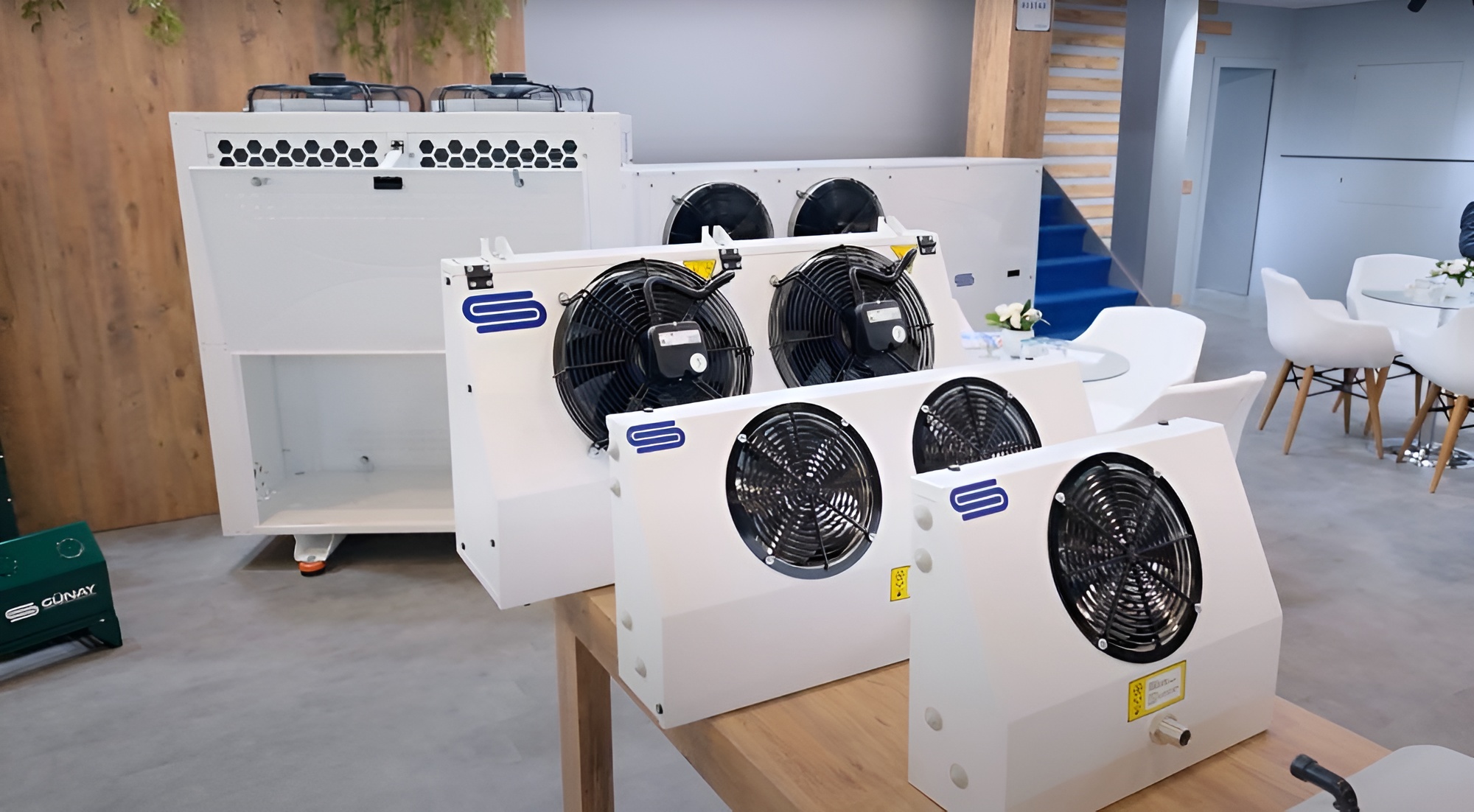
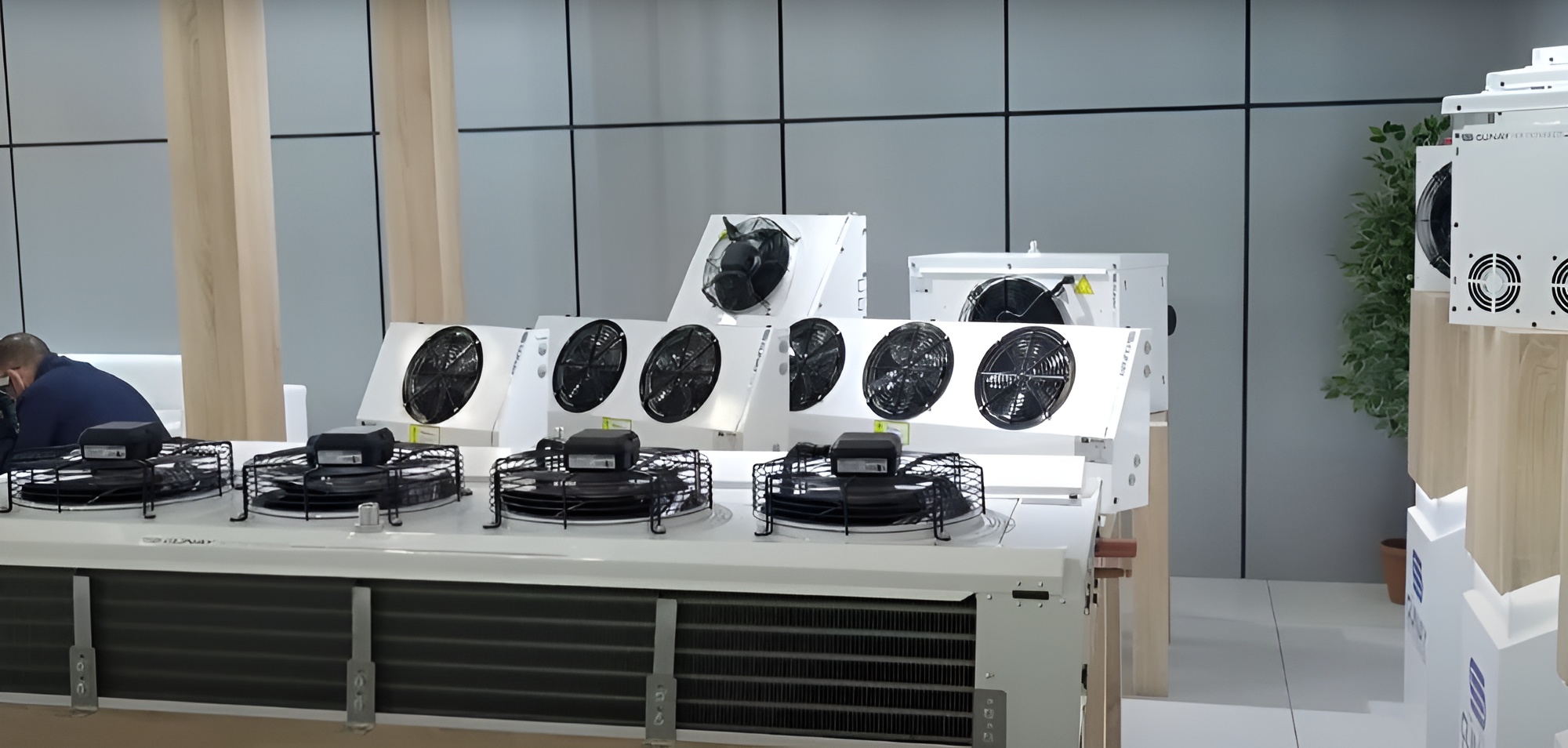
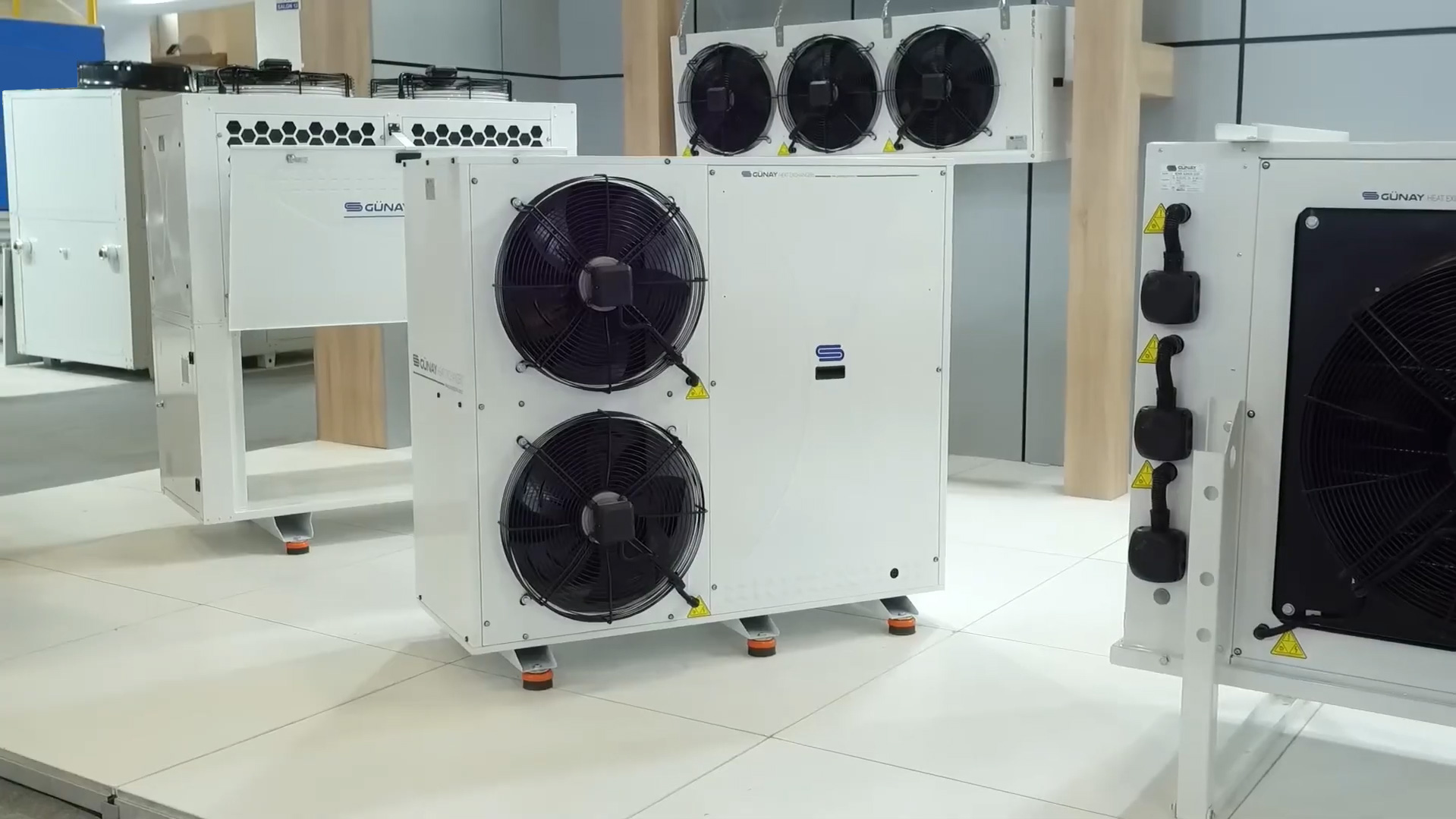
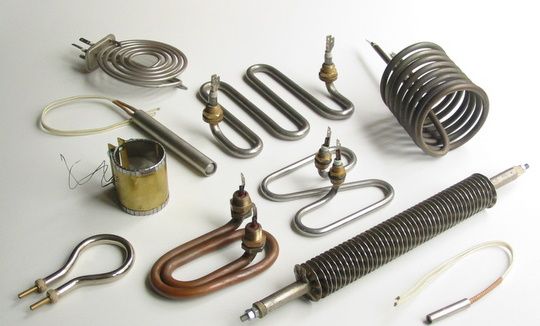
A condenser is not a system component on its own; it is part of a whole that works together with other parts such as the evaporator, axial fan and heater. Working with a manufacturer that can produce the system's other components with the same engineering logic, rather than a company that makes only condensers, eliminates from the start the problem of compatibility between components (such as differing tolerances or mismatched connection standards from different manufacturers). In this respect, looking at the manufacturer's entire product range is necessary to assess the system integrity that can be supplied from a single source.
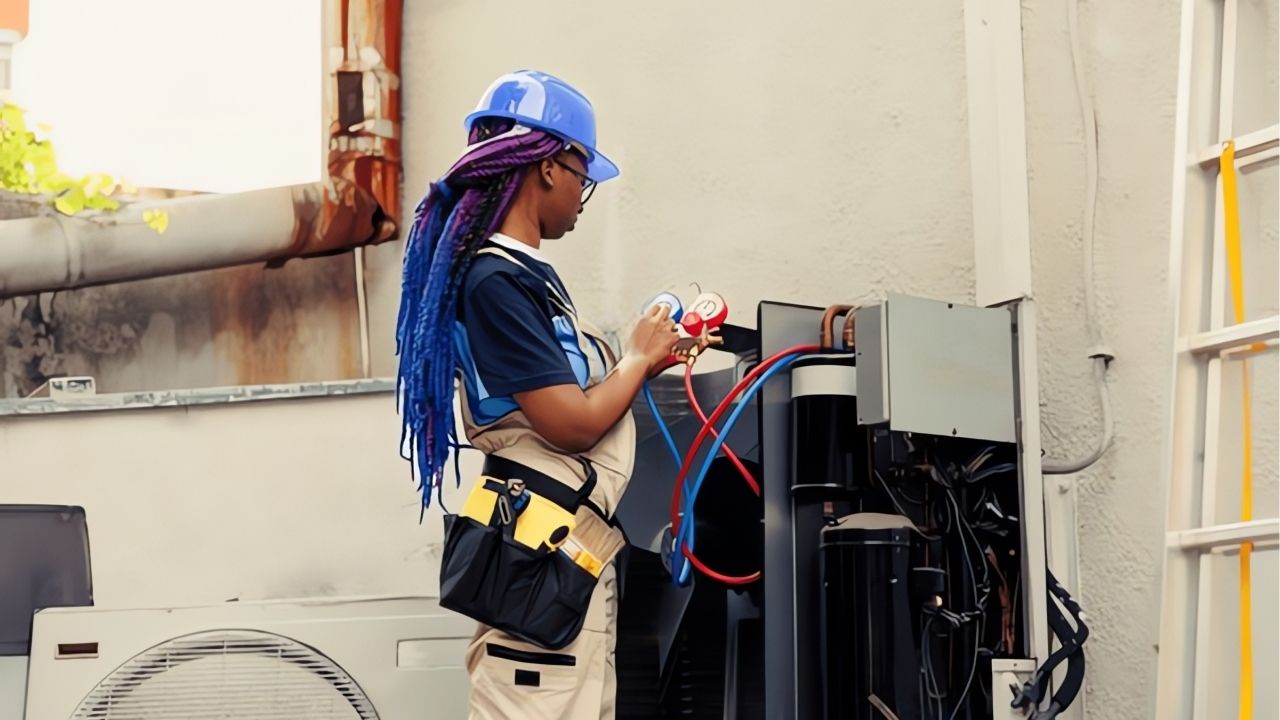
The period after the condenser is commissioned is the real test of the manufacturer choice. The points to evaluate are:
The existence of these services is the real factor that determines the condenser's total cost of ownership (TCO), more than its initial investment cost.
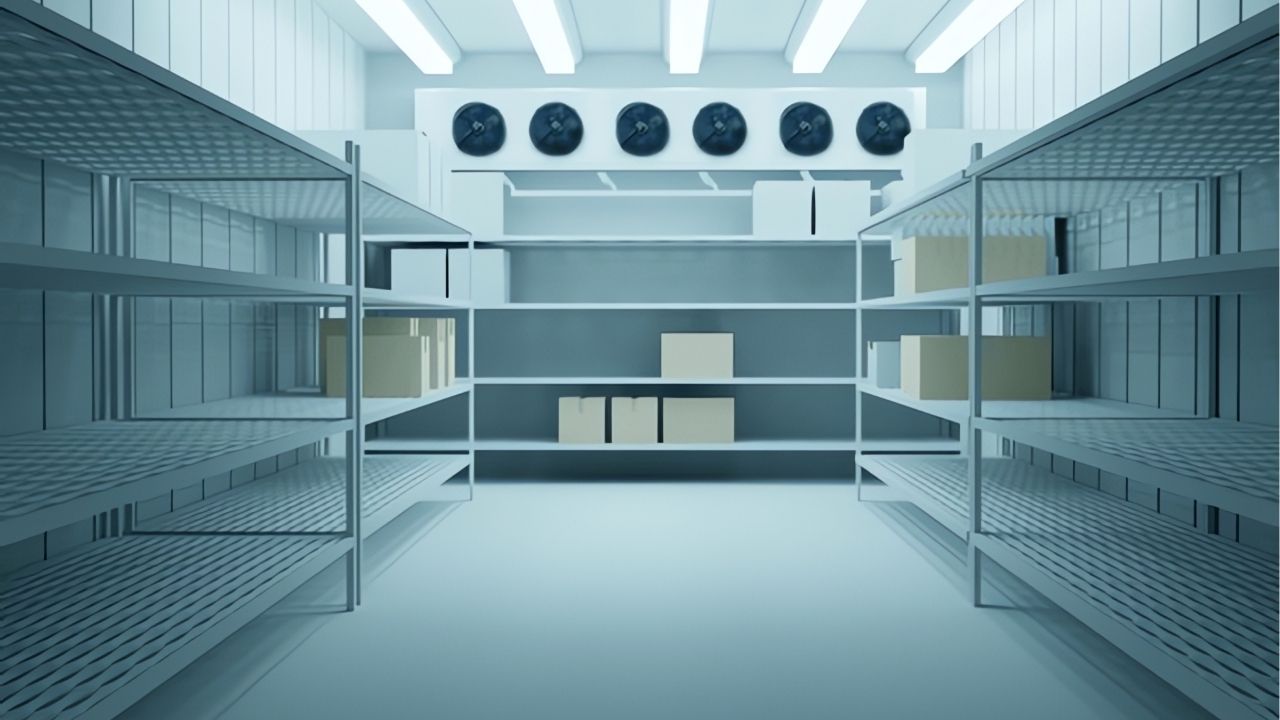
A manufacturer having produced references at different scales and application types indicates that it has accumulated broader engineering experience than manufacturers focused on a single sector or a single capacity band. A manufacturer that has worked in different application areas such as cold rooms, industrial process cooling and commercial HVAC-R systems can anticipate the specific constraints of each project (space, noise, energy efficiency priority) faster.
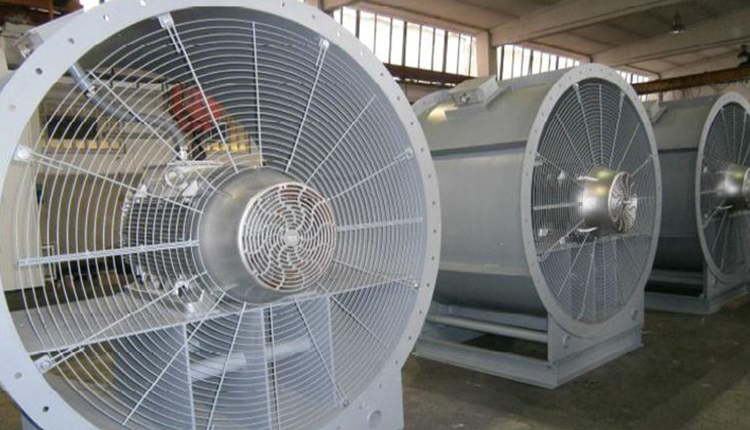
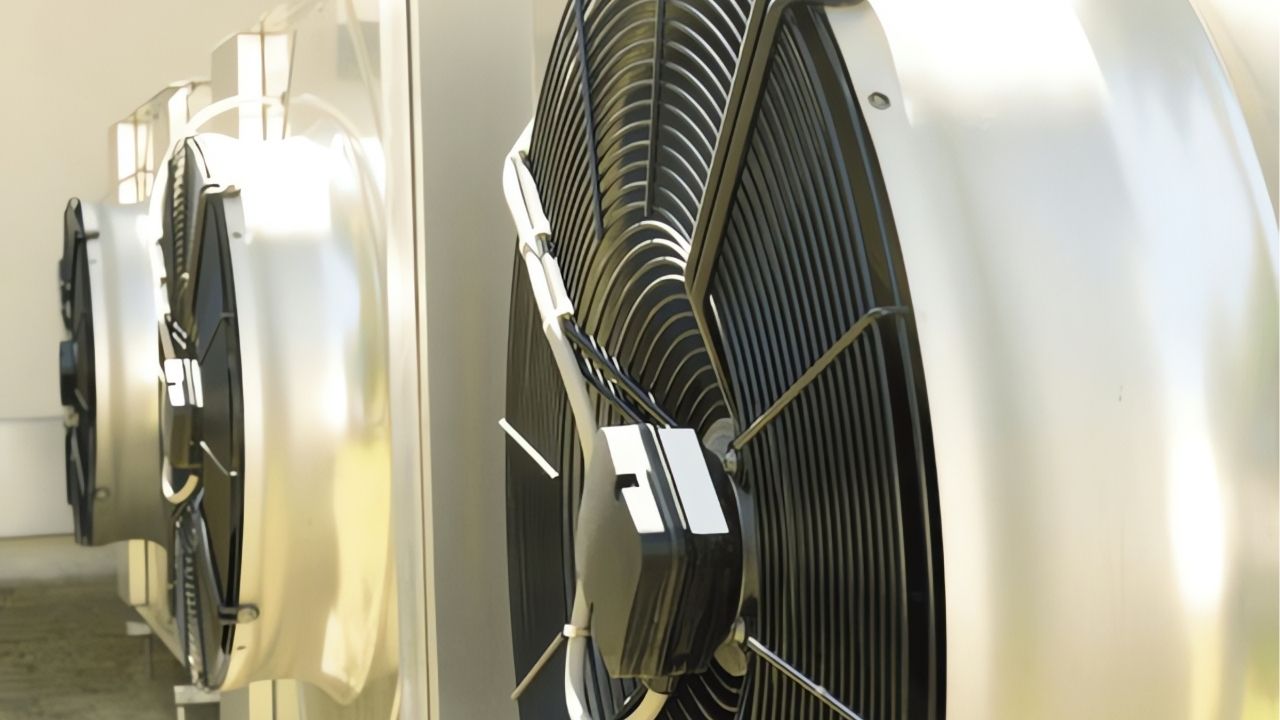
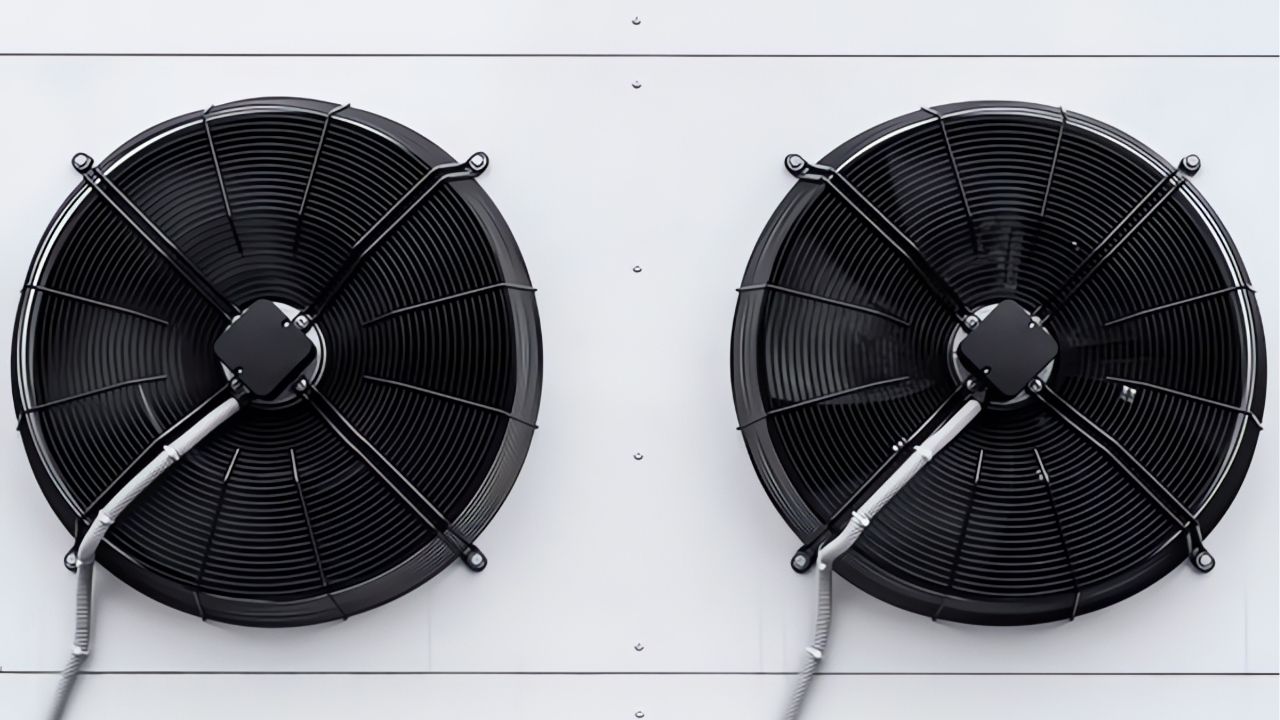
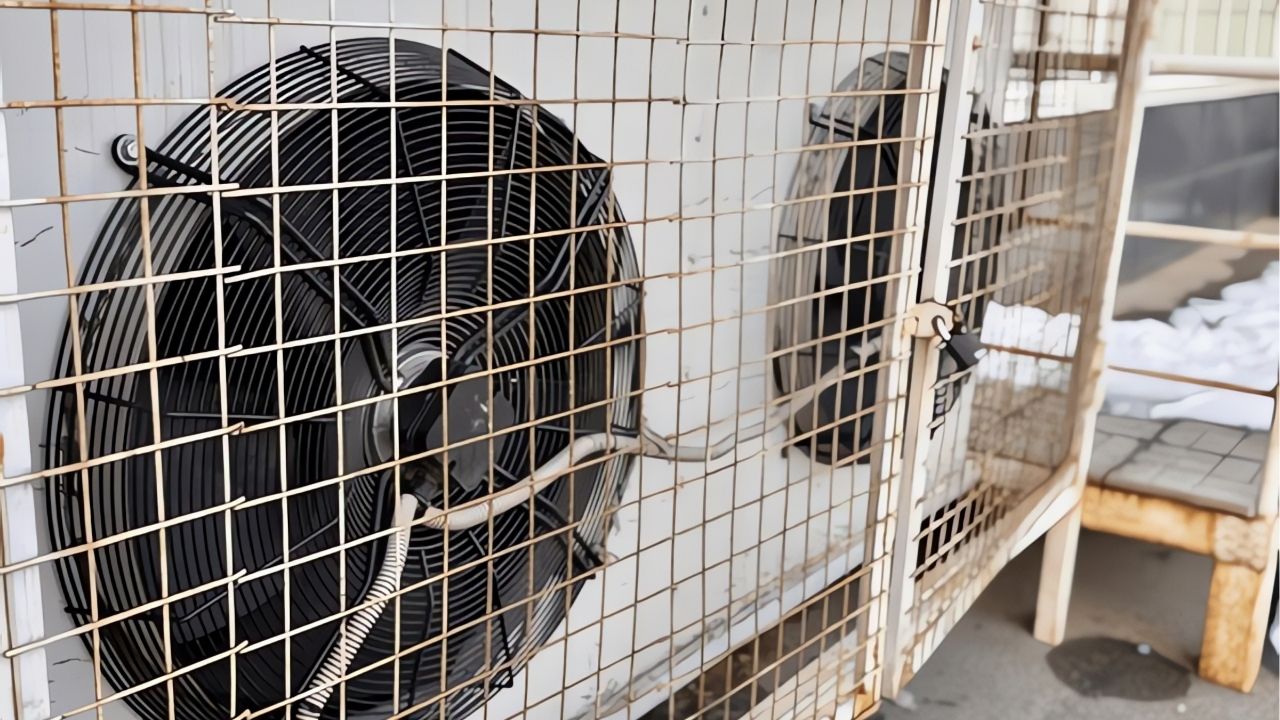
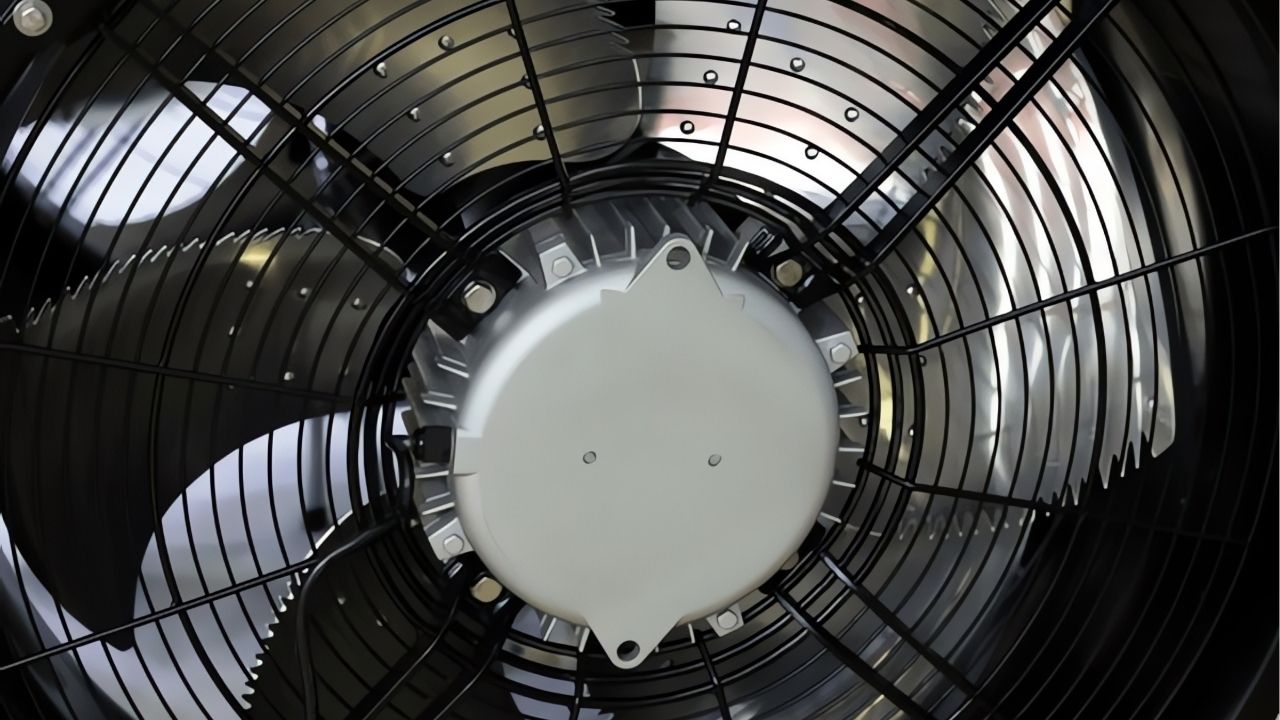
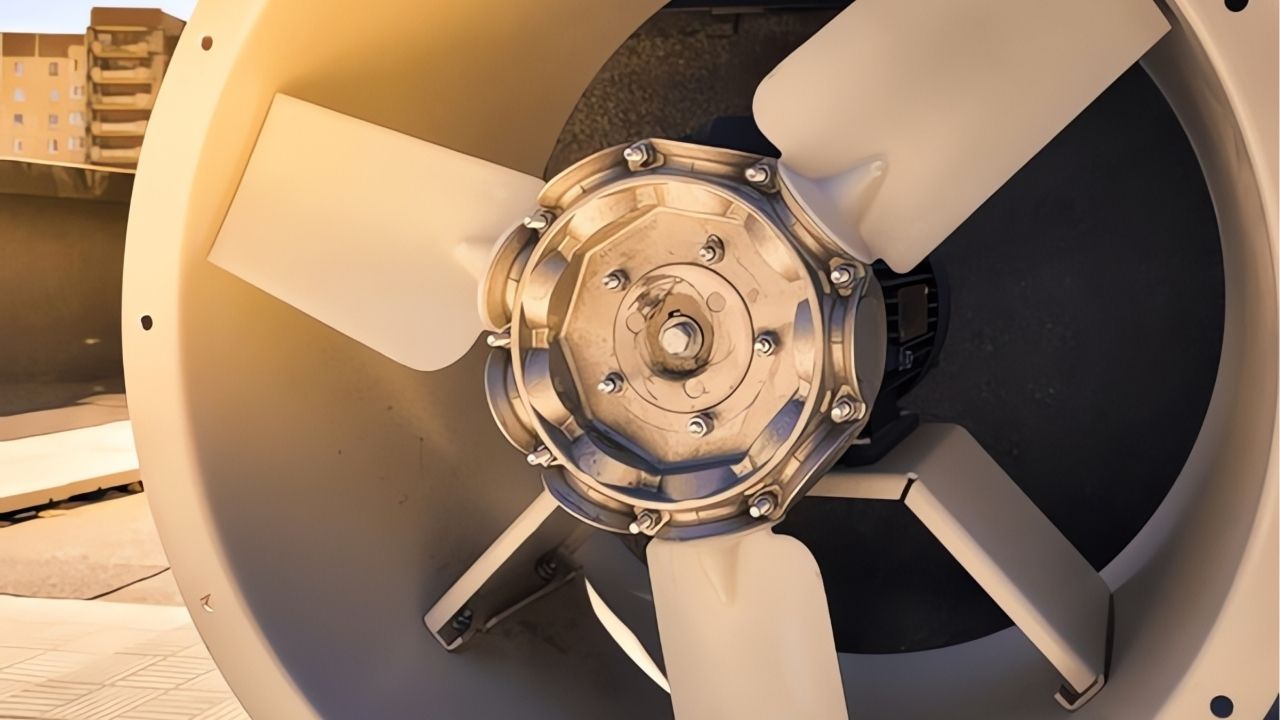
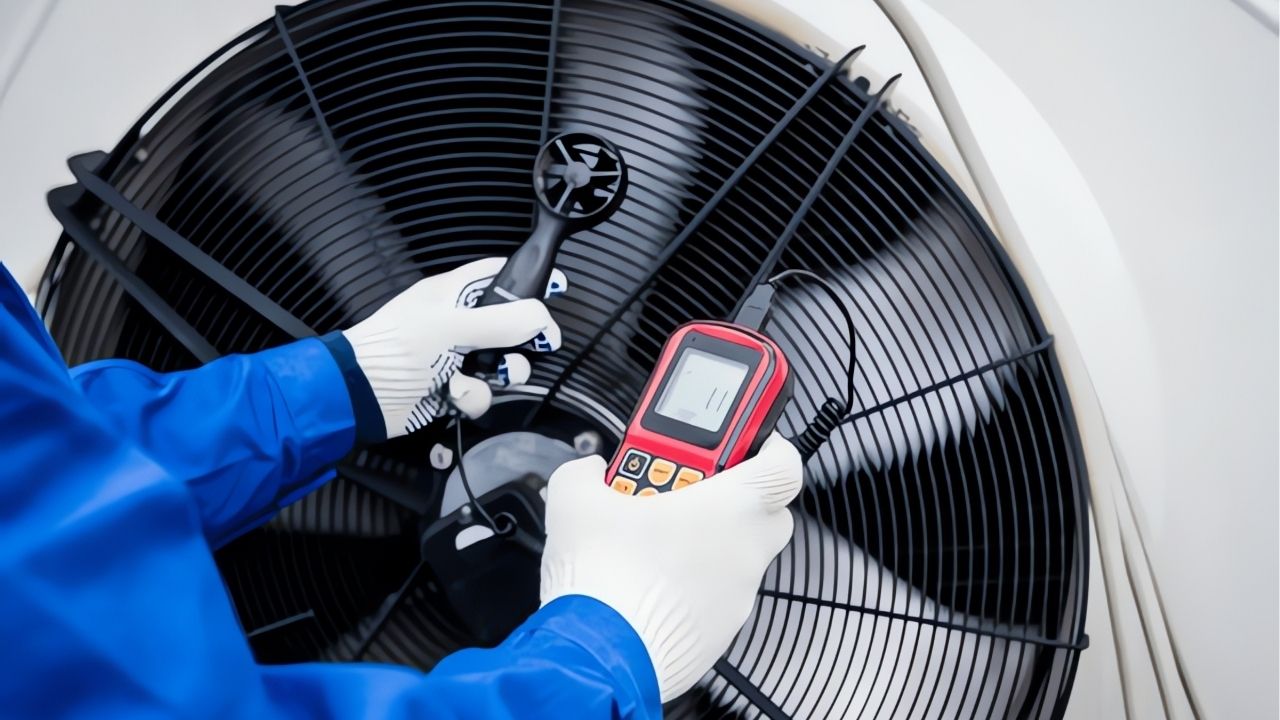
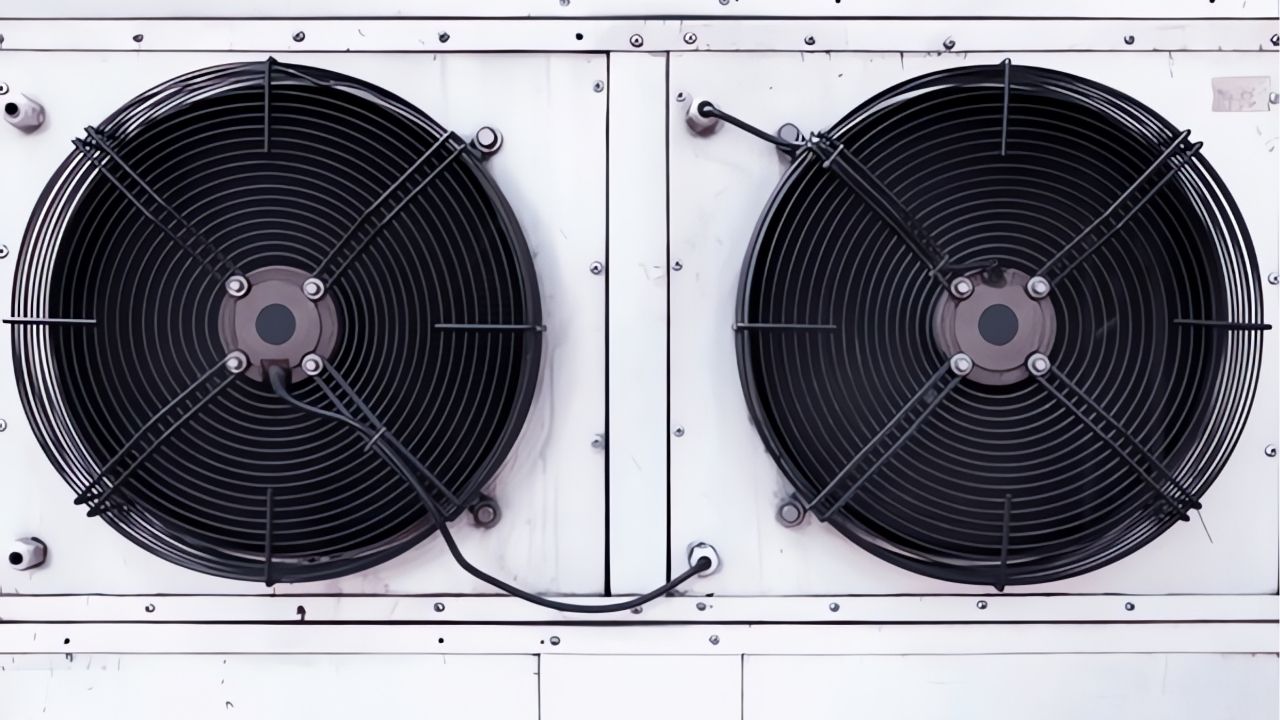
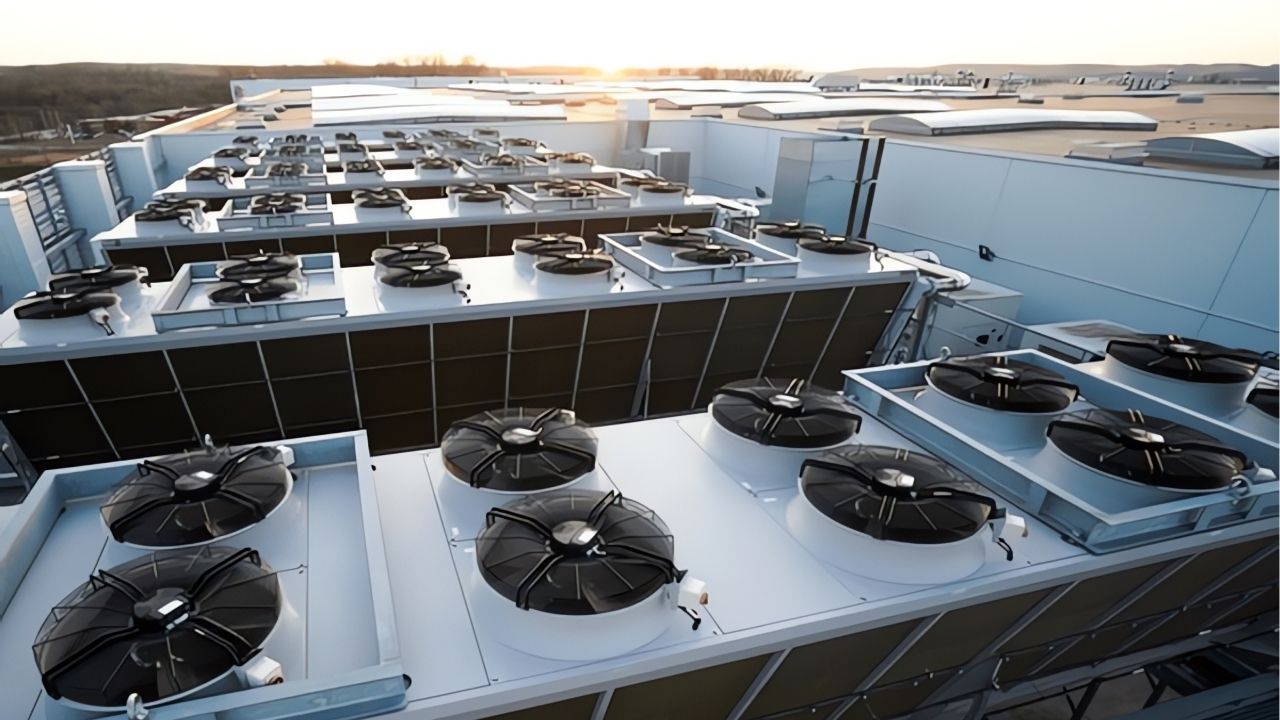
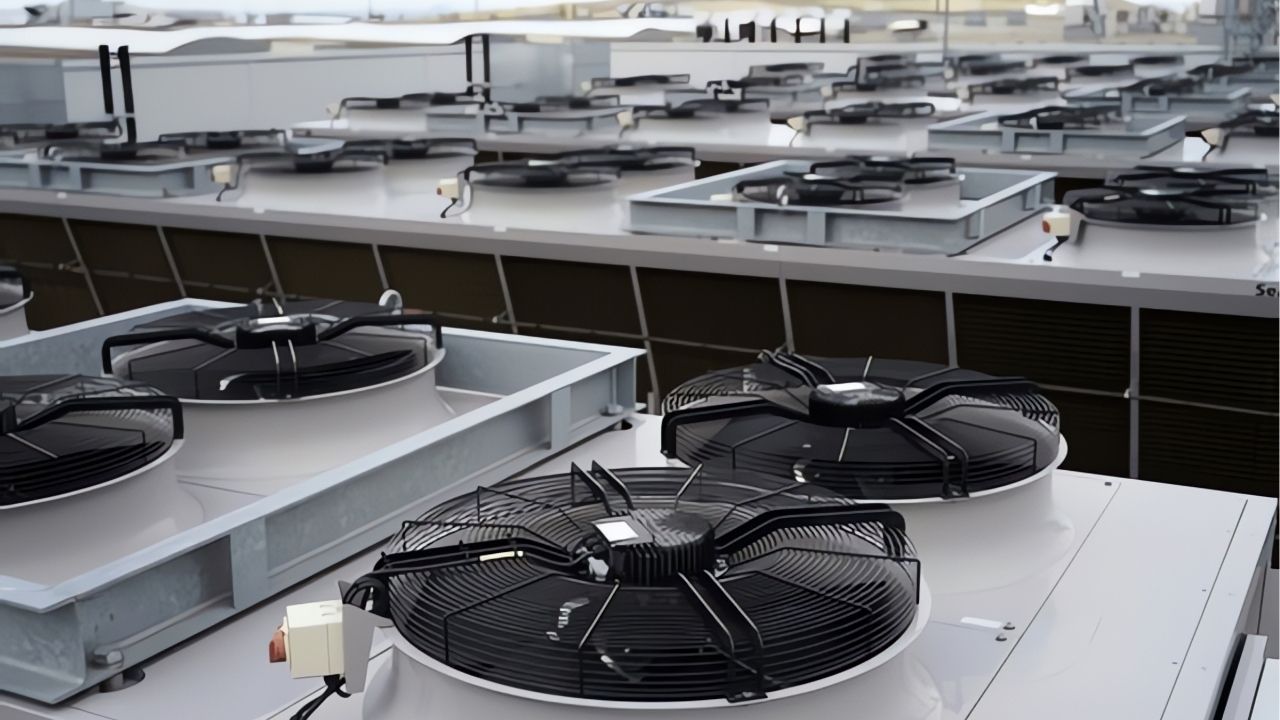
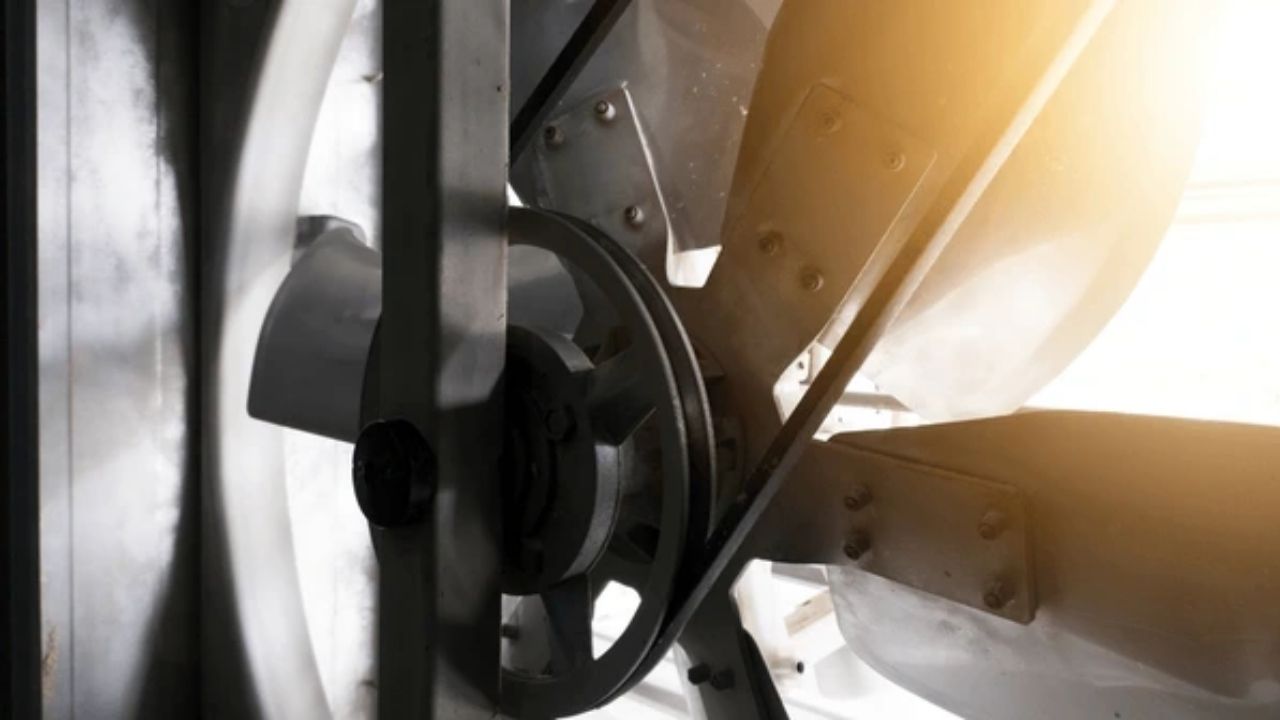
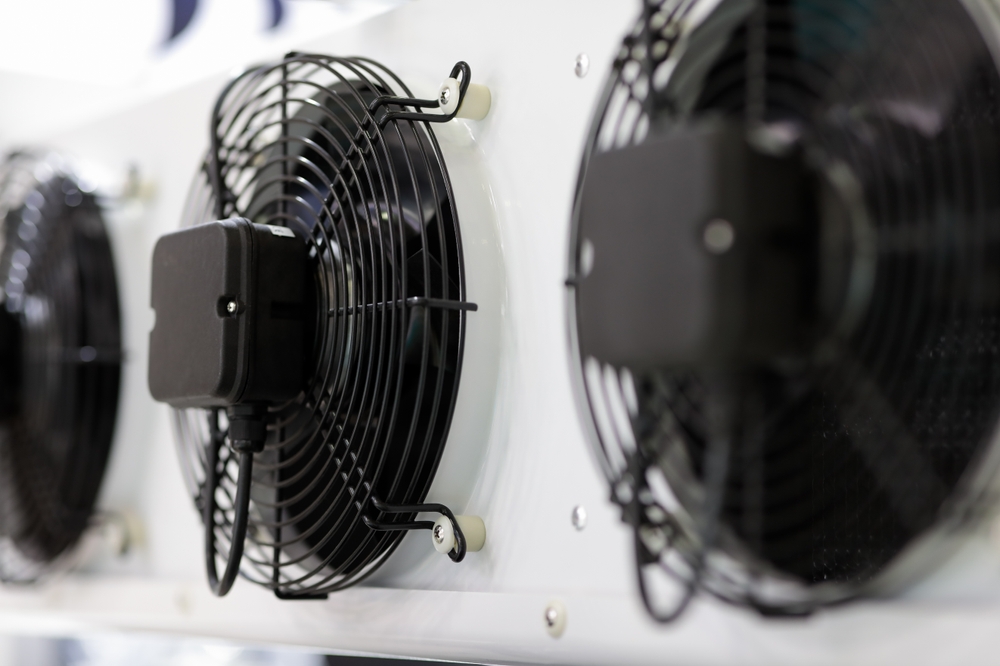
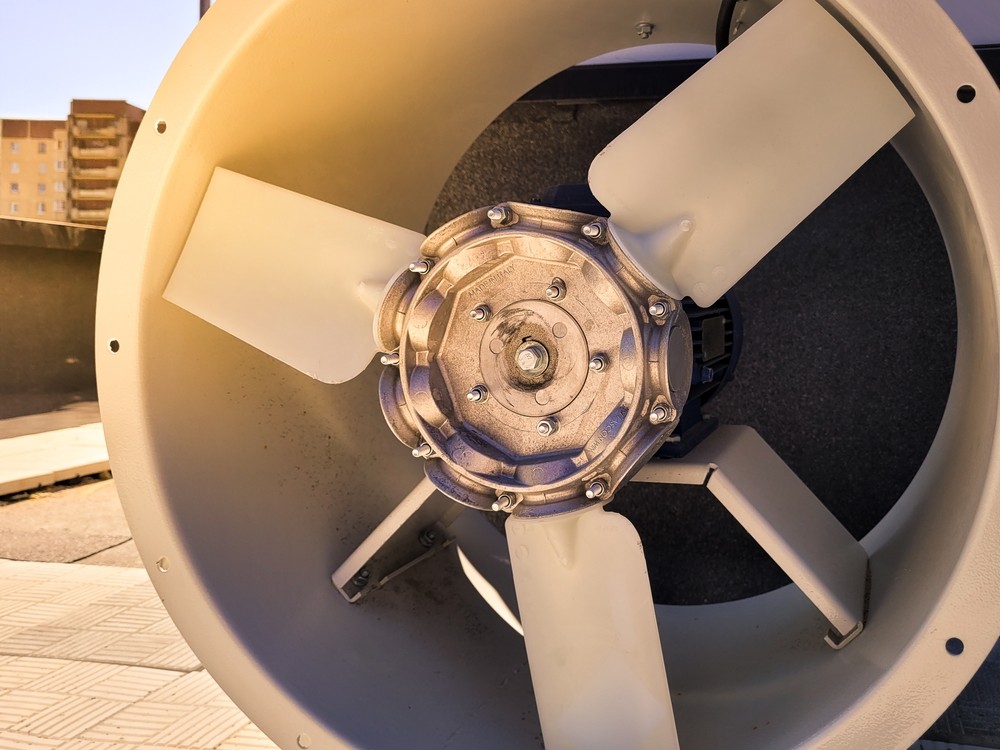
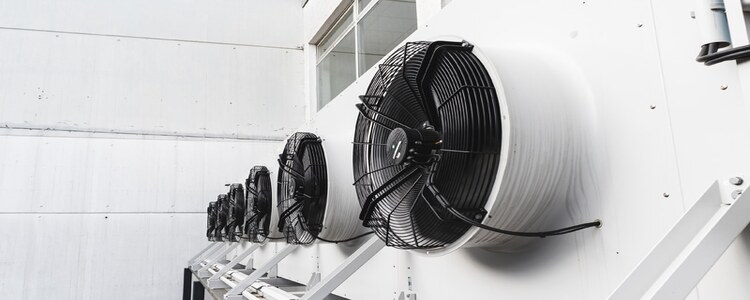
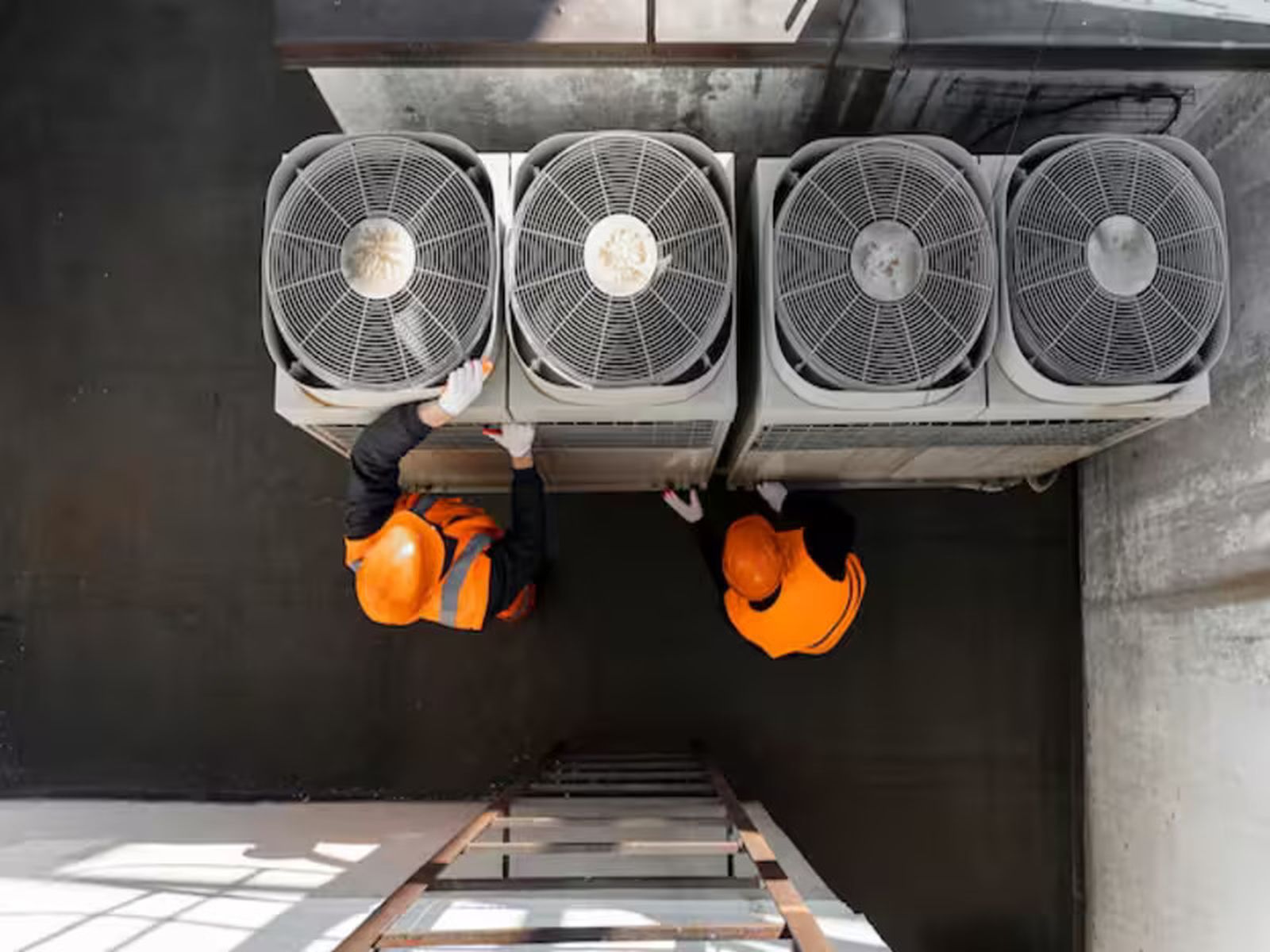
This diversity also shapes the manufacturer's experience in fan selection. A condenser's performance depends on the axial fan mounted on it being chosen to match its airflow and static pressure curve; a wrong fan selection causes capacity loss through insufficient airflow even if the condenser body is designed correctly. A company that produces condensers and fan groups together can plan the compatibility between these two components from the start at the project stage, which significantly reduces the need for later fan changes or additional revisions in the field.
A manufacturer from which you can get clear, document-backed answers to these questions is the right candidate for a long-term supply partnership.
Choosing a condenser manufacturer is less a one-off purchasing decision than the beginning of an operating relationship that will last for years. Share your project's technical requirements, operating environment conditions and export goals with us; let our engineering team evaluate the suitable condenser solution and the necessary technical documentation together with you. For detailed information and a quotation, you can reach us through our contact page.
This content was updated on September 3, 2026.

Fill out the form to discover the most suitable high-end products for your projects. Contact Us Now.
Fill out the form now not to miss our special offers for you! The latest discover our products and innovations.
Fill out the form now not to miss our special offers for you! The latest discover our products and innovations.
Notification Centre 00:00