

What Conditions Are Evaporator Catalogue Capacities Based On?
01 / 10 / 2026

The criteria used when choosing a heat exchanger supplier domestically are not the same as those required in a cross-border purchasing process. A local purchase is usually limited to technical suitability, price and lead time; a supplier evaluation for an export project adds further layers such as familiarity with customs regulations, international shipping experience, multilingual technical communication and compliance with the regulatory requirements of different countries. For a German OEM manufacturer, a Dutch cold storage operator or a contractor in a Middle Eastern country, buying a heat exchanger is not only about finding the right product; it means finding the right export partner.
In this article, going beyond the technical supplier selection criteria we have covered before, we look at the subject directly from the perspective of international trade and export logistics. The aim is to give purchasing teams that plan to source heat exchangers, evaporators or condensers from abroad a concrete evaluation framework.
There is a large difference in operational maturity between a manufacturer used only to domestic orders and one that ships across borders on a regular basis. An export-oriented supplier treats customs procedures, international payment methods, multilingual technical documentation and adapting products to different climate and voltage conditions as a natural part of its daily workflow. This experience can greatly reduce the surprises that may arise between order and delivery.
To make the difference concrete: a domestic order usually runs under a single contract language, a single currency and a single regulatory framework, whereas in an export order the supplier must be able to manage exchange rate fluctuations, a different legal system, a different language and a different customs regime at the same time. This multi-layered management skill can only be developed over time through repeated international projects; for a manufacturer going into export for the first time, every step becomes a risk area that has to be learned from scratch.
A supplier that has shipped regularly not to a single country but to different regions and different regulatory regimes shows one of the most tangible signs of operational flexibility. A manufacturer that has dealt with the documentation requirements of different customs authorities, different port procedures and the technical expectations of different markets has largely got past the learning curve when entering a new market. For a general overview of the countries Günay Soğutma exports to, the export countries page is a reference point that shows the geographic scope of this experience.
For sales to the European market, it is critical that products are designed in line with the relevant EU directives under CE marking and the applicable harmonised standards, so that the buyer can pass inspection and customs procedures in their own country without problems. The question to ask when choosing a supplier is simple: was this product designed for the regulatory framework of the target market, or is an attempt being made to adapt it afterwards? The first approach prevents loss of time and cost in projects; the second usually comes back as a problem at customs or at the installation site.
In industrial equipment exports, how the product crosses the border determines the success of the project as much as the product itself. An experienced heat exchanger manufacturer considers the sale complete not at delivery, but when the equipment reaches the buyer's site without problems.
Commercial invoice, certificate of origin, packing list, transport documents and, where necessary, preferential trade documents such as ATR or EUR.1 — the complete and correct preparation of these documents directly affects the speed of customs clearance in the buyer's country. For a manufacturer without export experience these documents are a formality gathered in a hurry afterwards, whereas for a supplier that exports regularly they are a standard operational step. This difference is reflected directly in the number of days an order waits at the port or at customs.
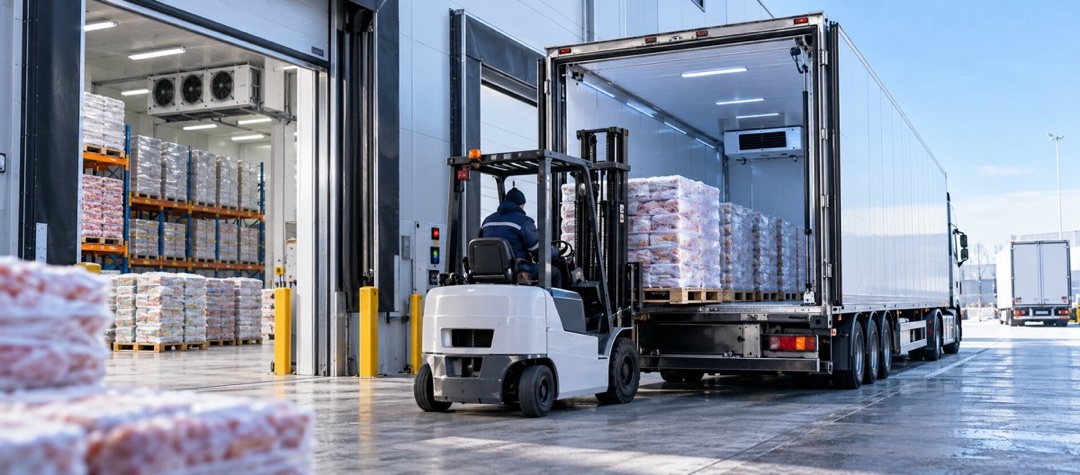
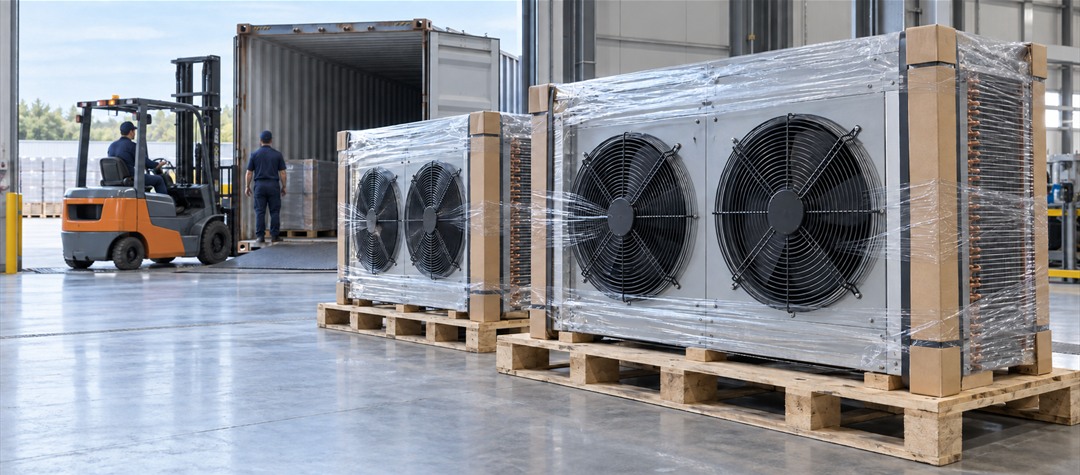
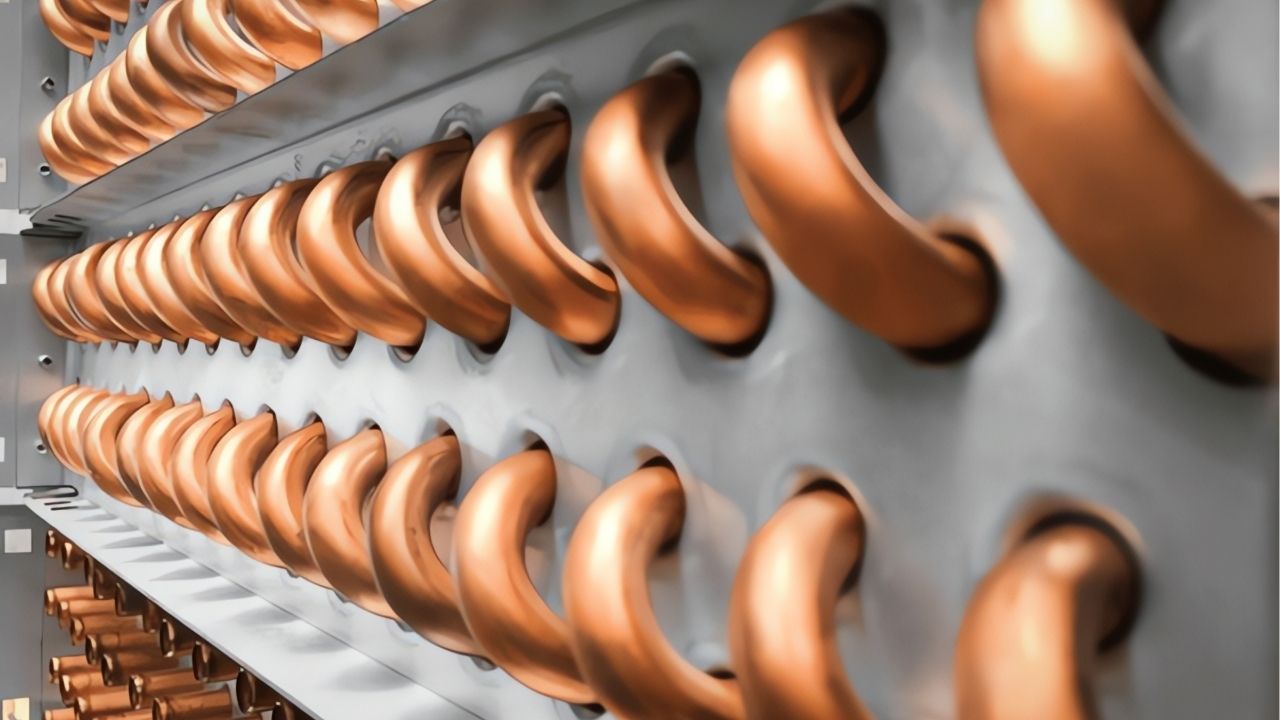
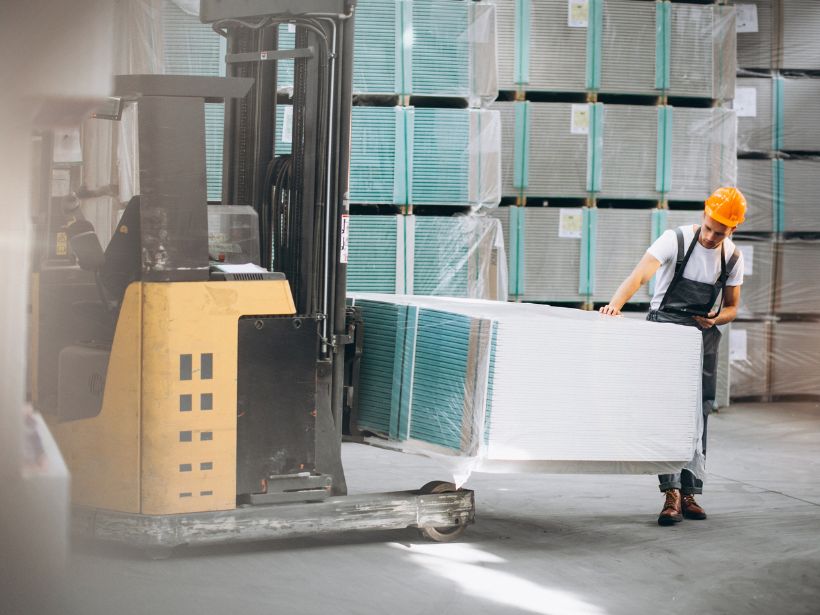
Heat exchangers, evaporators and condensers are equipment that is sensitive to impact and moisture damage during transport because of their thin finned surfaces, copper/aluminium tube bundles and delicate connection points. The vibration, humidity and loading-unloading stresses these products can encounter in long-distance sea or road transport are risks not faced in local deliveries. Export-grade packaging includes elements such as moisture-barrier wrapping, shock-absorbing supports, fin protection frames and palletising suited to the container/truck loading plan. A supplier that skips these details, however high the engineering quality of the product, takes the risk of delivering damaged equipment to the site.
Which delivery term is quoted, such as EXW, FOB, CIF or DAP, directly affects the buyer's responsibility in organising transport and their cost planning. A supplier experienced in export can offer flexible delivery options according to the buyer's logistics preference and give a realistic lead time commitment by planning the production schedule together with customs clearance and sea/road transit times. This is a critical element of trust for the buyer, especially in commissioning projects tied to an installation schedule.
In long-distance export shipments, if it is not clearly defined between the parties who takes out the transport insurance and with what coverage, a liability dispute after possible damage can delay the project for months. An experienced exporter informs the buyer clearly in advance, at the quotation stage, about the insurance coverage, the damage notification procedure and the steps to follow in case of a transport-related problem. This transparency can considerably reduce the buyer's financial risk, especially for high-value or project-based heat exchanger groups.
In purchases abroad, different payment structures such as letter of credit (L/C), advance payment, partial advance or bank guarantee letter are shaped by how well the parties know each other and how deep their past commercial relationship is. A supplier experienced in export can propose a reasonable payment structure based on mutual trust even in the first project with a new buyer, because such structures have been tested and matured in previous international projects. Being unable to show flexibility on payment terms, or remaining unclear, is often an indirect sign that a supplier's export experience is limited.
If the technical data sheet, installation instructions or commissioning documentation of a heat exchanger are prepared only in Turkish, this can become an obstacle for the buyer's site team. A manufacturer working with an export focus should have adapted its technical documentation and its pre-sales and after-sales communication to English and, where necessary, to the language of the target market such as German — especially in markets where expectations for technical detail and documentation discipline are high, such as the DACH region (Germany, Austria, Switzerland), this is not a preference but a requirement. Trying to resolve a technical problem through translation and with delay rather than in the shared project language can cause serious loss of time during commissioning.
This need continues after commissioning: being able to communicate spare part requests with the correct technical terms, fault reports reaching the technical team without being misunderstood, and warranty assessments being concluded quickly all depend directly on the quality of communication. For this reason, multilingual after-sales support capacity should be an integral part of a supplier evaluation, just as much as pre-sales technical consultancy.
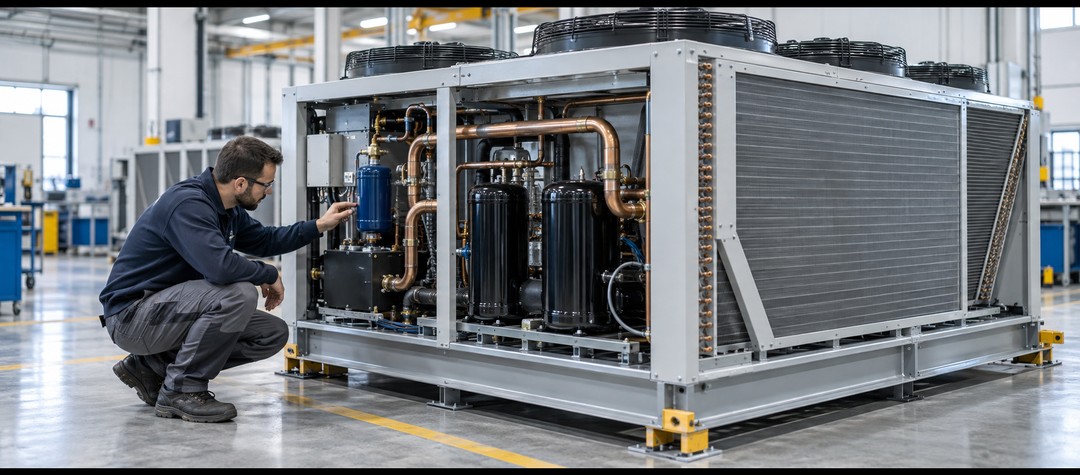
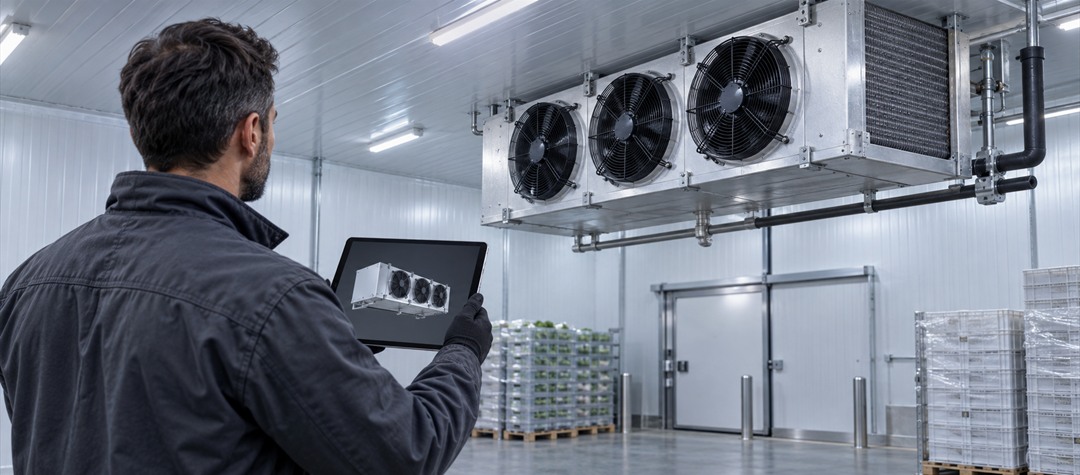
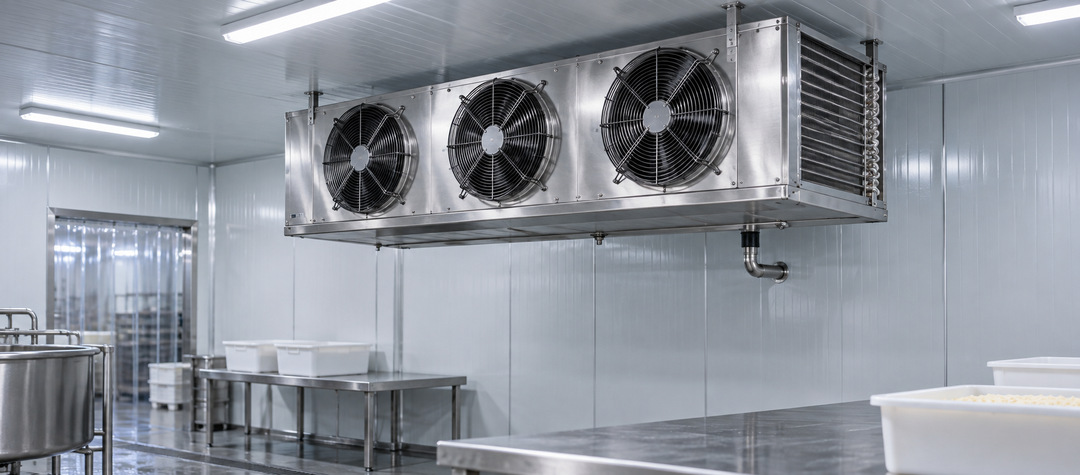
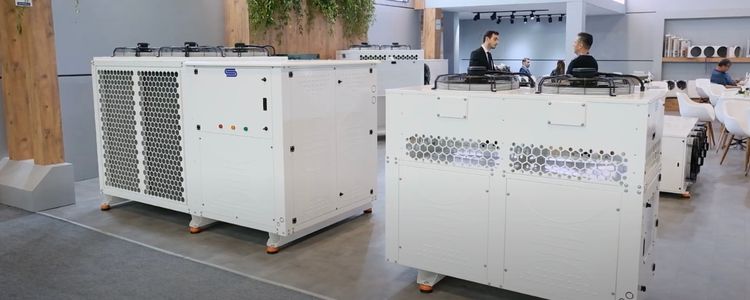
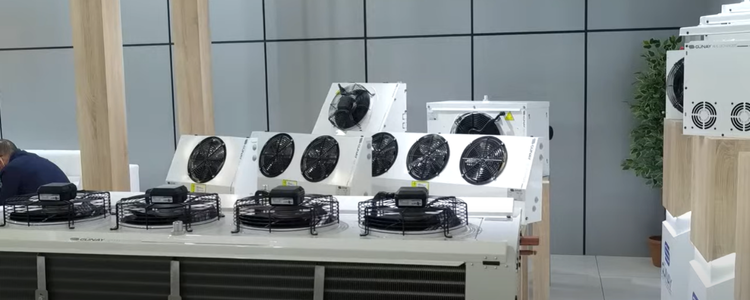
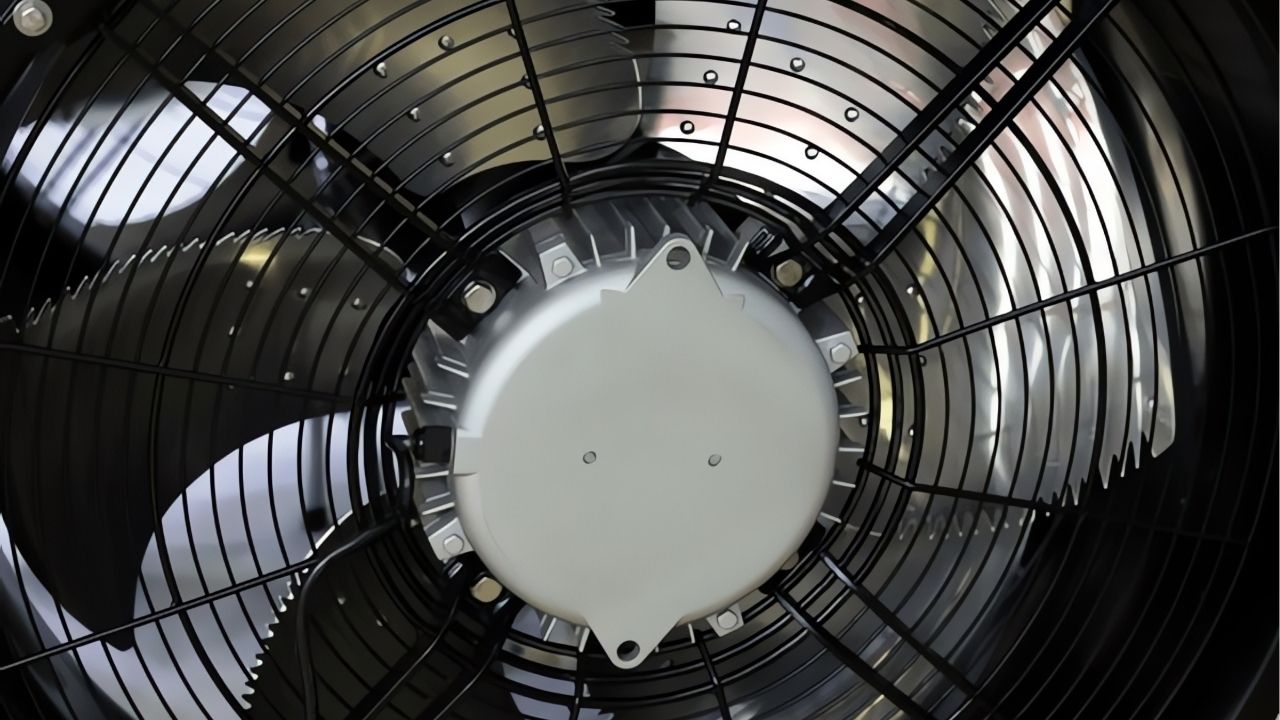
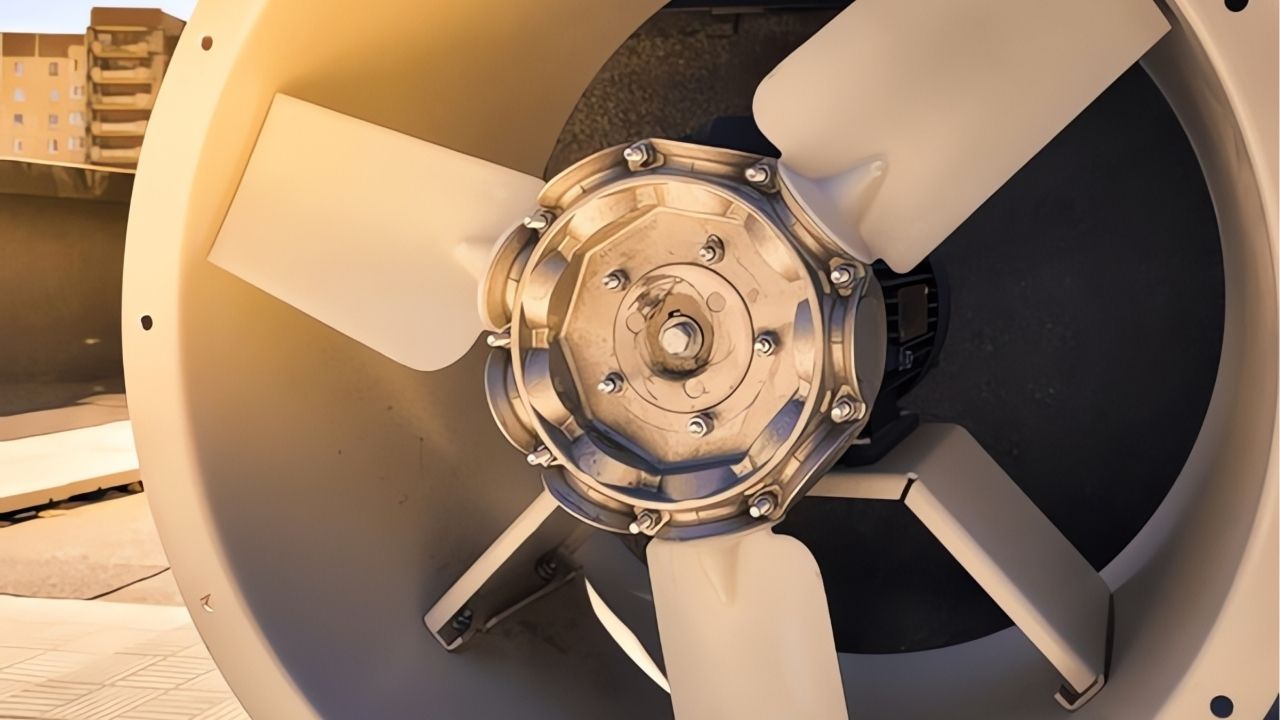
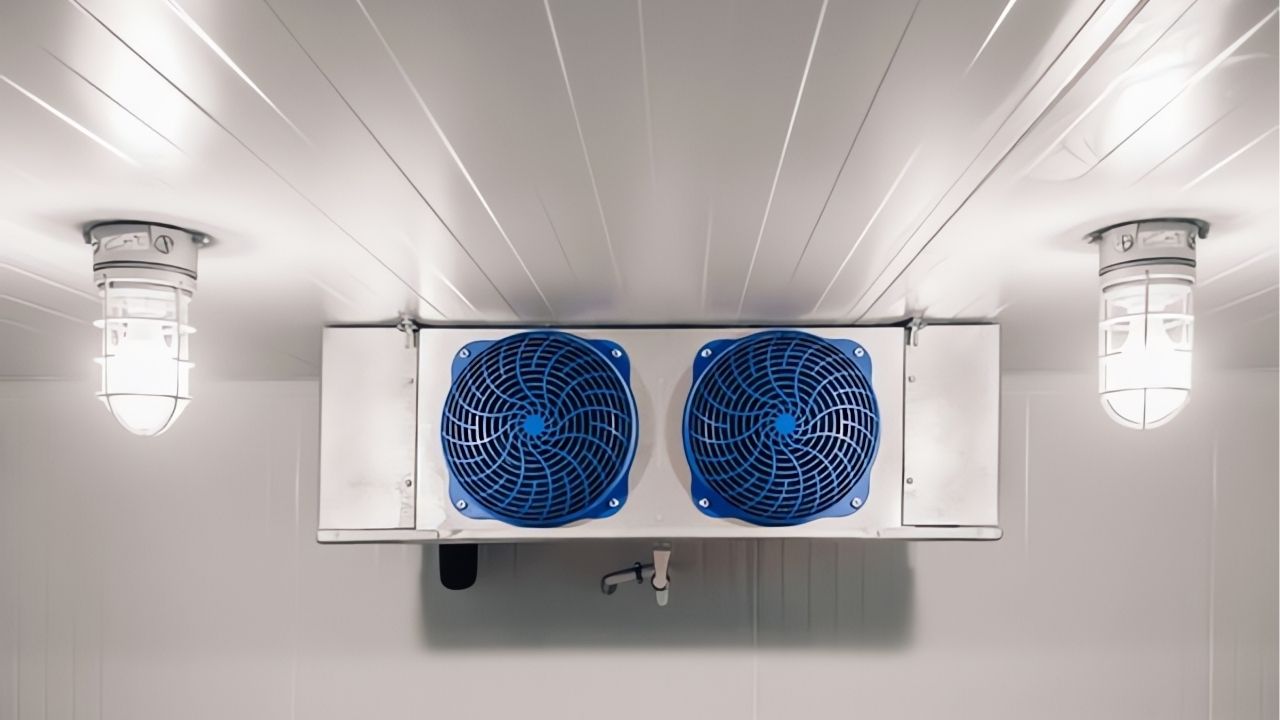
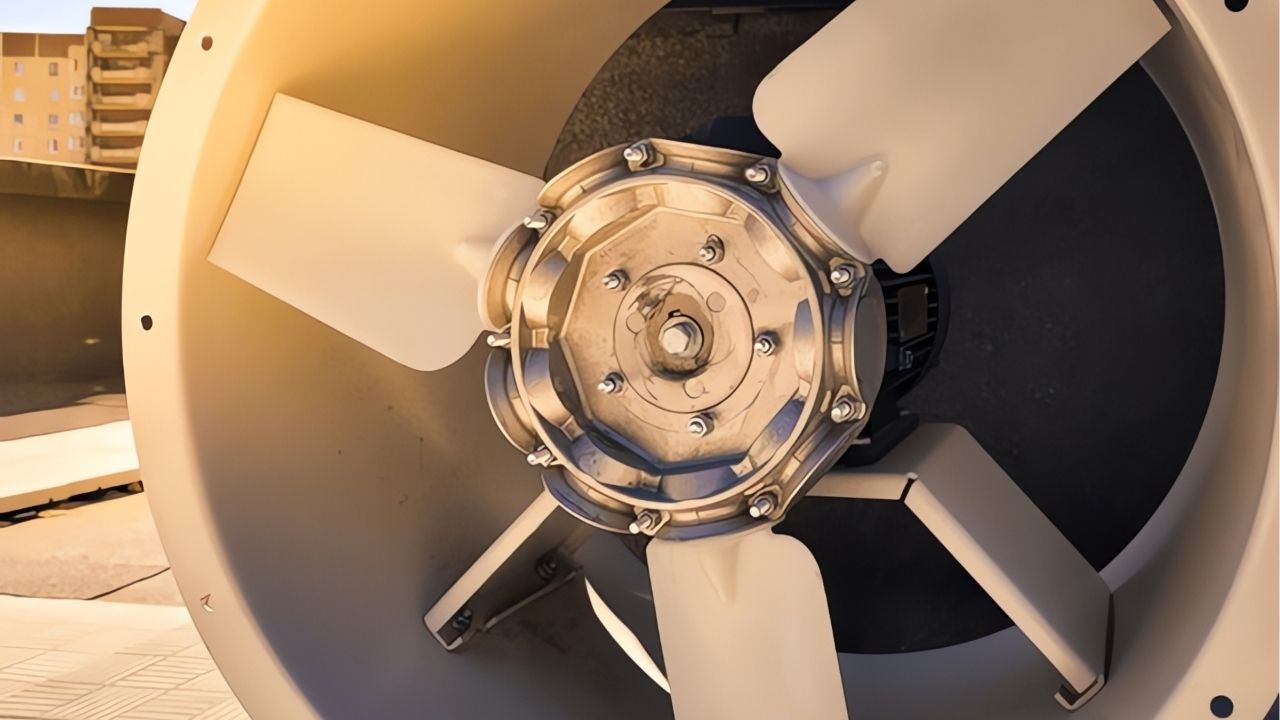
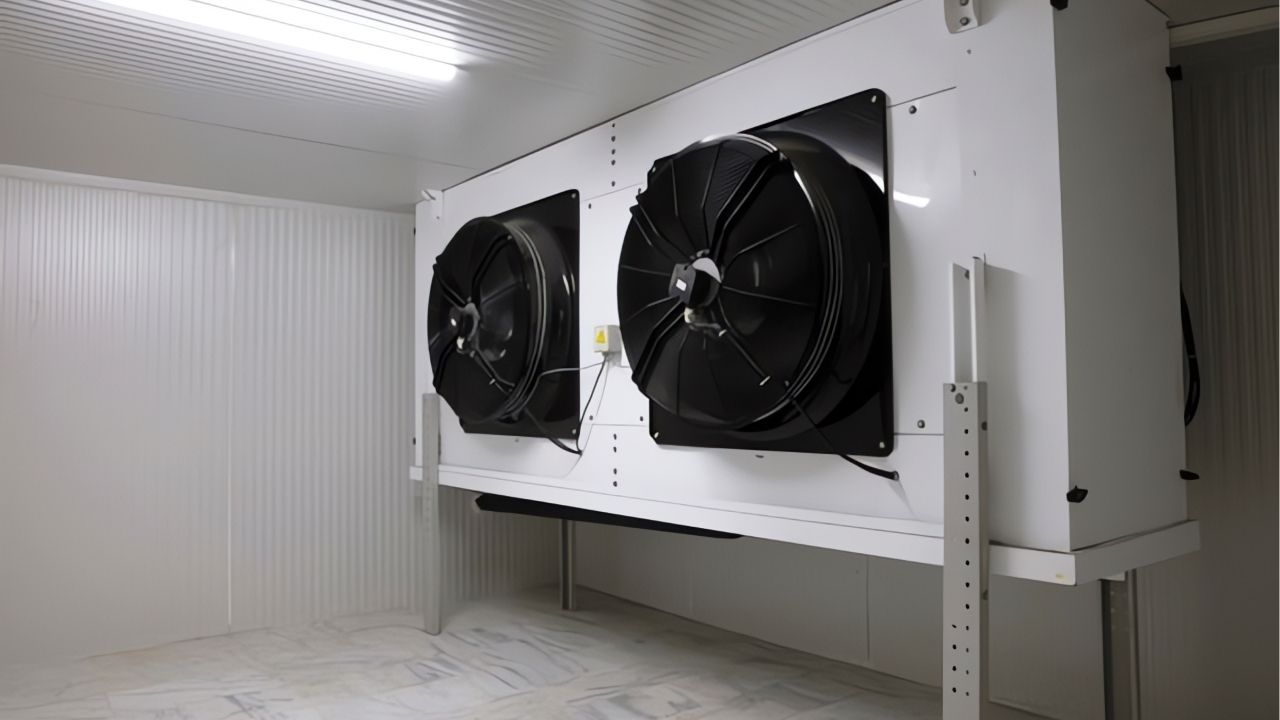
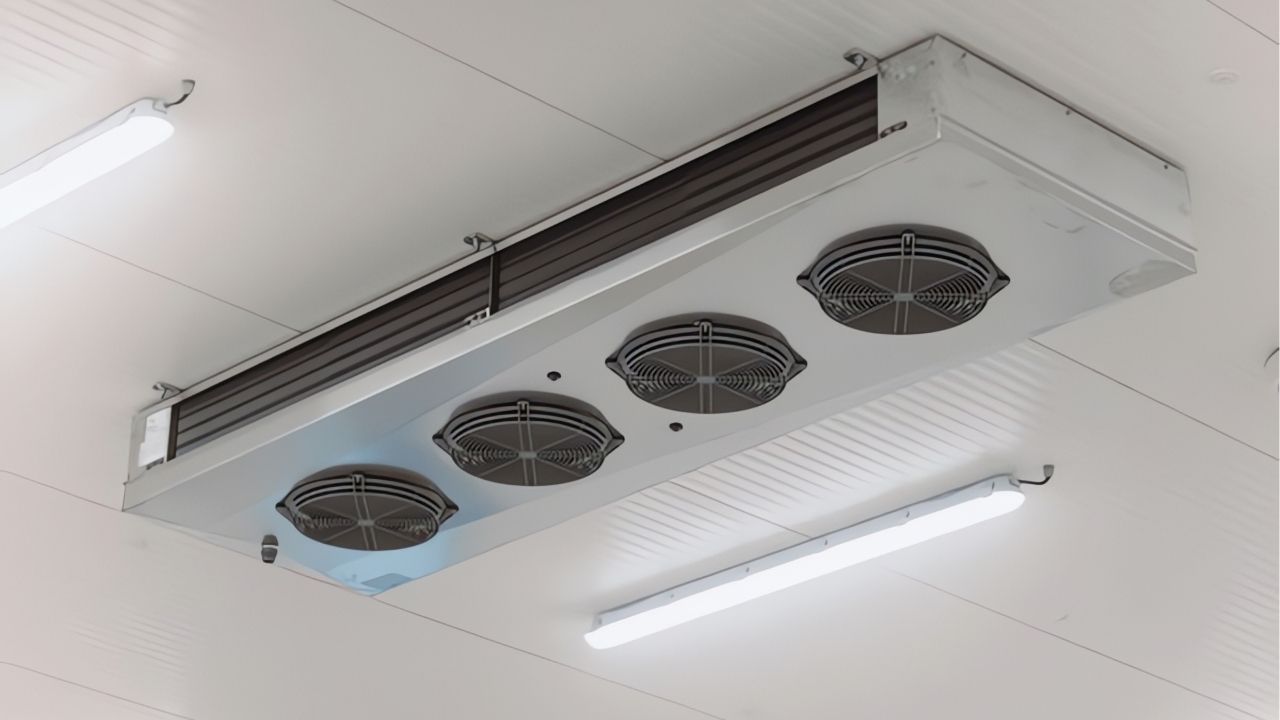
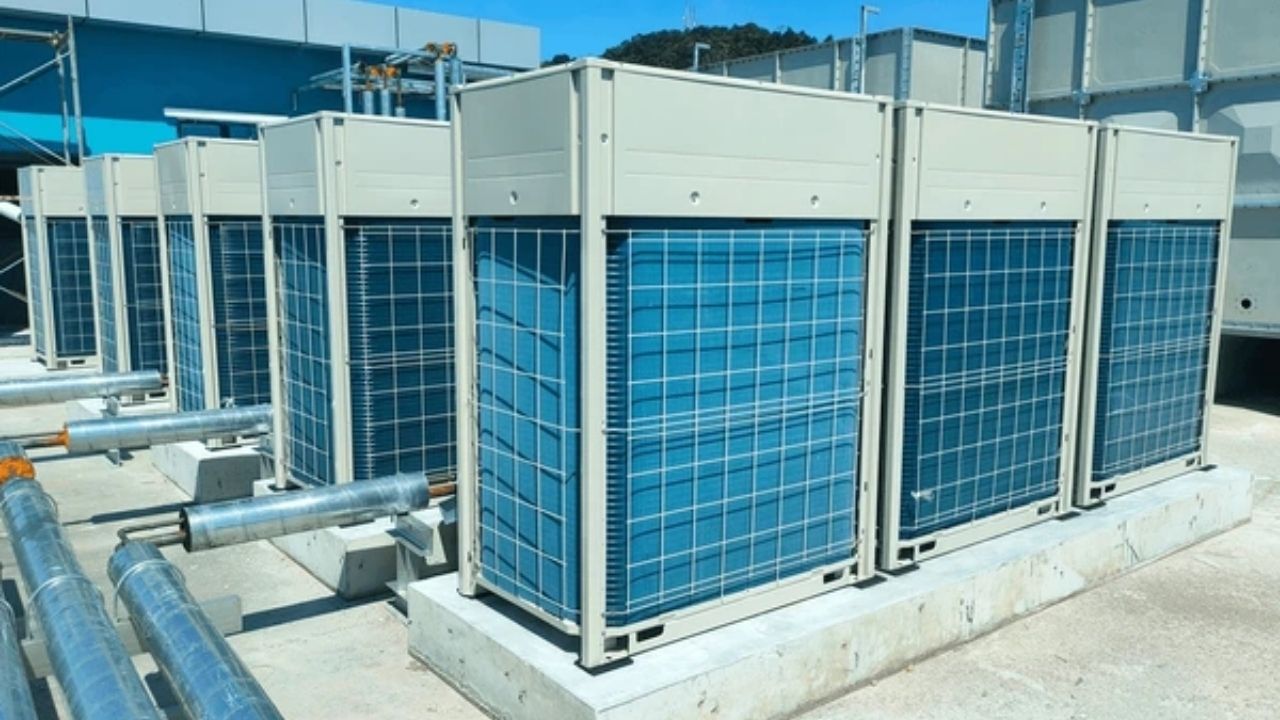
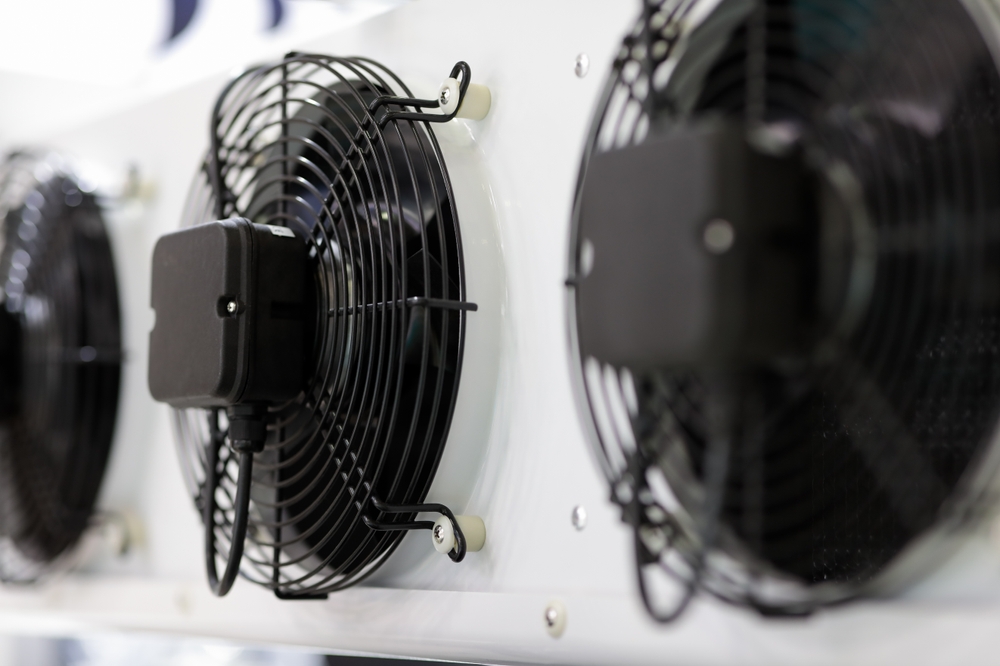
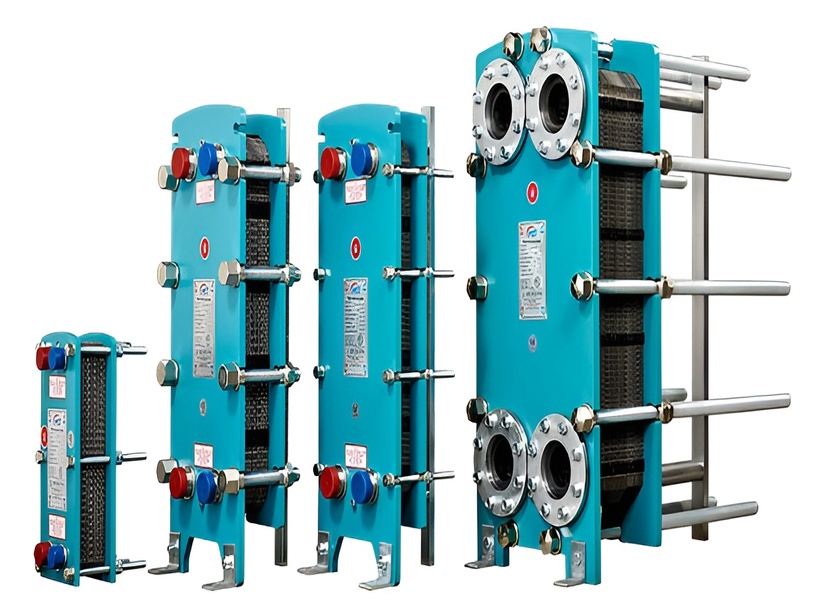
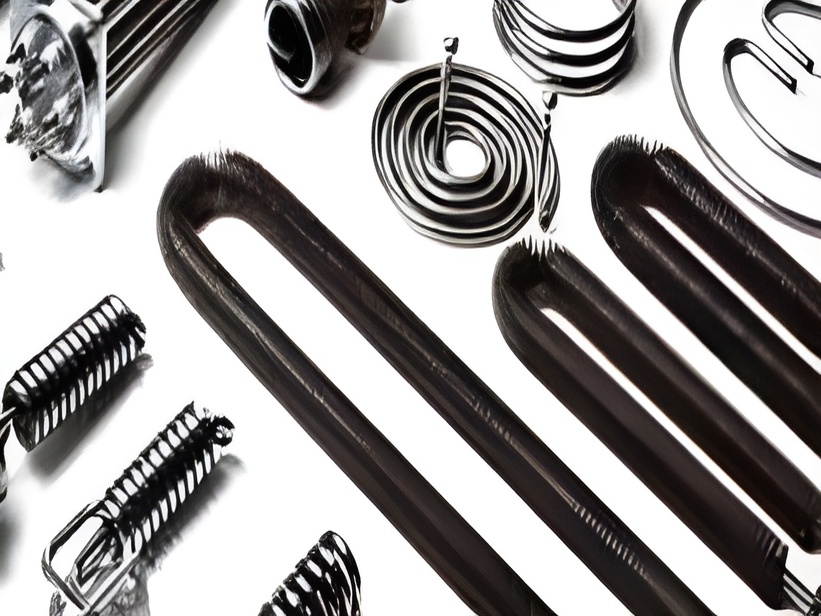
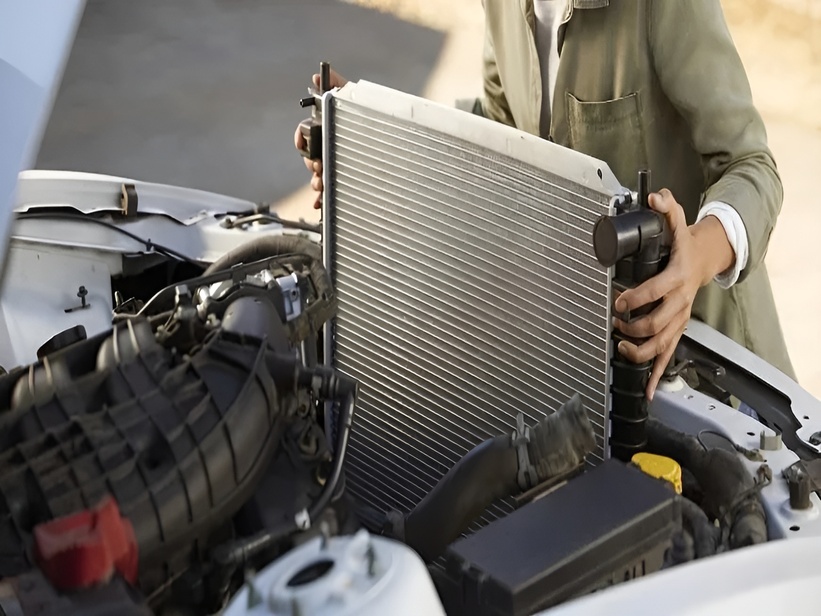
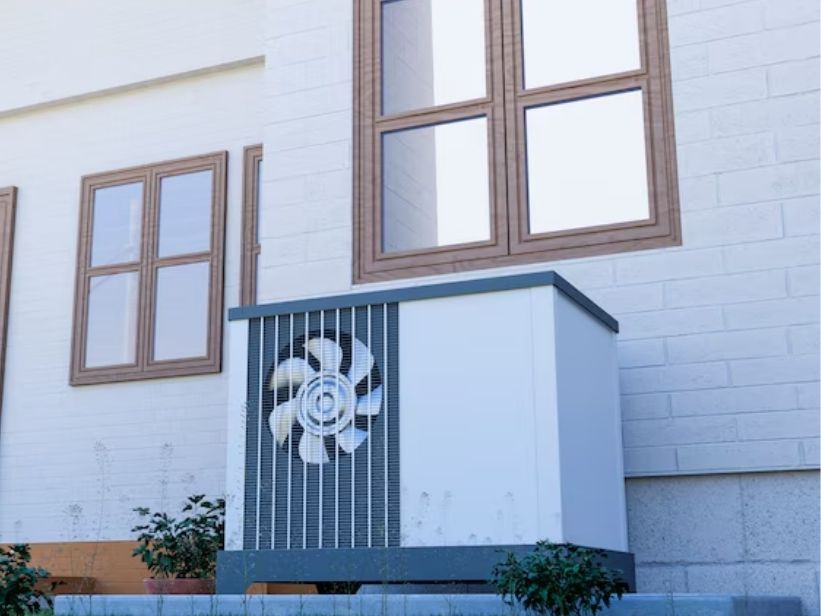
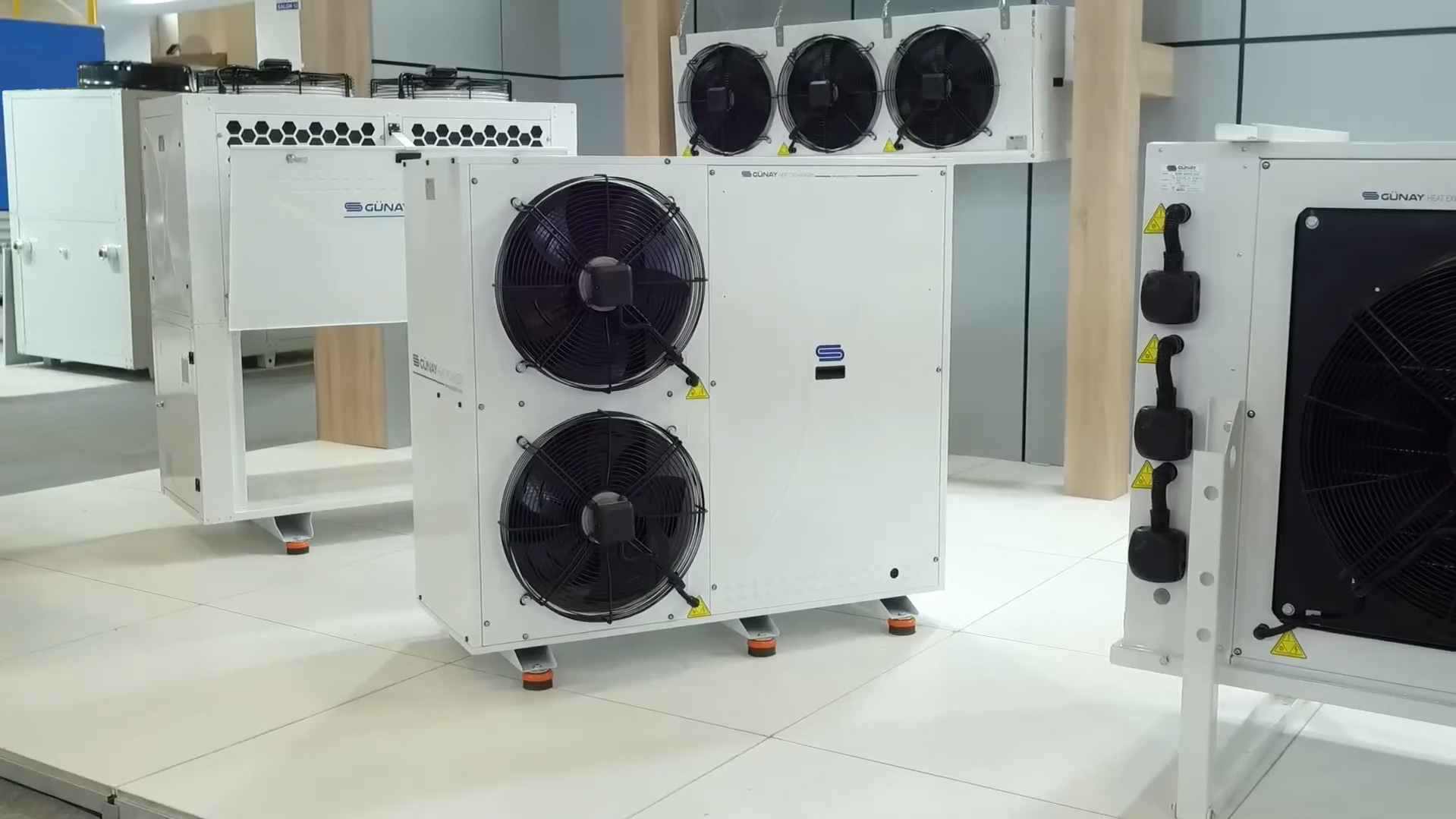
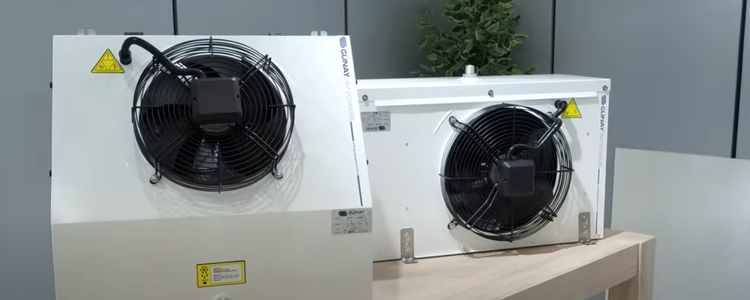
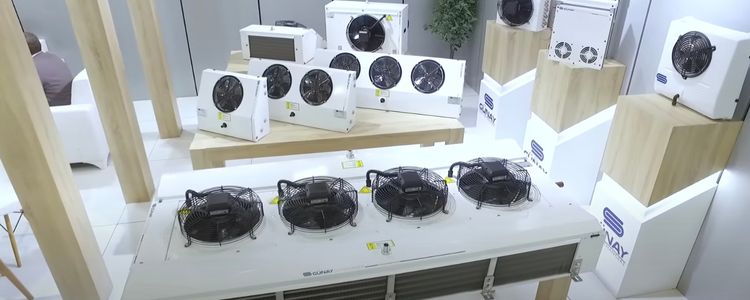
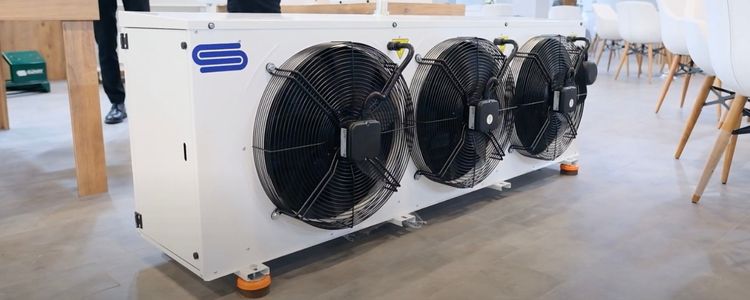
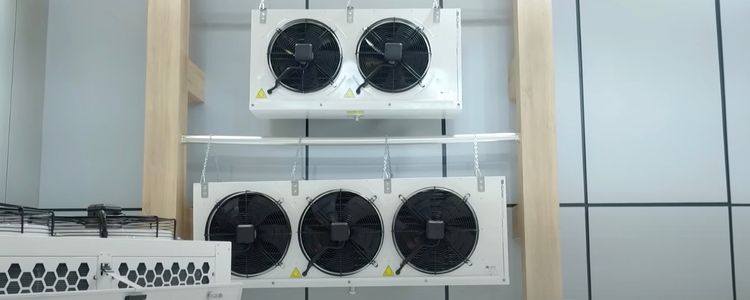
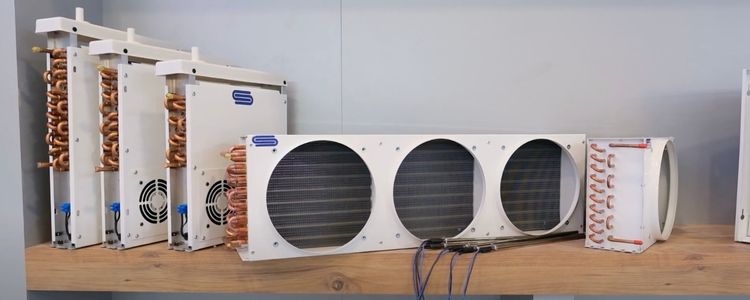
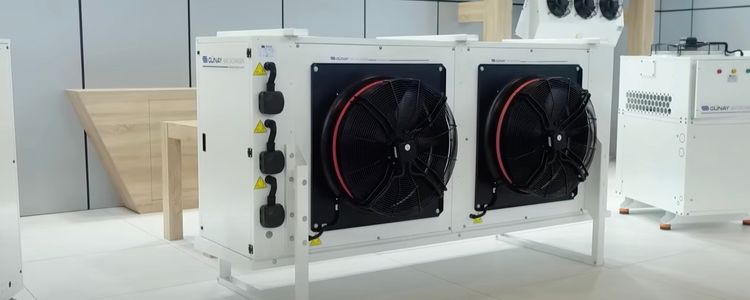
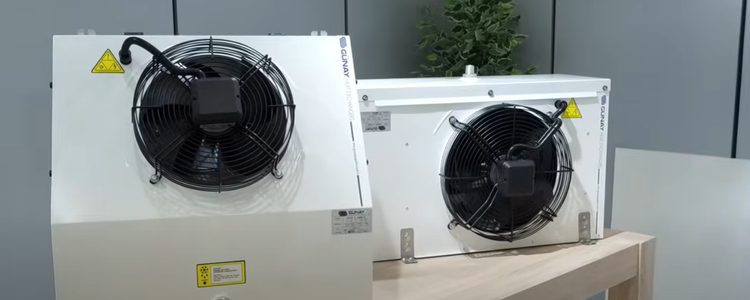
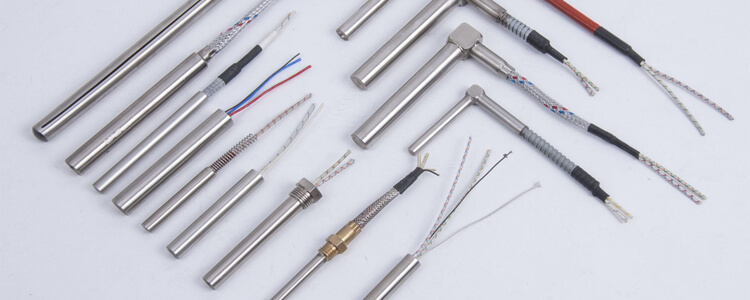
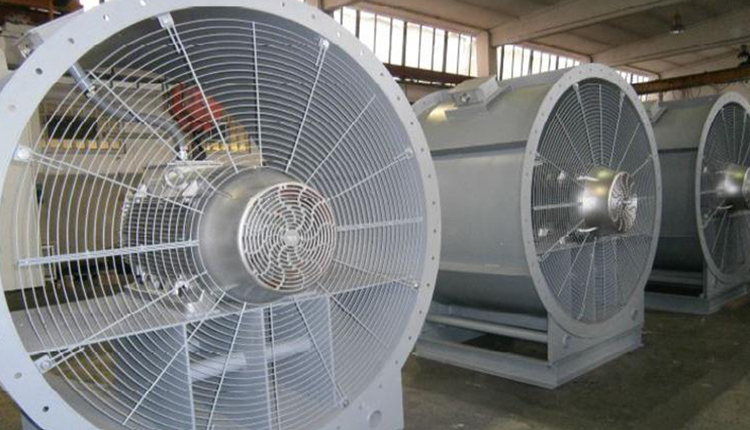
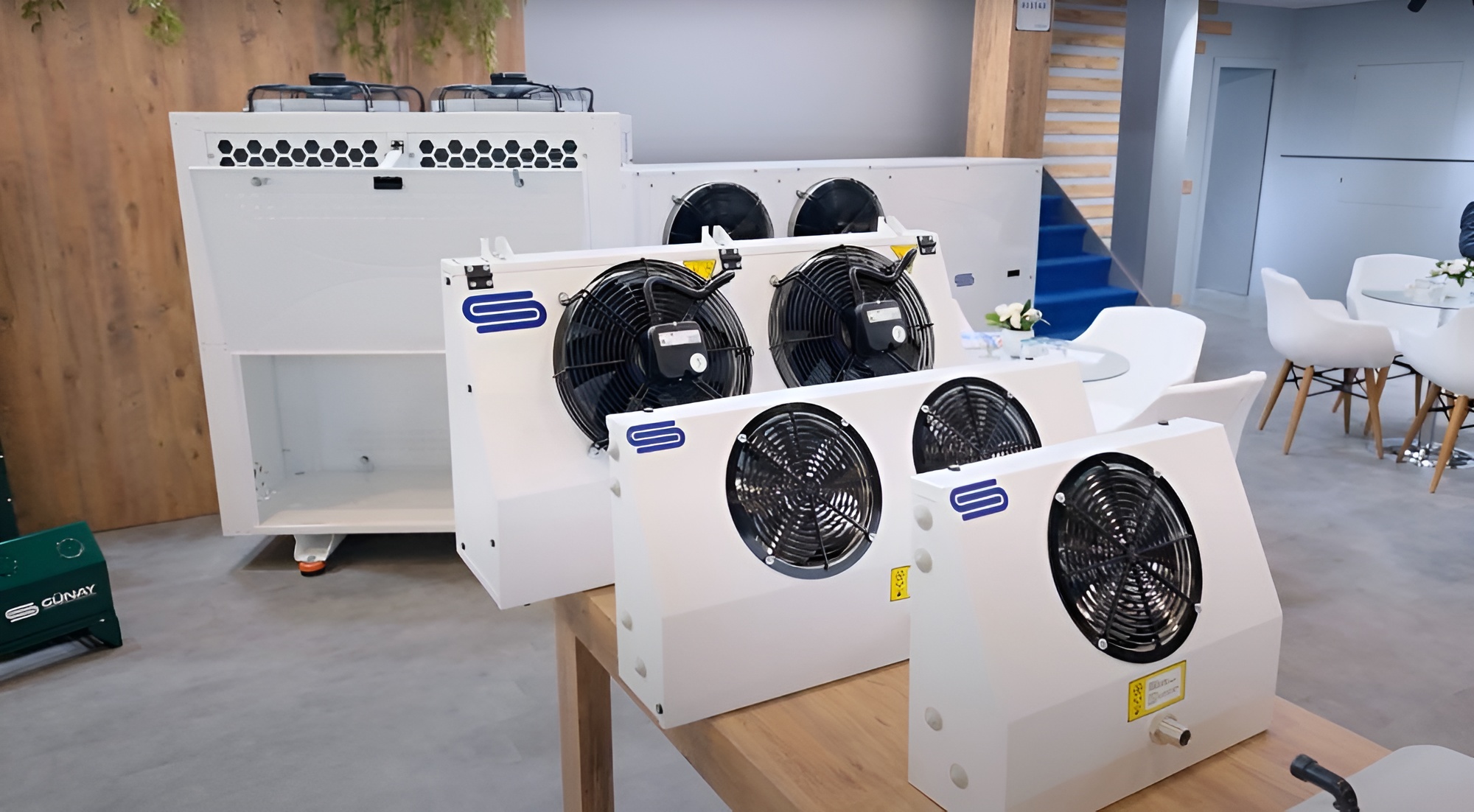
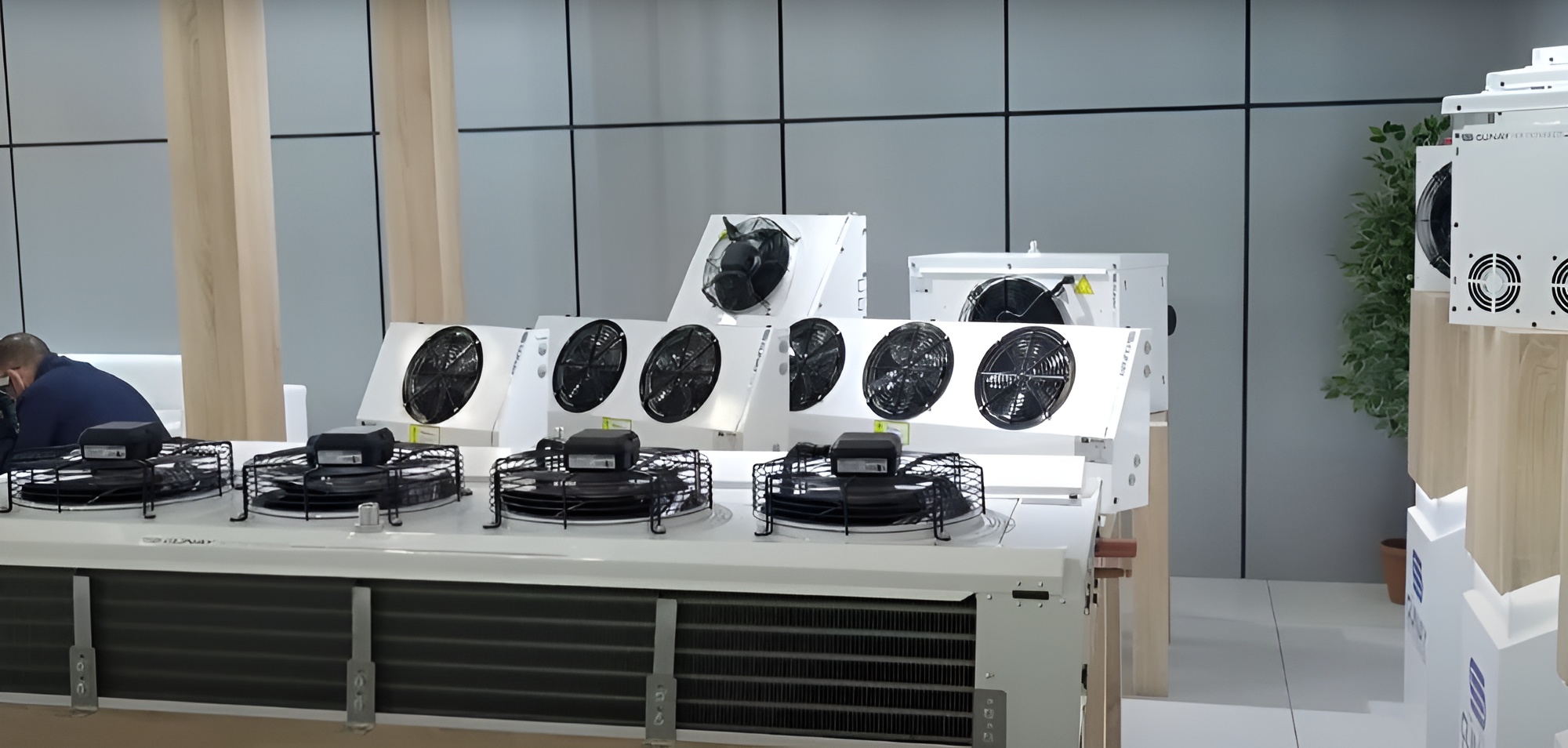
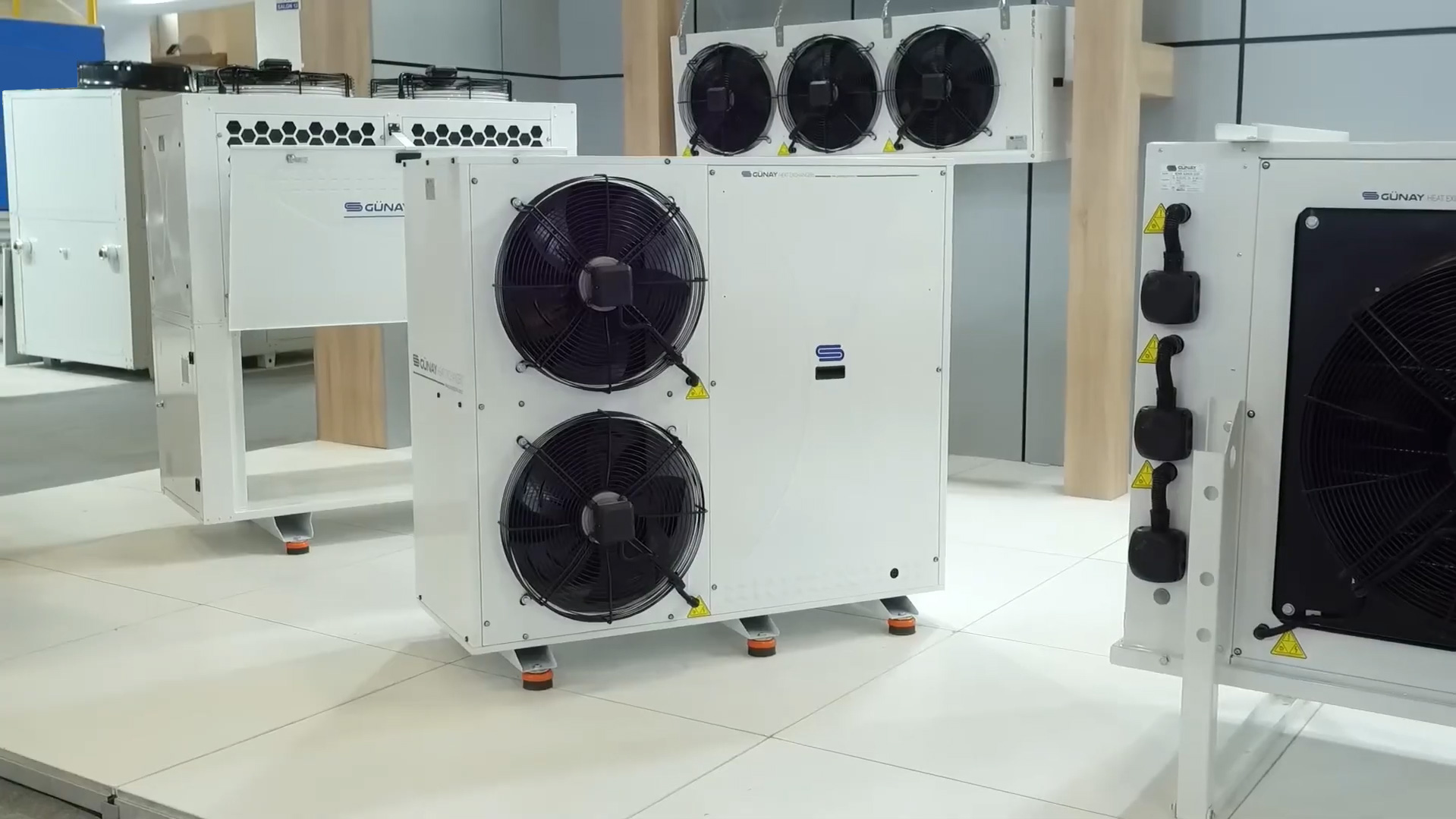
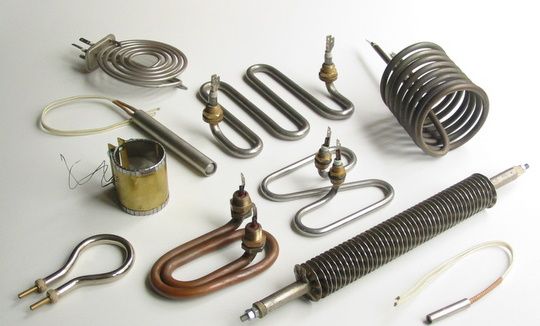
When evaluating an export-oriented supplier, the breadth of the product range and its adaptability to different project types should also be taken into account. A manufacturer limited to a single standard product group may struggle to provide solutions suited to the different climate conditions, different refrigerant preferences or different installation constraints of different countries. Günay Soğutma's product portfolio, made up of evaporators, condensers, axial fans, heaters and heat exchangers, offers a technical basis that can be configured according to the needs of different markets.
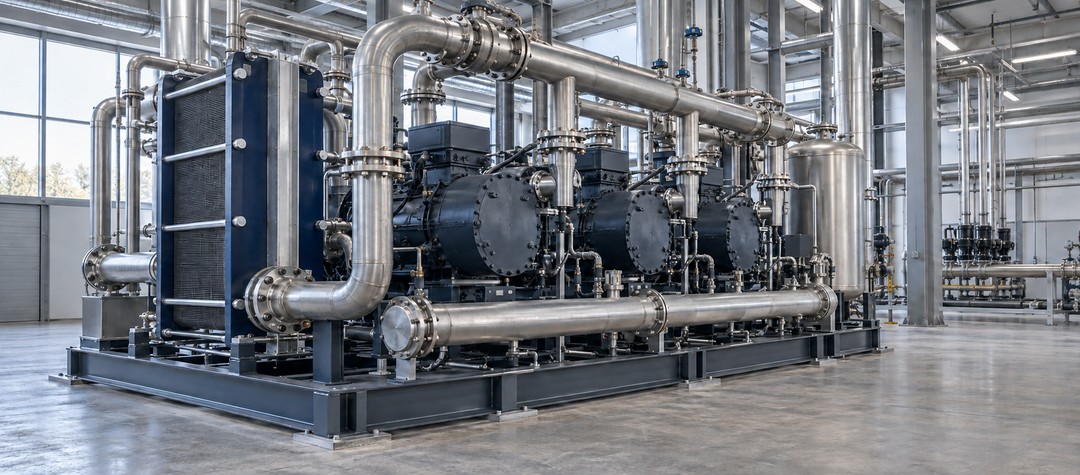
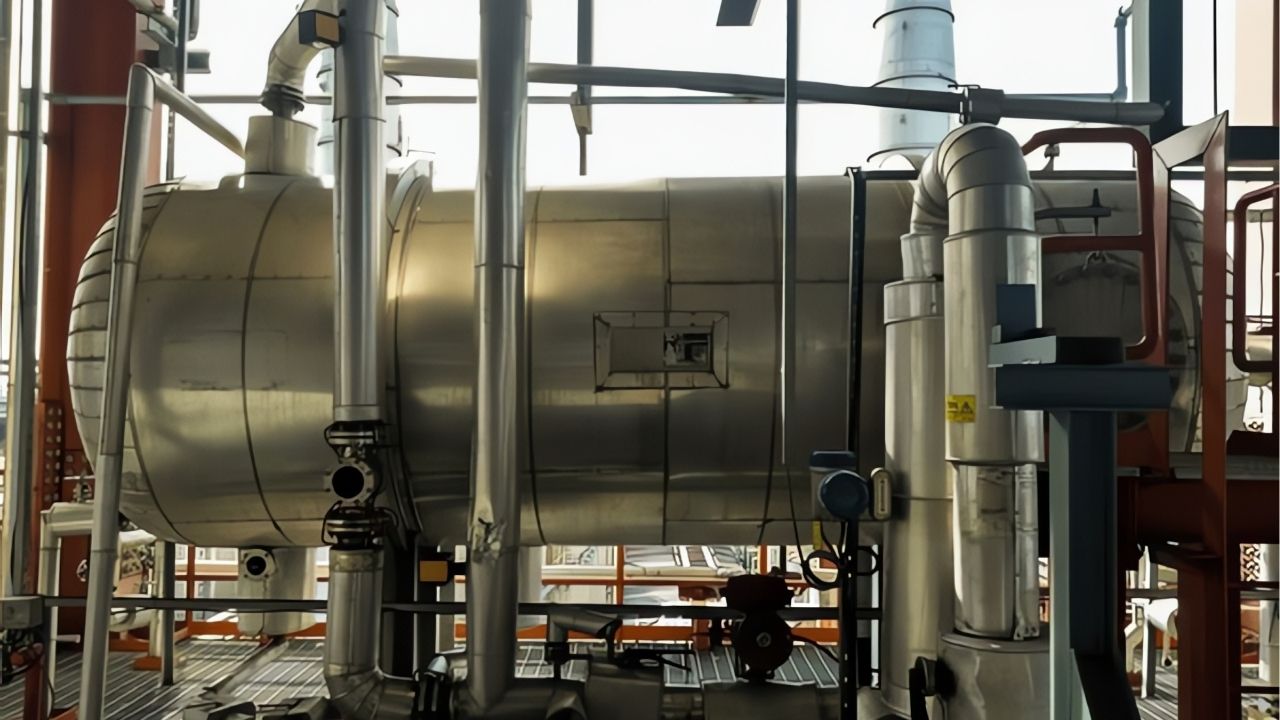
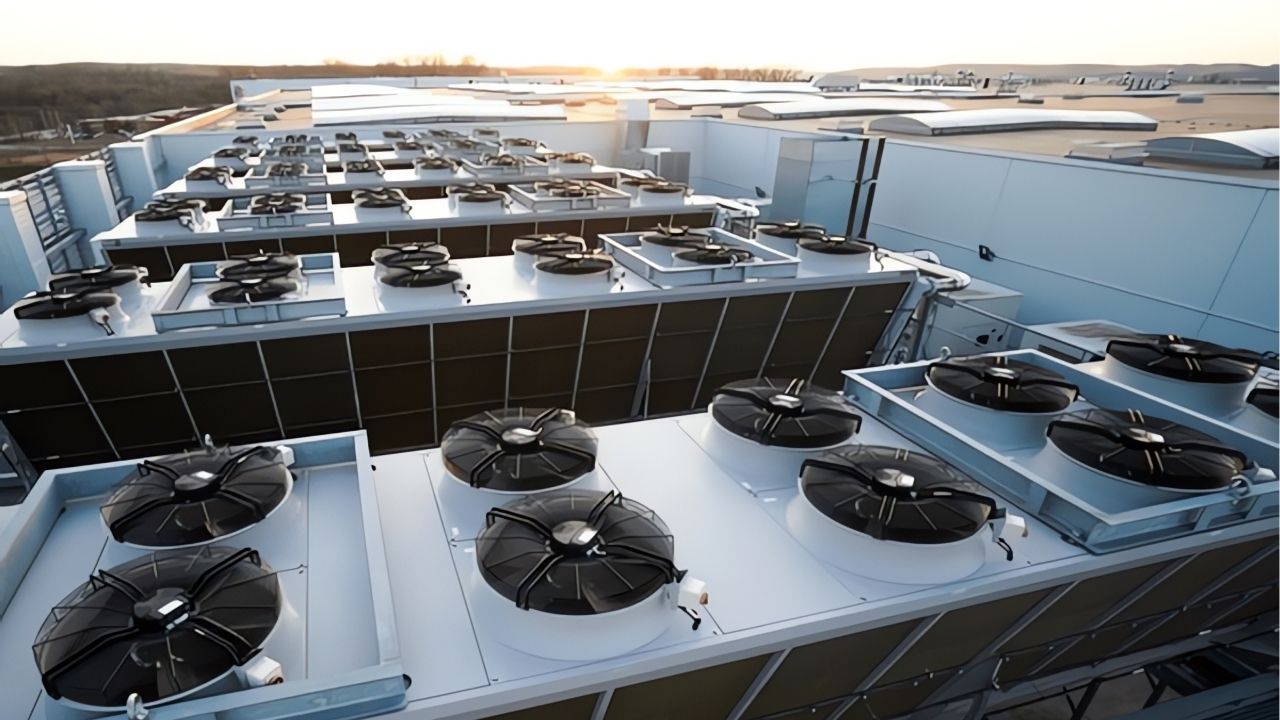
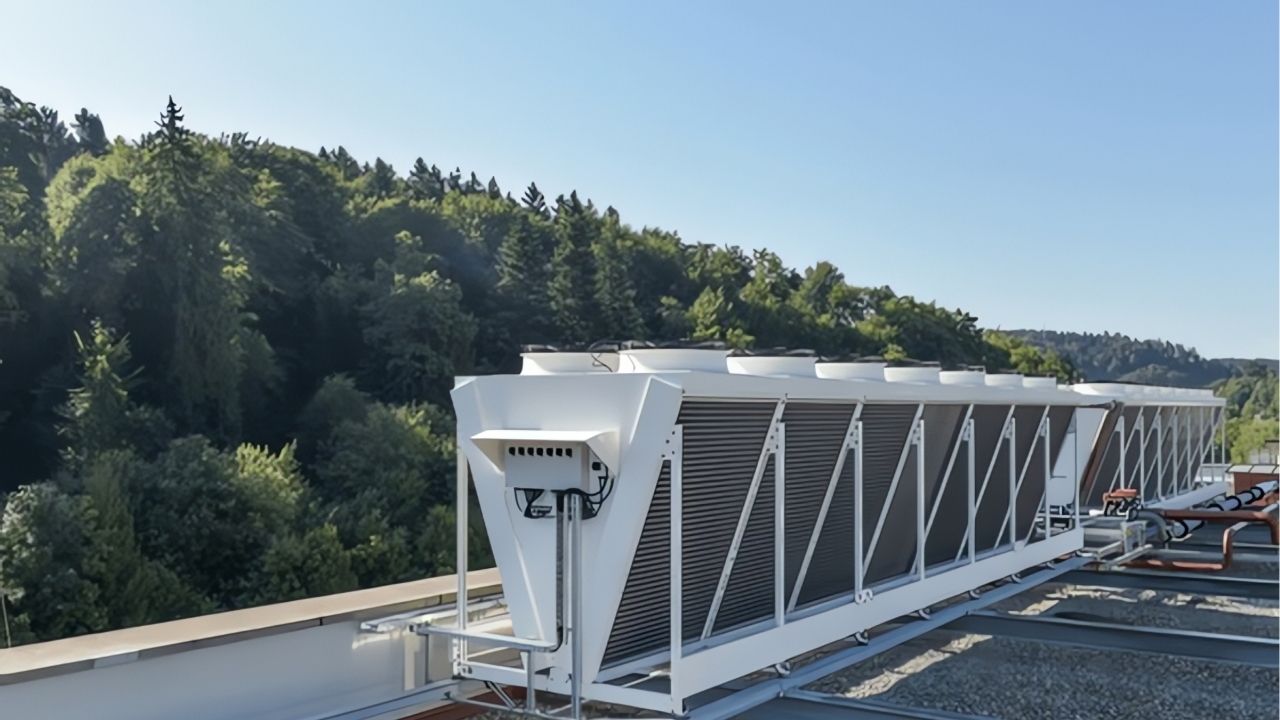
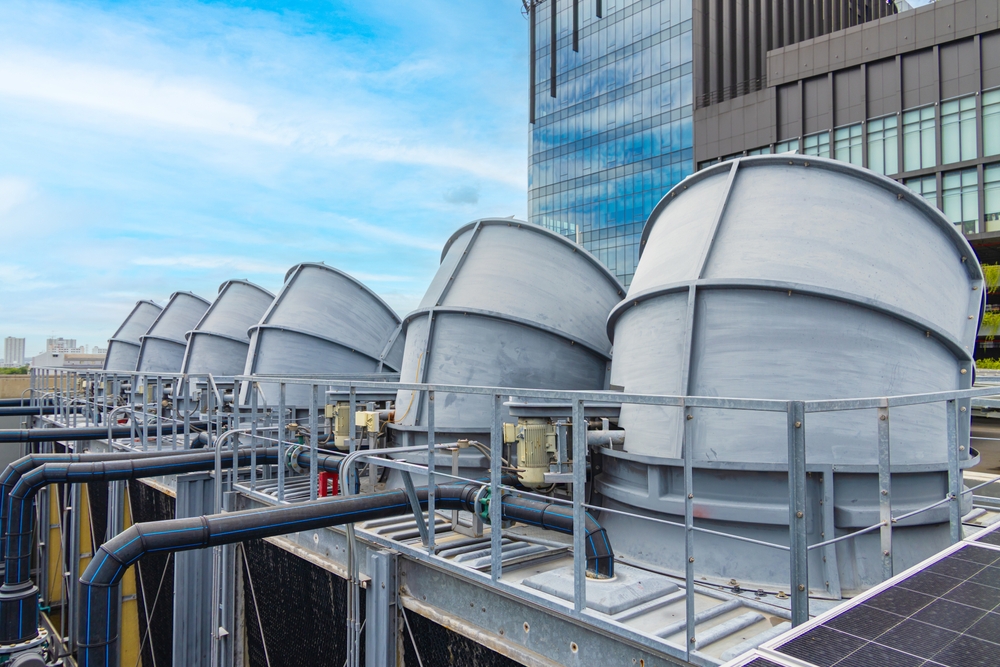
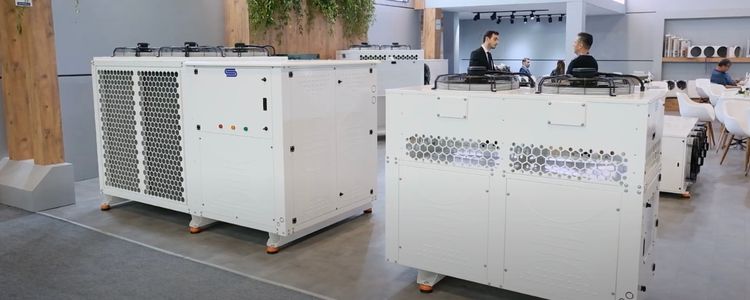
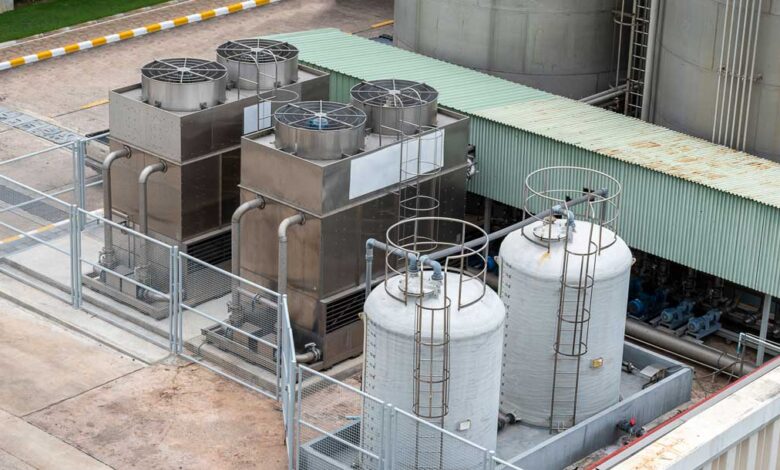
Heat exchangers and condensers stand out among equipment that requires project-based engineering according to capacity, ambient temperature and installation orientation. In export projects, the buyer's energy efficiency targets, noise limits or space constraints on their own site should be solved with a project-specific design rather than a standard catalogue. The project-based configuration options in the Condensers product group can be an advantage for international buyers looking for solutions adaptable to different country conditions.
The countries a supplier currently ships to on a regular basis are an indirect but strong indicator of that company's credibility in international trade. Being able to export sustainably to several countries with different customs regimes, in the same product group and to the same standards, means much more than a one-off sale. Potential buyers reviewing the supplier's export countries history before requesting a quotation helps them understand whether there is already customs and logistics experience relevant to their own country. For buyers heading to the European market in particular, the supplier's previous shipment history to this region is a strong signal of how predictably the process will run.
A manufacturer exporting to more than one country also learns the specific demands of different markets over time: in one country resistance to high humidity comes to the fore, while in another energy efficiency or a low noise level may be the priority. This accumulated knowledge allows the supplier to ask more accurate questions and prepare a more realistic quotation when assessing a request from a new country. For a manufacturer working with a limited number of markets, every new country becomes an experience to be learned from scratch — and this adds extra uncertainty to the quotation and delivery process.
With over 40 years of industry experience, Günay Soğutma, which manufactures in Istanbul, continues its export operations in the production of evaporators, condensers, axial fans, heaters and heat exchangers, aimed mainly at the European market, particularly the DACH region. International buyers who want more information about its corporate background, production capacity and engineering approach can review the corporate page. This profile offers a structure that can serve as a reference for buyers who want to build a sustainable supply chain through repeat orders rather than a one-off supply relationship.
The central element of export operations is the capacity to deliver the product to the buyer's site with the right documents, the right packaging and the right timing, as much as the technical quality of the product itself. For this reason, an international purchasing team should evaluate a supplier not only from the technical data sheet, but also from the diversity and continuity of that company's export countries list.
Cross-border heat exchanger supply is not just about finding the right product; it is about building a supply chain that does not wait at customs, reaches the site undamaged and does not cause a language barrier during commissioning. Günay Soğutma's experience of working with international customers, its multilingual technical support approach and its export-suited production and packaging practice offer a concrete starting point for companies planning to source heat exchangers, evaporators or condensers from abroad. To discuss the technical requirements of your project and the logistics details for the target country, you can reach our team via our contact page.
This content was updated on 6 September 2026.

Fill out the form to discover the most suitable high-end products for your projects. Contact Us Now.
Fill out the form now not to miss our special offers for you! The latest discover our products and innovations.
Fill out the form now not to miss our special offers for you! The latest discover our products and innovations.
Notification Centre 00:00