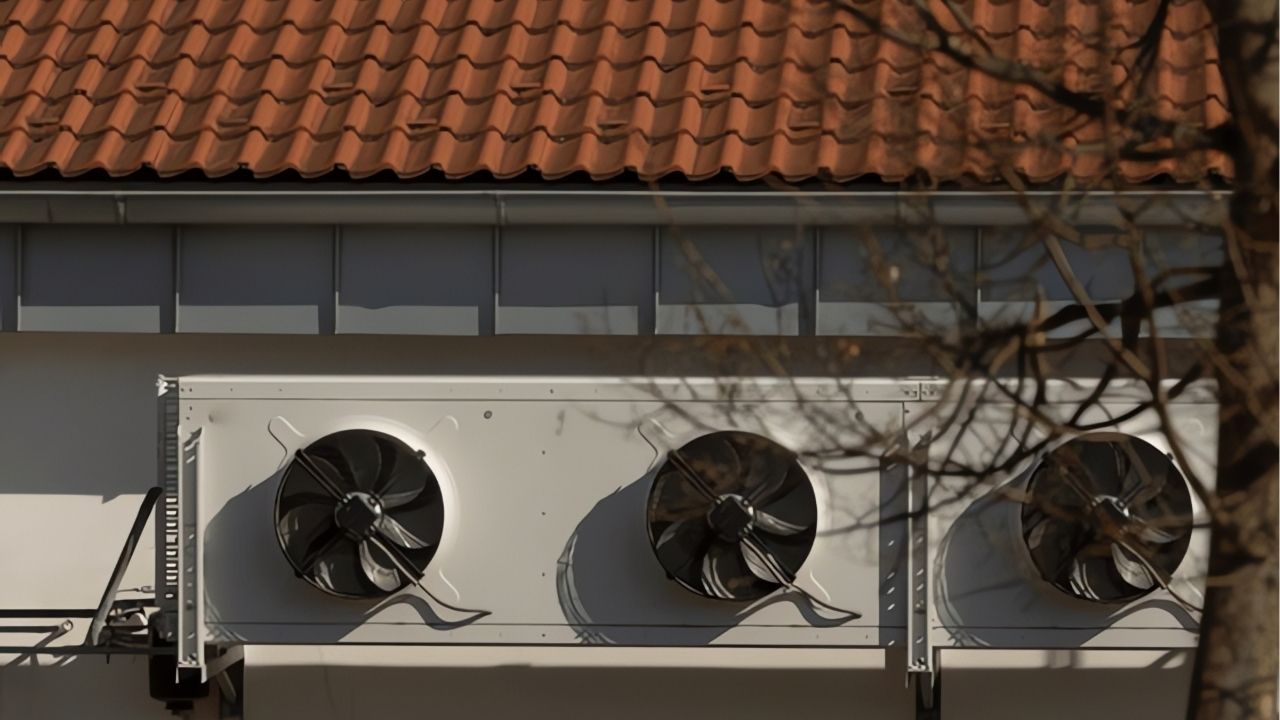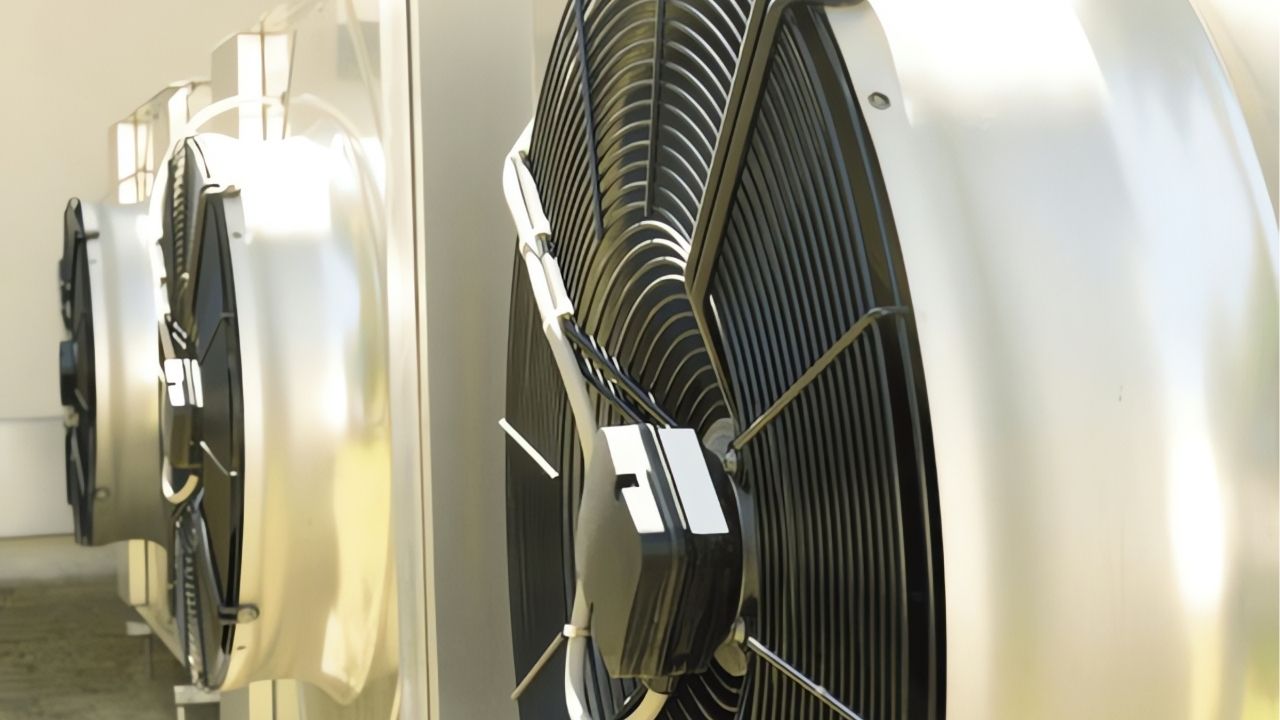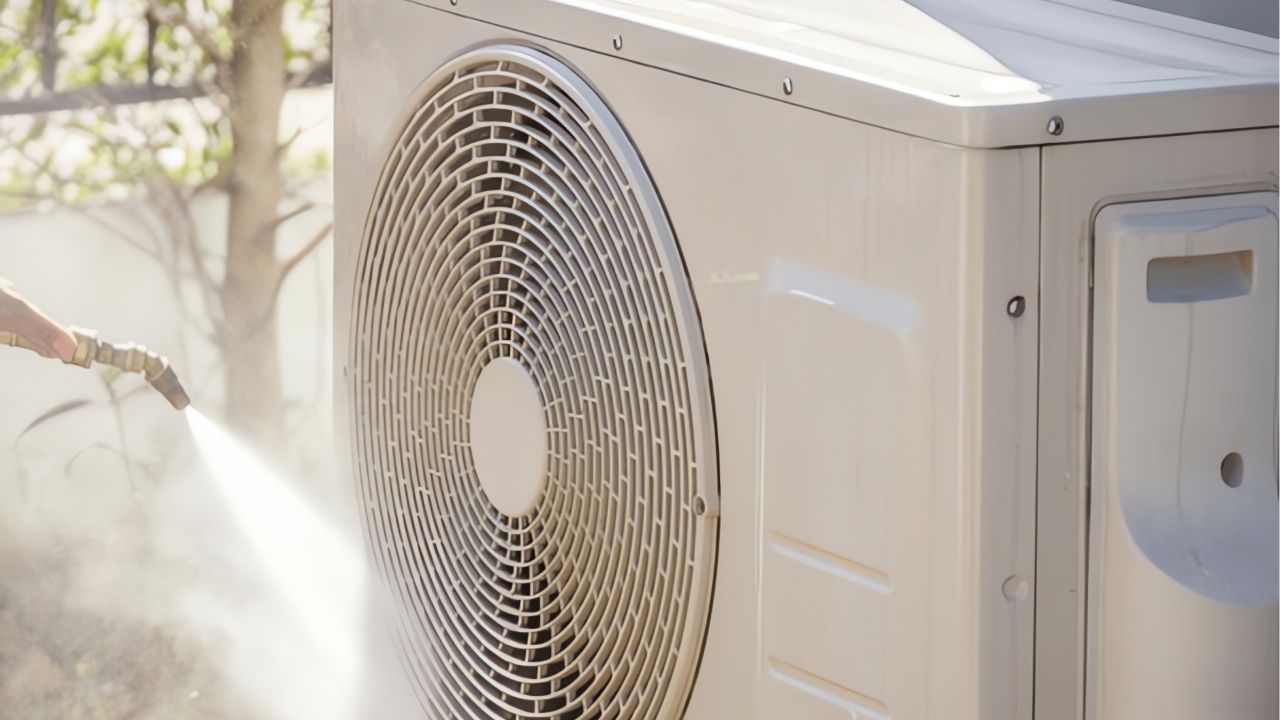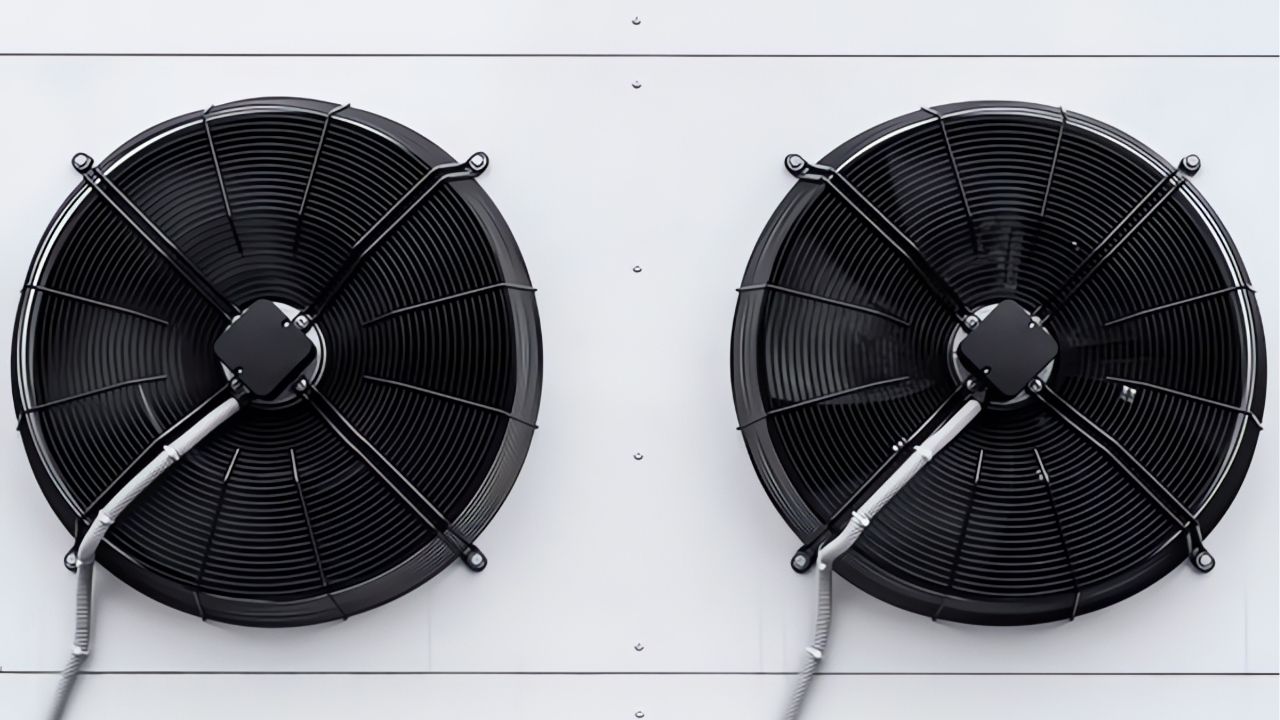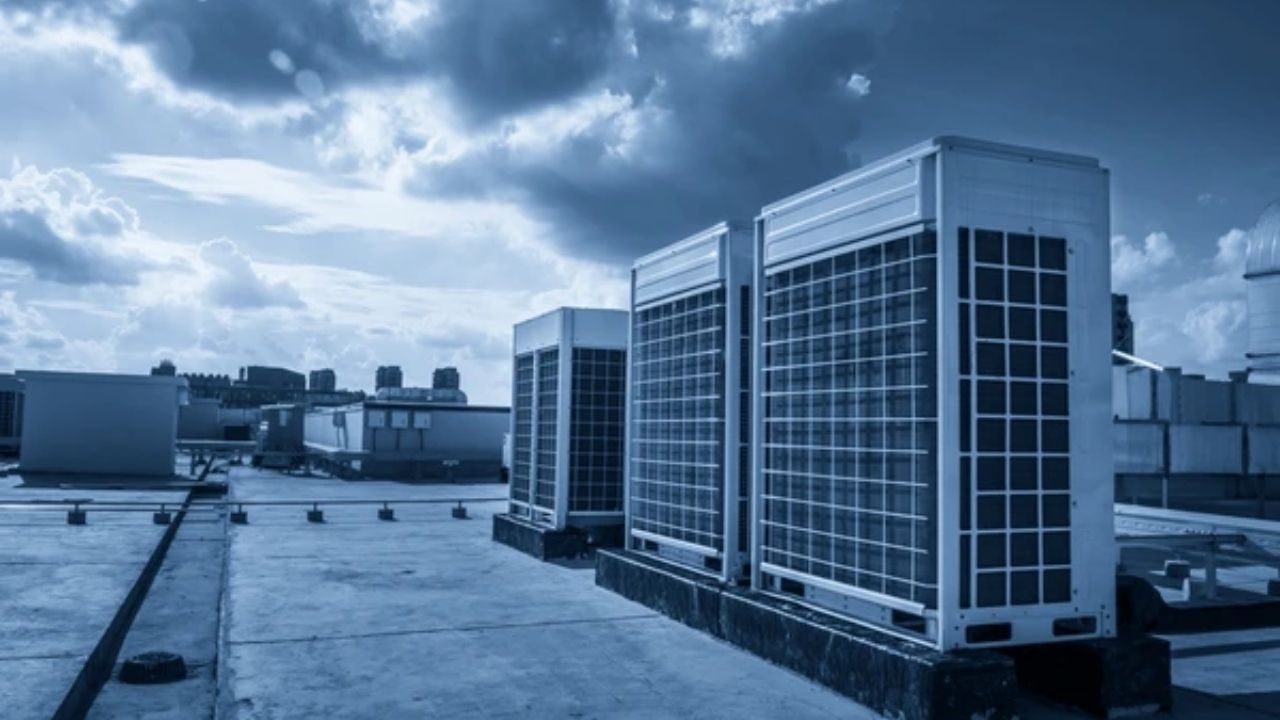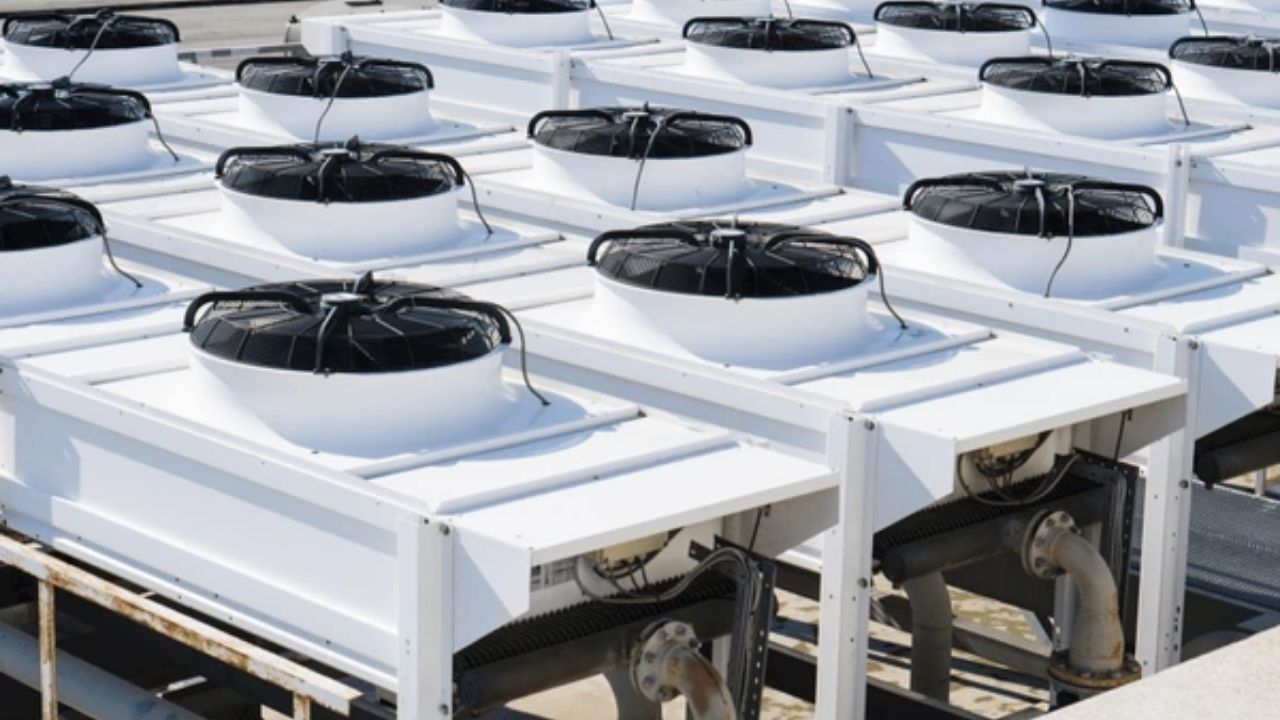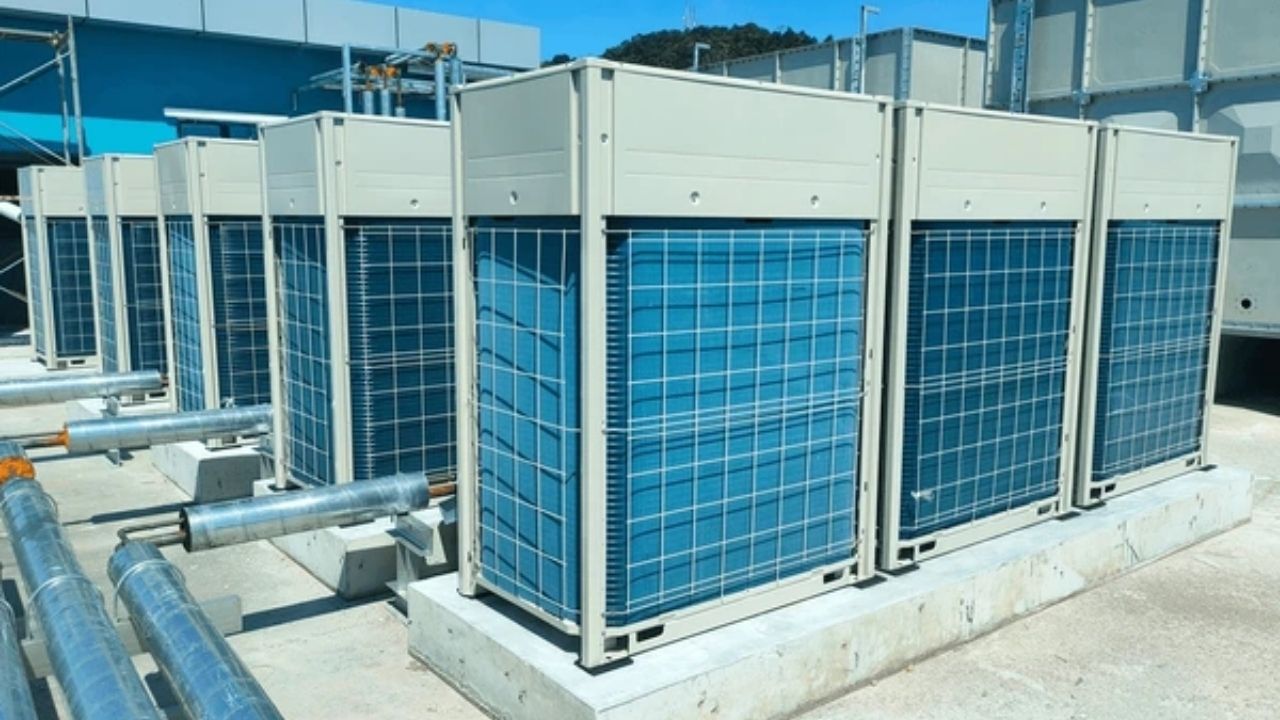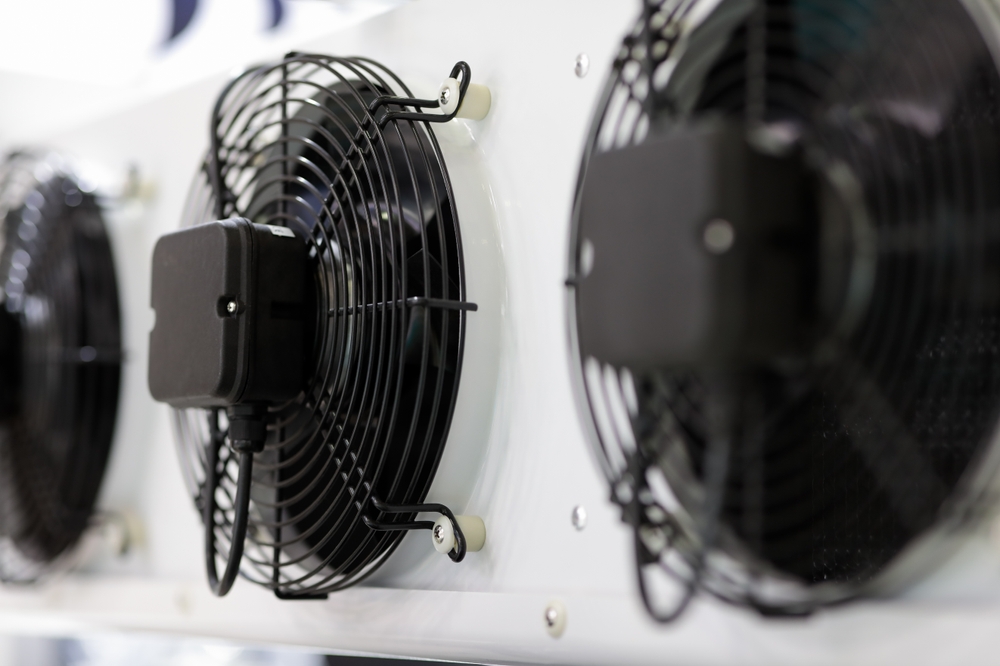


Open a condenser catalogue and fin spacing usually sits between 1.8 and 3 millimetres. Open the evaporator catalogue from the same manufacturer, and figures of 4, 6, 8 or even 10 millimetres appear instead. Same company, same copper-and-aluminium coil technology, yet two very different design choices for two product groups. The gap is not accidental; it exists because the role a condenser and an evaporator play in the refrigeration cycle, the air they work with, and the fouling risk they face are fundamentally different.
For project engineers, technical purchasing managers and refrigeration contractors, fin spacing is not a minor production detail. It is a design decision that directly shapes performance and maintenance cost. The sections below explain why condenser fin spacing is kept narrow, why evaporators need it wider, and how to apply that knowledge when selecting equipment.
Table Of Contents
- What Does Fin Spacing Actually Mean?
- What Heat Load And What Air Does A Condenser Handle?
- Why Does An Evaporator Need Wider Fin Spacing?
- What Advantage Does Narrow Fin Spacing Give A Condenser?
- What Limitations Does Narrow Fin Spacing Bring To A Condenser?
- How Does Ambient Fouling Affect The Fin Spacing Choice?
- How Is Fin Spacing Distributed Across Günay Product Series?
- What Problems Does The Wrong Fin Spacing Cause?
- What Should You Check When Choosing Fin Spacing?
- Frequently Asked Questions
What Does Fin Spacing Actually Mean?
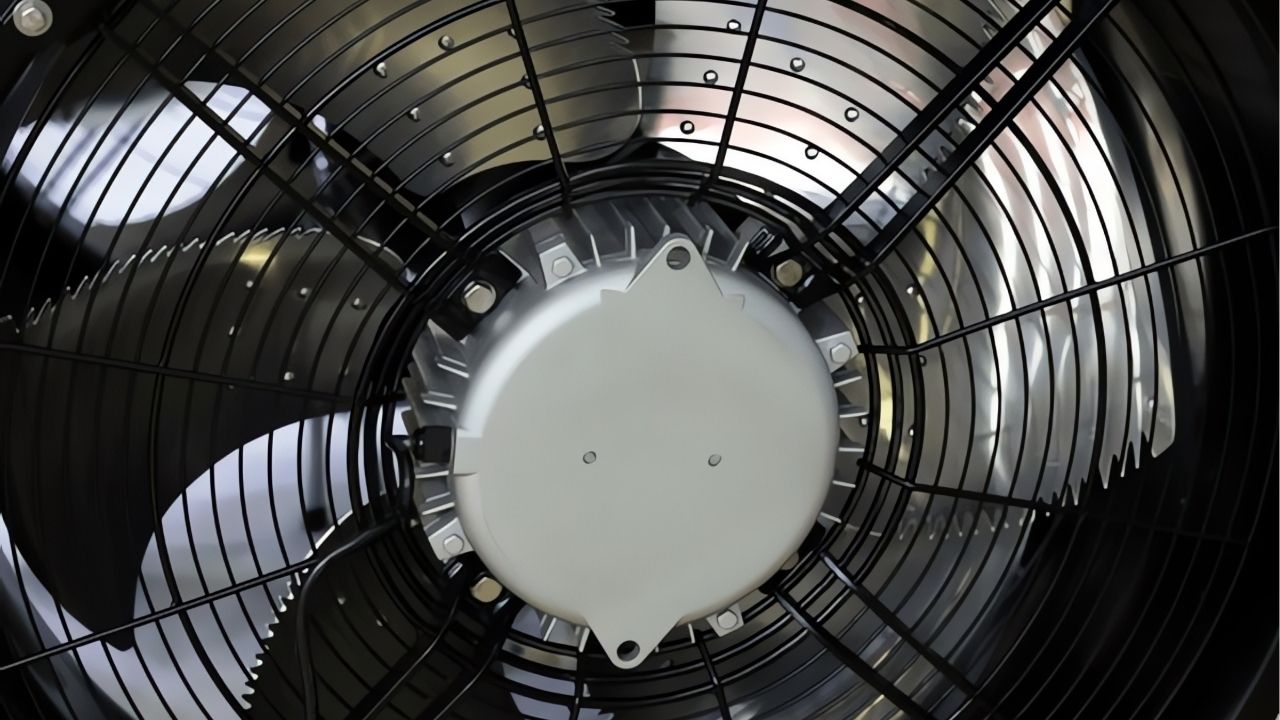
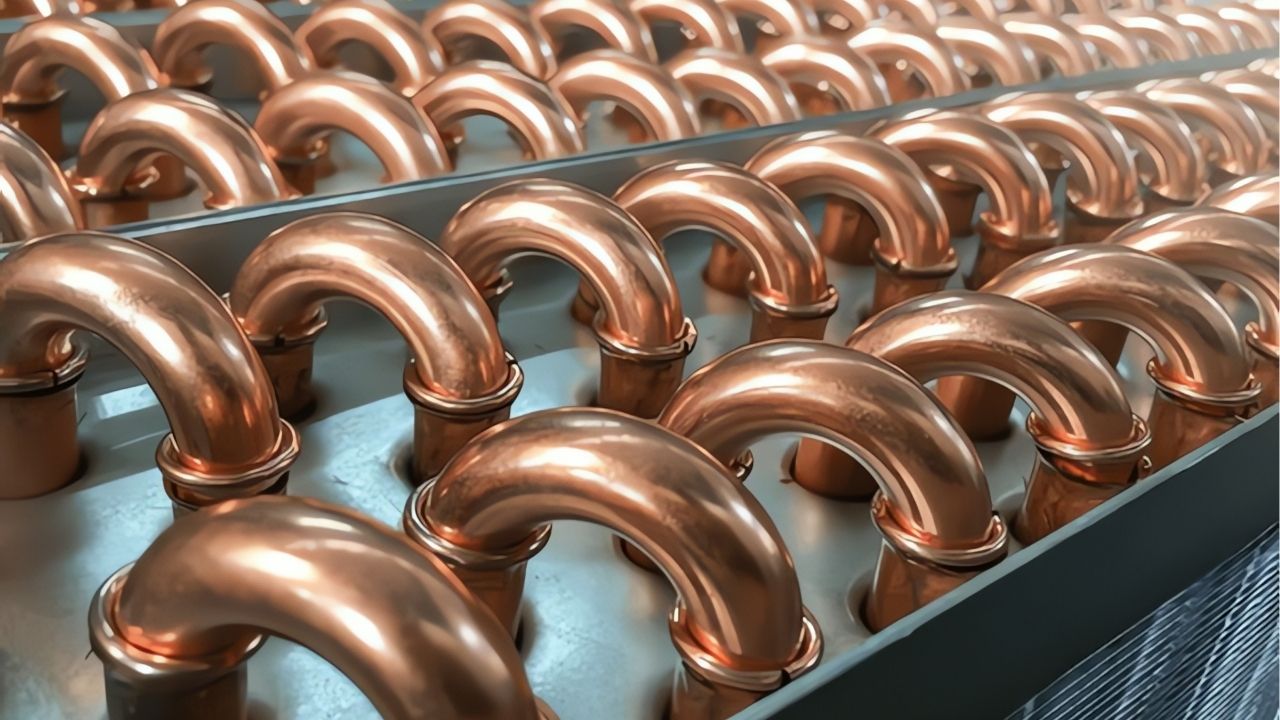
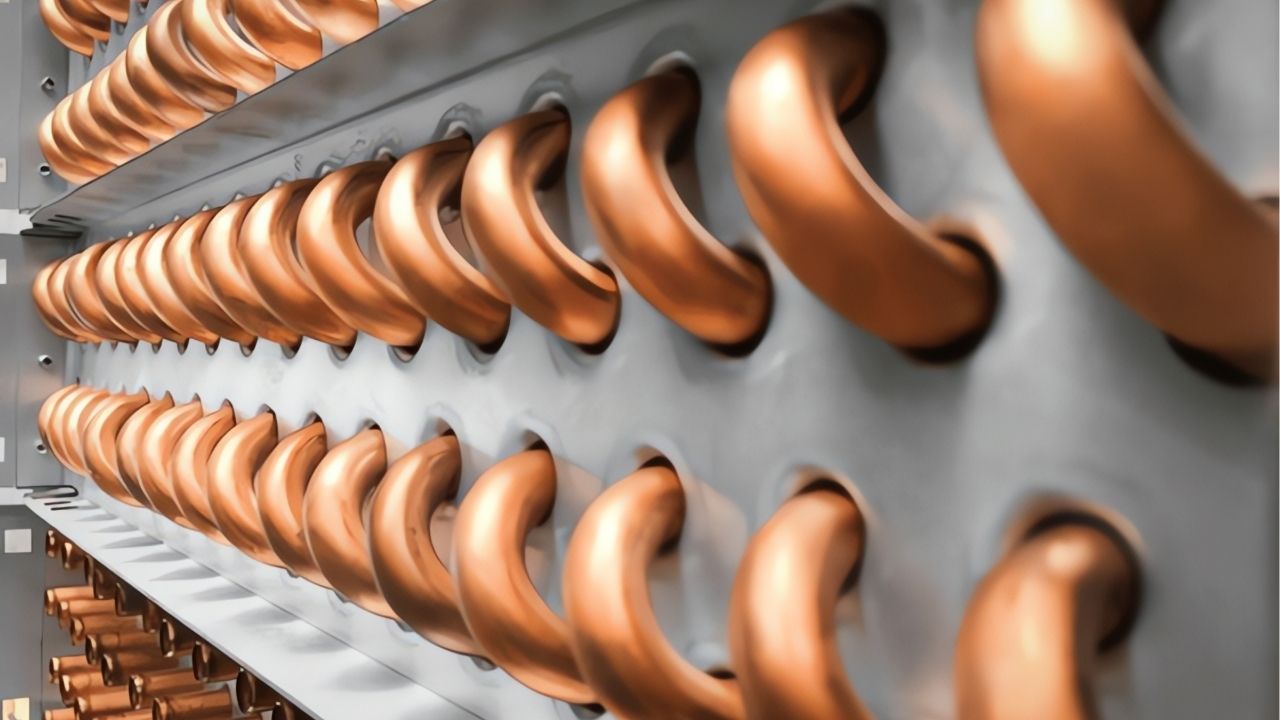
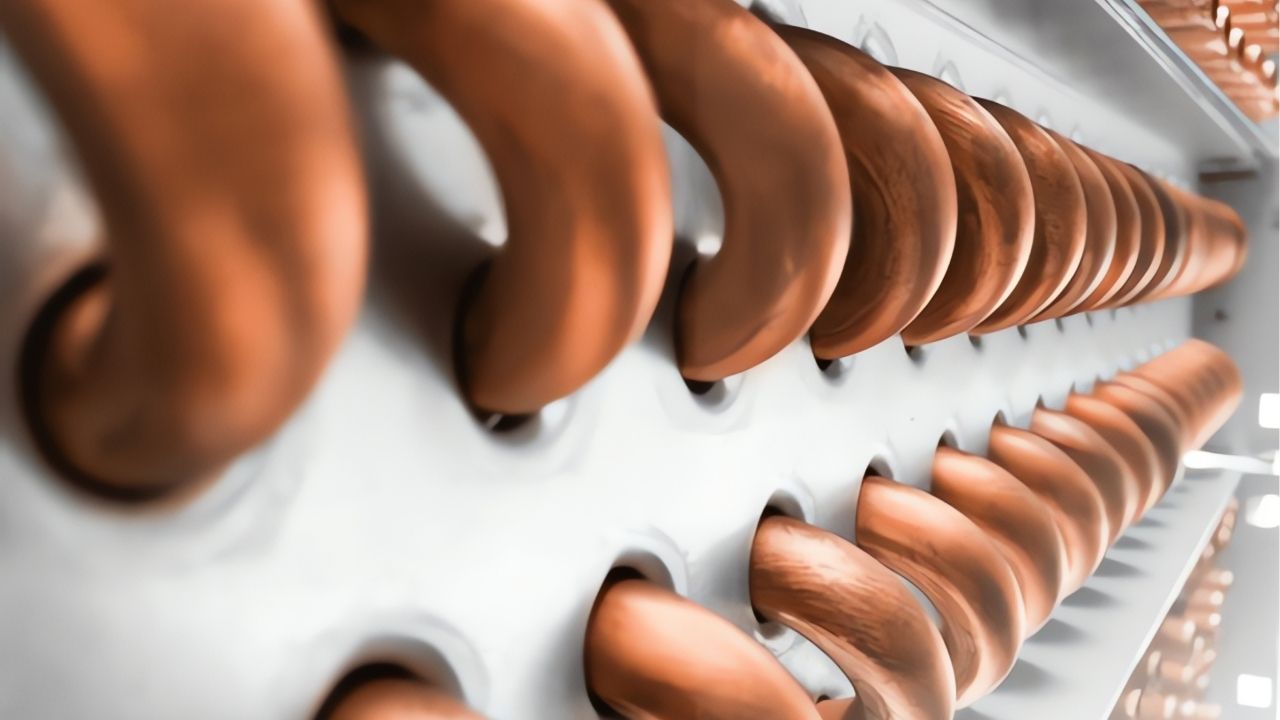
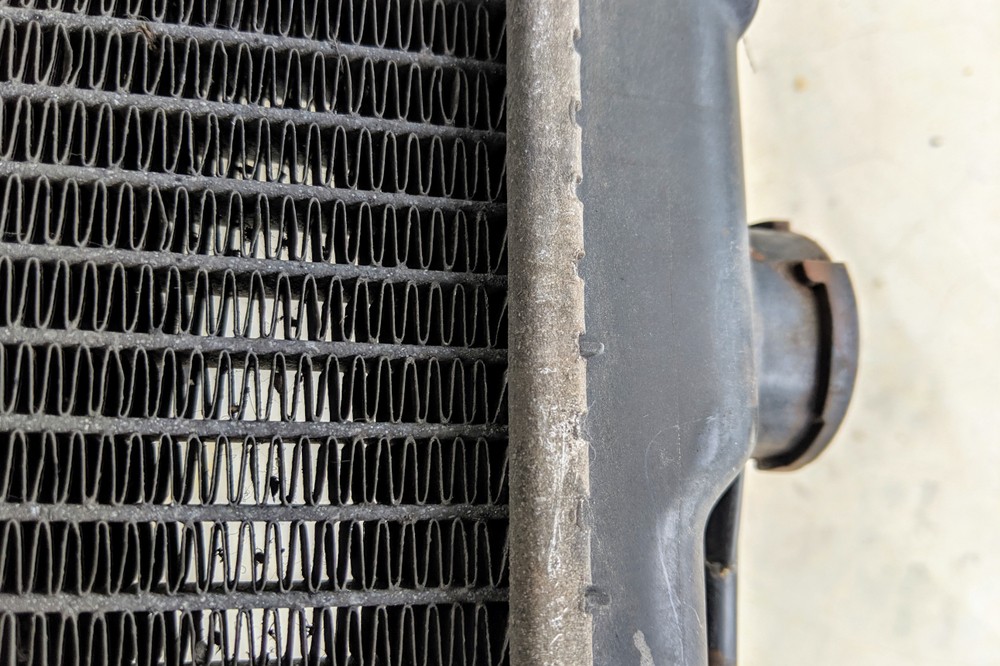
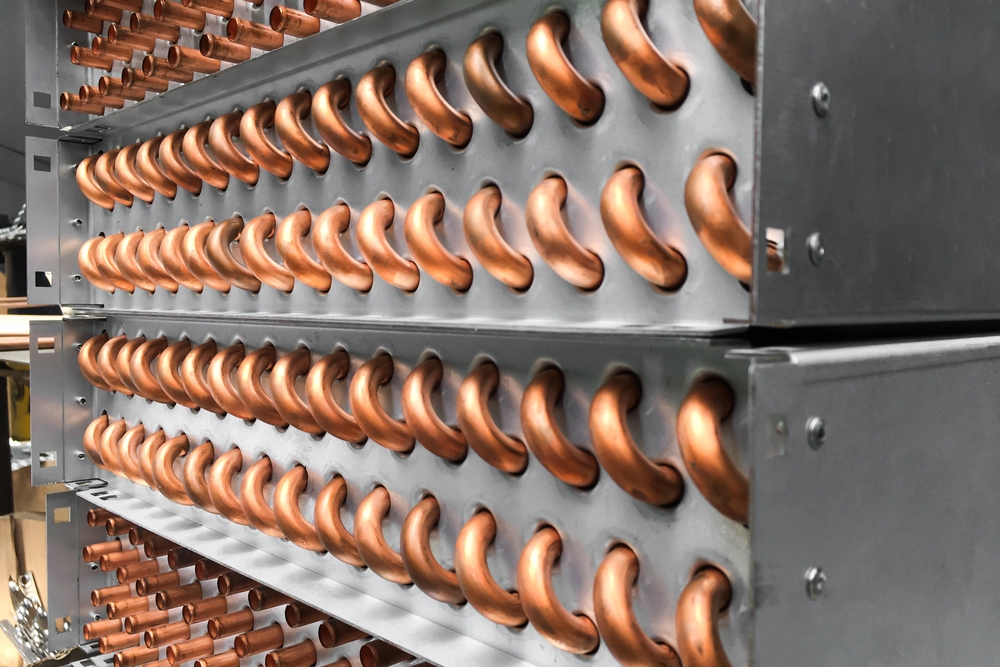
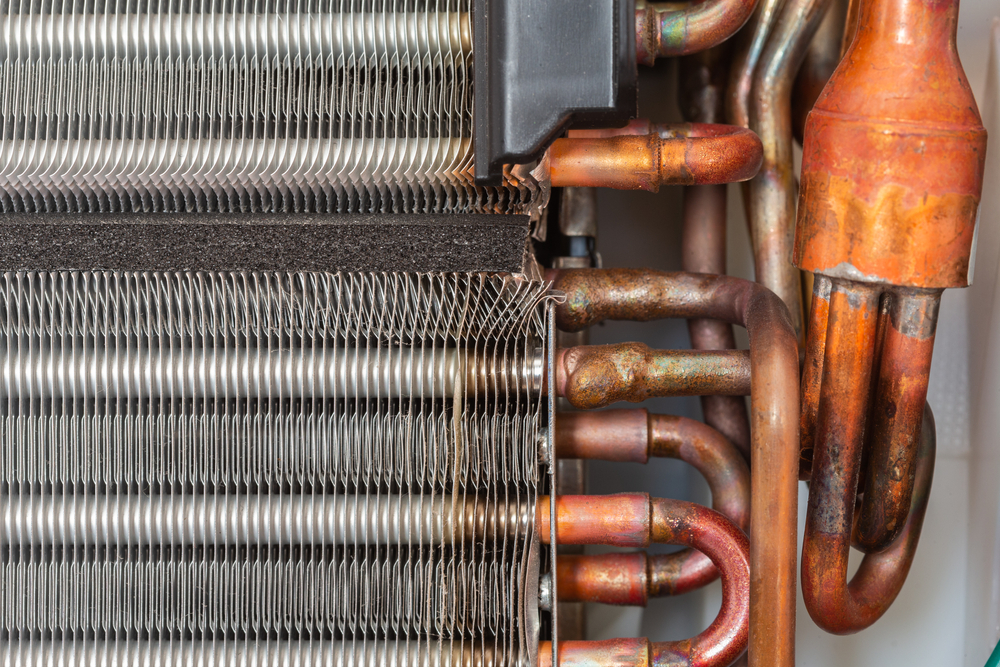
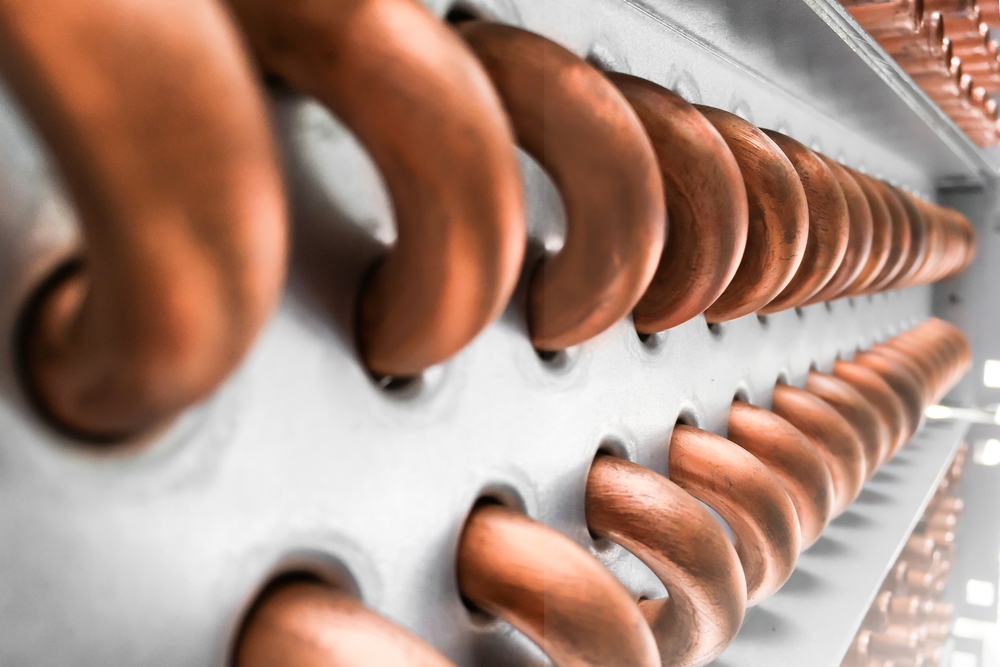
Fin spacing is the distance between successive aluminium fins mounted on a heat exchanger coil, usually expressed in millimetres. The fins slide onto copper or aluminium tubes and greatly increase the heat transfer surface available in a given volume. As fin count rises, meaning the fins sit closer together, far more surface area is packed into the same space, and heat transfer becomes stronger.
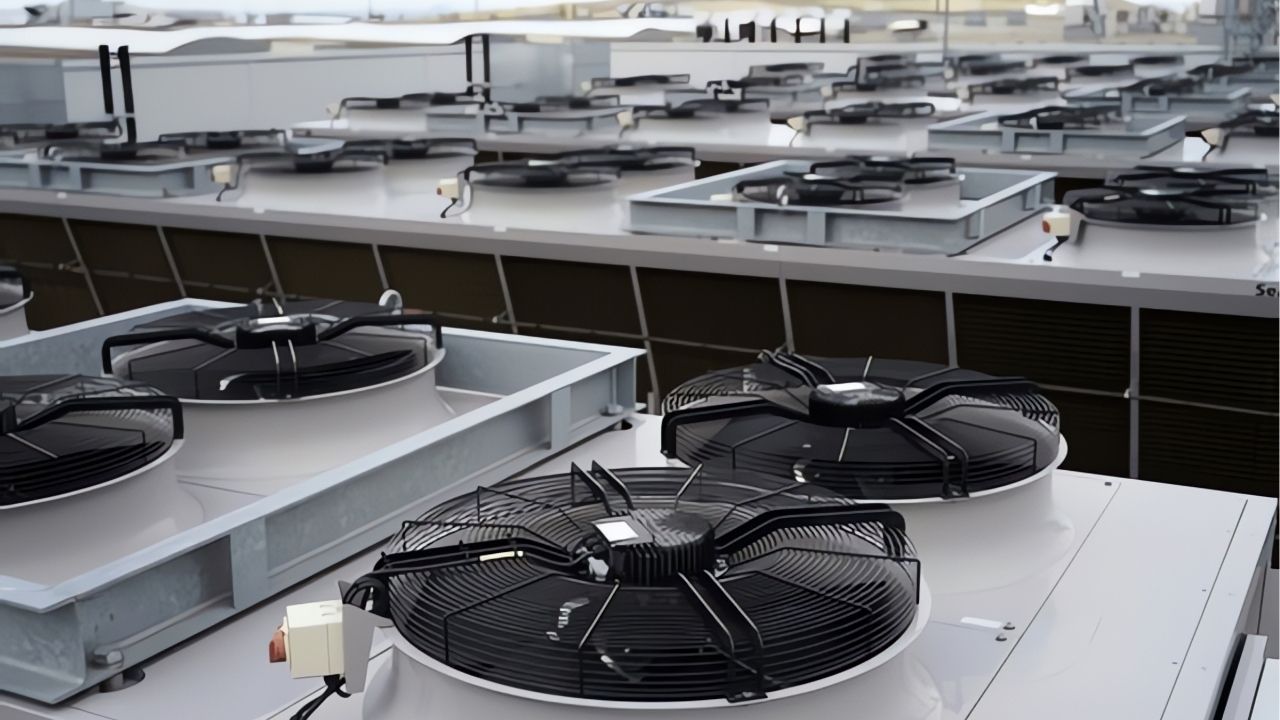
Tightly packed fins also make it harder for air to pass through the coil. As resistance to airflow rises, the fan draws more power, noise increases, and under certain conditions airflow drops. Choosing fin spacing is therefore always a balancing act between two variables: increasing surface area to strengthen heat transfer, and keeping airflow free to preserve efficiency.
A condenser and an evaporator strike that balance at very different points. The reason lies in how each unit relates to the air around it.
What Heat Load And What Air Does A Condenser Handle?
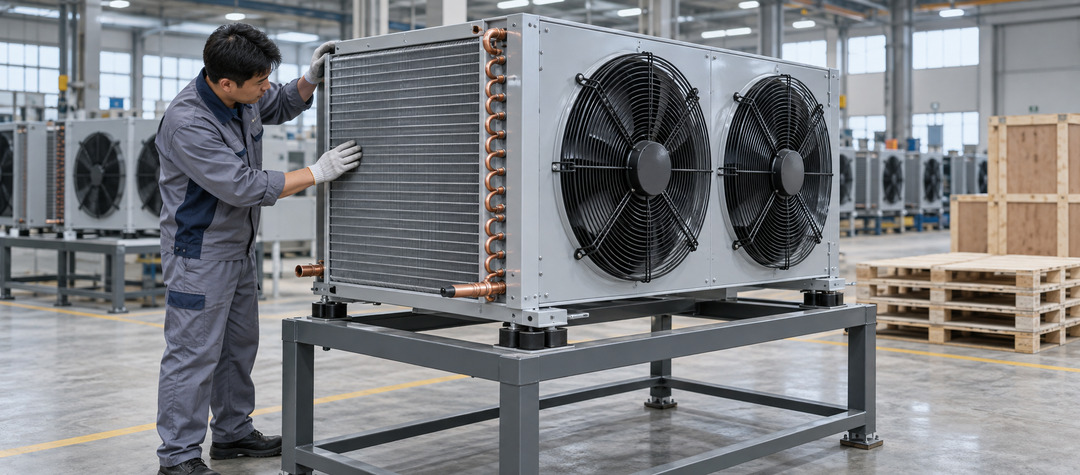
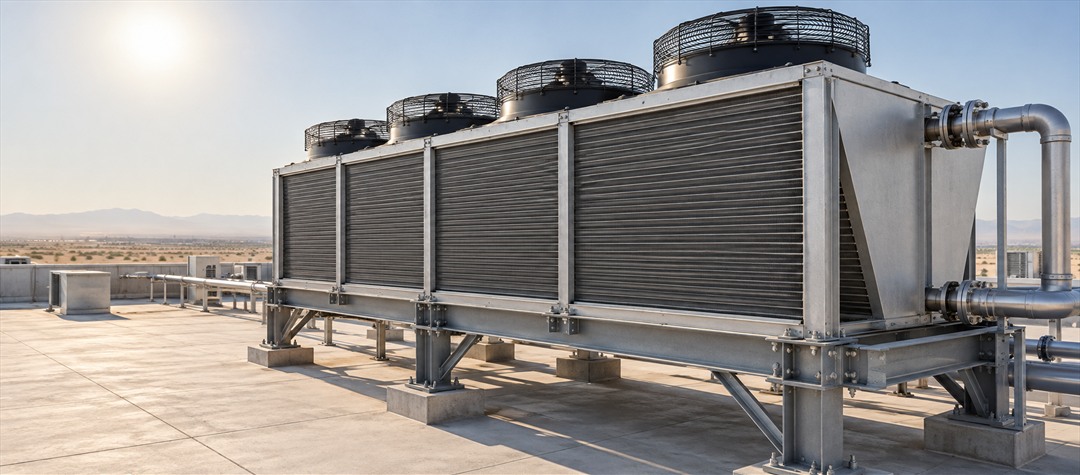
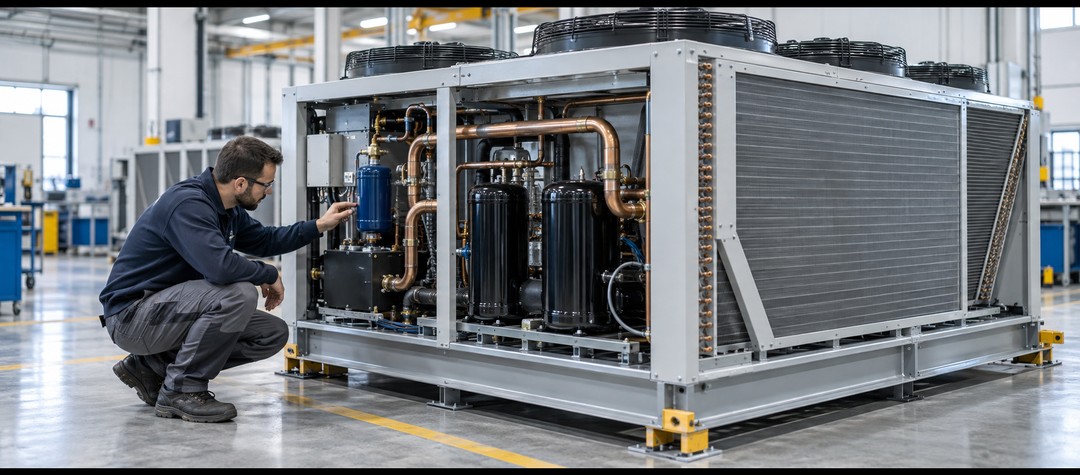
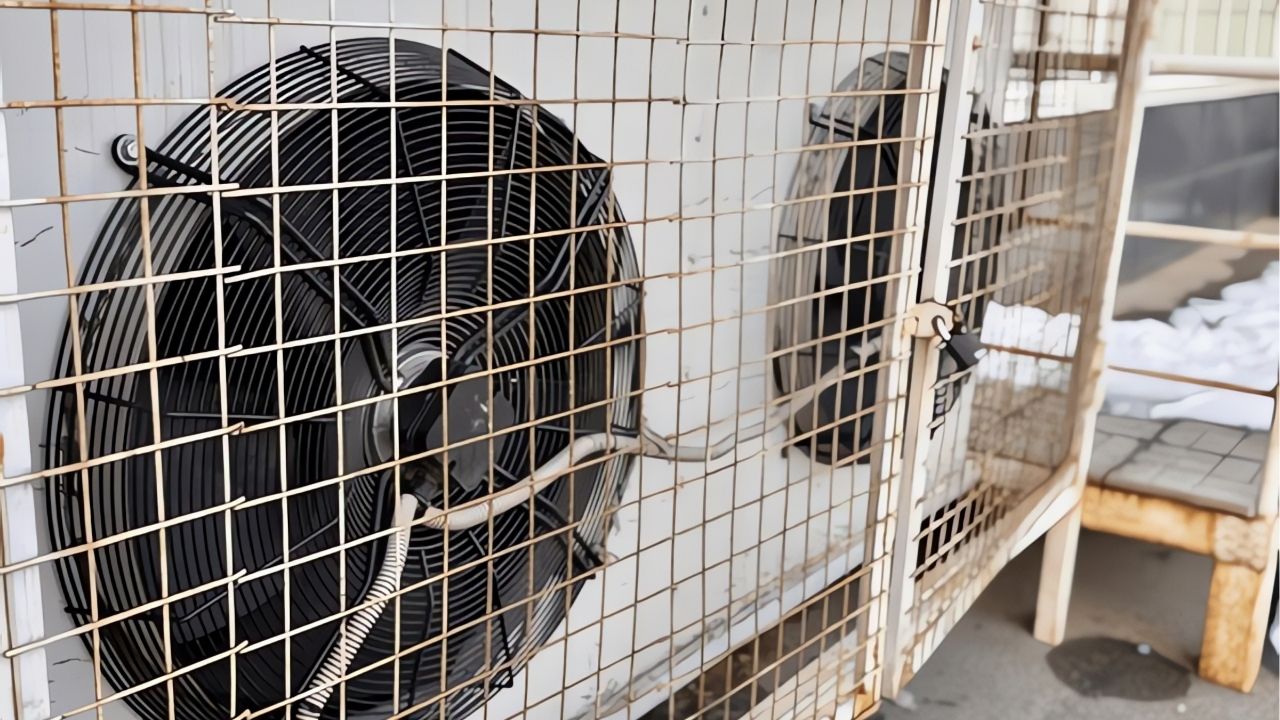
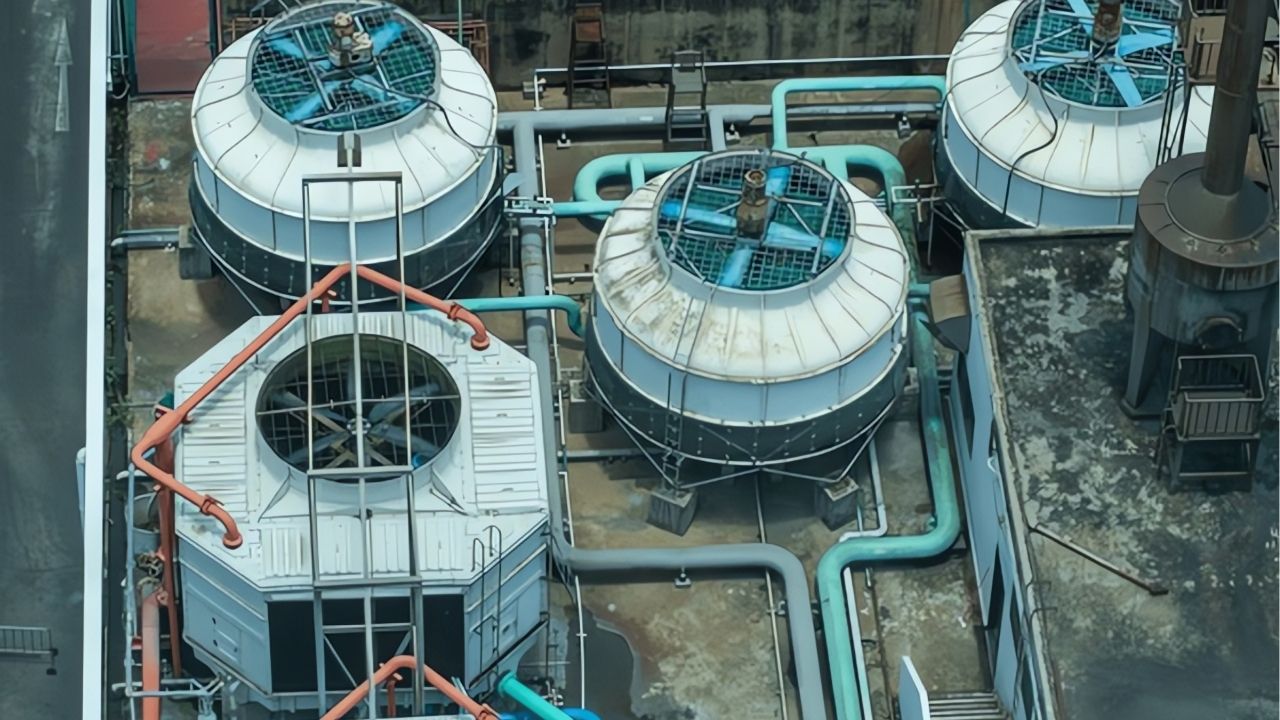
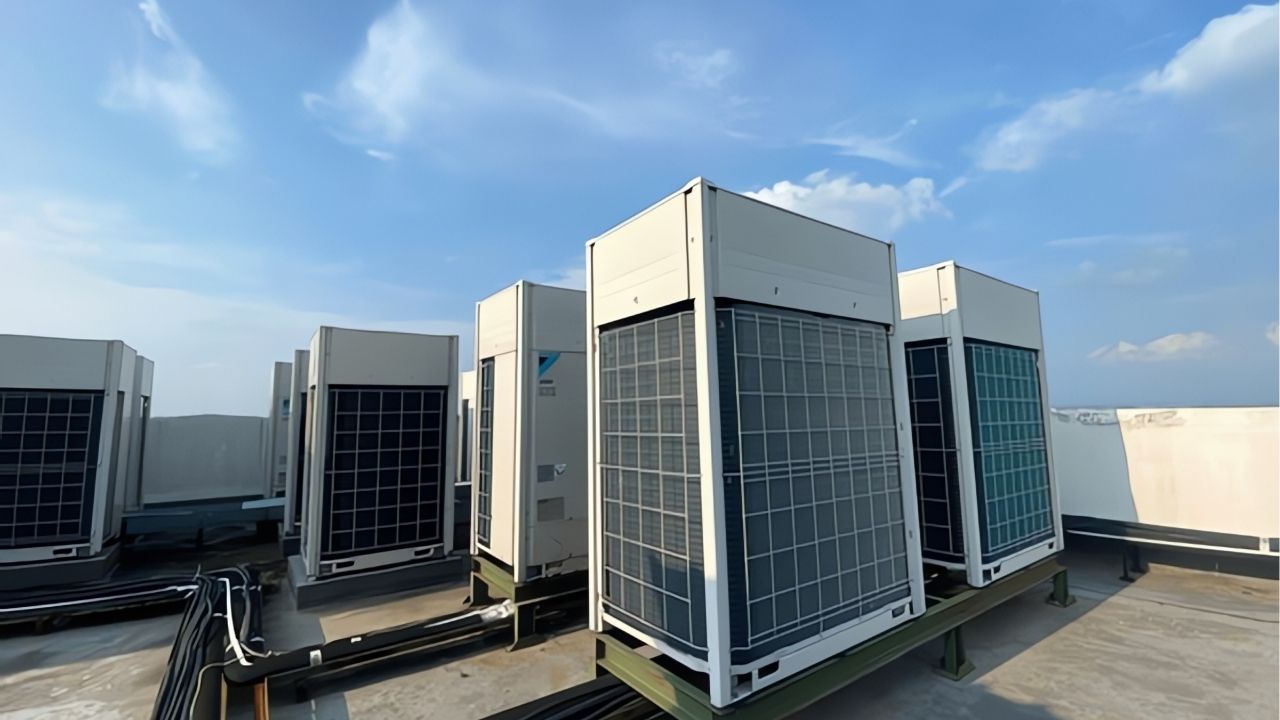
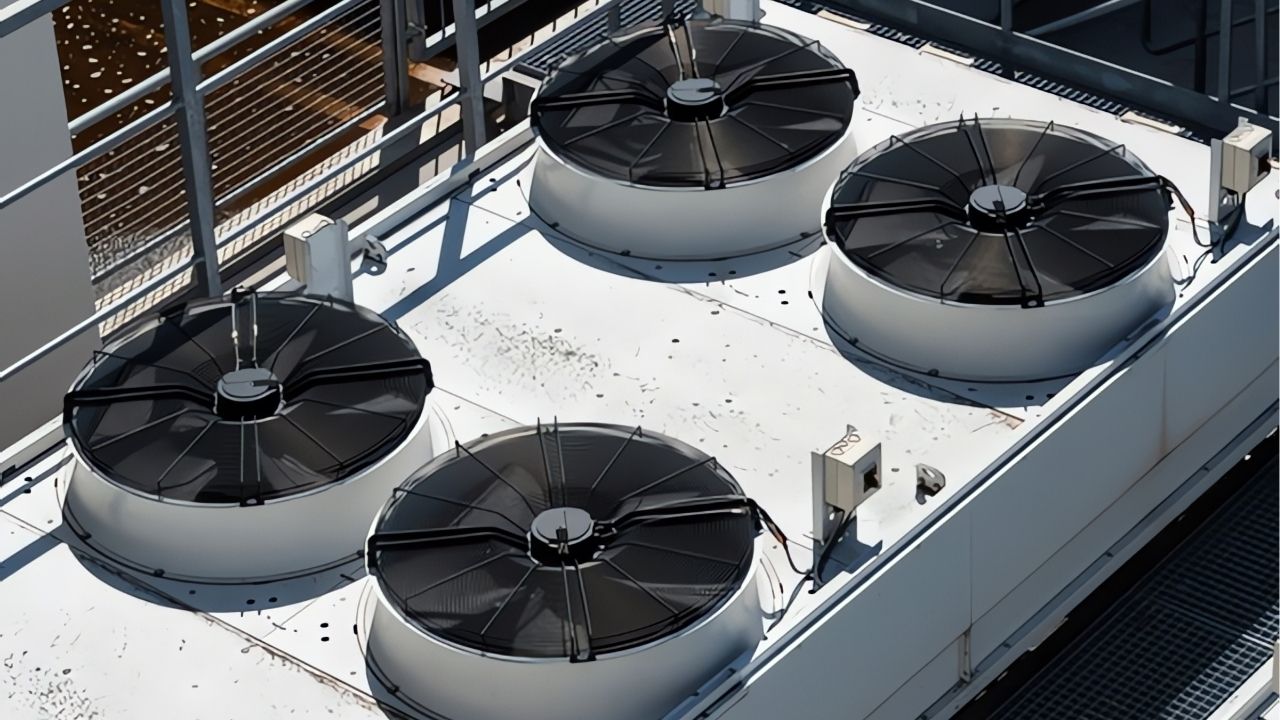
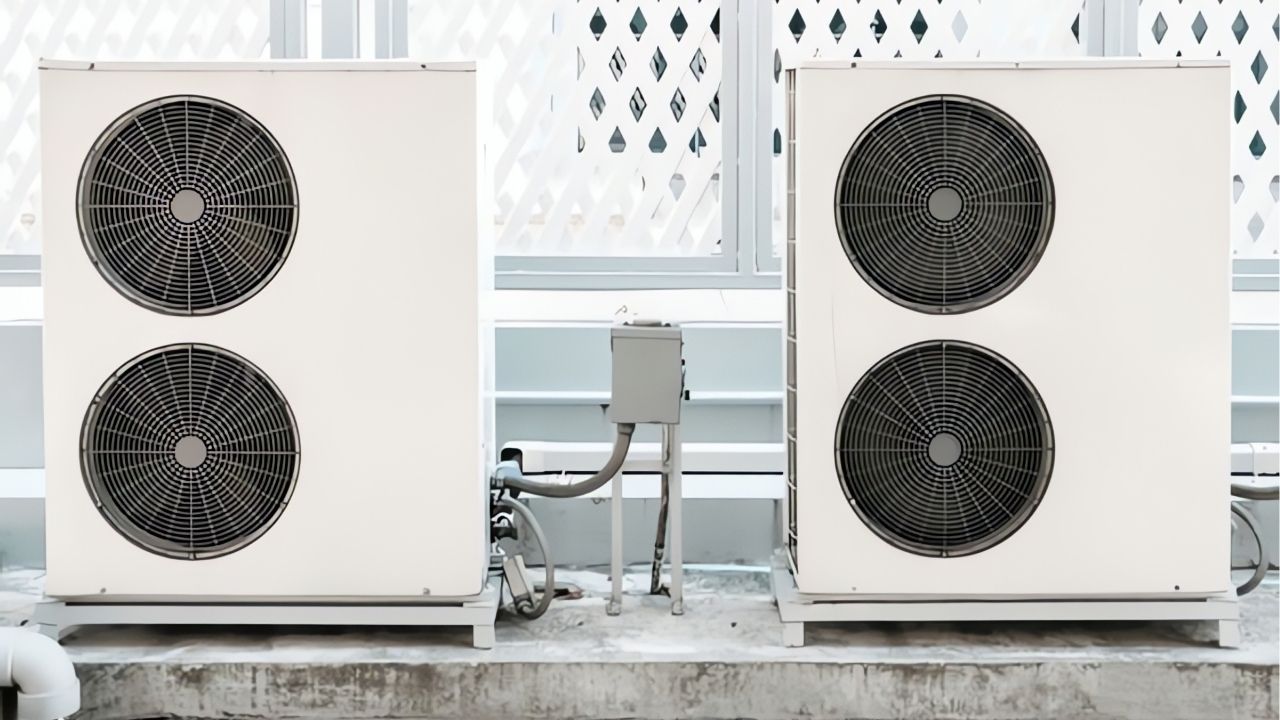
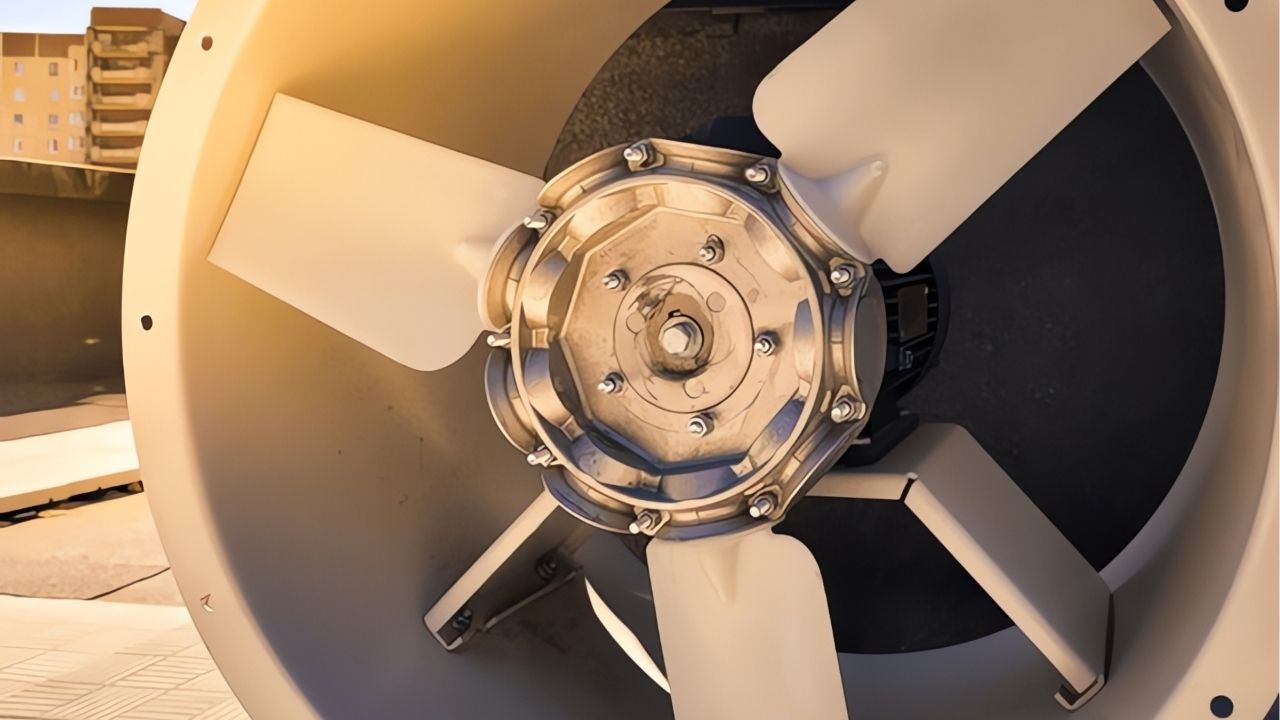
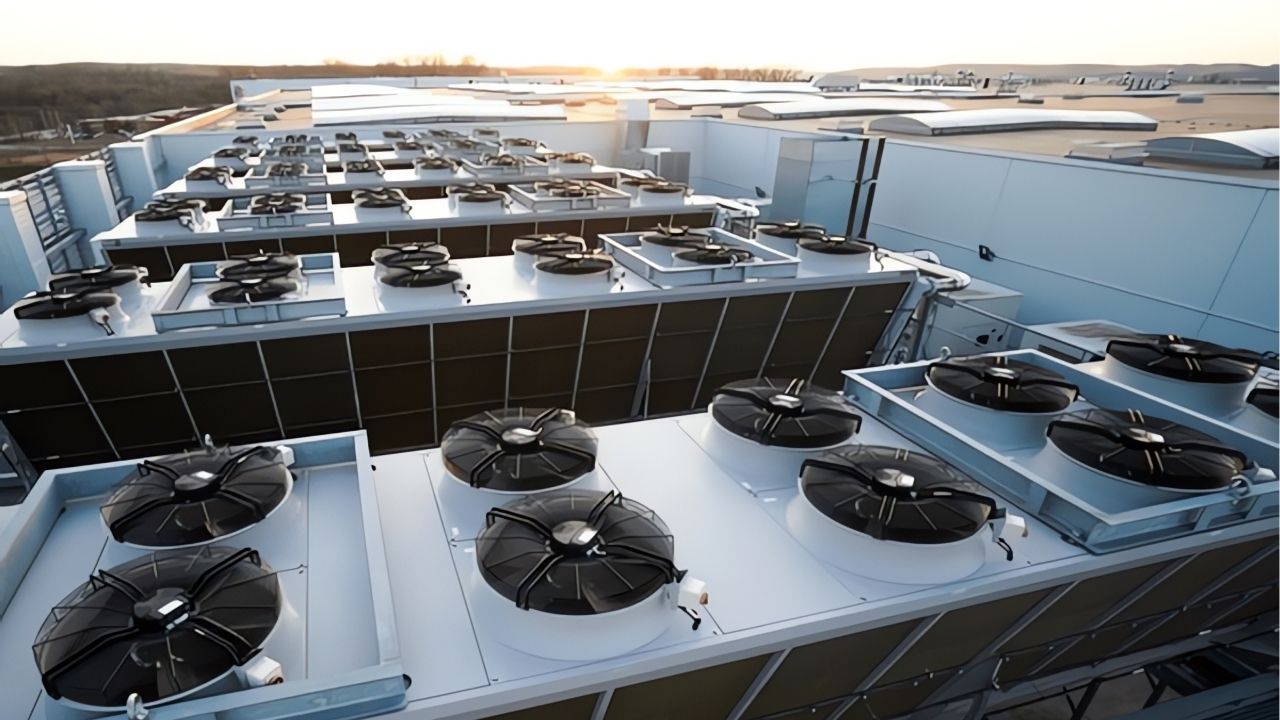
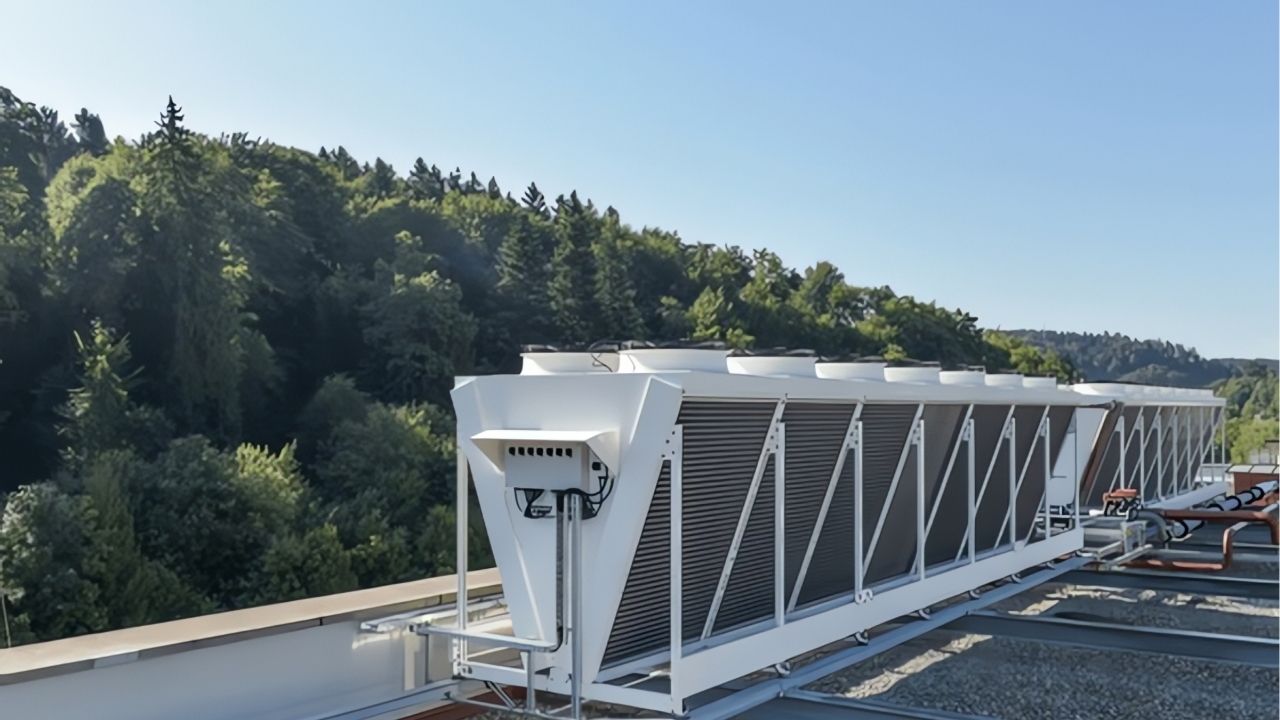
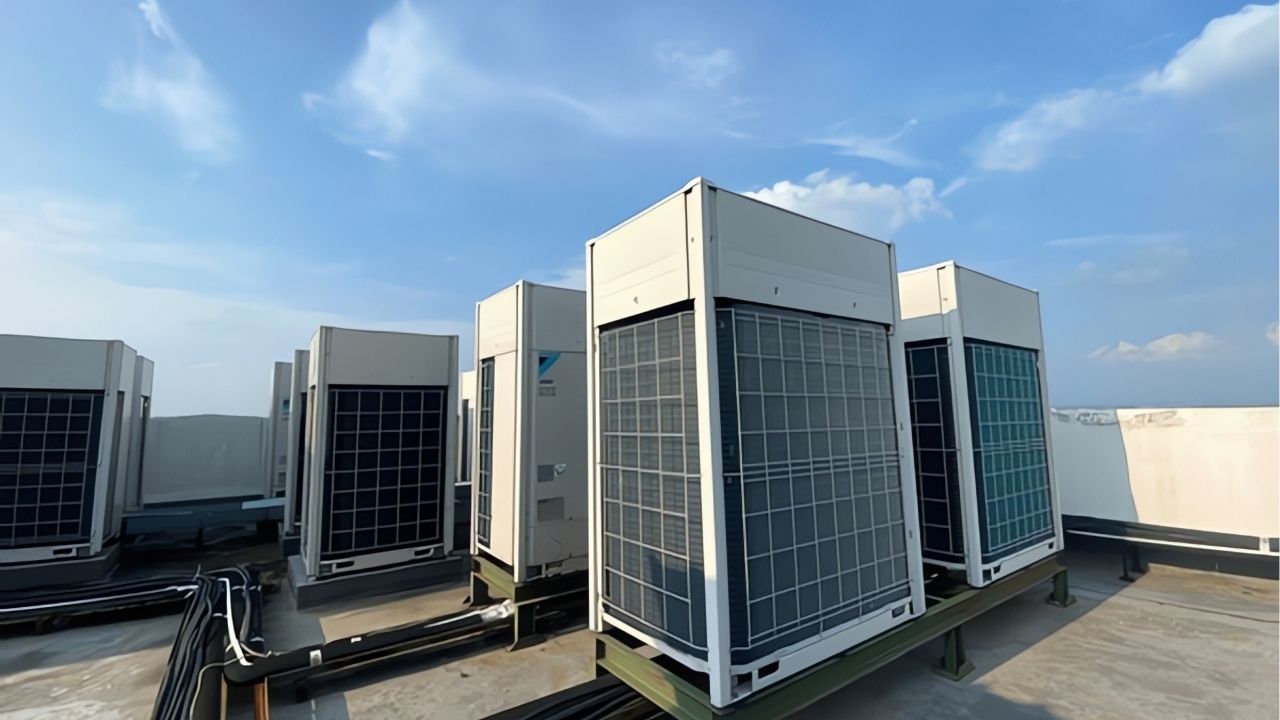
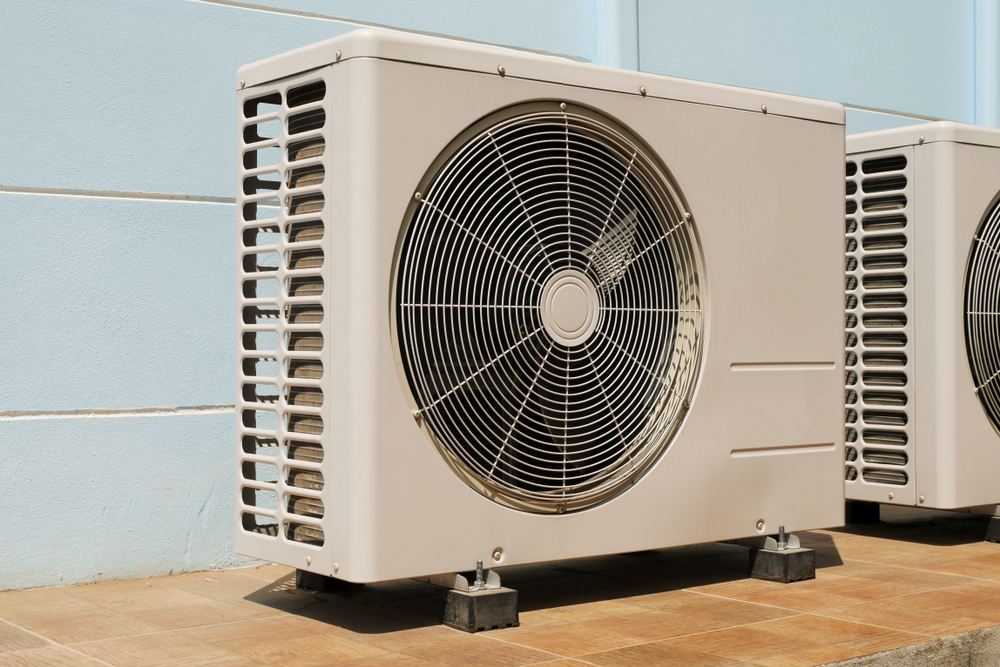
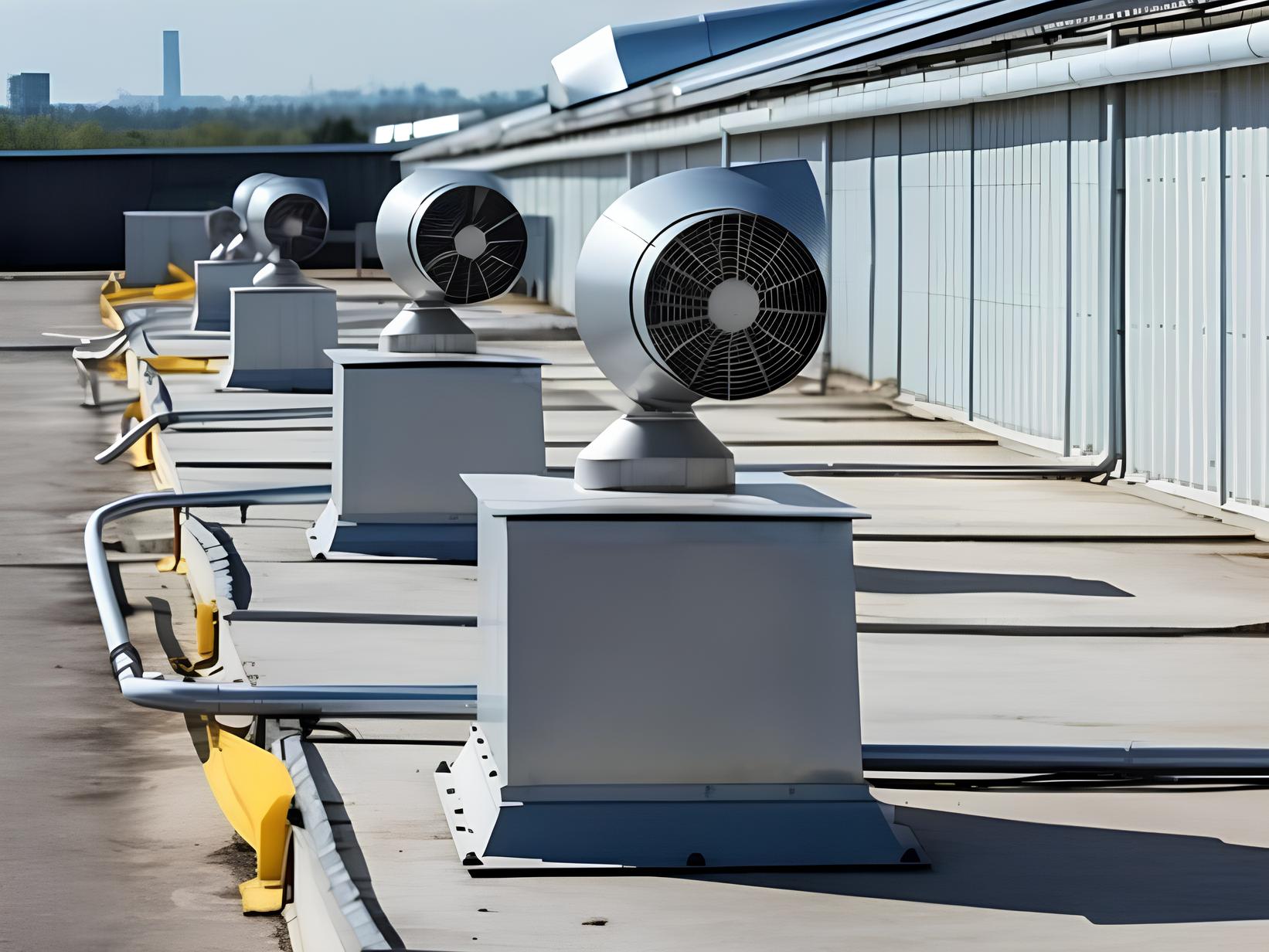
A condenser takes the hot, high-pressure refrigerant gas leaving the compressor and condenses it by rejecting heat to the outdoor air. In this process, the condenser typically works with outdoor air, a relatively clean and dry air stream. Under normal operating conditions, frost or ice formation is not expected on a condenser surface; a condenser is a hot-side component, and its surface temperature usually stays above ambient temperature.
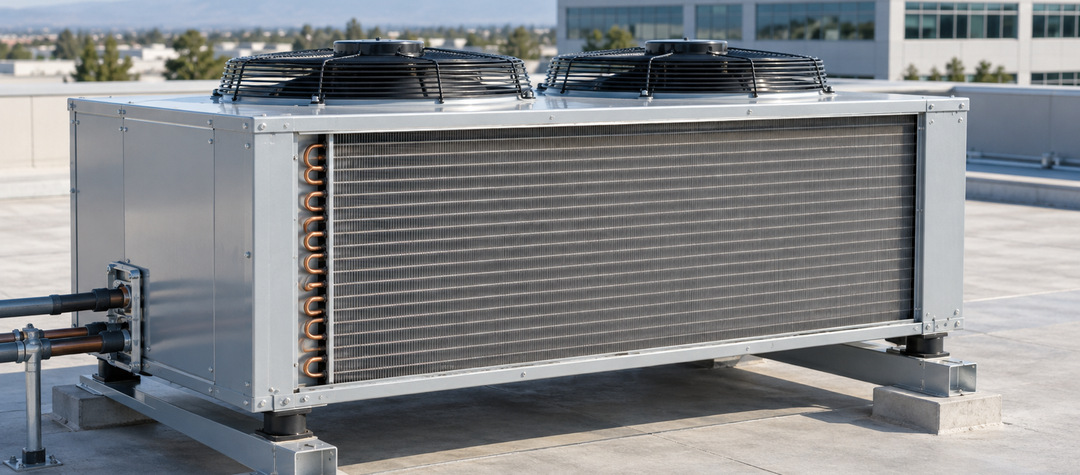
That condition gives the designer wide latitude to pack fins tightly. Since there is no frost risk, the chance of frozen water blocking the gaps between fins is very low. The priority becomes achieving the highest possible heat transfer surface within the smallest possible volume. As a result, condenser fin spacing is usually kept in the 1.8 to 3 millimetre range; in some industrial condenser series using high-efficiency louvred fin surfaces, the value can go as narrow as 2.1 millimetres.
Why Does An Evaporator Need Wider Fin Spacing?
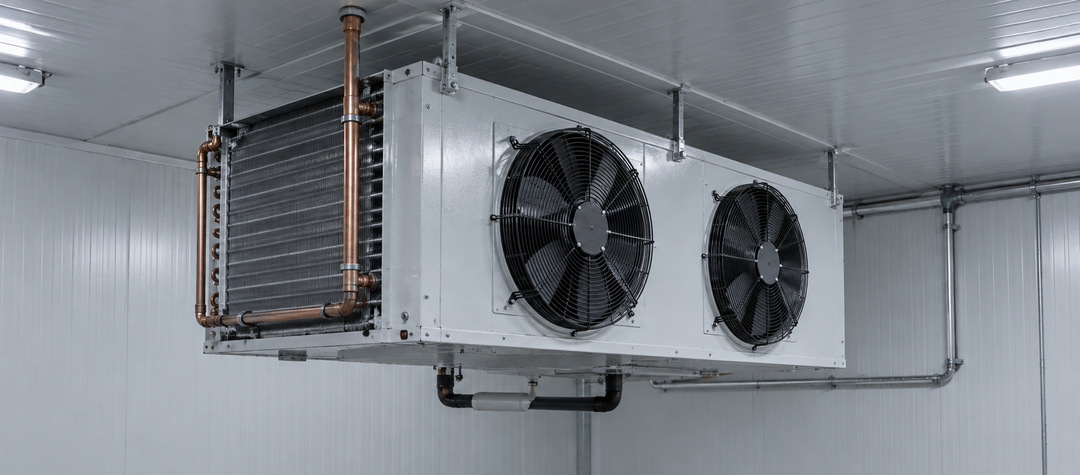
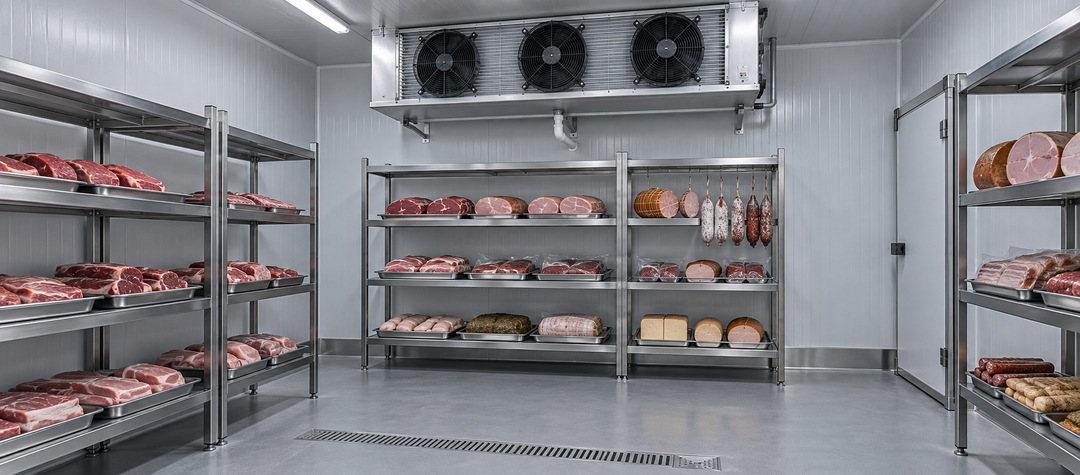
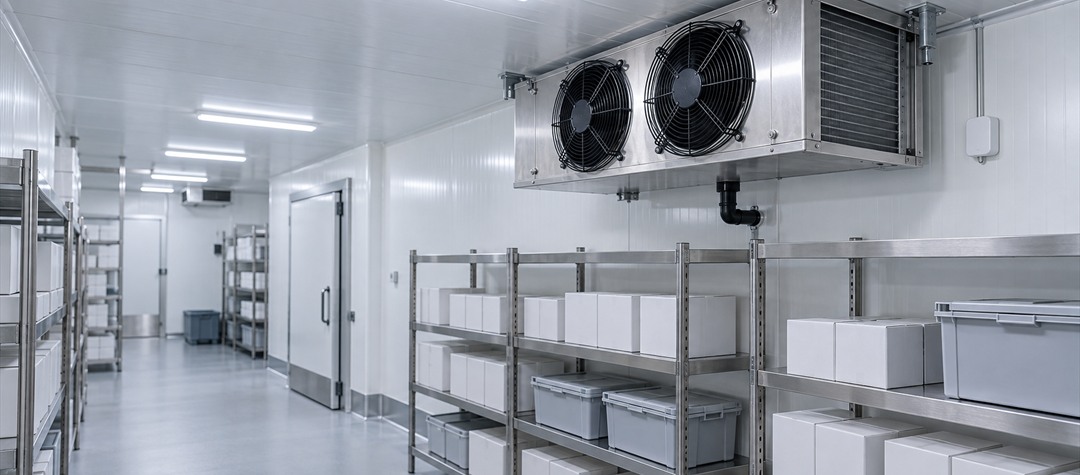
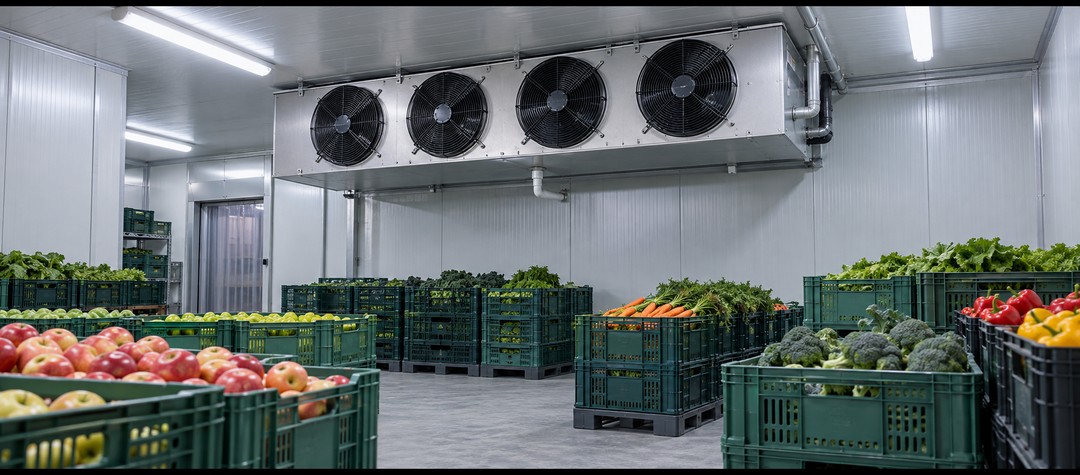
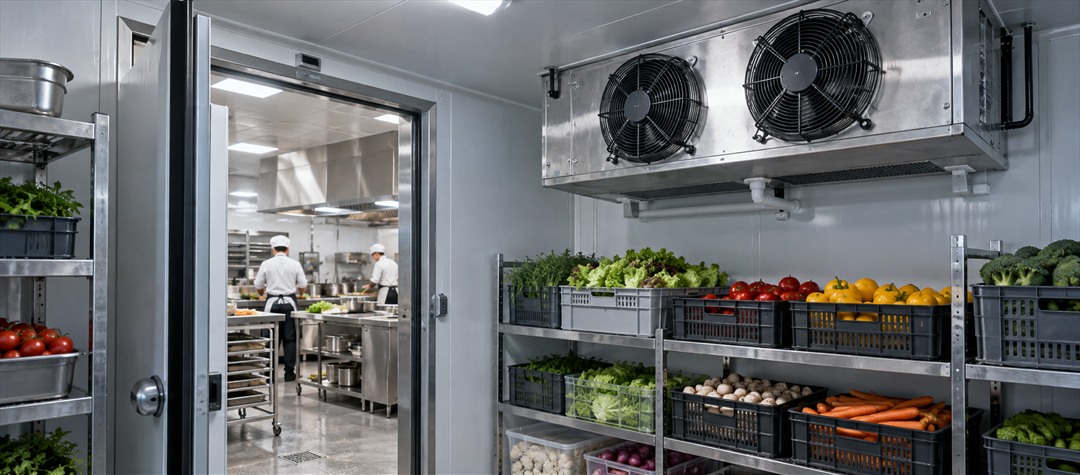
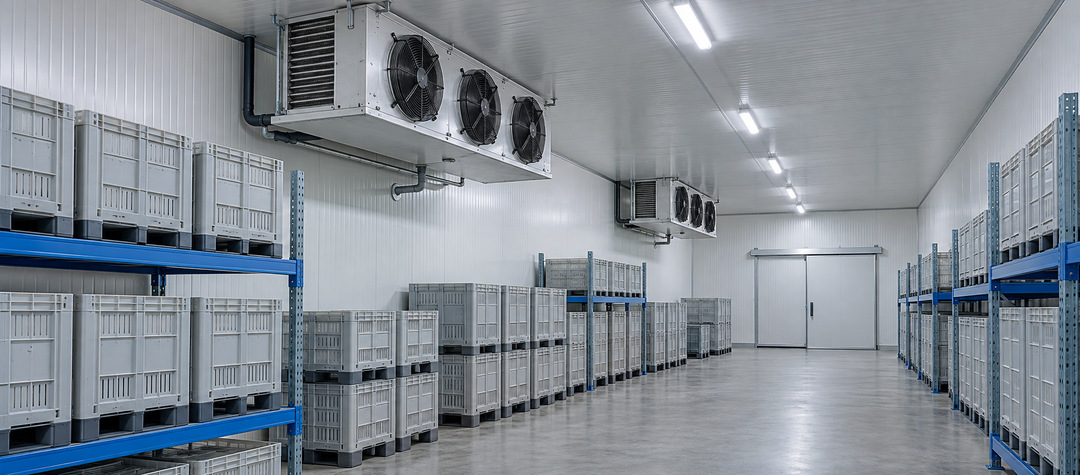
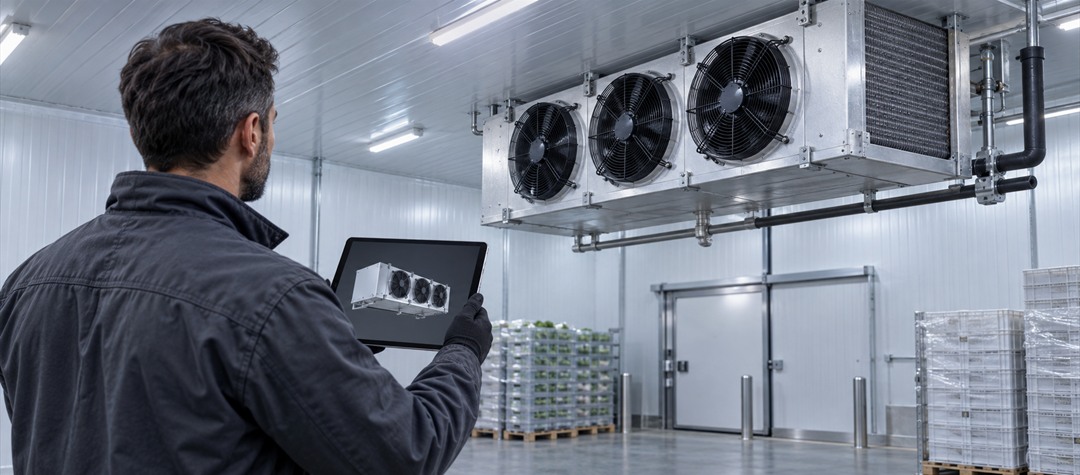
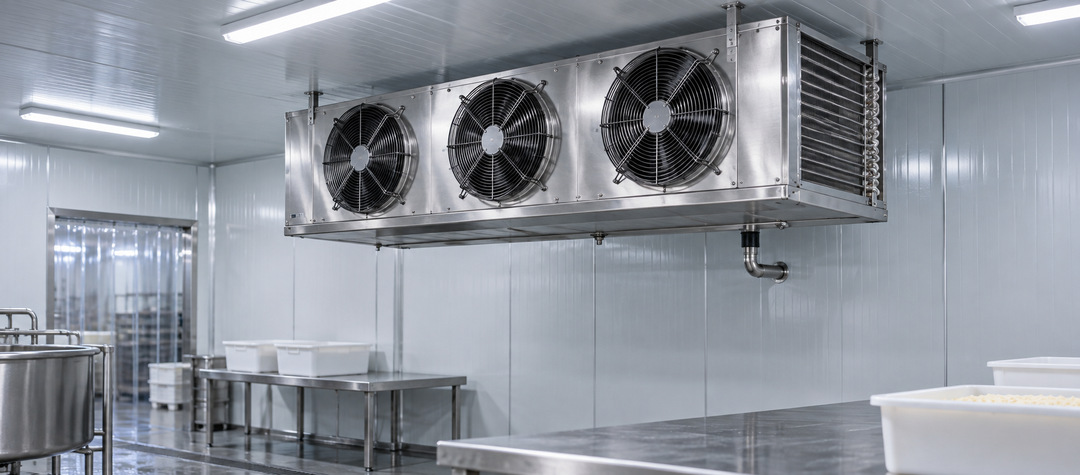
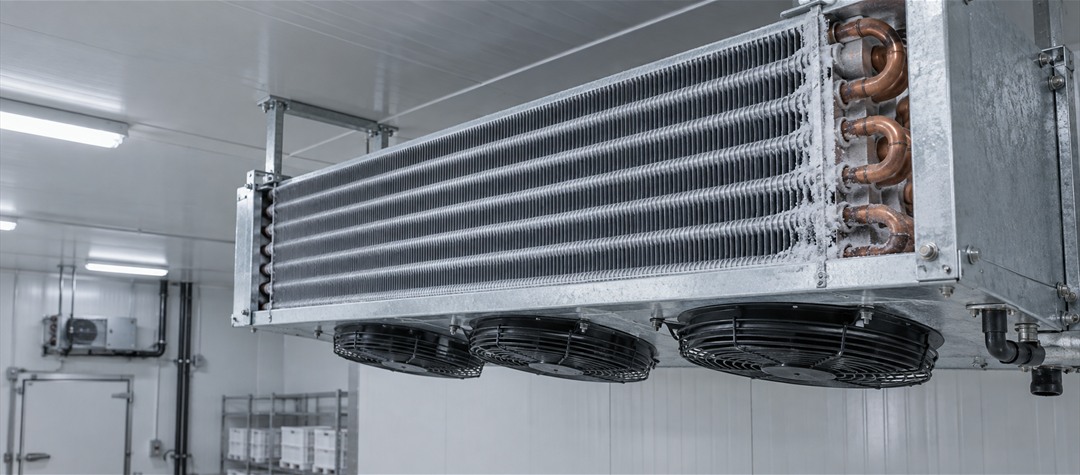
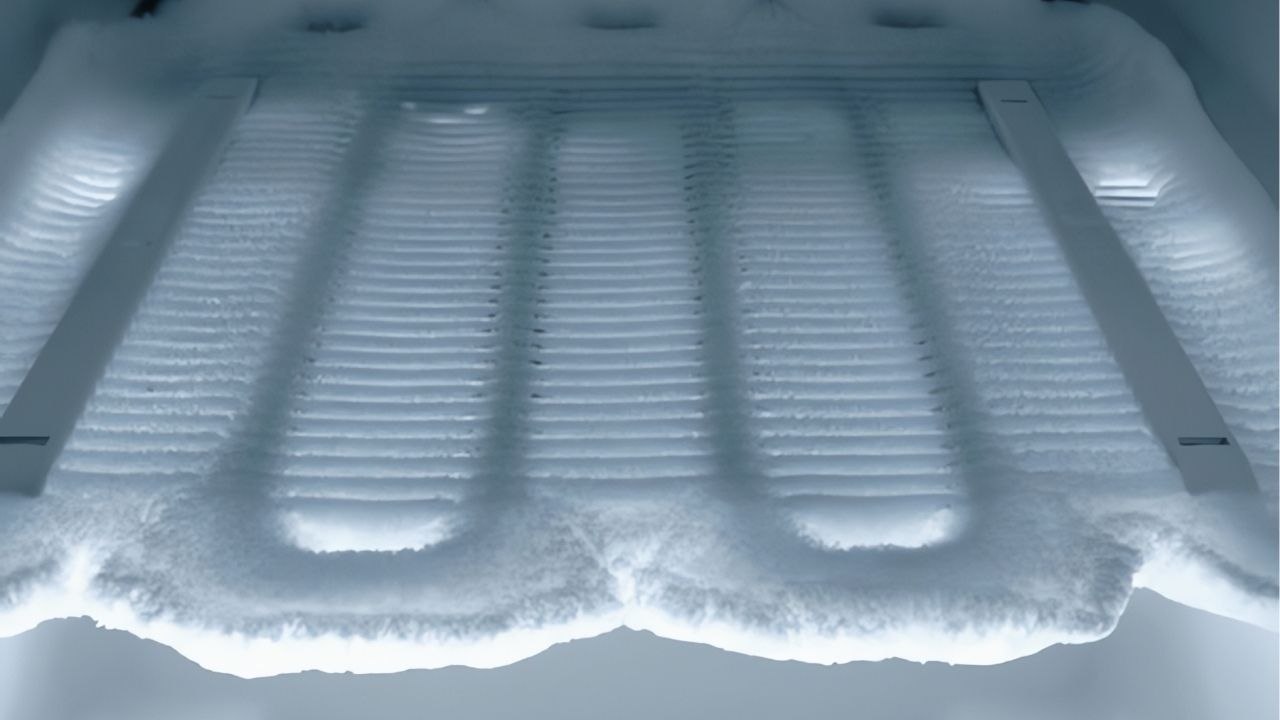
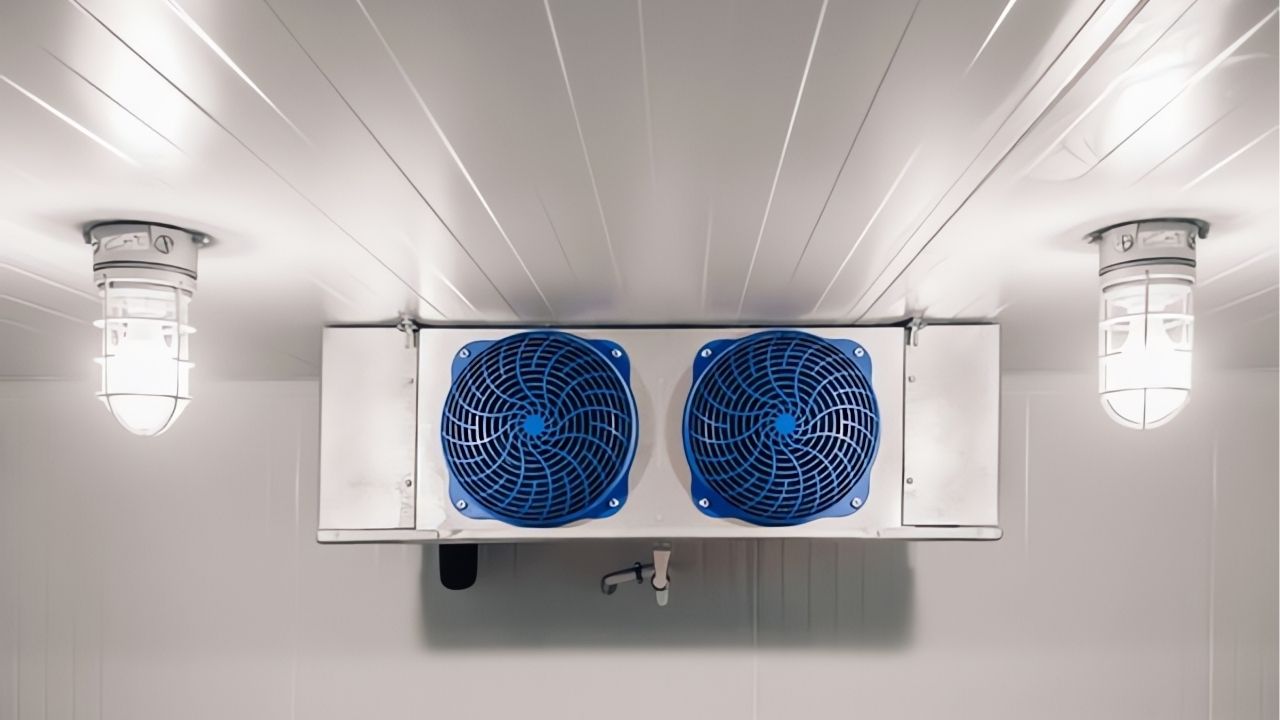
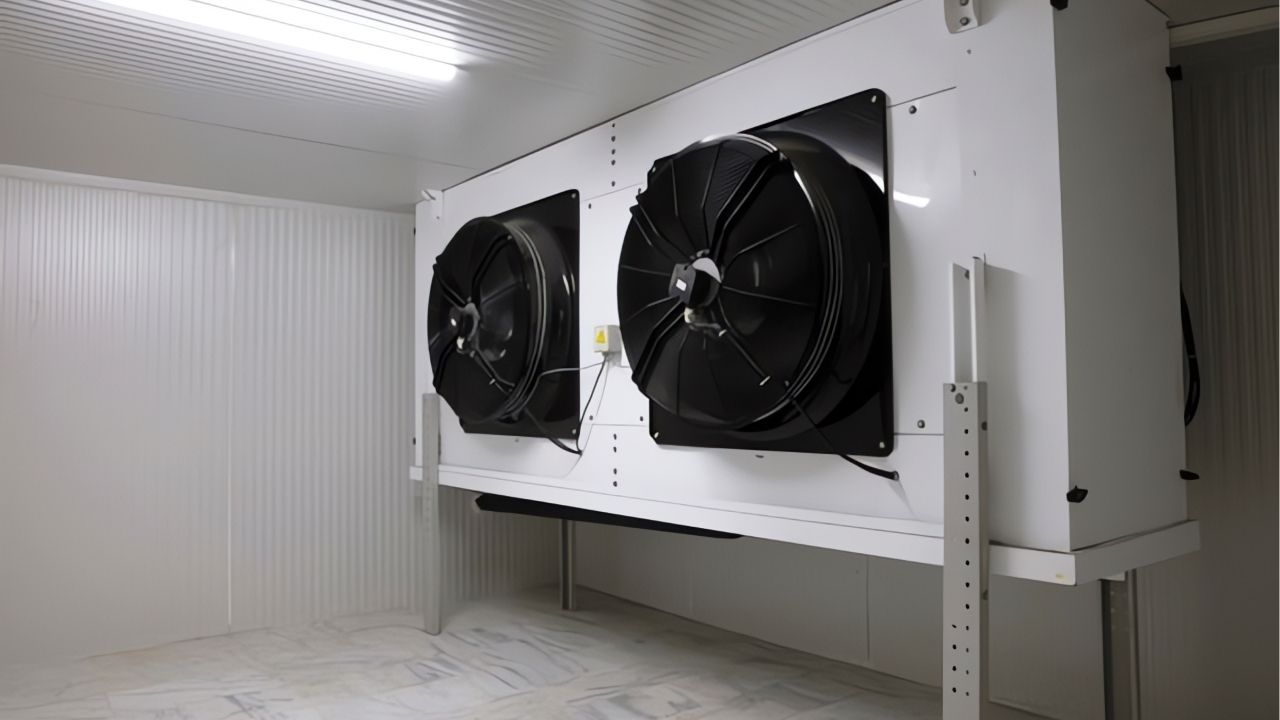
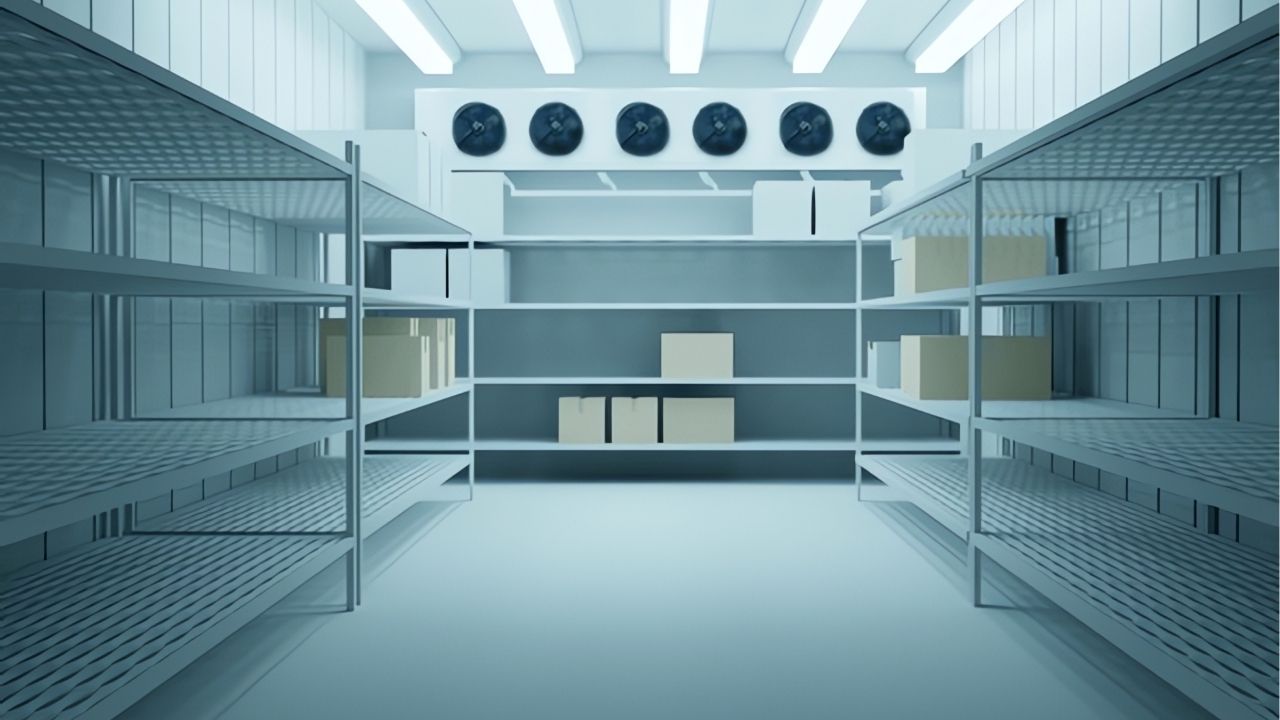
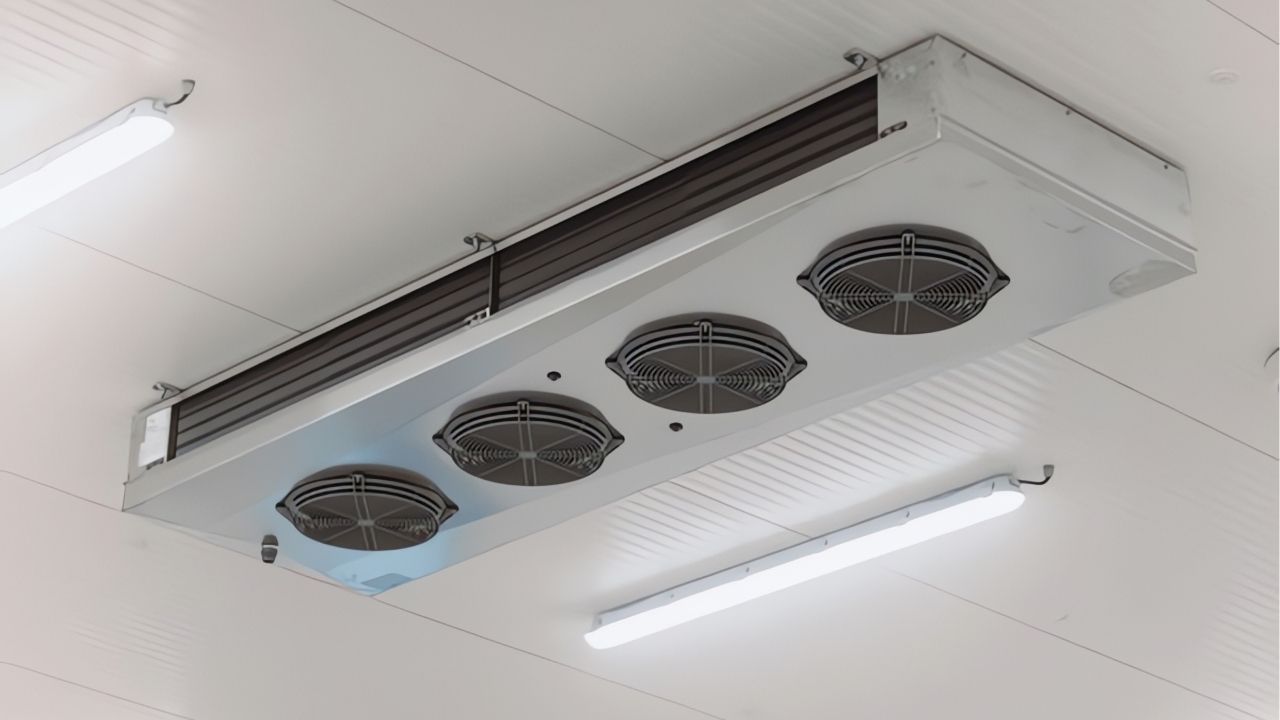
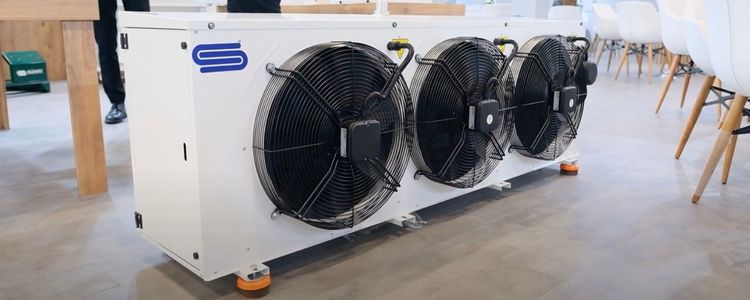
An evaporator removes heat from a cold room or process environment while evaporating the refrigerant. In sub-zero applications especially, moisture in the air condenses on the evaporator surface and freezes into a layer of frost. As that layer thickens over time, it fills the narrow gaps between fins and can block airflow entirely.
Wider fin spacing exists precisely to address that risk. Without enough room between fins, a frost layer forms quickly, blocks air passage, capacity drops sharply, and defrost cycles become more frequent. Standard and commercial evaporator series offer options such as 4, 6, 8 and 10 millimetres for precisely that reason: enough clearance must be left based on the operating temperature and the expected rate of frost formation.
Rooms that run at low temperatures, have doors opened frequently, or store moisture-heavy products accumulate frost faster; wide fin spacing suits such applications. For positive-temperature applications with a lower moisture load, narrower spacing can be used to gain more heat transfer surface in the same volume.
What Advantage Does Narrow Fin Spacing Give A Condenser?
Narrow fin spacing delivers the maximum possible heat transfer surface within a limited casing volume. For a condenser, that translates into three concrete advantages:
- Compact design: The same heat rejection capacity fits into a smaller cabinet, which brings an advantage in transport and installation.
- Lower condensing temperature: A larger surface area achieves more effective heat transfer at the same airflow, which can lower the condensing temperature. A lower condensing temperature reduces the work the compressor must do and lowers energy consumption.
- Material efficiency: A manufacturer can reach higher capacity with a limited amount of tube and casing material.
Such benefits can be captured without risk precisely because a condenser operates on the hot side and carries no frost risk.
What Limitations Does Narrow Fin Spacing Bring To A Condenser?
Narrow fin spacing is advantageous, yet it can turn into a drawback under certain operating conditions. Tightly packed fins are more prone to trapping dust, pollen, feathers or leaves. A fouled condenser coil raises airflow resistance, lowers heat rejection capacity, and pushes condensing pressure upward.
For condensers operating in dusty, industrial or rural settings, a regular cleaning schedule matters for balancing that risk against the benefits of narrow spacing. On some projects, a custom-built condenser with fin spacing wider than standard may be preferred for severely dusty environments; needs of that kind should be shared with the manufacturer directly.
How Does Ambient Fouling Affect The Fin Spacing Choice?
Condenser selection should account for the fouling profile of the installation site, not capacity alone. The table below outlines fin spacing preference across different site types.
| Site Type | Fouling Risk | Recommended Approach |
|---|---|---|
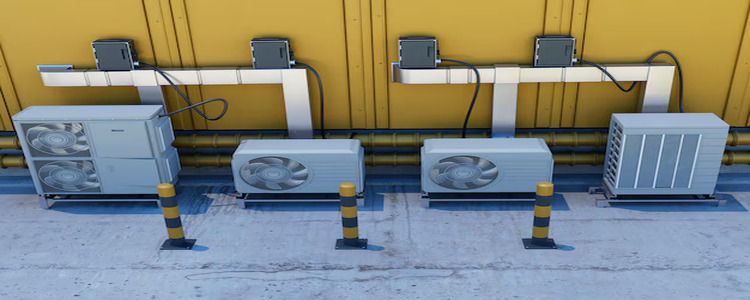
| Urban rooftop installation | Moderate | Standard fin spacing, periodic cleaning |
| Agricultural or rural area | High (dust, straw, feathers) | Wider fin spacing or a frequent cleaning schedule |
| Area near a construction site | High (cement dust) | Filtered protection and frequent cleaning |
| Coastal or salt-laden air region | Moderate to high (corrosive salt) | Coated fin options should be evaluated |
| Enclosed plant room with filtered ventilation | Low | Standard narrow fin spacing is sufficient |
The table shows that the site's fouling profile should be shared with the manufacturer before a project-specific decision is made. A standard selection made without clarifying ambient conditions can lead to a cleaning frequency higher than the facility anticipated.
How Is Fin Spacing Distributed Across Günay Product Series?
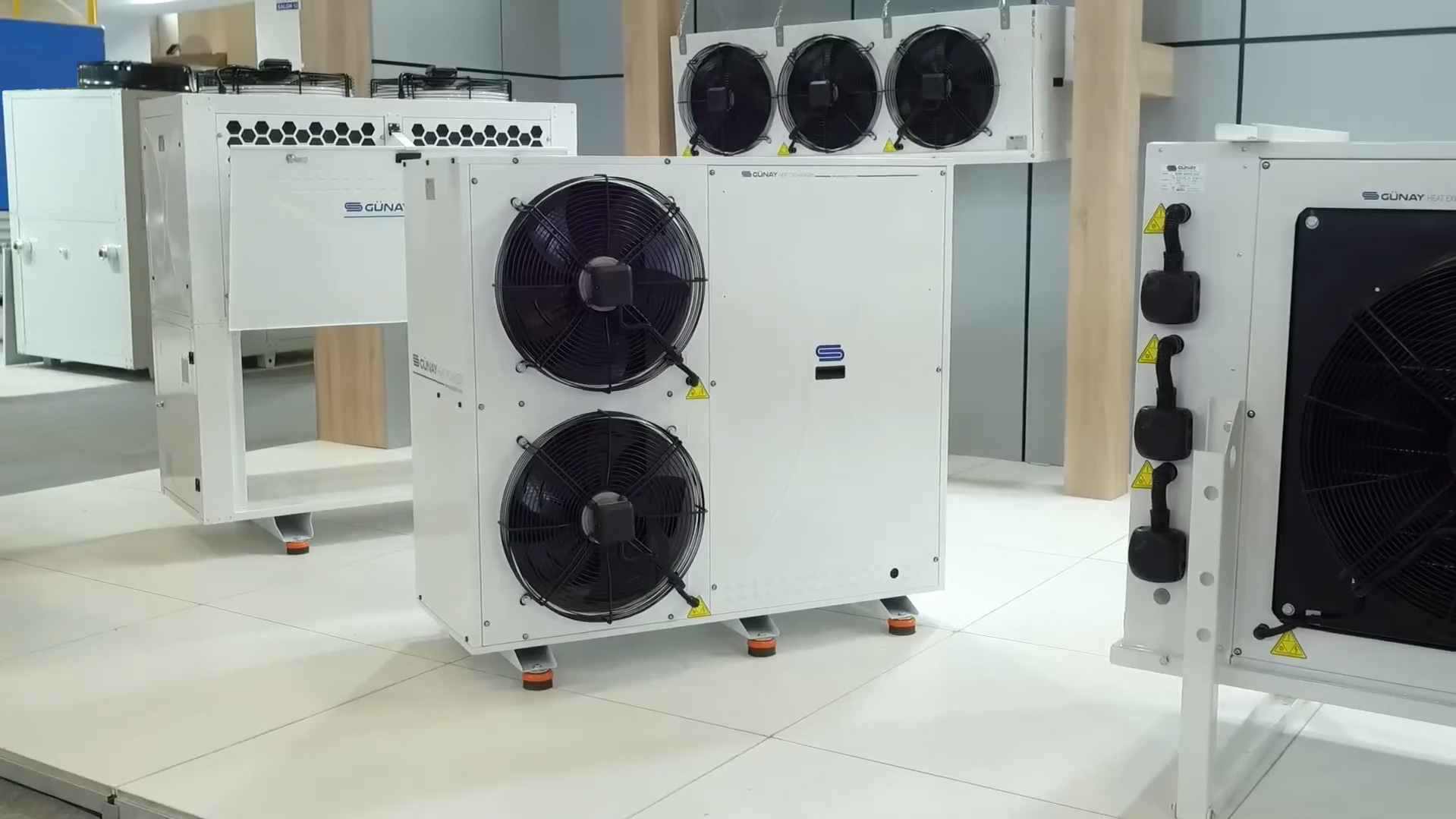
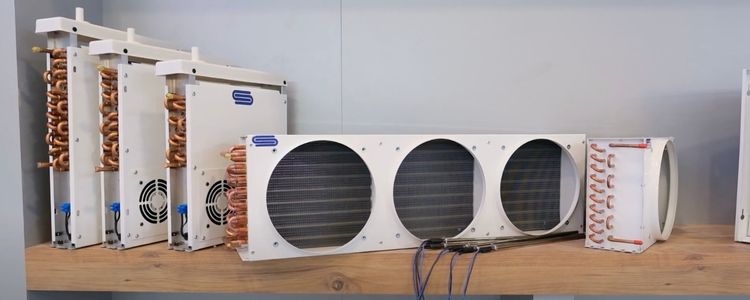
Looking across Günay Heat Exchangers' product range, the fin spacing gap between condenser and evaporator series stands out clearly. For the commercial GK series condensers, fin spacing is designed in the 2 to 3 millimetre range, with a mould geometry of 30x26 or 32x28 millimetres. In industrial condenser series using high-efficiency louvred fin technology, the value can narrow to 2.1 millimetres; for cabinet-type condenser series, fin spacing can range between 1.8 and 2.7 millimetres.
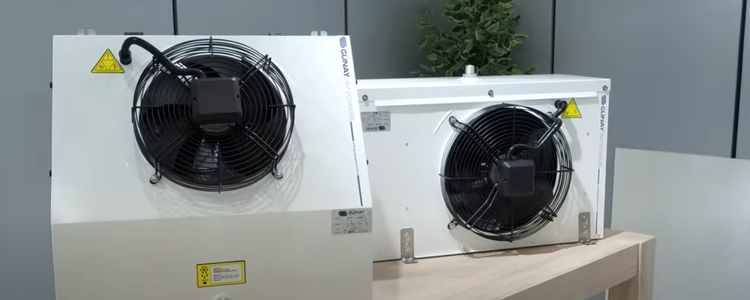
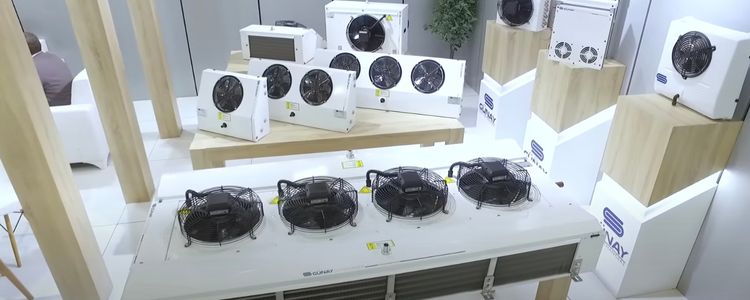
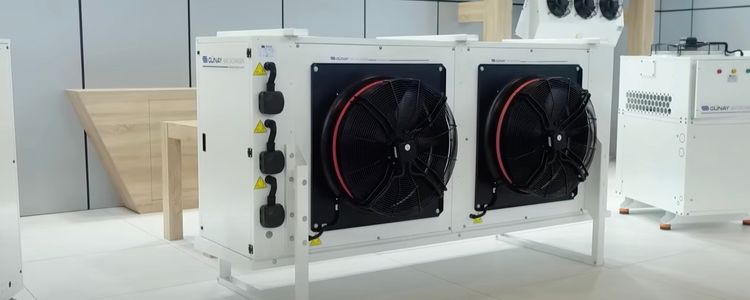
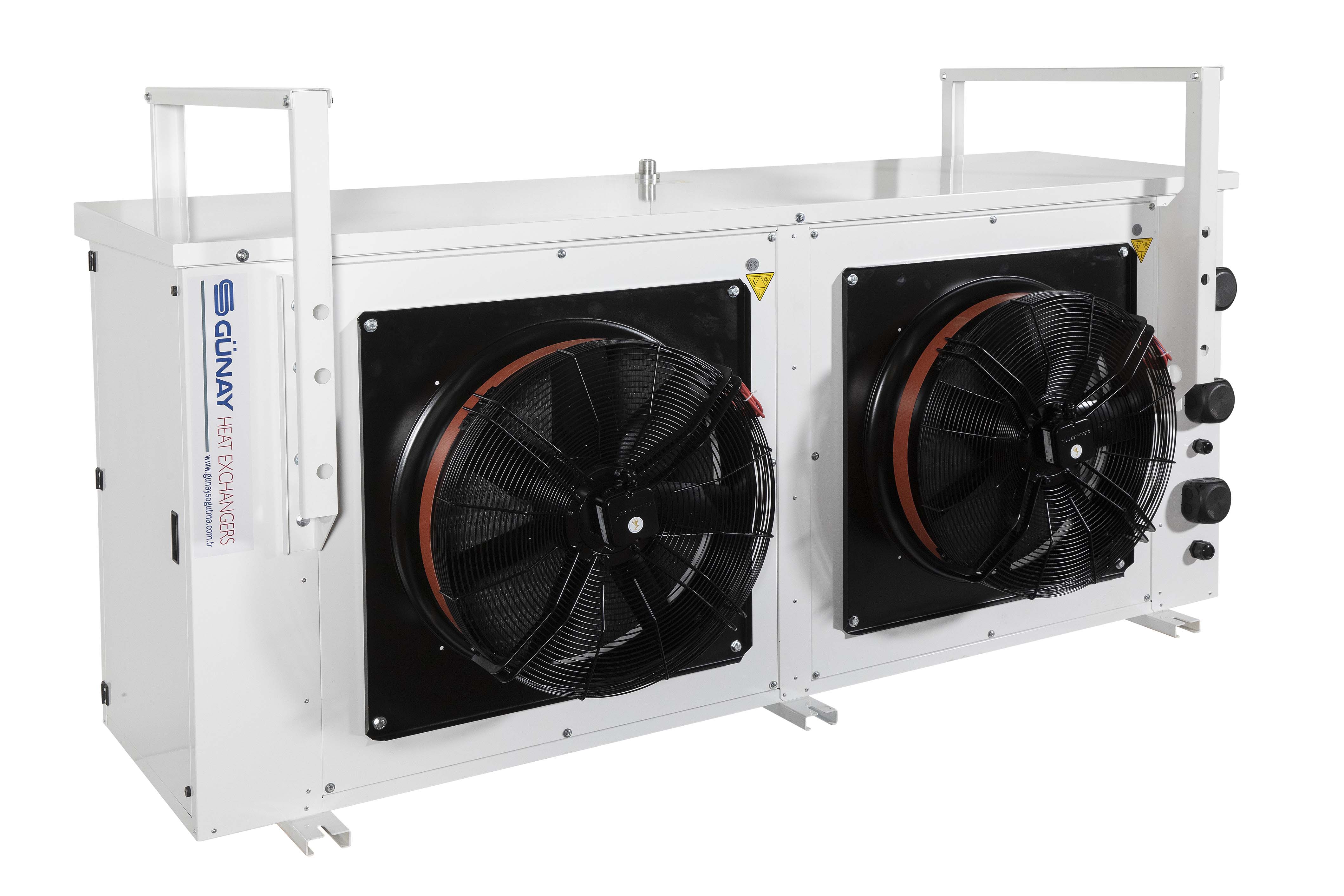
On the evaporator side, the pattern reverses entirely. Standard-type series offer fin spacing options of 4, 6, 8 and 10 millimetres. Ceiling-type series typically use 6 or 8 millimetres, while blast-type applications may call for even wider spacing. In some specialised series, mould geometry grows to as much as 56x48 millimetres, suited to applications with very low temperatures and heavy expected frost formation.
That distribution shows Günay designing its condenser and evaporator product groups around the same underlying engineering logic: the risk profile carried by the air each unit handles. Once a project team clarifies which product will operate in which environment, the right fin spacing option can be determined together with the Günay technical team.
What Problems Does The Wrong Fin Spacing Cause?
When fin spacing is mismatched to the application, the consequences show up differently on the condenser side and the evaporator side.
- Condenser with excessively narrow spacing in a fouled environment: Rapid fouling, rising condensing pressure, increased energy consumption and frequent cleaning needs.
- Condenser with unnecessarily wide spacing: A larger, more expensive casing required for the same capacity.
- Evaporator with excessively narrow spacing in a low-temperature application: Rapid frost build-up, capacity loss, frequent defrost needs and wasted energy.
- Evaporator with unnecessarily wide spacing in a positive-temperature application: An oversized casing, higher cost and inefficient use of space.
The table above demonstrates that fin spacing is not merely a manufacturing detail but a selection criterion with a direct effect on operating cost.
What Should You Check When Choosing Fin Spacing?
The following steps support a well-informed fin spacing decision:
- Determine the operating temperature: Clarify ambient temperature for a condenser and room and evaporating temperature for an evaporator.
- Assess the moisture load: A high moisture load on the evaporator side calls for wider fin spacing.
- Define the ambient fouling profile: For a condenser, investigate the risk from dust, salt or chemical vapour.
- Account for maintenance capacity: Sites where frequent cleaning is impractical favour wider fin spacing.
- Balance casing size against heat transfer surface: Narrow fin spacing suits space-constrained installations, while wider spacing takes priority where fouling risk is high.
- Confirm the choice with the manufacturer: If standard options do not meet the need, a custom production option should be evaluated.
Following these steps allows both the condenser and the evaporator to sustain their expected performance consistently over the long term.
Frequently Asked Questions
Why Is There No Frost Risk On A Condenser?
A condenser condenses hot, high-pressure refrigerant gas by rejecting heat to outdoor air, and its surface temperature stays above ambient temperature under normal operating conditions. As a result, frost or ice build-up is not expected on the surface, and fins can be arranged with narrow spacing.
Is Narrower Fin Spacing Always Better At The Same Capacity?
No. Narrow fin spacing is advantageous on a condenser because there is no frost risk, but excessively narrow spacing on an evaporator leads to rapid frost build-up and capacity loss. The right choice depends on the temperature and humidity conditions of the application.
Can A Condenser Use Wider Fin Spacing In Dusty Environments?
Yes. In sites with heavy dust, sand or leaves, a custom-built condenser with fin spacing wider than standard can be requested. That choice reduces cleaning frequency and improves operational convenience.
How Does Evaporator Fin Spacing Affect Energy Consumption?
Fin spacing chosen too narrow for the application leads to rapid frost build-up, which requires more frequent defrosting and raises energy consumption as a result. Appropriately wide fin spacing reduces defrost frequency and supports energy efficiency.
Does Günay Offer Products With Different Fin Spacing Options?
Yes. Günay's condenser series offer fin spacing in the 1.8 to 3 millimetre range, while its evaporator series provide options such as 4, 6, 8 and 10 millimetres. The right option for a given project can be determined together with the Günay technical team.