

What Conditions Are Evaporator Catalogue Capacities Based On?
01 / 10 / 2026

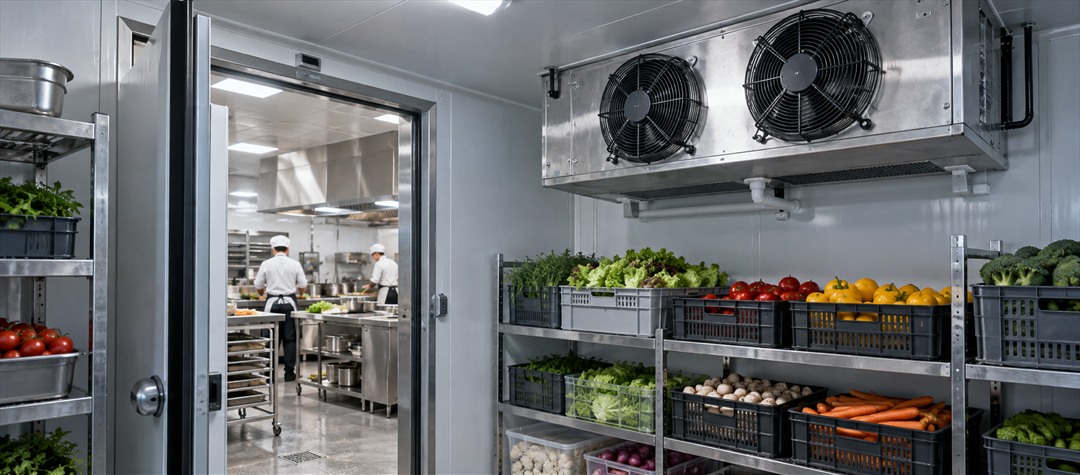
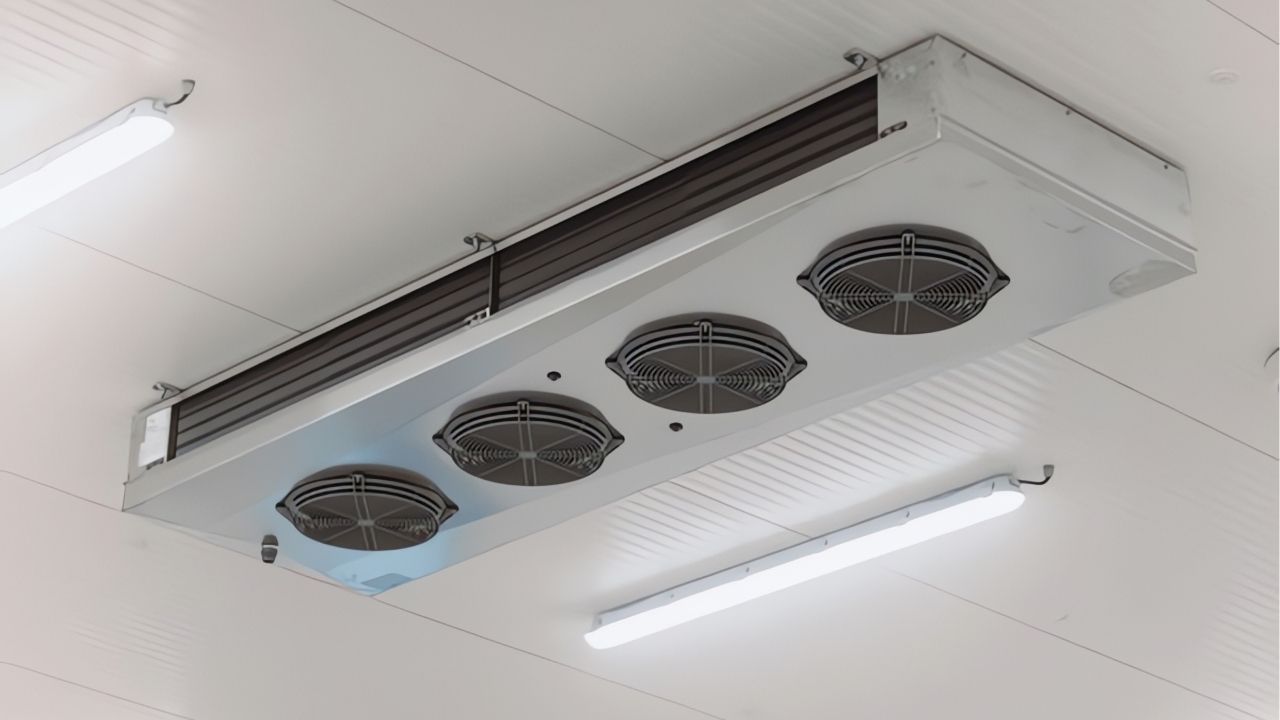
Cold rooms connected to industrial kitchens operate under conditions that differ from standard storage areas. Frequent door traffic, regular product loading and unloading, high humidity load, and hygiene requirements all introduce additional criteria into evaporator selection. A selection made without accounting for these conditions can lead to operational problems such as insufficient cooling, frequent frosting, or non-compliance with hygiene standards. The sections below examine the general characteristics of industrial kitchen cold rooms, capacity and temperature parameters, hygiene requirements, and the steps to follow for selecting the right evaporator.
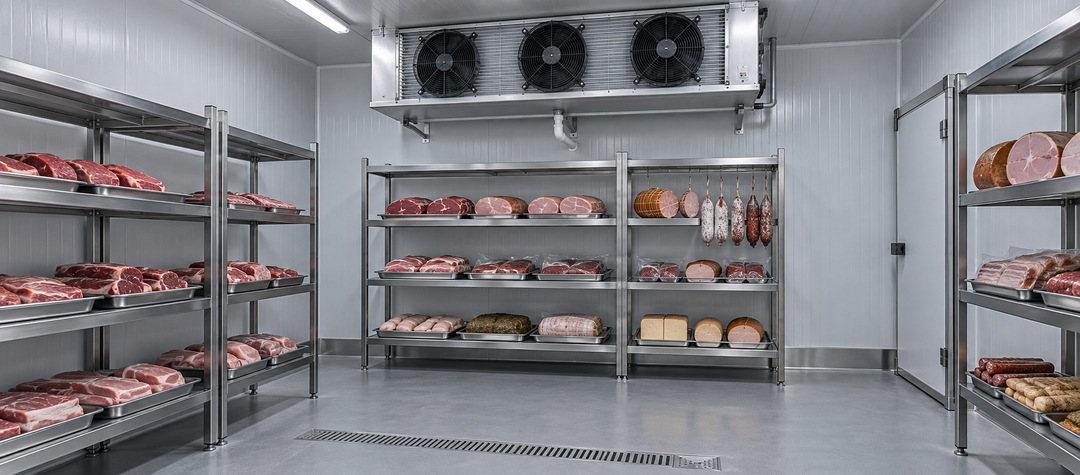
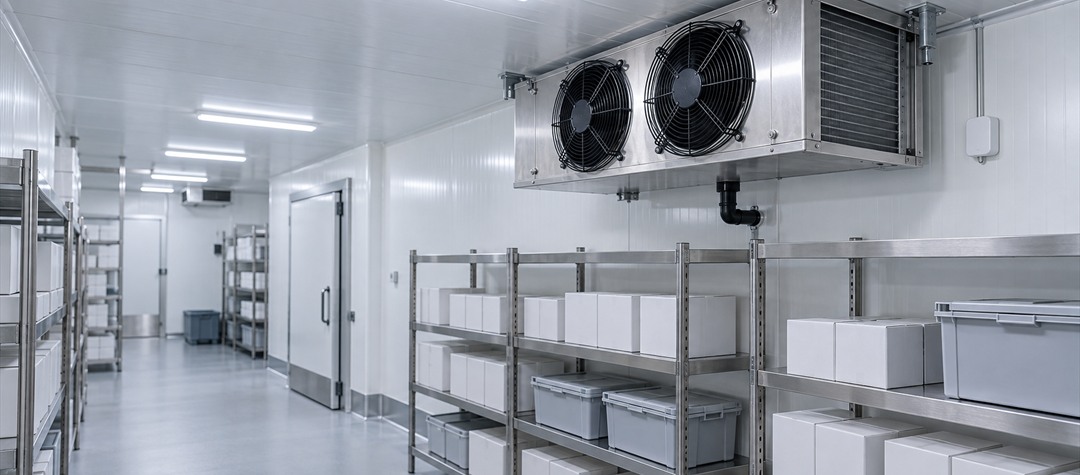
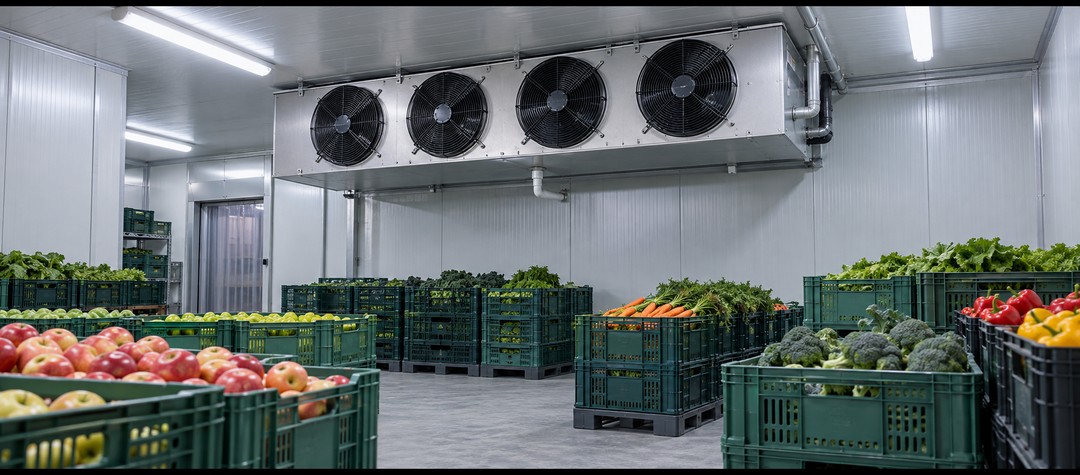
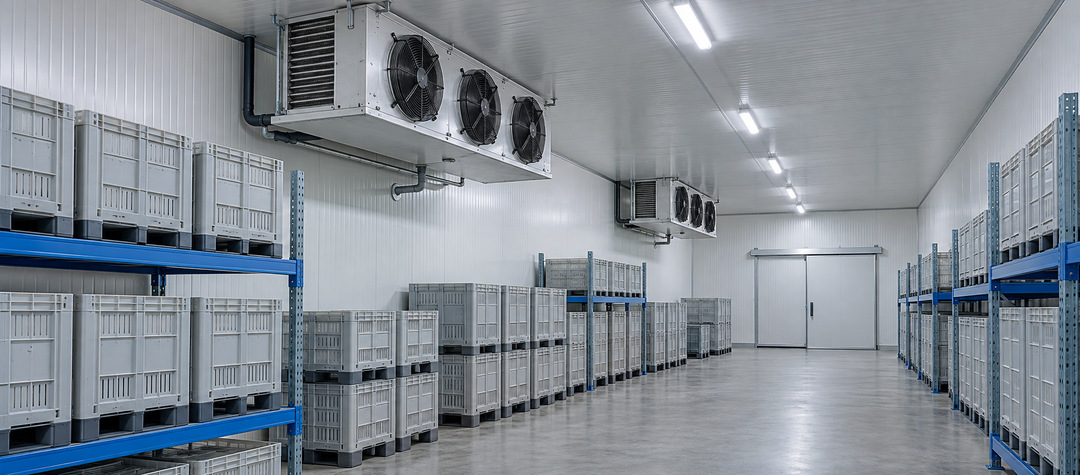
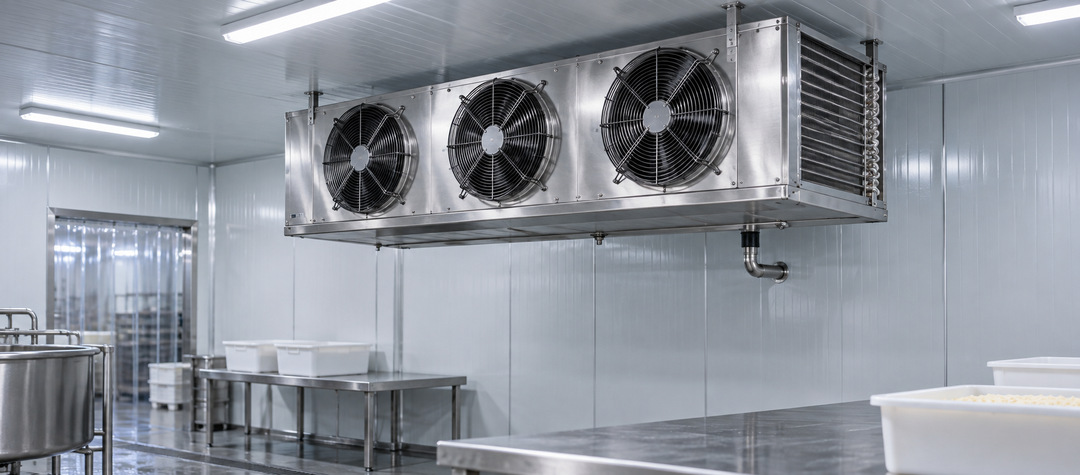
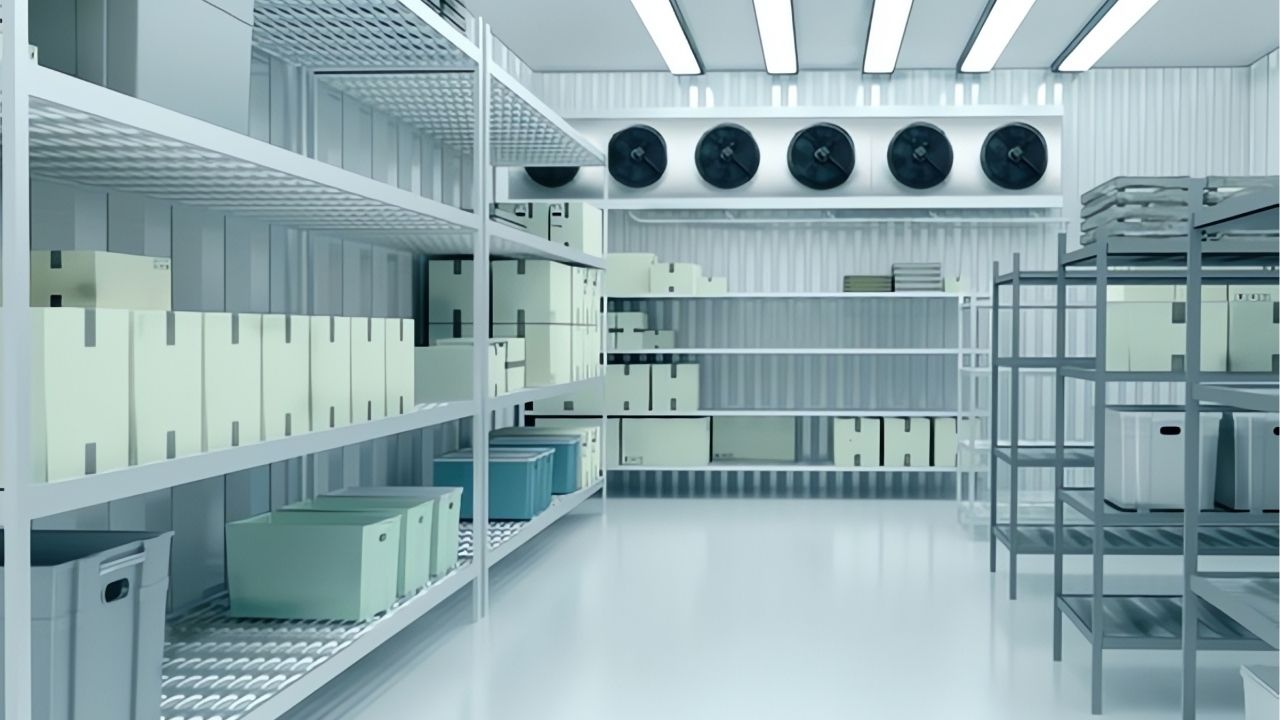
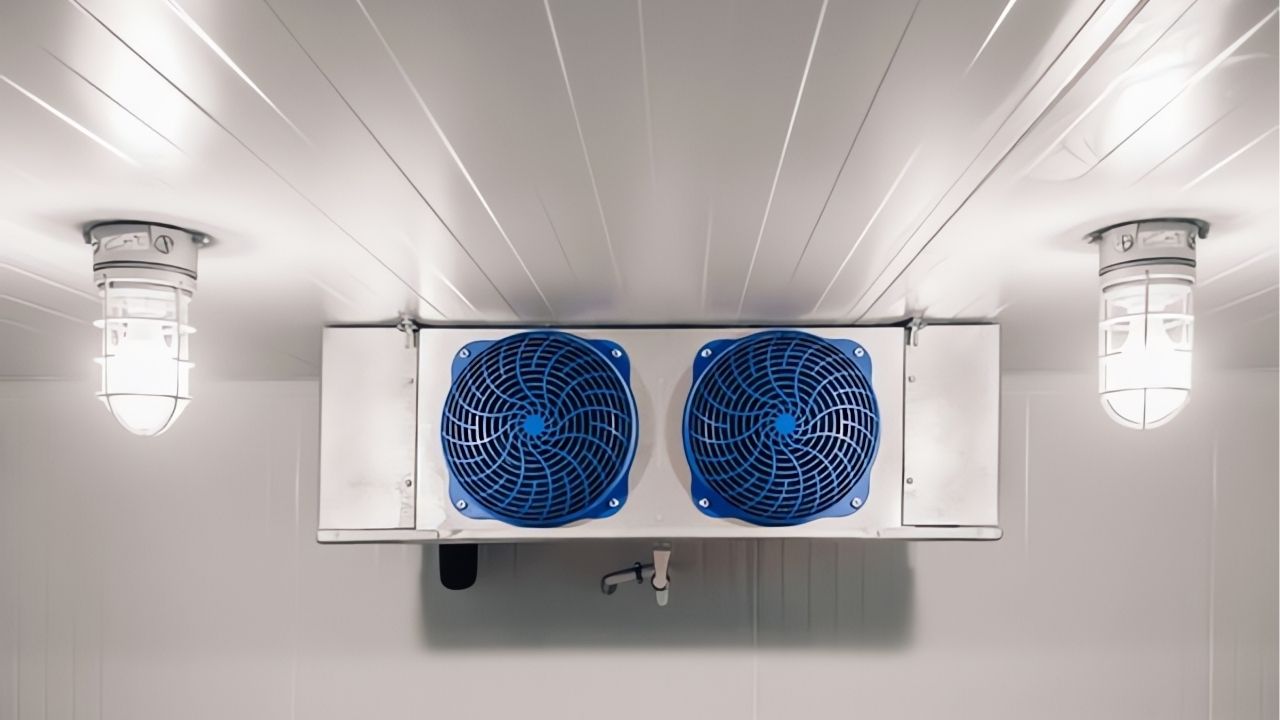
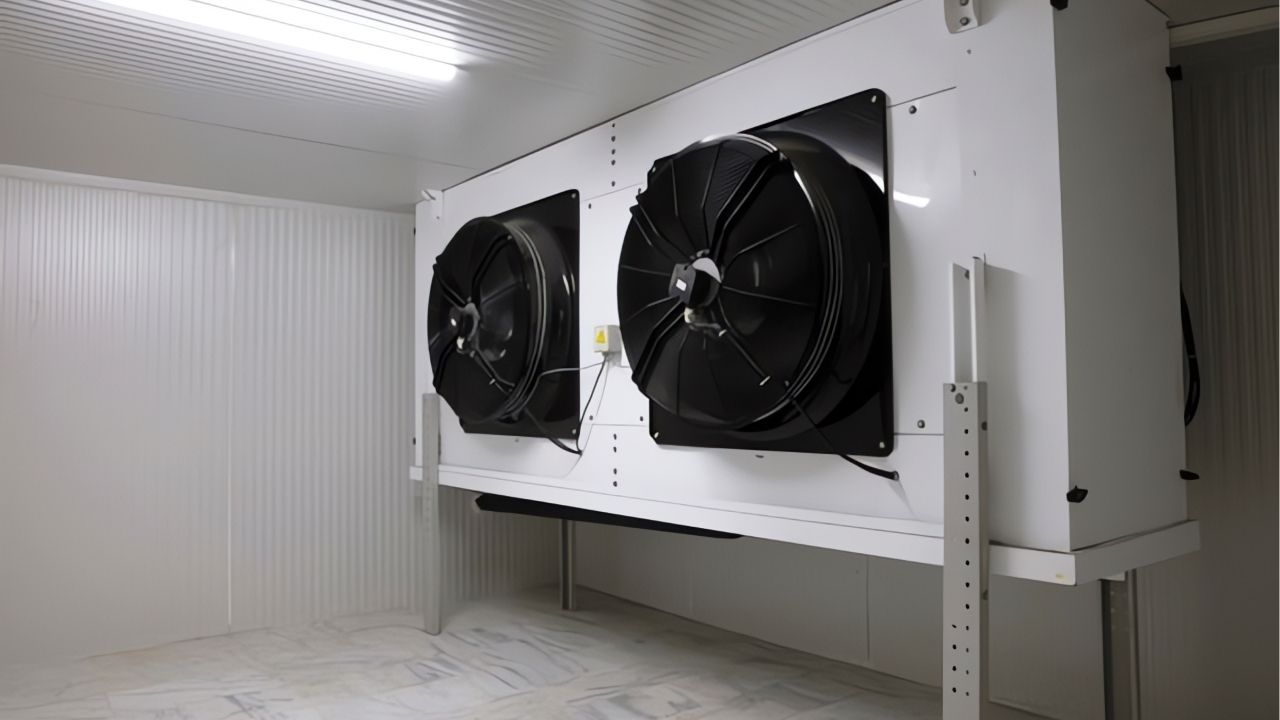
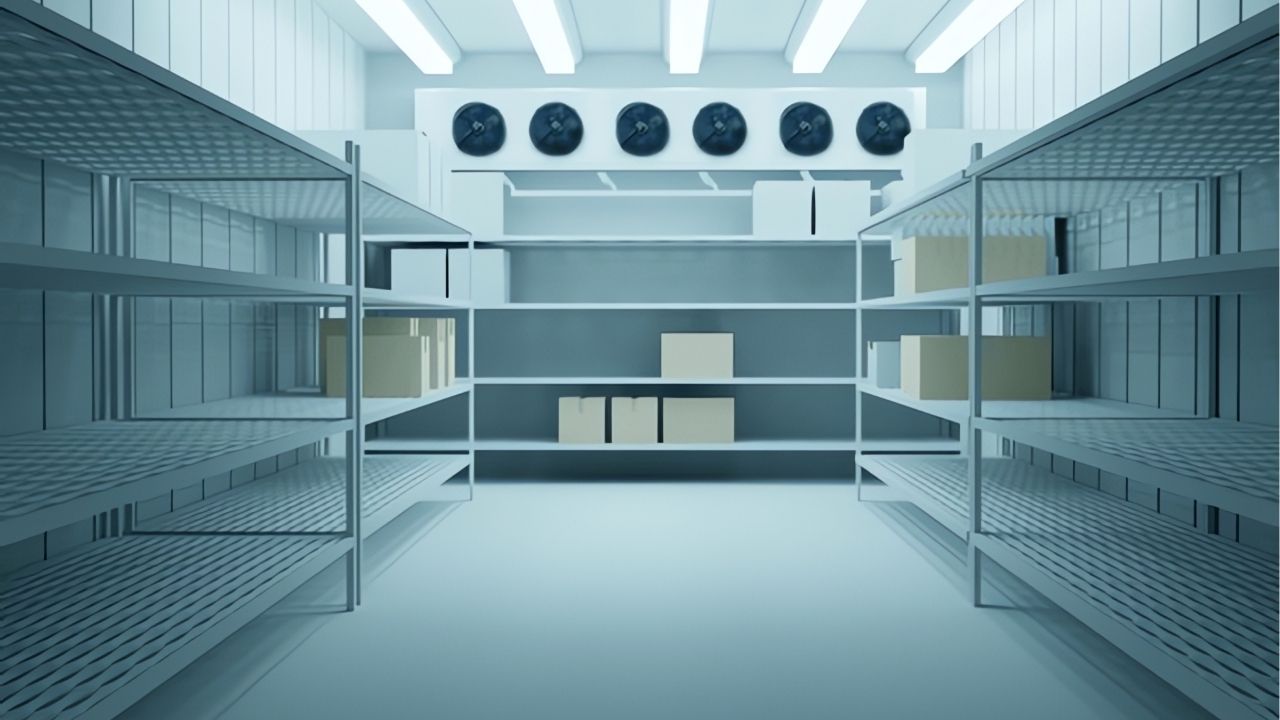
Cold rooms connected to industrial kitchens sit at the center of daily operations in restaurants, hotels, catering facilities, and mass catering businesses. These rooms differ from general food storage areas in several important respects:
These characteristics show that evaporator selection for industrial kitchen cold rooms requires a different evaluation approach than that used for general-purpose cold storage.
When calculating capacity for industrial kitchen cold rooms, leaving a higher safety margin than in standard storage areas is a common engineering approach, since heat gain from door traffic is noticeably greater than in conventional storage spaces. Parameters to consider in the capacity calculation include:
Underestimating capacity can cause room temperature to rise above the target range during service hours, while oversizing can lead to unnecessary energy consumption and excessive drying. Striking this balance requires particular attention in industrial kitchen applications.
Equipment used in areas with direct or indirect food contact is expected to comply with hygienic design principles. Elements to evaluate from a hygiene perspective when selecting an evaporator include:
An evaporator designed in line with hygiene standards offers advantages not only for food safety but also for the equipment's long-term reliability and efficiency.
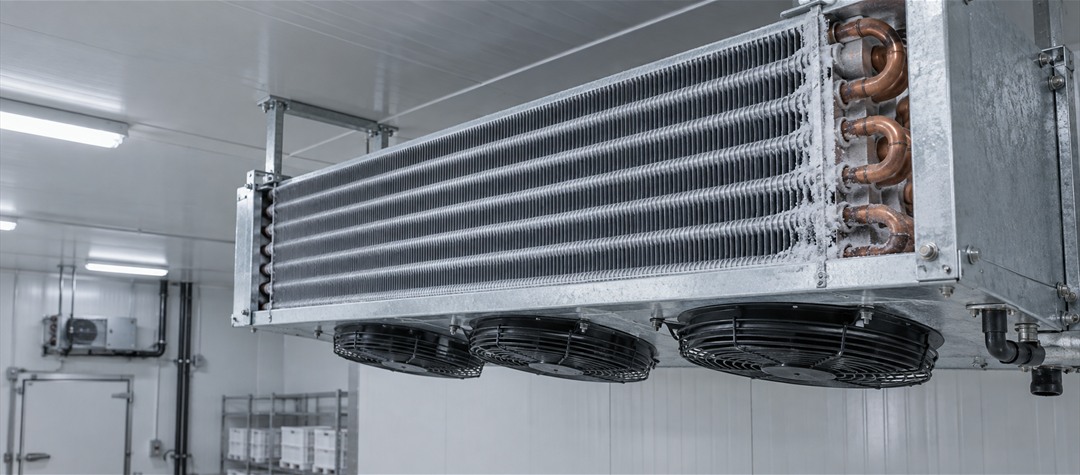
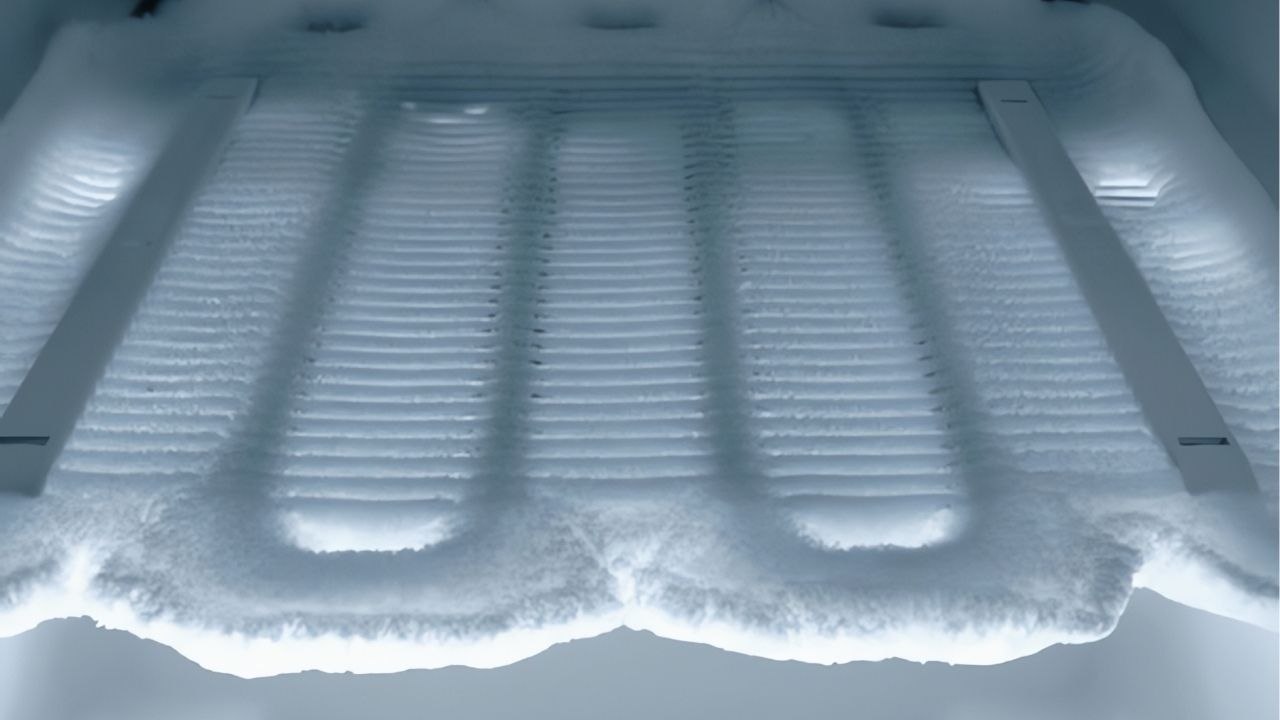
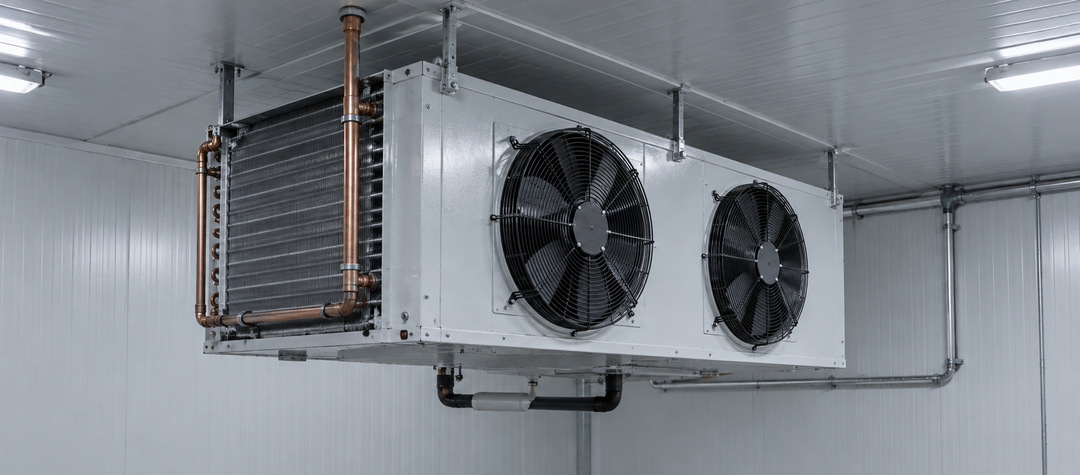
Heavy door traffic in industrial kitchen cold rooms can cause warm, humid outside air to lead to rapid frost buildup on the evaporator surface. This calls for several additional considerations in evaporator selection:
Ignoring these factors can result in problems such as excessive frost buildup on the evaporator surface, restricted airflow, and room temperature drifting outside the target range.
A practical roadmap that can be followed during the evaporator selection process for an industrial kitchen cold room may include the following steps:
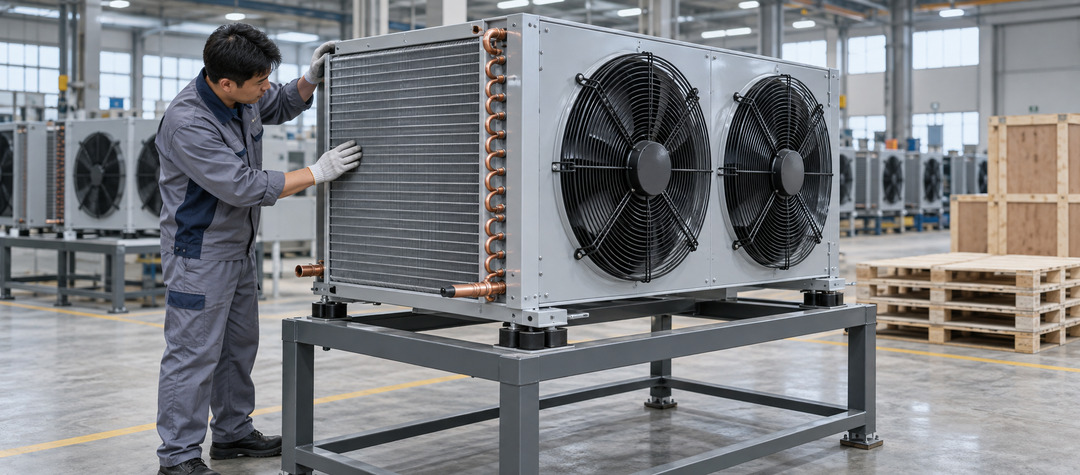
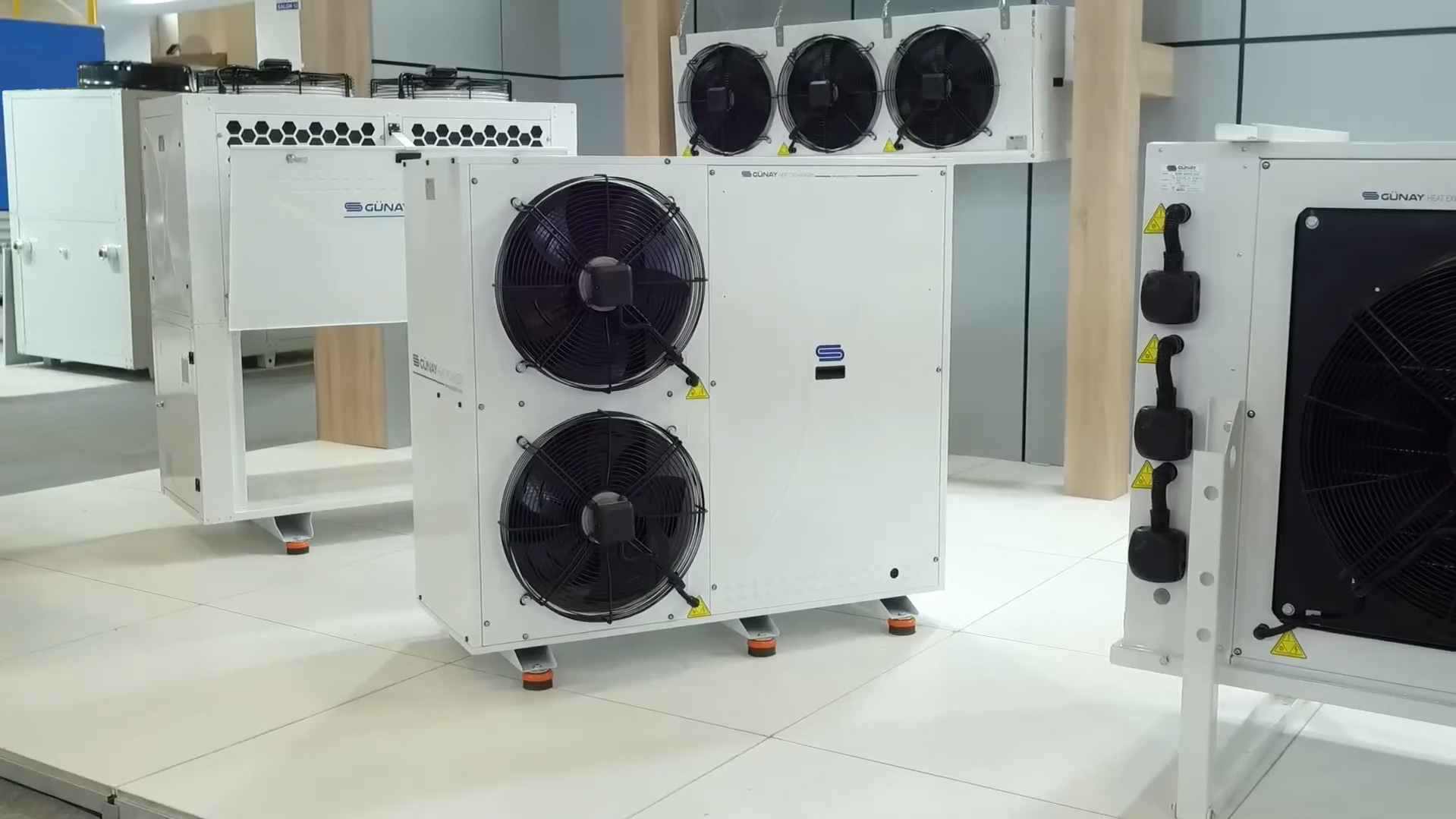
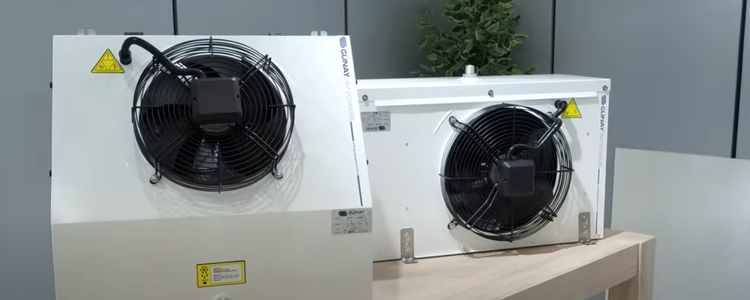
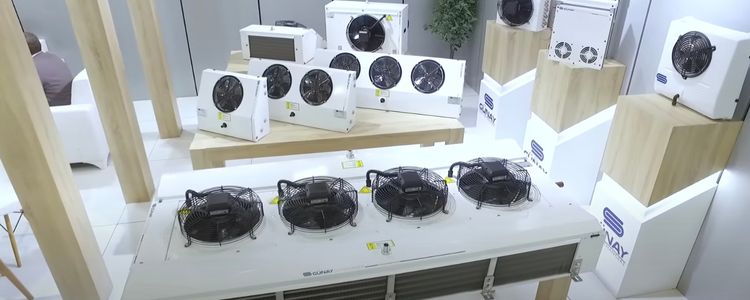
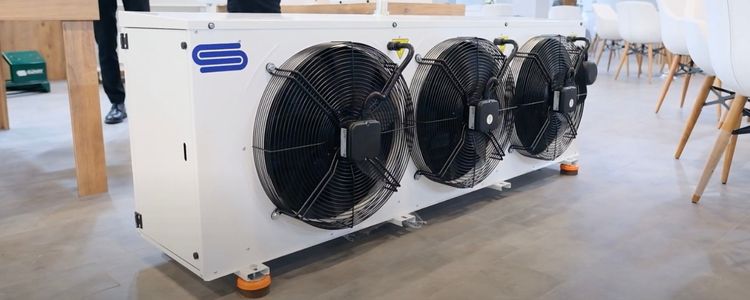
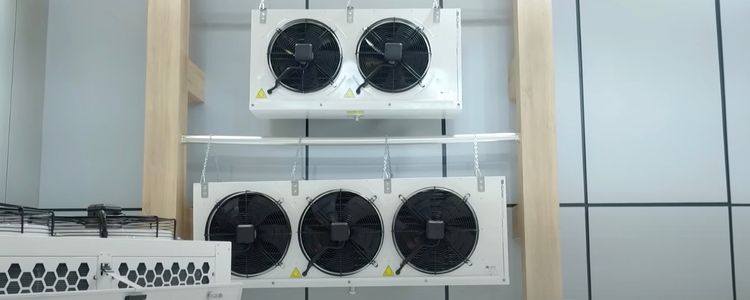
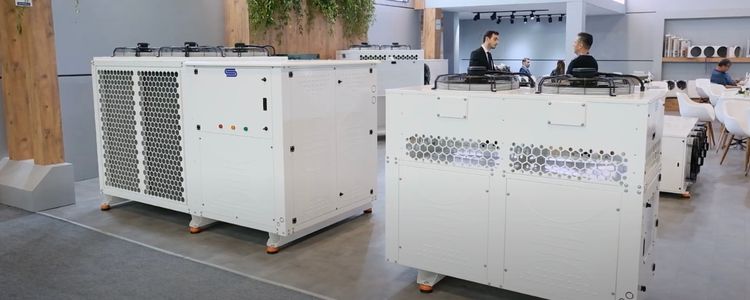
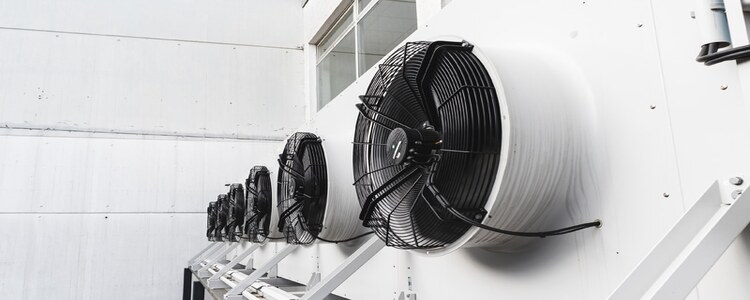
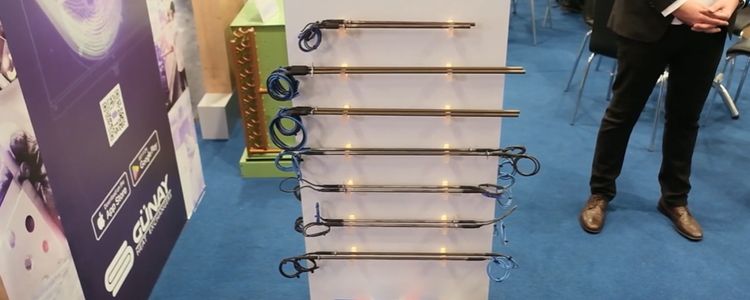
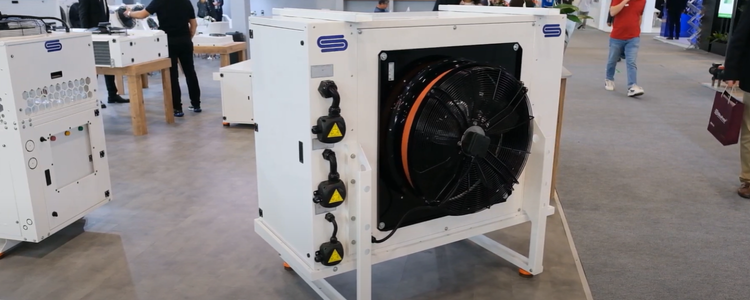
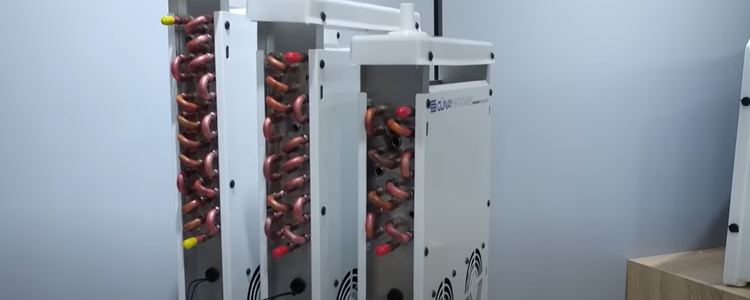
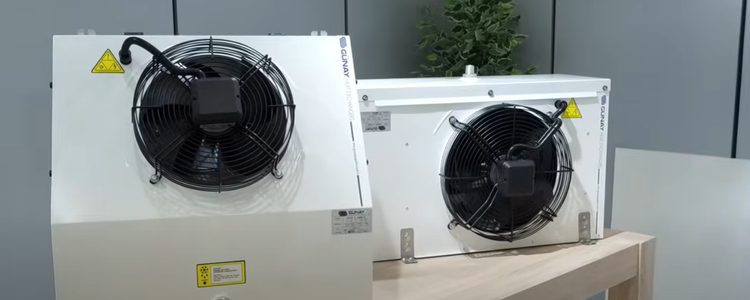
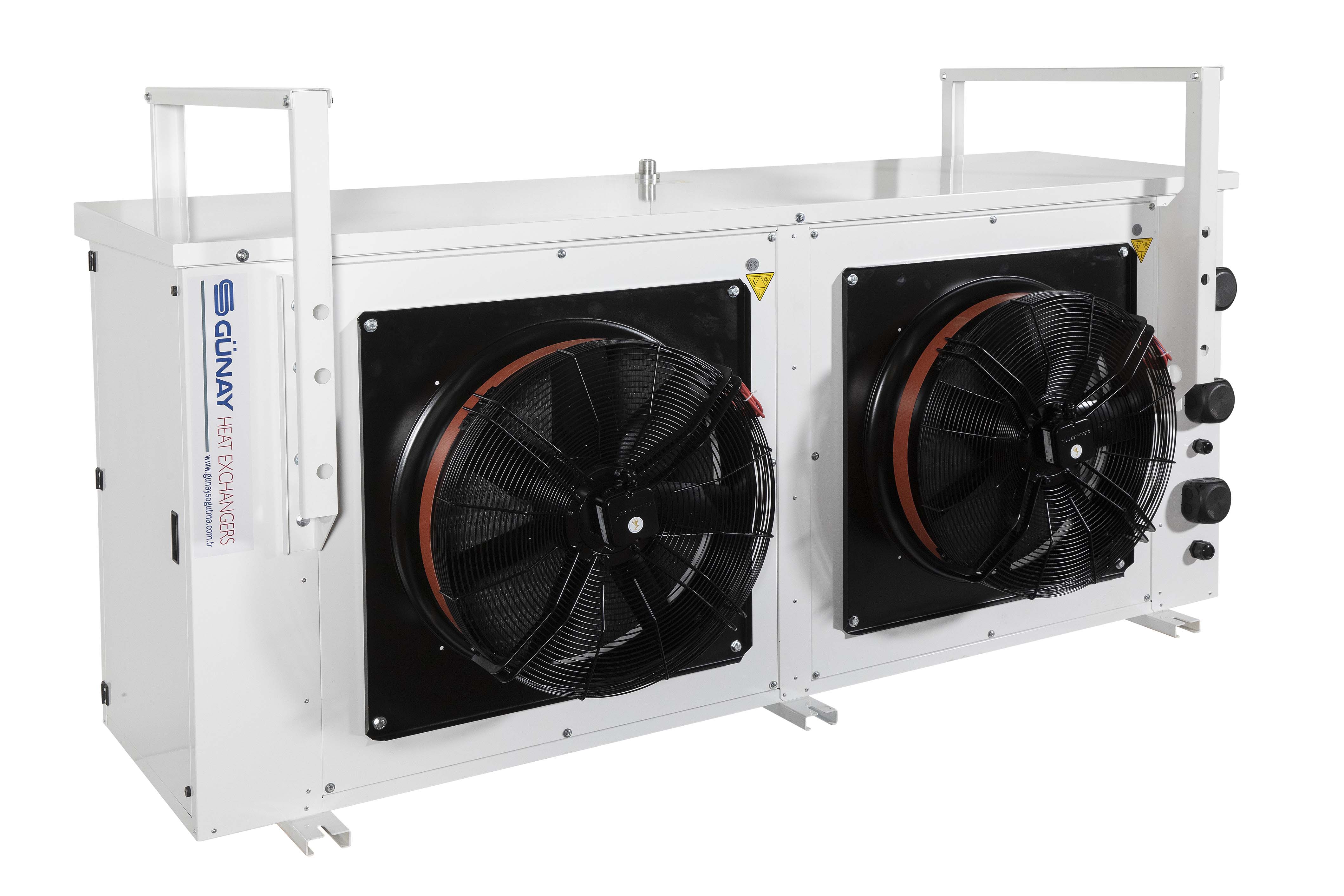
For projects where these steps are complex or non-standard, consulting directly with a manufacturer capable of both series and custom production helps arrive at a solution suited to the actual operating conditions of an industrial kitchen. Günay Soğutma offers evaporator models and configurations, including stainless steel options, suited to different hygiene requirements.
Stainless steel offers advantages in environments with high humidity and frequent cleaning, but whether it is required depends on the hygiene standards the facility is subject to and on site conditions.
While technically possible, a standard model may not deliver the expected performance under heavy door traffic and high humidity load conditions; selecting a model suited specifically to kitchen conditions is recommended.
Defrost frequency is determined by evaluating factors such as the number of door openings, ambient humidity level, and the evaporator's frost holding capacity; adjustments based on site observation generally produce the most accurate results.
Not always; standard catalog models can be sufficient for many small-scale applications. A custom-manufactured option can be considered for projects with space constraints or specific hygiene requirements.
Compiling core information in advance — such as room dimensions, target temperature, the food category to be stored, door traffic intensity, and hygiene requirements — makes it easier to select the right evaporator.

Fill out the form to discover the most suitable high-end products for your projects. Contact Us Now.
Fill out the form now not to miss our special offers for you! The latest discover our products and innovations.
Fill out the form now not to miss our special offers for you! The latest discover our products and innovations.
Notification Centre 00:00