

What Conditions Are Evaporator Catalogue Capacities Based On?
01 / 10 / 2026

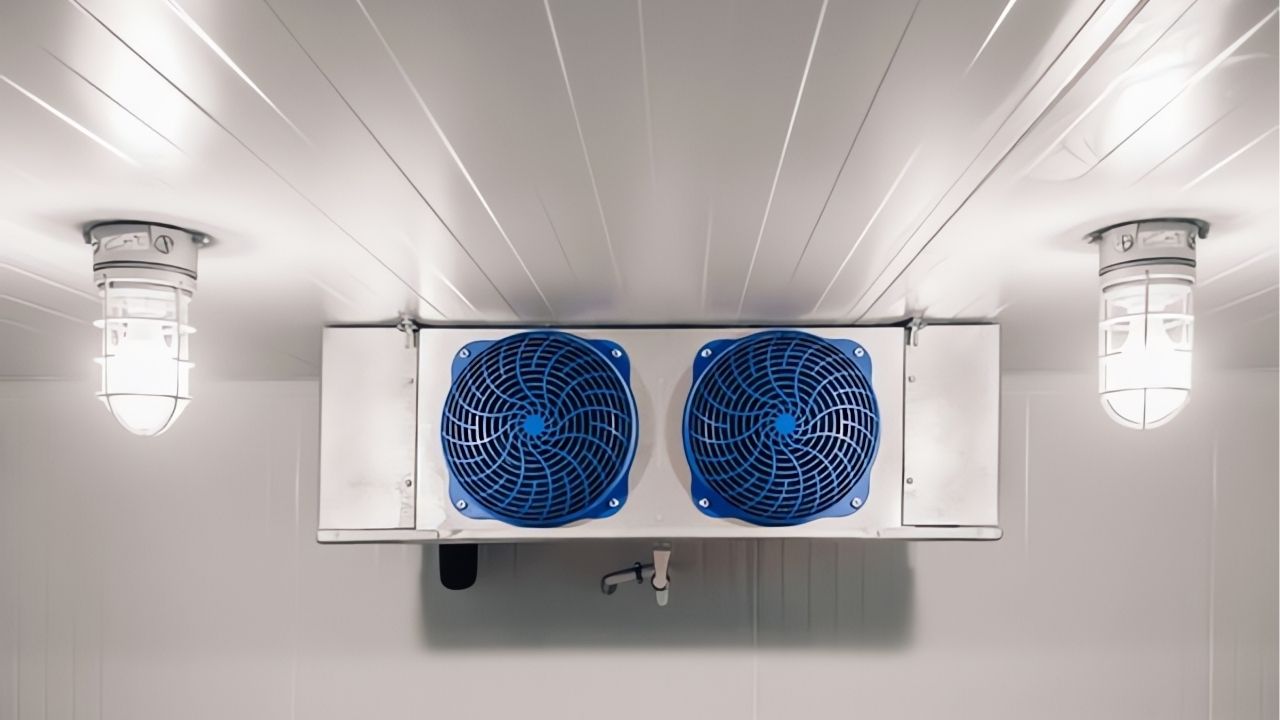
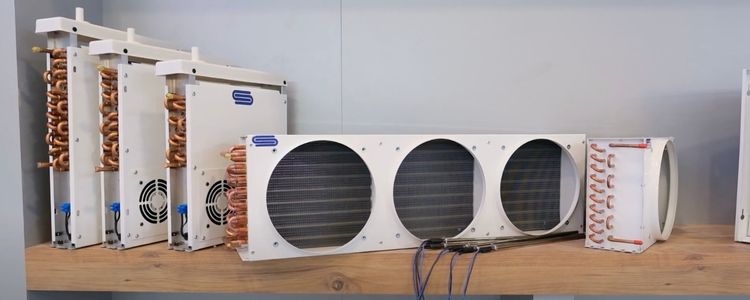
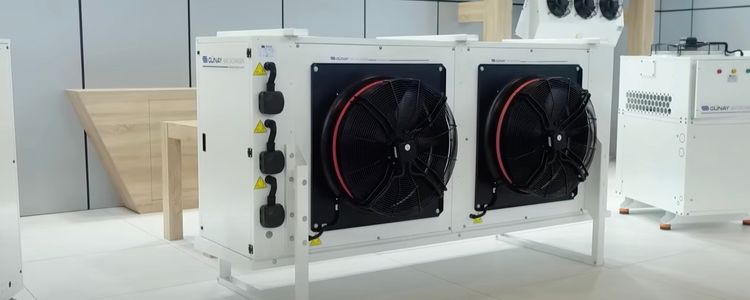
One question that comes up frequently in cold room projects is whether to use a single large-capacity evaporator or several smaller-capacity evaporators. This is not a decision that can be made by looking at total cooling capacity alone; factors such as room geometry, product layout, defrost strategy, and operational continuity all need to be evaluated together. The sections below examine the key factors that determine the number of evaporators needed, the differences between a single-unit and a multi-unit approach, and the method to follow when deciding on the right number.
The number of evaporators needed in a cold room is determined by evaluating a number of interrelated engineering parameters together. The main ones can be listed as follows:
A selection based solely on total capacity, without considering all of these factors together, can lead to problems such as insufficient cooling in some areas of the room and excessive cooling with condensation in others.
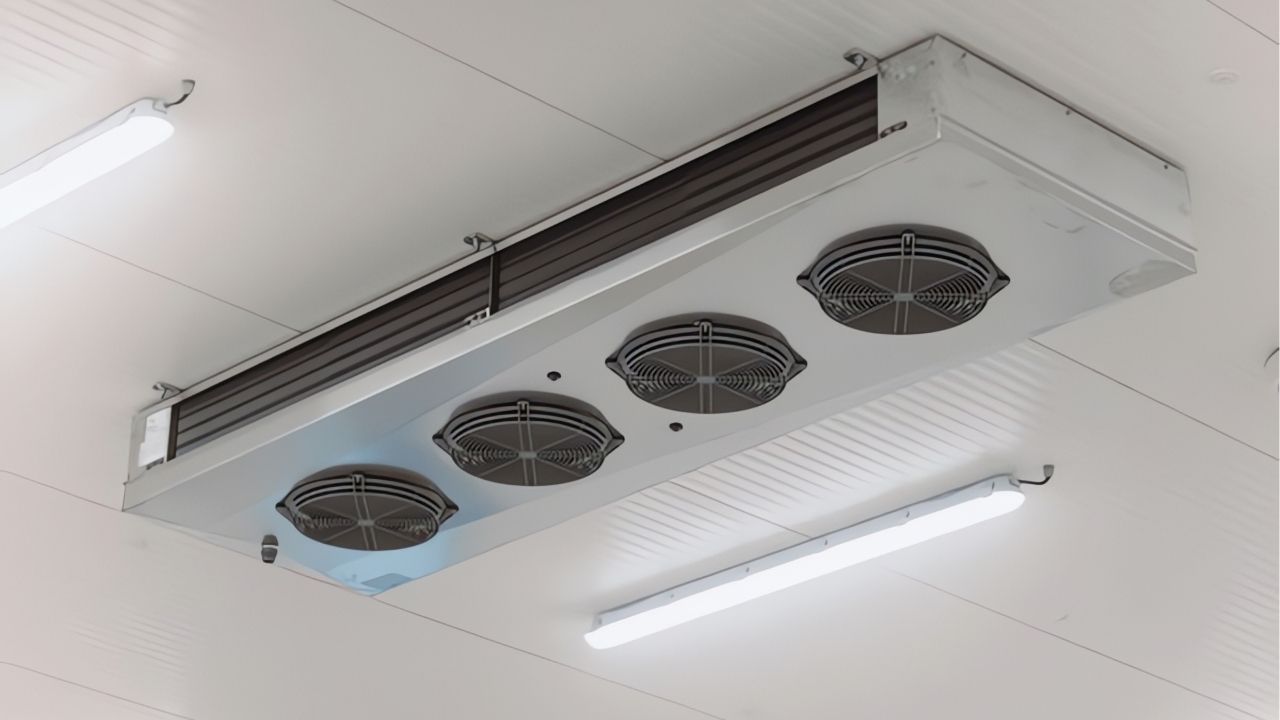
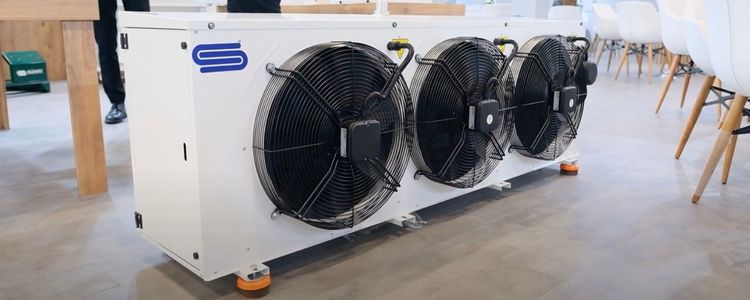
Reaching the same total capacity with a single large evaporator versus distributing it across several smaller evaporators are two distinct engineering approaches, each with its own advantages and drawbacks.
A single large evaporator approach typically offers simpler piping, fewer connection points, and a lower initial investment cost. However, if the single unit enters a defrost cycle or fails, the entire room may be temporarily left without cooling — a risk for temperature-sensitive products.
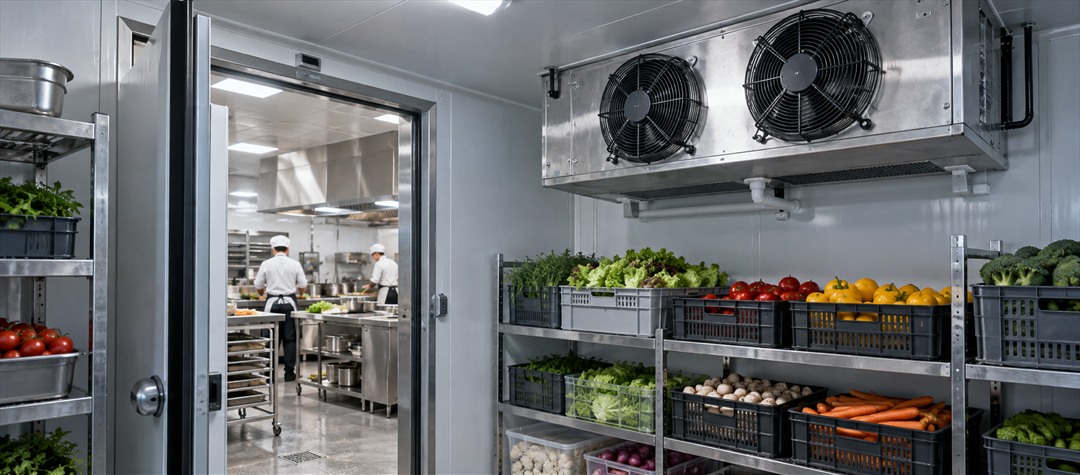
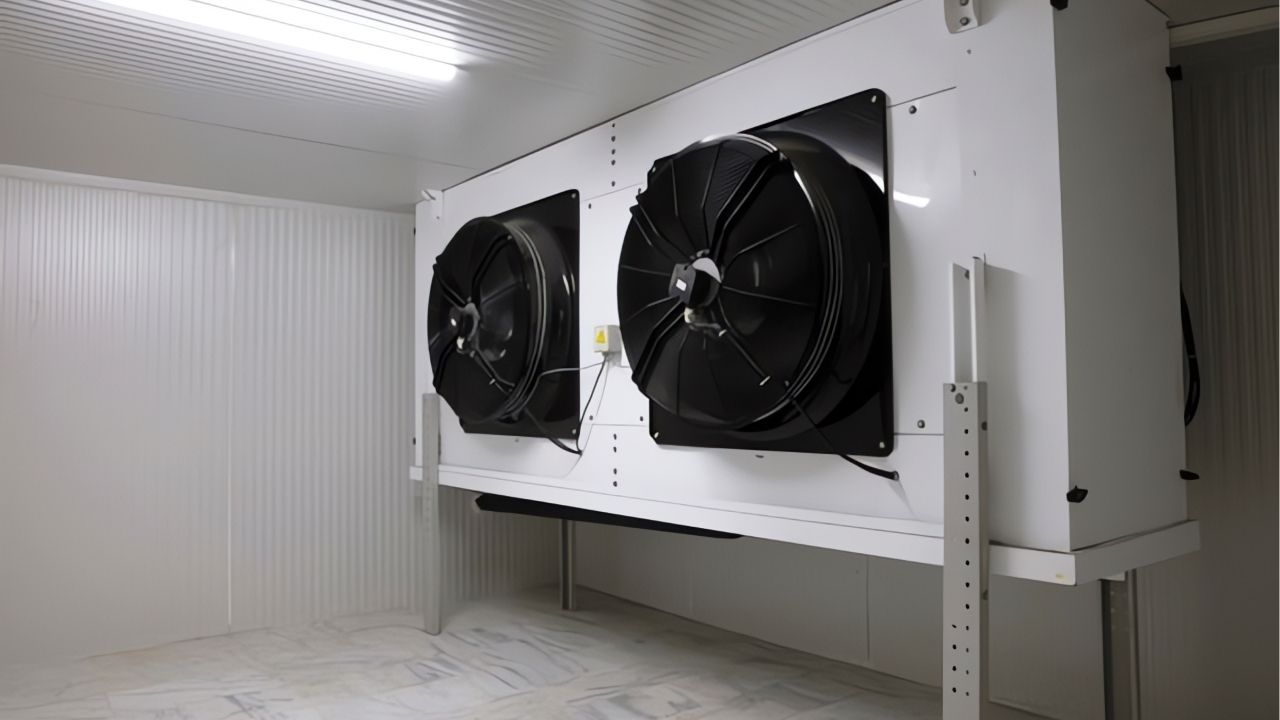
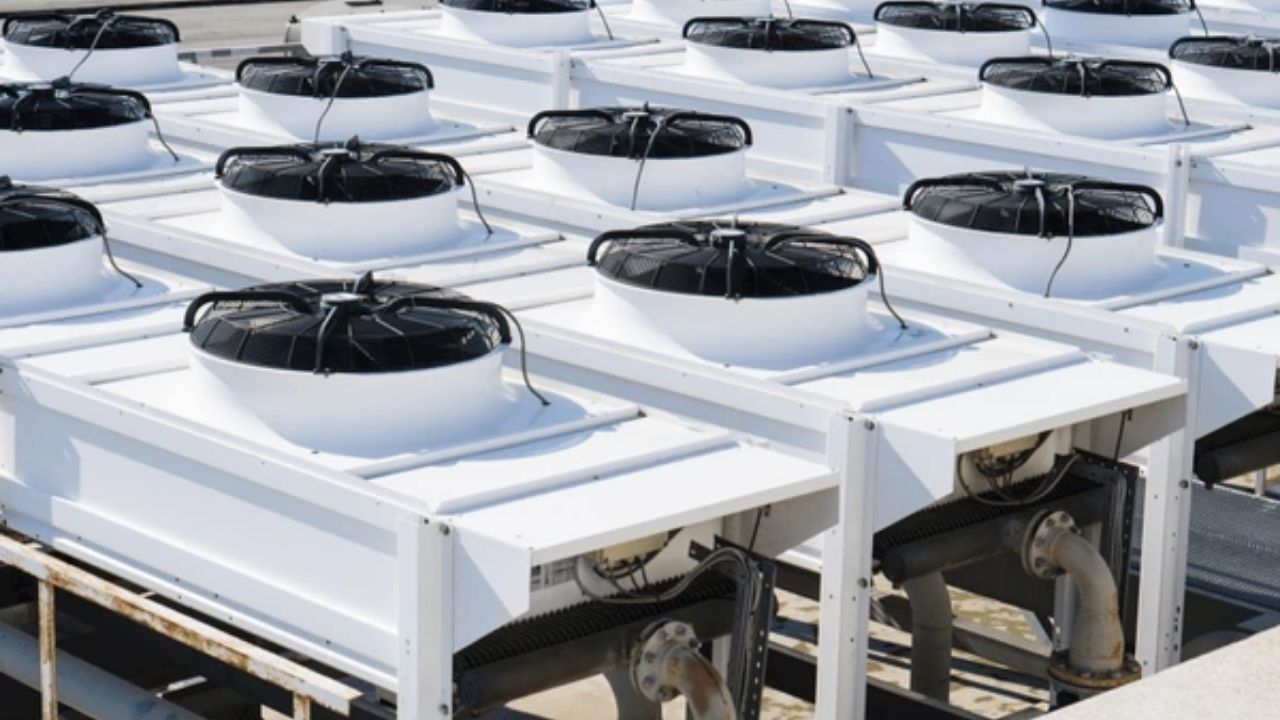
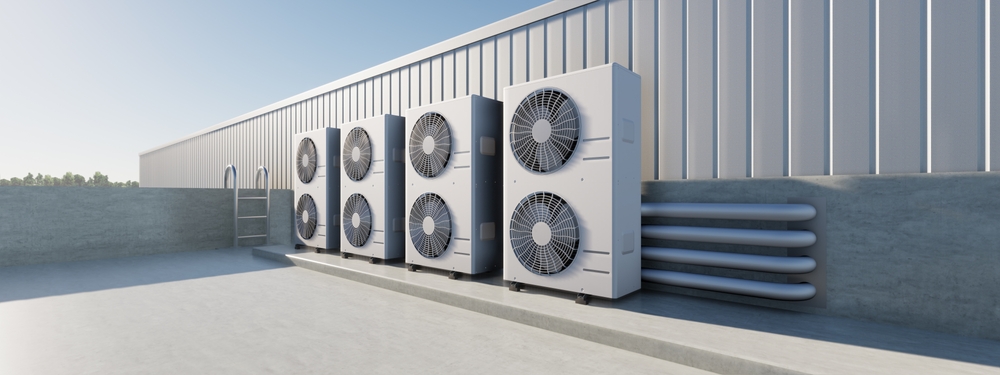
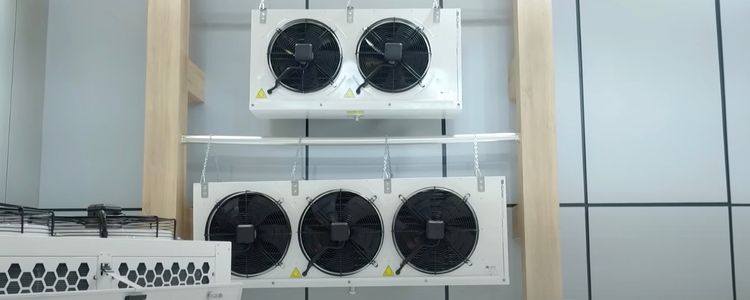
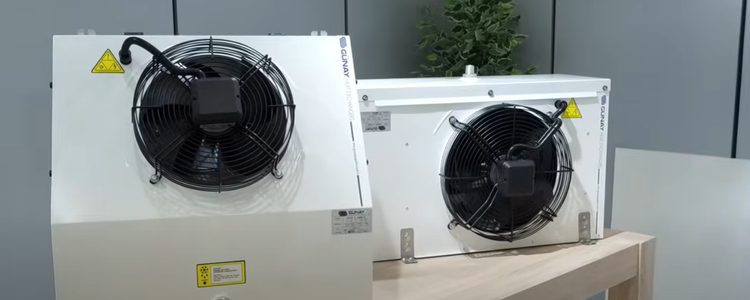
A multiple small evaporator approach allows airflow to be distributed more evenly across different points in the room and contributes to operational continuity, since other units continue cooling while one is in its defrost cycle. The drawback of this approach is more piping connections, more electrical wiring, and generally a higher initial investment cost.
Which approach is preferable depends on the intended use of the room, product sensitivity, and operating budget, and should be evaluated on a project-by-project basis — no single approach is correct for every application.
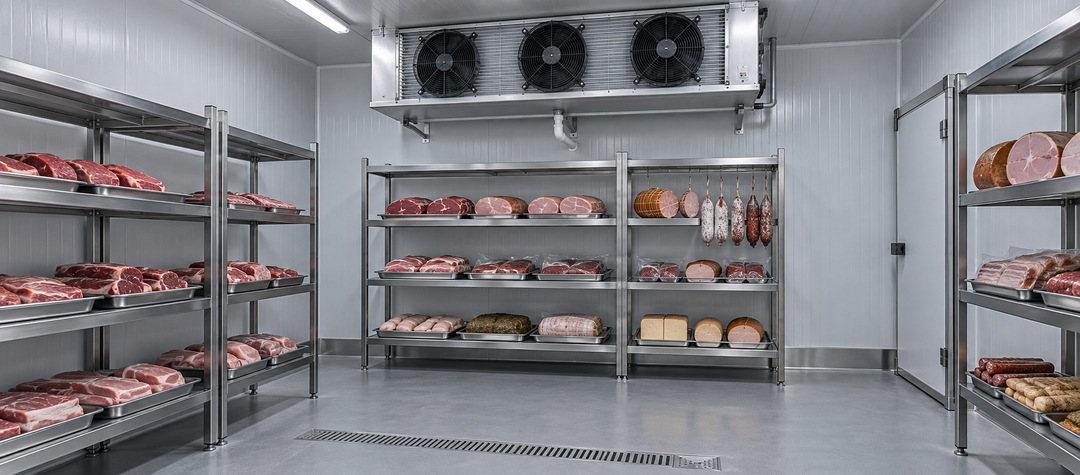
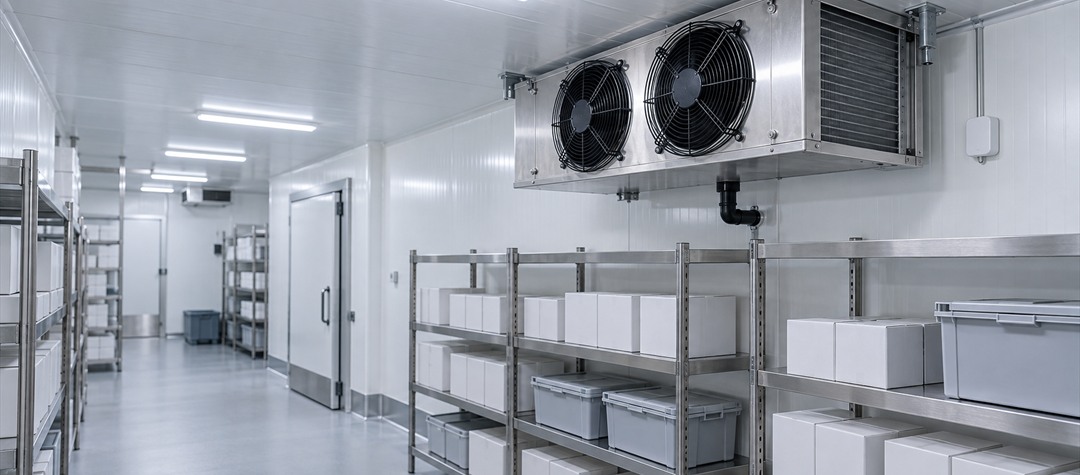
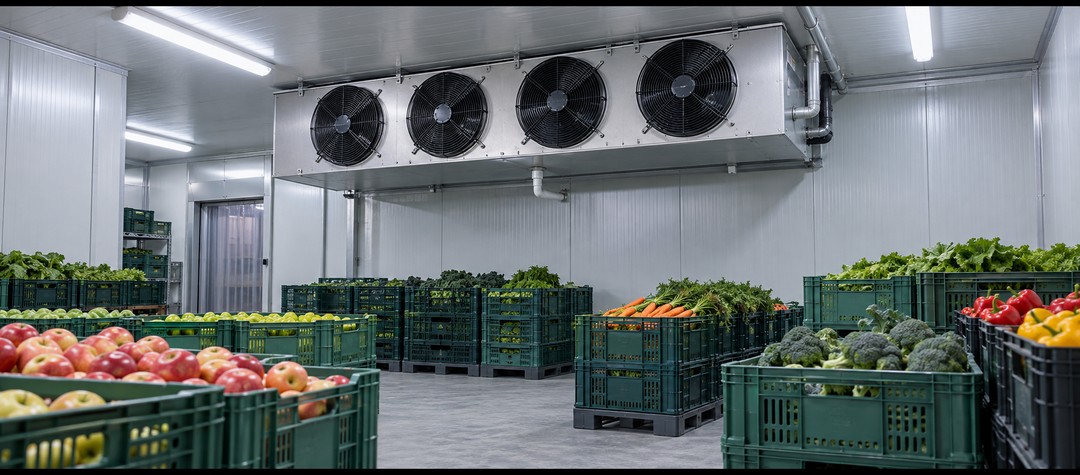
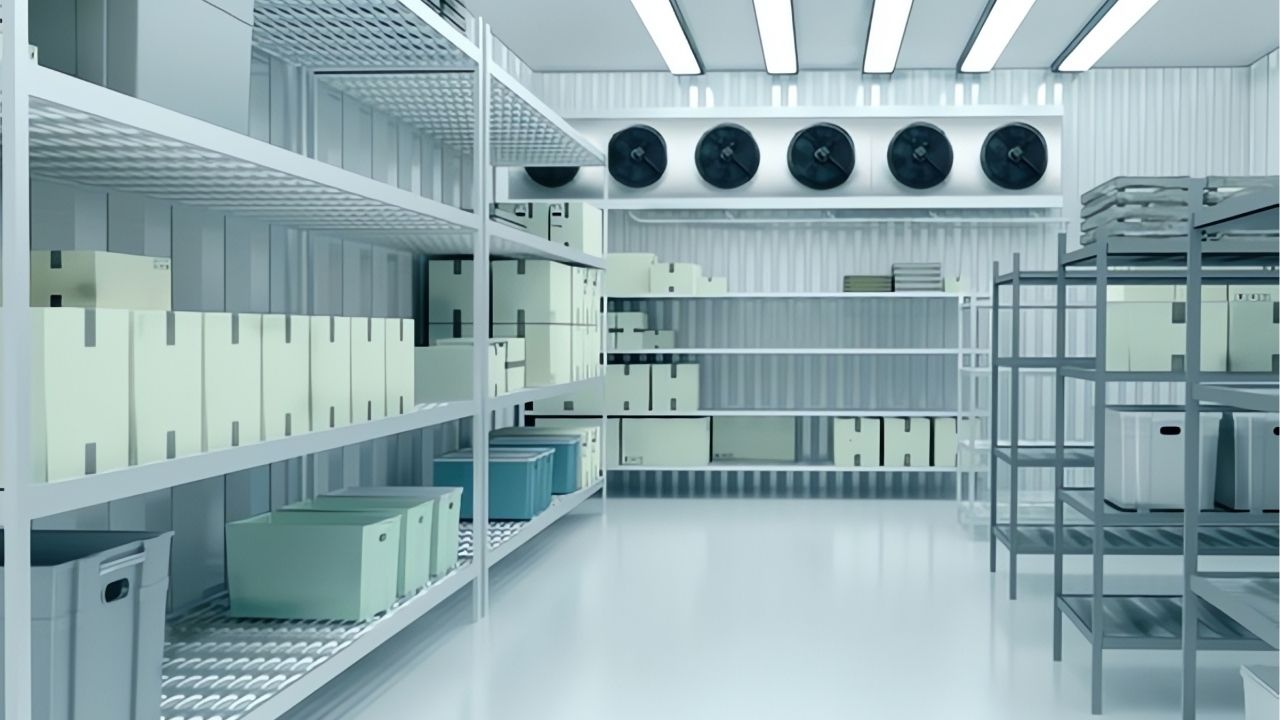
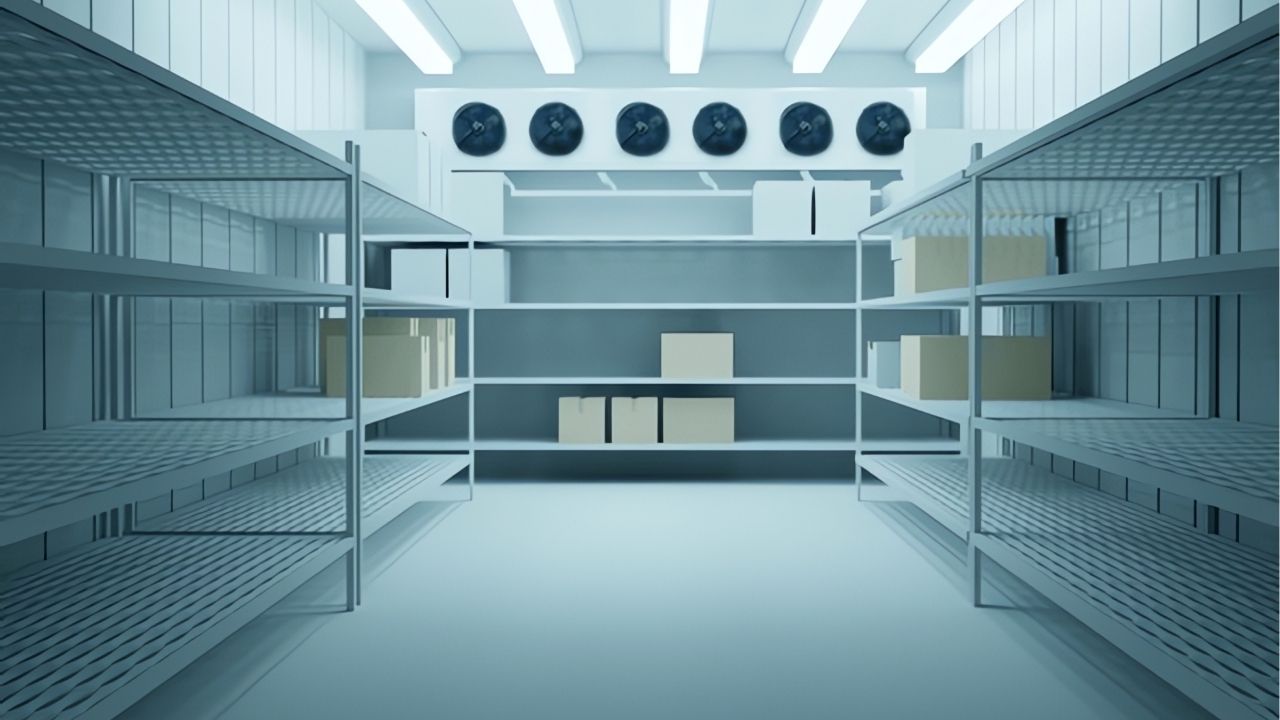
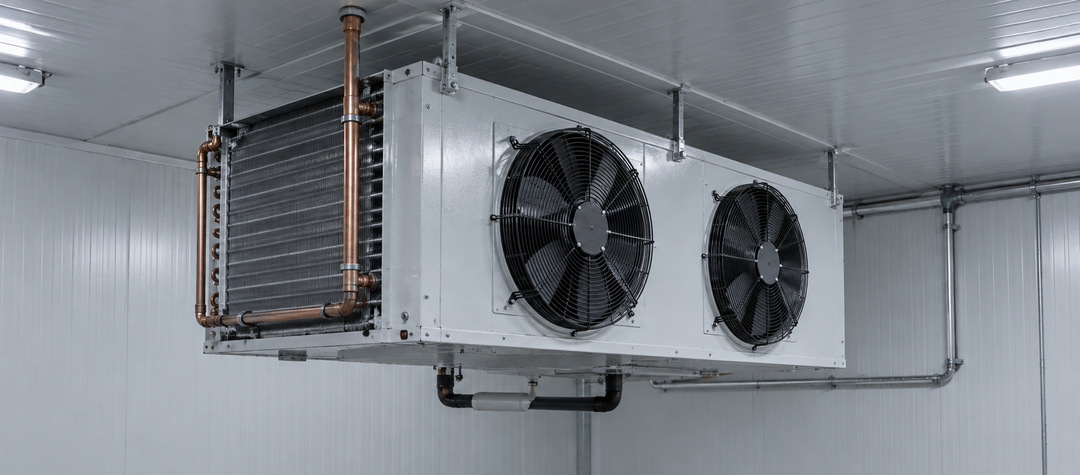
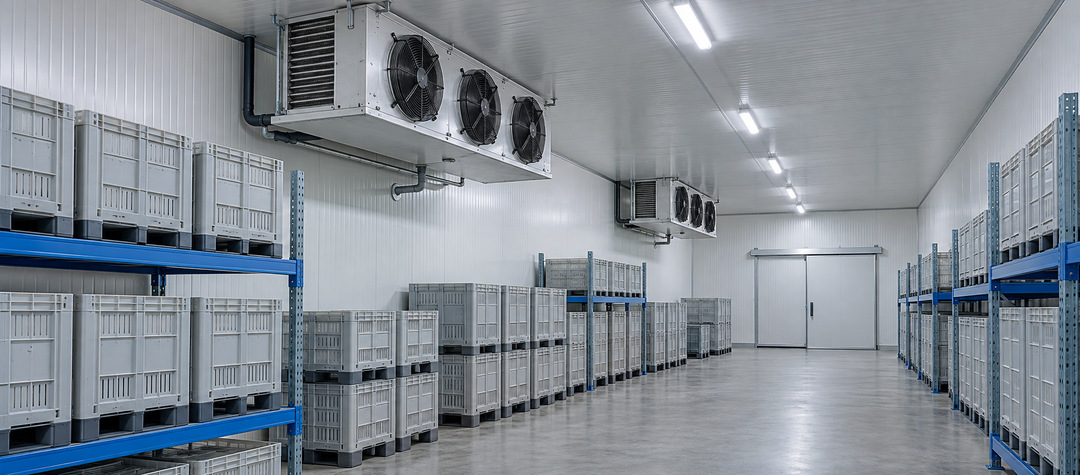
The physical dimensions and shape of a room play a decisive role in determining the number of evaporators. In small-to-medium rooms with a square or near-square layout, air distribution from a single central point is often sufficient, so one evaporator may be enough. In rooms with a long, narrow geometry, however, air distribution from a single point may fail to deliver adequate airflow to the far ends of the room — in such cases, multiple evaporators positioned at different points in the room are preferred.
Ceiling height is another important factor. In rooms with high ceilings, a longer air throw distance can be maintained, while in rooms with low ceilings, more evaporators with a shorter throw distance may be needed to prevent airflow from returning before reaching product level. Fixed obstructions within the room — such as columns, shelving systems, or loading ramps — can also interrupt the airflow path, so evaporator positioning needs to be planned with these obstructions in mind.
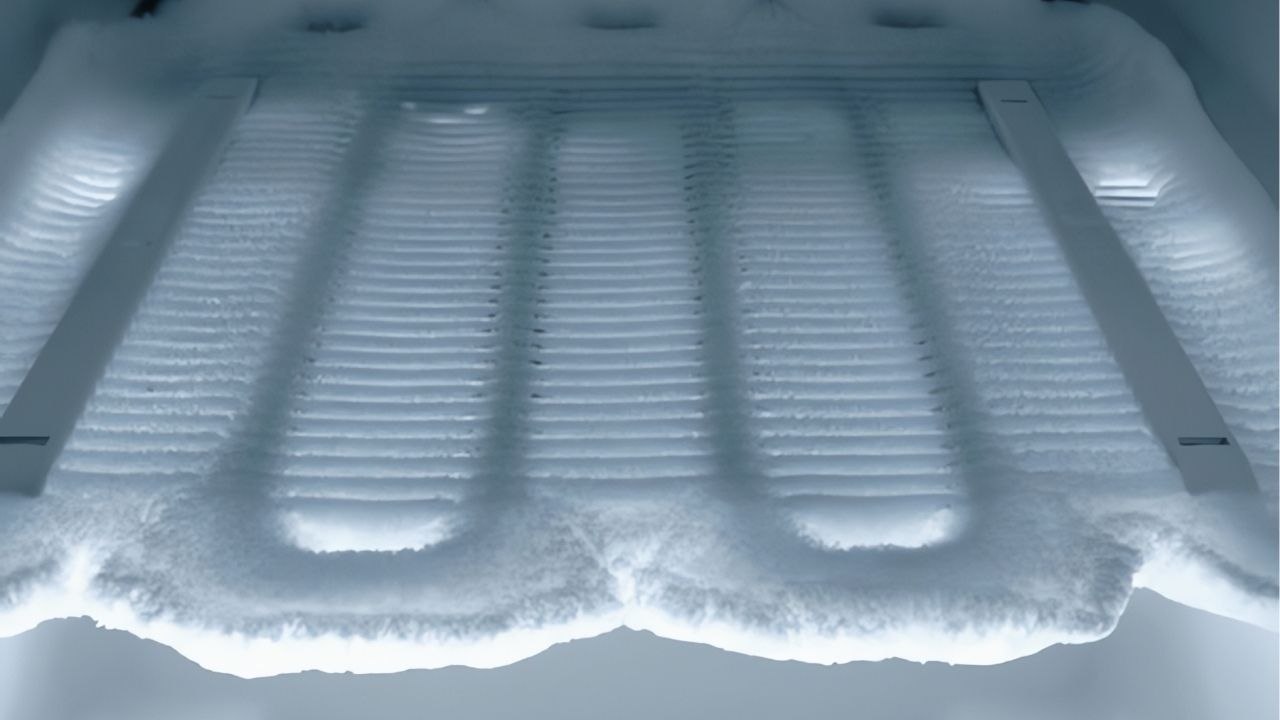
The defrost process, needed to periodically melt frost accumulated on the evaporator surface, is an important factor to consider when deciding on the number of evaporators. During a defrost cycle, the relevant evaporator temporarily stops cooling; in a single-evaporator system, cooling across the entire room is interrupted for the duration of that cycle.
In systems using multiple evaporators, defrost cycles can be scheduled to occur at staggered intervals (staggered defrost). With this approach, while one evaporator is in its defrost cycle, the others continue cooling, preventing a noticeable fluctuation in room temperature. For rooms storing products with narrow temperature tolerances in particular, a multi-evaporator layout that enables staggered defrost can be a preferable approach.
A practical approach that can be followed when deciding on the right number of evaporators for a cold room project may include the following steps:
For projects where this evaluation process is complex or where site conditions deviate from standard calculations, consulting directly with a manufacturer capable of both series and custom production, such as Günay Soğutma, regarding evaporator count and positioning can help arrive at a project-specific engineering solution.
A single evaporator is often sufficient for small, square-shaped rooms; however, factors such as room geometry, product sensitivity, and operational continuity requirements should still be evaluated on a project-by-project basis.
When properly sized and positioned, using multiple evaporators does not necessarily increase energy consumption; in fact, more uniform temperature distribution can help avoid unnecessary overcooling. Energy performance varies depending on the selected model, motor type, and defrost strategy.
No. While capacity is an important factor, elements such as room geometry, product layout, defrost strategy, and operational continuity requirements should also be included in the decision process.
Under certain conditions, integrating an additional evaporator into an existing system may be possible; however, whether the existing refrigeration circuit's capacity, piping, and control system can support the additional unit needs to be engineering-evaluated.
For an assessment specific to room geometry, product characteristics, and operating conditions, it is advisable to consult directly with refrigeration system engineers or an equipment manufacturer capable of project-based custom production.

Fill out the form to discover the most suitable high-end products for your projects. Contact Us Now.
Fill out the form now not to miss our special offers for you! The latest discover our products and innovations.
Fill out the form now not to miss our special offers for you! The latest discover our products and innovations.
Notification Centre 00:00