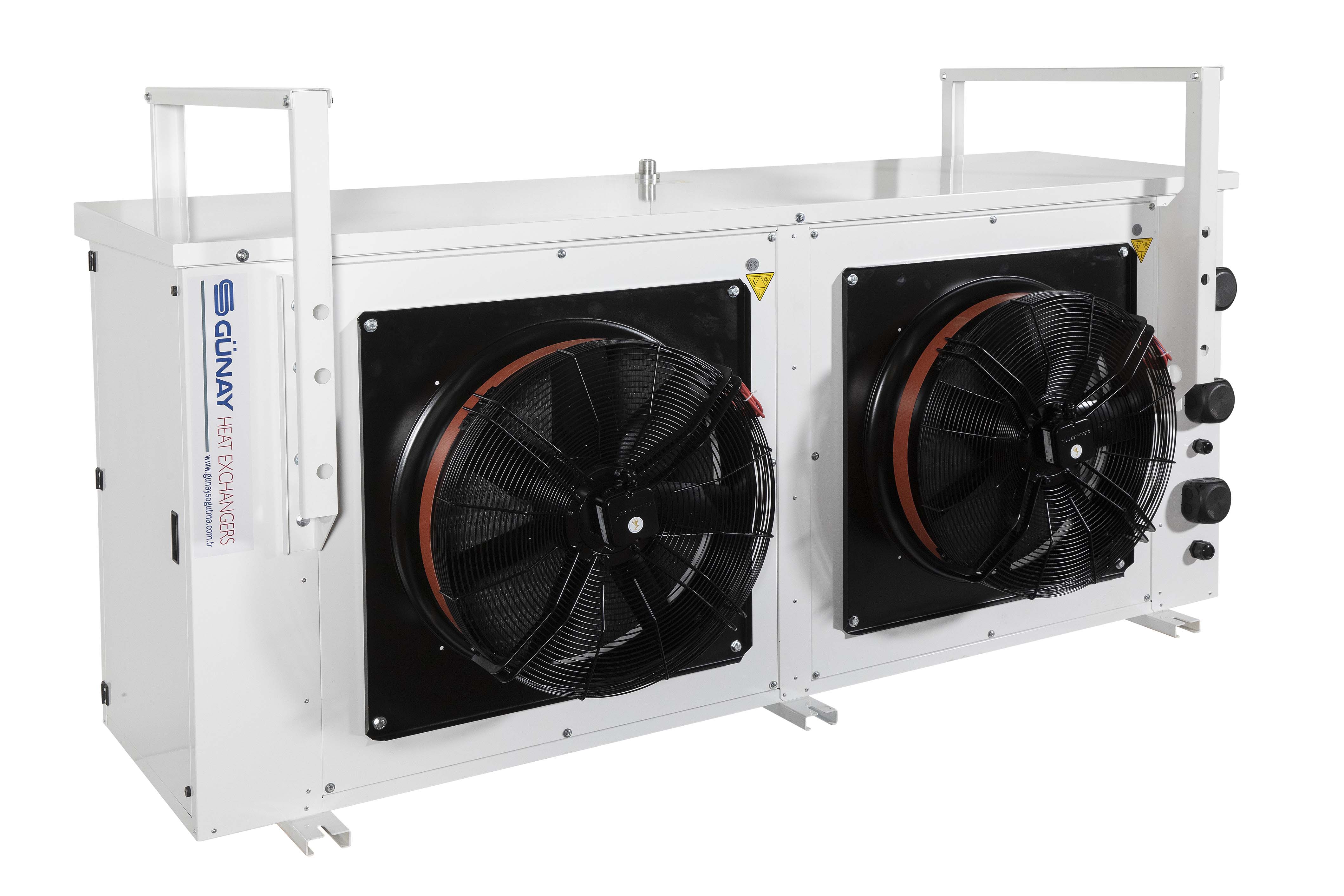


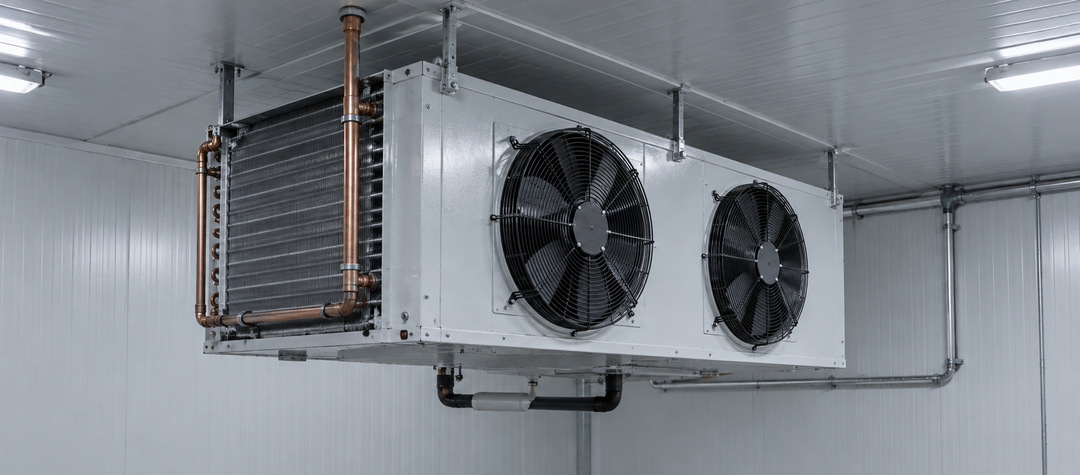
What Conditions Are Evaporator Catalogue Capacities Based On?
01 / 10 / 2026

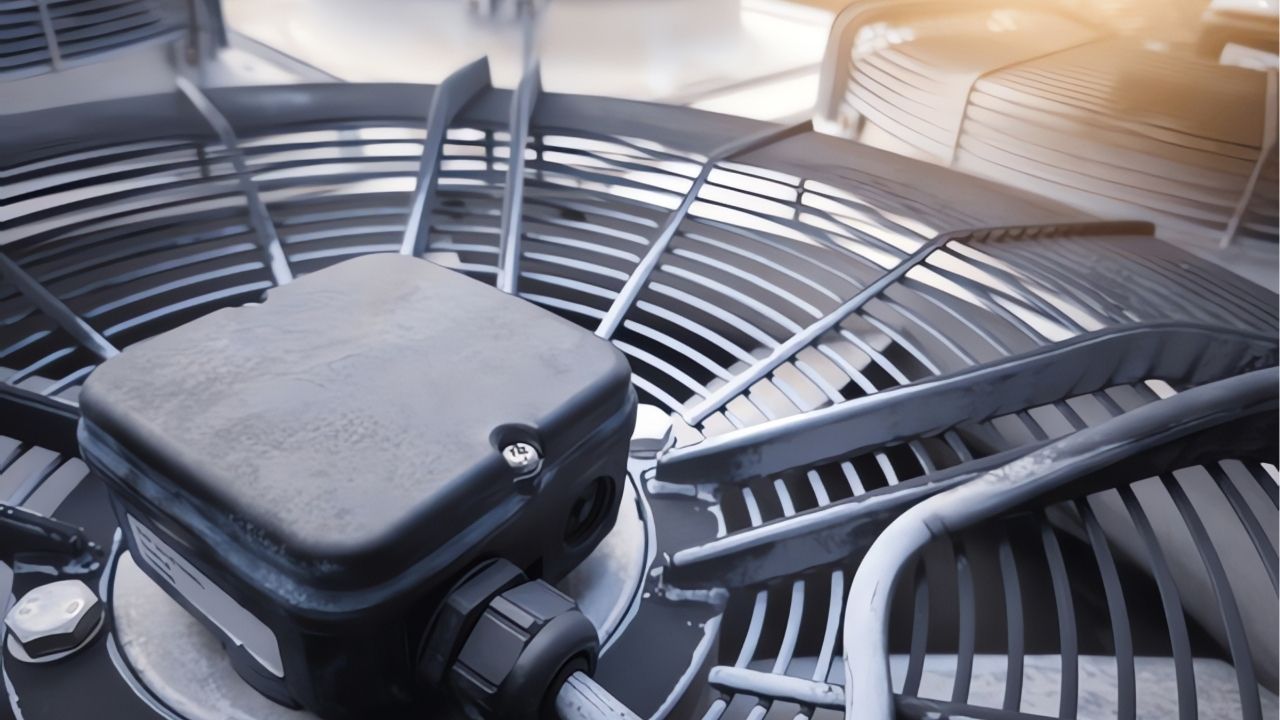
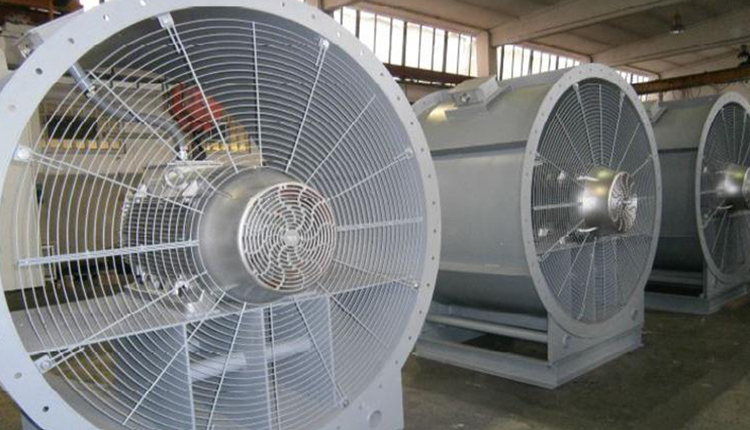
Industrial facilities face pressure to keep operating costs under control while optimizing their cooling infrastructure, which makes axial fan efficiency an important factor. Fans directly affect energy consumption and heat management across production lines; even small improvements can show up in operating costs.
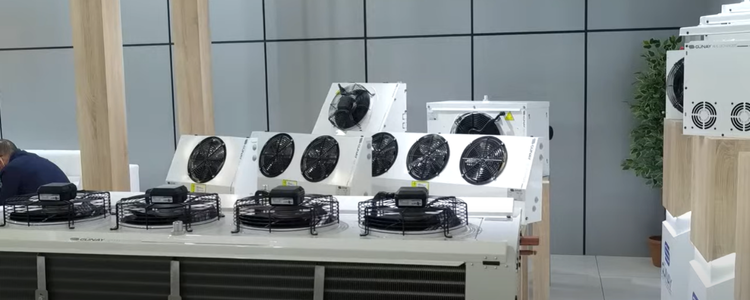
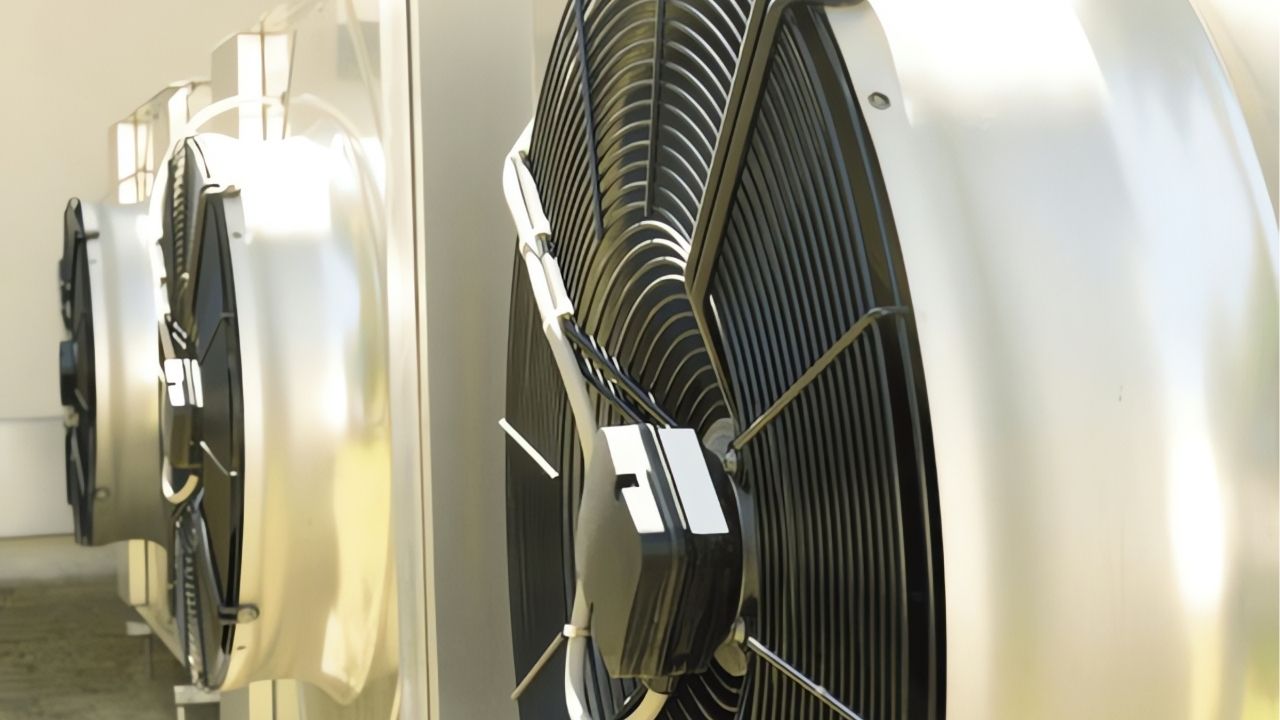
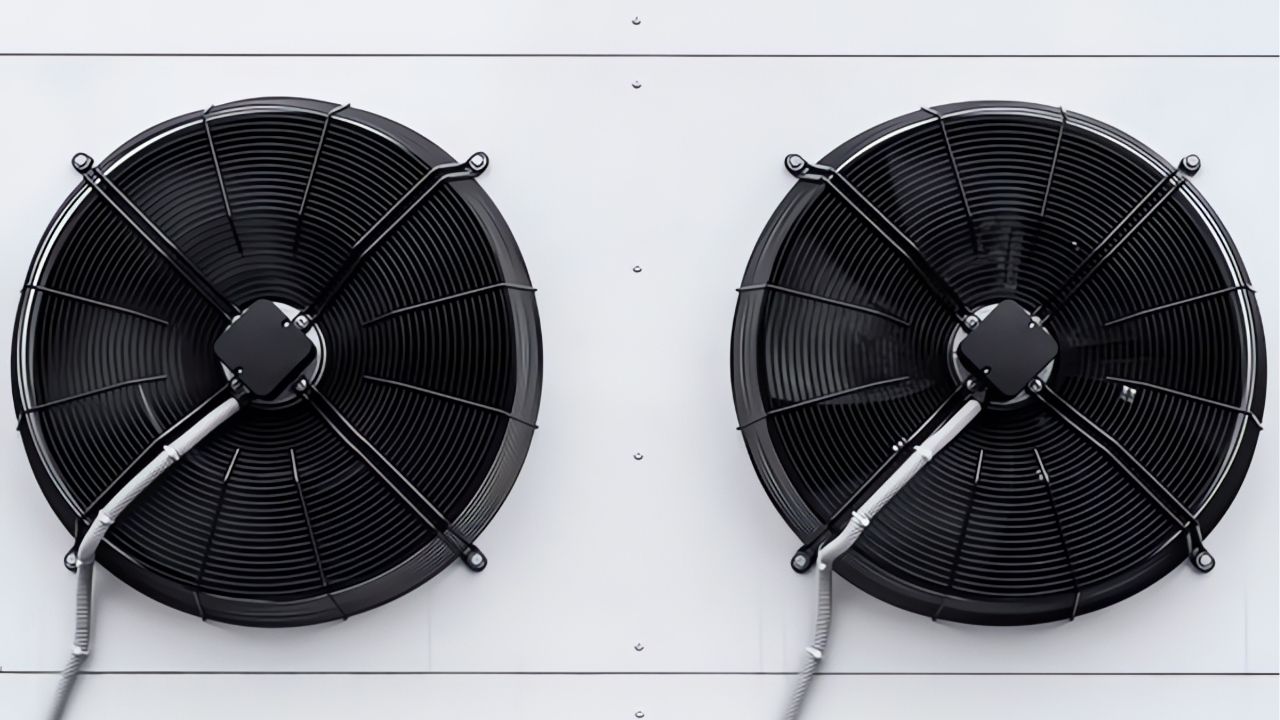
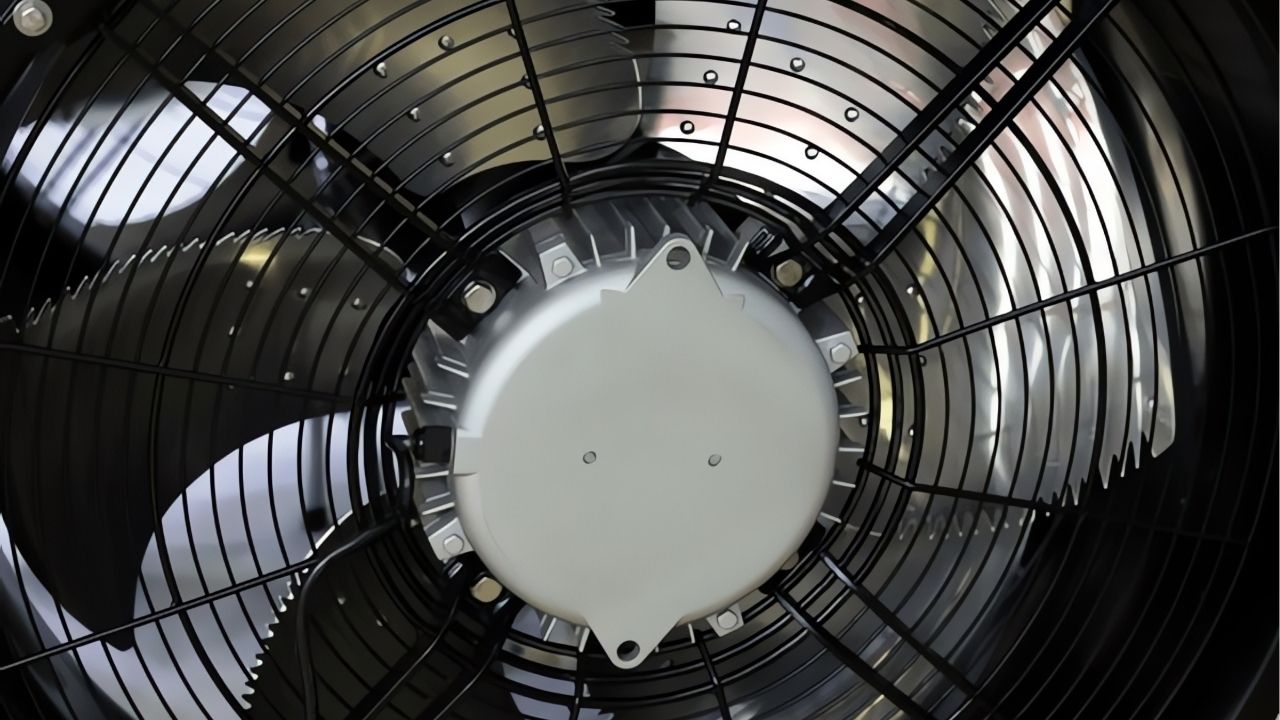
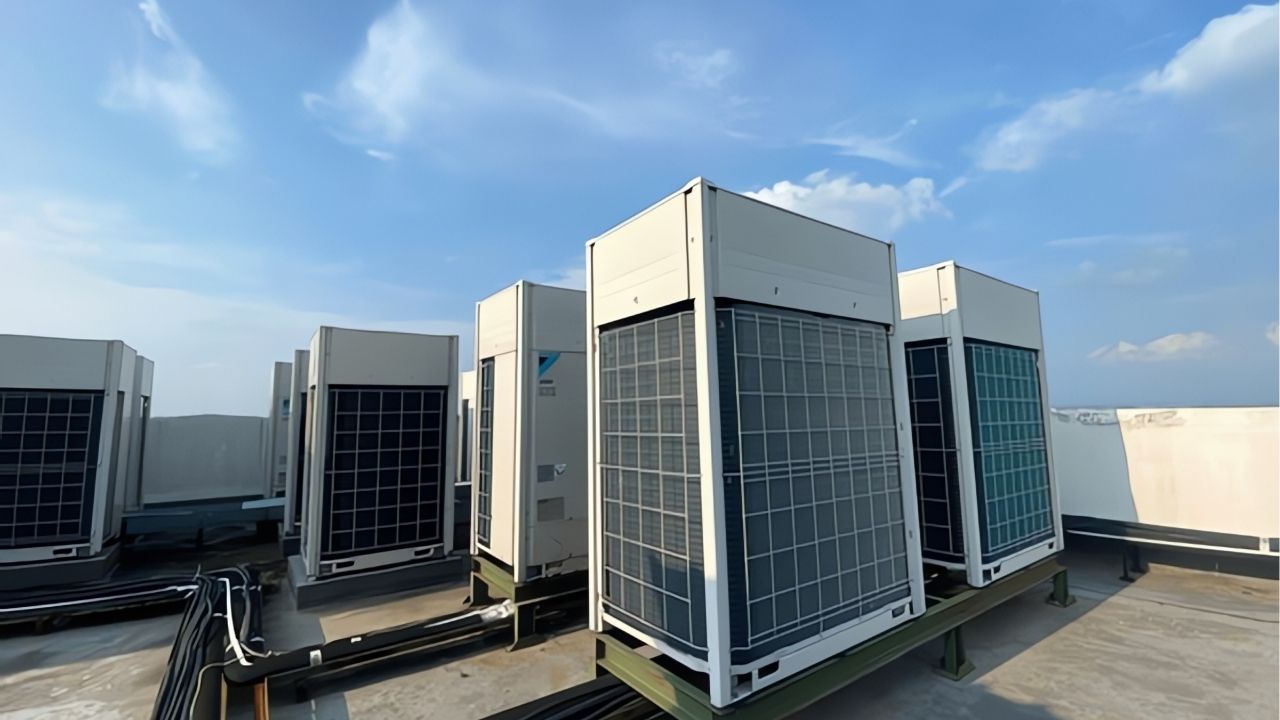
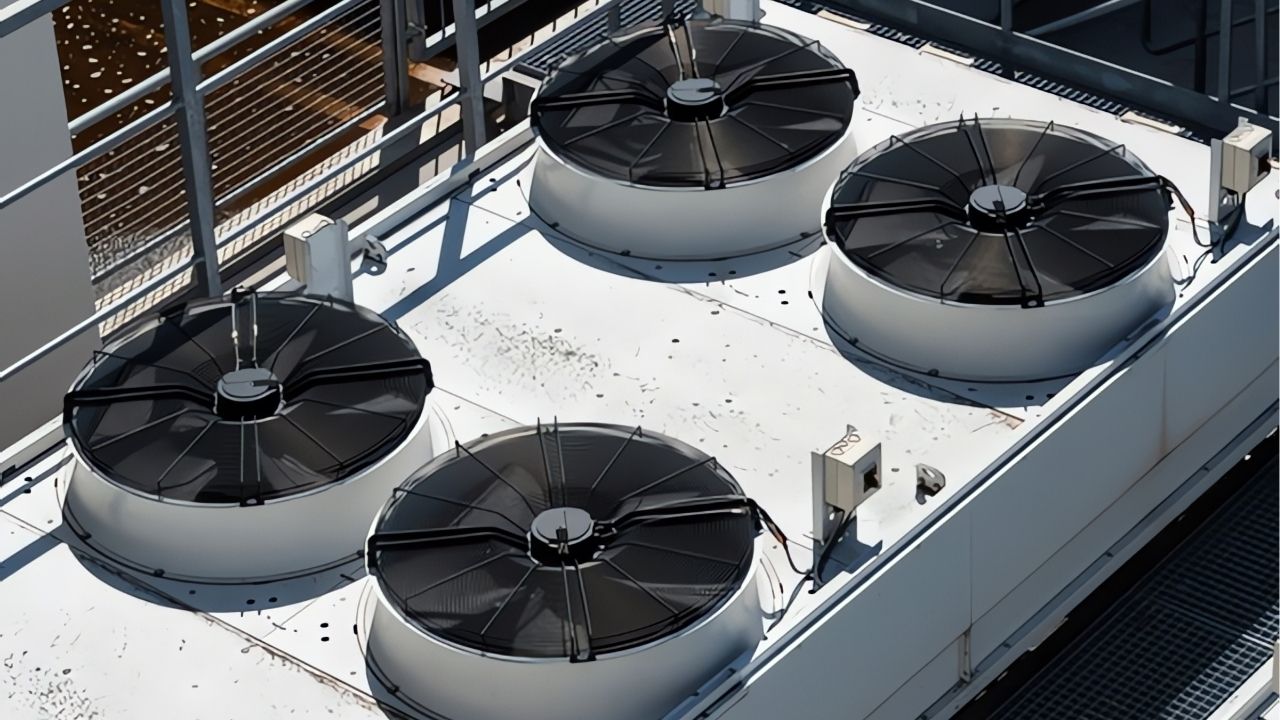
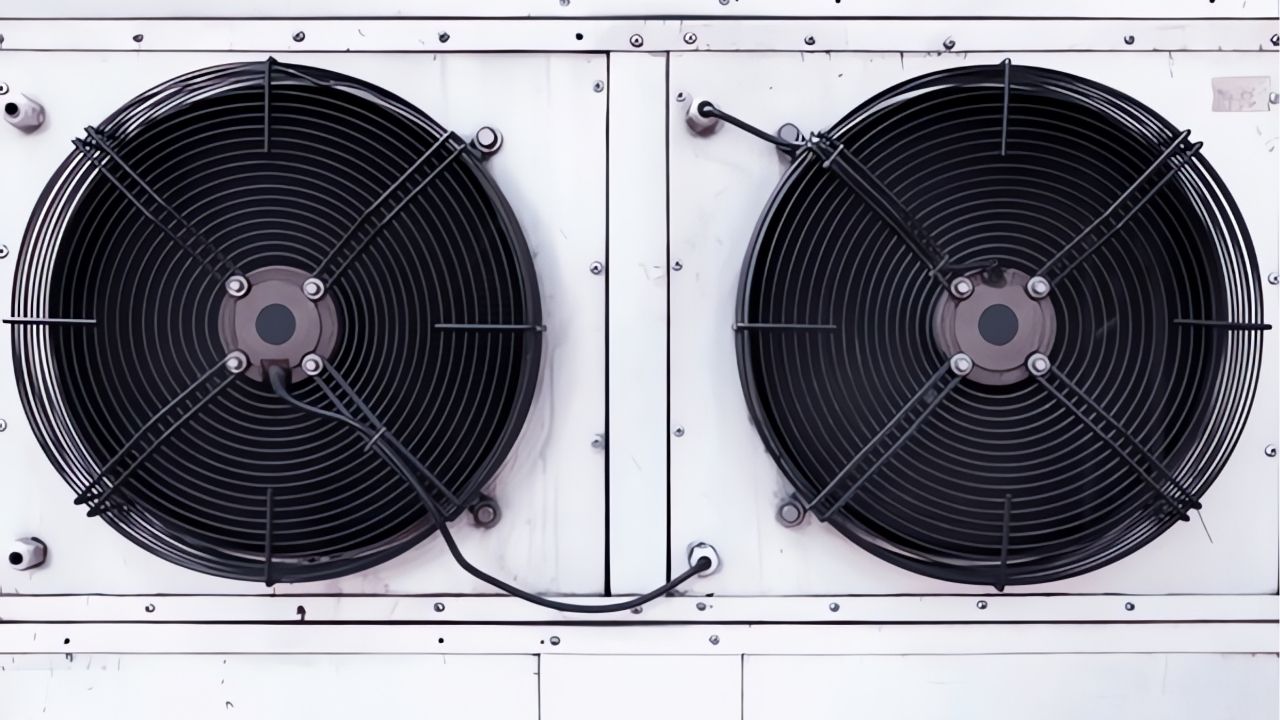
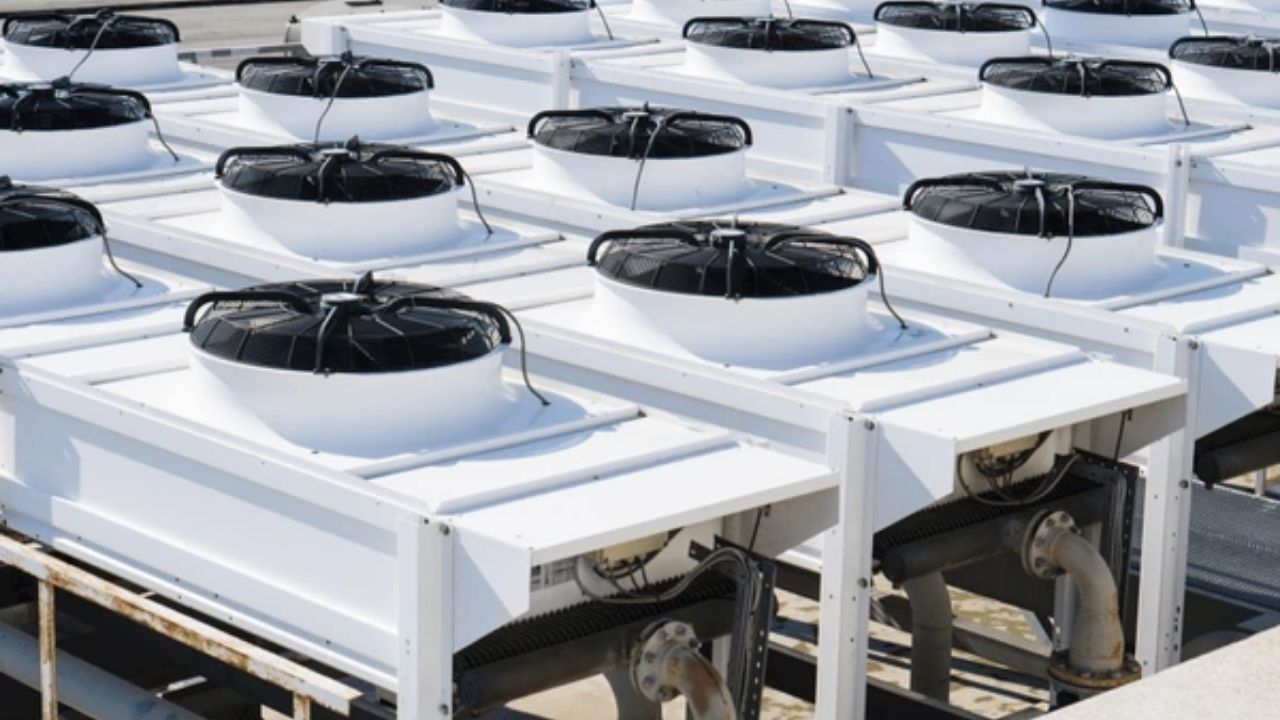
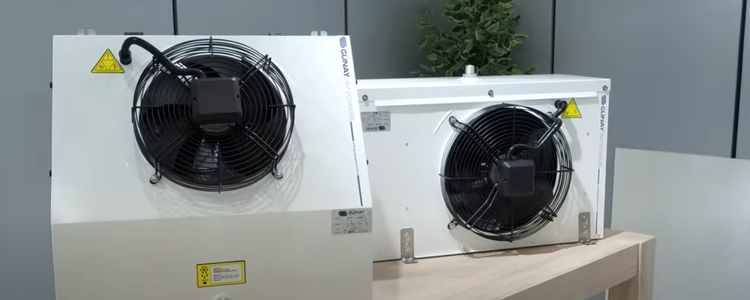
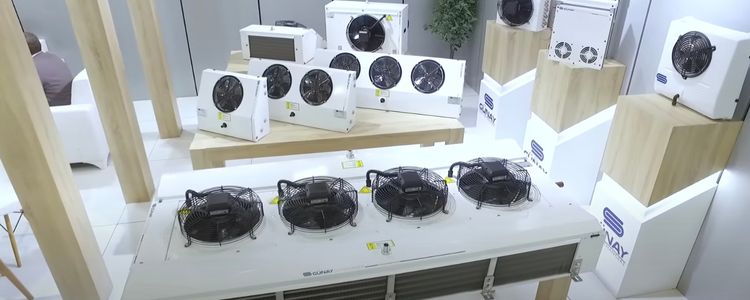
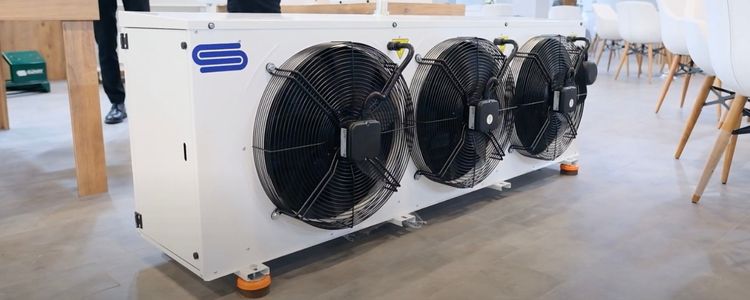
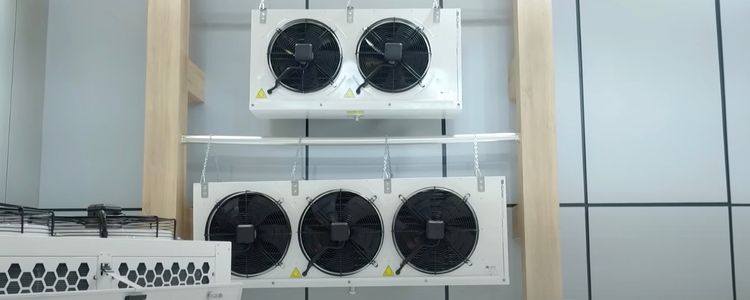
Thanks to blade geometry and precise balancing, modern axial fans can move large air volumes with low power input. Günay Soğutma treats axial fans together with evaporator and condenser equipment. Correct fan placement increases the heat exchange rate, reduces the load on the equipment, and extends its life.
In industrial facilities, correctly sized axial fans can reduce energy consumption compared with poorly selected fans, while robust construction contributes to reliable operation in demanding conditions. The food sector, where consistent temperature control matters for product quality, benefits from these advantages. Custom production offers a solution suited to a specific airflow need and space constraint.
Sustainable cooling solutions aim to balance performance with environmental responsibility. Efficient axial fans lower operating costs while supporting long-term sustainability goals. Control systems increase efficiency by adjusting fan speed to actual cooling demand.
Günay Soğutma's technical experience helps ensure that fan selection is done correctly for system efficiency and reliability. Products are designed for long-lasting use, so that the cooling infrastructure can operate consistently in demanding conditions.
Selecting the right axial fan requires careful analysis of the facility's cooling need and operating parameters. The right choice directly affects energy efficiency and system life; airflow, static pressure, and environmental conditions in the cooling infrastructure should be considered together.
Start by calculating the required airflow from the facility's dimensions and heat load. Fan capacity must match the application need, and compatibility with the existing evaporator and condenser should also be considered. Günay Soğutma's technical experience can guide these calculations.
Environmental factors significantly affect fan selection. In food sector applications, corrosion-resistant materials and washable construction stand out. With custom production, the fan can be configured for the installation conditions and required airflow of an evaporator or condenser.
Modern axial fans can be offered with variable frequency drives and controls that adapt to changing conditions. These features can reduce energy consumption at partial load compared with fixed-speed operation and make precise airflow management easier. Such sustainable cooling solutions contribute to both operating efficiency and environmental responsibility.
Durability is important in continuously operating applications. To reduce maintenance needs, choose fans made of quality materials and designed for long-term use. Monitoring performance after installation helps the axial fan investment deliver value throughout its life; taking a holistic view of the cooling infrastructure makes this easier.
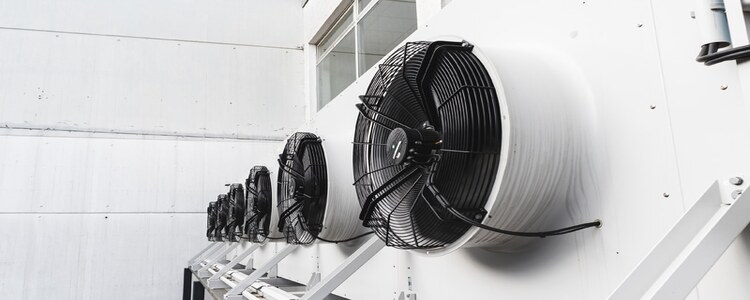
Businesses seeking an optimal cooling infrastructure often prefer axial fans because of their performance-to-cost balance. Unlike centrifugal fans, axial fans are strong at moving large air volumes at a low pressure difference and low energy, which makes them suitable for wide production lines and applications that need consistent airflow across heat exchanger surfaces.
The main advantage of axial fans is their aerodynamic design that delivers high airflow at low static pressure. When correctly selected, this efficiency shows up as lower energy costs. Custom production helps adapt fan performance to specific industrial applications.
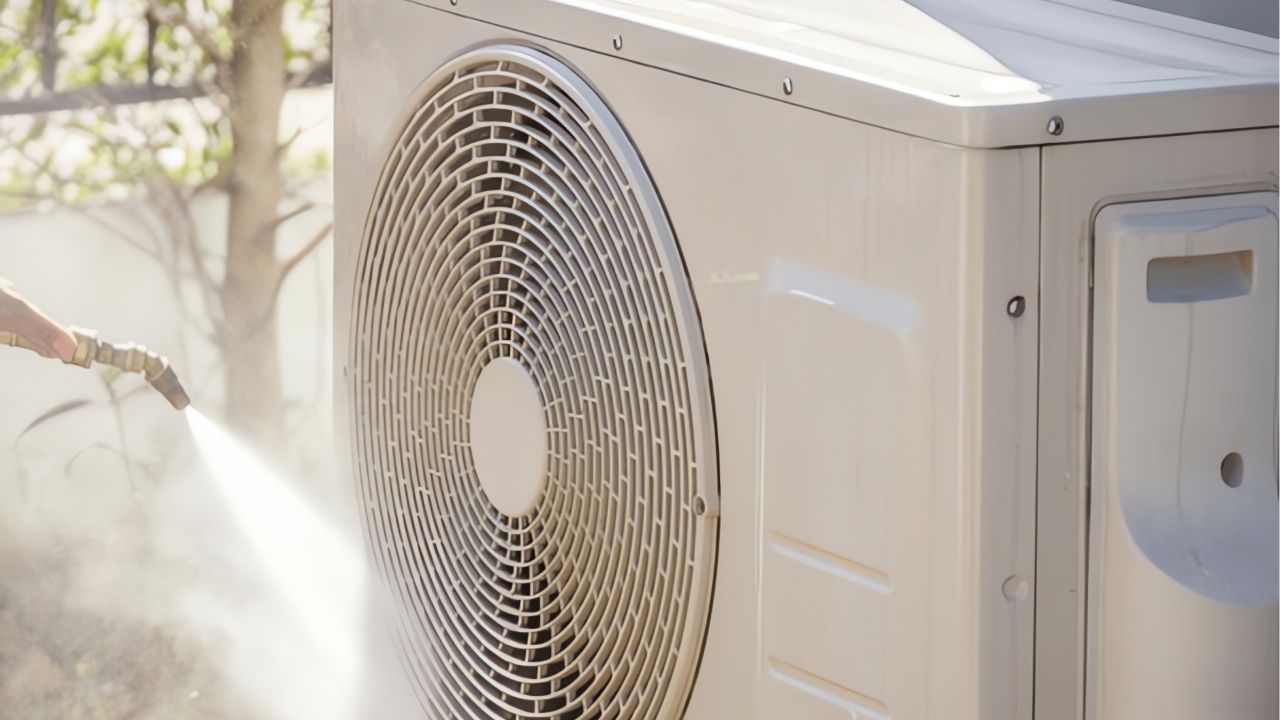
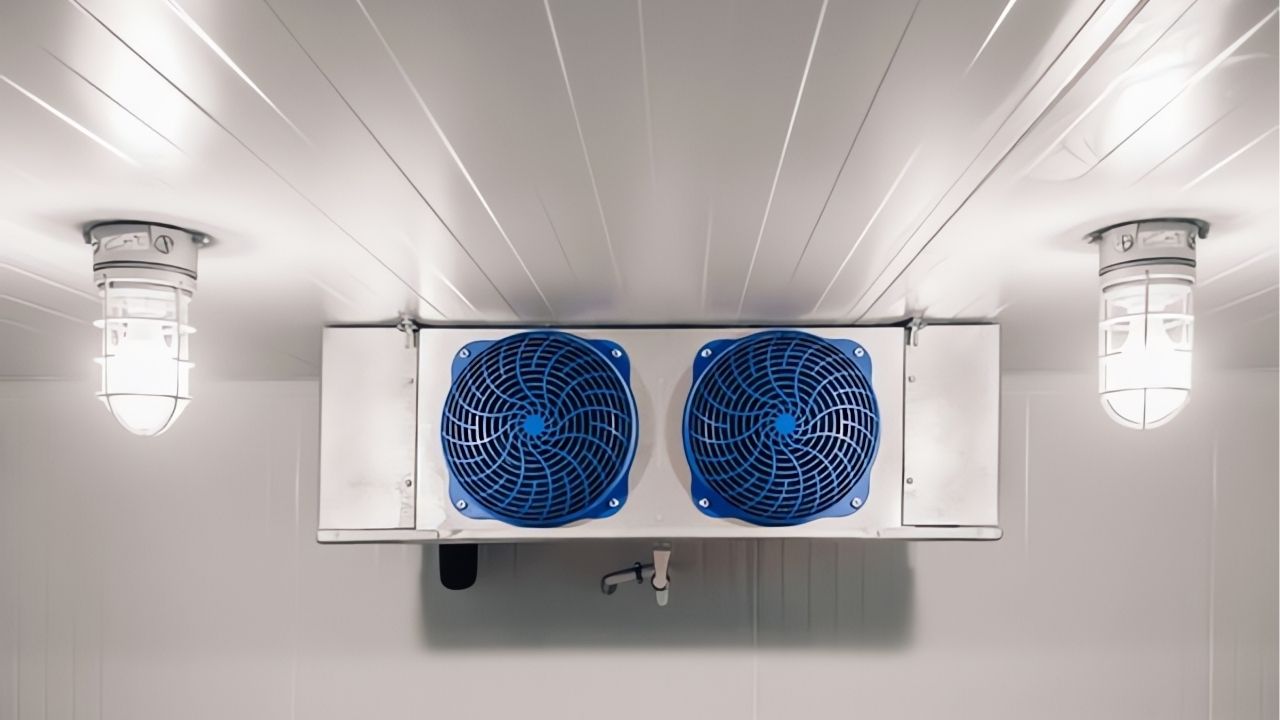
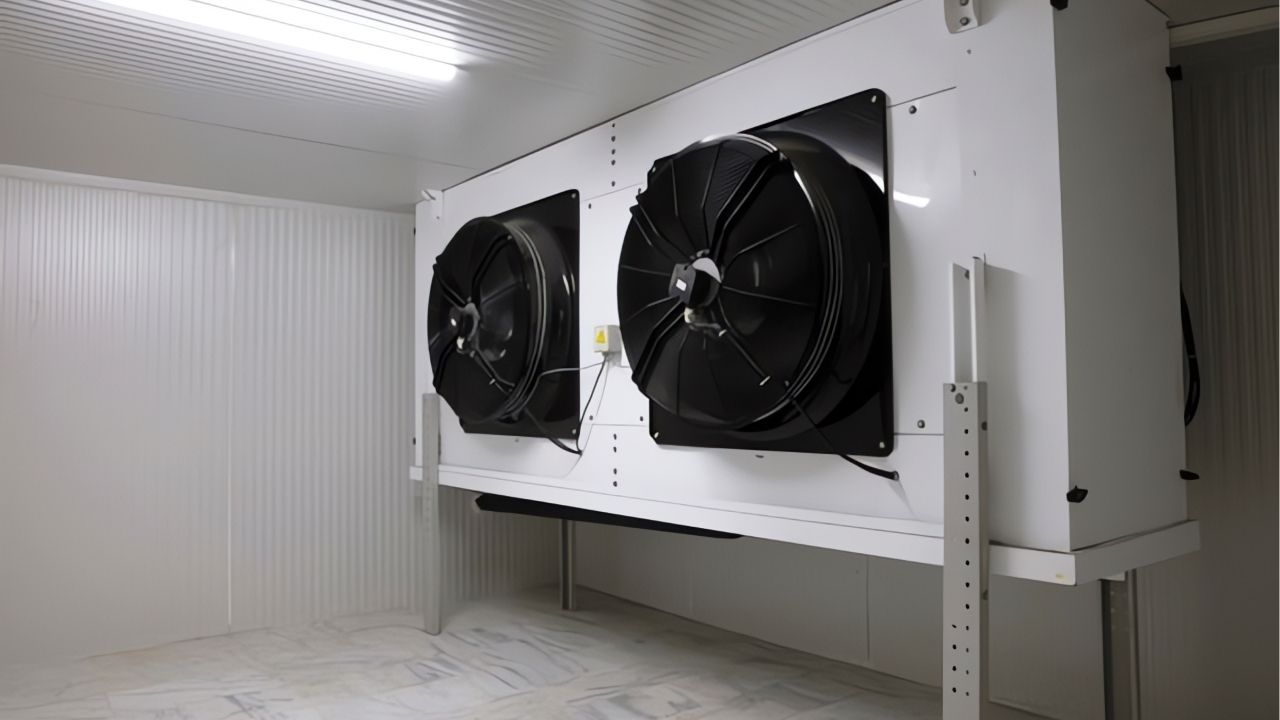
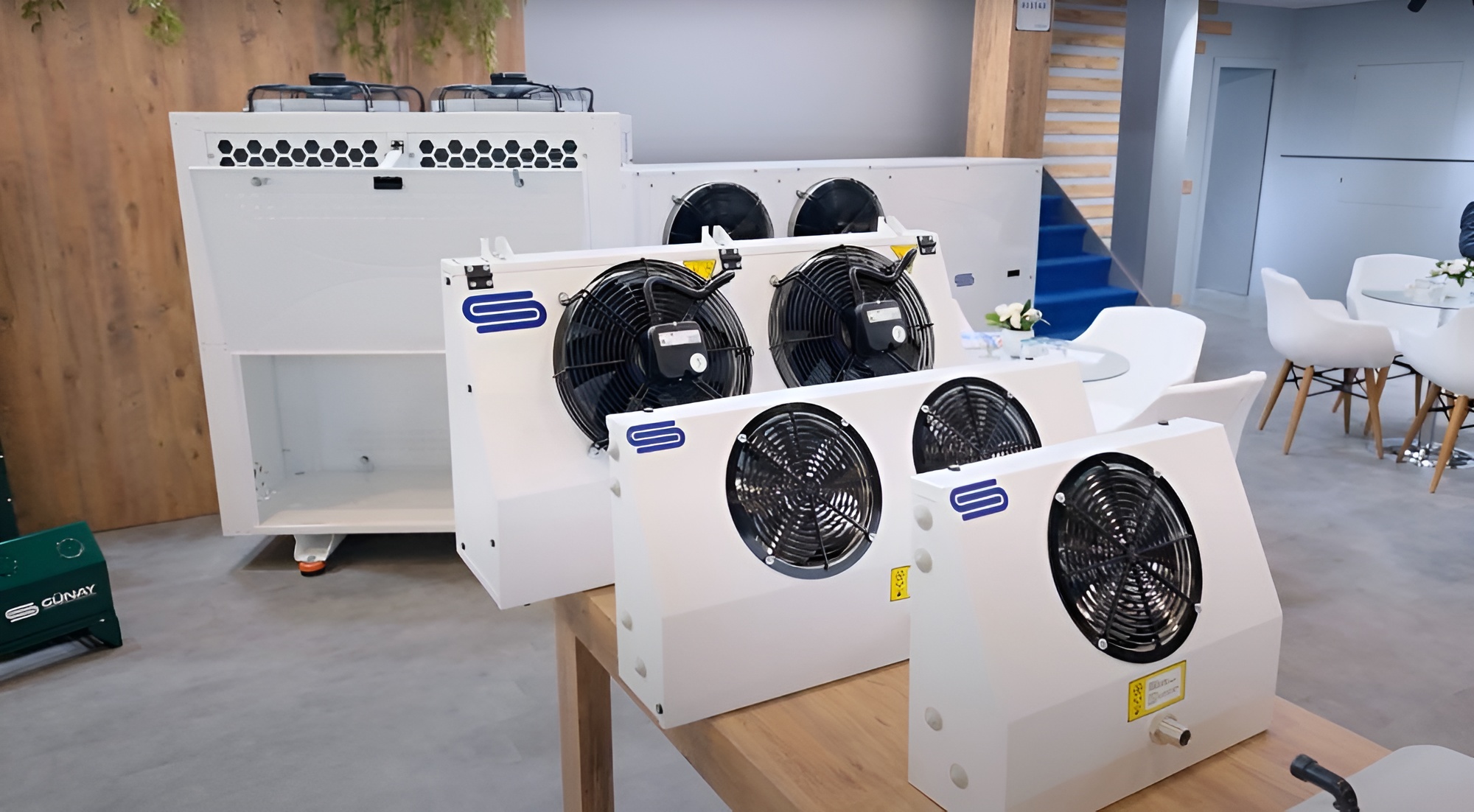
Integration with the existing evaporator and condenser increases the advantages of the axial fan. This compatibility reduces energy waste while maintaining precise temperature control. In the food sector, where consistent cooling is critical for product safety, fans made of suitable materials can operate reliably even in washdown environments.
Axial fans designed for long-lasting use in demanding conditions can reduce maintenance needs and extend service life thanks to their simple mechanical structure. Correct sizing and configuration are necessary for these advantages to materialize; Günay Soğutma's technical experience supports this stage.
Axial fans are part of sustainable cooling solutions that balance performance with environmental responsibility. Energy-efficient operation helps reduce the carbon footprint while contributing to suitable conditions for equipment and personnel. A holistic approach to the cooling infrastructure benefits system efficiency and durability.
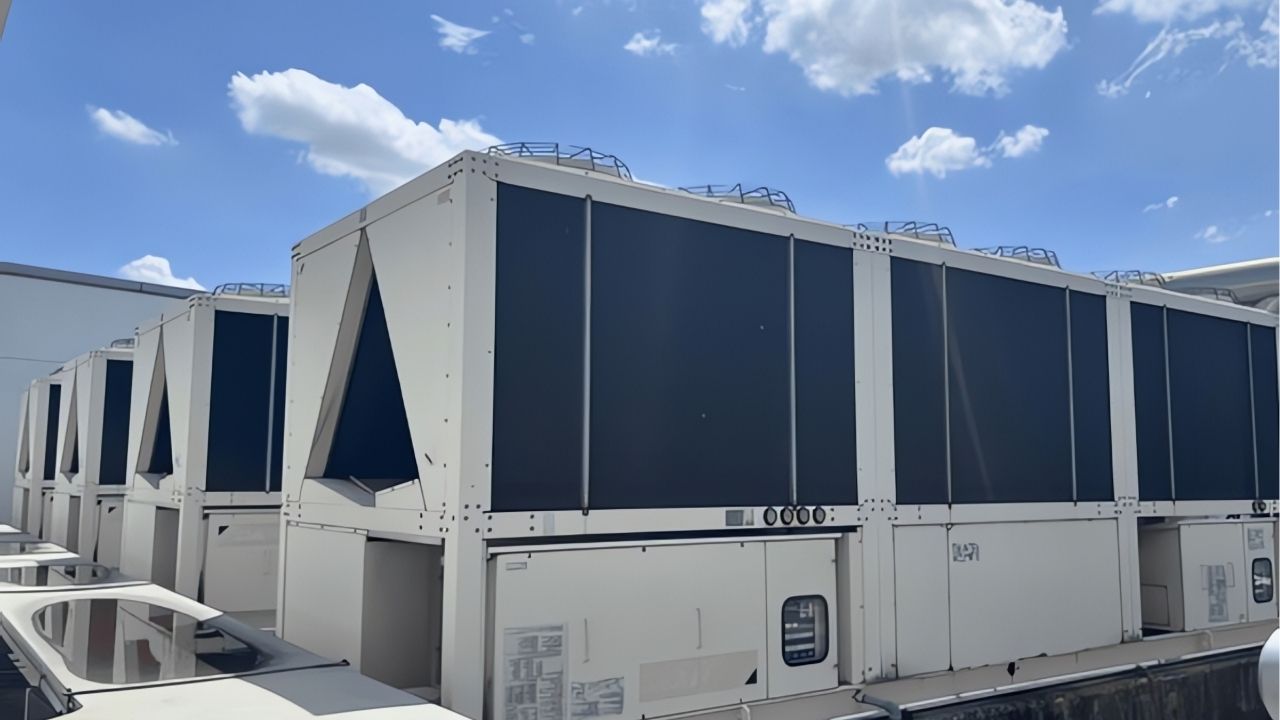
The cooling infrastructure makes up a significant share of operating costs in most facilities, and energy expenses create constant pressure. Modern axial fans help reduce this cost through designs that increase airflow while limiting power consumption.
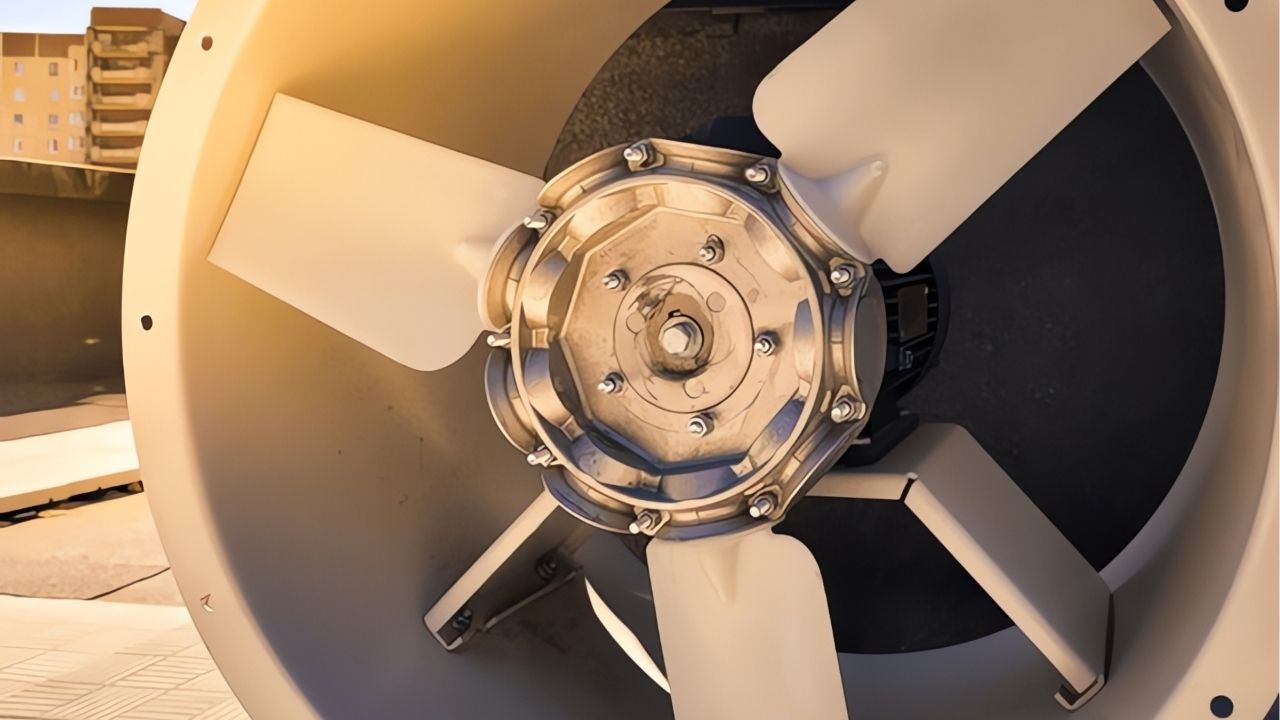
The efficiency of axial fans comes from moving large air volumes with low aerodynamic resistance and contributes to energy efficiency. Balanced impellers and aerodynamic blade design support performance under different operating conditions. When planned together with evaporator and condenser equipment, fans form a compatible system that reduces overall energy demand.
Variable frequency drives allow fan speed to be adjusted to actual cooling need. This control can noticeably reduce energy consumption at partial load, especially in production lines with variable thermal loads. The food sector benefits from these solutions because temperature control affects both product quality and operating costs.
Because quality axial fans deliver consistent performance with low maintenance needs, durability plays an important role in long-term cost savings. The goal of long-lasting use means lower replacement costs and a longer equipment life. Custom production and technical experience help optimize fan selection and installation for energy savings.
Upgrading to high-efficiency axial fans is a strategic investment aimed at lowering operating costs. These sustainable cooling solutions support environmental goals as well as reducing energy expenses. The payback period depends on the fan's operating hours, the condition of the existing system, and energy prices, and should be calculated on a project basis.
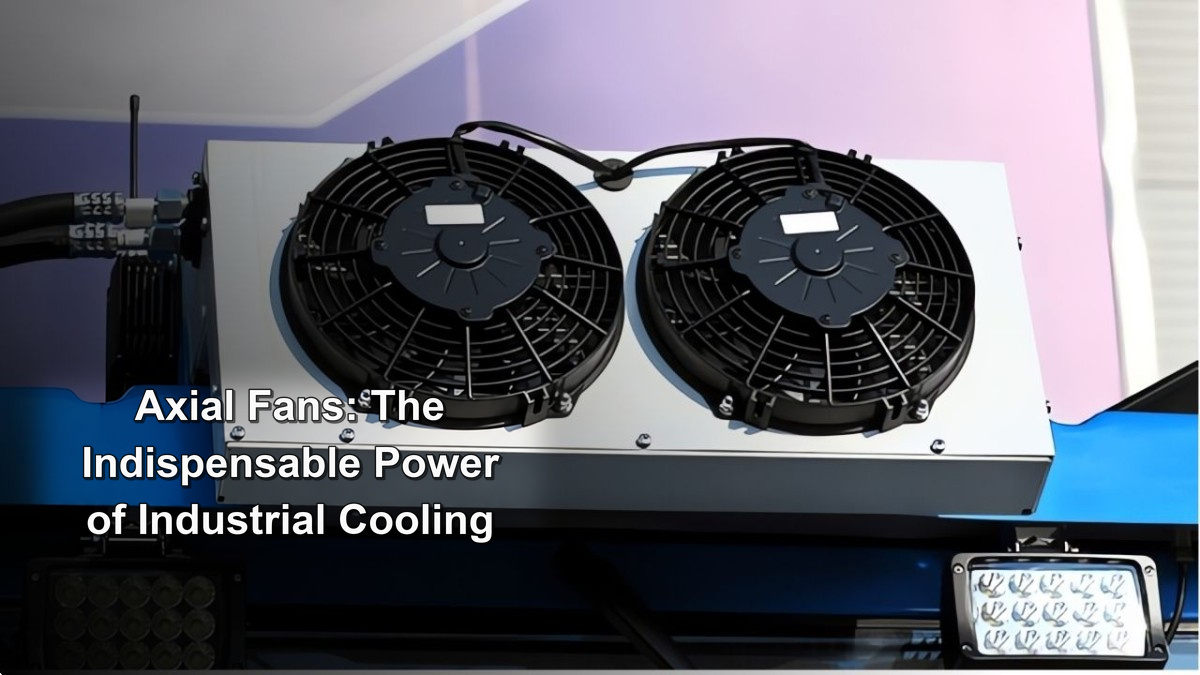
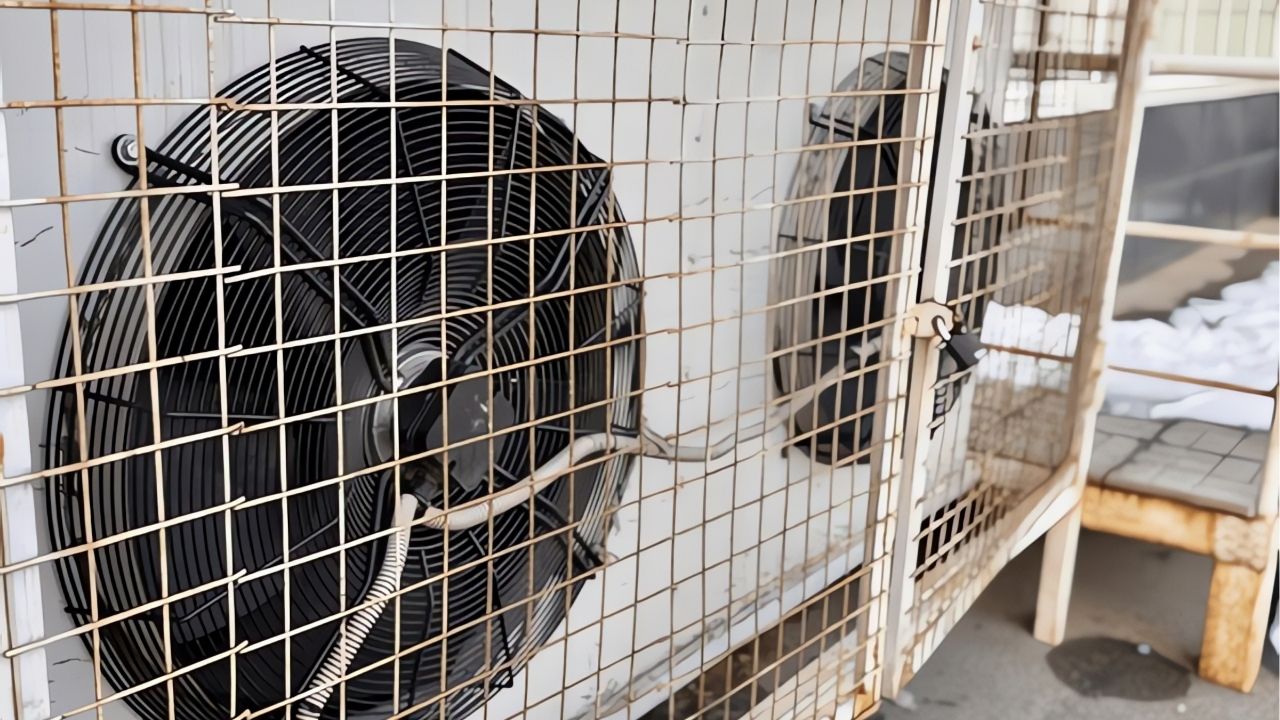
Demanding industrial environments require axial fans designed to withstand extreme conditions. Effective solutions combine robust construction with materials and design features that provide reliability against dust, humidity, chemicals, and high temperature.
For fans intended for demanding applications, corrosion-resistant aluminum and stainless steel components and protective coatings are preferred. Custom production offers the possibility of configuration according to protection requirements against contamination and moisture. These features matter in the food sector, where washdown and exposure to acidic compounds demand durability.
High-temperature applications benefit from axial fans with heat-resistant components and motor thermal protection. Suitable material selection and design adaptations extend equipment life in demanding conditions. For long-term use, the fan must be selected according to operating conditions; technical experience makes this selection easier.
Solutions such as vibration and temperature monitoring on fans for demanding environments help detect problems early and prevent unexpected downtime. These sustainable cooling solutions can lower the total cost of ownership through longer service intervals and reduced replacement needs. A holistic approach to the cooling infrastructure supports choosing durable solutions even for the most demanding applications.
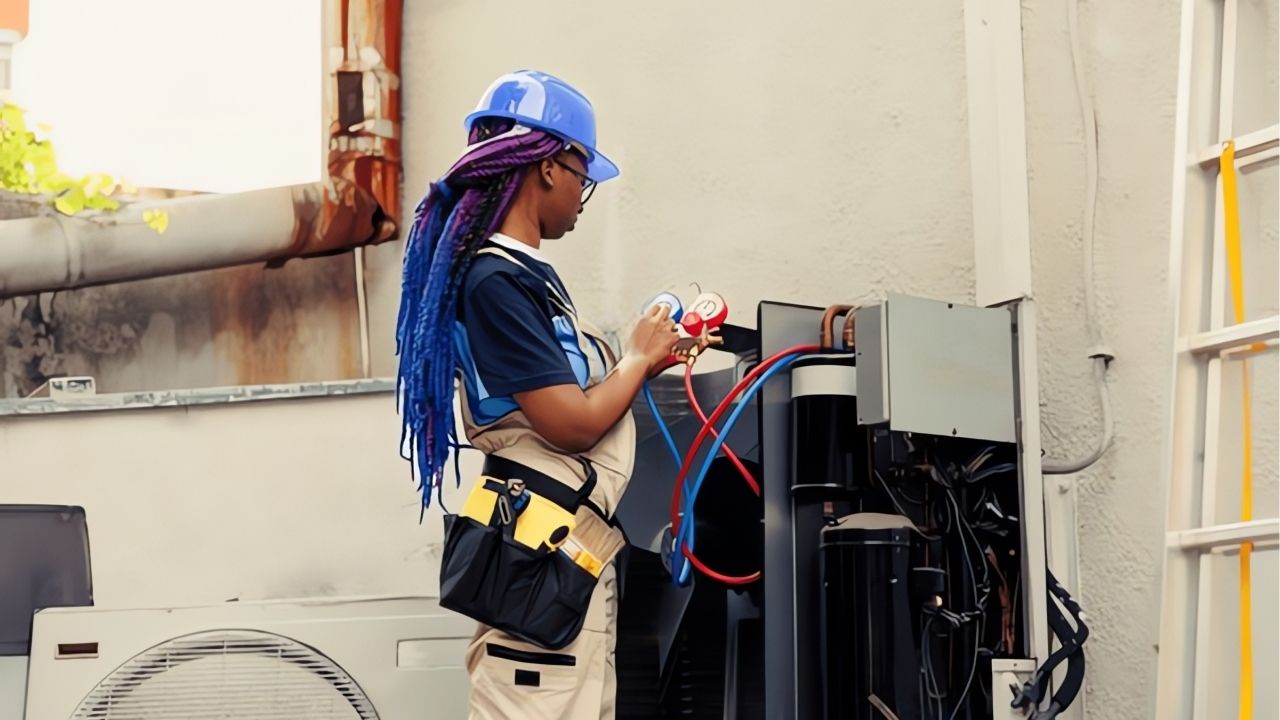
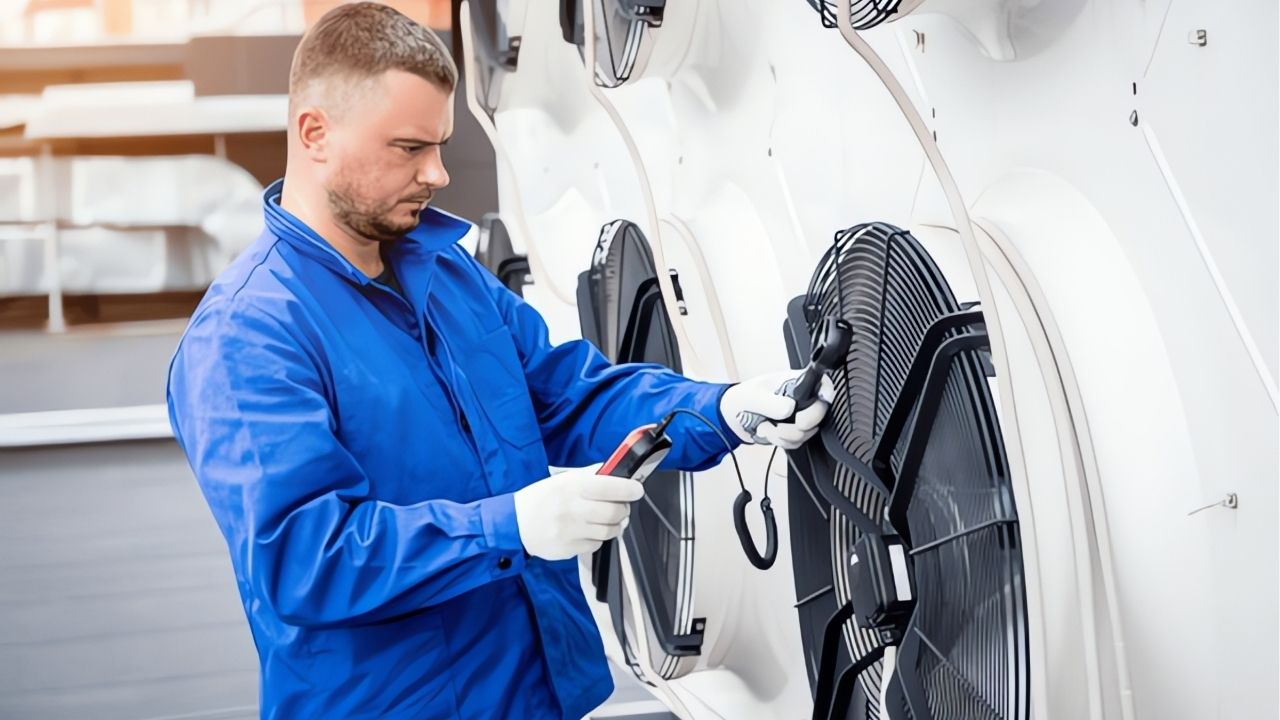
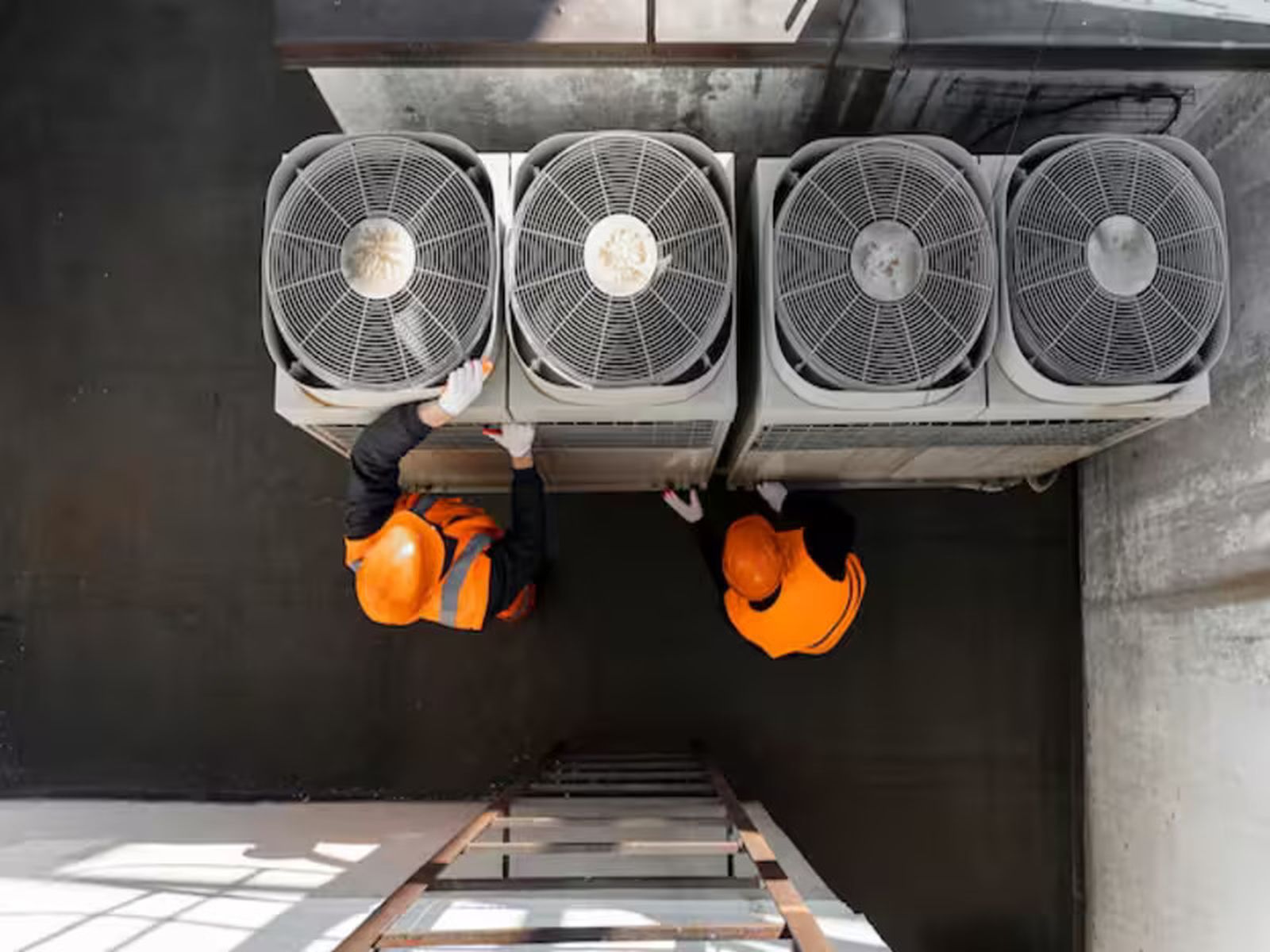
To maintain optimal cooling infrastructure performance and prevent costly downtime, axial fan maintenance must be done correctly. A well-structured maintenance program keeps airflow efficient, extends life, and protects the industrial facility investment.
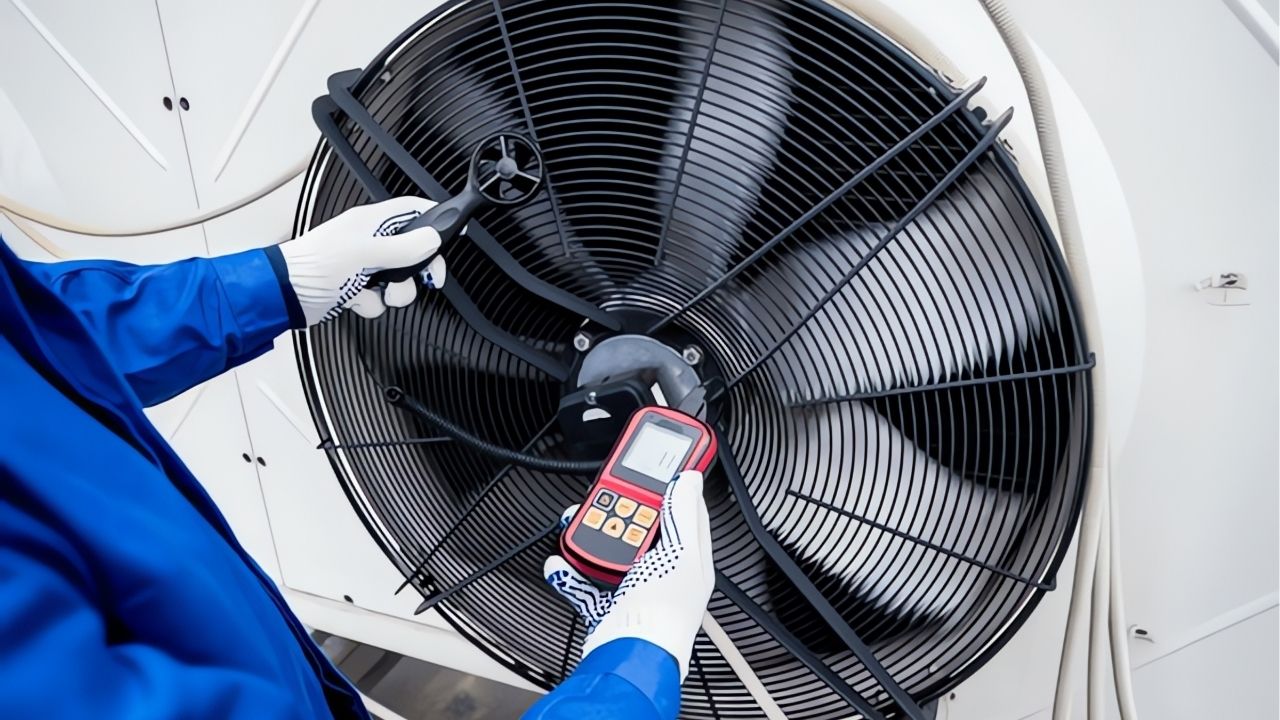
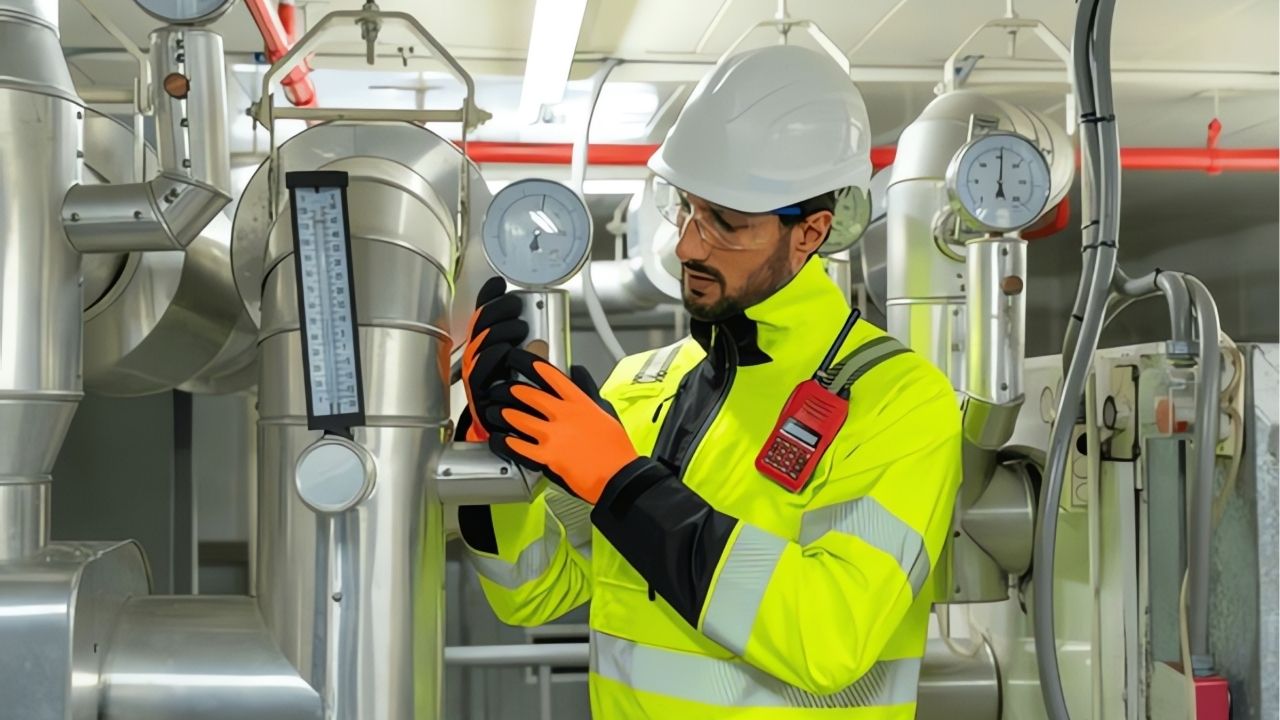
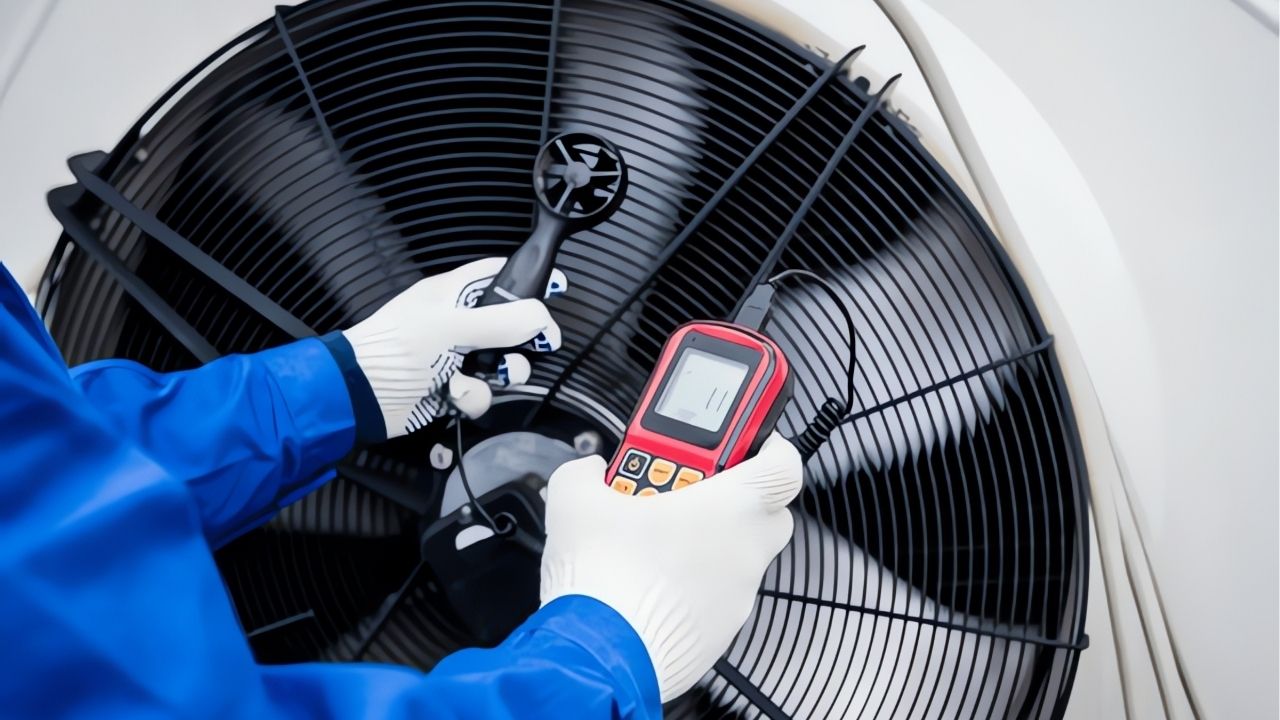
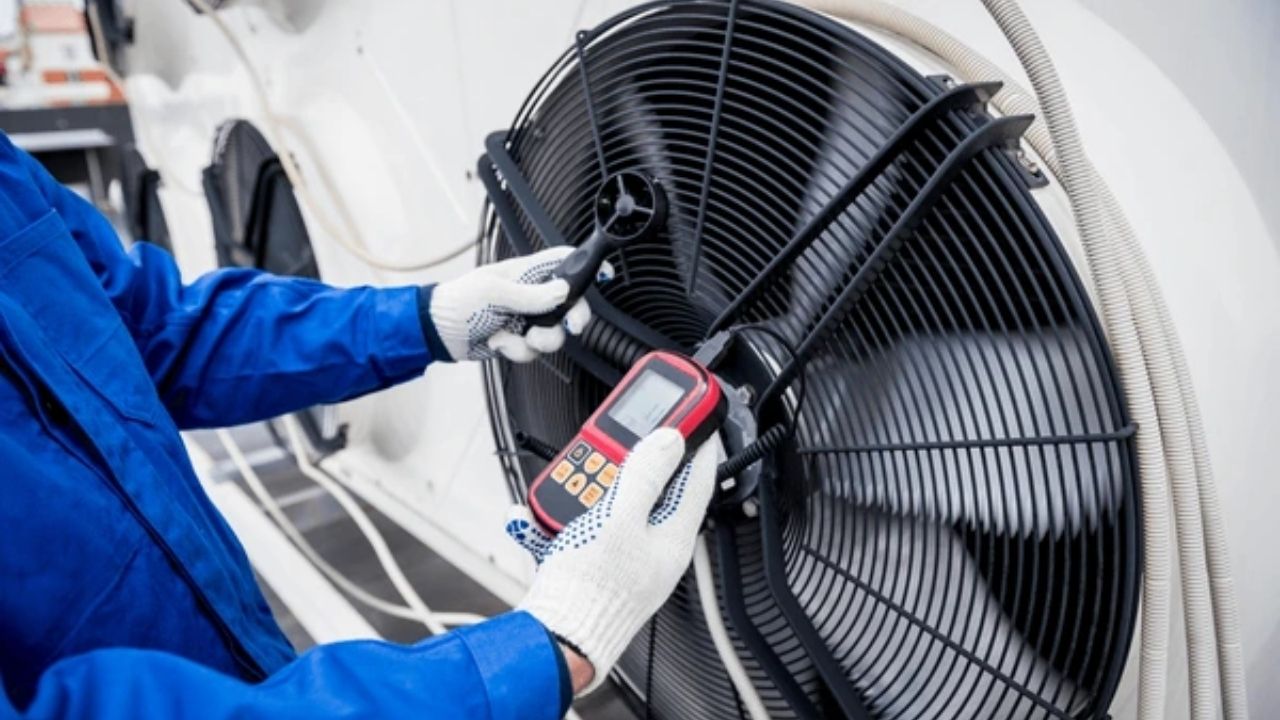
Regular inspections should focus on signs of wear or damage in key components such as bearings, belts (where present), and blades. Methods such as vibration analysis and thermal imaging can be used to catch problems before they affect performance. These measures are especially important in the food sector, where equipment cleanliness requires special care.
For bearings that require lubrication, lubrication should be done at intervals in line with the manufacturer's recommendation for long-lasting use. Even small balance or alignment deviations can raise energy consumption and lower efficiency, so these checks should be done periodically. For fans working together with evaporator and condenser equipment, extra attention is needed for heat transfer and system performance.
Advanced monitoring technologies enable predictive maintenance that tracks performance metrics in real time. Changes in vibration pattern, temperature, or power consumption can point to developing problems. These sustainable cooling solutions help reduce maintenance costs while improving equipment reliability.
Correct maintenance not only extends life but also ensures consistent energy efficiency and operational reliability. Facilities that apply planned maintenance generally see lower energy consumption and maintenance costs and avoid unexpected failures. To protect the investment, defining a facility-specific maintenance strategy is recommended.
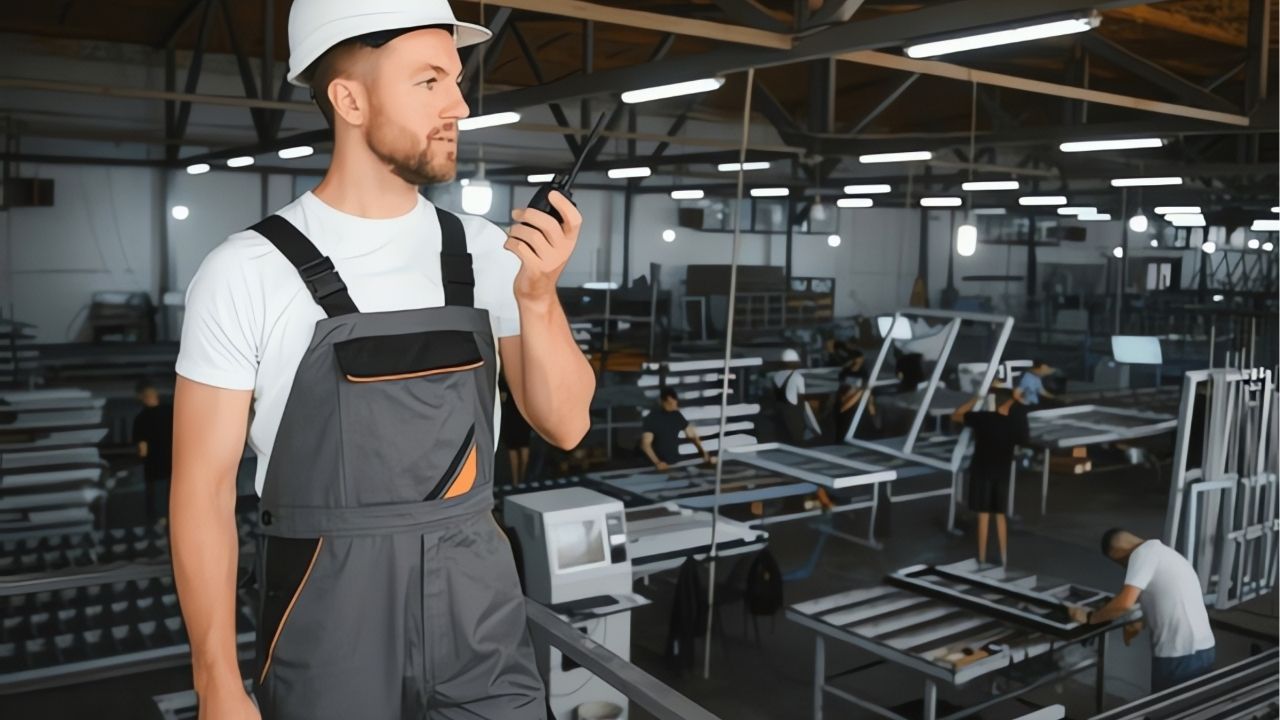
Process cooling is a critical function in industrial facilities, where precise temperature control directly affects product quality and efficiency. Axial fans are an important part of effective process cooling systems and provide consistent airflow and heat distribution in applications ranging from production lines to specialized production processes.
The design of axial fans allows them to move large air volumes with high energy efficiency, which makes them suitable for continuous operation in demanding environments. Optimizing the airflow pattern reduces power consumption. When used together with evaporator and condenser equipment, fans support precise temperature control throughout the production process.
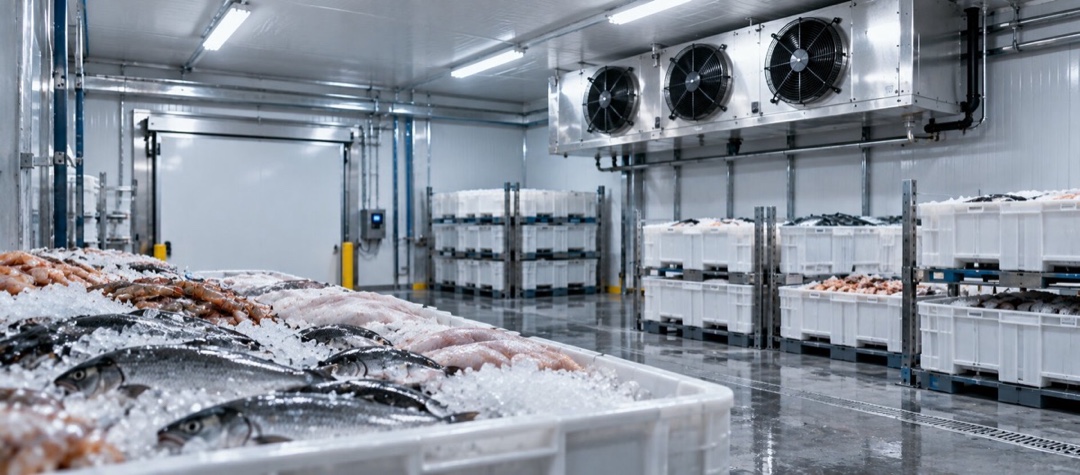
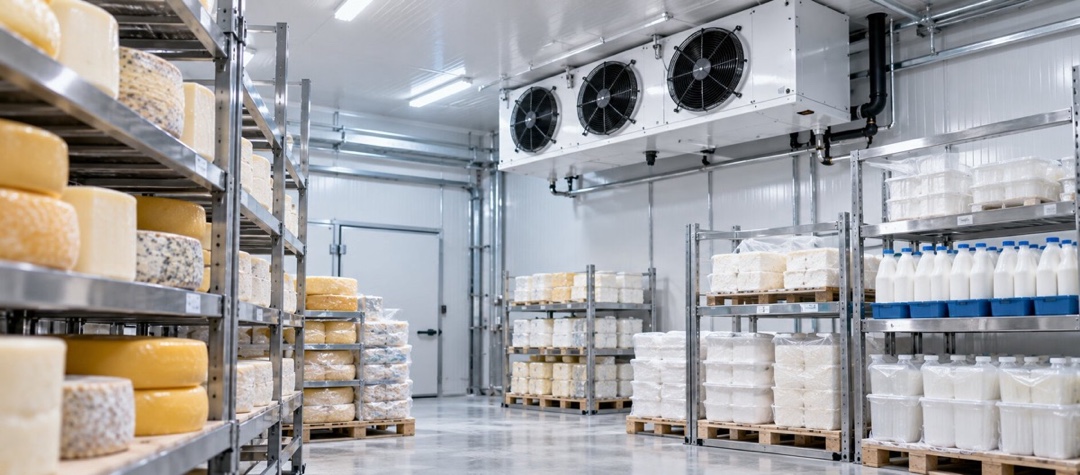
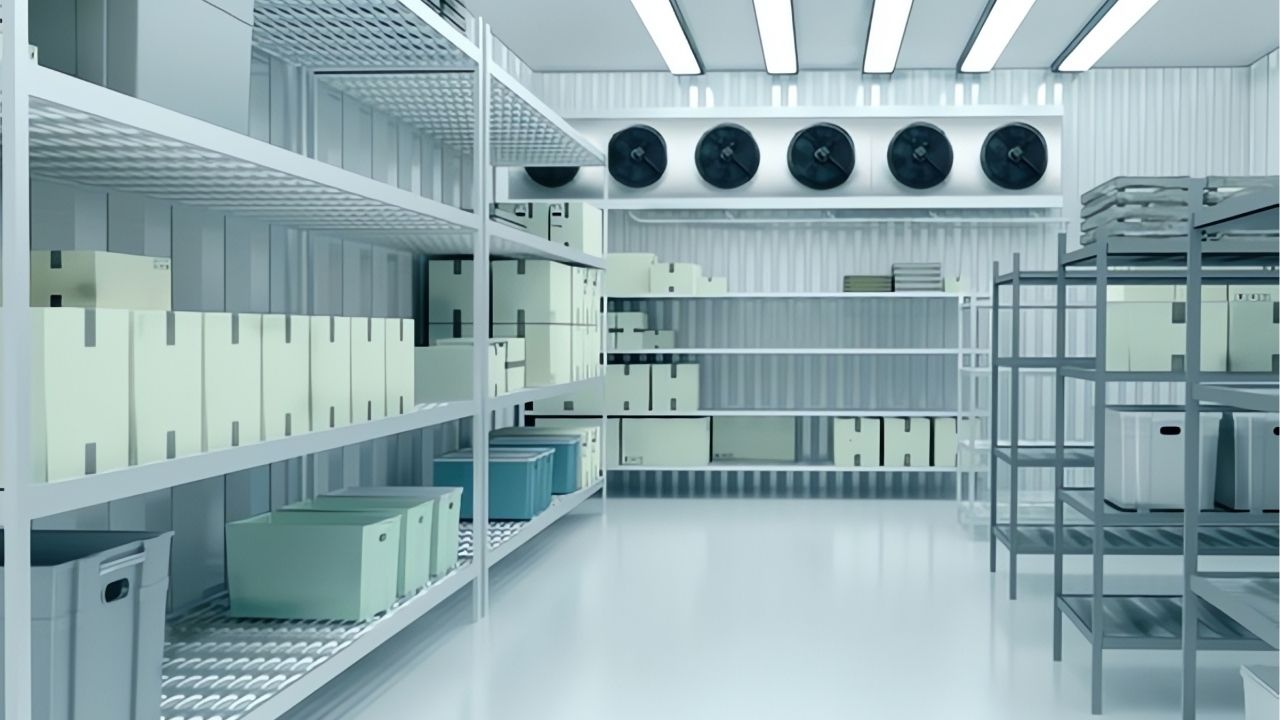
In the food sector, axial fans play an important role in maintaining hygiene standards and ensuring consistent product quality. Their ability to provide even cooling over large surfaces is valuable in applications such as blast cooling and cold storage. Custom production provides fan configurations that suit food processing requirements such as corrosion resistance and cleanability.
Modern axial fans can adapt to changes in process requirements with variable speed control and monitoring systems. These features support precise temperature management while optimizing energy consumption and contribute to more sustainable cooling solutions. The robust construction of industrial-grade fans provides long-lasting use in demanding process applications.
Effective process cooling directly affects production efficiency, product quality, and operating costs. Experience with cooling infrastructure is important for the reliable operation of axial fan installations. You can share your project-specific process requirements with Günay Soğutma and determine the suitable solution together.
Selecting an industrial-grade axial fan requires careful evaluation of many factors that affect performance and reliability in a demanding cooling infrastructure. The right choice directly affects operating efficiency, maintenance costs, and system life across production lines and industrial processes.
Quality materials and precise manufacturing that provide long-lasting use in demanding environments are the basis of reliable axial fan performance. In the food sector, where washdown and moisture exposure are common, corrosion-resistant components and a motor design suited to continuous operation stand out. In integration with evaporator and condenser equipment, attention should be paid to compatibility and performance characteristics.
Energy efficiency is an important topic that determines operating cost over the equipment's service life. Prefer fans with an aerodynamic blade profile and an efficient motor that increase airflow while limiting power consumption. Custom production allows the fan configuration to be adapted to application requirements such as airflow in evaporator and condenser applications.
Features such as variable frequency drives and condition monitoring should be preferred in modern industrial axial fans; they enable predictive maintenance and optimize performance. These technologies contribute to more sustainable cooling solutions by reducing energy waste and unexpected failures. Real-time monitoring of vibration, temperature, and power consumption allows proactive maintenance.
Günay Soğutma's technical experience helps industrial-grade axial fans operate reliably in evaporator, condenser, and process cooling applications. A holistic approach to the cooling infrastructure includes detailed system analysis. You can contact Günay Soğutma for axial fan selection suited to your project.

Fill out the form to discover the most suitable high-end products for your projects. Contact Us Now.
Fill out the form now not to miss our special offers for you! The latest discover our products and innovations.
Fill out the form now not to miss our special offers for you! The latest discover our products and innovations.
Notification Centre 00:00