

What Conditions Are Evaporator Catalogue Capacities Based On?
01 / 10 / 2026

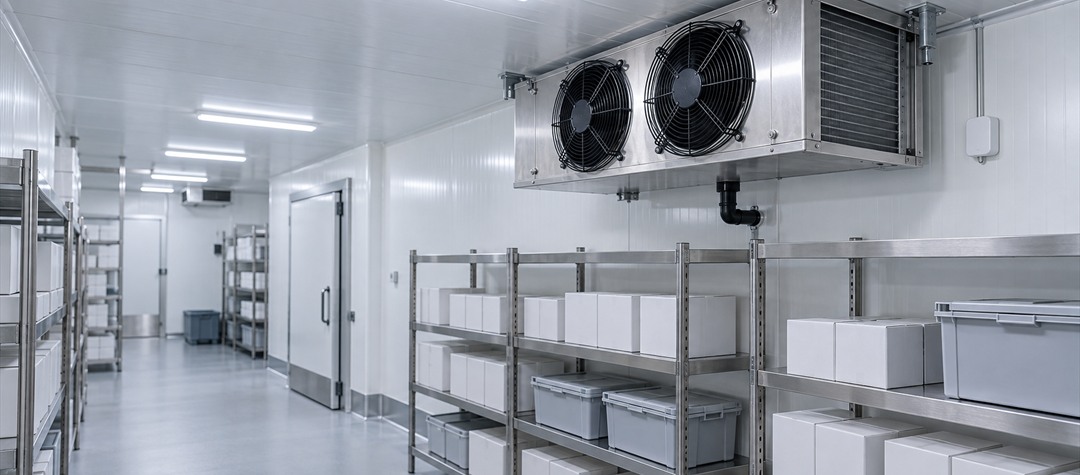
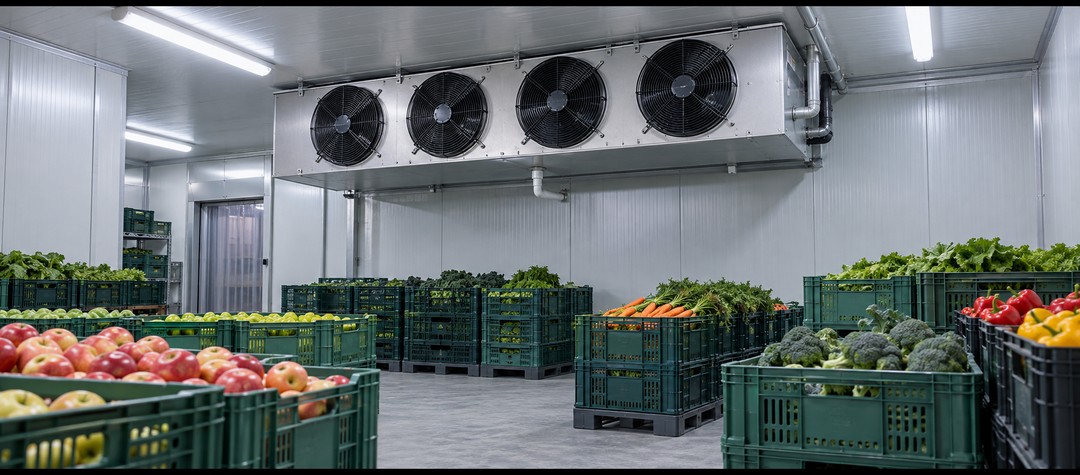
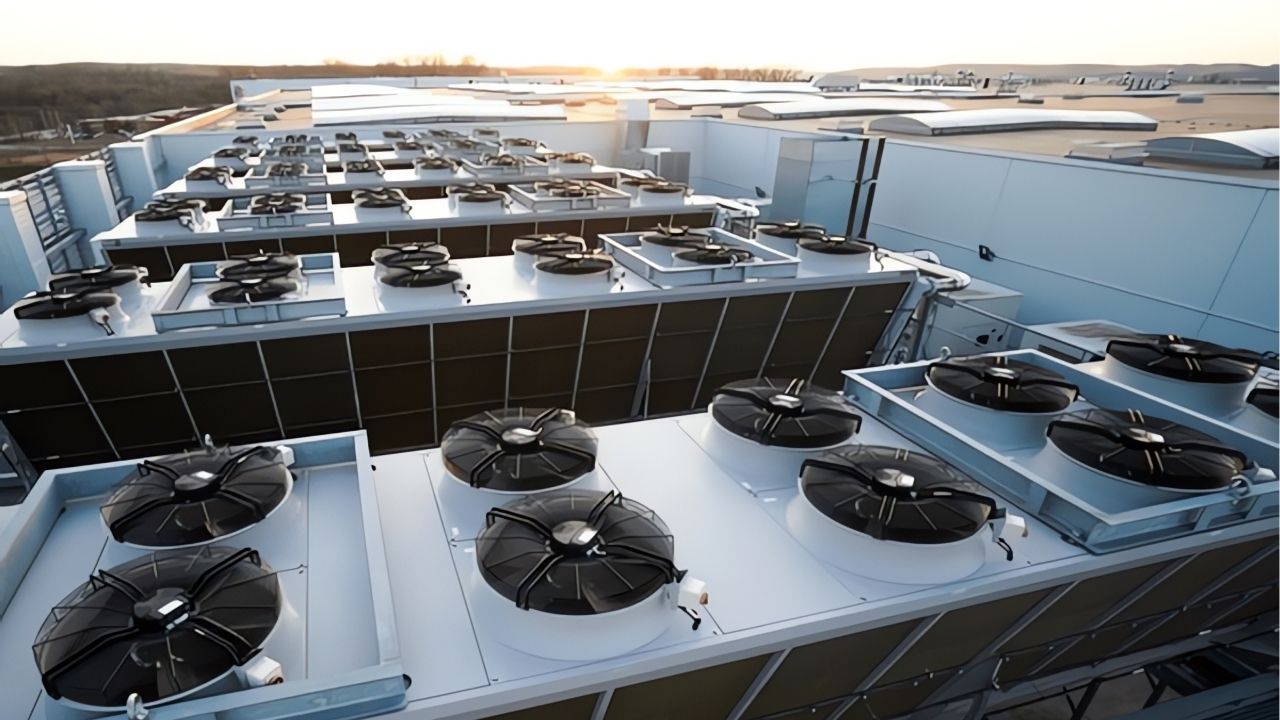
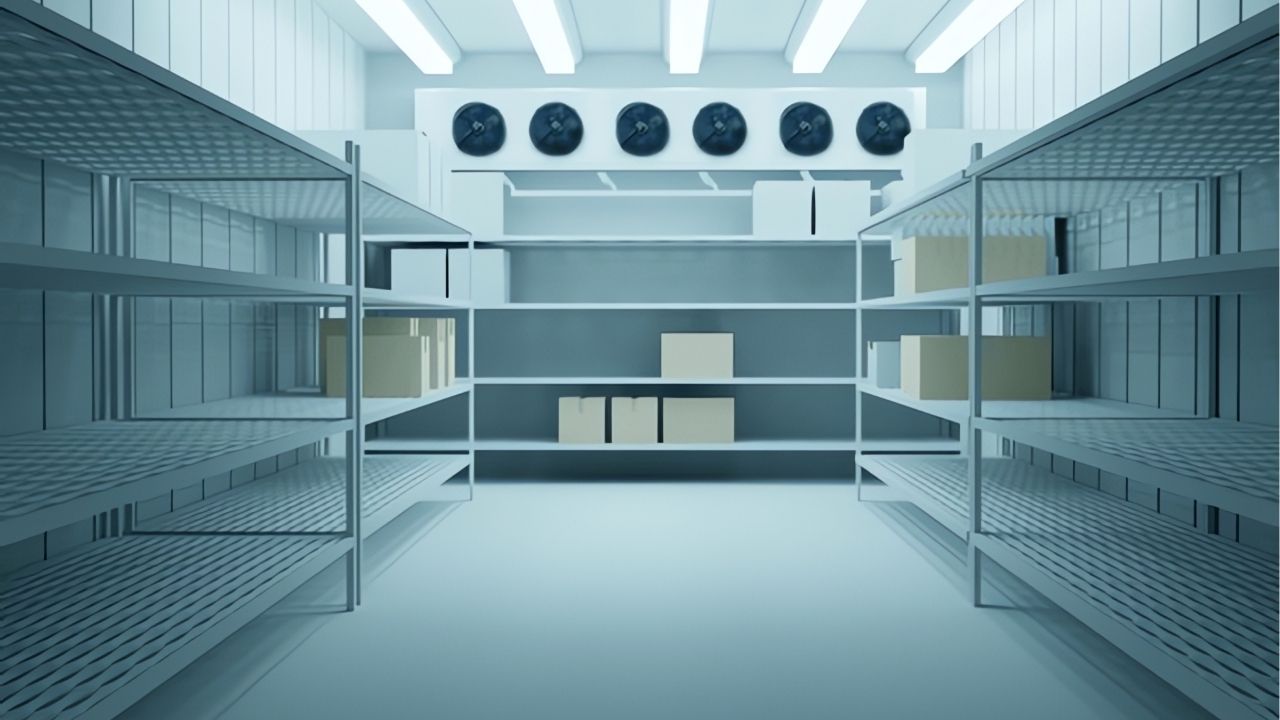
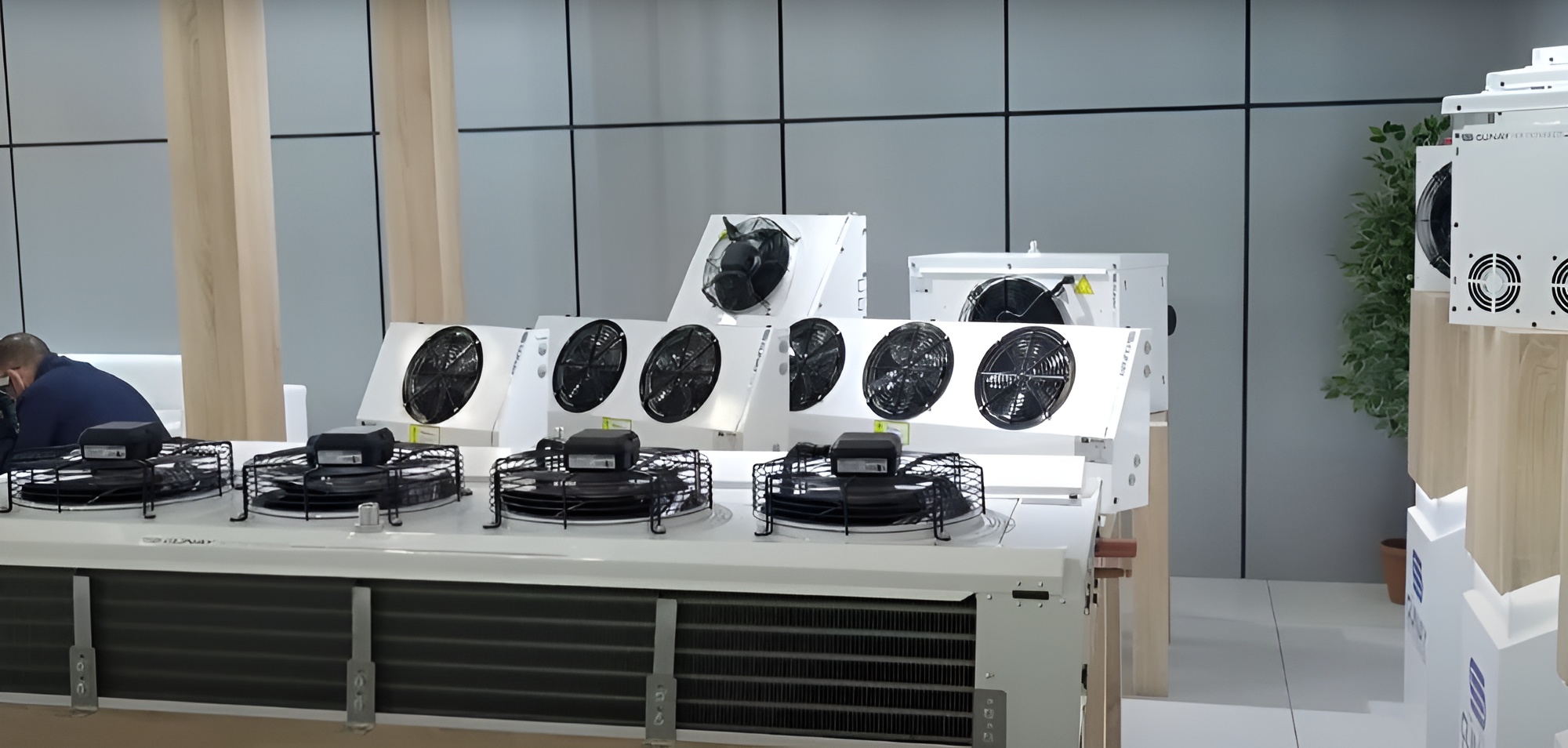
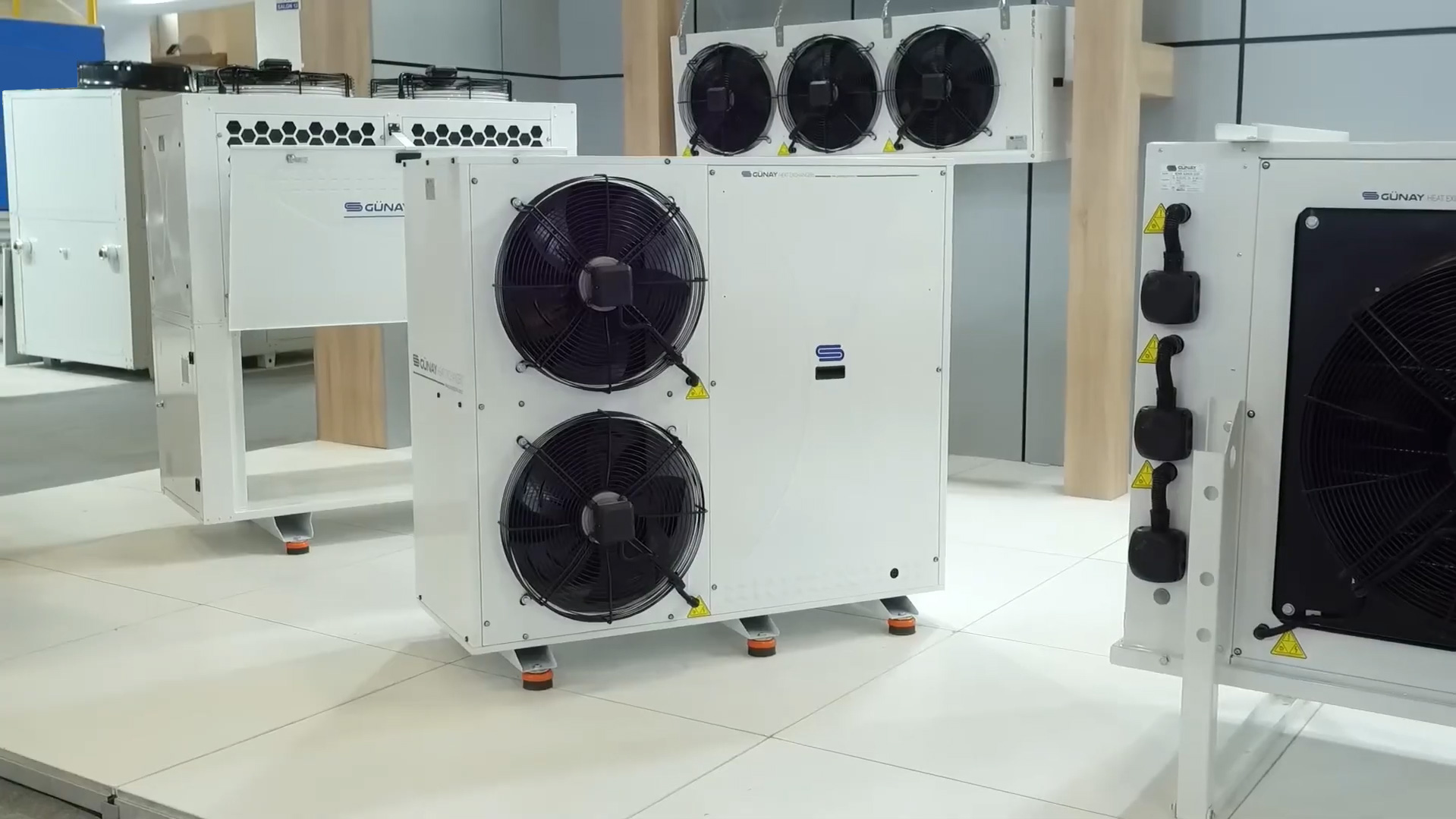
Choosing an industrial evaporator requires more than checking a catalog capacity figure. The equipment must maintain the required temperature under the facility's actual operating conditions, allow practical maintenance and work with the other parts of the cooling system.
Five areas should be assessed: cooling load and capacity, fin spacing and materials, heat transfer and fan efficiency, maintenance and hygiene, and compatibility with the existing system. Reviewing them against project data makes it easier to identify a suitable model.
Start with the target room or process temperature, the amount of product to be cooled, operating hours and the facility's heat load. Evaporator capacity must meet this need. Insufficient capacity can make the target temperature difficult to maintain, while an oversized unit can add unnecessary purchase and operating costs.
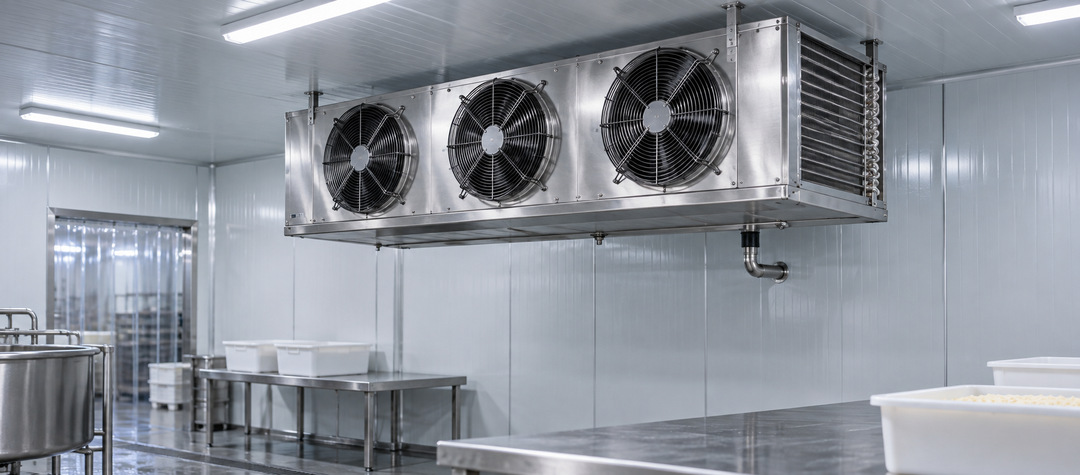
A catalog capacity must be read together with the room temperature, evaporating temperature and refrigerant conditions at which it was stated. Capacity figures given under different conditions should not be compared directly. Selection should use the value applicable to the facility's design conditions.
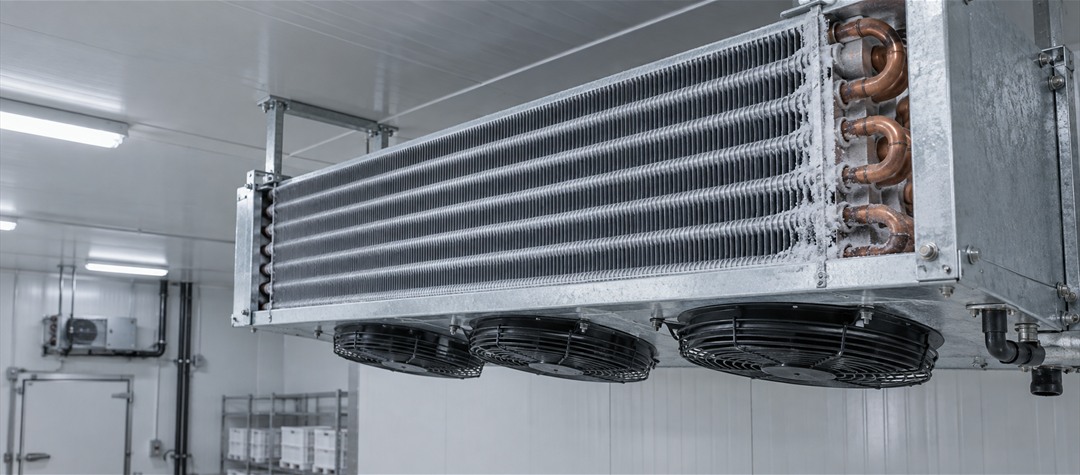
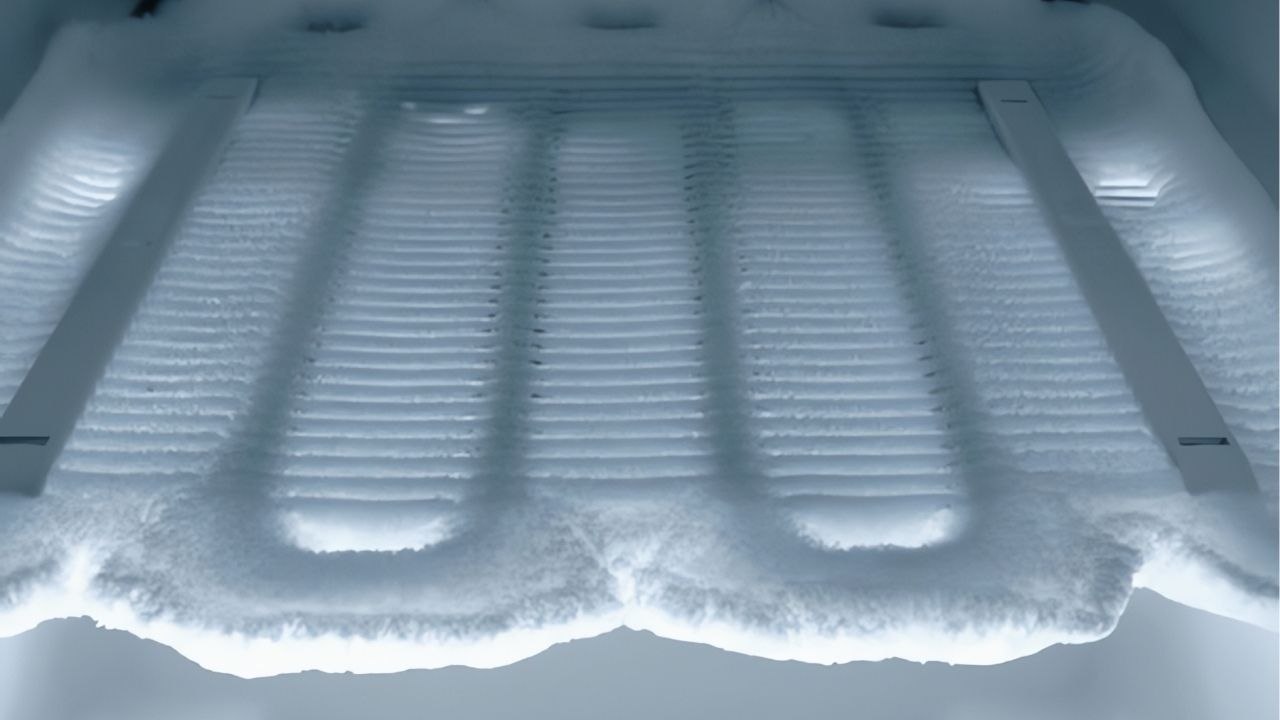
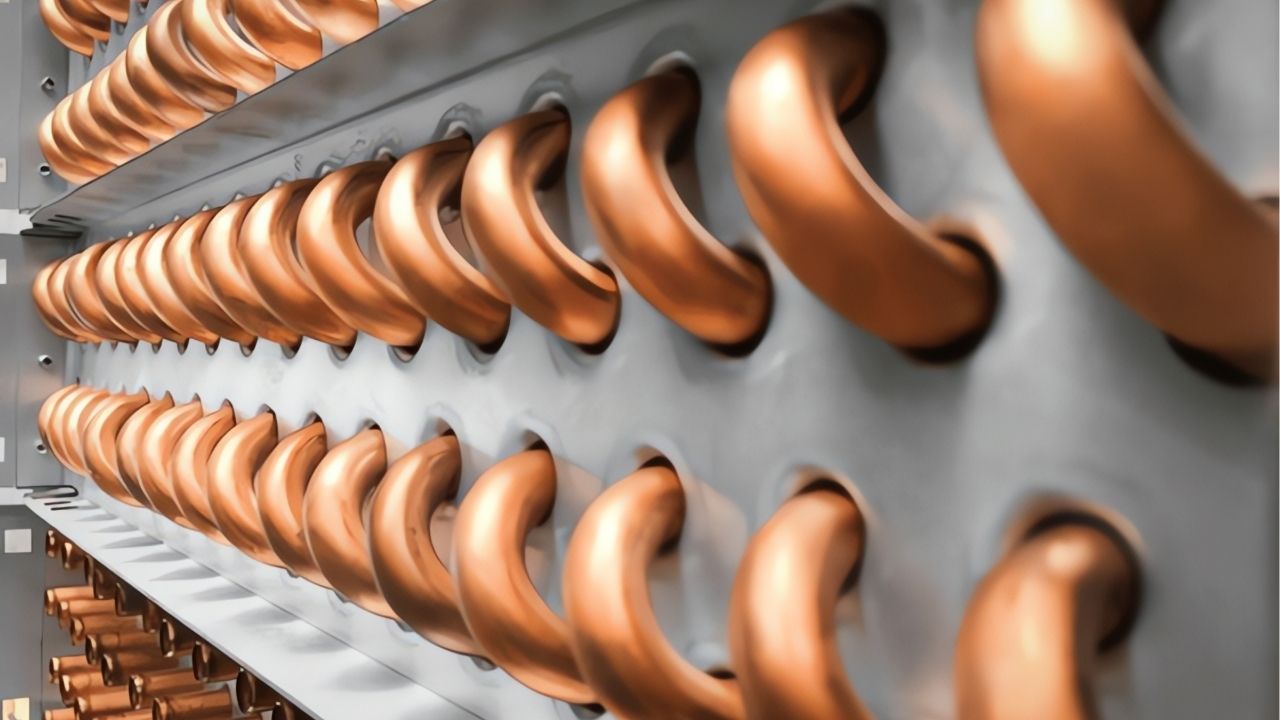
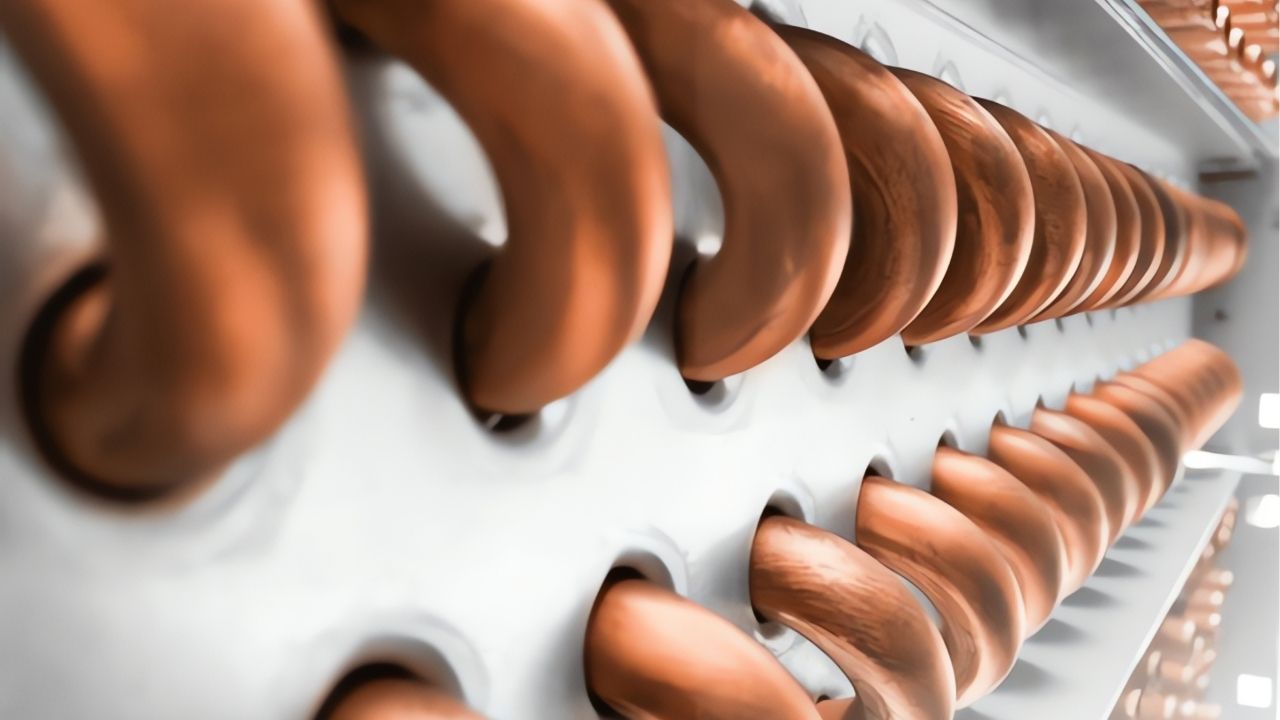
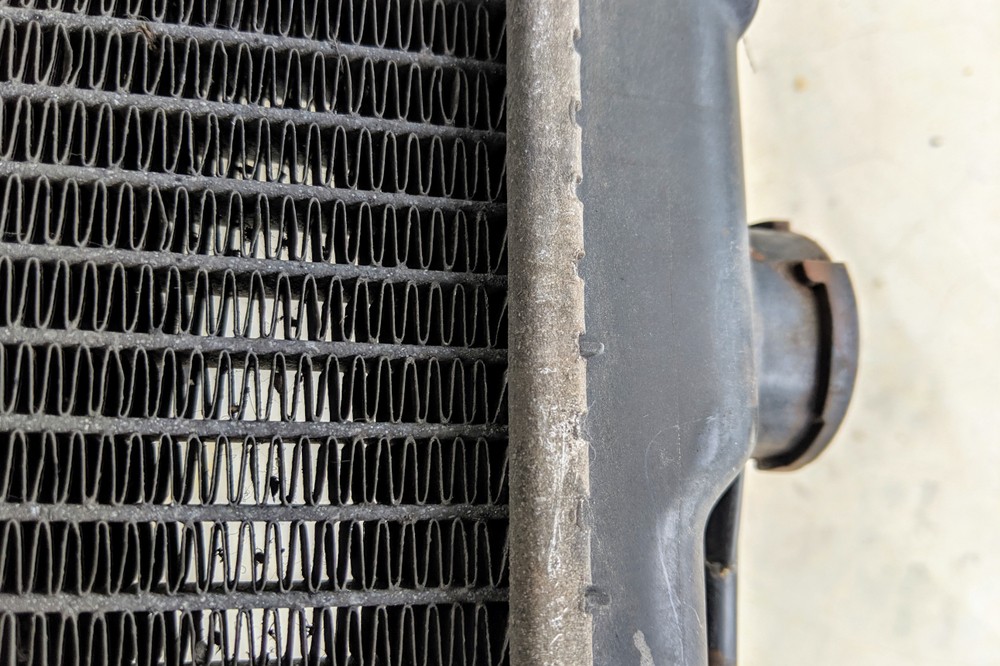
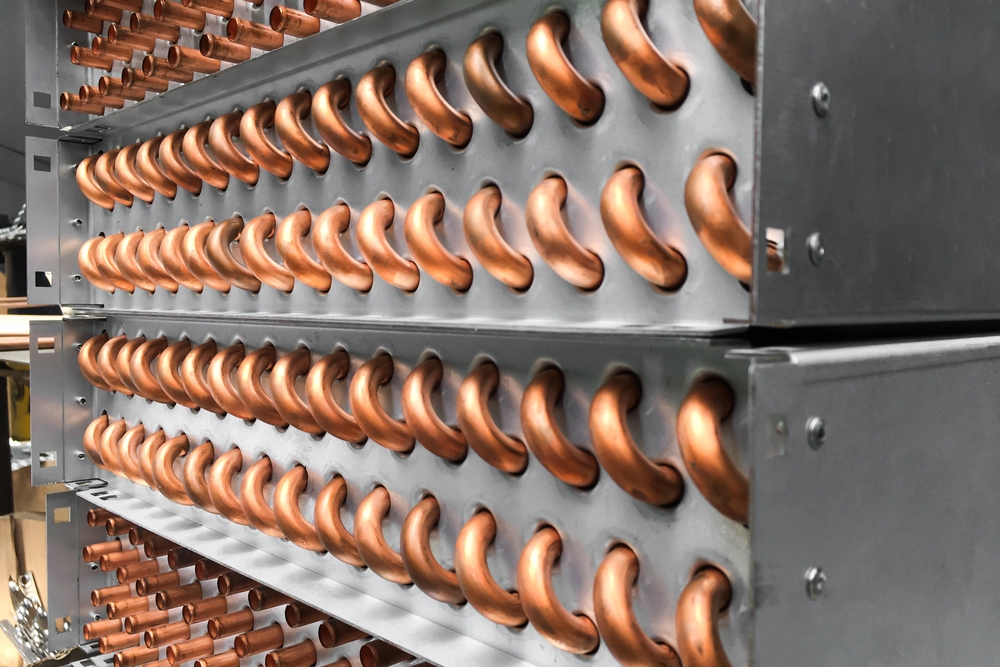
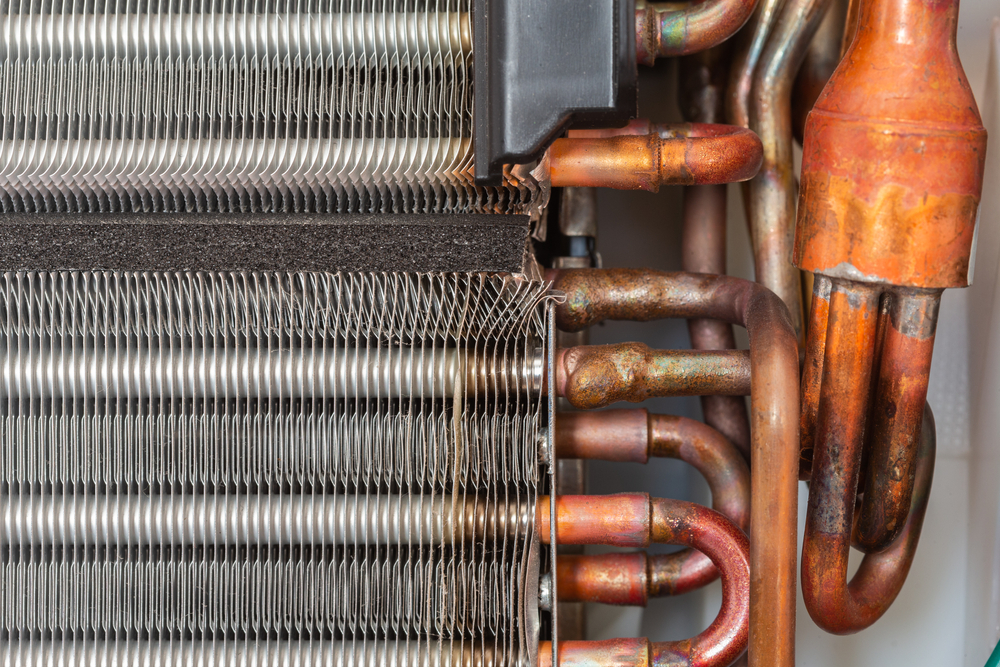
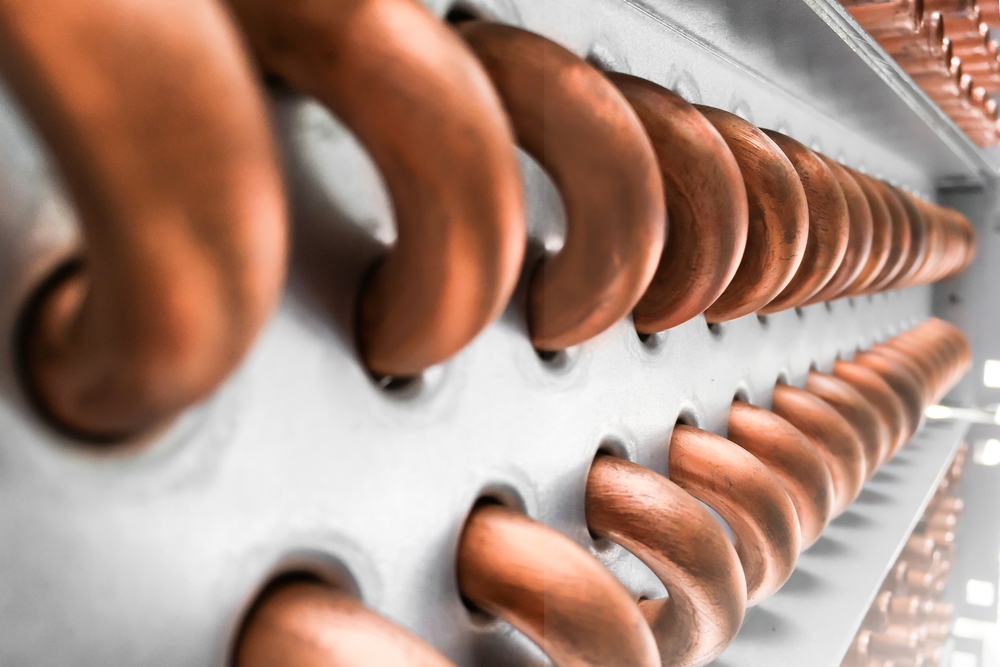
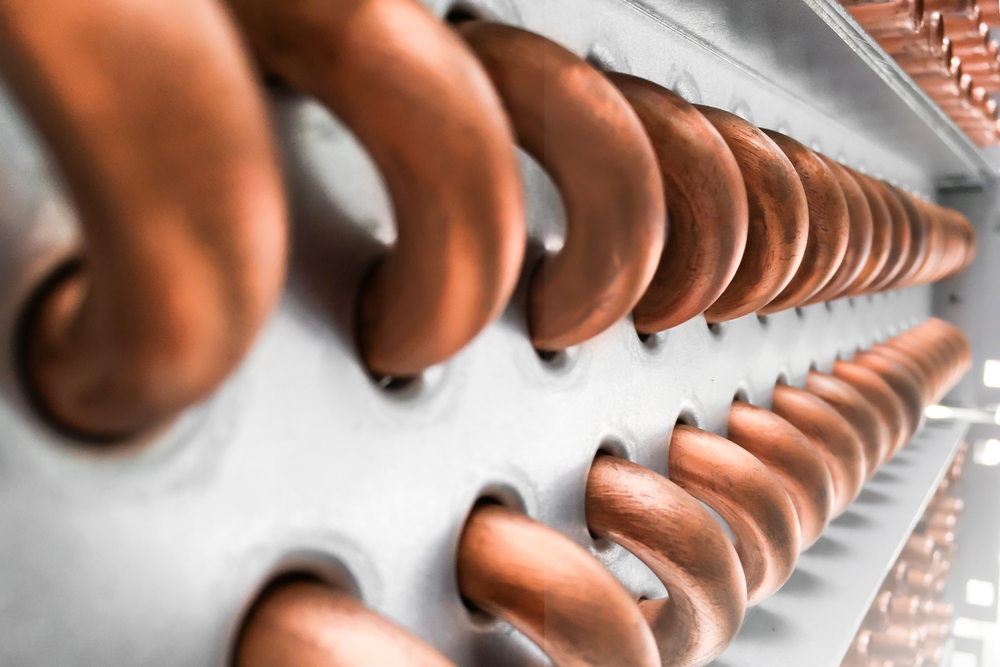
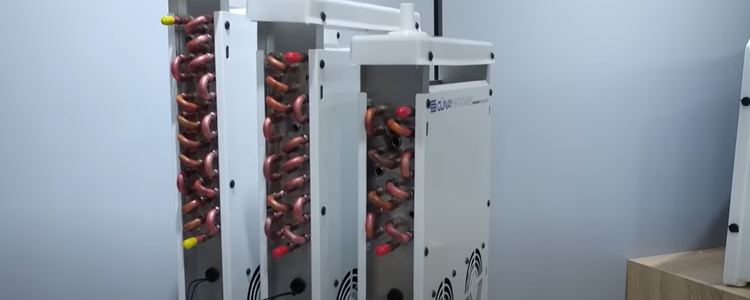
Fin spacing affects airflow and frost buildup. In low-temperature or humid applications, the likelihood of frosting should be considered when spacing is chosen. Narrowing the spacing solely to increase heat transfer area may restrict airflow under actual operating conditions.
Tube, fin, casing and protective coating options should be assessed against humidity, cleaning practices and corrosion risk. In applications such as food processing, cleanability matters alongside material selection.
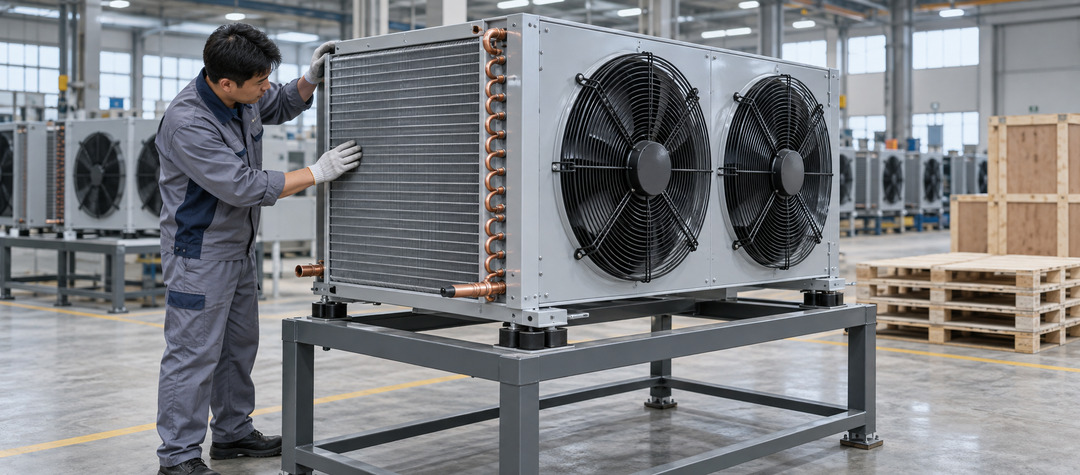
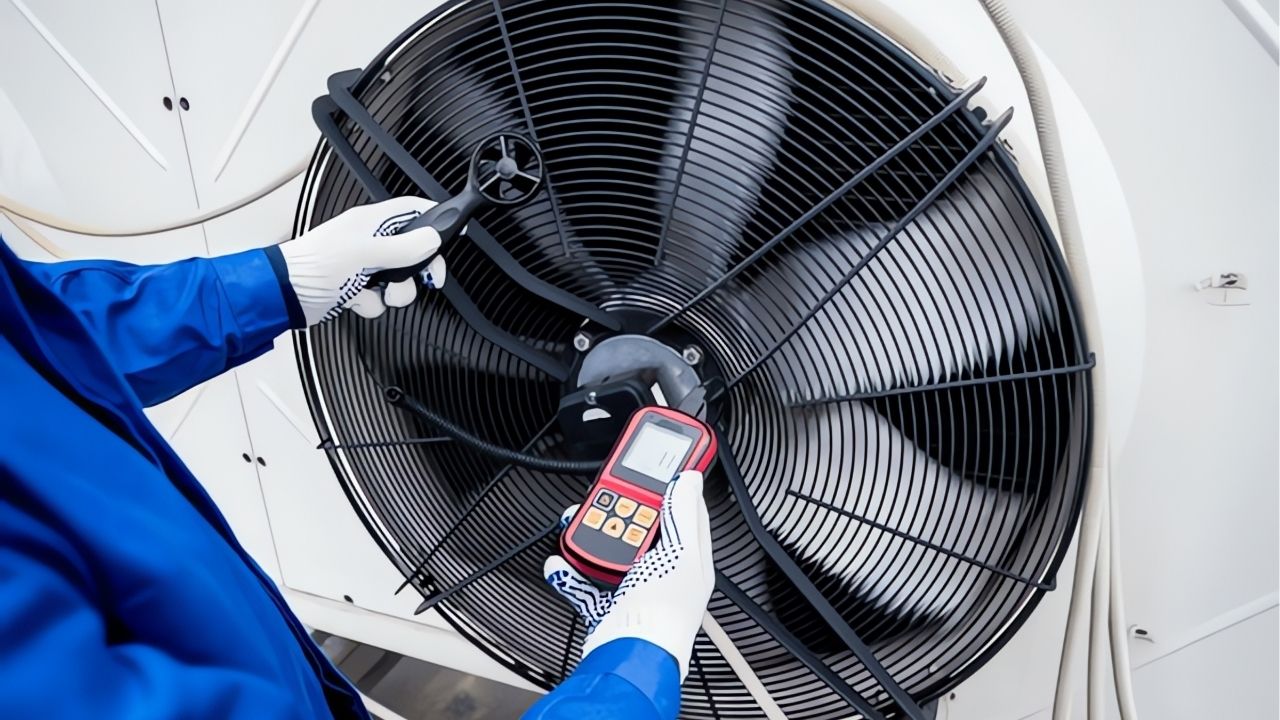
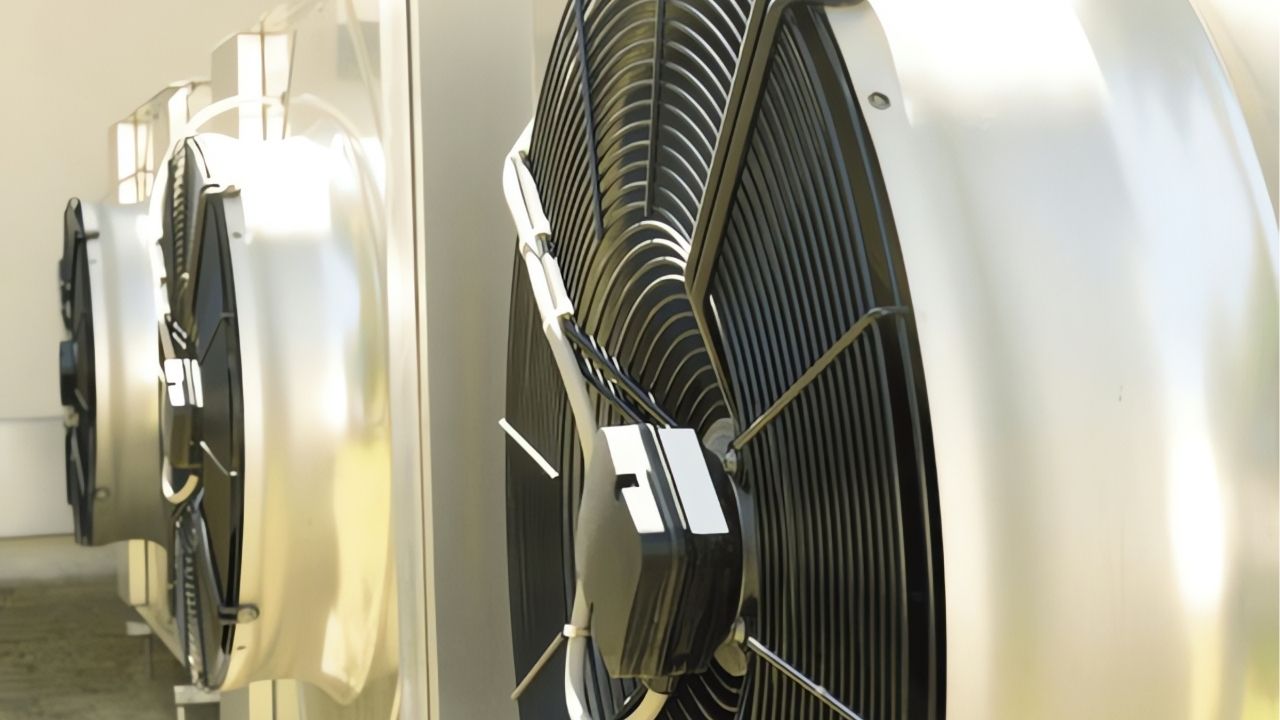
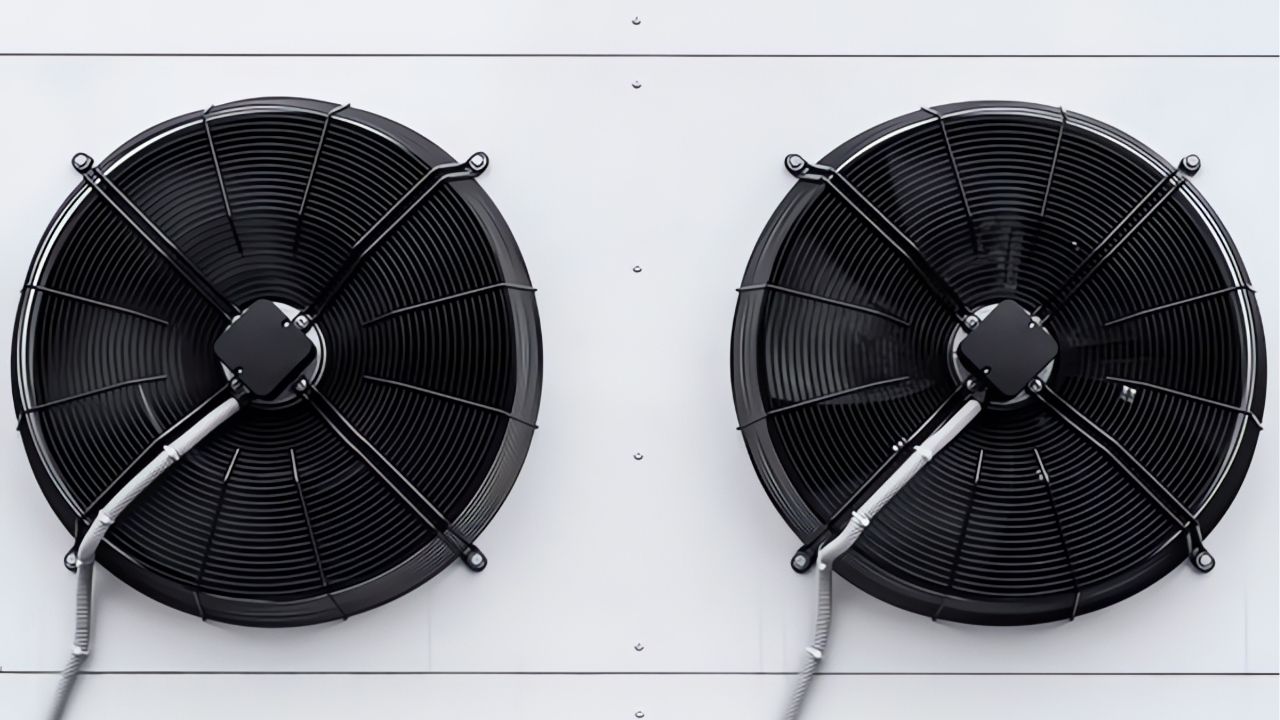
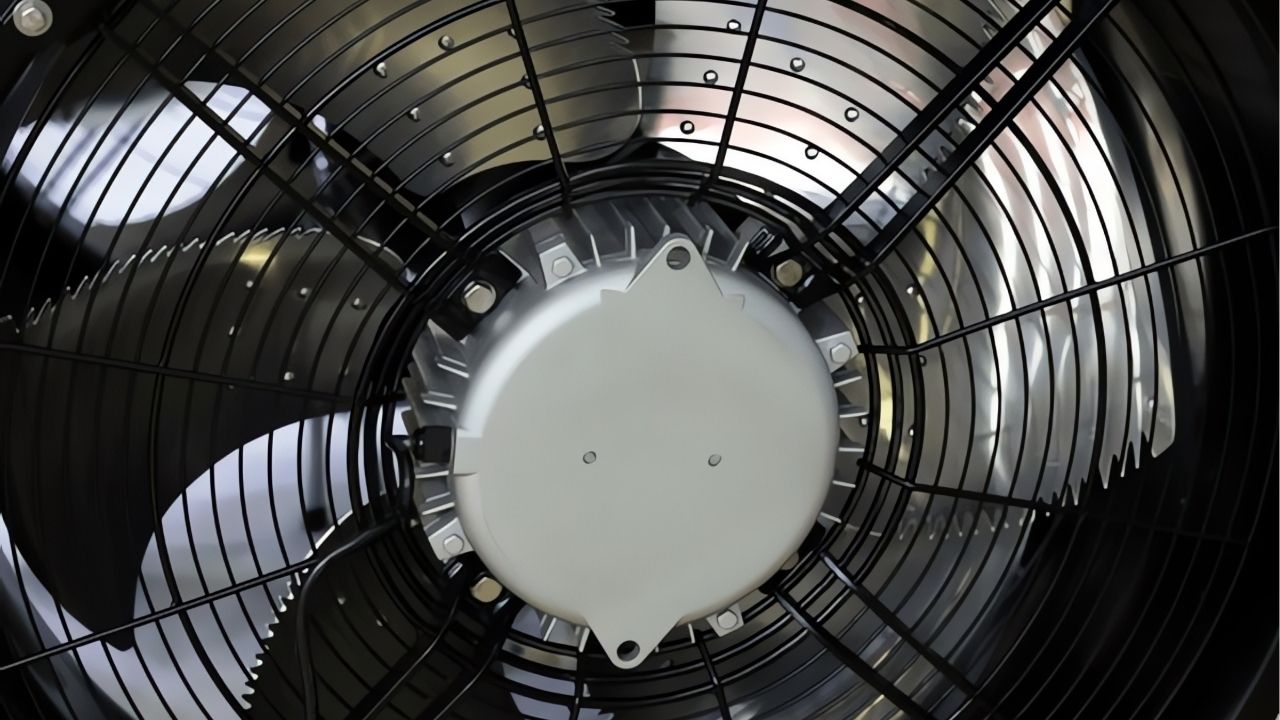
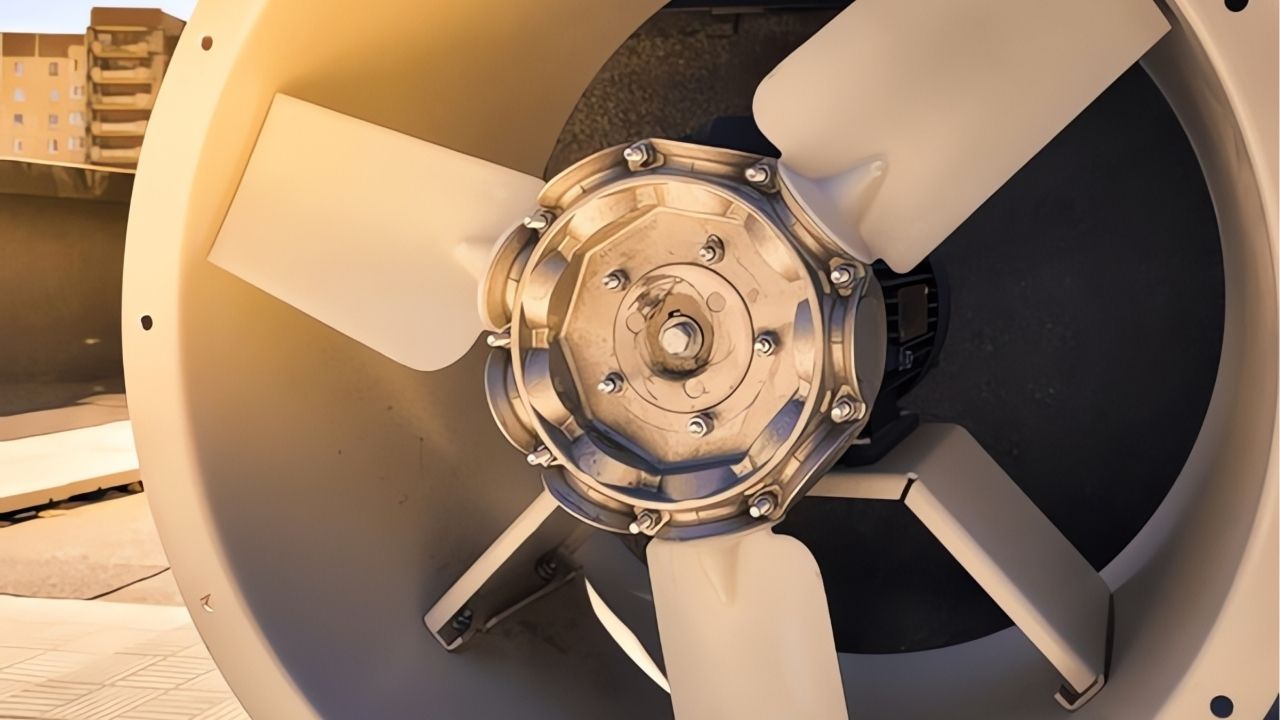
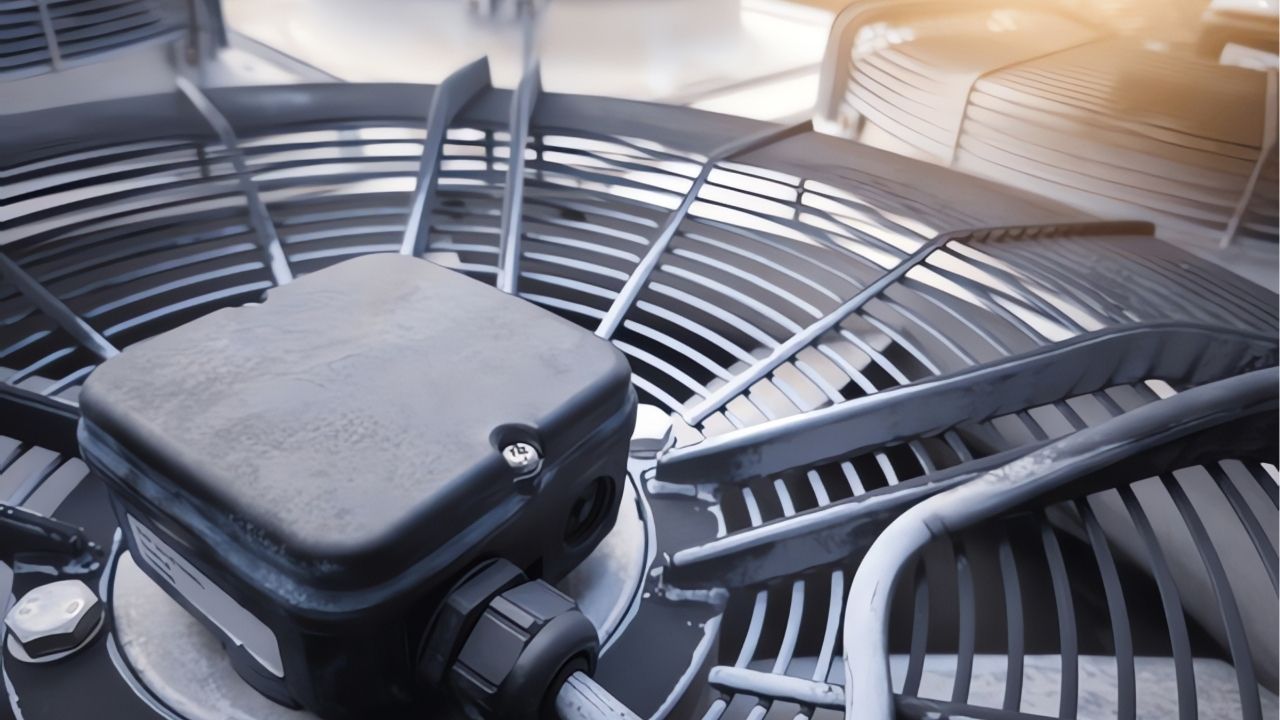
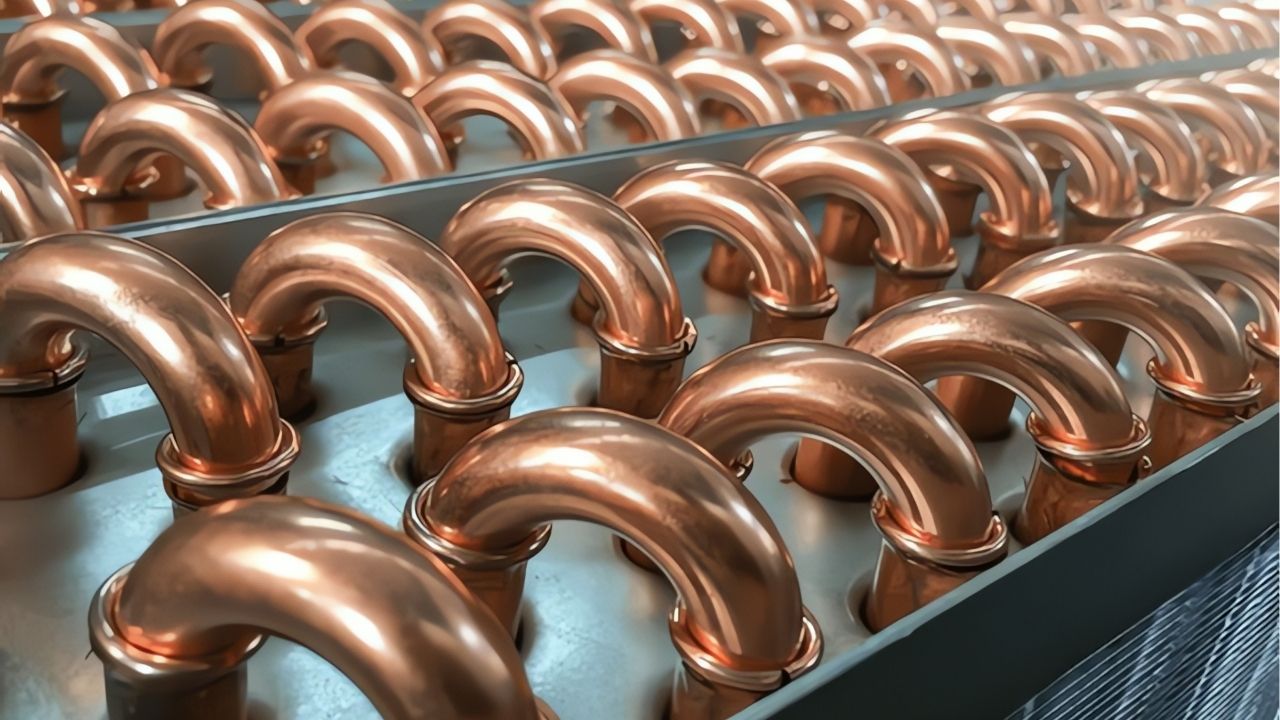
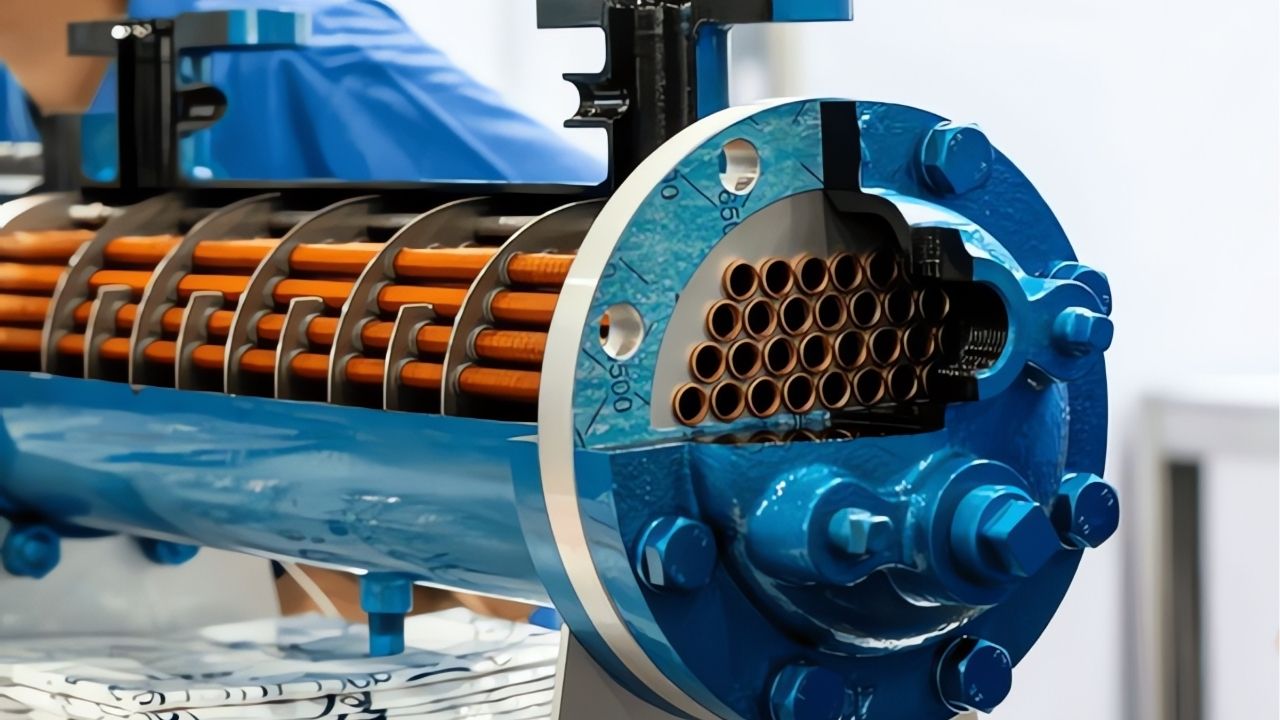
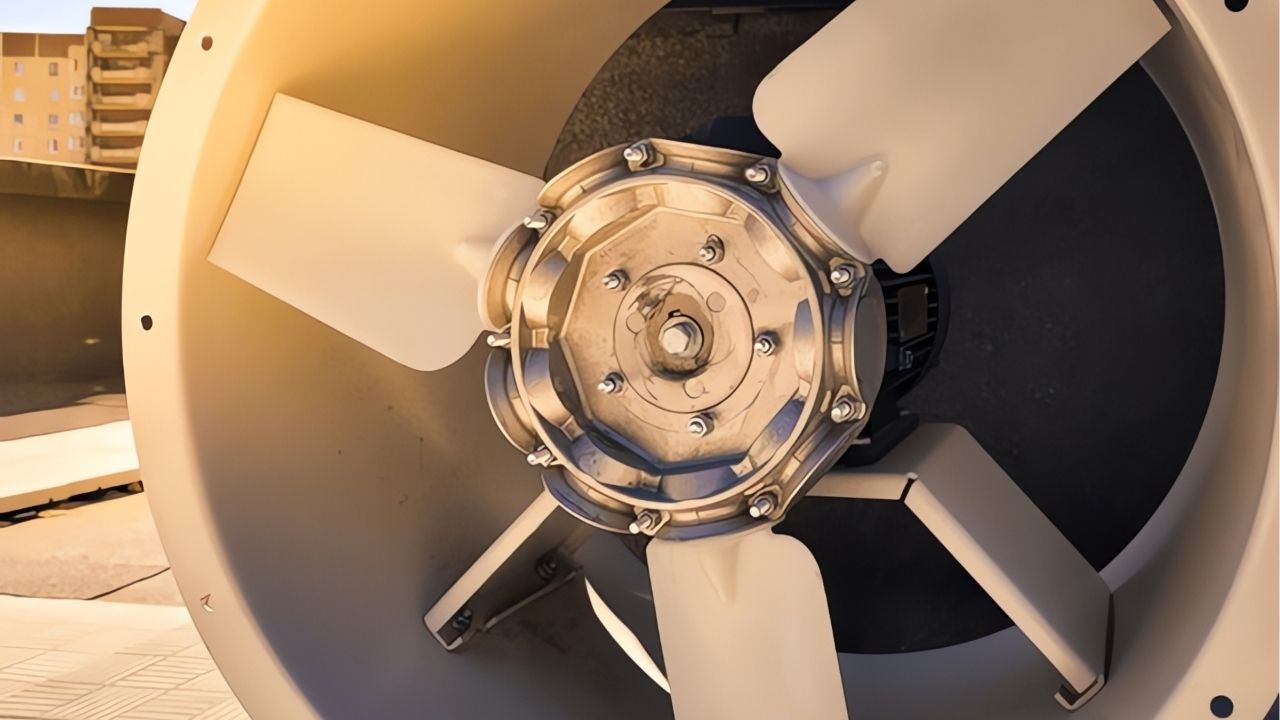
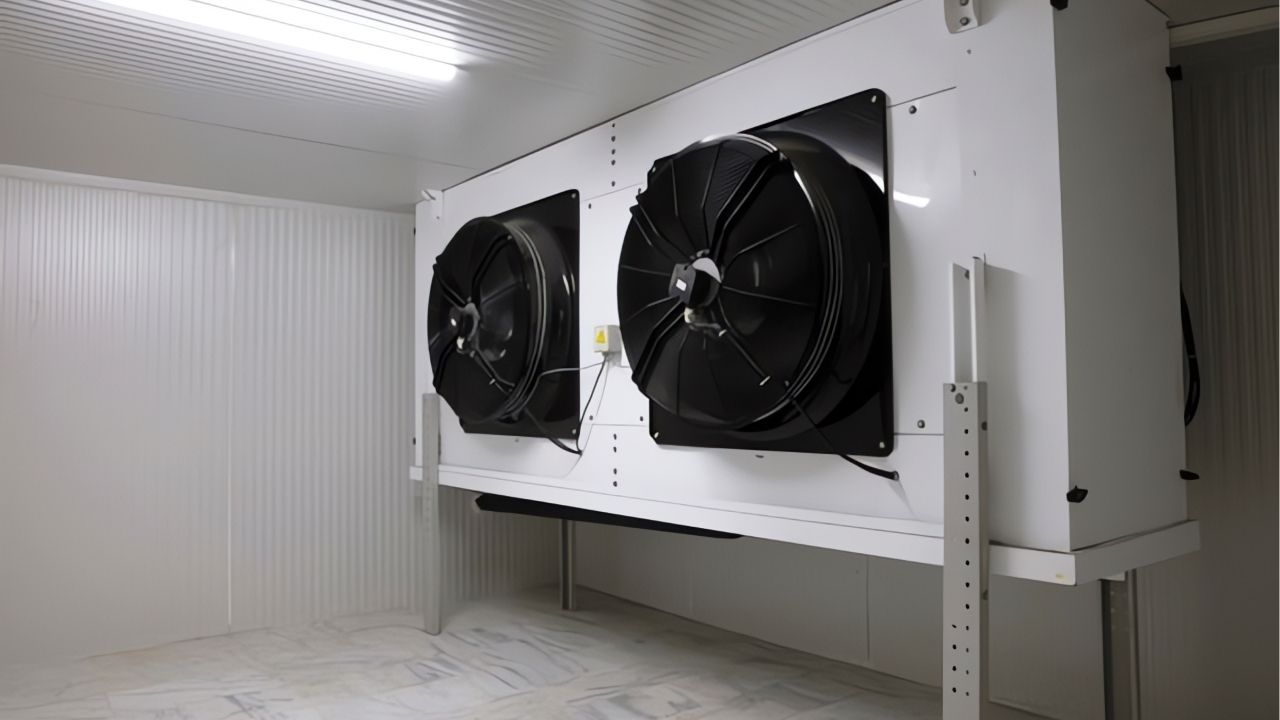
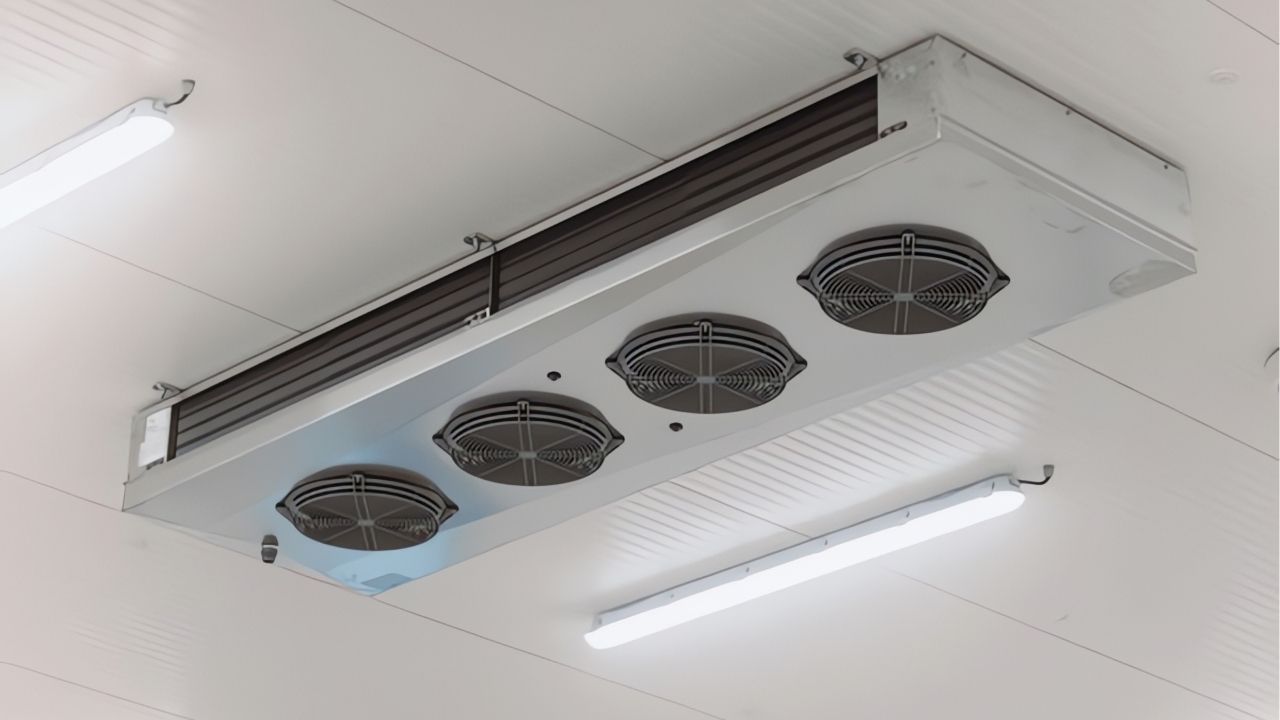
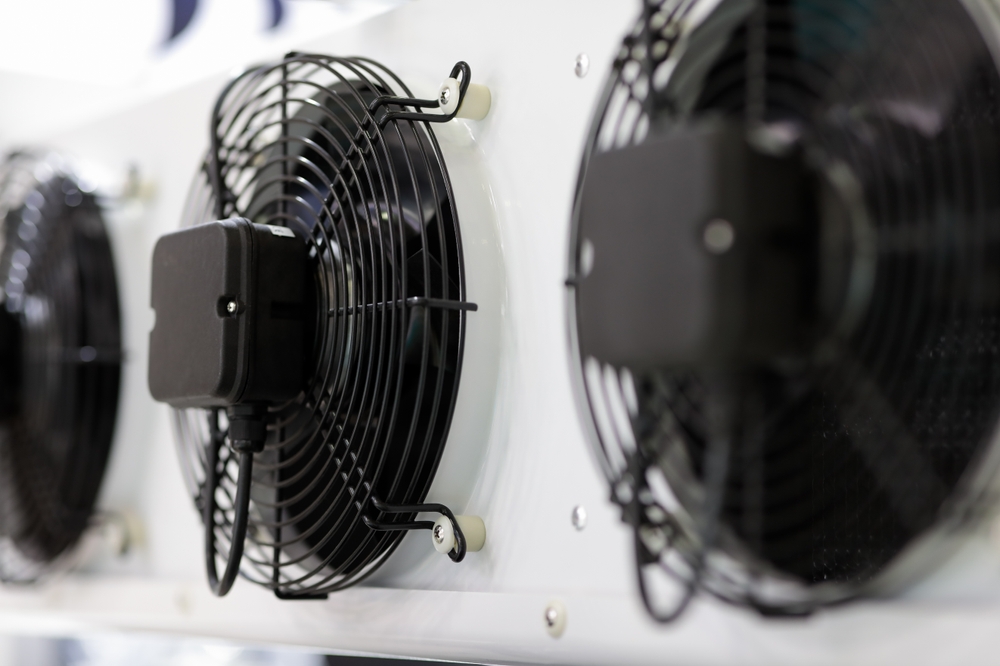
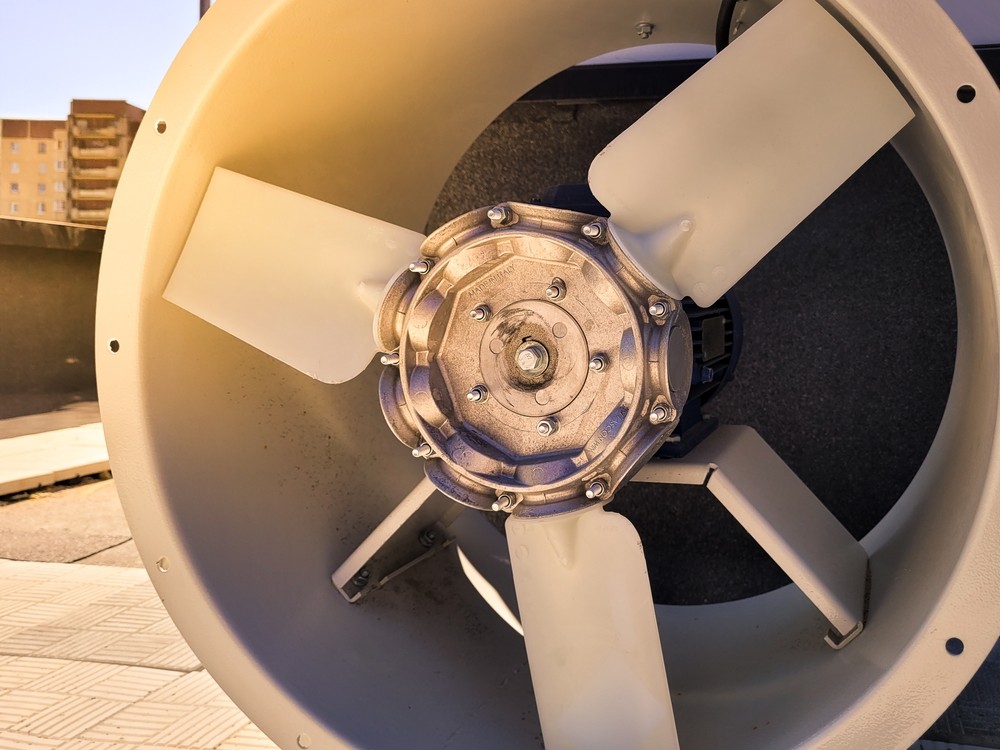
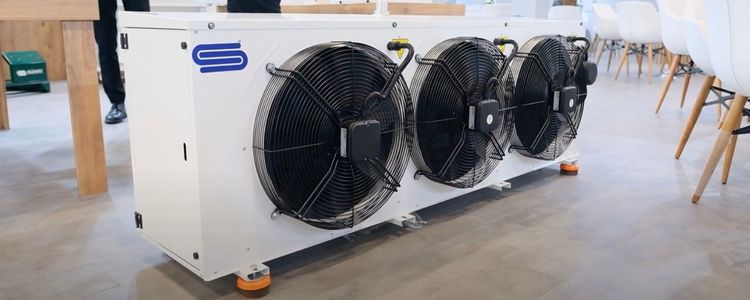
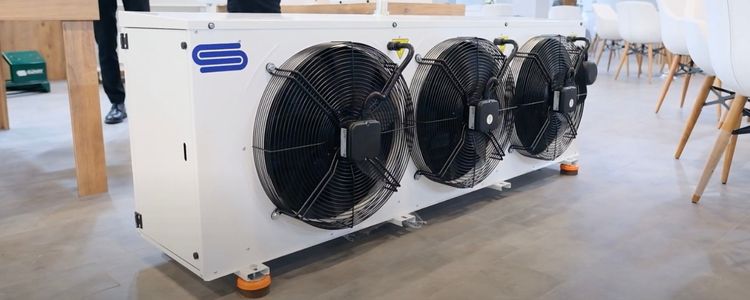
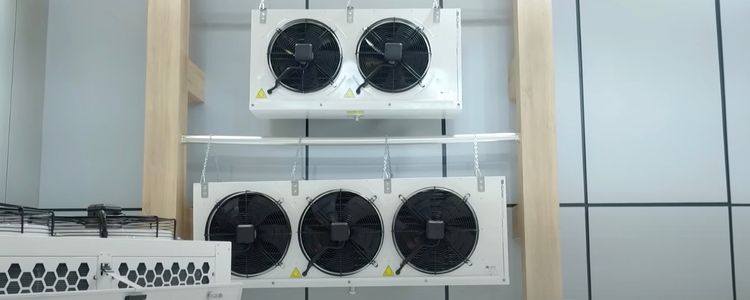
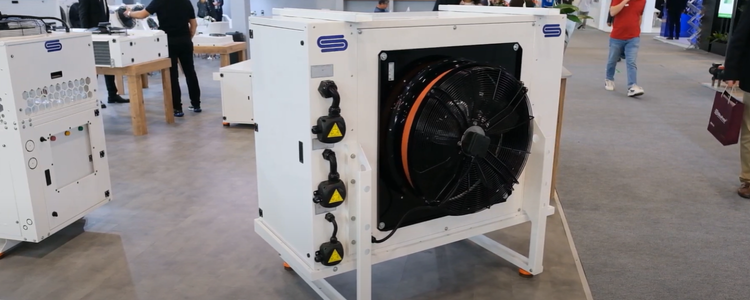
Evaporator performance depends on assessing heat transfer area, refrigerant distribution and airflow across the coil together. The fan must deliver the required airflow against the coil's air-side pressure drop. Its nominal airflow figure alone is not enough.
When comparing energy use, models should be assessed at the same capacity and operating conditions. Fan motor consumption, defrost requirements and the ability to keep the surface clean over time should also be considered. A specific saving percentage should not be promised without facility data.
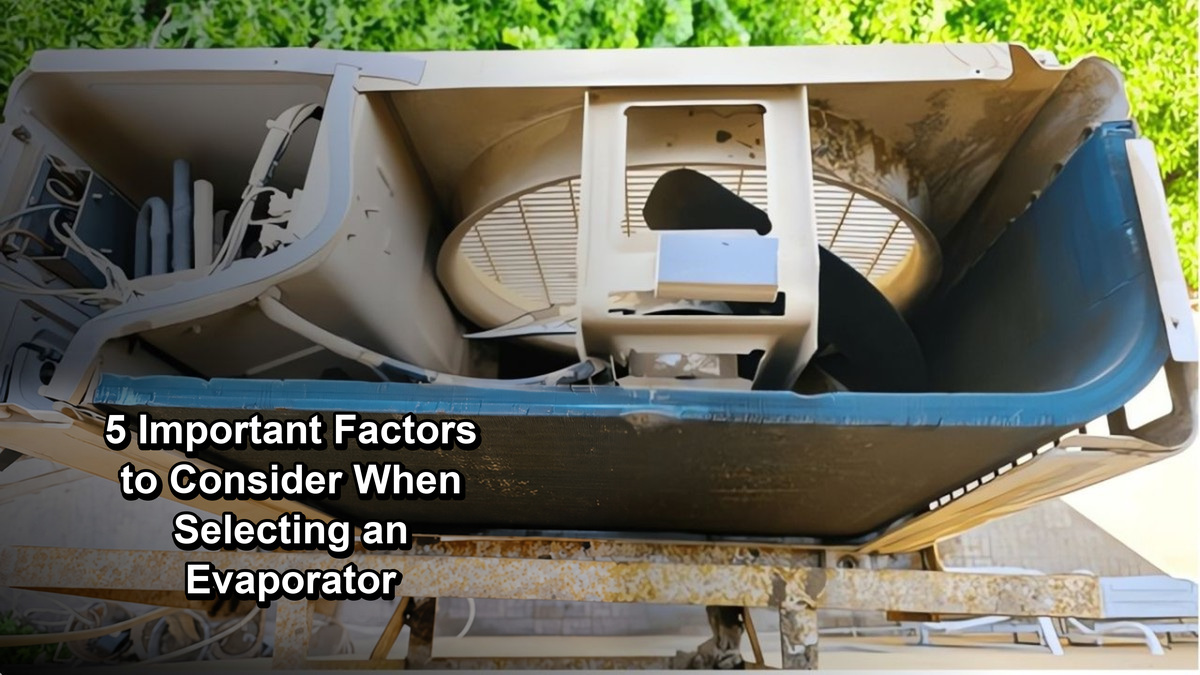
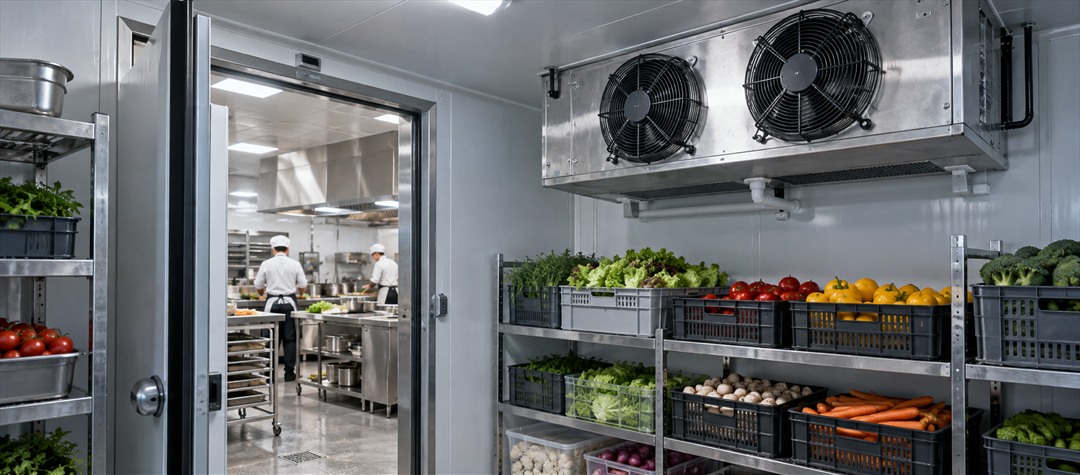
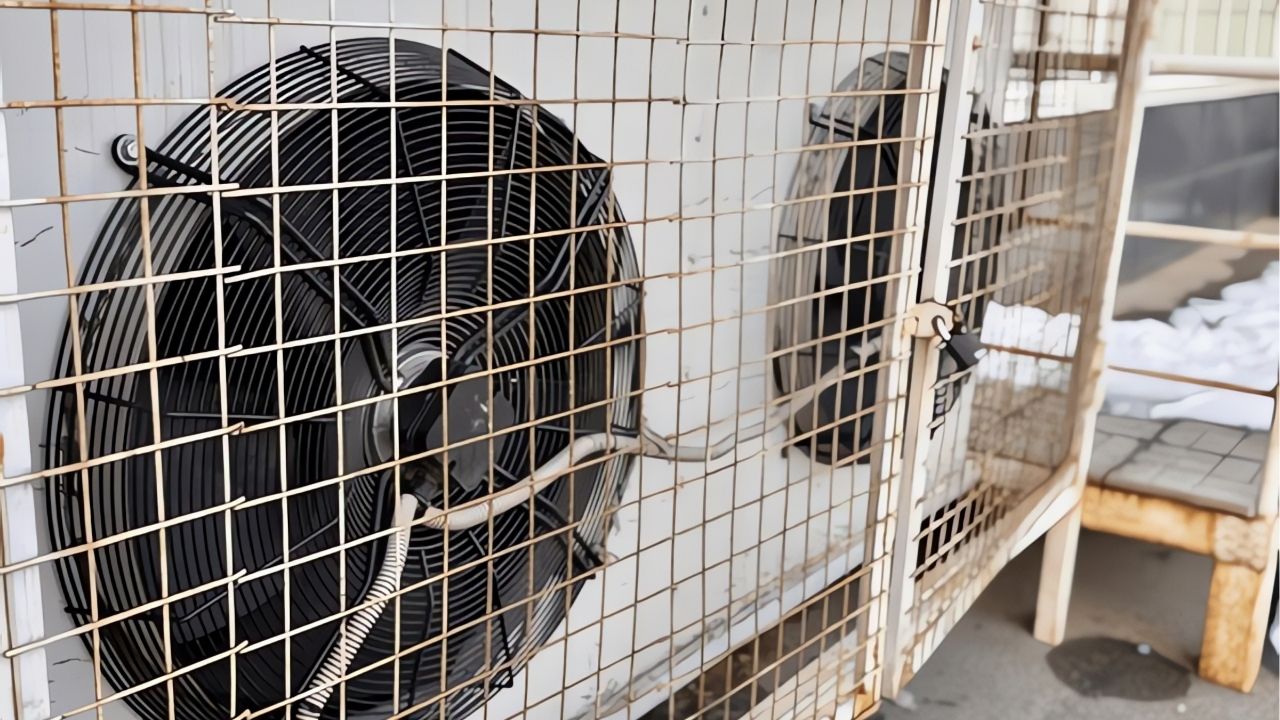
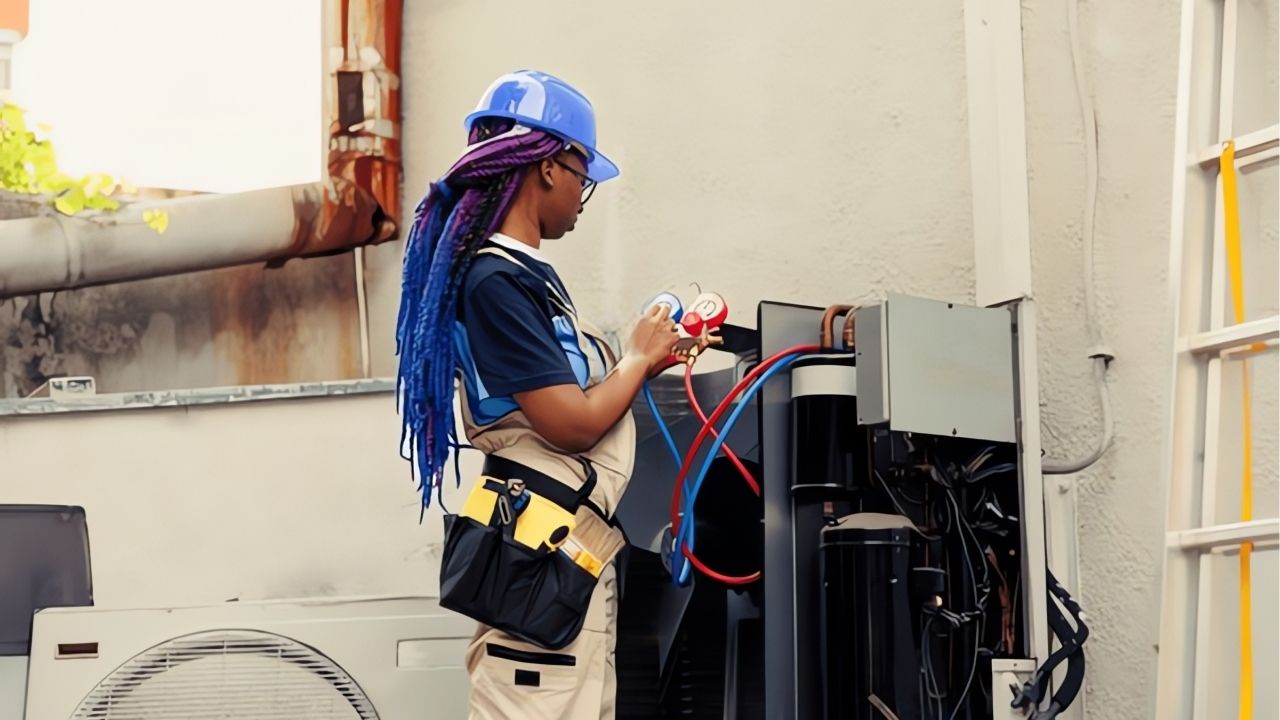
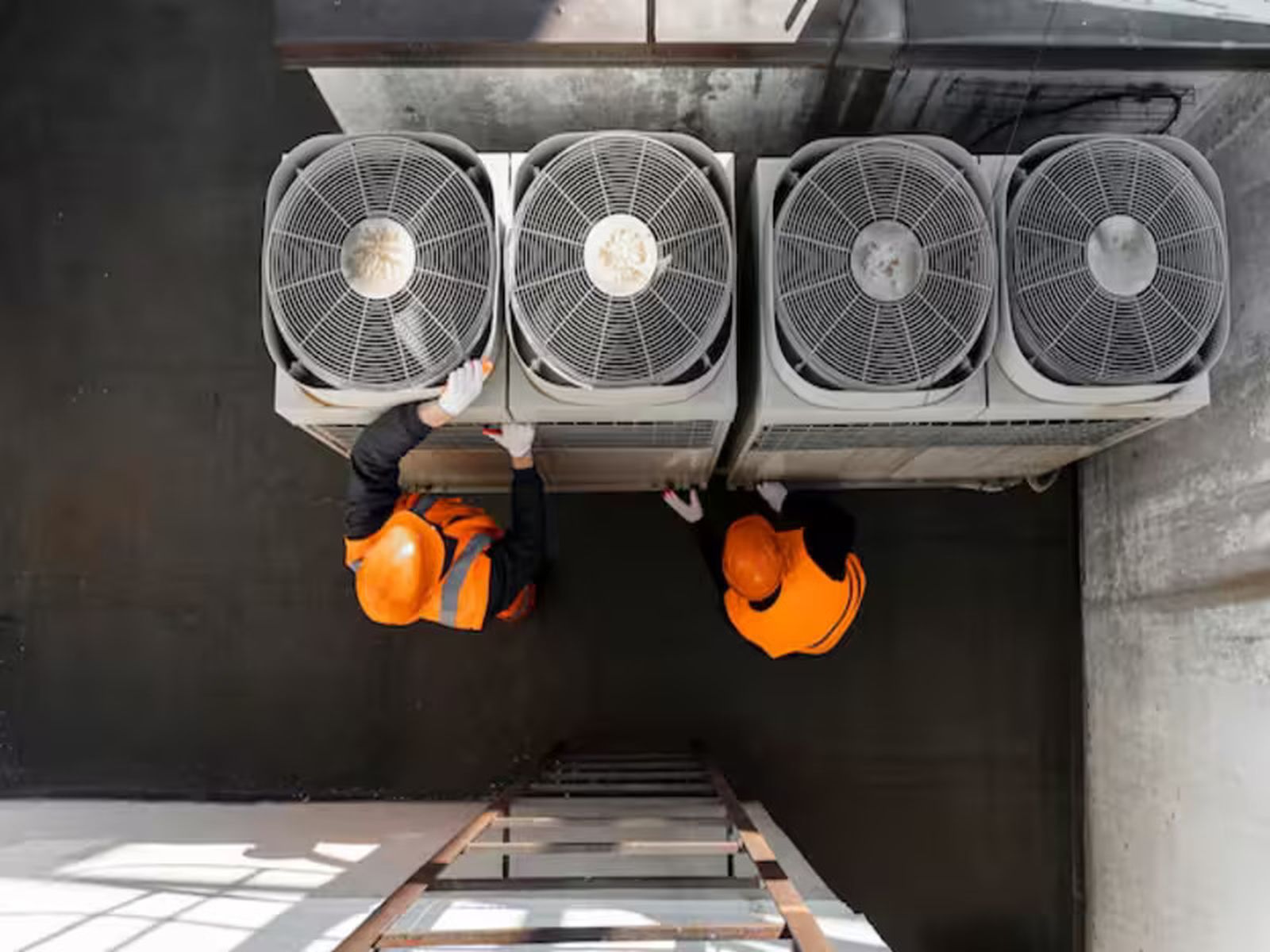
The fin surface, fan, motor, drain pan and any defrost elements should be accessible for maintenance. Difficult access can delay cleaning and inspection, allowing heat transfer and airflow to decline over time.
In food processing and cold storage, cleaning methods, drainage and material suitability for the environment also require attention. Maintenance intervals should follow the equipment instructions and the facility's operating conditions rather than one general schedule.
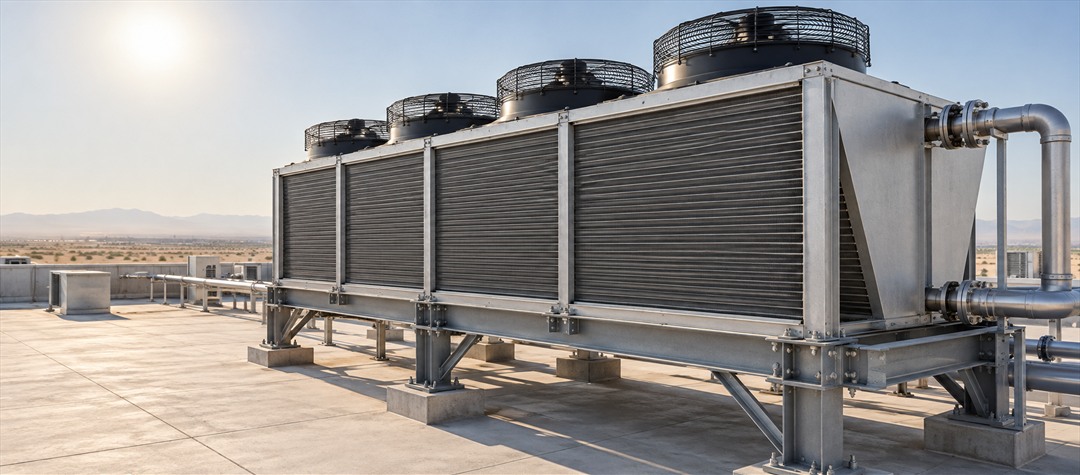
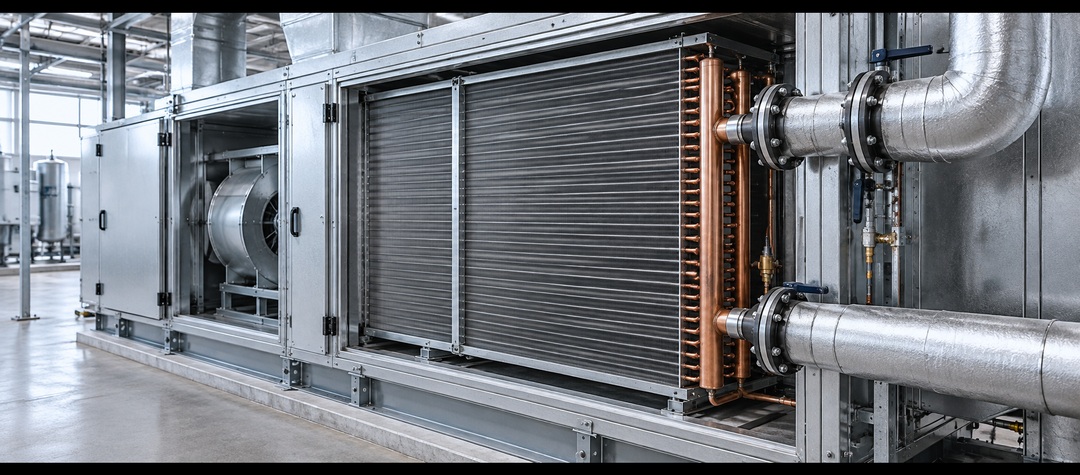
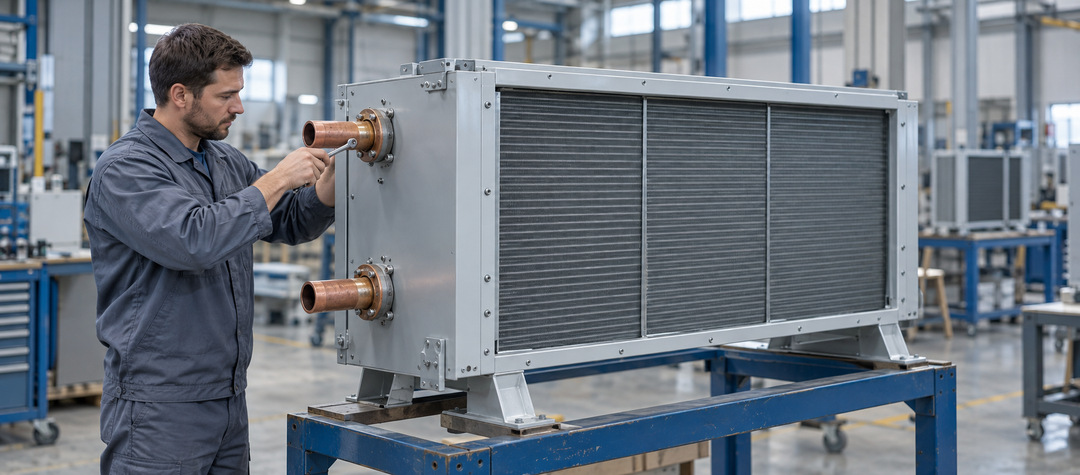
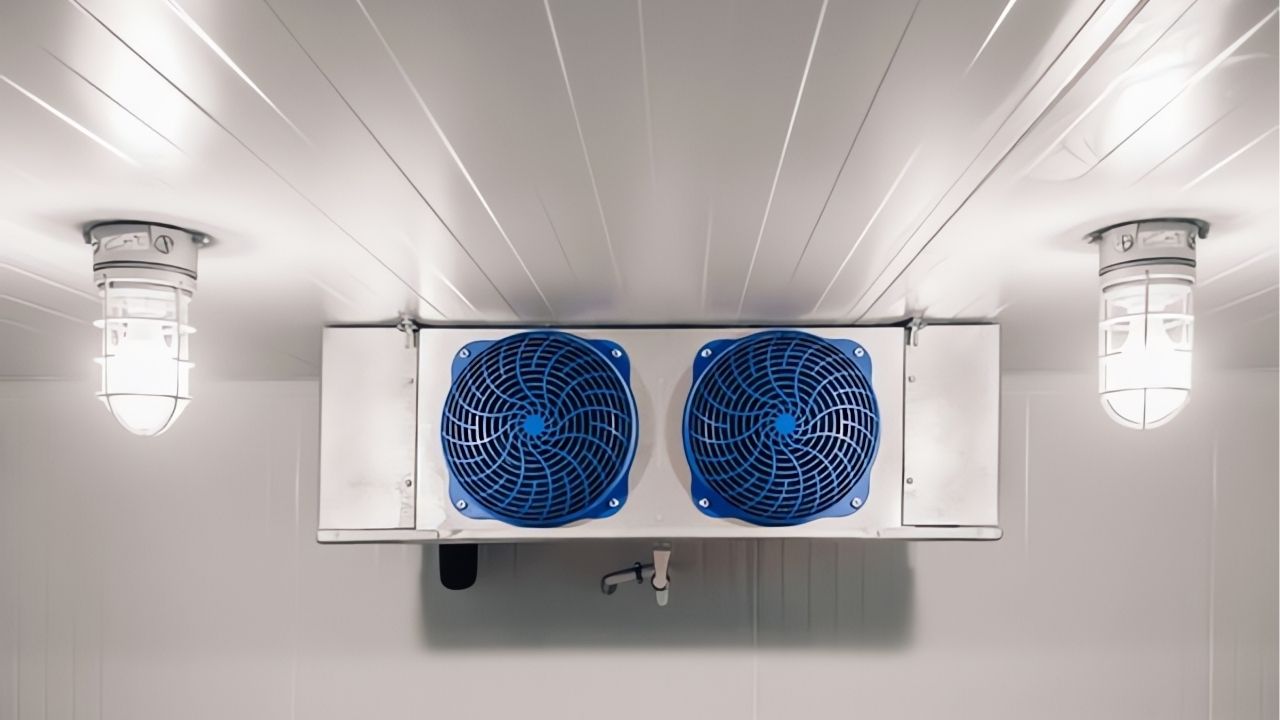
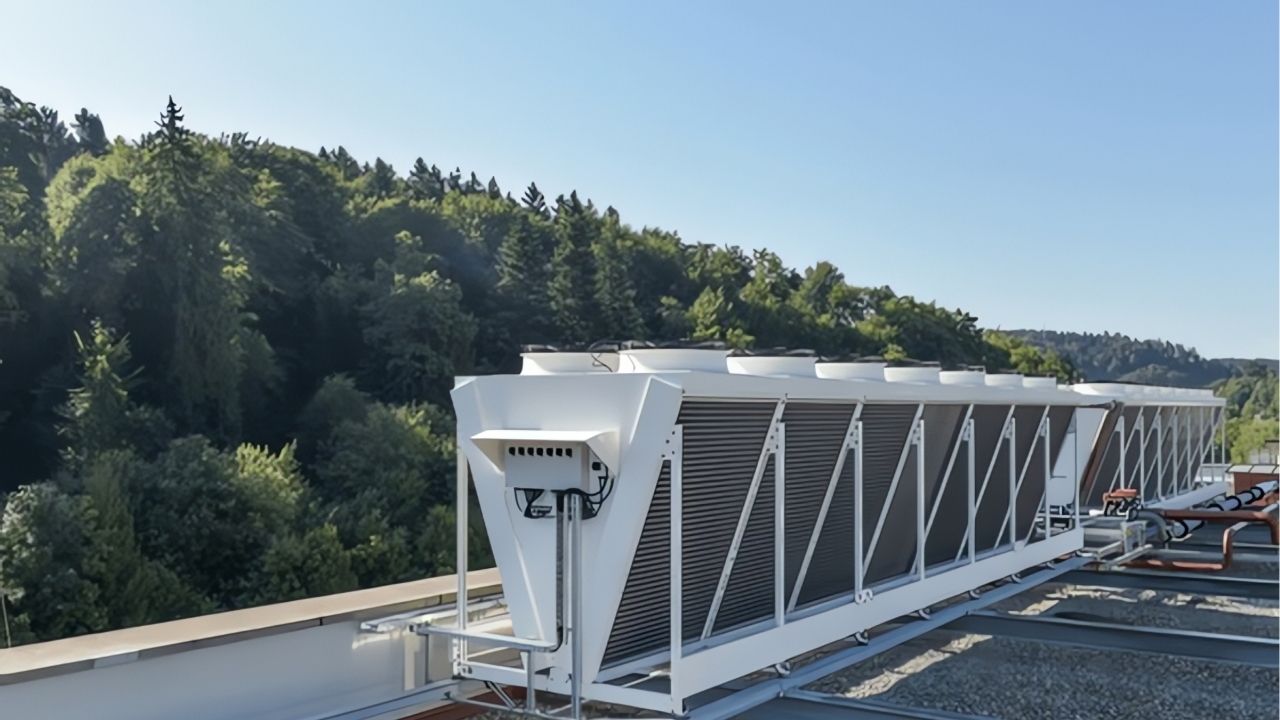
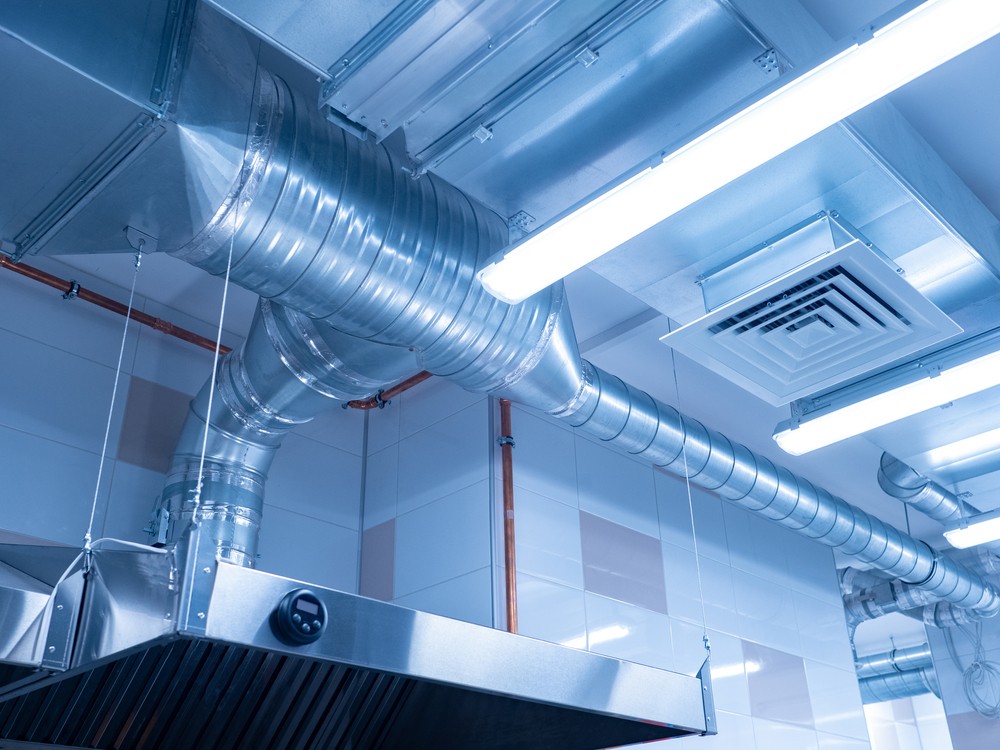
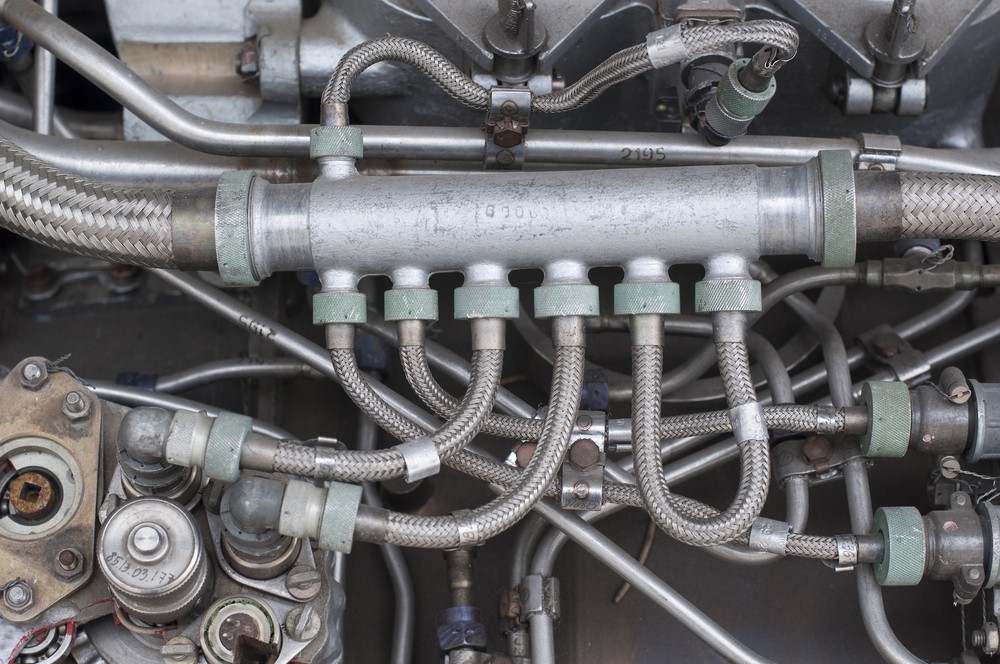
The evaporator must be compatible with the refrigerant, existing condenser and compressor capacity, connections, installation space and defrost arrangement. Air discharge direction and throw distance should also be planned for even temperature distribution in the room.
Before final selection, compare the capacity calculation and catalog conditions with the project data. Room temperature, evaporating temperature, refrigerant, required capacity and installation dimensions can be shared with the Günay Soğutma technical team to assess a suitable evaporator option.

Fill out the form to discover the most suitable high-end products for your projects. Contact Us Now.
Fill out the form now not to miss our special offers for you! The latest discover our products and innovations.
Fill out the form now not to miss our special offers for you! The latest discover our products and innovations.
Notification Centre 00:00