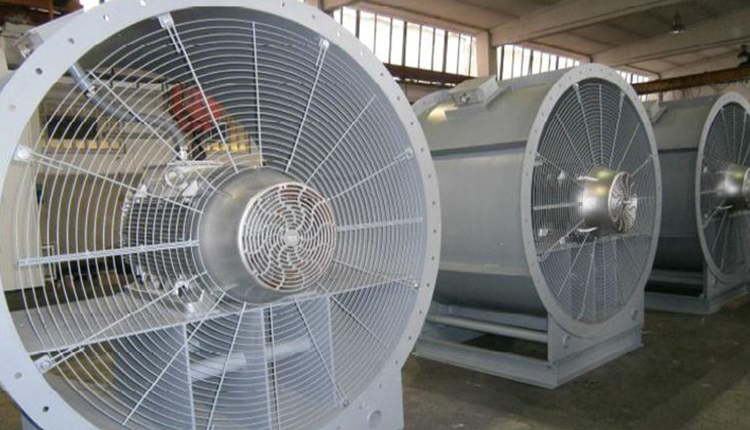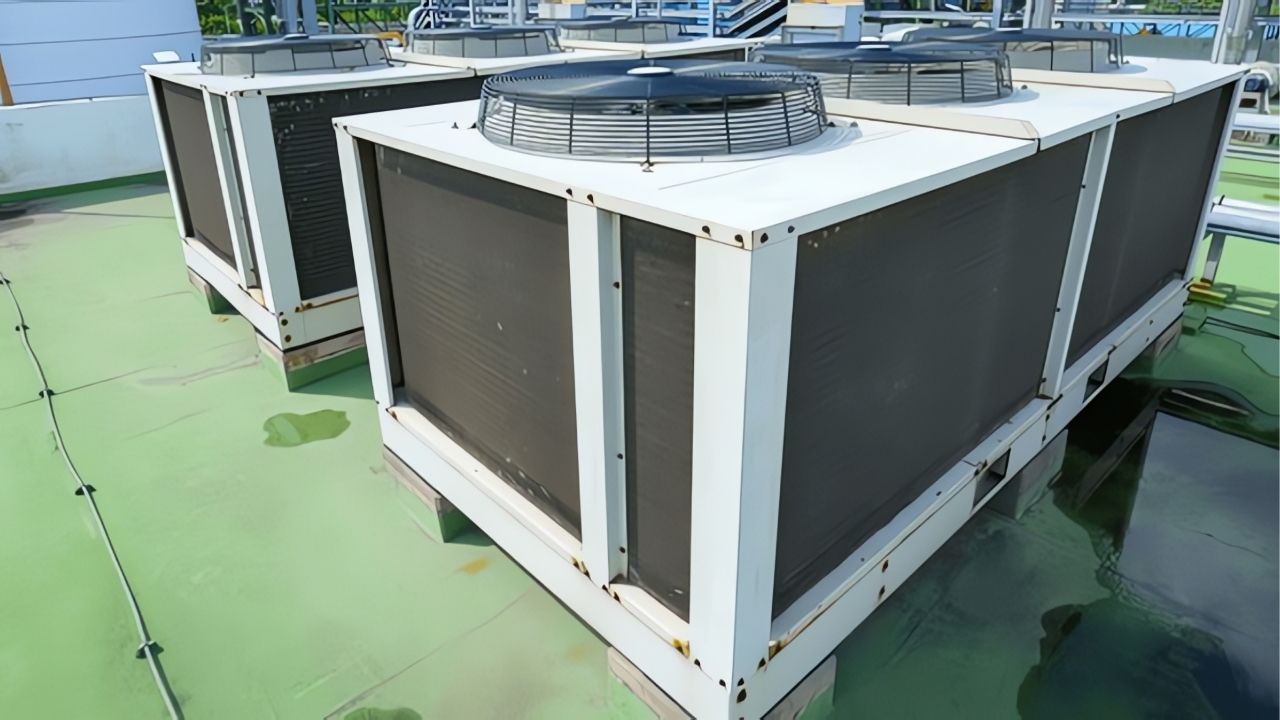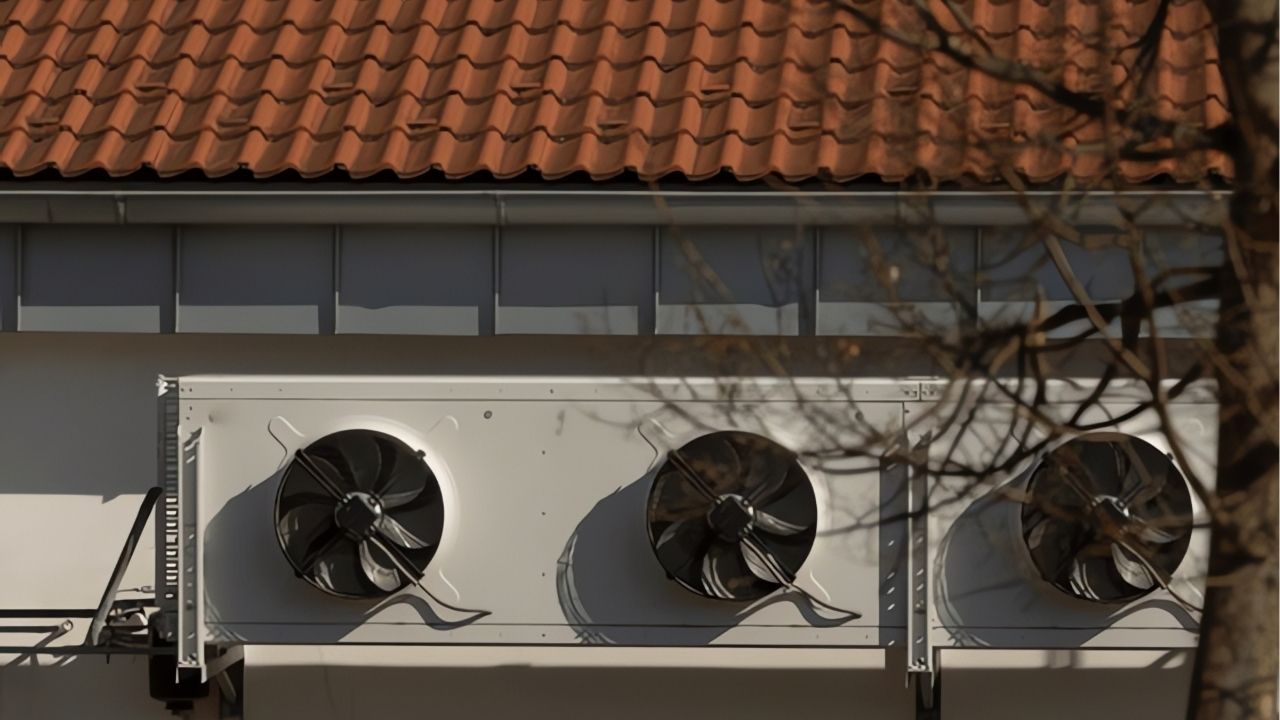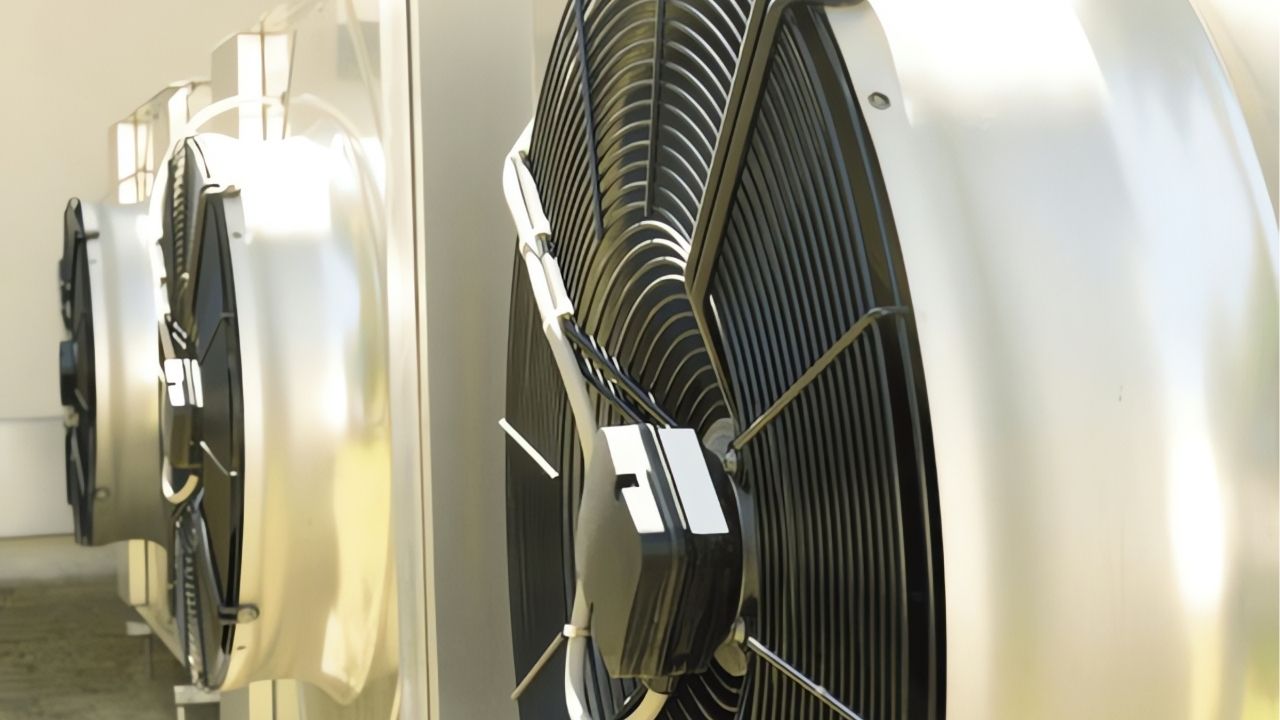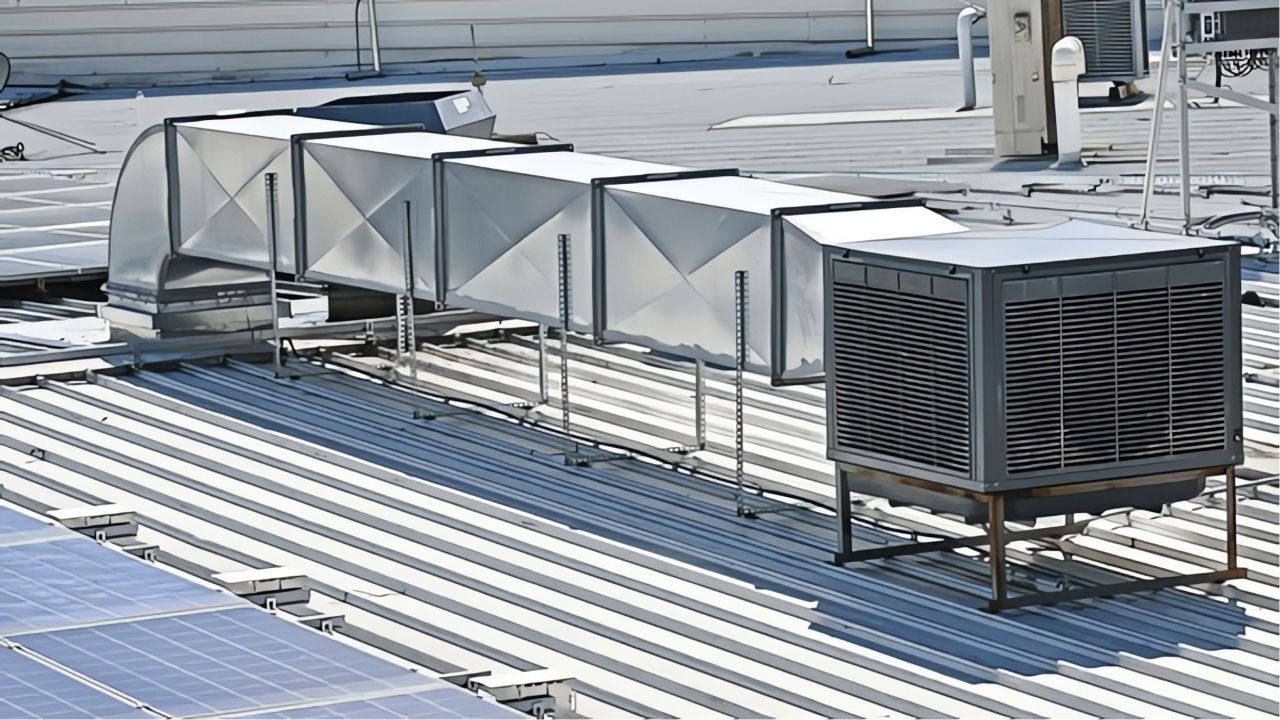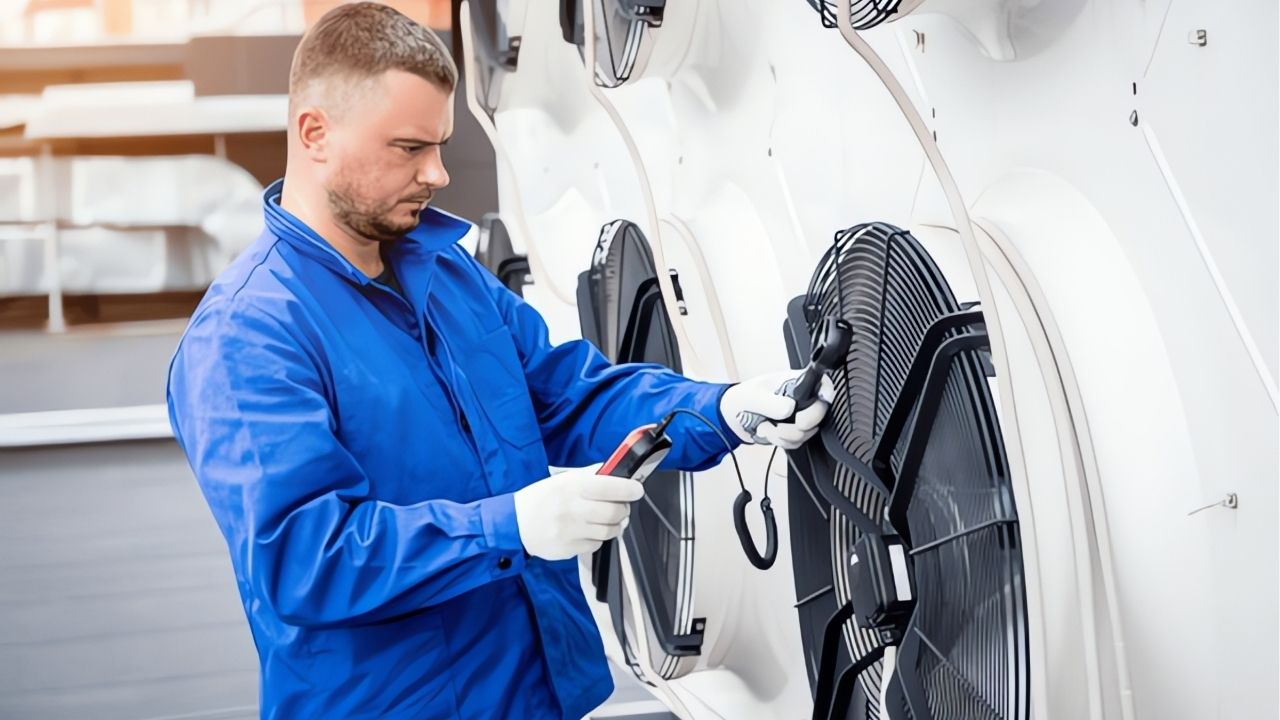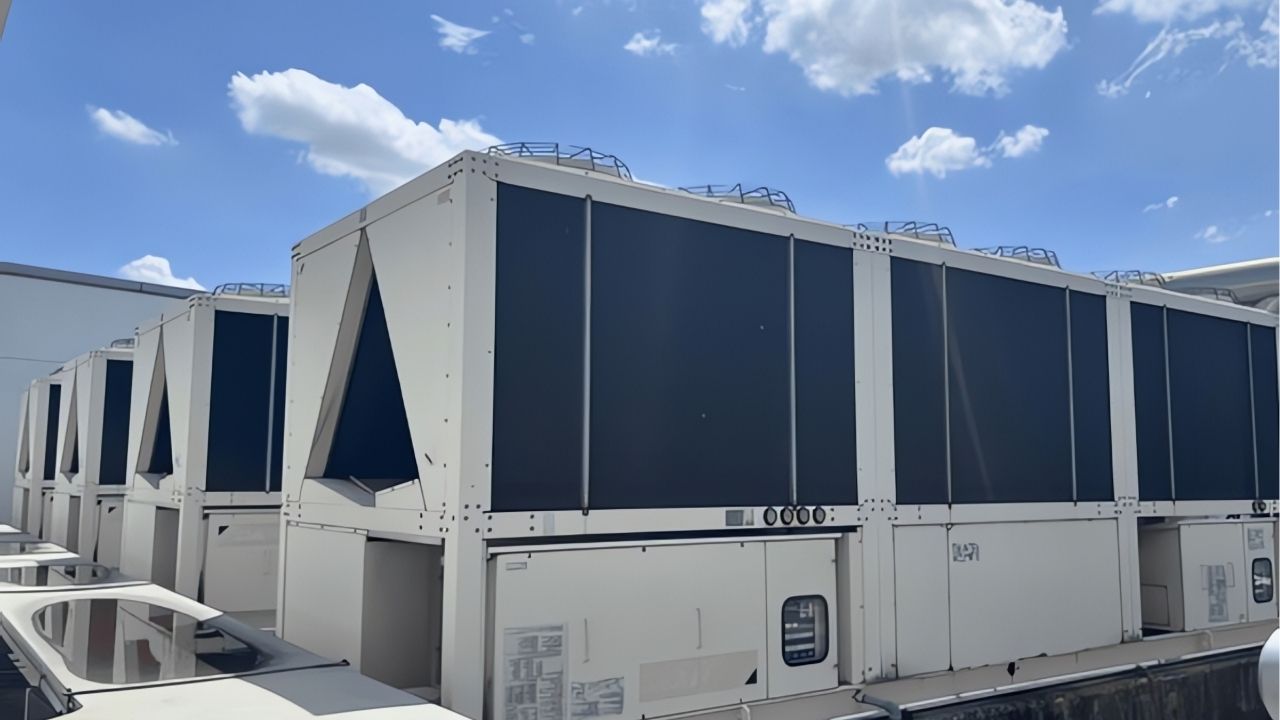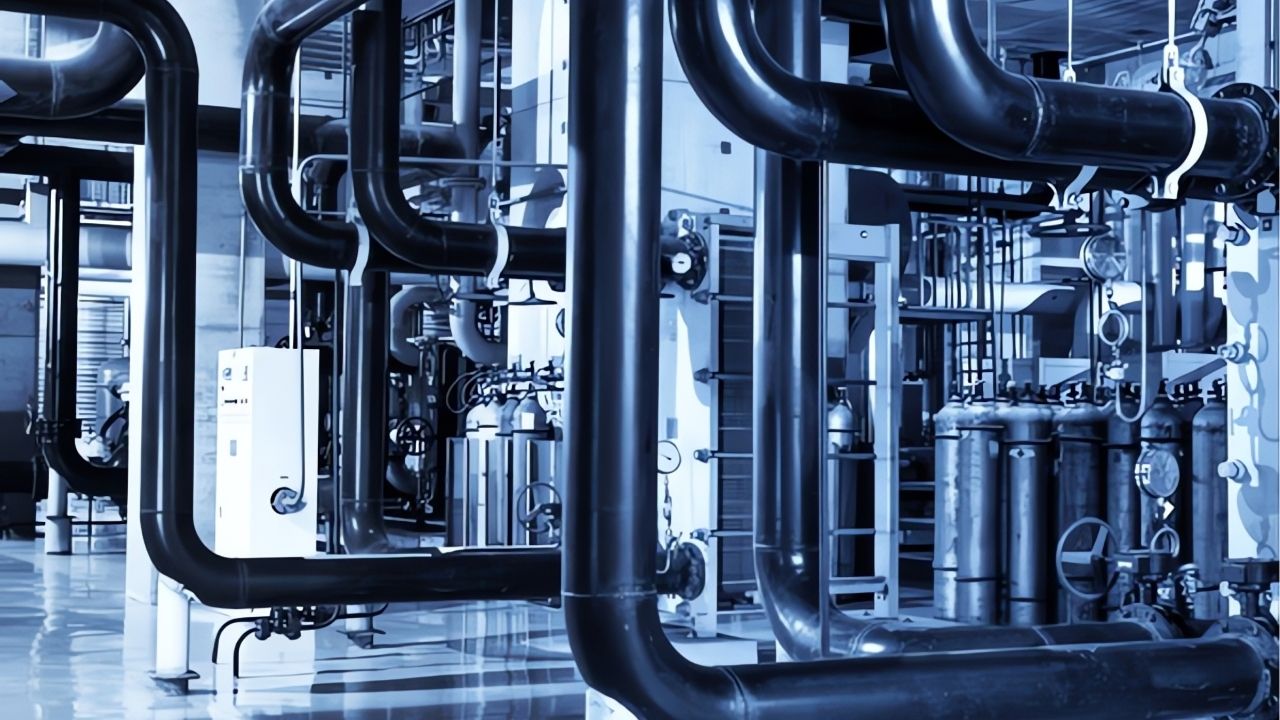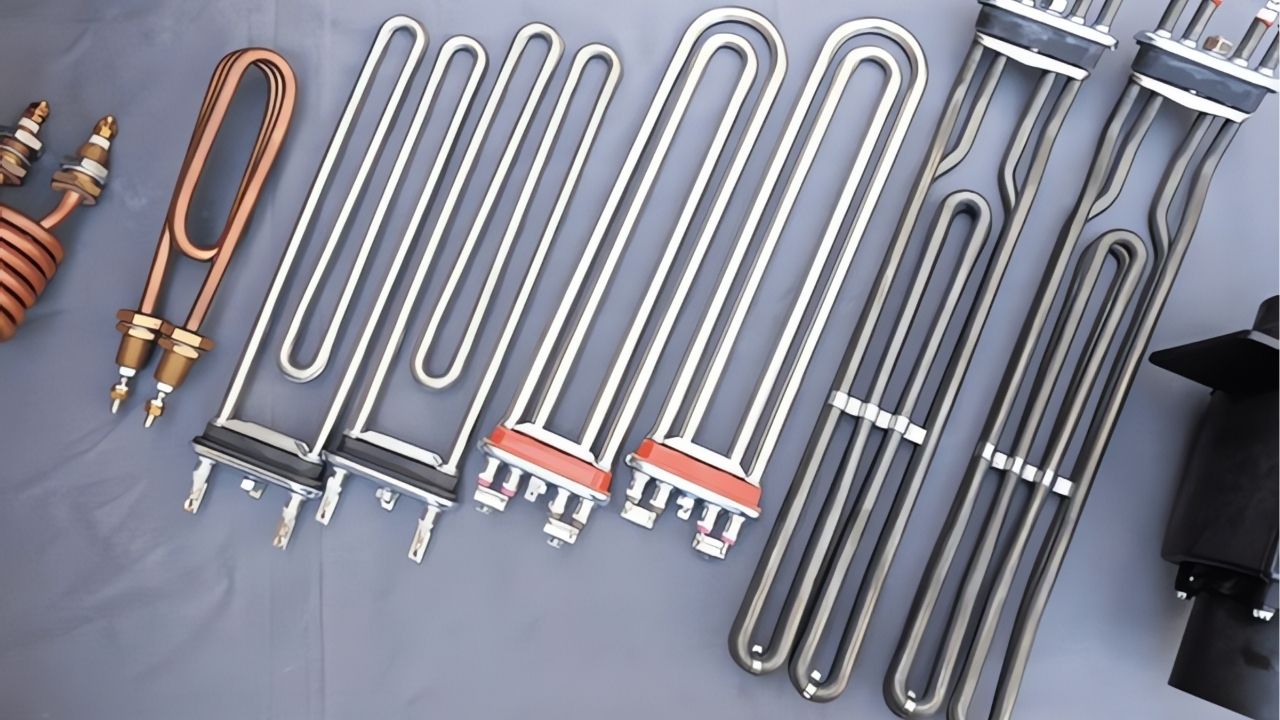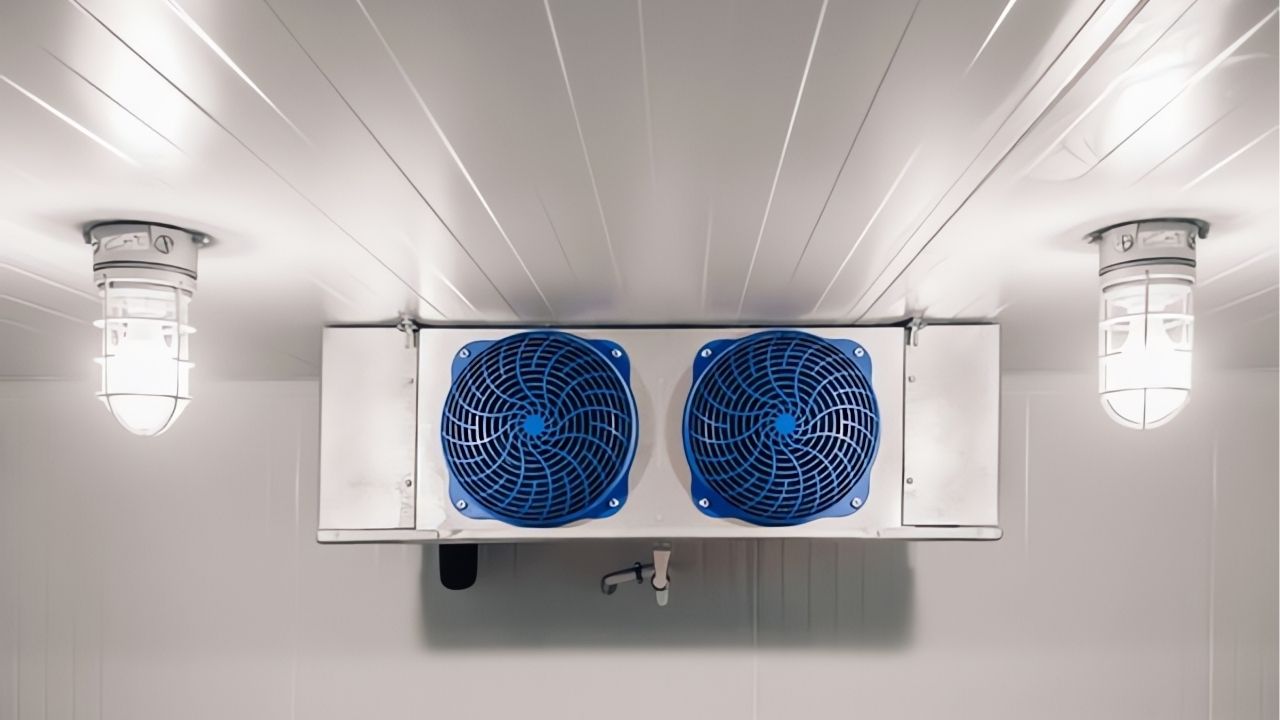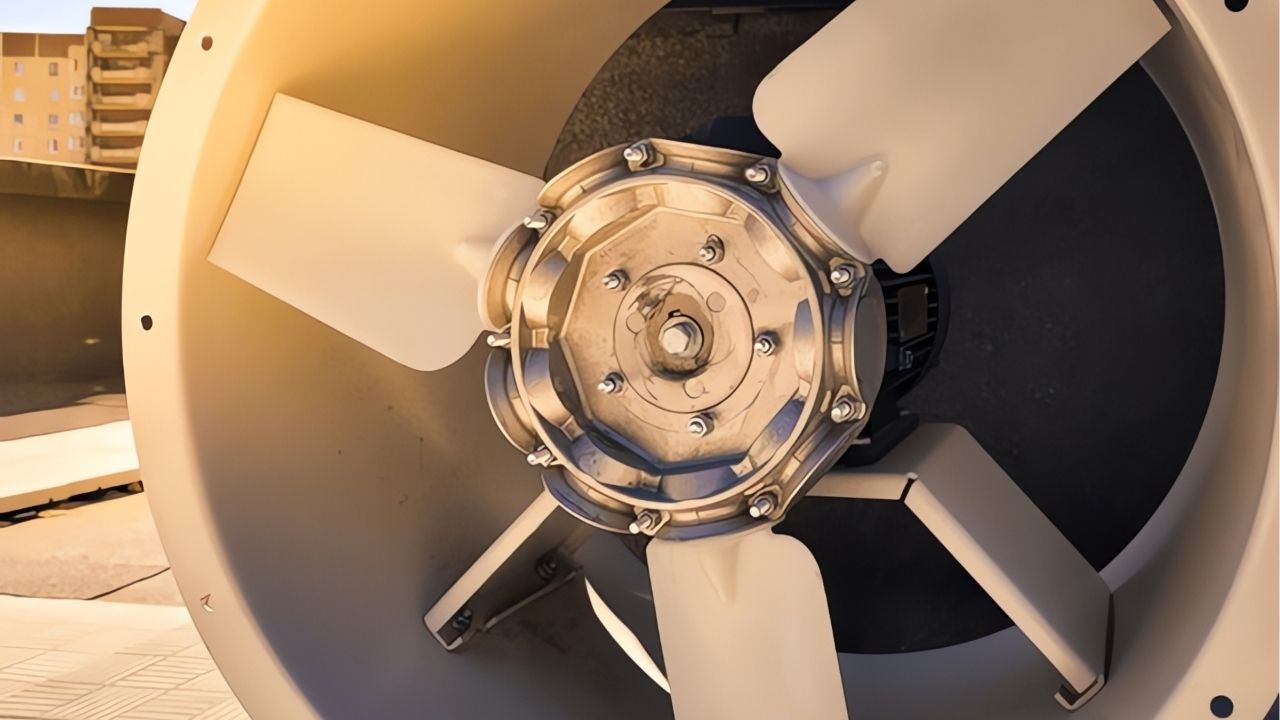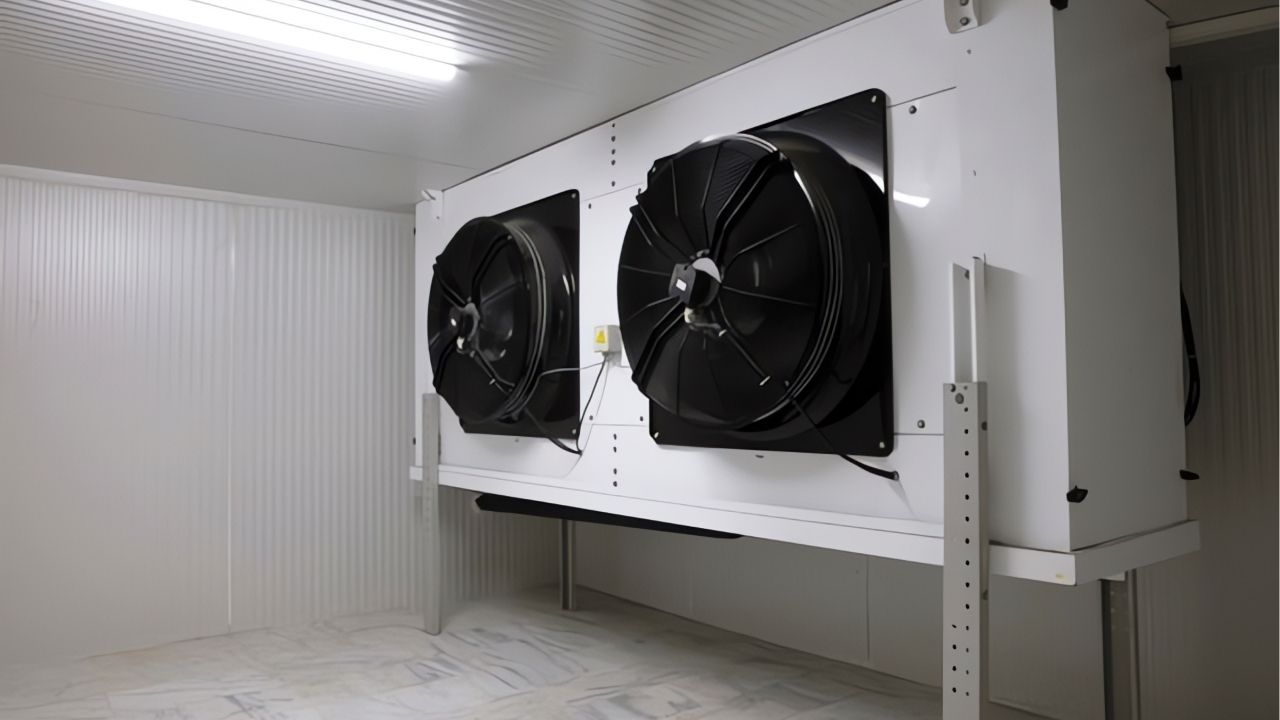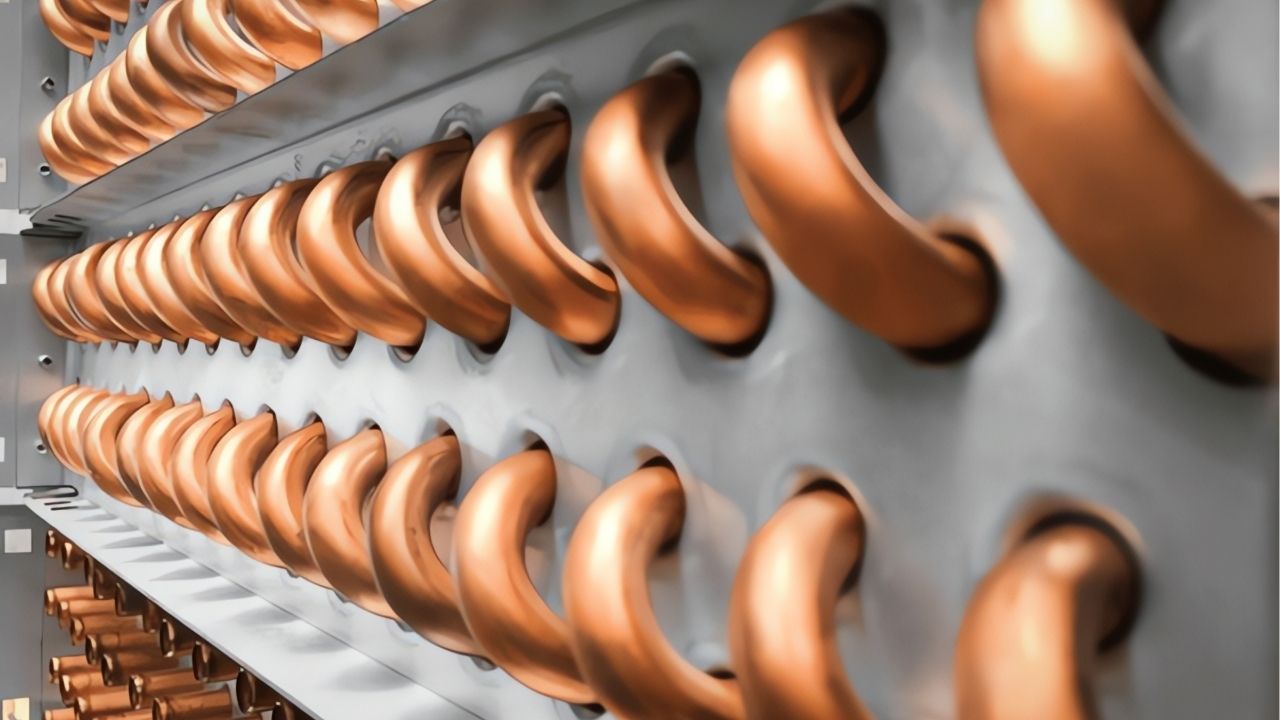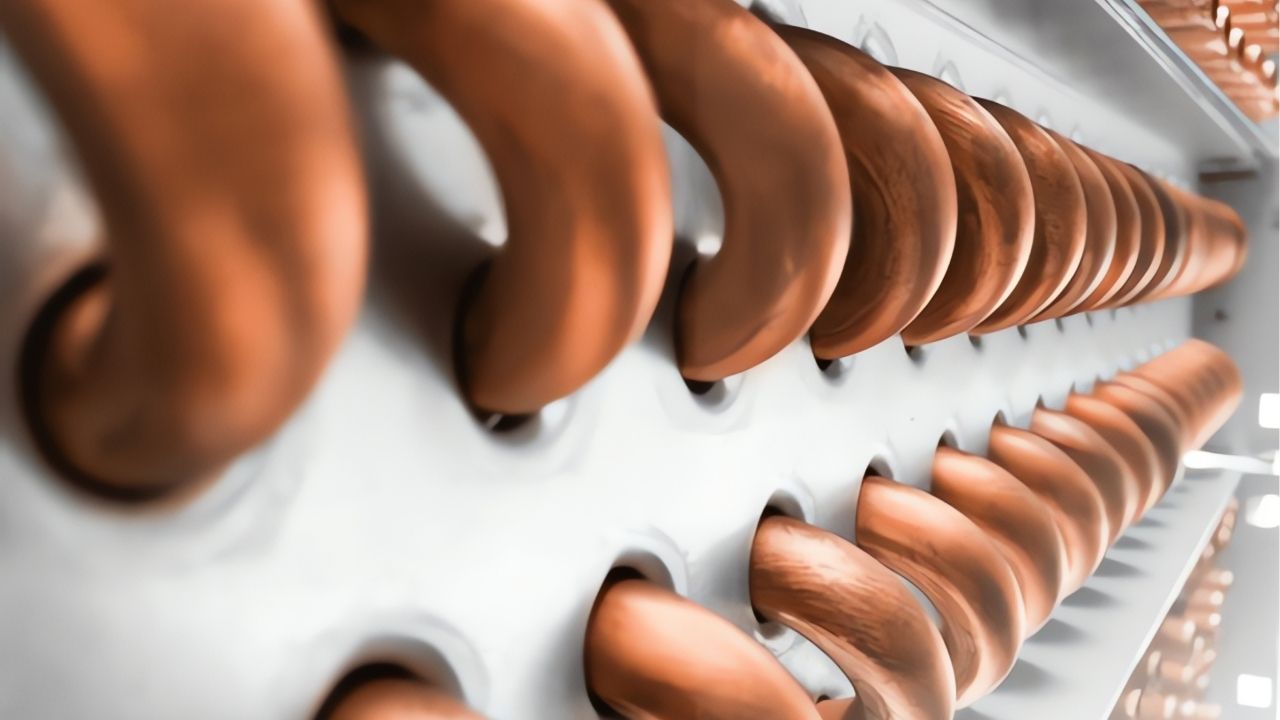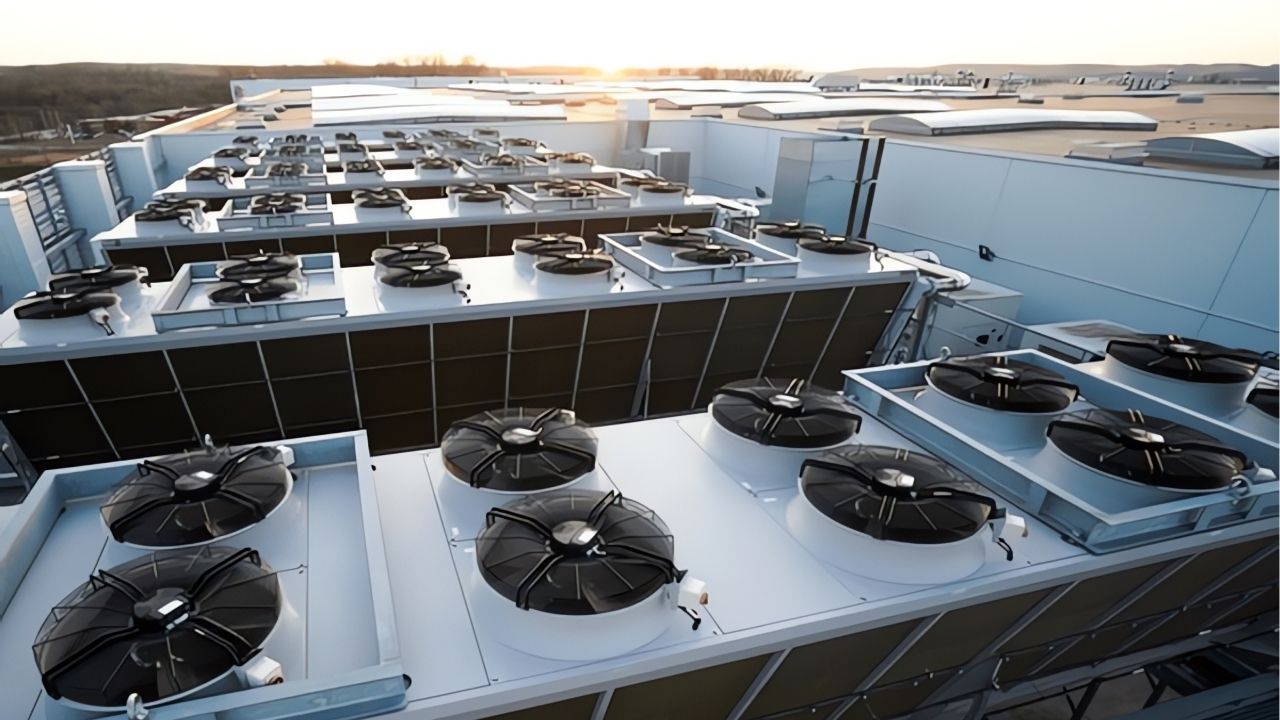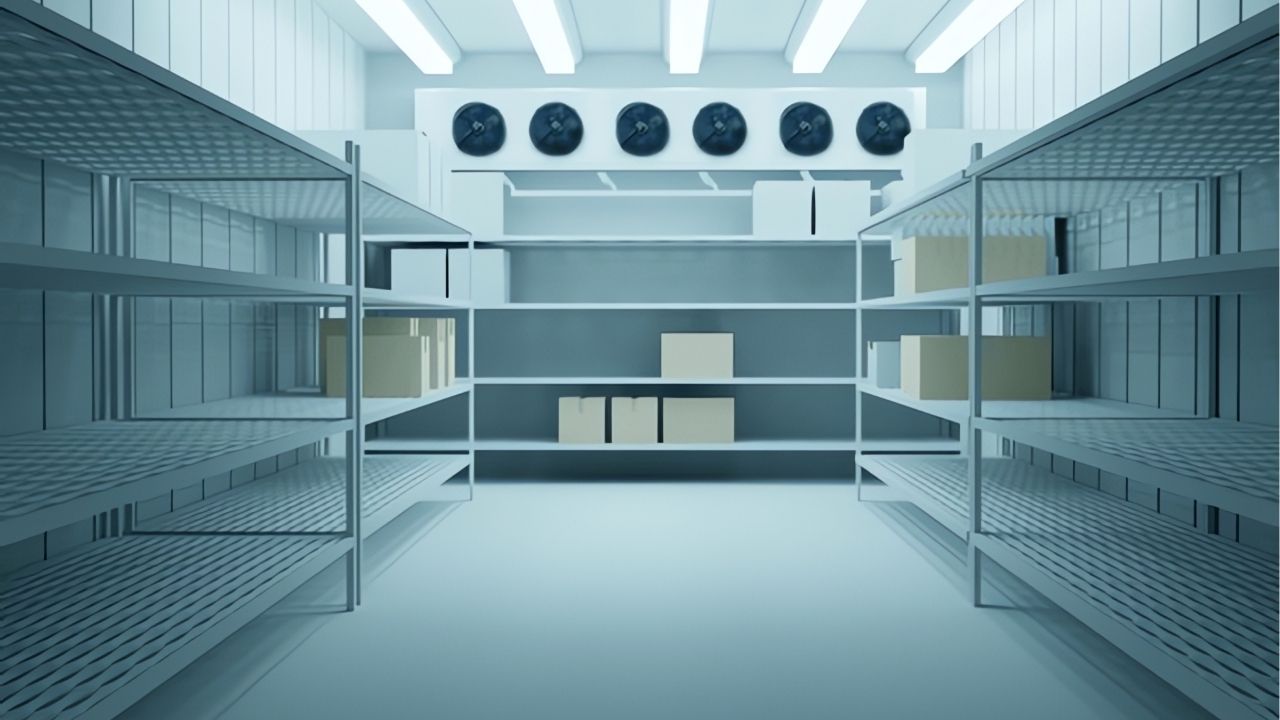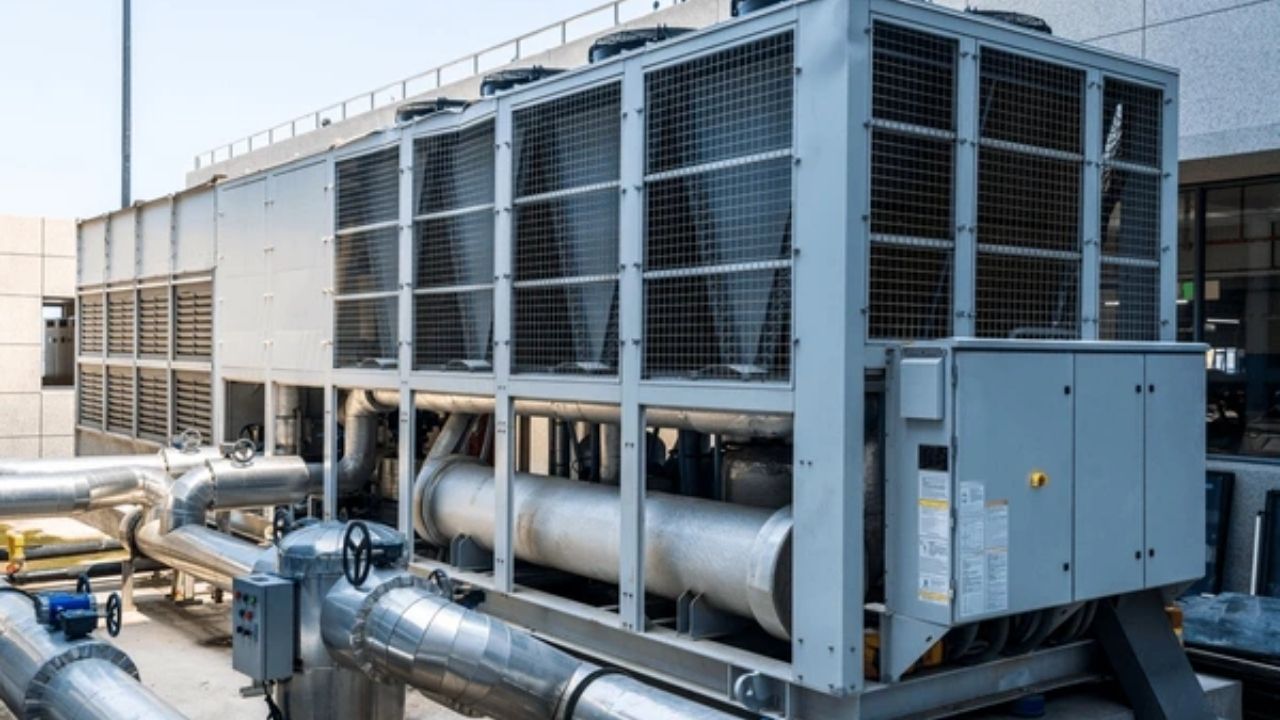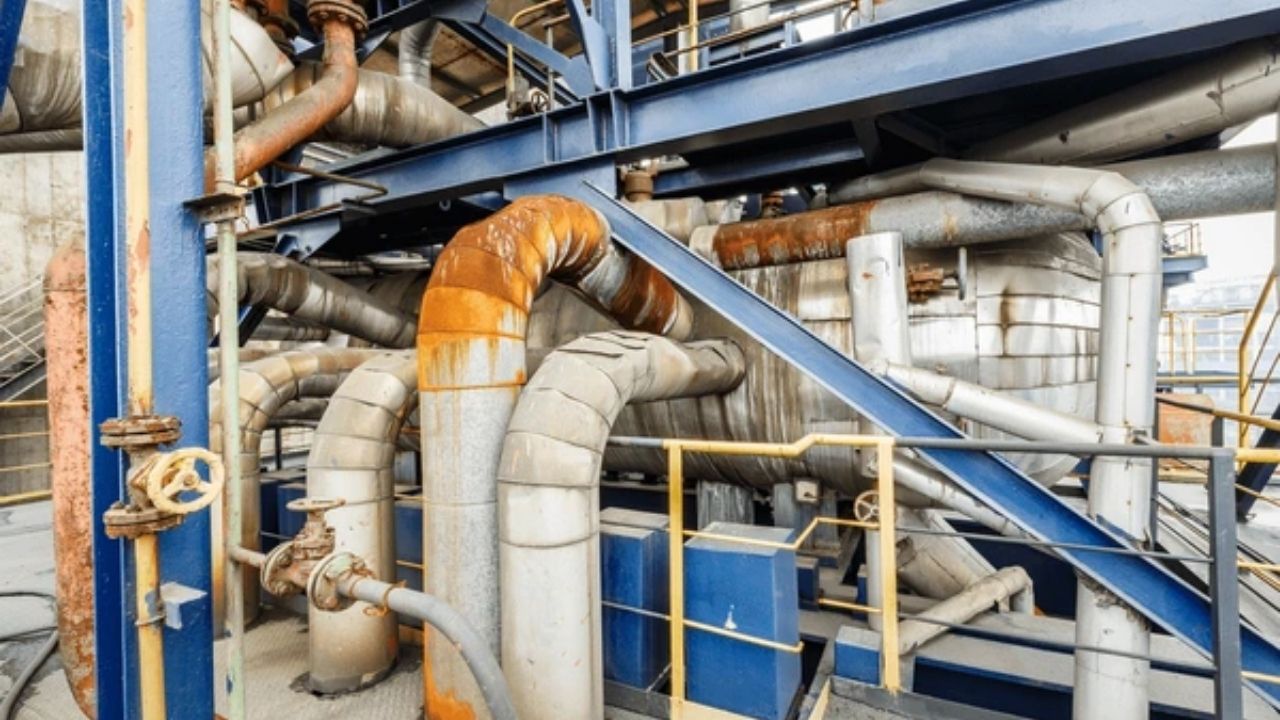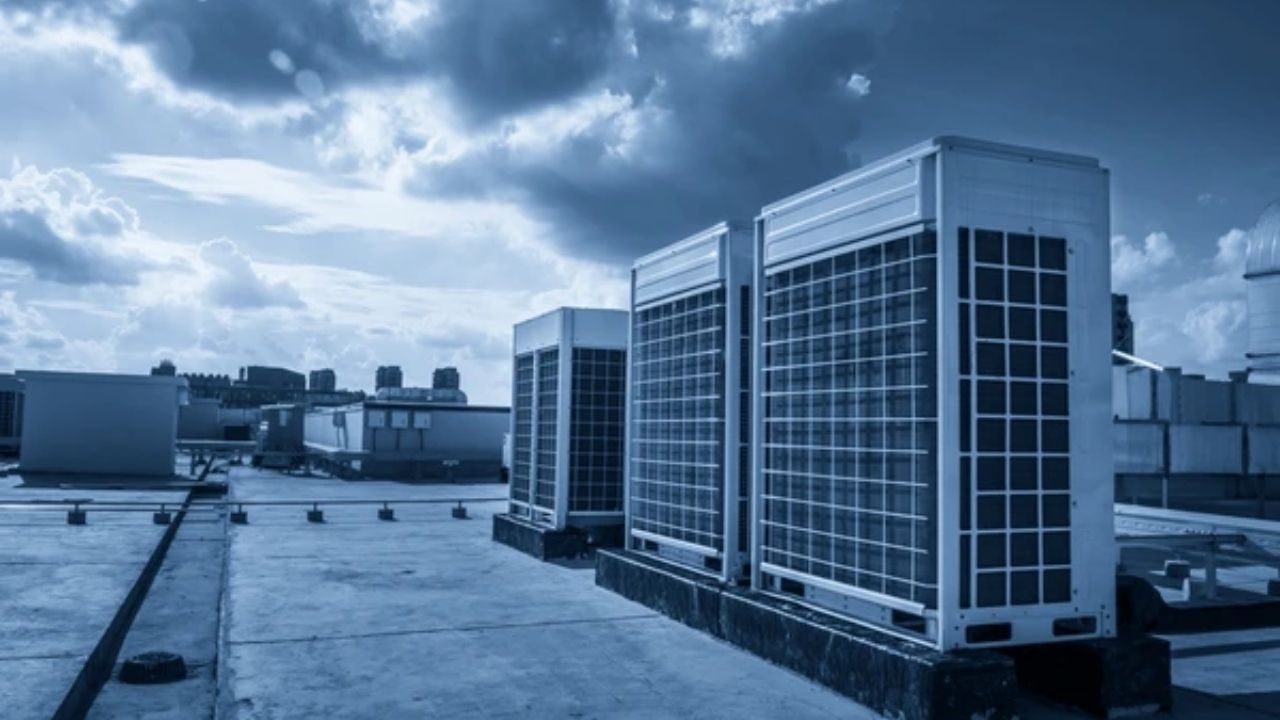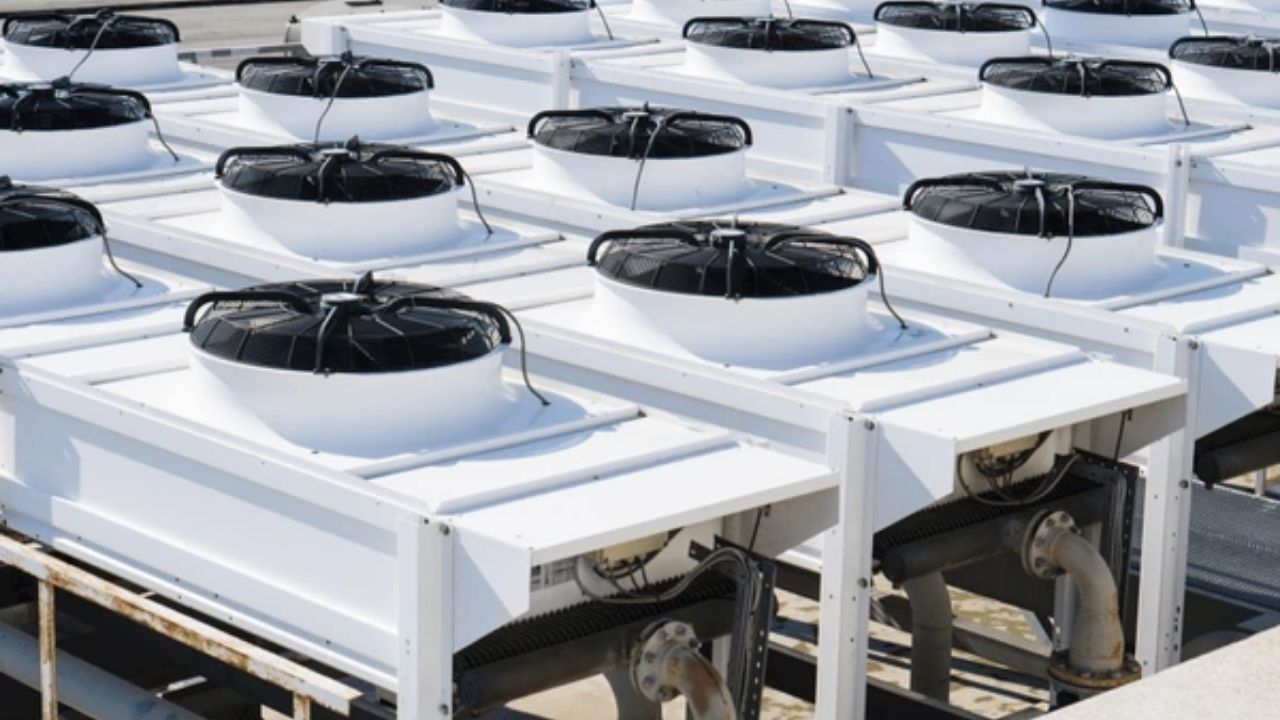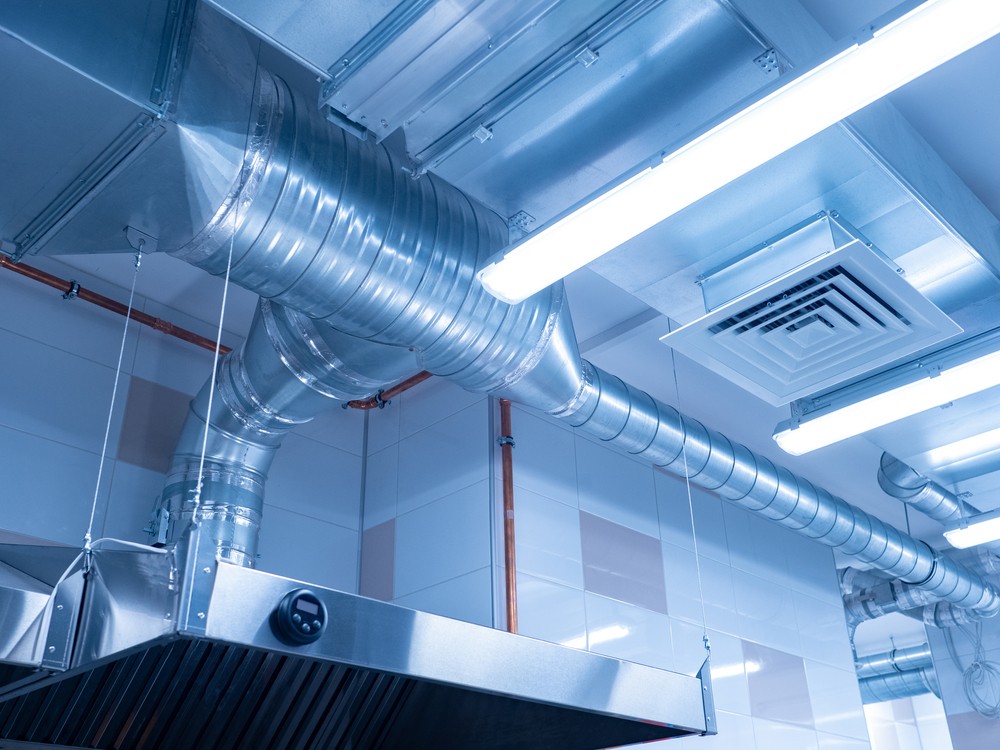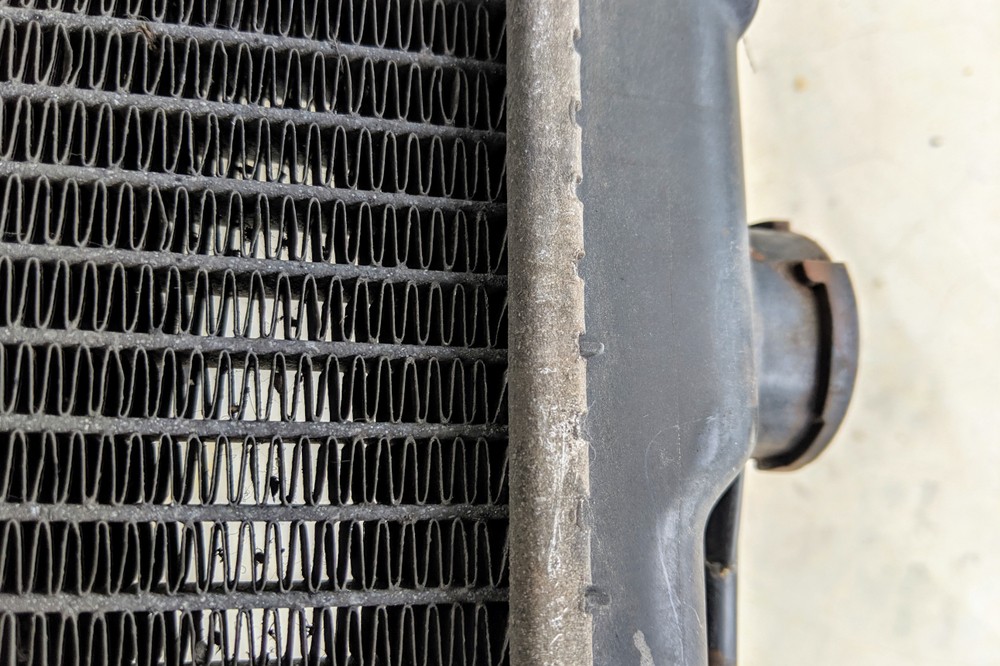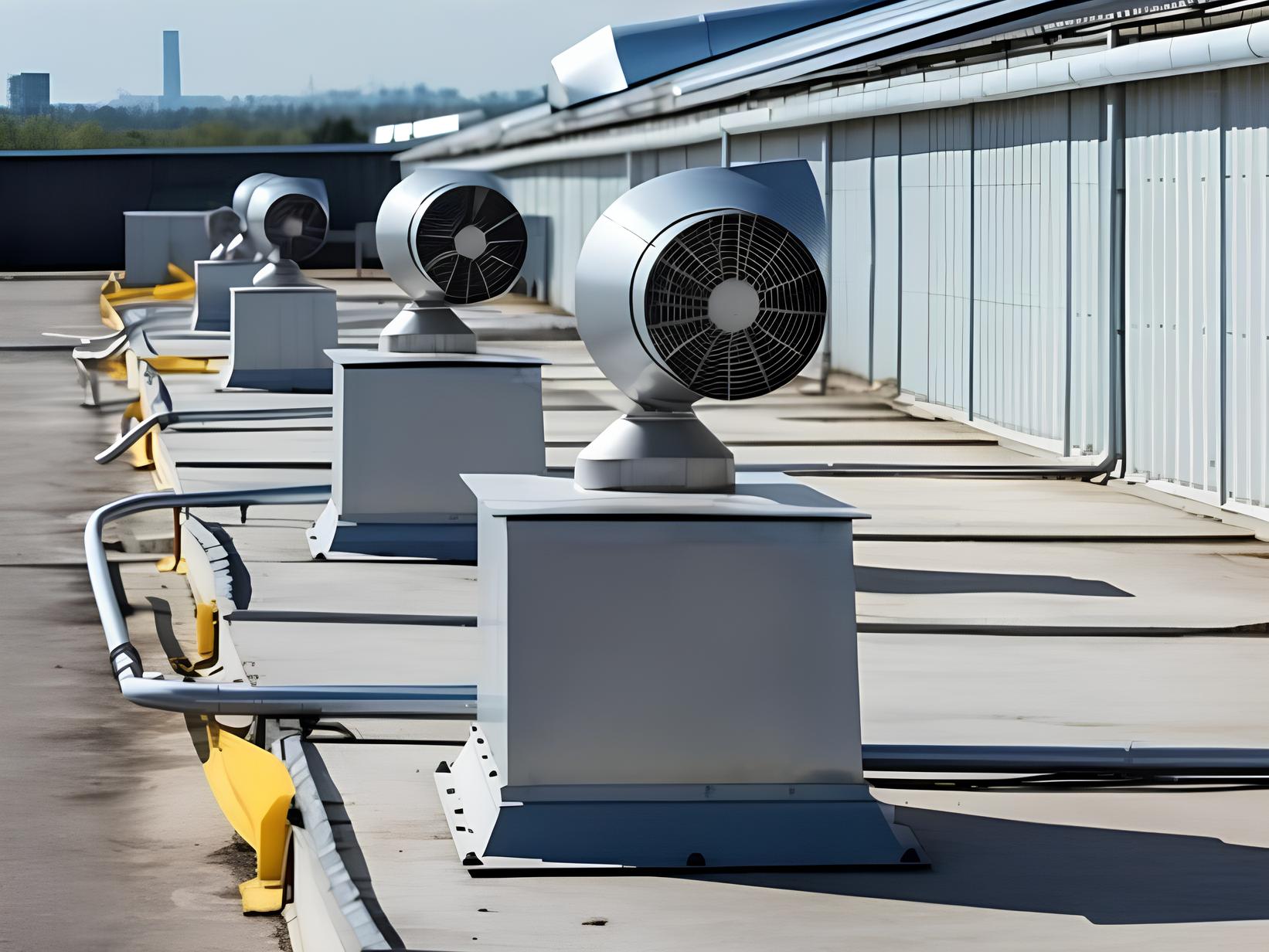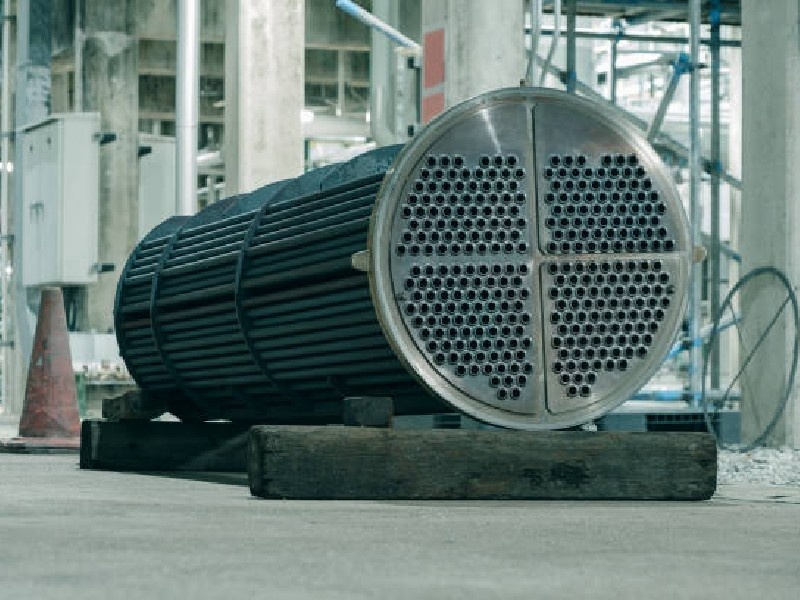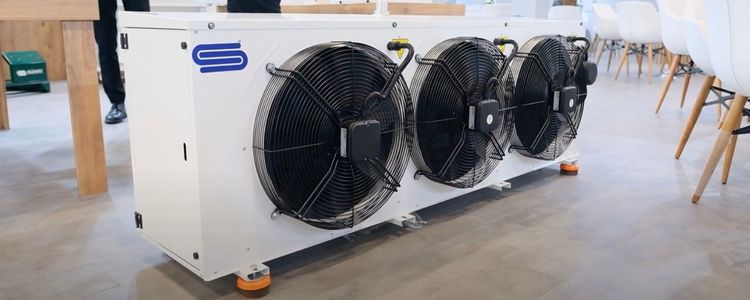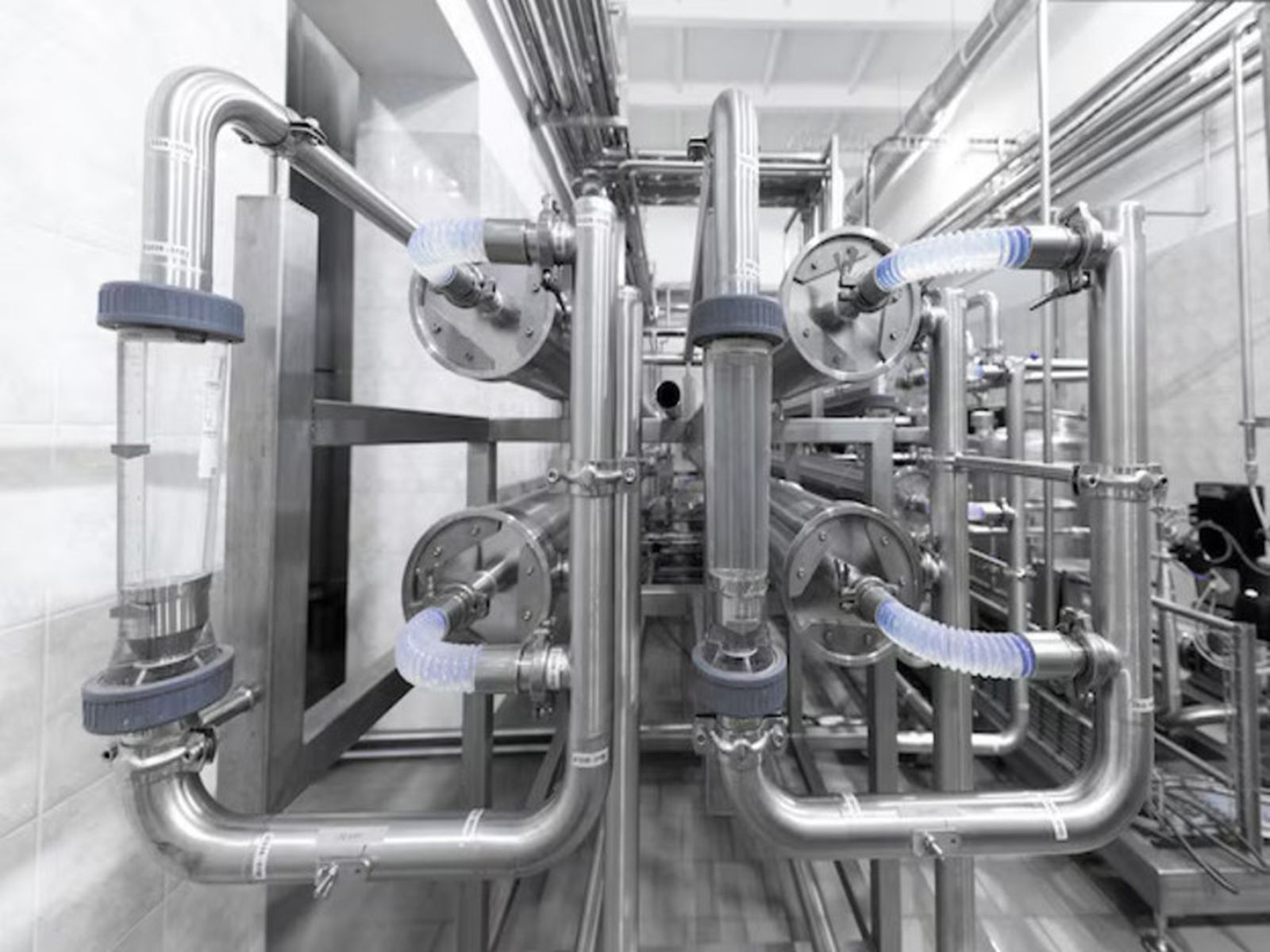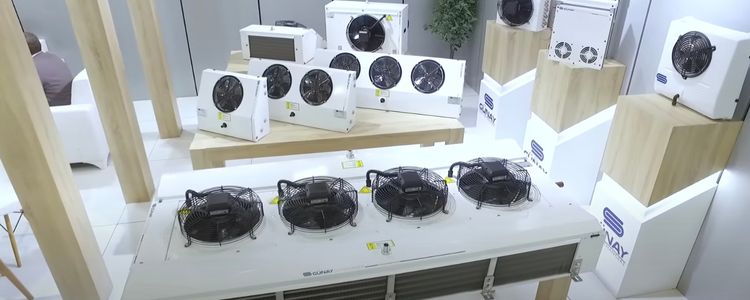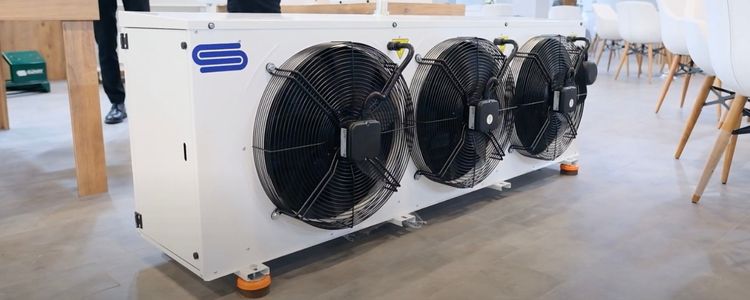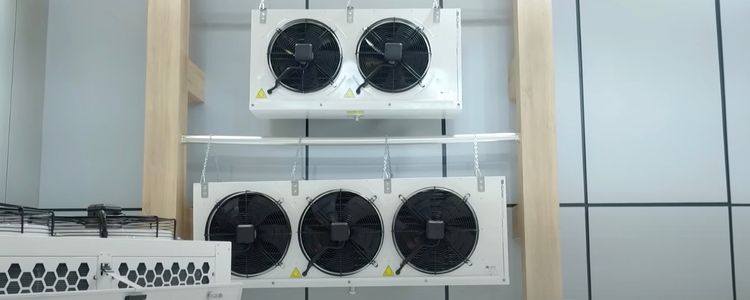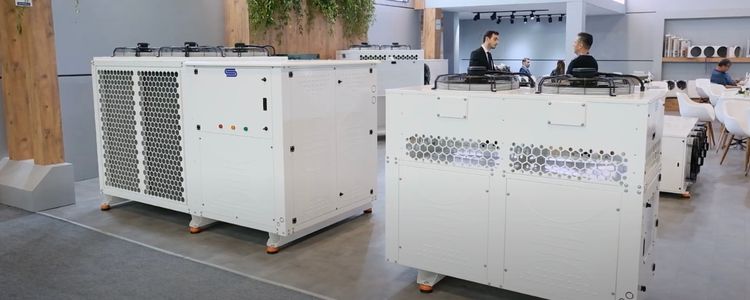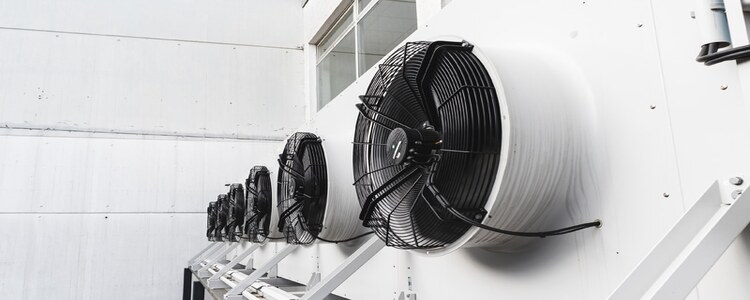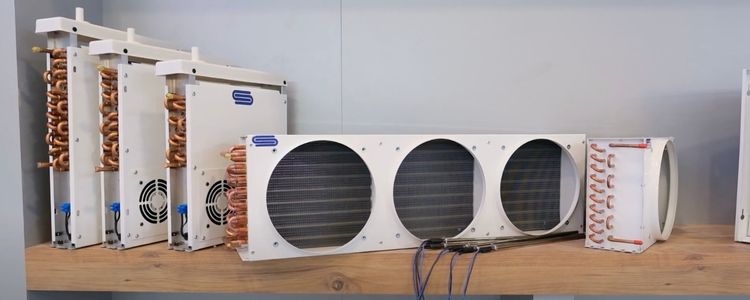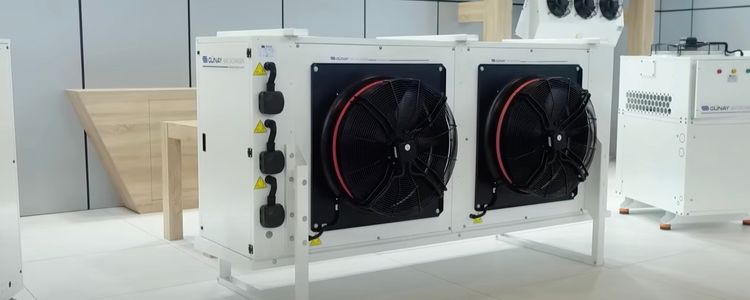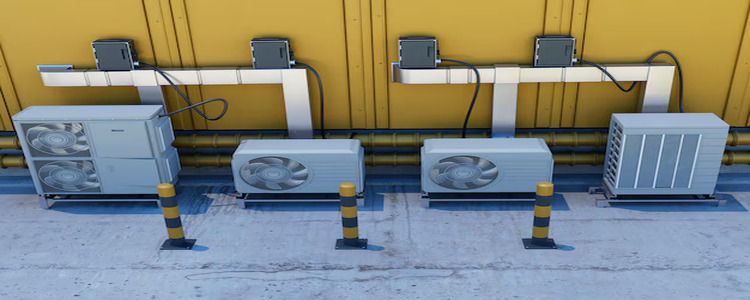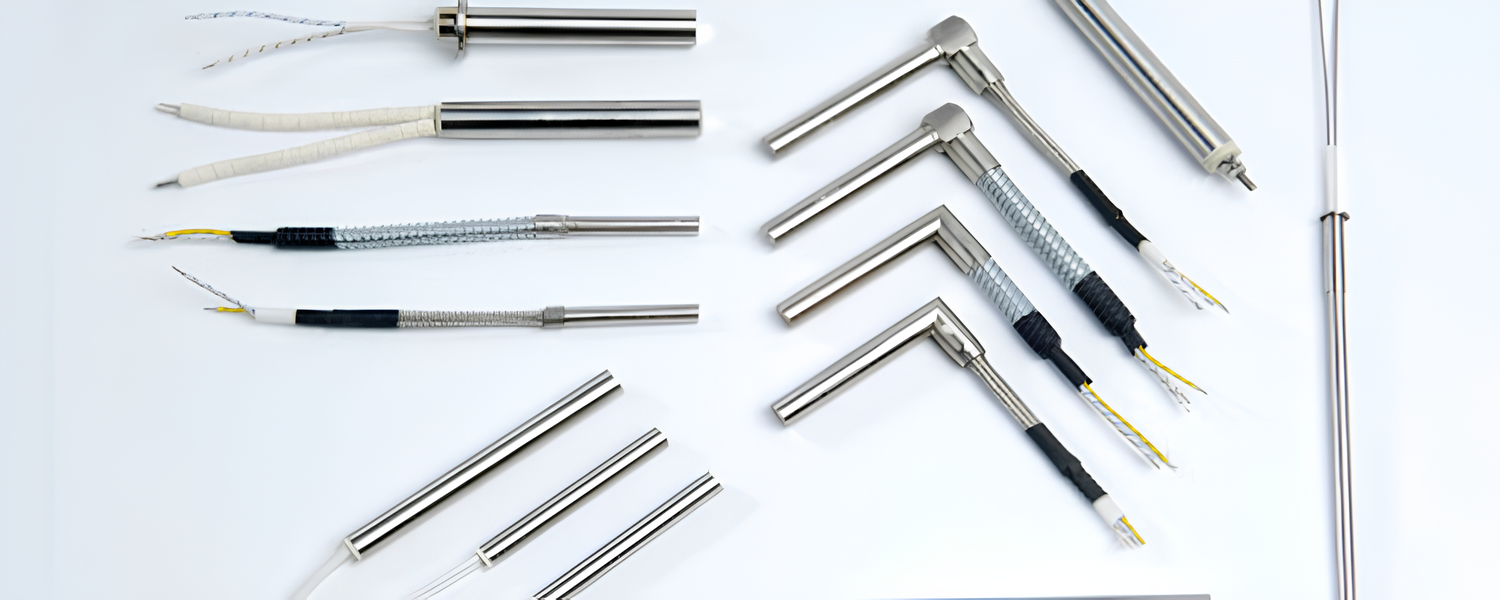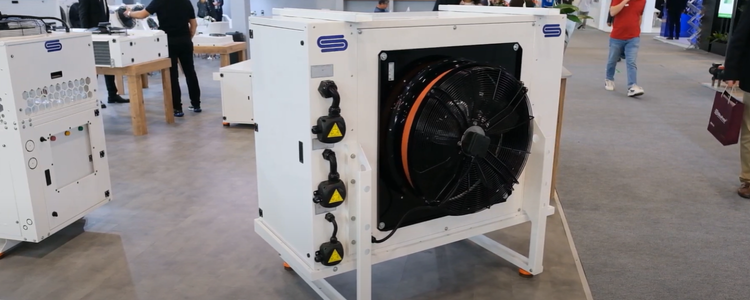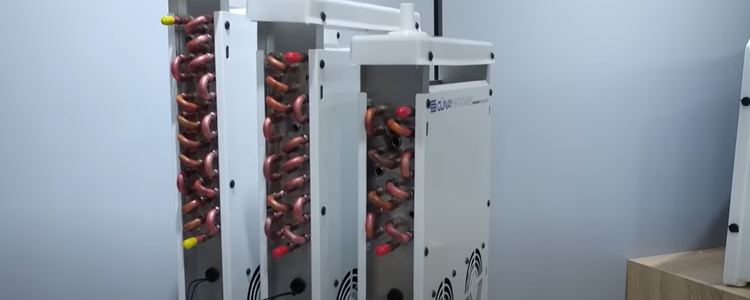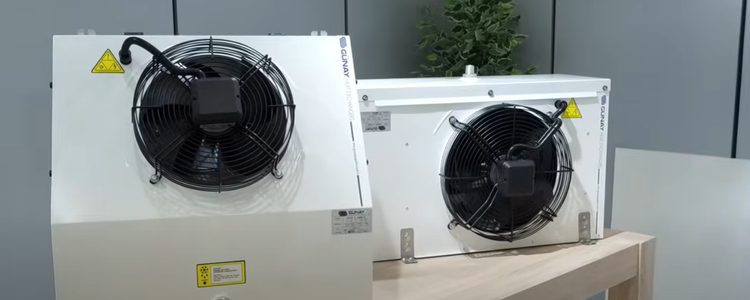


Integrating a heat exchanger correctly into an HVAC project is an engineering decision that directly affects a facility's overall energy efficiency, air quality, and operational reliability. A heat exchanger that is poorly selected or integrated in a way that is incompatible with the rest of the system can lead to capacity loss, excessive energy consumption, and rising maintenance costs over time. The sections below cover the role of the heat exchanger in HVAC systems, the technical parameters to evaluate during selection, the compatibility criteria required for integration into an existing system, the effect of airflow and pressure loss, maintenance access requirements, and the steps to follow during the integration process. Reach out to our team for an engineering assessment tailored to your project.
Table Of Contents
- What Role Does A Heat Exchanger Play In HVAC Systems?
- Which Technical Parameters Should Be Evaluated When Selecting A Heat Exchanger?
- Which Compatibility Criteria Apply When Integrating Into An Existing HVAC System?
- How Do Airflow And Pressure Loss Affect Integration?
- What Should Be Considered For Maintenance Access And Long-Term Performance?
- What Steps Should Be Followed During The Heat Exchanger Integration Process?
- Frequently Asked Questions
What Role Does A Heat Exchanger Play In HVAC Systems?
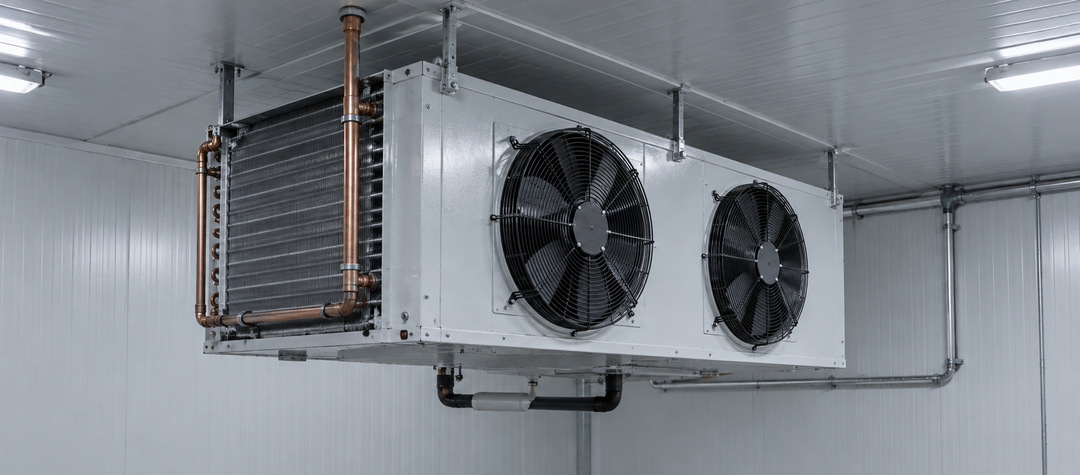
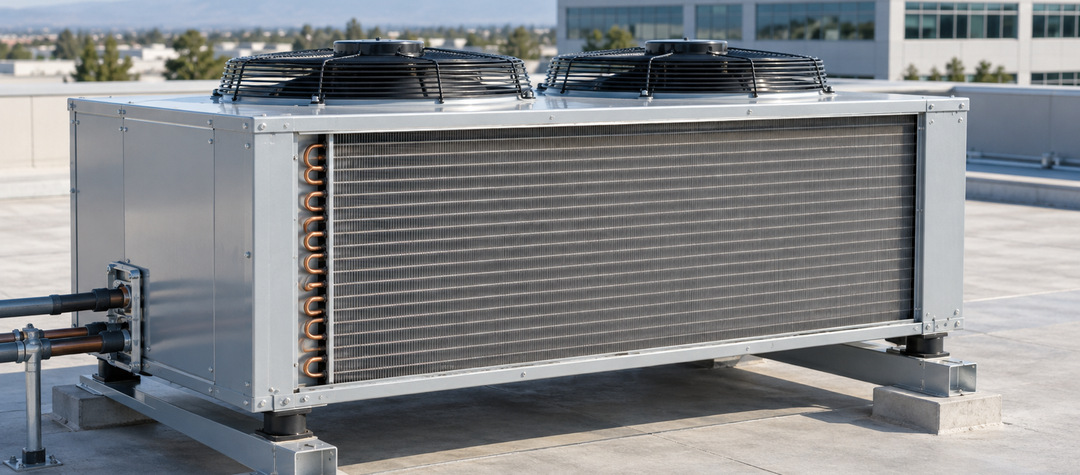
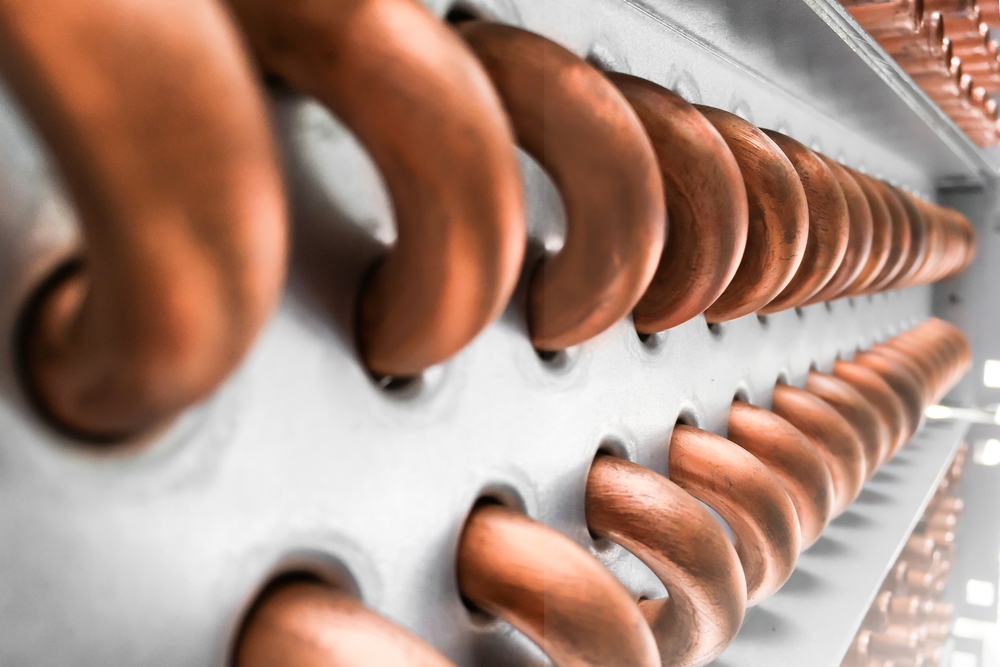
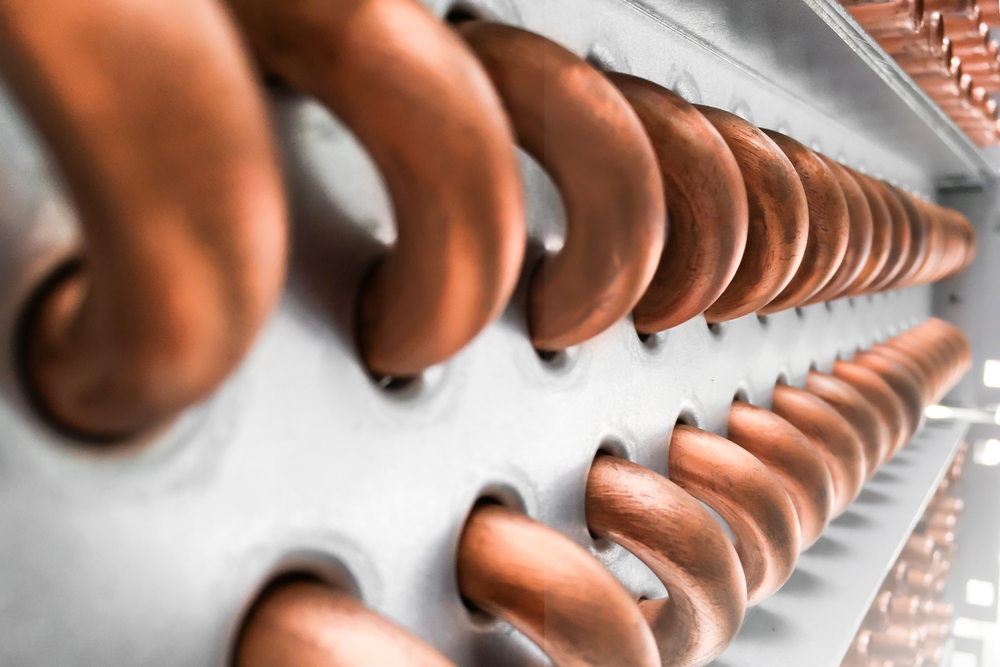
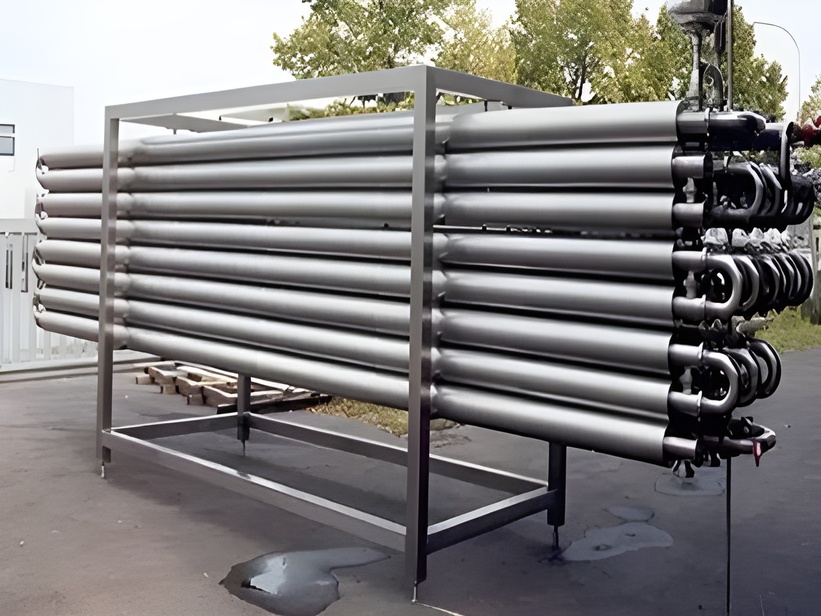
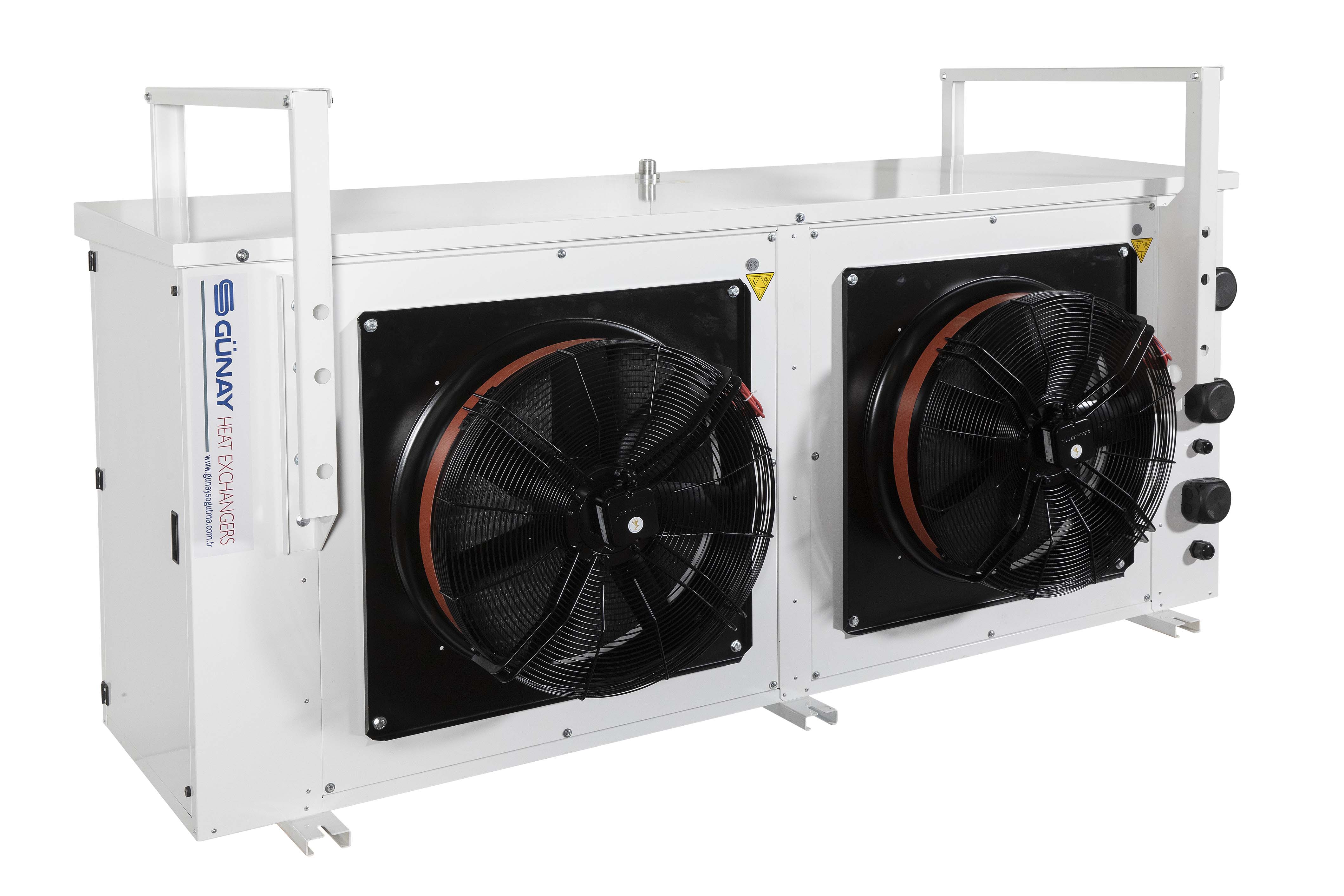
Heat exchangers in HVAC systems transfer heat between two different fluids or airstreams, serving functions such as energy recovery, pre-heating or pre-cooling, and separating different circuits from one another. In an energy recovery unit, for instance, the heat energy carried by exhaust air can be used to pre-heat or pre-cool incoming fresh air, which contributes to lowering the facility's total energy load.
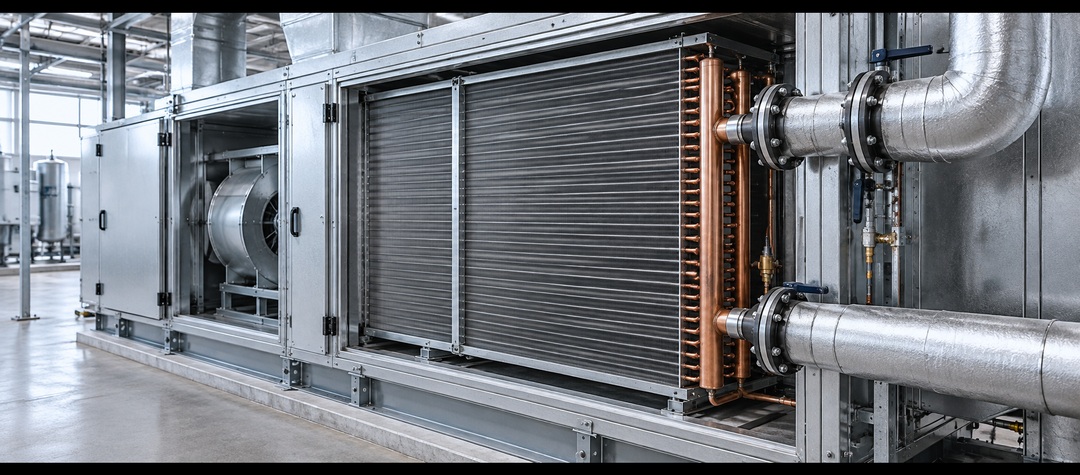
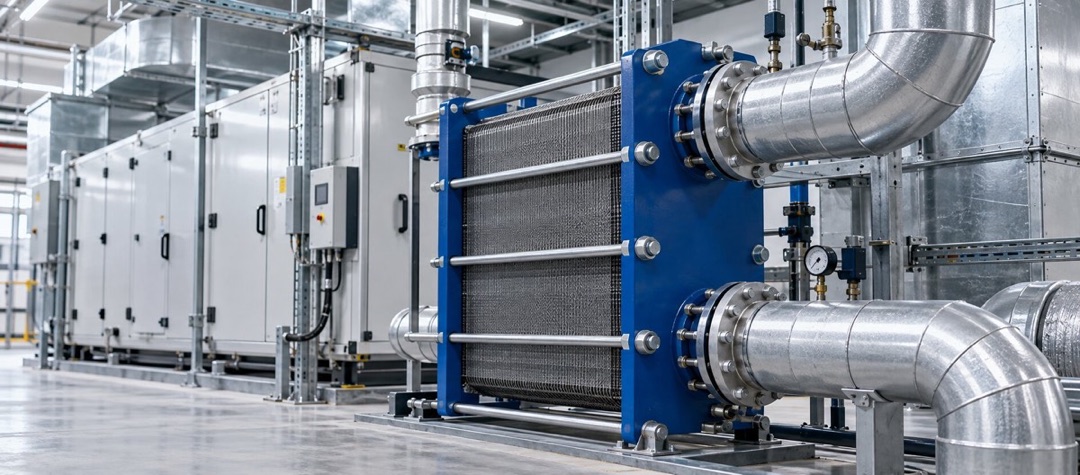
In HVAC projects, the heat exchanger usually operates not as a standalone component but as a subsystem integrated with the air handling unit, chiller, or heating system. Its performance therefore depends not only on its own design but also on the overall characteristics of the system it is integrated into. A poorly planned integration can prevent even a theoretically high-efficiency heat exchanger from delivering the expected performance in the field.
Which Technical Parameters Should Be Evaluated When Selecting A Heat Exchanger?
The following parameters are worth evaluating together when selecting a heat exchanger for an HVAC project:
- Heat transfer capacity: Capacity should be calculated to match the system's total heating or cooling load.
- Fluid type and flow range: Different medium fluids, such as water, a glycol mix, or air, bring different design requirements.
- Pressure class: Materials and gaskets need to be selected to match the system's operating pressure.
- Temperature difference (dT) and approach temperature: The size of the heat transfer surface should be optimized around the difference between inlet and outlet temperatures.
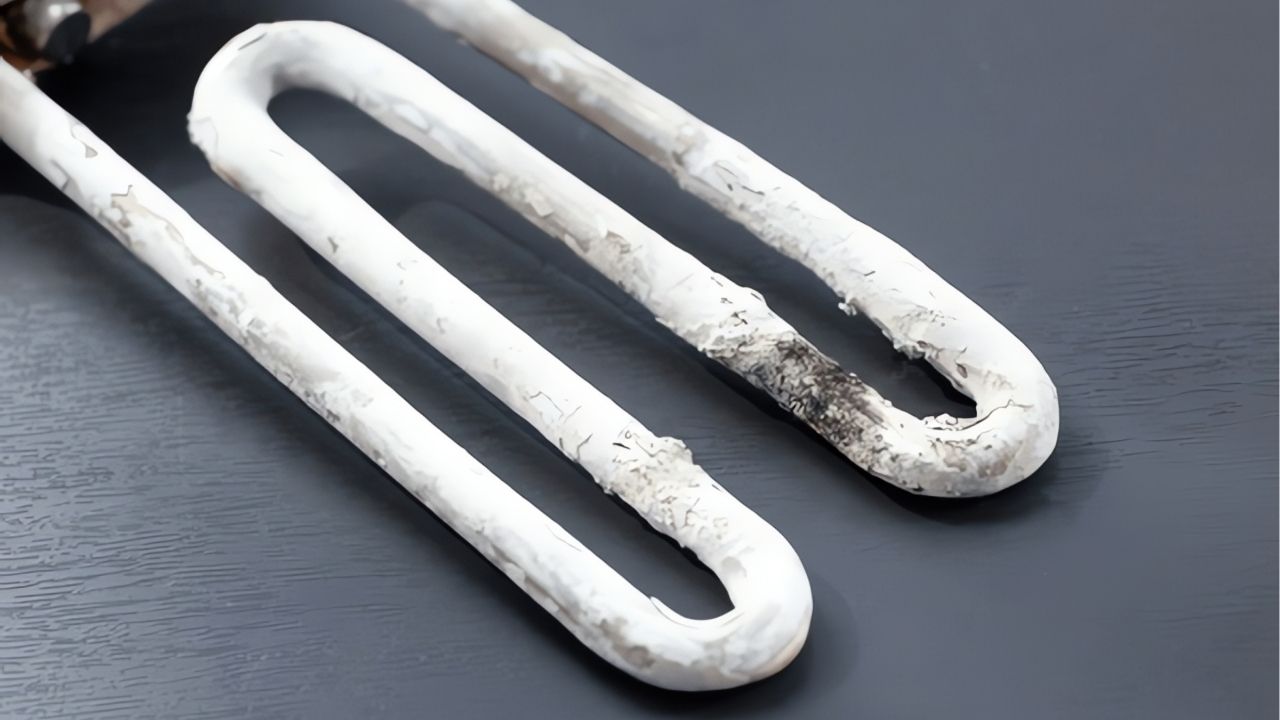
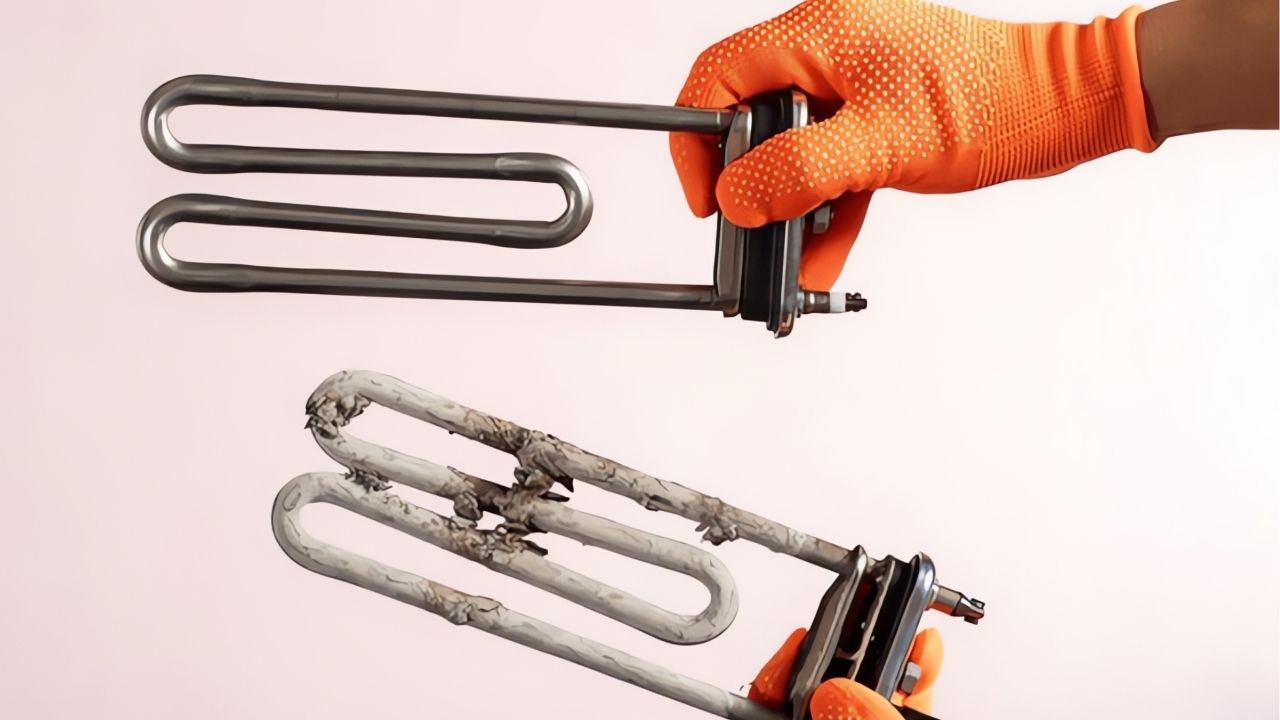
- Fouling factor: The cleanliness level of the fluid used affects how quickly the heat transfer surface becomes fouled over time and determines maintenance frequency.
Failing to fully evaluate these parameters can result in insufficient capacity or an unnecessarily oversized piece of equipment; either outcome negatively affects operating costs.
Which Compatibility Criteria Apply When Integrating Into An Existing HVAC System?
Integrating a new heat exchanger into an existing or planned HVAC system calls for evaluating the following compatibility elements:
- Control system compatibility: The heat exchanger should have sensor and actuator infrastructure capable of communicating with the building management system (BMS).
- Pipe and duct connection standard: Connection points need to match the existing infrastructure's flange, diameter, and material standards.
- Capacity scalability: For projects where the building's usage profile may change in the future, a modular design that allows capacity expansion offers an advantage.
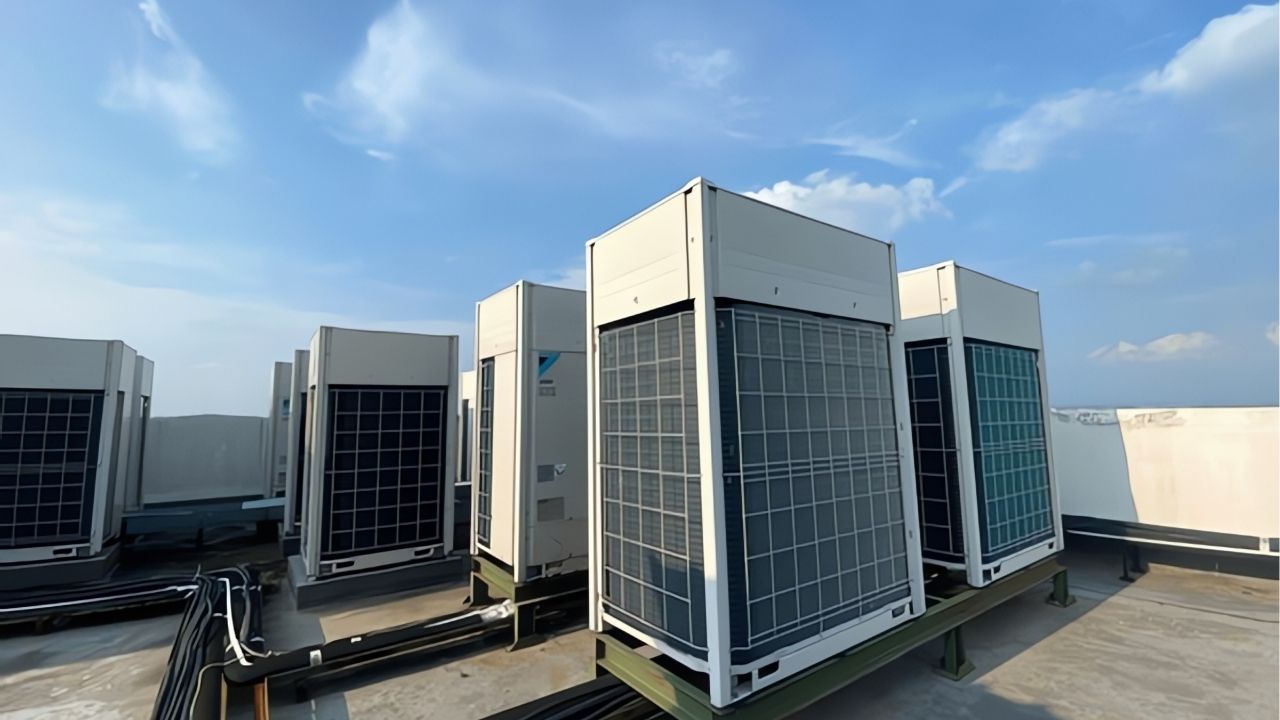
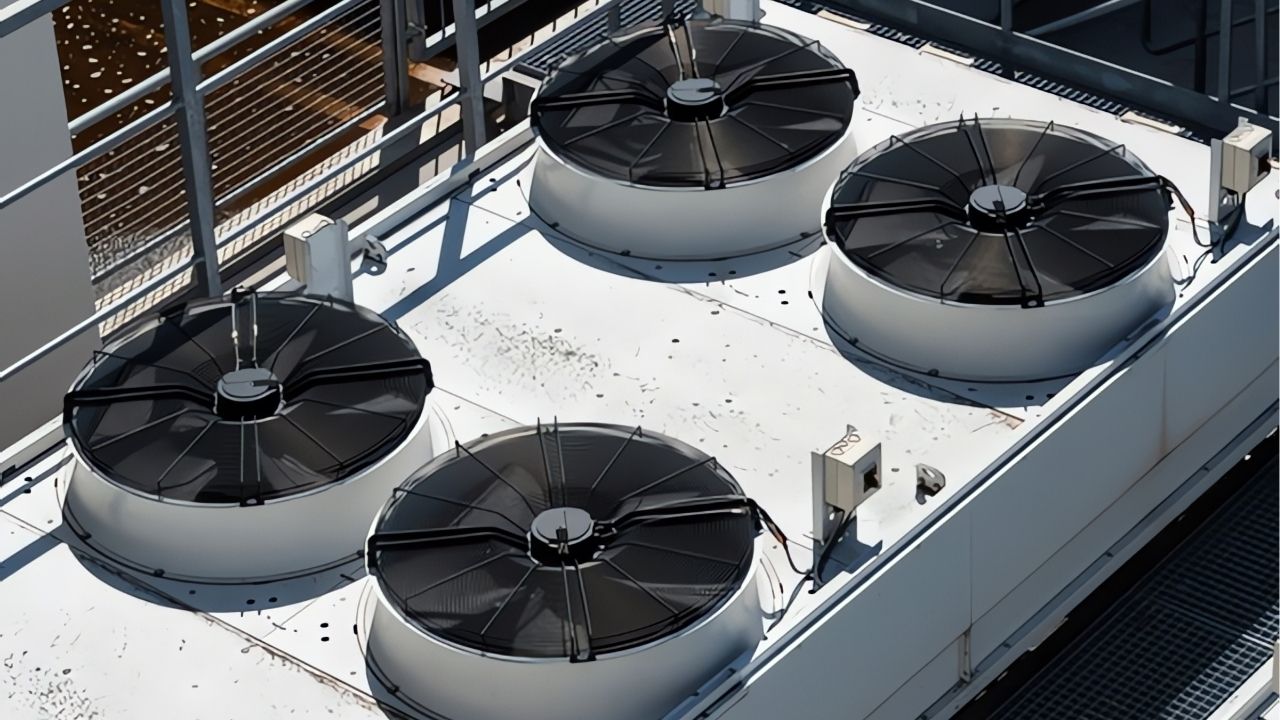
- Installation space constraints: The size and weight limits of the mechanical room or rooftop installation area narrow down the suitable model range.
When compatibility assessment is not carried out early in the project, unexpected change requirements can surface during on-site installation, negatively affecting project schedule and budget.
How Do Airflow And Pressure Loss Affect Integration?
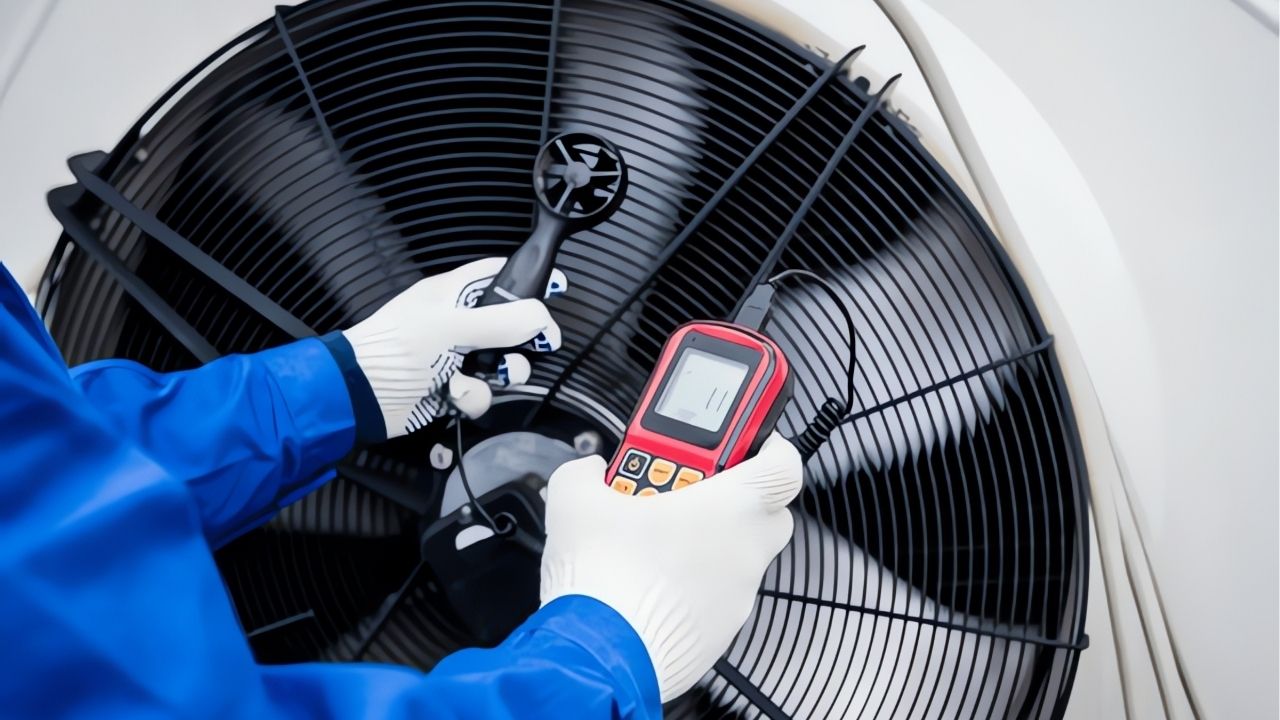
Airflow and pressure loss are elements that often receive insufficient attention during heat exchanger integration but directly determine performance. Adding a heat exchanger into a duct system increases total system resistance, which can cause fans to consume more energy.
Points worth evaluating to limit this effect include:
- Updating the static pressure calculation: The total pressure loss of the updated system with the heat exchanger added should be recalculated together with fan selection.
- Designing duct transition points: Avoiding abrupt narrowing or sharp turns reduces turbulence-related pressure loss.
- Filter and heat exchanger sequence: The order in which components are placed should be planned so pressure loss increases from fouling can be anticipated in advance.
An integration that does not account for pressure loss can cause an unexpected rise in fan energy, partially or entirely offsetting the savings gained from energy recovery.
What Should Be Considered For Maintenance Access And Long-Term Performance?
A heat exchanger's long-term performance depends on an accessible maintenance plan as much as on correct design. Elements worth evaluating include:
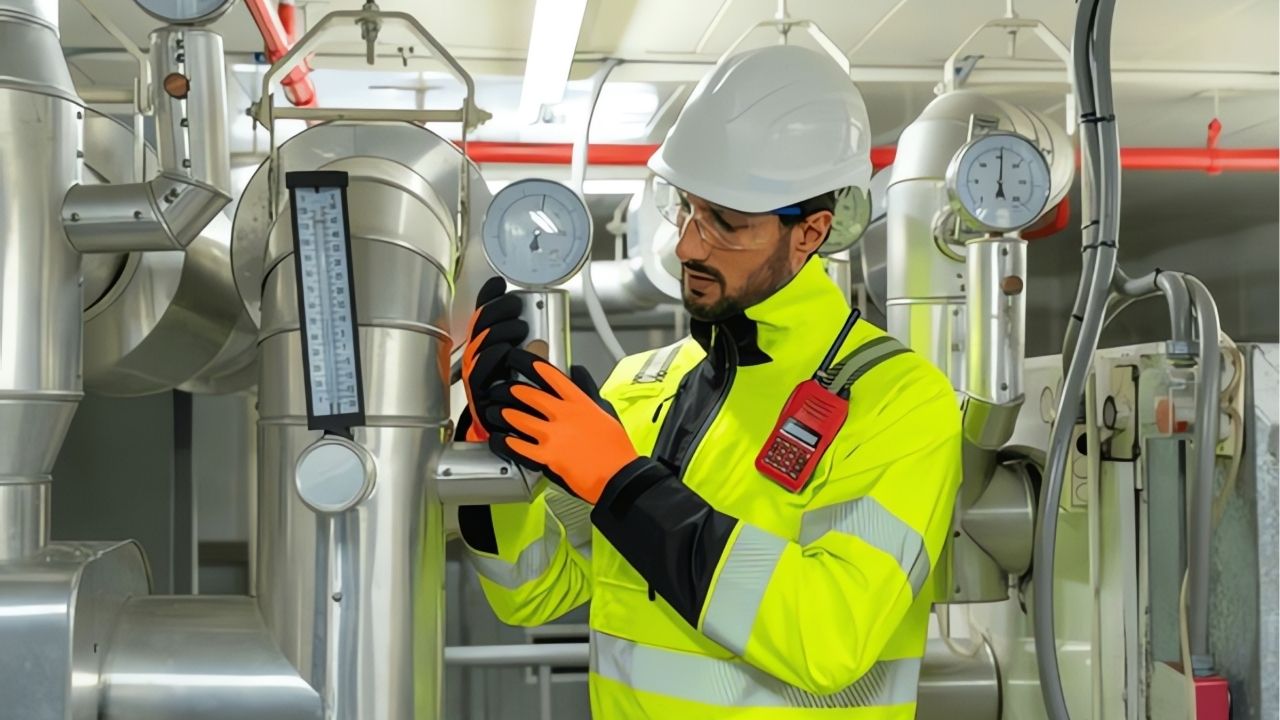
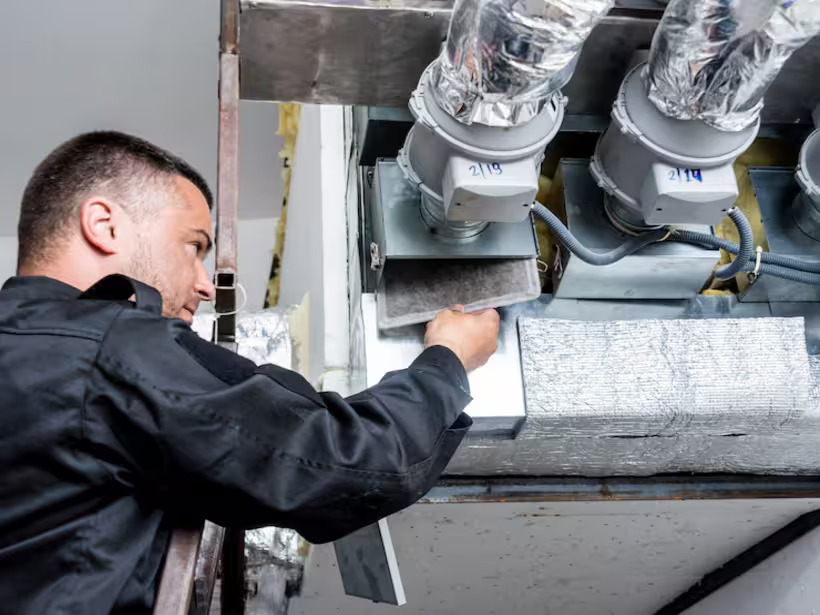
- Reserving service space: The heat transfer surface needs to be surrounded by enough clearance for cleaning and inspection.
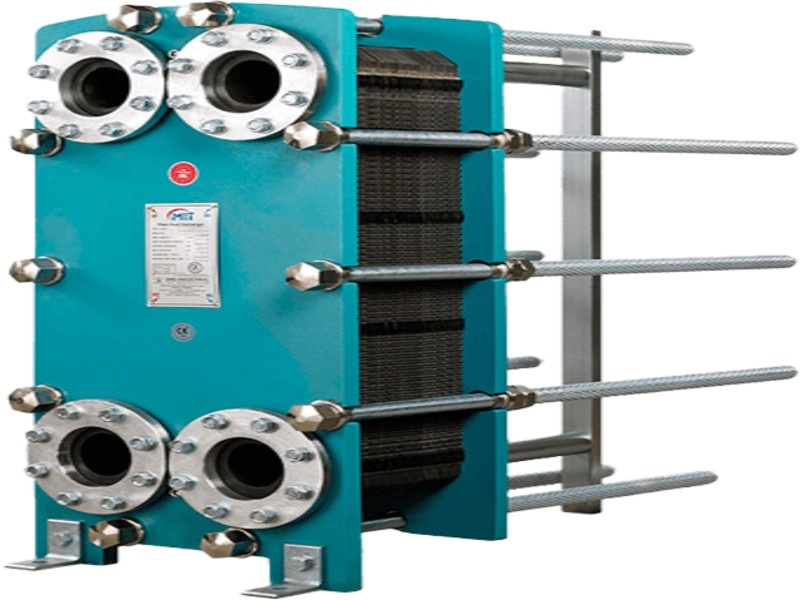
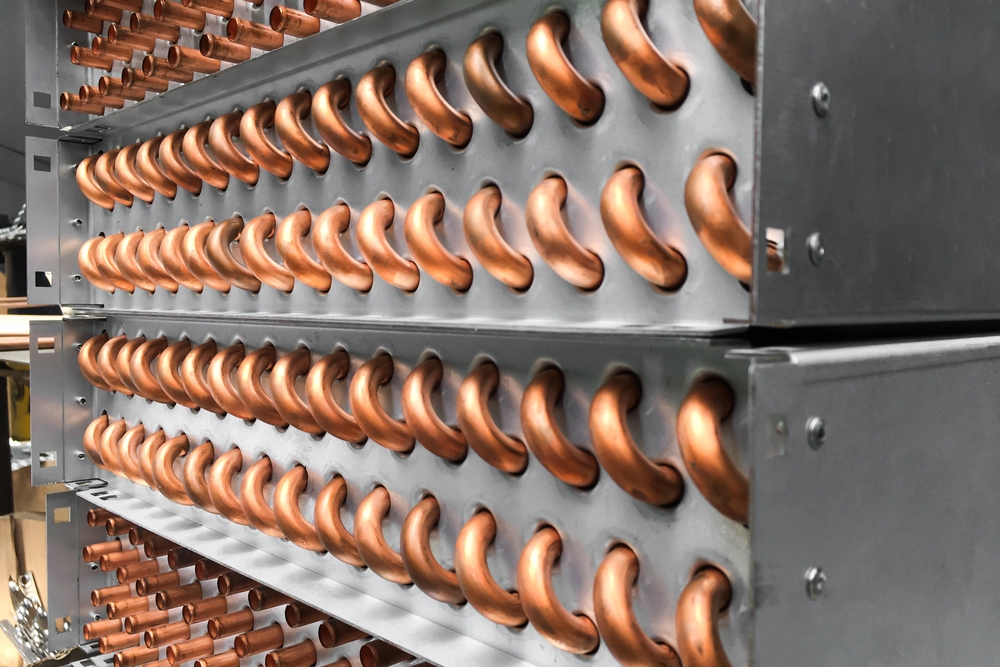
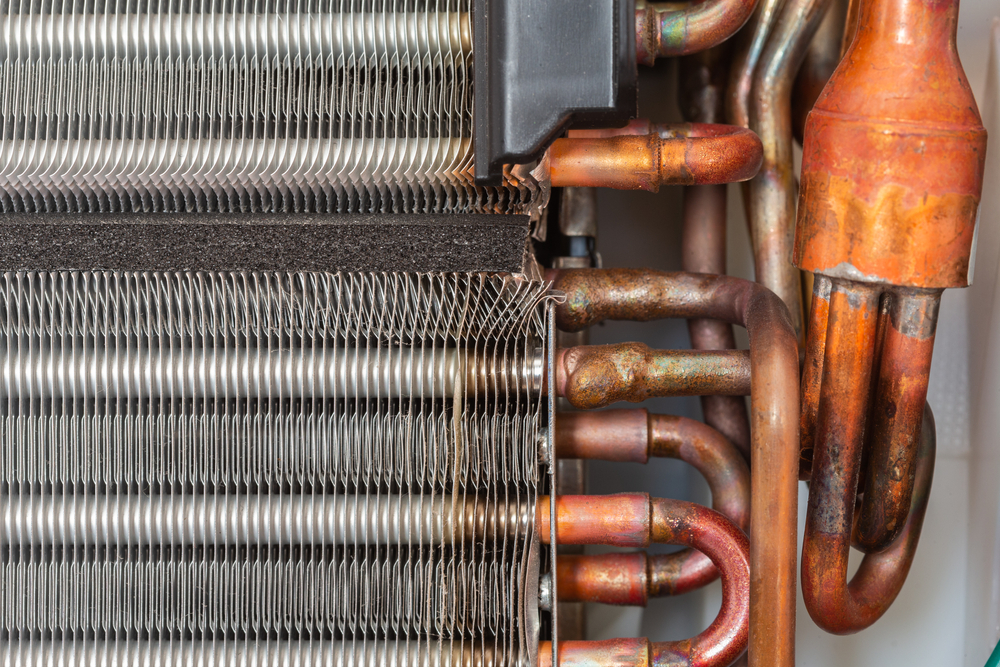
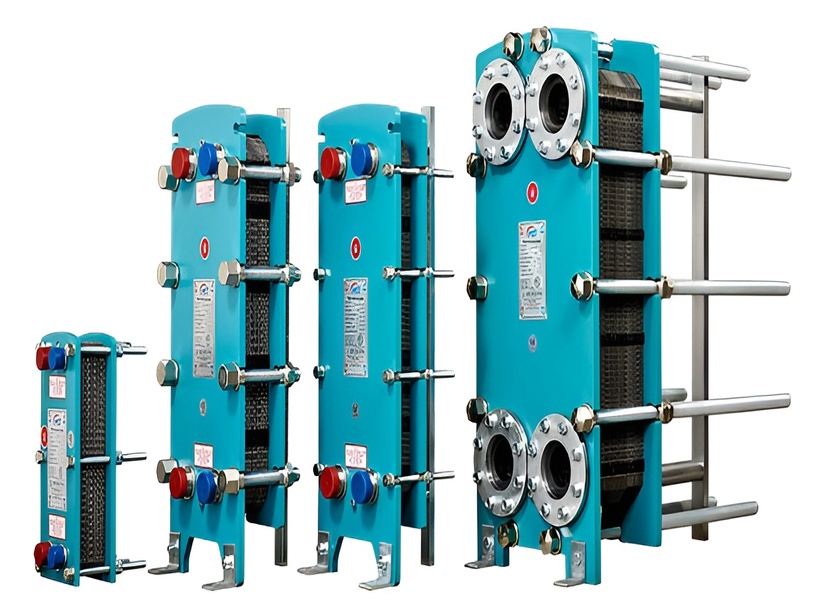
- Removable plate or coil design: For plate or coil types, having components that are easy to remove makes thorough cleaning easier.
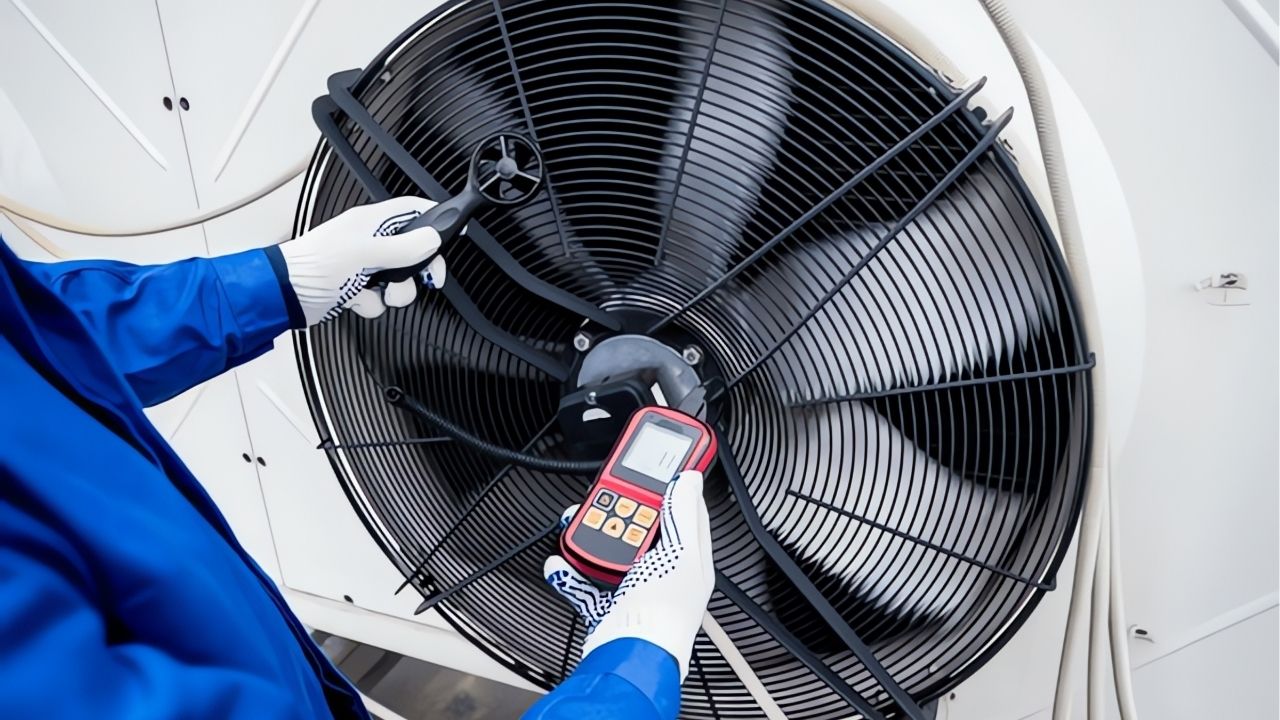
- Placement of monitoring sensors: Placing sensors that track inlet/outlet temperature and pressure difference at the right points helps catch performance loss early.
A design that overlooks maintenance access can lead to reduced cleaning frequency and a gradual decline in heat transfer efficiency over time.
What Steps Should Be Followed During The Heat Exchanger Integration Process?
Practical steps that can be followed for heat exchanger integration in an HVAC project can be summarized as follows:
- Clarify the system load and fluid conditions: The heating/cooling load, fluid type, and flow range should be determined early on.
- Confirm compatibility with the existing infrastructure: Control system, pipe/duct connections, and installation constraints should be reviewed.
- Calculate pressure loss and fan selection together: System resistance changed by adding the heat exchanger should be matched to fan capacity.
- Build the maintenance plan at the design stage: Service access and monitoring points should be built into the design rather than left for after installation.
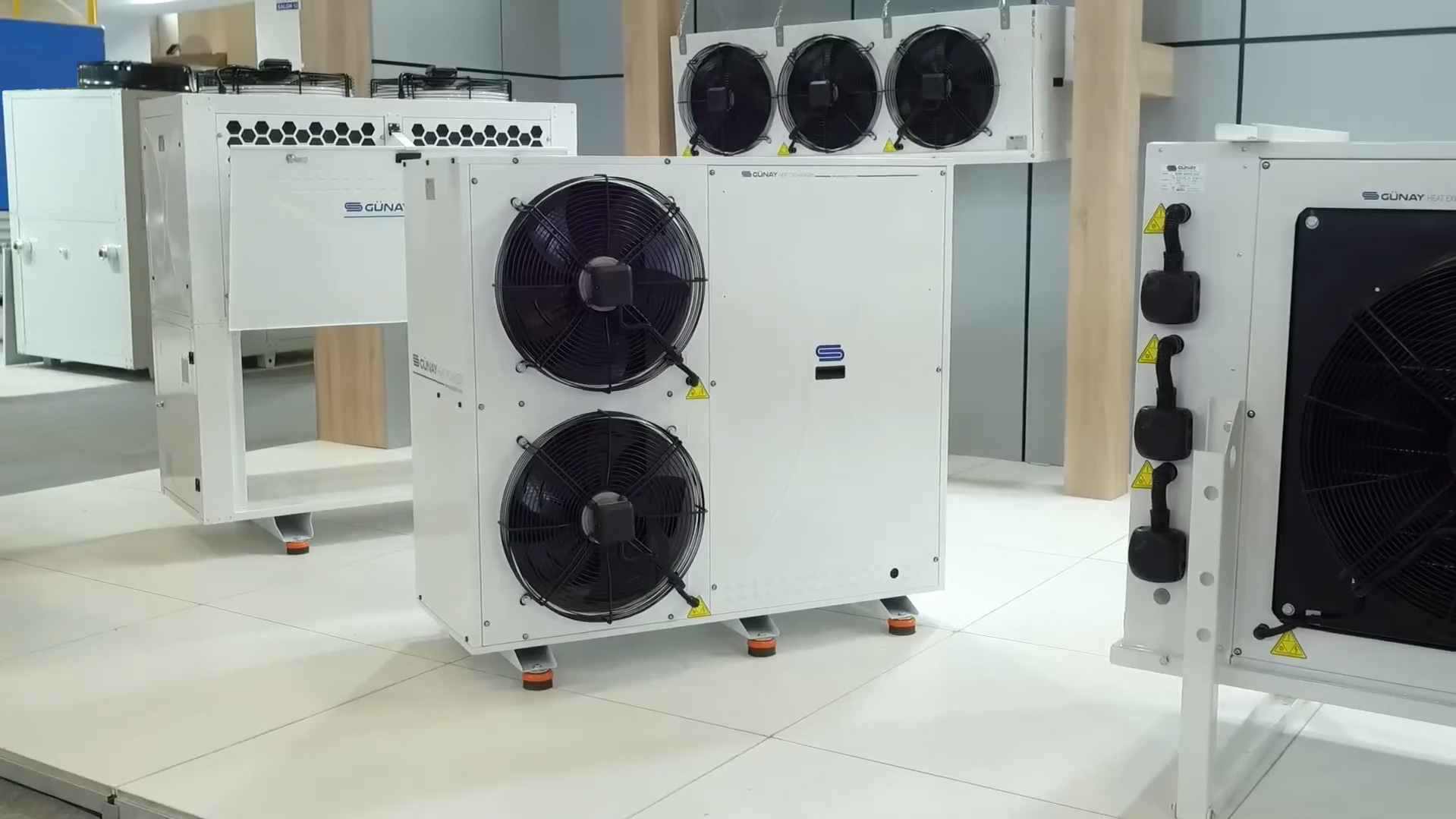
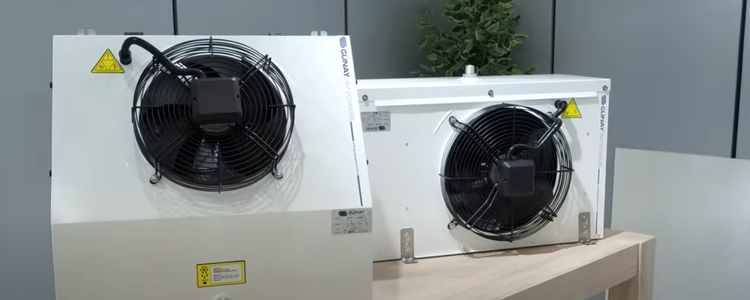
Günay Soğutma develops heat exchanger solutions for a range of HVAC applications, helping project teams overcome the technical challenges encountered during the integration process. Share your project details with our team to request an engineering assessment.
Frequently Asked Questions
Does Heat Exchanger Integration Guarantee Energy Savings?
A correctly designed and correctly integrated heat exchanger contributes to energy savings; however, inadequate pressure loss management or a mismatched capacity choice can reduce the expected gain.
Can A Heat Exchanger Be Added To An Existing HVAC System Later?
It is possible in some cases; however, whether the existing system's fan capacity, pipe/duct infrastructure, and control system can support the added component needs to be engineering-evaluated.
How Should One Choose Between Plate And Coil Heat Exchangers?
The choice depends on fluid type, available space constraints, and maintenance preference; a project-specific engineering assessment is recommended for either type.
Why Should Pressure Loss Calculation Be Done Early?
Since pressure loss directly affects fan selection and energy consumption, the integration decision should be evaluated together with this calculation early on; otherwise, unexpected changes may be needed on site.
What Determines The Maintenance Frequency Of A Heat Exchanger?
Maintenance frequency varies depending on the fluid's fouling factor, operating conditions, and how easily the design allows service access.
How Can I Get Support For My Project's Heat Exchanger Integration?
Share information such as system load, fluid conditions, and installation constraints with our team to request a project-specific technical assessment.