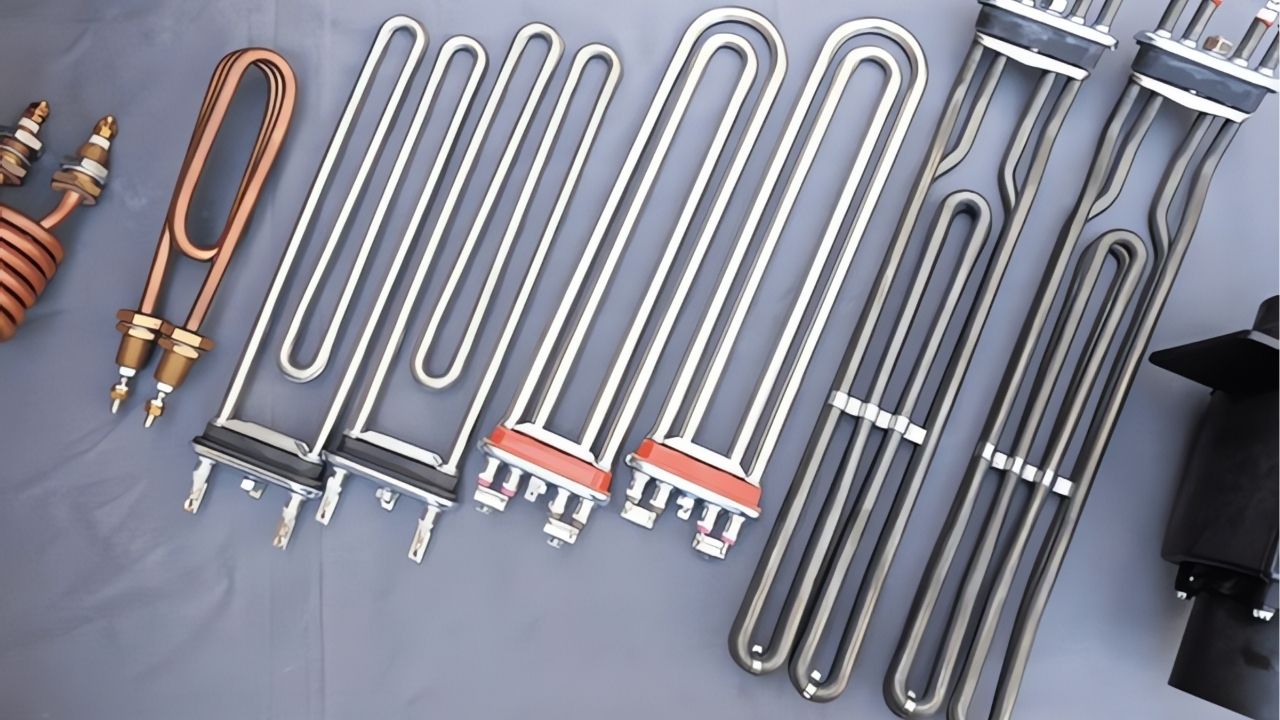



Heater Faults: Symptoms and Troubleshooting Methods
06 / 07 / 2026

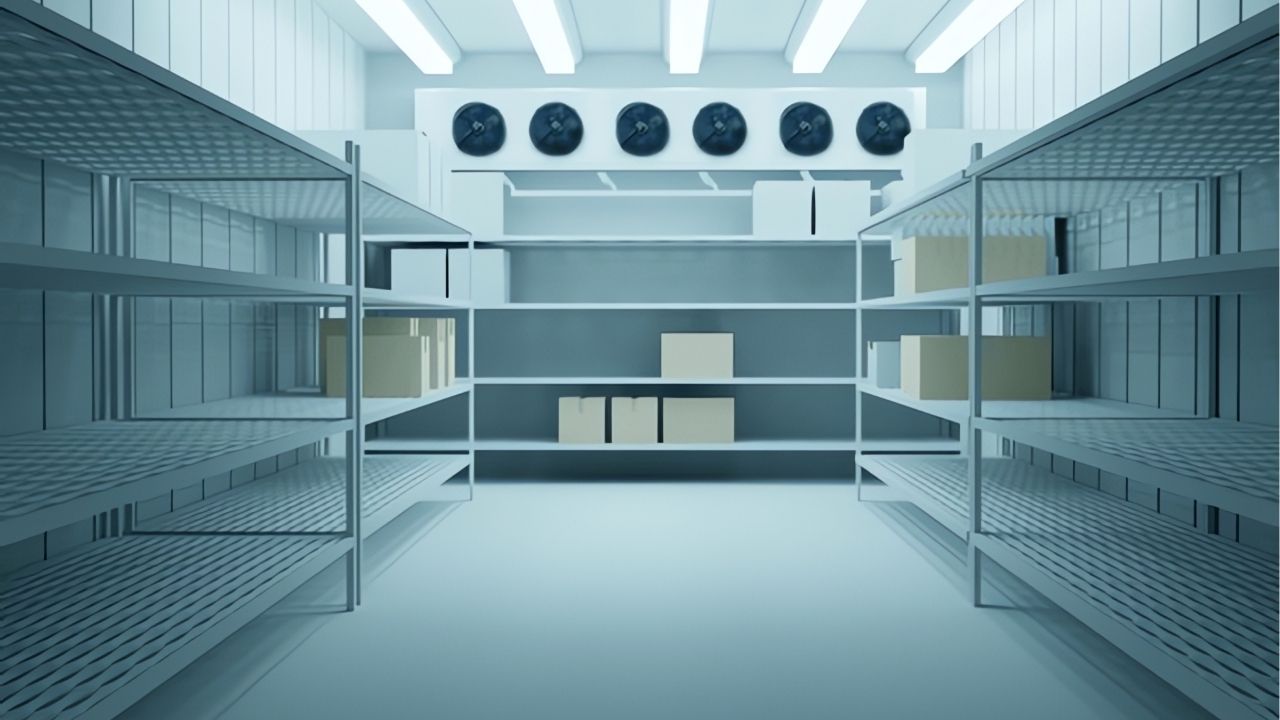
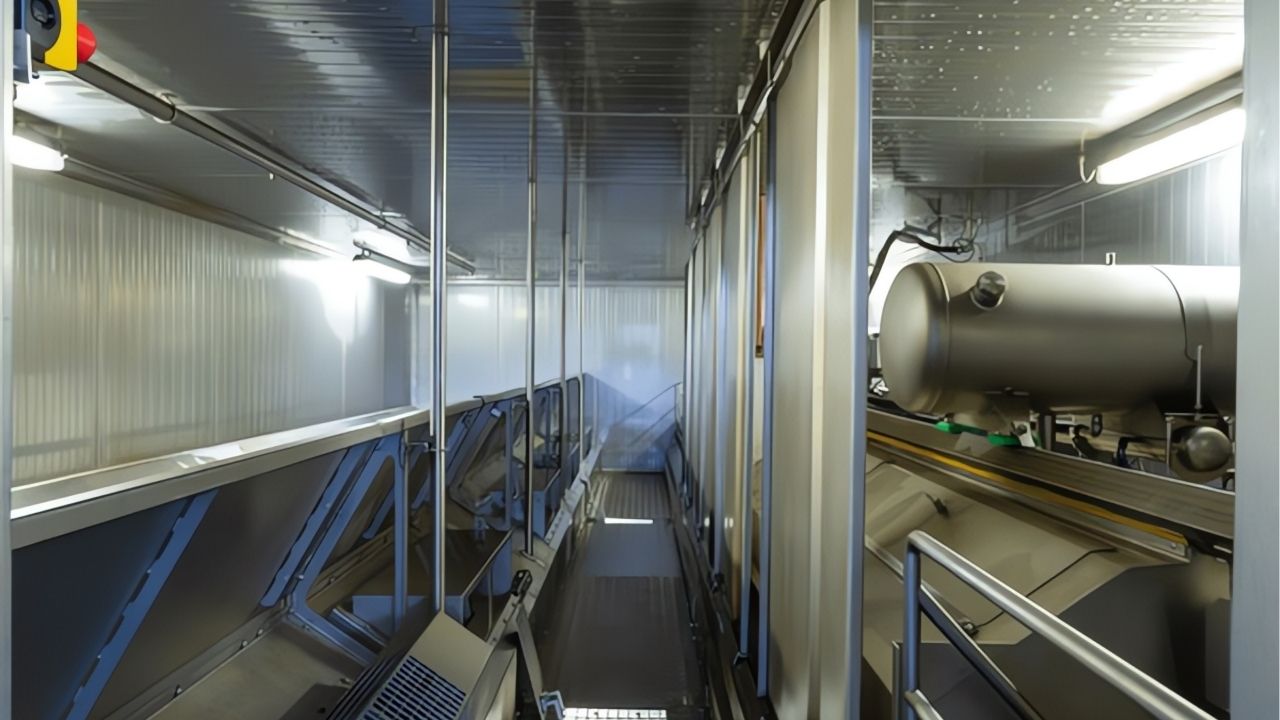
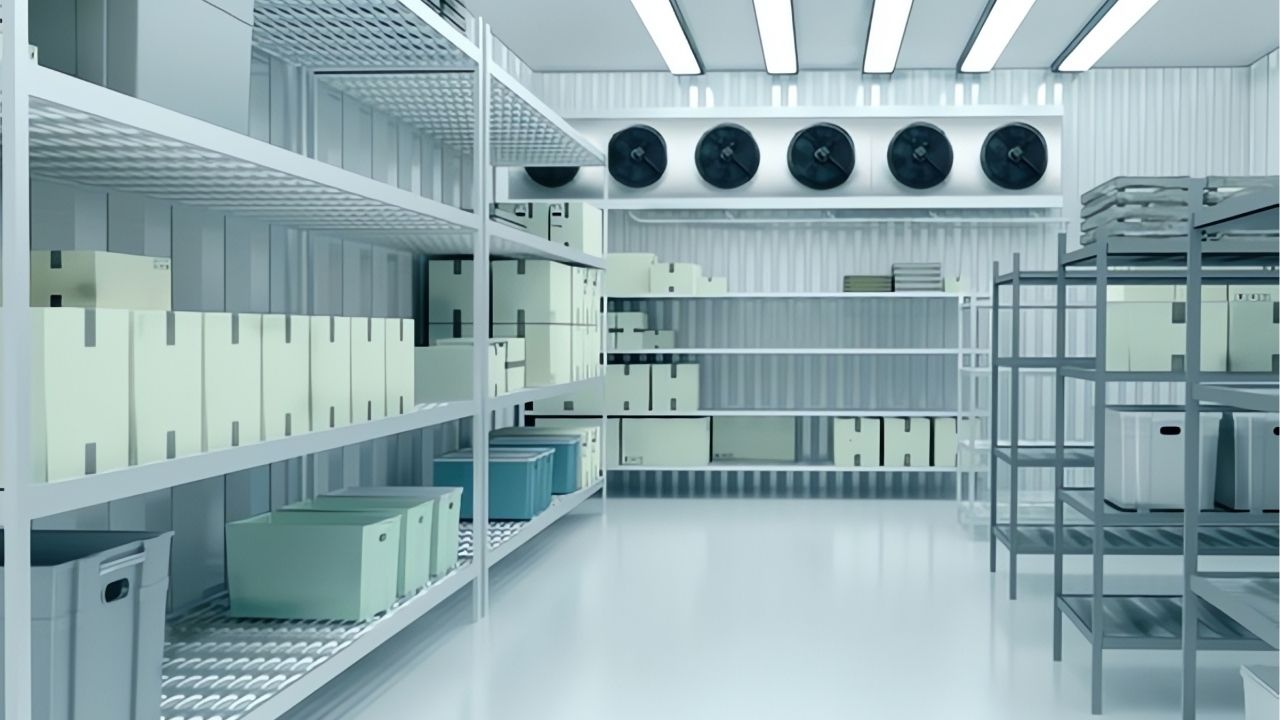
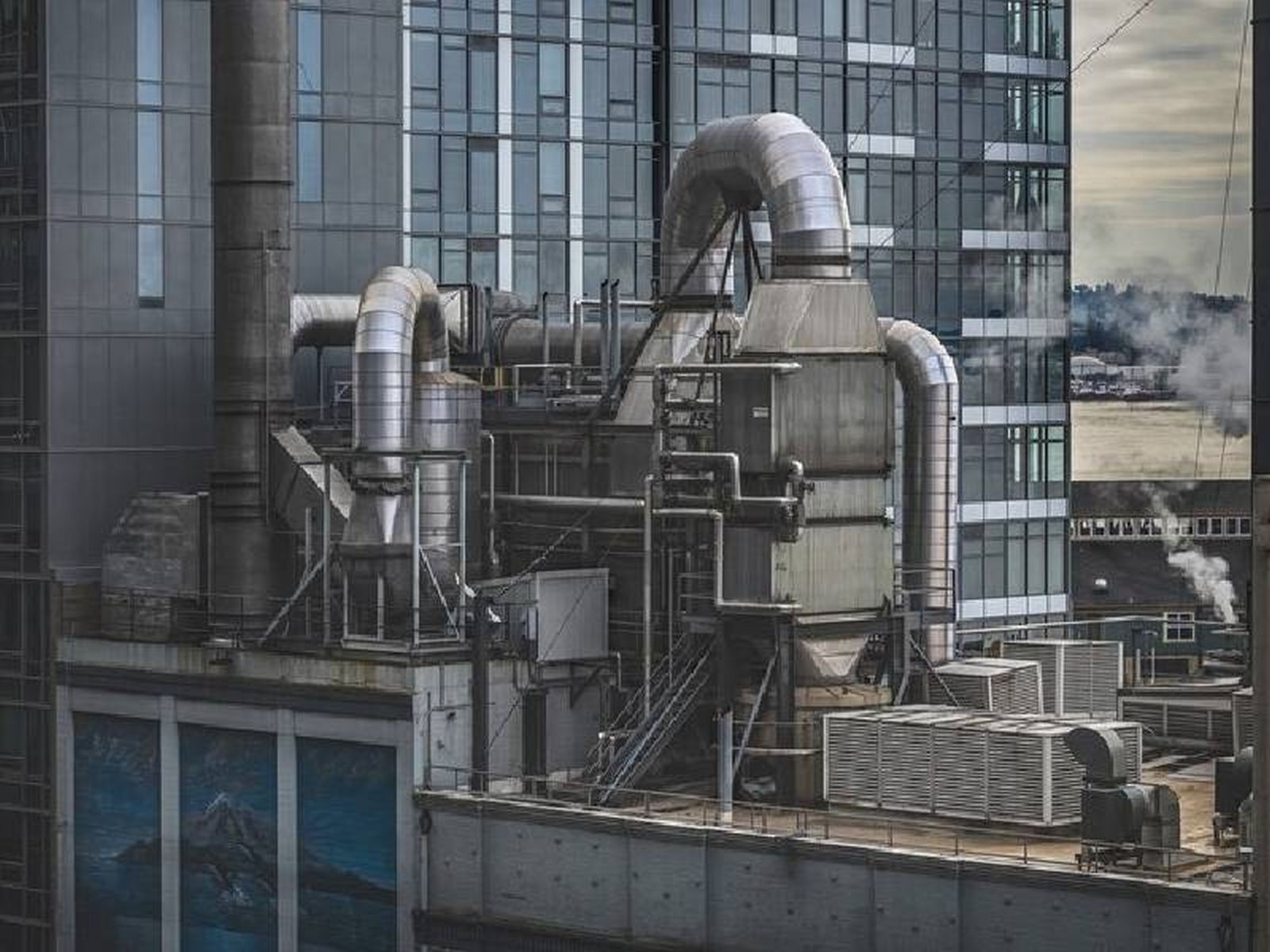
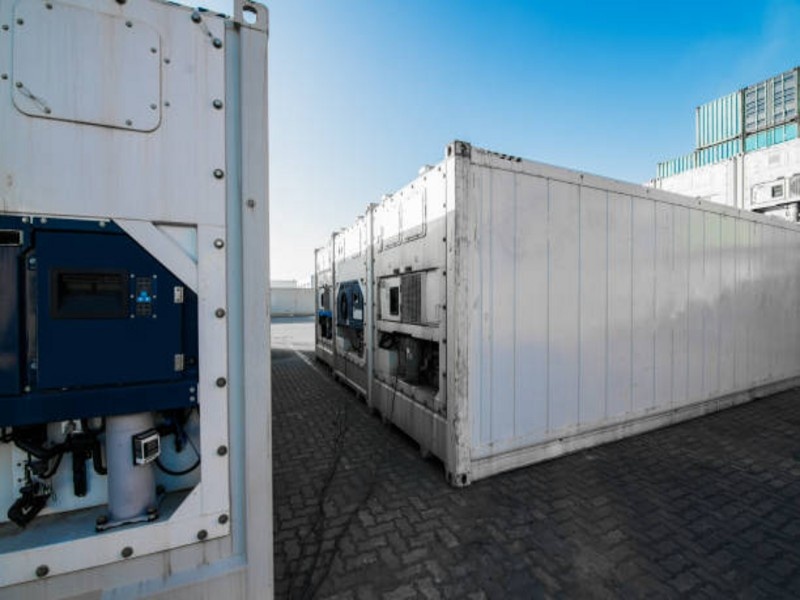
A cold storage facility is a cornerstone of modern industrial cooling systems, engineered to maintain precise low-temperature environments for extended periods. In industrial applications, these facilities are critical infrastructure, moving beyond simple refrigeration to become integrated systems that ensure product integrity and production line continuity. The efficiency and reliability of such a facility are paramount, as any deviation can lead to significant financial loss and operational disruption. Optimizing this energy efficient cold storage operation begins with the performance of its core components, where disciplined manufacturing makes the definitive difference.
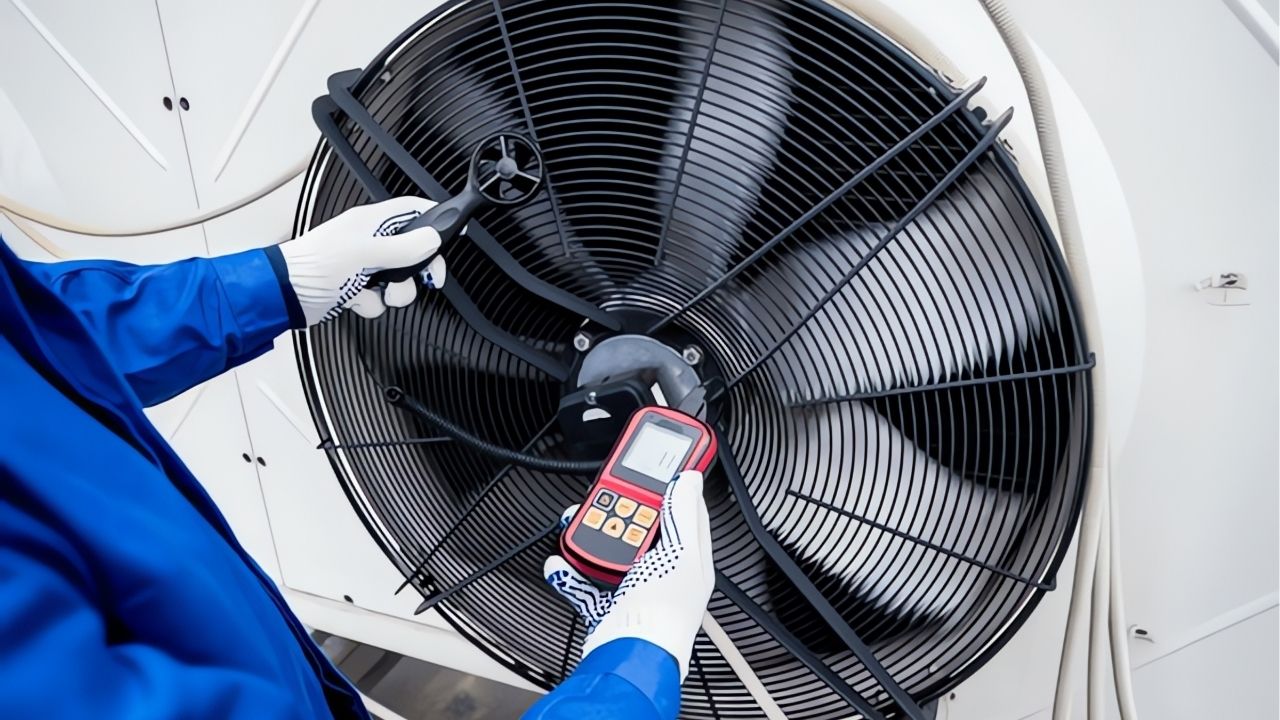
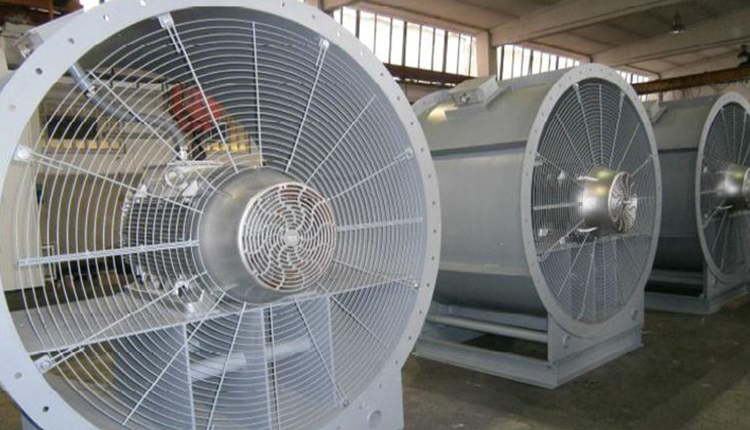
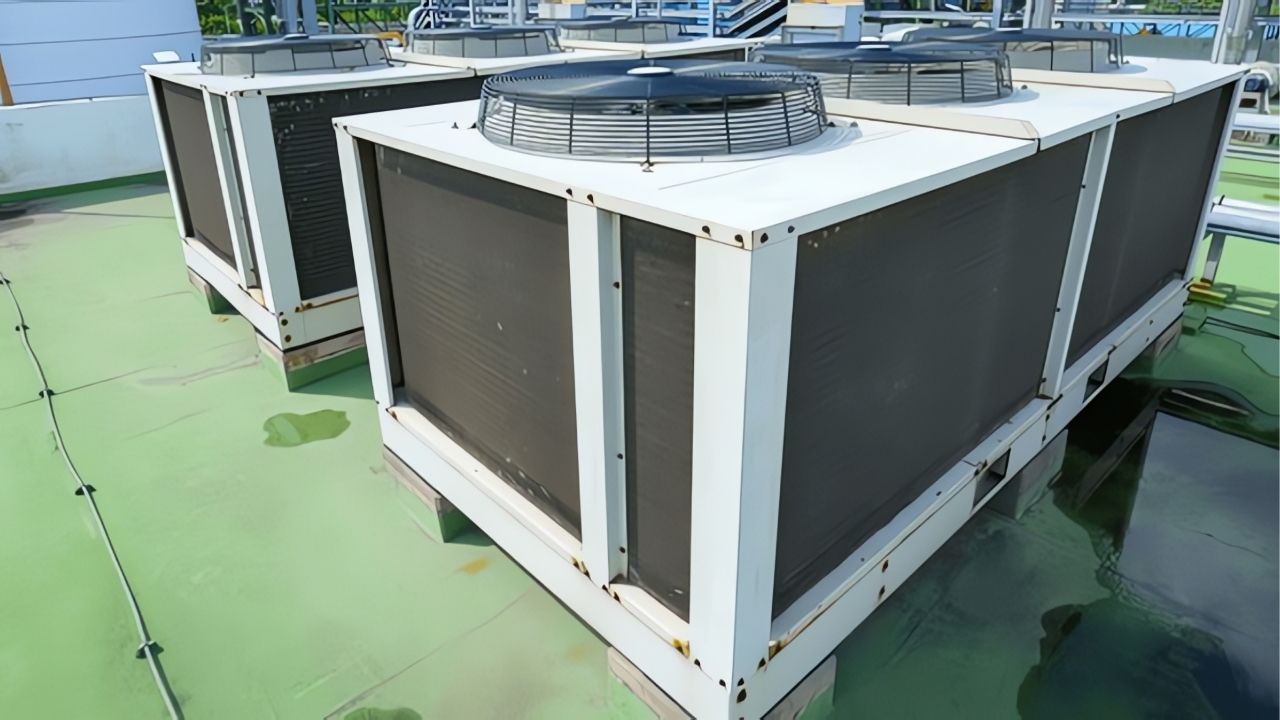
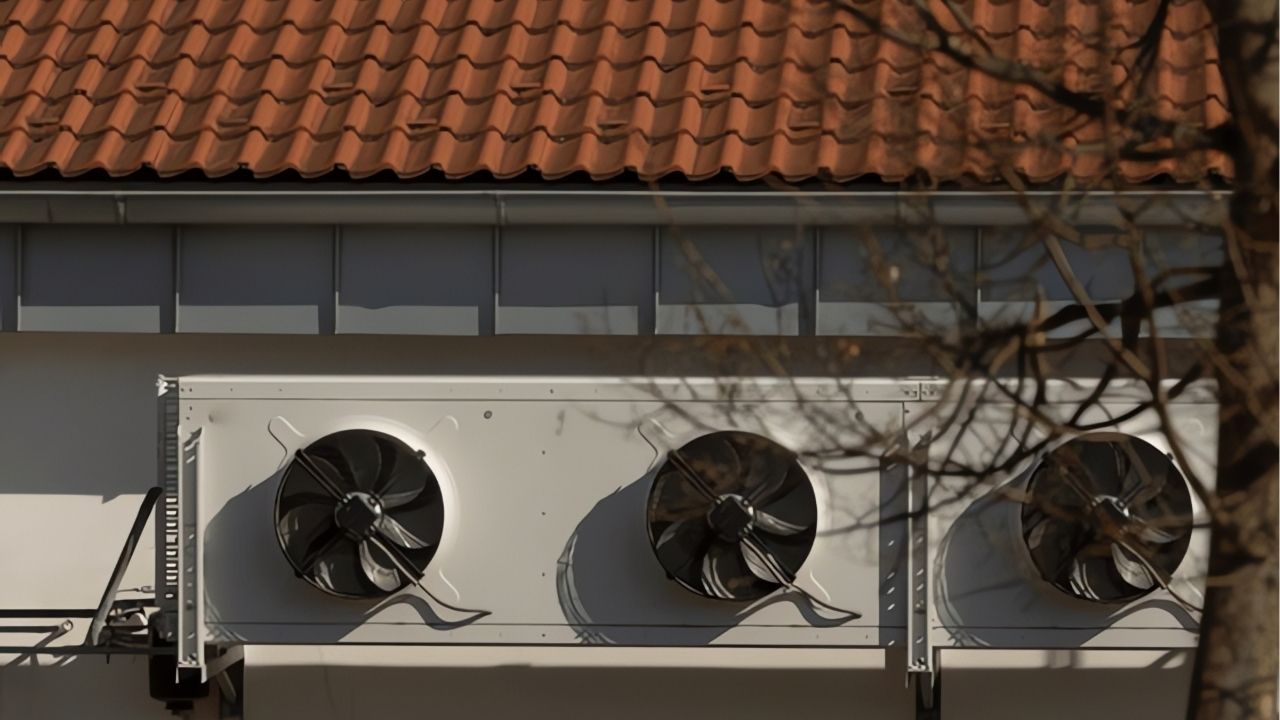
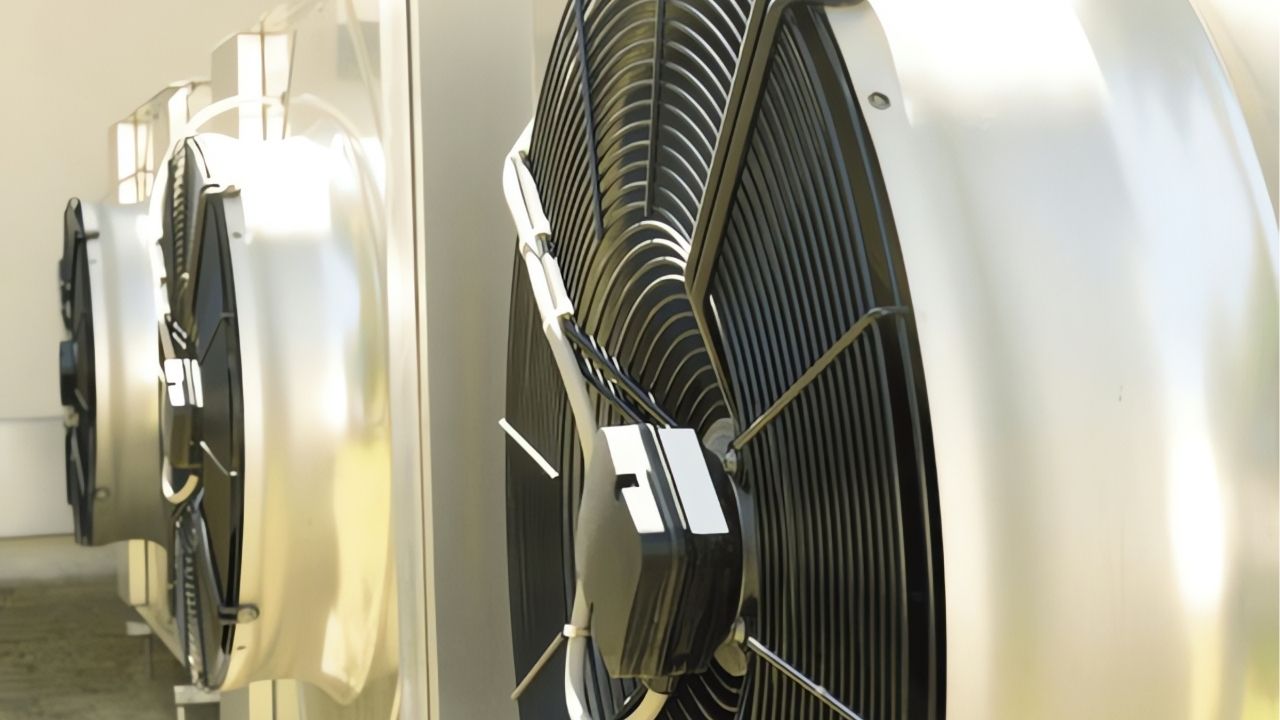
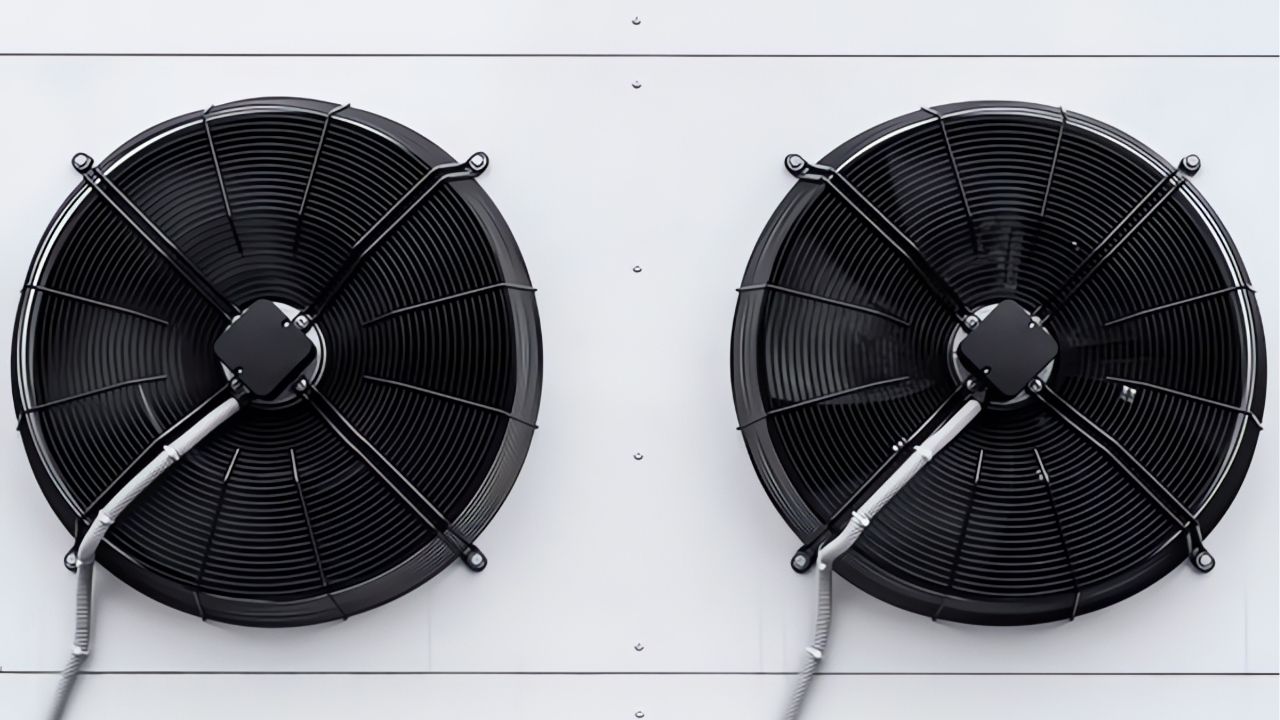
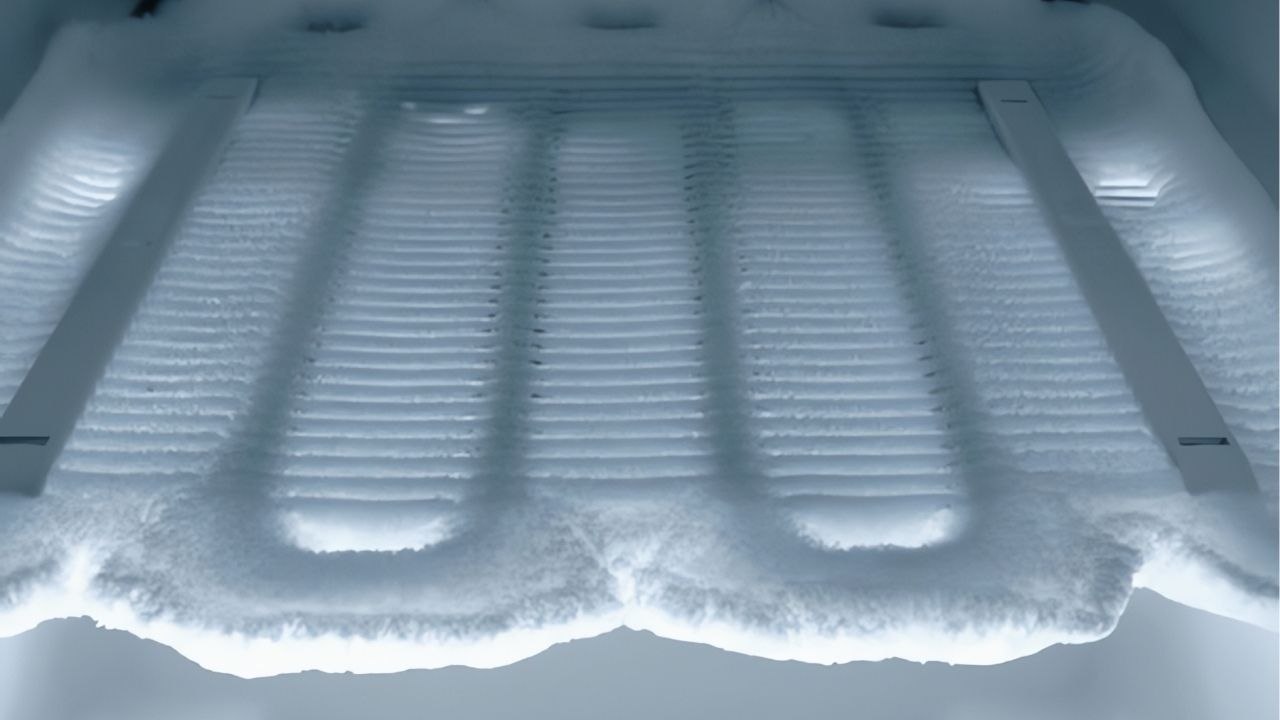
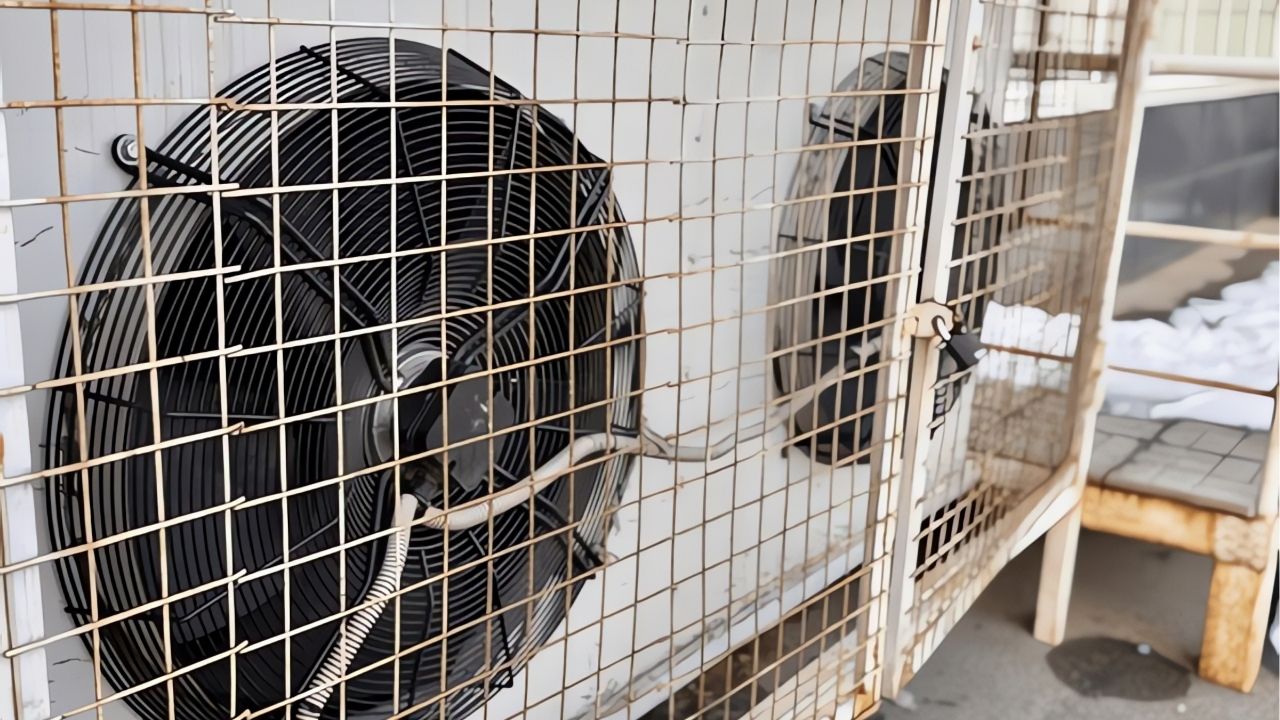
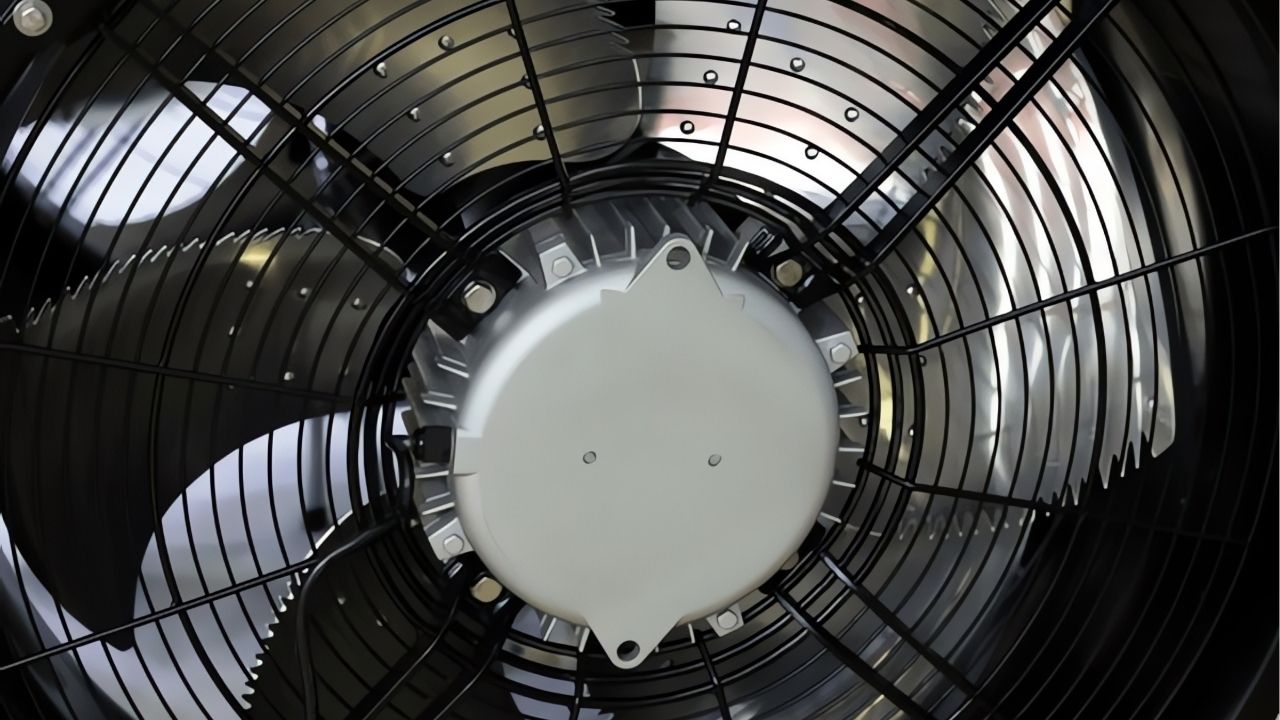
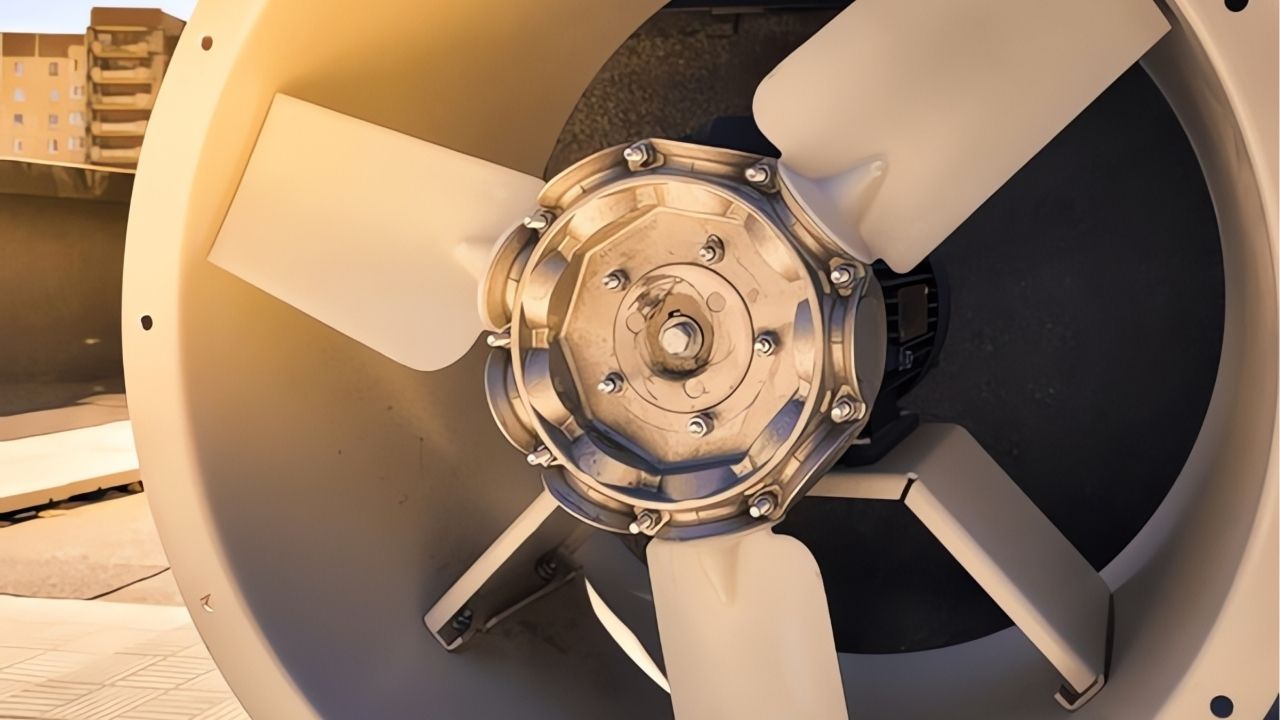
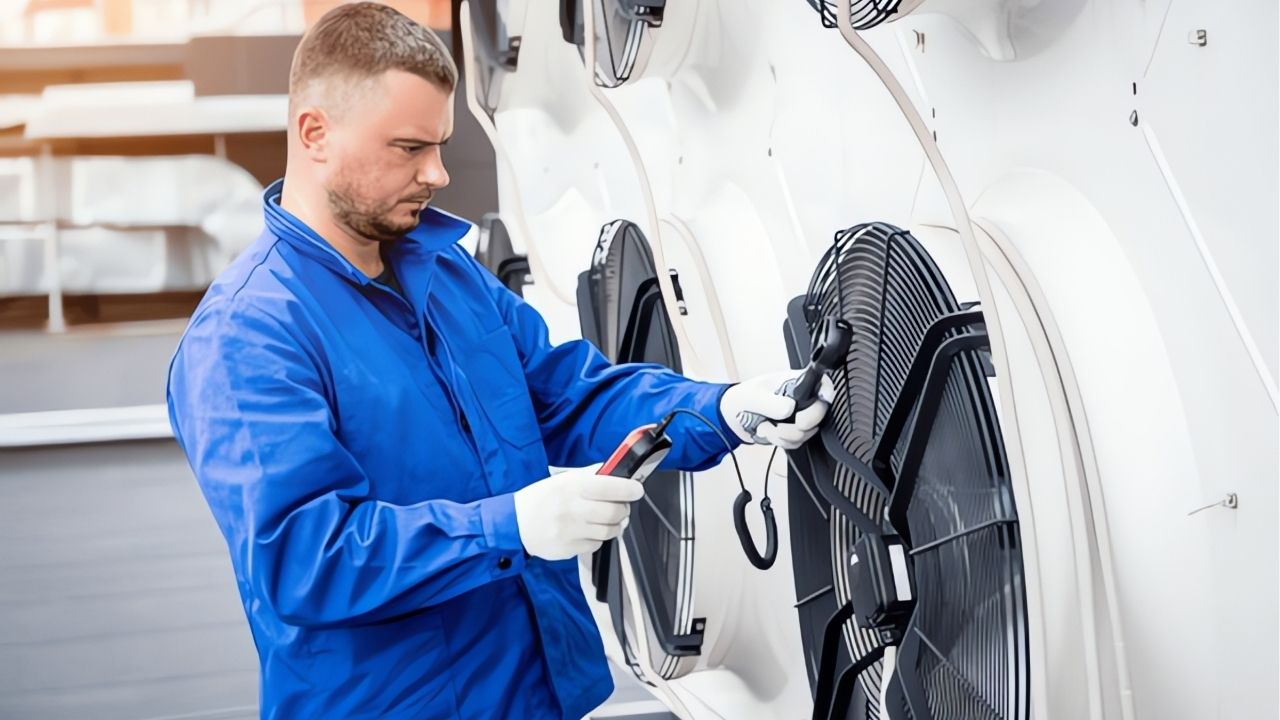
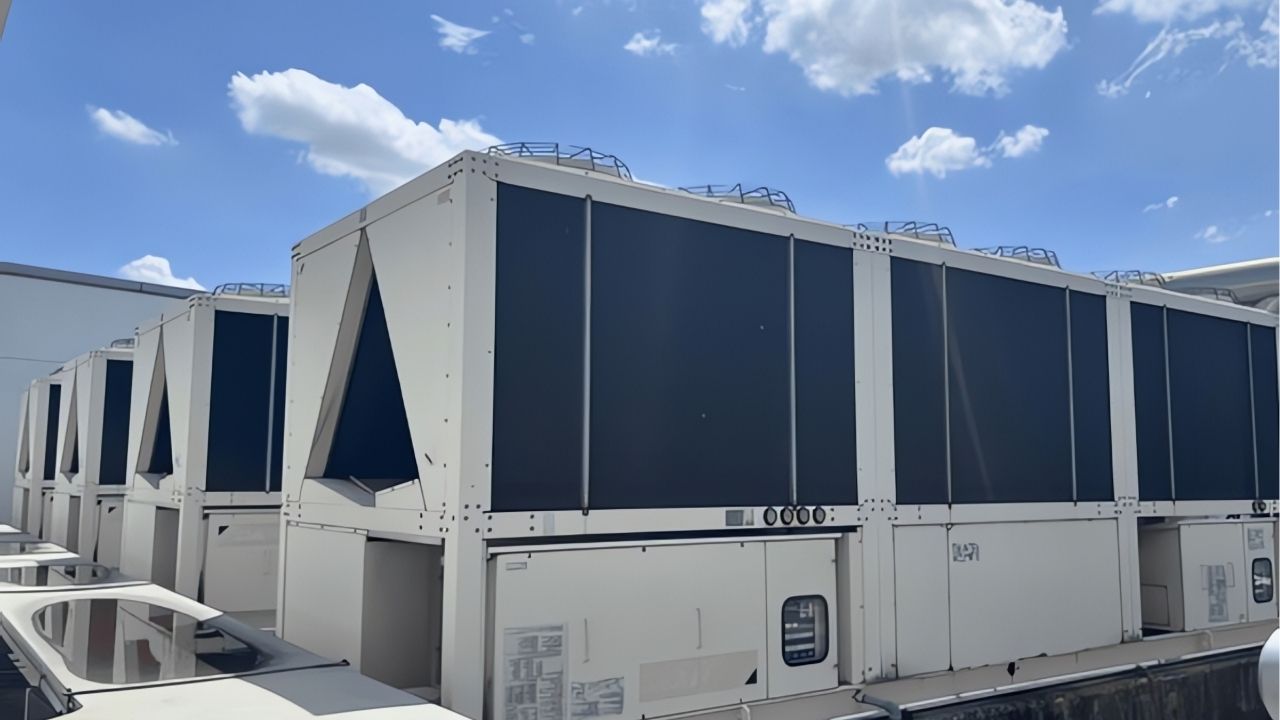
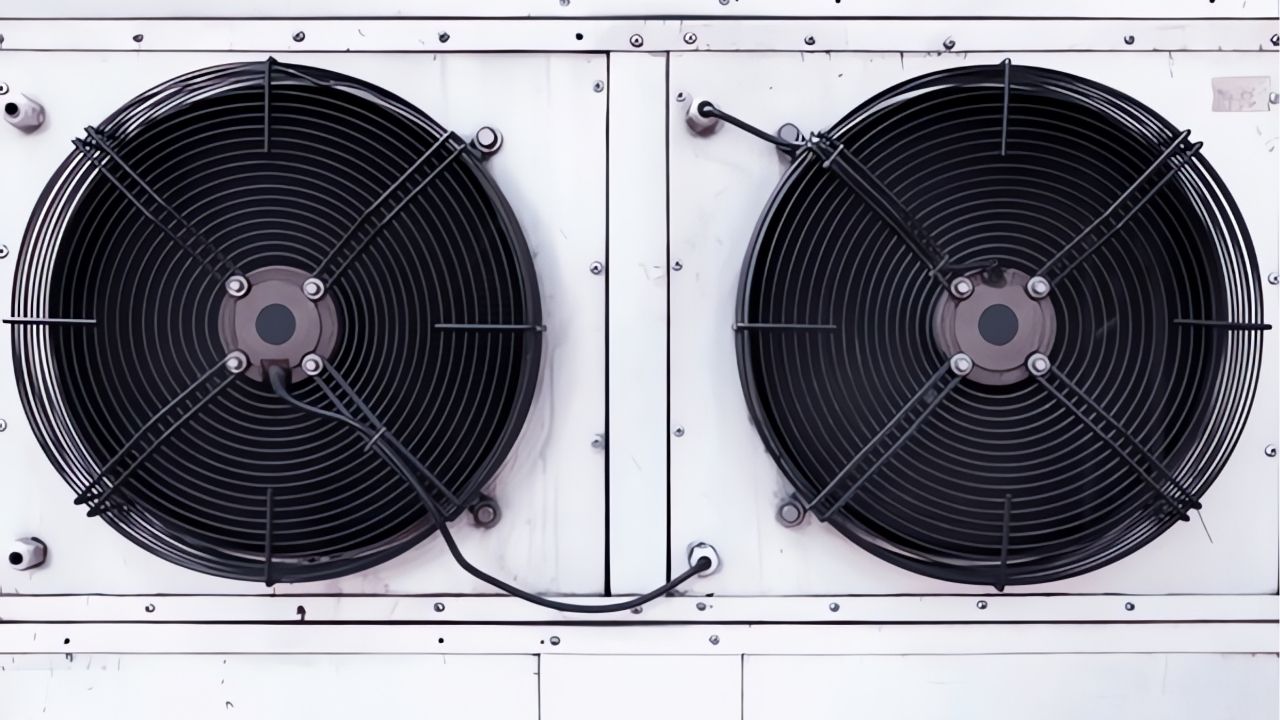
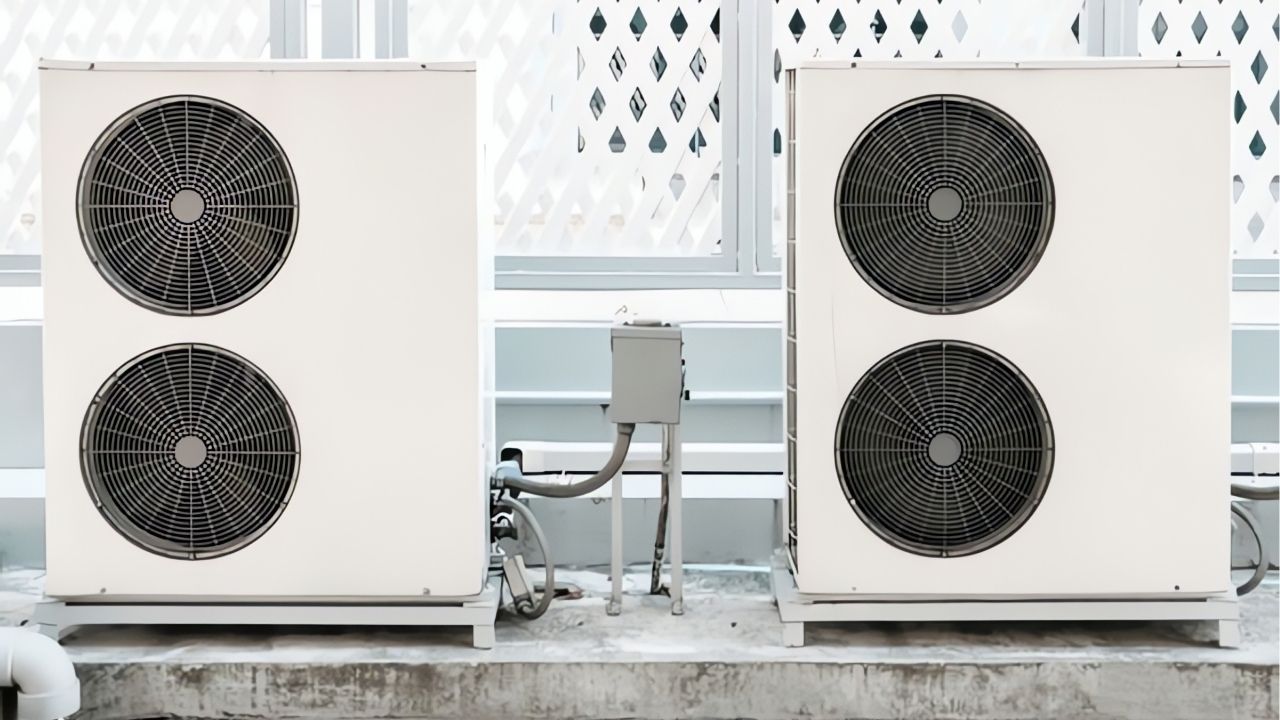
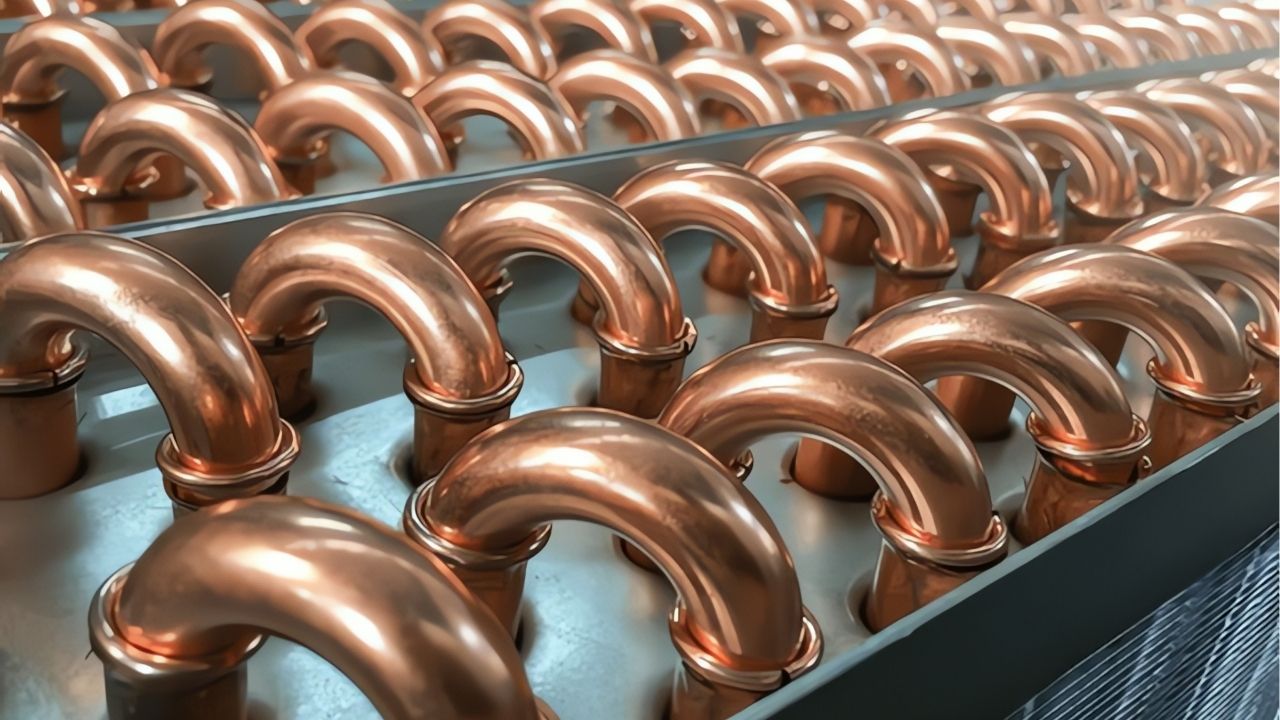
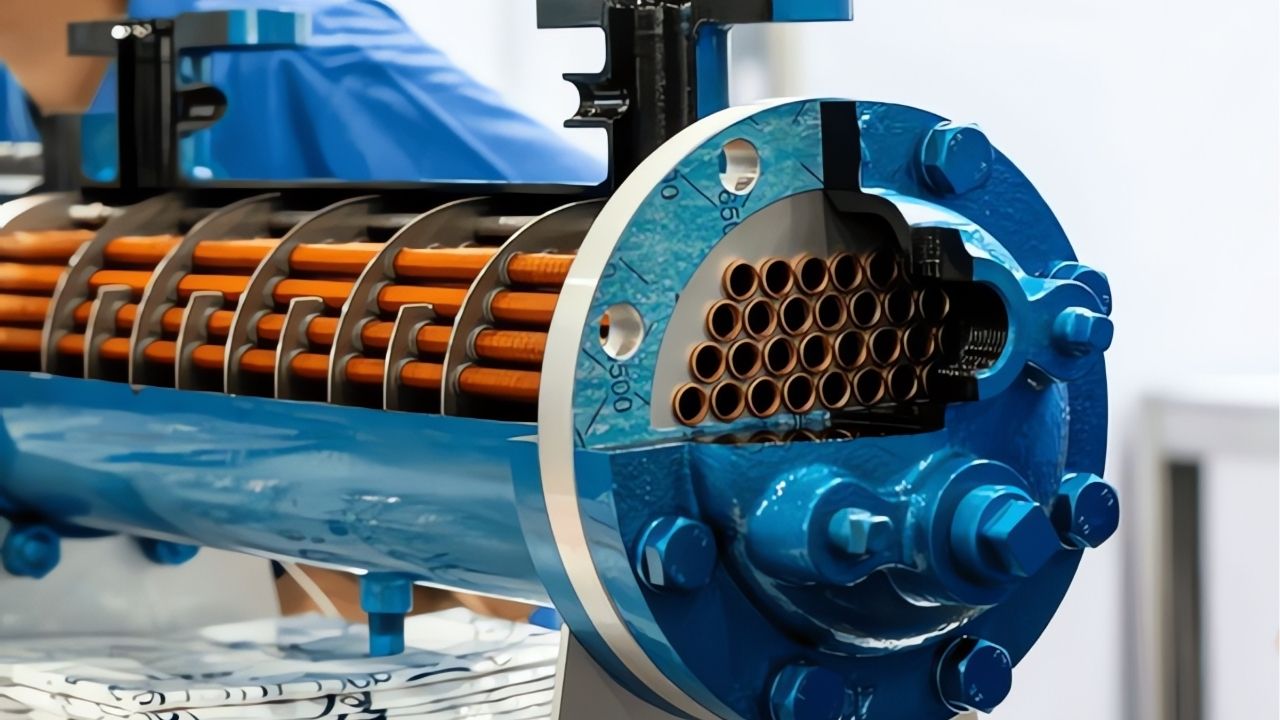
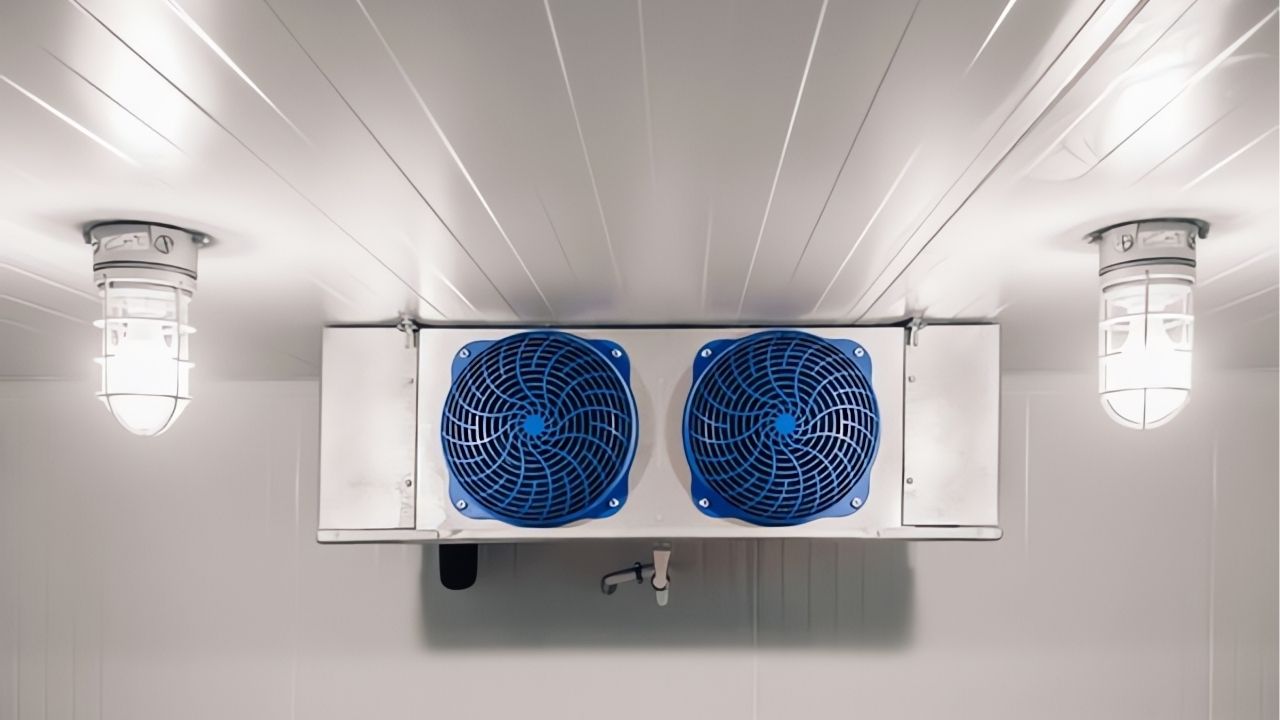
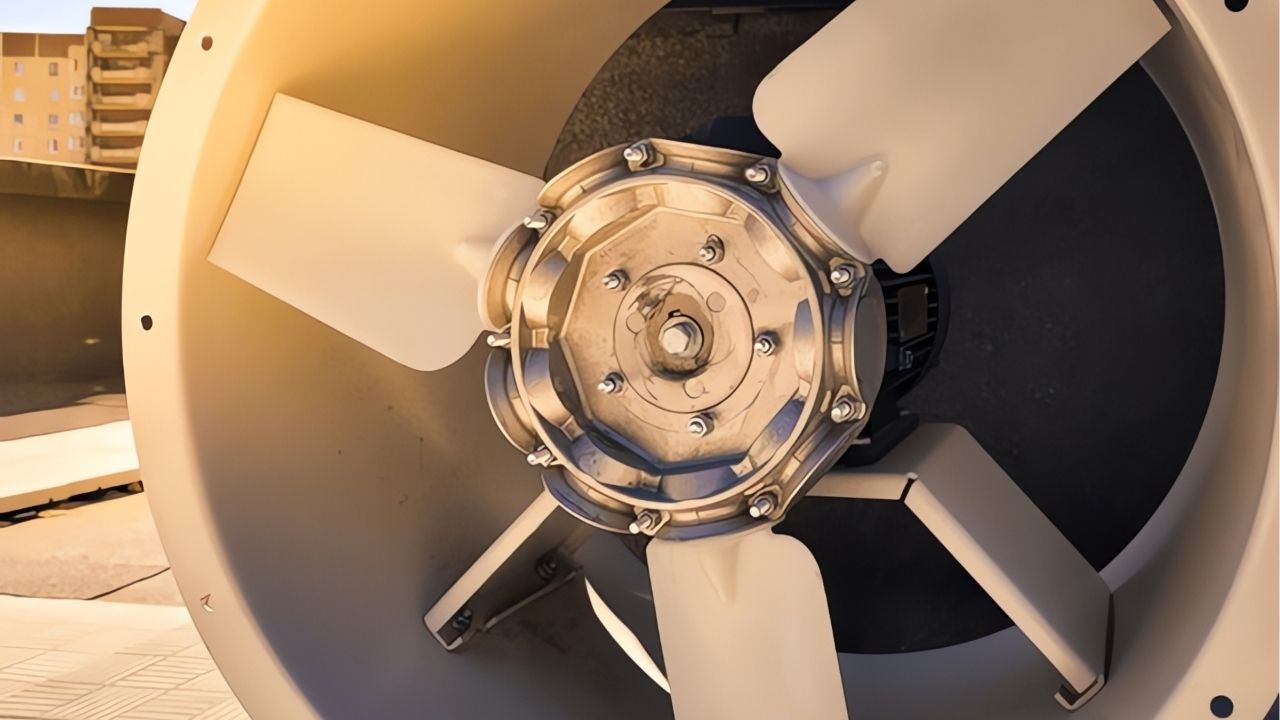
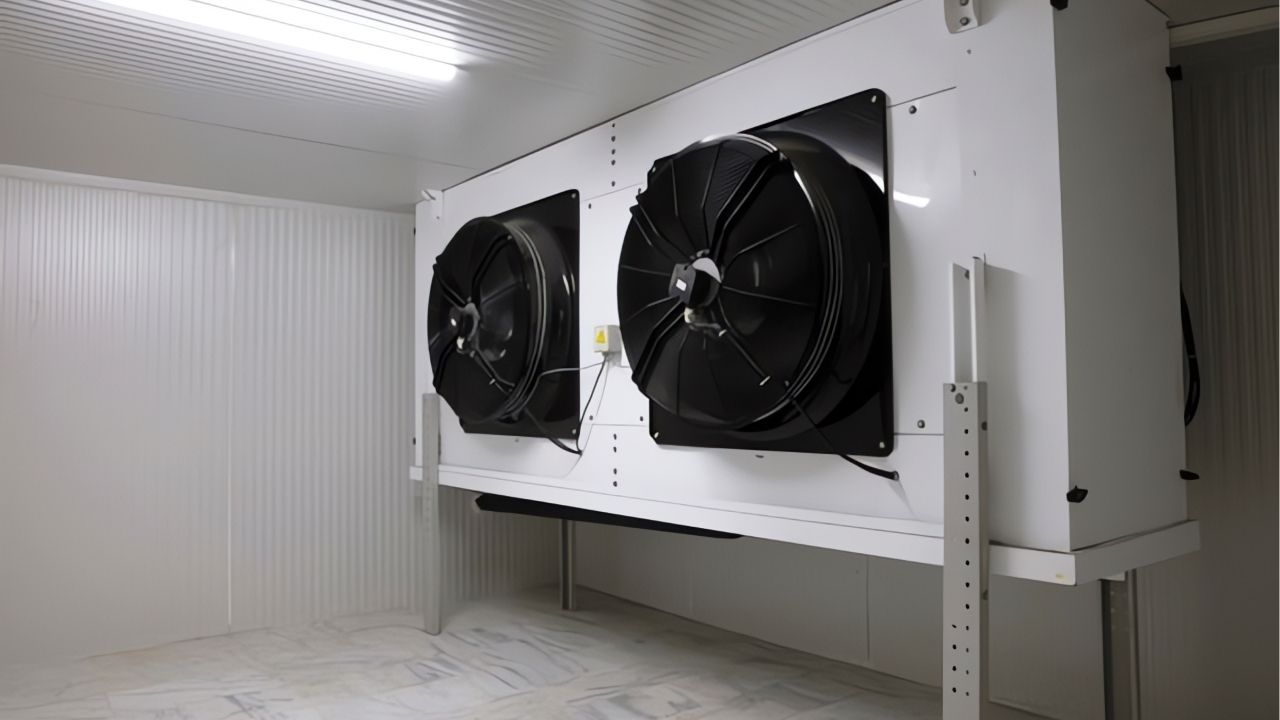
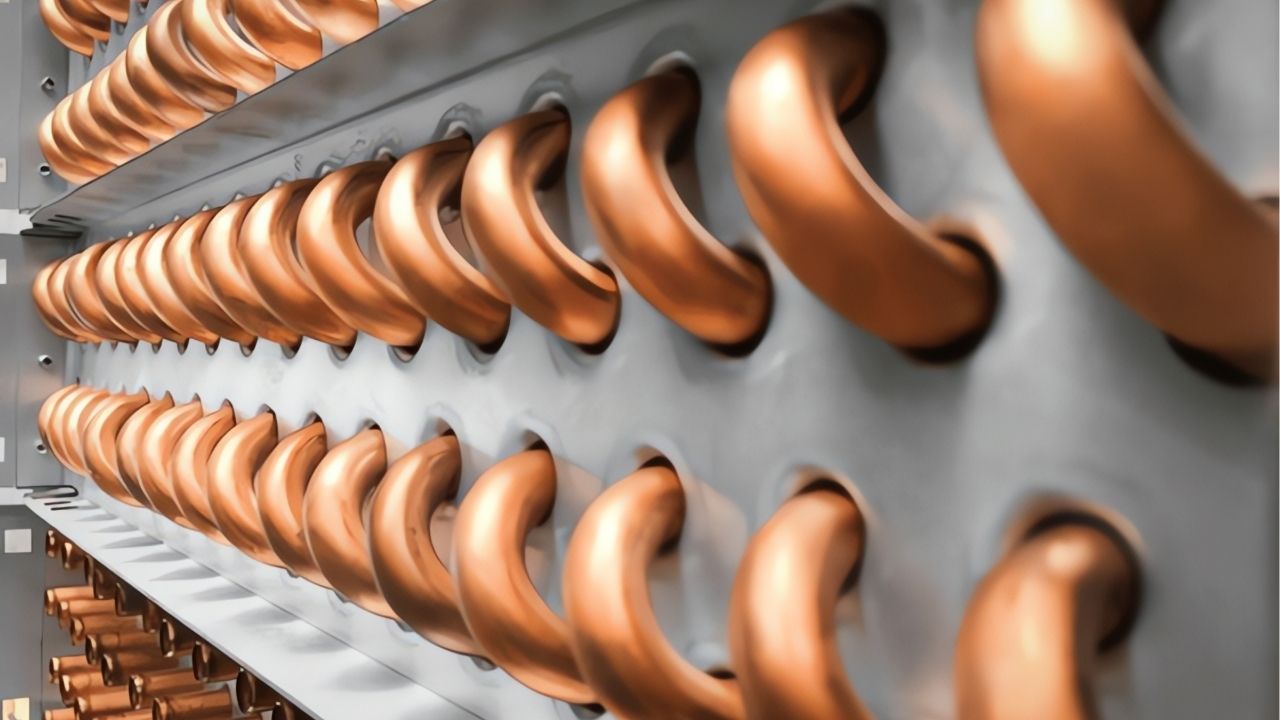
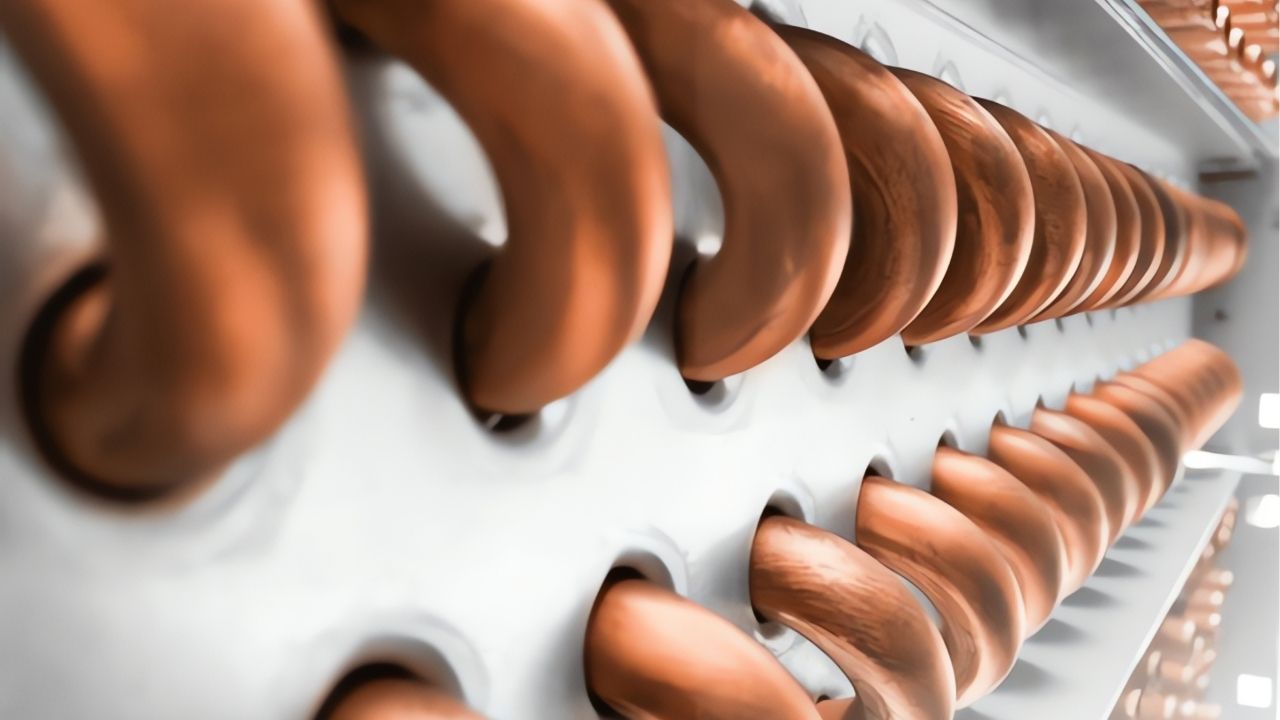
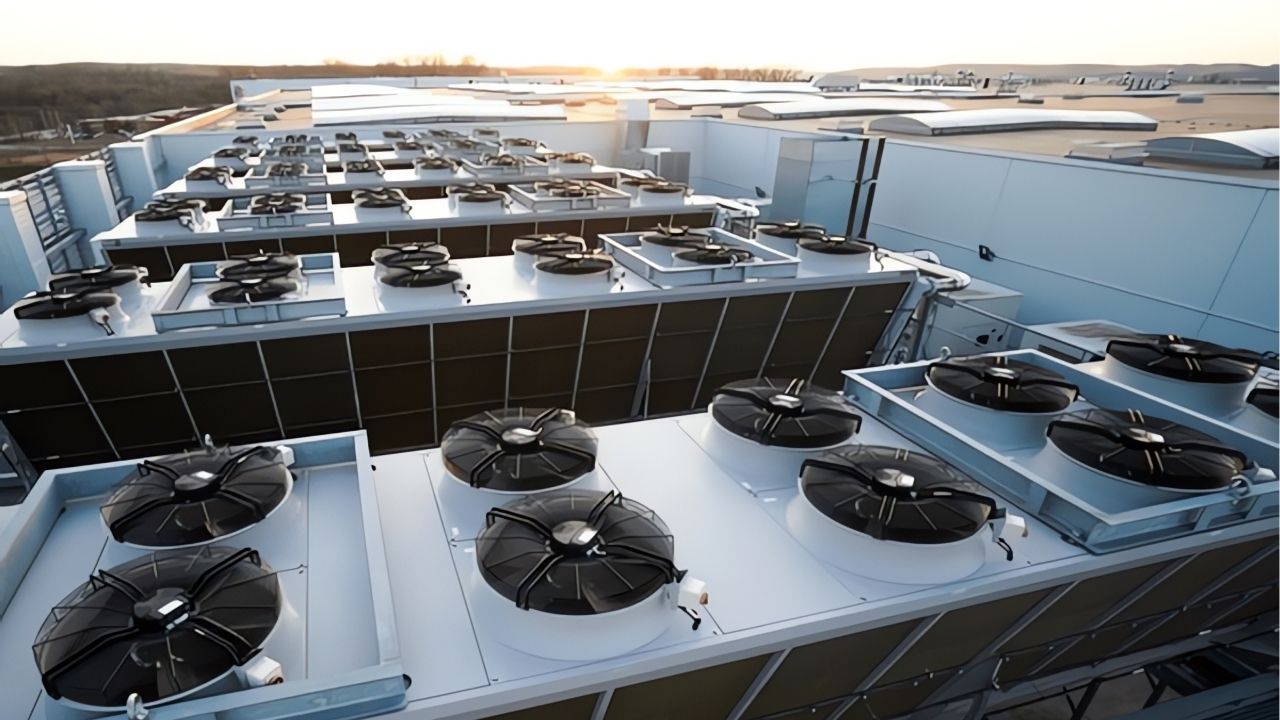
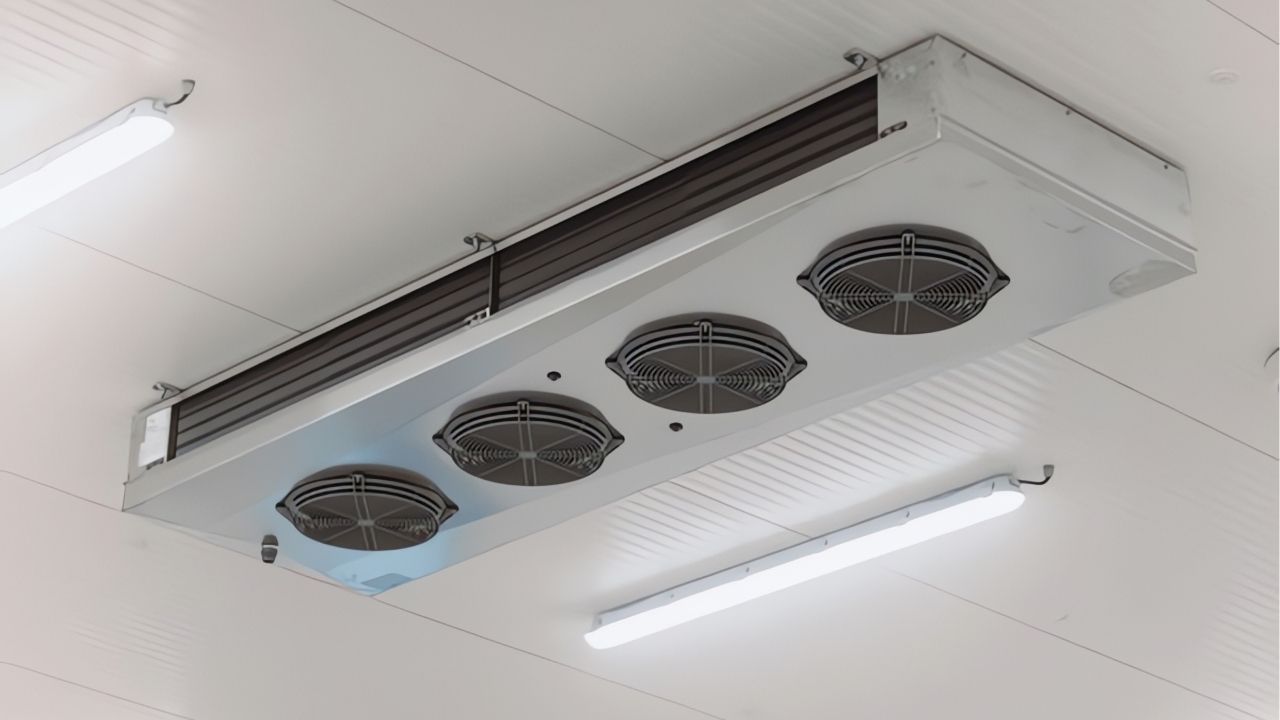
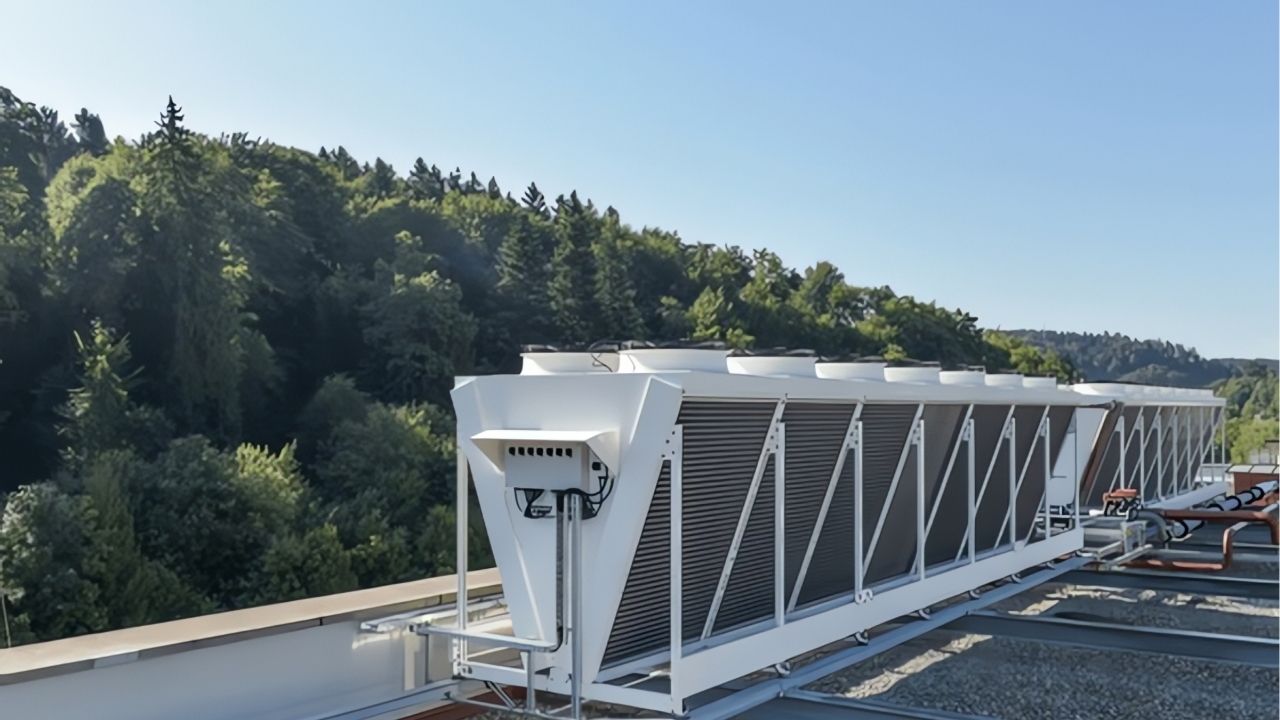
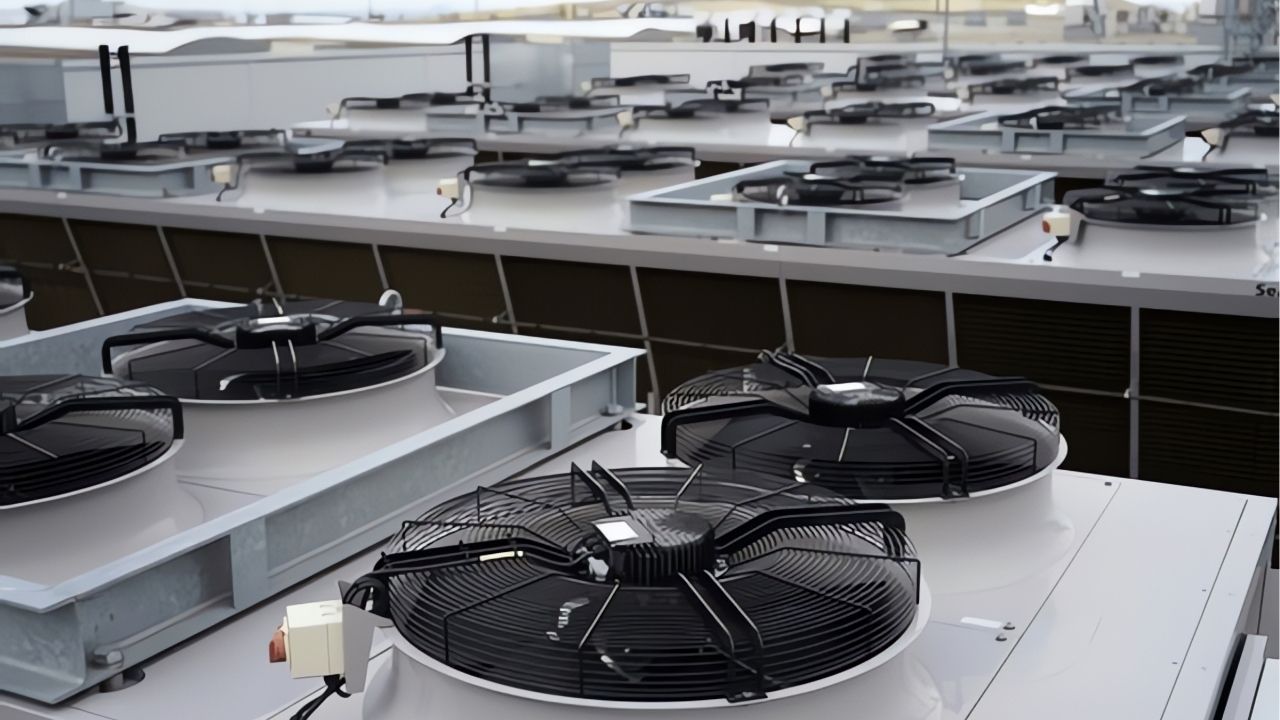
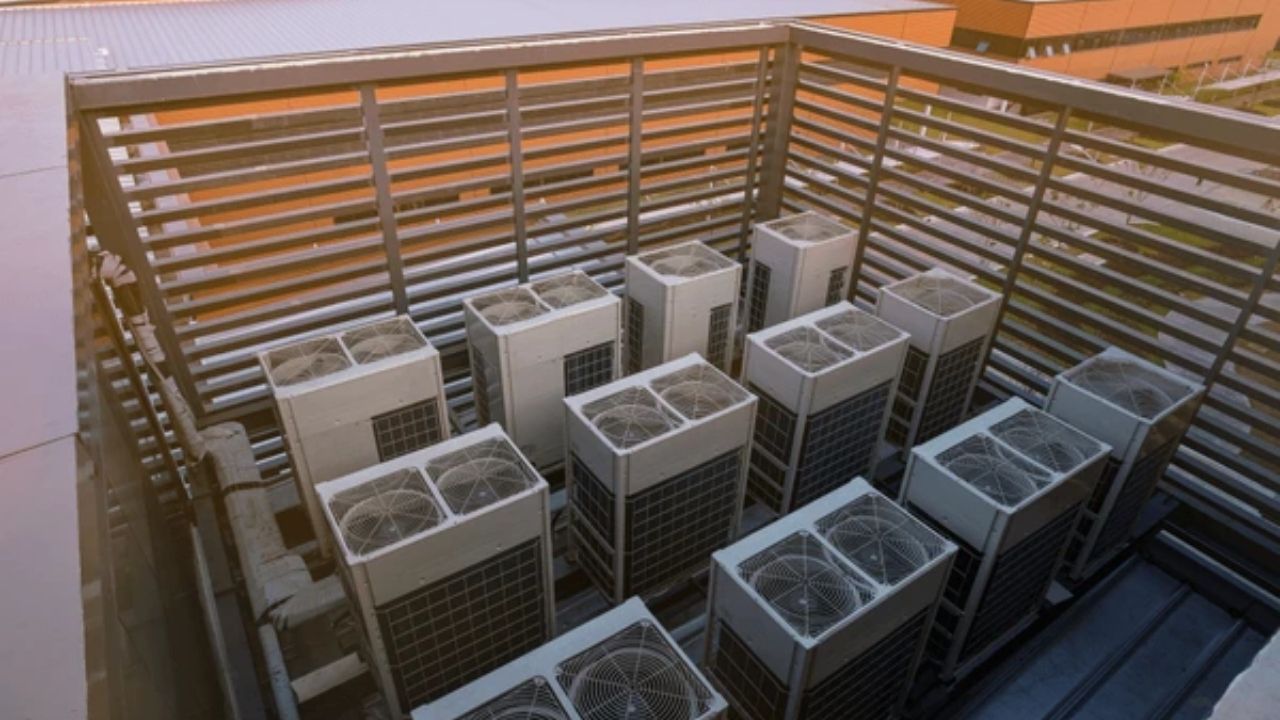
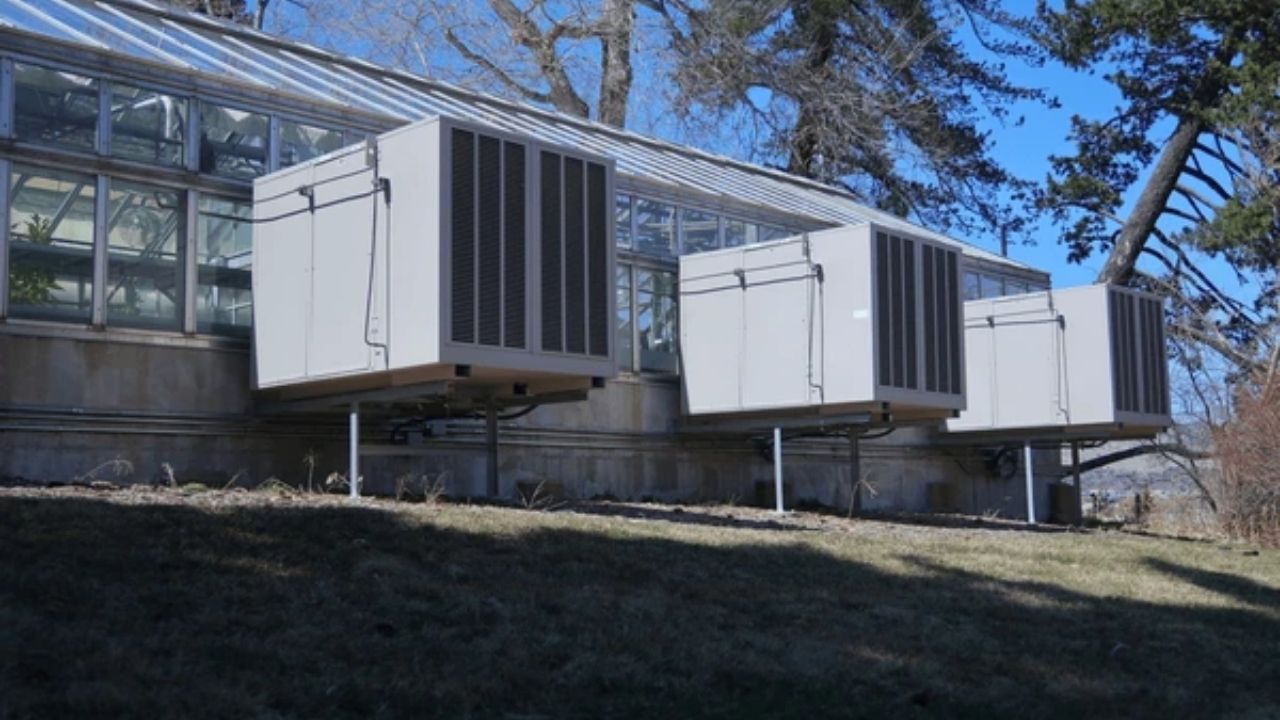
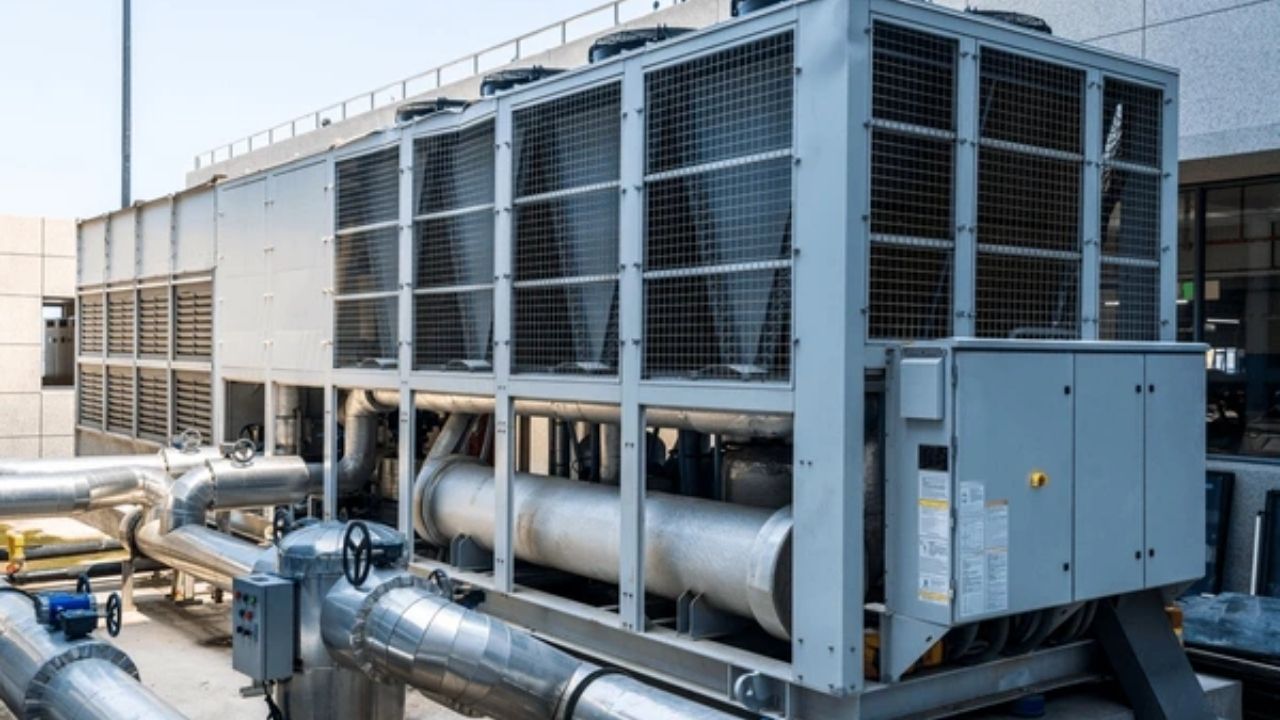
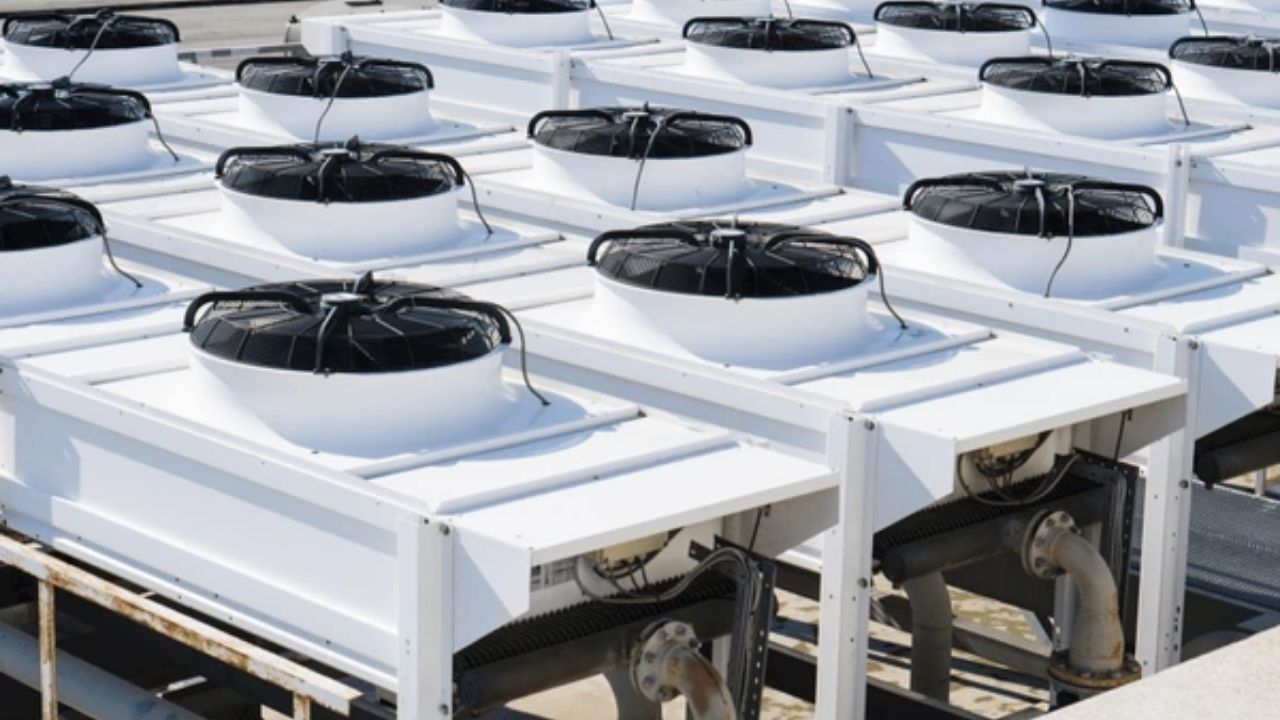
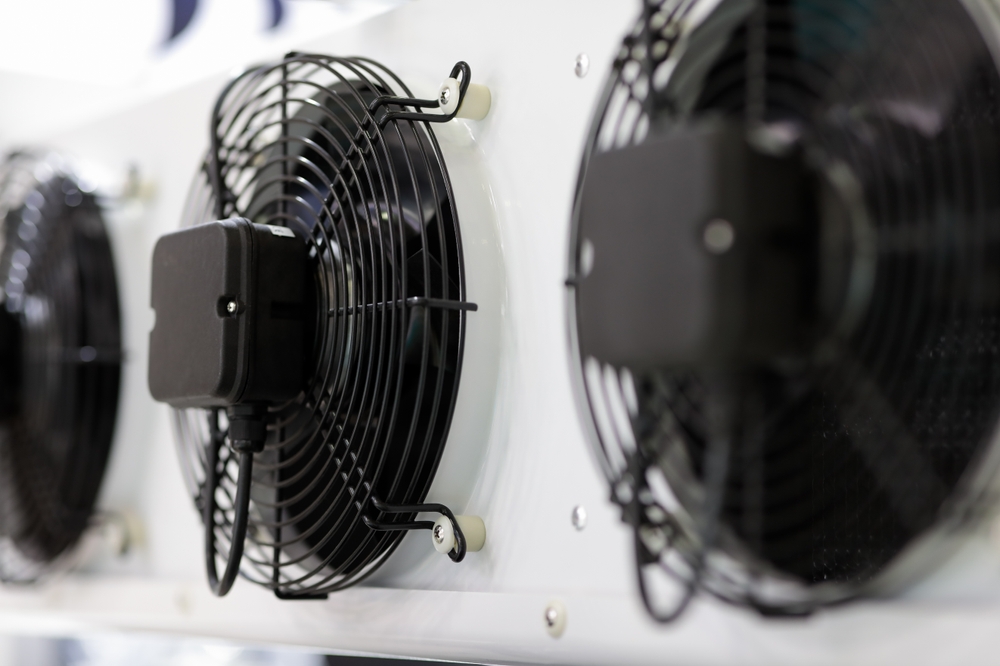
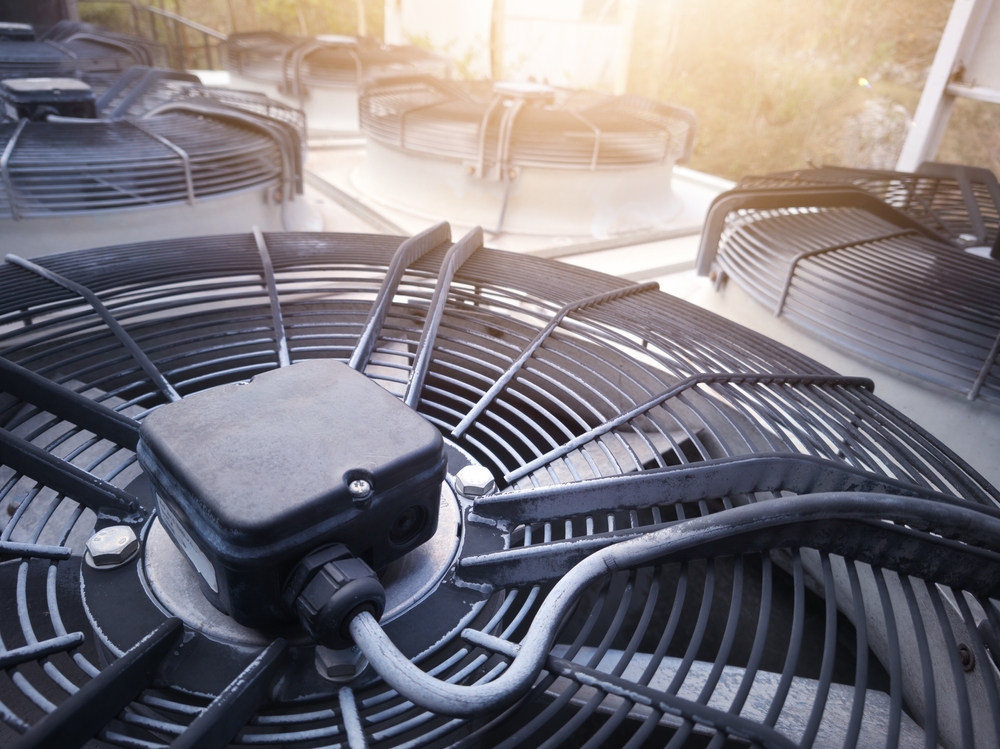
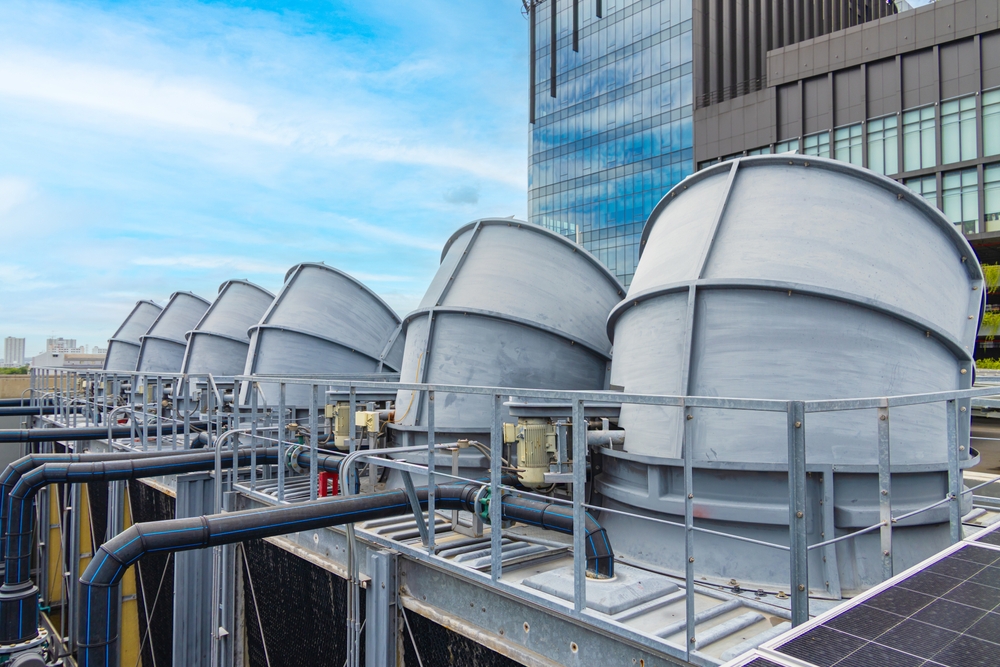
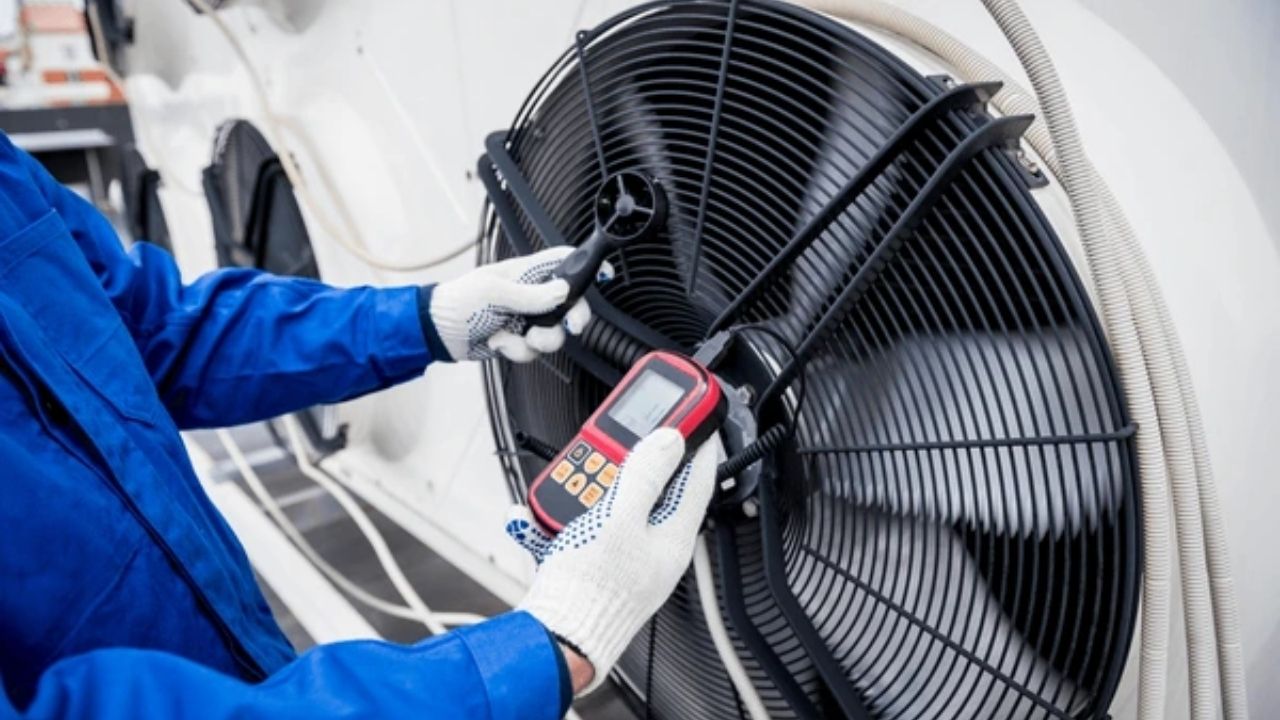
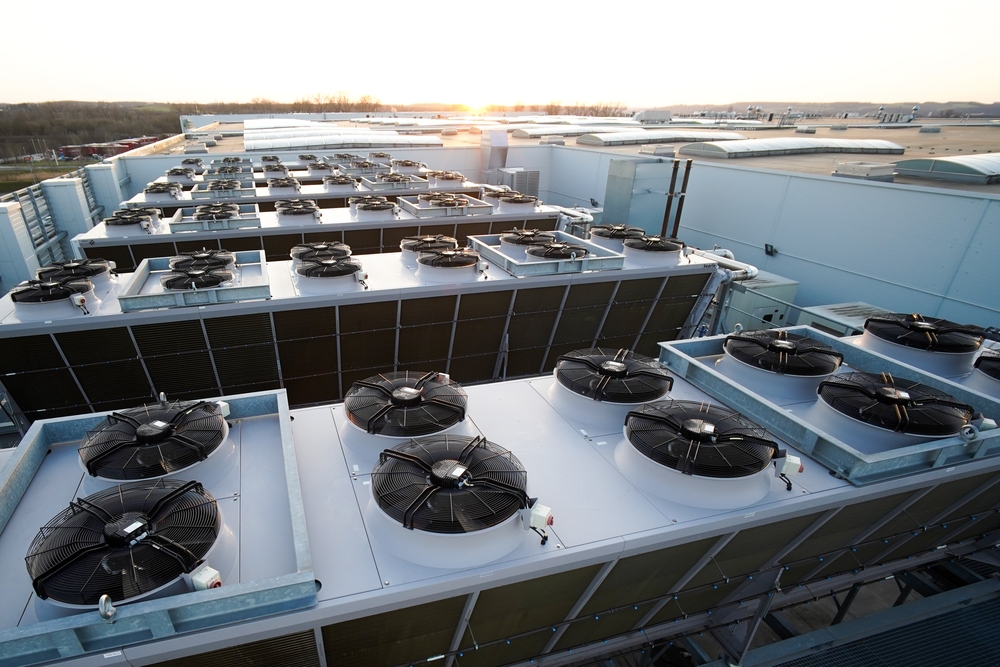
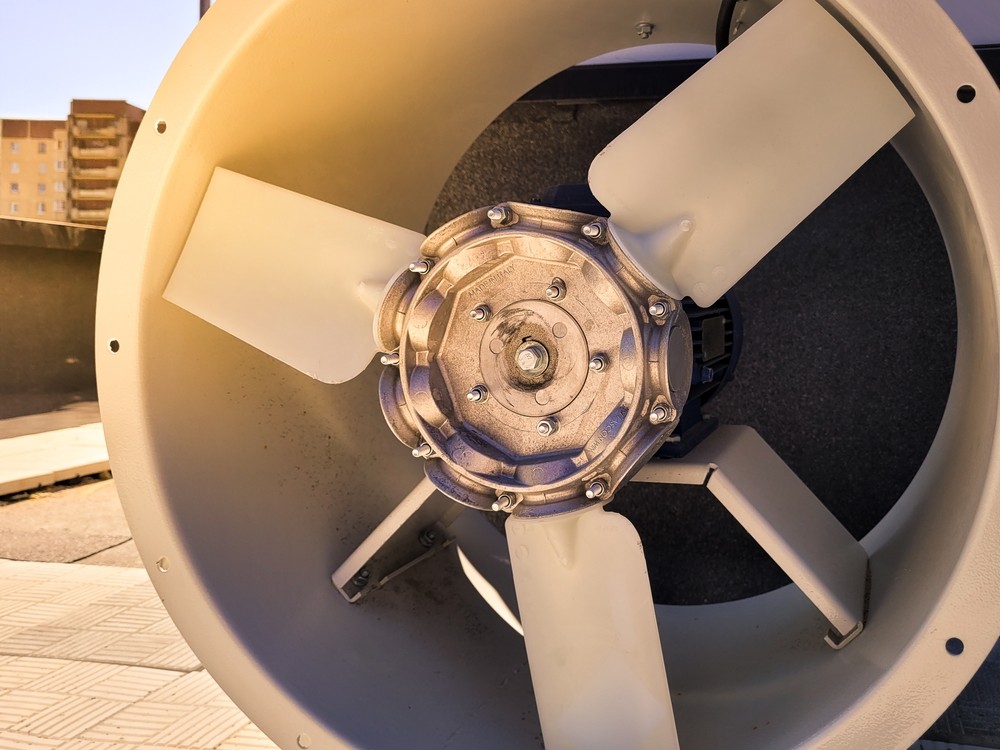
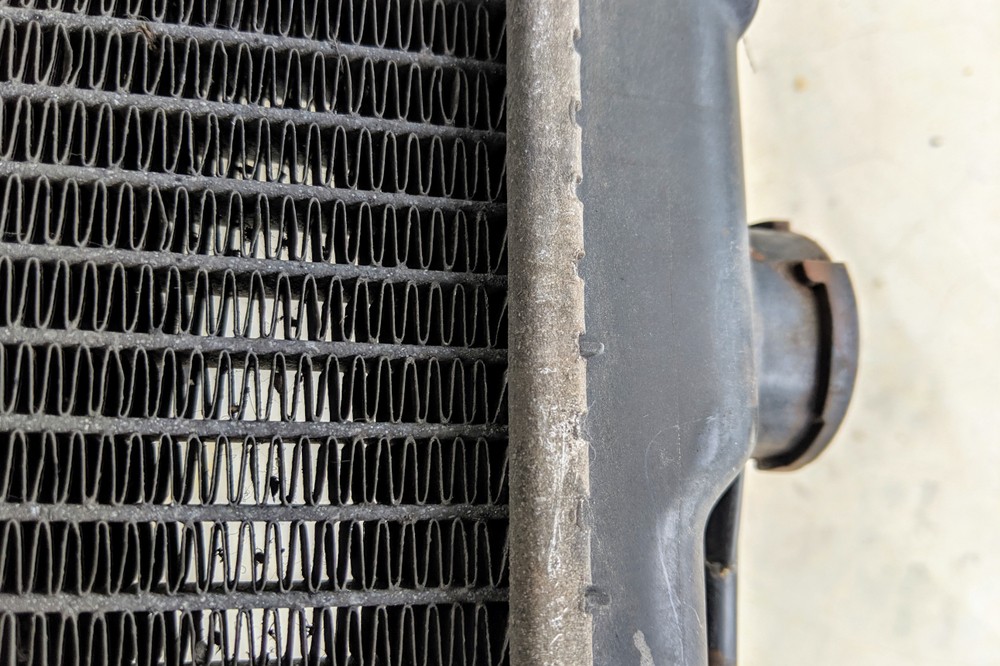
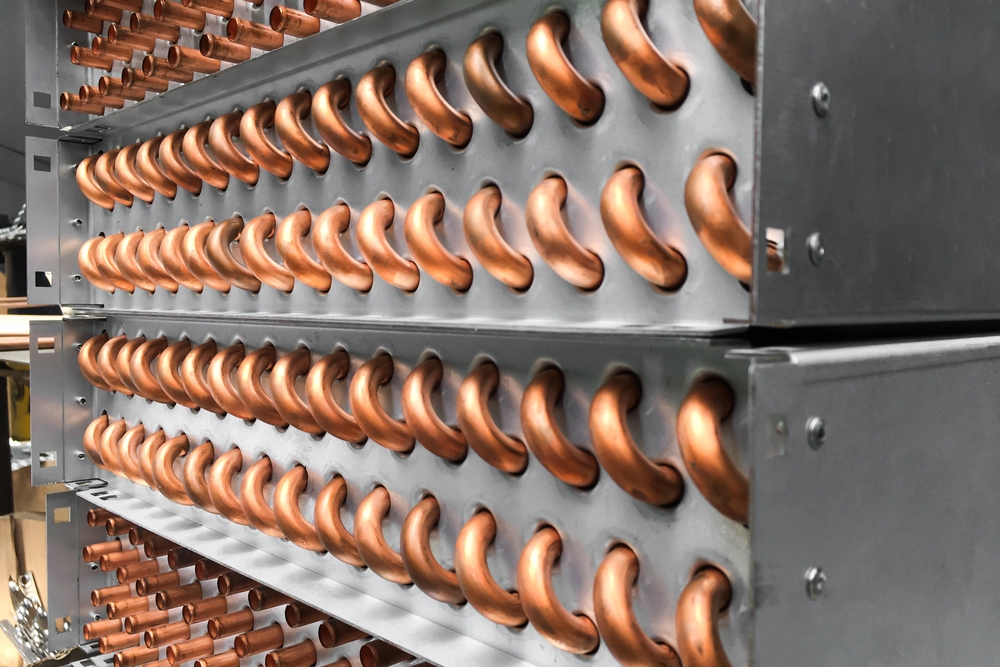
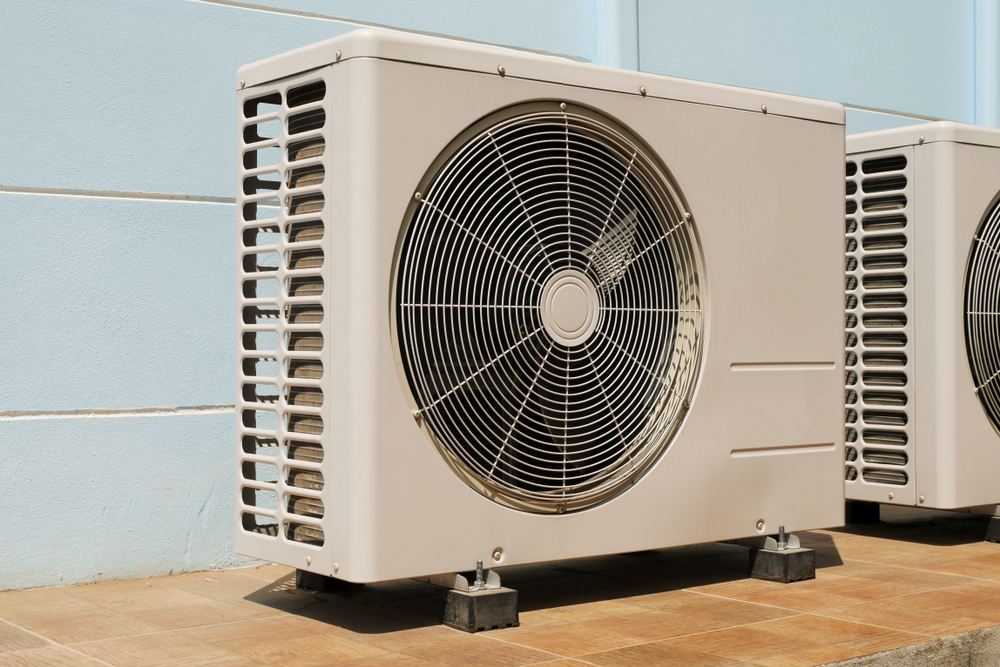
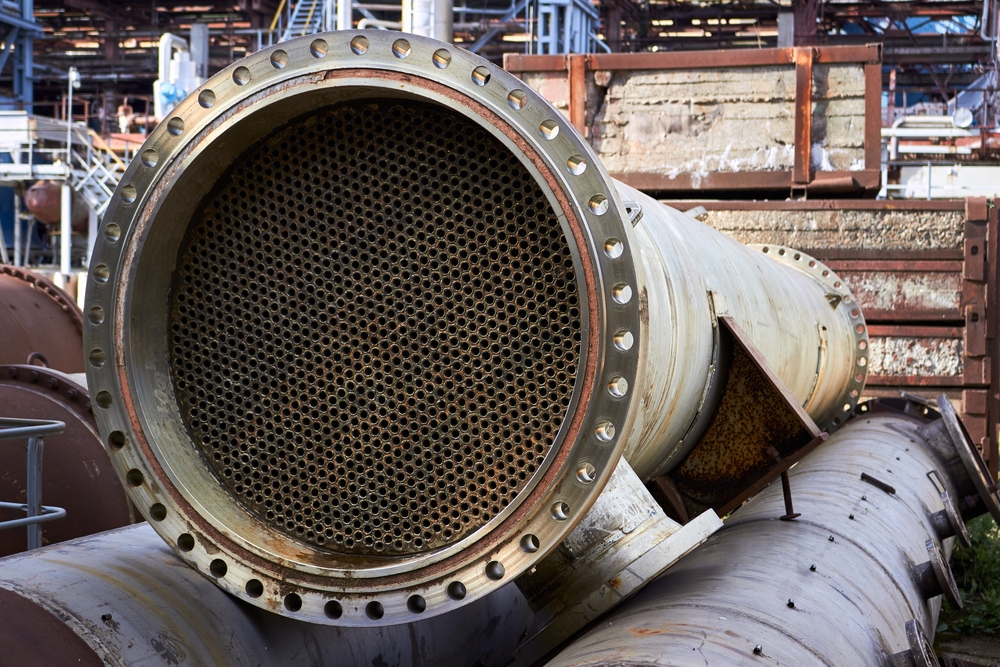
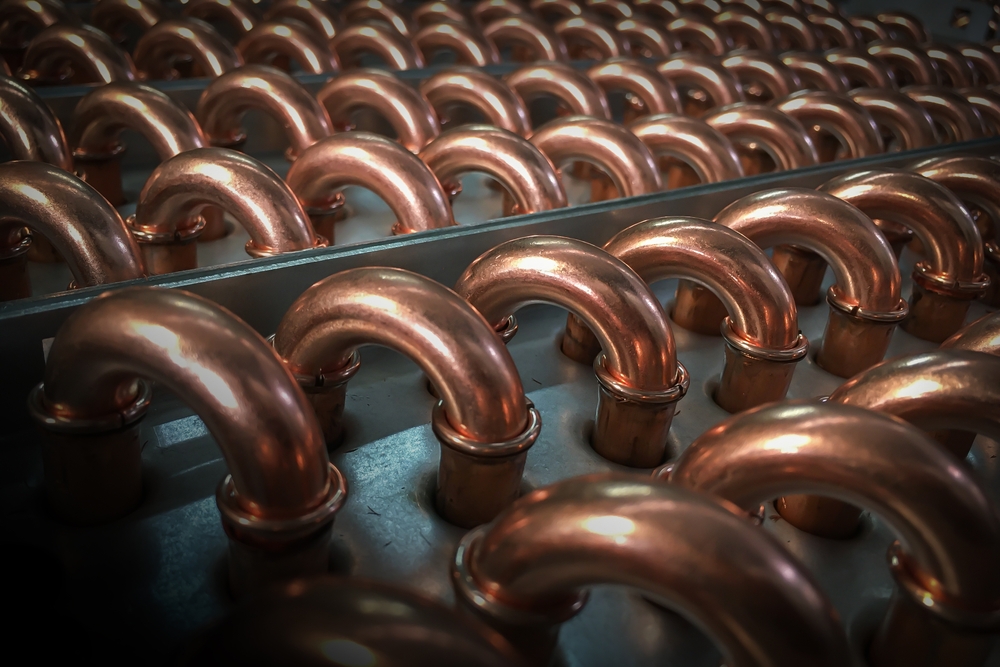
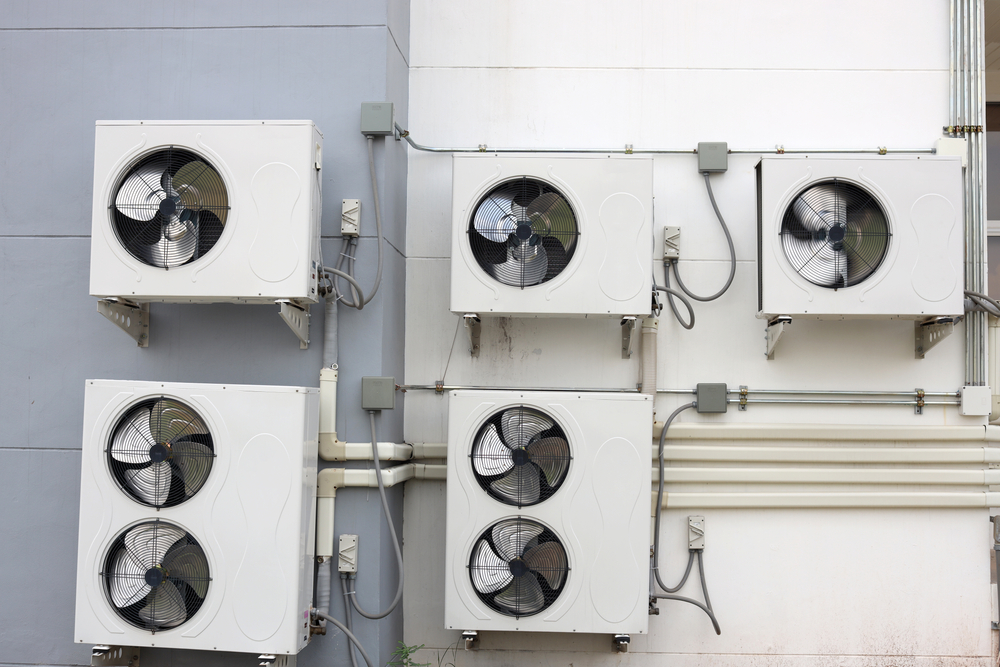
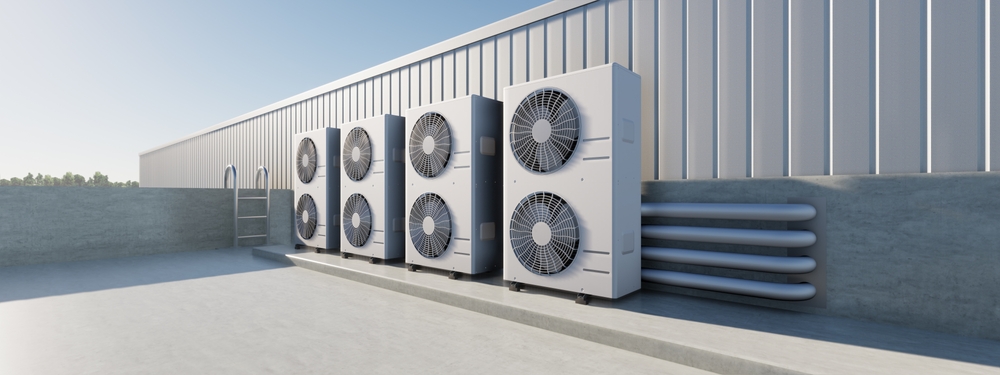
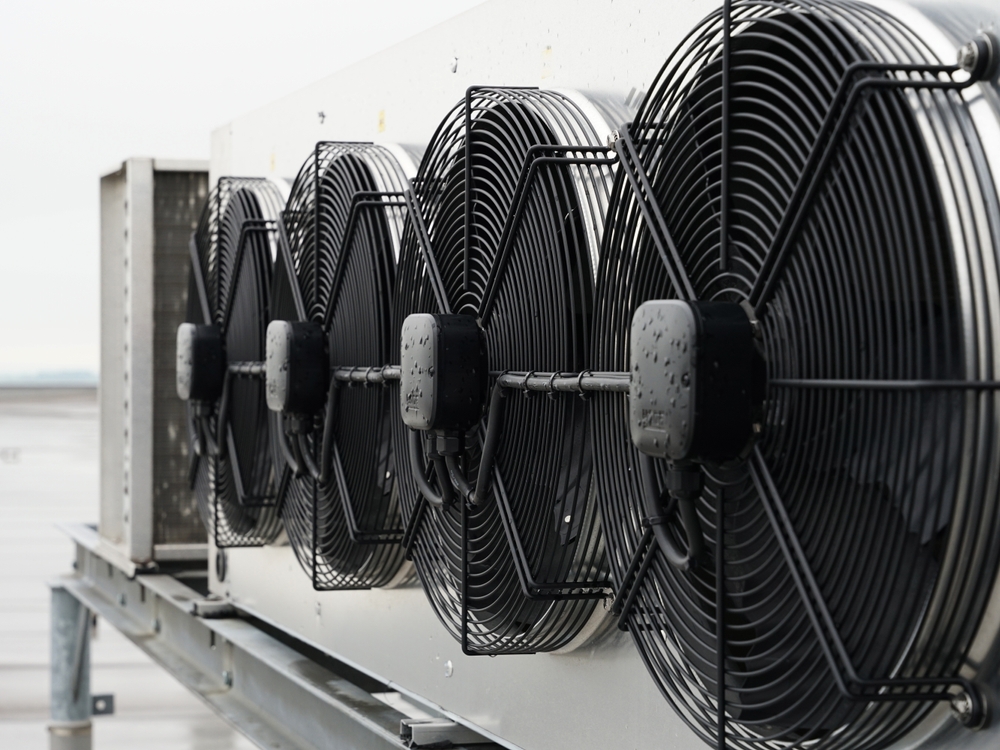
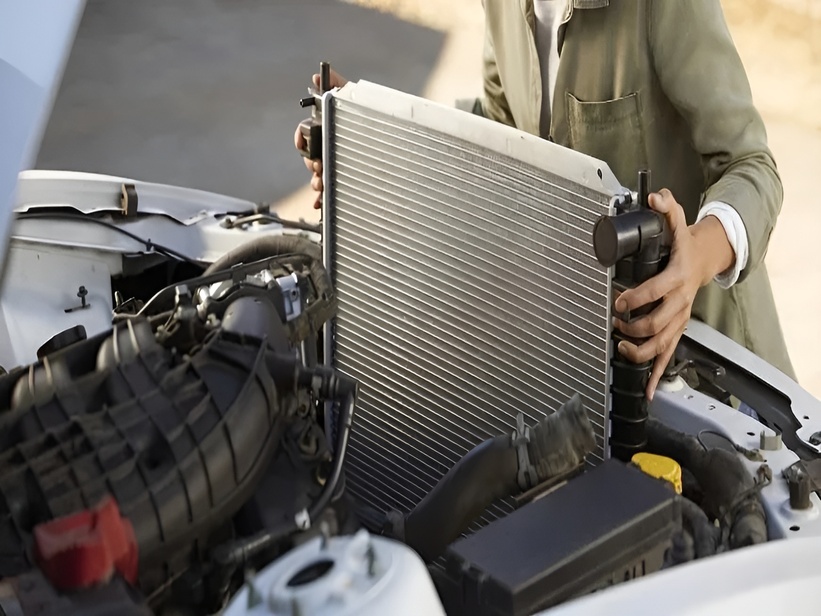
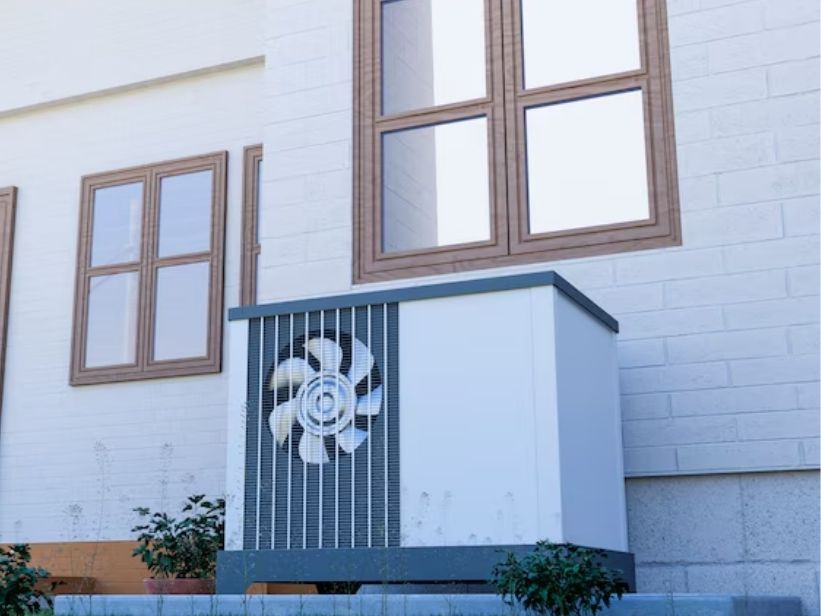
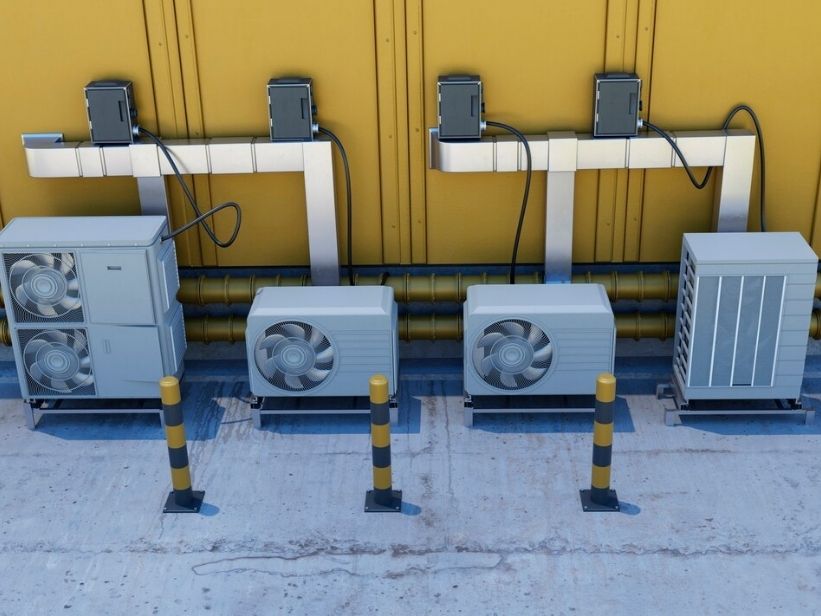
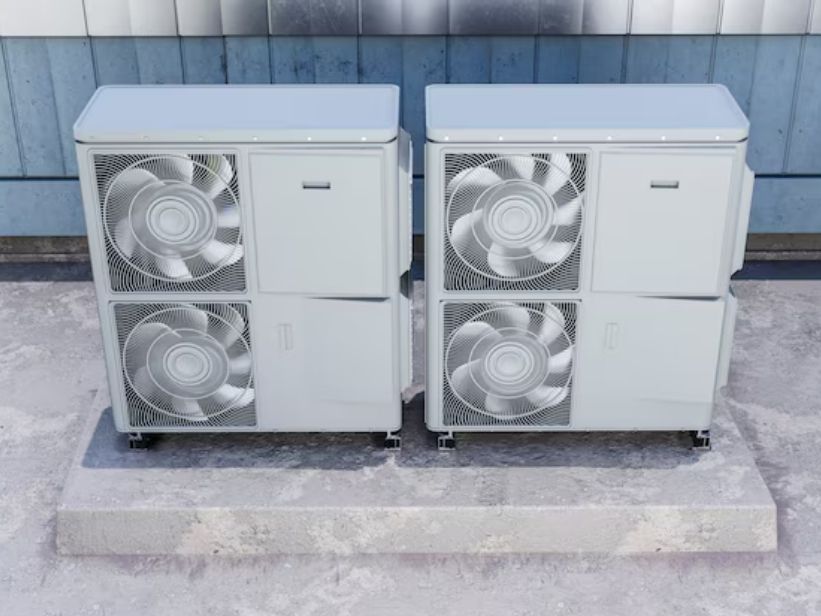
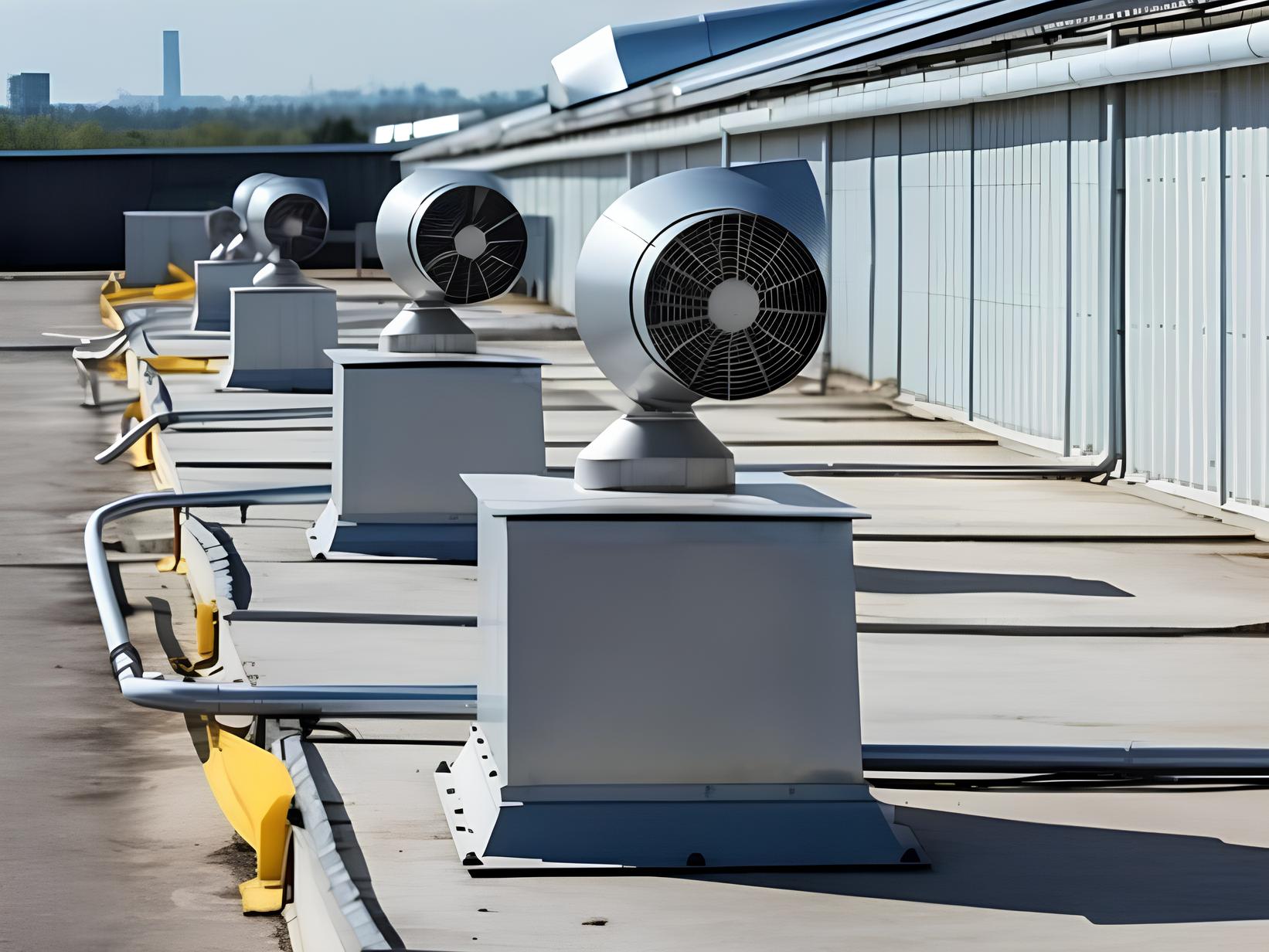
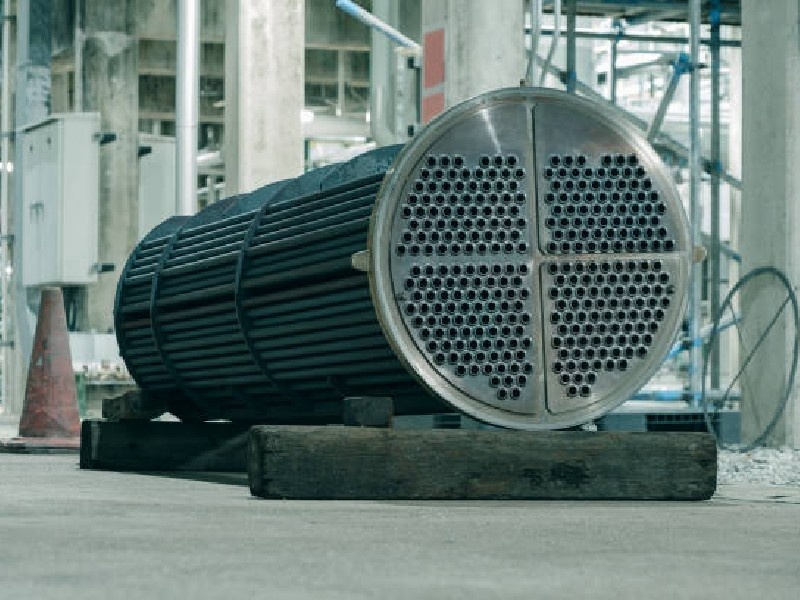
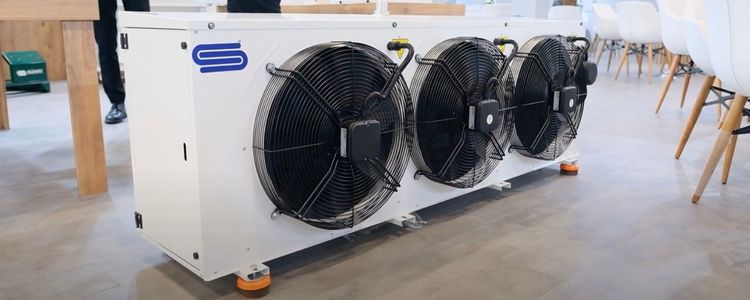
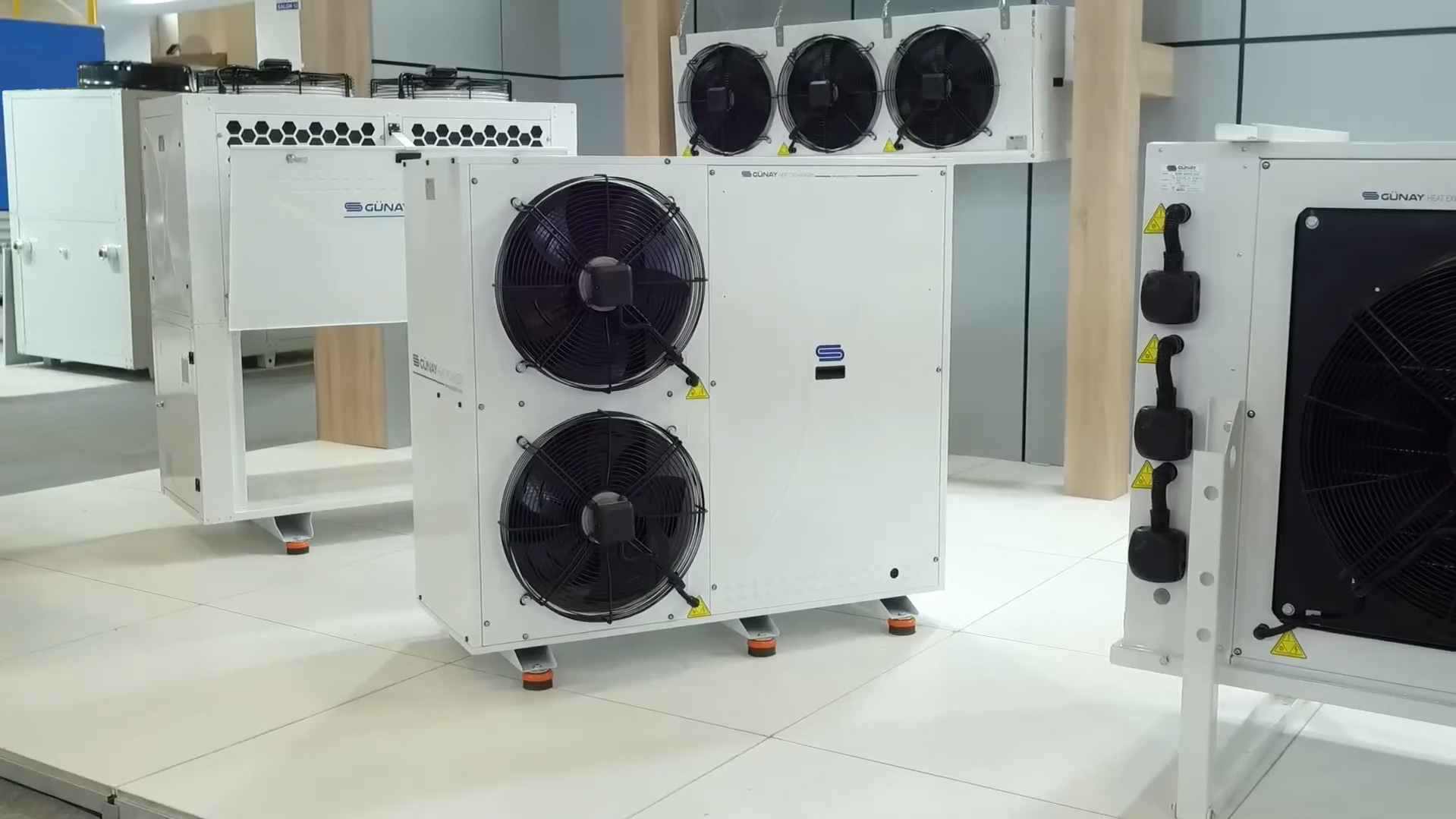
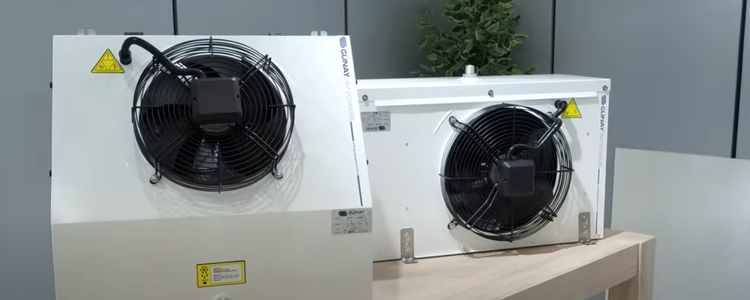
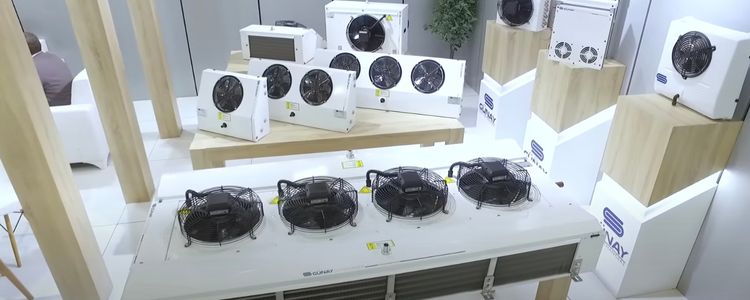
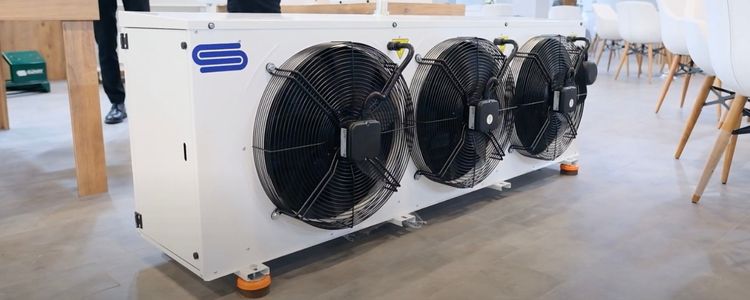
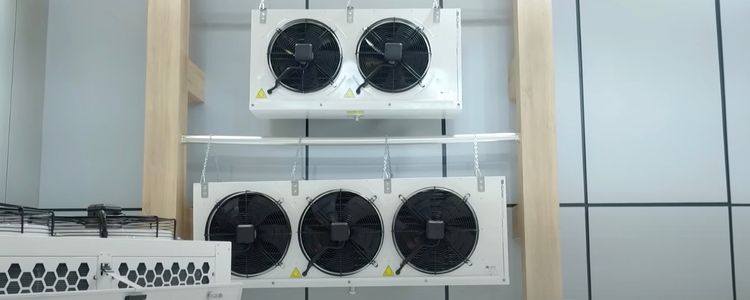
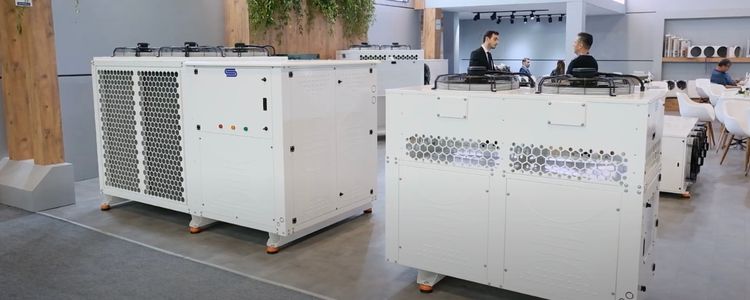
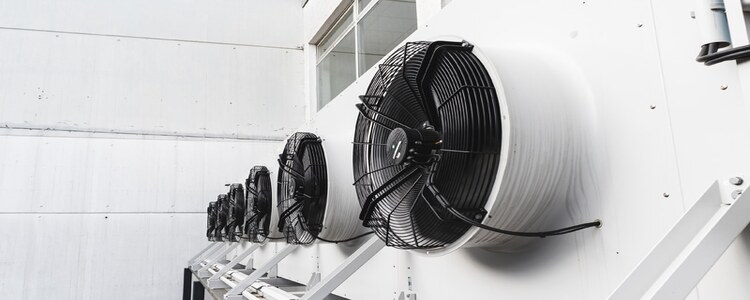
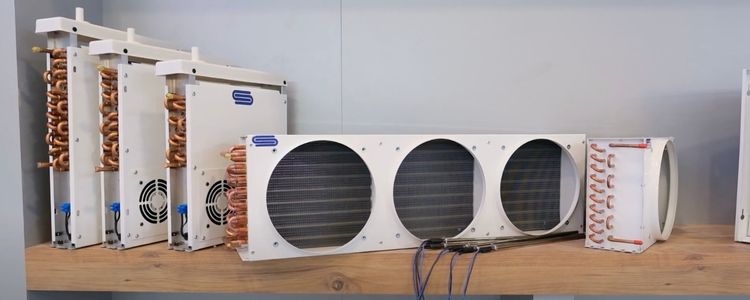
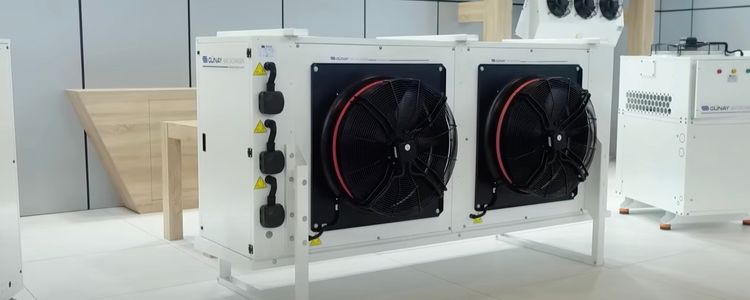
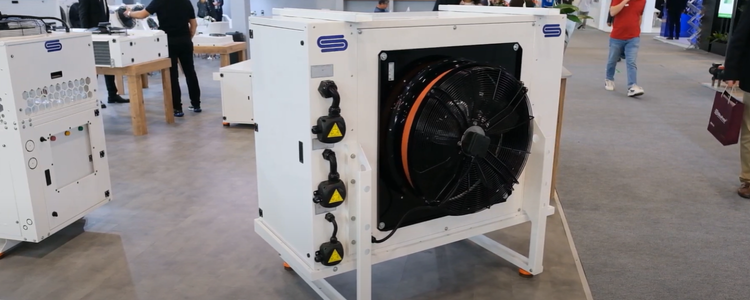
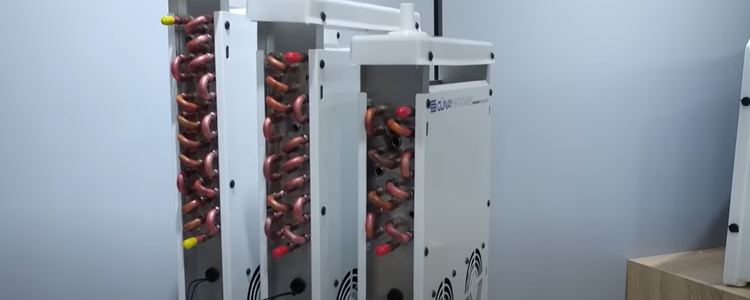
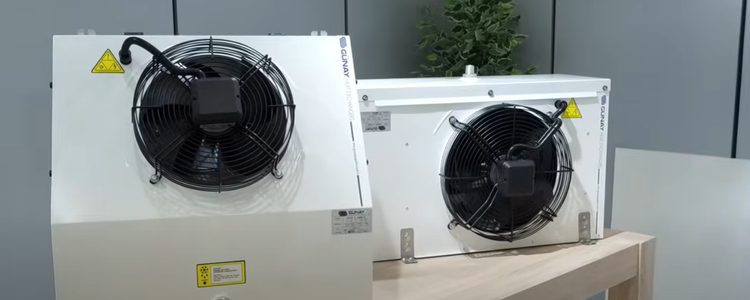
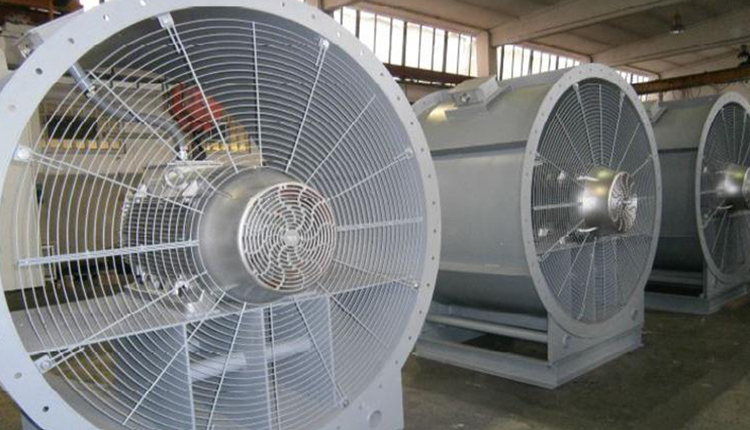
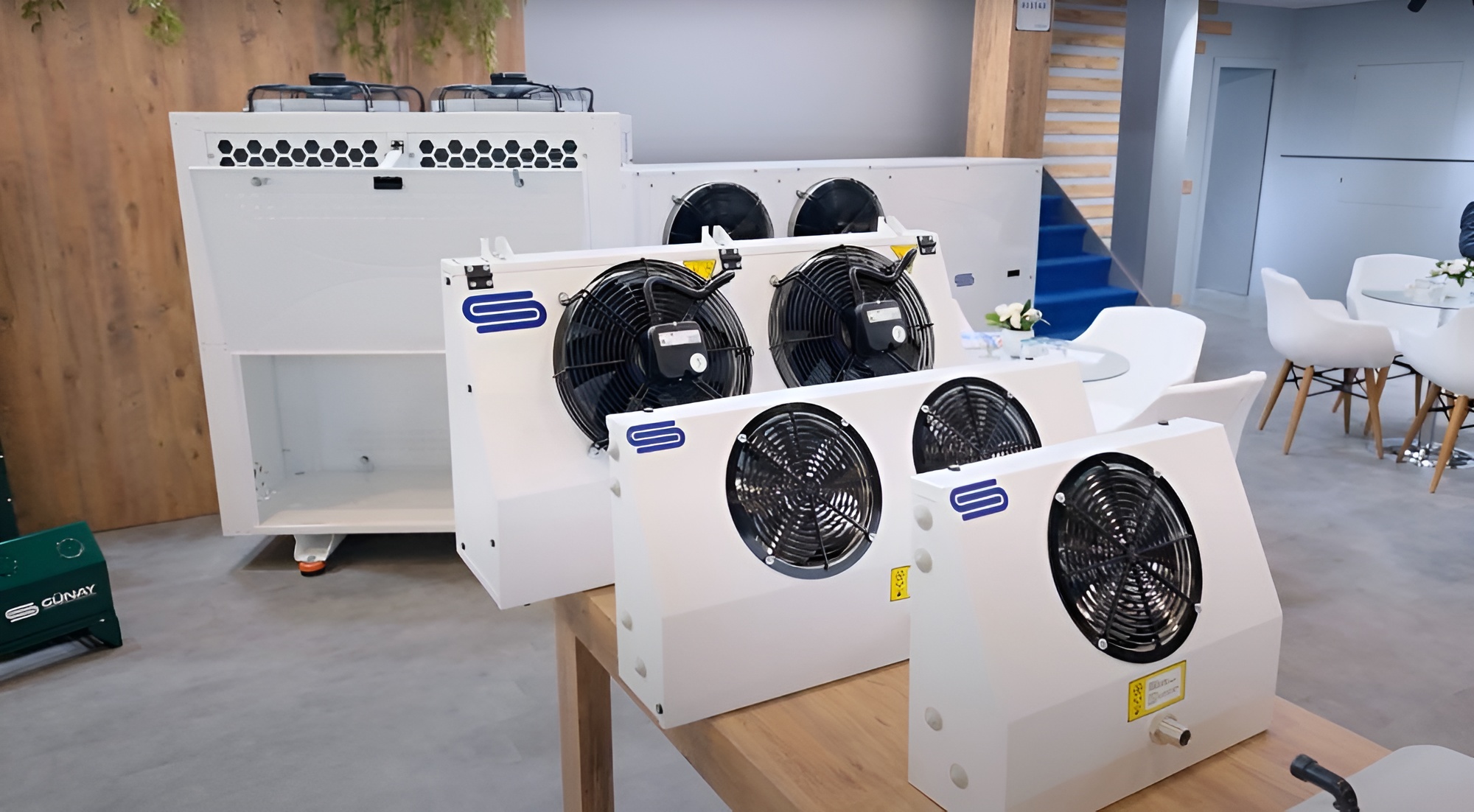
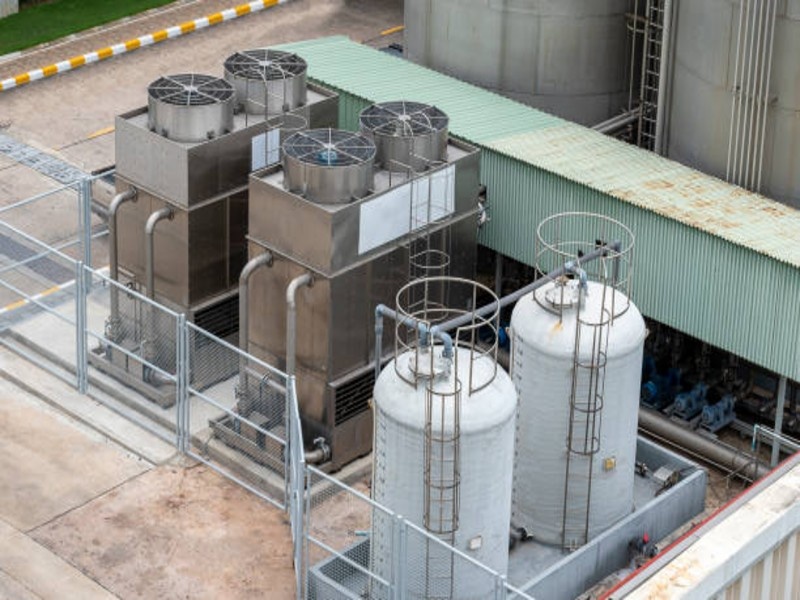
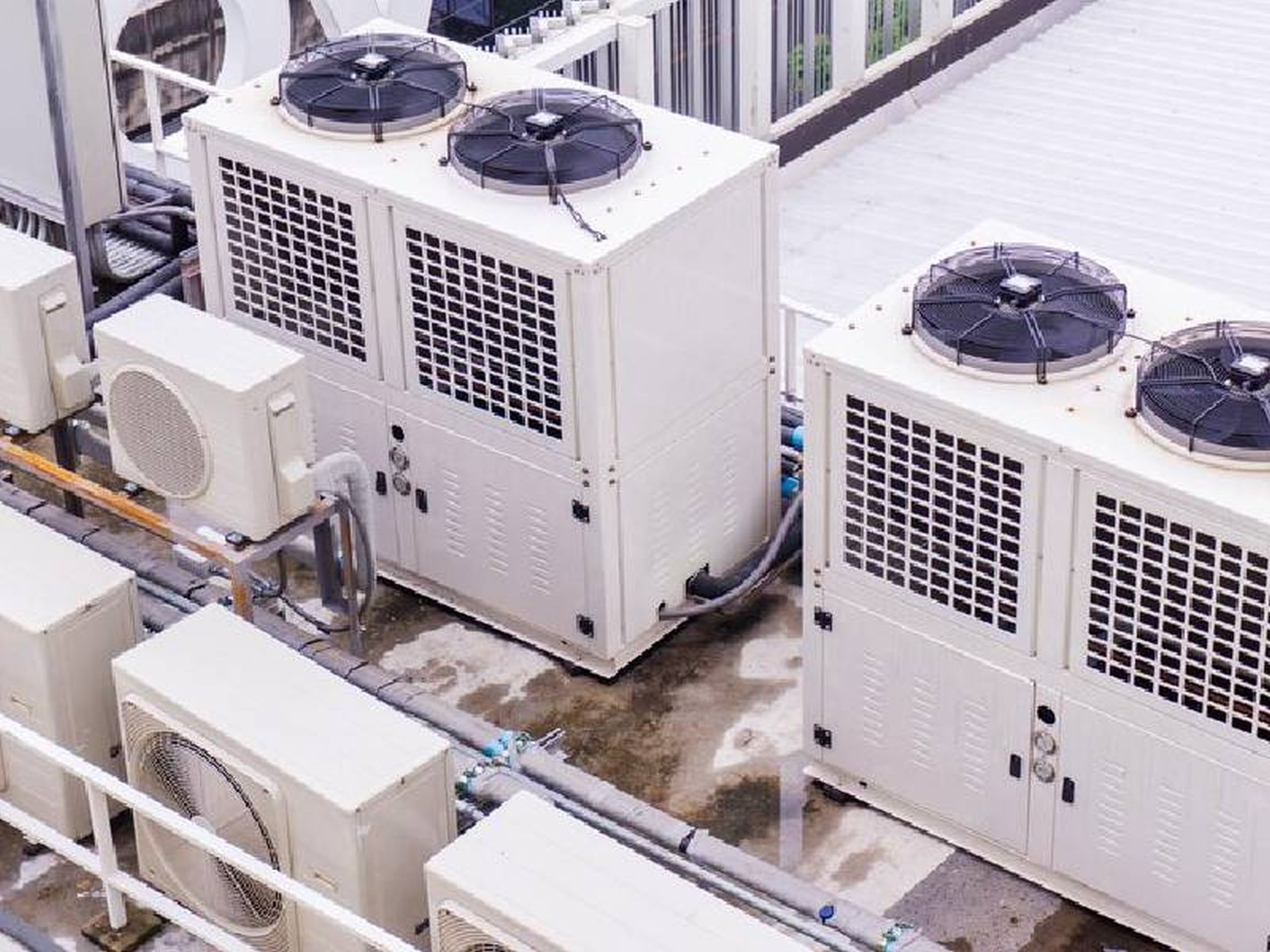
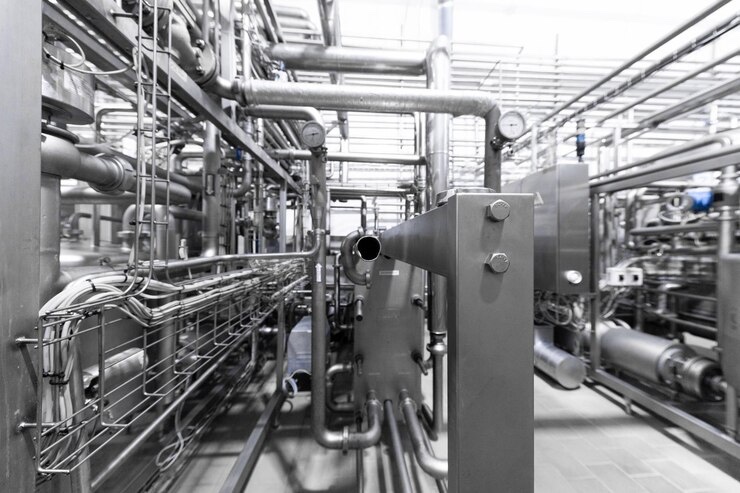
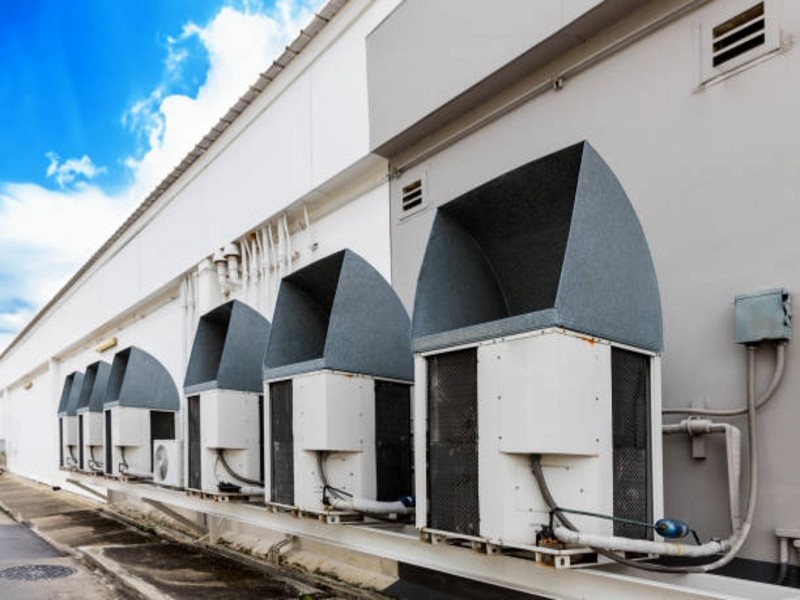
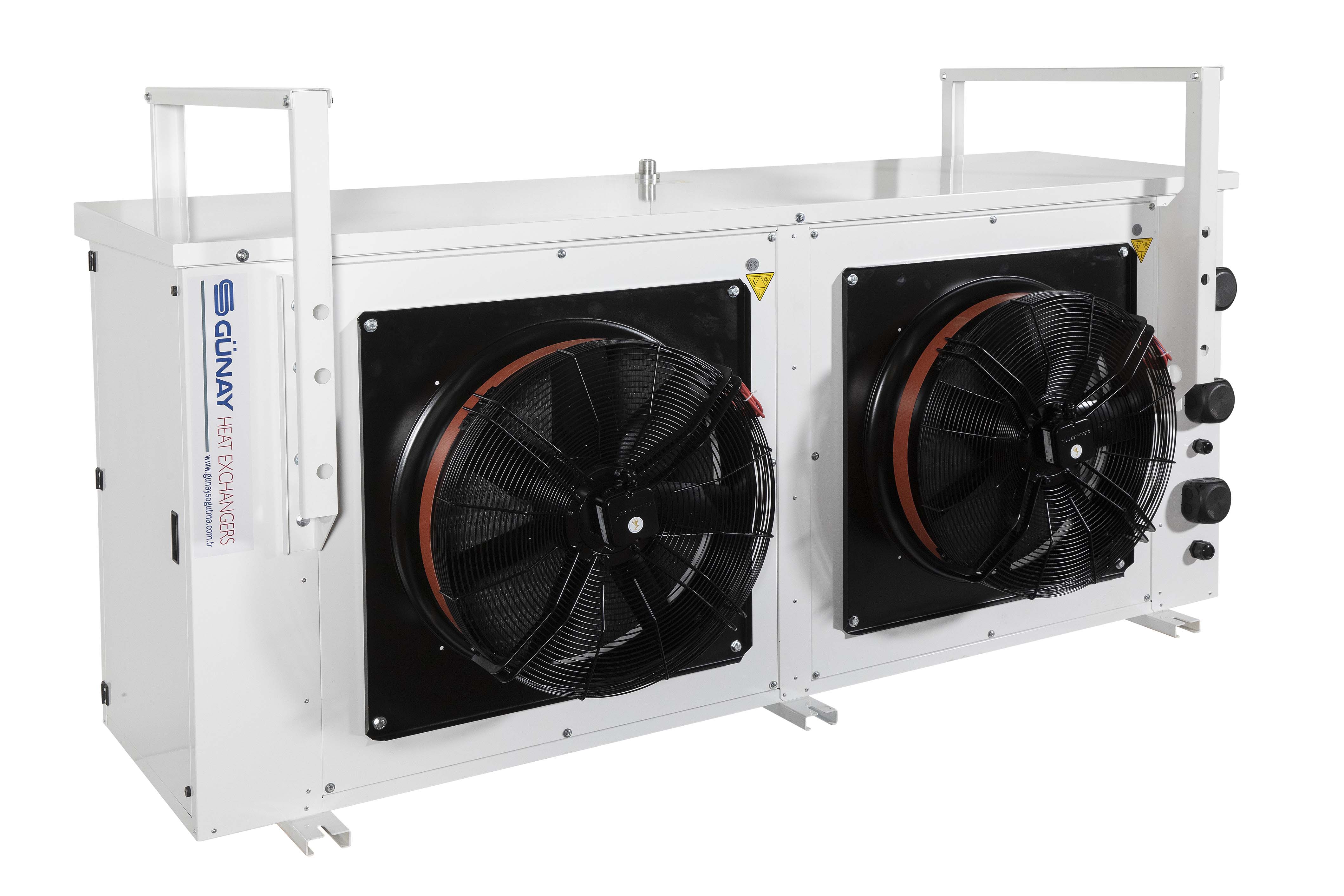
The thermal performance and longevity of a cold storage facility are directly dictated by the quality of its key components, such as those from evaporator production and condenser production lines. High-efficiency evaporators are responsible for effective heat absorption within the storage space, while robust condensers expel that heat reliably. These durable cooling components must be precisely engineered to handle the constant thermal cycling and demanding loads characteristic of industrial use. Supplementary systems, including high-performance units from axial fan production, are essential for maintaining consistent airflow and heat exchange, ensuring uniform temperatures and preventing hot spots.
This engineering precision is especially critical in sectors like food sector cooling, where temperature control is synonymous with safety and quality. Here, facilities require custom cooling solutions tailored to specific products, whether for blast freezing, chilled storage, or processing areas. Manufacturers like Günay Soğutma address this need through both serial production for standardized reliability and bespoke fabrication for unique spatial or operational constraints. This flexibility ensures that the cooling infrastructure is not a limiting factor but a catalyst for operational excellence, providing the high efficiency and robust performance that modern facilities demand.
Ultimately, investing in a well-engineered cold storage facility with superior components translates directly into tangible operational benefits. Enhanced energy efficiency reduces long-term power consumption, while the inherent durability of the system minimizes maintenance interruptions and extends the facility's service life. By prioritizing high-quality industrial cooling systems built with discipline and modern technology, businesses secure not just temperature control, but also greater operational reliability and significant cost savings, strengthening their entire production foundation.
Constructing a durable cold storage facility requires a disciplined approach that prioritizes longevity and reliability from the ground up. The foundation of any robust industrial cooling systems project lies in selecting components engineered for high efficiency and sustained performance under constant operation. This process goes beyond standard construction, demanding a strategic focus on the core mechanical systems that will determine the facility's operational lifespan and total cost of ownership. A well-built facility transforms a recurring expense into a long-term asset for production lines.
The heart of durability resides in the quality of its core components, particularly those sourced from specialized evaporator production and condenser production lines. These units must be constructed with robust materials and precision engineering to withstand thermal stress and corrosion, ensuring consistent performance for years. Critical to this is the integration of high-performance fans from advanced axial fan production facilities, which provide the essential airflow for efficient heat exchange. These durable cooling components are the building blocks that prevent premature failure and minimize costly maintenance downtime.
For sectors with stringent requirements like food sector cooling, a one-size-fits-all approach is insufficient. Success hinges on implementing custom cooling solutions tailored to specific temperature ranges, humidity control, and operational workflows. This level of customization, a hallmark of experienced manufacturers like Günay Soğutma, ensures that the facility is perfectly aligned with its intended use. Leveraging both serial production for proven reliability and custom fabrication for unique challenges is key to achieving an energy efficient cold storage system that meets exact operational demands.
The final measure of a successfully built cold storage facility is its ability to deliver uninterrupted service with minimal lifecycle costs. By integrating high-quality industrial cooling systems from the outset, businesses secure extended equipment life and significant energy savings. This proactive investment in durability, supported by disciplined manufacturing and technical expertise, directly translates to enhanced operational reliability and a stronger, more resilient production infrastructure.
Cold storage facility infrastructure is a critical component across numerous industries where precise temperature control is non-negotiable for product integrity and process stability. These specialized environments are engineered to maintain specific low-temperature ranges, forming the backbone of reliable industrial cooling systems. Their deployment is strategic, directly impacting operational efficiency, safety, and compliance. The effectiveness of these facilities hinges on the integration of high-performance, durable cooling components designed for continuous operation.
The most prominent application is within the food sector cooling chain, where these facilities are indispensable from processing to distribution. They preserve freshness, extend shelf life, and ensure safety from slaughterhouses and packaging plants to large-scale distribution centers. Here, the demand for energy efficient cold storage is paramount, as even minor temperature fluctuations can result in significant product loss. This requires robust systems built with precision-engineered components from specialized evaporator production and condenser production lines, often complemented by high-airflow units from axial fan production.
Beyond food, these facilities are vital in pharmaceuticals, chemicals, and energy sectors for storing temperature-sensitive raw materials and finished products. Each application demands custom cooling solutions tailored to unique thermal and spatial requirements. The ability to specify components that match exact operational loads is crucial for achieving optimal performance and energy savings. This customization capability, a core strength of providers like Günay Soğutma, ensures that the cold storage facility is not a generic enclosure but a finely tuned asset integrated seamlessly into the production environment.
The widespread use of these facilities underscores the importance of investing in quality from the outset. Choosing proven industrial cooling systems built with disciplined manufacturing processes guarantees the reliability required for critical operations. This strategic investment directly translates into extended equipment lifespan, minimized unplanned downtime, and lower total cost of ownership, solidifying the cold storage facility as a cornerstone of efficient and resilient industrial infrastructure.
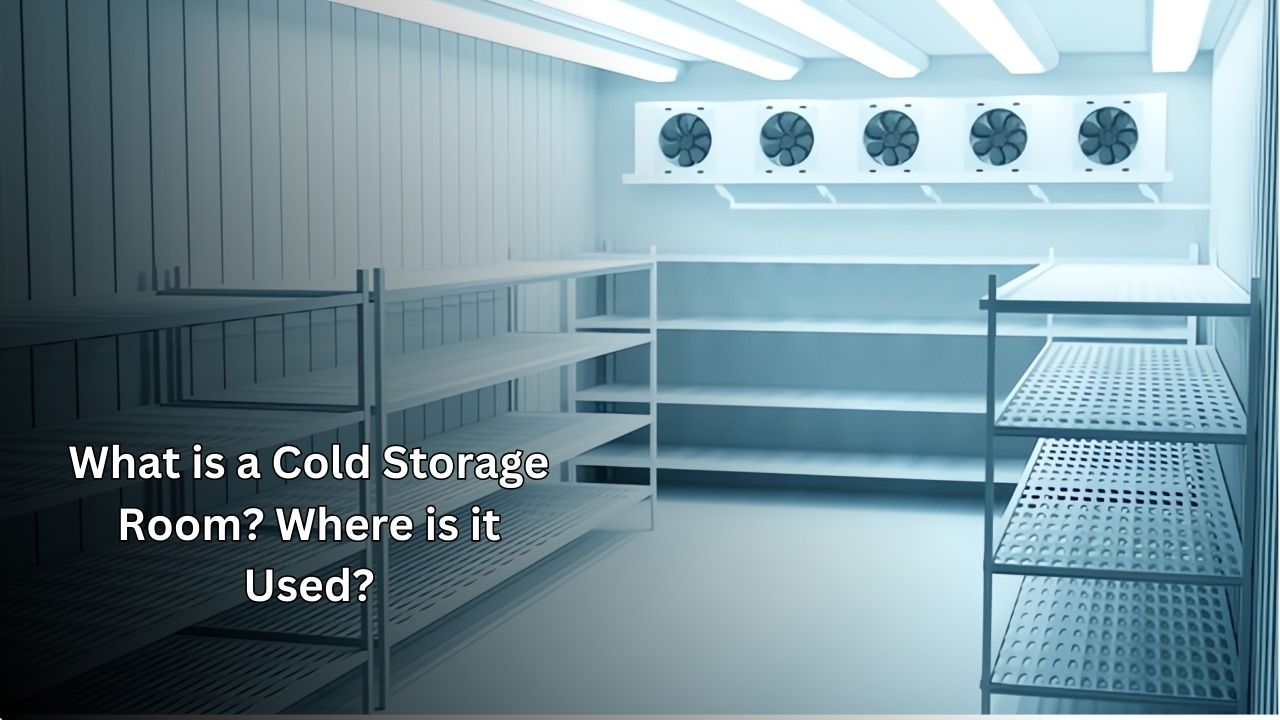
An energy efficient cold storage facility is not merely a refrigerated space but a finely tuned system designed to minimize energy consumption while maximizing performance. Achieving this requires a holistic approach to industrial cooling systems that integrates advanced component technology with intelligent design. The goal is to reduce the electrical load required to maintain precise temperatures, directly lowering operational costs and environmental impact. This focus on efficiency transforms the cold storage facility from a cost center into a strategic asset for sustainable operations.
The core of energy savings lies in the performance of key components. High-efficiency units from specialized evaporator production lines are engineered for optimal heat absorption, reducing compressor runtime. Similarly, advanced coils from precision condenser production facilities reject heat more effectively, lowering head pressure and energy draw. These durable cooling components are designed for long-term reliability, preventing the efficiency degradation common in inferior systems. The integration of optimally designed fans from high-performance axial fan production ensures uniform air circulation, eliminating temperature stratification and reducing the workload on the entire system.
In critical applications like food sector cooling, where operations are continuous, the need for efficiency is paramount. Here, implementing custom cooling solutions tailored to specific product types and workflow patterns prevents energy waste. A facility designed for blast freezing has different requirements than one for long-term chilled storage. This precise alignment, achievable through disciplined manufacturing and engineering, ensures that the cooling capacity matches the operational demand exactly, avoiding the inefficiencies of over-sized or under-performing generic systems.
Ultimately, an energy-optimized cold storage facility delivers profound financial and operational benefits. By investing in high-quality industrial cooling systems built with efficiency as a core principle, businesses secure not only lower utility bills but also enhanced system longevity and reduced maintenance frequency. This strategic focus on energy performance ensures the cooling infrastructure supports operational goals reliably and cost-effectively for years to come.
An efficient cold storage facility design is characterized by a holistic integration of thermal dynamics, component performance, and operational workflow. It transcends basic refrigeration to become a seamlessly functioning part of the broader industrial cooling systems infrastructure. The defining principle is achieving precise temperature control with minimal energy expenditure, which requires meticulous planning from the initial layout to the specification of every mechanical part. This approach ensures the facility operates as an energy efficient cold storage asset, directly impacting the bottom line.
The foundation of this efficiency lies in the specification and integration of high-performance, durable cooling components. The design must incorporate evaporators from advanced evaporator production lines that are sized correctly for the thermal load, ensuring rapid pulldown and stable maintenance. Similarly, condensers from precision condenser production must be matched to the environment for optimal heat rejection. Effective airflow, critical for temperature uniformity, is achieved by strategically placing high-capacity units from specialized axial fan production. Each component must be selected not in isolation, but as part of a cohesive system.
True efficiency is further defined by customization, particularly in demanding sectors like food sector cooling. A one-size-fits-all design fails to address unique challenges such as high ingress rates or specific humidity requirements. Implementing custom cooling solutions that align with the specific products and processes is essential. This might involve zoning different temperature areas or specifying components that can handle peak loads efficiently. Such a tailored approach, rooted in disciplined engineering, ensures the design is not just theoretically sound but practically optimized for real-world operation.
Ultimately, an efficiently designed cold storage facility is measured by its long-term performance and reliability. The investment in a properly engineered system, utilizing high-quality industrial cooling systems components, pays dividends through drastically reduced energy consumption, extended equipment lifespan, and minimal operational disruptions. This strategic focus on design integrity ensures the facility becomes a dependable, cost-effective cornerstone of industrial production for years to come.
Selecting the right cooling components is a critical decision that determines the performance, longevity, and operating cost of any cold storage facility. This process requires a methodical evaluation of thermal loads, operational demands, and the quality of the industrial cooling systems components themselves. The goal is to build an integrated system where each part works in harmony to deliver reliable, energy efficient cold storage. Choosing components based solely on initial cost often leads to inefficiency and frequent downtime.
The selection process begins with the core heat exchange units. For evaporators, prioritize models from reputable evaporator production lines that are sized correctly for the application's specific temperature and humidity requirements. Similarly, condensers sourced from established condenser production facilities must be matched to the ambient conditions to ensure efficient heat rejection. These durable cooling components should be constructed from corrosion-resistant materials to withstand the harsh environment. Airflow is equally critical, requiring efficient fans from specialized axial fan production to ensure uniform temperature distribution.
In specialized applications such as food sector cooling, off-the-shelf components may not suffice. The selection process must often involve custom cooling solutions to meet stringent hygiene standards, specific blast freezing rates, or unique spatial constraints. Working with a manufacturer capable of both reliable serial production and bespoke engineering ensures that components are not just selected but optimized for the exact application. This tailored approach prevents performance gaps and ensures the system operates at peak efficiency from day one.
Ultimately, a strategic component selection directly translates into long-term operational stability and cost control. Investing in high-quality industrial cooling systems built with precision-manufactured parts minimizes energy consumption and maximizes equipment lifespan. This disciplined approach to selection ensures your cold storage facility operates as a reliable, low-maintenance asset, protecting your inventory and supporting uninterrupted production for years to come.
Specific industries rely on a cold storage facility not as a luxury but as an absolute necessity for their core operations. These specialized environments form the backbone of industrial cooling systems that preserve product integrity, ensure safety, and enable scalable production. The reliability and efficiency of these facilities are paramount, as any failure can lead to catastrophic losses. This dependency underscores the critical need for robust, energy efficient cold storage solutions built with high-performance components.
The most prominent sector is food sector cooling, where these facilities are indispensable from processing plants to distribution hubs. They ensure the safety and extended shelf life of perishable goods, including meat, dairy, fruits, and vegetables. This demanding application requires durable cooling components capable of withstanding constant operation and harsh conditions. Precision engineering from specialized evaporator production and condenser production lines, supported by high-airflow units from axial fan production, is essential to maintain strict temperature control.
Beyond food, industries such as pharmaceuticals, biotechnology, and chemicals are heavily reliant on precise temperature control. These sectors use cold storage to preserve the efficacy of vaccines, biological samples, and sensitive chemical compounds. The requirements here often demand highly specialized custom cooling solutions to maintain ultra-low temperatures or specific humidity levels with absolute reliability. This necessitates a partnership with manufacturers capable of delivering tailored engineering to meet stringent regulatory and operational standards.
The universal reliance on these facilities across diverse industries highlights the importance of investing in proven industrial cooling systems. Whether supporting the food supply chain or safeguarding critical medical supplies, a well-engineered cold storage facility is a non-negotiable asset. Choosing components built for durability and efficiency ensures operational continuity, protects valuable inventory, and delivers long-term cost savings, making it a strategic investment for any temperature-sensitive industry.
Optimizing a cold storage facility's performance requires a systematic approach focused on maximizing efficiency and reliability while minimizing operational costs. This process begins with a thorough assessment of the entire industrial cooling systems to identify inefficiencies in component performance and energy usage. The ultimate goal is to transform an existing facility into an energy efficient cold storage operation that reliably supports production demands. Optimization is an ongoing process of refinement and upgrading to meet evolving operational needs.
A primary focus should be on the core mechanical components. Upgrading to high-efficiency units from advanced evaporator production and condenser production lines can significantly reduce energy consumption by improving heat transfer rates. Replacing standard fans with optimized models from specialized axial fan production ensures better airflow distribution, eliminating hot spots and reducing compressor strain. These durable cooling components are engineered for peak performance, directly contributing to lower electricity costs and enhanced system stability.
For facilities in the food sector cooling, optimization often involves implementing custom cooling solutions to address specific challenges like high door-opening frequency or varying product loads. This may include retrofitting zoning systems or adding supplemental cooling units to handle peak demands without overworking the main system. Tailoring the cold storage facility to its exact operational profile ensures that cooling capacity is applied precisely where and when it is needed, eliminating wasted energy.
Sustained high performance is the true measure of a successful optimization strategy. Investing in high-quality upgrades for your industrial cooling systems delivers long-term benefits, including extended equipment lifespan, reduced maintenance frequency, and superior operational reliability. A well-optimized facility operates as a dependable, cost-effective asset, ensuring product integrity and supporting uninterrupted production for the long haul.
Understanding the core components of a cold storage facility is fundamental to appreciating its operation and specifying a system for optimal performance. These components form an integrated industrial cooling systems circuit, each playing a critical role in achieving and maintaining precise low-temperature environments. The quality and integration of these parts directly determine the facility's efficiency, reliability, and total cost of ownership. A system built with superior components is the foundation of an energy efficient cold storage operation.
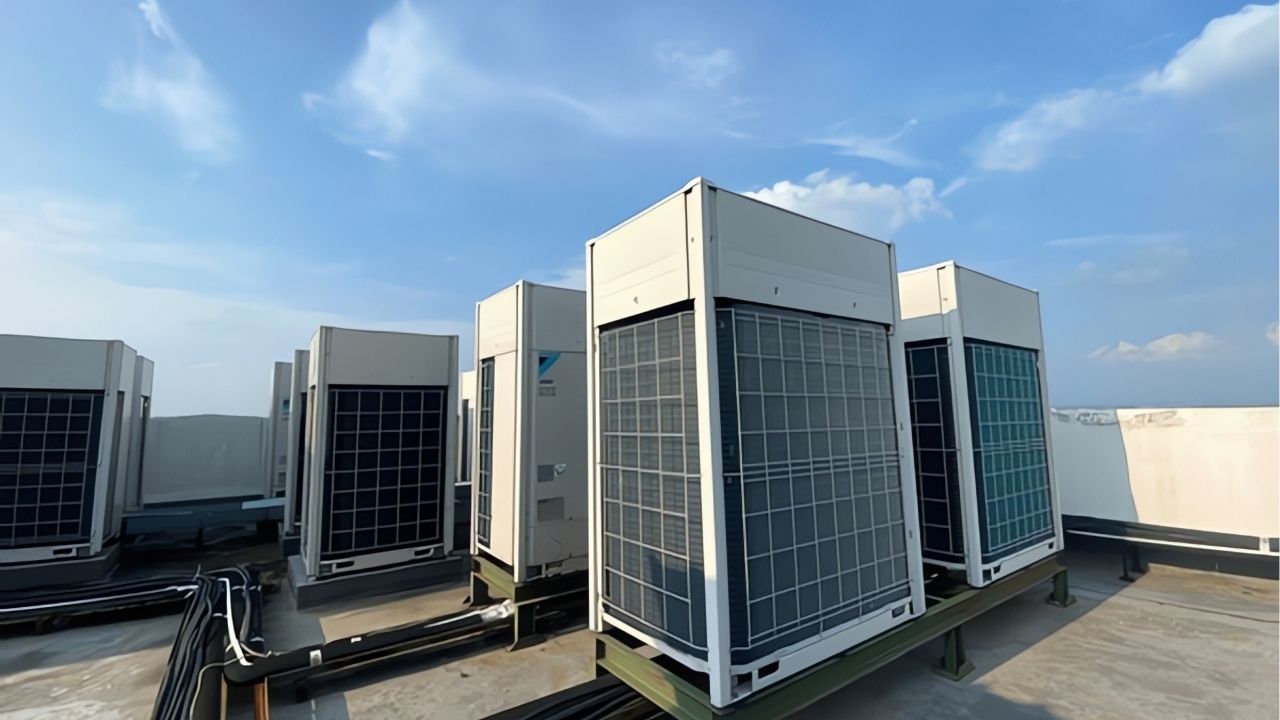
The primary components include the evaporator and condenser, the essential heat exchangers of the system. High-performance evaporators from advanced evaporator production lines are responsible for absorbing heat from within the storage space. Conversely, condensers from precision condenser production facilities reject that accumulated heat to the outside environment. Effective airflow is provided by robust fans sourced from specialized axial fan production lines, which circulate air across the evaporator coils for uniform temperature distribution. These durable cooling components must be engineered to withstand continuous operation and harsh conditions.
In demanding sectors like food sector cooling, the selection of these core components often requires a tailored approach. Standard components may not suffice for applications requiring specific temperature pull-down rates or humidity control. This is where custom cooling solutions become essential, allowing engineers to specify components that perfectly match the unique thermal loads and spatial constraints of the facility. This precision engineering ensures that the cold storage facility operates at peak efficiency from the start.
The reliability of the entire industrial cooling systems hinges on the quality of its individual components. Investing in parts manufactured with discipline and technological expertise guarantees extended equipment life, minimized downtime, and lower energy consumption. A well-specified system built with these core durable cooling components ensures the cold storage facility remains a dependable and cost-effective asset for years to come.
Ensuring long-term reliability in a cold storage facility is a strategic process that begins with the initial design and component selection. Longevity in industrial cooling systems is not accidental; it is the result of meticulous engineering and a commitment to quality that prioritizes durability over initial cost savings. The objective is to build a facility that operates as an energy efficient cold storage asset for decades, not just years, minimizing unplanned downtime and protecting valuable inventory.
The cornerstone of reliability is the specification of genuinely durable cooling components. This means sourcing evaporators from reputable evaporator production lines that use corrosion-resistant materials and robust construction techniques. Similarly, condensers from established condenser production facilities must be built to withstand constant thermal cycling and harsh environmental conditions. The reliability of the entire airflow system depends on high-performance fans from specialized axial fan production, which must operate continuously without failure.
For critical applications like food sector cooling, where operational continuity is paramount, a standard design is often insufficient. Achieving long-term reliability frequently requires implementing custom cooling solutions that account for specific operational stresses, such as frequent door openings or high moisture levels. This tailored approach, supported by disciplined manufacturing, ensures that each component is not just durable in a general sense, but specifically engineered to thrive in its intended environment. This prevents premature wear and extends the service life of the entire cold storage facility.
The payoff for this rigorous approach is a highly reliable industrial cooling systems infrastructure that delivers consistent performance year after year. Investing in components manufactured for longevity translates directly into reduced maintenance costs, lower risk of spoilage, and significant energy savings over the system's extended lifespan. This proactive investment in reliability ensures the cooling facility remains a dependable cornerstone of your production operation, safeguarding your assets and supporting uninterrupted business continuity.

Fill out the form to discover the most suitable high-end products for your projects. Contact Us Now.
Fill out the form now not to miss our special offers for you! The latest discover our products and innovations.
Fill out the form now not to miss our special offers for you! The latest discover our products and innovations.
Notification Centre 00:00