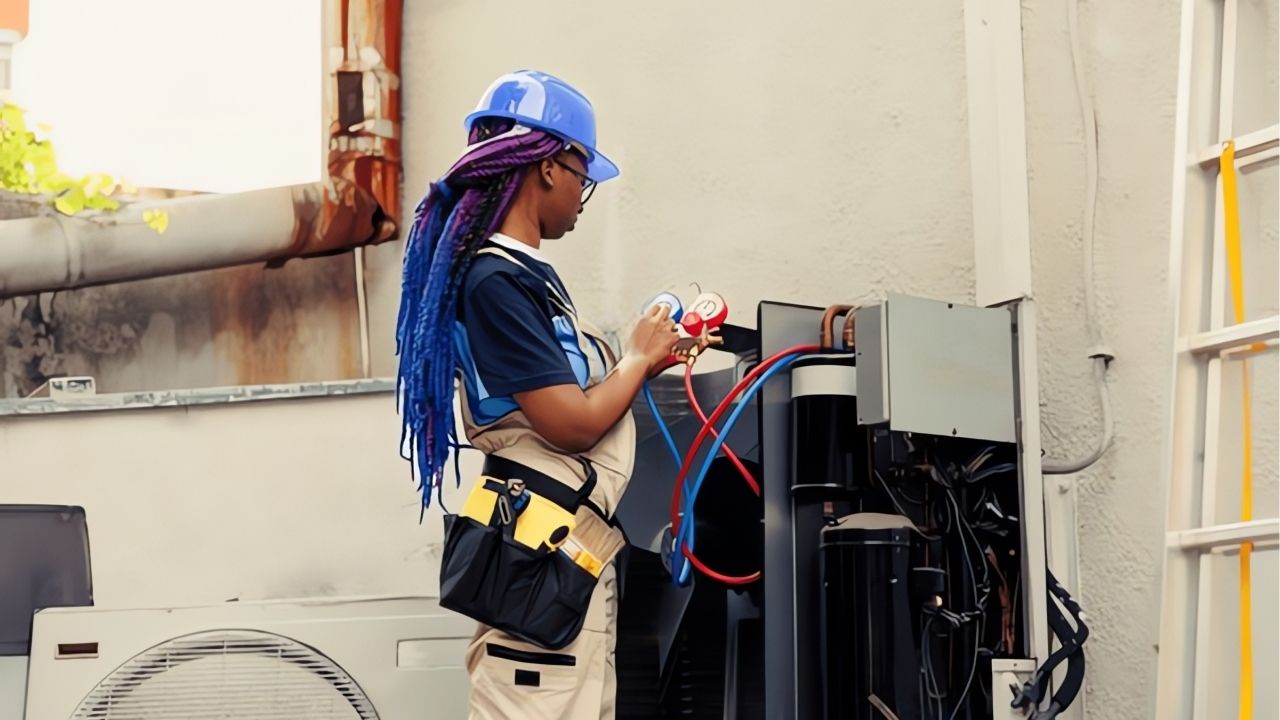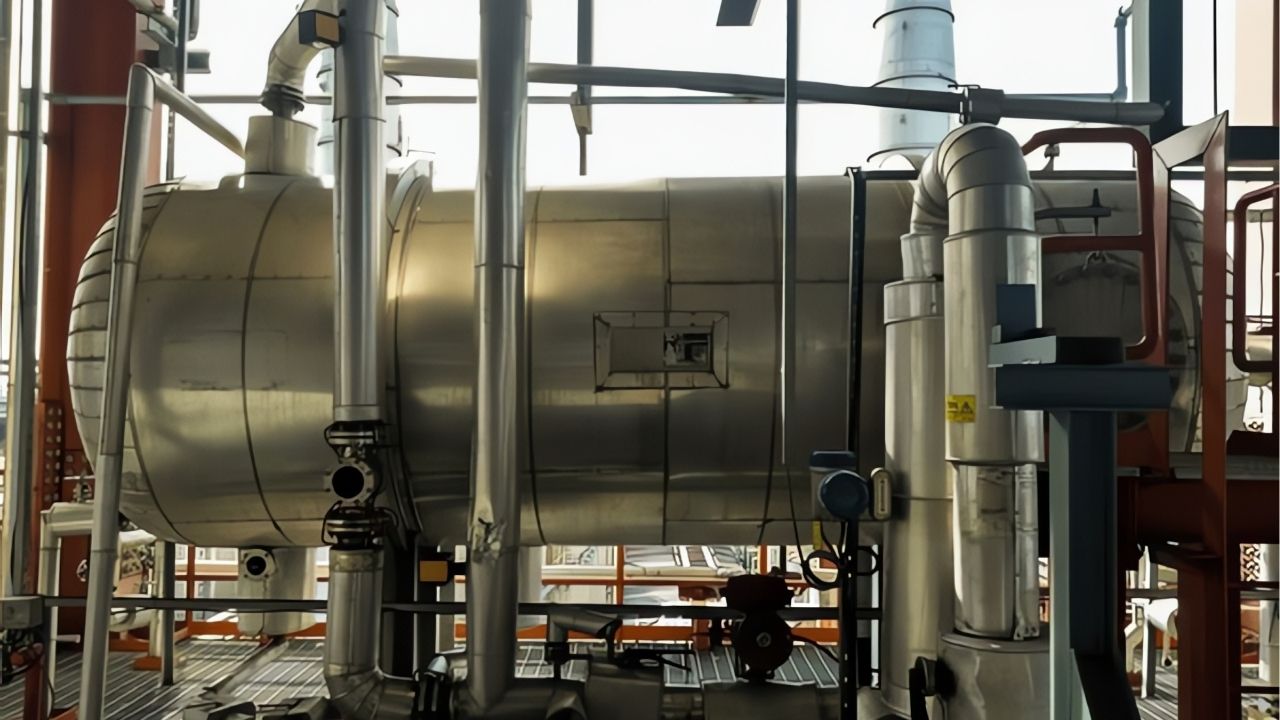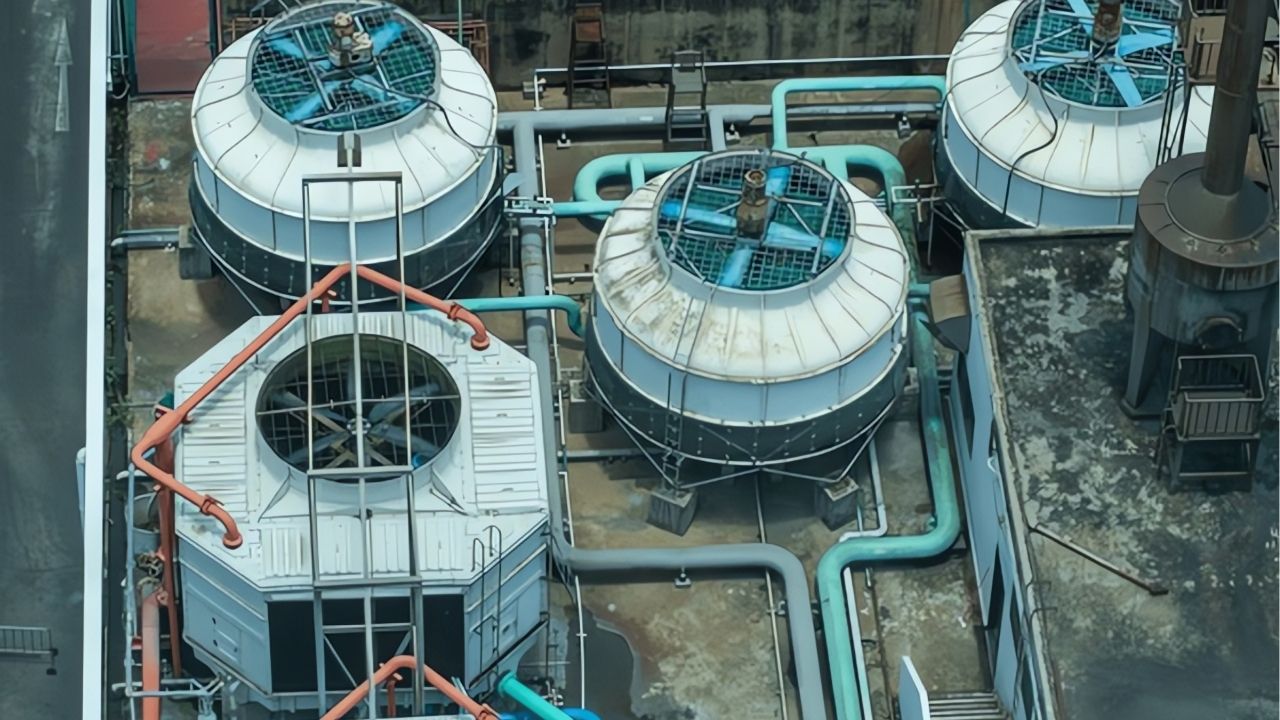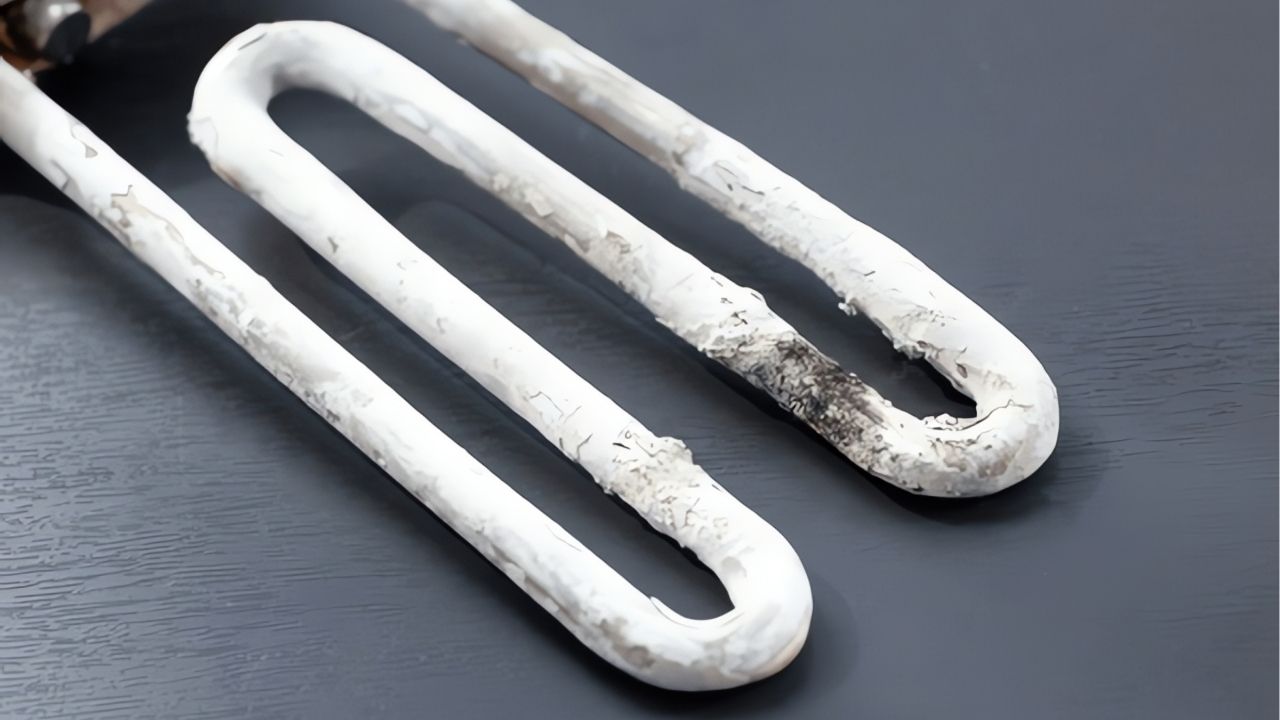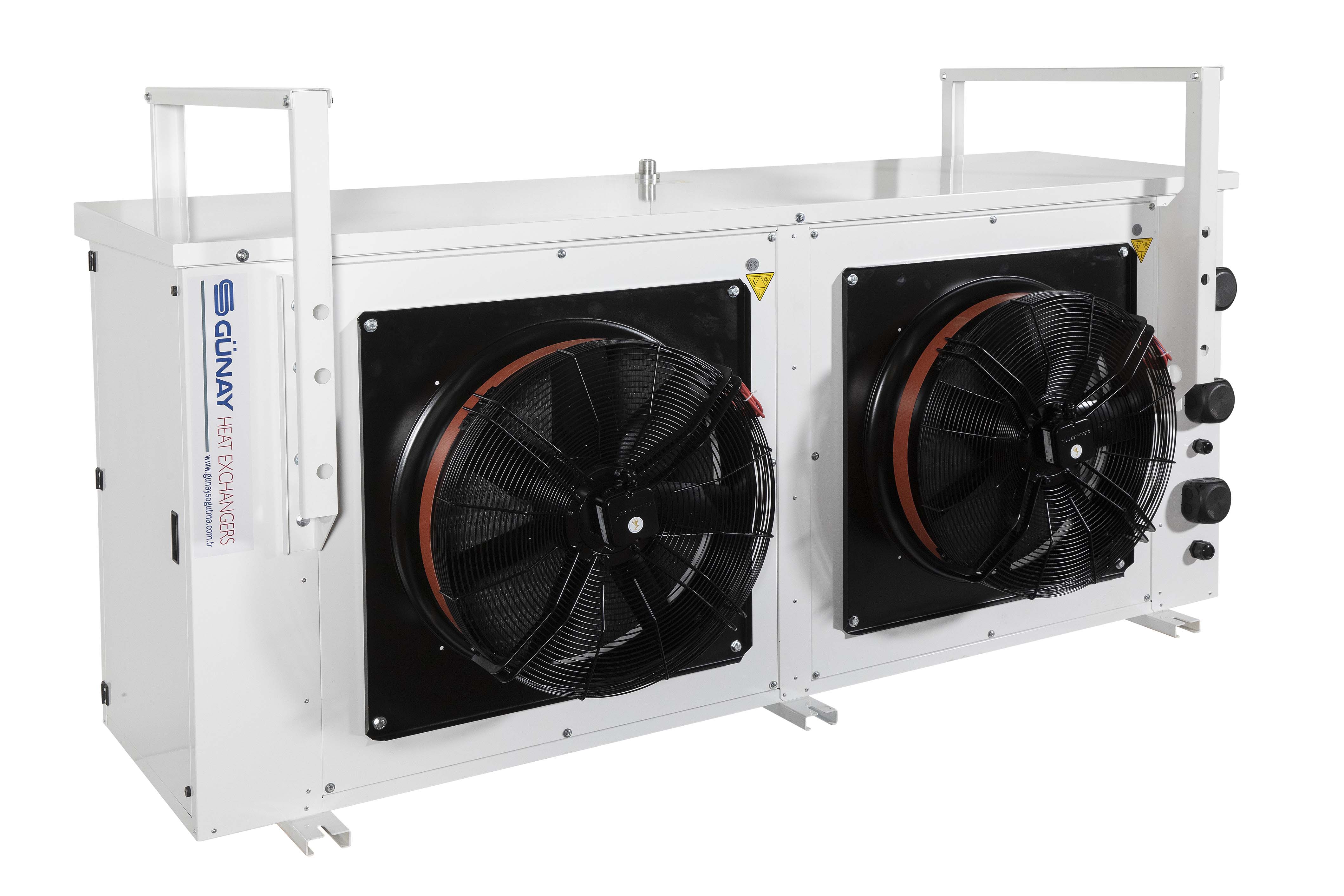



Heater Faults: Symptoms and Troubleshooting Methods
06 / 07 / 2026

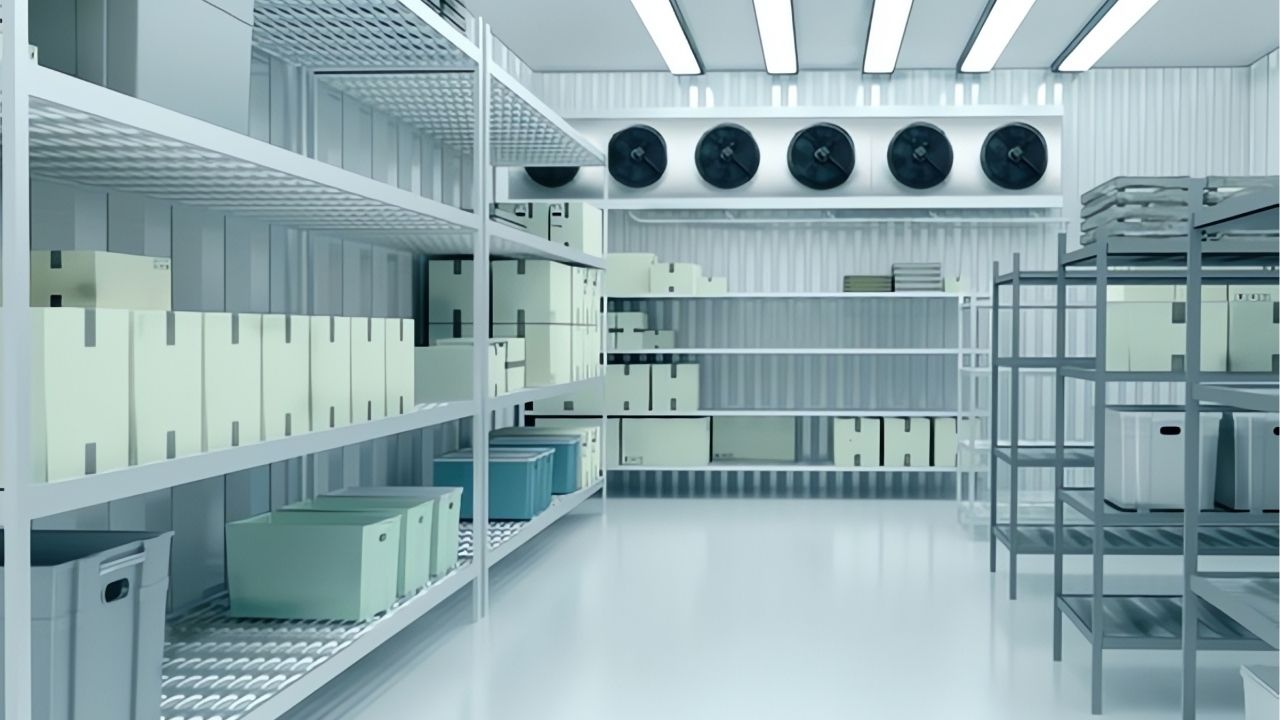
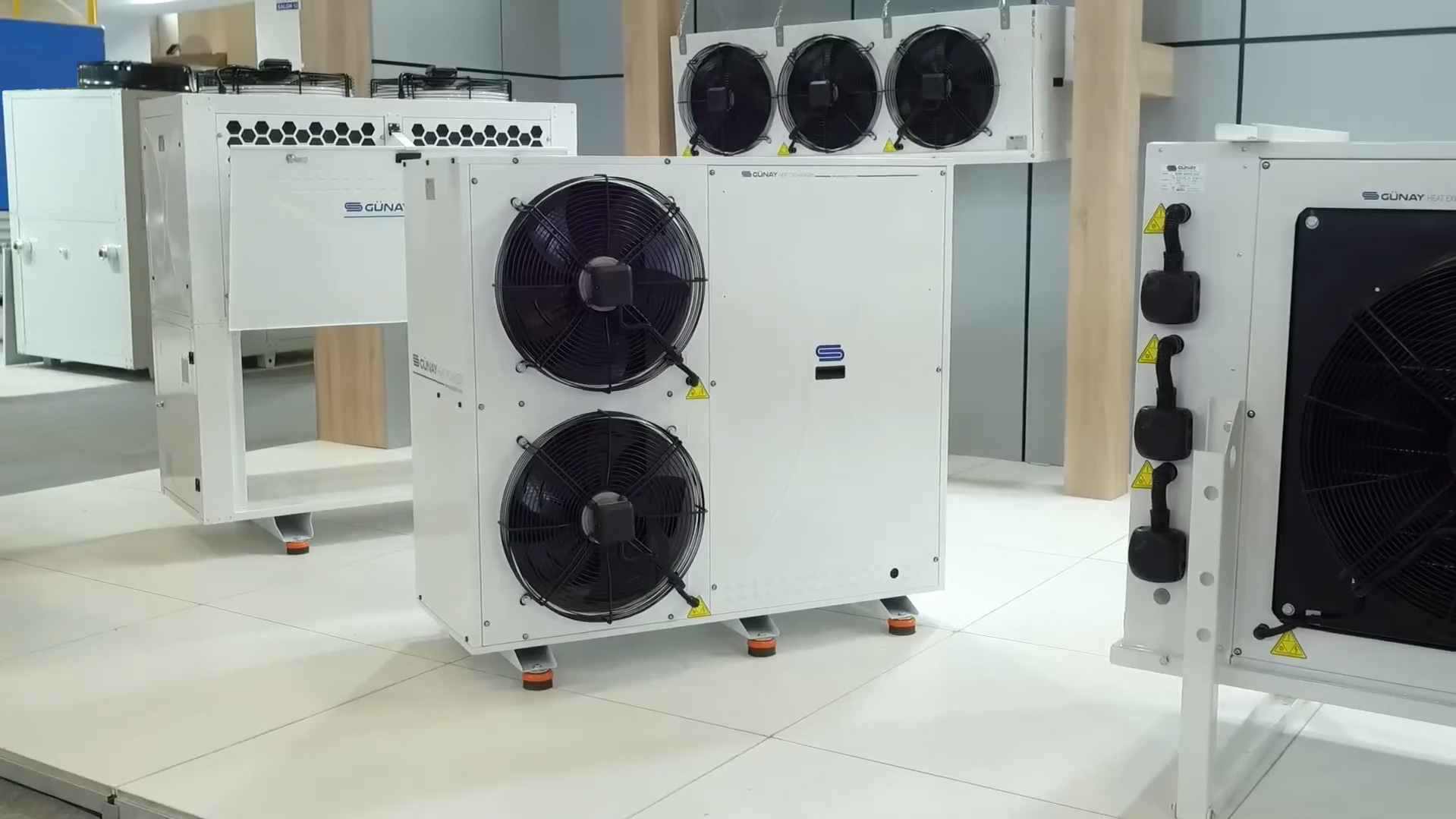
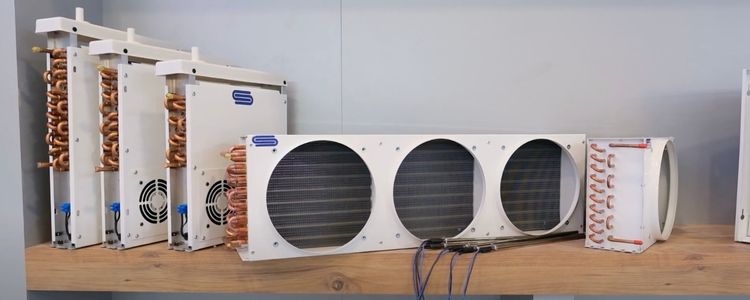
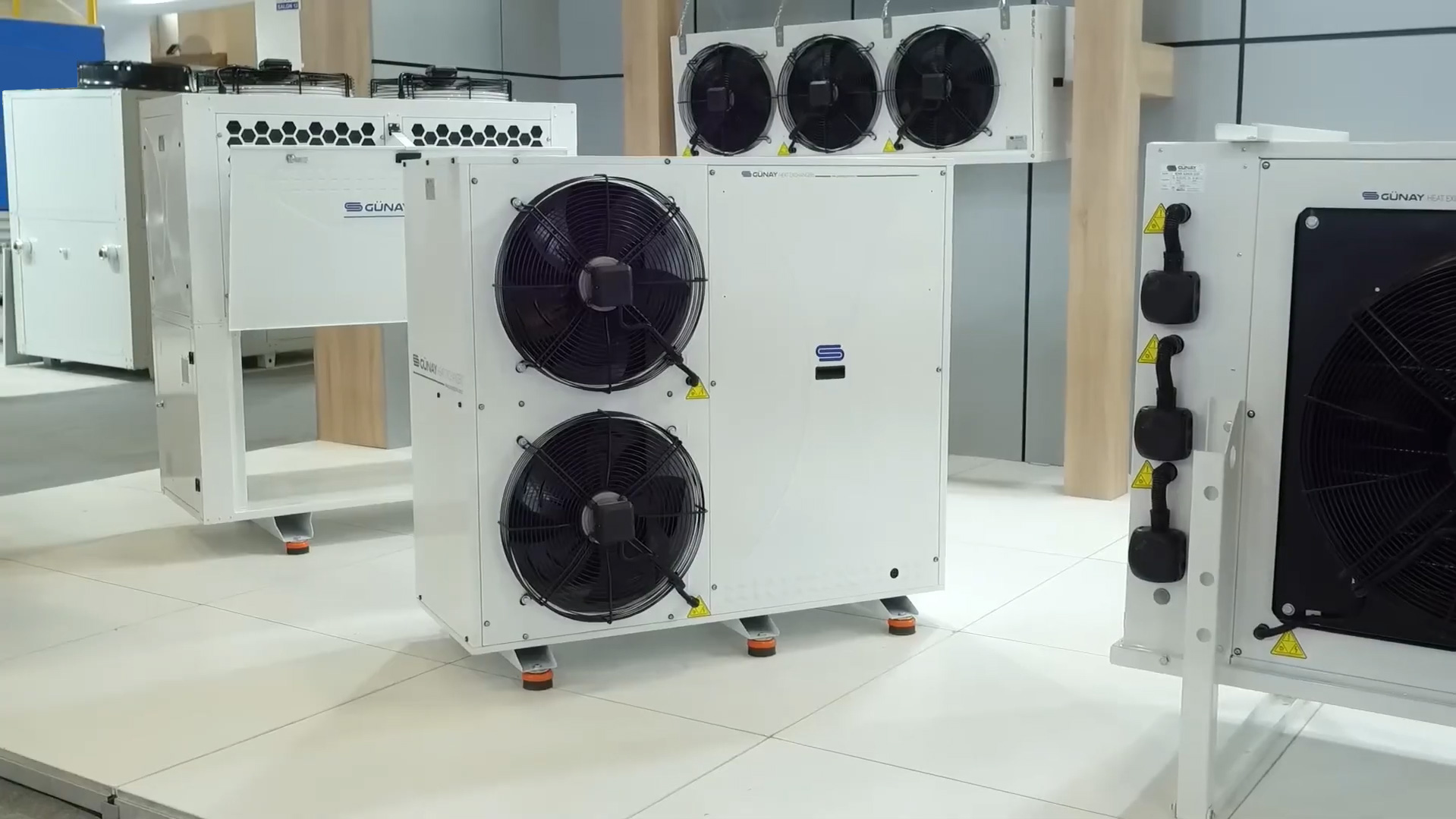
Designing efficient cold storage facilities demands meticulous attention to thermal performance and operational reliability. Industrial operators face mounting pressure to balance energy consumption with consistent temperature control, particularly in food sector applications where product integrity is non-negotiable. The integration of precision-engineered evaporator production and condenser production forms the backbone of any robust cooling infrastructure, directly impacting long-term operational costs and system longevity.
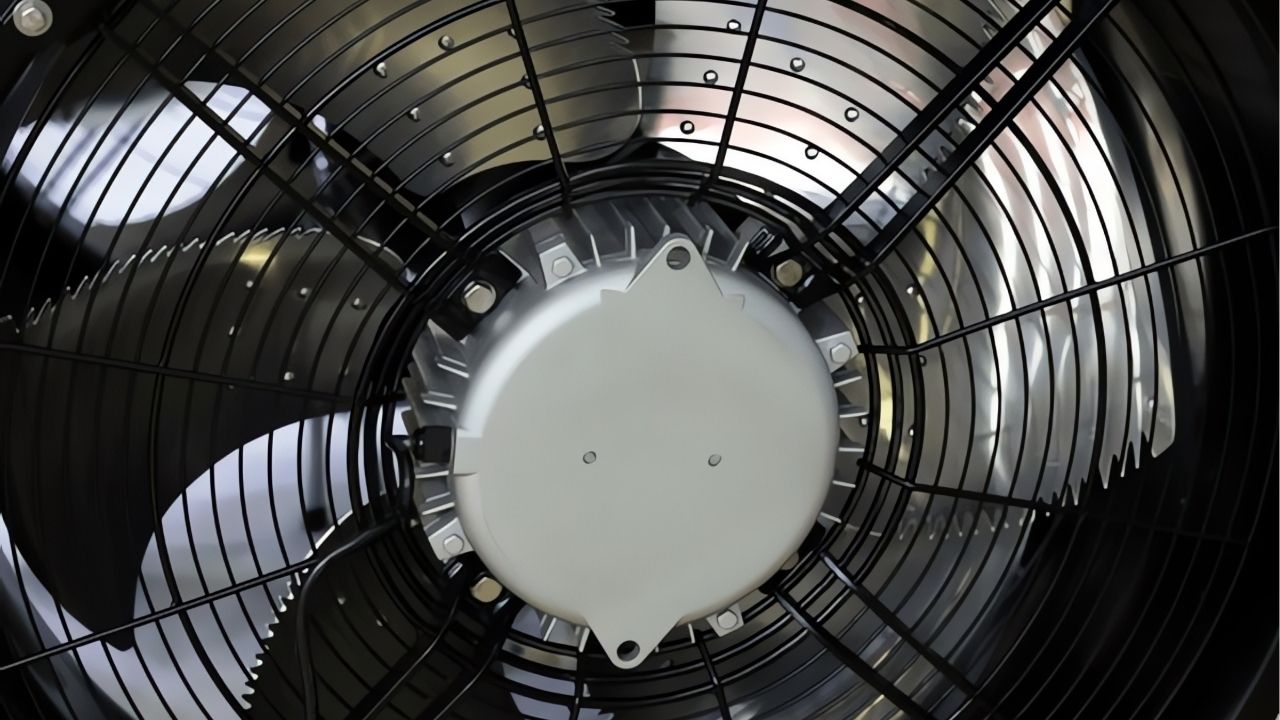
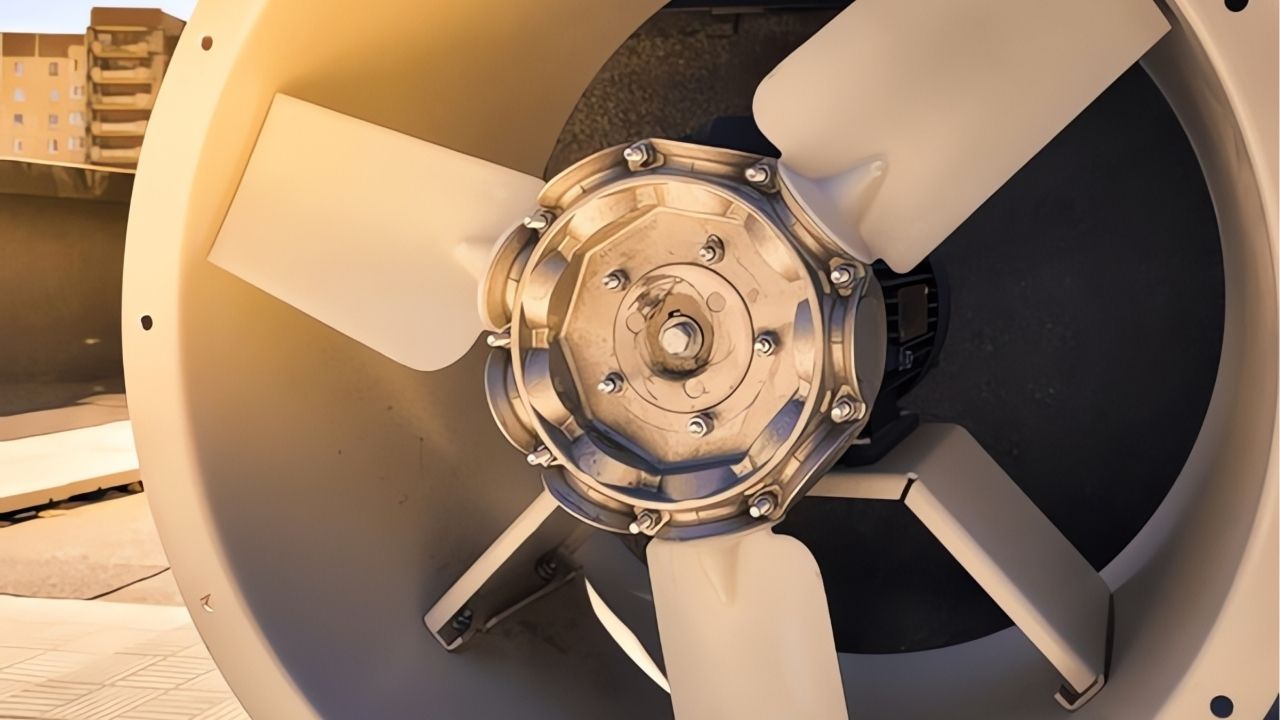
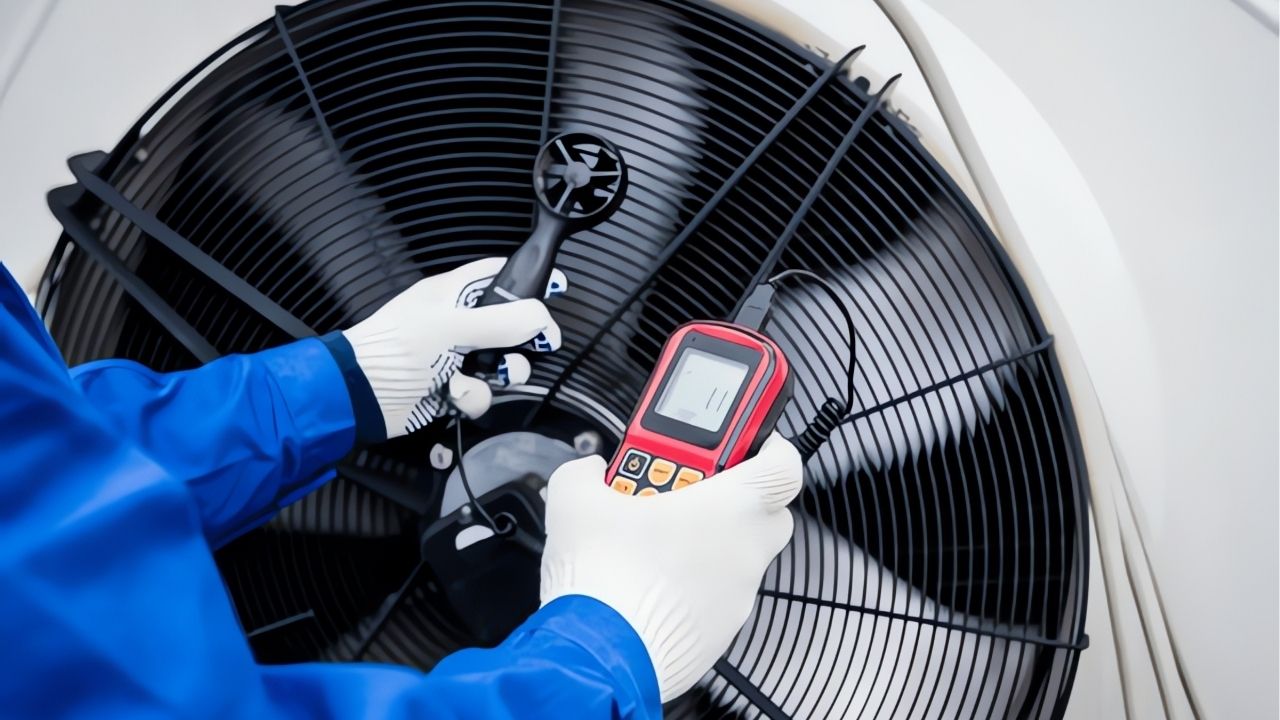
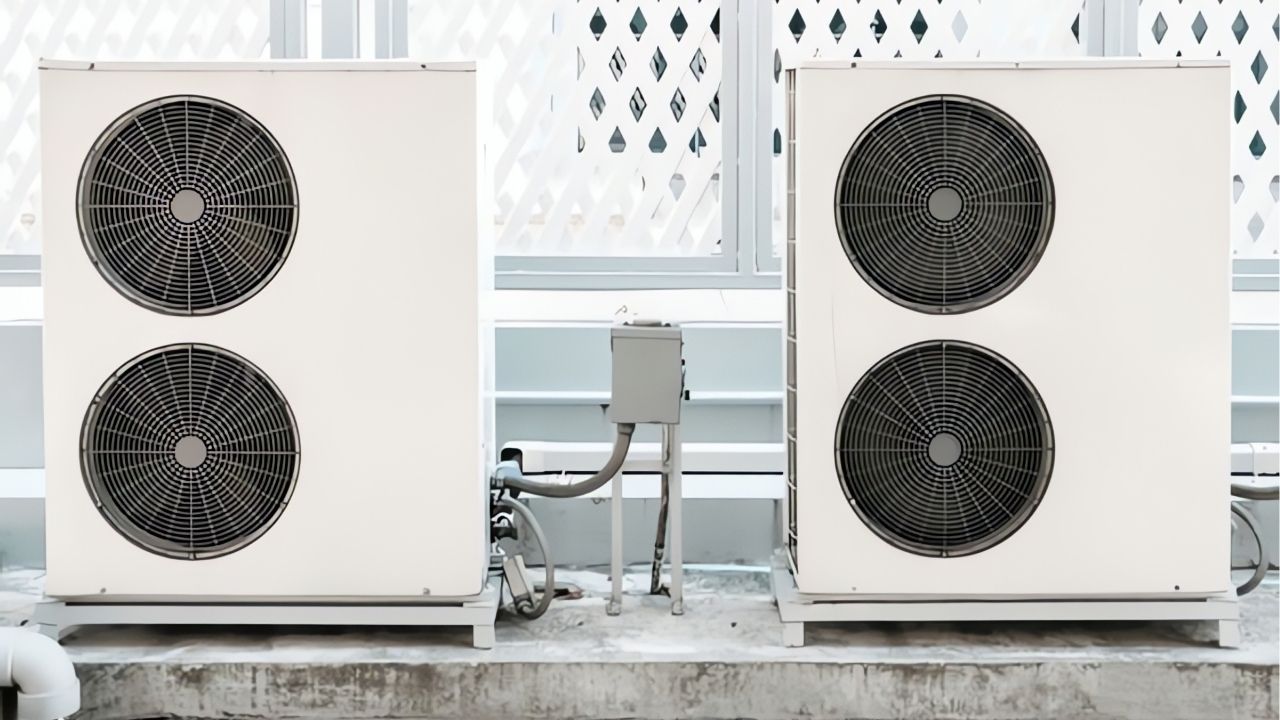
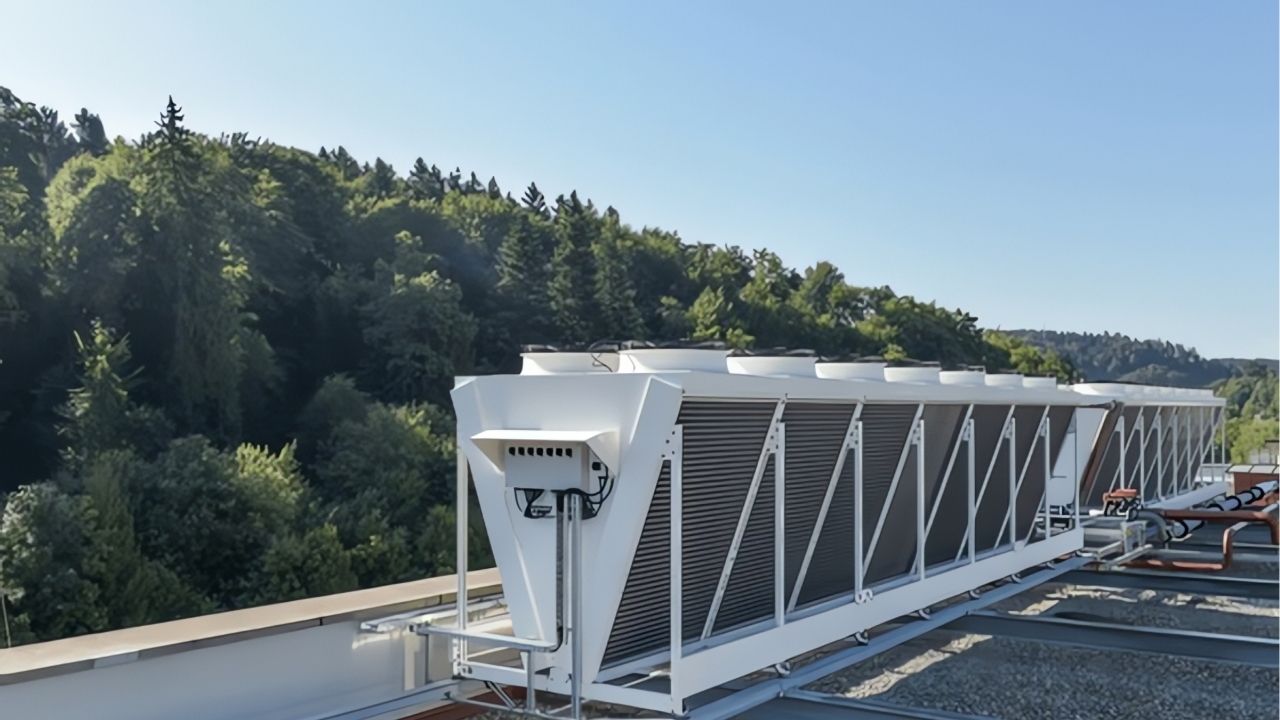
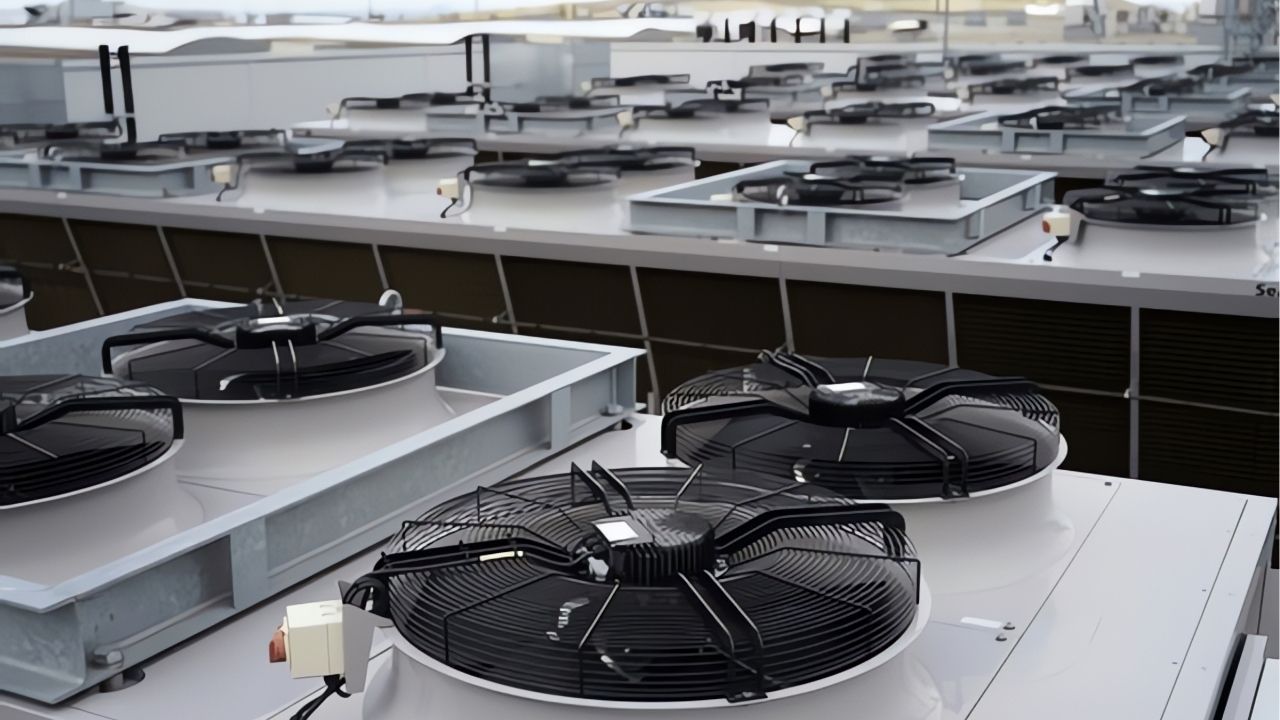
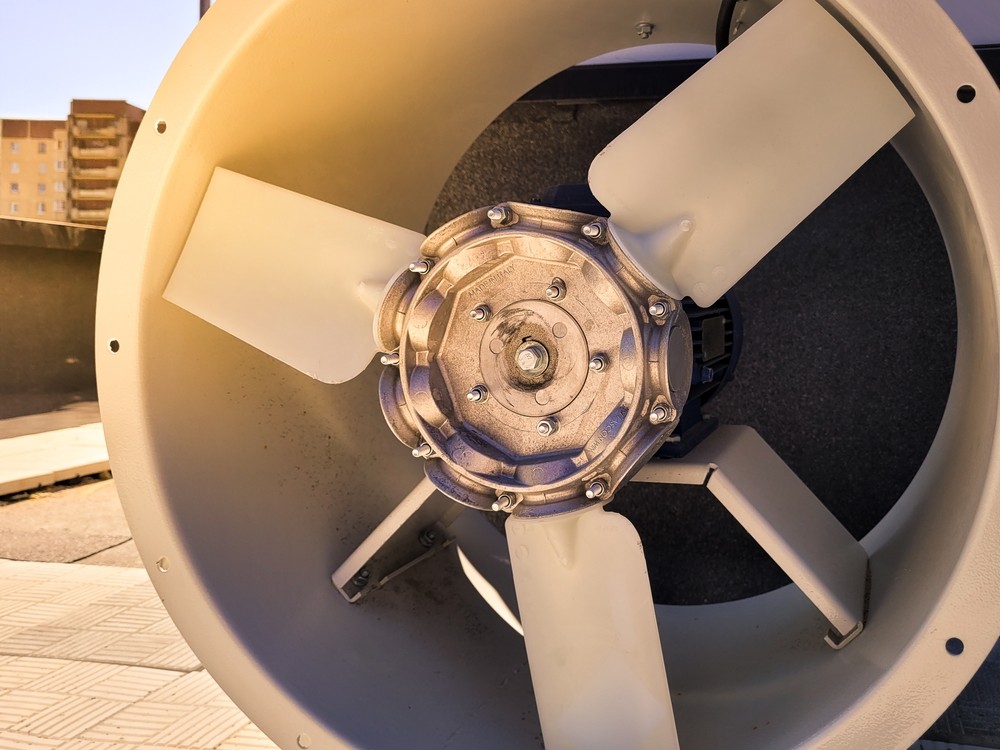
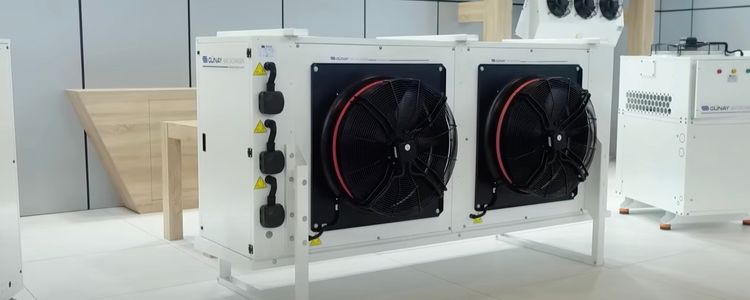
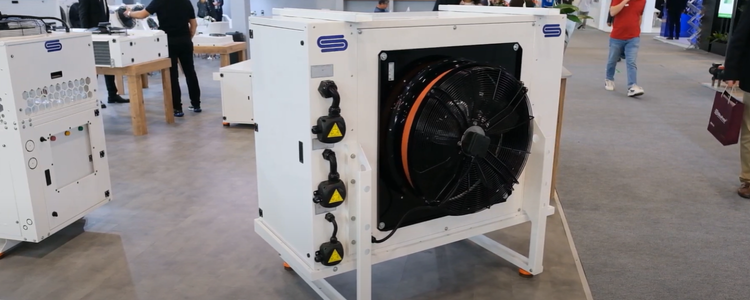
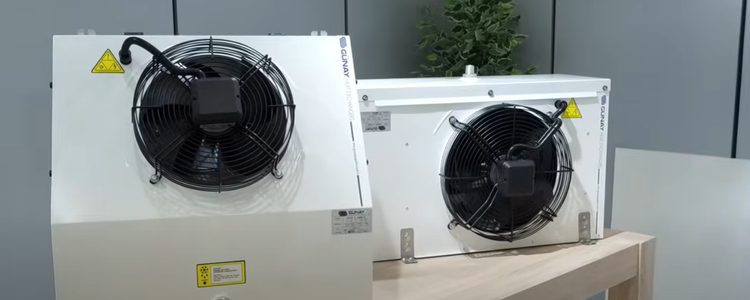
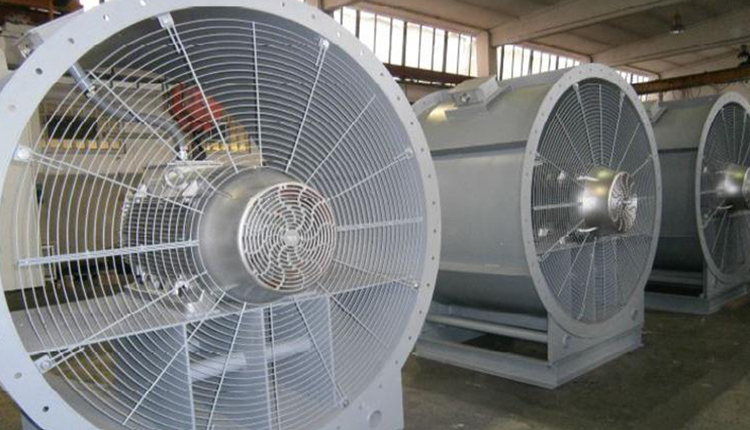
Modern cooling infrastructure prioritizes modular design principles, allowing for scalable solutions that adapt to evolving production demands. Günay Soğutma's approach combines advanced axial fan technology with optimized airflow dynamics, reducing energy expenditure by up to 30 percent compared to conventional systems. This engineering precision ensures uniform temperature distribution across all storage zones, eliminating hot spots that compromise product quality in industrial facilities.
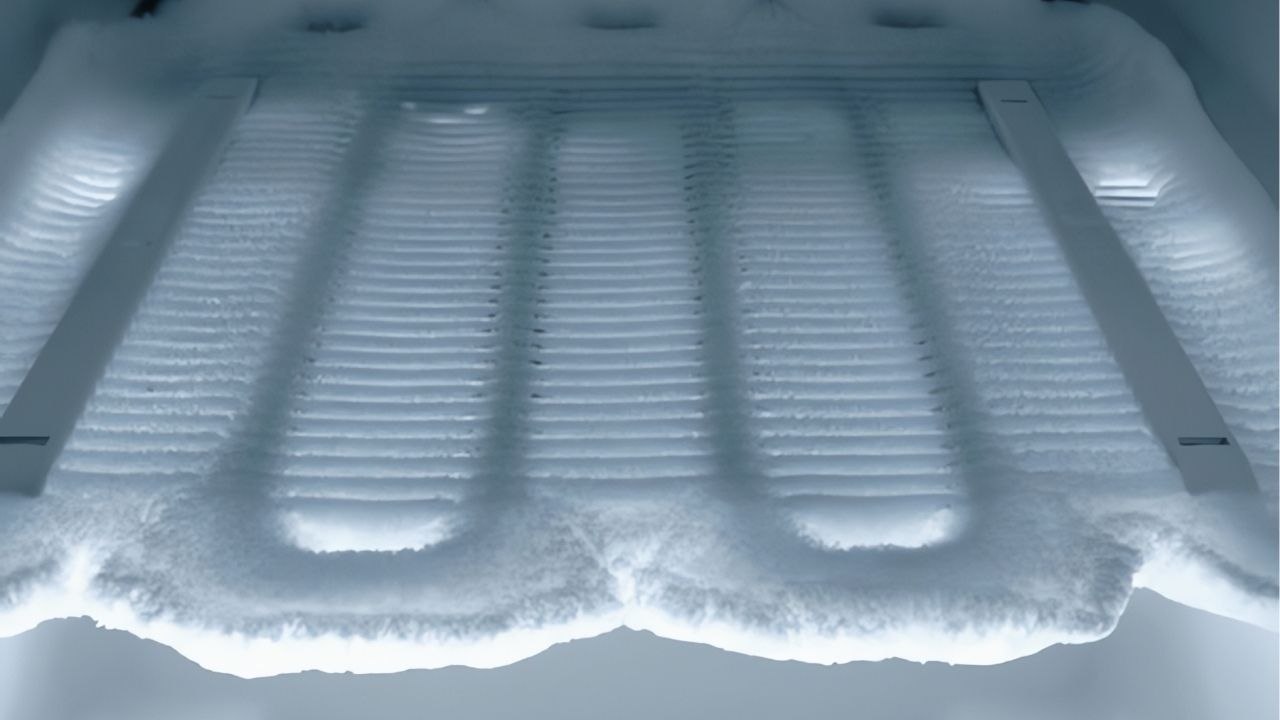
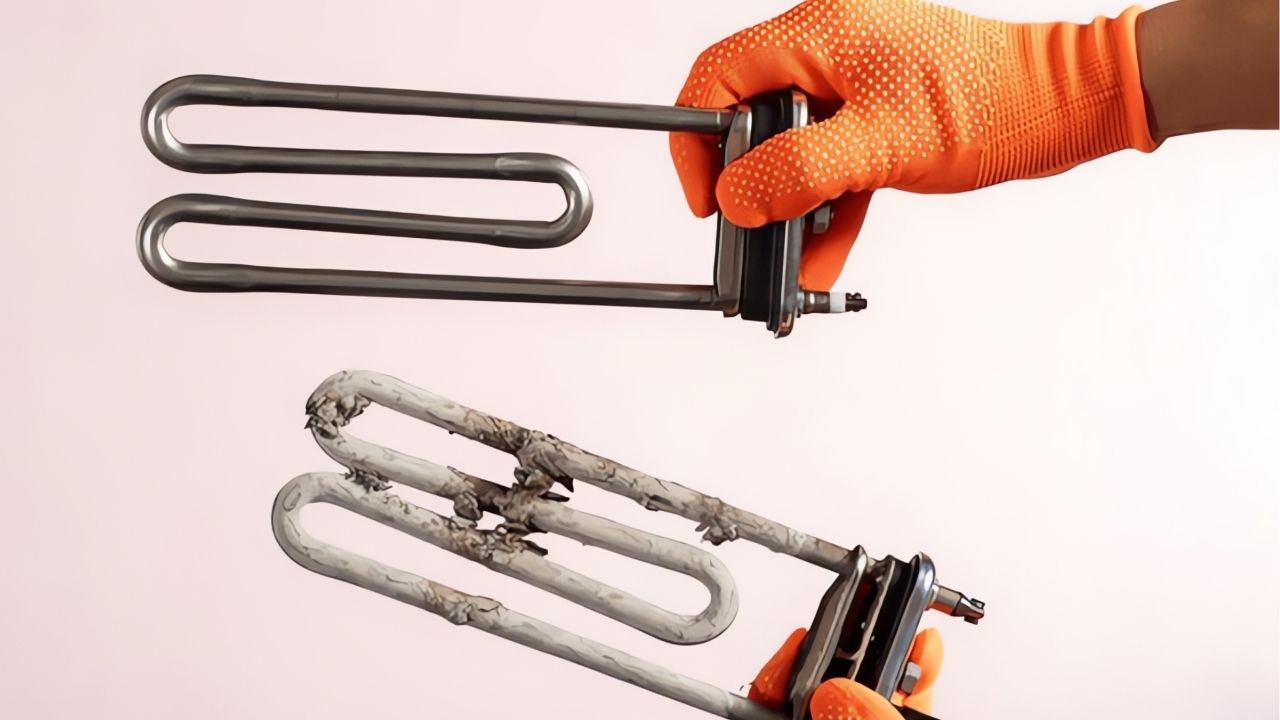
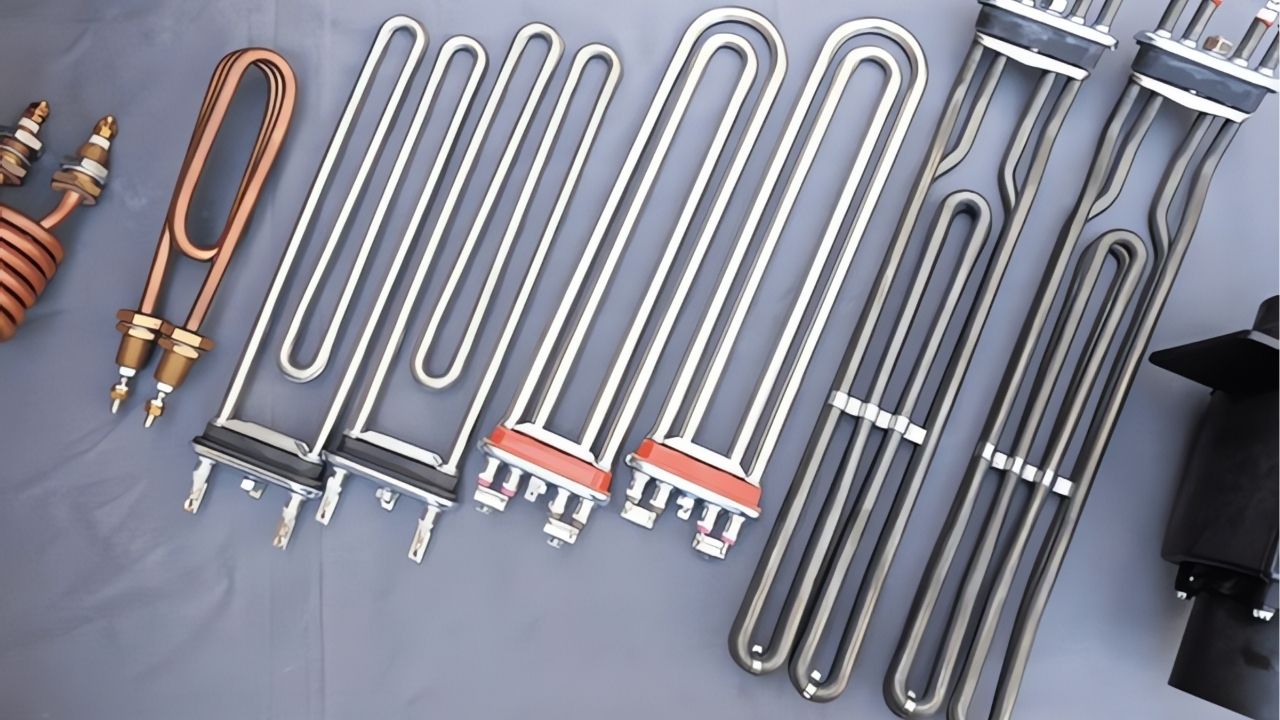
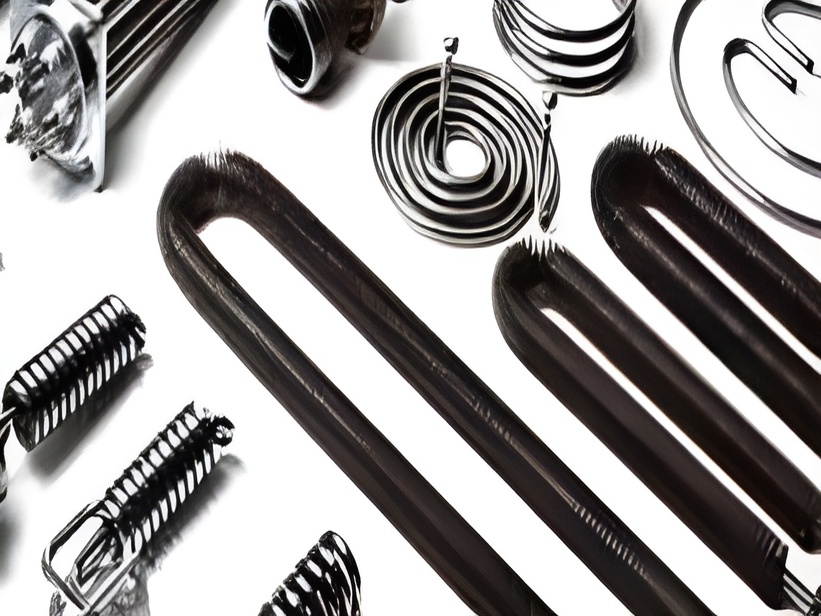
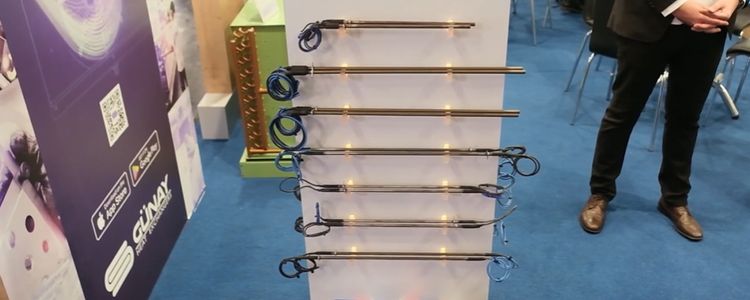
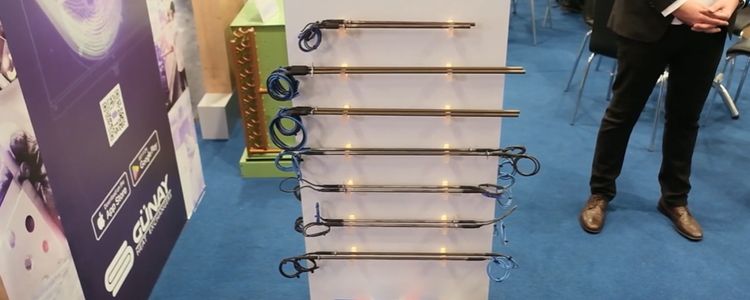
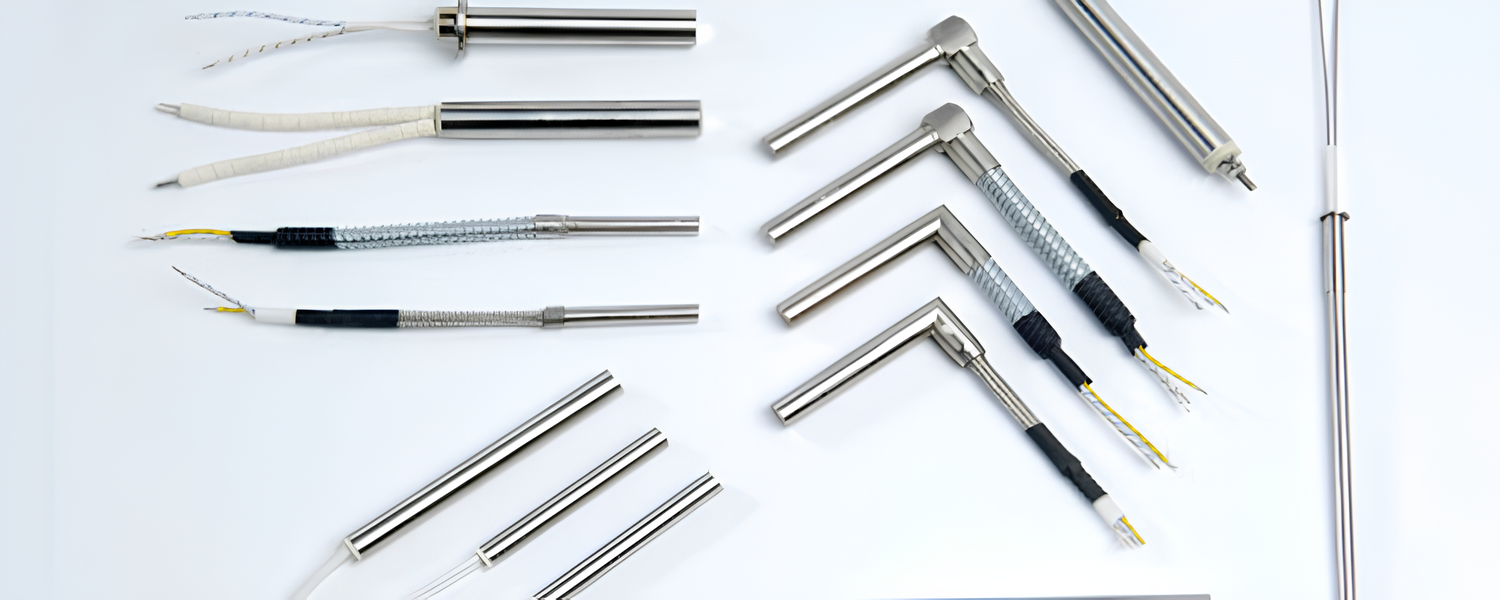
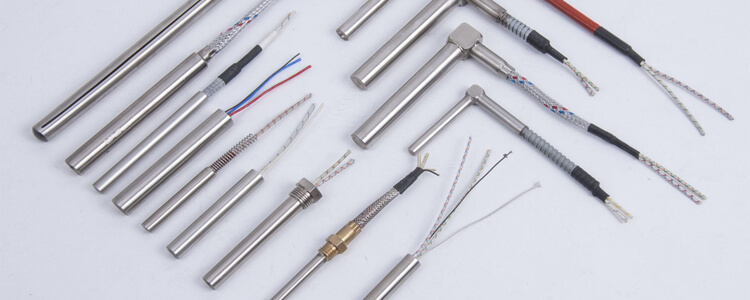
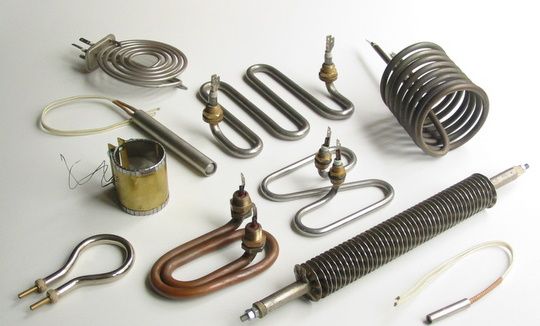
The strategic implementation of resistance heating elements prevents frost accumulation while maintaining optimal humidity levels, a critical factor in pharmaceutical and food preservation. Through custom production capabilities, facilities can integrate these components into existing layouts without disrupting ongoing operations, minimizing downtime during upgrades or expansions.
Forward-thinking designs now incorporate IoT-enabled monitoring systems that provide real-time performance analytics, enabling predictive maintenance and reducing unexpected failures. Günay Soğutma's expertise in sustainable cooling solutions extends to heat recovery systems that repurpose waste energy for secondary processes, delivering measurable reductions in overall facility energy consumption. These innovations transform cold storage from a utility into a strategic asset that drives operational efficiency.
Facility managers seeking to enhance their cooling infrastructure should prioritize partners with proven expertise in both serial production consistency and custom engineering flexibility. The right design partnership delivers systems that maintain precise temperature control while adapting to seasonal variations and production fluctuations, ensuring uninterrupted operations and maximum return on investment.
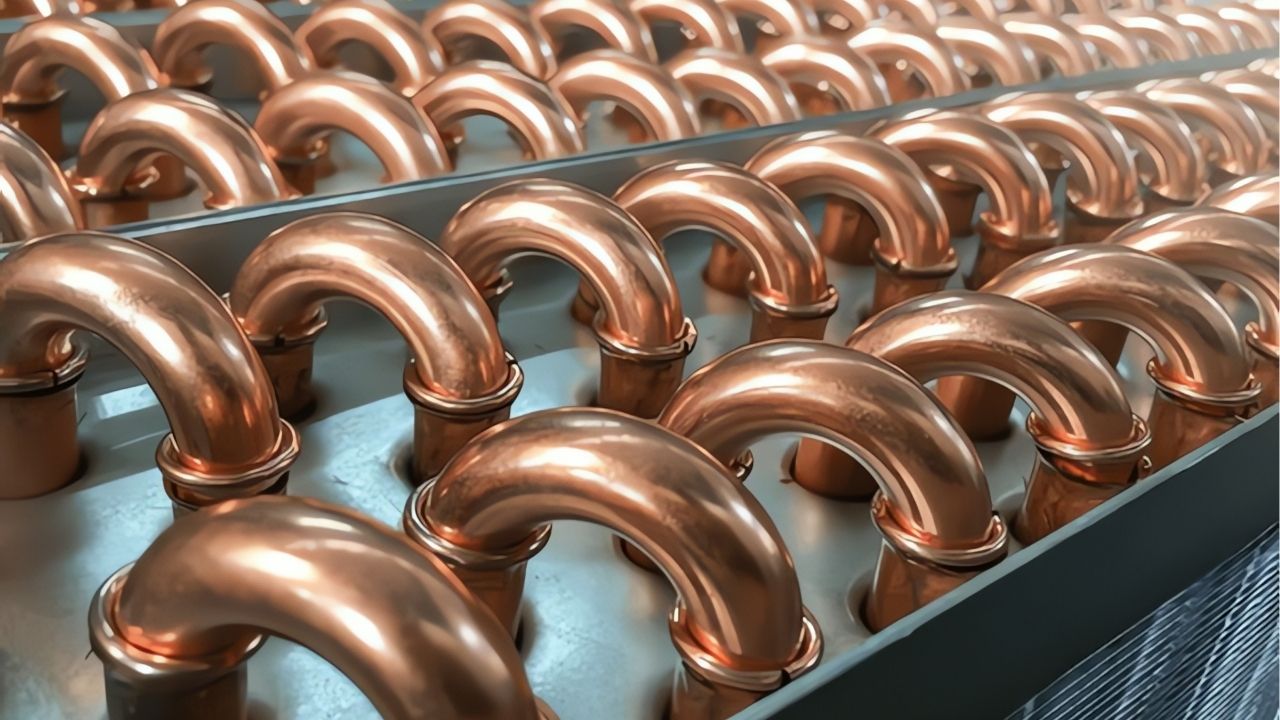
Designing energy efficient cold storage begins with comprehensive thermal analysis and strategic component selection. Modern facilities must balance operational demands with sustainability goals, requiring integrated solutions that minimize power consumption while maintaining precise temperature control. The foundation lies in selecting high-performance evaporator production and condenser production systems engineered for optimal heat transfer efficiency.
Advanced cooling infrastructure incorporates variable frequency drives on axial fan systems, dynamically adjusting airflow based on real-time thermal loads. Günay Soğutma's engineering approach integrates these components with precision-calibrated resistance elements that prevent ice formation without excessive energy waste. This synergy reduces energy consumption by up to 40 percent compared to conventional systems while extending equipment lifespan.
Strategic insulation design plays a crucial role in minimizing thermal bridging and air infiltration, particularly in industrial facilities with high-traffic access points. Modern cold storage solutions employ multi-layer panel systems with thermal breaks, complemented by automated door systems that maintain airlock integrity. These features are especially critical in food sector applications where temperature consistency directly impacts product safety and shelf life.
Intelligent control systems represent the next frontier in energy optimization, using predictive algorithms to anticipate cooling demands based on inventory levels and external conditions. Günay Soğutma's custom production capabilities ensure these advanced controls integrate seamlessly with existing facility management systems, providing real-time visibility into energy consumption patterns and system performance metrics.
Facilities implementing these sustainable cooling solutions typically achieve payback periods under three years through reduced utility costs and maintenance expenses. The combination of serial production reliability and tailored engineering ensures each installation delivers maximum efficiency while meeting specific operational requirements. Forward-thinking operators recognize that investing in energy-optimized cold storage design isn't just environmentally responsible-it's a strategic business decision that enhances competitiveness and operational resilience.
Determining the correct evaporator size for cold storage requires precise calculation of thermal loads and operational parameters. The selection directly impacts energy efficiency and system longevity, making accurate sizing crucial for both performance and operating costs. Key factors include storage volume, product type, desired temperature range, and door traffic patterns in industrial facilities.
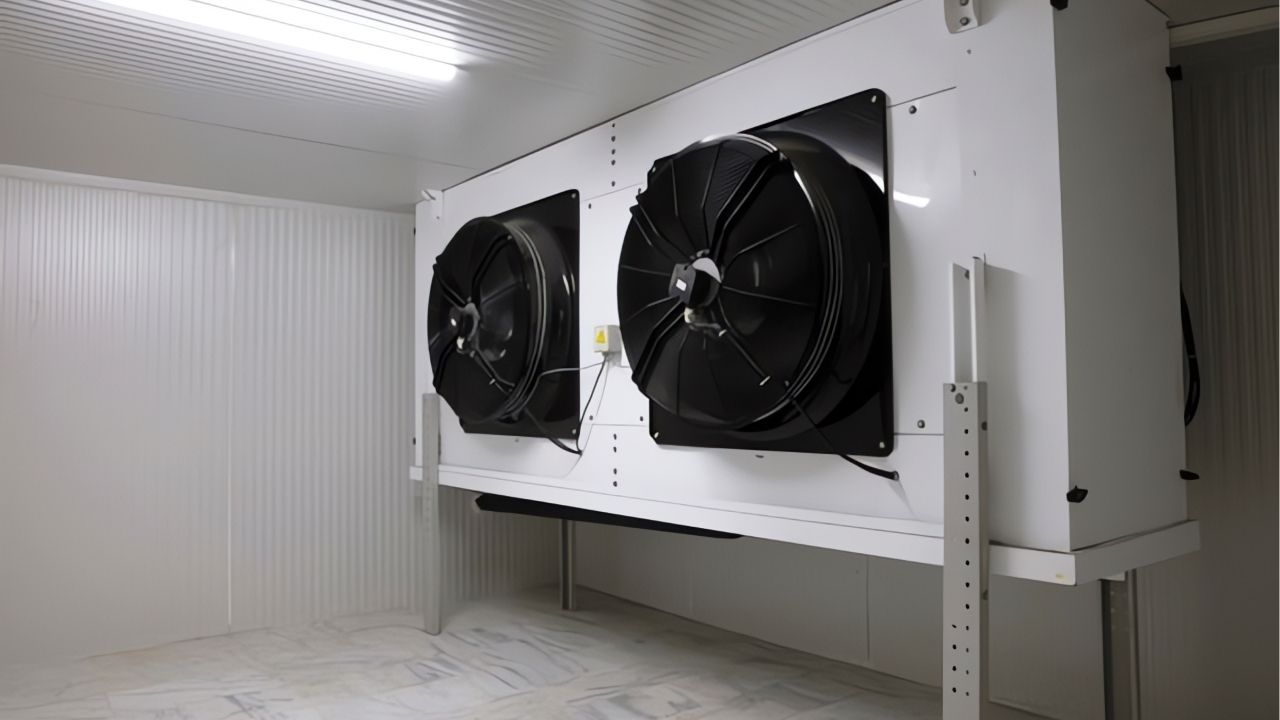
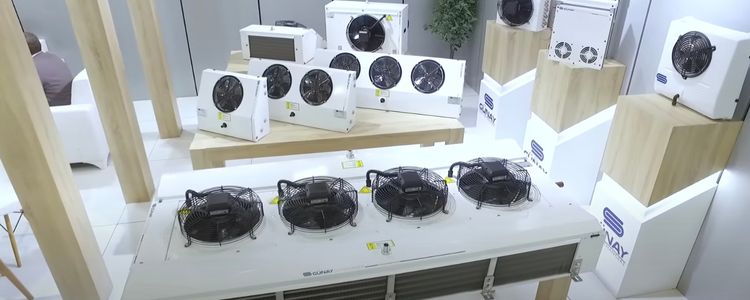
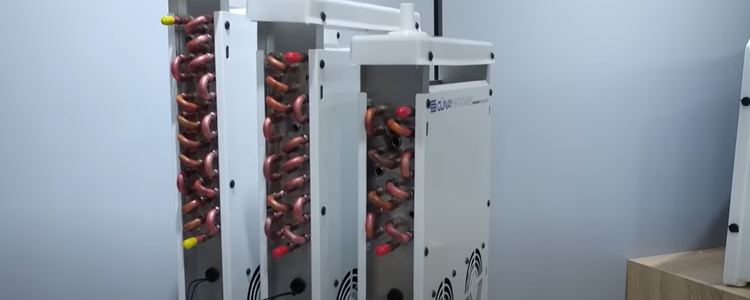
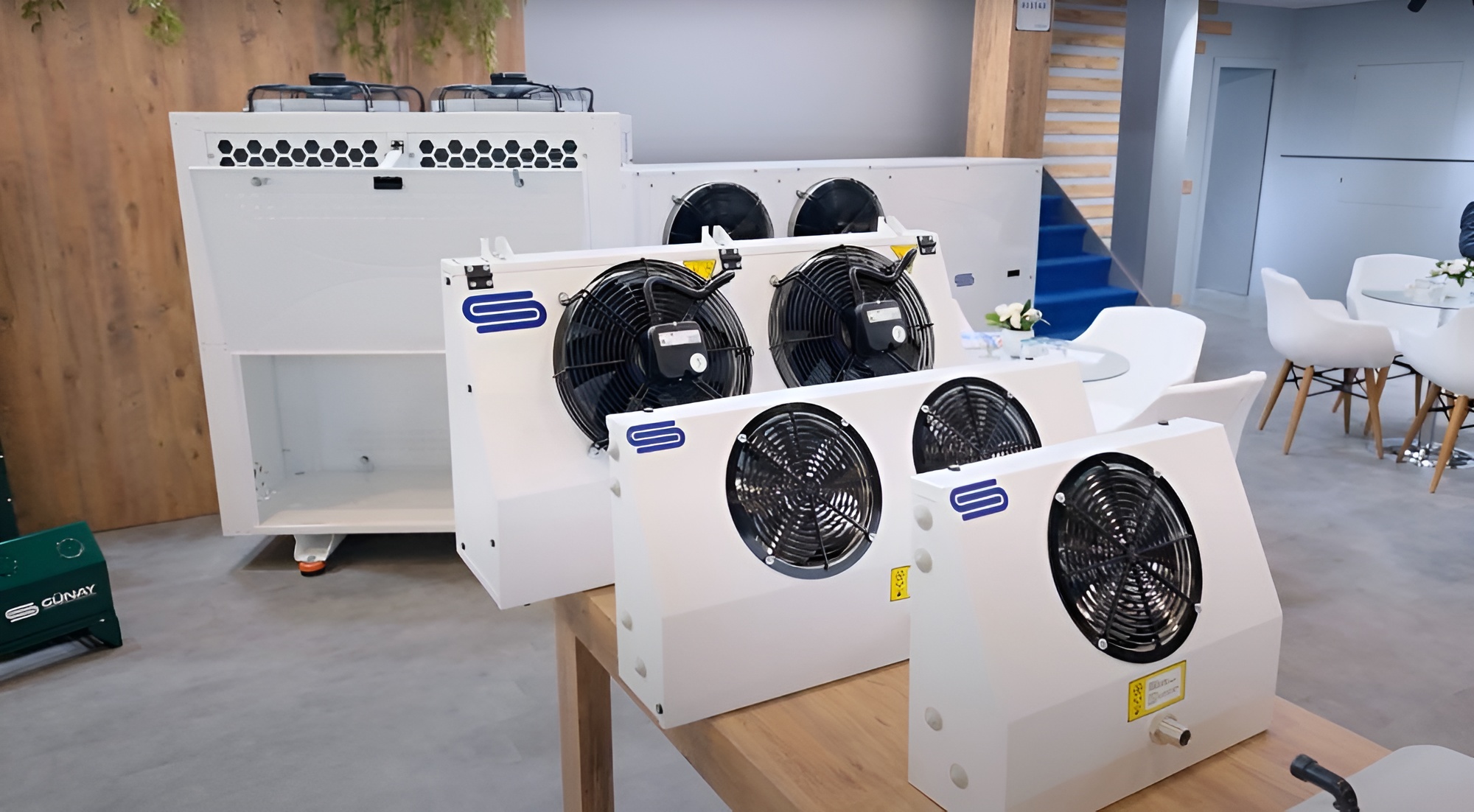
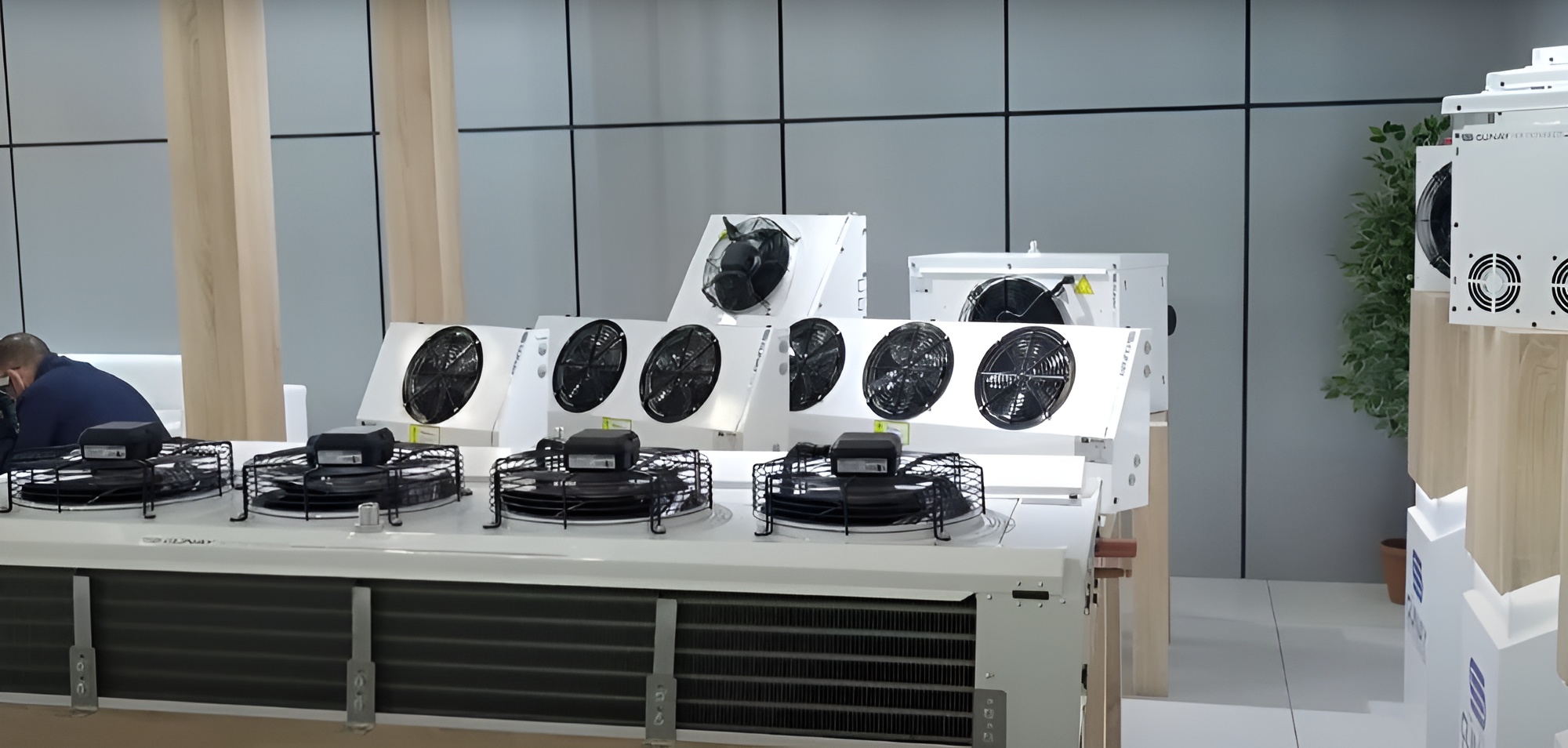
Modern evaporator production incorporates advanced computational fluid dynamics to optimize coil design and refrigerant distribution. Günay Soğutma's engineering team utilizes proprietary software that analyzes heat infiltration through walls, product respiration rates, and defrost cycles to specify units with precise capacity matching. This eliminates the common pitfalls of oversizing, which leads to short-cycling and excessive energy consumption, or undersizing, which causes temperature fluctuations and compressor strain.
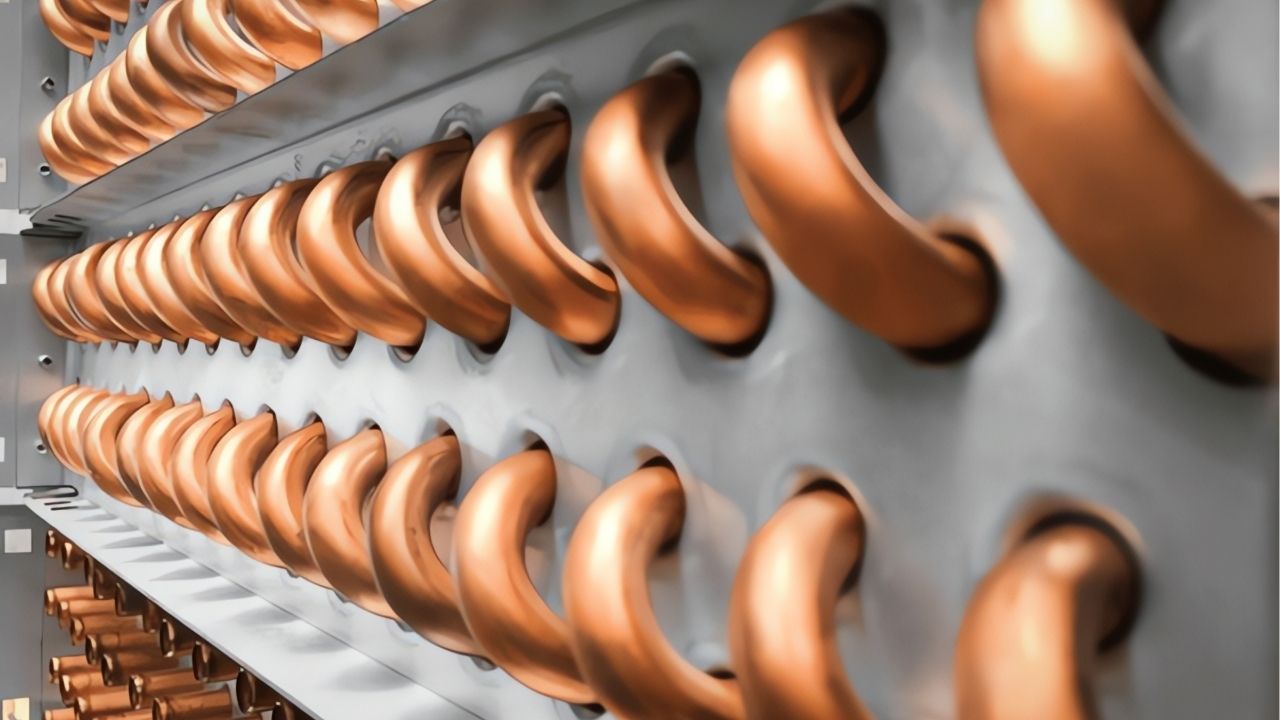
The integration of axial fan technology with variable-speed motors allows for dynamic airflow adjustment based on real-time cooling demands. This is particularly valuable in food sector applications where temperature consistency is critical for product safety. Advanced evaporator designs incorporate microchannel coils that enhance heat transfer efficiency while reducing refrigerant charge requirements by up to 30 percent compared to traditional tube-and-fin configurations.
For specialized applications, Günay Soğutma's custom production capabilities enable the development of evaporators with specific performance characteristics. These might include enhanced resistance to corrosive environments or specialized defrost systems for high-humidity operations. The company's serial production standards ensure consistent quality while allowing for configuration adjustments to meet unique facility requirements.
Properly sized evaporators form the foundation of sustainable cooling solutions, delivering optimal performance while minimizing environmental impact. Facilities that invest in precision-engineered evaporator systems typically achieve 20-30 percent energy savings and extended equipment lifespan. The right sizing approach transforms cold storage from a utility expense into a strategic asset that supports operational excellence and regulatory compliance across diverse industrial applications.
Selecting optimal insulation for cold rooms demands careful evaluation of thermal performance, moisture resistance, and structural requirements. The right insulation directly influences energy efficiency and operational costs in industrial facilities, making material selection a critical decision for facility managers. Modern solutions must balance thermal conductivity ratings with durability and installation efficiency to ensure long-term performance.
Advanced polyurethane and polyisocyanurate foam panels have become industry standards, offering superior R-values per inch compared to traditional materials. Günay Soğutma integrates these high-performance insulators with precision-engineered evaporator production systems to create seamless thermal envelopes. The integration of vapor barriers and thermal breaks prevents condensation and thermal bridging, addressing common failure points in cooling infrastructure.
For specialized applications in the food sector, insulation systems must meet stringent hygiene standards while resisting microbial growth. Modern solutions incorporate non-toxic, closed-cell structures that eliminate air pockets where moisture can accumulate. These materials work in concert with axial fan systems to maintain consistent temperatures and humidity levels, ensuring product integrity throughout the storage cycle.
Günay Soğutma's custom production capabilities extend to insulation solutions tailored for extreme temperature differentials or challenging environmental conditions. The company's expertise in sustainable cooling solutions includes recyclable insulation materials that reduce environmental impact without compromising performance. Their serial production processes ensure consistent quality while accommodating specific dimensional requirements for various cold room configurations.
Properly specified insulation systems typically deliver a return on investment within 18-36 months through reduced energy consumption and maintenance costs. Facilities implementing optimized insulation strategies can achieve up to 40 percent reduction in cooling load, significantly extending the lifespan of reliable cooling systems. This strategic approach to thermal management transforms cold storage operations into models of efficiency and sustainability, supporting long-term business objectives while minimizing environmental impact.
Optimizing industrial cold storage layout requires strategic planning to maximize space utilization while ensuring efficient temperature control and workflow. The ideal configuration balances cooling infrastructure placement with operational logistics, directly impacting energy consumption and labor efficiency. Modern designs prioritize zoning based on temperature requirements, product turnover rates, and material handling equipment specifications.
Advanced layout strategies incorporate high-density storage systems that minimize air volume while maintaining accessibility. Günay Soğutma's approach integrates evaporator production and axial fan placement to create optimal air circulation patterns, preventing temperature stratification in high-bay facilities. This precision engineering ensures uniform cooling distribution while reducing the workload on refrigeration systems, leading to significant energy efficiency gains.
For food sector applications, layouts must incorporate hygienic zoning and temperature transition areas to prevent cross-contamination. Modern designs feature separate chambers for different product categories, each with dedicated condenser production and airflow management systems. These specialized zones maintain precise environmental conditions while optimizing space utilization and operational flow in industrial facilities.
Günay Soğutma's expertise in custom production enables the creation of modular cold storage solutions that adapt to existing building constraints. Their serial production capabilities ensure consistent quality while allowing for configuration adjustments to meet specific operational requirements. The integration of automated storage and retrieval systems with precision cooling technology represents the future of cold storage design, maximizing both space efficiency and temperature control.
Facilities implementing optimized layouts typically achieve 25-35 percent improvements in operational efficiency and 20 percent reduction in energy costs. The strategic placement of sustainable cooling solutions and material flow patterns transforms cold storage operations into models of productivity and reliability. This holistic approach to facility design ensures long-term performance while accommodating future expansion and technological advancements in the rapidly evolving cold chain industry.

Accurate cooling load calculation forms the foundation of efficient cold storage design, directly impacting energy efficiency and system longevity. This complex process requires analysis of multiple variables including heat transfer through walls, product thermal properties, door openings, and internal heat sources. Modern computational tools have replaced traditional rule-of-thumb methods, enabling precise sizing of cooling infrastructure components.
Advanced calculation methods incorporate dynamic factors such as seasonal temperature variations and occupancy patterns in industrial facilities. Günay Soğutma's engineering team utilizes sophisticated software that models heat infiltration through insulation, accounting for thermal bridging and moisture migration. This precision ensures optimal sizing of evaporator production and condenser production systems, preventing the common pitfalls of oversizing or undersizing that lead to energy waste and premature equipment failure.
For food sector applications, calculations must include product respiration heat and specific freezing requirements. Modern approaches integrate real-time monitoring data with predictive algorithms, allowing for dynamic adjustment of cooling capacity. The strategic placement of axial fan systems and resistance elements further optimizes airflow distribution and defrost cycles based on actual load conditions.
Günay Soğutma's custom production capabilities enable the development of cooling systems precisely matched to calculated load requirements. Their serial production standards ensure component reliability while accommodating specific performance parameters. This engineering precision transforms cold storage facilities into models of operational efficiency, with properly sized systems operating at peak performance throughout their lifecycle.
Facilities implementing accurate cooling load calculations typically achieve 25-40 percent energy savings compared to those using outdated estimation methods. The integration of these calculations with sustainable cooling solutions ensures long-term performance and regulatory compliance. This data-driven approach to system design delivers measurable returns through reduced operating costs, extended equipment lifespan, and improved product preservation across diverse industrial applications.
Modern cold storage design standards have evolved to address increasing demands for energy efficiency and environmental responsibility. The latest protocols emphasize integrated system design, where cooling infrastructure components work in harmony to minimize energy consumption while maintaining precise temperature control. These standards incorporate advanced materials, smart controls, and sustainable refrigerants to meet stringent global environmental regulations.
Current standards mandate comprehensive thermal analysis and air-tight construction techniques to prevent energy losses in industrial facilities. Günay Soğutma's approach to evaporator production and condenser production aligns with these requirements, incorporating microchannel technology and variable-speed axial fan systems that adapt to changing load conditions. This dynamic response capability reduces energy consumption by up to 35 percent compared to fixed-capacity systems.
For the food sector, updated standards emphasize hygienic design principles and temperature monitoring systems that ensure product safety throughout the cold chain. Modern sustainable cooling solutions incorporate natural refrigerants with low global warming potential, supported by advanced leak detection and heat recovery systems. These innovations maintain optimal storage conditions while minimizing environmental impact.
Günay Soğutma's custom production capabilities enable compliance with regional and international standards across diverse applications. Their serial production processes ensure consistent quality while incorporating the latest technological advancements in insulation materials and control systems. This commitment to standards compliance extends to resistance testing and performance validation, ensuring reliable operation in demanding industrial environments.
Facilities designed to current standards typically achieve 30-40 percent energy savings and reduced maintenance costs over their operational lifespan. The integration of smart monitoring and predictive maintenance capabilities transforms cold storage operations into data-driven assets that support business objectives. This forward-looking approach to design standards ensures long-term performance, regulatory compliance, and operational resilience in an increasingly competitive marketplace.
Maintaining consistent temperatures in cold storage facilities requires a multi-layered approach to thermal management and system design. Temperature fluctuations not only compromise product quality but also increase energy efficiency costs and equipment strain. Modern solutions focus on creating stable thermal environments through advanced cooling infrastructure and precise control systems.
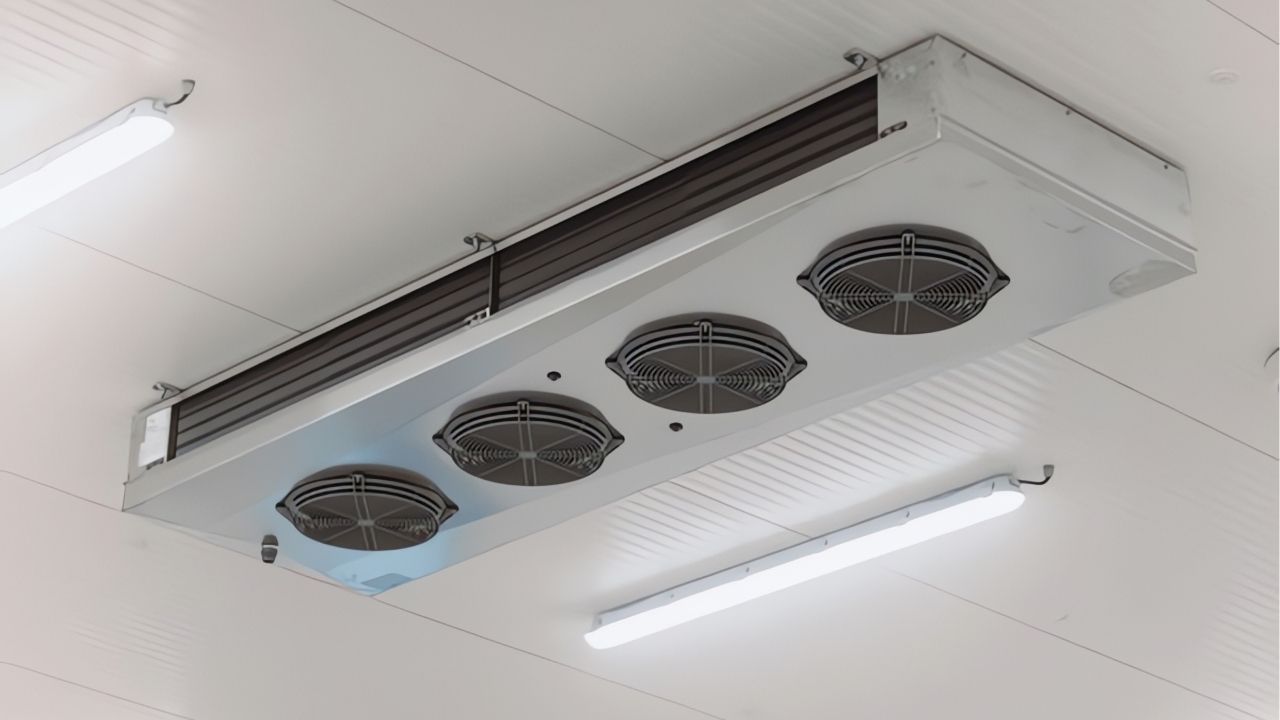
Strategic placement of evaporator production units and axial fan systems ensures uniform air distribution throughout the storage space. Günay Soğutma's engineering approach incorporates variable-frequency drives that modulate fan speeds based on real-time temperature data, preventing hot spots and maintaining consistent conditions. This dynamic control is particularly crucial in food sector applications where even minor temperature variations can affect product safety and shelf life.
Advanced insulation systems with thermal breaks and vapor barriers minimize heat infiltration from external sources. Modern industrial facilities utilize automated door systems with air curtains and rapid-closing mechanisms to maintain temperature stability during loading operations. The integration of resistance heating elements in door frames prevents ice formation that could compromise seal integrity and cause temperature fluctuations.
Günay Soğutma's custom production capabilities enable the development of tailored solutions for specific storage requirements. Their serial production standards ensure consistent quality while incorporating the latest advancements in temperature control technology. The company's condenser production systems feature precise capacity modulation that responds instantly to changing thermal loads, maintaining stable conditions without overshooting setpoints.
Facilities implementing these comprehensive temperature control strategies typically achieve 99.9 percent temperature stability, significantly reducing product loss and energy waste. The integration of sustainable cooling solutions with advanced monitoring systems provides real-time visibility into performance metrics, enabling proactive maintenance and optimization. This holistic approach to temperature management ensures product integrity while maximizing operational efficiency and equipment lifespan in demanding cold storage environments.
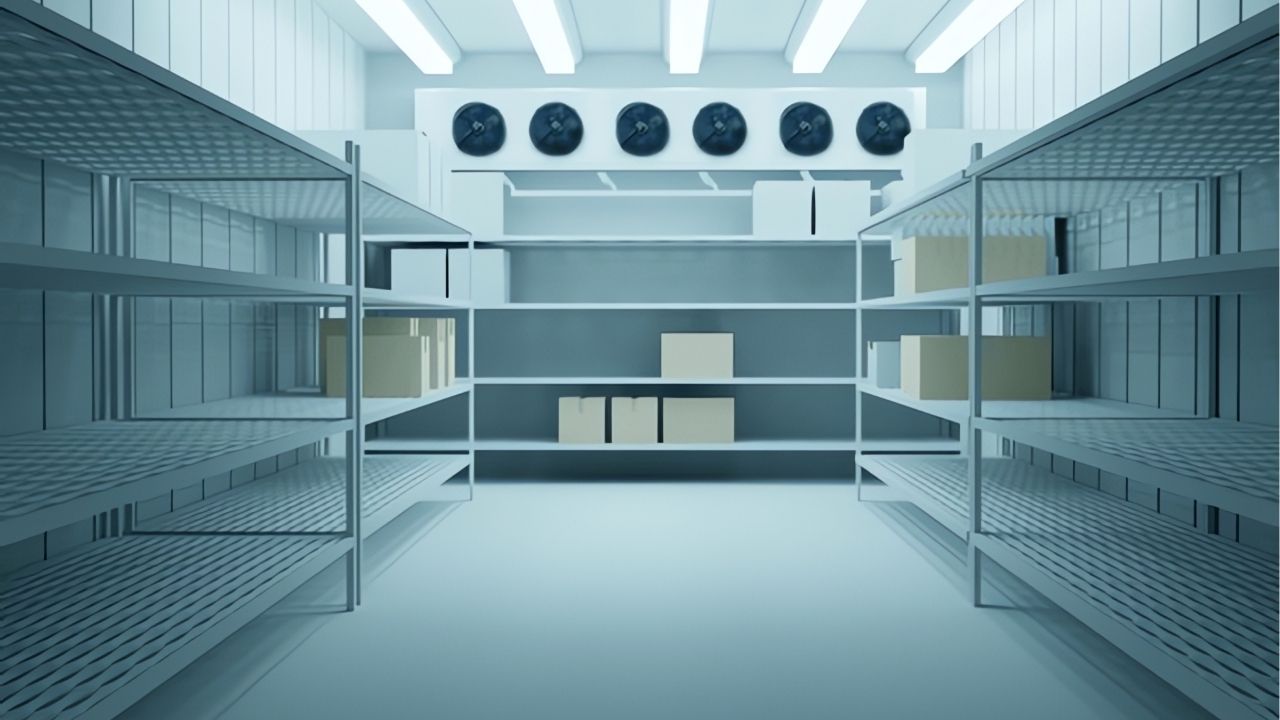
Effective cold storage design integrates multiple critical components that work in concert to maintain precise temperature control and energy efficiency. The foundation begins with robust thermal insulation systems that minimize heat transfer, supported by advanced cooling infrastructure designed for optimal performance. These elements must be precisely engineered to meet the specific requirements of industrial facilities and their operational demands.
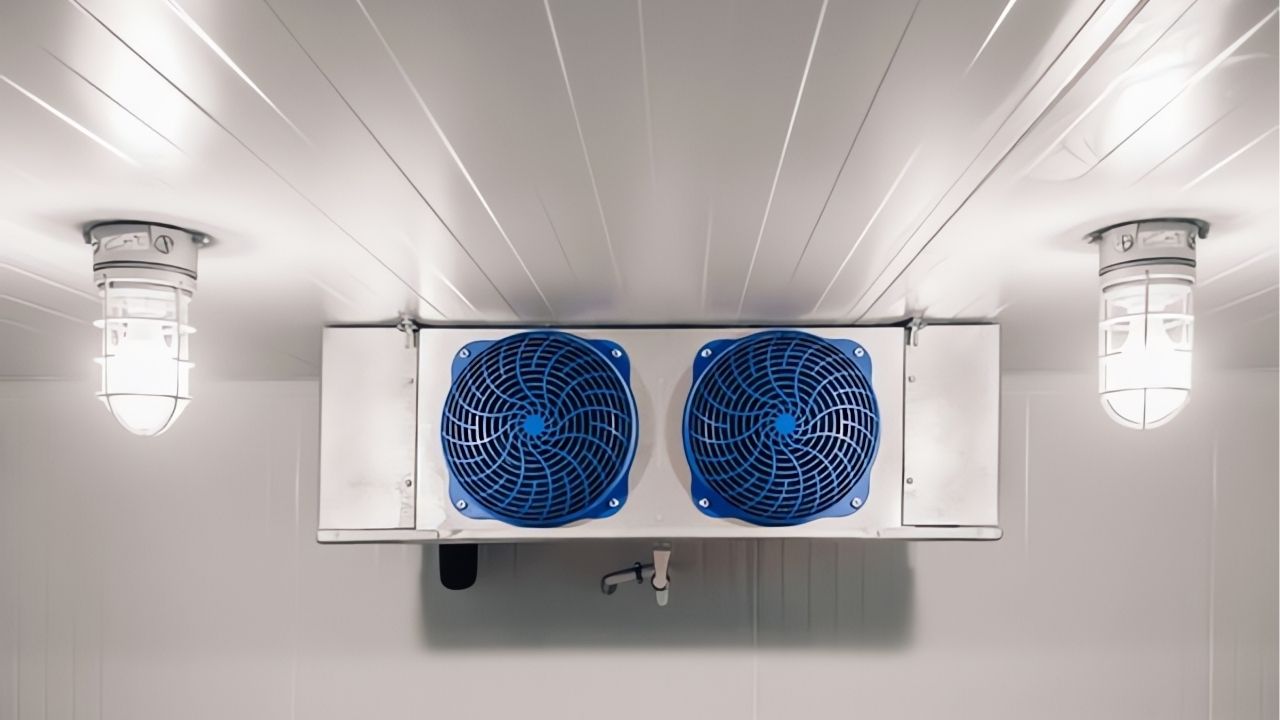
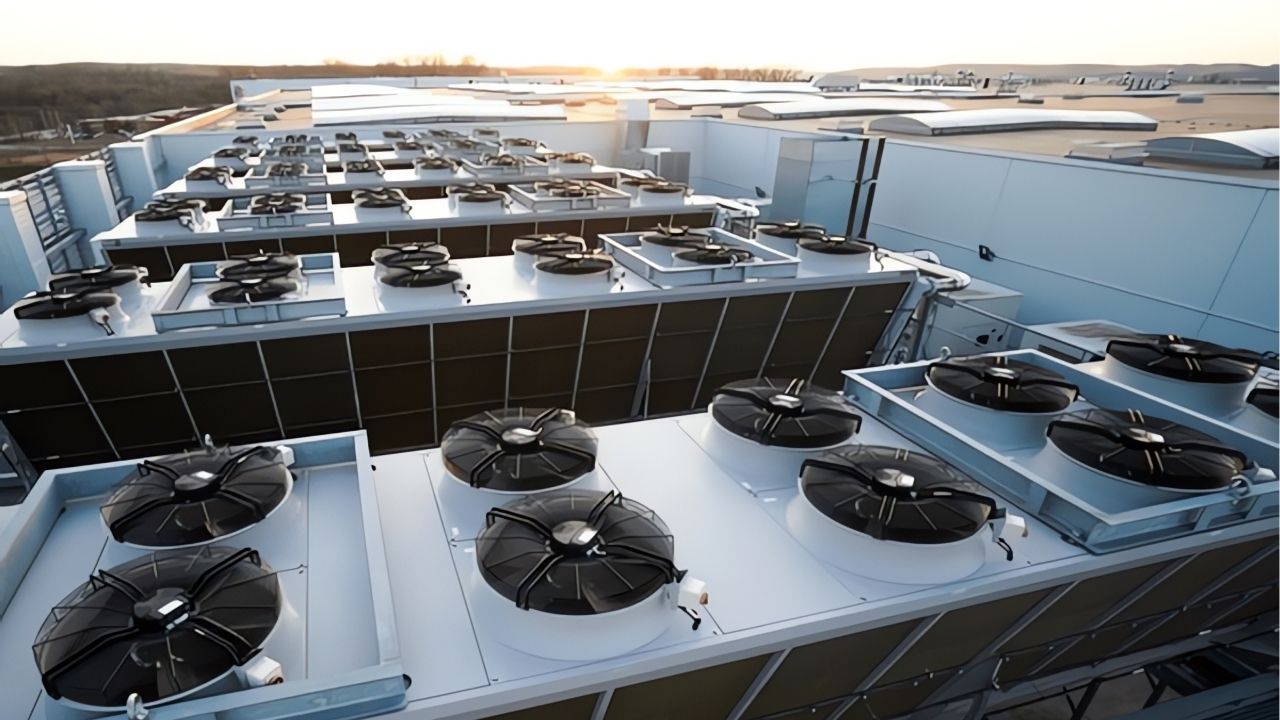
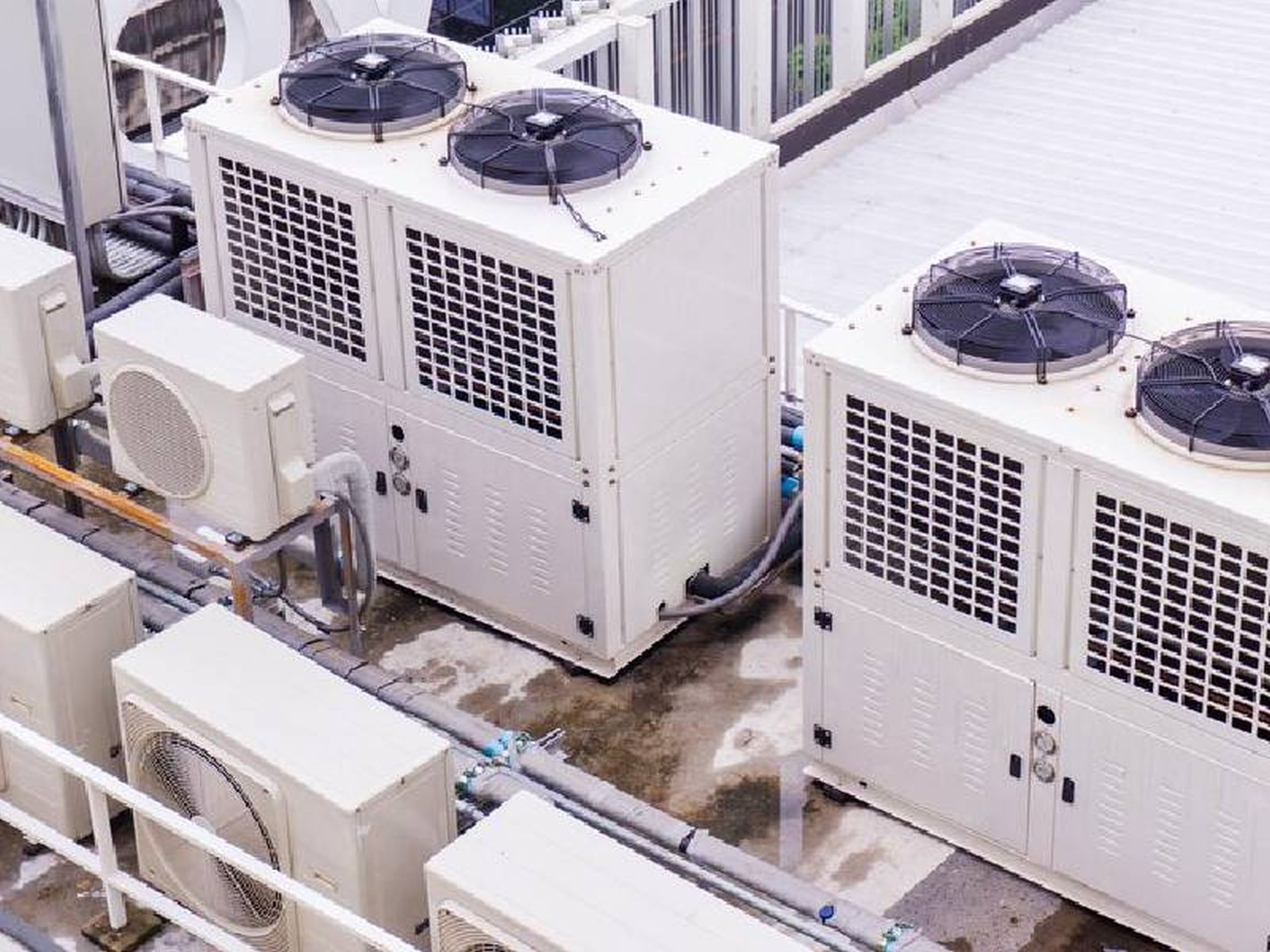
At the heart of the system, precision evaporator production and condenser production units form the core of the refrigeration cycle. Günay Soğutma's engineering approach incorporates variable-speed axial fan technology that dynamically adjusts airflow based on real-time temperature data. This intelligent control system is particularly crucial in the food sector, where consistent temperatures are essential for product safety and quality maintenance.
Advanced control systems represent another critical component, integrating temperature monitoring, defrost cycles, and resistance heating elements into a unified management platform. Modern designs incorporate IoT-enabled sensors that provide real-time data analytics, enabling predictive maintenance and energy optimization. These systems work in harmony with the building's structural elements, including vapor barriers and thermal breaks, to create a fully integrated thermal envelope.
Günay Soğutma's custom production capabilities ensure that each component is precisely matched to the facility's specific requirements. Their serial production standards guarantee consistent quality while allowing for configuration adjustments to meet unique operational needs. This comprehensive approach to component integration results in sustainable cooling solutions that deliver reliable performance across diverse industrial applications.
Facilities incorporating these key components typically achieve 30-40 percent improvements in energy efficiency and significant reductions in maintenance costs. The strategic integration of advanced technologies ensures long-term system reliability while adapting to evolving industry standards and environmental regulations. This holistic approach to cold storage design transforms temperature-controlled environments into strategic assets that support operational excellence and business growth.
Optimizing airflow in industrial cold storage is critical for maintaining uniform temperatures and maximizing energy efficiency across the facility. Proper air distribution prevents temperature stratification and hot spots that can compromise product quality in industrial facilities. Modern approaches leverage computational fluid dynamics to model and optimize air movement patterns before implementation.
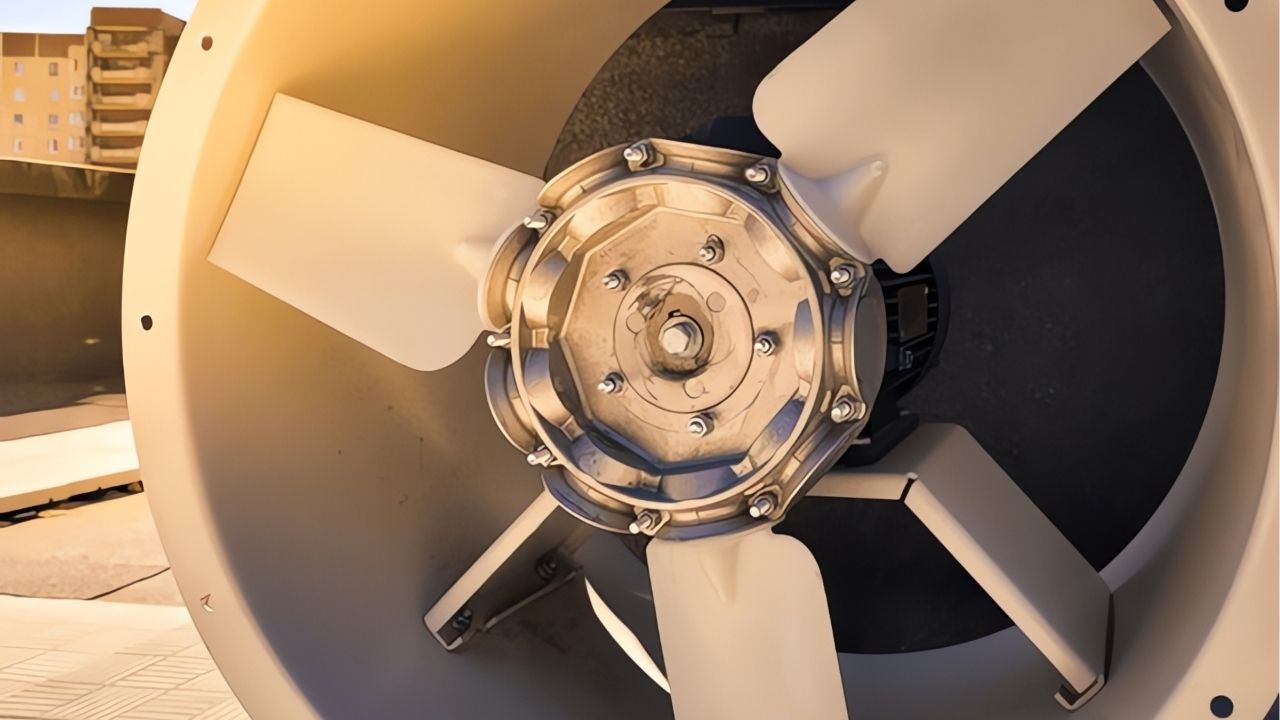
Strategic placement of axial fan systems creates consistent air circulation throughout the storage space. Günay Soğutma's engineering solutions incorporate variable-frequency drives that adjust fan speeds based on real-time temperature data and door activity. This dynamic control is particularly valuable in the food sector, where precise temperature maintenance directly impacts product safety and shelf life while reducing energy consumption by up to 25 percent.
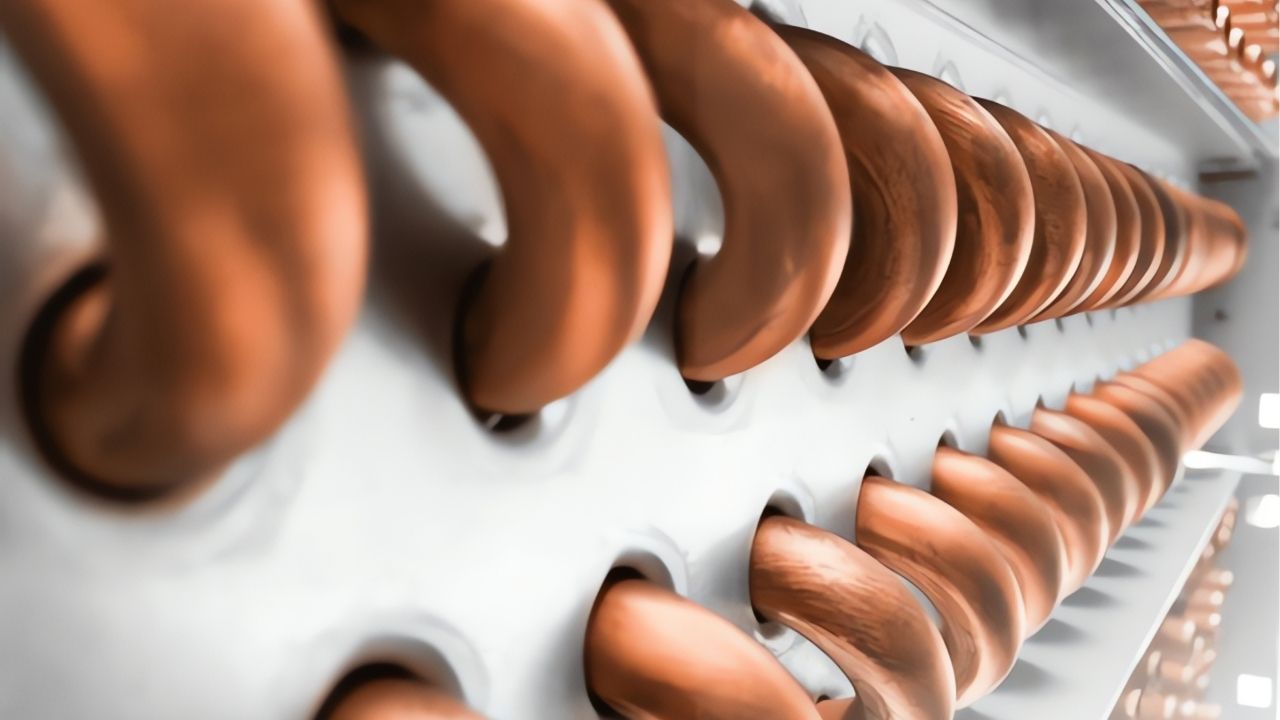
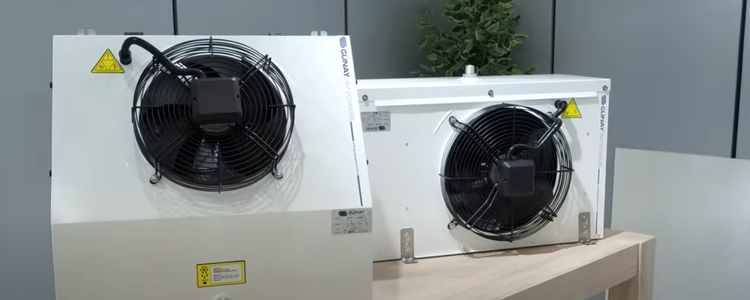
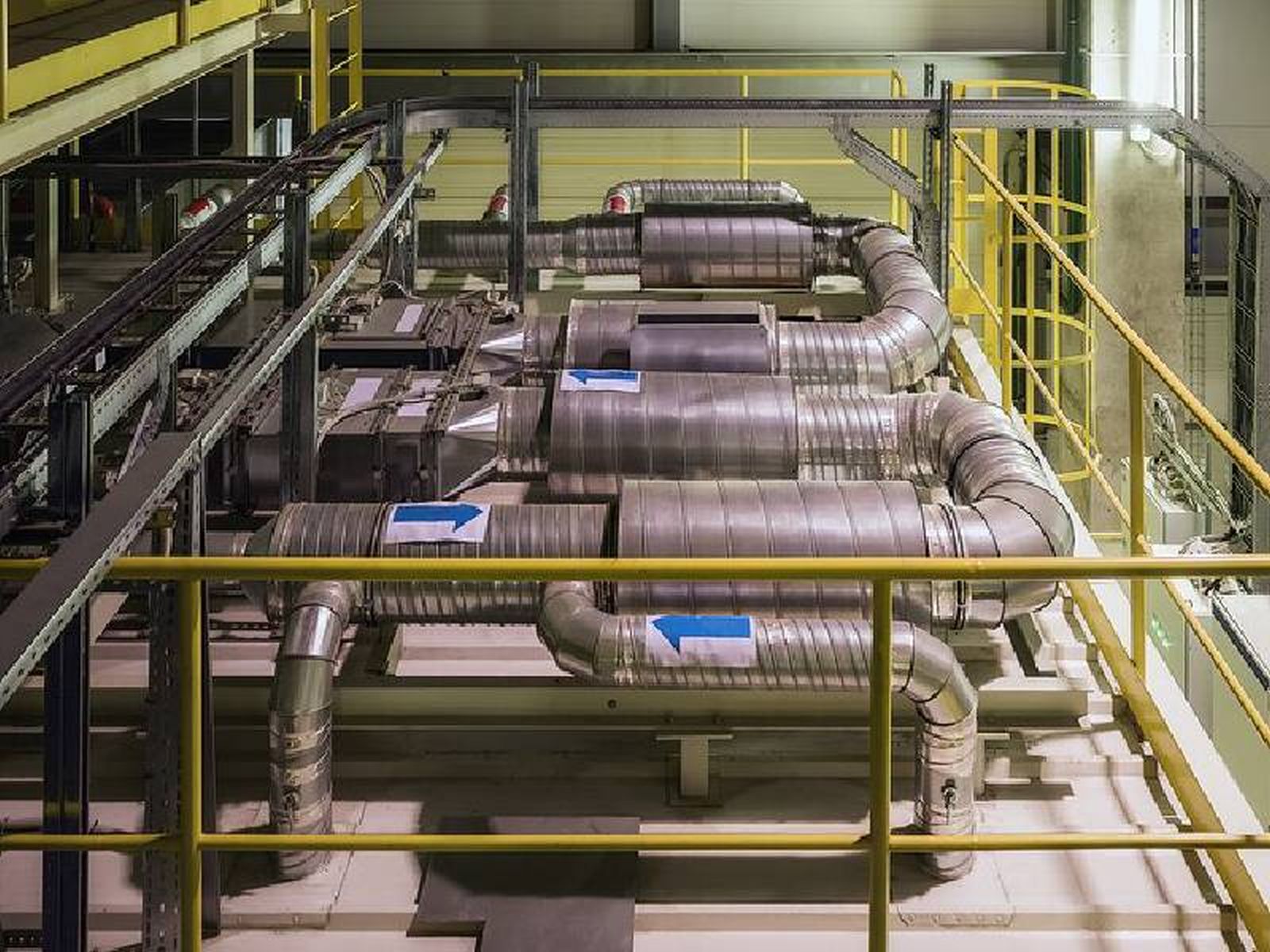
Advanced evaporator production designs feature optimized coil configurations that maximize heat transfer efficiency while minimizing air resistance. These systems work in concert with properly sized ductwork and strategically placed air returns to create balanced airflow patterns. The integration of resistance heating elements in critical areas prevents frost formation that could disrupt air circulation and compromise system performance.
Günay Soğutma's custom production capabilities enable the development of tailored airflow solutions for specific storage configurations. Their serial production standards ensure consistent quality while incorporating the latest advancements in air handling technology. The company's expertise in cooling infrastructure extends to the integration of automated dampers and airflow sensors that continuously optimize performance based on changing conditions.
Facilities implementing optimized airflow strategies typically achieve 20-30 percent energy savings and improved temperature uniformity throughout the storage space. The implementation of sustainable cooling solutions with advanced airflow management transforms cold storage operations into models of efficiency and reliability. This comprehensive approach ensures consistent product quality while extending equipment lifespan and reducing operational costs across diverse industrial applications.

Fill out the form to discover the most suitable high-end products for your projects. Contact Us Now.
Fill out the form now not to miss our special offers for you! The latest discover our products and innovations.
Fill out the form now not to miss our special offers for you! The latest discover our products and innovations.
Notification Centre 00:00