


Heater Faults: Symptoms and Troubleshooting Methods
06 / 07 / 2026

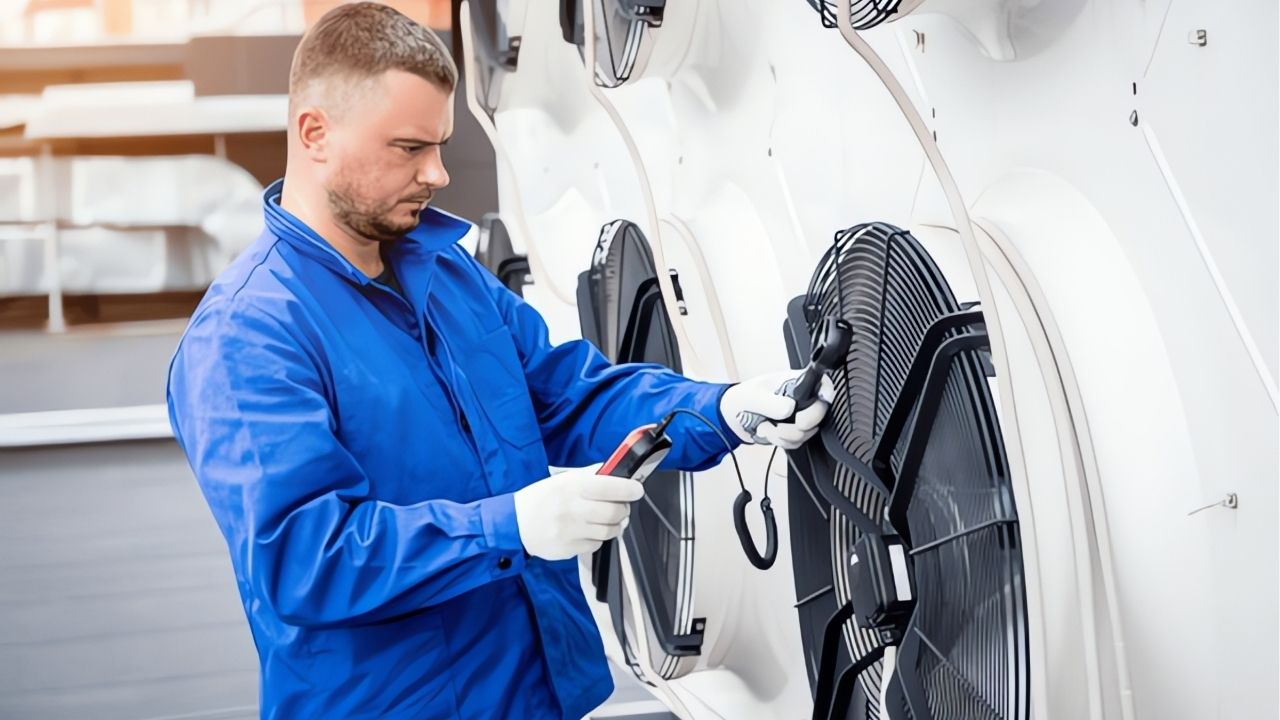
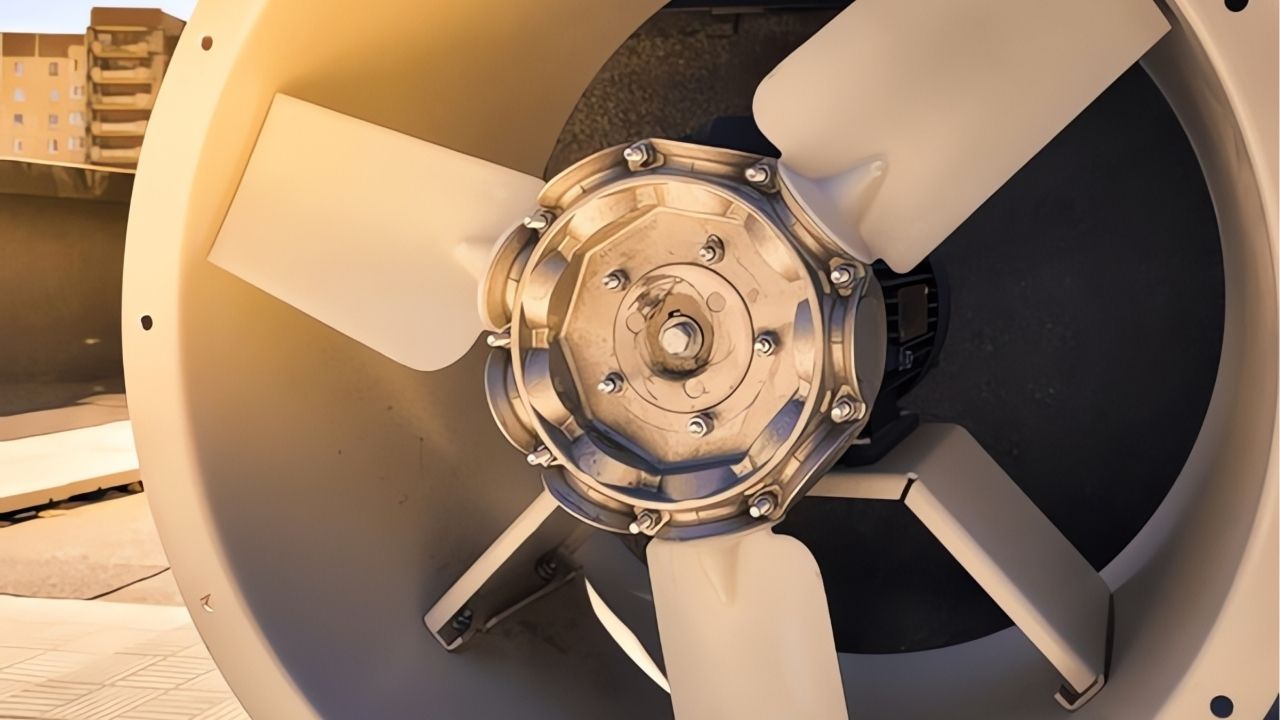
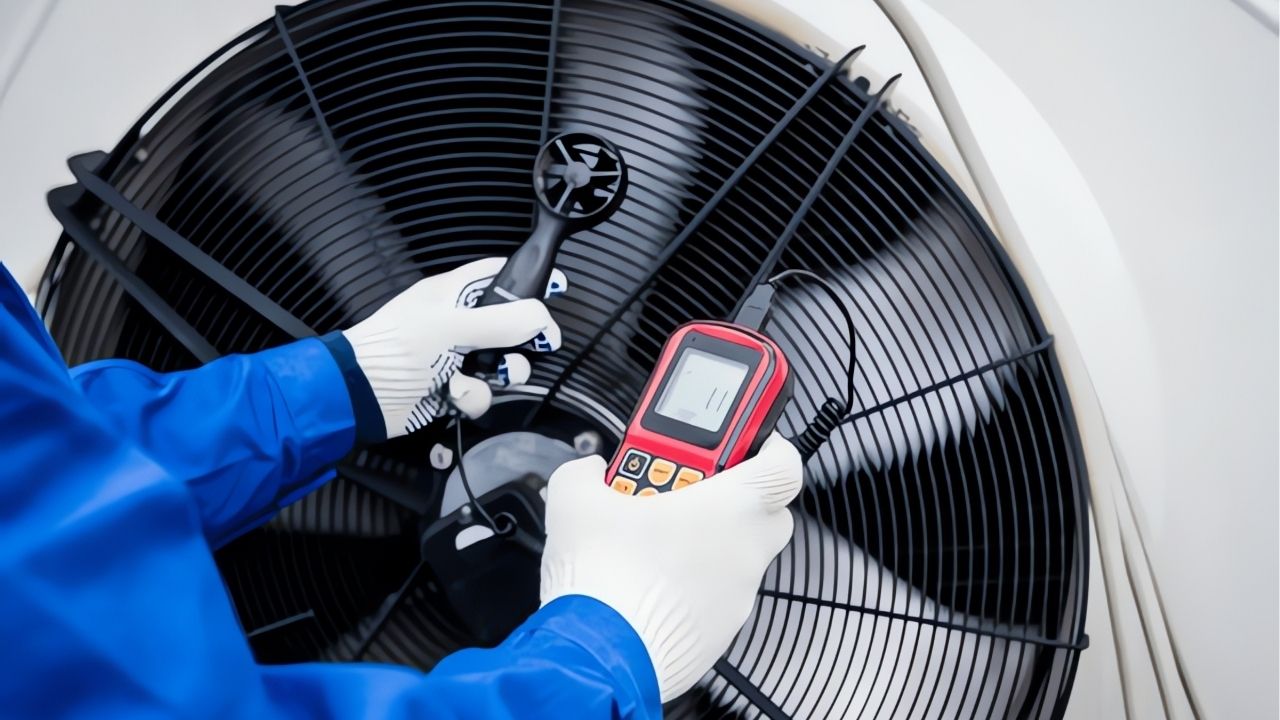
Accurate measurement of axial fan airflow performance is a critical determinant of overall system efficiency in demanding industrial settings. For facility managers in the food sector and energy sector, precise data on airflow, static pressure, and power consumption directly translates to optimized cooling and significant energy savings. Establishing a baseline through rigorous testing allows for the identification of performance degradation, enabling proactive maintenance and preventing costly unplanned downtime that disrupts production lines.
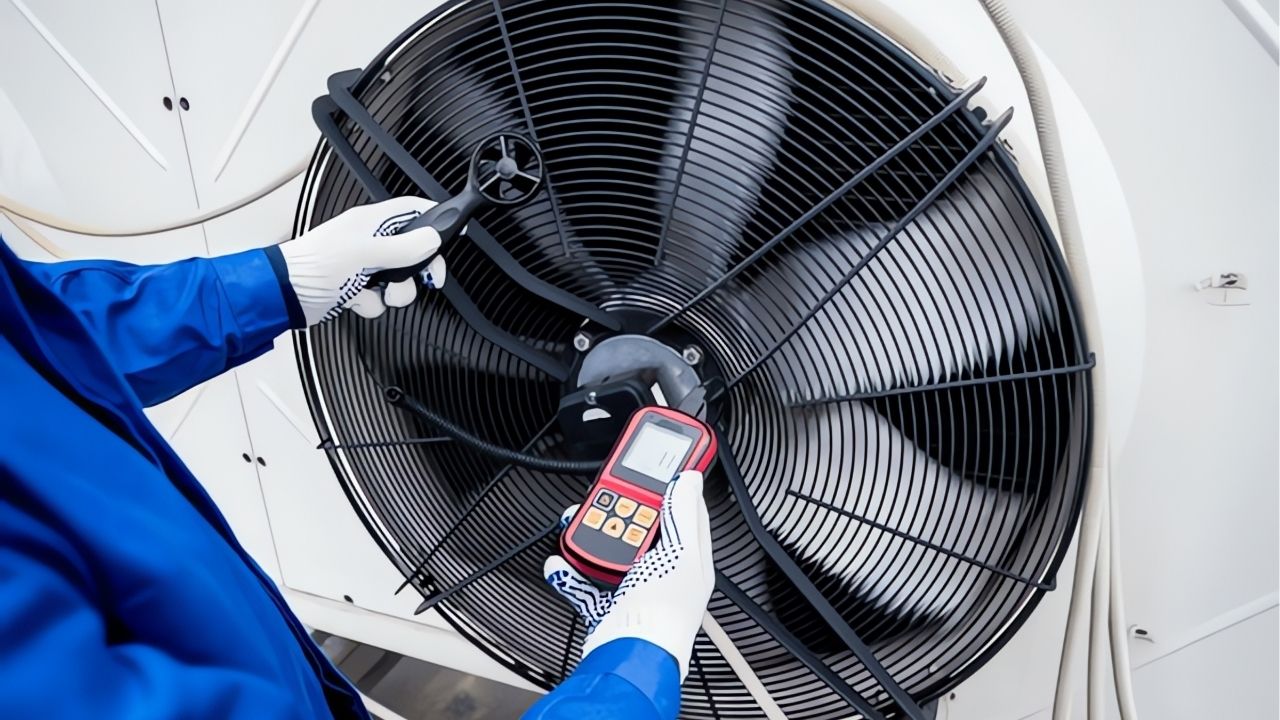
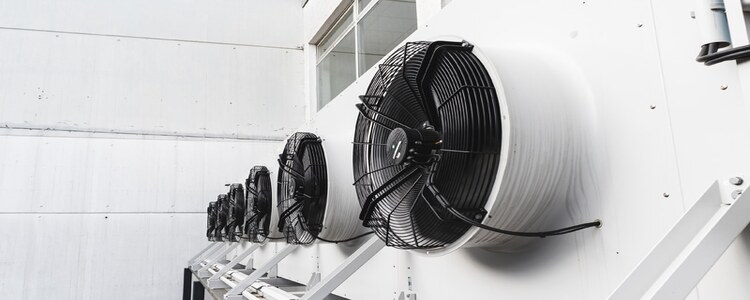
The process begins with selecting the right tools and methodologies, such as anemometers and pitot tubes, to capture volumetric flow rate (CFM) and pressure differentials. Günay Soğutma integrates this engineering focus into its disciplined axial fan production, ensuring each unit is designed for measurable, high-performance output. This commitment to precision is fundamental to building a resilient cooling infrastructure, where every component, from the fan to the evaporator production and condenser production lines, operates at peak synergy.
Günay Soğutma’s capability for both serial production and custom production ensures that airflow performance is not a one-size-fits-all metric. Whether for a large-scale power plant requiring massive heat rejection or a food processing facility needing precise temperature control, fans are engineered to meet specific static pressure and airflow requirements. This tailored approach guarantees that the system achieves the intended high efficiency and operational reliability from day one.
Ultimately, the goal of precise performance measurement is to secure long-term value. By partnering with a manufacturer like Günay Soğutma, businesses invest in durable cooling solutions characterized by long-lasting use and ease of maintenance. This strategic focus on verified performance and robust manufacturing discipline minimizes total cost of ownership, reduces energy consumption, and strengthens the entire cooling system's integrity for years of uninterrupted service.
Understanding the metrics that define optimal axial fan efficiency is fundamental for any industrial operation aiming to reduce energy consumption and enhance system reliability. For managers in the food sector and energy sector, these are not abstract figures but key performance indicators that directly impact operational costs and cooling effectiveness. The primary metrics include airflow rate (CFM), static pressure capability, power input (kW), and the resulting fan efficiency grade, which together paint a complete picture of performance.
Günay Soğutma’s engineering philosophy is rooted in optimizing these metrics from the initial design phase through disciplined axial fan production. By focusing on the precise relationship between airflow and static pressure, Günay Soğutma ensures its fans deliver maximum high efficiency without unnecessary energy expenditure. This meticulous approach is integral to building a robust cooling infrastructure, where the fan works in perfect harmony with other critical components from our evaporator production and condenser production lines.
The ability to offer both serial production and custom production allows Günay Soğutma to tailor fan efficiency to specific application demands. A fan for a high-static pressure condenser unit requires a different efficiency profile than one for general warehouse ventilation. This flexibility ensures that every installation achieves optimal performance, directly contributing to lower energy costs and enhanced process stability for production lines.
Ultimately, investing in fans defined by superior efficiency metrics translates into tangible long-term benefits. Günay Soğutma’s commitment to durable cooling solutions means that high efficiency is sustained over years of operation, ensuring long-lasting use and ease of maintenance. This strategic focus on measurable performance and manufacturing excellence minimizes total cost of ownership and solidifies the reliability of your entire cooling system.
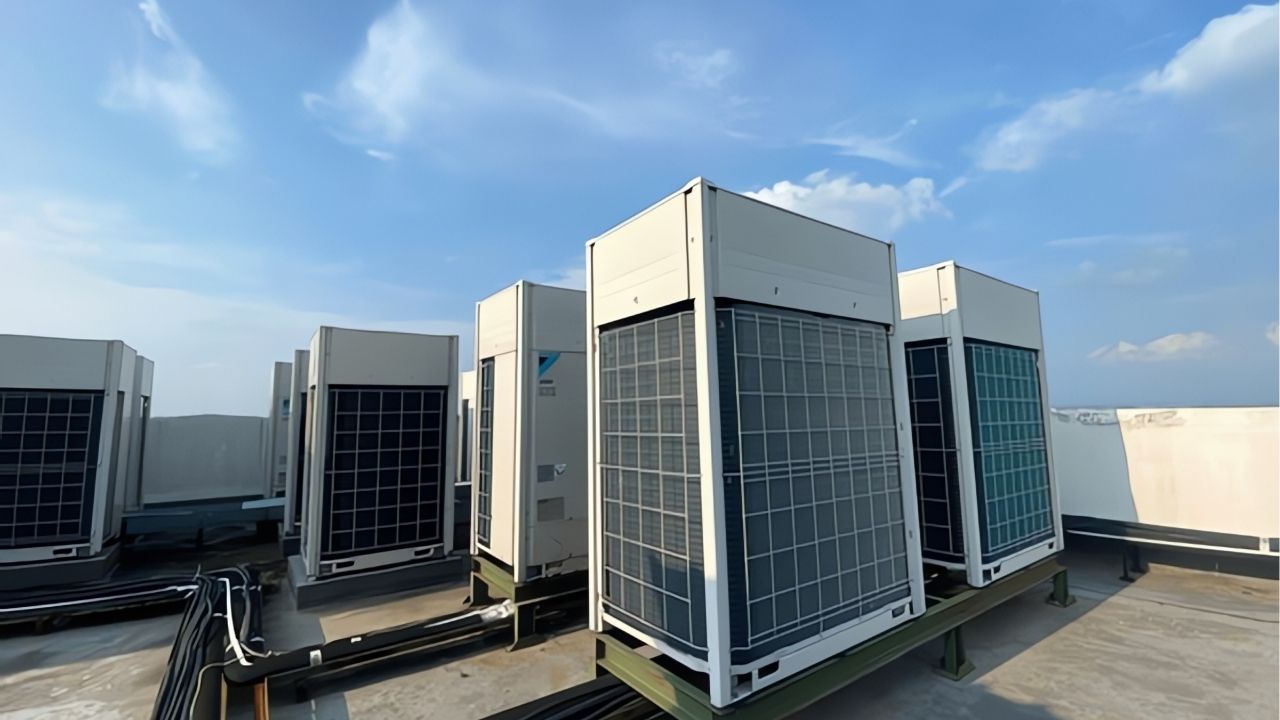
Correctly calculating axial fan static pressure is a foundational engineering task critical for designing an effective and efficient cooling infrastructure. This measurement, expressed in Pascals or inches of water column, quantifies the resistance the fan must overcome to move air through ducts, heat exchangers, and other system components. For facility managers in the food sector and energy sector, an accurate calculation prevents undersizing, which leads to inadequate cooling, and oversizing, which wastes energy and increases operational costs.
The calculation involves summing all pressure losses throughout the system, including friction losses in ducts and the pressure drop across key components like those from evaporator production and condenser production lines. Günay Soğutma integrates this precise engineering requirement into its axial fan production process, ensuring each fan is matched to the specific static pressure demands of the application. This disciplined approach guarantees that the fan operates on the correct point of its performance curve, delivering the required airflow with optimal high efficiency.
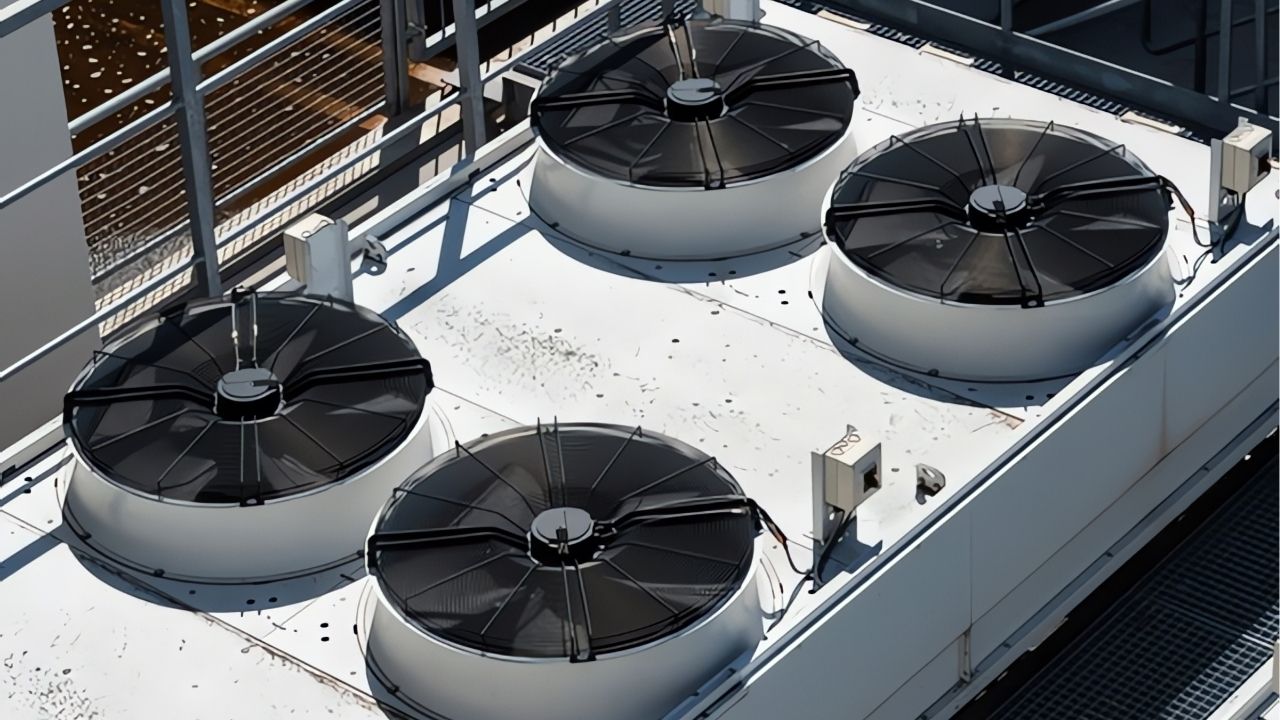
Günay Soğutma’s dual capability for serial production and custom production is essential for addressing the unique static pressure challenges of different production lines. A compact refrigeration unit for a food processing plant has vastly different resistance characteristics than a large-scale cooling tower for a power generation facility. By tailoring fan blade geometry, motor power, and housing design, Günay Soğutma ensures precise performance alignment, preventing motor strain and premature wear.
Ultimately, a correctly calculated and applied static pressure specification is the cornerstone of a durable cooling solutions. It ensures the axial fan operates reliably under design conditions, contributing to long-lasting use and simplified maintenance schedules. Partnering with Günay Soğutma for your fan requirements means investing in a system engineered for ease of maintenance and sustained high efficiency, which directly translates to lower energy bills and maximized operational uptime.
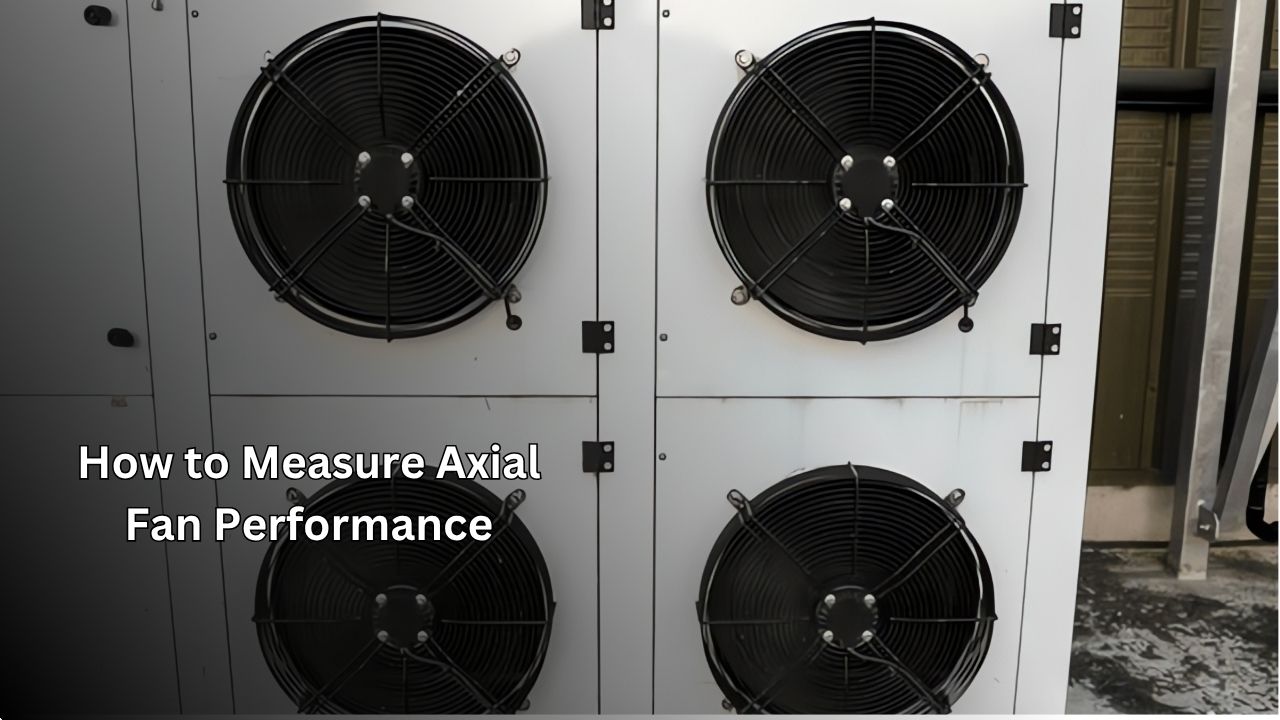
## Measuring Axial Fan Performance: A Guide to Optimizing Cooling Efficiency Axial fans are critical components in industrial cooling systems, designed to move large volumes of air efficiently. Properly measuring their performance ensures optimal cooling, reduced energy consumption, and extended equipment life. This guide outlines key metrics and methodologies for evaluating axial fan efficiency. ### Key Performance Indicators 1. **Airflow Rate (CFM):** The volume of air moved per minute, measured using anemometers or pitot tubes. 2. **Static Pressure:** Resistance the fan must overcome, measured in inches of water column. 3. **Power Consumption:** Electrical input (kW) required to operate the fan. 4. **Fan Efficiency:** Ratio of airflow output to power input, indicating overall performance. ### Measurement Tools and Techniques - **Anemometers:** Capture volumetric flow rate. - **Pitot Tubes:** Measure pressure differentials. - **Power Meters:** Monitor energy consumption. - **Data Loggers:** Record performance over time for trend analysis. ### Calculating Efficiency Fan efficiency is calculated using the formula: [ text{Efficiency} = frac{ text{Airflow (CFM)} times text{Static Pressure (in. w.c.)}}{6356 times text{Power (kW)}} ] This calculation helps identify areas for improvement, such as reducing energy costs or optimizing fan speed. ### Practical Applications - **Industrial Facilities:** Regular performance audits prevent downtime and reduce operational costs. - **Production Lines:** Custom fan solutions tailored to specific cooling needs enhance reliability. - **Energy Sector:** High-efficiency fans contribute to sustainable cooling practices. ### Conclusion Accurate measurement of axial fan performance is essential for maintaining efficient cooling systems. By focusing on key metrics like airflow, pressure, and power consumption, facilities can achieve significant energy savings and improved operational reliability. Investing in modern, high-efficiency axial fans ensures long-term performance and cost-effectiveness. --- **Keywords:** axial fan performance, airflow measurement, static pressure, power consumption, fan efficiency, industrial cooling, energy savings, operational reliability.
Evaluating axial fan performance with a focus on energy savings is a strategic imperative for cost-conscious industrial operations. For managers in the food sector and energy sector, this process involves analyzing the relationship between airflow output and electrical power input to identify inefficiencies that inflate operational expenses. A comprehensive evaluation goes beyond basic function, targeting the specific metrics that directly impact the bottom line through reduced energy consumption and enhanced high efficiency.
The most effective evaluation requires measuring the fan's performance curve under real-world conditions, comparing its actual power draw against the delivered airflow and static pressure. Günay Soğutma designs its axial fan production around this principle, engineering units that operate at peak efficiency points. This focus is critical for a resilient cooling infrastructure, where the fan's energy use is intrinsically linked to the performance of other components from our evaporator production and condenser production lines.
Günay Soğutma’s approach, offering both serial production and custom production, ensures that energy-saving performance is not a generic claim but a tailored outcome. A fan optimized for a low-static-pressure ventilation application will have a different efficiency profile than one designed for a high-resistance process cooling unit on a production line. This precision engineering prevents energy waste and ensures the system meets its cooling demands with minimal electrical input.
Investing in a performance evaluation that prioritizes energy savings leads directly to the adoption of durable cooling solutions. Günay Soğutma’s fans are built for long-lasting use, where sustained high efficiency translates into consistent cost reduction over the equipment's lifespan. This commitment to performance, coupled with designs that prioritize ease of maintenance, ensures that energy savings are a permanent feature of your operational strategy, maximizing reliability and minimizing total cost of ownership.
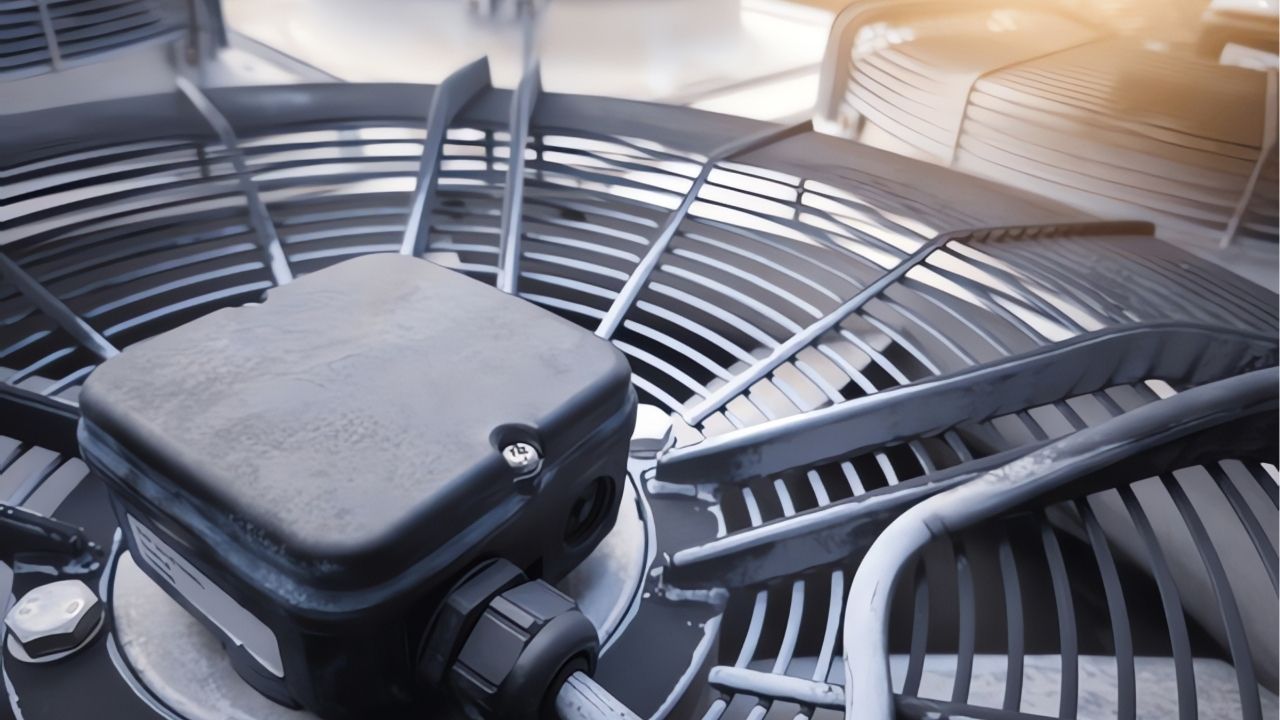
Monitoring axial fan vibration is a critical predictive maintenance activity that directly safeguards against unexpected failures and costly production halts. For industrial facilities in the food sector and energy sector, excessive vibration is a primary indicator of underlying issues like imbalance, misalignment, or bearing wear that can compromise the entire cooling infrastructure. The correct tools provide the data needed to move from reactive repairs to proactive management, ensuring uninterrupted production lines.
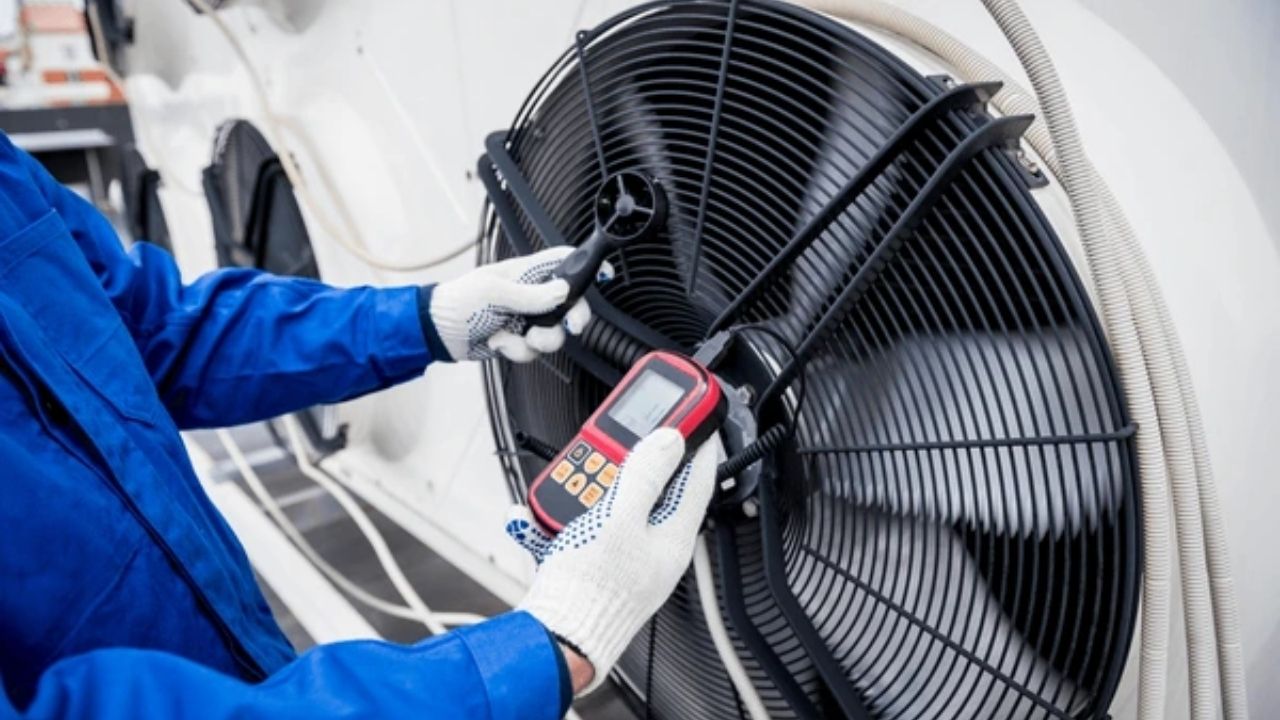
The essential toolkit for accurate vibration analysis includes a handheld vibration meter or a more sophisticated data collector with an accelerometer probe. These instruments measure velocity or displacement, pinpointing imbalances before they cause damage to the fan or its supporting structure. Günay Soğutma incorporates rigorous quality control during axial fan production, ensuring each unit is dynamically balanced to minimize inherent vibration from the outset. This disciplined approach to manufacturing is mirrored in our evaporator production and condenser production, where stability is synonymous with reliability.
Günay Soğutma’s capability for both serial production and custom production allows for vibration characteristics to be engineered for specific applications. A large-diameter fan for a power plant cooling tower is designed with different resonant frequencies and balancing tolerances than a compact fan for a food processing chiller. This tailored engineering, a hallmark of high efficiency design, ensures smooth operation that extends bearing and motor life.
Ultimately, systematic vibration monitoring is a cornerstone of achieving long-lasting use from your cooling assets. By partnering with Günay Soğutma for durable cooling solutions, you invest in equipment designed for stability from the ground up. This proactive focus on mechanical integrity, combined with designs that facilitate ease of maintenance, drastically reduces unplanned downtime and operational costs, securing the reliability of your cooling system for years to come.
A comprehensive assessment of axial fan performance is fundamental to optimizing the entire cooling infrastructure of an industrial facility. This process involves evaluating a suite of interconnected metrics—airflow, static pressure, power consumption, and vibration—to ensure the system meets its thermal management goals efficiently. For operations in the food sector and energy sector, this holistic evaluation is not merely about fan operation but about guaranteeing the reliability of production lines and minimizing energy expenditure.
The assessment begins with benchmarking actual performance against the fan's designed curve, using precise instruments to measure delivered airflow against the power consumed. Günay Soğutma integrates this engineering rigor directly into its axial fan production, ensuring each unit is capable of delivering its promised high efficiency under specified conditions. This performance-centric design is essential for the seamless integration of the fan with other critical components from our evaporator production and condenser production lines, creating a cohesive and effective system.
Günay Soğutma’s dual capability for serial production and custom production means that performance assessment criteria are tailored to the application's unique demands. The performance parameters for a fan cooling a high-heat-density industrial process differ significantly from those for general facility ventilation. This tailored approach ensures that the installed system operates at its true peak efficiency, directly translating to lower operational costs and enhanced process stability.
Ultimately, a thorough performance assessment validates the investment in durable cooling solutions. Günay Soğutma’s fans are engineered for long-lasting use, with performance characteristics that remain consistent over time. This commitment to verified performance and ease of maintenance ensures that your cooling infrastructure delivers reliable, cost-effective operation year after year, protecting your production assets and maximizing your return on investment.
Identifying the key indicators of axial fan efficiency is essential for optimizing energy use and ensuring the reliability of industrial cooling infrastructure. These indicators provide a quantifiable measure of how effectively a fan converts electrical power into useful airflow against system resistance. For facility managers in the food sector and energy sector, monitoring these metrics is directly linked to controlling operational costs and maintaining uninterrupted production lines.
The primary indicators are the fan's efficiency grade, the ratio of airflow output to power input, and its performance on the static pressure curve. A fan operating at its best efficiency point (BEP) consumes the least energy for a given airflow and pressure. Günay Soğutma prioritizes these metrics in its axial fan production, designing units that deliver superior high efficiency across their operational range. This precision engineering ensures seamless integration with components from our evaporator production and condenser production lines, creating a harmonized and effective cooling system.
Günay Soğutma’s ability to provide both serial production and custom production means that these key efficiency indicators are engineered to match specific application requirements. The optimal efficiency point for a fan in a high-static-pressure condenser unit is different from that of a ventilation fan. This tailored approach ensures that every installation achieves maximum performance, directly contributing to lower energy bills and enhanced system reliability.
Focusing on these key efficiency indicators leads directly to the implementation of durable cooling solutions. Günay Soğutma’s fans are built for long-lasting use, where sustained high efficiency minimizes wear and operational costs. This commitment to performance excellence, combined with designs that prioritize ease of maintenance, ensures that your investment delivers continuous energy savings and operational reliability, protecting your assets for the long term.
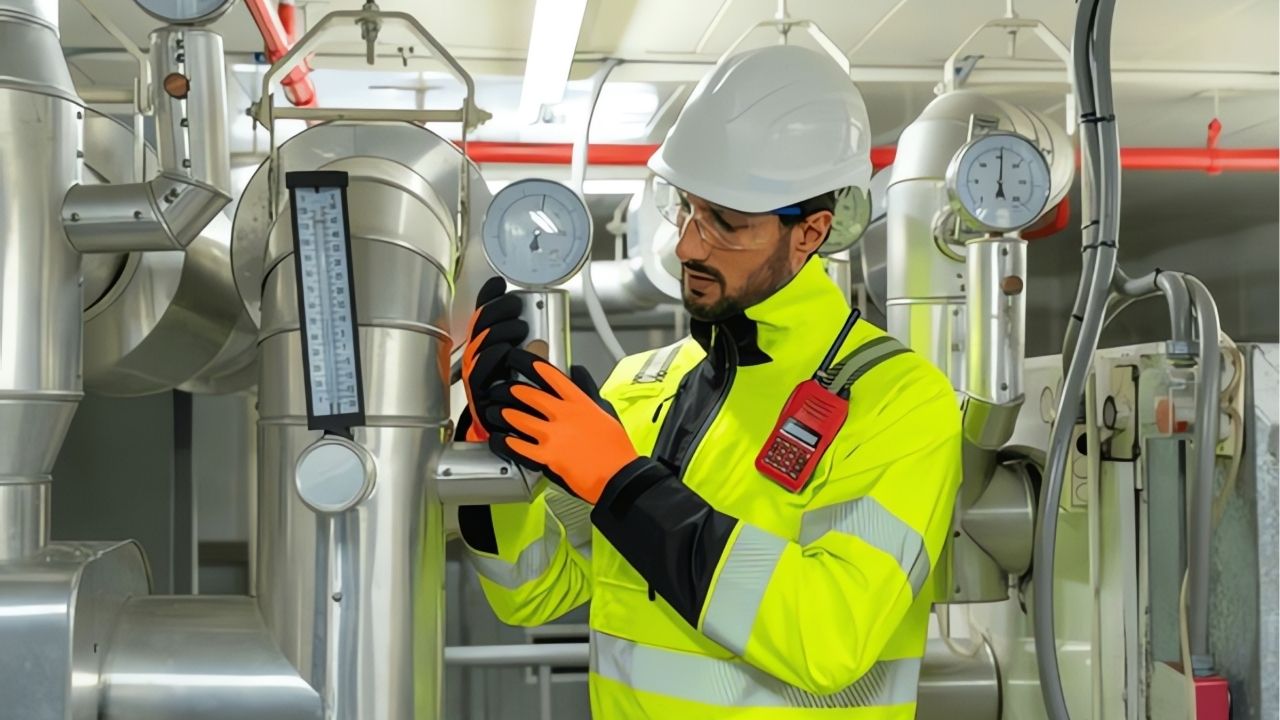
Conducting a systematic axial fan performance audit is a proactive engineering practice that uncovers hidden inefficiencies within an industrial cooling infrastructure. This comprehensive assessment involves measuring airflow, static pressure, power consumption, and vibration levels to establish a performance baseline. For operations in the food sector and energy sector, this audit is a strategic tool for identifying energy waste and potential points of failure before they impact production lines.
The audit process requires calibrated instruments to capture real-time data under normal operating conditions, comparing actual performance against the fan's original design specifications. Günay Soğutma designs its axial fan production with auditability in mind, ensuring consistent and verifiable performance that meets declared high efficiency standards. This disciplined manufacturing approach extends to our evaporator production and condenser production, where every component is engineered for measurable, reliable output within the larger system.
The findings from a performance audit often reveal opportunities for optimization that can be addressed through Günay Soğutma’s custom production capabilities. Whether replacing an underperforming unit or upgrading an entire system, the audit provides the precise data needed to specify a fan that operates at its peak efficiency point. This data-driven approach, complemented by our serial production for standard needs, ensures that the solution is perfectly matched to the application's specific static pressure and airflow requirements.
Ultimately, a performance audit validates the investment in durable cooling solutions and paves the way for long-lasting use. By partnering with Günay Soğutma, you gain access to components engineered for sustained performance and ease of maintenance. This strategic focus on verified efficiency and robust construction minimizes lifecycle costs and maximizes the operational reliability of your cooling infrastructure, delivering tangible returns through reduced energy consumption and enhanced system uptime.
Accurately measuring the Cubic Feet per Minute (CFM) of an axial fan is the definitive method for quantifying its cooling capacity and ensuring optimal thermal management. For industrial facilities in the food sector and energy sector, this measurement directly correlates to process stability and energy consumption. Precise CFM data ensures the cooling infrastructure is neither underperforming, risking product quality, nor overpowered, wasting electricity on production lines.
The most reliable technique involves using an anemometer to measure air velocity at multiple points across the fan discharge and calculating the average to determine volumetric flow. Günay Soğutma’s axial fan production process emphasizes delivering consistent, verifiable CFM ratings that align with design specifications for high efficiency. This commitment to accuracy is foundational for components that integrate seamlessly with systems from our evaporator production and condenser production lines, ensuring the entire assembly performs as an optimized unit.
Günay Soğutma’s capability for both serial production and custom production is crucial for achieving maximum cooling. A standard CFM may suffice for general ventilation, but a food processing blast chiller or a power plant heat exchanger requires a precisely calculated airflow. By tailoring fan blade pitch, diameter, and motor speed, Günay Soğutma delivers the exact CFM needed for the application, eliminating guesswork and ensuring peak system performance.
Ultimately, measuring and applying the correct CFM is key to implementing durable cooling solutions. A correctly sized fan operates efficiently without strain, contributing to long-lasting use and reduced mechanical wear. Partnering with Günay Soğutma ensures your cooling system is built on verified performance data, offering ease of maintenance and sustained efficiency that translates directly into lower operational costs and superior reliability for your critical processes.

Fill out the form to discover the most suitable high-end products for your projects. Contact Us Now.
Fill out the form now not to miss our special offers for you! The latest discover our products and innovations.
Fill out the form now not to miss our special offers for you! The latest discover our products and innovations.
Notification Centre 00:00