


Heater Faults: Symptoms and Troubleshooting Methods
06 / 07 / 2026

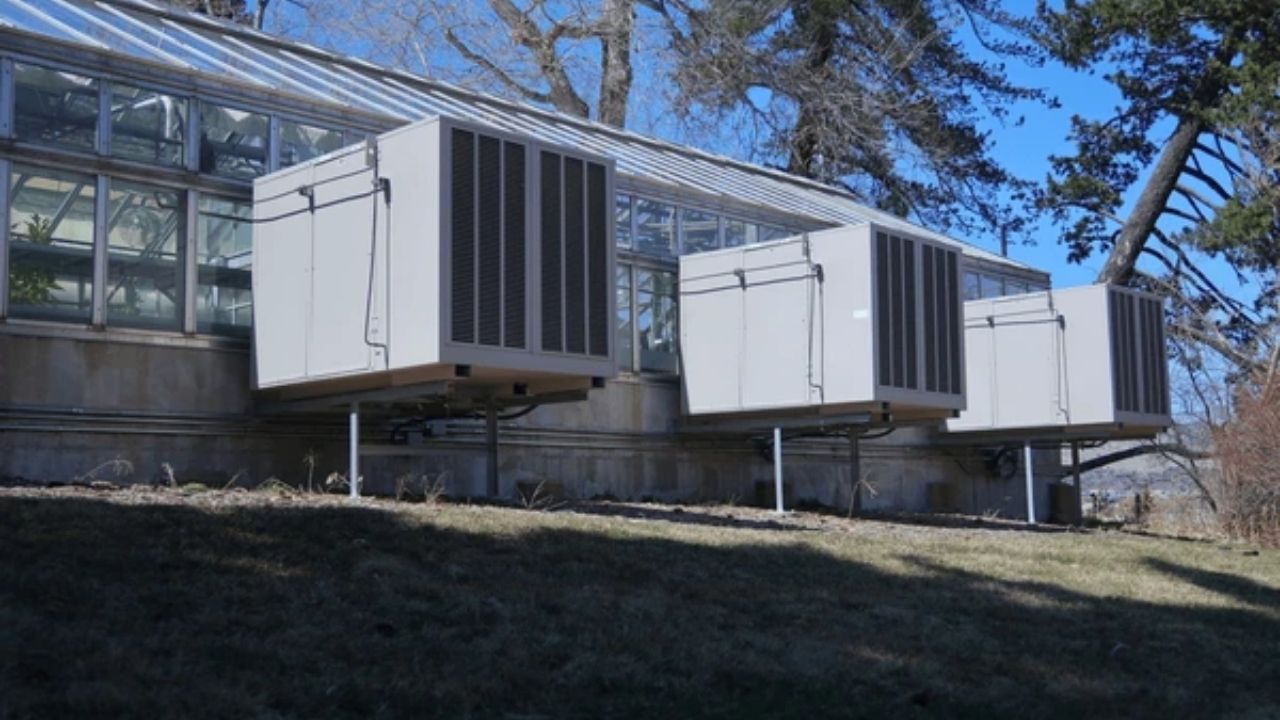
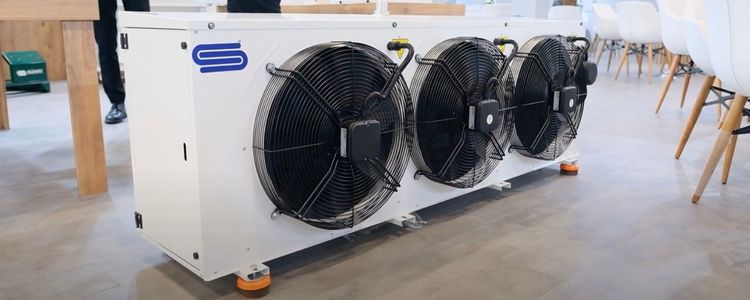
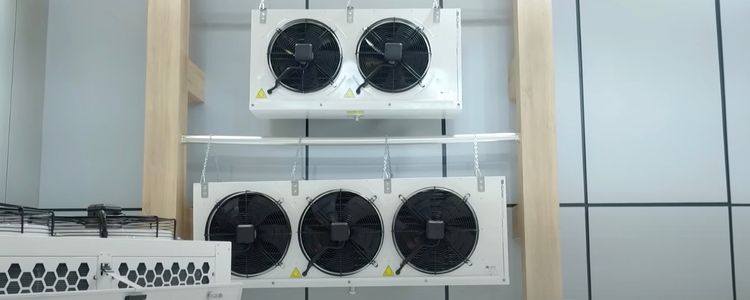
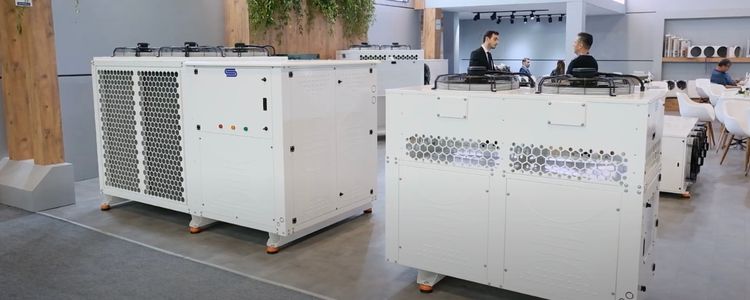
Accurate evaporator capacity calculation is the foundational engineering step that determines both the energy performance and operational reliability of industrial cooling systems. Precise sizing ensures the evaporator matches the thermal load without overworking the compressor, directly impacting industrial cooling efficiency and system longevity. This calculation process must account for refrigerant properties, temperature differentials, airflow rates, and specific application requirements to create durable cooling systems that operate at optimal efficiency points throughout their lifecycle.
The calculation methodology begins with determining the total heat load, incorporating factors like product cooling requirements, heat infiltration, and operational cycles. This data feeds into industrial evaporator design parameters that optimize surface area, refrigerant circuiting, and fin density. Proper evaporator selection guide principles dictate choosing a unit with 10-15 percent capacity margin to handle peak loads without forcing continuous maximum operation. This precision engineering approach, as practiced in energy efficient evaporator production by manufacturers like Günay Soğutma, ensures components operate efficiently across varying conditions rather than at inefficient extremes.
Application-specific calculations yield particularly significant benefits. For food sector evaporator installations, calculations must incorporate defrost cycle impacts and hygiene compliance requirements that affect effective capacity. These specialized considerations highlight the value of custom cooling production for applications where standard units cannot meet precise operational parameters. The resulting properly sized evaporator becomes the cornerstone of effective facility cooling solutions, preventing the energy waste and component stress caused by undersized or oversized equipment.
Investing time in meticulous capacity calculation delivers substantial operational returns through multiple channels. Correctly sized evaporators reduce compressor cycling and power consumption while maintaining stable temperatures that protect both product quality and equipment integrity. This systematic approach to sizing ensures your cooling infrastructure operates as an efficient, reliable asset rather than a source of constant adjustment and repair, maximizing both energy savings and system reliability throughout the equipment's service life.
This ultimate evaporator selection guide provides a systematic five-step methodology for choosing industrial evaporators that deliver optimal cooling performance while minimizing operational costs. Proper selection directly influences industrial cooling efficiency, energy consumption, and maintenance requirements, making it a critical decision for any facility seeking to build durable cooling systems. The five-step process ensures technical specifications align with operational demands, preventing the common pitfalls of undersizing or oversizing that lead to inefficient operation and premature component failure.
The guide begins with comprehensive load analysis and precise evaporator capacity calculation to establish baseline requirements. Step two evaluates refrigerant compatibility and temperature ranges to ensure optimal heat transfer characteristics. Step three focuses on industrial evaporator design features such as coil configuration, fin spacing, and material selection based on environmental conditions. This disciplined approach to selection supports energy efficient evaporator production principles, as manufacturers like Günay Soğutma engineer components that perform efficiently within specified operational parameters rather than requiring continuous maximum output.
Application-specific considerations form step four of the selection process. For food sector evaporator applications, this involves evaluating hygiene requirements, defrost system compatibility, and sanitation access needs. This level of specialized assessment often leads to custom cooling production solutions that standard units cannot provide. The final step integrates the selected evaporator into comprehensive facility cooling solutions, ensuring compatibility with existing condensers and control systems to achieve balanced, efficient operation.
Following this five-step selection methodology delivers substantial financial and operational benefits. Correctly chosen evaporators operate at peak efficiency, reducing energy consumption while maintaining stable temperatures that protect both product quality and equipment longevity. This systematic approach to selection ensures your cooling infrastructure functions as a reliable, cost-effective asset rather than a source of constant adjustment, maximizing performance and minimizing total cost of ownership throughout the equipment's service life.
Strategic industrial evaporator design steps directly determine both equipment longevity and operational economics in industrial cooling applications. A meticulously engineered evaporator reduces energy consumption while withstanding years of continuous operation, forming the core of durable cooling systems that minimize lifetime costs. The design process must balance thermal performance with mechanical resilience, ensuring the component contributes to overall industrial cooling efficiency while requiring minimal maintenance throughout its service life.
The design process begins with material selection based on corrosion resistance and structural integrity for the specific operating environment. This is followed by evaporator capacity calculation that determines optimal surface area and refrigerant circuiting to prevent excessive pressure drops and compressor strain. These fundamental steps in energy efficient evaporator production ensure components operate at peak efficiency points rather than at energy-wasting extremes. Manufacturers with engineering discipline, such as Günay Soğutma, incorporate these principles into both standard and custom cooling production to create evaporators that excel in specific applications.
Application-specific design considerations significantly enhance durability and efficiency. For food sector evaporator applications, design steps include implementing hygienic fin spacing, easy-clean surfaces, and corrosion-resistant coatings that withstand frequent sanitation. These specialized design features prevent performance degradation and extend service intervals, making them invaluable components of comprehensive facility cooling solutions. Following a rigorous evaporator selection guide during the design phase ensures all operational parameters are addressed before manufacturing begins.
Investing in proper evaporator design steps delivers compounding returns through reduced energy consumption, extended equipment life, and minimized maintenance requirements. A well-designed evaporator operates efficiently across varying loads, reducing compressor workload and preventing the systemic stress that leads to premature component failures. This engineering-focused approach to evaporator creation ensures your cooling infrastructure remains a reliable, cost-effective asset that supports production goals while delivering significant operational savings throughout its extended service life.
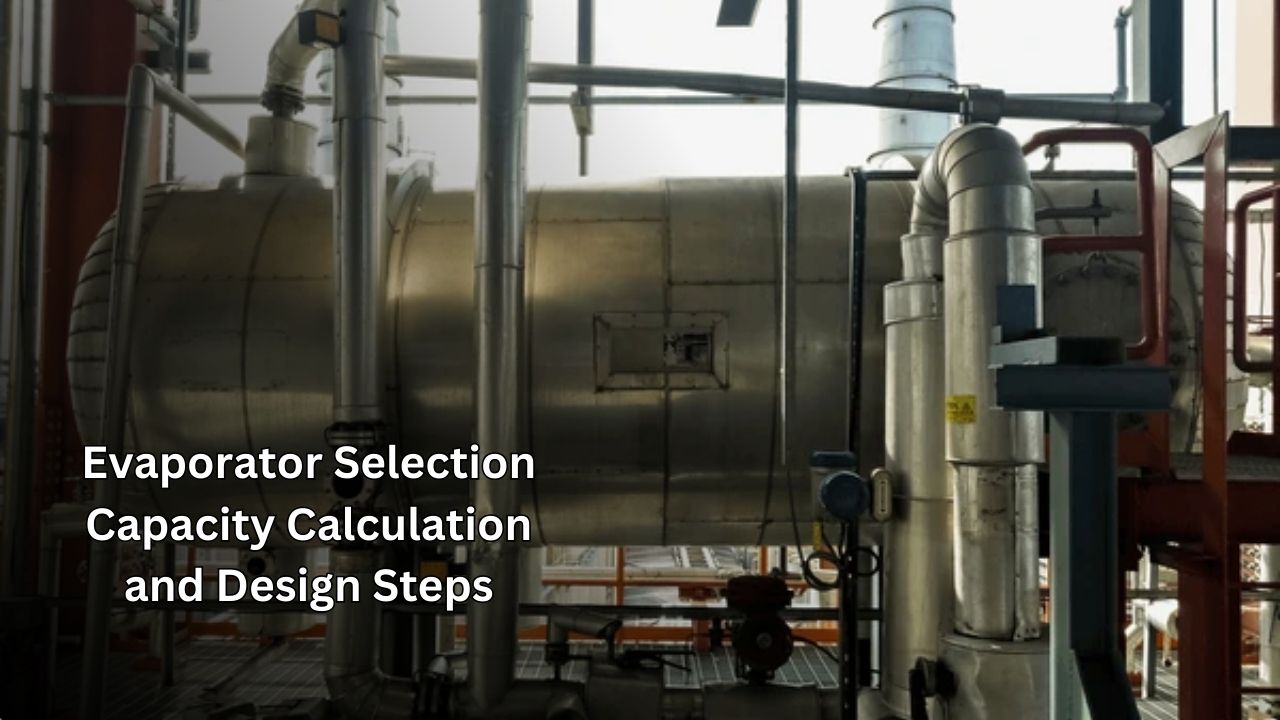
The choice between custom and standard evaporators fundamentally influences cooling system performance, with precise evaporator capacity calculation serving as the critical differentiator in achieving higher efficiency. Standard units offer convenience but often operate at off-peak efficiency points due to design compromises, while custom solutions are engineered to match exact operational parameters. This capacity calculation guide demonstrates how proper sizing and specification directly enhance industrial cooling efficiency and contribute to building durable cooling systems that minimize lifetime operational costs.
The capacity calculation process reveals when standard evaporators suffice versus when custom cooling production becomes necessary. Standard units work well for applications with common parameters and stable loads, but unusual space constraints, specific refrigerant requirements, or variable operating conditions typically warrant custom solutions. This engineering decision directly impacts energy efficient evaporator production outcomes, as manufacturers like Günay Soğutma can optimize industrial evaporator design for peak performance in specific environments rather than accepting the limitations of mass-produced components.
Application-specific calculations particularly highlight the custom advantage. For food sector evaporator installations, calculations must incorporate hygiene requirements, defrost cycle impacts, and sanitation access that standard units may not accommodate. This specialized approach ensures the evaporator integrates seamlessly into comprehensive facility cooling solutions without efficiency compromises. Following a detailed evaporator selection guide during the calculation phase identifies these unique requirements before procurement decisions are made.
The capacity calculation process ultimately determines the return on investment for either approach. While custom evaporators involve higher initial costs, their precision engineering typically delivers greater energy savings and longer service life, reducing total cost of ownership. This guide empowers facility managers to make data-driven decisions that balance upfront investment against long-term operational benefits, ensuring their cooling infrastructure operates at peak efficiency while supporting production reliability throughout its service life.
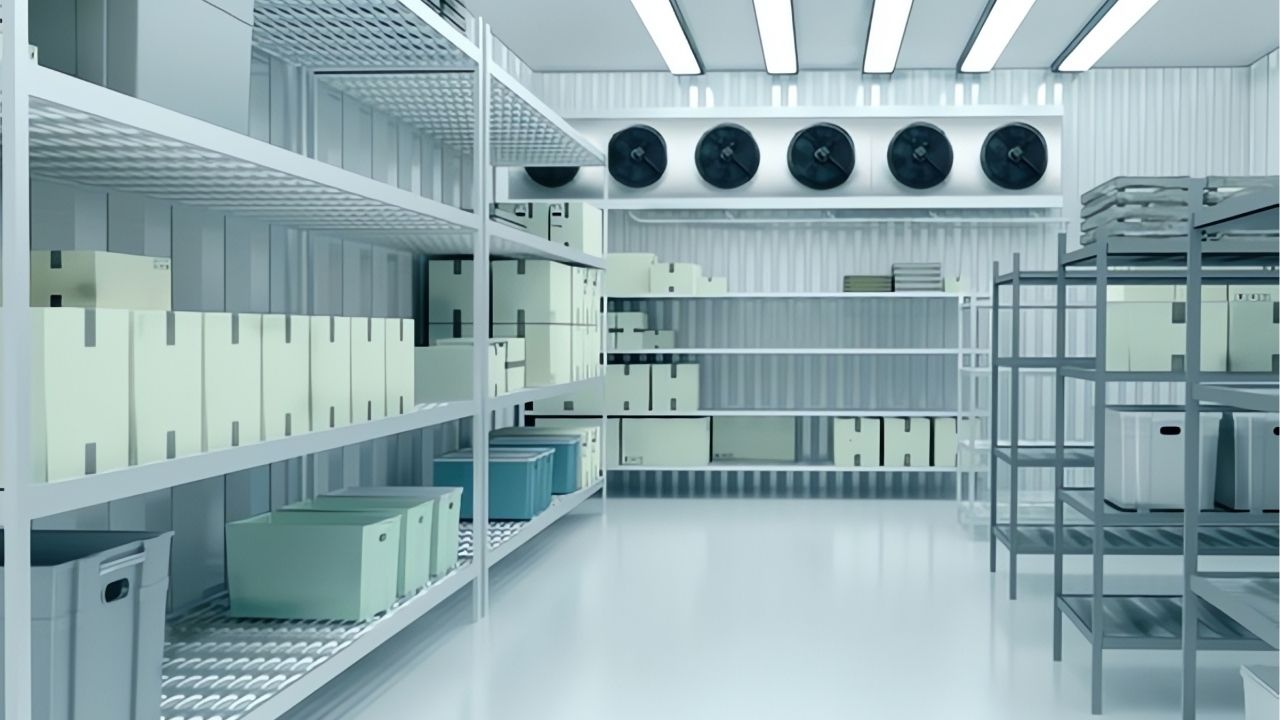
Selecting the right food sector evaporator requires addressing unique factors that directly impact both food safety compliance and operational economics. Unlike general industrial applications, food cooling demands precision temperature control combined with hygienic design, making evaporator selection a critical determinant of both industrial cooling efficiency and regulatory compliance. A comprehensive evaporator selection guide for food applications must prioritize features that prevent contamination while maintaining optimal performance within durable cooling systems.
The primary selection factors begin with material compatibility and hygienic design. Food-grade stainless steel construction, cleanable fin spacing, and smooth surfaces that resist bacterial growth are non-negotiable for any food sector evaporator. These features must be integrated during the industrial evaporator design phase while maintaining thermal performance through precise evaporator capacity calculation. This specialized approach to energy efficient evaporator production often necessitates custom cooling production from manufacturers like Günay Soğutma, as standard units frequently compromise either hygiene or efficiency.
Operational factors including defrost system compatibility and temperature stability are equally critical. The evaporator must maintain consistent temperatures during both cooling and defrost cycles to prevent product quality issues. These performance requirements make the evaporator a cornerstone of reliable facility cooling solutions for food processing, where temperature deviations can result in substantial product loss. The selection process must also consider the evaporator's integration with sanitation protocols, ensuring it withstands frequent cleaning without corrosion or performance degradation.
Proper evaporator selection for food sector applications delivers significant operational benefits beyond basic cooling function. The right unit reduces energy consumption through optimized operation, minimizes downtime for cleaning and maintenance, and ensures compliance with food safety regulations. This strategic approach to selection transforms the evaporator from a simple component into a critical asset that supports both product quality and operational efficiency, delivering long-term reliability and cost savings throughout its service life.
Precision evaporator capacity calculation is the engineering discipline that directly translates into minimized energy costs and optimized system performance in industrial cooling applications. This step-by-step methodology ensures evaporators operate at their peak efficiency points rather than struggling with inadequate capacity or wasting energy through oversizing. Proper calculation forms the foundation of energy efficient evaporator production and is essential for achieving superior industrial cooling efficiency within durable cooling systems.
The calculation method begins with comprehensive load analysis, accounting for product cooling requirements, heat infiltration, internal heat generation, and operational cycles. This data feeds into refrigerant-specific calculations that determine optimum evaporating temperatures and superheat settings. These precise inputs guide subsequent industrial evaporator design decisions regarding surface area, fin density, and circuit configuration. Manufacturers committed to engineering excellence, such as Günay Soğutma, utilize these calculations in their custom cooling production processes to create evaporators that match exact operational parameters rather than approximate requirements.
Application-specific calculations yield particularly significant energy savings. For food sector evaporator installations, calculations must incorporate defrost cycle impacts, humidity control requirements, and sanitation protocols that affect effective capacity. This precision approach ensures the evaporator integrates seamlessly into comprehensive facility cooling solutions without the energy penalties of improper sizing. Following a rigorous evaporator selection guide based on these calculations prevents the common operational inefficiencies that inflate energy costs.
Implementing this precision calculation methodology delivers substantial financial returns through multiple channels. Correctly sized evaporators reduce compressor cycling and power consumption while maintaining stable temperatures that protect both product quality and equipment integrity. This systematic approach to capacity calculation ensures your cooling infrastructure operates as an efficient, cost-effective asset rather than a source of constant energy waste, maximizing both operational savings and system reliability throughout the equipment's service life.
Proper industrial evaporator design steps directly correlate with extended equipment lifespan and enhanced production reliability in industrial cooling systems. A meticulously engineered evaporator reduces mechanical stress on the entire refrigeration circuit while maintaining optimal performance, serving as the cornerstone of durable cooling systems that maximize uptime. The design process must balance thermal efficiency with structural integrity, ensuring the component contributes to overall industrial cooling efficiency while withstanding years of continuous operation.
The design methodology begins with precise evaporator capacity calculation to prevent the compressor cycling and system strain caused by improper sizing. This is followed by material selection based on corrosion resistance and mechanical strength specific to the operating environment. These fundamental steps in energy efficient evaporator production ensure components operate within their optimal performance range rather than at energy-wasting extremes. Manufacturers with engineering discipline, such as Günay Soğutma, incorporate these principles into both standard and custom cooling production to create evaporators that excel in specific applications while following a comprehensive evaporator selection guide.
Application-specific design features significantly enhance reliability and uptime. For food sector evaporator applications, design steps include implementing hygienic fin spacing, easy-clean surfaces, and corrosion-resistant coatings that withstand frequent sanitation without performance degradation. These specialized design elements prevent the contamination risks and maintenance downtime that disrupt production schedules, making them critical components of comprehensive facility cooling solutions. The right design ensures defrost systems operate efficiently without causing temperature fluctuations that could compromise product quality.
Investing in proper evaporator design steps delivers compounding benefits through reduced maintenance frequency, extended component life, and uninterrupted production operations. A well-designed evaporator operates efficiently across varying loads, reducing compressor workload and preventing the systemic stress that leads to premature failures. This engineering-focused approach to evaporator creation ensures your cooling infrastructure remains a reliable asset that supports production goals while delivering significant operational savings and enhanced uptime throughout its extended service life.
This engineering guide to evaporator selection and sizing provides a systematic approach to achieving sustainable cooling performance that balances immediate operational needs with long-term reliability. Proper implementation of this evaporator selection guide ensures components operate at peak industrial cooling efficiency while contributing to the development of truly durable cooling systems. The methodology emphasizes precision evaporator capacity calculation and appropriate industrial evaporator design as the foundation for sustainable thermal management that minimizes environmental impact while maximizing economic returns.
The selection process begins with comprehensive load analysis that accounts for both current requirements and anticipated future capacity needs. This forward-looking approach to evaporator capacity calculation prevents the energy waste associated with undersized or oversized equipment. The resulting specifications guide the industrial evaporator design process, ensuring optimal surface area, refrigerant circuiting, and material selection for the specific application. This engineering discipline is central to energy efficient evaporator production by manufacturers like Günay Soğutma, who often employ custom cooling production to meet precise sustainability objectives.
Sustainable performance requires special consideration for application-specific requirements. For food sector evaporator installations, this involves selecting materials and designs that minimize environmental impact while meeting stringent hygiene standards. These specialized components become integral parts of comprehensive facility cooling solutions that reduce energy consumption and extend equipment life. The guide emphasizes selecting evaporators with features that facilitate maintenance and cleaning, reducing the resource consumption associated with frequent service interventions.
Following this engineering guide delivers significant sustainability benefits through reduced energy consumption, extended equipment lifespan, and minimized maintenance requirements. Properly selected and sized evaporators operate efficiently across their entire load range, reducing compressor workload and preventing the energy waste associated with inappropriate sizing. This systematic approach to evaporator specification ensures your cooling infrastructure supports both operational efficiency and environmental responsibility, delivering sustainable performance that protects both your bottom line and long-term operational capabilities.

Fill out the form to discover the most suitable high-end products for your projects. Contact Us Now.
Fill out the form now not to miss our special offers for you! The latest discover our products and innovations.
Fill out the form now not to miss our special offers for you! The latest discover our products and innovations.
Notification Centre 00:00