


Heater Faults: Symptoms and Troubleshooting Methods
06 / 07 / 2026

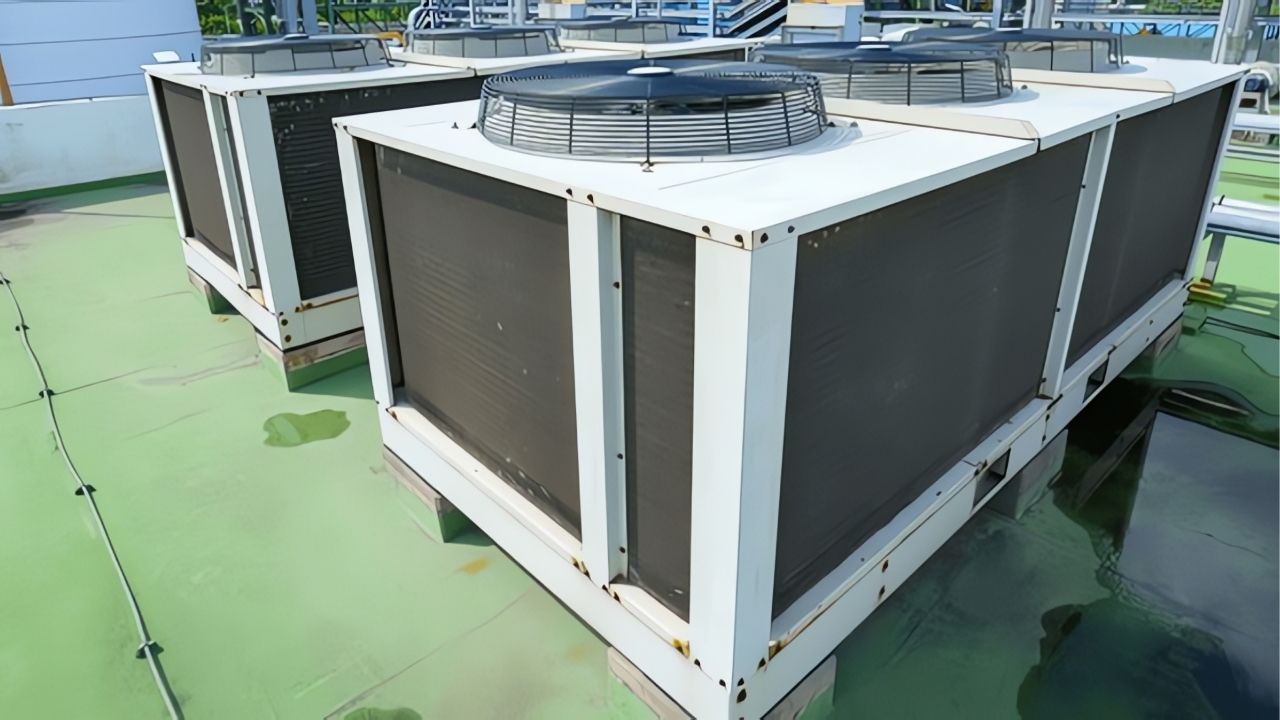
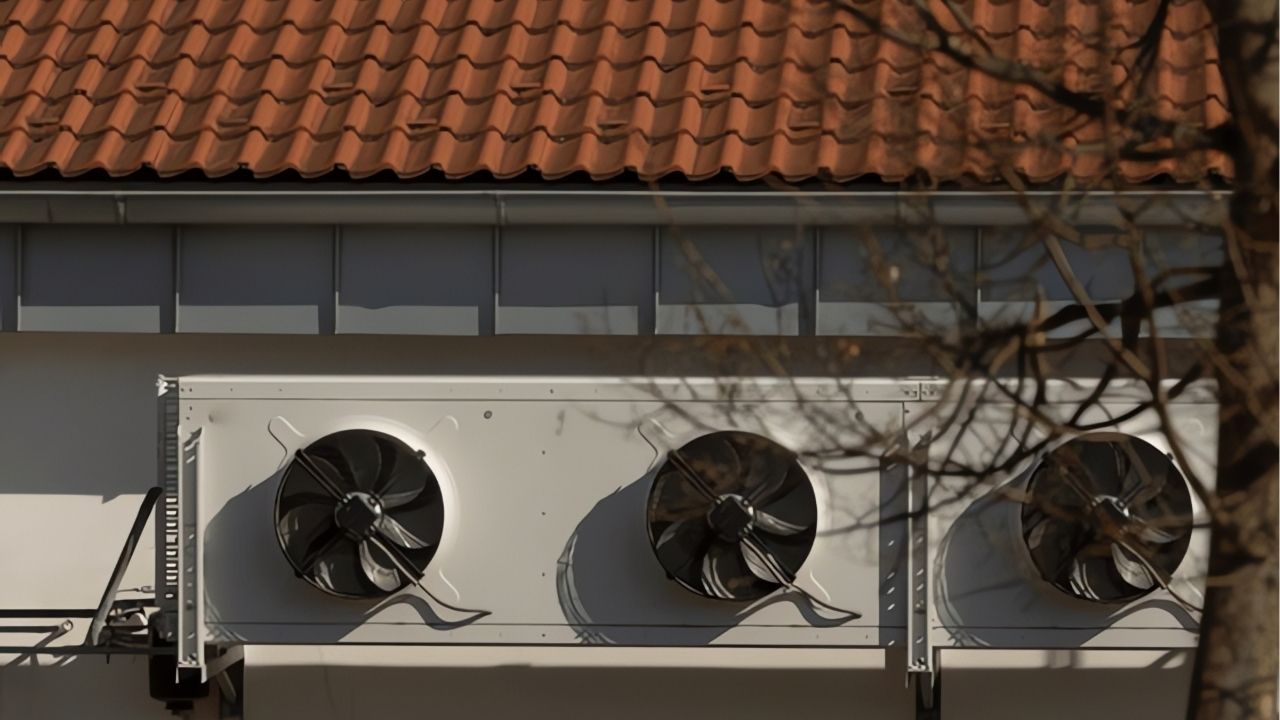
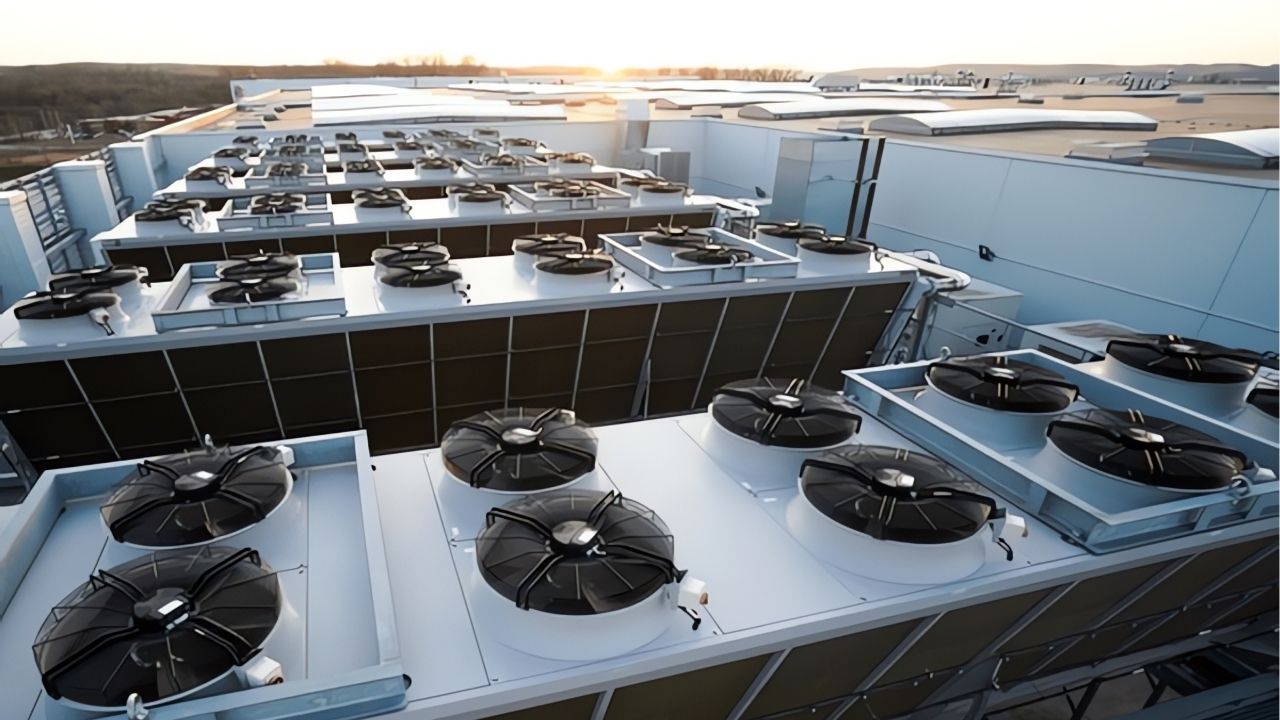
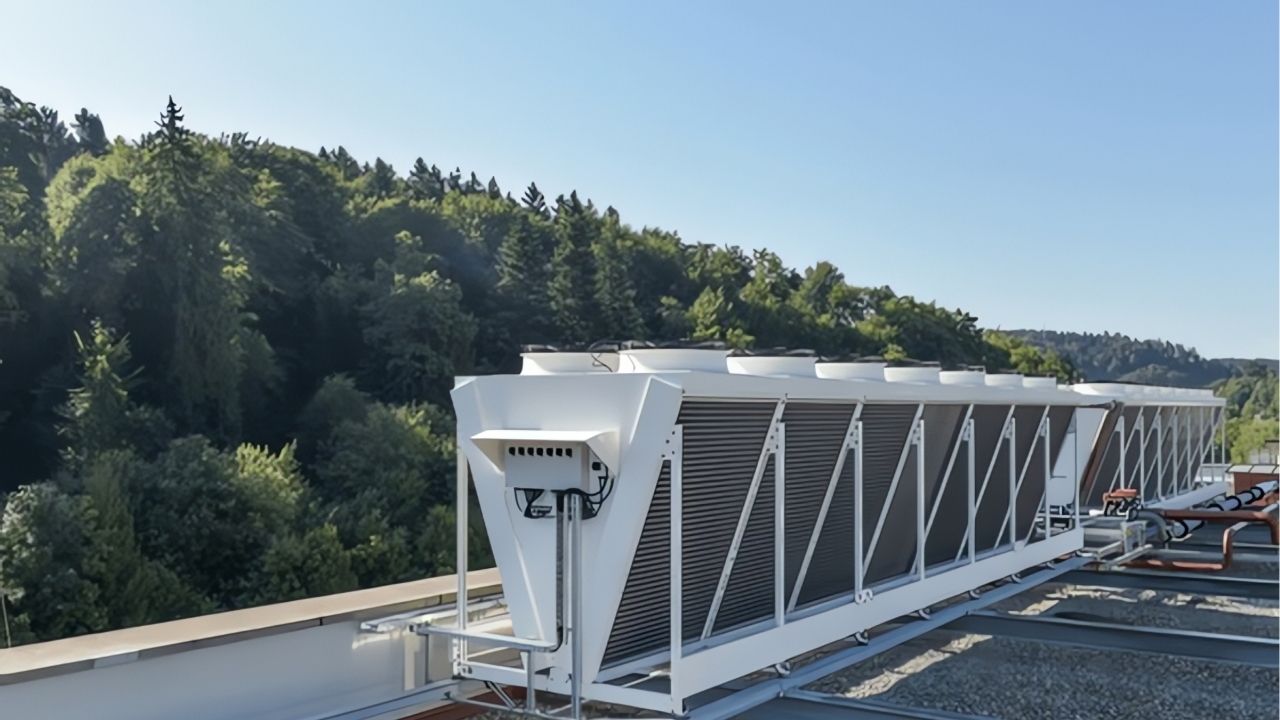
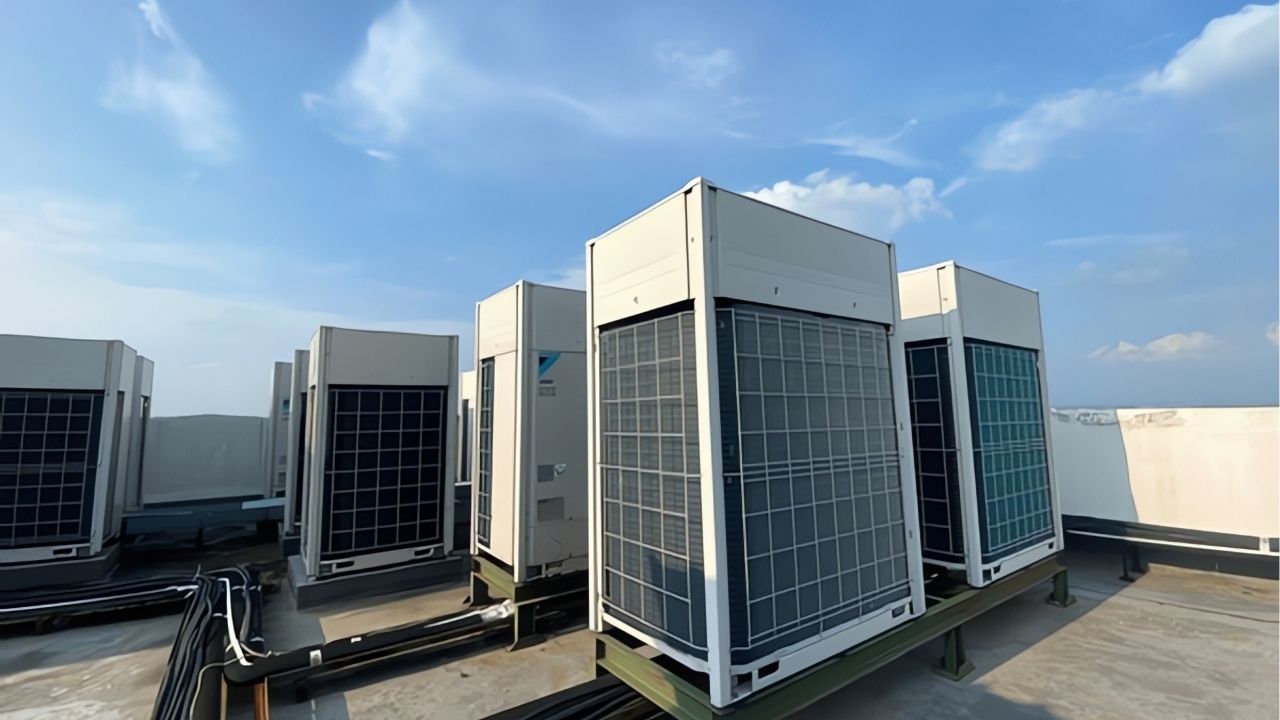
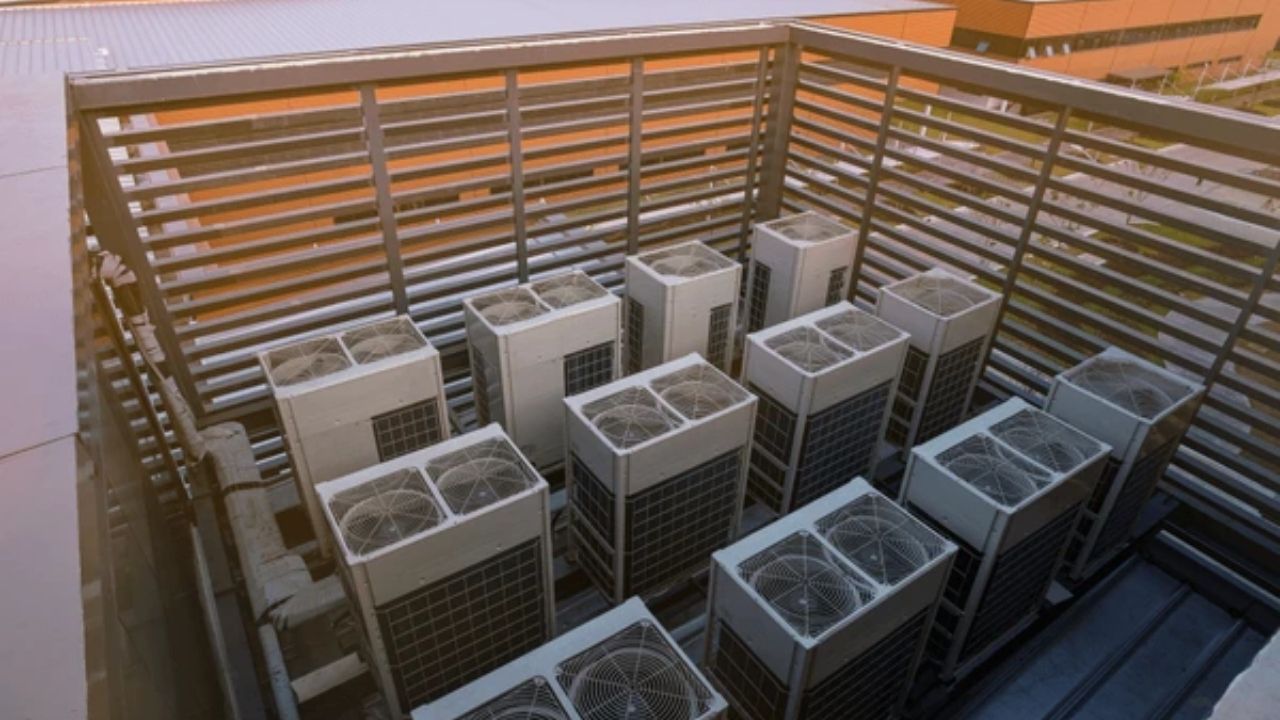
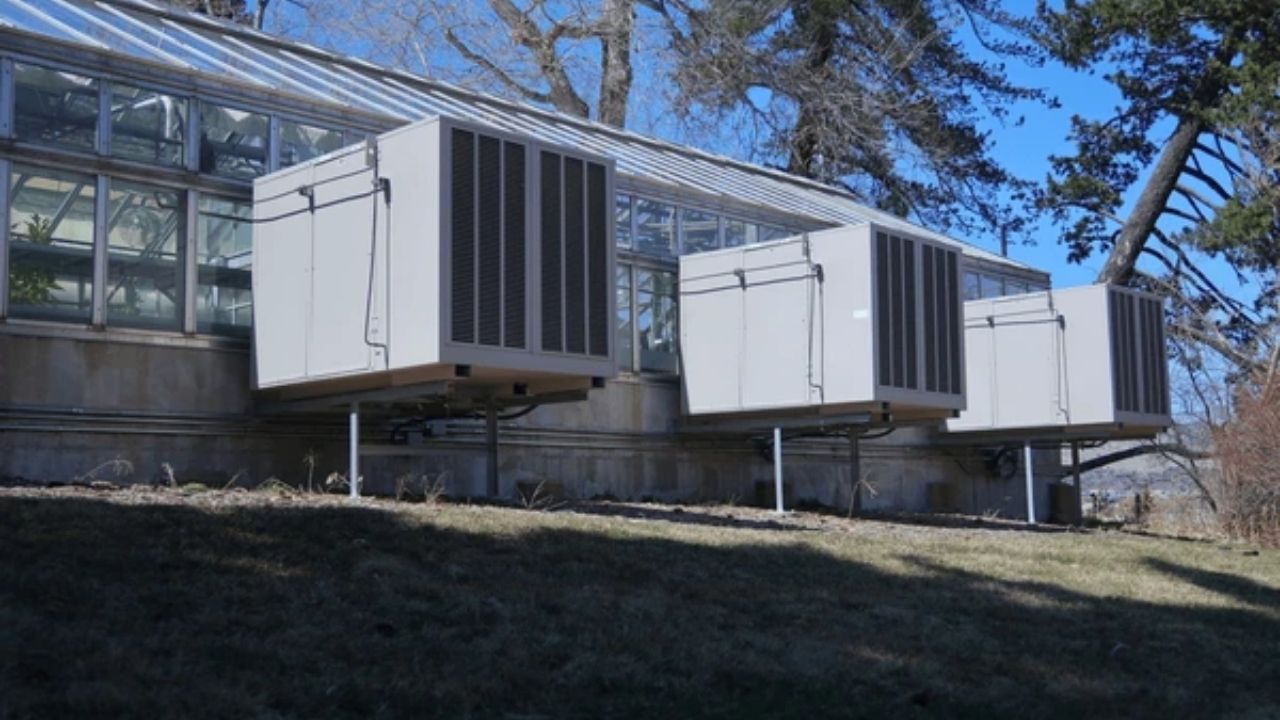
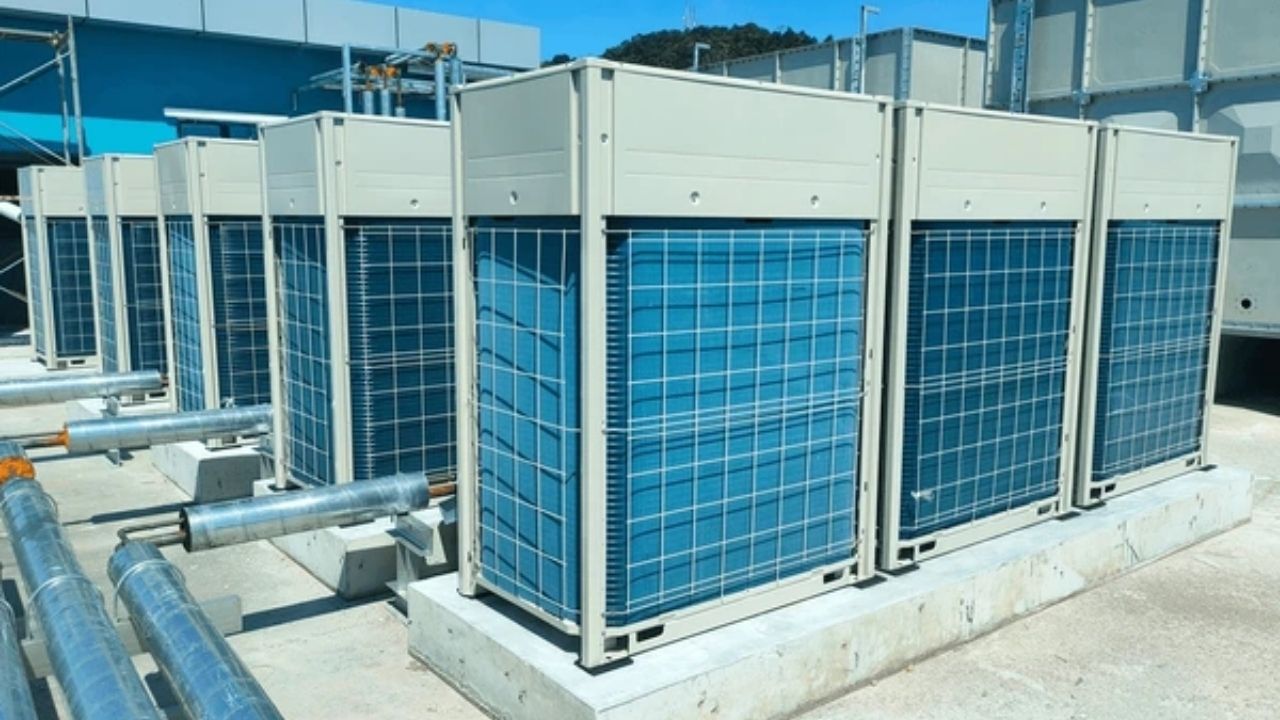
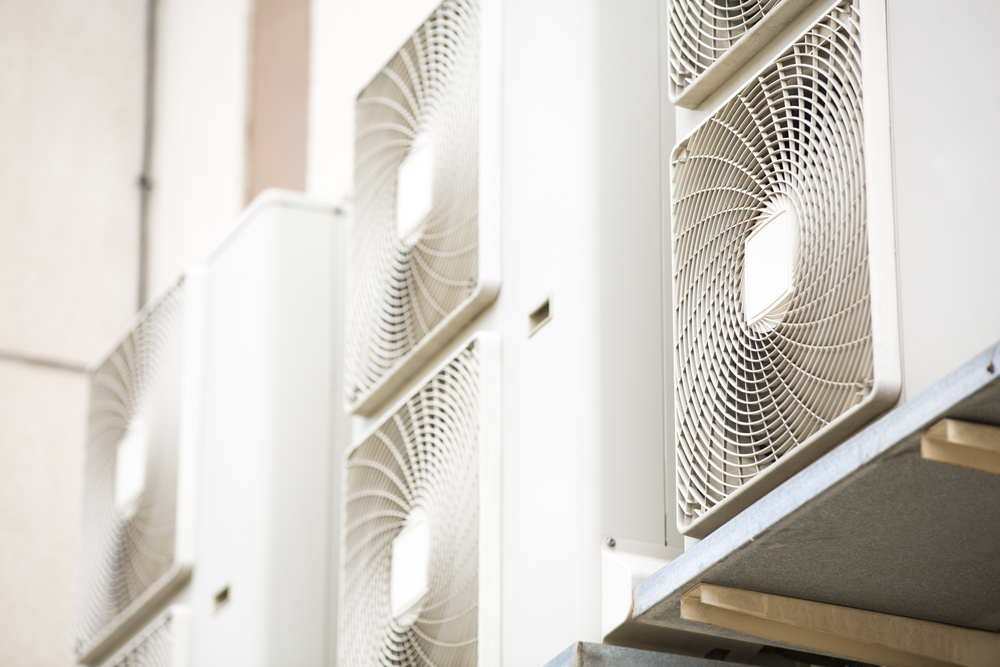
In industrial cooling infrastructure, the condenser is a critical point of energy consumption, where suboptimal fan design can lead to significant operational costs and reduced system reliability. Achieving superior industrial cooling energy efficiency hinges on precise condenser fan optimization, transforming a basic component into a strategic asset for reducing electricity usage and enhancing overall performance. Forward-thinking facilities recognize that this is not merely about airflow but about intelligent design that directly impacts the bottom line through substantial energy savings and minimized thermal stress on the entire system.
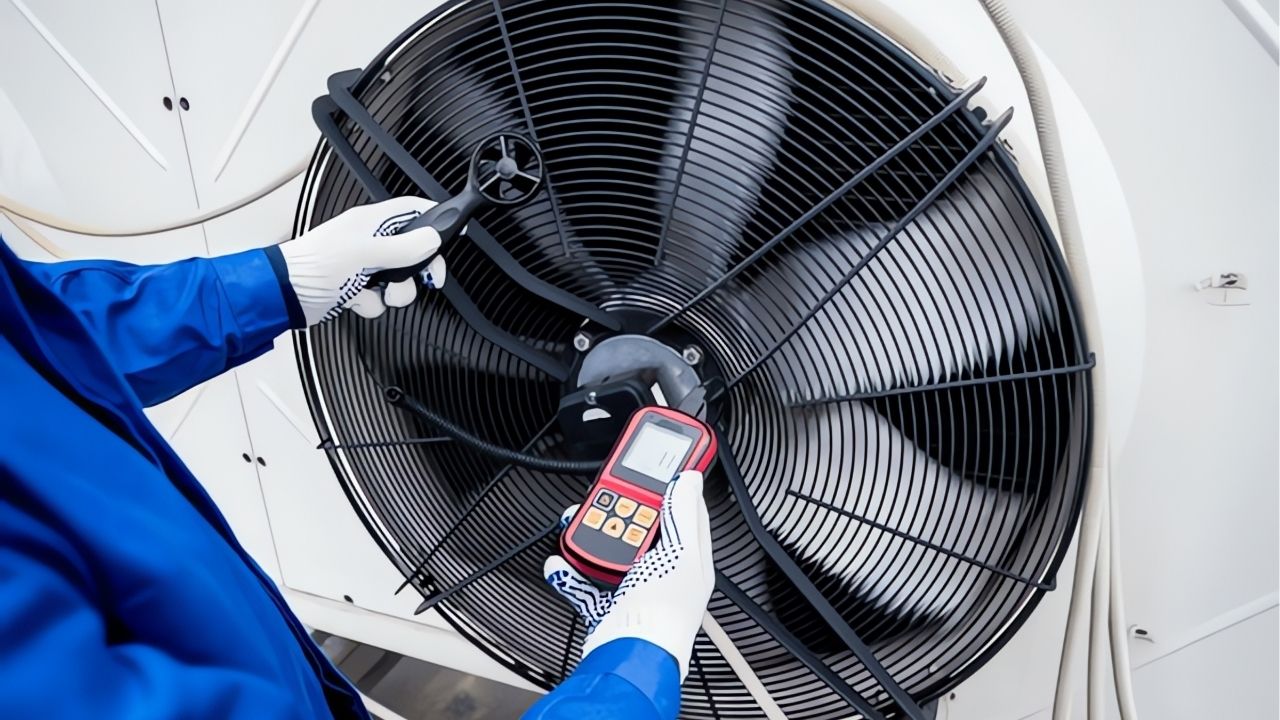
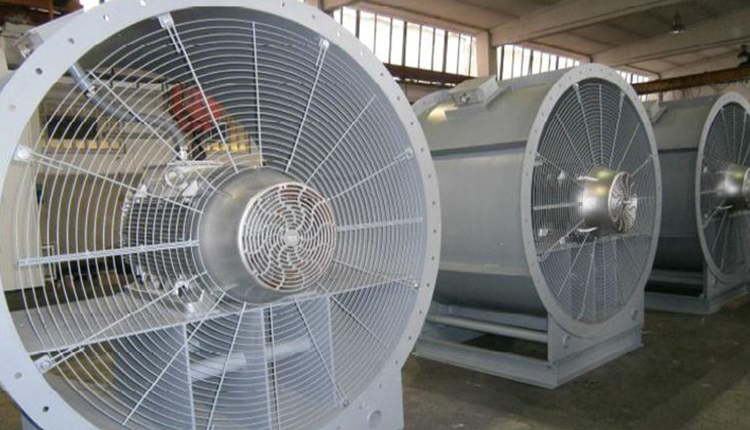
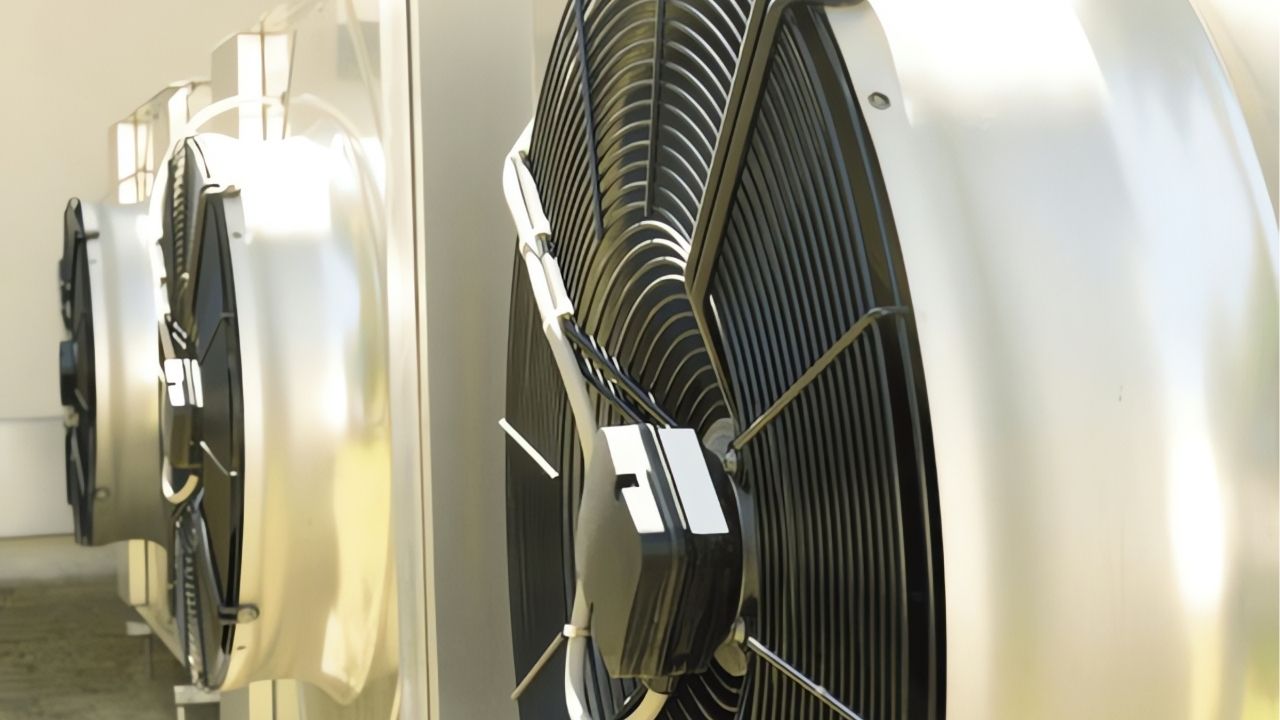
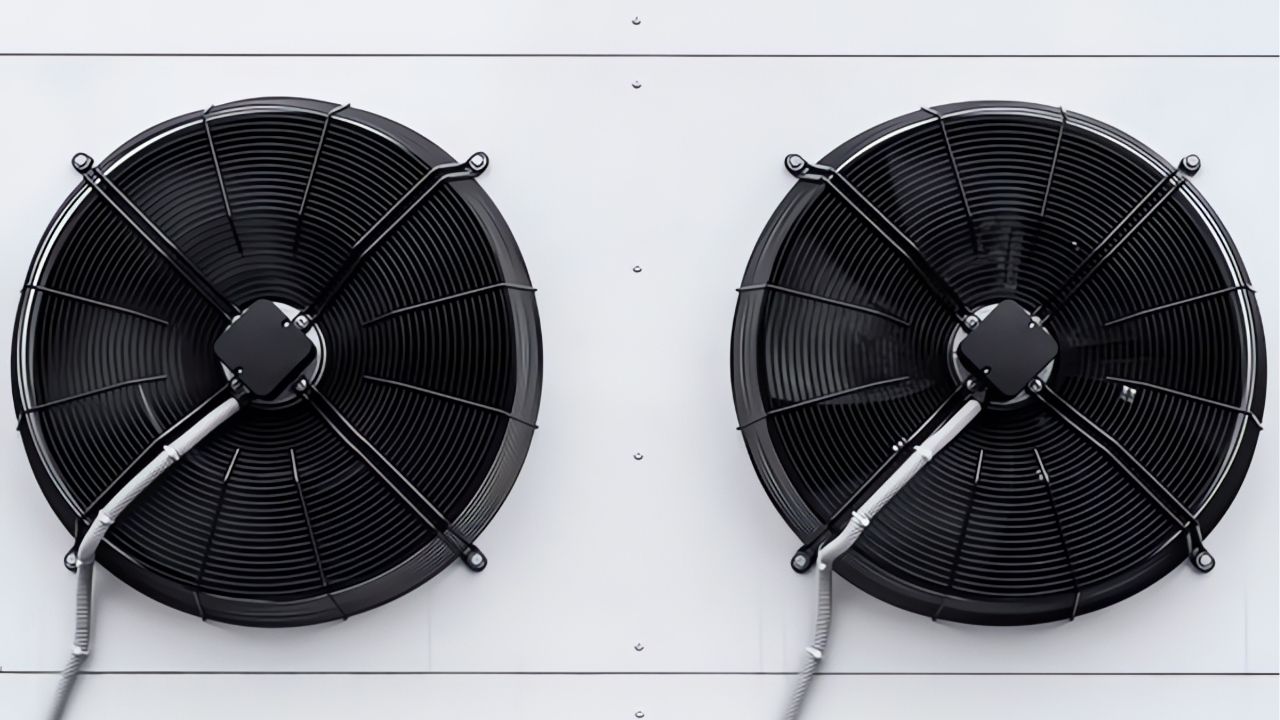
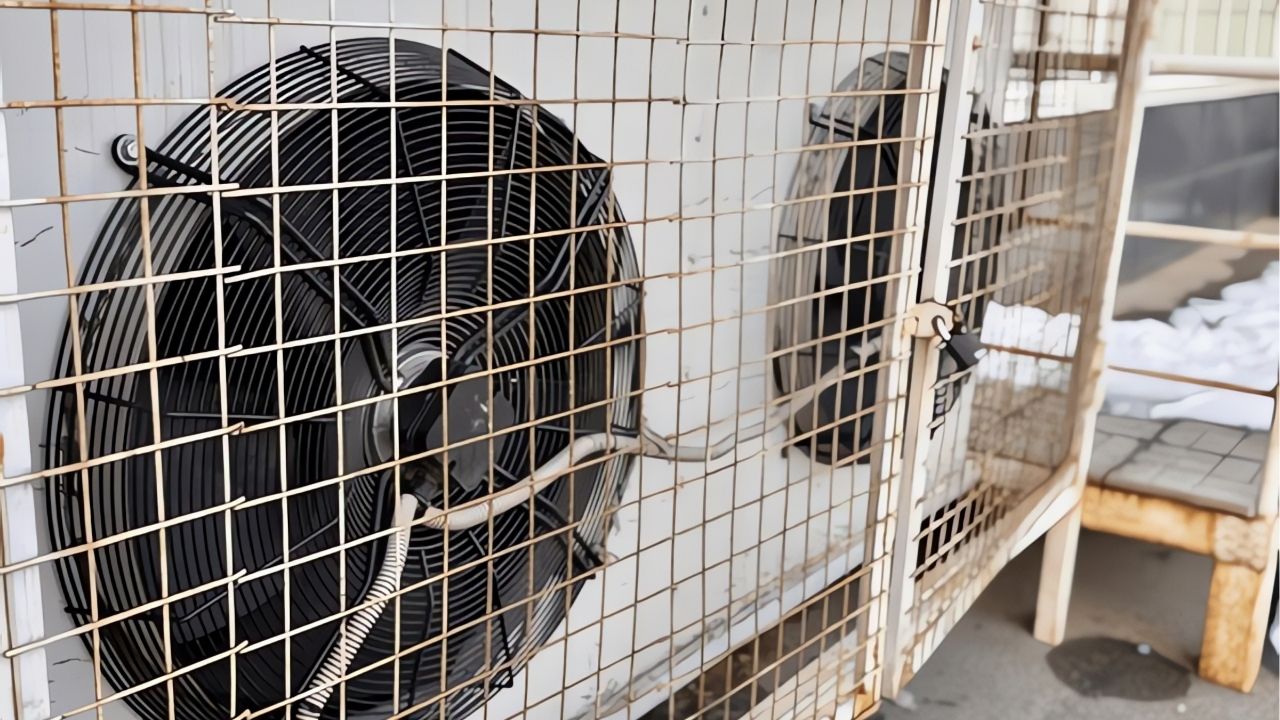
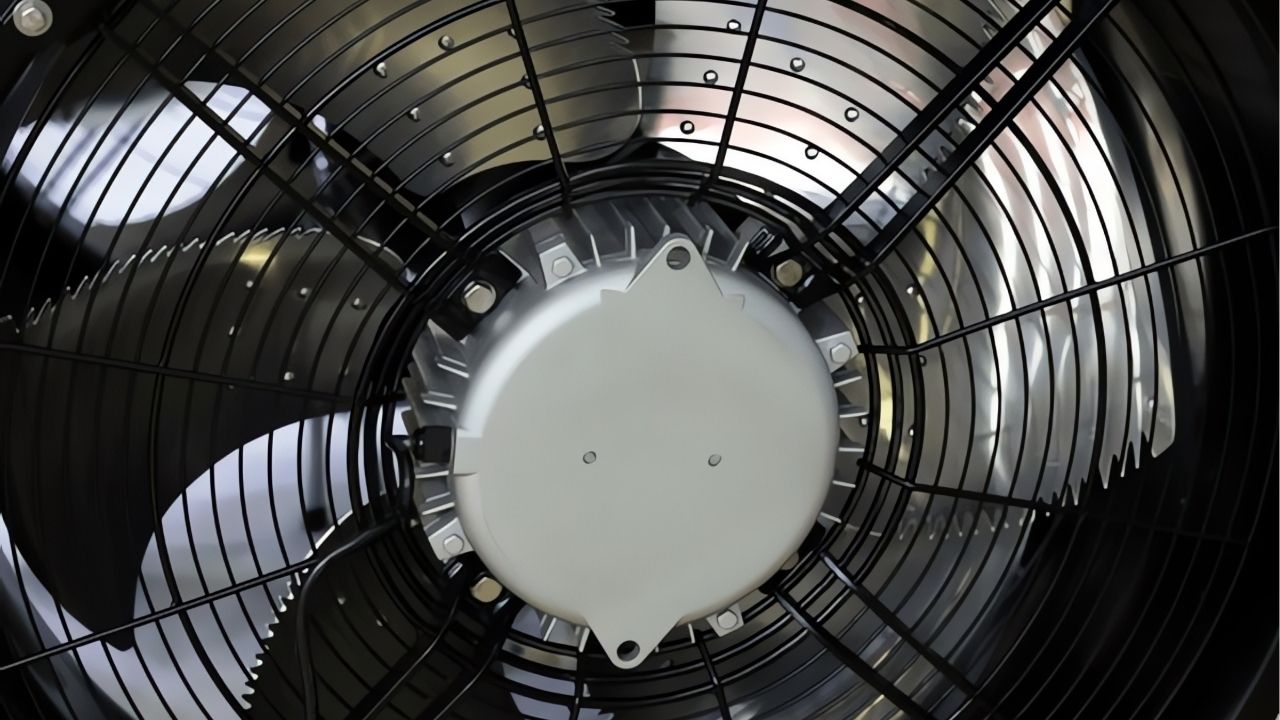
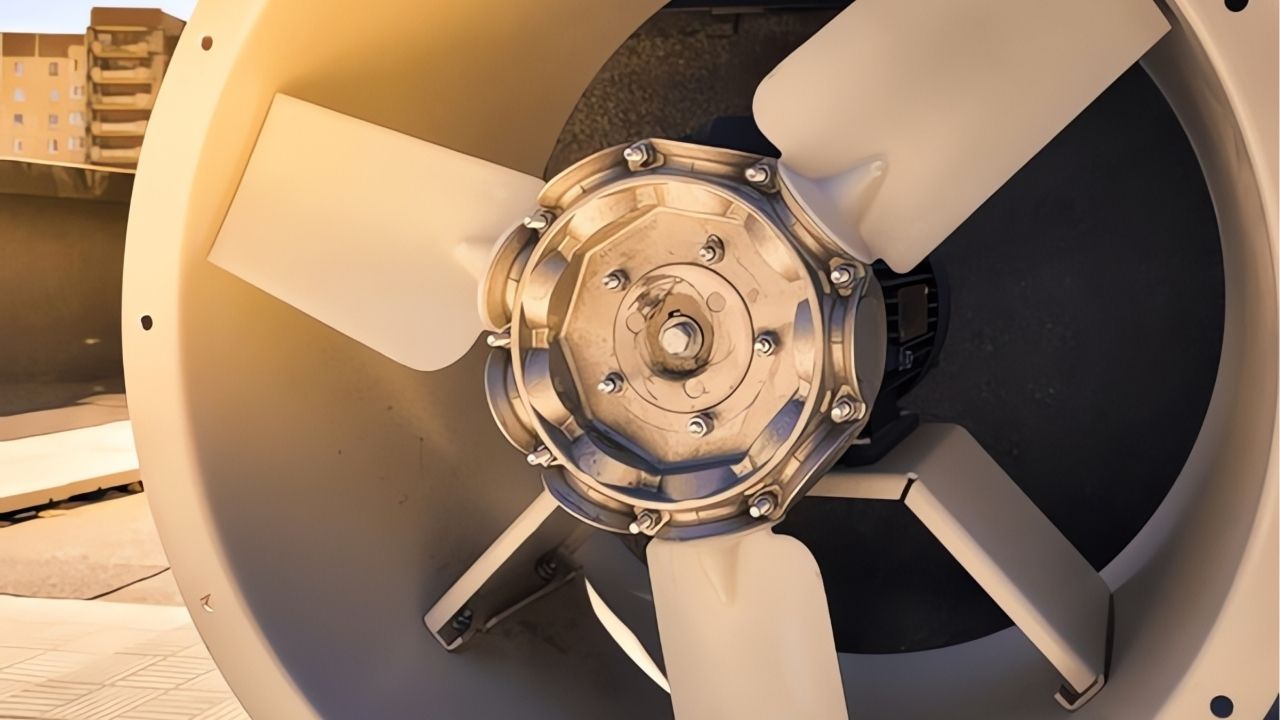
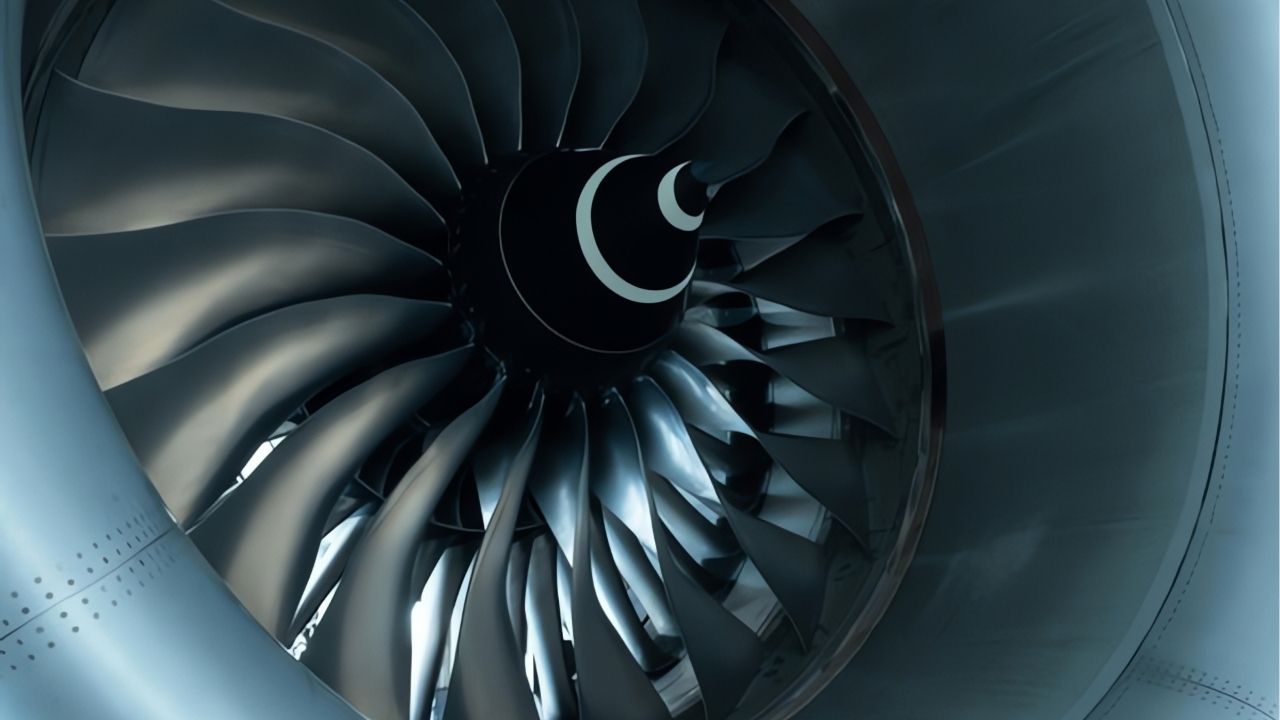
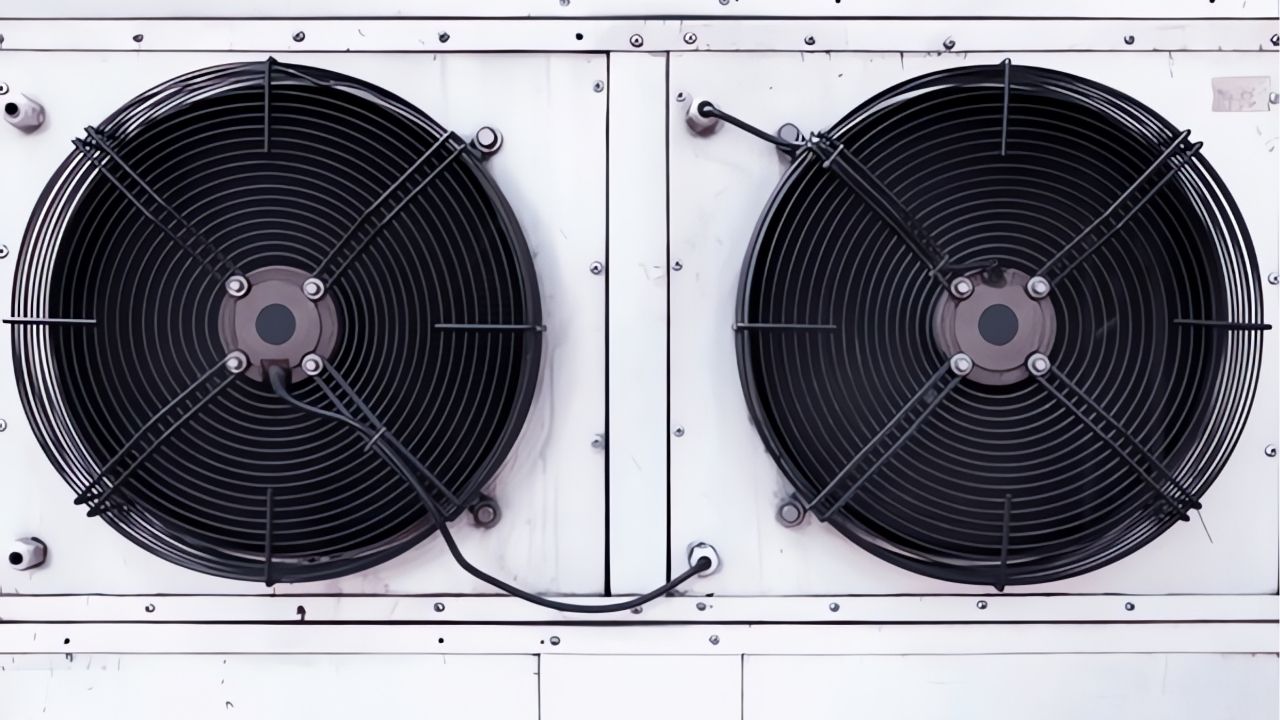
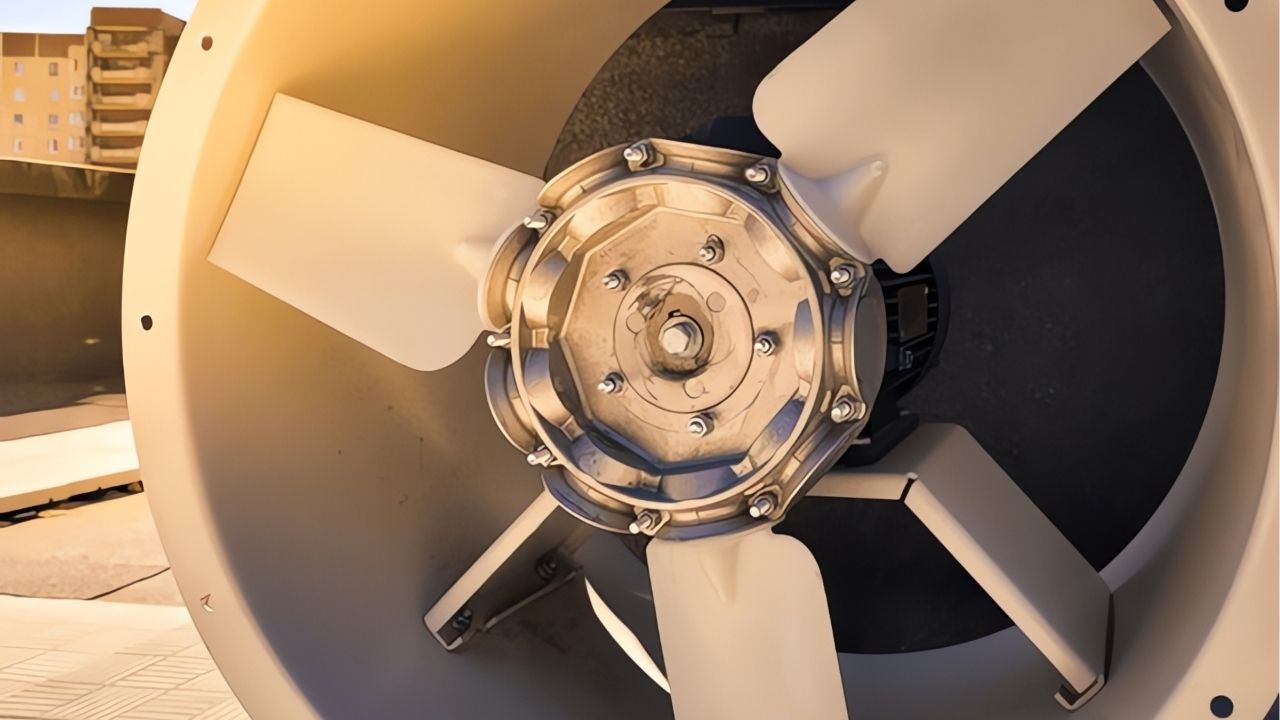
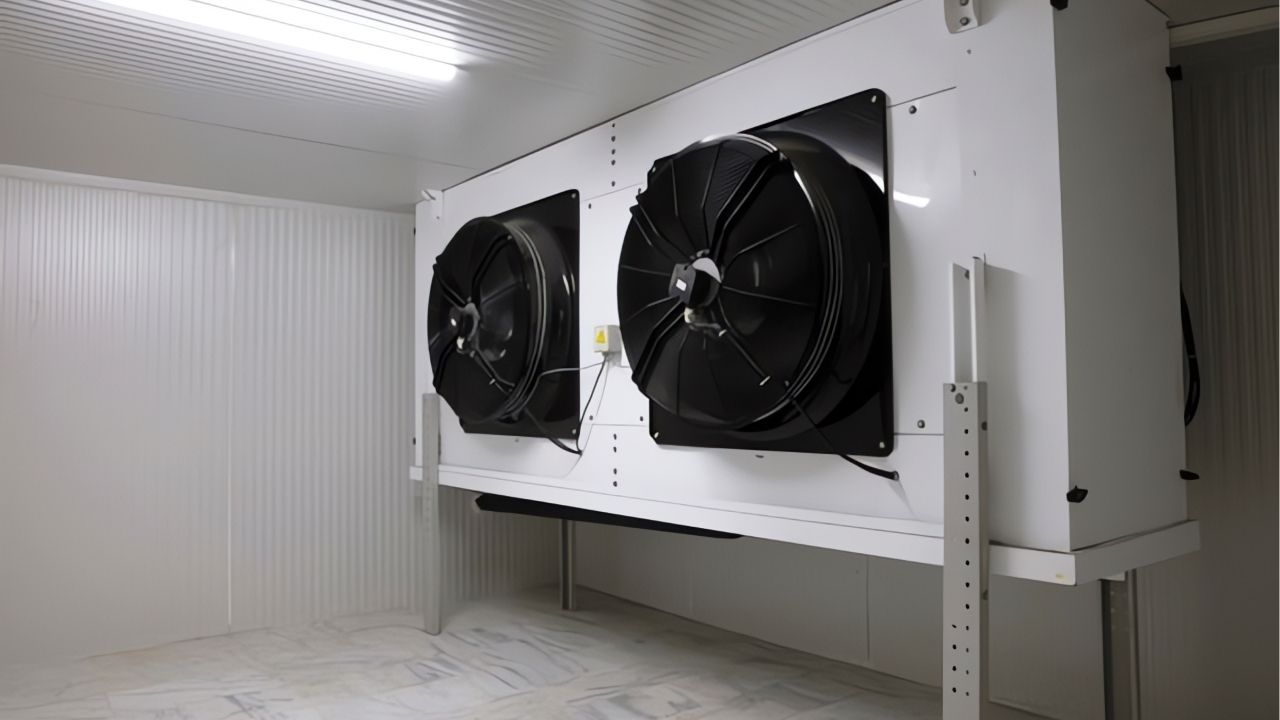
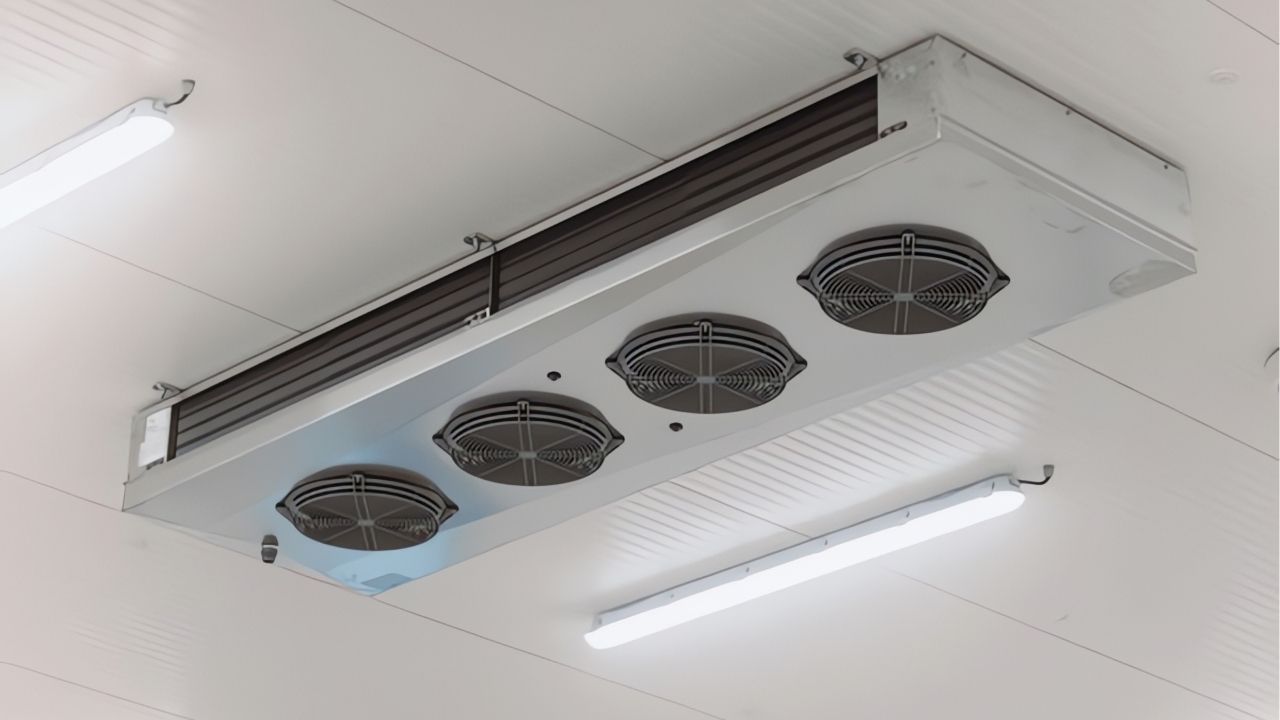
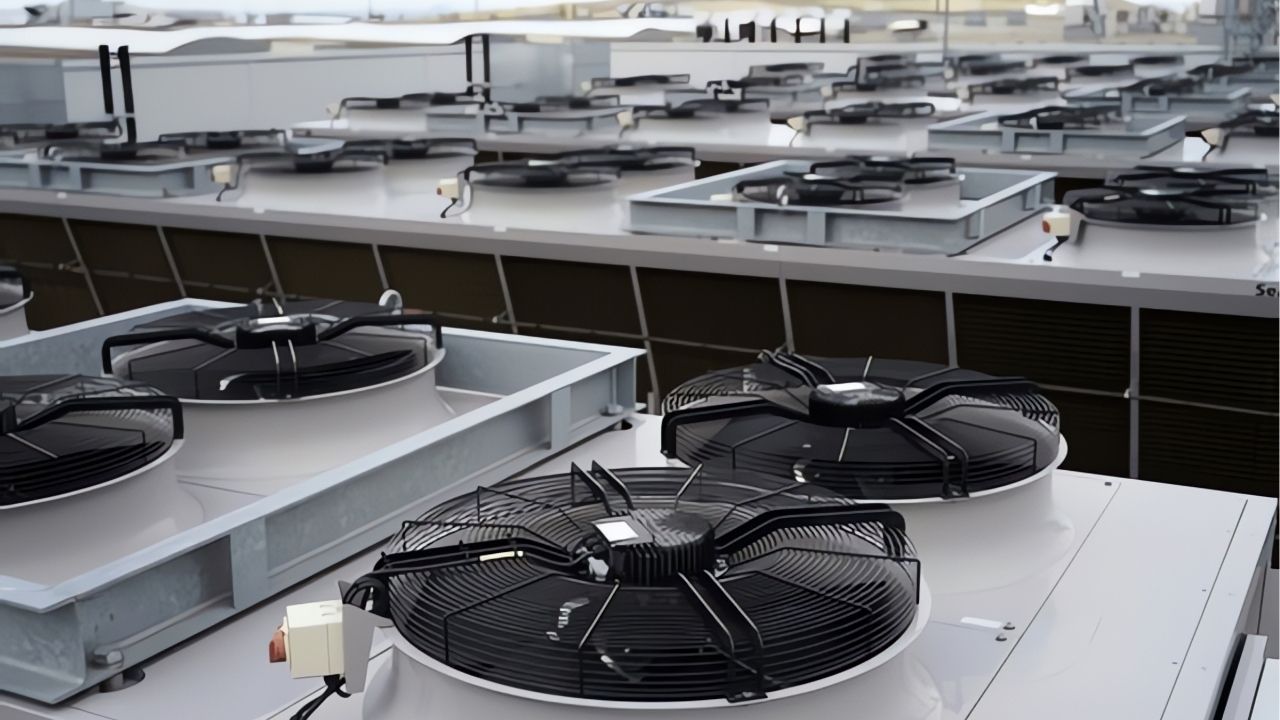
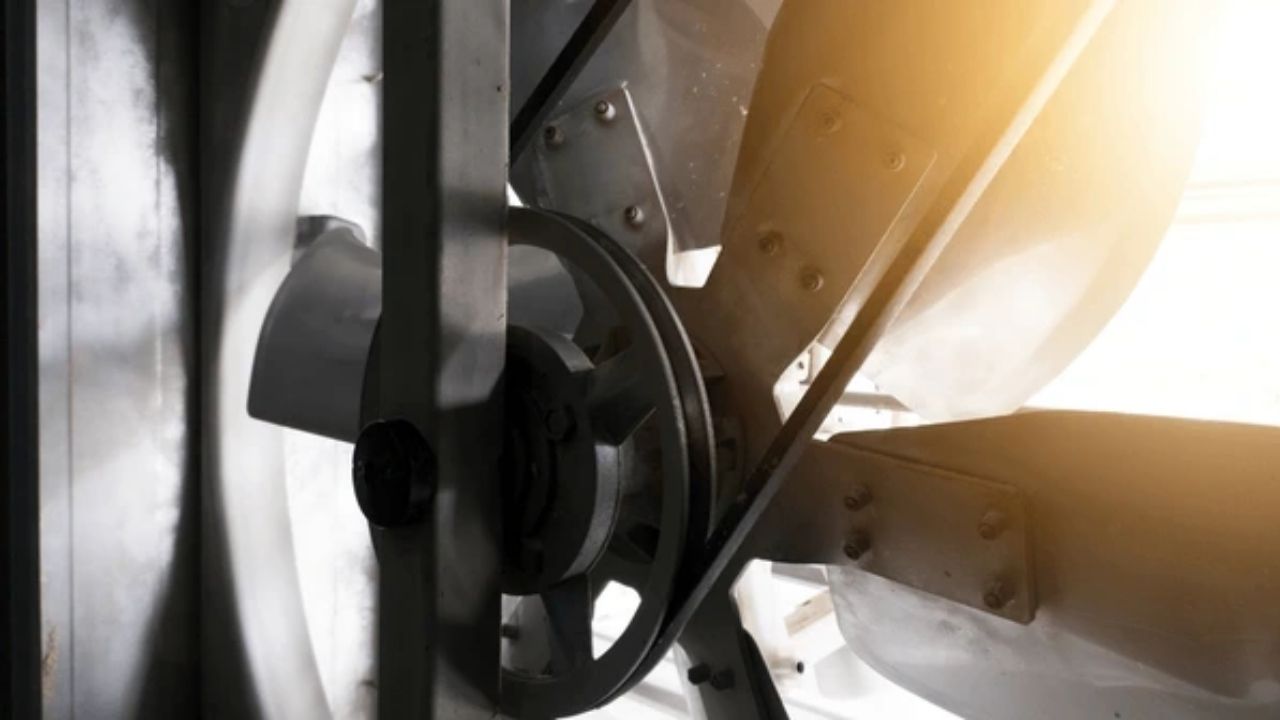
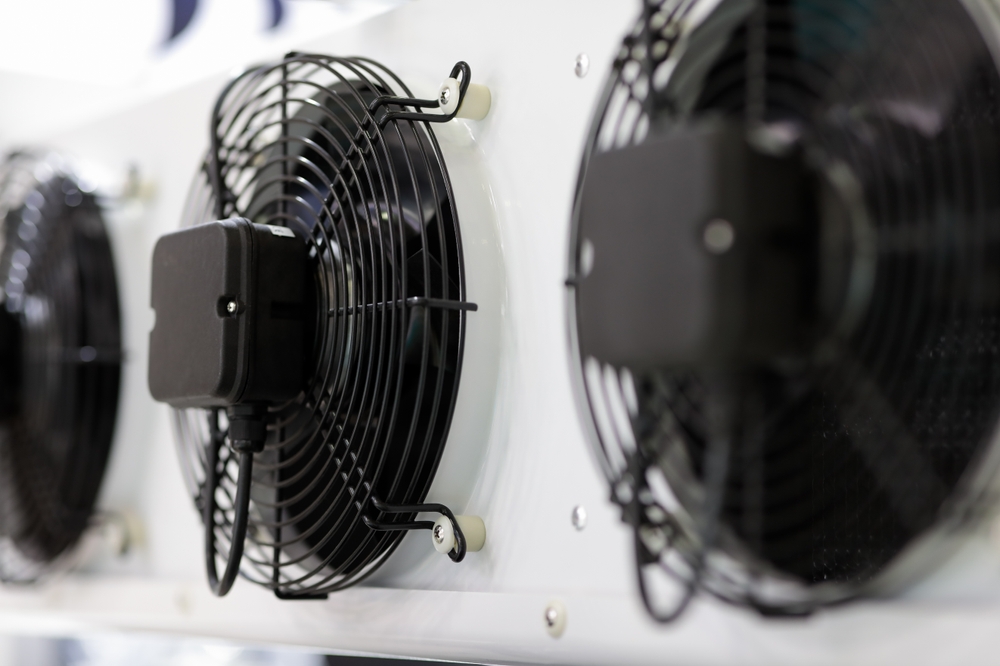
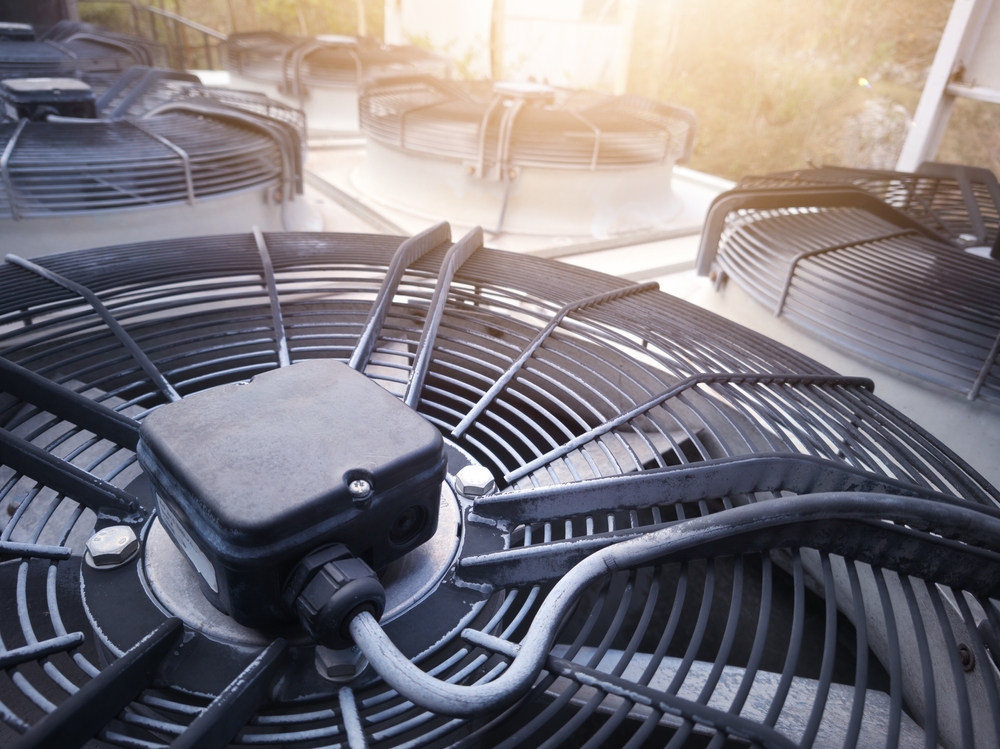
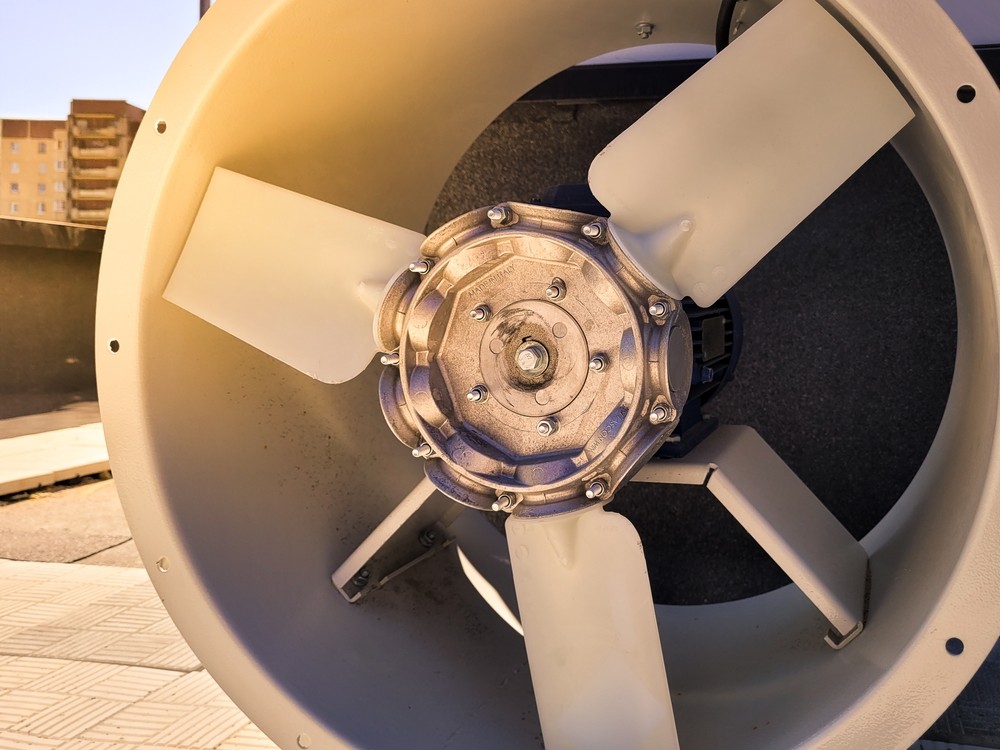
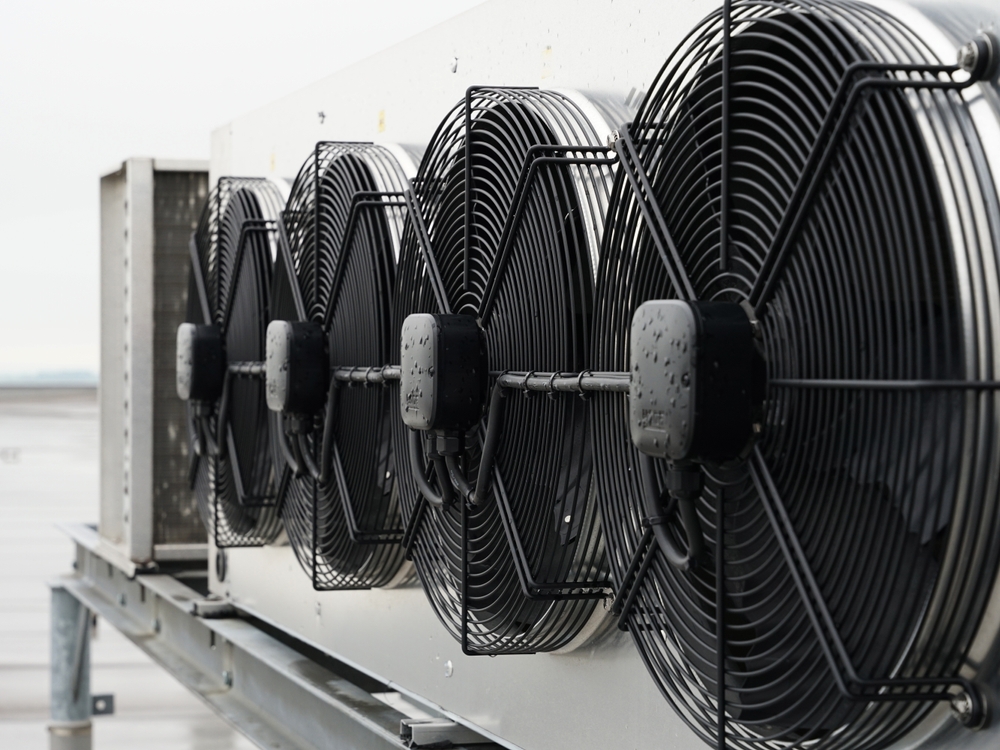
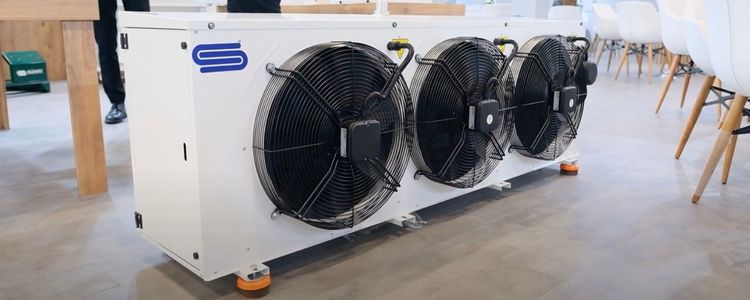
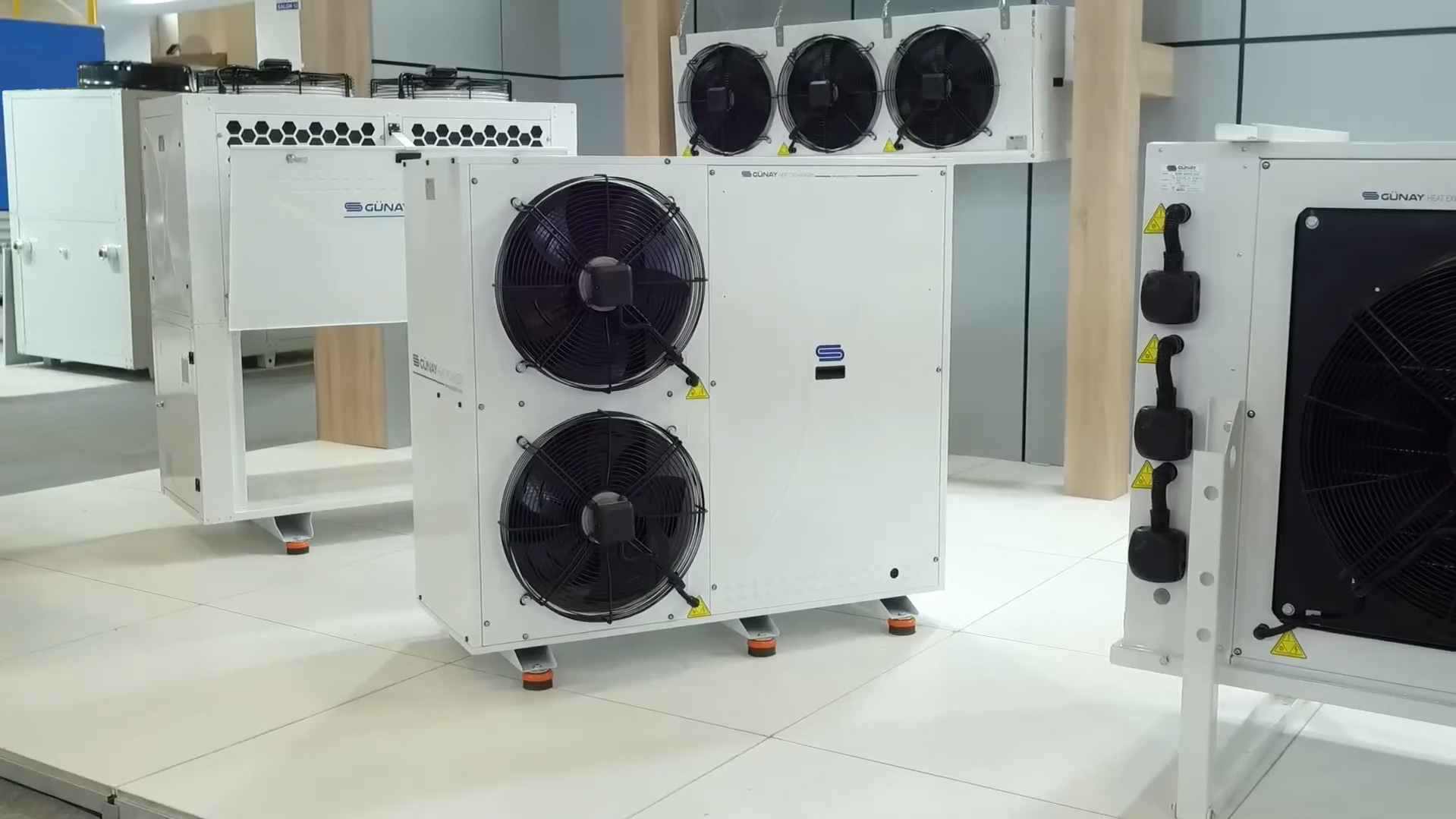
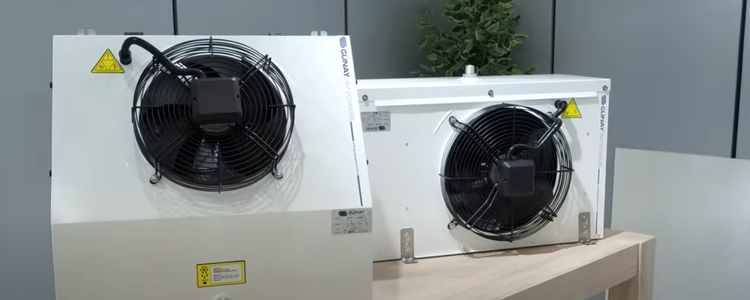
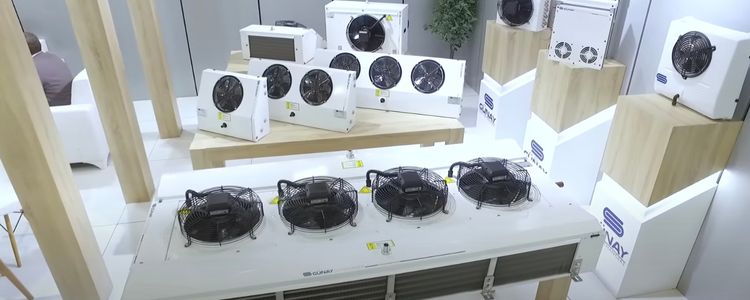
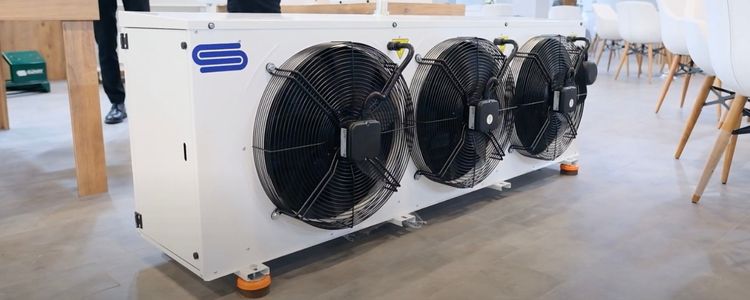
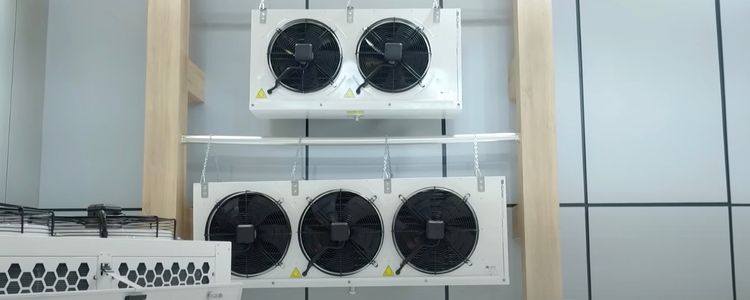
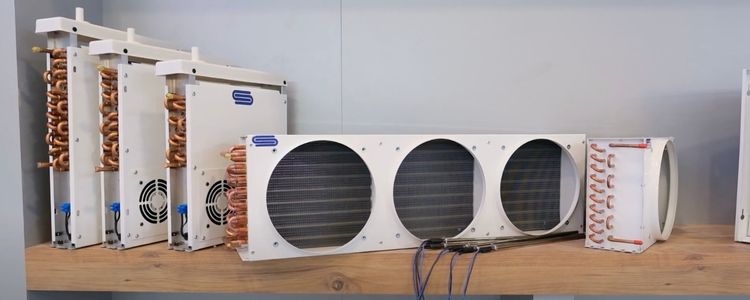
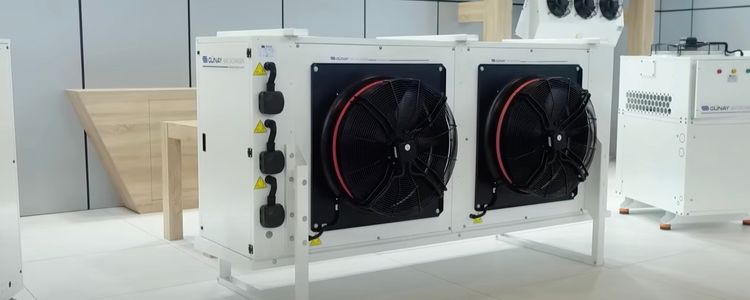
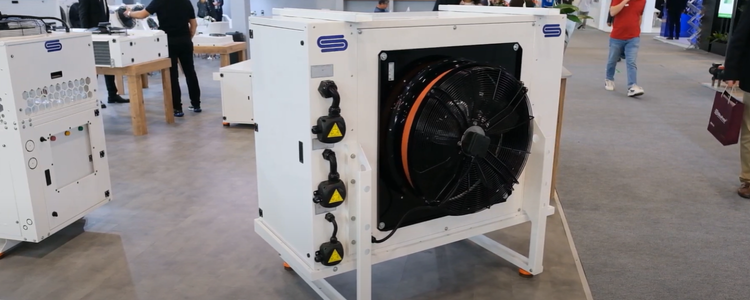
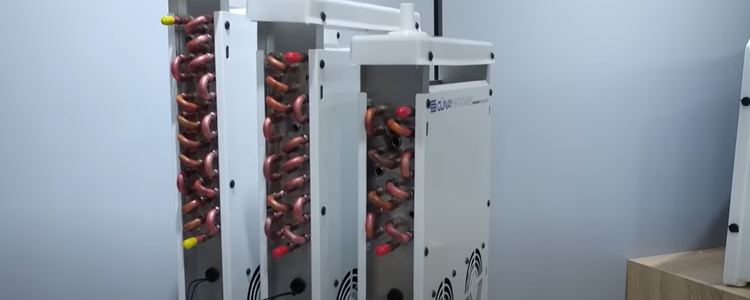
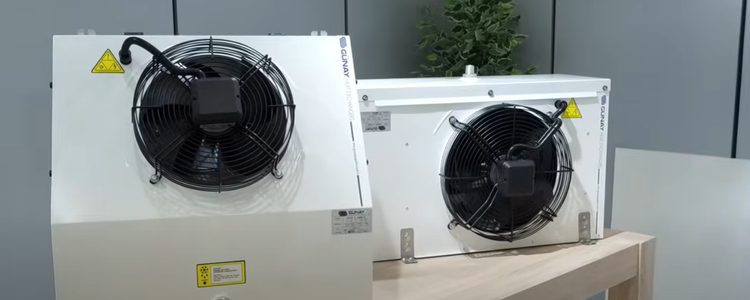
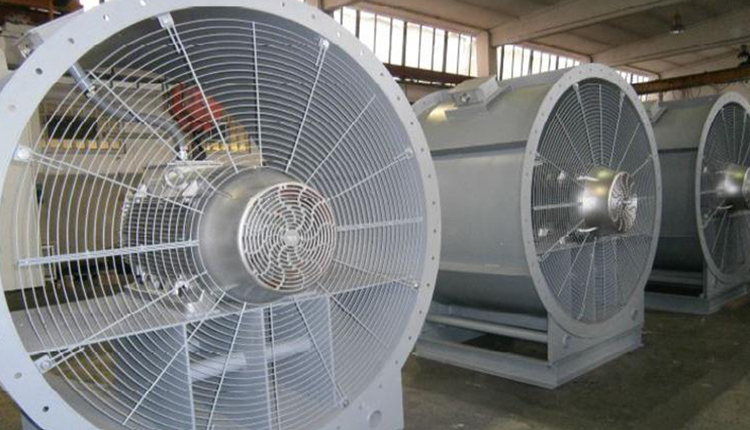
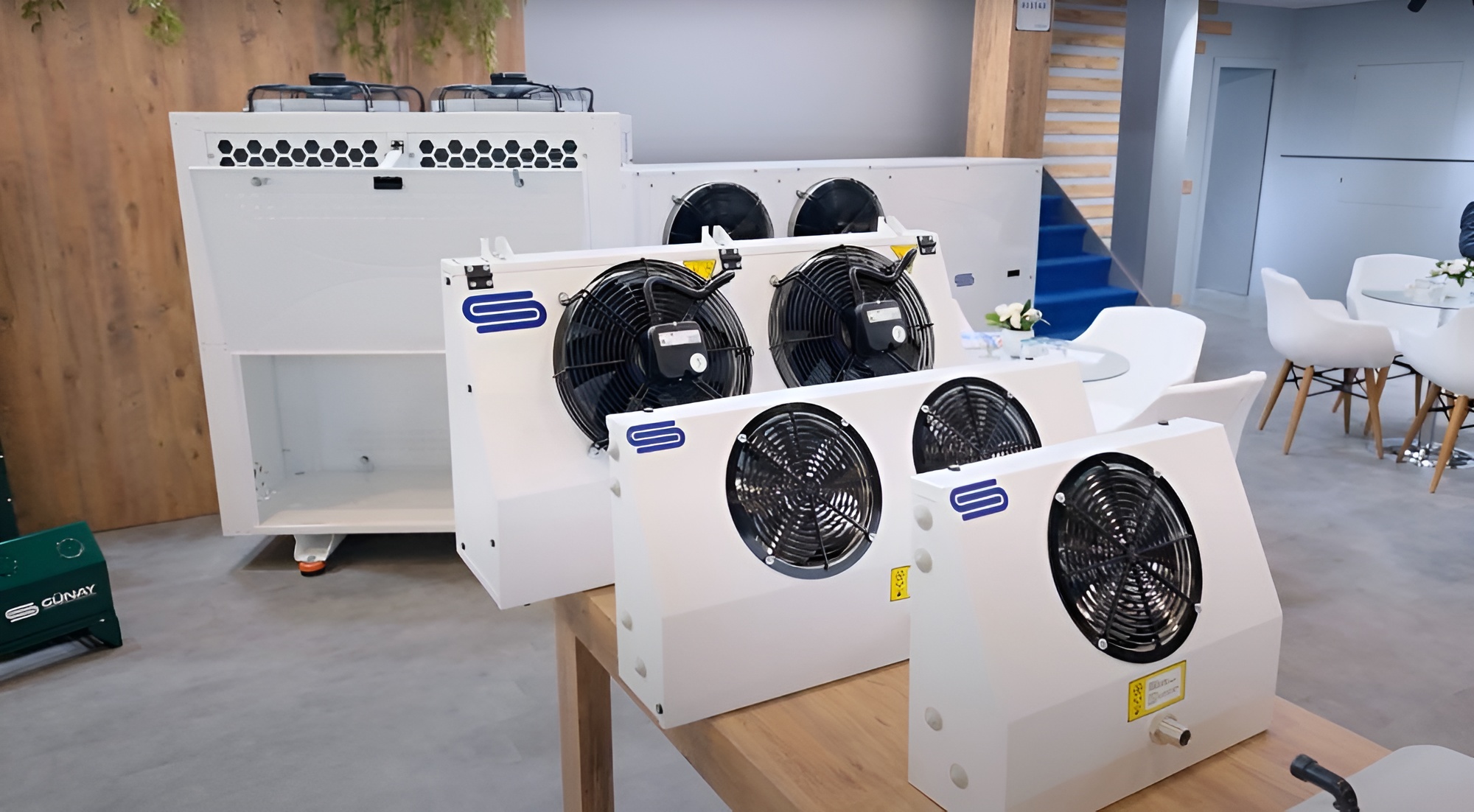
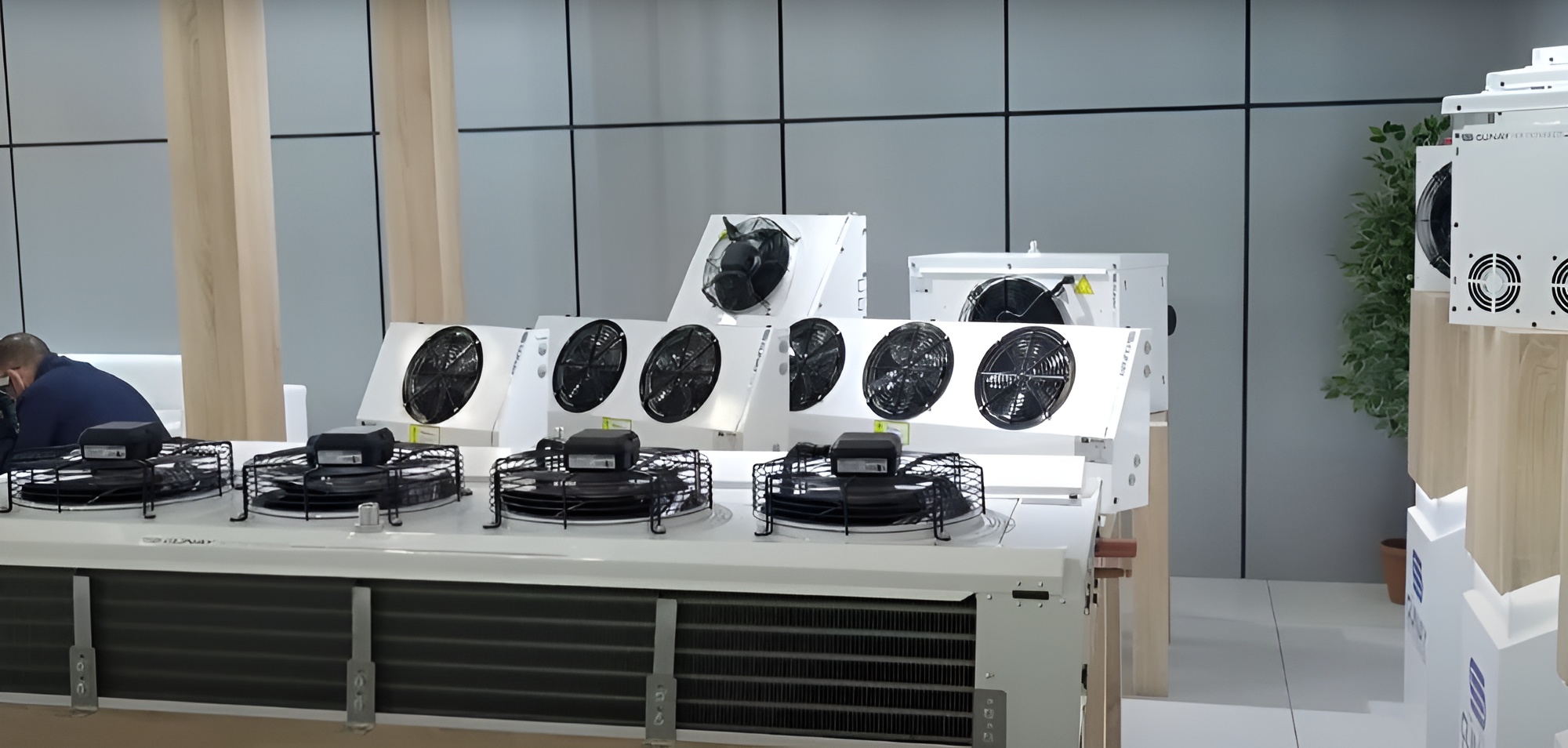
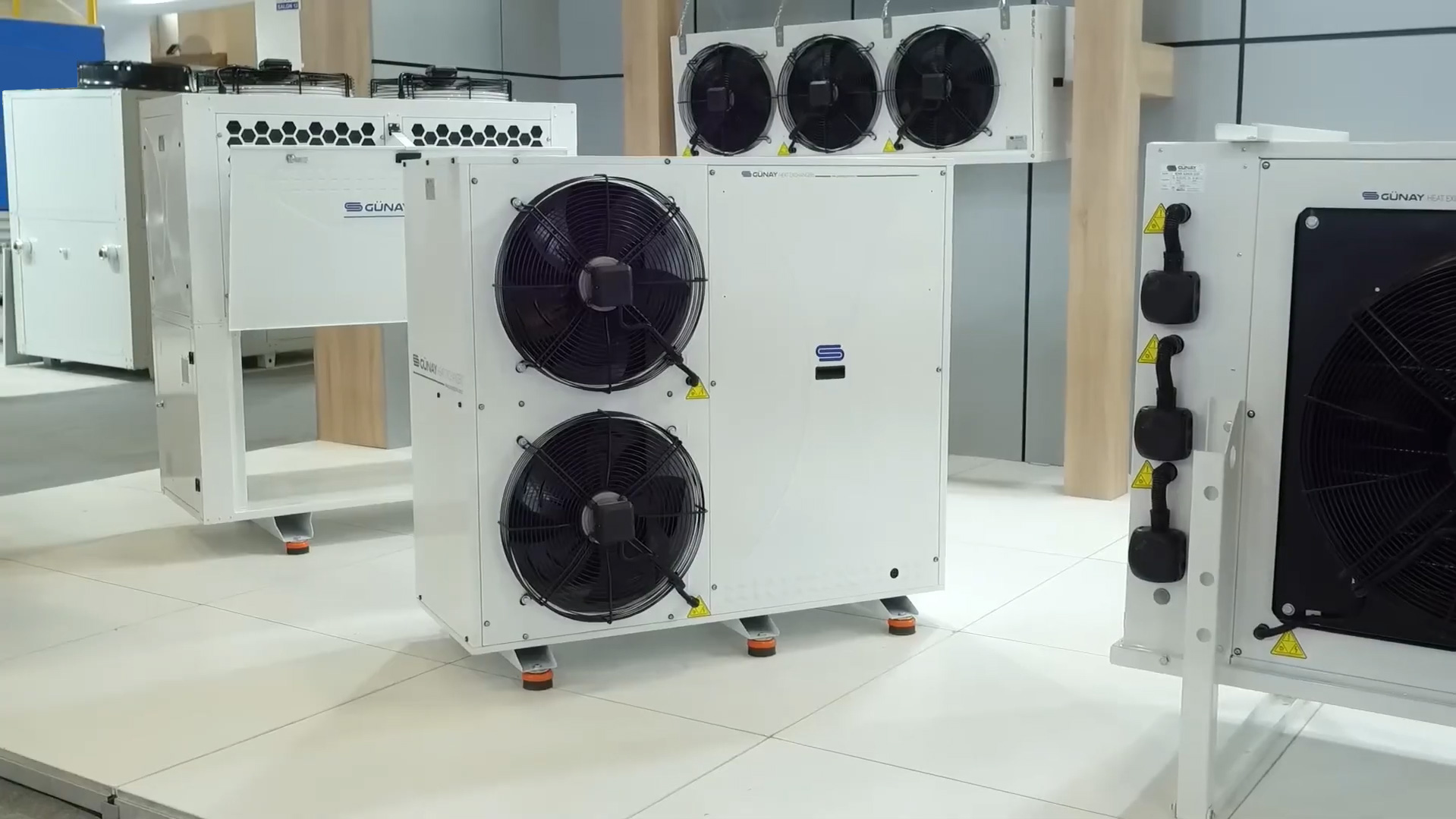
The core of this optimization lies in advanced axial fan engineering, where blade geometry, motor efficiency, and material durability are meticulously calibrated. A high-performance axial fan for industrial facilities moves a larger volume of air with less power input, directly enabling flow rate optimization for peak heat rejection. This synergy between fan design and airflow management ensures the condenser operates at its ideal temperature differential, which is fundamental to creating energy saving cooling systems. Companies like Günay Soğutma integrate these principles into both serial and custom evaporator production, ensuring that every fan and coil system is engineered for mutual high performance.
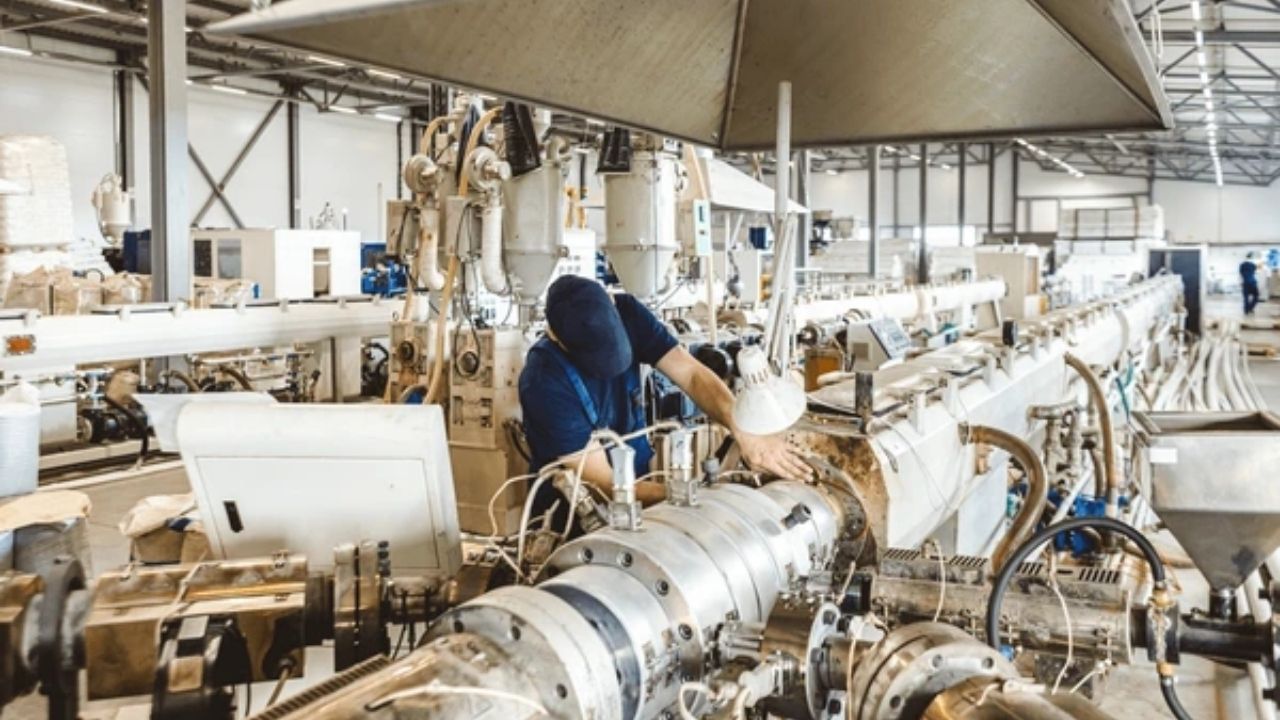
This technical approach delivers tangible benefits across demanding sectors, from maintaining precise temperatures in food processing lines to ensuring continuous operation in energy sector applications. A durable condenser design, powered by an optimized fan, resists corrosion and mechanical wear, leading to longer service intervals and reduced downtime. The reliability of a Günay Soğutma axial fan stems from a manufacturing discipline that prioritizes robust materials and precise balancing, ensuring consistent performance under heavy loads. This focus on durability translates directly into lower lifetime costs and greater operational predictability for production managers.
Ultimately, investing in scientifically engineered fan systems is a direct investment in long-term facility profitability and sustainability. By prioritizing components designed for maximum efficiency and resilience, businesses can achieve a stronger, more reliable cooling infrastructure that withstands the demands of continuous operation. This proactive approach to condenser fan optimization moves beyond simple maintenance to strategic asset management, securing energy savings and operational uptime for years to come. Partnering with experts who offer proven solutions ensures that your cooling system becomes a cornerstone of production efficiency and cost control.
Determining the optimal airflow rate is a fundamental engineering challenge central to achieving peak industrial cooling energy efficiency. This rate is not a universal figure but a carefully calculated balance specific to each condenser's heat load, ambient conditions, and system design. Effective flow rate optimization ensures maximum heat transfer with minimal fan energy consumption, directly impacting the operational cost and performance of the entire cooling infrastructure. Striking this balance is the first step toward building truly energy saving cooling systems that reduce waste without compromising on cooling capacity.
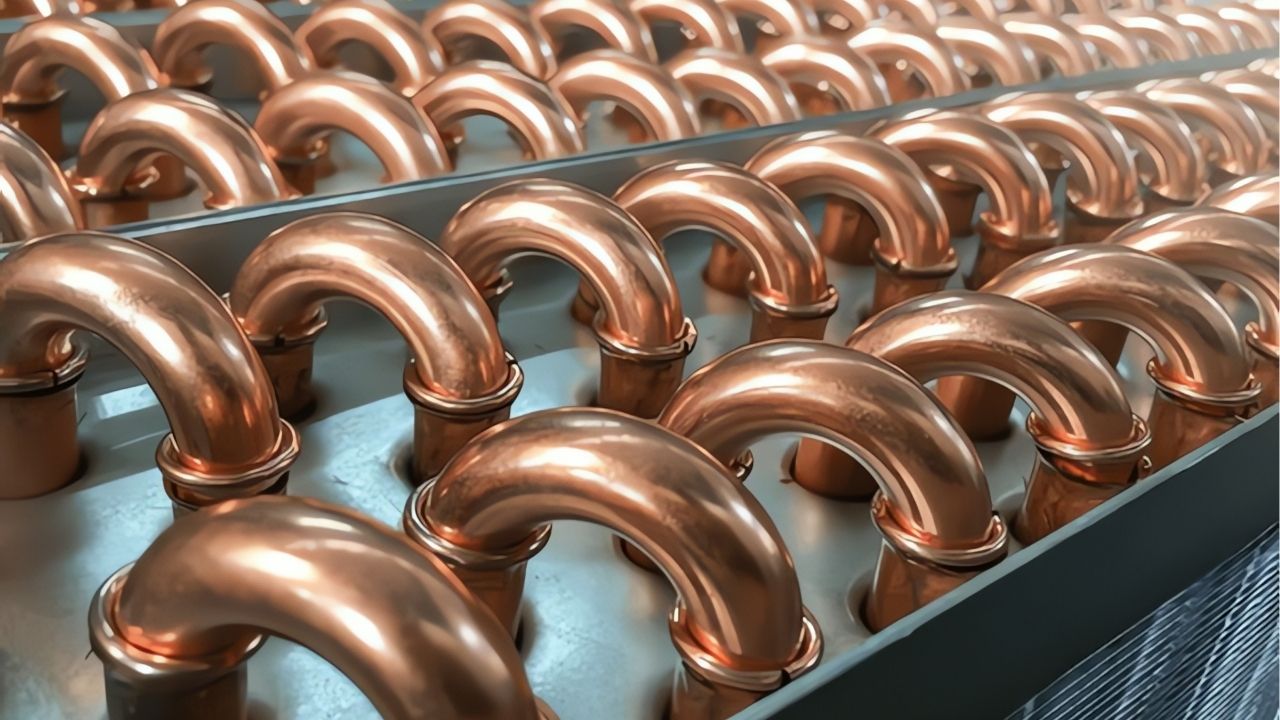
The precise calculation of this optimal rate integrates factors like condenser coil surface area, fin density, and the thermodynamic properties of the refrigerant. This is where advanced axial fan for industrial facilities becomes critical, as its performance characteristics must be matched to the system's requirements. A Günay Soğutma axial fan, for instance, is engineered to deliver the exact cubic feet per minute (CFM) needed for efficient heat rejection, a core aspect of comprehensive condenser fan optimization. This synergy between the fan and coil is paramount, which is why coordinated custom evaporator production and condenser design is essential for seamless system integration.
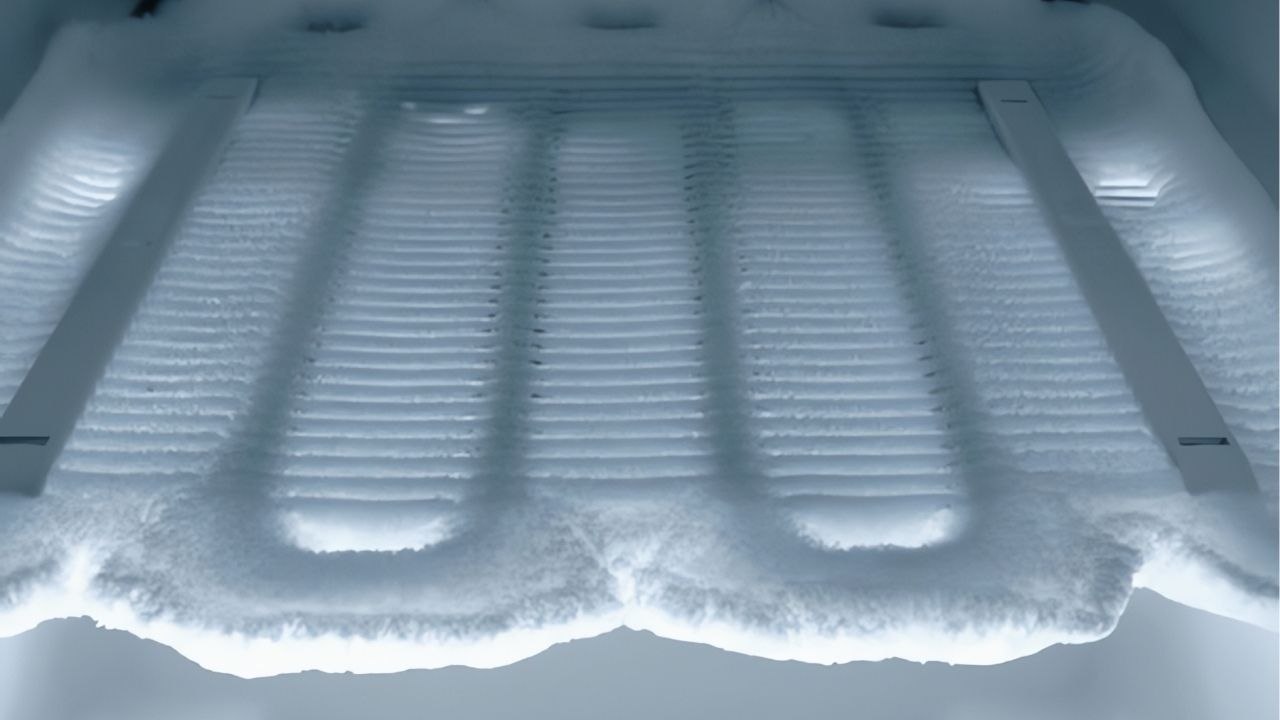
In practical terms, an optimally set airflow rate prevents issues like short-cycling and excessive head pressure, which degrade compressor life and increase energy bills. For a durable condenser design, the correct airflow also minimizes frost accumulation and coil fouling, leading to significantly longer intervals between maintenance shutdowns. In the food sector, this reliability ensures consistent product temperature control, while in energy plants, it supports uninterrupted process cooling. This operational stability is a direct result of meticulous engineering focused on the precise interaction between air movement and heat exchange.
Ultimately, defining and implementing the optimal airflow is a strategic investment in the longevity and economy of your cooling operations. It transforms the condenser from a passive component into an actively managed asset that maximizes efficiency and minimizes lifetime costs. Partnering with manufacturers who prioritize this level of technical precision in both serial and custom production ensures your facility benefits from a cooling infrastructure designed for sustained high performance. This approach guarantees not only immediate energy savings but also long-term operational resilience and reliability.
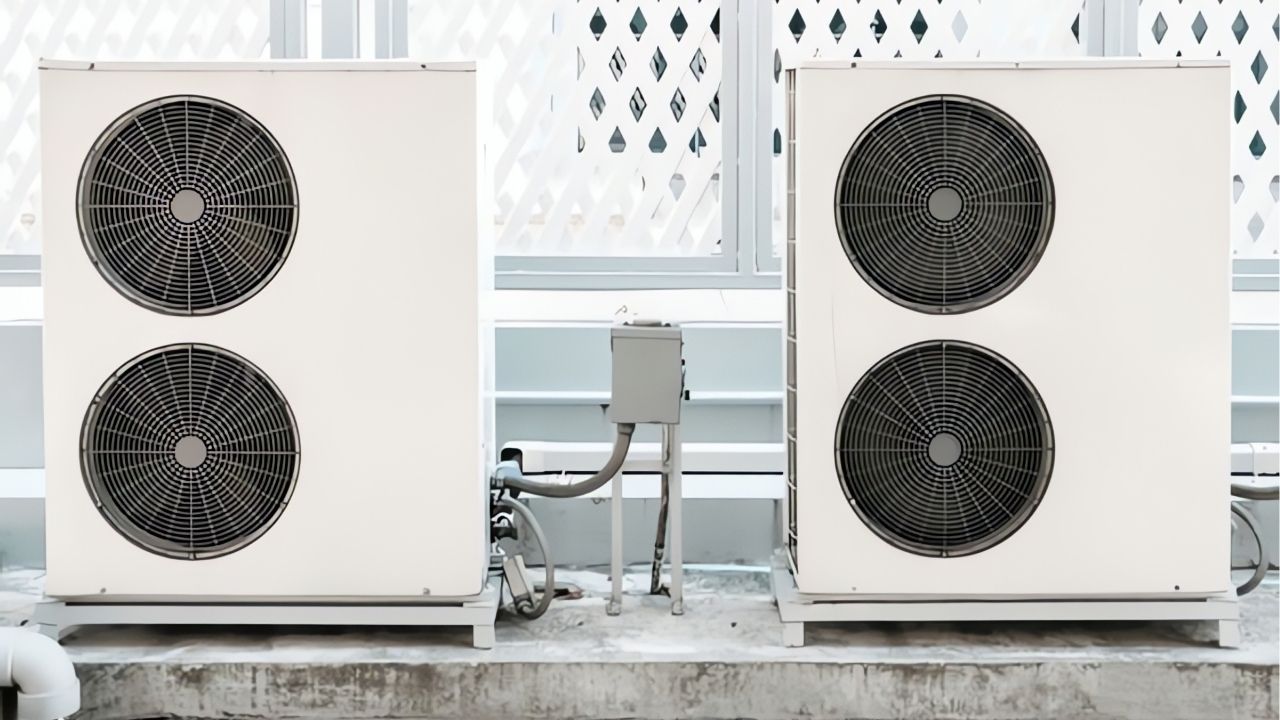
For industrial facilities grappling with rising operational expenses, upgrading outdated condenser fans with modern axial models presents a direct and substantial opportunity for cost reduction. This strategic move is a cornerstone of achieving superior industrial cooling energy efficiency, as fans are often the largest electrical load within a condenser unit. A modern axial fan for industrial facilities is engineered to deliver higher airflow with significantly lower power consumption, directly translating into lower monthly energy bills. This makes targeted condenser fan optimization one of the most effective retrofits for creating energy saving cooling systems.
The efficiency gains stem from advancements in aerodynamic blade design, high-efficiency motors, and improved materials that reduce rotational mass. A Günay Soğutma axial fan, for example, incorporates these technologies to achieve precise flow rate optimization, ensuring the condenser rejects heat at the optimal rate without wasted effort. This precision is vital for supporting a durable condenser design by maintaining stable operating pressures, which in turn extends the lifespan of compressors and other critical components. Such upgrades are often seamlessly integrated, whether through standard serial models or tailored custom evaporator production packages.
The financial and operational benefits are immediately evident in real-world applications. In food processing plants, where cooling is continuous, an axial fan upgrade can reduce energy consumption by 20 percent or more, while also providing the consistent cooling required for product safety and quality. The reduced mechanical strain on the fan system itself also leads to fewer breakdowns, minimizing unplanned maintenance downtime and associated production losses. This enhanced reliability is a key driver for facility managers seeking to optimize total cost of ownership and ensure uninterrupted manufacturing processes.
Investing in an axial fan upgrade is therefore not merely a component replacement but a strategic enhancement of your entire cooling infrastructure. The return on investment is typically rapid, with energy savings quickly offsetting the initial capital outlay. By partnering with experienced manufacturers who understand the intricate balance between airflow, heat transfer, and energy use, businesses can secure long-term operational savings and improved system resilience. This proactive approach to cooling system management solidifies the foundation for efficient, reliable, and cost-effective production for years to come.
Accurately calculating the ideal airflow rate is a precise engineering discipline essential for unlocking significant energy saving cooling systems. This calculation is the foundation of effective flow rate optimization, balancing the condenser's heat rejection duty with the minimal fan energy required to achieve it. The process begins with determining the total heat load the system must dissipate, which is influenced by refrigerant type, desired temperature differential, and ambient conditions. Mastering this calculation is the first step toward transforming a standard cooling unit into a highly efficient component of your industrial cooling energy efficiency strategy.
The core formula involves the specific heat of air, the density of the ambient air, and the temperature rise across the condenser coil. This quantitative approach ensures that the selected axial fan for industrial facilities is neither undersized, risking inadequate cooling and high pressure, nor oversized, which wastes energy and can cause unnecessary wear. This scientific methodology is integral to the condenser fan optimization services offered by experts, where a Günay Soğutma axial fan is specified to deliver the calculated CFM with maximum electrical efficiency. This precise matching is equally critical in custom evaporator production to ensure full system harmony.
Applying this calculated flow rate in the field directly results in a more durable condenser design and stable operation. For instance, in a refrigeration plant, the correct airflow prevents the compressor from operating at excessively high head pressures, a primary cause of mechanical failure and energy waste. In the food sector, precise temperature control reliant on optimal airflow ensures product integrity and compliance with safety standards. The outcome is a system that runs smoother, lasts longer, and requires less frequent intervention, maximizing uptime for critical production lines.
Therefore, the process of calculating ideal flow rates is not a theoretical exercise but a practical investment in operational excellence and cost control. It provides the data-driven justification for selecting components that deliver peak performance over their entire lifecycle. By leveraging this engineering precision, facilities can achieve a cooling infrastructure that is both economically and mechanically optimized for the long term. Partnering with manufacturers who embed this rigor into their design process ensures your investment yields continuous returns through reduced energy consumption and enhanced system reliability.
Fan speed is the primary control variable that directly dictates both the heat rejection capacity and energy consumption of an industrial condenser, making its management fundamental to industrial cooling energy efficiency. An incorrectly set speed, either too high or too low, leads to significant inefficiencies, such as excessive power draw or insufficient cooling, which compromise system stability. Intelligent condenser fan optimization focuses on modulating fan speed in response to real-time conditions like ambient temperature and compressor load. This dynamic control is what separates basic cooling from sophisticated energy saving cooling systems that actively reduce operational costs.
The relationship between fan speed and performance is governed by affinity laws, where a small reduction in speed results in a dramatic cubic reduction in power consumption. This principle is leveraged by modern axial fan for industrial facilities equipped with Variable Frequency Drives (VFDs), allowing for precise flow rate optimization. A Günay Soğutma axial fan designed for speed control maintains optimal head pressure across varying loads, which is crucial for protecting compressors and ensuring a durable condenser design. This engineering precision is applied across both standard and custom evaporator production to guarantee system-wide harmony.
In practical application, precise fan speed control is vital for sectors with fluctuating demands. In a food processing facility, speed can be adjusted to match production line activity, providing intense cooling during peak operations and conserving energy during slower periods. This adaptability prevents thermal shock to components and eliminates the energy waste of constantly running fans at full capacity. The result is a more resilient cooling infrastructure that responds intelligently to operational needs, ensuring both product quality and equipment longevity.
Recognizing fan speed as a critical efficiency lever transforms condenser management from a static setup to a dynamic, cost-saving strategy. Investing in fans engineered for precise speed control delivers a rapid return through lower electricity bills and reduced wear on expensive components like compressors. By prioritizing this level of technical sophistication in your cooling components, you build a foundation for sustainable operation that maximizes performance while minimizing lifetime costs. This strategic approach ensures your industrial cooling system remains a reliable, efficient asset for years to come.
Optimizing airflow is a systematic process critical for achieving the peak performance and efficiency demanded by modern industrial cooling infrastructure. It begins with a thorough assessment of the system's heat load and operational envelope to establish a baseline for flow rate optimization. The goal is to ensure that the air moving across the condenser coils facilitates maximum heat transfer with the least possible resistance and energy expenditure. This foundational step is essential for building energy saving cooling systems and forms the core of advanced condenser fan optimization strategies aimed at superior industrial cooling energy efficiency.
The primary tool for achieving this optimization is the selection and configuration of a high-efficiency axial fan for industrial facilities. Key parameters include ensuring proper fan-to-coil clearance, minimizing static pressure drops through streamlined ducting, and implementing variable speed control to match airflow to real-time cooling demands. A precisely engineered Günay Soğutma axial fan is designed to excel in these areas, contributing to a durable condenser design by maintaining stable operating conditions. This holistic approach to component specification is a hallmark of both serial and custom evaporator production, ensuring all parts work in concert.
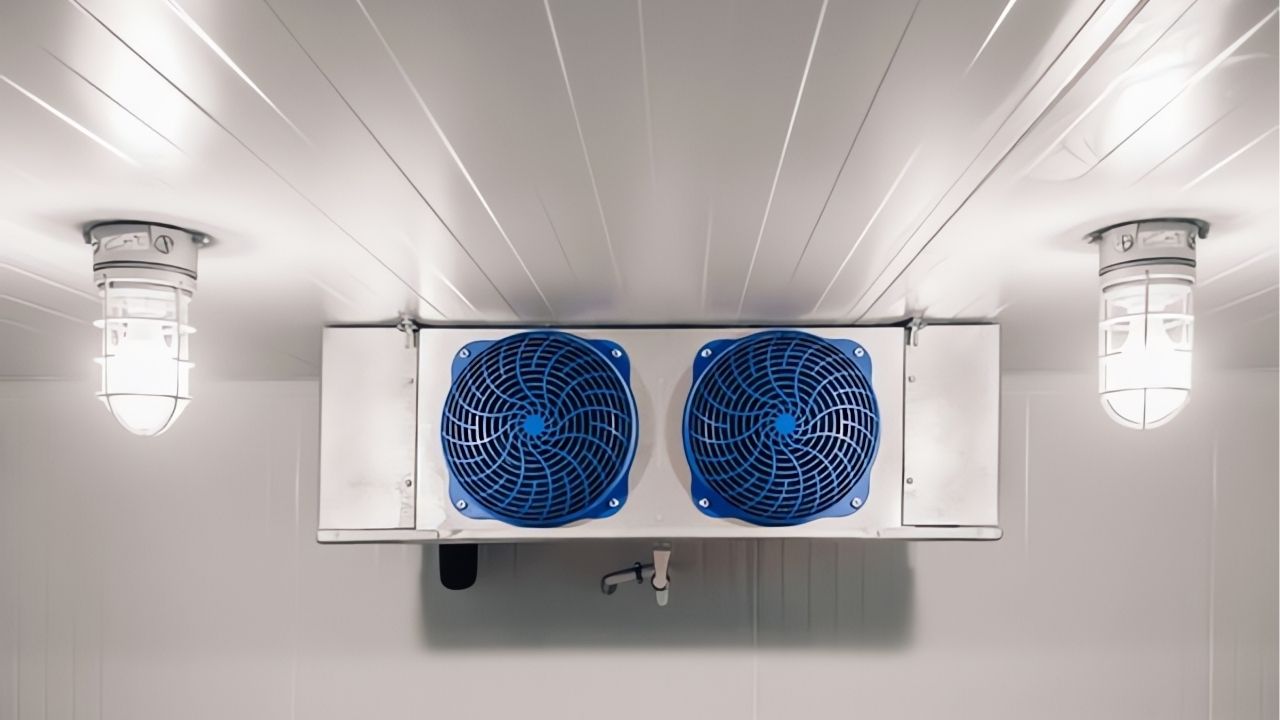
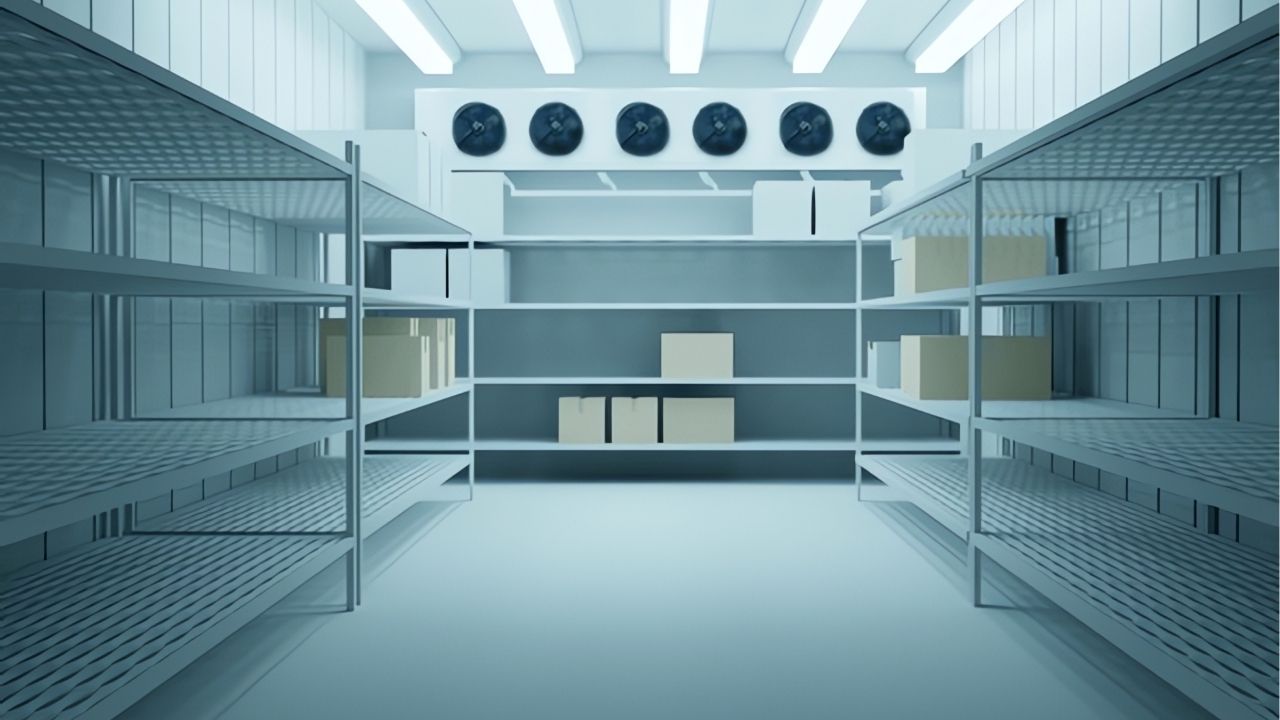
In application, optimized airflow directly translates to tangible operational benefits. For a food storage facility, it means consistent temperatures throughout the cold room, eliminating hot spots that can spoil inventory. In an energy plant, it ensures process cooling reactors maintain exact thermal setpoints, preventing costly production deviations. The reduction in fan strain and compressor workload also leads to fewer mechanical failures, significantly lowering maintenance costs and unplanned downtime. This reliability is the direct result of a meticulously balanced airflow system.
Ultimately, dedicating effort to airflow optimization is an investment with a clear and rapid return, reducing energy consumption while extending the operational life of the entire cooling system. It transforms the condenser from a potential bottleneck into a high-performance asset. Partnering with manufacturers who prioritize this engineering discipline from the design phase ensures your facility benefits from a robust and economically optimized cooling solution. This proactive approach secures long-term performance, making your cooling infrastructure a dependable pillar of production efficiency.
Specific advancements in fan technology are the driving force behind the next generation of highly efficient industrial condensers, offering a direct path to significant industrial cooling energy efficiency. Moving beyond basic propeller fans, these technologies are engineered to maximize airflow while minimizing power consumption, which is the core objective of modern condenser fan optimization. By integrating these innovative designs, facilities can transform their cooling infrastructure into truly energy saving cooling systems that slash operational costs without compromising on performance or reliability.
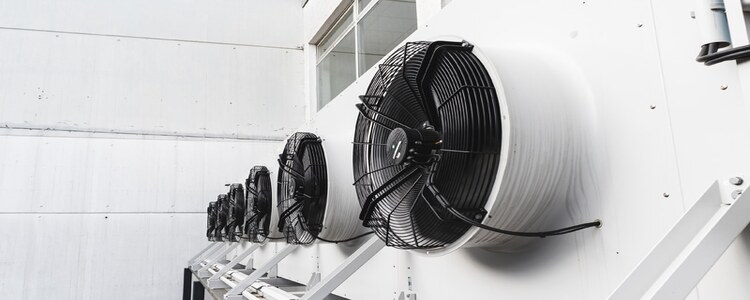
Key technologies include aerodynamically optimized airfoil blades that reduce drag and turbulence, and high-efficiency EC (Electronically Commutated) or brushless DC motors that offer superior power factor and variable speed control. These features enable precise flow rate optimization, allowing the fan to deliver exactly the required airflow under changing ambient conditions. A modern axial fan for industrial facilities from a provider like Günay Soğutma incorporates these elements, ensuring robust performance that supports a durable condenser design. This technological precision is applied in both standard and custom evaporator production to guarantee system-wide compatibility.
The practical impact of these technologies is measurable in demanding industrial settings. In a large-scale refrigeration plant, an EC-powered Günay Soğutma axial fan can adapt its speed seamlessly to seasonal temperature swings, preventing energy waste during cooler months. The reduced mechanical friction and heat generation in advanced motors also lead to longer bearing life and fewer failures, which is critical for minimizing maintenance interruptions in continuous production environments like food processing lines. This technological edge translates directly into enhanced operational uptime and predictability.
Investing in these advanced fan technologies is therefore a strategic decision with a clear and compelling return on investment. The initial upgrade cost is quickly offset by dramatic reductions in energy consumption and maintenance expenses. By selecting components engineered with these efficiency-boosting features, you are not just replacing a part but upgrading the intelligence and economy of your entire cooling system. This forward-thinking approach ensures your facility remains competitive through lower operating costs and a more resilient, high-performance cooling infrastructure built for the long term.
Strategically adjusting the condenser airflow rate is one of the most direct and effective methods for reducing the total cost of ownership for industrial cooling systems. This practice of active flow rate optimization directly targets the largest variable expense: energy consumption. By ensuring the fan delivers precisely the airflow needed for efficient heat rejection—no more and no less—facilities can achieve substantial industrial cooling energy efficiency gains. This makes it a cornerstone tactic for creating energy saving cooling systems and a critical element of comprehensive condenser fan optimization.
The cost reduction is rooted in the laws of physics; fan power consumption is proportional to the cube of the flow rate. A modest reduction in unnecessary airflow can therefore yield a dramatic drop in electricity usage. Implementing this requires a high-performance axial fan for industrial facilities capable of variable speed operation, such as a Günay Soğutma axial fan with integrated control systems. This precise adjustment also contributes to a durable condenser design by preventing the excessive pressure and temperature swings that degrade compressors. This level of integration is a standard consideration in both serial and custom evaporator production.
In practice, the financial benefits are immediate and significant. A manufacturing plant can lower its cooling energy bill by over 30 percent by simply adjusting fan speeds to match production schedules and seasonal ambient conditions. Furthermore, the reduced mechanical stress on the fan motor and drive components extends their service life, leading to lower spare parts costs and less frequent maintenance interventions. This operational stability is invaluable for sectors like food processing, where unexpected downtime can lead to substantial product loss and compliance issues.
Therefore, the answer is unequivocal: intelligent flow rate adjustment is a proven strategy for lowering industrial cooling costs across the board. The return on investment is typically rapid, making it one of the most accessible efficiency upgrades available. By prioritizing components and control strategies that enable this fine-tuning, businesses can build a cooling infrastructure that is not only more economical to operate but also more reliable and longer-lasting. This strategic approach ensures that cooling remains a controlled cost center rather than an unpredictable financial burden.
Selecting the right energy-efficient fan is a critical engineering decision that directly impacts the operational economy and reliability of your industrial condenser. The process begins with a precise calculation of the required airflow, which is the foundation for effective flow rate optimization and overall industrial cooling energy efficiency. This initial analysis must account for the condenser's specific heat load, static pressure constraints, and ambient operating conditions to ensure the selected fan meets performance demands without energy waste. A methodical selection process is essential for integrating a true energy saving cooling systems component into your infrastructure.
Key technical specifications to prioritize include the fan's efficiency rating, often expressed as CFM per watt, and the type of motor technology, with Electronically Commutated (EC) motors offering superior performance for variable speed applications. The blade design is equally crucial; aerodynamically advanced airfoil shapes minimize power loss due to turbulence. A high-efficiency axial fan for industrial facilities, such as those from Günay Soğutma, embodies these features, making it a cornerstone of successful condenser fan optimization. This careful selection supports a durable condenser design and aligns with the precision found in complementary custom evaporator production.
The practical benefit of this selective approach is demonstrated in real-world performance. For a Günay Soğutma axial fan chosen for its high efficiency, the result is a significant reduction in kilowatt-hour consumption over the fan's lifespan, directly lowering electricity costs. The robust construction of a properly selected fan also resists corrosion and mechanical wear, which is vital for harsh environments like food processing plants where moisture and cleaning agents are present. This durability translates into fewer replacements and maintenance shutdowns, ensuring continuous production.
Therefore, a disciplined, specification-driven fan selection process is a direct investment in long-term operational savings and system integrity. By choosing a fan based on rigorous efficiency and durability criteria, you secure a component that pays for itself through reduced energy bills and extended service life. Partnering with manufacturers who provide transparent technical data and expert guidance ensures your selection contributes to a cooling infrastructure that is both high-performing and economically sustainable for the duration of its operation.
Off-the-shelf axial fans often force a compromise between available specifications and a condenser's exact performance requirements, but custom-engineered solutions eliminate this inefficiency at its source. A bespoke axial fan for industrial facilities is designed from the ground up to match the unique heat load, spatial constraints, and operating profile of a specific cooling system. This precision engineering is the highest form of condenser fan optimization, delivering unparalleled industrial cooling energy efficiency by ensuring every watt of power is used to maximum effect. This tailored approach is fundamental to building a genuinely optimized energy saving cooling systems.
The enhancement stems from the ability to fine-tune critical parameters that are fixed in standard units. Blade pitch, diameter, hub ratio, and motor selection can all be calibrated to achieve the ideal flow rate optimization for the application's static pressure curve. A Günay Soğutma axial fan produced through custom evaporator production processes exemplifies this, resulting in a component that operates at its peak efficiency point under real-world conditions. This synergy between the fan and the condenser coil is crucial for achieving a durable condenser design with minimized vibration and acoustic noise.
In challenging industrial environments, the benefits of custom fans are particularly pronounced. For a condenser located in a confined machinery room with limited clearance, a custom-designed fan can be optimized for high static pressure capability where a standard fan would stall. In corrosive atmospheres common in food processing, specific materials and coatings can be specified to ensure longevity, preventing premature failure. This application-specific resilience translates directly into higher system reliability and significantly reduced lifecycle maintenance costs.
Investing in a custom axial fan is therefore a strategic decision that maximizes the return on your entire cooling infrastructure. While the initial investment may be higher, the long-term savings in energy consumption, coupled with the extended service life and reduced downtime, deliver a superior total cost of ownership. By choosing a partner capable of translating your operational challenges into a precisely engineered solution, you secure a cooling component that acts as a force multiplier for efficiency and reliability throughout its operational life.

Fill out the form to discover the most suitable high-end products for your projects. Contact Us Now.
Fill out the form now not to miss our special offers for you! The latest discover our products and innovations.
Fill out the form now not to miss our special offers for you! The latest discover our products and innovations.
Notification Centre 00:00