


Heater Faults: Symptoms and Troubleshooting Methods
06 / 07 / 2026

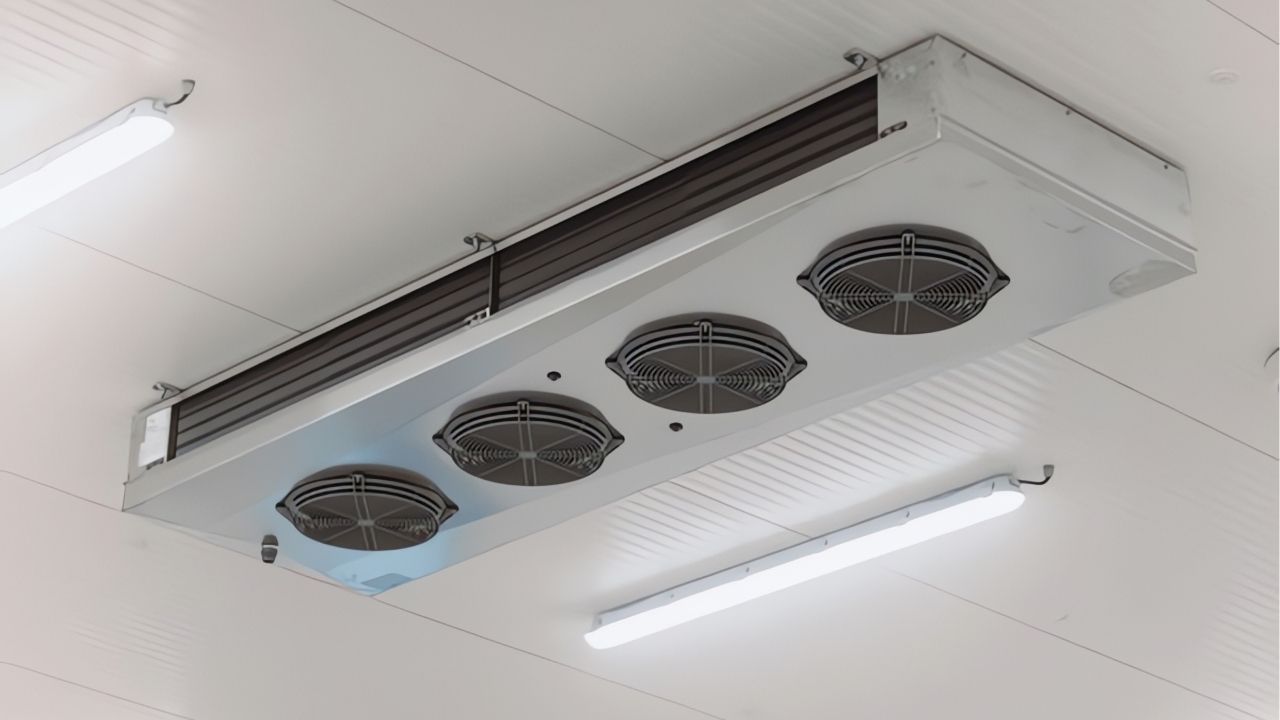
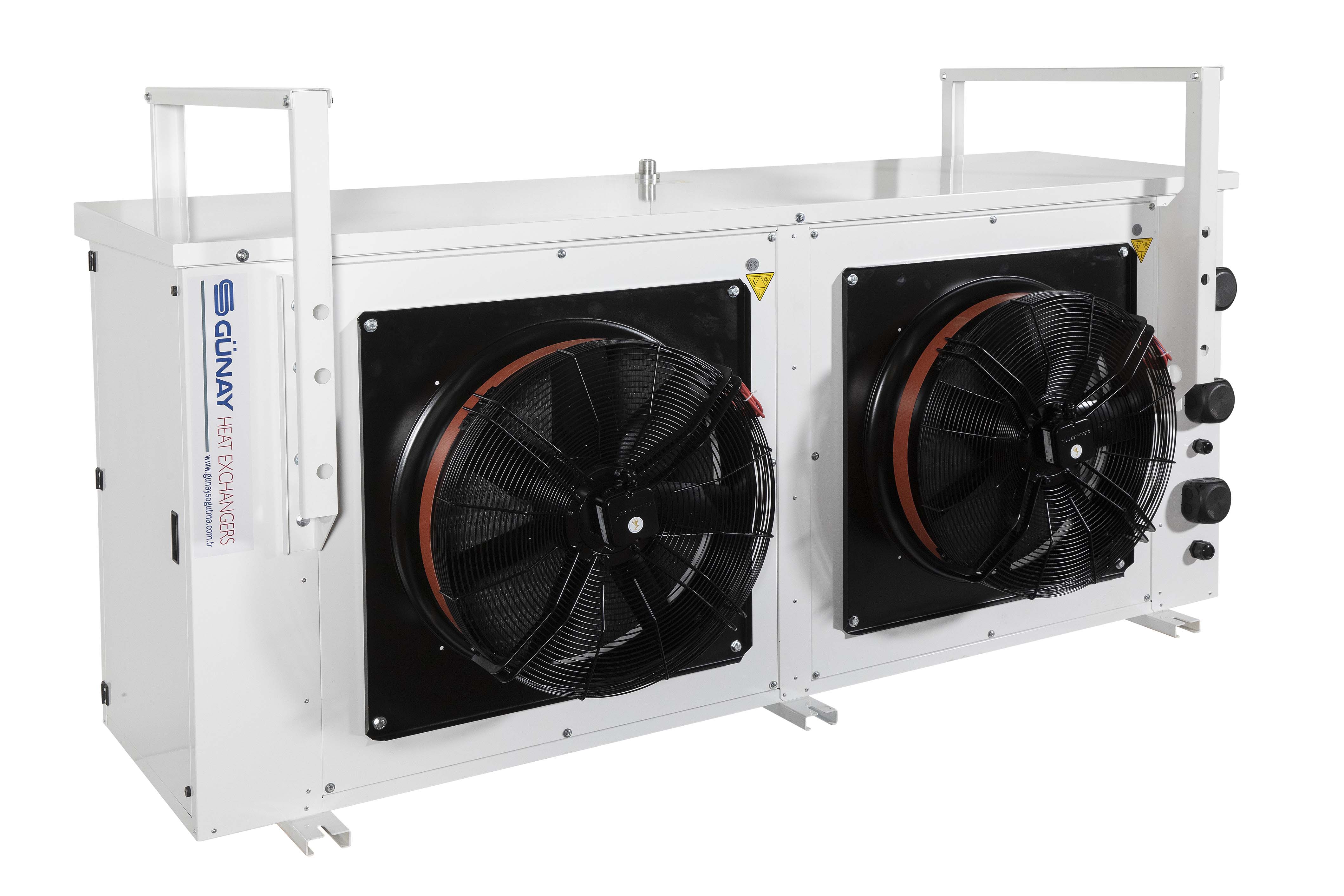
In demanding industrial environments, maintaining precise thermal control is a constant challenge that directly impacts operational efficiency and product integrity. A shock chamber represents a critical component specifically engineered to enhance the resilience and performance of an entire industrial cooling system. Its strategic function is crucial for achieving superior cooling efficiency and protecting sensitive processes, making it indispensable for managers targeting significant energy efficiency gains and reduced operational costs.
Fundamentally, a shock chamber conditions the refrigerant, stabilizing pressure and temperature before it enters the evaporator. This controlled environment significantly reduces thermal stress on the system's core components. By providing a buffer against sudden pressure fluctuations, it directly prolongs the service life of the evaporator and condenser, minimizing wear and tear. This proactive protection is a hallmark of disciplined manufacturing, translating into fewer failures and lower maintenance requirements for facilities.
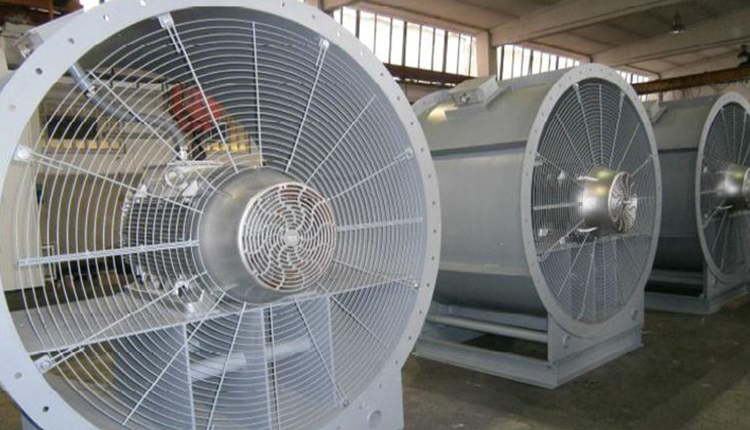
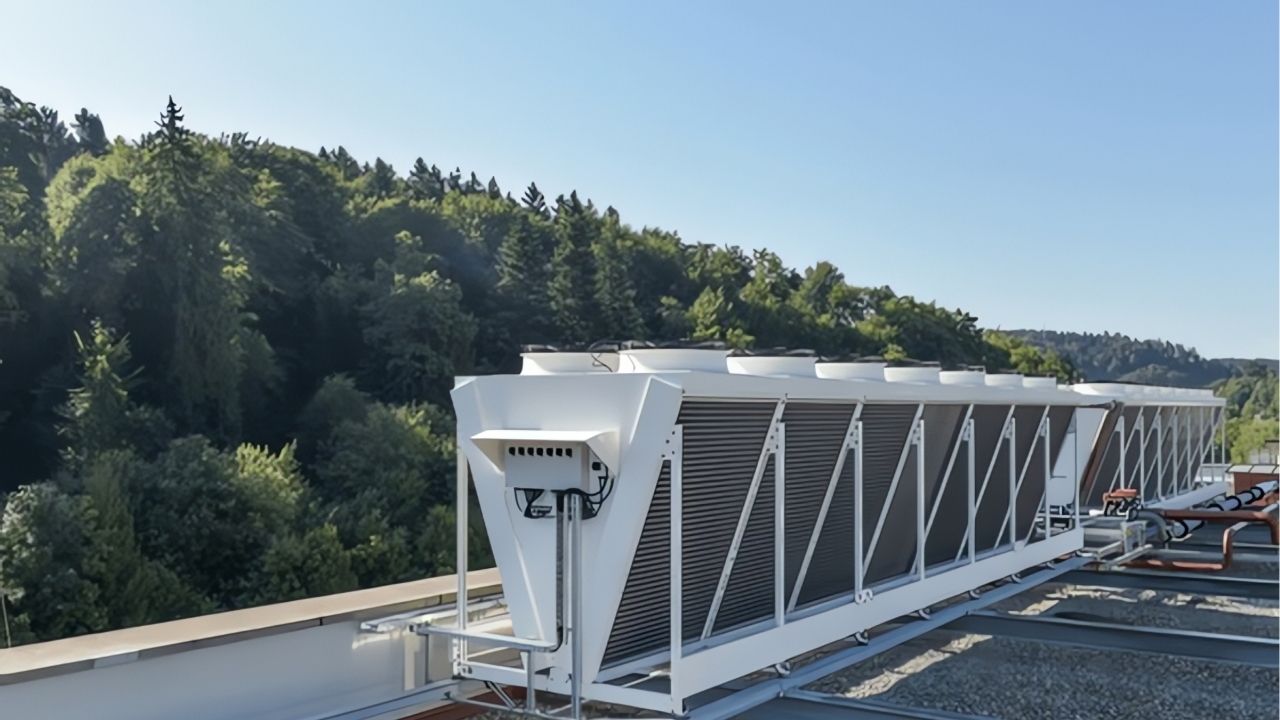
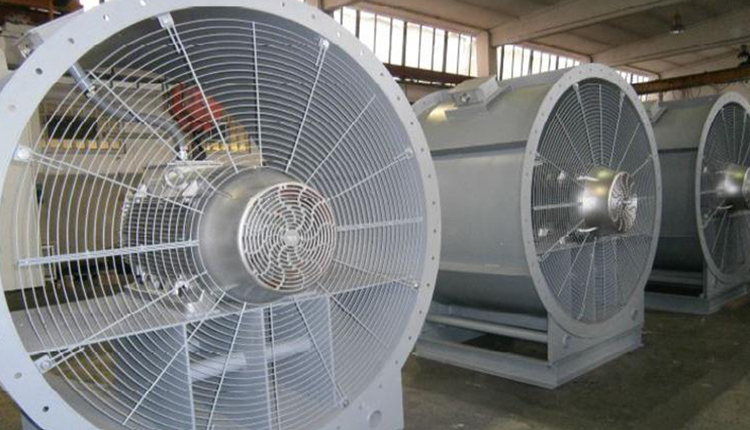
The industrial uses for this technology are extensive, particularly where temperature stability is non-negotiable. In the food sector, shock chambers ensure rapid, uniform chilling to preserve product quality and meet strict safety standards. For energy production facilities and heavy manufacturing lines, they contribute to the reliability of axial fan cooling systems, ensuring continuous operation under high-load conditions. Günay Soğutma leverages its extensive experience to offer both standardized and custom production solutions, tailoring shock chamber specifications to fit unique process requirements.
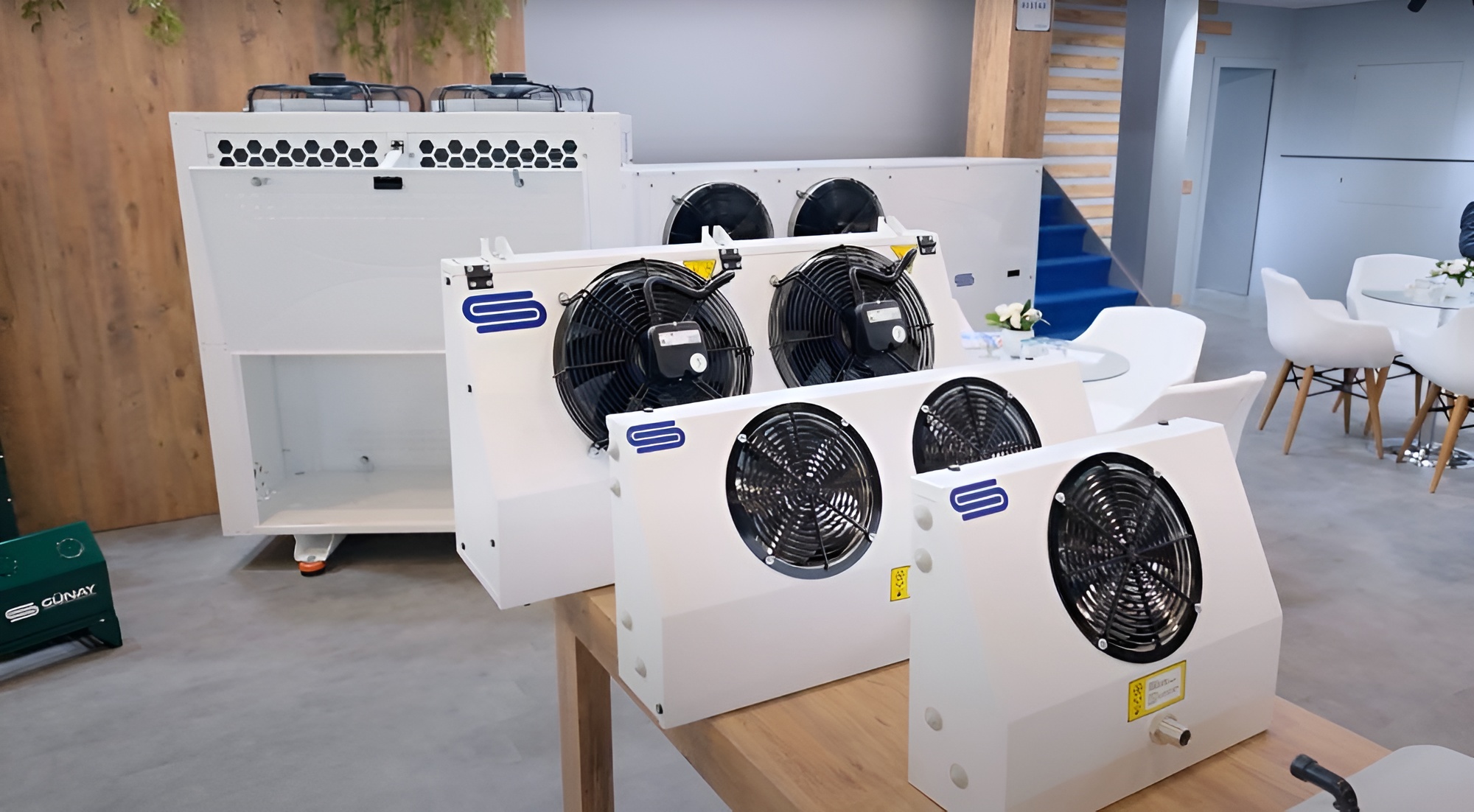
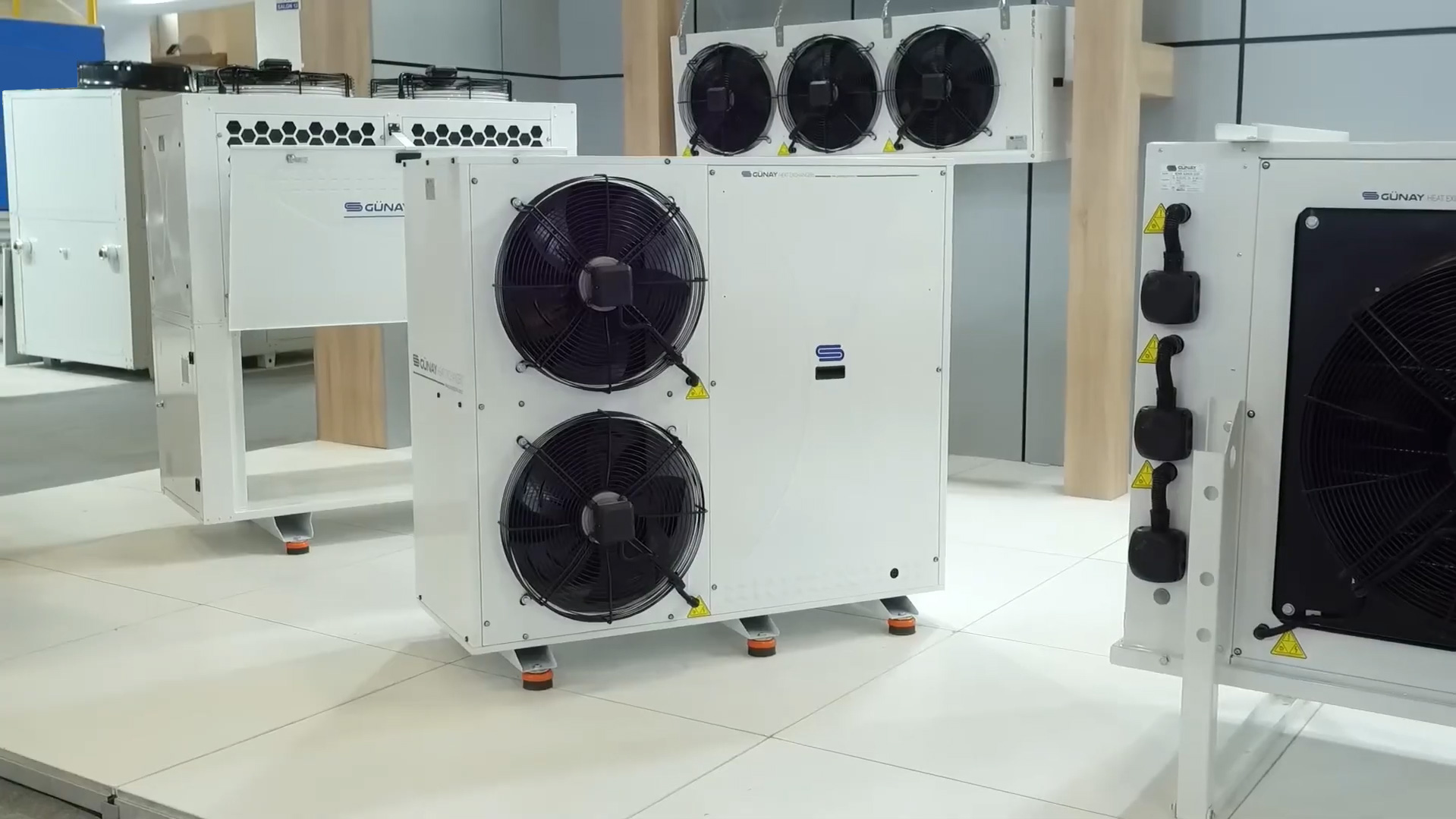
Integrating a purpose-built shock chamber into your cooling infrastructure is a strategic investment in long-term operational durability. This component works synergistically with high-performance evaporators, condensers, and axial fans to create a robust system that excels in energy efficiency. By opting for proven, engineered solutions from Günay Soğutma, industrial facilities can achieve substantial savings on energy bills, drastically reduce unplanned downtime, and secure the reliable cooling performance essential for competitive production.
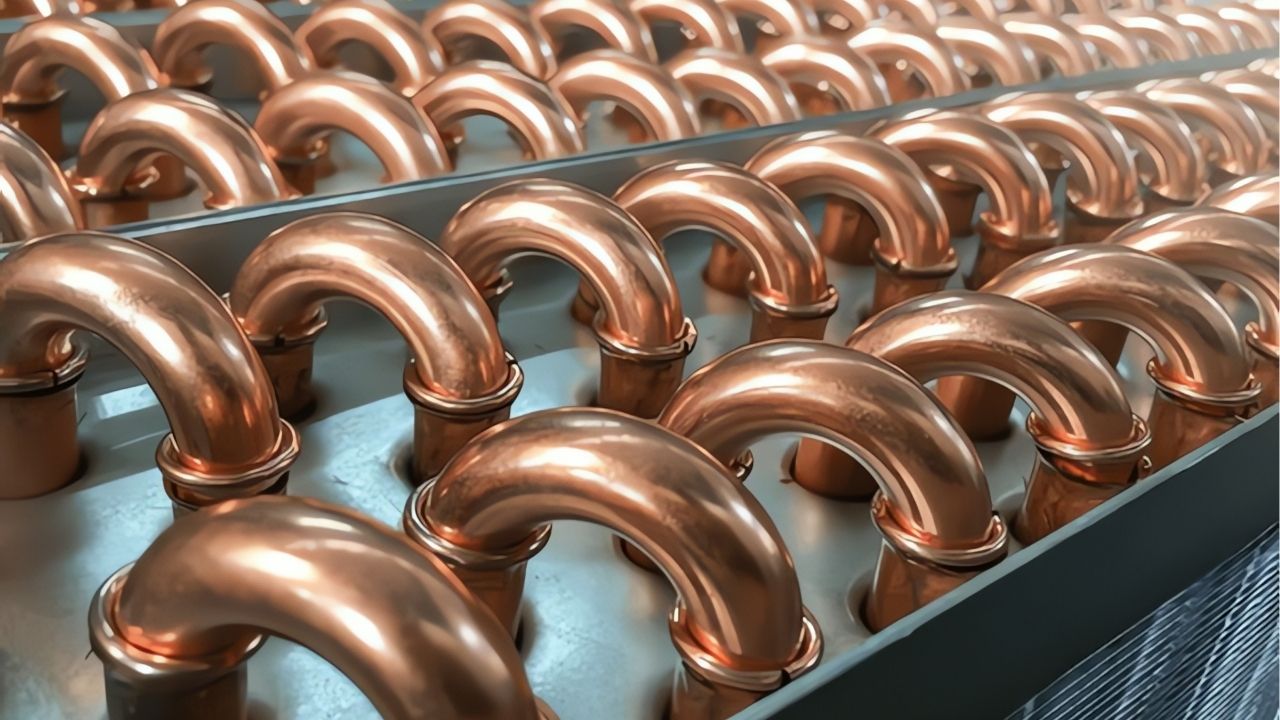
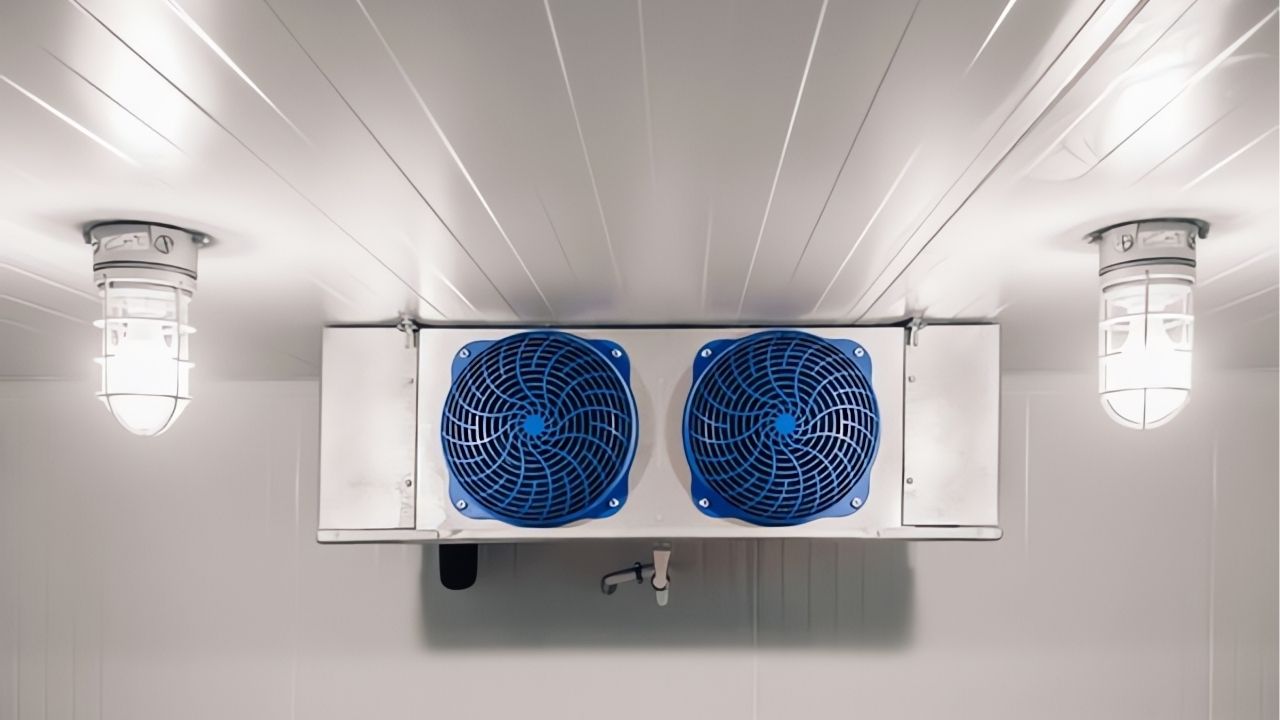
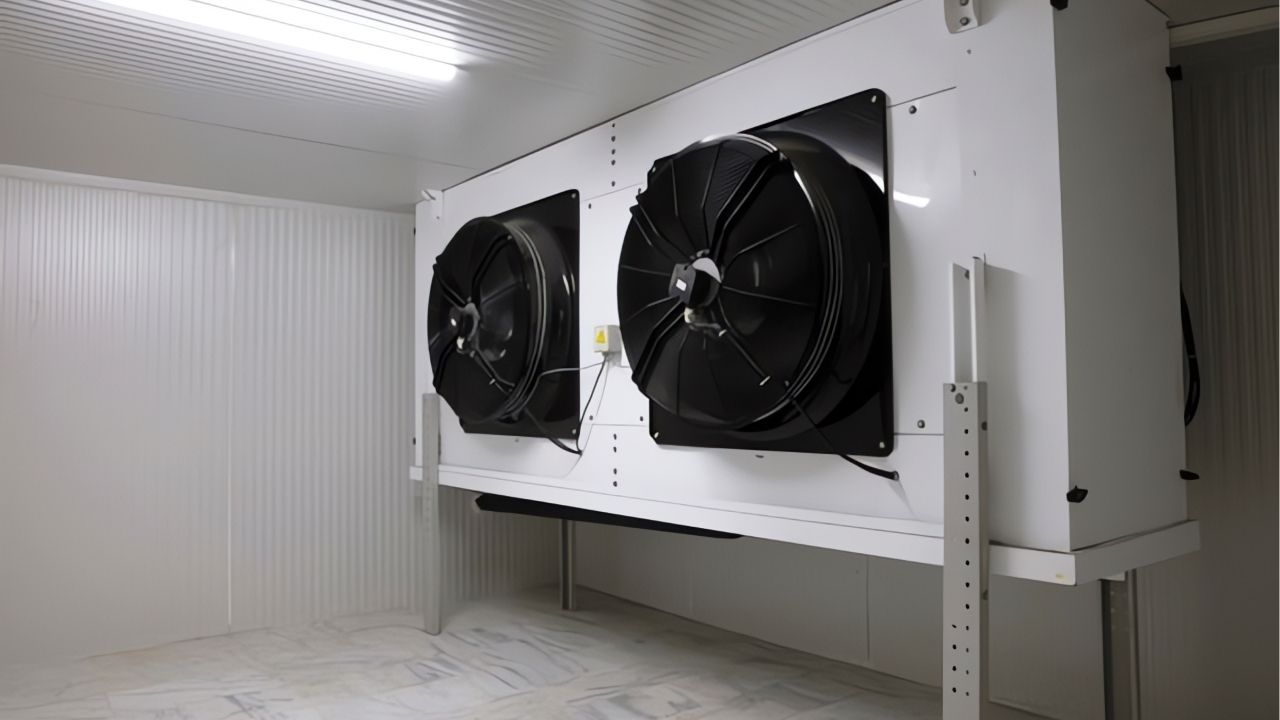
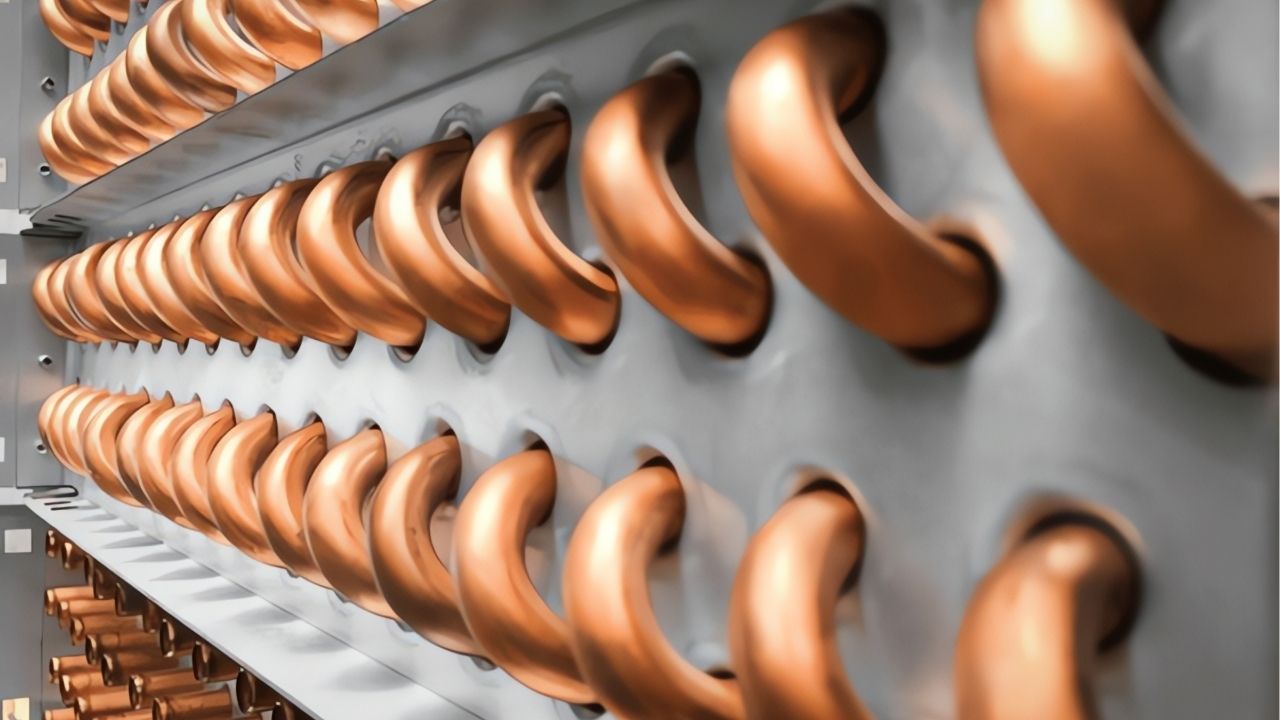
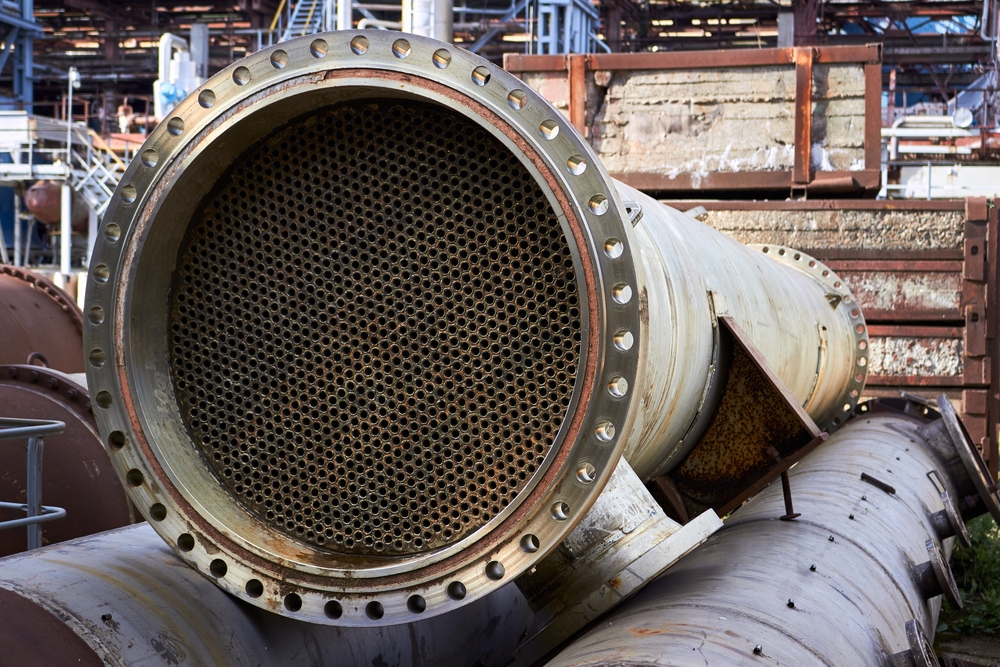
The performance of an evaporator is the cornerstone of any effective industrial cooling system, directly influencing both operational costs and product quality. To maximize energy efficiency and ensure consistent heat exchange rates, the refrigerant entering the evaporator must be stable. A shock chamber is engineered specifically to optimize these conditions, acting as a critical buffer that elevates the entire system's reliability and output.
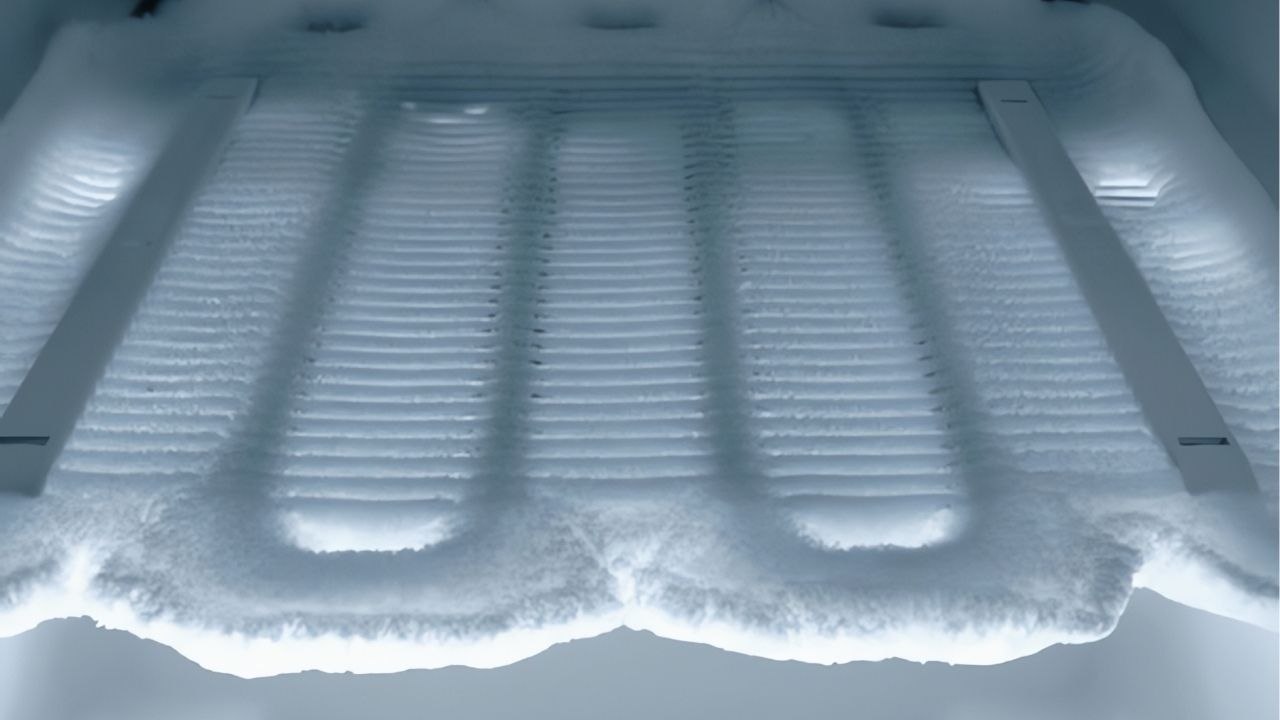
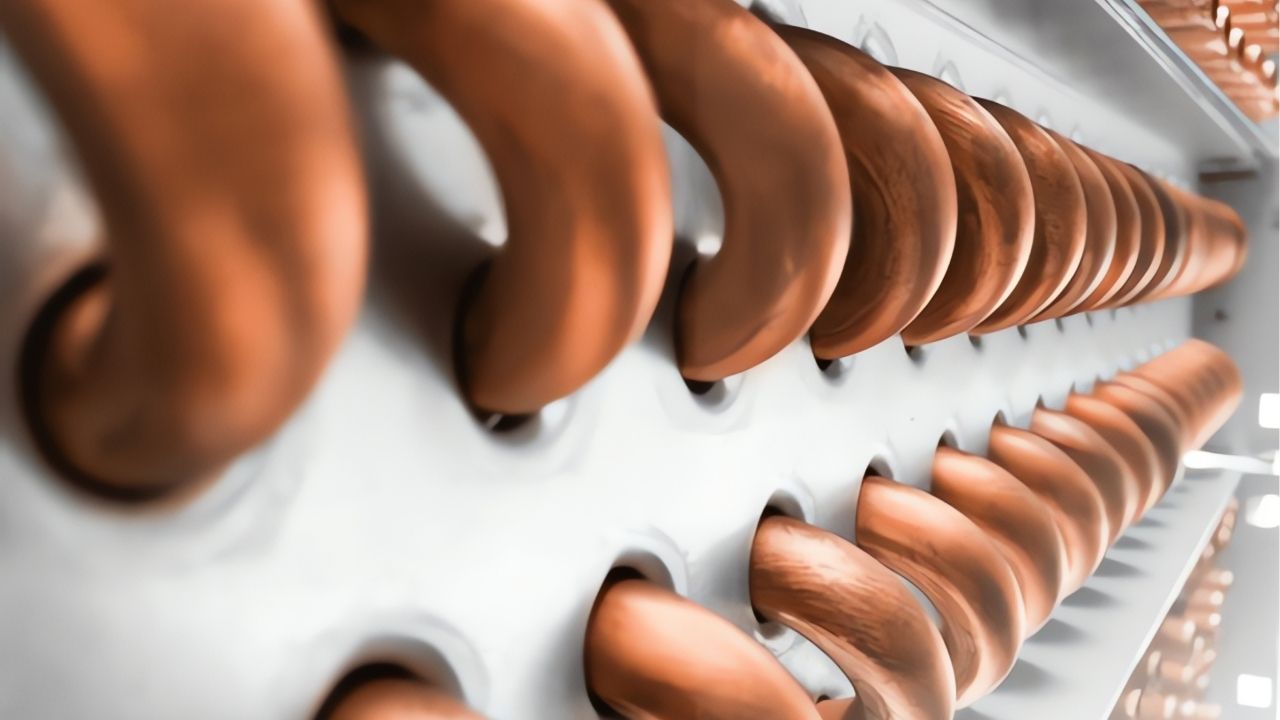
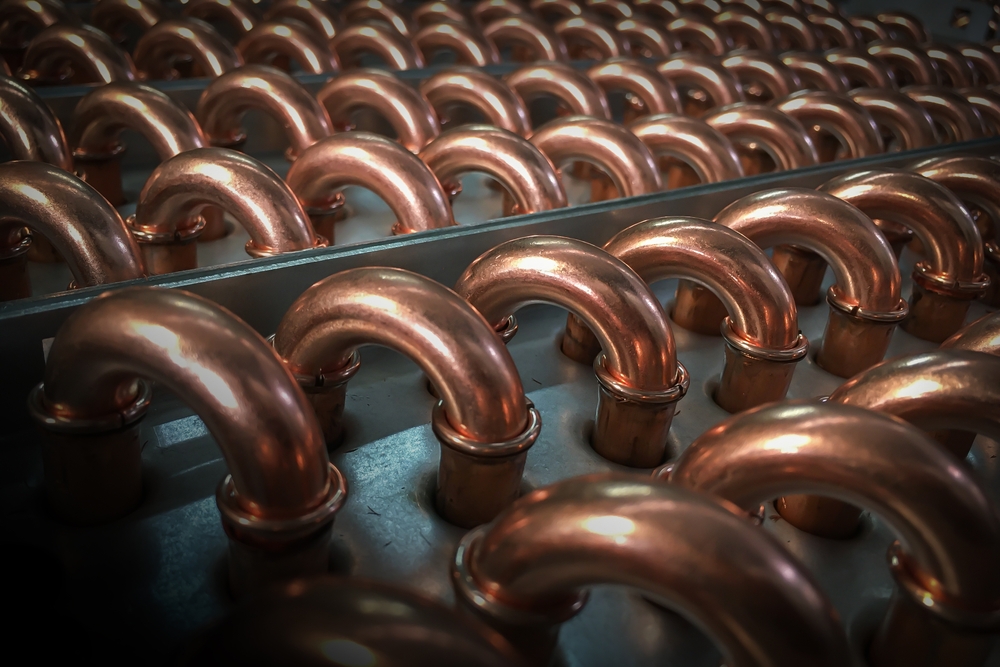
A shock chamber conditions the refrigerant by separating any liquid slugging and ensuring a steady, superheated vapor state before it reaches the evaporator coils. This pre-treatment prevents rapid temperature fluctuations and liquid slugging, which are primary causes of mechanical stress and ice buildup on the evaporator fins. By stabilizing the refrigerant flow, the shock chamber ensures the evaporator operates at its peak thermal transfer efficiency, which is a core focus of high-quality evaporator production. This synergy between components results in faster cooling cycles and lower compressor workload.
The uses of this technology are particularly critical in applications requiring precise thermal control. In industrial settings, this enhanced evaporator performance translates directly to reduced energy efficiency costs and extended equipment lifespan. For facilities relying on robust cooling infrastructure, including complementary components like the condenser and axial fan cooling units, a shock chamber ensures balanced load distribution. Günay Soğutma provides both standardized and custom production of these integrated systems, tailoring the solution to specific process demands.
Investing in a system designed with a shock chamber is a direct investment in evaporator longevity and overall cooling performance. This approach minimizes frost formation and corrosion, reducing the frequency of maintenance shutdowns and preserving the integrity of the cooling coils. Partnering with a disciplined manufacturer like Günay Soğutma ensures your industrial cooling system achieves superior durability and operational savings, making it a strategic move for any production-focused facility.
Understanding the strategic placement of a shock chamber within an industrial cooling system is fundamental to maximizing its benefits for operational reliability and energy efficiency. This component is not a standalone unit but an integrated part of the refrigerant circuit, strategically positioned to condition the flow and protect critical downstream equipment from damaging pressure and temperature fluctuations.
The primary location for a shock chamber is on the liquid line, between the expansion valve and the evaporator. In this role, it acts as a receiver and stabilizer, ensuring that only a controlled, vapor-rich refrigerant mixture enters the evaporator coils. This precise placement is critical for safeguarding the evaporator production integrity, preventing issues like liquid slugging that can cause mechanical stress and reduce heat transfer efficiency. By stabilizing the refrigerant state, it allows the entire system, including the condenser and axial fan cooling units, to operate in harmony.
The specific uses and integration points vary based on application demands. In large-scale refrigeration for the food industry, shock chambers are essential for systems undergoing frequent defrost cycles to prevent evaporator freeze-ups. For energy sector applications with continuous high-load operations, they are vital for maintaining system balance and protecting the compressor from liquid floodback. Günay Soğutma’s expertise in both serial and custom production ensures the shock chamber is precisely engineered for its intended position and function within the client's unique cooling infrastructure.
Correctly integrating a shock chamber is a strategic decision that pays long-term dividends in reduced maintenance and enhanced performance. Its location directly influences the system's ability to handle thermal shocks, thereby extending the lifespan of expensive components. By partnering with Günay Soğutma for a disciplined system design, facilities achieve a robust industrial cooling system characterized by superior energy efficiency and unwavering reliability, securing a critical advantage in competitive production environments.
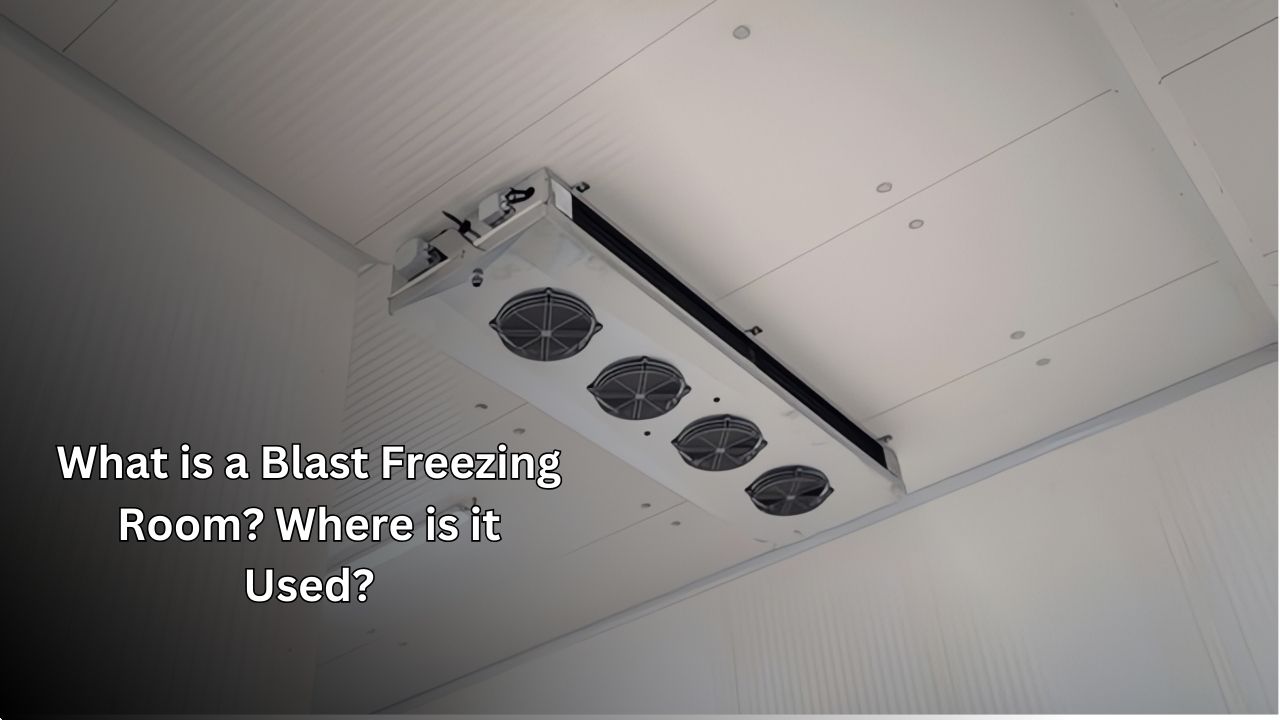
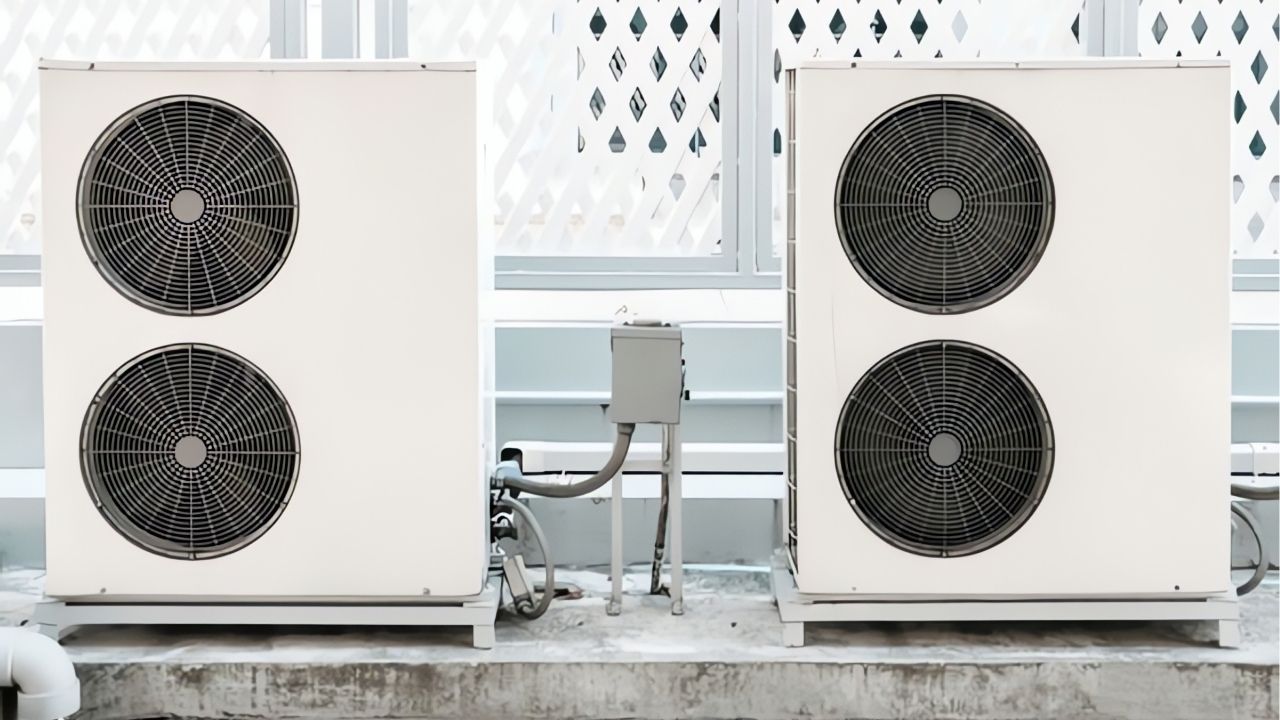
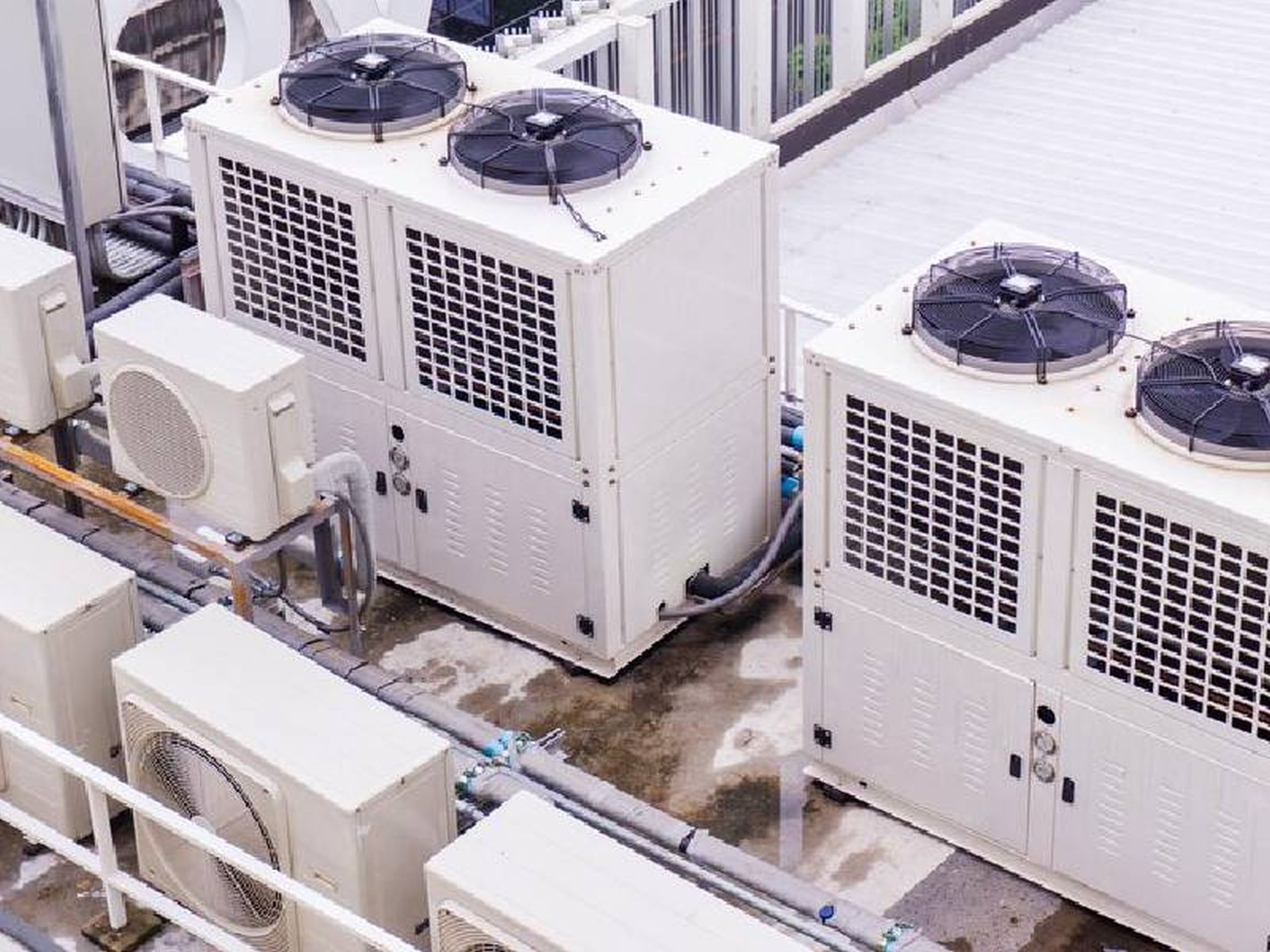
While a shock chamber is not directly a part of the condenser, its function is intrinsically linked to the condenser's performance and longevity within an industrial cooling system. The role it plays is one of system-wide stabilization, which indirectly but profoundly affects the condenser's ability to reject heat efficiently and operate without undue stress. This systemic approach is critical for achieving overarching goals like superior energy efficiency and reduced operational costs.
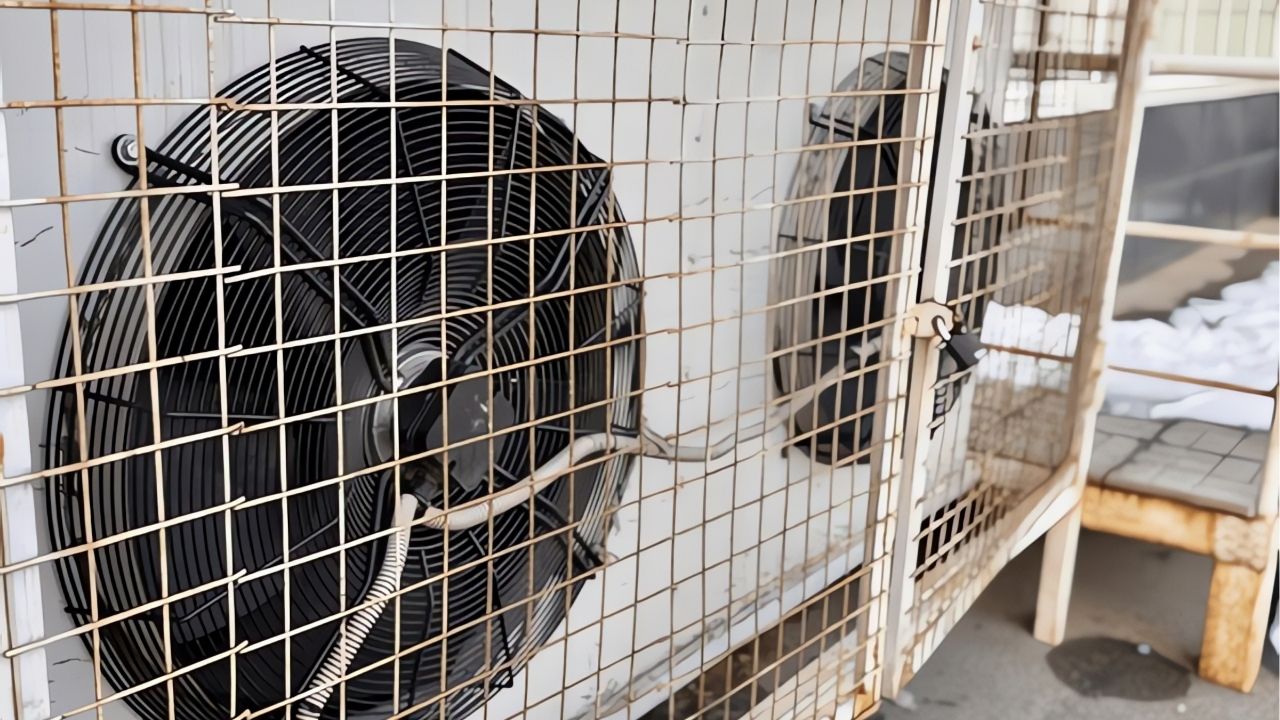
The shock chamber's primary contribution to condenser health is through refrigerant management. By ensuring a consistent and controlled flow of liquid refrigerant to the expansion device, it prevents erratic system behavior that can lead to pressure fluctuations at the condenser. When a condenser experiences unstable pressures, its heat rejection capability is compromised, forcing the accompanying axial fan cooling system to work harder. A stable system, facilitated by the shock chamber, allows the condenser to operate at its designed optimal pressure, maximizing heat transfer and reducing the energy consumed by fans and compressors.
The uses for this protective synergy are evident in applications with variable loads. In food processing plants where rapid cooling cycles are common, the shock chamber prevents the liquid floodback that can cause erratic condenser operation. This ensures that both the condenser and the evaporator production systems work in a balanced, efficient manner. Günay Soğutma's capability for both standard and custom production allows for the precise sizing of shock chambers to match condenser and system capacity, ensuring seamless integration.
Ultimately, the shock chamber acts as a guardian for the entire industrial cooling system, with the condenser being a key beneficiary. This protection minimizes thermal cycling and mechanical stress, significantly extending the condenser's operational life and maintaining its energy efficiency. By incorporating such disciplined engineering from Günay Soğutma, facilities invest in a resilient cooling infrastructure that delivers long-term reliability and substantial maintenance savings.
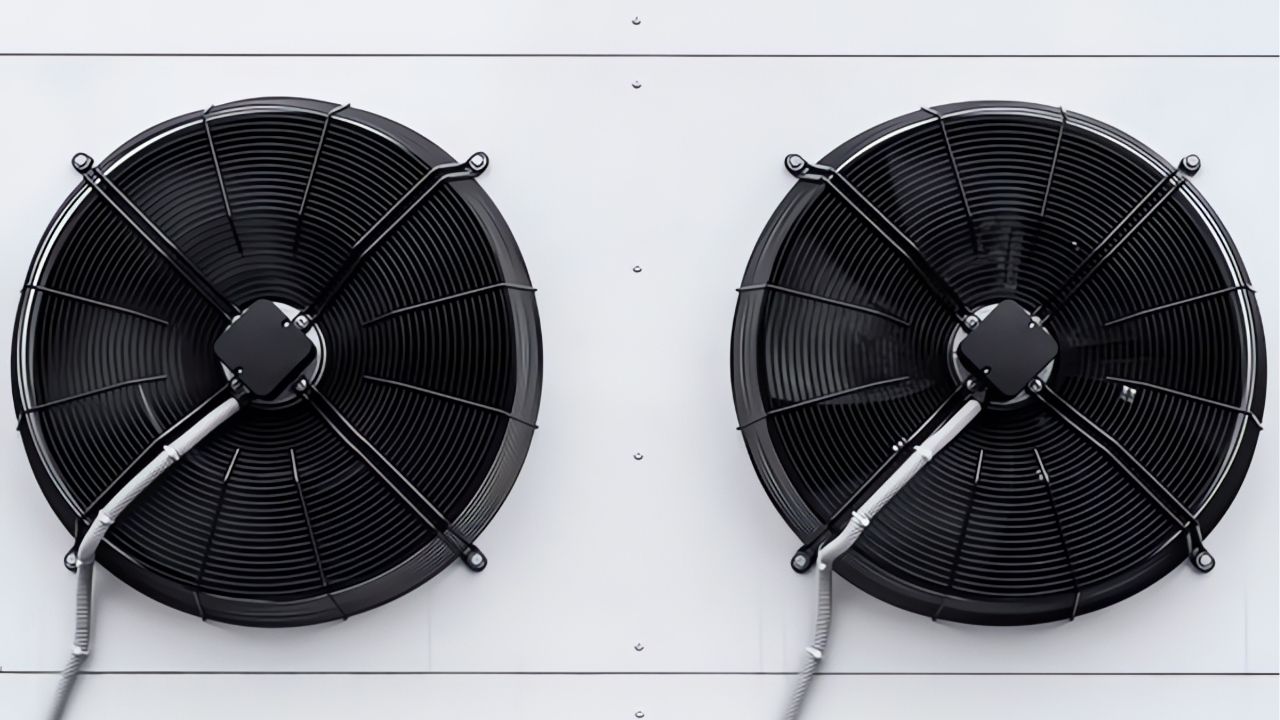
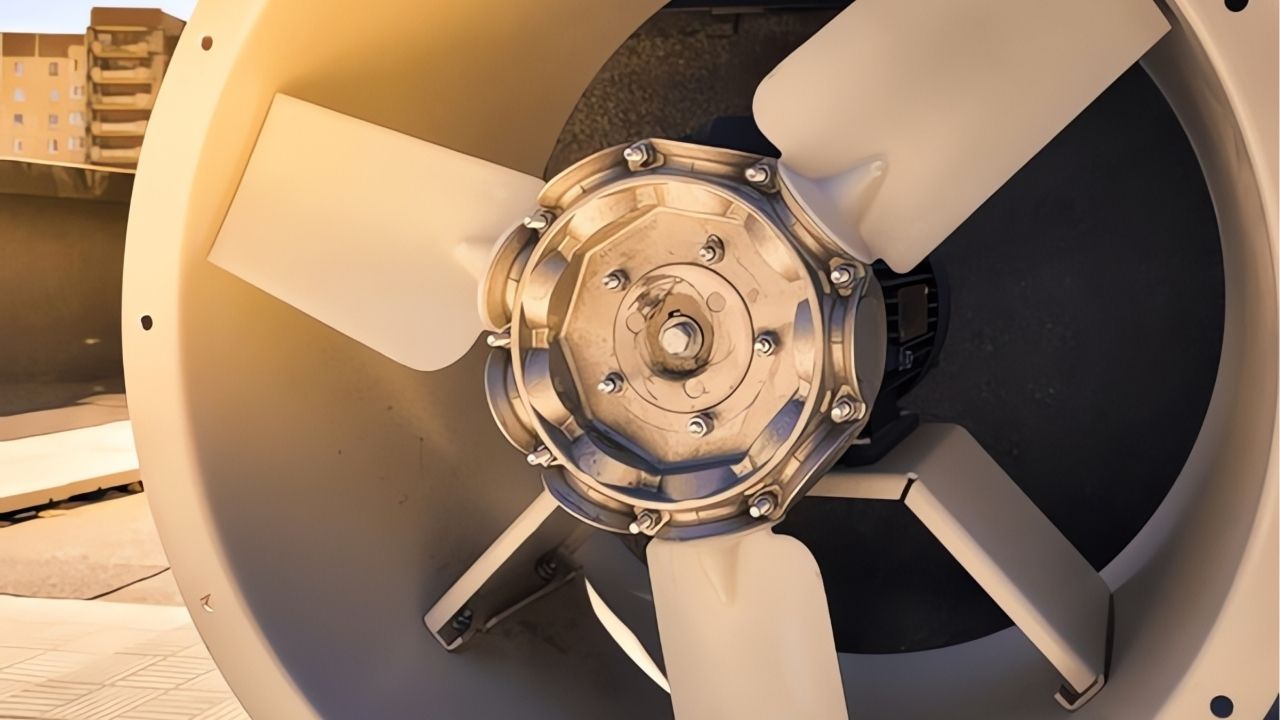
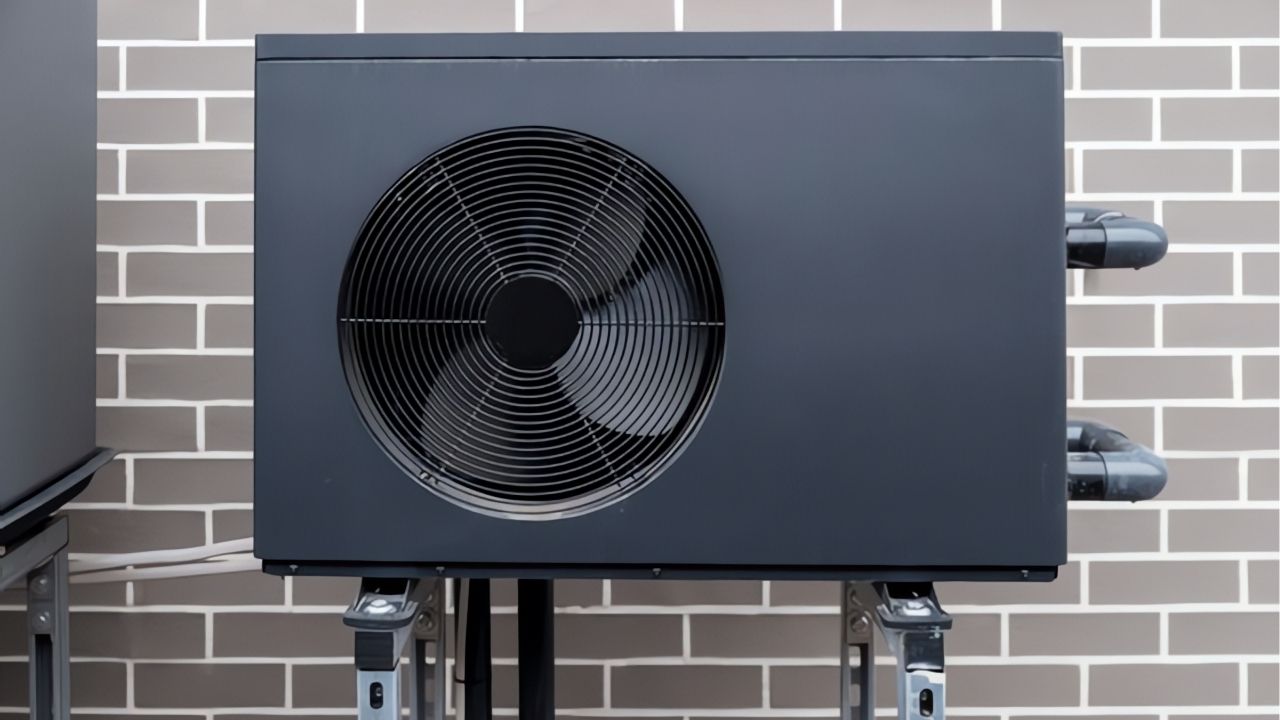
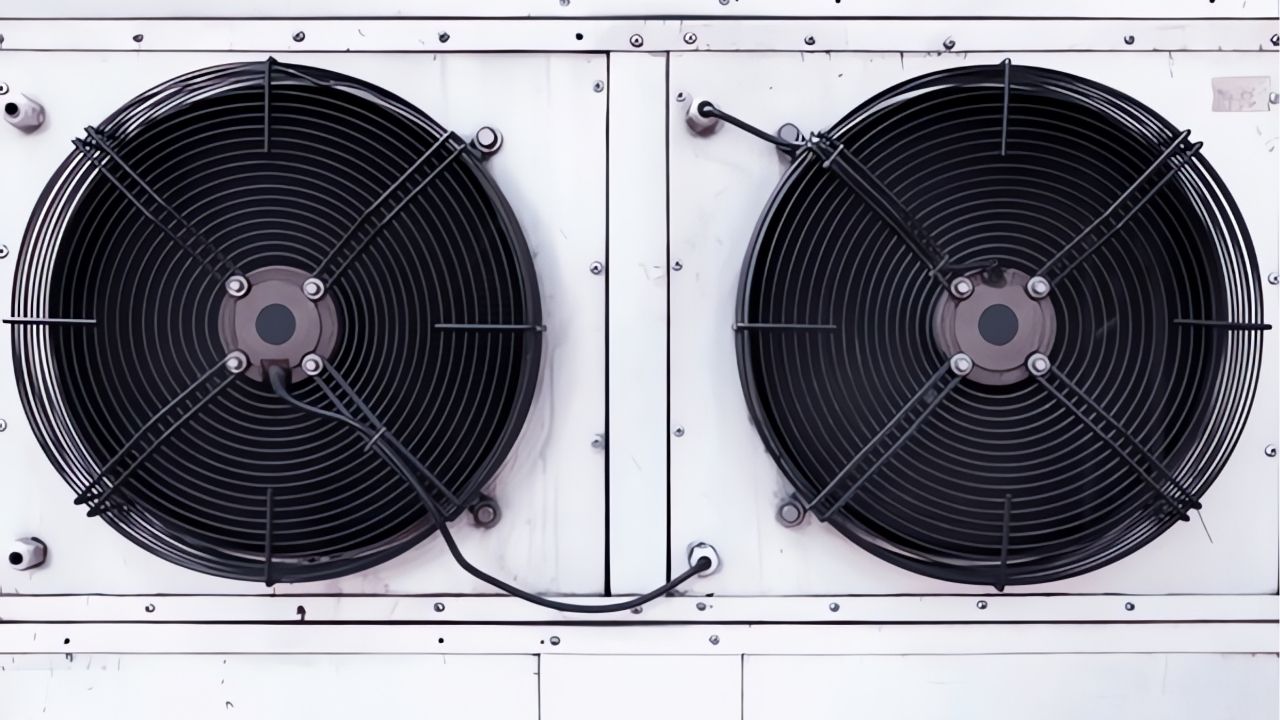
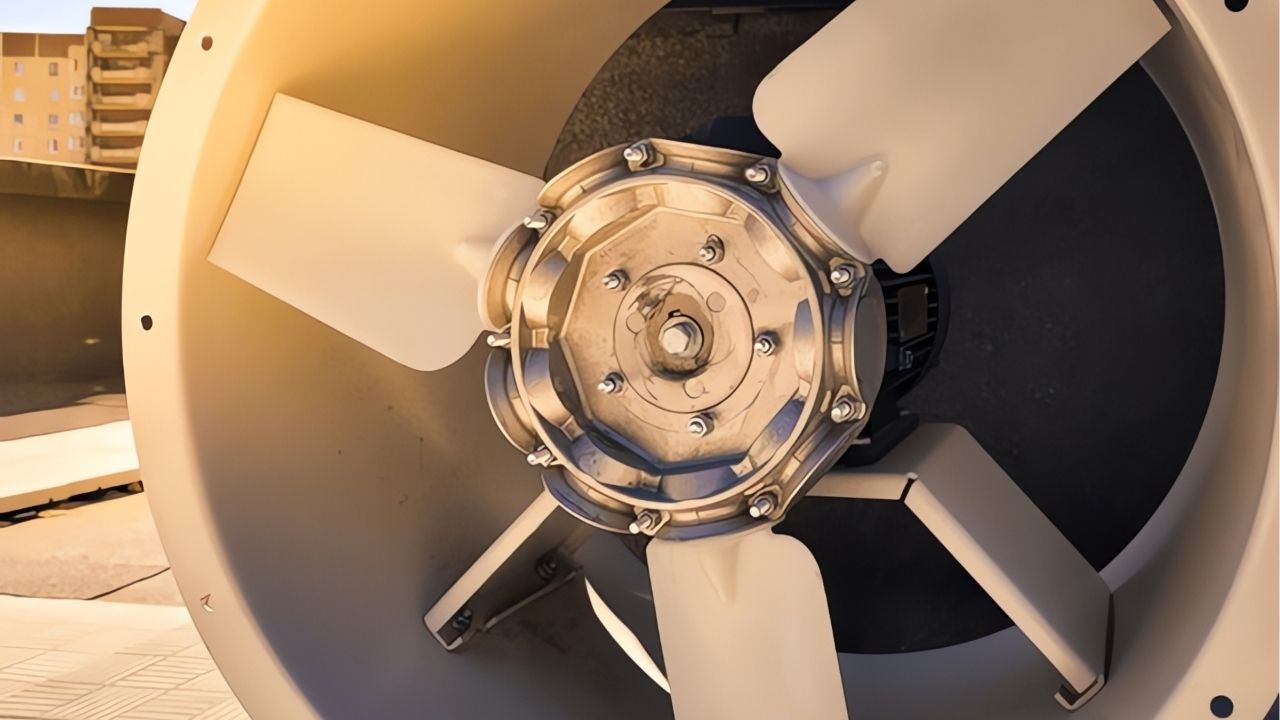
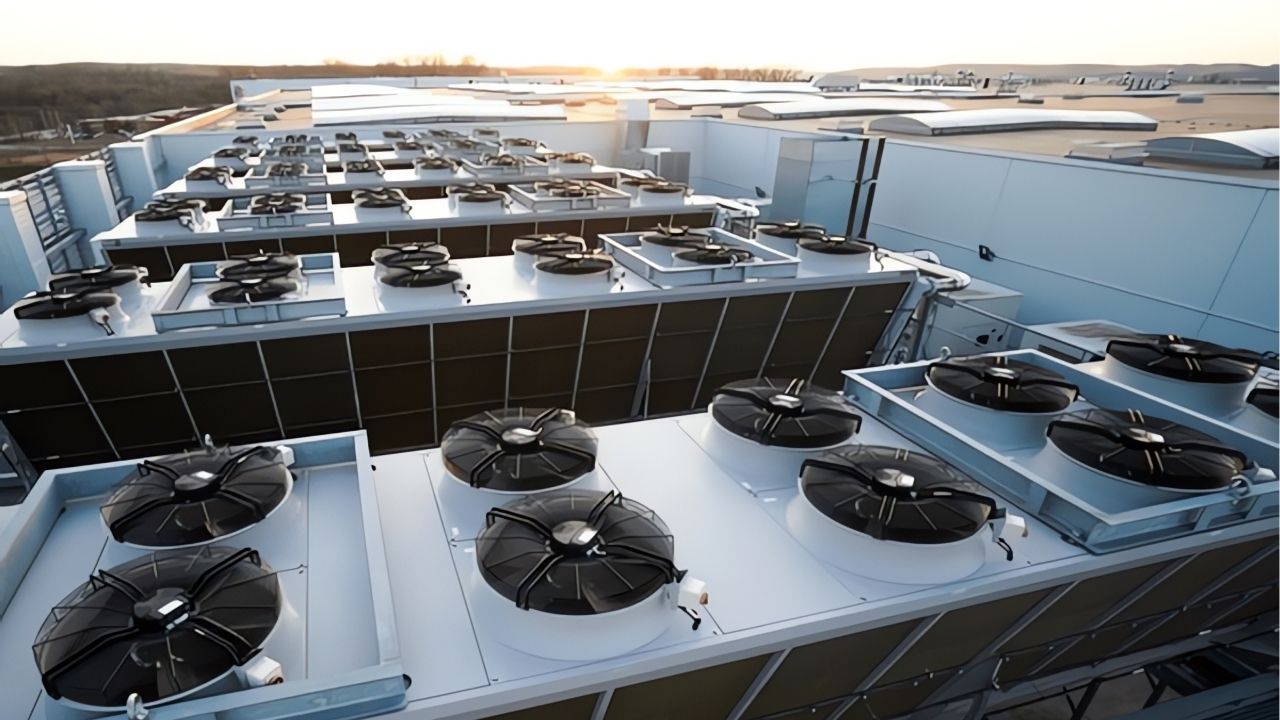
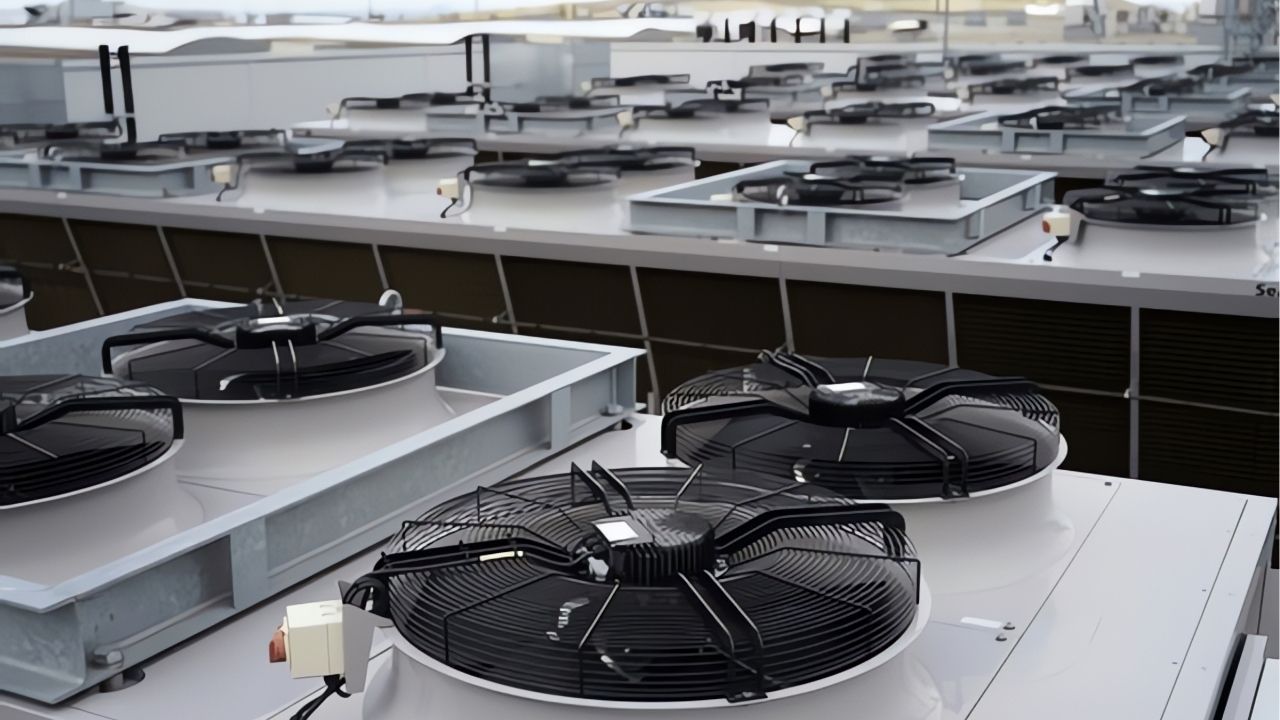
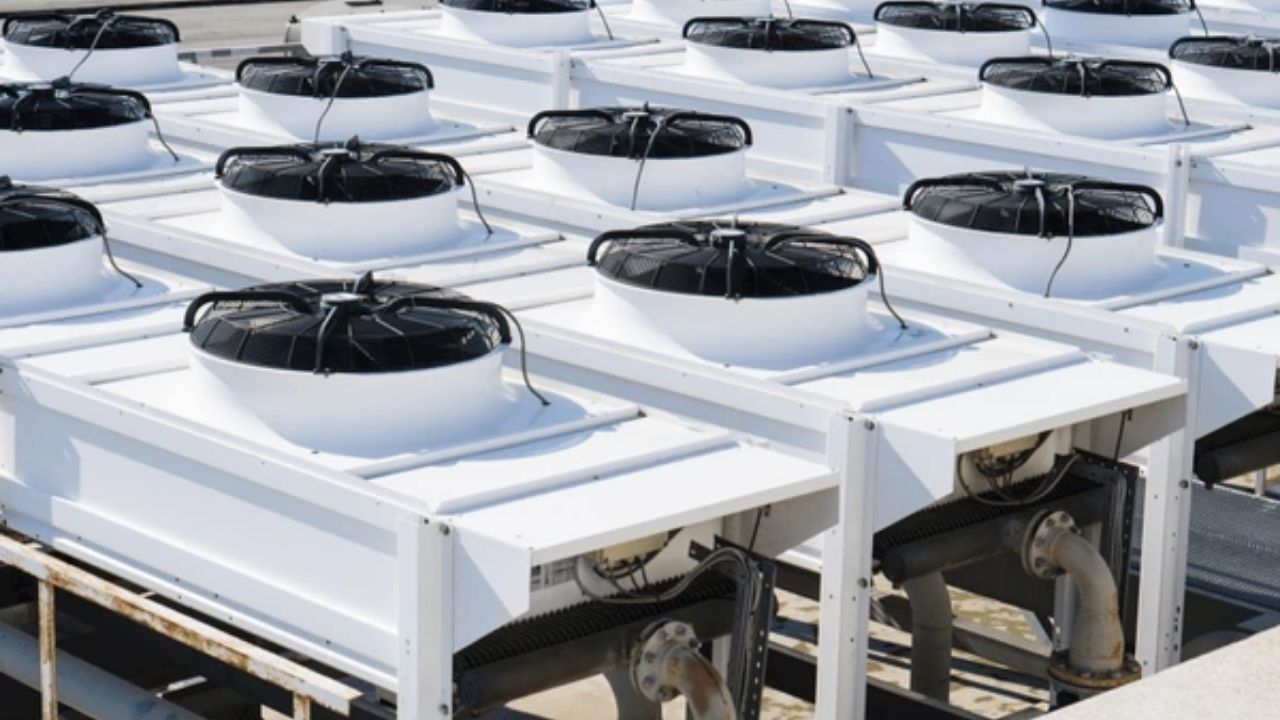
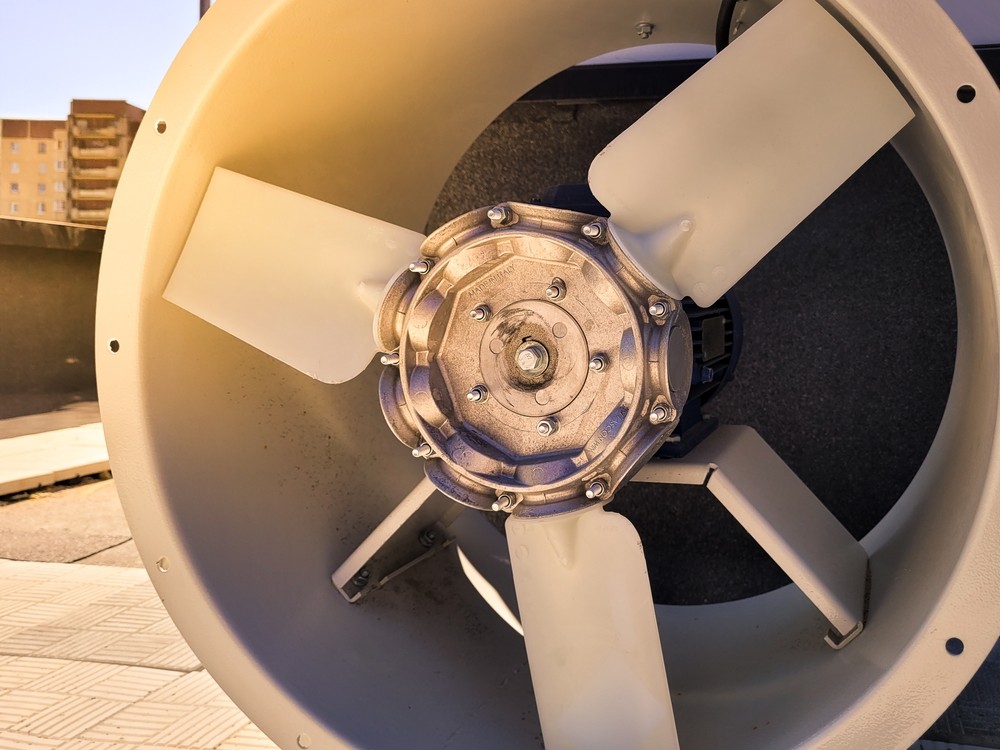
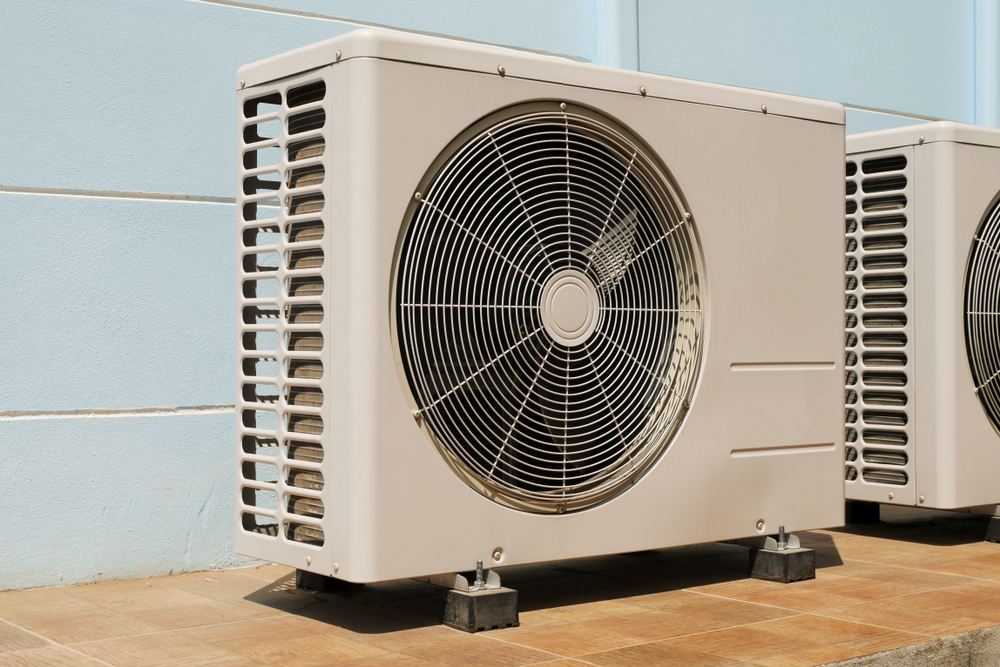
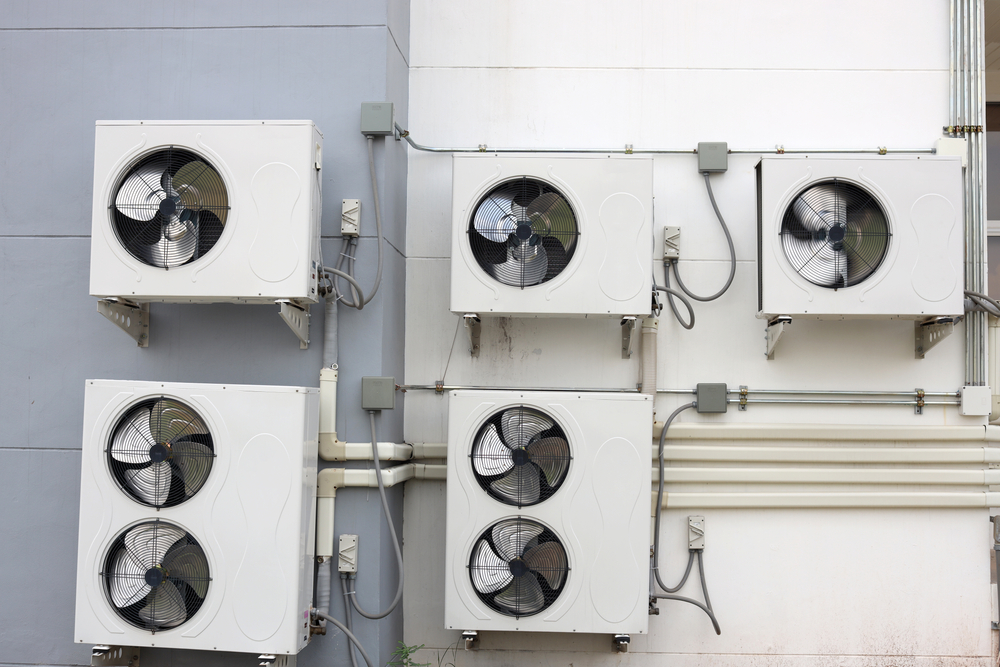
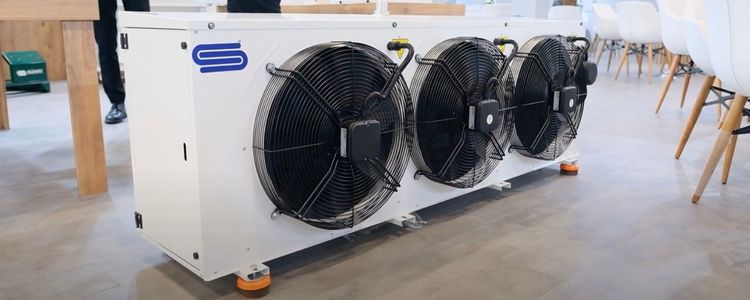
The relationship between a shock chamber and axial fan cooling efficiency is a powerful example of integrated system design within an industrial cooling system. While these components are not directly connected, the shock chamber's stabilizing effect on the refrigerant circuit creates optimal conditions for the axial fans to operate with maximum energy efficiency. This systemic harmony reduces the mechanical and electrical load on the fans, translating into direct operational savings and extended equipment life.
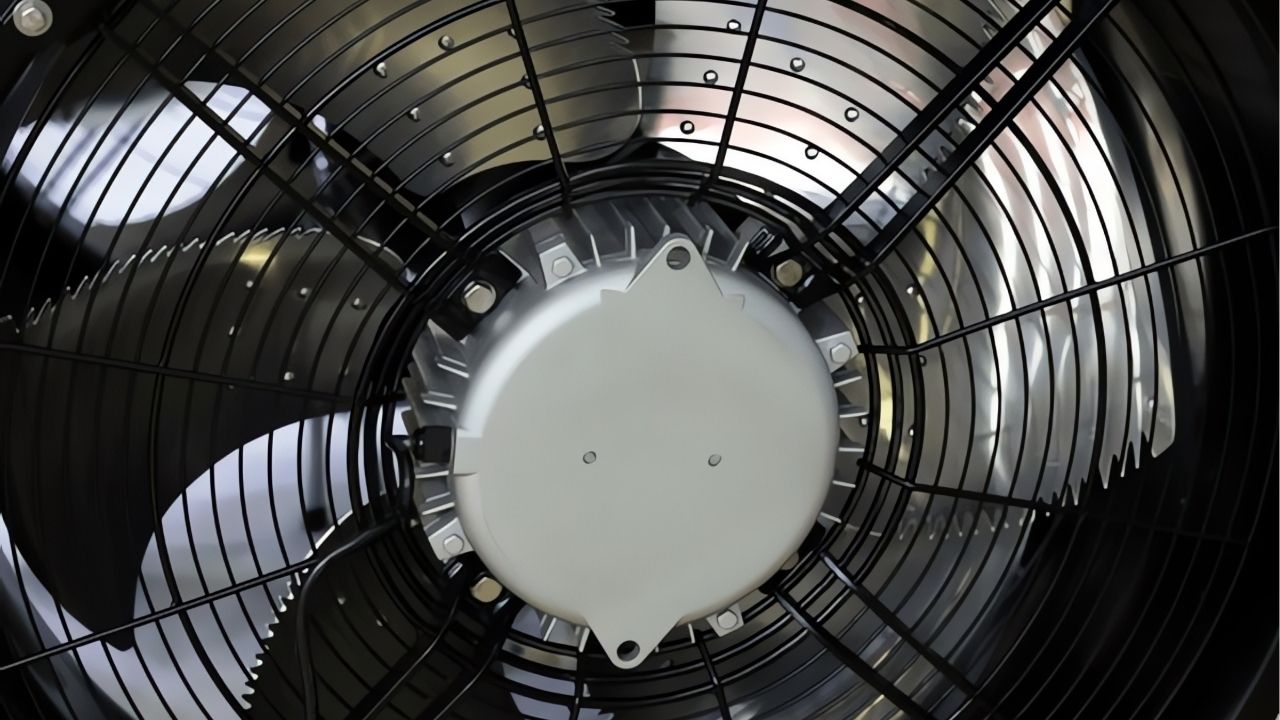
A shock chamber enhances axial fan performance by ensuring stable head pressure at the condenser. When refrigerant flow is erratic, the condenser's heat rejection demand fluctuates wildly, forcing the axial fans to constantly cycle on and off or adjust speed to compensate. The shock chamber eliminates these fluctuations by providing a buffer of liquid refrigerant, which results in a more consistent thermal load on the condenser. This stability allows the axial fans to run at a steady, optimal speed, significantly reducing power consumption and preventing the wear associated with frequent starting and stopping.
The practical uses of this principle are critical in facilities where cooling loads vary significantly. In a food processing plant, for example, a blast freezer's rapid cooldown can cause system shock. The shock chamber dampens this effect, allowing the axial fan cooling unit to maintain efficiency without being overworked. Günay Soğutma’s disciplined approach to custom production ensures that the shock chamber is perfectly matched to the specific condenser and fan assembly, a level of precision that generic components cannot provide.
Integrating a shock chamber is a strategic move to unlock the full potential of your axial fan investment. By promoting stable condenser operation, it directly contributes to a quieter, more reliable, and energy-thrifty cooling system. This synergy between components, a hallmark of Günay Soğutma's engineering, ensures that the entire industrial cooling system works in concert, delivering the durable performance and energy efficiency that modern industrial facilities require to remain competitive and cost-effective.
The decision to incorporate a shock chamber into an industrial cooling system is a strategic investment in operational stability and long-term cost management. Industrial environments subject cooling infrastructure to extreme and variable loads, making system protection paramount. A shock chamber serves as a critical buffer against these operational shocks, directly translating into enhanced energy efficiency, reduced wear, and unparalleled reliability for mission-critical processes.
The core function of a shock chamber is to condition the refrigerant, preventing liquid slugging and ensuring a stable flow to the evaporator. This seemingly simple action has a profound ripple effect across the entire system. By eliminating rapid temperature and pressure fluctuations, the shock chamber protects the delicate fins of the evaporator and the mechanical parts of the compressor from premature wear. This protection is a fundamental principle in high-performance evaporator production and system design, ensuring components last significantly longer.
The practical uses and benefits are clearest under demanding conditions. In applications like rapid chilling for food safety or process cooling in the energy sector, the system experiences frequent thermal shocks. The shock chamber absorbs these shocks, allowing the condenser and its associated axial fan cooling system to operate at a steady state. This stability prevents the fans from constantly cycling, which is a major drain on energy efficiency. Günay Soğutma addresses these diverse needs through both serial and custom production, ensuring a perfect fit for any industrial scenario.
Ultimately, using a shock chamber is about proactively safeguarding your capital investment in cooling infrastructure. It is a cost-effective measure that preventatively minimizes downtime, slashes energy consumption, and extends the service life of all major components. Choosing a system engineered with this level of foresight from Günay Soğutma guarantees that your industrial cooling system will deliver durable, high-performance cooling that supports uninterrupted production and delivers a rapid return on investment.
The benefits of integrating a shock chamber into an industrial cooling system extend far beyond simple component protection, offering a compelling return on investment through enhanced system-wide performance. This device directly addresses the core challenges faced by production managers: achieving maximum energy efficiency, ensuring equipment durability, and minimizing costly operational interruptions. Its value is realized through measurable improvements in stability, longevity, and cost control.
One of the primary benefits is the significant extension of equipment lifespan. By stabilizing refrigerant flow and preventing liquid slugging, the shock chamber drastically reduces mechanical stress on the evaporator and compressor. This protective function is a critical consideration in high-quality evaporator production, as it prevents frost buildup and coil damage. The result is a longer service life for these capital-intensive components, reducing the total cost of ownership and frequency of disruptive replacements.
Another key advantage is the direct contribution to operational energy efficiency. A stable system allows the condenser and its axial fan cooling system to operate at a consistent optimal pressure, eliminating the energy waste associated with frequent fan cycling and compressor overwork. The diverse uses across industries, from food processing to energy generation, all benefit from this predictable and efficient operation. Günay Soğutma’s approach, which includes both standard and custom production, ensures these benefits are precisely tailored to each facility's unique demands.
The cumulative effect of these benefits is a more resilient and profitable cooling infrastructure. Reduced maintenance frequency, lower energy consumption, and extended equipment life create a powerful economic case for the shock chamber. For any business reliant on a robust industrial cooling system, incorporating this component is a proactive strategy to secure long-term operational reliability and achieve substantial cost savings, making it an indispensable element of modern industrial cooling design.
Selecting the right shock chamber is a critical engineering decision that directly impacts the performance and cost-effectiveness of your industrial cooling system. An incorrectly sized or specified unit can undermine the very energy efficiency and protection it is meant to provide. The selection process must be based on a thorough analysis of your system's specific operational parameters and the unique demands of your production environment.
The primary factor in selection is system capacity and refrigerant type. The shock chamber must have sufficient volume to handle the refrigerant charge and flow rate of your specific application to effectively prevent liquid slugging. This ensures optimal performance of key components, including the evaporator and condenser. It is also essential to consider the operating pressure range and the material compatibility with the refrigerant used, as these factors dictate the chamber's durability and safety.
Next, evaluate the specific uses and load characteristics of your facility. A plant with highly variable cooling demands, such as a food processing line with batch freezing, requires a shock chamber designed for frequent thermal cycling. The integration with other components, like the axial fan cooling system, must also be considered to ensure balanced operation. This is where Günay Soğutma’s expertise in custom production becomes invaluable, allowing for a chamber engineered to your exact system specifications rather than a generic off-the-shelf solution.
Partnering with an experienced manufacturer like Günay Soğutma simplifies this selection process, turning it into a strategic investment. Their disciplined approach to design ensures the shock chamber will enhance the overall energy efficiency and reliability of your industrial cooling system. By choosing a correctly specified unit, you secure long-term benefits including reduced compressor wear, stable evaporator production temperatures, and minimized operational costs, delivering a rapid and sustained return on investment.
In the food processing industry, where rapid temperature control is critical for safety and quality, identifying where to deploy a shock chamber is key to building a resilient industrial cooling system. These facilities subject their refrigeration systems to extreme thermal demands, such as blast freezing and rapid chilling, making precise component integration essential for achieving both product integrity and operational energy efficiency.
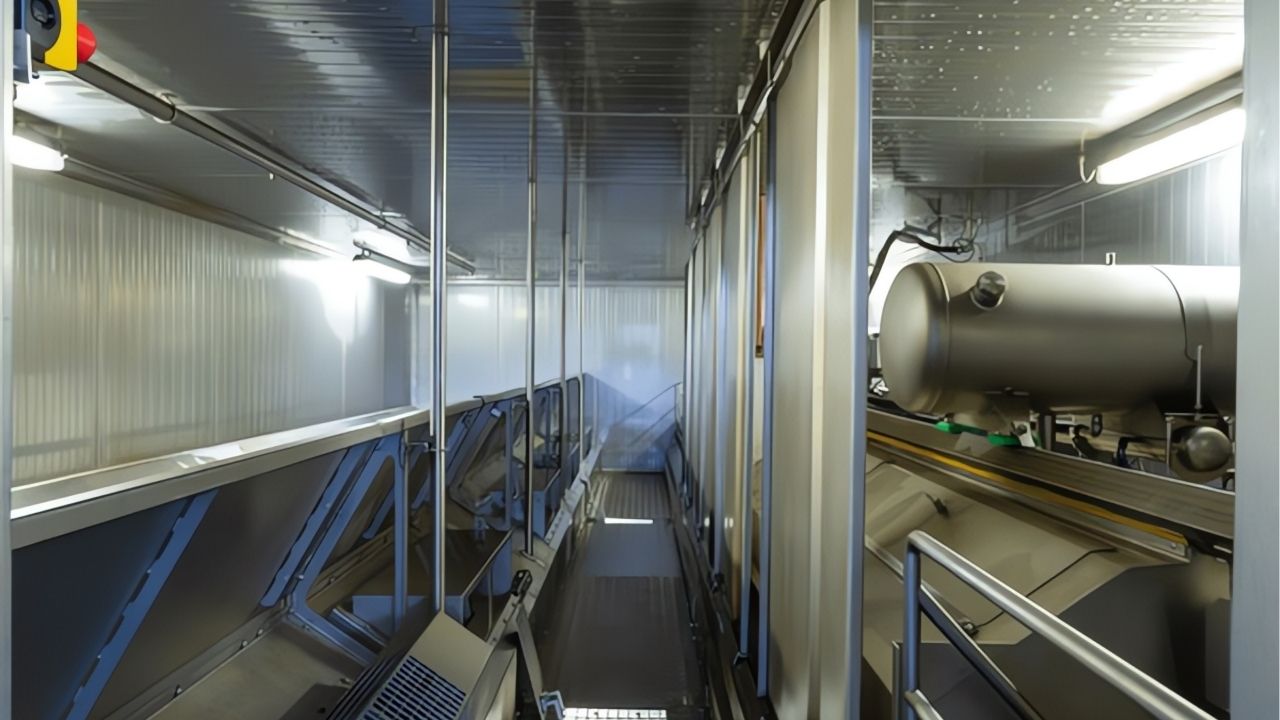
The most critical application for a shock chamber in food processing is within blast freezing and rapid chilling tunnels. These systems experience violent thermal shocks as warm products enter the freezing zone, causing immediate and severe pressure fluctuations in the refrigerant lines. A shock chamber is strategically placed upstream of the evaporator to absorb this shock, ensuring a stable refrigerant flow. This protects the evaporator production integrity from freeze-ups and mechanical stress, which is vital for maintaining consistent product throughput and meeting strict hygiene standards.
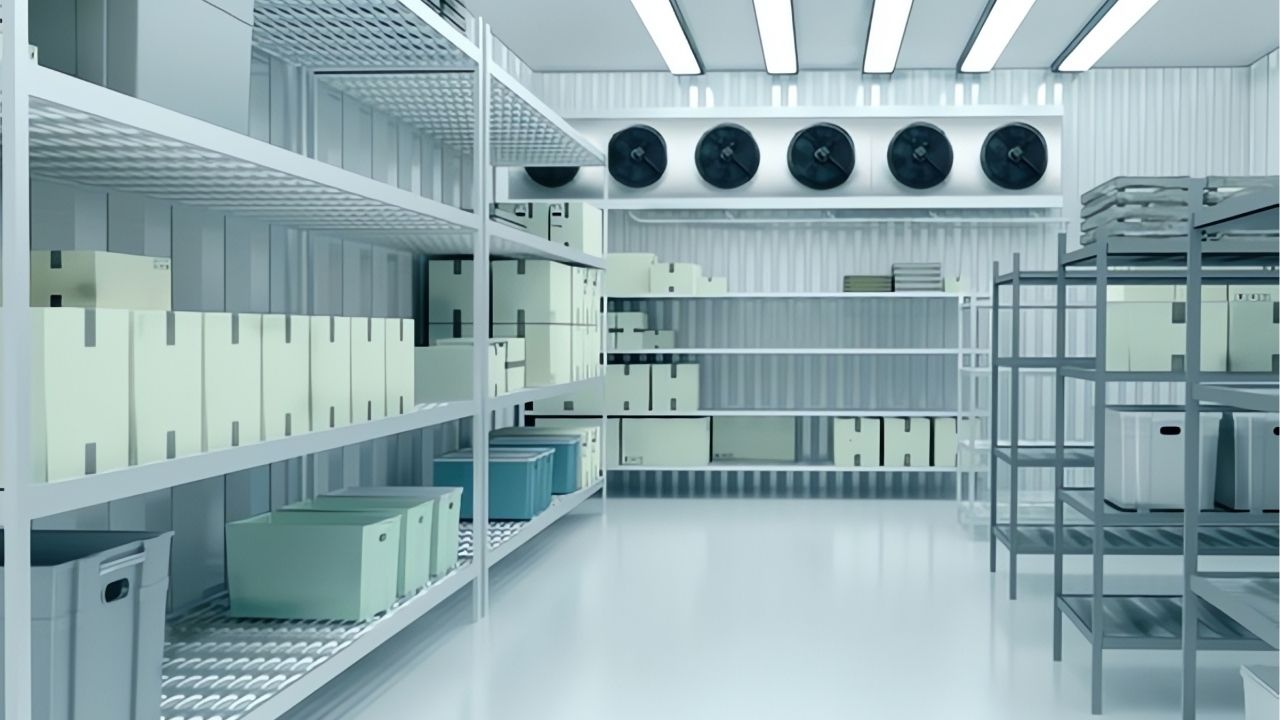
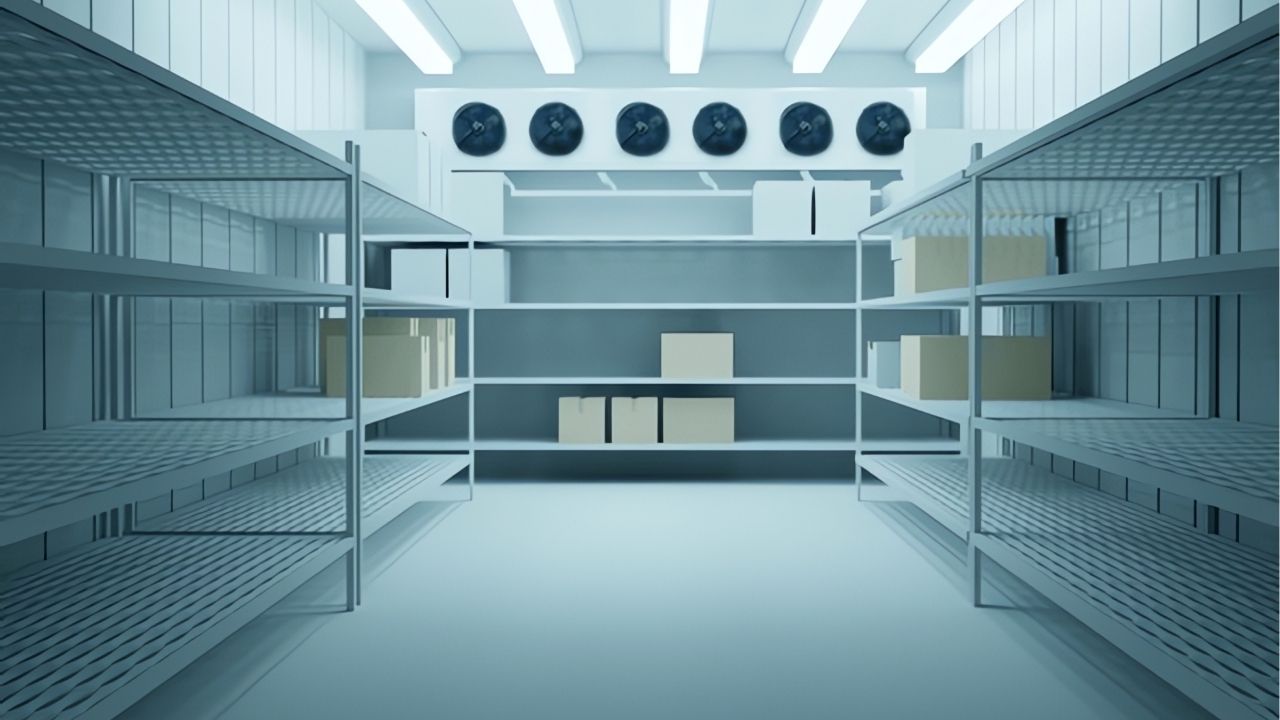
Beyond freezing, shock chambers are equally valuable in large-scale cold storage warehouses and process cooling loops. They stabilize the system, preventing erratic operation of the condenser and its associated axial fan cooling units during frequent door openings or batch processing cycles. The specific uses dictate the required capacity and specifications. Günay Soğutma’s expertise in custom production is crucial here, allowing for shock chambers to be precisely engineered for the unique load profiles of different food processing applications.
Integrating a shock chamber in these high-demand areas is a direct investment in the reliability and cost-effectiveness of your food cooling operations. It ensures that the industrial cooling system can handle rapid load changes without sacrificing performance or energy efficiency. By partnering with Günay Soğutma for a professionally designed solution, food processors can achieve uninterrupted production, extended equipment life, and significant long-term savings on energy and maintenance.
The primary function of a shock chamber within an industrial cooling system is to act as a stabilizing buffer, protecting critical components from the damaging effects of rapid pressure and temperature fluctuations. In demanding industrial applications, these thermal shocks are inevitable and can severely compromise system integrity and energy efficiency. The shock chamber's role is to condition the refrigerant flow, ensuring smooth, reliable operation across the entire cooling circuit.
Operationally, the shock chamber functions by receiving high-pressure liquid refrigerant from the condenser and temporarily storing it. This reservoir of liquid acts as a cushion, absorbing sudden pressure surges that occur during system start-ups, defrost cycles, or rapid changes in cooling load. By eliminating these shocks, it ensures that only a stable, vapor-rich mixture enters the evaporator, which is a critical factor for the longevity and performance achieved through precise evaporator production. This prevents liquid floodback to the compressor and frost buildup on the evaporator coils.
The functional uses of this stabilization are wide-ranging. In systems with variable loads, such as those serving food processing lines, the shock chamber prevents the erratic operation of the axial fan cooling system that would otherwise try to compensate for unstable condenser pressures. This stabilization is essential for maintaining consistent energy efficiency. Günay Soğutma’s capability for both serial and custom production ensures that the shock chamber's function is perfectly matched to the specific demands of each application.
Ultimately, the function of a shock chamber is to be the guardian of system reliability and efficiency. By mitigating operational shocks, it directly contributes to reduced mechanical wear, lower energy consumption, and extended service life for all major components. Incorporating this meticulously engineered component from Günay Soğutma into your industrial cooling system is a decisive step toward achieving a durable, high-performance cooling infrastructure that delivers unwavering operational reliability and significant cost savings.

Fill out the form to discover the most suitable high-end products for your projects. Contact Us Now.
Fill out the form now not to miss our special offers for you! The latest discover our products and innovations.
Fill out the form now not to miss our special offers for you! The latest discover our products and innovations.
Notification Centre 00:00