


Heater Faults: Symptoms and Troubleshooting Methods
06 / 07 / 2026

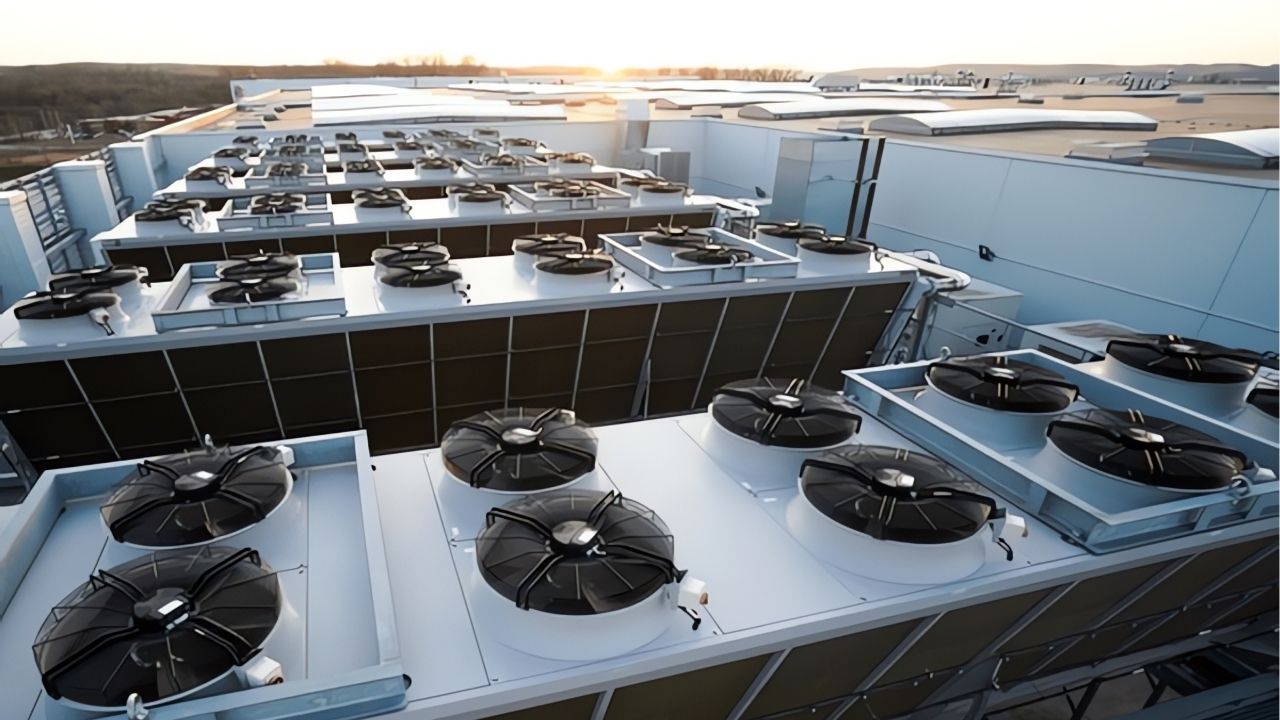
Selecting the right condenser is a critical industrial cooling decision that directly impacts energy consumption, operational uptime, and total cost of ownership. A mismatched unit can lead to systemic inefficiencies, while the optimal choice enhances overall energy efficiency and reliability. For production managers, understanding how to choose a condenser is the first step toward building a robust facility cooling solutions infrastructure that supports uninterrupted operations.
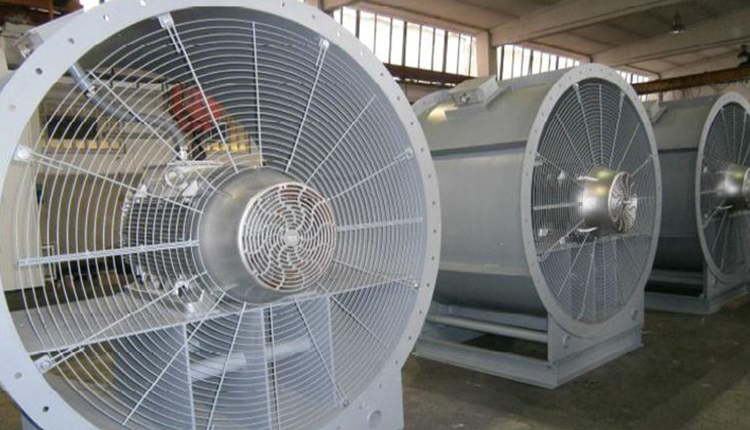
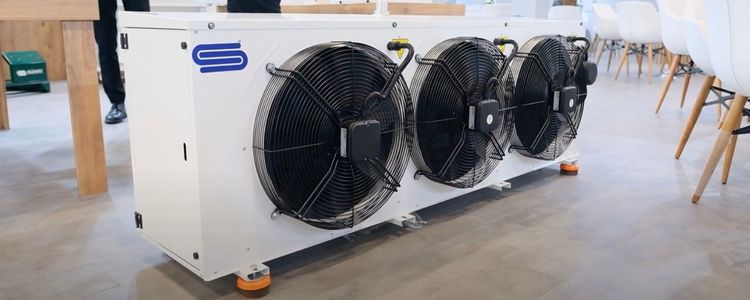
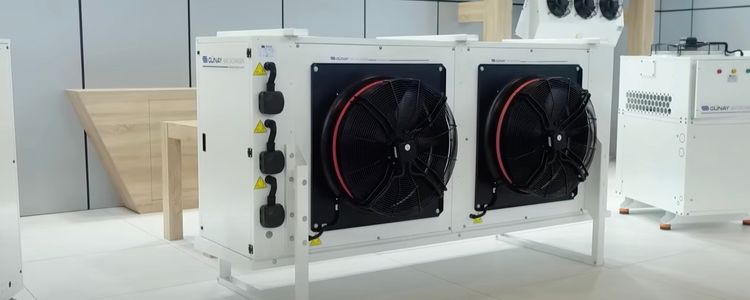
The core of an effective selection process hinges on technical specifications and application context. This involves a precise analysis of cooling load, ambient conditions, and the specific thermal demands of your processes. Partnering with a manufacturer that offers custom condenser designs ensures the unit is engineered to meet these unique requirements, avoiding the pitfalls of oversized or undersized standard models. True condenser production expertise, like that practiced by Günay Soğutma, combines advanced thermal modeling with disciplined fabrication to deliver a durable condenser built for harsh industrial environments.
Sector-specific needs further refine the selection criteria. In the food industry, for instance, condensers must prioritize hygienic design and corrosion-resistant materials to withstand frequent washdowns and ensure product safety. Energy sector applications, however, demand extreme resilience to high pressures and temperatures for maximum uptime. In both cases, the choice of condenser becomes a strategic investment in process integrity. Leveraging a partner with deep experience across these sectors guarantees a solution that addresses the unique challenges of your industrial cooling needs.
Ultimately, the goal is to achieve long-term operational stability and significant cost savings. A correctly chosen condenser minimizes mechanical stress on the entire refrigeration circuit, extending the lifespan of compressors and other components. This foresight reduces maintenance frequency and energy expenditure, delivering a rapid return on investment. By prioritizing high-quality condenser production and a disciplined approach to system design, businesses can secure a durable condenser that forms the foundation of an efficient and reliable cooling infrastructure for years to come.
Identifying the optimum condenser type is fundamental to achieving superior energy efficiency in any industrial application. The 'best' type is not a universal answer but a precise match to your specific operational demands, ambient conditions, and performance goals. A strategic approach to how to choose a condenser prioritizes heat transfer efficiency and reduced power consumption, directly lowering operational costs. This initial decision is critical for building efficient facility cooling solutions that contribute to a leaner, more sustainable operation.
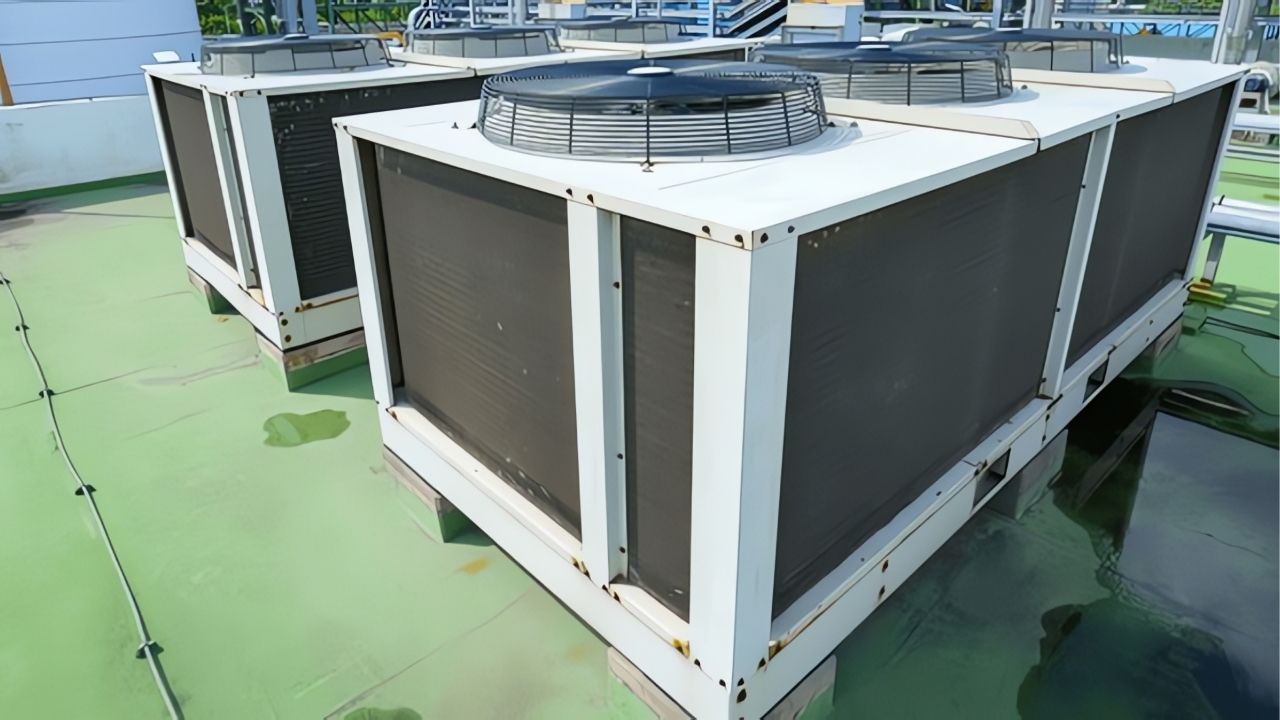
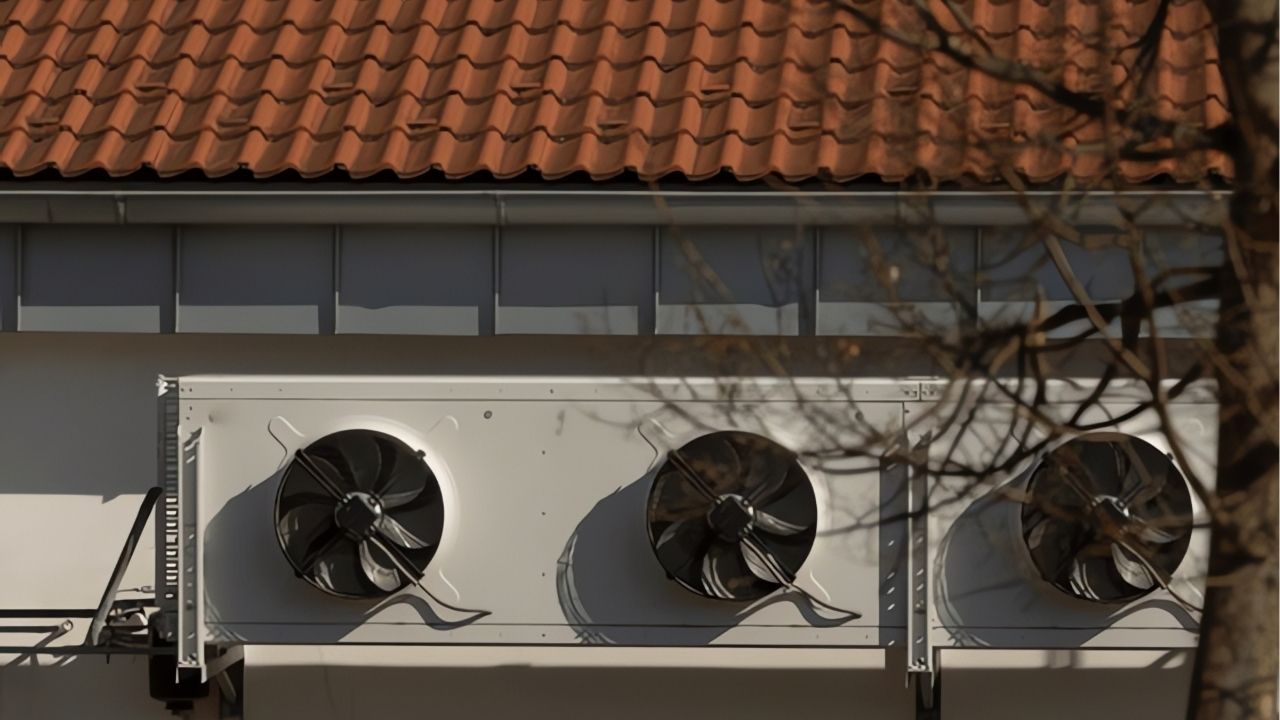
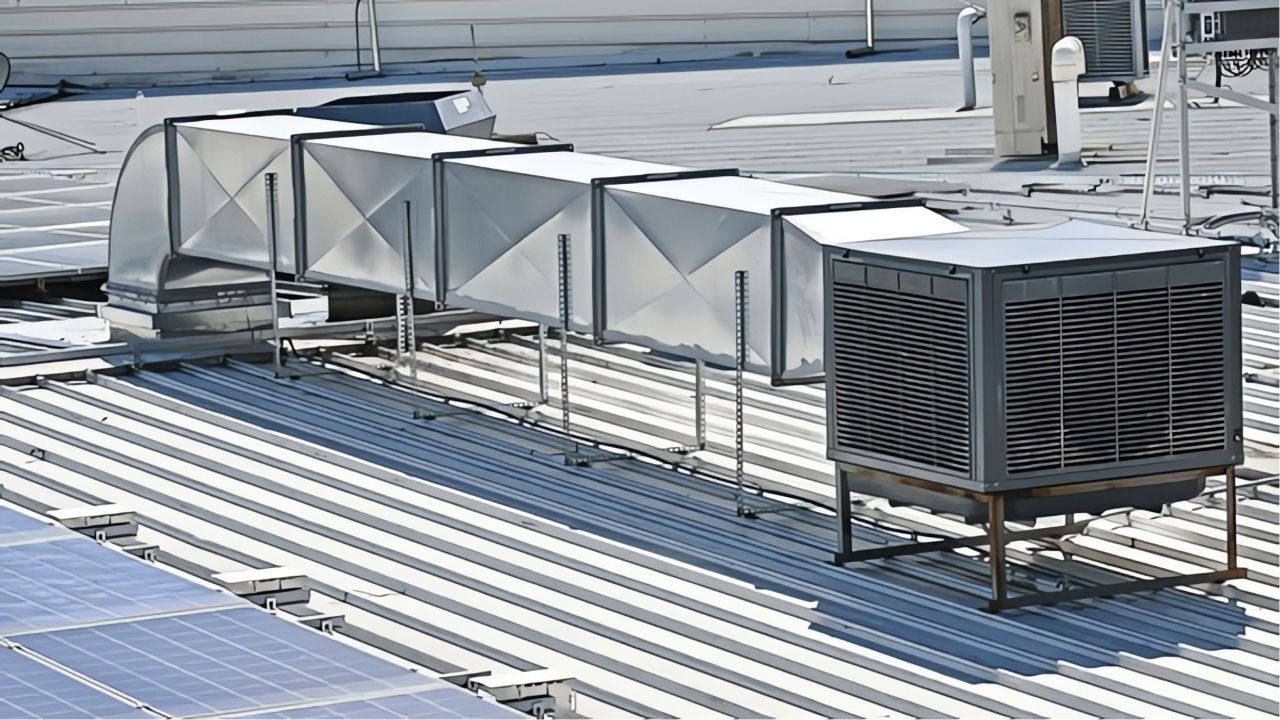
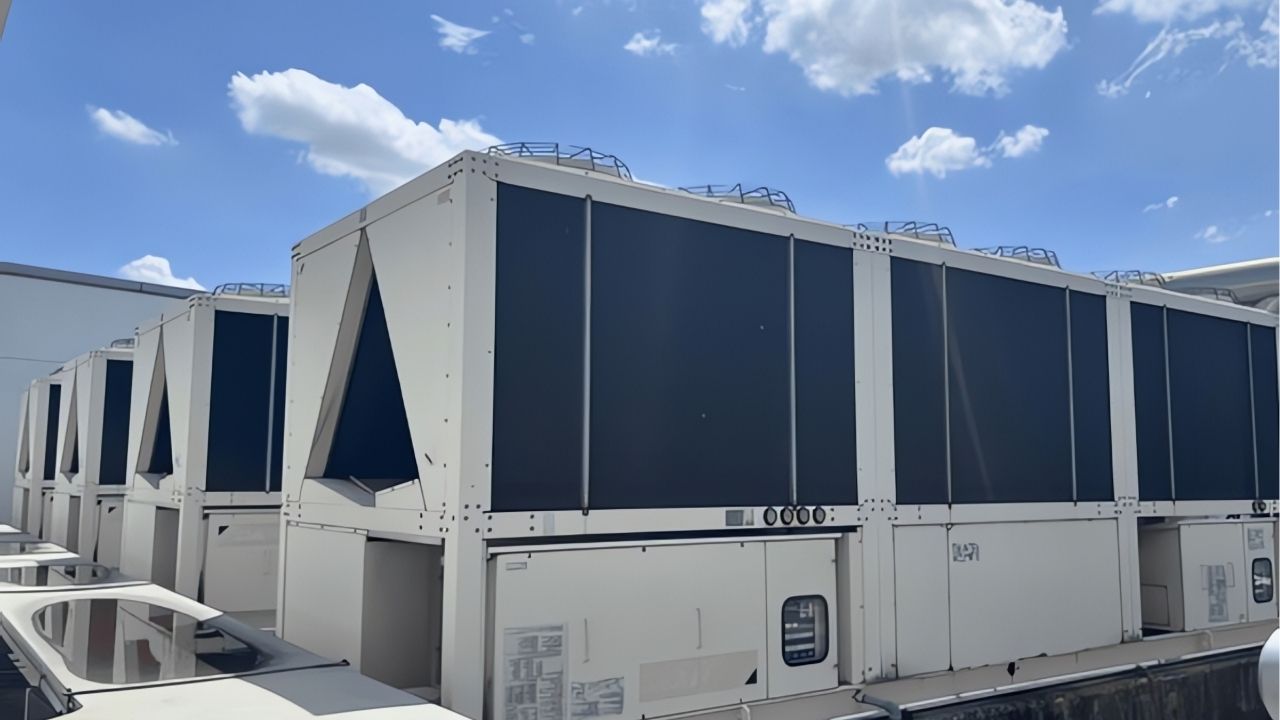
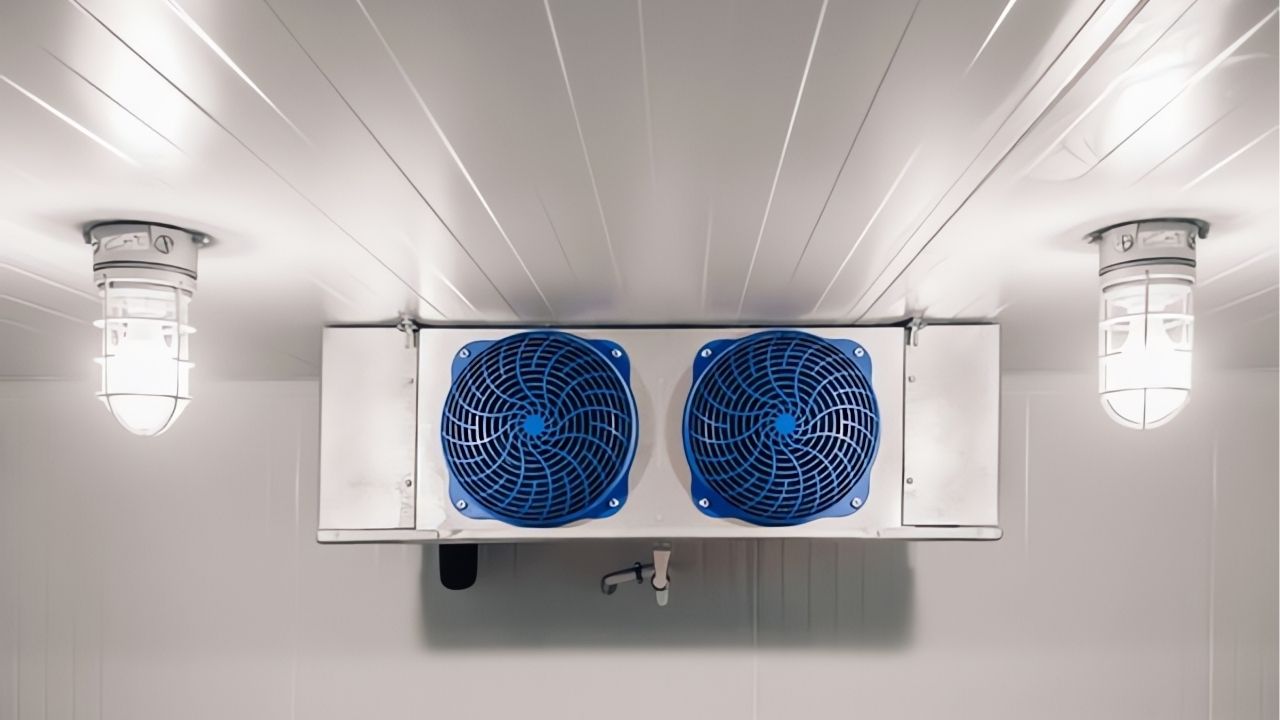
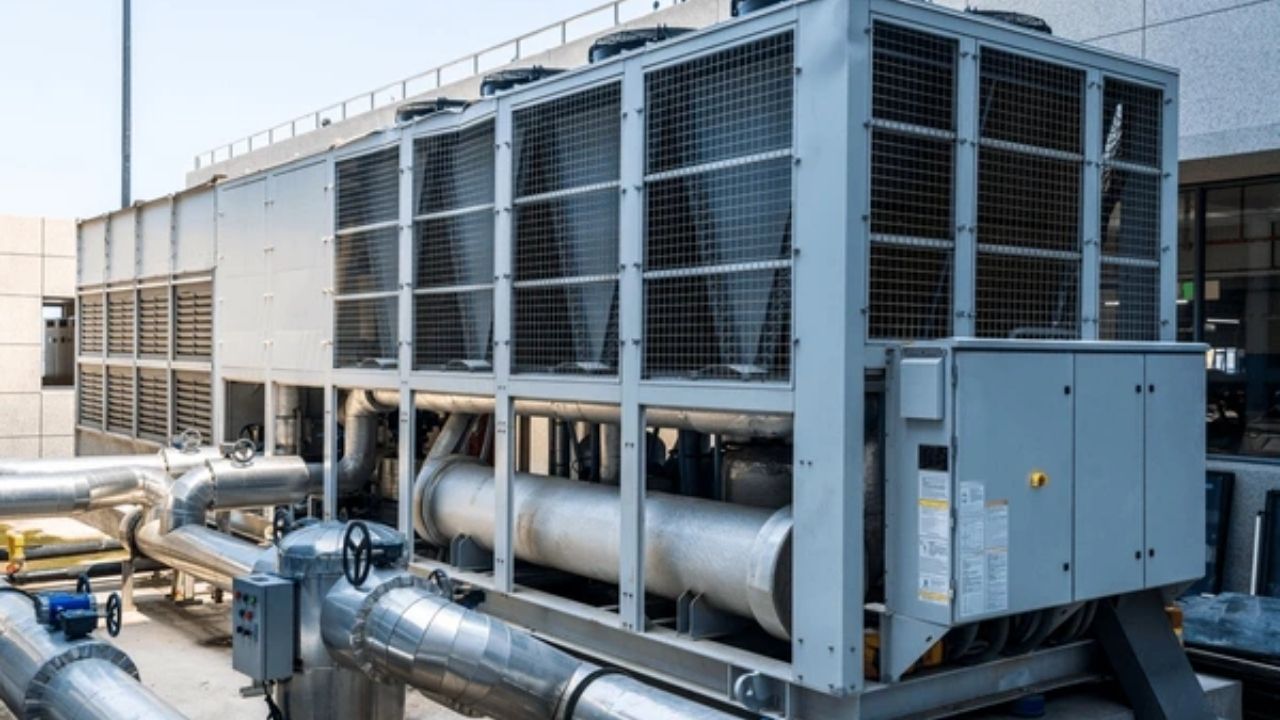
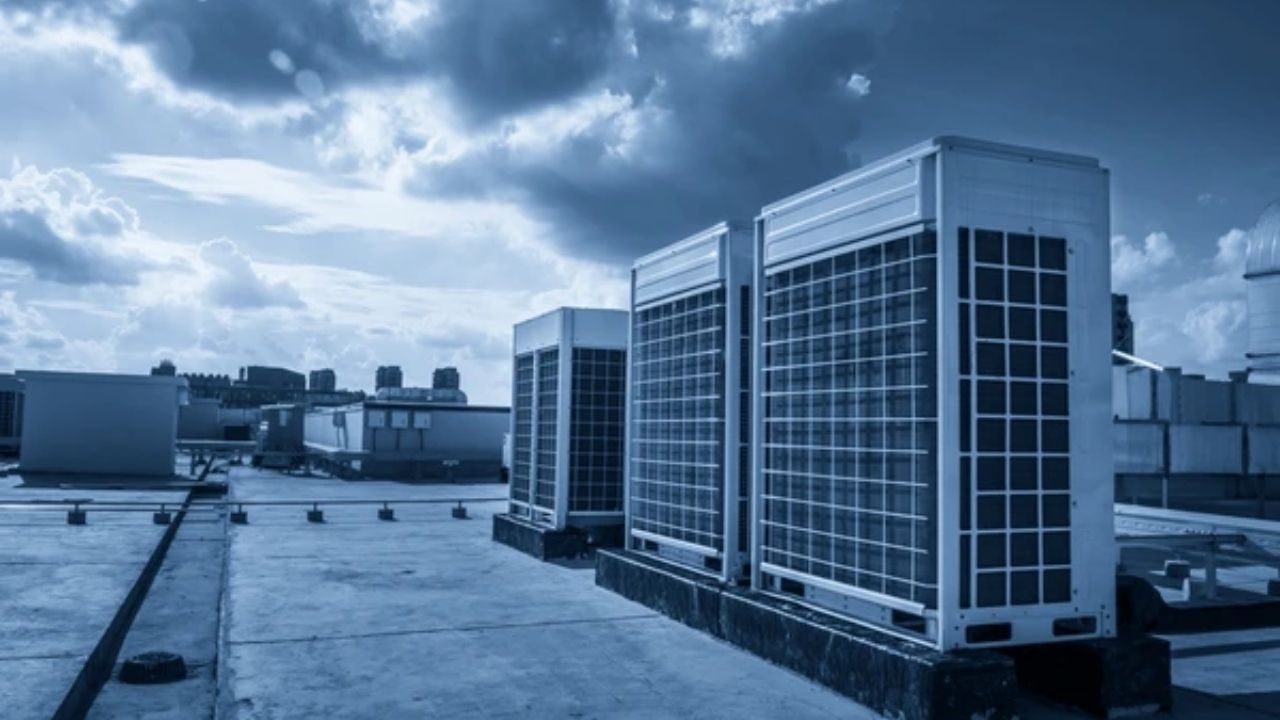
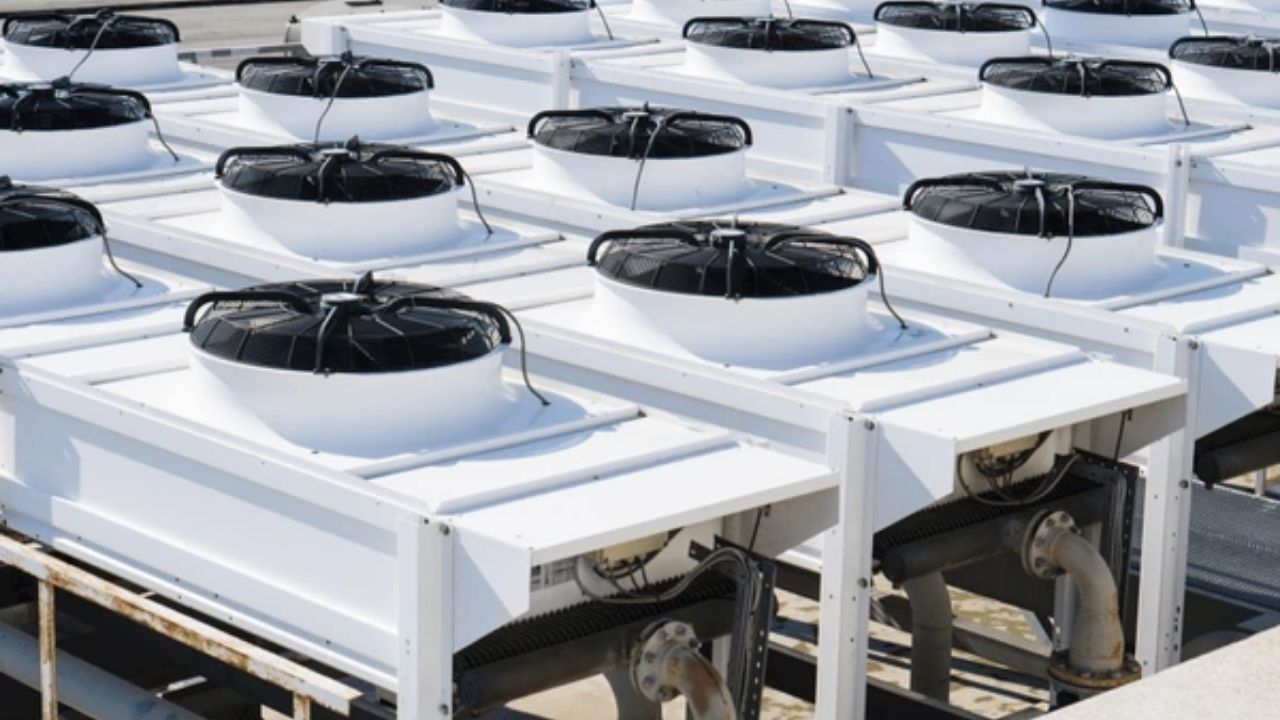
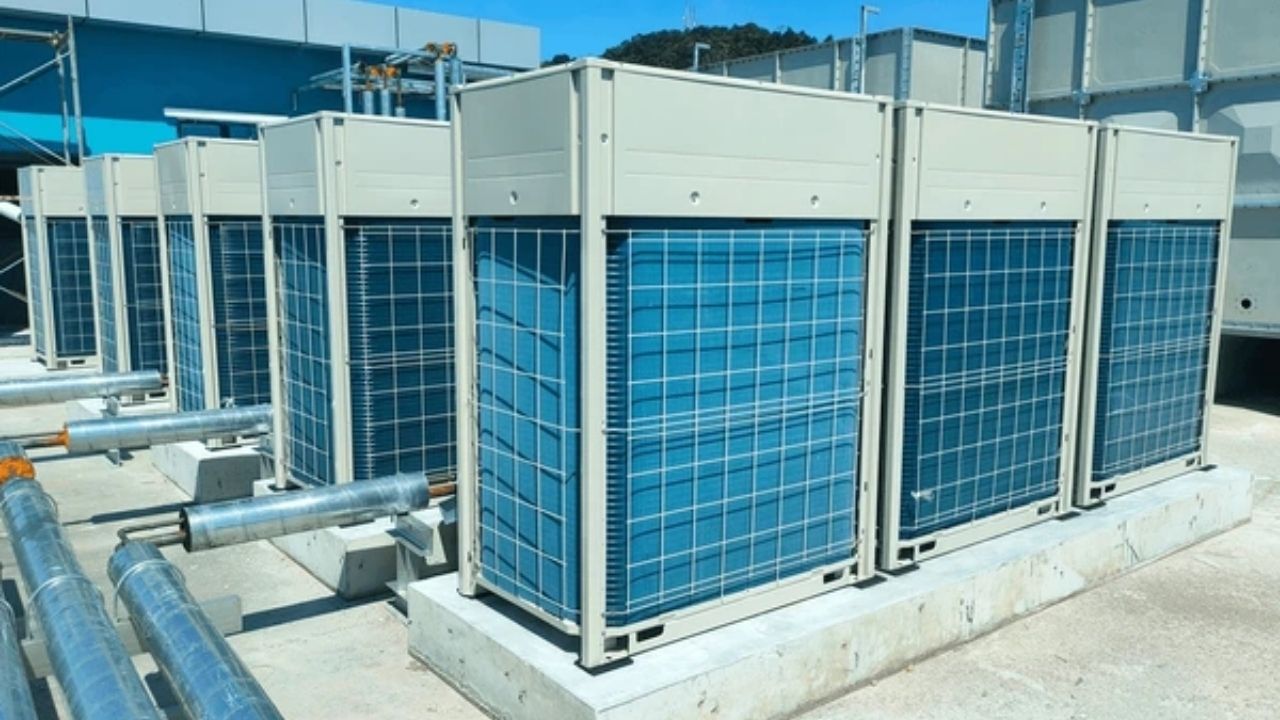
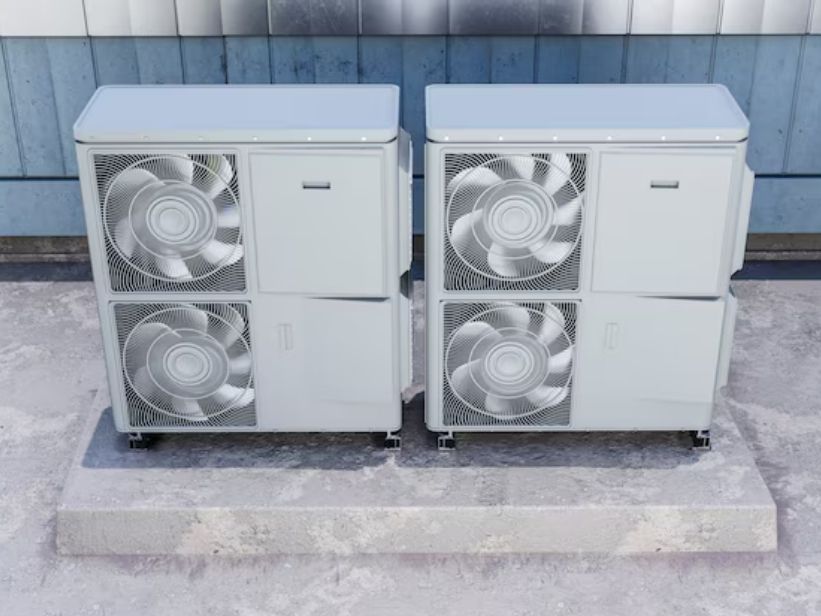
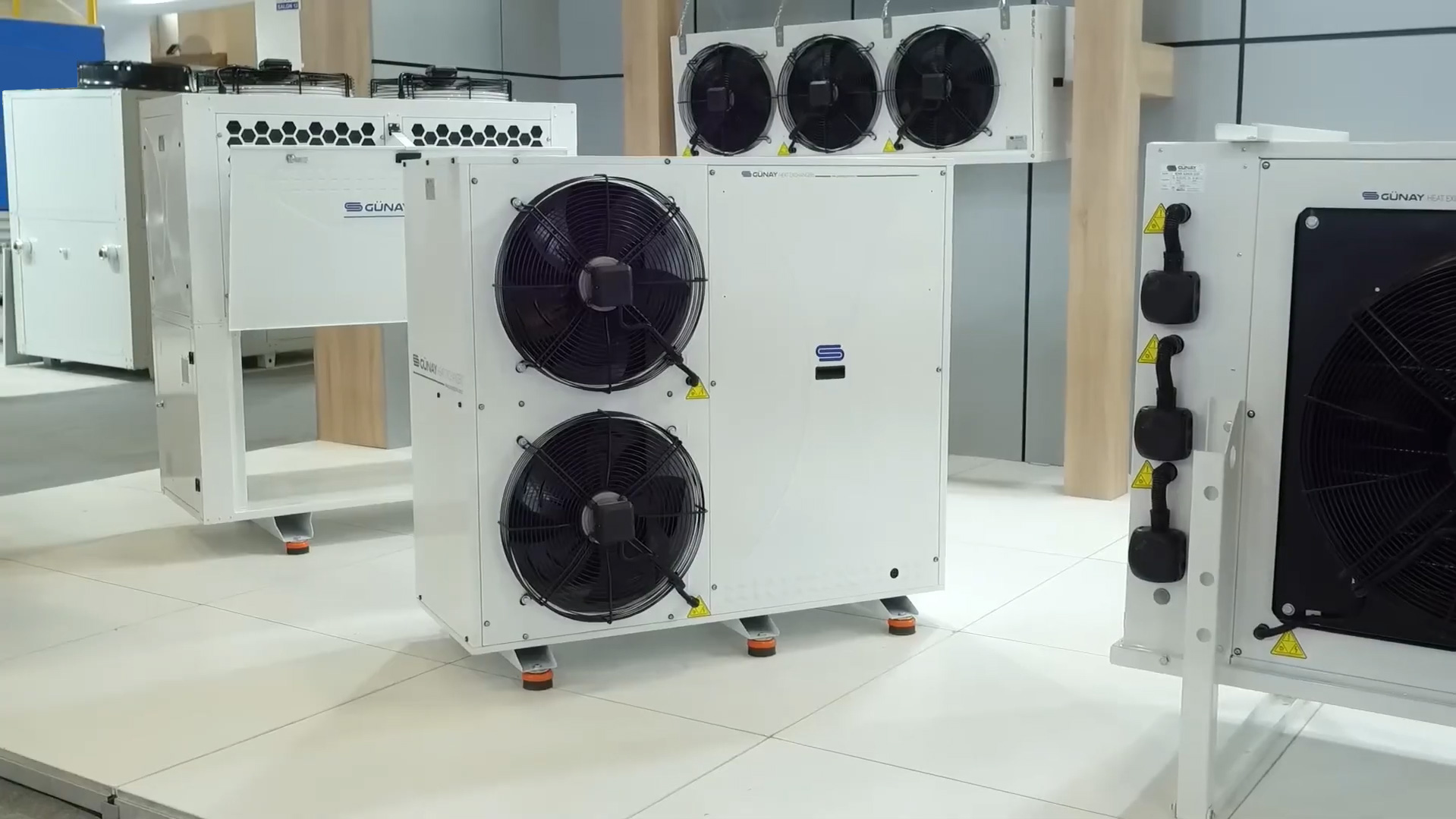
Air-cooled condensers often provide excellent efficiency in well-ventilated areas with moderate ambient temperatures, offering straightforward installation and minimal water consumption. However, water-cooled or evaporative condensers can deliver higher efficiency in high-heat environments or where precise temperature control is paramount. This is where expert condenser production and a custom condenser approach from a manufacturer like Günay Soğutma becomes invaluable. Their disciplined engineering process tailors the design, fin density, and coil configuration to maximize heat rejection while minimizing the energy load on fans and pumps.
The application context dictates the ideal technology. For food processing lines requiring consistent cooling under strict hygiene protocols, a durable condenser with corrosion-resistant coatings is non-negotiable. In the energy sector, where equipment runs continuously under heavy loads, condensers must be engineered for resilience and maximum thermal performance to prevent costly downtime. Investing in high-efficiency industrial cooling components is a direct investment in production line reliability and product quality assurance.
Ultimately, the highest efficiency is achieved through a condenser that maintains optimal performance over its entire lifecycle with minimal maintenance. A well-chosen unit reduces strain on the entire refrigeration system, prolonging the life of compressors and reducing energy bills year after year. Partnering with an expert in condenser production ensures you receive a solution built with modern technology and manufacturing discipline, designed not just for immediate efficiency but for long-term, cost-effective industrial cooling performance.
Selecting a condenser for heavy-duty use requires a foundational shift from standard industrial cooling specifications to a focus on resilience and uninterrupted operation. The core challenge is not merely achieving energy efficiency but ensuring the component can withstand continuous high thermal loads, corrosive atmospheres, and mechanical stress. For facilities managers, understanding how to choose a condenser for such demands is critical to preventing catastrophic downtime and protecting the integrity of the entire facility cooling solutions infrastructure.
The selection criteria must prioritize robust construction materials and advanced engineering. Key considerations include thicker coil walls, corrosion-resistant coatings for harsh environments, and heavy-gauge steel frames designed to resist vibration. This level of durability is not found in off-the-shelf units but is the hallmark of specialized condenser production. A custom condenser approach, as perfected by Günay Soğutma, allows for the integration of these heavy-duty features, ensuring the unit is engineered specifically for the application's peak loads and environmental challenges.
Application-specific demands further refine the selection. In food processing, a durable condenser must handle high-ambient temperatures from cooking processes and frequent aggressive washdowns without performance degradation. In the energy sector, condensers face extreme pressures and temperatures, requiring designs that prioritize heat transfer integrity under constant strain. In both cases, the condenser becomes a critical asset for maintaining production line throughput and operational safety.
The ultimate measure of a heavy-duty condenser is its long-term performance and total cost of ownership. A correctly specified unit minimizes unexpected failures, reduces maintenance frequency, and operates efficiently even under peak conditions, leading to significant energy and cost savings over its lifespan. Partnering with a manufacturer with proven condenser production expertise ensures you invest in a durable condenser that delivers reliable, high-performance industrial cooling for years, turning a critical component into a pillar of operational stability.
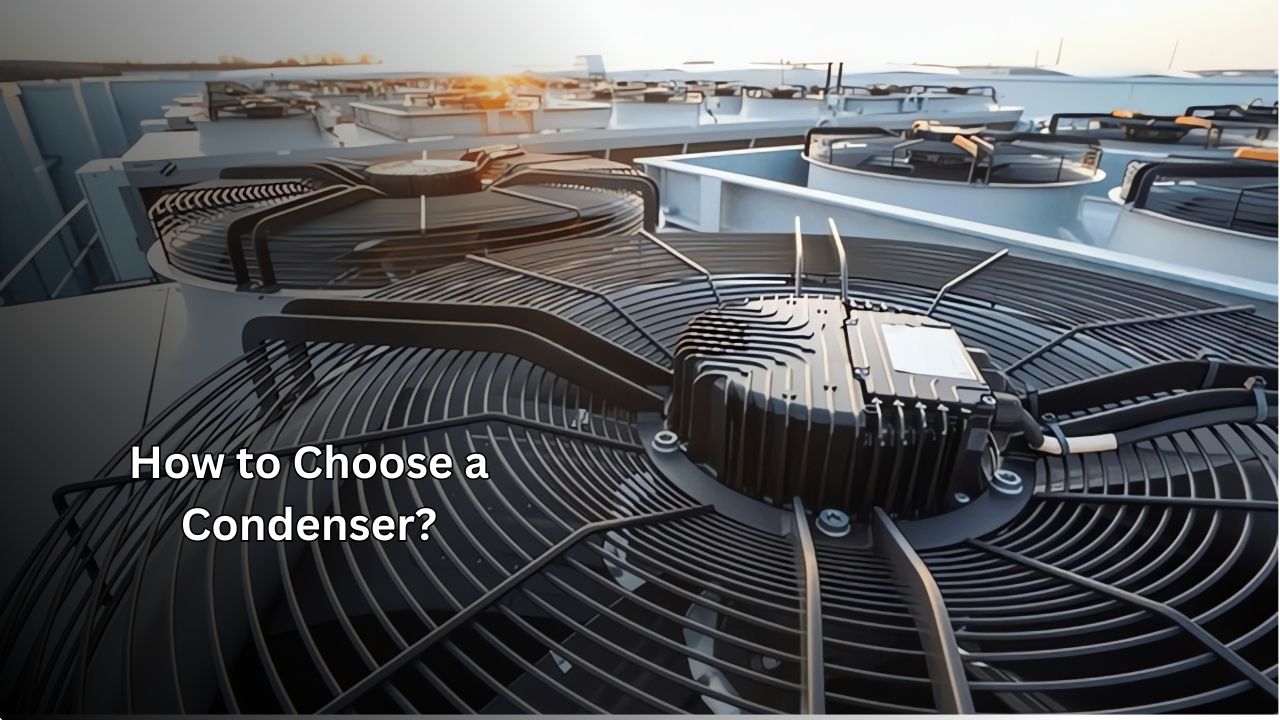
The longevity and dependability of a condenser are not a matter of chance but are directly engineered through design, material selection, and manufacturing quality. For facility managers focused on how to choose a condenser, understanding these factors is crucial for securing a reliable industrial cooling system that minimizes lifecycle costs. A durable condenser serves as the backbone of efficient facility cooling solutions, where premature failure can lead to extensive production disruptions and financial loss.
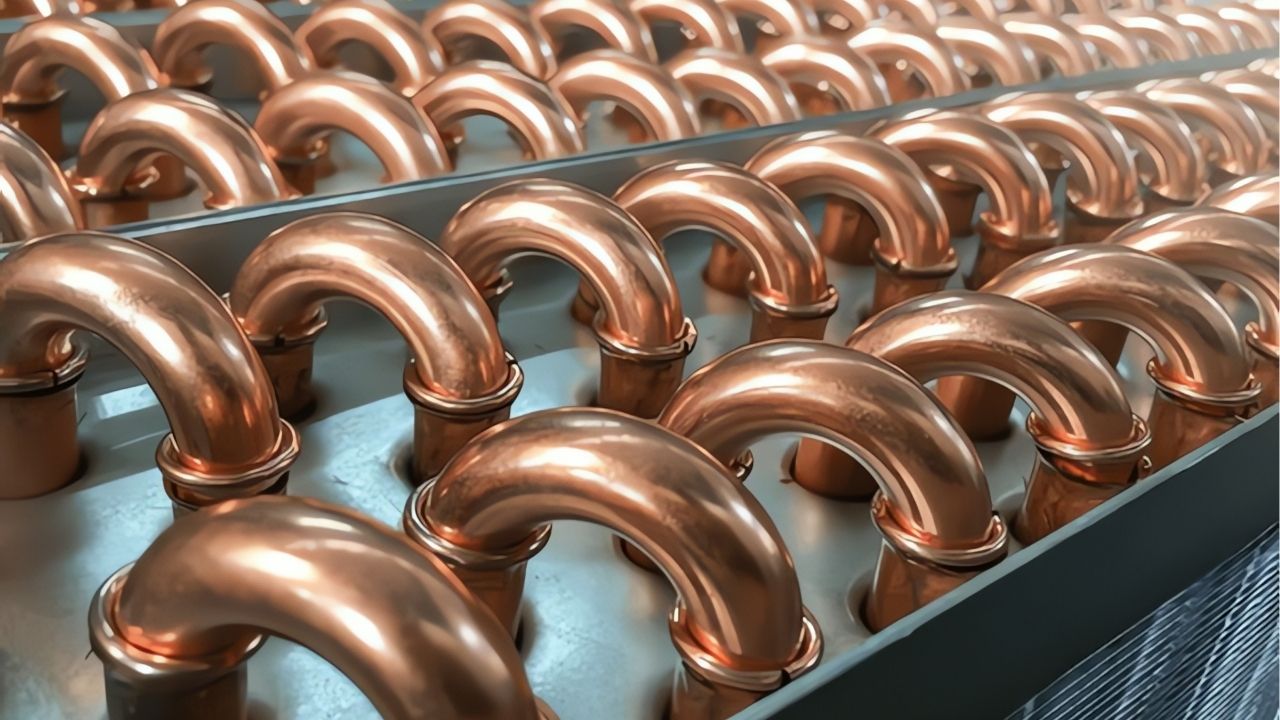
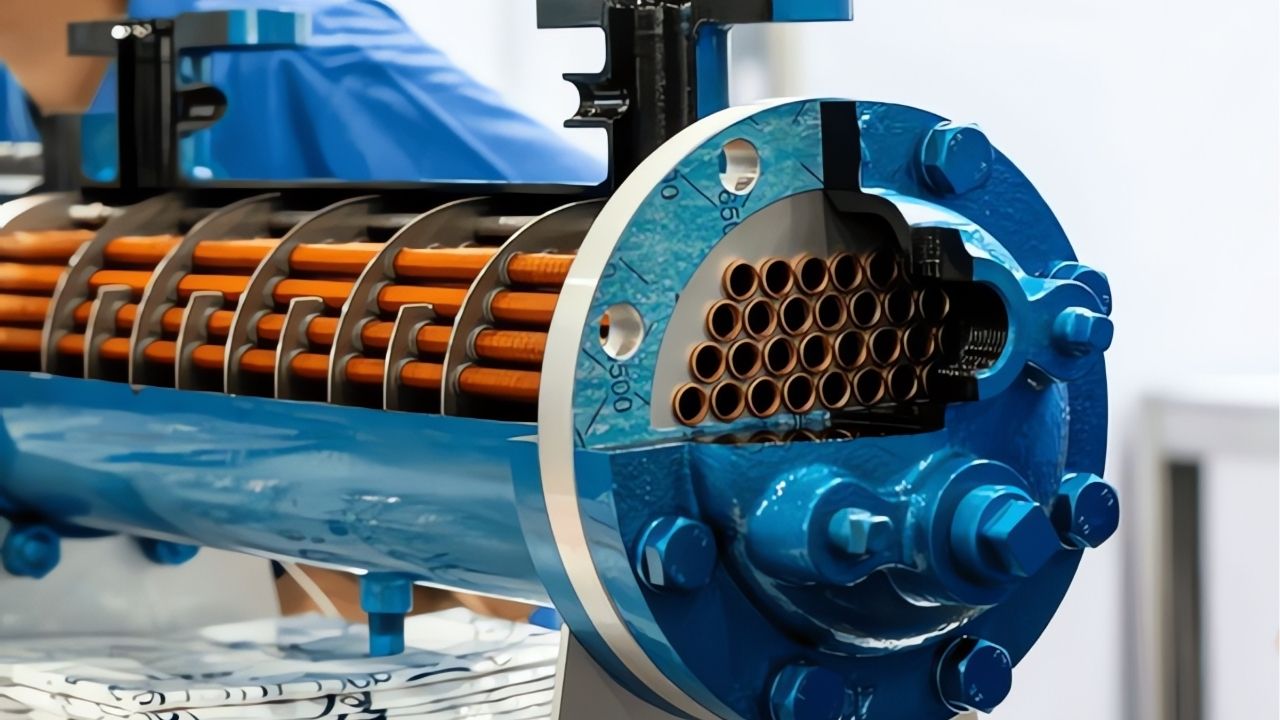
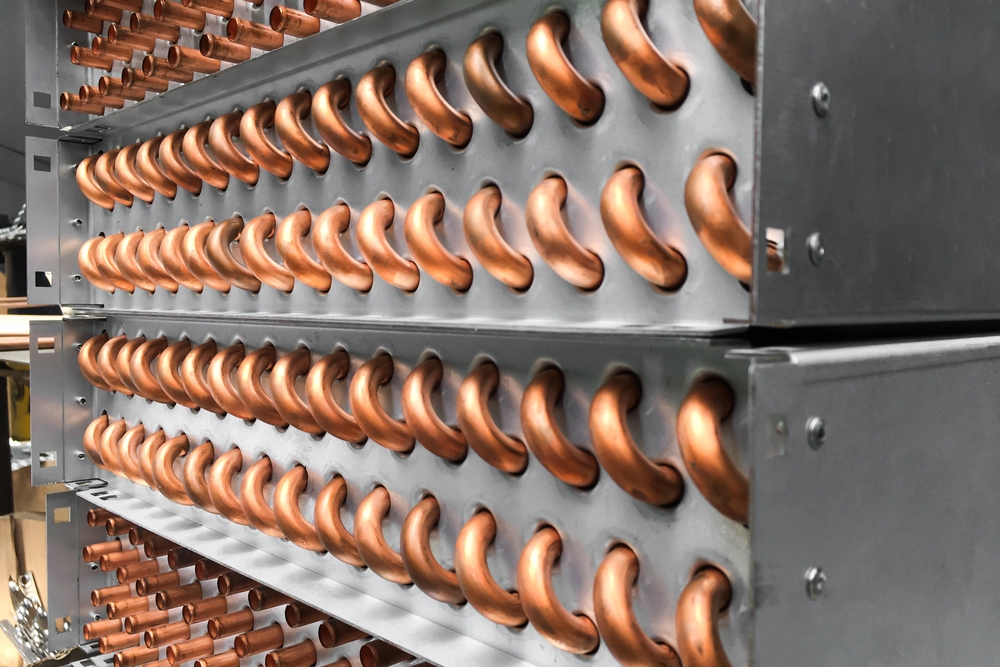
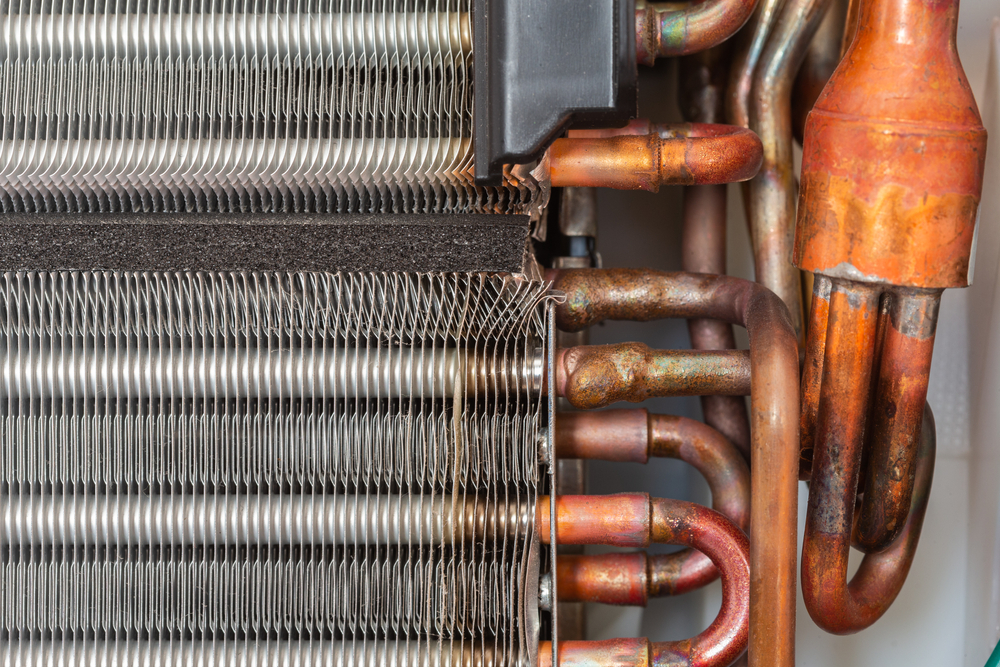
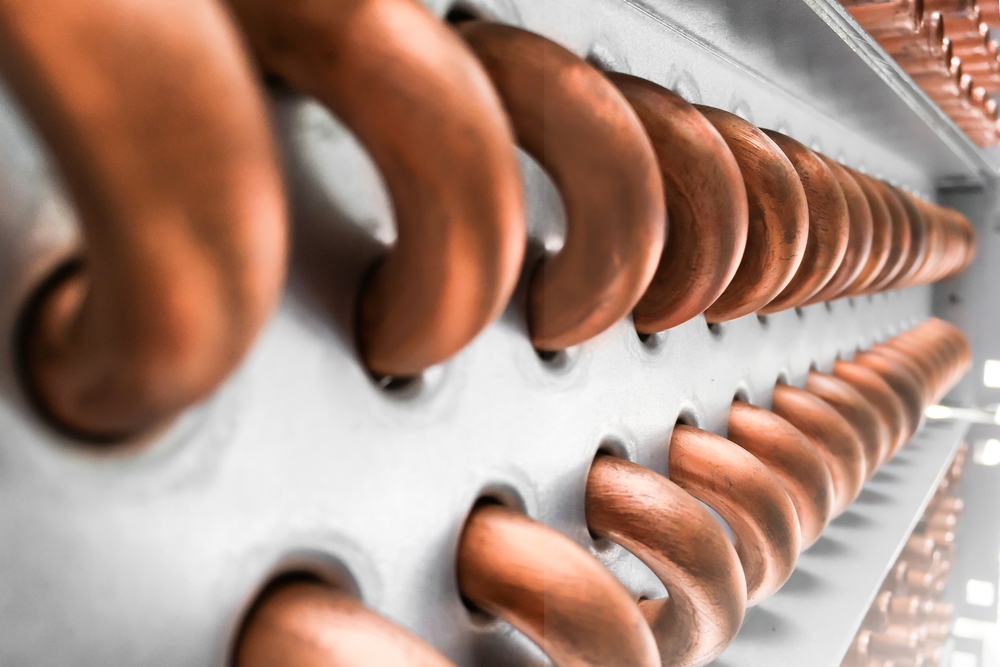
The primary determinants of lifespan begin with the core materials and construction techniques. Copper tubes with enhanced wall thickness and aluminum fins with anti-corrosion coatings resist degradation from harsh environments, while robust steel frames prevent structural fatigue. This level of quality is a direct result of disciplined condenser production processes. A custom condenser from an expert manufacturer like Günay Soğutma allows for material specification precisely matched to the application's chemical, thermal, and mechanical stresses, ensuring intrinsic reliability from the outset.
Operational factors are equally critical; improper sizing is a leading cause of shortened condenser life. An undersized unit operates continuously under excessive strain, while an oversized one cycles frequently, both accelerating wear. Correctly matching the condenser capacity to the specific cooling load is essential for stable operation and sustained energy efficiency. Furthermore, the operating environment—be it salty coastal air, chemical fumes, or high ambient temperatures—dictates the necessary protective features to ensure the unit performs reliably for its intended service life.
Ultimately, investing in a condenser designed for longevity translates directly into reduced total cost of ownership. Extended equipment life defers capital expenditure, while reliable operation prevents costly unscheduled downtime and maintenance. By prioritizing high-quality condenser production and a meticulous selection process, businesses can secure a durable condenser that delivers predictable performance and contributes to a more resilient and cost-effective industrial cooling infrastructure for decades.
Meeting and exceeding energy efficiency standards for a condenser is a strategic process that begins with the initial selection and specification phase. In today's competitive landscape, energy efficiency is not just a compliance checkbox but a primary driver of operational cost reduction and sustainability. Understanding how to choose a condenser that aligns with these standards is critical for facility managers looking to optimize their industrial cooling infrastructure for both performance and regulatory adherence.
The foundation of an efficient condenser lies in its core thermal design. Advanced coil technology, optimal fin-tube geometry, and precisely engineered air or water flow paths are essential for maximizing heat transfer with minimal energy input. This requires sophisticated condenser production capabilities that integrate computational fluid dynamics and modern manufacturing discipline. Opting for a custom condenser from a proven manufacturer like Günay Soğutma ensures the unit is not just a standard product but is meticulously engineered to achieve the highest possible energy efficiency for your specific application parameters.
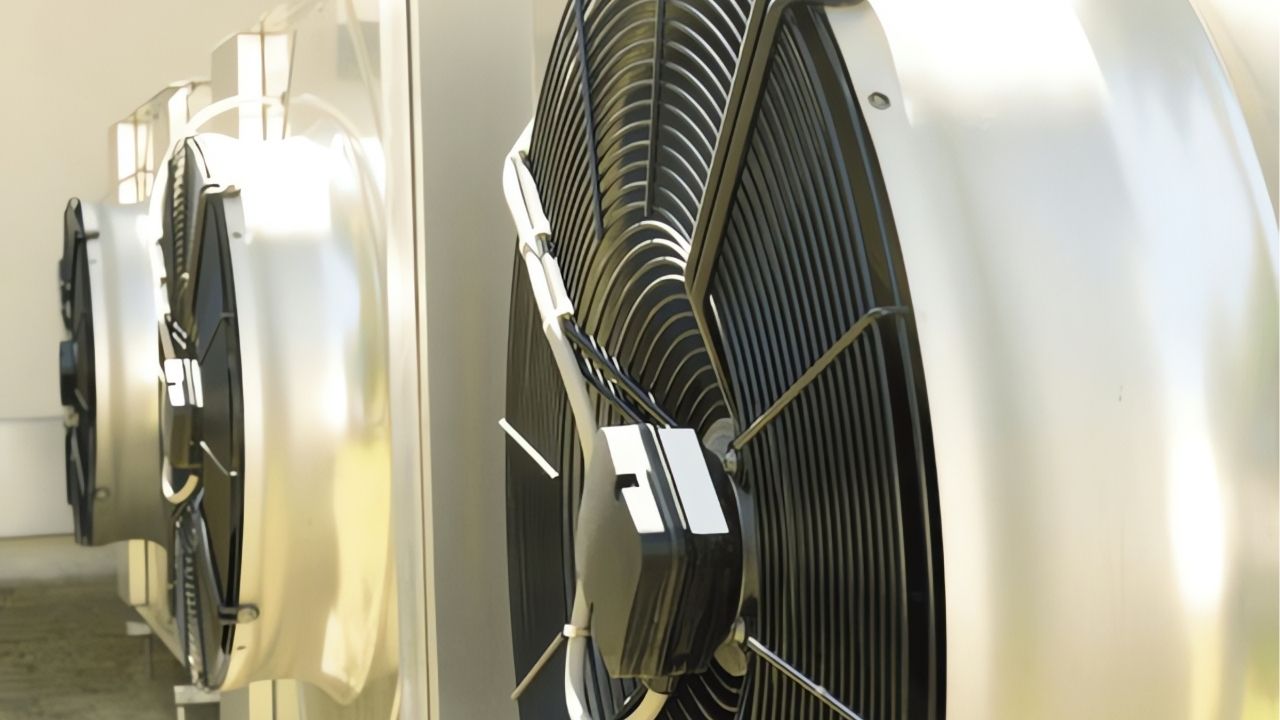
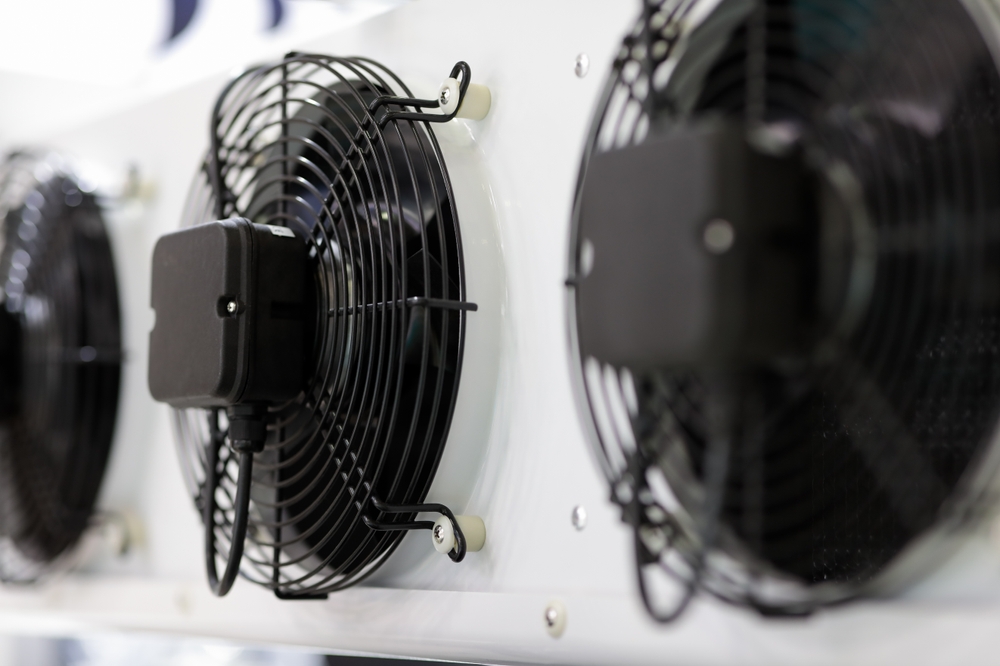
Beyond design, compliance with standards like ISO 50001 or specific regional directives is verified through performance data and material selection. A durable condenser maintains its efficiency over time, which is a key aspect of meeting lifecycle energy standards. Components such as high-efficiency fans with EC motors or corrosion-resistant coatings that prevent thermal degradation are critical. These features ensure that the condenser operates at peak performance throughout its life, reducing the energy burden on the entire facility cooling solutions system.
Ultimately, ensuring your condenser meets stringent efficiency standards is an investment in long-term operational resilience and cost control. An efficient condenser reduces the electrical load, leading to lower utility bills and a smaller carbon footprint, while also reducing thermal stress on compressors for extended system life. By partnering with an expert in high-performance condenser production, you secure a durable condenser that delivers verified energy efficiency, transforming your cooling system into a model of sustainable and cost-effective industrial cooling.
Specifying a condenser for the food industry demands a unique set of criteria that prioritizes hygiene, reliability, and compliance above all else. The correct specification is fundamental for any industrial cooling system operating in environments governed by strict food safety standards. When evaluating how to choose a condenser for this sector, the focus shifts from generic performance to creating facility cooling solutions that safeguard product integrity and ensure uninterrupted production.
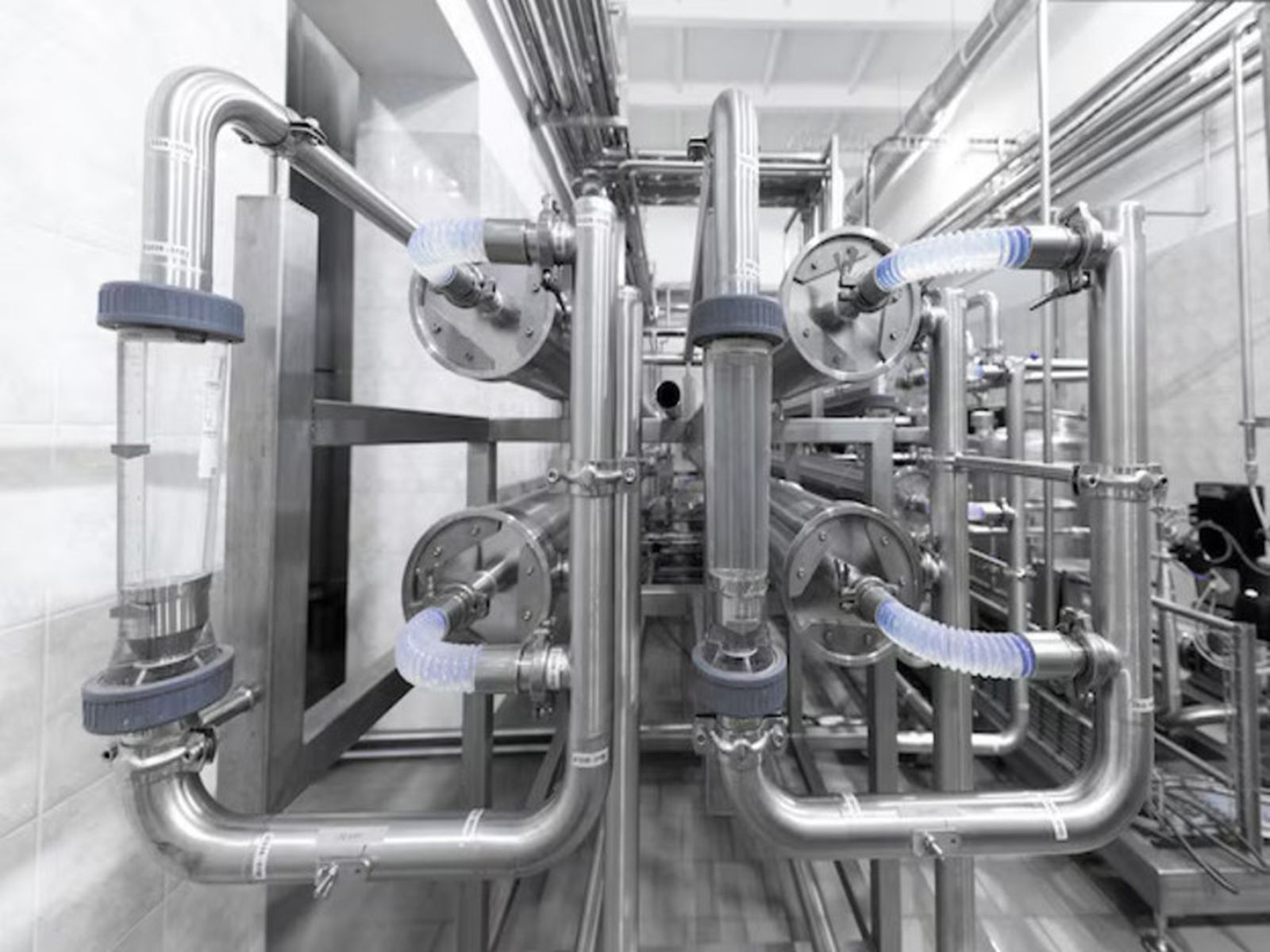
The foremost specification is the construction material and surface finish. All external and internal surfaces must be constructed from corrosion-resistant materials such as stainless steel or coated aluminum that can withstand frequent, aggressive chemical washdowns without degrading. This is a primary consideration in specialized condenser production for the food sector. A custom condenser from a manufacturer like Günay Soğutma ensures that the design includes smooth, crevice-free surfaces and materials certified for food-grade environments, creating a durable condenser that resists microbial growth and contamination.
Performance specifications must also be meticulously calibrated. The condenser must provide precise and stable temperature control to maintain the cold chain, often requiring higher heat rejection capacities to handle the high ambient temperatures found in processing areas. Furthermore, energy efficiency remains critical, as cooling is a major energy consumer in food plants; high-efficiency fans and optimized coil designs are essential for minimizing operational costs. These specifications ensure the condenser integrates seamlessly into the demanding workflow of a food production line.
Ultimately, selecting a condenser with the right specifications for the food industry is an investment in compliance, reliability, and operational cost control. A correctly specified unit prevents costly recalls, reduces water and energy consumption through intelligent design, and offers a long service life despite harsh cleaning regimens. Partnering with an expert in food-grade condenser production guarantees a durable condenser that meets all key specifications, providing a hygienic and efficient cornerstone for your industrial cooling infrastructure.
Accurately matching condenser capacity to the specific cooling load is the most critical step in designing an efficient and reliable industrial cooling system. An incorrect match, whether oversized or undersized, leads directly to excessive energy consumption, reduced equipment lifespan, and operational instability. For production managers, mastering how to choose a condenser with the right capacity is fundamental to optimizing facility cooling solutions for both performance and cost-effectiveness.
The process begins with a precise calculation of the total heat rejection requirement, which must account for the evaporator load, compressor power input, and any ancillary heat gains. This requires a detailed analysis of process parameters, ambient design conditions, and desired operating pressures. A standard, off-the-shelf condenser rarely aligns perfectly with this calculated load, which is why a custom condenser approach is superior. Expert condenser production, as practiced by Günay Soğutma, uses this data to engineer a unit with the exact heat transfer surface area and fan capacity needed, ensuring peak energy efficiency under actual operating conditions.
An undersized condenser struggles to reject heat, causing high head pressures that force the compressor to work harder, increasing energy use and accelerating wear. Conversely, an oversized unit short-cycles, leading to poor humidity control and unnecessary wear on contactors and fans. A perfectly matched capacity ensures stable system pressure and temperature, which is the foundation of a durable condenser and a long-lasting refrigeration system. This precision is especially vital in the food and energy sectors, where thermal stability is synonymous with product quality and process safety.
Ultimately, the correct capacity matching delivers significant long-term benefits, including minimized energy bills, extended equipment life, and reduced maintenance frequency. It transforms the condenser from a potential liability into a pillar of system reliability. By partnering with a specialist in precision condenser production, you secure a durable condenser that is perfectly calibrated to your load, ensuring your industrial cooling infrastructure operates at maximum efficiency and reliability for years to come.
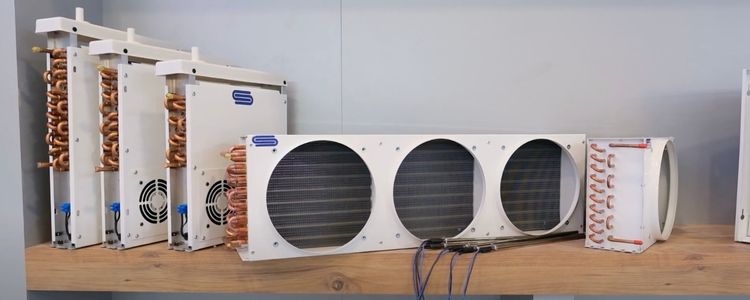
The fundamental difference between custom condenser units and standard models lies in the approach to engineering and performance optimization. A standard condenser is a pre-designed, mass-produced unit intended to fit a broad range of average applications, often leading to compromises in efficiency and fit. A custom condenser, conversely, is engineered from the ground up to meet the precise thermal, spatial, and operational requirements of a specific industrial cooling application. For facility managers deliberating how to choose a condenser, this distinction is critical for achieving optimal energy efficiency and integration into existing facility cooling solutions.
Standard condensers offer a lower initial cost and faster availability but often force designers to adapt the system to the condenser's limitations. This can result in oversized units that waste energy or undersized ones that struggle under load, compromising the entire system's reliability. In contrast, a custom condenser is the product of a detailed condenser production process that tailors dimensions, fin density, materials, and fan selection to the exact cooling load and environmental conditions. This level of precision, a hallmark of manufacturers like Günay Soğutma, ensures a perfect fit and superior performance, creating a truly durable condenser.
The benefits of a custom approach become especially apparent in demanding sectors like food and energy. A food plant may require a specific footprint to fit a constrained space, along with stainless-steel construction for hygiene. An energy facility might need a condenser capable of withstanding extreme ambient temperatures or corrosive fumes. A standard unit cannot accommodate these nuanced requirements, whereas a custom solution is designed to overcome them, ensuring seamless integration and long-term reliability. This precision engineering directly translates into reduced operational risks and enhanced system longevity.
Ultimately, the choice between custom and standard condensers is an investment decision. While a standard unit has a lower upfront price, a custom condenser delivers a lower total cost of ownership through significant energy savings, reduced maintenance, and extended system life. By leveraging expert condenser production capabilities, businesses can specify a durable condenser that perfectly aligns with their operational goals, ensuring their industrial cooling infrastructure is both highly efficient and exceptionally reliable.
Condenser design is a primary determinant of long-term maintenance costs, with engineering decisions made during the condenser production phase directly influencing the frequency and expense of upkeep. An intelligently designed condenser minimizes the need for interventions, thereby reducing operational downtime and labor costs. For facility managers focused on how to choose a condenser, prioritizing design features that enhance maintainability is crucial for optimizing the total cost of ownership of their industrial cooling systems.
Key design elements that lower maintenance include easy access for cleaning, corrosion-resistant materials, and robust component selection. Condensers with wide fin spacing are less prone to clogging from dust and debris, simplifying cleaning routines and preserving energy efficiency. The use of high-quality materials, such as coated fins and stainless-steel hardware, resists corrosion from harsh environments, preventing premature failure. This approach to creating a durable condenser is central to the custom condenser philosophy of manufacturers like Günay Soğutma, where design discipline directly targets lifecycle cost reduction.
In sector-specific applications, the impact of design is even more pronounced. Food processing plants require condensers that can endure frequent high-pressure washdowns without corroding or developing biofilm, a feature that must be engineered into the unit from the outset. In energy sector applications, designs that facilitate quick fan motor or coil section replacement are vital for minimizing downtime during critical maintenance windows. These specialized design considerations are integral to developing reliable facility cooling solutions that align with stringent operational schedules and hygiene standards.
Ultimately, investing in a condenser with a maintenance-focused design yields substantial financial returns. Reduced cleaning frequency, longer intervals between part replacements, and sustained operational efficiency all contribute to a lower cost per operating hour. By selecting a condenser from a manufacturer with proven condenser production expertise, you secure a durable condenser whose design inherently controls maintenance expenses, ensuring your industrial cooling infrastructure remains a cost-effective and reliable asset for the long term.
Identifying a truly durable condenser requires a focus on engineering pedigree and construction quality that goes beyond basic specifications. In demanding industrial cooling environments, durability is the cornerstone of operational continuity and cost control. For managers tasked with how to choose a condenser, prioritizing long-term resilience ensures the selected unit will form a reliable part of their facility cooling solutions for years, not just months.
The first indicator of durability is the quality of core materials. Look for condensers constructed with thicker gauge copper tubes for the coils and heavy-duty aluminum fins with anti-corrosion coatings to withstand aggressive environments. The frame should be made of hot-dip galvanized or powder-coated steel to resist rust and structural fatigue. This level of material specification is a direct result of disciplined condenser production. A custom condenser from an expert manufacturer like Günay Soğutma allows for the selection of these premium materials tailored to your specific operational stresses, ensuring intrinsic longevity.
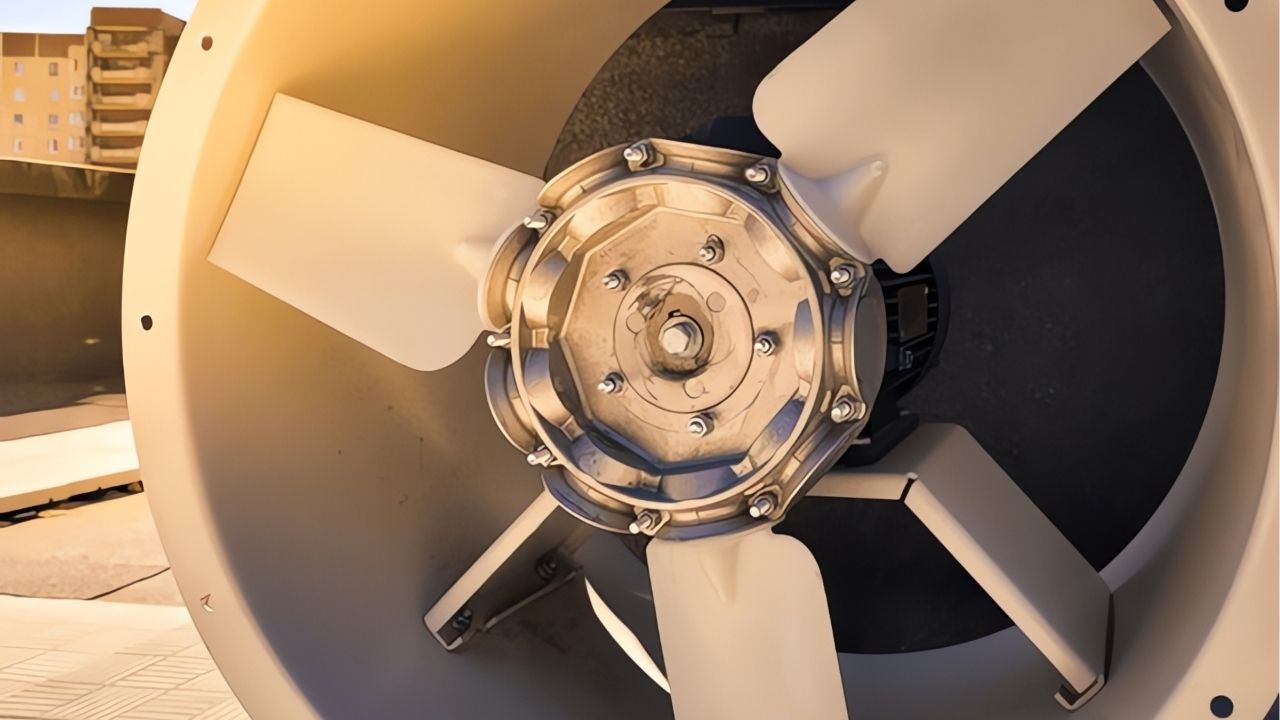
Design features also play a critical role in durability. A well-designed unit will have accessible components for maintenance, robust electrical connections, and fan assemblies built to minimize vibration. These features prevent minor issues from escalating into major failures. Furthermore, a condenser designed for energy efficiency typically operates under lower mechanical stress, as it does not need to work as hard to reject heat, which inherently extends its service life. This synergy between efficiency and durability is a key characteristic of high-quality industrial cooling equipment.
Ultimately, investing in a durable condenser is a strategic decision that pays dividends through reduced lifecycle costs. It minimizes unexpected breakdowns, lowers spare part inventories, and maintains high performance over a longer period. By selecting a condenser from a manufacturer with a proven track record in robust condenser production, you secure a durable condenser that delivers unwavering reliability, making it a strategic asset for any cost-conscious and performance-driven facility cooling solutions strategy.

Fill out the form to discover the most suitable high-end products for your projects. Contact Us Now.
Fill out the form now not to miss our special offers for you! The latest discover our products and innovations.
Fill out the form now not to miss our special offers for you! The latest discover our products and innovations.
Notification Centre 00:00