


Heater Faults: Symptoms and Troubleshooting Methods
06 / 07 / 2026

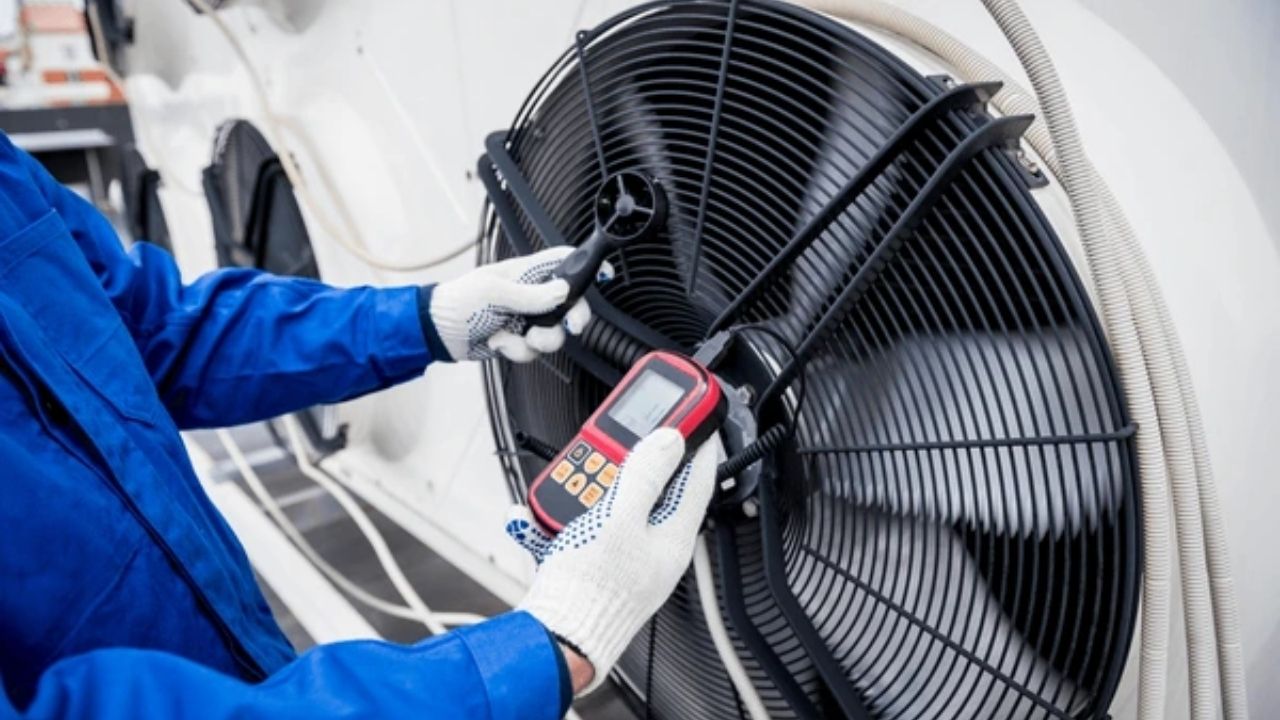
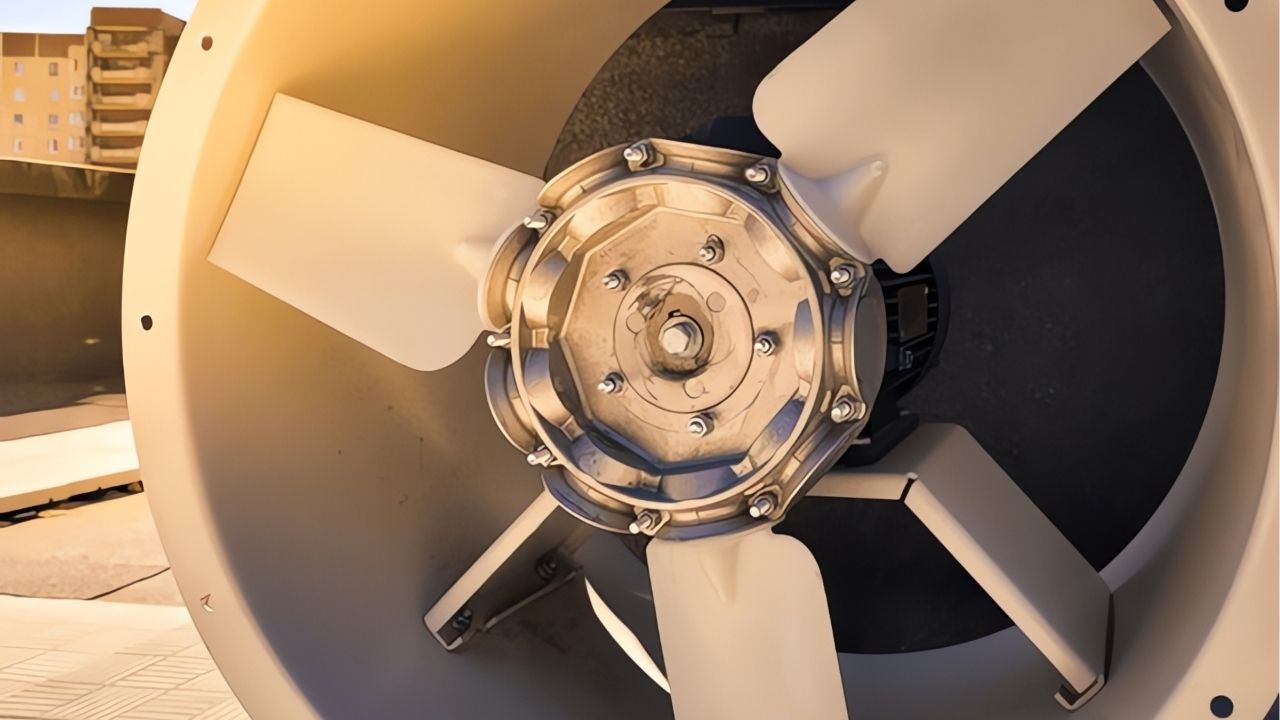
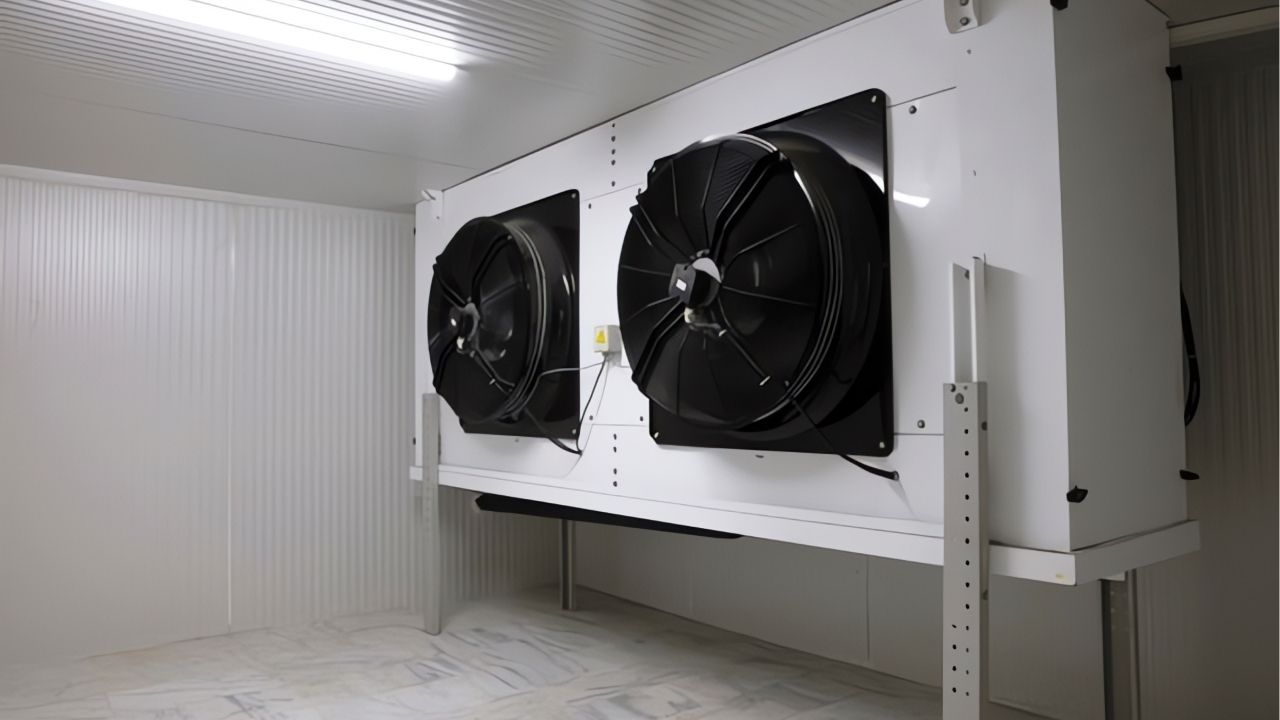
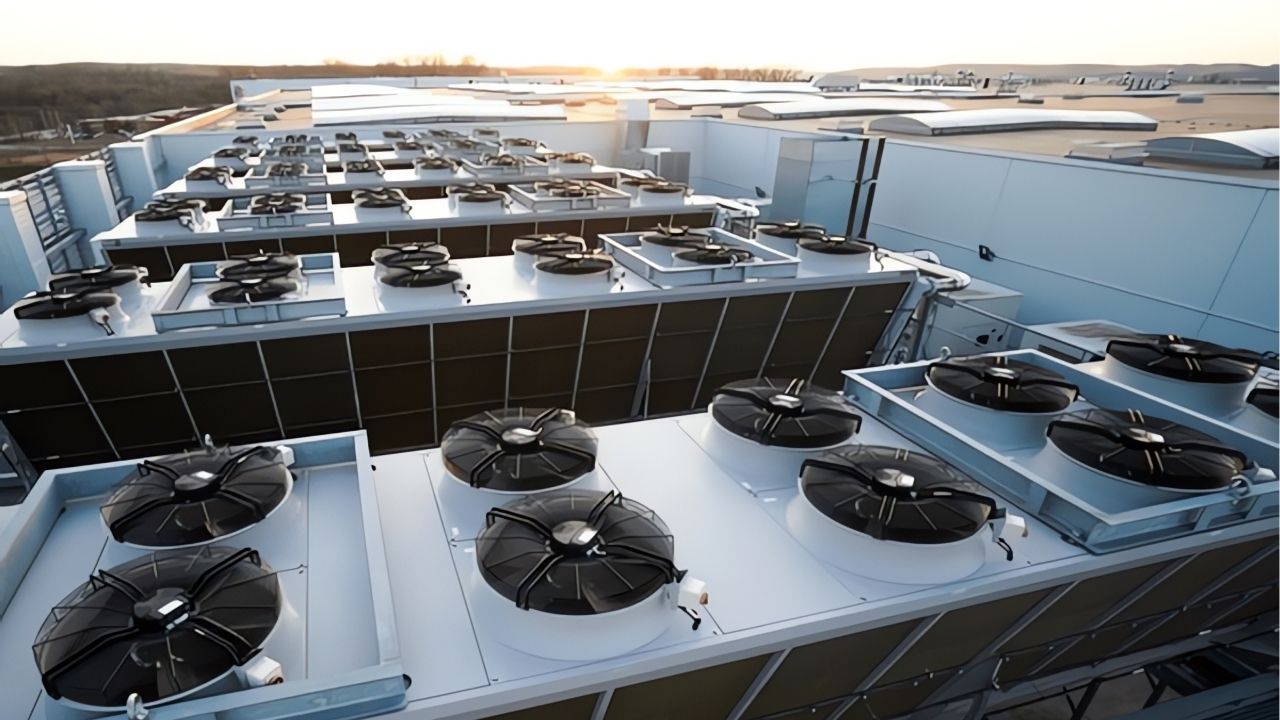
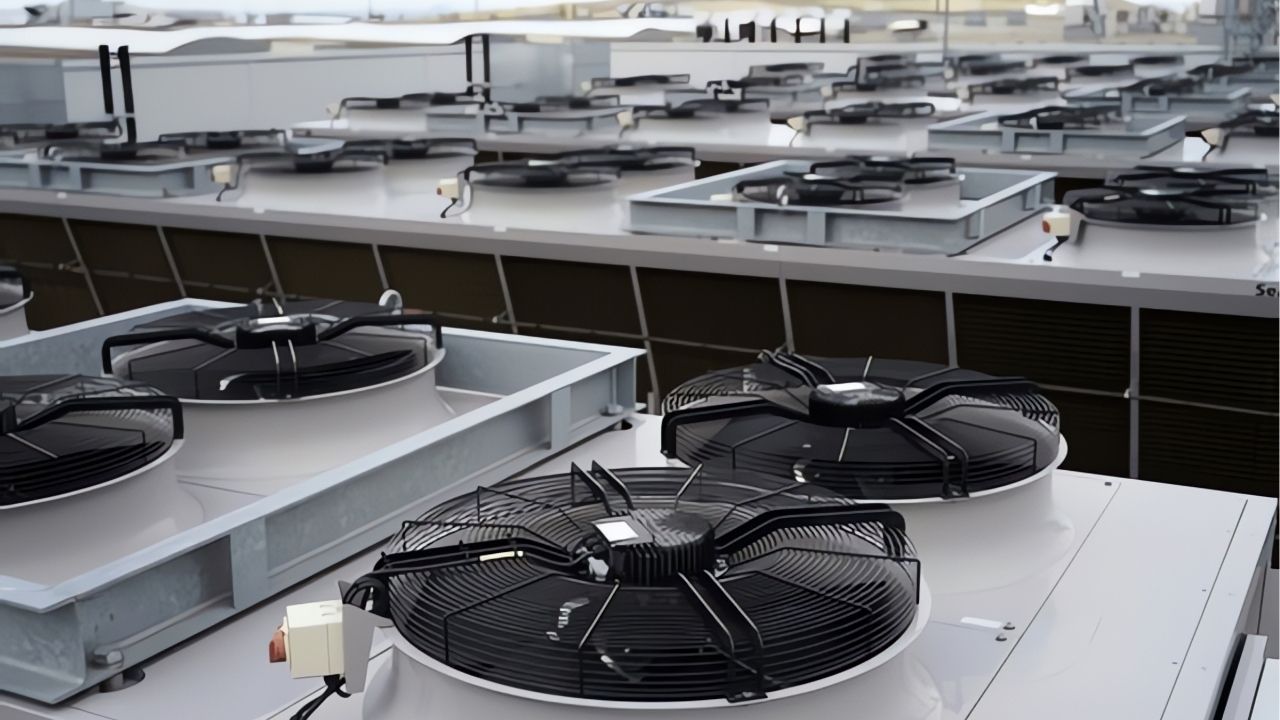
Precise axial fan selection hinges on the accurate execution of flow rate calculation and pressure calculation steps to achieve maximum energy efficiency in industrial cooling applications. An improperly sized fan either fails to provide adequate airflow, leading to heat exchange inefficiency, or consumes excess energy by overcoming unnecessary system resistance. Mastering these calculations is therefore critical for integrating components into truly energy efficient cooling systems and ensuring the long-term viability of the durable cooling infrastructure.
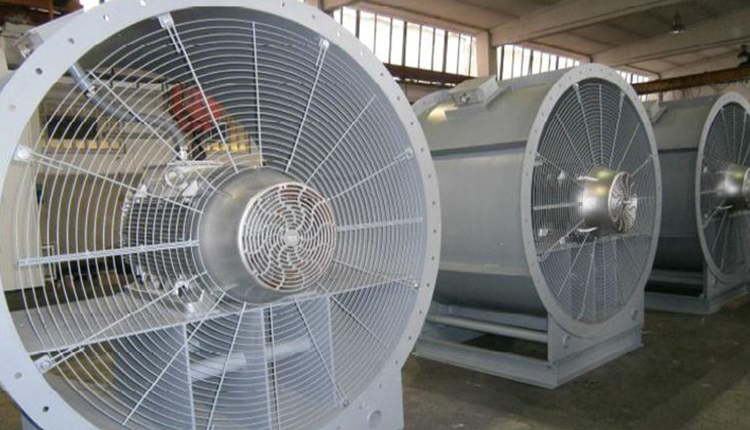
The calculation process begins with determining the required volumetric flow rate, which is dictated by the heat rejection load of the condenser or the specific airflow needed for the application. This must be followed by a meticulous assessment of the system's total external static pressure, accounting for resistance from the coil, filters, grilles, and ductwork. These foundational pressure calculation steps ensure the selected fan operates at its best efficiency point, minimizing kWh consumption. This engineering rigor is embedded in quality industrial axial fan production and is further optimized through custom cooling solutions offered by manufacturers like Günay Soğutma, which tailor fan performance to exact system curves.
Selecting a fan that matches the calculated operating point prevents several common pitfalls. An undersized fan strains its motor and provides insufficient cooling, while an oversized fan operates in a stall condition, wasting energy and generating destructive vibrations. The correct axial fan selection ensures balanced performance that protects associated components from undue stress, thereby extending the entire system's operational life and reducing maintenance frequency.
Ultimately, the disciplined application of these calculation methods results in a fan that delivers optimal cooling performance with the lowest possible energy input. This translates directly into reduced operational expenses, improved system reliability, and a lower total cost of ownership. By prioritizing accurate fan sizing, engineers can specify a component that serves as a reliable, efficient workhorse, contributing significantly to the sustainability and profitability of industrial operations for years to come.
A systematic five-step guide to axial fan selection is essential for engineering teams aiming to achieve lower operational costs and superior cooling performance. This disciplined process ensures the fan is not merely adequate but optimized for its specific role within the durable cooling infrastructure, directly influencing energy consumption and system reliability. By following these steps, facility managers can avoid the common pitfalls of over-sizing and under-sizing that lead to inflated electricity bills and compromised heat transfer efficiency.
The first step involves a precise flow rate calculation based on the thermal load of the condenser or the required air changes per hour for the space. The second step requires a thorough system resistance analysis, following detailed pressure calculation steps to account for pressure drops across coils, filters, and ductwork. These initial calculations define the exact operating point needed for the fan to perform efficiently as part of an energy efficient cooling systems. This foundational work is critical for successful industrial axial fan production.
The third step is to plot this operating point on manufacturer performance curves to select a fan that operates at or near its peak efficiency. The fourth step evaluates motor options and control strategies, such as variable frequency drives, to further optimize energy use across varying loads. The fifth and final step involves exploring custom cooling solutions for applications with unique constraints, a specialty of established manufacturers like Günay Soğutma, which can provide tailored fans for optimal integration.
Applying this five-step methodology results in a fan that delivers the required airflow with minimal energy input, reducing long-term operational expenses. The correctly selected fan also operates with less vibration and stress, extending its own life and the life of associated components. This strategic approach to axial fan selection transforms a basic component into a key contributor to a high-performance, cost-effective, and reliable industrial cooling system.
The core challenge in axial fan sizing is achieving a precise balance between the required volumetric airflow and the system's inherent pressure drop. This equilibrium is critical; an imbalance forces the fan to operate inefficiently, either failing to deliver sufficient cooling or consuming excessive energy to overcome resistance. A practical sizing method that accurately reconciles the flow rate calculation with the results of comprehensive pressure calculation steps is fundamental to building energy efficient cooling systems and a reliable durable cooling infrastructure.
The practical method begins by quantifying the necessary airflow based on the heat rejection capacity of the condenser or the specific air movement requirements of the application. This initial flow rate calculation must then be paired with a meticulous audit of the system's static pressure losses. This audit includes measuring resistance from the evaporator coil, filters, louvers, and any ductwork, forming a complete system curve. This disciplined approach is integral to high-quality industrial axial fan production and is often refined through custom cooling solutions provided by technical partners like Günay Soğutma for complex installations.
The intersection of the required airflow and the total system pressure drop on the fan performance curve identifies the ideal operating point. A fan selected for this point will run at its peak efficiency, minimizing motor amp draw and electrical consumption. An accurate axial fan selection at this balanced point also prevents operational issues like stall, which causes vibration and noise, leading to premature bearing failure and increased maintenance demands.
Mastering this practical sizing method delivers significant operational advantages. The correctly balanced fan ensures optimal heat exchange efficiency, directly reducing energy costs, while its stable operation extends the lifespan of both the fan and the surrounding structure. This methodical approach to axial fan sizing is therefore not just a technical exercise but a strategic investment in long-term system performance, reliability, and cost-effectiveness.
Optimizing axial fan selection is a strategic engineering process with direct and measurable impacts on both energy consumption and the operational lifespan of industrial cooling equipment. A fan chosen solely for its nominal airflow rating, without rigorous optimization for the specific system dynamics, will operate inefficiently, leading to unnecessary power draw and mechanical stress. This optimization process, grounded in precise flow rate calculation and detailed pressure calculation steps, is fundamental to deploying energy efficient cooling systems that form a durable cooling infrastructure.
The optimization begins by defining the exact operating point where the system curve, derived from the total pressure drop, intersects the fan performance curve. Selecting a fan whose peak efficiency zone encompasses this operating point ensures minimal energy is wasted overcoming system resistance. This engineering precision is a standard in professional industrial axial fan production and is critical for minimizing the lifetime electricity cost of the cooling system. For non-standard applications, leveraging custom cooling solutions from experienced providers like Günay Soğutma allows for fan designs that are fine-tuned to achieve this optimal balance.
Beyond energy savings, an optimized fan selection profoundly extends equipment life. A fan operating at its design point experiences minimal vibration and bearing load, which are primary causes of premature failure. This stability protects not only the fan itself but also the structural integrity of the coil and casing to which it is mounted. Furthermore, reduced electrical and mechanical stress on the motor directly correlates to longer service intervals and higher reliability, contributing to overall system uptime.
The compounded benefits of this optimization strategy are substantial reductions in operational expenses and a marked increase in system longevity. By investing engineering effort into a meticulously optimized axial fan selection, facilities secure a component that acts as a reliable, low-consumption workhorse. This approach transforms the axial fan from a simple air mover into a key contributor to a sustainable, cost-effective, and highly reliable industrial cooling operation.

A comparative analysis of axial fan performance reveals the critical inverse relationship between flow rate and static pressure, a fundamental principle that dictates the success of any industrial cooling application. Understanding this performance curve is essential for effective axial fan selection, as a fan chosen for high airflow in a low-resistance system will fail dramatically when faced with the pressure drop of a dense coil. This analysis, supported by accurate flow rate calculation and thorough pressure calculation steps, is the foundation for specifying components that contribute to energy efficient cooling systems and a robust durable cooling infrastructure.
The comparison demonstrates that as the system's static pressure requirement increases, the fan's achievable flow rate decreases proportionally. Selecting a fan that offers a favorable balance for a specific application—where the operating point falls within a high-efficiency region of its curve—is a key objective of advanced industrial axial fan production. For systems with unique resistance profiles, the flexibility of custom cooling solutions, as provided by manufacturers like Günay Soğutma, allows for blade and hub modifications that shift the performance curve to better match the application's needs, optimizing the flow-to-pressure ratio.
The practical implication of this analysis is that an incorrectly matched fan will operate inefficiently, consuming excess power to overcome resistance or failing to provide adequate cooling. A fan operating too far to the right on its curve (high pressure, low flow) risks stall and severe vibration, while one too far to the left (high flow, low pressure) may not generate enough static pressure to overcome system resistance. Both scenarios waste energy and accelerate mechanical wear.
Ultimately, a nuanced understanding of the flow rate versus pressure dynamic enables engineers to make an informed axial fan selection that maximizes performance and minimizes lifetime costs. The correctly specified fan ensures optimal heat transfer, reduces energy consumption, and operates smoothly to extend its service life and that of connected equipment. This analytical approach is indispensable for achieving the operational reliability and economic efficiency demanded by modern industrial facilities.
An engineer's checklist for accurate axial fan calculation is an indispensable tool for ensuring sustainable system performance and a strong return on investment. This disciplined verification process guarantees that every critical parameter in the axial fan selection has been meticulously addressed, from the initial flow rate calculation to the final validation of operating points. By systematically applying this checklist, engineers can specify a fan that becomes a cornerstone of an energy efficient cooling systems and a truly durable cooling infrastructure, avoiding costly operational inefficiencies.
The checklist must first confirm the accuracy of the airflow requirement, cross-referencing it with the condenser's heat rejection capacity and the specific application's needs. The second item involves a rigorous application of pressure calculation steps to account for all system resistances, ensuring the total external static pressure is not underestimated. These foundational steps are critical for high-performance industrial axial fan production and are often refined through the application of custom cooling solutions from established manufacturers like Günay Soğutma for complex installations.
Subsequent checklist items focus on performance validation and integration. This includes verifying that the selected fan's performance curve intersects the system curve within its highest efficiency region and confirming the motor and control strategy are appropriate for the application's load profile. The checklist should also evaluate factors like sound levels, vibration thresholds, and ingress protection ratings to ensure the fan will operate reliably without causing ancillary issues or requiring premature maintenance.
Completing this comprehensive checklist results in a fan specification that delivers optimal airflow with minimal energy input, directly reducing operational costs. The fan will operate smoothly, extending its own lifespan and minimizing stress on the surrounding structure. This methodical approach to axial fan selection transforms a routine specification into a strategic investment, guaranteeing a sustainable ROI through years of reliable, efficient, and low-maintenance service within the industrial cooling system.
Precise axial fan sizing is a critical engineering discipline with a direct causal link to reduced maintenance frequency and enhanced production line reliability. An inaccurately sized fan is a primary source of operational failure, generating destructive vibrations, overheating motors, and inadequate cooling that can halt manufacturing processes. A sizing process grounded in accurate flow rate calculation and comprehensive pressure calculation steps prevents these issues, ensuring the fan operates as a reliable component within a durable cooling infrastructure.
The mechanism by which precise sizing lowers downtime is rooted in mechanical stability. A fan operating at its designed point on the performance curve experiences minimal vibration and balanced axial loads on its bearings. This contrasts sharply with an undersized fan, which strains against high system pressure, or an oversized fan, which may operate in a stall condition. Both faulty scenarios cause excessive wear, leading to frequent bearing replacements and motor failures. This focus on operational longevity is integral to high-quality industrial axial fan production and is a key feature of energy efficient cooling systems.
Furthermore, precise sizing ensures consistent and adequate airflow across the heat exchanger coil, maintaining stable system temperatures and pressures. This stability is crucial for processes in the food and energy sectors where temperature deviations can compromise product quality or safety. For applications with unique constraints, custom cooling solutions from providers like Günay Soğutma allow for axial fan selection that is perfectly tailored to eliminate performance gaps that lead to unreliable cooling and process interruptions.
By eliminating the root causes of mechanical failure and ensuring consistent thermal performance, a precisely sized axial fan becomes a guarantor of production uptime. The result is a cooling system that requires planned, infrequent maintenance instead of emergency repairs, directly supporting continuous operation. This engineering rigor transforms the axial fan from a potential liability into a pillar of production reliability, delivering immense value through minimized downtime and protected output.
A step-by-step methodology for axial fan selection is essential for engineers who prioritize both immediate performance and long-term equipment durability. This systematic approach ensures that the selected fan delivers the required flow rate calculation while operating under conditions that maximize its service life. By meticulously following these steps, which include definitive pressure calculation steps, designers can specify a component that serves as a reliable element within an energy efficient cooling systems and contributes to a durable cooling infrastructure.
The first step involves defining the application's exact airflow requirements based on thermal load or ventilation needs. The second step requires a detailed analysis of the system's pressure drop across the coil, filters, and other obstructions. These initial calculations establish the non-negotiable operating point. The third step is to review performance curves from various fans, selecting a unit whose peak efficiency zone encompasses this point. This precision is a hallmark of professional industrial axial fan production. For challenging applications, the fourth step is to explore custom cooling solutions from manufacturers like Günay Soğutma, which can engineer fans with specific blade profiles or materials to meet unique durability demands.
The subsequent steps focus on durability-enhancing specifications. This includes selecting motors with adequate service factor for the application's ambient conditions, choosing bearings rated for the expected life cycle, and specifying corrosion-resistant coatings for harsh environments. Each of these choices directly impacts how long the fan will operate reliably before requiring maintenance or replacement, ensuring it withstands the rigors of industrial use.
Adhering to this comprehensive step-by-step process results in an axial fan selection that achieves the perfect balance of performance and longevity. The correctly specified fan will provide optimal airflow for efficient heat transfer while operating smoothly for years with minimal intervention. This disciplined approach is a strategic investment that pays dividends through reduced lifecycle costs, higher system reliability, and uninterrupted production operations, solidifying the fan's role as a durable and efficient asset.

Fill out the form to discover the most suitable high-end products for your projects. Contact Us Now.
Fill out the form now not to miss our special offers for you! The latest discover our products and innovations.
Fill out the form now not to miss our special offers for you! The latest discover our products and innovations.
Notification Centre 00:00