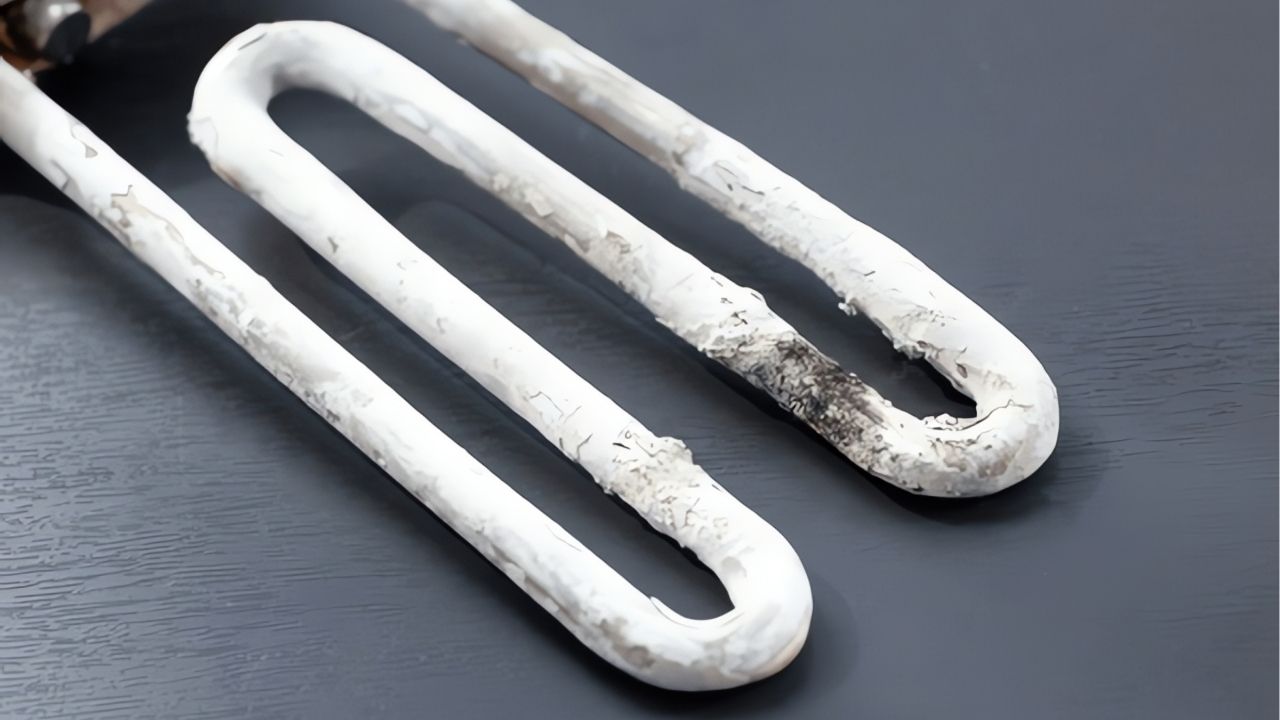



Heater Faults: Symptoms and Troubleshooting Methods
06 / 07 / 2026

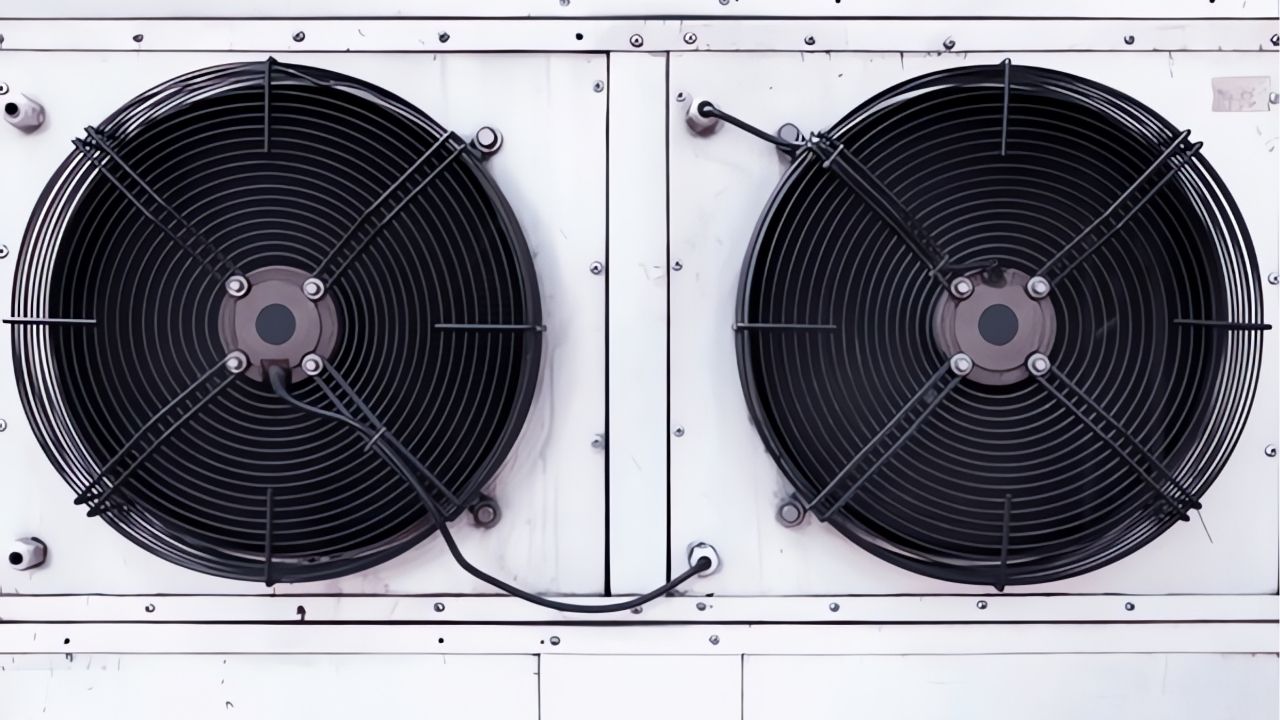
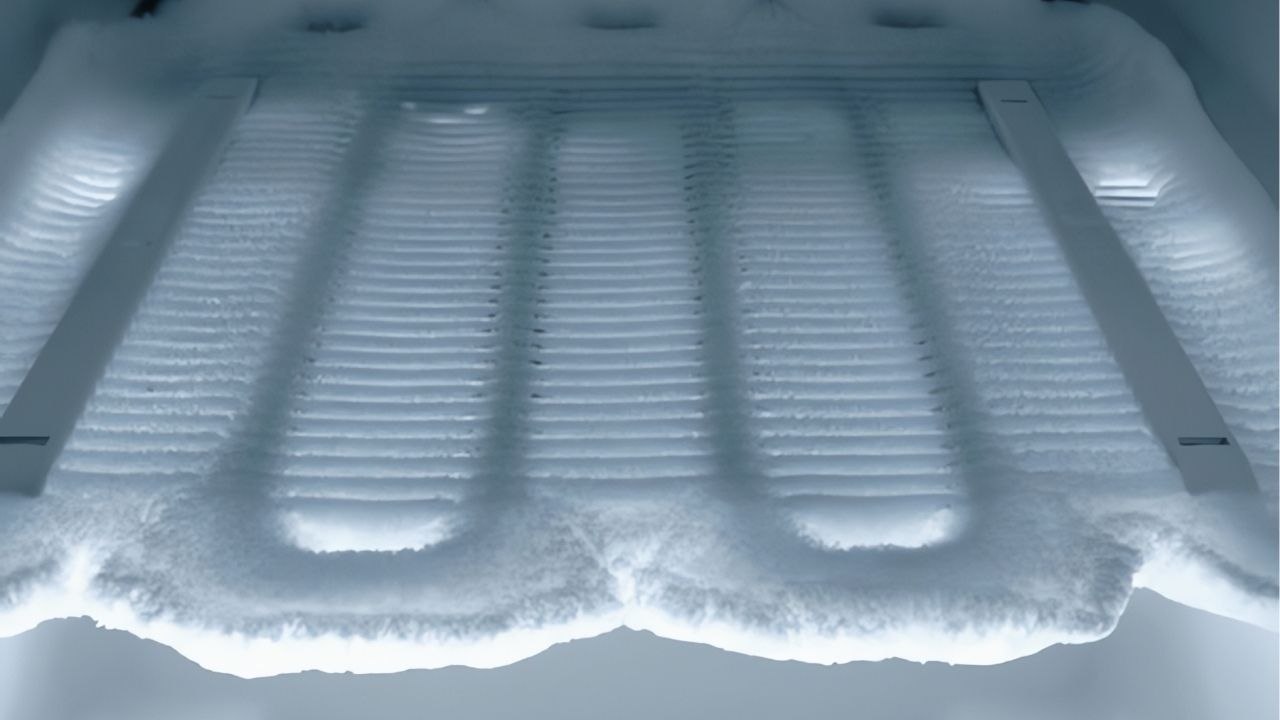
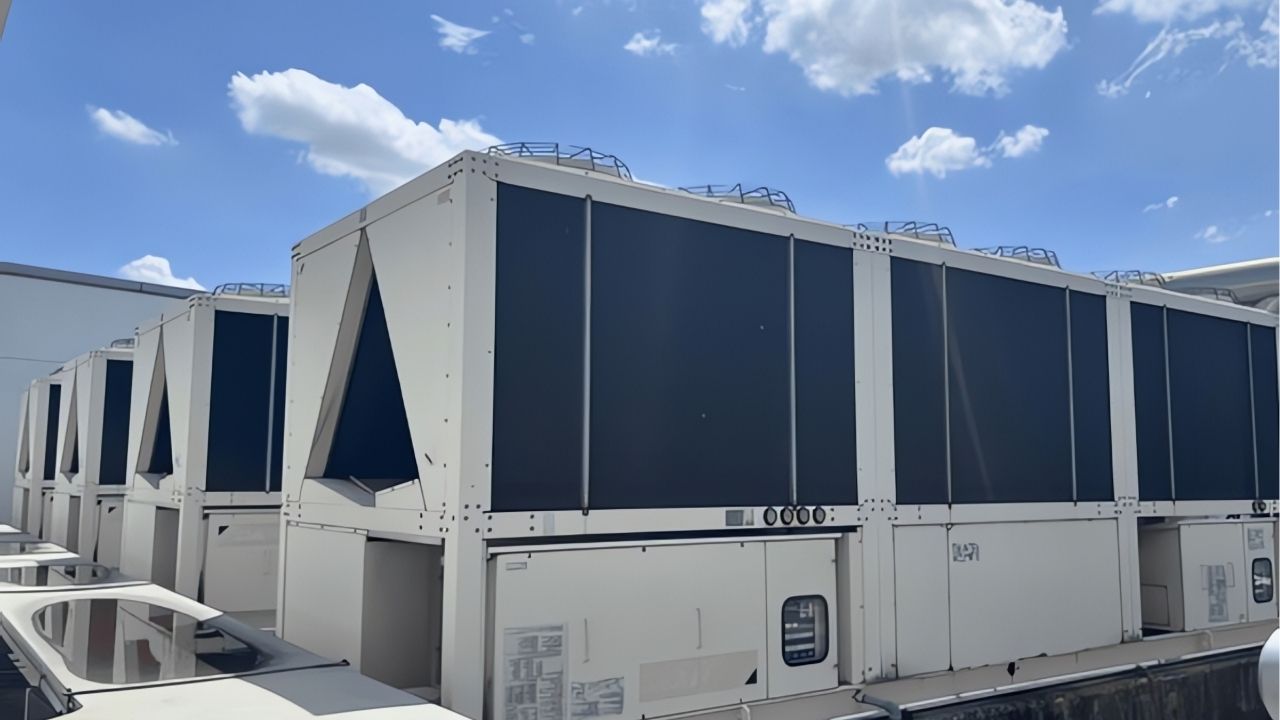
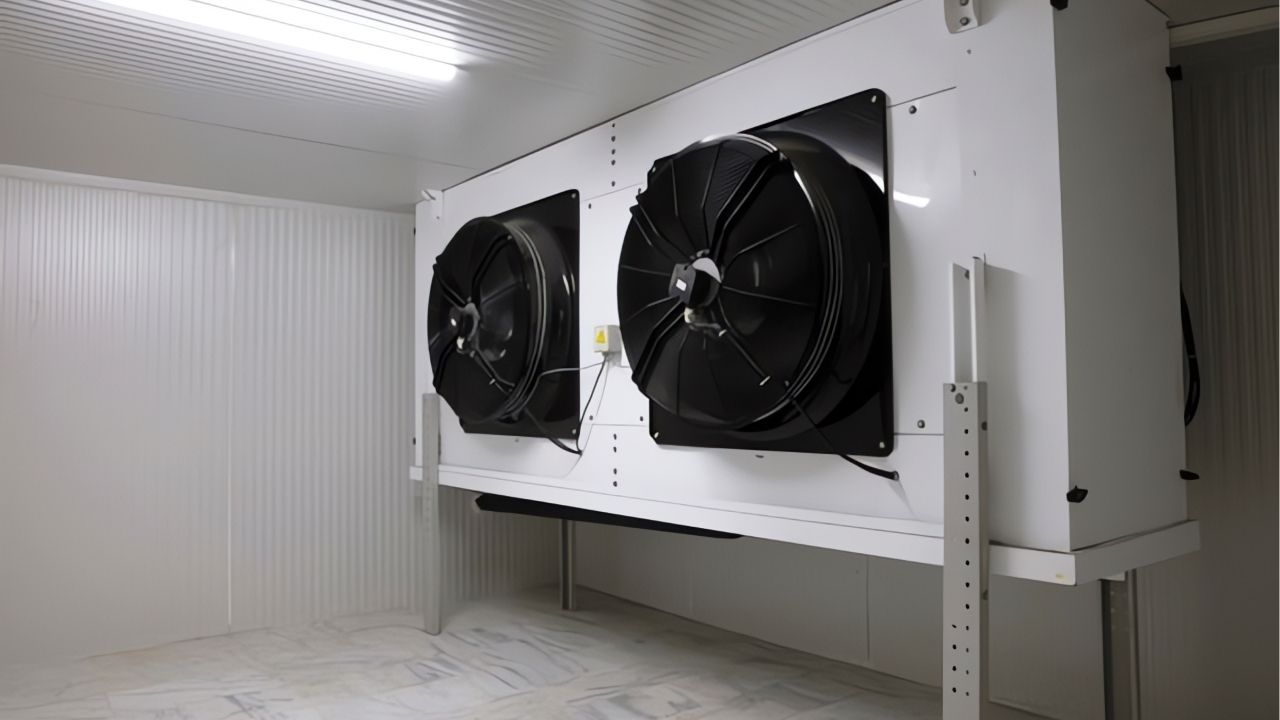
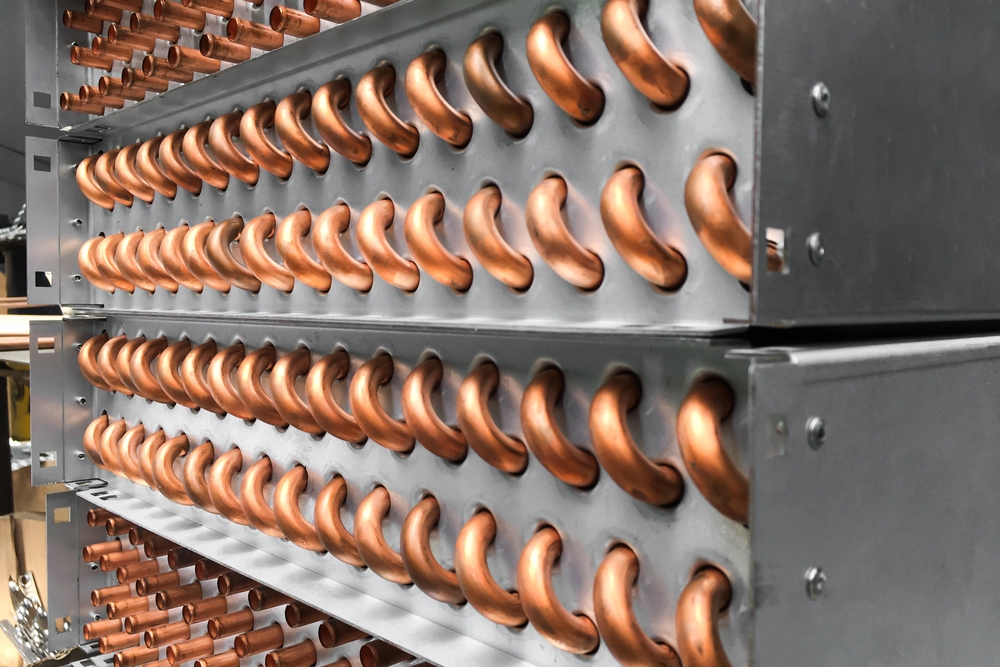
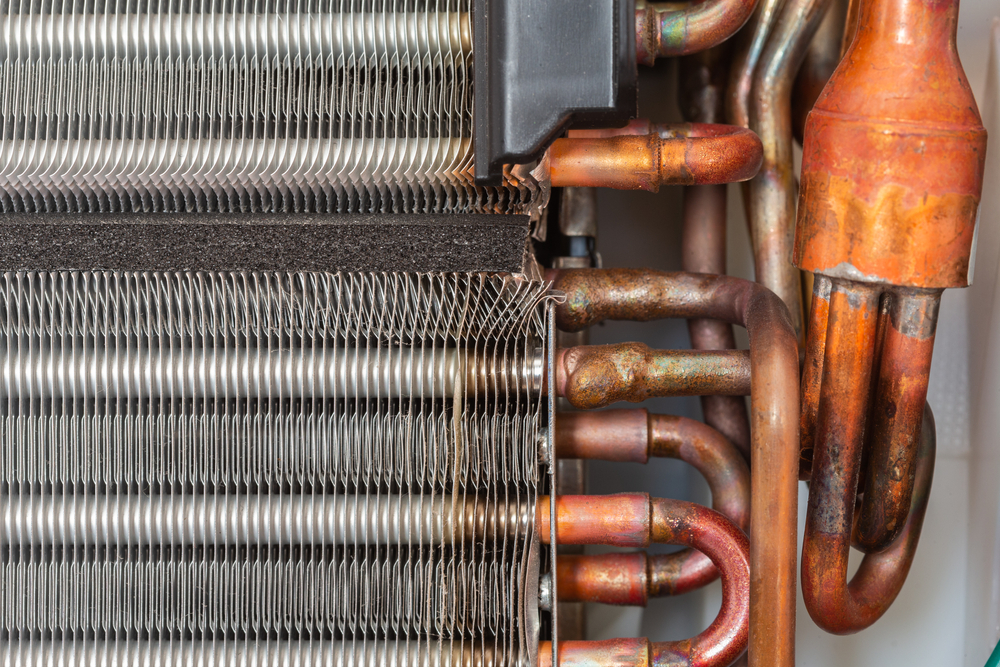
Proper industrial evaporator maintenance is a critical operational practice that directly combats efficiency loss in production facilities. A clean evaporator coil is fundamental to achieving peak energy efficiency, as fouling from dust, grease, or scale acts as an insulating barrier that forces the compressor to work harder. This simple neglect can lead to a significant increase in operational costs and a decrease in overall system reliability, making routine cleaning a non-negotiable aspect of sustainable facility management.
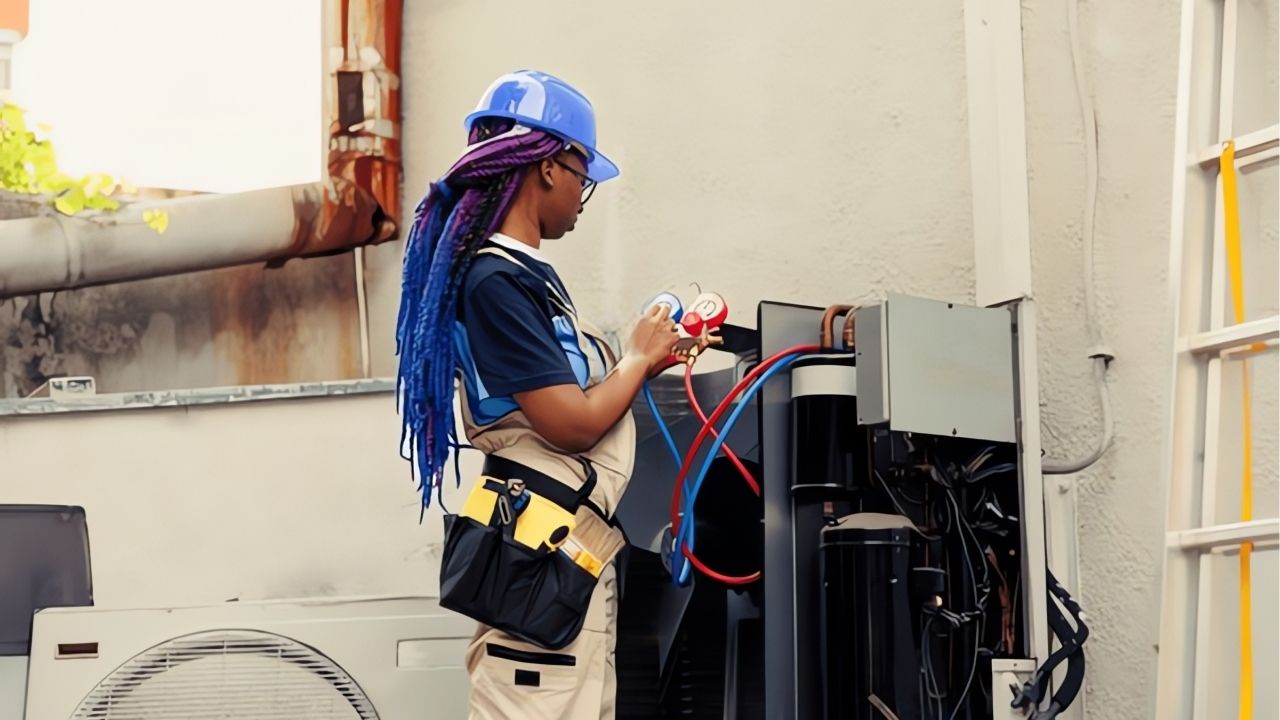
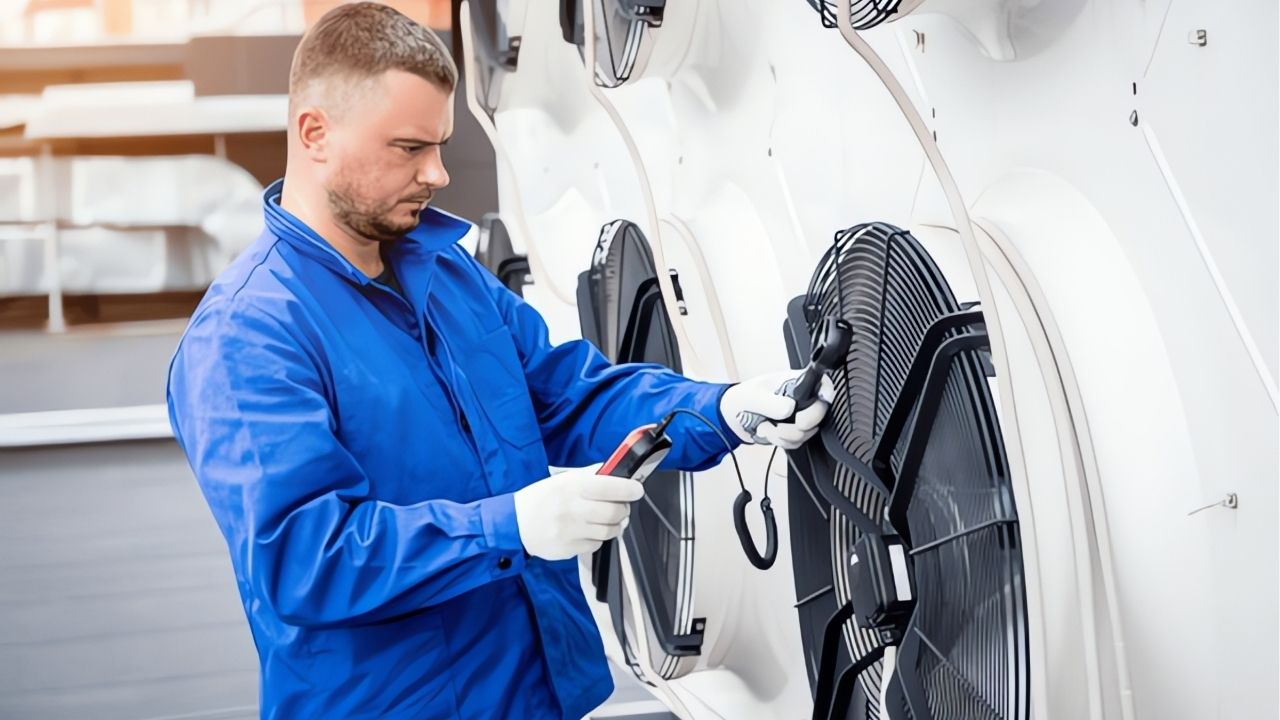
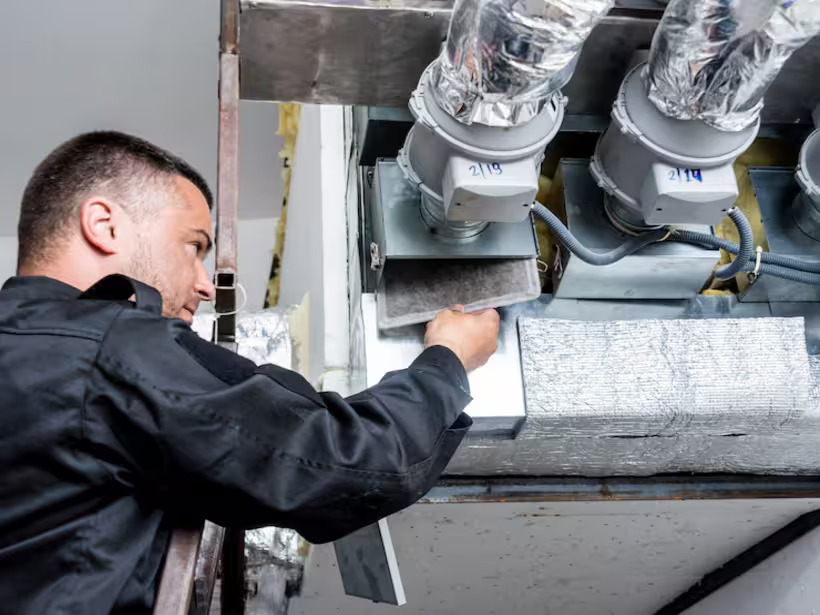
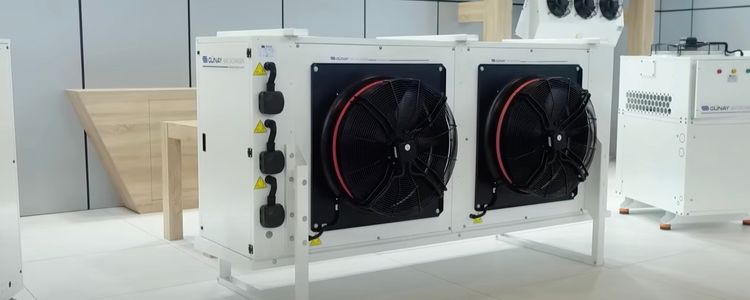
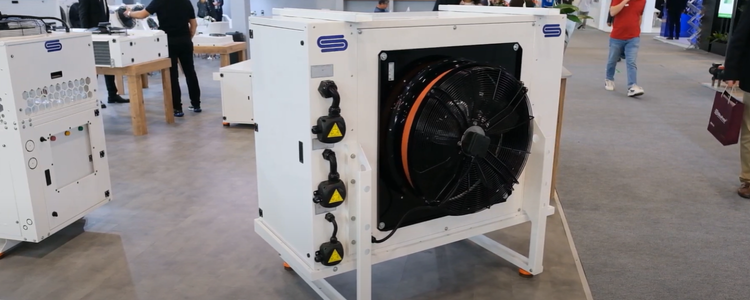
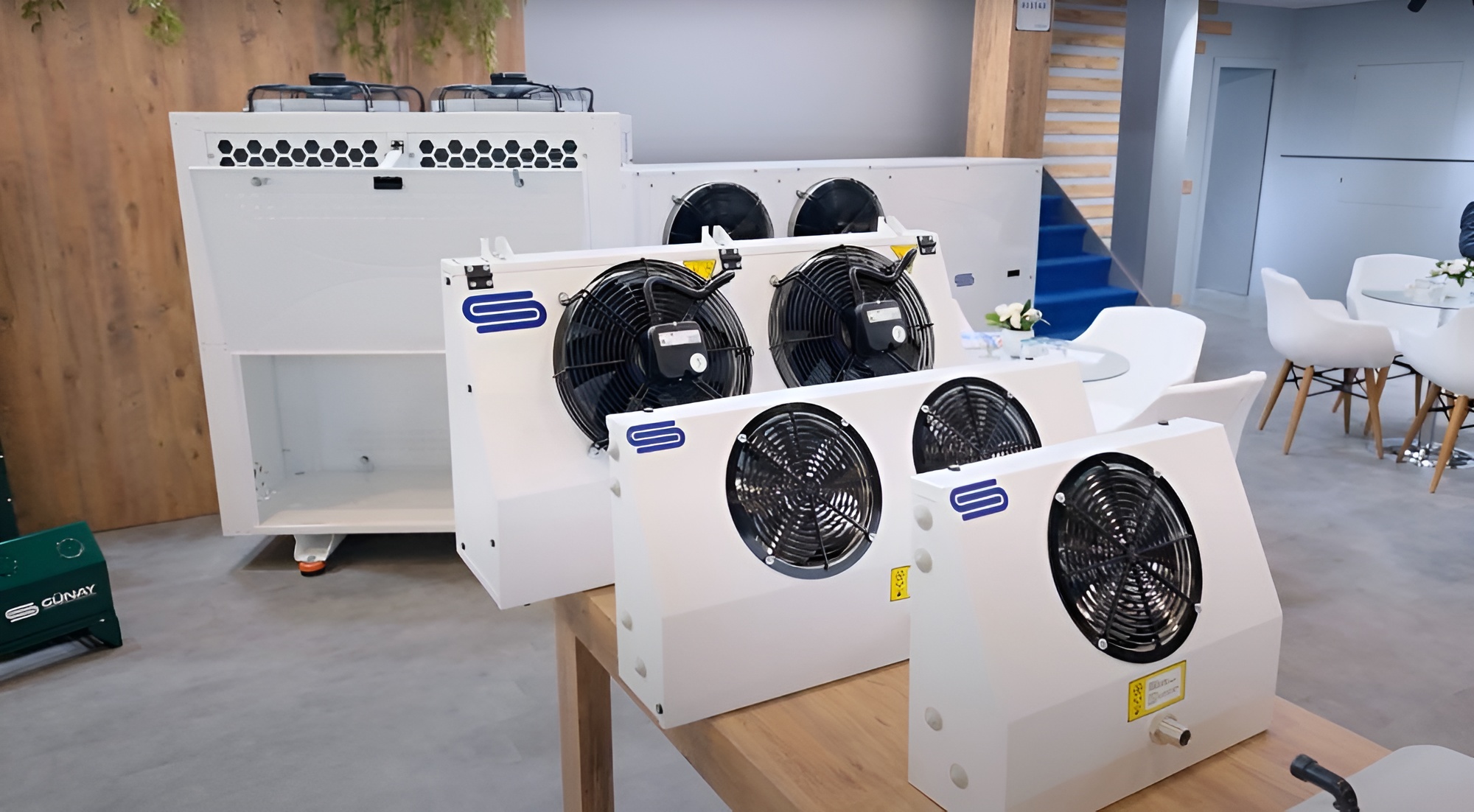
The correct procedure for evaporator cleaning begins with a systematic approach to ensure both effectiveness and safety. Technicians must first power down the system and isolate electrical components before carefully removing debris with soft brushes and compressed air. For heavier contamination, a specialized, non-corrosive coil cleaner is applied and rinsed thoroughly to prevent damage to the delicate fins. This meticulous process restores optimal heat transfer, which is essential for the consistent performance of integrated systems like condenser production units.
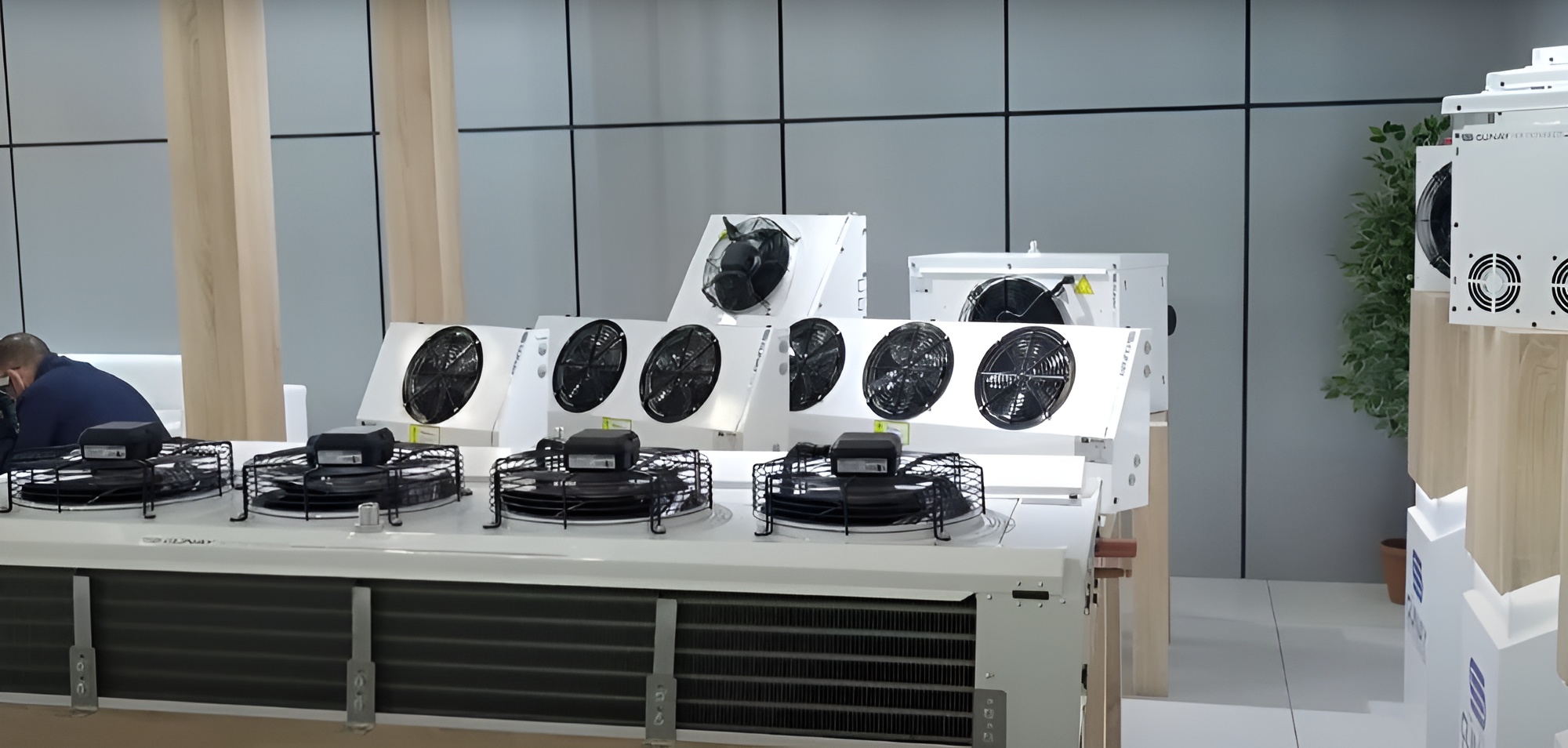
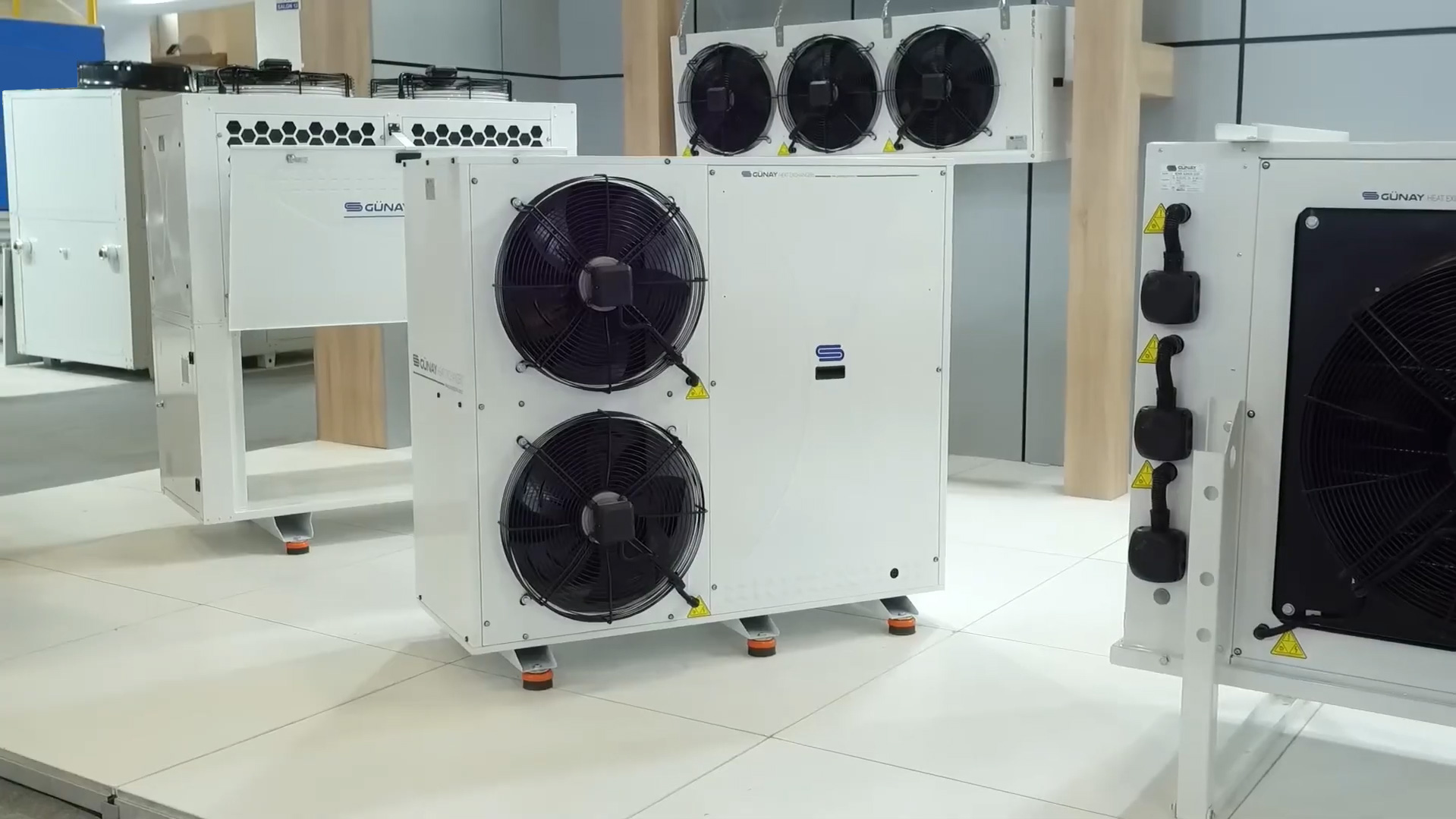
While internal maintenance teams can perform basic cleaning, engaging a professional cleaning service is often advisable for complex industrial systems to prevent accidental damage. Experts possess the tools and knowledge to handle stubborn contaminants and assess the unit's condition, identifying potential issues before they cause costly downtime. This proactive partnership ensures that your cooling infrastructure, potentially featuring components from Günay Soğutma, operates at its designed capacity, safeguarding your production line's output.
The long-term value of disciplined maintenance is realized through the extended lifespan of durable cooling systems. Regular cleaning minimizes strain on the entire refrigeration circuit, protecting the compressor and other critical components from premature wear. This practice translates directly into reduced lifecycle costs and enhanced operational uptime, which are vital metrics for any industrial operation. Investing in proper care is an investment in the reliability and profitability of your facility's cooling infrastructure.
Ultimately, a well-maintained evaporator is the cornerstone of an efficient cooling system. For facilities relying on high-performance components, the inherent quality of the equipment itself, such as that engineered by Günay Soğutma, provides a solid foundation for durability. Combining robust manufacturing with a rigorous cleaning regimen ensures your systems deliver unmatched energy efficiency and reliability, securing your operational continuity and bottom line for years to come.
Determining the best method for evaporator cleaning is foundational to maintaining energy efficiency and system integrity in demanding industrial environments. The optimal approach is not a one-size-fits-all solution but a disciplined, systematic process tailored to the specific contaminant and evaporator design. This precision ensures maximum heat exchange performance, which directly correlates to lower operational costs and enhanced cooling capacity for production lines.
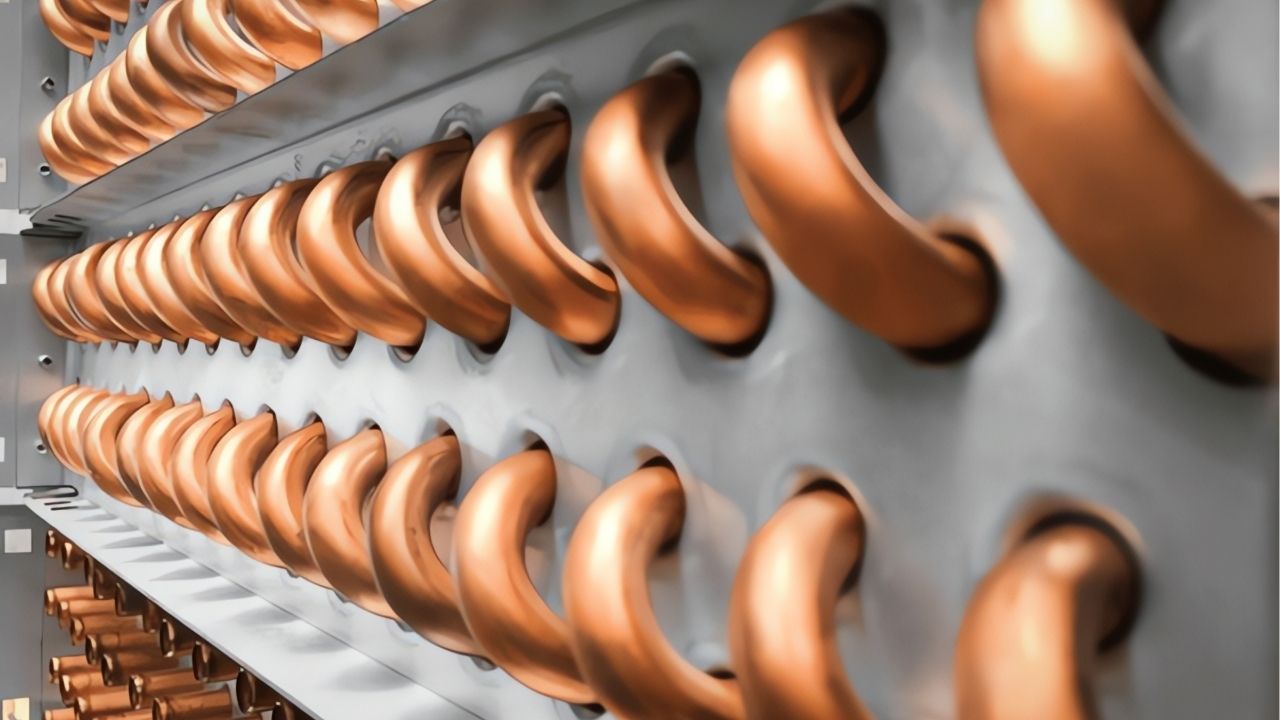
The most effective cleaning methodology begins with a thorough inspection to identify the type of fouling, whether particulate, greasy, or scaled. For light dust, gentle brushing combined with low-pressure compressed air is often sufficient to restore fin alignment and airflow. In food processing facilities where grease and organic matter are prevalent, applying an alkaline-based, non-foaming coil cleaner followed by a careful low-pressure rinse is the prescribed best practice. This methodical approach prevents damage to the delicate fins, a critical consideration for preserving the longevity of durable cooling systems.
For intricate systems or heavy contamination, engaging a professional cleaning service becomes the best method to ensure a comprehensive result without risk. These specialists utilize industry-grade solutions and techniques that fully dissolve contaminants without corroding the coil's aluminum or copper components. This level of care is particularly important for systems integrated with high-performance components from manufacturers like Günay Soğutma, where maintaining design specifications is key to performance.
Adherence to a proven cleaning protocol is a core aspect of proactive industrial evaporator maintenance. This routine not only sustains peak efficiency but also protects allied components, such as those involved in condenser production, from undue strain. A clean evaporator ensures the entire refrigeration cycle operates smoothly, minimizing the load on the compressor and significantly reducing the risk of unplanned downtime that can halt production.
Ultimately, the best cleaning method is one that aligns with the engineering excellence of the equipment itself. By employing disciplined cleaning practices on robust systems engineered by Günay Soğutma, facilities secure a powerful combination of reliability and efficiency. This synergy between superior manufacturing and meticulous upkeep delivers unmatched operational savings and reinforces the cooling infrastructure as a dependable asset for long-term productivity.
The question of whether a professional cleaning service is mandatory for evaporator cleaning hinges on the complexity of the system and the stakes of operational failure. While basic maintenance can be performed in-house, the technical sophistication of industrial cooling systems often elevates professional intervention from an option to a necessity. This decision directly impacts system longevity, energy efficiency, and the avoidance of costly production halts.
For simple, accessible units with minor dust accumulation, trained facility staff can effectively perform routine industrial evaporator maintenance using non-corrosive cleaners and soft brushes. This level of upkeep is sufficient to maintain performance in less critical applications. However, in environments with complex coil designs, heavy grease from food processing, or corrosive scale, the risk of improper cleaning causing fin damage is significant. In these scenarios, the expertise of a professional is not just advisable but critical for preserving the unit's integrity.
The value of professional cleaning becomes undeniable when protecting high-value investments in durable cooling systems. Specialists possess the diagnostic tools to assess coil condition thoroughly and the expertise to address stubborn contaminants without harming the delicate aluminum fins. For systems featuring precision components from manufacturers like Günay Soğutma, this ensures that the engineered performance and reliability are maintained throughout the equipment's lifecycle.
Beyond the evaporator itself, professional servicing safeguards the entire cooling circuit, including complementary components from condenser production lines. A thoroughly cleaned evaporator reduces the operational strain on the condenser and compressor, preventing a cascade of inefficiencies that drive up energy consumption. This holistic approach to system health is a proactive measure that mitigates the risk of unexpected breakdowns and their associated repair costs and downtime.
Ultimately, the necessity of professional cleaning is an investment in operational certainty. Partnering with experts to maintain equipment, especially systems engineered with the discipline of Günay Soğutma, ensures that your cooling infrastructure delivers maximum energy efficiency and reliability. This strategic approach transforms maintenance from a cost center into a value-driven practice that secures long-term productivity and protects your bottom line.
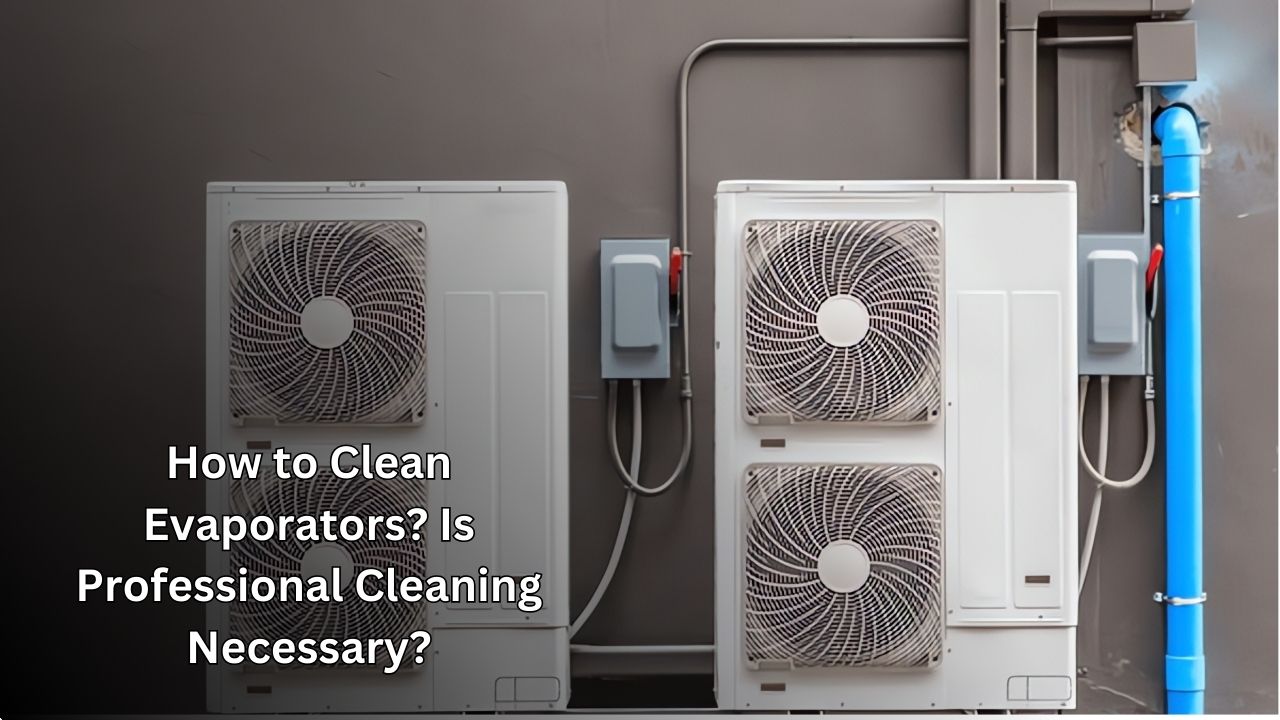
The feasibility of performing evaporator cleaning without a professional cleaning service depends entirely on the system's complexity and the technician's skill level. For straightforward, accessible units with light contamination, trained maintenance personnel can successfully execute basic cleaning protocols. This approach can maintain baseline energy efficiency and is a core part of routine industrial evaporator maintenance for many facilities.
Successful in-house cleaning requires a disciplined methodology to avoid causing inadvertent damage. The process must begin with a complete system shutdown and electrical isolation for safety. Technicians should then use soft-bristle brushes to dislodge loose debris followed by a careful application of a manufacturer-approved, non-acidic coil cleaner. A low-pressure water rinse is critical to remove all chemical residues without bending the delicate fins, a key factor in preserving the performance of durable cooling systems.
However, significant limitations exist for DIY cleaning, particularly with complex coil designs or heavy grease and scale buildup found in food and energy sectors. Without specialized equipment and expertise, there is a high risk of incomplete cleaning leading to persistent inefficiency or physical damage to the coil. For high-performance systems, including those with components from Günay Soğutma, improper techniques can compromise the engineered tolerances that guarantee optimal performance.
The decision also impacts the broader cooling infrastructure, especially integrated components like those from condenser production lines. A partially cleaned evaporator forces the condenser and compressor to overcompensate, increasing energy draw and accelerating wear. While in-house cleaning is possible for simple tasks, the potential for hidden inefficiencies that strain the entire system makes professional assessment invaluable for ensuring comprehensive results.
Ultimately, the choice between in-house and professional service balances immediate cost against long-term reliability. For facilities utilizing robust systems from Günay Soğutma, partnering with experts for periodic deep cleaning ensures that the investment in high-quality equipment realizes its full potential for energy efficiency and durability. This strategic maintenance approach safeguards operational continuity and maximizes the return on your cooling infrastructure investment.
Improper evaporator cleaning introduces significant operational risks that directly undermine the energy efficiency and reliability of industrial cooling systems. The most immediate consequence is reduced heat transfer efficiency, as residual contaminants act as an insulating layer on the coil fins. This forces the compressor to operate under increased load, leading to a sharp rise in electricity consumption and operating costs, which contradicts the core goal of effective industrial evaporator maintenance.
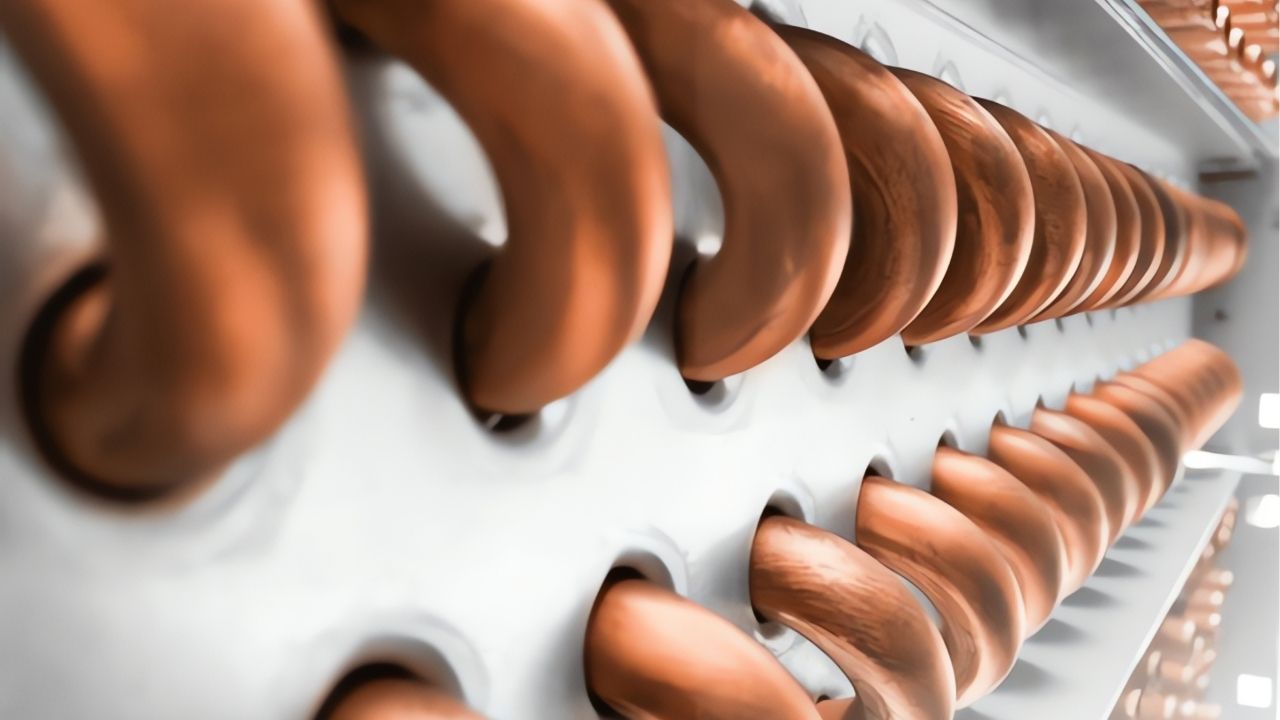
Physical damage to the evaporator coil represents a critical financial risk from incorrect cleaning procedures. Using high-pressure water jets or abrasive tools can permanently bend the delicate aluminum fins, disrupting vital airflow and creating permanent hot spots. This damage compromises the structural integrity of even the most durable cooling systems and can necessitate premature coil replacement, resulting in substantial unplanned capital expenditure and extended production downtime.
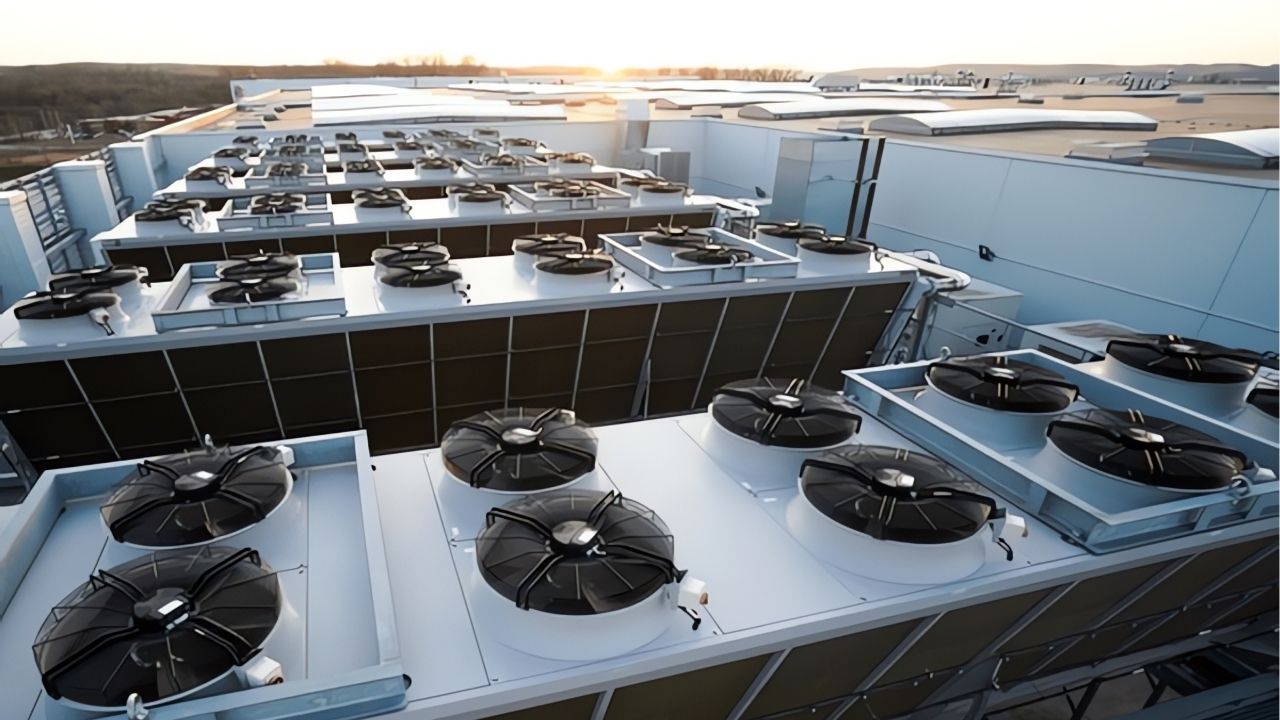
The risks extend beyond the evaporator to the entire refrigeration circuit, adversely affecting components from condenser production lines. An inefficient evaporator increases the refrigerant condensing temperature, placing excessive thermal and mechanical stress on the condenser and compressor. This domino effect accelerates wear on these critical components, leading to more frequent failures and higher maintenance costs over the system's lifecycle, underscoring the value of a professional cleaning service.
Chemical misuse during cleaning poses another severe hazard, particularly for systems engineered by precision manufacturers like Günay Soğutma. Applying corrosive or inappropriate cleaning agents can lead to pitting and micro-leaks in the copper tubing, resulting in gradual refrigerant loss and system failure. This not void warranties but also creates safety hazards and necessitates complex, expensive repairs that could have been avoided with proper technique.
Ultimately, the substantial risks of improper cleaning highlight the importance of disciplined maintenance protocols. Protecting your investment in high-quality equipment from manufacturers like Günay Soğutma through correct procedures is essential for achieving sustained energy efficiency and operational reliability. A proactive, expert approach to evaporator care is not an expense but a strategic measure to safeguard productivity and ensure the long-term performance of your industrial cooling infrastructure.
Determining the optimal frequency for evaporator cleaning is a critical decision that balances proactive maintenance with operational efficiency. A standardized schedule does not exist, as the interval depends entirely on the operating environment and contaminant load. Establishing a disciplined regimen is fundamental to sustaining peak energy efficiency and is the cornerstone of effective industrial evaporator maintenance.
In relatively clean environments with minimal airborne particulates, a comprehensive cleaning may only be necessary annually. However, facilities in the food processing sector, where grease and organic matter are prevalent, often require quarterly or even monthly inspections and cleanings. High-density contaminants rapidly coat coil surfaces, drastically reducing heat transfer efficiency and increasing energy consumption, which directly impacts production costs and system performance.
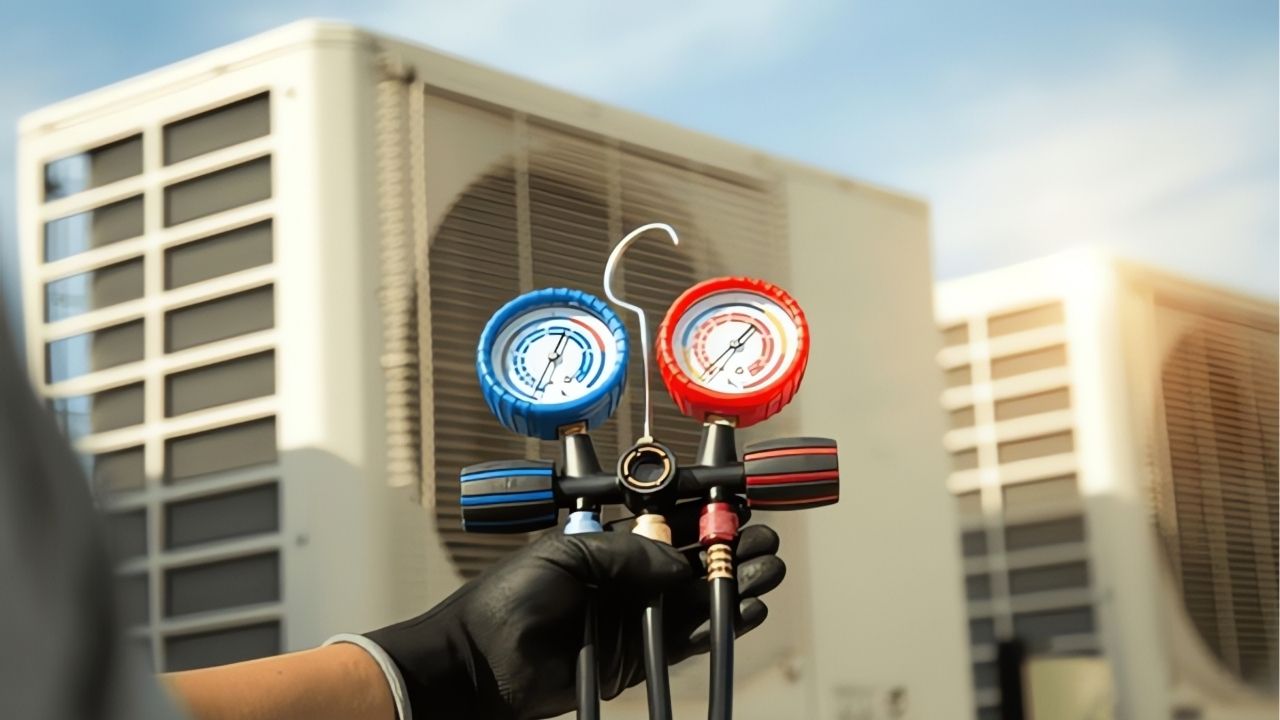
Monitoring operational parameters provides the most accurate indicator for scheduling cleaning. A steady increase in suction pressure or a growing temperature difference across the coil signifies accumulating fouling. For complex systems integrated with components from condenser production units, this proactive data-driven approach prevents the evaporator's inefficiency from cascading through the entire circuit. Partnering with a professional cleaning service for these assessments ensures accurate diagnostics and precise scheduling.
The quality of the equipment itself influences maintenance intervals. Durable cooling systems engineered with robust materials and advanced fin designs, such as those from Günay Soğutma, can often maintain efficiency for longer periods between cleanings. Their superior construction is more resistant to corrosion and physical damage, allowing for effective cleaning cycles that preserve the unit's longevity and protect your capital investment.
Ultimately, a tailored cleaning schedule is an investment in operational predictability and cost control. By aligning maintenance frequency with your specific operational demands and leveraging the inherent durability of equipment from Günay Soğutma, you secure a reliable cooling process. This strategic approach maximizes energy efficiency, minimizes unexpected downtime, and ensures your industrial cooling infrastructure delivers consistent, long-term performance.
Executing effective evaporator cleaning requires a specific set of tools designed to remove contaminants without damaging the delicate coil fins. Using the correct equipment is not a matter of convenience but a prerequisite for maintaining the energy efficiency and structural integrity of the unit. This disciplined approach is fundamental to professional industrial evaporator maintenance and ensures the longevity of your cooling investment.
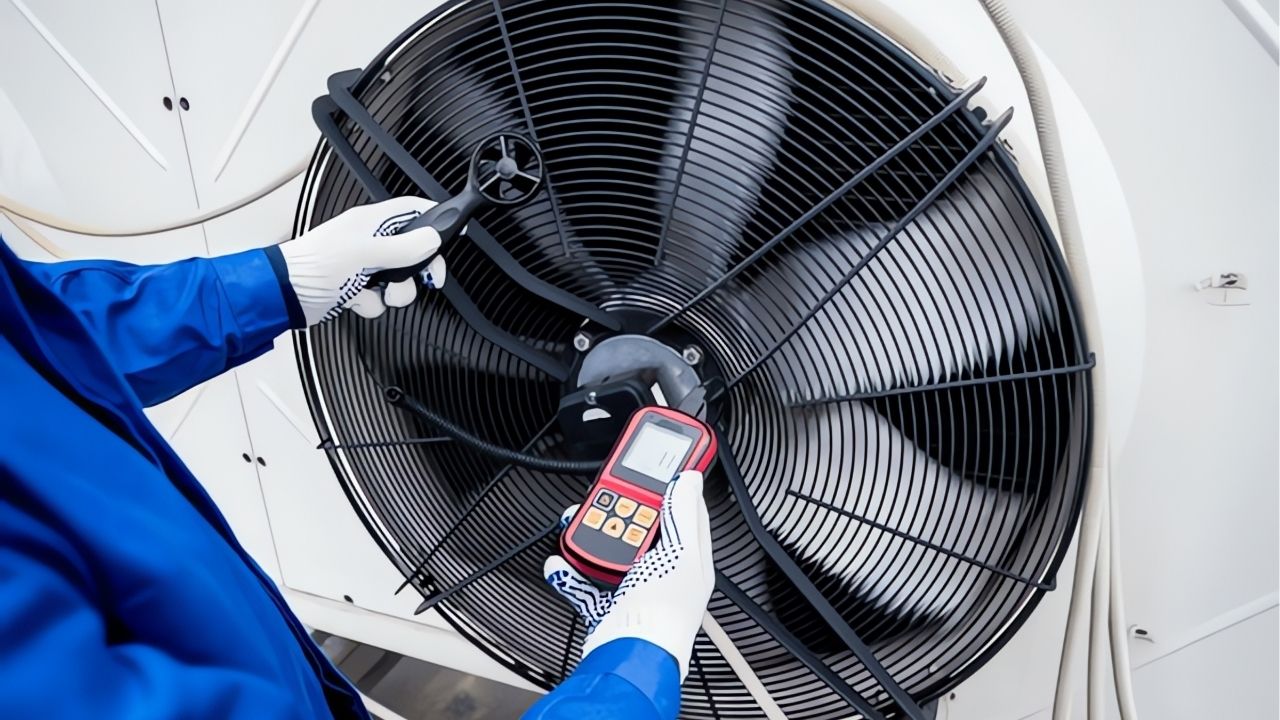
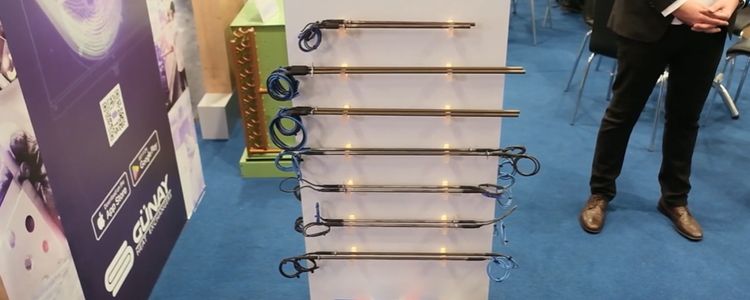
The essential toolkit begins with soft-bristle brushes, either handheld or mounted on flexible extension rods, for gently dislodging dry particulate matter from the fins. A compressed air source, regulated to low pressure, is critical for blowing out debris from deep within the coil pack. For chemical cleaning, a pump-up sprayer allows for the even application of a non-corrosive, EPA-approved coil cleaner, which is selected based on the type of fouling present, whether grease, scale, or biological growth.
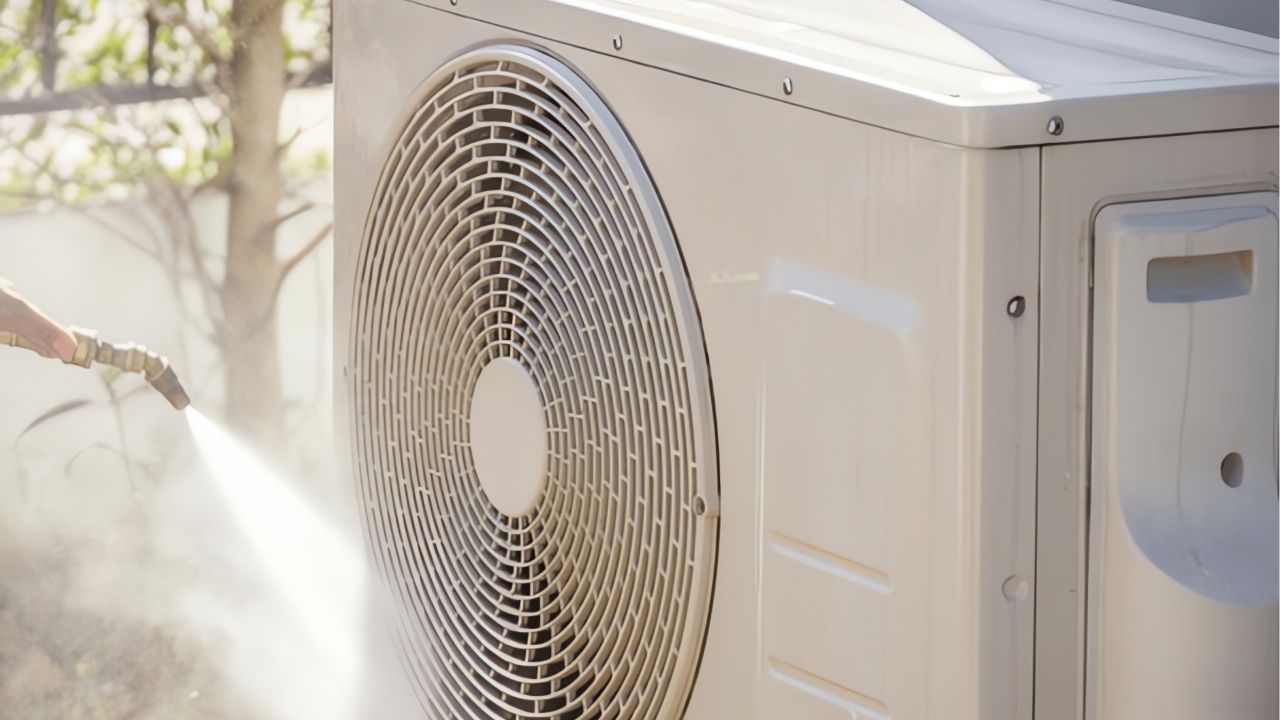
A low-pressure rinse is the most critical step, and a garden hose with a spray nozzle set to a gentle fan pattern is ideal. High-pressure washers must be avoided as they can irrevocably bend the fins, compromising the aerodynamics and heat transfer capability of even the most durable cooling systems. For complex systems, a professional cleaning service will also use inspection mirrors and borescopes to assess hard-to-reach areas, ensuring a thorough cleanse.
The effectiveness of this toolset is amplified when servicing high-performance components, such as those integrated with systems from condenser production lines or engineered by manufacturers like Günay Soğutma. Proper tool use preserves the engineered tolerances of these components, ensuring the entire refrigeration circuit operates in harmony. This prevents the evaporator from becoming a bottleneck that forces other components to work inefficiently.
Ultimately, investing in the right tools for evaporator cleaning is an investment in system reliability and operational cost savings. When applied to precision-engineered equipment from Günay Soğutma, proper tooling maintains the designed energy efficiency and extends the equipment's service life. This meticulous approach to maintenance safeguards your production uptime and ensures your cooling infrastructure performs reliably for years to come.
Regular evaporator cleaning is not merely a maintenance task but a direct and powerful driver of systemic energy efficiency. A clean evaporator coil ensures optimal heat absorption from the surrounding air or fluid, which is the fundamental principle of refrigeration. When fouling accumulates on the fins, it acts as an insulating barrier, forcing the compressor to work significantly harder to achieve the same cooling effect, thereby increasing power consumption and operational costs.
The efficiency gains from disciplined industrial evaporator maintenance are quantifiable, often resulting in energy savings of 10 percent to 30 percent. This improvement stems from the restoration of full surface area for heat exchange, allowing the system to operate at its designed thermodynamic performance. For facilities running multiple units, this cumulative saving translates into a substantial reduction in the facility's overall energy footprint and a stronger bottom line, making cleaning a high-return investment.
This efficiency extends beyond the evaporator to protect allied components, such as those from condenser production lines. An efficient evaporator lowers the compressor's head pressure, which in turn reduces the thermal load on the condenser. This harmonious operation across the entire circuit prevents individual components from being overstressed, which is critical for the longevity of durable cooling systems and minimizes the risk of cascading failures.
While internal teams can perform basic cleaning, the highest efficiency standards are often achieved through a professional cleaning service. These experts ensure that contaminants are completely removed from deep within the coil pack, a level of cleanliness that is difficult to achieve without specialized tools. For high-performance systems engineered by manufacturers like Günay Soğutma, this expert care ensures the equipment consistently delivers its rated efficiency.
Ultimately, the direct correlation between cleaning and efficiency underscores its role as a core operational strategy. By maintaining a clean evaporator, especially in systems built with the precision of Günay Soğutma, facilities unlock maximum energy efficiency and operational reliability. This proactive approach transforms routine maintenance into a strategic advantage, ensuring long-term performance and significant cost savings across your industrial cooling infrastructure.
Cleaning evaporator coils for maximum performance requires a methodical approach that prioritizes both thorough contaminant removal and the preservation of the coil's structural integrity. This process is the cornerstone of effective industrial evaporator maintenance, directly impacting the system's ability to achieve its designed energy efficiency. A disciplined cleaning regimen ensures that the heat exchange surface operates without the insulating effects of fouling, which is essential for optimal cooling capacity and low operational costs.
The procedure begins with a comprehensive inspection and a safe shutdown of the system. Using soft-bristle brushes, technicians gently loosen dry debris from the fins, working in the direction of the fin spacing to avoid bending them. For sticky contaminants like grease, a targeted application of a non-foaming, alkaline-based coil cleaner is essential. Allowing the cleaner to dwell for the manufacturer-recommended time ensures it breaks down the deposits without corroding the metal, a critical step for maintaining durable cooling systems.
The rinse phase is arguably the most critical step for achieving maximum performance. Using a low-pressure water source with a fan-spray nozzle, technicians must rinse from the clean-air side towards the dirty-air side, flushing the dissolved contaminants out of the coil. High-pressure washing must be strictly avoided to prevent fin damage that would permanently degrade heat transfer efficiency. For complex systems, a professional cleaning service utilizes specialized tools to ensure this rinse is complete, leaving no residue.
This meticulous evaporator cleaning benefits the entire refrigeration circuit, including components from integrated condenser production units. A high-performance evaporator reduces the workload on the compressor and condenser, allowing the entire system to operate at peak efficiency with lower energy draw. This synergistic effect is especially beneficial for systems featuring precision components from manufacturers like Günay Soğutma, ensuring all parts function as an optimized whole.
Ultimately, mastering coil cleaning is key to unlocking the full potential of your cooling infrastructure. When performed correctly on equipment engineered with the discipline of Günay Soğutma, this maintenance directly translates into superior energy efficiency, extended equipment life, and unwavering operational reliability. This proactive care is a strategic investment that guarantees your system delivers maximum performance and protects your production output over the long term.
The cost of neglecting evaporator cleaning extends far beyond a simple maintenance oversight, presenting a significant financial burden through escalated energy consumption and accelerated component wear. A fouled evaporator coil acts as a thermal insulator, drastically reducing heat transfer efficiency and forcing the compressor to operate under excessive load. This immediate drop in energy efficiency can increase electricity costs by 20 percent or more, making deferred industrial evaporator maintenance a costly operational decision.
Beyond spiraling energy bills, the strain of compensating for a dirty evaporator precipitates premature failure of critical system components. The compressor, in particular, suffers from increased run times and higher head pressures, leading to more frequent breakdowns and expensive repairs or replacements. This collateral damage undermines the reliability of even the most durable cooling systems and turns a preventable maintenance task into a major capital expenditure, often accompanied by severe production downtime.
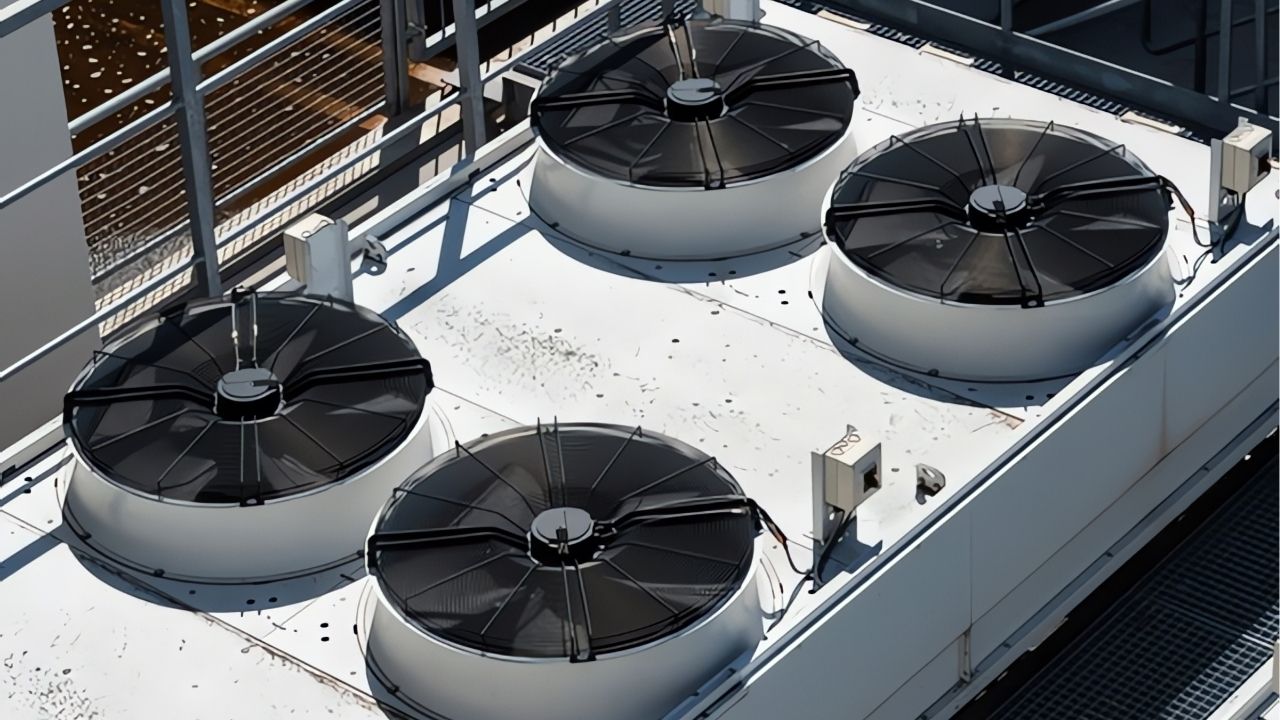
The detrimental effects cascade throughout the entire cooling circuit, adversely impacting performance in associated condenser production components. An inefficient evaporator elevates the condensing temperature, overworking the condenser fans and increasing the risk of coil freeze-ups in winter operation. This domino effect illustrates how a single point of neglect can compromise the entire system's integrity, a risk that a scheduled professional cleaning service is designed to mitigate.
For facilities utilizing high-performance equipment from manufacturers like Günay Soğutma, the cost of neglect is also an opportunity cost. Failure to maintain these precision-engineered systems nullifies their designed advantages in efficiency and longevity. The investment in quality components is wasted if basic upkeep is ignored, resulting in a system that performs no better than inferior alternatives and failing to realize the promised return on investment.
Ultimately, the true cost of not cleaning your evaporator is the loss of operational control and predictable costing. Proactive maintenance on systems engineered by Günay Soğutma safeguards your investment and ensures sustained energy efficiency. Viewing evaporator cleaning as an essential, cost-saving strategy rather than an optional expense is crucial for securing the long-term reliability and profitability of your industrial cooling infrastructure.

Fill out the form to discover the most suitable high-end products for your projects. Contact Us Now.
Fill out the form now not to miss our special offers for you! The latest discover our products and innovations.
Fill out the form now not to miss our special offers for you! The latest discover our products and innovations.
Notification Centre 00:00