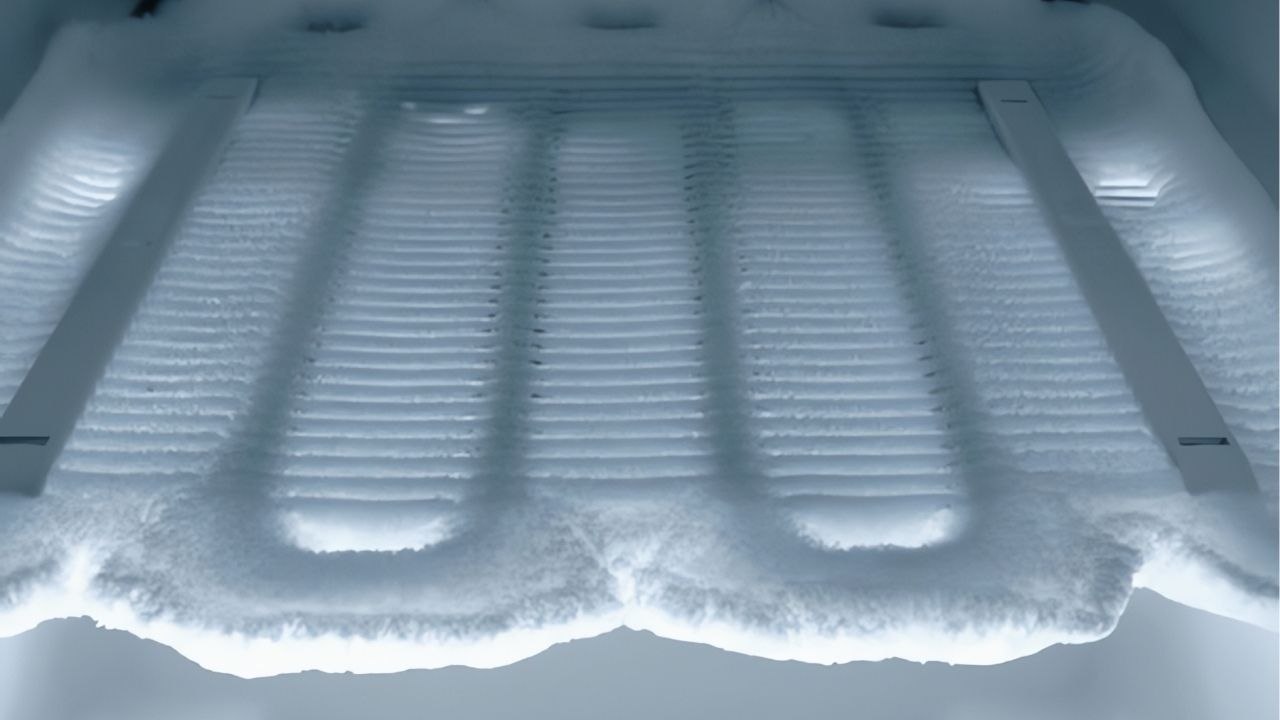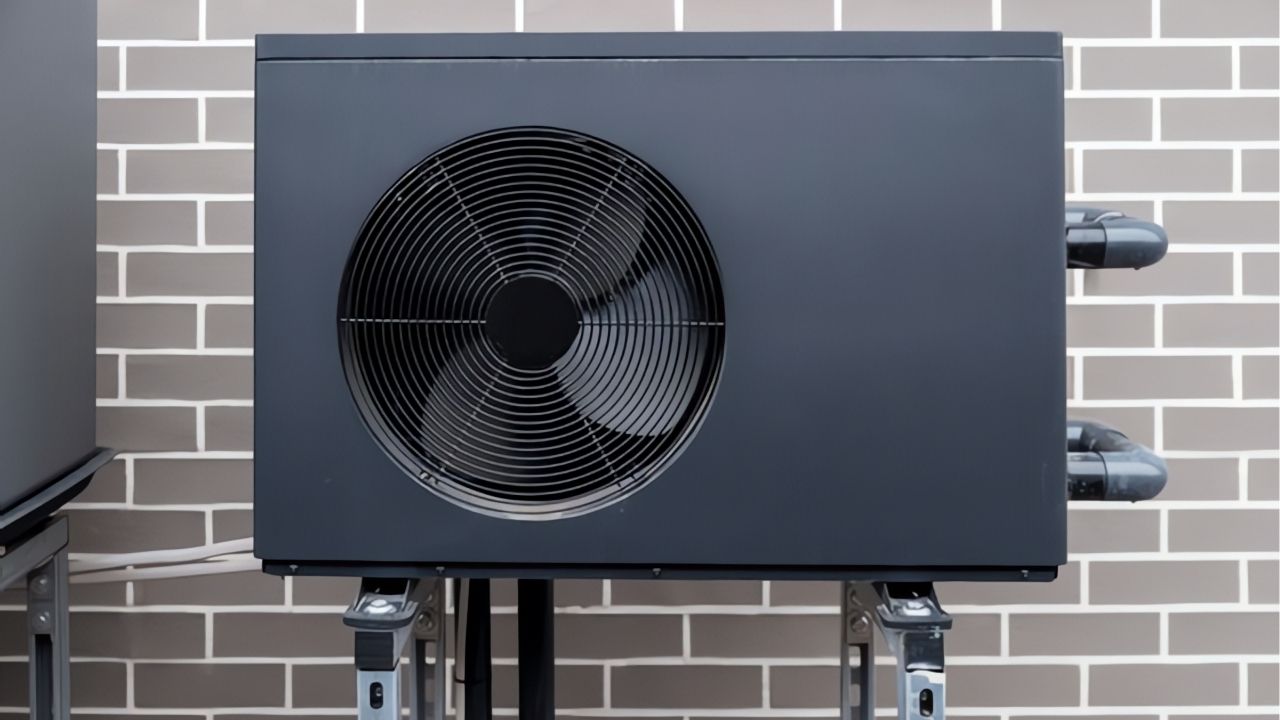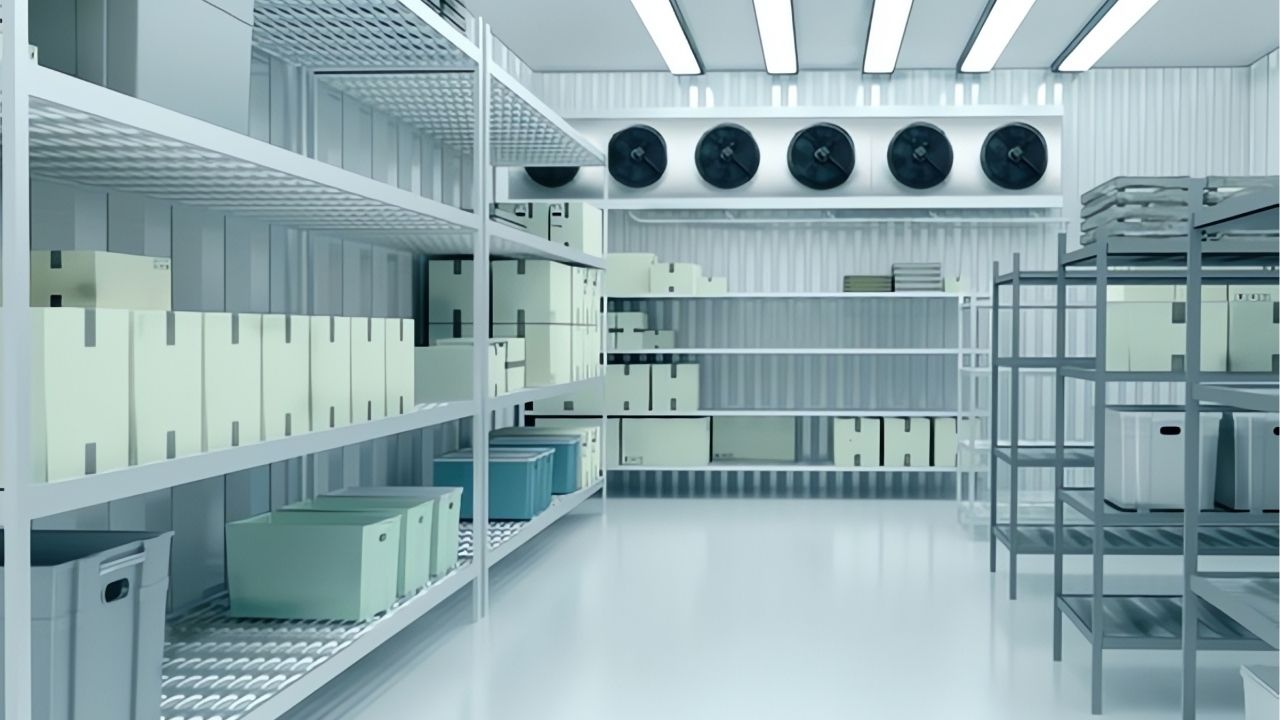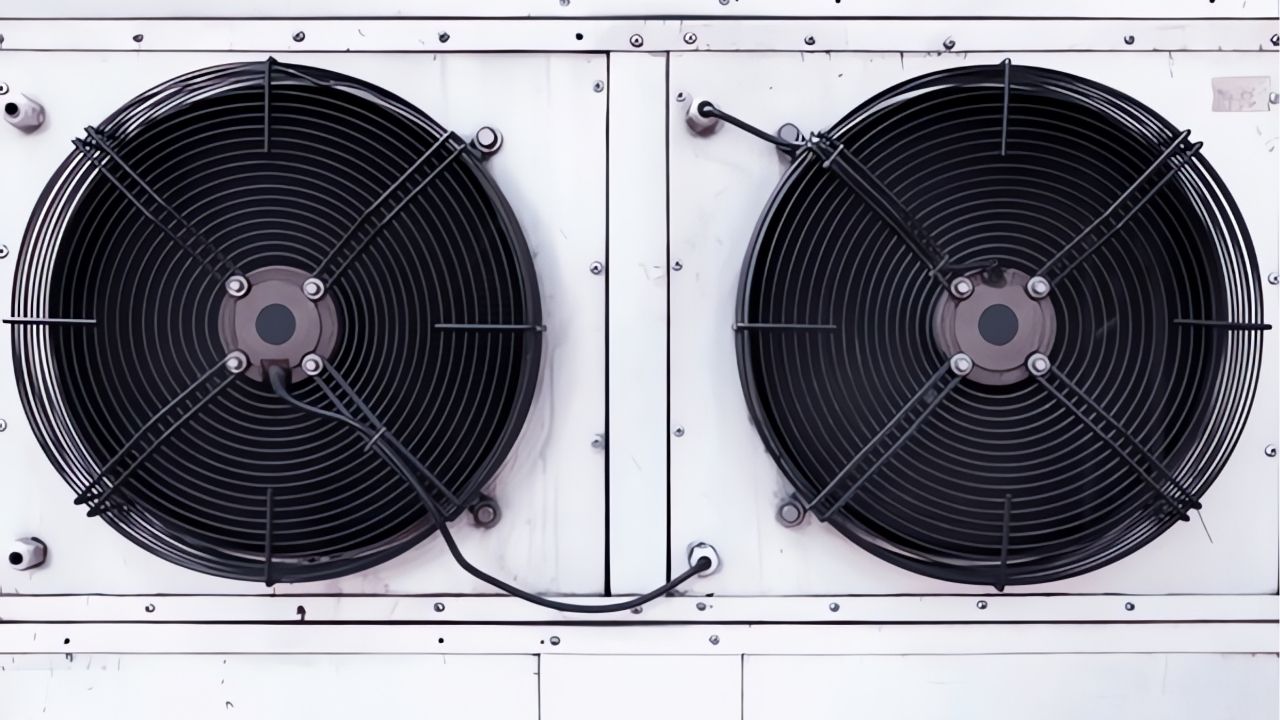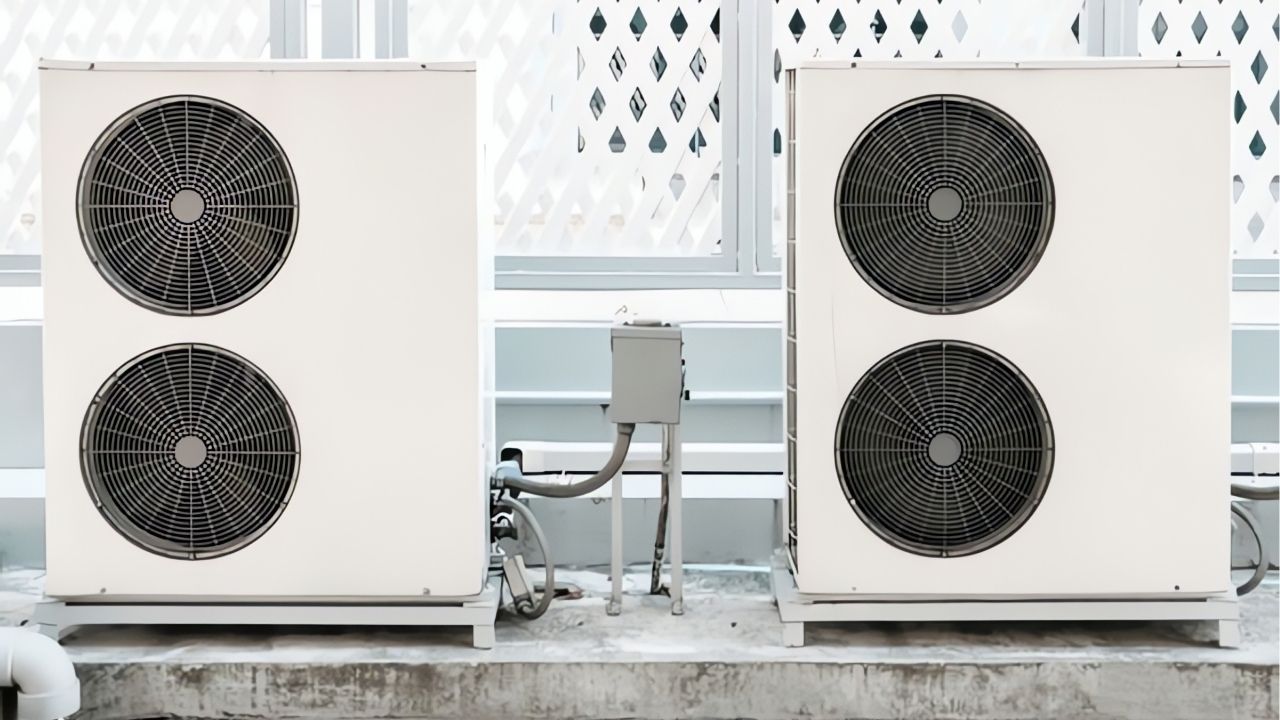


Heater Faults: Symptoms and Troubleshooting Methods
06 / 07 / 2026

Determining optimal maintenance frequency for industrial cooling systems directly impacts operational continuity and energy expenditure. Facilities facing unplanned downtime or rising electricity costs often discover their maintenance schedules don't match their production demands or environmental conditions. A data-driven approach to maintenance intervals, rather than generic timelines, prevents both excessive servicing and costly system failures.
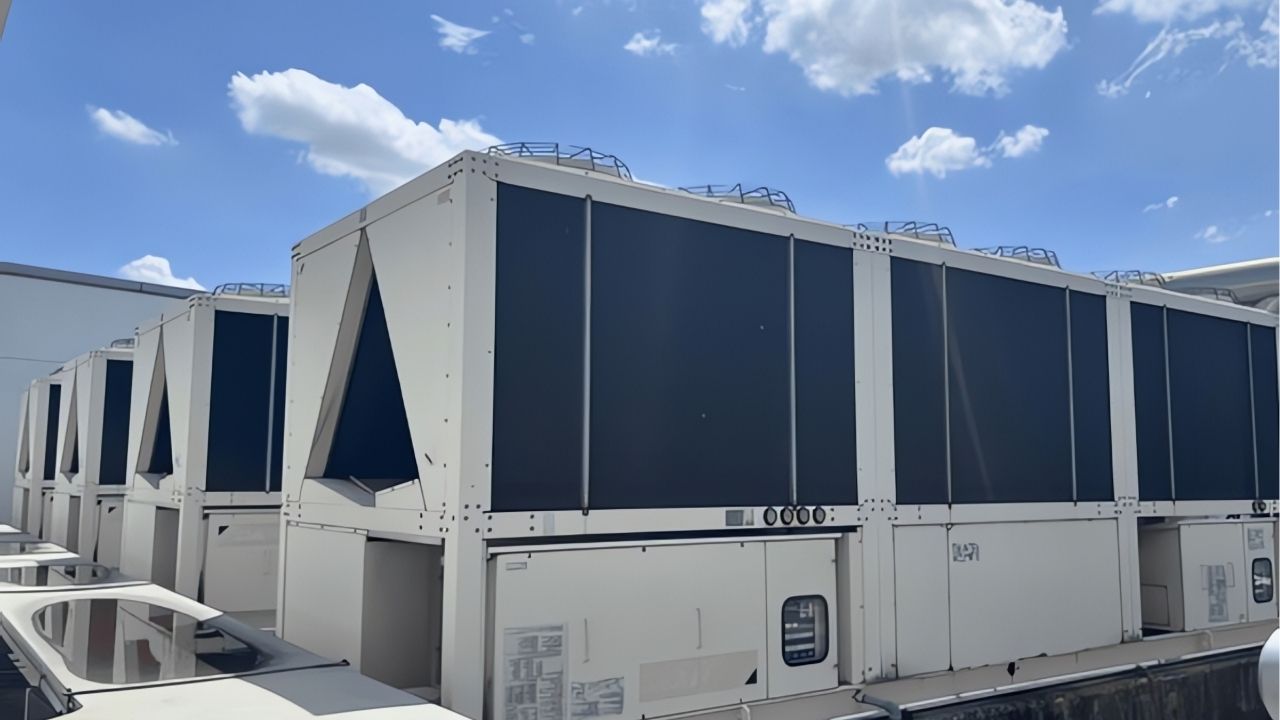
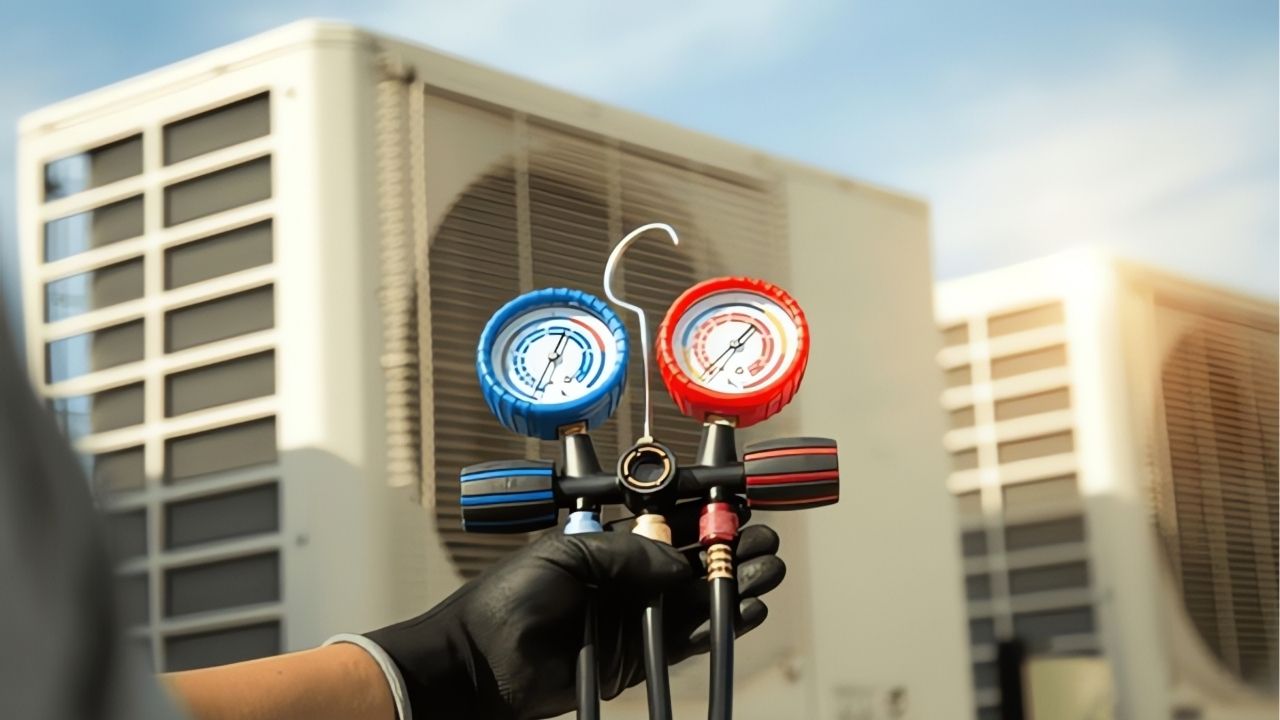
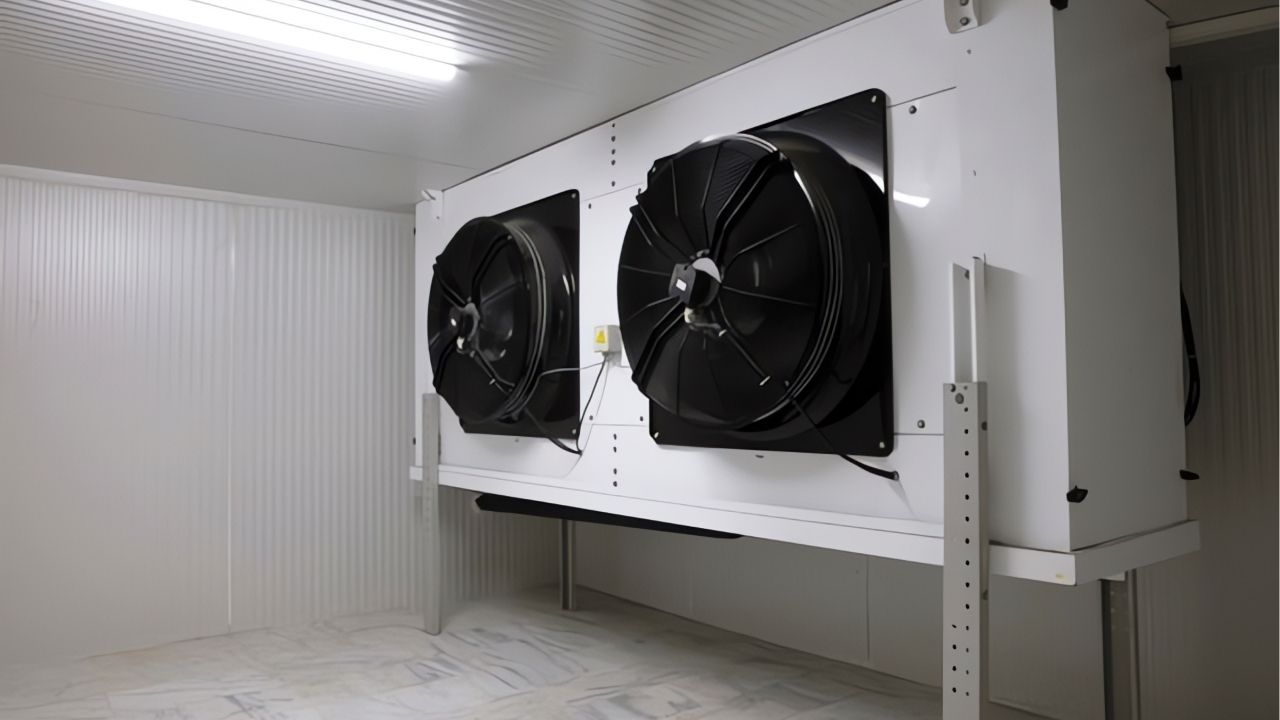
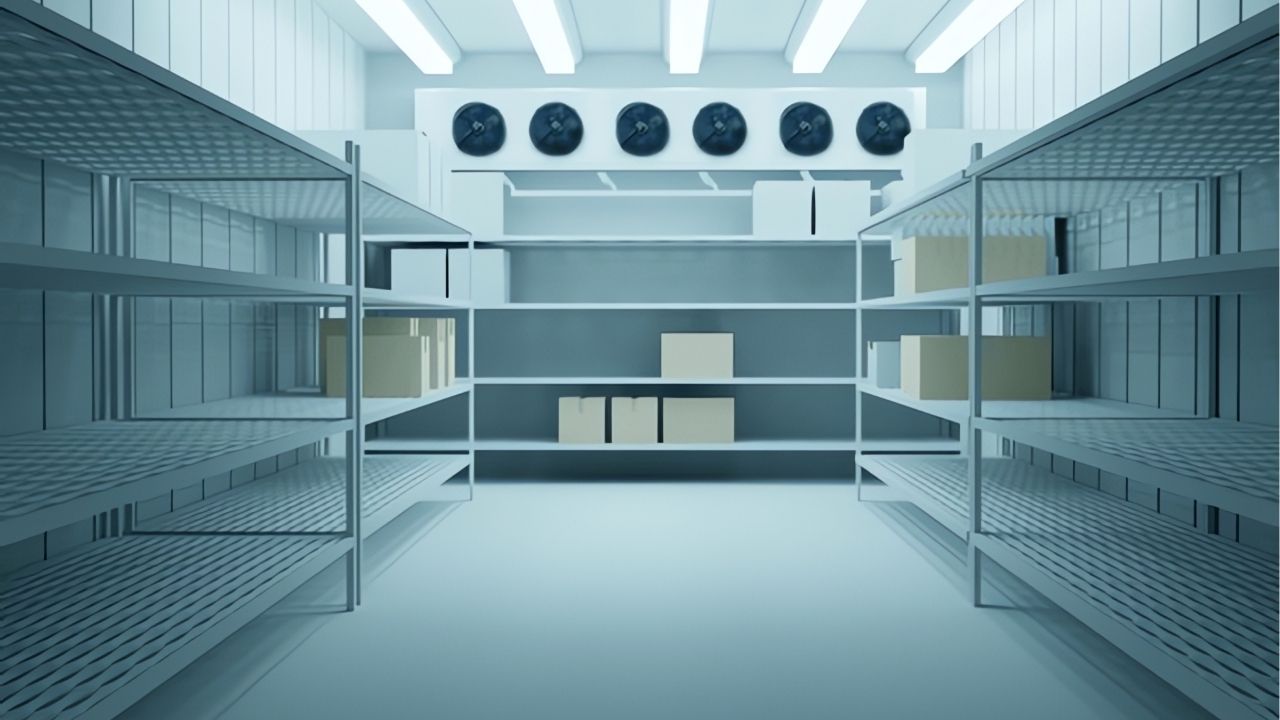
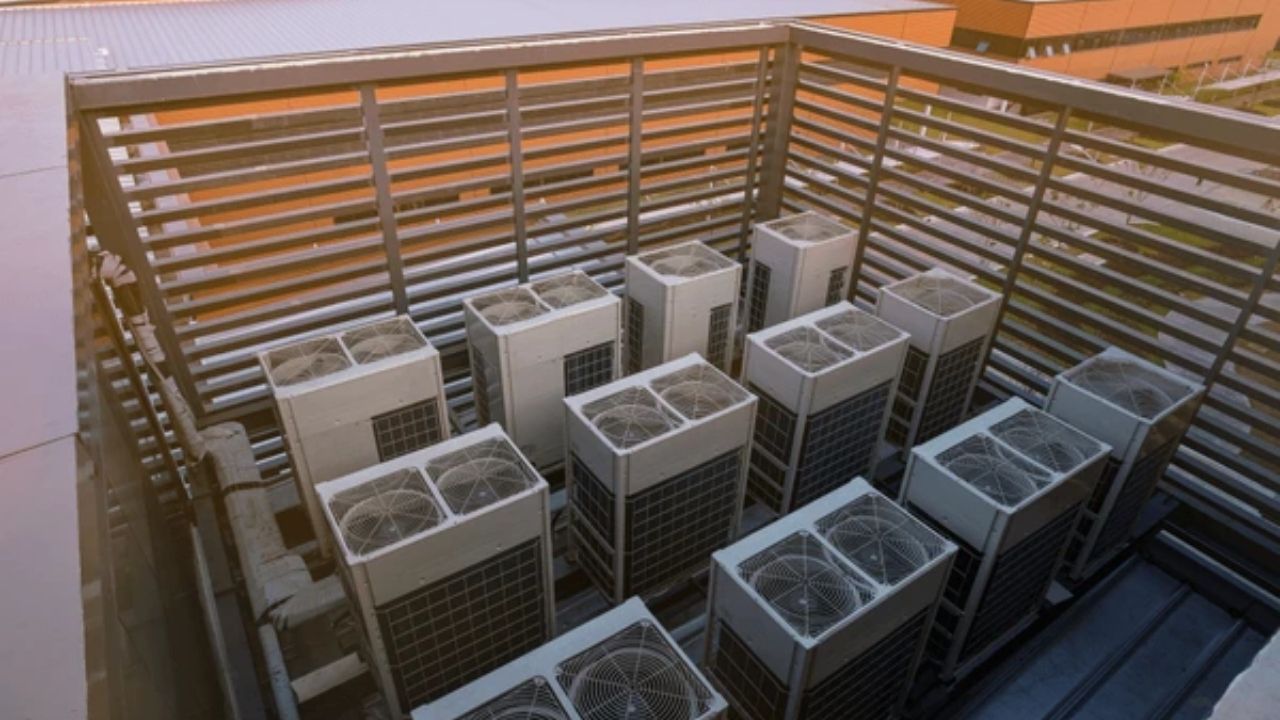
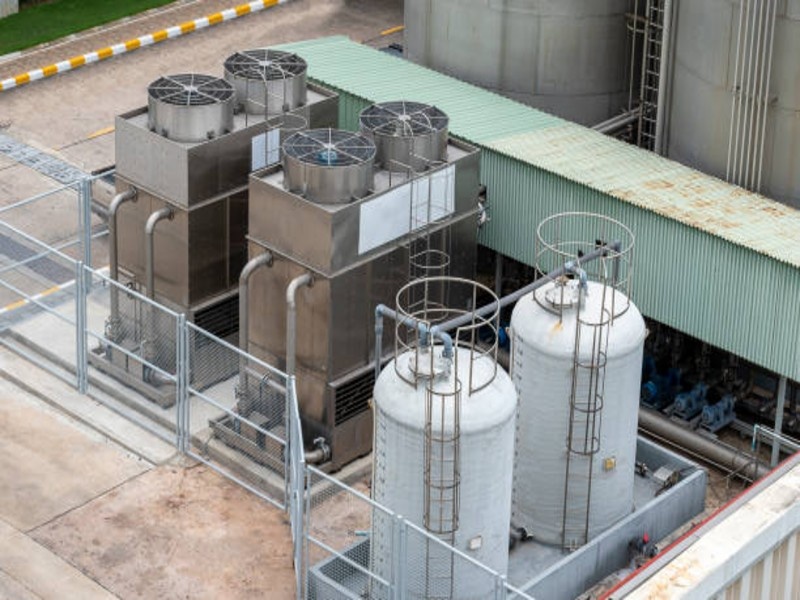
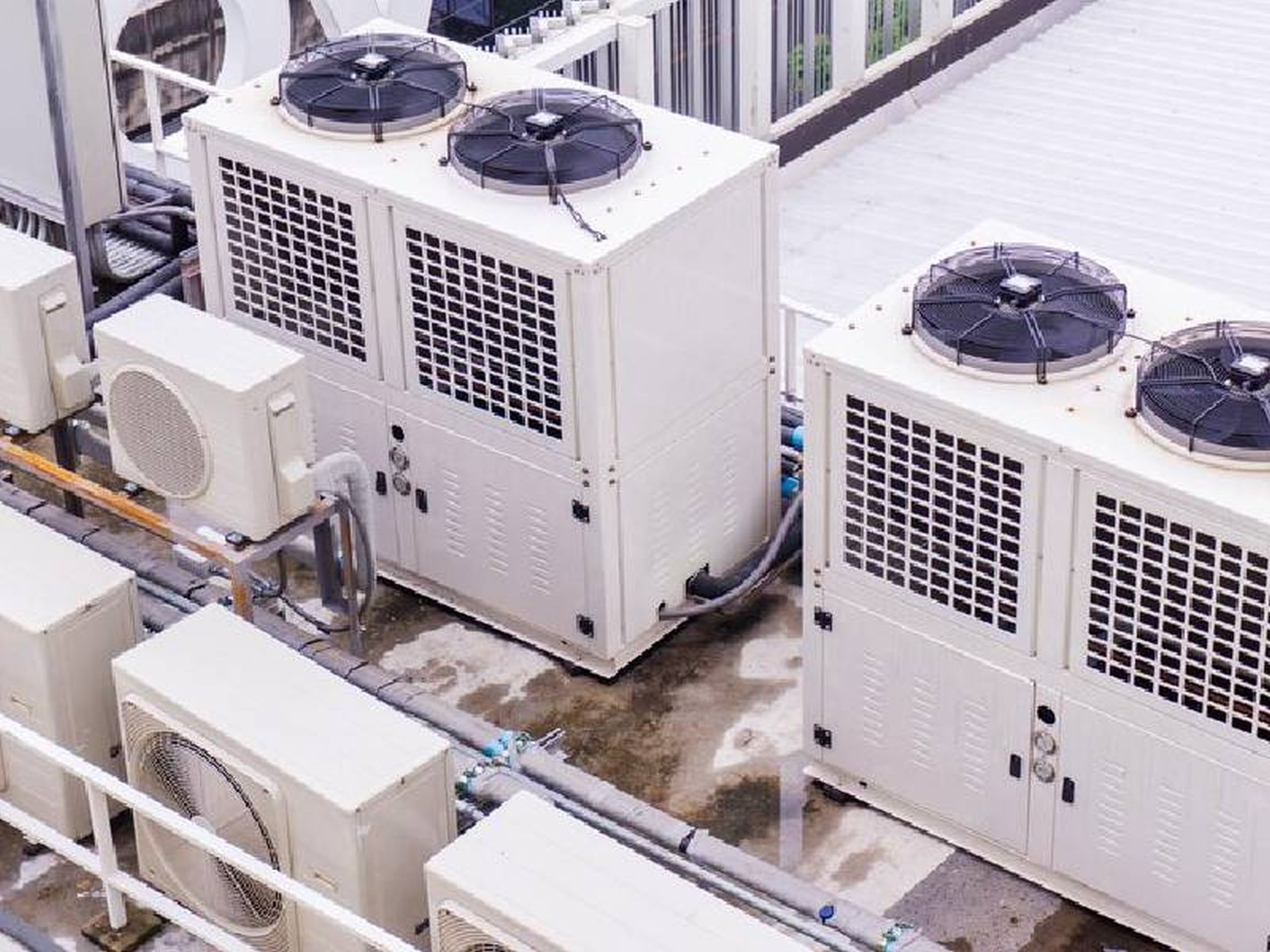
Advanced facilities implement condition-based monitoring through evaporator and condenser performance tracking, adjusting maintenance based on real-time efficiency metrics. Günay Soğutma's engineering team recommends quarterly inspections for high-usage facilities, particularly in food sector applications where hygiene standards demand rigorous coil cleaning and refrigerant testing. These intervals ensure energy efficiency remains at peak levels while preventing microbial growth in sensitive environments.
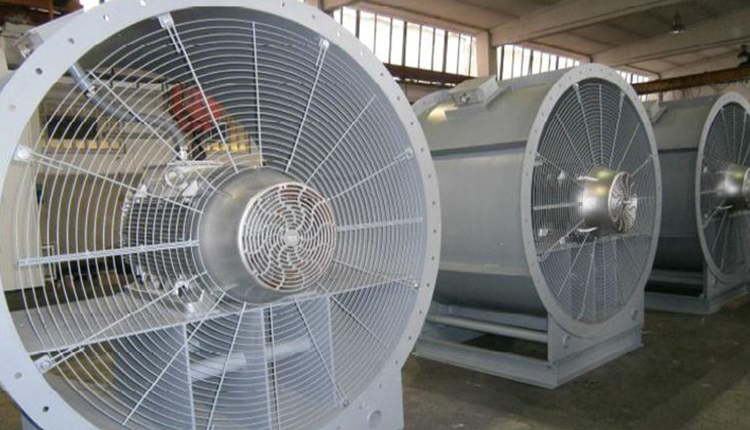
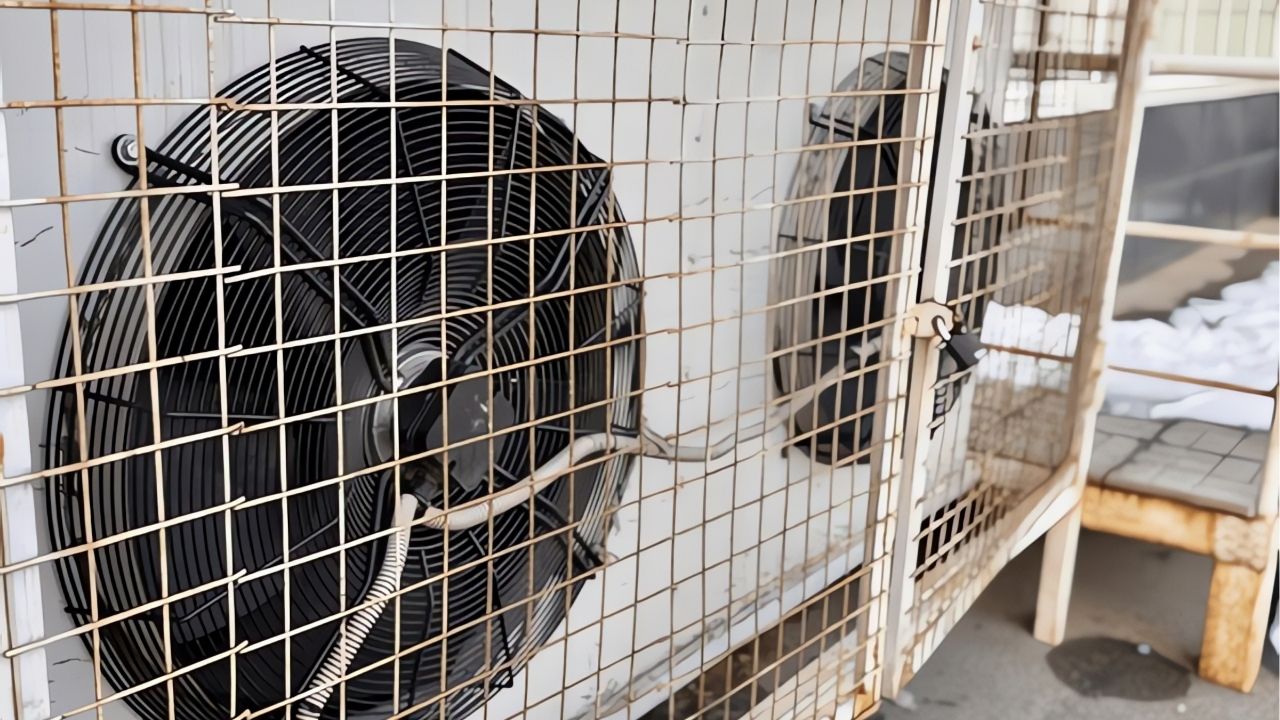
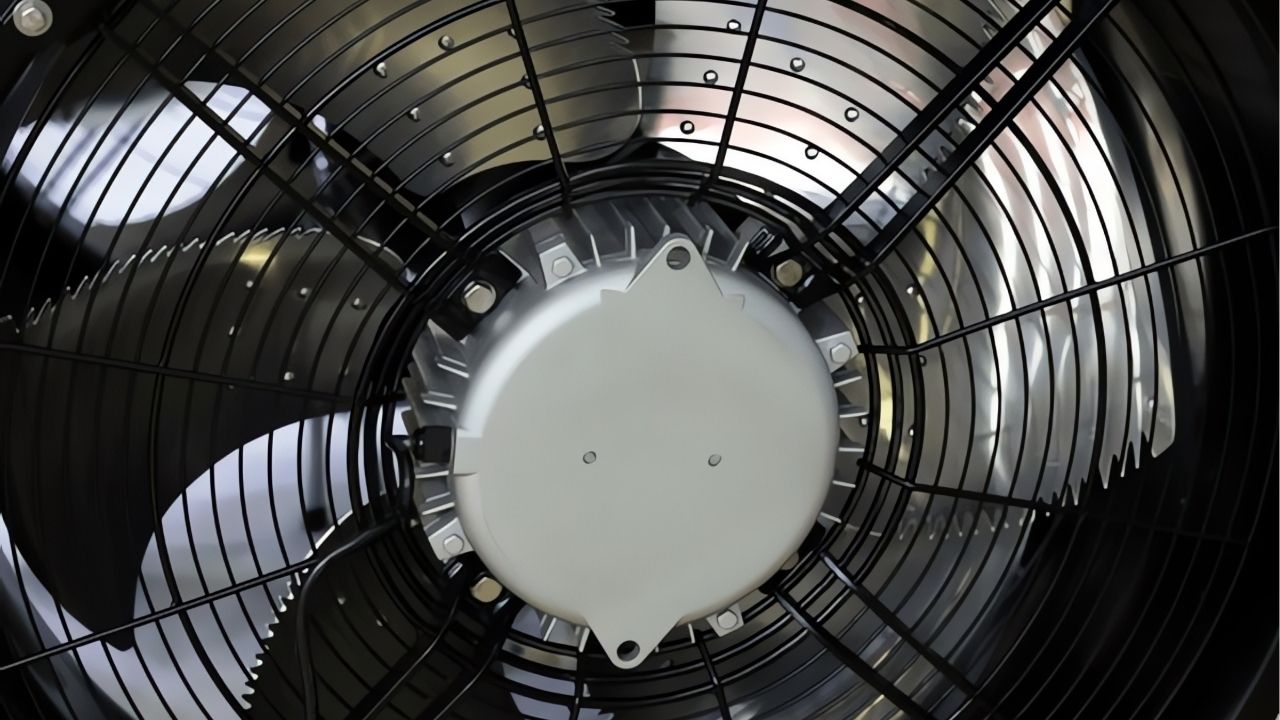
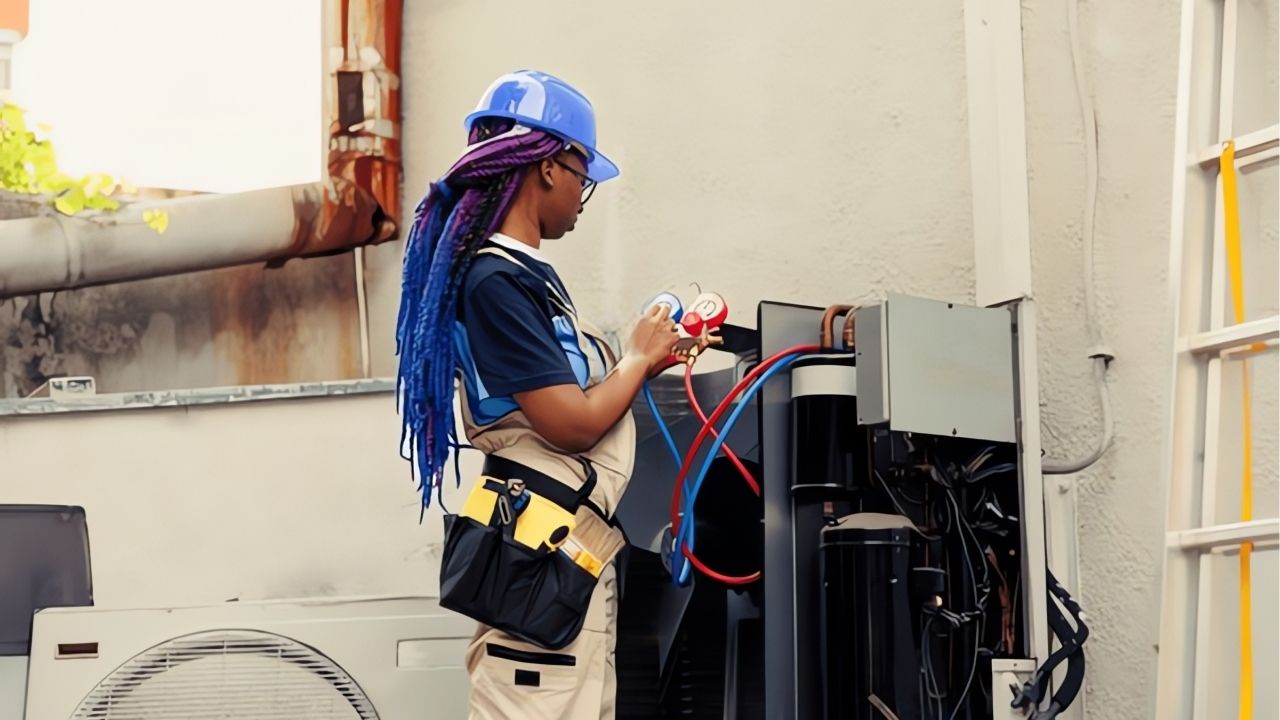
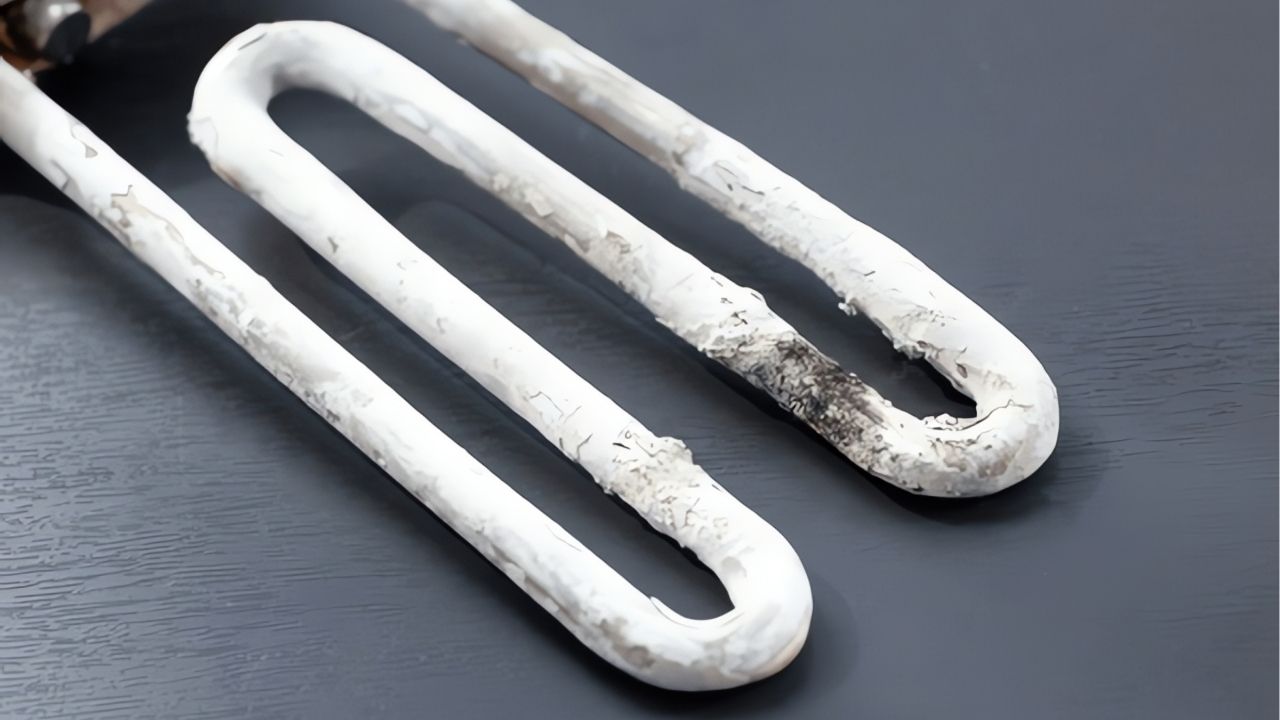
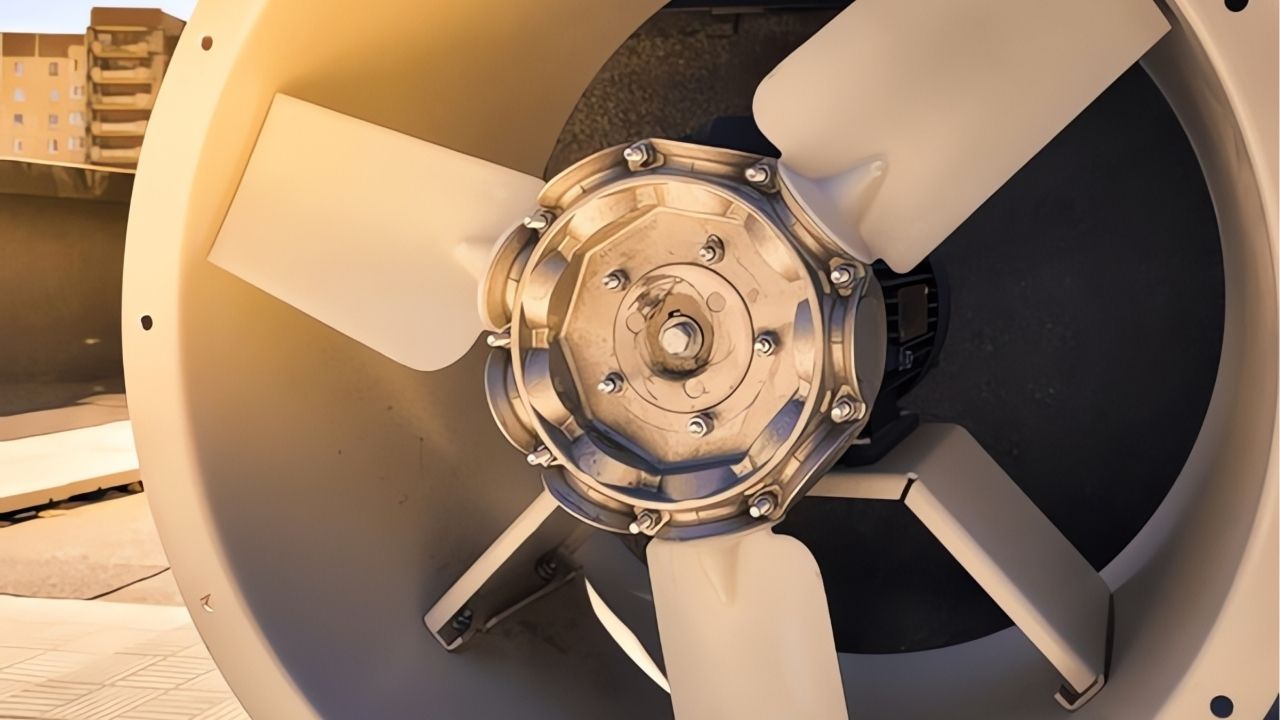
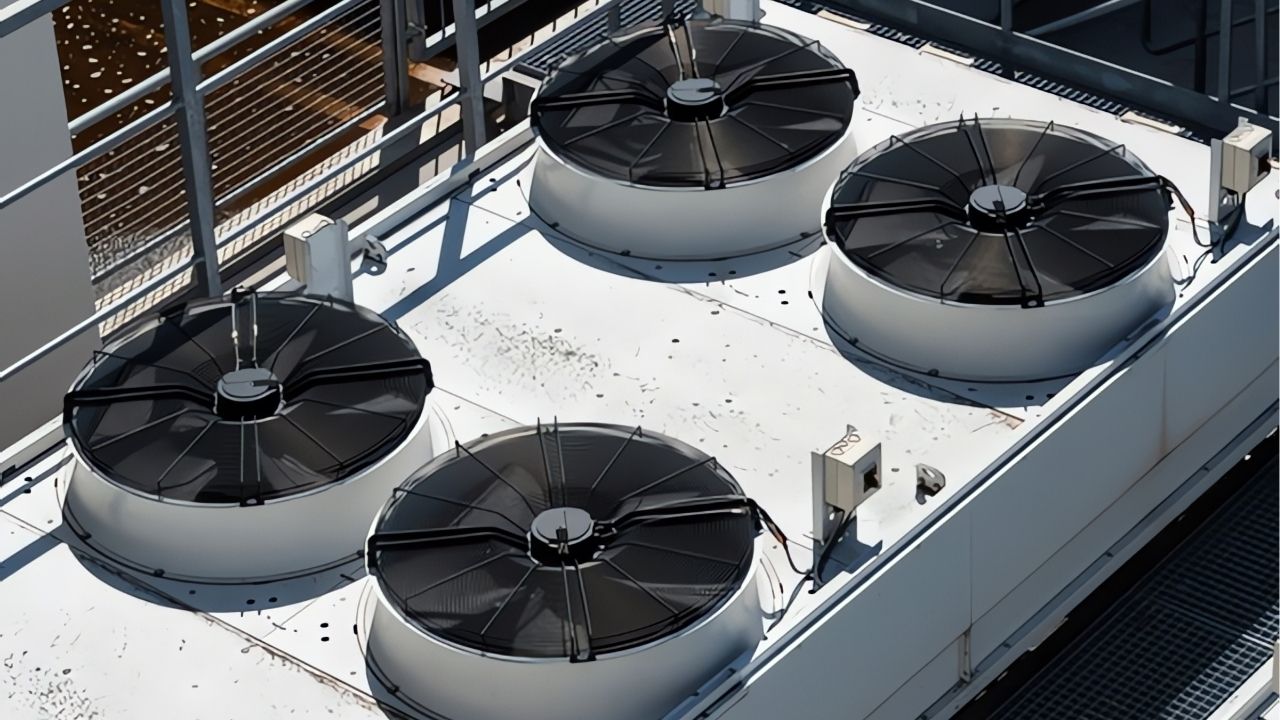
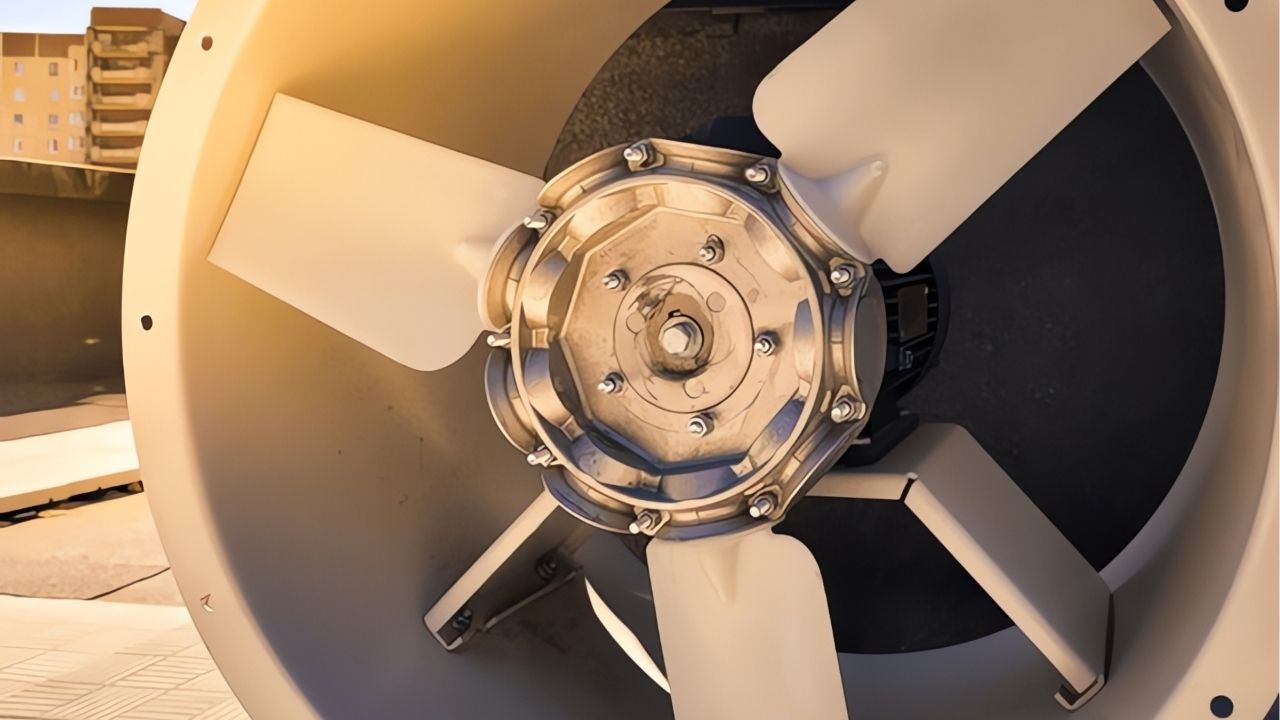
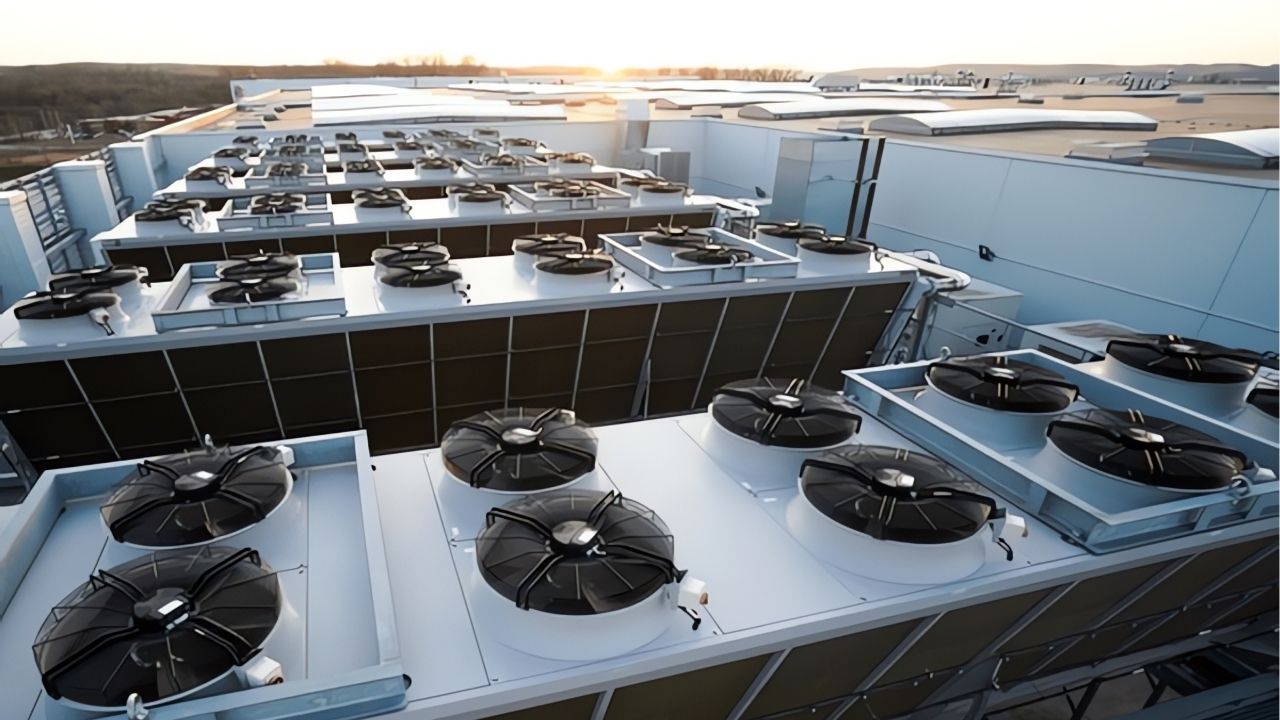
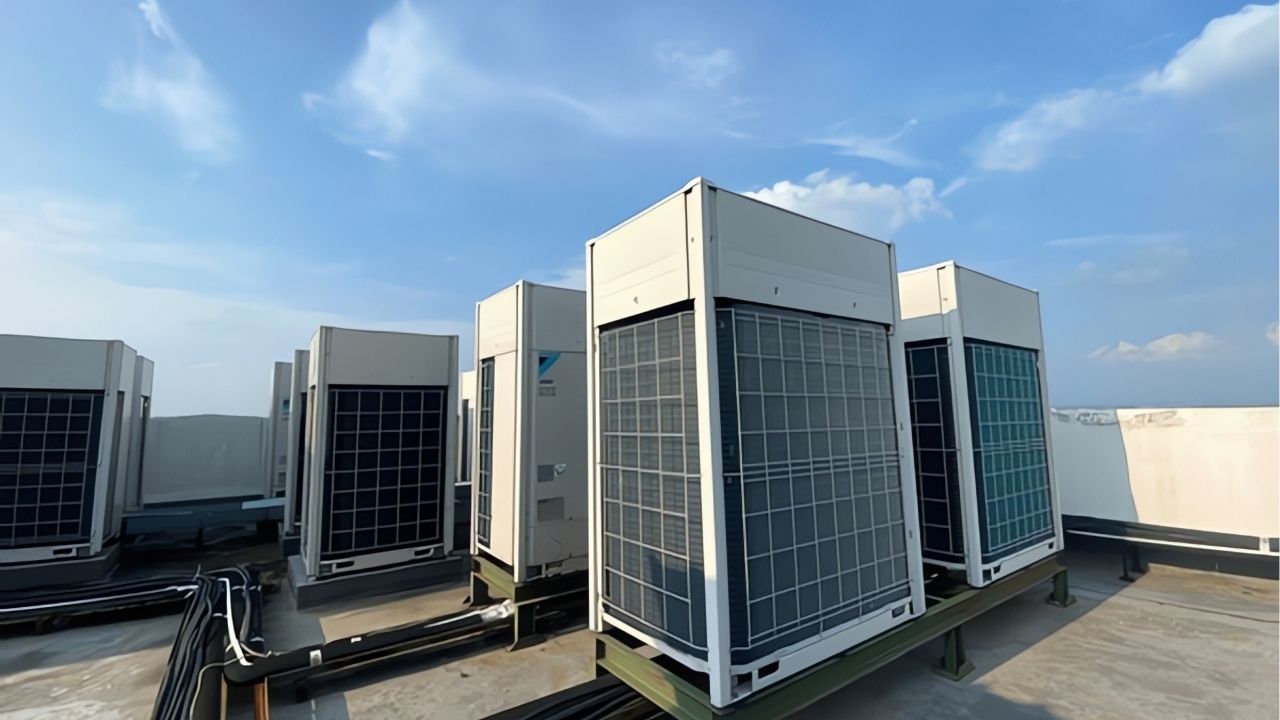
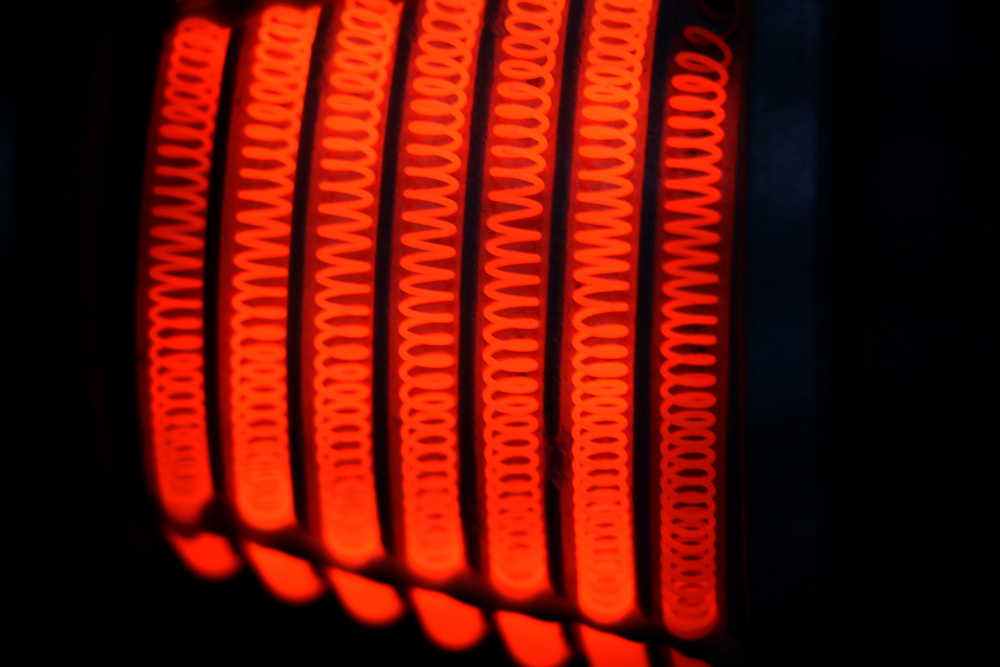
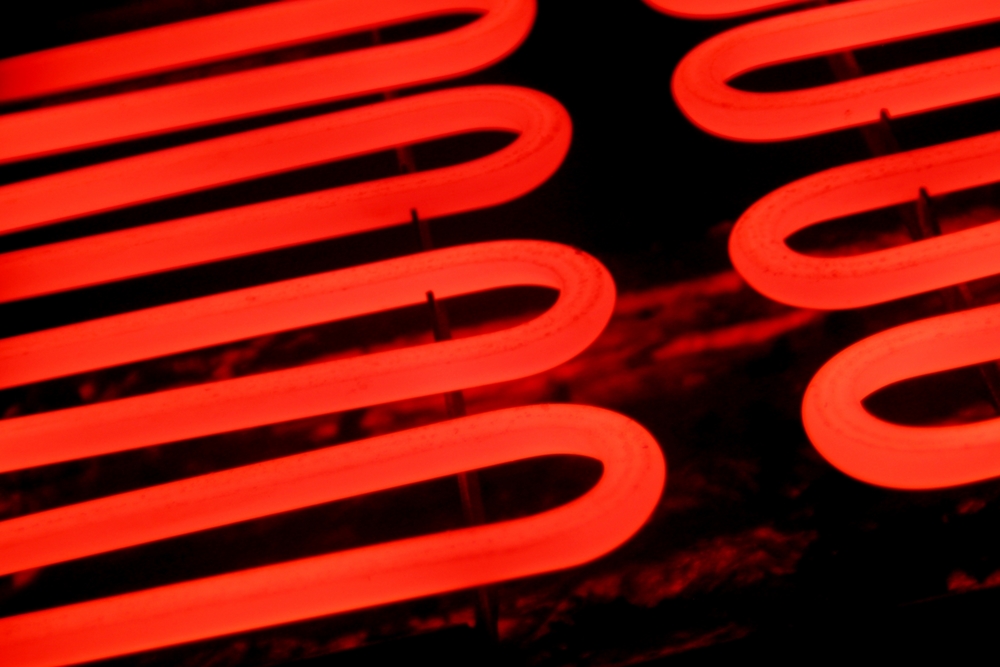
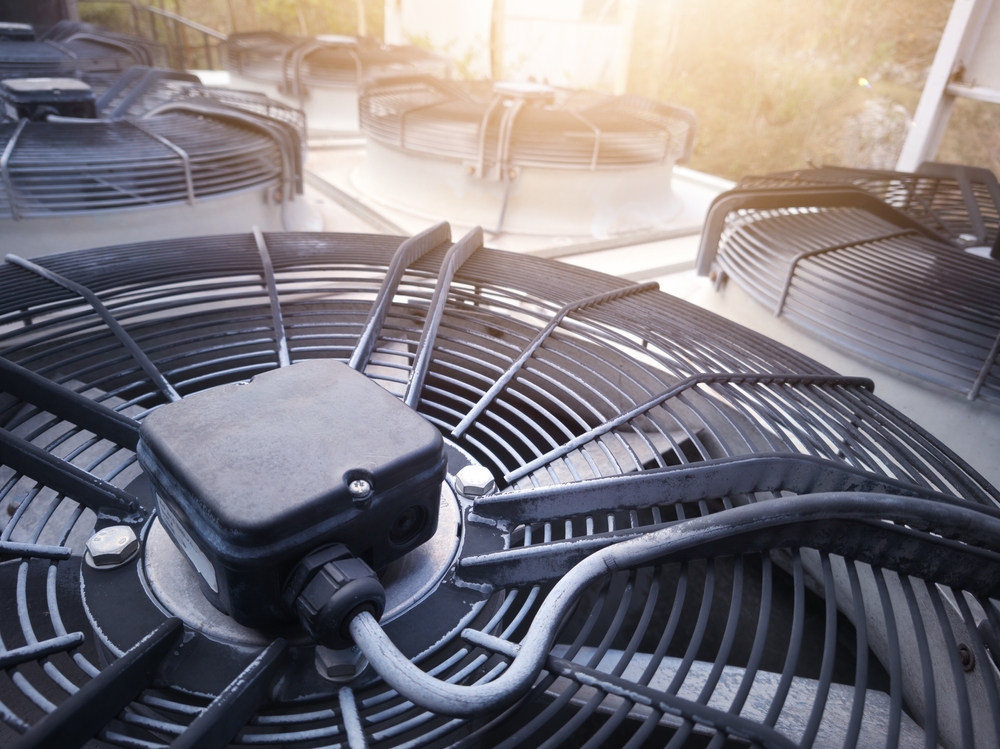
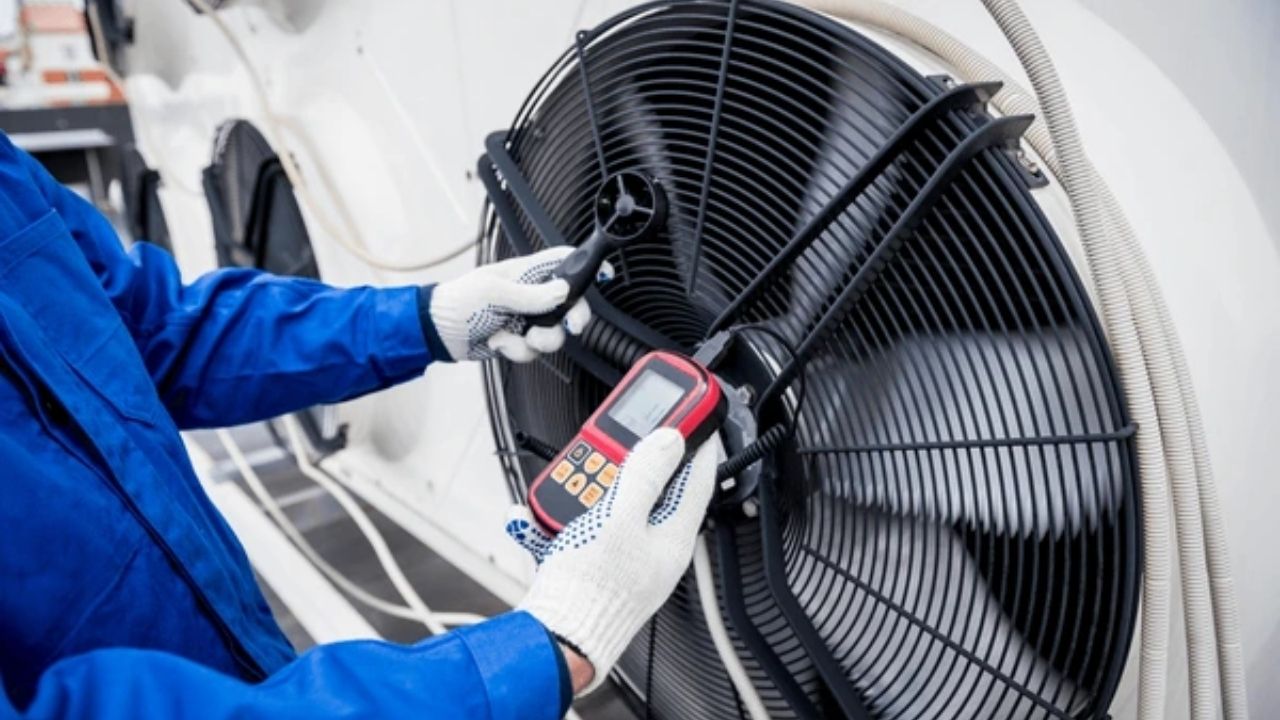
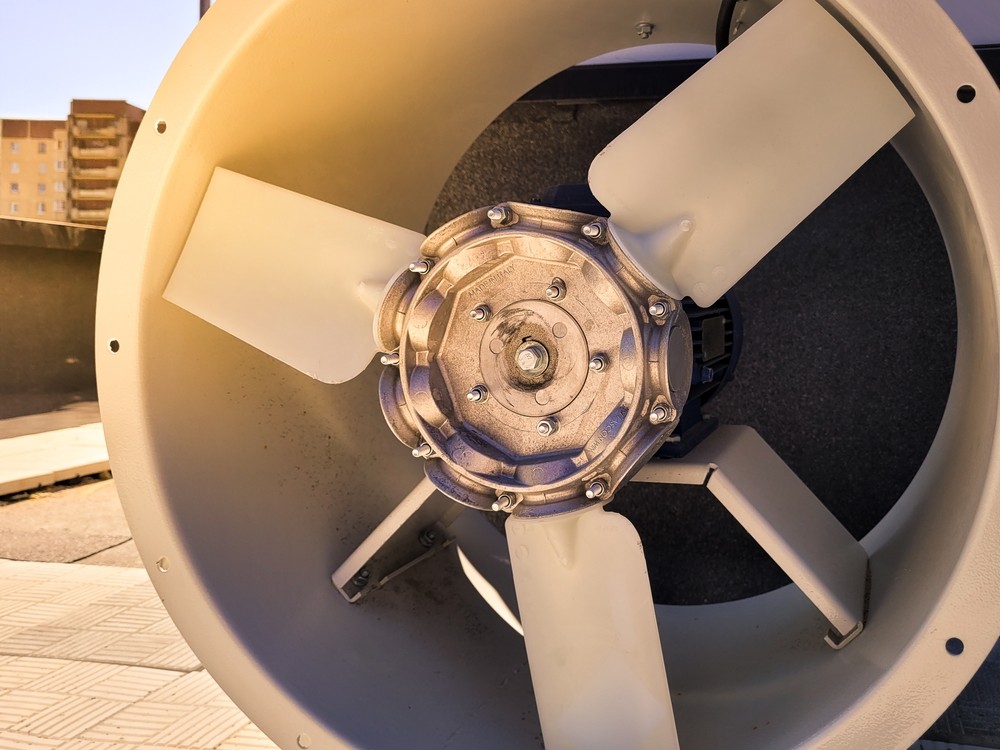
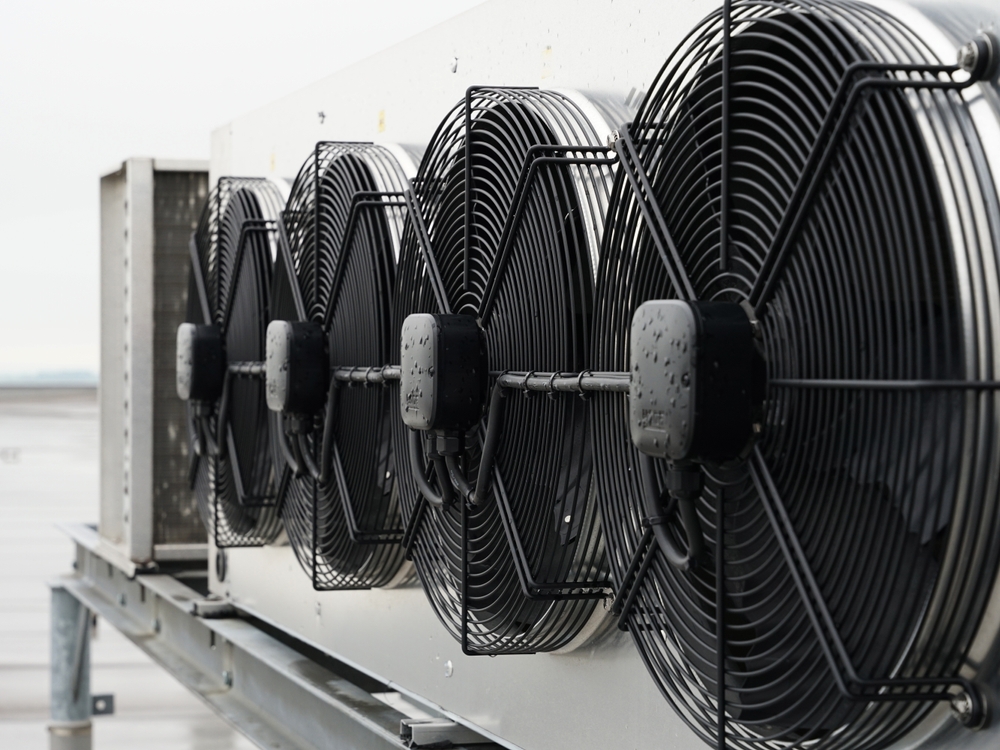
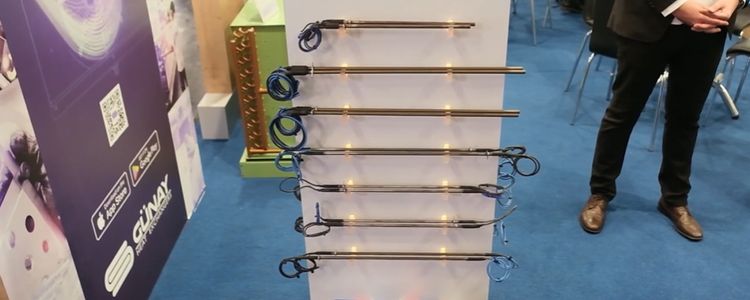
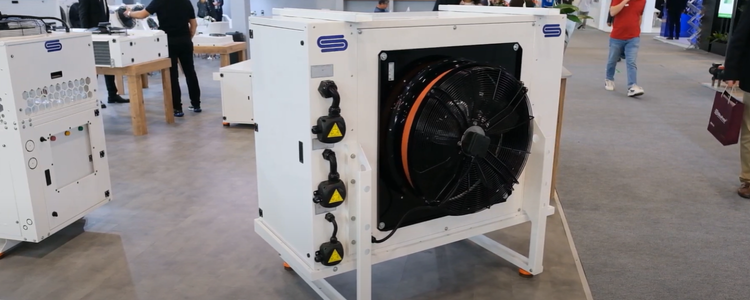
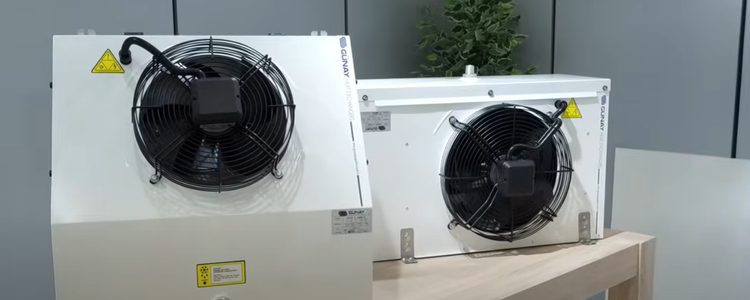
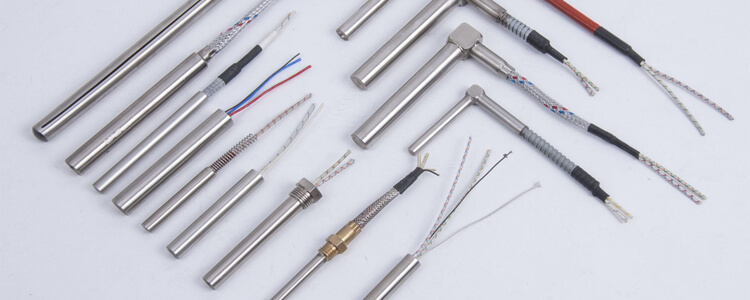
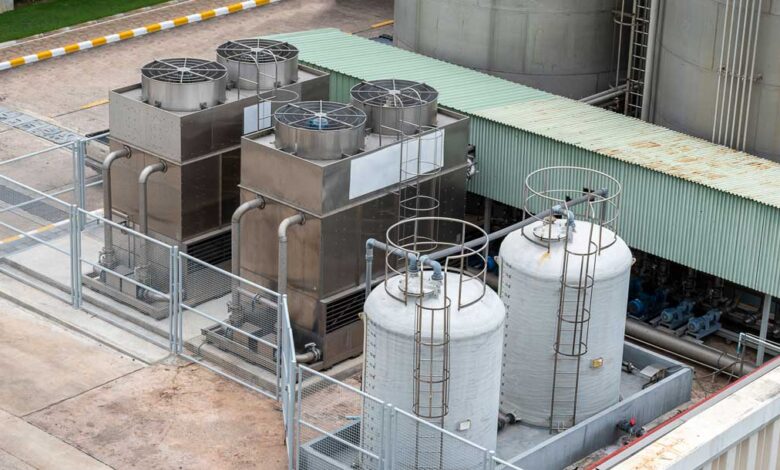
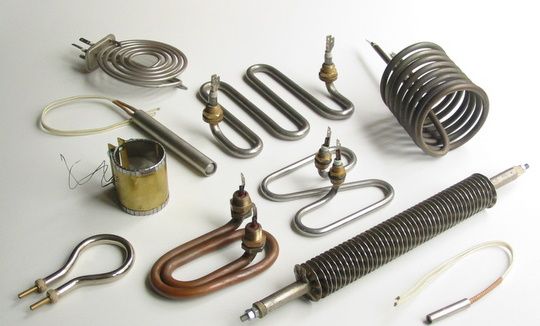
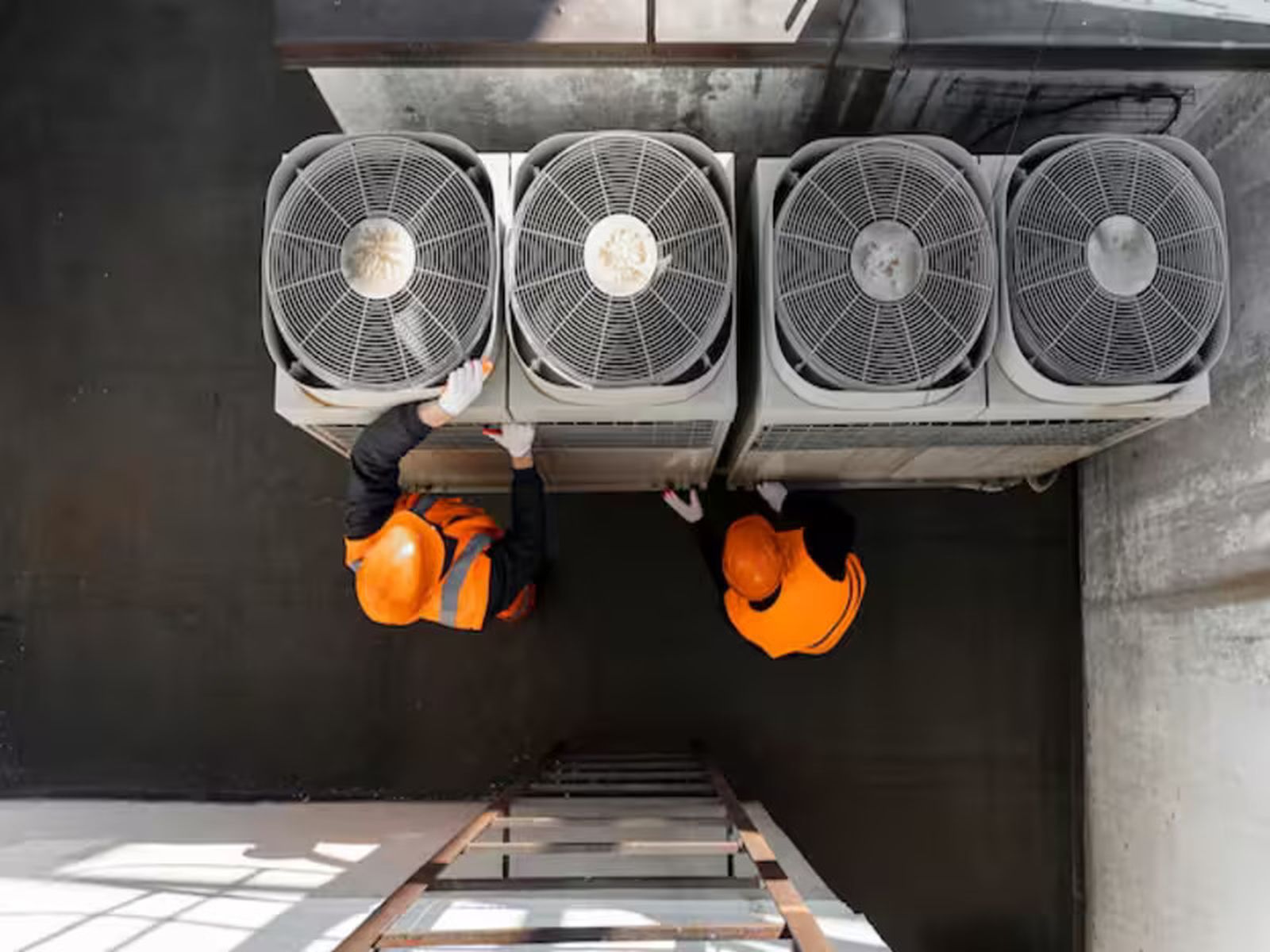
For production lines operating 24/7, semi-annual maintenance proves insufficient. Continuous operation accelerates wear on axial fan bearings and electrical components, necessitating monthly visual checks and bi-annual professional servicing. Facilities in harsh environments or those using resistance heating elements in their systems require even more frequent attention to prevent corrosion and electrical faults.
Günay Soğutma's maintenance protocols have demonstrated 30 percent longer equipment lifespan and 22 percent reduced energy consumption in industrial facilities implementing structured programs. These outcomes stem from proactive component replacement and calibration of control systems before efficiency degradation occurs. The integration of IoT sensors now enables predictive maintenance, alerting technicians to potential issues in cooling infrastructure before they escalate into failures.
Forward-thinking operations managers schedule maintenance during planned production pauses, minimizing disruption while maximizing system reliability. Documented case studies show facilities reducing emergency repairs by 65 percent through adherence to customized maintenance calendars. This strategic approach transforms cooling systems from potential liabilities into assets that consistently deliver sustainable cooling solutions with predictable operating costs.
Proactive maintenance of industrial cooling systems delivers measurable returns through enhanced performance and reduced operational costs. Facilities neglecting regular servicing often face 20-30 percent higher energy consumption and unplanned production halts that can cost thousands per hour. A structured maintenance program transforms cooling infrastructure from a cost center into a strategic asset.
The most significant benefit emerges in energy efficiency improvements, where clean evaporator and condenser coils can reduce power consumption by up to 15 percent. Günay Soğutma's maintenance protocols specifically target heat transfer efficiency, ensuring optimal refrigerant charge and airflow across all components. This precision becomes crucial in food sector applications where temperature consistency directly impacts product safety and shelf life.
Extended equipment lifespan represents another critical advantage, with properly maintained systems operating 30-40 percent longer than neglected ones. Regular inspection of axial fan assemblies and electrical connections prevents catastrophic failures that could halt production lines. The integration of vibration analysis and thermal imaging during maintenance identifies potential issues in resistance elements before they cause downtime.
Modern maintenance approaches leverage predictive analytics to optimize service intervals, moving beyond traditional calendar-based schedules. Günay Soğutma's technicians utilize IoT-enabled monitoring to track system performance in real-time, allowing for data-driven decisions about component replacement and system optimization. This approach has proven particularly effective in industrial facilities where continuous operation is non-negotiable.
The financial impact becomes clear when considering that emergency repairs typically cost 3-5 times more than preventive maintenance. Facilities implementing comprehensive maintenance programs report 65 percent fewer system failures and 25 percent lower overall operating costs. These sustainable cooling solutions not only protect the bottom line but also ensure compliance with increasingly stringent environmental regulations and energy standards.
Energy consumption in industrial cooling systems can increase by up to 30 percent when maintenance is deferred, directly impacting operational costs and carbon footprint. Facilities struggling with rising electricity bills often discover that simple maintenance interventions can restore system efficiency and deliver immediate cost savings. The relationship between maintenance and energy performance becomes particularly critical in continuous operation environments where cooling represents a major portion of energy expenditure.
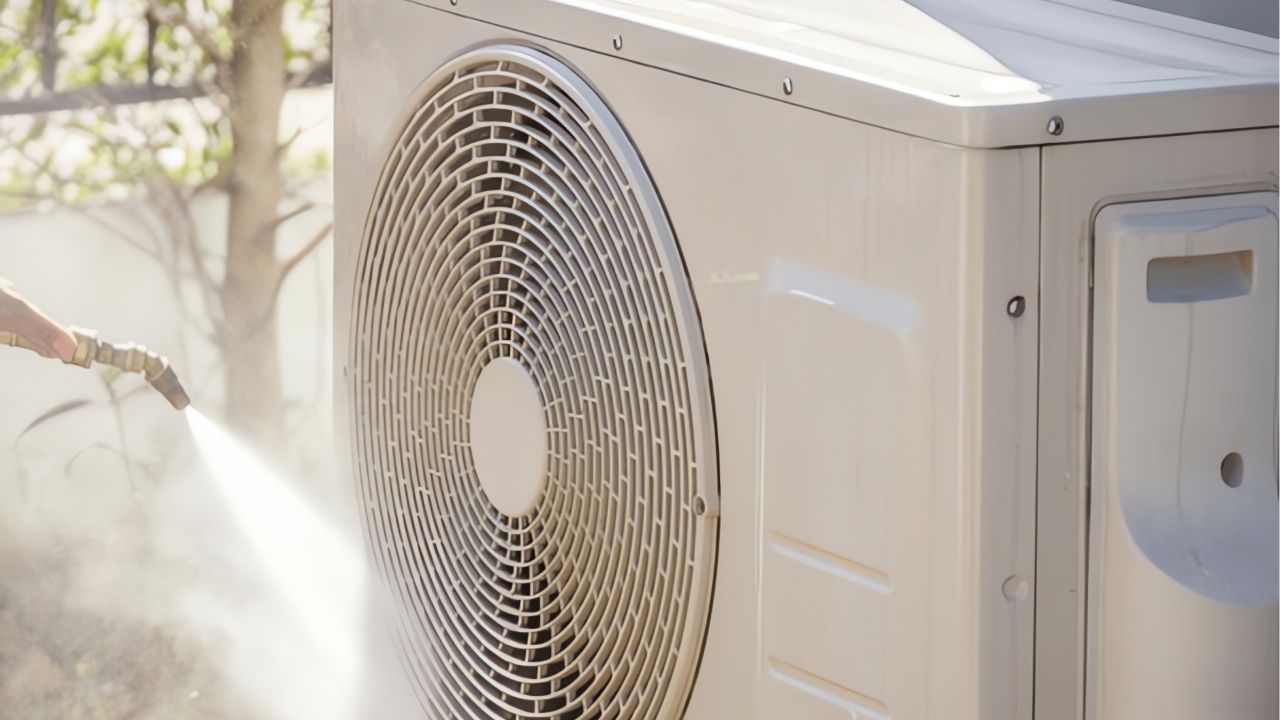
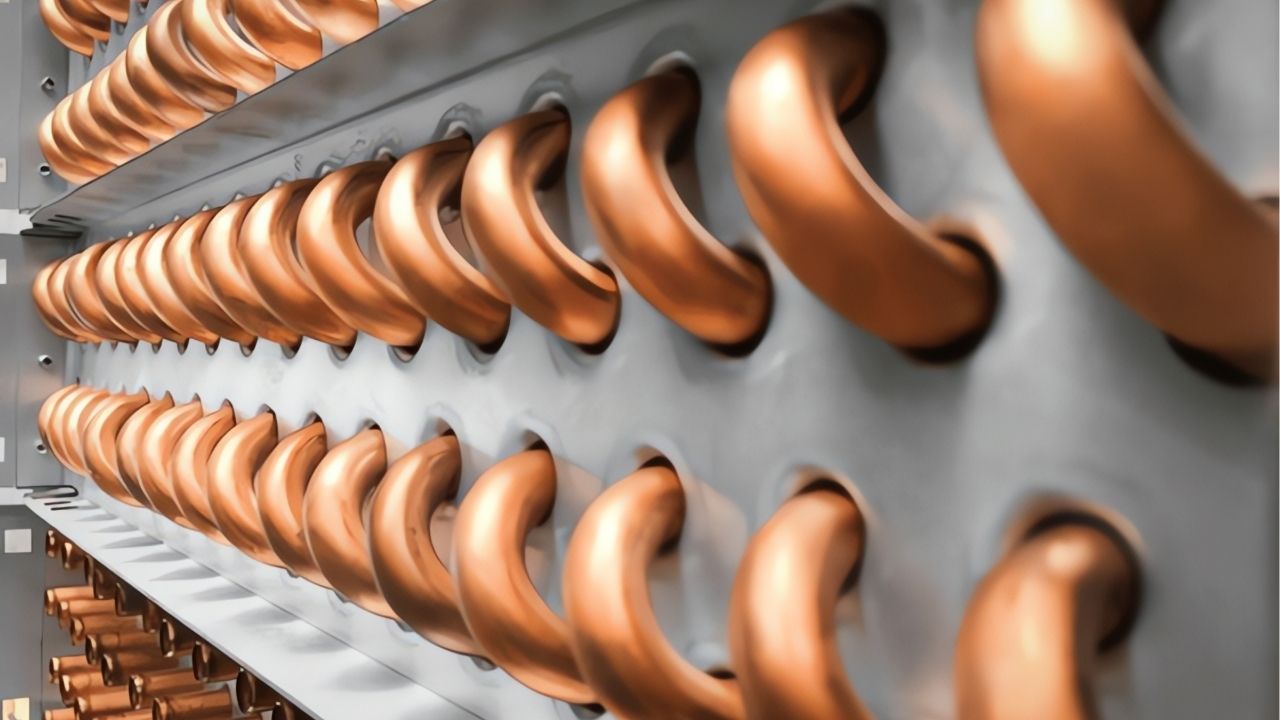
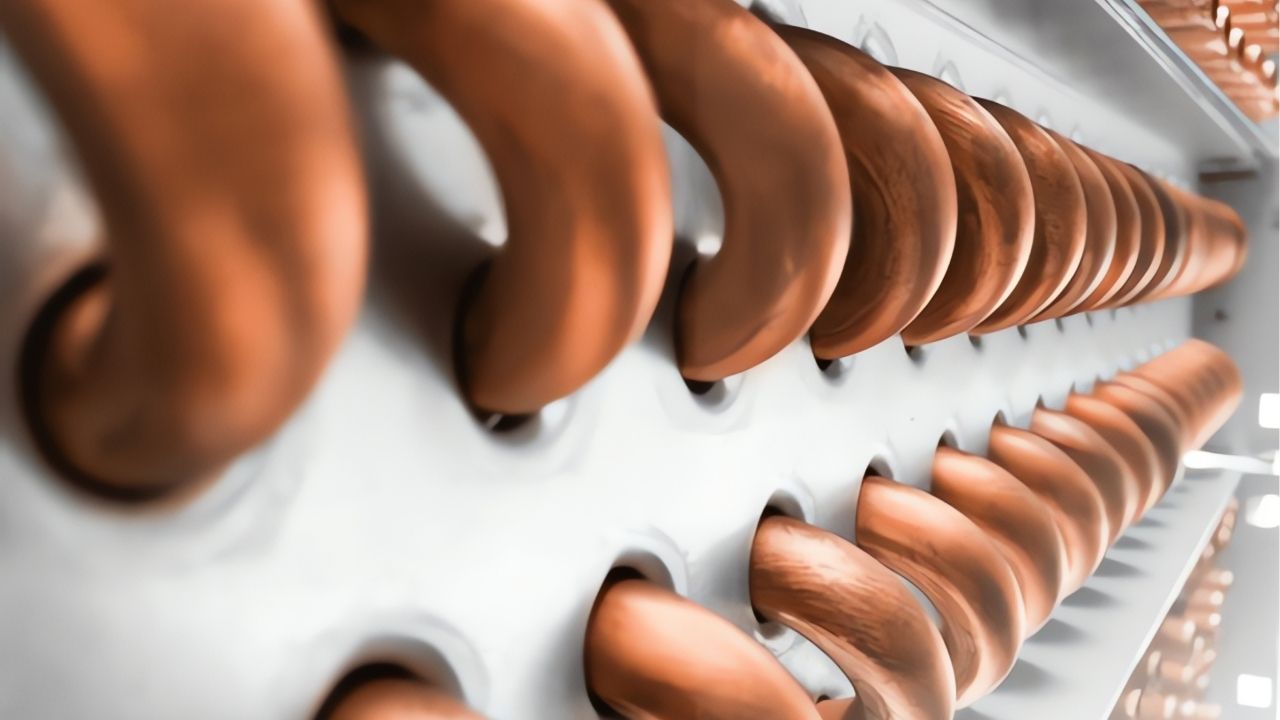
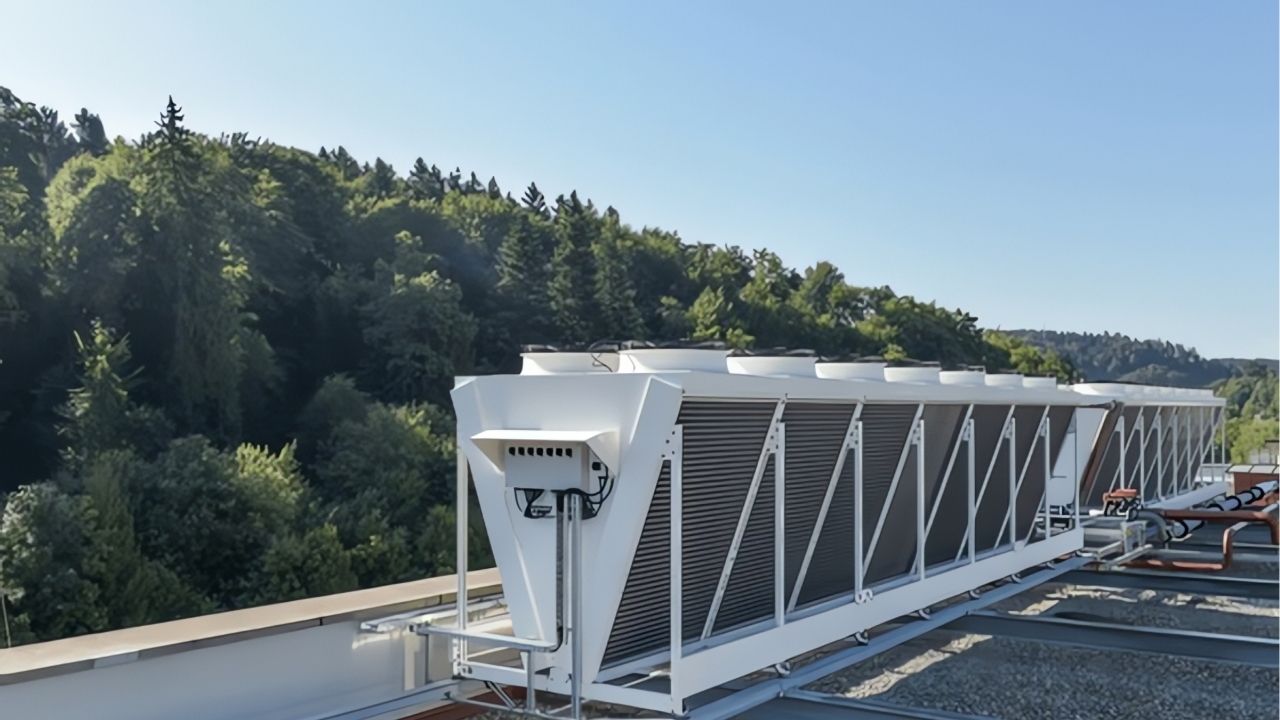
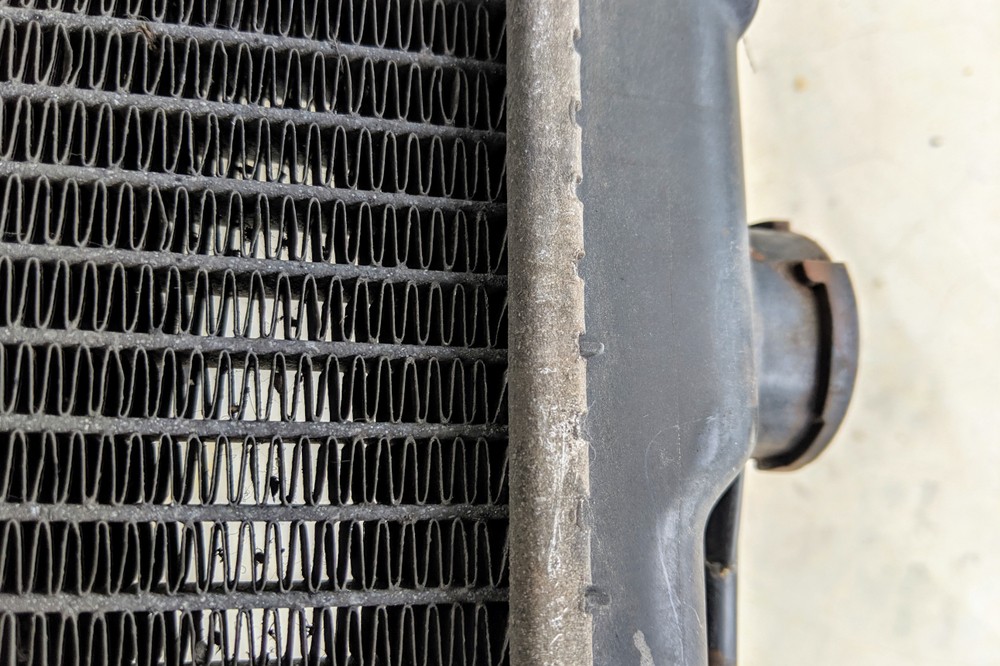
Regular cleaning of evaporator and condenser coils removes accumulated dirt and debris that insulate heat transfer surfaces, forcing compressors to work harder. Günay Soğutma's maintenance protocols have demonstrated that a 0.1-inch layer of scale on condenser coils can increase energy consumption by up to 20 percent. In food sector facilities, where hygiene standards demand frequent washdowns, proper coil maintenance prevents corrosion while maintaining optimal heat exchange efficiency.
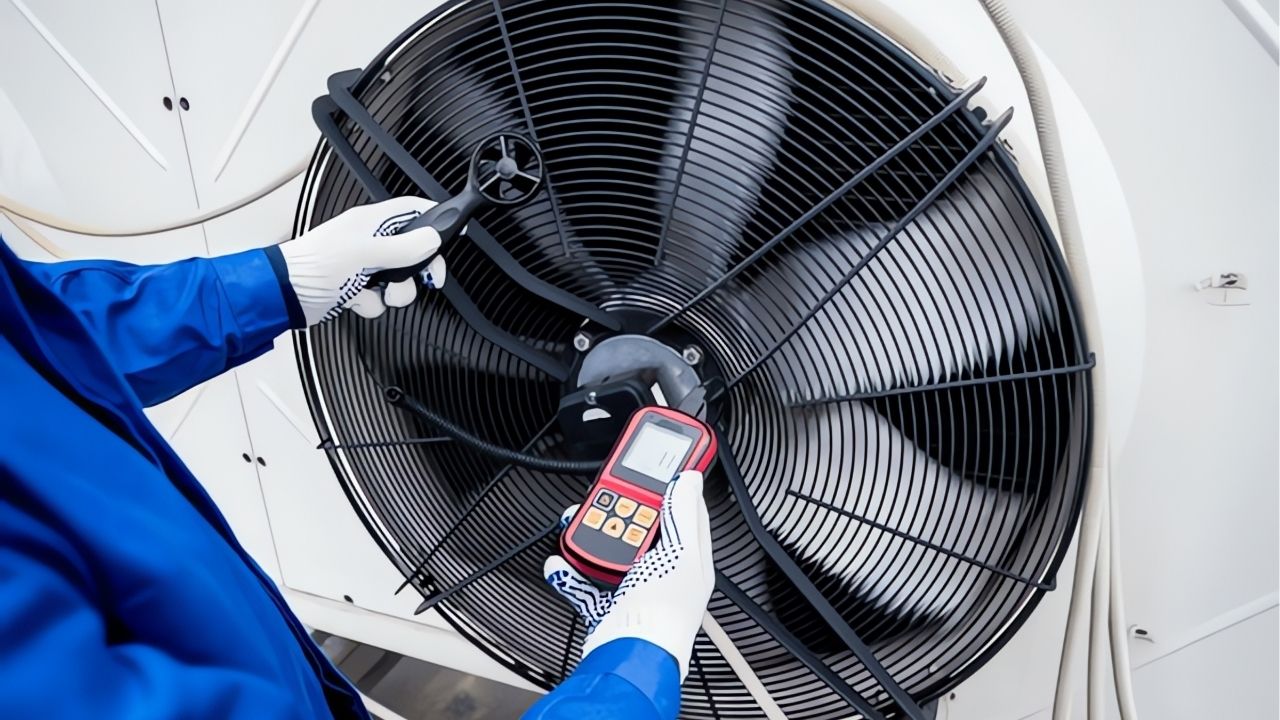
Precision calibration of axial fan systems ensures optimal airflow with minimal energy input, while proper lubrication of bearings reduces mechanical resistance. Modern maintenance approaches incorporate thermal imaging to detect refrigerant leaks and electrical inefficiencies that would otherwise go unnoticed. These techniques are particularly valuable in production lines where consistent temperature control is essential for product quality.
Advanced monitoring systems now enable predictive maintenance by tracking performance metrics in real-time, allowing for interventions before efficiency degrades. Günay Soğutma's implementation of IoT sensors in industrial facilities has helped clients reduce energy consumption by 18-25 percent through optimized maintenance scheduling. These systems monitor everything from compressor cycling to resistance in electrical components, providing actionable data for energy optimization.
The financial impact of maintenance-driven energy savings becomes clear when considering that cooling systems typically account for 40-60 percent of a facility's energy use. Facilities implementing comprehensive maintenance programs report payback periods of less than 12 months through reduced utility costs alone. These sustainable cooling solutions not only lower operational expenses but also extend equipment lifespan and reduce environmental impact, making them essential for modern cooling infrastructure management.
Preventive maintenance stands as the cornerstone of optimal performance in industrial cooling systems, directly influencing both operational costs and system reliability. Facilities that transition from reactive to preventive strategies typically see 25-30 percent improvements in energy efficiency while reducing unexpected failures by up to 70 percent. This systematic approach ensures that critical components operate within design parameters, preventing the gradual degradation that leads to excessive energy consumption and premature equipment failure.
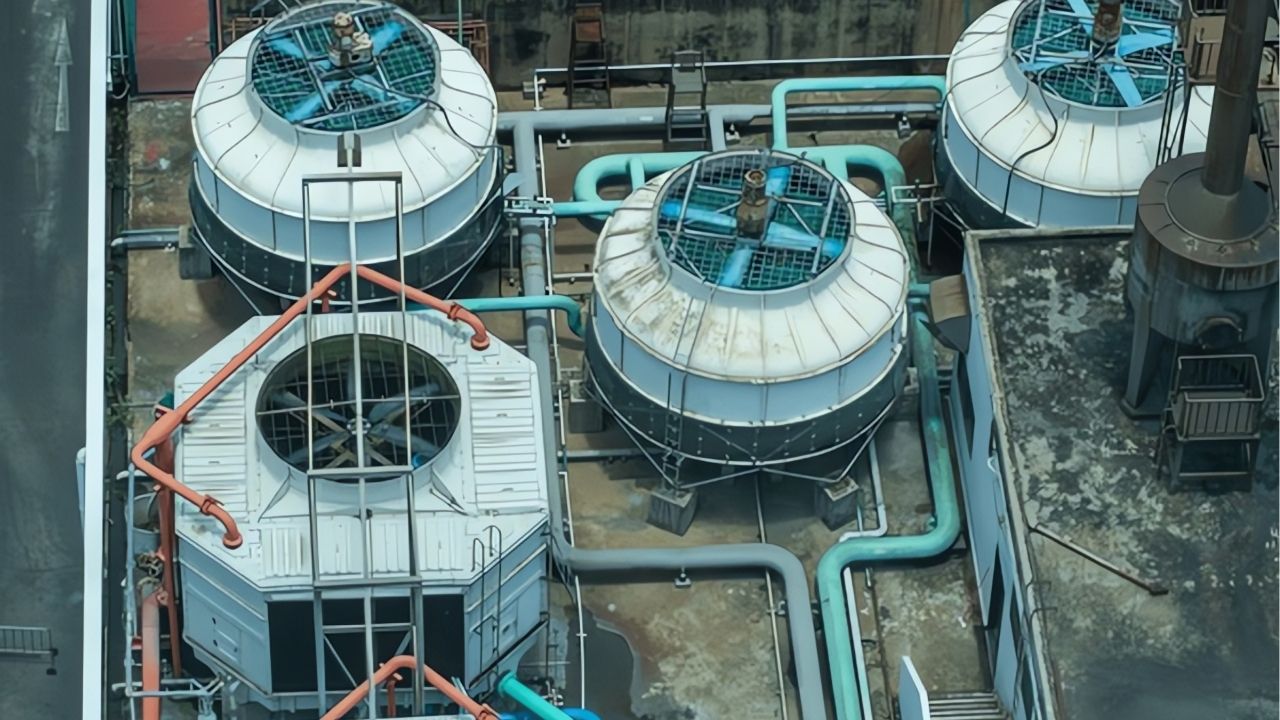
At the heart of preventive maintenance lies the regular inspection and cleaning of evaporator and condenser units, where even minor fouling can significantly impact heat transfer efficiency. Günay Soğutma's maintenance protocols emphasize precision calibration of these components, particularly crucial in food sector applications where temperature consistency directly affects product safety. The integration of automated cleaning systems for axial fan assemblies ensures consistent airflow while minimizing manual intervention requirements.
Modern preventive strategies leverage predictive analytics to anticipate maintenance needs before they impact system performance. Vibration analysis of rotating equipment and thermal imaging of electrical resistance components can identify potential failures months in advance. These techniques are particularly valuable in continuous production lines where unplanned downtime can cost thousands per hour in lost productivity.
Günay Soğutma's implementation of IoT-enabled monitoring systems in industrial facilities has revolutionized preventive maintenance, providing real-time data on system performance and efficiency metrics. This approach allows for condition-based maintenance scheduling, where service intervals are determined by actual equipment condition rather than arbitrary timelines. The result is optimized resource allocation and maximized system uptime across the cooling infrastructure.
The financial justification for preventive maintenance becomes clear when considering that emergency repairs typically cost 3-5 times more than scheduled service. Facilities implementing comprehensive programs report 40 percent longer equipment lifespans and 30 percent lower maintenance costs over a 10-year period. These sustainable cooling solutions not only protect the bottom line but also ensure compliance with evolving environmental regulations and energy standards, making them essential for modern industrial operations.
Neglecting maintenance on industrial cooling systems initiates a cascade of performance issues that inevitably lead to system failure and costly downtime. Within months of deferred maintenance, facilities typically experience a 10-20 percent increase in energy consumption as components work harder to compensate for reduced efficiency. The gradual degradation often goes unnoticed until critical failures occur, resulting in production halts that can cost thousands per hour in lost productivity and emergency repairs.
The first casualties of skipped maintenance are typically the evaporator and condenser coils, where accumulated dirt and scale act as insulators, reducing heat transfer efficiency by up to 35 percent. In food sector facilities, this can lead to inconsistent temperatures that compromise product safety and quality. Günay Soğutma's service records show that 60 percent of emergency service calls stem from neglected coil maintenance, with many requiring complete replacement rather than cleaning due to advanced corrosion.
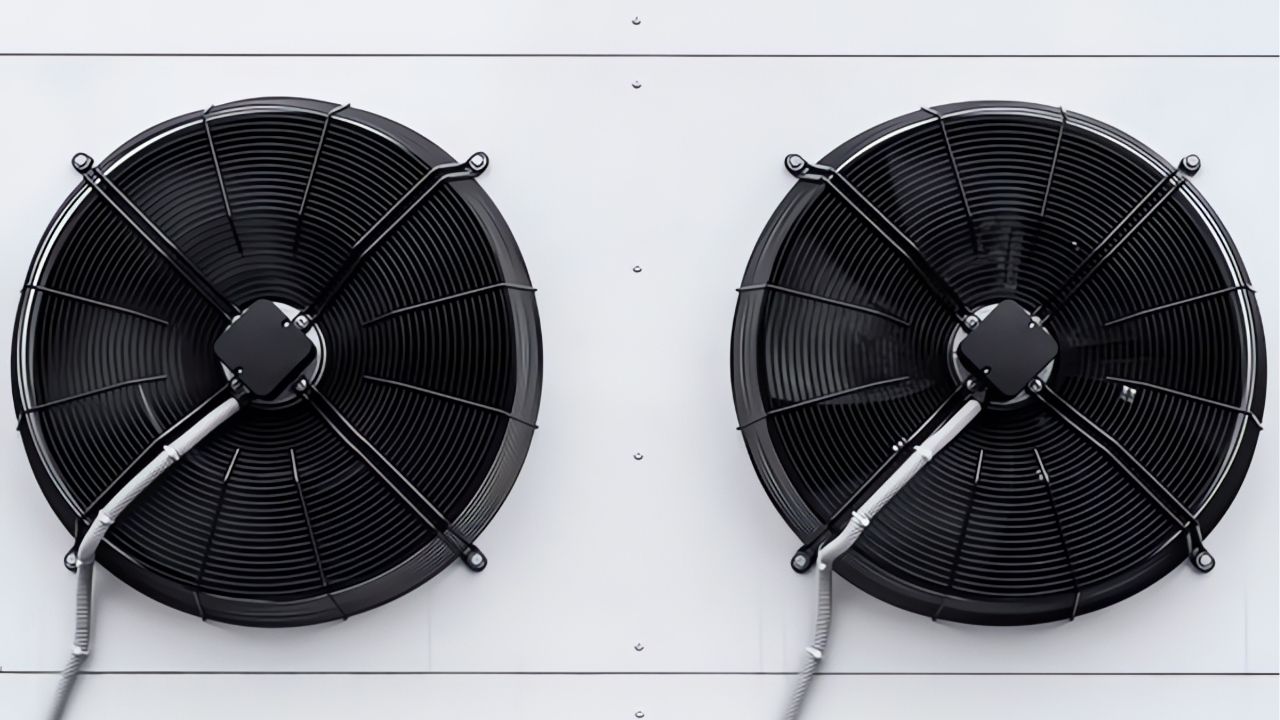
Mechanical components suffer significantly when maintenance is delayed, particularly axial fan assemblies and compressor units. Unlubricated bearings generate excessive heat and vibration, leading to premature motor failure and potential safety hazards. Electrical systems develop increased resistance at connection points, creating hot spots that can cause catastrophic failures in production lines. These issues often compound during peak demand periods when systems are under maximum stress.
The long-term consequences extend beyond immediate repairs, with neglected systems experiencing 40-50 percent shorter lifespans than properly maintained counterparts. Günay Soğutma's analysis of industrial facilities reveals that the cost of deferred maintenance averages 4-5 times higher than scheduled service over a 10-year period. This includes not only equipment replacement but also increased energy costs, production losses, and potential regulatory fines for non-compliance with environmental standards.
Modern cooling infrastructure demands consistent attention to maintain optimal performance and reliability. Facilities implementing structured maintenance programs report 70 percent fewer system failures and 30 percent lower total cost of ownership. These sustainable cooling solutions ensure continuous operation while protecting the significant capital investment represented by industrial cooling systems, making regular maintenance not just advisable but essential for business continuity.

Maximizing the operational life of industrial cooling systems requires a strategic approach that combines regular maintenance with operational best practices. Systems that receive consistent care typically operate 30-40 percent longer than neglected ones, translating to significant capital expenditure savings and reduced environmental impact. The key lies in preventing the gradual degradation that leads to premature system failure while maintaining peak energy efficiency throughout the equipment's lifecycle.
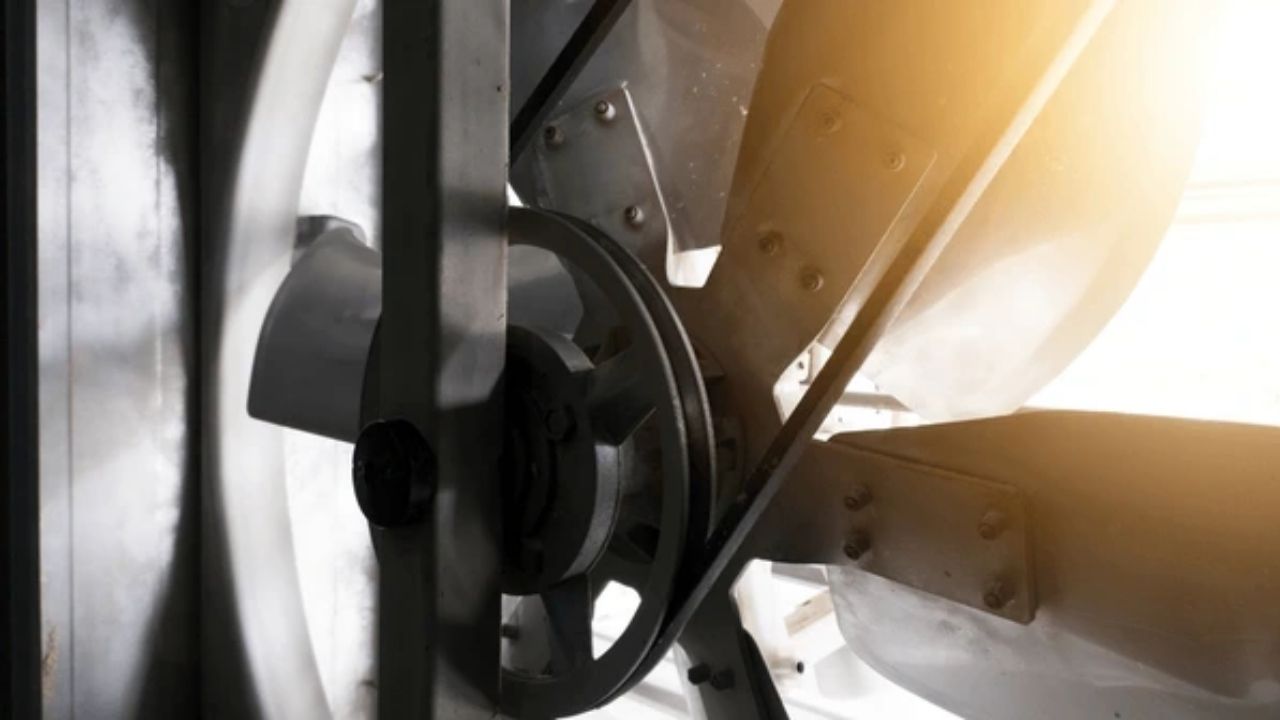
Regular cleaning and inspection of evaporator and condenser coils prevents the buildup of contaminants that force compressors to work harder, reducing strain on critical components. Günay Soğutma's maintenance protocols emphasize quarterly coil cleaning for facilities in demanding environments, particularly in the food sector where hygiene requirements accelerate equipment wear. Proper lubrication of axial fan bearings and regular belt tension checks prevent mechanical stress that can lead to catastrophic failures.
Advanced monitoring technologies now enable predictive maintenance, allowing facilities to address potential issues before they impact system longevity. Vibration analysis detects early signs of bearing wear, while thermal imaging identifies electrical resistance problems in production lines before they cause component failure. These techniques are particularly valuable in continuous operation facilities where unplanned downtime can have severe financial consequences.
Günay Soğutma's implementation of IoT-enabled monitoring systems in industrial facilities has demonstrated 25 percent longer equipment lifespans through early detection of performance deviations. These systems track everything from refrigerant charge levels to compressor cycling patterns, providing actionable data for optimizing system performance. The integration of these technologies into existing cooling infrastructure represents a forward-thinking approach to equipment longevity.
The financial benefits of extended system life become clear when considering that cooling equipment represents a significant capital investment for most facilities. Properly maintained systems can operate efficiently for 20+ years, compared to 12-15 years for neglected ones. These sustainable cooling solutions not only reduce replacement costs but also minimize environmental impact through reduced waste and energy consumption, making them essential for modern industrial operations focused on long-term viability.
Industrial chillers require a comprehensive maintenance regimen to maintain peak performance and prevent costly downtime in industrial cooling systems. A well-structured maintenance program addresses everything from routine cleaning to advanced diagnostics, ensuring optimal energy efficiency and extended equipment life. Facilities that implement thorough chiller maintenance protocols typically see 20-30 percent lower operating costs and significantly reduced risk of unexpected failures.
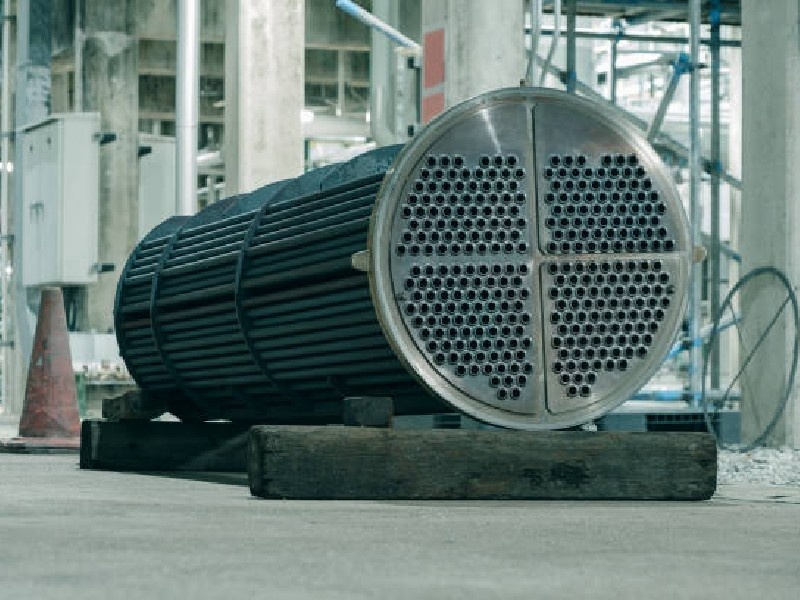
Daily and weekly maintenance focuses on monitoring key parameters such as refrigerant pressure, temperature differentials, and oil levels in both the evaporator and condenser circuits. Günay Soğutma's maintenance specialists emphasize the importance of regular tube cleaning, as fouled tubes can reduce heat transfer efficiency by up to 35 percent. In food sector applications, where hygiene is critical, specialized cleaning procedures prevent microbial growth while maintaining optimal performance.
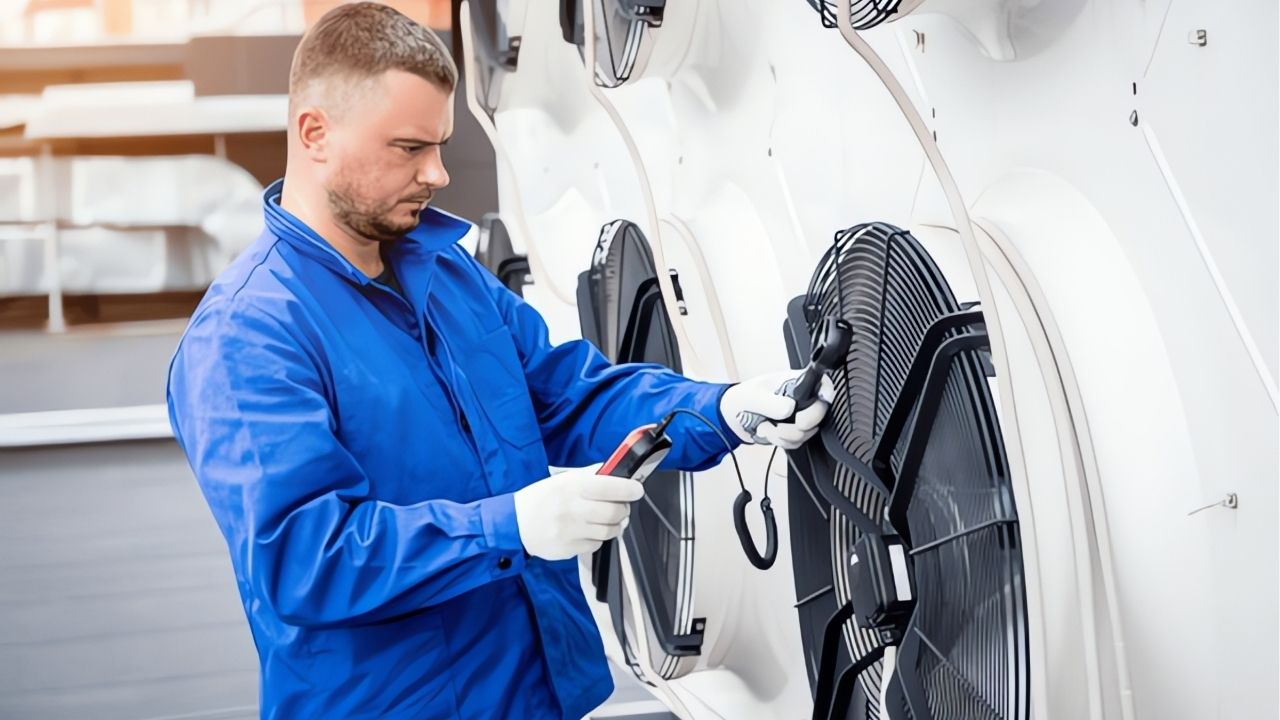
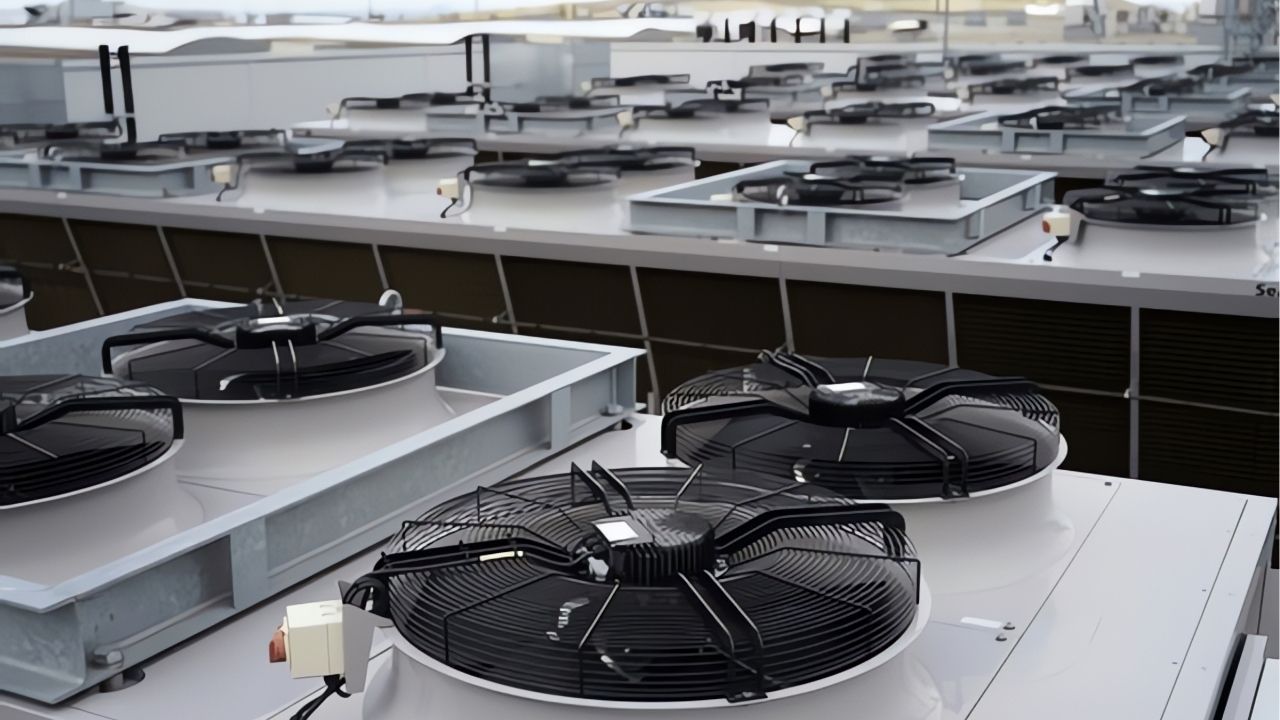
Quarterly maintenance includes comprehensive inspection of axial fan assemblies, motor alignment checks, and electrical system testing to identify potential issues before they escalate. Advanced techniques such as vibration analysis and thermal imaging help detect early signs of bearing wear or electrical resistance problems in critical production lines. These proactive measures are essential for maintaining consistent cooling capacity and preventing unexpected shutdowns.
Annual maintenance represents the most comprehensive service interval, including refrigerant analysis, oil changes, and complete system diagnostics. Günay Soğutma's approach incorporates predictive maintenance technologies that monitor performance trends in industrial facilities, allowing for data-driven decisions about component replacement and system optimization. This forward-thinking strategy has proven particularly effective in extending the lifespan of cooling infrastructure while minimizing operational disruptions.
The implementation of a structured maintenance program typically delivers a return on investment within 12-18 months through reduced energy consumption and avoided repair costs. Facilities that partner with experienced providers for their chiller maintenance report 40 percent fewer system failures and 25 percent lower total cost of ownership. These sustainable cooling solutions ensure reliable operation while maximizing the value of significant capital investments in industrial cooling technology.
Proactive maintenance serves as the first line of defense against catastrophic failures in industrial cooling systems, with studies showing that 85 percent of unexpected breakdowns are preventable through proper care. The systematic identification and resolution of potential issues before they escalate ensures continuous operation and protects the significant capital investment represented by modern cooling infrastructure. Facilities implementing comprehensive maintenance programs typically experience 70 percent fewer system failures while maintaining optimal energy efficiency.
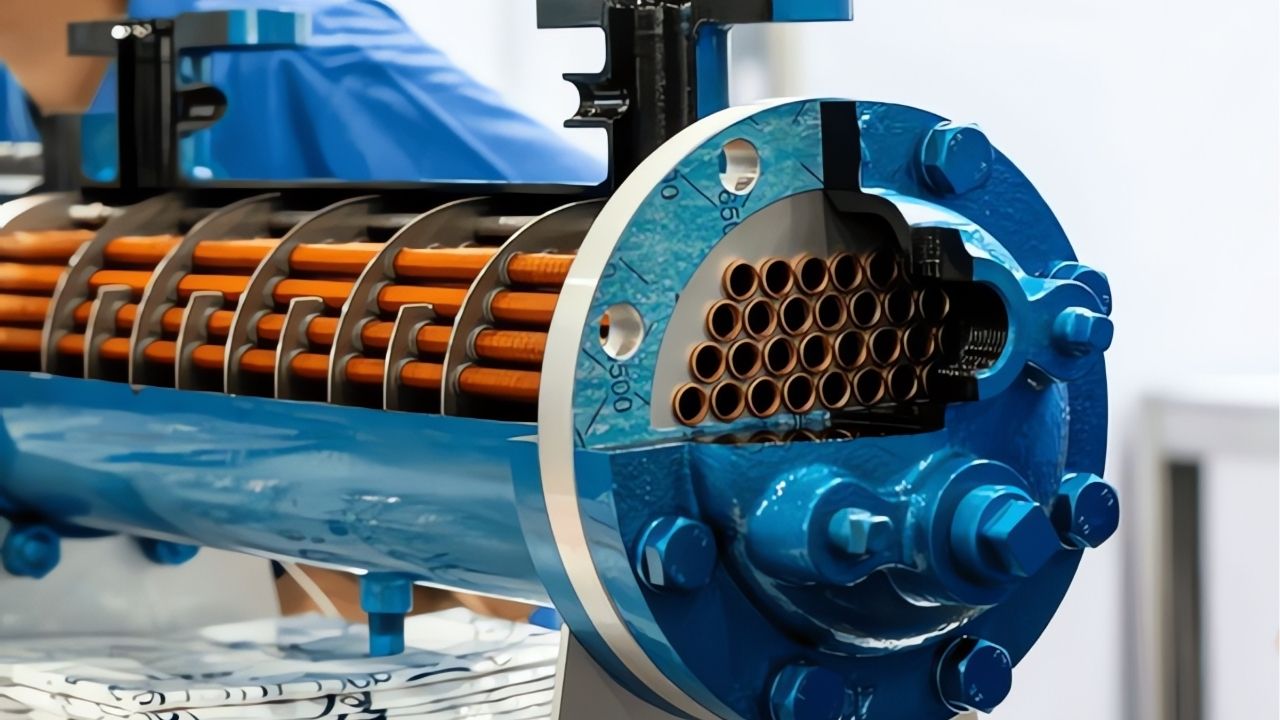
Regular inspection and cleaning of evaporator and condenser components prevent the gradual degradation that leads to major system failures. Günay Soğutma's maintenance protocols have demonstrated that proper coil cleaning alone can prevent 40 percent of compressor failures in food sector applications. Advanced techniques such as eddy current testing detect microscopic cracks in heat exchanger tubes long before they develop into leaks, allowing for planned repairs during scheduled maintenance windows.
Vibration analysis of axial fan assemblies and rotating equipment identifies bearing wear and misalignment issues months before they cause equipment failure. Electrical system maintenance focuses on detecting increased resistance at connection points, a common cause of motor failures in critical production lines. These predictive maintenance techniques have proven particularly effective in preventing the cascading failures that can shut down entire cooling systems.
Günay Soğutma's implementation of IoT-enabled monitoring systems in industrial facilities provides real-time data on system performance, enabling early detection of potential issues. This technology tracks everything from refrigerant charge levels to compressor cycling patterns, allowing maintenance teams to address problems before they impact system reliability. The integration of these advanced monitoring solutions into existing cooling infrastructure represents a significant advancement in failure prevention.
The financial impact of preventive maintenance becomes clear when considering that emergency repairs typically cost 3-5 times more than scheduled service. Facilities that prioritize maintenance report 60 percent lower total cost of ownership over a 10-year period, with significantly reduced risk of production losses. These sustainable cooling solutions not only prevent costly failures but also extend equipment lifespan and maintain optimal performance, delivering substantial returns on maintenance investments.
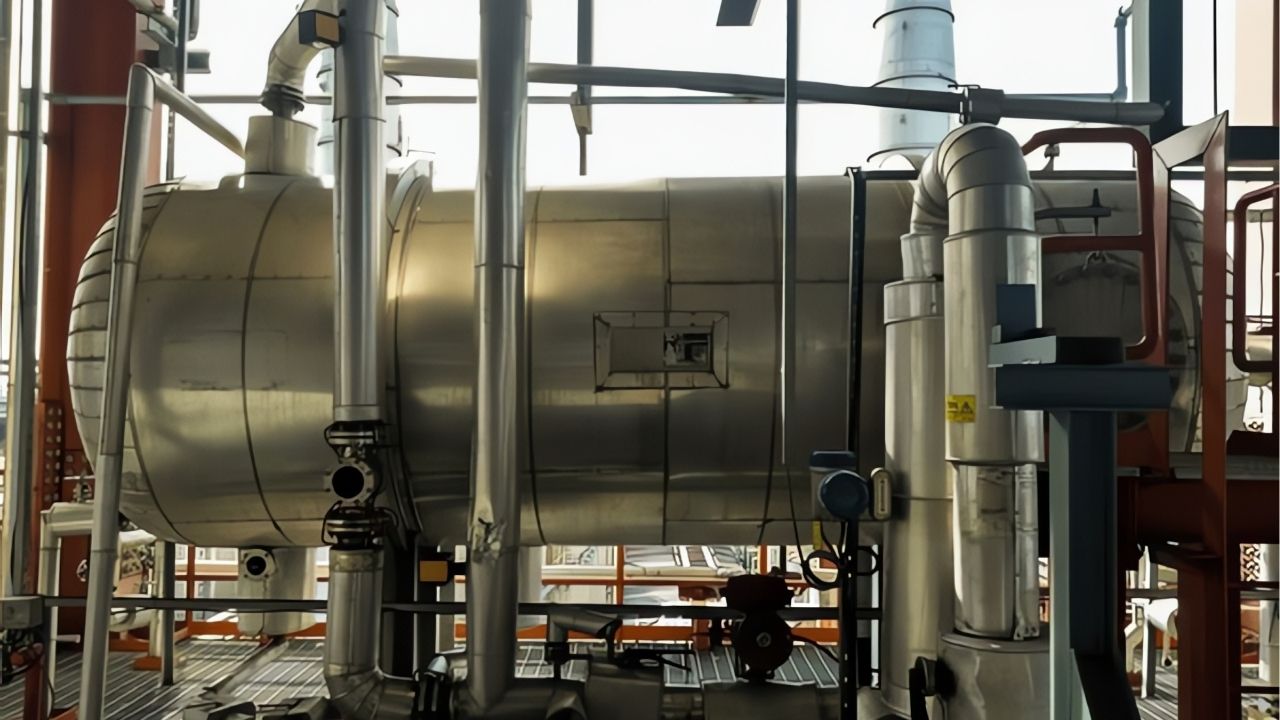
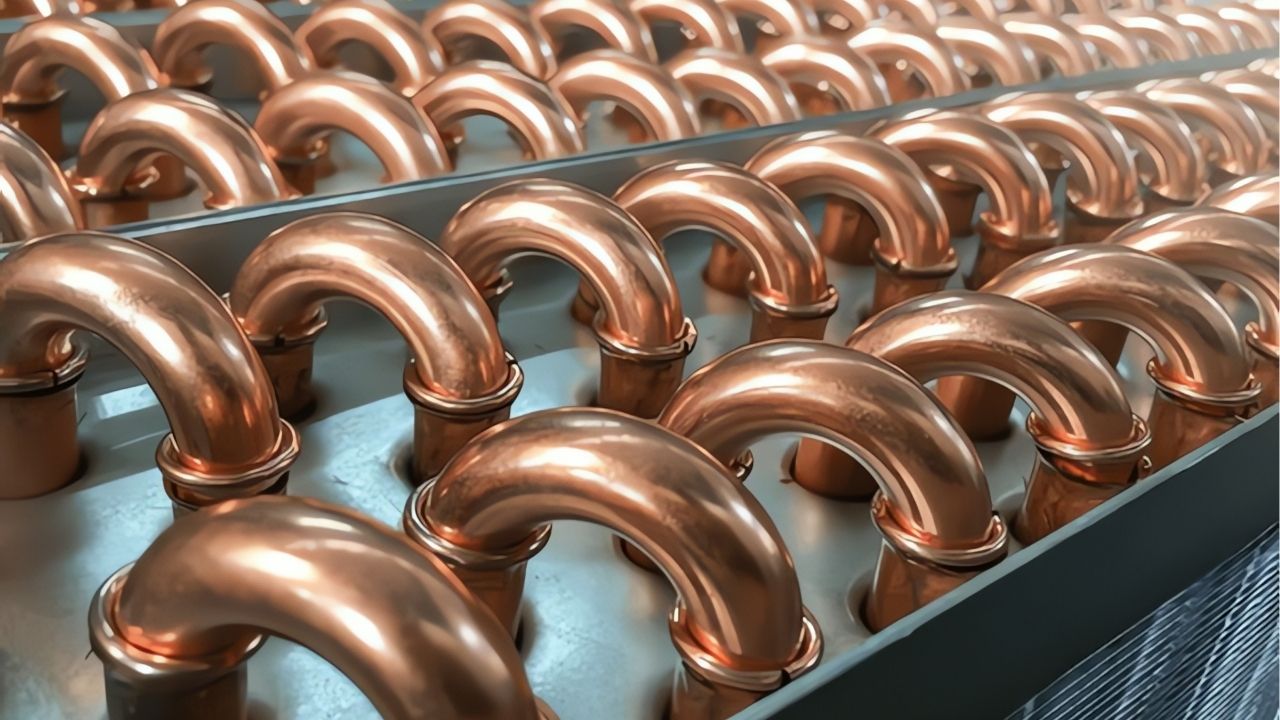
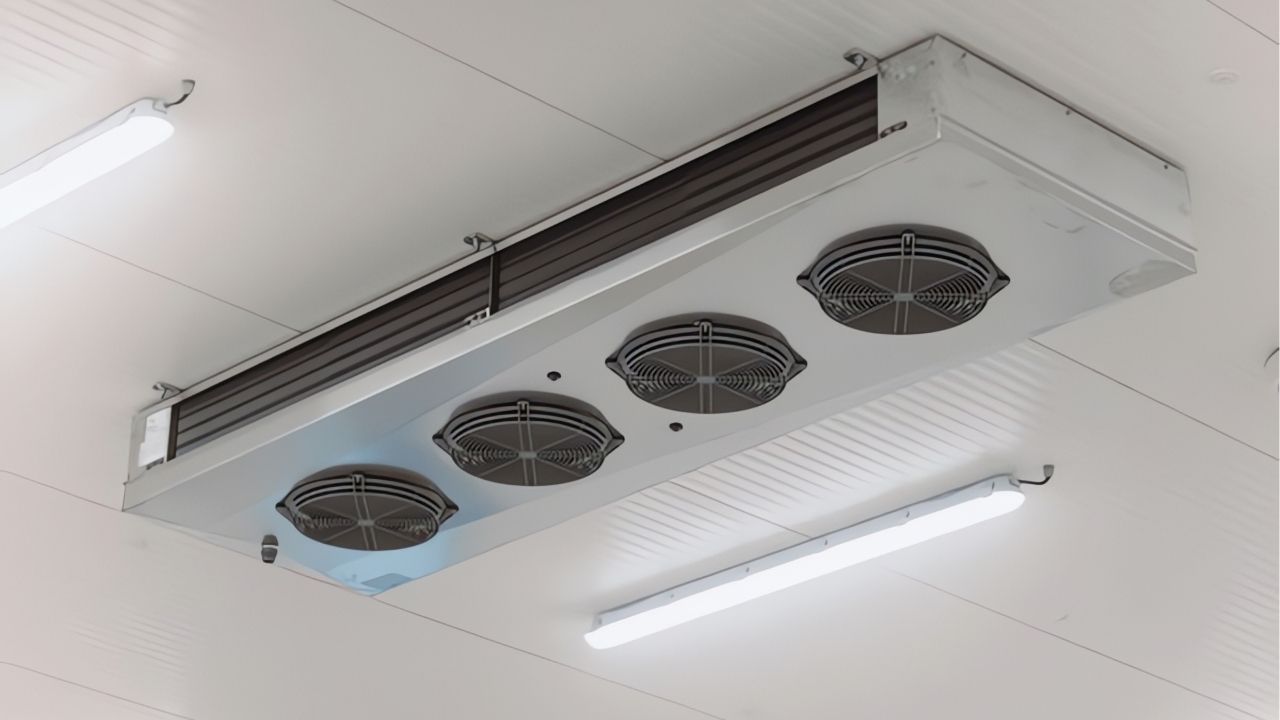
Scheduled maintenance of evaporator units is critical for maintaining the efficiency and reliability of industrial cooling systems, as even minor fouling can reduce heat transfer efficiency by up to 30 percent. These essential components work continuously to absorb heat from process fluids, making them susceptible to scale buildup, corrosion, and microbial growth that compromise system performance. Regular maintenance ensures optimal operation while preventing the gradual degradation that leads to costly failures and reduced energy efficiency.
The primary focus of evaporator maintenance involves thorough cleaning of heat exchange surfaces to remove scale, dirt, and biological contaminants that insulate the tubes. Günay Soğutma's maintenance protocols have demonstrated that proper coil cleaning can restore up to 95 percent of original efficiency in condenser and evaporator units. In food sector applications, where hygiene is paramount, specialized cleaning procedures prevent bacterial growth while maintaining optimal heat transfer characteristics.
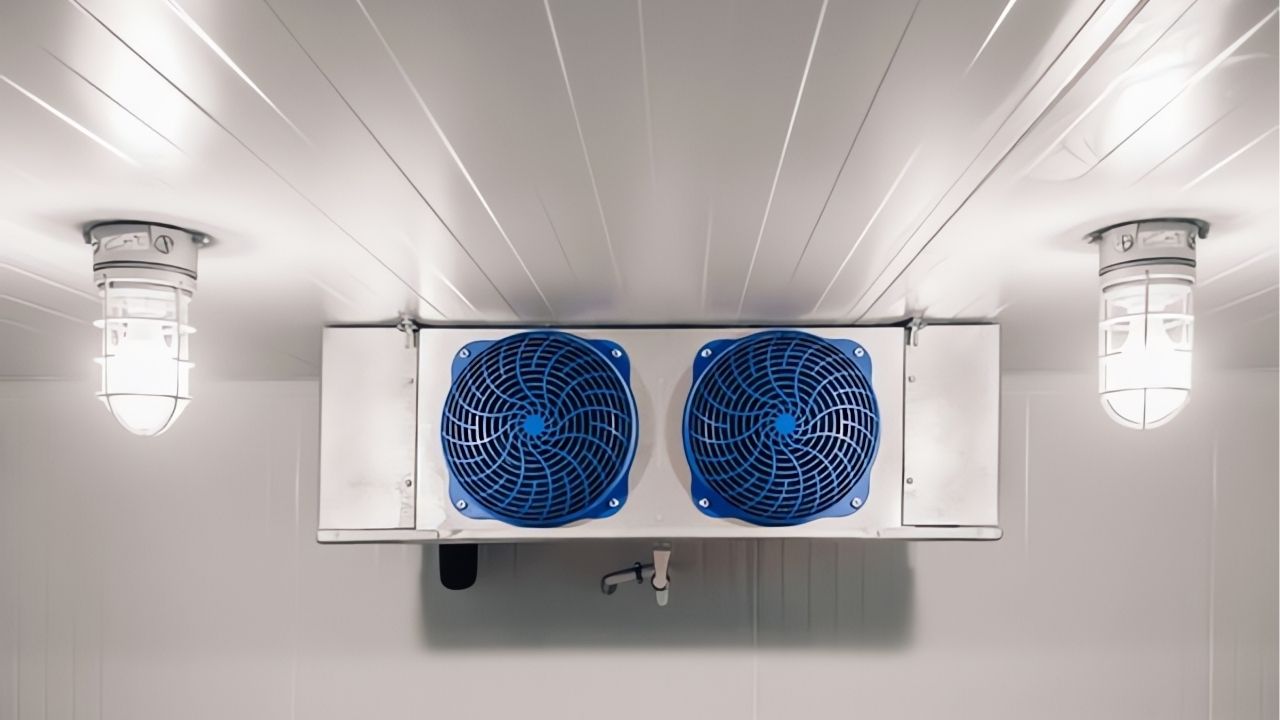
Advanced maintenance techniques include eddy current testing to detect tube wall thinning and ultrasonic inspection for identifying internal corrosion. These non-destructive testing methods are particularly valuable in production lines where unexpected evaporator failures can halt operations. Regular inspection of axial fan assemblies ensures proper airflow across the evaporator coils, while monitoring refrigerant charge levels prevents compressor damage and maintains system efficiency.
Günay Soğutma's implementation of predictive maintenance technologies in industrial facilities has revolutionized evaporator care, with IoT sensors tracking performance metrics in real-time. These systems monitor temperature differentials, pressure drops, and flow rates, alerting technicians to potential issues before they impact system performance. The integration of these technologies into existing cooling infrastructure enables condition-based maintenance scheduling, optimizing resource allocation and minimizing downtime.
The financial benefits of scheduled evaporator maintenance become evident when considering that neglected units can increase energy consumption by 20-30 percent while reducing cooling capacity. Facilities implementing comprehensive maintenance programs report 40 percent longer evaporator lifespans and 25 percent lower operating costs. These sustainable cooling solutions ensure reliable operation while protecting the significant investment in industrial cooling technology, making regular maintenance essential for long-term performance and efficiency.
Strategic cooling system checks represent the most effective method for minimizing unplanned downtime in industrial cooling systems, with facilities reporting up to 70 percent reduction in emergency repairs through proper implementation. These systematic inspections identify potential issues before they escalate into critical failures, ensuring continuous operation and protecting production schedules. The integration of regular checks into maintenance protocols has proven particularly valuable for maintaining optimal energy efficiency while extending equipment lifespan.
Daily visual inspections of evaporator and condenser units can detect early signs of refrigerant leaks, coil fouling, or airflow restrictions that might otherwise go unnoticed. Günay Soğutma's maintenance programs emphasize the importance of these routine checks, particularly in food sector applications where even minor temperature fluctuations can compromise product quality. Advanced techniques such as thermal imaging help identify electrical hot spots and refrigerant undercharge conditions before they cause system failures.
Weekly monitoring of axial fan performance and vibration levels can prevent catastrophic bearing failures that typically require extended downtime for repairs. Regular testing of safety controls and monitoring of resistance in electrical connections ensures reliable operation of critical production lines. These proactive measures are essential for maintaining consistent cooling capacity and preventing unexpected shutdowns during peak production periods.
Günay Soğutma's implementation of IoT-enabled monitoring systems in industrial facilities has transformed traditional maintenance approaches, providing real-time data on system performance and efficiency metrics. These systems track everything from compressor cycling patterns to refrigerant temperatures, enabling predictive maintenance scheduling based on actual equipment condition rather than arbitrary timelines. The integration of these technologies into existing cooling infrastructure allows for immediate response to performance deviations.
The financial impact of reduced downtime becomes clear when considering that production losses can exceed $10,000 per hour in many industrial settings. Facilities implementing comprehensive cooling system check programs report 60 percent fewer unplanned shutdowns and 40 percent lower maintenance costs over a five-year period. These sustainable cooling solutions not only protect the bottom line but also ensure reliable operation of critical processes, making regular system checks an essential component of modern industrial operations.

Fill out the form to discover the most suitable high-end products for your projects. Contact Us Now.
Fill out the form now not to miss our special offers for you! The latest discover our products and innovations.
Fill out the form now not to miss our special offers for you! The latest discover our products and innovations.
Notification Centre 00:00