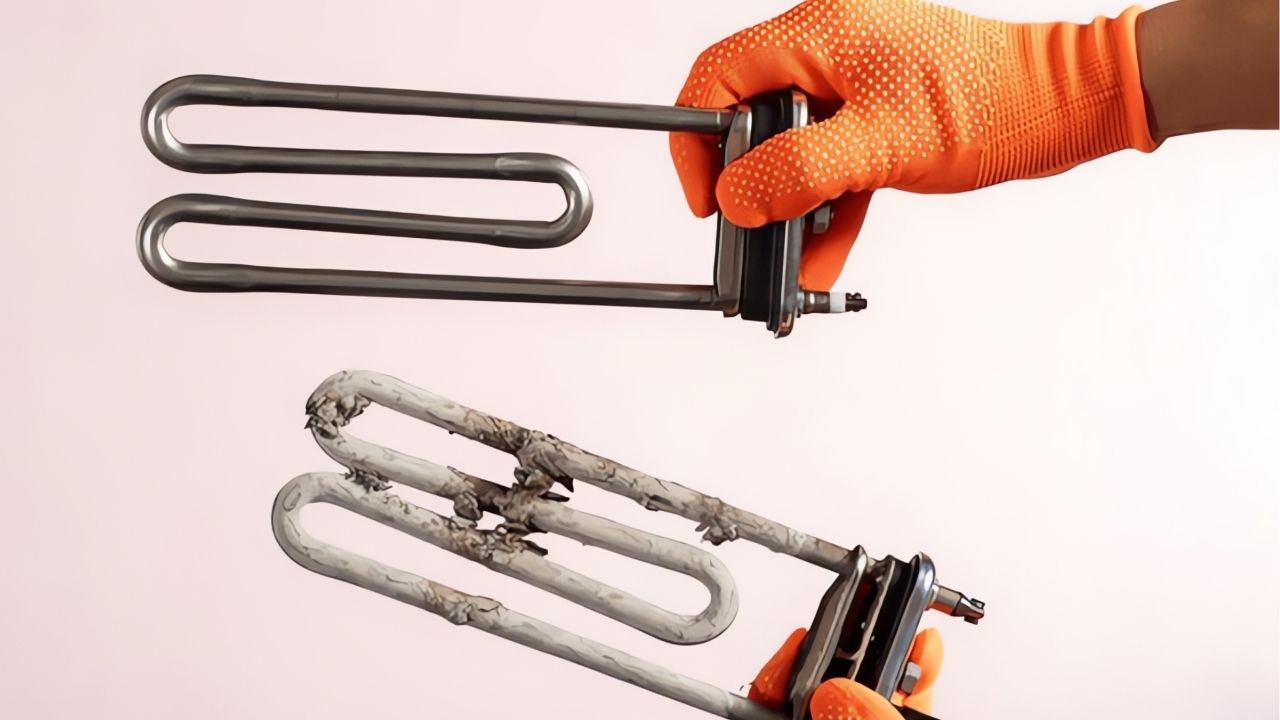



Heater Faults: Symptoms and Troubleshooting Methods
06 / 07 / 2026

Accurate resistance power calculation forms the backbone of efficient industrial cooling system design, directly impacting operational costs and equipment longevity. As facilities face mounting pressure to optimize energy consumption while maintaining peak performance, precise power measurement becomes non-negotiable for sustainable cooling solutions that deliver consistent temperature control across production environments.
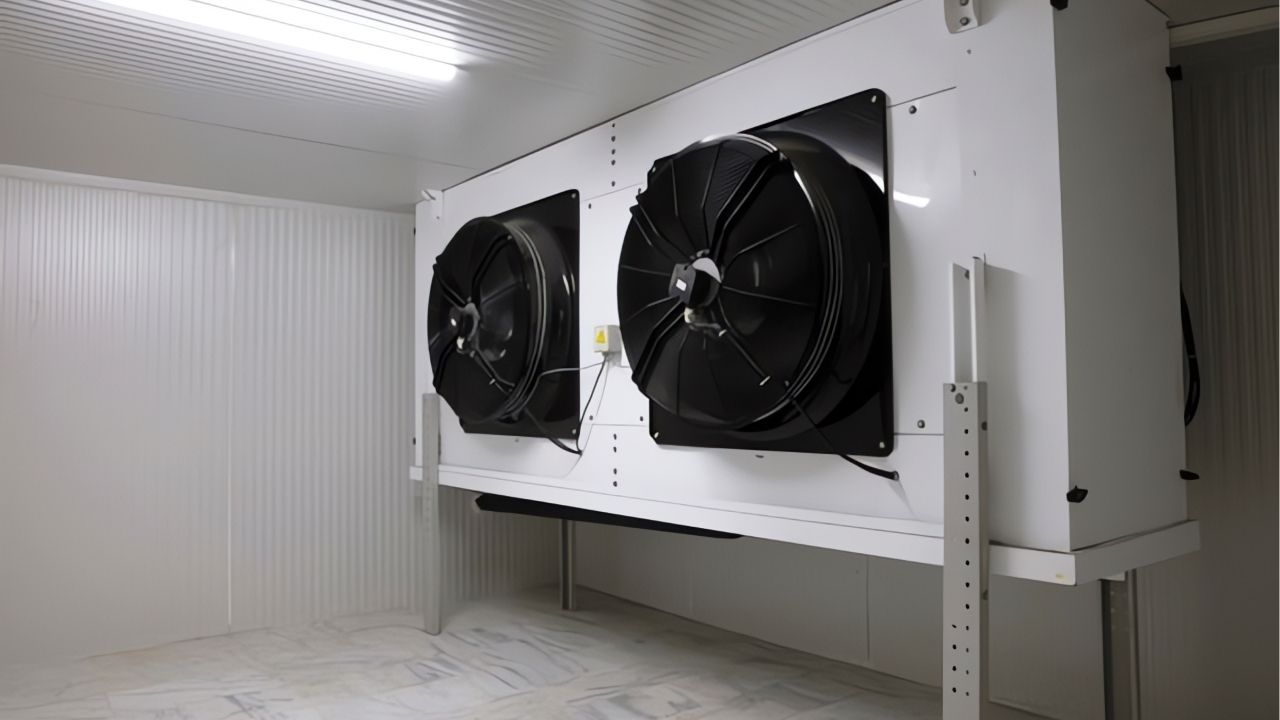
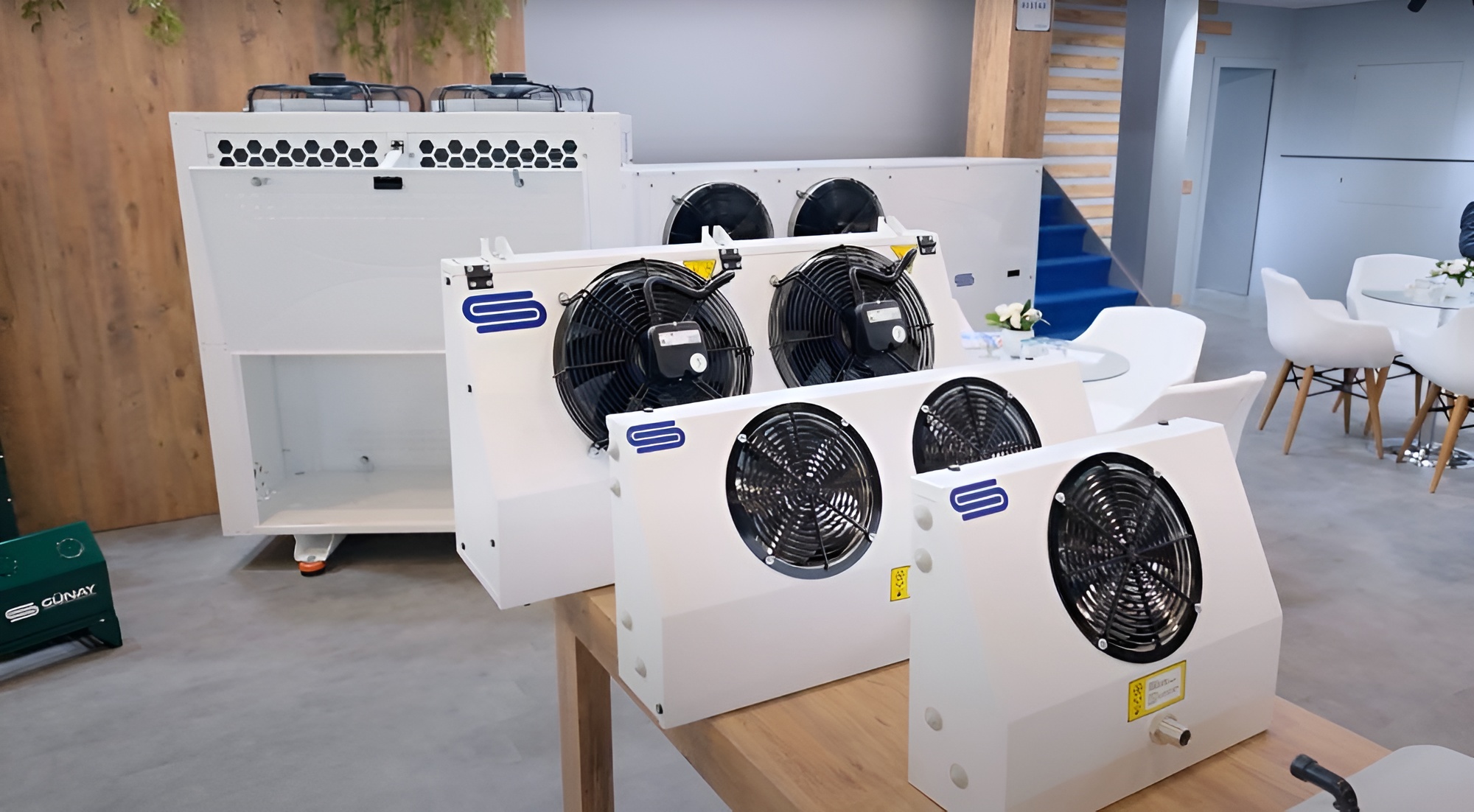
Modern industrial applications demand sophisticated approaches to measuring resistance in evaporator condenser production and axial fan systems. Günay Soğutma integrates advanced diagnostic tools with industry-standard protocols to calculate power requirements that align with specific operational demands. This precision ensures that cooling systems maintain optimal performance while minimizing energy waste, particularly crucial for production line cooling where temperature stability directly affects output quality.
The methodology extends beyond basic calculations to encompass comprehensive system analysis, considering factors like ambient conditions, load variations, and thermal dynamics. This holistic approach enables the development of custom cooling solutions that precisely match facility requirements while ensuring long-lasting system durability. For food processing facilities and energy sector operations, this translates to uninterrupted production cycles and consistent product quality.
Implementing accurate resistance power calculations directly impacts energy efficient cooling performance, with properly sized systems demonstrating up to 30 percent reduction in power consumption. Günay Soğutma's engineering team leverages these calculations to optimize facility cooling infrastructure, ensuring that every component from evaporators to axial fans operates at peak efficiency. The result is a robust cooling system that delivers reliable performance while minimizing operational costs and environmental impact.
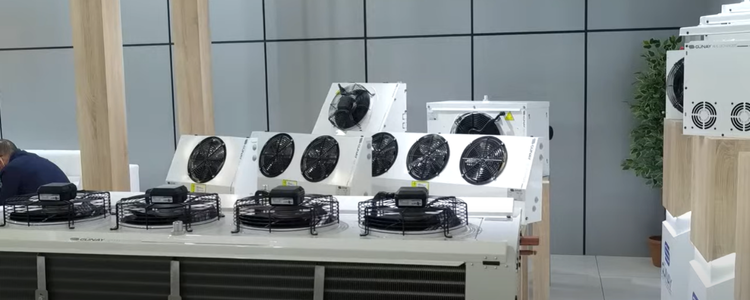
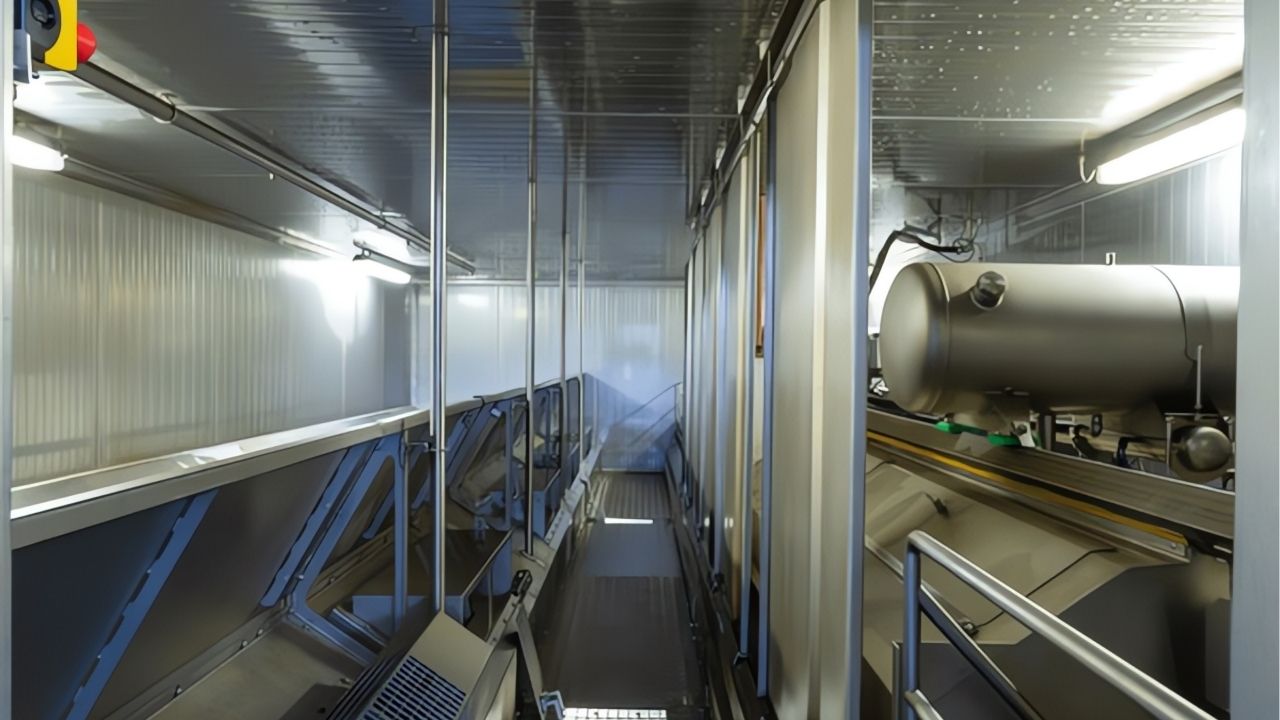
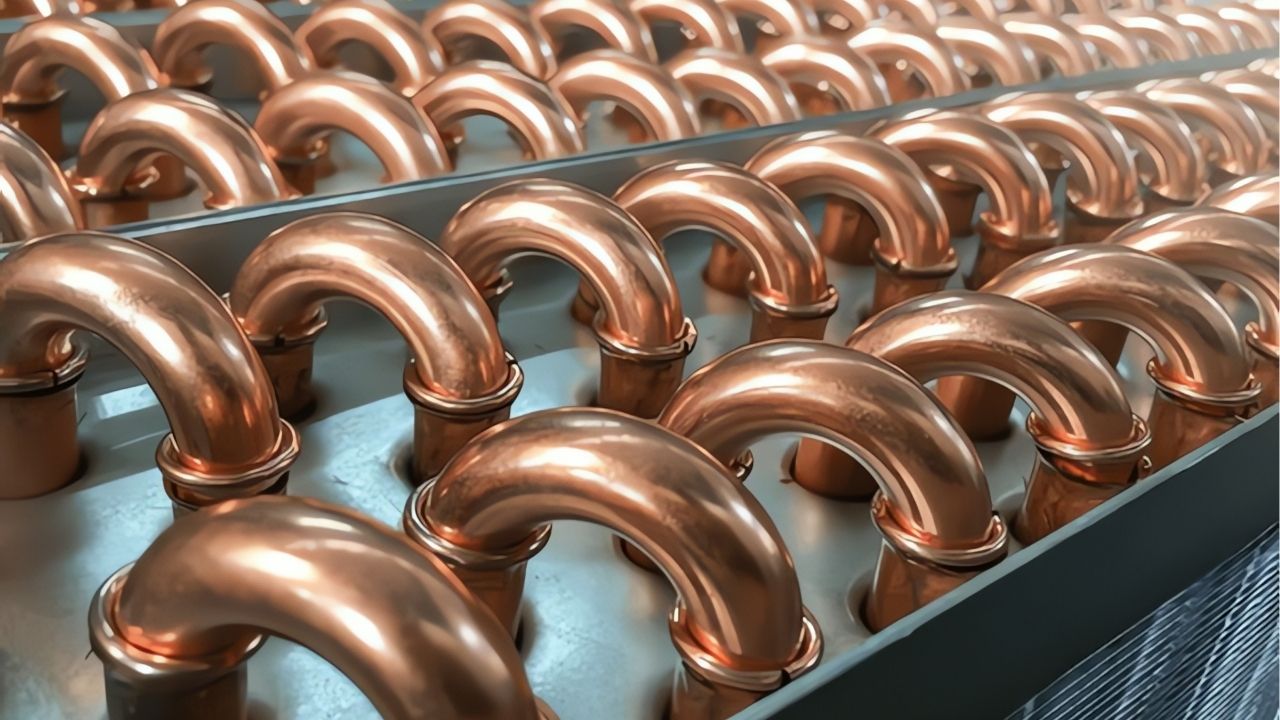
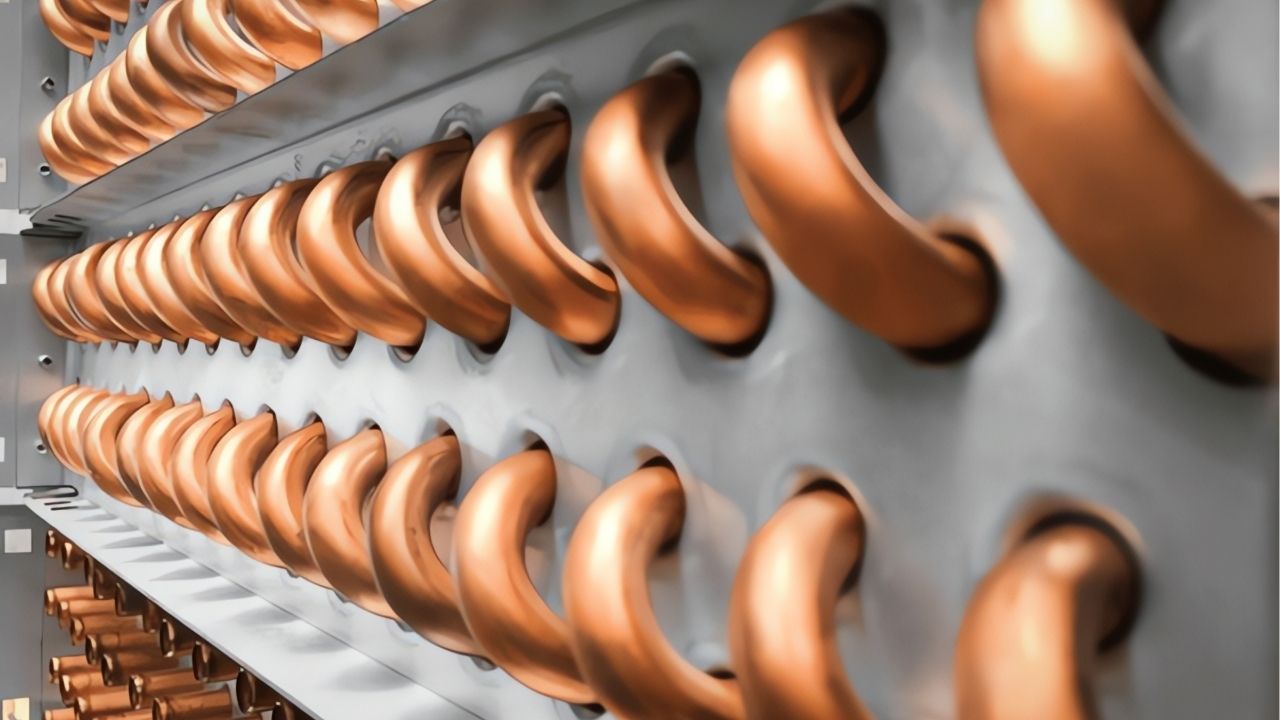
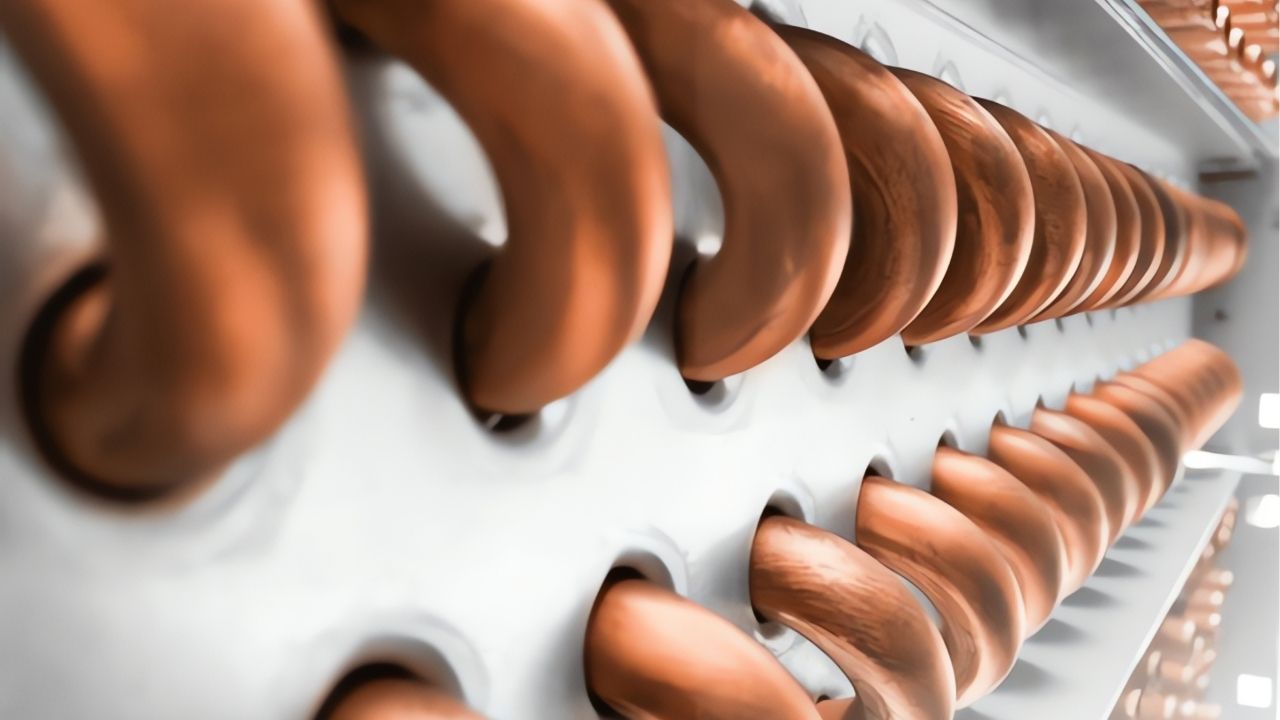
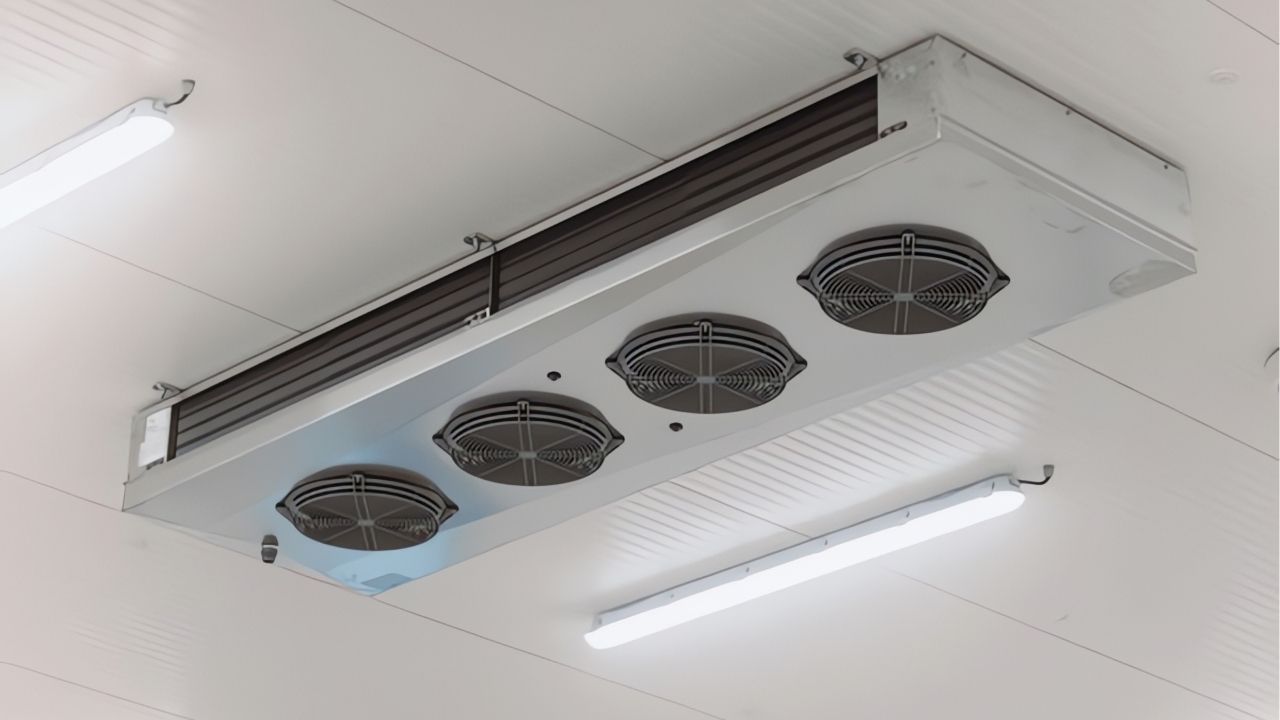
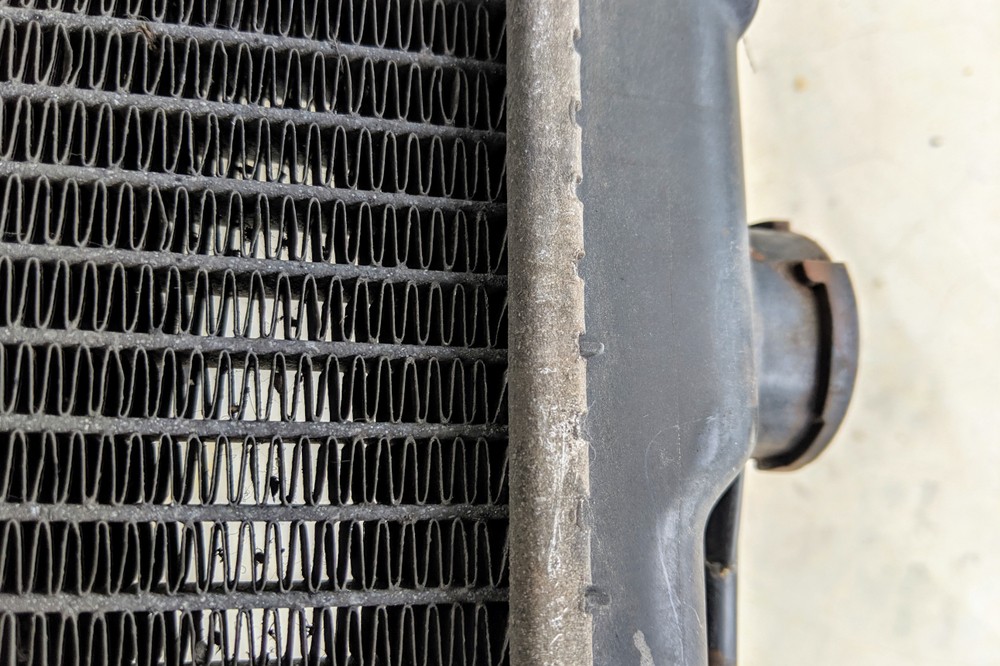
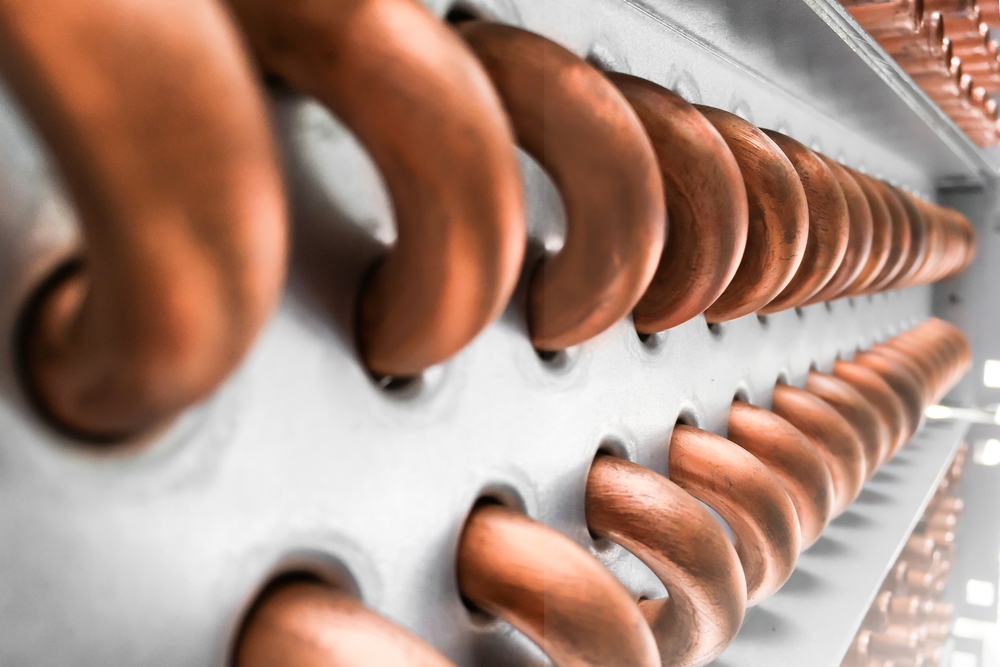
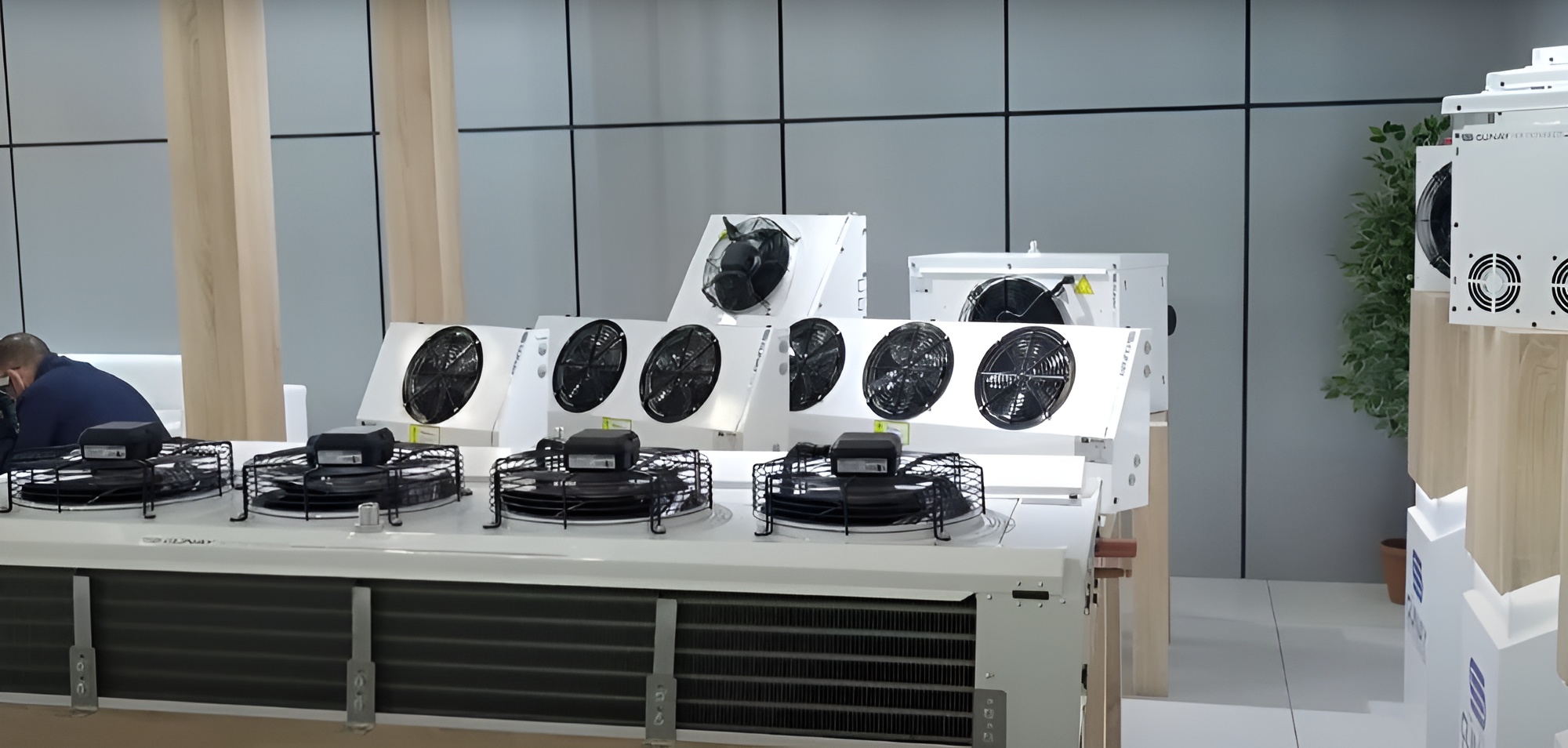
Accurate measurement of resistance power in evaporator coils is critical for maintaining optimal thermal transfer efficiency in industrial cooling systems. As facilities strive for energy efficient cooling, precise power measurement becomes essential for identifying performance gaps and preventing costly downtime in temperature-sensitive operations.
Modern diagnostic techniques employ advanced thermal imaging and electrical testing to evaluate coil resistance without disrupting production. Günay Soğutma's approach integrates these methods with evaporator condenser production expertise, ensuring measurements account for real-world operating conditions. This precision enables facilities to maintain consistent cooling performance while optimizing sustainable cooling solutions that reduce environmental impact.
The measurement process extends beyond basic electrical resistance to include comprehensive analysis of thermal efficiency and airflow dynamics. This holistic evaluation helps identify potential issues before they escalate, supporting long-lasting system durability and reducing maintenance costs. For food processing facilities, this translates to uninterrupted cold chain integrity and product safety assurance.
Implementing precise resistance power measurements directly impacts production line cooling efficiency, with properly maintained evaporator coils demonstrating up to 25 percent better energy performance. Günay Soğutma's technical team utilizes these measurements to optimize facility cooling infrastructure, ensuring evaporator coils operate at peak efficiency throughout their lifecycle. The result is a reliable cooling system that delivers consistent performance while minimizing operational costs and supporting custom cooling solutions tailored to specific industrial requirements.
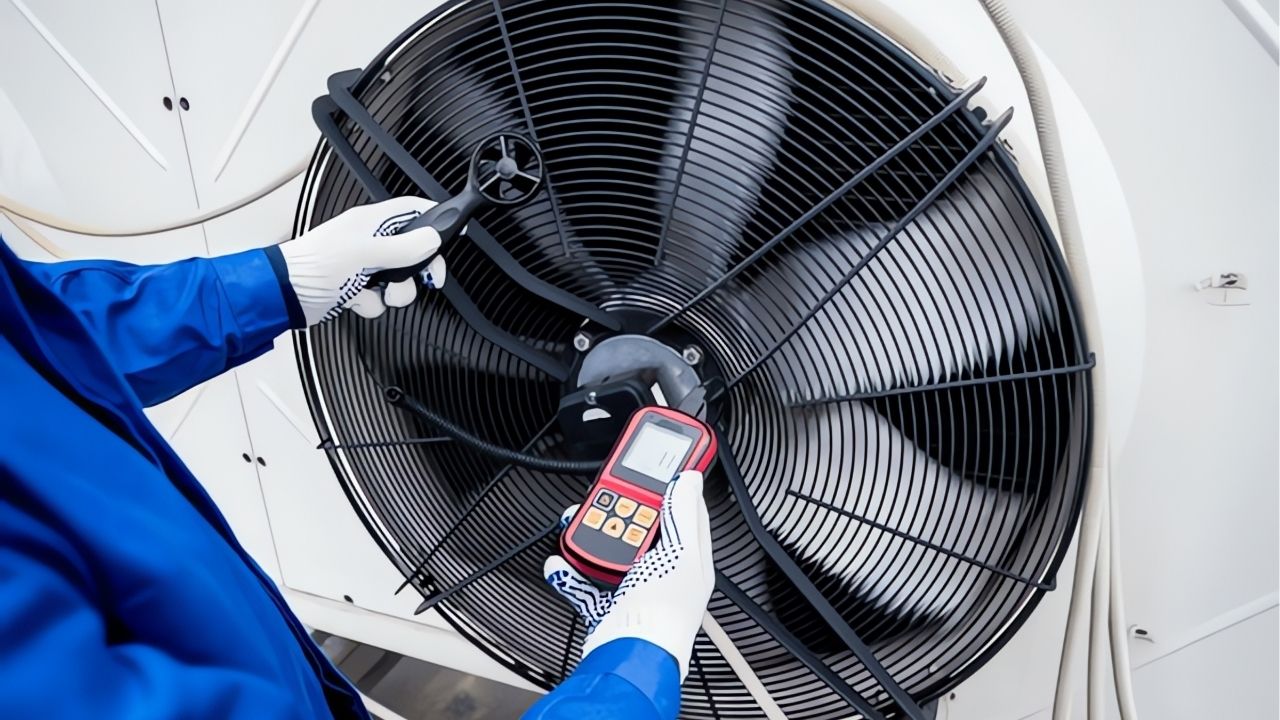
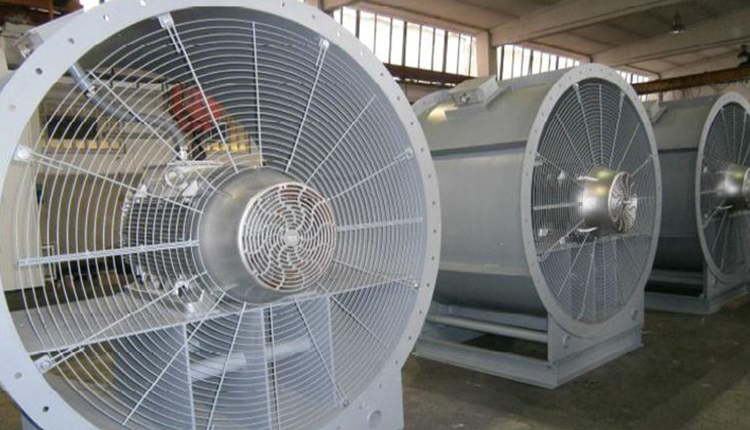
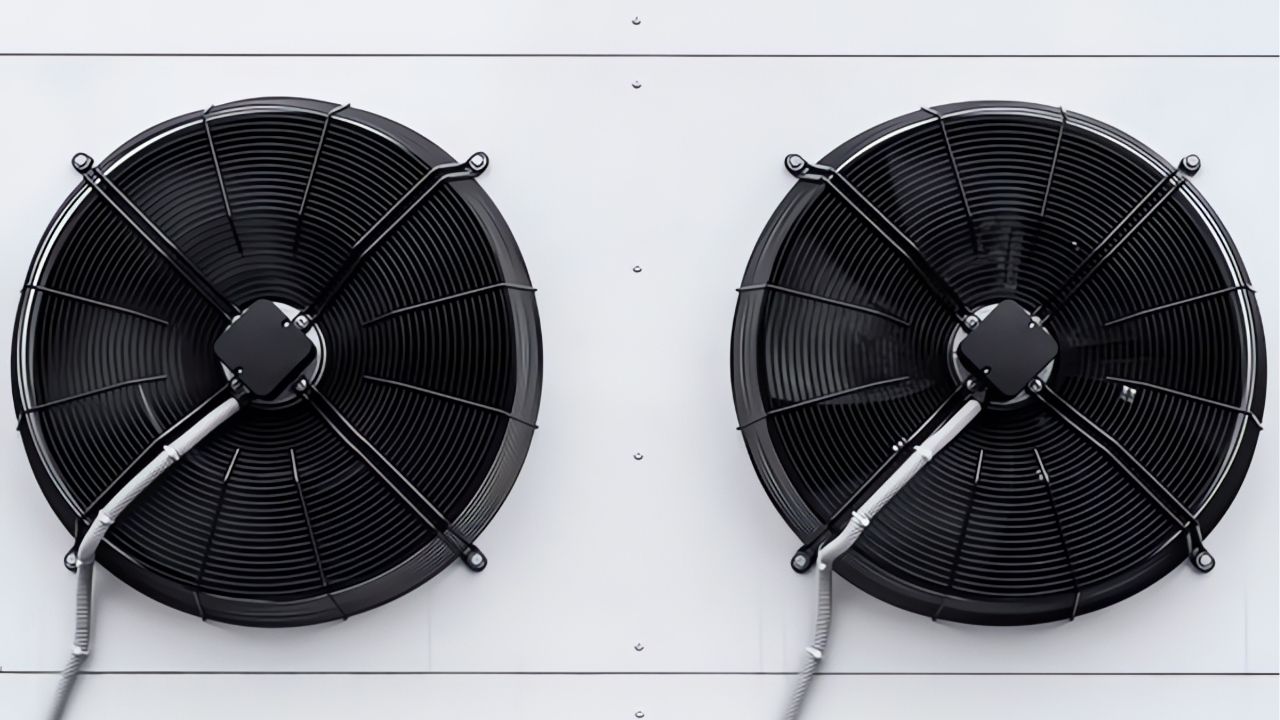
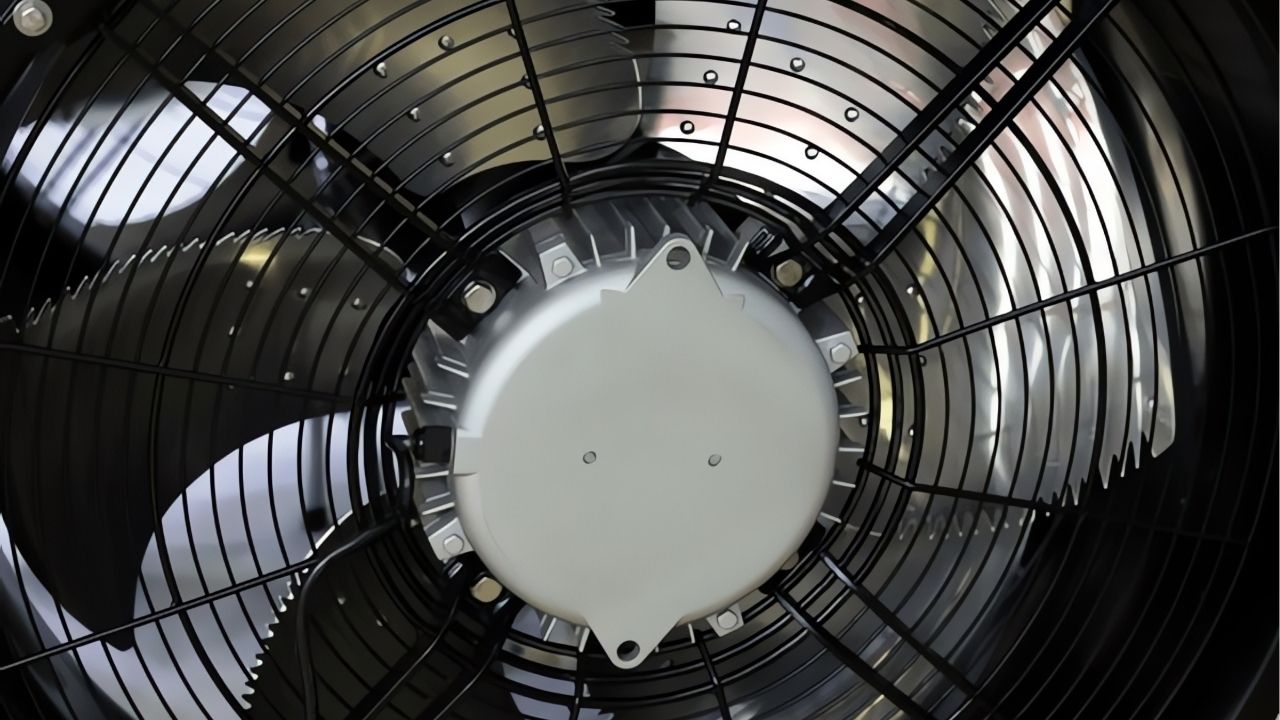
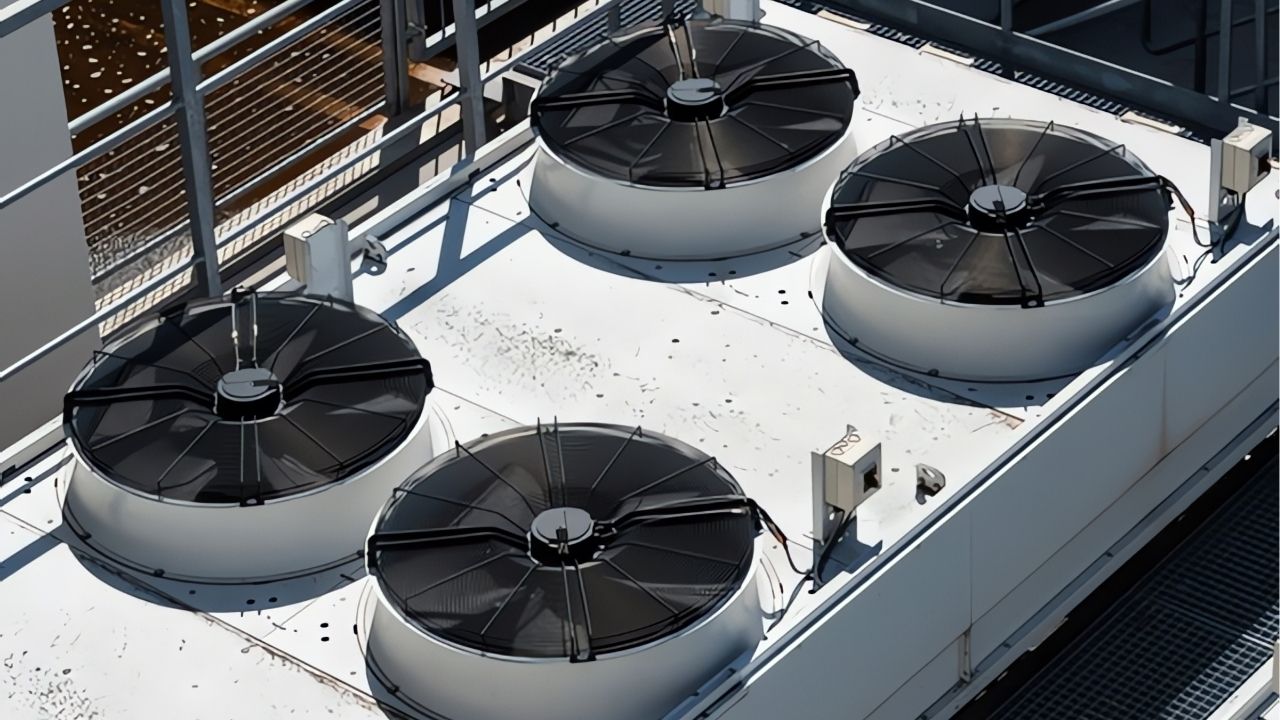
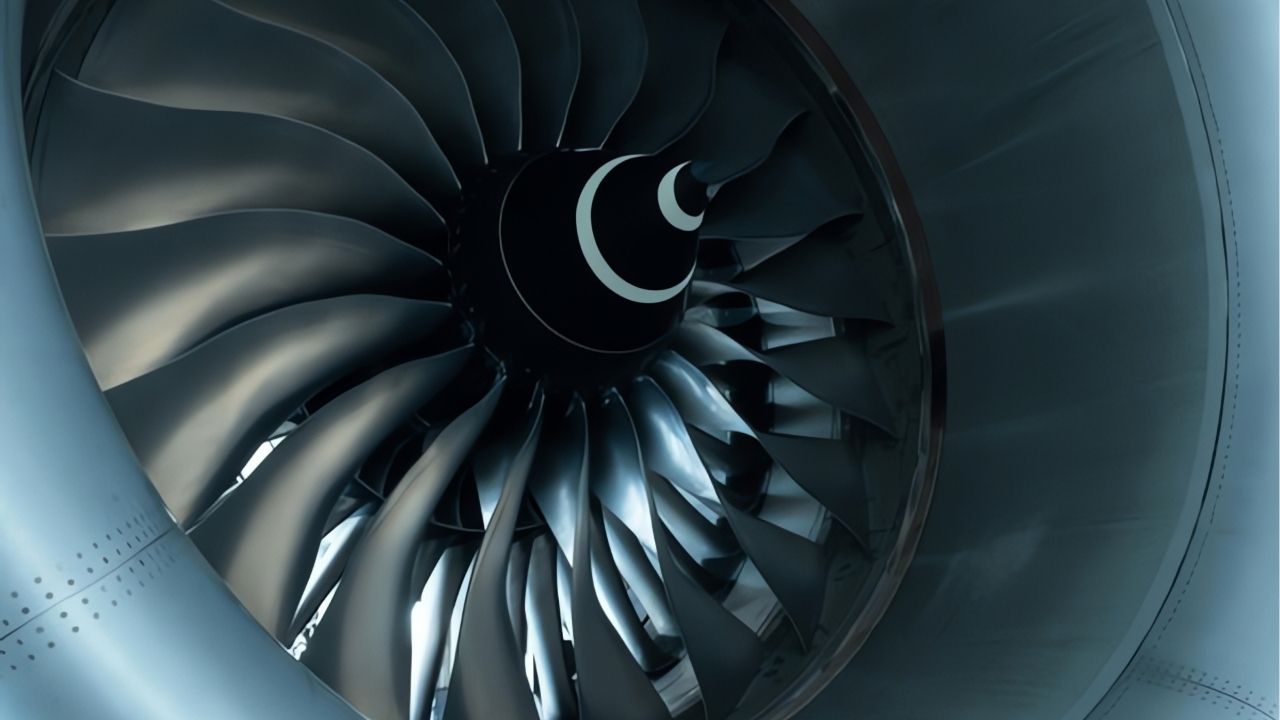
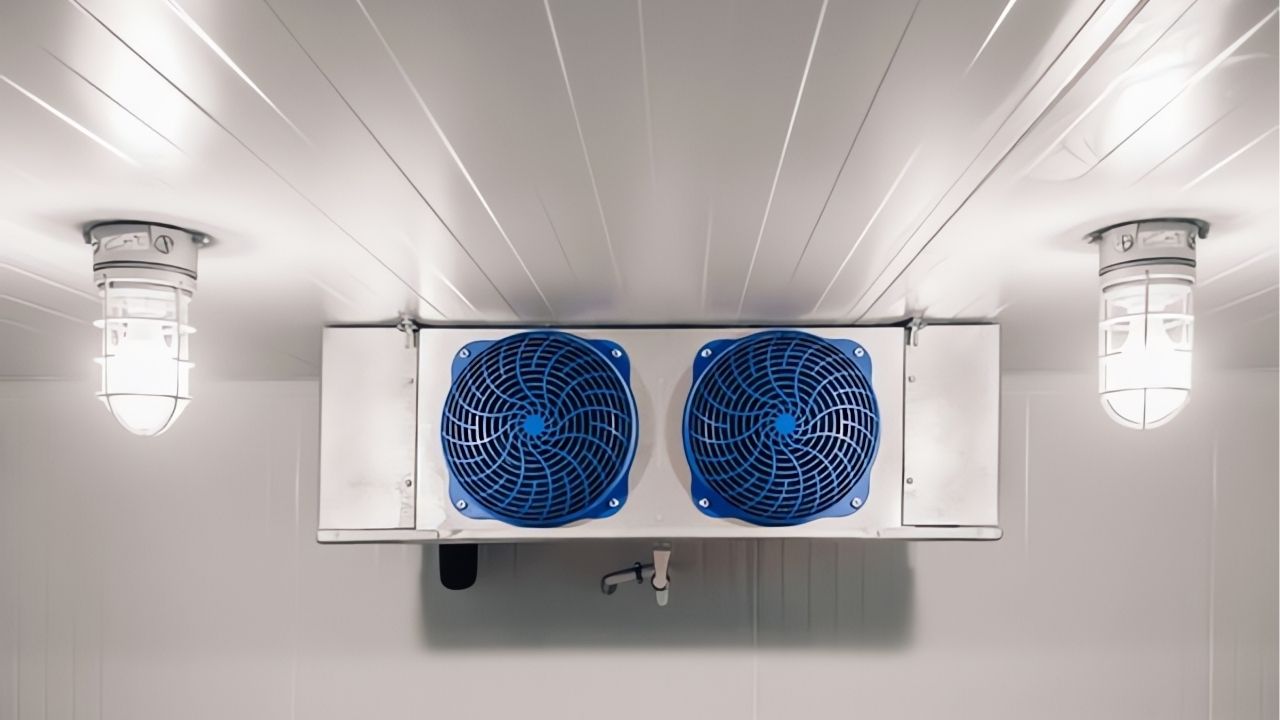
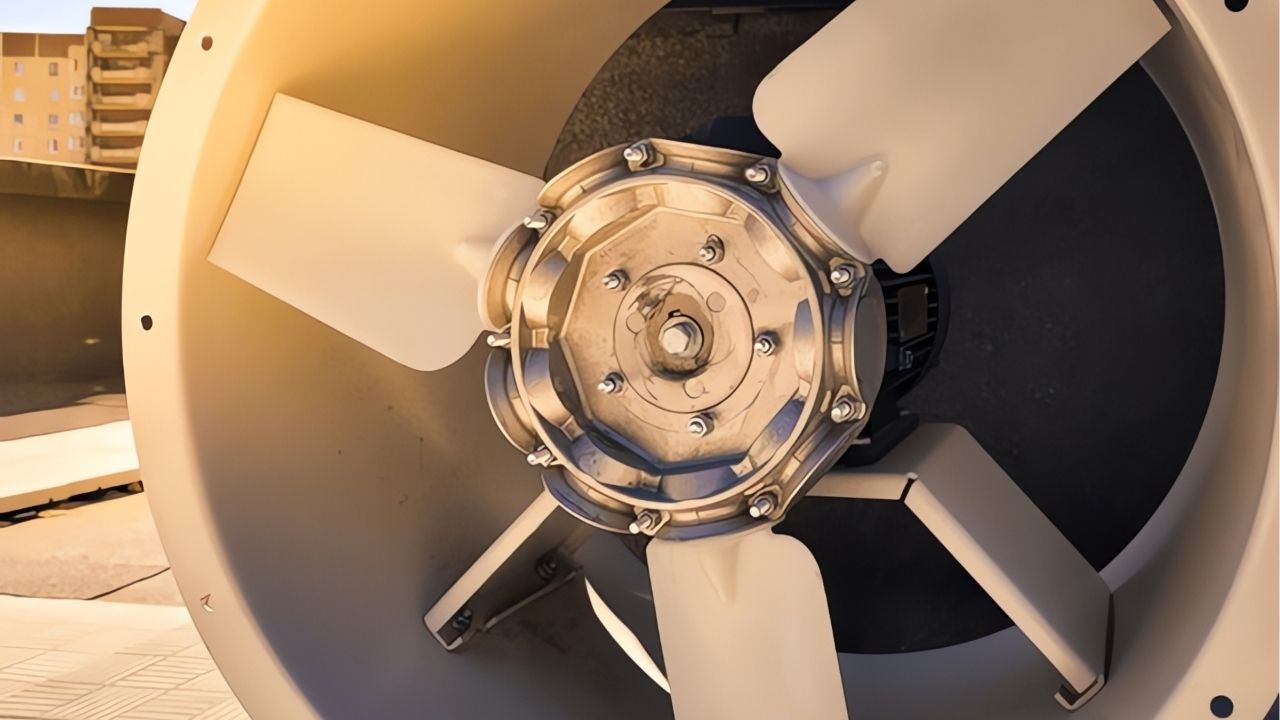
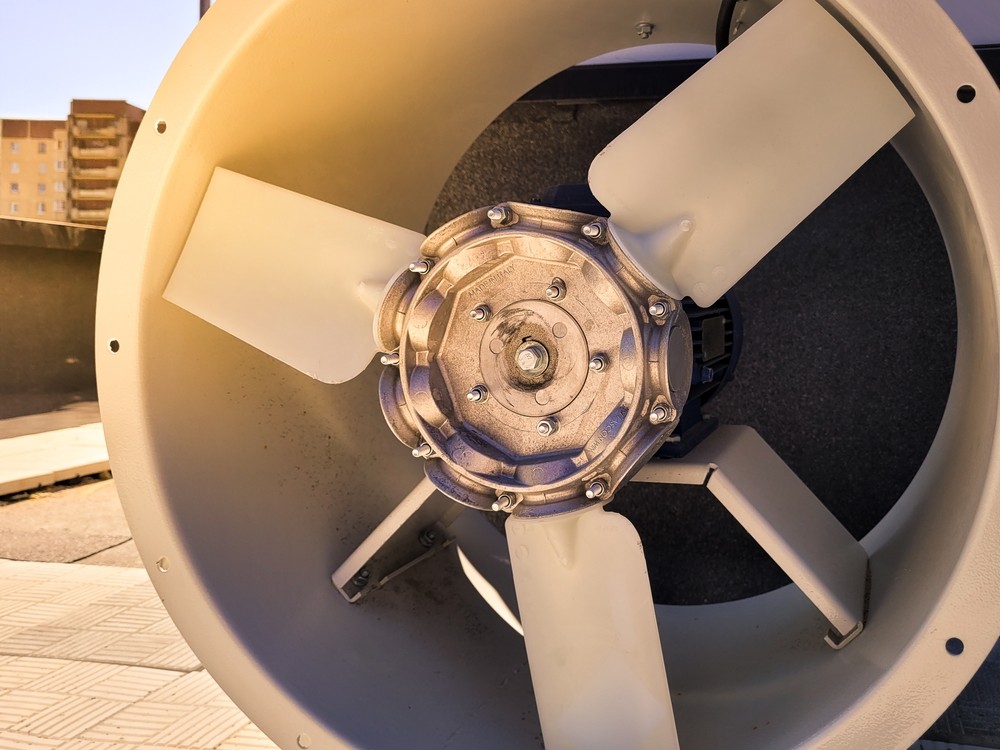
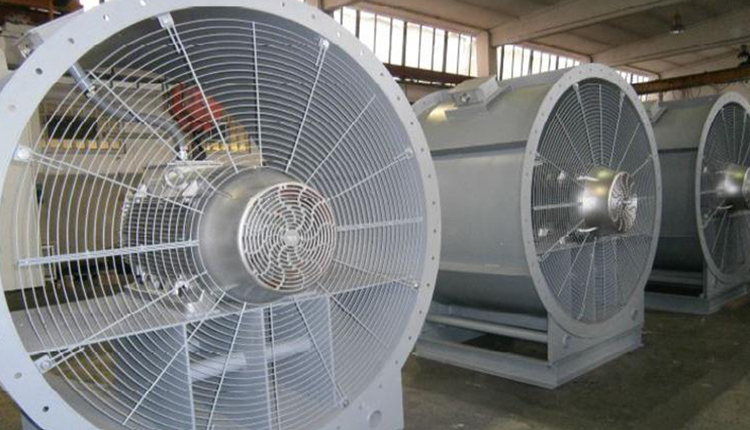
Precise determination of resistance power for axial fan motors is fundamental to achieving optimal airflow and energy efficiency in industrial cooling applications. As facilities face increasing pressure to reduce operational costs while maintaining reliable production line cooling, accurate power measurement becomes essential for system optimization and performance validation.
Advanced diagnostic methods now incorporate real-time monitoring and predictive analytics to assess motor resistance under varying operational loads. Günay Soğutma's engineering team applies these techniques during axial fan system design, ensuring precise power calculations that account for specific environmental conditions and duty cycles. This approach enables facilities to achieve energy efficient cooling while extending equipment service life through optimized motor performance.
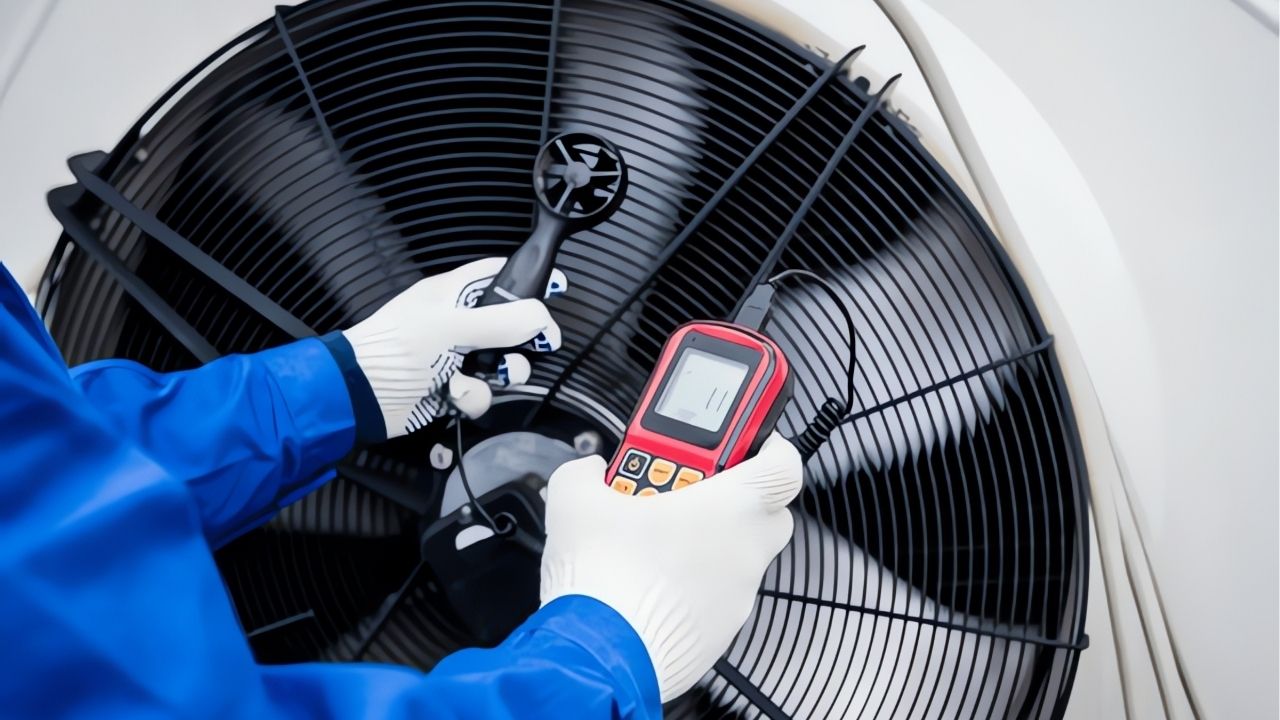
The measurement process evaluates multiple parameters including voltage drop, current draw, and thermal characteristics to provide a comprehensive assessment of motor efficiency. This data-driven methodology supports the development of custom cooling solutions that precisely match facility requirements while ensuring long-lasting system durability. For critical applications in the energy sector, this translates to reliable heat dissipation and consistent operational performance.
Implementing accurate resistance power determination directly impacts sustainable cooling solutions, with properly sized axial fan motors demonstrating up to 30 percent reduction in energy consumption. Günay Soğutma's technical expertise in facility cooling infrastructure ensures that fan motor specifications align with actual operational demands, delivering optimal airflow while minimizing power waste. The result is a robust cooling system that maintains peak performance throughout its operational life, supporting continuous production and reducing total cost of ownership.
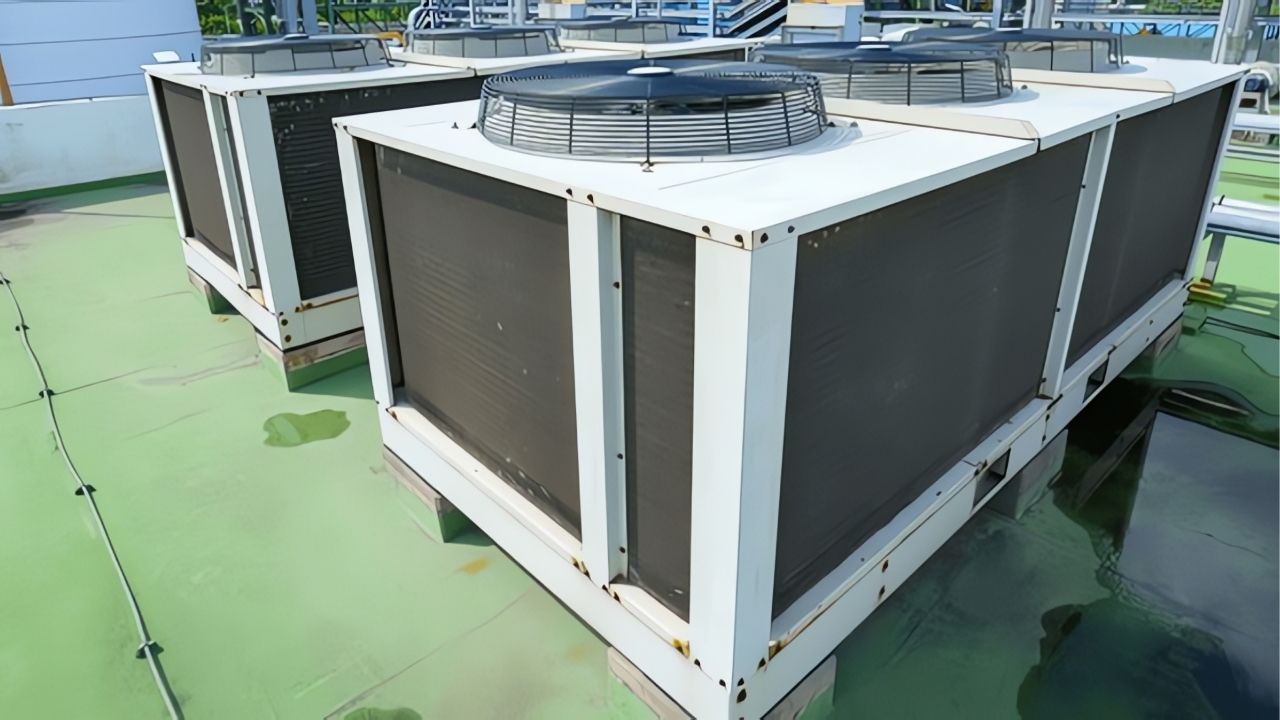
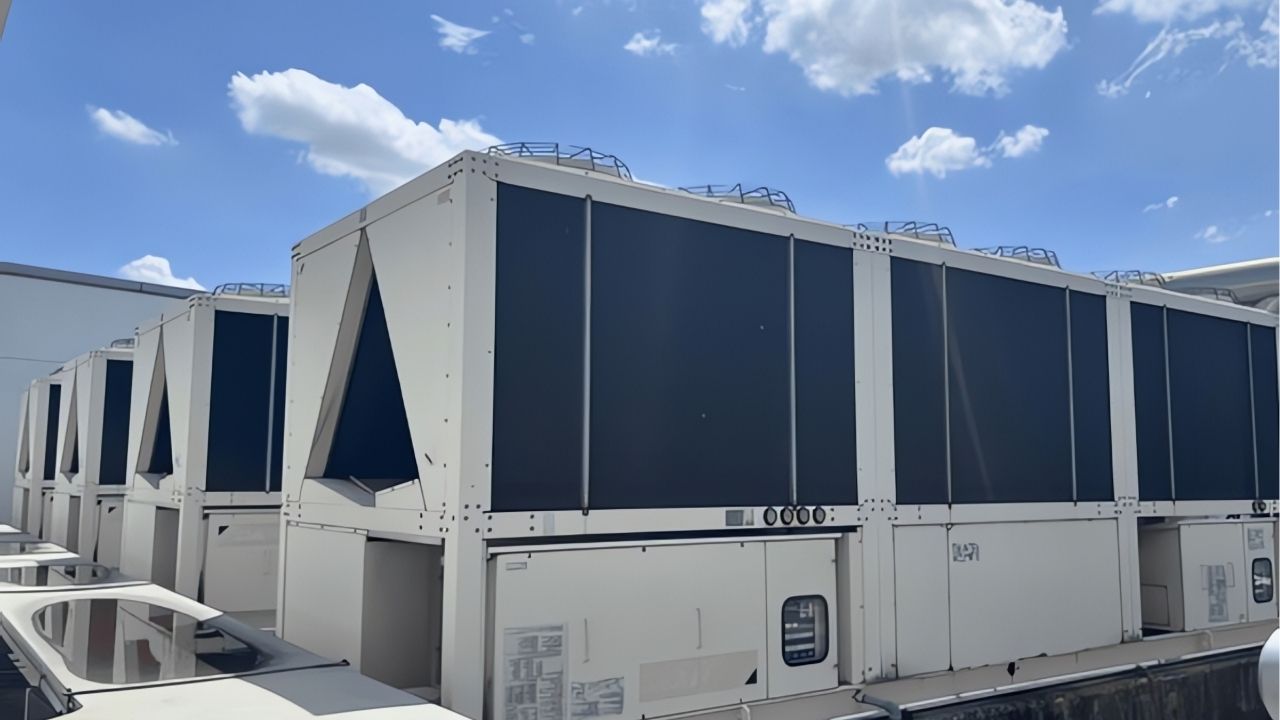
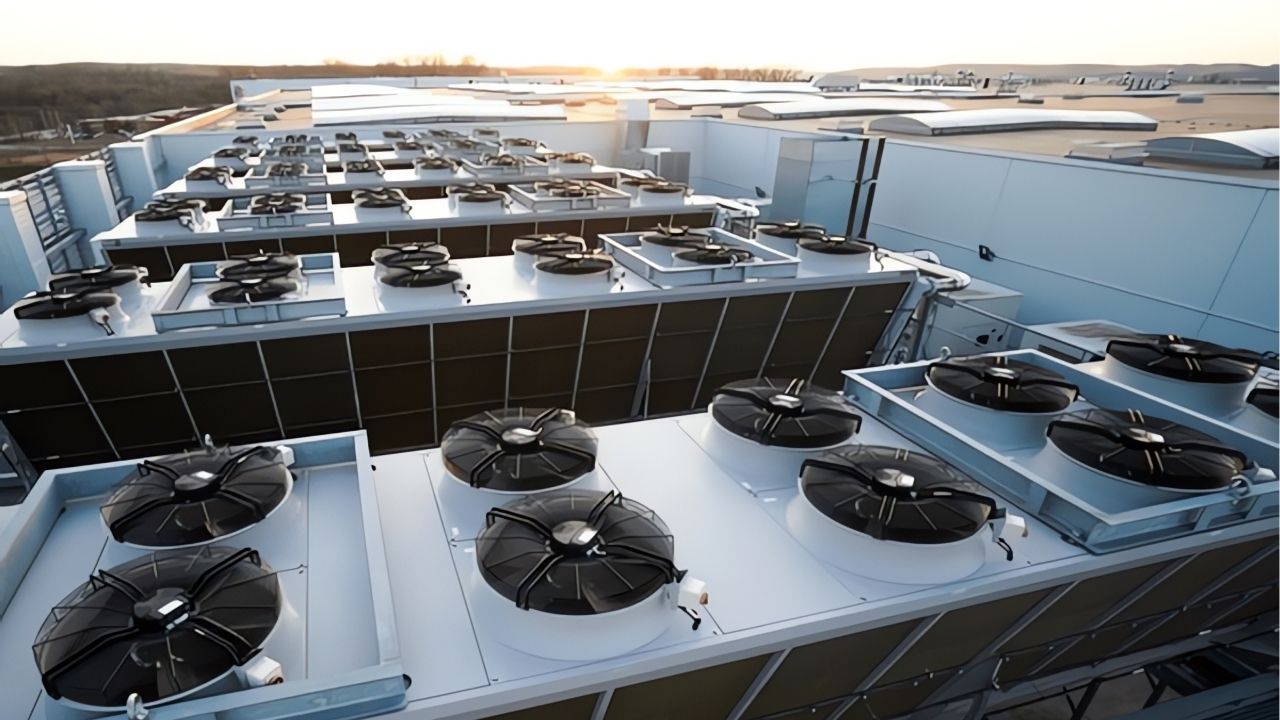
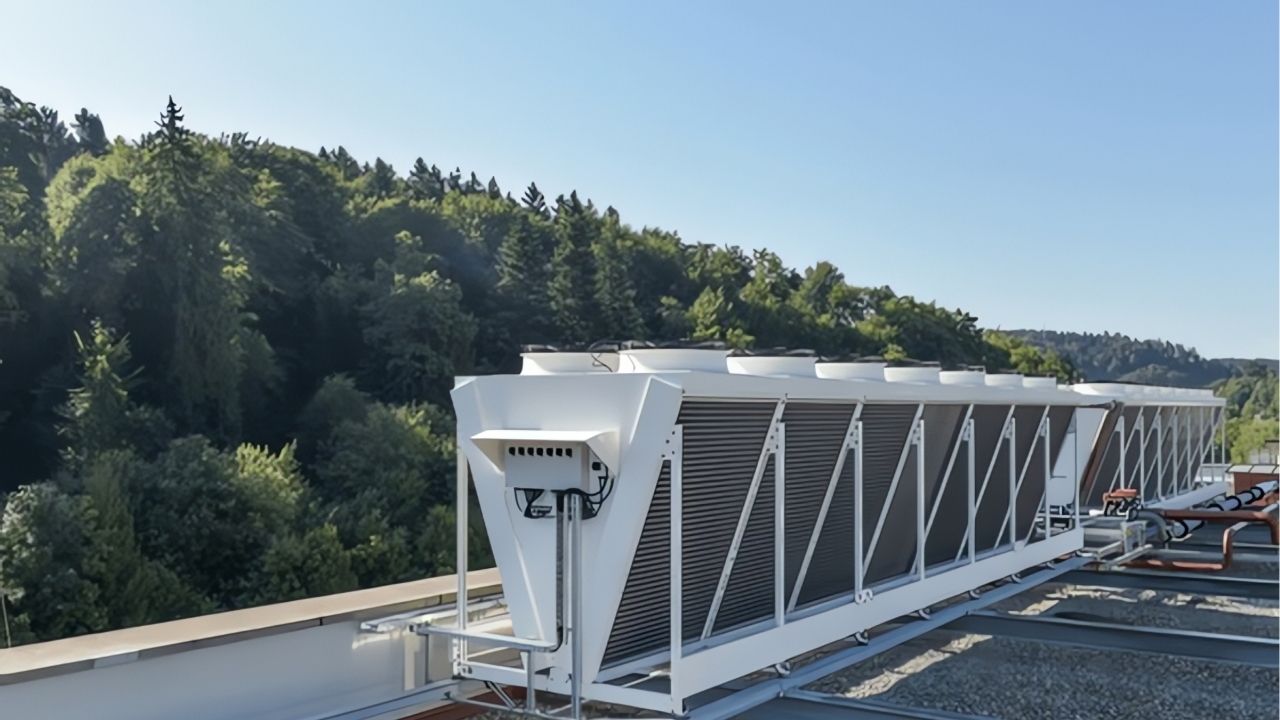
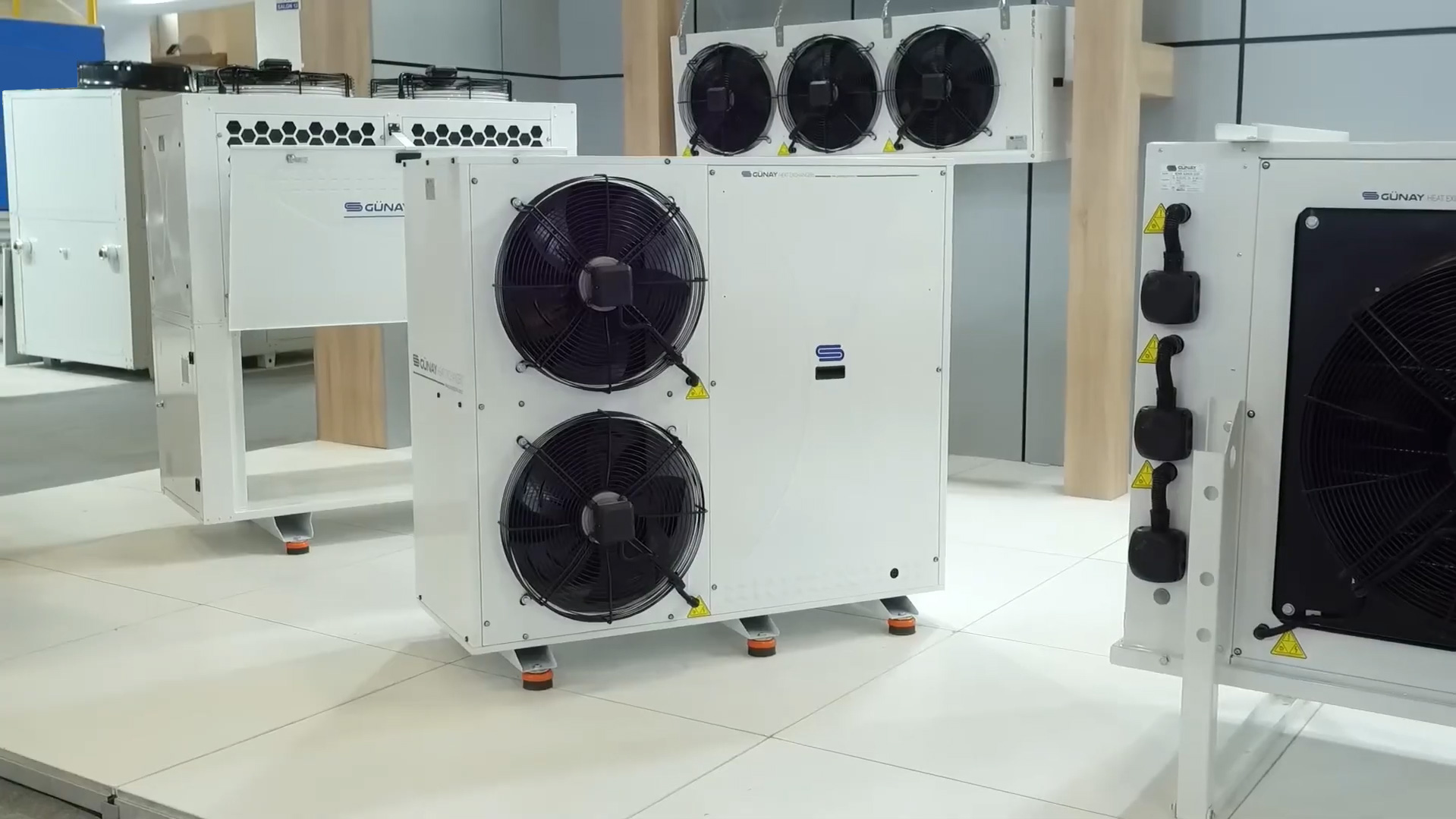
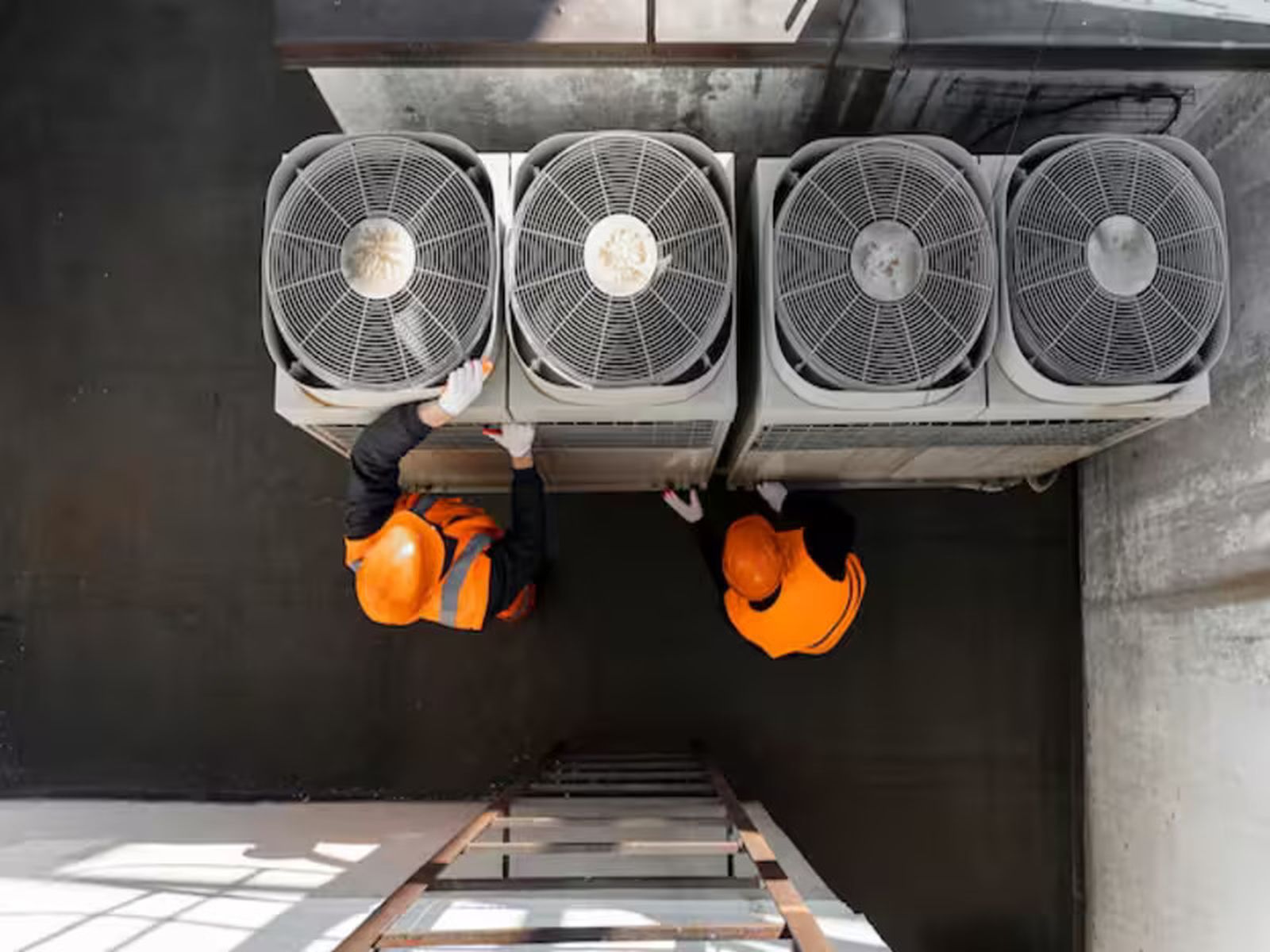
Accurate calculation of resistance power in condenser units is essential for maintaining optimal heat rejection efficiency in industrial cooling systems. As facilities prioritize energy efficient cooling, precise power measurement becomes crucial for optimizing performance and reducing operational costs across production line cooling applications.
Modern calculation methods utilize advanced thermal modeling and real-time monitoring to assess condenser performance under varying load conditions. Günay Soğutma's approach integrates these techniques with evaporator condenser production expertise, ensuring accurate power calculations that account for specific operational parameters. This precision enables facilities to achieve optimal heat transfer rates while maintaining sustainable cooling solutions that minimize environmental impact.
The calculation process evaluates multiple factors including refrigerant properties, airflow dynamics, and temperature differentials to determine precise resistance power requirements. This comprehensive analysis supports the development of custom cooling solutions that ensure long-lasting system durability and reliable performance. For food processing facilities, this translates to consistent temperature control and product quality maintenance.
Implementing accurate resistance power calculations directly impacts facility cooling infrastructure efficiency, with properly sized condenser units demonstrating up to 35 percent improvement in energy performance. Günay Soğutma's technical expertise ensures that condenser specifications align with actual operational demands, delivering optimal heat rejection while minimizing power consumption. The result is a robust cooling system that maintains peak efficiency throughout its operational life, supporting continuous production and reducing total cost of ownership.
Determining resistance power for cooling system efficiency is critical for industrial facilities seeking to optimize energy consumption while maintaining reliable temperature control. As operational costs rise, precise measurement of energy efficient cooling parameters becomes essential for achieving sustainable performance across production line cooling applications.
Advanced diagnostic tools now enable comprehensive analysis of resistance power across entire cooling circuits, from evaporators to condensers. Günay Soğutma's methodology integrates these technologies with evaporator condenser production expertise, ensuring accurate assessment of system-wide efficiency. This approach enables facilities to identify energy losses and implement targeted improvements that enhance sustainable cooling solutions while reducing operational costs.
The evaluation process examines multiple variables including thermal load distribution, pressure differentials, and component-specific resistance characteristics. This detailed analysis supports the development of custom cooling solutions that ensure long-lasting system durability and optimal performance. For energy-intensive sectors, this translates to significant cost savings and improved process reliability.
Implementing precise resistance power analysis directly impacts facility cooling infrastructure performance, with optimized systems demonstrating up to 40 percent reduction in energy consumption. Günay Soğutma's technical expertise ensures that cooling solutions are precisely calibrated to operational requirements, delivering maximum efficiency while minimizing environmental impact. The result is a robust, future-proof cooling system that maintains peak performance throughout its operational life, supporting continuous production and delivering measurable return on investment.

Accurate computation of resistance power in industrial refrigeration is fundamental for optimizing system performance and energy consumption in demanding cooling applications. As facilities face increasing pressure to enhance energy efficient cooling while maintaining precise temperature control, proper power calculation becomes essential for operational excellence and cost management.
Modern computational methods leverage advanced algorithms and real-time monitoring to analyze resistance across complex refrigeration circuits. Günay Soğutma's approach integrates these technologies with evaporator condenser production expertise, ensuring precise calculations that account for variable load conditions and environmental factors. This methodology enables facilities to achieve optimal performance while implementing sustainable cooling solutions that reduce environmental impact.
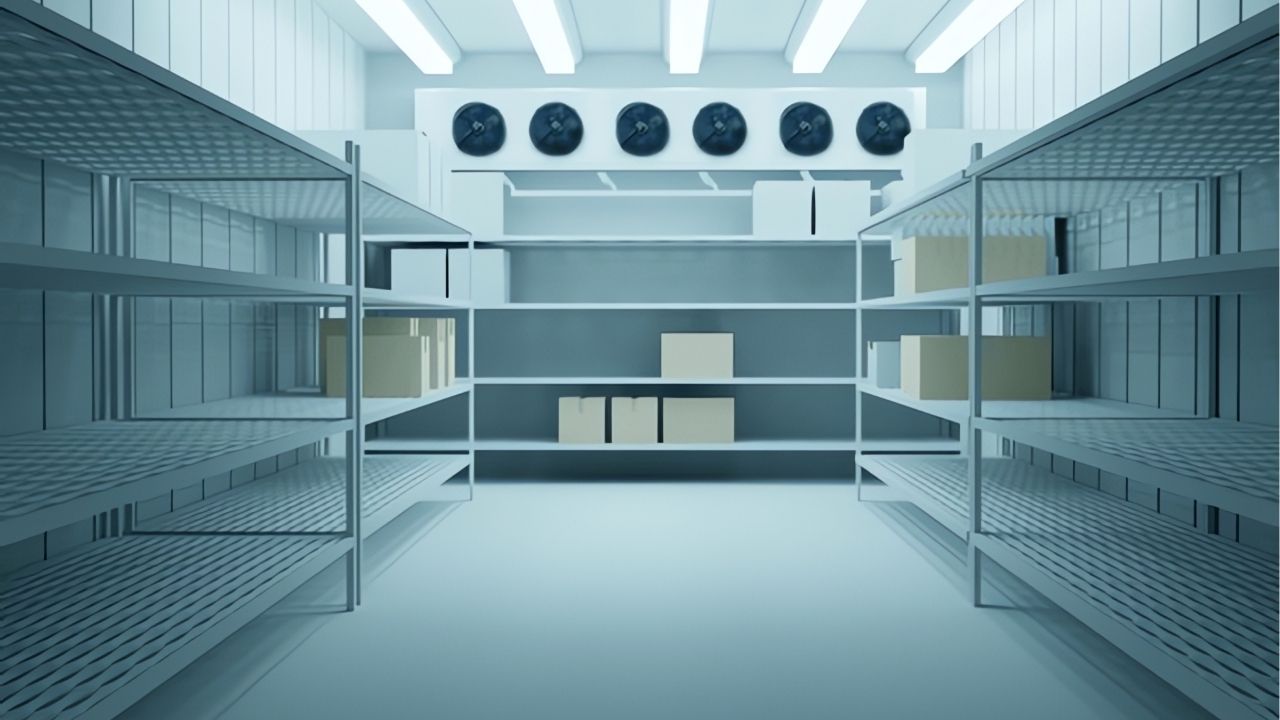
The computation process evaluates critical parameters including refrigerant flow rates, pressure differentials, and thermal transfer coefficients to determine precise resistance power requirements. This comprehensive analysis supports the development of custom cooling solutions that ensure long-lasting system durability and reliable operation. For food processing and cold storage facilities, this translates to consistent temperature maintenance and product integrity preservation.
Implementing accurate resistance power computations directly impacts facility cooling infrastructure efficiency, with optimized systems demonstrating up to 30 percent improvement in energy performance. Günay Soğutma's technical expertise ensures that refrigeration systems are precisely engineered to meet specific operational demands, delivering optimal cooling capacity while minimizing power consumption. The result is a robust, high-performance cooling solution that maintains operational reliability while reducing total cost of ownership and supporting continuous production requirements.
Precise calculation of resistance power for energy savings is essential for industrial facilities seeking to reduce operational costs while maintaining optimal cooling performance. As energy prices continue to rise, accurate measurement of energy efficient cooling parameters becomes crucial for achieving significant cost reductions and environmental compliance.
Advanced computational models now enable detailed analysis of power consumption patterns across cooling system components. Günay Soğutma's methodology incorporates these tools with evaporator condenser production expertise, identifying specific areas where resistance power optimization can yield maximum sustainable cooling solutions. This approach allows facilities to implement targeted improvements that reduce energy waste without compromising cooling capacity.
The calculation process examines critical factors including load variations, ambient conditions, and component efficiency to determine optimal resistance power settings. This comprehensive analysis supports the development of custom cooling solutions that ensure long-lasting system durability while maximizing energy savings. For manufacturing facilities, this translates to reduced utility costs and improved sustainability metrics.
Implementing accurate resistance power calculations directly impacts facility cooling infrastructure performance, with optimized systems demonstrating up to 35 percent reduction in energy consumption. Günay Soğutma's technical expertise ensures that cooling solutions are precisely calibrated to deliver maximum efficiency while maintaining reliable operation. The result is a high-performance cooling system that delivers measurable energy savings while supporting continuous production and reducing environmental impact.
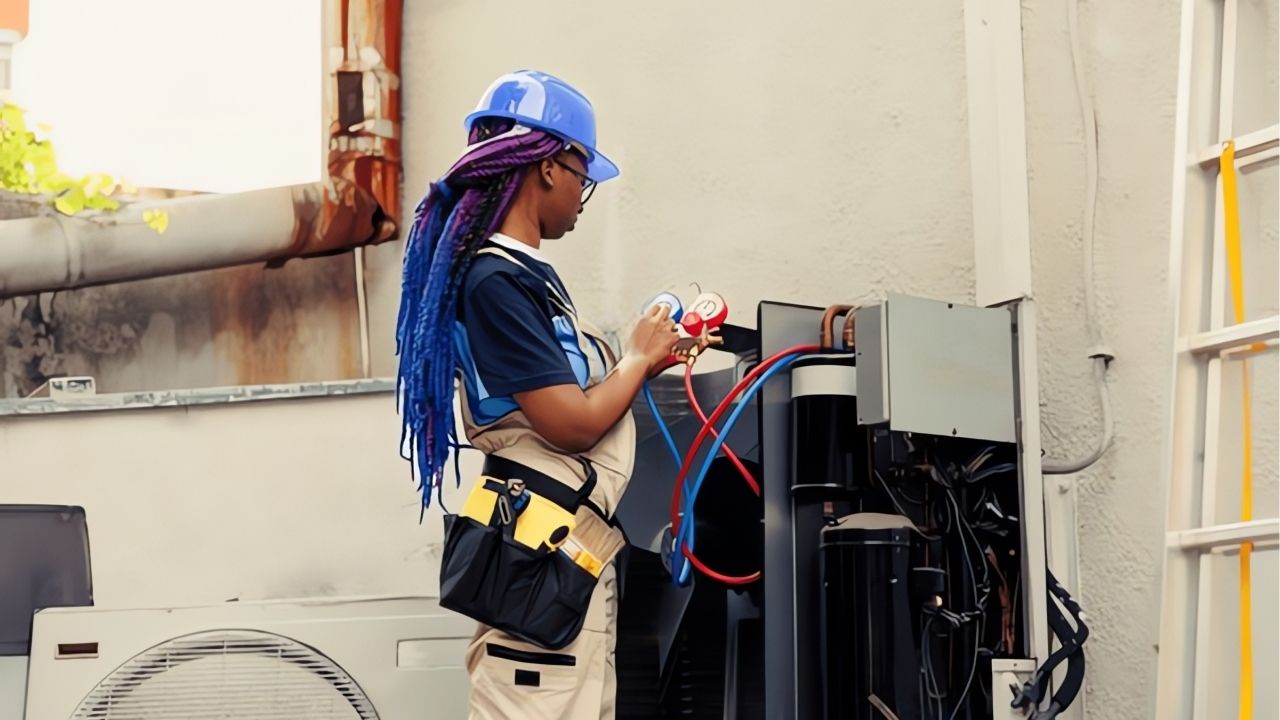
Accurate measurement of resistance power in cooling equipment is fundamental for optimizing system performance and achieving energy efficient cooling in industrial applications. As facilities strive to balance operational demands with cost reduction goals, precise power measurement becomes essential for maintaining optimal performance across production line cooling systems.
Modern diagnostic techniques employ advanced sensors and data analytics to measure resistance power across various cooling components. Günay Soğutma's approach integrates these technologies with evaporator condenser production expertise, ensuring accurate measurements that account for real-world operating conditions. This methodology enables facilities to implement sustainable cooling solutions that reduce energy consumption while maintaining precise temperature control.
The measurement process evaluates multiple parameters including voltage drop, current flow, and thermal characteristics to provide a comprehensive assessment of equipment efficiency. This detailed analysis supports the development of custom cooling solutions that ensure long-lasting system durability and reliable performance. For critical applications in the food and energy sectors, this translates to consistent cooling performance and reduced maintenance requirements.
Implementing precise resistance power measurements directly impacts facility cooling infrastructure efficiency, with optimized equipment demonstrating up to 30 percent improvement in energy performance. Günay Soğutma's technical expertise ensures that cooling systems are precisely calibrated to operational demands, delivering optimal performance while minimizing power consumption. The result is a robust cooling solution that maintains peak efficiency throughout its operational life, supporting continuous production and delivering measurable return on investment.
Accurate determination of resistance power for system longevity is crucial for maximizing the operational life of industrial cooling infrastructure. As facilities seek to extend equipment lifespan while maintaining energy efficient cooling, precise power analysis becomes essential for preventing premature component failure and optimizing maintenance schedules.
Advanced predictive maintenance techniques now incorporate real-time monitoring of resistance power to identify potential issues before they impact system performance. Günay Soğutma's methodology integrates these technologies with evaporator condenser production expertise, ensuring that power calculations account for long-term operational stresses. This approach enables facilities to implement sustainable cooling solutions that maintain peak efficiency throughout their extended service life.
The determination process evaluates critical factors including thermal cycling, load variations, and environmental conditions to establish optimal resistance power parameters. This comprehensive analysis supports the development of custom cooling solutions that ensure long-lasting system durability and reliable performance. For industrial facilities, this translates to reduced downtime and lower total cost of ownership over the system's extended lifecycle.
Implementing precise resistance power determination directly impacts facility cooling infrastructure reliability, with optimized systems demonstrating up to 40 percent longer operational life. Günay Soğutma's technical expertise ensures that cooling solutions are engineered for sustained performance, delivering consistent cooling capacity while minimizing wear and tear. The result is a robust cooling system that maintains peak efficiency throughout its extended operational life, supporting continuous production and delivering superior return on investment.
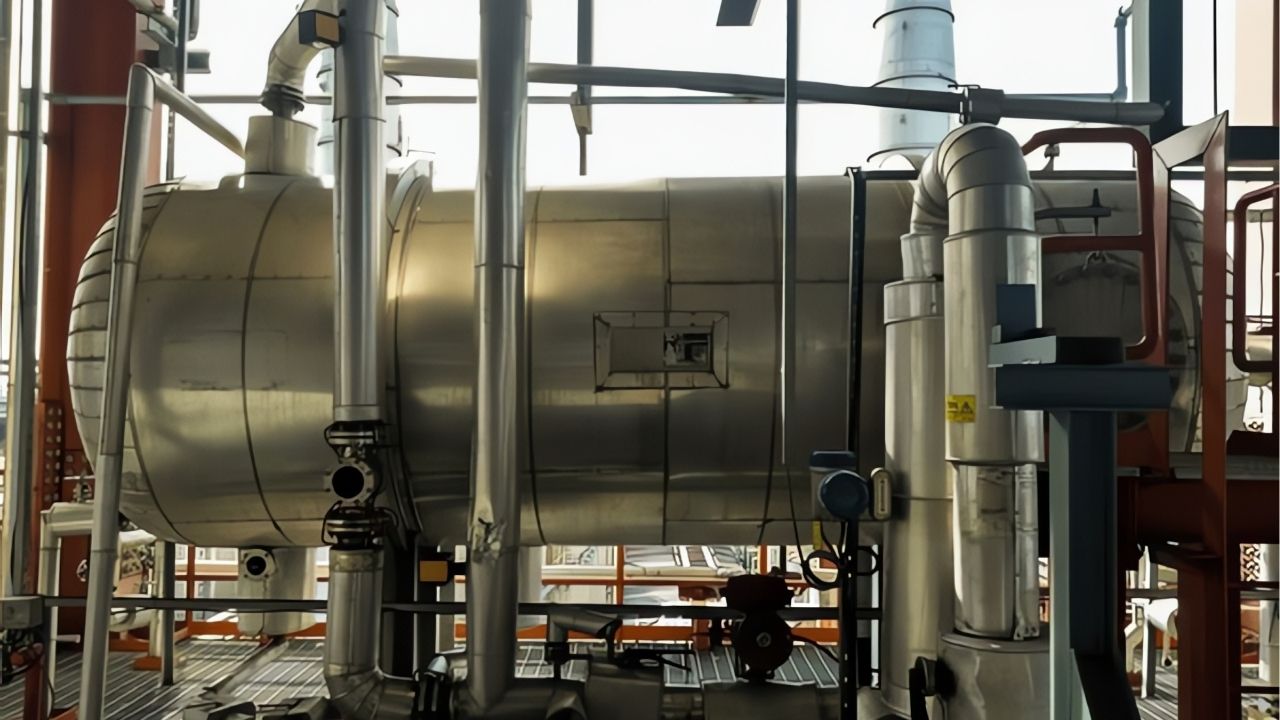
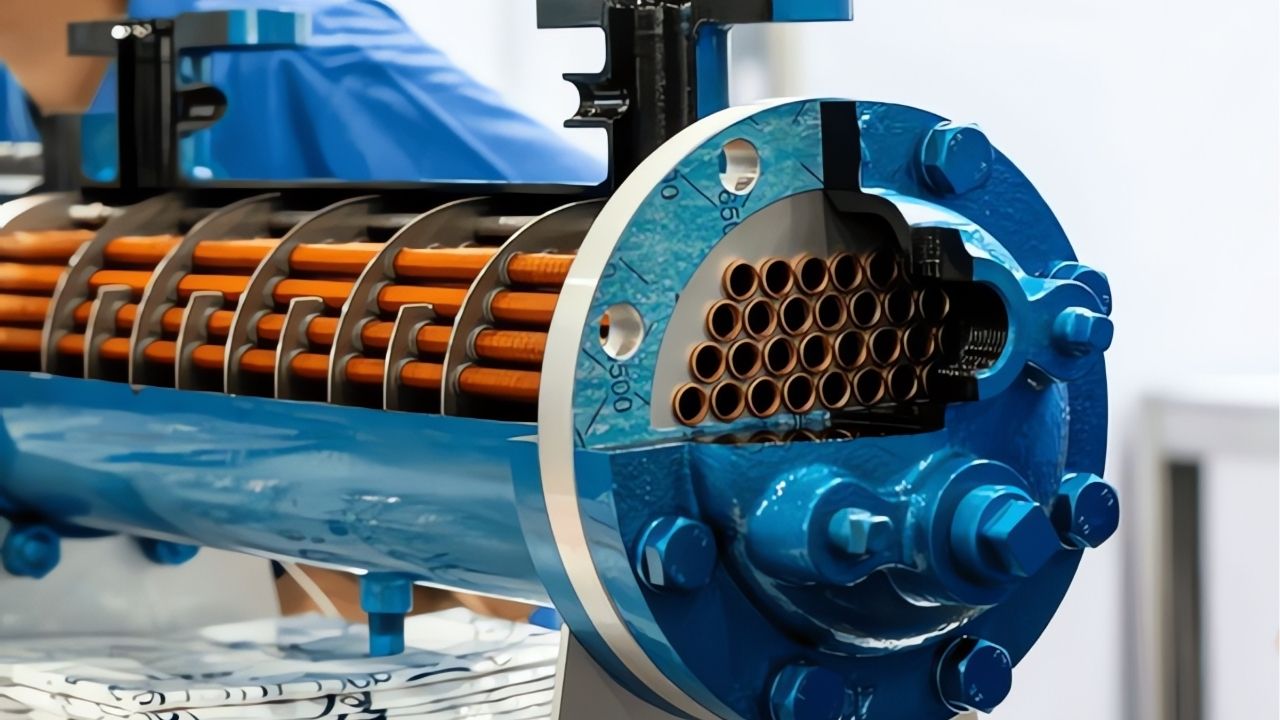
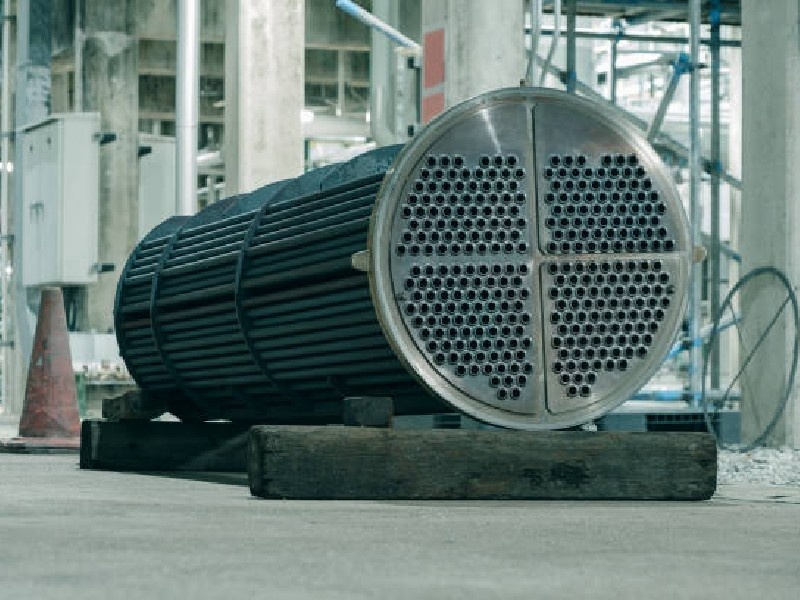
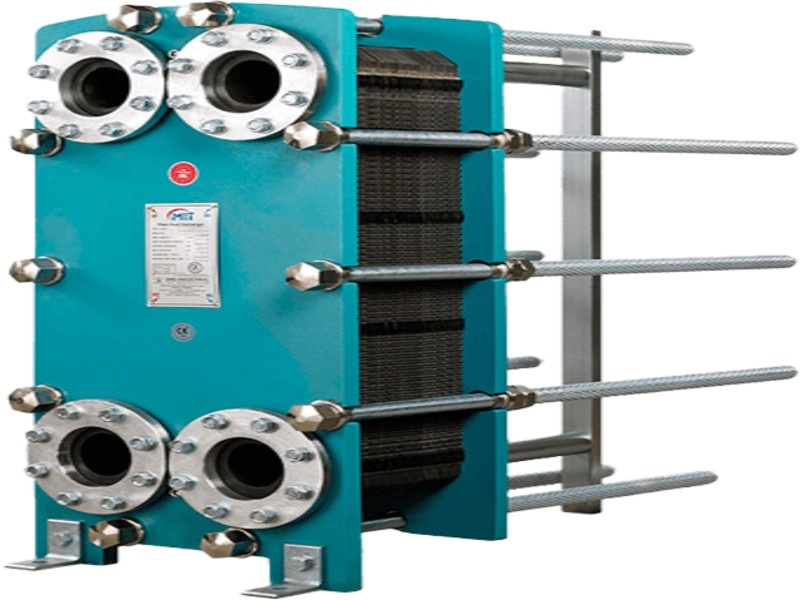
Accurate calculation of resistance power in heat exchangers is essential for optimizing thermal transfer efficiency in industrial cooling systems. As facilities prioritize energy efficient cooling, precise power measurement becomes crucial for maintaining optimal performance across production line cooling applications while minimizing operational costs.
Modern computational methods utilize advanced thermal modeling and computational fluid dynamics to analyze resistance power under various operating conditions. Günay Soğutma's approach integrates these techniques with evaporator condenser production expertise, ensuring accurate calculations that account for specific heat transfer requirements. This methodology enables facilities to implement sustainable cooling solutions that maximize efficiency while reducing environmental impact.
The calculation process examines critical parameters including flow rates, temperature differentials, and surface area efficiency to determine precise resistance power requirements. This comprehensive analysis supports the development of custom cooling solutions that ensure long-lasting system durability and reliable thermal performance. For process industries, this translates to consistent temperature control and improved product quality.
Implementing accurate resistance power calculations directly impacts facility cooling infrastructure performance, with optimized heat exchangers demonstrating up to 35 percent improvement in thermal efficiency. Günay Soğutma's technical expertise ensures that heat exchange systems are precisely engineered to meet specific operational demands, delivering optimal performance while minimizing energy consumption. The result is a robust cooling solution that maintains peak efficiency throughout its operational life, supporting continuous production and delivering measurable return on investment.

Fill out the form to discover the most suitable high-end products for your projects. Contact Us Now.
Fill out the form now not to miss our special offers for you! The latest discover our products and innovations.
Fill out the form now not to miss our special offers for you! The latest discover our products and innovations.
Notification Centre 00:00