


Heater Faults: Symptoms and Troubleshooting Methods
06 / 07 / 2026

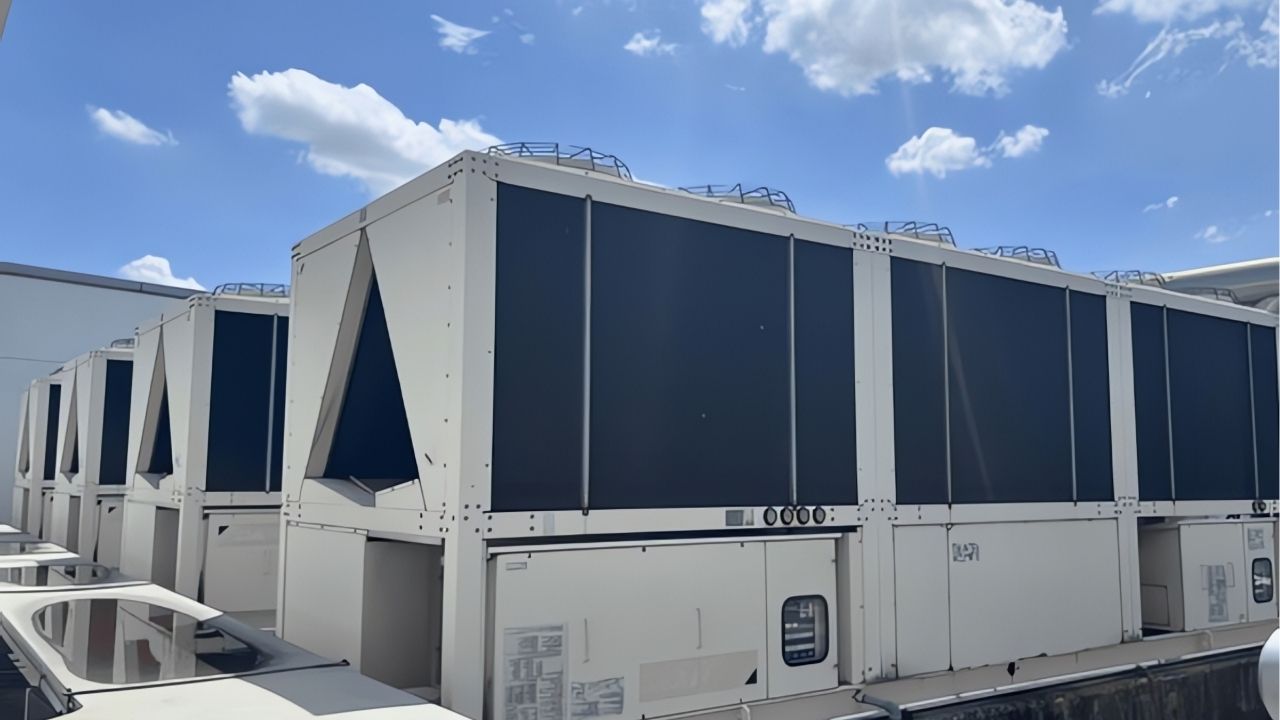
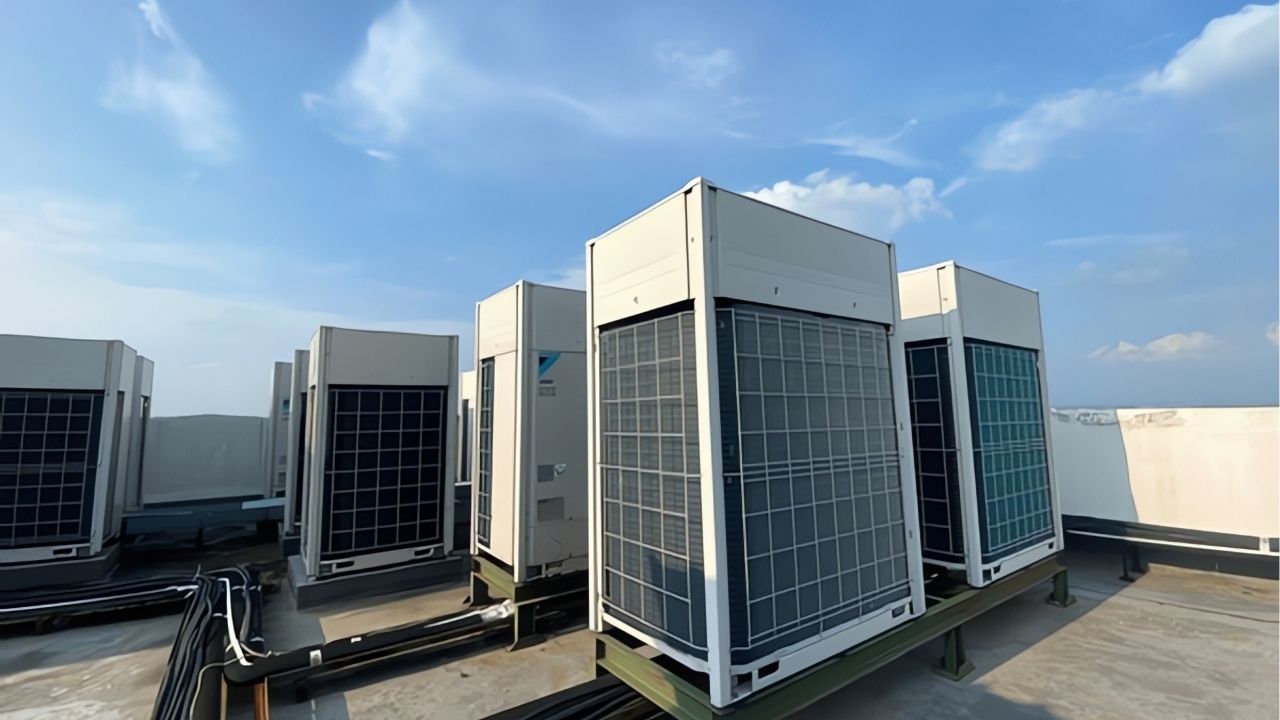
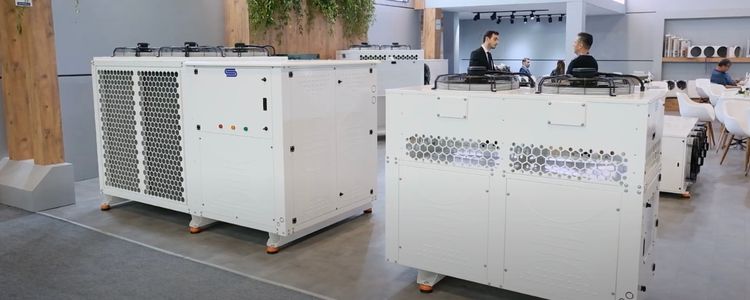
Cold storage operators face mounting pressure to cut operational costs while maintaining precise temperature control, with energy efficiency emerging as the critical lever for immediate savings. Modern facilities can achieve up to 40 percent reduction in power consumption by implementing industrial cooling solutions that integrate smart controls with optimized evaporator condenser production techniques, directly impacting the bottom line.
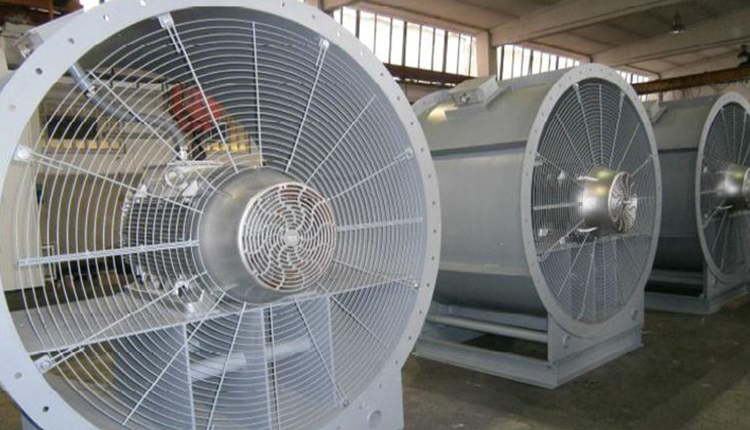
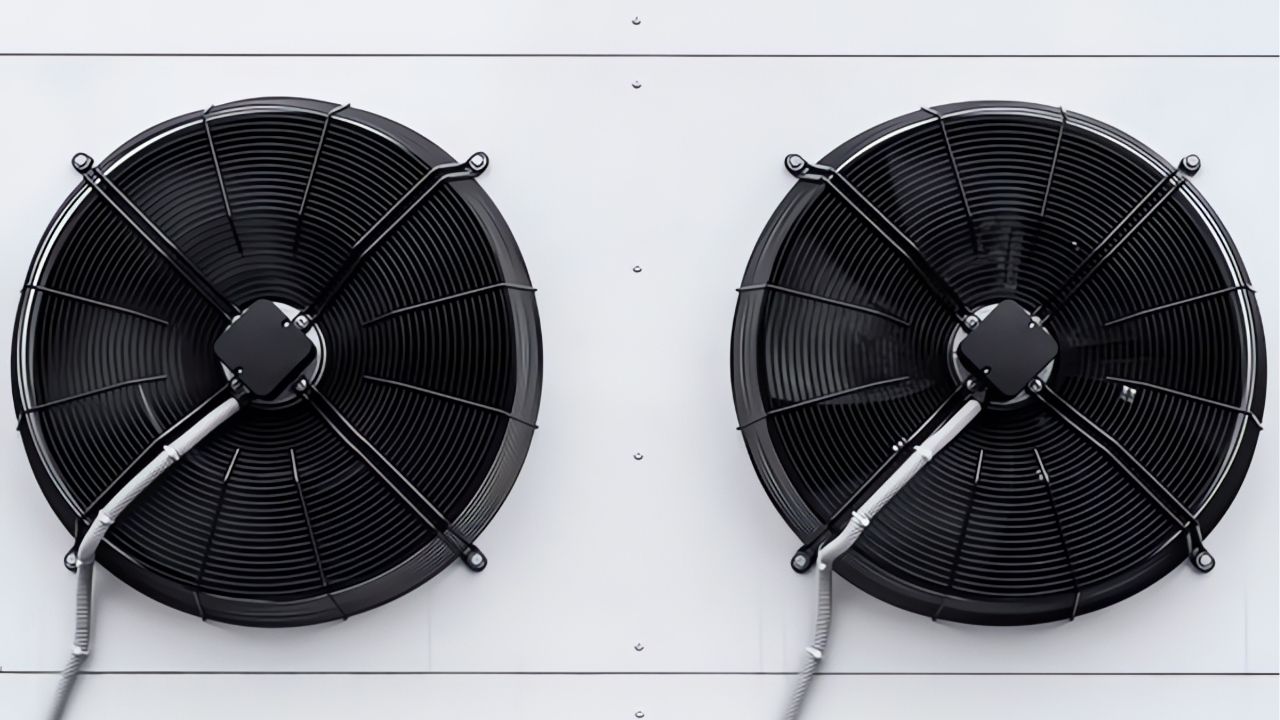
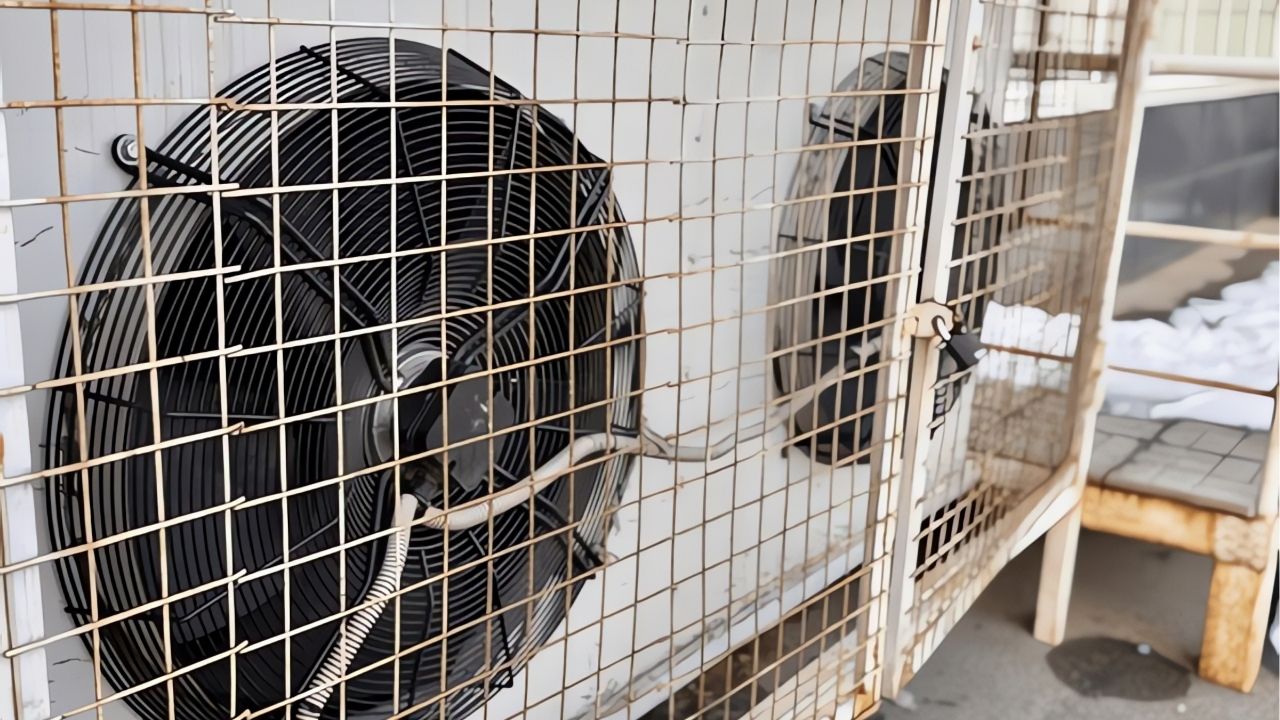
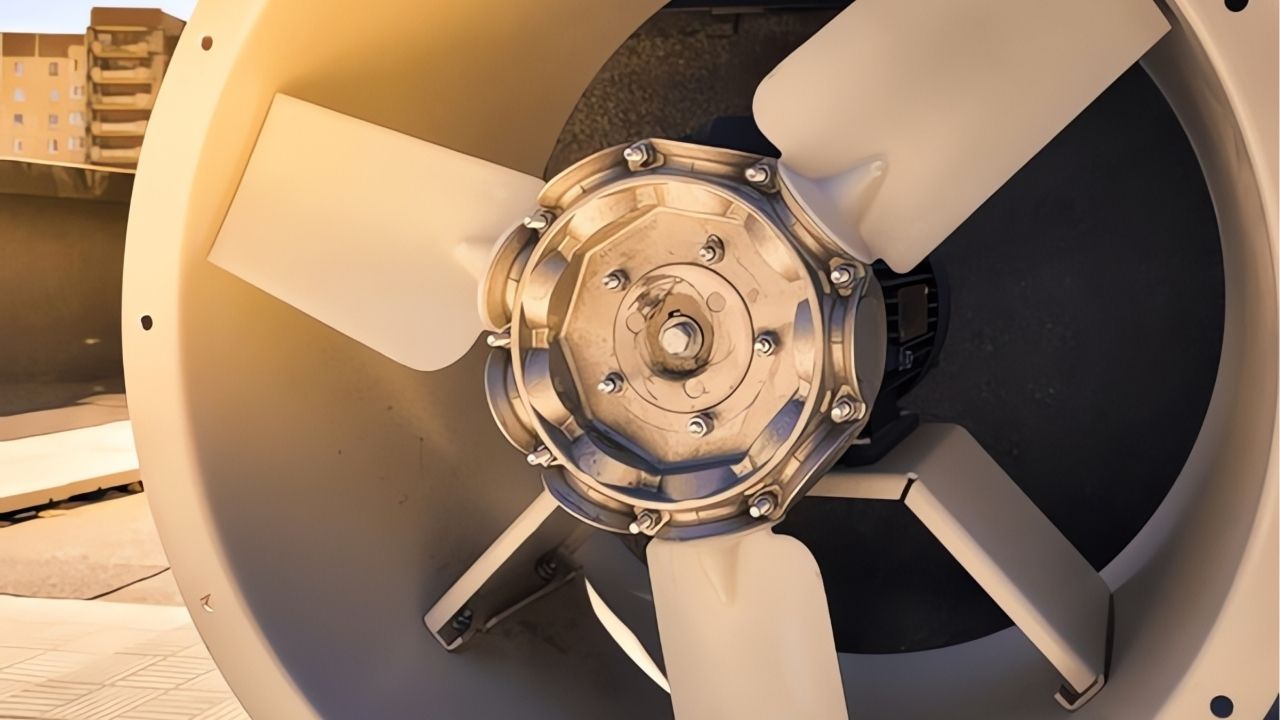
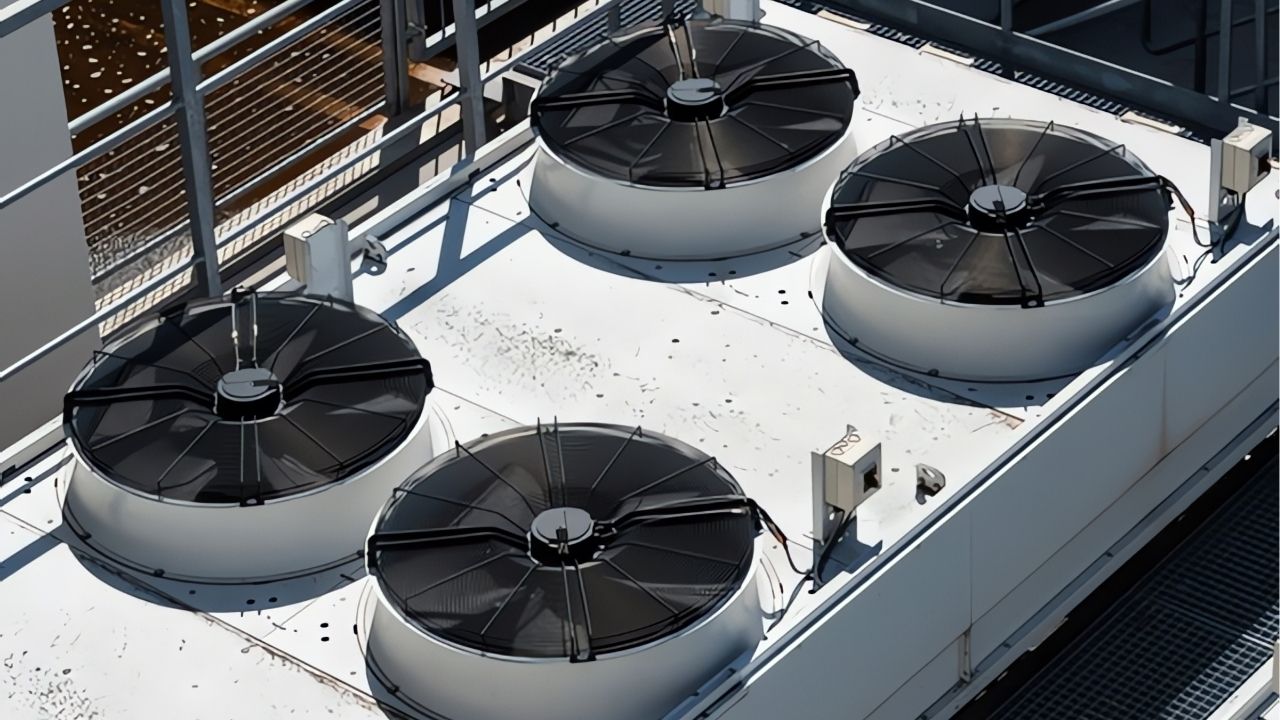
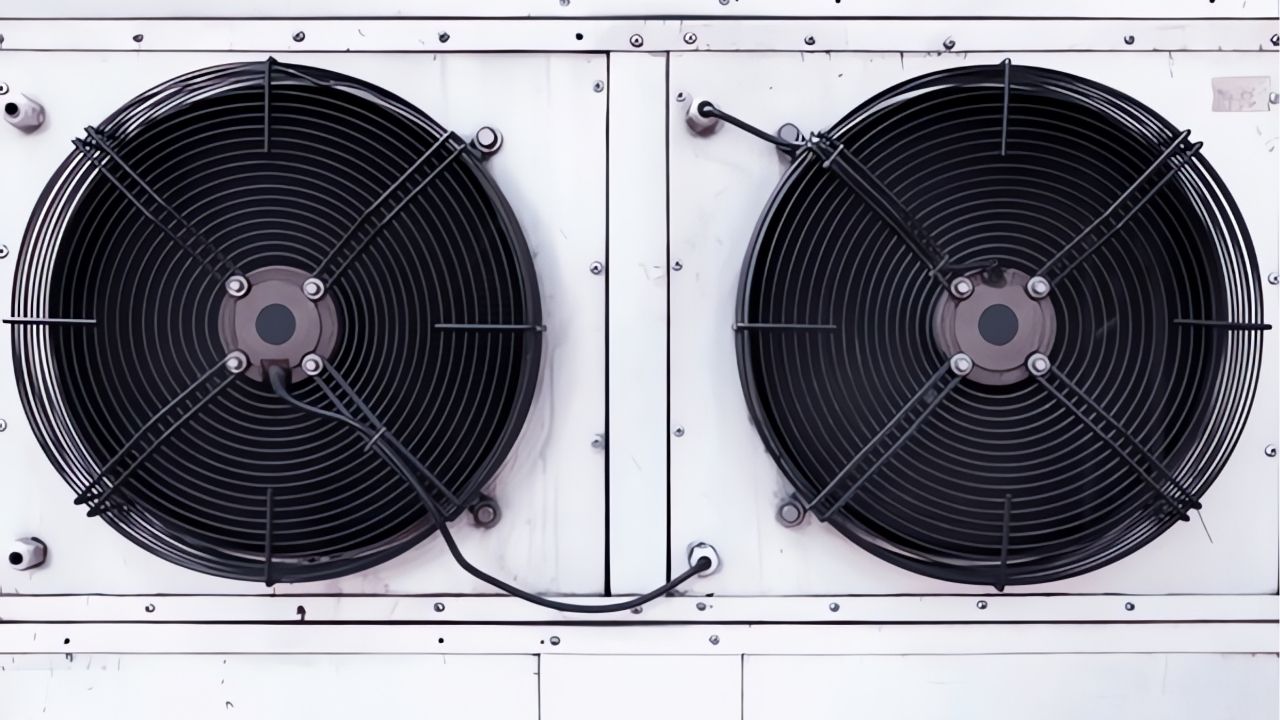
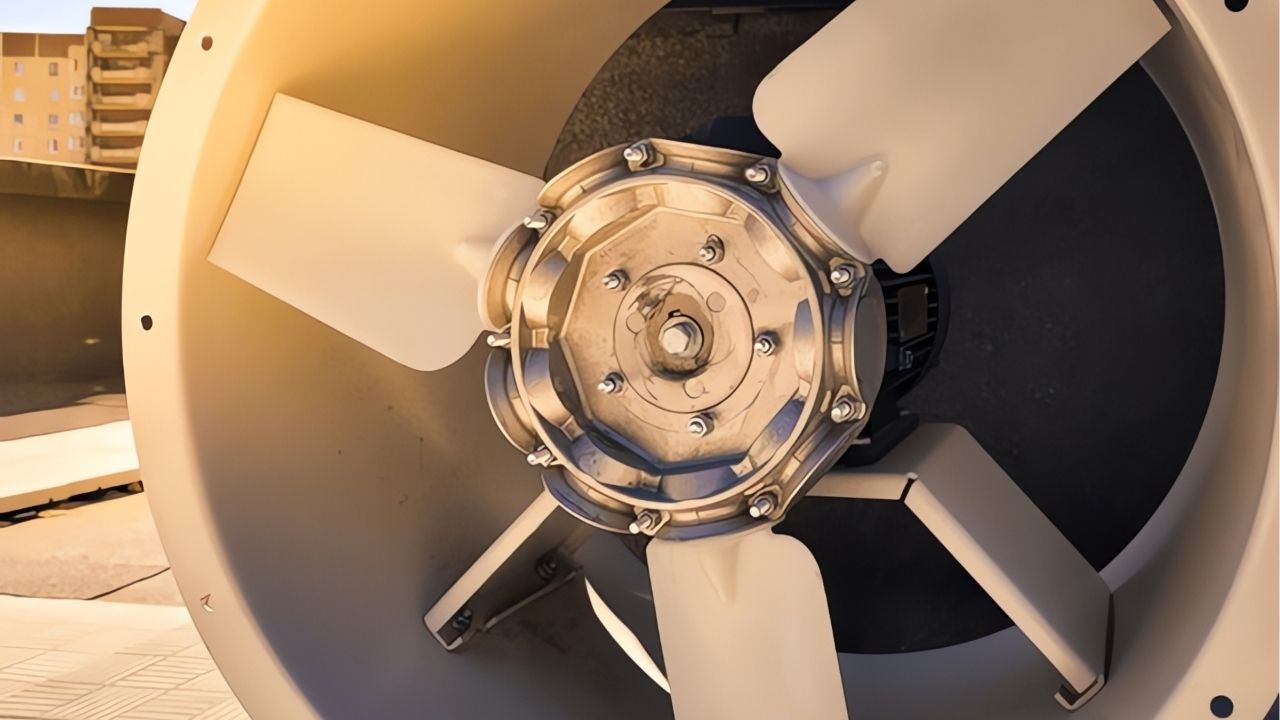
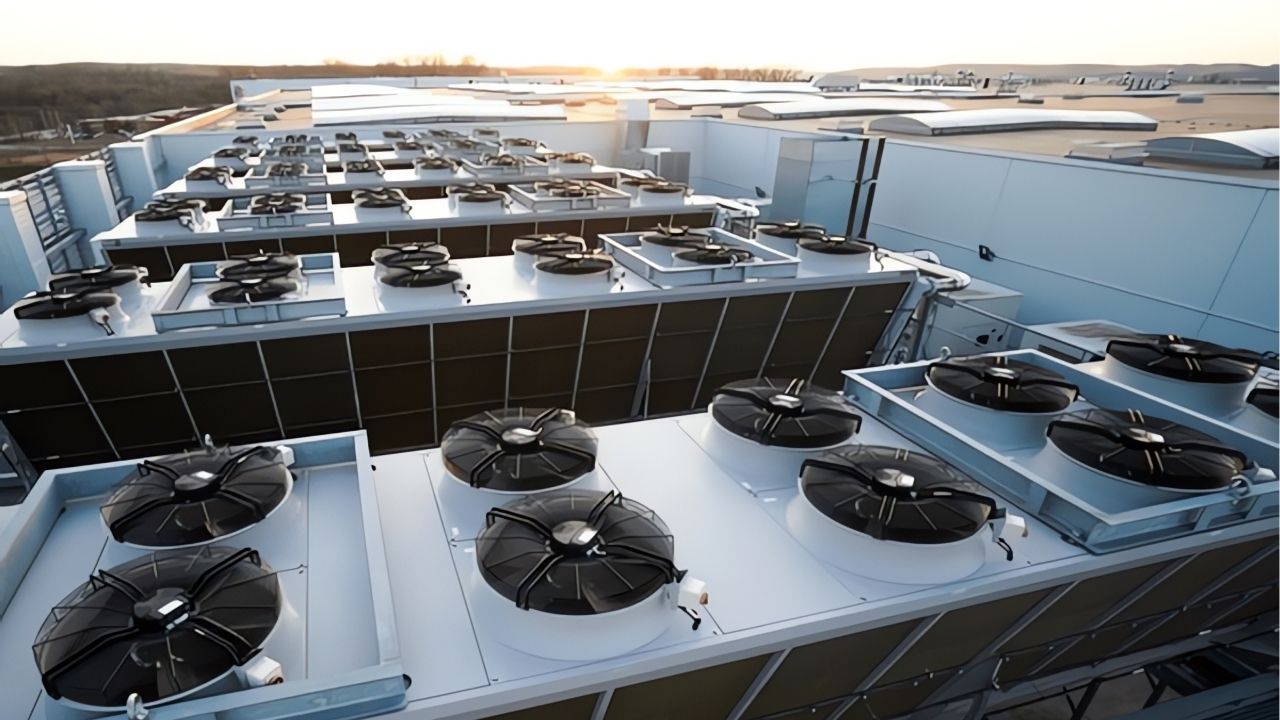
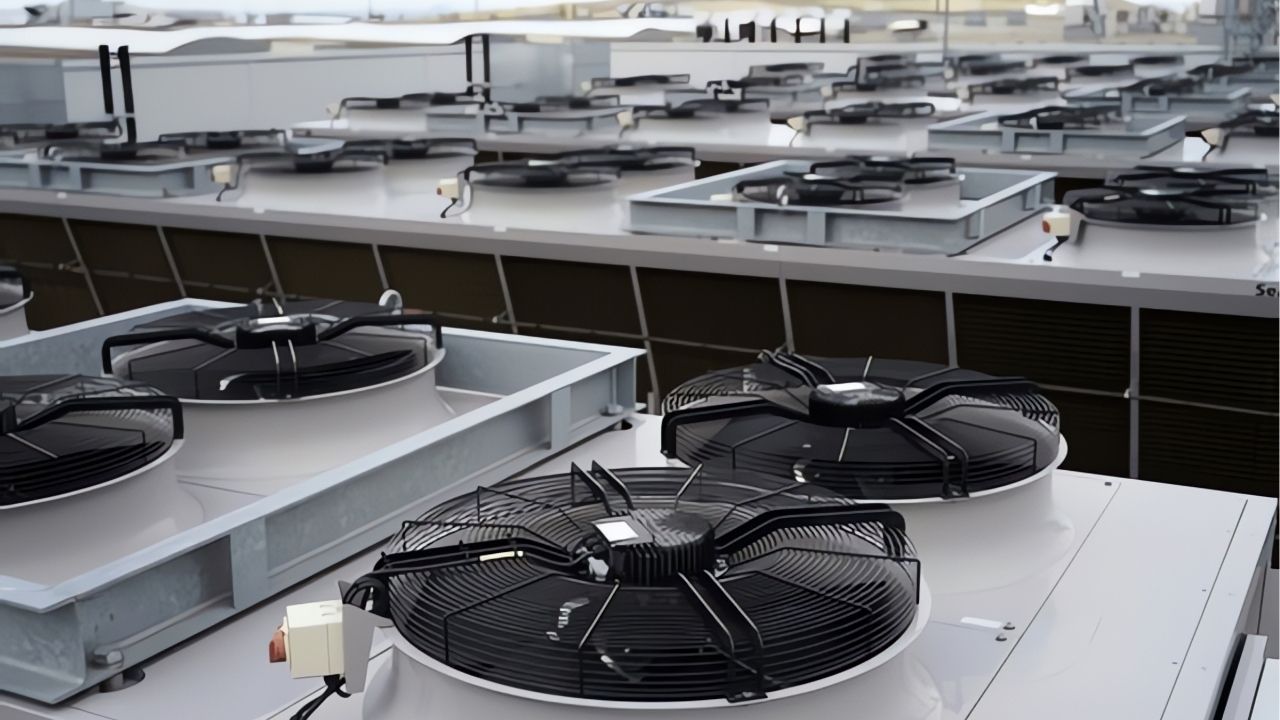
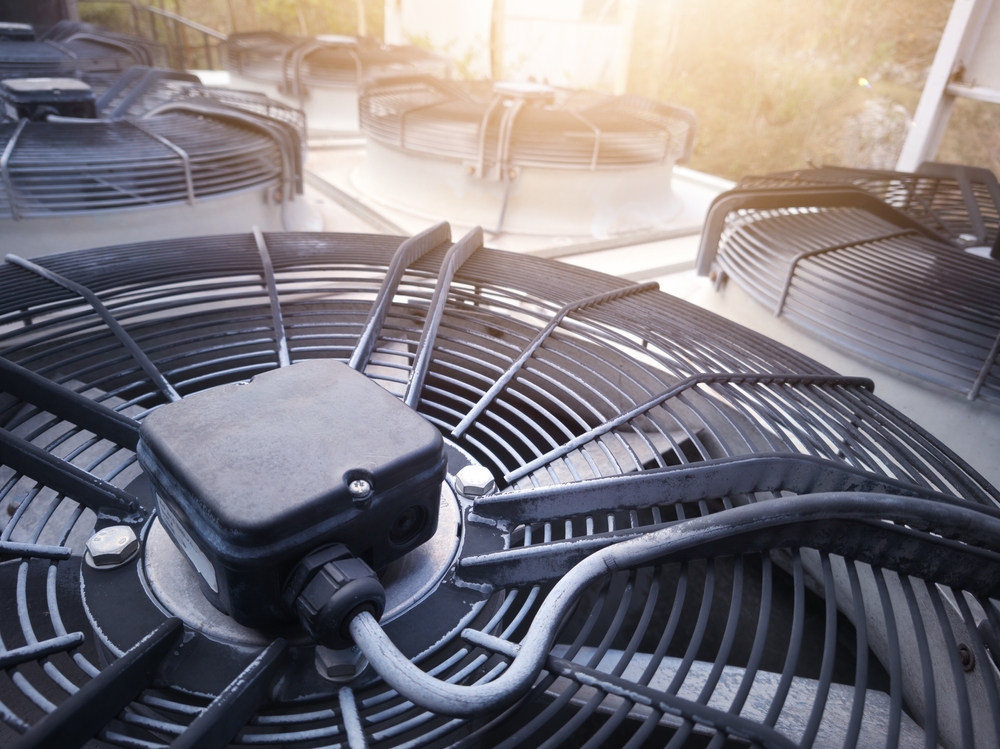
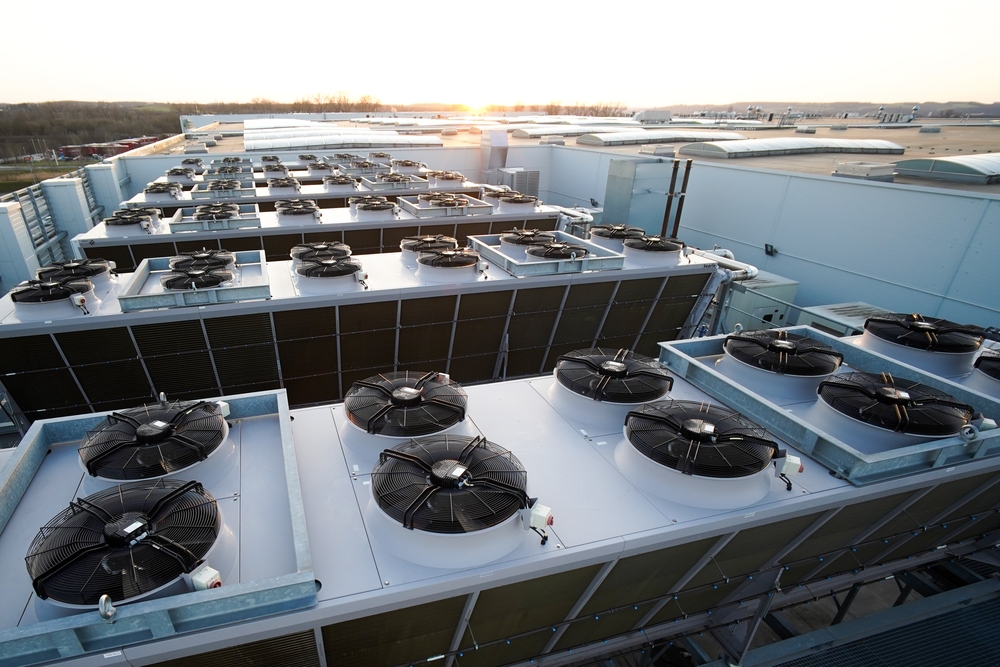
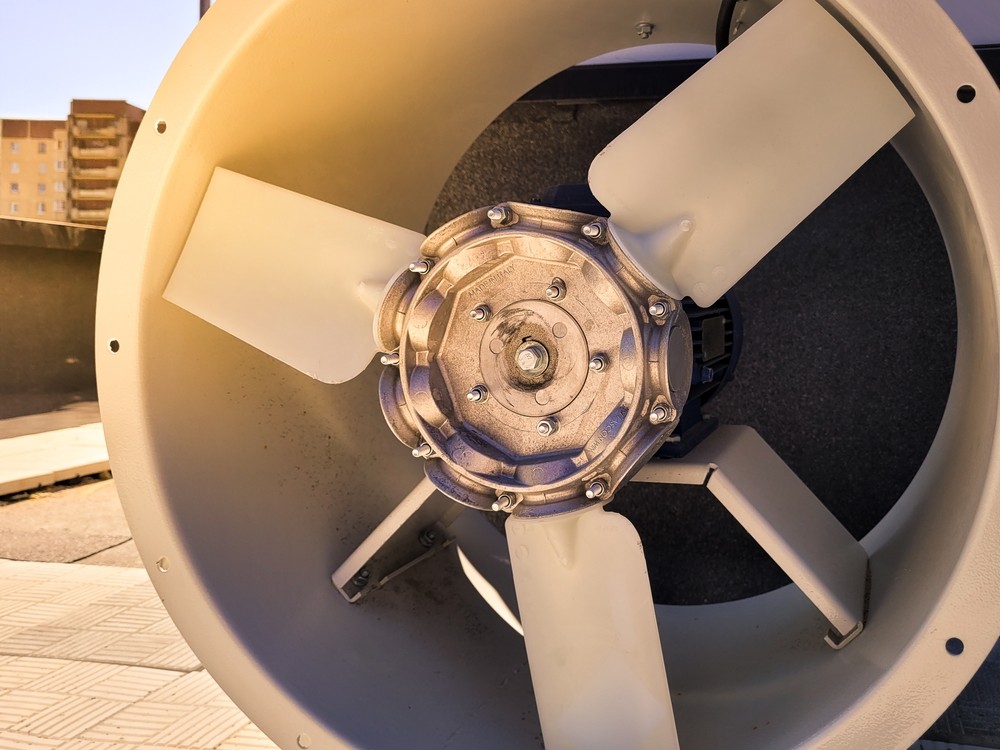
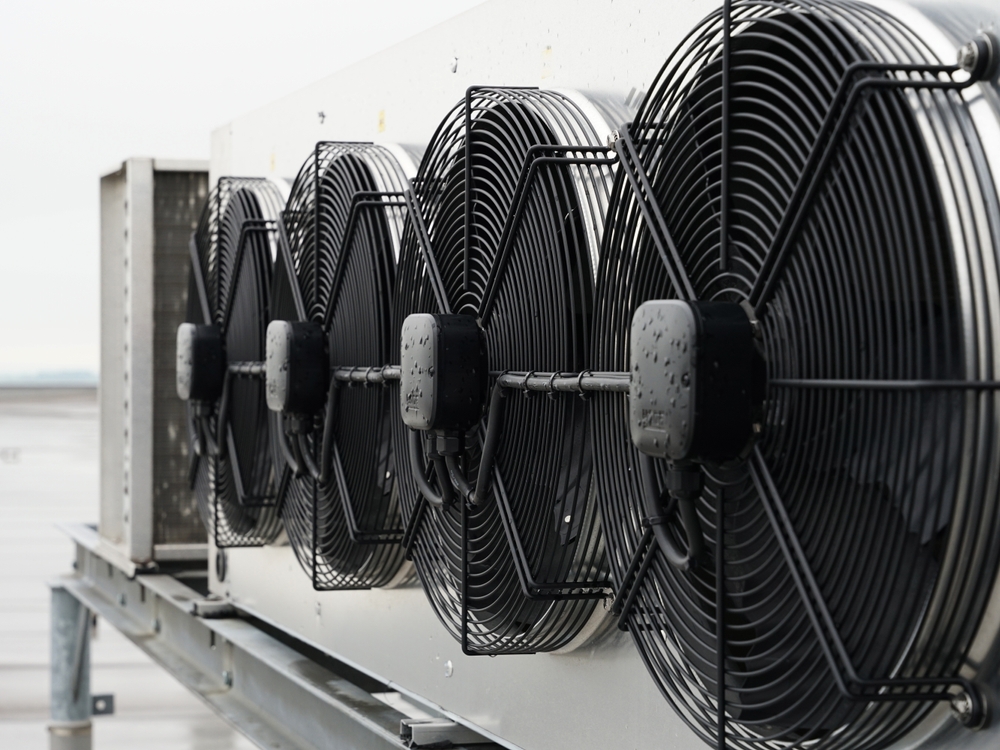
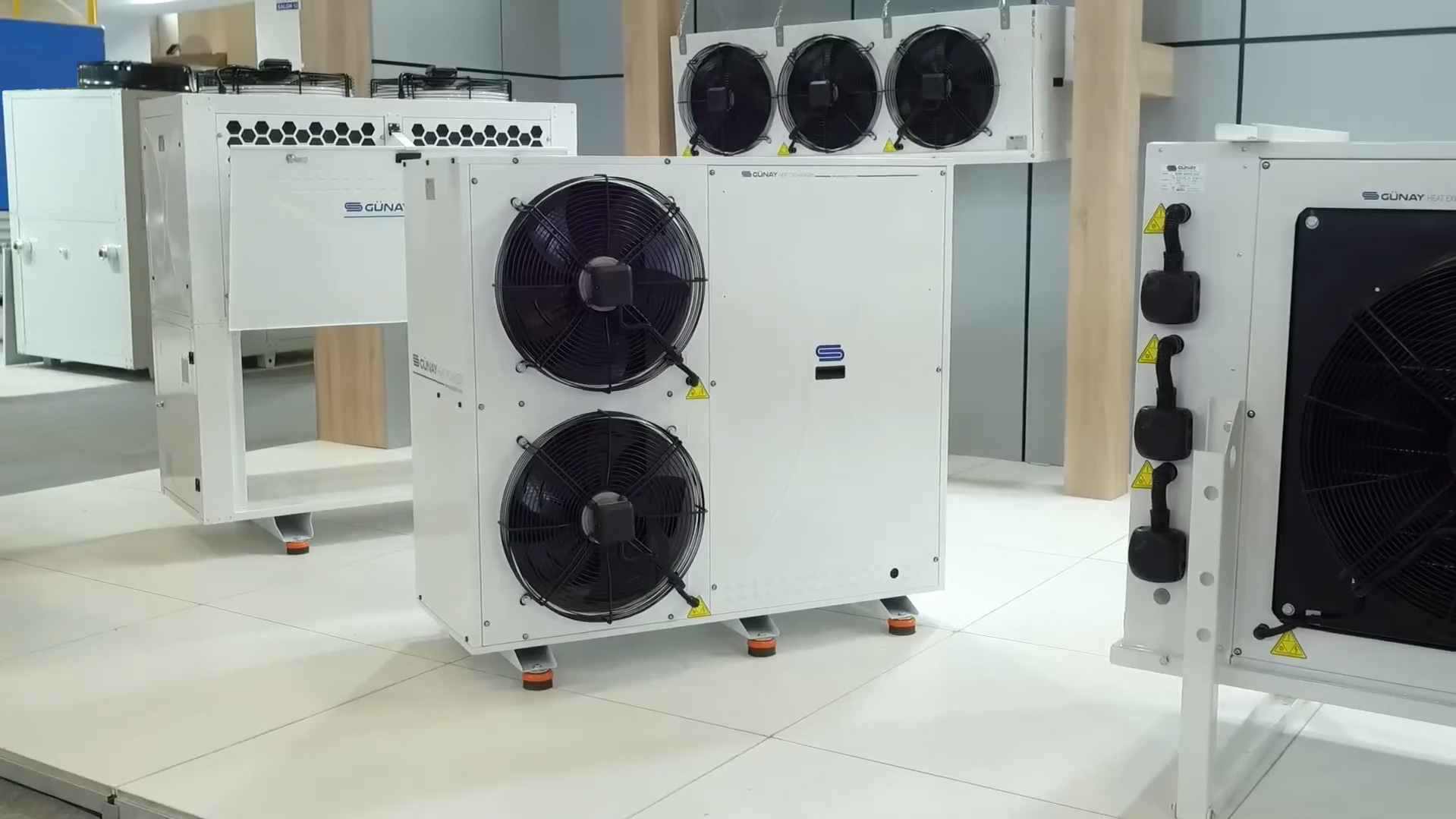
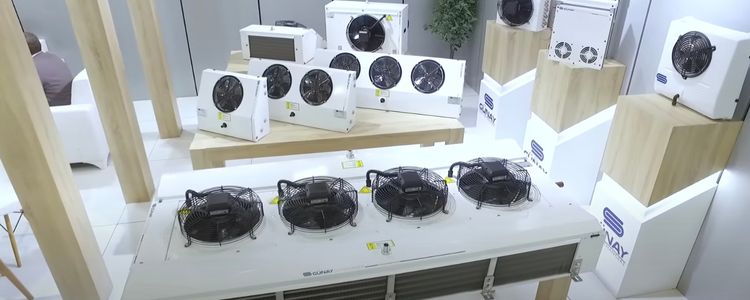
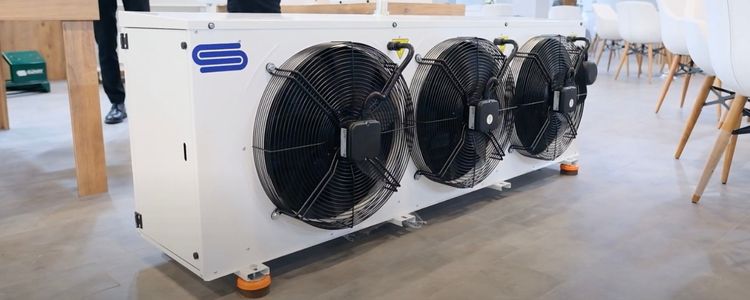
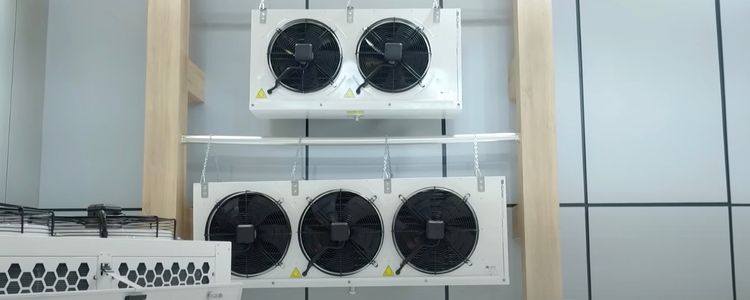
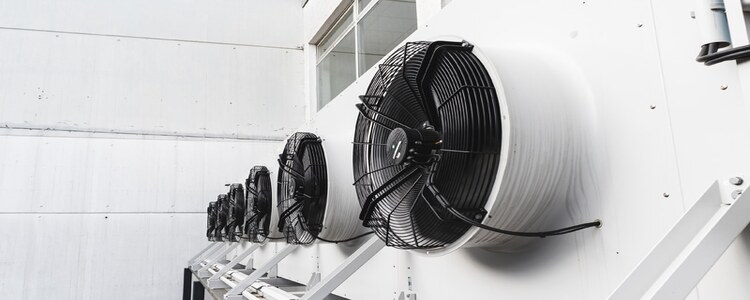
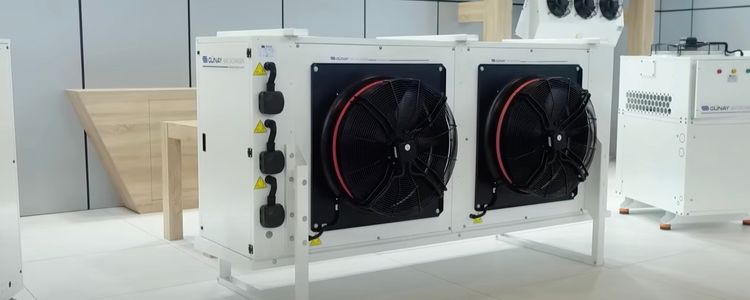
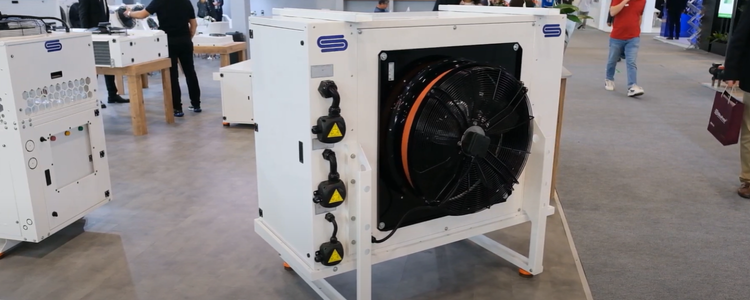
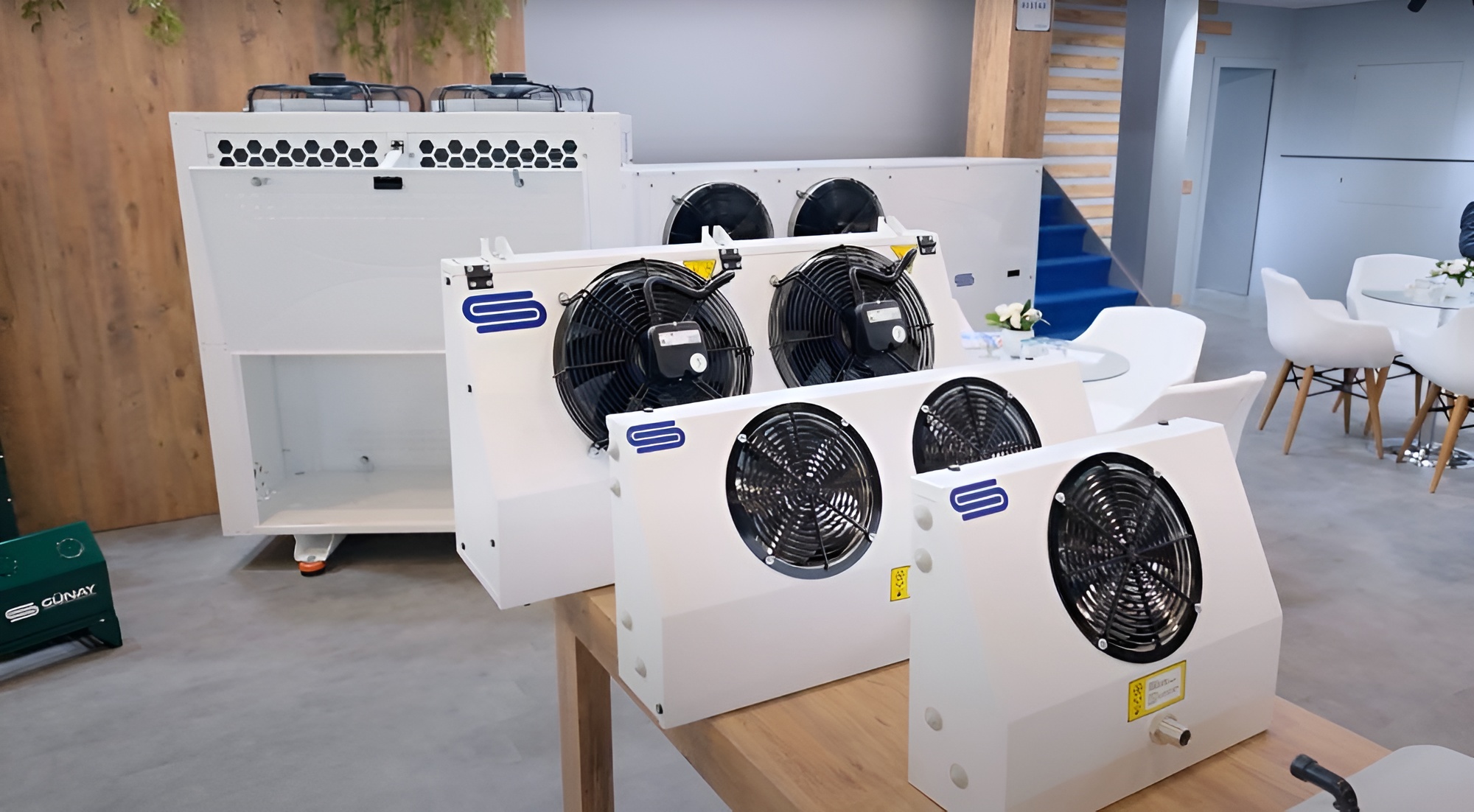
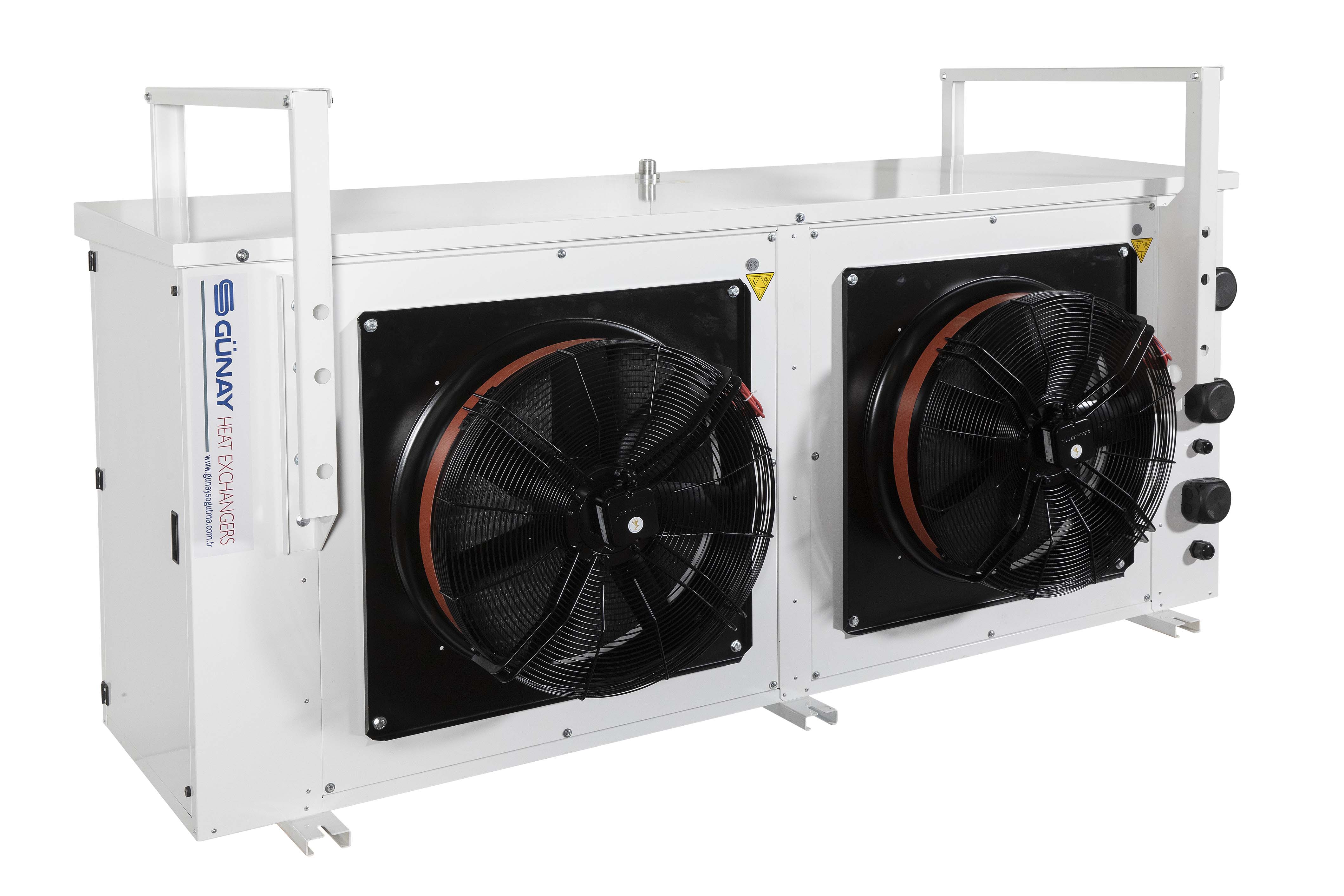
Advanced thermal management begins with precision-engineered components that minimize energy waste. Günay Soğutma's axial fan systems incorporate aerodynamic designs that reduce motor load by up to 30 percent compared to conventional models, while their custom cooling systems ensure perfect alignment with facility layouts and load requirements. These solutions work in concert to eliminate cold air stratification and temperature fluctuations that drive up energy consumption.
Intelligent automation transforms energy management from reactive to predictive. Modern cooling infrastructure employs IoT sensors and machine learning algorithms to anticipate demand spikes, adjust compressor staging, and optimize defrost cycles in real-time. This proactive approach prevents the 15-20 percent energy waste typical in facilities relying on manual controls, while extending equipment lifespan through reduced mechanical stress.
Facilities upgrading to sustainable cold storage solutions report payback periods under 24 months through combined energy and maintenance savings. Günay Soğutma's engineering team specializes in retrofitting existing operations with high-efficiency components that maintain long-lasting system durability while meeting strict food safety protocols. The integration of thermal energy recovery systems can further enhance savings by repurposing waste heat for facility warming or water heating.
Forward-thinking operators are implementing energy saving cooling strategies that combine advanced insulation materials with optimized airflow management. These comprehensive upgrades deliver measurable ROI through reduced utility bills, lower maintenance costs, and extended equipment life. Contact our technical team to analyze your facility's specific requirements and develop a tailored solution that maximizes your operational efficiency.
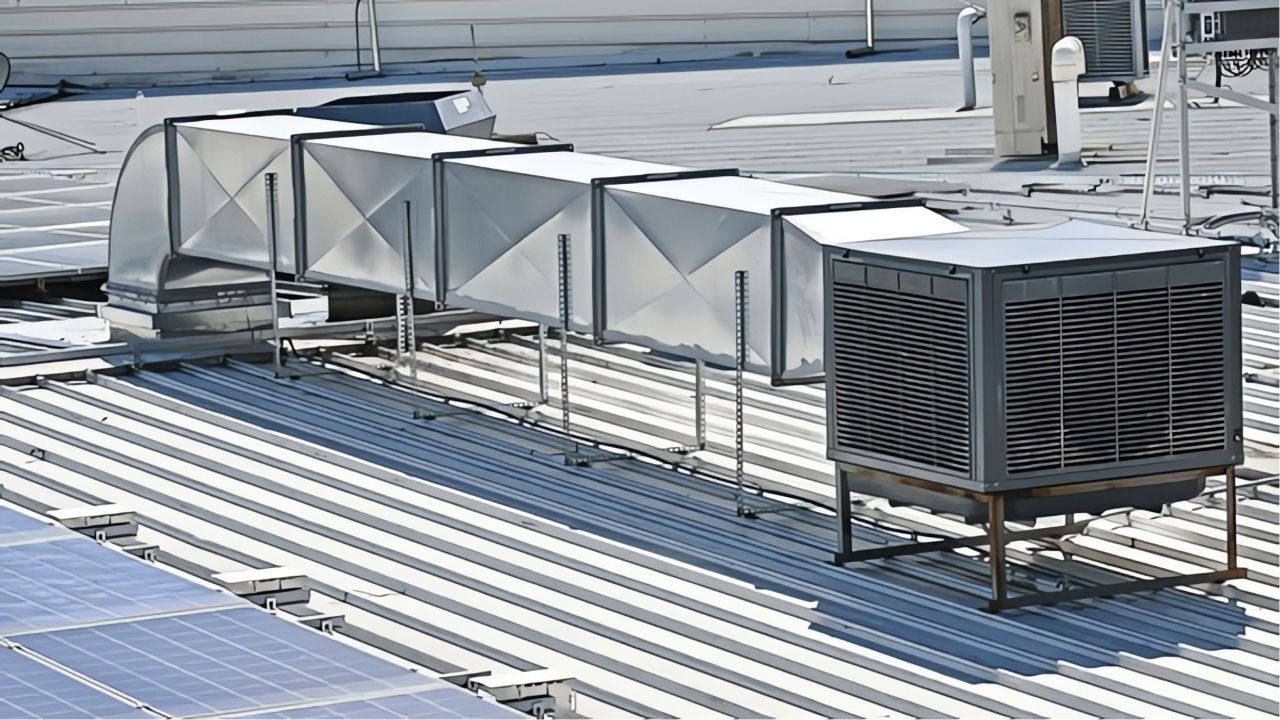
Industrial facilities seeking peak energy efficiency must evaluate cooling systems that balance performance with sustainability. The most advanced solutions combine variable-speed compressors, intelligent controls, and precision-engineered evaporator condenser production to minimize power consumption while maintaining exact temperature requirements. These systems typically achieve 30-50 percent greater efficiency than conventional alternatives.
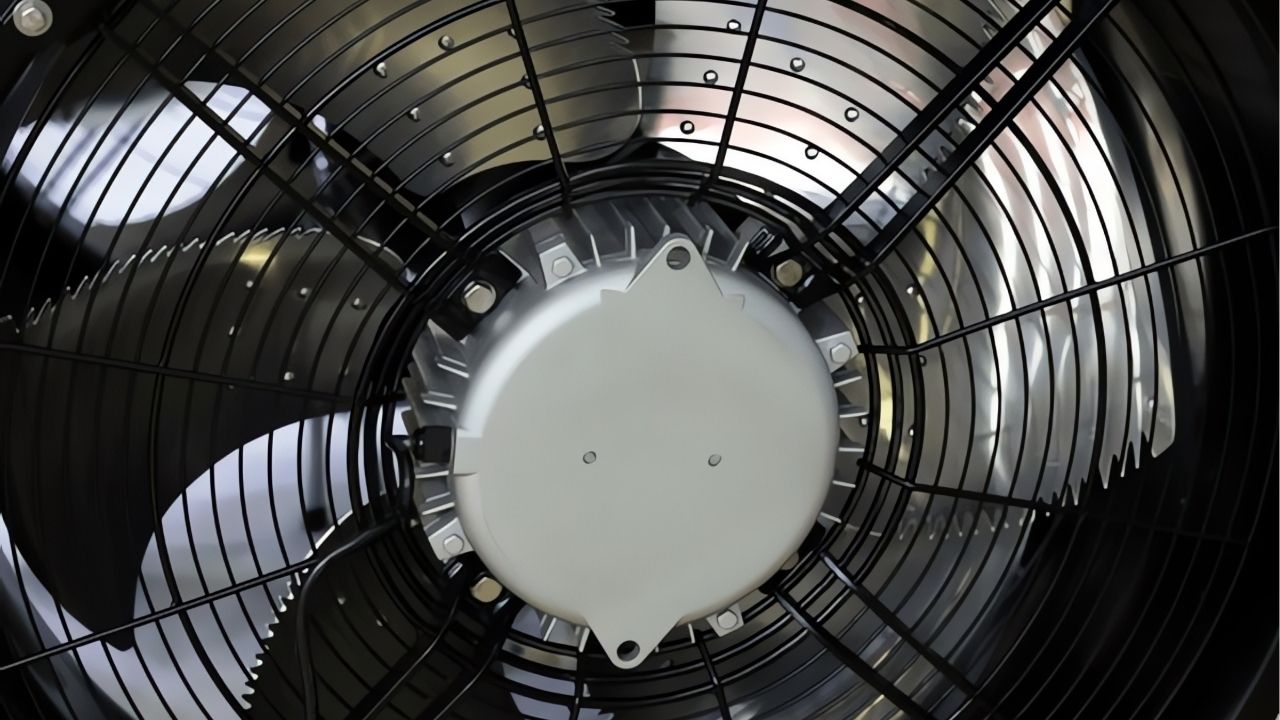
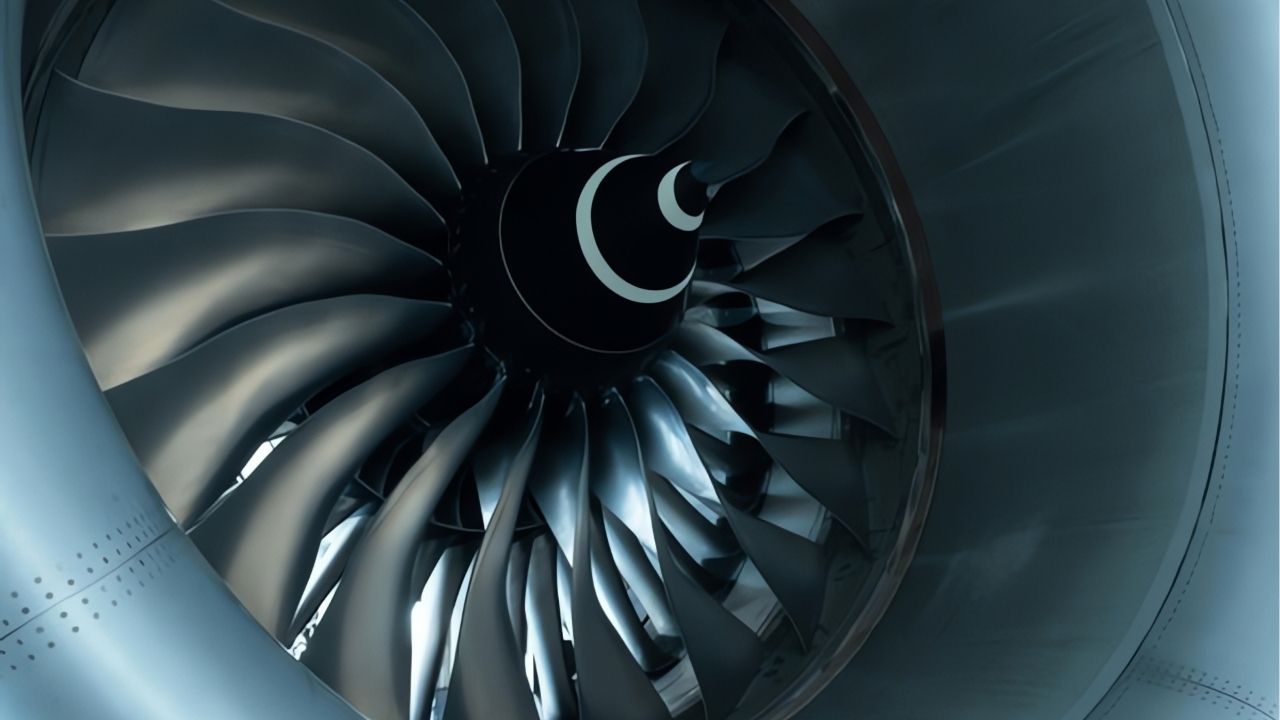
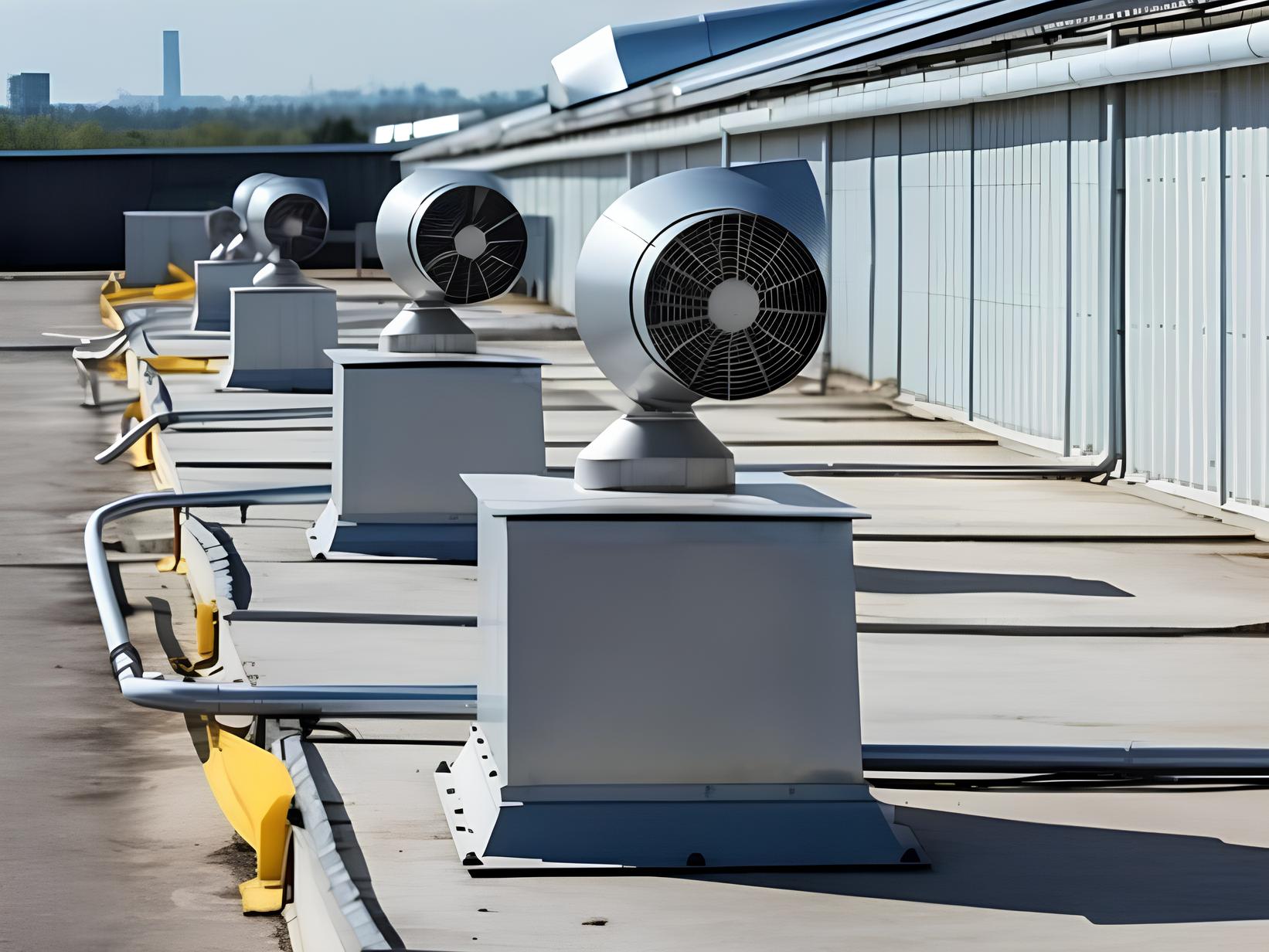
Modern industrial cooling solutions leverage advanced heat exchange technology to maximize thermal transfer while reducing energy input. Günay Soğutma's axial fan systems feature aerodynamically optimized blades and high-efficiency motors that move more air with less power, directly reducing operational costs. When integrated with custom cooling systems, these components create tailored solutions that eliminate energy waste from oversized or mismatched equipment.
The integration of smart controls represents a quantum leap in cooling infrastructure efficiency. These systems continuously monitor environmental conditions, adjusting compressor output and fan speeds in real-time to match actual cooling demand. This dynamic response prevents the energy spikes common in traditional on/off systems while maintaining precise temperature control within ±0.5°C, critical for sustainable cold storage operations.
Leading facilities are adopting energy saving cooling technologies that incorporate heat recovery systems, converting waste thermal energy into usable power for other facility operations. Günay Soğutma's engineering approach emphasizes long-lasting system durability through corrosion-resistant materials and robust construction, ensuring consistent performance across decades of operation. These systems not only reduce energy consumption but also minimize maintenance requirements and environmental impact.
Forward-thinking operators recognize that the most efficient cooling systems combine advanced technology with expert implementation. By partnering with experienced engineers who understand the nuances of industrial refrigeration, facilities can achieve optimal performance while maximizing their return on investment through reduced operational costs and extended equipment life.
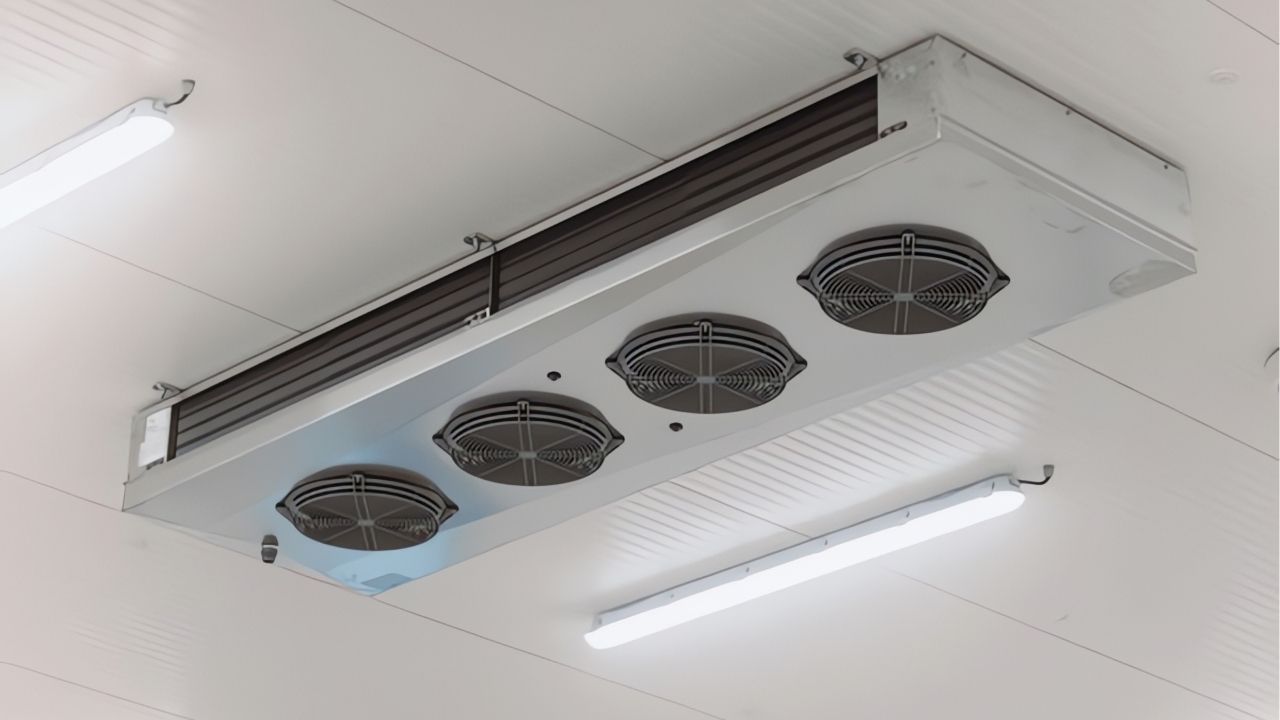
Optimizing evaporator performance delivers immediate energy efficiency gains and operational cost reductions in industrial refrigeration systems. Properly maintained evaporators can improve overall system efficiency by up to 25 percent, directly impacting the bottom line through reduced power consumption and extended equipment life. The key lies in balancing heat transfer rates with minimal energy input while maintaining precise temperature control.
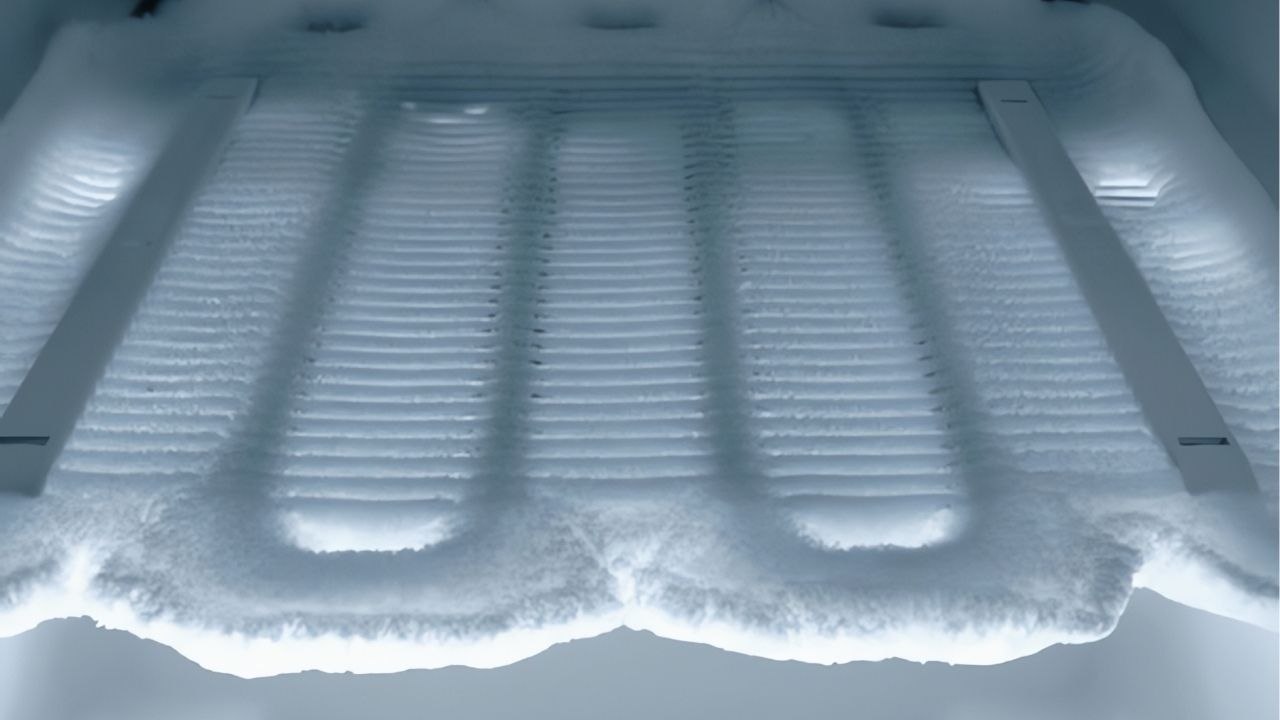
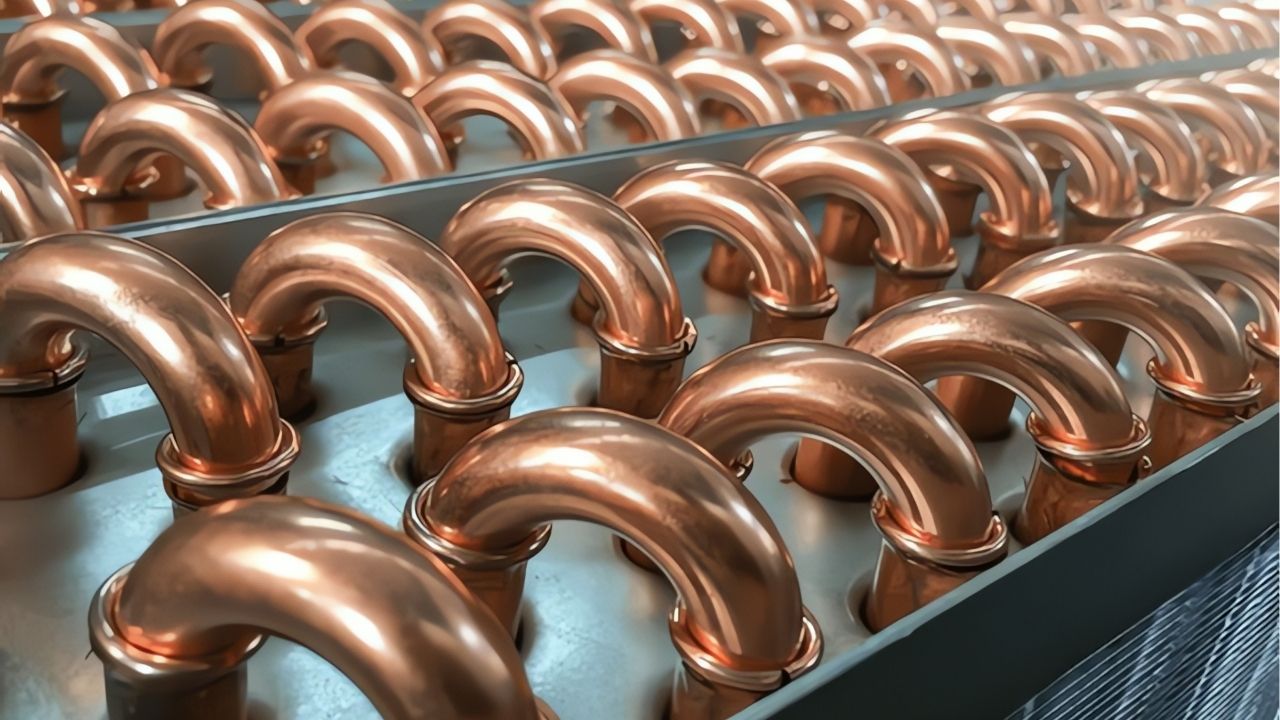
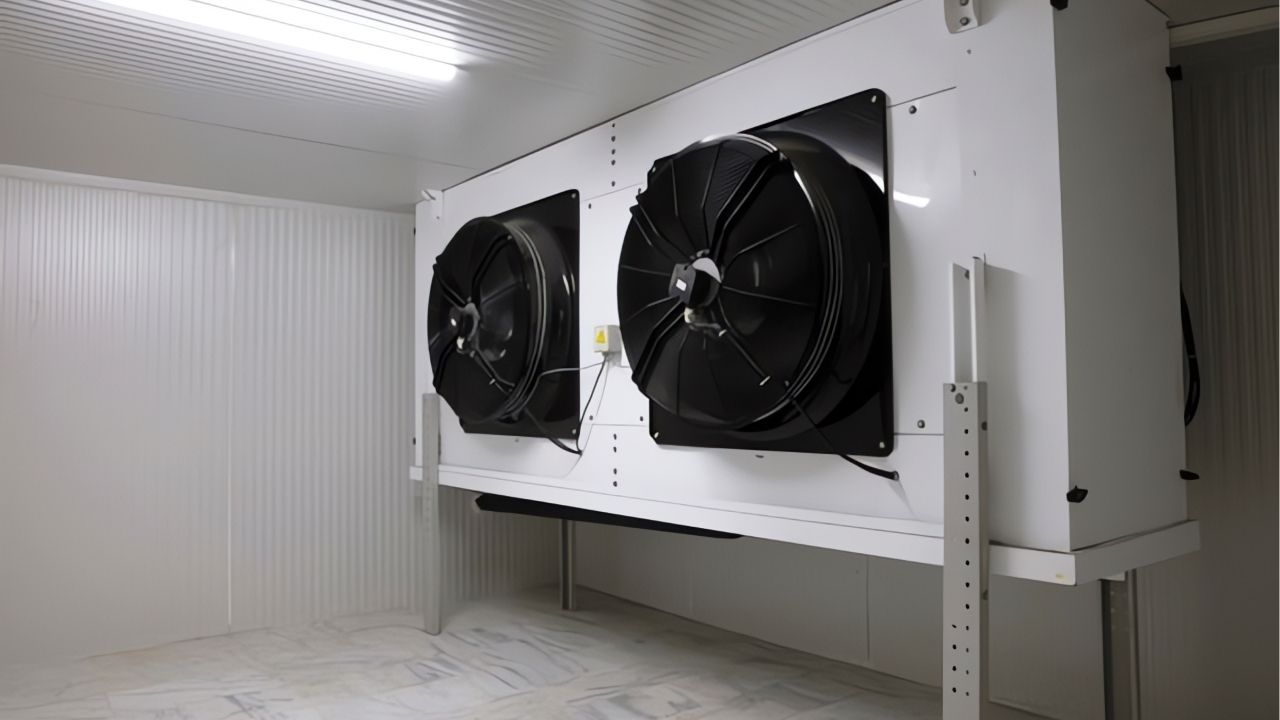
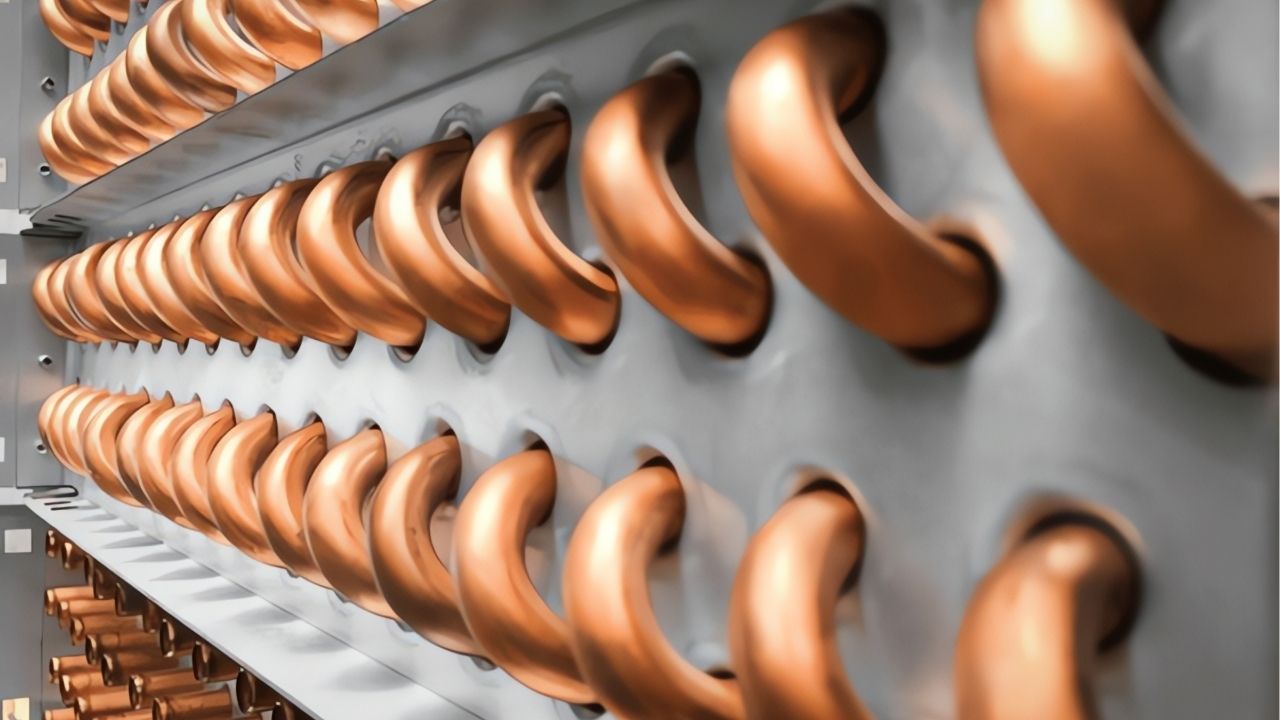
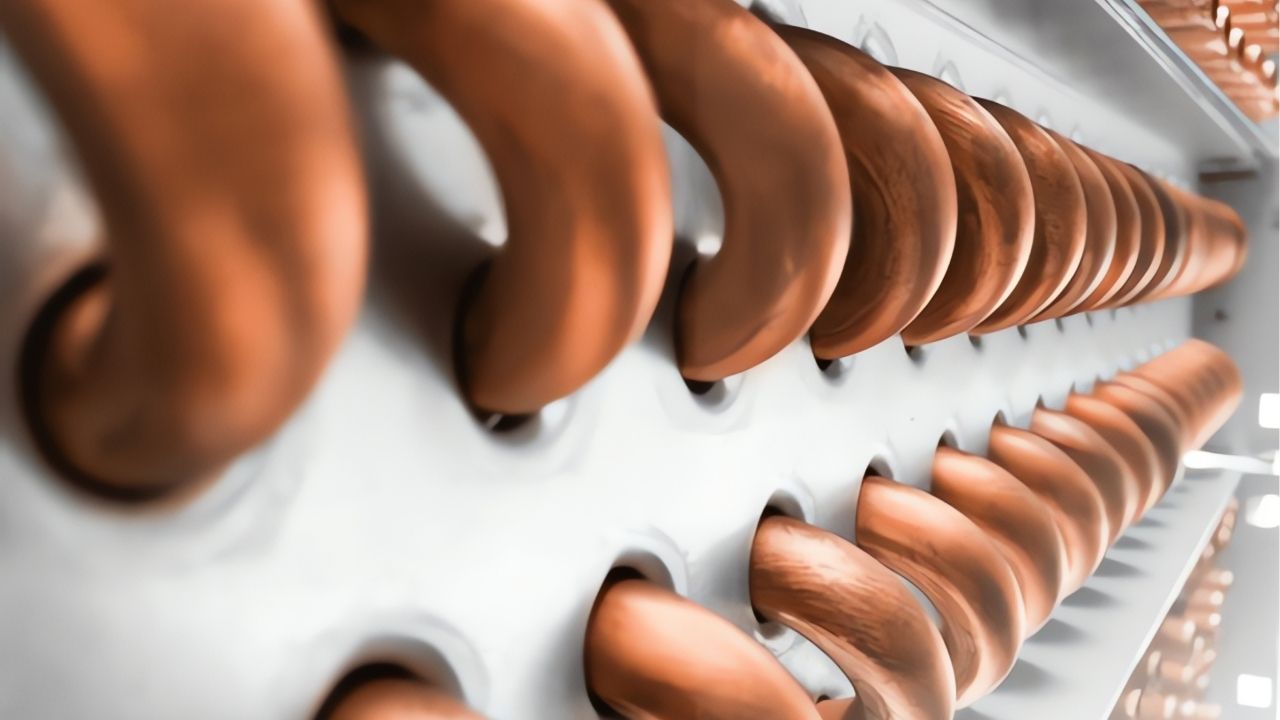
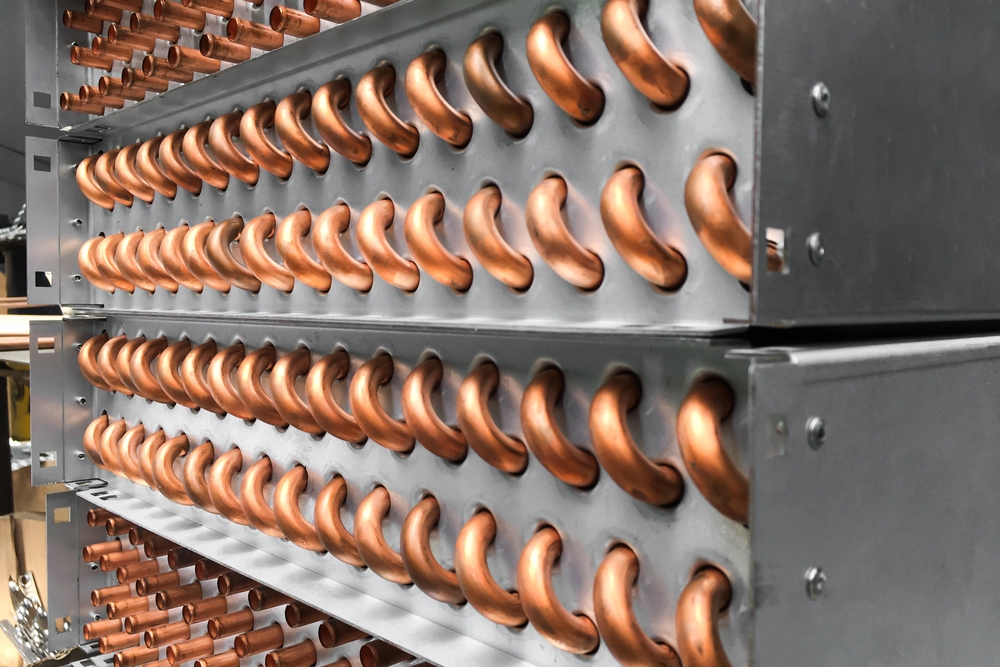
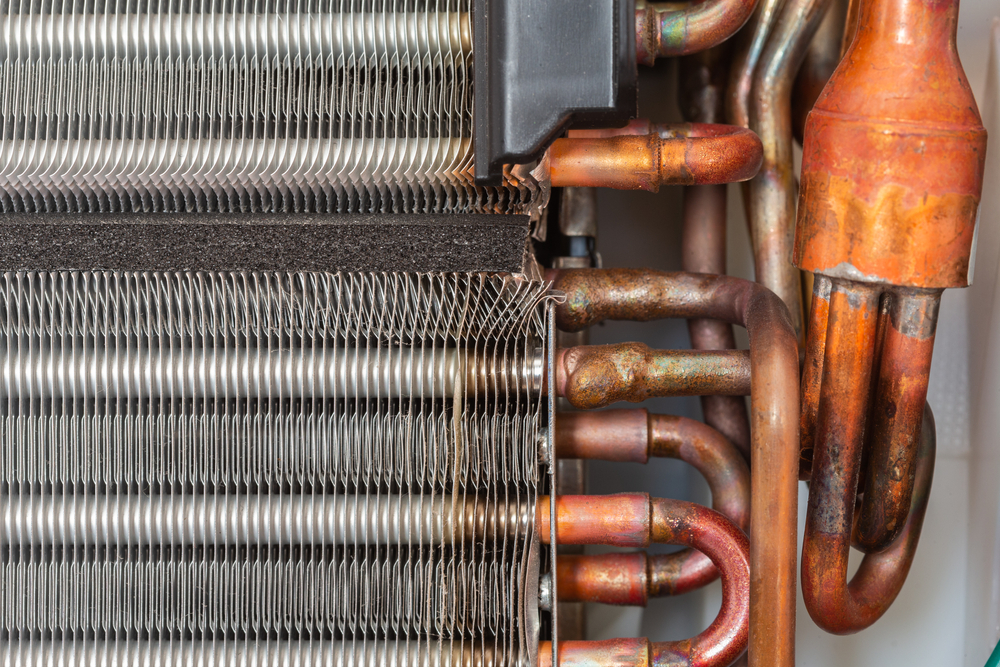
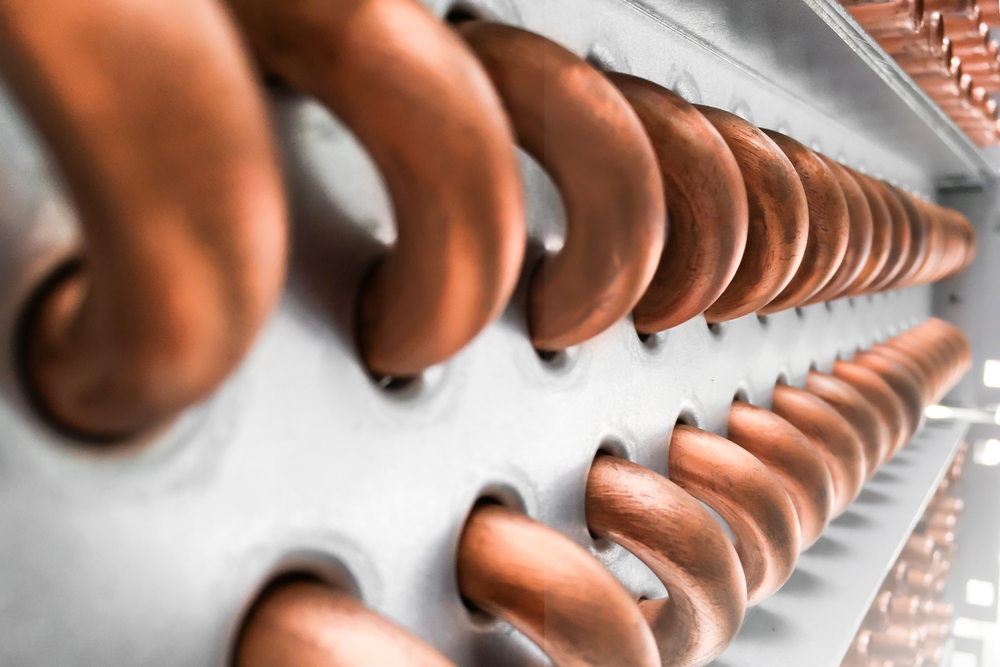
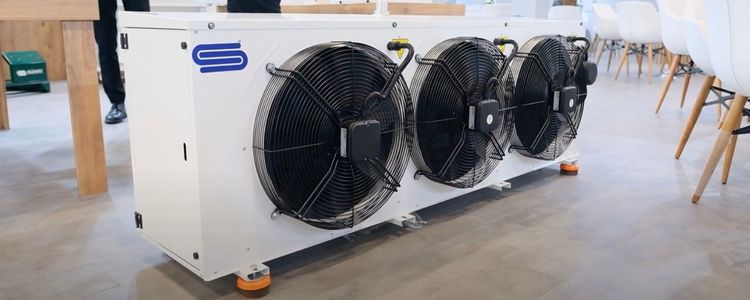
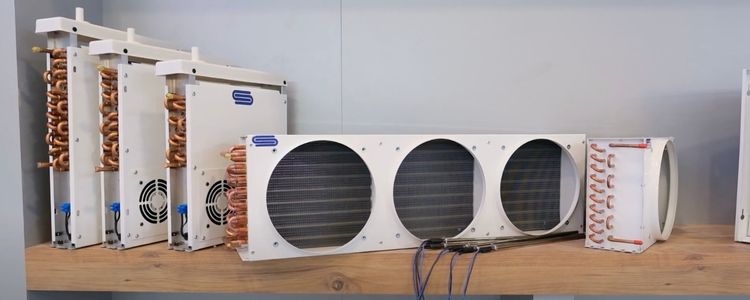
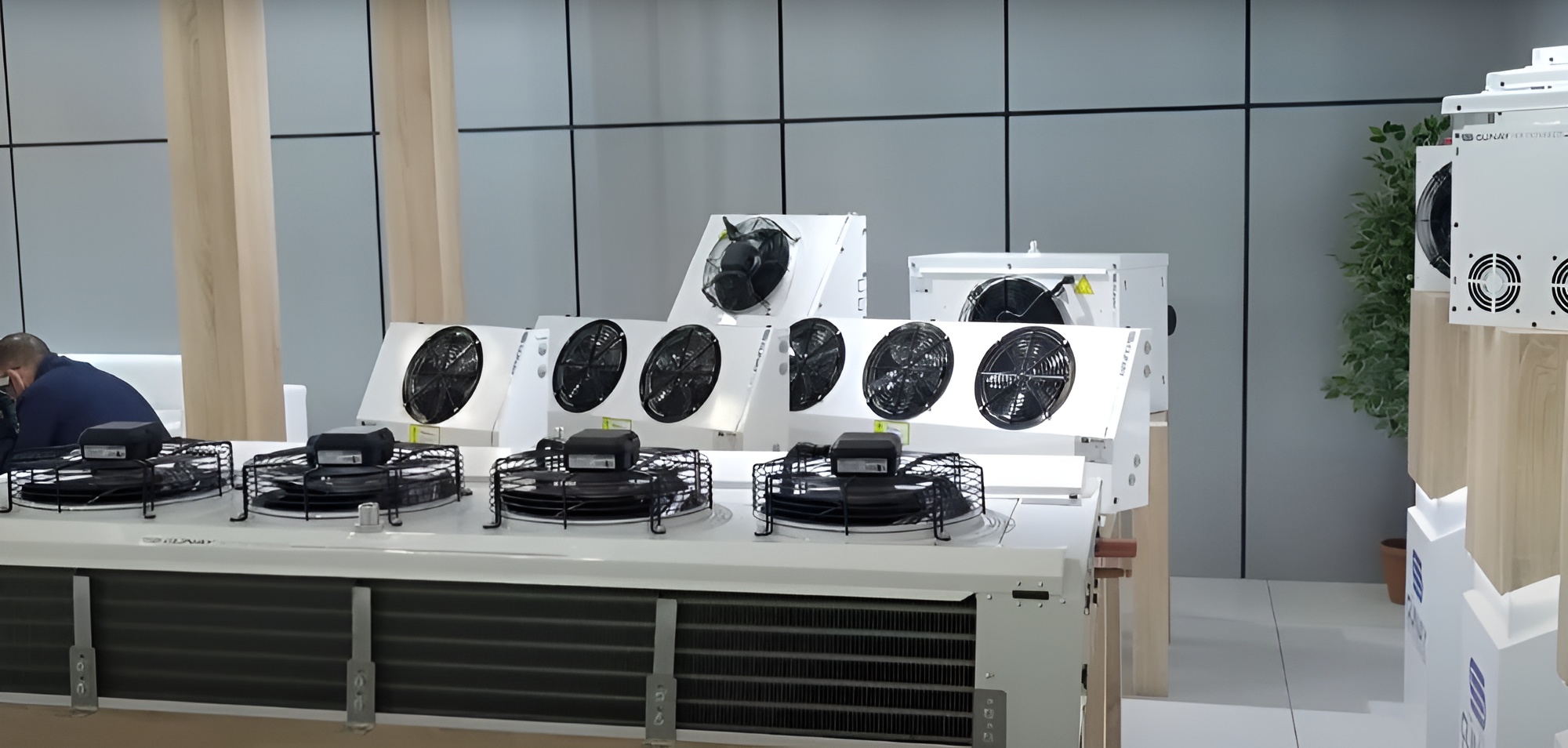
Advanced evaporator condenser production techniques now incorporate enhanced surface designs that maximize thermal exchange while minimizing frost formation. Günay Soğutma's engineering team focuses on optimizing fin spacing and tube configurations to achieve superior heat transfer coefficients, reducing the energy required for defrost cycles by up to 40 percent. These improvements are particularly valuable in industrial cooling solutions where consistent performance is critical.
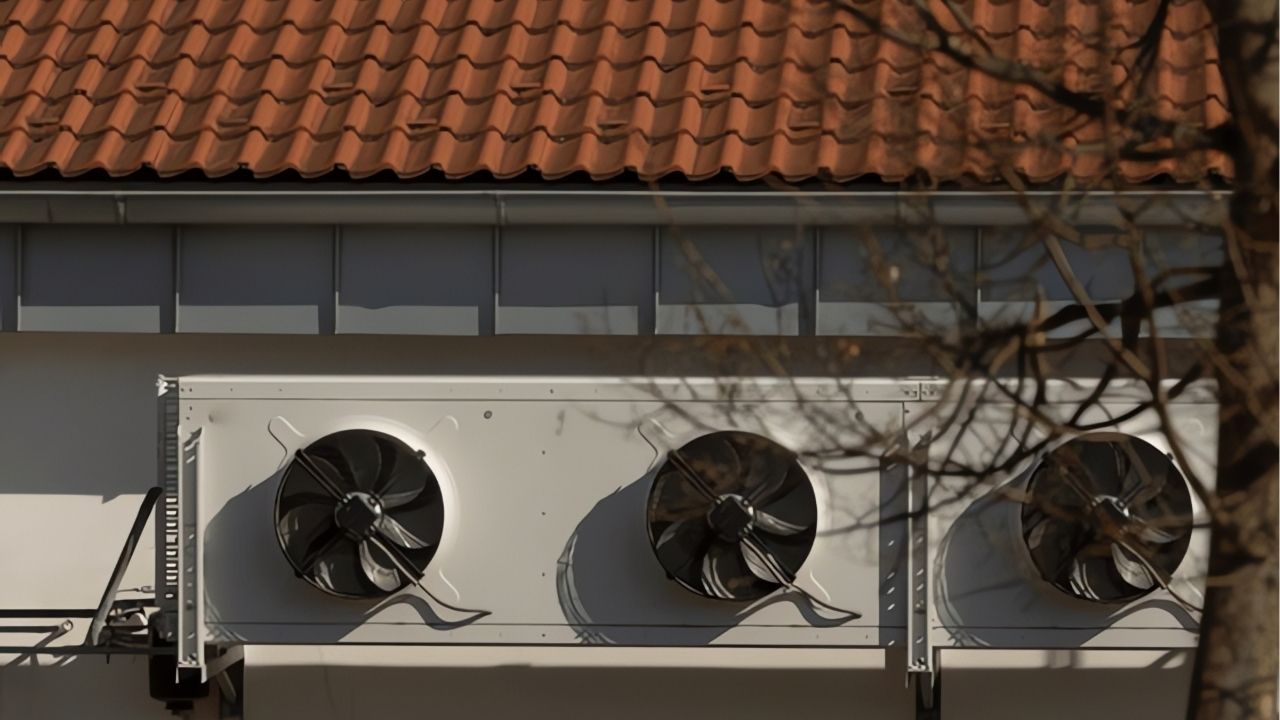
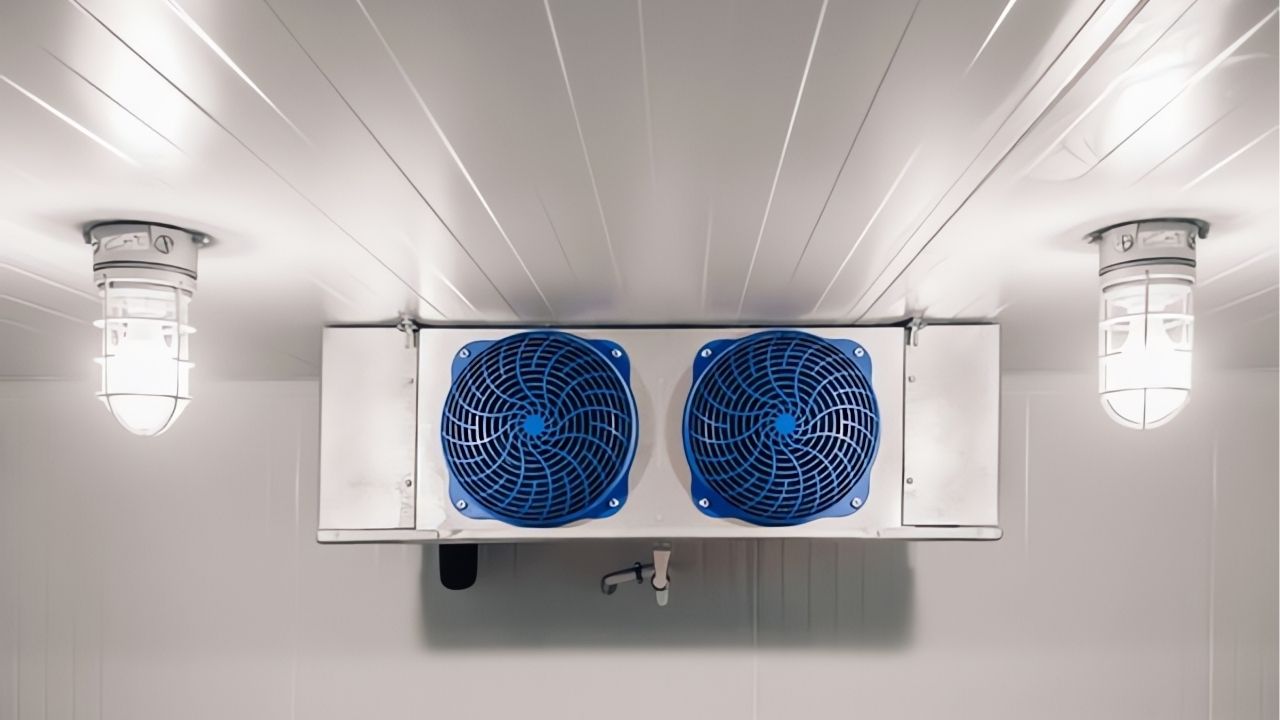
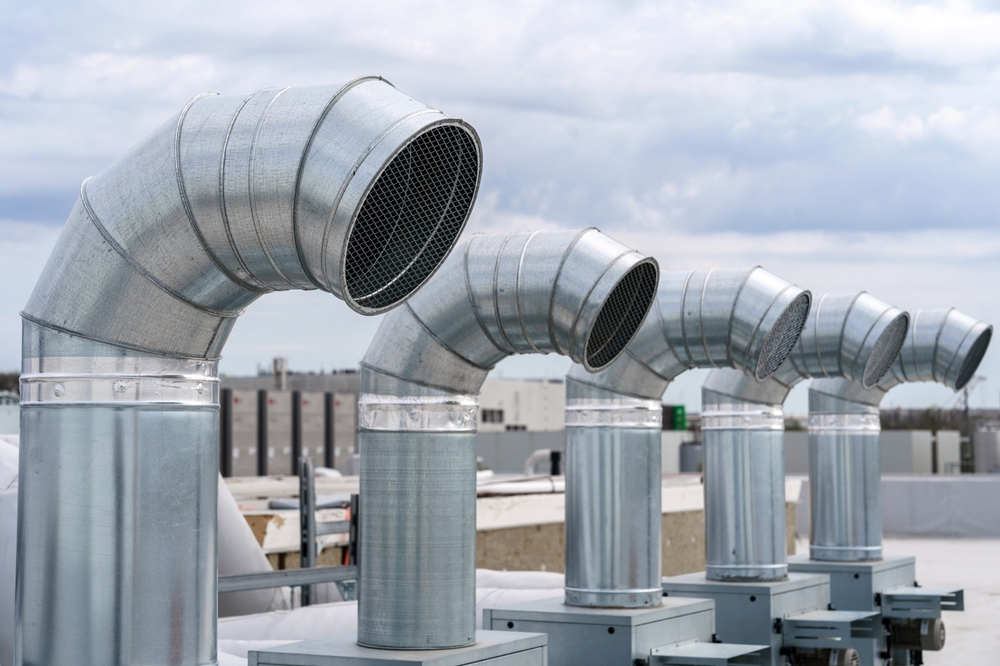
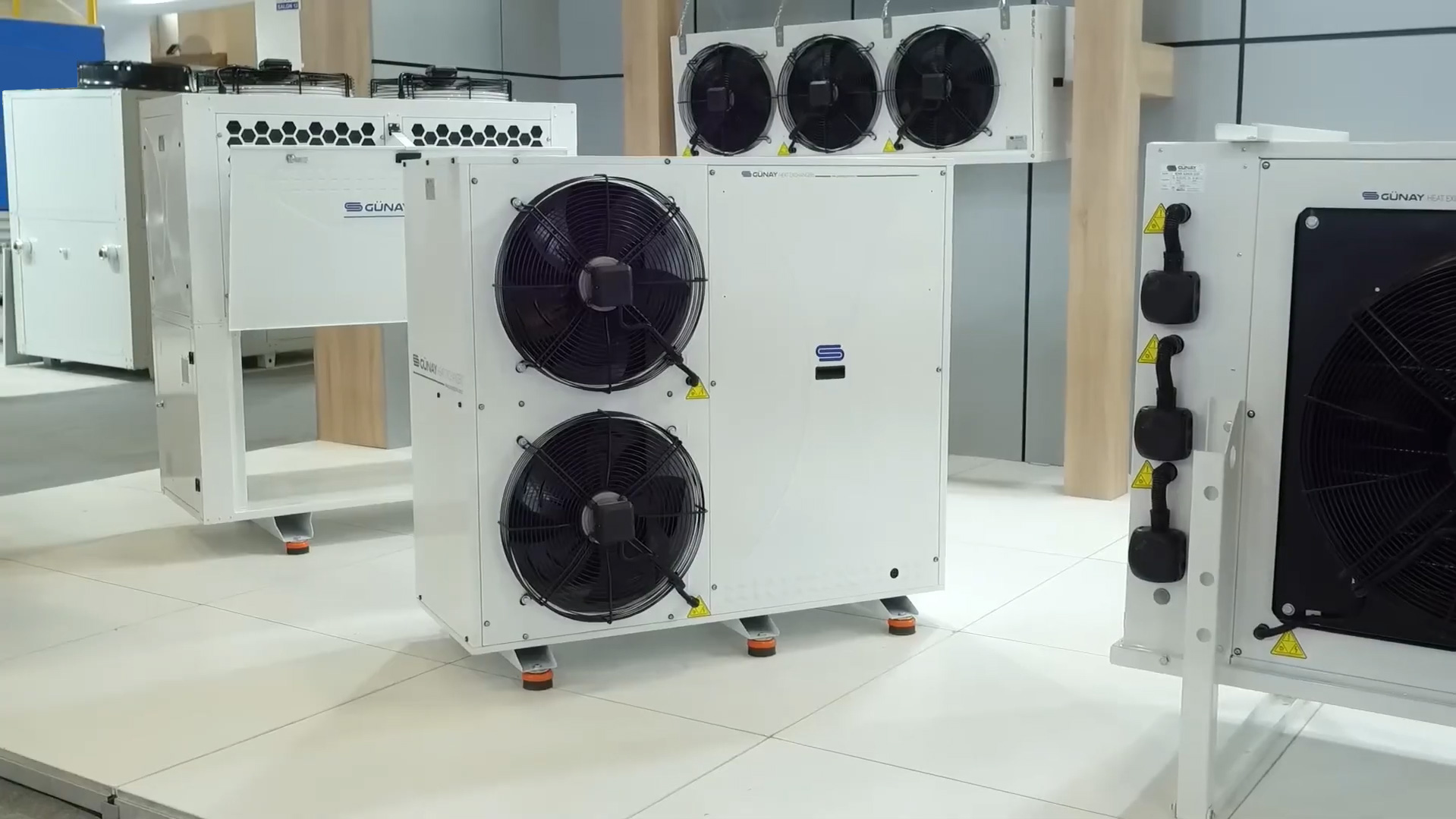
Strategic airflow management significantly enhances evaporator efficiency. Modern axial fan systems with variable frequency drives maintain optimal air velocity across coil surfaces, preventing ice buildup while minimizing fan energy consumption. When integrated with custom cooling systems, these components create a balanced refrigeration circuit that operates at peak efficiency across varying load conditions.
Intelligent control systems represent the next frontier in evaporator optimization. By continuously monitoring temperature differentials and humidity levels, these systems adjust defrost cycles and fan speeds in real-time, preventing unnecessary energy use while maintaining precise environmental control. This approach to cooling infrastructure management can reduce overall energy consumption by 15-20 percent while extending component lifespan through reduced mechanical stress.
Regular maintenance protocols are essential for sustaining peak evaporator performance. Günay Soğutma recommends quarterly inspections of coil cleanliness, refrigerant charge levels, and airflow patterns to ensure optimal operation. These proactive measures, combined with long-lasting system durability features like corrosion-resistant materials, protect your investment while maximizing energy savings throughout the equipment's operational life.
Smart control systems are revolutionizing energy efficiency in cold storage facilities, with documented reductions of 15-30 percent in power consumption. These advanced systems leverage real-time data analytics and machine learning to optimize every aspect of refrigeration operations, from compressor cycling to defrost timing. The result is precise temperature control with minimal energy waste, directly addressing the industry's dual challenge of rising costs and environmental responsibility.
Modern industrial cooling solutions integrate IoT sensors throughout the facility to monitor temperature gradients, door openings, and product movement. Günay Soğutma's implementation of these technologies enables predictive adjustments to evaporator condenser production output, ensuring optimal performance during peak demand periods while reducing energy use during low-activity hours. This dynamic response capability is particularly valuable in facilities with varying cooling loads.
The true power of smart controls lies in their ability to coordinate multiple system components. Advanced algorithms synchronize axial fan systems with compressor operations, adjusting speeds based on real-time cooling requirements. When integrated with custom cooling systems, these controls create a responsive network that eliminates energy waste from over-cooling or temperature fluctuations, maintaining product integrity while reducing operational costs.
Intelligent cooling infrastructure goes beyond basic automation by learning from historical data to anticipate future needs. These systems can predict peak load times, optimize defrost cycles based on humidity levels, and even adjust settings for seasonal variations. This proactive approach to sustainable cold storage management extends equipment lifespan by reducing mechanical stress and preventing unnecessary wear.
Facilities implementing smart controls report rapid ROI through reduced utility bills and maintenance costs. Günay Soğutma's engineering team specializes in retrofitting existing operations with these advanced systems, ensuring seamless integration with current long-lasting system durability features. The combination of intelligent controls and robust hardware creates a future-proof solution that delivers consistent performance while adapting to evolving operational requirements.
Proactive maintenance strategies can reduce industrial cooling costs by up to 40 percent while extending equipment lifespan and ensuring consistent performance. Regular inspection and servicing of cooling infrastructure components prevents minor issues from escalating into costly failures, directly impacting operational efficiency and bottom-line results. The most effective maintenance programs combine scheduled servicing with condition-based monitoring to optimize energy efficiency across all system components.
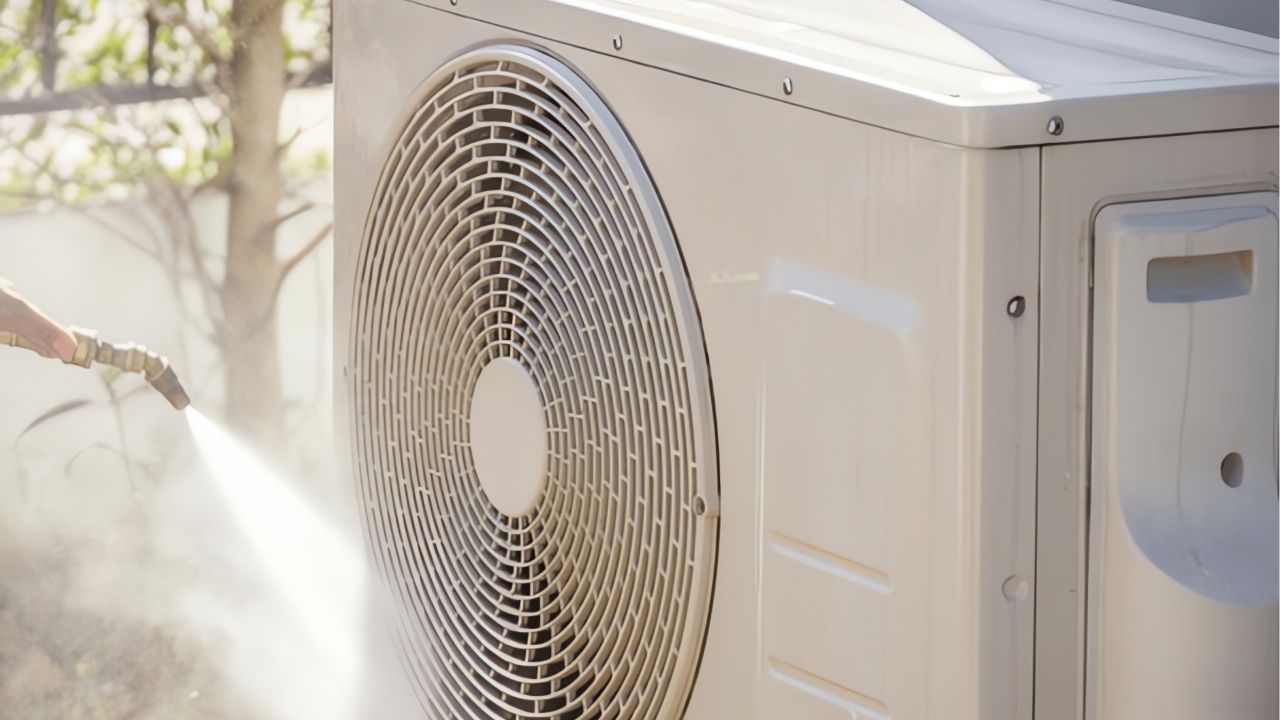
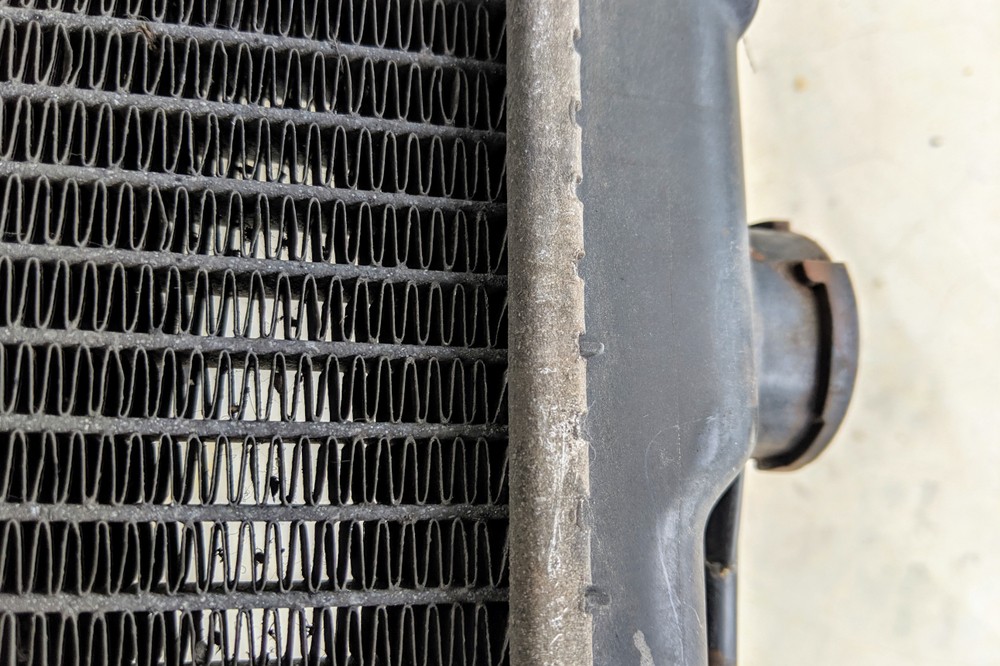
Coil cleaning represents one of the most impactful maintenance activities for industrial cooling solutions. Dirty evaporator and condenser coils can increase energy consumption by 30 percent due to reduced heat transfer efficiency. Günay Soğutma recommends quarterly inspections and cleaning of these critical components, particularly in facilities with high particulate matter or chemical exposure. This simple maintenance task can significantly improve evaporator condenser production efficiency and reduce compressor workload.
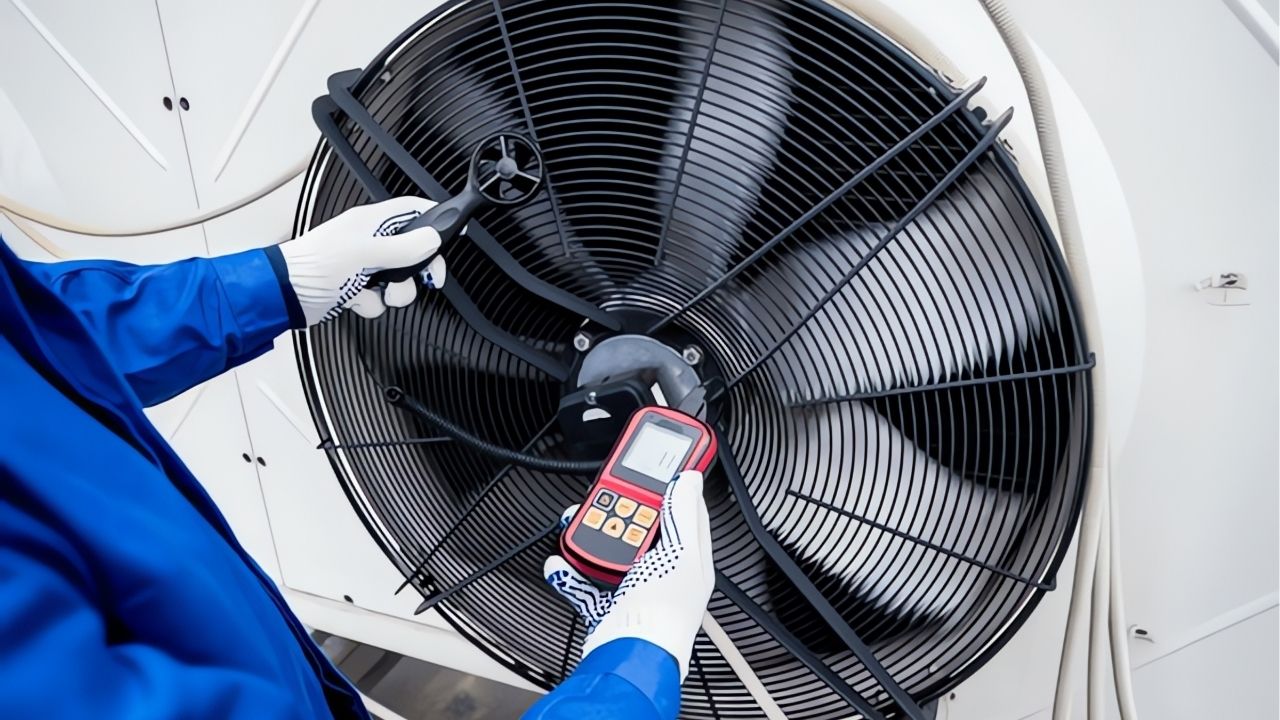
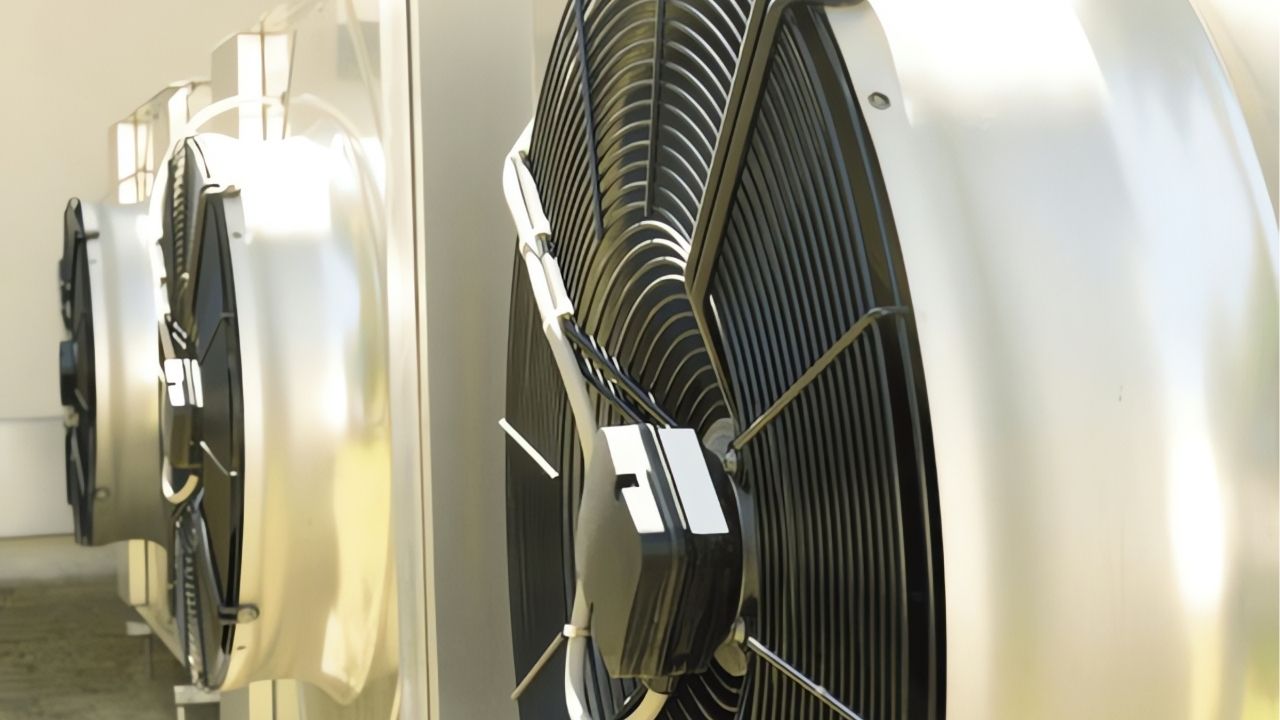
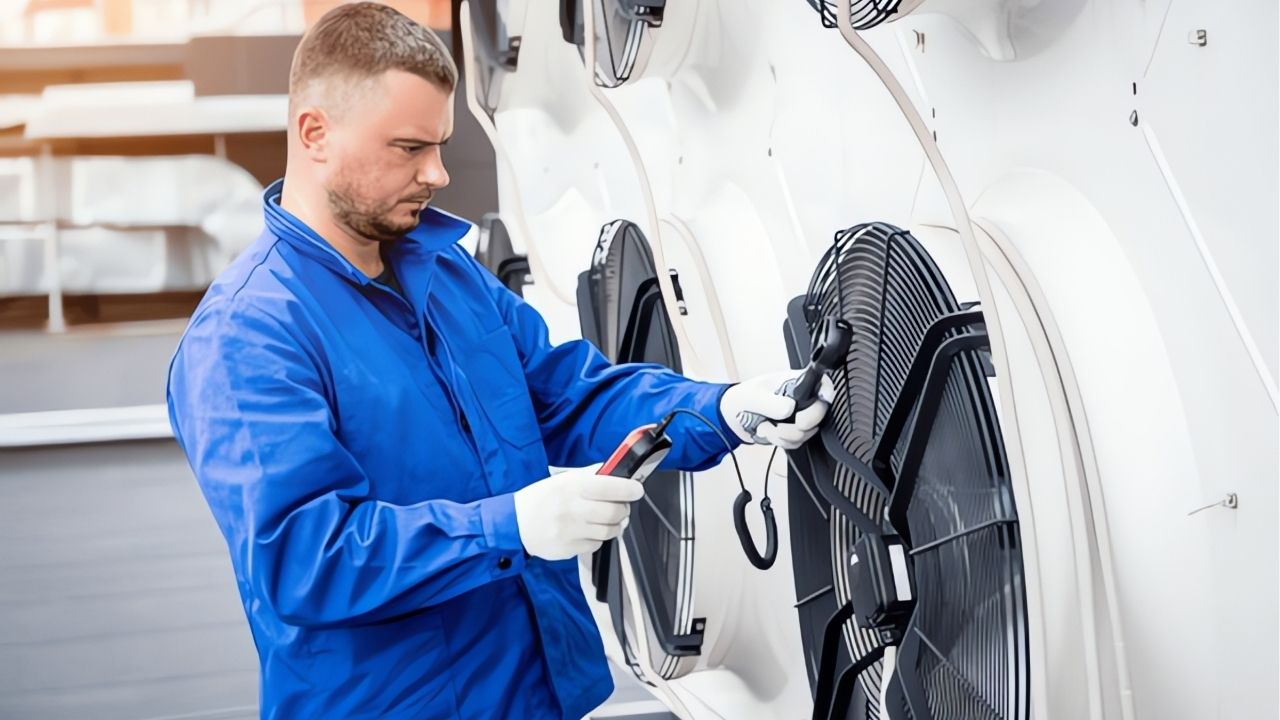
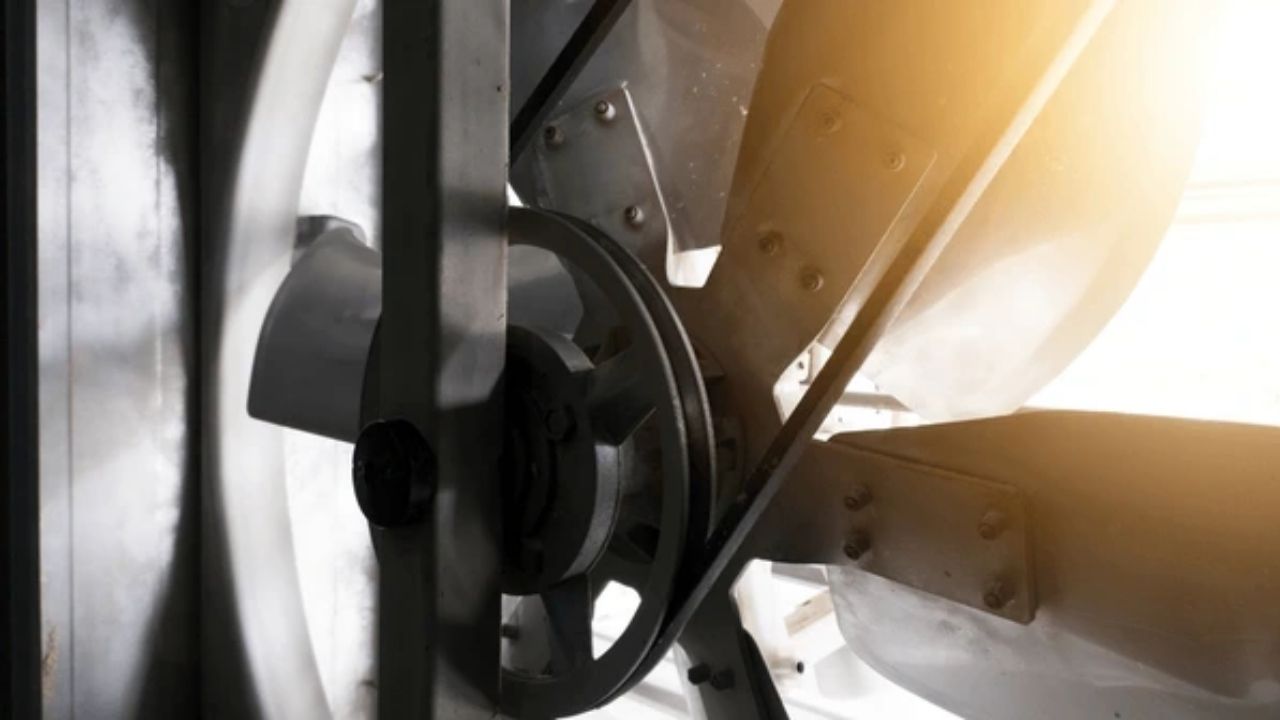
Regular lubrication and alignment of axial fan systems prevents premature bearing failure and reduces motor strain, lowering energy consumption by up to 15 percent. Vibration analysis and thermal imaging during routine maintenance can identify potential issues before they cause unplanned downtime. These proactive measures are especially important in custom cooling systems where precise airflow is critical for maintaining consistent temperatures.
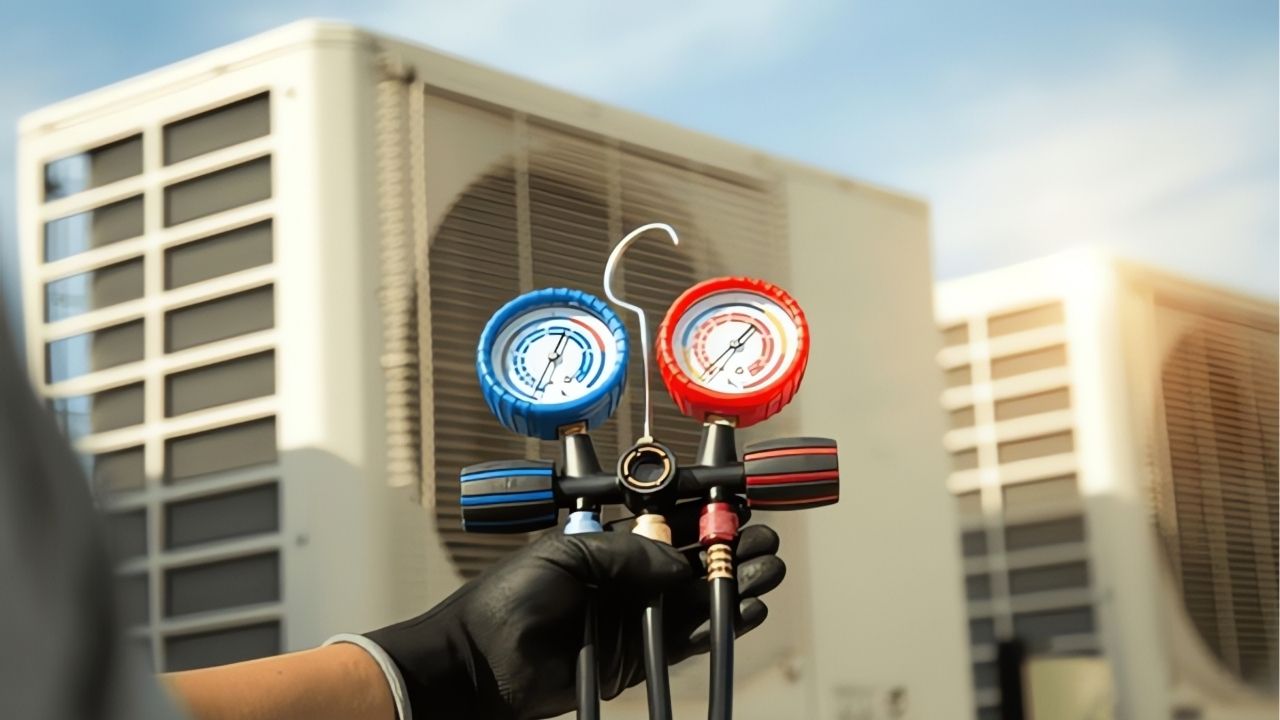
Refrigerant management plays a crucial role in maintaining sustainable cold storage operations. Regular leak detection and charge verification ensure optimal system performance while minimizing environmental impact. Günay Soğutma's maintenance protocols include advanced leak detection methods that can identify even minor refrigerant losses, preventing the 5-10 percent efficiency drop associated with undercharged systems.
Implementing a comprehensive maintenance program for long-lasting system durability requires expertise and proper tools. Partnering with experienced technicians who understand the specific requirements of industrial refrigeration systems ensures that maintenance activities deliver maximum return on investment through reduced energy costs, extended equipment life, and minimized production interruptions.

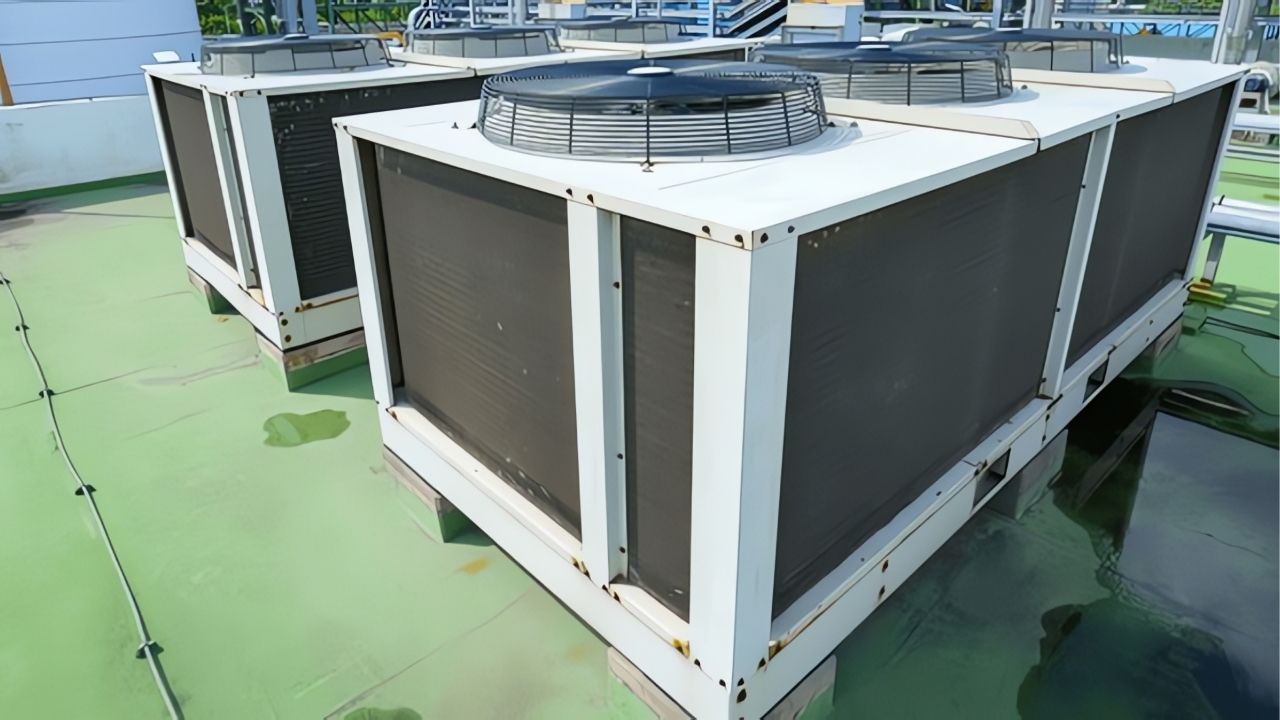
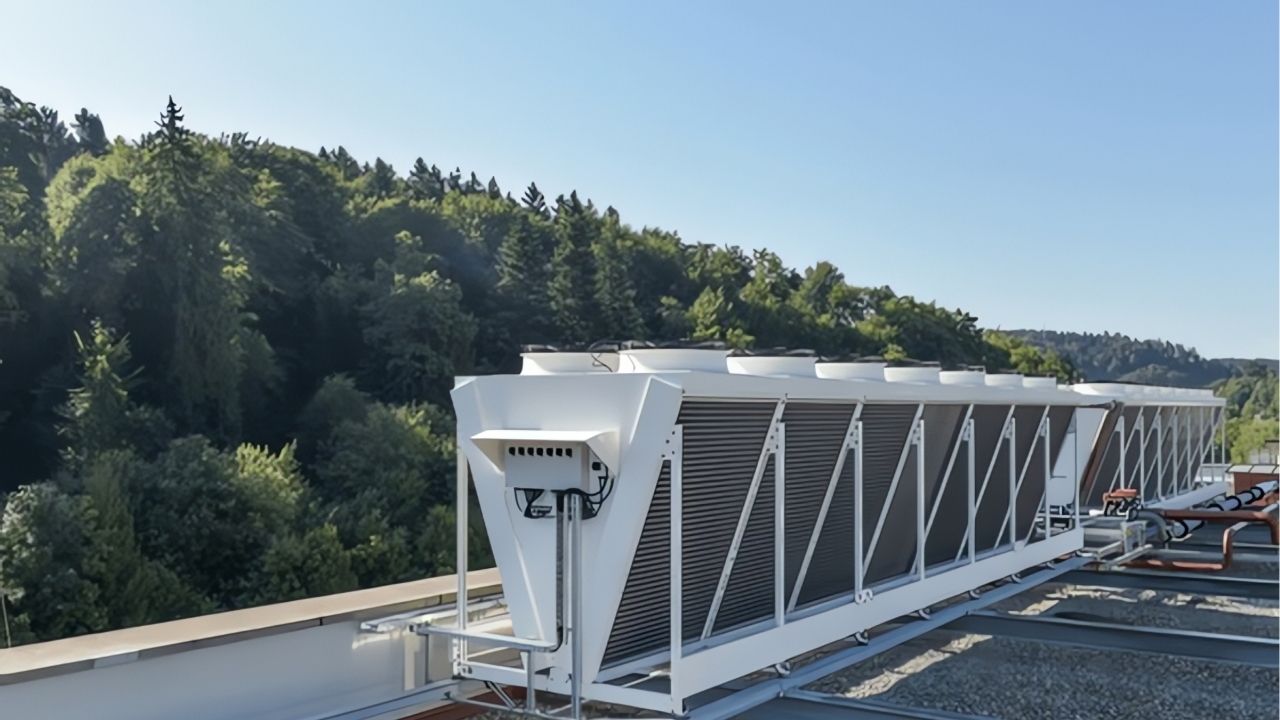
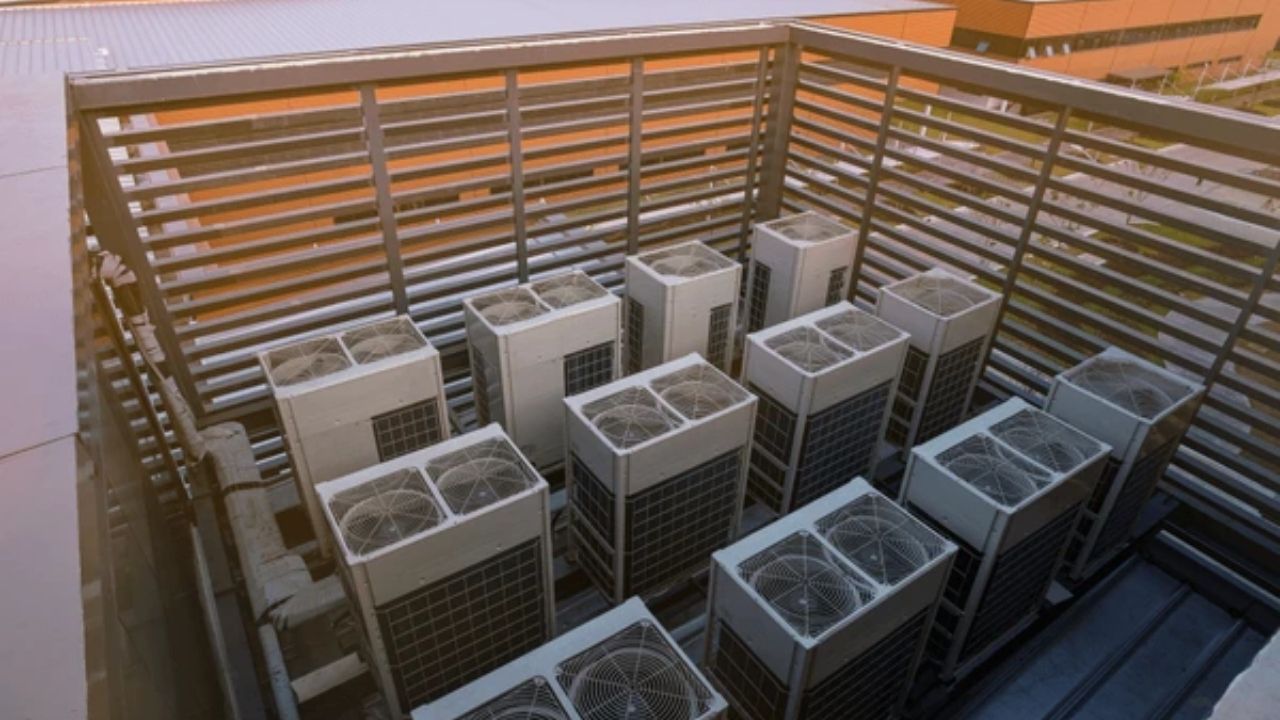
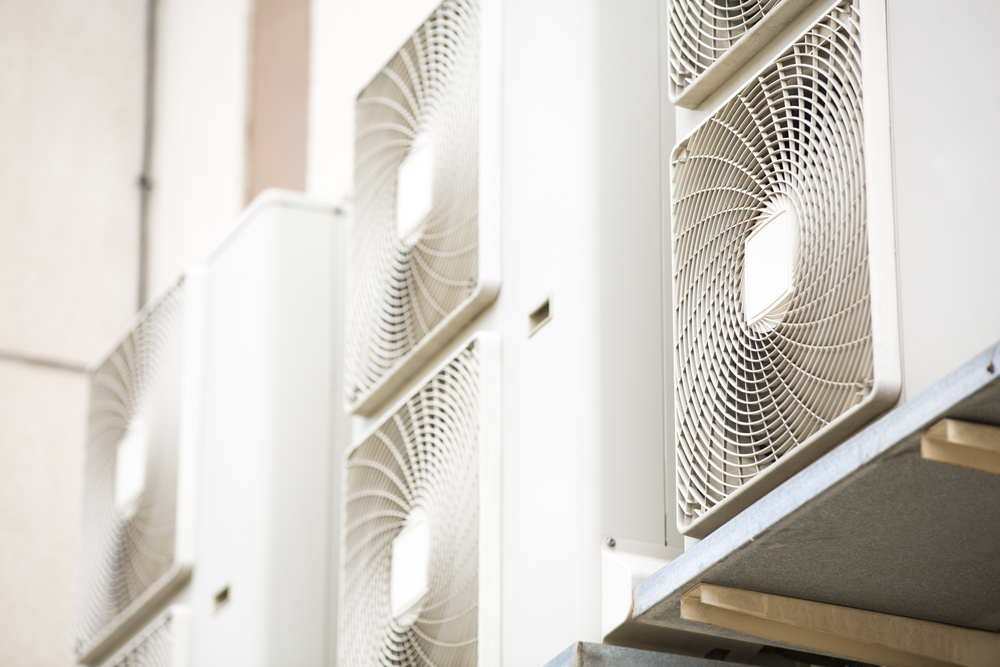
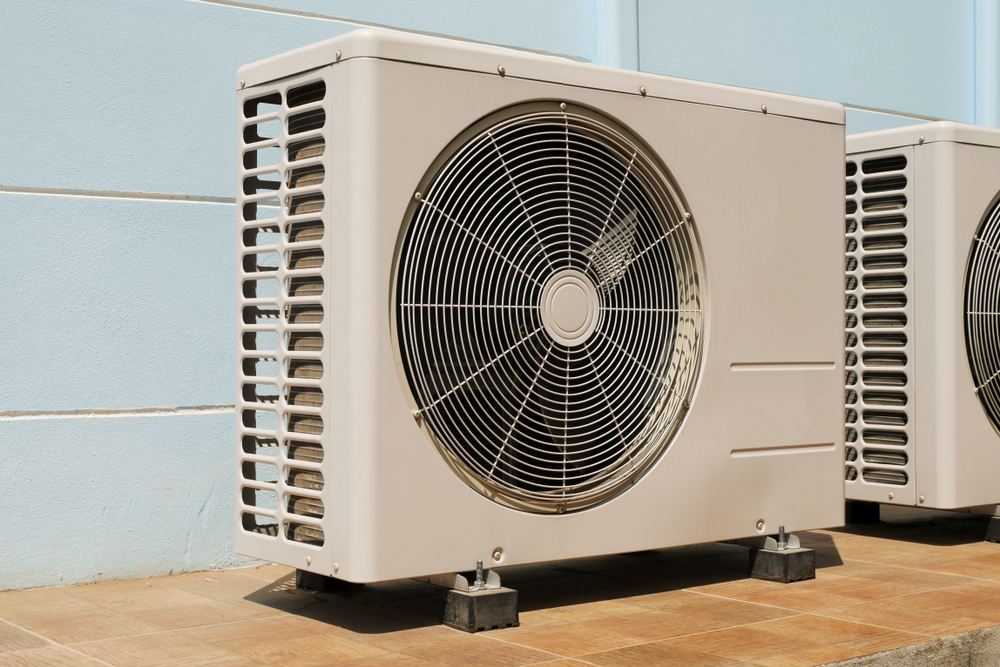
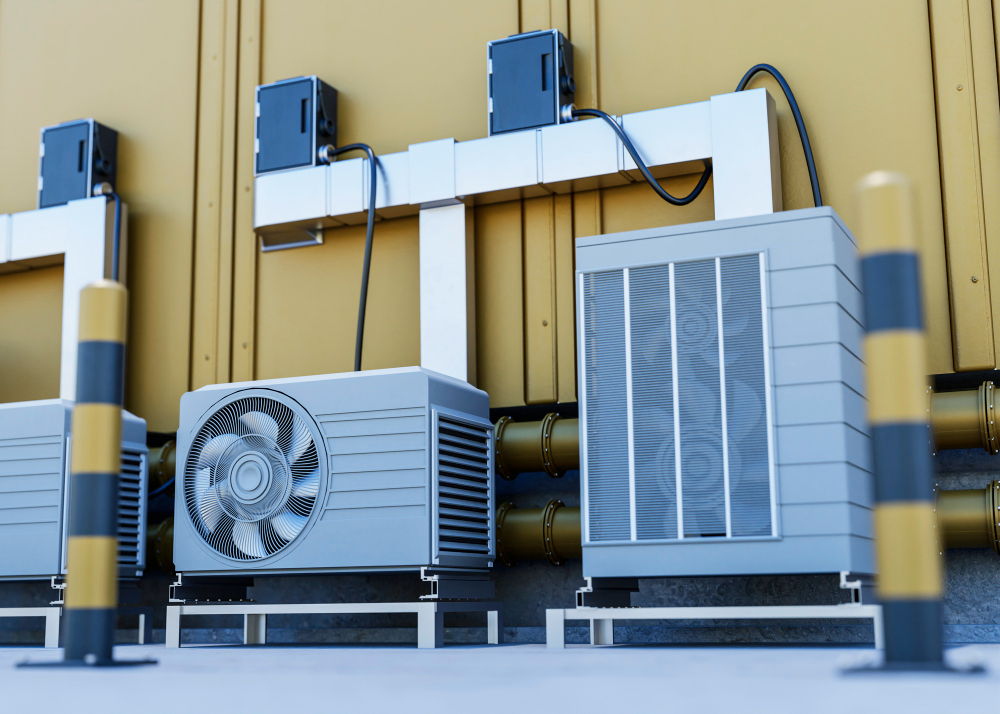
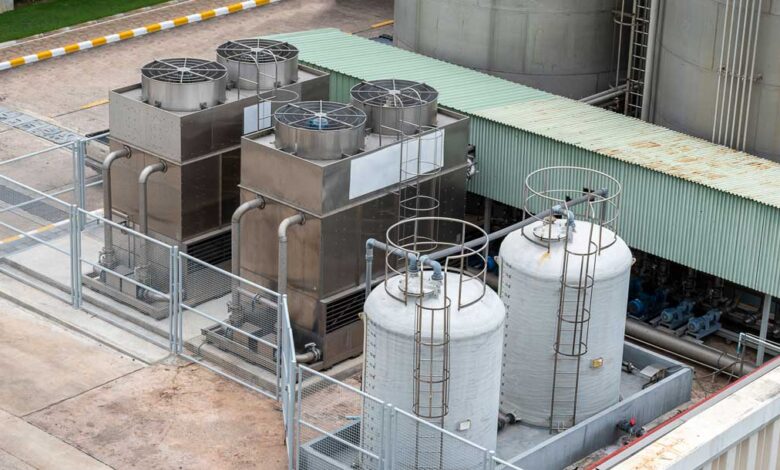
Selecting the right condenser is crucial for maximizing energy efficiency in industrial refrigeration systems, with high-performance models reducing power consumption by up to 35 percent compared to standard units. The decision requires careful evaluation of heat rejection requirements, ambient conditions, and system compatibility to ensure optimal performance across all operating conditions. Modern evaporator condenser production techniques have significantly improved heat transfer efficiency while reducing the physical footprint of these critical components.
Advanced industrial cooling solutions incorporate microchannel condenser technology that increases surface area for heat exchange while minimizing refrigerant charge requirements. Günay Soğutma's engineering team emphasizes the importance of proper sizing, as oversized condensers can lead to short-cycling and reduced efficiency, while undersized units strain compressors and increase energy consumption. The integration of variable-speed axial fan systems further enhances efficiency by matching airflow to actual cooling demands.
Material selection plays a vital role in condenser performance and longevity. Corrosion-resistant alloys and protective coatings extend equipment life in harsh industrial environments, particularly in custom cooling systems exposed to chemicals or marine conditions. These durable materials, combined with optimized fin designs, maintain peak heat transfer efficiency throughout the condenser's operational life, reducing maintenance requirements and total cost of ownership.
Modern cooling infrastructure increasingly incorporates intelligent controls that optimize condenser operation based on real-time conditions. These systems adjust fan speeds, manage head pressure, and coordinate with other components to maintain sustainable cold storage temperatures with minimal energy input. This level of control is particularly valuable in facilities with varying cooling loads or ambient temperature fluctuations.
Investing in high-efficiency condensers with long-lasting system durability features delivers rapid returns through reduced energy costs and extended equipment life. Günay Soğutma's technical experts can analyze your specific requirements and recommend condenser solutions that balance performance, efficiency, and reliability for your unique operational needs.
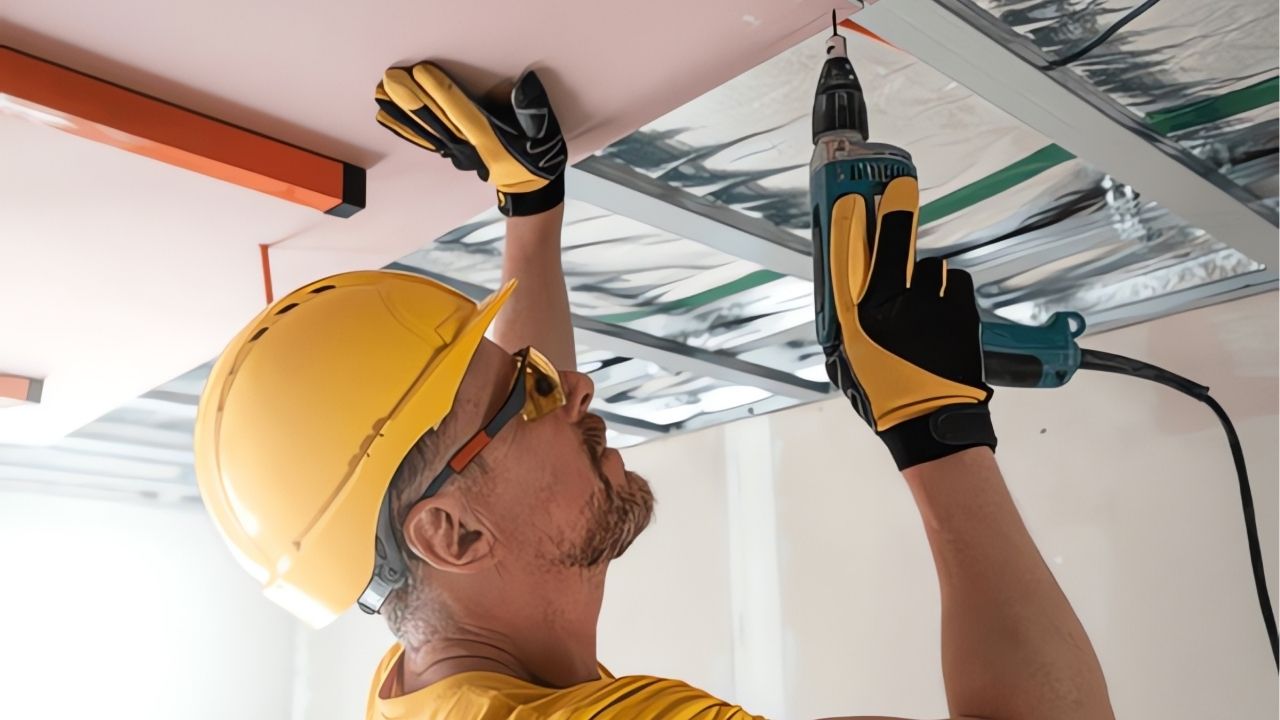
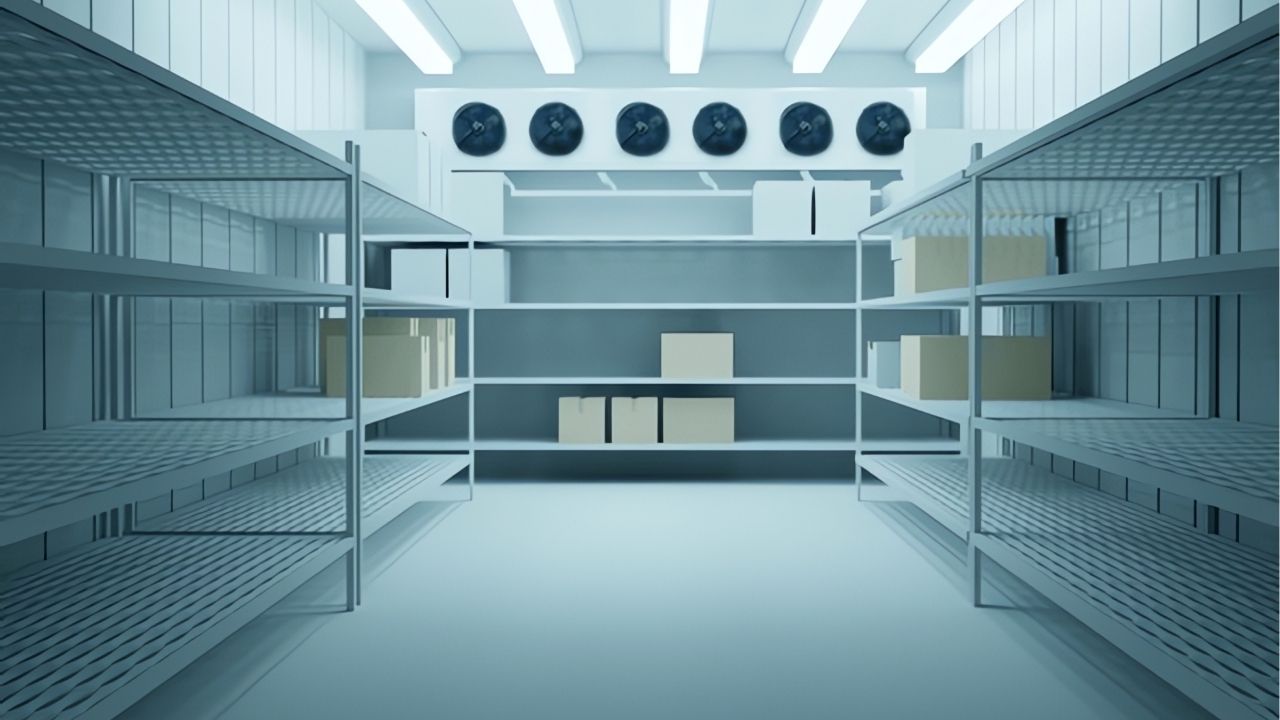
Upgrading cold room insulation represents one of the most cost-effective strategies for improving energy efficiency, with potential savings of 20-40 percent on cooling costs. Modern insulation materials and installation techniques create a continuous thermal barrier that minimizes heat gain, reducing the workload on refrigeration systems and extending equipment lifespan. This improvement in thermal performance directly translates to lower operational expenses and more stable storage conditions.
Advanced insulation systems now incorporate vapor barriers and thermal breaks that prevent condensation and thermal bridging, common issues in older cooling infrastructure. Günay Soğutma's engineering assessments often reveal that facilities using outdated insulation materials can achieve significant energy saving cooling benefits by upgrading to modern polyurethane or PIR panels with higher R-values. These materials maintain their insulating properties longer than traditional options, ensuring consistent performance throughout the facility's operational life.
The integration of proper insulation with industrial cooling solutions creates a synergistic effect that enhances overall system efficiency. Well-insulated cold rooms allow for smaller, more efficient refrigeration systems to maintain desired temperatures, reducing both initial equipment costs and ongoing energy consumption. This approach is particularly effective when combined with evaporator condenser production technologies designed for optimal performance in well-sealed environments.
Modern insulation upgrades also contribute to sustainable cold storage by reducing the carbon footprint of refrigeration operations. Advanced materials with low global warming potential and improved fire resistance meet stringent environmental standards while providing superior thermal performance. These upgrades often qualify for energy efficiency rebates and incentives, improving the return on investment for facility improvements.
Facilities implementing comprehensive insulation upgrades report rapid payback periods, typically 12-24 months, through reduced energy consumption and decreased wear on long-lasting system durability components. Günay Soğutma's technical team can conduct thermal imaging assessments to identify specific areas for improvement and recommend targeted insulation solutions that maximize energy savings while maintaining optimal storage conditions.
Heat recovery systems transform waste thermal energy from refrigeration processes into valuable resources, boosting overall energy efficiency by up to 50 percent in industrial facilities. These systems capture heat that would otherwise be rejected to the atmosphere and repurpose it for space heating, water heating, or process applications, creating significant cost savings while reducing environmental impact. The implementation requires careful integration with existing cooling infrastructure to maximize energy recovery potential.
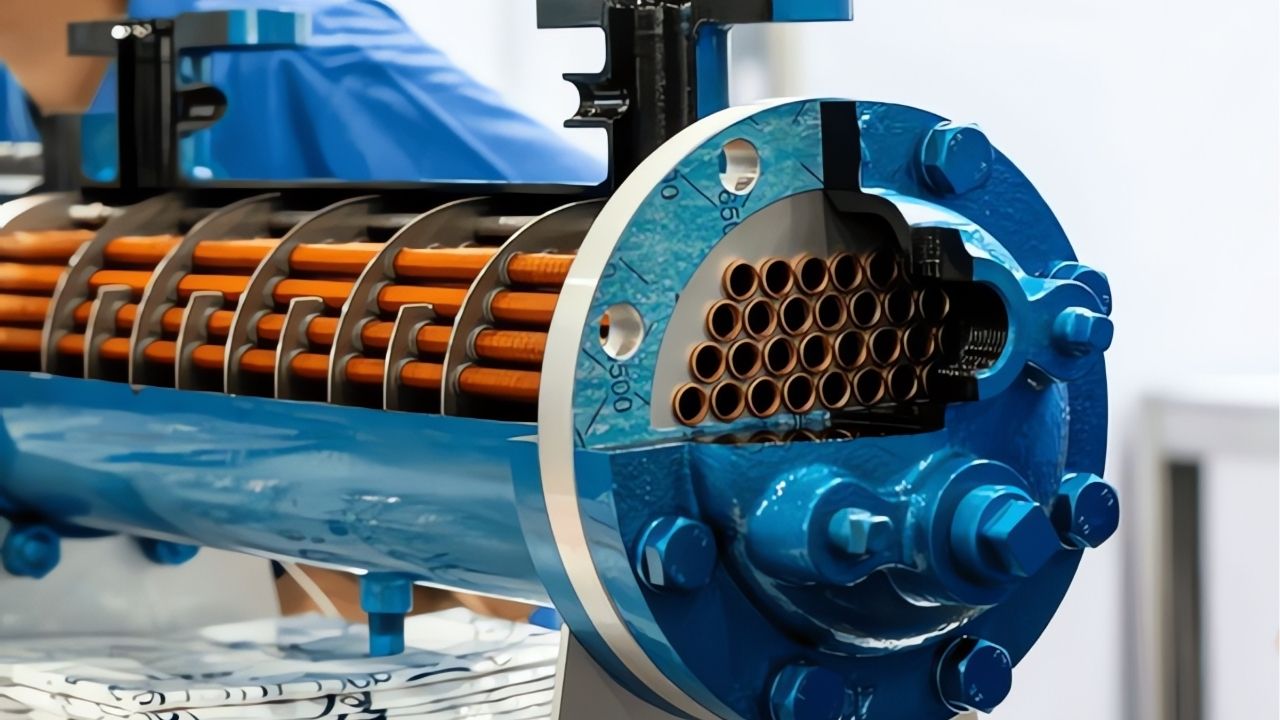
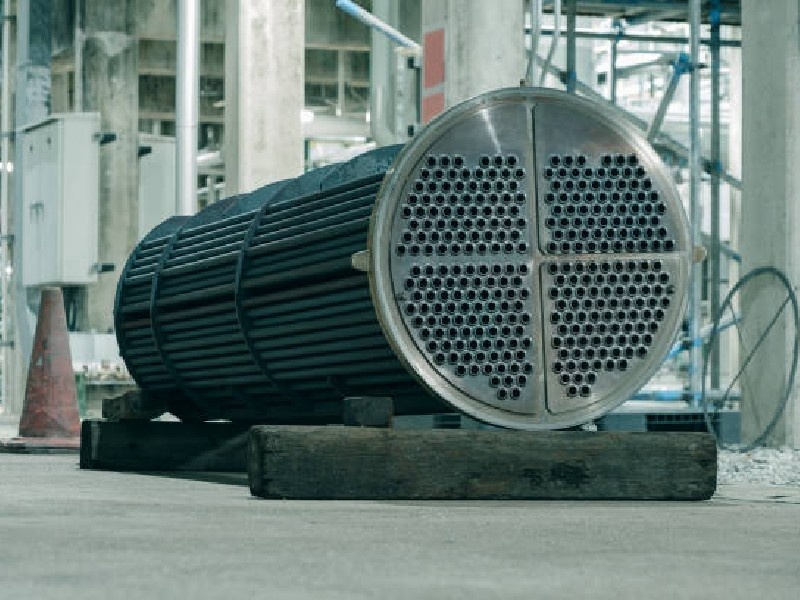
Modern industrial cooling solutions incorporate heat exchangers that extract thermal energy from hot refrigerant gas before it reaches the condenser. Günay Soğutma's engineering approach focuses on matching heat recovery capacity with facility demand, ensuring optimal utilization of recovered energy. This integration with evaporator condenser production processes creates a closed-loop system that maximizes energy efficiency while maintaining precise temperature control in cold storage areas.
The most effective heat recovery implementations utilize advanced controls that prioritize thermal loads based on real-time demand. These systems can automatically switch between heat recovery and conventional cooling modes, ensuring optimal performance across varying conditions. When integrated with axial fan systems and other components, this approach creates a responsive network that adapts to changing thermal requirements while minimizing energy waste.
Facilities implementing heat recovery often see the greatest benefits when the recovered energy serves multiple purposes. Common applications include preheating process water, space heating for adjacent areas, or defrost cycles for cold storage units. This versatility makes heat recovery an essential component of sustainable cold storage operations, reducing reliance on external energy sources while improving overall system efficiency.
Günay Soğutma's heat recovery solutions are designed for long-lasting system durability, with corrosion-resistant materials and robust construction that withstands industrial operating conditions. The typical payback period for these systems ranges from 18-36 months, with ongoing savings from reduced energy consumption and lower maintenance costs. Contact our technical team to evaluate your facility's heat recovery potential and develop a customized solution that maximizes your operational efficiency.
Cold storage facilities can significantly offset upgrade costs through strategic utilization of energy rebate programs, with many operations qualifying for $50,000 or more in incentives for energy efficiency improvements. These financial incentives, offered by utility companies and government agencies, are designed to encourage the adoption of advanced industrial cooling solutions that reduce overall energy consumption and environmental impact. Understanding available programs can transform capital improvement projects into high-return investments.
The most substantial rebates typically target comprehensive system upgrades that incorporate high-efficiency evaporator condenser production technologies and smart controls. Günay Soğutma's project teams regularly help clients navigate these programs, ensuring compliance with specific performance criteria and documentation requirements. Common qualifying improvements include variable frequency drives on axial fan systems, advanced defrost controls, and thermal energy storage solutions that shift cooling loads to off-peak hours.
Many utility providers offer custom incentive programs for large-scale cooling infrastructure projects that demonstrate significant energy savings. These programs often provide technical assistance and financial incentives based on actual measured performance rather than prescriptive measures. Facilities implementing custom cooling systems with advanced features like heat recovery or thermal storage can qualify for these performance-based incentives, which may cover 20-50 percent of project costs.
Federal and state tax incentives complement utility rebates, creating a powerful financial package for sustainable cold storage upgrades. The Section 179D tax deduction, for example, provides up to $1.80 per square foot for qualifying energy efficiency improvements in commercial buildings. These incentives, combined with utility rebates, can reduce payback periods for efficiency upgrades to under two years while delivering long-lasting system durability and operational cost savings.
Günay Soğutma's energy specialists stay current with evolving rebate programs and can identify opportunities specific to your facility's location and operations. By incorporating available incentives into project planning, facilities can accelerate their return on investment while achieving superior performance and reliability from their upgraded cooling systems.
A comprehensive cooling efficiency audit identifies hidden energy waste and optimization opportunities in industrial refrigeration systems, typically revealing 15-30 percent potential energy efficiency improvements. This systematic evaluation examines all components of your cooling infrastructure, from compressor performance to insulation integrity, providing a clear roadmap for reducing operational costs while maintaining optimal storage conditions. The process combines advanced measurement techniques with expert analysis to quantify energy losses and prioritize improvement opportunities.
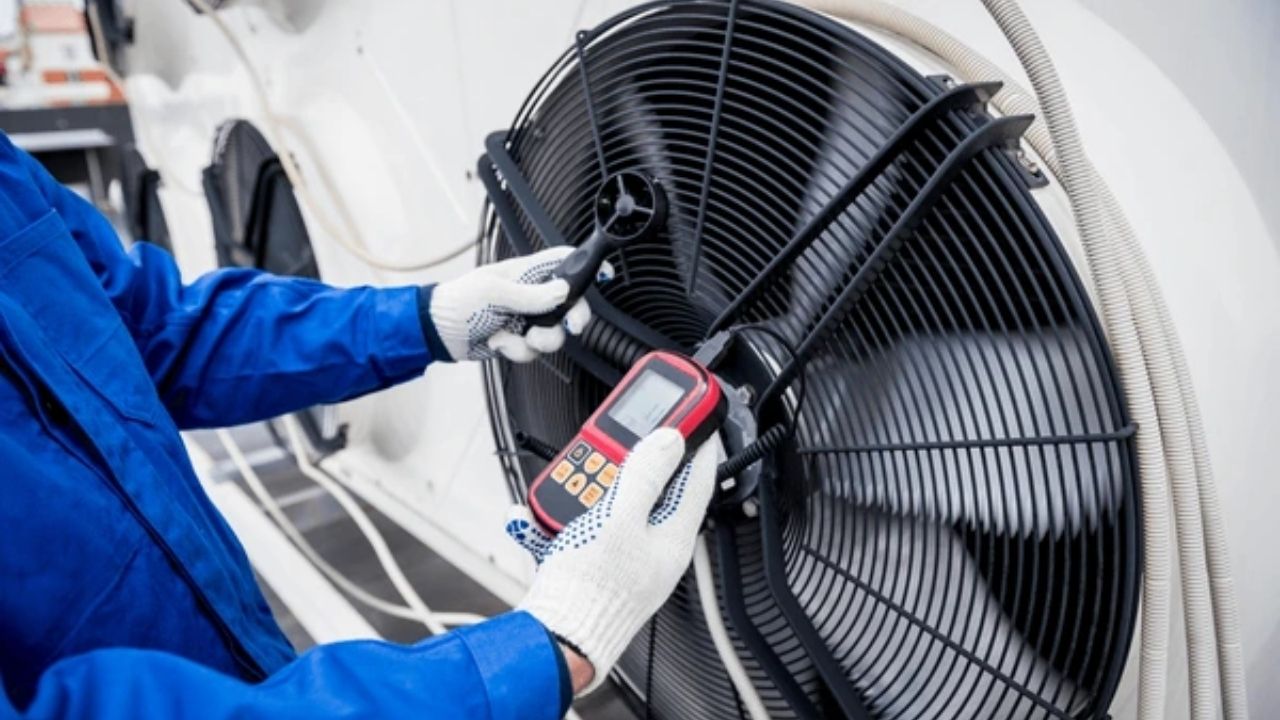
Modern audits utilize thermal imaging cameras and data loggers to assess the performance of evaporator condenser production systems and identify heat transfer inefficiencies. Günay Soğutma's audit methodology includes detailed analysis of axial fan systems to verify proper airflow and identify opportunities for variable frequency drive installation. These technical assessments provide quantifiable data on system performance, enabling data-driven decisions about equipment upgrades and operational improvements.
The audit process evaluates the integration and control of industrial cooling solutions across the facility, identifying opportunities for better coordination between components. This includes assessing defrost cycle timing, temperature setpoints, and control system programming to ensure optimal performance. The evaluation of custom cooling systems considers specific operational requirements and load profiles, ensuring recommendations align with actual facility needs.
Advanced auditing techniques include refrigerant charge verification and leak detection, critical factors in maintaining sustainable cold storage operations. These assessments help prevent the efficiency losses associated with improper refrigerant levels and identify opportunities for upgrading to more environmentally friendly alternatives. The audit also examines insulation effectiveness, door seals, and other factors that impact thermal performance and energy consumption.
Günay Soğutma's comprehensive audit reports provide actionable recommendations for improving long-lasting system durability and reducing operating costs. These findings enable facility managers to prioritize investments based on potential return, with many recommended improvements delivering payback in under 18 months. Contact our technical team to schedule an assessment and develop a strategic plan for optimizing your facility's cooling efficiency.

Fill out the form to discover the most suitable high-end products for your projects. Contact Us Now.
Fill out the form now not to miss our special offers for you! The latest discover our products and innovations.
Fill out the form now not to miss our special offers for you! The latest discover our products and innovations.
Notification Centre 00:00