


Heater Faults: Symptoms and Troubleshooting Methods
06 / 07 / 2026

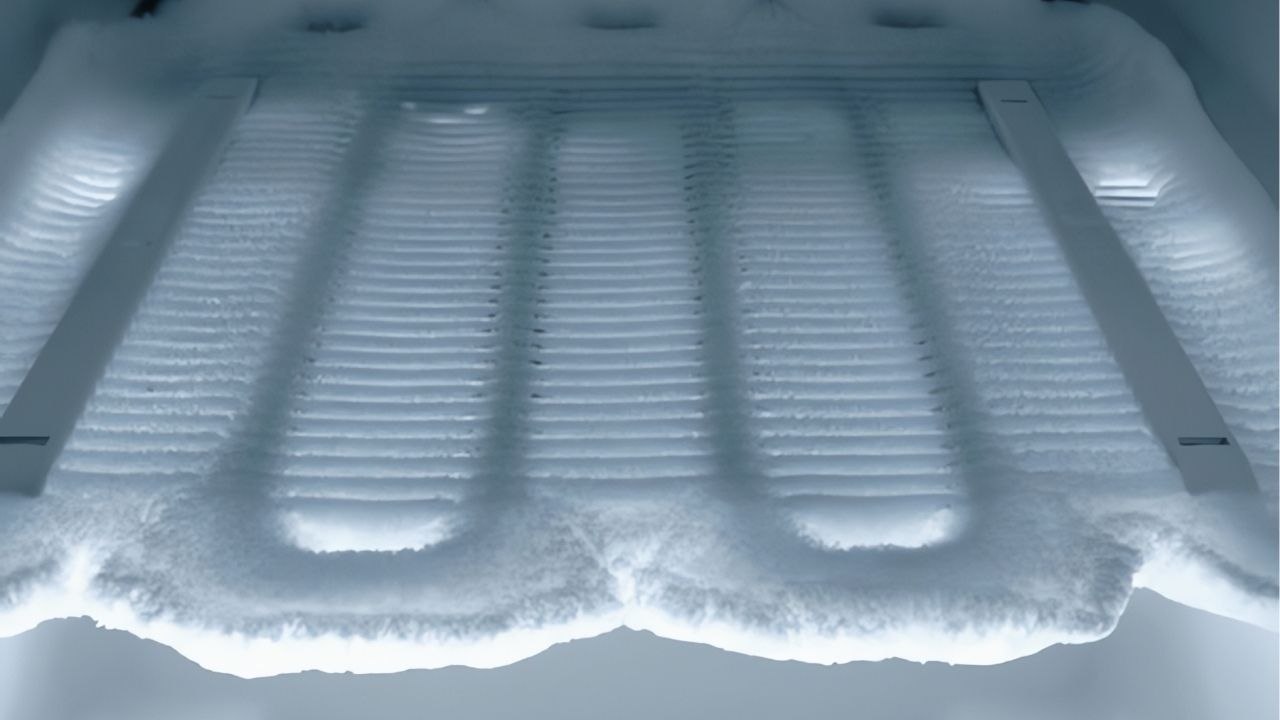
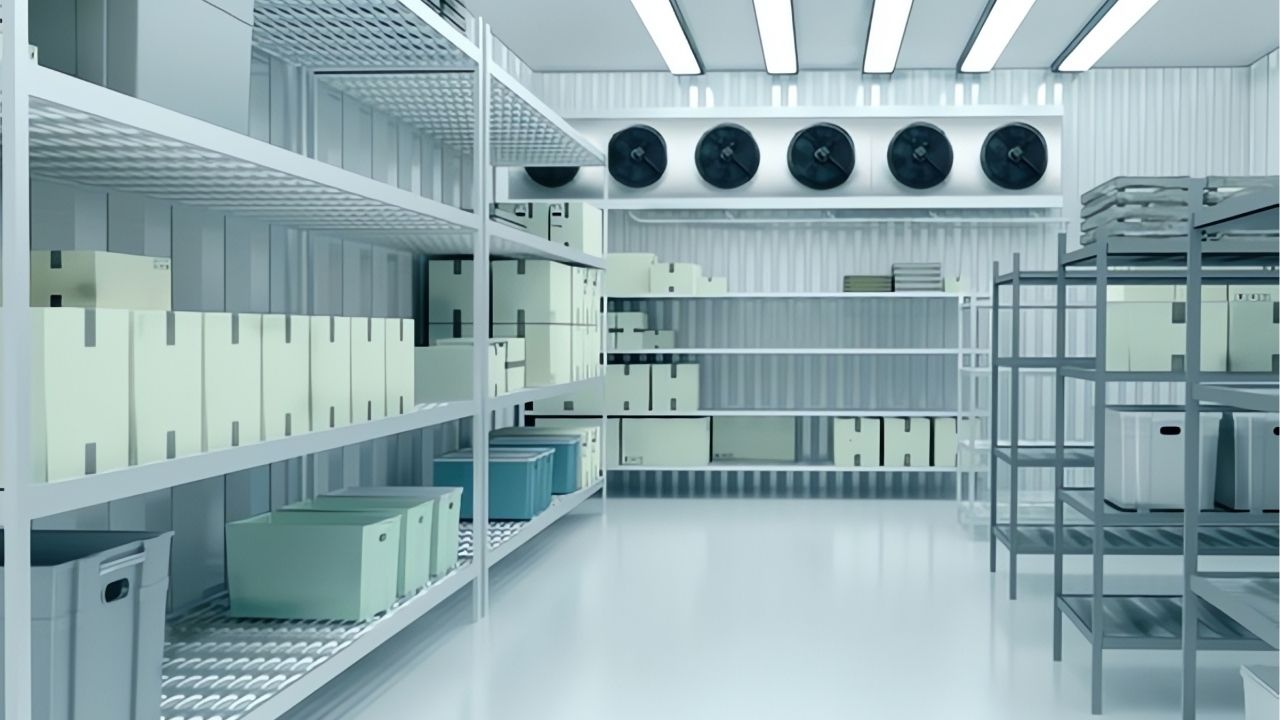
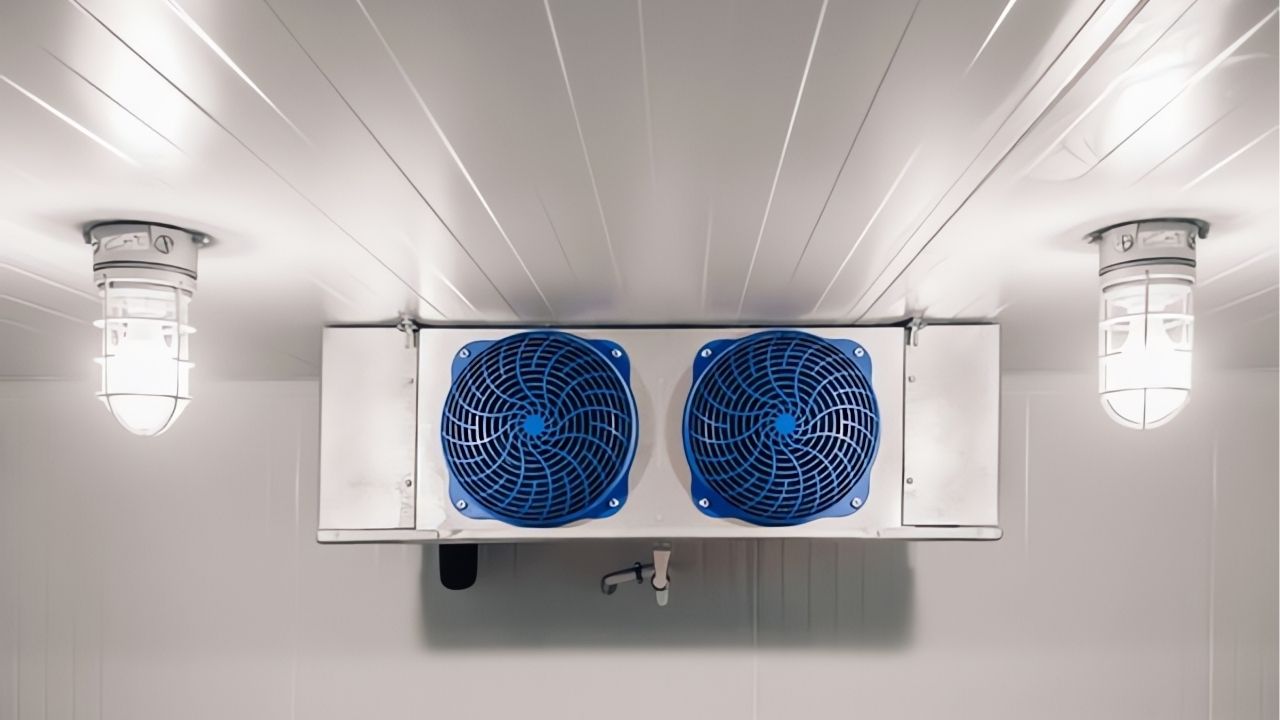
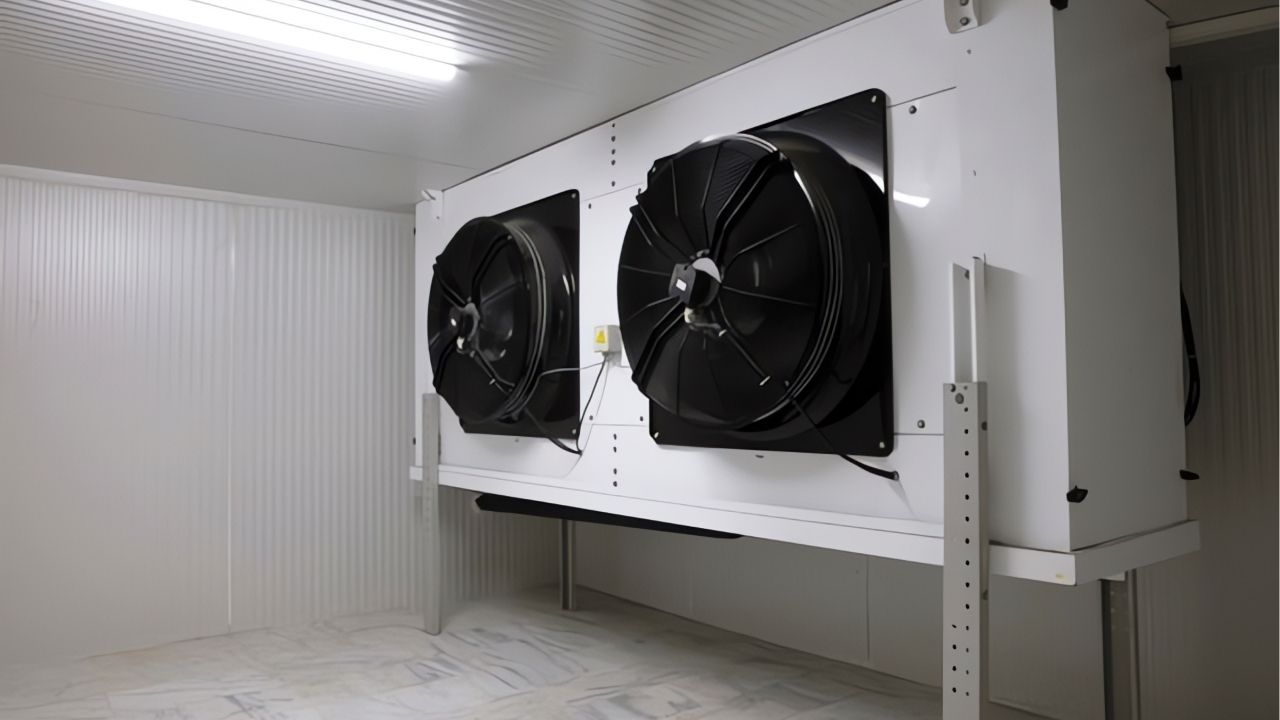
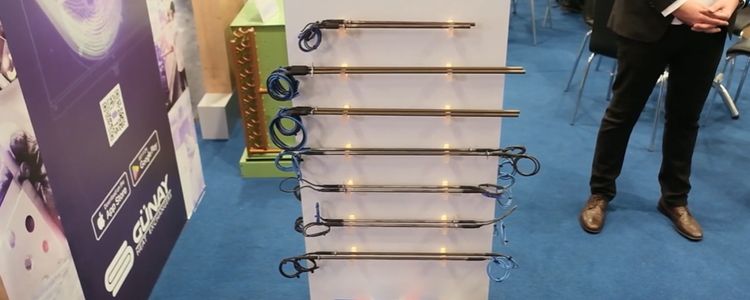
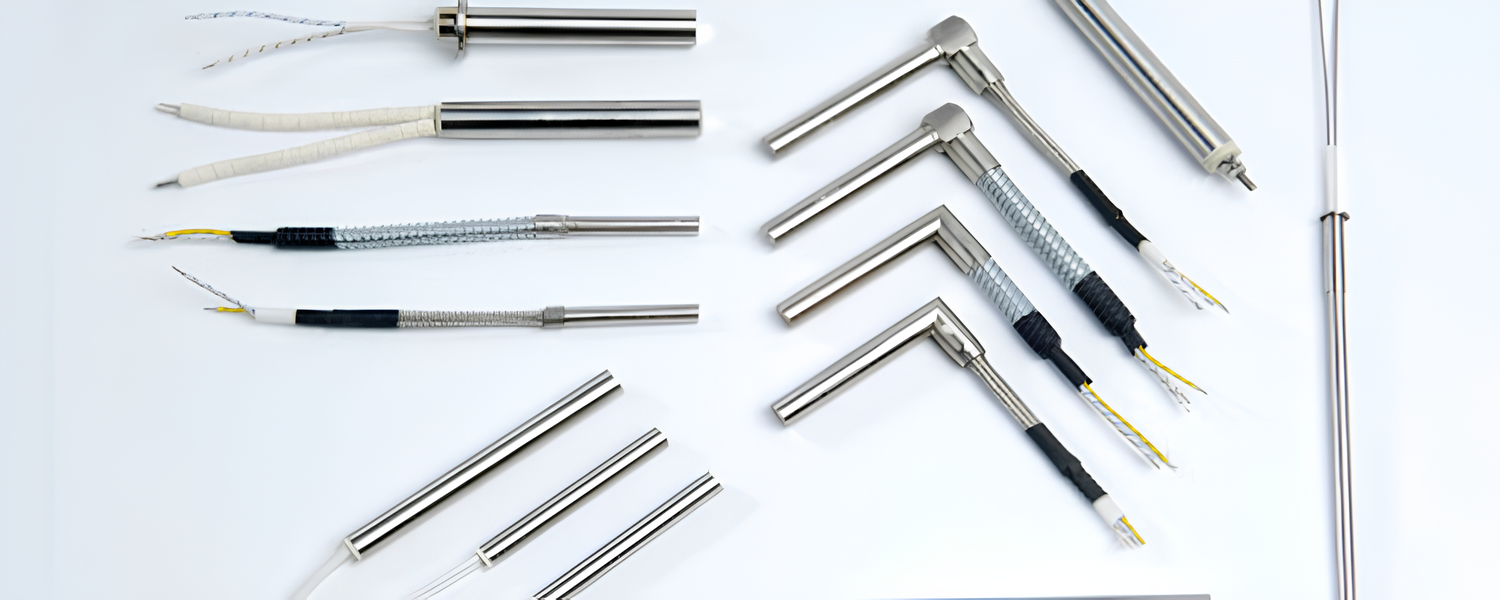
Frost accumulation in cold storage facilities poses significant operational risks, from reduced cooling efficiency to compromised product integrity. Strategic integration of heating elements directly addresses these challenges by maintaining optimal surface temperatures on evaporator coils and critical components. This precise thermal management prevents ice formation while preserving consistent cooling performance across industrial freezers and refrigerated warehouses.
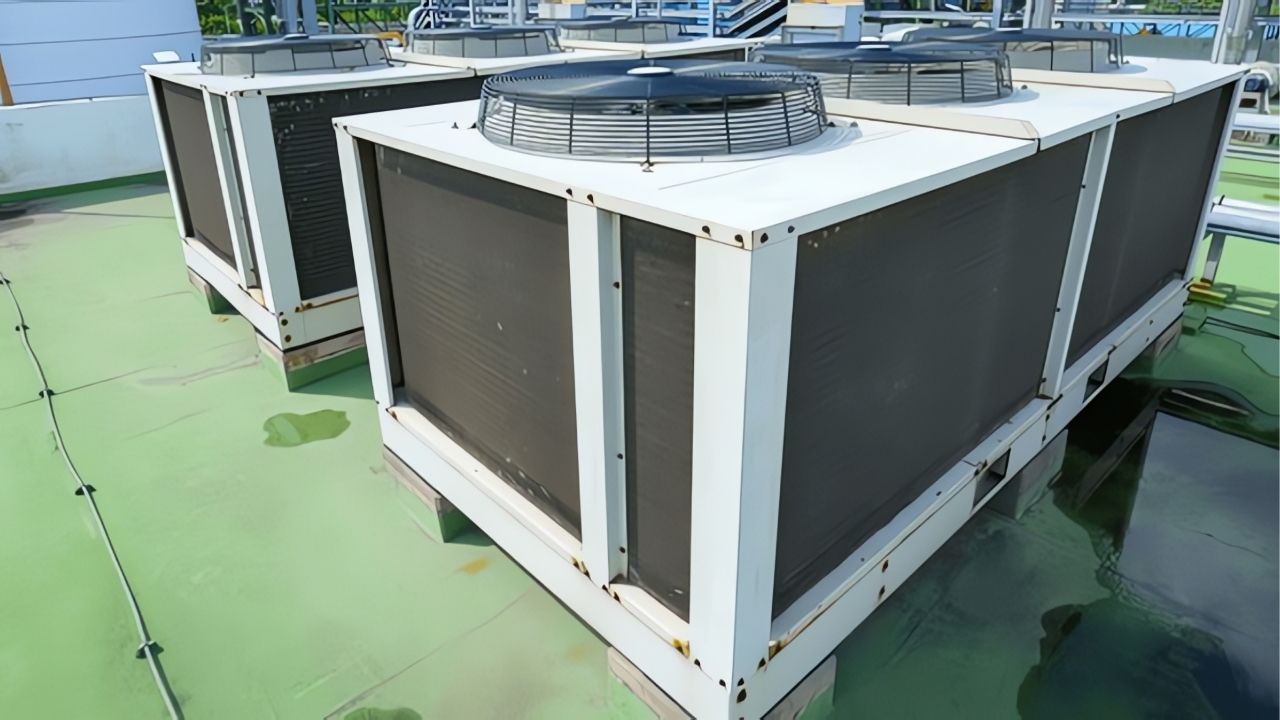
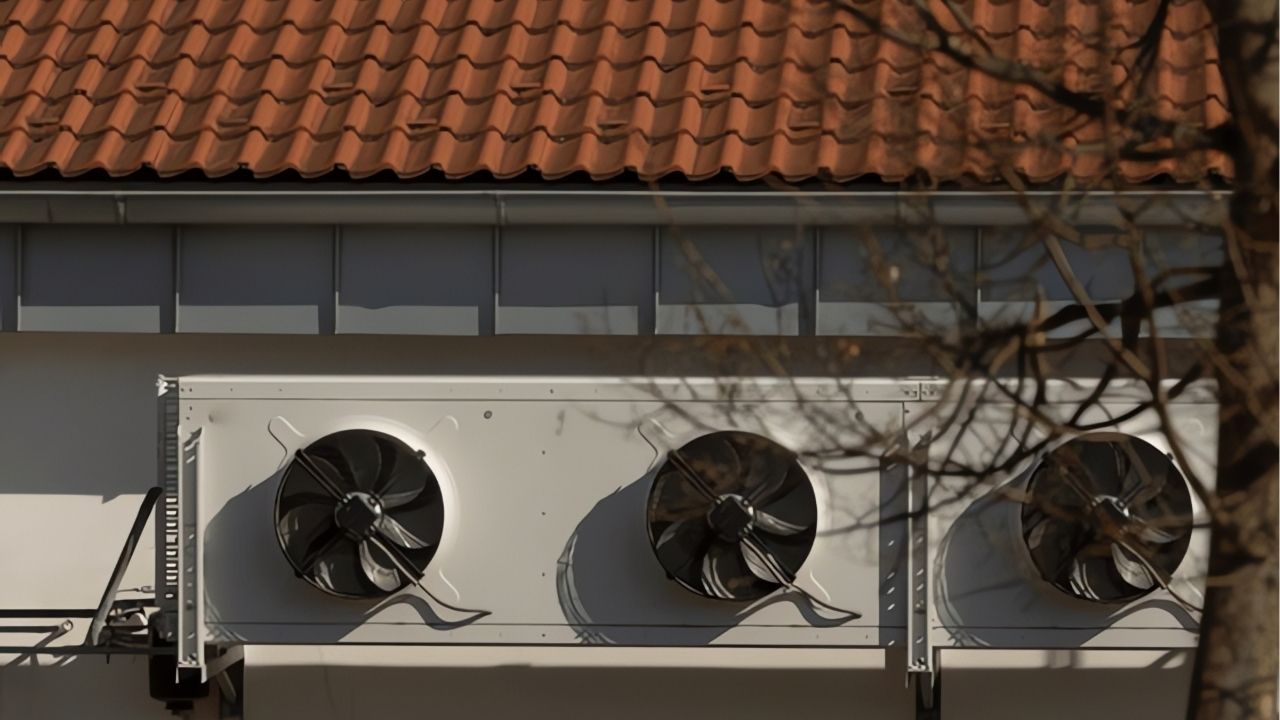
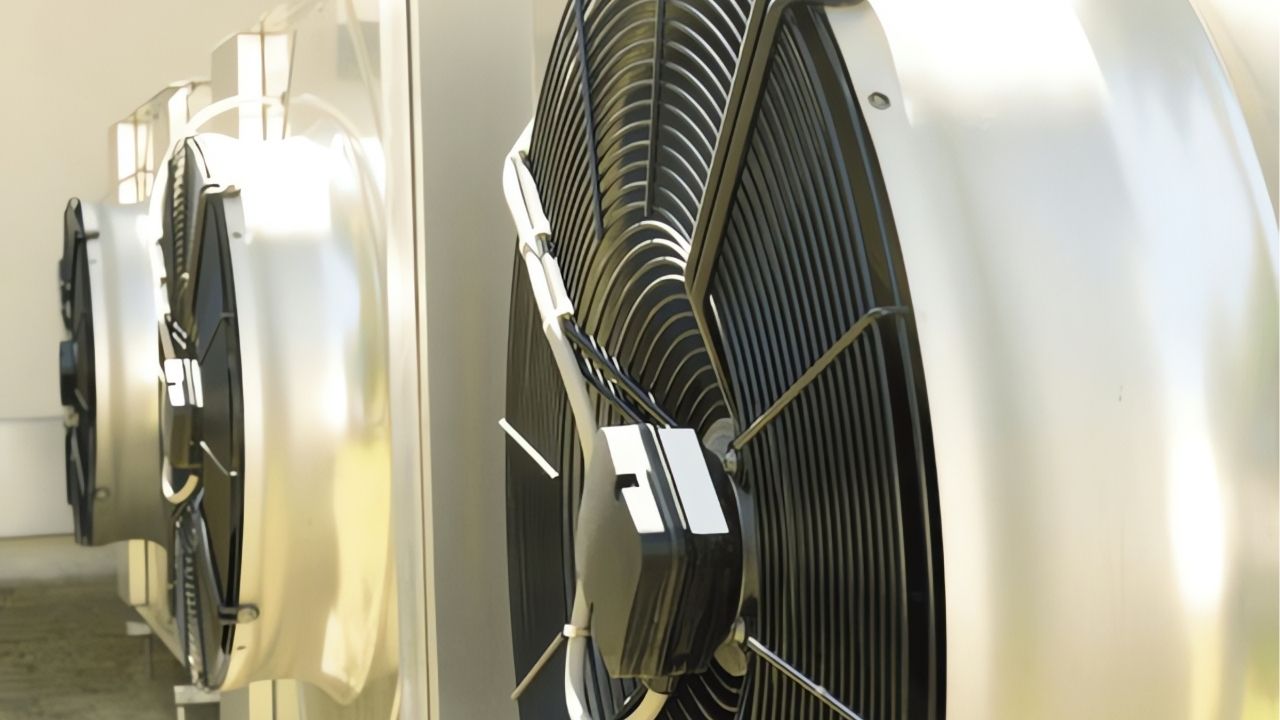
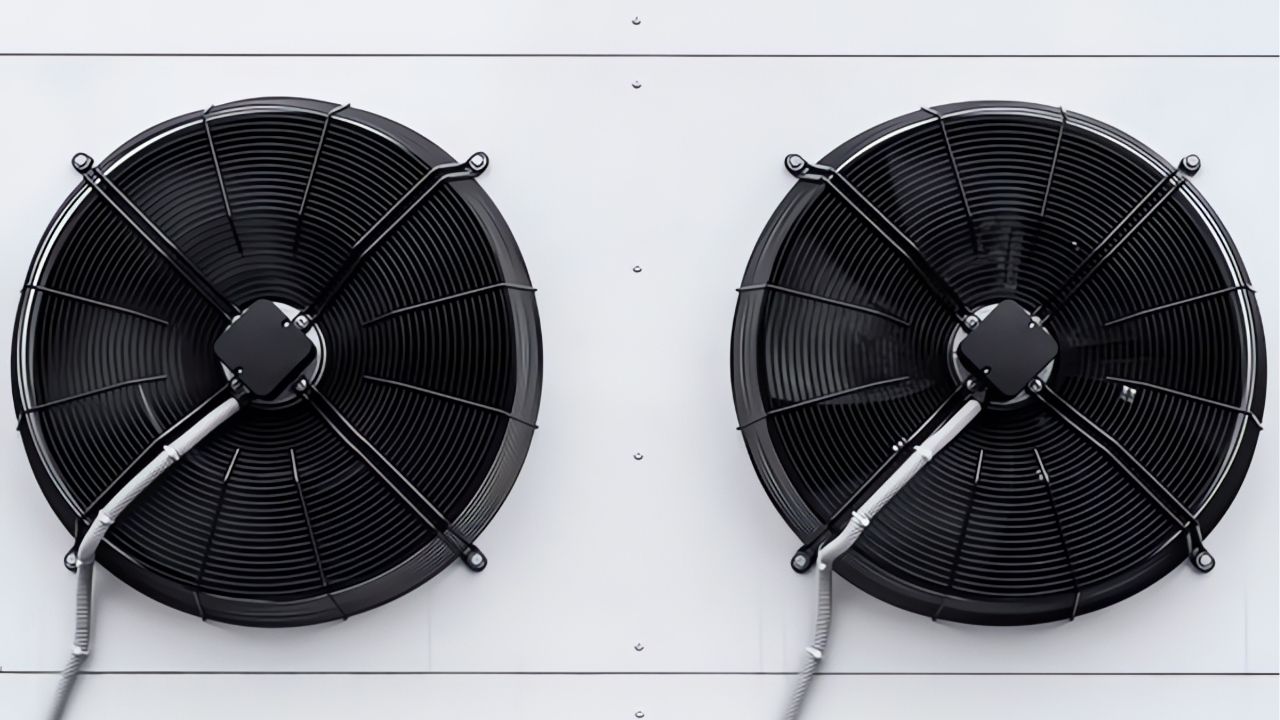
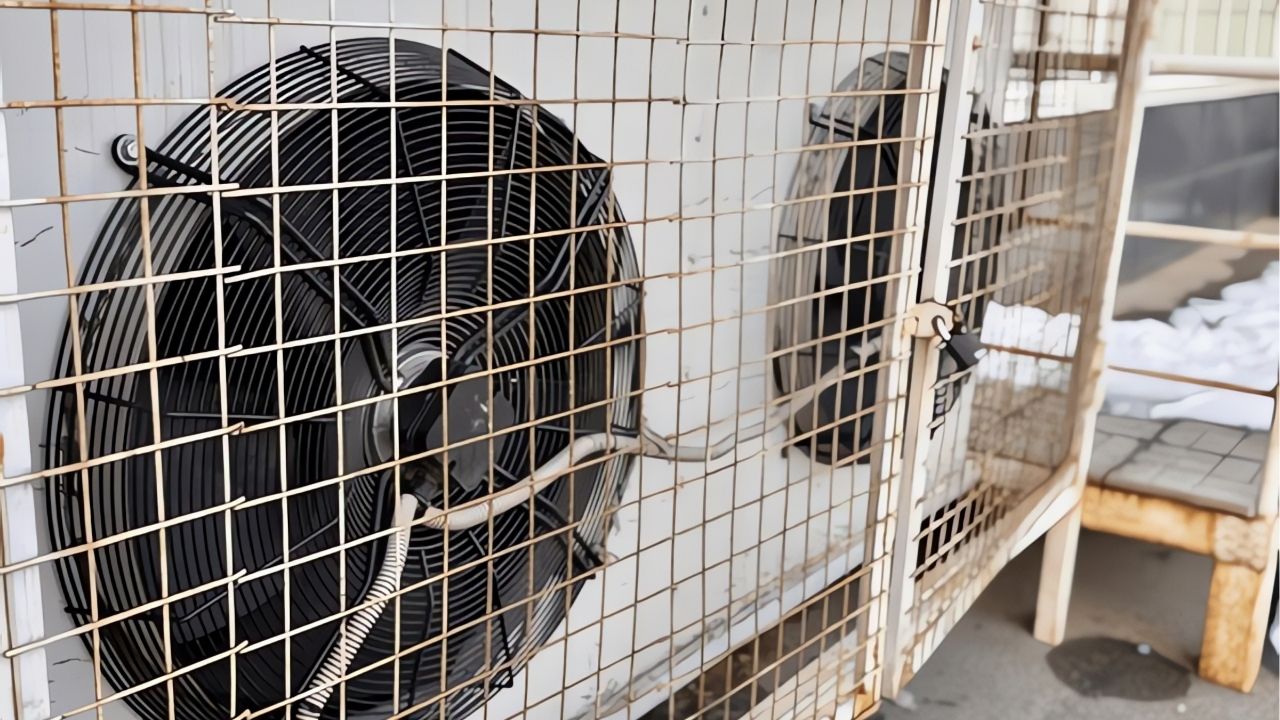
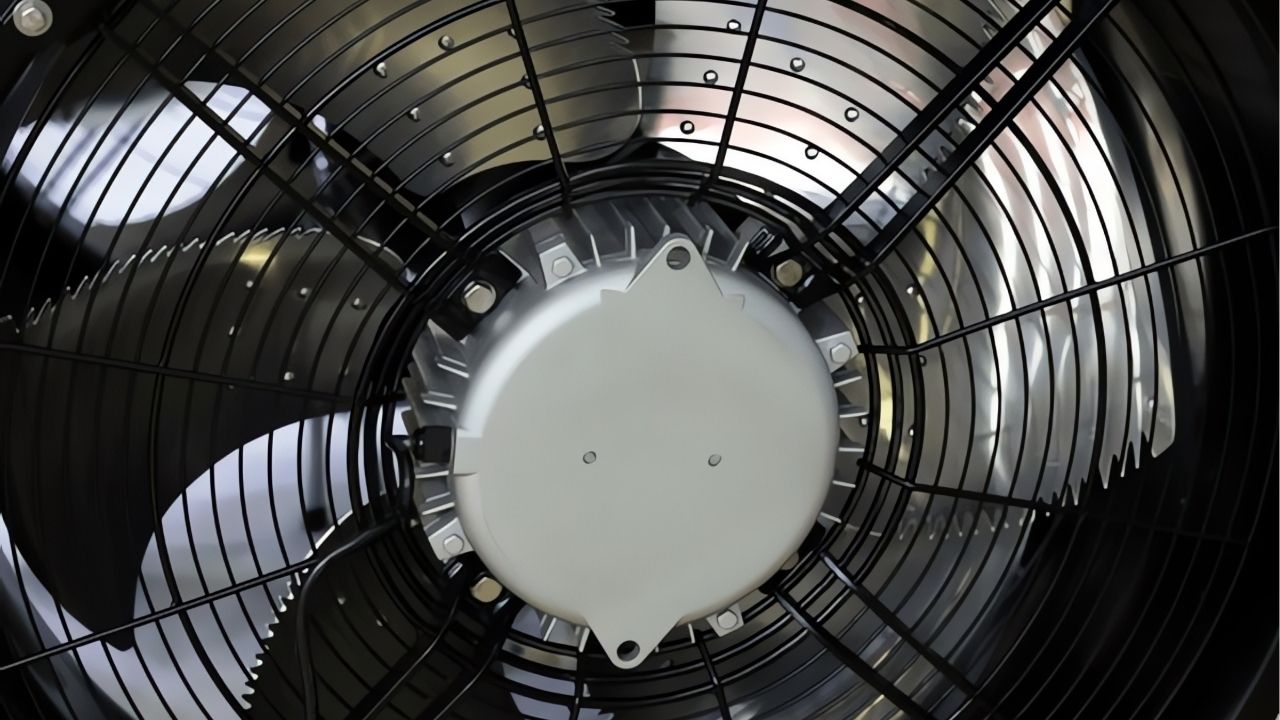
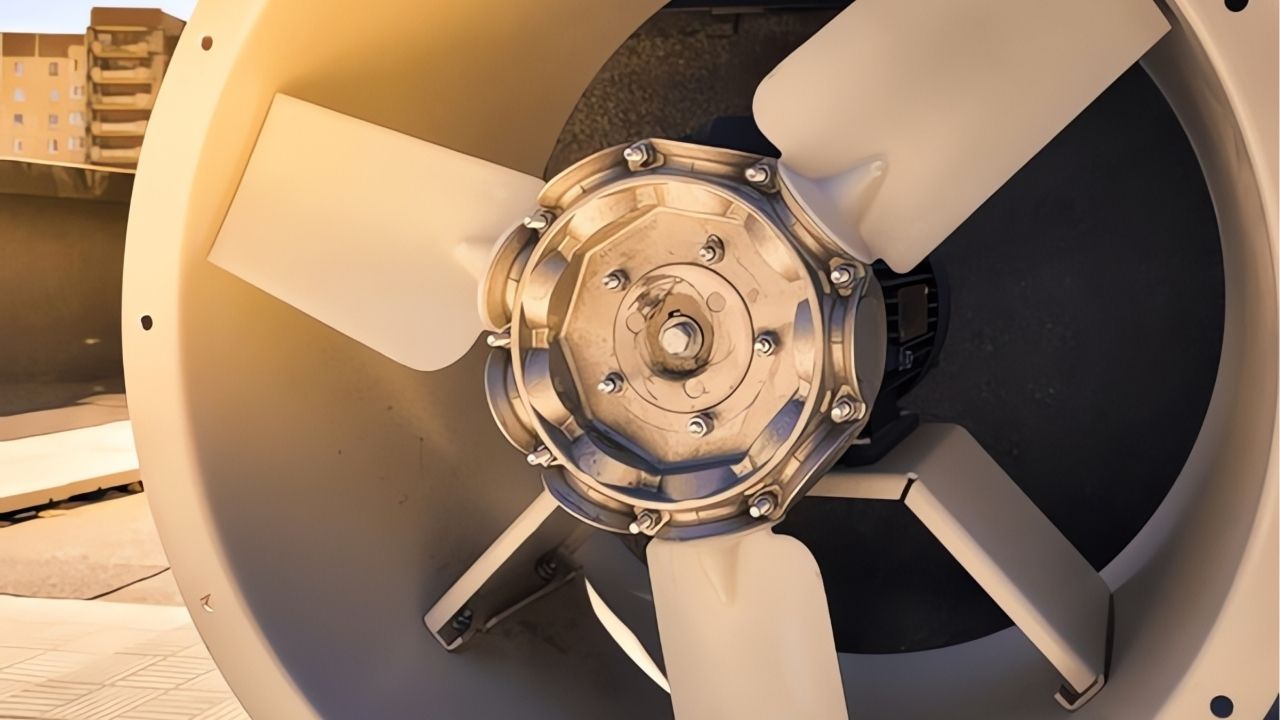
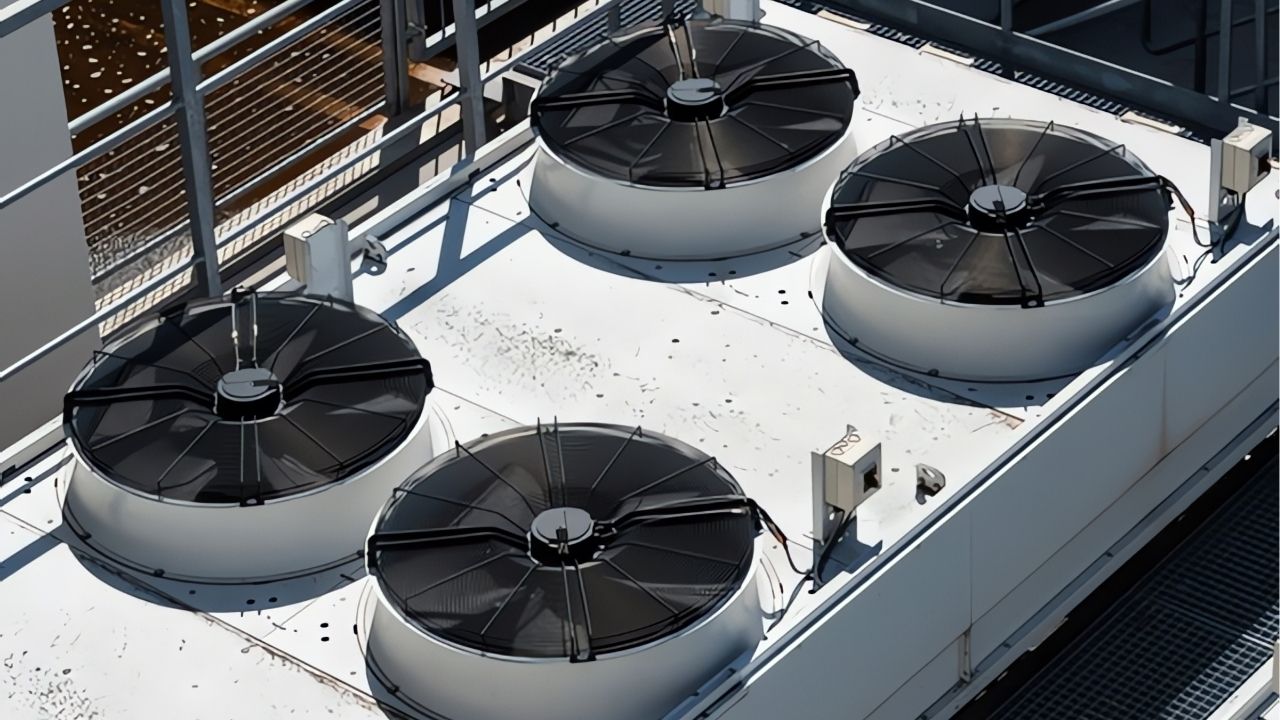
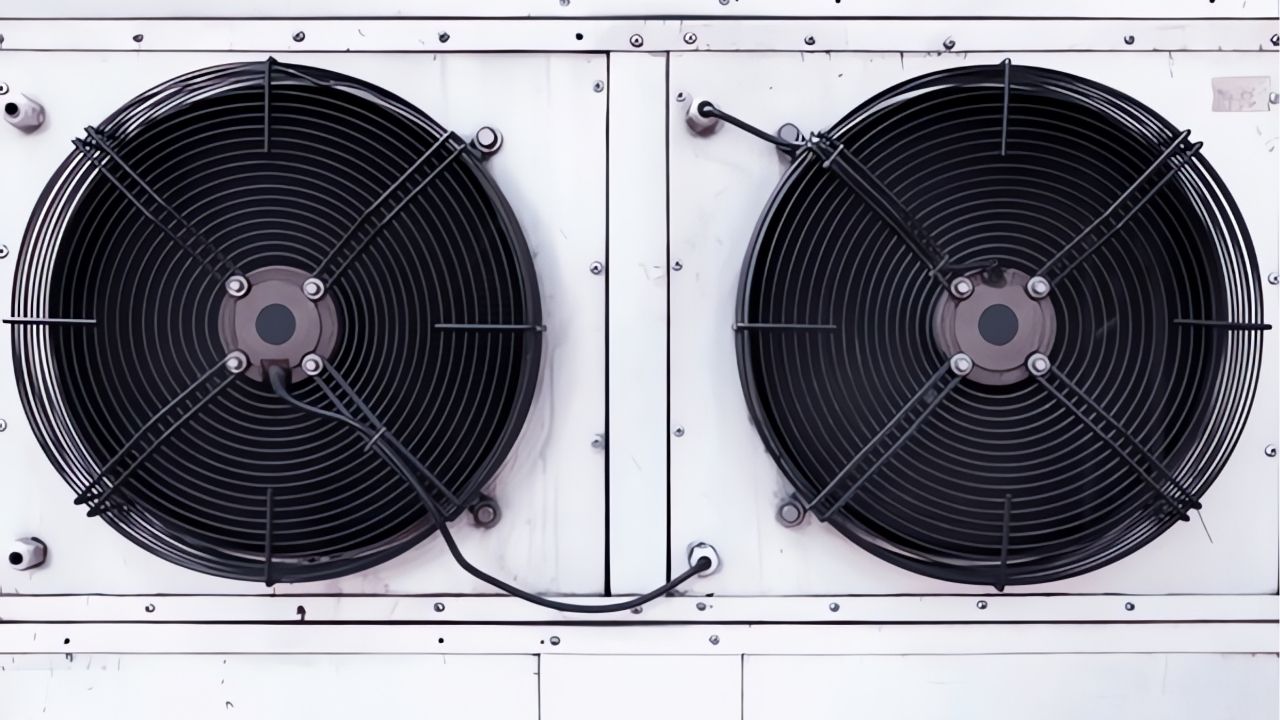
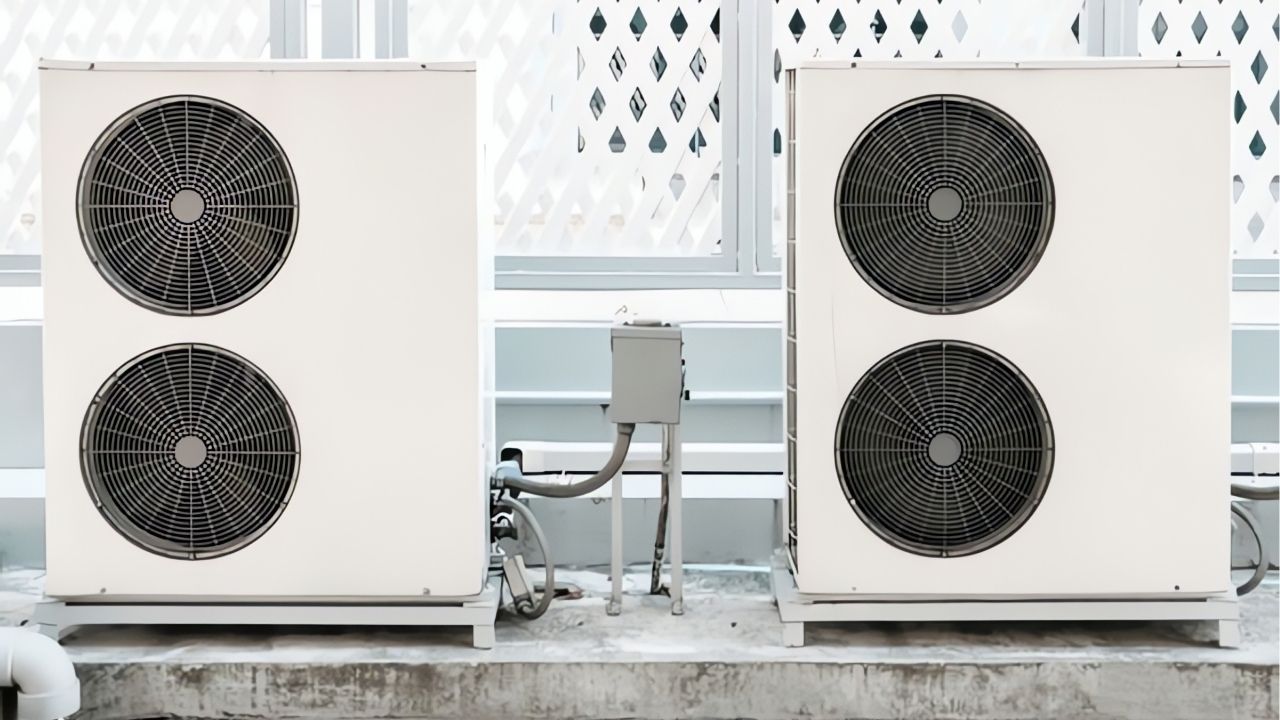
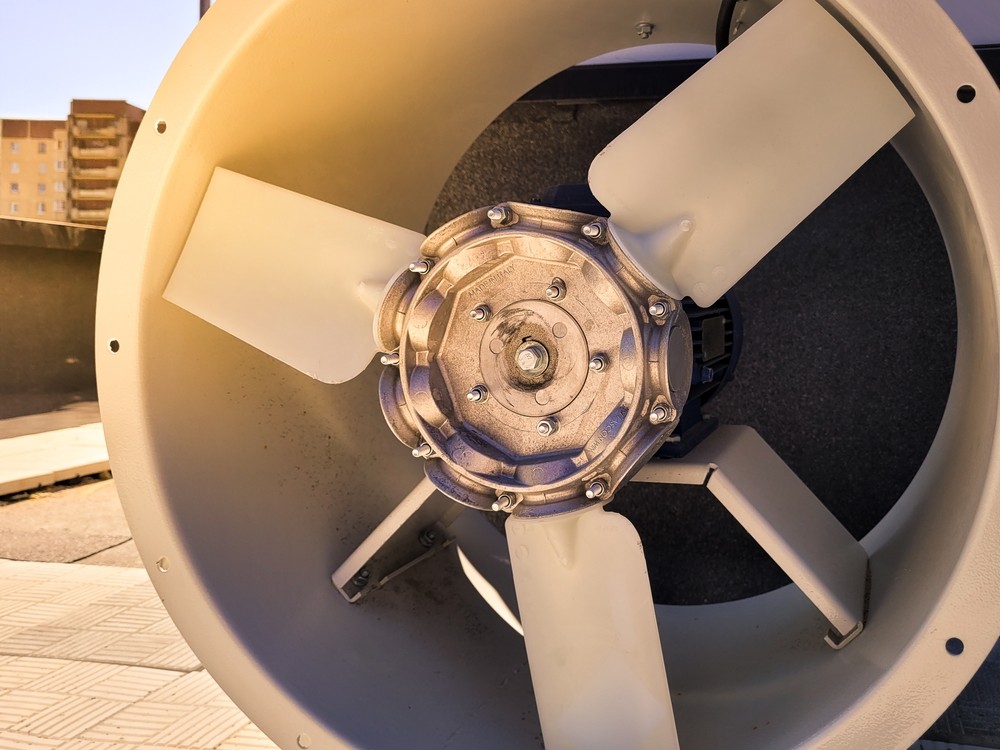
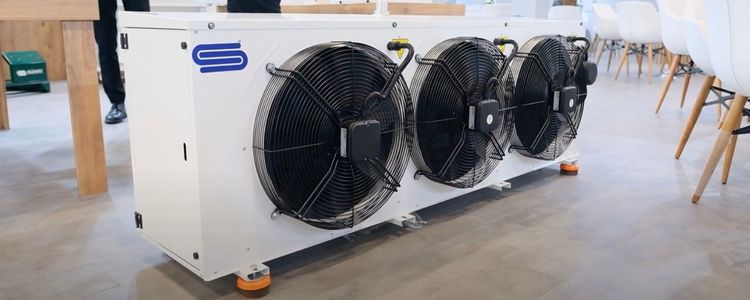
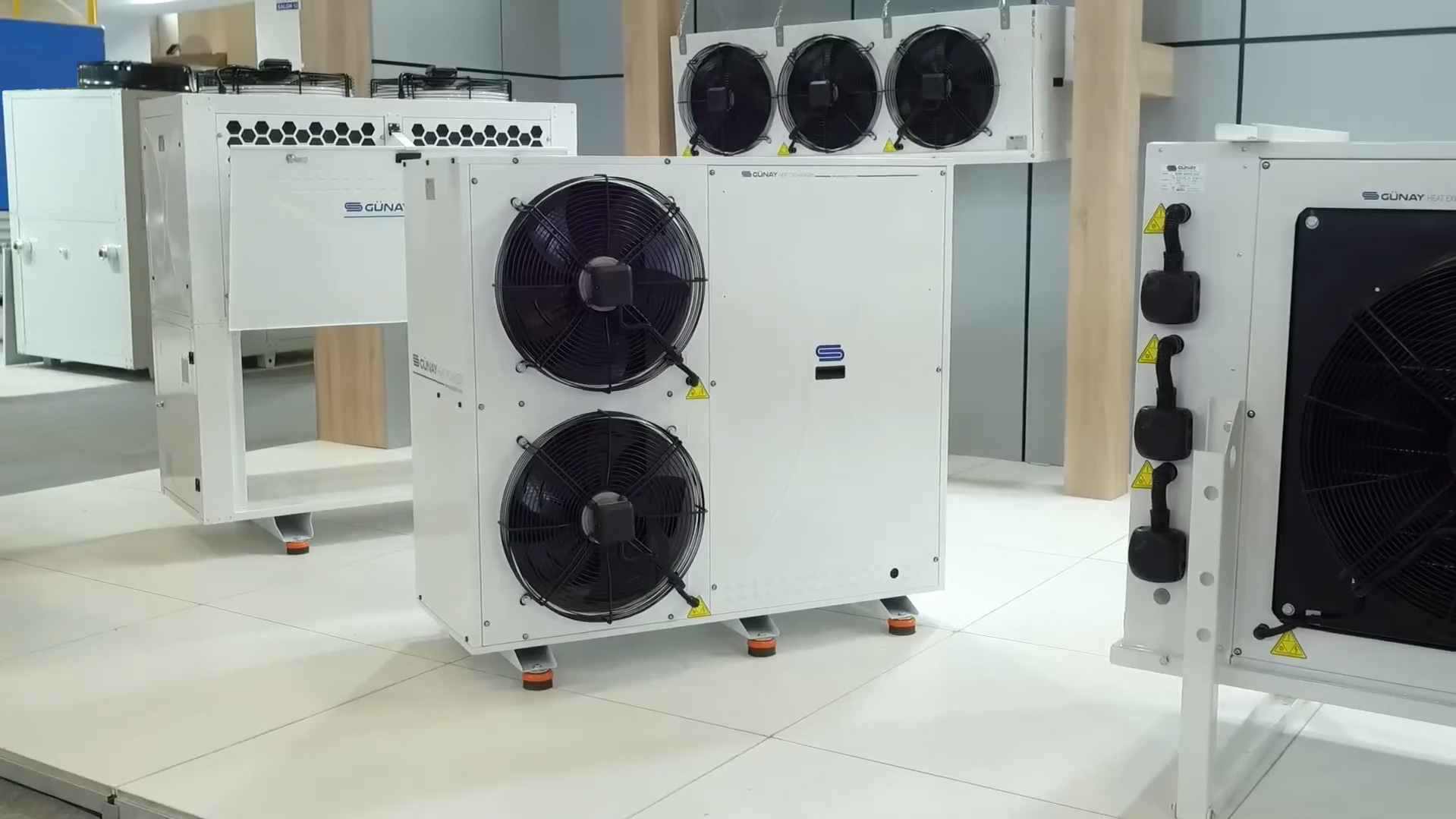
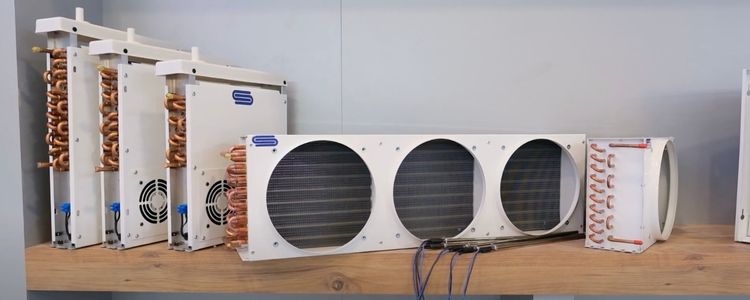
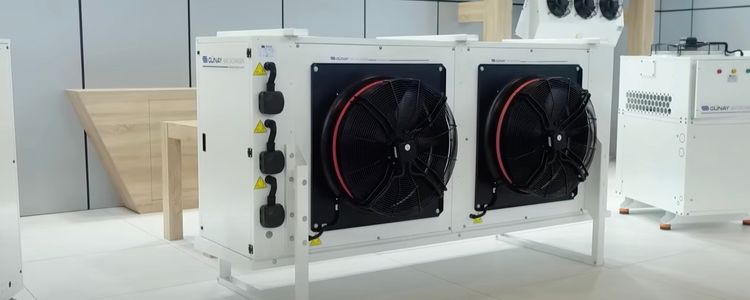
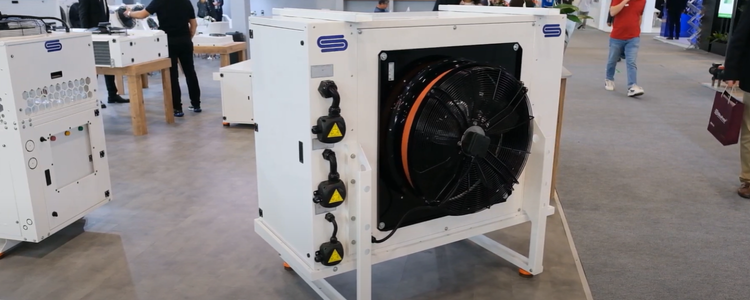
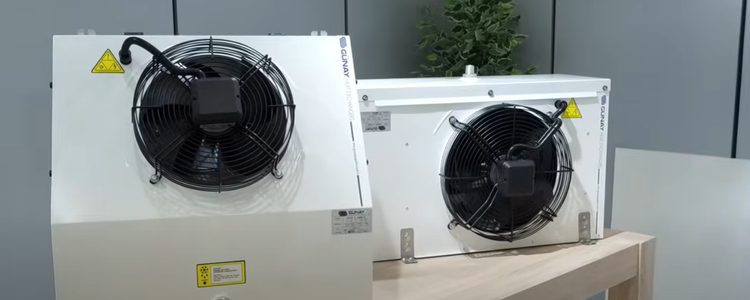
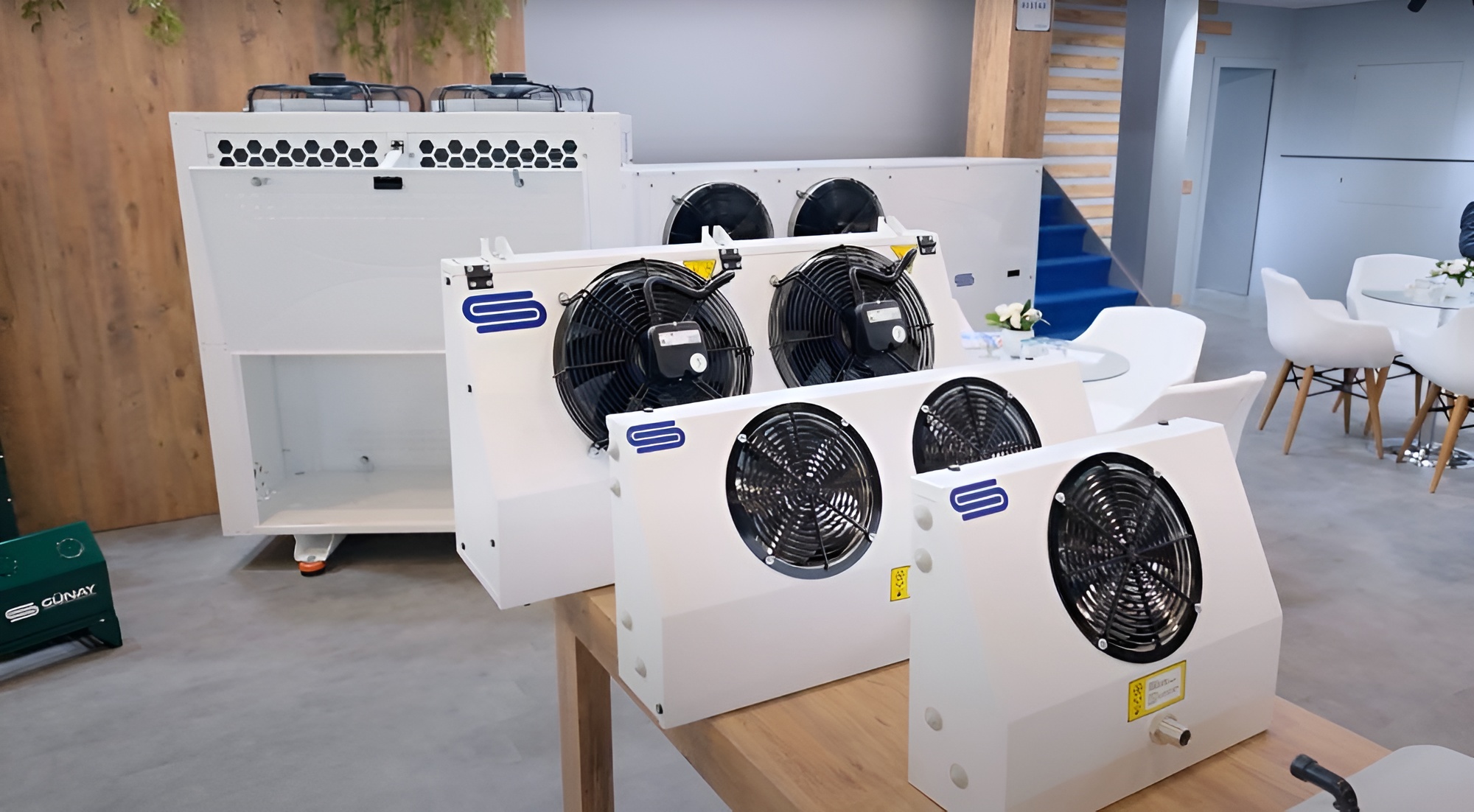
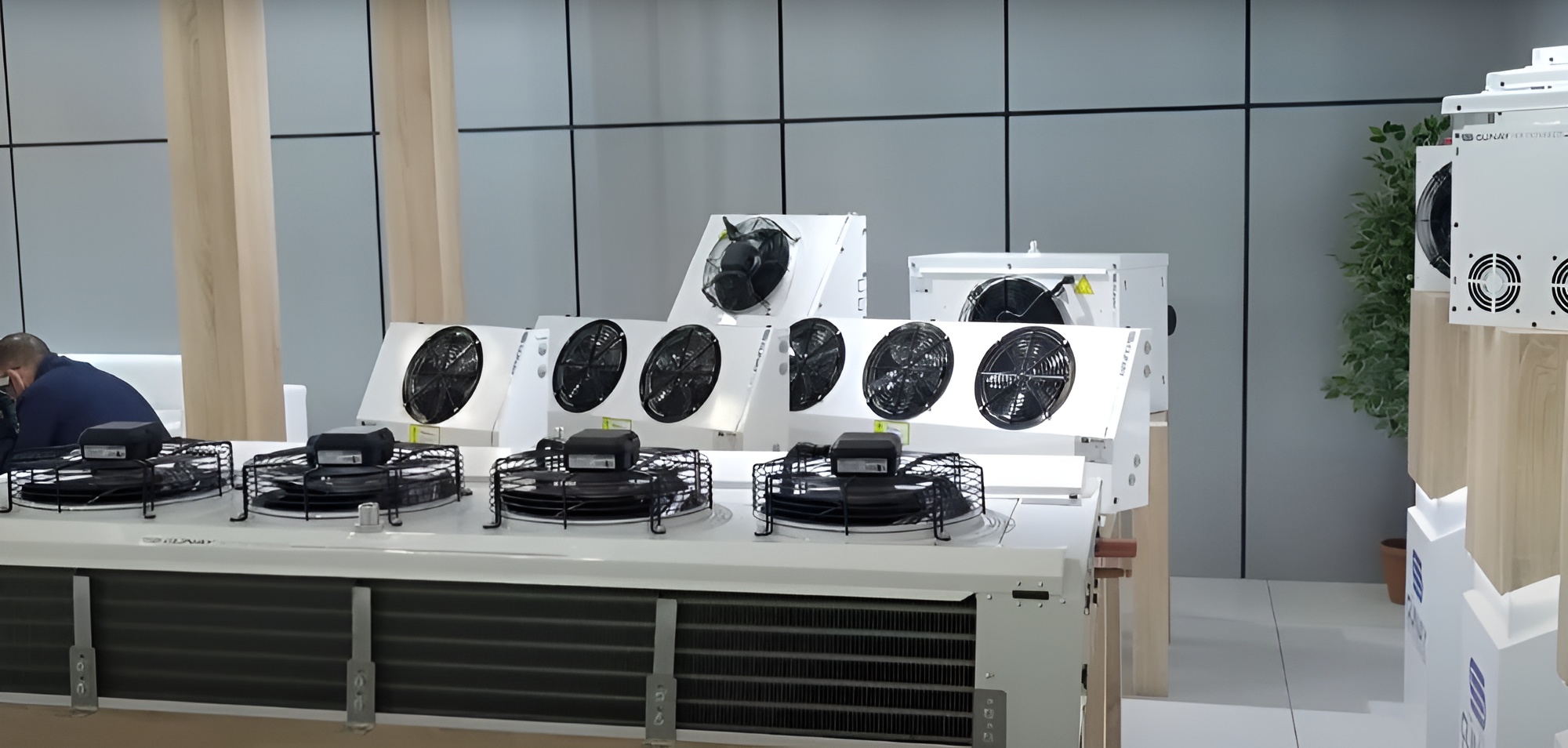
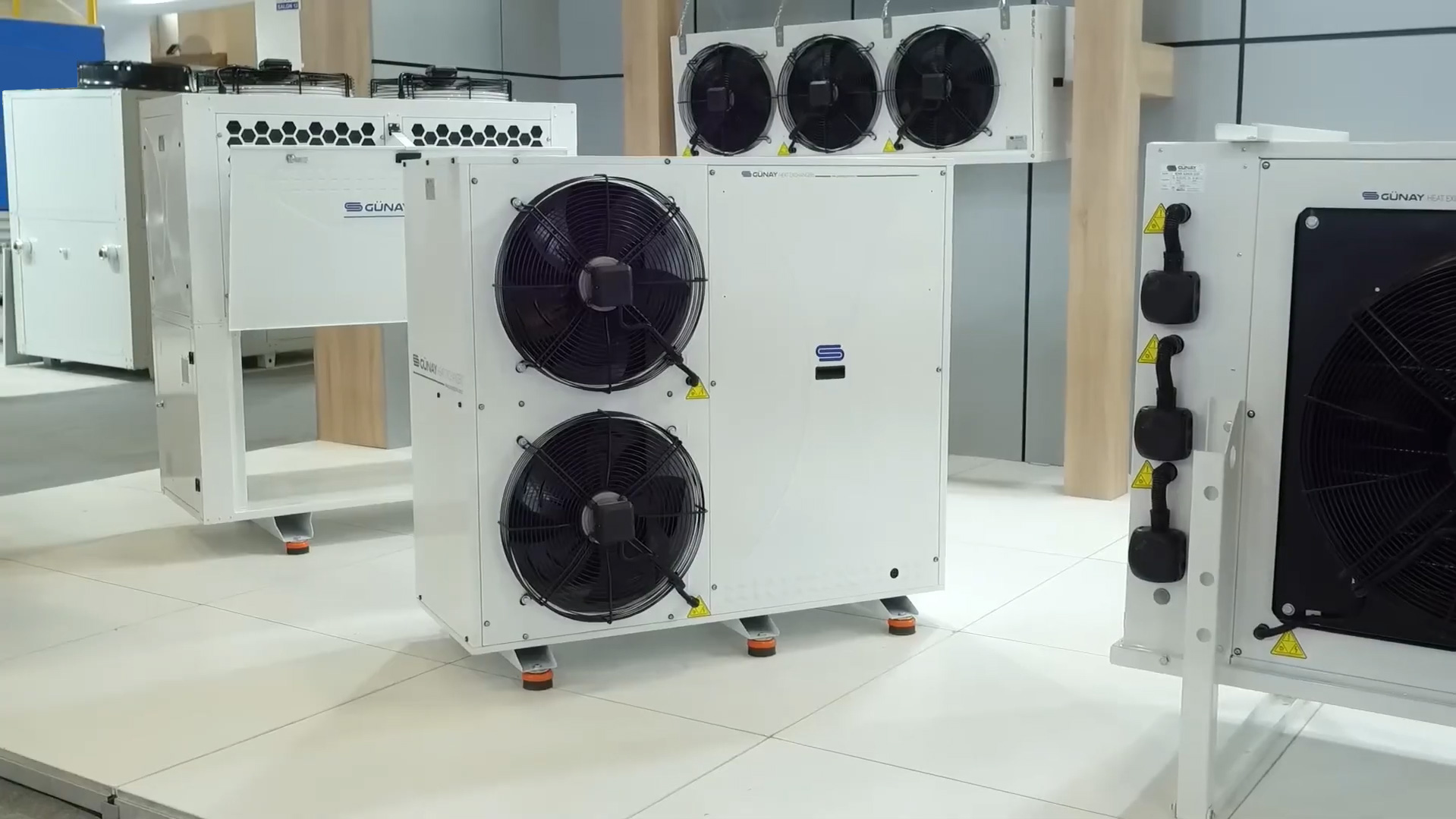
Modern defrost systems employ intelligent controls that activate heating elements based on real-time frost detection, minimizing energy waste. Günay Soğutma's engineered solutions pair these elements with high-efficiency condensers and axial fans to ensure uniform heat distribution during defrost cycles. This integration prevents thermal shock to stored goods while reducing compressor workload, directly translating to lower operational costs and extended equipment lifespan.
The effectiveness of frost prevention directly impacts industrial cooling infrastructure reliability. In food processing facilities, precise temperature control prevents product degradation and maintains compliance with safety standards. Energy sector applications benefit from reduced downtime and maintenance costs, as automated defrosting eliminates manual interventions that disrupt critical operations.
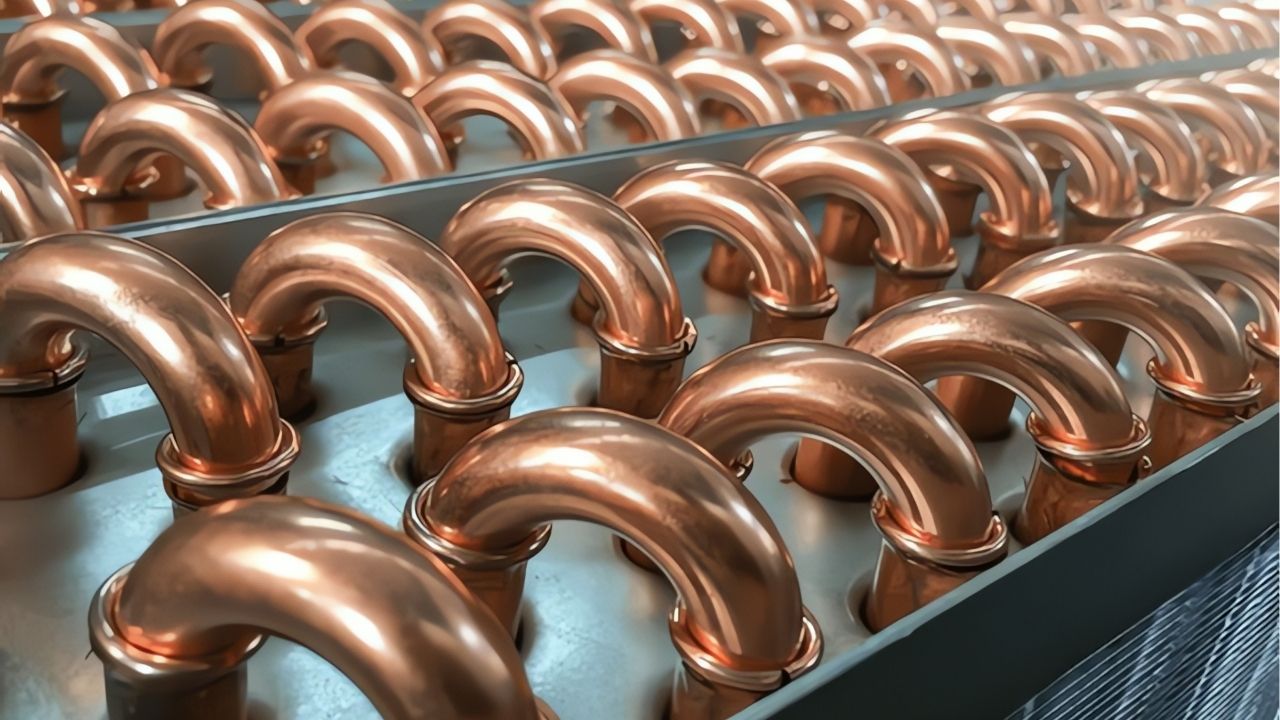
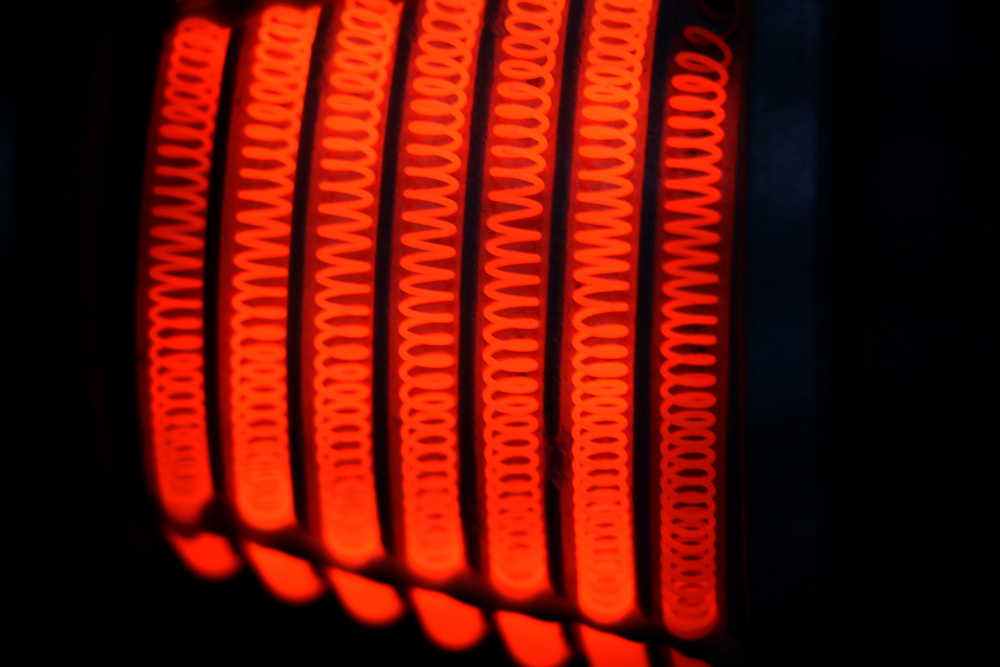
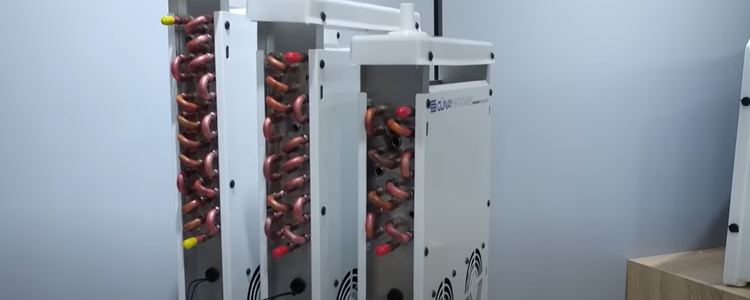
Advanced resistance heating technologies now offer rapid response times and precise temperature modulation, adapting to fluctuating ambient conditions. These systems work in harmony with custom evaporator designs to optimize heat transfer efficiency. The result is a seamless balance between frost prevention and energy conservation, delivering measurable improvements in sustainable cooling solutions.
Facilities implementing these integrated heating systems report significant reductions in energy consumption and maintenance expenses. The combination of durable components and intelligent controls ensures uninterrupted operation, making it a strategic investment for any operation prioritizing long-lasting system durability. This approach transforms frost management from a persistent challenge into a competitive advantage for modern industrial operations.
Selecting optimal heating elements for frost control requires balancing thermal efficiency with operational reliability in demanding cold storage environments. The most effective solutions combine resistance heating technology with precise control systems to prevent ice accumulation while minimizing energy consumption. This strategic approach directly impacts the longevity of cooling infrastructure and overall facility performance.
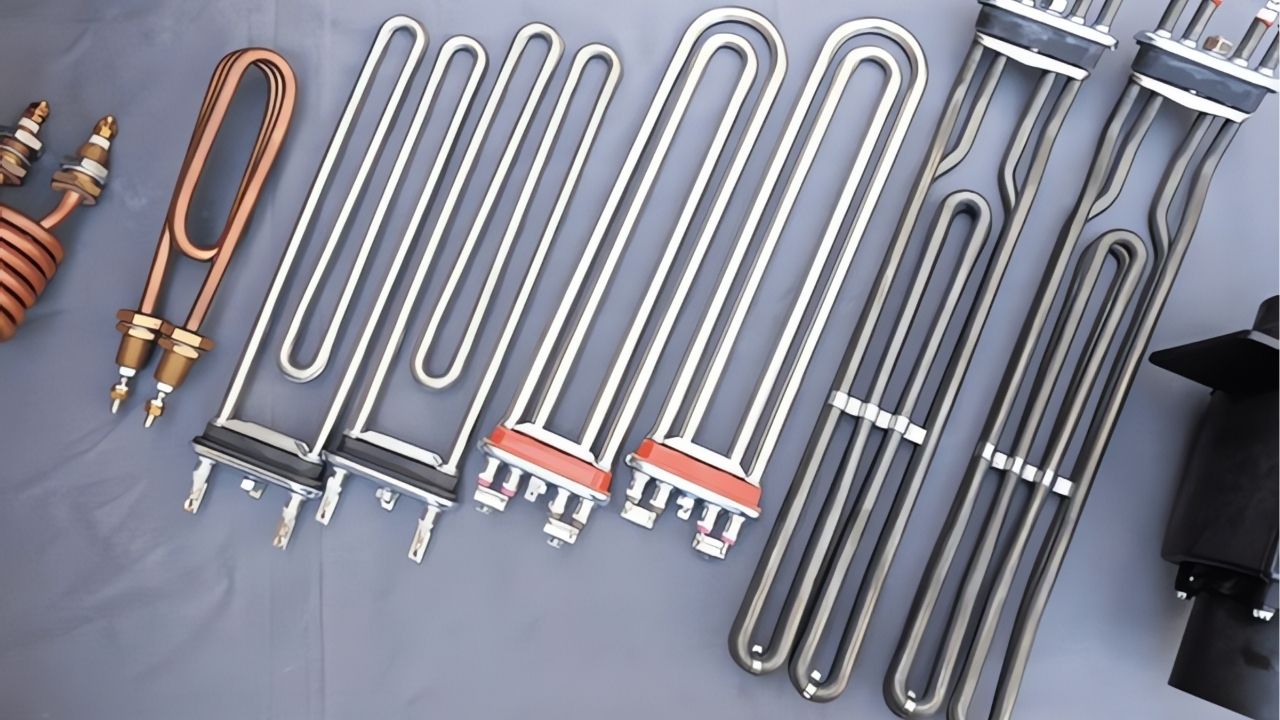
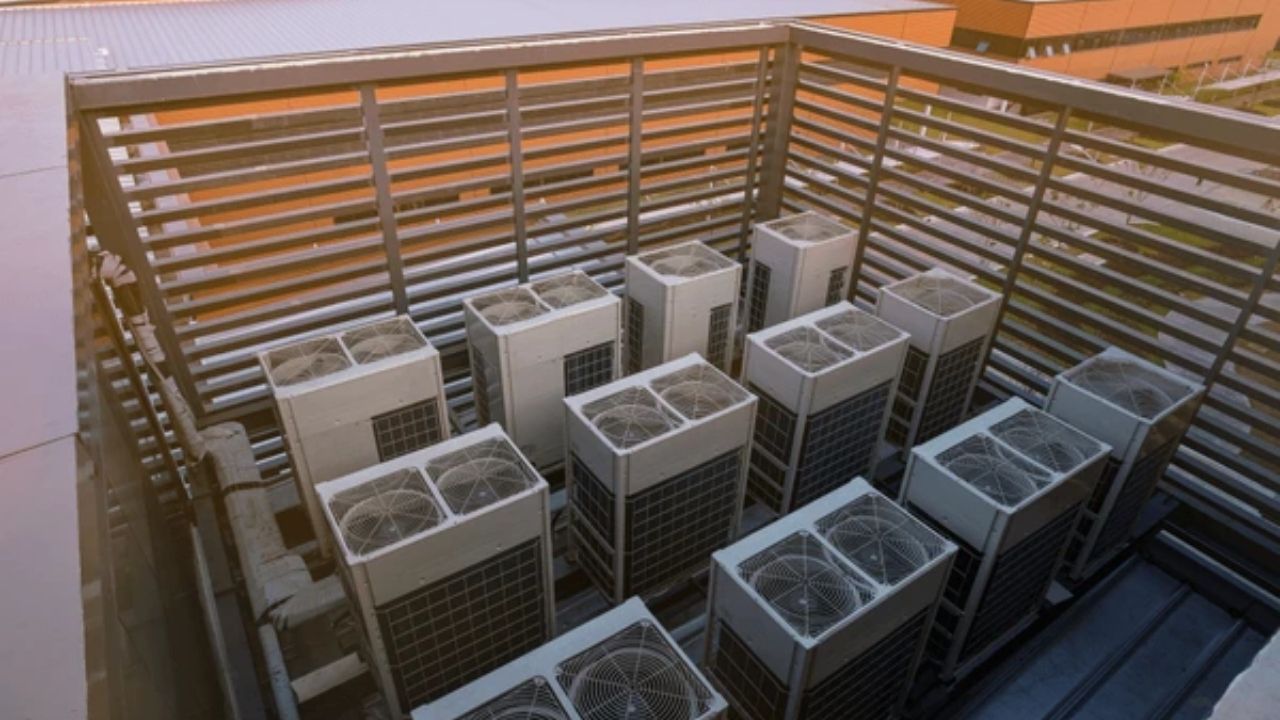
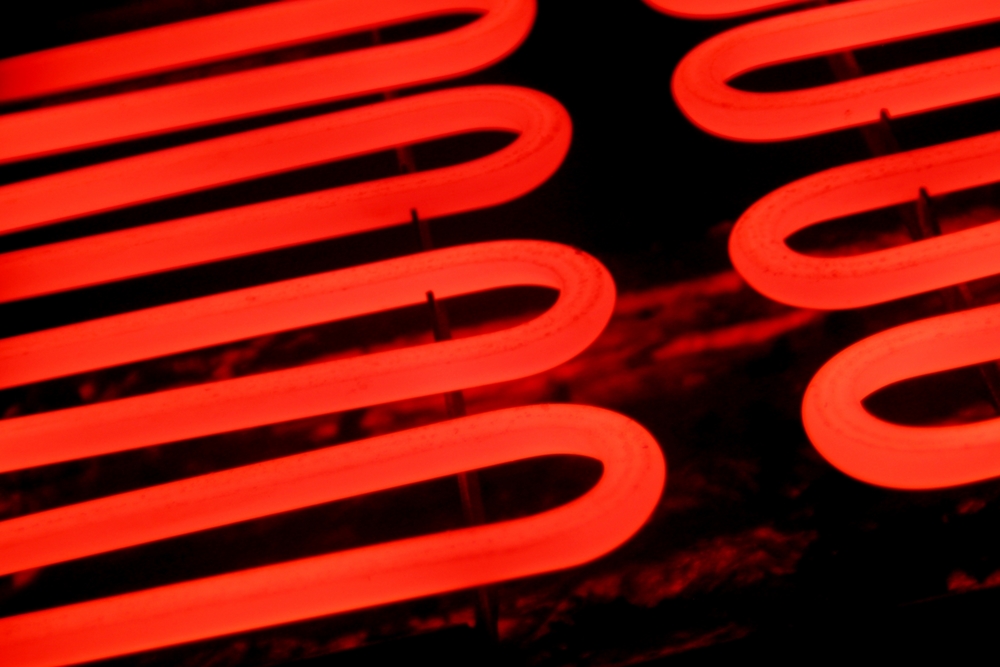
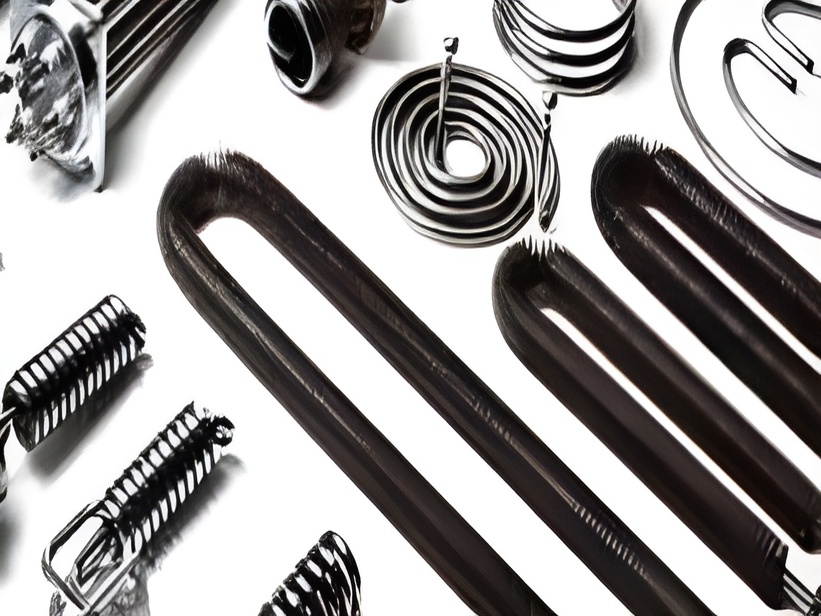
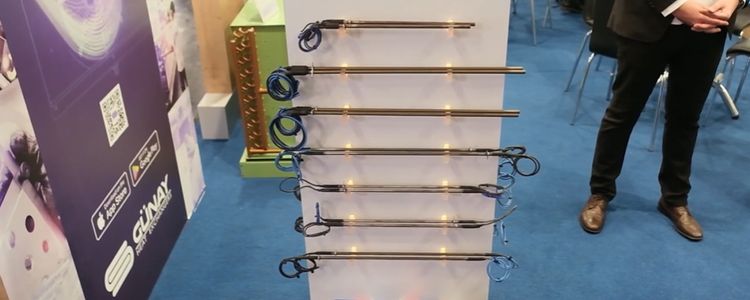
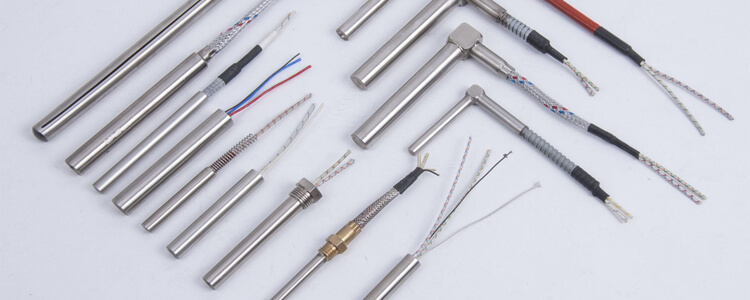
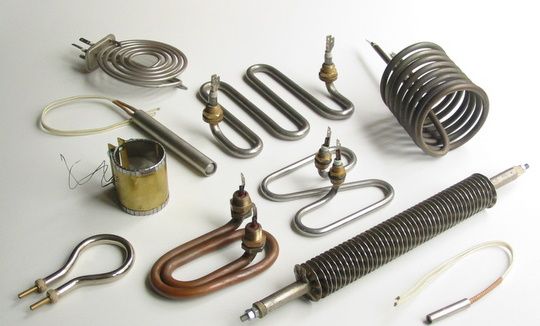
Advanced defrost systems now utilize mineral-insulated heating cables and tubular elements that provide uniform heat distribution across evaporator coils. Günay Soğutma's engineering team integrates these components with high-efficiency condensers to create balanced thermal management systems. These solutions activate only when needed, reducing energy waste while maintaining consistent temperatures in food storage and processing facilities.
The integration of smart sensors with heating elements represents a significant advancement in frost prevention technology. These systems monitor humidity levels and surface temperatures in real-time, triggering precise defrost cycles that prevent ice buildup without unnecessary energy expenditure. This intelligent approach extends the operational life of axial fans and other critical components, reducing maintenance requirements and unexpected downtime.
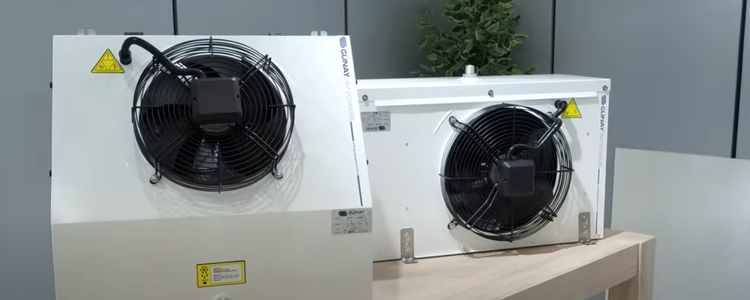
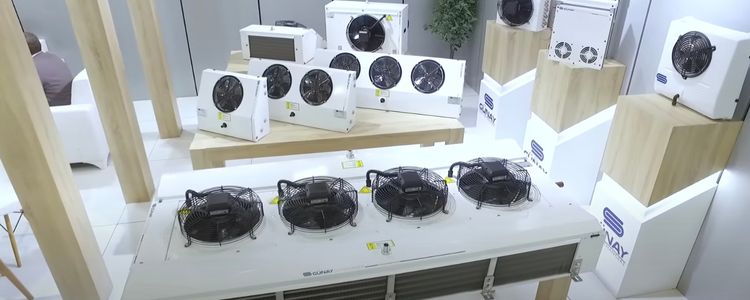
Industrial applications demand robust solutions that withstand extreme conditions while delivering reliable performance. Modern heating elements feature corrosion-resistant materials and durable construction, ensuring consistent operation in harsh environments. When paired with custom evaporator designs, these systems optimize heat transfer efficiency while preventing frost-related damage to sensitive products.
Facilities implementing these advanced heating solutions report significant improvements in energy efficiency and operational reliability. The combination of durable components and intelligent controls creates a sustainable cooling solution that reduces both operational costs and environmental impact. This strategic investment in frost control technology delivers measurable returns through enhanced system performance and reduced maintenance expenses.
Selecting the right heating elements for frost prevention requires careful evaluation of thermal output, material compatibility, and control integration. The ideal solution must balance rapid defrost capabilities with energy efficiency to maintain optimal performance in cold storage facilities. This decision directly impacts operational costs and system longevity across industrial applications.
Key considerations include the heating element's watt density and distribution pattern, which must match the specific requirements of your evaporator coils and cooling infrastructure. Günay Soğutma's engineering approach emphasizes the integration of high-efficiency condensers with precisely calibrated heating elements to ensure uniform temperature control. This synergy prevents hot spots and thermal stress while optimizing energy consumption during defrost cycles.
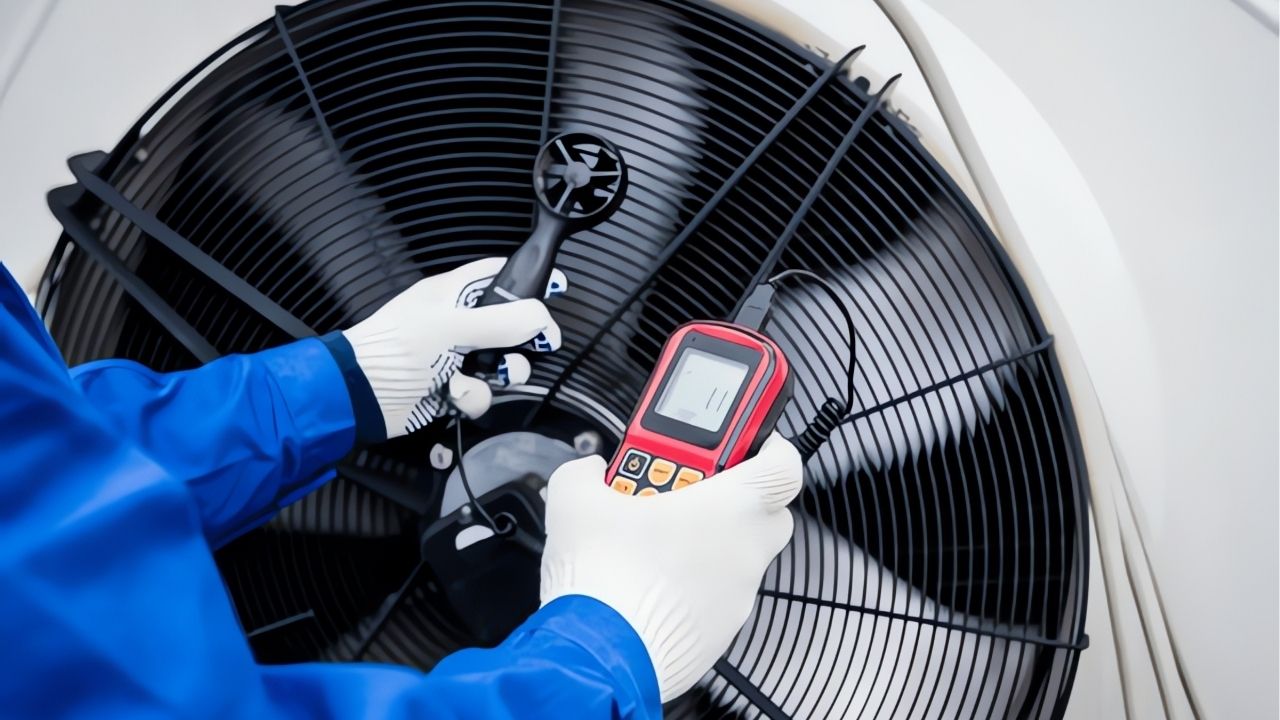
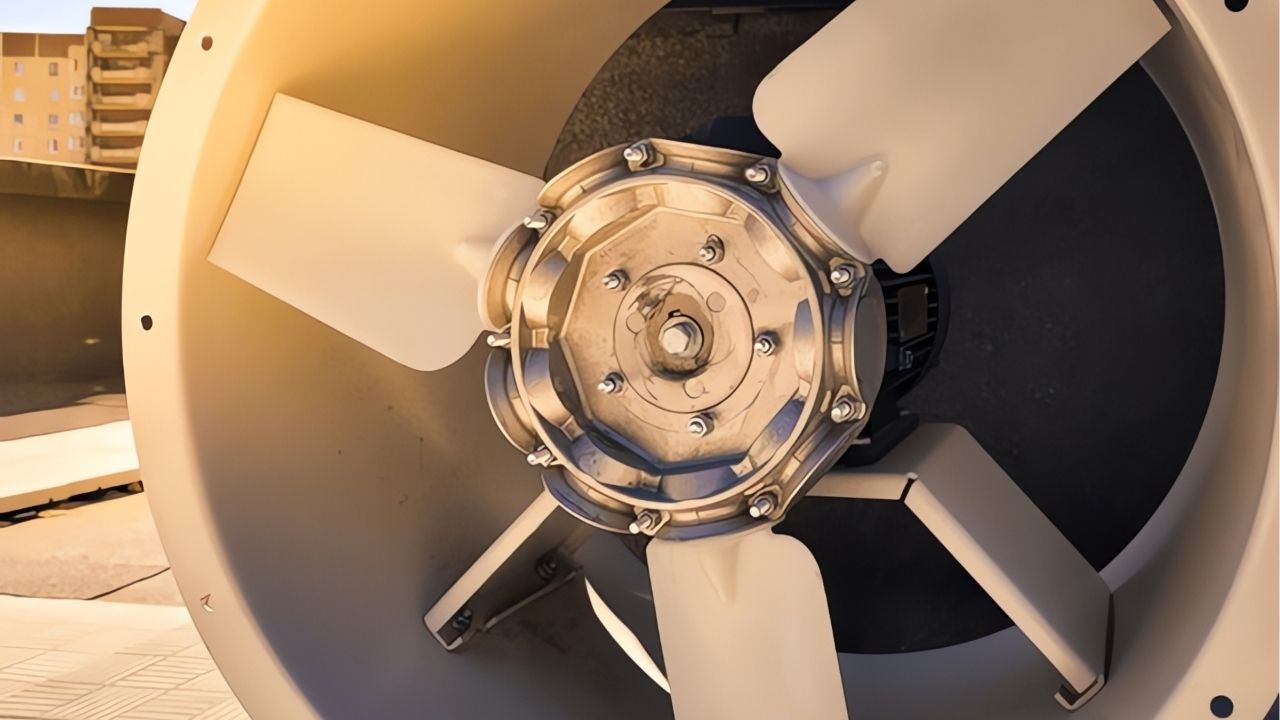
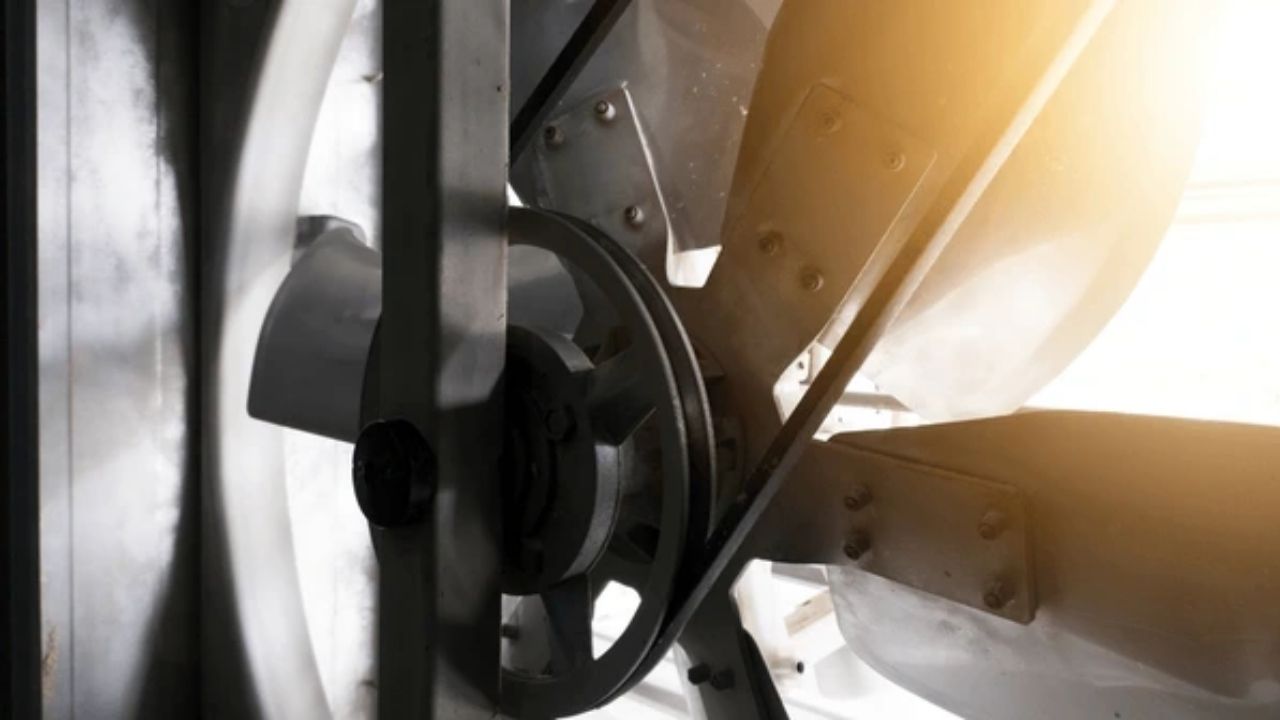
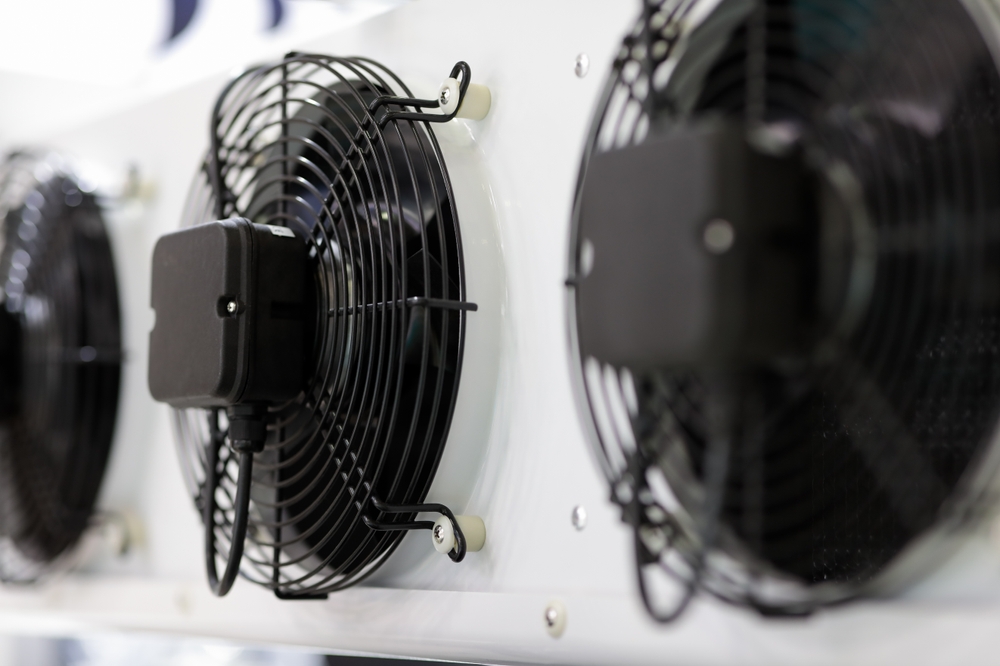
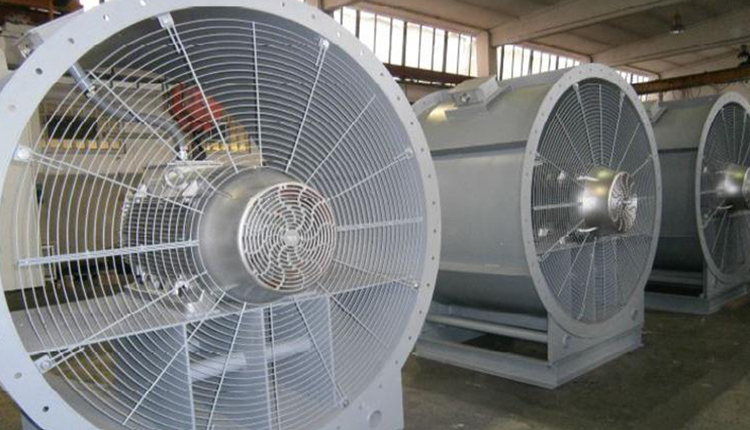
Material selection plays a crucial role in the durability of defrost systems operating in harsh environments. Stainless steel sheathed elements with mineral insulation offer superior corrosion resistance and thermal conductivity compared to traditional options. These components work in concert with axial fans to distribute heat evenly, preventing ice formation while maintaining consistent airflow throughout the storage space.
Modern resistance heating technologies incorporate smart controls that adapt to changing environmental conditions. These systems monitor humidity levels and surface temperatures, activating only when necessary to prevent frost accumulation. This intelligent approach extends equipment life and reduces energy consumption by up to 30 percent compared to conventional timed defrost systems.
Facilities that implement these advanced heating solutions experience significant improvements in operational efficiency and product preservation. The combination of durable components and precise control systems creates a sustainable cooling solution that delivers measurable returns through reduced maintenance costs and enhanced system reliability. This strategic investment ensures consistent performance while minimizing environmental impact and operational expenses.
Heating elements serve as the critical counterbalance in cold storage facilities, preventing the inevitable efficiency losses caused by frost accumulation. Without precise thermal management, ice buildup on evaporator coils forces compressors to work harder, increasing energy consumption by up to 30 percent while reducing cooling capacity. This makes strategic heating implementation essential for maintaining optimal system performance and energy efficiency.
Modern defrost systems utilize intelligent controls that activate heating elements only when necessary, based on real-time frost detection. Günay Soğutma's approach integrates these elements with high-efficiency condensers and axial fans to ensure uniform heat distribution during defrost cycles. This precision prevents temperature fluctuations that could compromise product quality while minimizing energy waste typically associated with traditional timed defrost methods.
The strategic placement of heating elements throughout the cooling infrastructure prevents ice formation in critical areas, maintaining consistent airflow and heat transfer efficiency. Advanced resistance heating technologies respond rapidly to changing conditions, adapting to varying humidity levels and temperature differentials. This dynamic response capability ensures that energy is used only when and where it's needed most, optimizing overall system performance.
In industrial applications, the reliability of these systems directly impacts operational continuity and product integrity. Facilities implementing advanced heating solutions report significant reductions in maintenance requirements and energy costs. The integration of durable components with smart controls creates a sustainable cooling solution that delivers consistent performance while extending equipment lifespan. This combination of efficiency and reliability makes modern heating elements an indispensable component of high-performance cold storage operations.
Heating elements form the backbone of frost-free facilities, actively preventing ice accumulation that compromises cooling infrastructure efficiency. Their strategic implementation directly addresses the core challenge of maintaining consistent temperatures while preventing the energy waste associated with traditional defrost methods. This makes them indispensable for facilities prioritizing operational reliability and cost-effectiveness.
Advanced defrost systems utilize precision-engineered heating elements that activate based on actual need rather than fixed schedules. Günay Soğutma's approach integrates these elements with high-efficiency condensers and axial fans to ensure uniform heat distribution across evaporator coils. This targeted thermal management prevents ice formation while minimizing energy consumption and temperature fluctuations that could affect product quality.
The effectiveness of modern heating elements lies in their ability to respond dynamically to environmental conditions. Smart sensors monitor humidity levels and surface temperatures, triggering resistance heating only when necessary. This intelligent approach extends equipment lifespan by reducing thermal stress on components, while maintaining optimal performance in demanding industrial environments. The result is a significant reduction in maintenance requirements and unexpected downtime.
Facilities implementing these advanced heating solutions experience measurable improvements in energy efficiency and operational reliability. The integration of durable, corrosion-resistant materials ensures long-term performance in harsh conditions, while smart controls optimize energy usage. This combination delivers a sustainable cooling solution that reduces operational costs while maintaining consistent product quality. The proven reliability of these systems makes them a crucial investment for any facility seeking to optimize its cold chain operations.

Proper installation of heating elements in cold storage units begins with precise positioning along evaporator coils to ensure uniform heat distribution. The process requires careful attention to thermal mapping and airflow patterns to prevent cold spots where frost could accumulate. This foundational step directly impacts the effectiveness of the entire defrost system and overall energy efficiency.
Installation teams must first verify compatibility between heating elements and existing cooling infrastructure, including axial fans and control systems. Günay Soğutma's technical specifications provide clear guidelines for spacing and securing elements to maximize heat transfer while preventing damage to sensitive components. Proper insulation around heating elements is crucial to direct thermal energy where it's needed most, minimizing energy waste and ensuring efficient operation.
Wiring and control integration represent critical phases where precision directly affects system performance. Modern resistance heating systems require proper circuit protection and grounding to ensure safe operation in high-humidity environments. The connection to intelligent controllers allows for adaptive defrost cycles based on actual need rather than fixed schedules, optimizing energy usage and reducing wear on components.
Testing and commissioning validate the installation's effectiveness through comprehensive performance monitoring. Technicians measure temperature distribution, defrost cycle duration, and energy consumption to ensure optimal operation. This verification process confirms that the heating elements work in harmony with high-efficiency condensers and other system components to maintain consistent temperatures while preventing frost formation.
Facilities that follow these installation best practices achieve significant improvements in operational reliability and energy efficiency. The proper implementation of heating elements creates a sustainable cooling solution that reduces maintenance requirements and extends equipment lifespan. This attention to detail during installation ensures long-term performance and return on investment for cold storage operators.
Selecting optimal heating elements for industrial freezers requires evaluating thermal performance, durability, and integration capabilities with existing cooling infrastructure. The most effective solutions combine advanced materials with intelligent control systems to prevent frost while minimizing energy consumption. This careful selection directly impacts operational efficiency and product preservation in demanding cold storage environments.
Mineral-insulated heating cables and tubular elements represent the current standard for reliable frost prevention in industrial applications. Günay Soğutma's engineering team specifies these components for their superior heat distribution and resistance to thermal cycling stress. When integrated with high-efficiency condensers and axial fans, these elements maintain consistent temperatures across evaporator coils while preventing ice accumulation that could compromise system performance.
Advanced resistance heating technologies now incorporate smart sensors that monitor environmental conditions in real-time. These systems activate defrost cycles only when necessary, reducing energy waste and extending equipment lifespan. The integration of corrosion-resistant materials ensures reliable operation in high-humidity environments, making them ideal for food processing and pharmaceutical storage applications.
Modern heating elements feature modular designs that simplify maintenance and replacement procedures. This approach minimizes downtime while ensuring consistent performance throughout the system's operational life. The combination of durable construction and intelligent controls creates a sustainable cooling solution that delivers measurable cost savings through reduced energy consumption and maintenance requirements.
Facilities implementing these advanced heating solutions report significant improvements in operational reliability and energy efficiency. The strategic selection of heating elements based on specific application requirements ensures optimal performance while protecting valuable inventory. This investment in quality components translates to long-term savings and enhanced system durability for industrial freezer operations.
Heating elements significantly enhance cold storage performance by preventing frost accumulation that compromises cooling infrastructure efficiency. These critical components maintain optimal heat transfer across evaporator coils, ensuring consistent temperatures while reducing compressor workload. This direct impact on system efficiency translates to lower energy consumption and improved product preservation in industrial applications.
Advanced defrost systems utilize intelligent controls that activate heating elements based on actual frost detection rather than fixed schedules. Günay Soğutma's approach integrates these elements with high-efficiency condensers and axial fans to ensure uniform heat distribution during defrost cycles. This precision prevents temperature fluctuations that could affect product quality while minimizing energy waste typically associated with traditional defrost methods.
The strategic implementation of resistance heating technology extends beyond frost prevention to optimize overall system performance. Modern heating elements respond dynamically to changing environmental conditions, activating only when necessary to maintain optimal operating parameters. This intelligent approach reduces thermal stress on components, extending equipment lifespan while ensuring consistent cooling performance in demanding industrial environments.
Facilities incorporating these advanced heating solutions experience measurable improvements in operational reliability and energy efficiency. The integration of durable, corrosion-resistant materials with smart controls creates a sustainable cooling solution that delivers long-term cost savings. This combination of performance and reliability makes modern heating elements an essential component of high-efficiency cold storage operations, ensuring consistent product quality while minimizing environmental impact.
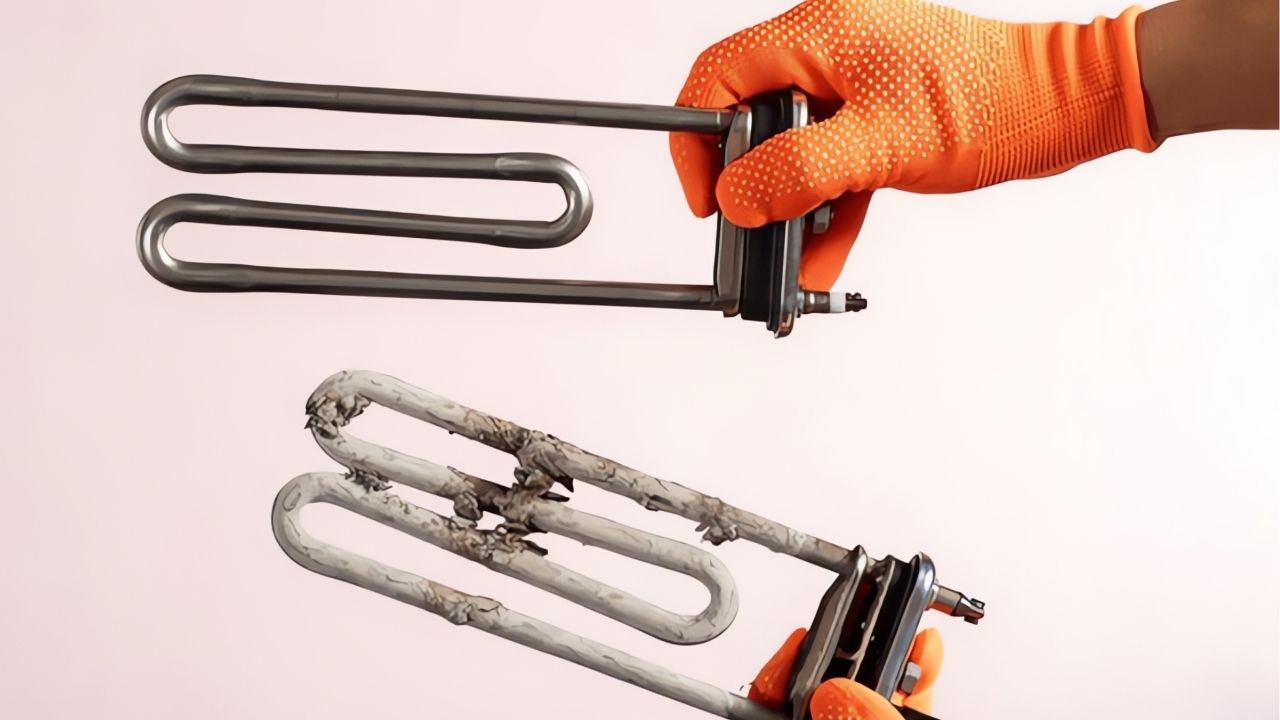
Durability in cold storage environments demands heating elements constructed from premium materials that withstand extreme thermal cycling and moisture exposure. Stainless steel-sheathed resistance heating elements with magnesium oxide insulation consistently outperform standard models in longevity tests. These components maintain structural integrity while preventing moisture ingress that typically causes premature failure in conventional heating systems.
Mineral-insulated heating cables represent the gold standard for long-term reliability in industrial freezers. Günay Soğutma specifies these elements for their exceptional thermal conductivity and resistance to thermal shock. When integrated with high-efficiency condensers and axial fans, these durable components ensure consistent performance across thousands of defrost cycles without degradation.
The longevity of heating elements directly impacts cooling infrastructure reliability and maintenance costs. Advanced designs feature seamless construction that eliminates weak points where corrosion typically begins. This attention to detail extends the operational life of evaporator coils and associated components, reducing the frequency of system downtime for replacements.
Modern defrost systems incorporate smart controls that optimize heating element operation to minimize thermal stress. These intelligent systems monitor environmental conditions and adjust heating cycles accordingly, preventing unnecessary wear while maintaining optimal frost prevention. This proactive approach to thermal management significantly extends the service life of all system components.
Facilities that invest in these premium heating solutions report substantially reduced maintenance costs and improved operational reliability. The combination of robust construction and intelligent control systems creates a sustainable cooling solution that delivers consistent performance for years. This long-term reliability translates to significant cost savings and uninterrupted operations for cold storage facilities.
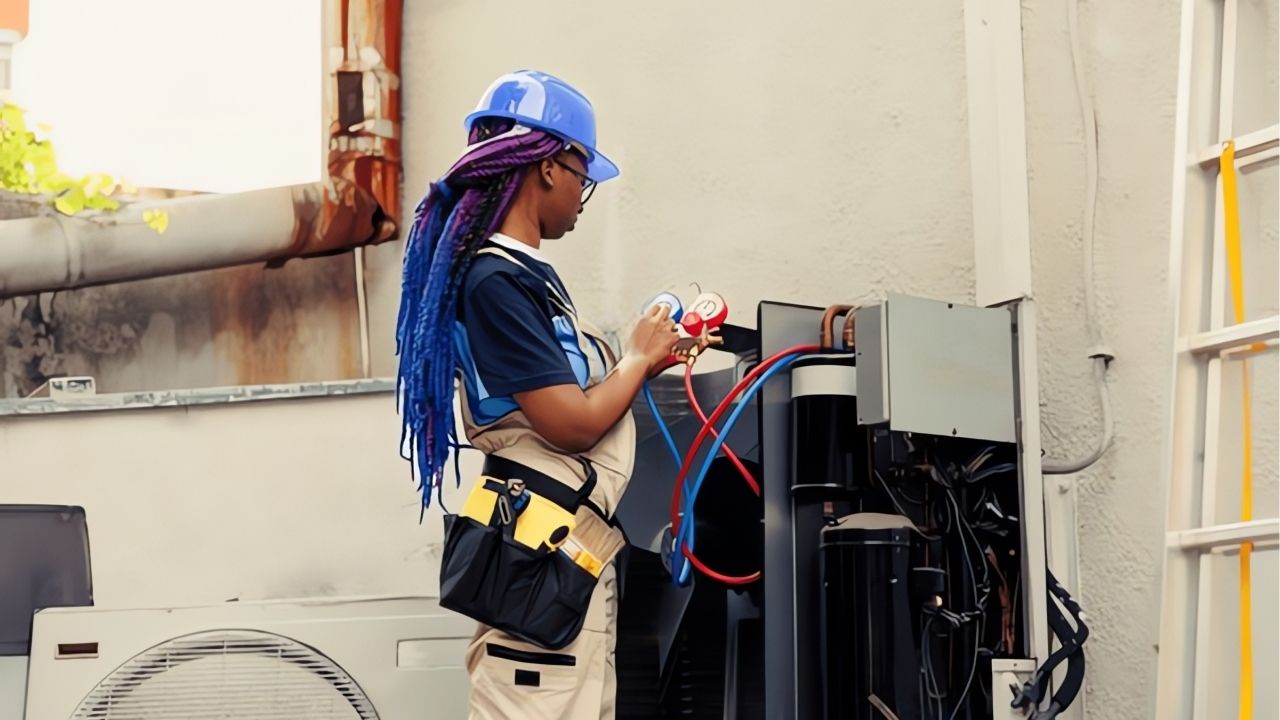
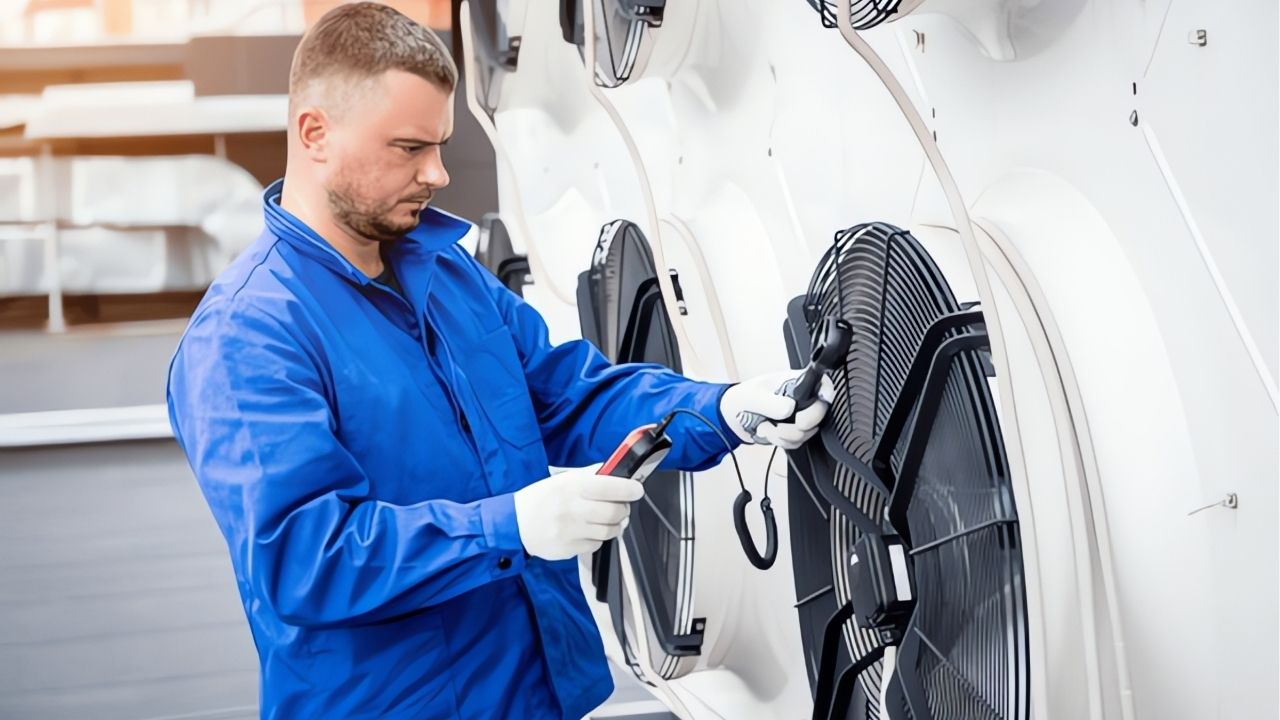
Effective maintenance of heating elements is crucial for reliable frost prevention in cold storage facilities. Regular inspection schedules should include thermal imaging to detect hot spots or cold areas that indicate potential failures. This proactive approach prevents unexpected downtime and maintains optimal performance of the entire cooling infrastructure.
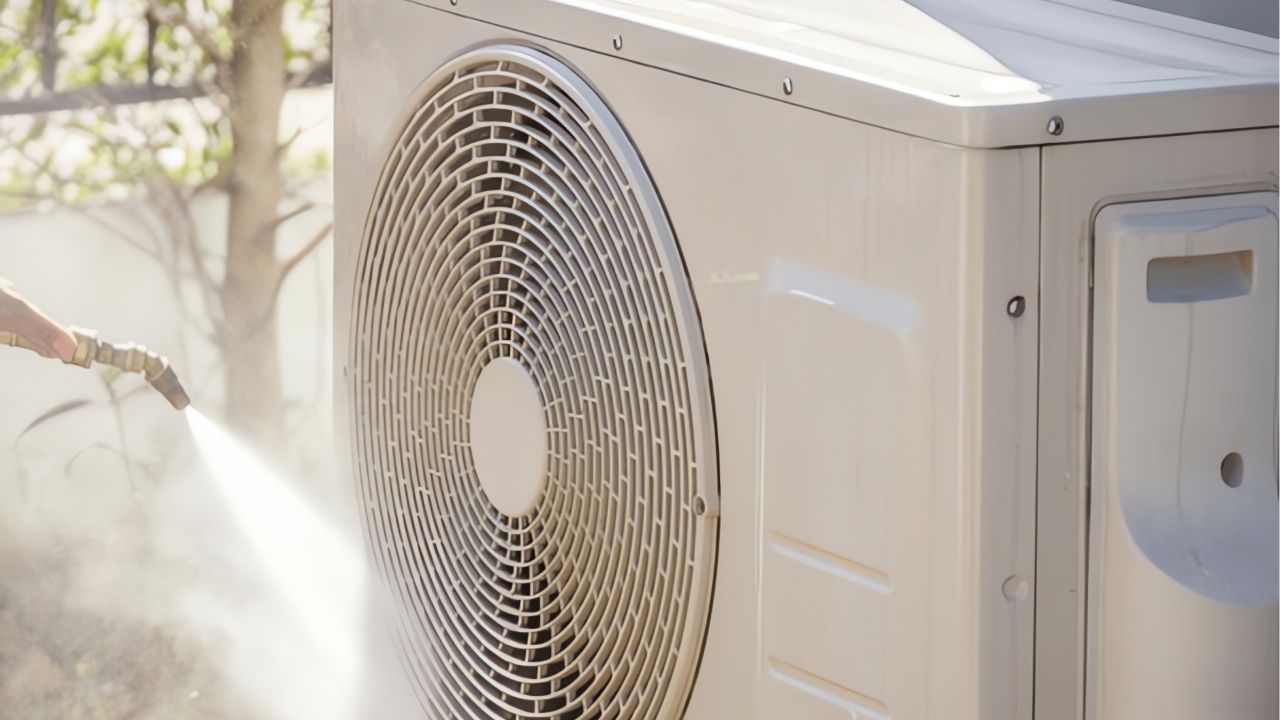
Routine cleaning of evaporator coils and heating elements removes debris that can insulate surfaces and reduce heat transfer efficiency. Günay Soğutma recommends using non-corrosive cleaning solutions that won't damage the protective coatings on heating elements. This maintenance step ensures consistent thermal performance and prevents premature failure of resistance heating components.
Electrical connections require regular inspection to prevent resistance buildup that can lead to hot spots and component failure. Technicians should verify proper torque on all connections and check for signs of corrosion or oxidation. This attention to detail maintains the efficiency of defrost systems and protects the investment in high-efficiency condensers and axial fans.
Calibration of control systems ensures heating elements activate only when necessary, optimizing energy usage and extending component life. Modern monitoring systems can track performance metrics and alert maintenance teams to potential issues before they affect operations. This predictive maintenance approach reduces energy consumption while maintaining consistent temperatures throughout the storage facility.
Facilities implementing these maintenance best practices achieve significant improvements in system reliability and operational efficiency. The combination of regular inspections, proper cleaning, and system calibration creates a sustainable cooling solution that maximizes equipment lifespan. This comprehensive maintenance strategy delivers measurable cost savings through reduced energy consumption and fewer unexpected repairs.

Fill out the form to discover the most suitable high-end products for your projects. Contact Us Now.
Fill out the form now not to miss our special offers for you! The latest discover our products and innovations.
Fill out the form now not to miss our special offers for you! The latest discover our products and innovations.
Notification Centre 00:00