


Heater Faults: Symptoms and Troubleshooting Methods
06 / 07 / 2026

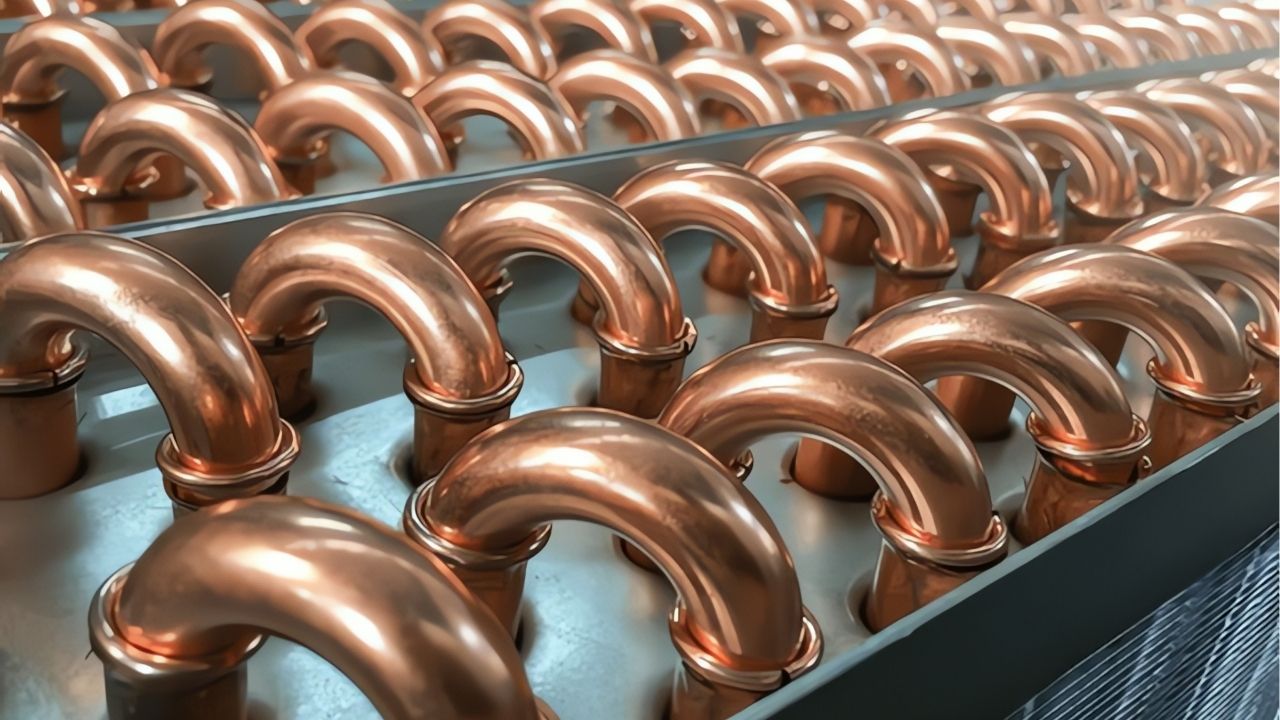
For industrial facilities, controlling industrial cooling costs is a critical operational mandate that directly impacts the bottom line. The primary challenge lies not just in the initial investment but in the cumulative expenses of energy consumption, unplanned maintenance, and system inefficiency over time. Proactively managing these costs requires a strategic approach focused on high-performance components and a robust reliable cooling infrastructure designed for longevity. This shift away from reactive fixes towards solution-oriented, precision-engineered systems is the cornerstone of achieving sustainable operational savings.
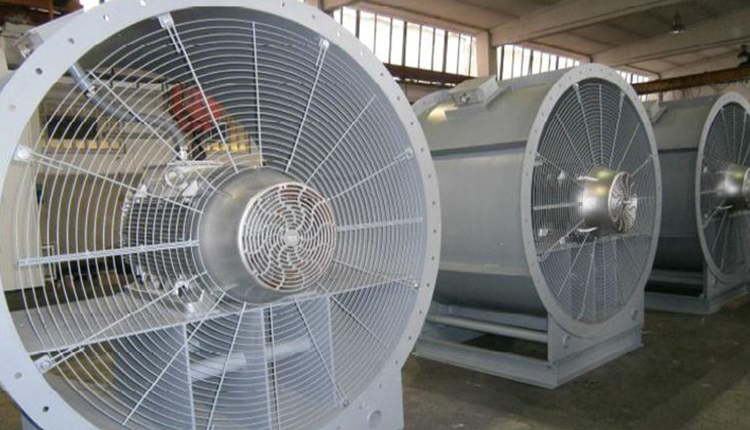
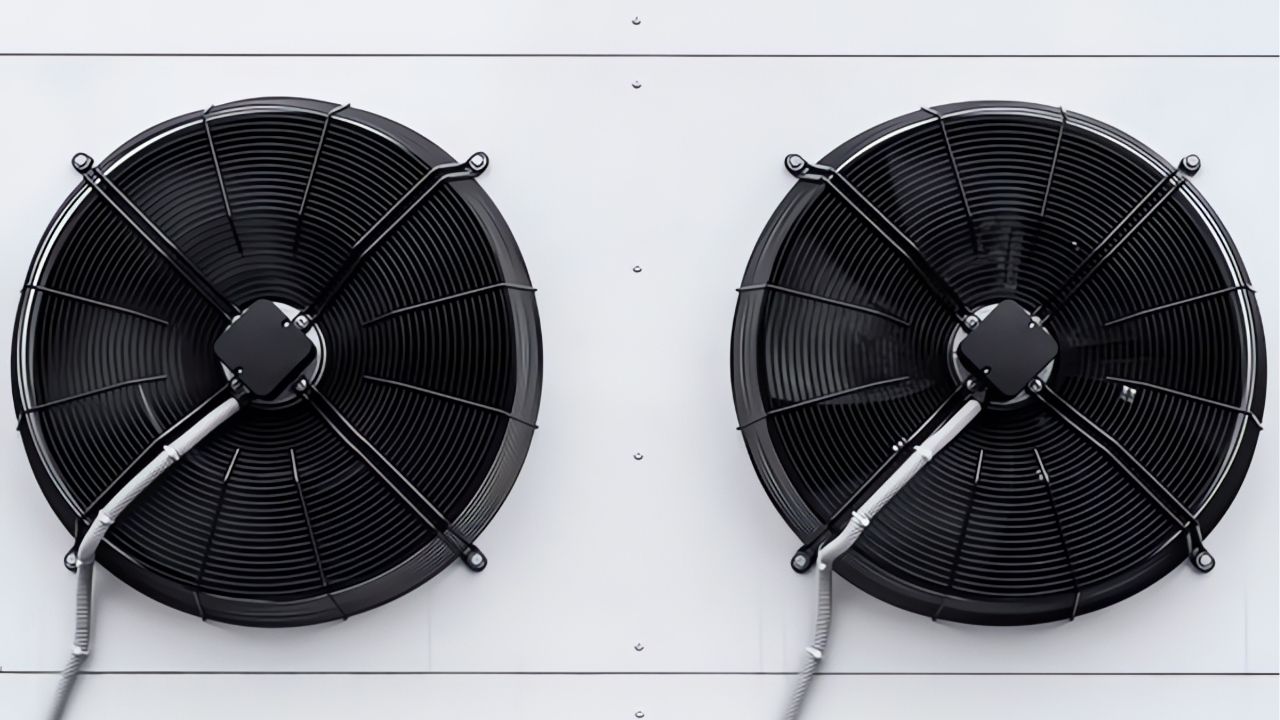
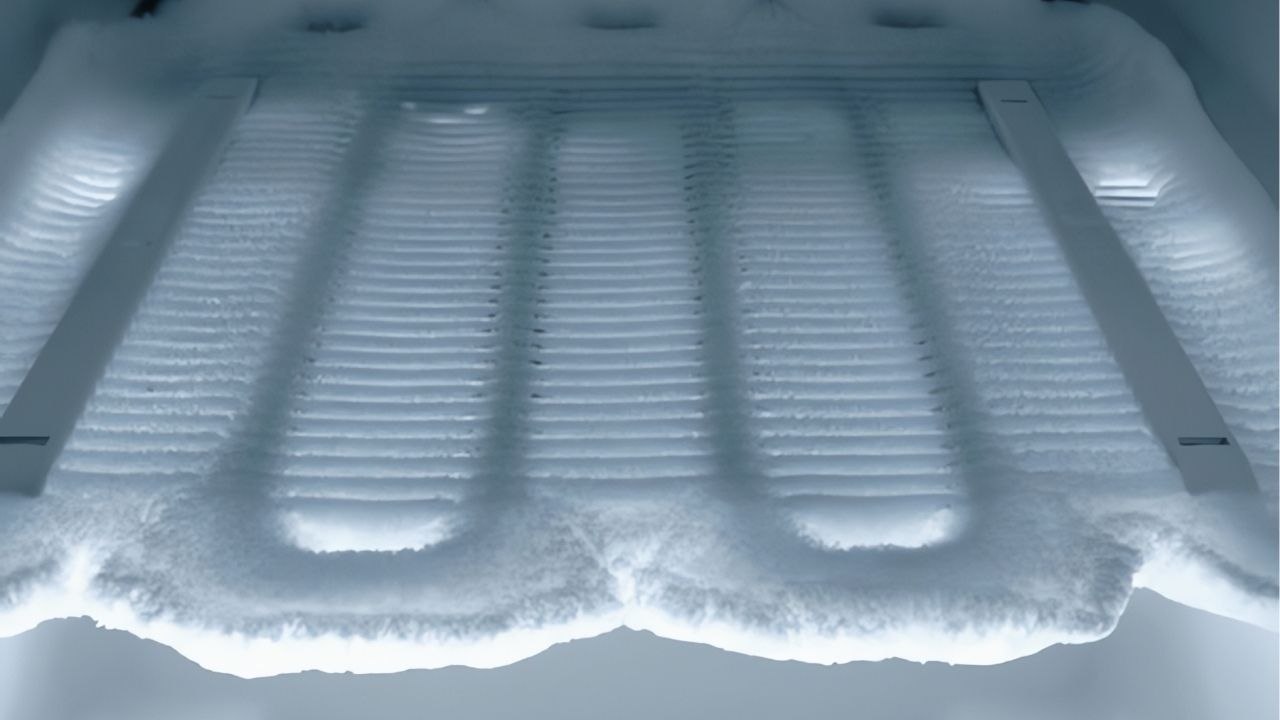
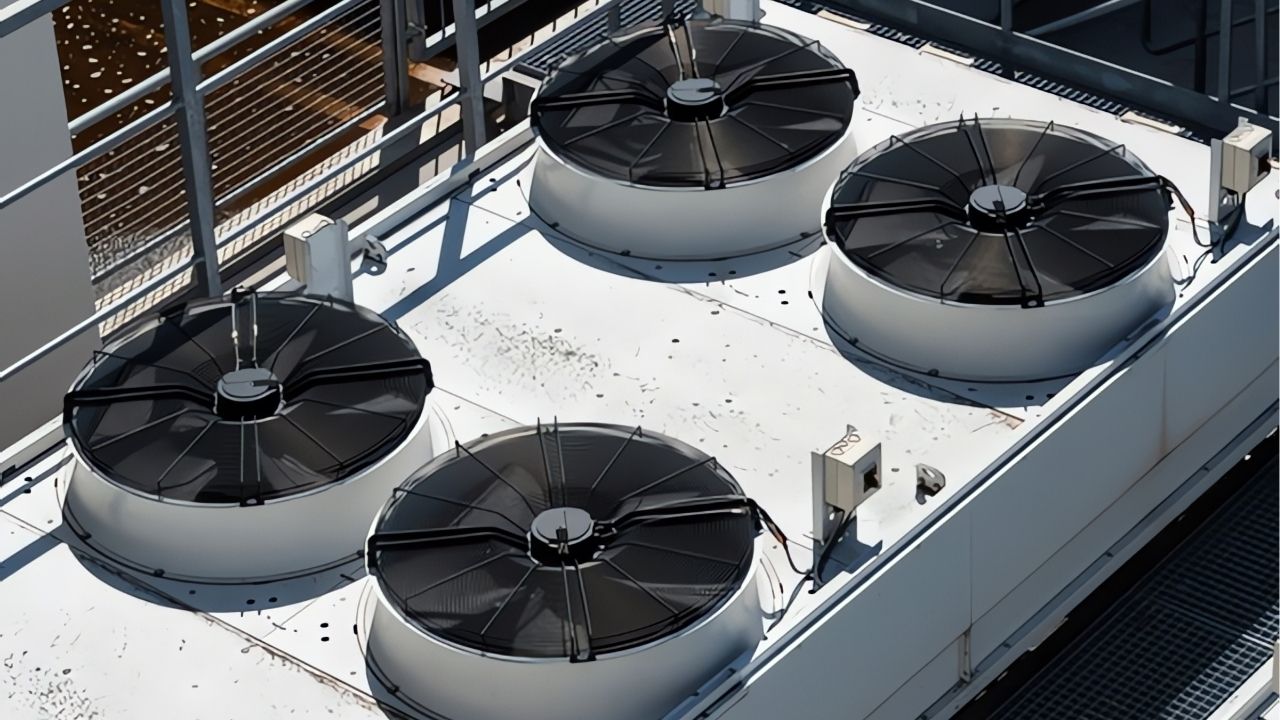
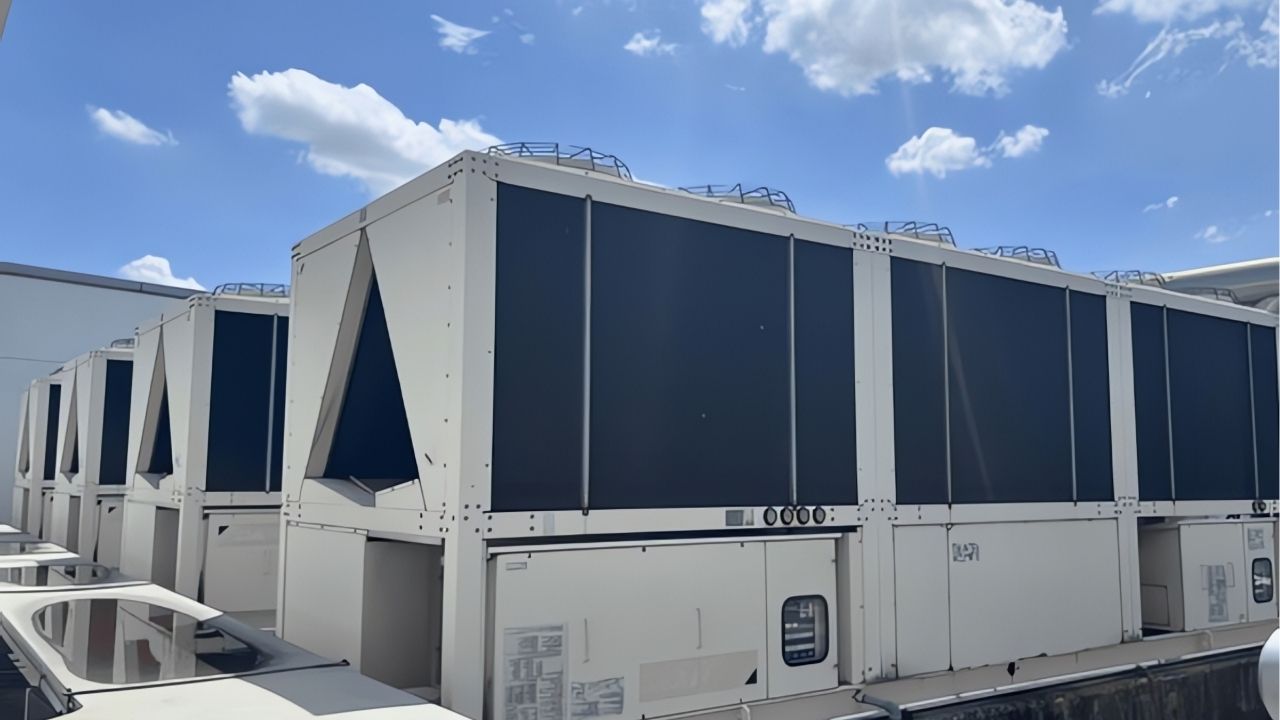
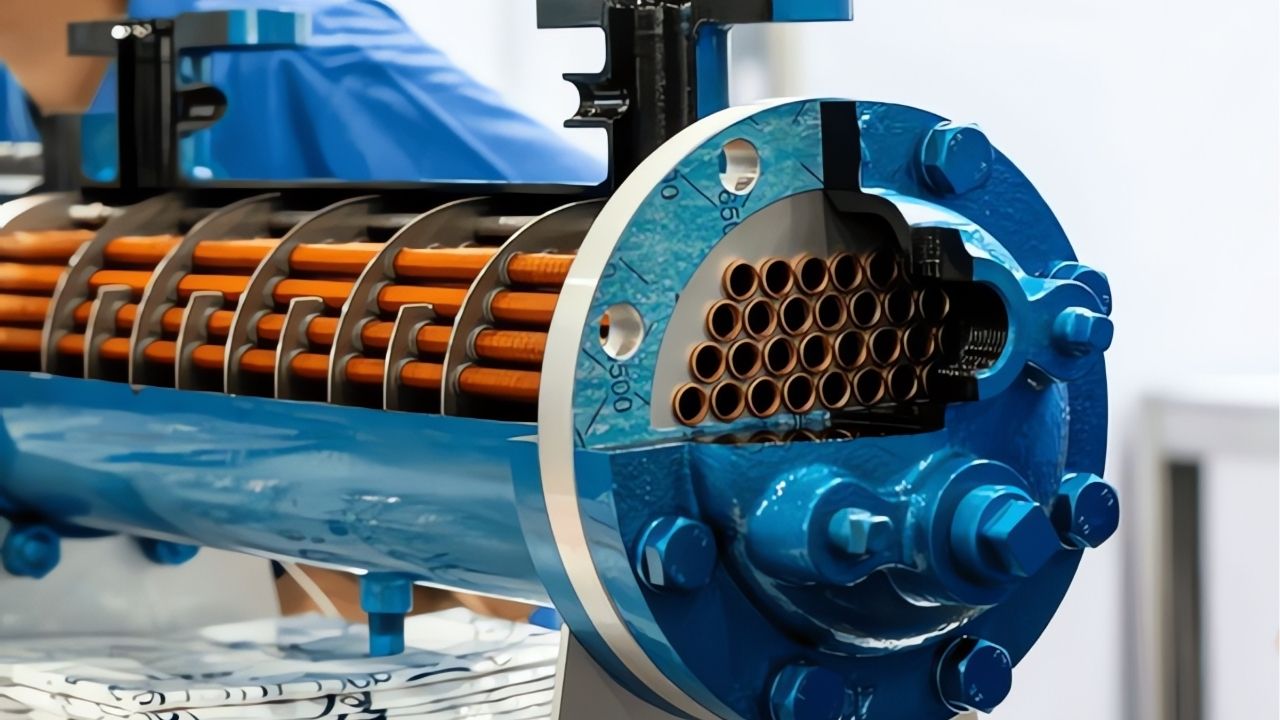
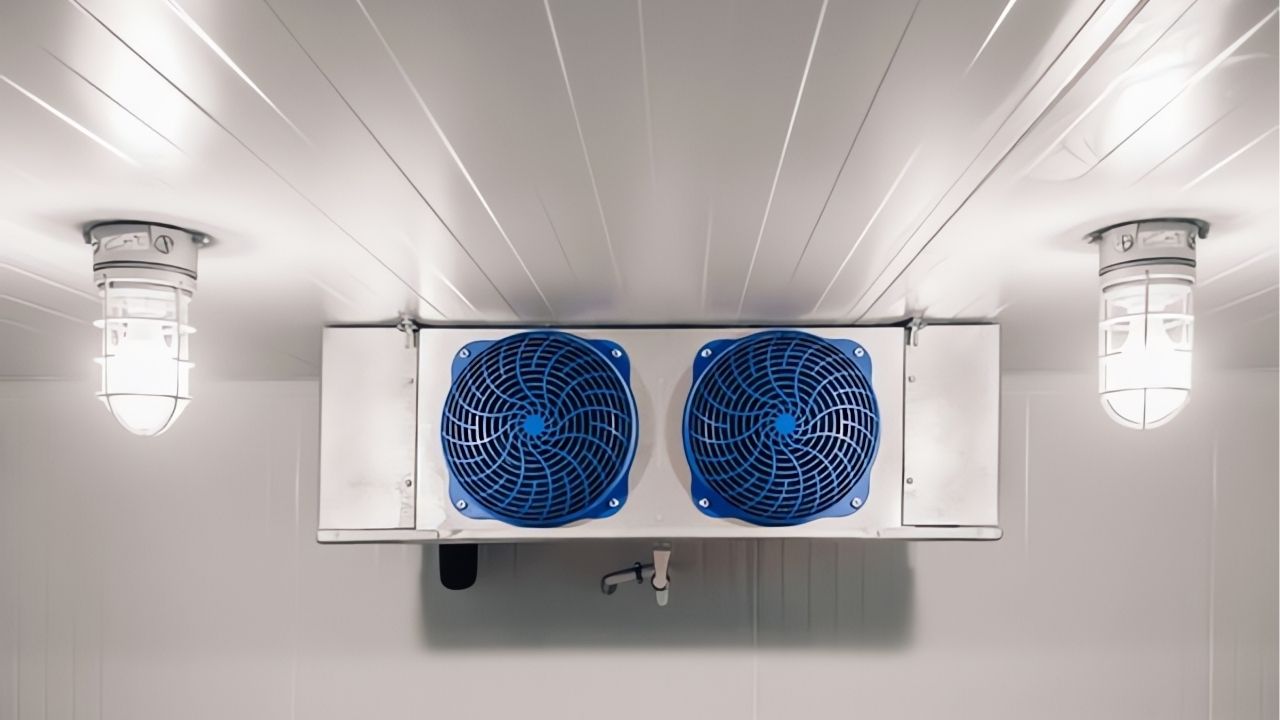
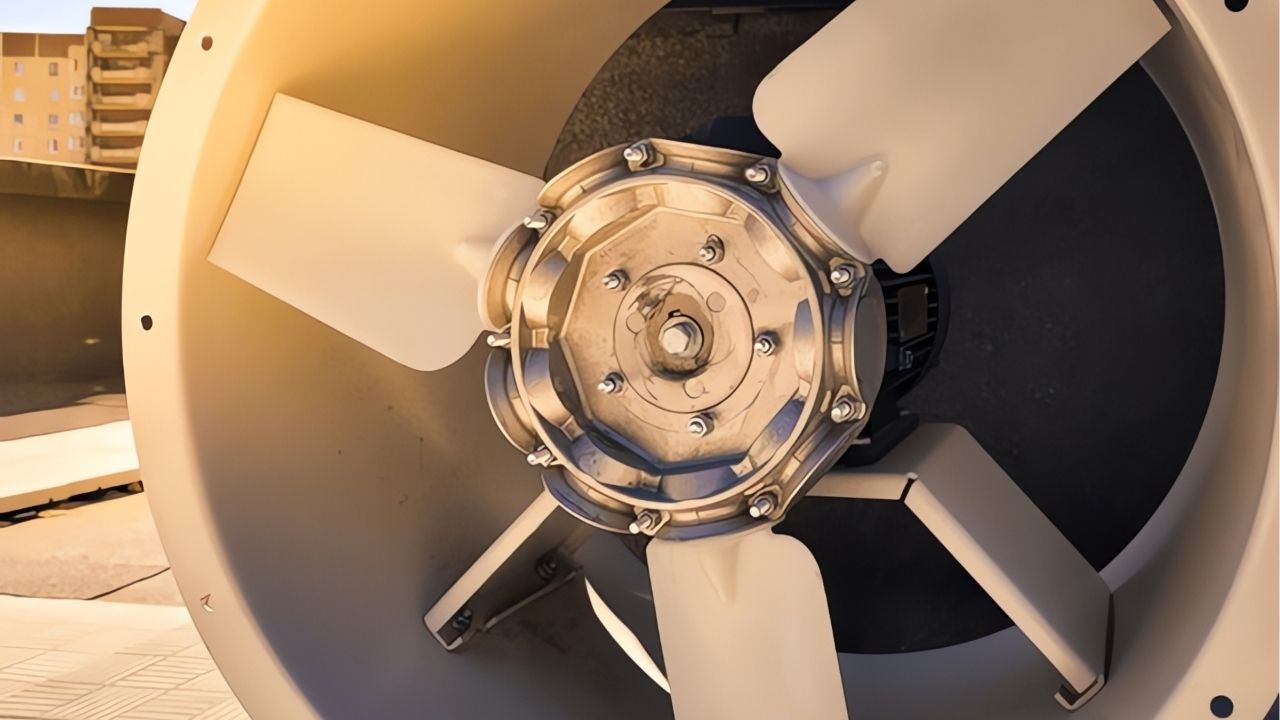
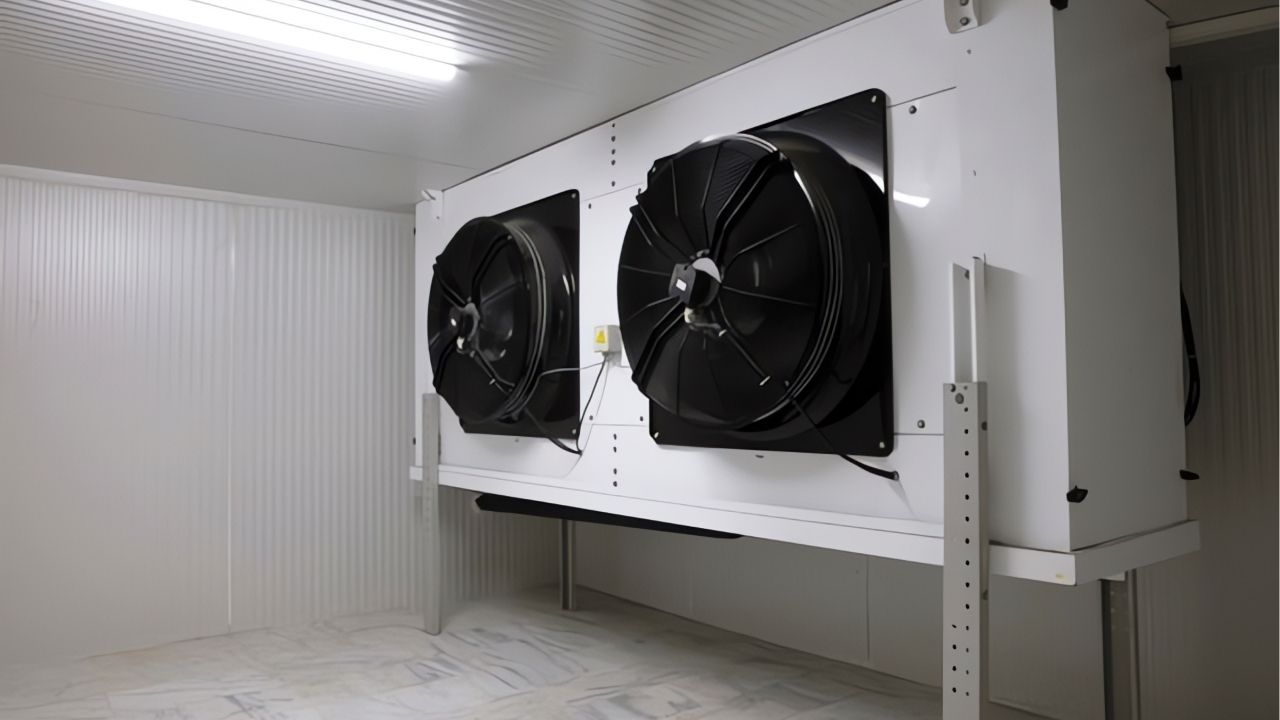
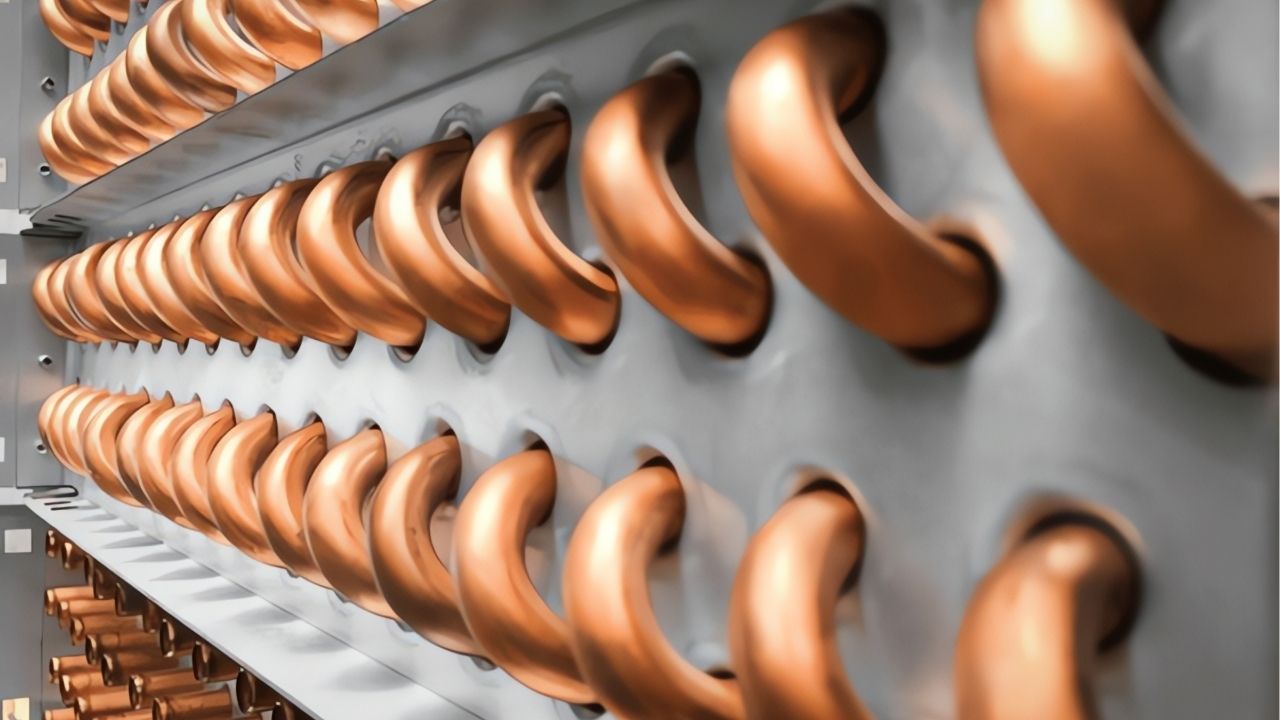
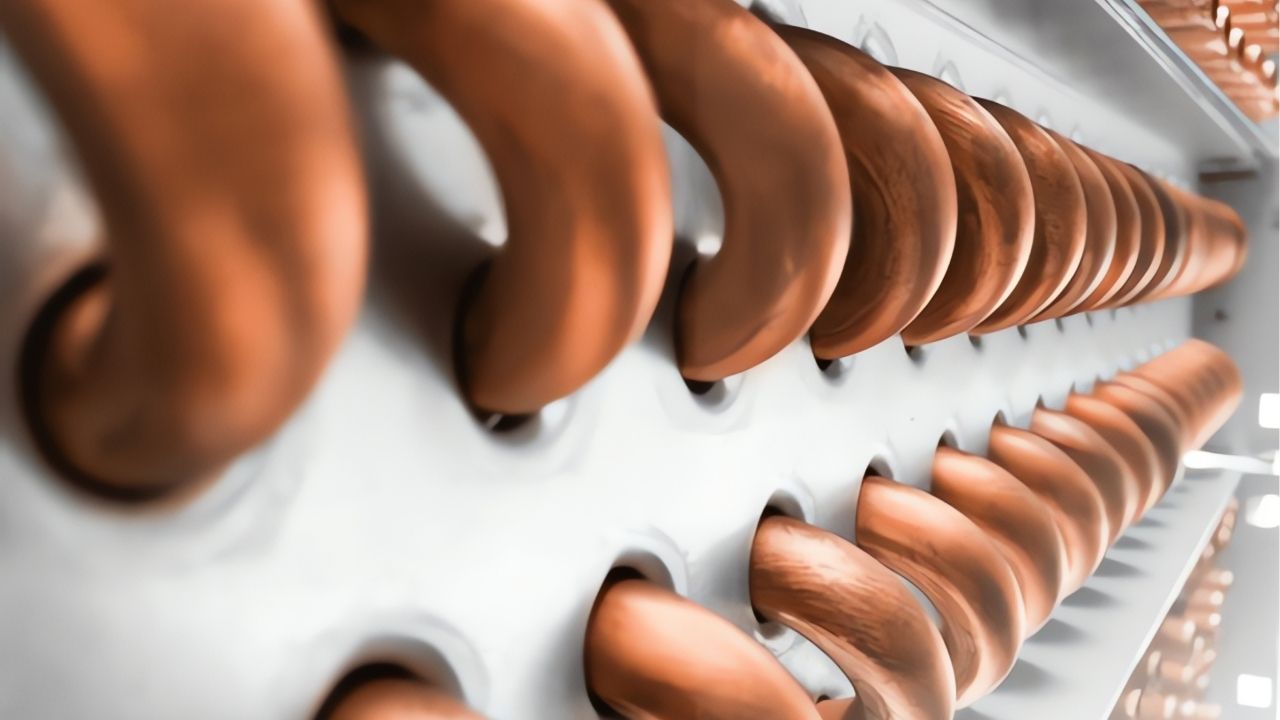
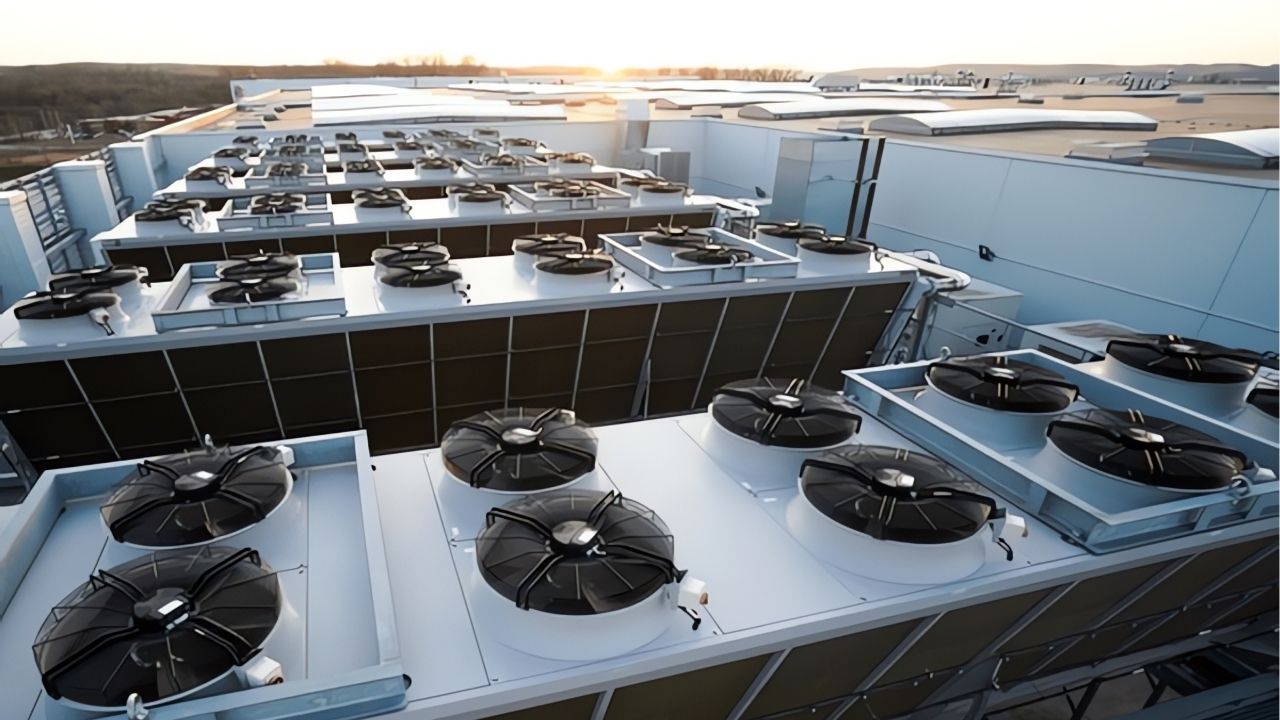
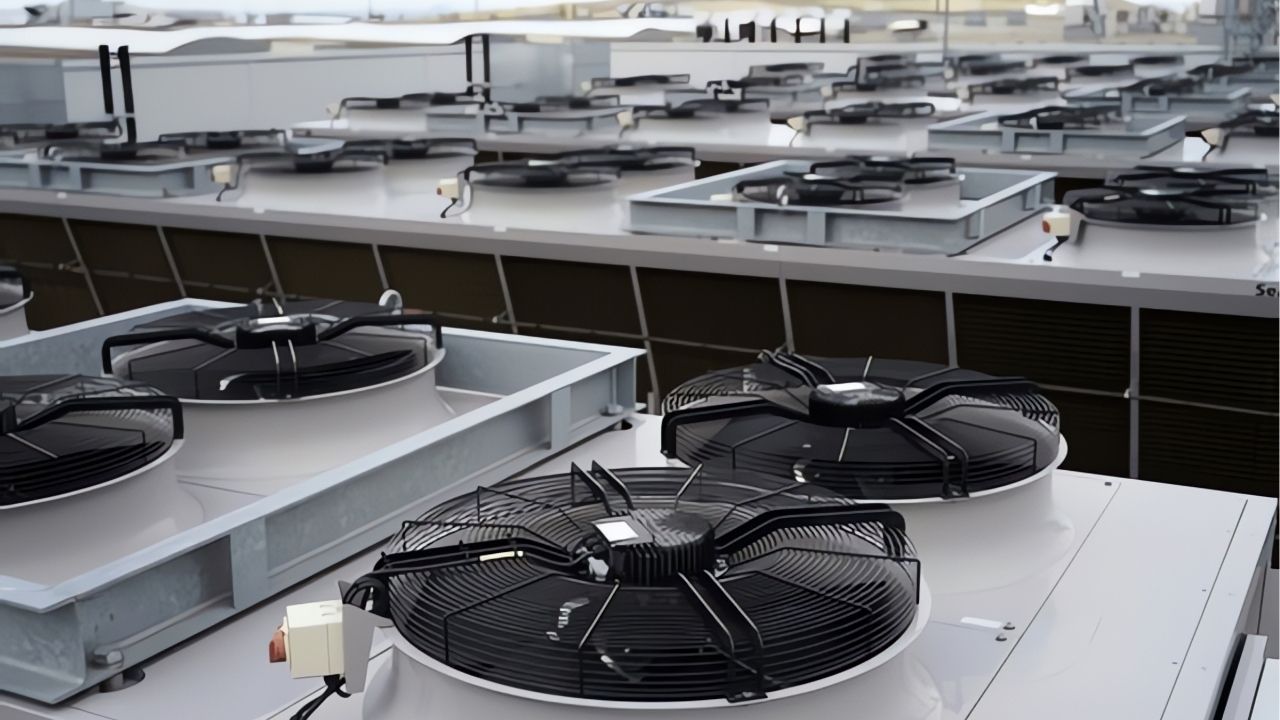
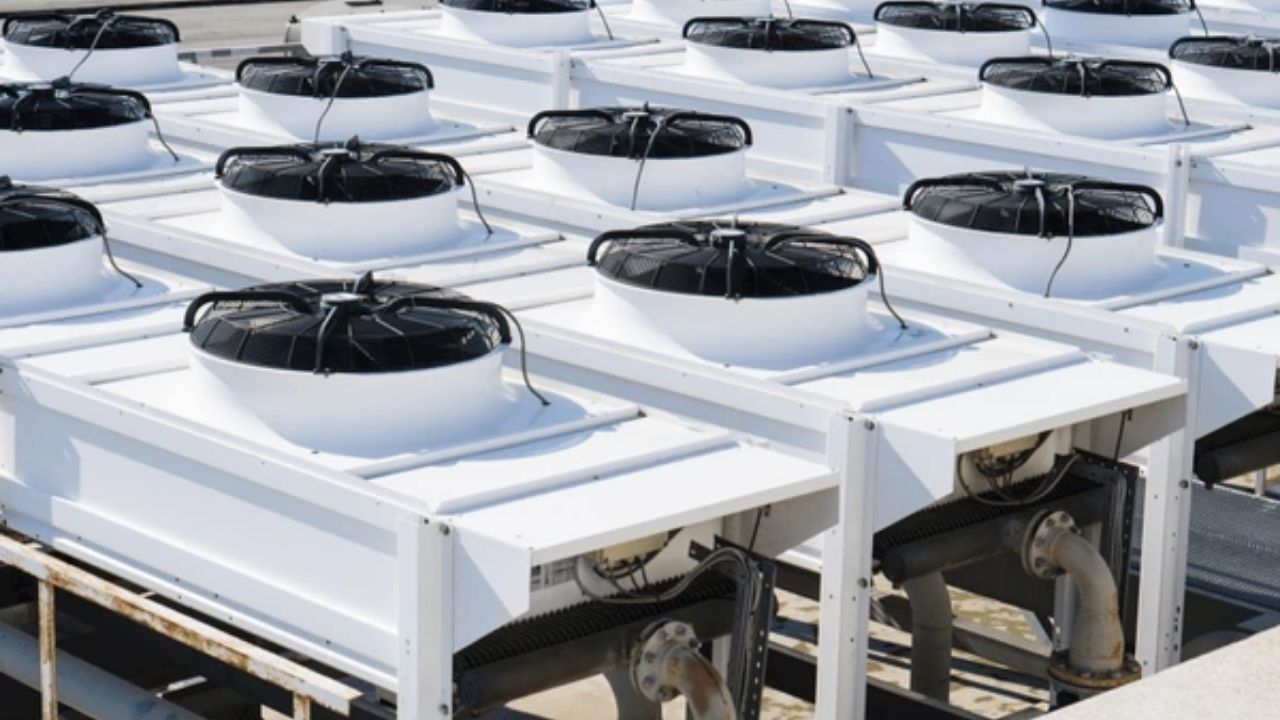
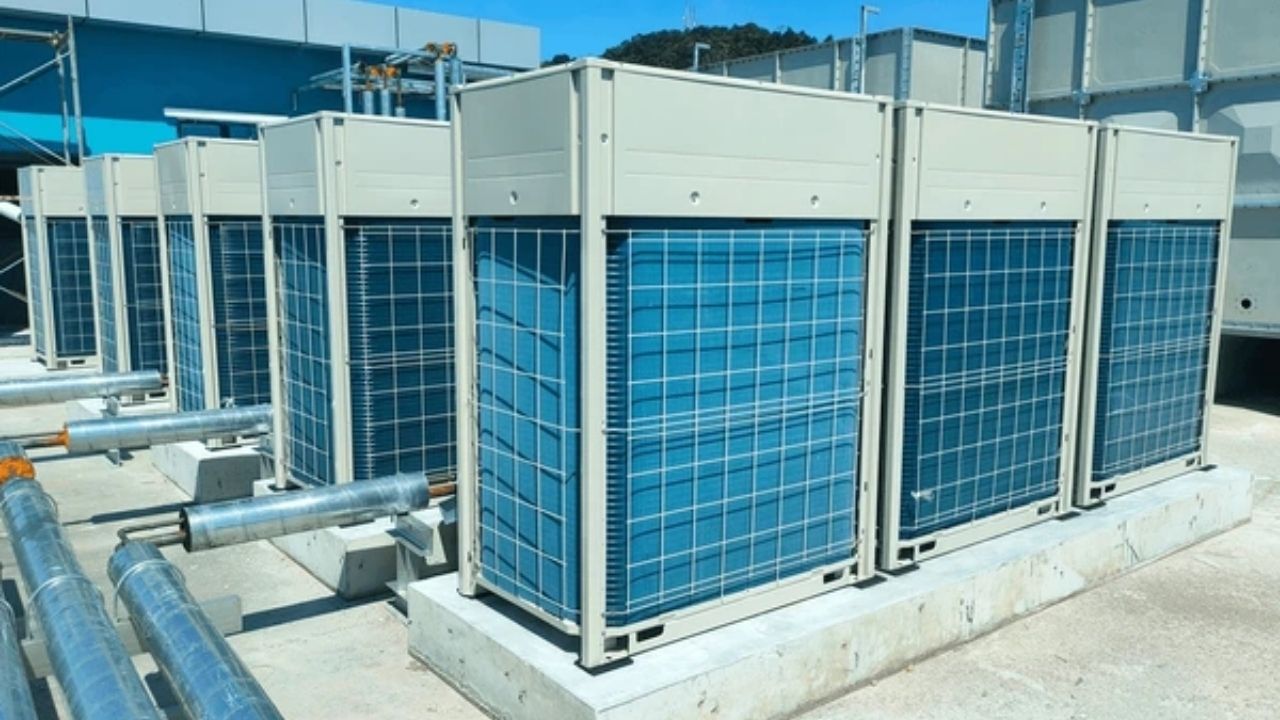
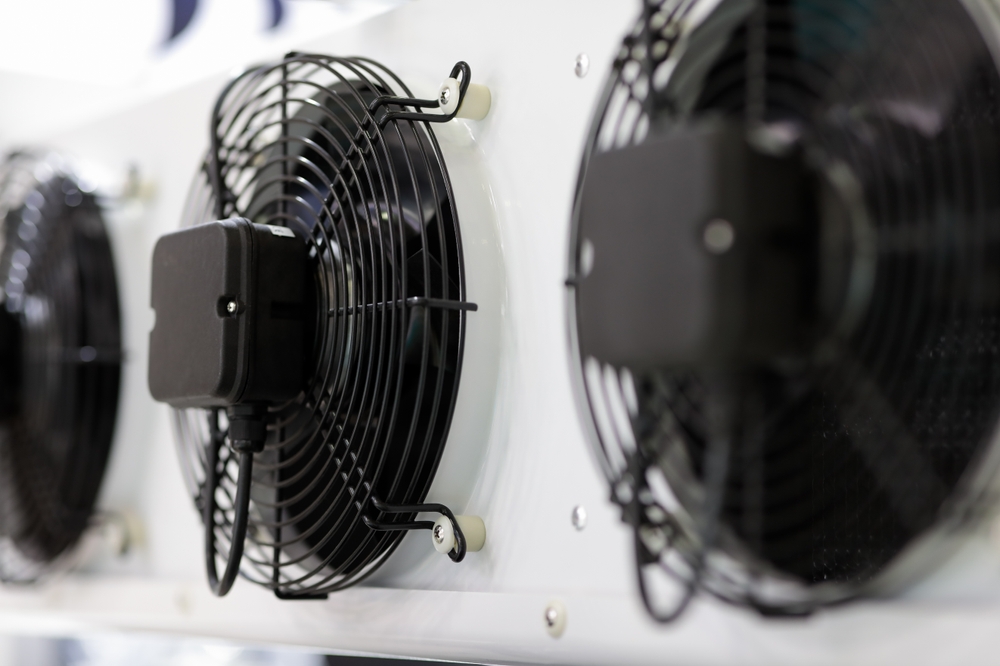
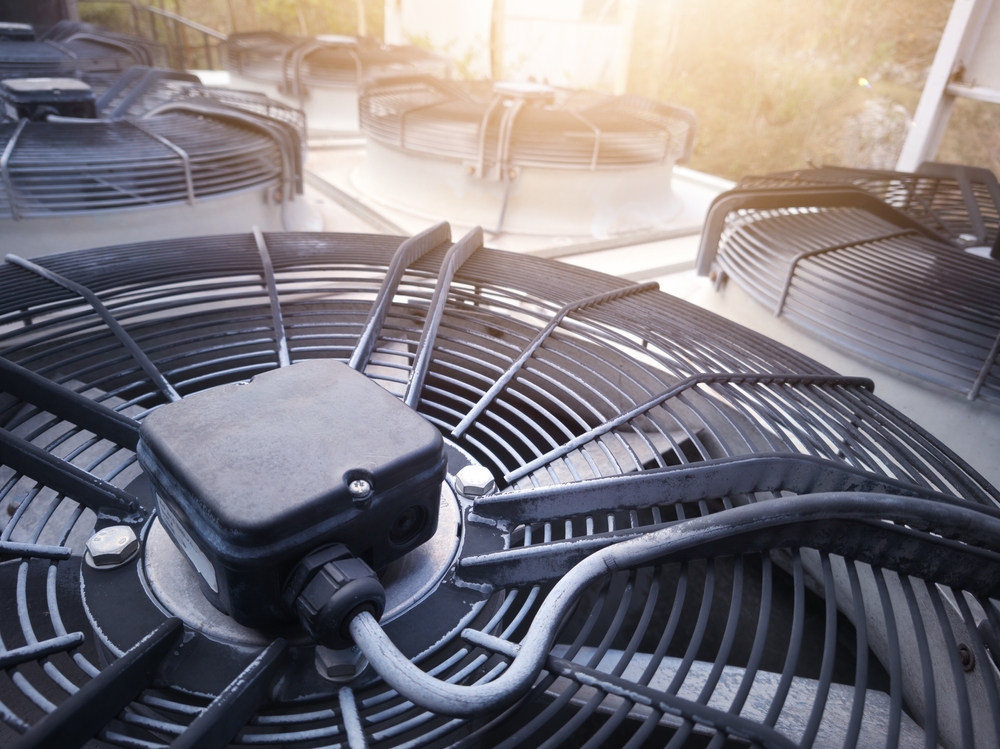
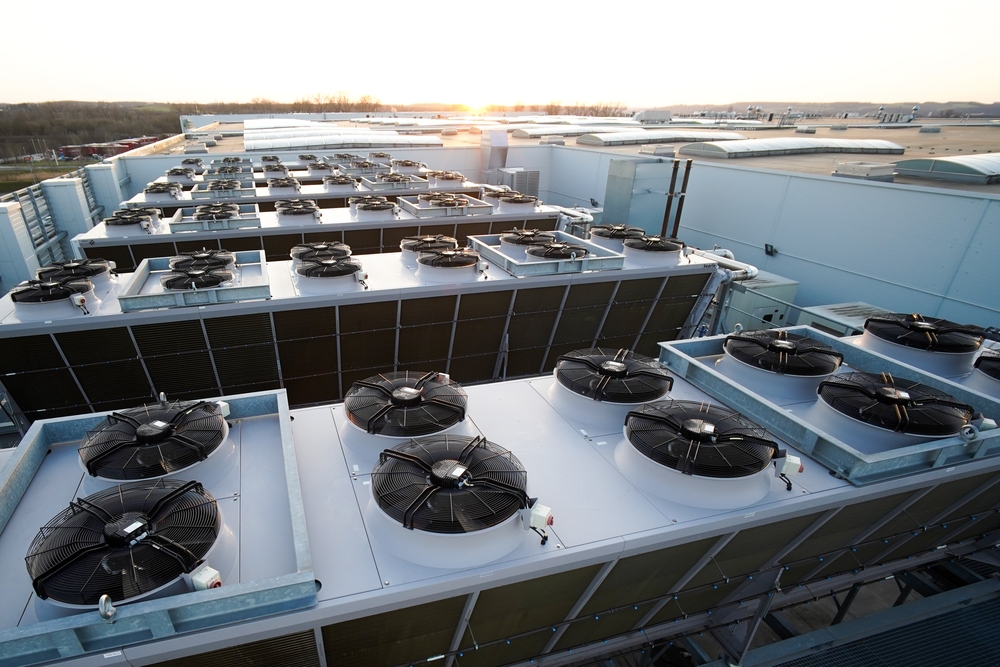
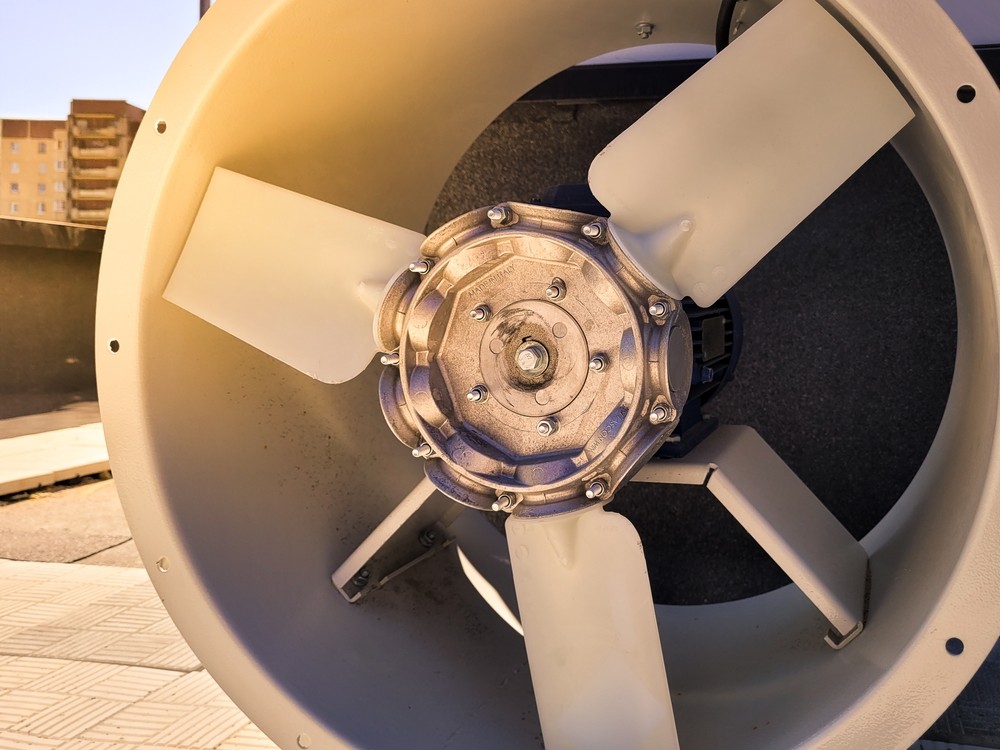
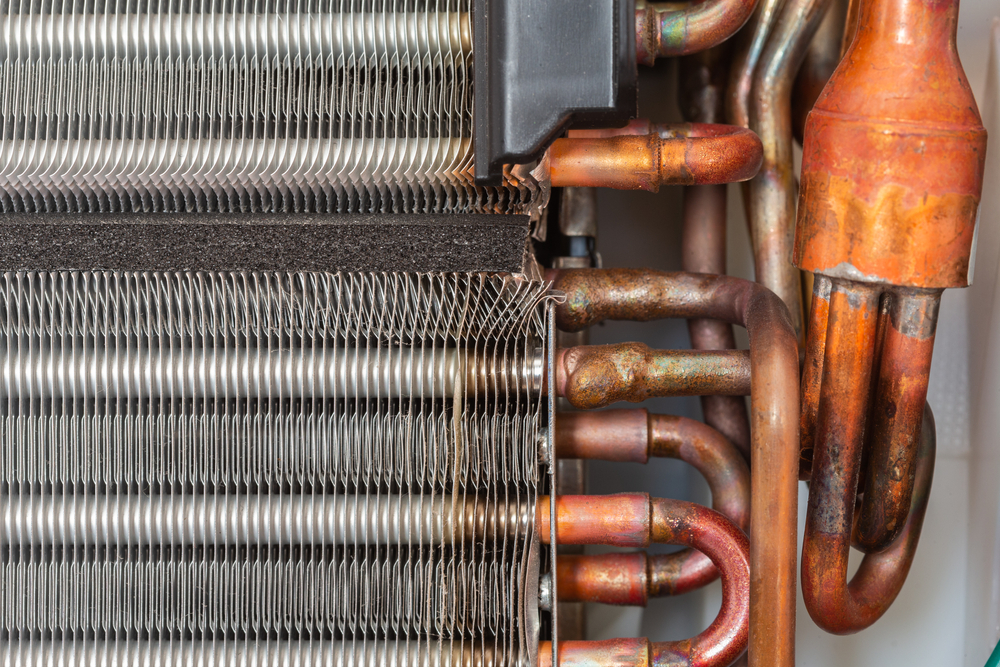
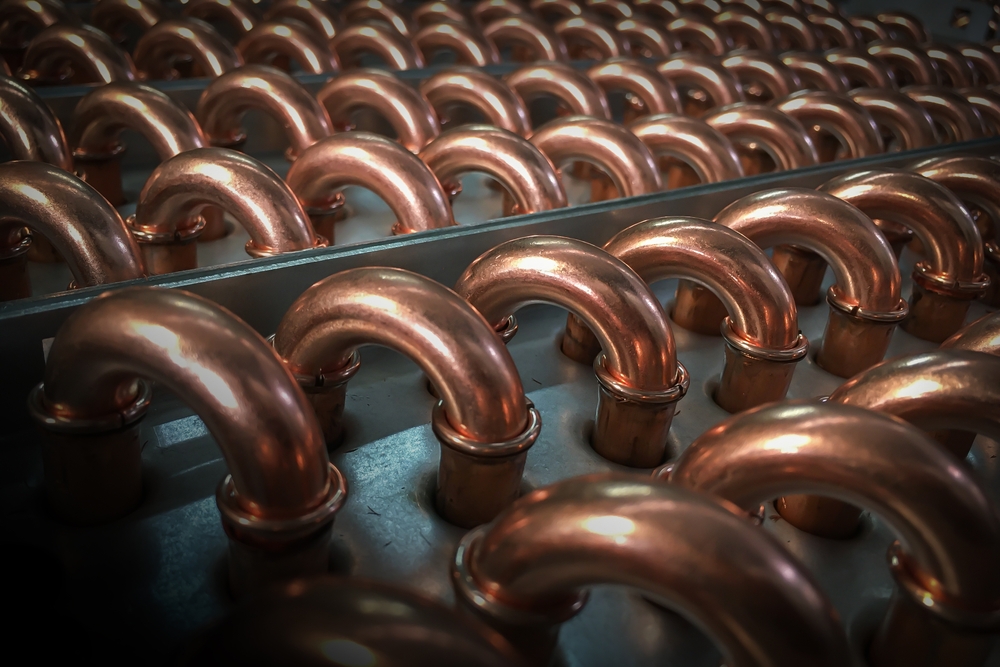
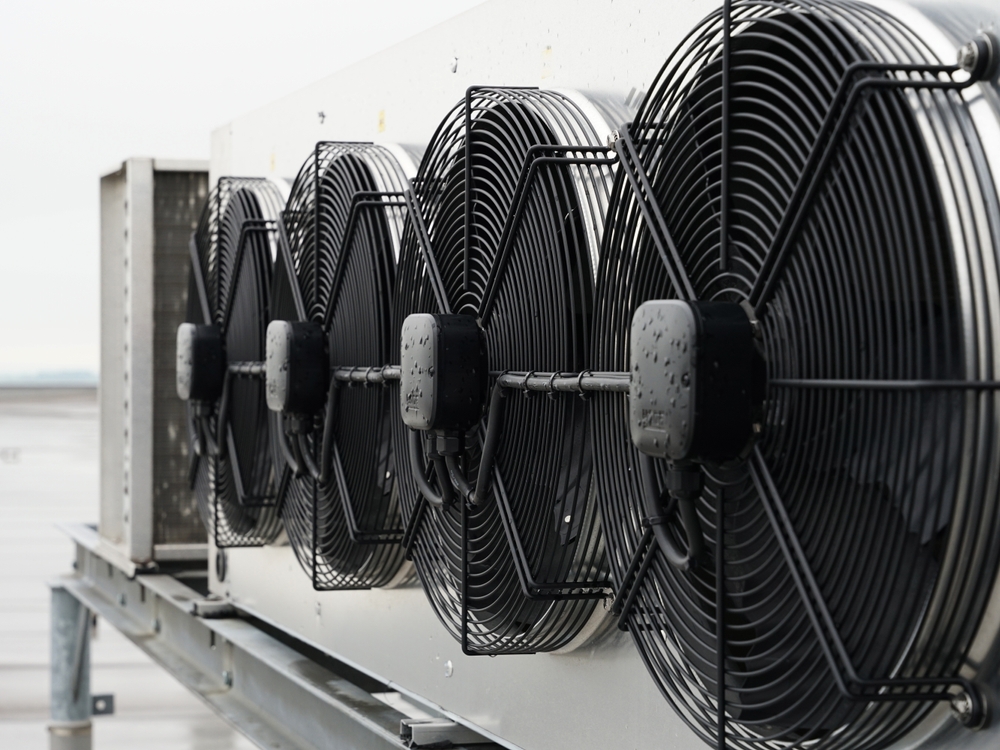
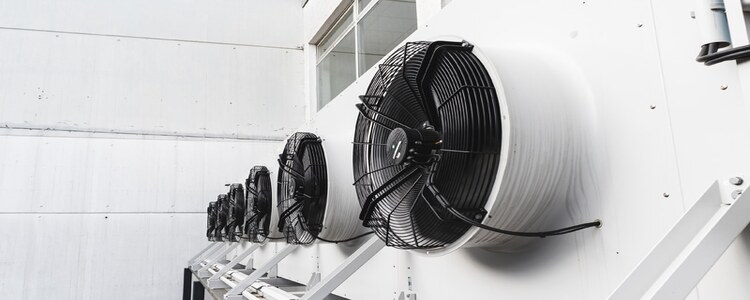
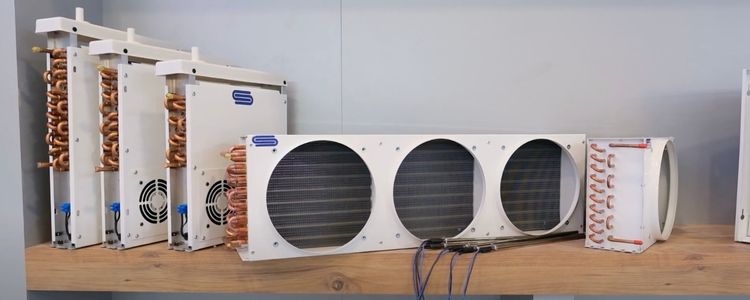
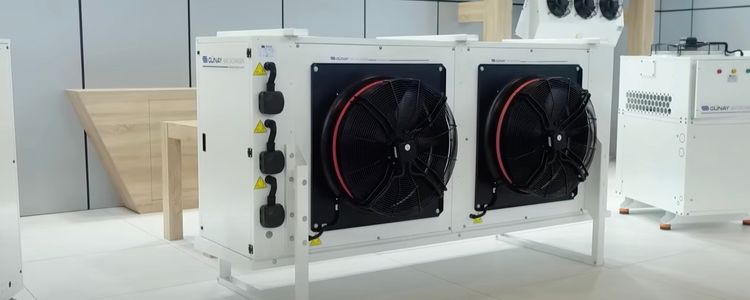
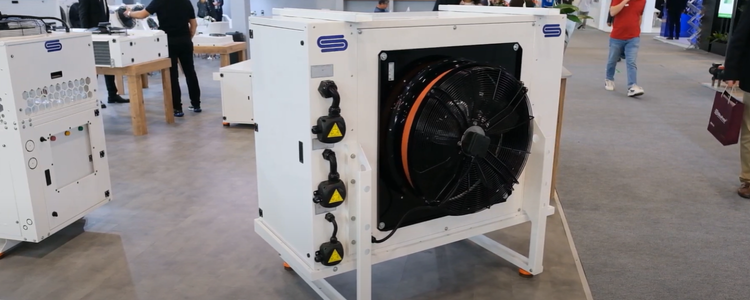
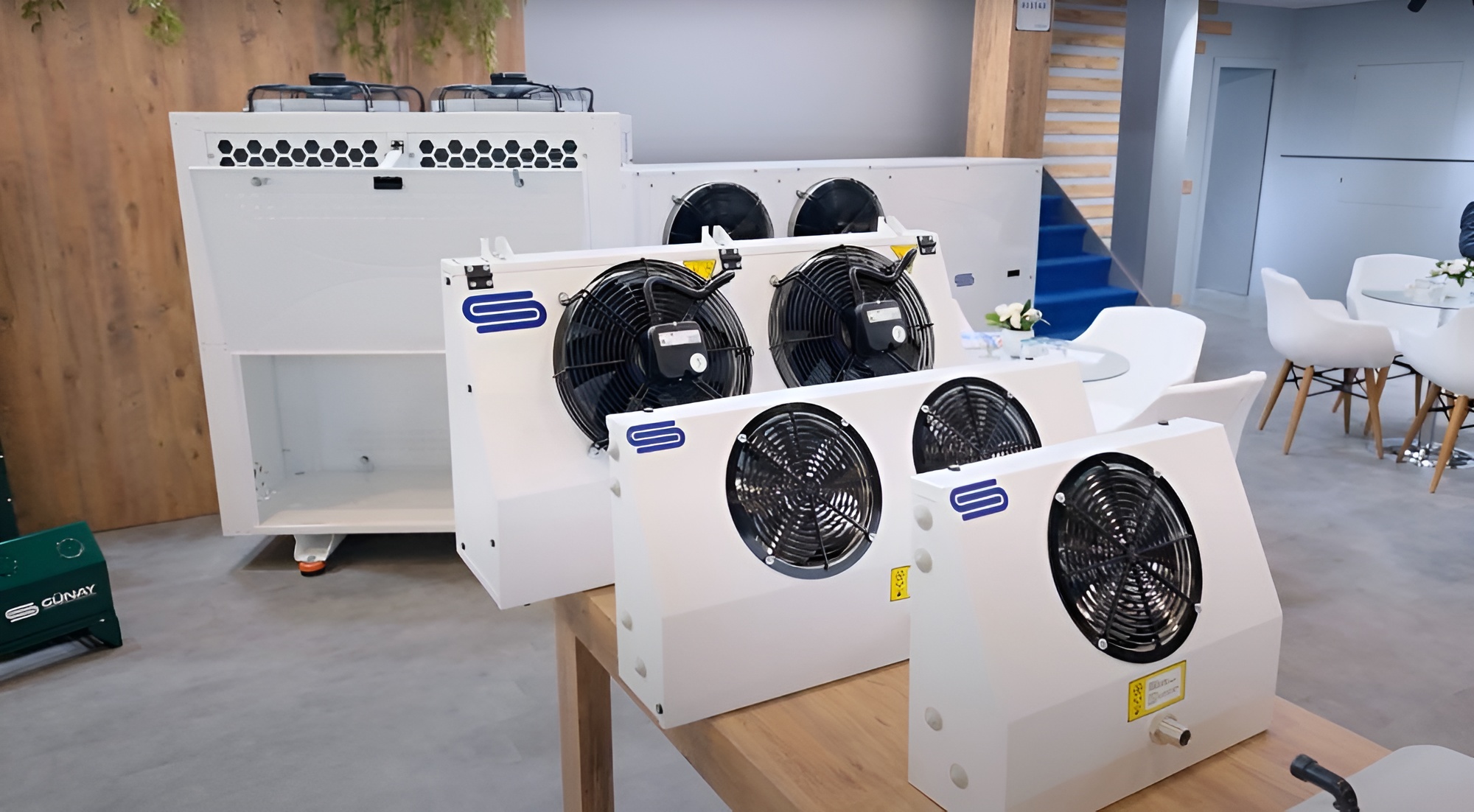
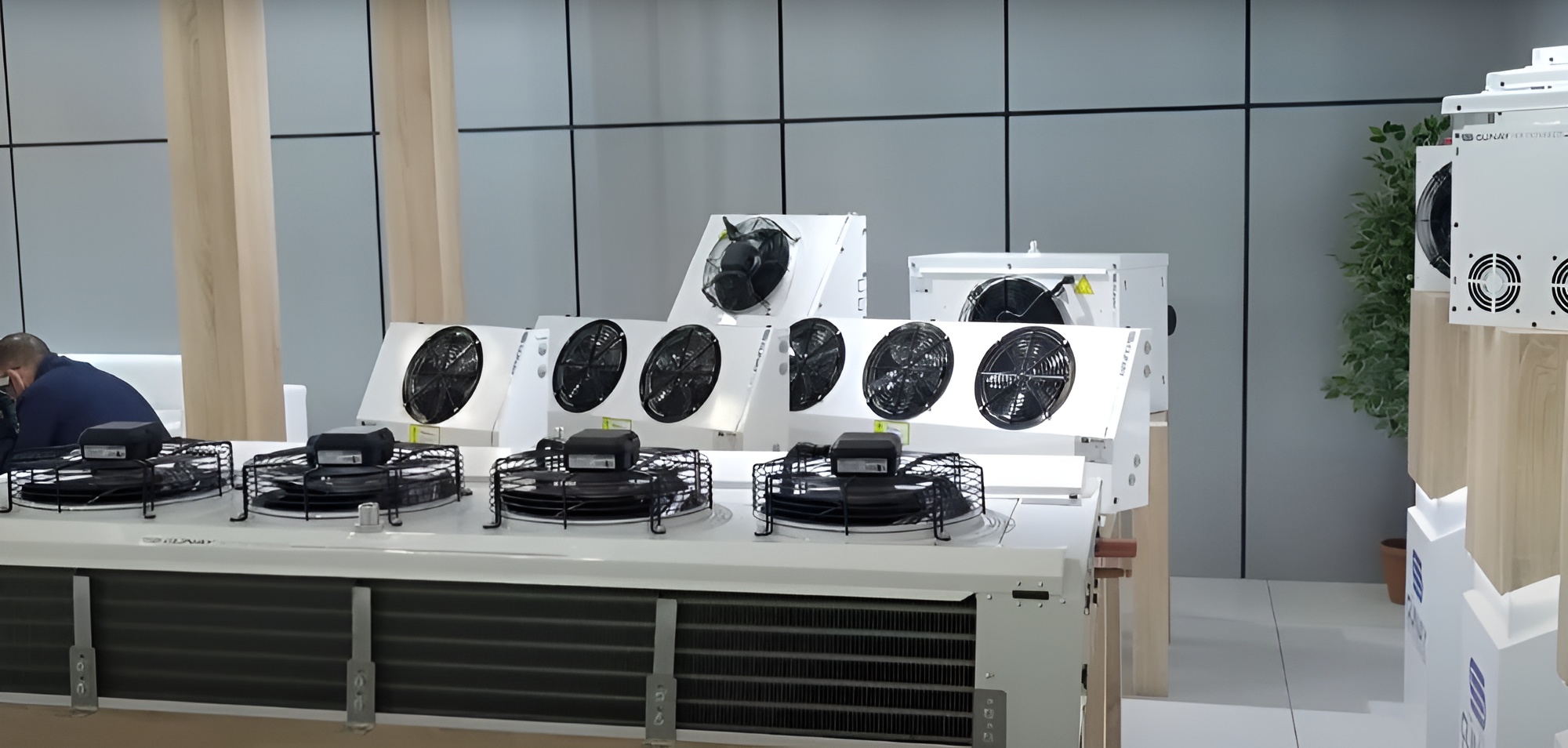
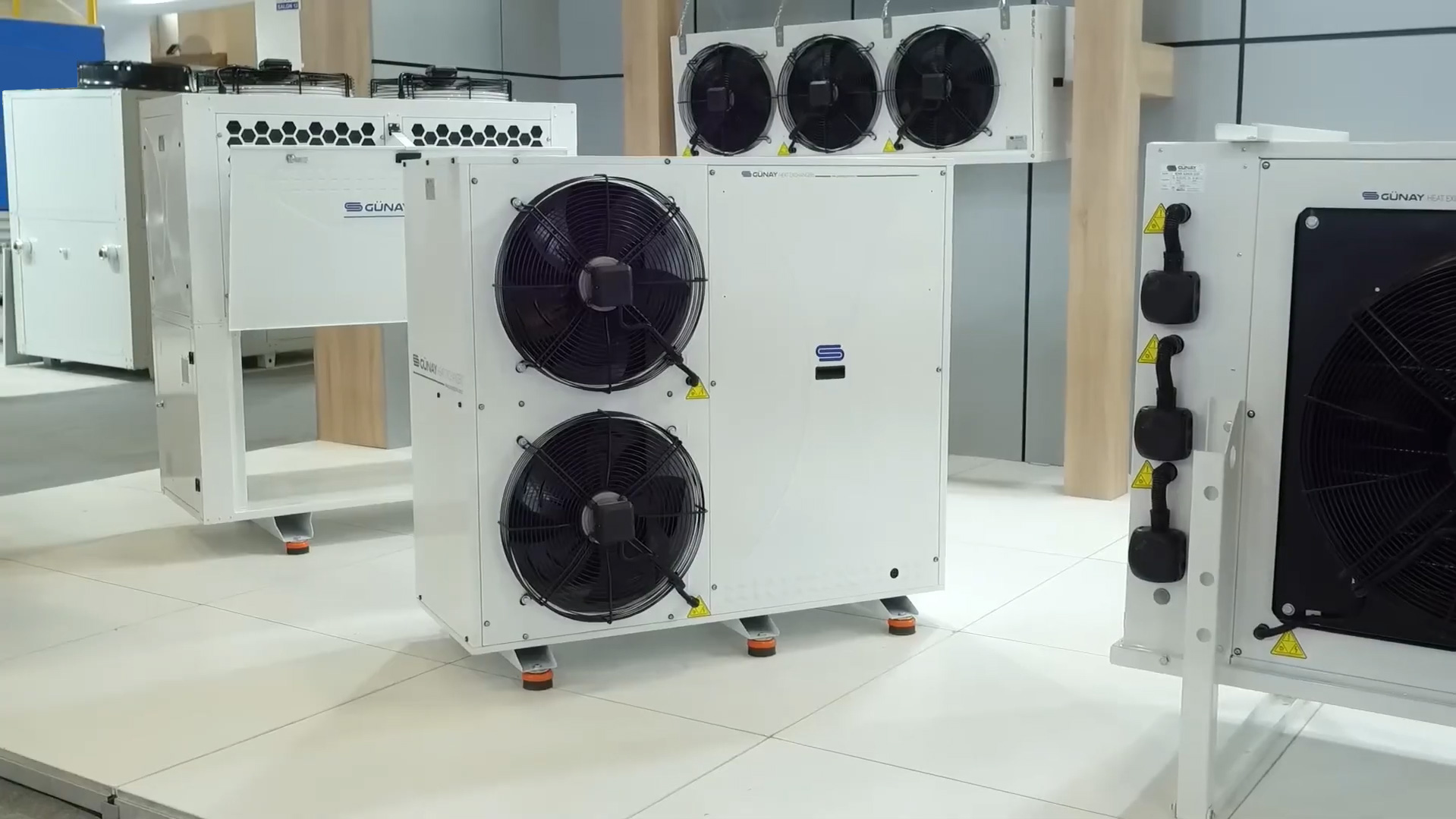
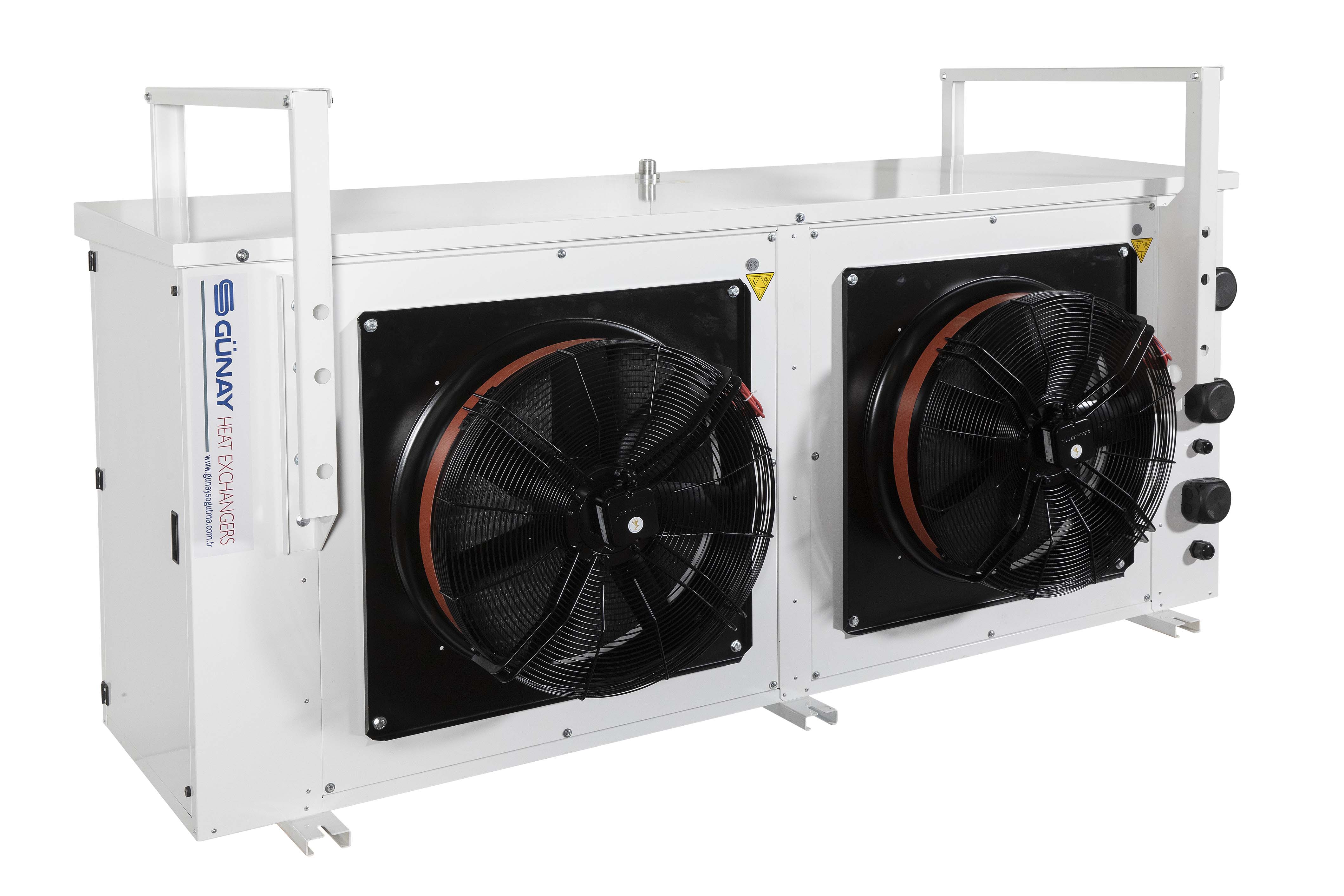
At the heart of any energy efficient cooling system are its core components, where quality directly dictates performance and running costs. Opting for durable evaporator production ensures optimal heat exchange rates, translating to less energy required to achieve target temperatures. Similarly, investing in high-quality components designed for industrial condenser cost savings maximizes heat rejection efficiency, reducing compressor workload and energy draw. Advanced custom axial fan production further optimizes airflow with precisely engineered blades and motors, ensuring minimal power usage for maximum cooling effect, a critical factor for large-scale facilities.
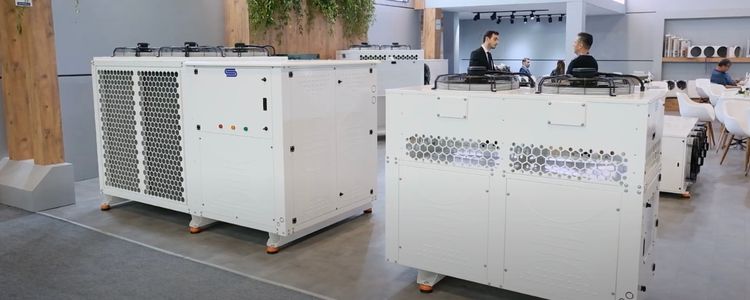
Manufacturing discipline is key to translating these component benefits into tangible, long-term value. Companies like Günay Soğutma cooling solutions leverage this principle by integrating modern technology with rigorous production standards. This commitment ensures that every evaporator, condenser, and fan is built not just for immediate function but for decades of reliable service under demanding industrial conditions. The flexibility of both serial and custom production allows for solutions that are perfectly tailored to specific operational layouts and thermal loads, eliminating over-engineering and the associated cost penalties.
For production lines in the food and energy sectors, where temperature control is non-negotiable for quality and safety, the reliability of the cooling system is paramount. An efficient infrastructure minimizes unexpected downtime, protects product integrity, and ensures continuous operation. This operational stability, powered by high-efficiency components, directly safeguards revenue streams and reduces the total cost of ownership. The true measure of cost efficiency in industrial cooling is found in the synergy of advanced engineering, disciplined manufacturing, and a focus on durable, low-maintenance performance that pays dividends year after year.
Understanding the key factors that determine industrial cooling costs is essential for making informed capital investment decisions that yield long-term operational benefits. The total cost of ownership extends far beyond the initial purchase price, encompassing energy consumption, maintenance frequency, and system longevity. A robust reliable cooling infrastructure is therefore defined by its ability to minimize these ongoing expenses while delivering consistent performance under demanding conditions. This foresight transforms cooling from a simple utility into a strategic asset for competitive advantage.
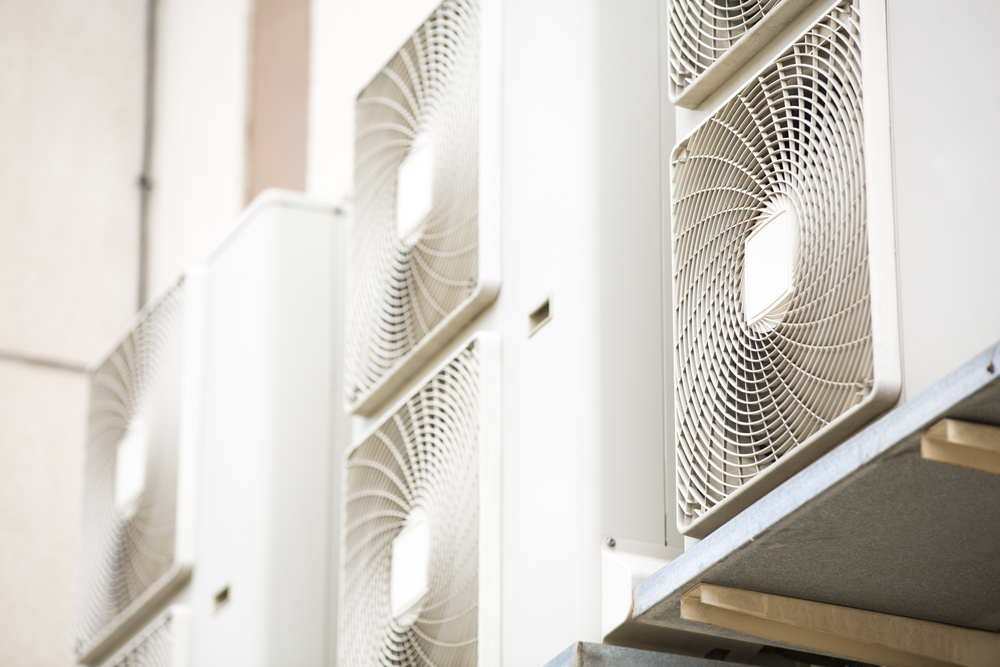
The largest variable impacting operational expense is energy efficiency, making the selection of an energy efficient cooling system a primary cost determinant. The performance of core components like those from durable evaporator production lines directly influences the compressor's workload and, consequently, power draw. High-quality evaporators maximize heat transfer, reducing the energy required to achieve the desired cooling effect. Similarly, components engineered for industrial condenser cost savings optimize heat dissipation, preventing energy waste and protecting the entire system from undue strain.
Equipment quality and design specificity are equally critical cost factors. Precision components, such as those resulting from advanced custom axial fan production, ensure optimal airflow with minimal electrical input, directly lowering energy bills. The manufacturing philosophy behind the components is paramount; Günay Soğutma cooling solutions, for instance, are built with a discipline that prioritizes longevity and reduces the frequency and cost of repairs. Choosing between standardized and tailored systems also affects cost, as a perfectly matched custom solution eliminates inefficiencies inherent in ill-fitting, generic equipment.
Ultimately, the determinants of cost converge on the principle of value over time. A system built with high-grade materials and engineering precision may have a higher initial price but delivers significantly lower lifetime industrial cooling costs through reduced downtime and energy bills. For sectors like food processing and energy generation, where temperature control is critical, this reliability is invaluable. Investing in a correctly specified and well-manufactured cooling system is the most effective strategy for controlling costs and ensuring uninterrupted production.
For industrial operations, an energy efficient cooling system is not merely an environmental consideration but a powerful financial tool that directly reduces operational expenditure. The savings originate from a fundamental reduction in electricity consumption, which typically constitutes the largest portion of industrial cooling costs over the system's lifespan. By requiring less power to achieve the same or superior cooling performance, these systems lower utility bills from day one. This efficiency also reduces the thermal and mechanical stress on components, leading to extended equipment life and fewer interruptions.
The pathway to efficiency is paved by superior component engineering. High-performance products from specialized durable evaporator production ensure maximum heat absorption with minimal energy input, directly lowering the compressor's workload. Similarly, condensers designed for industrial condenser cost savings excel at heat rejection, preventing system overwork and the associated energy spikes. Optimized airflow, achieved through precision custom axial fan production, further enhances efficiency by ensuring that air moves through the system with minimal electrical resistance.
The integration of these high-efficiency components forms the backbone of a reliable cooling infrastructure that saves money consistently. Manufacturers like Günay Soğutma cooling solutions embed efficiency into their DNA through disciplined manufacturing processes that prioritize precision and durability. This approach ensures that every unit operates at its peak potential for years, preventing the gradual efficiency degradation common in lesser-quality systems. The availability of both serial and custom production means facilities can acquire a system perfectly calibrated to their specific thermal load, eliminating energy waste from over-capacity.
The cumulative financial impact of energy-efficient cooling is substantial, transforming a significant cost center into a model of operational frugality. Reduced energy draw directly lowers carbon footprint and utility costs, while the enhanced durability of efficient components diminishes maintenance and replacement expenses. For food sector cold storage or energy sector process cooling, this reliability is synonymous with production continuity and product quality protection. Investing in a thoughtfully engineered, energy-efficient system is a definitive strategy for achieving long-term financial stability and competitive operational advantage.
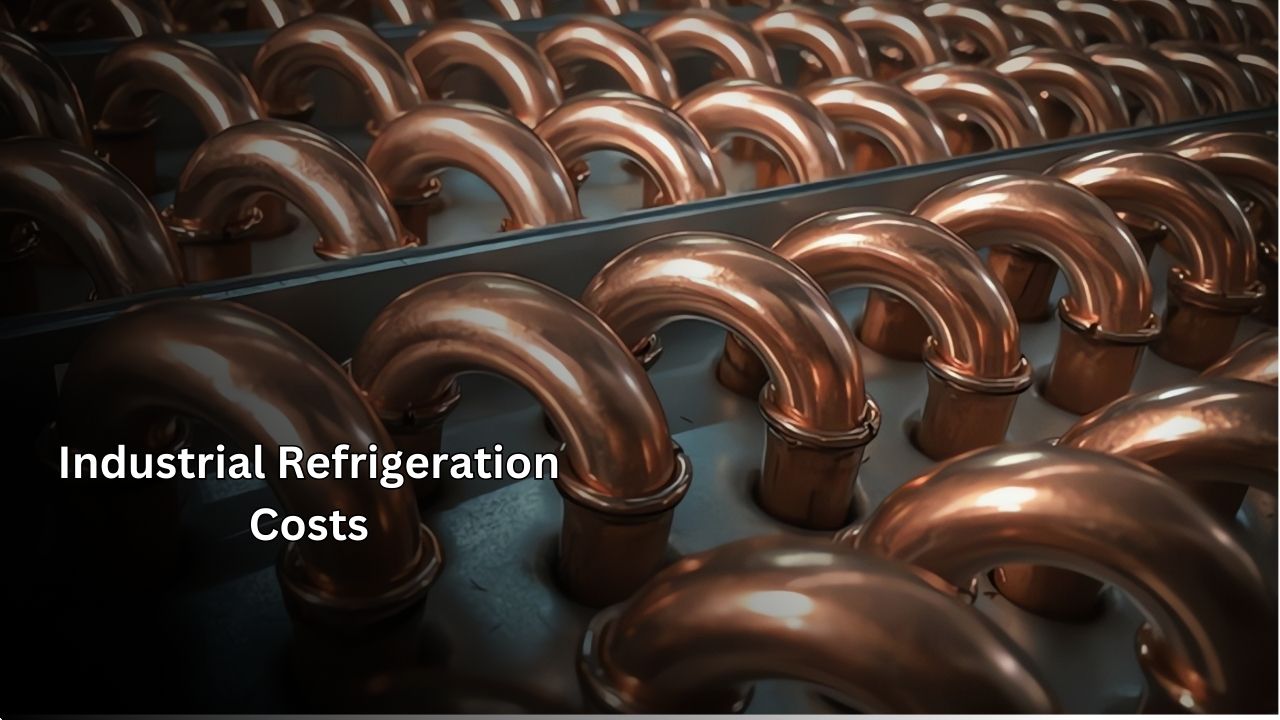
The question of whether custom cooling production is more cost-effective than standardized alternatives requires analyzing total lifetime value rather than just initial purchase price. While off-the-shelf units may appear cheaper upfront, a custom solution engineered for a specific application often delivers superior efficiency and durability, drastically reducing long-term industrial cooling costs. The key to this value lies in perfect system integration, which eliminates performance gaps and energy waste inherent in generic configurations. This tailored approach ensures every component operates at its peak potential within a cohesive reliable cooling infrastructure.
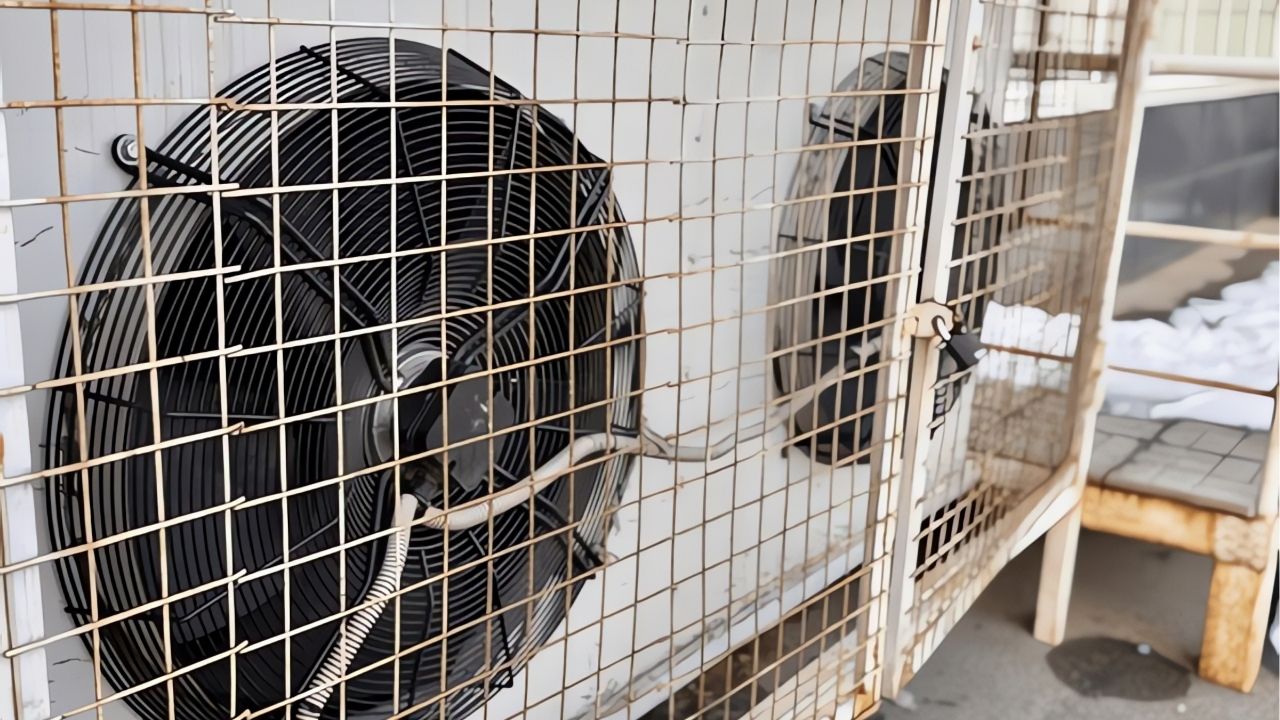
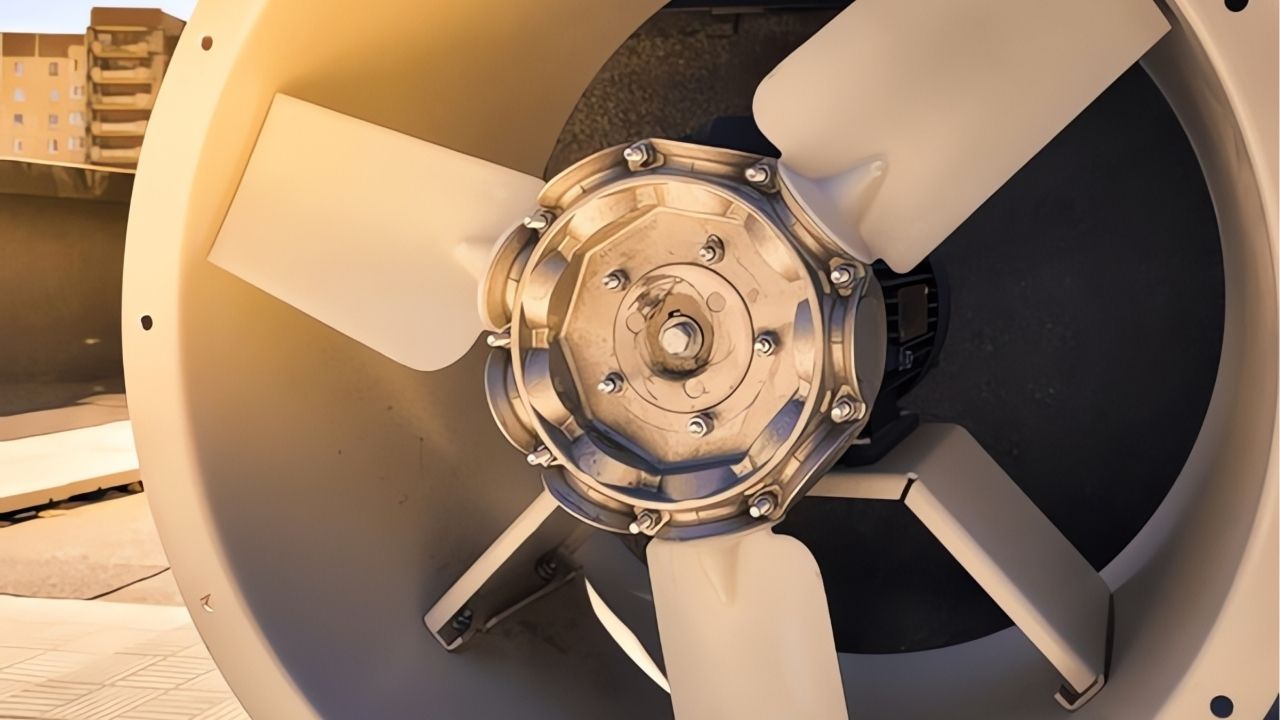
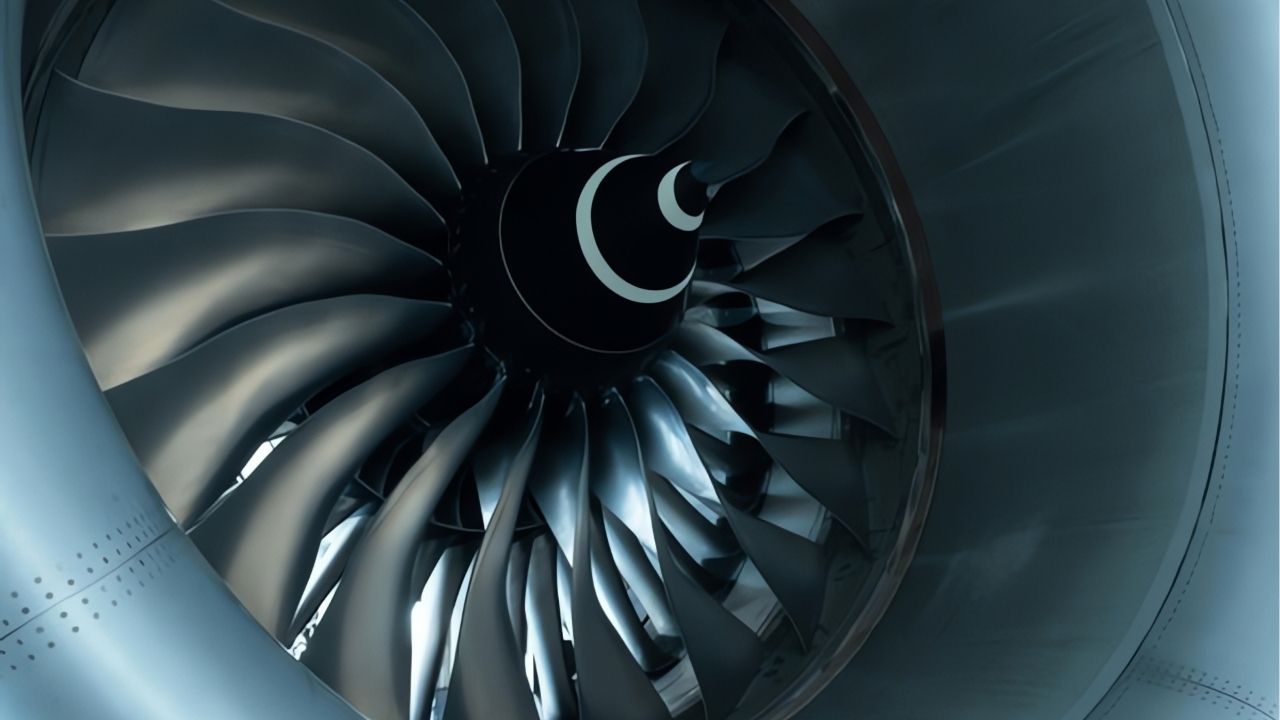
Customization directly enhances efficiency by perfectly matching system capacity to actual thermal load. For instance, an energy efficient cooling system begins with components like a precisely sized evaporator from a durable evaporator production line, ensuring optimal heat transfer without overworking the compressor. Similarly, a condenser designed specifically for the ambient conditions and heat rejection needs of a facility maximizes industrial condenser cost savings. Even auxiliary components like an axial fan benefit from custom axial fan production, where blade pitch and motor power are optimized for the exact airflow resistance of the installation.
This precision engineering, as practiced by providers of Günay Soğutma cooling solutions, embeds cost-effectiveness into the system's core through disciplined manufacturing. A custom-built system avoids the compromises of a one-size-fits-all approach, resulting in components that experience less stress and have longer operational lifespans. The result is a significant reduction in maintenance frequency, replacement parts, and unplanned downtime, which are major contributors to operational expenses. This proactive design philosophy ensures the system is a perfect fit from day one, preventing the costly retrofits and adjustments often needed with serial production units.
The true cost-effectiveness of custom production is realized over the system's entire lifecycle. While the initial investment might be higher, the substantial savings in energy consumption, maintenance, and operational reliability quickly offset this difference. For critical environments in the food and energy sectors, where cooling failure is not an option, the value of a perfectly integrated and highly reliable system is immeasurable. Choosing a custom solution is ultimately an investment in predictable performance and minimized total cost of ownership, making it the most economically sound decision for demanding industrial applications.
The lifespan of industrial cooling equipment is a critical factor in calculating total industrial cooling costs and operational stability, with well-engineered systems often exceeding 15 to 20 years of service. This longevity is not accidental but the direct result of intentional design choices, high-grade materials, and manufacturing discipline. A system's operational life is fundamentally tied to the quality of its core components and its integration into a reliable cooling infrastructure. Investing in durability from the outset prevents premature failure and the significant capital expense of early replacement.
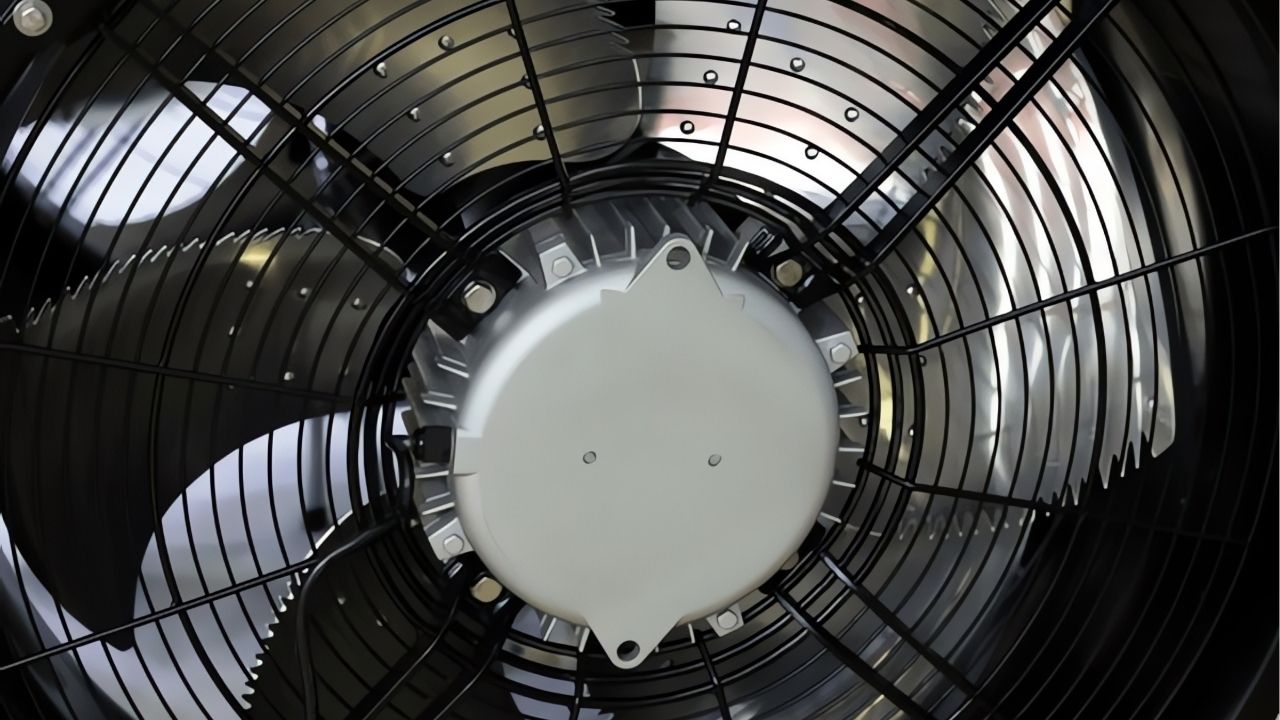
The endurance of an energy efficient cooling system begins with its fundamental parts. Components sourced from dedicated durable evaporator production lines are built to withstand corrosive environments and constant thermal cycling, which are primary causes of degradation. Similarly, condensers designed for long-term industrial condenser cost savings utilize robust materials and designs that resist fouling and pressure fatigue. Even elements like those from custom axial fan production contribute to lifespan through balanced blades and premium motors that reduce vibrational wear on the entire system.
Manufacturing philosophy plays a decisive role in extending equipment life. Providers of Günay Soğutma cooling solutions exemplify this by fusing modern technology with rigorous production standards, ensuring every unit is built for decades of reliable operation. This approach minimizes the mechanical stress that shortens lifespan, as components are perfectly matched and assembled with precision. The option for custom production further enhances longevity by ensuring the system is not overworked or under-designed for its specific application, a common pitfall of generic serial units.
Ultimately, a long equipment lifespan is the culmination of efficiency, quality, and correct application. A system that operates efficiently experiences less thermal and mechanical strain, while high-quality materials resist wear and corrosion. For facilities in the food and energy sectors, this extended service life translates directly into lower annualized costs, greater operational predictability, and enhanced asset value. Choosing equipment engineered for durability is the most effective strategy for minimizing lifetime expenses and ensuring a dependable reliable cooling infrastructure that supports production goals for years to come.
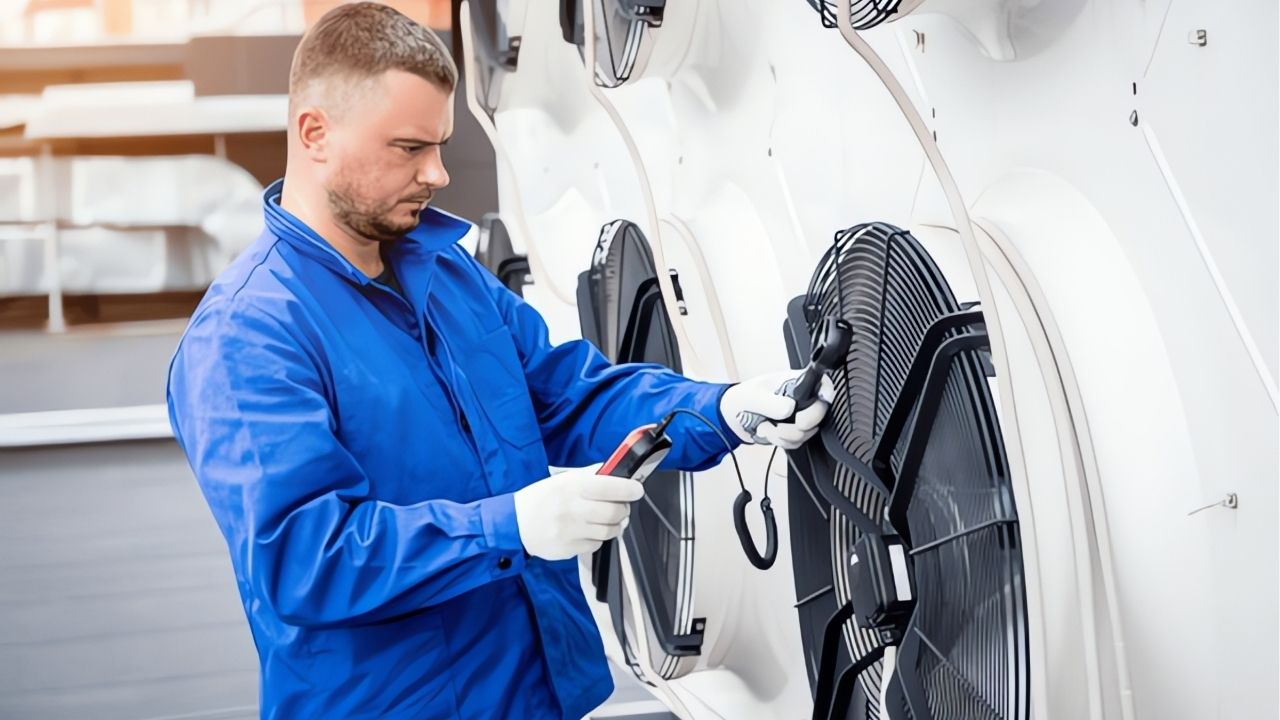
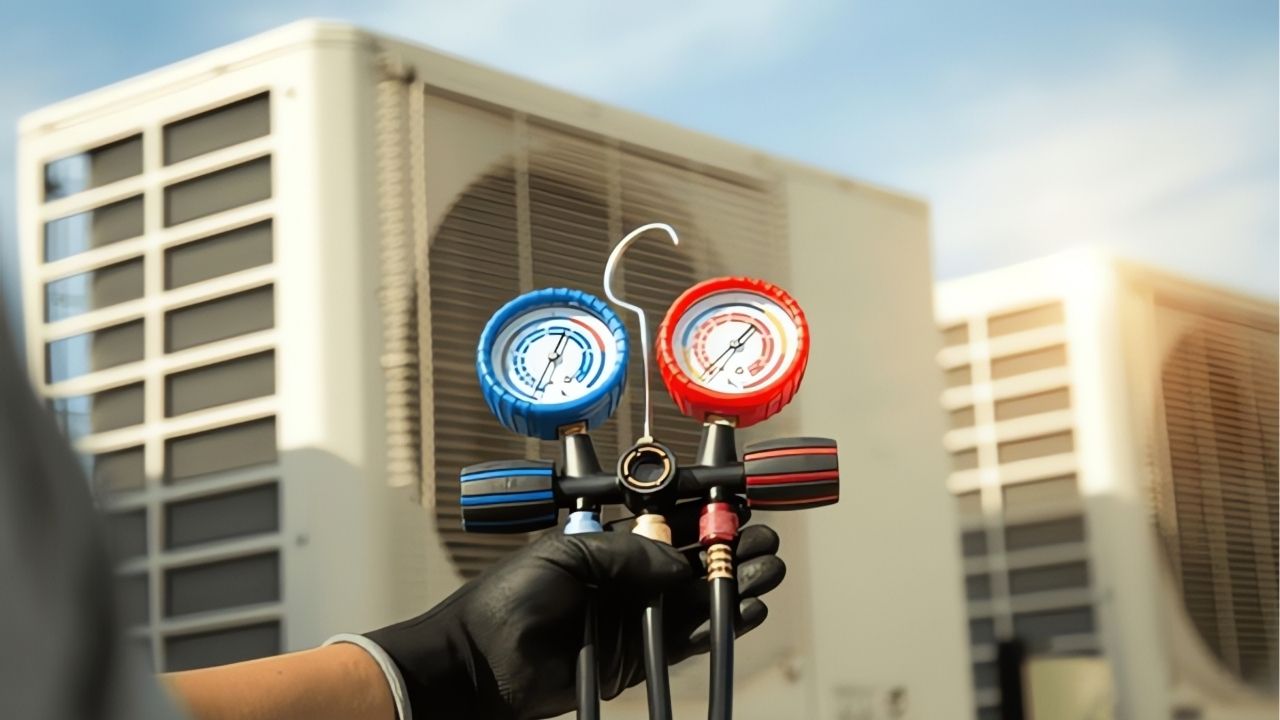
Reducing maintenance costs for industrial cooling systems is a strategic imperative that directly lowers the total industrial cooling costs and enhances operational uptime. The most effective approach is proactive, focusing on preventing failures rather than reacting to them. This begins with selecting equipment engineered for durability and integrating it into a reliable cooling infrastructure from the outset. High-quality components experience less wear and require fewer corrective interventions, transforming maintenance from a costly burden into a manageable, scheduled activity.
The foundation of low maintenance lies in the inherent robustness of the system's core parts. Investing in components from specialized durable evaporator production ensures resistance to corrosion and scaling, which are common culprits of performance degradation and frequent servicing. Similarly, condensers built for industrial condenser cost savings often feature designs that simplify cleaning and withstand harsh operational environments. Precision engineering in areas like custom axial fan production results in dynamically balanced fans with premium bearings, drastically reducing vibrational noise and mechanical failure rates.
A key strategy is opting for an energy efficient cooling system, as efficiency and low maintenance are intrinsically linked. Systems that operate with less strain on compressors and motors inherently suffer from fewer breakdowns. The manufacturing discipline behind brands like Günay Soğutma cooling solutions ensures that every unit is assembled with precision, leaving no room for the loose connections or misalignments that lead to premature wear. Furthermore, the flexibility of custom production allows for designs that incorporate easy access points for inspection and service, streamlining routine maintenance procedures.
Ultimately, minimizing maintenance expenses is an investment in quality and foresight. By selecting equipment built with high-grade materials and engineered for seamless integration, facilities can dramatically reduce the frequency and cost of repairs. This reliability is paramount in sectors like food processing, where unexpected downtime can lead to significant product loss. A well-designed cooling system not only saves on direct maintenance costs but also protects the entire production line from disruptive and expensive interruptions, ensuring long-term operational and financial stability.
The question of whether high-efficiency cooling lowers operating costs has a definitive answer: it is the most impactful factor in reducing long-term industrial cooling costs. An energy efficient cooling system directly decreases the largest variable expense, electricity consumption, by performing the same cooling work with significantly less power. This efficiency also reduces the thermal and mechanical stress on all components, leading to extended service life and fewer costly repairs. The result is a substantial reduction in the total cost of ownership for the entire reliable cooling infrastructure.
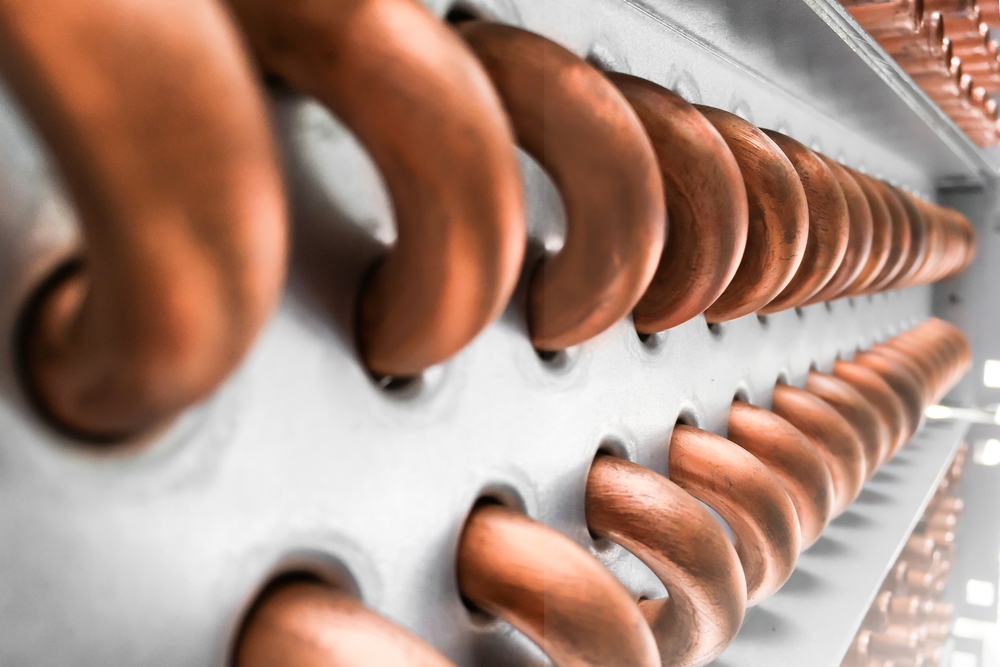
The mechanism for these savings is rooted in the performance of precision-engineered components. High-quality products from durable evaporator production lines maximize heat transfer efficiency, which allows compressors to run for shorter cycles and consume less energy. Similarly, condensers designed specifically for industrial condenser cost savings reject heat more effectively, preventing the system from overworking to maintain set points. Optimized airflow, achieved through advanced custom axial fan production, ensures that motors do not waste power overcoming unnecessary resistance, further lowering the energy bill.
The manufacturing philosophy behind the system is crucial for locking in these operational savings. Brands like Günay Soğutma cooling solutions build efficiency into their DNA through disciplined processes that ensure consistent quality and performance. This approach guarantees that the system operates at its advertised efficiency rating throughout its lifespan, unlike poorly manufactured units that degrade quickly. The availability of custom production means the system can be perfectly sized for the application, eliminating the efficiency penalties of an over-sized or under-sized unit.
For industrial facilities, the operating cost savings from high-efficiency cooling are both immediate and cumulative. The reduction in energy consumption provides a rapid return on investment, while the decreased wear and tear on components translates into lower maintenance budgets and greater operational uptime. In critical sectors like food and energy, where cooling is essential for both product quality and process safety, this reliability is invaluable. Investing in a high-efficiency system is not an expense but a strategic decision that delivers continuous financial benefits and reinforces production resilience for years to come.
Beyond the initial purchase price, a comprehensive view of industrial cooling costs must account for significant hidden expenses that accumulate over the system's lifecycle. These often-overlooked costs include excessive energy consumption from inefficiency, frequent repairs due to component failure, and production losses from unplanned downtime. A truly reliable cooling infrastructure is designed to minimize these hidden liabilities by prioritizing long-term performance over short-term savings. Identifying and mitigating these factors is essential for accurate financial planning and operational stability.
Inefficiency is a primary source of hidden cost, making an energy efficient cooling system a critical investment. Subpar components force compressors and motors to work harder, leading to steadily rising electricity bills that can dwarf the initial equipment cost. The quality of core parts is paramount; components from robust durable evaporator production resist degradation that slowly diminishes cooling capacity over time. Similarly, condensers not designed for industrial condenser cost savings can lead to higher head pressure, increasing energy use and accelerating wear on the entire system.
Maintenance and downtime represent another major hidden expense that is directly influenced by manufacturing quality. Poorly balanced fans from standard production, unlike those from precision custom axial fan production, cause vibrations that lead to bearing failure and structural fatigue. The disciplined approach of manufacturers like Günay Soğutma cooling solutions prevents these issues through rigorous quality control and the use of durable materials. Furthermore, a generic system that doesn't fit the application perfectly may require constant adjustments and modifications, adding unexpected labor and parts costs.
The most significant hidden cost is often operational disruption, especially in the food and energy sectors where temperature control is critical. A failure can lead to spoiled products or halted processes, resulting in substantial financial loss. Investing in a high-quality, correctly specified cooling system from the outset is the most effective strategy to unveil and eliminate these hidden costs. This proactive approach ensures that the infrastructure supports production reliably for years, transforming a potential financial liability into a dependable asset that safeguards profitability and operational continuity.
Creating an accurate budget for a new industrial cooling system requires a holistic financial perspective that extends beyond the initial capital outlay to encompass total lifetime industrial cooling costs. The most effective budgeting strategy prioritizes value engineering, where the focus is on minimizing long-term operational expenses rather than merely seeking the lowest purchase price. This approach ensures the investment builds a reliable cooling infrastructure that supports production goals without becoming a recurring financial burden. Key budget categories must include equipment acquisition, installation, projected energy consumption, and preventative maintenance reserves.
The core of the budget should be allocated to high-performance components that deliver operational savings. Investing in an energy efficient cooling system with components from dedicated durable evaporator production lines may involve a higher upfront cost but results in significantly lower monthly electricity bills. Similarly, budgeting for condensers engineered for industrial condenser cost savings ensures efficient heat rejection that protects the entire system from energy waste. Allocating funds for precision components like those from custom axial fan production optimizes airflow and reduces long-term power consumption.
Choosing a supplier with a proven track record is a critical budgetary consideration. Partnering with established providers of Günay Soğutma cooling solutions ensures that the budget is invested in equipment backed by disciplined manufacturing and technical expertise. This partnership helps avoid the hidden costs of poor workmanship and premature failure. The budget should also account for the flexibility of custom production, which, while sometimes requiring a larger initial allocation, eliminates future expenses for modifications and inefficiencies caused by an ill-fitting standard system.
A well-structured budget is ultimately a blueprint for financial predictability and operational resilience. By accounting for the superior efficiency, durability, and reliability of a quality system, facilities can avoid the unpredictable costs of downtime and major repairs. For food and energy sector operations, this foresight is essential for protecting product quality and ensuring continuous production. A strategic budget that emphasizes long-term value over short-term savings is the most effective way to secure a cooling solution that enhances profitability and operational stability for decades.
The question of whether durable condensers are cheaper long-term is decisively answered by analyzing total cost of ownership rather than initial price. A condenser built for longevity is a cornerstone of managing overall industrial cooling costs, as it directly influences energy consumption, maintenance frequency, and system reliability. While a less robust unit may have a lower purchase price, its propensity for fouling, corrosion, and premature failure leads to recurring expenses that quickly surpass the initial savings. Investing in durability is a strategic decision for building a reliable cooling infrastructure that minimizes lifetime expenditures.
The financial advantage of a durable condenser is most evident in its contribution to an energy efficient cooling system. A high-quality condenser maintains optimal heat transfer efficiency over its entire lifespan, preventing the compressor from operating at elevated head pressures that waste electricity. This sustained performance is a primary driver of industrial condenser cost savings, as even a small loss in efficiency can result in substantial annual energy costs. The robust construction also means less frequent cleaning and maintenance, reducing labor costs and associated downtime.
The manufacturing quality behind the condenser is paramount for realizing these long-term benefits. Condensers produced with the discipline found in Günay Soğutma cooling solutions utilize materials and designs that resist environmental stressors, ensuring consistent performance. This durability complements other high-efficiency components, such as those from durable evaporator production and custom axial fan production, creating a synergistic effect that enhances the entire system's efficiency and lifespan. A well-matched condenser prevents being the weak link that causes cascading failures in other components.
For industrial facilities, the long-term cost-effectiveness of a durable condenser is undeniable. The avoidance of unexpected breakdowns is particularly valuable in sectors like food processing, where a cooling failure can result in massive product loss. The reduced energy bills, minimal maintenance needs, and extended service life make the durable condenser a clear financial winner over its entire operational cycle. This investment not only lowers direct costs but also protects production continuity, making it an essential component for any operation focused on sustainable and profitable cooling.

Fill out the form to discover the most suitable high-end products for your projects. Contact Us Now.
Fill out the form now not to miss our special offers for you! The latest discover our products and innovations.
Fill out the form now not to miss our special offers for you! The latest discover our products and innovations.
Notification Centre 00:00