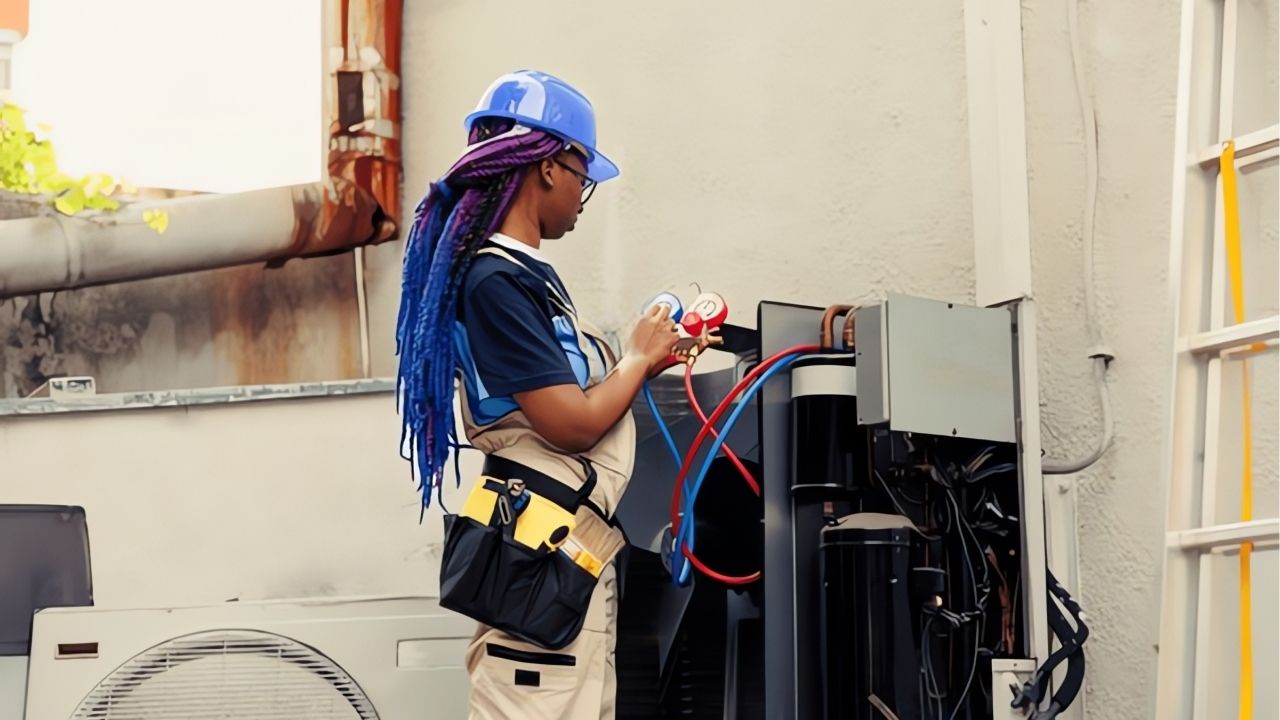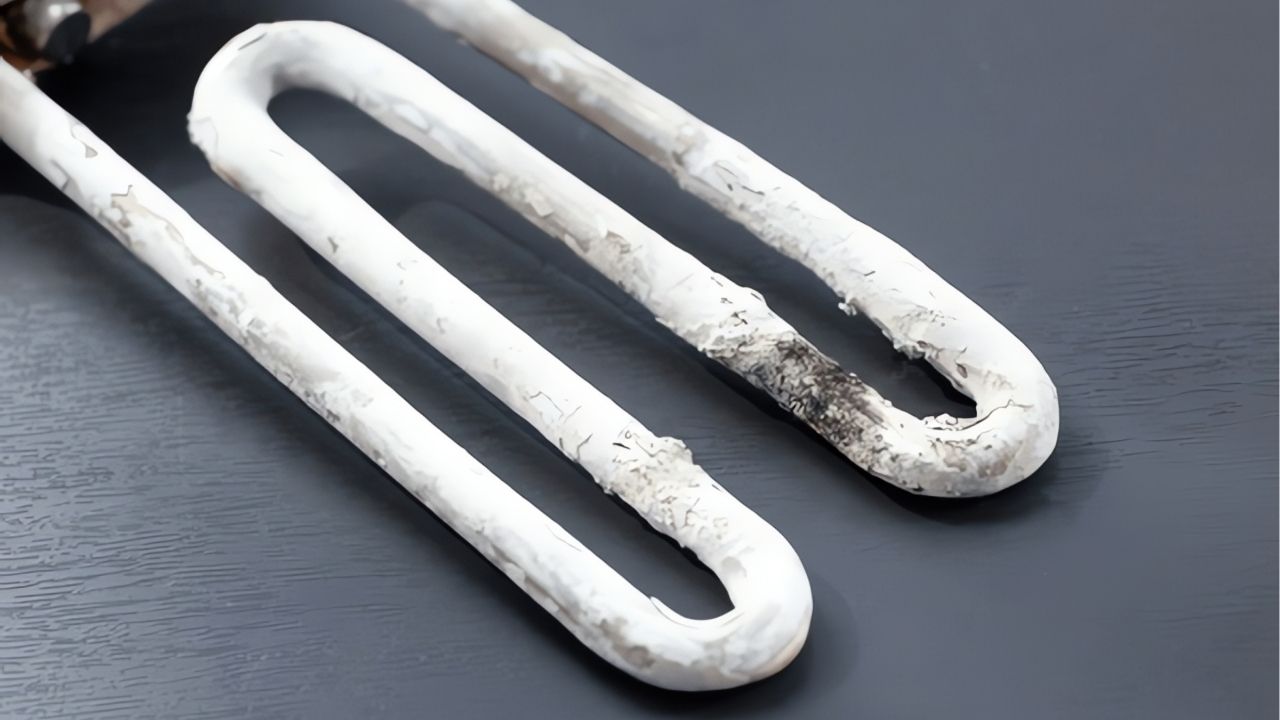


Heater Faults: Symptoms and Troubleshooting Methods
06 / 07 / 2026

Industrial facilities face mounting pressure to reduce operational expenses, with energy consumption in cooling systems representing a significant and often overlooked cost center. Optimizing these systems isn't just about savings—it's essential for maintaining sustained facility performance and competitive operation in sectors like food processing and energy production where precise temperature control is non-negotiable.
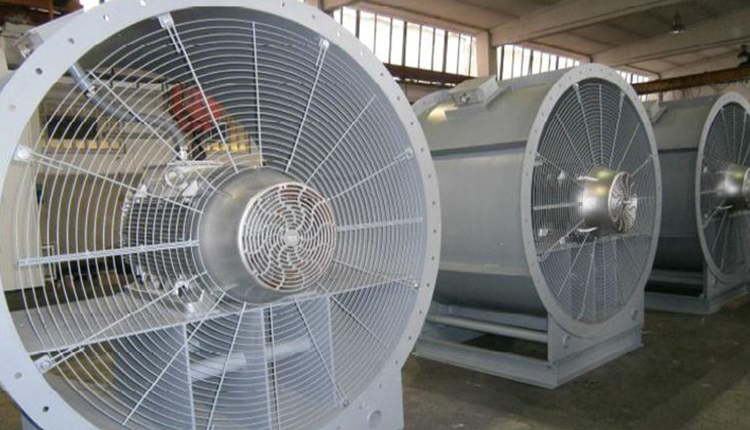
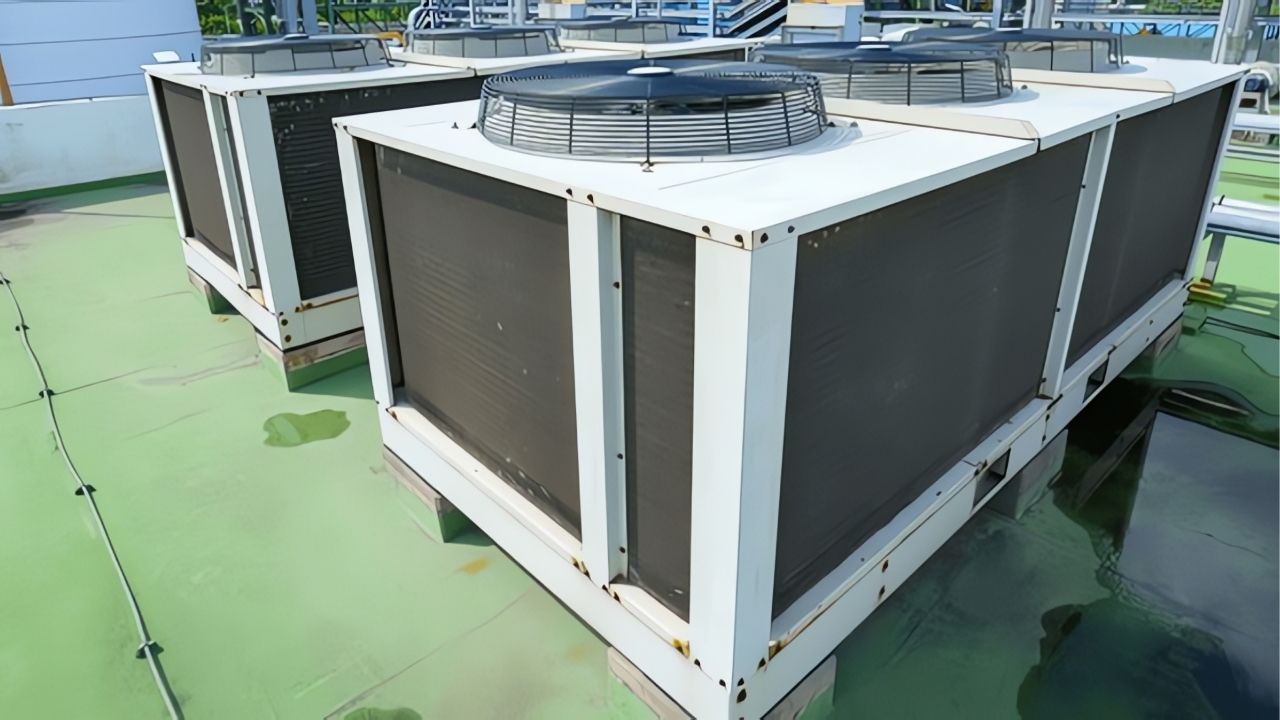
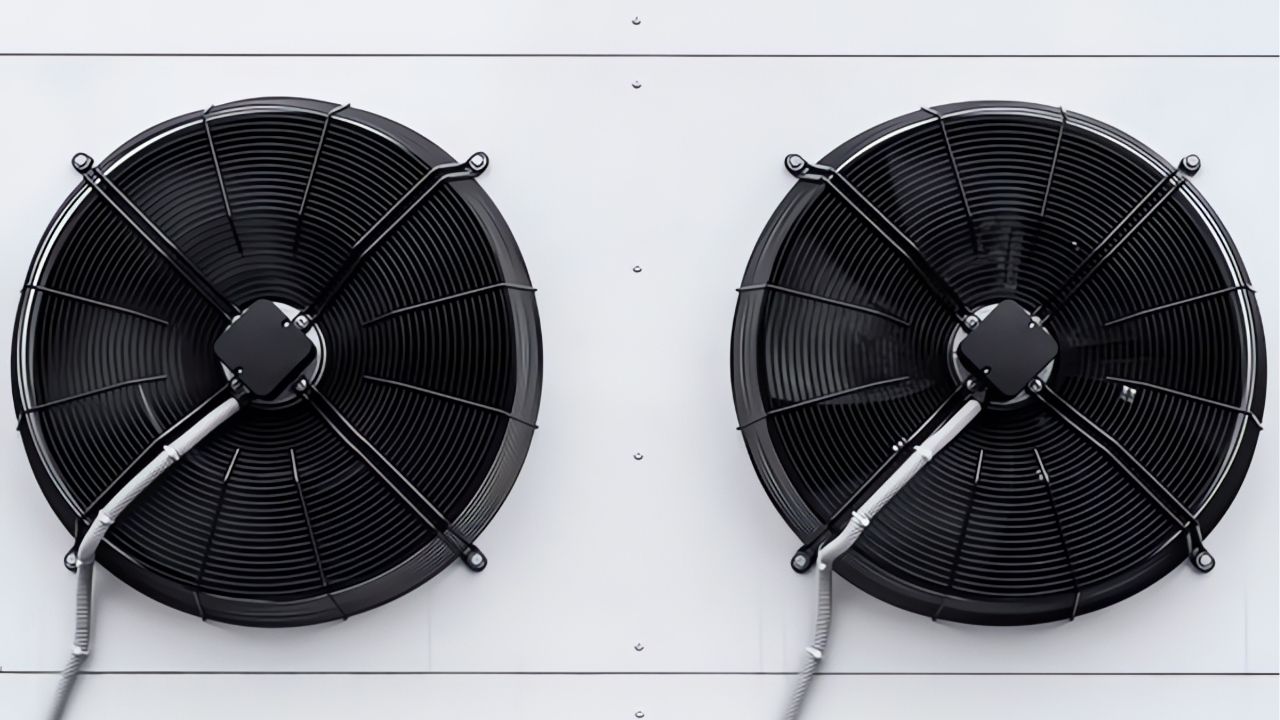
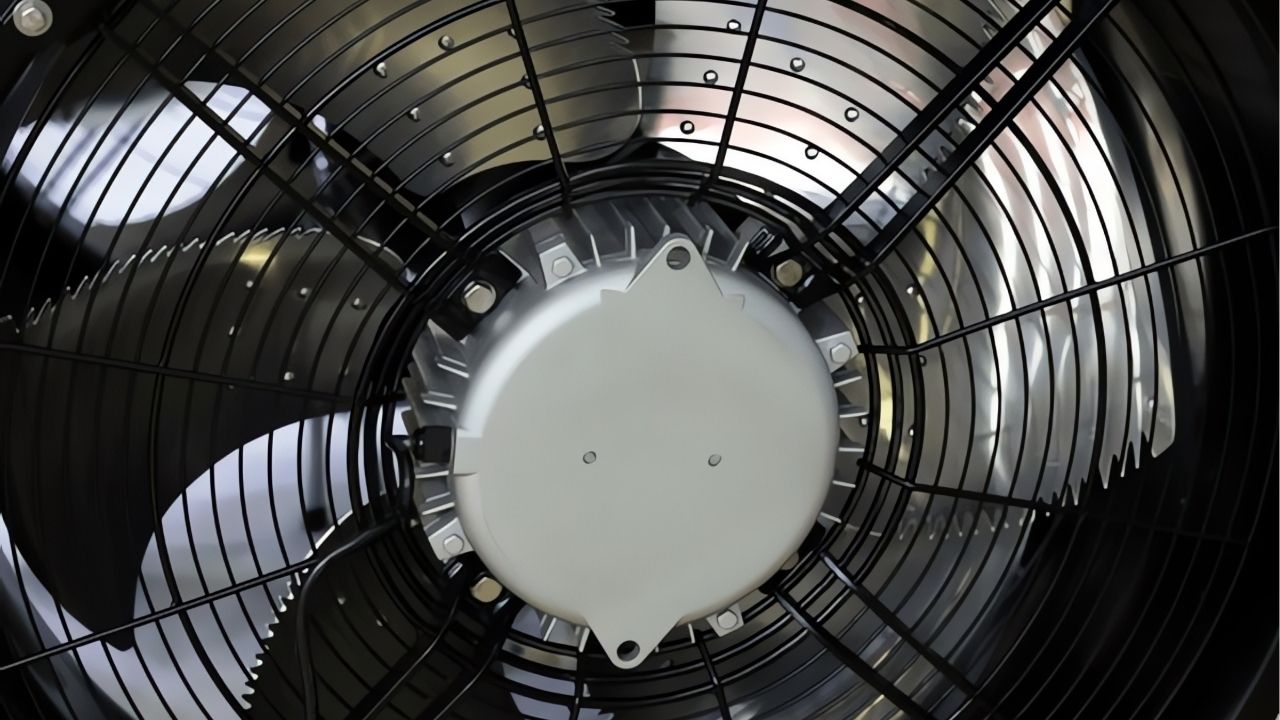
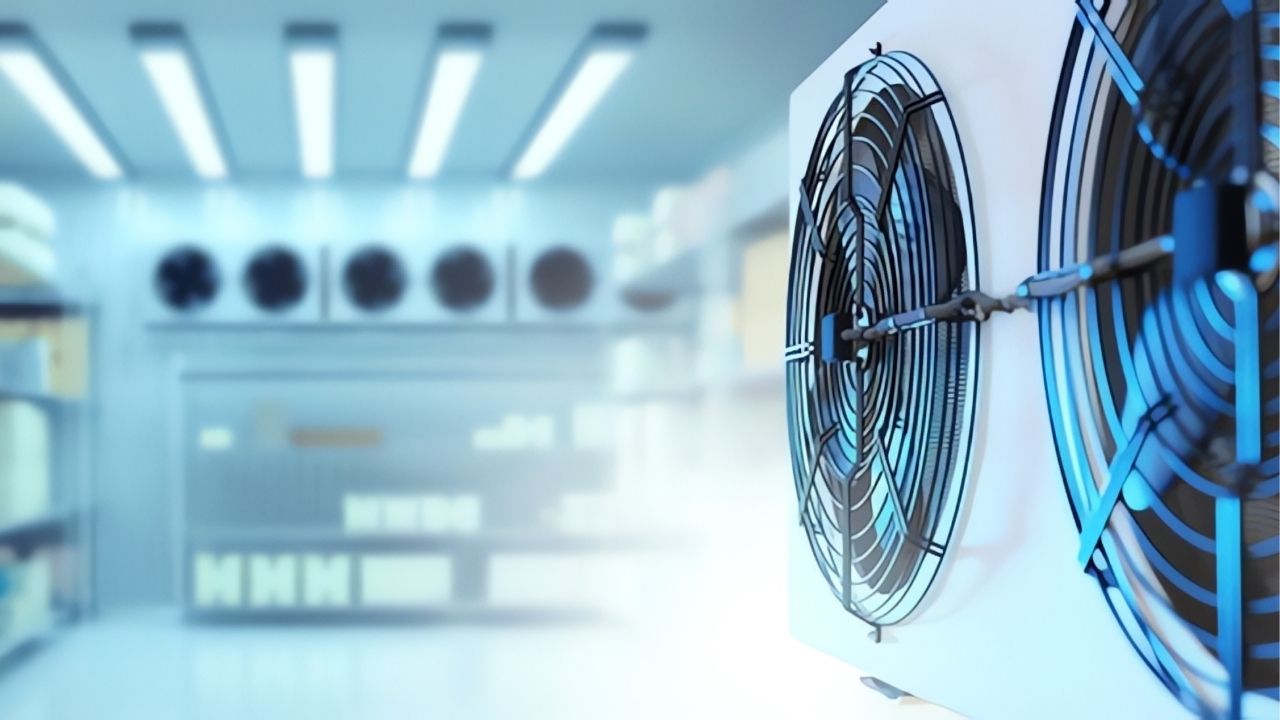
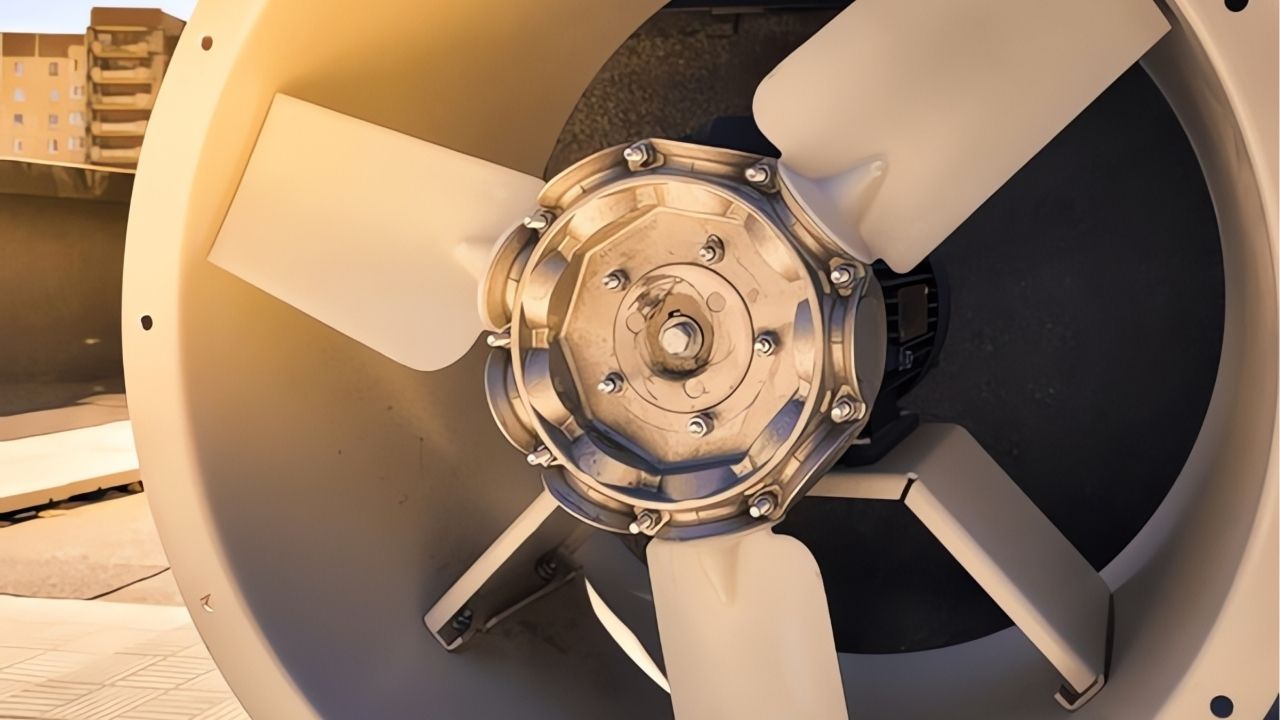
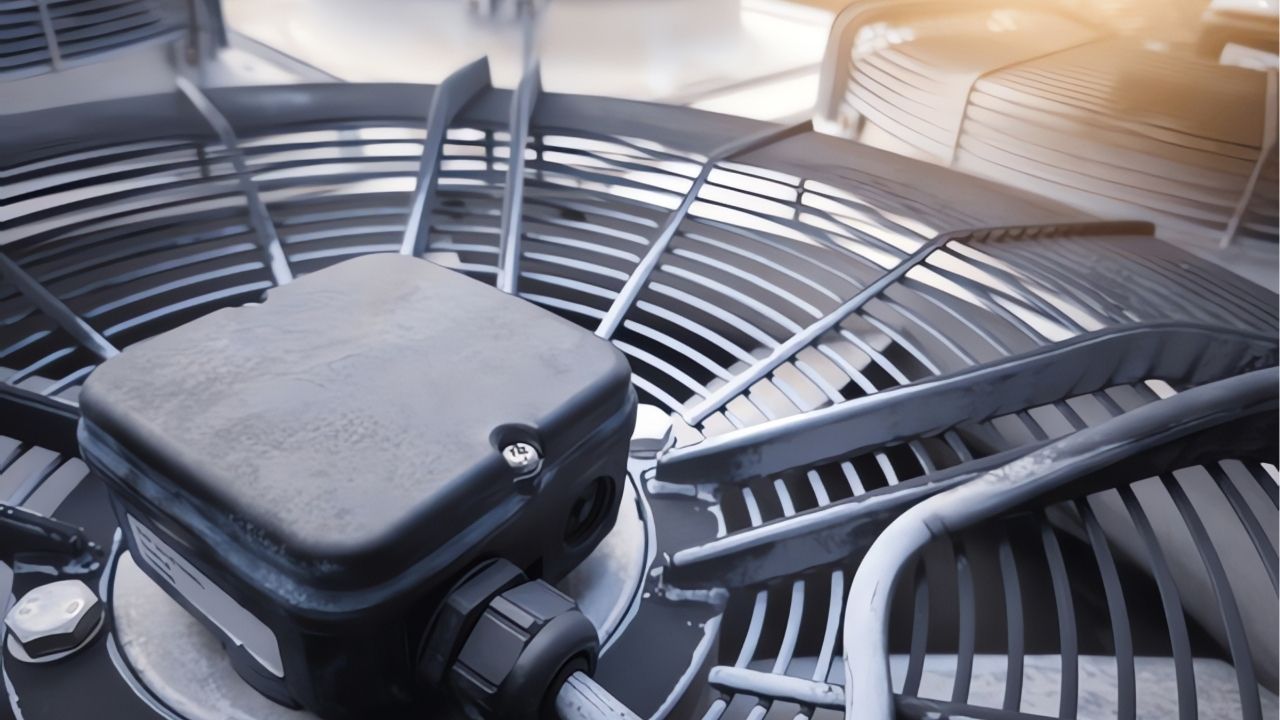
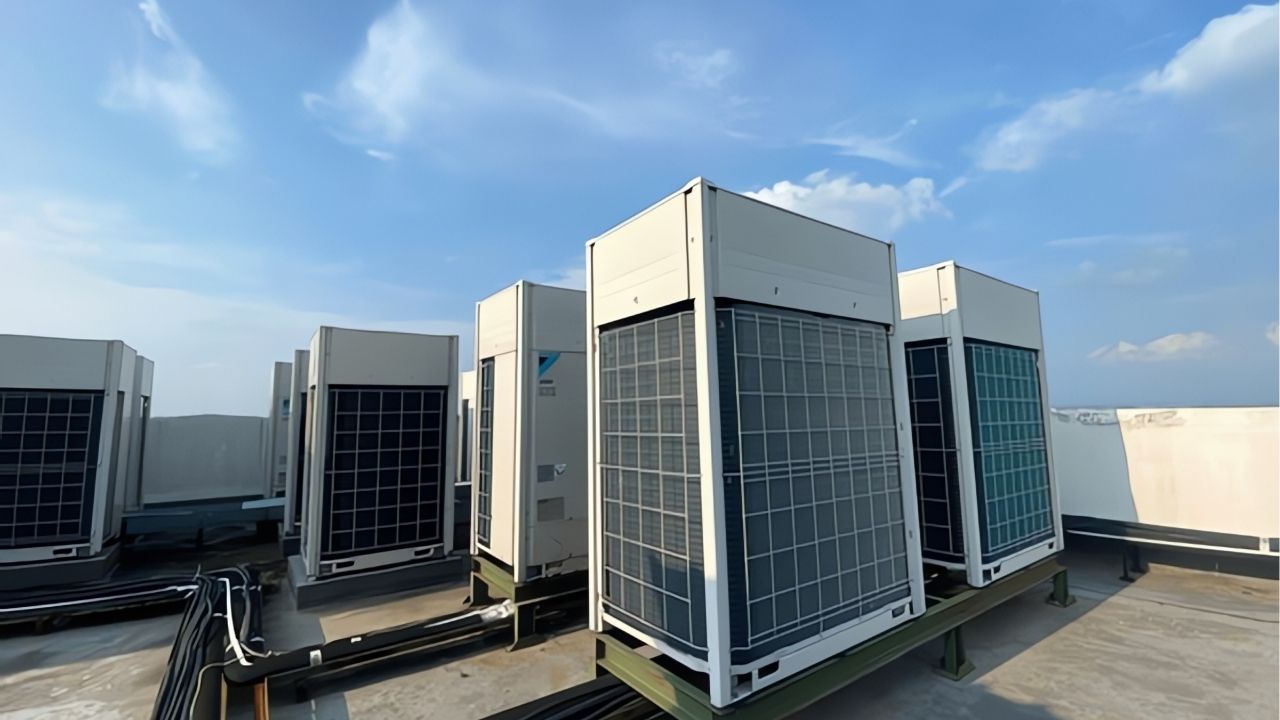
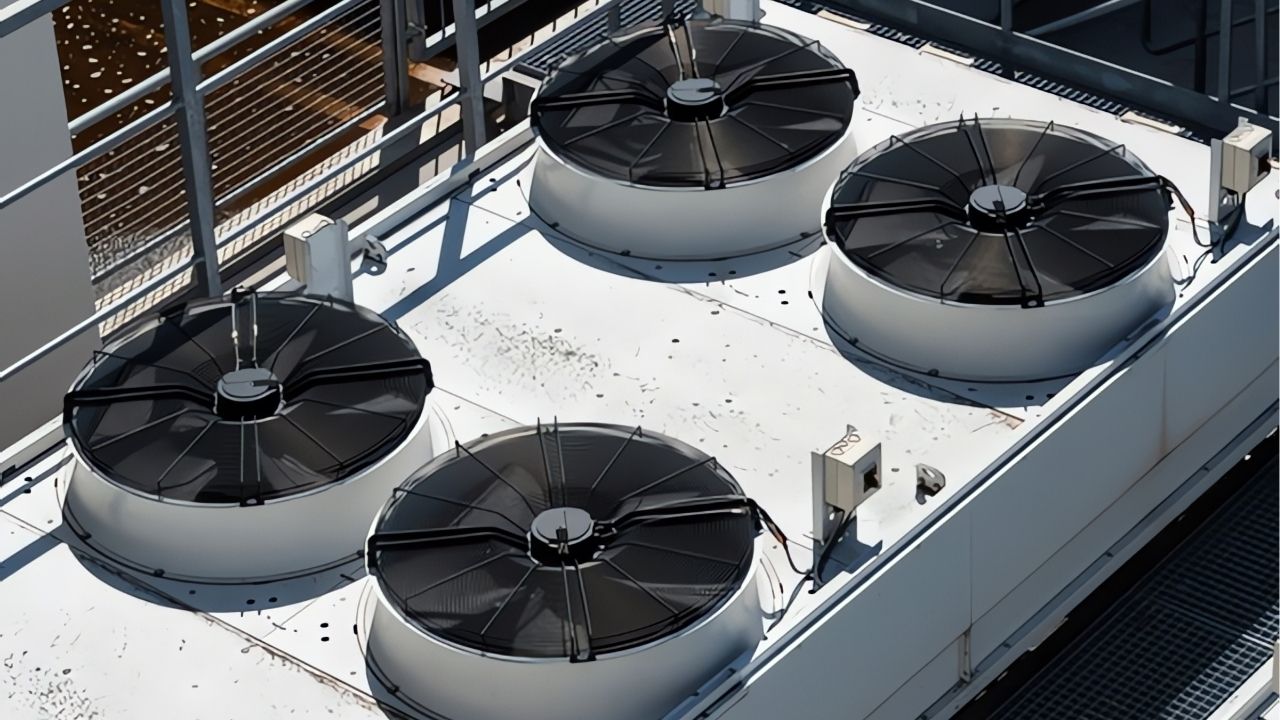
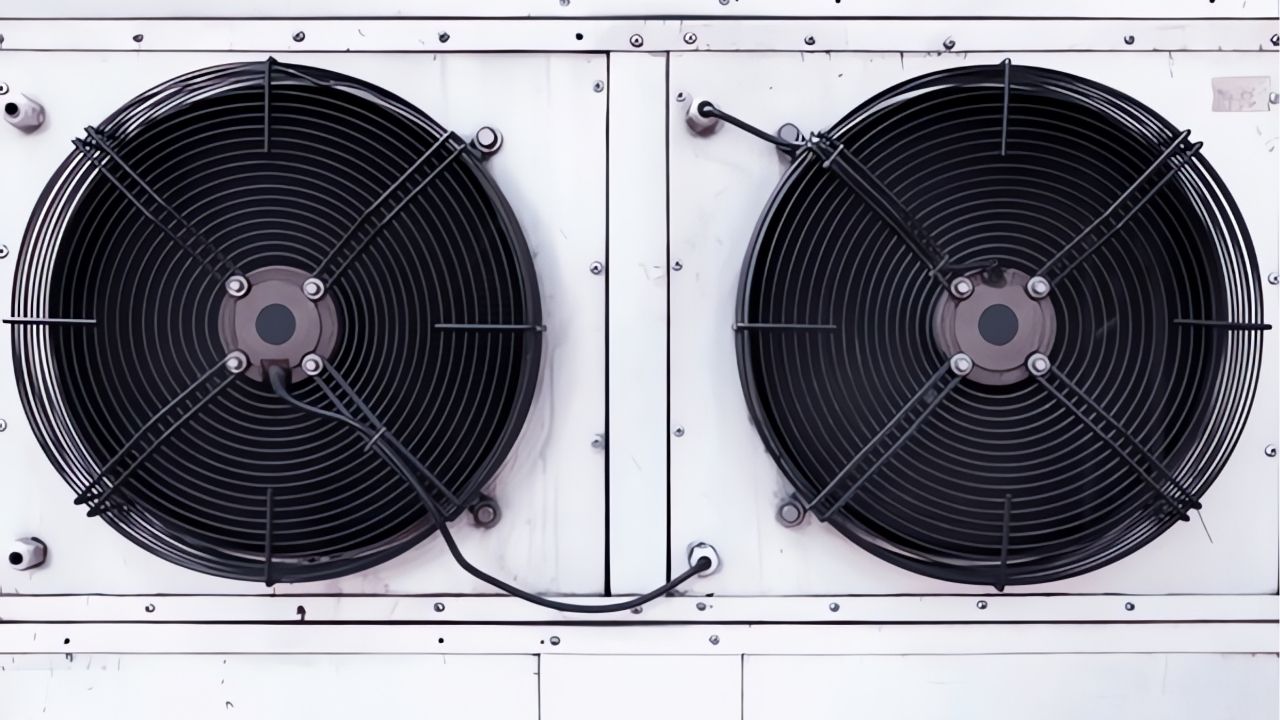
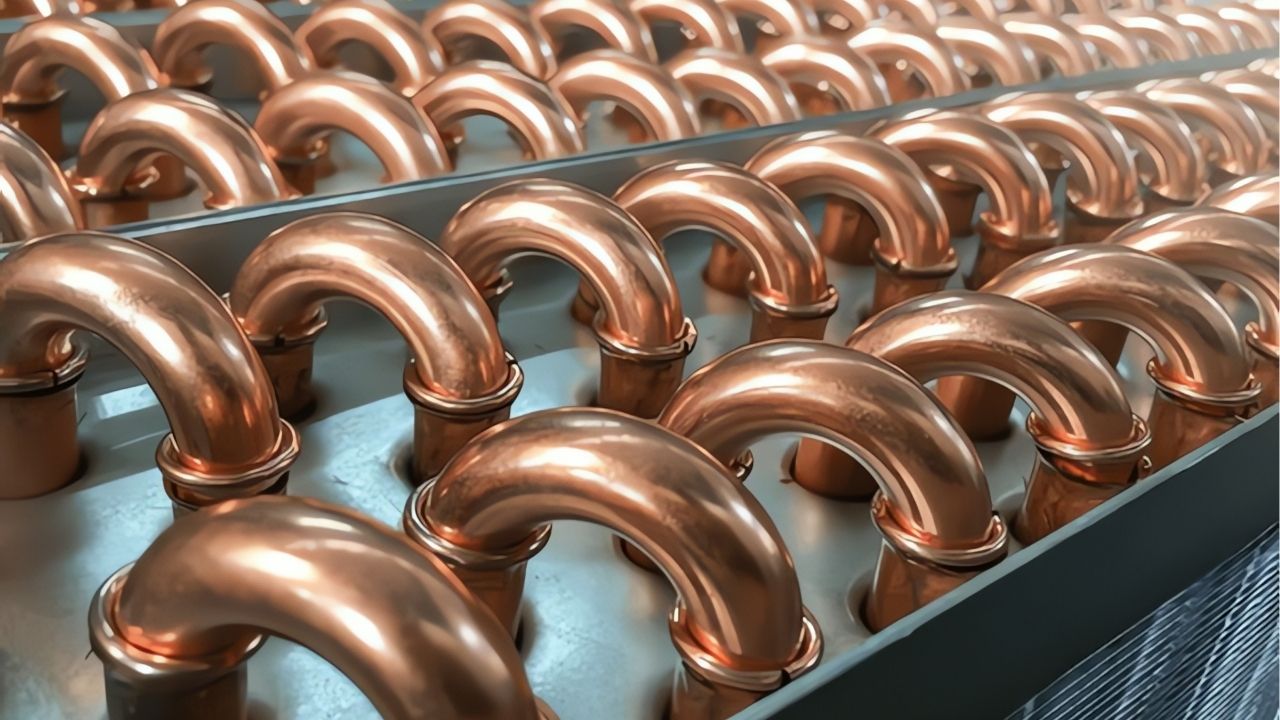
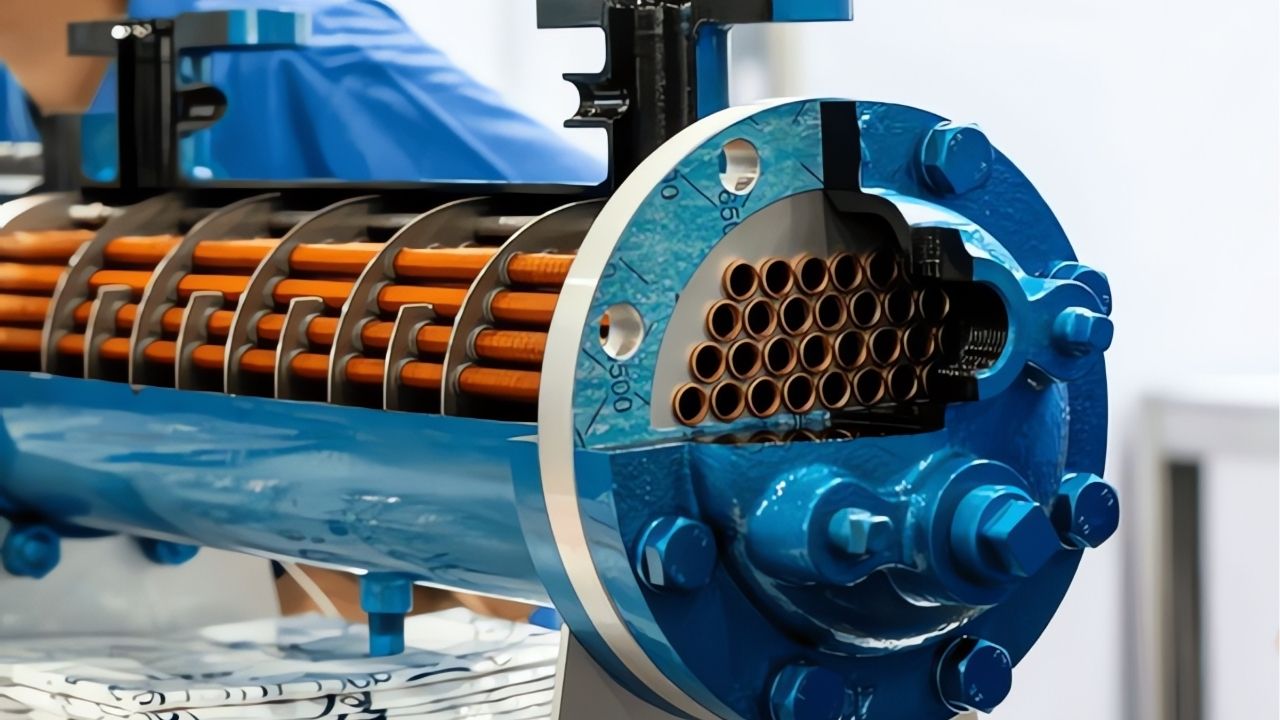
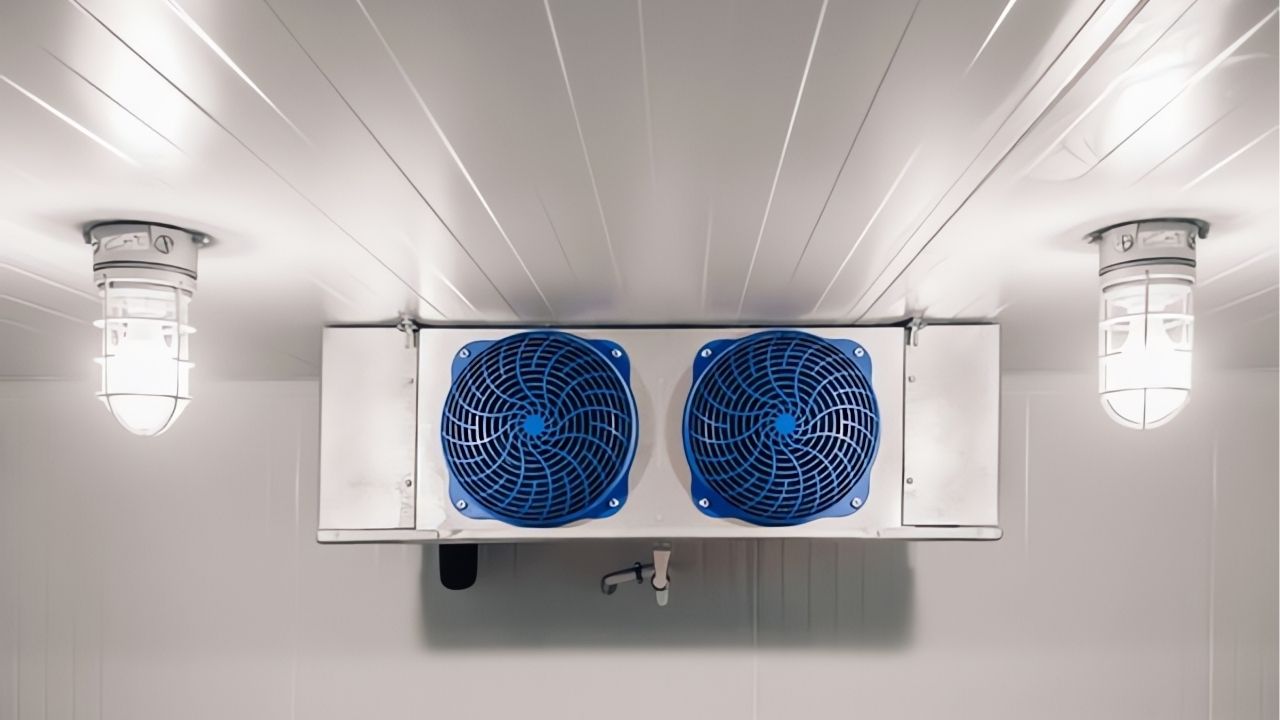
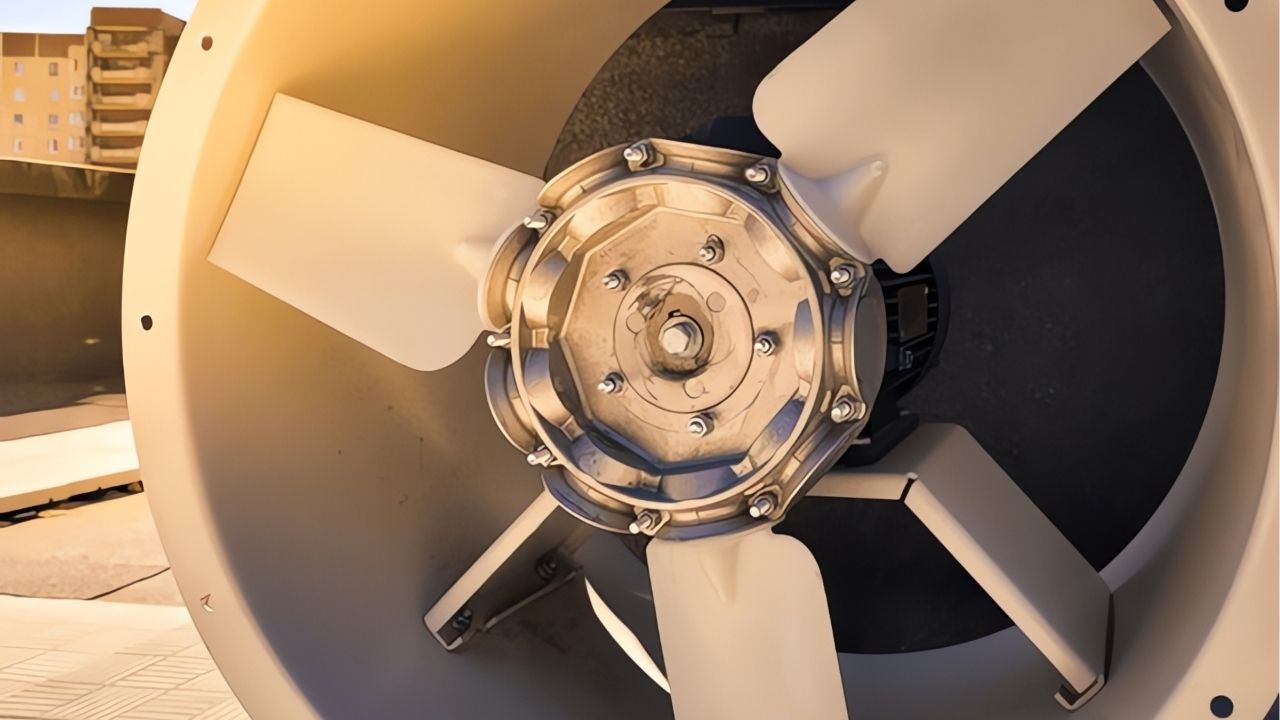
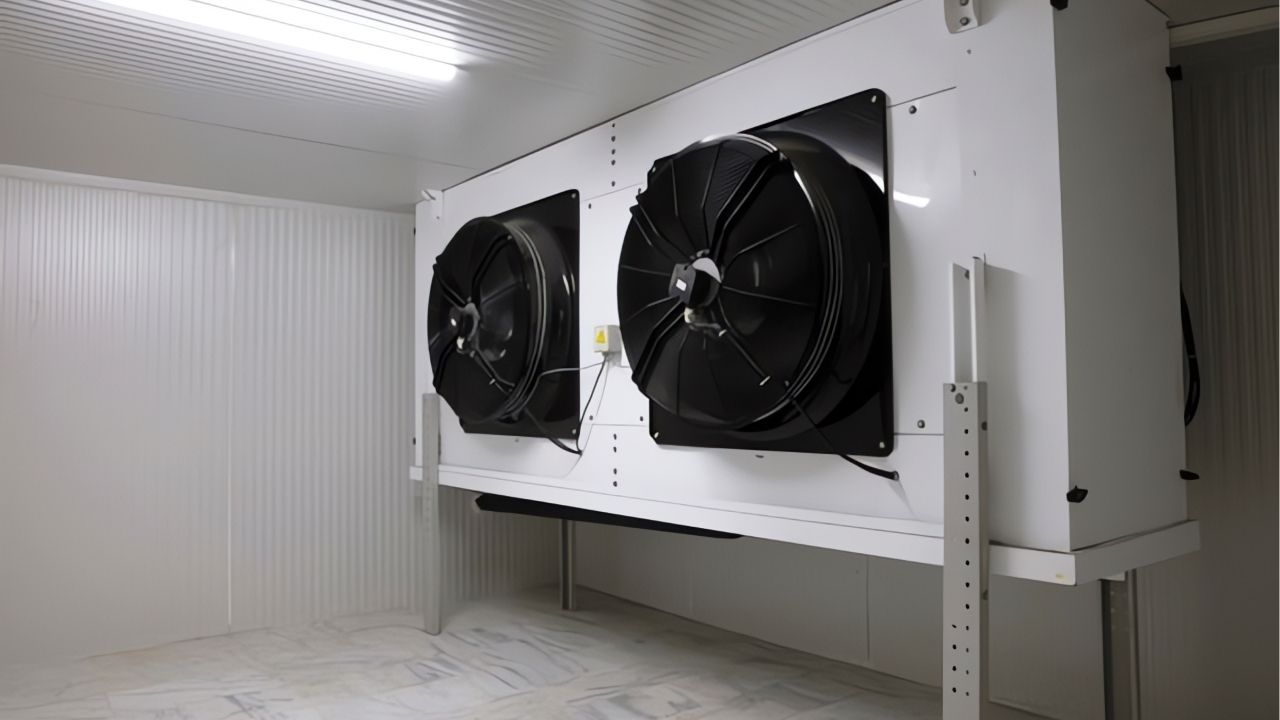
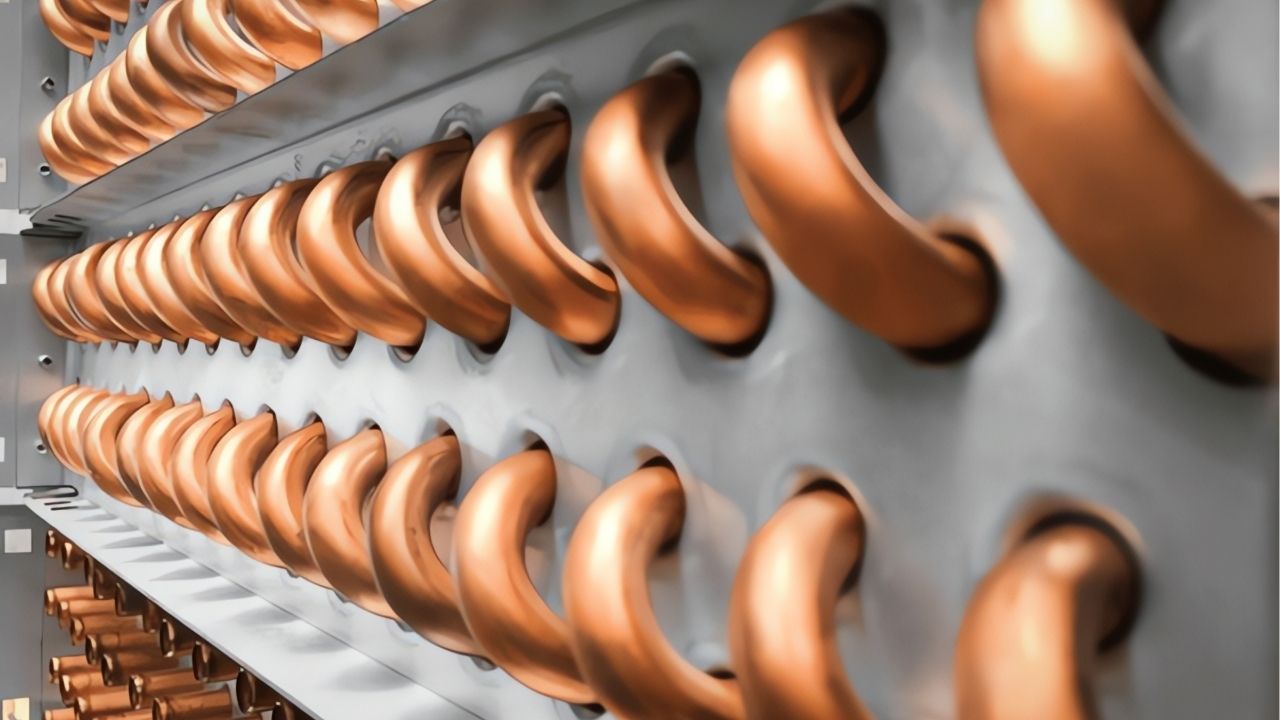
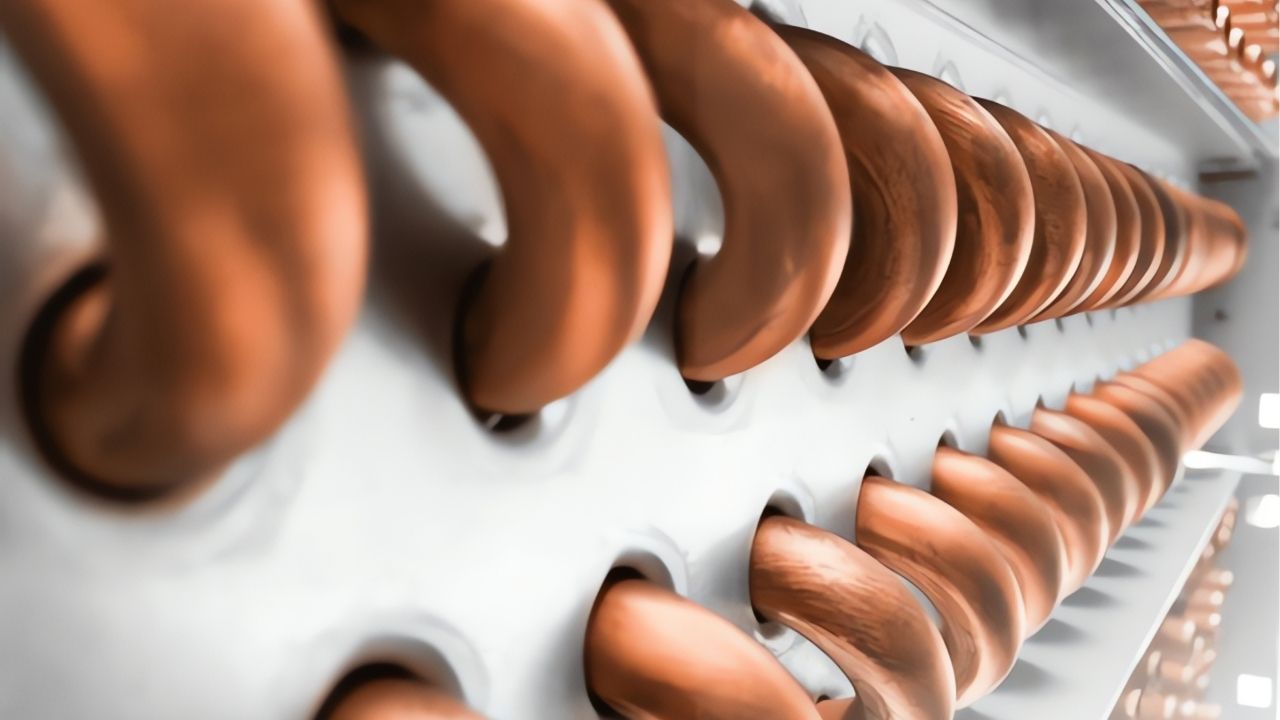
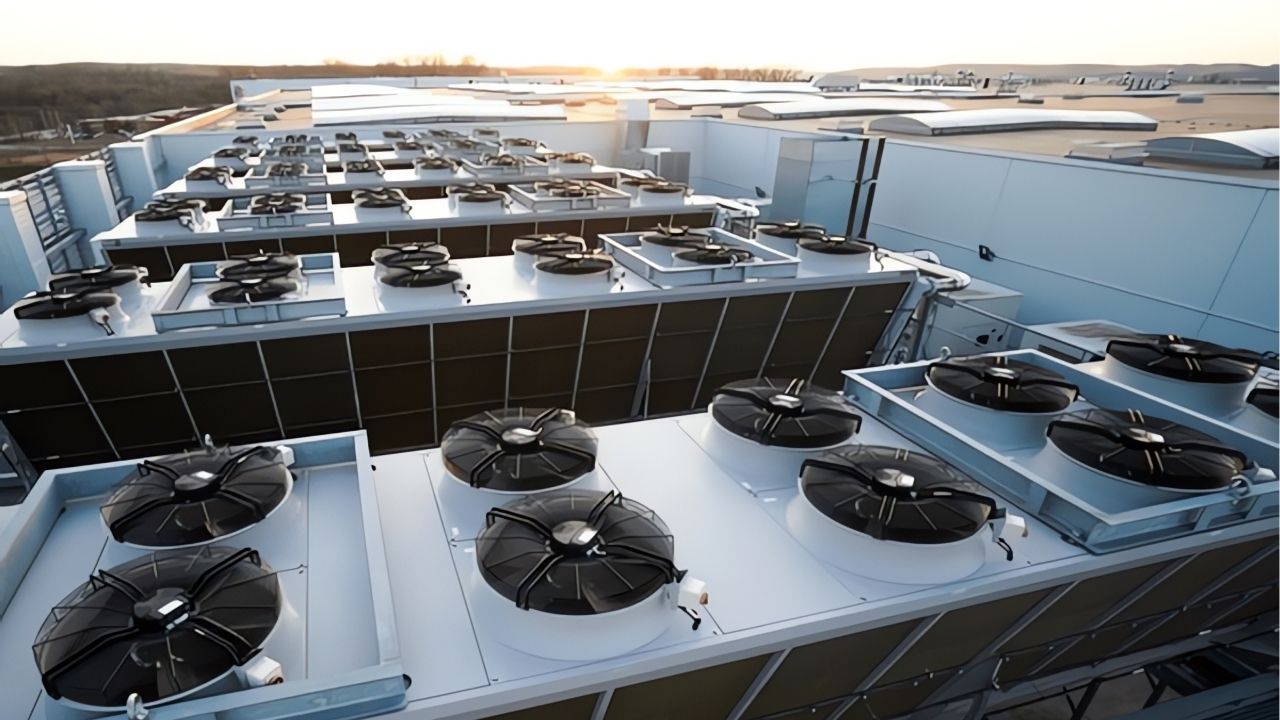
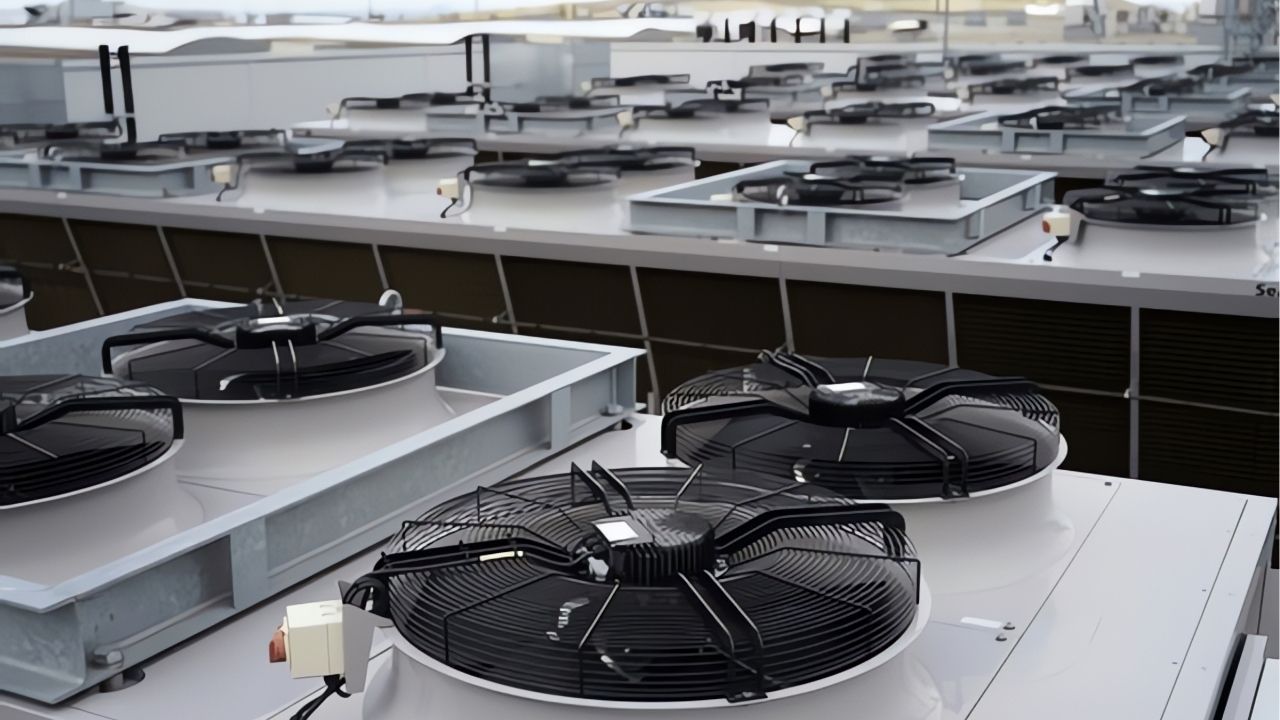
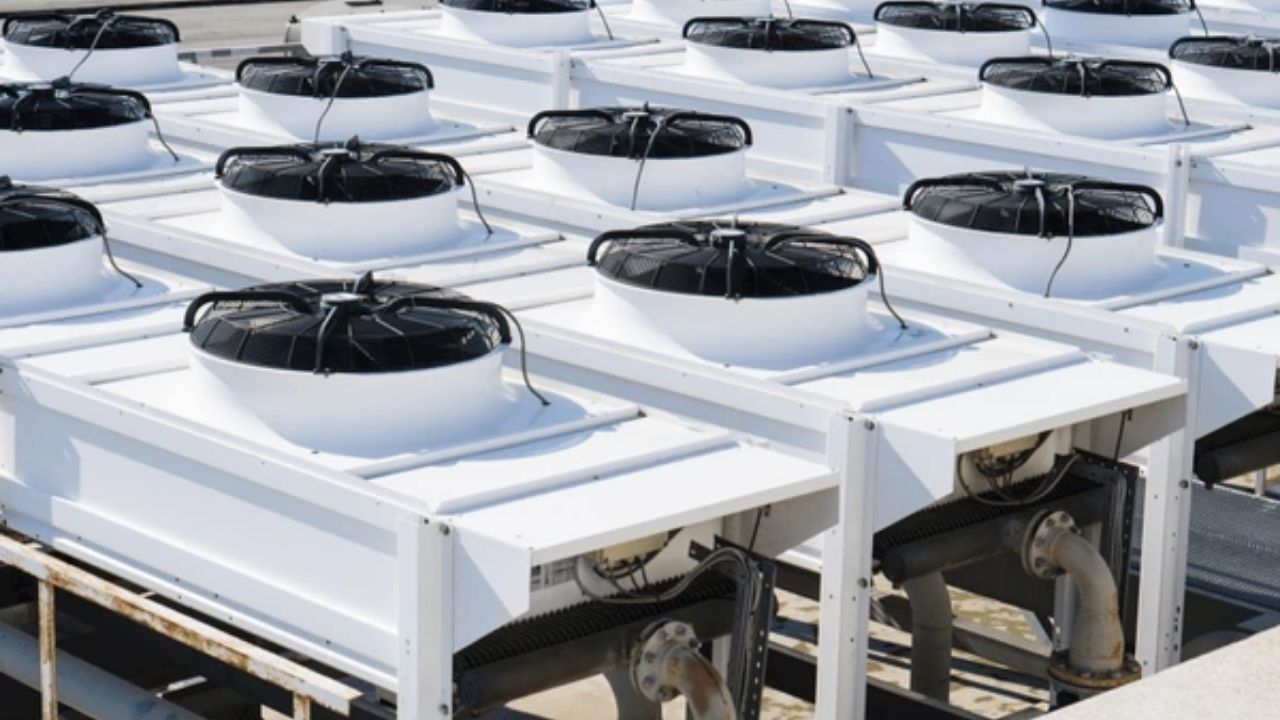
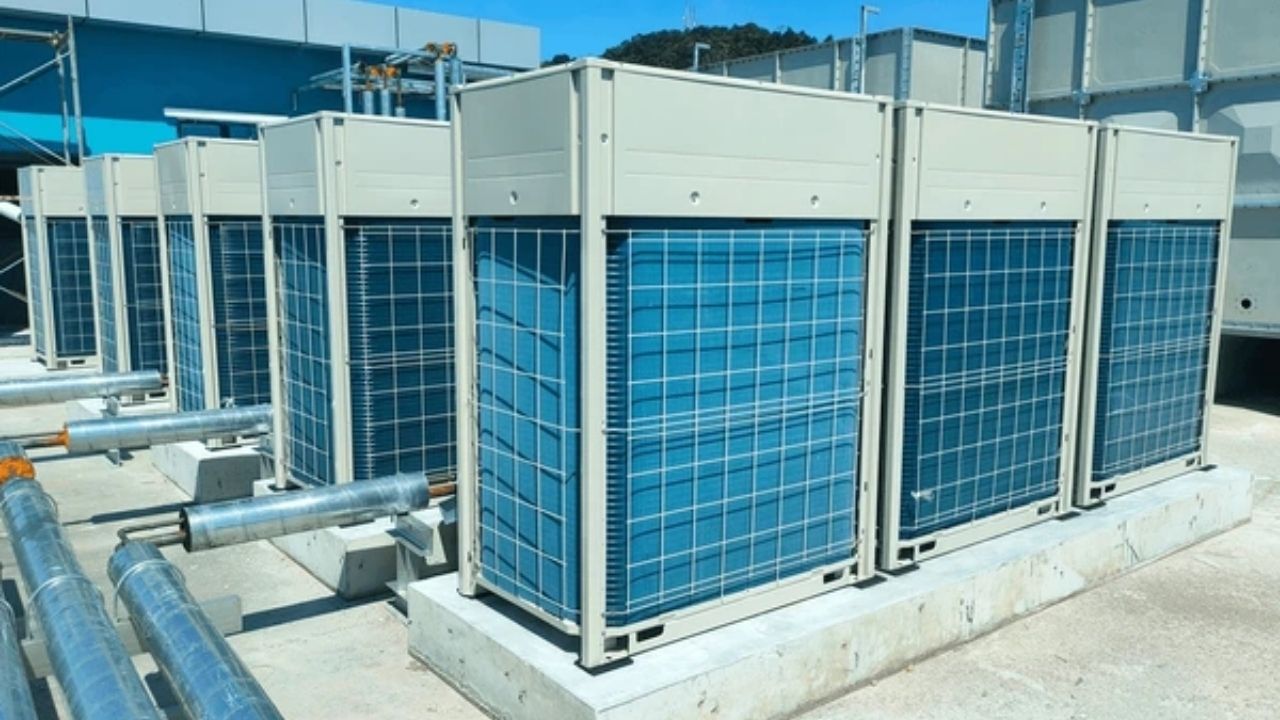
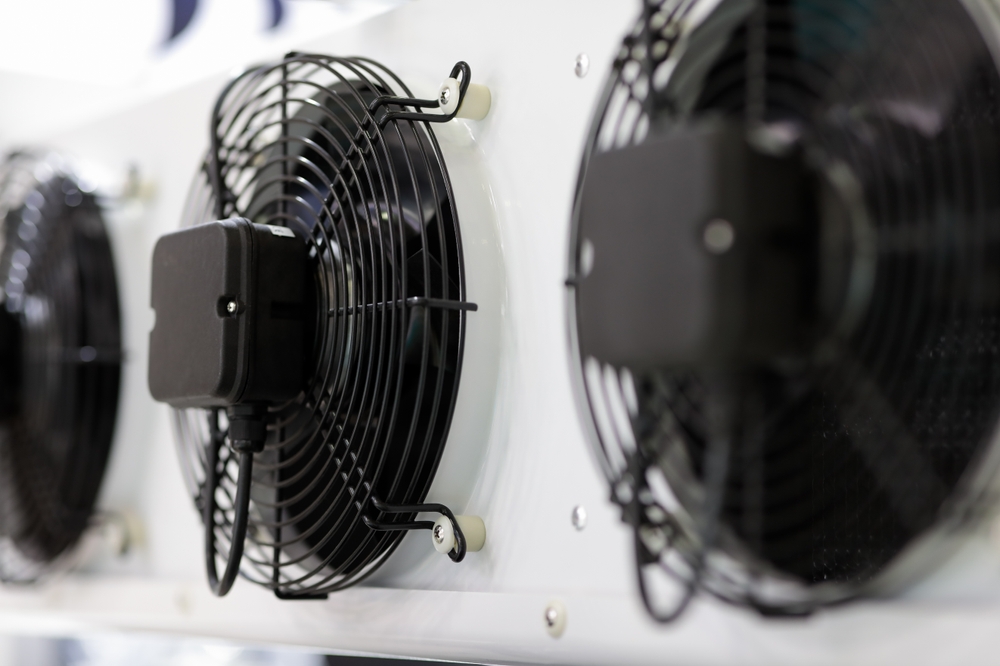
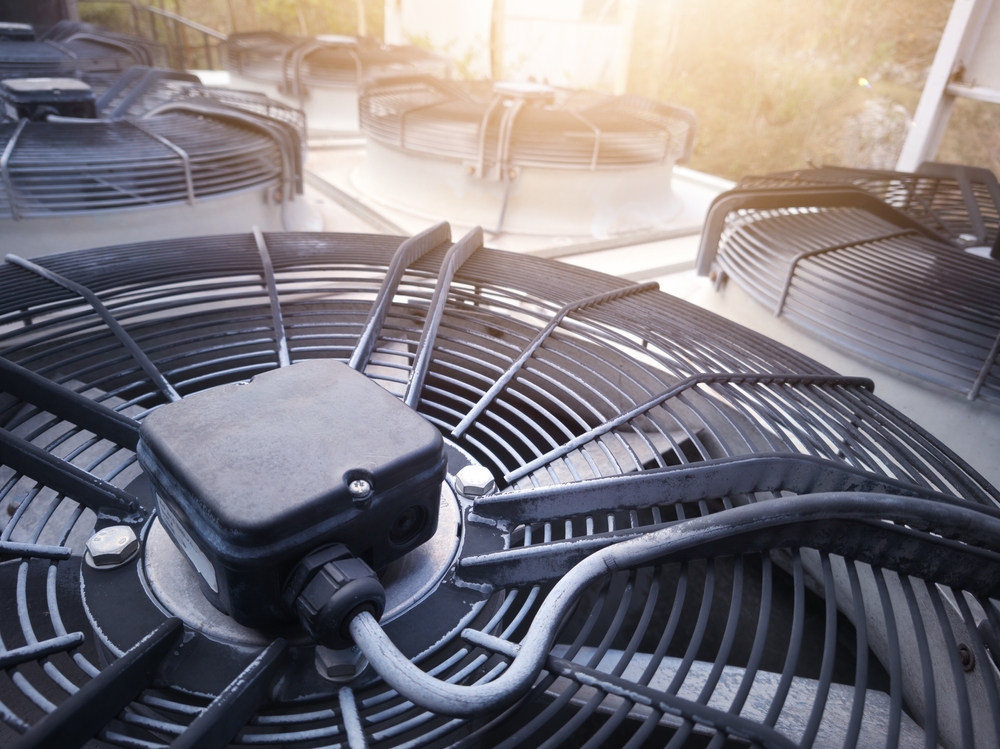
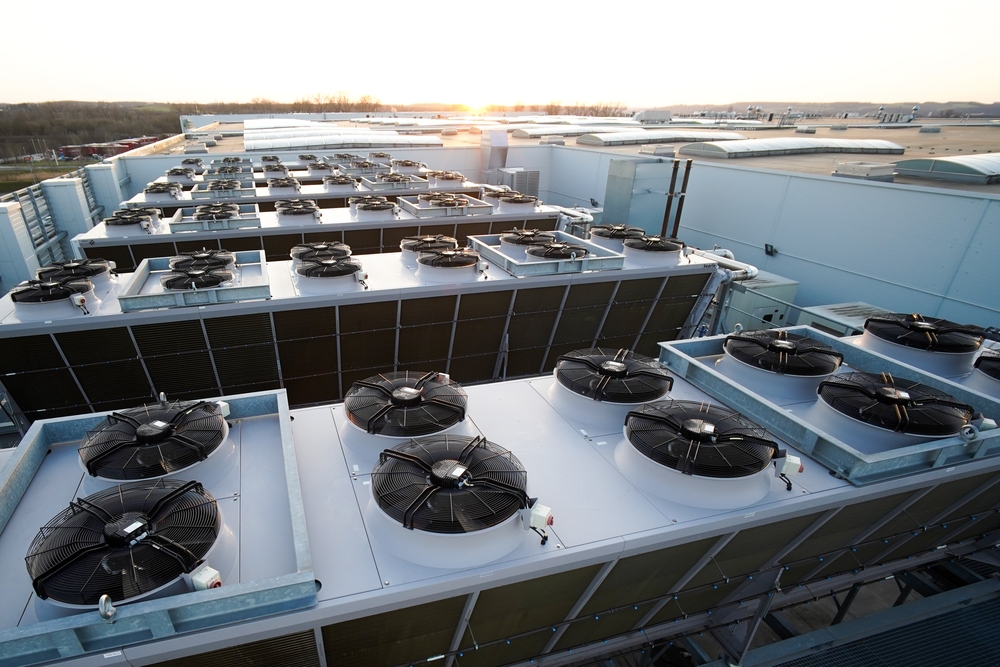
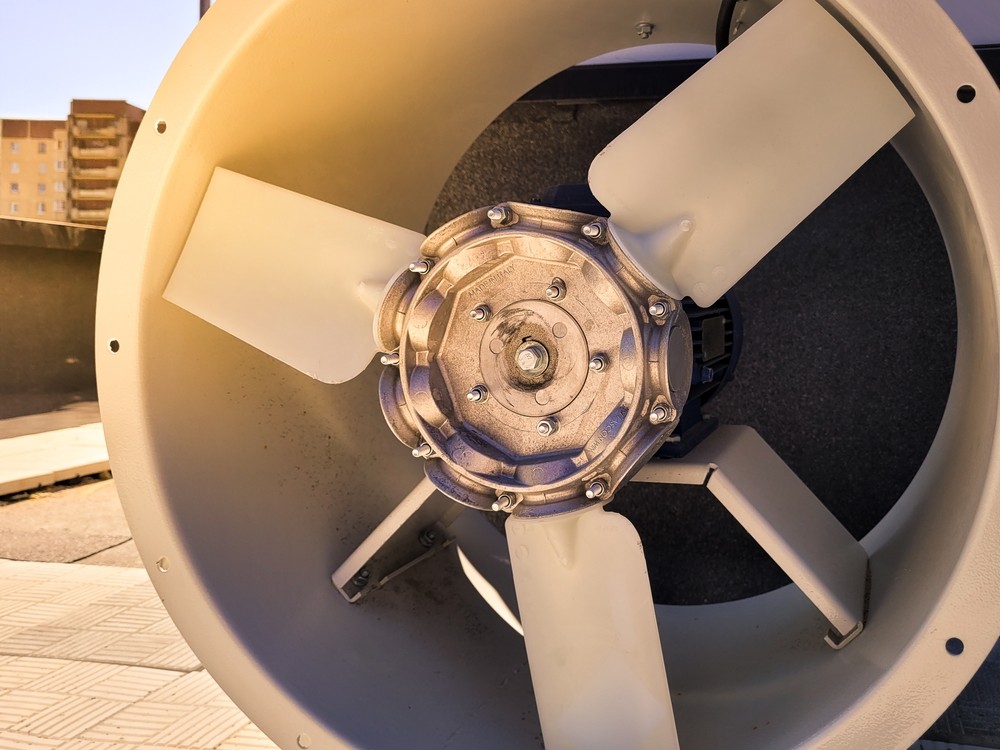
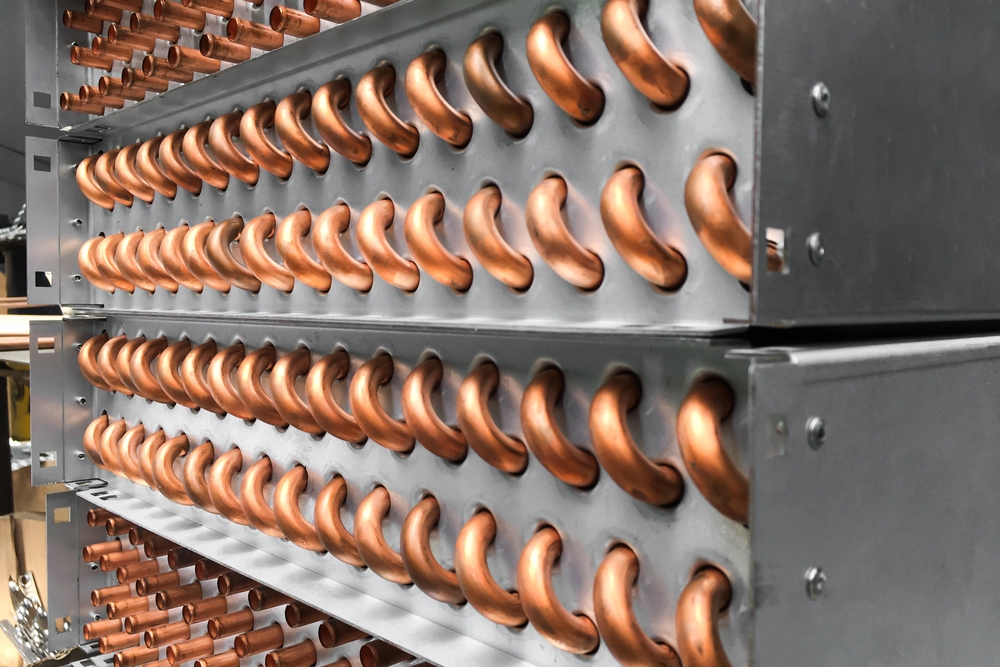
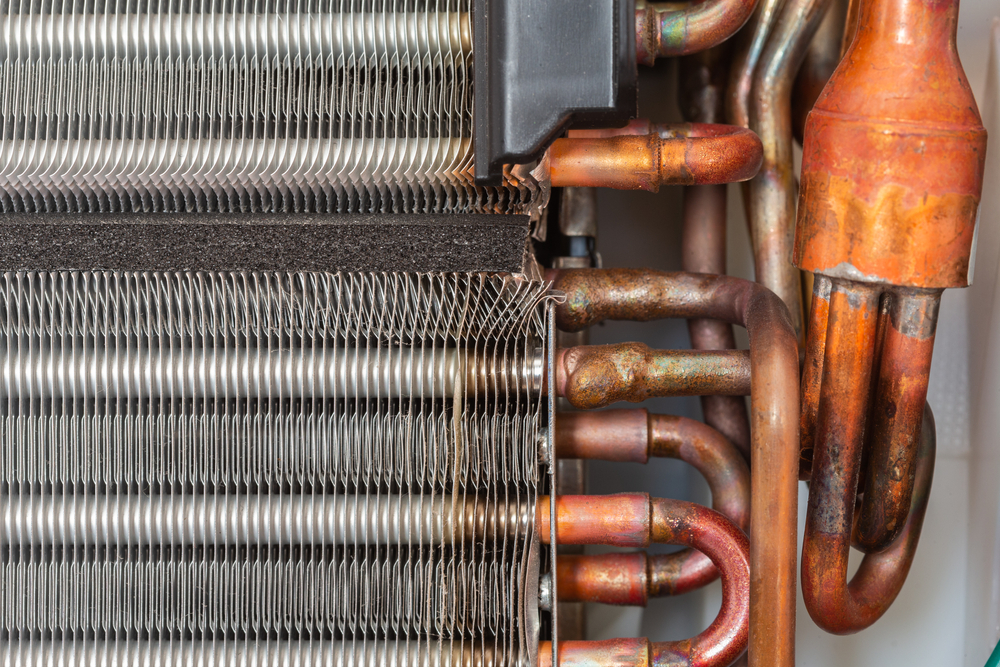
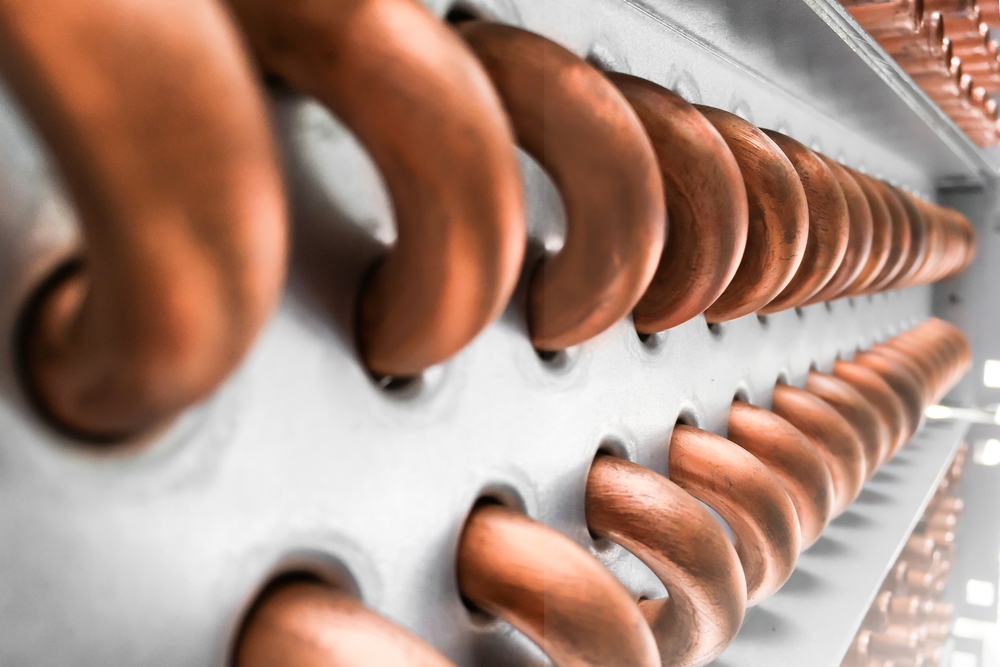
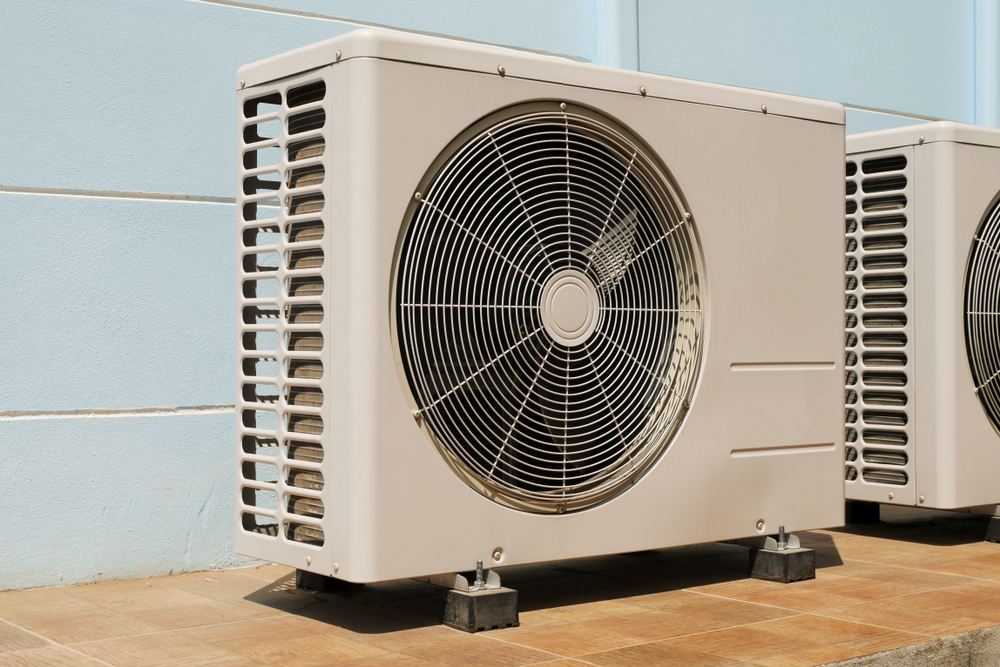
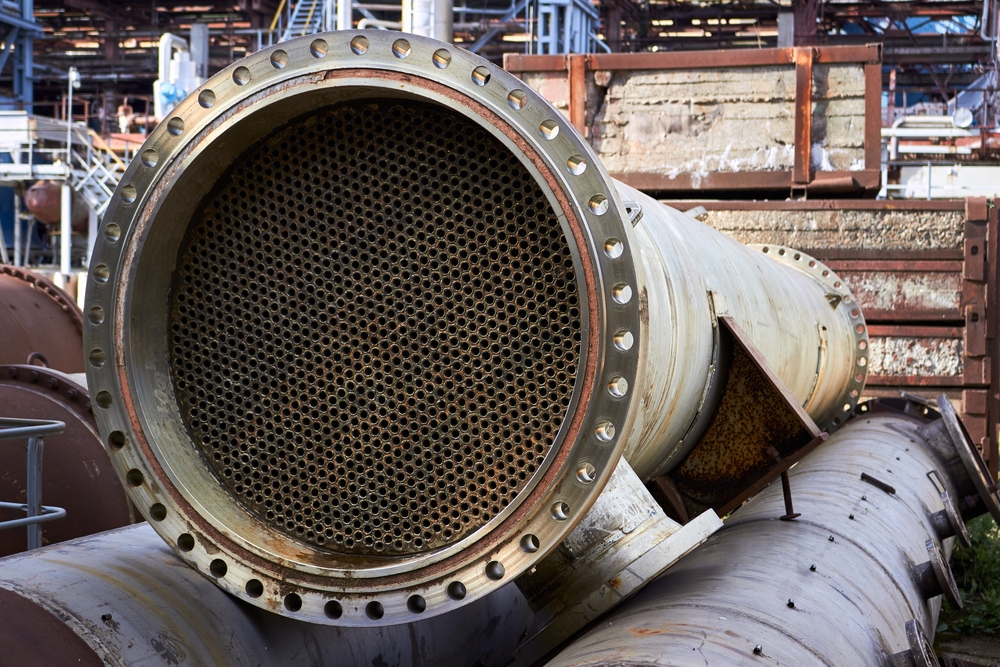
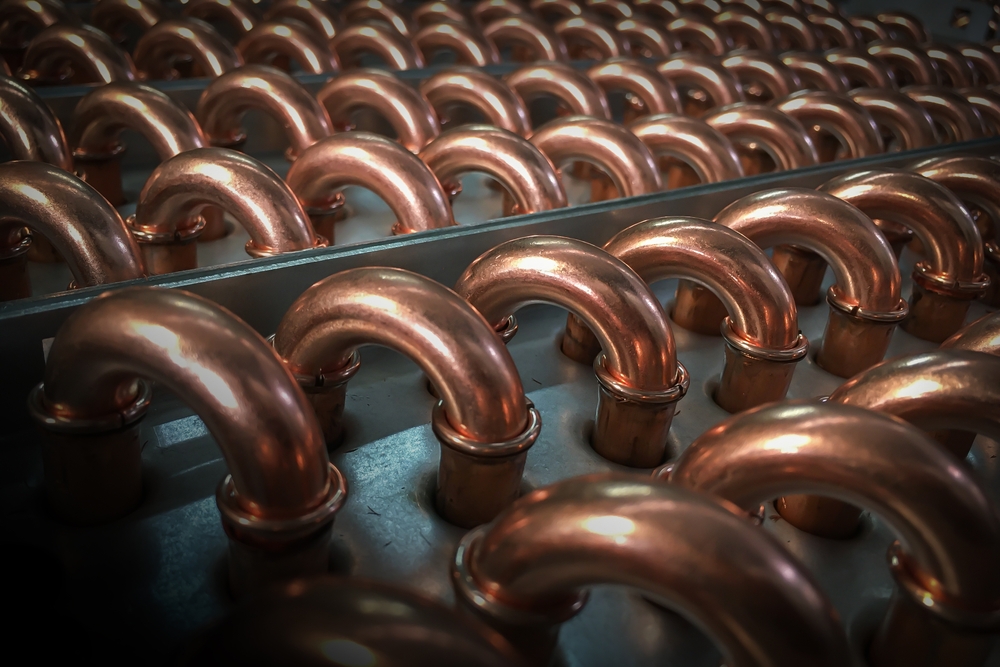
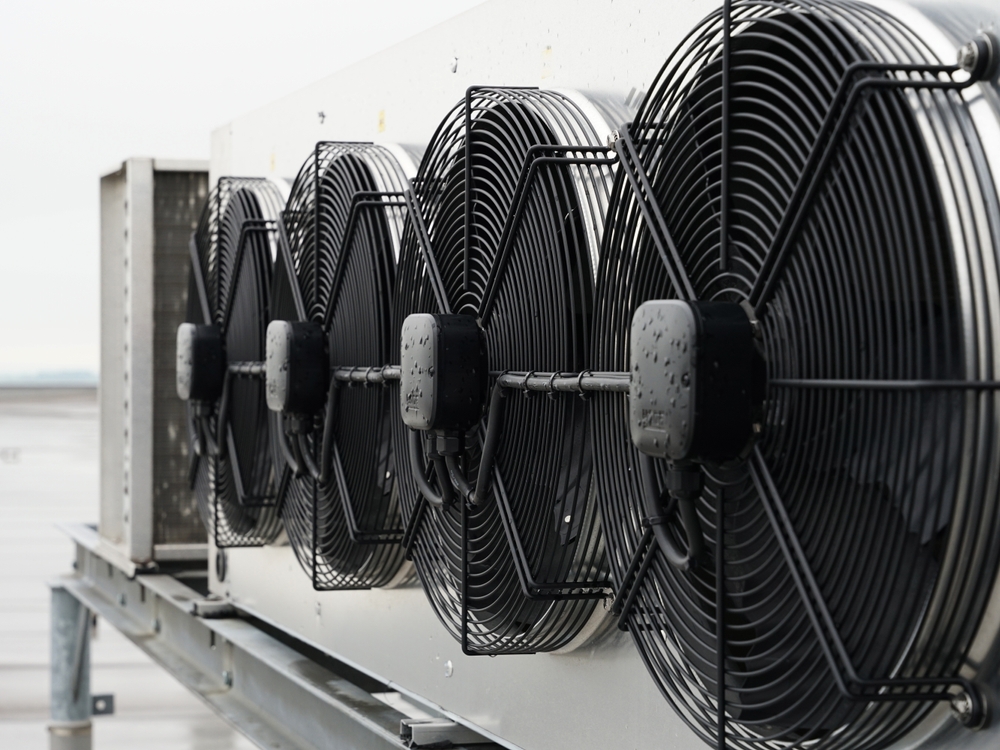
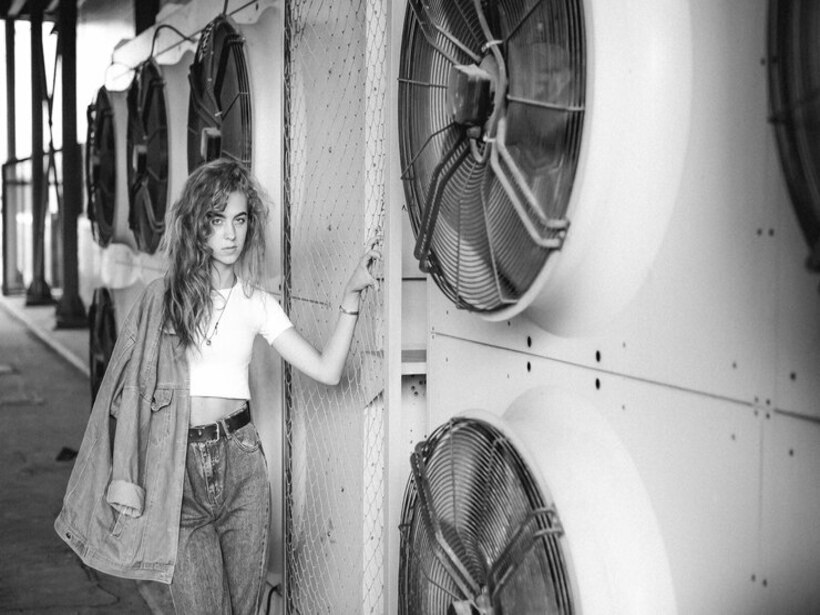
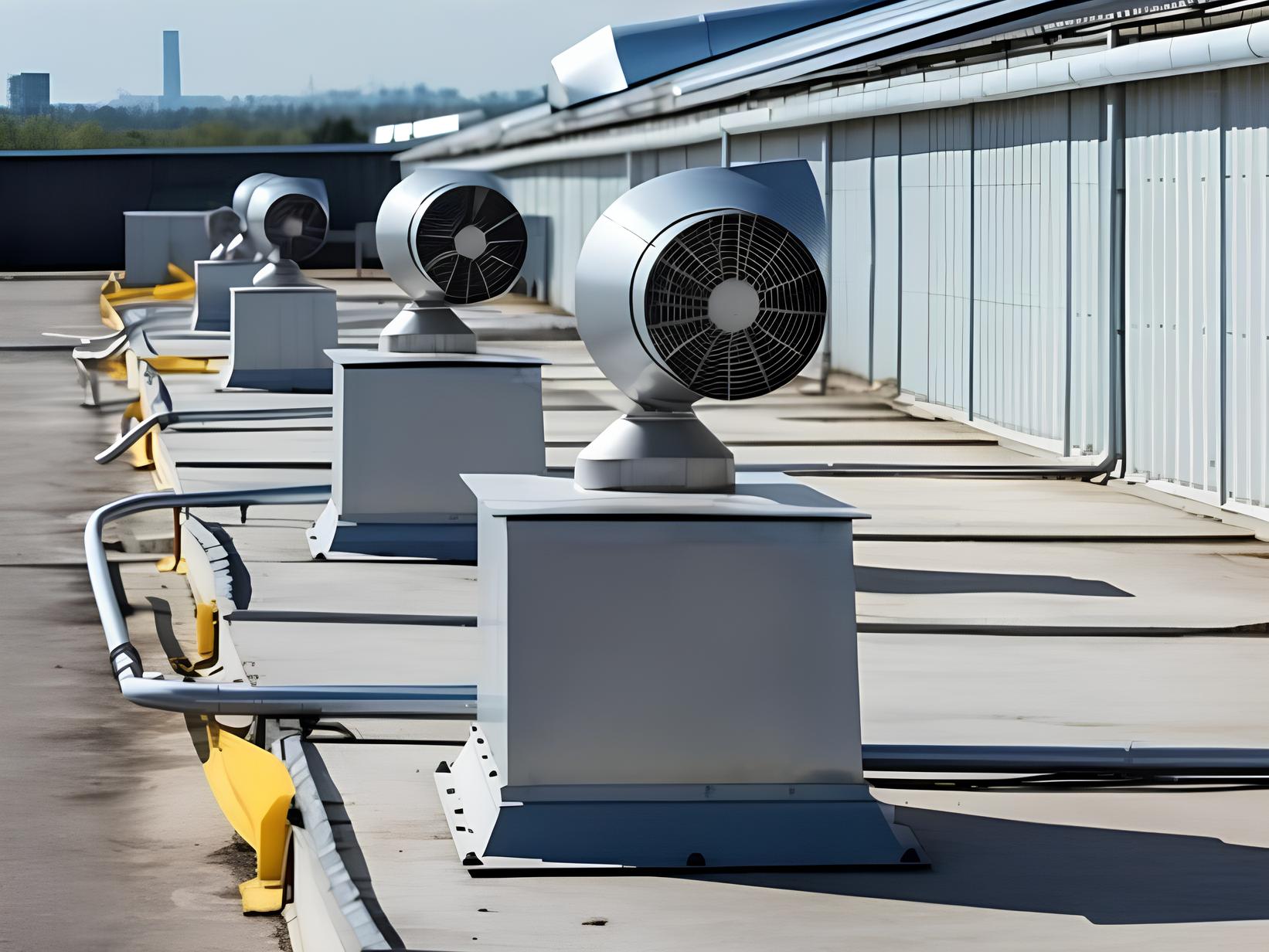
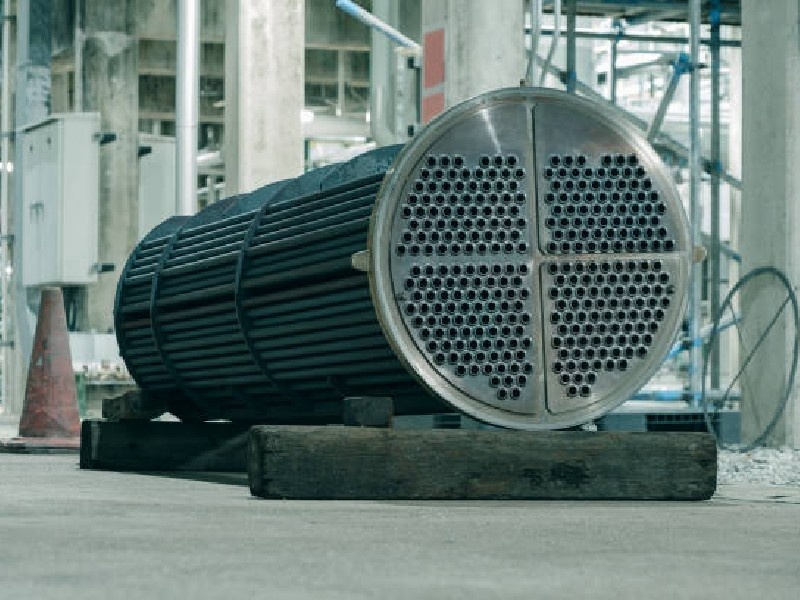
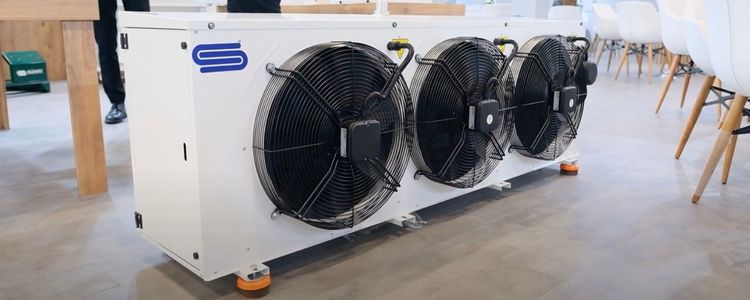
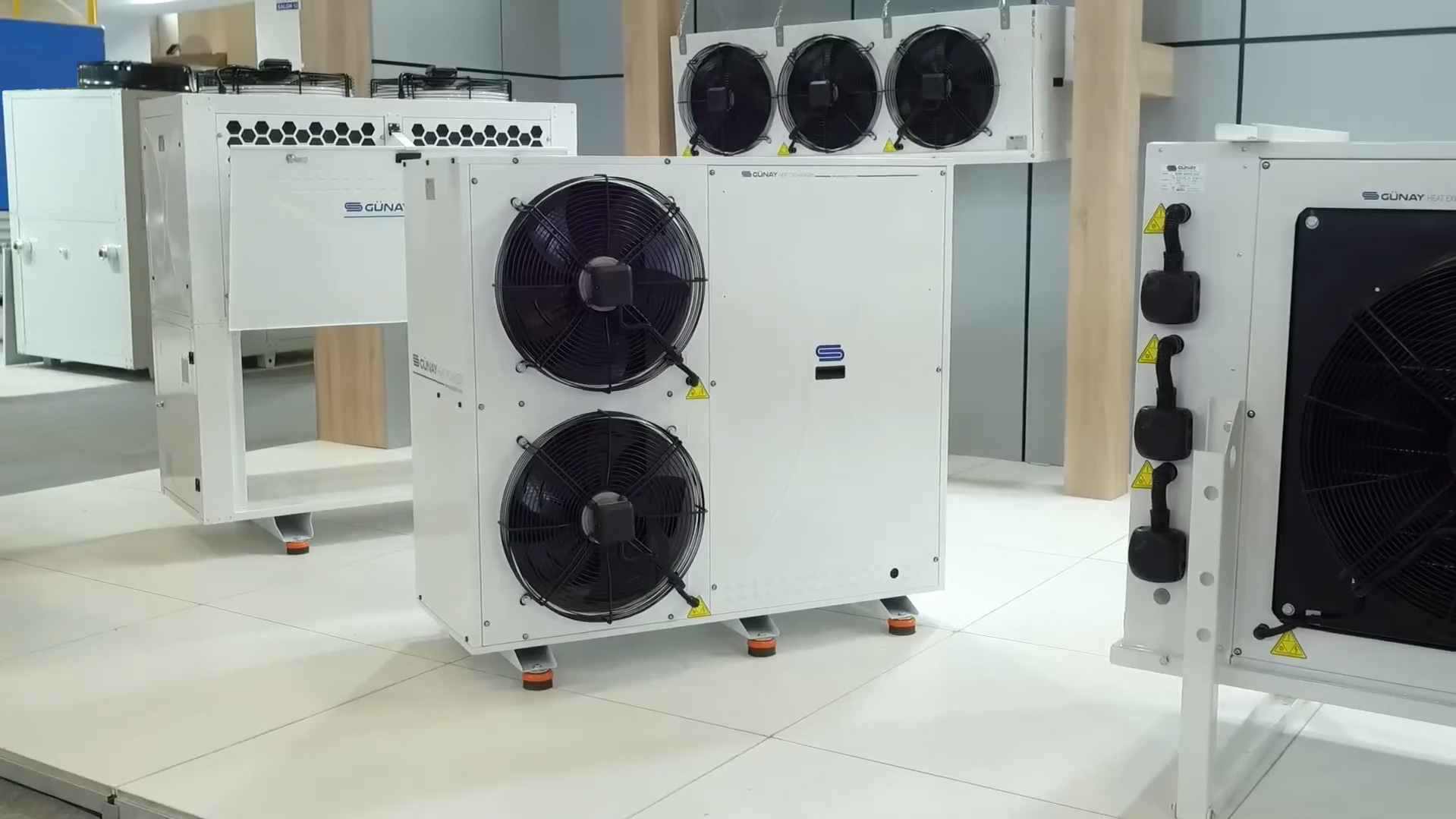
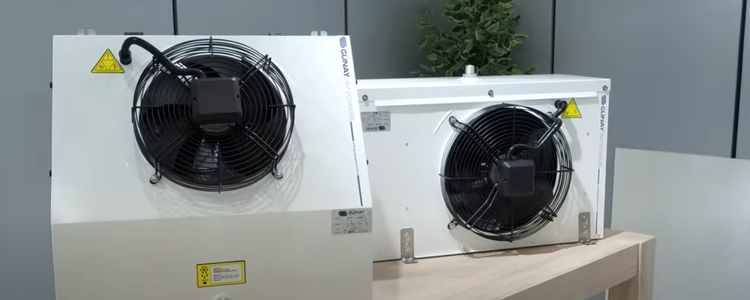
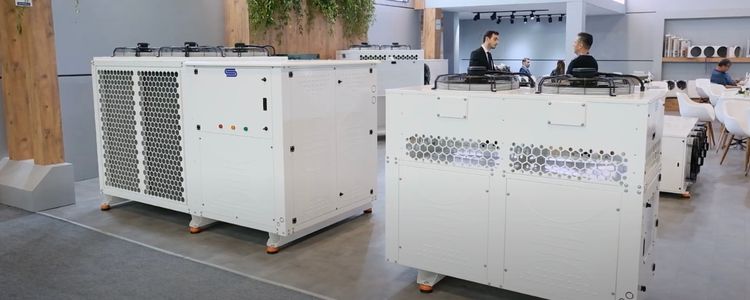
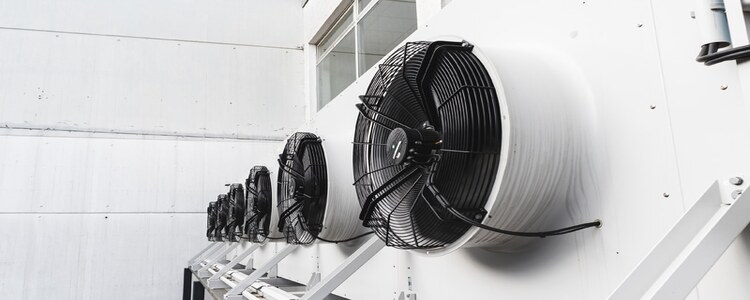
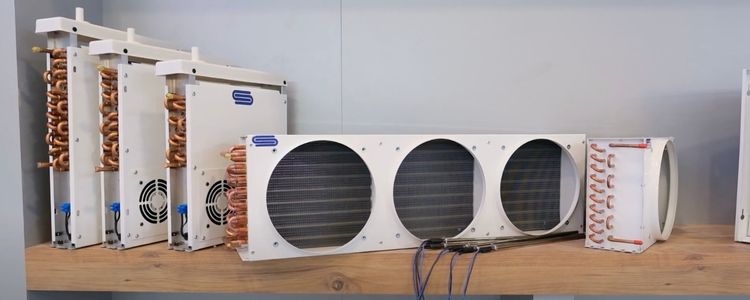
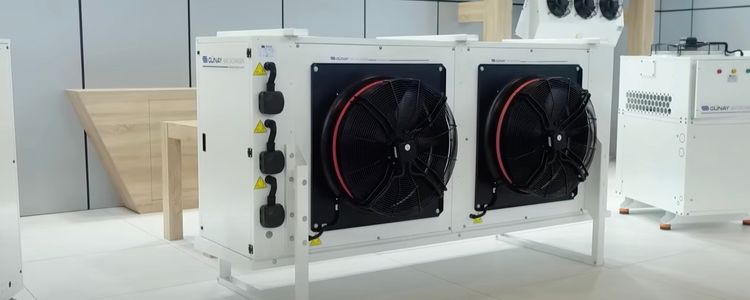
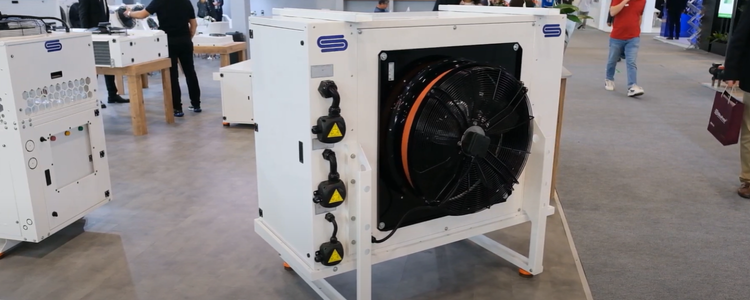
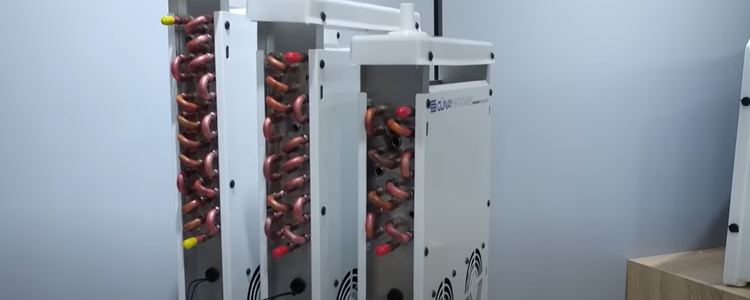
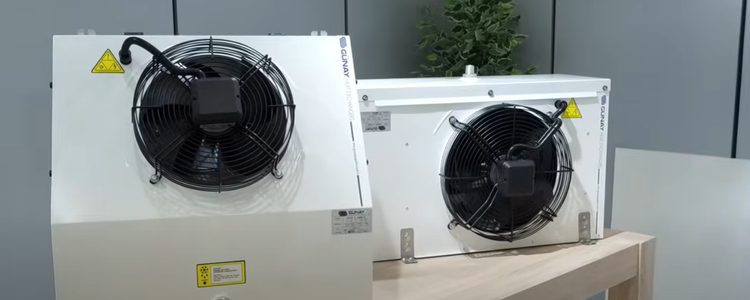
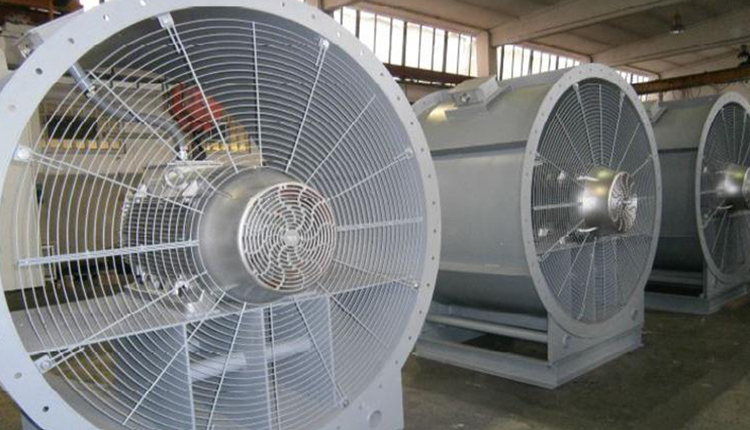
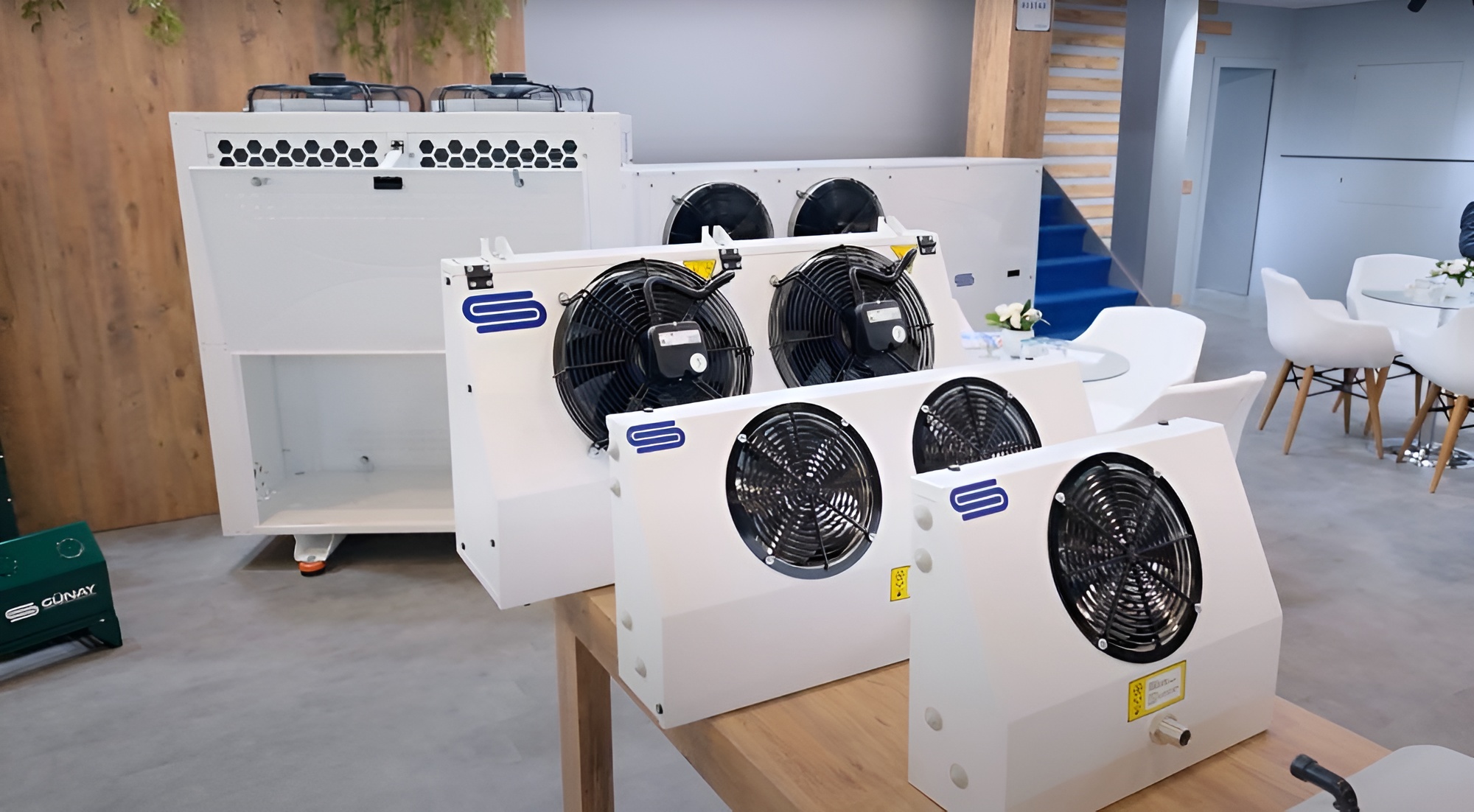
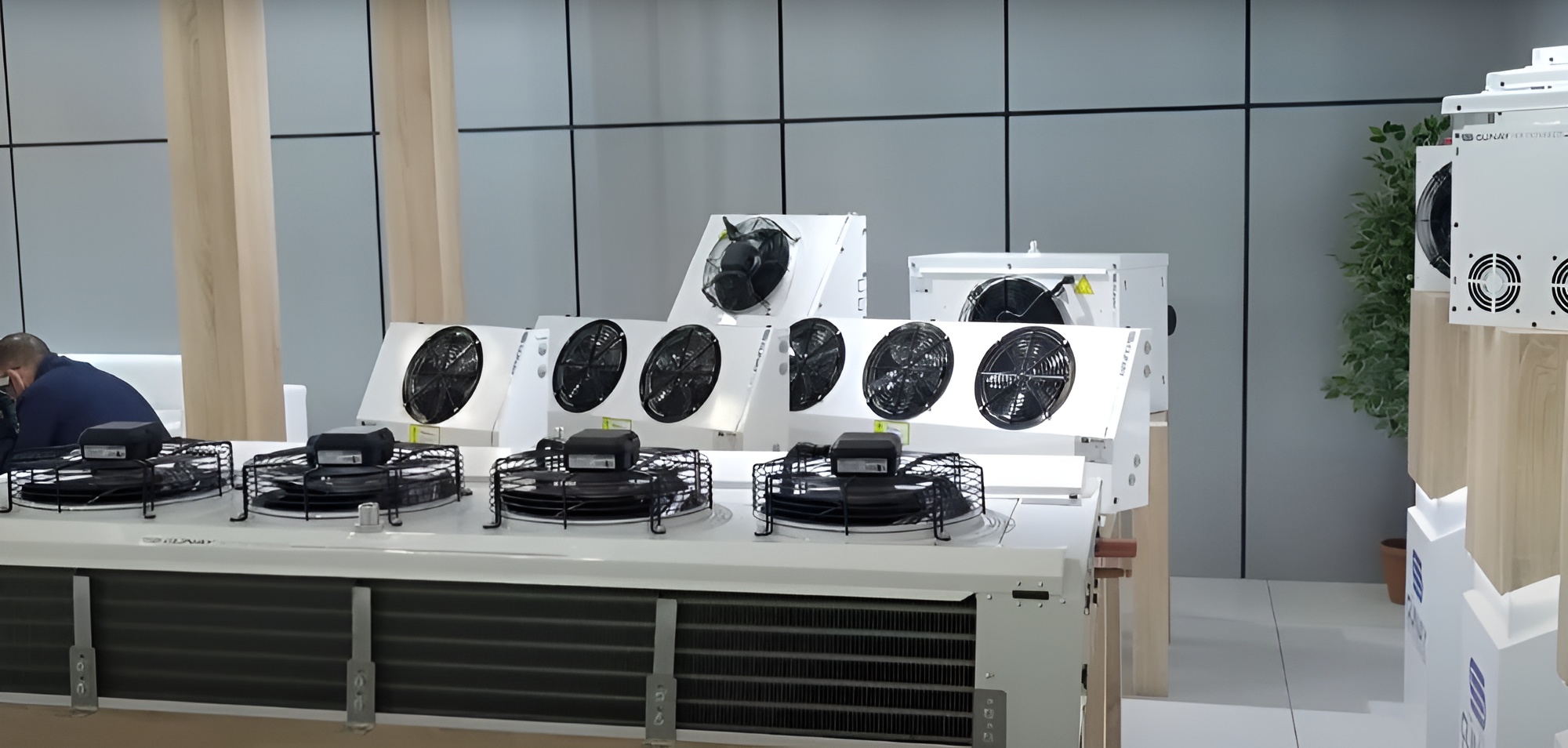
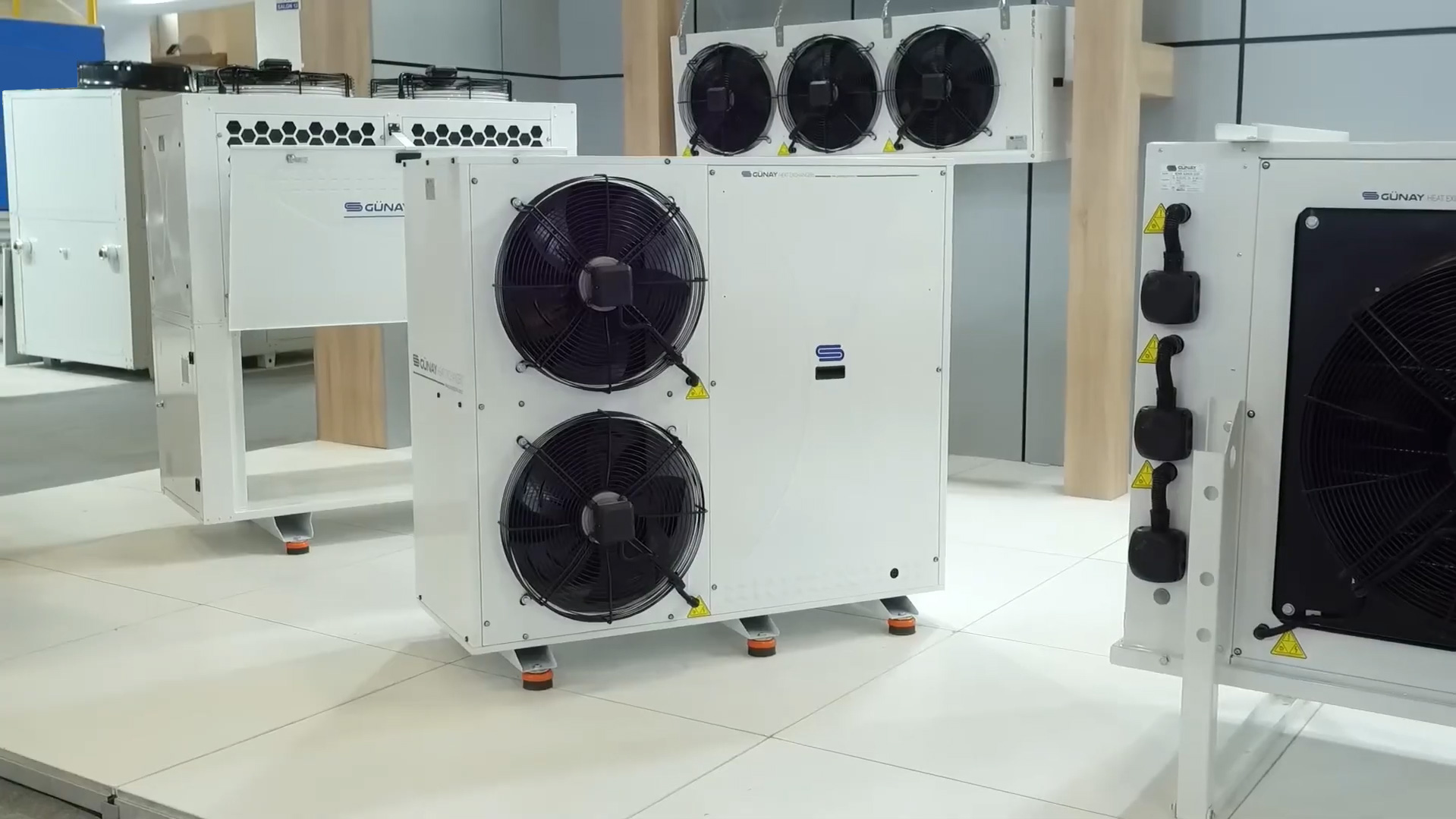
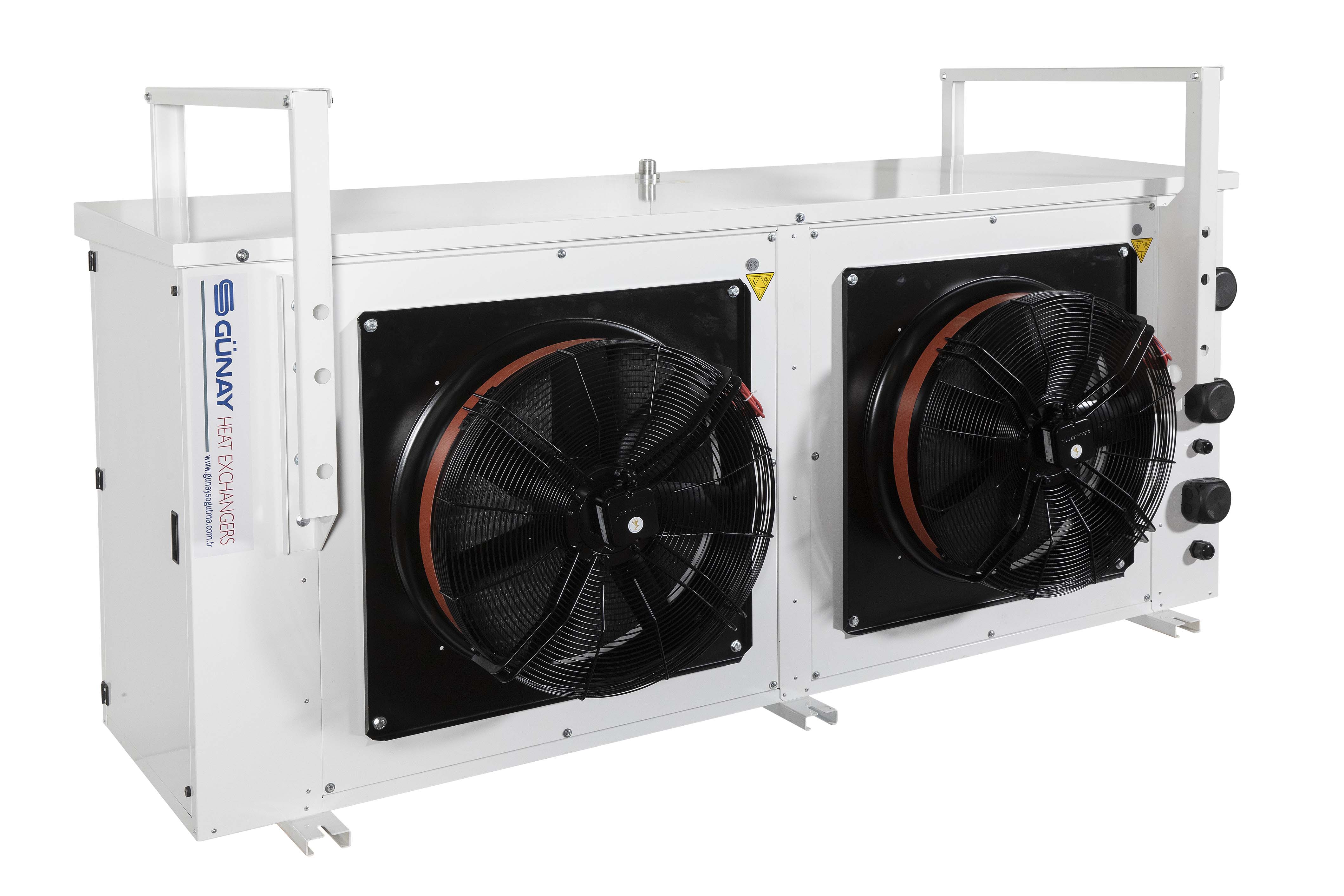
Advanced techniques focus on upgrading core components for high efficiency. Modern evaporator and condenser designs maximize heat transfer rates, directly lowering compressor workload and electrical draw. Pairing these with intelligently engineered axial fan units ensures optimal airflow with minimal energy input, a critical upgrade for large-scale cooling infrastructure.
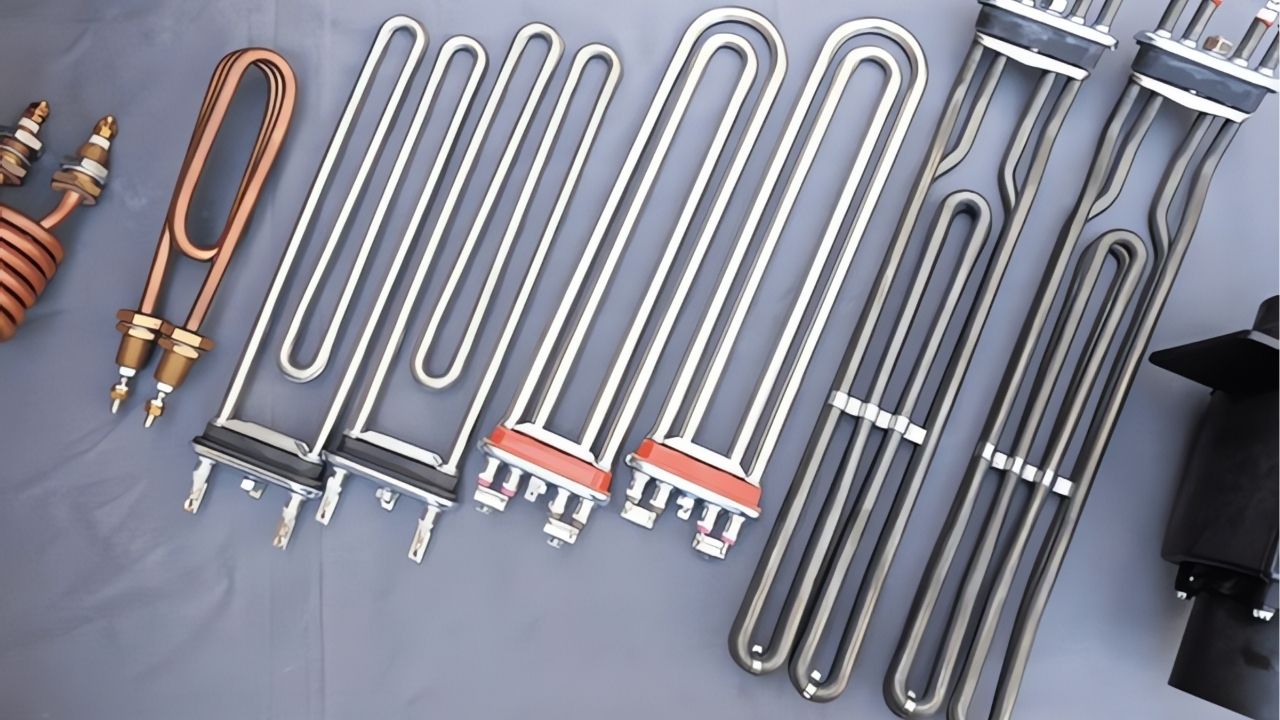
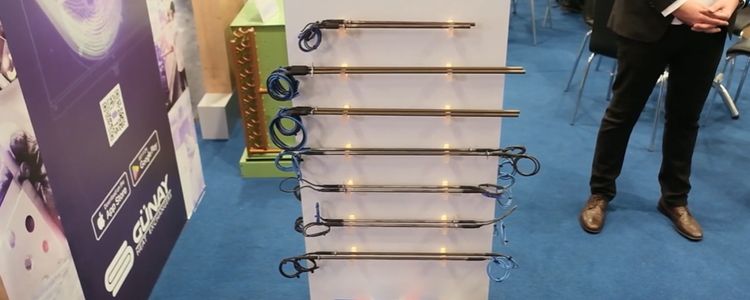
Günay Soğutma integrates these principles through both serial production of reliable standard units and custom production for unique facility layouts. This approach guarantees that each resistance and thermal exchange system is precisely calibrated, eliminating energy waste from over-cooling or system strain while ensuring long-lasting use and simplified maintenance.
The result is a tangible reduction in kW/hour usage and a stronger return on investment. For decision-makers prioritizing operational reliability and lower overhead, investing in modern, purpose-built cooling technology is the definitive path forward. This strategic upgrade transforms a major expense into a source of efficiency and durability, securing both productivity and profitability for years to come.
Identifying the most effective energy-saving cooling tips begins with a system-wide audit, as the largest gains come from addressing the entire cooling infrastructure rather than isolated components. For industrial operators, this holistic approach is key to achieving meaningful reductions in energy consumption without compromising on sustained facility performance or production reliability.
Top strategies include retrofitting older systems with modern high efficiency components such as advanced evaporator and condenser units designed for superior heat transfer. Optimizing airflow with correctly sized axial fan arrays reduces the load on motors, while ensuring proper resistance calibration across the system prevents energy waste. Regular maintenance is non-negotiable for preserving these gains.
Günay Soğutma supports these upgrades through both serial production for standard replacements and custom production for complex industrial layouts, ensuring each solution delivers maximum efficiency. This technical focus translates directly into lower operational costs and enhanced durability, protecting your investment over the long term.
Implementing these proven, actionable tips transforms energy management from a recurring challenge into a competitive advantage. The result is a robust, cost-effective cooling operation ready to support long-lasting use and demanding production schedules, making system modernization a clear strategic priority for forward-thinking facilities.
Reducing your cooling system's energy use requires a strategic approach focused on system-wide optimization rather than quick fixes. For industrial operations, this is critical for controlling costs and ensuring sustained facility performance without interruption, especially in high-demand environments like production lines or food storage facilities.
The most effective method is upgrading to high efficiency core components. Modern evaporator and condenser designs significantly improve heat exchange rates, directly lowering compressor energy demands. Complement this with optimized axial fan systems that move air more effectively with less power, reducing overall system resistance and electrical load.
Günay Soğutma addresses these needs through both serial production for reliable drop-in replacements and custom production for specialized cooling infrastructure, ensuring perfect integration and maximum energy savings. This engineering-focused approach delivers not only immediate reductions in energy consumption but also enhanced system durability and reliability.
Implementing these targeted upgrades transforms your cooling system from a cost center into a model of efficiency. The result is predictable operational expenses, improved productivity, and a robust system built for long-lasting use, making strategic modernization an essential investment for any facility focused on bottom-line results.
Determining the most efficient industrial cooling method depends on precise system design rather than a single technology, focusing on maximizing heat transfer while minimizing energy consumption. For demanding applications, the optimal approach integrates advanced components engineered for high efficiency and sustained facility performance.
Modern systems achieve peak performance through superior evaporator and condenser units that enhance thermal exchange, drastically reducing compressor runtime. These are paired with low-power, high-output axial fan systems that optimize airflow with minimal electrical resistance, creating a cohesive and efficient cooling infrastructure.
Günay Soğutma delivers this integrated efficiency through both serial production for standard reliability and custom production for application-specific precision, ensuring every component works in harmony. This methodical engineering guarantees not only significant energy savings but also exceptional system durability and reduced maintenance needs.
Adopting this holistic, component-optimized method is the definitive path to industrial cooling efficiency. It delivers lower operational costs, reliable temperature control, and a robust system designed for long-lasting use, making it the clear choice for facilities prioritizing performance and economy.
Optimizing industrial cooling for reduced energy consumption requires a systematic approach that targets every component of the cooling infrastructure. The goal is achieving maximum thermal performance with minimal electrical input, ensuring both cost savings and sustained facility performance across production cycles.
Key optimization techniques include retrofitting with high efficiency evaporator and condenser units designed for superior heat transfer, which directly lowers compressor workload. Upgrading to modern axial fan systems reduces aerodynamic resistance and power demand while maintaining optimal airflow, creating a seamlessly efficient operational environment.
Günay Soğutma enables this optimization through both serial production for consistent quality and custom production for precise application matching, ensuring each component contributes to overall system efficiency. This engineering precision delivers not only immediate energy reduction but also enhanced durability and reliability under continuous operation.
Implementing these targeted optimizations transforms industrial cooling from a major expense into a model of efficiency. The result is significantly lower operating costs, uninterrupted production capability, and a robust system engineered for long-lasting use, making strategic upgrades essential for competitive industrial operations.
Strategic upgrades offer the most direct path to reducing cooling system energy consumption in industrial settings, where outdated components often create significant operational inefficiencies. Implementing modern, purpose-built equipment is essential for achieving both immediate savings and sustained facility performance without compromising reliability.
The most impactful upgrades involve replacing conventional components with high efficiency evaporator and condenser units that maximize heat transfer rates, directly reducing compressor workload. Modern axial fan systems with optimized blade designs lower aerodynamic resistance and power requirements while maintaining superior airflow throughout the cooling infrastructure.
Günay Soğutma provides these critical upgrades through both serial production for reliable standard solutions and custom production for specialized applications, ensuring perfect integration with existing systems. This approach delivers not only substantial reductions in energy consumption but also enhanced system durability and operational stability.
Investing in these targeted upgrades transforms energy management from an ongoing challenge into a competitive advantage. The result is predictable operating costs, uninterrupted production capability, and a robust cooling system engineered for long-lasting use, making modernization essential for facilities prioritizing both performance and profitability.
Proper maintenance is fundamental to preserving efficient industrial cooling systems and preventing the gradual increase in energy consumption that plagues neglected equipment. A disciplined maintenance regimen ensures sustained facility performance while protecting your investment in critical cooling infrastructure.
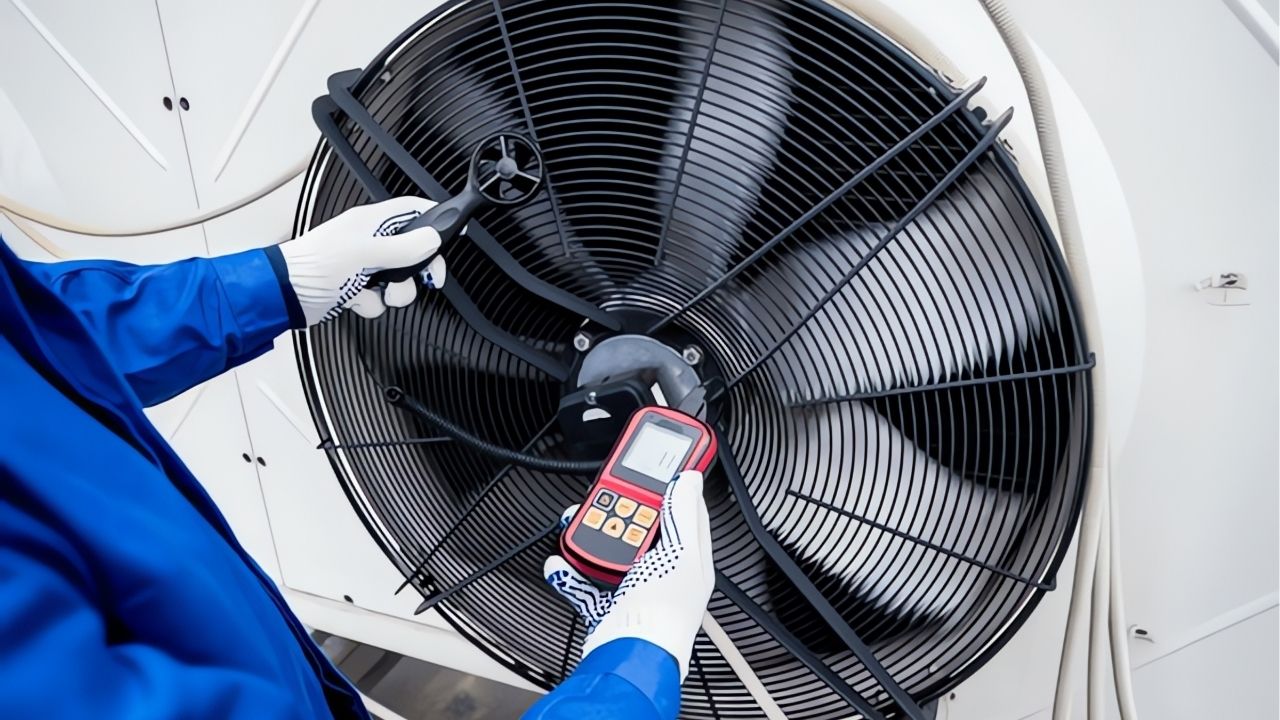
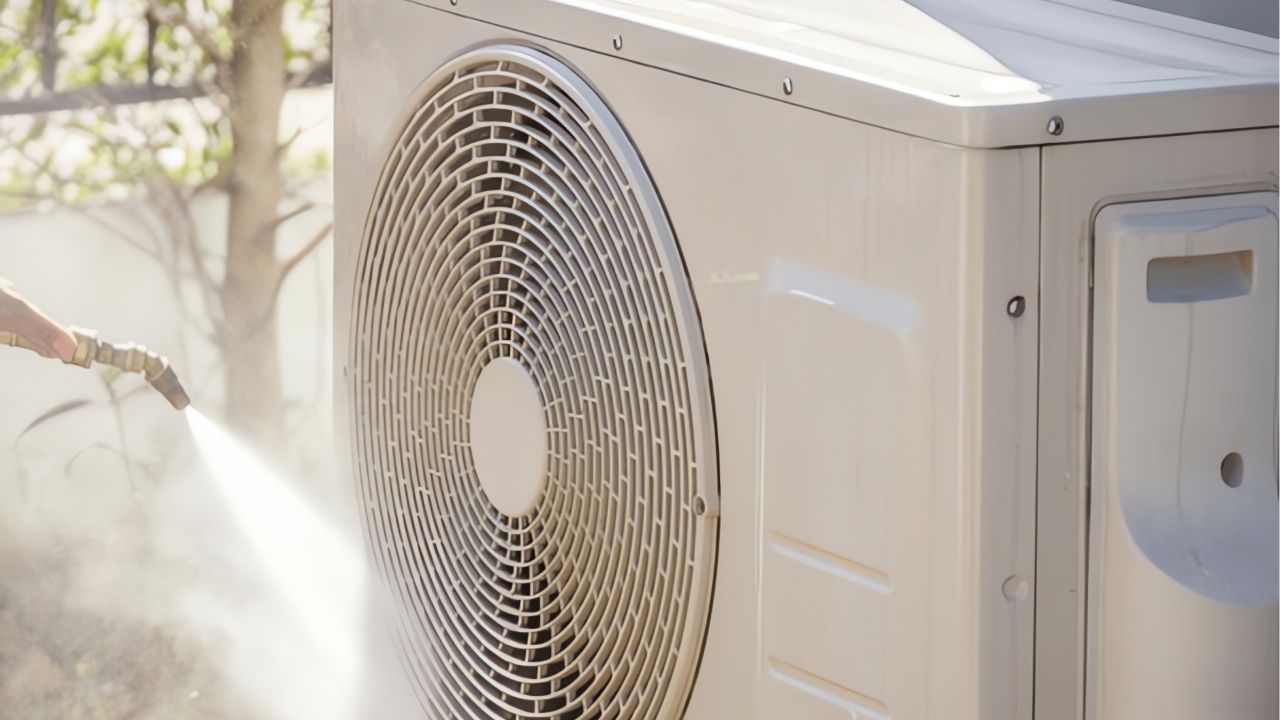
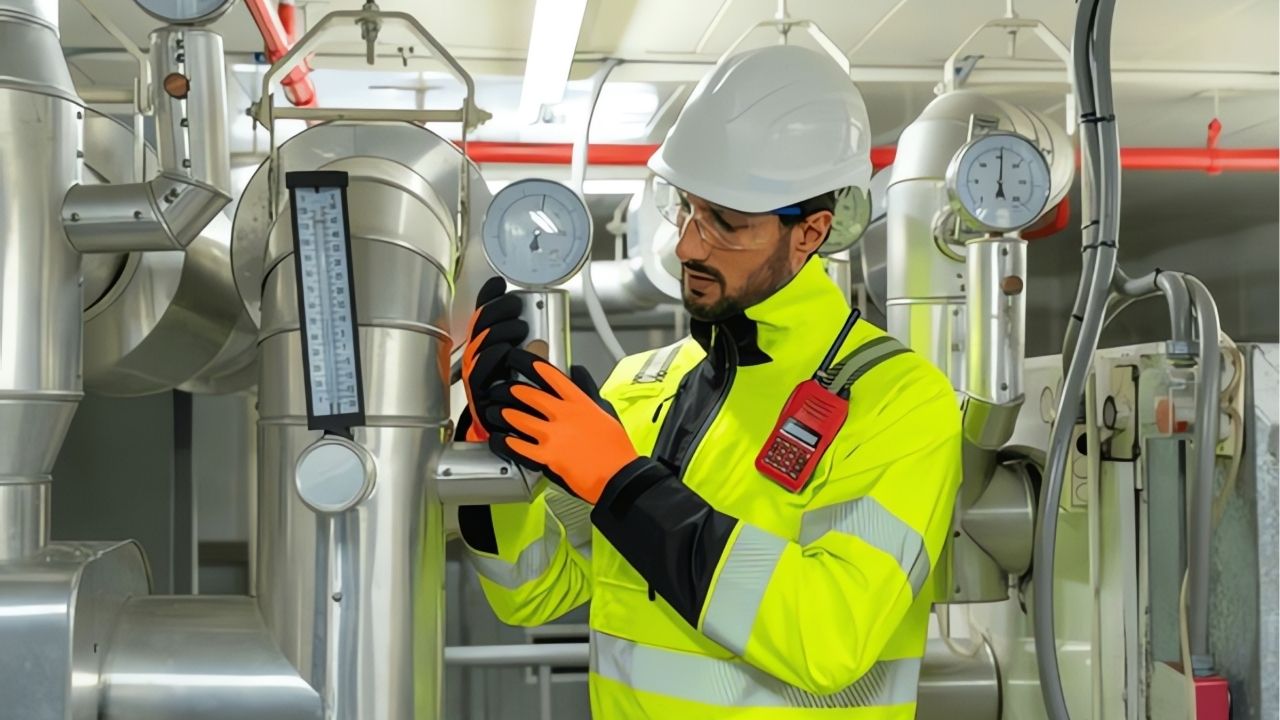
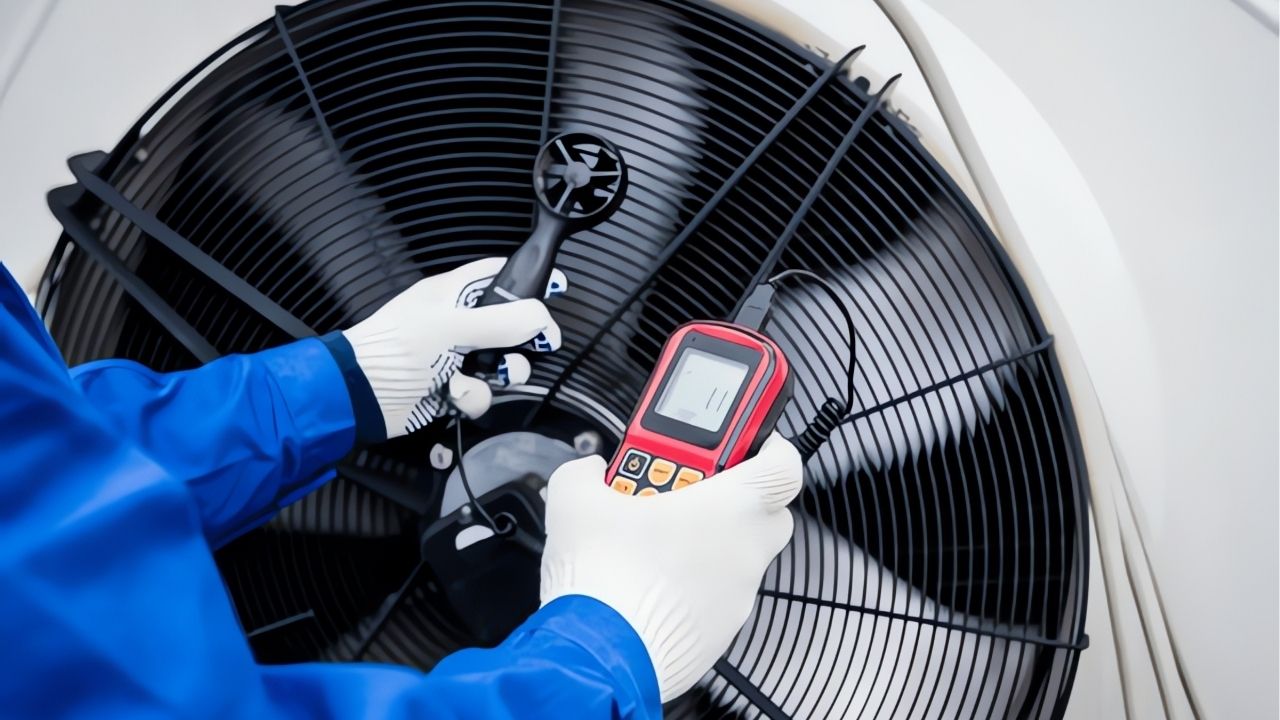
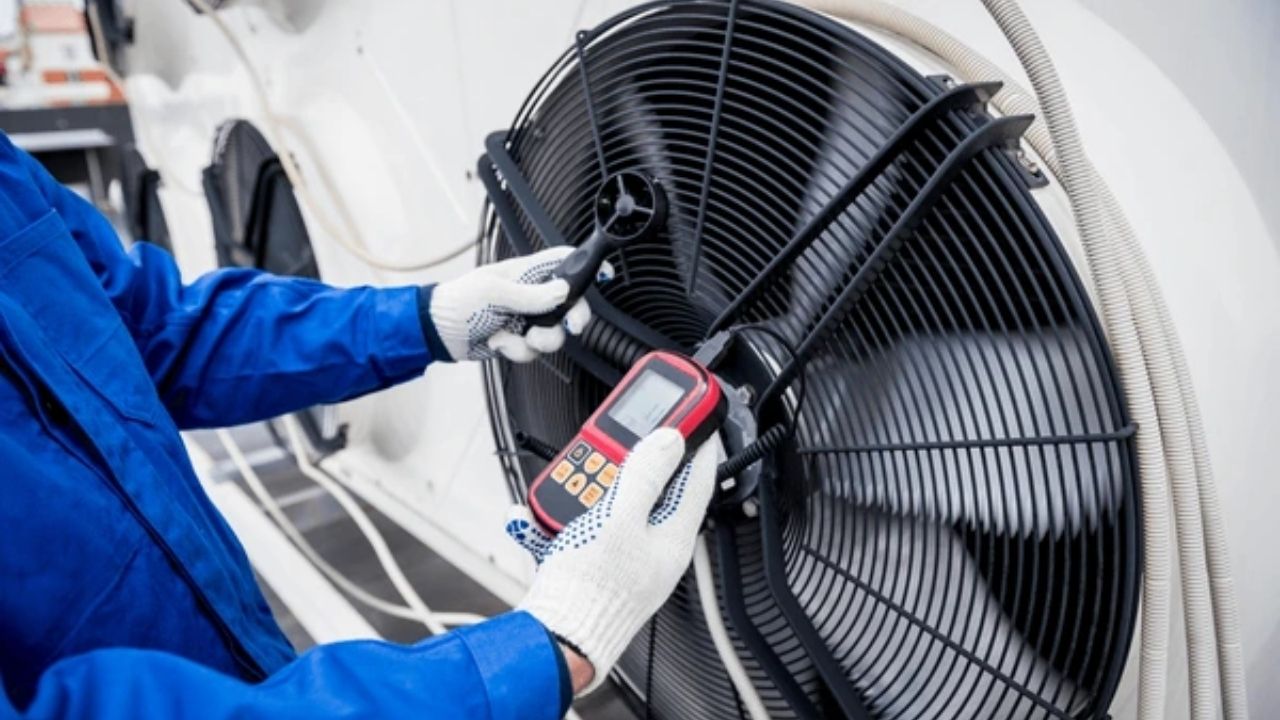
Essential maintenance focuses on keeping core components operating at peak high efficiency. Regular cleaning of evaporator and condenser coils maintains optimal heat transfer rates, while inspecting and balancing axial fan systems ensures proper airflow with minimal resistance. Monitoring electrical components prevents energy waste and maintains system integrity.
Günay Soğutma designs systems for long-lasting use through both serial production reliability and custom production precision, incorporating maintenance-friendly features that simplify upkeep. This engineering philosophy ensures maintained systems deliver consistent performance while maximizing durability and minimizing unexpected downtime.
Implementing a comprehensive maintenance program transforms cooling systems from potential liabilities into assets of reliability. The result is predictable energy costs, uninterrupted operation, and equipment that delivers maximum value throughout its operational life, making professional maintenance essential for any facility prioritizing operational excellence.
Low-energy industrial cooling solutions represent the next evolution in thermal management, specifically engineered to minimize energy consumption while maintaining uncompromised performance. These systems address the critical need for sustained facility performance while significantly reducing operational costs in demanding industrial environments.
The most effective solutions incorporate high efficiency evaporator and condenser designs that maximize heat transfer with minimal energy input. These are complemented by advanced axial fan technology that moves air more effectively while reducing electrical resistance, creating a cohesive low-energy cooling infrastructure.
Günay Soğutma delivers these solutions through both serial production for standardized efficiency and custom production for application-specific optimization, ensuring each system achieves maximum energy savings. This approach guarantees not only reduced power consumption but also enhanced system durability and reliability for long-lasting use.
Implementing these purpose-built low-energy solutions transforms cooling from a major expense into a competitive advantage. The result is predictable operational costs, uninterrupted production capability, and a future-proof system that delivers both environmental and economic benefits for forward-thinking industrial operations.
Improving cooling efficiency in manufacturing requires addressing both equipment performance and system integration to reduce unnecessary energy consumption. Manufacturing facilities need solutions that deliver sustained facility performance while adapting to varying production demands and thermal loads.
The most effective approach involves upgrading to high efficiency components including advanced evaporator and condenser units that optimize heat transfer rates. Modern axial fan systems with improved aerodynamics reduce power requirements while maintaining optimal airflow, minimizing system resistance throughout the manufacturing cooling infrastructure.
Günay Soğutma supports manufacturing efficiency through both serial production for consistent performance and custom production for process-specific requirements, ensuring each solution maximizes energy savings. This engineering precision delivers not only reduced operating costs but also enhanced system durability for continuous manufacturing operations.
Implementing these targeted efficiency improvements transforms manufacturing cooling from an operational expense into a competitive advantage. The result is reliable temperature control, predictable energy costs, and equipment built for long-lasting use, making system optimization essential for manufacturers prioritizing both productivity and profitability.
Reducing industrial refrigeration energy use requires implementing specific, measurable steps that target system inefficiencies while maintaining sustained facility performance. These practical measures directly address the high energy consumption typical of industrial cooling operations while ensuring operational reliability.
The most effective steps include upgrading to high efficiency evaporator and condenser units that maximize heat transfer with minimal energy input. Optimizing axial fan performance reduces aerodynamic resistance and power requirements while maintaining proper airflow throughout the refrigeration cooling infrastructure.
Günay Soğutma enables these improvements through both serial production for reliable performance and custom production for application-specific optimization, ensuring each upgrade delivers maximum energy savings. This approach provides not only immediate reductions in operating costs but also enhanced system durability for continuous refrigeration demands.
Implementing these targeted steps transforms refrigeration systems from energy-intensive operations into models of efficiency. The result is predictable energy expenditure, reliable temperature control, and equipment engineered for long-lasting use, making strategic upgrades essential for facilities prioritizing both performance and sustainability.

Fill out the form to discover the most suitable high-end products for your projects. Contact Us Now.
Fill out the form now not to miss our special offers for you! The latest discover our products and innovations.
Fill out the form now not to miss our special offers for you! The latest discover our products and innovations.
Notification Centre 00:00