


Heater Faults: Symptoms and Troubleshooting Methods
06 / 07 / 2026

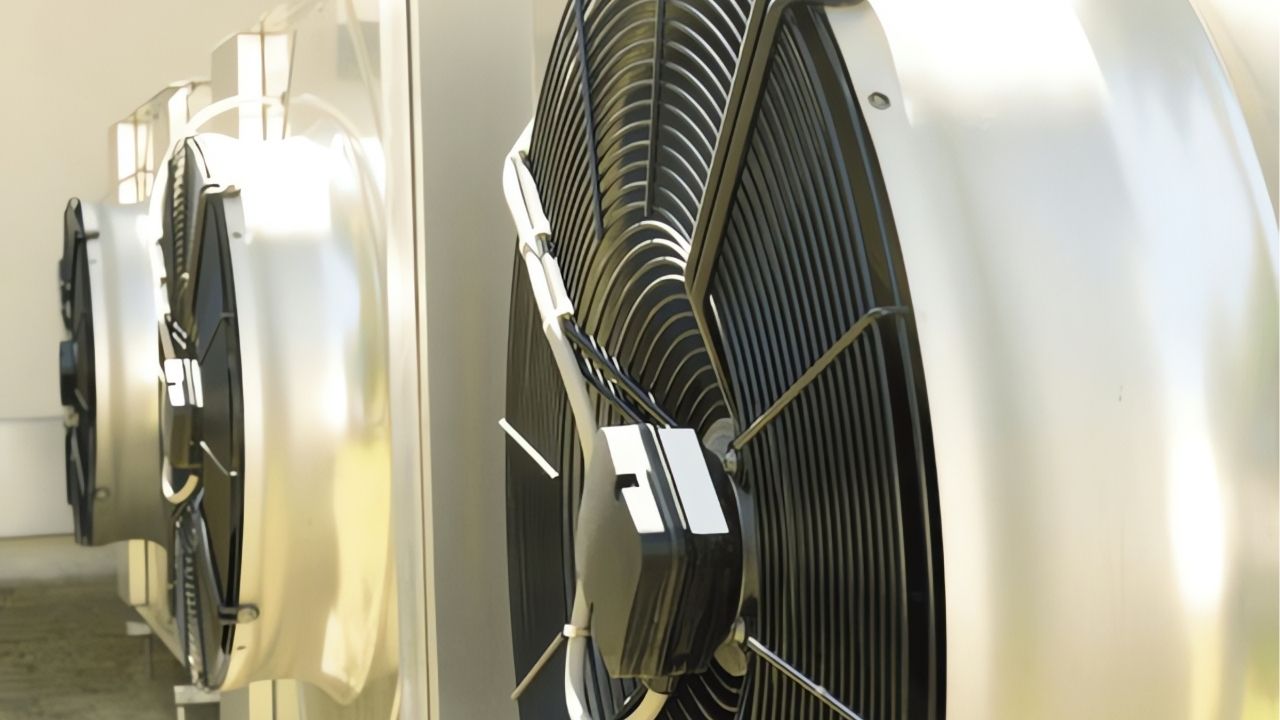
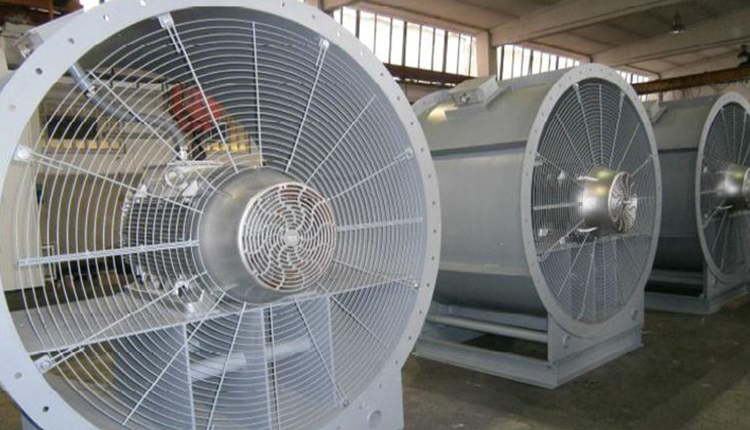
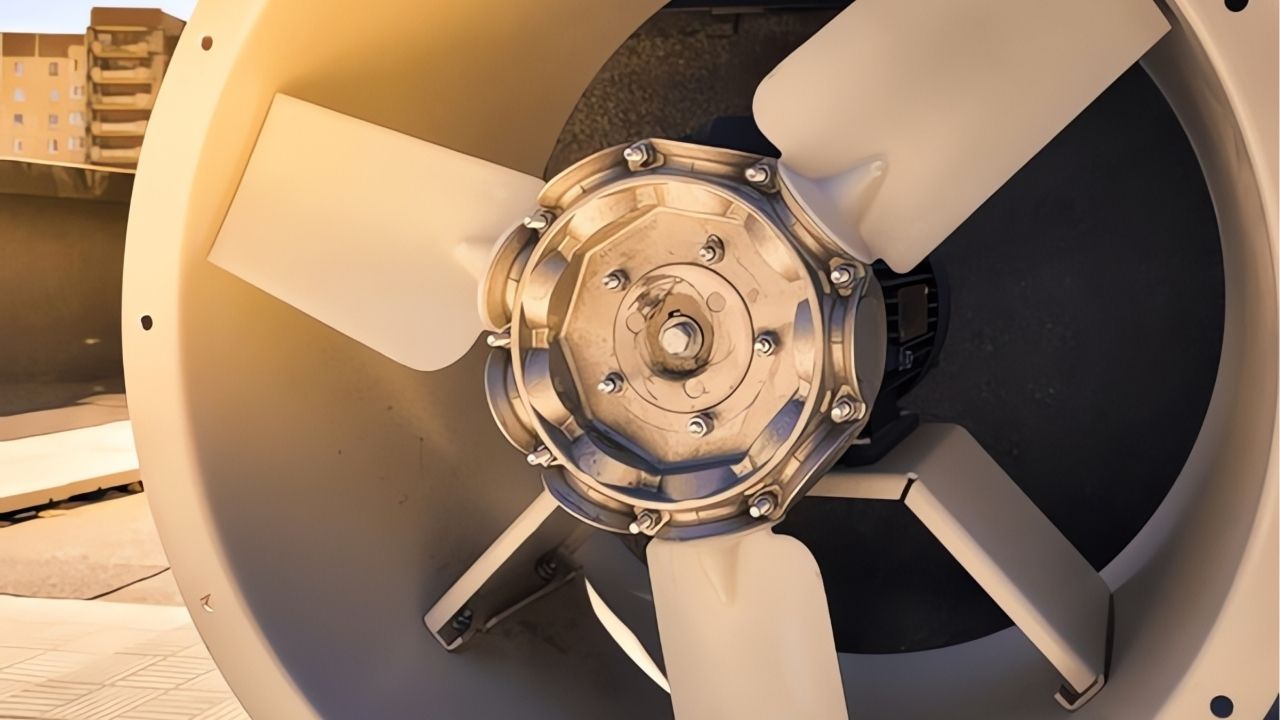
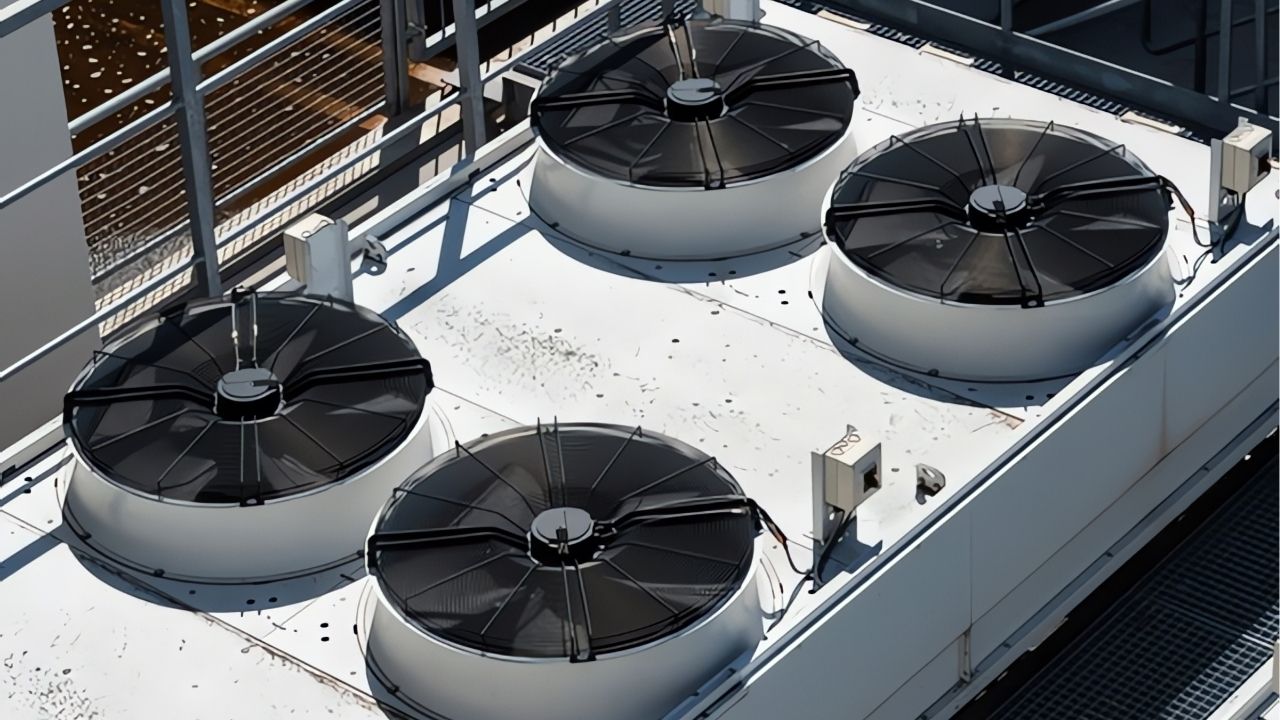
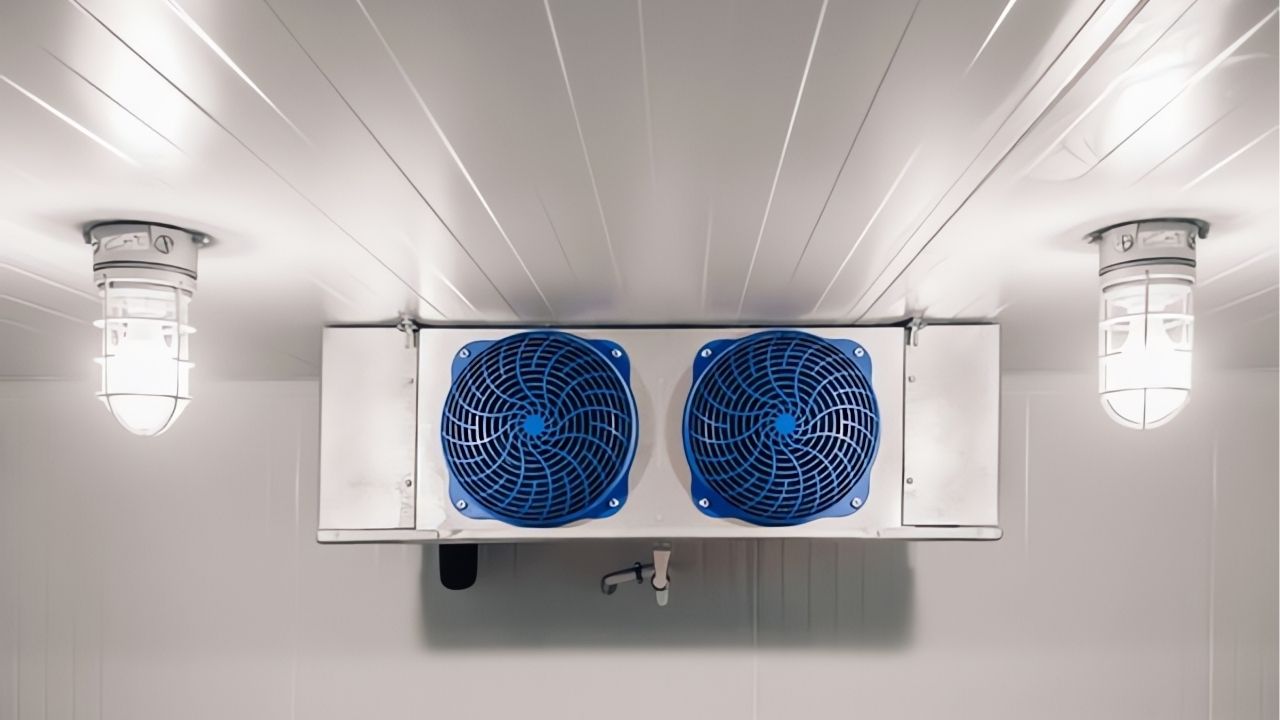
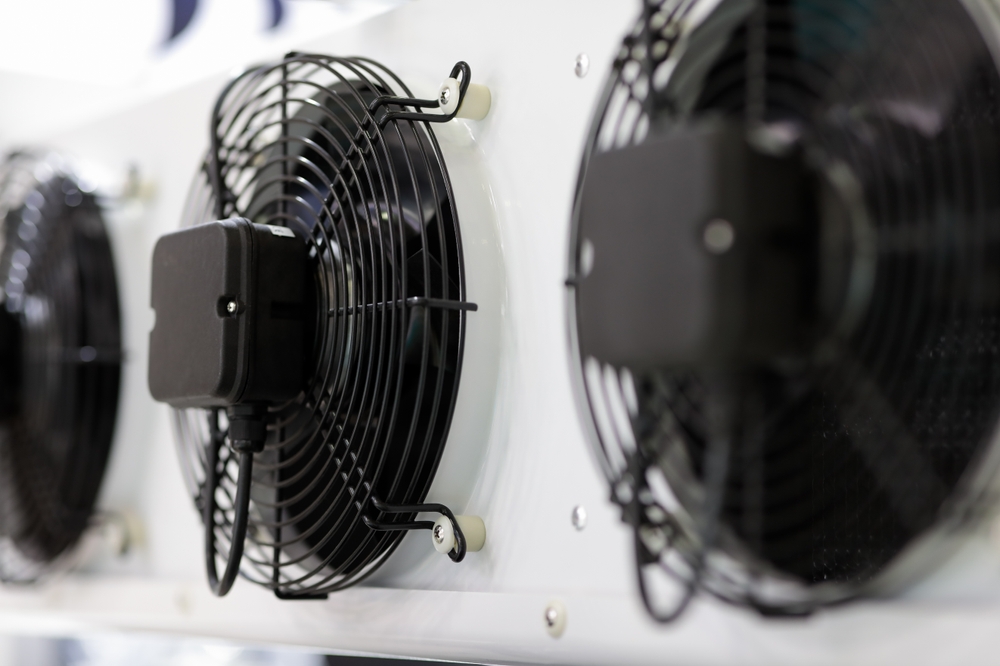
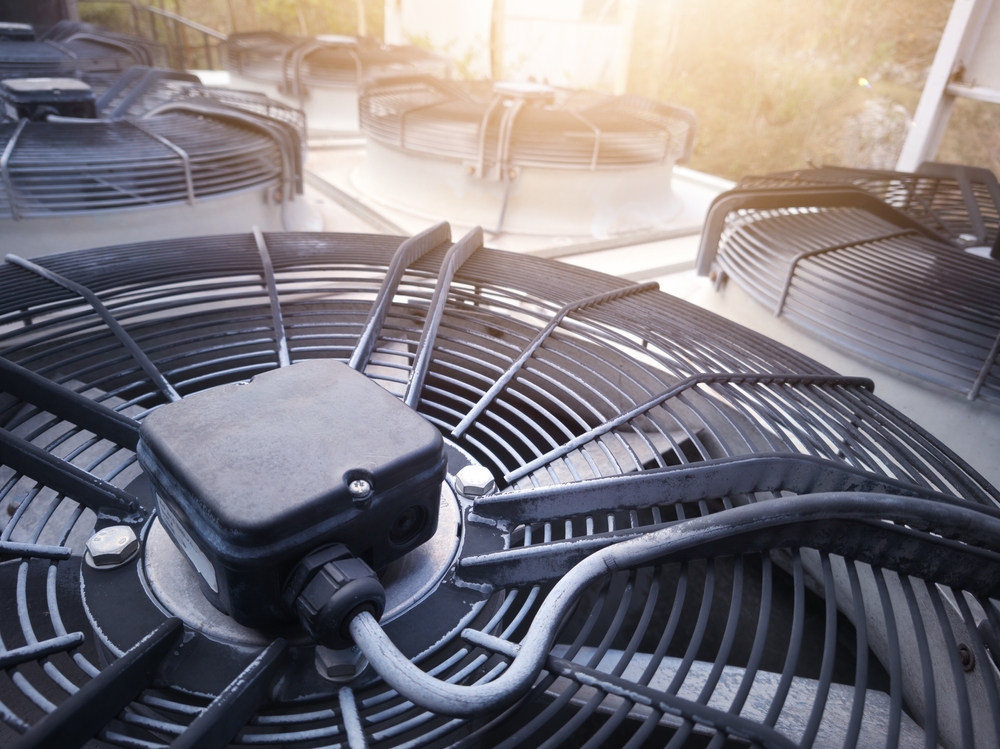
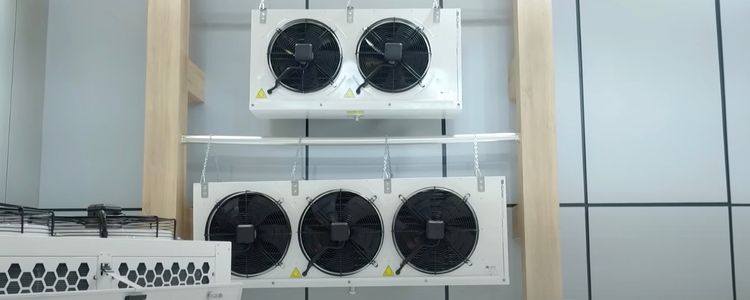
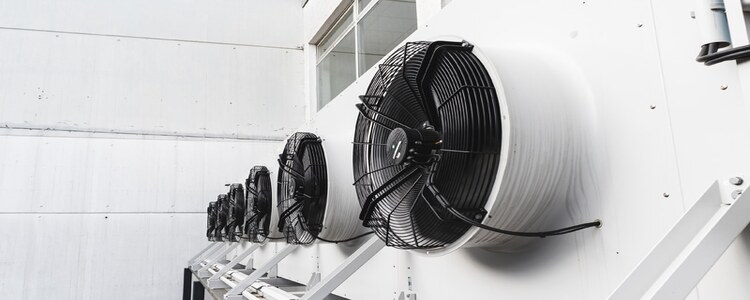
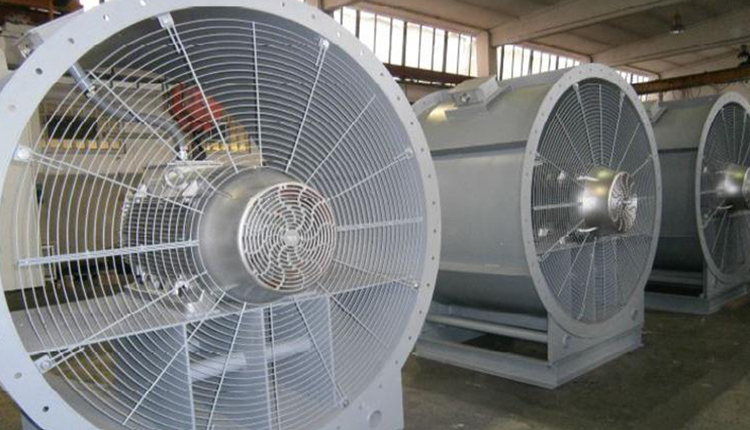
Selecting the optimal axial fan demands precise evaluation of airflow requirements, static pressure, and environmental conditions to ensure peak performance in industrial settings. Facilities facing cooling inefficiencies or excessive energy consumption often overlook critical factors like blade pitch, motor efficiency, and material durability, leading to compromised system longevity and inflated operational costs.
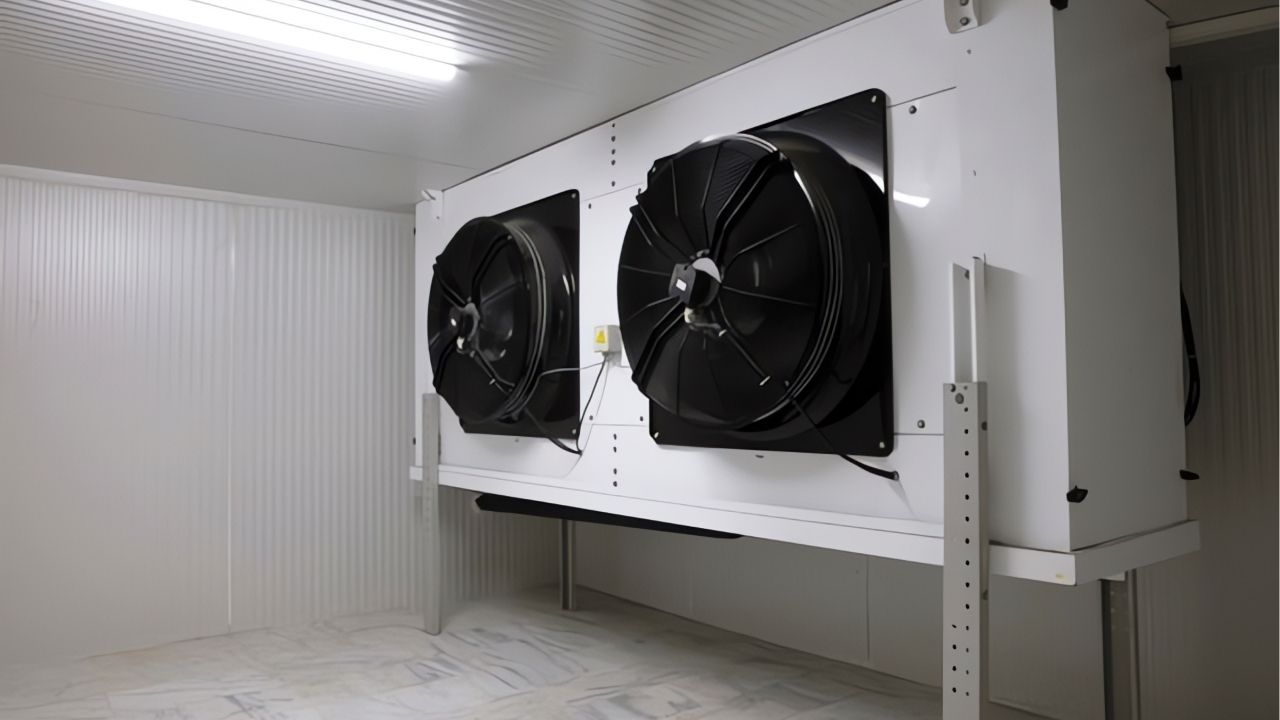
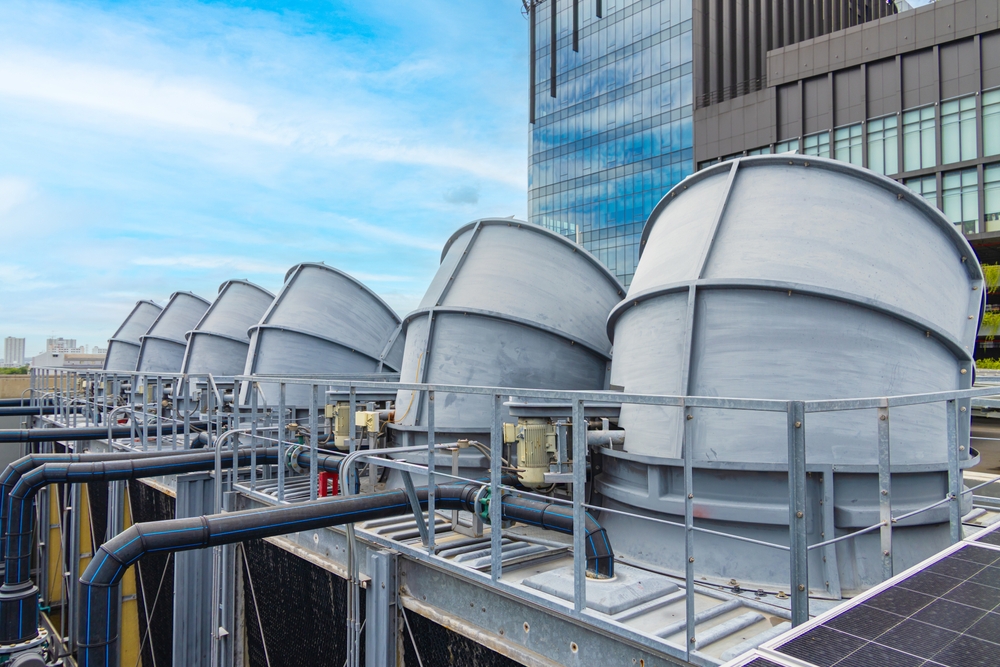
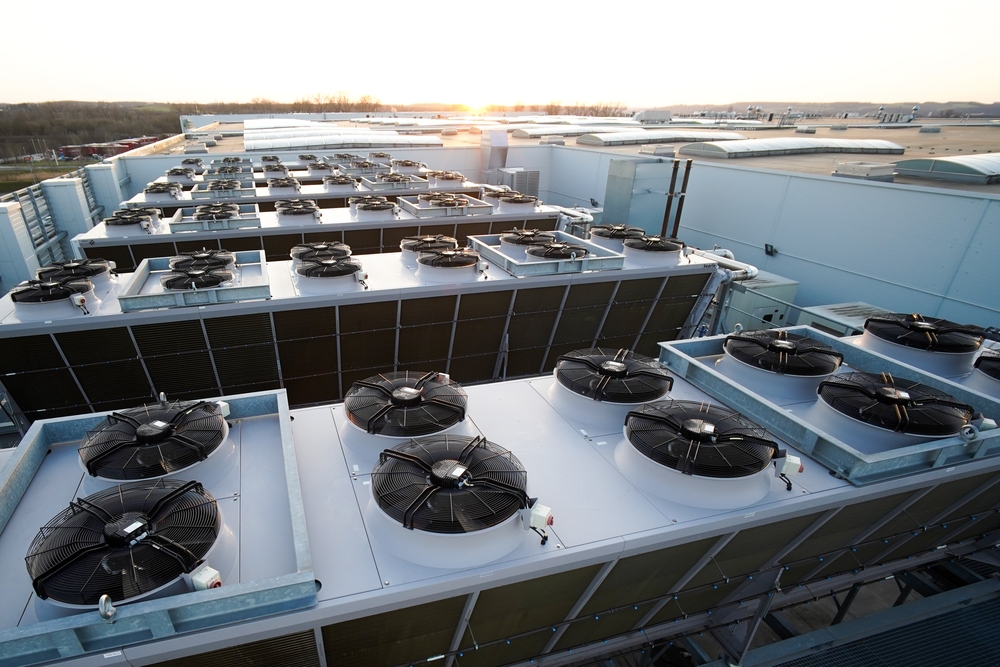
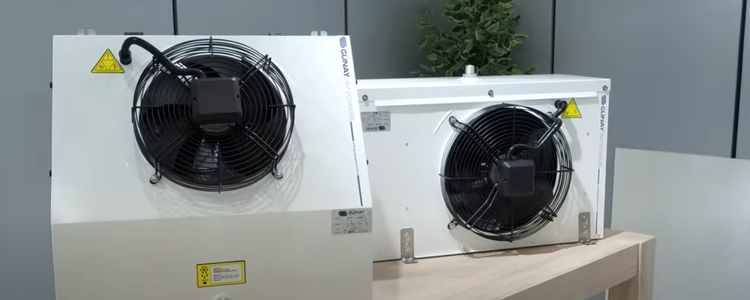
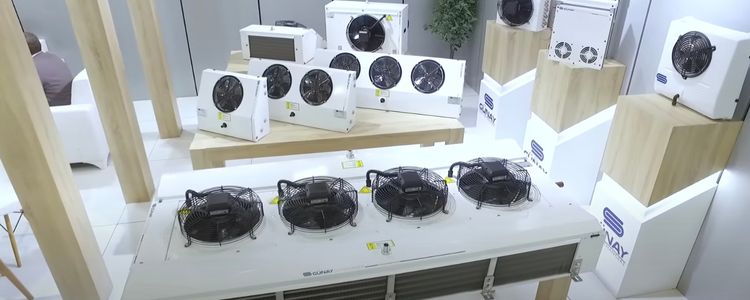
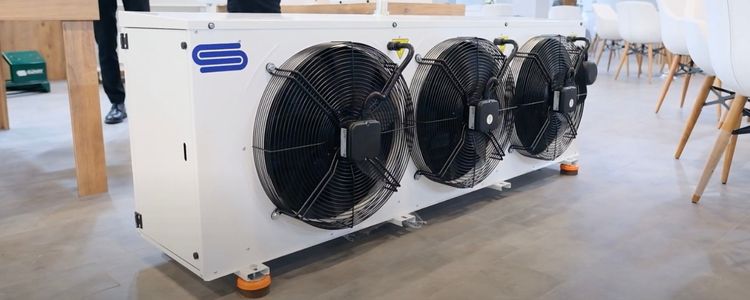
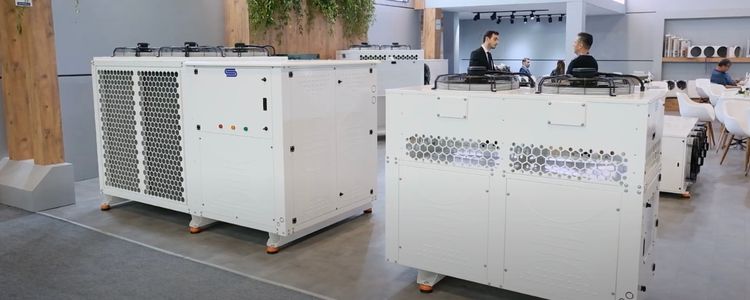
Modern cooling infrastructure relies on axial fans engineered for specific applications, whether maintaining consistent temperatures in food processing lines or managing heat loads in power generation facilities. Günay Soğutma's expertise in custom production enables precise matching of fan specifications to unique facility requirements, from blade diameter to housing materials resistant to corrosive environments.
Advanced features like aerodynamically optimized blades and energy efficiency ratings directly impact operational costs, with properly sized units reducing power consumption by up to 40 percent compared to outdated models. For facilities in the food sector, stainless steel construction and sealed motors prevent contamination while withstanding rigorous sanitation protocols.
Integration with existing cooling systems requires careful consideration of mounting configurations and control compatibility. Günay Soğutma's technical expertise ensures seamless implementation, whether retrofitting legacy equipment or designing new installations for maximum airflow efficiency.
Proactive maintenance planning extends equipment lifespan, with accessible components and corrosion-resistant materials minimizing downtime. Facilities investing in properly specified axial fans report significant improvements in sustained facility performance and reduced total cost of ownership over decades of operation.
Determining the correct axial fan size requires precise calculation of cubic feet per minute (CFM) requirements based on space volume, heat load, and desired air changes per hour. Industrial facilities often underestimate the impact of static pressure and system resistance, leading to inadequate ventilation and increased energy consumption.
Advanced cooling infrastructure design incorporates computational fluid dynamics to model airflow patterns, ensuring optimal fan placement and sizing. Günay Soğutma's engineering team utilizes industry-standard calculations that account for ductwork configuration, equipment heat output, and ambient conditions to specify fans that deliver precise airflow capacity.
For industrial facilities with high heat-generating equipment, proper sizing prevents thermal hotspots and maintains consistent operating temperatures. The relationship between fan diameter, motor power, and blade design directly impacts energy efficiency, with correctly sized units operating at peak performance while minimizing power consumption.
Real-world applications demonstrate that oversized fans create unnecessary noise and turbulence, while undersized units strain to meet demand, reducing equipment lifespan. Günay Soğutma's technical expertise in custom production ensures each fan matches specific spatial constraints and performance requirements, whether for compact machinery cooling or large-scale facility ventilation.
Modern axial fan technology incorporates variable frequency drives and smart controls, allowing precise adjustment to changing conditions while maintaining optimal airflow. Facilities that invest in properly sized cooling solutions report significant improvements in sustained facility performance and reduced maintenance costs over time.
Selecting the optimal axial fan for industrial applications requires balancing performance specifications with operational demands to ensure reliable cooling under varying conditions. Facilities must evaluate static pressure requirements, airflow volume, and environmental factors to prevent system inefficiencies that compromise cooling infrastructure integrity.
Advanced industrial cooling solutions incorporate aerodynamically optimized blades and high-efficiency motors that reduce energy consumption by up to 35 percent compared to conventional models. Günay Soğutma's engineering approach emphasizes custom production capabilities, ensuring each fan meets specific operational parameters while maintaining energy efficiency standards.
Material selection plays a crucial role in long-lasting use, particularly in demanding environments like food processing or chemical plants where corrosion resistance is essential. Modern axial fans feature robust construction with powder-coated or stainless-steel components that withstand harsh conditions while maintaining consistent performance.
Integration with existing cooling systems requires precise engineering to ensure compatibility and optimal airflow distribution. Günay Soğutma's technical expertise in serial production enables consistent quality across large-scale installations, from manufacturing plants to power generation facilities.
Smart control systems and variable frequency drives allow real-time adjustment to changing thermal loads, optimizing performance while reducing wear on components. Facilities that implement properly specified axial fans experience significant improvements in sustained facility performance and reduced total cost of ownership over the equipment's operational lifespan.
Selecting the right axial fan requires careful evaluation of performance specifications against operational requirements to ensure optimal cooling infrastructure efficiency. Key considerations include airflow capacity, static pressure capabilities, and energy consumption metrics that directly impact long-term operational costs.
Material construction significantly influences durability, with industrial-grade aluminum or stainless-steel housings offering superior corrosion resistance in harsh environments. Günay Soğutma's custom production capabilities ensure precise matching of materials to specific application requirements, whether for food processing facilities or chemical plants.
Motor efficiency ratings and bearing quality directly affect long-lasting use, with premium components reducing maintenance needs and extending service intervals. Modern axial fans incorporate advanced blade designs that optimize airflow while minimizing noise and vibration, crucial for maintaining sustained facility performance.
Integration capabilities with existing cooling systems should be evaluated, including mounting options and control system compatibility. Günay Soğutma's technical expertise in serial production ensures consistent quality and performance across all units, from single installations to large-scale projects.
Certifications and compliance with international standards provide assurance of quality and reliability, while advanced features like thermal protection and variable speed controls enhance operational flexibility. Facilities that prioritize these factors when selecting axial fans achieve significant improvements in energy efficiency and reduced total cost of ownership over the equipment's lifespan.
Accurately calculating CFM requirements for axial fans is fundamental to achieving optimal cooling infrastructure performance in industrial settings. The process involves measuring space volume, determining required air changes per hour, and accounting for heat-generating equipment to establish precise airflow needs.
Advanced calculation methods incorporate computational fluid dynamics to model airflow patterns and identify potential obstructions that could impact system efficiency. Günay Soğutma's engineering team utilizes industry-standard formulas that consider ductwork resistance, static pressure losses, and environmental factors to specify fans that deliver exact airflow capacity.
For industrial facilities with complex layouts, proper CFM calculation prevents under-ventilation that leads to heat buildup and equipment stress. The relationship between fan size, motor power, and system resistance directly impacts energy efficiency, with correctly sized units operating at peak performance while minimizing power consumption.
Real-world applications demonstrate that precise CFM specification extends equipment lifespan and maintains consistent operating temperatures. Günay Soğutma's technical expertise in custom production ensures each fan meets specific CFM requirements, whether for targeted spot cooling or comprehensive facility ventilation.
Modern axial fan technology incorporates variable frequency drives that adjust airflow based on real-time demand, optimizing energy efficiency while maintaining precise environmental control. Facilities that implement properly calculated CFM specifications report significant improvements in sustained facility performance and reduced operational costs over time.
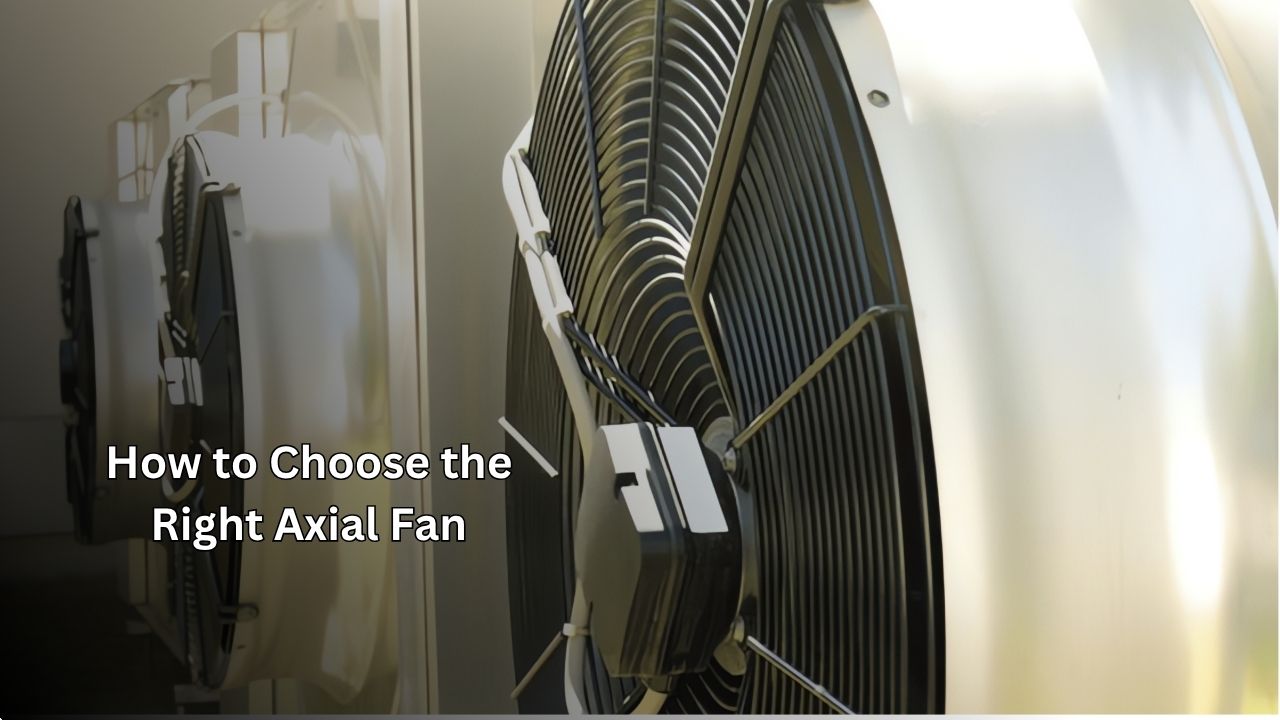
Superior industrial axial fans distinguish themselves through precision engineering, premium materials, and advanced manufacturing processes that ensure reliable operation in demanding environments. These components work together to deliver optimal cooling infrastructure performance while minimizing energy consumption and maintenance requirements.
High-grade materials such as marine-grade aluminum and stainless steel provide exceptional durability against corrosion and wear, particularly crucial in harsh industrial settings. Günay Soğutma's custom production capabilities ensure precise material selection based on specific environmental challenges, from chemical exposure to extreme temperatures.
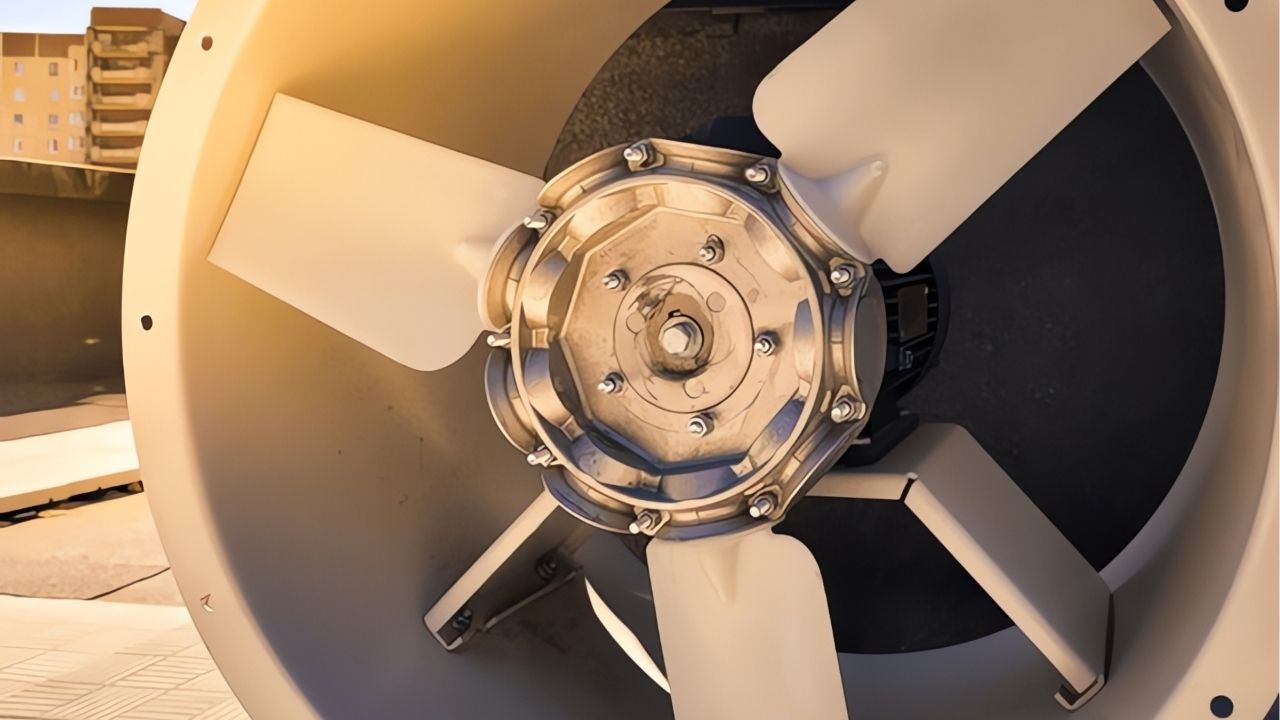
Advanced aerodynamic blade designs optimize airflow efficiency while reducing noise and vibration, contributing to longer equipment lifespan and improved working conditions. Premium bearings and sealed motors enhance long-lasting use, with maintenance intervals extended by up to 40 percent compared to standard industrial fans.
Integration with modern cooling systems is seamless, featuring standardized mounting options and compatibility with automated controls. Günay Soğutma's technical expertise in serial production ensures consistent quality across all units, maintaining precise performance specifications for critical applications.
Energy-efficient motors and optimized blade geometries contribute to significant reductions in power consumption, directly impacting operational costs. Facilities investing in high-quality axial fans experience measurable improvements in sustained facility performance and reduced total cost of ownership, with many units operating reliably for decades in continuous industrial applications.
Properly matching an axial fan to specific cooling requirements demands comprehensive analysis of thermal loads, space constraints, and environmental conditions. This precise alignment ensures optimal cooling infrastructure performance while preventing energy waste and premature equipment failure.
Advanced thermal mapping techniques identify heat concentration areas within industrial facilities, enabling strategic fan placement for maximum cooling efficiency. Günay Soğutma's engineering approach incorporates computational fluid dynamics to model airflow patterns and optimize fan selection for specific applications.
Critical factors include static pressure requirements, ambient temperature ranges, and air quality considerations that influence material selection and motor specifications. The integration of variable frequency drives allows precise adjustment of airflow capacity to match real-time cooling demands, significantly enhancing energy efficiency.
For specialized applications in the food sector or chemical processing, corrosion-resistant materials and sealed components ensure long-lasting use despite harsh operating conditions. Günay Soğutma's technical expertise in custom production enables precise matching of fan specifications to unique facility requirements.
Properly matched axial fans contribute to sustained facility performance by maintaining consistent operating temperatures and reducing thermal stress on equipment. Facilities that invest in correctly specified cooling solutions report significant reductions in energy consumption and maintenance costs while extending the operational lifespan of their cooling systems.
Evaluating axial fan specifications requires careful attention to performance metrics that directly impact cooling infrastructure effectiveness. Key parameters include airflow capacity (CFM), static pressure capabilities, and power consumption, which together determine operational efficiency and long-term reliability.
Motor specifications, particularly efficiency ratings and insulation class, significantly influence energy efficiency and service life in demanding industrial environments. Günay Soğutma's engineering standards emphasize premium components that ensure consistent performance while minimizing maintenance requirements across various applications.
Material composition and construction quality directly affect durability, with industrial-grade aluminum and stainless steel offering superior resistance to corrosion and wear. The integration of aerodynamically optimized blades enhances airflow efficiency while reducing noise and vibration levels in critical operations.
Certification compliance, including IP ratings for ingress protection and ATEX for hazardous environments, ensures safety and reliability in specialized applications. Günay Soğutma's technical expertise in custom production enables precise matching of specifications to unique operational requirements, from food processing to heavy manufacturing.
Advanced features such as thermal overload protection and variable speed controls contribute to long-lasting use and operational flexibility. Facilities that prioritize comprehensive specification review experience significant improvements in sustained facility performance and reduced total cost of ownership over the equipment's operational lifespan.
Selecting the appropriate axial fan type requires careful evaluation of application-specific requirements, environmental conditions, and performance objectives. This decision directly impacts the effectiveness of cooling infrastructure and long-term operational costs.
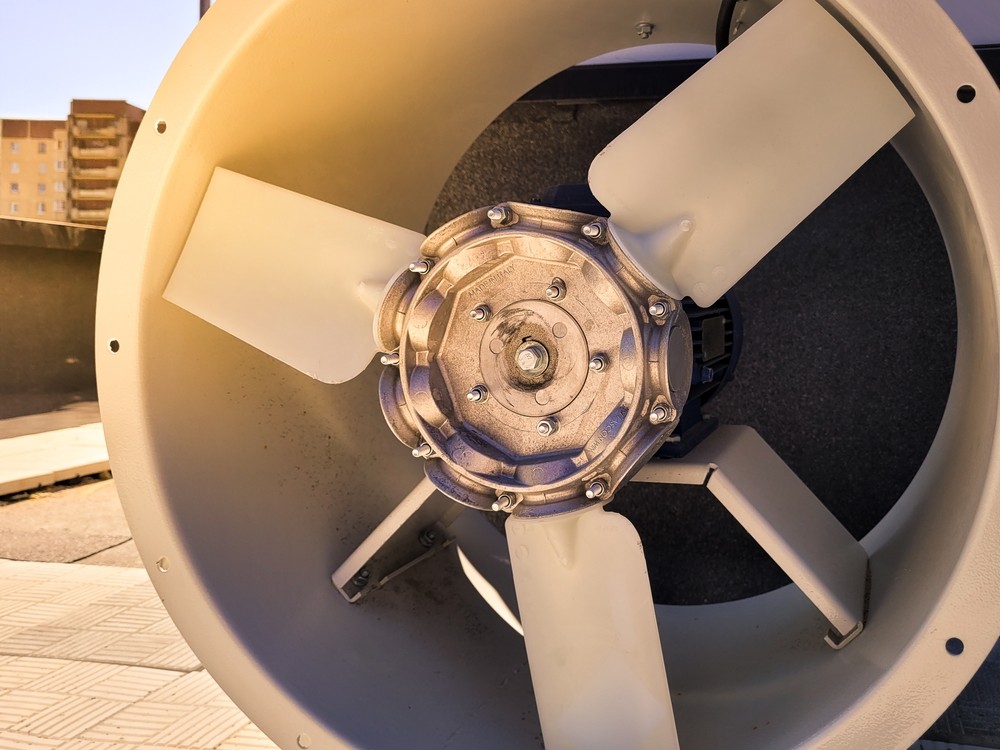
Tube axial fans excel in high-volume, low-pressure applications, while vane axial models provide superior static pressure capabilities for systems with significant resistance. Günay Soğutma's technical expertise helps facilities identify the optimal configuration based on specific airflow requirements and spatial constraints.
Material selection becomes critical in harsh environments, with stainless steel construction offering enhanced durability for corrosive applications in the food sector or chemical processing. Advanced blade designs and premium bearings contribute to long-lasting use while minimizing maintenance requirements.
Integration capabilities with existing cooling systems should guide model selection, considering mounting options and control compatibility. Günay Soğutma's custom production capabilities ensure precise matching of fan specifications to unique facility requirements, from compact machinery cooling to large-scale ventilation.
Modern axial fan models incorporate energy efficiency features like EC motors and variable speed controls, reducing power consumption by up to 30 percent compared to traditional models. Facilities that implement properly selected axial fans experience significant improvements in sustained facility performance and reduced operational costs over the equipment's lifespan.
Multiple critical factors influence axial fan performance, with blade design, motor efficiency, and system resistance being primary determinants of cooling infrastructure effectiveness. Understanding these variables ensures optimal operation and prevents premature system degradation in industrial settings.
Blade geometry and pitch directly impact airflow efficiency, with aerodynamically optimized designs reducing turbulence and energy consumption. Günay Soğutma's engineering approach incorporates computational fluid dynamics to perfect blade profiles for specific applications, maximizing energy efficiency while minimizing noise levels.
Motor quality and bearing construction significantly affect long-lasting use, with premium components extending service intervals by up to 50 percent compared to standard industrial fans. Environmental factors such as temperature extremes, humidity, and airborne contaminants require careful material selection to ensure durability in challenging operating conditions.
System resistance and ductwork configuration create backpressure that can reduce airflow capacity by as much as 30 percent if not properly accounted for in fan selection. Günay Soğutma's technical expertise in custom production ensures precise matching of fan specifications to overcome specific system challenges.
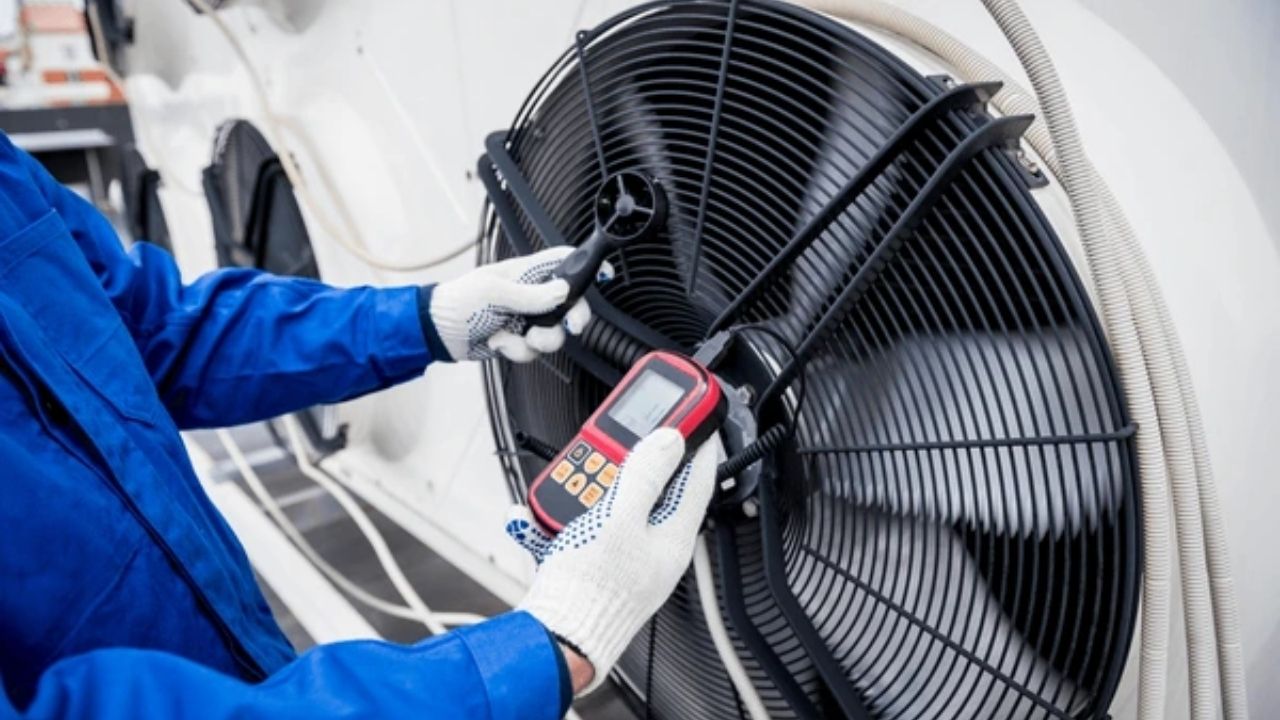
Regular maintenance protocols and proper installation alignment prevent performance degradation and extend equipment lifespan. Facilities that address these critical factors experience measurable improvements in sustained facility performance and reduced total cost of ownership, with properly maintained axial fans delivering reliable operation for decades in continuous industrial applications.

Fill out the form to discover the most suitable high-end products for your projects. Contact Us Now.
Fill out the form now not to miss our special offers for you! The latest discover our products and innovations.
Fill out the form now not to miss our special offers for you! The latest discover our products and innovations.
Notification Centre 00:00